Even though I've already left Oman, I still haven't managed to finish a couple more posts from there.
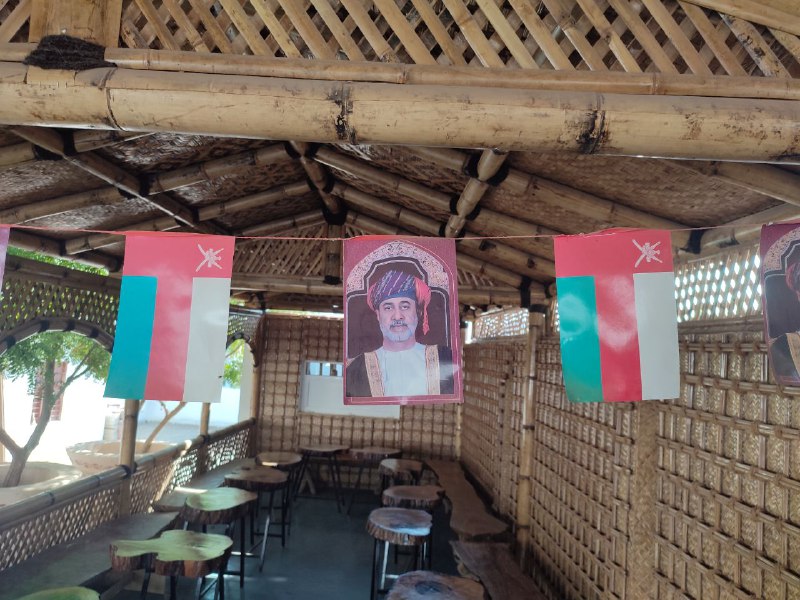
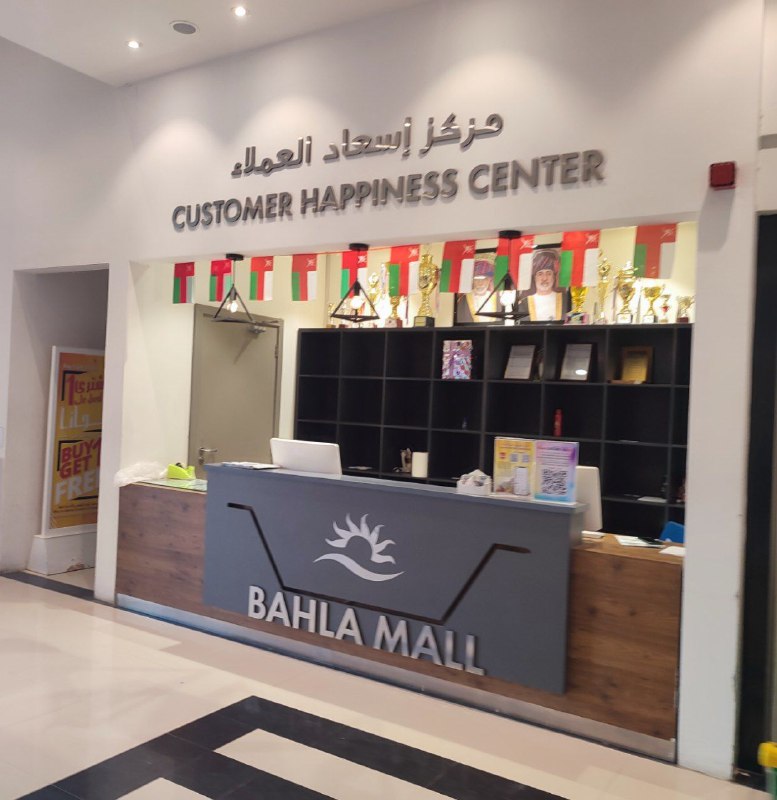
Oman is one of the few absolute monarchies today. There are fewer than ten in the modern world. Portraits of the local sultan and his predecessor Qaboos bin Said hang in many places. The latter ruled for almost 50 years and died in 2020. It's believed that people were very fortunate to have him, and he did a great deal for the sultanate. If you read about the state the country was in when he took over, the changes are truly impressive.
1970. In power was
Qaboos's father. A very eccentric ruler. Here are his accomplishments by the end of his reign: child mortality above 25%, literacy rate around 5% (no wonder when the entire country had only 3 schools), paved roads totaling just 10 (ten!) kilometers. Even their own currency had just appeared (before that they used Indian
Gulf rupees). After an assassination attempt in 1966, the monarch developed serious paranoia and started banning everything: playing football, wearing sunglasses, talking for more than 15 minutes in the street.
When it became completely unbearable, his son staged a coup and seized power from his father. The latter was exiled to England and lived in London until his death 10 years later.
Though the new ruler removed the completely insane restrictions, many political bans remain in effect today, and punishments have gotten harsher. For example, criticizing the highly respected sultan can now get you 3 to 7 years (before 2018 it was 6 months to 3 years). Tons of laws are worded vaguely for convenience in enforcement, naturally. It's just like in the best of places.
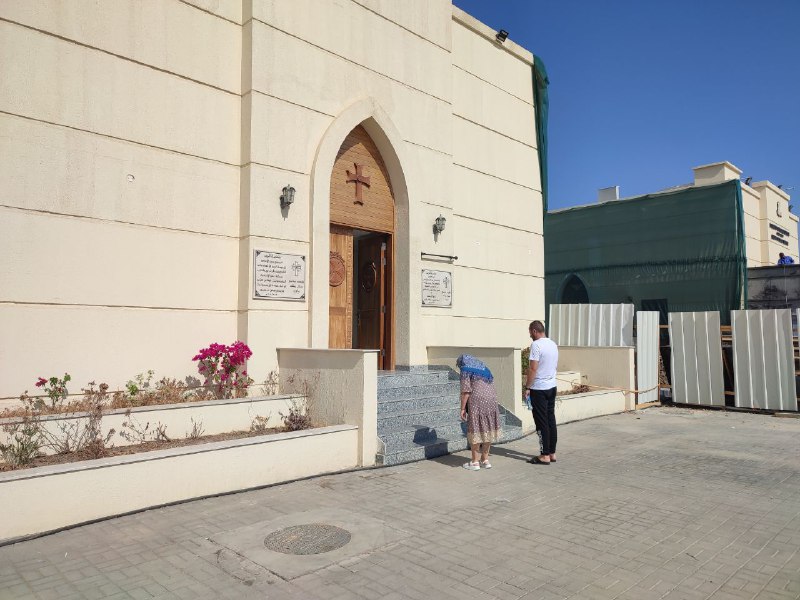
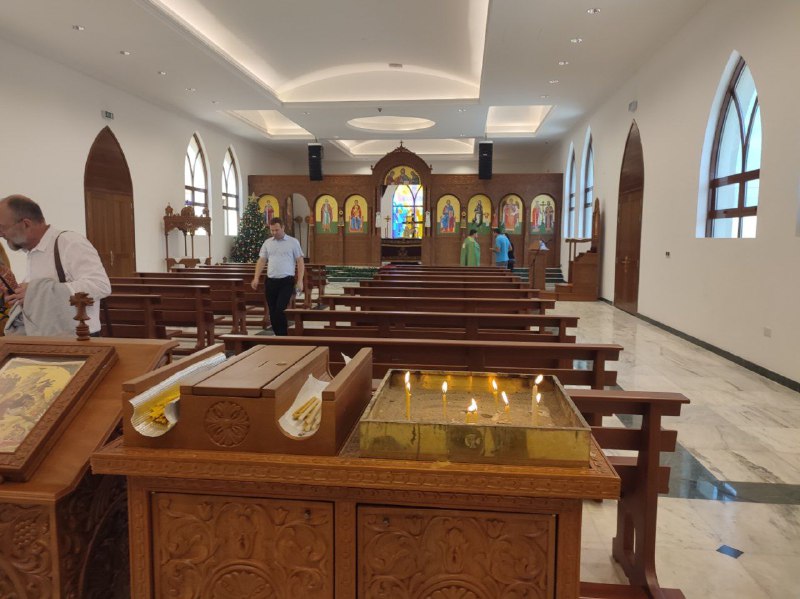
I've always been curious about how different minorities live. These things tell you a lot about a country. In Oman, the minorities are Christians and Hindus. Together they make up less than 5%.
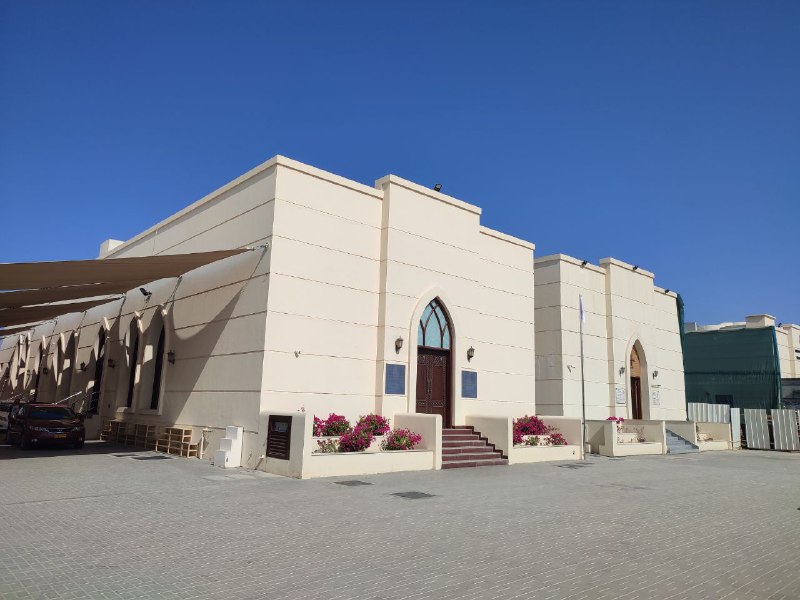
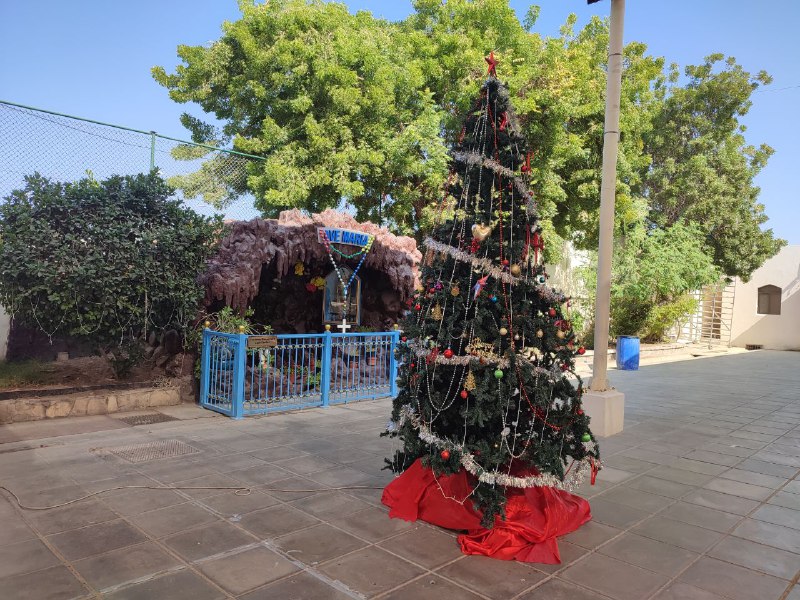
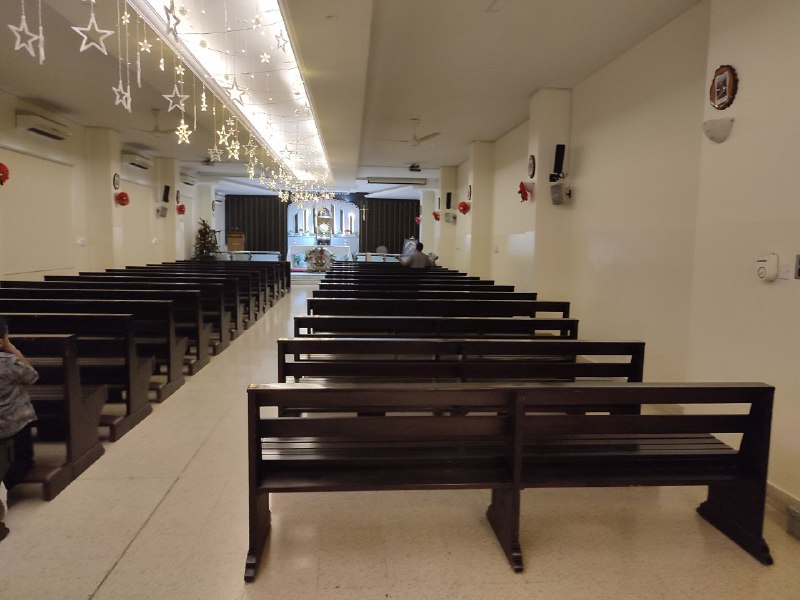
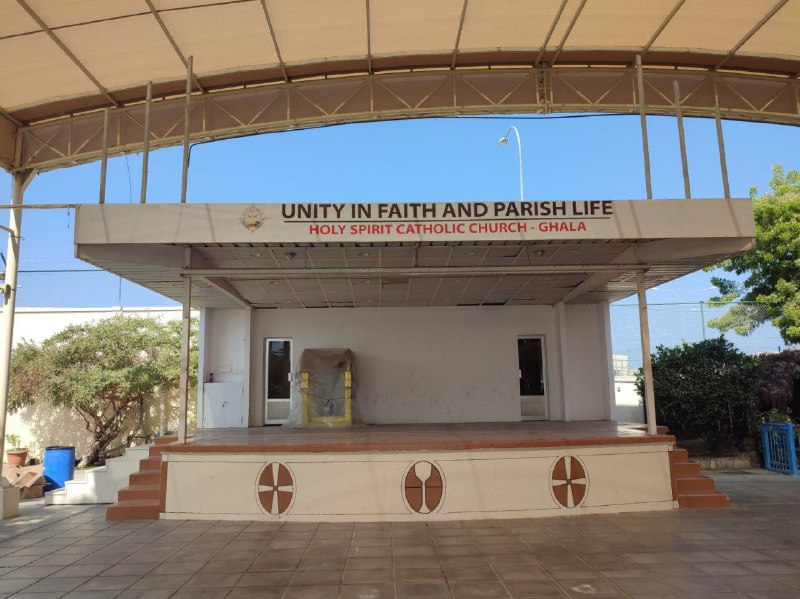
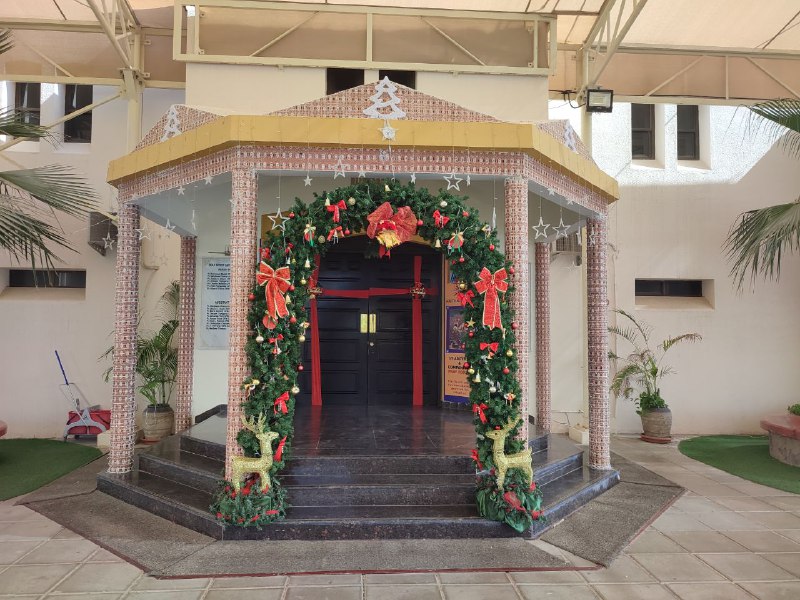
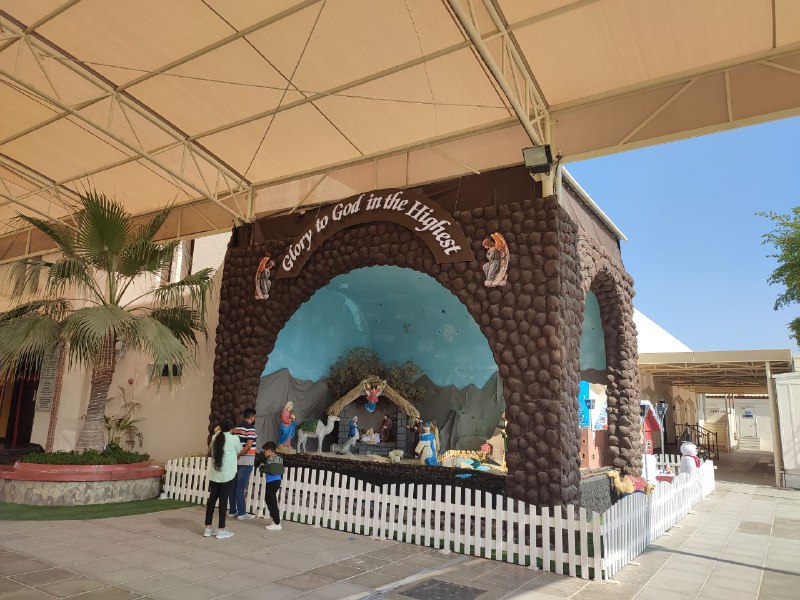
You can't just build a temple wherever you want here. You need government permission. In Muscat, Christians were given permits in the same neighborhood, so practically all the major religions ended up in one place: Catholics, Orthodox, Protestants, and many others. From the outside, you wouldn't even guess these buildings have anything to do with religion. That neighborhood was the only place where I actually remembered it's the new year.
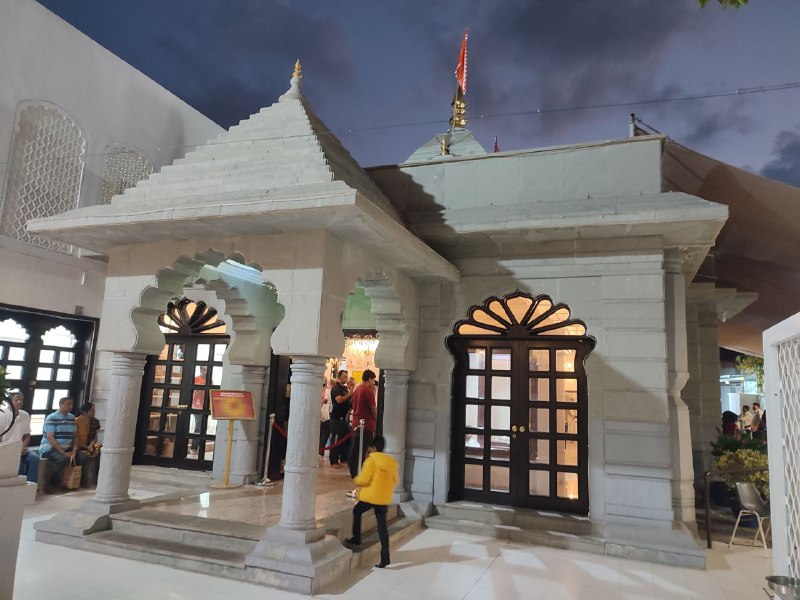
Hindus in Muscat have only 2 temples, but they're among the oldest in the Middle East. And attendance is impressive: I stopped by for 5 minutes and there was an endless stream of families coming to pray. Probably because it was a holiday.
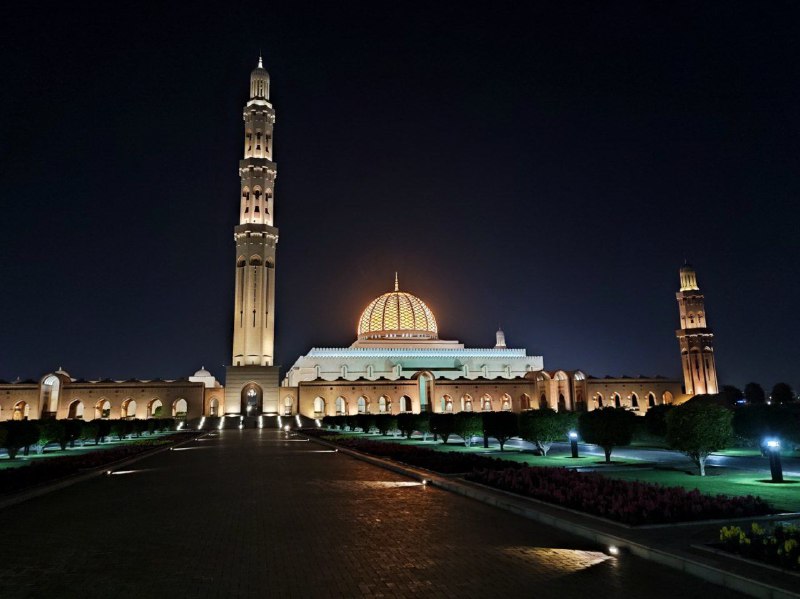
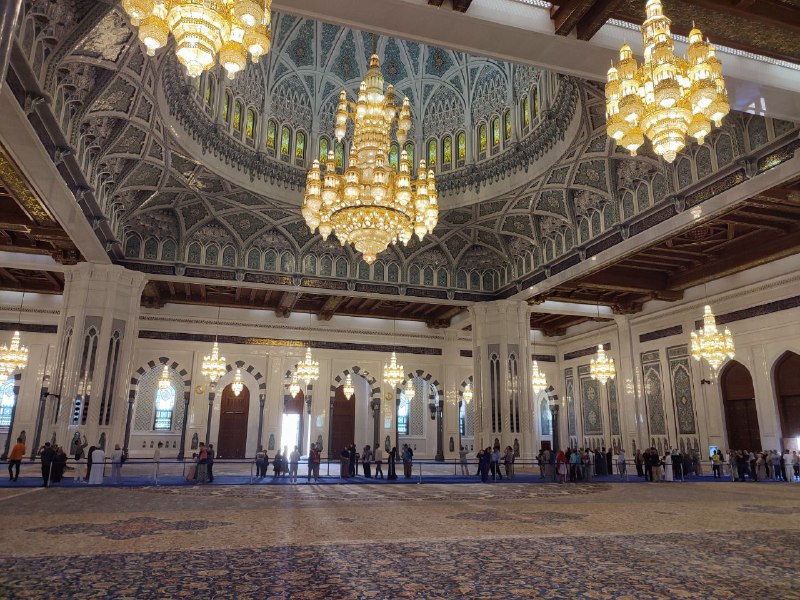
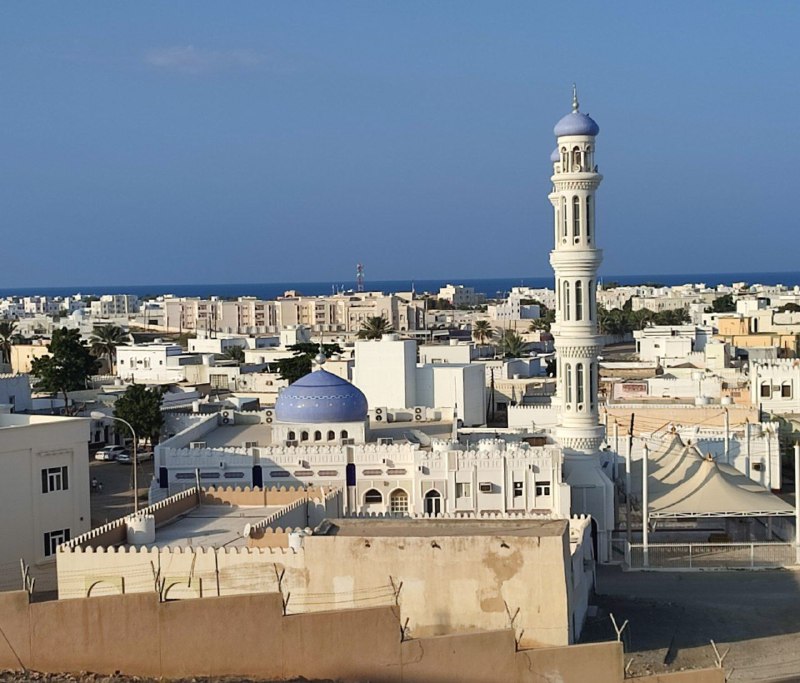
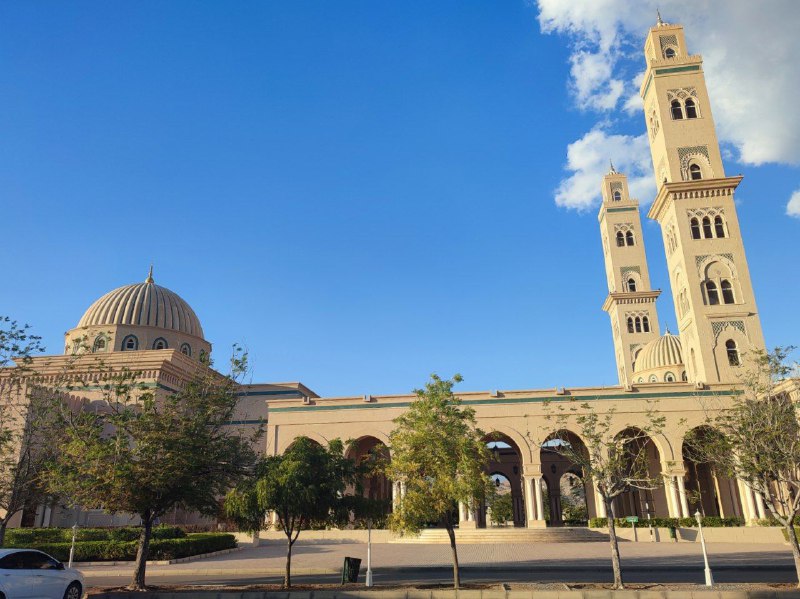
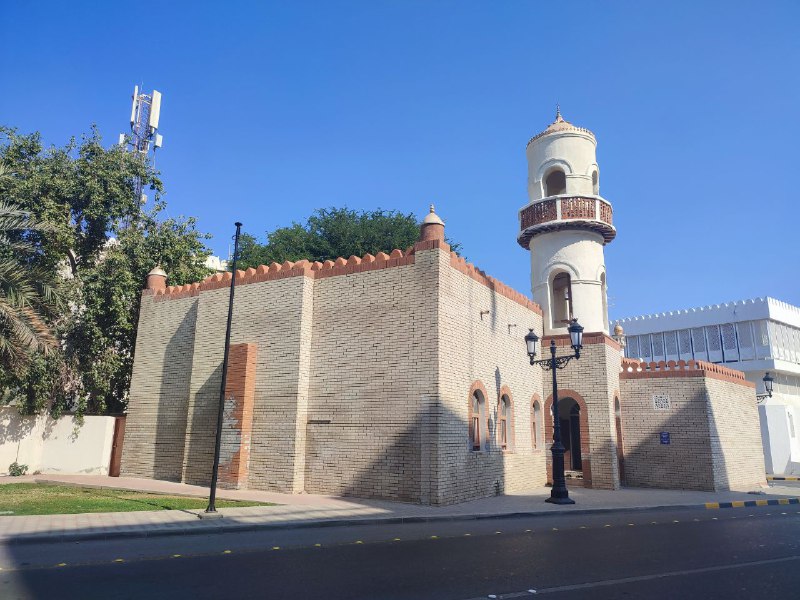
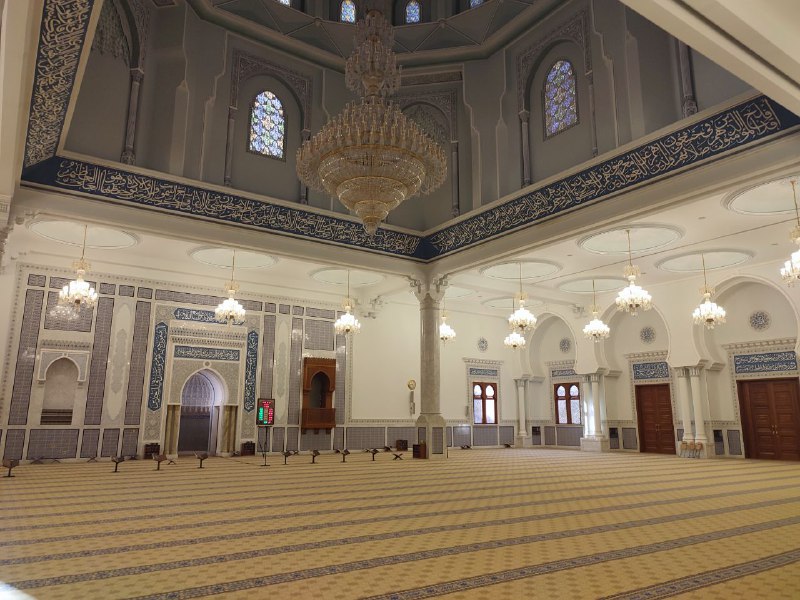
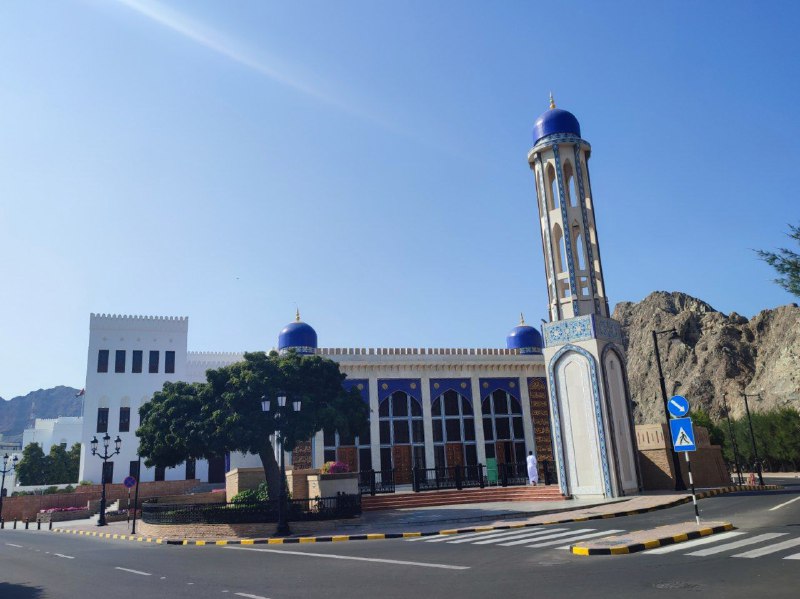
There are tons of mosques in Oman. Most of them are pretty new. You'll even find them at gas stations sometimes. That said, at the most popular ones, they either limit tourist visits to morning hours—like 8 to 11 AM—or don't let them in at all.
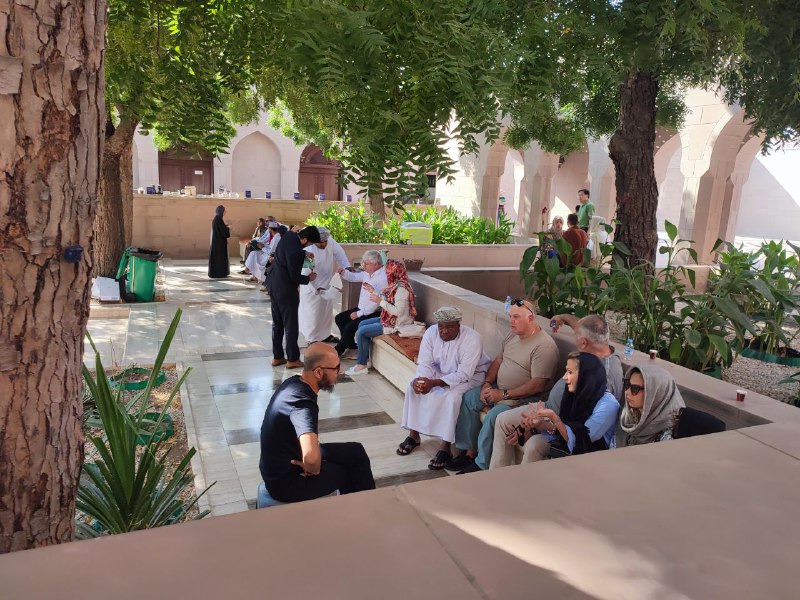
This was the first time I'd seen visitors allowed not just to check out the interior, but actually set up a separate tea area where they serve free tea and coffee and answer any questions you have about Islam. If you're really interested, they even offer literature. Some of it's in Russian too.
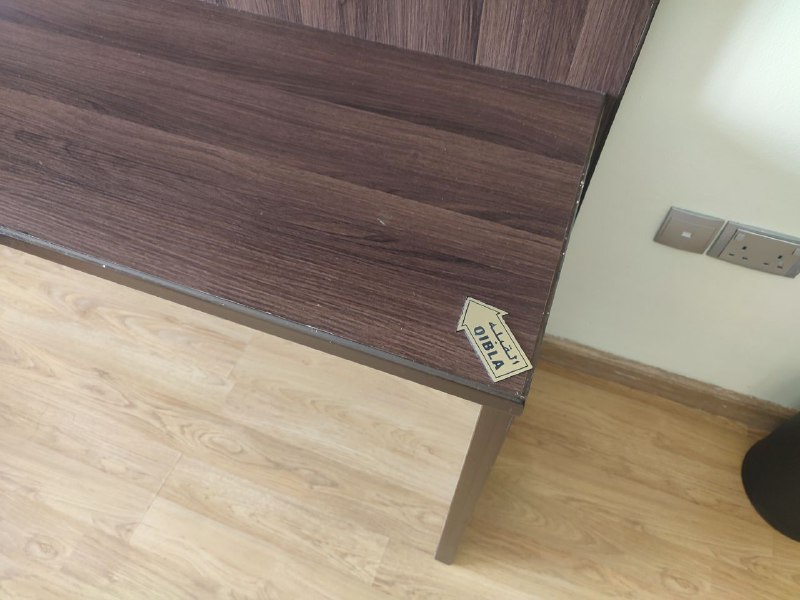
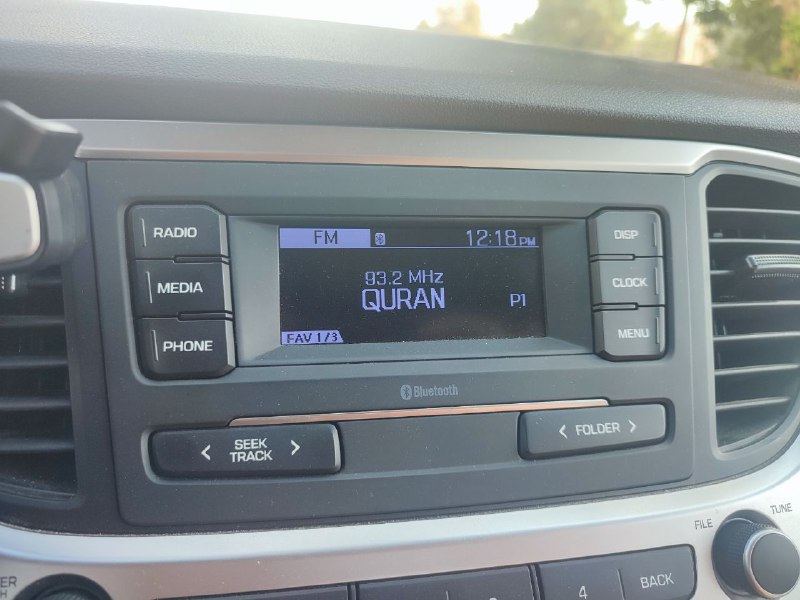
Hotels usually have a sign pointing toward the Qibla so guests know which direction to pray. And there are radio stations that just play Quran reciters nonstop (though there are music stations too, of course).
By the way, people in Oman aren't Shia or Sunni (if you want to know the difference,
redroom has a pretty good explanation), they're
Ibadis. The main differences with Ibadis are pretty subtle. Like, most people believe you can go to paradise from hell once you've atoned for your sins, but Ibadis think once you're there, that's it. There's no coming back.
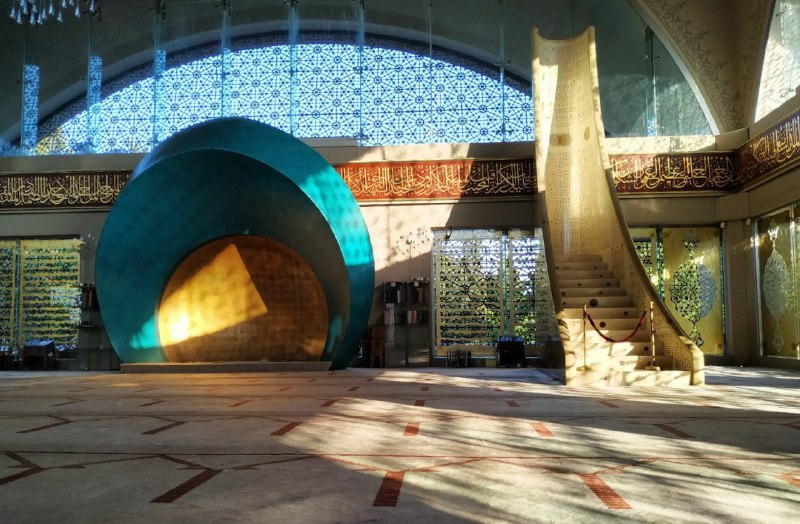
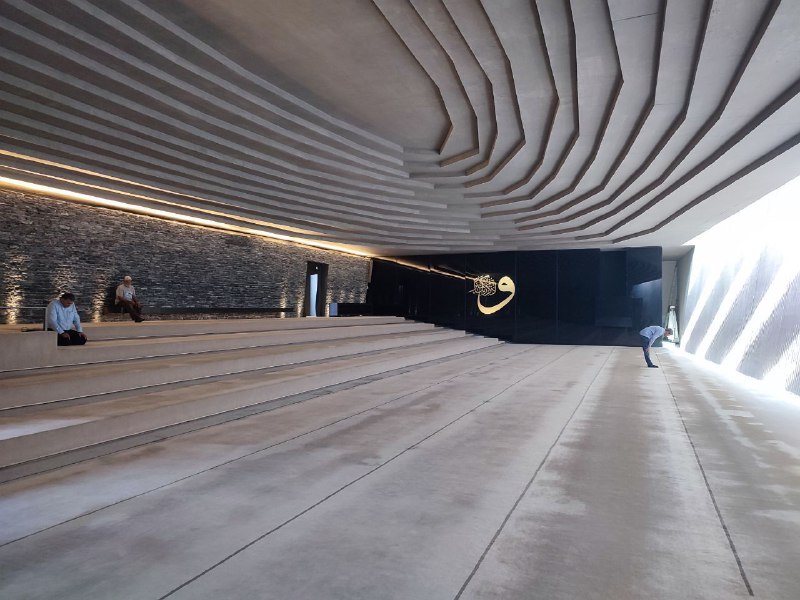
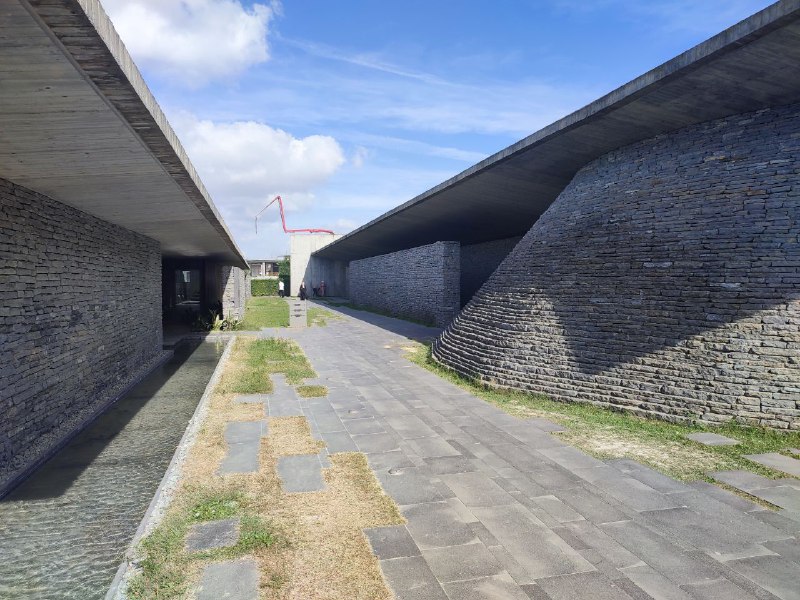
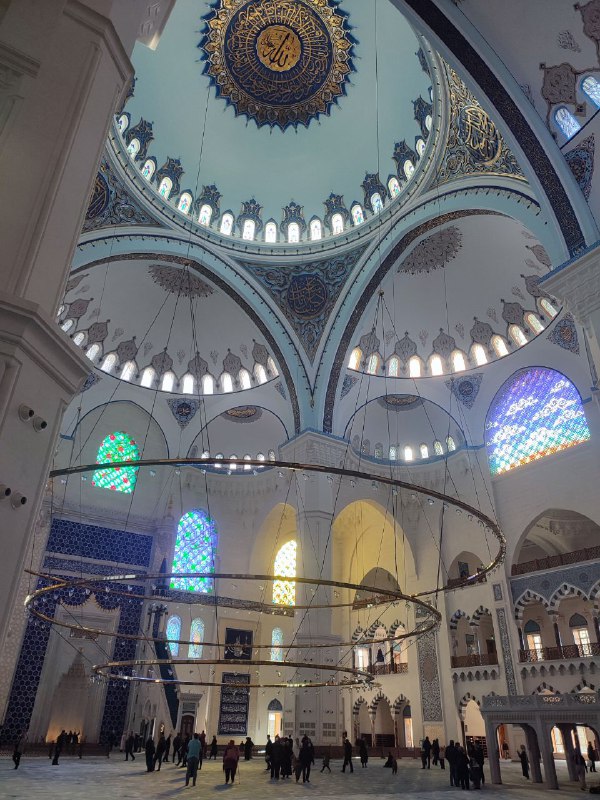
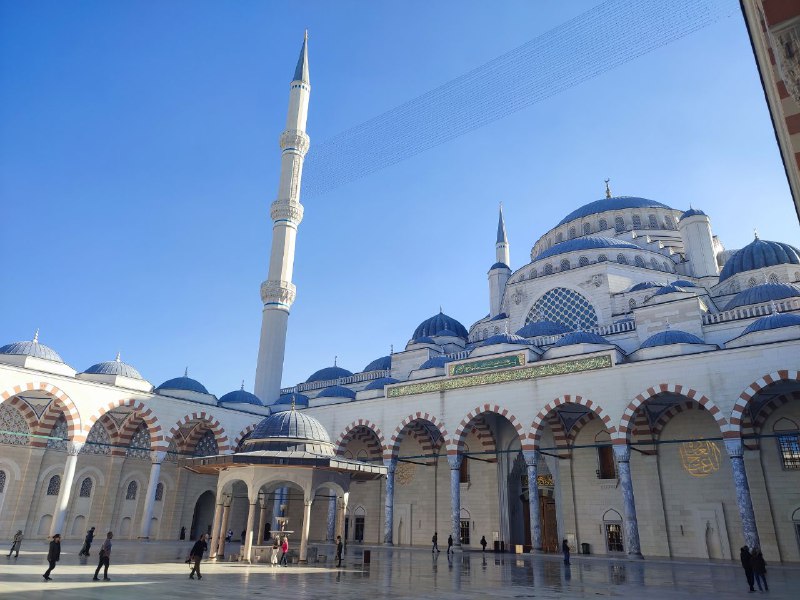
I checked out some of Istanbul's new mosques. The Turks aren't afraid to experiment and build unconventional mosques. They look really cool. The Grand Mosque is also remarkable for being designed by women, which isn't exactly a common occurrence.
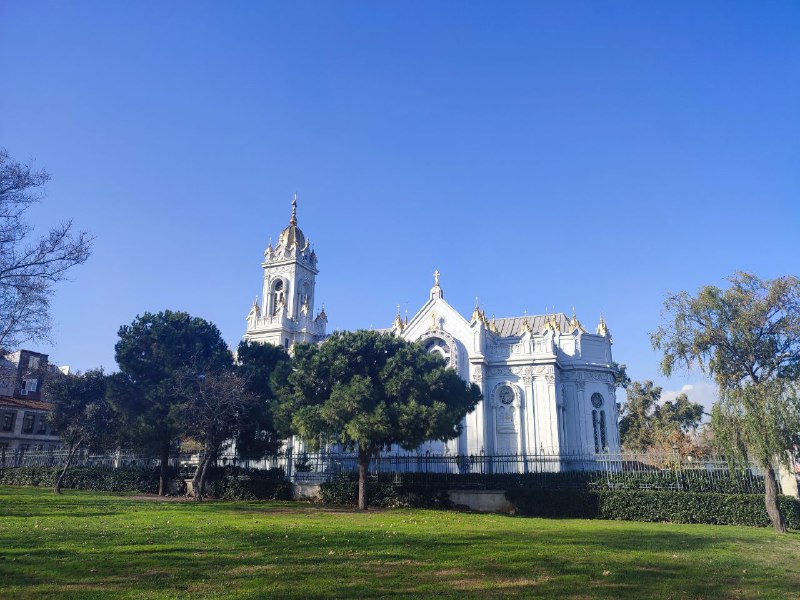
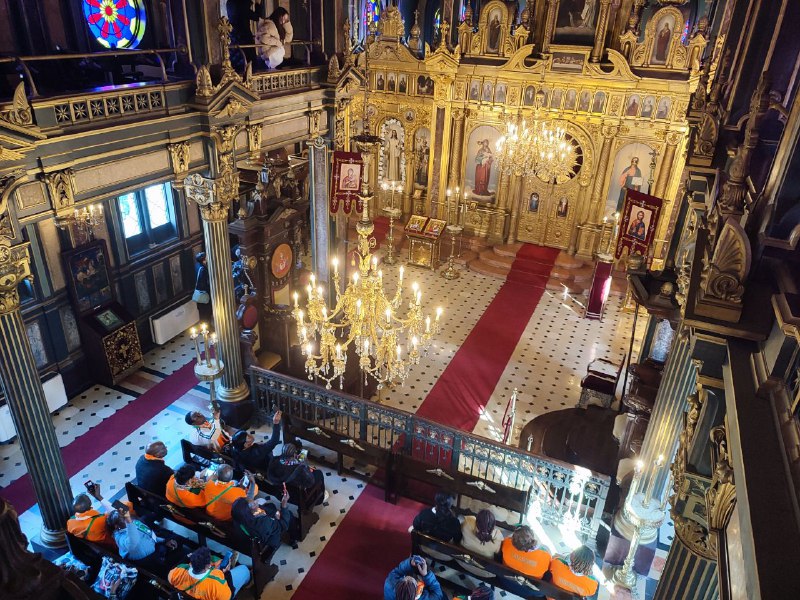
PS. The Bulgarian Iron Church isn't exactly new, but it's also pretty interesting. I was particularly impressed by the fact that the entire 500-ton structure was cast in Vienna and then shipped down the Danube to here.
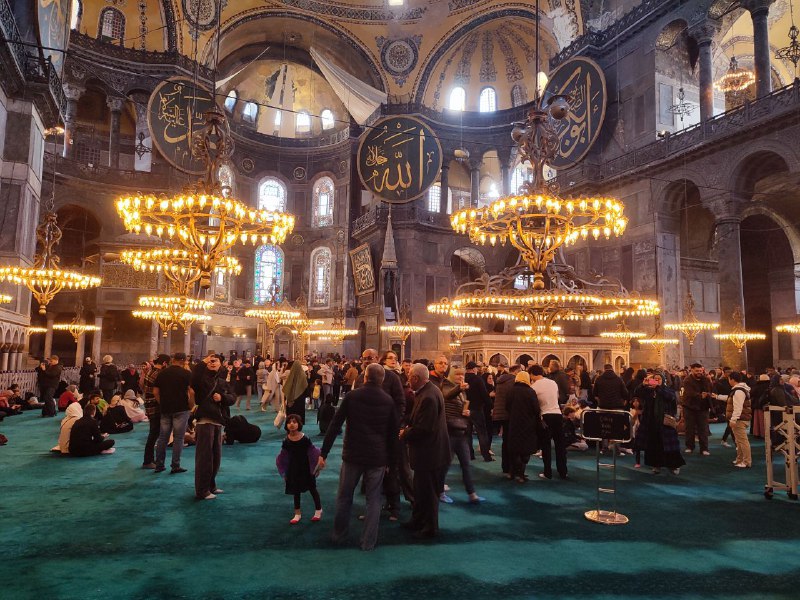
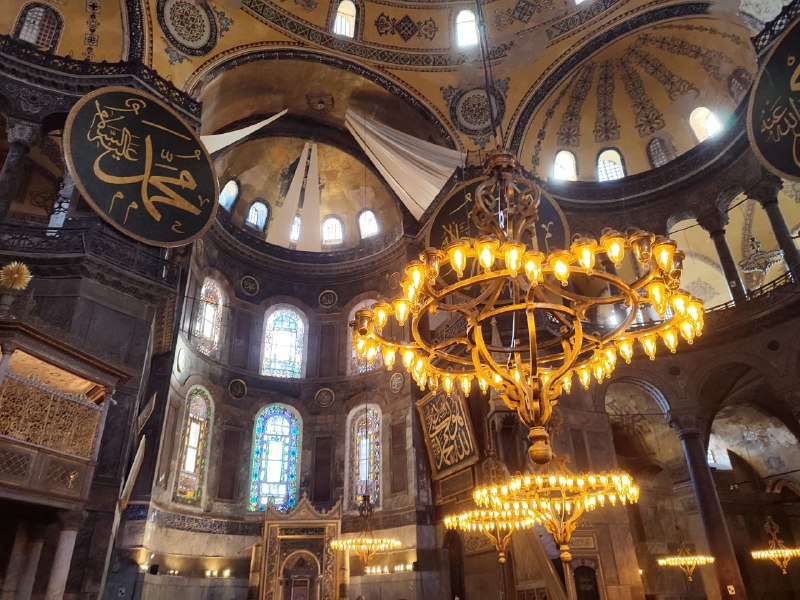
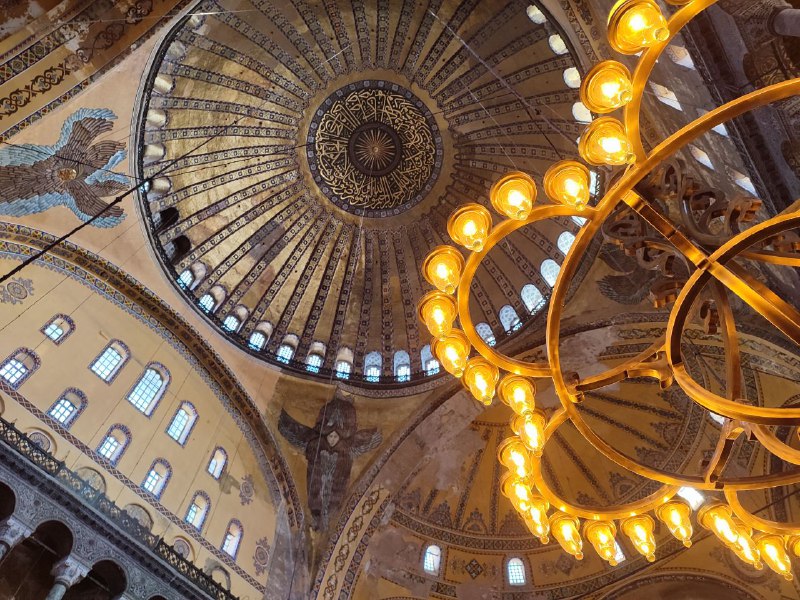
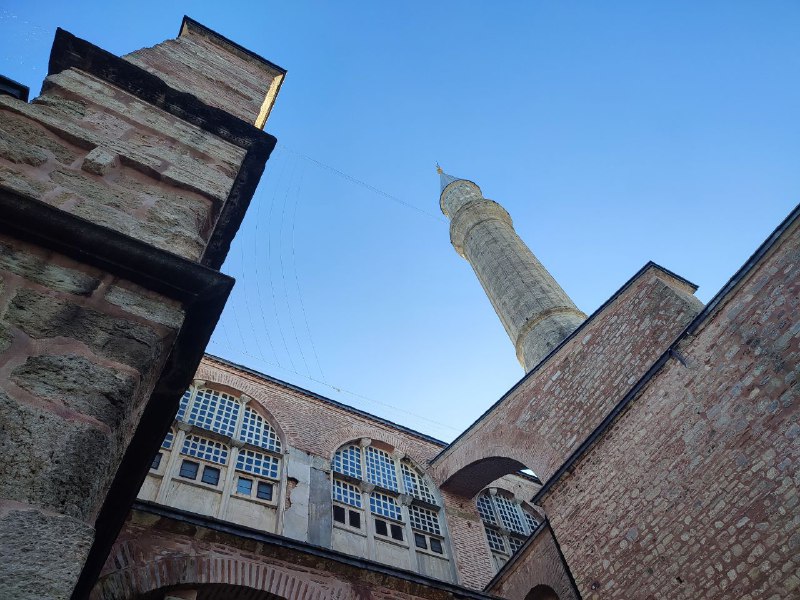
Stopped by Hagia Sophia again since they're still letting people in for free. They're threatening to start charging tourists from mid-January. Everything looks different from when it was a museum. Carpets, really bright lighting, and you can't walk everywhere.
Can't get to the second floor. Not at all. Though they're planning to fix that too in January. For your money, any wish is possible.
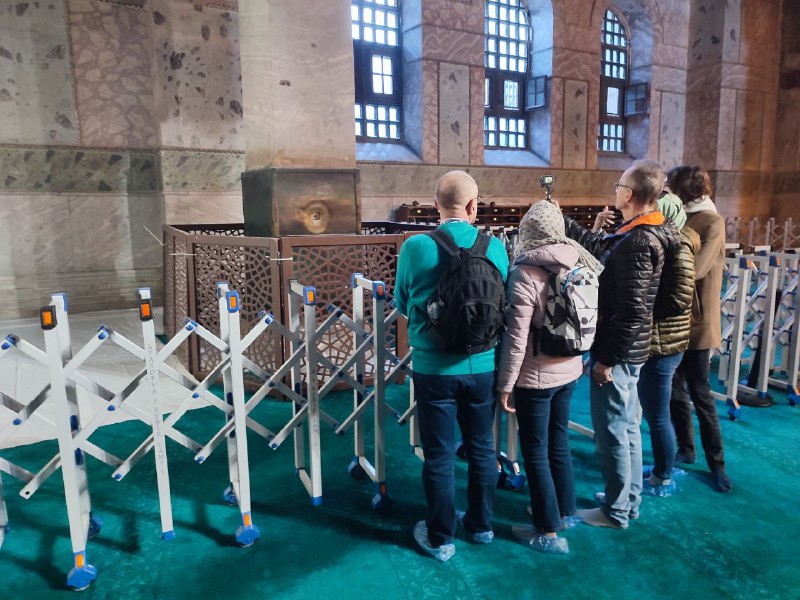
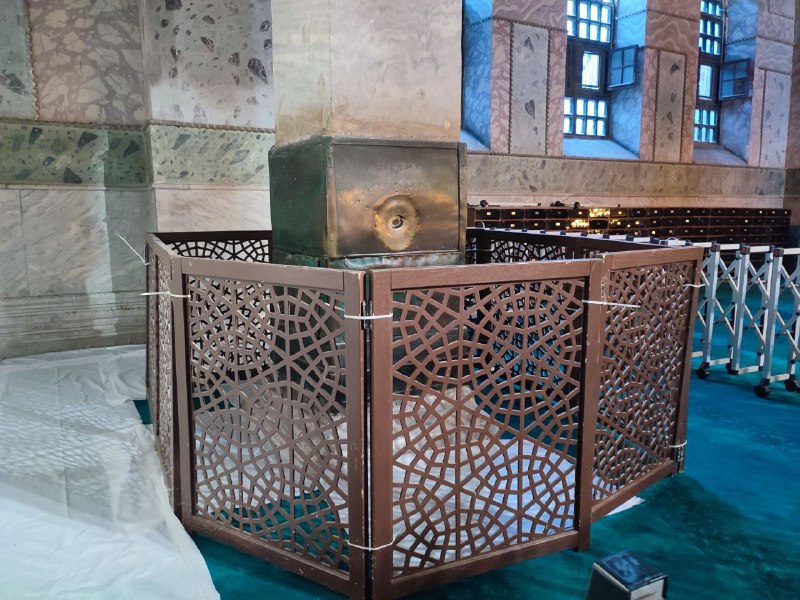
But that's not even the most frustrating part. I read online about a special column inside. According to legend, you make a wish, stick your thumb in the hole, and twist it 360 degrees. If it gets wet, your wish is guaranteed to come true. At some point they decided to protect the column and covered it with bronze sheets. That didn't stop the pilgrims though. They poked holes through the bronze and kept going with the ritual. Today they've blocked access with a little fence and you can't reach it by hand. And no one's trying to climb over it. I haven't heard any promises to open it up again.
Looks like I'm leaving without making a wish :(
Think Muslims can't be Orthodox or Catholic? On the Balkans — they can!
Here, Muslim isn't just someone who follows Islam, but also an
ethnicity. These two groups of people don't overlap perfectly (though they do intersect).
Let's go back about 500 years. The Ottomans rule the Balkans. Many Bosnian residents change their religion. And they call themselves
Turks. Of course, this had nothing to do with modern Turks—it meant belonging to Islam. If they needed to specify geography, they'd say they were Bosniak. Ethnicity didn't matter much back then.
By the end of the 19th century, the Ottomans were gone, and the word "Turk" was about to take on a different meaning. Austro-Hungary, which replaced the Ottoman Empire, decided to help BiH residents figure out their identity and declared everyone Bosniaks. It didn't stick: Bosnian Islamic intellectuals of that era often considered themselves (surprisingly) Serbs or Croats. What more can you say about everyone else? It's no coincidence that the Yugoslav Kingdom was initially called the Kingdom of Serbs, Croats and Slovenes.
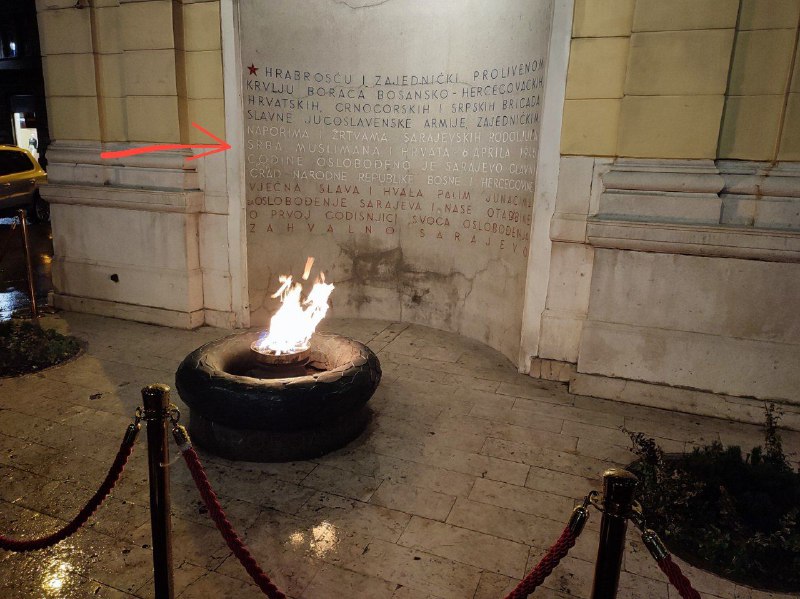
Around the same time, there were ideas floating around about dividing Bosnian lands between Serbia and Croatia. These changed how people thought about nationality. Separatist sentiments even emerged. But then came World War II, followed by communists. BiH became a separate republic within Yugoslavia, but the people living there still had no name. Most practiced Islam, so the party decided to call everyone Muslims. Regardless of religion. In the photo is an eternal flame in Sarajevo. That's where Muslims are a nationality.
After Yugoslavia fell apart, everything was redrawn again. All residents started being called Bosnians, while Bosniaks became the term for people whose ancestors converted to Islam under Ottoman rule. Though even now, everyone basically argues whether Bosniaks are Serbs and Croats who adopted Islam, or a separate people altogether. It's a very sensitive topic and can spark heated discussions. But you shouldn't count out Muslim nationality just yet: even today, tens of thousands of people on the Balkans identify with it.
While reading about
Sarajevo roses, I stumbled upon a completely wild story from the time of the Sarajevo siege in 1992-96.
The story goes that very wealthy foreigners could pay big money to buy an "adventure" and shoot at city residents with a sniper rifle. There doesn't seem to be enough evidence for court yet, but overall the gathered facts look quite plausible. Last year, the Slovenes released a documentary called "
Sarajevo Safari" about this story. I should check it out.
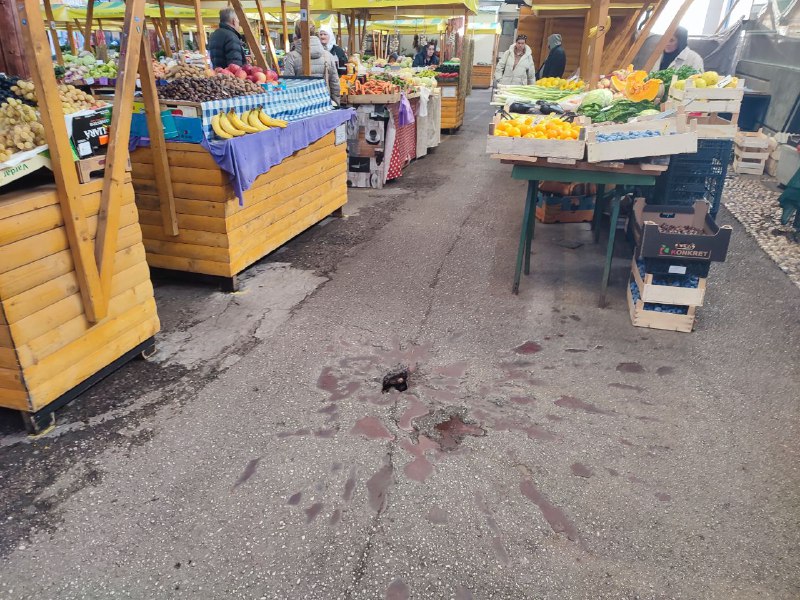
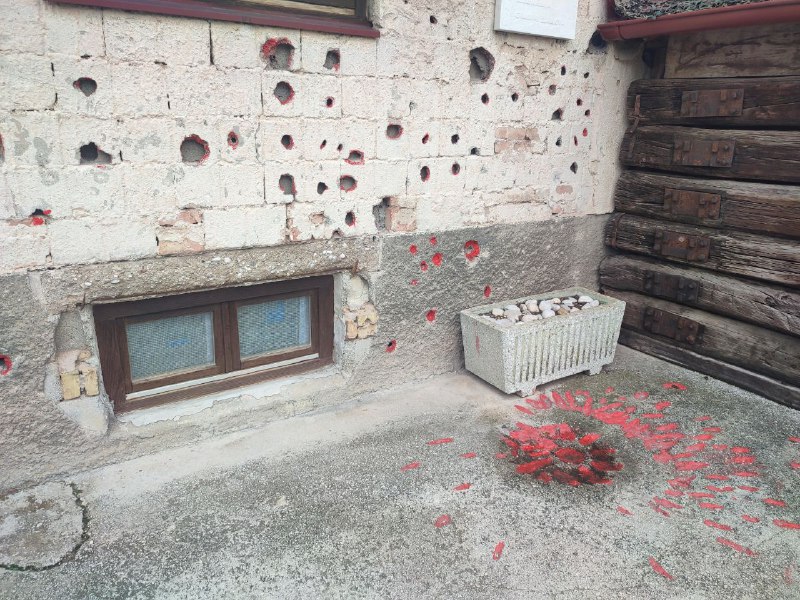
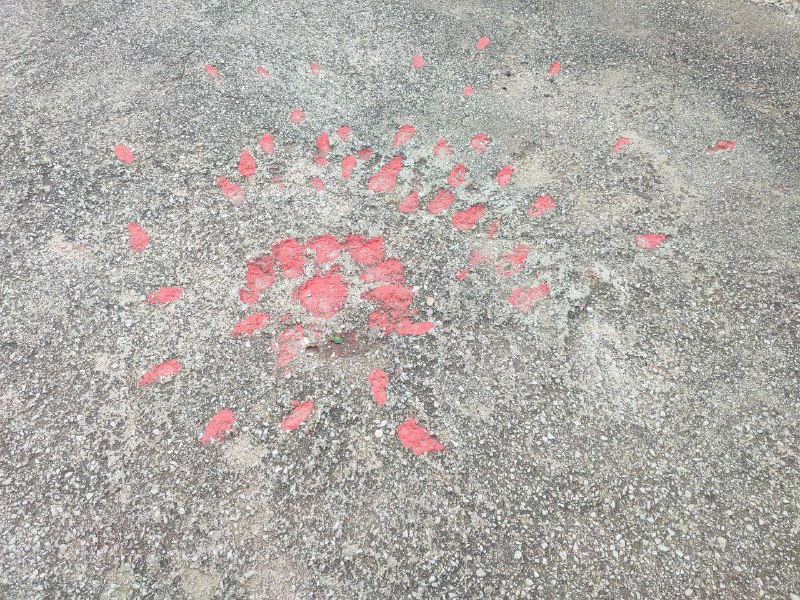
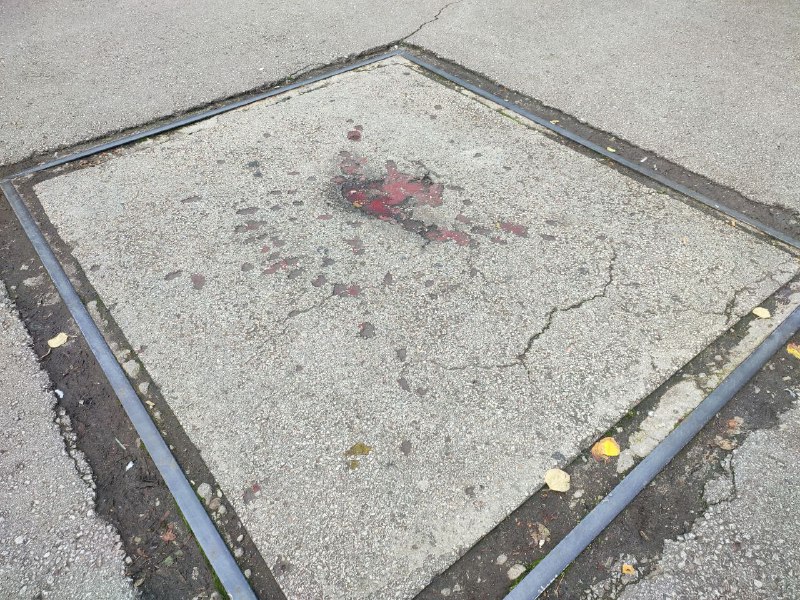
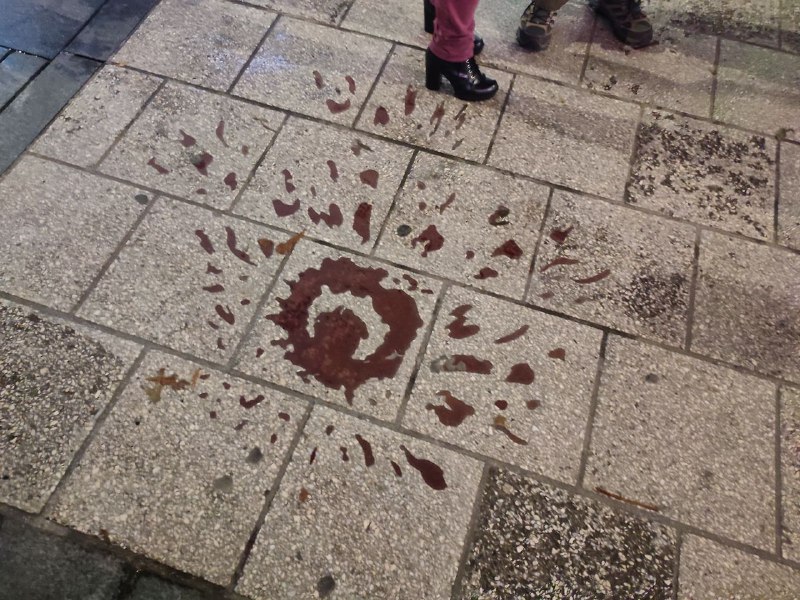
I never really noticed Sarajevo Roses before. They're memorials in places where artillery shells landed during the Bosnian War and killed three or more people.
Instead of filling the shrapnel damage with new asphalt, they used tar mixed with red paint. It ended up looking like rose petals, which is where the name comes from.
There are about 200 of these roses scattered throughout the city. Lately, there are fewer of them: when roads are repaired, sometimes the surface is just replaced without restoring the memorial. A few are very well-known landmarks for locals and even get restored. But the others might disappear over time.
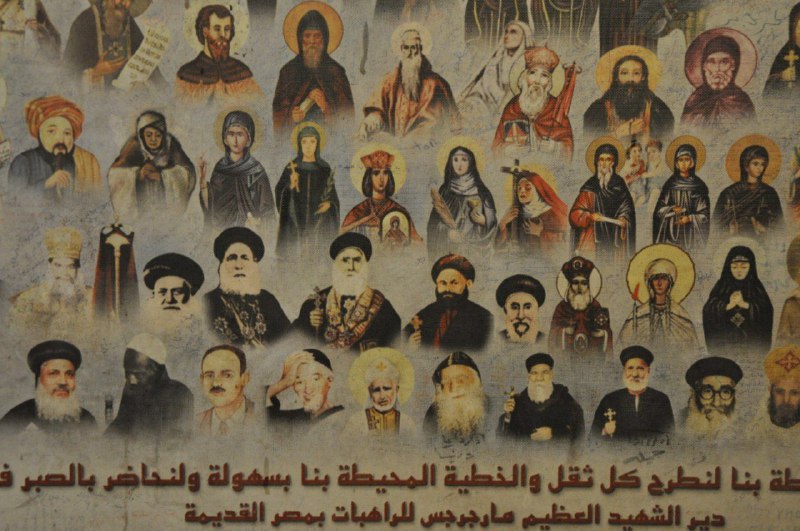
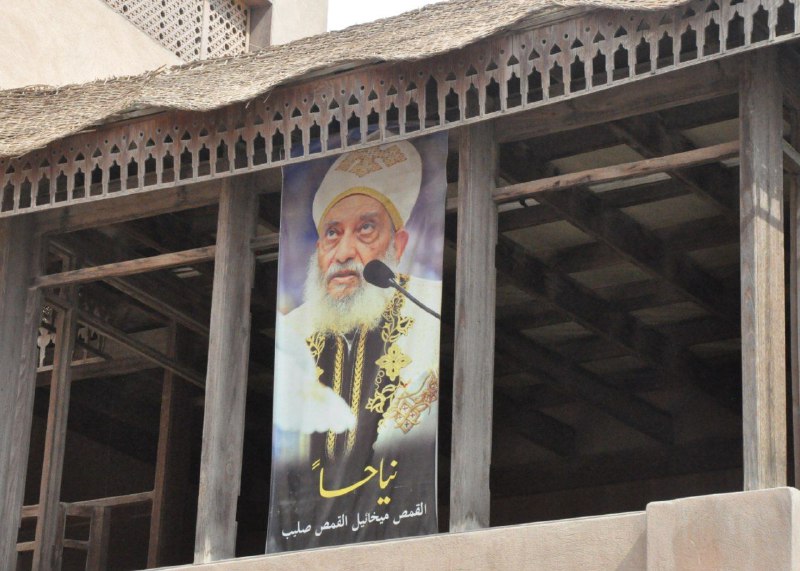
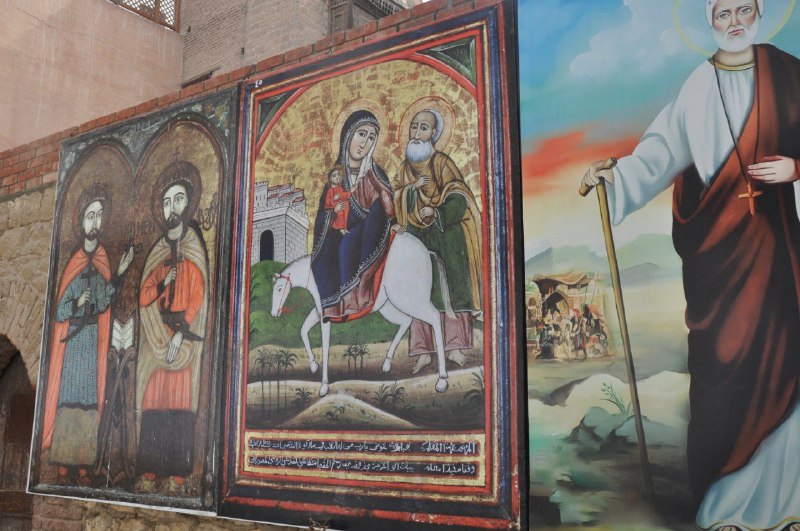
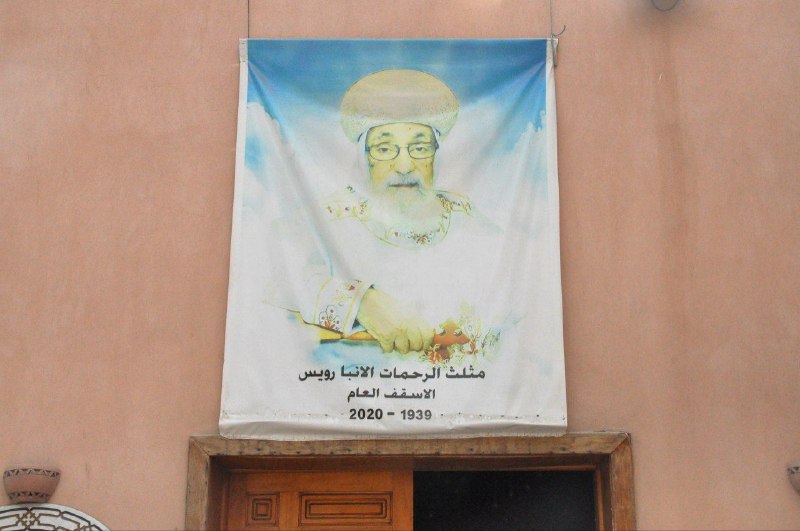
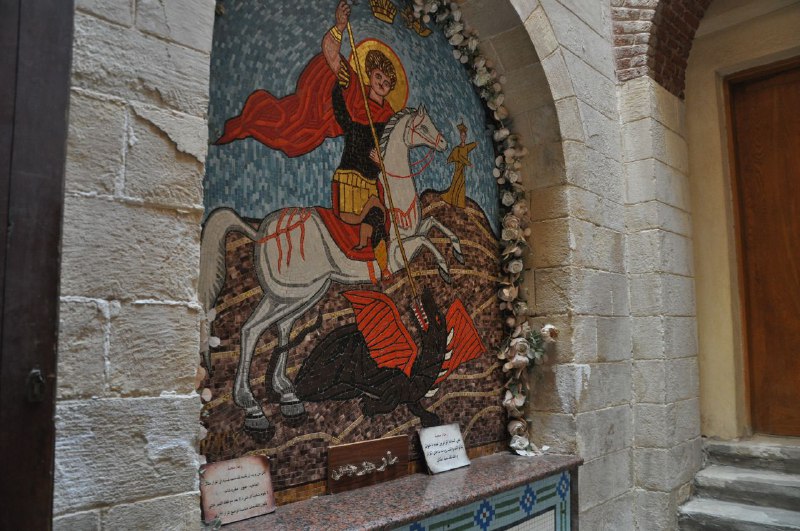
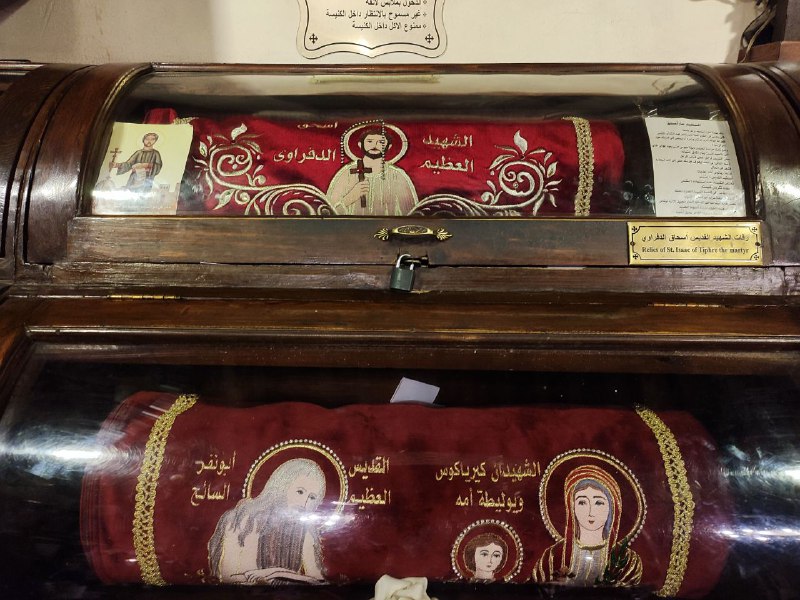
When you see a religious image of bearded Arab elders in turbans next to Arabic calligraphy, your brain automatically makes the connection — oh, Islam, got it. But that's not always the case!
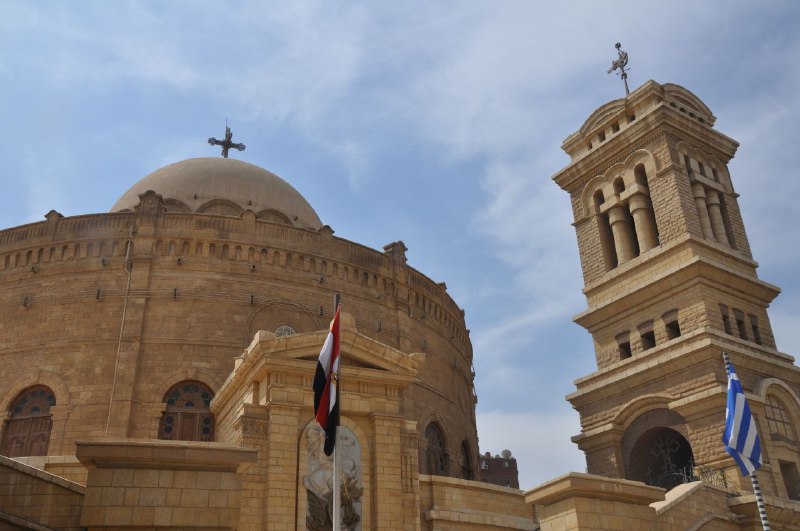
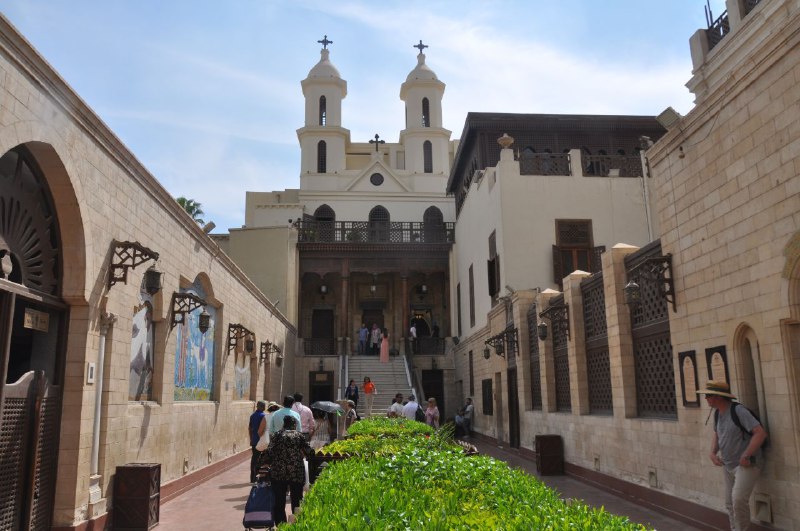
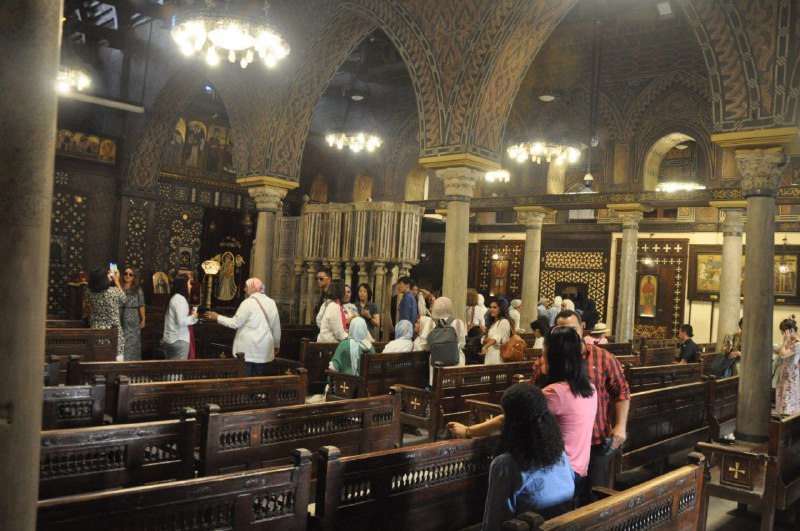
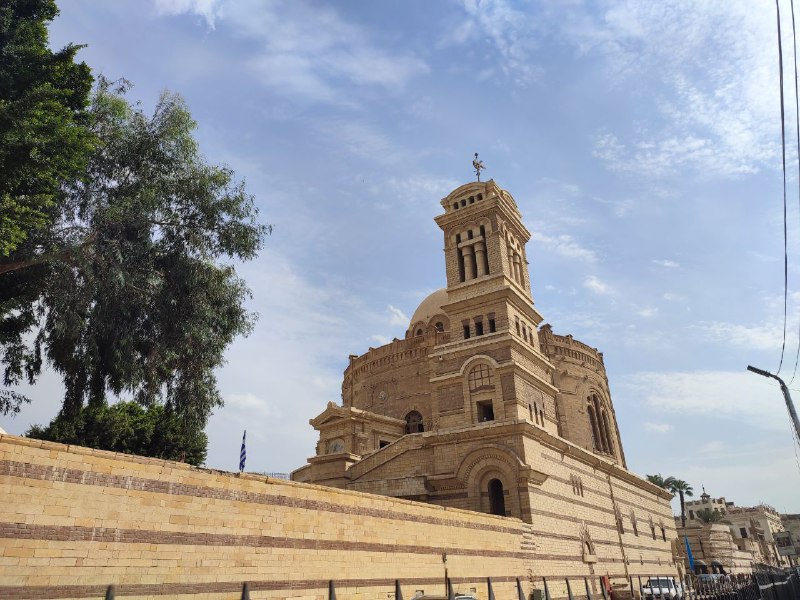
In Egypt, you'll find the same imagery in Christianity too. Same elders, same inscriptions, different religion. Over 10% of the country are Coptic Christians. In Old Cairo, there's a huge neighborhood packed with churches stacked on top of each other (plus a couple of synagogues). Icons with calligraphy do a pretty good job of breaking those stereotypes too.
Technically, Egypt has religious freedom. In practice, it's complicated. For example, Copts used to need permission from the president himself just to do minor temple repairs. Why? Nobody knows. Mosques don't have that rule.
Religious beliefs are written in your passport. So if someone decides to convert from one religion to another, it's a whole ordeal involving document changes. Converting to Islam is easy and straightforward, but going the other way? Not so much. A few years ago, courts refused to issue new passports to dozens of Egyptians converting to Christianity. Eventually, 12 of them won their case at the highest court a year later, but they got marked as "defectors."
One last thing about Algeria. If you ever find yourself choosing between Algeria and Iceland for your next trip, this story might help you decide.
As soon as North Africa became Muslim, pirates showed up here, dealing in the slave trade of Europeans. Over time, their influence and activity grew. In the 15th century, the head of Algeria was the notorious
Hayreddin Barbarossa. And by the late 18th century, 20% of the US federal budget went to the Algerian Regency just to
leave American ships alone.
In the summer of 1627, pirates led by a
Dutchmanreached Iceland. The raid was successful—they captured almost 400 Icelanders into slavery (that's about 1% of the population at the time, by the way).
For over 9 years, people on the island collected money to ransom their countrymen. Twice, when they'd successfully saved up enough, the trusted representatives used the money for trading instead, and they had to start all over. In the end, they managed to free about 50 people, but some of them decided not to leave. So make of that what you will :)
Jokes aside, the captives probably converted to Islam to make life easier, and after 10+ years, they saw no point in coming back. Plus, not everyone who did dare to return home actually made it.
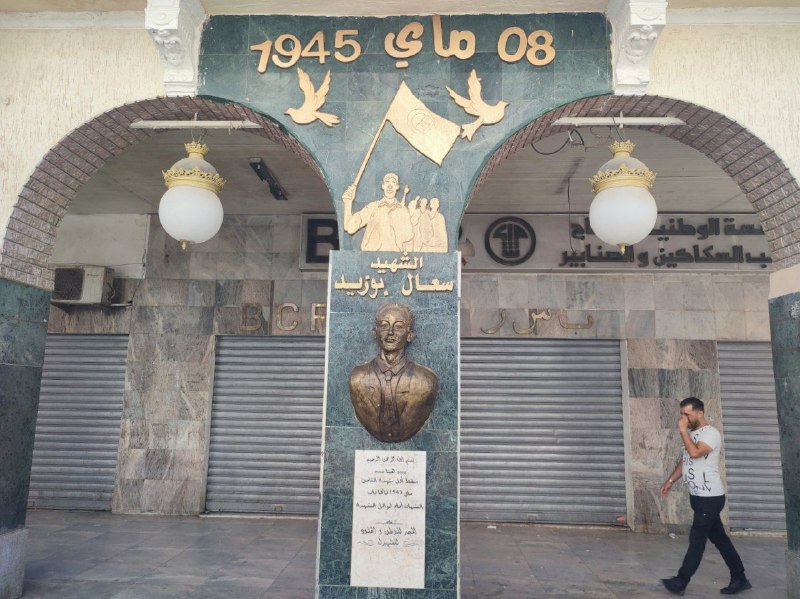
A bit more of a sad colonial history lesson. May 8th is celebrated in Europe as victory over fascism. In Algeria, it's a day of mourning for tens of thousands of fellow citizens killed by French gendarmes.
During World War II, France actively recruited soldiers from residents of its African colonies. Algeria was no exception. Locals I talked to about this told me that France lured people to the front with promises of independence if they won, but they didn't keep their word. I couldn't find any direct promises myself, but maybe I just don't know how to look properly.
Demands for independence grew louder toward the end of the war. On May 8, 1945, thousands of people took to the streets in Algerian cities to celebrate the defeat of the Nazis. In Sétif and Guelma, the processions turned into clashes with French police, in which there were casualties on both sides. In response, the security forces carried out a real massacre. The unrest lasted several days but was brutally suppressed. The result: up to 30,000 civilians killed.
The massacre made the French think that peaceful negotiations with Arabs were impossible and that everything needed to be solved by force. And it made Algerians think that with proper preparation, they could win their freedom. They did. But the cost was steep: a long, bloody war from 1954 to 1963 claimed at least half a million lives.
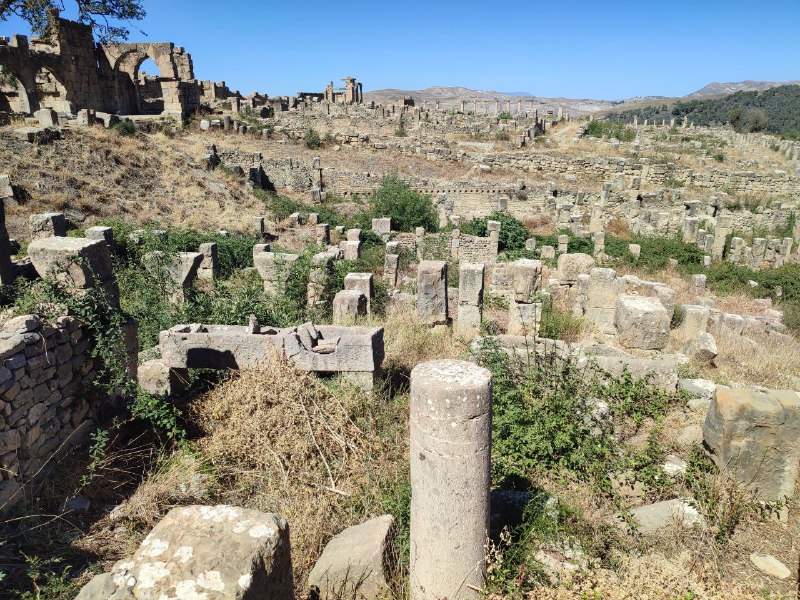
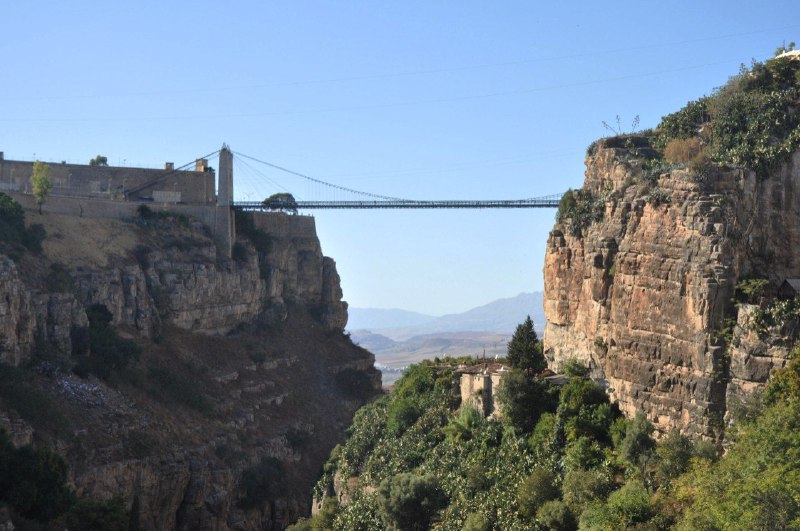
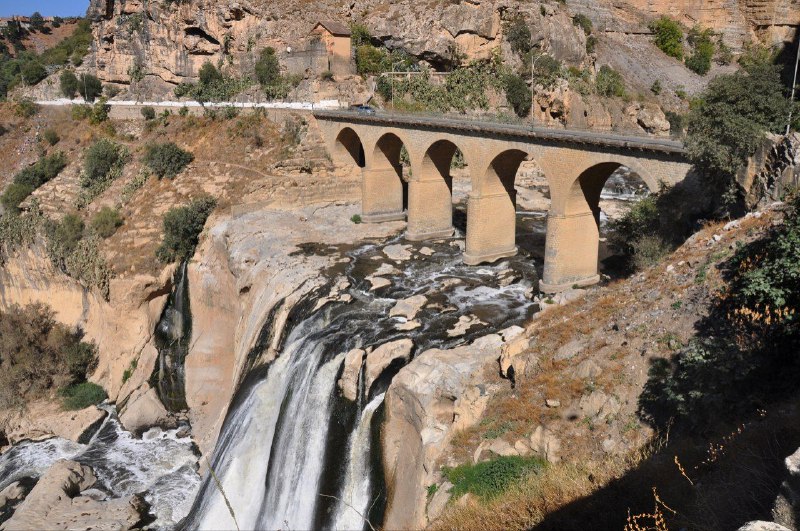
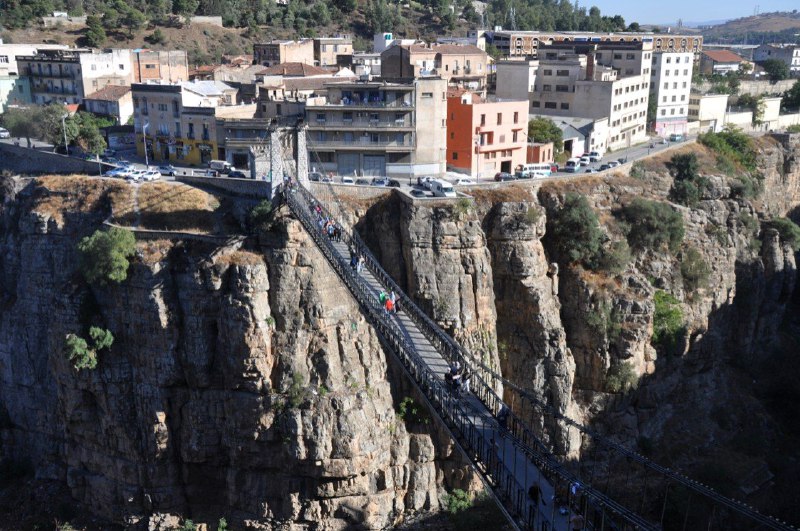
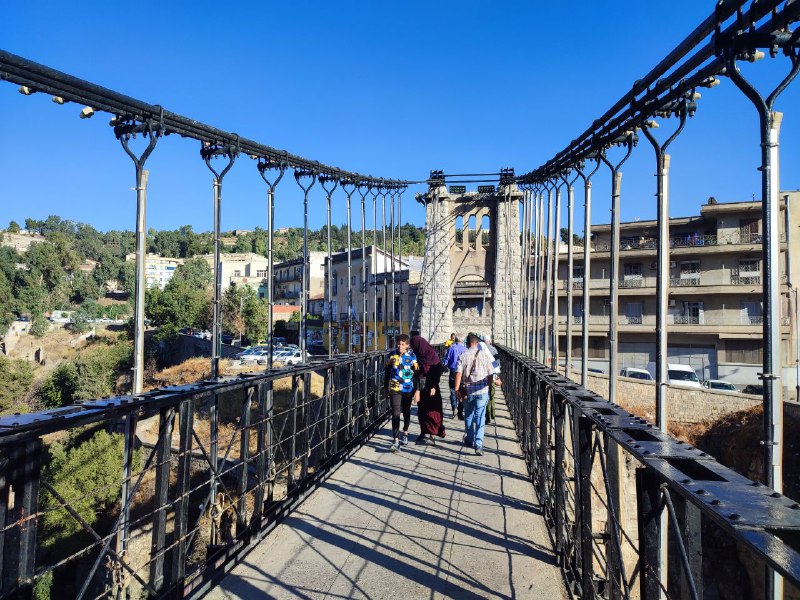
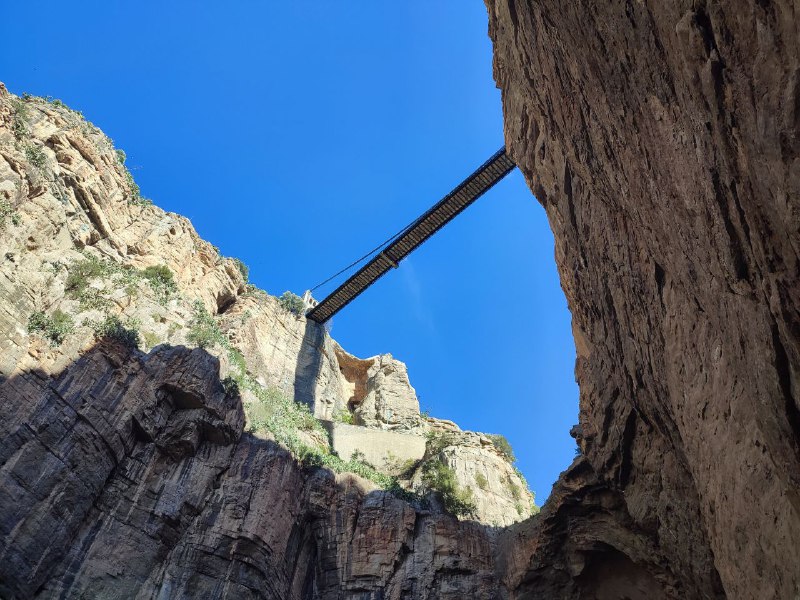
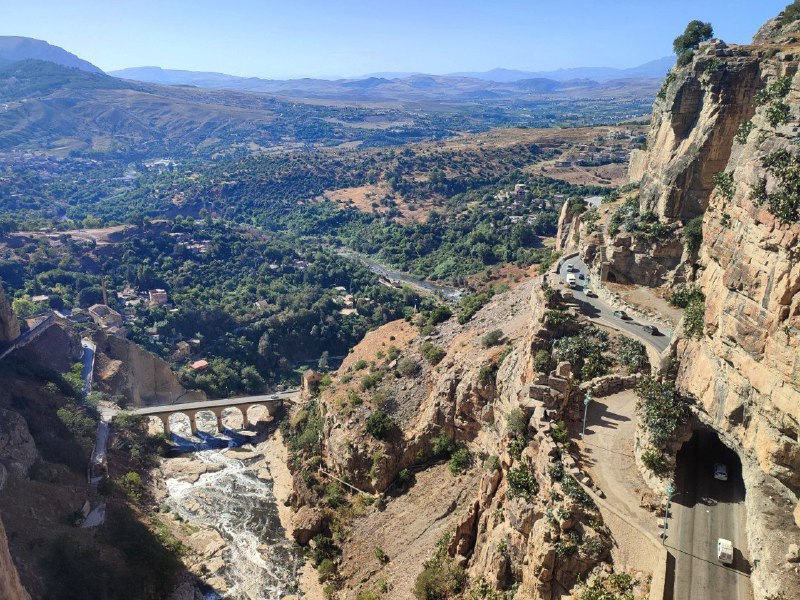
Constantine is a city of bridges. The Romans started building them, the Ottomans continued, then the French took over, and now Algerians handle it themselves. The settlement sits on a rocky plateau with a gorge that needs to be crossed. There's no way around bridges.
When I was reading about Constantine, I got really hooked by the
1934 riots. Or rather, what led up to them. Back in the 14th century, Sephardi Jews fled to Algeria to escape Spanish authorities and lived here pretty peacefully for the next 500 years. In the mid-19th century, the French colonized the country. About 20 years later, they passed a
law that automatically granted French citizenship to all Algerian Jews.
The idea had some pretty vocal opponents back in France itself. Charles du Bouzet, former mayor of Oran and special commissioner for Algeria, argued before the law passed in 1870 that Algerian Jews were incompatible with Western civilization, and that their morals, language, and clothing made them Arabs who didn't deserve citizenship. But that didn't stop the legislative machine.
A French passport in the colony came with lots of privileges and protections. People without documents could have their property seized and were forbidden from appearing in central districts of major cities without special permission. Over time, the inequality and tension just kept building.
In August 1934, a verbal argument between an Arab and a Jew escalated into religious tensions and turned into ethnic violence. Nobody ever figured out exactly what happened during the dispute, but the outcome was tragic: 25 Jews and 3 Muslims died, and over 200 Jewish shops were looted. Against the backdrop of European events at the time, the numbers don't shock as much. But similar things happened elsewhere too.
Algerians later "evened the score" when they got independence. The new state's passports were
issued only to Muslims whose father and at least one grandfather were born in the former colony. In the end, when civil war started in the 1990s, almost all non-citizens left the country.
Can you think of a more profitable business than selling water in the desert? :)
Some Algerian regions have adopted Persian
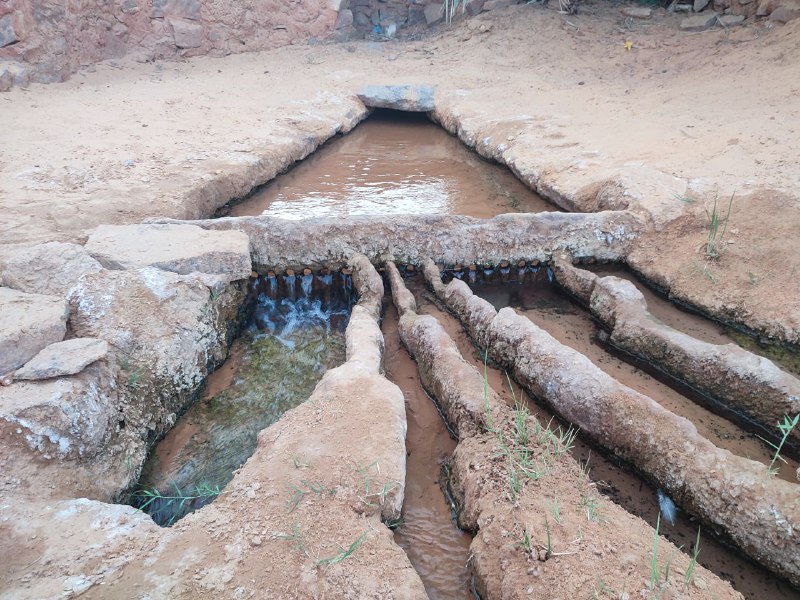
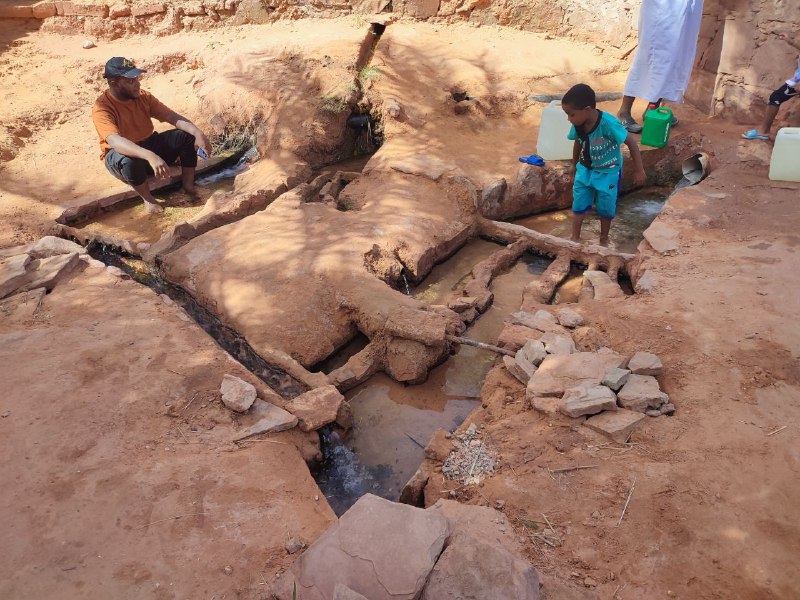
qanats. These are systems for extracting and distributing groundwater. They work purely on gravity. They likely started being used when Islam arrived in the region and continue to this day.
Usually, people pool together to build the system, then rent it out or sell shares. The distribution happens through a distributor (kasria), where each recipient gets a certain number of water outlets. Some people only need one.
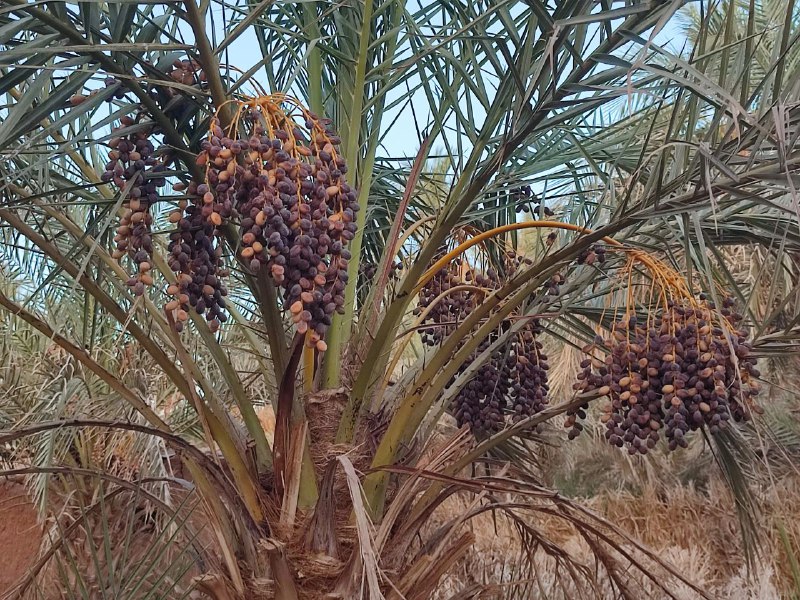
Getting the right amount of water is actually really important. Date palms are the main crop here. If you give a palm tree too much water, the fruit becomes very watery and won't keep until the next season. But if you're too stingy, the dates end up very dry or won't ripen at all.
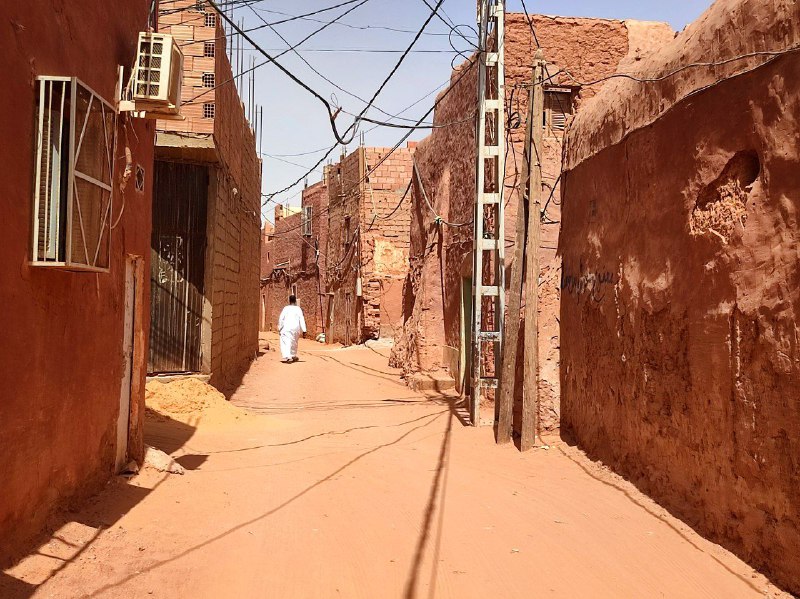
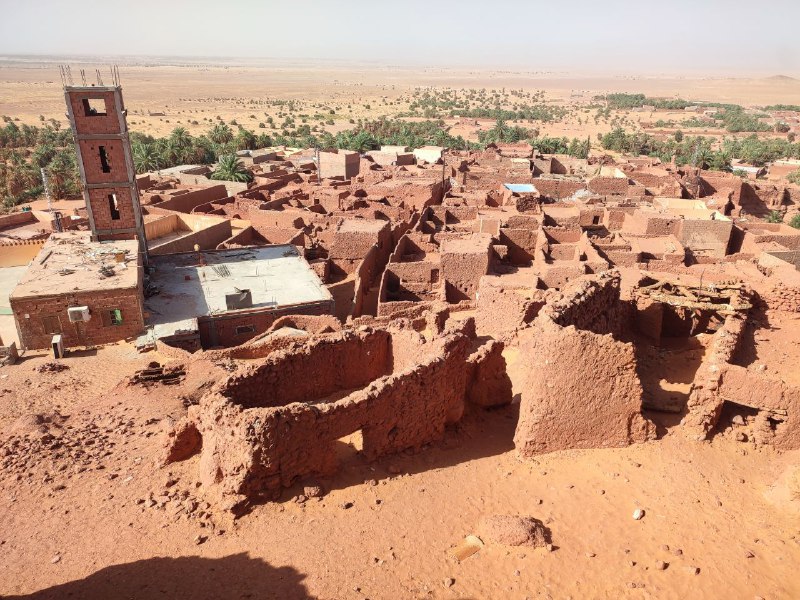
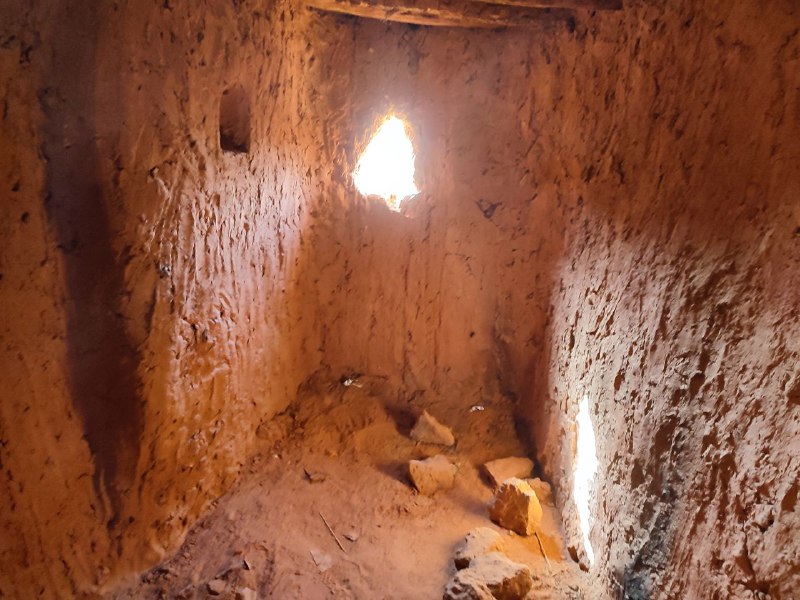
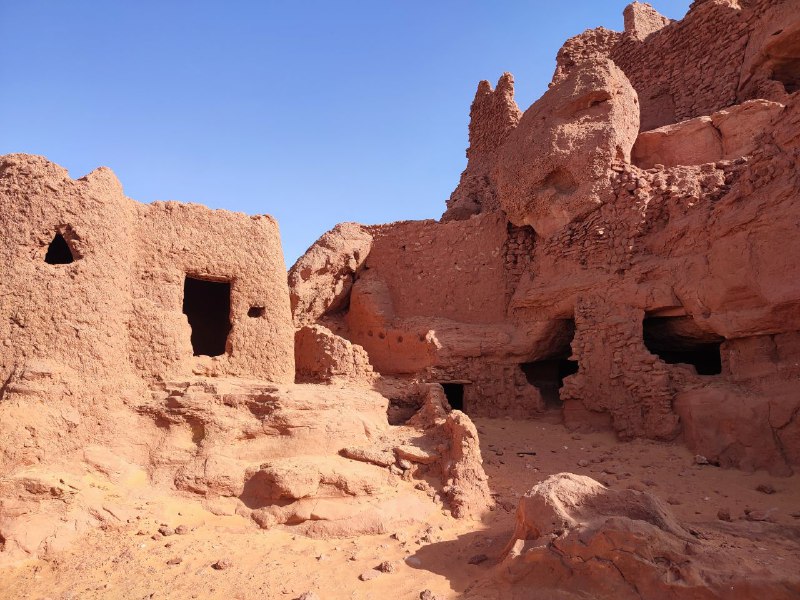
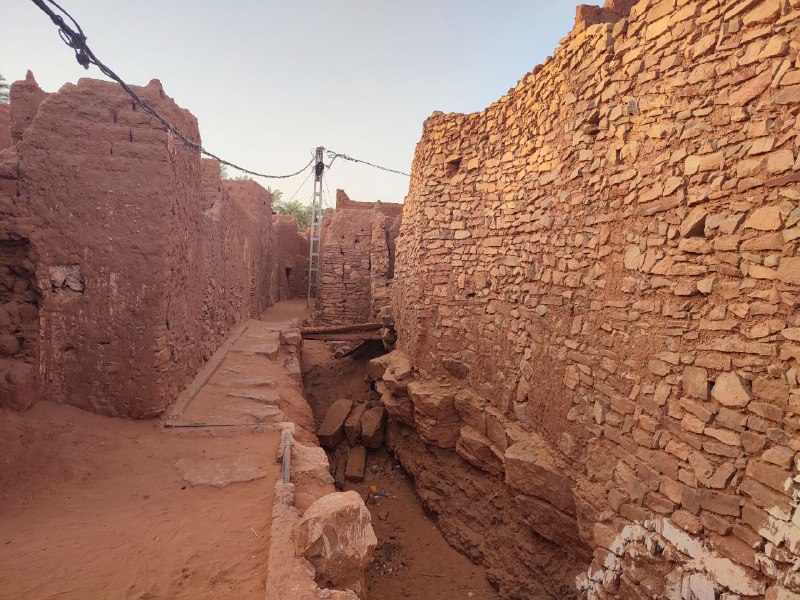
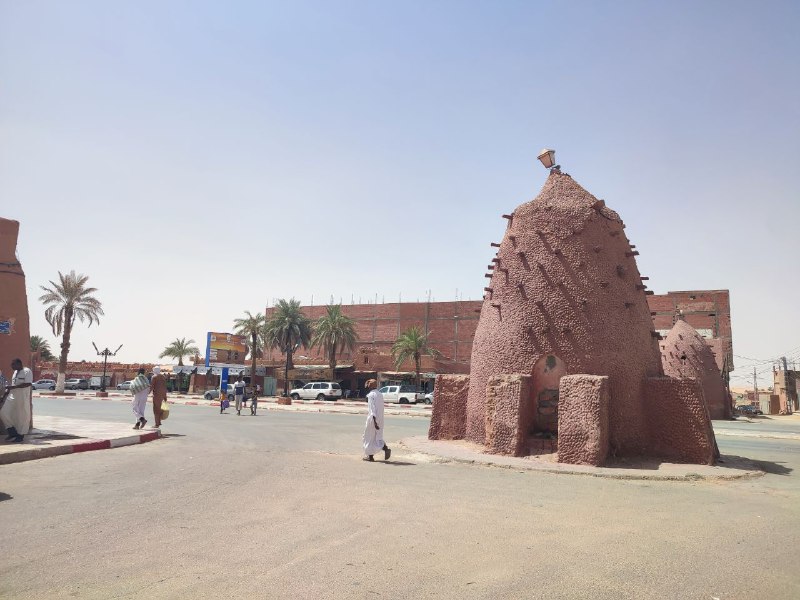
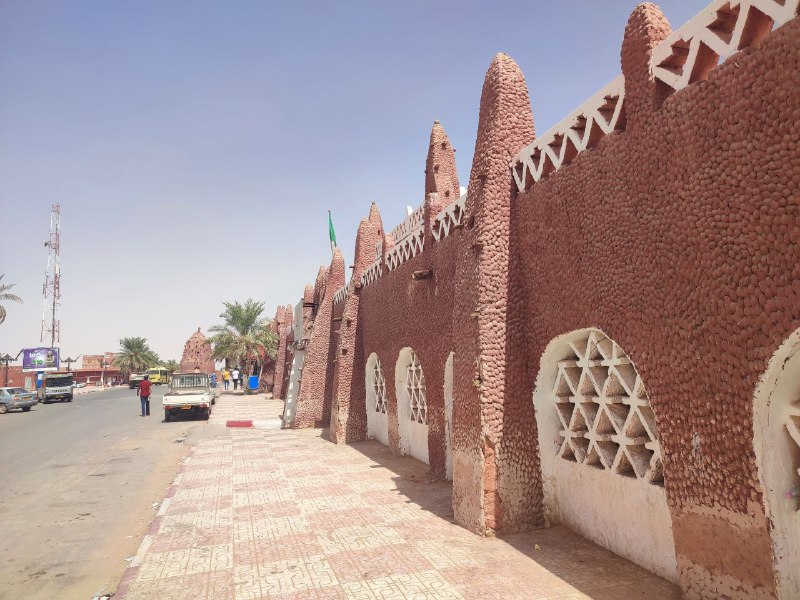
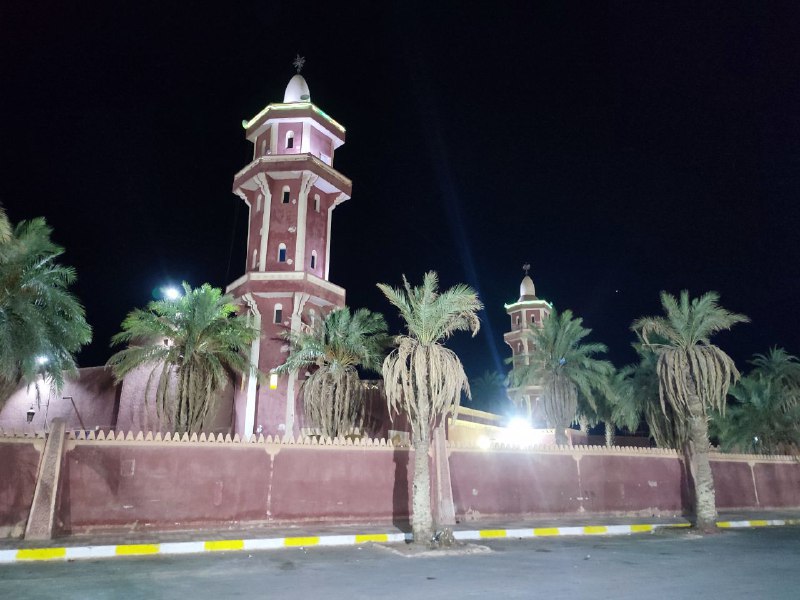
PS. Check out the unusual architecture of Timimoun. Houses in the surrounding villages are built from mud and stones, which gives them that distinctive red color. It gets scorching hot inside during the heat, but if you splash some water on the floor, it becomes much fresher and cooler.
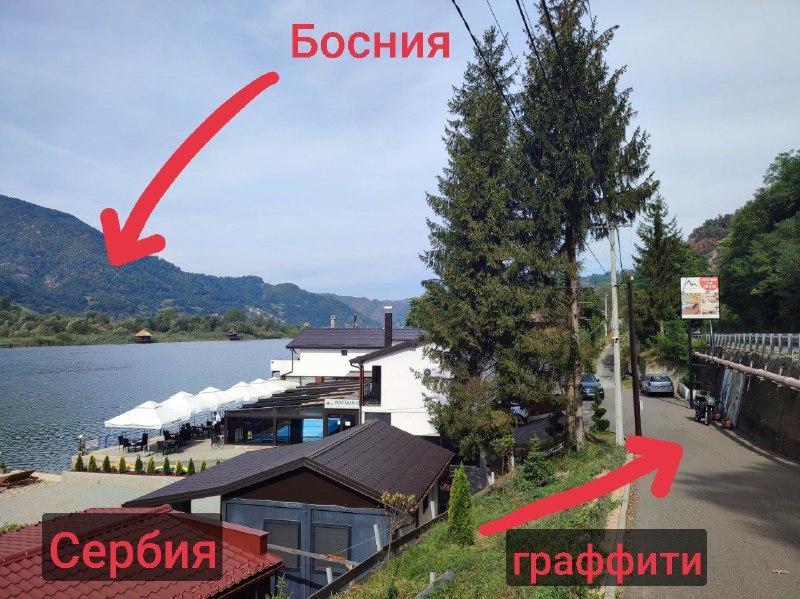
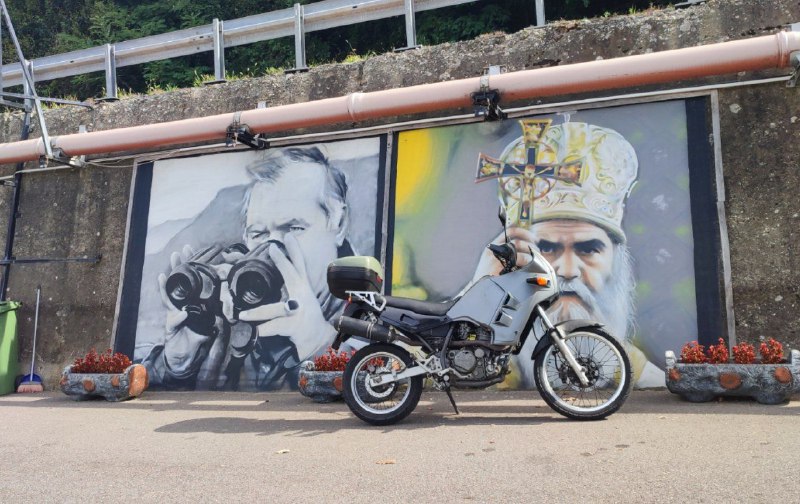
Near my accommodation, I was really struck by some graffiti. Both by what it showed and where it was placed.
You've probably heard of Ratko Mladić? He's serving a life sentence in The Hague for the genocide of Bosnians, and some Serbs consider him a national hero. It's him looking through binoculars toward the Bosnian side. And from what I could tell, he's clearly visible from the other bank.
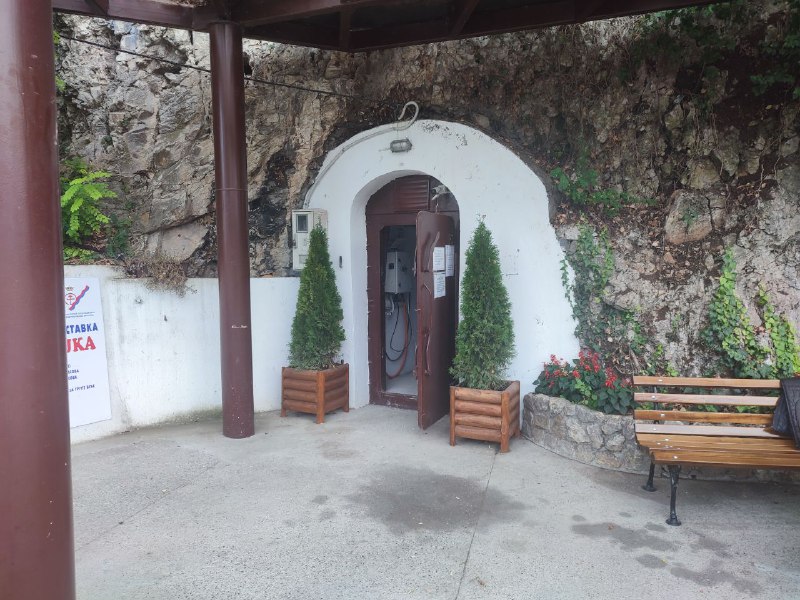
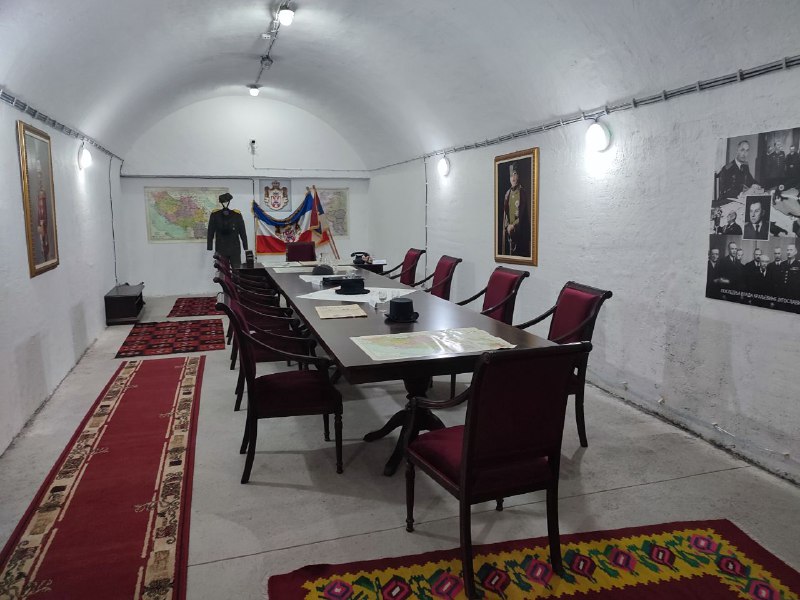
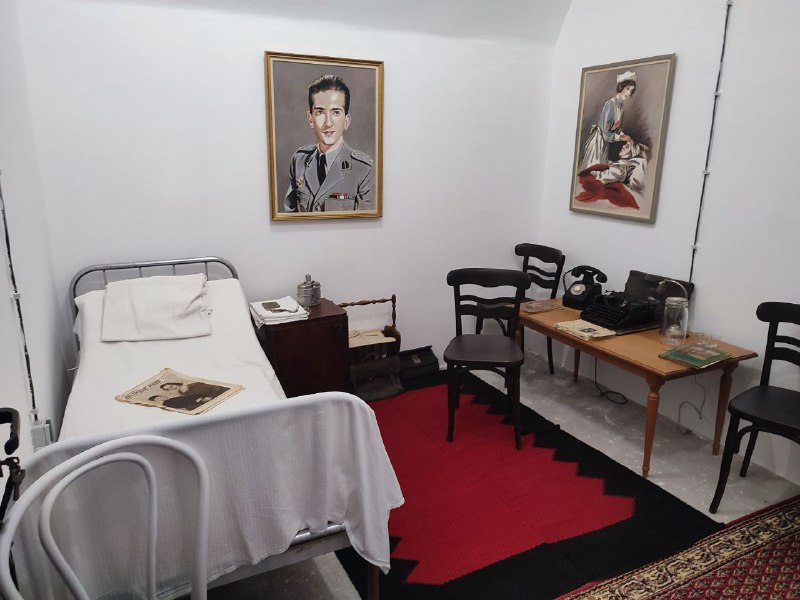
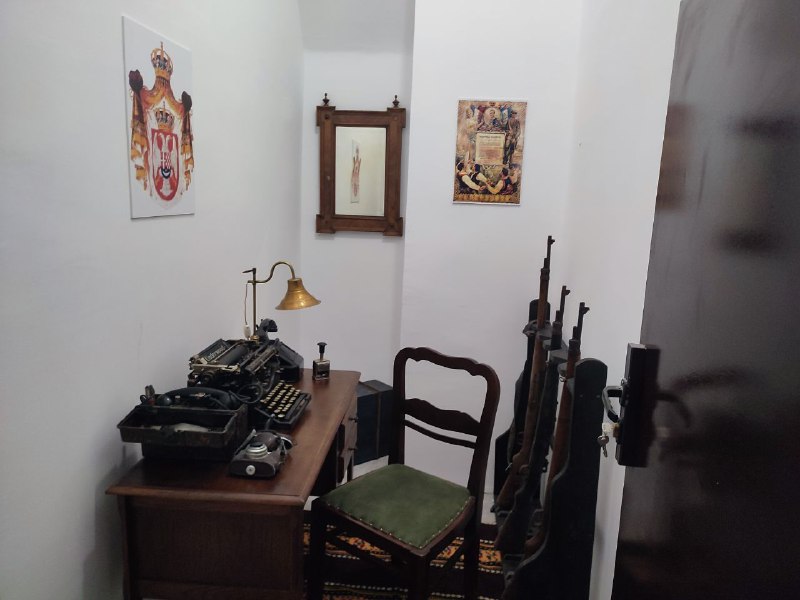
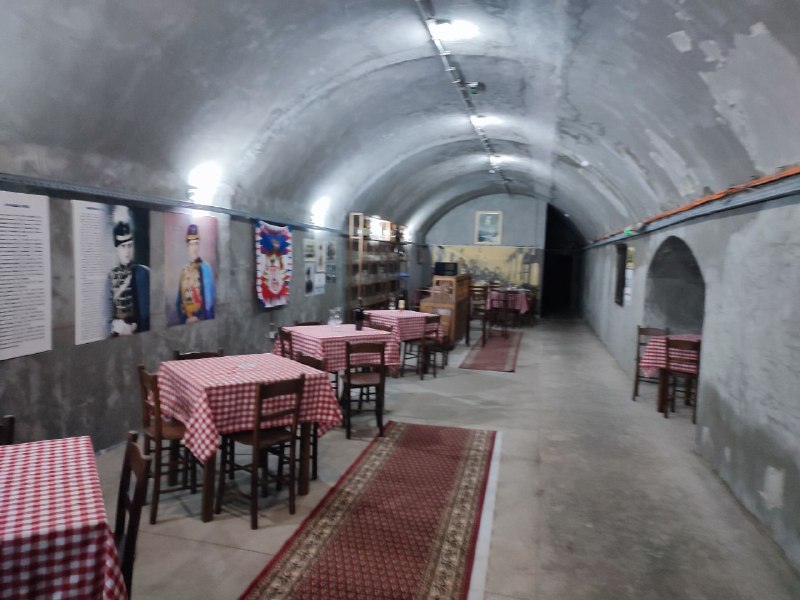
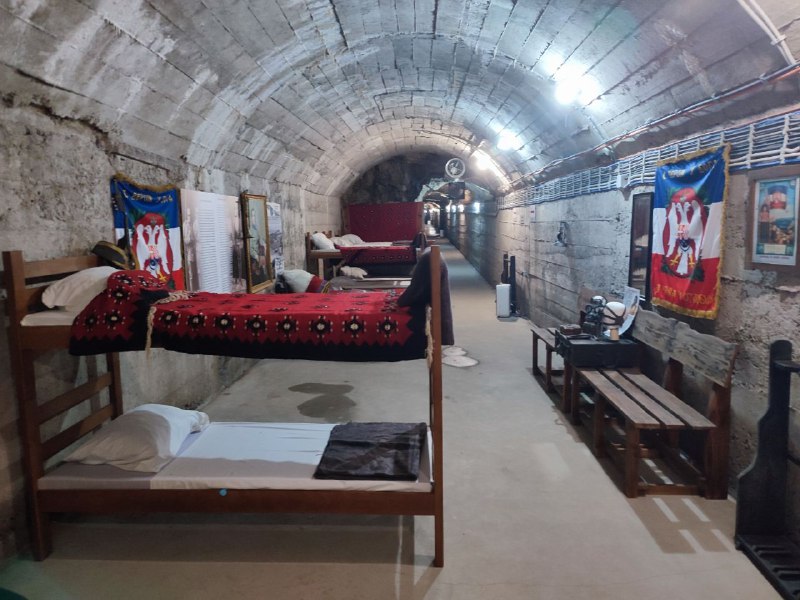
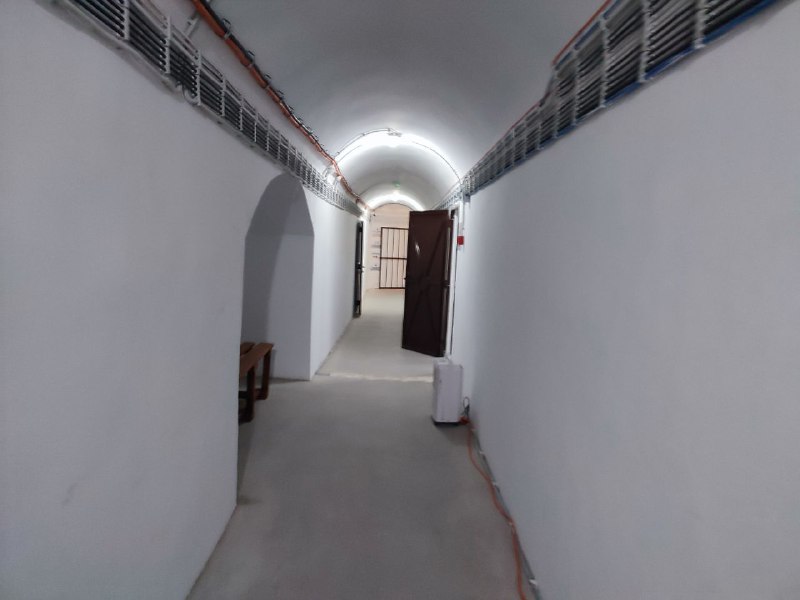
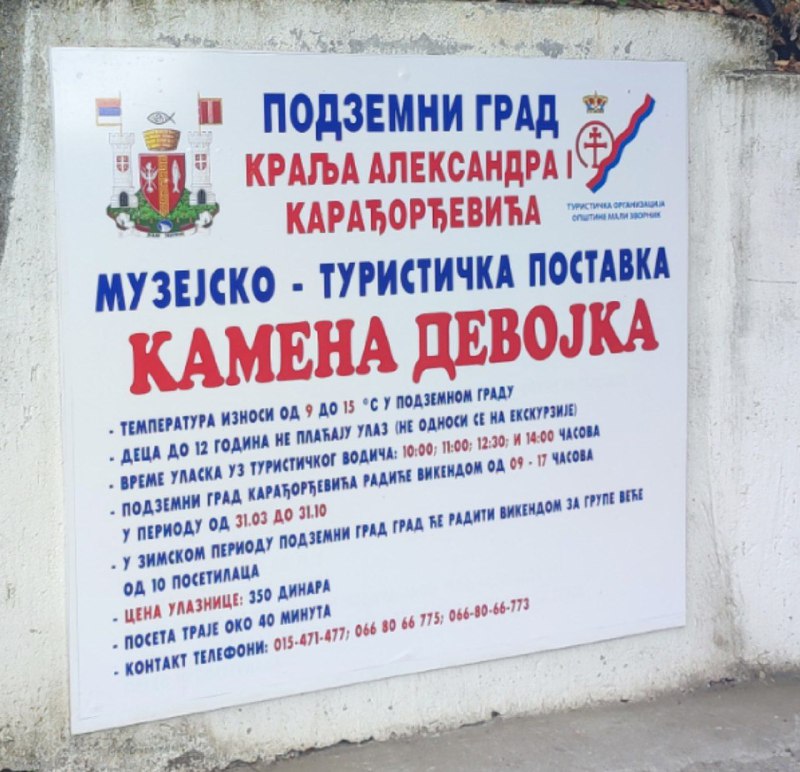
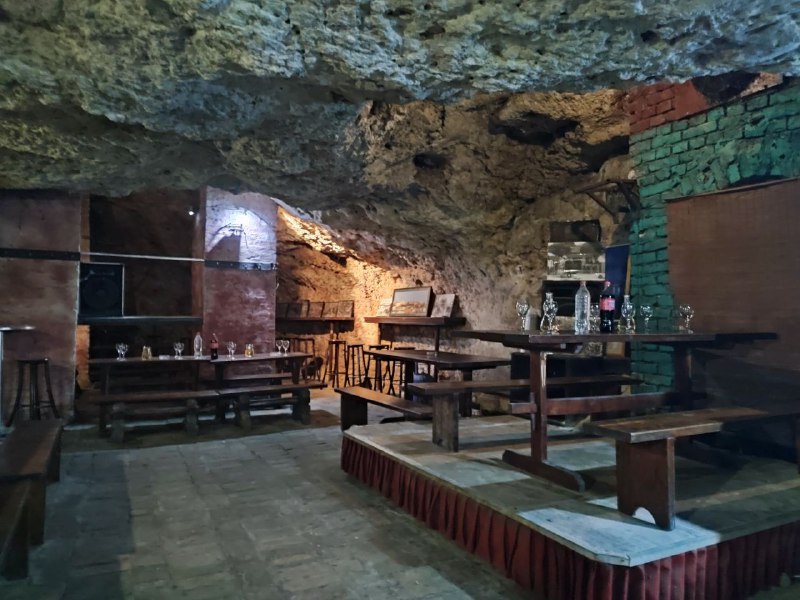
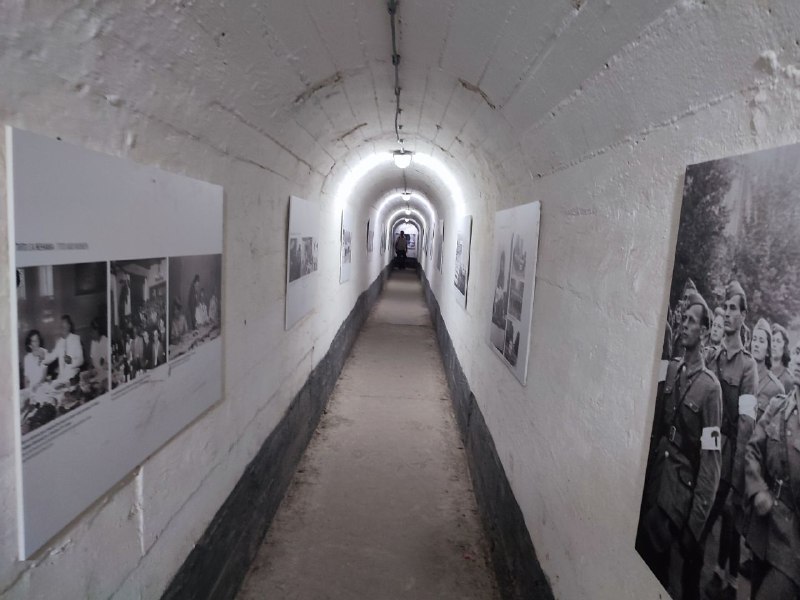
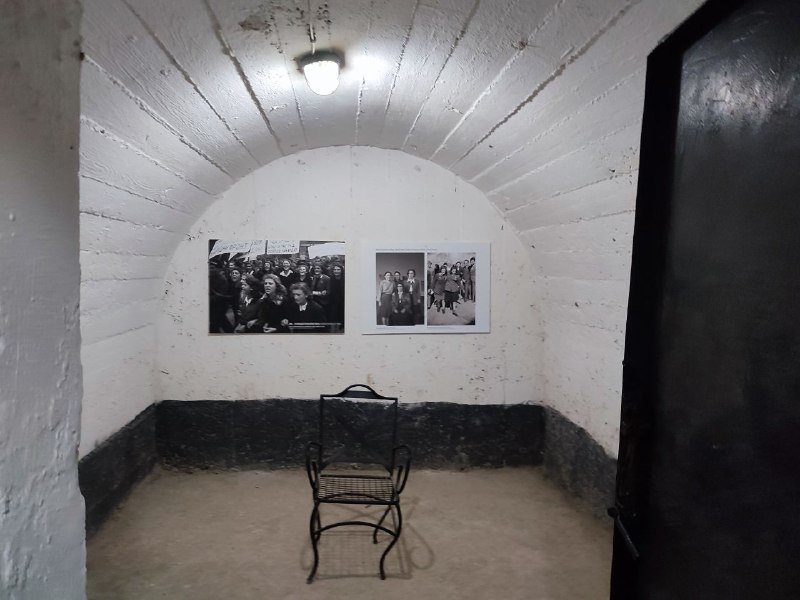
On the Serbian-Bosnian border in the inconspicuous town of Mali Zvornik, at the behest of Yugoslav King Alexander I Karageorgevich, they built not just a bunker in the early 1930s, but an entire underground city called "
Stone Girl". There's even a church inside. In 1934, after the ruler was assassinated in Marseille, the project was frozen, but in those 3 years of construction they managed to accomplish quite a lot, and the results were already operational.
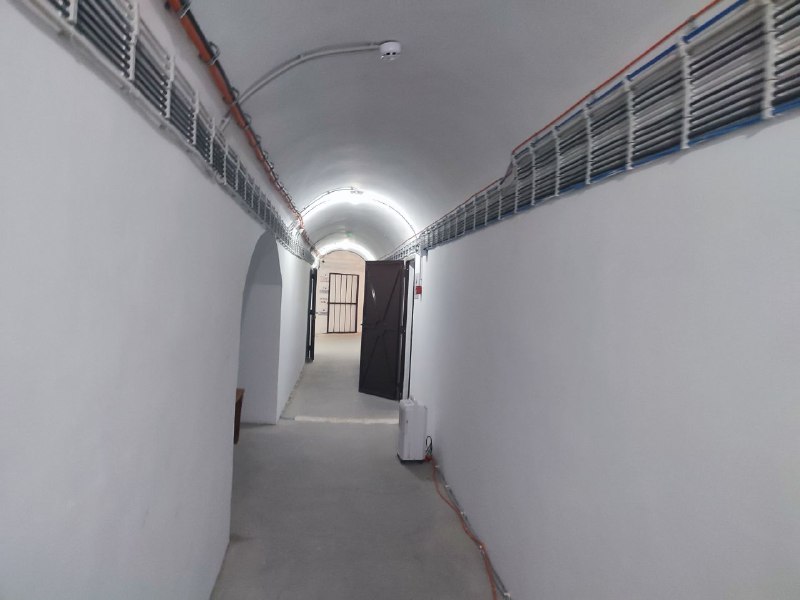
They built on a grand scale. It was designed to accommodate up to five thousand people: 20+ kilometers of tunnels, nearly a hundred different rooms. Right now only a small part is open to visitors, but they say they're planning to expand access.
As is typical for such facilities, all work was conducted in complete secrecy. Only five people had access to the full blueprints. Prisoners were brought in for the physical labor (just like when building
Tito's bunker). The documents remain classified to this day, and the true purpose of the shelter is unknown to the public.
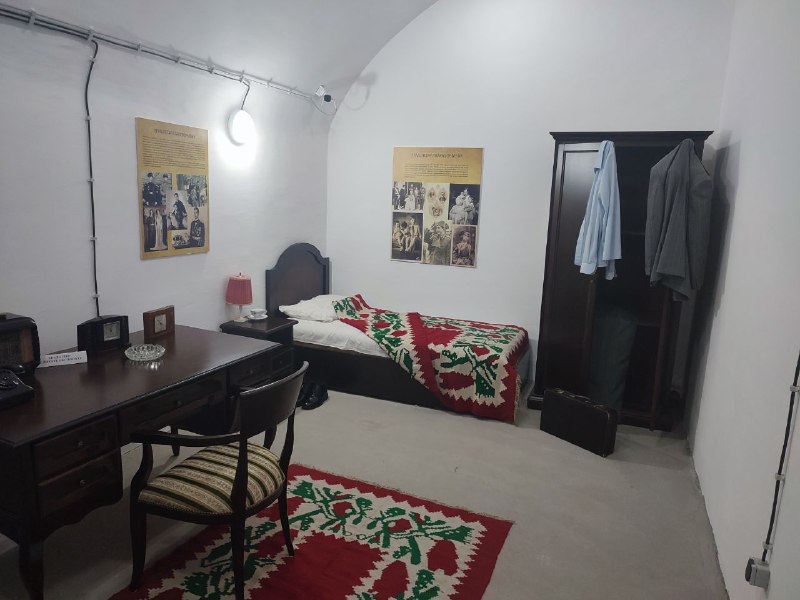
At the beginning of World War II, the last king of Yugoslavia slept here the night before fleeing Serbia, and a week later the final session of the Yugoslav royal government was held here. After the war, Stone Girl was forgotten. Local residents hauled away pretty much everything they could carry: from electrical wiring to the impossibly heavy decorative royal fountain (believed to have been gilded).
Only recently have authorities started restoring the site and attracting tourists. There's plenty of work to be done—we were the only visitors.
PS. If you ever decide to go, the Google Maps marker is wrong. The entrance is
here.
I've been wanting to explore Belgrade's underground tunnels since last year. Finally made it happen.
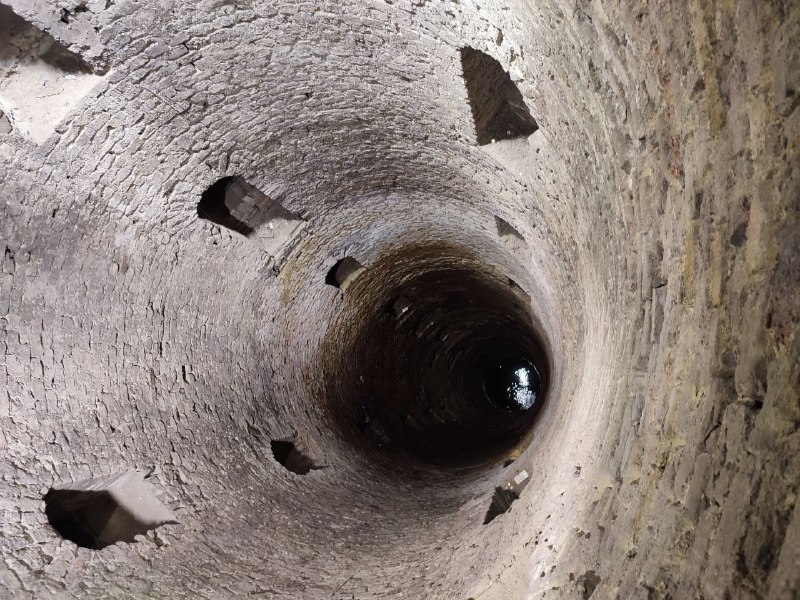
Right beneath the city center, different structures appeared at different times: a Roman well, a gunpowder magazine, and a military bunker.
The so-called Roman well isn't actually Roman or a well. The Austrians dug it about 300 years ago, but it turned out there was no water. They initially wanted to connect it to the Danube, but ended up just filling it with water instead. Since then, the well has accumulated plenty of legends. There are rumors they even threw prisoners down there. But there are confirmed cases too: in 1954, one local guy actually threw his wife down there.
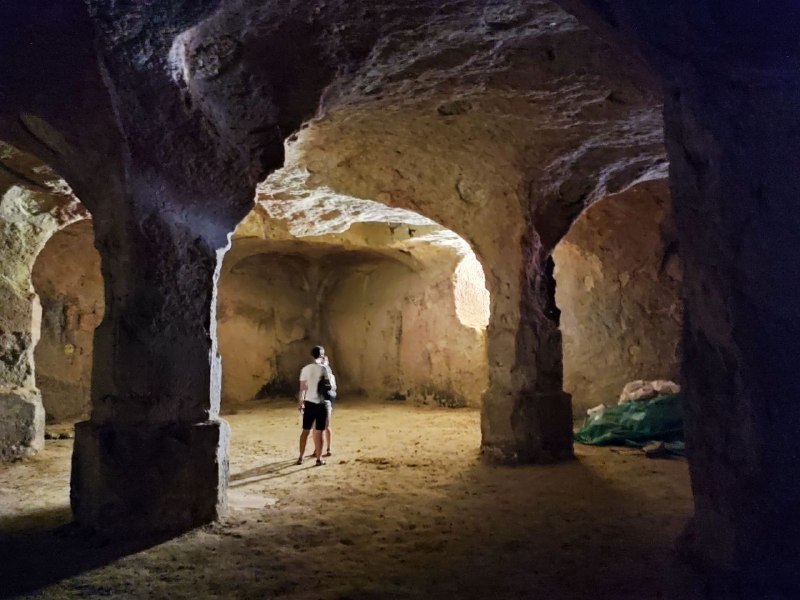
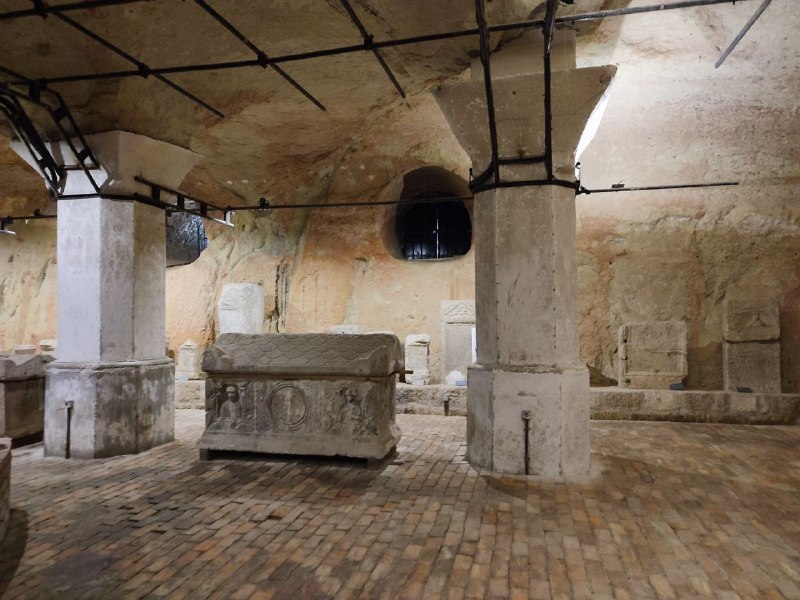
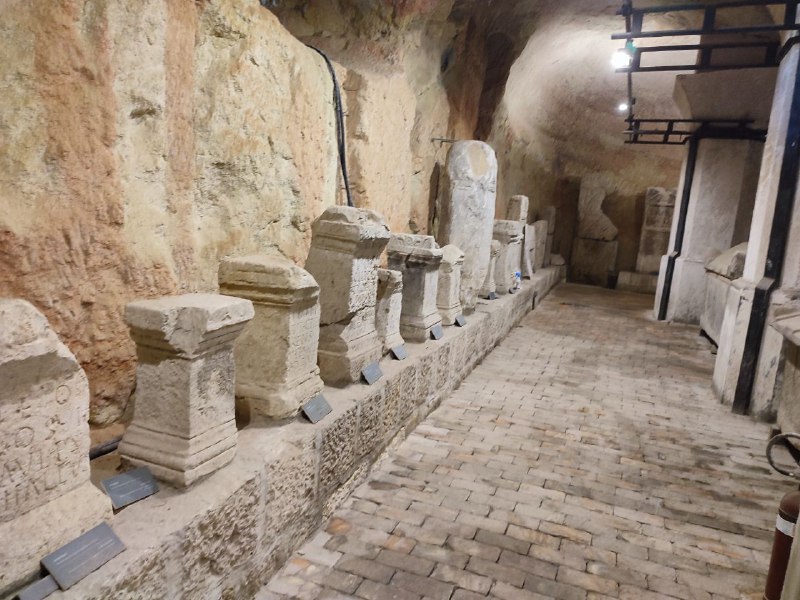
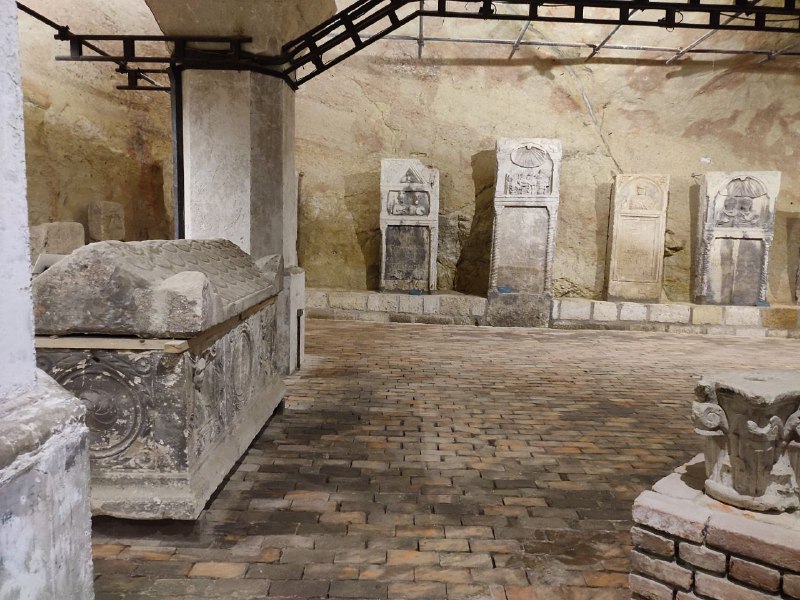
The gunpowder magazine was turned into a lapidarium—basically an exhibition of stone tombstones. Back in the early 2000s, they'd hold various rock concerts here. The acoustics are fantastic. Plus you've got this whole vibe with the tombstones, and apparently visitors would leave beer cans on them. It was basically perfect. But one evening a column collapsed in the hall, and they haven't held any events there since. Though there's still a similar venue operating in Novi Sad if you're interested.
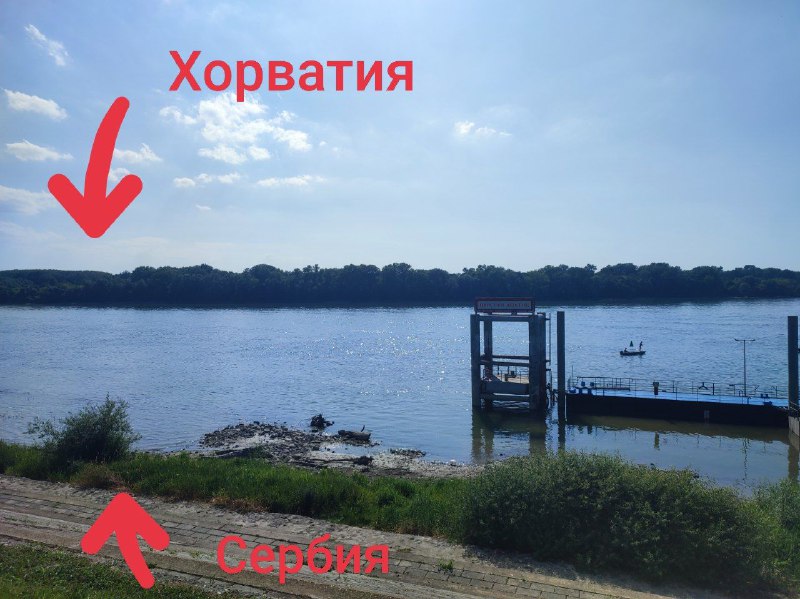
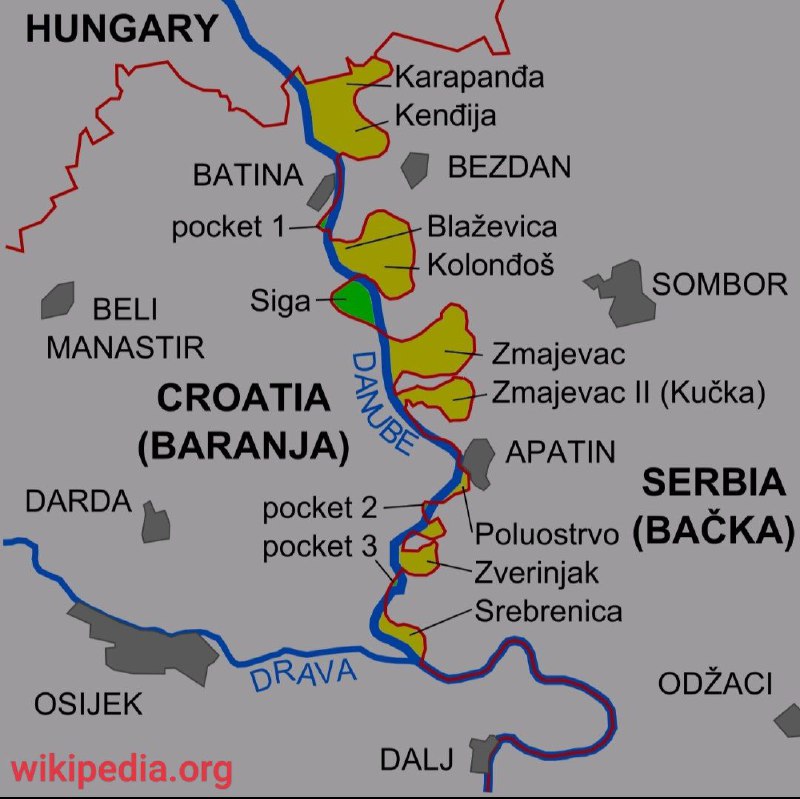
Next time you're drawing a border between countries along a river, make sure the riverbed isn't planning to shift. The Serbs and Croats didn't take this advice, and they're still arguing about who owns what land.
The roots of the problem go back to the 19th century. They recorded the current border in the land registry back then. And the Croats consider it the only correct one. The Serbs, on the other hand, say the border was drawn along the Danube at the time. So let's count it that way now too. But over 200 years, the riverbed has shifted noticeably, and Serbia now has 140 square kilometers more land.
In 2000, the countries created a special commission to settle the dispute. Over 10 years, it met all of 2 (two!) times and came to the conclusion that yes, they do have different understandings of the border. I'm not going to complain anymore about how long it takes to renew my residence permit.
In 2002, there was even a shooting incident when the mayor of the Croatian city of Vukovar and a group of activists decided to visit their lands by simply rowing a boat across the river. But the Serbian police detained everyone and then let them go.
And on a couple of islands between the countries, they even set up unrecognized micro-states — Liberland and Verdis. But it doesn't seem like you can just visit them. Plus, nobody actually lives there.
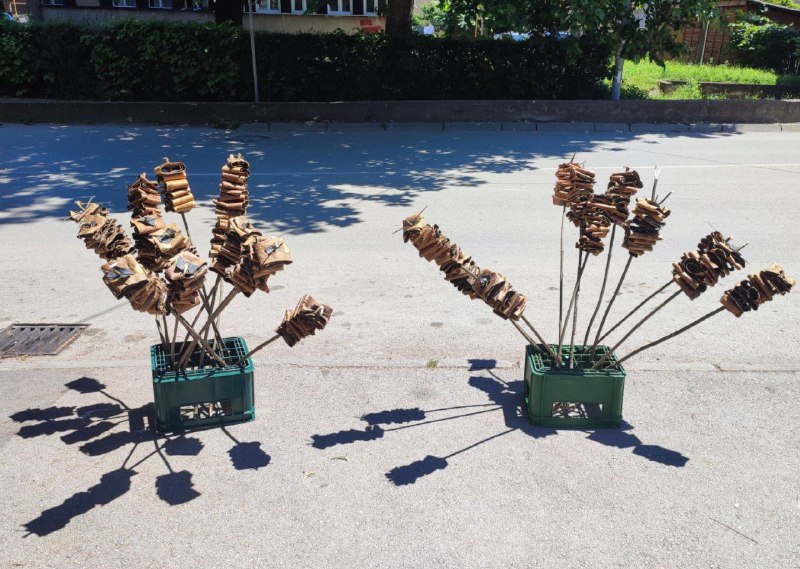
I was in the Serbian town of Valjevo the other day. My eye caught on some birch bark. I don't know about you, but this was the first time in my life I'd ever seen birch bark being sold like this on the street. Being sold at all, for that matter. I got really curious about what it's used for. It's not like you write on it.
I looked into it. Turns out that in western Serbia (and some parts of Bosnia) there's an old and good
pagan Orthodox tradition called lilanje.
In honor of
the Slavic god of fire SvarogSaint Peter, children burn birch bark on the night of July 11-12. The ancient Serbs believed that this ritual would scare off all demons and witches and protect people, animals, and crops.
In Loznica they hold a big annual festival. In fact, it's happening this evening. Unfortunately, I won't make it there this year. But I found a
YouTube video of what it looks like. Pretty interesting.
Sellers complain that they have fewer customers every year. And environmentalists
are concerned that stripping the bark doesn't help the trees. Wild cherry trees especially get hit the hardest.
Once again, I've been reminded that our ideas about a country can have absolutely nothing to do with what's actually happening on the ground. I was convinced that North Macedonia was completely Orthodox and inhabited only by Macedonians.
But it turned out that roughly a quarter of the country's population are Muslim Albanians (there are also Catholic Albanians here, but they're vanishingly rare—though at least one of them is known worldwide: Mother Teresa). And the sheer number of mosques in the western part of the country is mind-blowing. It feels like you've stepped into Bosnia or even Turkey.
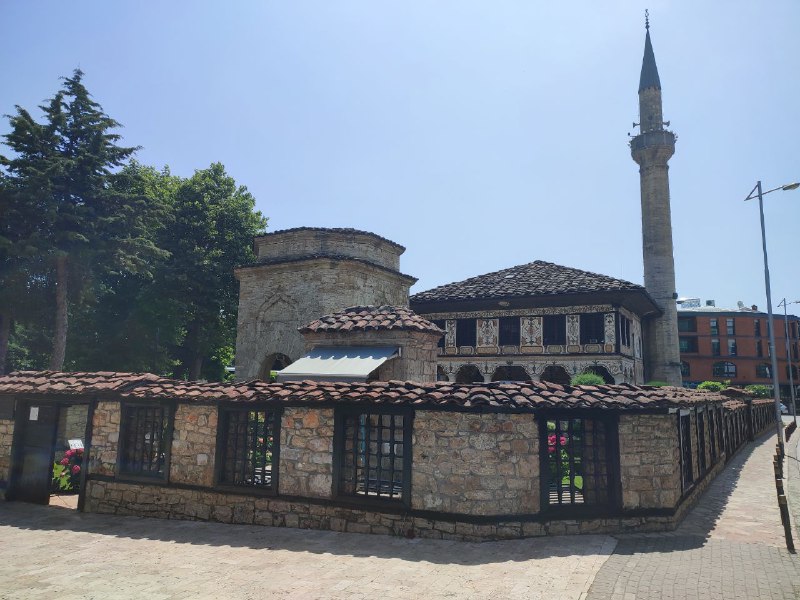
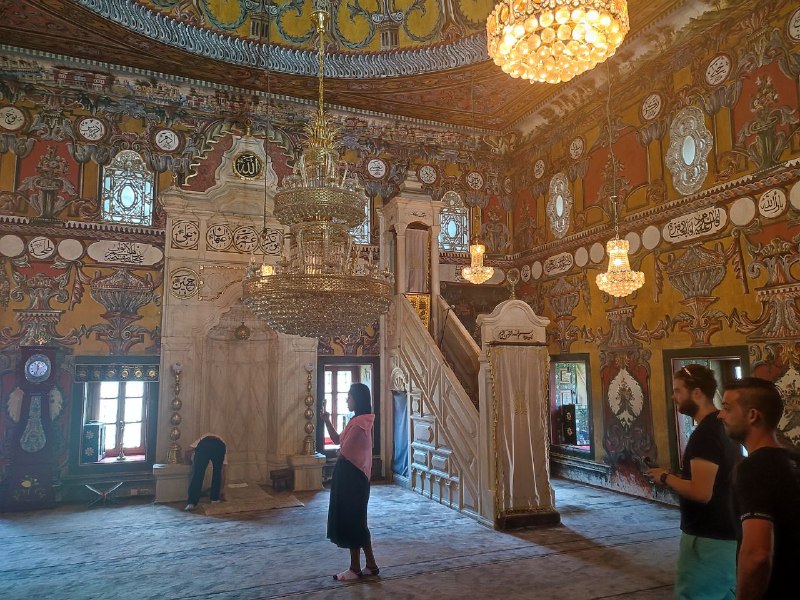
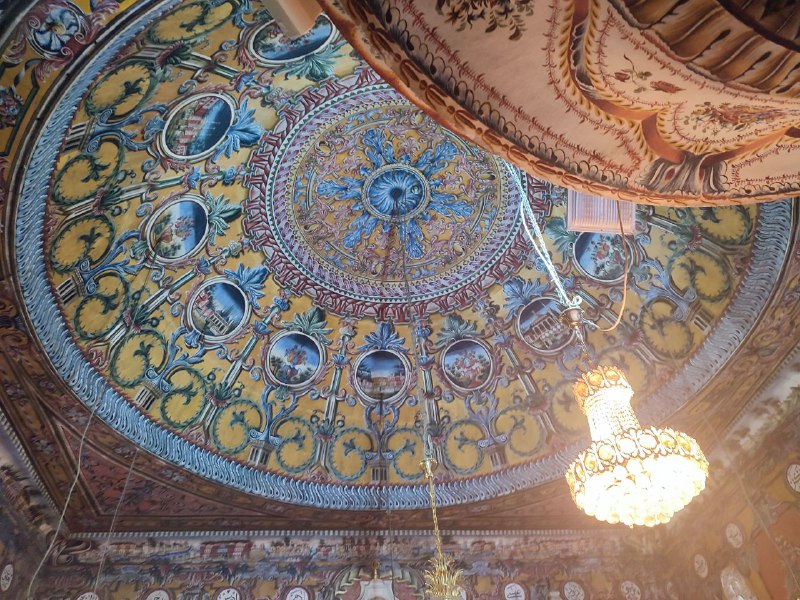
The Painted Mosque in Tetovo is practically one of a kind. It looks absolutely stunning.
In bunch of settlements, you suddenly see Albanian flags hanging around. Even though I definitely didn't cross any border. It's just like the Serbian and Croatian flags in
Bosnia and Herzegovina. Albanians believe they're being oppressed, and this has sparked armed clashes over the years. The biggest one was in
2001, and the most recent was in
2015 (there was also an attack on parliament in
2017, but that was Macedonians and they weren't armed, so we won't count it). I honestly barely remember hearing any news about conflicts from here. Guess the Serbia-Kosovo situation just overshadows everything else.
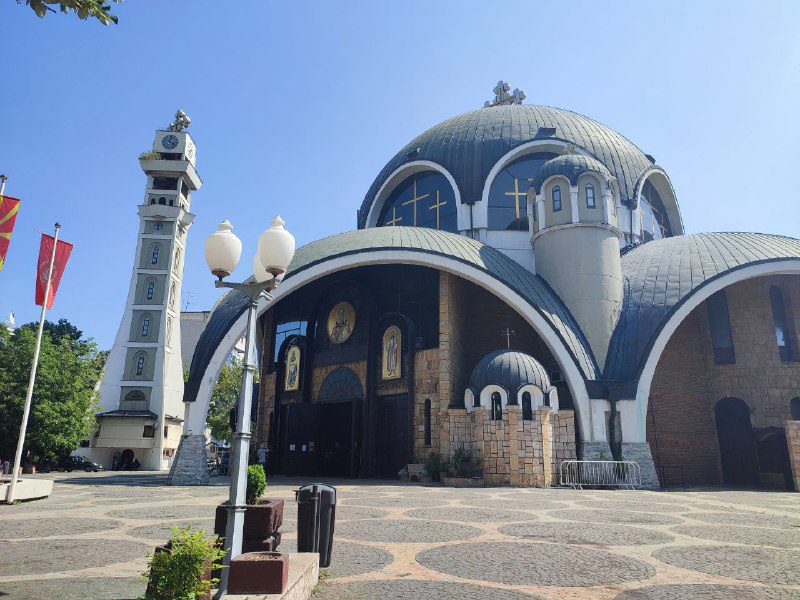
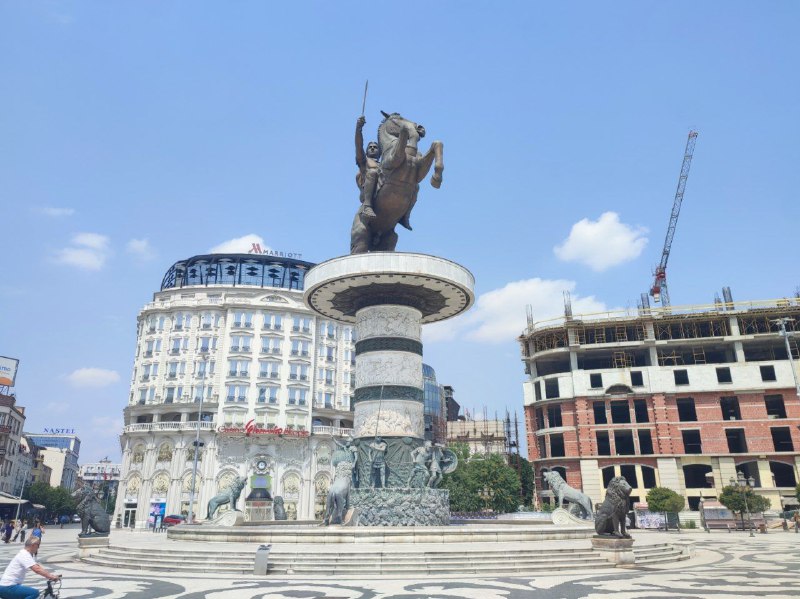
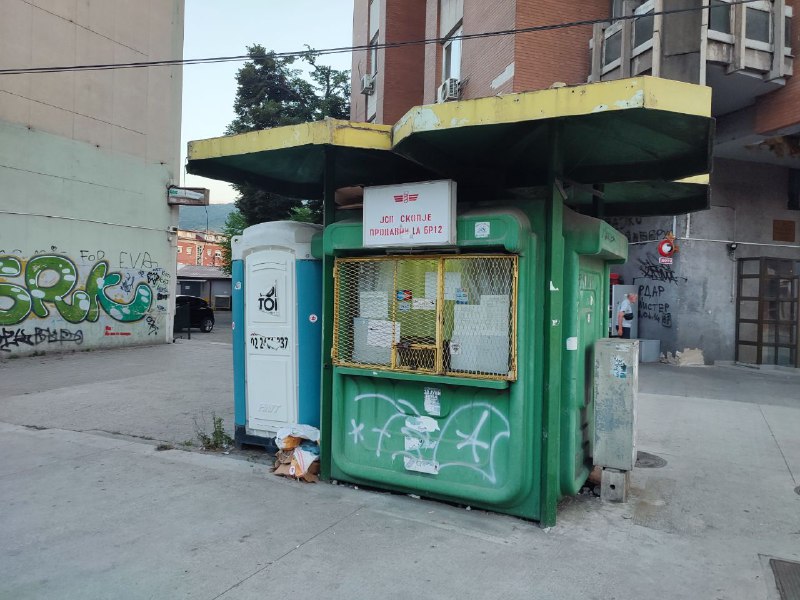
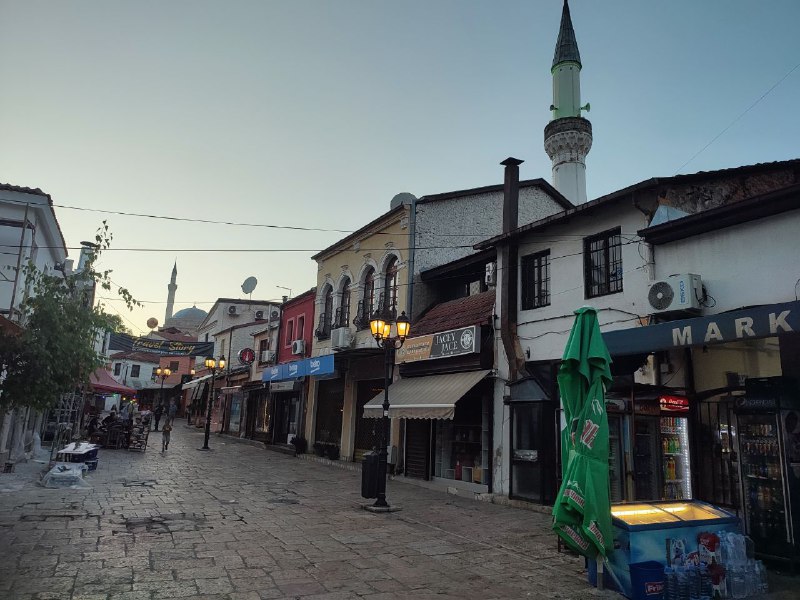
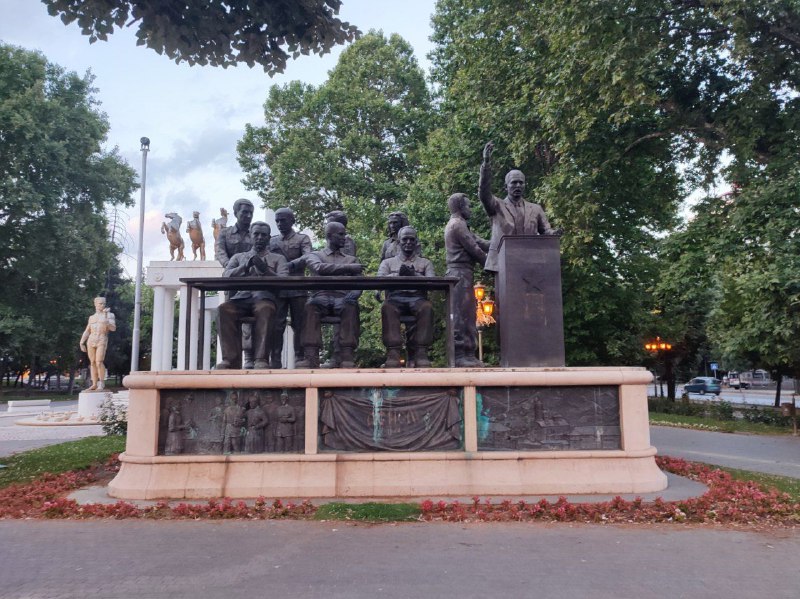
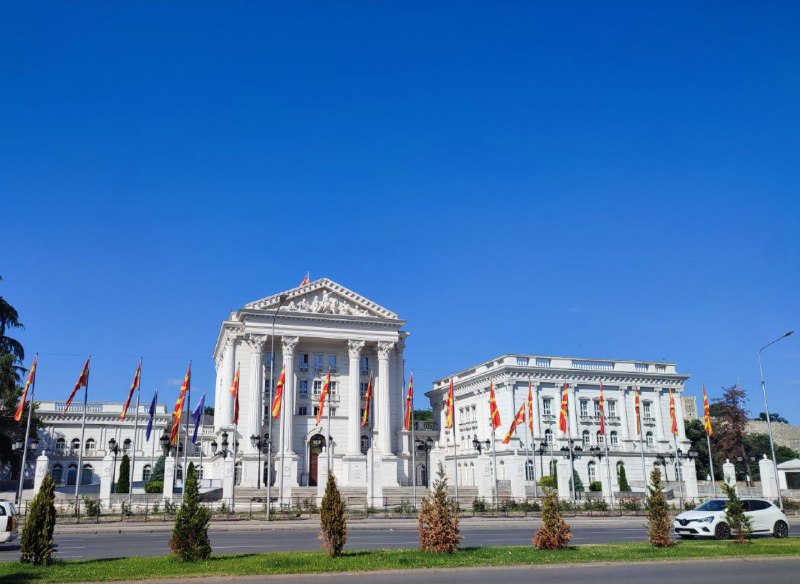
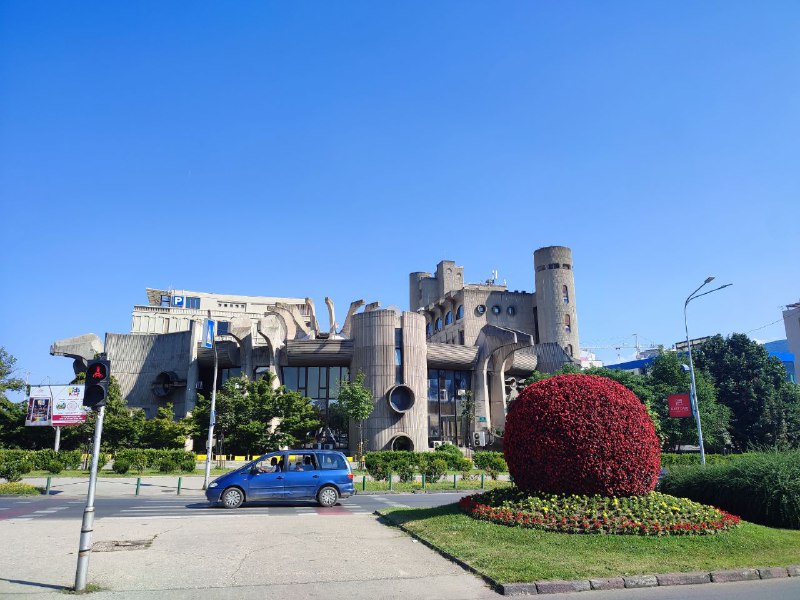
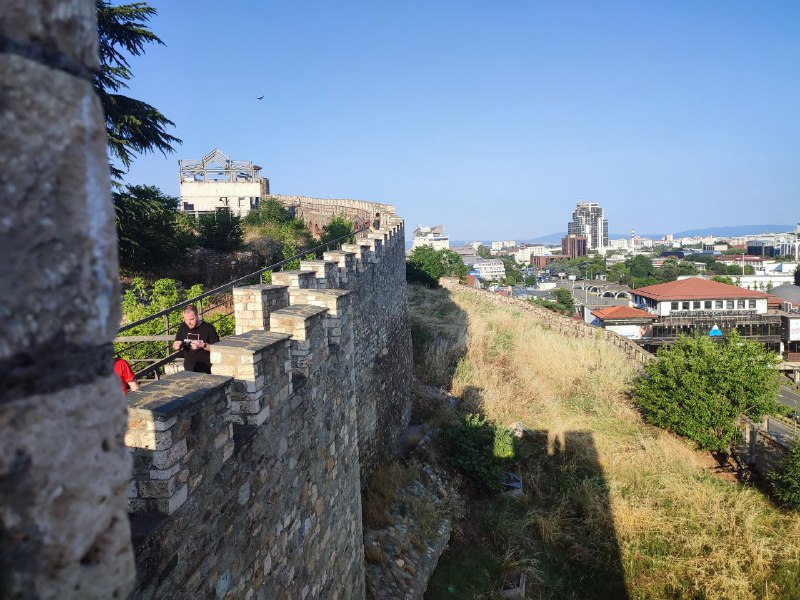
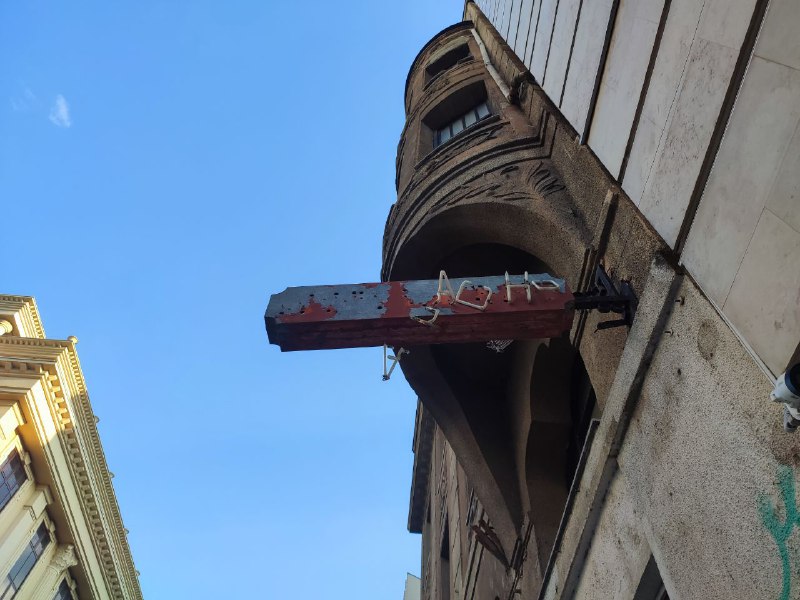
I just arrived in Skopje, and it's a really strange city.
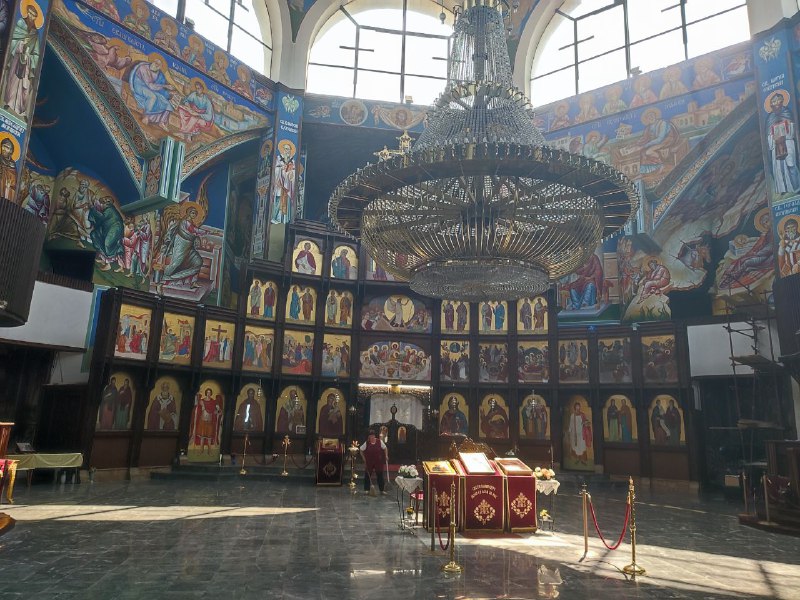
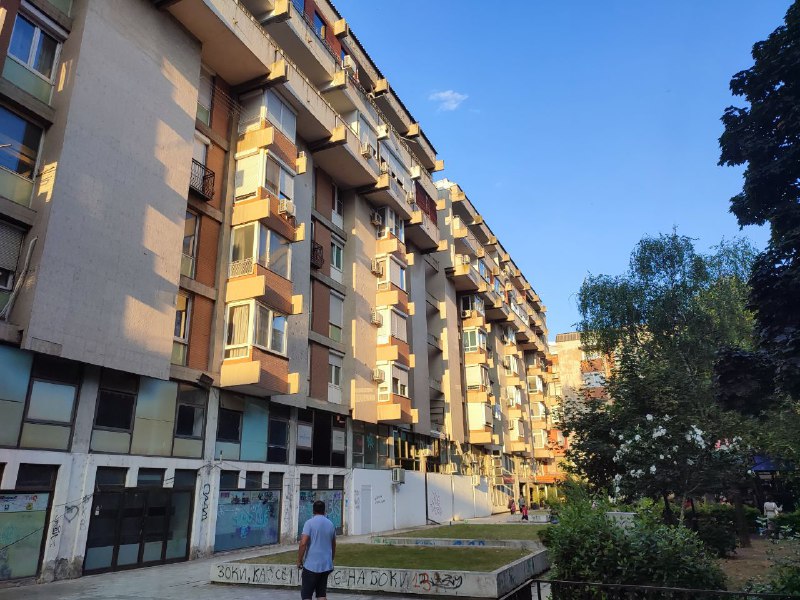
It feels like four different architects are working here all at once: a Greek, a Turk, a Soviet engineer, and someone from the 90s. Everywhere you look, there's this wild mix of styles. Even in the city center, there's no unified aesthetic—everything's all jumbled together. Plus, some buildings are half-finished, while others are built but left incomplete on the inside.
In some neighborhoods, it's like you've stepped into a provincial Russian town from thirty years ago. It's pretty grimy in places. The public transport and bus stops are all worn out. There's tons of tacky advertising everywhere, and it's all in Cyrillic too. Total immersion.
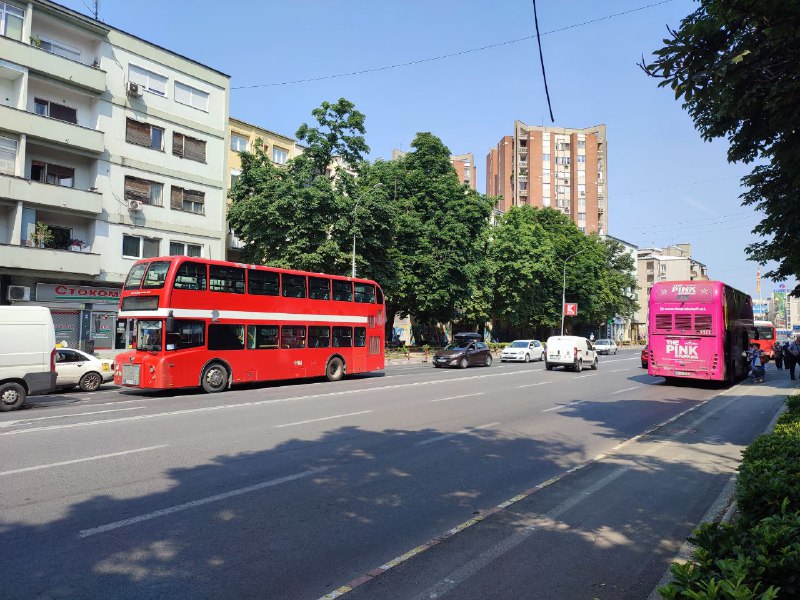
 United Kingdom
 Serbia
 Bosnia and Herzegovina
 Turkey
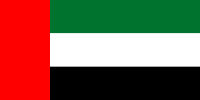 United Arab Emirates
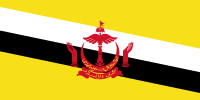 Brunei
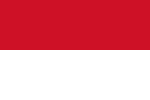 Indonesia
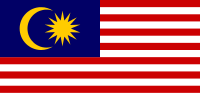 Malaysia
 Argentina
 USA
USA Morocco
 Georgia
 Egypt
Egypt Hong Kong
 China
China Vietnam
 Tunisia
 Montenegro
 Philippines
 Singapore
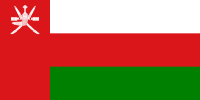 Oman
Oman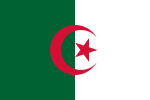 Algeria
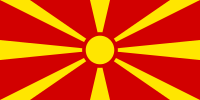 North Macedonia
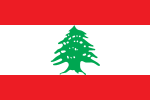 Lebanon
 Israel
 Albania
 Russia
 Tanzania
 Netherlands
 Spain
Spain Latvia
 Germany
 Belgium
 France
 Kazakhstan