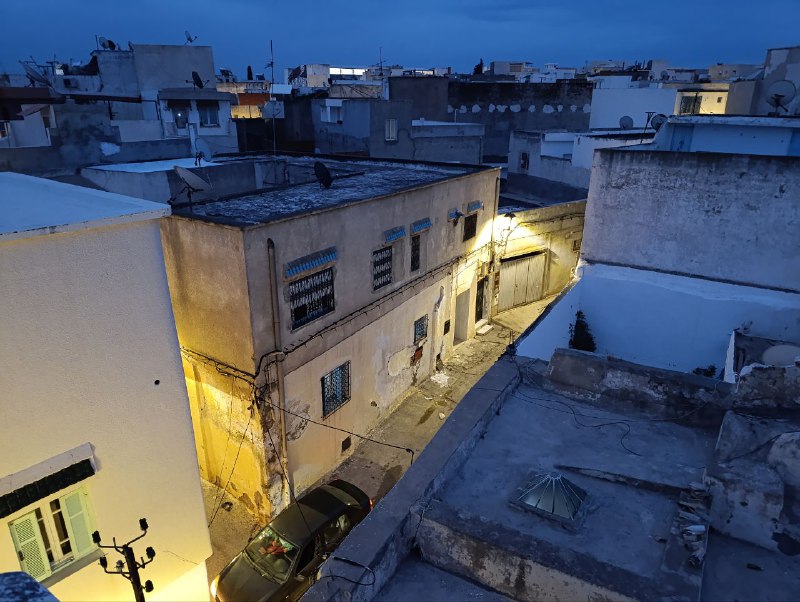
At the start of my trip, I stayed in quite an unremarkable neighborhood of the capital, away from the center. I was drawn in by the hotel's historical charm, but what really stuck with me was its rooftop and the chance to watch the nightlife unfold. Long before I ever traveled to Arab Africa, I'd read "Children of Our Alley" by
Naguib Mahfouz, and based on his descriptions, I'd imagined a typical town and its life exactly as I witnessed it that evening. Even though the author is Egyptian, Tunisia feels like a kindred spirit when it comes to daily life and customs. The street bustle, the clatter of kitchen utensils and the aroma of dinners wafting from neighboring kitchens created such a pleasant homey atmosphere—it was fascinating to watch it all unfold.
I just realized my creative break has gone on a bit longer than expected. I left Tunisia ages ago but never really finished writing about it. Before I move on to my next destination, I figured I'd at least share some photos.
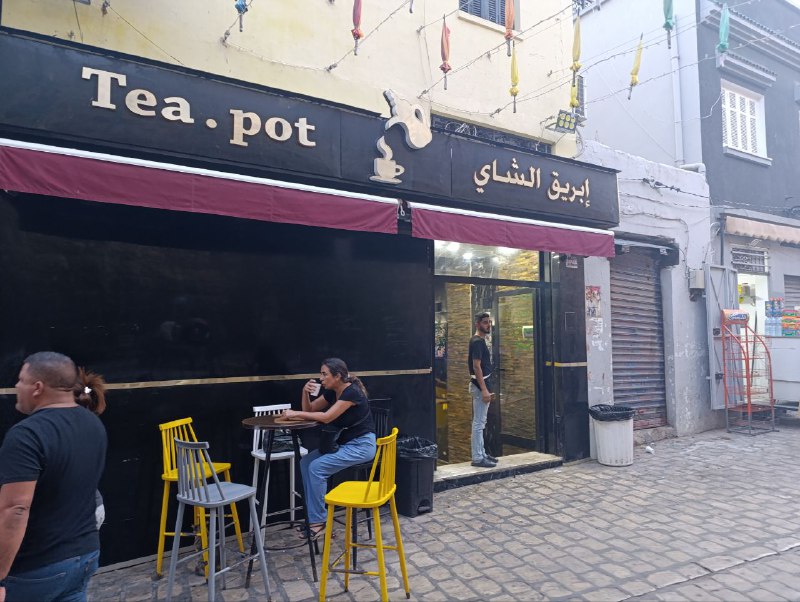
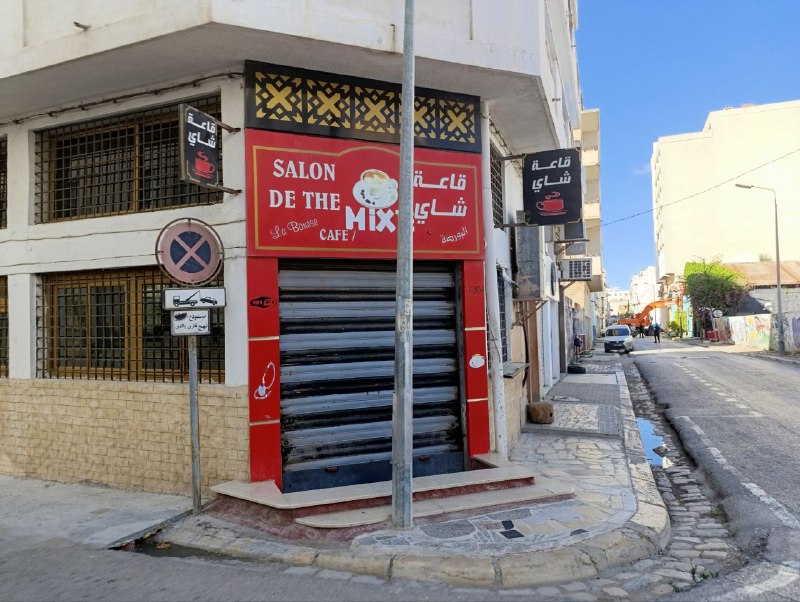
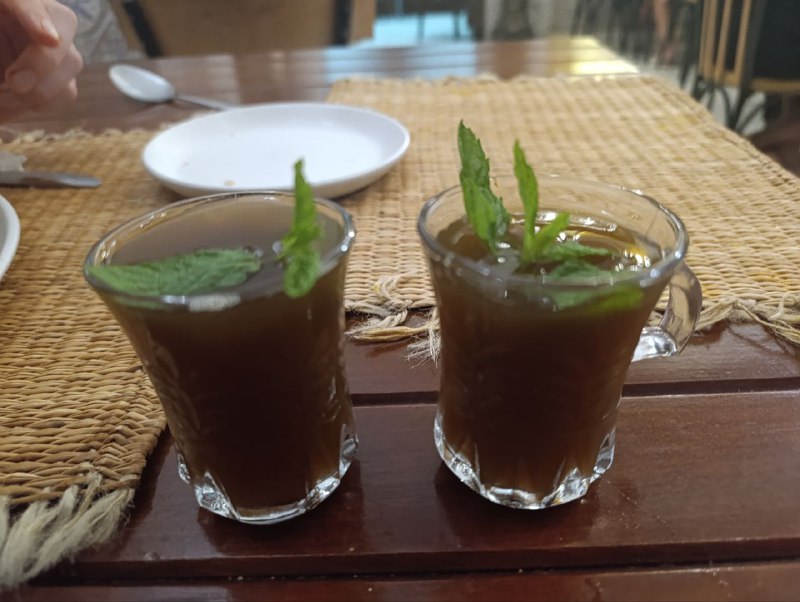
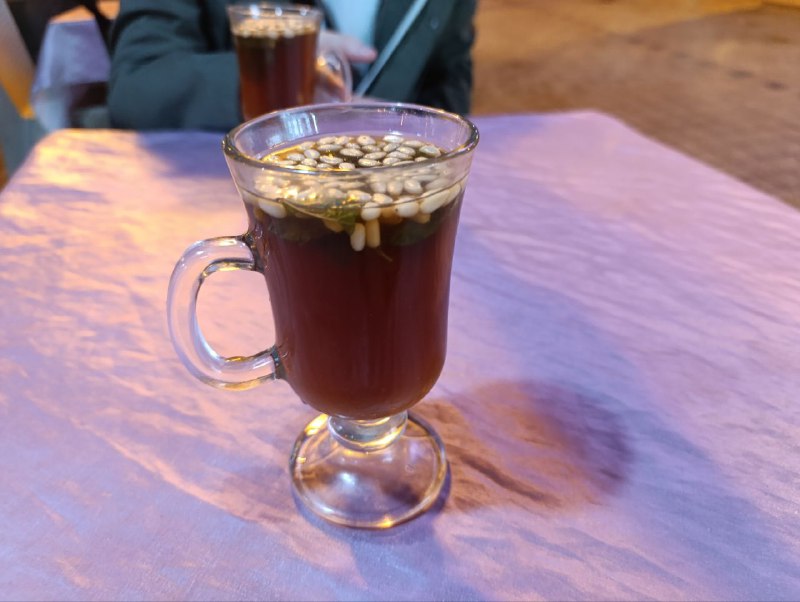
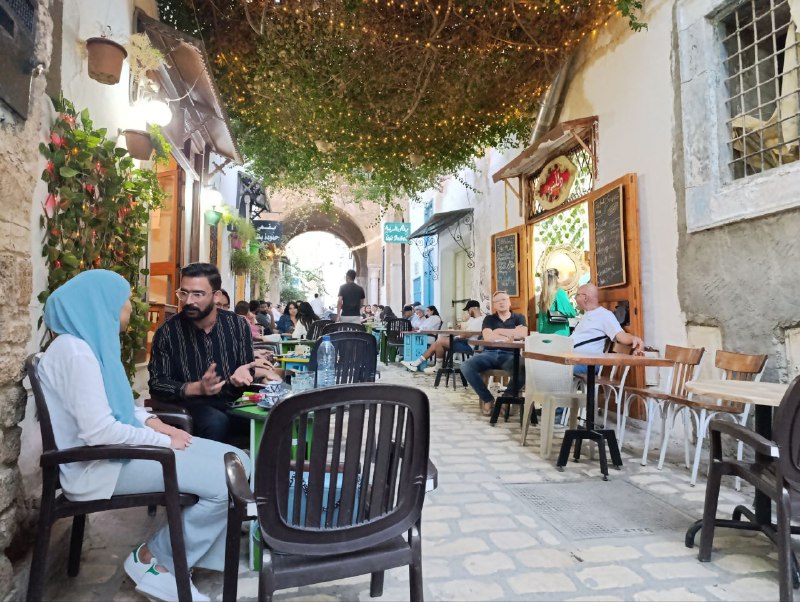
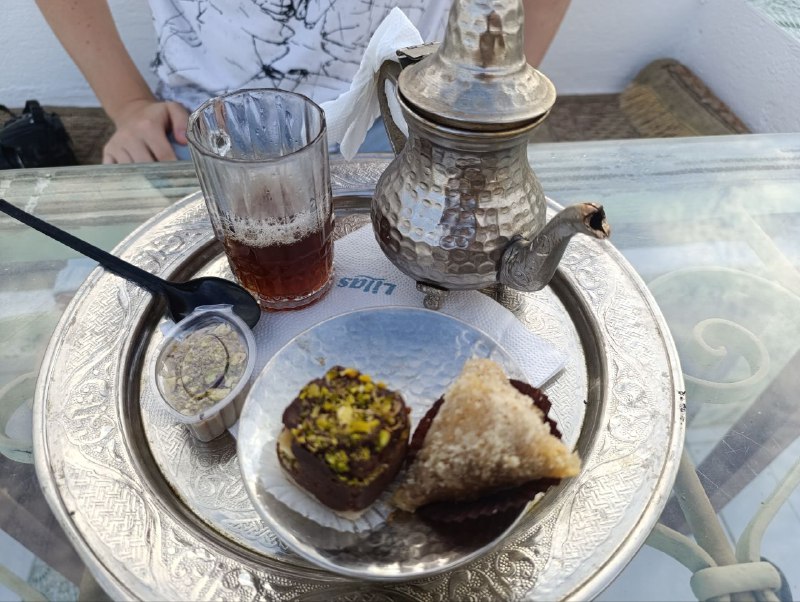
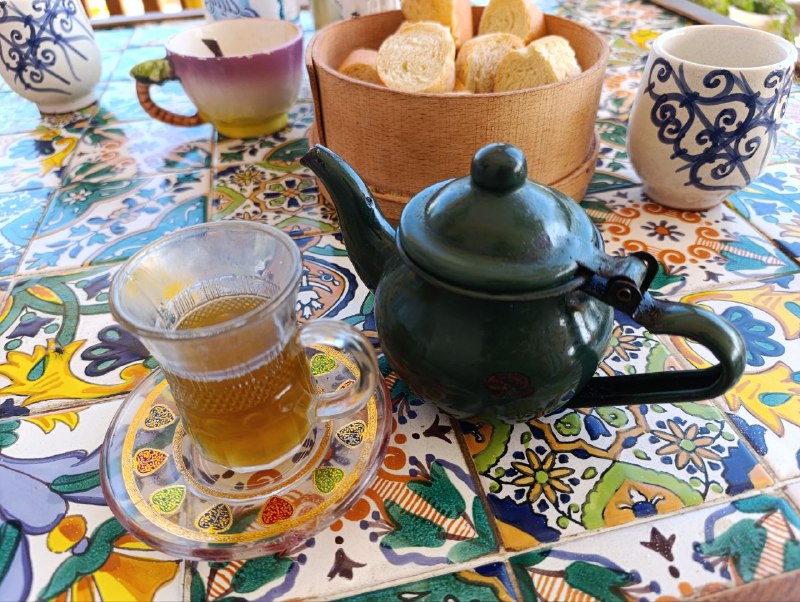
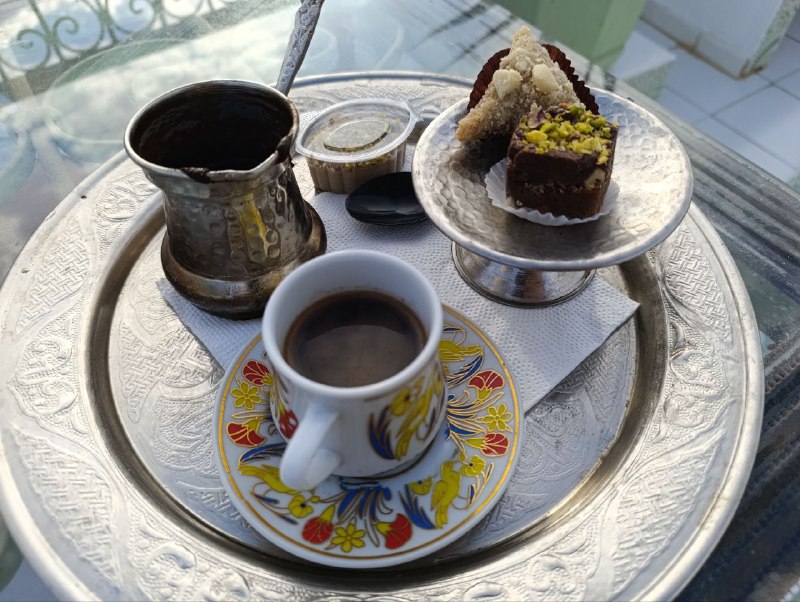
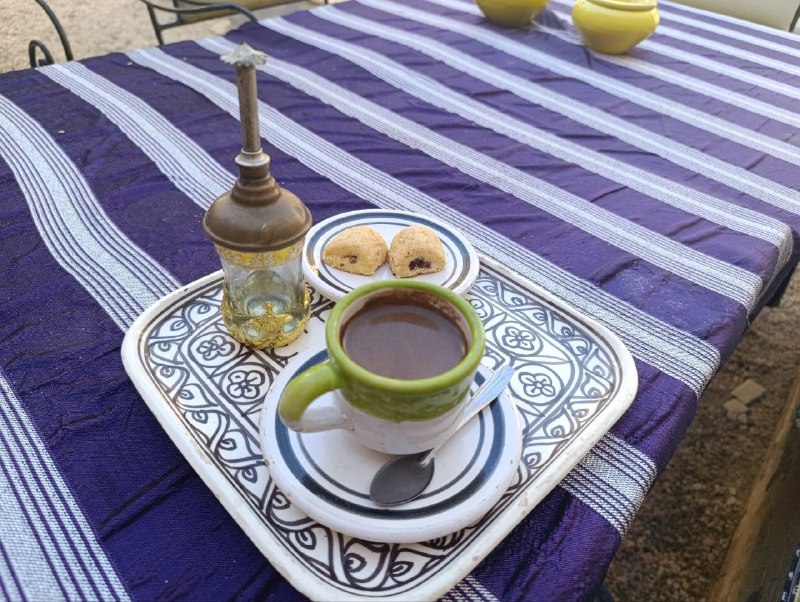
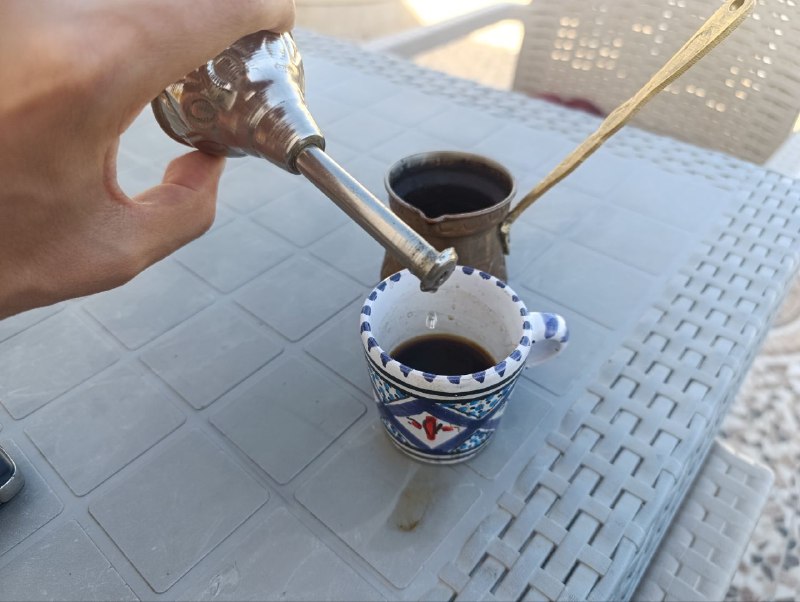
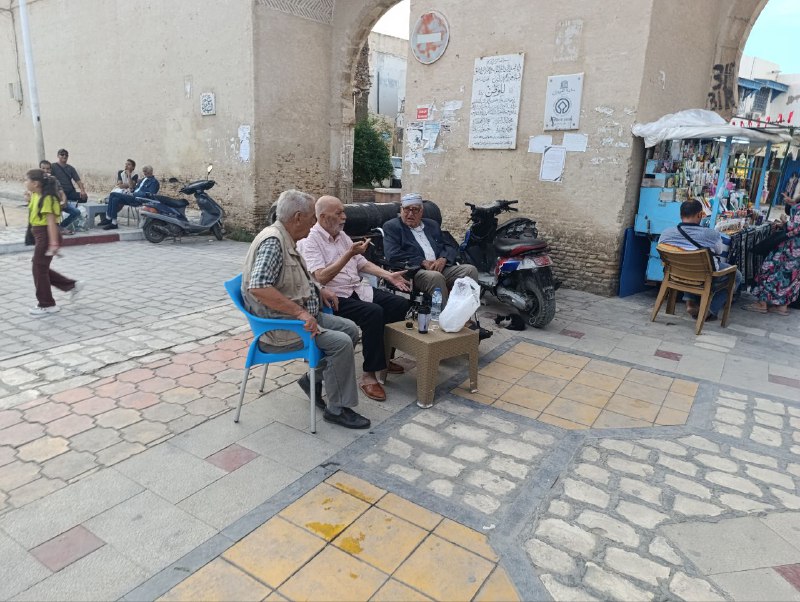
Tea culture is HUGE in Tunisia. There are dedicated tea shops here, usually called Salon de thé, where locals pop in for a couple cups. There are different varieties: traditional with mint, with nuts, just plain black. Always with sugar. Tons of sugar. Sometimes with sweets too. Or more than one. Same deal with coffee. It's basically the diabetes capital. I learned pretty quickly to order everything without sugar right away, otherwise it's impossible. Sometimes they even serve rose water with coffee. Also sweet. In a separate container so you can add it to taste.
The French brought tea here at the end of the 19th century, and for the first 40 years or so, nobody really paid it much attention. But after World War I, there was an actual tea epidemic. Literally. At least according to local doctors, who actively pushed French authorities to legally restrict tea. Because it supposedly had a negative effect on Tunisians, who apparently couldn't control their tea consumption on their own.
"Teaism" was actually seriously compared to alcoholism and they tried all sorts of ways to fight it. Meanwhile, in Morocco, where they were consuming significantly more tea at the same time, this wasn't seen as a problem at all. Because unlike Tunisians, they brewed green tea instead of black, did it the "right" way, didn't reuse tea leaves, and didn't over-brew. Though according to doctors, the "epidemic" eventually spread to Algeria and Morocco too.
To give you a sense of the seriousness of the situation: forensic psychiatrists would actually write down "tea-induced hallucinations" or "overdid it on tea" as the cause of murders in their reports. It's even preserved in the archives (for example,
here, but in French). Honestly, I'd think twice about the stuff after that too :)
Anyway, after independence from the French, the tea epidemic kind of died down. Well, almost died down.
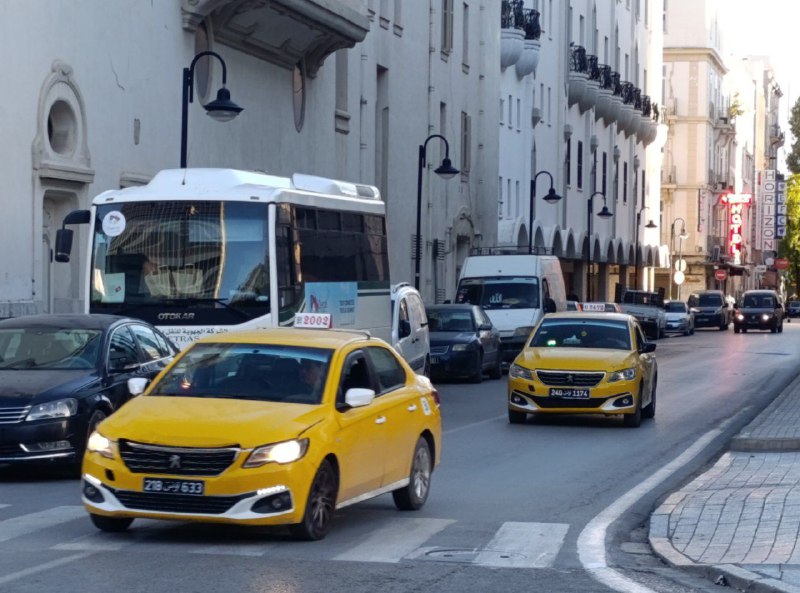
You need to catch a taxi in the center of Tunis. Two cars are coming towards you: one with a red light and one with a green light. Which one do you stop?
Well, not the green one. Tunisians did it the other way around. Here, red means available. Even things that seem completely basic and obvious can differ in other countries.
I heard a theory that the light here is for the driver, not the passenger: if there's a passenger in the car, you can go, and they turn on the green light. So let the rest of the world think differently ¯\_(ツ)_/¯
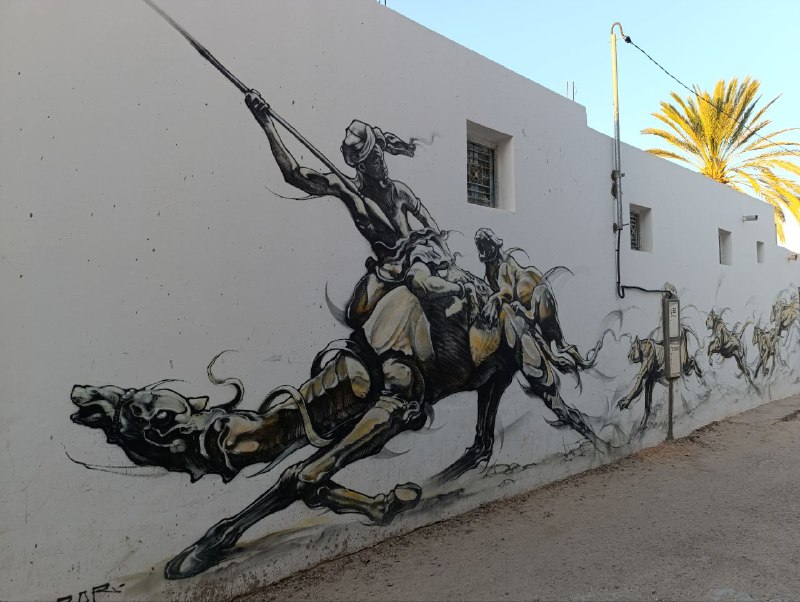
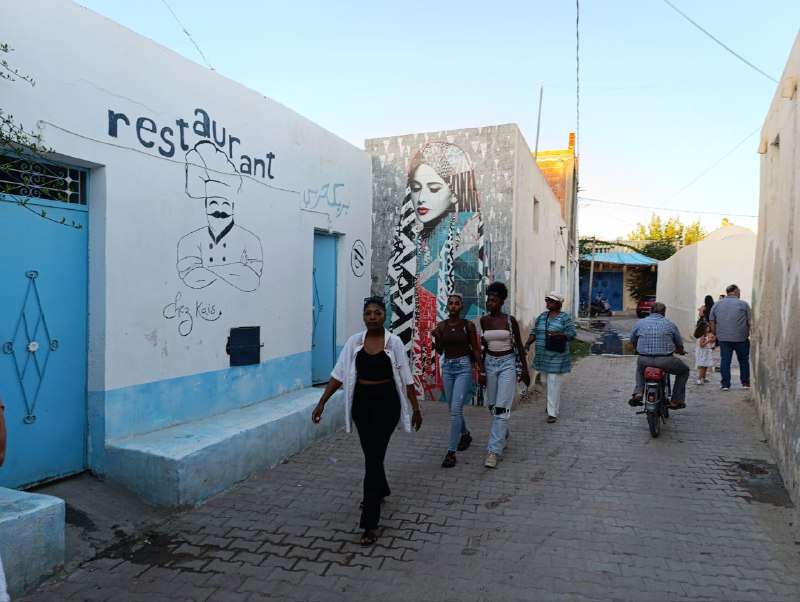
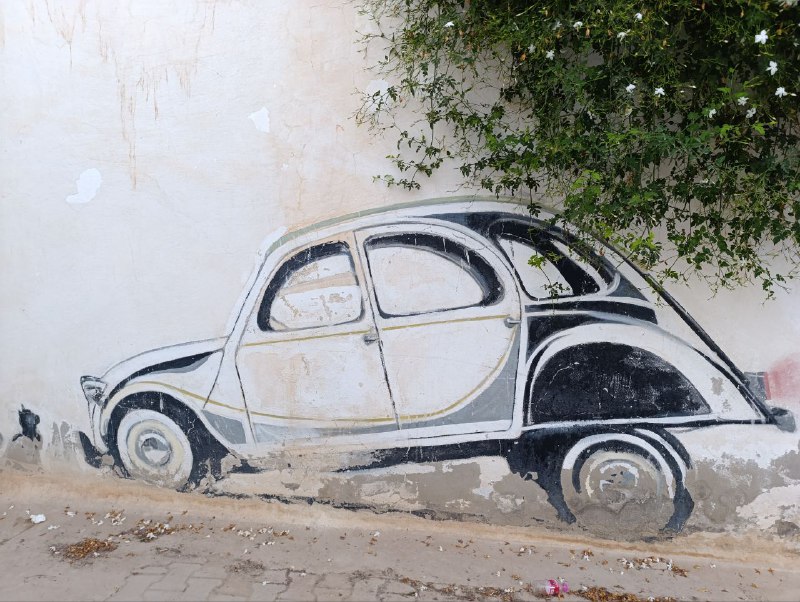
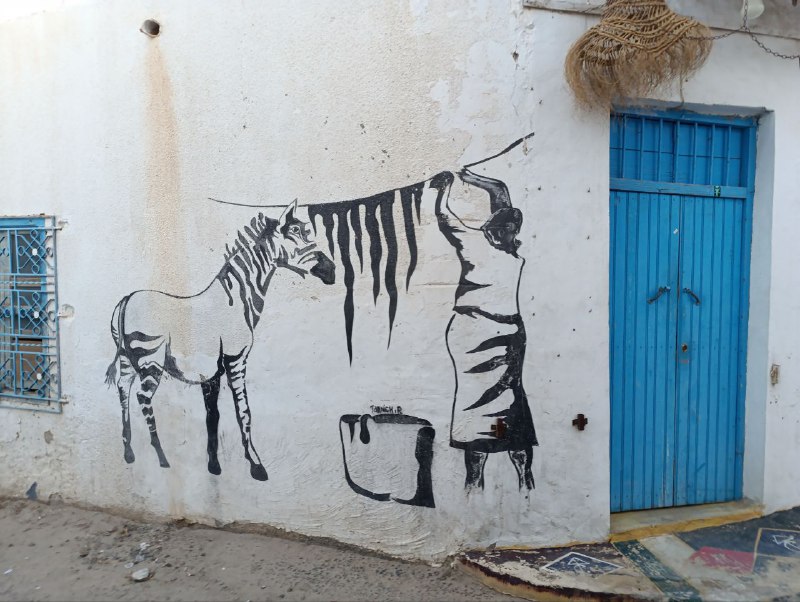
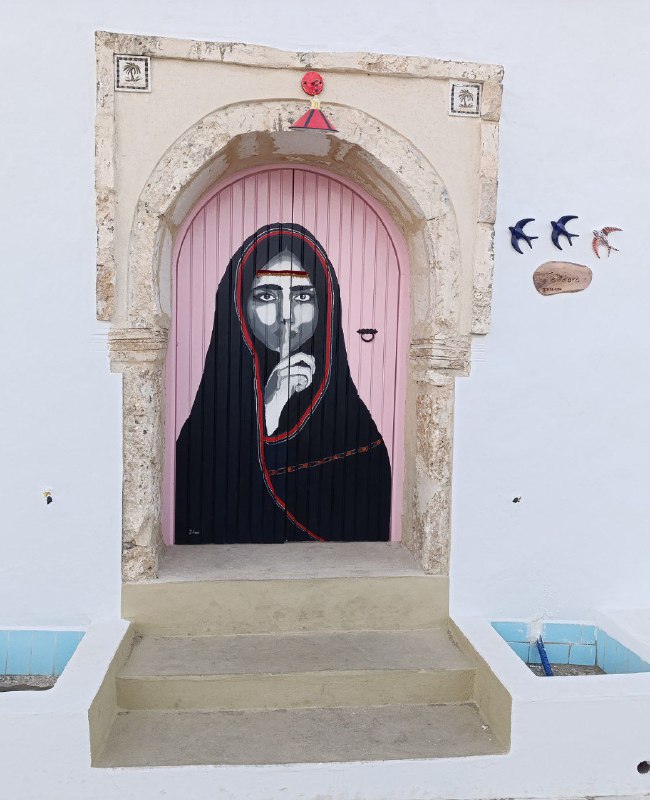
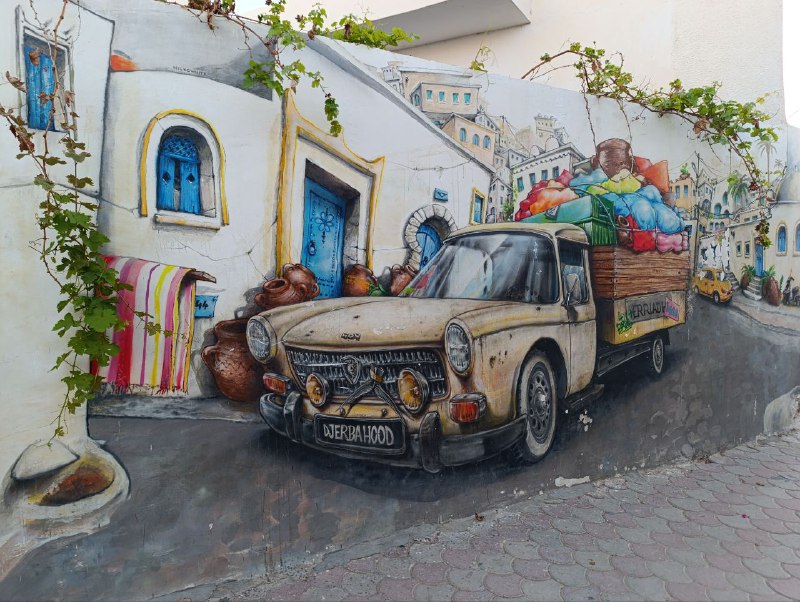
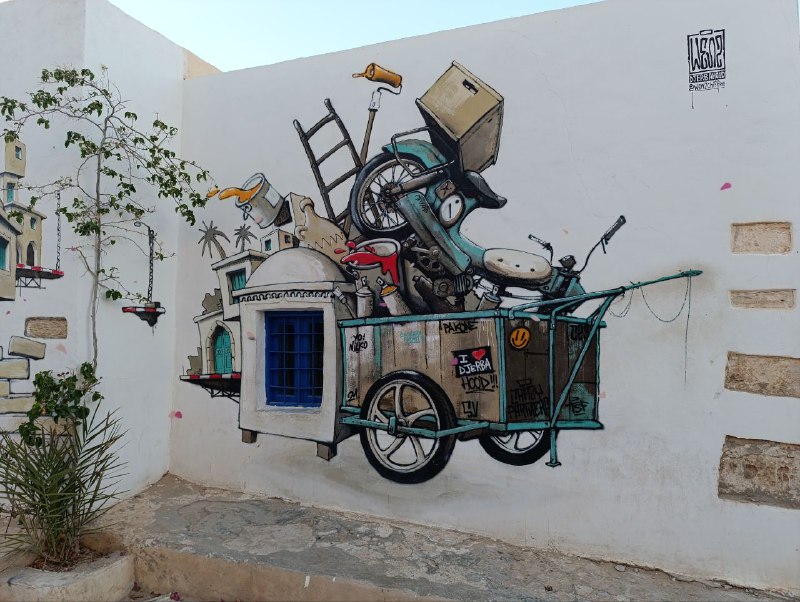
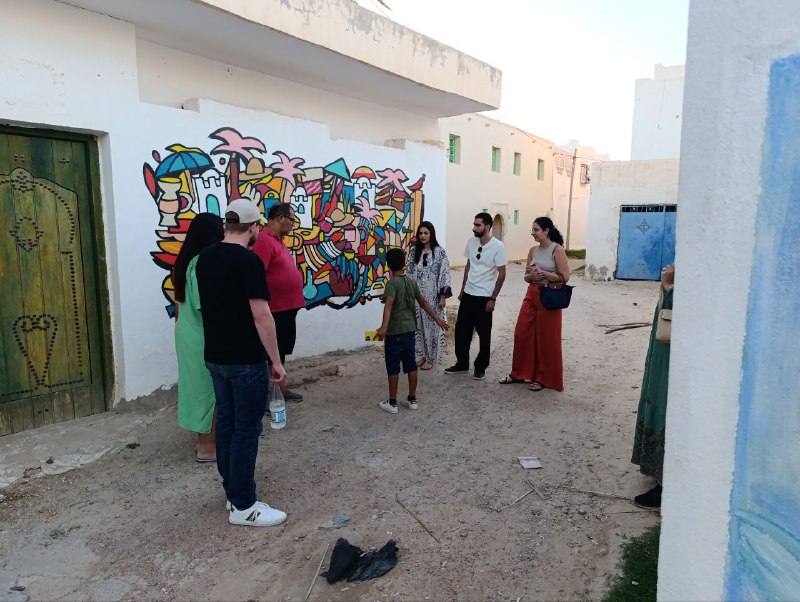
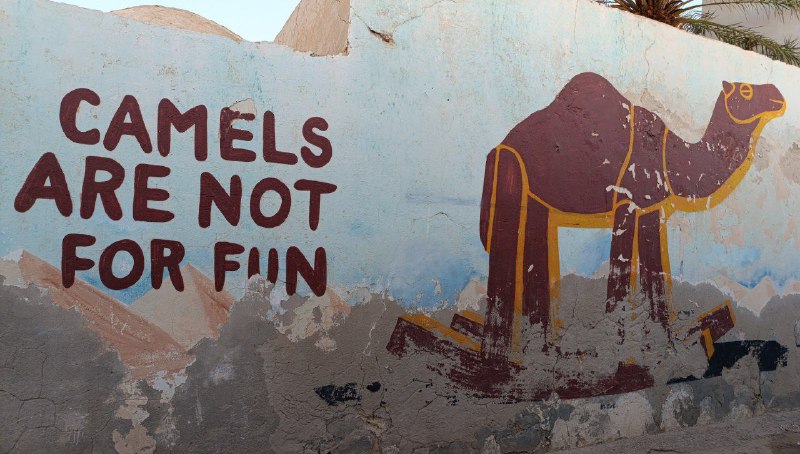
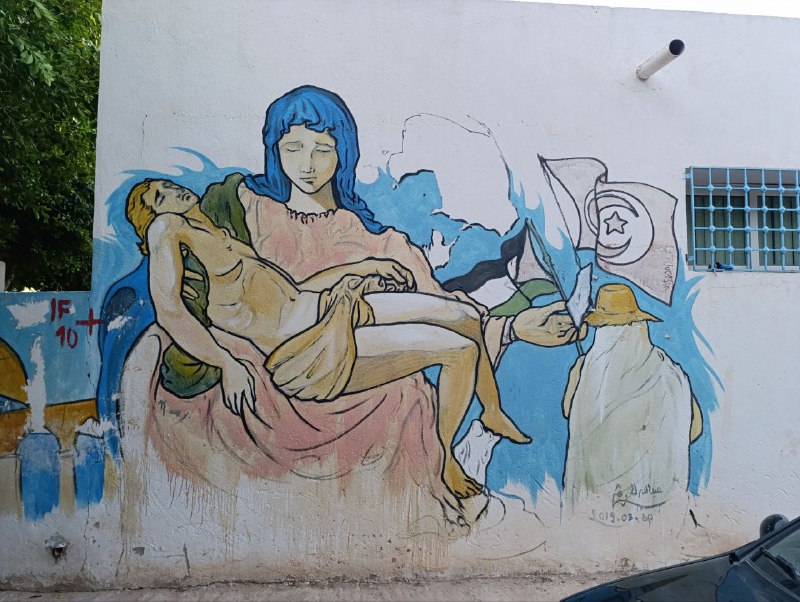
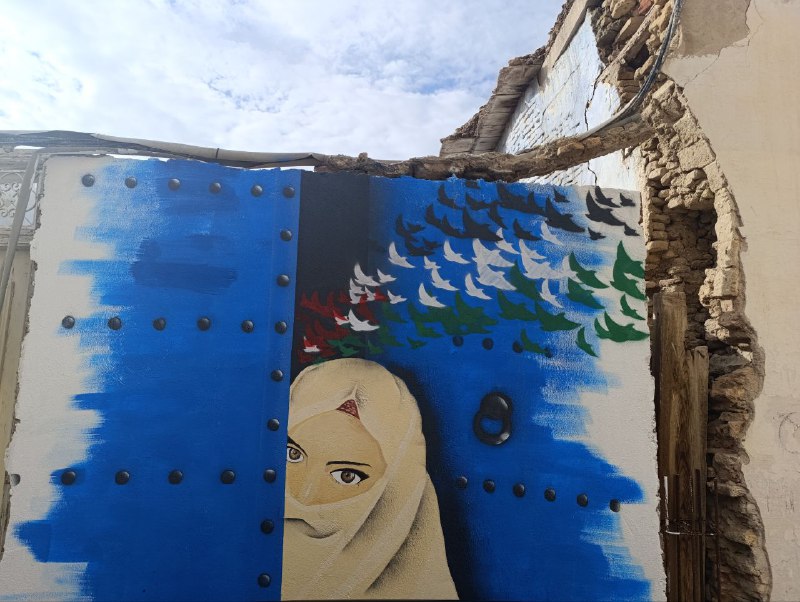
The island of Djerba is really trying hard to attract non-religious tourists too. Back in 2014, they invited artists from dozens of countries to one of the villages to paint the street walls.
Belgrade, check it out if you can :)
But you couldn't just pick any random wall and start creating. First, you had to get permission from the building's residents. While it was tough at first, by the end of the project, people were actually asking for artists to paint on their walls. This whole thing is called
Djerbahood.
In the south of Tunisia on the island of Djerba lives one of the oldest
Jewish communities in the Arab world. About 1,000 people. The community was at its peak in the middle of the last century, when there were nearly 4,500. After World War II, people started moving to Israel. And a few to France.
The first documents mentioning the island's Jews date back to the 11th century. If you believe local legends, they appeared here after the destruction of
Solomon's Temple (that is, almost 1,500 years earlier).
For such a small community, they managed to build about twenty synagogues. Today, several of them have closed, but definitely more than 10 are still operating.
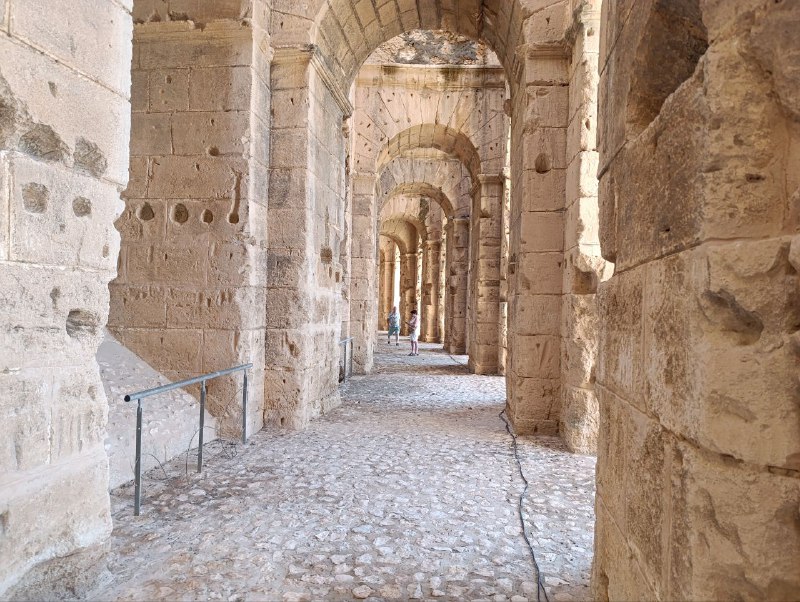
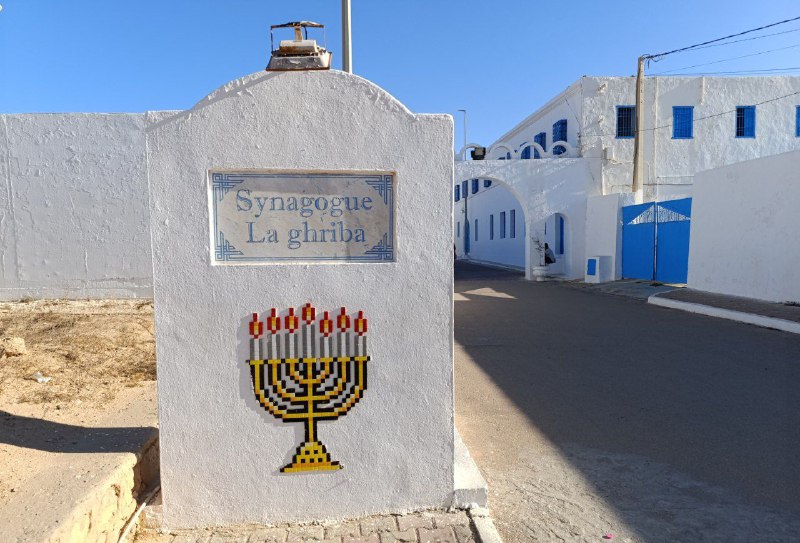
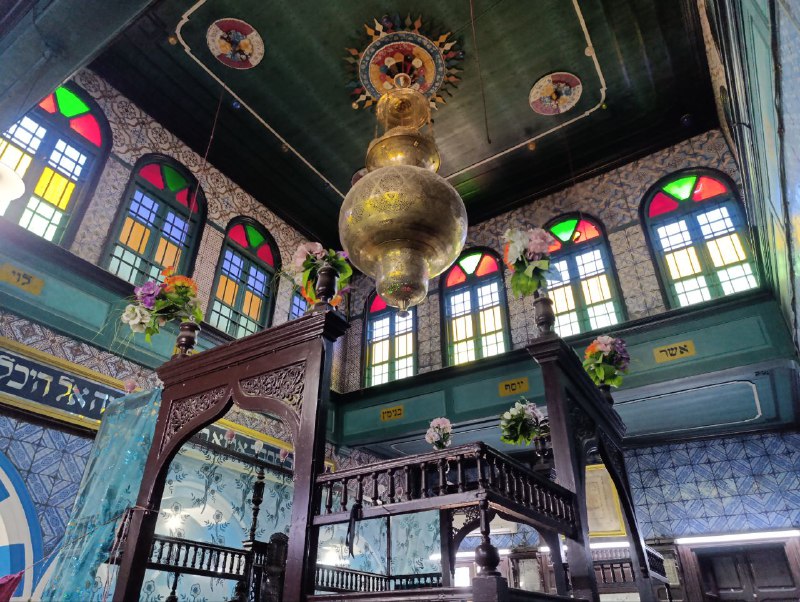
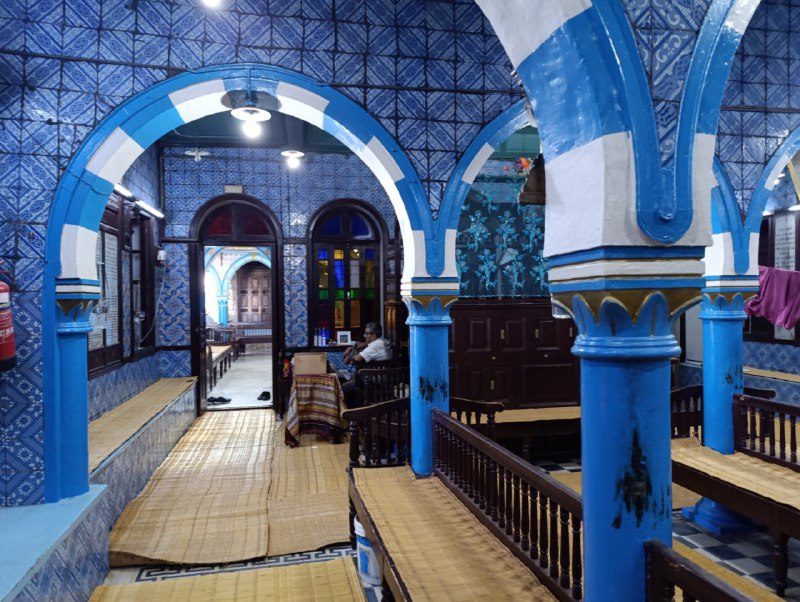
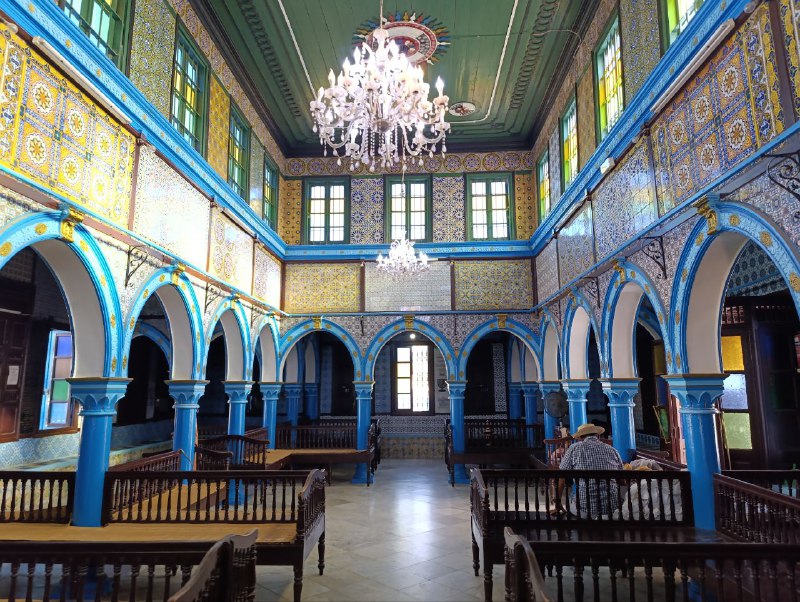
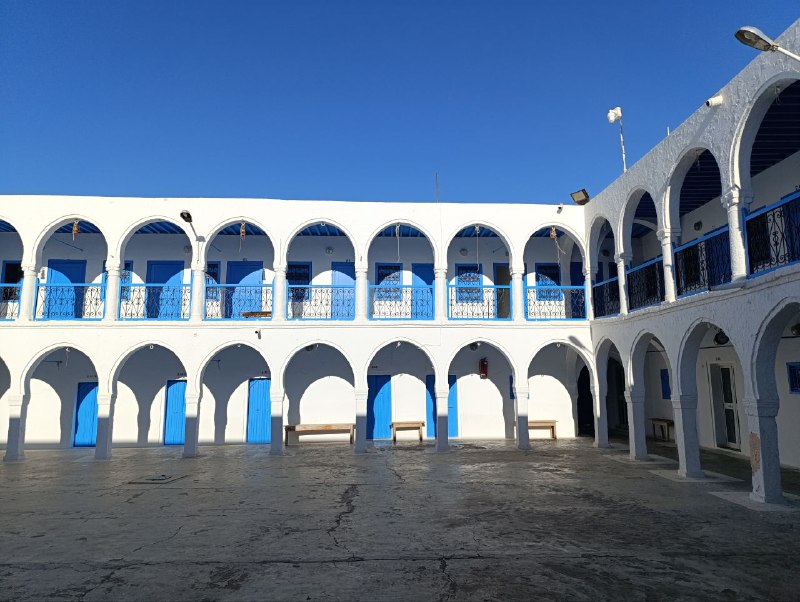
El Ghriba (in the photo) is the most famous one. Many pilgrims and tourists come here. The building has been rebuilt many times. The current version dates from the 19th century, but really stands out for its unusual architecture. They say it houses one of the oldest Torah scrolls in the world. Who would have thought that Jewish pilgrims travel to Tunisia.
Unfortunately, El Ghriba has been attacked three times. With casualties. All three incidents occurred during periods of heightened Arab-Israeli tensions. The most recent attack was last year. Now the police constantly patrol the area.
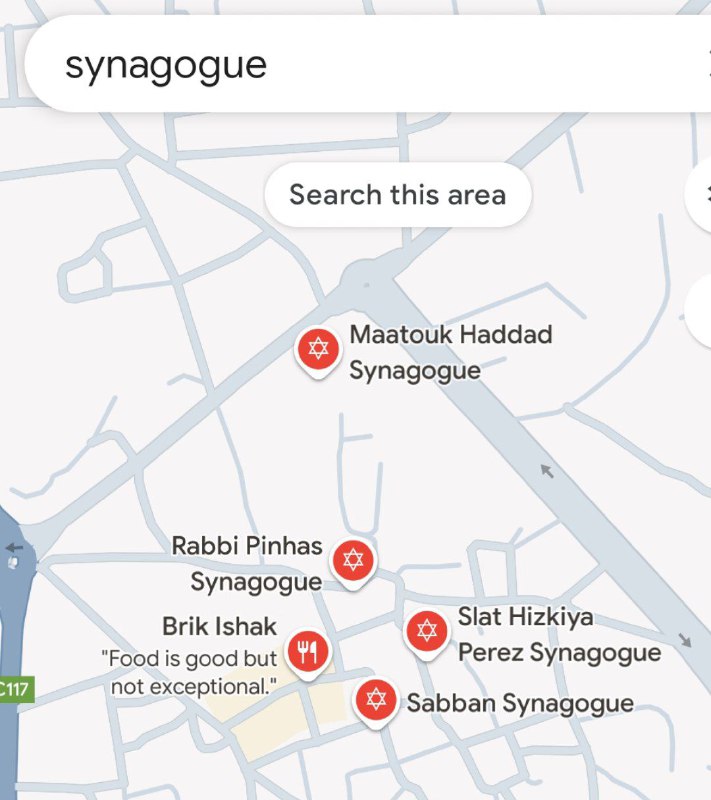
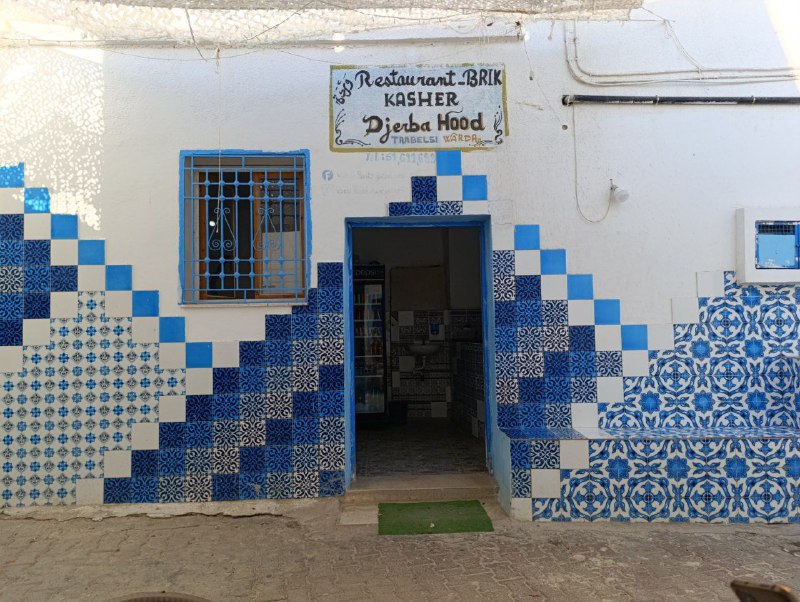
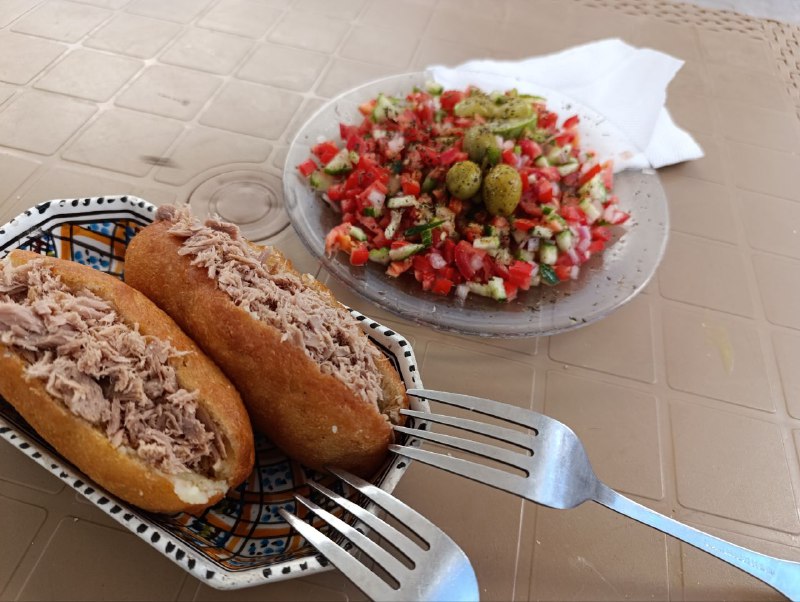
There are quite a few kosher cafes in the area. I've only seen this kind of concentration in Israel. The food is delicious. I checked.
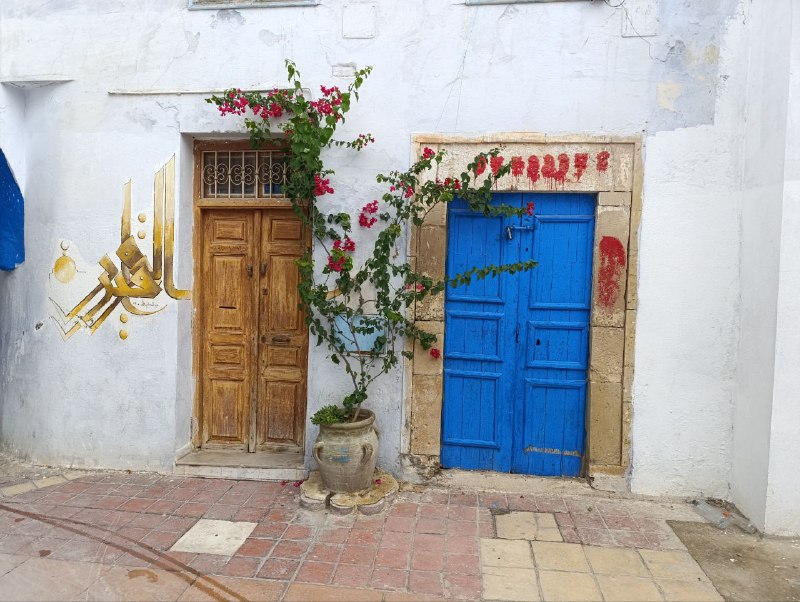
Made it to Tunisia. Didn't stick around the capital for long—headed straight south to Kairouan. And if you think the city's name sounds like "caravan," well, you're not wrong. :)
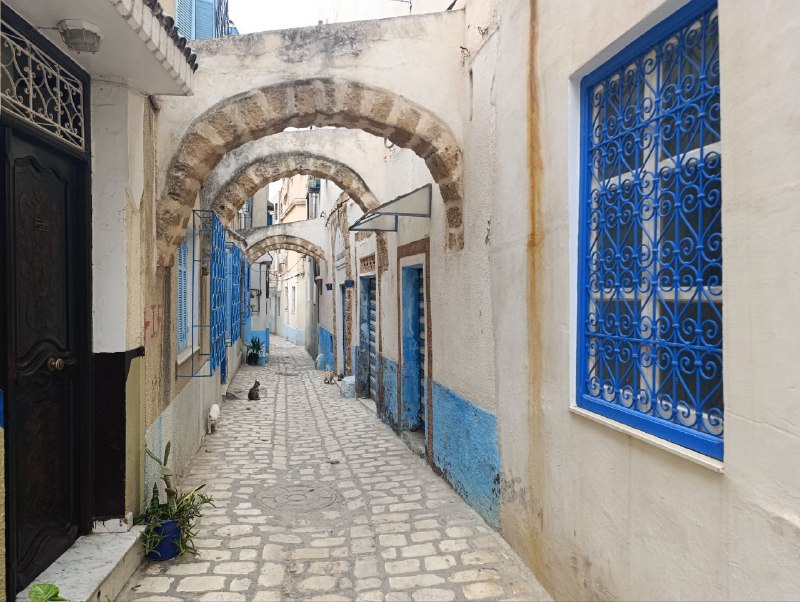
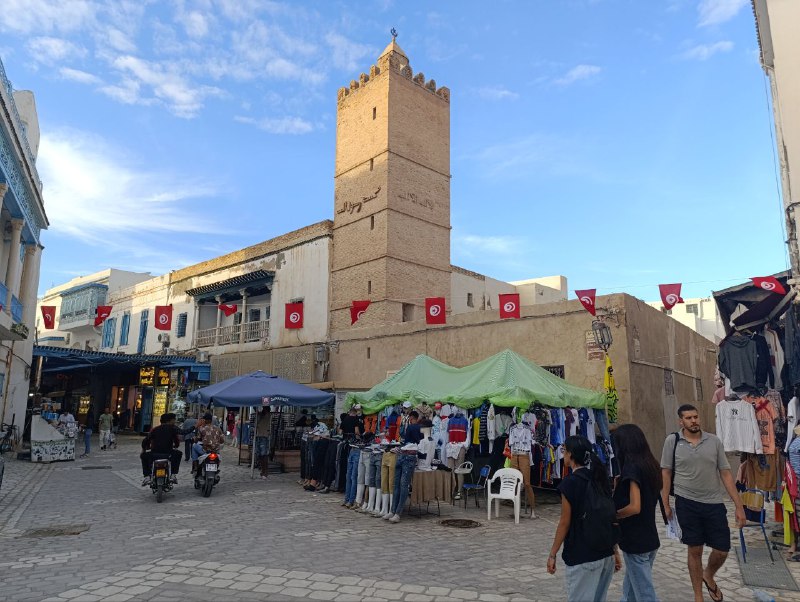
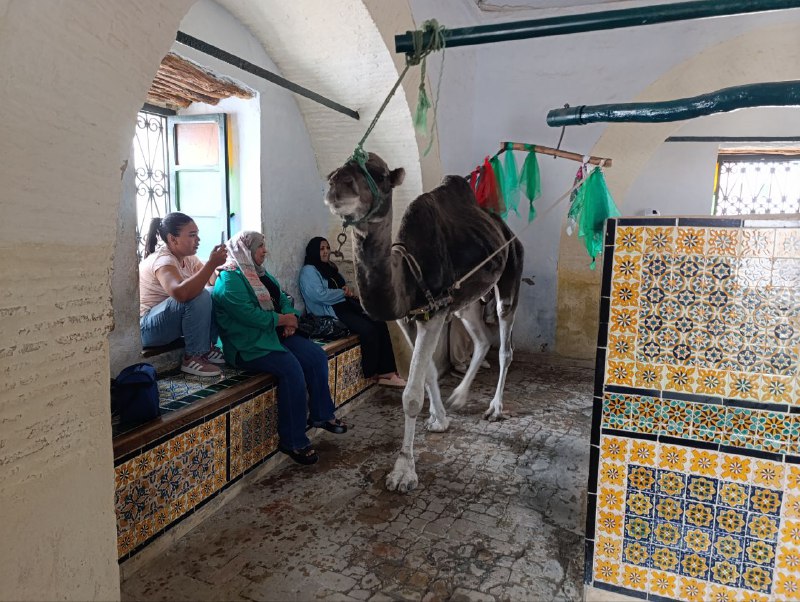
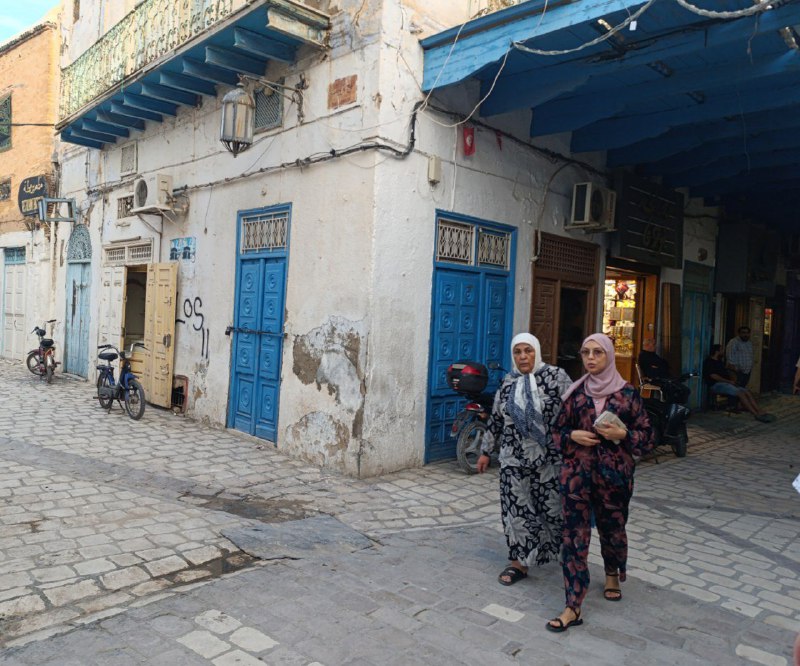
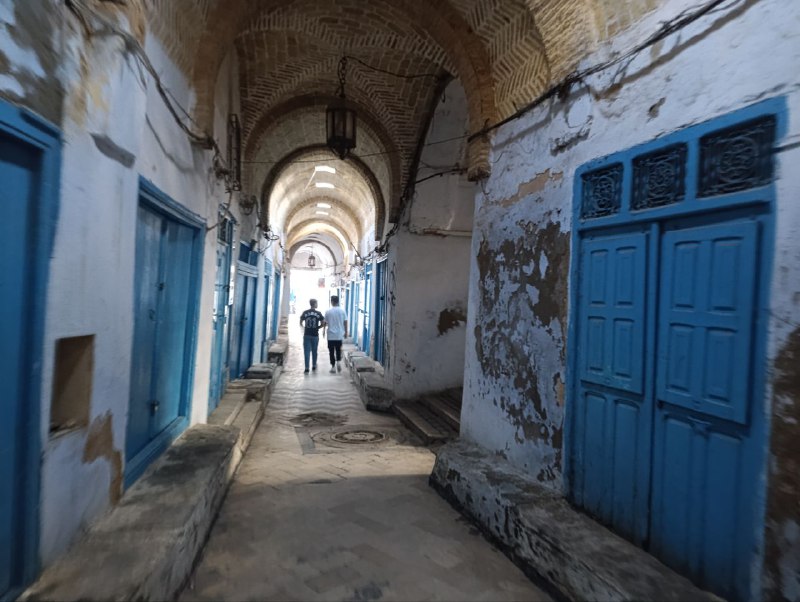
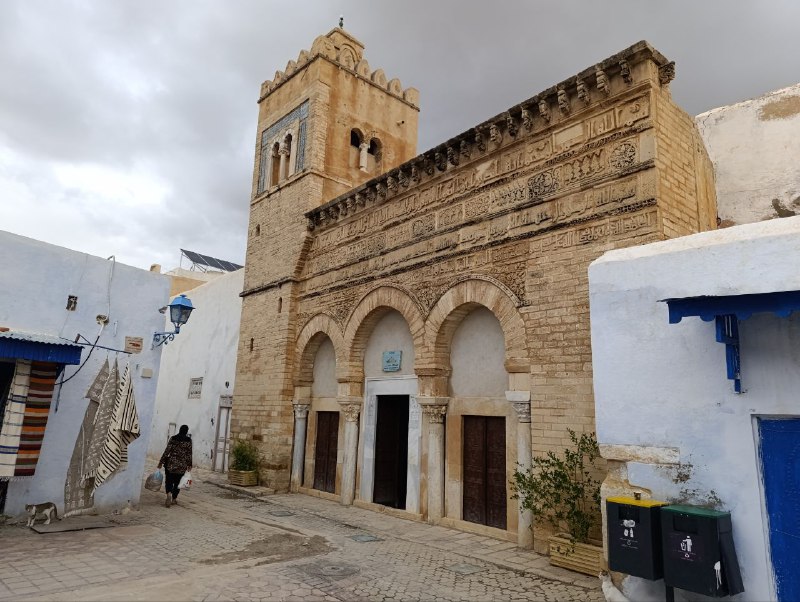
The city's laid out in a pretty strange way. They've turned the heart of the Medina (that's what they call the old part of town) into a bazaar. Various attractions are scattered around somewhere nearby, but there are basically no signs or directions. On the flip side, random passersby will sometimes stop you and eagerly point you toward something interesting. Some genuinely want to help, but most are hoping to make a quick buck. I never quite figured out how to tell the difference on the spot.
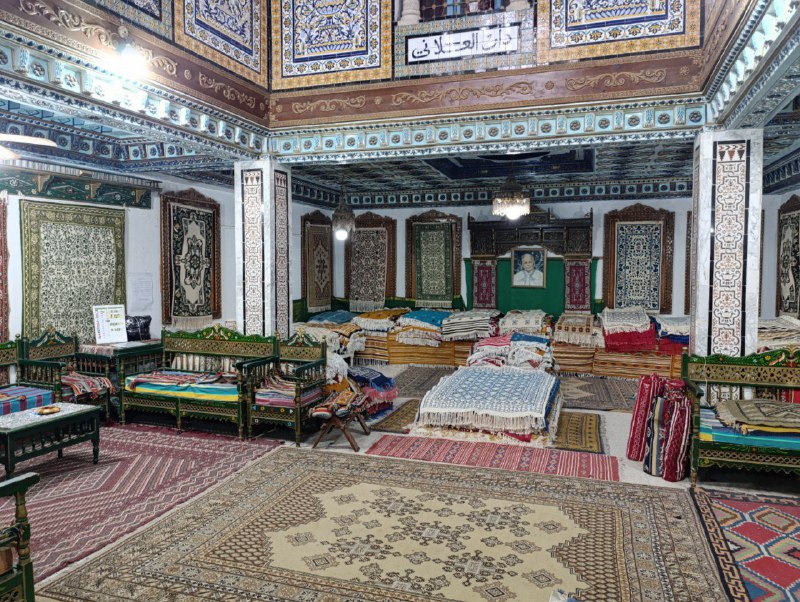
Sometimes the money-making doesn't stop at tips. In the local ruler's house-museum, they really tried to sell me a carpet. They've got every color and style imaginable. But honestly, what would I do with it? :)
If someone doesn't have carpets to sell, they'll try to monetize whatever else they've got. For a modest $1.50, some random guy offered to let me climb onto his roof for a great view. The view wasn't much to write home about, but it was an interesting experience anyway.
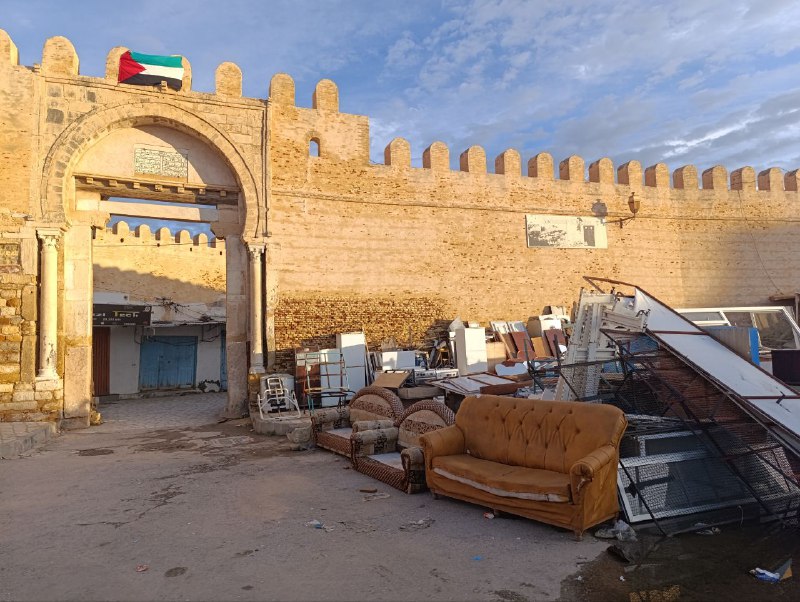
 United Kingdom3
 Serbia100
 Bosnia and Herzegovina54
 Turkey42
 United Arab Emirates3
 Brunei2
 Indonesia12
 Malaysia15
 Argentina16
 USA117
 Morocco5
 Georgia5
 Egypt16
 Hong Kong8
 China4
 Vietnam9
 Tunisia7
 Montenegro9
 Philippines12
 Singapore10
 Oman12
 Algeria12
 North Macedonia5
 Lebanon11
 Israel27
 Albania17
 Russia63
 Tanzania50
 Netherlands7
 Spain14
 Latvia2
 Germany7
 Belgium3
 France27
 Kazakhstan32