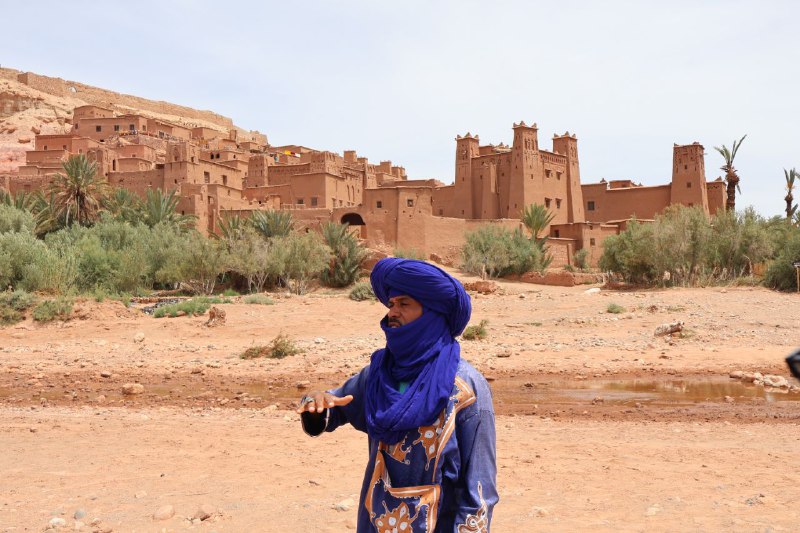
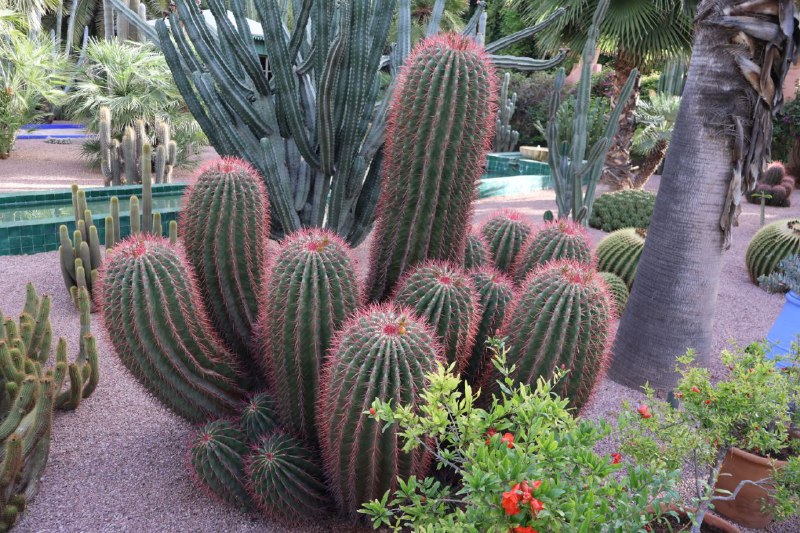
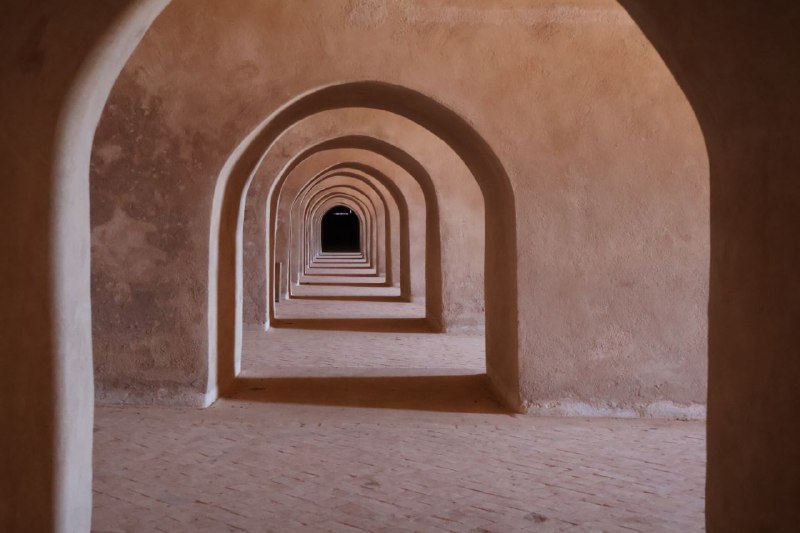
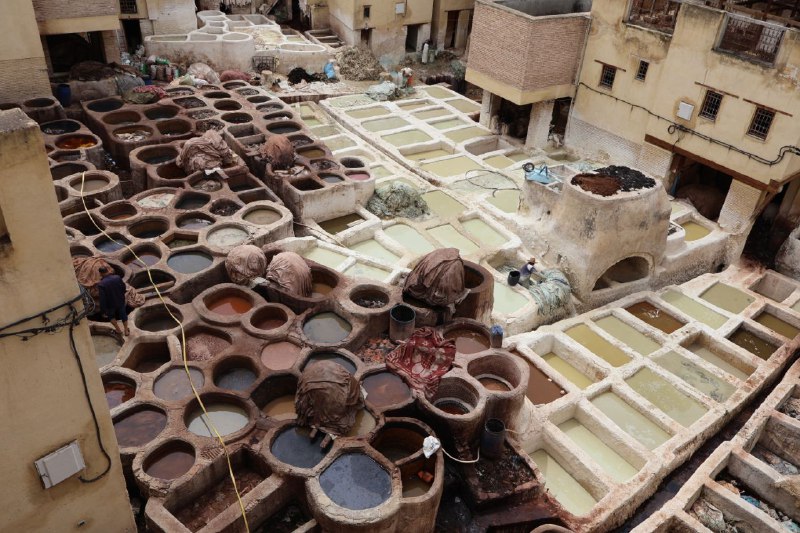
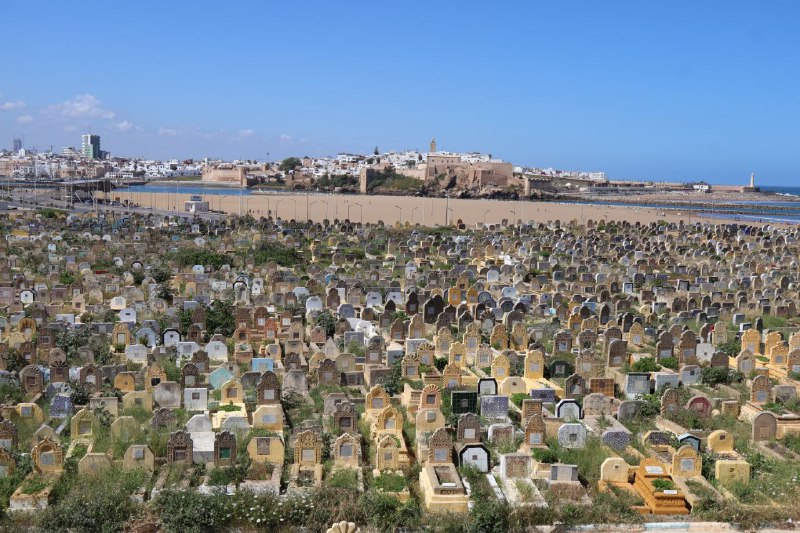
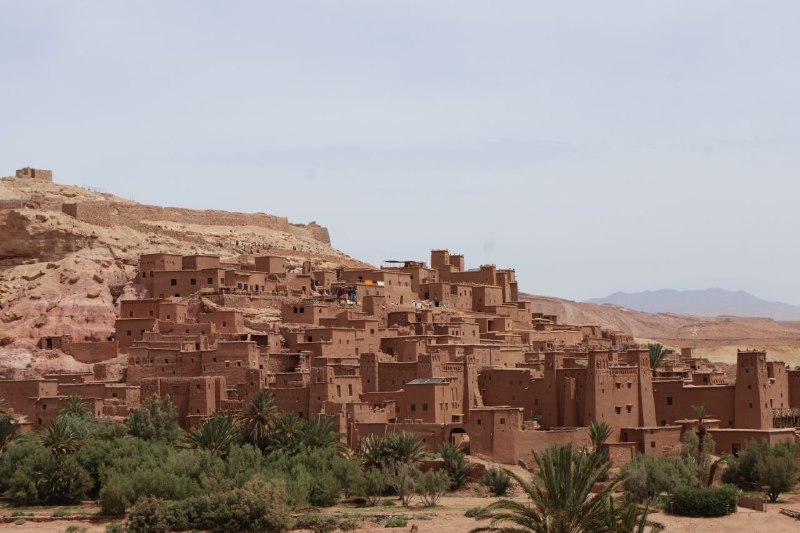
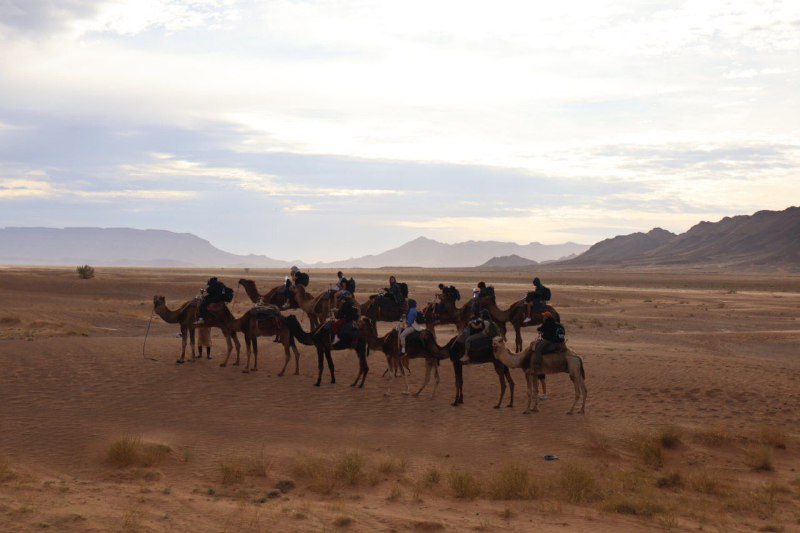
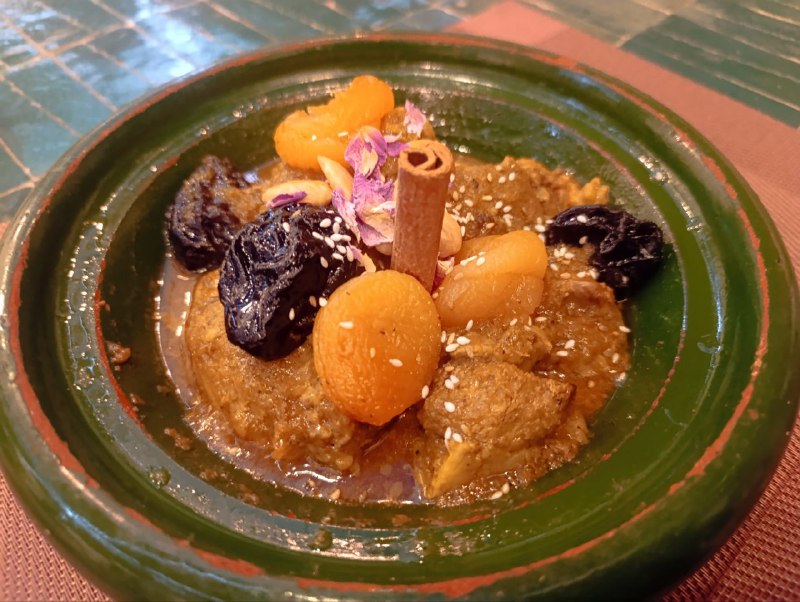
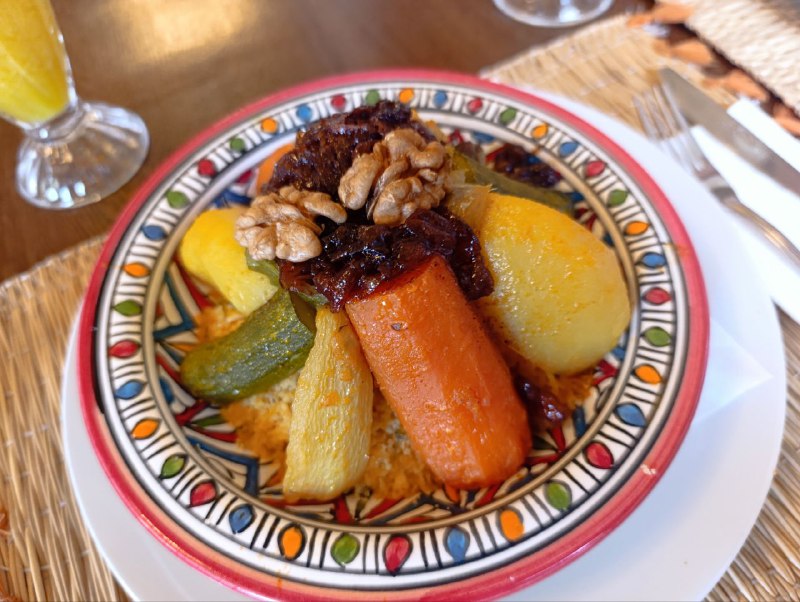
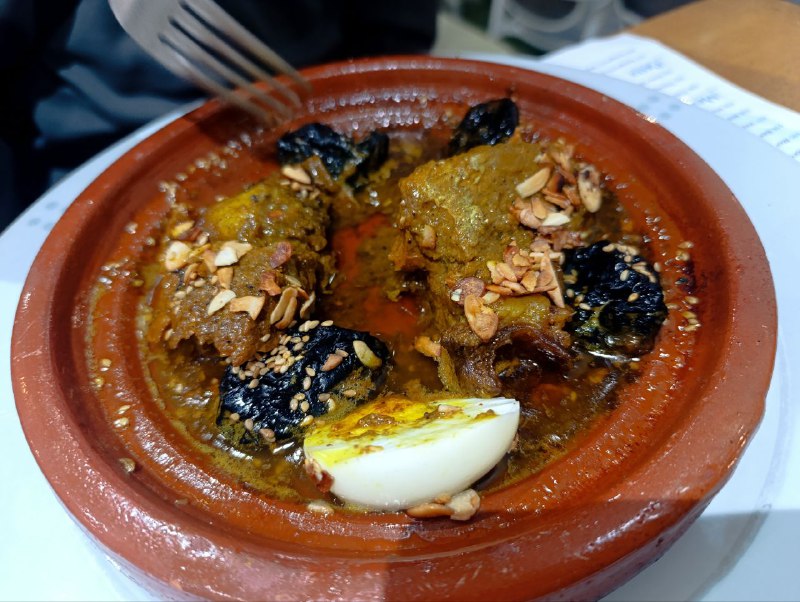
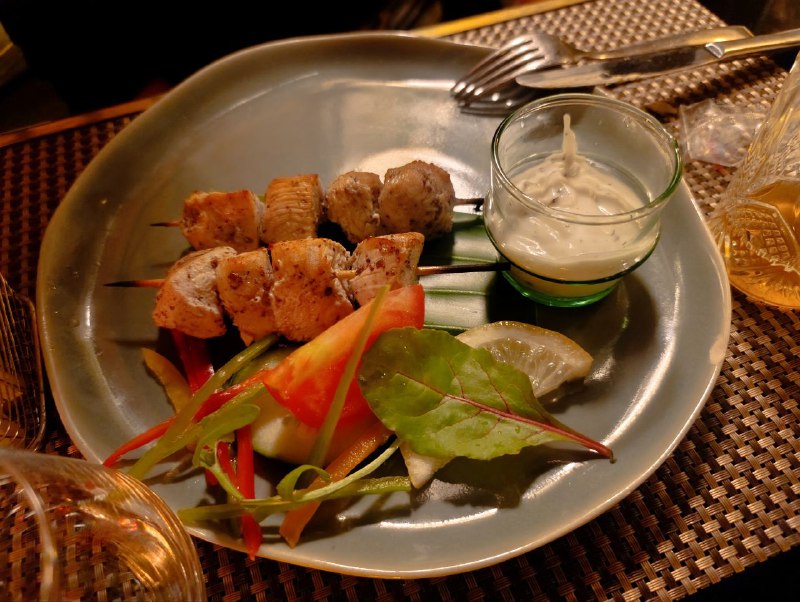
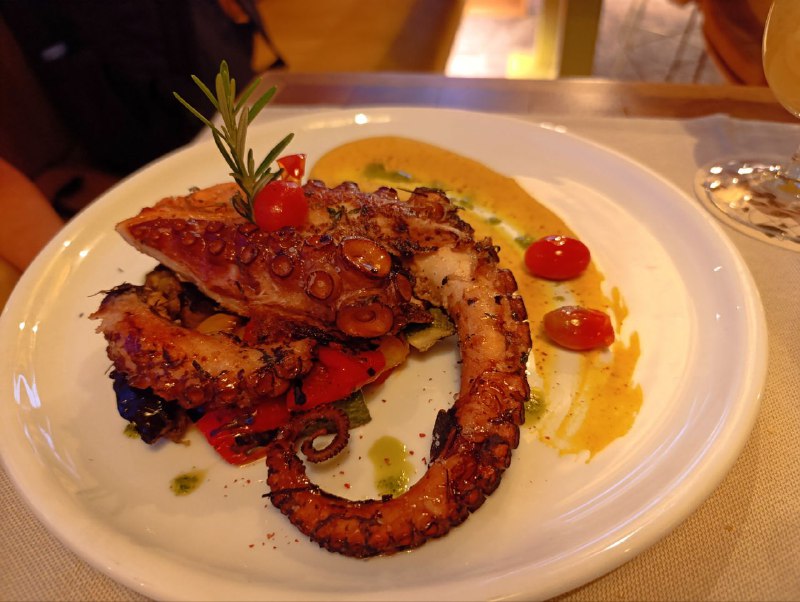
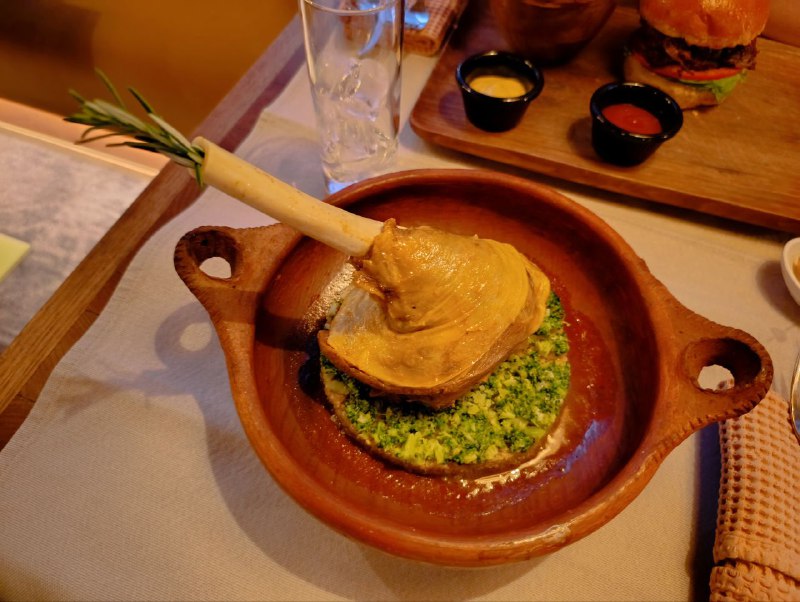
And finally, a few photos.
Algeria impressed me much more. In Morocco, many things are geared toward mass tourism, which sometimes makes it hard to see the real charm and character of the country. But I should definitely go back sometime and make it out to that
famous train in Western Sahara that pretty much everyone rides. And the
Saint-Exupéry museumI took a little break. Making up for it now. A couple more posts about Morocco to wrap up, then moving on to more current travel updates.
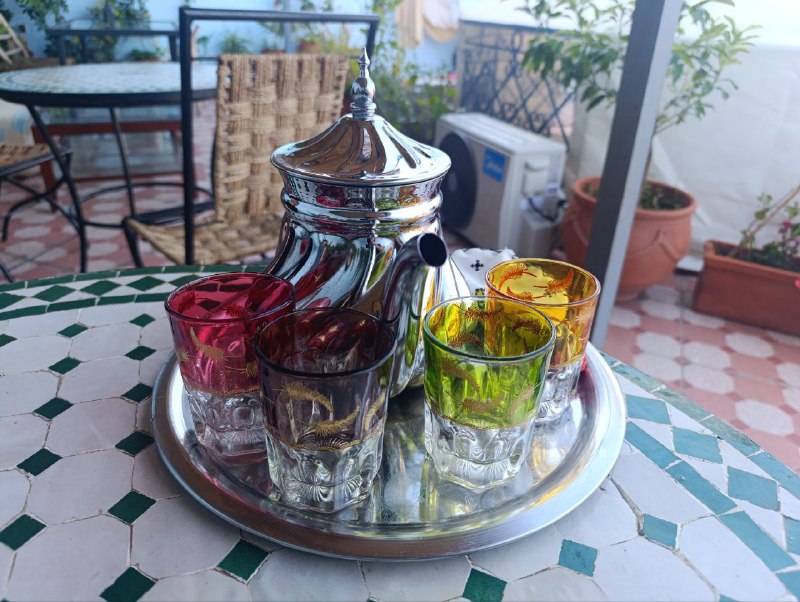
Moroccans seem to drink tea way more than they do in Tunisia, where there was actually a whole
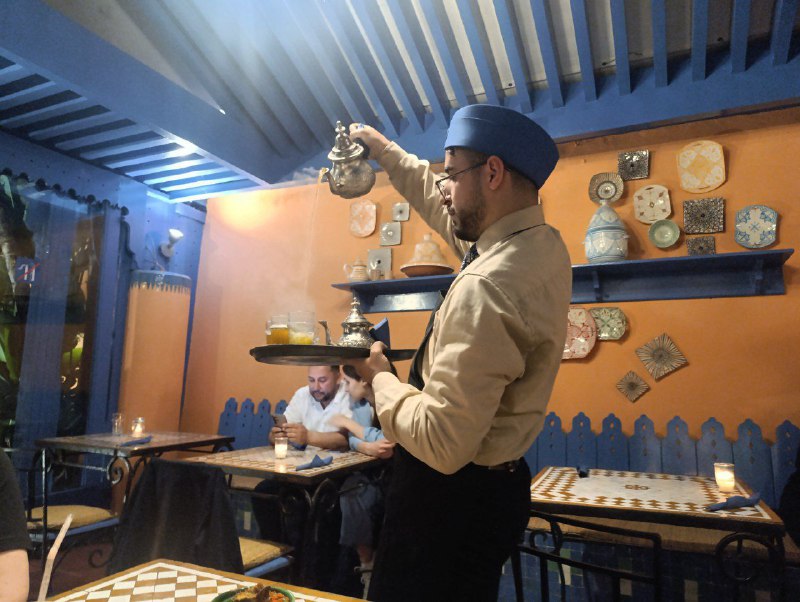
epidemic of it. And they pour it from like a meter high. The waiters told me it's how you tell if the tea is good—bad tea won't foam up.
Food prices are pretty European-level: 20-30 euros per person at a decent place. Even when you get away from the main tourist areas. Though Agadir did have some nice prices. Sure, you can grab street food way cheaper, but it's definitely an acquired taste.
The cuisine seemed kind of repetitive to be honest—tagines everywhere, but they get old quick and you want something different. I survived by hitting up Lebanese spots like
this one.
If you ever make it out that way, definitely check out
this place or
that one or
this one. Or
here, though you'd better book ahead for that one.
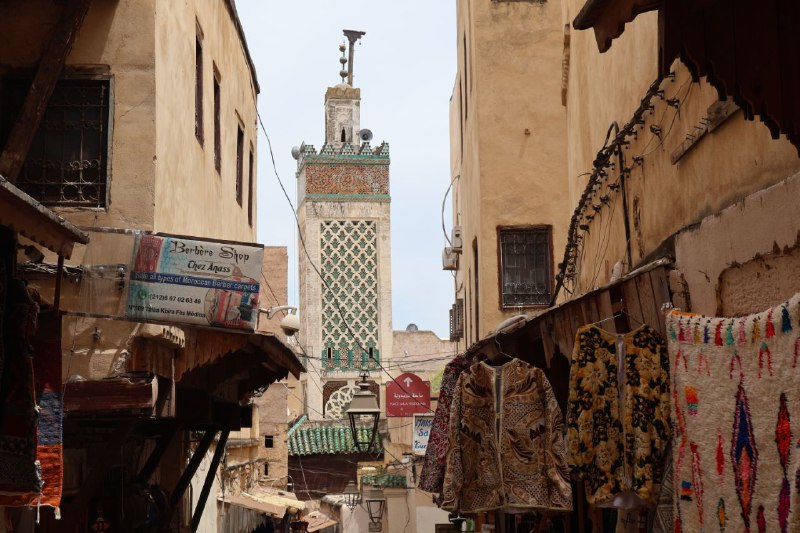
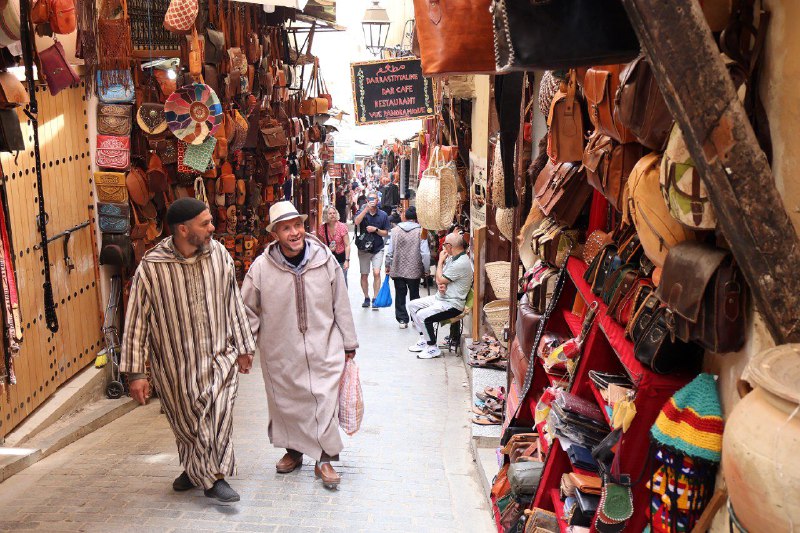
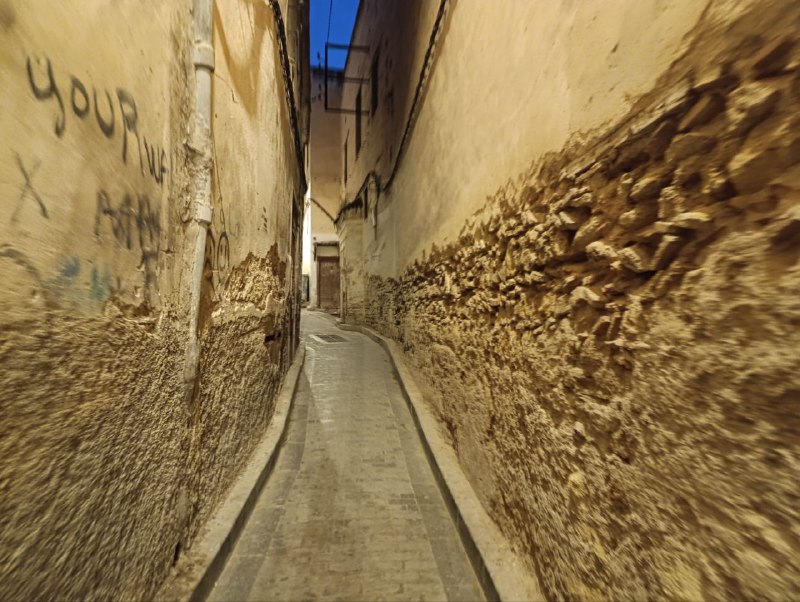
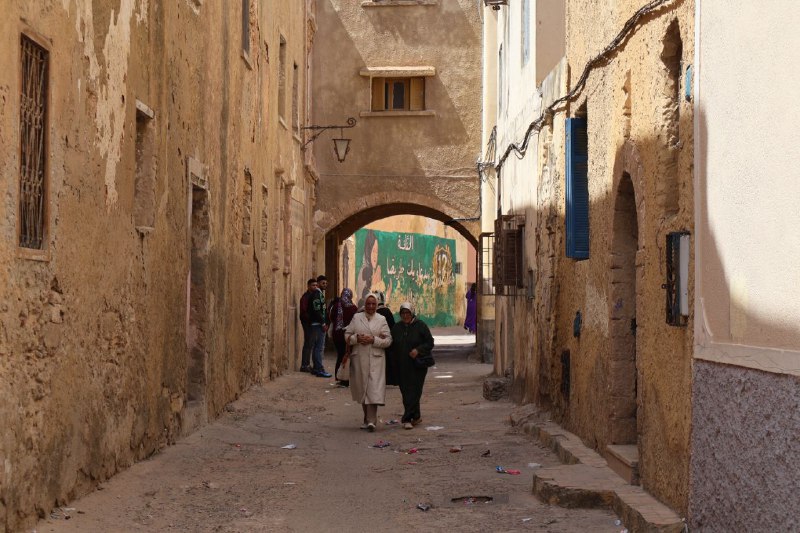
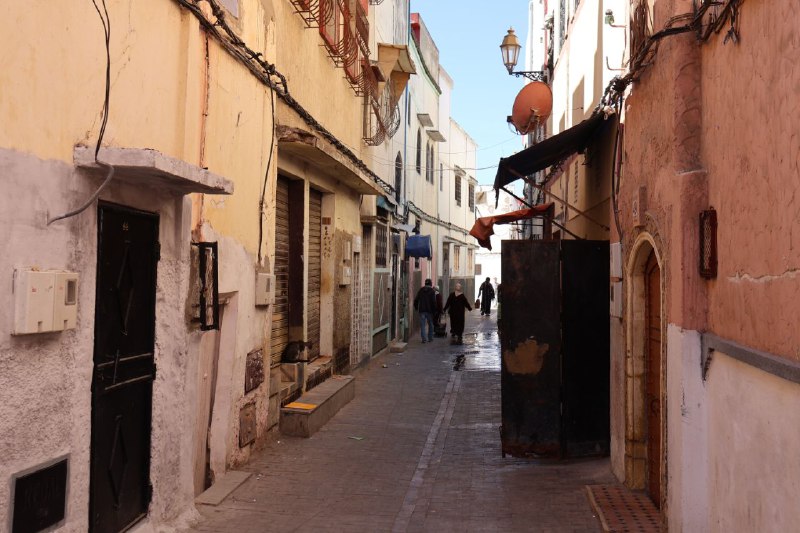
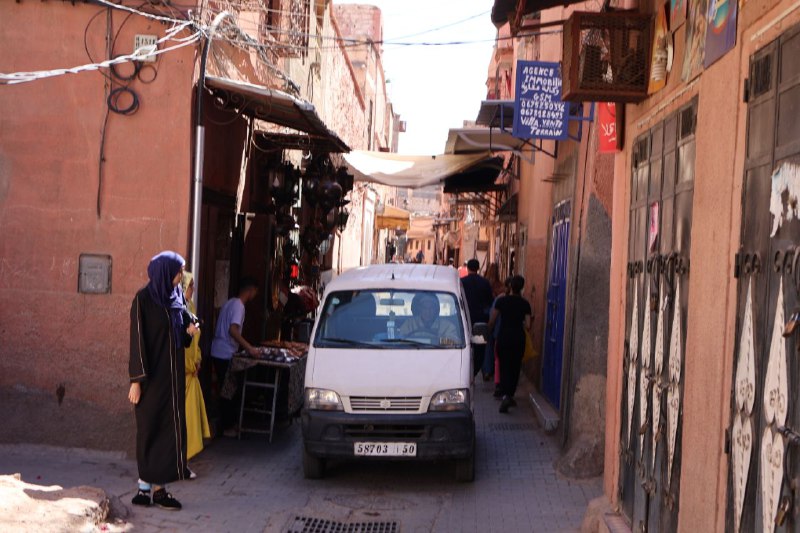
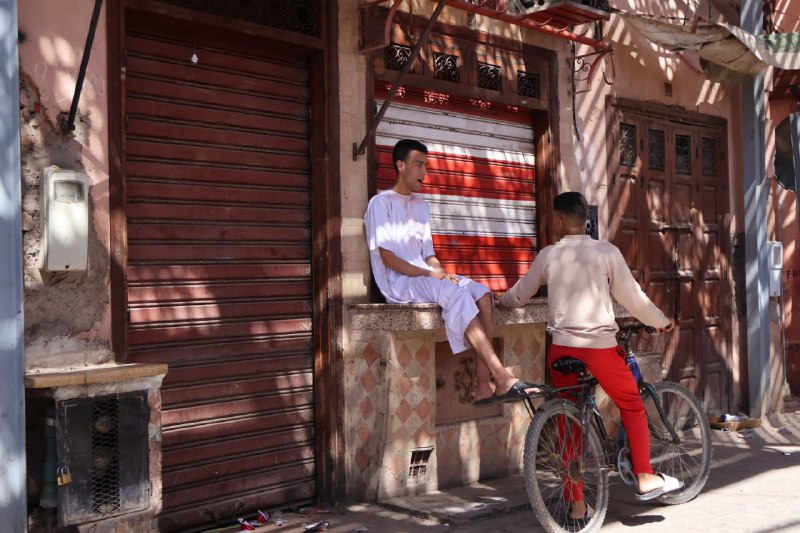
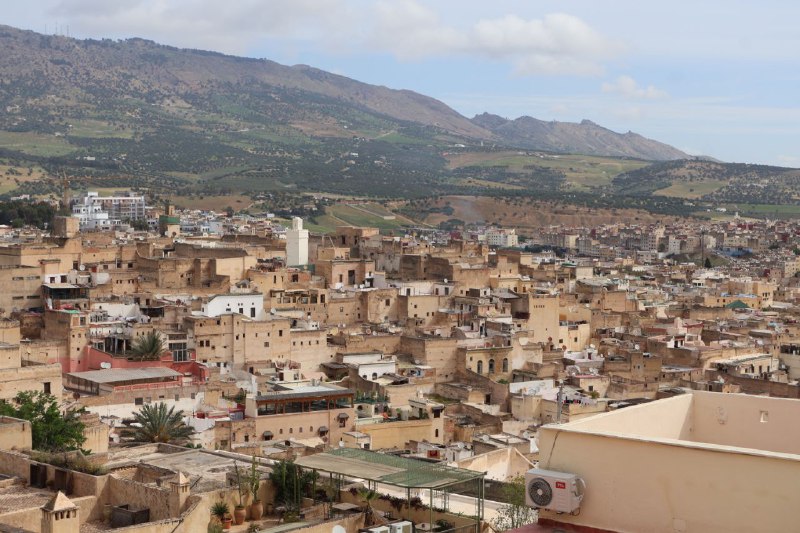
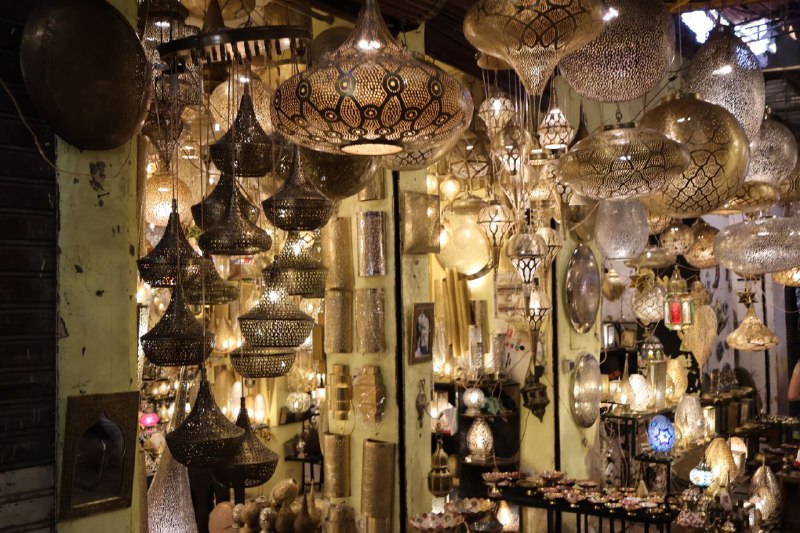
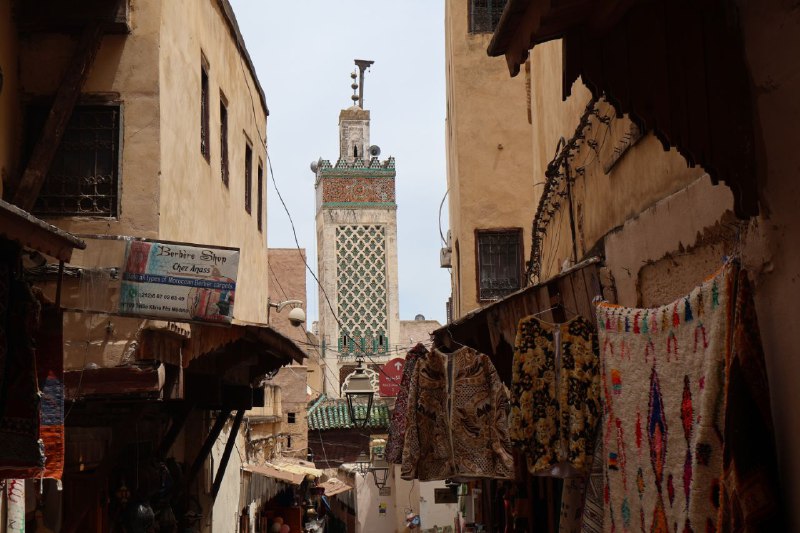
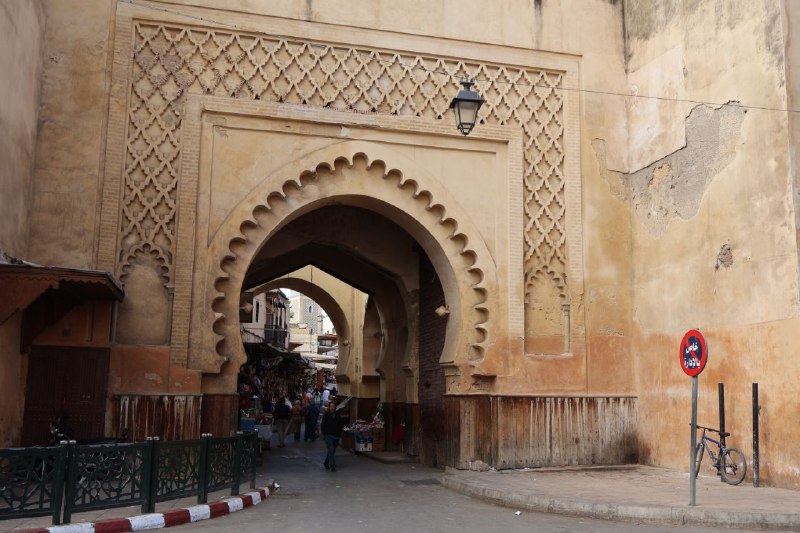
Moroccan medinas are colorful and full of character, but they wear you out pretty quickly. They're the historic part of the city, and honestly, they're pretty much the same from one place to another: everything's surrounded by this massive wall with some fancy gates and some not-so-fancy ones, and inside there's a huge market with these faceless narrow streets. There are some small regional differences though – like in Marrakesh all the buildings have this really vibrant red tone, in Casablanca they're pristine white, and in Fez the old medina is absolutely massive, so much so that not even all the little streets are mapped out. Plus the GPS signal there is pretty spotty.
Fez had the most random people coming up to me – mostly younger guys who were really trying to help me find where I needed to go. I mean, if you know which direction you're heading, you can usually figure it out on your own. But these guys start with stuff like "Hey! You're not going the wrong way, are you? Don't go down that road, it's closed! Let me show you the way." Of course there's nothing closed there. But when you've just arrived and like three people in a row are telling you it's closed, you start second-guessing yourself. Didn't happen in the other cities.
Back in the day, people only lived in the medina. When the French showed up, they really didn't like this setup at all, so they decided to build housing the European way, but outside the Arab walls. And that solved the segregation problem too, in a way – only the colonizers lived in these new houses, while Arabs stayed where they were. Eventually, wealthier Moroccans started moving into the new area and everything got mixed together. I totally get it though. Constantly wandering these cramped alleyways where scooters are zipping around all the time isn't exactly fun.
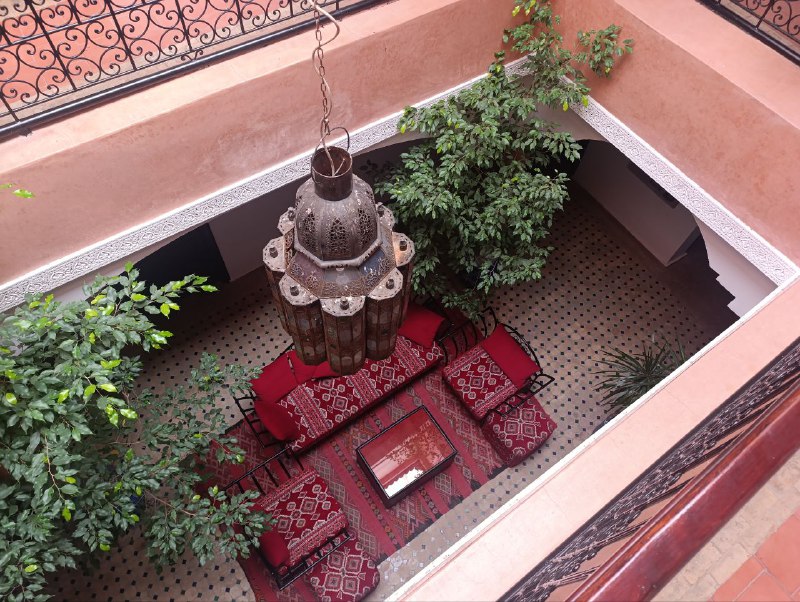
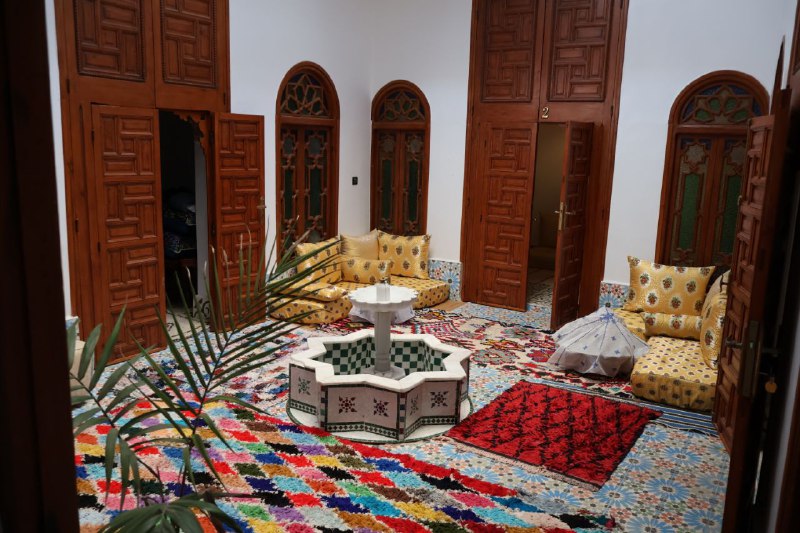
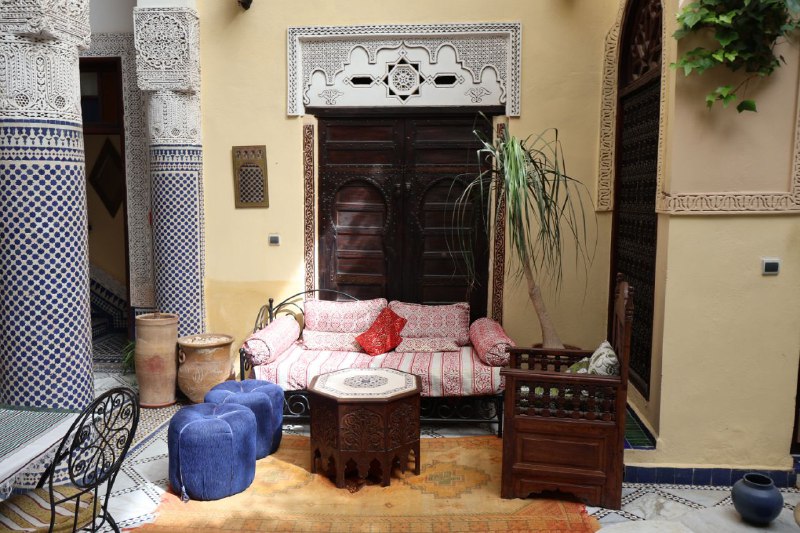
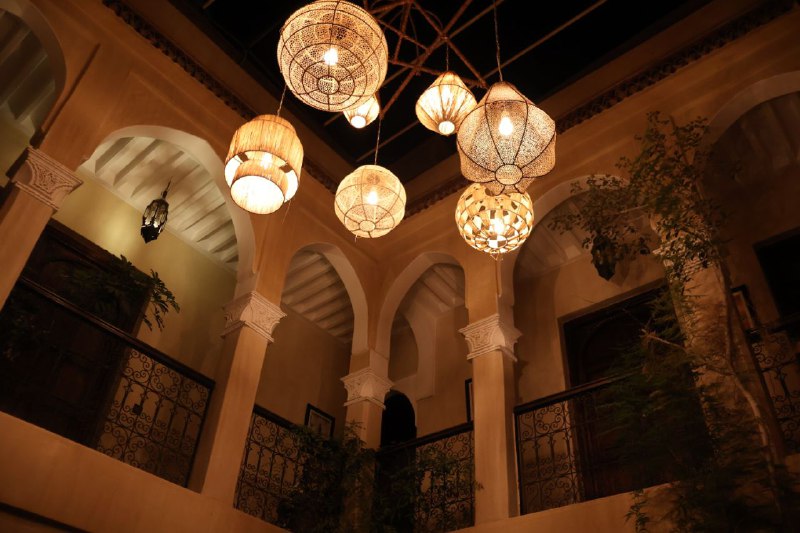
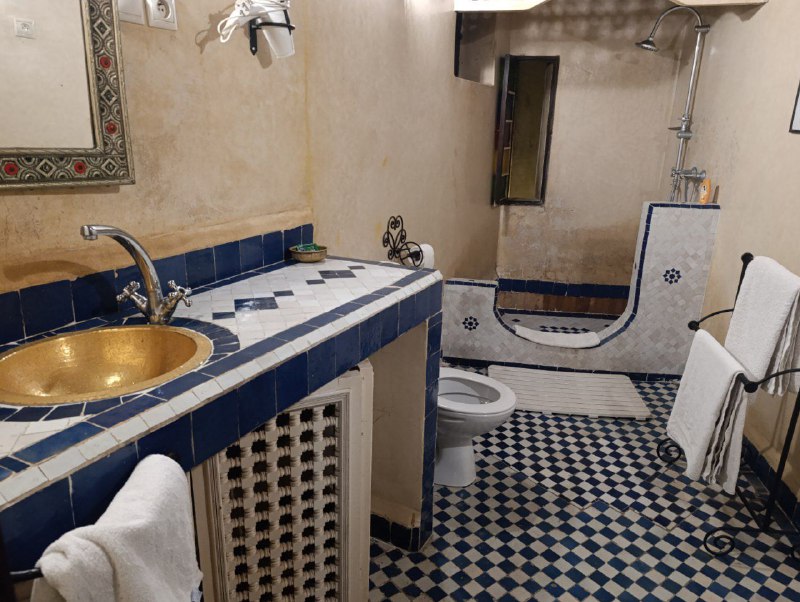
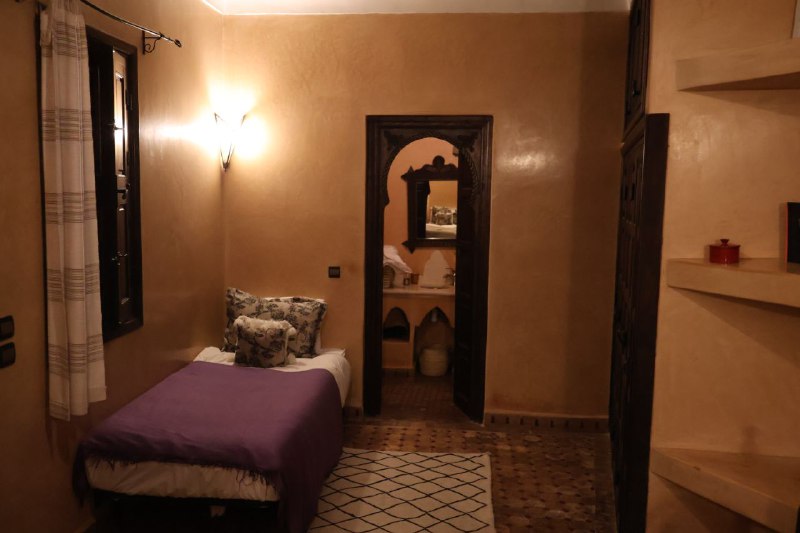
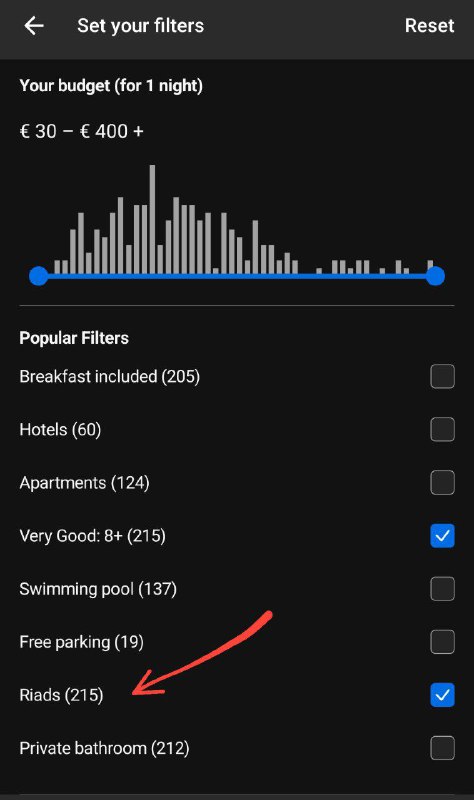
In Moroccan towns, you can stay not just in regular hotels or apartments, but also in
riads. The name literally means an inner garden in Arabic. But in recent years, the term has come to mean traditional guesthouses built around such a garden. Booking even has a separate filter specifically for this type of accommodation.
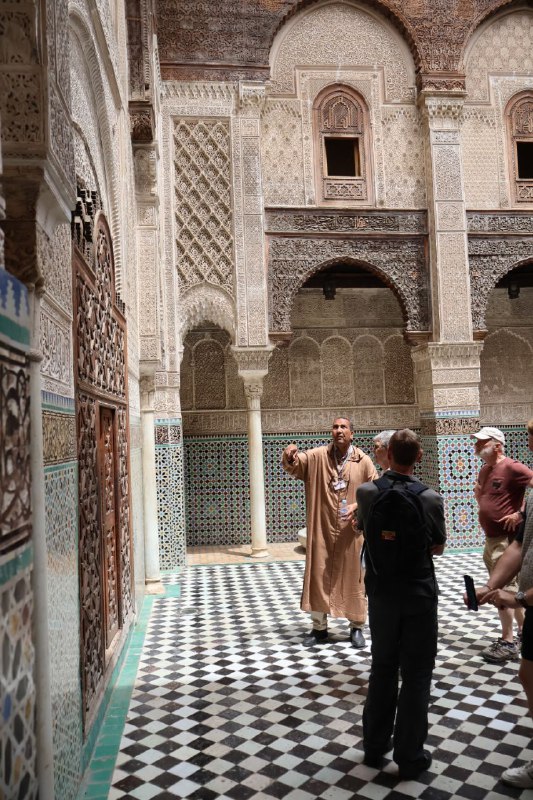
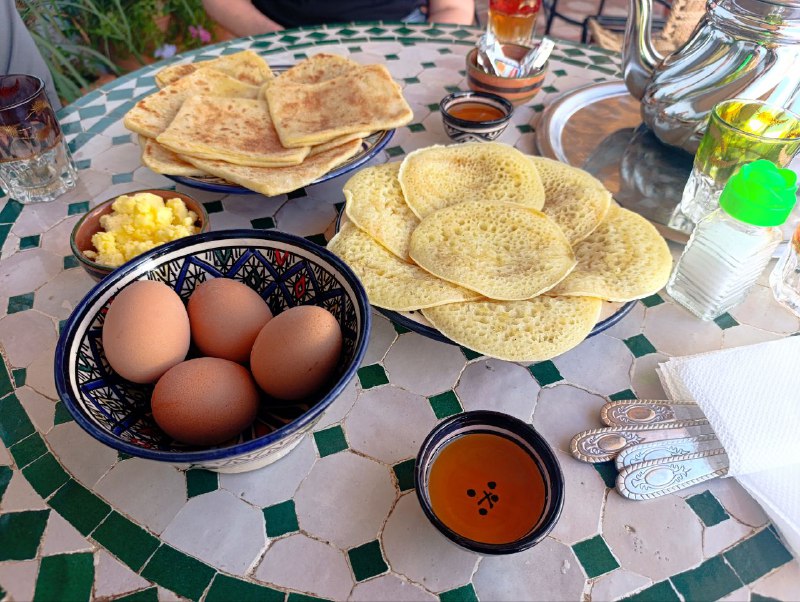
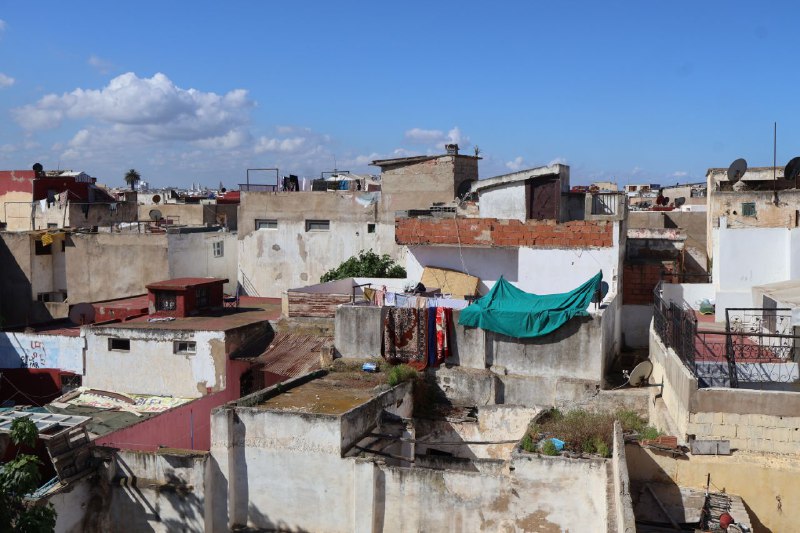
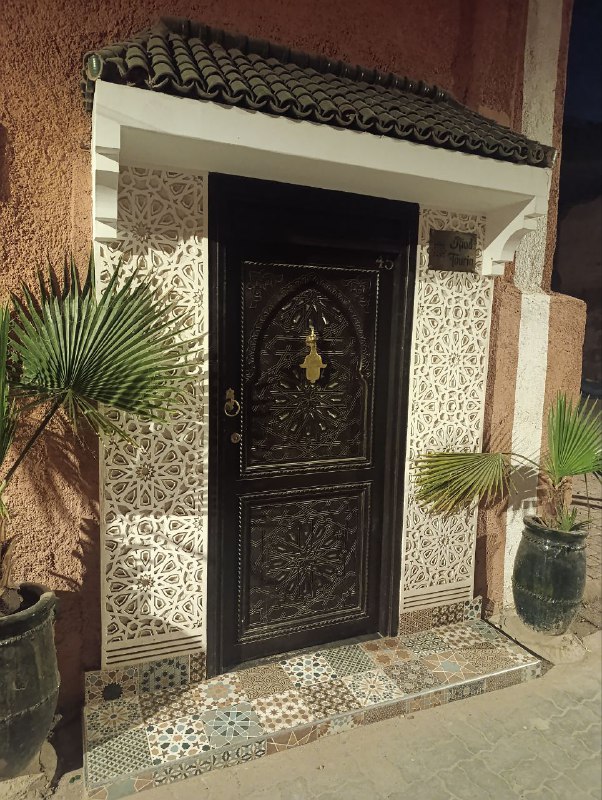
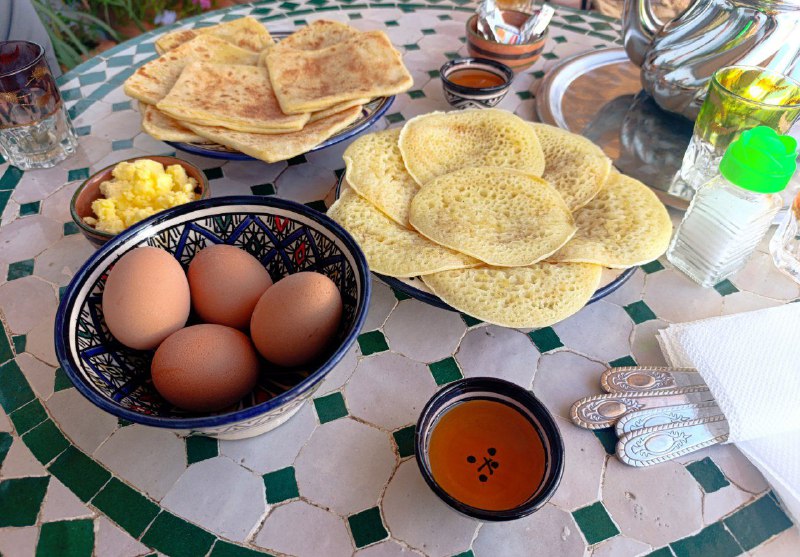
These places are typically located in the old medina part of town. And from the outside, they're completely inconspicuous. Best case scenario, there's a nice door, but not necessarily. Inside, it's like a courtyard—often open to the sky—with plants, and rooms arranged around the perimeter on one or two levels. The garden doubles as a common area with cozy seating, and that's where breakfast is served. Many riads have roof access, though the view usually isn't that impressive.
This privacy stems from religious customs around family life and also from the weather. Many cities are essentially located in the desert, where wind and sand aren't exactly pleasant. The enclosed layout solves both problems.
Tourism and Europeans have breathed new life into this style of accommodation. Many houses have been restored for tourists, but not always by Moroccans. Europeans spotted an investment opportunity, and they often turn out to be
much better at attracting their fellow countrymen.
But these gardens aren't just for sleeping—you can also dine there. For example, check out the photos and description of the little restaurant
Dar Dada in Casablanca. Looks lovely, right!
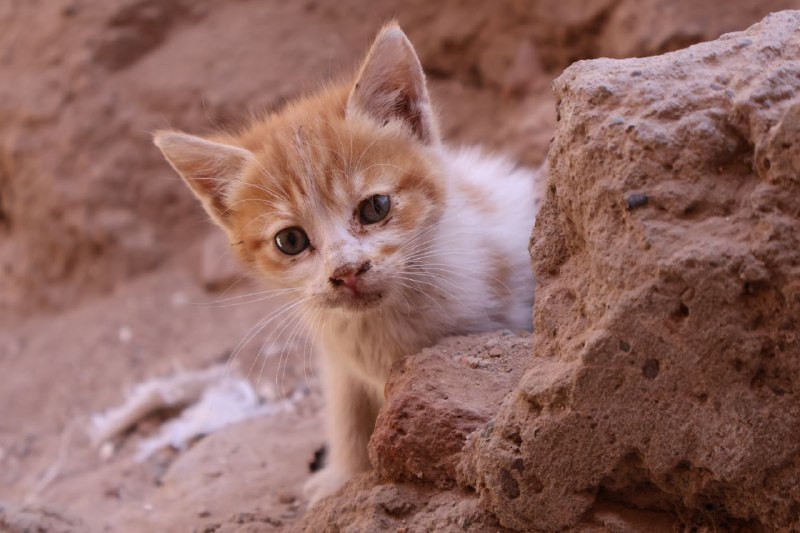
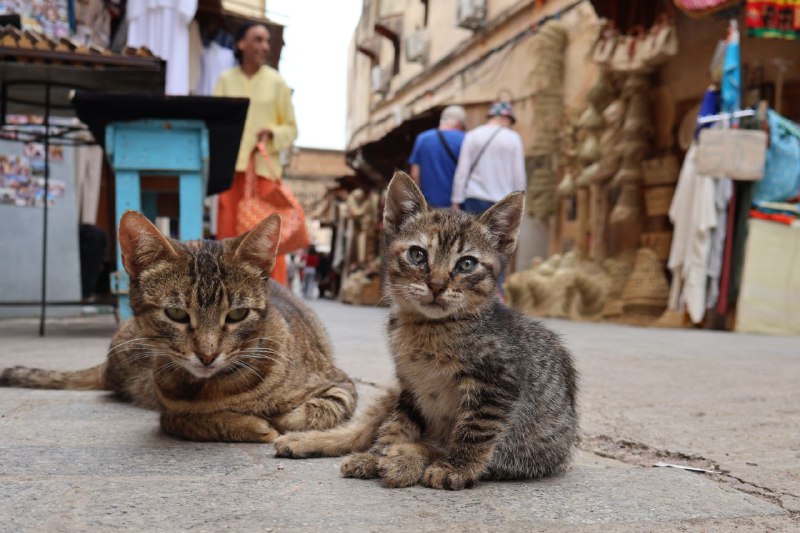
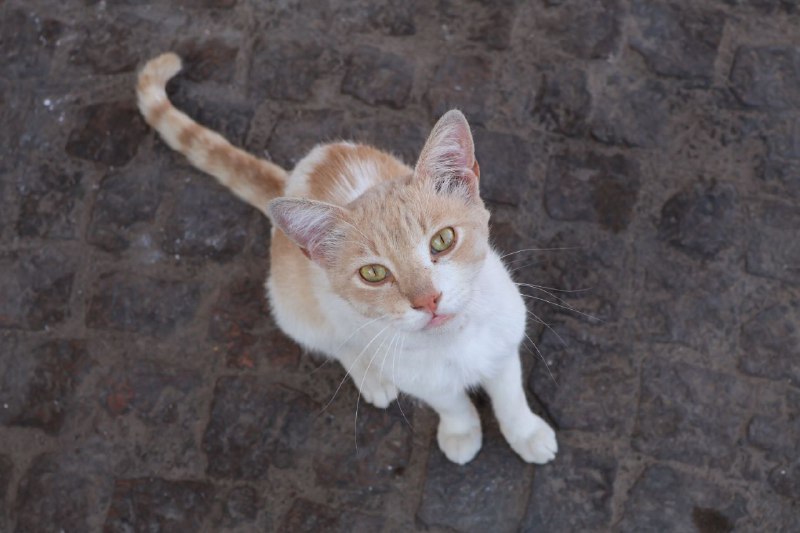
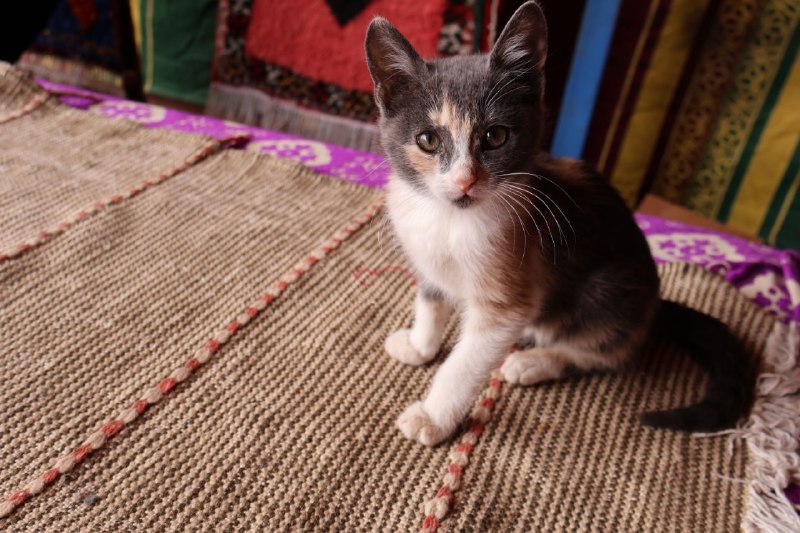
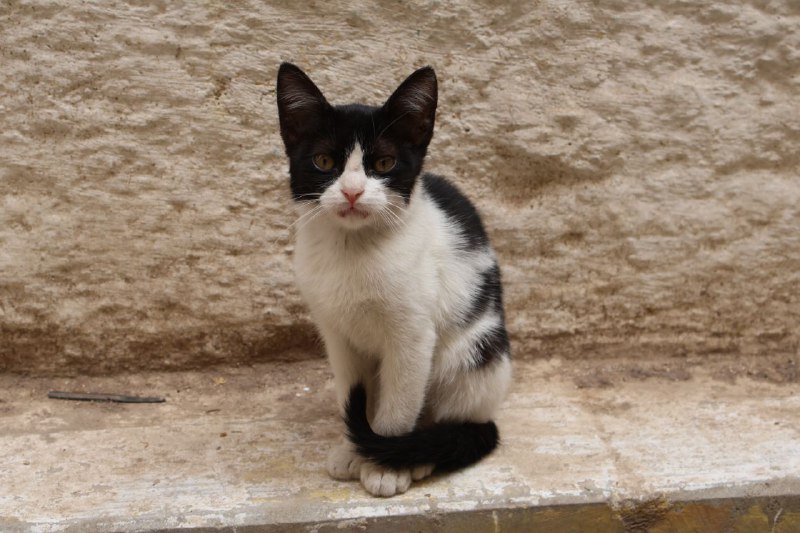
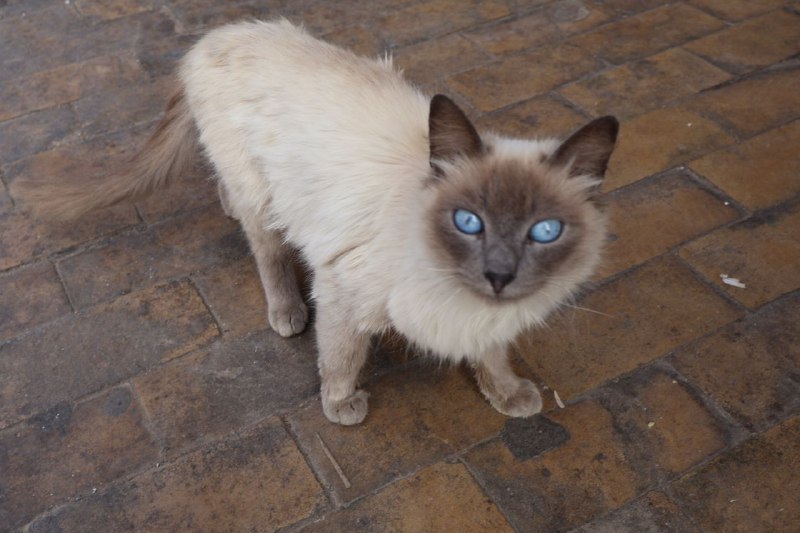
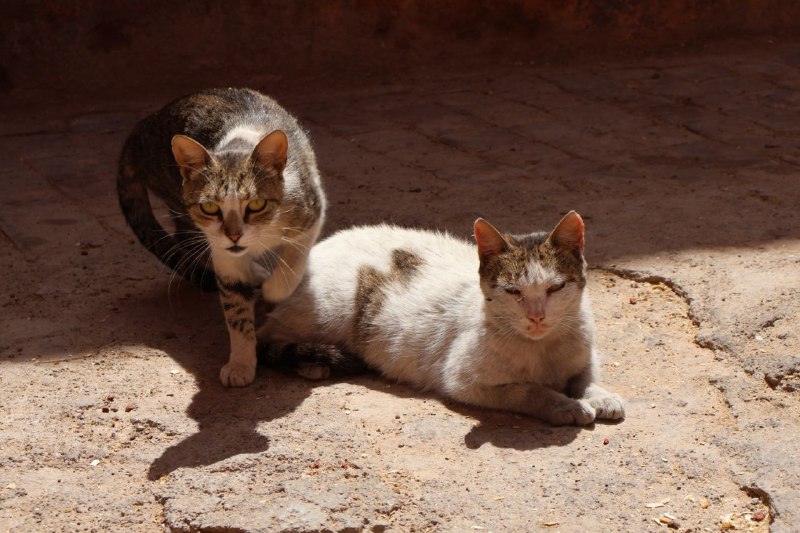
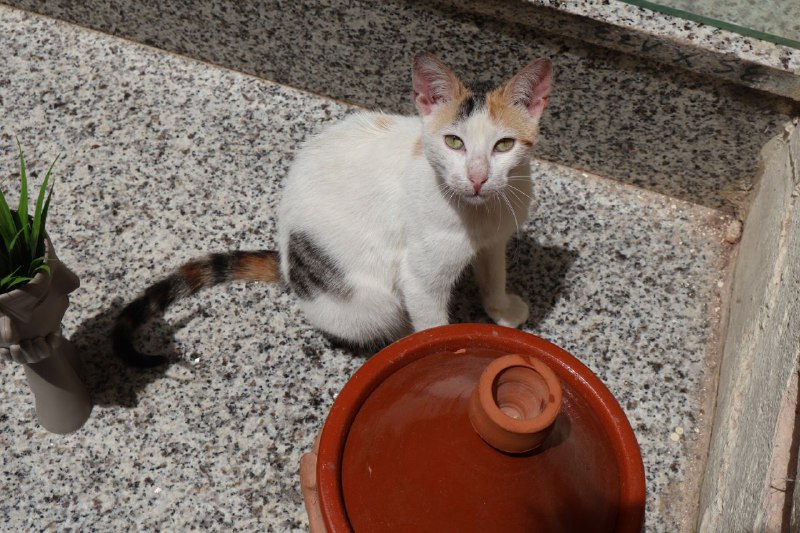
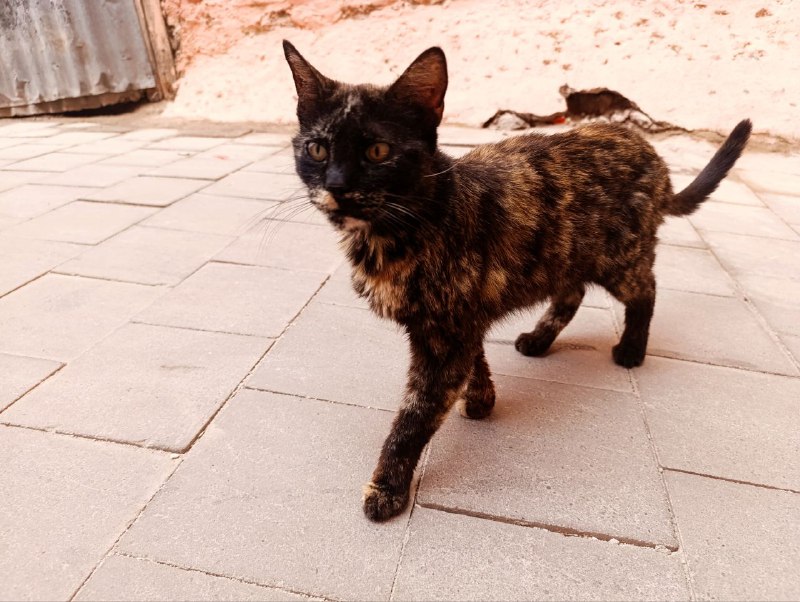
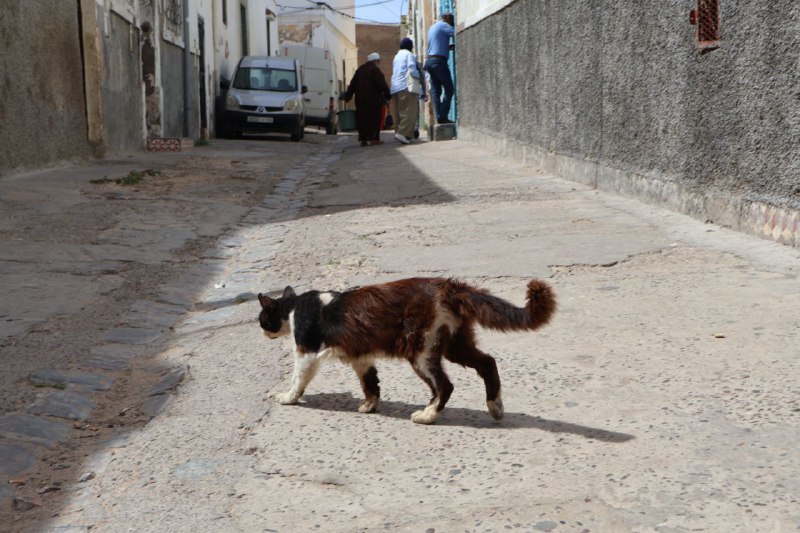
I arrived in Morocco and they've got an endless number of cats here. A worthy competitor to Turkey, though the locals aren't quite as warm to the street cats as they are
in Istanbul.
For some reason, Marrakech especially has tons of tiny kittens, no more than a couple weeks old. They're constantly zooming around on mopeds through the narrow alleys of the old medinas, and the kittens keep trying to dart under the wheels. Thankfully, I didn't witness any incidents or accidents.
 United Kingdom3
 Serbia100
 Bosnia and Herzegovina54
 Turkey42
 United Arab Emirates3
 Brunei2
 Indonesia12
 Malaysia15
 Argentina16
 USA117
 Morocco5
 Georgia5
 Egypt16
 Hong Kong8
 China4
 Vietnam9
 Tunisia7
 Montenegro9
 Philippines12
 Singapore10
 Oman12
 Algeria12
 North Macedonia5
 Lebanon11
 Israel27
 Albania17
 Russia63
 Tanzania50
 Netherlands7
 Spain14
 Latvia2
 Germany7
 Belgium3
 France27
 Kazakhstan32