A few thoughts on Albania in general, before everything gets completely jumbled in my head.
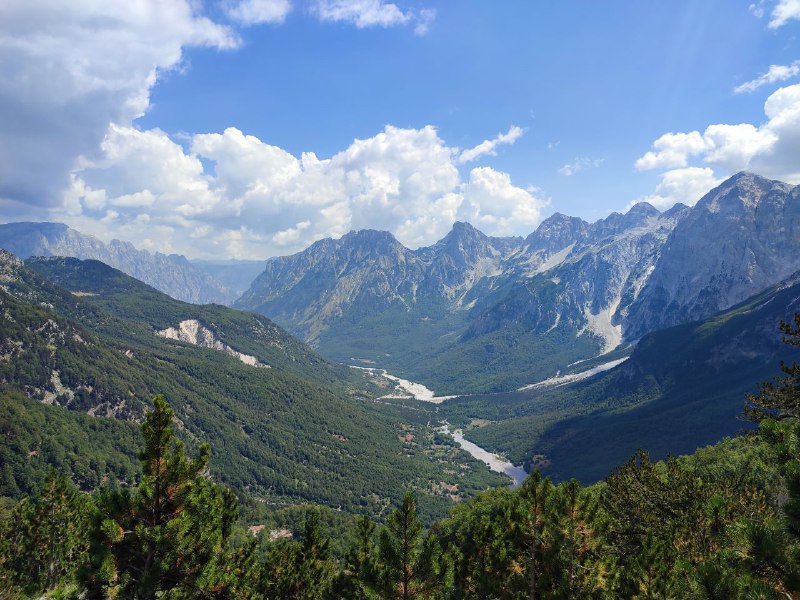
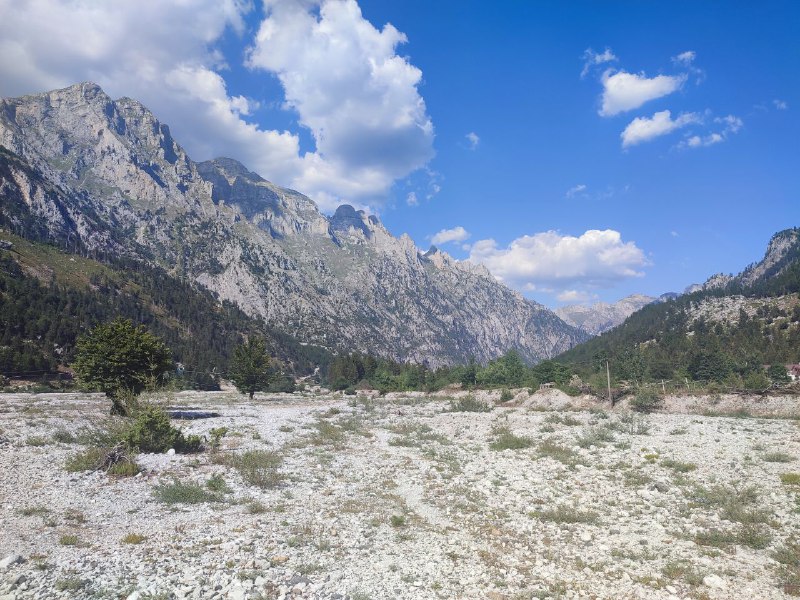
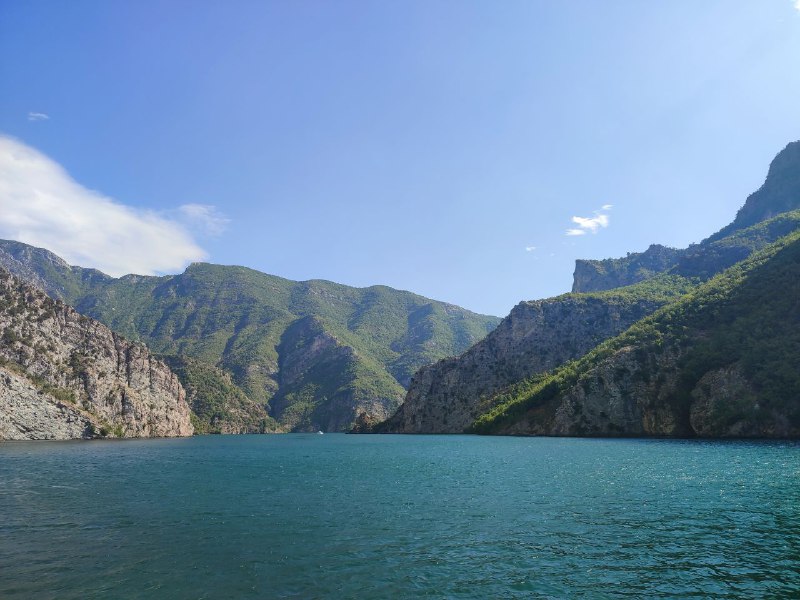
Nature — amazing, history — really fascinating, though often tough for the locals. Everything's developing fast now, the country clearly has money and investors. Budgets aren't always spent wisely, but except for a couple of things, I liked everything I saw. The guys are aiming for European integration and EU membership. They're putting a lot of hopes in that.
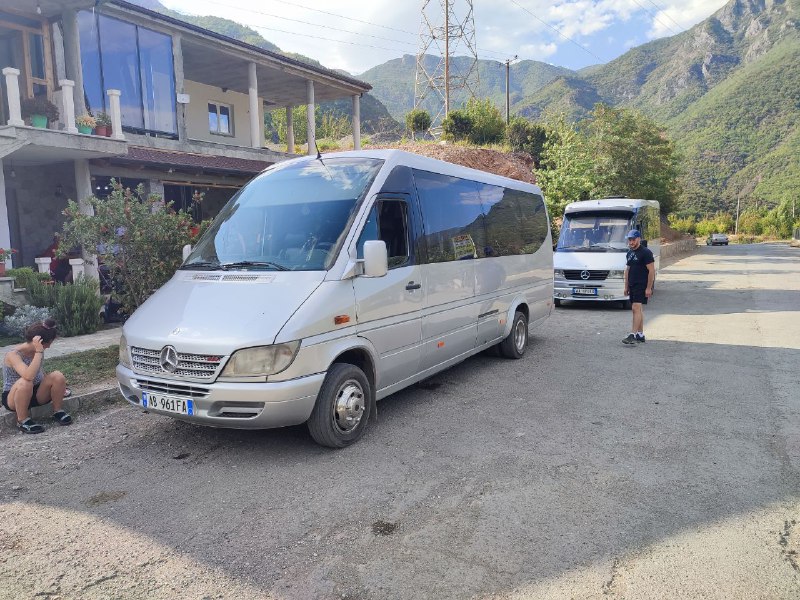
Wasteful spending — that's building a billion skyscrapers right in the center of the capital, blocking historical buildings. I chalked this up to something tied to local culture. The density of Mercedes per square centimeter in Albania can only be compared to Azerbaijan. When people get a penny, they gotta buy a German automaker's masterpiece. But unlike our eastern neighbor, there are plenty of newer models here too. In a country where 30 years ago almost nobody had cars, this kind of thing still plays an important status role. Apparently it's the same with high-rises.
Unfortunately, I didn't get to talk much with locals, but I wish I had. Their traditions and customs, judging by the internet, are more than curious. Take the non-religious code of laws Kanun and the blood feud described in it, which, by the way, they still practice. Not as widespread now, but it happens. And the practice is way harsher than what I've read about other peoples, and the feud can last for generations.
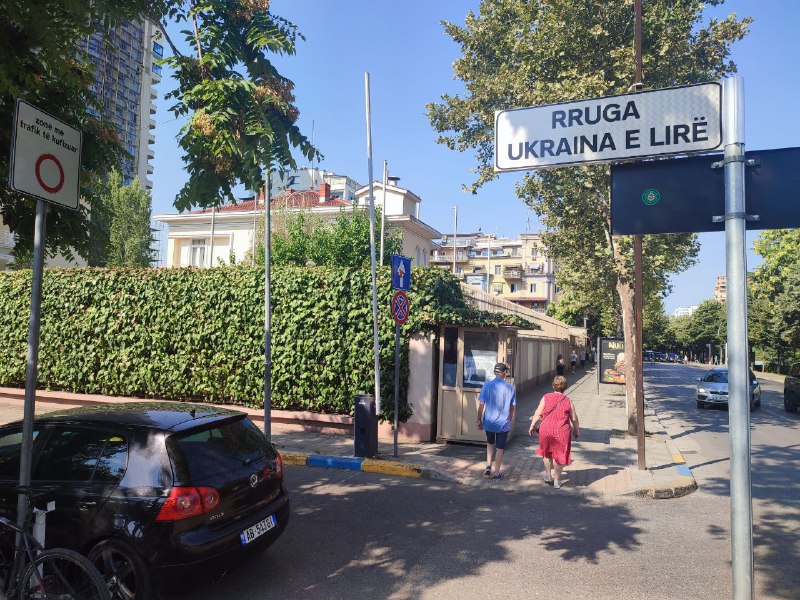
Their self-name is cool: Shqipëria (land of eagles), and Albanians are Shqiptare (children of eagles). The language itself is curious. Doesn't really sound like anything else. You catch Slavic-Italian notes here and there, but that's about it. They also like doubling R in unexpected places. For example, rruga means street. Who even doubles R at the start of a word? Seriously, learning "thank you" took effort: faleminderit didn't stick on the first try.
Don't believe me — listen to a couple of songs. Like Xheloz or Kenge moj. There's also an animated history, but watch it out of academic interest, not for the music (there are explanations with timestamps in one of the top comments).
For full immersion, read Ismail Kadare. Just finished "The General of the Dead Army." Highly recommend.
There are plenty of scary stories about the Albanian mafia, but it felt more than safe. Even in the most out-of-the-way places I happened to wander into. They say tourists don't interest them — they make money differently.
A week was enough for roughly half of what would be good to see. If you end up going, take a longer vacation. I might visit again sometime since I live close by anyway.
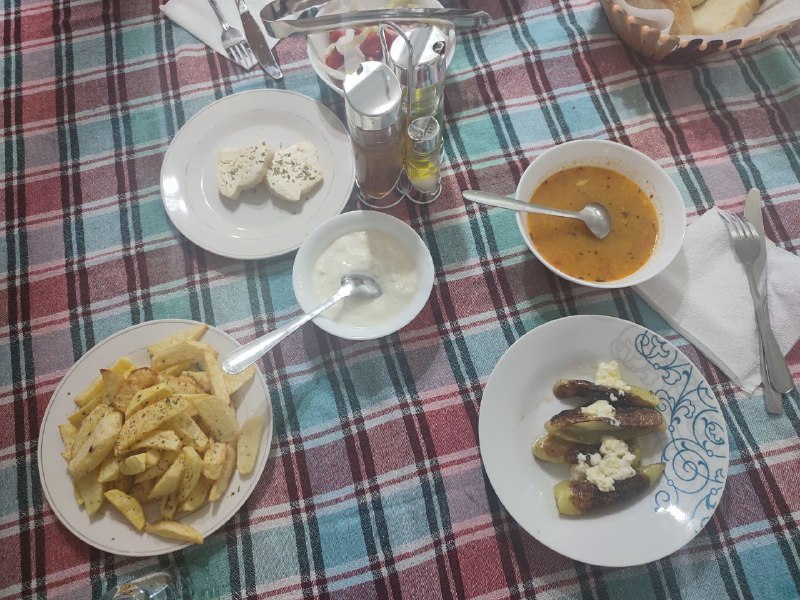
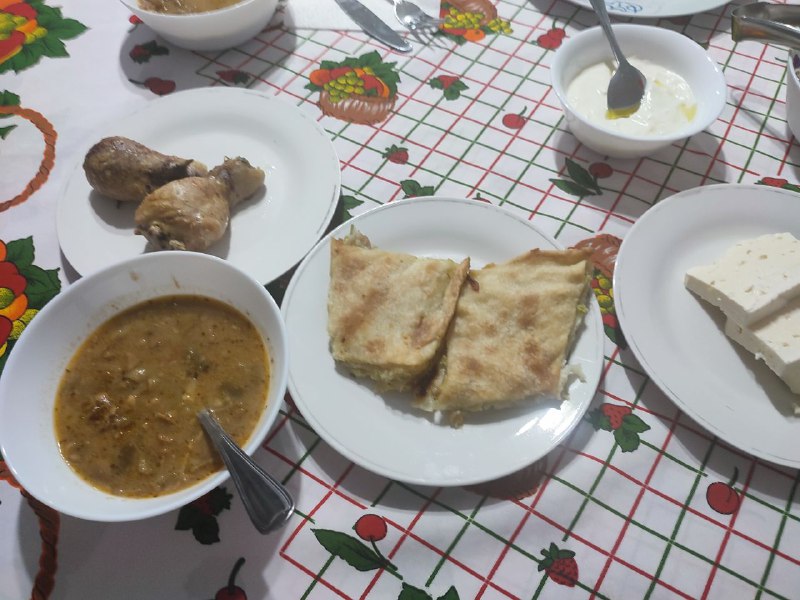
The one thing that didn't impress me the whole trip — the food. And it was often way too salty. Even after Serbia, where they already use a lot more salt than you'd want.
PS. Bonus video from Berat.
Telegram mirror
Telegram is a messenger where I post short travel notes. This page is a self-hosted backup of that channel.
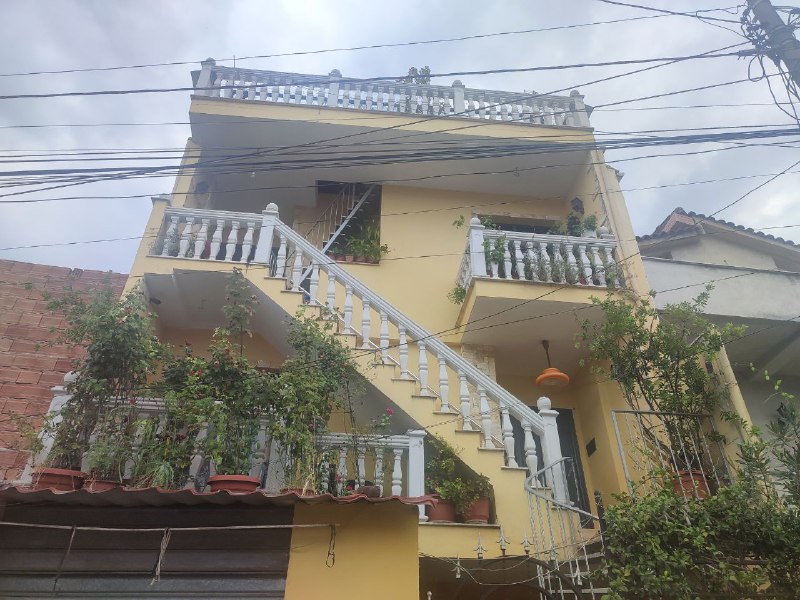
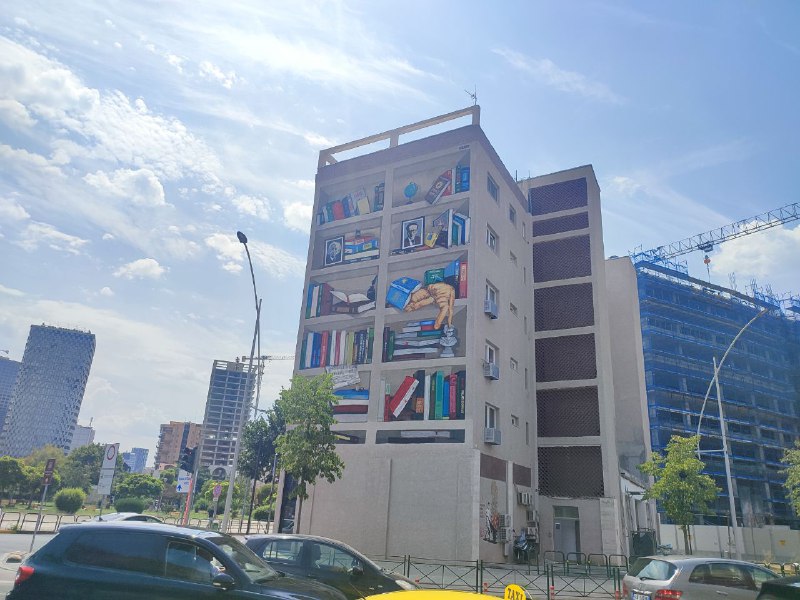
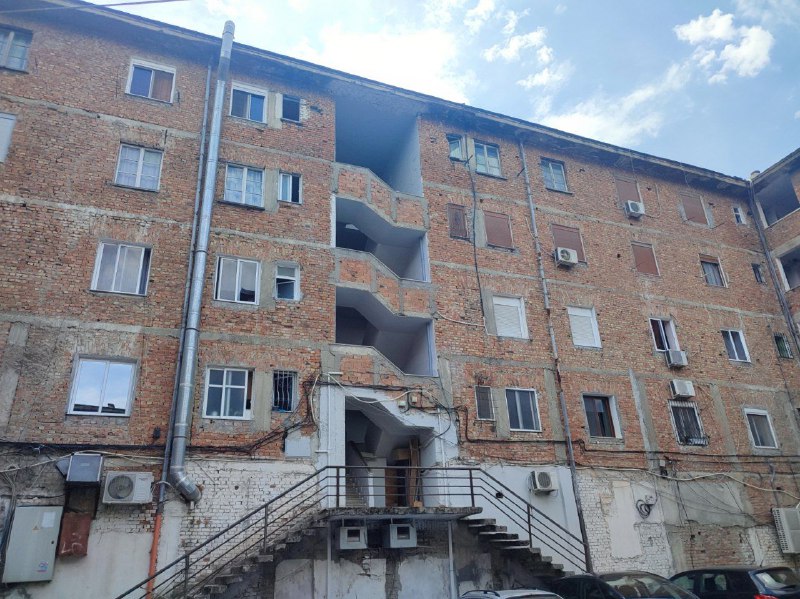
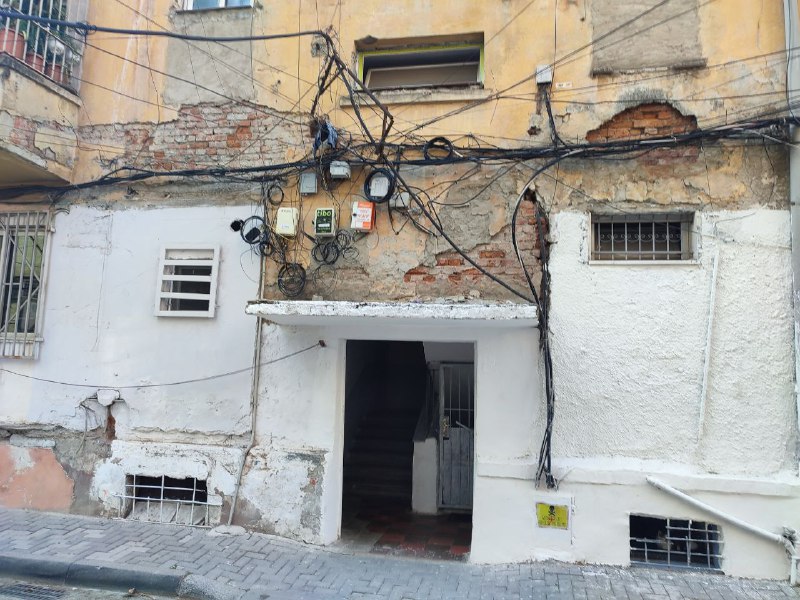
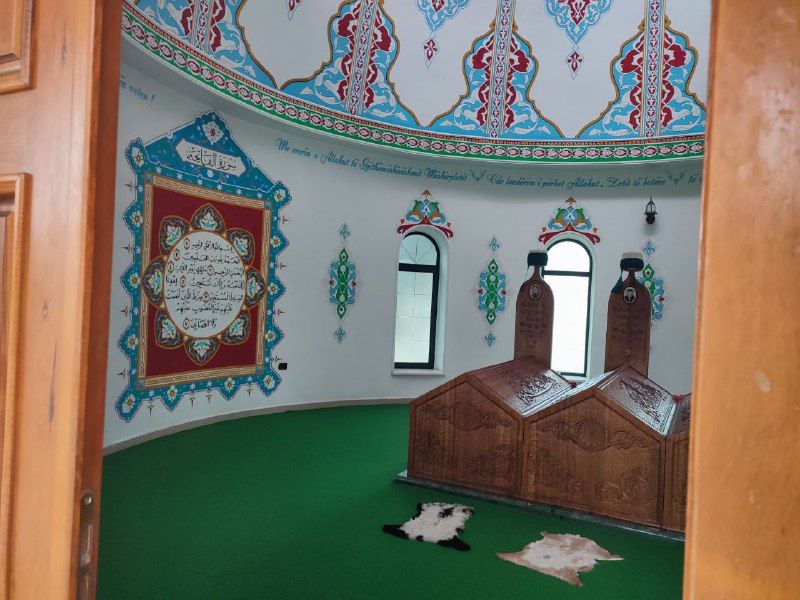
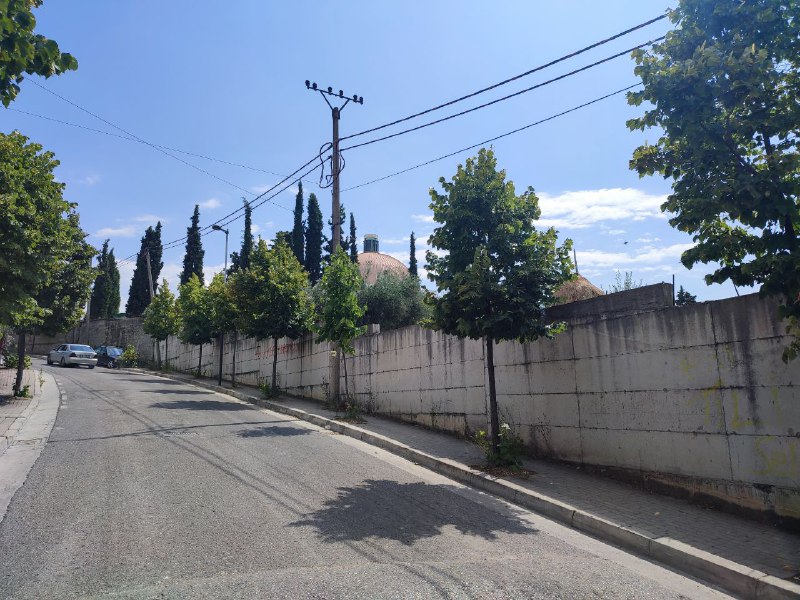
To paint a complete picture, let me say a few words about Albanian communism. Throughout the regime, there were only two leaders: Enver Hoxha ruled for over 40 years and his successor Ramiz Alia lasted 7 years.
Enver was a fanatical admirer of Stalin. After Stalin's death, attitudes toward the former Soviet General Secretary began to shift in other Eastern Bloc countries, but not in Albania. Due to ideological differences, the Albanian dictator fell out with Khrushchev and the USSR first, then with Tito and Yugoslavia, and eventually even with China. Each was successively condemned as a traitor to Marxist-Leninist ideas and Stalin personally. This whole drama even crystallized into its own branch of communism — Hoxhaism.
But as political ties severed, economic ones did too. By the early 1980s, the country found itself in complete isolation. The food ration coupons, housing queues, and chronic shortages so familiar to late Soviet citizens thrived here in full force. Add to that a system of denunciations and repression, censorship, corruption, and the list goes on. On top of that, you couldn't leave Albania legally, and illegally was extremely dangerous: the border guards themselves would open fire to kill. And if someone managed to escape, it guaranteed problems for their remaining relatives.
The state survived on self-sufficiency, but of course you can't produce everything. For example, there was basically no automobile industry. In 1990, Albania had fewer than 5,000 cars for its entire population of 3 million people. So when the country suddenly opened to the world, driving culture developed quite chaotically. Even today, road markings aren't always respected, but at least hardly anyone tears around at insane speeds. And overall, speed limits are quite low.
Hoxha's successor's main achievement was a bloodless transition to a democratic system. The country experienced unrest (called a civil war in the English Wikipedia), but much later, in 1997. The trigger was the collapse of financial pyramids.
As our guide in Tirana said: "Don't build communism at home—we already tried it for you."
Enver was a fanatical admirer of Stalin. After Stalin's death, attitudes toward the former Soviet General Secretary began to shift in other Eastern Bloc countries, but not in Albania. Due to ideological differences, the Albanian dictator fell out with Khrushchev and the USSR first, then with Tito and Yugoslavia, and eventually even with China. Each was successively condemned as a traitor to Marxist-Leninist ideas and Stalin personally. This whole drama even crystallized into its own branch of communism — Hoxhaism.
But as political ties severed, economic ones did too. By the early 1980s, the country found itself in complete isolation. The food ration coupons, housing queues, and chronic shortages so familiar to late Soviet citizens thrived here in full force. Add to that a system of denunciations and repression, censorship, corruption, and the list goes on. On top of that, you couldn't leave Albania legally, and illegally was extremely dangerous: the border guards themselves would open fire to kill. And if someone managed to escape, it guaranteed problems for their remaining relatives.
The state survived on self-sufficiency, but of course you can't produce everything. For example, there was basically no automobile industry. In 1990, Albania had fewer than 5,000 cars for its entire population of 3 million people. So when the country suddenly opened to the world, driving culture developed quite chaotically. Even today, road markings aren't always respected, but at least hardly anyone tears around at insane speeds. And overall, speed limits are quite low.
Hoxha's successor's main achievement was a bloodless transition to a democratic system. The country experienced unrest (called a civil war in the English Wikipedia), but much later, in 1997. The trigger was the collapse of financial pyramids.
As our guide in Tirana said: "Don't build communism at home—we already tried it for you."
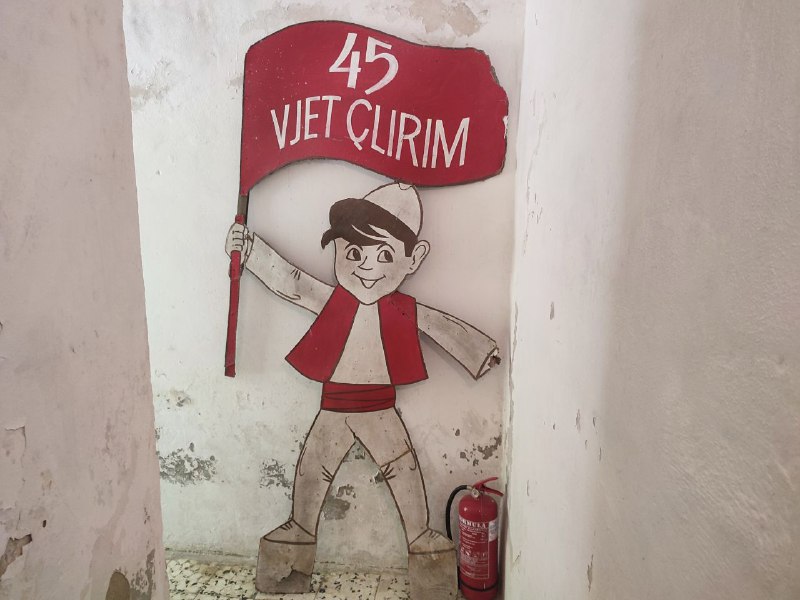
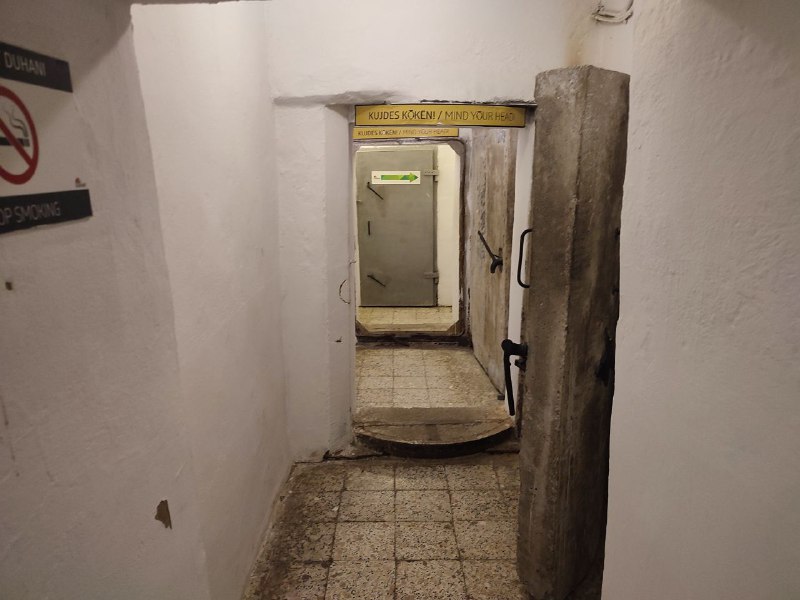
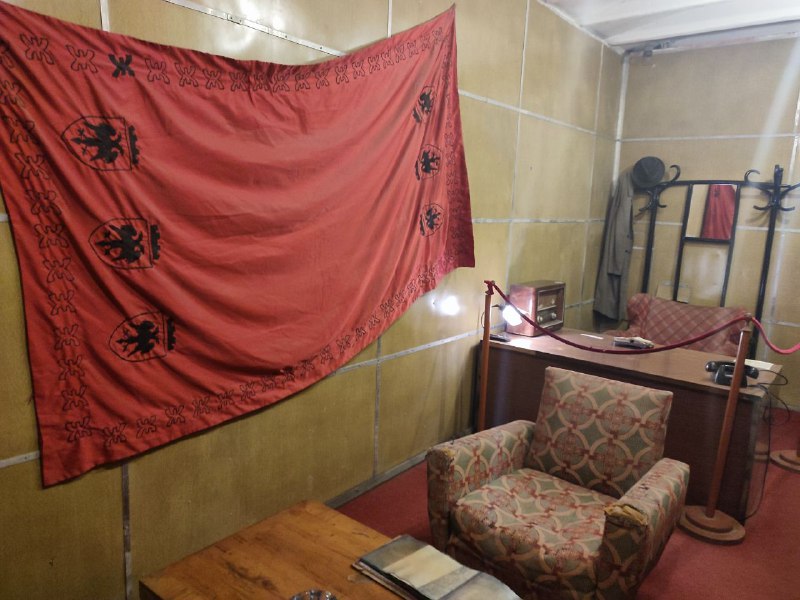
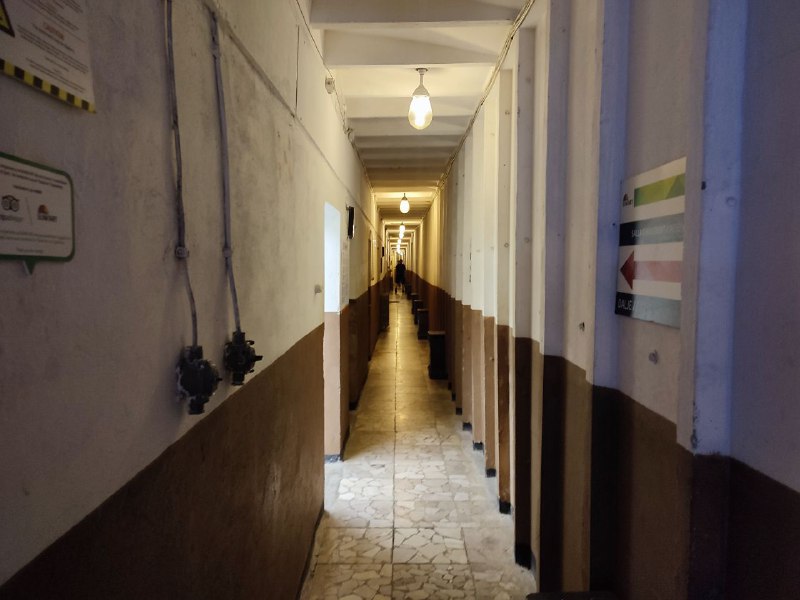
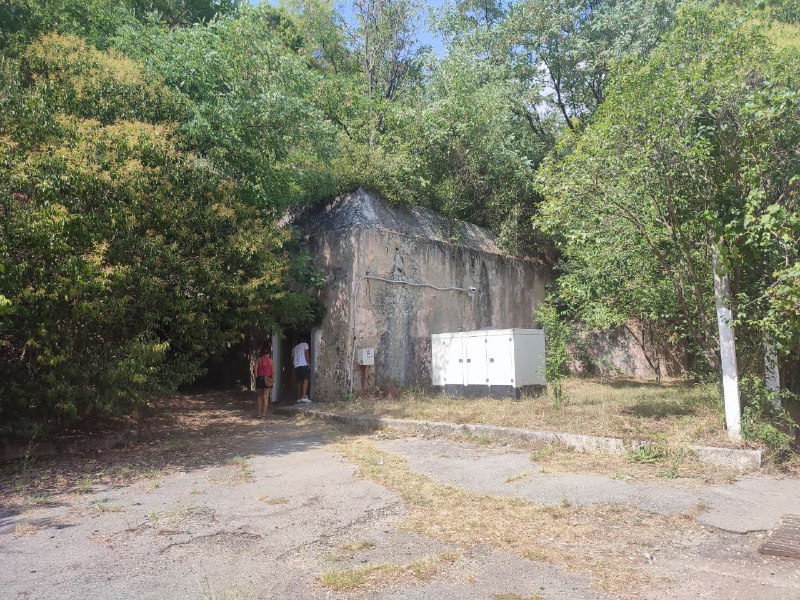
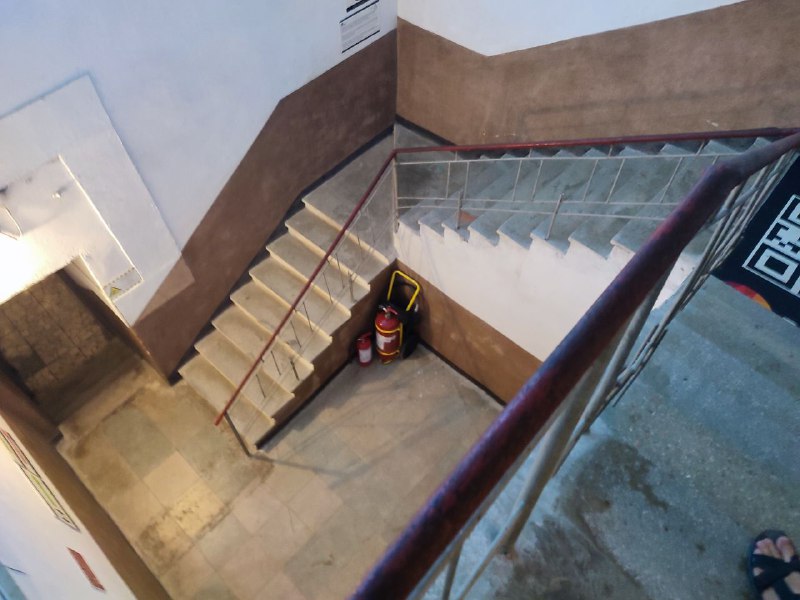
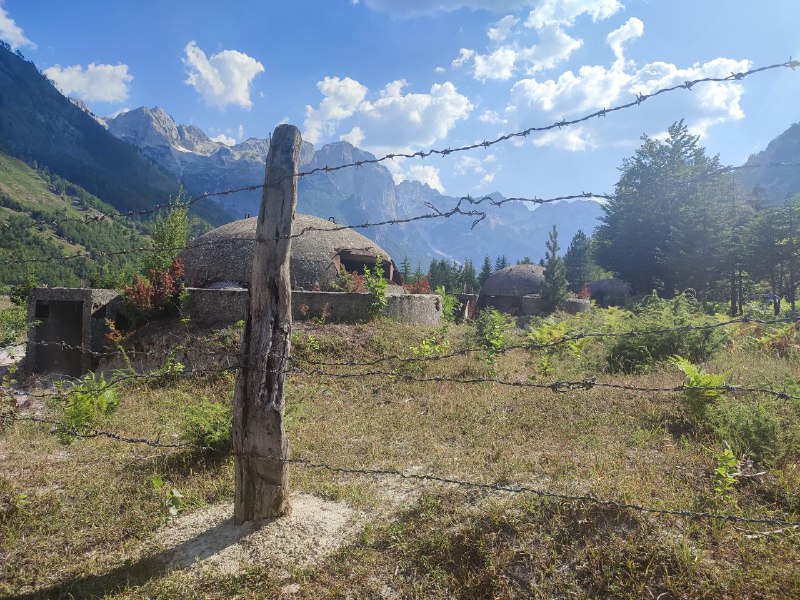
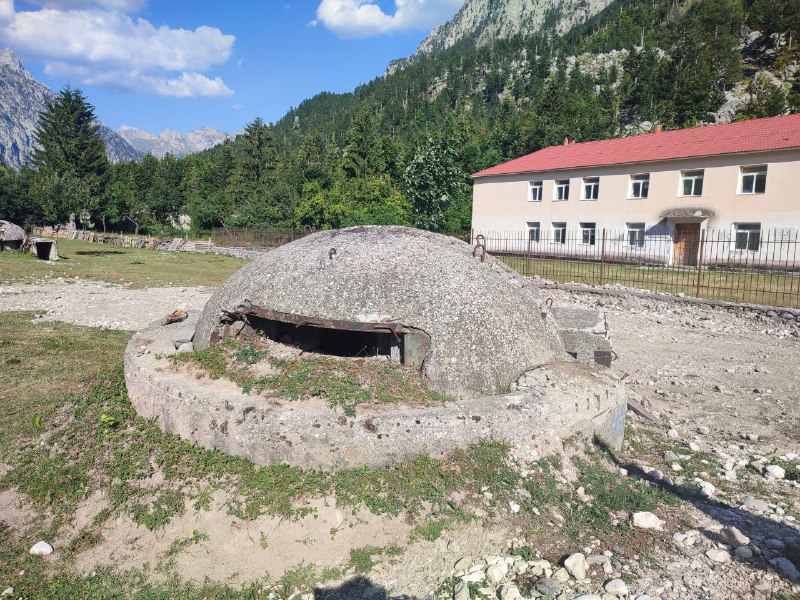
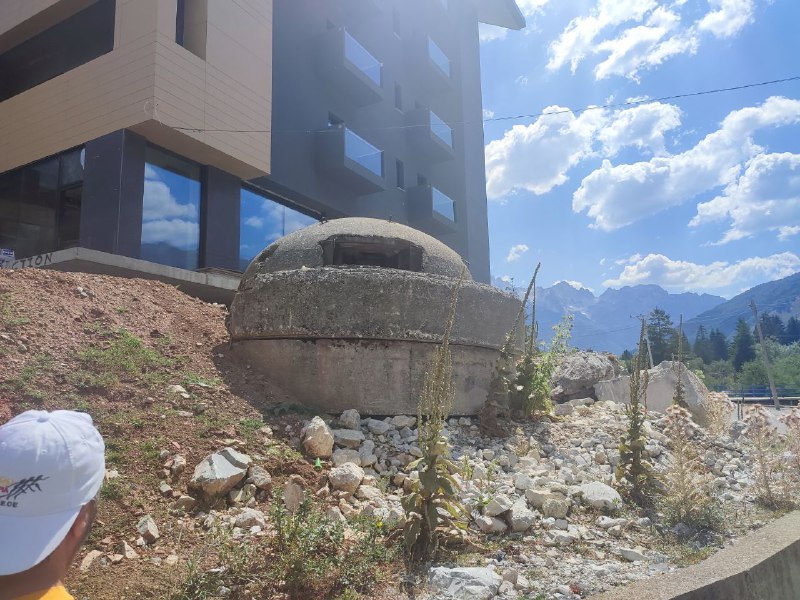
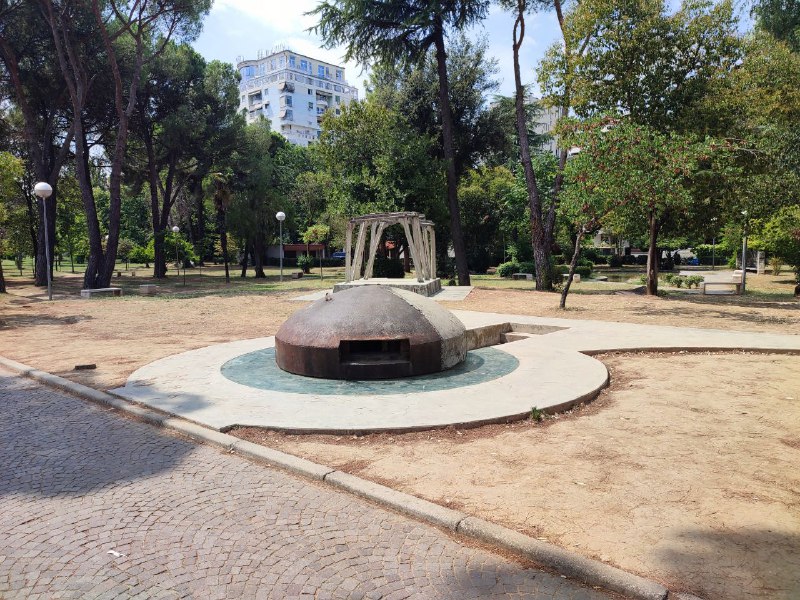
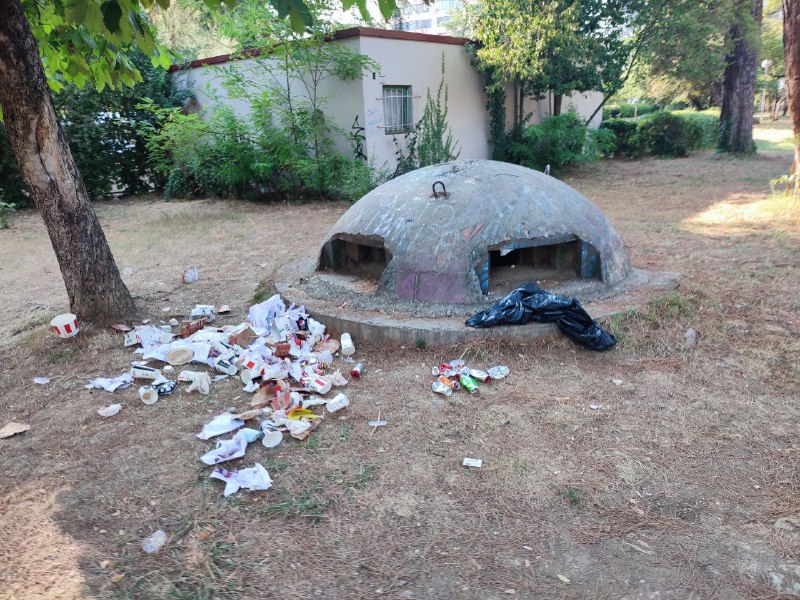
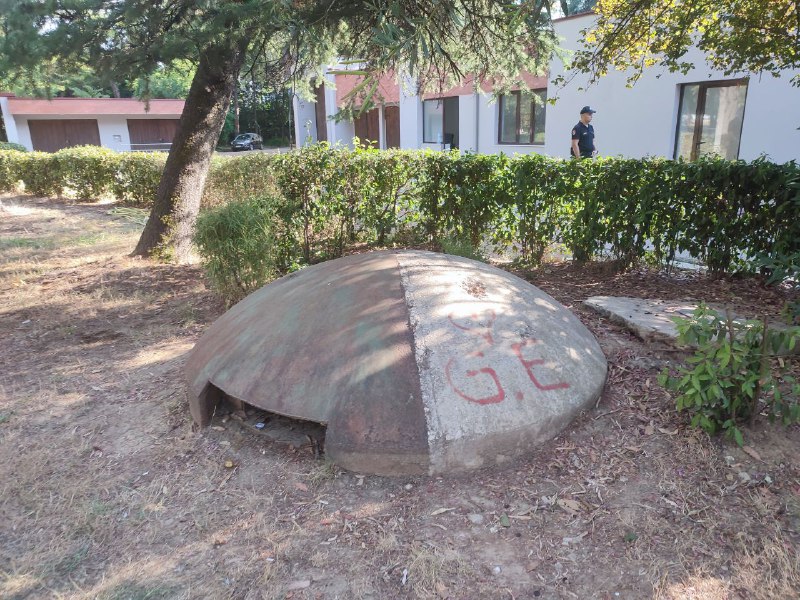
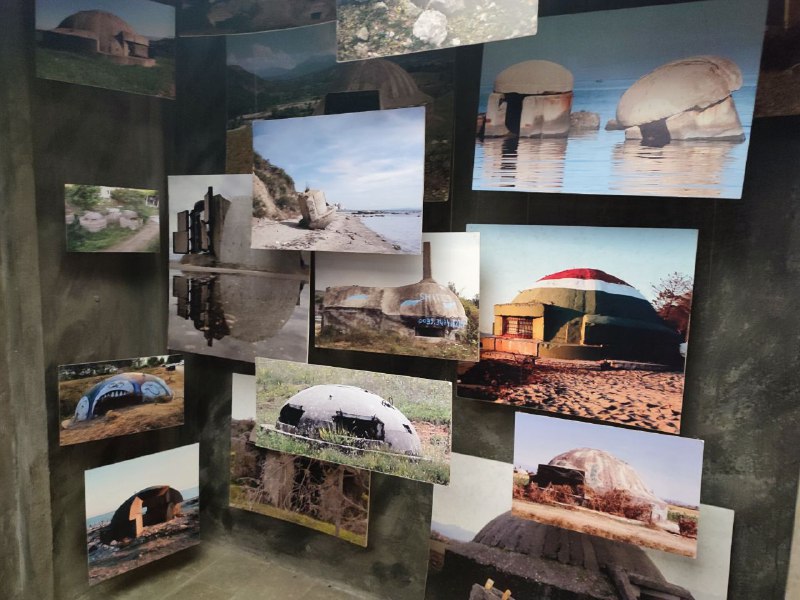
The story of Josif Zagali, who designed Albanian bunkers, is quite remarkable.
In essence, most of these structures were ordinary Soviet pillboxes. The engineer mastered the design during his studies in the USSR and proposed a project based on this model back home.
Enver Hoxha was so impressed by the simplicity and cost of the solution that Josif was immediately showered with titles and awards: tens of thousands of bunkers were built according to his design, he became the chief engineer of the Albanian Ministry of Defense and received the rank of colonel. Isn't that success?
But his happiness didn't last long. In 1974, due to the dictator's paranoia, the engineer was stripped of all his positions, branded a foreign agent—before that even became fashionable—and imprisoned for 8 years for sabotage he never committed. Against this backdrop, his daughter died of breast cancer, his wife lost her mind, and friends and acquaintances began avoiding any contact with his entire family.
In essence, most of these structures were ordinary Soviet pillboxes. The engineer mastered the design during his studies in the USSR and proposed a project based on this model back home.
Enver Hoxha was so impressed by the simplicity and cost of the solution that Josif was immediately showered with titles and awards: tens of thousands of bunkers were built according to his design, he became the chief engineer of the Albanian Ministry of Defense and received the rank of colonel. Isn't that success?
But his happiness didn't last long. In 1974, due to the dictator's paranoia, the engineer was stripped of all his positions, branded a foreign agent—before that even became fashionable—and imprisoned for 8 years for sabotage he never committed. Against this backdrop, his daughter died of breast cancer, his wife lost her mind, and friends and acquaintances began avoiding any contact with his entire family.
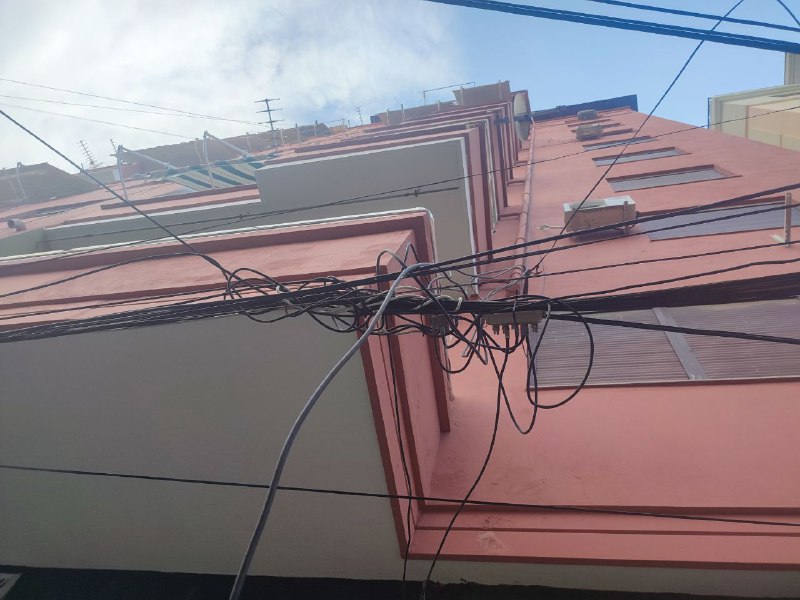
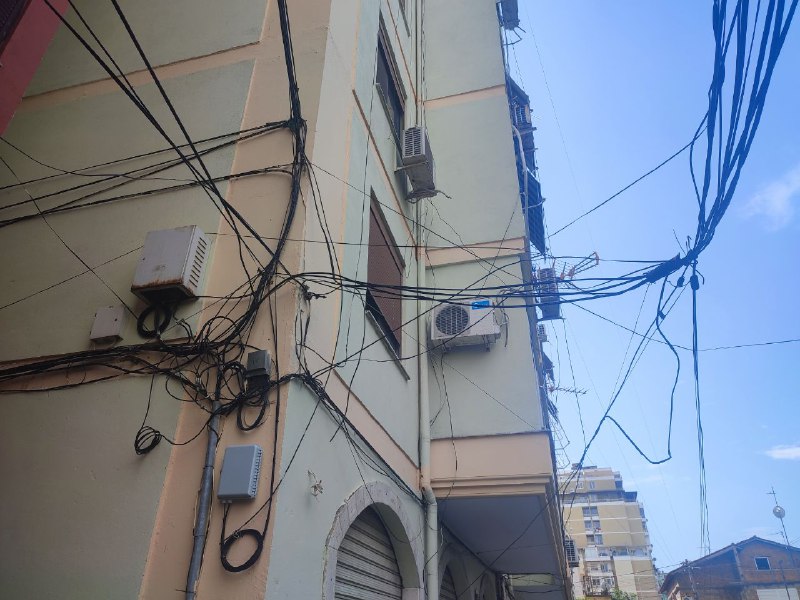
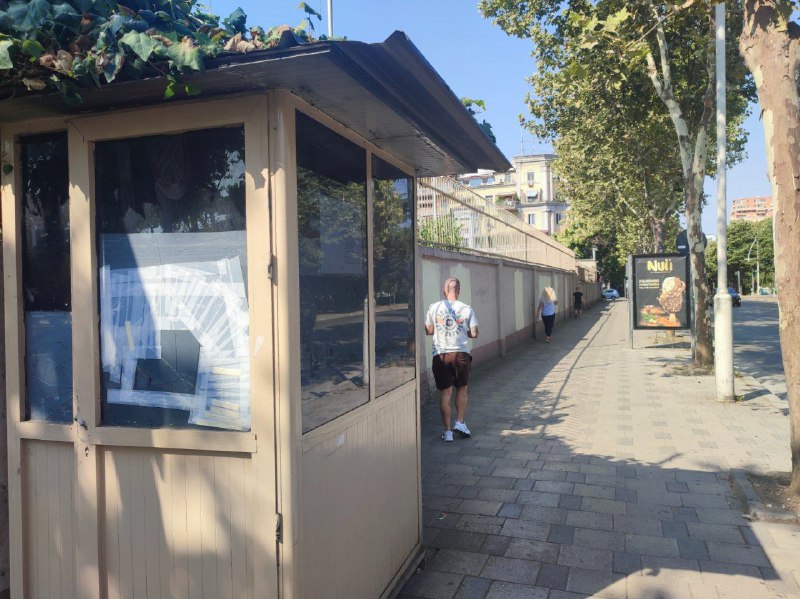
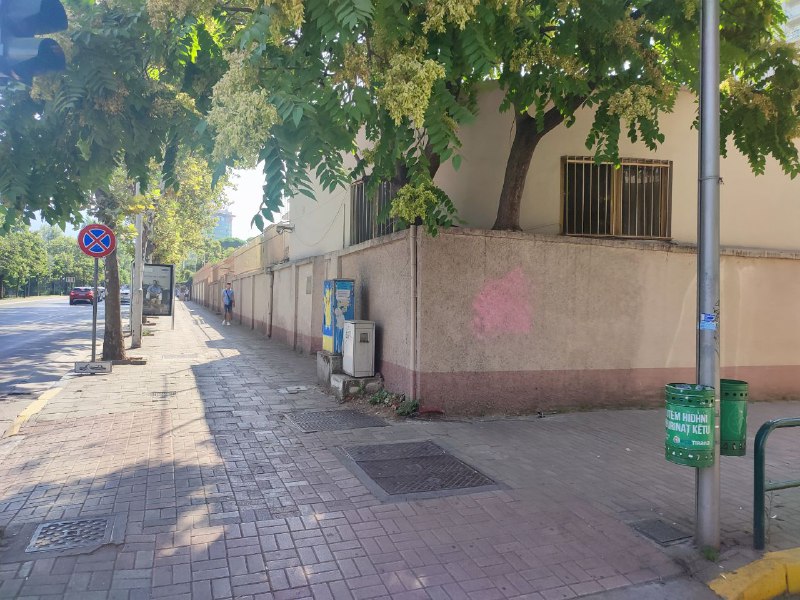
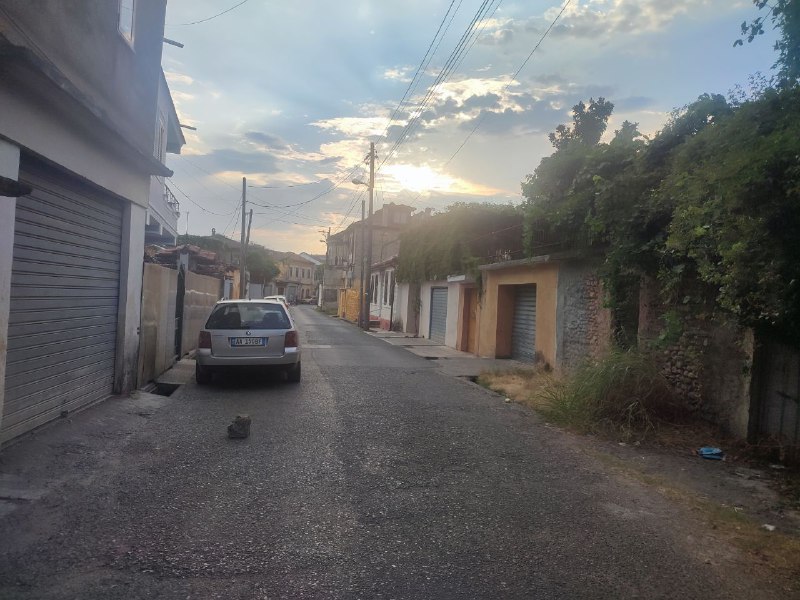
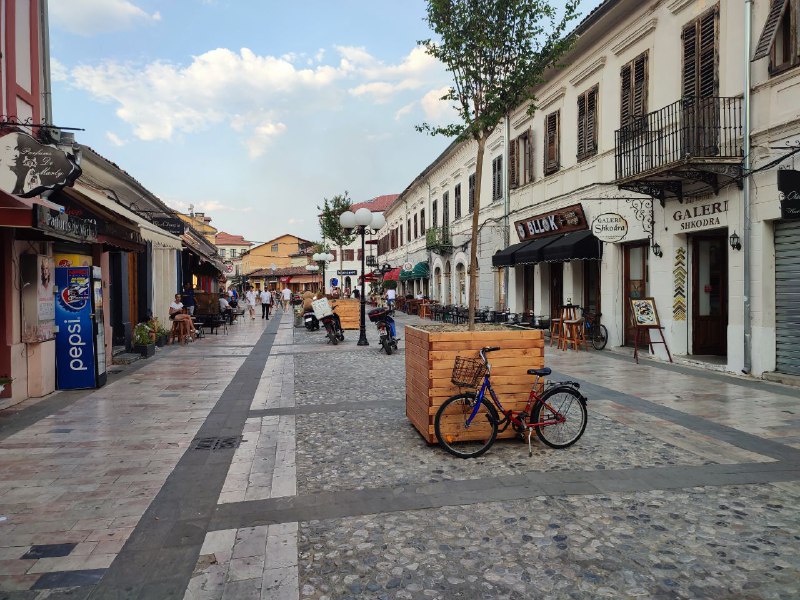
In Albania, there are practically no house numbers anywhere. People somehow live in a system where there are only street names and that's it.
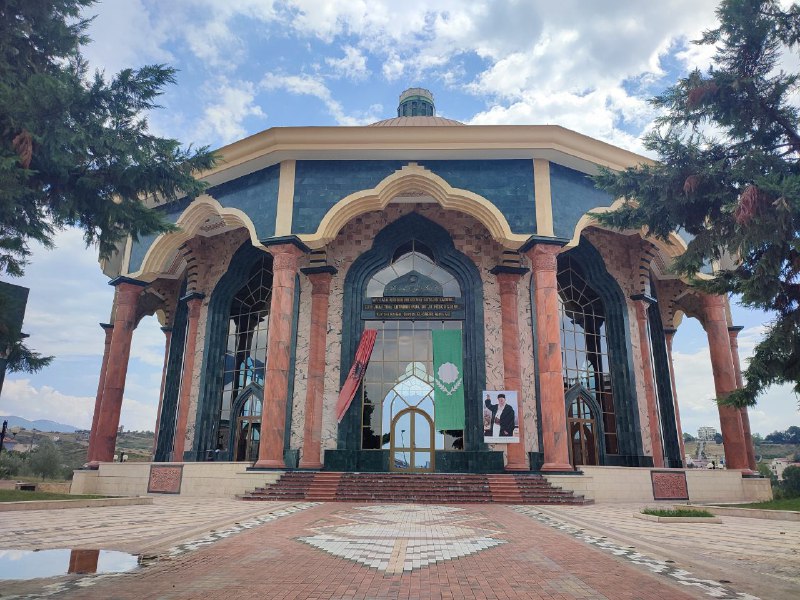
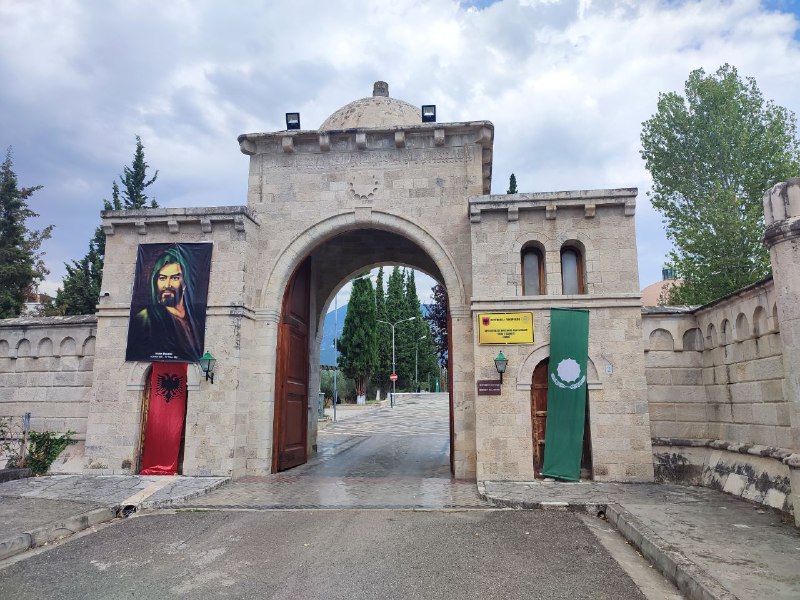
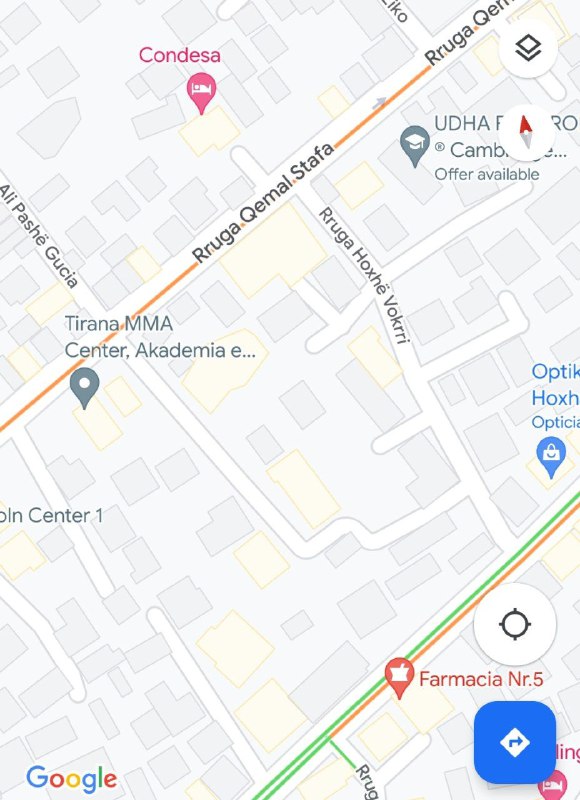
Mail gets sent to addresses like "Tirana, Kemal Stafa Street, the house near the mosque, John Smith". And it works. It's up to the postal workers to know all these people.
In my opinion, this solution doesn't scale very well. Especially in a world where people are constantly moving.
I mean, just the other day I was moving into a place, and the location on the map was marked incorrectly, with only a pretty long street name in the address. I had to ask locals for directions.
Mail gets sent to addresses like "Tirana, Kemal Stafa Street, the house near the mosque, John Smith". And it works. It's up to the postal workers to know all these people.
In my opinion, this solution doesn't scale very well. Especially in a world where people are constantly moving.
I mean, just the other day I was moving into a place, and the location on the map was marked incorrectly, with only a pretty long street name in the address. I had to ask locals for directions.
Countries
 United Kingdom3
 Serbia100
 Bosnia and Herzegovina54
 Turkey42
 United Arab Emirates3
 Brunei2
 Indonesia12
 Malaysia15
 Argentina16
 USA117
 Morocco5
 Georgia5
 Egypt16
 Hong Kong8
 China4
 Vietnam9
 Tunisia7
 Montenegro9
 Philippines12
 Singapore10
 Oman12
 Algeria12
 North Macedonia5
 Lebanon11
 Israel27
 Albania17
 Russia63
 Tanzania50
 Netherlands7
 Spain14
 Latvia2
 Germany7
 Belgium3
 France27
 Kazakhstan32