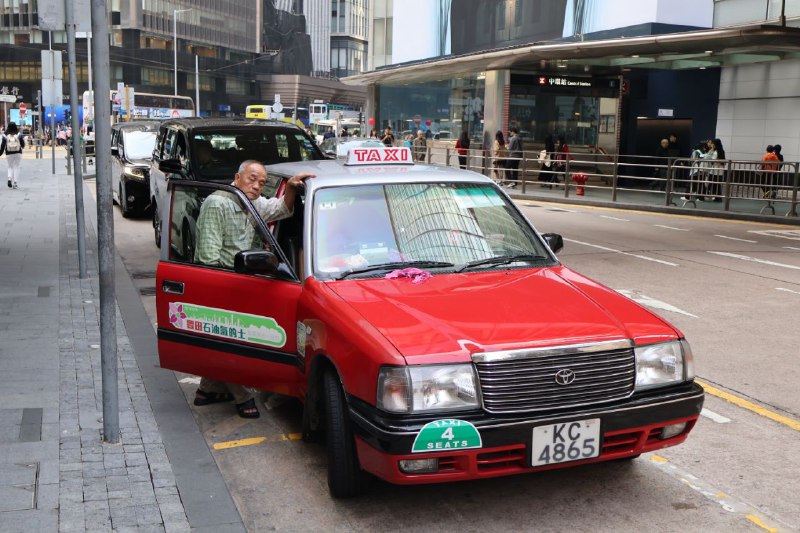
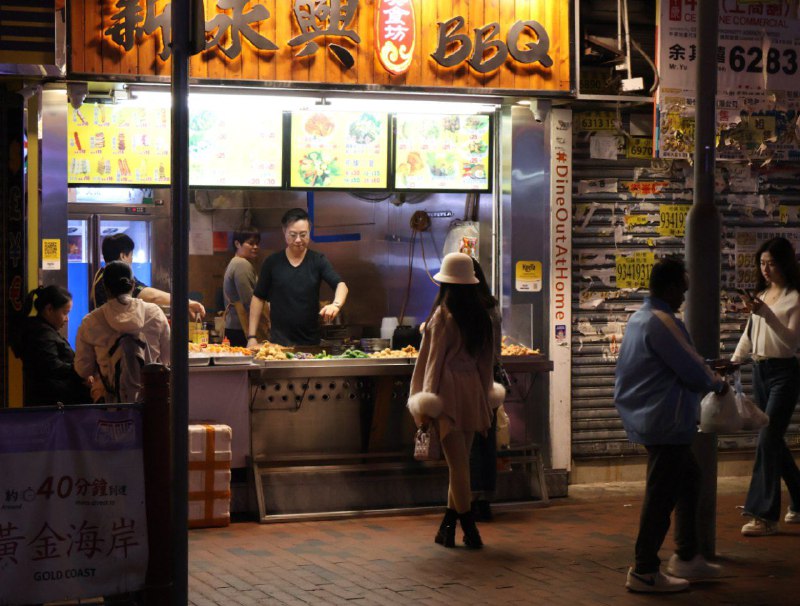
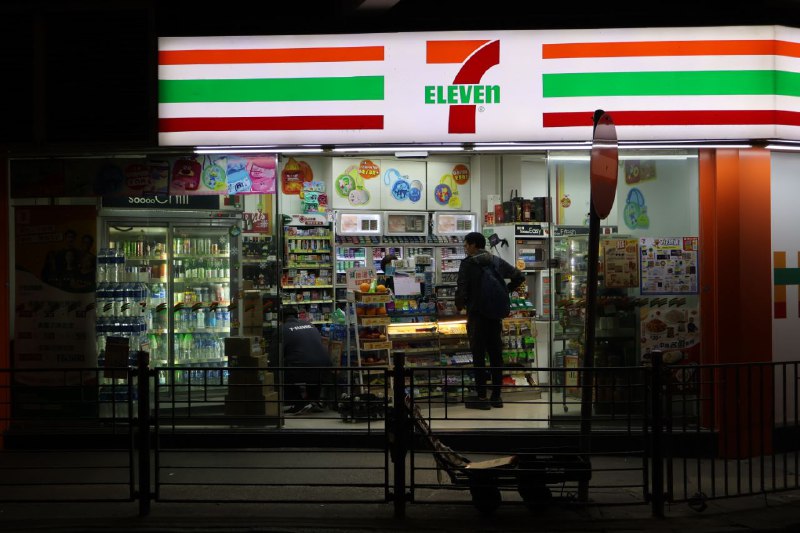
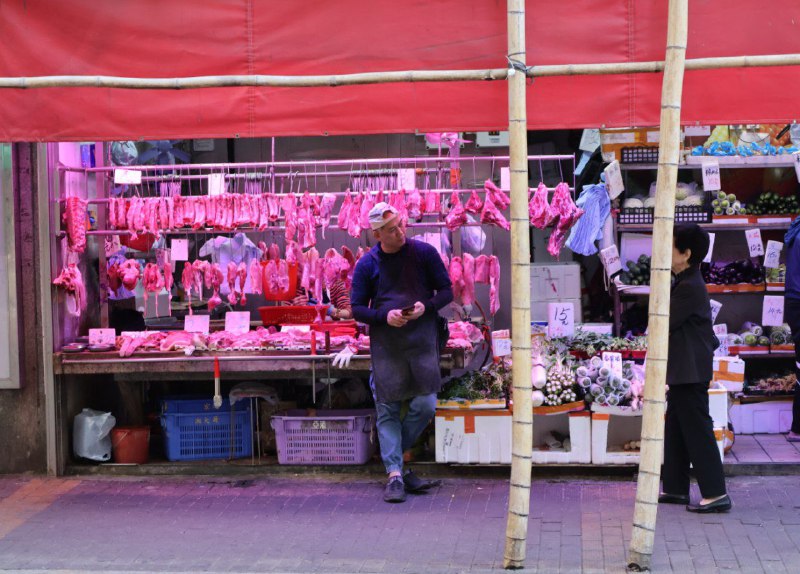
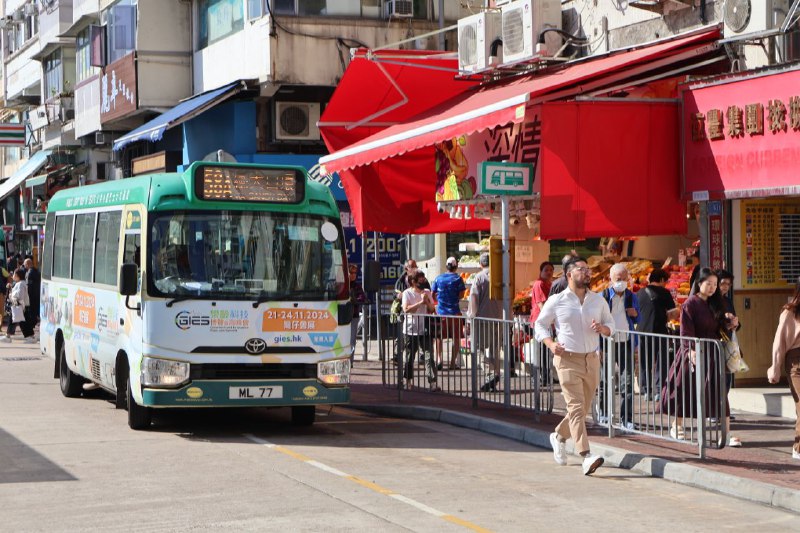
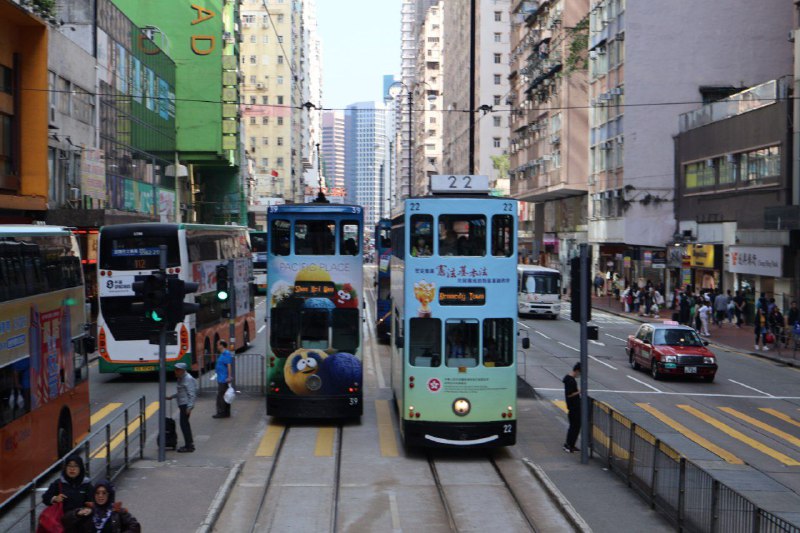
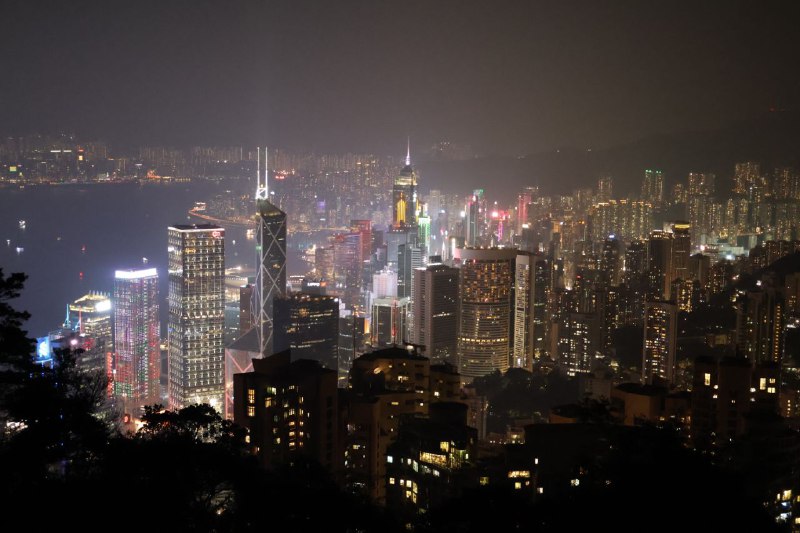
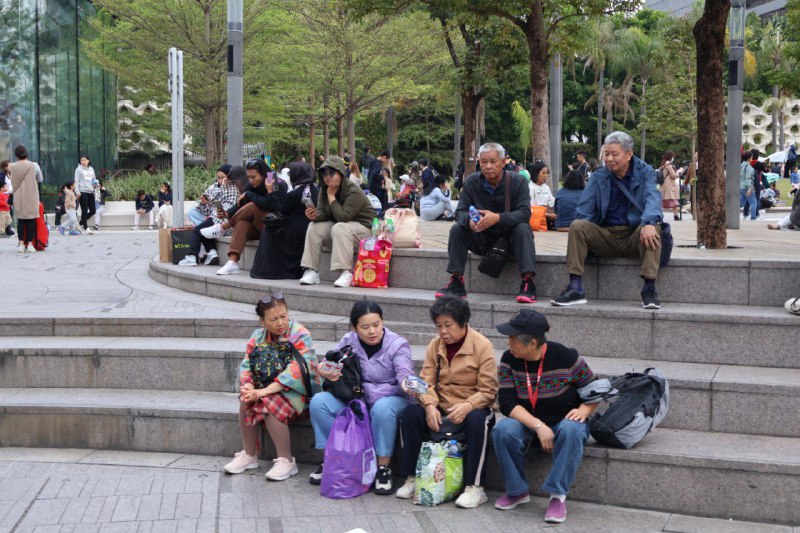
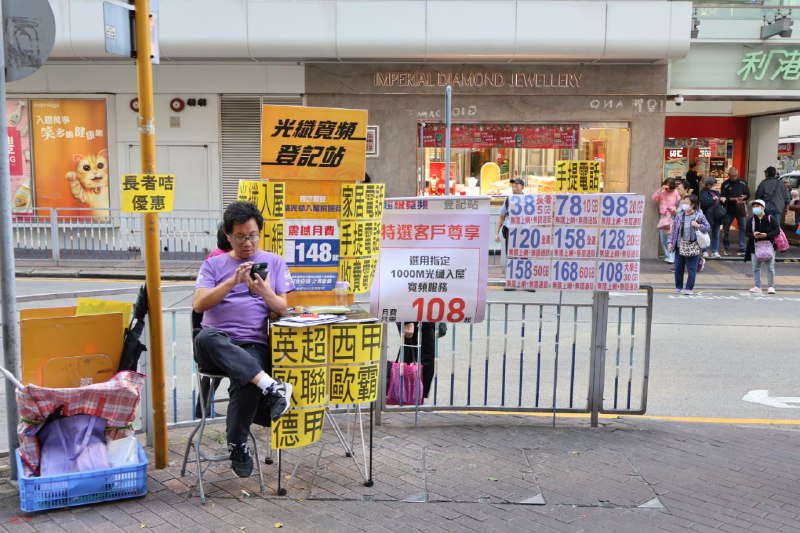
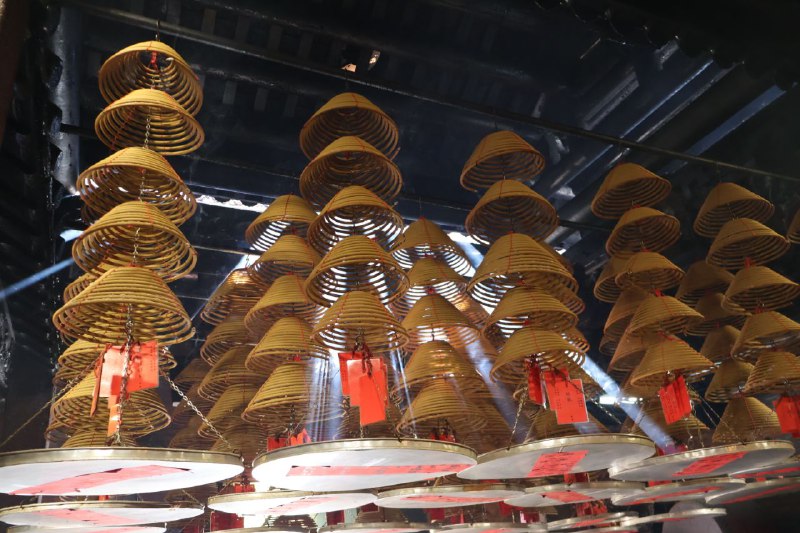
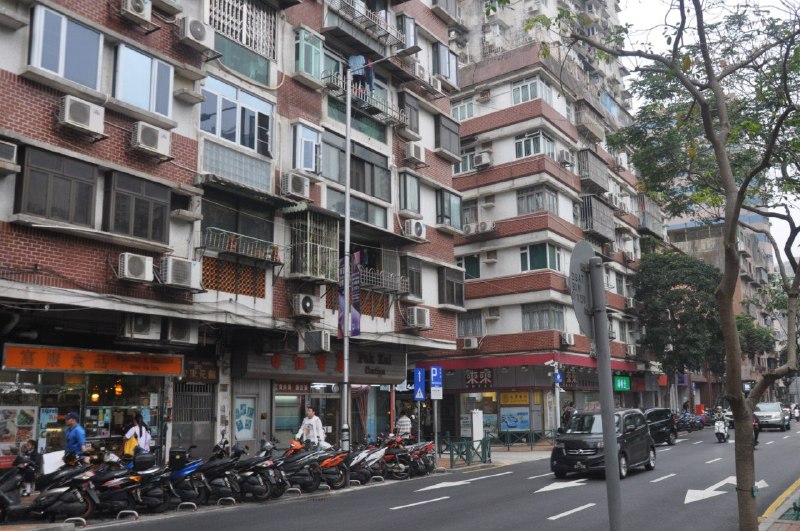
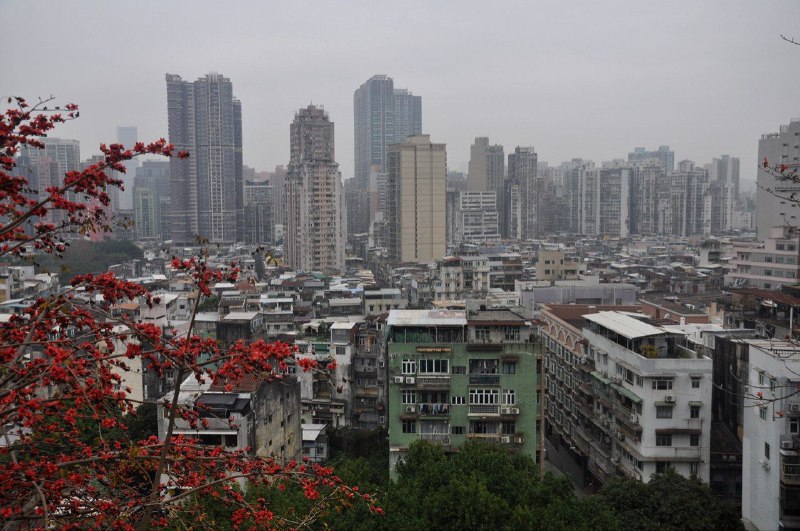
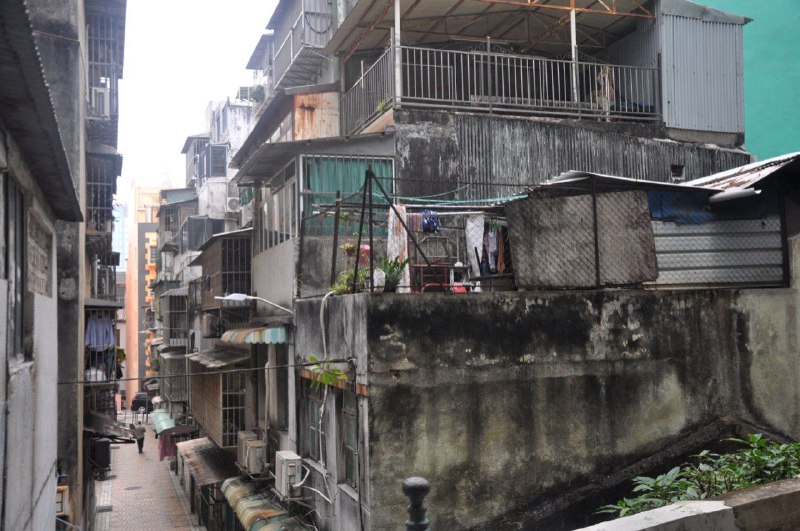
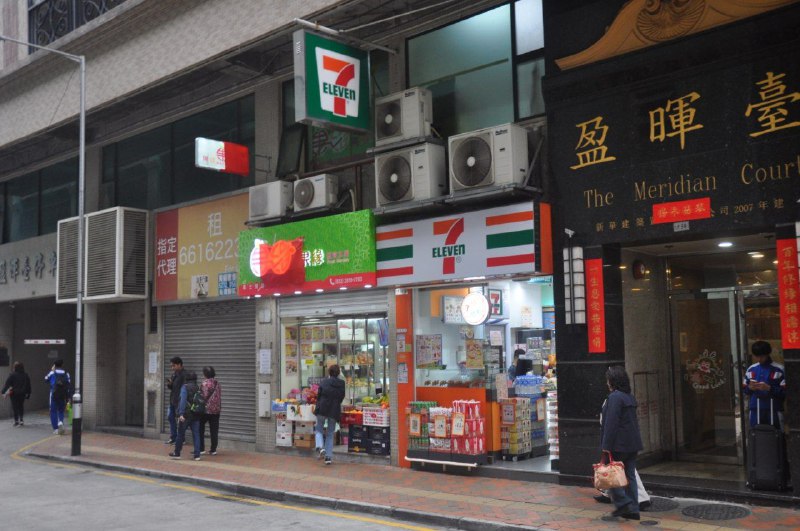
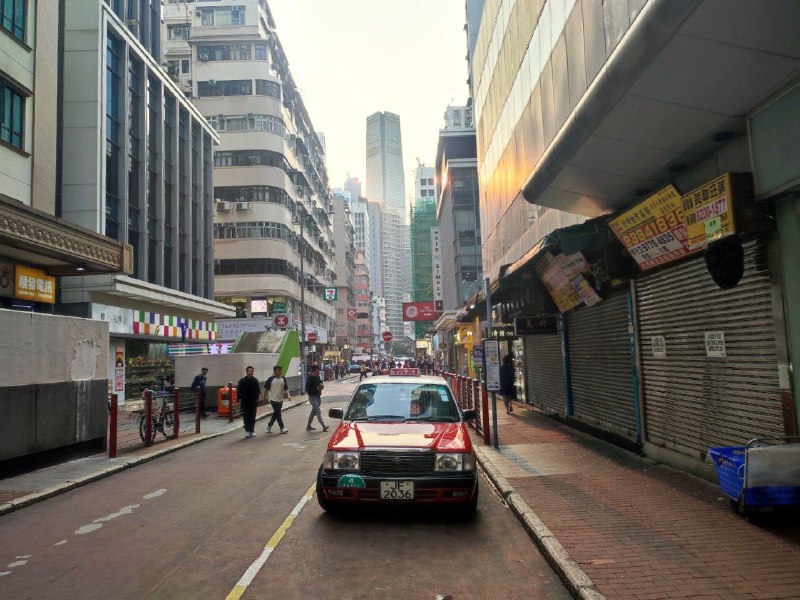
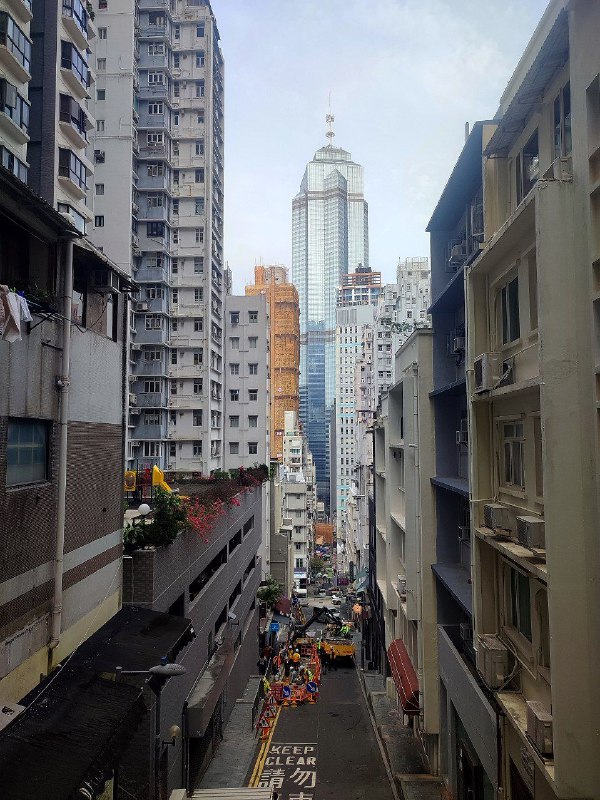
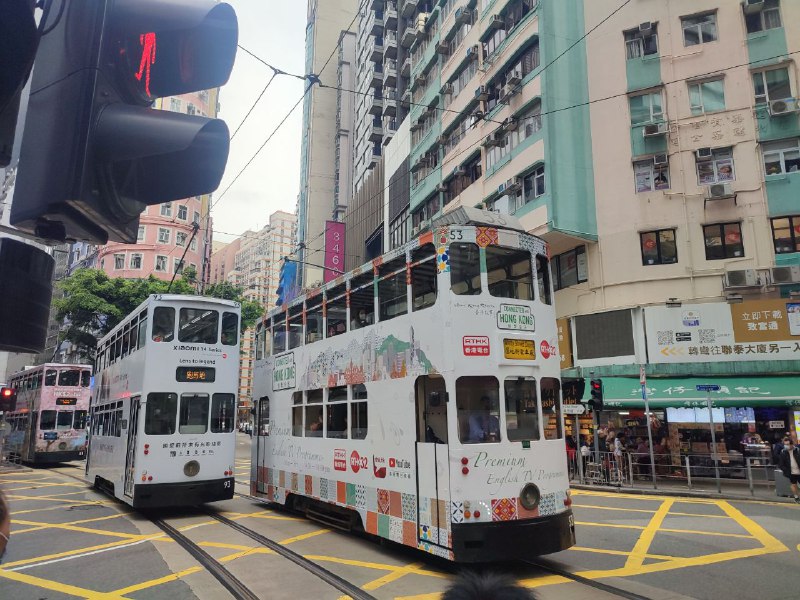
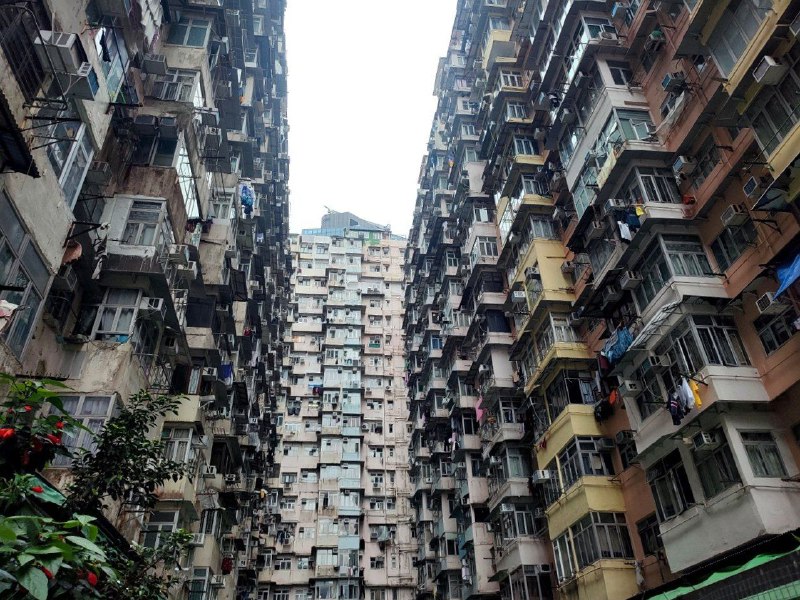
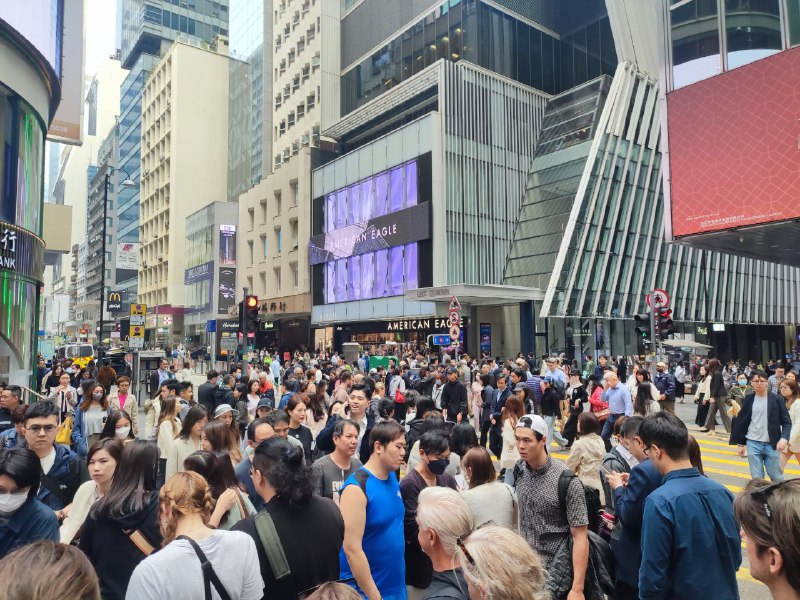
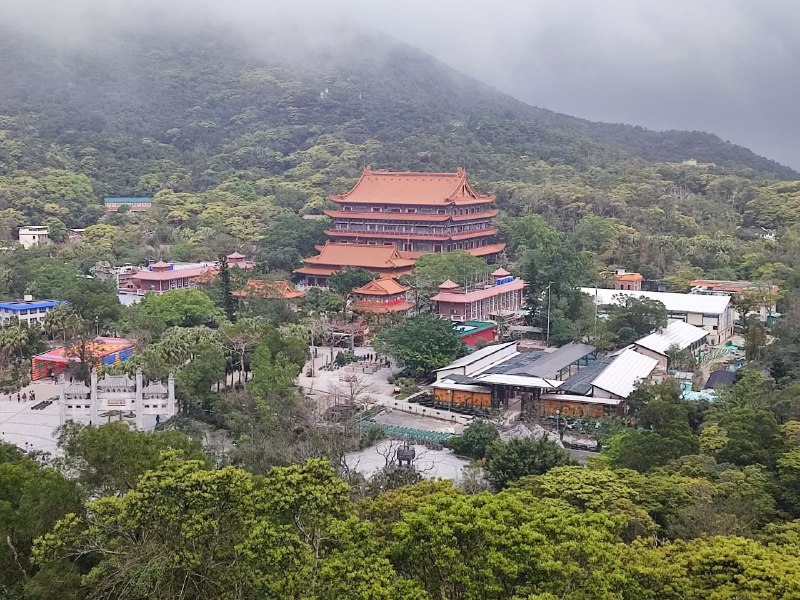
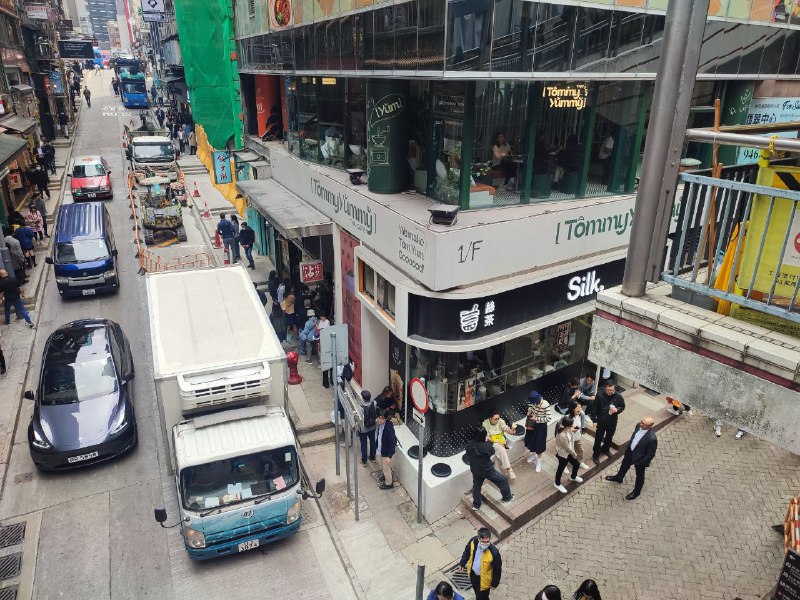
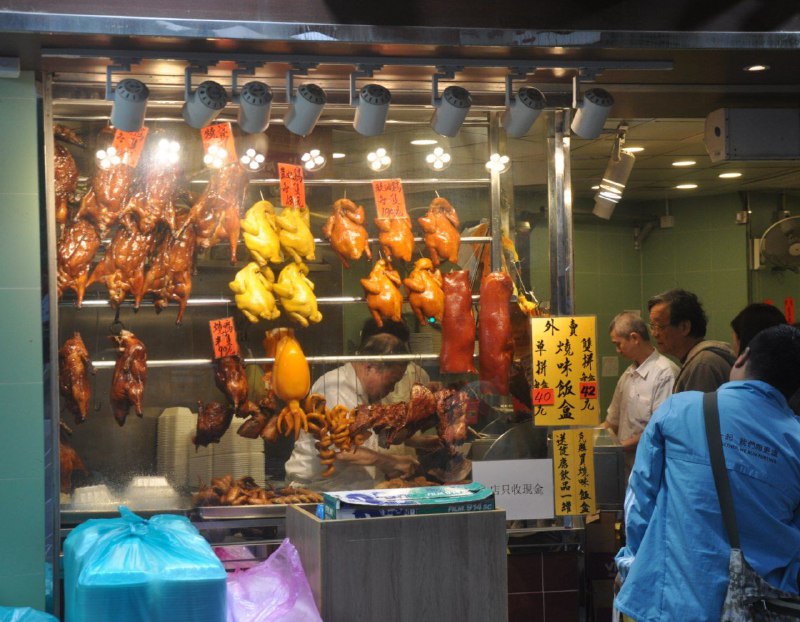
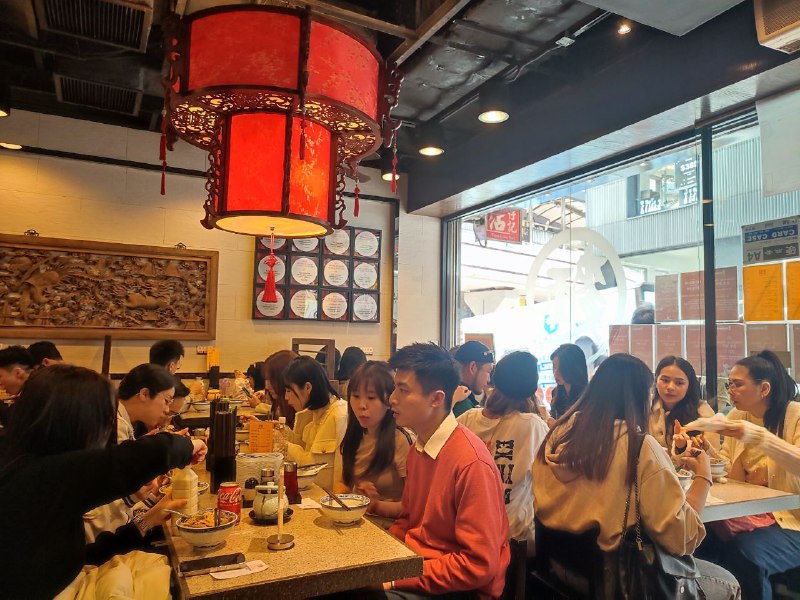
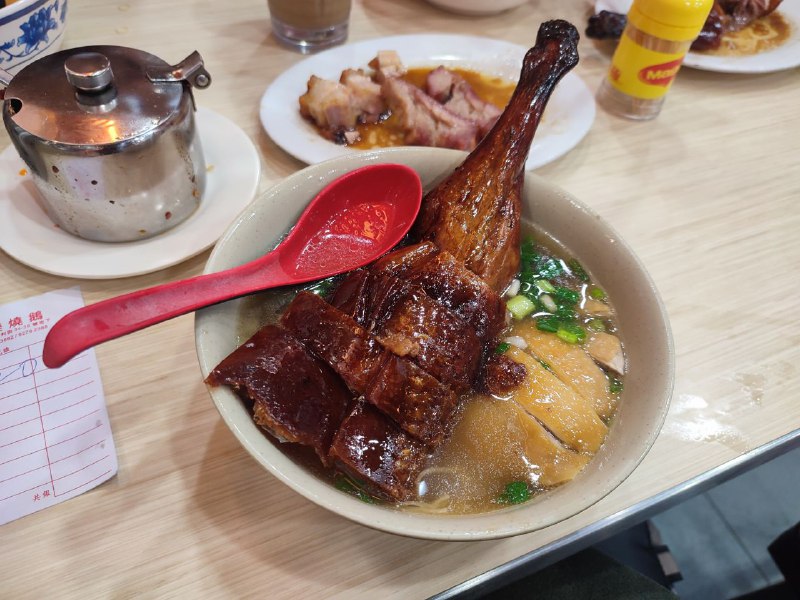
Hong Kong is an unusually photogenic city that makes you want to come back. I'll share some photos here.
(Of course, Telegram compresses the pictures way more than I'd like, but that's how it is)
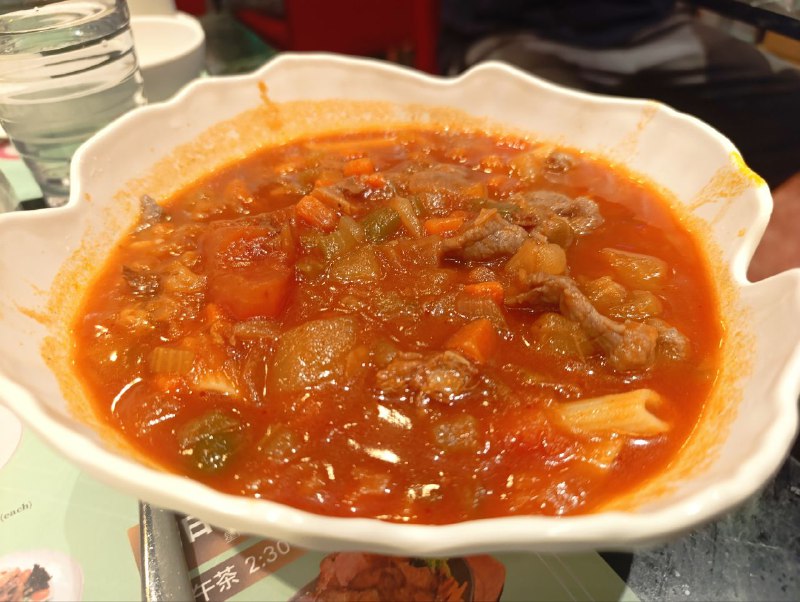
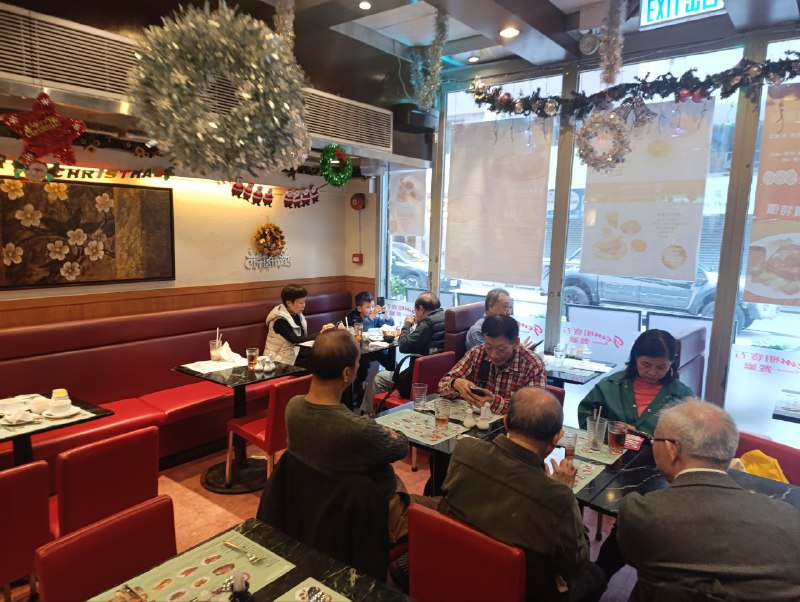
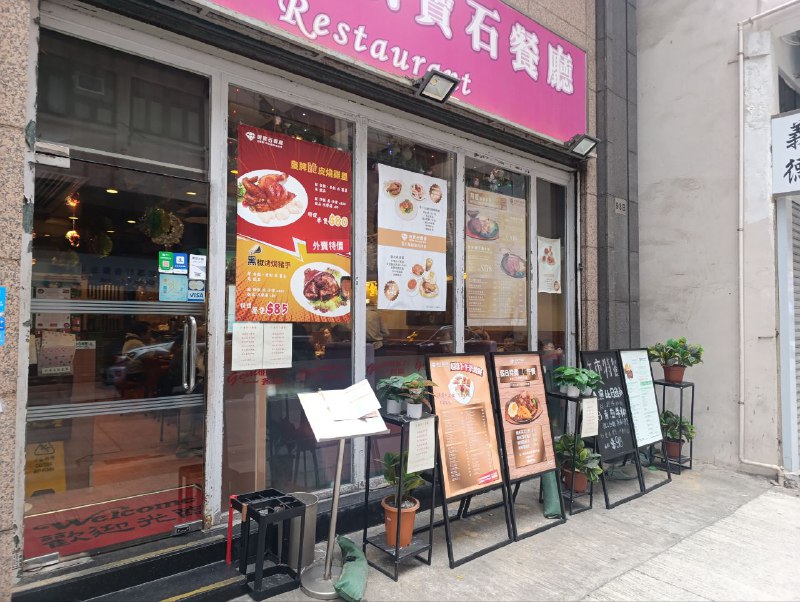
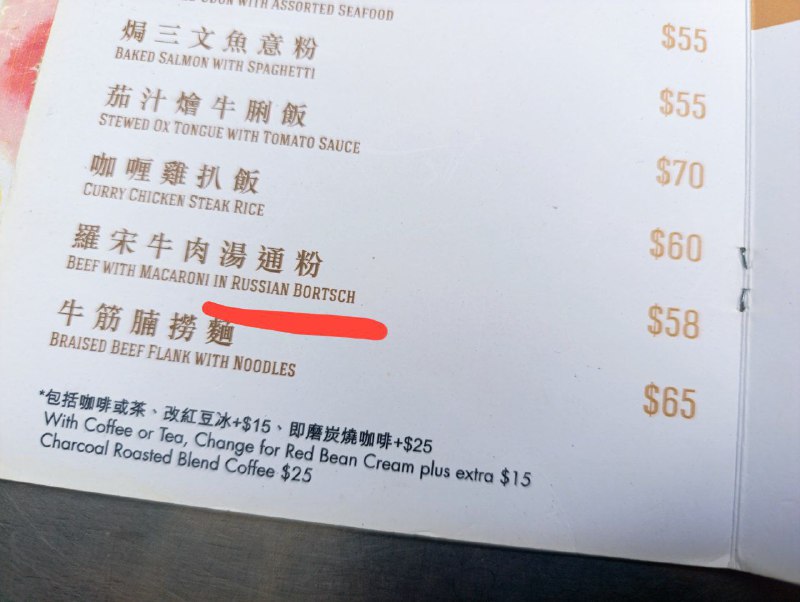
My discovery of the year in Hong Kong turned out to be borscht. Or rather, what the locals call borscht. When you search for 罗宋汤 on Google Maps, you'll find plenty of places to try this dish. You'll mostly have to choose from local Chinese canteens with ratings below 4. Sometimes they're disguised as Western cuisine adapted to local tastes, rather than catering to tourists.
Credit should go to the White émigrés. About
300,000 people from Russia moved to China after the Soviet Revolution. When the communists took power in China too, they had to urgently find new options. Hong Kong was one of the logical choices. The peak of emigration came in the 1950s. The British ran the city back then, and they weren't exactly thrilled with the newcomers. Nevertheless, there were so many Russian émigrés here that a Western restaurant was practically a
synonym for a Russian restaurant. Over time, almost all of that wave of emigrants scattered to third countries, but borscht became firmly entrenched in the local menu.
It was impossible to ignore such a phenomenon. I found it, tried it, and can honestly say that all that's left of borscht is its name. They brought me this tomato soup, and you can't even smell beets in it—and they threw in some pasta, though not everywhere adds that. There were so many tomatoes that it actually tasted a bit too sweet. Bread and sour cream don't come with this masterpiece. So even if you're craving that red soup more than the White émigrés were (no offense), this version won't help much. And if you Google the
recipes, you can see how far Hong Kong's version has strayed from the original
I only checked out
one place (cross it off your list :) ), but there are dozens around the city. There's a ghost of a chance that other places are better (unlikely). Maybe next time I'll work up the courage for a second attempt. But I wouldn't bet on it. Reality just diverged too far from my expectations this time.
I had a couple of days to spare in Hong Kong, and this time I wanted to check out something more authentic and cozy. I read online about
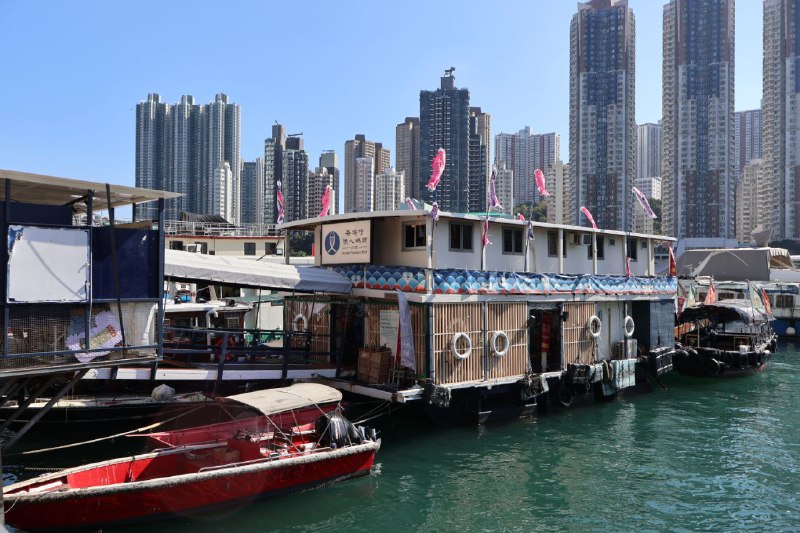
water people (not to be confused with
Vietnamese refugees after the communists won), who spend their whole lives living on boat-
junks and make their living fishing. The British called these folks "sea gypsies." In Cantonese they used to be called "tanka," but these days that name isn't considered acceptable. Tanka literally means "egg people." According to legend, centuries ago this people paid their taxes in eggs, which is where the name came from.
Back in the 1980s, in a
bay that protected from typhoons, almost 40,000 people lived there (and that's no typo!). Since then, most have moved to land, but I was still hoping to catch some remnants of the floating village. No luck. I didn't find any signs of a water village. Though back in 2016, according to various internet posts, dozens of such residents were still living there.
But not far away, I stumbled upon an unusual
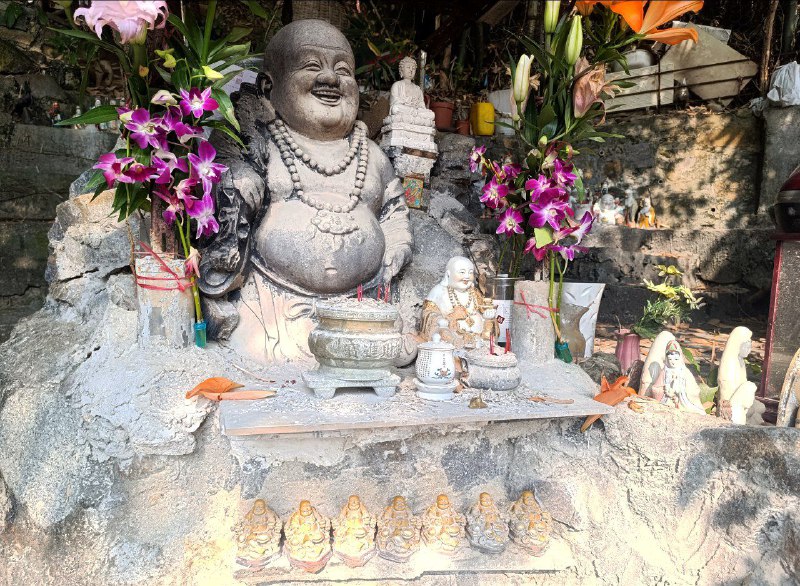
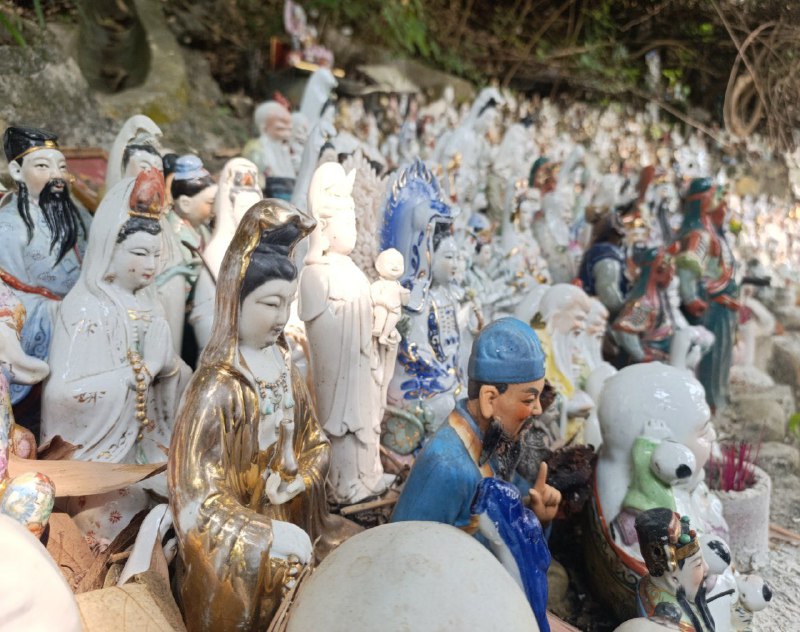
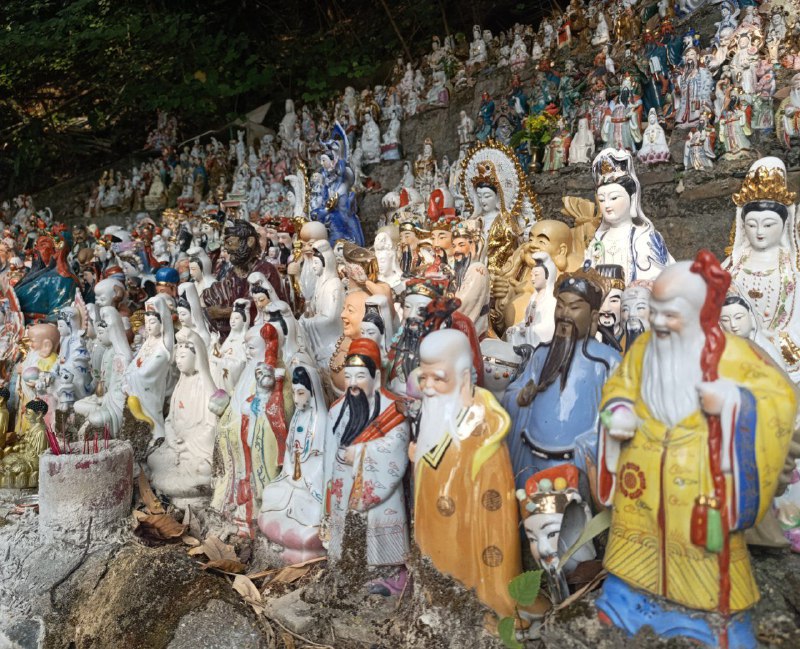
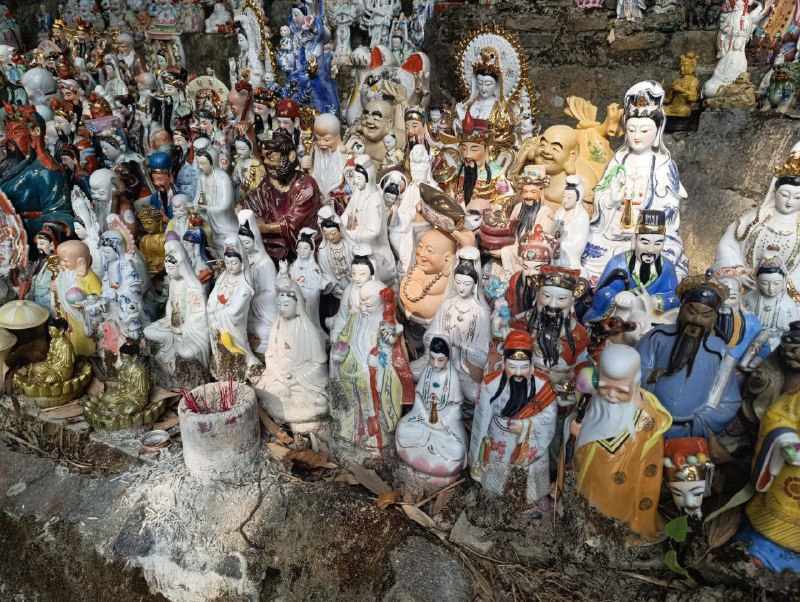
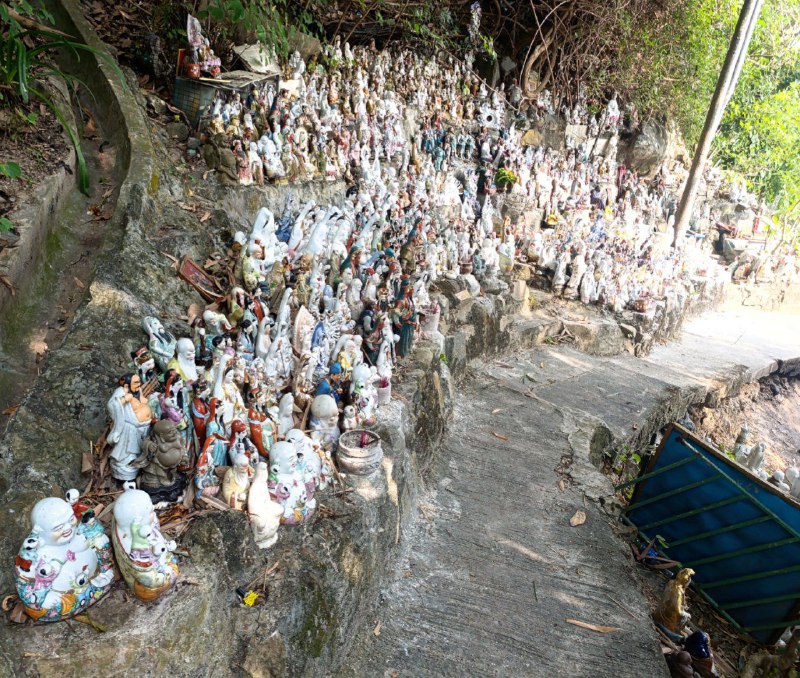
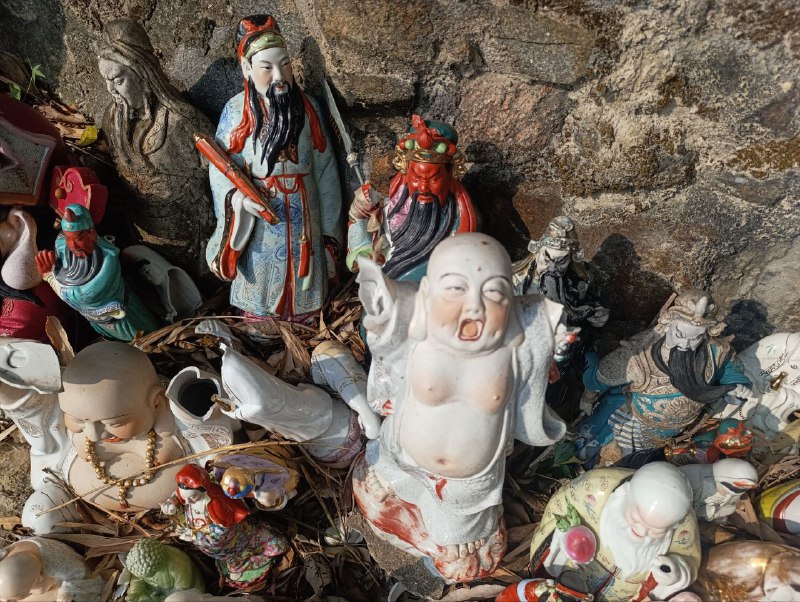
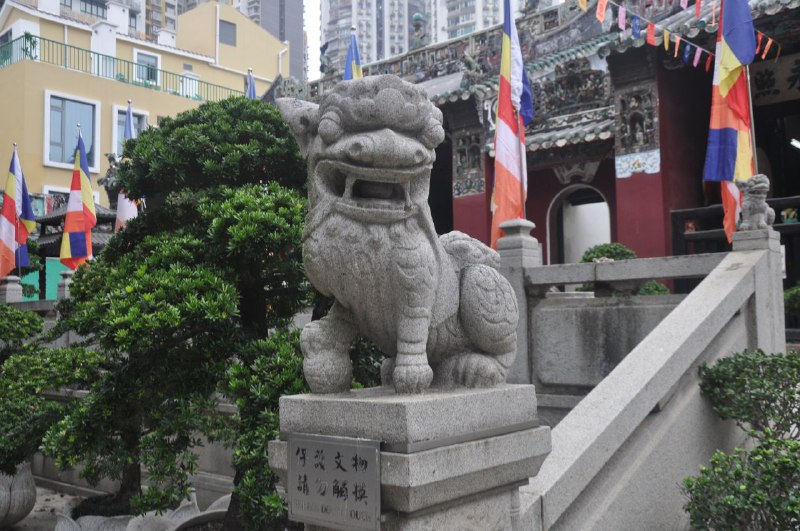
temple with thousands of god statues, but not a single one was purchased or custom-made. In local beliefs, you don't throw away god statues, even if they're broken. People can leave them by the roadside for someone else to pick up. More than 30 years ago, a local resident named Wong Wen-Pong started collecting abandoned statues and displaying them on the waterfront. Over time, the collection grew to several thousand pieces. It looks incredibly impressive. It's not the only one, but it's the most famous temple of its kind in the city. Even the
BBC wrote about it. Nowadays, people often bring their gods directly to the temple rather than leaving them on the roadside.
You can take a ferry from Hong Kong to Macau. It was hard to resist. And I even managed not to repeat the fate of
Patrick O'Brien, who boarded the same ferry without documents in 1952 and then spent 11 months sailing back and forth because neither Macau nor Hong Kong would let him in (he even became a local celebrity among regular ferry passengers).
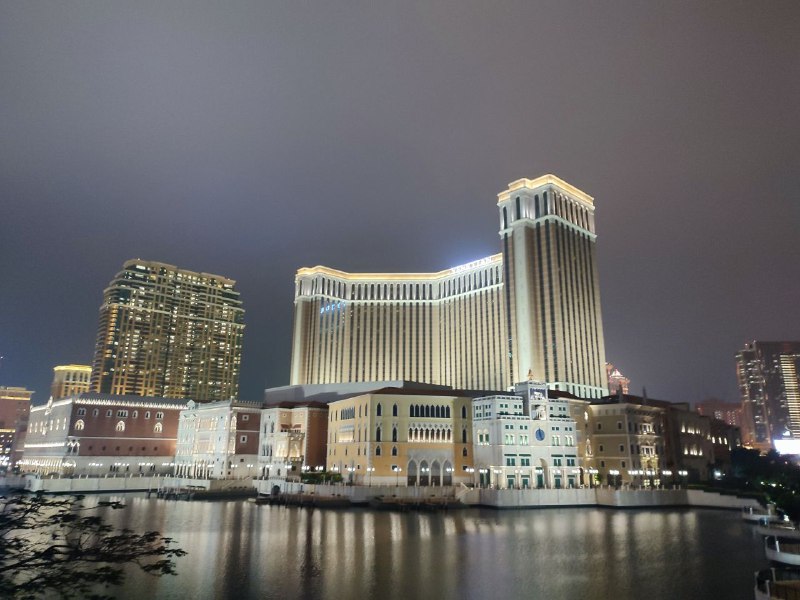
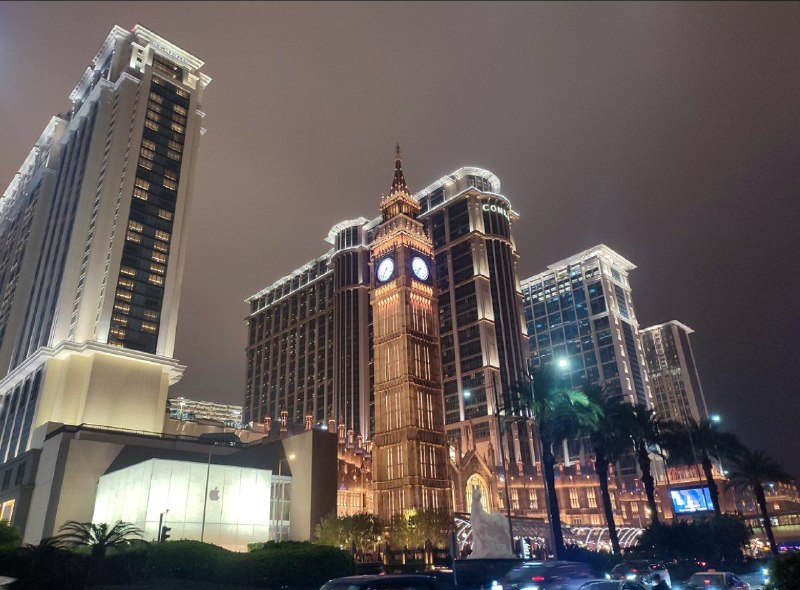
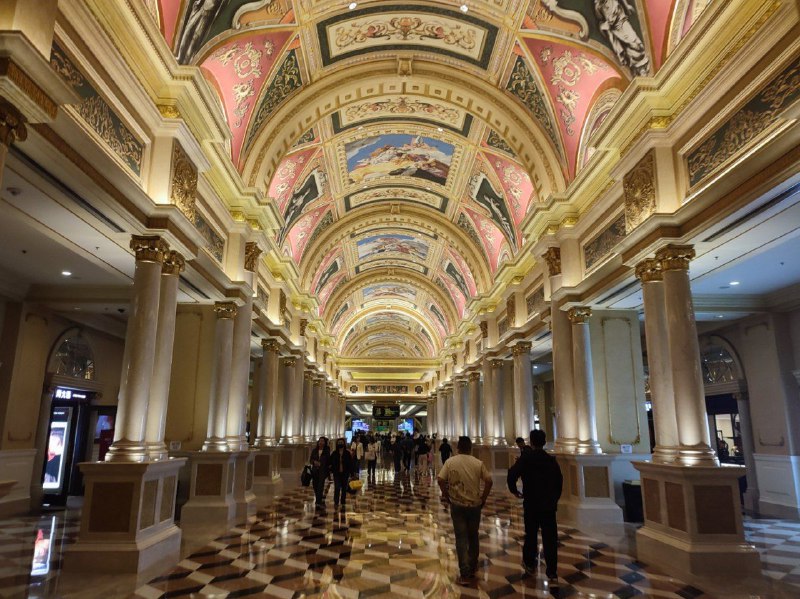
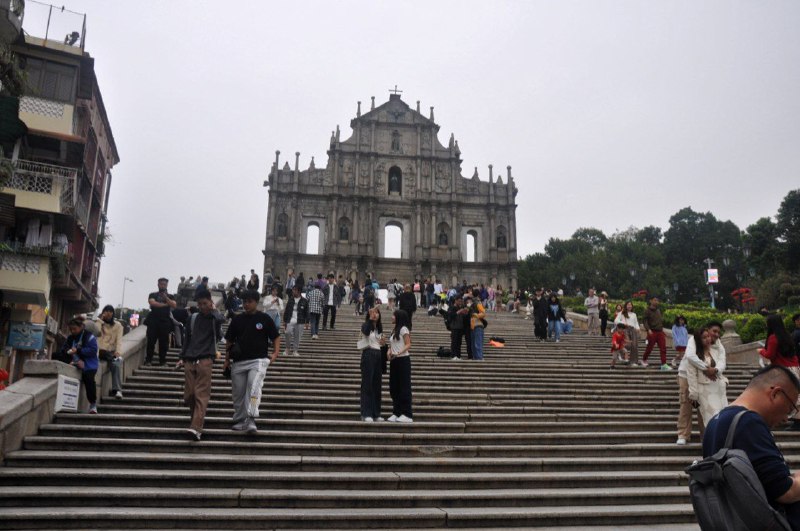
Macau is way simpler than Hong Kong. The only real grandeur is in the casino district, but since I'm not into gambling, I wasn't too tempted. Interestingly, online sources say the gaming industry's revenue and turnover here is several times bigger than in Las Vegas. That said, it's all much more private inside. The casinos are separated by screens, and there's no crazy overload of slot machines everywhere. It's like the focus is more on games with live dealers.
From the observation points, you can see the vastness of mainland China. And the contrast really stands out. It feels like casino money doesn't do much for the city's development.
By the end of the day, I wanted to get back to Hong Kong as quickly as possible. On top of that, my GPS started acting up and showed my location about 600 meters off :)
Finally sorted through my Hong Kong photos. Wanted to post them before I leave again. I also have Macau pics, but that's coming tomorrow.
HK is an amazing city I'd really love to go back to. Highly recommend it.
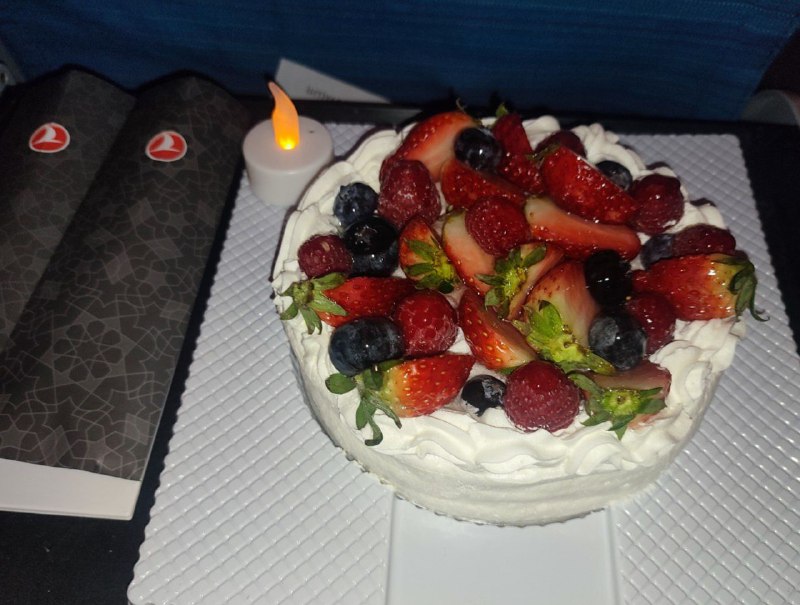
Just a reminder: if your birthday happens to fall within 3 days of your Turkish Airlines flight, you're entitled to a complimentary cake during the flight! All you need to do is call their office in advance (at least a day before departure) and let them know you'd like to enjoy something sweet. Full details about this offer
here.
I've tested it myself — it really works. Delicious too. The flight attendants even sang "Happy Birthday" for me. The cake is huge, easily enough for two or three people.
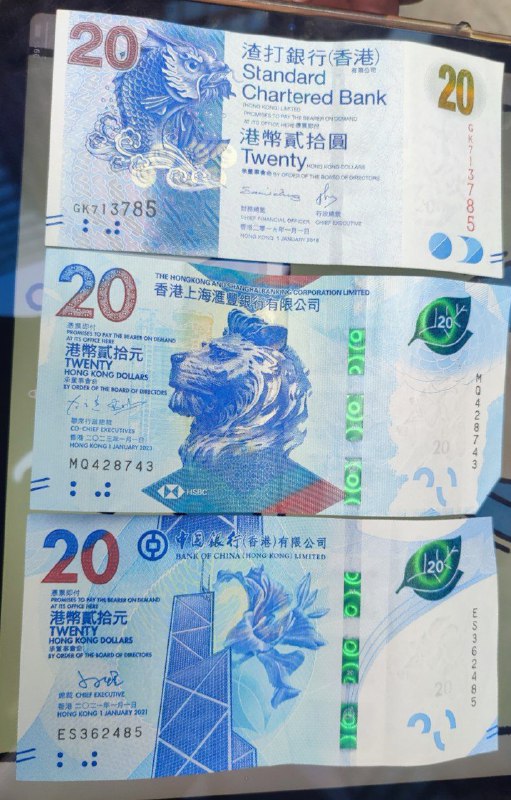
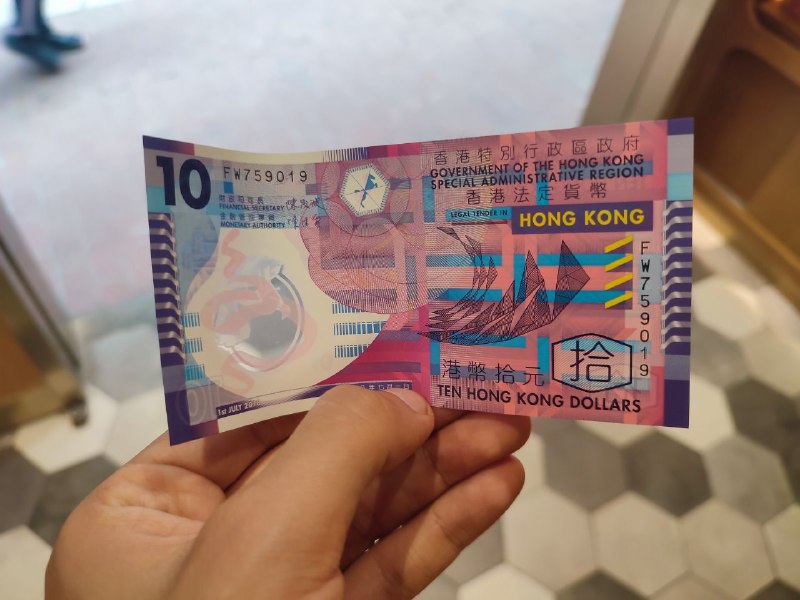
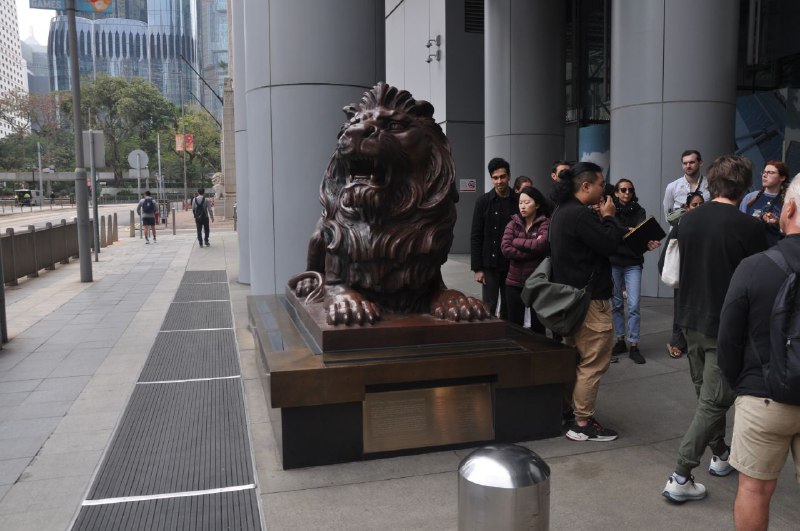
Since I've already started talking about banks, here's something interesting: even though Hong Kong is considered part of China, it has its own currency. But here's the kicker—it's not printed by the local central bank. Instead, three commercial banks print it: HSBC, Standard Chartered Bank, and Bank of China. And each one has their own design (sometimes even multiple versions). Talk about a counterfeiter's paradise! :)
The only exception is the ten-dollar note. That one's printed by the central bank itself.
Hong Kong is feng shui territory. You won't notice it at first glance, but a lot is governed by this practice. It gets to the point where building heights or park locations are determined by feng shui experts' recommendations. And there have actually been feng shui wars!
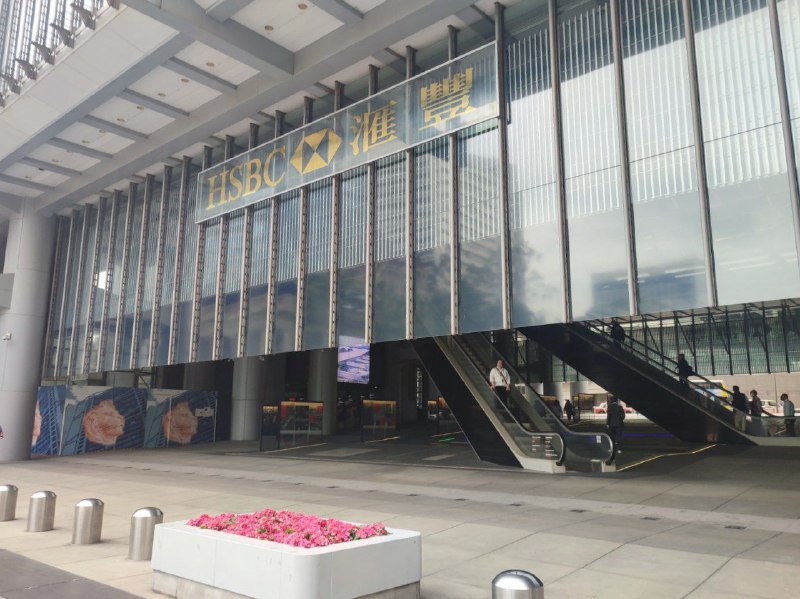
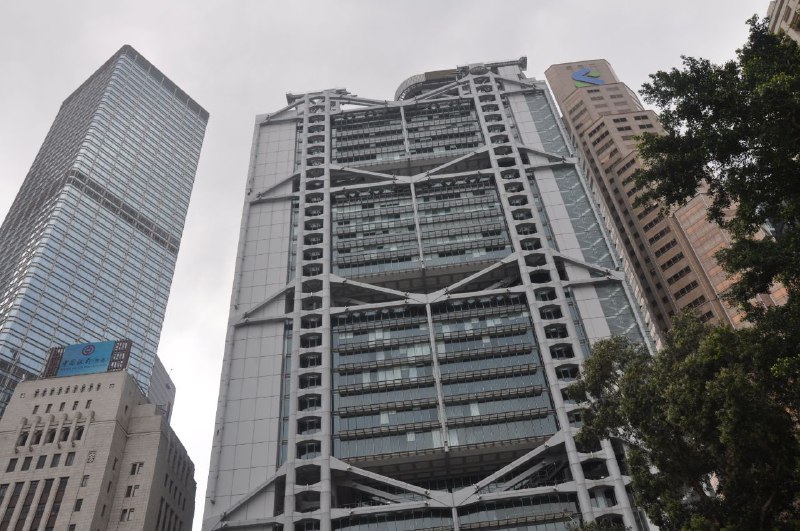
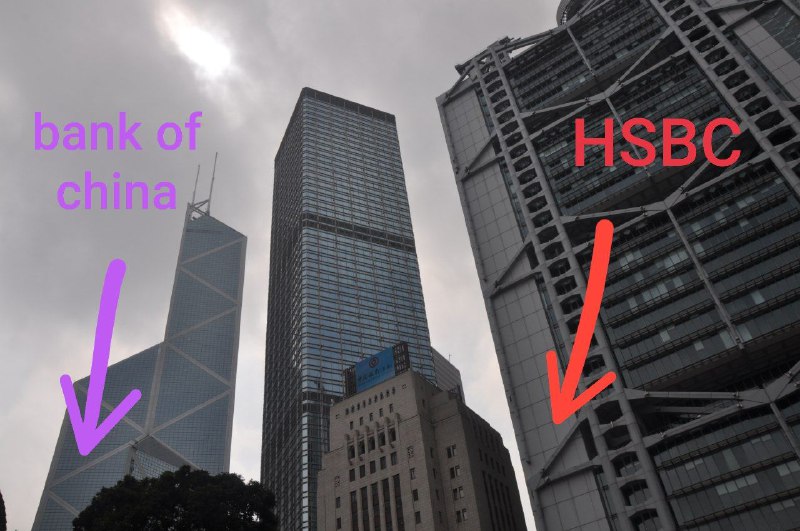
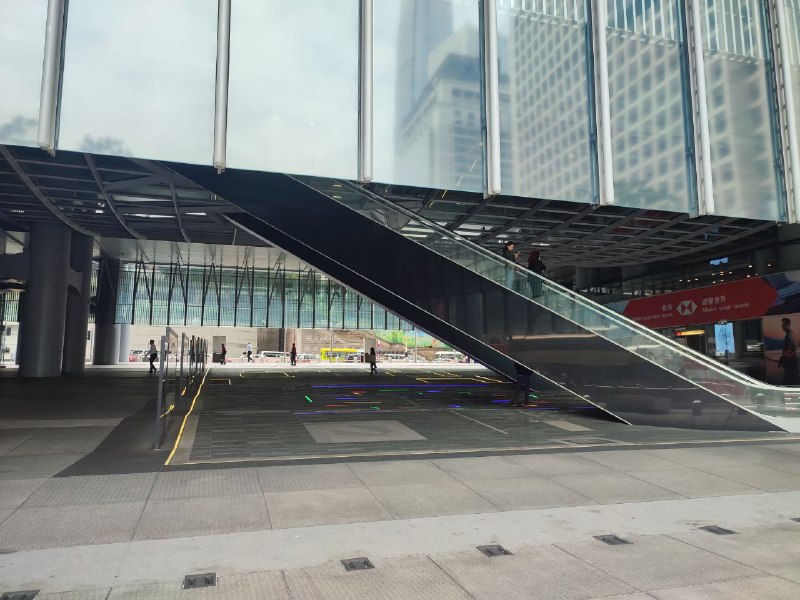
The most famous showdown was between HSBC bank and Bank of China. The first built its headquarters following all the rules: mountains in the back, water in front (and the company bought up all the space from the building to the water and created a park there, making sure no one could block access to the water), no ground floor (to keep space for the wind that brings wealth). Everything was going great until the Chinese bank built right next to them.
The new building was taller. So HSBC had to add more floors. In response, the Chinese bank bought the adjacent land and built an even taller skyscraper, then installed a structure on the roof that looked like a sword pointed at their competitor. HSBC had to defend itself: they put cannons on their roof (people can't get close to them, but they're visible from the street and in photos).
This could have gone on forever, but then the Cheung Kong Centre was built between the two banks. It acted as a feng shui barrier, and the need to "fight" disappeared.
 United Kingdom
 Serbia
 Bosnia and Herzegovina
 Turkey
 United Arab Emirates
 Brunei
 Indonesia
 Malaysia
 Argentina
 USA
USA Morocco
 Georgia
 Egypt
Egypt Hong Kong
 China
China Vietnam
 Tunisia
 Montenegro
 Philippines
 Singapore
 Oman
Oman Algeria
 North Macedonia
 Lebanon
 Israel
 Albania
 Russia
 Tanzania
 Netherlands
 Spain
Spain Latvia
 Germany
 Belgium
 France
 Kazakhstan