Just a few Indonesian photos to follow up.
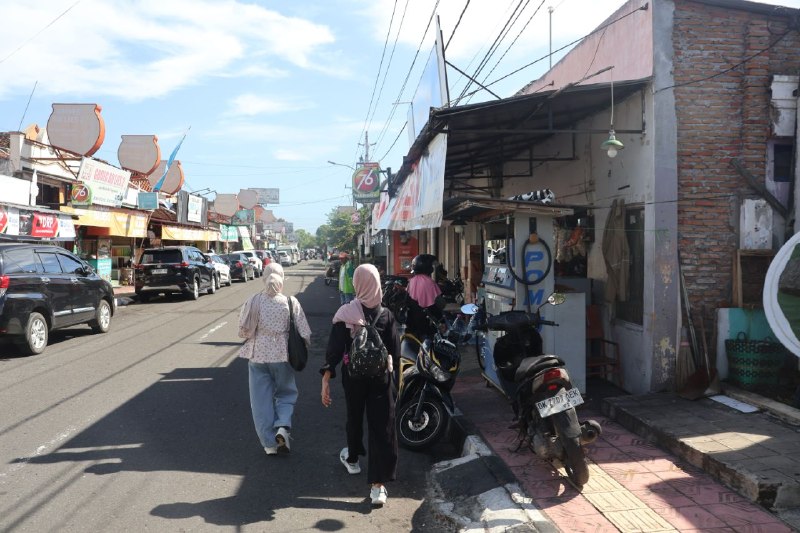
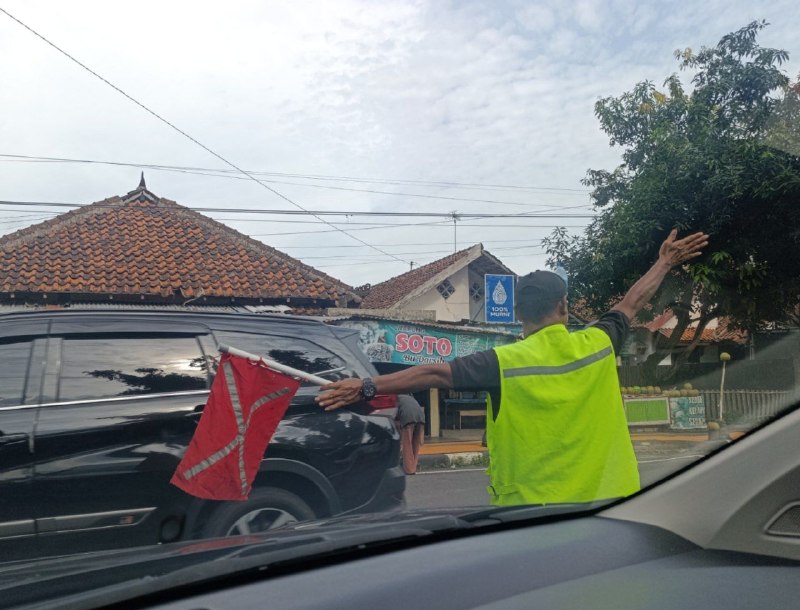
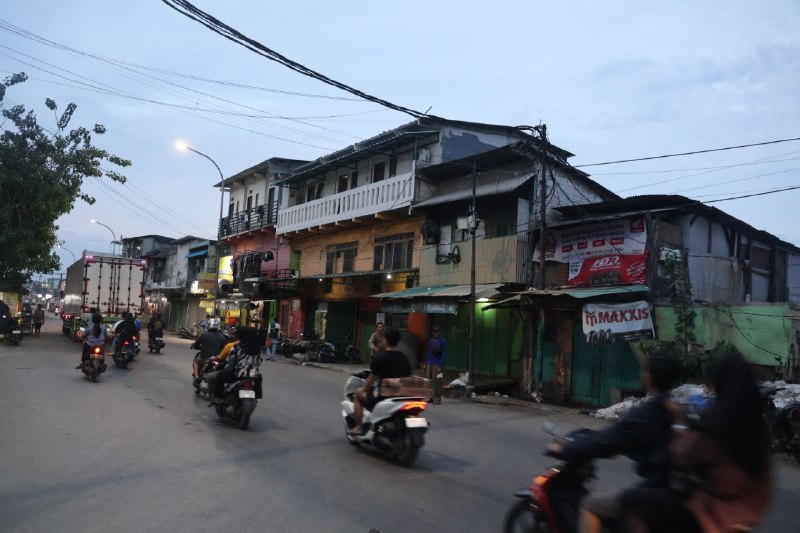
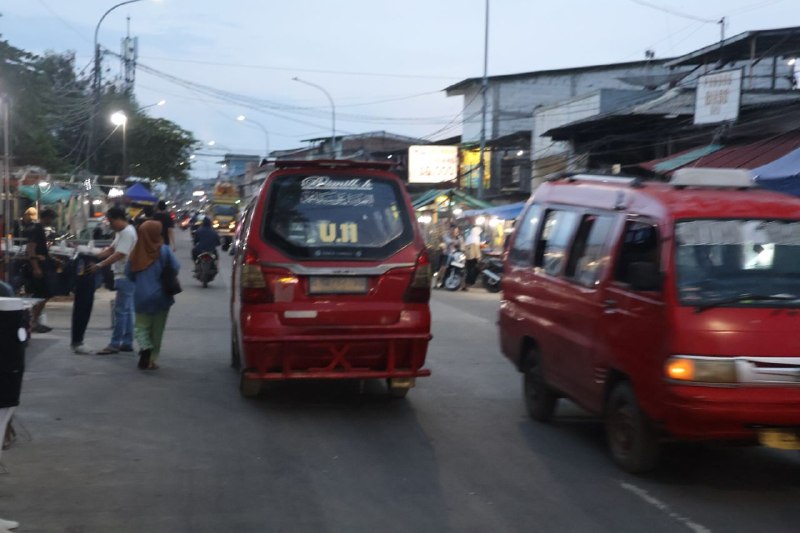
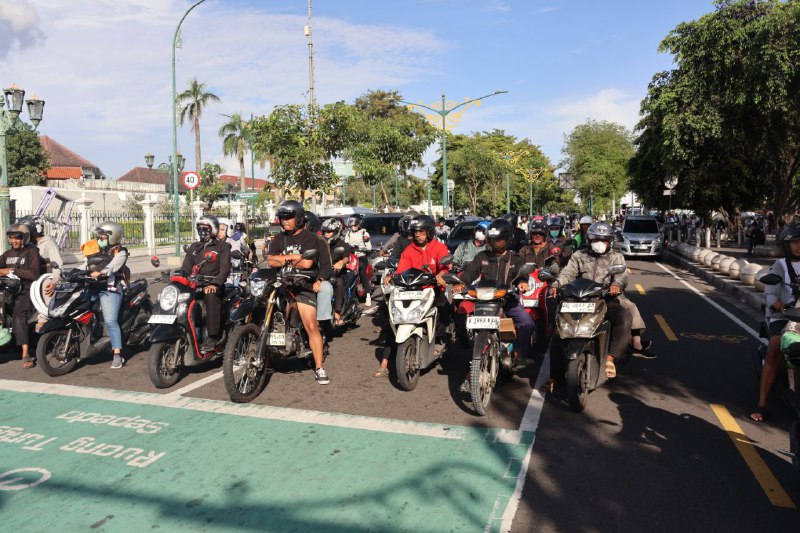
On Indonesian roads, traffic controllers seem to pop up out of nowhere. One minute someone's stopping traffic outside a little restaurant, the next some random guy is manually directing traffic at a busy intersection.
Often they're just regular people trying to make some cash. It's not exactly big money, but they do manage to pocket a couple bucks a day. They're called Pak Oga. Named after a lazy, unemployed character from a children's
puppet show, who'd reluctantly take on work for a little pay, and his most famous line was: "a hundred rupiah first!"
Authorities try to crack down on these guys. They'll arrest the occasional "traffic controller," confiscate their daily earnings, but by the next day they're back at their "posts." There was even talk about legalizing the whole thing—training all these "traffic cops" and giving them uniforms—but it never really went anywhere.
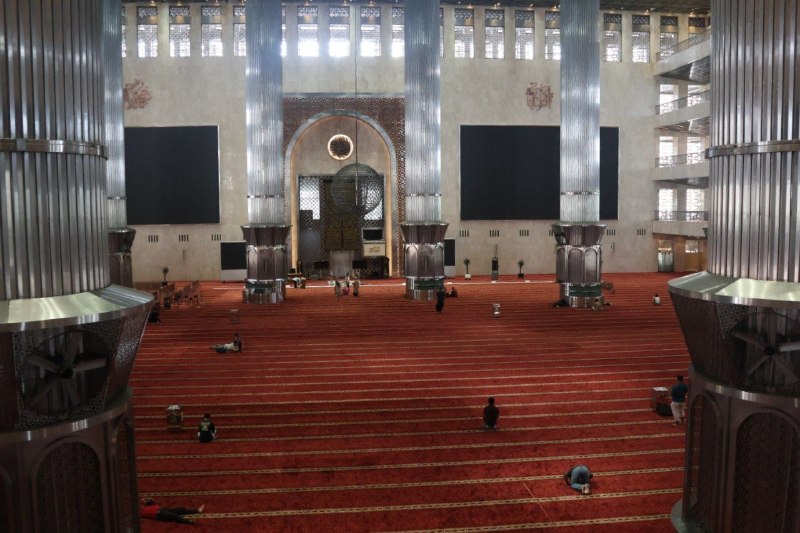
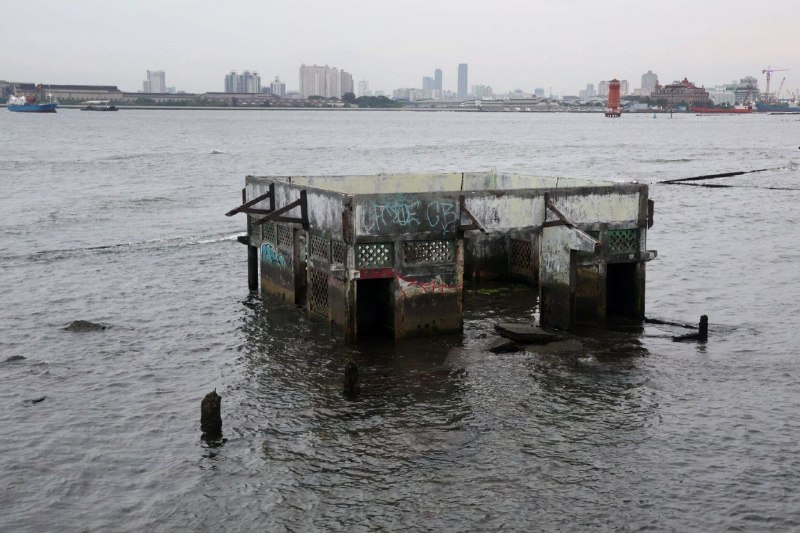
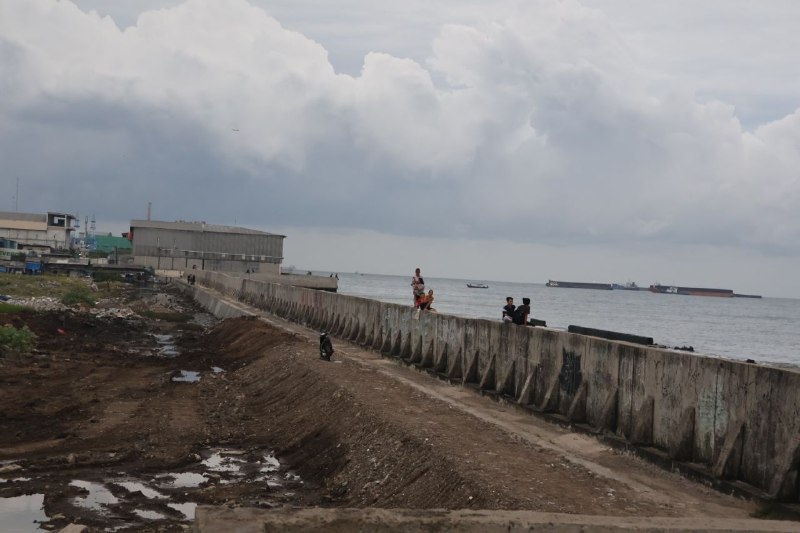
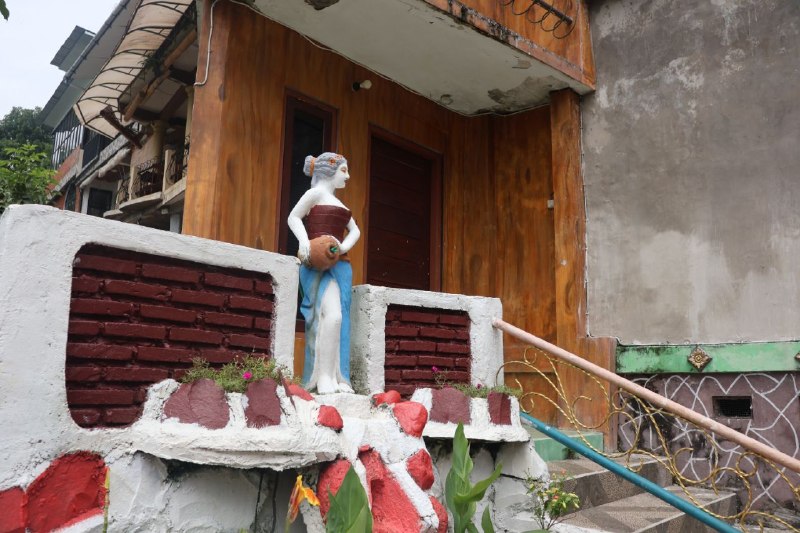
Indonesia's capital is literally sinking: Jakarta subsides by several centimeters every year, and in some districts it's measured in tens of centimeters. The
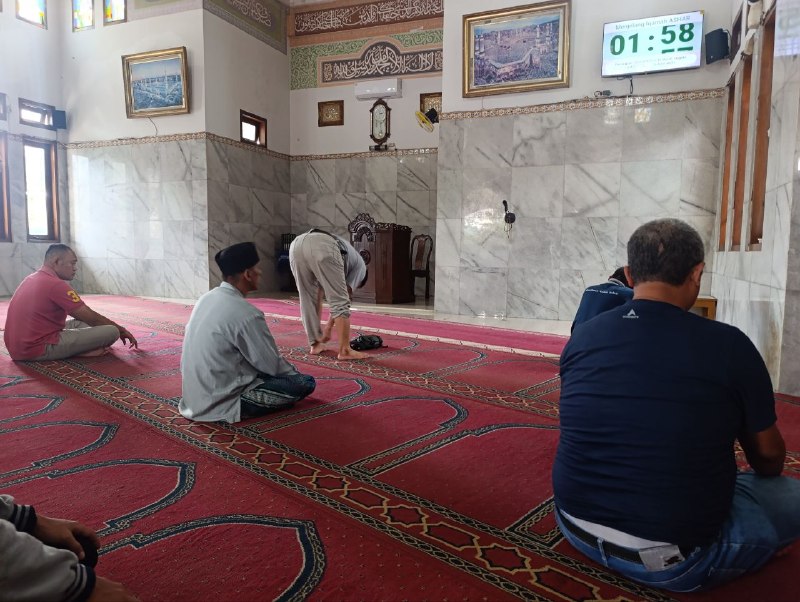
mosque in the first photo—people used to go there for prayers just ten years ago, but now you'd pretty much need to swim there.
The city and sea are now being separated by a
giant wall. The project is still far from finished, and it's really just buying a little time anyway.
Uncontrolled groundwater consumption, swampy terrain, and rampant development have created the perfect conditions for the city to flood.
The government couldn't come up with anything better than building a new capital in the jungle on another island. They even started construction on
Nusantara a couple years ago, but lately the project has stalled. And no one's planning to move more than ten million Jakarta residents there. Just the officials. Everyone else? They'll figure it out themselves, apparently.
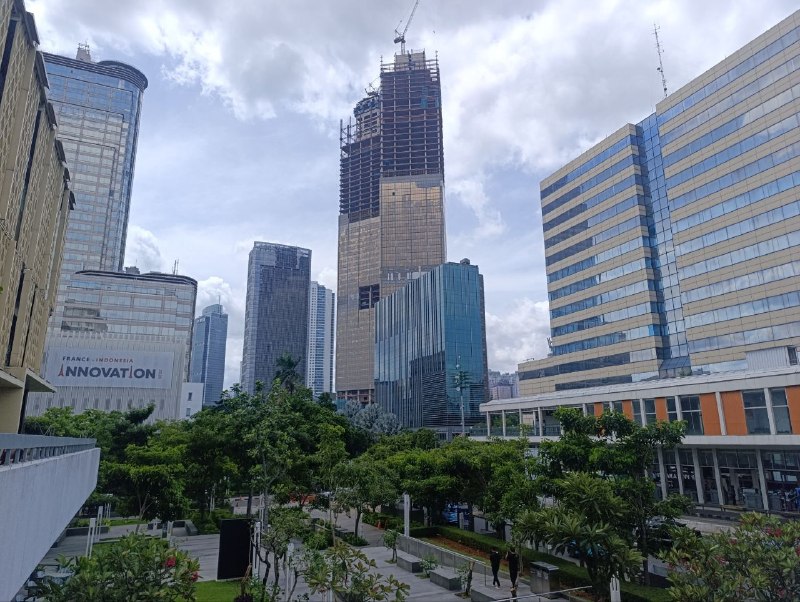
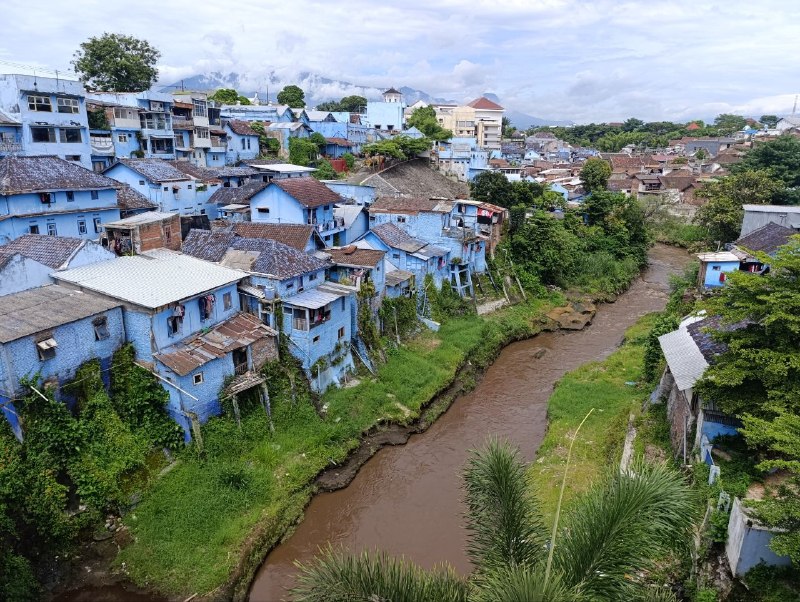
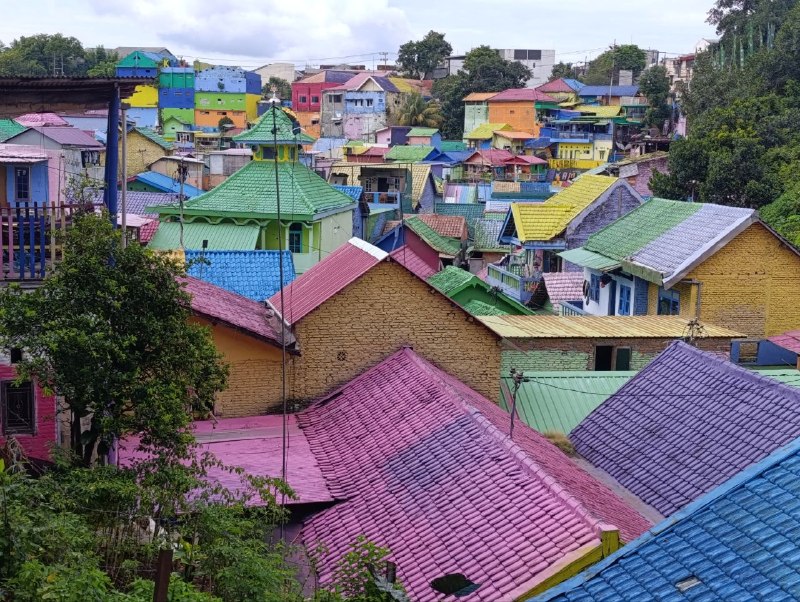
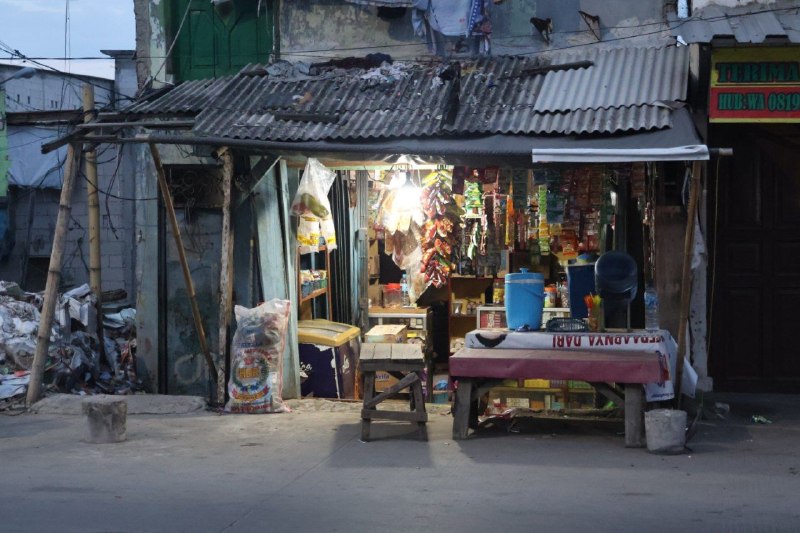
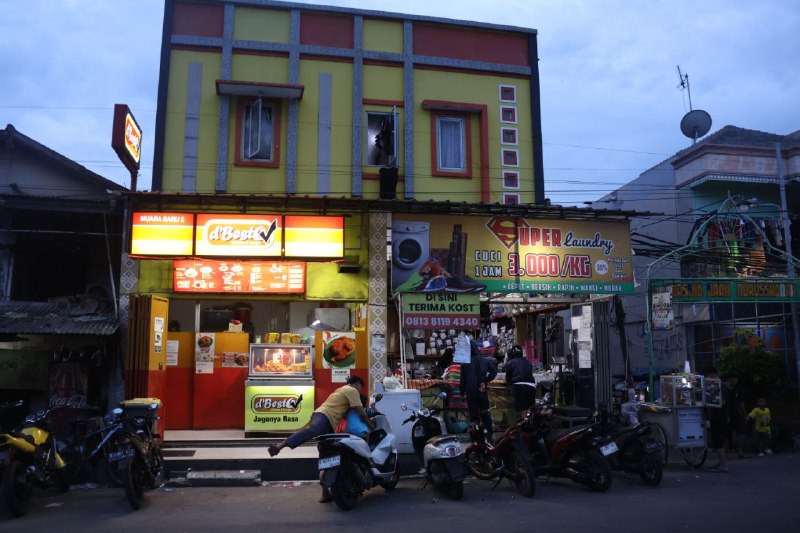
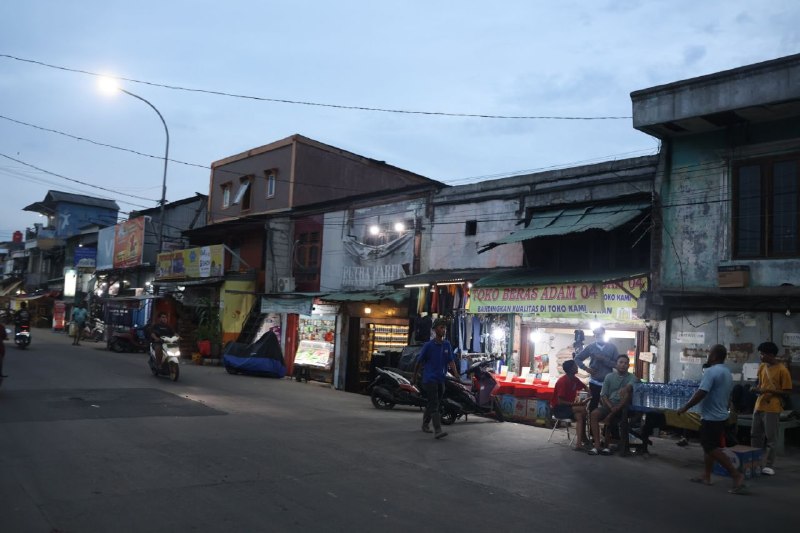
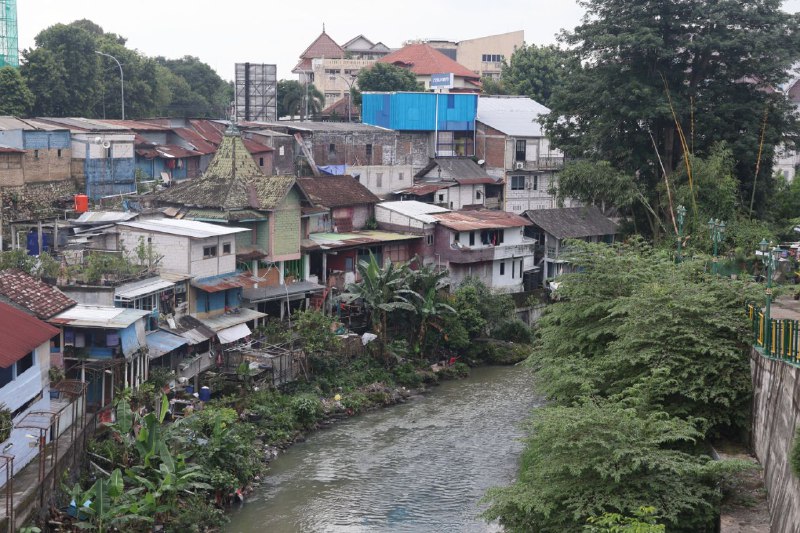
What's really crazy about all this is that the real estate market has been booming in recent years and housing prices just keep going up. By 2050, forecasts say the northern part will be underwater. That's where most of the poor neighborhoods are, like in the photo, but the rest of the city's infrastructure might not be able to handle the increased strain.
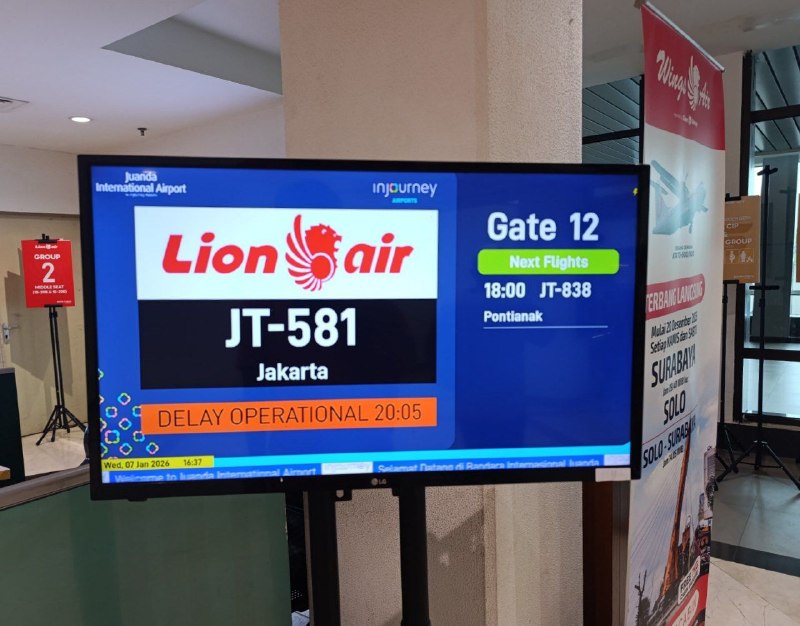
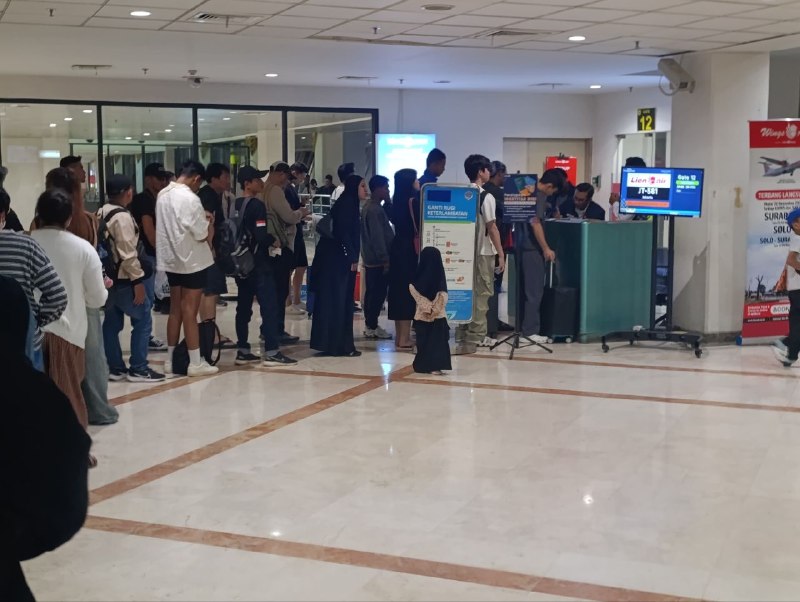
My flight from Surabaya kept getting delayed by thirty minutes to an hour. Every so often, an airline employee would come out to the gate and announce something in the local language. The first couple of times I asked for a translation for us foreigners, but eventually I gave up. They weren't really saying anything useful anyway.
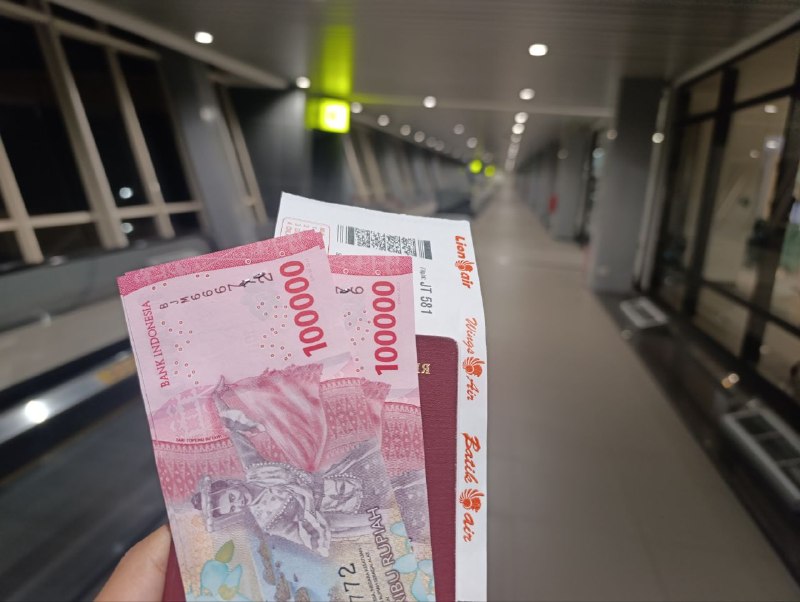
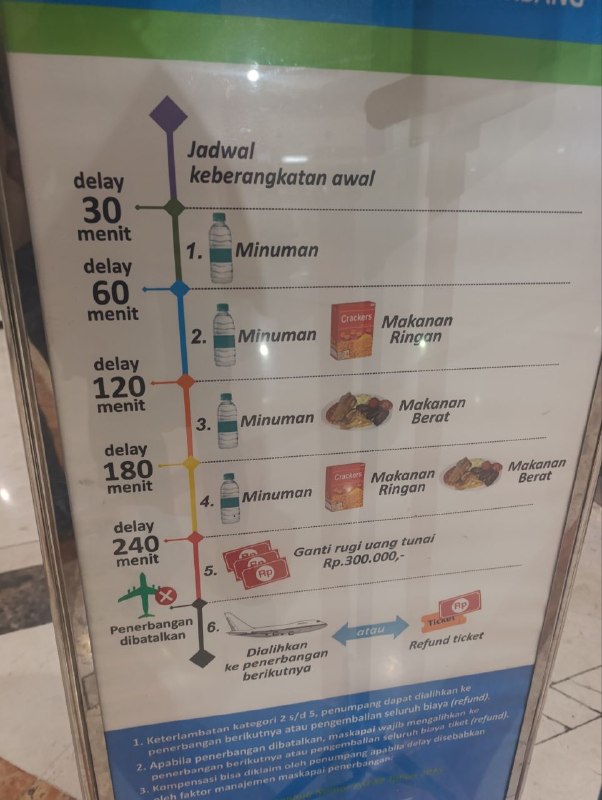
According to Indonesian law, passengers are entitled to various perks during delays, including compensation if you've been waiting more than four hours. Which was exactly my situation. The airline kindly posted a sign with all the rules, and they handed out cash compensation right at the gate. We're talking 300,000 local rupiahs (~15 euros). Not the hundreds of euros you'd get in Europe, but since I paid just over 40 euros for the ticket, it worked out pretty nicely.
Though to be honest, handing out all that compensation just delayed the flight even more. Everyone lined up to get their money, and for each passenger they manually copied down passport details onto a form. And photographed it for some reason too. The three 100,000-rupiah notes they gave out were stapled together. Convenient, obviously.
After
Malaysia, Indonesian restaurant bills are much more pleasant. Especially in small towns.
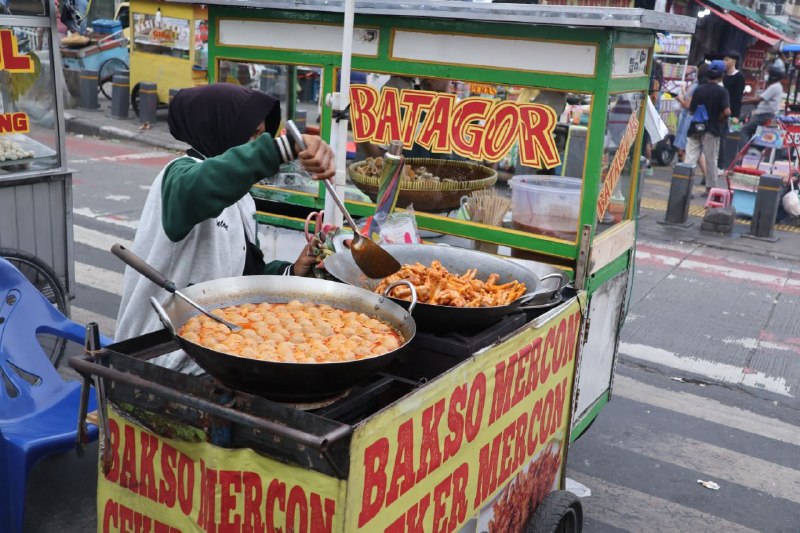
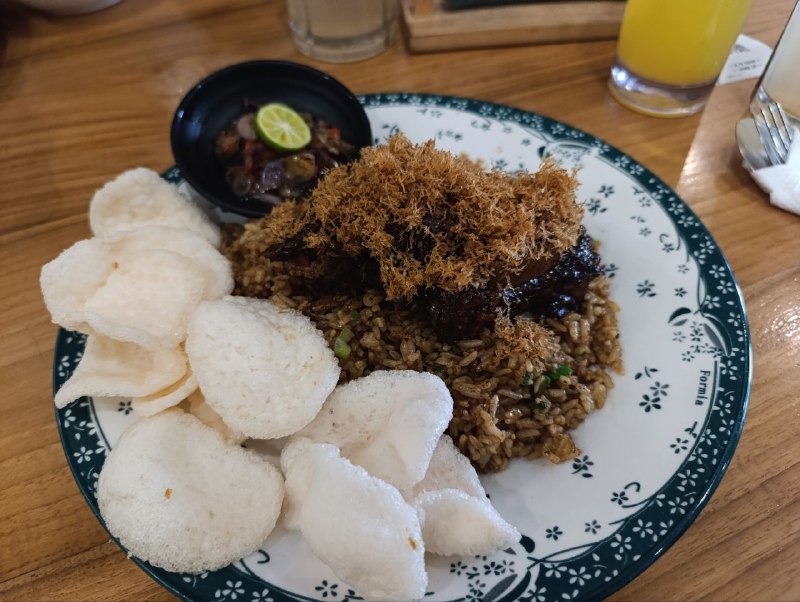
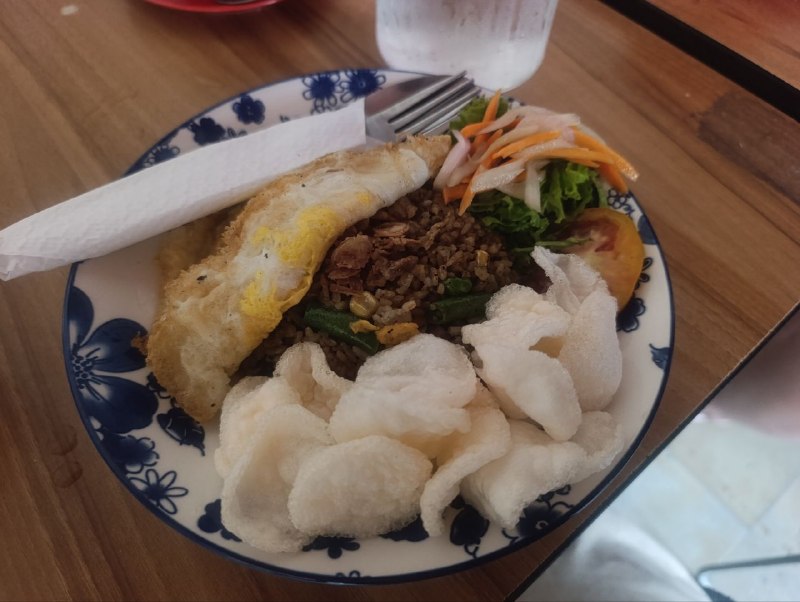
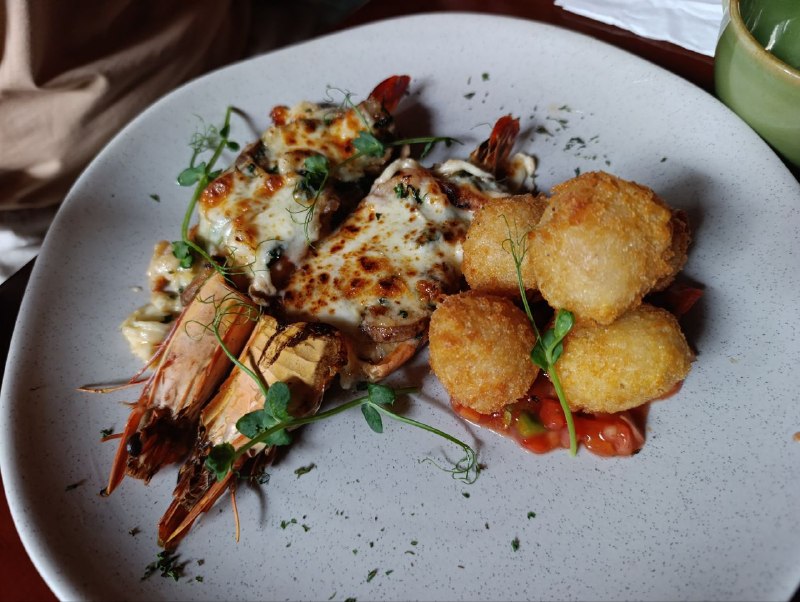
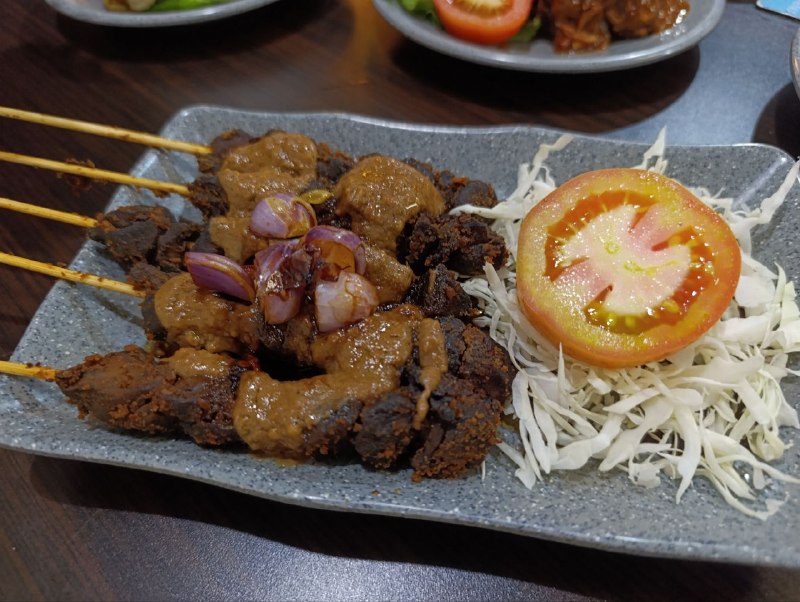
At local street food spots, you can eat for 3-4 euros per person. Though there's no guarantee it'll be delicious. There are places with European cuisine and European prices too.
I was really impressed by this mushroom
restaurant. I've never seen such a variety of mushroom dishes anywhere else, honestly.
There's tons of street food. Some spots are even featured in films. For example, this
place was in Netflix's
street food series (that's the video in this post).
I saw a couple of places selling ant eggs, with crowds of ants crawling all over the counter. Apparently they put them in salads ¯\_(ツ)_/¯
And
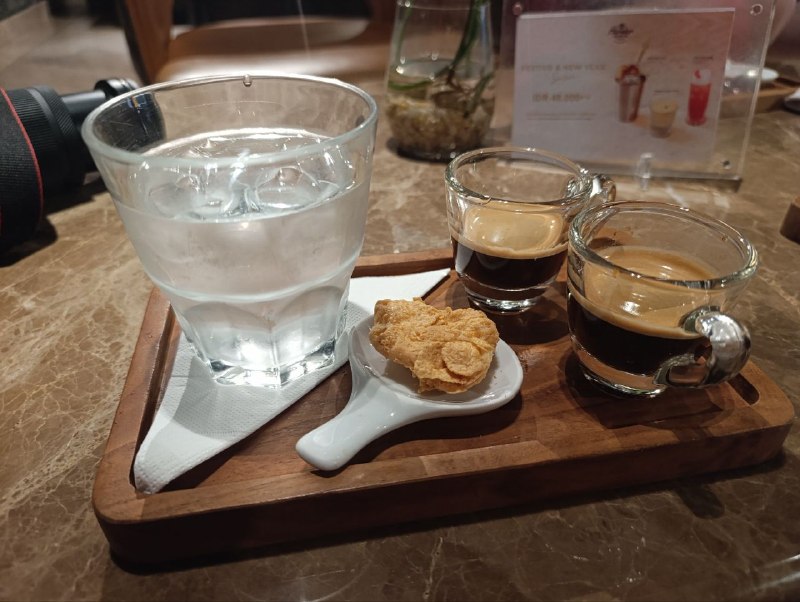
here they brought me the weirdest double espresso: two separate cups with an espresso shot in each. Who even came up with that? :)
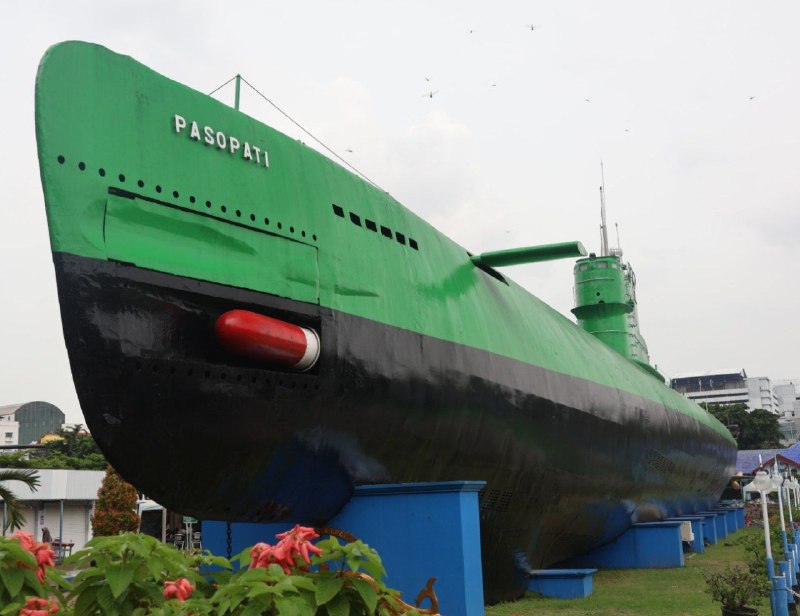
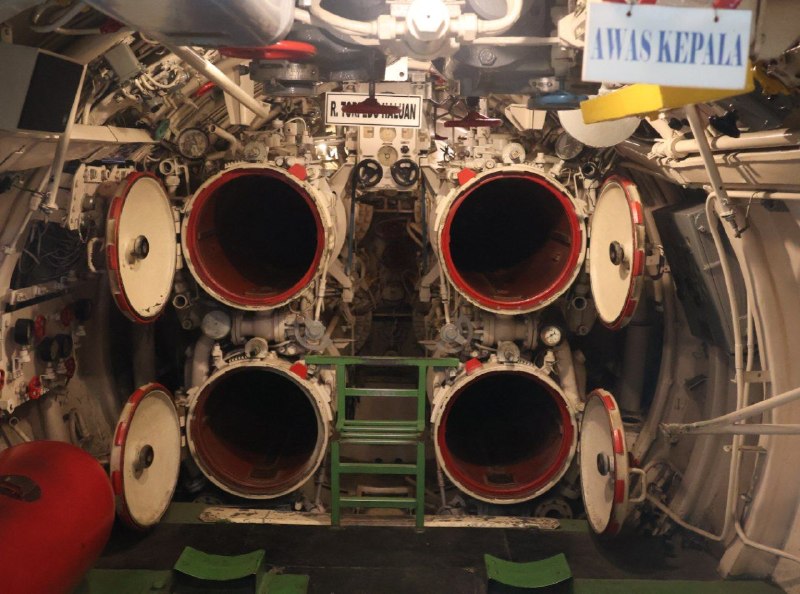
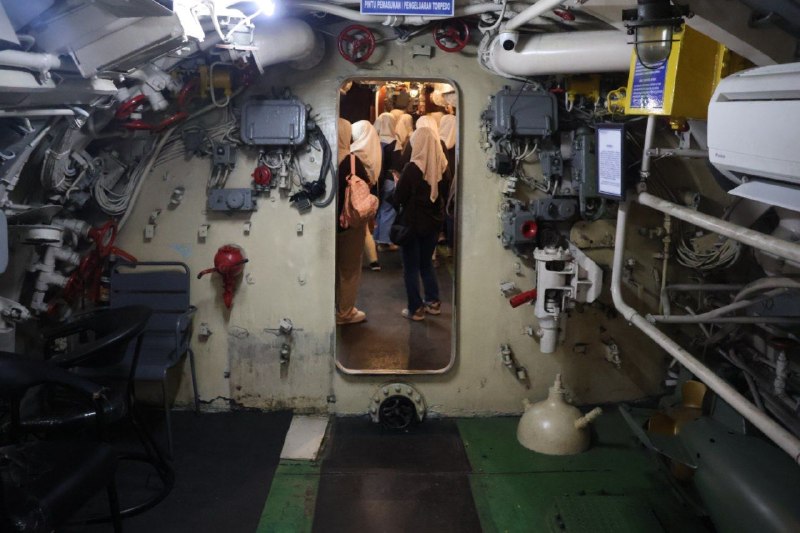
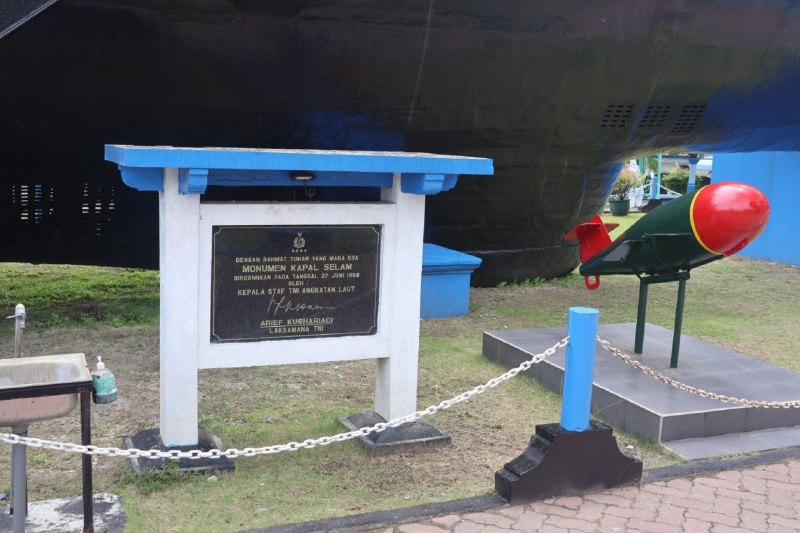
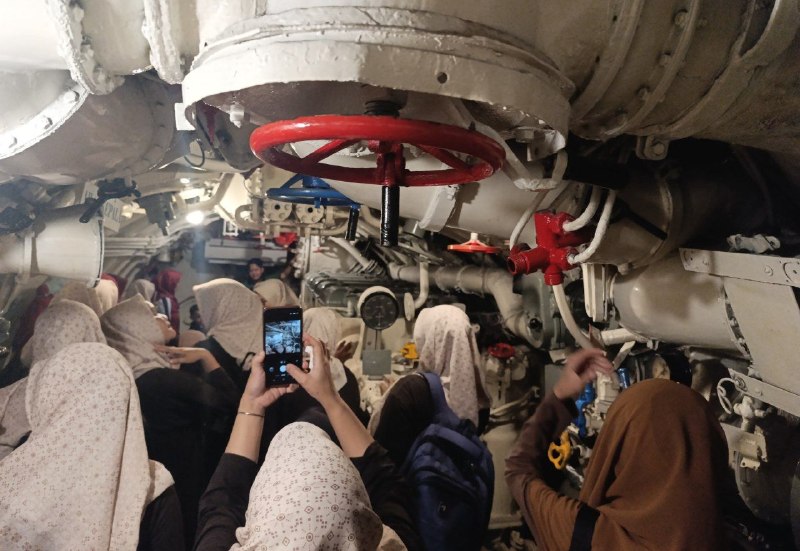
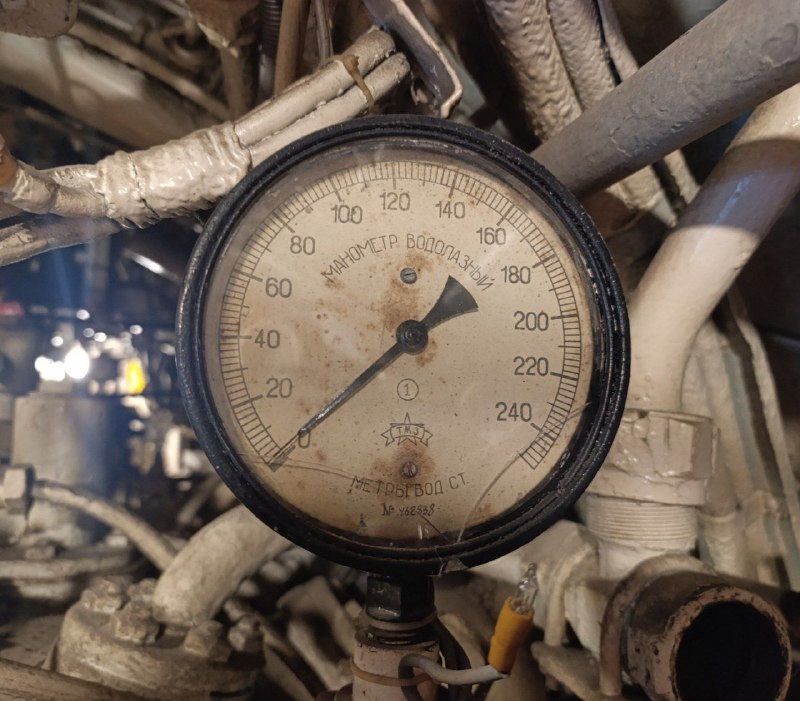
In Surabaya, you can visit a
museum inside a former Soviet submarine for a small fee. It served in the Indonesian Navy for almost 30 years, but you can still spot Russian writing on it.
The Soviets weren't supplying weapons for nothing: Indonesia was trying to seize West New Guinea from the Netherlands through military force. Khrushchev wrote in his memoirs about how Soviet military personnel participated in
Operation Trikora. Though technically as "volunteers" wearing Indonesian uniforms. I never thought the Soviets basically went to war with the Netherlands. To prevent Soviet influence from growing, the US forced the Netherlands to sign a devastating New York Agreement, under which the disputed territory came under UN administration and later fell under full Indonesian control.
However, all Soviet efforts to cement its influence turned out to be in vain. Just a few years after victory, a coup happened, and the new Indonesian government, backed by the US, essentially
wiped out virtually all communists and their sympathizers, banning the communist party. Half a million to a million people were killed. Years later, leftists in Latin America would be threatened with settling disputes using the "Jakarta method," and in 2020 an American journalist published a
book by that name about US government involvement in mass murders of communists.
By the early 1980s, Soviet equipment acquired during friendlier times was deteriorating, and they needed to find replacements. One option was cooperation with Israel—which, by the way, Indonesia still doesn't recognize. They bought fighter jets from this "non-existent country." But you can't just buy them like that: you need to train the pilots. They had to pull off an entire
secret operation: the pilots were taken to Israel, where they posed as Singaporean pilots, and even learned "I'm a pilot from Singapore" in Hebrew to avoid suspicion. Right after that, they went to a US military base in Arizona to get fake certificates, as if they'd trained on American fighter jets.
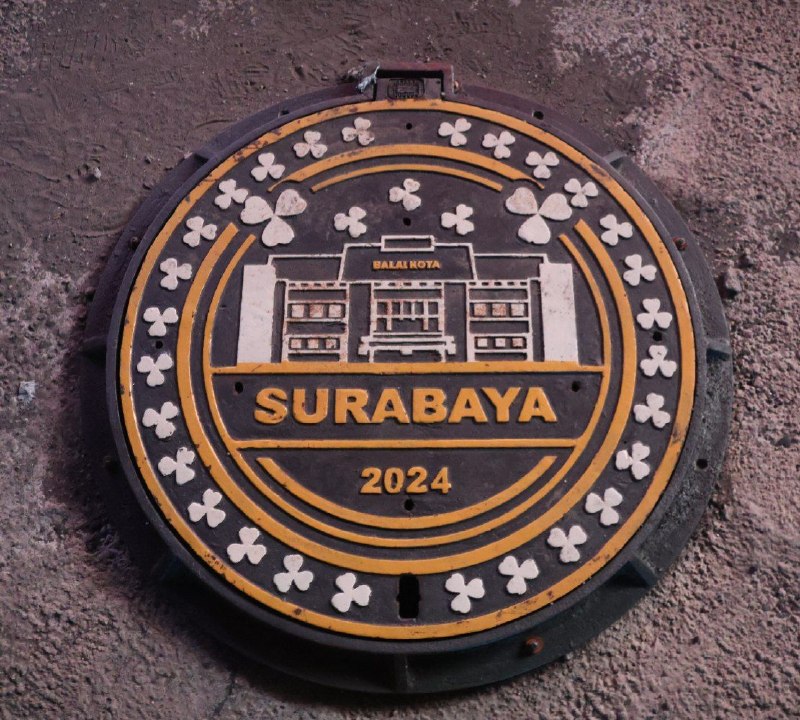
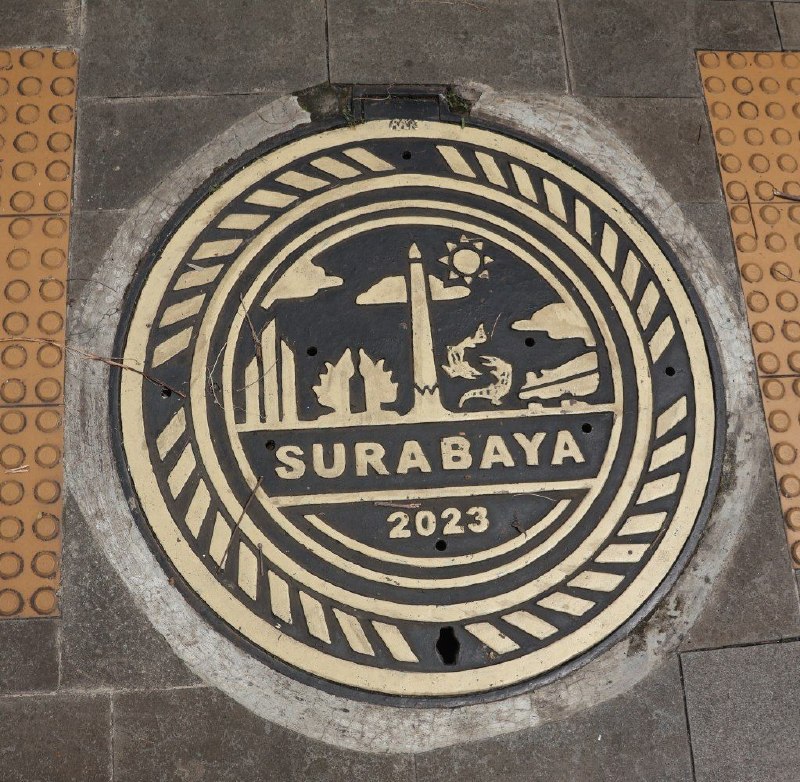
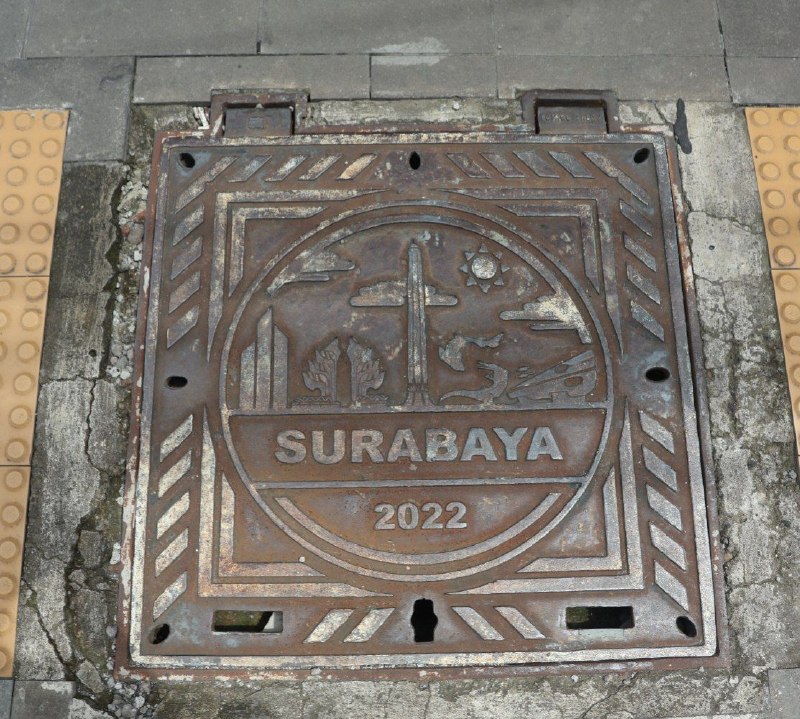
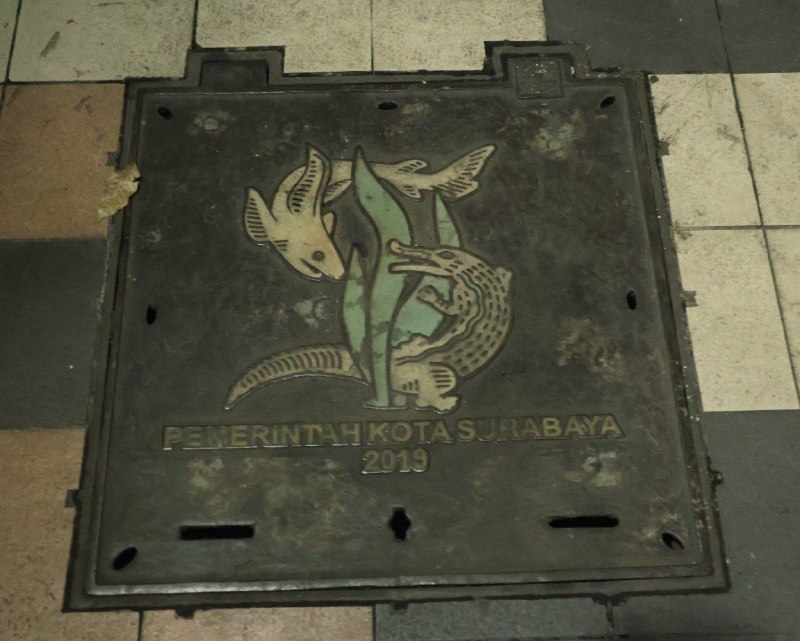
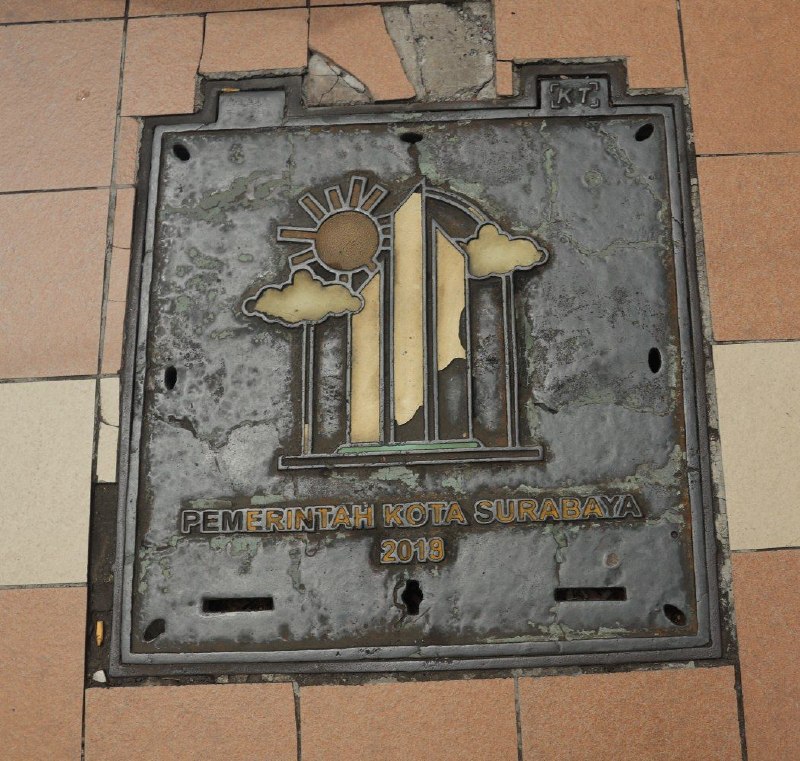
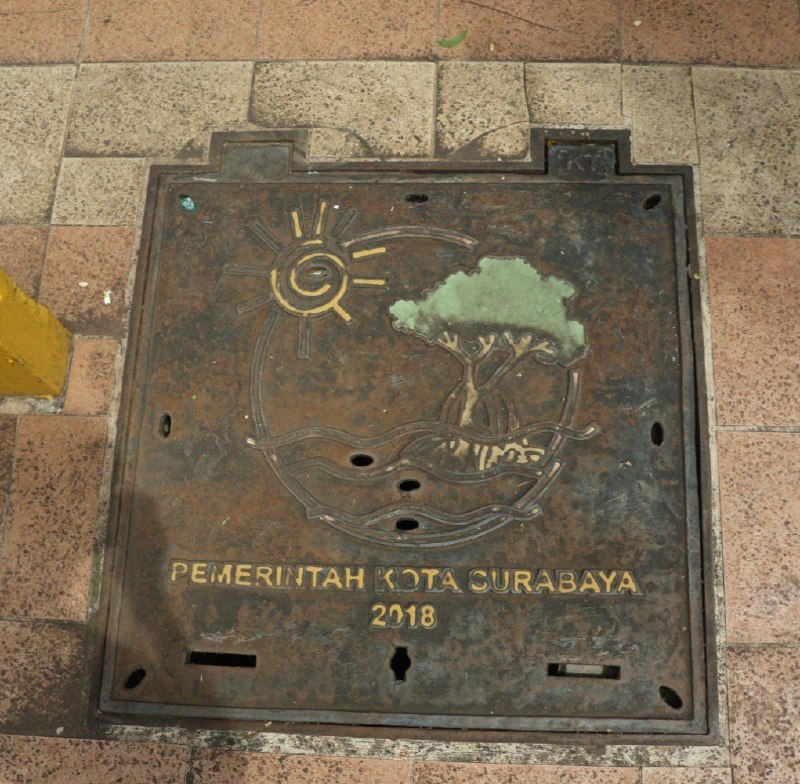
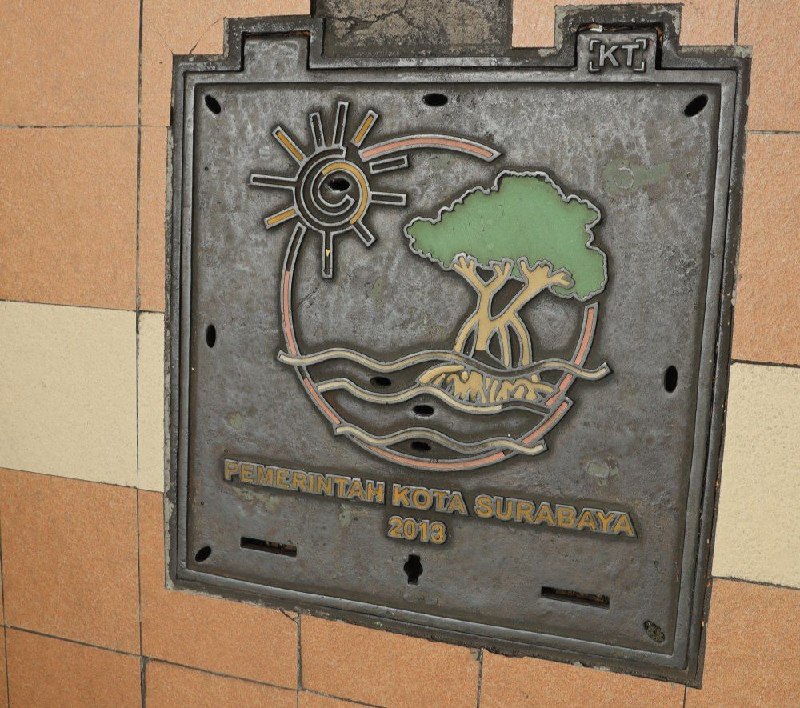
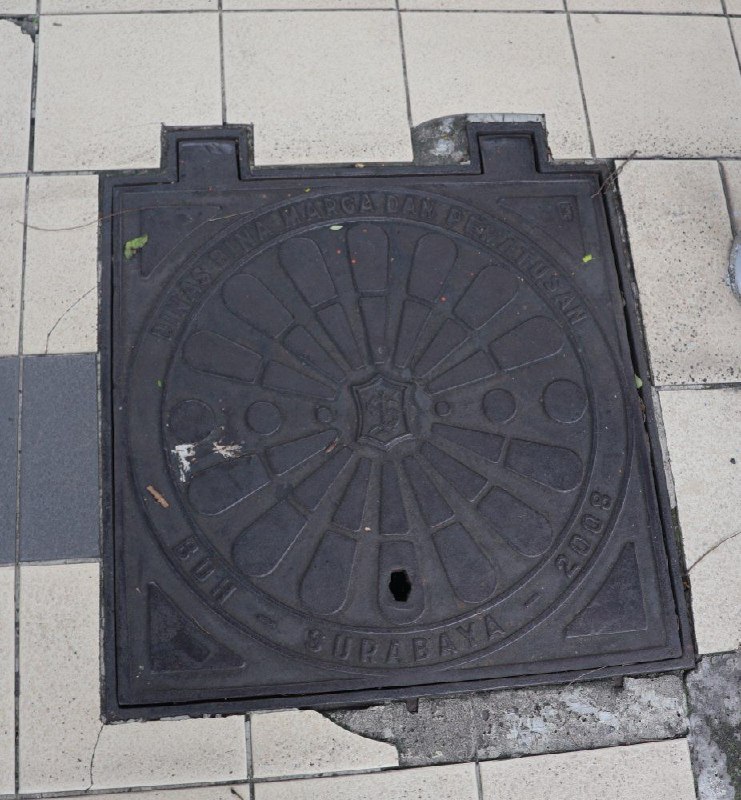
One thing you really can't miss while walking around Surabaya, Indonesia is the manhole covers – they're absolutely remarkable. Not quite on the scale of Japan, where there are literally thousands of unique designs, but in Indonesia, you'll only find this kind of artistry here.
And you have to thank the former mayor for that –
Tri Rismaharini. The first woman to hold this position in Indonesia! During her 10 years in office, she managed to significantly improve the city's infrastructure, reduce the frequency and duration of flooding during the rainy season, and Surabaya won the
award for the best city development in the country eight times in a row.
Unlike most of her peers, Risma had an architecture background and wasn't a career politician at all. That's why her changes actually made the city better and won over the locals. While she won the 2010 election with just 38.5% of the vote, by 2015 she absolutely crushed her only opponent with 86% to 14%. Fast forward to the
2024 election and there was only one candidate running – and they actually got fewer votes!
The
new mayor just doesn't have that same popularity: flooding has started increasing again and the environmental index is dropping. That said, from what I've seen, Surabaya is still noticeably more comfortable than the other Indonesian cities I've visited.
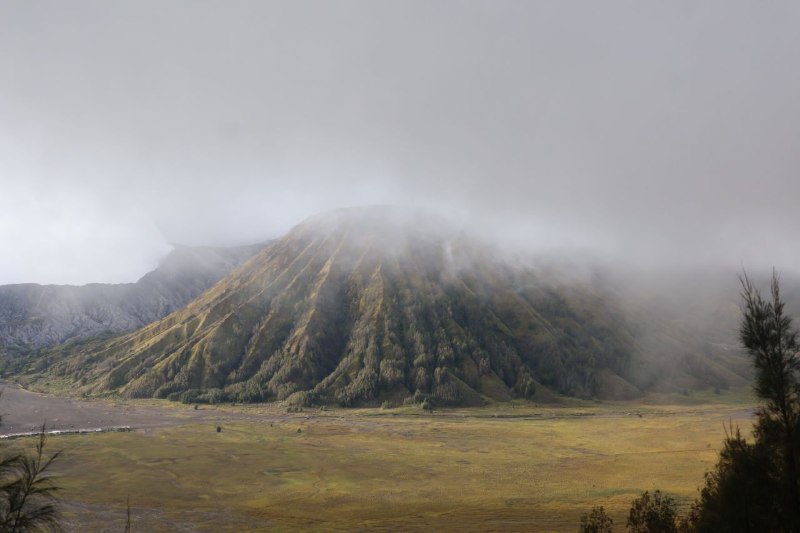
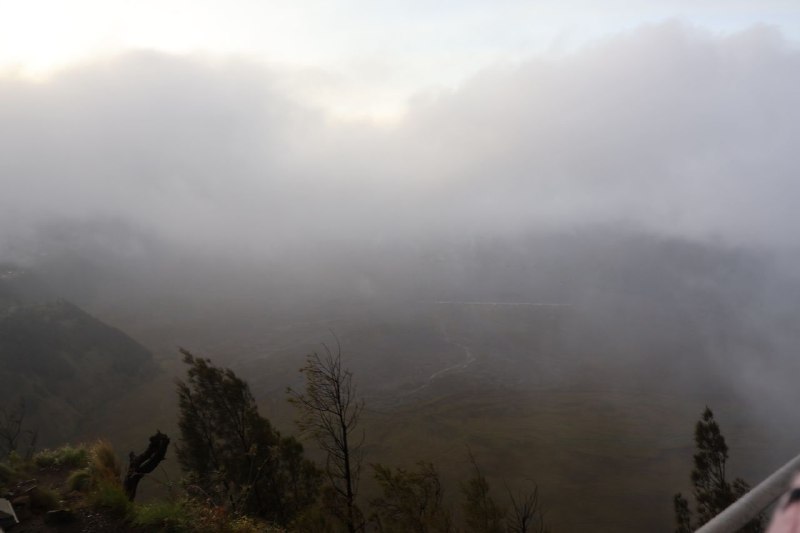
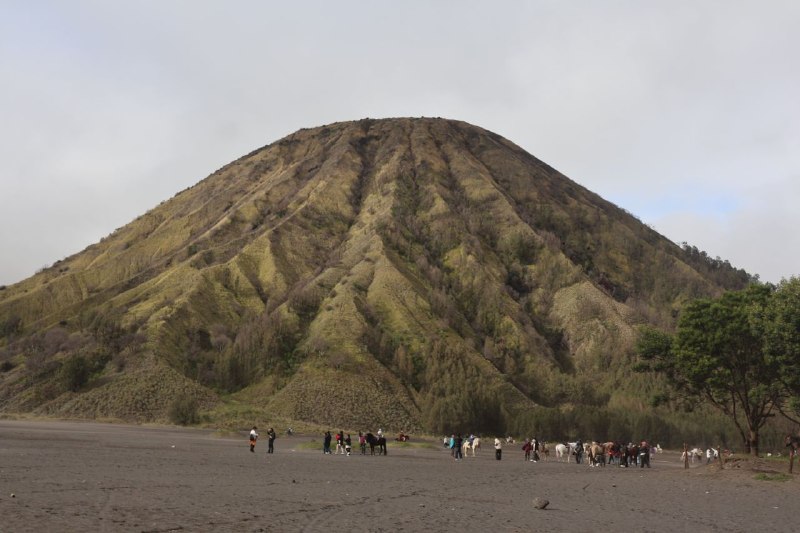
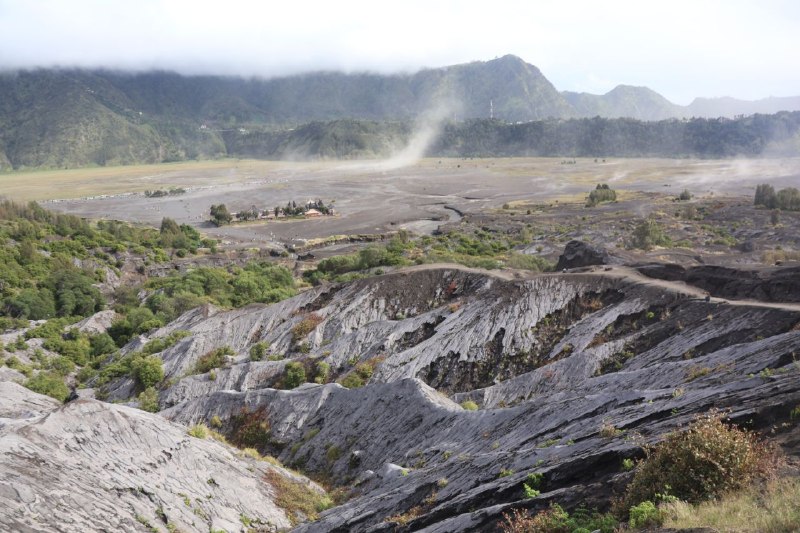
I made it out to Mount Bromo, but the most picturesque views were hidden behind clouds. Sometimes the weather just doesn't cooperate. There was at least something visible from the base, but it wasn't nearly as impressive.
On the bright side, I managed to peek right into the crater itself and see what's going on down there. If I'd been here in July, I would've witnessed the
sacrificial rituals of the local
Tengger people. Unlike most of the island's inhabitants, they didn't convert to Islam—they've held onto Hinduism.
According to local legend, a king and queen once lived near the volcano and couldn't have children no matter how hard they tried. They prayed extensively, and the gods, moved by their deep faith, granted them children on one condition: they had to sacrifice their youngest son. After that, the royal family had 25 (!) children. And the twenty-fifth one was thrown into the crater. Ever since, people continue to leave offerings for the gods at the bottom of Bromo, but now they stick to food, flowers, and money. No more human sacrifices.
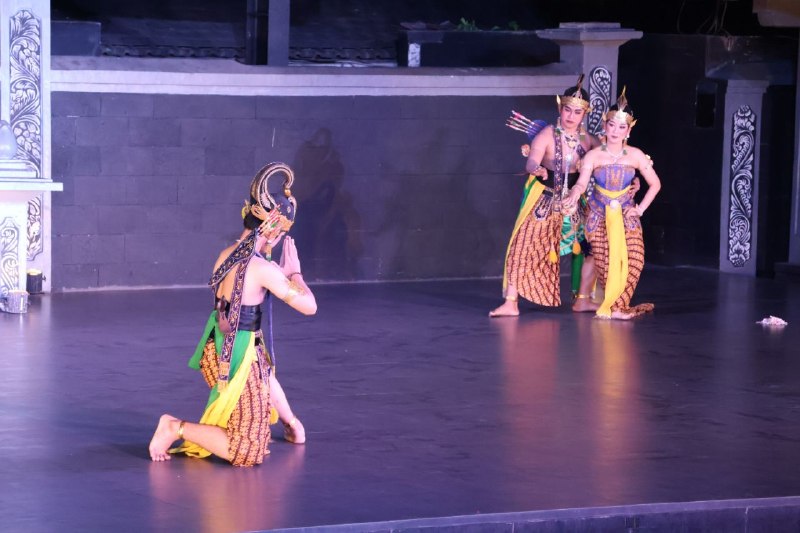
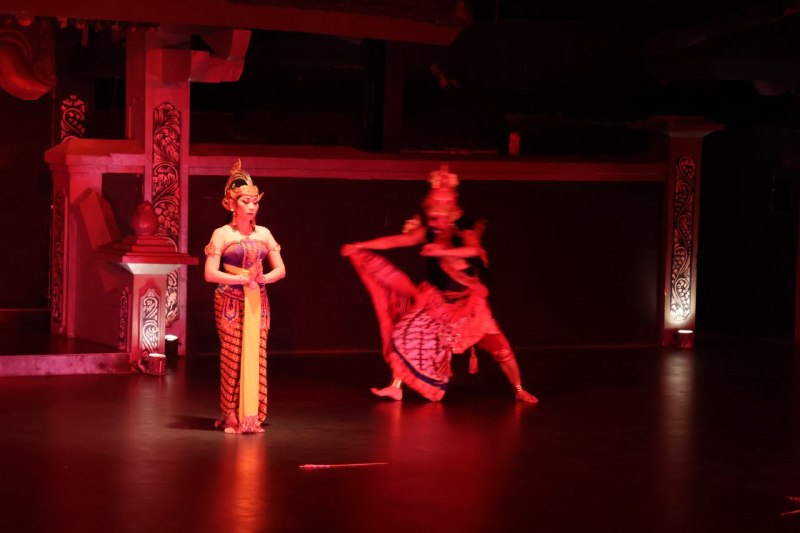
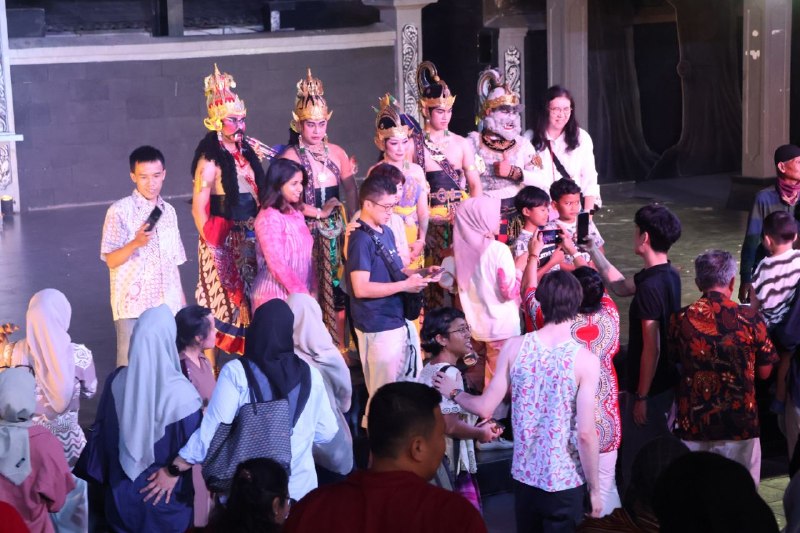
For over a decade now, they've been staging a
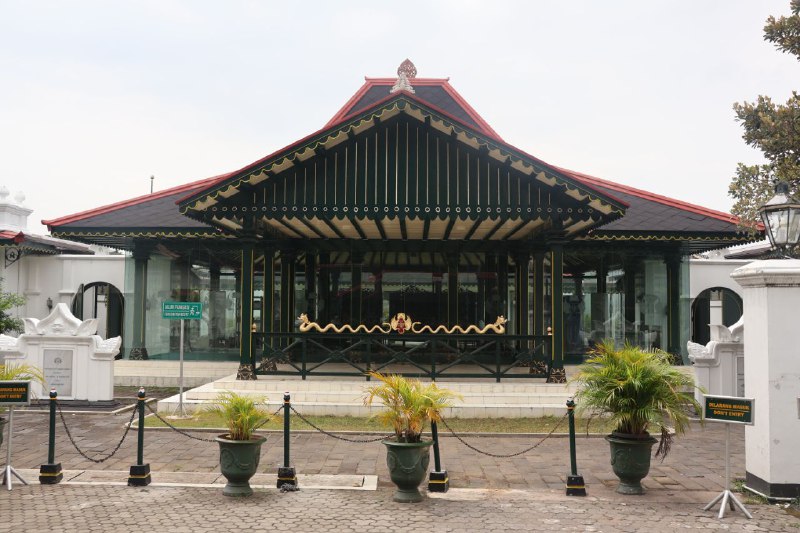
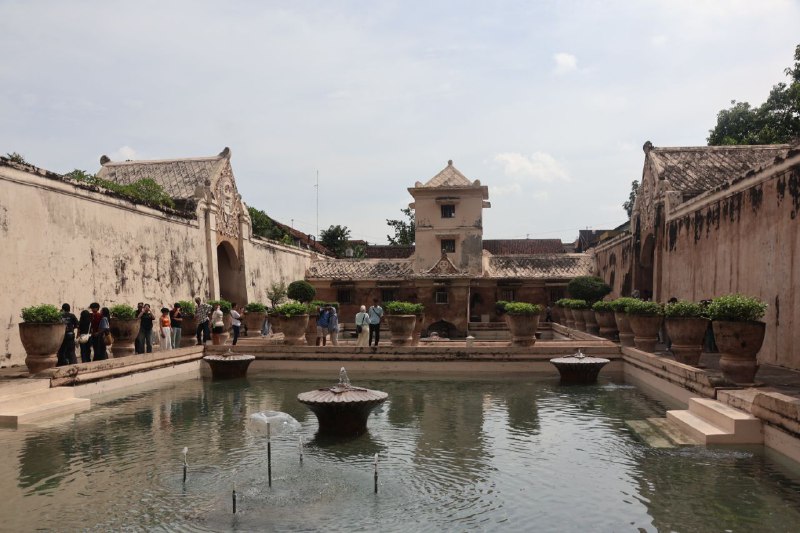
ballet based on the Ramayana in Yogyakarta. You can watch it practically for free at the
sultan's palace (though you do have to pay for palace admission), or for a fee at Prambanan Temple (they move into the city during the rainy season).
The Ramayana is an ancient Indian epic where Rama, the seventh avatar of Vishnu, rescues his wife who was abducted by the evil king of Lanka. Being a truly trusting husband, Rama suspected her of infidelity right after rescuing her. As proof of her faithfulness, his wife literally walks through fire, and the god of fire protects her from the flames. After that, the couple lives happily ever after.
The epic reached Java centuries ago and underwent slight changes under the influence of local traditions. For example, Rama's wife is called Sinta instead of Sita, and she's portrayed as brave and strong, even fighting asuras in battle, rather than just being a modest and patient woman waiting to be rescued, as in the Indian version.
And the ballet is far from classical. But it was interesting to watch. If you happen to go, at least read a summary beforehand. Otherwise, you'll have no idea what's happening on stage. Or read the full version of "The Tale of Seri Rama: The Indonesian Ramayana" translated by Lyudmila Mervart.
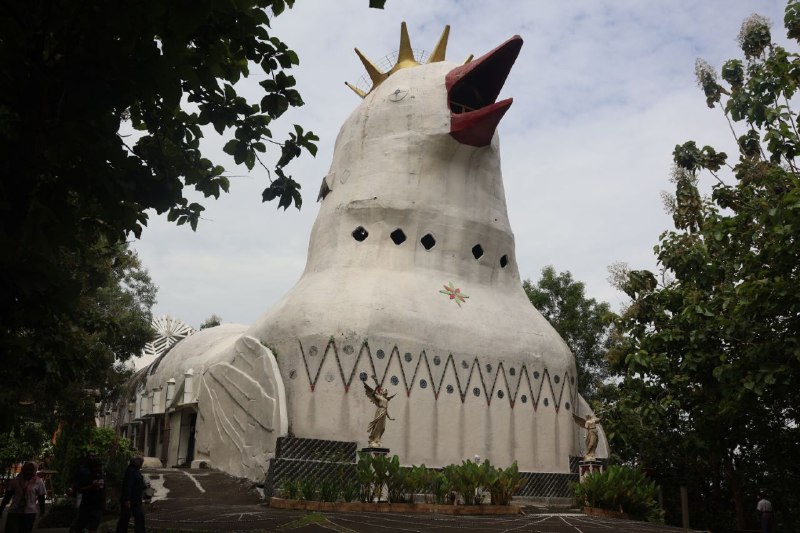
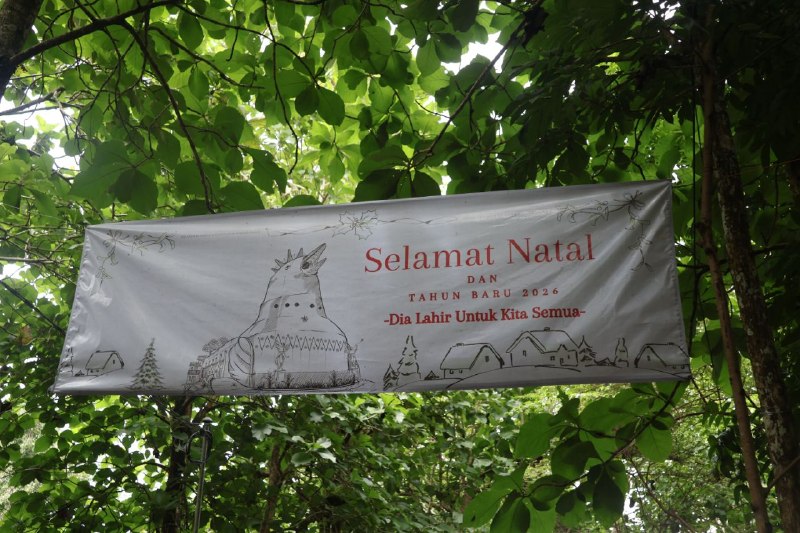
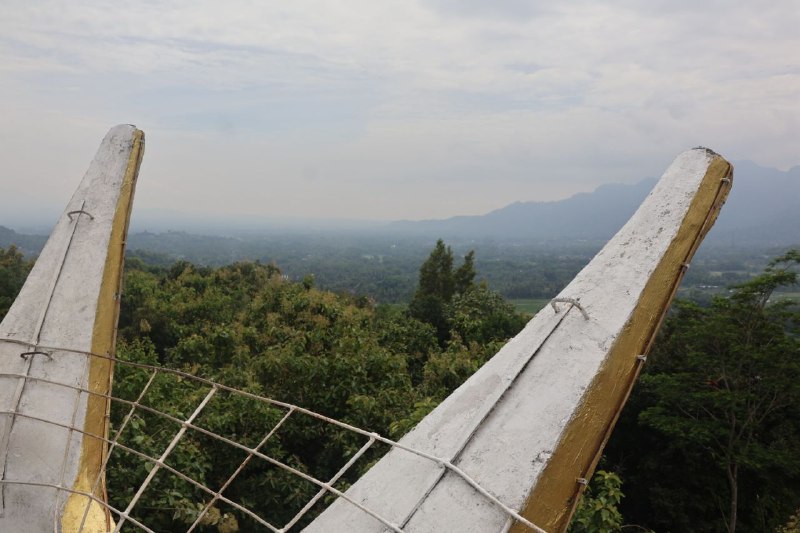
Not far from Borobudur, there's a "Chicken Church." It got that name because the building is shaped like a chicken. Well, more precisely, that's what most visitors see it as, but the architect and builder of the project insists it's actually a dove.
According to legend, about 40 years ago, Daniel Alamsha was commanded by God in a dream to build this temple. Pretty much like that
Swiss guy with the spaceport in Argentina. Why don't I ever get dreams like that?
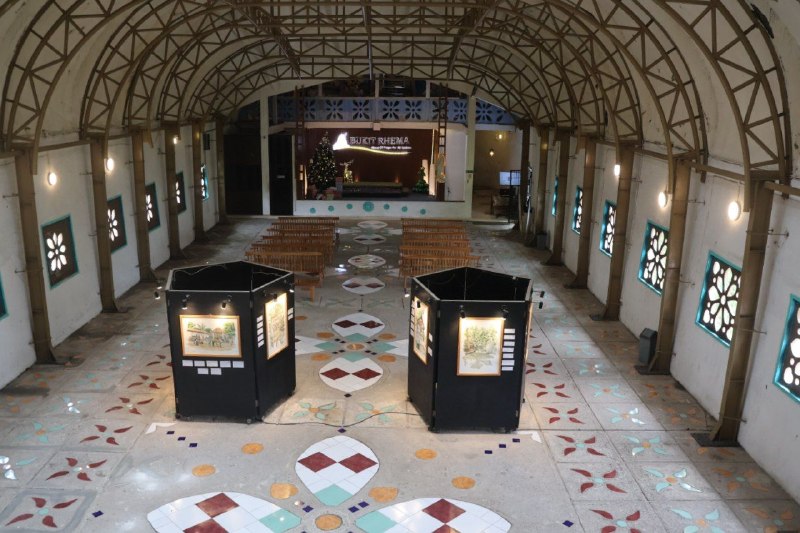
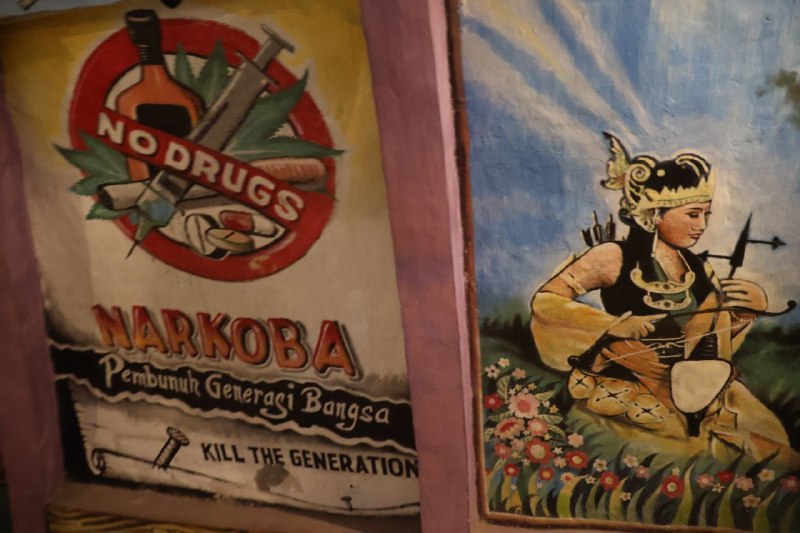
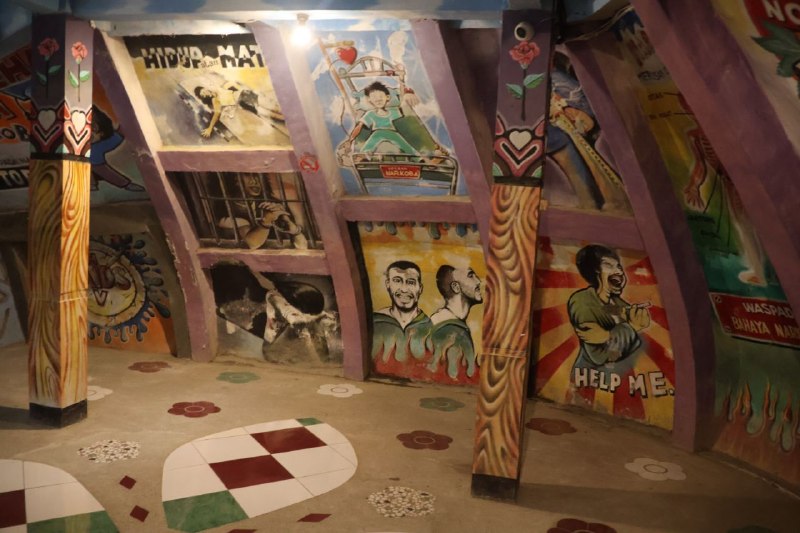
The project was built slowly and was basically abandoned for nearly 20 years due to lack of funding. A decade ago, they made a documentary about it, and somehow money appeared. Today it's all completed and looks pretty decent. There are always some volunteers on duty, and they charge a small admission fee. You can even climb up to the top.
Although Daniel himself is Christian, the temple is open to people of all faiths. On the first floor, there are separate rooms so worshippers don't get in each other's way. That's how they live.
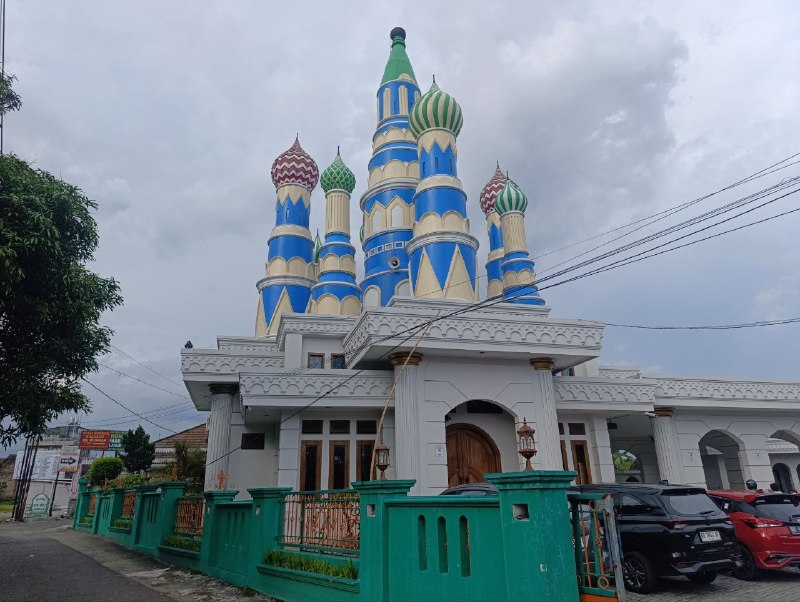
PS. Among other unusual places of worship around there, there's also a
nearby mosque styled like Saint Basil's Cathedral. The interior is nothing special, but you definitely don't expect that kind of cosplay on the outside.
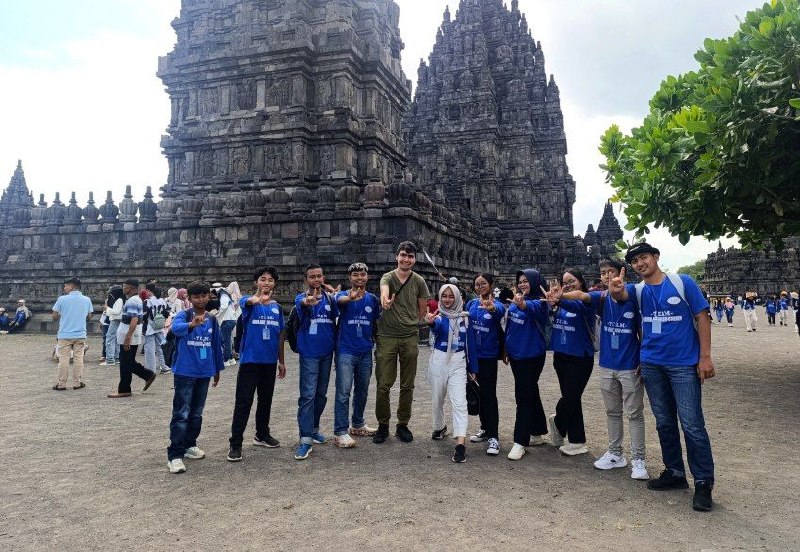
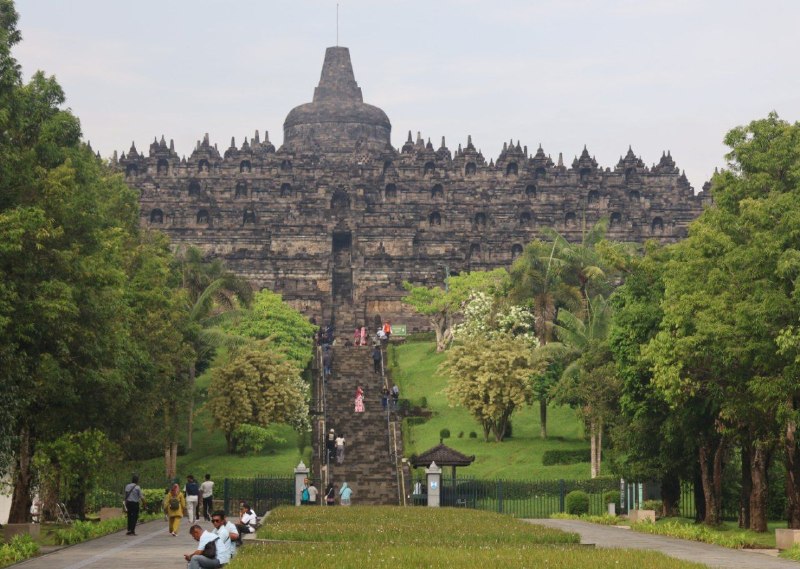
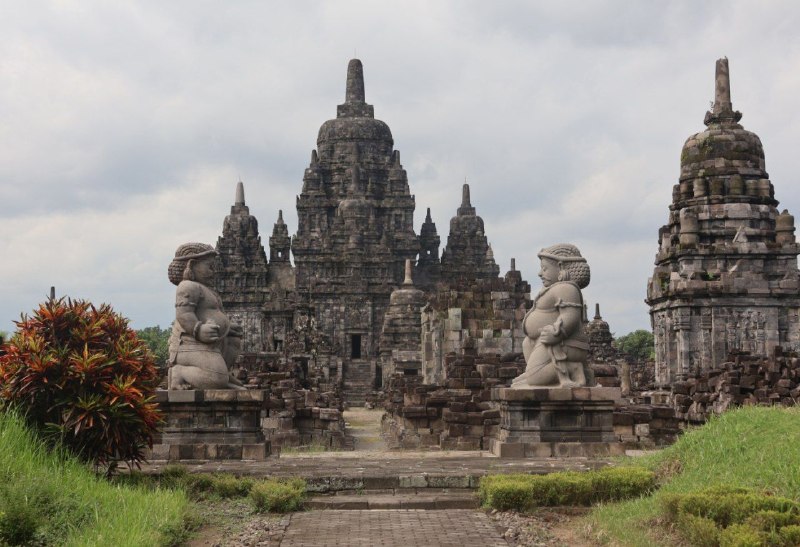
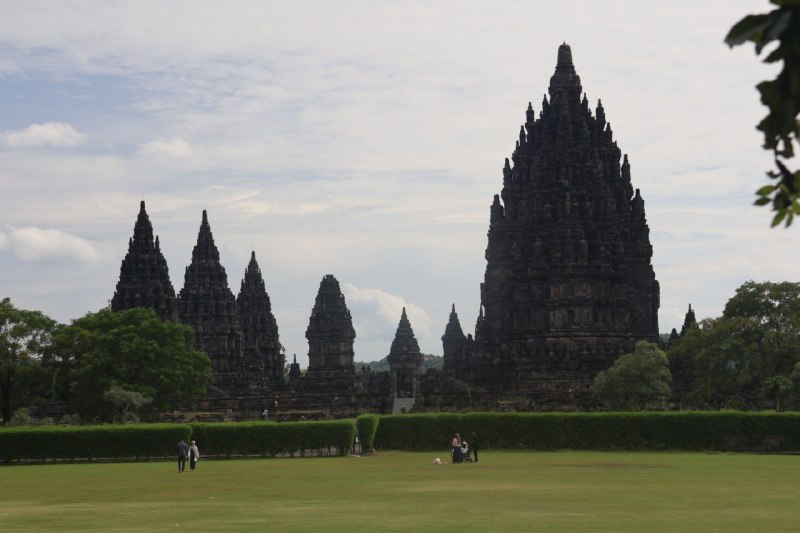
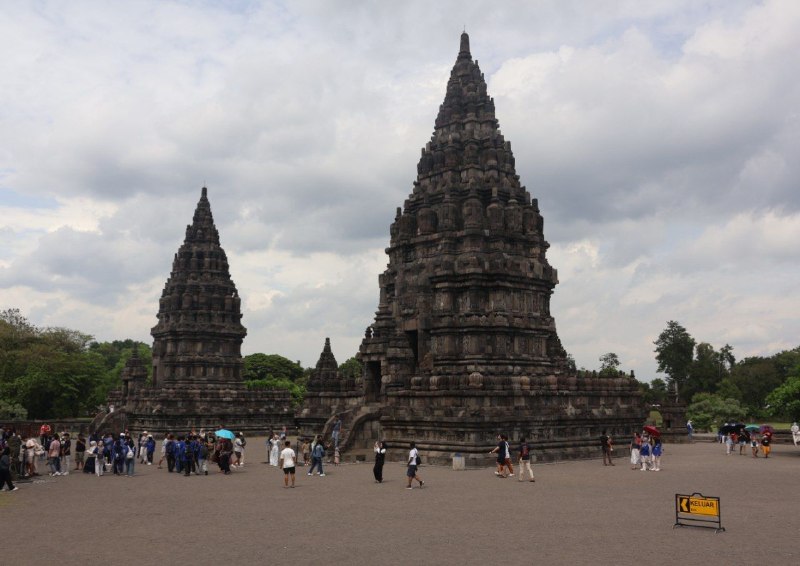
I came to see the famous Prambanan, and I was instantly swarmed by a crowd of Indonesian schoolkids. Their teachers bring them here to practice English with foreigners. I don't know who came up with this idea, but it's absolutely genius.
Two students give a mini guided tour and recite what's clearly a pre-rehearsed script. If you're not alone, they really ask you to split up and each take a pair. Of course, you can decline. But how could you not support such an initiative?
For their age, the kids spoke pretty well. At the end, the teacher comes over and asks you to rate the "guides" and tell them what could be improved. It really seemed like the schoolkids themselves were having a blast too. After getting feedback, they came over as a mob asking me to tell them about home traditions and food. Getting them to pronounce "echpochmak" took a few tries, but they tried so hard :)
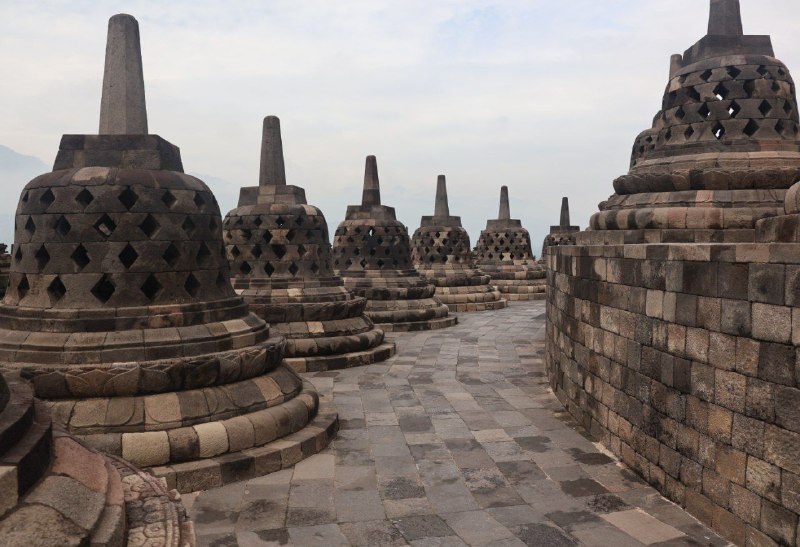
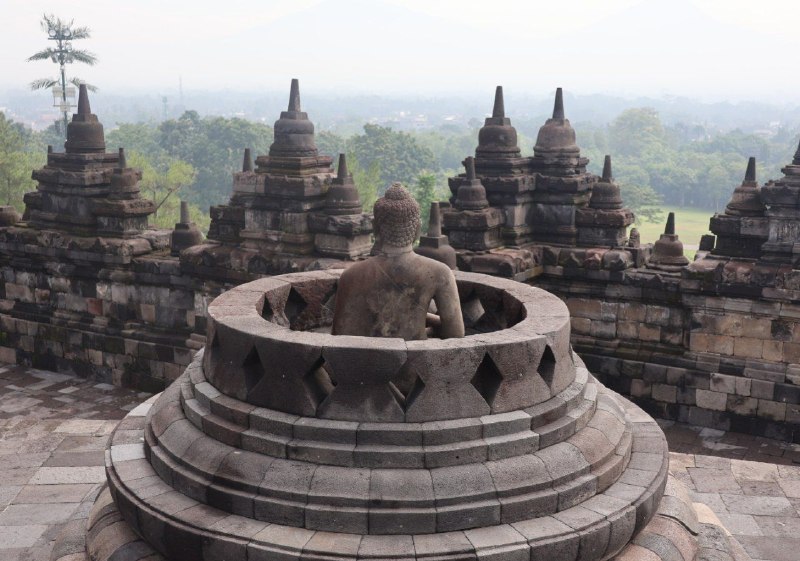
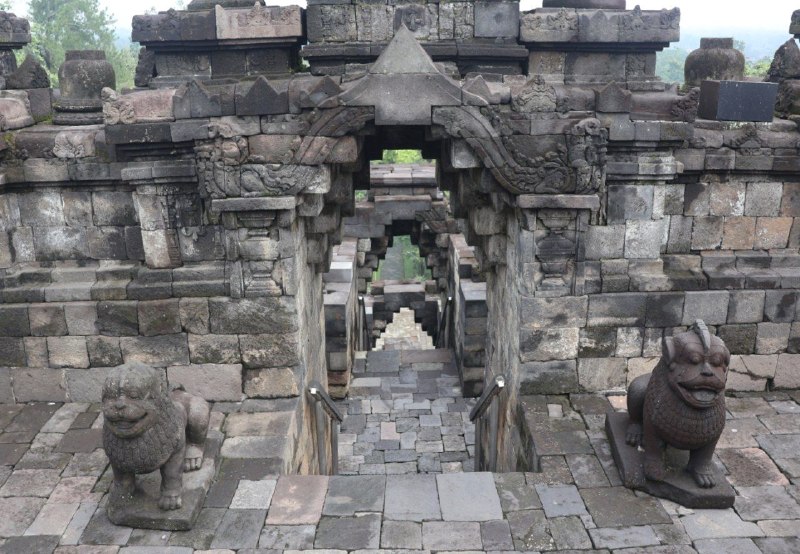
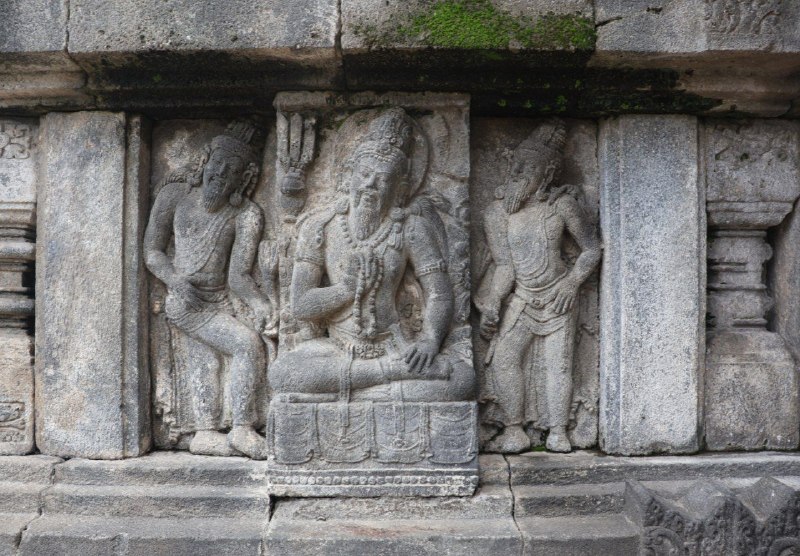
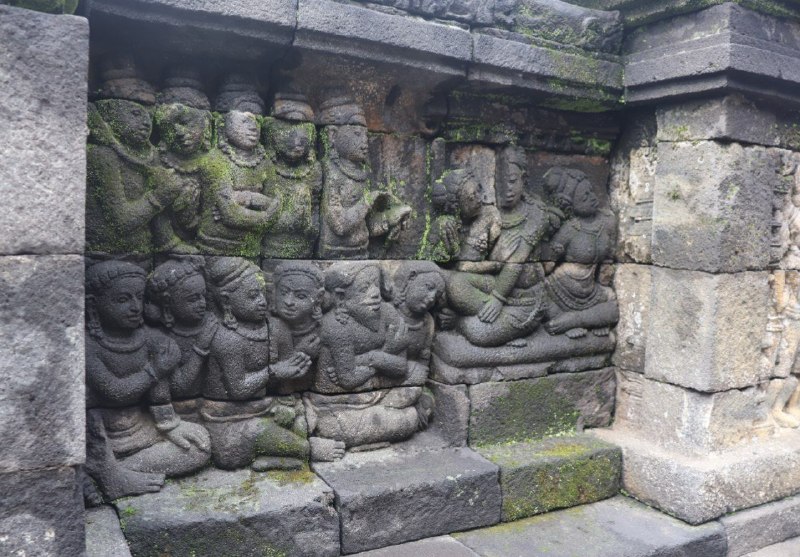
PS. The pictures show not just
Prambanan, but also
Borobudur. Both incredibly monumental structures. Highly recommend.
Since I'd made it to Malaysia, I couldn't resist spending a week poking around Indonesia and bouncing around Java. Even though it's peak rainy season, the weather actually treated me pretty well. Rain only poured down for about a day and a half. The rest of the time was bearable. And not too hot either.
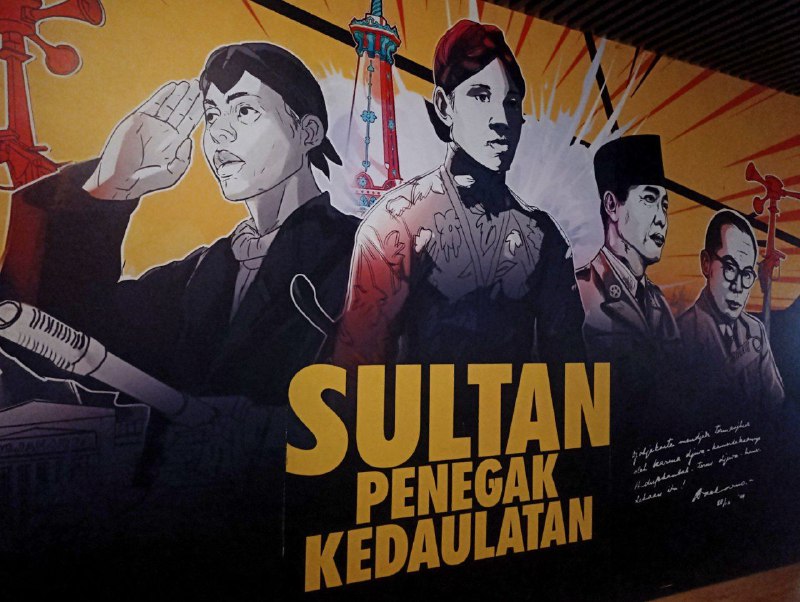
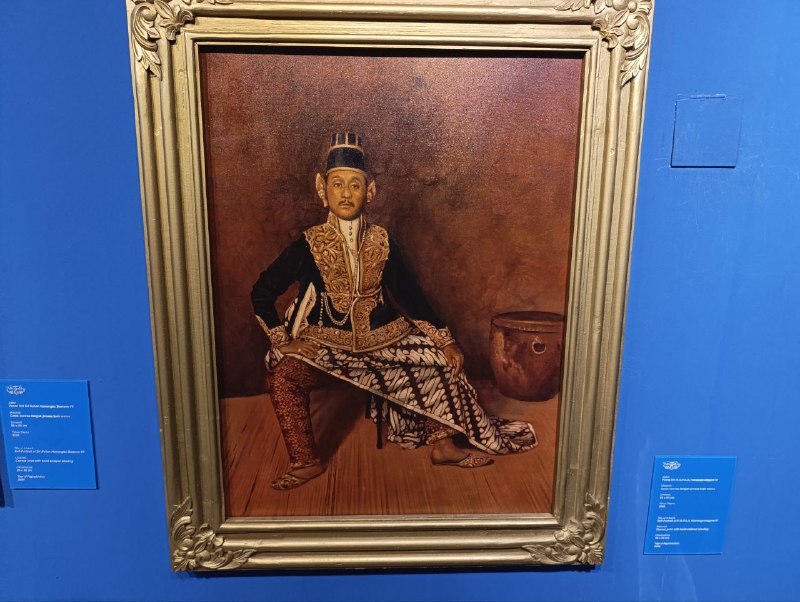
Indonesia is a presidential republic, but Yogyakarta still has its own sultan with palaces, ceremonies, and all the perks that come with it. That's because the sultanate was one of the first to support the Indonesian revolution in 1945, and the city became the capital of the new state while Indonesians were fighting for independence from the Dutch. The revolution is often called the independence war, though Dutch historians frequently refer to it as
police actions. The war lasted more than four years, and the Dutch were pretty brutal to the locals.
Poncke Princen turned out to be one of the most talked-about Dutch people of that era. He ended up on the Indonesian front after fighting fascists. But he didn't approve of his own government's actions in Asia, and even tried to escape to France, though the attempt failed and Poncke ended up in the hands of the gendarmerie, and then in Asia. He wasn't much use to the Dutch army because he defected to the Indonesian side and fought as part of a partisan unit.
After the war, he became a member of the Indonesian parliament, but turned out to be too opposition-minded and ended up in prison more than once for his views. Until his final days, he lived in Indonesia and actively pushed his ideals. For example, in 1998, at age 73, together with other political activists he openly violated the ban on protests in the capital. He was buried according to his wishes in an ordinary cemetery in East Jakarta among ordinary people in 2002.

 United Kingdom3
 Serbia100
 Bosnia and Herzegovina54
 Turkey42
 United Arab Emirates3
 Brunei2
 Indonesia12
 Malaysia15
 Argentina16
 USA117
 Morocco5
 Georgia5
 Egypt16
 Hong Kong8
 China4
 Vietnam9
 Tunisia7
 Montenegro9
 Philippines12
 Singapore10
 Oman12
 Algeria12
 North Macedonia5
 Lebanon11
 Israel27
 Albania17
 Russia63
 Tanzania50
 Netherlands7
 Spain14
 Latvia2
 Germany7
 Belgium3
 France27
 Kazakhstan32