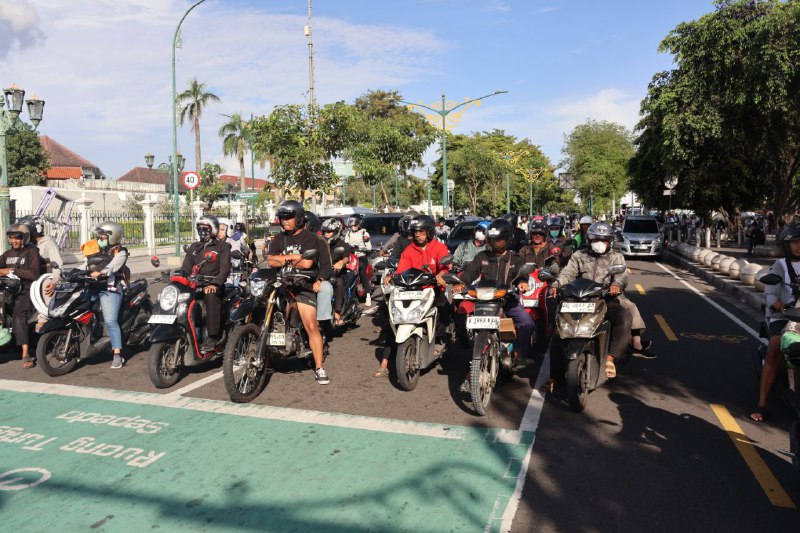
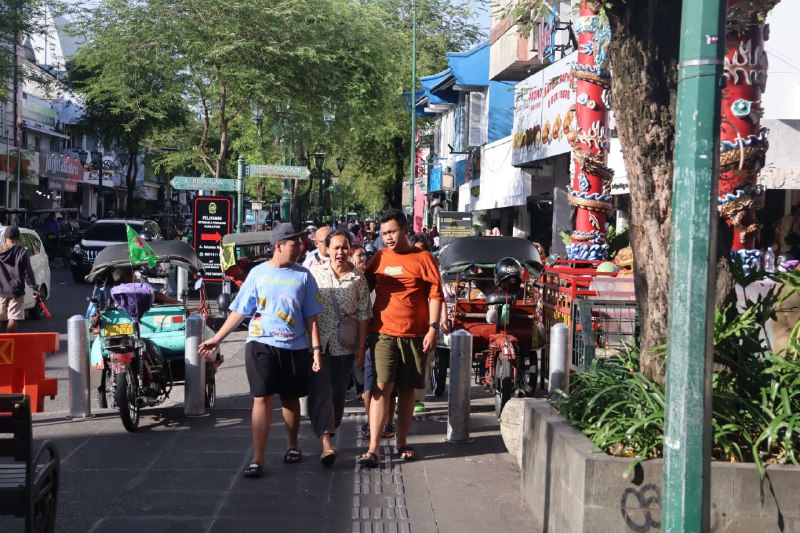
Since I'd made it to Malaysia, I couldn't resist spending a week poking around Indonesia and bouncing around Java. Even though it's peak rainy season, the weather actually treated me pretty well. Rain only poured down for about a day and a half. The rest of the time was bearable. And not too hot either.
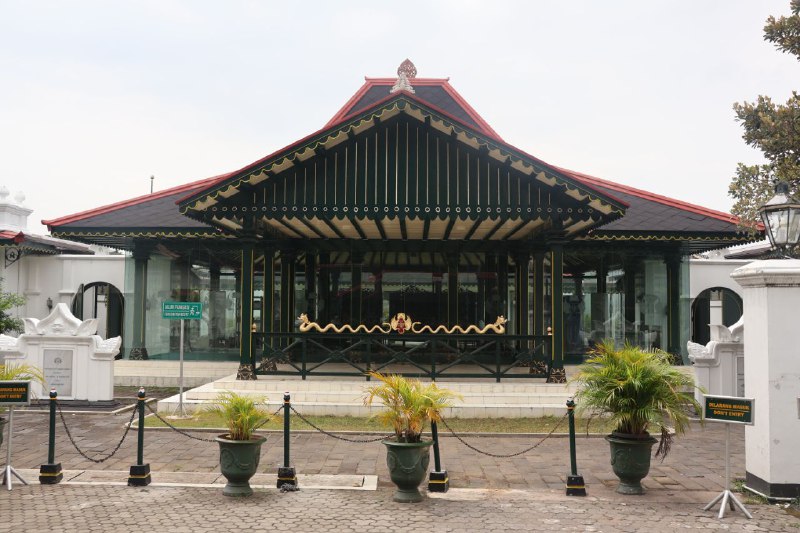
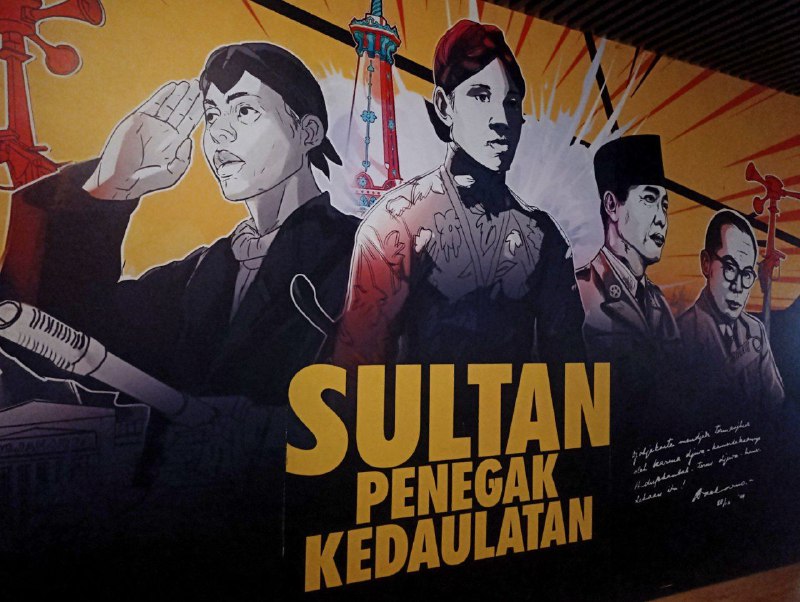
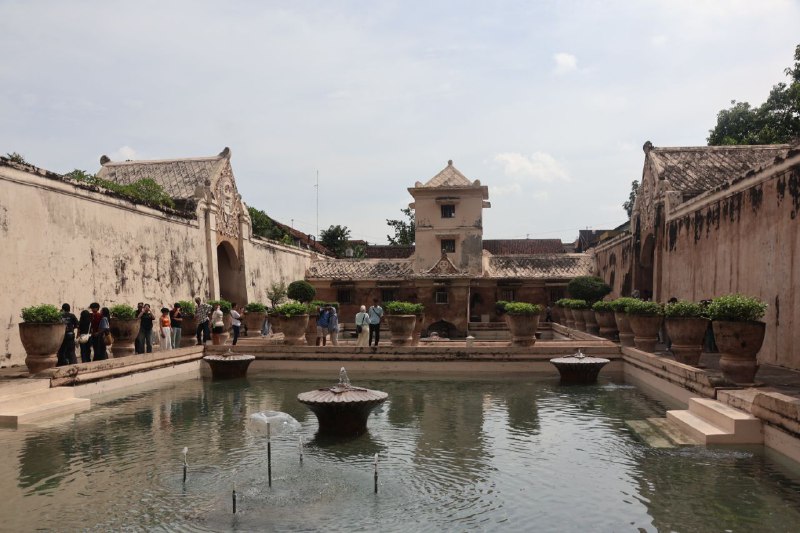
Indonesia is a presidential republic, but Yogyakarta still has its own sultan with palaces, ceremonies, and all the perks that come with it. That's because the sultanate was one of the first to support the Indonesian revolution in 1945, and the city became the capital of the new state while Indonesians were fighting for independence from the Dutch. The revolution is often called the independence war, though Dutch historians frequently refer to it as police actions. The war lasted more than four years, and the Dutch were pretty brutal to the locals.
Poncke Princen turned out to be one of the most talked-about Dutch people of that era. He ended up on the Indonesian front after fighting fascists. But he didn't approve of his own government's actions in Asia, and even tried to escape to France, though the attempt failed and Poncke ended up in the hands of the gendarmerie, and then in Asia. He wasn't much use to the Dutch army because he defected to the Indonesian side and fought as part of a partisan unit.
After the war, he became a member of the Indonesian parliament, but turned out to be too opposition-minded and ended up in prison more than once for his views. Until his final days, he lived in Indonesia and actively pushed his ideals. For example, in 1998, at age 73, together with other political activists he openly violated the ban on protests in the capital. He was buried according to his wishes in an ordinary cemetery in East Jakarta among ordinary people in 2002.
Indonesia is a presidential republic, but Yogyakarta still has its own sultan with palaces, ceremonies, and all the perks that come with it. That's because the sultanate was one of the first to support the Indonesian revolution in 1945, and the city became the capital of the new state while Indonesians were fighting for independence from the Dutch. The revolution is often called the independence war, though Dutch historians frequently refer to it as police actions. The war lasted more than four years, and the Dutch were pretty brutal to the locals.
Poncke Princen turned out to be one of the most talked-about Dutch people of that era. He ended up on the Indonesian front after fighting fascists. But he didn't approve of his own government's actions in Asia, and even tried to escape to France, though the attempt failed and Poncke ended up in the hands of the gendarmerie, and then in Asia. He wasn't much use to the Dutch army because he defected to the Indonesian side and fought as part of a partisan unit.
After the war, he became a member of the Indonesian parliament, but turned out to be too opposition-minded and ended up in prison more than once for his views. Until his final days, he lived in Indonesia and actively pushed his ideals. For example, in 1998, at age 73, together with other political activists he openly violated the ban on protests in the capital. He was buried according to his wishes in an ordinary cemetery in East Jakarta among ordinary people in 2002.
 United Kingdom
 Serbia
 Bosnia and Herzegovina
 Turkey
 United Arab Emirates
 Brunei
 Indonesia
 Malaysia
 Argentina
 USA
USA Morocco
 Georgia
 Egypt
Egypt Hong Kong
 China
China Vietnam
 Tunisia
 Montenegro
 Philippines
 Singapore
 Oman
Oman Algeria
 North Macedonia
 Lebanon
 Israel
 Albania
 Russia
 Tanzania
 Netherlands
 Spain
Spain Latvia
 Germany
 Belgium
 France
 Kazakhstan