One last thing about Vietnam. For nearly a thousand years, the country was under
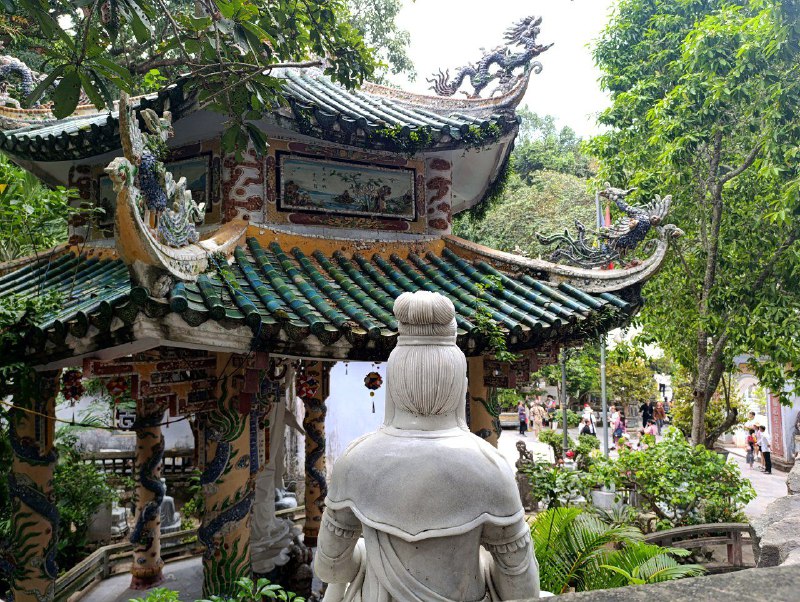
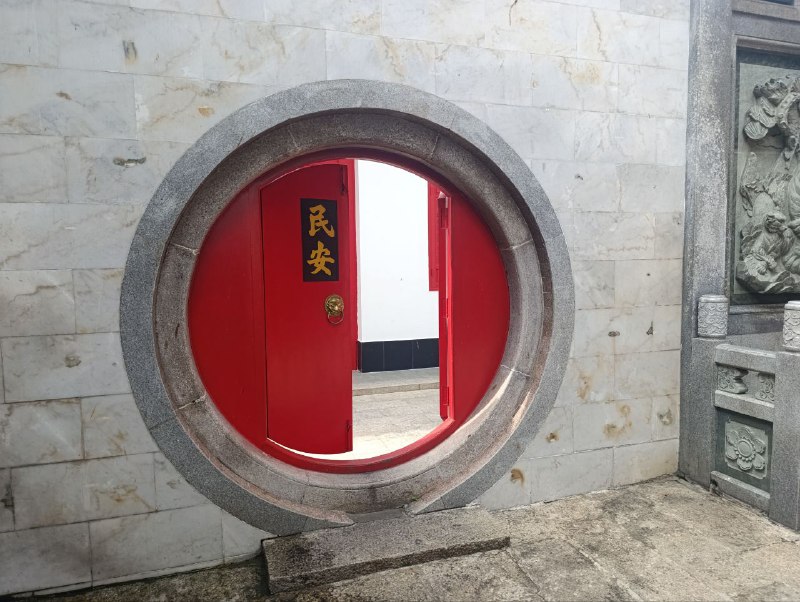
Chinese rule. The influence is visible to the naked eye. I mean, even their writing system used Chinese characters. Mostly Chinese ones, but there was also a
local variation based on them. Only in the early 20th century did the French forcibly switch the writing system to the Latin alphabet with
Quốc Ngữ.
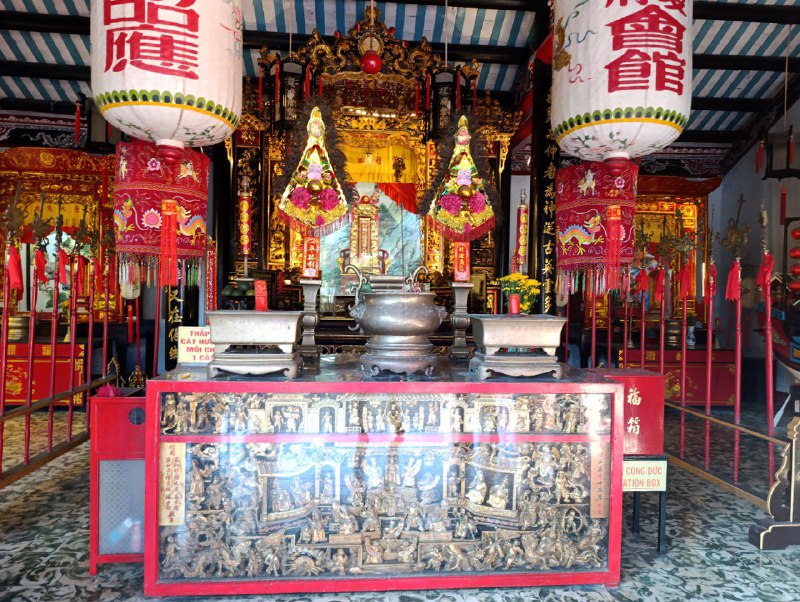
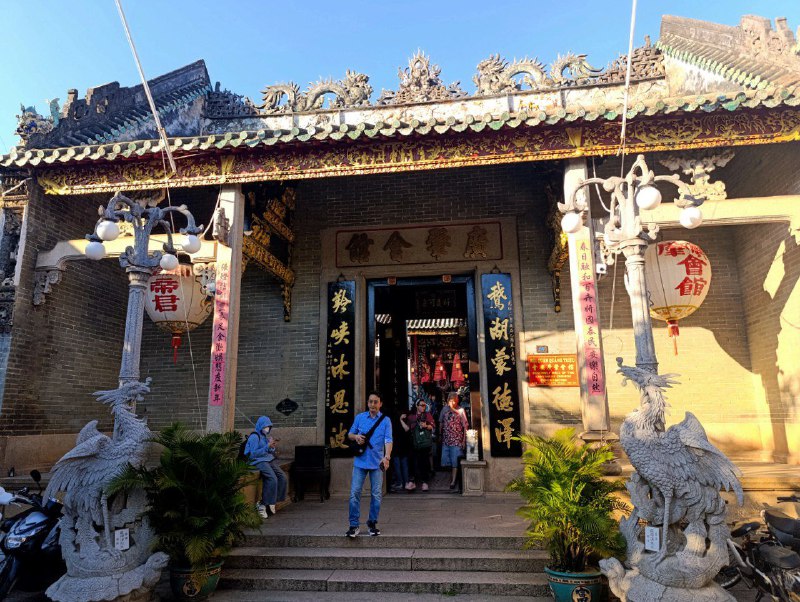
Nevertheless, Vietnamese museums often completely ignore the Chinese period. As if it never happened. And elements of Chinese culture just fell from the sky.
Anyway, Vietnam is really awesome. Come visit.
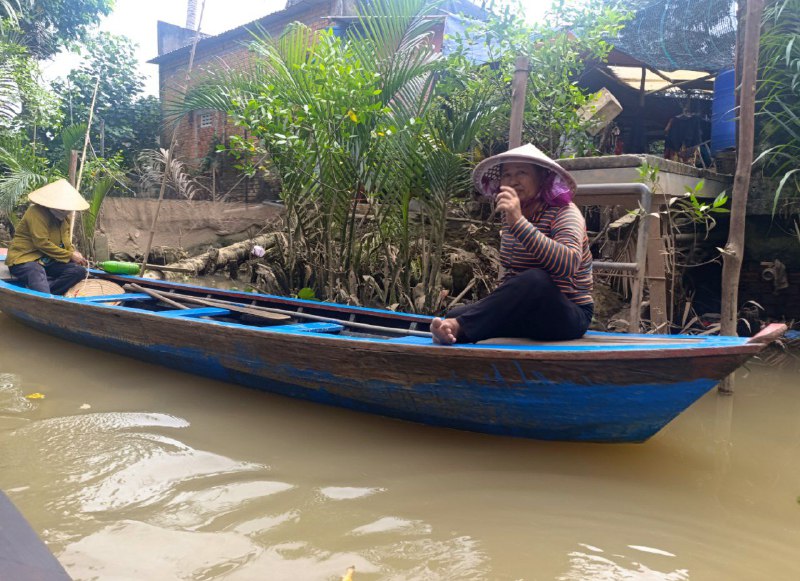
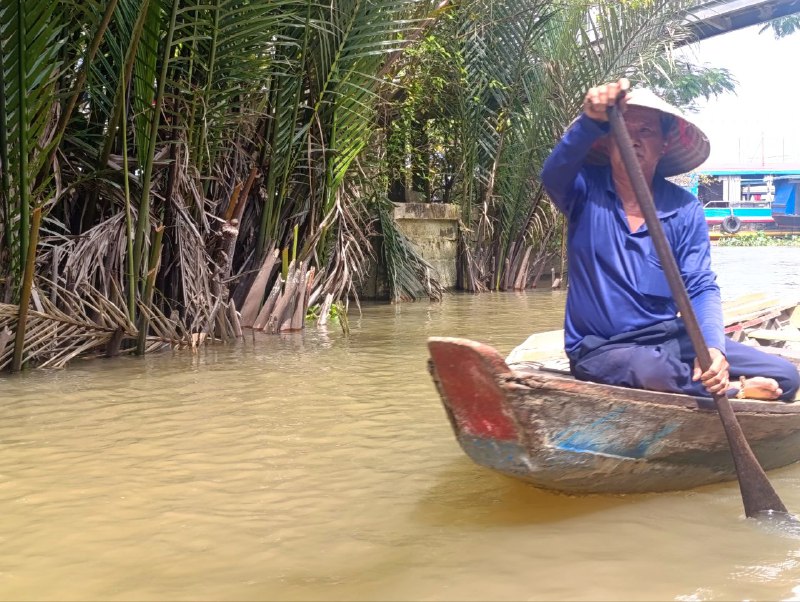
I really wanted to make it to the
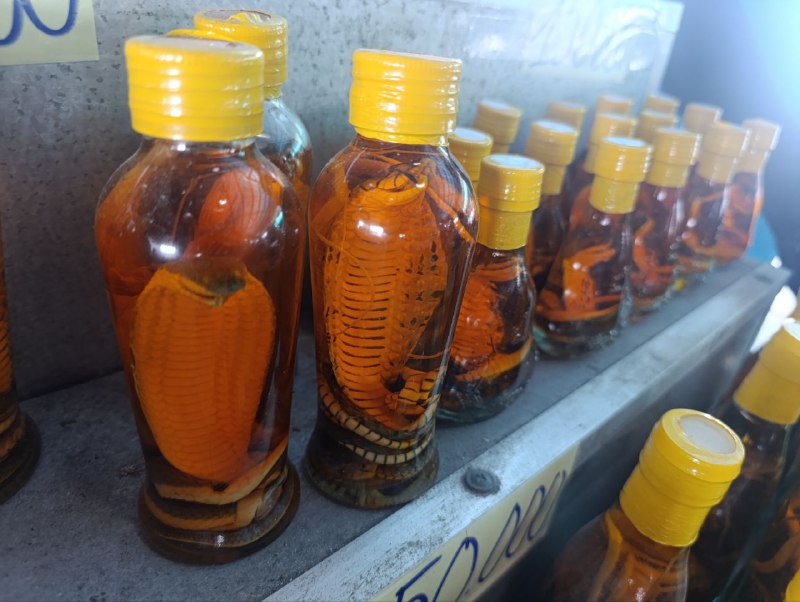
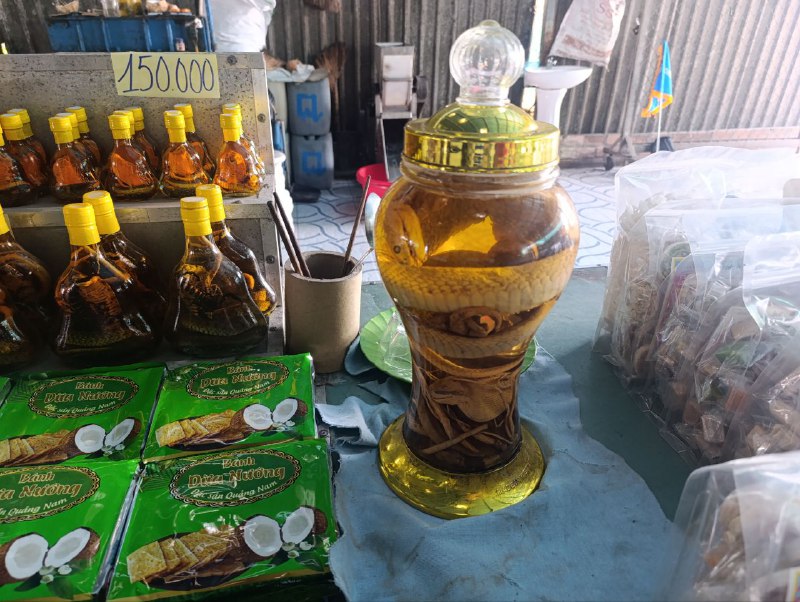
floating markets near Can Tho, but I only had time for the Mekong Delta. I'll save that for next time. In Mit Ho, everything is basically geared toward group tourists. Though honestly, the only really interesting thing is the boat tours. Travel guides talk a lot about snake farms, but based on Google reviews, they're not worth it.
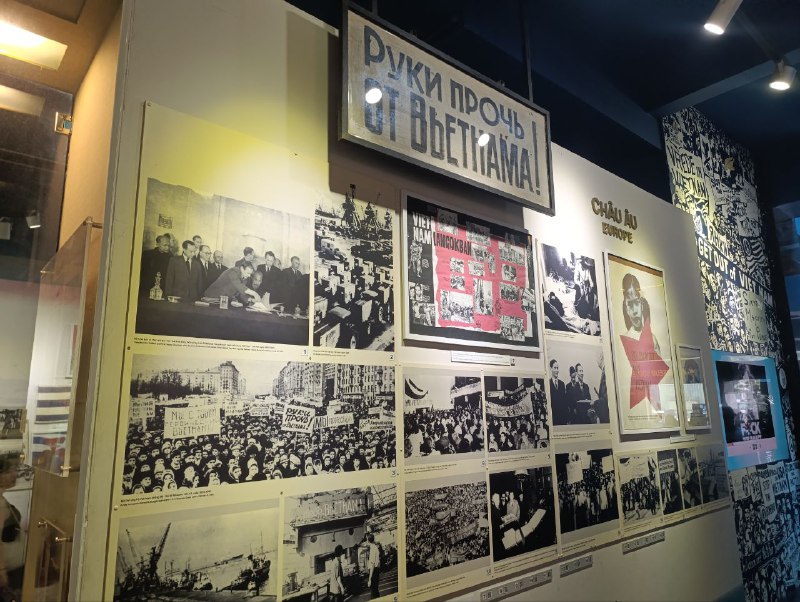
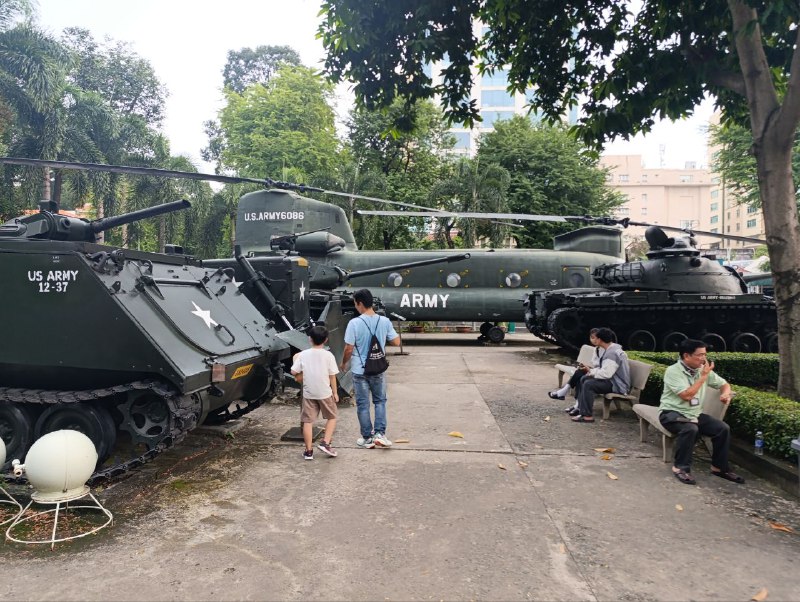
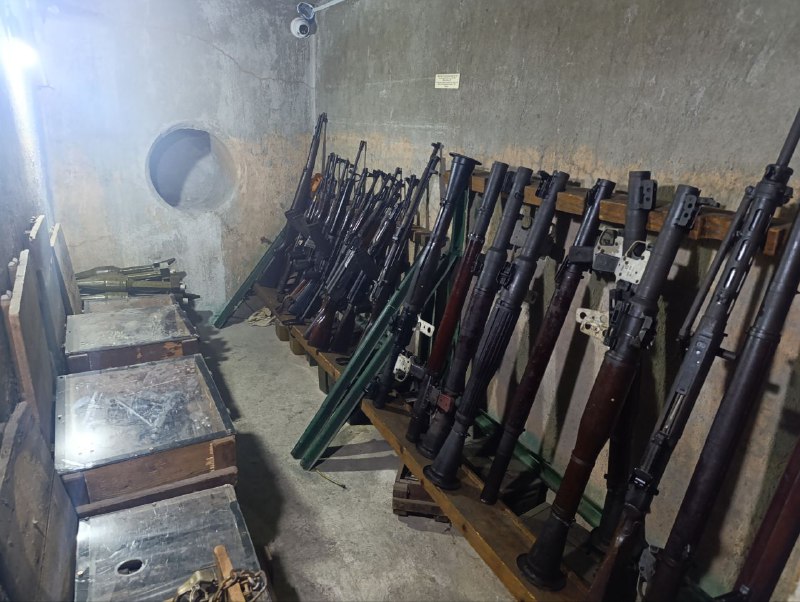
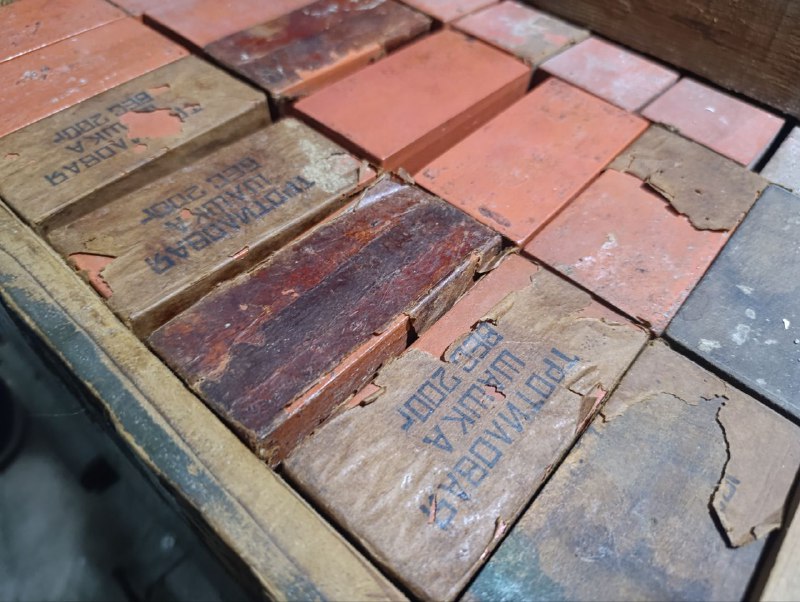
Any war is repulsive. The Vietnam War is no exception. Ho Chi Minh City and its surroundings have many museums and artifacts dedicated to this conflict. From
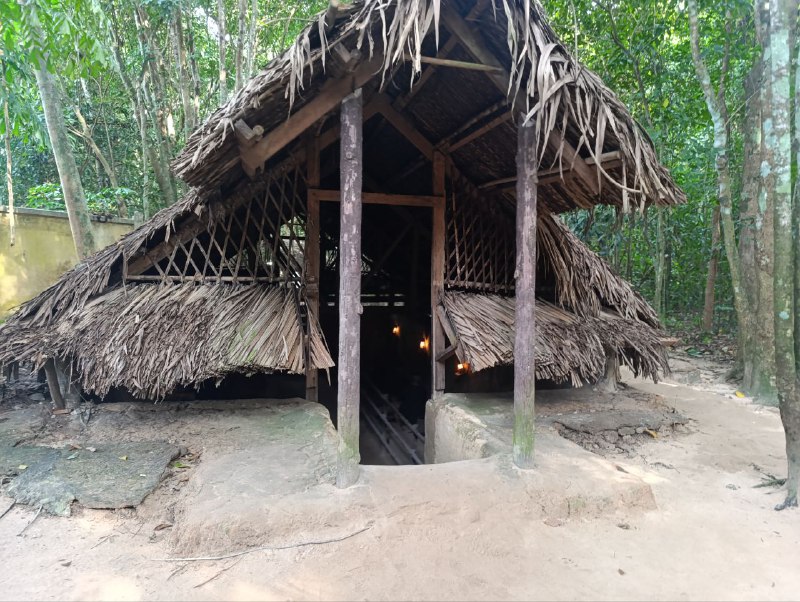
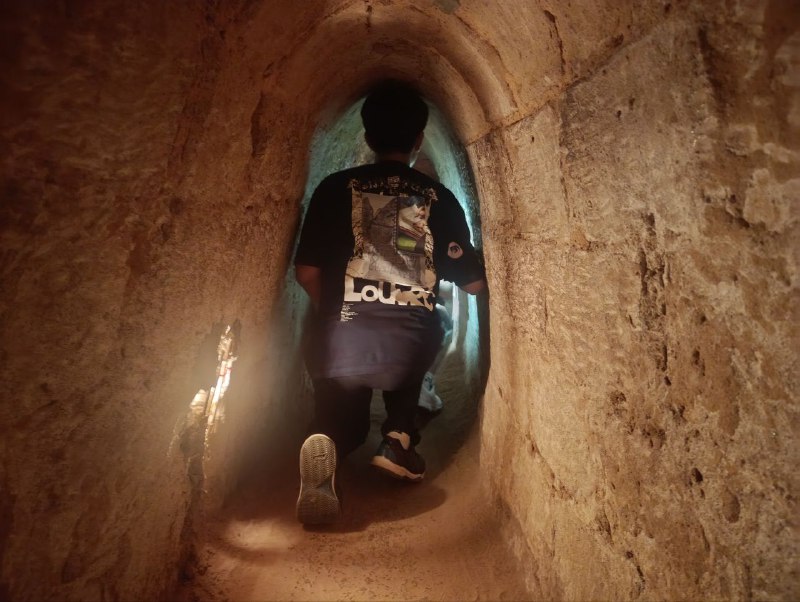
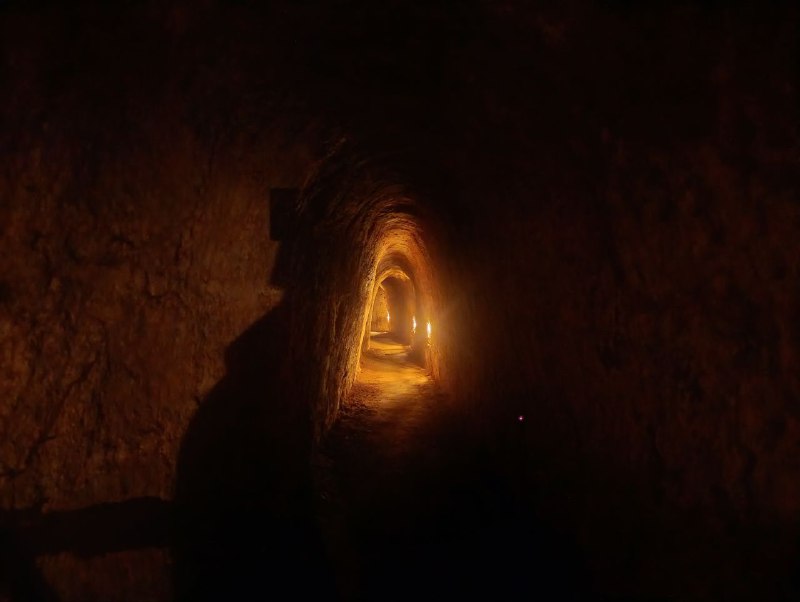
the Cu Chi tunnels to
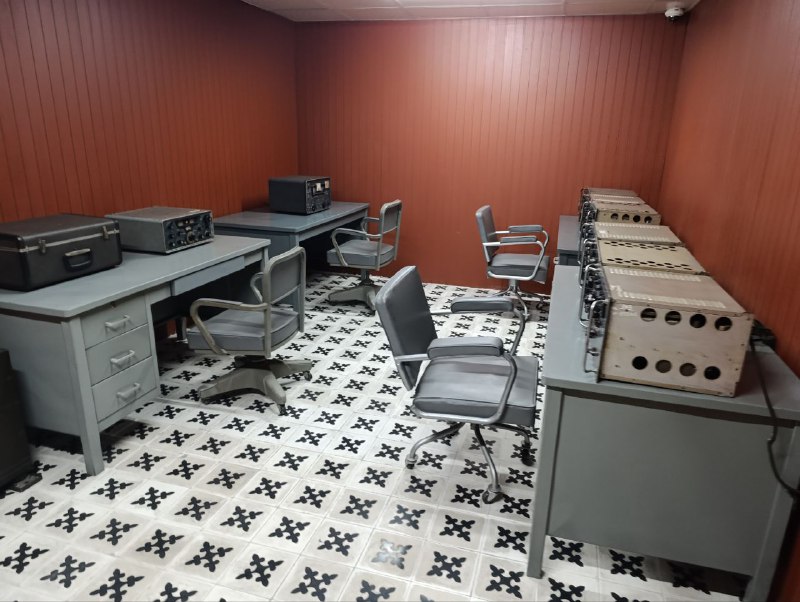
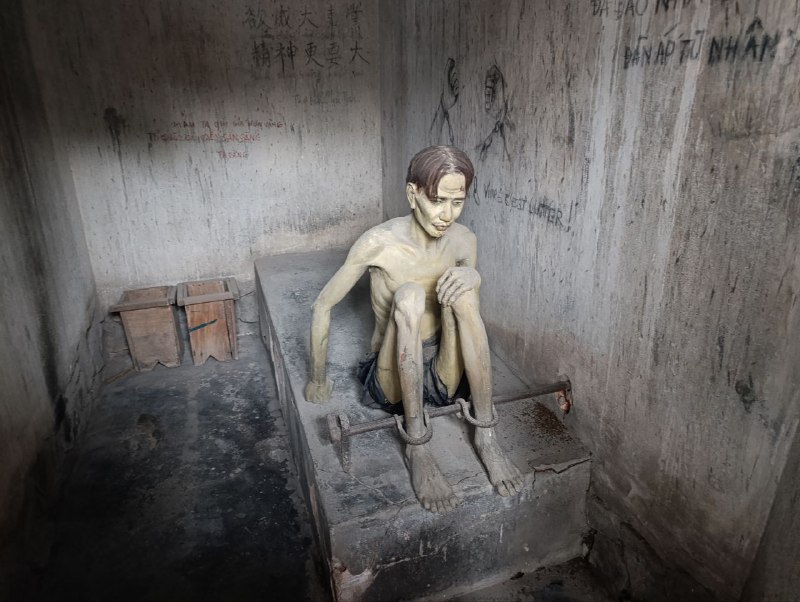
a secret bunker that played a role in the fall of Saigon. Almost everywhere I got the impression that the exhibits were more focused on trophies and the horrors committed by the Americans, rather than on the idea that such things shouldn't happen again. Although the communists clearly
weren't innocent either.
I'm not an expert on Vietnamese history, let alone this conflict. But a few facts caught my attention while reading about it all.
* In 1945-1946, the British won a
war against Vietnamese communists with relatively little bloodshed. This played a role in the US decision to send soldiers to Vietnam.
* One of Jimmy Carter's
first presidential orders was an unconditional amnesty for all draft dodgers.
* During the war, college students weren't drafted into the American army. So professors
inflated grades for young men to prevent them from being expelled and drafted.
* The US military tried to rapidly recruit
100,000 recruits. They could think of nothing better than lowering standards for new soldiers. This included lowering the IQ threshold by 6% from the minimum of 80 points. Unsurprisingly, people with lower IQs didn't return from the battlefield five times more often than others.
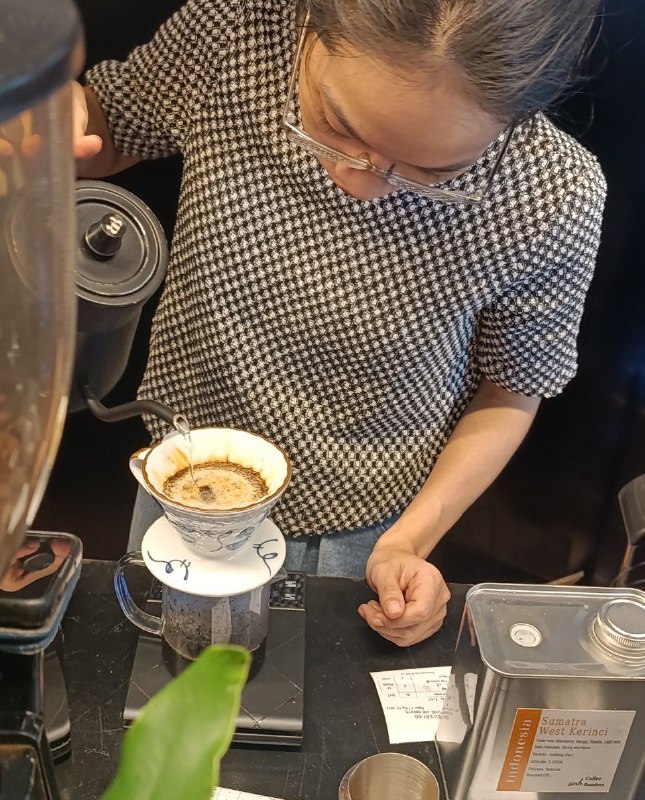
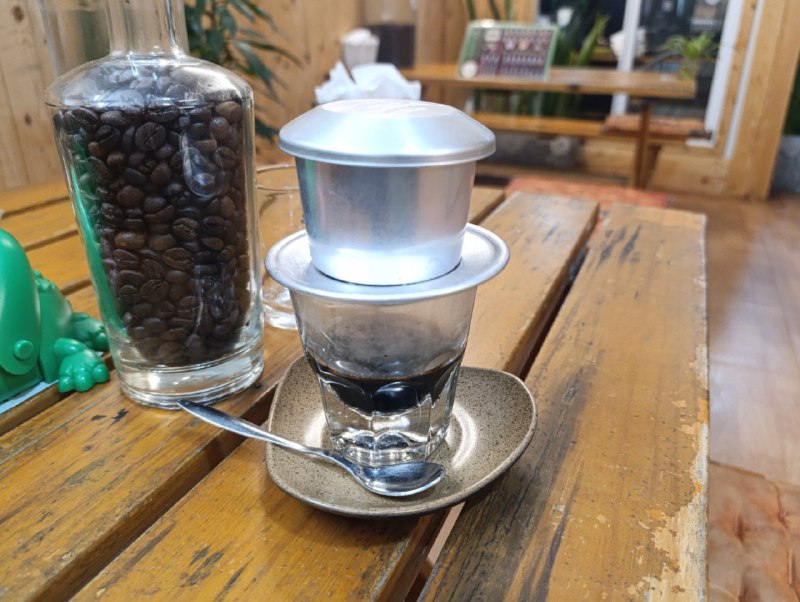
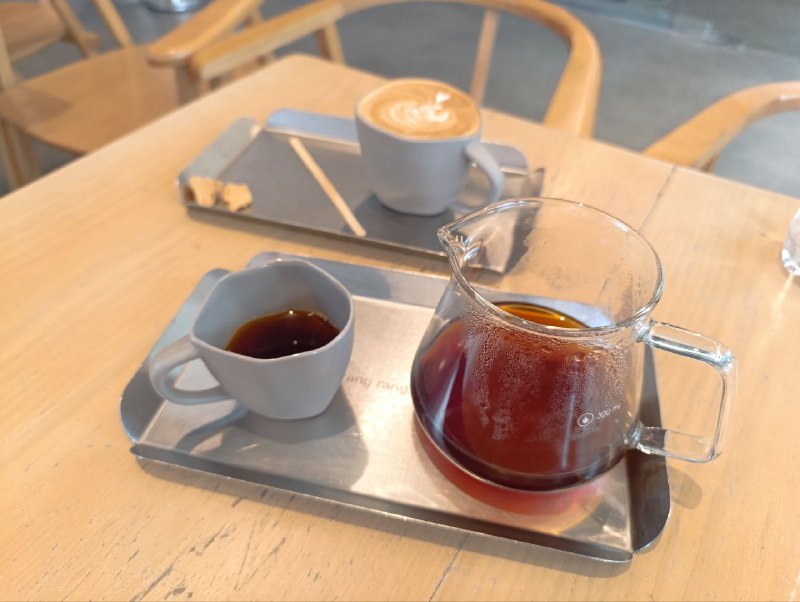
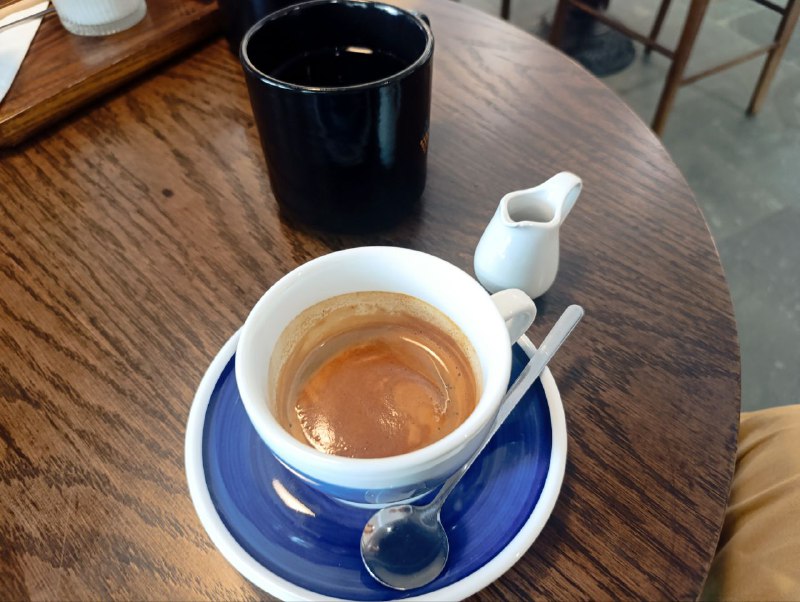
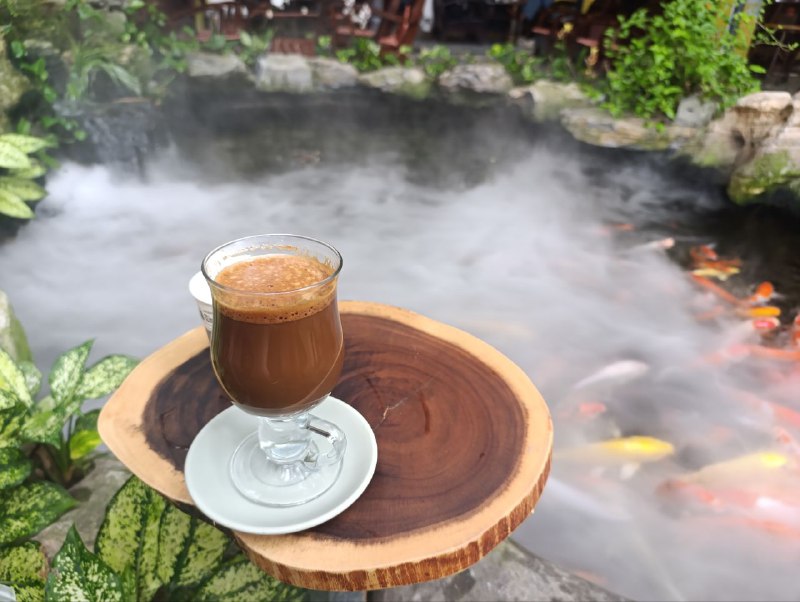
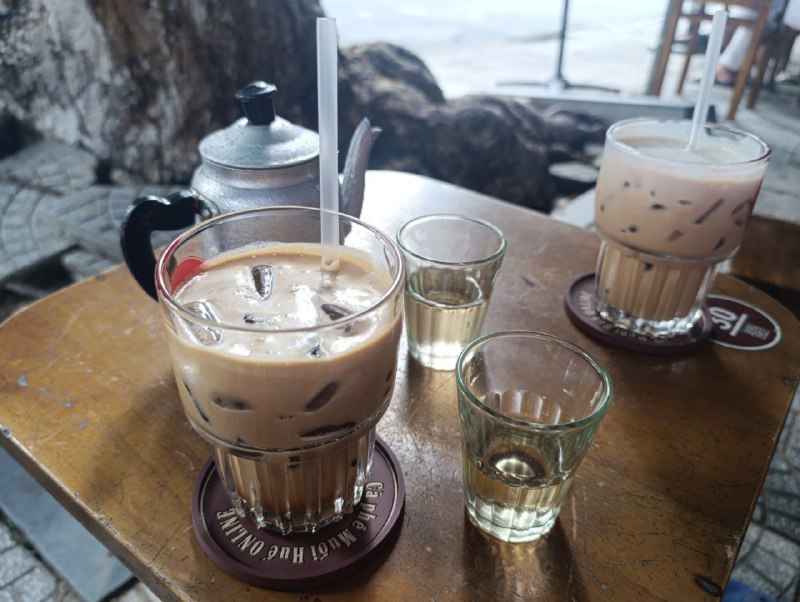
The French brought coffee to Vietnam toward the end of the 19th century. Unlike tea in
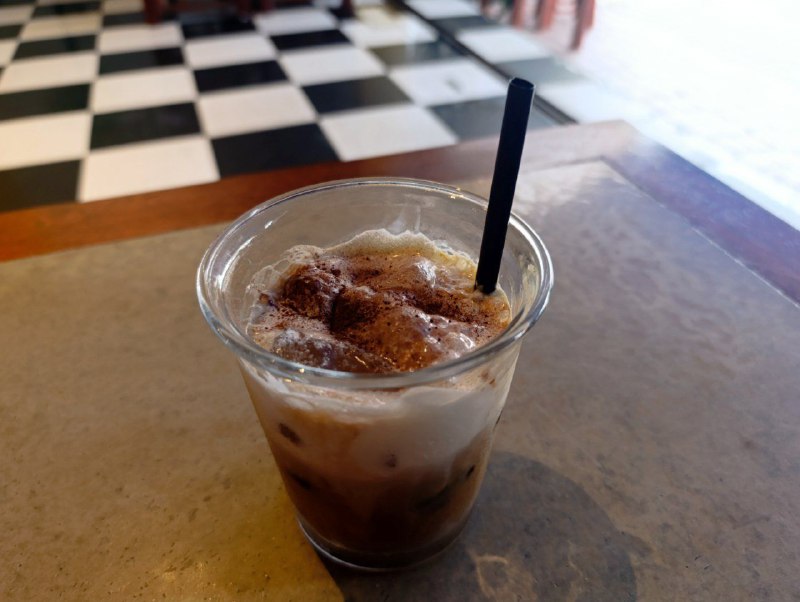
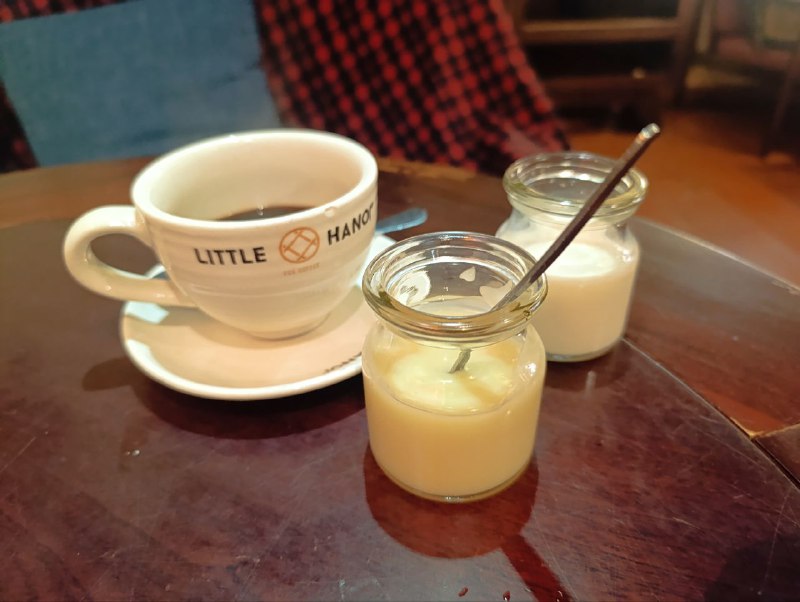
Tunisia, there were no epidemics. But the local coffee culture evolved beyond recognition. The drink here is usually cold, and instead of sugar, they add condensed milk. Lots of condensed milk. And they drink it. During the numerous wars that affected the country, additional varieties emerged. For example, coffee with egg. According to legend, there wasn't enough milk for the drink during the war, so in Hanoi they came up with the idea of whisking eggs and using them instead of milk. Taste-wise, it's actually not bad. But I didn't become a fan. There are also variations with salt, coconut, and even avocado.
Vietnamese coffee has many
stories connected to it, but the funniest one happened with Germany. In the late 1970s, there wasn't quite enough coffee beans in the world for everyone who wanted them. In 1980, East Germany signed a
deal with Vietnam where the Germans committed to supplying their communist brothers with equipment, technology, and all necessary resources for planting and cultivating thousands of hectares of coffee plantations. In return, the Vietnamese promised to give half of the entire harvest to East Germany. It all would have been fine, but when the harvest was ready, East Germany no longer existed, and there was no one to give the beans to ¯\_(ツ)_/¯
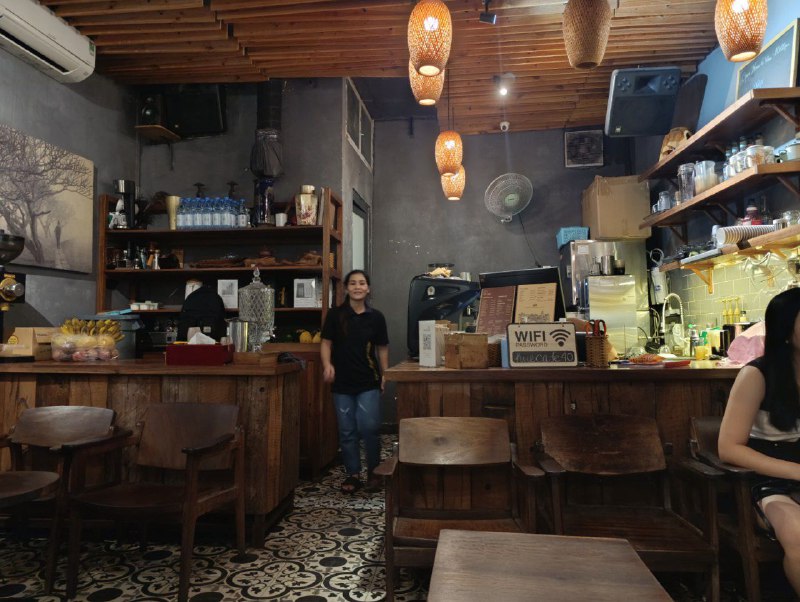
Anyway, if the local options don't appeal to you, there are plenty of decent classic cafés in the major cities. For example,
here or
here or
here. Maybe you'll make it there someday.
I stumbled upon a street concert in Ho Chi Minh City by chance. There was a road right next to the stage that nobody had blocked off for the concert. But that didn't stop the passing motorbike riders – they voluntarily stopped traffic on their own just to listen to the music. Turns out there were about twice as many spectators as the plaza could actually fit :)
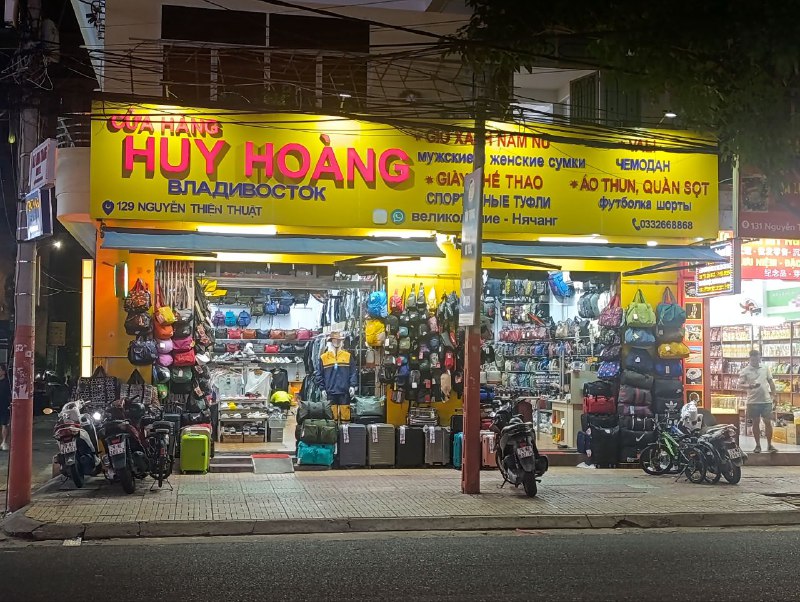
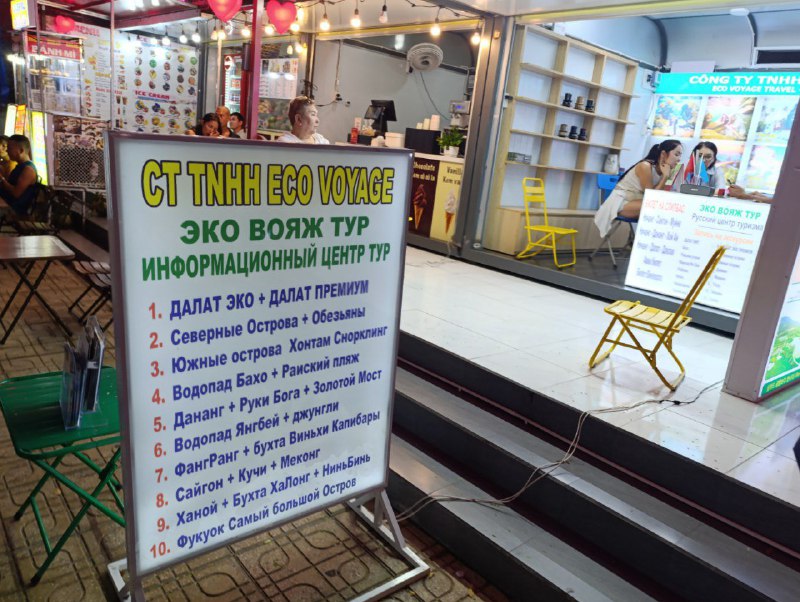
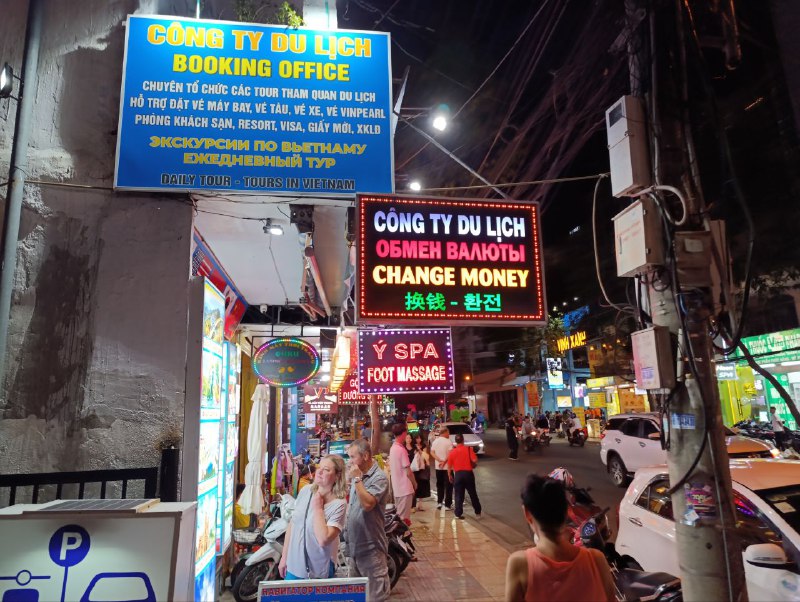
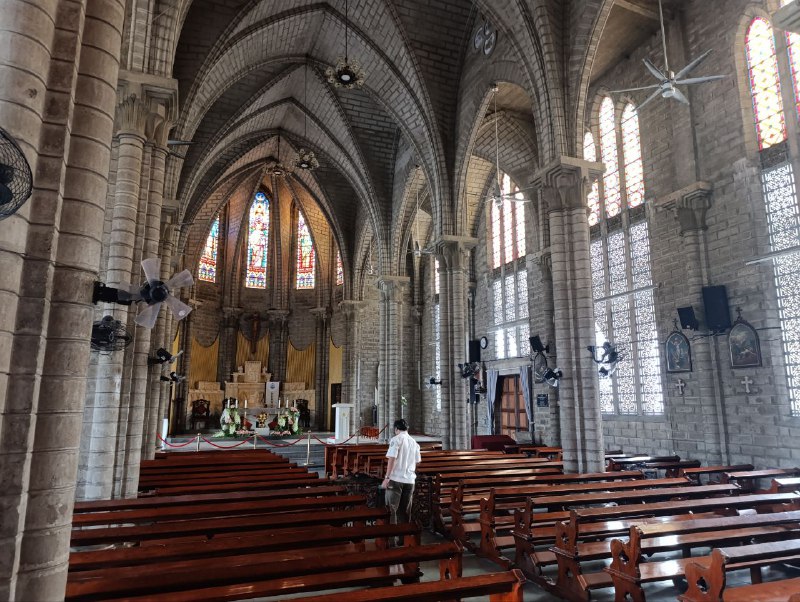
Vietnamese Nha Trang is a really strange city. Looks like it's basically Mecca for Russian-speaking tourists. It honestly feels like I ended up at some resort in the Krasnodar region. Well, almost.
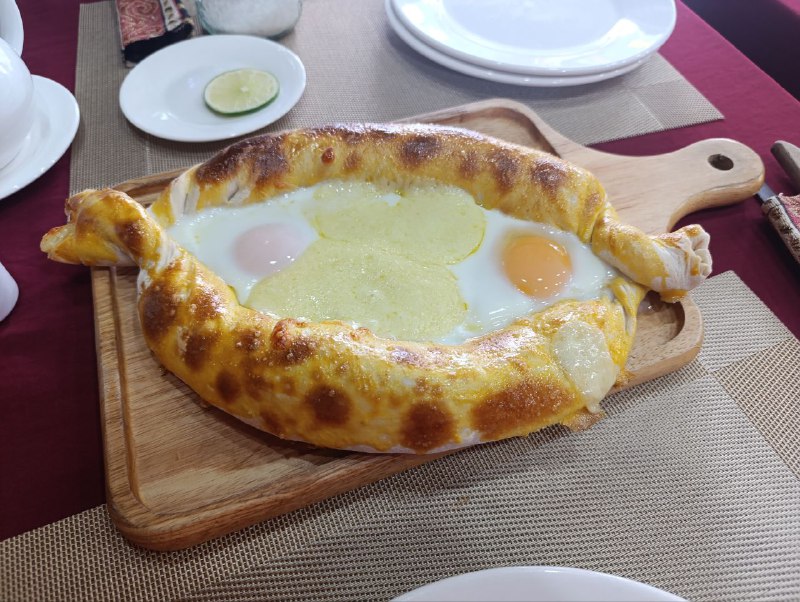
There's like a billion advertising signs in Russian, tons of restaurants with khachapuri, pilaf, and all sorts of post-Soviet cuisine. Sometimes they even serve you in Russian. Though usually it's not the locals doing it. But at the markets, locals have definitely picked up how to count in Russian pretty quickly. And you hear the language on the streets all the time.
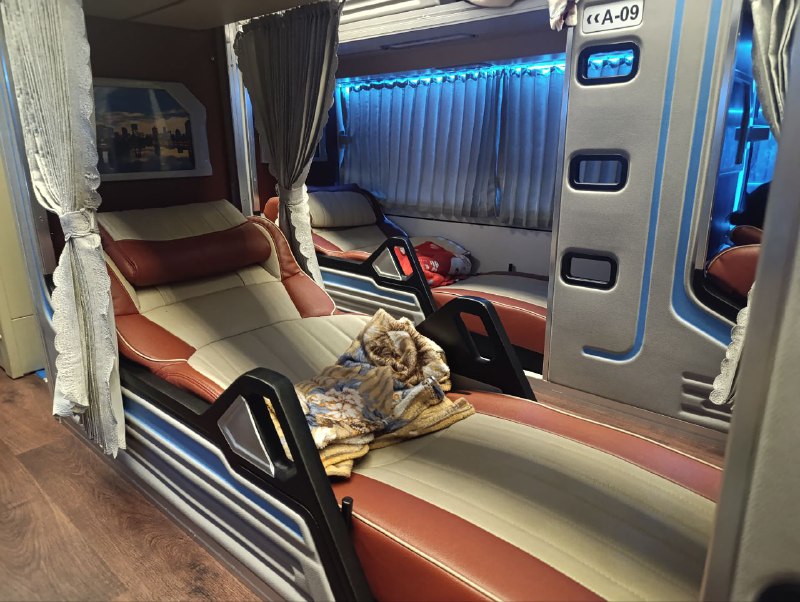
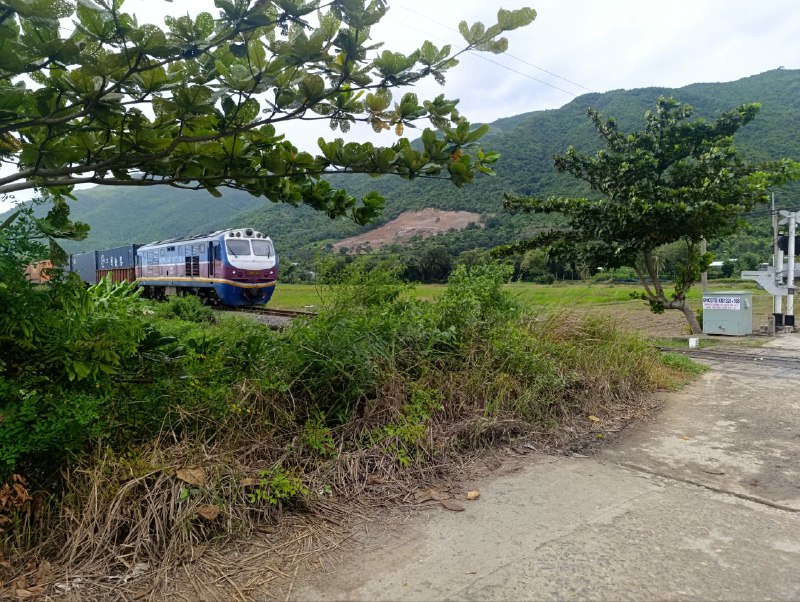
I got to Nha Trang on an overnight bus. The sleeping berths are comfortable—you sleep like you're in a bed. Best to grab a seat away from the driver though. They honk constantly the whole way, so good luck sleeping. Plus the bus can arrive earlier than scheduled. Instead of the promised 6 AM, the driver poked me awake and dropped me off at 4.
Good thing I only planned to stay one night. Pretty quickly I was dying to get back to Ho Chi Minh City—honestly, there's nothing to do here.
Beam I missed the speck in my own eye. Literally.
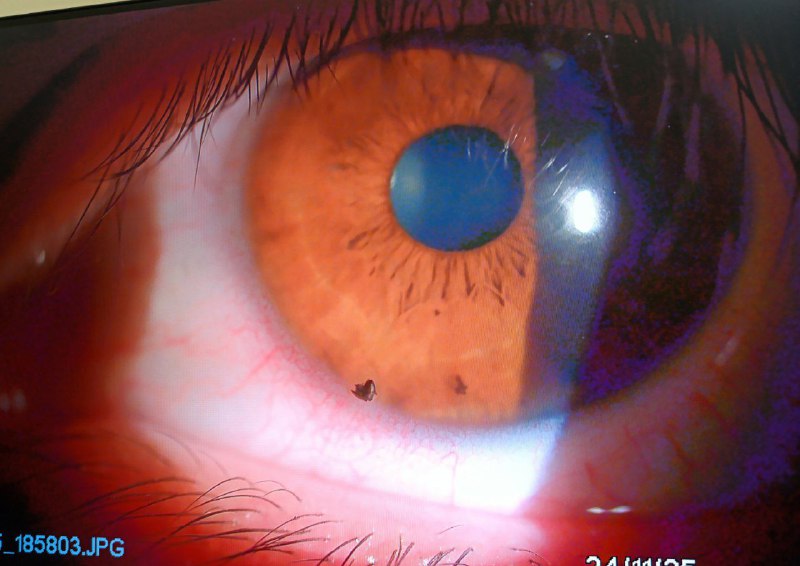
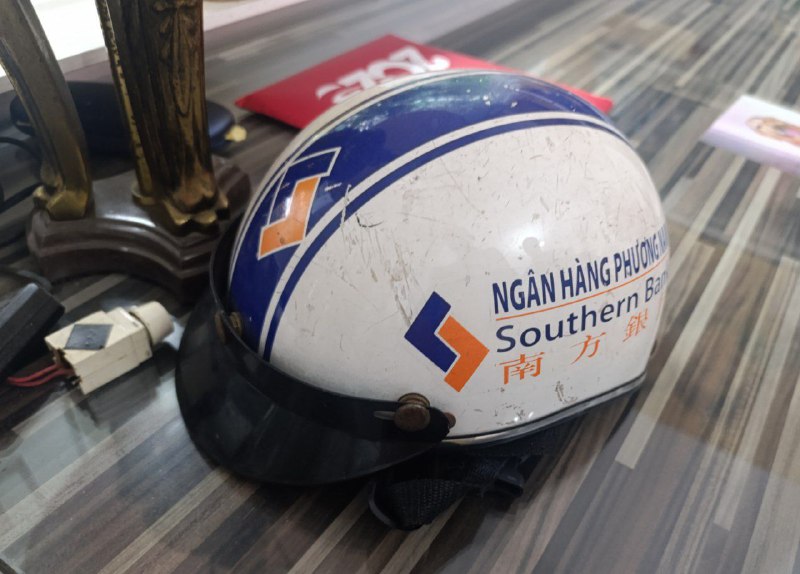
In Vietnam, rental bikes come with bowler-style helmets. No protective visor. The locals basically all ride like that. I watched them and did the same. On the road, a tiny gnat flew straight into my eye. It got in so well that I couldn't get rid of it on my own. I couldn't even see it myself. But it was definitely uncomfortable.
I went to the nearest private clinic, and without any prior appointments, they took me straight to the doctor who pulled this thing out with a regular cotton swab. Man, it felt amazing to realize there was nothing in my eye anymore. For a few days after that, I got tired from screens much faster than usual, but eventually everything went back to normal. Riding bikes without eye protection is definitely not worth it.
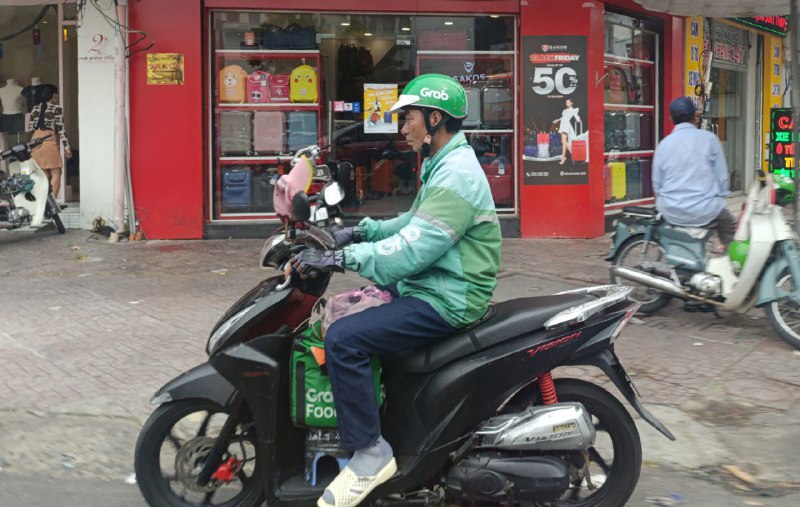
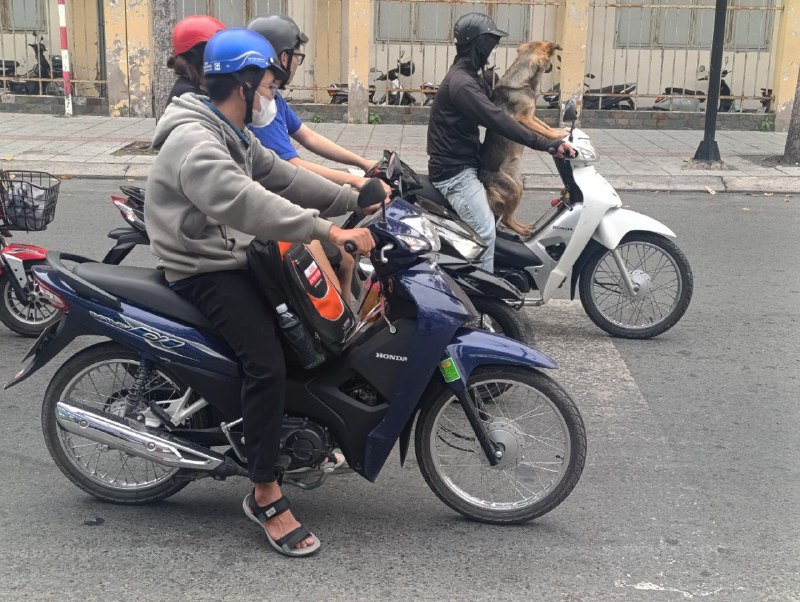
Traffic in Ho Chi Minh City is absolutely insane. In smaller cities it's easier. The main rule is to give way to bigger vehicles. Nobody lets pedestrians through at all. You just have to throw yourself into traffic and hope they drive around you.
PS. If you're responsible and don't go anywhere without travel medical insurance, stay responsible all the way and thoroughly figure out how to use this thing BEFORE your trip. Dealing with it in an emergency situation is pretty rough. I checked. My instructions said "contact us on Viber and we'll tell you where to go." Except these Serbian guys showed signs of life 6 (six!) hours after I reached out, when I'd already given up and went to get help without their blessing. But they promised to reimburse everything.
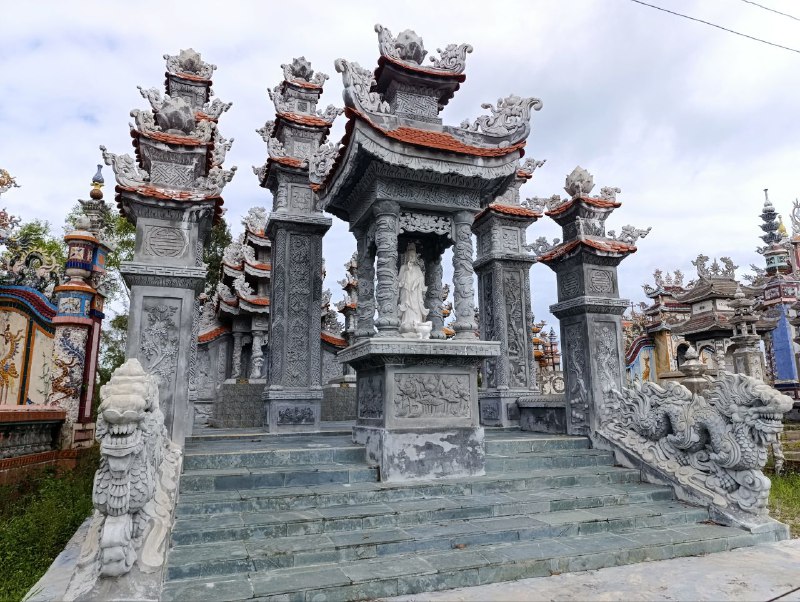
Picture this: you're living in a poor fishing village in central Vietnam. And suddenly, a huge pile of money lands in your lap. You've never seen that much in your life. Would it really change your life that much? Build a house maybe? Buy a car? Send your kids to school somewhere?
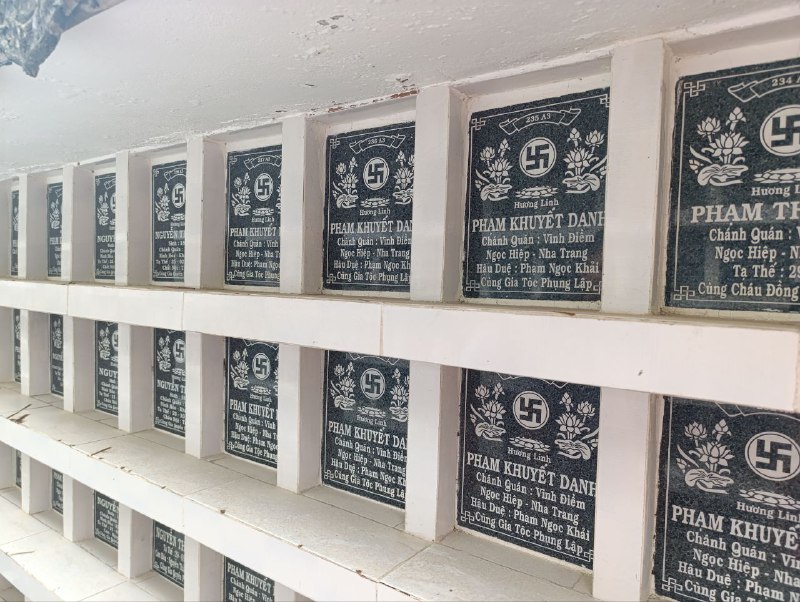
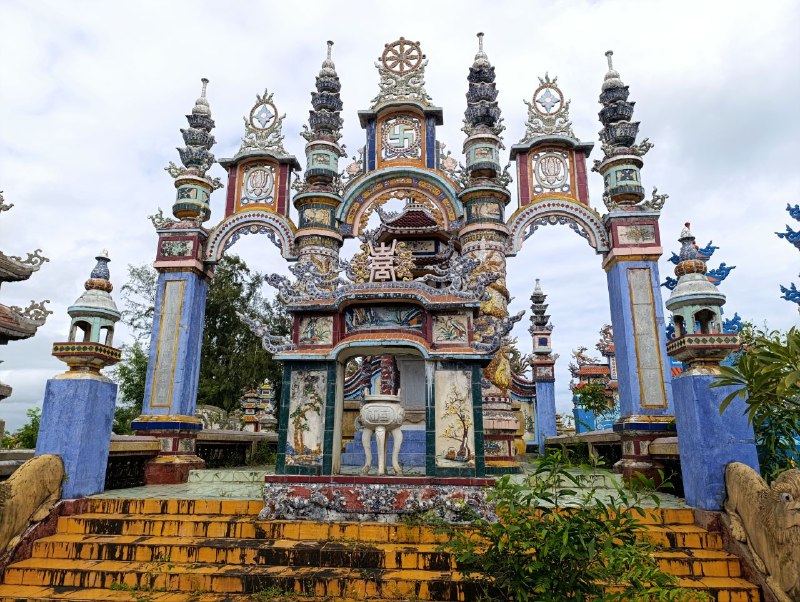
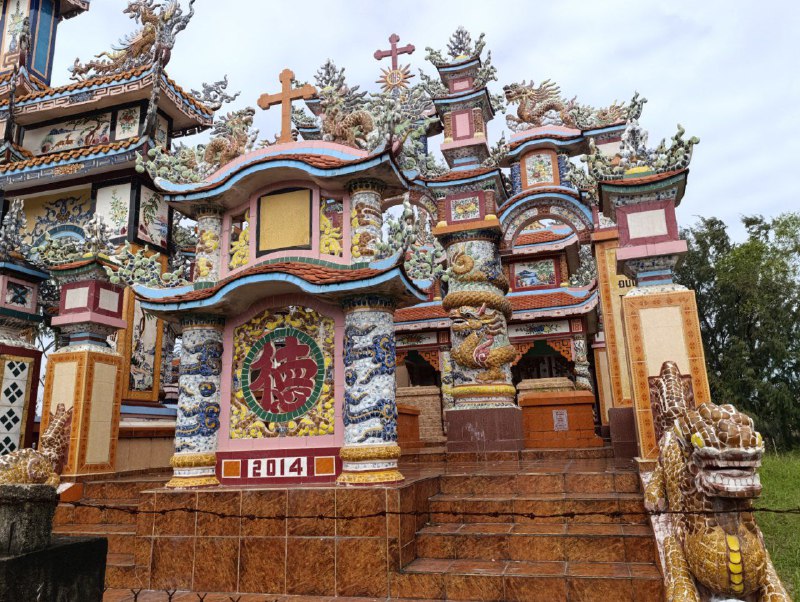
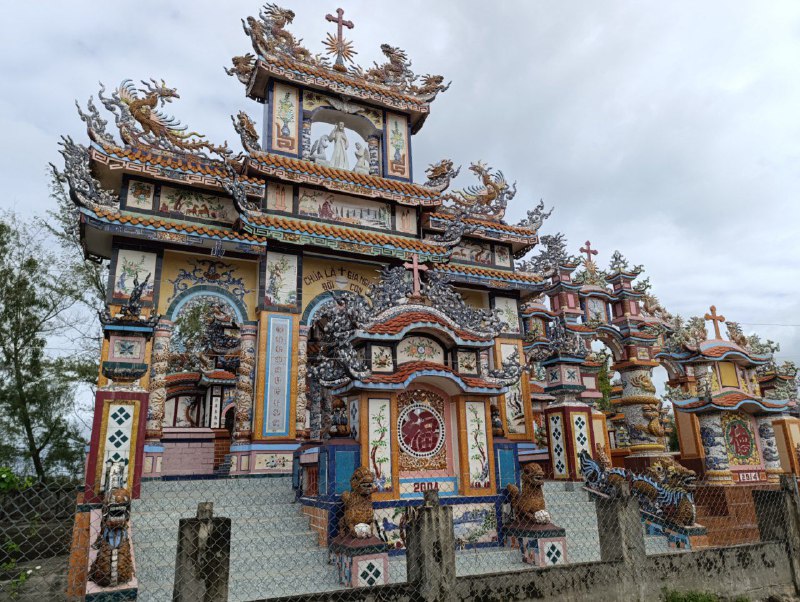
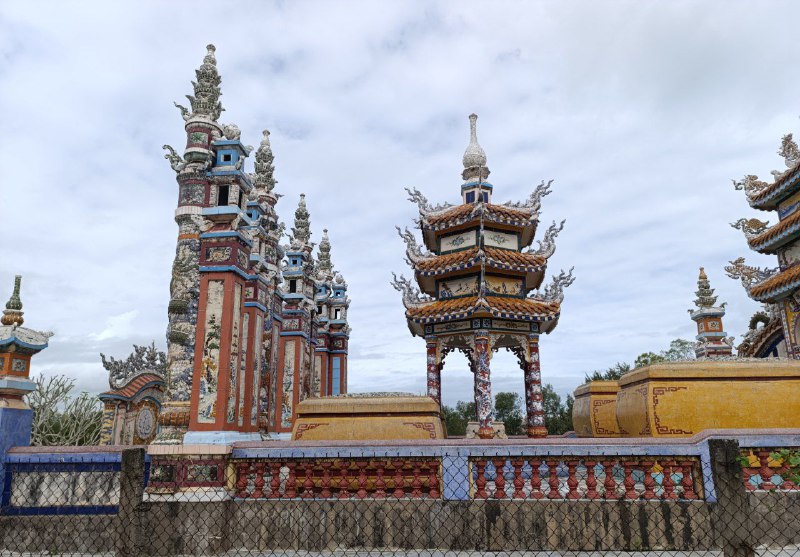
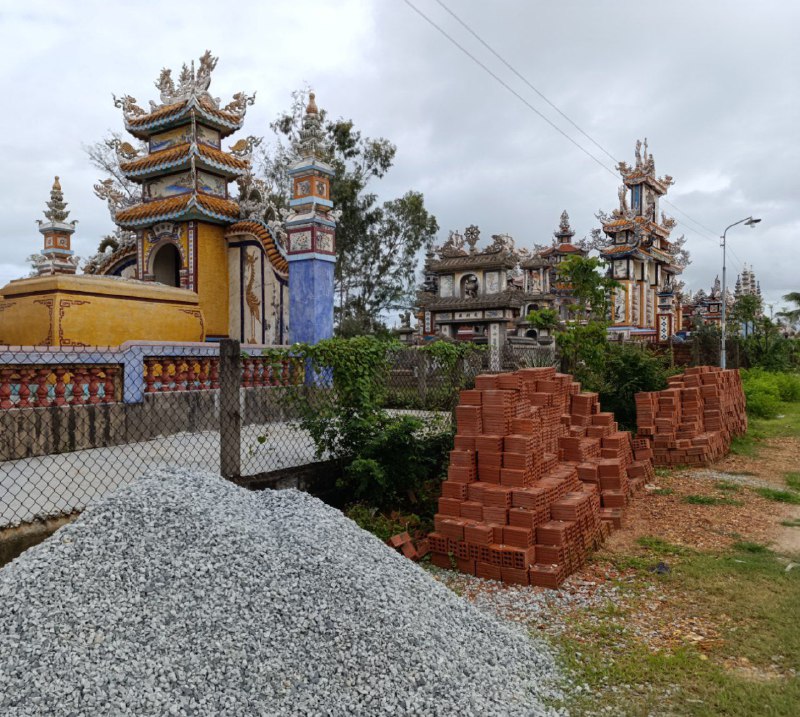
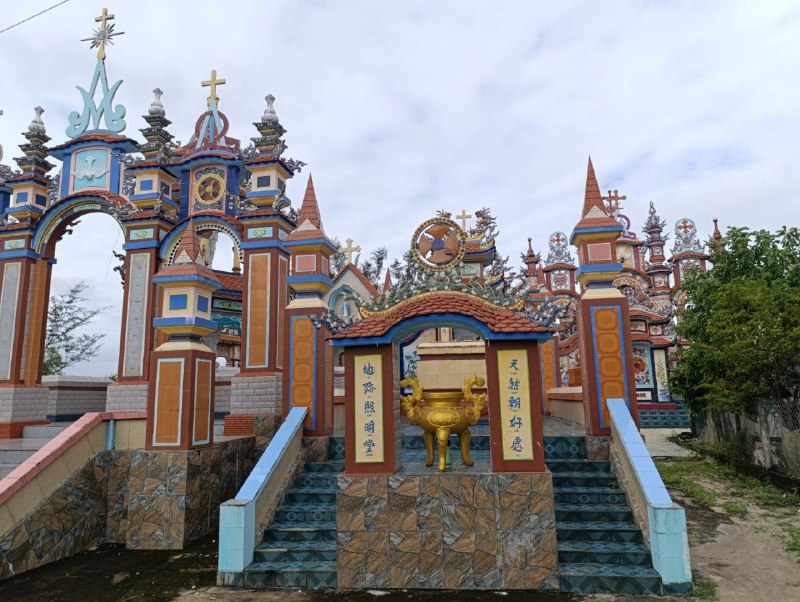
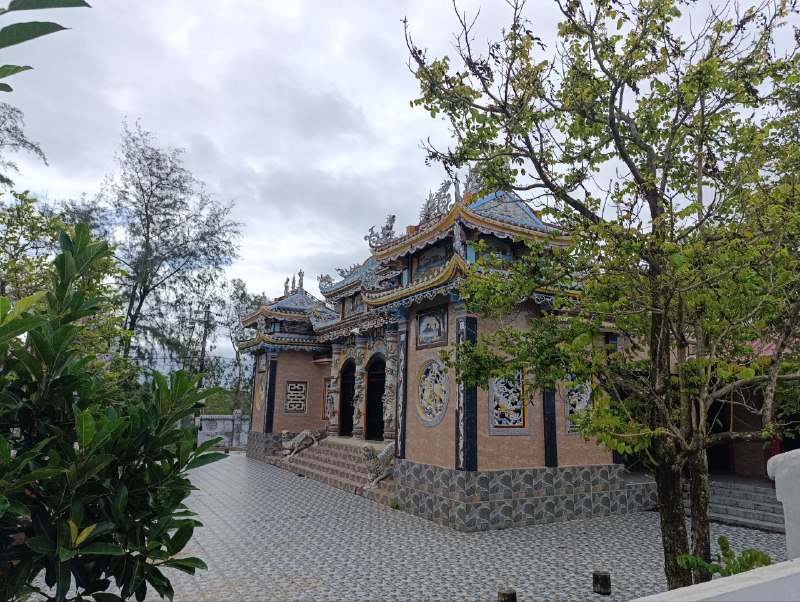
In the village of An Bang, almost all the residents found themselves in exactly this situation. And... they started investing in the tombs of their ancestors and building massive crypts. The local cemetery turned into a very strange architectural mess. People are practically competing to see who honors their dead the best. Some of these structures cost six figures in dollars.
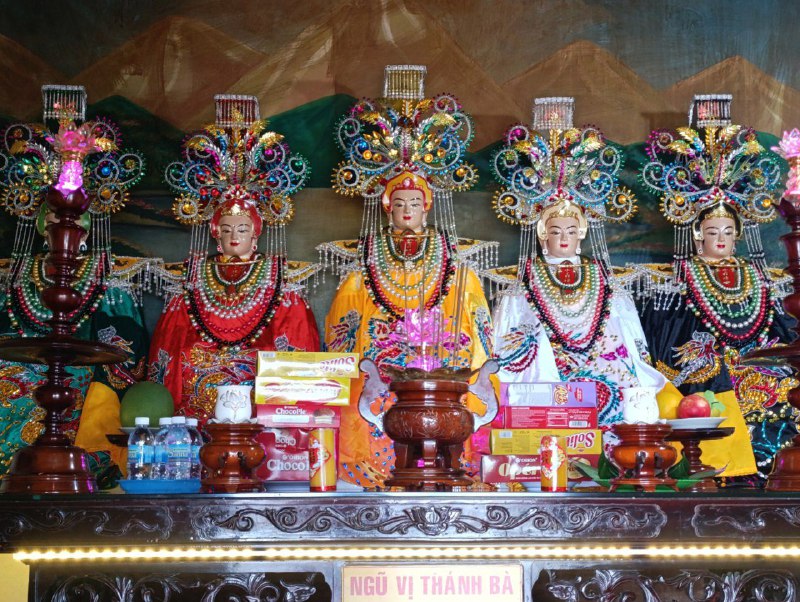
Officially, most Vietnamese are considered
atheists. But in reality, most practice ancestor worship. People say that during the census, folks didn't know how to properly name their religion, so they got listed as atheists. Plus, the communist authorities officially promote atheism. However, you can see the full spectrum of world religions on the crypts: Buddhist swastikas, Christian crosses, even Muslim crescents. Not because they're burying Christians with Muslims, but just because people stuck these symbols on just in case.
In
1975, a lot of Vietnamese were evacuated from the country urgently. People from An Bang were especially lucky, and practically everyone who stayed had a close relative who became an emigrant in the States or Europe. In the nineties, the local government allowed money transfers from abroad. And help from relatives poured in like a river. The village quickly became practically the wealthiest in the entire country. But that's where the budgets started going. Otherwise, the settlement doesn't really differ from the others. Even the road is beaten up in places ¯\_(ツ)_/¯
If Vietnam spoke a Slavic language, it would be called South-Vietnam (literally "nam" = south, "viet" = Viets, the most numerous ethnic group in the country).
I wasn't ready for local prices. In Da Nang, you can find a pretty decent hotel for about $100. Plus breakfast included. If you lower your standards a bit, there are solid options for $50. Except this price is not per day, but per week of stay. I honestly thought it was some kind of mistake. But no. After
Boston's $350 this is especially impressive.
 United Kingdom
 Serbia
 Bosnia and Herzegovina
 Turkey
 United Arab Emirates
 Brunei
 Indonesia
 Malaysia
 Argentina
 USA
USA Morocco
 Georgia
 Egypt
Egypt Hong Kong
 China
China Vietnam
 Tunisia
 Montenegro
 Philippines
 Singapore
 Oman
Oman Algeria
 North Macedonia
 Lebanon
 Israel
 Albania
 Russia
 Tanzania
 Netherlands
 Spain
Spain Latvia
 Germany
 Belgium
 France
 Kazakhstan