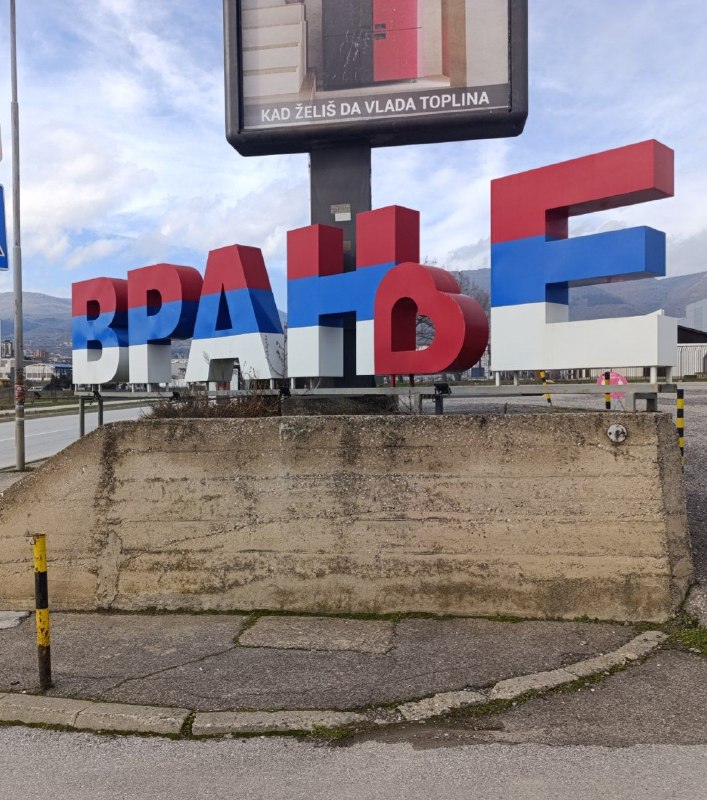
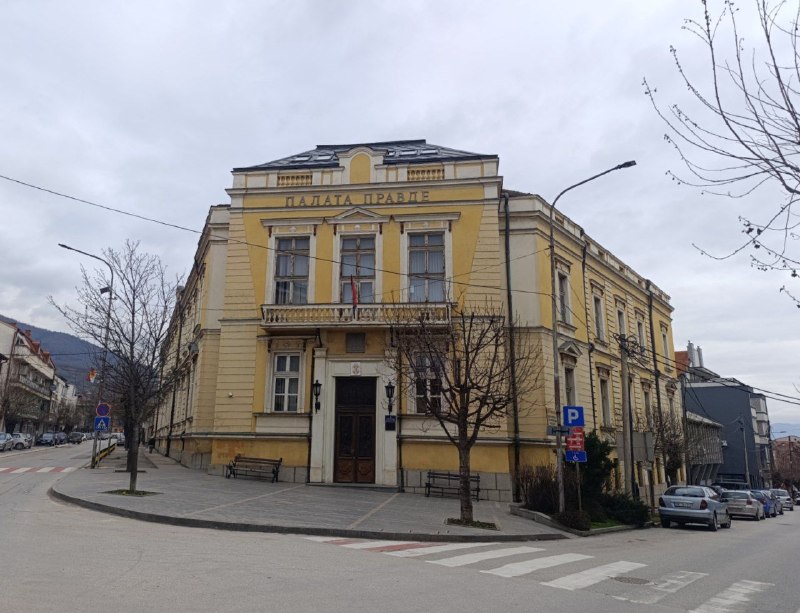
Fun fact: in the center of the Serbian city of Vranje stands the Palace of Justice :)
Telegram mirror
Telegram is a messenger where I post short travel notes. This page is a self-hosted backup of that channel.
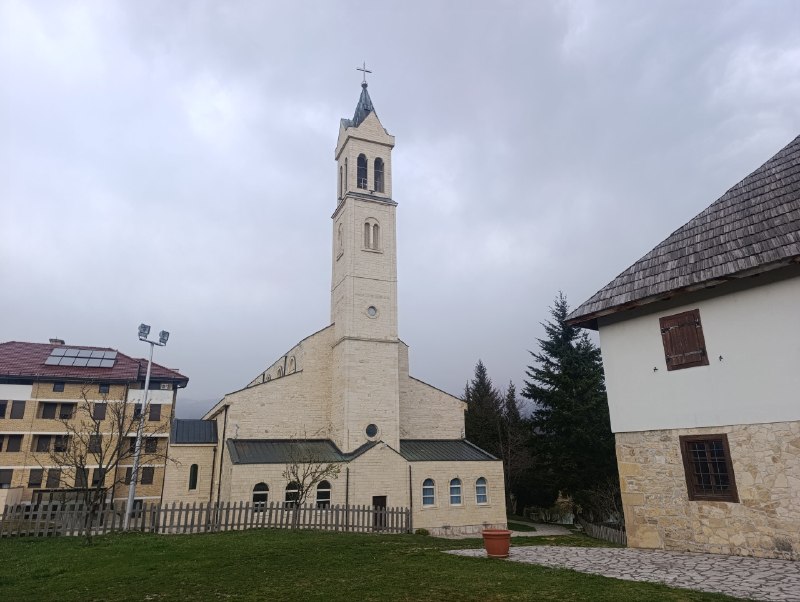
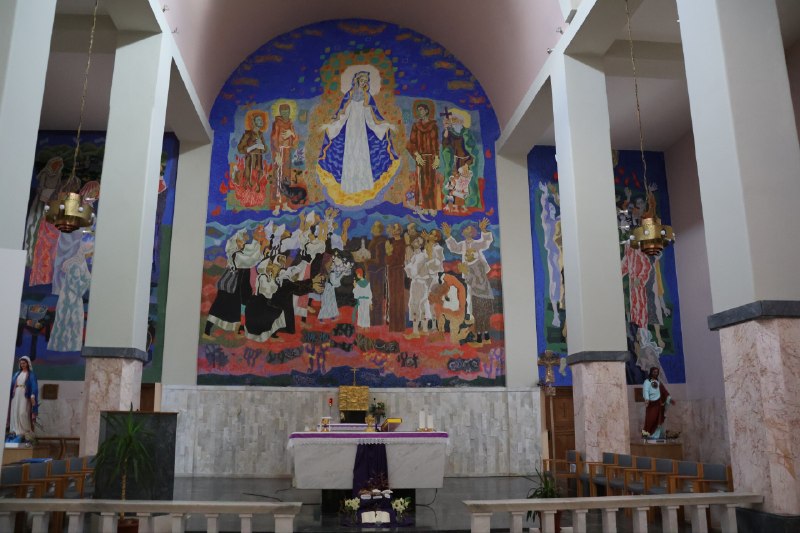
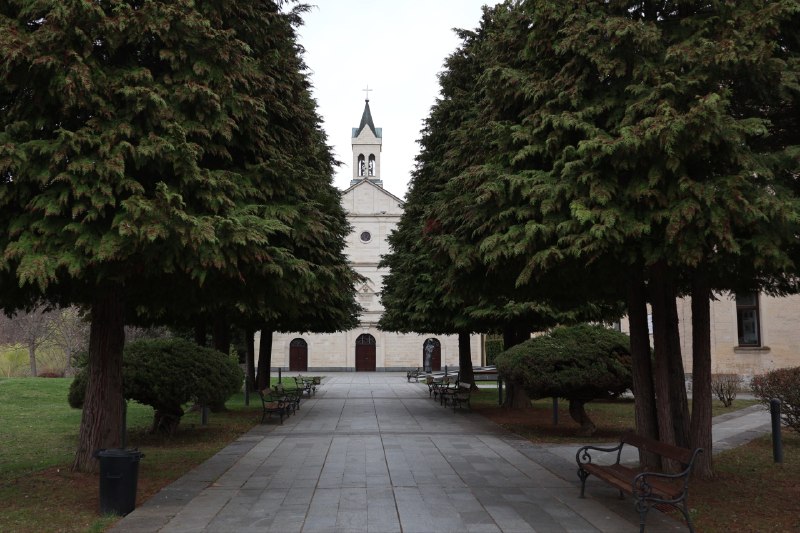
So if you happen to hear "Bosna Argentina," that doesn't necessarily mean a football match. Turns out the Franciscan order is quite prominent in Bosnia, and this is their official name for the province in Latin. And it actually includes Croatia and Serbia too.
The Franciscans arrived here in the second half of the 13th century to combat Bosnian Christianity. And they've been here ever since, continuously. Almost immediately after the Ottomans took over the region, the Turkish sultan issued safety guarantees and permission to continue their religious activities. That document is still kept in a monastery in Bosnian Fojnica.
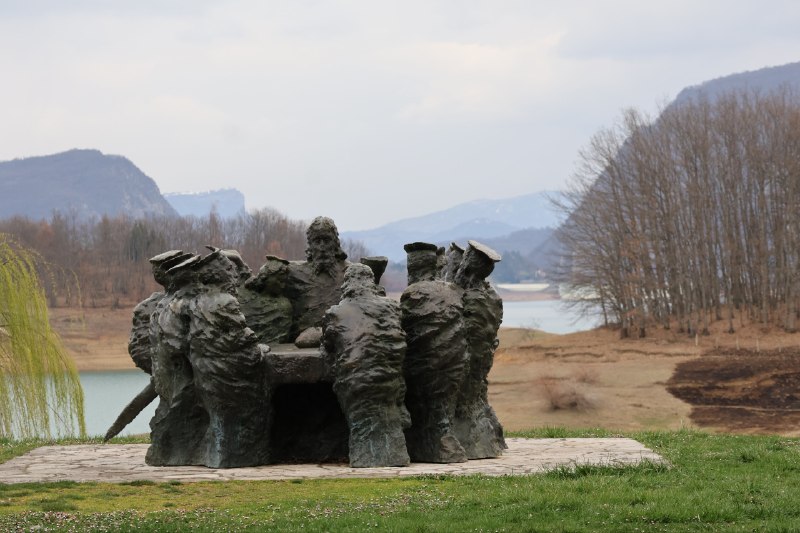
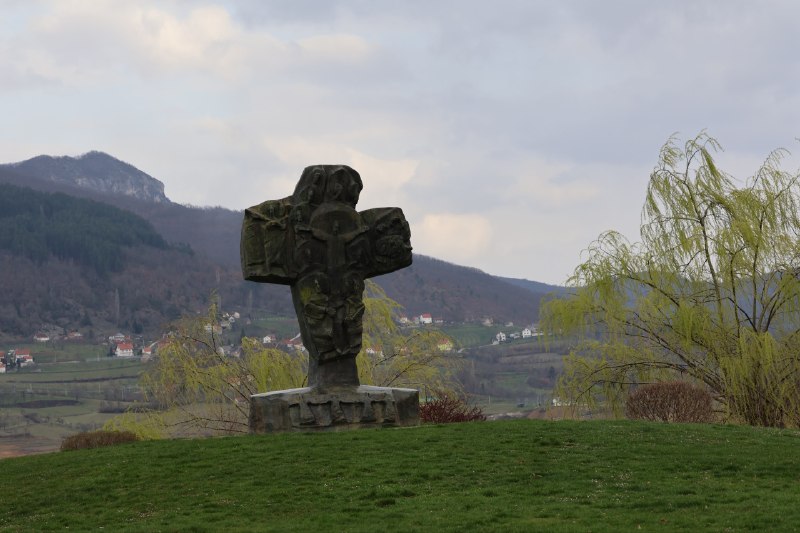
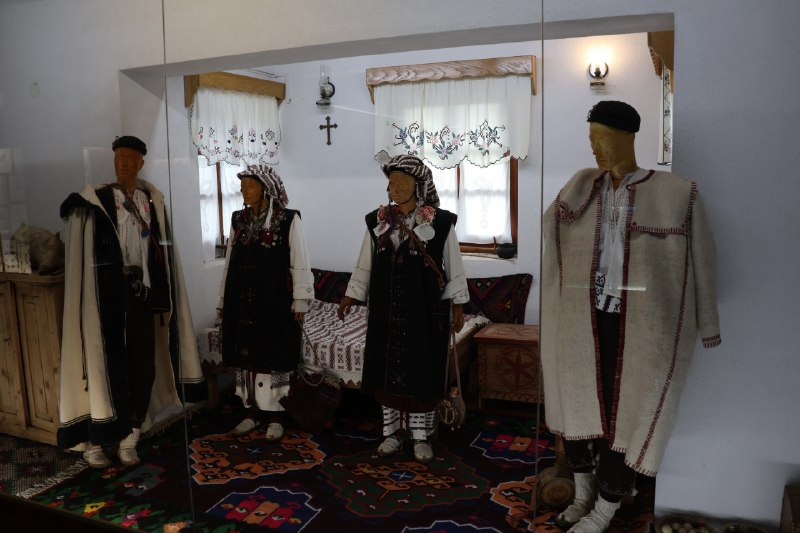
That said, the Franciscans maintained connections with Austrian Catholics, sometimes even crossing into collaboration. And they were terrified the Turks would punish them for it. That's why in the 17th century, they smuggled an icon out of the monastery in Rama, which still hasn't come back—it's now in the Croatian town of Sinj. On the bright side, there's now a museum at the monastery. Nothing too spectacular, but it was interesting to check out.
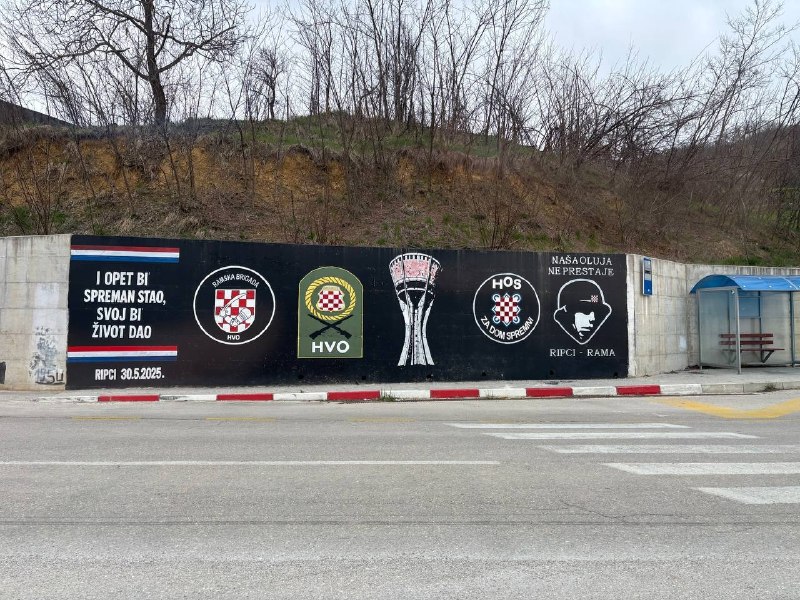
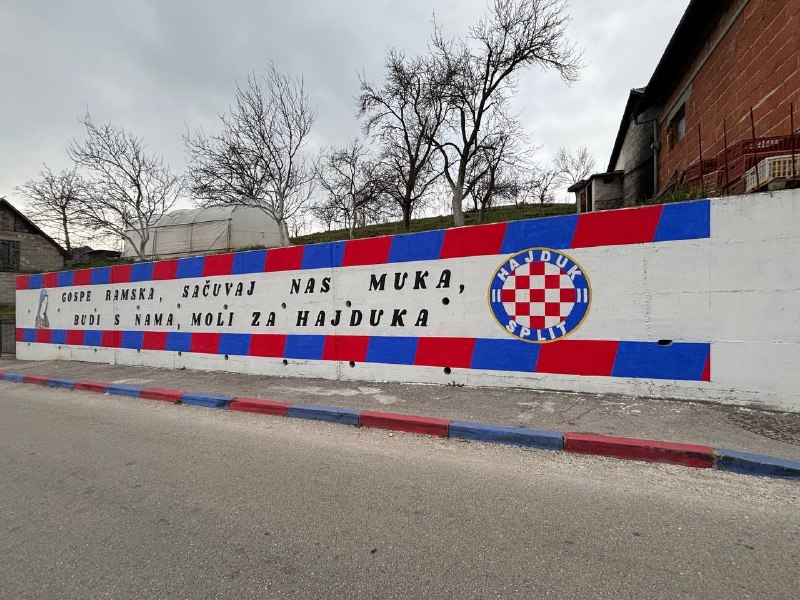
During World War II, some members of the order openly sympathized with the Croatian Ustaše, though others actively fought against them. And today, back in Rama, there's a bunch of graffiti referencing Croatian forces from the Bosnian War, left by fans of Split (some of the rowdiest supporters in the region).
The Franciscans arrived here in the second half of the 13th century to combat Bosnian Christianity. And they've been here ever since, continuously. Almost immediately after the Ottomans took over the region, the Turkish sultan issued safety guarantees and permission to continue their religious activities. That document is still kept in a monastery in Bosnian Fojnica.
That said, the Franciscans maintained connections with Austrian Catholics, sometimes even crossing into collaboration. And they were terrified the Turks would punish them for it. That's why in the 17th century, they smuggled an icon out of the monastery in Rama, which still hasn't come back—it's now in the Croatian town of Sinj. On the bright side, there's now a museum at the monastery. Nothing too spectacular, but it was interesting to check out.
During World War II, some members of the order openly sympathized with the Croatian Ustaše, though others actively fought against them. And today, back in Rama, there's a bunch of graffiti referencing Croatian forces from the Bosnian War, left by fans of Split (some of the rowdiest supporters in the region).
►
Suddenly realized I've accumulated a bunch of videos with Bosnian castles. Turns out there are quite a lot of them.
In the order they appear on screen: Srebrenik, Gradačac, Ottoman Bridge, Blagaj Fortress, Kuslat Mosque, Sokolac, Ostrozac and Vranduk. And way back I also posted Travnik and Jajce somewhere. Think I didn't forget anyone.
// youtube
In the order they appear on screen: Srebrenik, Gradačac, Ottoman Bridge, Blagaj Fortress, Kuslat Mosque, Sokolac, Ostrozac and Vranduk. And way back I also posted Travnik and Jajce somewhere. Think I didn't forget anyone.
// youtube
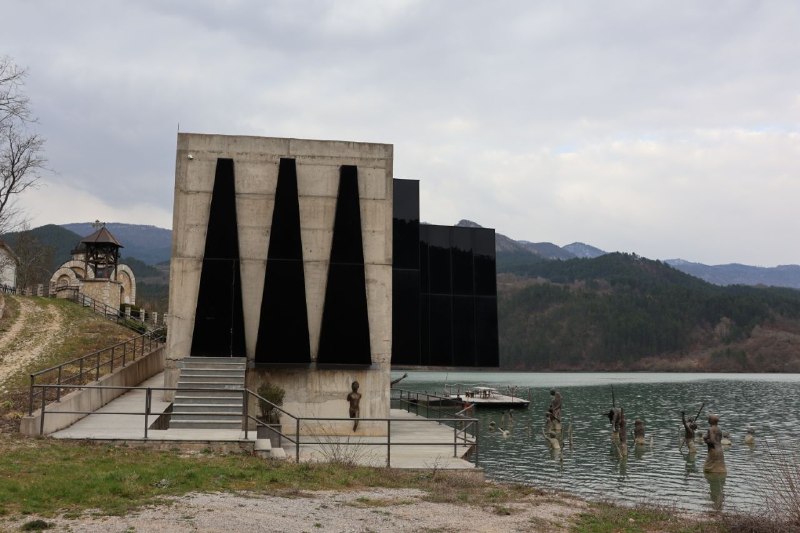
In Stari Brод in Bosnia, there's a museum dedicated to victims of the massacre during World War II. Croats and Bosniaks killed up to 6,000 Serbs who were trying to escape from occupied territory. But here's the thing—each people has their own perspective on what happened. They argue about everything except the fact that the massacre occurred: the death toll, how it happened, who was involved. During Yugoslavia, this event wasn't really discussed to avoid damaging relations between the peoples. Only by the late 2010s did Serbs open the museum. This got an extremely negative reaction from the Bosnian side, because a lot of crimes from the Bosnian War are quietly being swept under the rug.
The nearest major city to Stari Brод is Višegrad. Some of the war's most brutal events happened there. To put things in perspective: before Yugoslavia fell apart, this 20,000-person city was more than 60% Bosniak. Now it's around 10%. You won't find a single memorial plaque or monument to the victims in the city.
Next to Višegrad stands the Vilina Vlas hotel, where women were systematically raped and held captive. This hotel is still open and you can stay there for 70+ euros even today. And they barely renovated it properly. The beds are literally the same ones from 30 years ago. For ten years, the Montenegrin pension fund sent retirees there on subsidized trips. Only this year, under pressure from civil rights organizations, these tours were canceled. And there's no memorial plaque there either.
But the real time bomb was planted in the education system. A few years ago, the Bosnian War was added to the school history curriculum. Bosniaks, Serbs, and Croats are taught DIFFERENT versions of what happened. In a single school, kids can literally be divided by ethnicity—some are told the Srebrenica genocide was committed by Serbs, while others are told there was no genocide at all. And every single parent of every single student fought on the right side.
The nearest major city to Stari Brод is Višegrad. Some of the war's most brutal events happened there. To put things in perspective: before Yugoslavia fell apart, this 20,000-person city was more than 60% Bosniak. Now it's around 10%. You won't find a single memorial plaque or monument to the victims in the city.
Next to Višegrad stands the Vilina Vlas hotel, where women were systematically raped and held captive. This hotel is still open and you can stay there for 70+ euros even today. And they barely renovated it properly. The beds are literally the same ones from 30 years ago. For ten years, the Montenegrin pension fund sent retirees there on subsidized trips. Only this year, under pressure from civil rights organizations, these tours were canceled. And there's no memorial plaque there either.
But the real time bomb was planted in the education system. A few years ago, the Bosnian War was added to the school history curriculum. Bosniaks, Serbs, and Croats are taught DIFFERENT versions of what happened. In a single school, kids can literally be divided by ethnicity—some are told the Srebrenica genocide was committed by Serbs, while others are told there was no genocide at all. And every single parent of every single student fought on the right side.
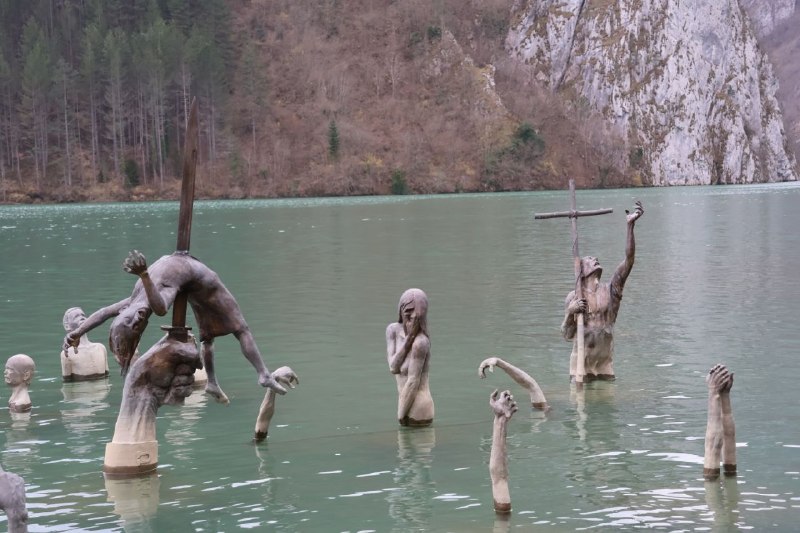
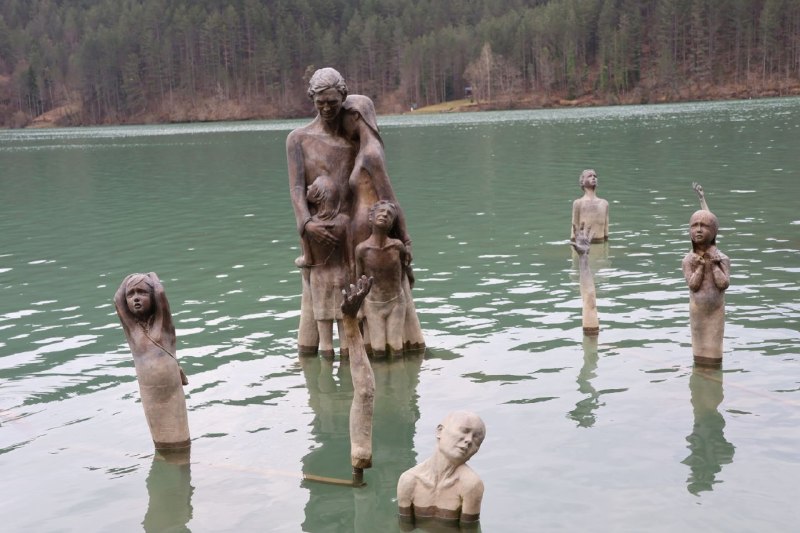
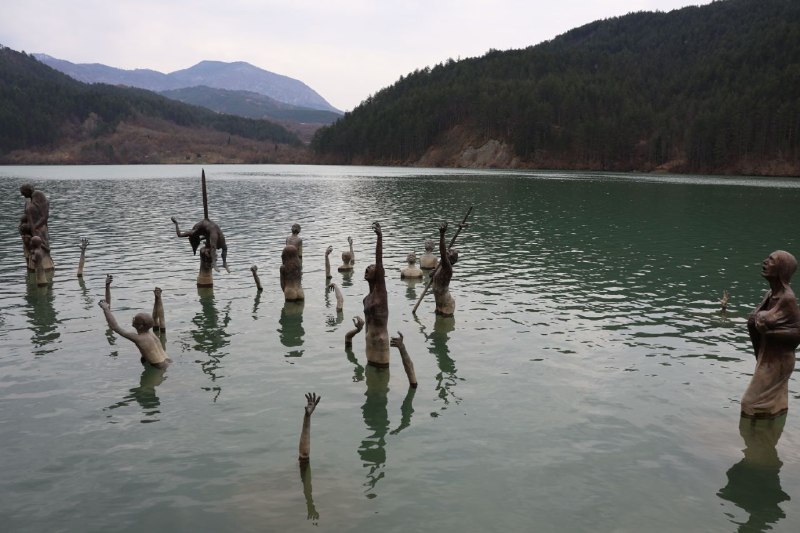
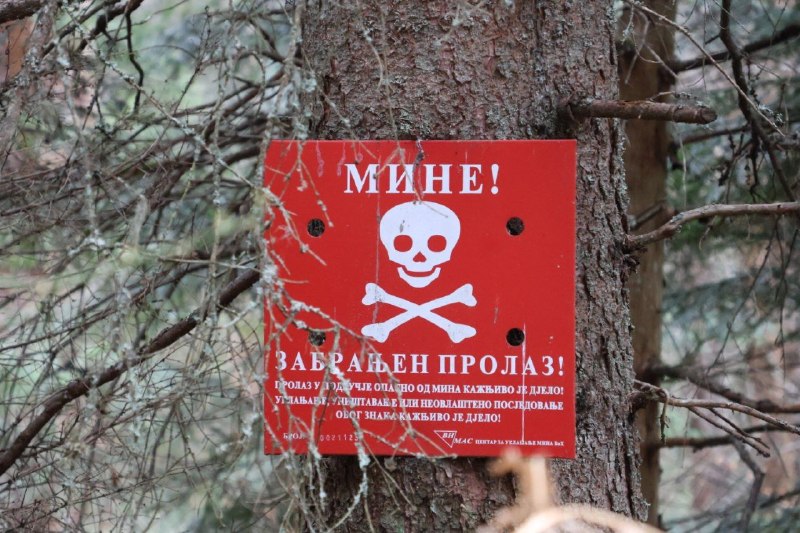
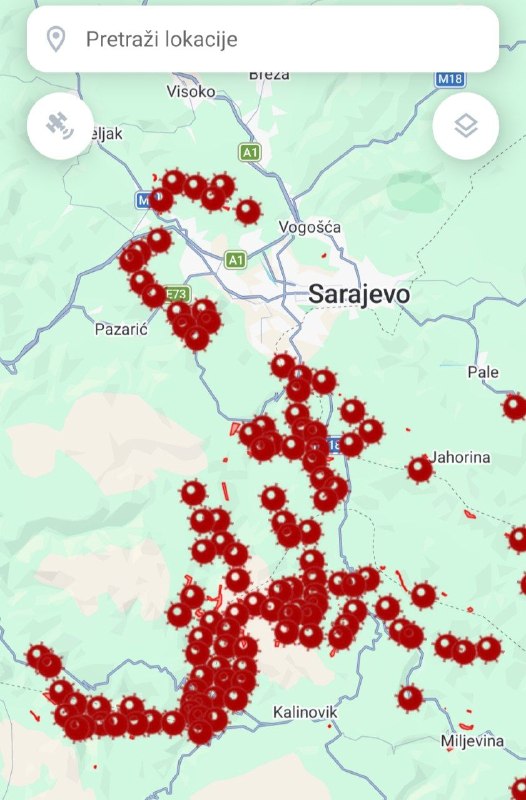
The war in Bosnia ended over 30 years ago, but parts of the country still haven't been demined. Slightly more than 1.5% of the entire country is potentially dangerous. The most densely populated areas have already been cleared, though Sarajevo was only declared completely mine-free in 2021, and Mostar wasn't until 2024!
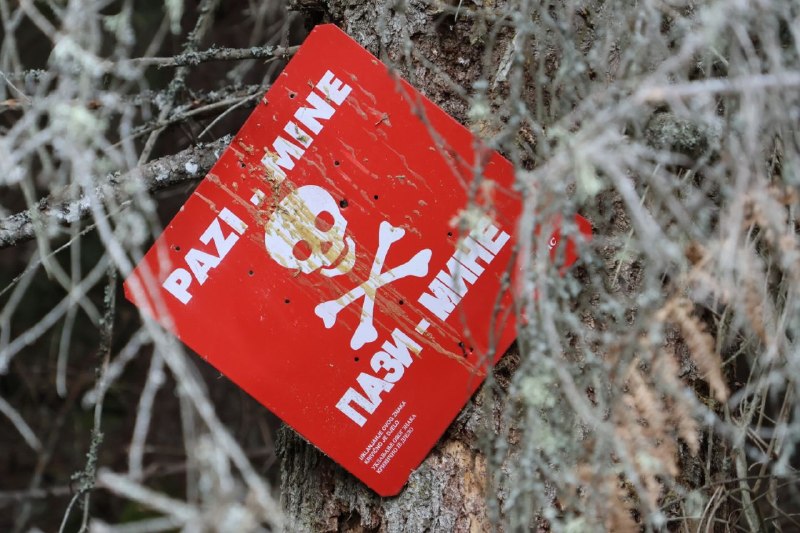
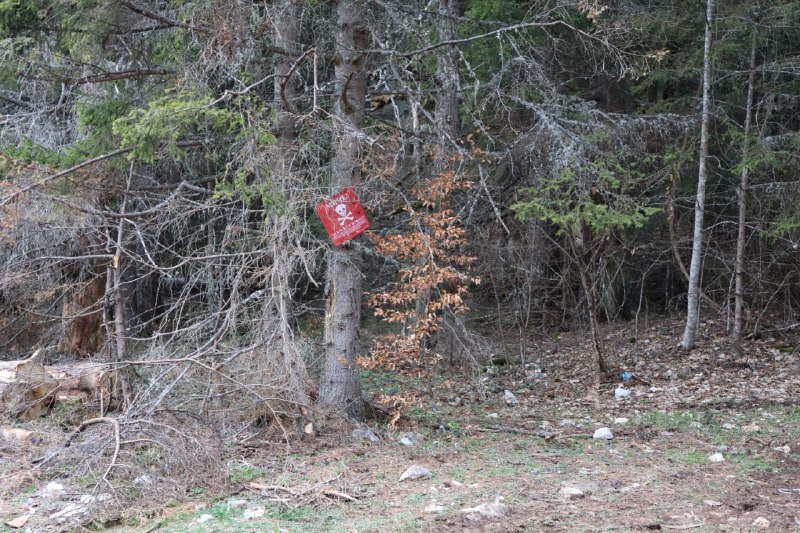
If you venture away from the major cities and popular tourist routes (there's an app here with a map of danger zones), you might come across warning signs like the ones in my photos. Crossing one of these barriers, you'll probably only get one chance. Local news still regularly reports on mine incidents (like this or this). And it's not always in some remote wilderness. If you drive from Tuzla towards Serbia, there's a warning sign right on the road.
Recently, the number of casualties has dropped significantly. In the years right after the war, we're talking dozens of people annually, but now it's just 1-2 cases. And in 2024, there were no casualties at all. That said, demining efforts have also slowed considerably—funding is critically insufficient.
If you venture away from the major cities and popular tourist routes (there's an app here with a map of danger zones), you might come across warning signs like the ones in my photos. Crossing one of these barriers, you'll probably only get one chance. Local news still regularly reports on mine incidents (like this or this). And it's not always in some remote wilderness. If you drive from Tuzla towards Serbia, there's a warning sign right on the road.
Recently, the number of casualties has dropped significantly. In the years right after the war, we're talking dozens of people annually, but now it's just 1-2 cases. And in 2024, there were no casualties at all. That said, demining efforts have also slowed considerably—funding is critically insufficient.
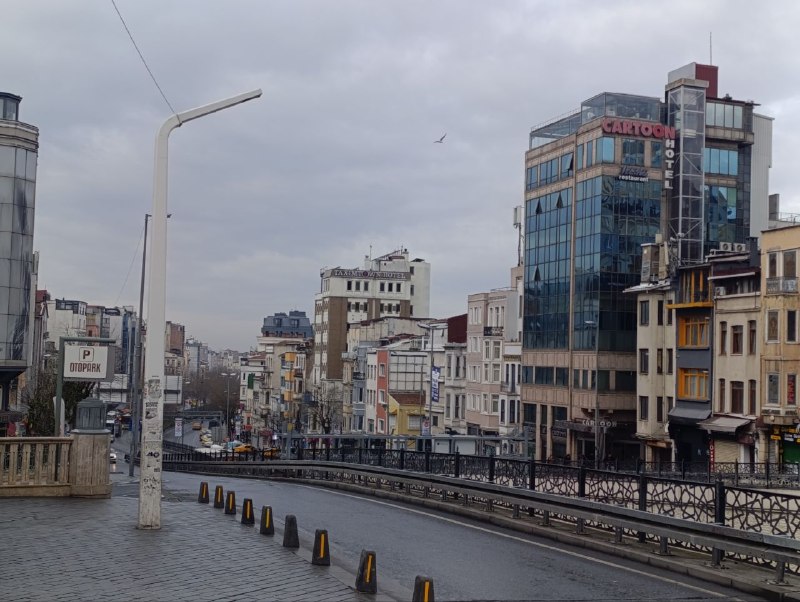
During a layover in Istanbul, I decided to take a walk around the city, but I accidentally wandered into the wrong neighborhood. There were women on the street dressed in very revealing outfits. There was no mistaking what they were offering. Just a dozen meters away, police officers were standing there casually chatting with each other, completely ignoring what was happening around them. And all this was right next to Taksim, one of the city's main squares.
So I started googling. Turns out, prostitution in Turkey has been legalized for about a hundred years (!)
Technically, during the Ottoman Empire, sexual relations with concubines were considered permissible even from a religious perspective if a man owned the woman. But I wouldn't call that regulation in the modern sense. And once slavery was abolished, the practice faded away.
Official permits for such work are issued only to adult unmarried women and come with a ton of restrictions on their future lives. Together with legal brothels, this doesn't sit well with the Turkish government's recent direction. That said, issuing new permits has been on hold for years, and the last brothel in Istanbul never reopened after COVID. Now they've decided to turn it into an art installation instead. Which, of course, didn't really affect the market size. More women just ended up in the gray zone. Technically, street work is forbidden, but police turn a blind eye to it. Just like they apparently do to missing permits when it's convenient for them.
Fun fact: in the 1990s, the largest taxpayer in Istanbul for five years straight was Matilda Manukyan, who owned several brothels. The tax service even awarded her for this achievement.
So I started googling. Turns out, prostitution in Turkey has been legalized for about a hundred years (!)
Technically, during the Ottoman Empire, sexual relations with concubines were considered permissible even from a religious perspective if a man owned the woman. But I wouldn't call that regulation in the modern sense. And once slavery was abolished, the practice faded away.
Official permits for such work are issued only to adult unmarried women and come with a ton of restrictions on their future lives. Together with legal brothels, this doesn't sit well with the Turkish government's recent direction. That said, issuing new permits has been on hold for years, and the last brothel in Istanbul never reopened after COVID. Now they've decided to turn it into an art installation instead. Which, of course, didn't really affect the market size. More women just ended up in the gray zone. Technically, street work is forbidden, but police turn a blind eye to it. Just like they apparently do to missing permits when it's convenient for them.
Fun fact: in the 1990s, the largest taxpayer in Istanbul for five years straight was Matilda Manukyan, who owned several brothels. The tax service even awarded her for this achievement.
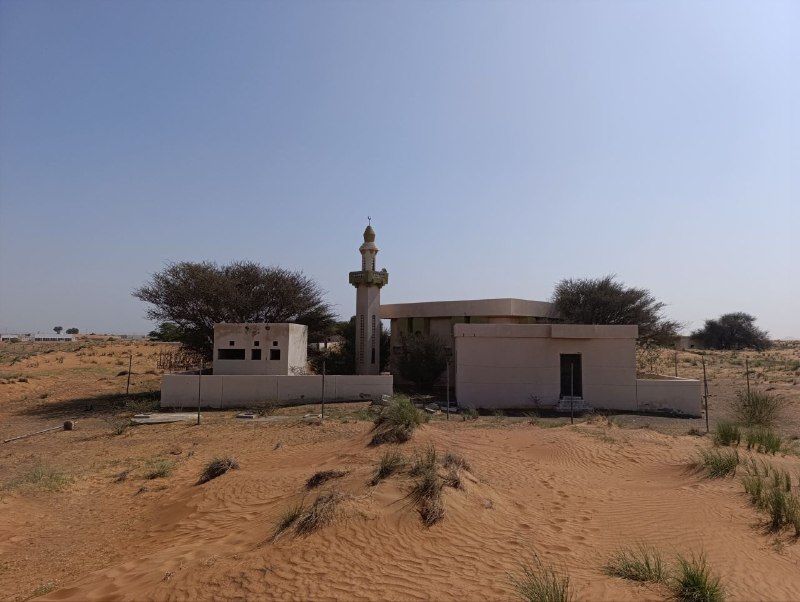
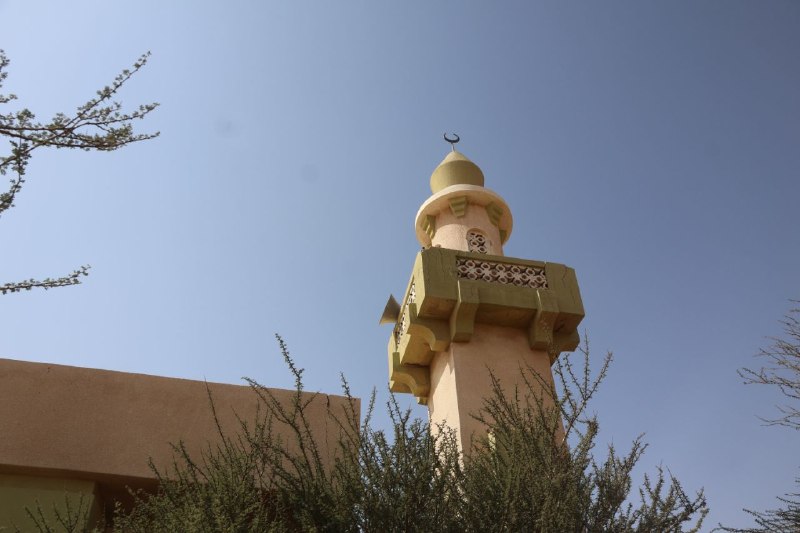
Not all buildings abandoned by locals end up housing migrants, like in Umm Al Quwain.
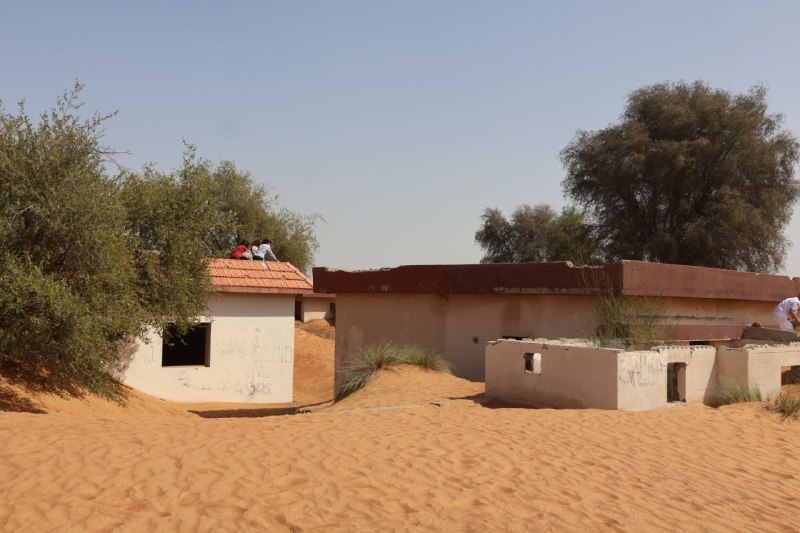
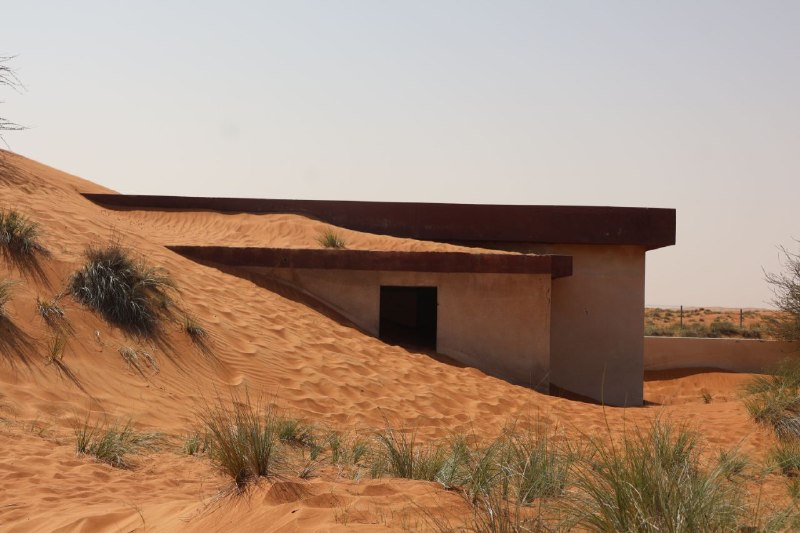
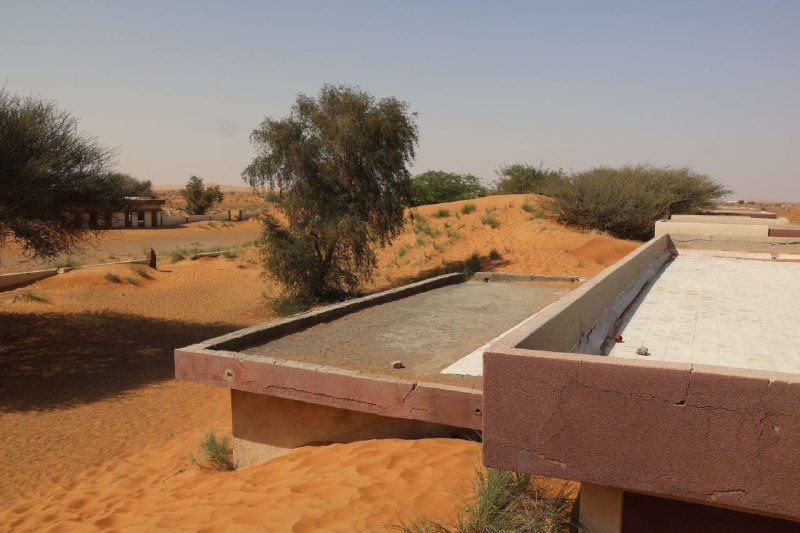
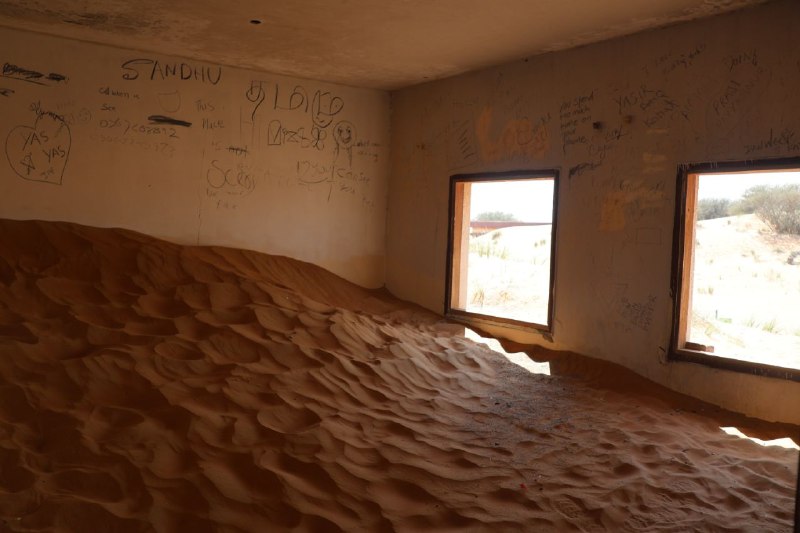
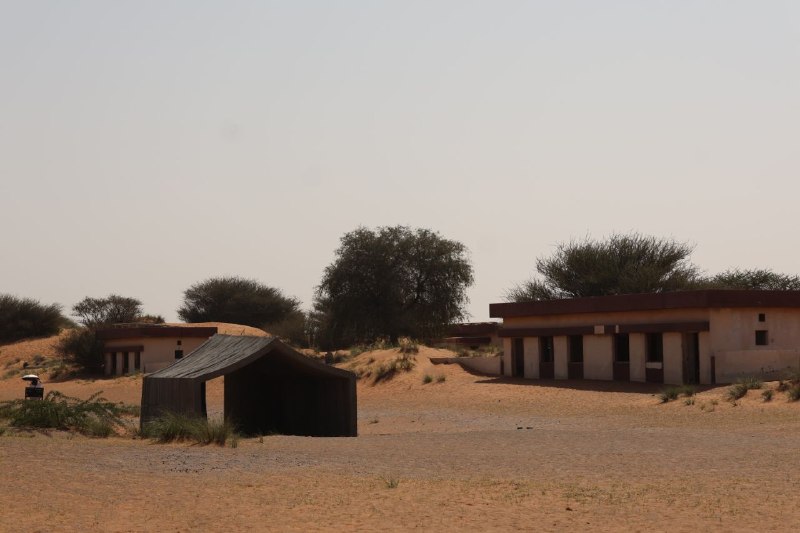
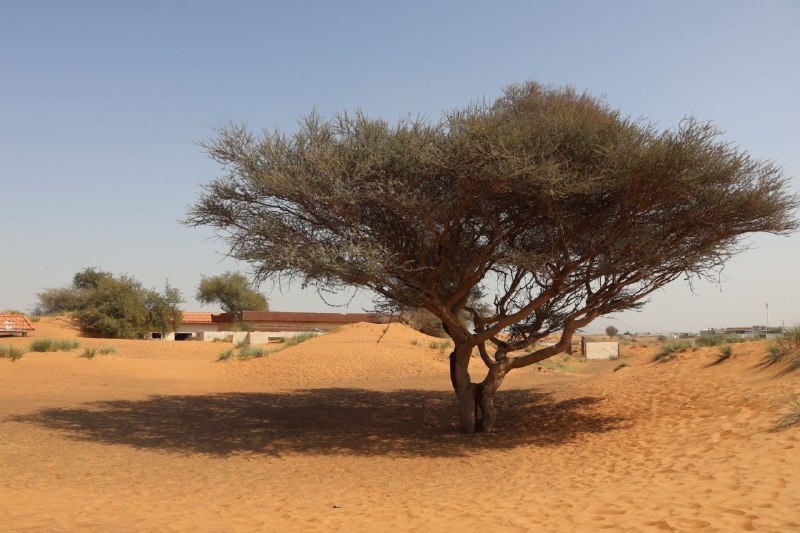
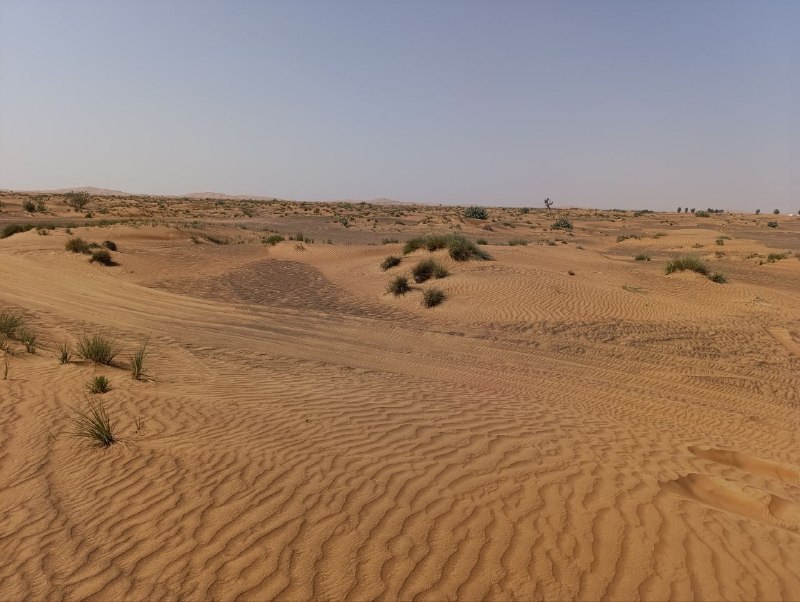
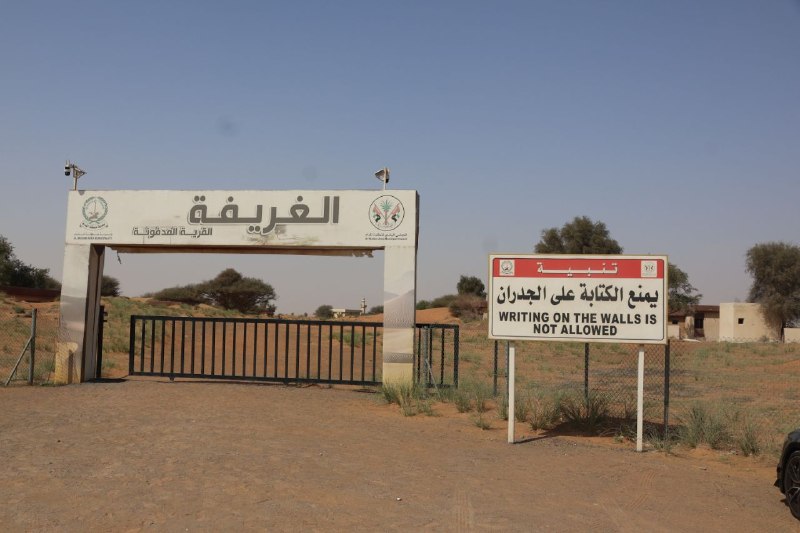
The small village of Al Marjan has been literally swallowed by the desert. Buildings are buried in sand—it's even made its way inside them. Though locals have a superstition that djinn are to blame for it all.
For some reason, the village was enclosed with a wire fence, but on one side it's completely buried under sand, and on the other they just stuck a gate ¯\_(ツ)_/¯
PS. If you ever end up going, there's an excellent coffee shop nearby. I honestly wasn't expecting to stumble upon a specialty café in the middle of nowhere.
The small village of Al Marjan has been literally swallowed by the desert. Buildings are buried in sand—it's even made its way inside them. Though locals have a superstition that djinn are to blame for it all.
For some reason, the village was enclosed with a wire fence, but on one side it's completely buried under sand, and on the other they just stuck a gate ¯\_(ツ)_/¯
PS. If you ever end up going, there's an excellent coffee shop nearby. I honestly wasn't expecting to stumble upon a specialty café in the middle of nowhere.
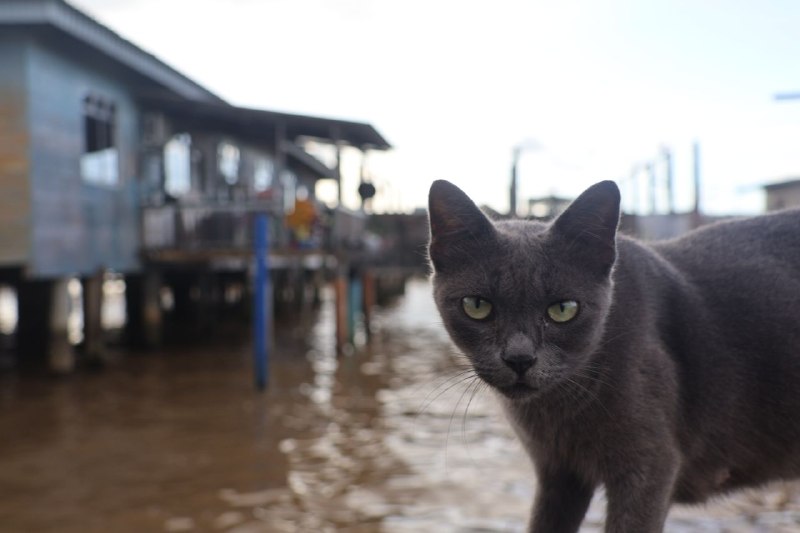
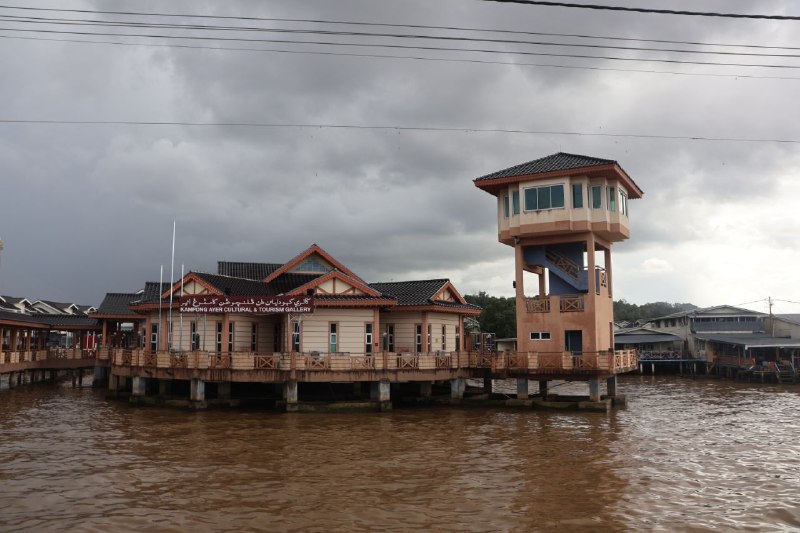
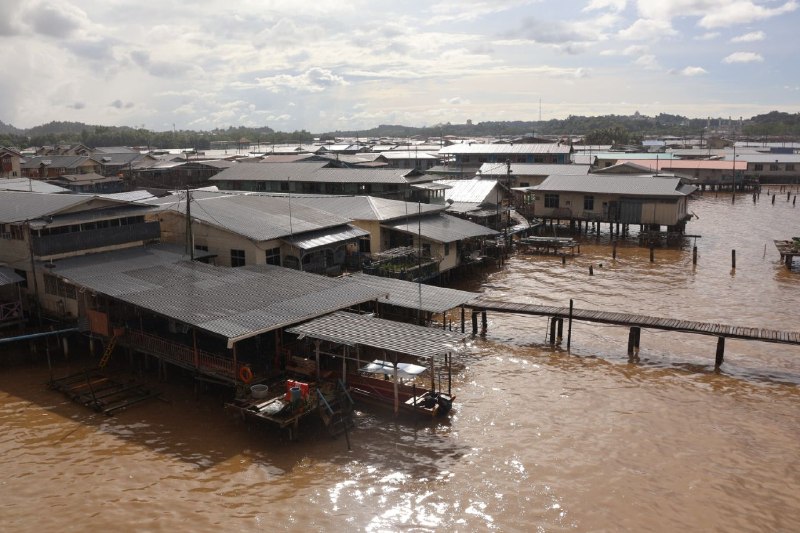
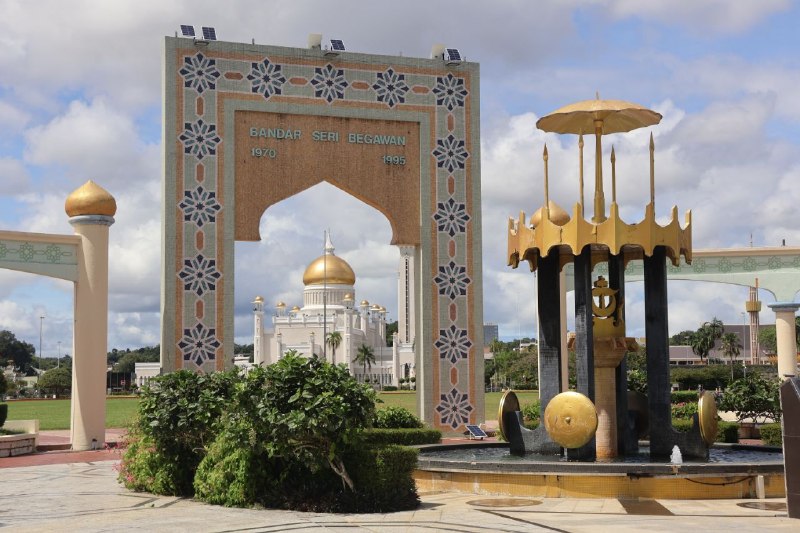
I'd say the most interesting thing in all of Brunei is the water village of Kampong Ayer. It used to be the capital of the country!
Today, thousands of people live here. You can get around the settlement on wooden bridges (which aren't always in perfect condition) or by boat for a relatively small fee. Living here must be pretty damp.
Today, thousands of people live here. You can get around the settlement on wooden bridges (which aren't always in perfect condition) or by boat for a relatively small fee. Living here must be pretty damp.
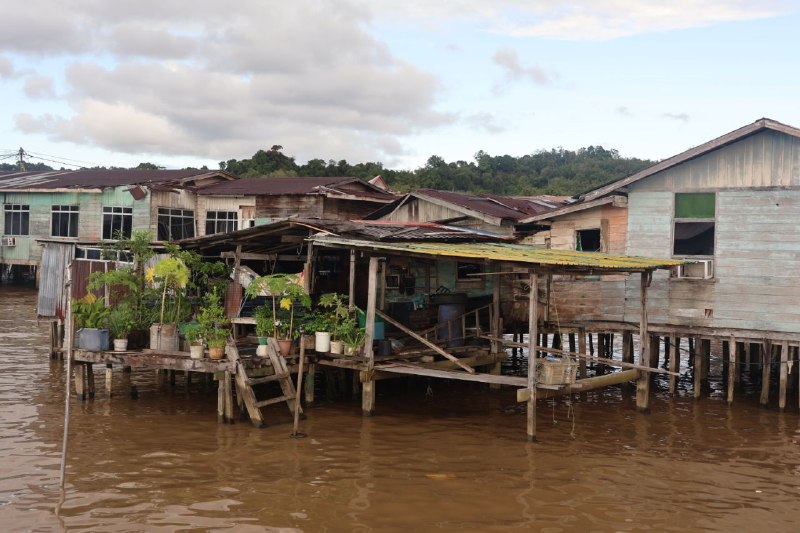
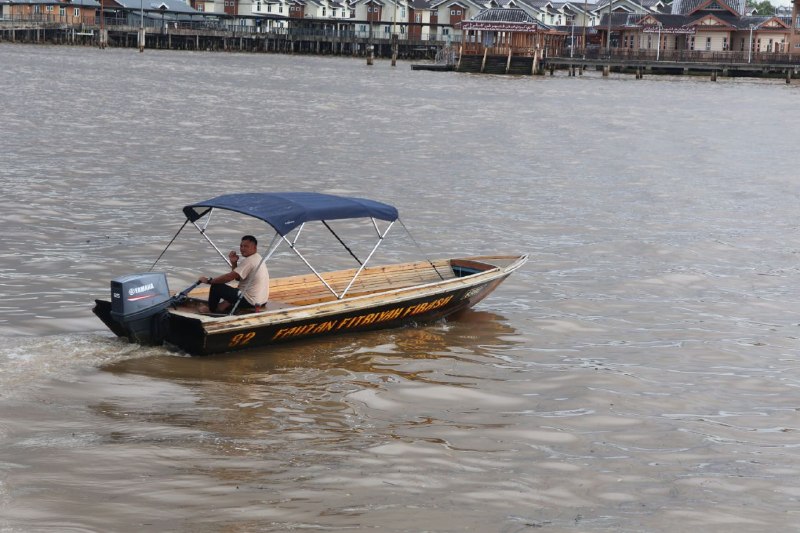
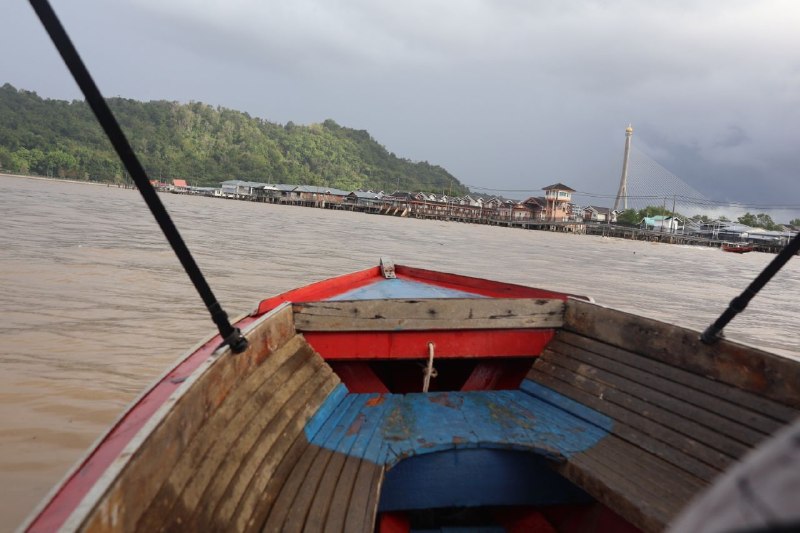
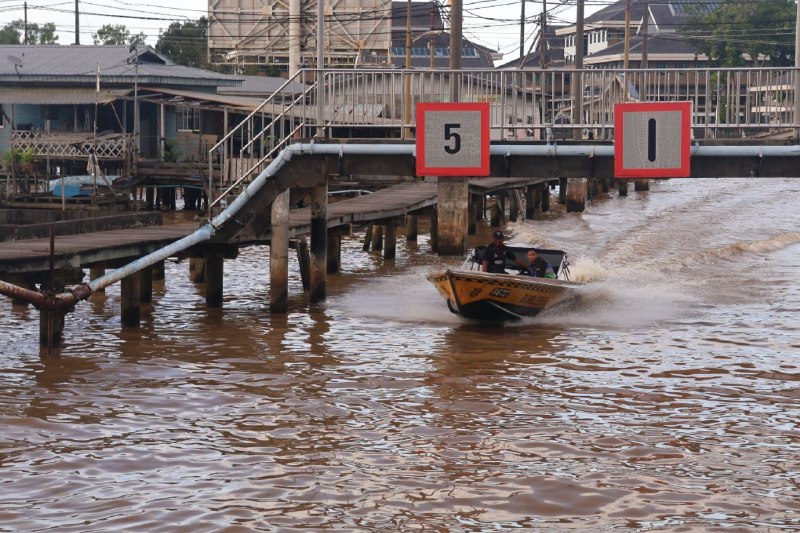
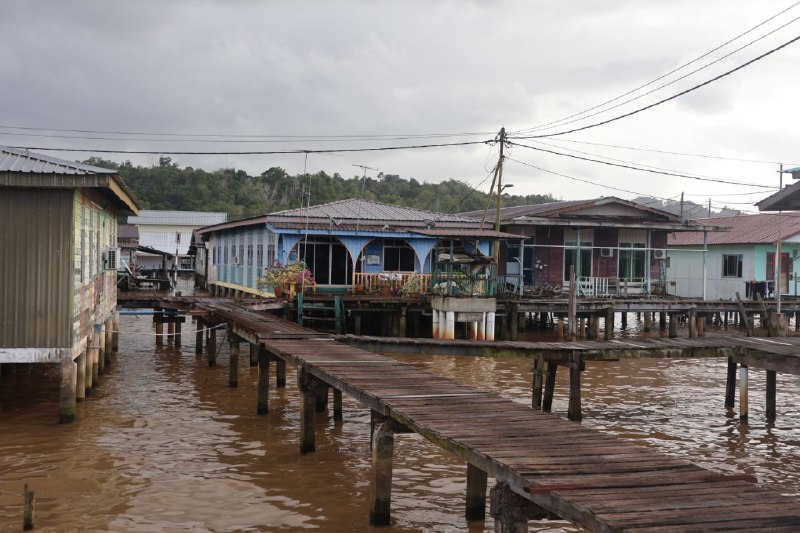
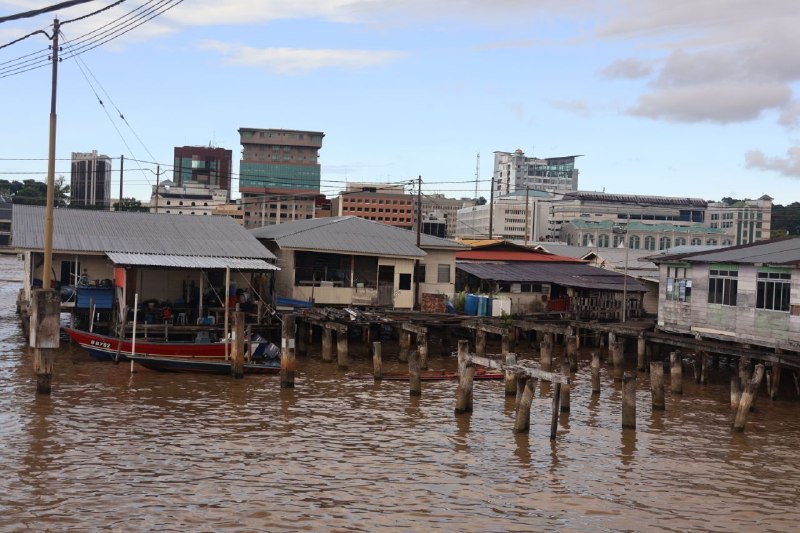
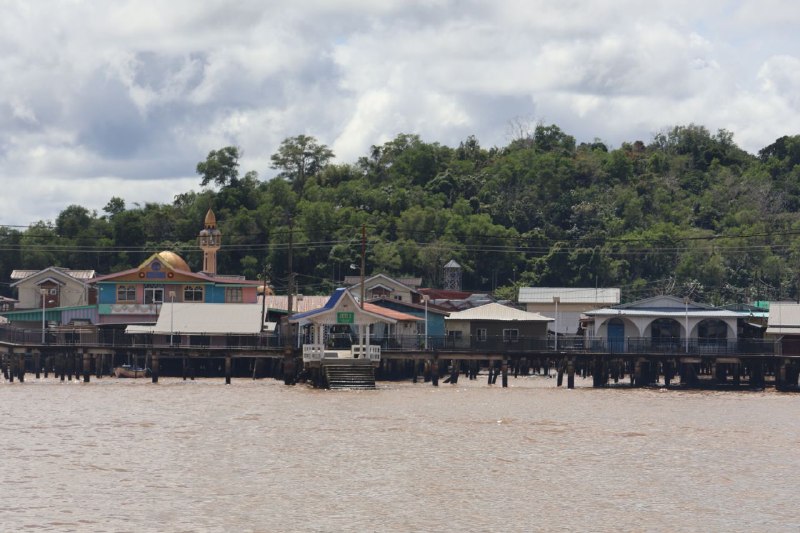
On my way home, it was hard to resist stopping by Brunei since I'd already made it to Kota Kinabalu. It's just a stone's throw from there.
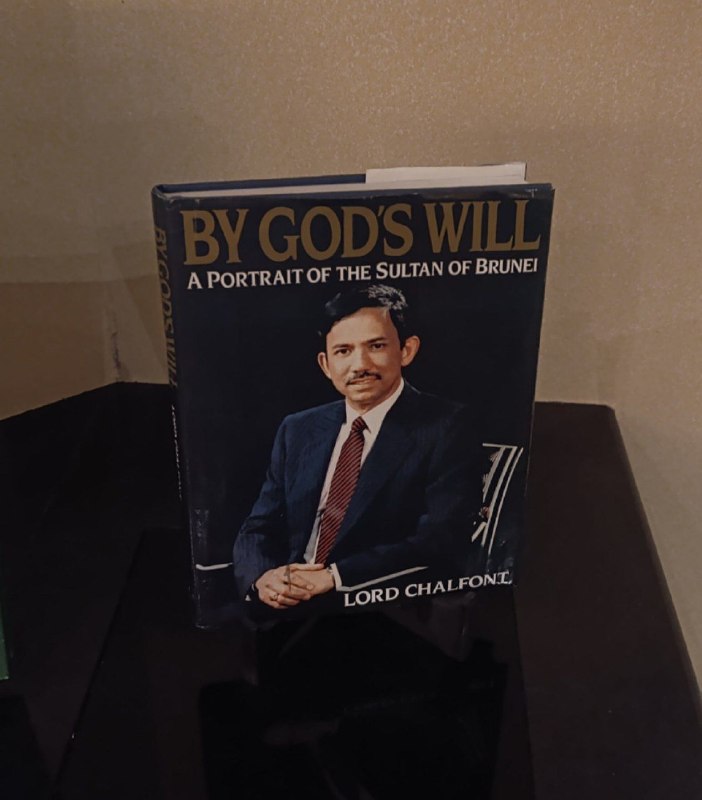
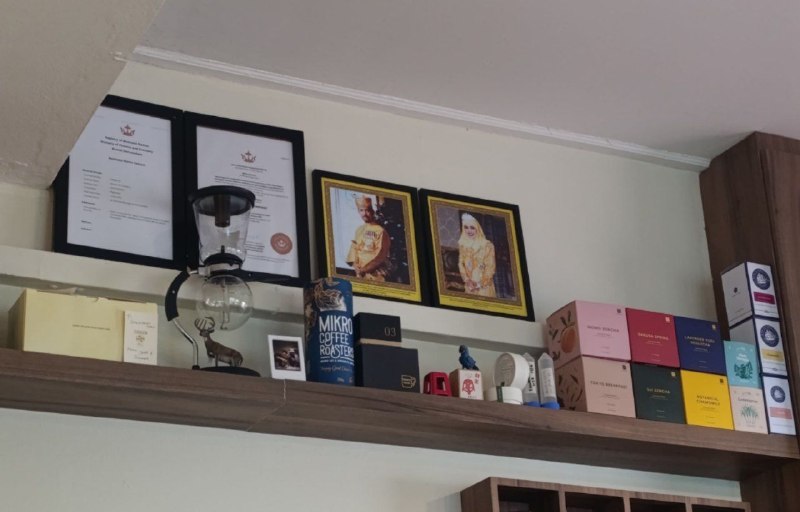
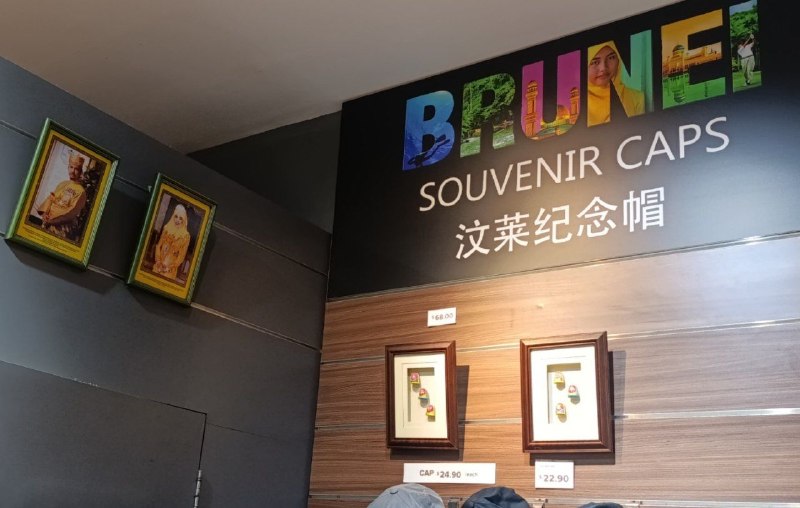
Every little eatery you walk into has a portrait of the Brunei Sultan hanging on the wall (just like in Oman). And there are legends about his wealth. His fortune is twice the size of Brunei's entire GDP (not the most accurate comparison, but it gives you a sense of scale). He doesn't trust local Bruneians with his personal security—instead, he officially hires British military personnel for this prestigious job (honestly, it's more of a historical arrangement, and besides personal security, the British also have a military base there).
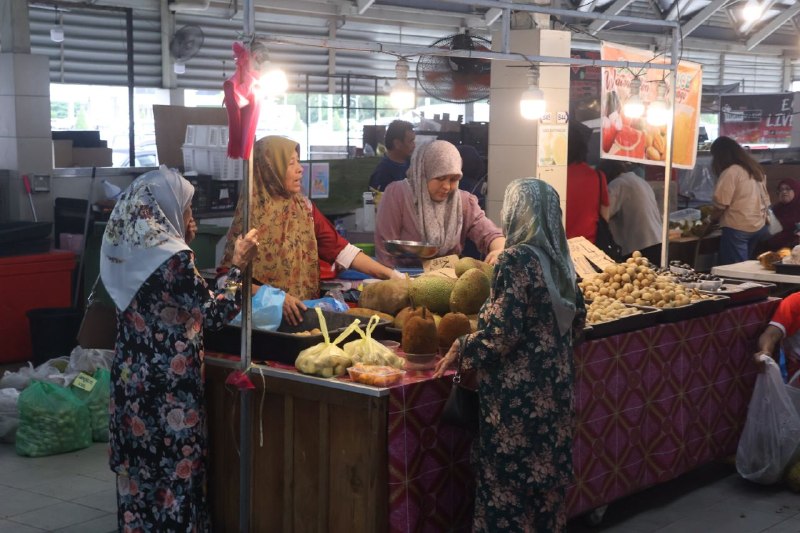
You can catch a glimpse of some of this wealth at the museum of gifts to the Sultan. It's all very luxurious. But the lives of ordinary people don't seem that different from neighboring Malaysia, despite much higher economic indicators. Well, except the drivers on the roads are much more polite. The contrast with Indonesia really shows this.
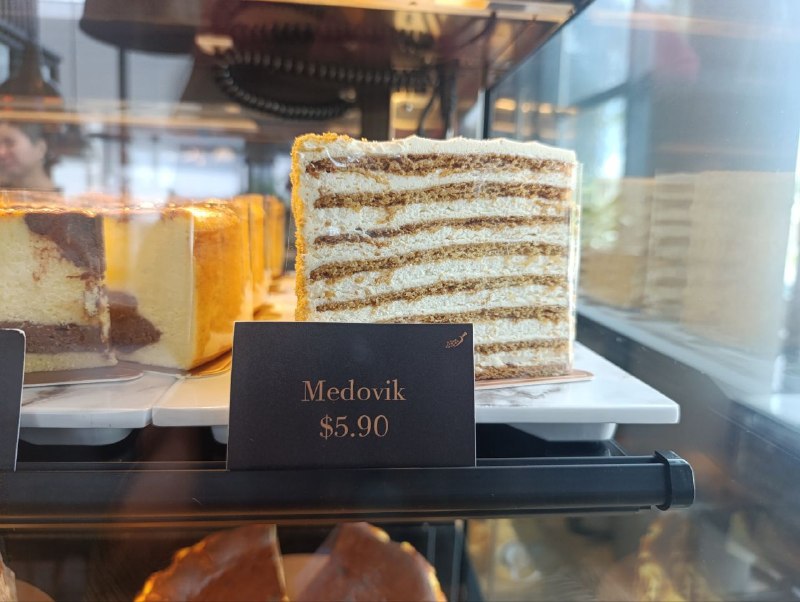
PS. I was totally surprised to spot a medovik honey cake in some random café. How did that even end up there?
Every little eatery you walk into has a portrait of the Brunei Sultan hanging on the wall (just like in Oman). And there are legends about his wealth. His fortune is twice the size of Brunei's entire GDP (not the most accurate comparison, but it gives you a sense of scale). He doesn't trust local Bruneians with his personal security—instead, he officially hires British military personnel for this prestigious job (honestly, it's more of a historical arrangement, and besides personal security, the British also have a military base there).
You can catch a glimpse of some of this wealth at the museum of gifts to the Sultan. It's all very luxurious. But the lives of ordinary people don't seem that different from neighboring Malaysia, despite much higher economic indicators. Well, except the drivers on the roads are much more polite. The contrast with Indonesia really shows this.
PS. I was totally surprised to spot a medovik honey cake in some random café. How did that even end up there?
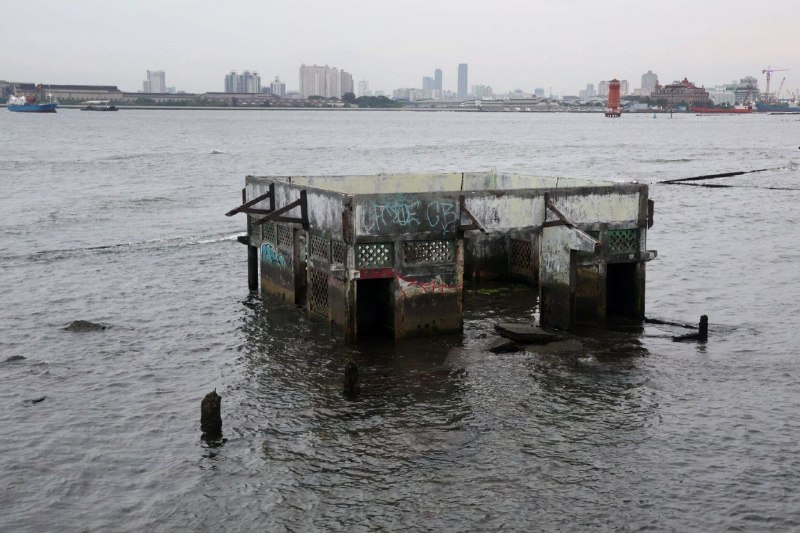
Indonesia's capital is literally sinking: Jakarta subsides by several centimeters every year, and in some districts it's measured in tens of centimeters. The mosque in the first photo—people used to go there for prayers just ten years ago, but now you'd pretty much need to swim there.
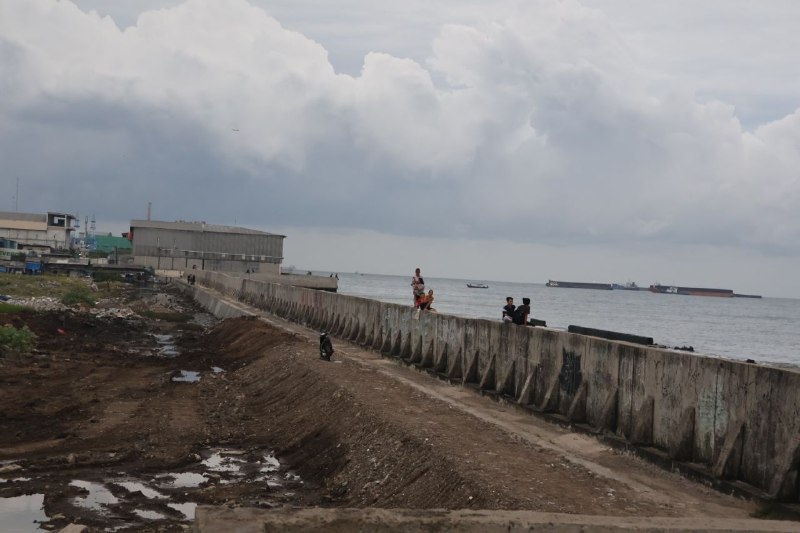
The city and sea are now being separated by a giant wall. The project is still far from finished, and it's really just buying a little time anyway.
Uncontrolled groundwater consumption, swampy terrain, and rampant development have created the perfect conditions for the city to flood.
The government couldn't come up with anything better than building a new capital in the jungle on another island. They even started construction on Nusantara a couple years ago, but lately the project has stalled. And no one's planning to move more than ten million Jakarta residents there. Just the officials. Everyone else? They'll figure it out themselves, apparently.
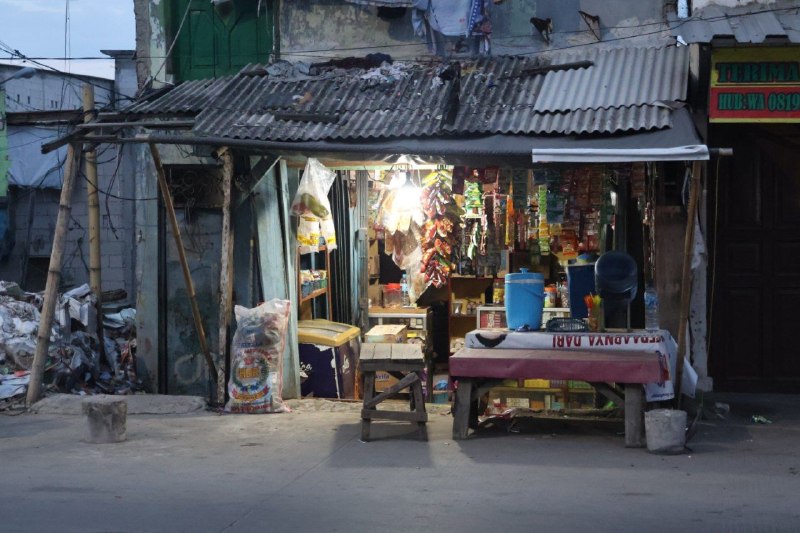
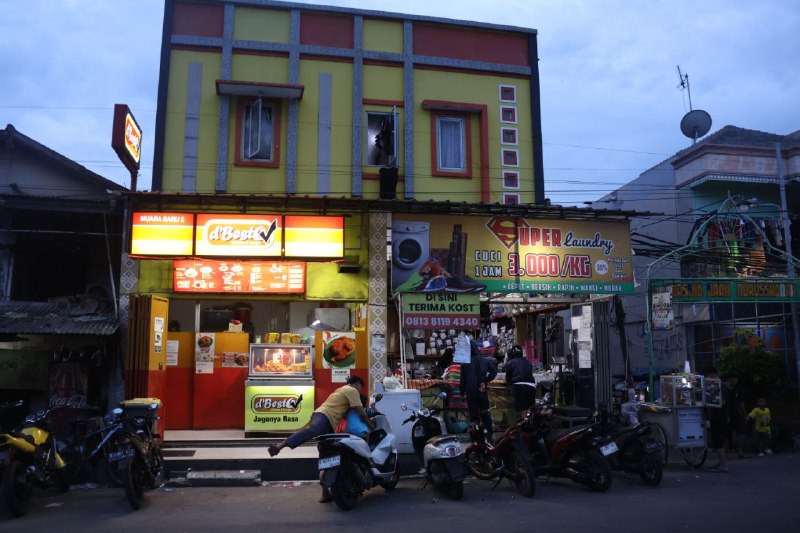
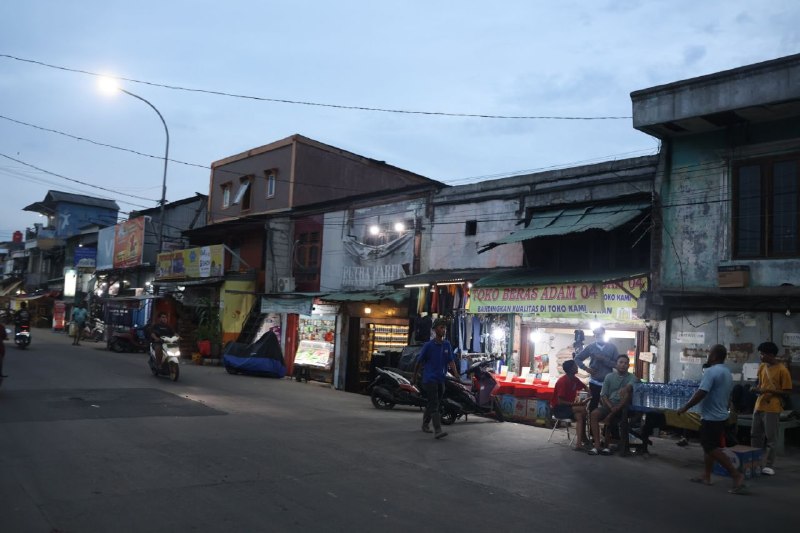
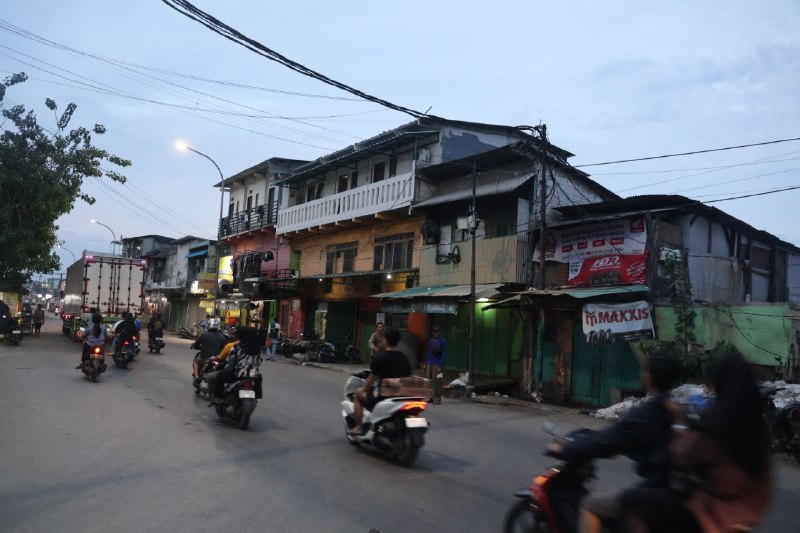
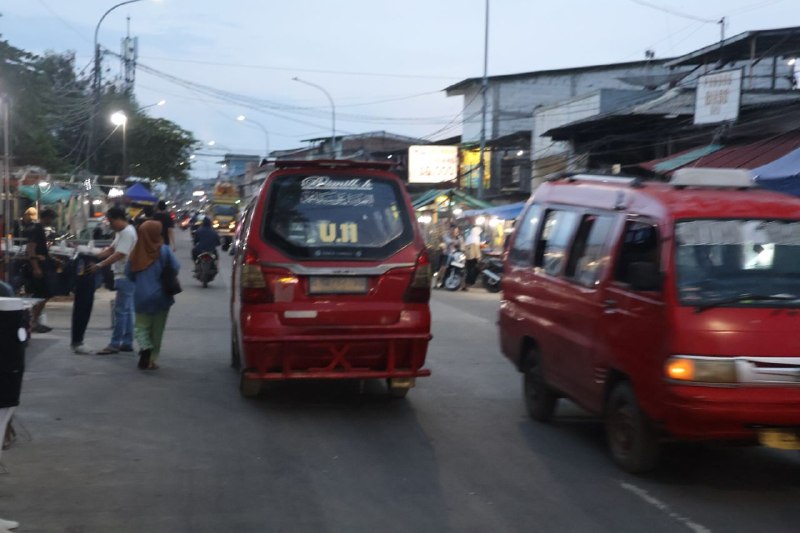
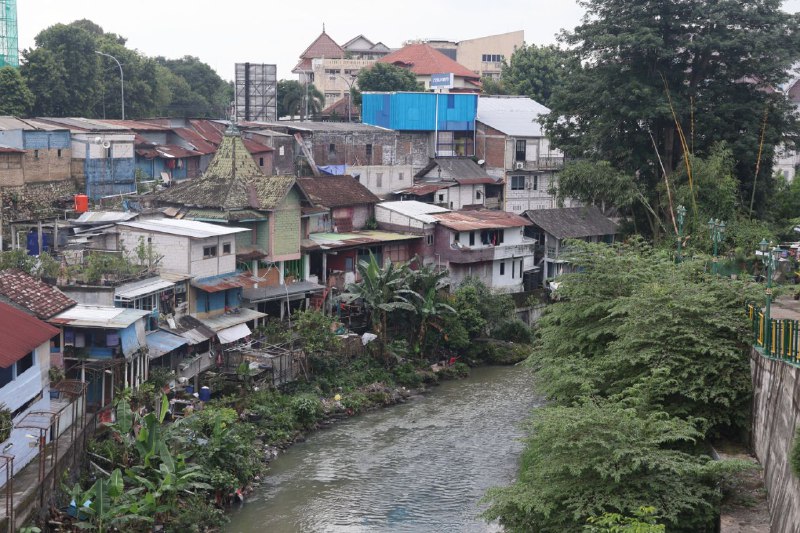
What's really crazy about all this is that the real estate market has been booming in recent years and housing prices just keep going up. By 2050, forecasts say the northern part will be underwater. That's where most of the poor neighborhoods are, like in the photo, but the rest of the city's infrastructure might not be able to handle the increased strain.
The city and sea are now being separated by a giant wall. The project is still far from finished, and it's really just buying a little time anyway.
Uncontrolled groundwater consumption, swampy terrain, and rampant development have created the perfect conditions for the city to flood.
The government couldn't come up with anything better than building a new capital in the jungle on another island. They even started construction on Nusantara a couple years ago, but lately the project has stalled. And no one's planning to move more than ten million Jakarta residents there. Just the officials. Everyone else? They'll figure it out themselves, apparently.
What's really crazy about all this is that the real estate market has been booming in recent years and housing prices just keep going up. By 2050, forecasts say the northern part will be underwater. That's where most of the poor neighborhoods are, like in the photo, but the rest of the city's infrastructure might not be able to handle the increased strain.
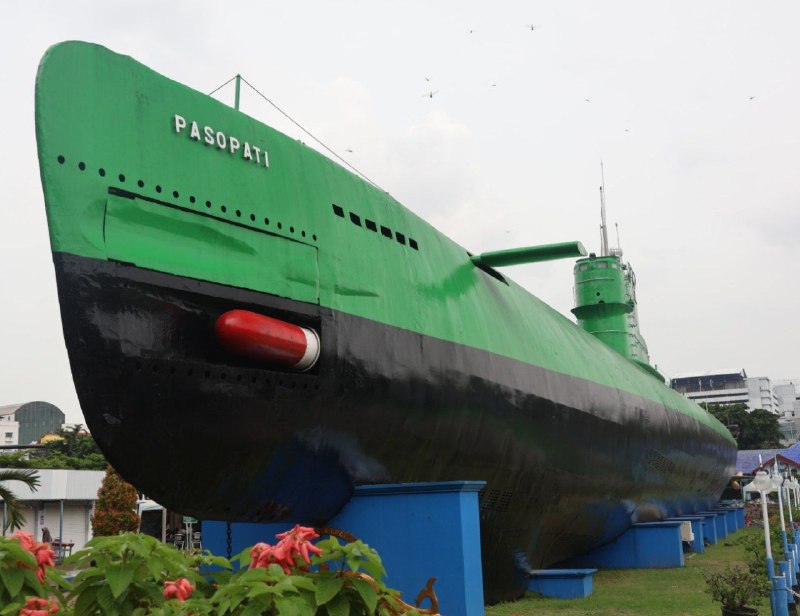
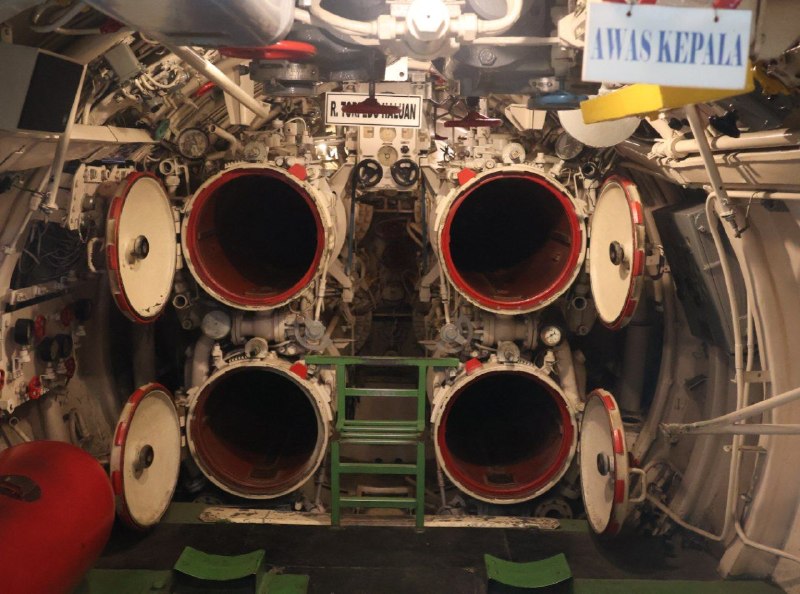
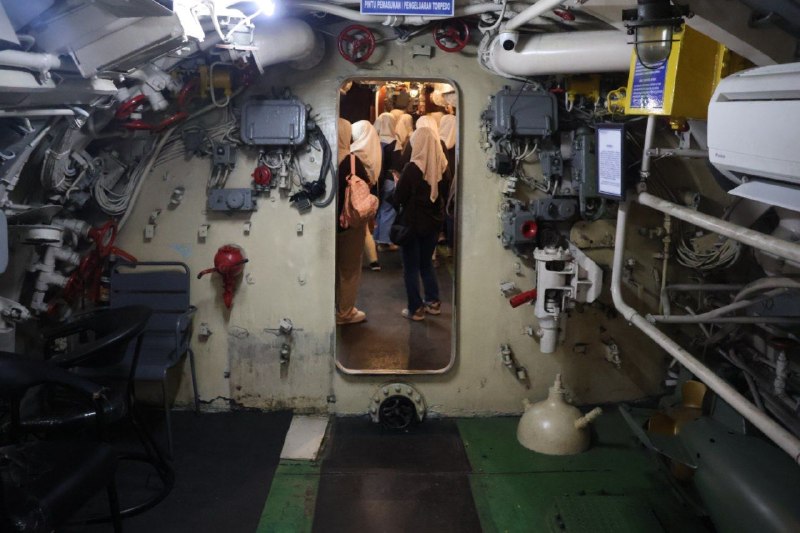
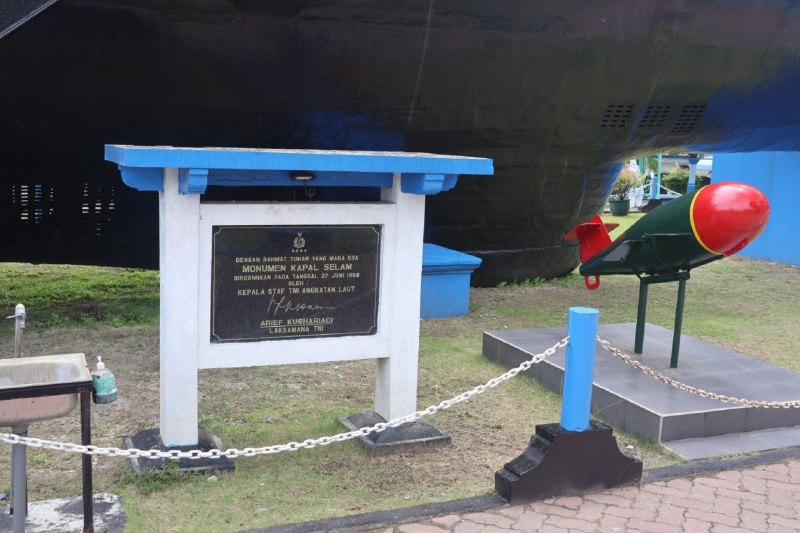
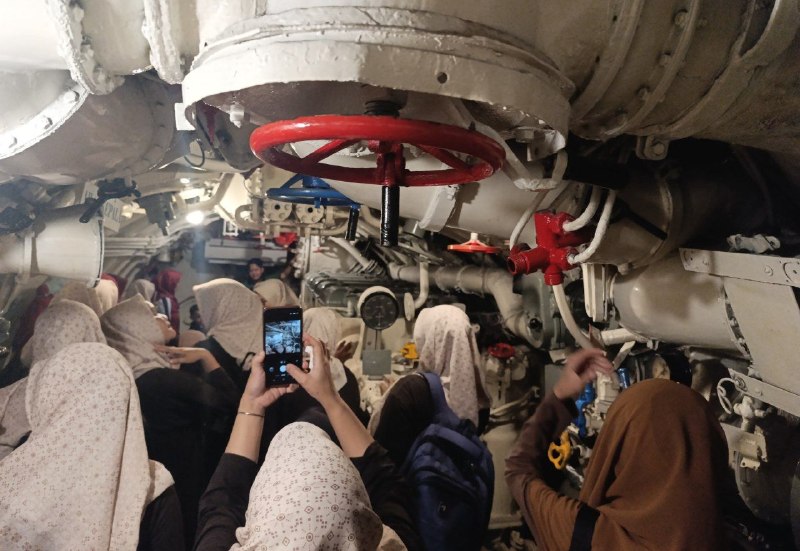
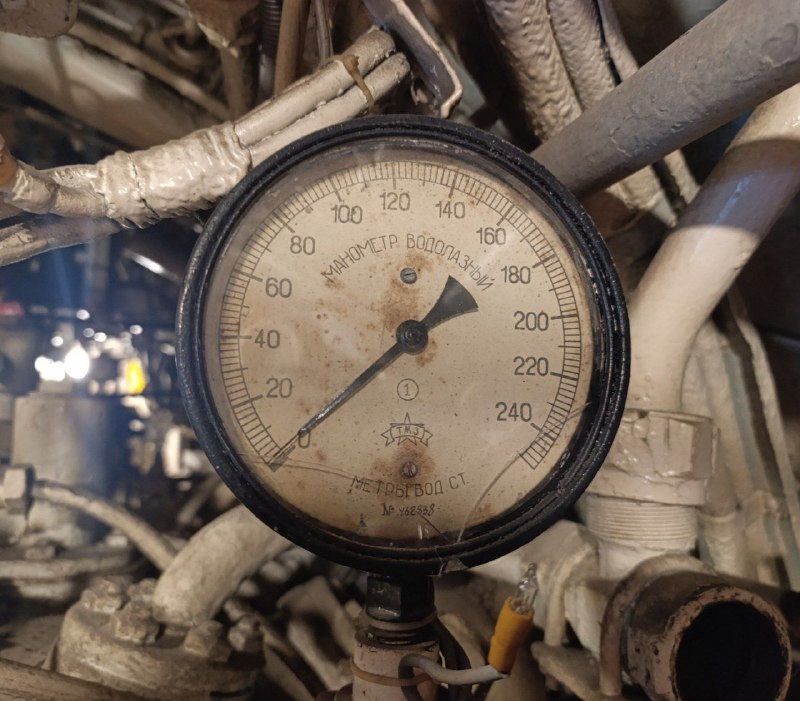
In Surabaya, you can visit a museum inside a former Soviet submarine for a small fee. It served in the Indonesian Navy for almost 30 years, but you can still spot Russian writing on it.
The Soviets weren't supplying weapons for nothing: Indonesia was trying to seize West New Guinea from the Netherlands through military force. Khrushchev wrote in his memoirs about how Soviet military personnel participated in Operation Trikora. Though technically as "volunteers" wearing Indonesian uniforms. I never thought the Soviets basically went to war with the Netherlands. To prevent Soviet influence from growing, the US forced the Netherlands to sign a devastating New York Agreement, under which the disputed territory came under UN administration and later fell under full Indonesian control.
However, all Soviet efforts to cement its influence turned out to be in vain. Just a few years after victory, a coup happened, and the new Indonesian government, backed by the US, essentially wiped out virtually all communists and their sympathizers, banning the communist party. Half a million to a million people were killed. Years later, leftists in Latin America would be threatened with settling disputes using the "Jakarta method," and in 2020 an American journalist published a book by that name about US government involvement in mass murders of communists.
By the early 1980s, Soviet equipment acquired during friendlier times was deteriorating, and they needed to find replacements. One option was cooperation with Israel—which, by the way, Indonesia still doesn't recognize. They bought fighter jets from this "non-existent country." But you can't just buy them like that: you need to train the pilots. They had to pull off an entire secret operation: the pilots were taken to Israel, where they posed as Singaporean pilots, and even learned "I'm a pilot from Singapore" in Hebrew to avoid suspicion. Right after that, they went to a US military base in Arizona to get fake certificates, as if they'd trained on American fighter jets.
The Soviets weren't supplying weapons for nothing: Indonesia was trying to seize West New Guinea from the Netherlands through military force. Khrushchev wrote in his memoirs about how Soviet military personnel participated in Operation Trikora. Though technically as "volunteers" wearing Indonesian uniforms. I never thought the Soviets basically went to war with the Netherlands. To prevent Soviet influence from growing, the US forced the Netherlands to sign a devastating New York Agreement, under which the disputed territory came under UN administration and later fell under full Indonesian control.
However, all Soviet efforts to cement its influence turned out to be in vain. Just a few years after victory, a coup happened, and the new Indonesian government, backed by the US, essentially wiped out virtually all communists and their sympathizers, banning the communist party. Half a million to a million people were killed. Years later, leftists in Latin America would be threatened with settling disputes using the "Jakarta method," and in 2020 an American journalist published a book by that name about US government involvement in mass murders of communists.
By the early 1980s, Soviet equipment acquired during friendlier times was deteriorating, and they needed to find replacements. One option was cooperation with Israel—which, by the way, Indonesia still doesn't recognize. They bought fighter jets from this "non-existent country." But you can't just buy them like that: you need to train the pilots. They had to pull off an entire secret operation: the pilots were taken to Israel, where they posed as Singaporean pilots, and even learned "I'm a pilot from Singapore" in Hebrew to avoid suspicion. Right after that, they went to a US military base in Arizona to get fake certificates, as if they'd trained on American fighter jets.
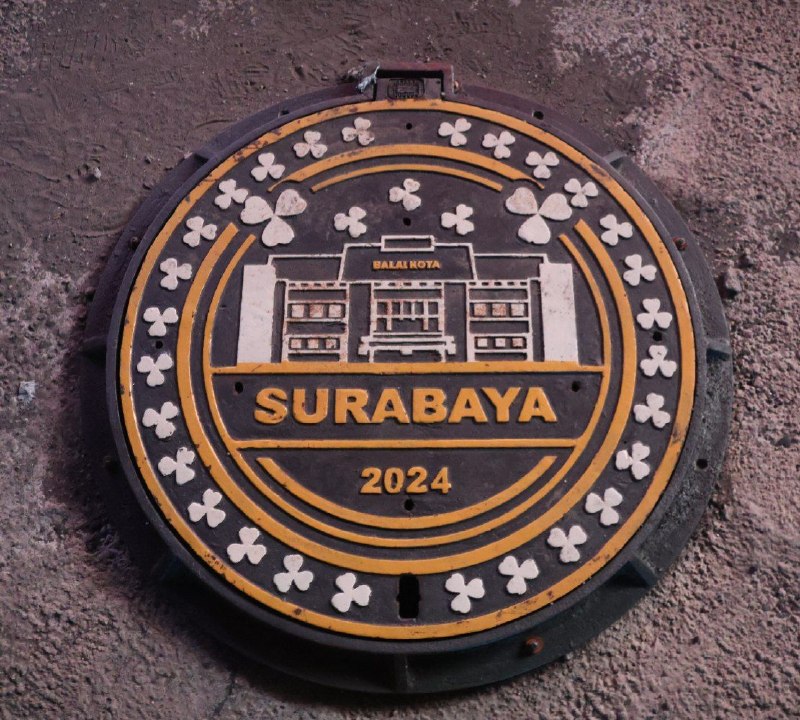
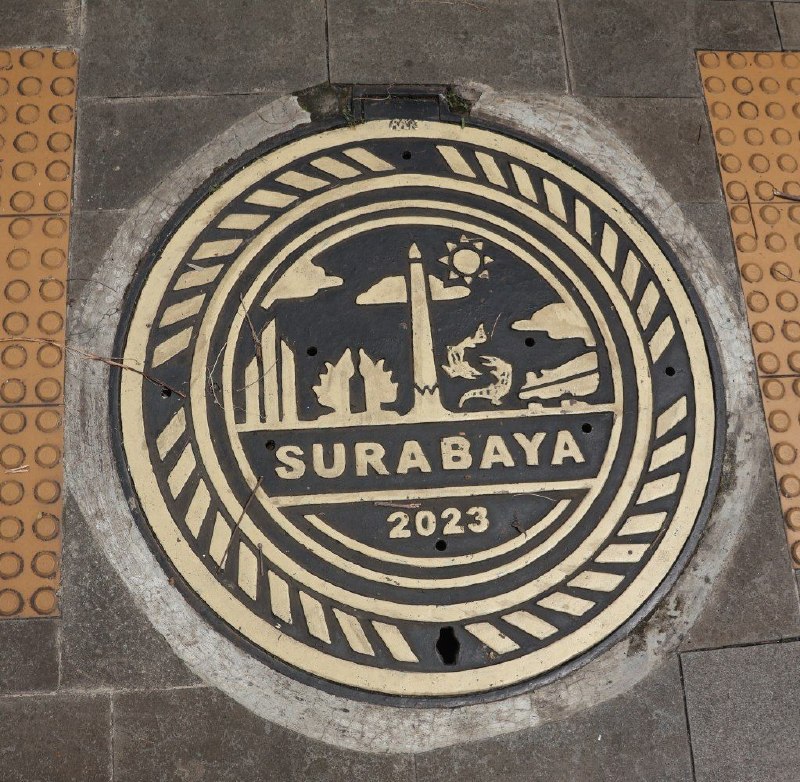
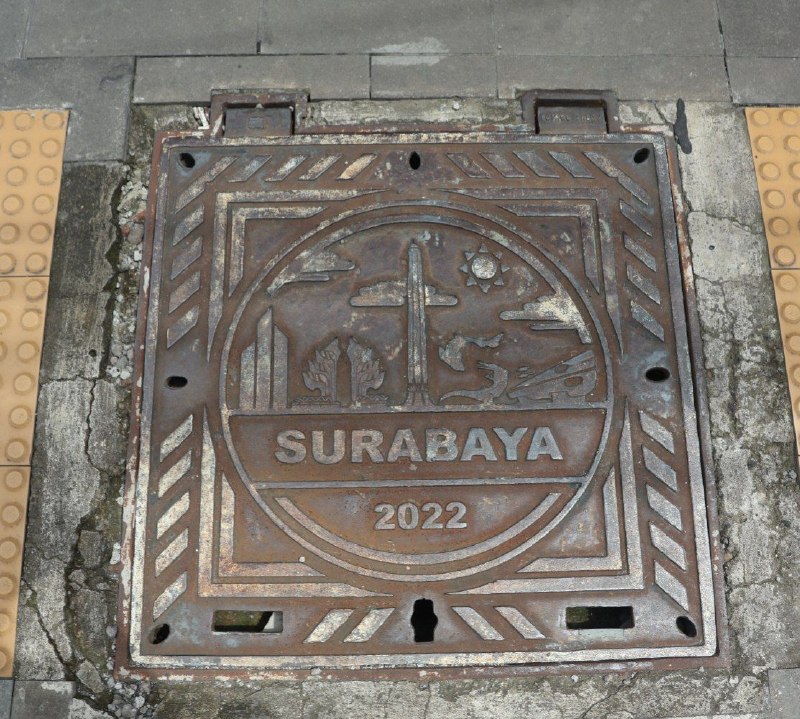
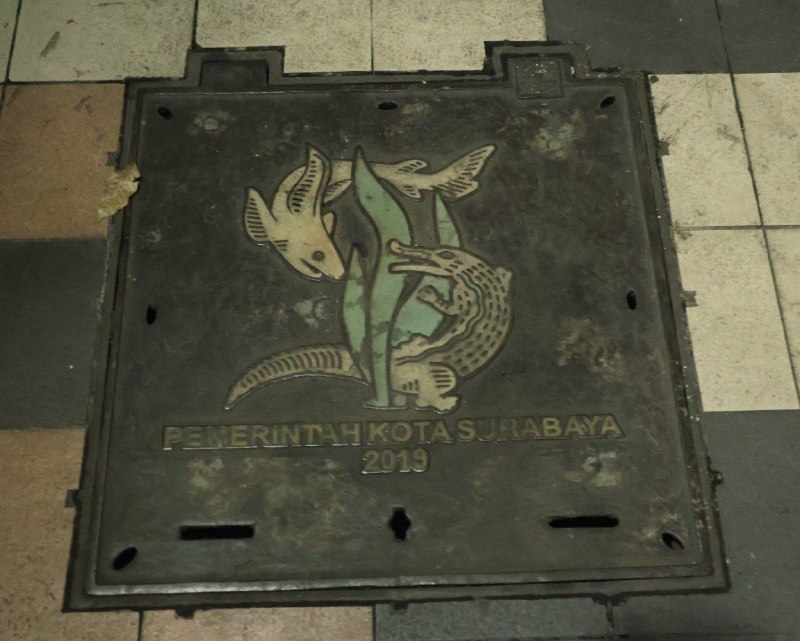
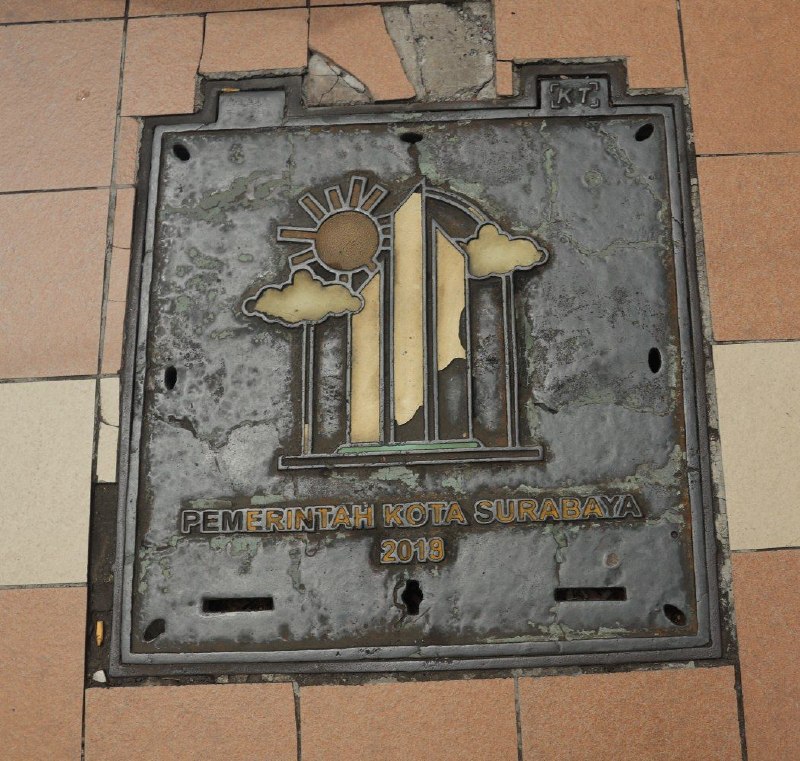
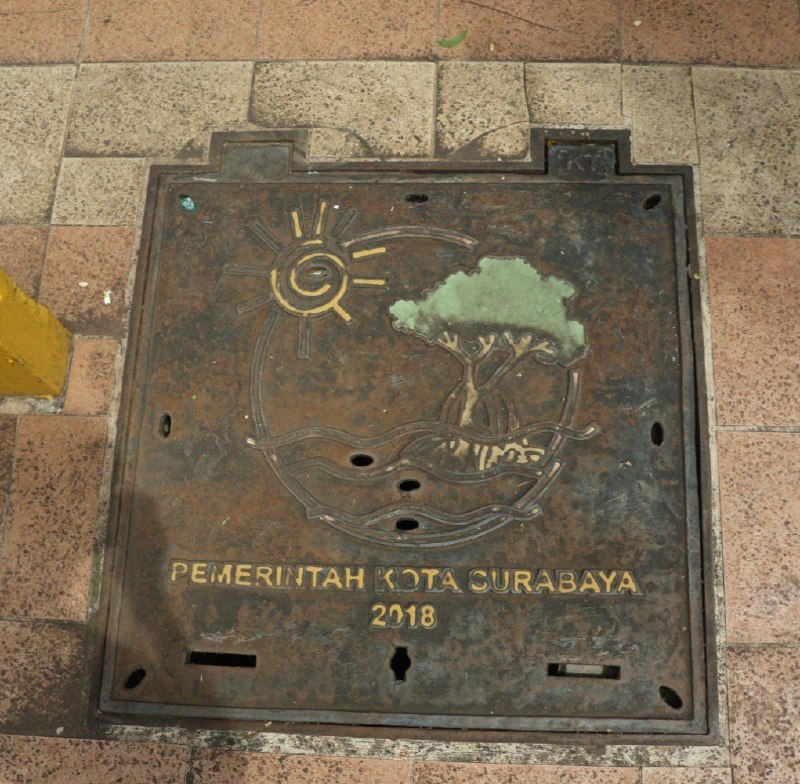
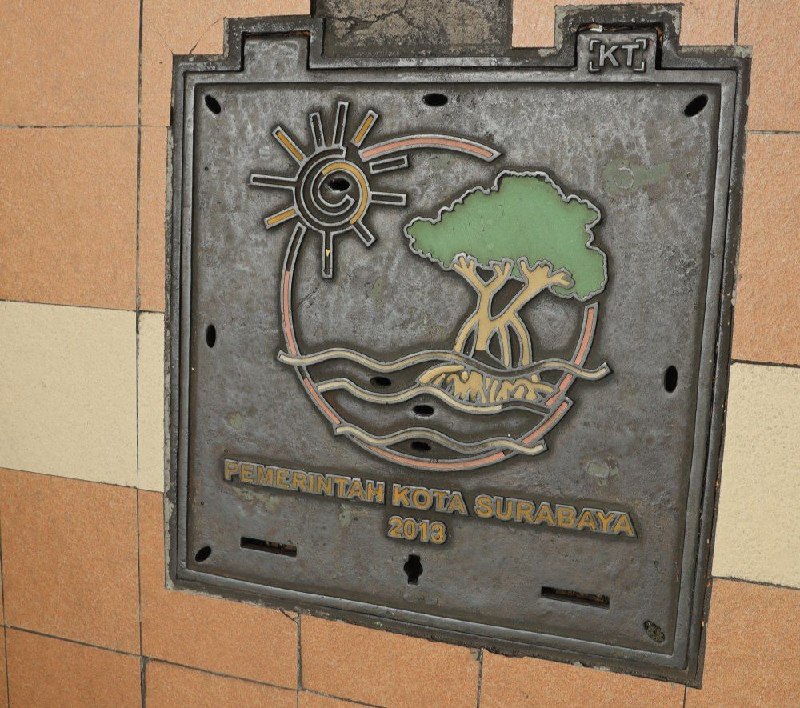
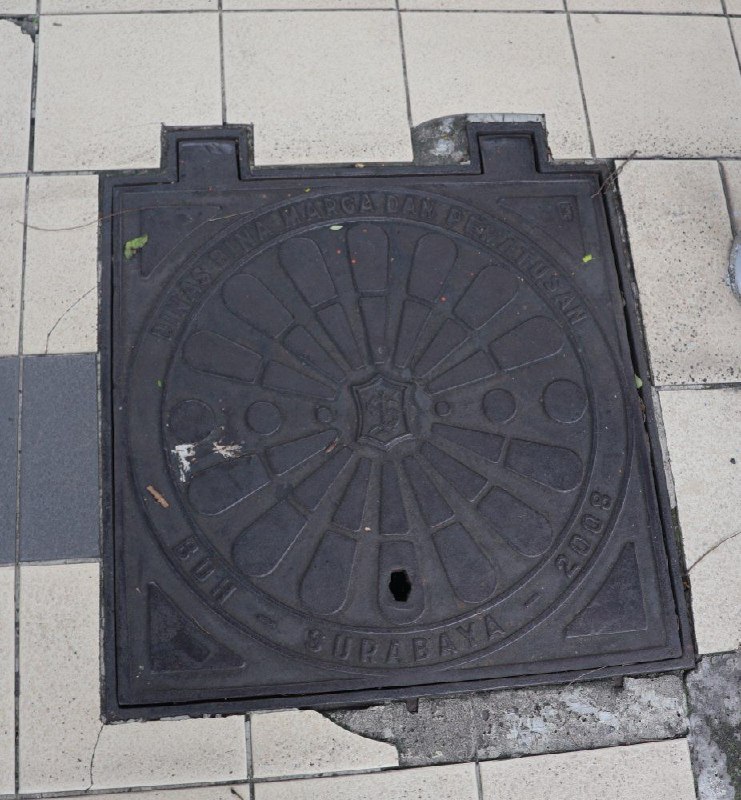
One thing you really can't miss while walking around Surabaya, Indonesia is the manhole covers – they're absolutely remarkable. Not quite on the scale of Japan, where there are literally thousands of unique designs, but in Indonesia, you'll only find this kind of artistry here.
And you have to thank the former mayor for that – Tri Rismaharini. The first woman to hold this position in Indonesia! During her 10 years in office, she managed to significantly improve the city's infrastructure, reduce the frequency and duration of flooding during the rainy season, and Surabaya won the award for the best city development in the country eight times in a row.
Unlike most of her peers, Risma had an architecture background and wasn't a career politician at all. That's why her changes actually made the city better and won over the locals. While she won the 2010 election with just 38.5% of the vote, by 2015 she absolutely crushed her only opponent with 86% to 14%. Fast forward to the 2024 election and there was only one candidate running – and they actually got fewer votes!
The new mayor just doesn't have that same popularity: flooding has started increasing again and the environmental index is dropping. That said, from what I've seen, Surabaya is still noticeably more comfortable than the other Indonesian cities I've visited.
And you have to thank the former mayor for that – Tri Rismaharini. The first woman to hold this position in Indonesia! During her 10 years in office, she managed to significantly improve the city's infrastructure, reduce the frequency and duration of flooding during the rainy season, and Surabaya won the award for the best city development in the country eight times in a row.
Unlike most of her peers, Risma had an architecture background and wasn't a career politician at all. That's why her changes actually made the city better and won over the locals. While she won the 2010 election with just 38.5% of the vote, by 2015 she absolutely crushed her only opponent with 86% to 14%. Fast forward to the 2024 election and there was only one candidate running – and they actually got fewer votes!
The new mayor just doesn't have that same popularity: flooding has started increasing again and the environmental index is dropping. That said, from what I've seen, Surabaya is still noticeably more comfortable than the other Indonesian cities I've visited.
►
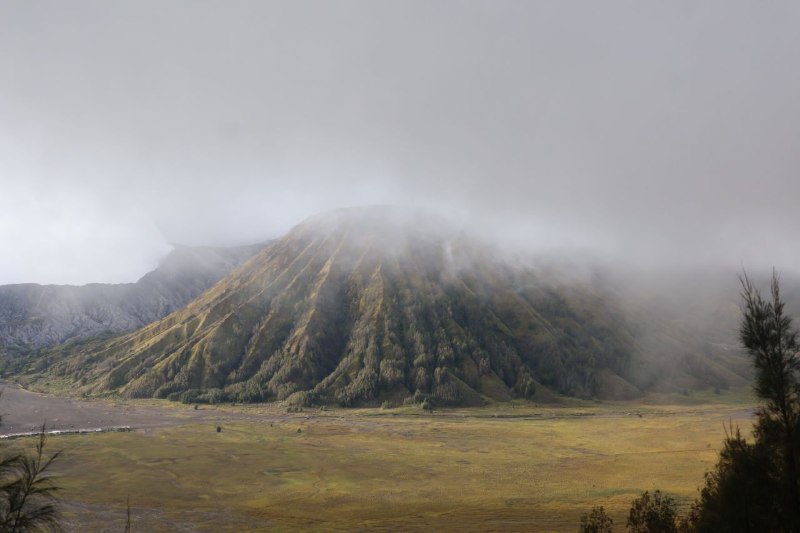
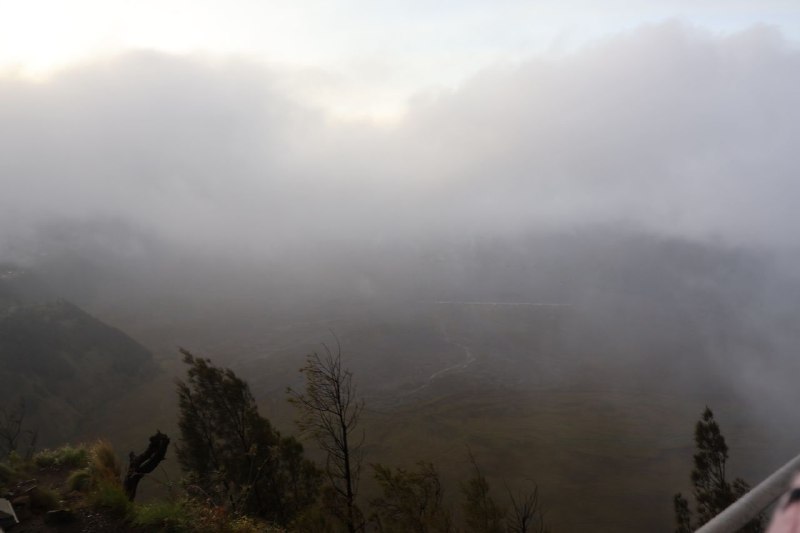
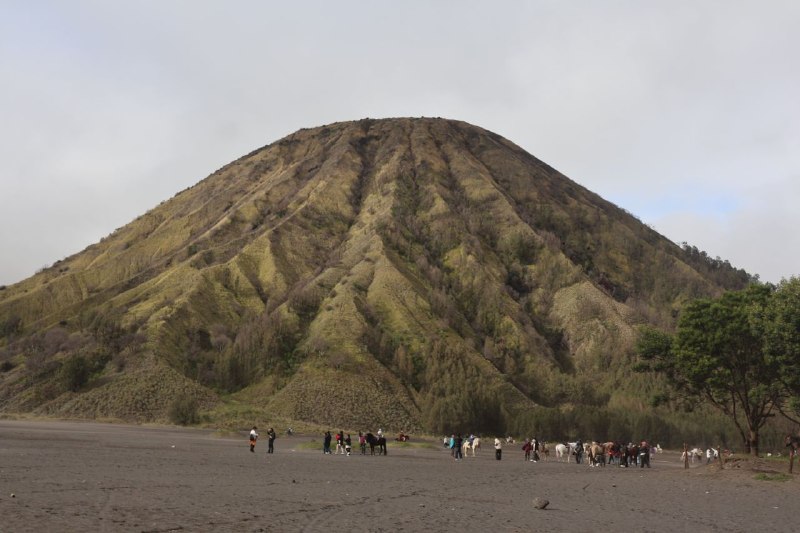
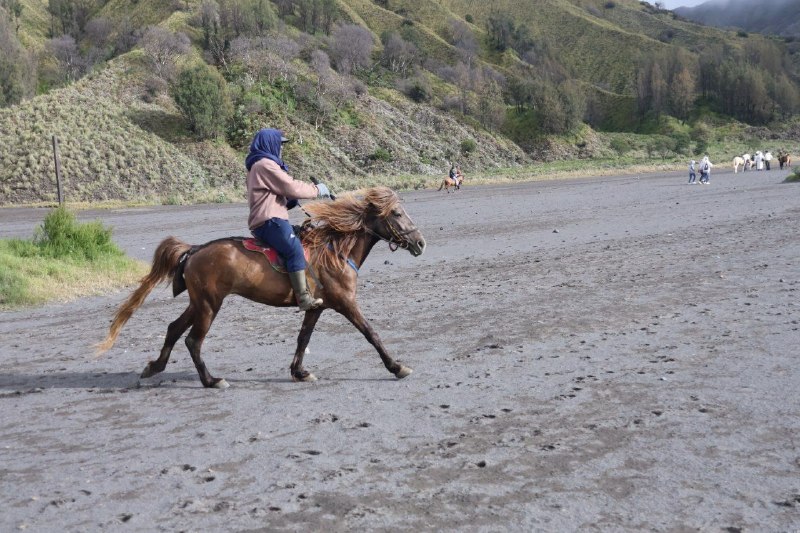
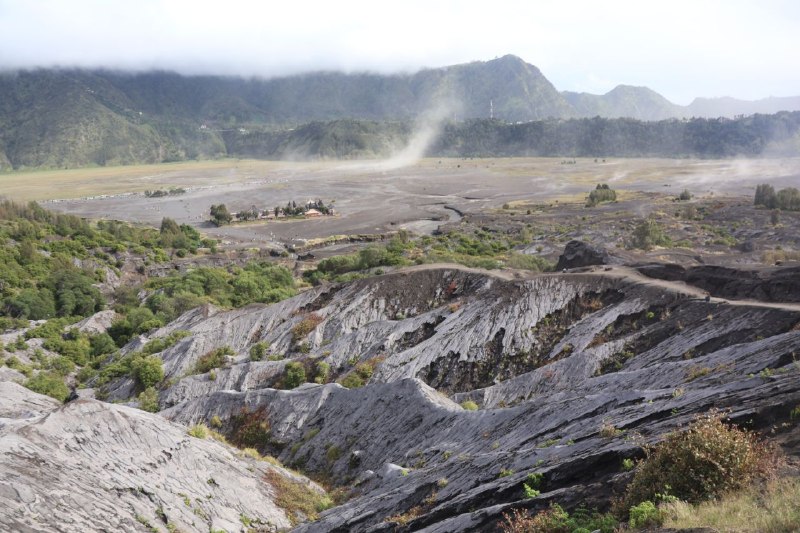
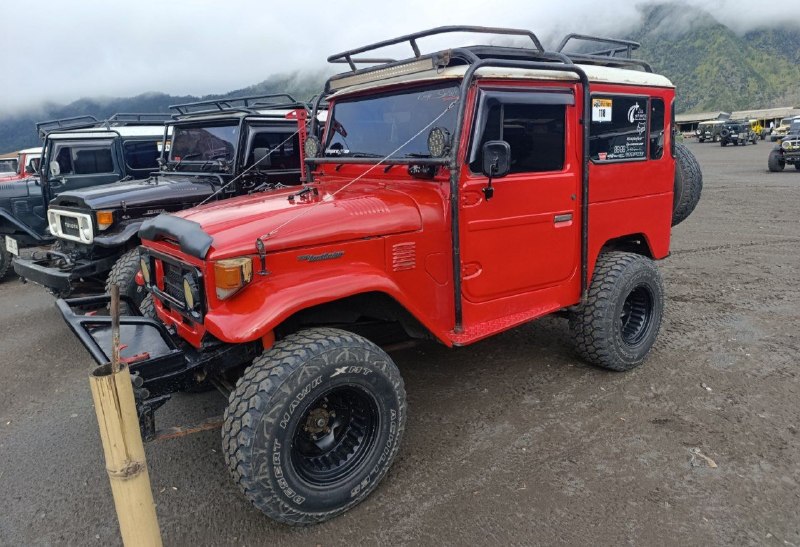
I made it out to Mount Bromo, but the most picturesque views were hidden behind clouds. Sometimes the weather just doesn't cooperate. There was at least something visible from the base, but it wasn't nearly as impressive.
On the bright side, I managed to peek right into the crater itself and see what's going on down there. If I'd been here in July, I would've witnessed the sacrificial rituals of the local Tengger people. Unlike most of the island's inhabitants, they didn't convert to Islam—they've held onto Hinduism.
According to local legend, a king and queen once lived near the volcano and couldn't have children no matter how hard they tried. They prayed extensively, and the gods, moved by their deep faith, granted them children on one condition: they had to sacrifice their youngest son. After that, the royal family had 25 (!) children. And the twenty-fifth one was thrown into the crater. Ever since, people continue to leave offerings for the gods at the bottom of Bromo, but now they stick to food, flowers, and money. No more human sacrifices.
On the bright side, I managed to peek right into the crater itself and see what's going on down there. If I'd been here in July, I would've witnessed the sacrificial rituals of the local Tengger people. Unlike most of the island's inhabitants, they didn't convert to Islam—they've held onto Hinduism.
According to local legend, a king and queen once lived near the volcano and couldn't have children no matter how hard they tried. They prayed extensively, and the gods, moved by their deep faith, granted them children on one condition: they had to sacrifice their youngest son. After that, the royal family had 25 (!) children. And the twenty-fifth one was thrown into the crater. Ever since, people continue to leave offerings for the gods at the bottom of Bromo, but now they stick to food, flowers, and money. No more human sacrifices.
Media not archived (photo) —
view on Telegram
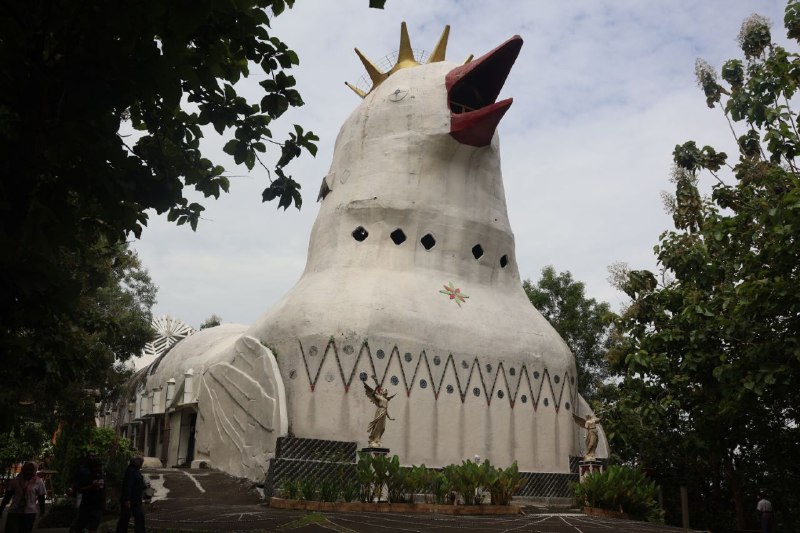
Not far from Borobudur, there's a "Chicken Church." It got that name because the building is shaped like a chicken. Well, more precisely, that's what most visitors see it as, but the architect and builder of the project insists it's actually a dove.
According to legend, about 40 years ago, Daniel Alamsha was commanded by God in a dream to build this temple. Pretty much like that Swiss guy with the spaceport in Argentina. Why don't I ever get dreams like that?
The project was built slowly and was basically abandoned for nearly 20 years due to lack of funding. A decade ago, they made a documentary about it, and somehow money appeared. Today it's all completed and looks pretty decent. There are always some volunteers on duty, and they charge a small admission fee. You can even climb up to the top.
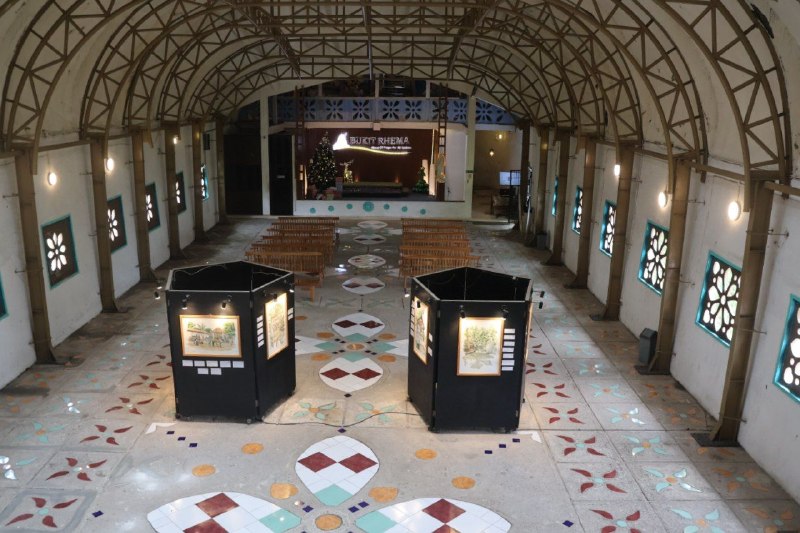
Although Daniel himself is Christian, the temple is open to people of all faiths. On the first floor, there are separate rooms so worshippers don't get in each other's way. That's how they live.
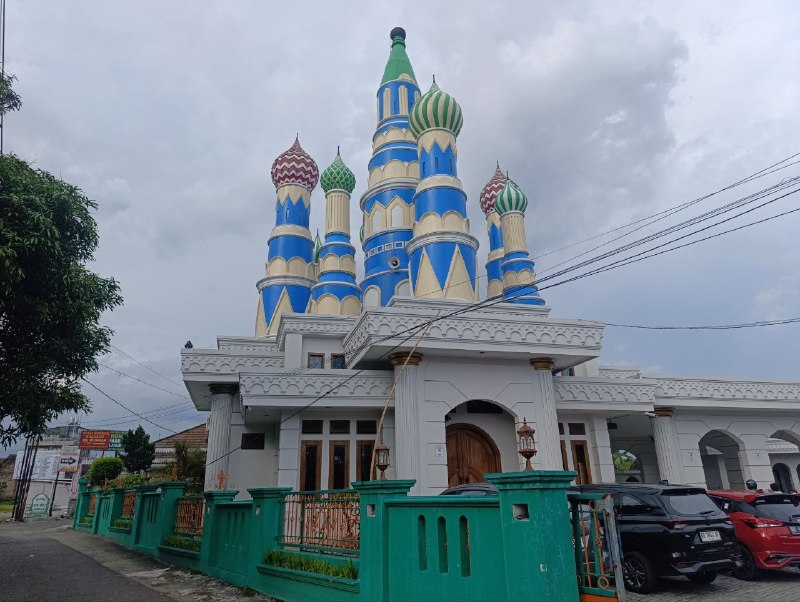
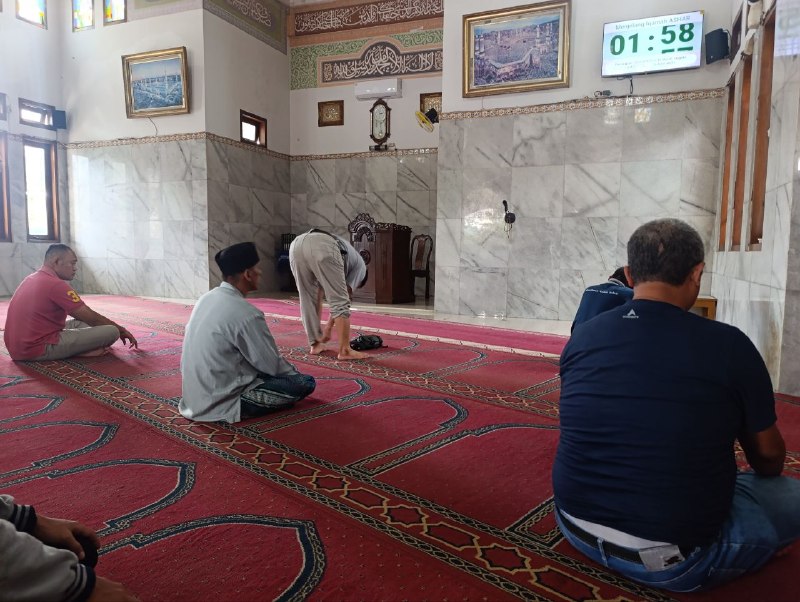
PS. Among other unusual places of worship around there, there's also a nearby mosque styled like Saint Basil's Cathedral. The interior is nothing special, but you definitely don't expect that kind of cosplay on the outside.
According to legend, about 40 years ago, Daniel Alamsha was commanded by God in a dream to build this temple. Pretty much like that Swiss guy with the spaceport in Argentina. Why don't I ever get dreams like that?
The project was built slowly and was basically abandoned for nearly 20 years due to lack of funding. A decade ago, they made a documentary about it, and somehow money appeared. Today it's all completed and looks pretty decent. There are always some volunteers on duty, and they charge a small admission fee. You can even climb up to the top.
Although Daniel himself is Christian, the temple is open to people of all faiths. On the first floor, there are separate rooms so worshippers don't get in each other's way. That's how they live.
PS. Among other unusual places of worship around there, there's also a nearby mosque styled like Saint Basil's Cathedral. The interior is nothing special, but you definitely don't expect that kind of cosplay on the outside.
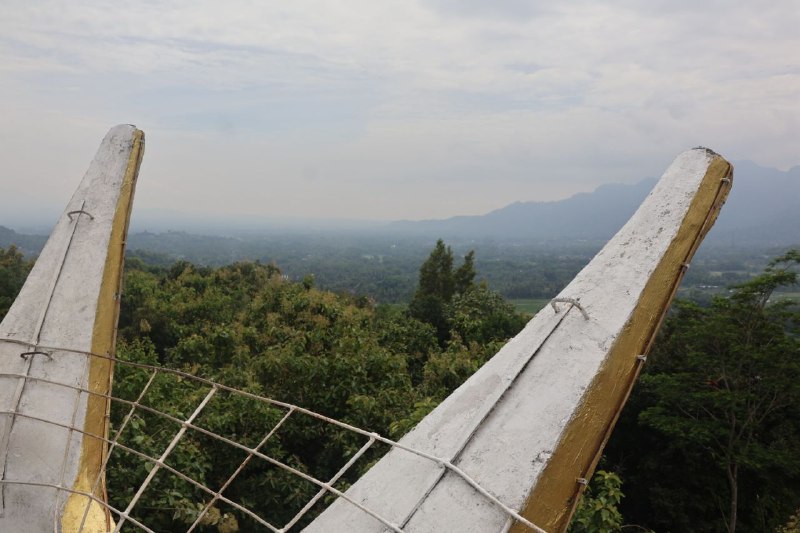
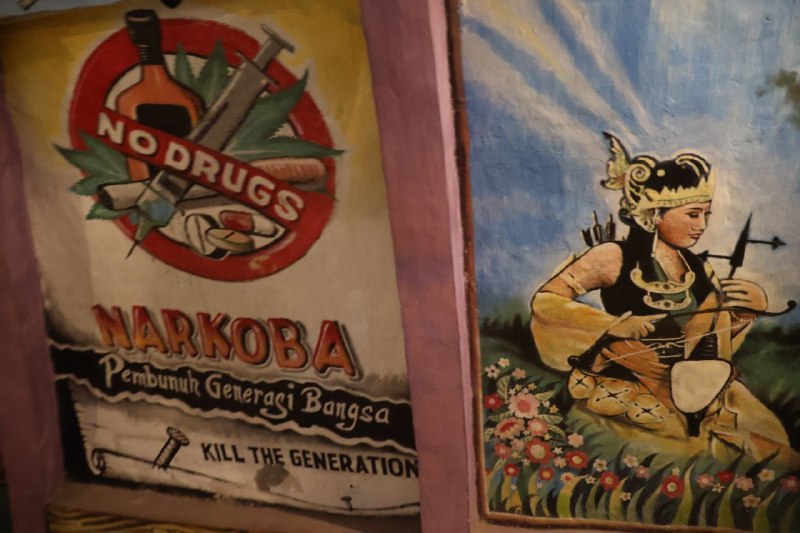
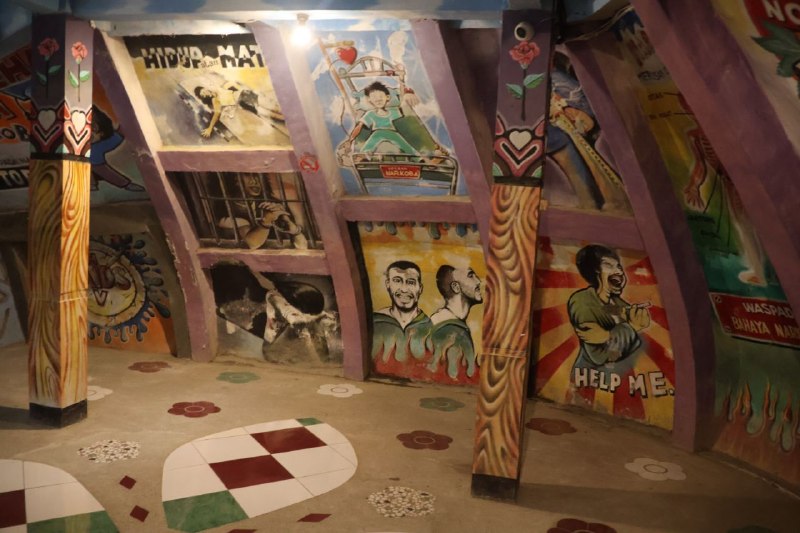
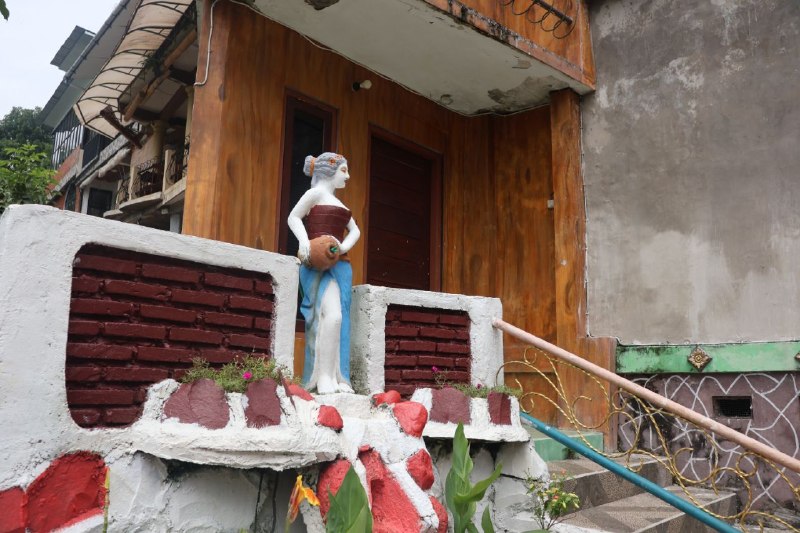
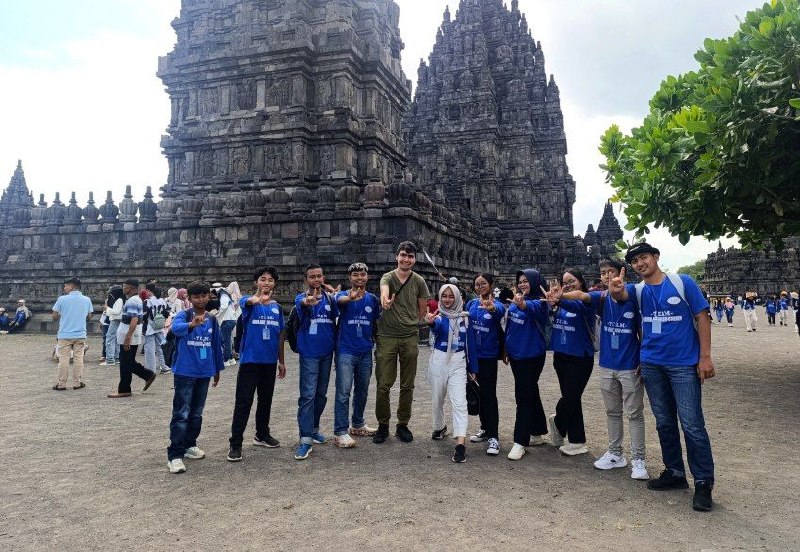
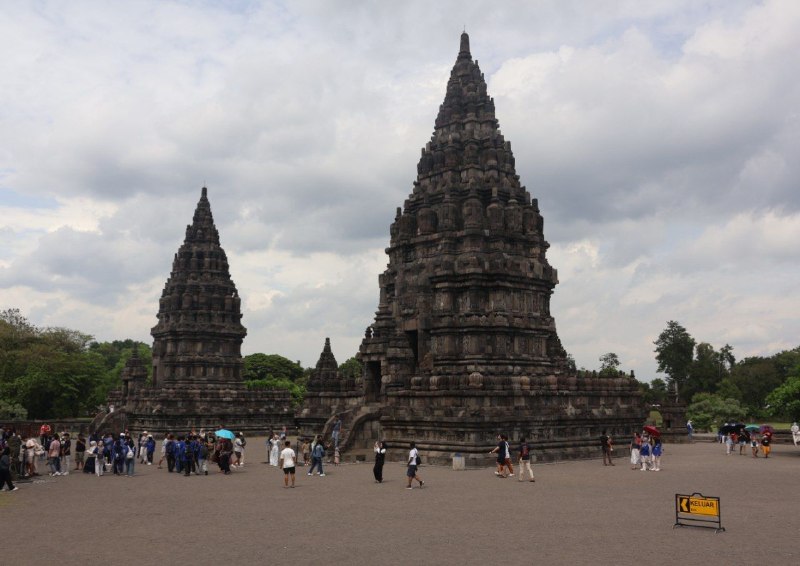
I came to see the famous Prambanan, and I was instantly swarmed by a crowd of Indonesian schoolkids. Their teachers bring them here to practice English with foreigners. I don't know who came up with this idea, but it's absolutely genius.
Two students give a mini guided tour and recite what's clearly a pre-rehearsed script. If you're not alone, they really ask you to split up and each take a pair. Of course, you can decline. But how could you not support such an initiative?
For their age, the kids spoke pretty well. At the end, the teacher comes over and asks you to rate the "guides" and tell them what could be improved. It really seemed like the schoolkids themselves were having a blast too. After getting feedback, they came over as a mob asking me to tell them about home traditions and food. Getting them to pronounce "echpochmak" took a few tries, but they tried so hard :)
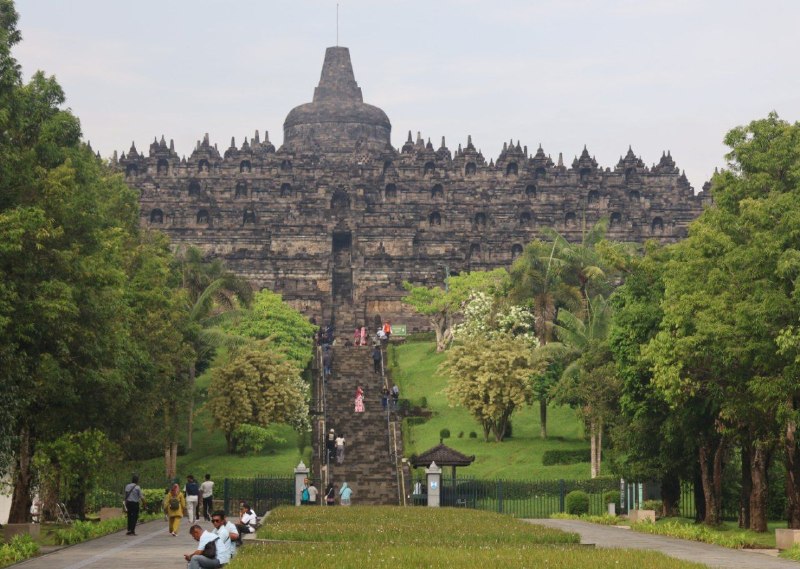
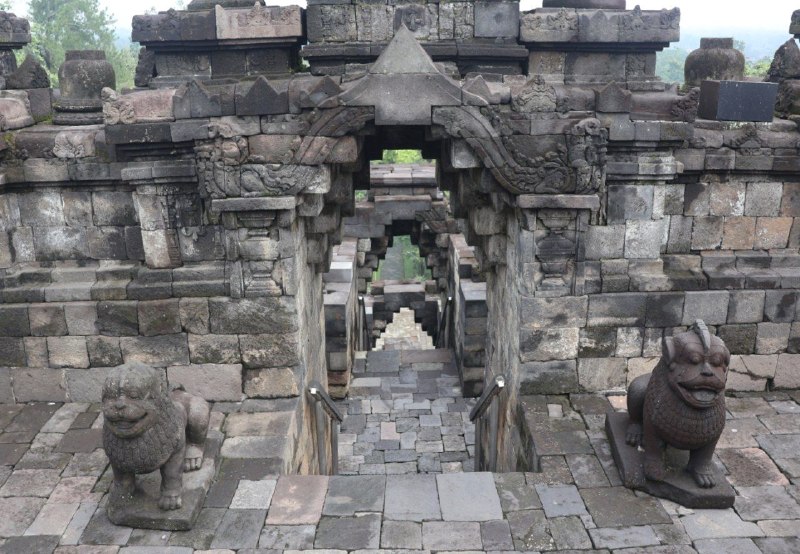
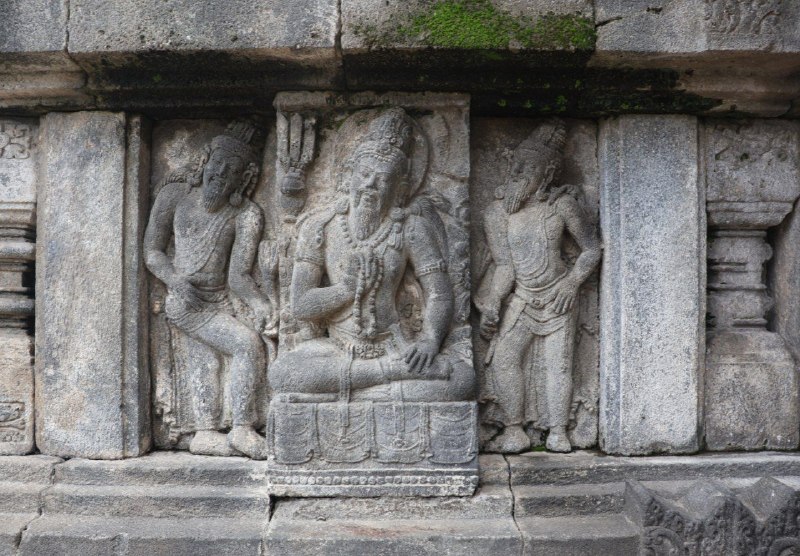
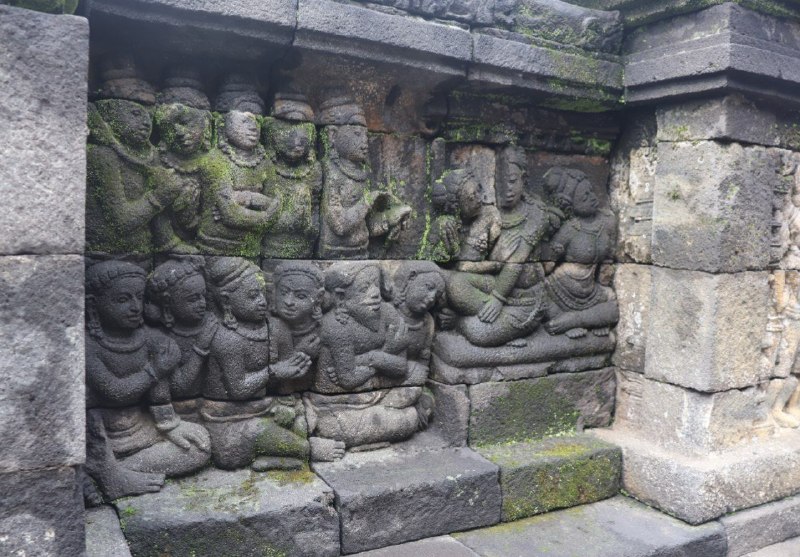
PS. The pictures show not just Prambanan, but also Borobudur. Both incredibly monumental structures. Highly recommend.
Two students give a mini guided tour and recite what's clearly a pre-rehearsed script. If you're not alone, they really ask you to split up and each take a pair. Of course, you can decline. But how could you not support such an initiative?
For their age, the kids spoke pretty well. At the end, the teacher comes over and asks you to rate the "guides" and tell them what could be improved. It really seemed like the schoolkids themselves were having a blast too. After getting feedback, they came over as a mob asking me to tell them about home traditions and food. Getting them to pronounce "echpochmak" took a few tries, but they tried so hard :)
PS. The pictures show not just Prambanan, but also Borobudur. Both incredibly monumental structures. Highly recommend.
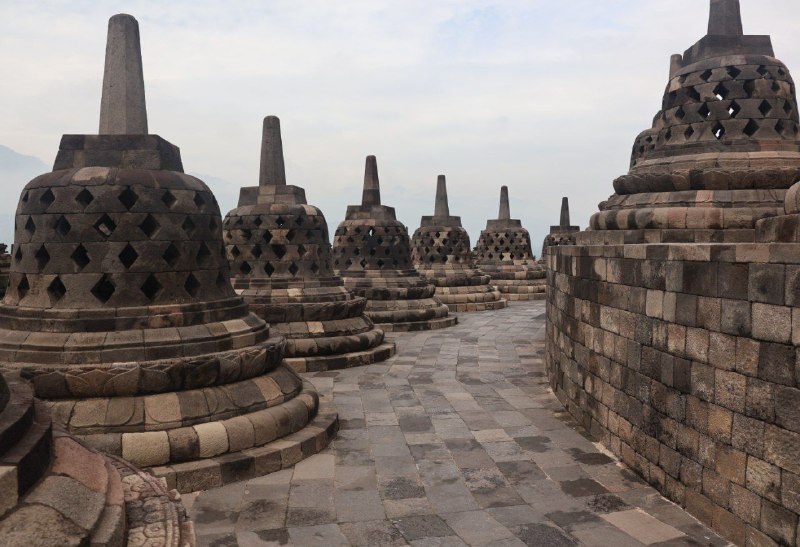
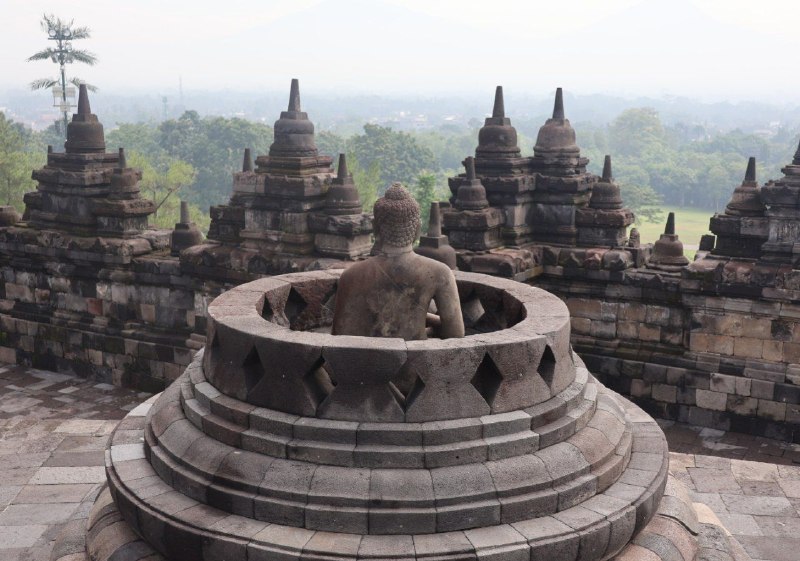
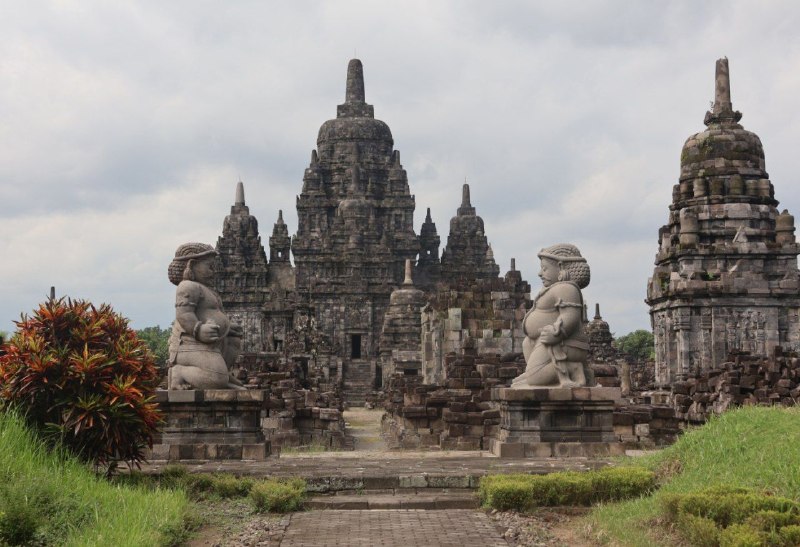
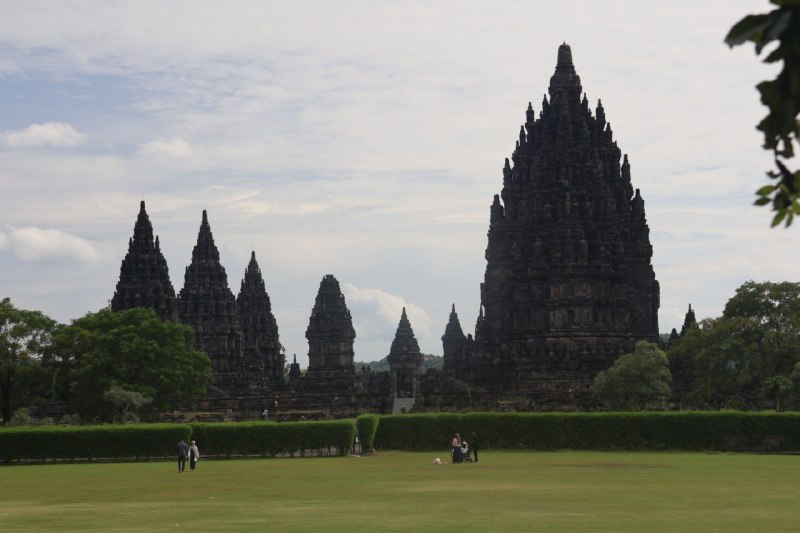
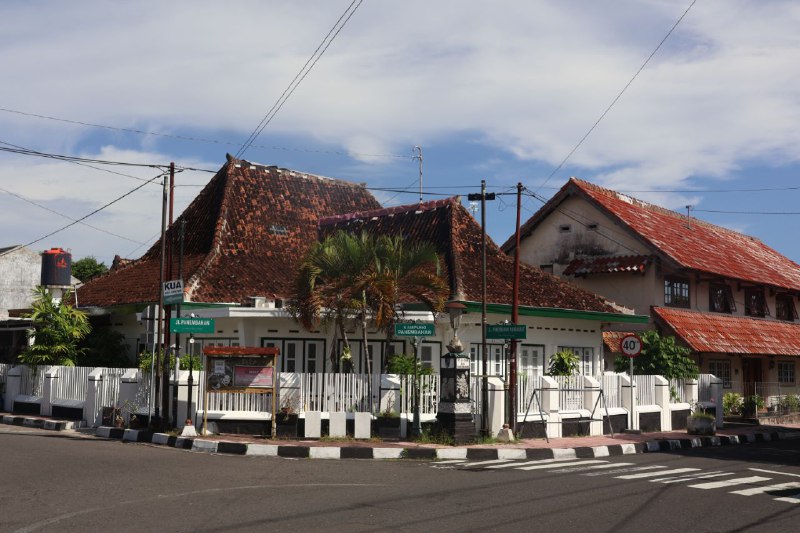
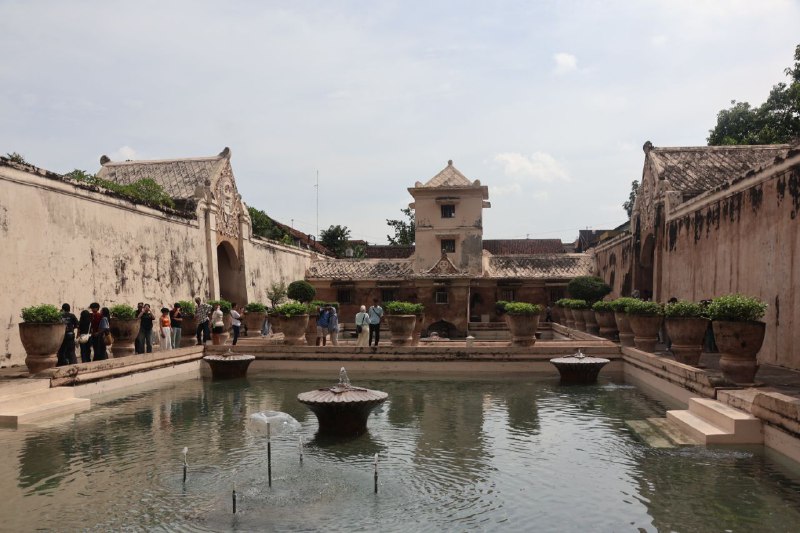
Since I'd made it to Malaysia, I couldn't resist spending a week poking around Indonesia and bouncing around Java. Even though it's peak rainy season, the weather actually treated me pretty well. Rain only poured down for about a day and a half. The rest of the time was bearable. And not too hot either.
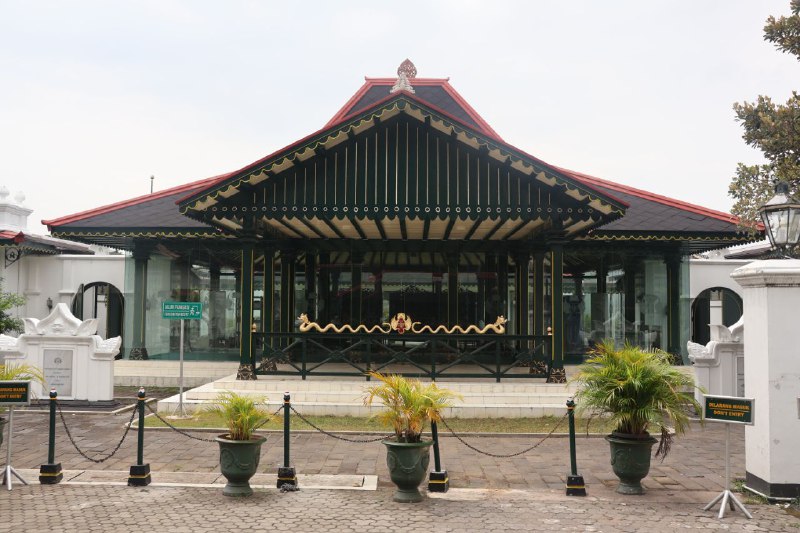
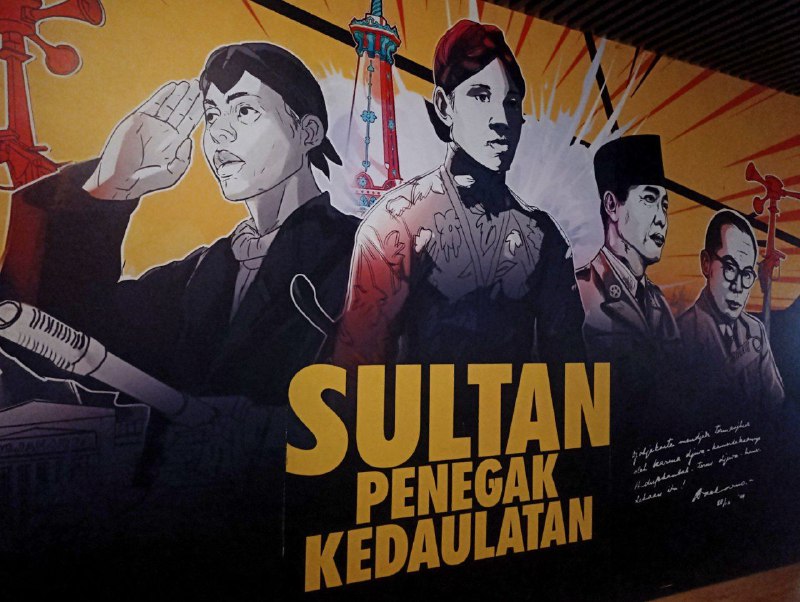
Indonesia is a presidential republic, but Yogyakarta still has its own sultan with palaces, ceremonies, and all the perks that come with it. That's because the sultanate was one of the first to support the Indonesian revolution in 1945, and the city became the capital of the new state while Indonesians were fighting for independence from the Dutch. The revolution is often called the independence war, though Dutch historians frequently refer to it as police actions. The war lasted more than four years, and the Dutch were pretty brutal to the locals.
Poncke Princen turned out to be one of the most talked-about Dutch people of that era. He ended up on the Indonesian front after fighting fascists. But he didn't approve of his own government's actions in Asia, and even tried to escape to France, though the attempt failed and Poncke ended up in the hands of the gendarmerie, and then in Asia. He wasn't much use to the Dutch army because he defected to the Indonesian side and fought as part of a partisan unit.
After the war, he became a member of the Indonesian parliament, but turned out to be too opposition-minded and ended up in prison more than once for his views. Until his final days, he lived in Indonesia and actively pushed his ideals. For example, in 1998, at age 73, together with other political activists he openly violated the ban on protests in the capital. He was buried according to his wishes in an ordinary cemetery in East Jakarta among ordinary people in 2002.
Indonesia is a presidential republic, but Yogyakarta still has its own sultan with palaces, ceremonies, and all the perks that come with it. That's because the sultanate was one of the first to support the Indonesian revolution in 1945, and the city became the capital of the new state while Indonesians were fighting for independence from the Dutch. The revolution is often called the independence war, though Dutch historians frequently refer to it as police actions. The war lasted more than four years, and the Dutch were pretty brutal to the locals.
Poncke Princen turned out to be one of the most talked-about Dutch people of that era. He ended up on the Indonesian front after fighting fascists. But he didn't approve of his own government's actions in Asia, and even tried to escape to France, though the attempt failed and Poncke ended up in the hands of the gendarmerie, and then in Asia. He wasn't much use to the Dutch army because he defected to the Indonesian side and fought as part of a partisan unit.
After the war, he became a member of the Indonesian parliament, but turned out to be too opposition-minded and ended up in prison more than once for his views. Until his final days, he lived in Indonesia and actively pushed his ideals. For example, in 1998, at age 73, together with other political activists he openly violated the ban on protests in the capital. He was buried according to his wishes in an ordinary cemetery in East Jakarta among ordinary people in 2002.
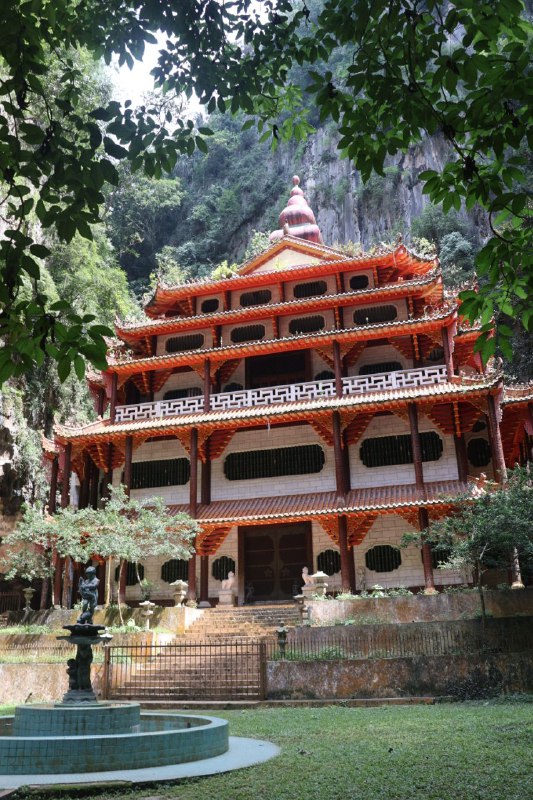
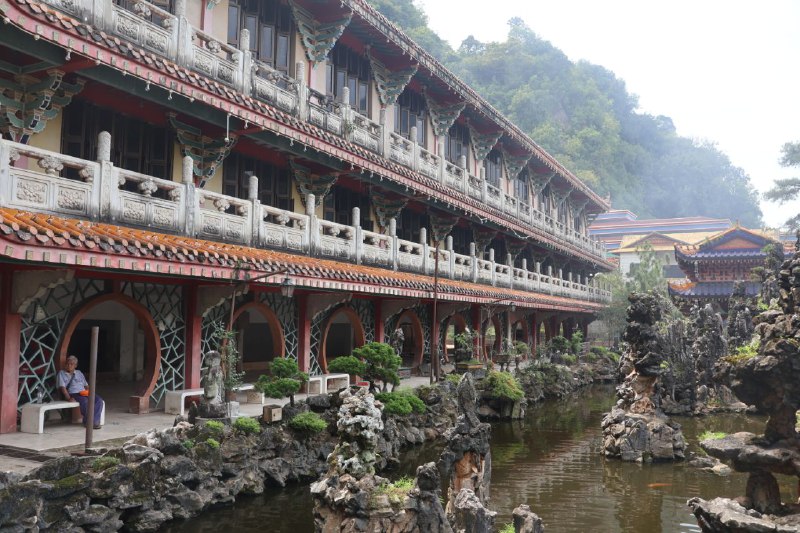
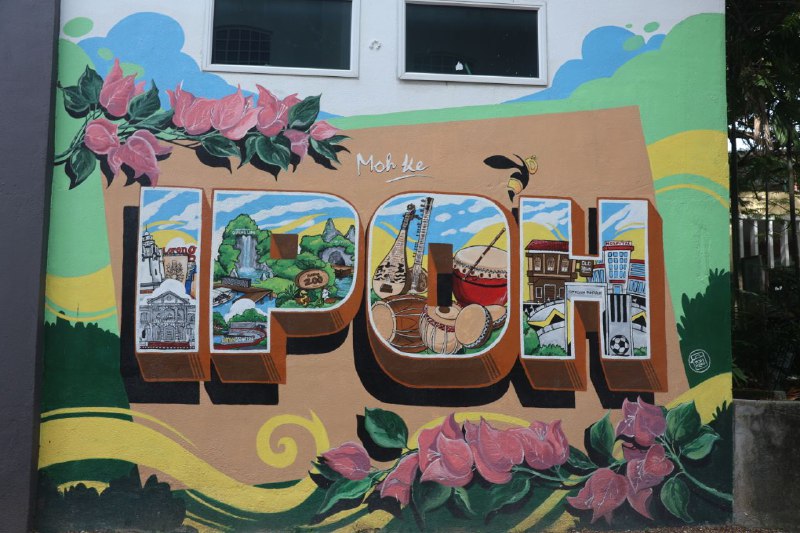
Ipoh has tons of cave temples. The city is literally dotted with them. They're not that old—averaging around 100-150 years—but this one is especially stunning.
Beyond that, Ipoh does a great job preserving examples of British colonial architecture. Its southern neighbor Melaka (the last 5 photos in this post) showcases Portuguese heritage alongside British influences. It's really beautiful.
Beyond that, Ipoh does a great job preserving examples of British colonial architecture. Its southern neighbor Melaka (the last 5 photos in this post) showcases Portuguese heritage alongside British influences. It's really beautiful.
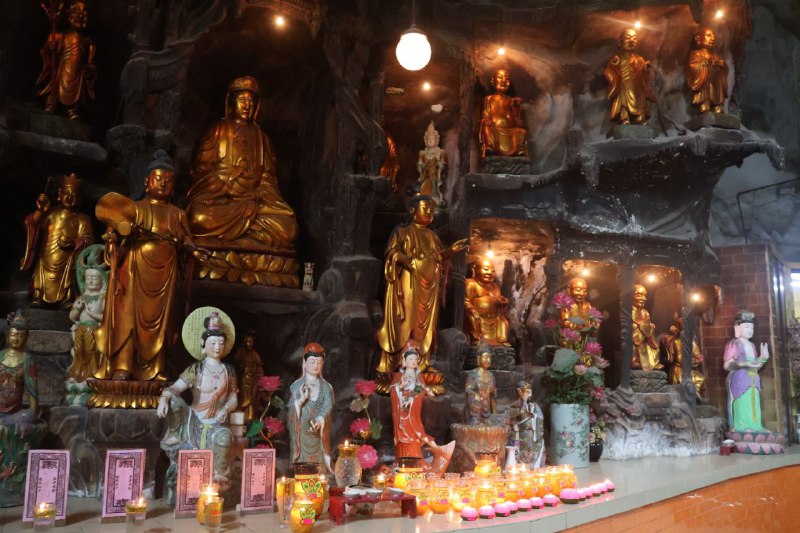
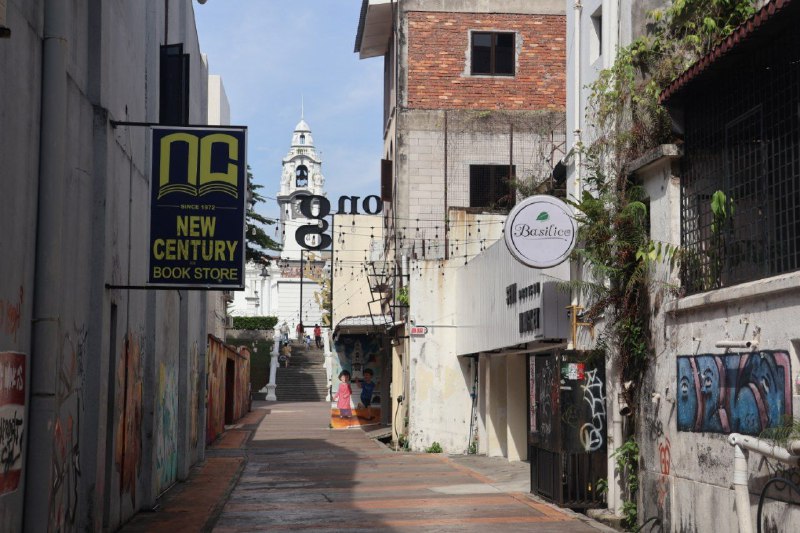
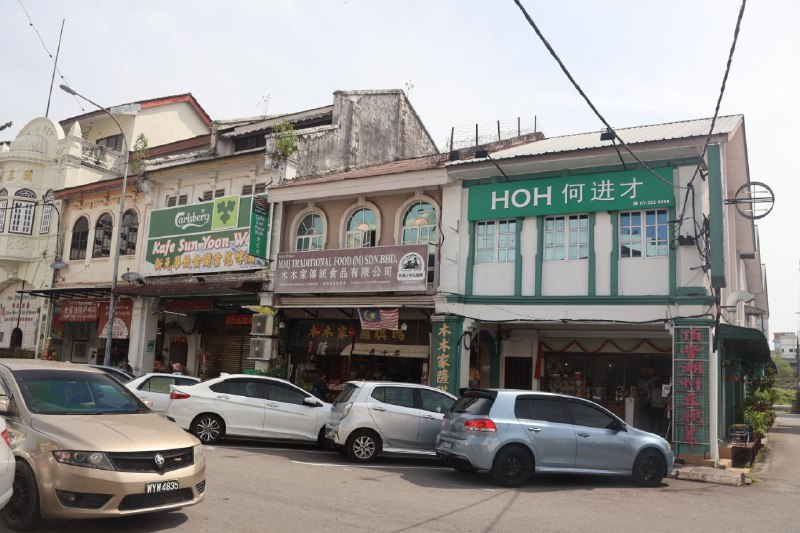
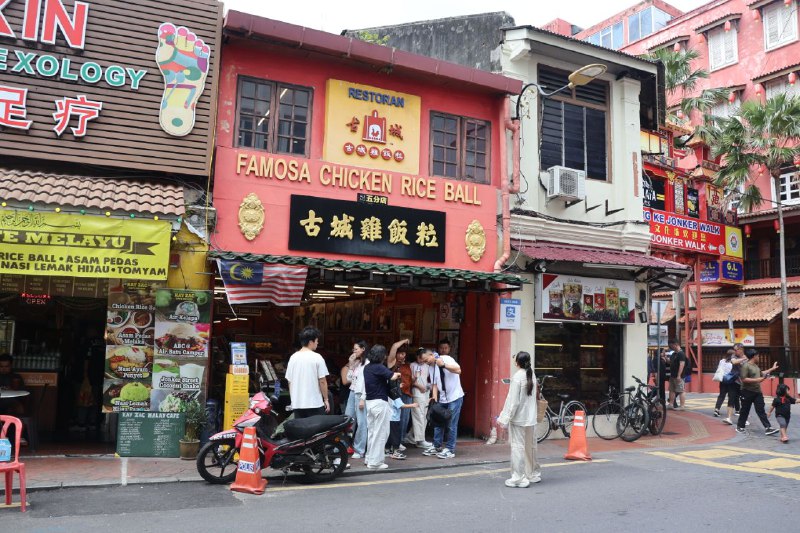
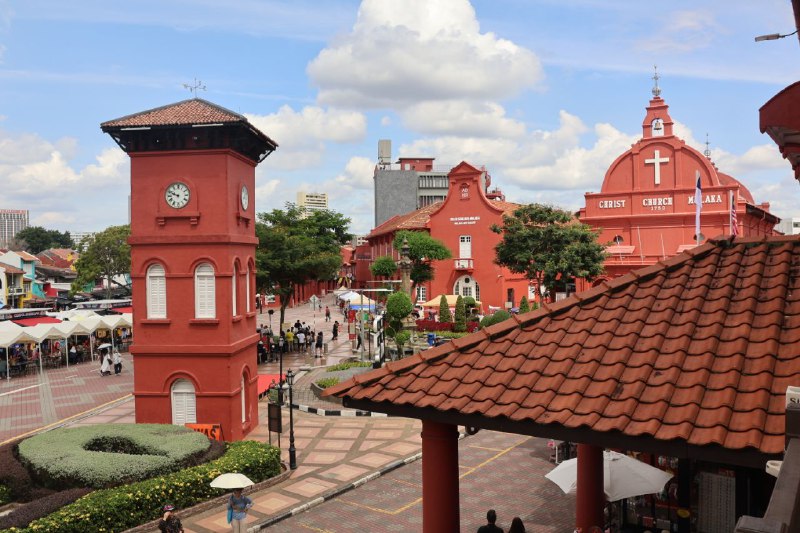
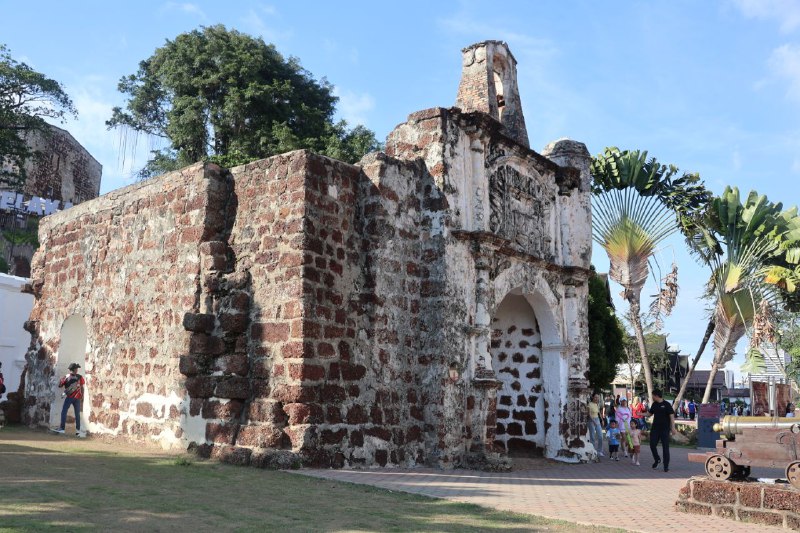
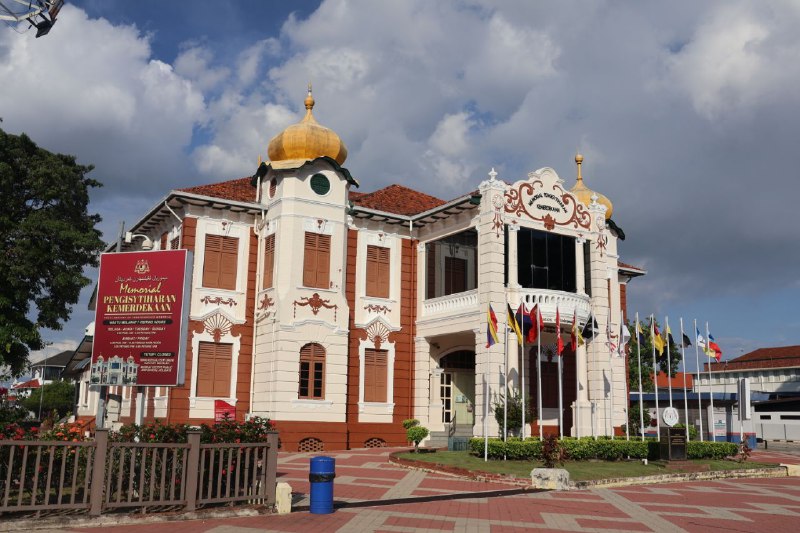
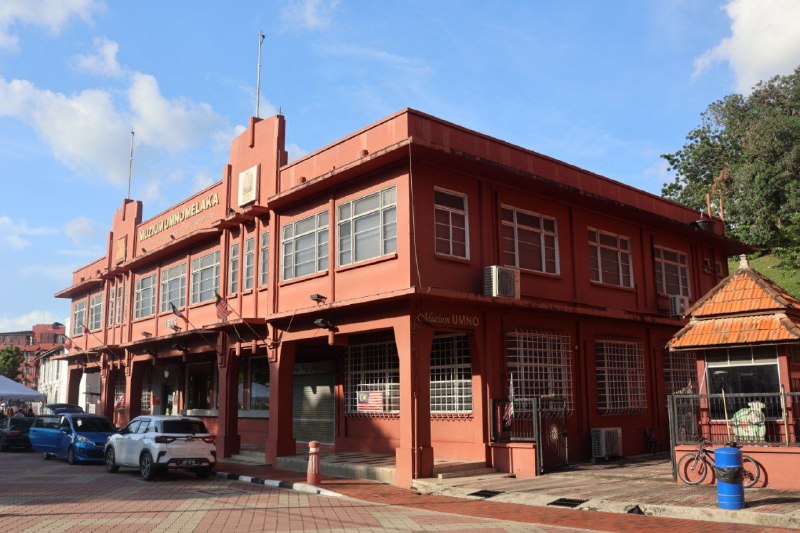
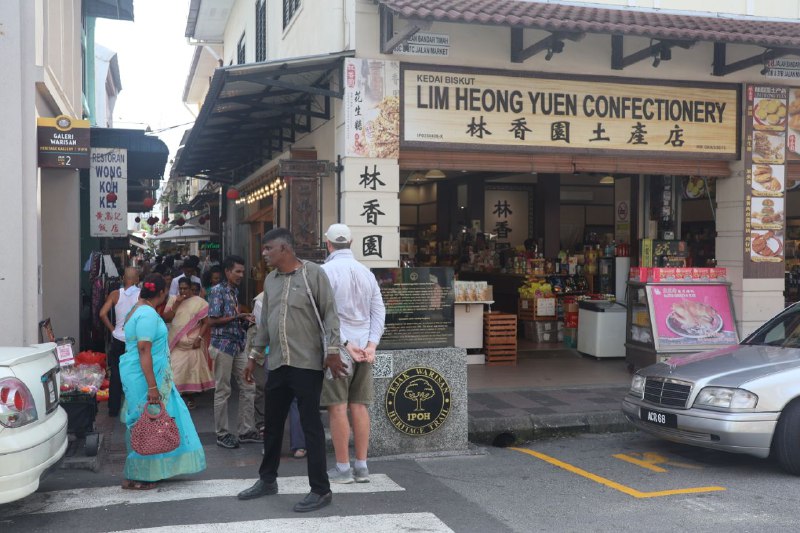
Near the Malaysian city of Ipoh, you'll find some of the world's richest tin deposits. So it's no surprise that big-money tycoons rose to prominence in the local mines. One of them, Yau Tet Shin, rebuilt a significant portion of the city after a major fire in 1892. And here's the interesting part—he gifted three streets to his three wives, complete with the right to collect rent.
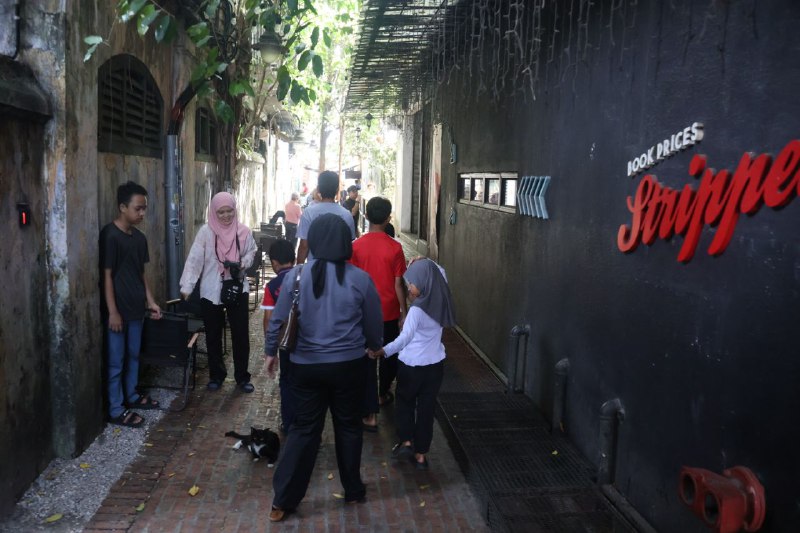
The second wife's street became the most famous. Wealthy Chinese, and according to rumors, British officials too, would set up their mistresses there. Nearby, brothels, opium dens, and gambling establishments popped up. But many women didn't end up there by choice—some were victims of human trafficking, while others simply saw no other way out of poverty.
Right outside the city, along the Kinta River and around the mines, thousands of women did grueling manual labor: hand-washing ore to search for tin that had been missed at the mines. Locals called this work dulang washing. In the early 20th century, colonial authorities issued up to 8,000 licenses—you couldn't work without one. By various estimates, this method accounted for up to 2% of the country's total tin production. Among the workers, you'd occasionally find women who had taken vows of celibacy. The most famous such movement in the region was the Samsui women, though they lived mainly in Singapore and were almost absent here.
Today, that street has no brothels or mistresses left. It's just become a popular tourist spot: souvenirs, cafés, murals. Yau Tet Shin's name is still visible on streets and markets around the city. As for the dulang washers, they remain in postcards from the 1970s and a few museum exhibits. They're not entirely forgotten, but people talk about them much less often.
The second wife's street became the most famous. Wealthy Chinese, and according to rumors, British officials too, would set up their mistresses there. Nearby, brothels, opium dens, and gambling establishments popped up. But many women didn't end up there by choice—some were victims of human trafficking, while others simply saw no other way out of poverty.
Right outside the city, along the Kinta River and around the mines, thousands of women did grueling manual labor: hand-washing ore to search for tin that had been missed at the mines. Locals called this work dulang washing. In the early 20th century, colonial authorities issued up to 8,000 licenses—you couldn't work without one. By various estimates, this method accounted for up to 2% of the country's total tin production. Among the workers, you'd occasionally find women who had taken vows of celibacy. The most famous such movement in the region was the Samsui women, though they lived mainly in Singapore and were almost absent here.
Today, that street has no brothels or mistresses left. It's just become a popular tourist spot: souvenirs, cafés, murals. Yau Tet Shin's name is still visible on streets and markets around the city. As for the dulang washers, they remain in postcards from the 1970s and a few museum exhibits. They're not entirely forgotten, but people talk about them much less often.
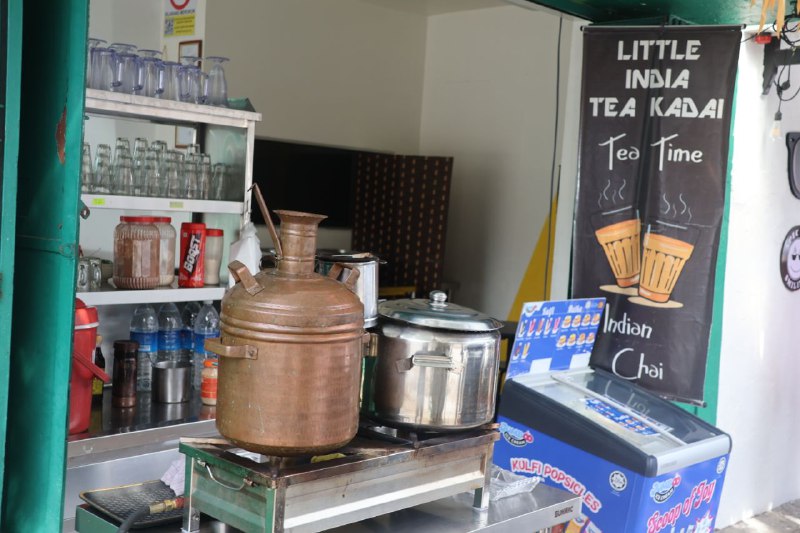
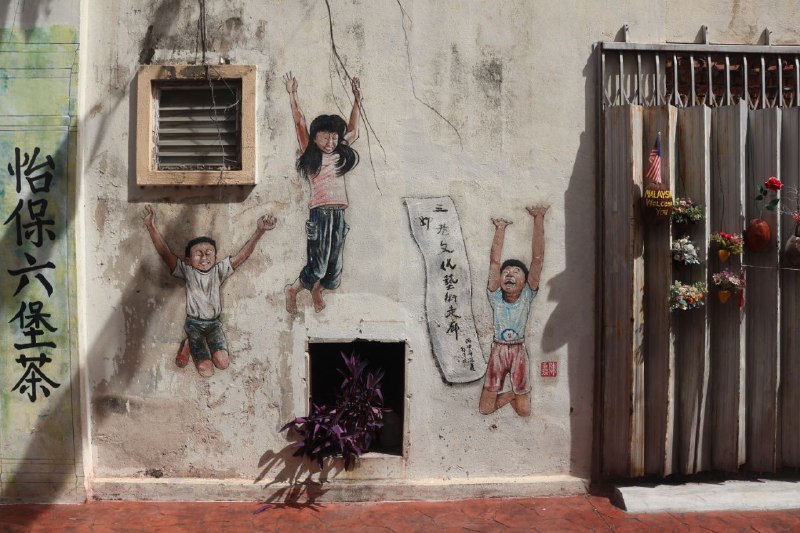
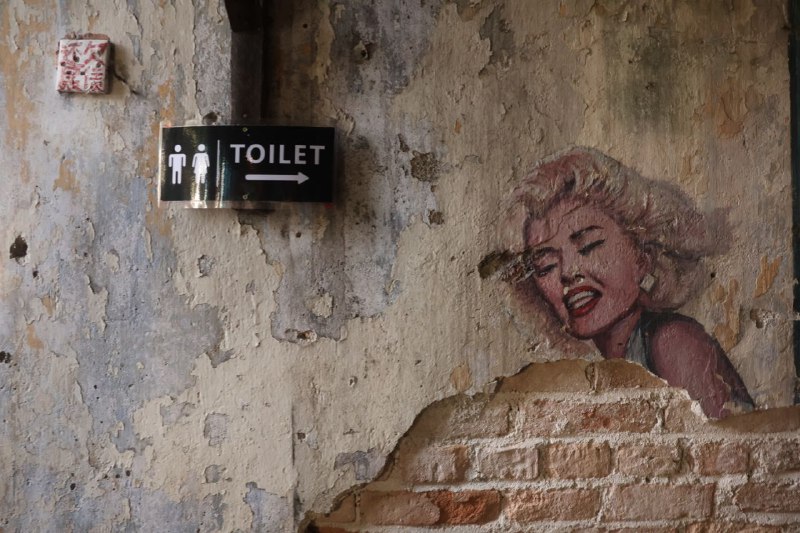
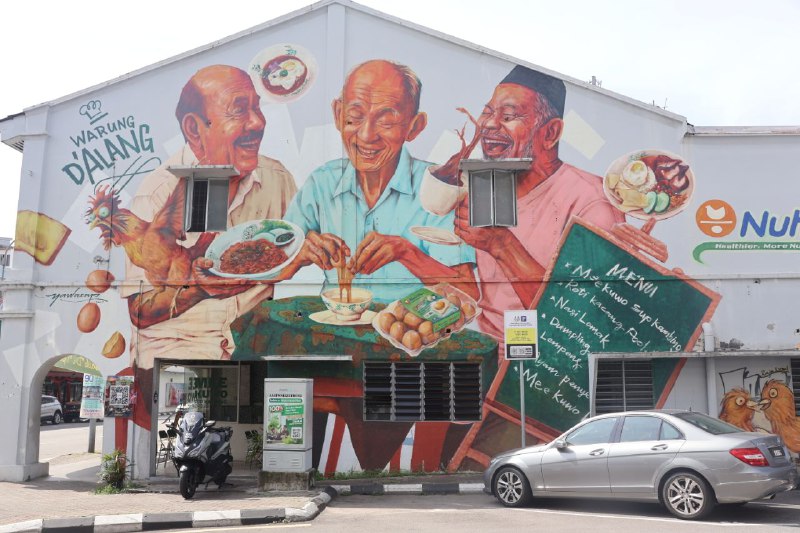
One last thing about Penang. In the 19th century, an entire ethnic group emerged here, which a little over a hundred years later quietly dissolved into the local population.
At the end of the 18th century, when Penang was just being built, a large wave of immigrants flooded in. Especially many workers came from South India. Mostly men. It's no surprise that marriages between South Indians and local Malay women became a common occurrence. Plus, both groups were Muslim. A bit later, Arabs mixed in as well.
Children from such marriages came to be called Jawi Peranakan and were considered a separate people. Over time, they became quite wealthy folks. Many worked as officials under the British, some were involved in renting out properties. However, the Great Depression hit hard, many businesses closed down, and the Jawi Peranakan ended up being too dependent on work in the British administration.
With the British departure, all power went to the Malays, and non-Malays started facing discrimination. So over time, the Jawi Peranakan began to identify themselves as Malays, especially since their cultures were very similar. And that's how they live now.
At the end of the 18th century, when Penang was just being built, a large wave of immigrants flooded in. Especially many workers came from South India. Mostly men. It's no surprise that marriages between South Indians and local Malay women became a common occurrence. Plus, both groups were Muslim. A bit later, Arabs mixed in as well.
Children from such marriages came to be called Jawi Peranakan and were considered a separate people. Over time, they became quite wealthy folks. Many worked as officials under the British, some were involved in renting out properties. However, the Great Depression hit hard, many businesses closed down, and the Jawi Peranakan ended up being too dependent on work in the British administration.
With the British departure, all power went to the Malays, and non-Malays started facing discrimination. So over time, the Jawi Peranakan began to identify themselves as Malays, especially since their cultures were very similar. And that's how they live now.
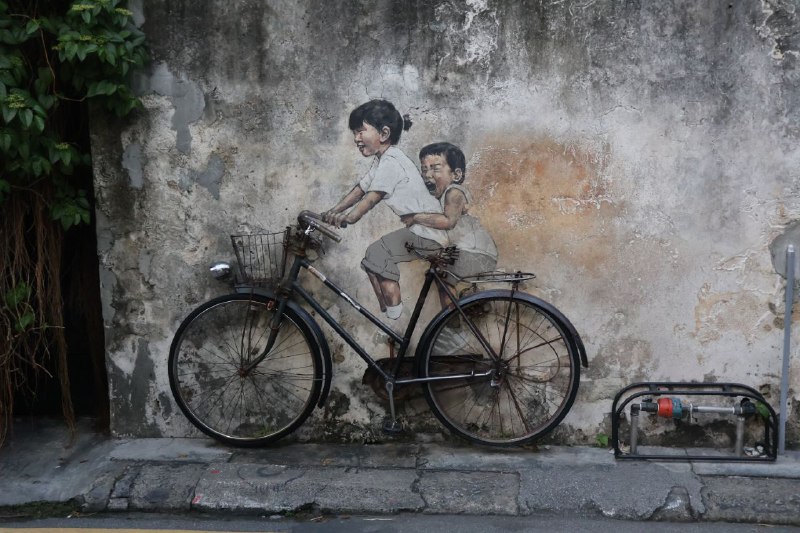
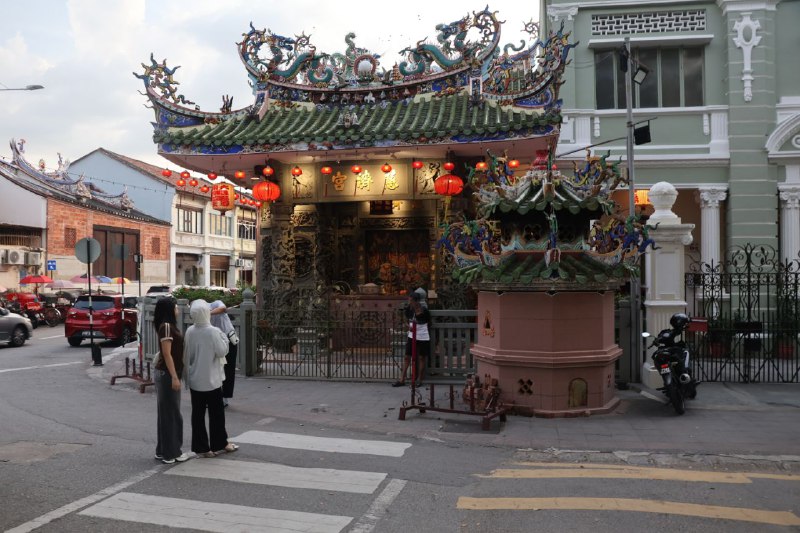
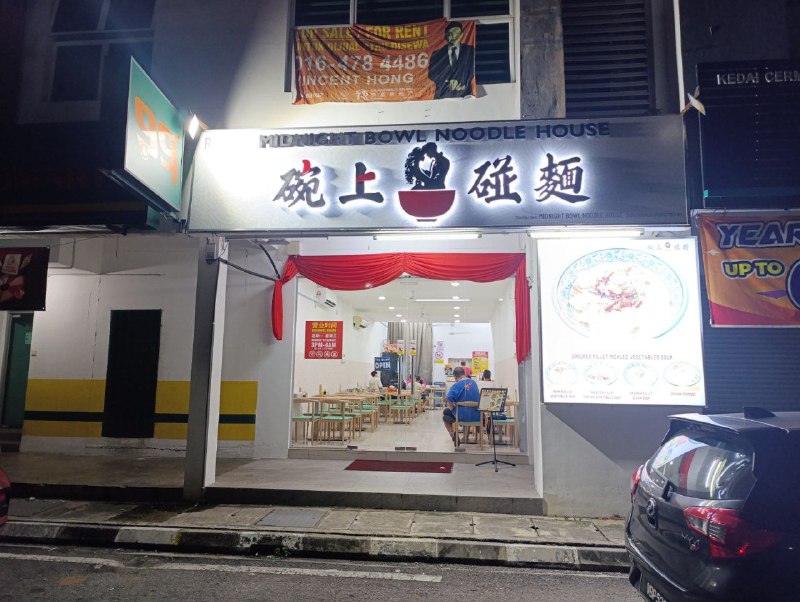
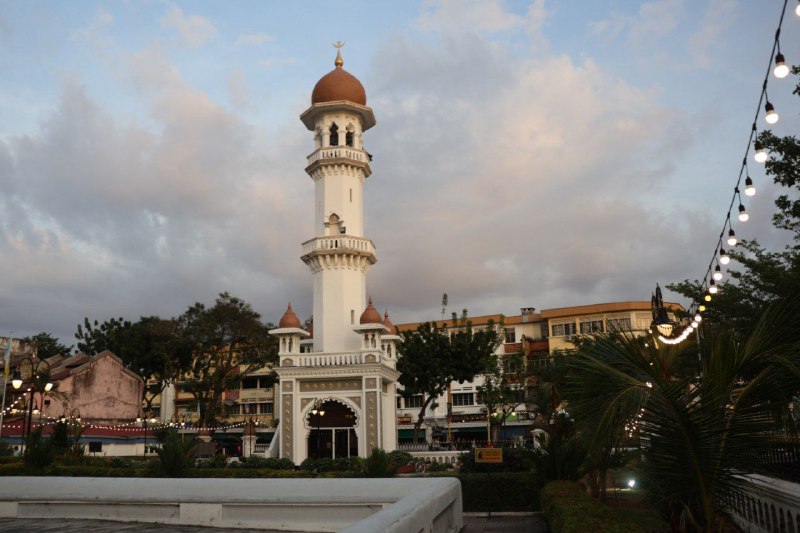
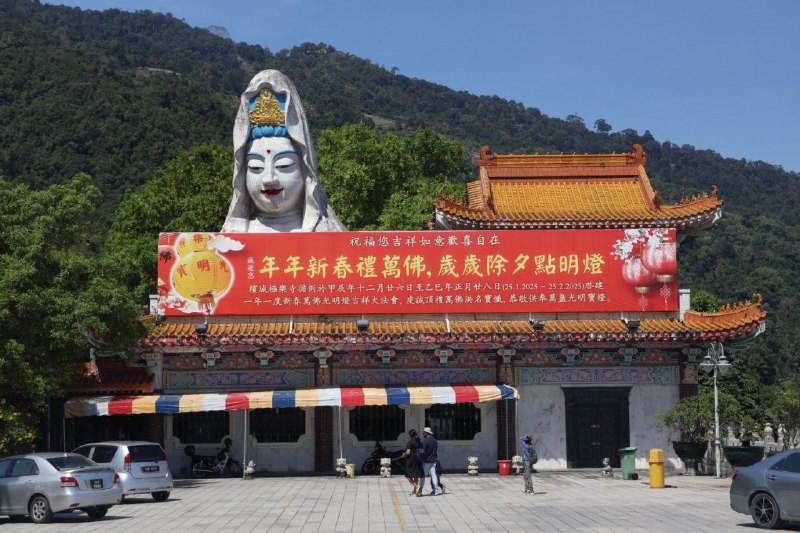
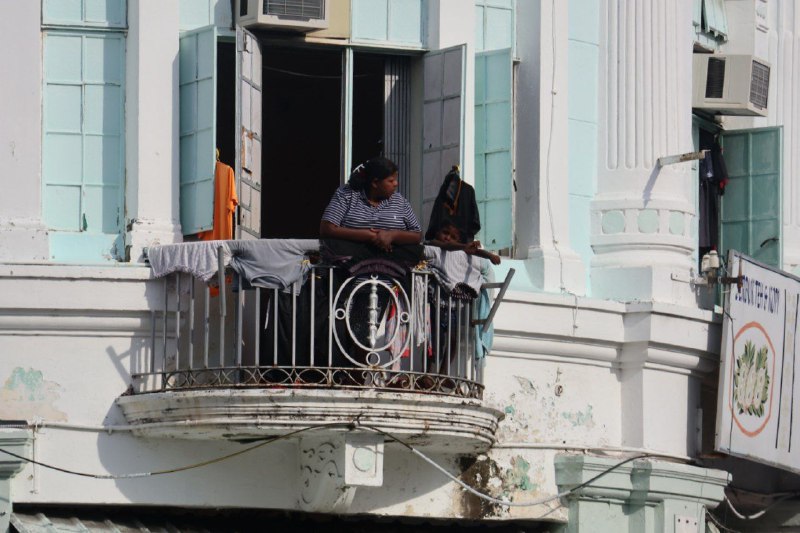
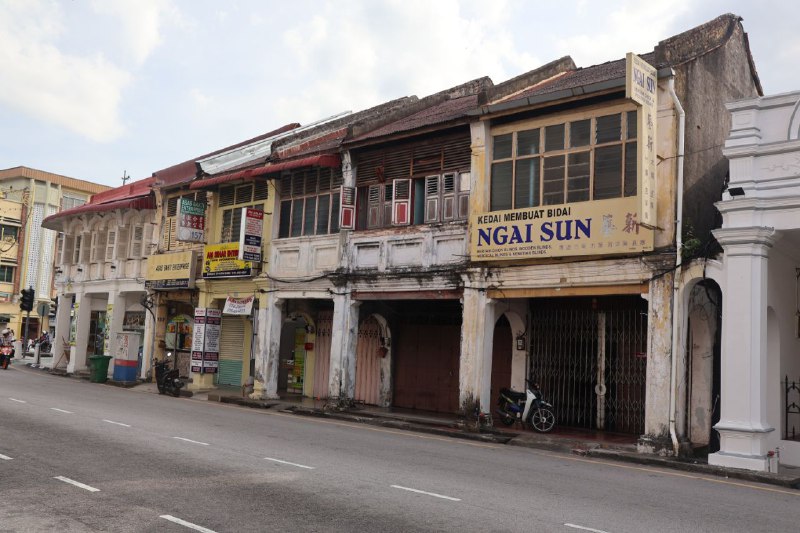
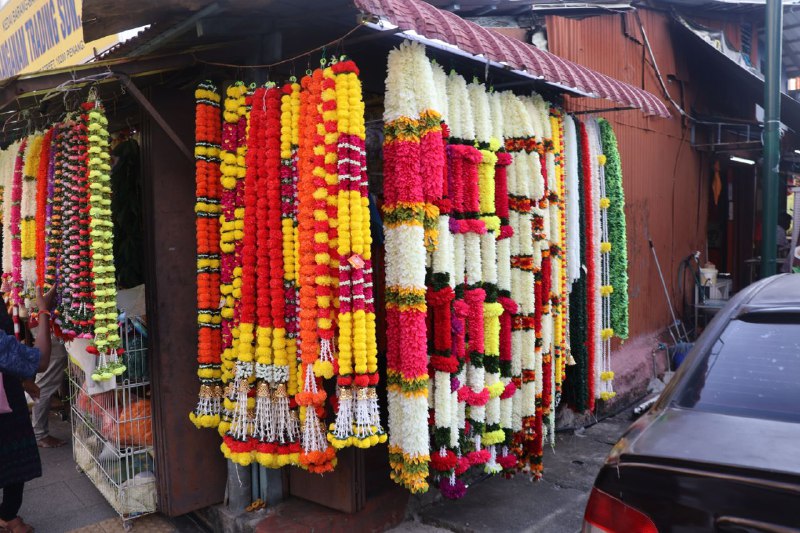
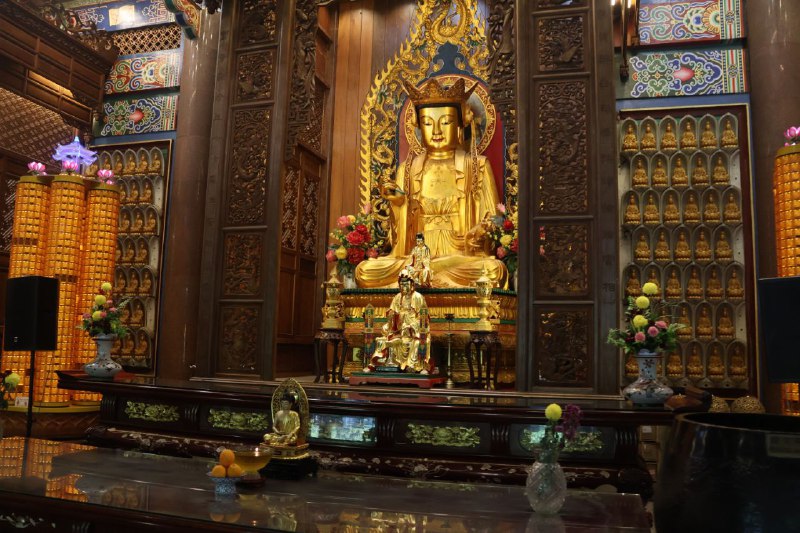
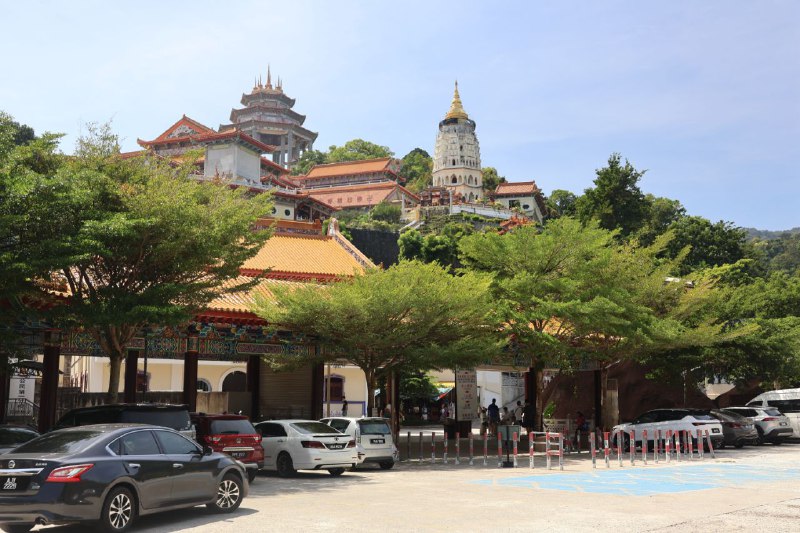
Penang Island, just a short distance from Langkawi, left me with the complete opposite impression. It's the culinary capital of the country, and overall much more pleasant. And there was significantly more happening here.
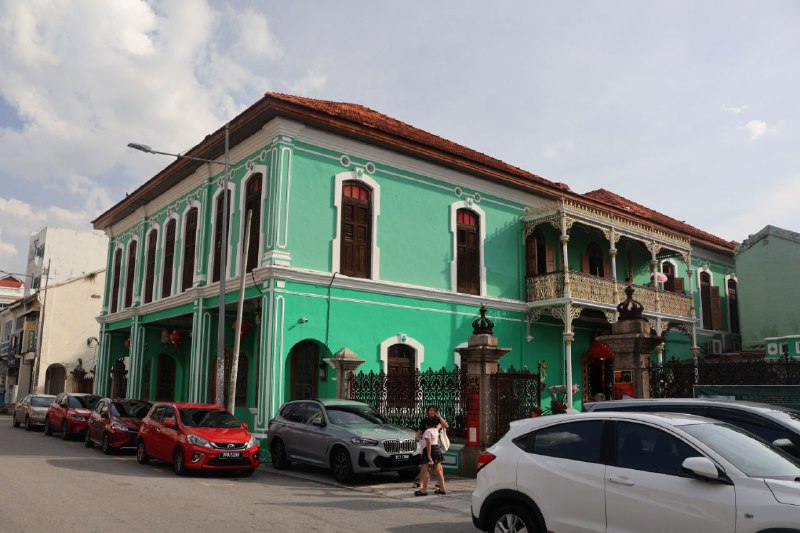
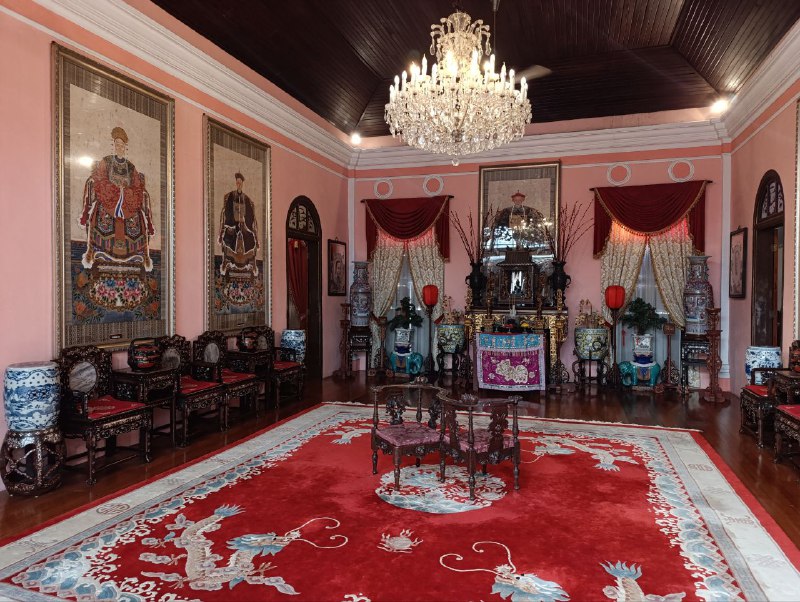
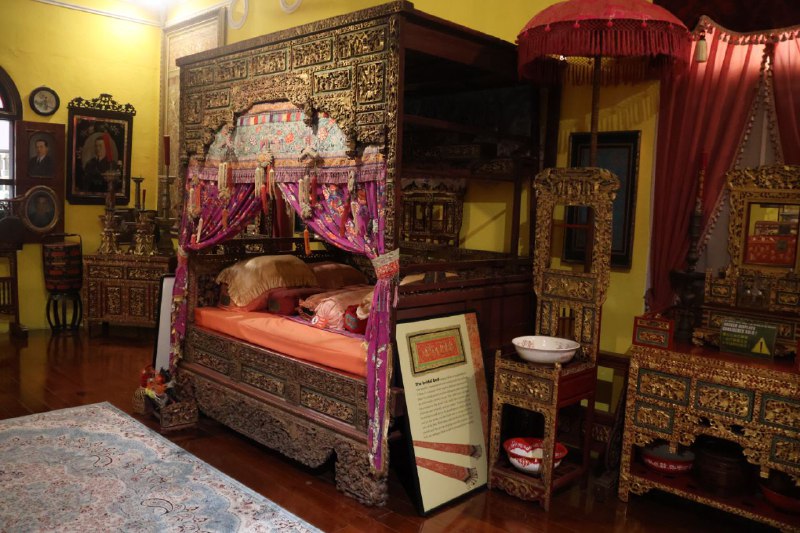
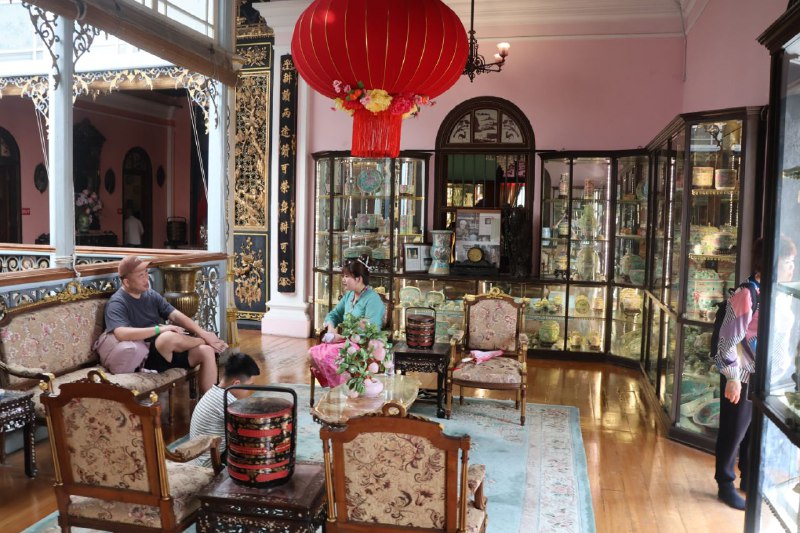
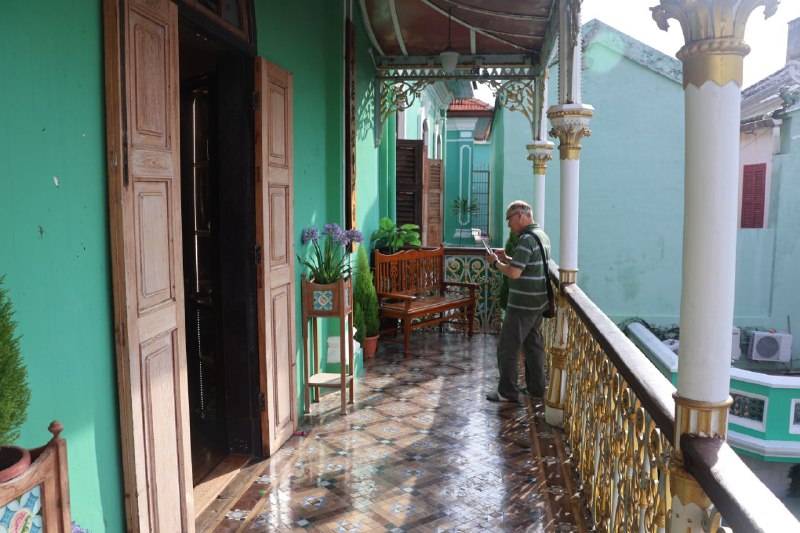
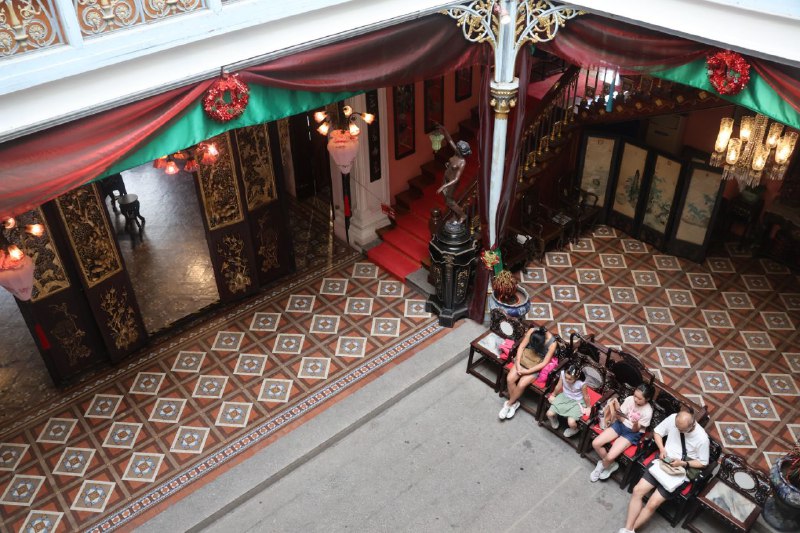
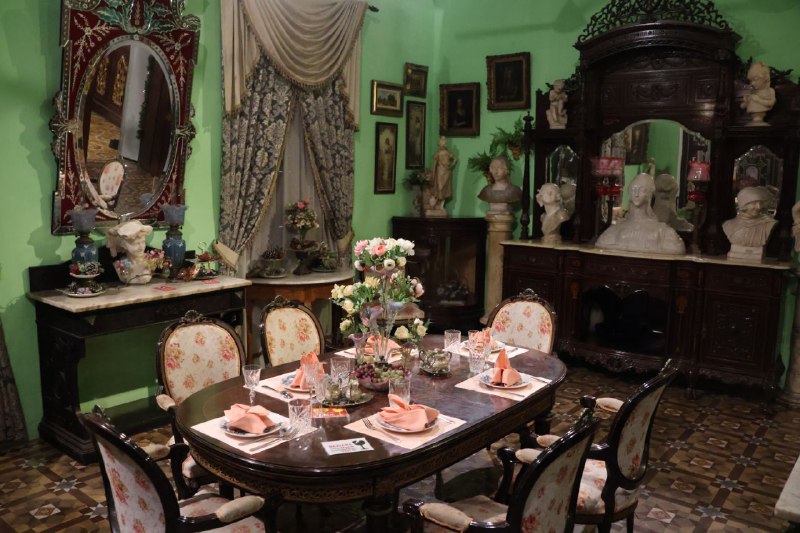
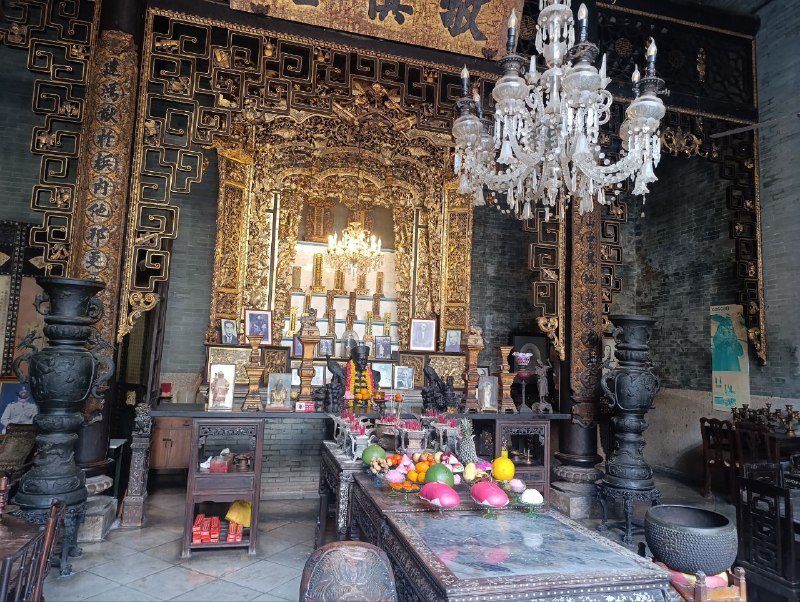
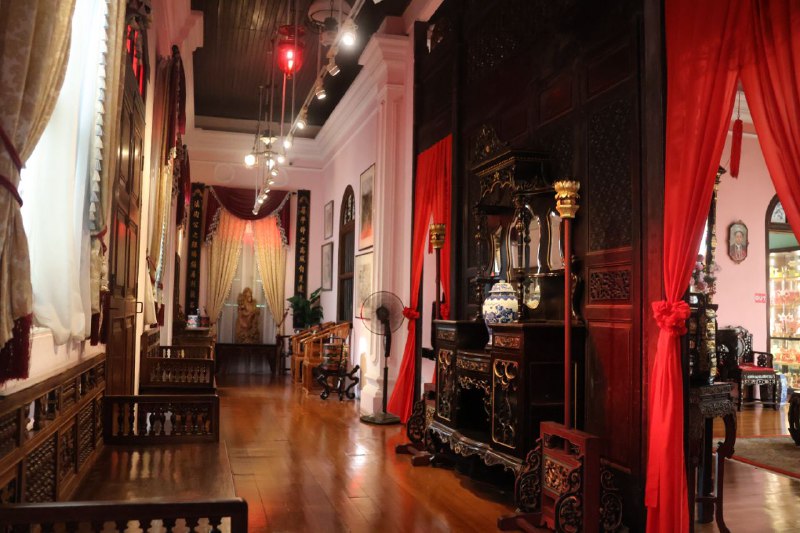
The region is wealthy. You can see what locals considered "expensive and luxurious" from the mid-19th century in the Peranakan Mansion. It belonged to Chung Keng Quee, a Chinese immigrant and one of Malaysia's richest residents. According to family history, his father and two older brothers moved there first. But there was no word from them, so his mother sent their middle son to follow. He found his relatives and discovered that these former peasants had gotten into the tin mining business, and things were booming. But it was Chung who became the man capable of growing the business to imperial proportions.
Besides business, he also got involved in political matters. On one hand, he became a Chinese Captain (an official position appointed by the colonial government). On the other hand, he managed one of the Chinese secret societies. These were unofficial but extremely powerful structures that distributed work among Chinese residents, settled disputes, and effectively functioned as a parallel government—but only for the Chinese. The colonial authorities used this as a tool for control through these community leaders.
However, since these societies were never formally recognized by law, they constantly fought each other for power and influence. It literally came down to wars (four of them!). But at such times, even the colonists had to step in.
The region is wealthy. You can see what locals considered "expensive and luxurious" from the mid-19th century in the Peranakan Mansion. It belonged to Chung Keng Quee, a Chinese immigrant and one of Malaysia's richest residents. According to family history, his father and two older brothers moved there first. But there was no word from them, so his mother sent their middle son to follow. He found his relatives and discovered that these former peasants had gotten into the tin mining business, and things were booming. But it was Chung who became the man capable of growing the business to imperial proportions.
Besides business, he also got involved in political matters. On one hand, he became a Chinese Captain (an official position appointed by the colonial government). On the other hand, he managed one of the Chinese secret societies. These were unofficial but extremely powerful structures that distributed work among Chinese residents, settled disputes, and effectively functioned as a parallel government—but only for the Chinese. The colonial authorities used this as a tool for control through these community leaders.
However, since these societies were never formally recognized by law, they constantly fought each other for power and influence. It literally came down to wars (four of them!). But at such times, even the colonists had to step in.
Media not archived (photo) —
view on Telegram
Countries
 United Kingdom3
 Serbia100
 Bosnia and Herzegovina54
 Turkey42
 United Arab Emirates3
 Brunei2
 Indonesia12
 Malaysia15
 Argentina16
 USA117
 Morocco5
 Georgia5
 Egypt16
 Hong Kong8
 China4
 Vietnam9
 Tunisia7
 Montenegro9
 Philippines12
 Singapore10
 Oman12
 Algeria12
 North Macedonia5
 Lebanon11
 Israel27
 Albania17
 Russia63
 Tanzania50
 Netherlands7
 Spain14
 Latvia2
 Germany7
 Belgium3
 France27
 Kazakhstan32