Penang Island, just a short distance from Langkawi, left me with the complete opposite impression. It's the culinary capital of the country, and overall much more pleasant. And there was significantly more happening here.
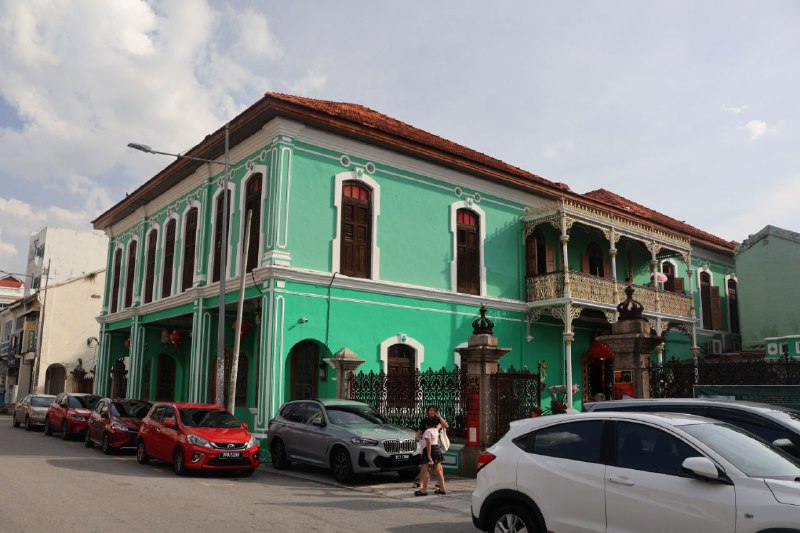
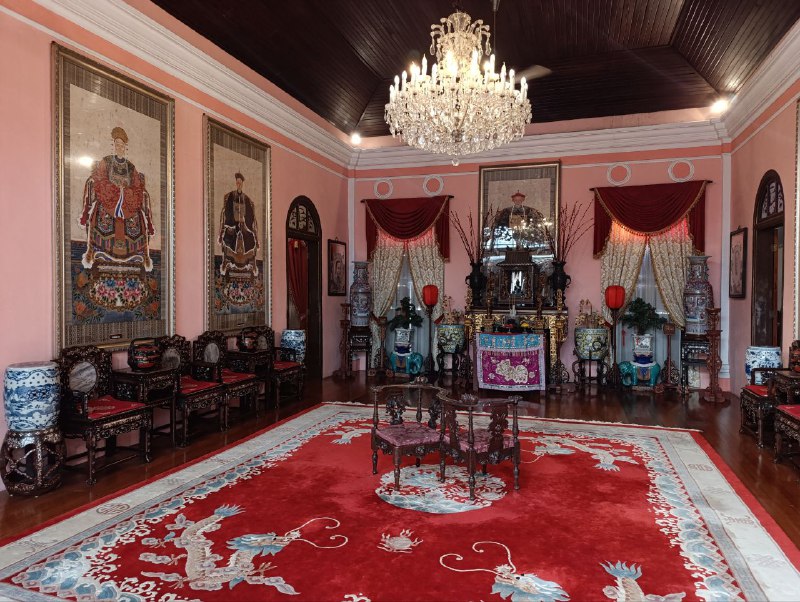
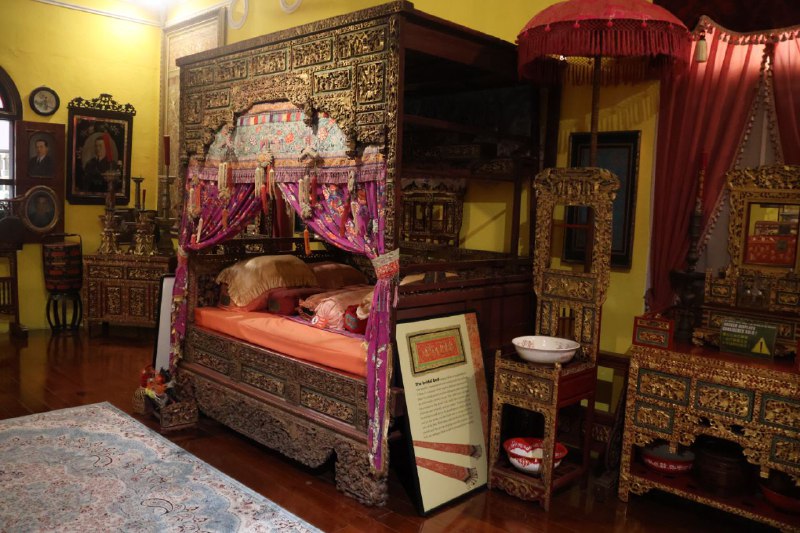
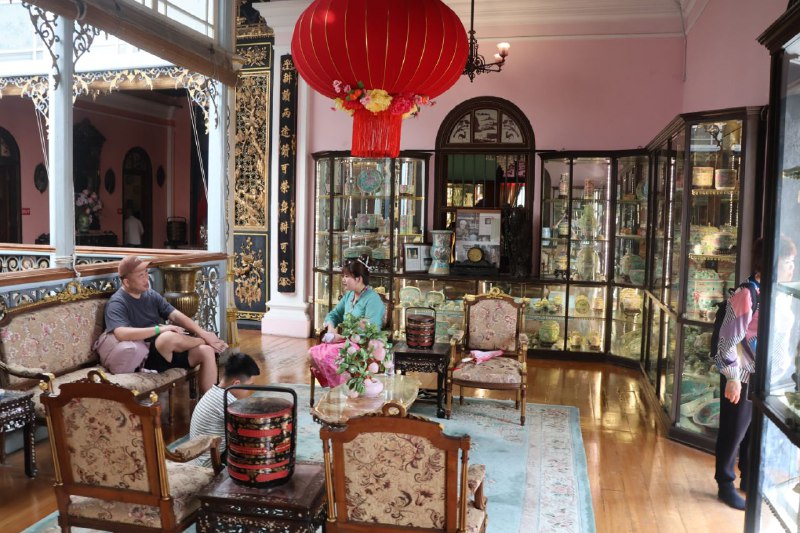
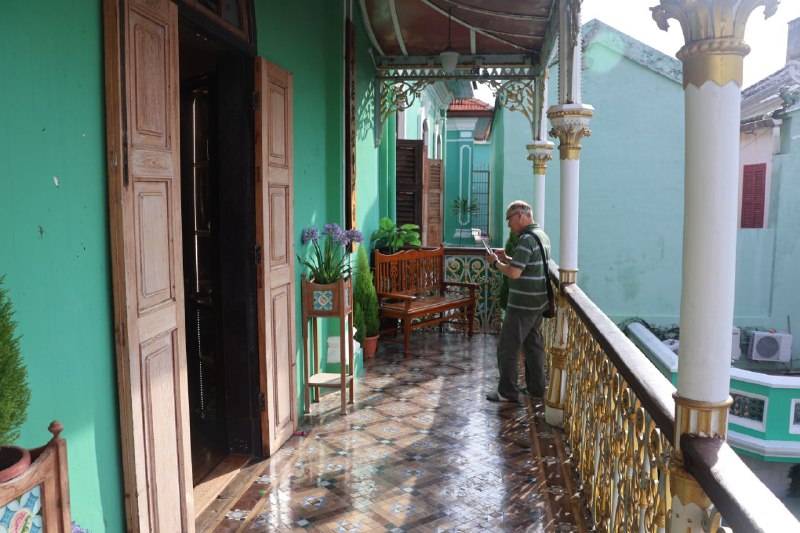
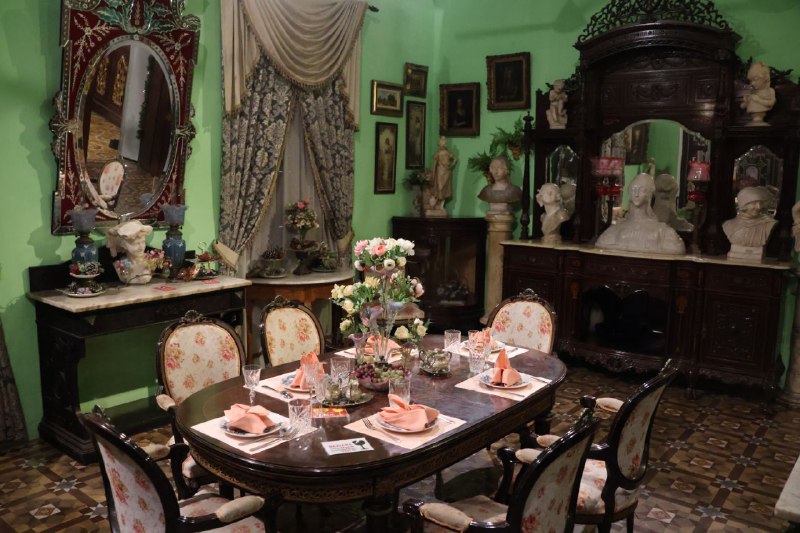
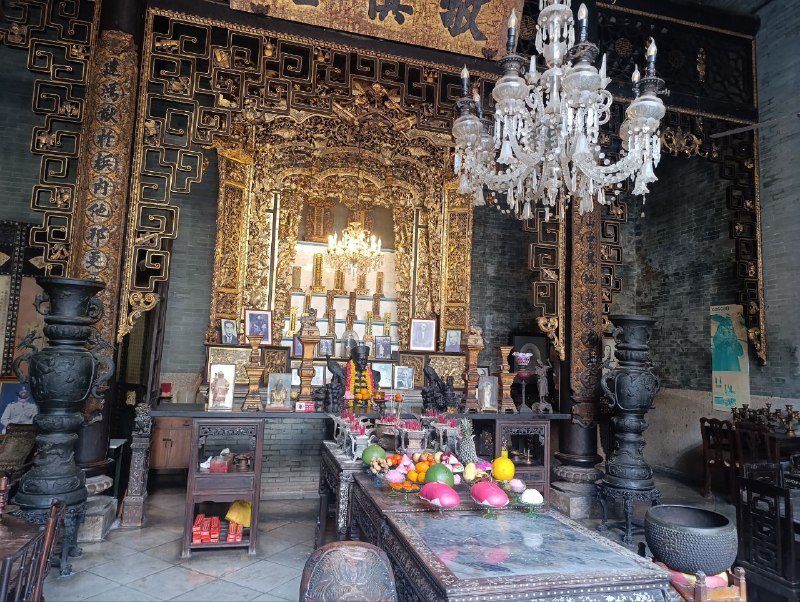
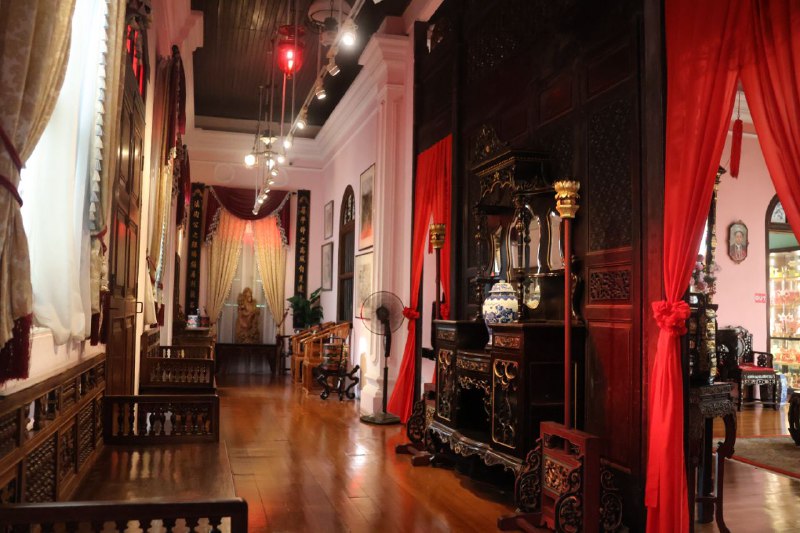
The region is wealthy. You can see what locals considered "expensive and luxurious" from the mid-19th century in the Peranakan Mansion. It belonged to Chung Keng Quee, a Chinese immigrant and one of Malaysia's richest residents. According to family history, his father and two older brothers moved there first. But there was no word from them, so his mother sent their middle son to follow. He found his relatives and discovered that these former peasants had gotten into the tin mining business, and things were booming. But it was Chung who became the man capable of growing the business to imperial proportions.
Besides business, he also got involved in political matters. On one hand, he became a Chinese Captain (an official position appointed by the colonial government). On the other hand, he managed one of the Chinese secret societies. These were unofficial but extremely powerful structures that distributed work among Chinese residents, settled disputes, and effectively functioned as a parallel government—but only for the Chinese. The colonial authorities used this as a tool for control through these community leaders.
However, since these societies were never formally recognized by law, they constantly fought each other for power and influence. It literally came down to wars (four of them!). But at such times, even the colonists had to step in.
The region is wealthy. You can see what locals considered "expensive and luxurious" from the mid-19th century in the Peranakan Mansion. It belonged to Chung Keng Quee, a Chinese immigrant and one of Malaysia's richest residents. According to family history, his father and two older brothers moved there first. But there was no word from them, so his mother sent their middle son to follow. He found his relatives and discovered that these former peasants had gotten into the tin mining business, and things were booming. But it was Chung who became the man capable of growing the business to imperial proportions.
Besides business, he also got involved in political matters. On one hand, he became a Chinese Captain (an official position appointed by the colonial government). On the other hand, he managed one of the Chinese secret societies. These were unofficial but extremely powerful structures that distributed work among Chinese residents, settled disputes, and effectively functioned as a parallel government—but only for the Chinese. The colonial authorities used this as a tool for control through these community leaders.
However, since these societies were never formally recognized by law, they constantly fought each other for power and influence. It literally came down to wars (four of them!). But at such times, even the colonists had to step in.

 United Kingdom
 Serbia
 Bosnia and Herzegovina
 Turkey
 United Arab Emirates
 Brunei
 Indonesia
 Malaysia
 Argentina
 USA
USA Morocco
 Georgia
 Egypt
Egypt Hong Kong
 China
China Vietnam
 Tunisia
 Montenegro
 Philippines
 Singapore
 Oman
Oman Algeria
 North Macedonia
 Lebanon
 Israel
 Albania
 Russia
 Tanzania
 Netherlands
 Spain
Spain Latvia
 Germany
 Belgium
 France
 Kazakhstan