I visited Podgorica a couple of years ago on my way to
Albania. Back then, the city seemed pretty unremarkable to me.
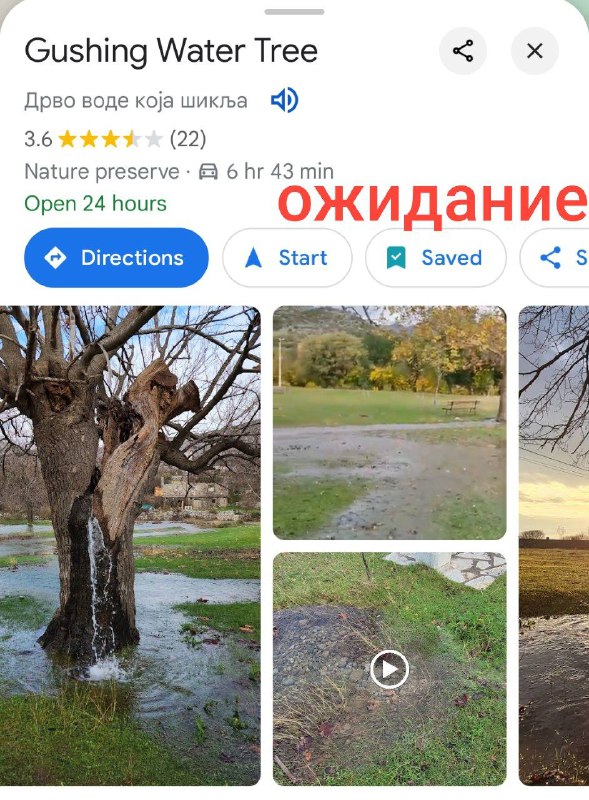
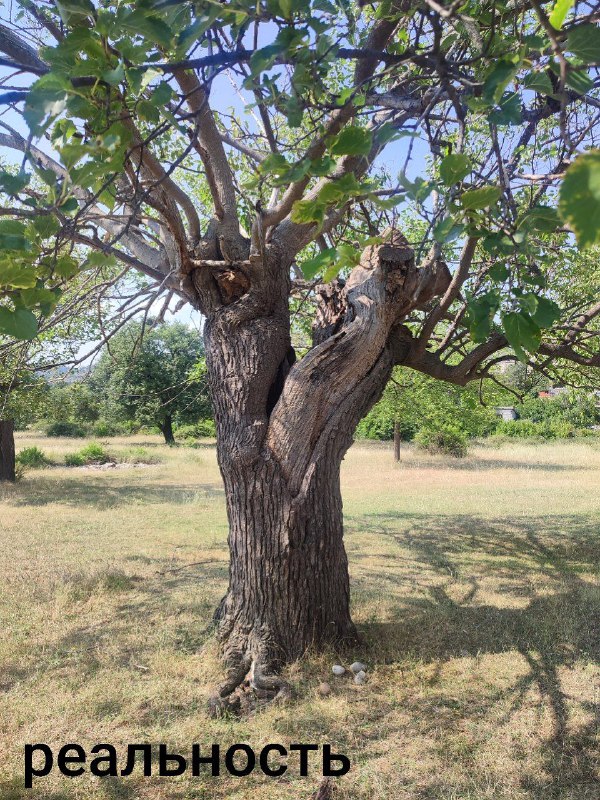
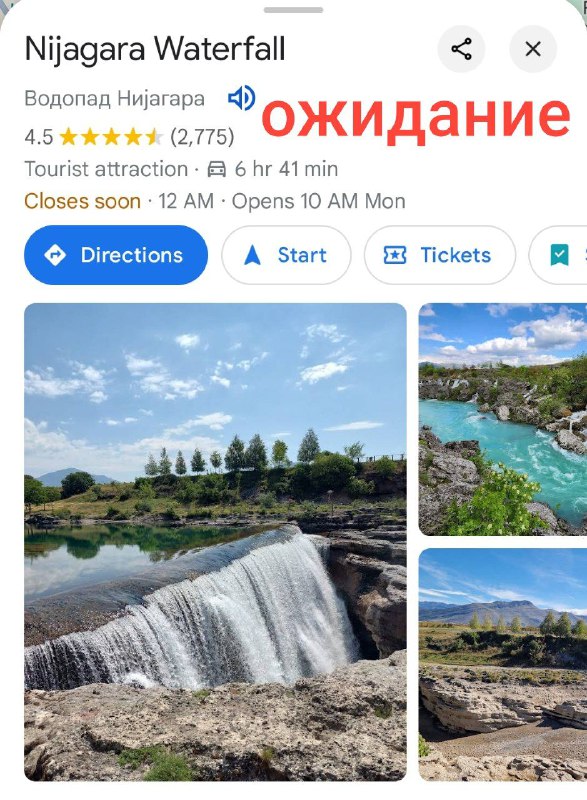
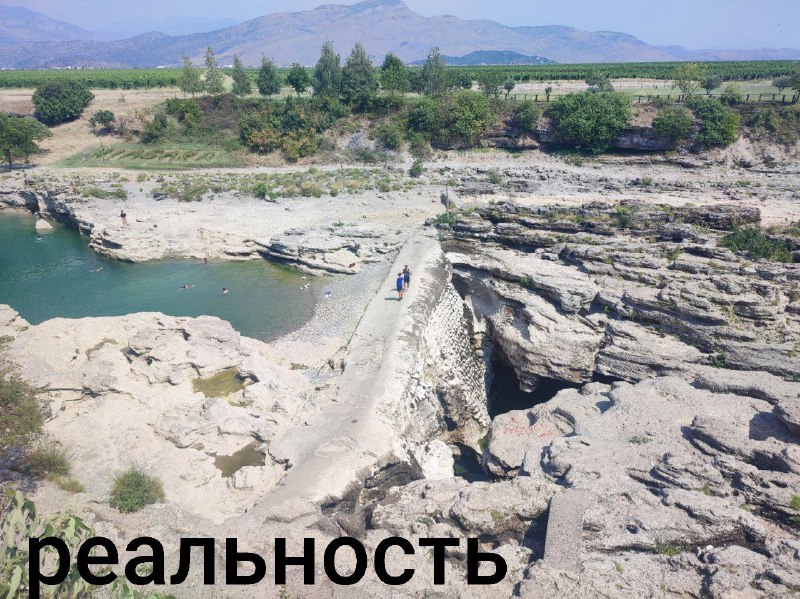
Not much has changed since, but I found a couple of interesting-looking spots on my map. A
tree with water flowing through it, and a massive
Niagara Falls waterfall (yes, that's actually what it's called).
I got a chance to visit them. Well, then. They probably would've made a better impression if I'd shown up at the right time. But in the dry summer, my expectations crashed hard against reality.
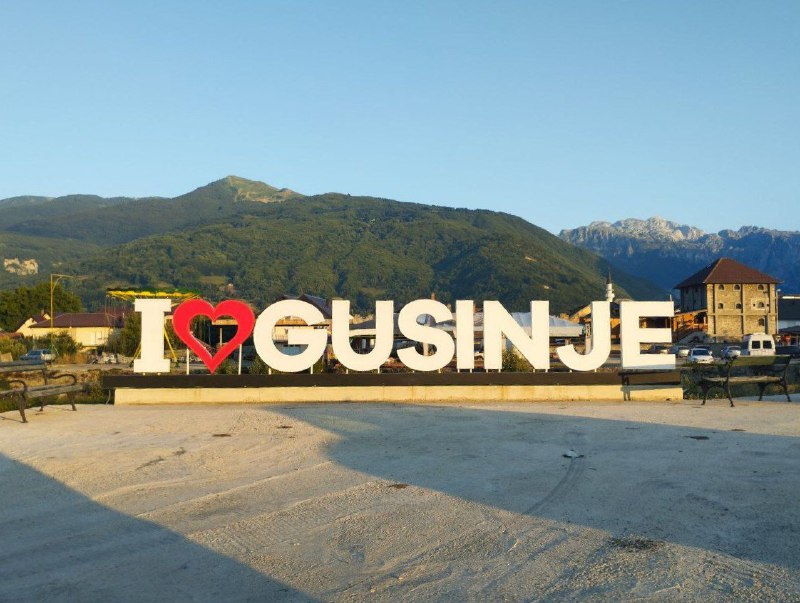
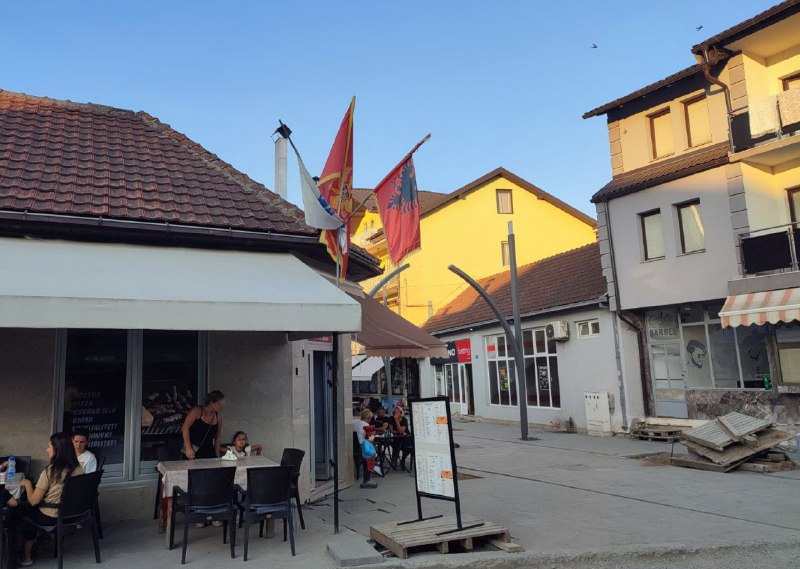
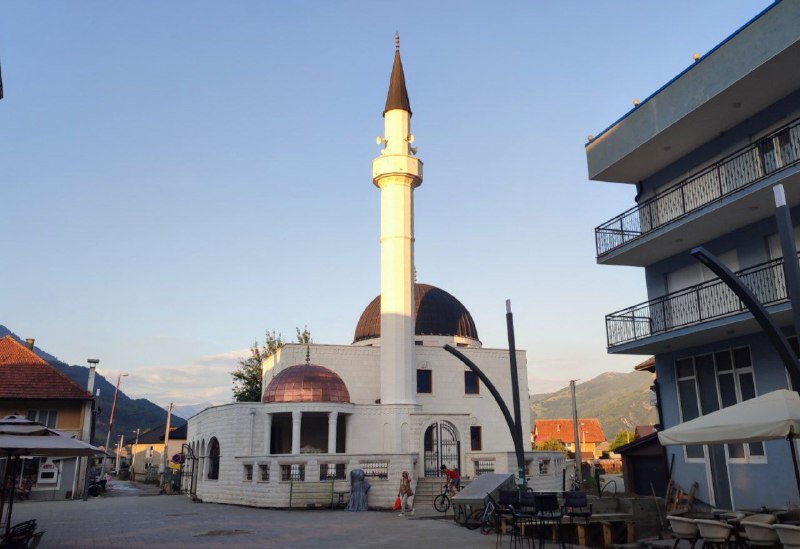
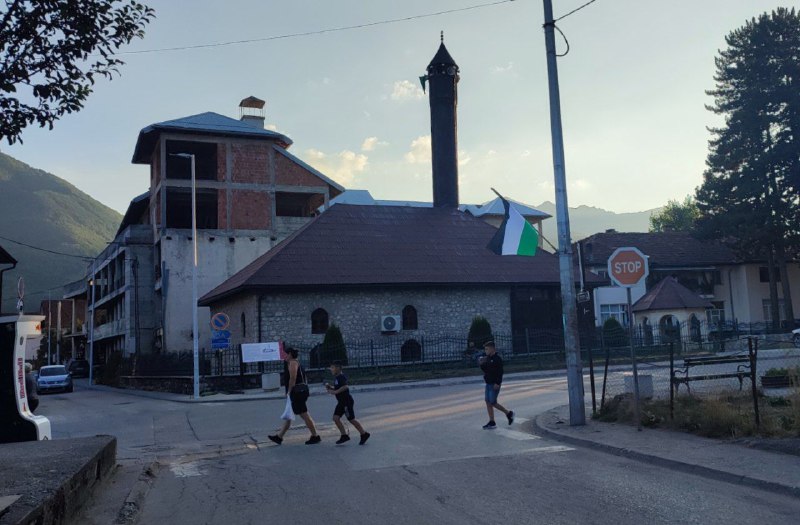
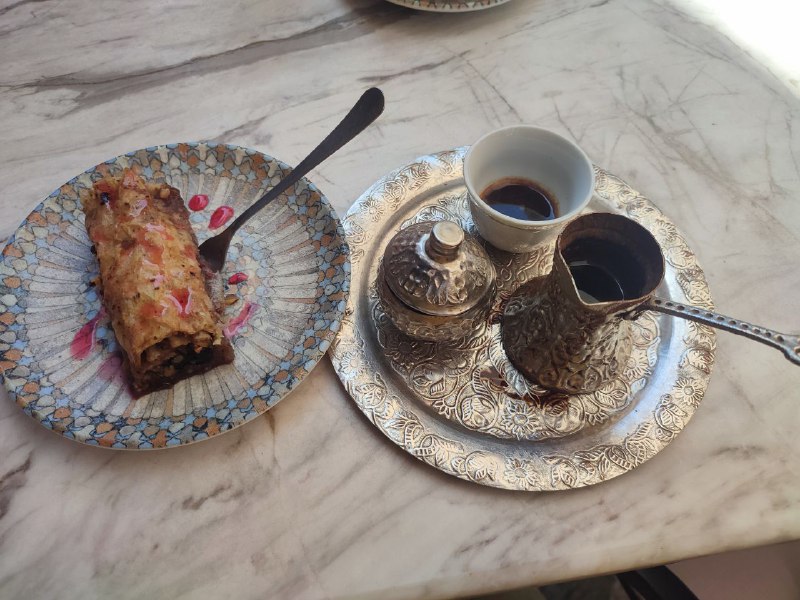
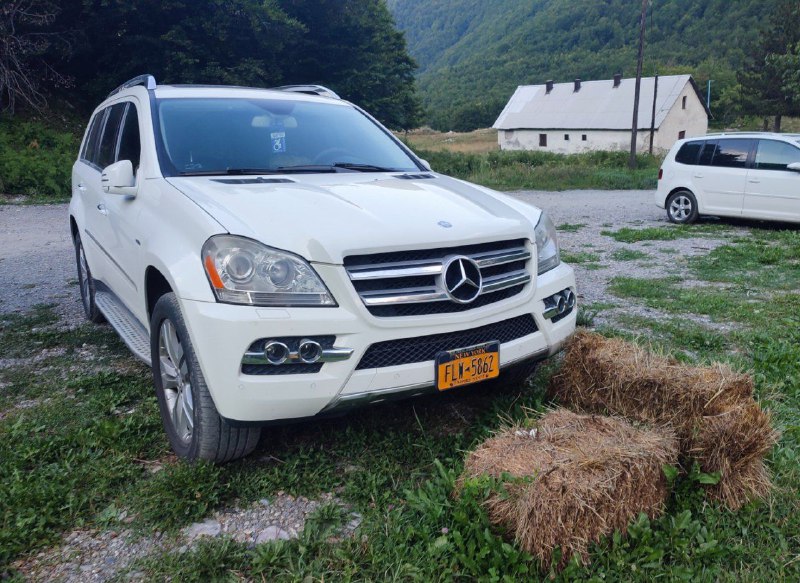
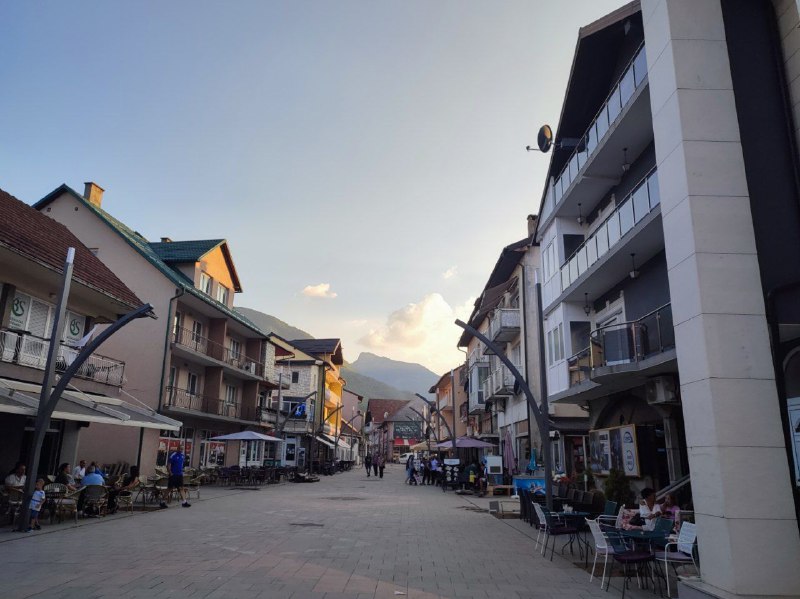
Picture a small Balkan town: Albanian flags hanging on the streets, mosques on every corner, Turkish coffee being served at cafés, plenty of cars with US license plates on the roads, and waiters who don't always speak Serbo-Croatian well. Which country would this most likely be in?
Bingo! It's Montenegro
😅Gusinje, located right before Prokletije National Park, is exactly like that. It's been part of the Ottoman Empire, the Montenegrin Principality, and even Albania. Sometimes more than once. Most of these "relocations" happened in the late 19th and early 20th centuries. They were often very bloody. In 1913, Montenegrins massacred over 1,800 residents of Gusinje and forcibly converted 12,000 to Christianity. Though it's true, people also converted to Islam in pursuit of material benefits and tax breaks. At least they didn't have guns to their heads.
This turbulent history led to several major waves of emigration. Today, it's estimated that over 30,000 people live outside the region, mostly in the USA, even though the region itself has fewer than 20,000 residents.
Locals speak a Serbo-Croatian dialect heavily influenced by Albanian, which is considered a unique phenomenon. I found it noticeably harder to understand people here than Serbs in Belgrade. At one point, someone even suggested we switch to English because we were having trouble communicating both ways. Though to be fair, native speakers from other regions struggle with it too.
The drone views of Cursed Mountain are absolutely fantastic ❤️
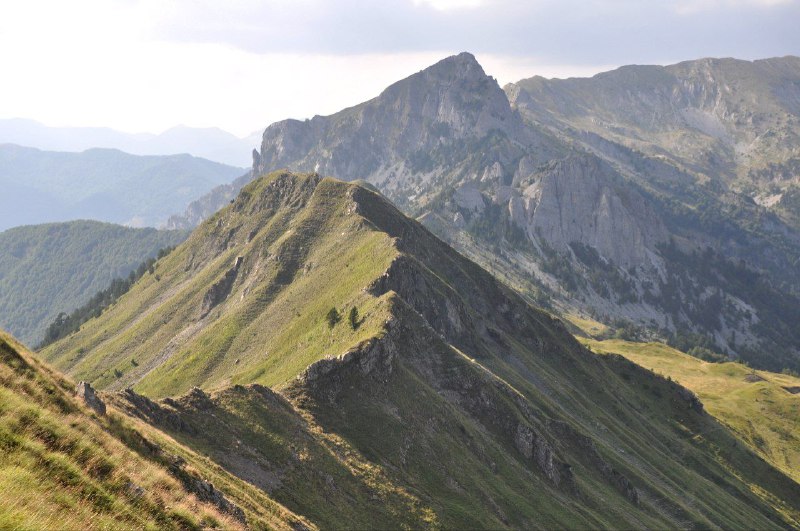
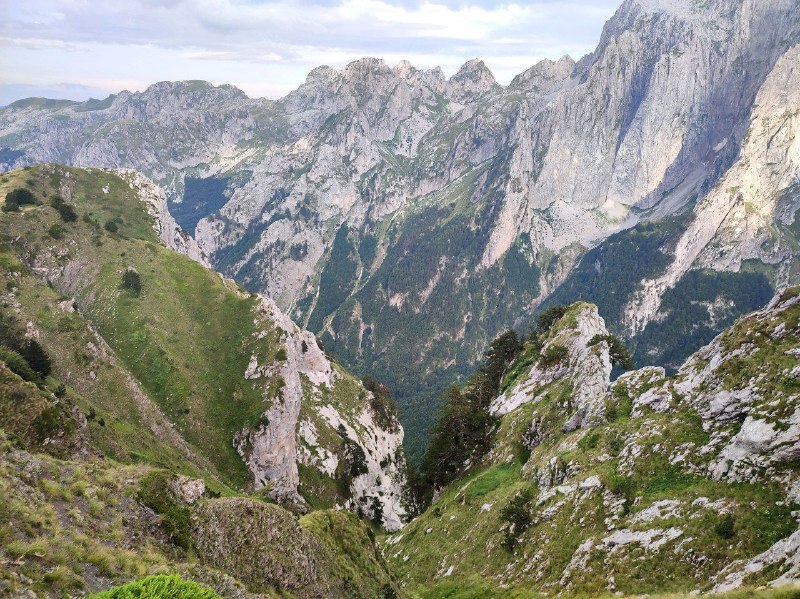
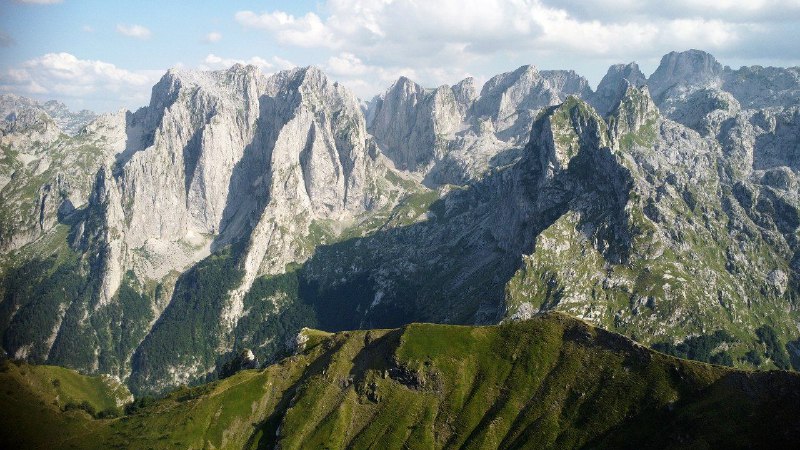
I've been wanting to make it to Montenegro's Prokletije for two years. And I finally made it!
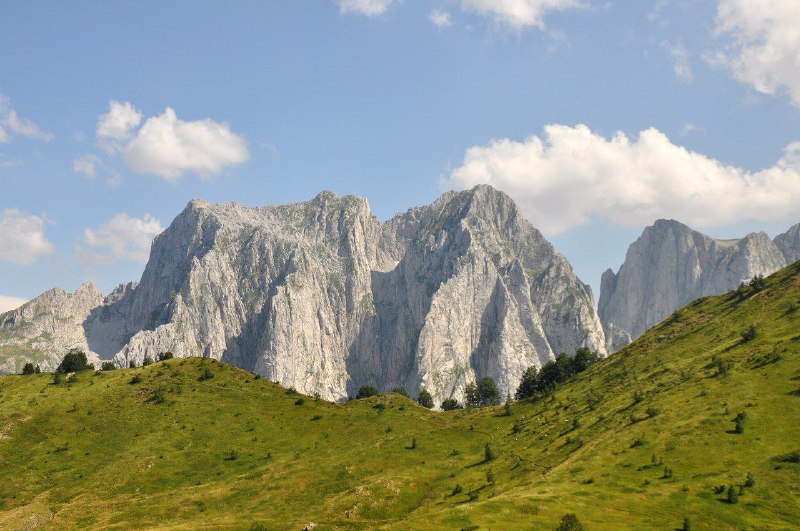
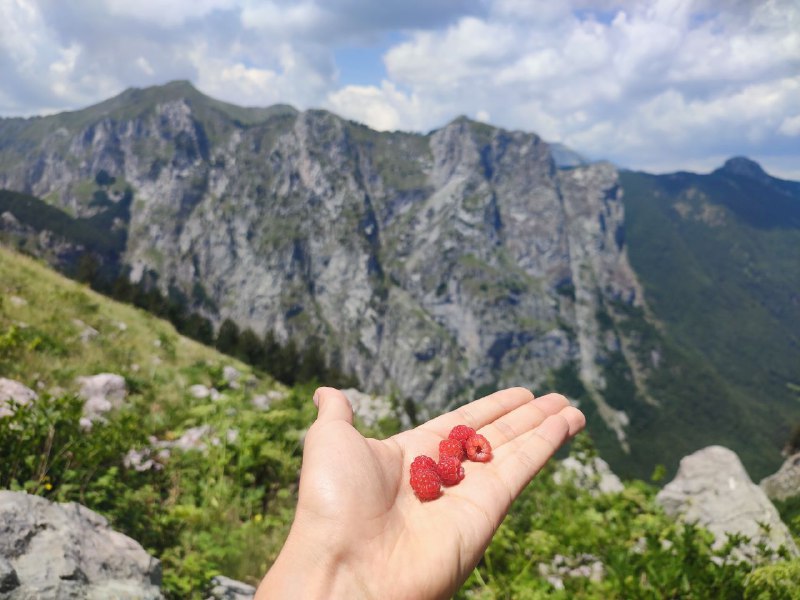
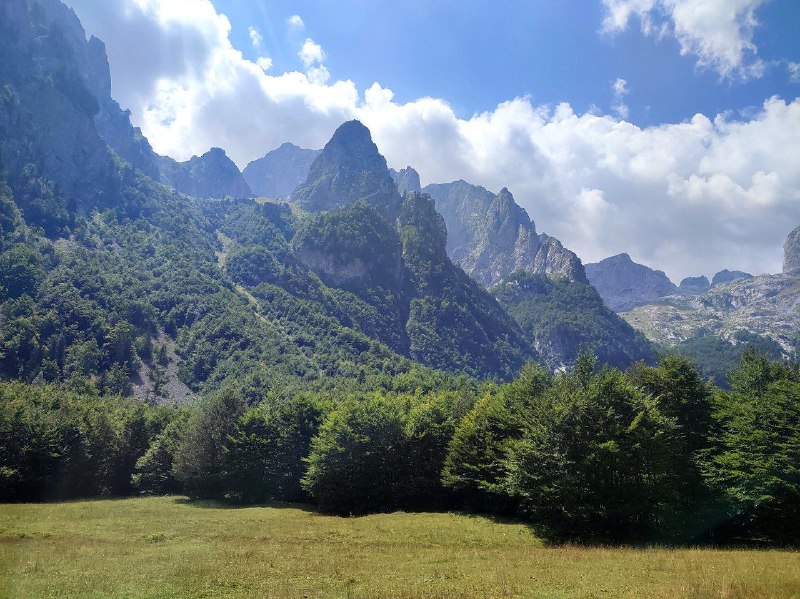
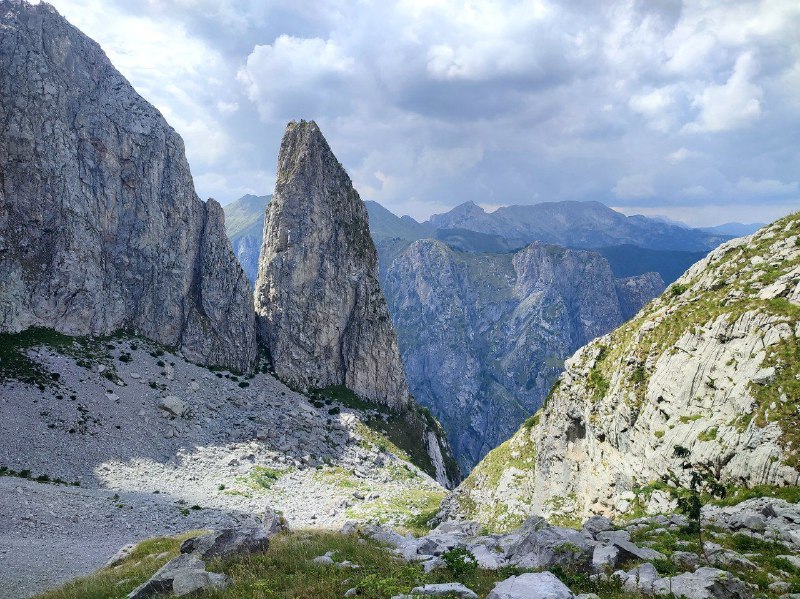
These are some of the most stunning mountains I've ever seen. But you really need to choose your trails carefully. One of my routes was straight-up brutal—a vertical kilometer crammed into just 2 km of trail. Either way, you're guaranteed absolutely breathtaking views.
A couple years back I was on the
Albanian side of the park. The landscape there is more diverse, but honestly, the mountains on this side are way more impressive.
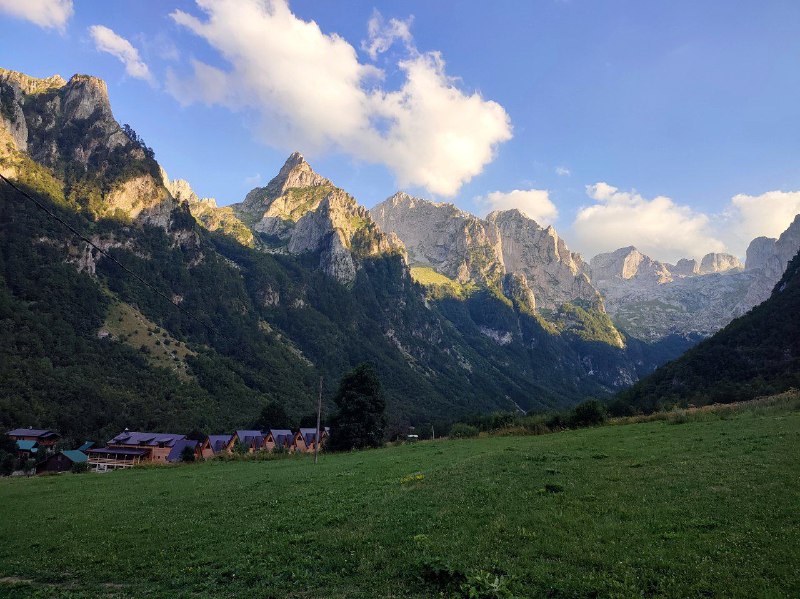
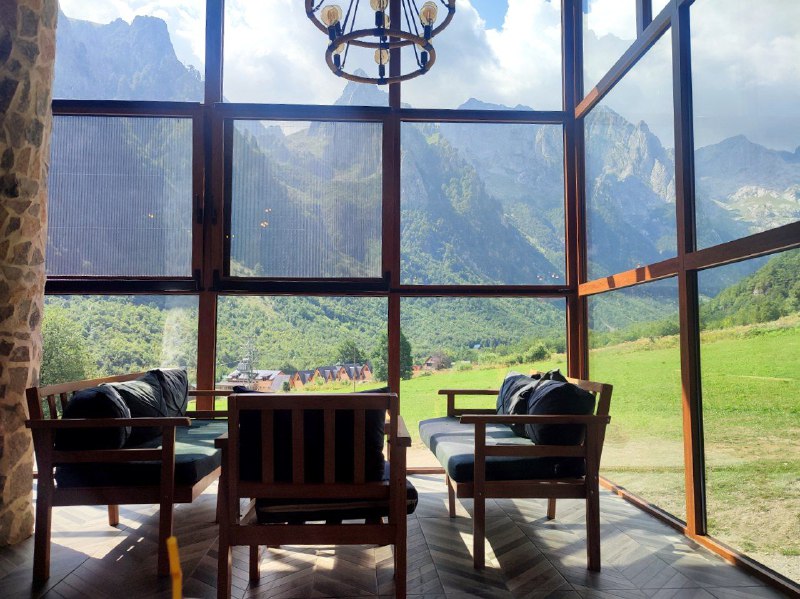
At the park entrance there's a
little restaurant with an absolutely stunning panoramic view (that's the last photo). And the food's pretty good too. Everything tastes amazing when you're coming back from a hike :)
And honestly, plan for more than just a couple days so you have time to recover between outings. There are three "classic" routes (
one,
two,
three). You can't realistically do all three in three consecutive days. And for the third one, you need to notify the Albanian police beforehand because it crosses the official border.
Meanders exist not only in
Serbia, but also in
Montenegro. Just a small detour on the way to Belgrade, but it's worth it.
And Durmitor is magnificent, of course.
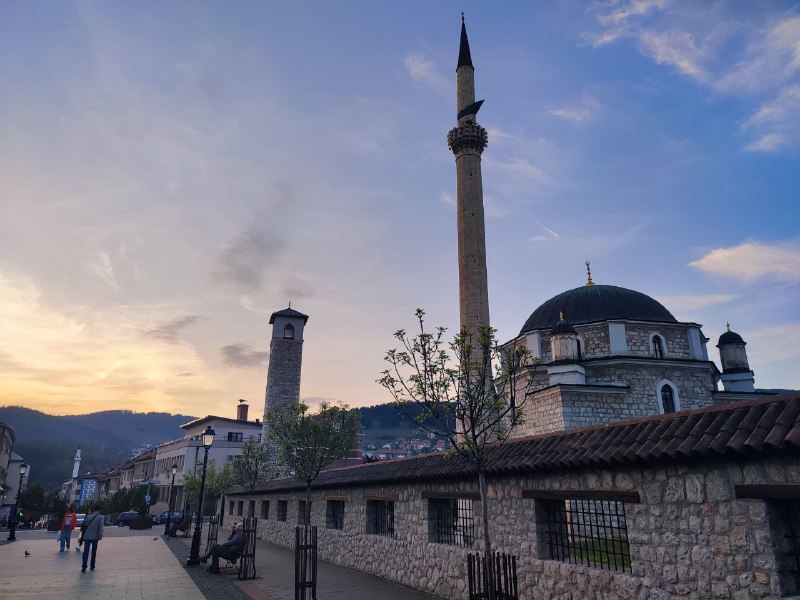
On the border between Serbia and Montenegro, there's a region called
Sandžak with a large Muslim population. You wouldn't expect that from these countries. I've already told you about the Serbian
Novi Pazar.
On the Montenegrin side, the most notable city is Pljevlja. Even though it only has about 16,000 residents, it's the third-largest settlement.
These days it's a peaceful, quiet town, but during the breakup of Yugoslavia things were tense here. In 1992, the police confiscated a car from an assistant to a local military major. The major then came to the police station and literally threatened to declare war on the city if the car wasn't returned immediately.
In normal times, he probably would've been arrested on the spot, but back then half the police switched sides with the military and the city began to descend into chaos. Amid the confusion, there were threats to wipe out the entire Muslim population of Pljevlja. The Yugoslav Army simply refused to fight them.
Fortunately, it ended without bloodshed—diplomacy won out. The presidents of Montenegro and Yugoslavia rushed to the scene and promised the Muslims they'd disarm the rebels, and in exchange, to calm things down, they got a promise that the separatists wouldn't seek independence. Not that anyone here was really trying to.
Tensions died down after that, but things only fully calmed down after the Bosnian War ended in 1995.
Montenegro has its own kind of Shabbat. A simplified version. In 2019, the country's parliament passed a law that turned Sunday into a sort of mandatory day off for all stores. The only exceptions are gas stations and small kiosks selling beer and cigarettes. The fine for breaking the rules can go up to ten thousand euros.
The main reason behind this move was the authorities' desire to give shop workers more time with their families. The law doesn't apply to cafes and restaurants, so you won't starve. Either way, you can't really reschedule your Sunday grocery run.
It's no wonder Montenegrins are considered the laziest people in the Balkans (sorry for the stereotype, but take it with a grain of salt). The locals themselves have played a role in this reputation, even coming up with their own
10 commandments. Though to be fair, this is relatively new folklore, mostly created to attract tourists.
It's holding at +18°, and I've made it to Montenegro. These pictures from Tivat are just for attention, but I'll tell you about Montenegro's independence.
For practically its entire history, except for a brief period before World War I, the country has been under someone's protectorate. And even after Yugoslavia fell apart, it remained part of a union state with Serbia. This was so recent that even today on various websites with particularly lazy developers, you can still find Serbia and Montenegro listed as one country in the list of countries (here's the first example that comes to mind, look for Montenegro in "Country of residence"). If it works, don't touch it (:
In 2006, the Montenegrin authorities decided to ask residents whether they wanted to live in an independent state. The opposition fought this tooth and nail, and even managed to push through raising the threshold for the decision from the constitutional 50% to 55%. Though the prime minister at the time did make statements that he'd accept any result with more than half the votes "for", and if turnout was below 50% or the referendum decided "no", he'd resign altogether.
In any case, turnout ended up being almost 90%, and 55.49% voted for independence. In percentage terms it looks good, but in absolute numbers not so great: the population is small, and 0.49% is less than 2,000 votes. Considering that 3,500 ballots were deemed invalid, there was plenty of room for all sorts of conspiracy theories.
The choice for or against naturally correlated with ethnic background and place of residence. Bosniaks and Albanians living near the Albanian border ensured a high level of "pro-independence" votes in their regions. Serbs from border areas with Serbia — against.
The announcement of the final result was delayed several times due to objections and appeals from supporters of integration with Serbia, but ultimately they announced the creation of a sovereign Montenegro, and the international community went along with it. It all ended in a peaceful separation. Today that's seen as a miracle.
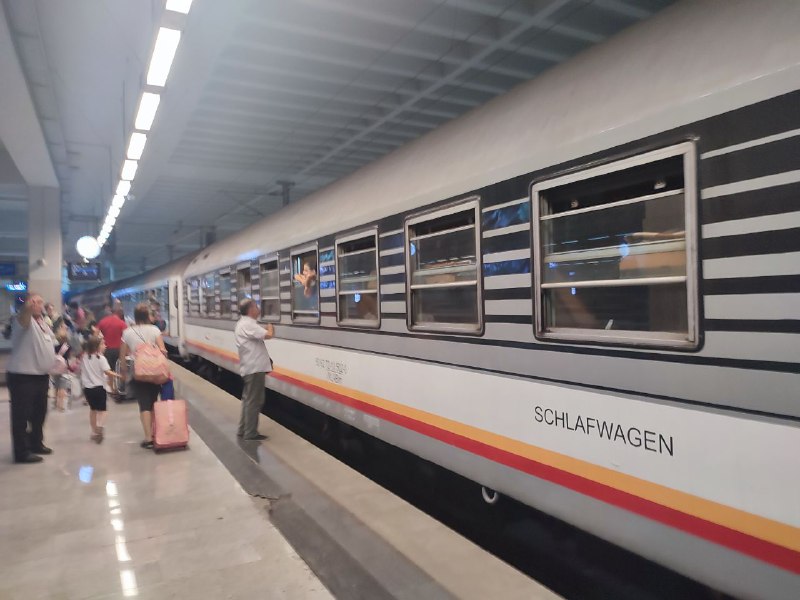
Back in 2017, I took a train from Pune to Mumbai in India. The ticket said it was a superfast train, and we covered 150km in 4.5 hours. I never thought I'd experience that kind of speed in Europe too.
I took an overnight train from Belgrade to Podgorica. We covered 440km in 12 hours. Pretty much on par with that Indian train, except here at least they don't call it superfast.
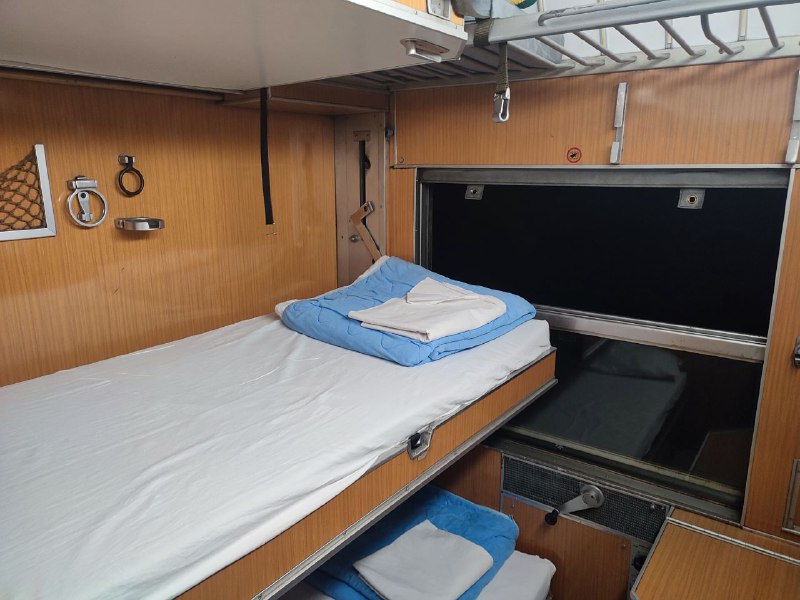
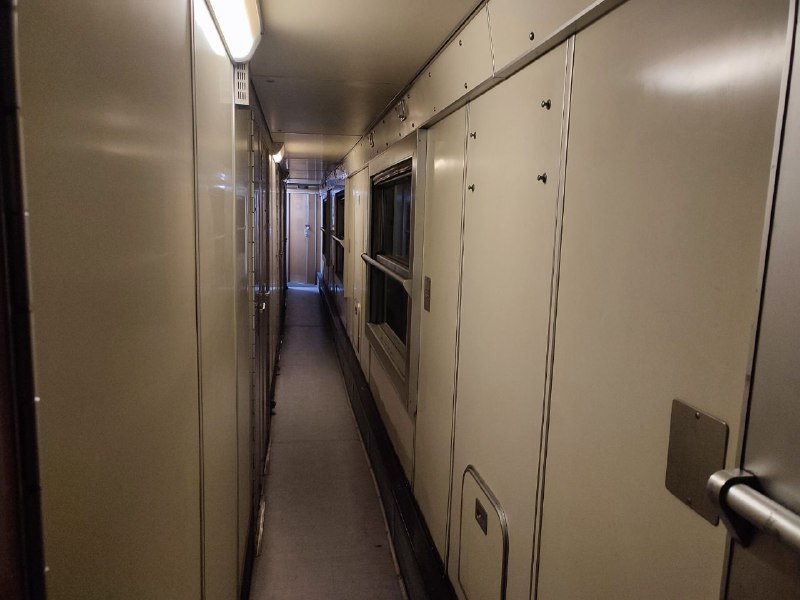
No air conditioning on the train—the saving grace is the windows that actually open. It's an old train, the kind you see on Russian Railways. But for 30 euros, you'd expect something more comfortable (this is a sleeper cabin; there are also regular seats, which are cheaper). People warned me that the cars often smell like smoke, but I guess I got lucky. My neighbor wasn't smoking, and there was no tobacco smell at all.
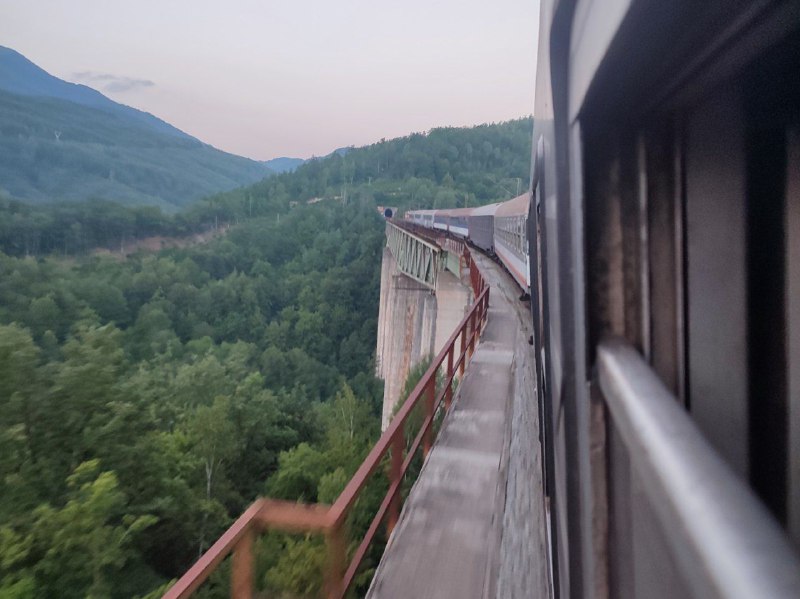
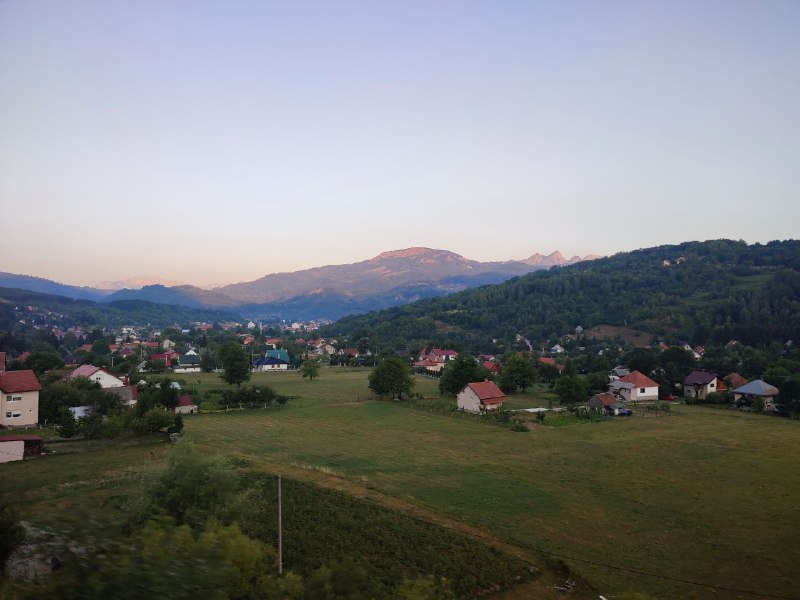
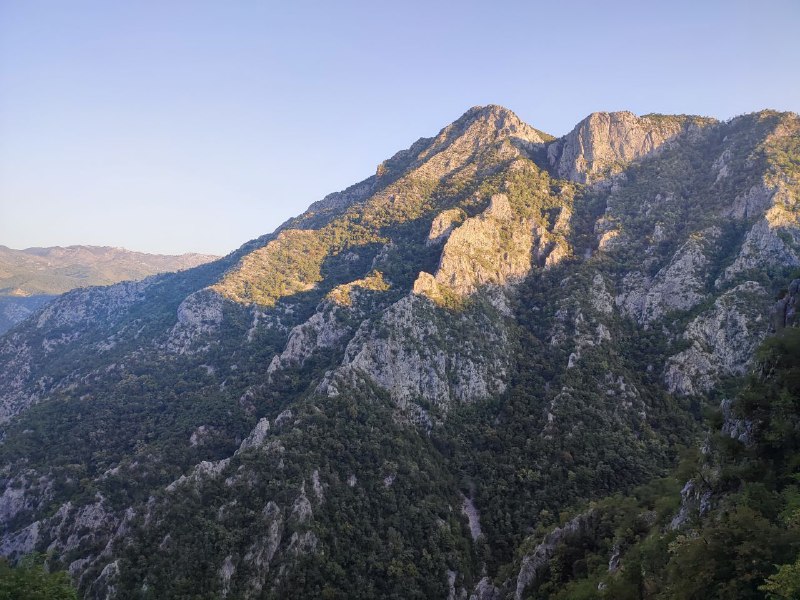
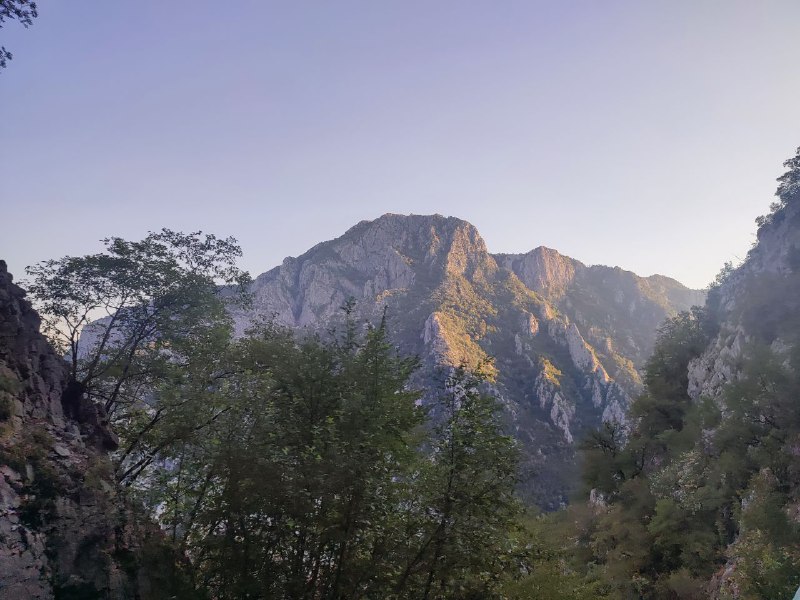
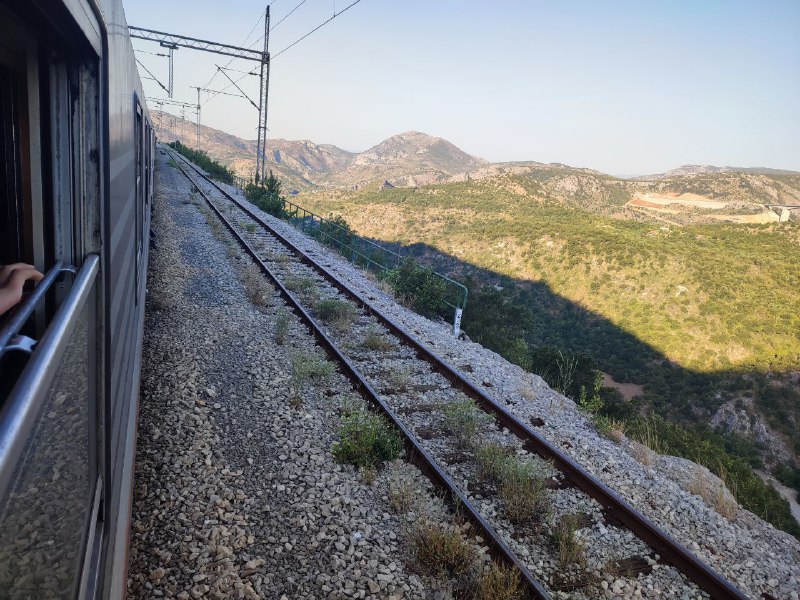
It's a night train, but once we got to the Montenegrin side, it was already getting light. I couldn't tear myself away from the window. The tunnels kept blocking the view every now and then—sometimes for several minutes at a time.
The sheer number of tunnels and bridges, and the engineering effort that went into them, is impressive. Definitely worth taking this route at least once.
 United Kingdom
 Serbia
 Bosnia and Herzegovina
 Turkey
 United Arab Emirates
 Brunei
 Indonesia
 Malaysia
 Argentina
 USA
USA Morocco
 Georgia
 Egypt
Egypt Hong Kong
 China
China Vietnam
 Tunisia
 Montenegro
 Philippines
 Singapore
 Oman
Oman Algeria
 North Macedonia
 Lebanon
 Israel
 Albania
 Russia
 Tanzania
 Netherlands
 Spain
Spain Latvia
 Germany
 Belgium
 France
 Kazakhstan