On the border between Serbia and Montenegro, there's a region called Sandžak with a large Muslim population. You wouldn't expect that from these countries. I've already told you about the Serbian Novi Pazar.
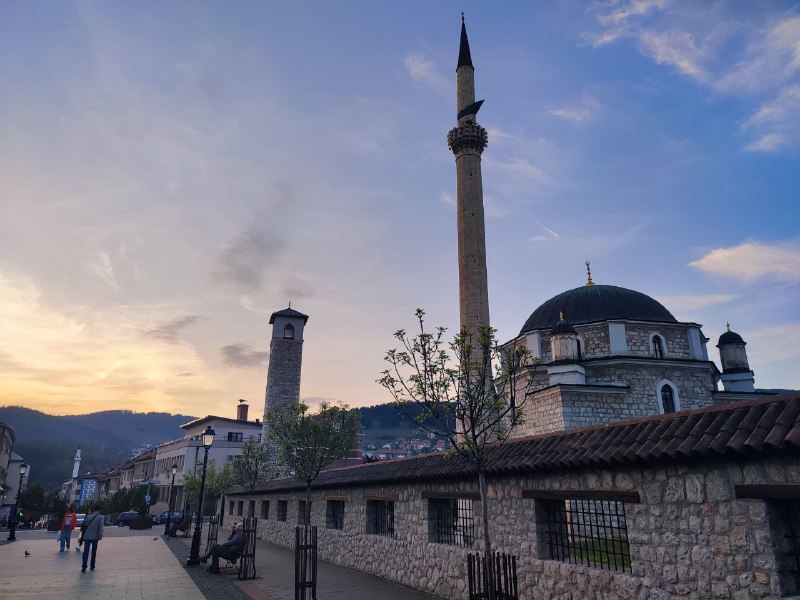
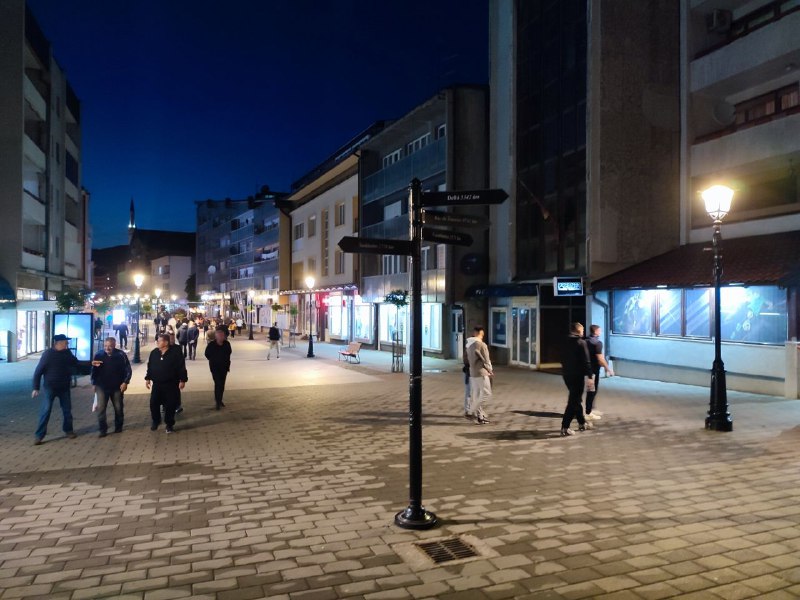
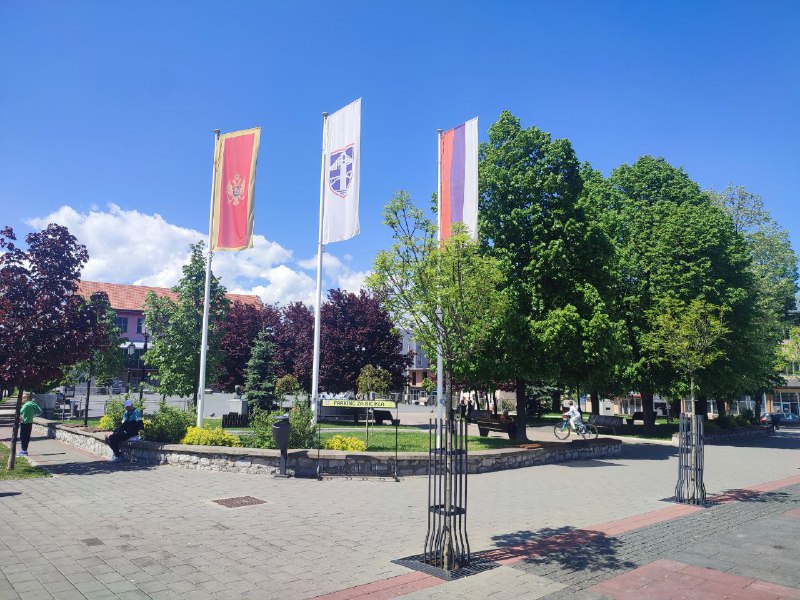
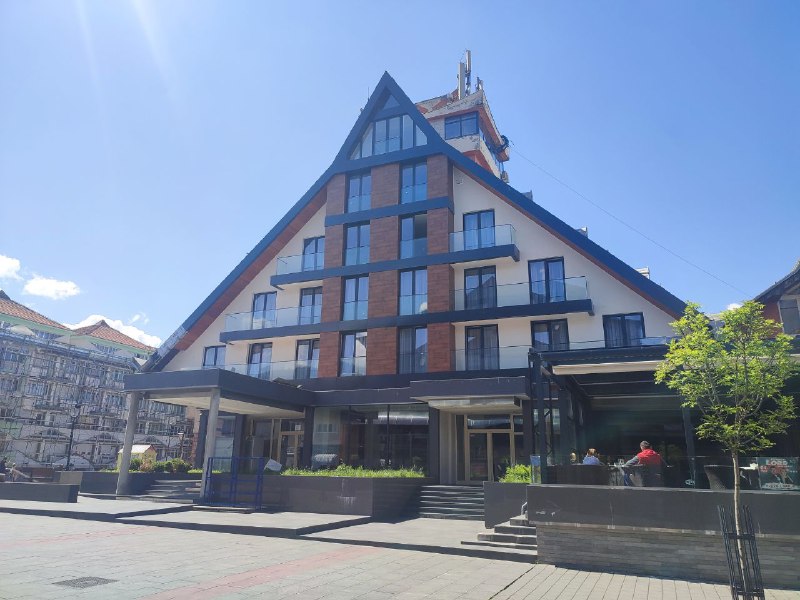
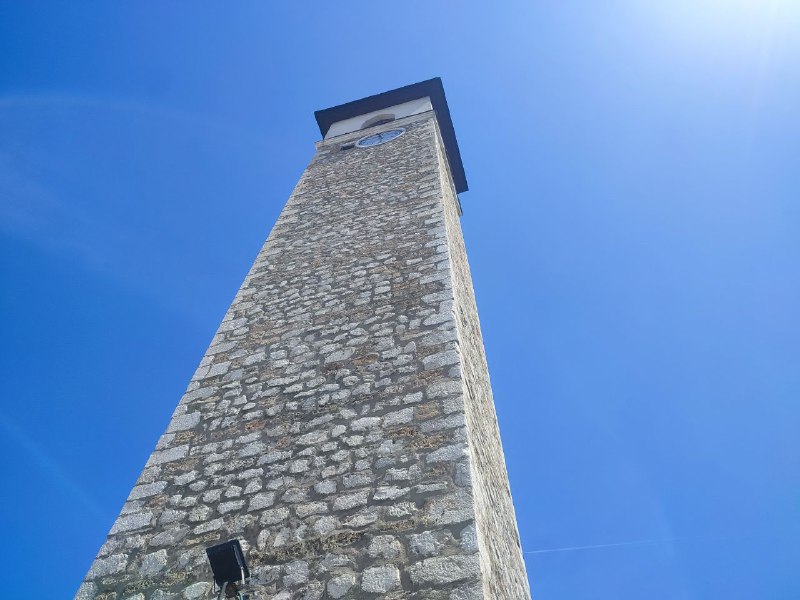
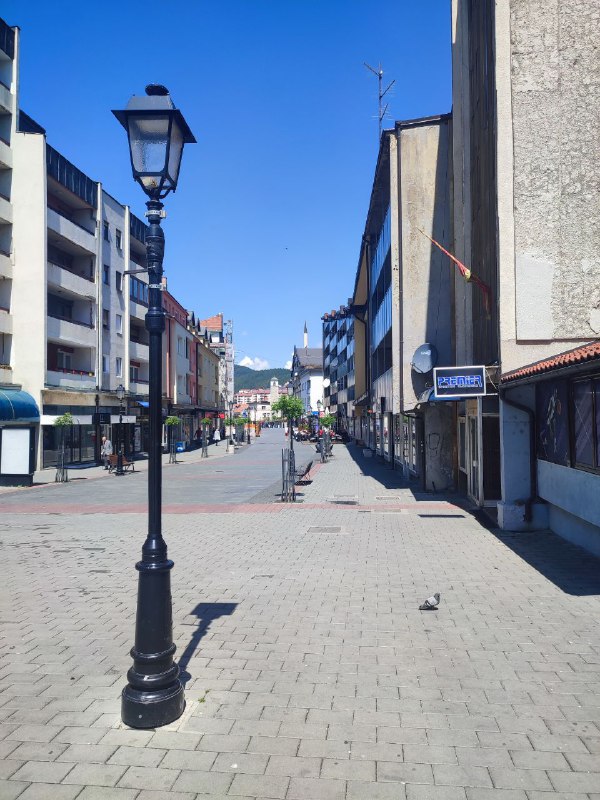
On the Montenegrin side, the most notable city is Pljevlja. Even though it only has about 16,000 residents, it's the third-largest settlement.
These days it's a peaceful, quiet town, but during the breakup of Yugoslavia things were tense here. In 1992, the police confiscated a car from an assistant to a local military major. The major then came to the police station and literally threatened to declare war on the city if the car wasn't returned immediately.
In normal times, he probably would've been arrested on the spot, but back then half the police switched sides with the military and the city began to descend into chaos. Amid the confusion, there were threats to wipe out the entire Muslim population of Pljevlja. The Yugoslav Army simply refused to fight them.
Fortunately, it ended without bloodshed—diplomacy won out. The presidents of Montenegro and Yugoslavia rushed to the scene and promised the Muslims they'd disarm the rebels, and in exchange, to calm things down, they got a promise that the separatists wouldn't seek independence. Not that anyone here was really trying to.
Tensions died down after that, but things only fully calmed down after the Bosnian War ended in 1995.
On the Montenegrin side, the most notable city is Pljevlja. Even though it only has about 16,000 residents, it's the third-largest settlement.
These days it's a peaceful, quiet town, but during the breakup of Yugoslavia things were tense here. In 1992, the police confiscated a car from an assistant to a local military major. The major then came to the police station and literally threatened to declare war on the city if the car wasn't returned immediately.
In normal times, he probably would've been arrested on the spot, but back then half the police switched sides with the military and the city began to descend into chaos. Amid the confusion, there were threats to wipe out the entire Muslim population of Pljevlja. The Yugoslav Army simply refused to fight them.
Fortunately, it ended without bloodshed—diplomacy won out. The presidents of Montenegro and Yugoslavia rushed to the scene and promised the Muslims they'd disarm the rebels, and in exchange, to calm things down, they got a promise that the separatists wouldn't seek independence. Not that anyone here was really trying to.
Tensions died down after that, but things only fully calmed down after the Bosnian War ended in 1995.
 United Kingdom
 Serbia
 Bosnia and Herzegovina
 Turkey
 United Arab Emirates
 Brunei
 Indonesia
 Malaysia
 Argentina
 USA
USA Morocco
 Georgia
 Egypt
Egypt Hong Kong
 China
China Vietnam
 Tunisia
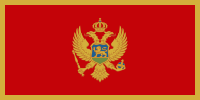 Montenegro
 Philippines
 Singapore
 Oman
Oman Algeria
 North Macedonia
 Lebanon
 Israel
 Albania
 Russia
 Tanzania
 Netherlands
 Spain
Spain Latvia
 Germany
 Belgium
 France
 Kazakhstan