Telegram mirror

Telegram is a messenger where I post short travel notes. This page is a self-hosted backup of that channel.

Filtering: Serbia ×Clear all
I can't believe it's already been almost four years since I moved here. Serbia turned out to be so much more welcoming and fascinating than I ever expected. Though I had a pretty good idea what I was signing up for after visiting back in 2018.

I'm incredibly grateful to Serbia and its wonderful people for this amazing country that took me in during a difficult time. And to all the friends I made there (and really, all my friends everywhere). I genuinely hope that Serbian reality becomes less black and white and the future isn't as gray as SARS sings about prospects, and that current problems can be resolved ❤️

I'll definitely visit here from time to time (and Bosnia too), but not quite as often.
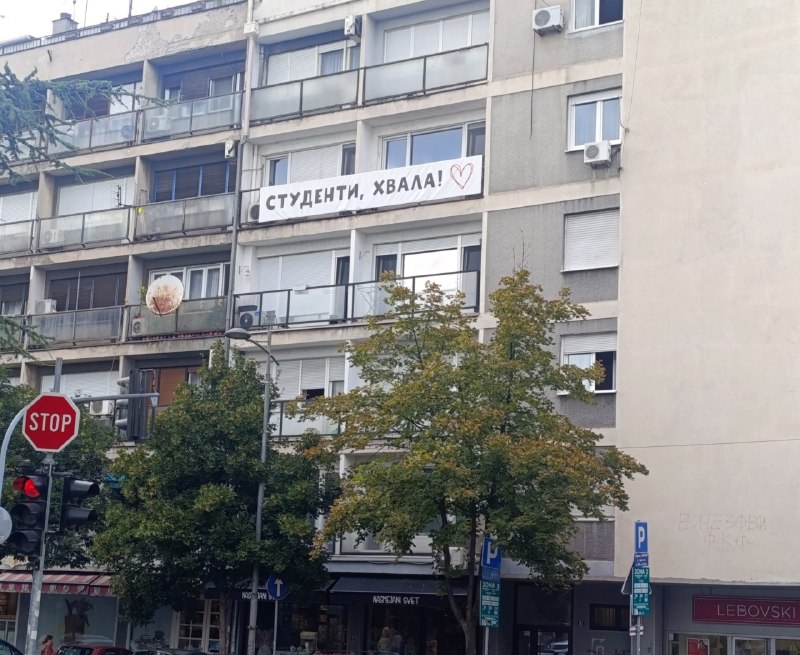
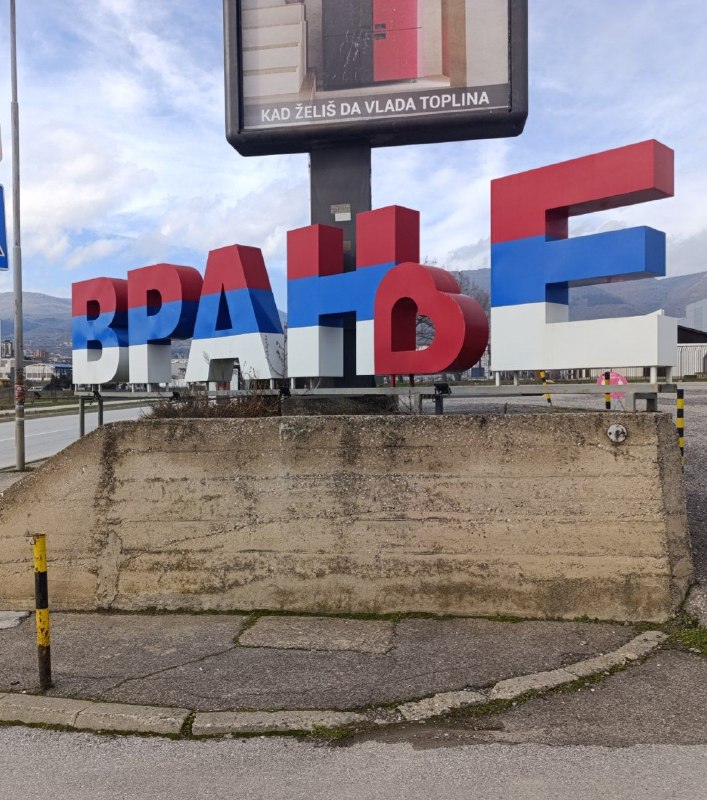
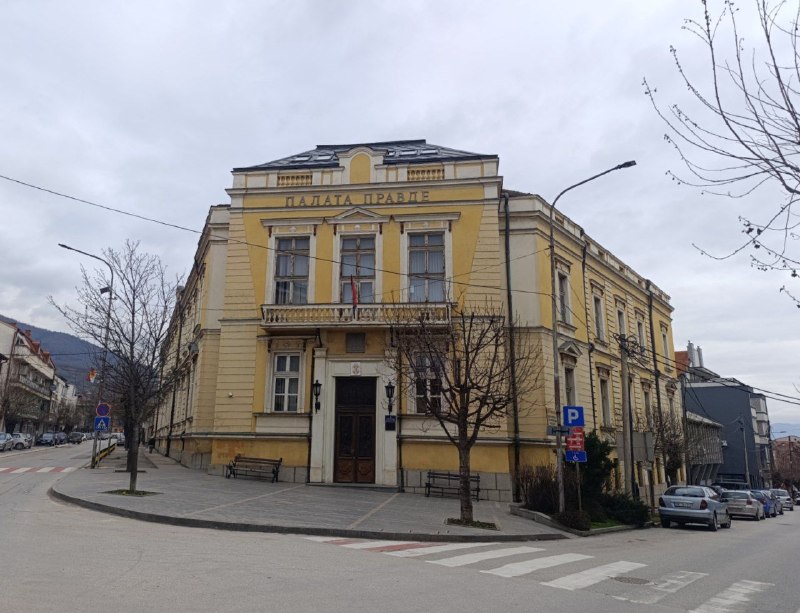
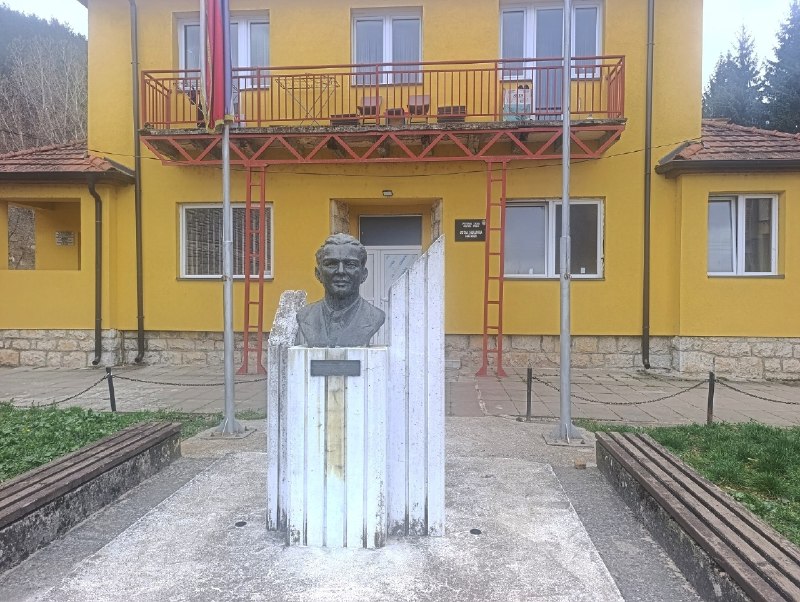
Fun fact: in the center of the Serbian city of Vranje stands the Palace of Justice :)
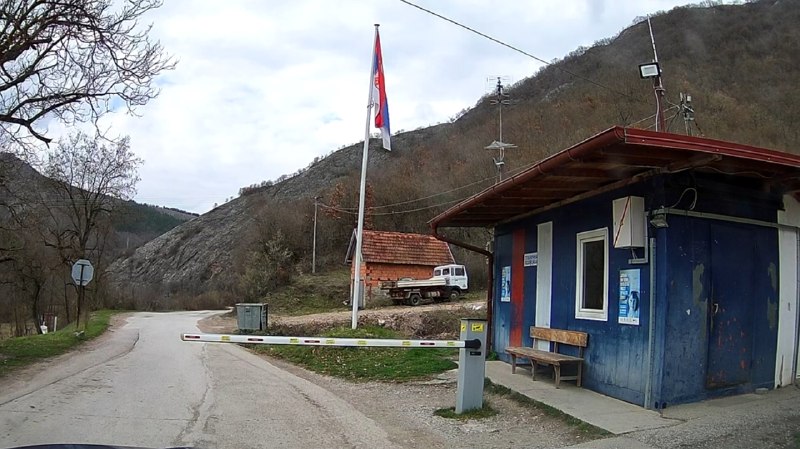
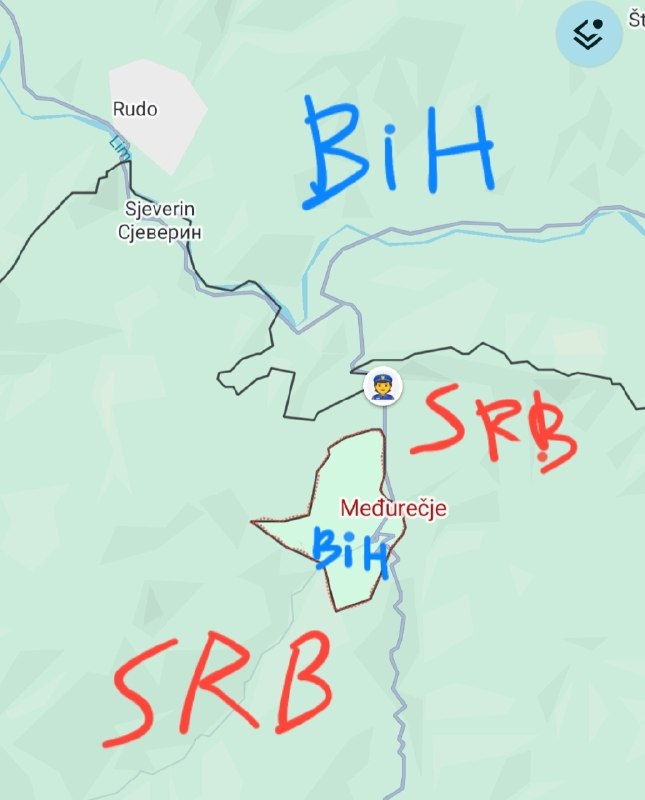
In southwestern Serbia, there's a village called Medjurechje that's not Serbian at all—it's actually quite Bosnian. It's an enclave of Bosnia and Herzegovina. At least on paper, anyway.

There's no actual border there. Most people living there are Serbs, they work in nearby Serbian cities, all the shop prices are in Serbian dinars, and Serbia provides all the infrastructure. But property taxes go to Bosnia ¯\_(ツ)_/¯

There's no decent road from Belgrade on the Serbian side. It's easier to drive through Bosnia. And the border there is really strange. On the Bosnian side, the border guard didn't even look at my passport. He just waved me through, like, go ahead. Besides locals, it doesn't seem like anyone really drives through there. So the Serbs were curious asking what I was doing there and whether I was a journalist.

The enclave was formed long before Yugoslavia and has nothing to do with the Bosnian War. About 15 years ago there were negotiations about redrawing the border, but nothing came of it. And the fewer years go by, the fewer people care about it. The village population is shrinking rapidly.
It's been a while since I've covered Serbian stories. And this one comes with a whole legend involving wars and gold.

In the late 19th century, Samuel Minch, a German Jew from Czech Moravia, moved to Serbia and opened a textile factory in Paracin. Business was booming, and with extra capital on hand, his eldest son Julius convinced his father to invest in nearby coal deposits. This is how the first mines near Rtanj came to be.

Julius and his wife Greta mainly oversaw the coal mining operations. The business grew until World War I broke out. Eastern Serbia fell under German occupation, and the Minchs had to flee. After the war, they managed to reclaim their property. However, soldiers had heavily damaged the mines before retreating. It took rebuilding almost from scratch.

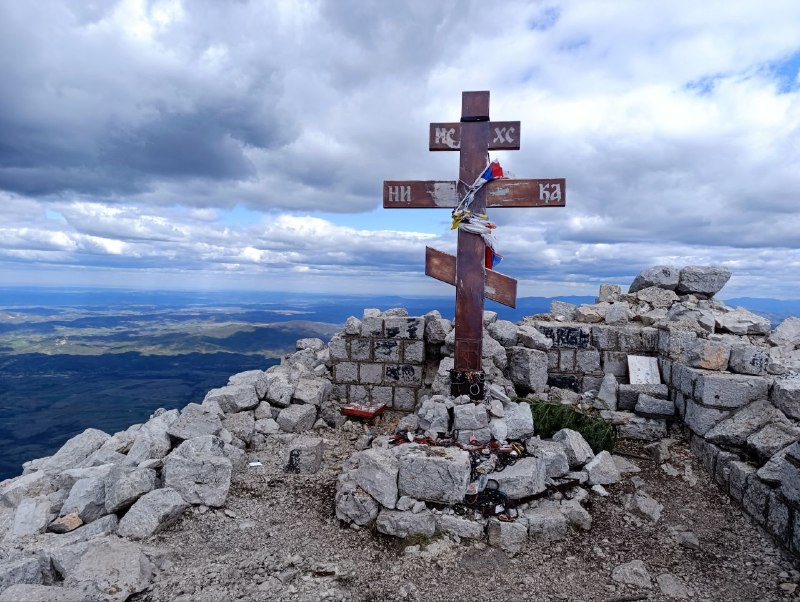
In 1931, Julius committed suicide. No one ever figured out exactly why. Greta took over all the coal operations, and to honor her late husband, she began building a church on top of Rtanj. I'm not entirely sure why a Jewish family decided to build an Orthodox church as a memorial to a deceased relative, but that's how it happened.

Over a thousand workers participated in the construction. Materials were delivered by donkeys (it's practically a vertical kilometer up there!). The project was completed in 5 years, in 1937.

Then World War II happened. The Germans seized everything again. But this time, there was no getting it back. After defeating Nazi Germany, Tito's officials decided that the German surname of this Jewish family was a clear sign of collaboration, and they nationalized everything.

In 1969, treasure hunters blew up the church. There's a legend that a wizard's palace once stood in this area with lots of gold hidden at the summit. By the 1970s, a real gold rush began here. Of course, no gold was ever found.

Rtanj in general attracts a lot of legends. From certain angles, its shape resembles a pyramid. This theory didn't reach Bosnian proportions, but some people genuinely believe in it. In 2012, some folks were planning to take shelter here from the end of the world. And Rtanj tea made from mountain savory is considered almost medicinal.
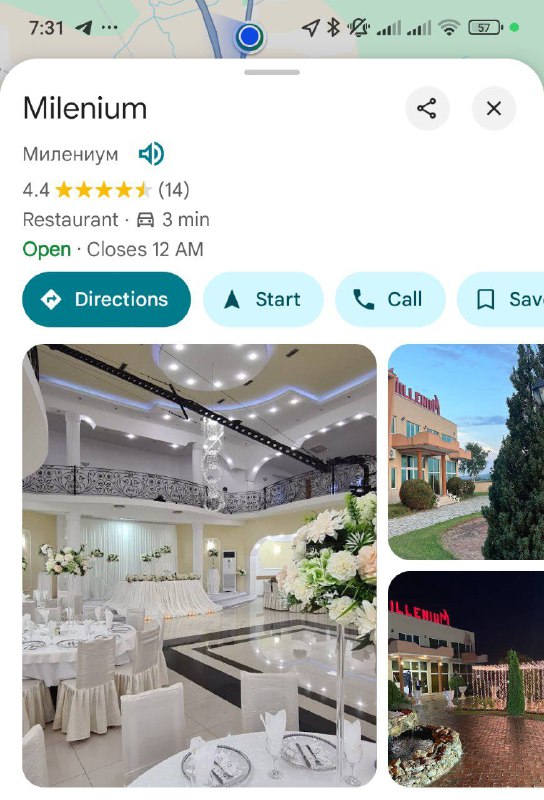
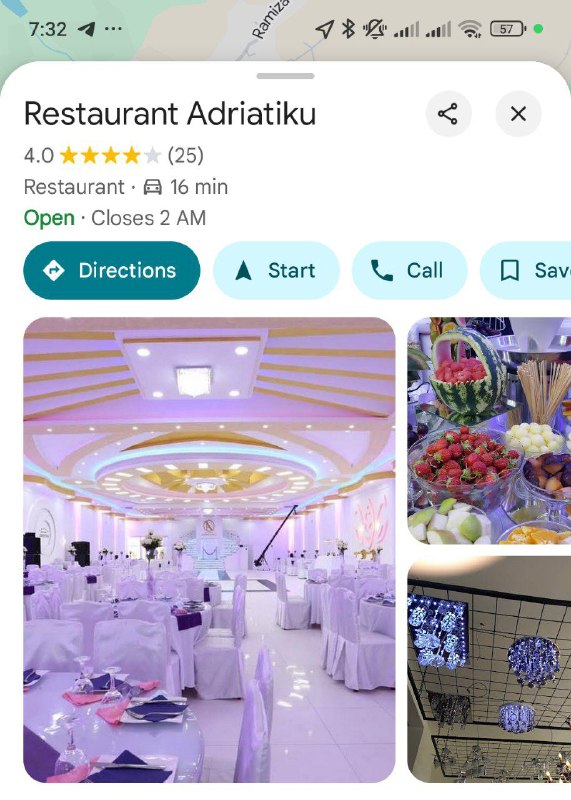
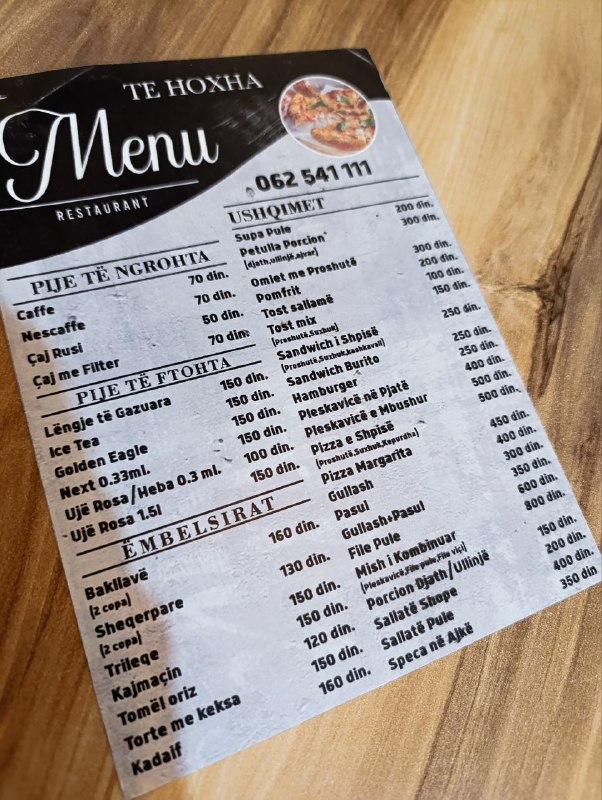
According to Google Maps, Preševo has an absolutely insane number of banquet halls. You search for "restaurants" and get back a million options for where to have your wedding. Locals say they already know where to eat, and outsiders barely ever stop by, so there's not much point in messing around with maps.

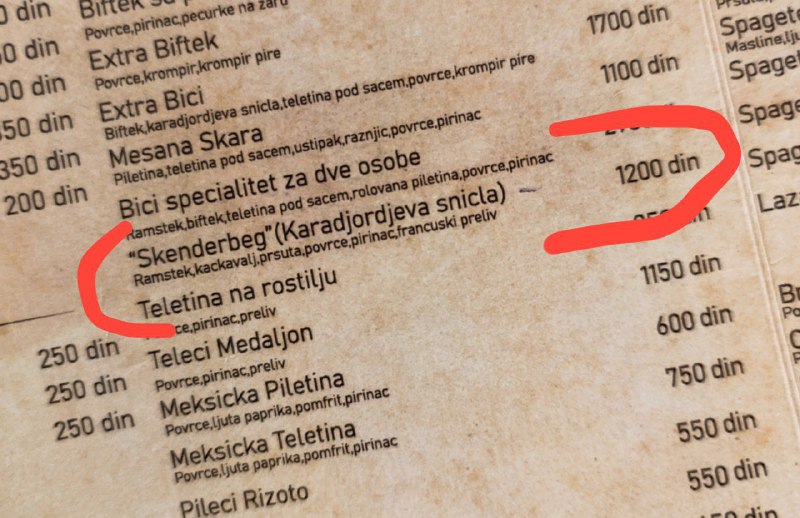
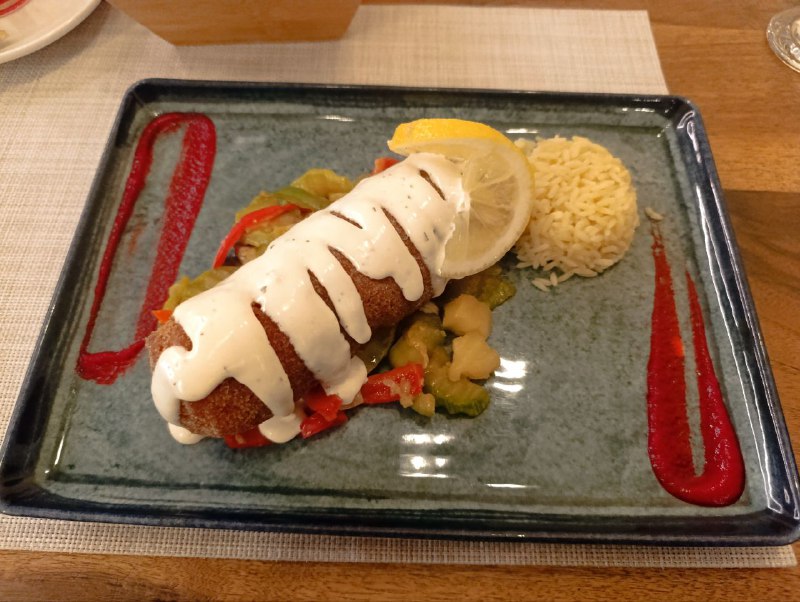
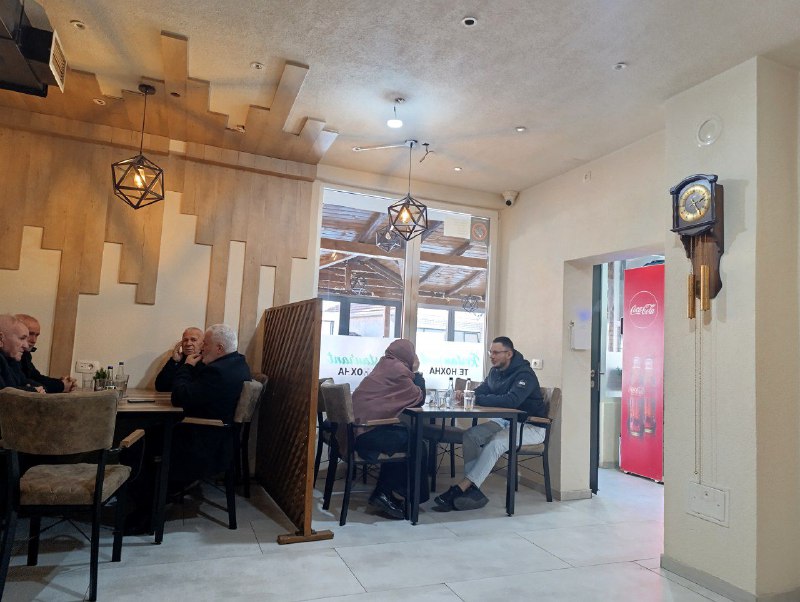
Fortunately, I managed not to starve. The prices are just about lower than Belgrade in 2022, where everything got way more expensive over the last three years. I really miss those old prices in 2025. Menus are usually in Albanian, though at one place they brought one in Serbian with a curious Easter egg: they renamed the Karageorge schnitzel after Skanderbeg.

I need to explain this: schnitzel, even though it was only invented in 1959, has long since become one of the most iconic dishes of Serbian cuisine. It's named after Karageorge, who led the first Serbian uprising against the Turks. Skanderbeg is a legendary Albanian who led an uprising against the Ottomans, but he lived several centuries earlier than his neighbor and managed to accumulate way more myths and legends around himself. He's practically the founding father of the nation. In terms of historical significance, he's in the league of figures like Minin and Pozharsky, or Alexander Nevsky.

So the name swap is pretty cutting. There's an extra layer of irony to it all because Serbs actually claim Skanderbeg as Serbian. If you check the Serbian Wikipedia, it literally says:
Рођен је у породици српског порекла.
(Born into a family of Serbian descent)

Historians don't support this version, but that doesn't stop anyone from continuing to argue about his origins.
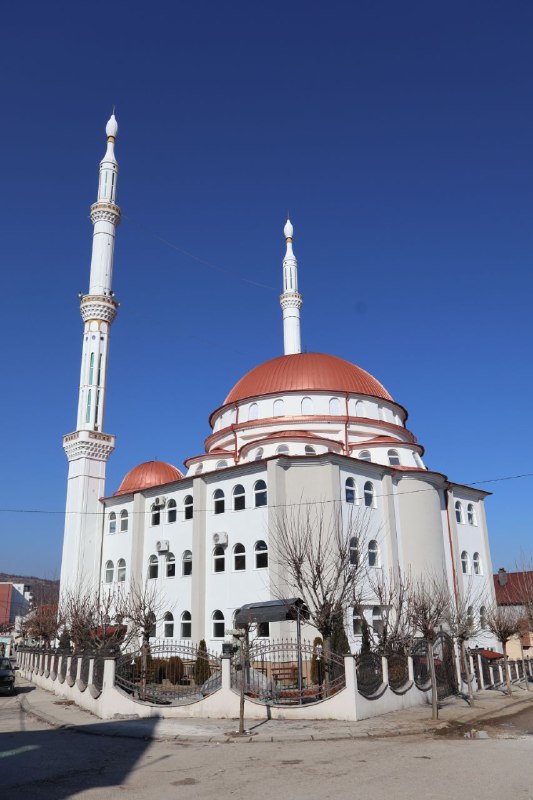
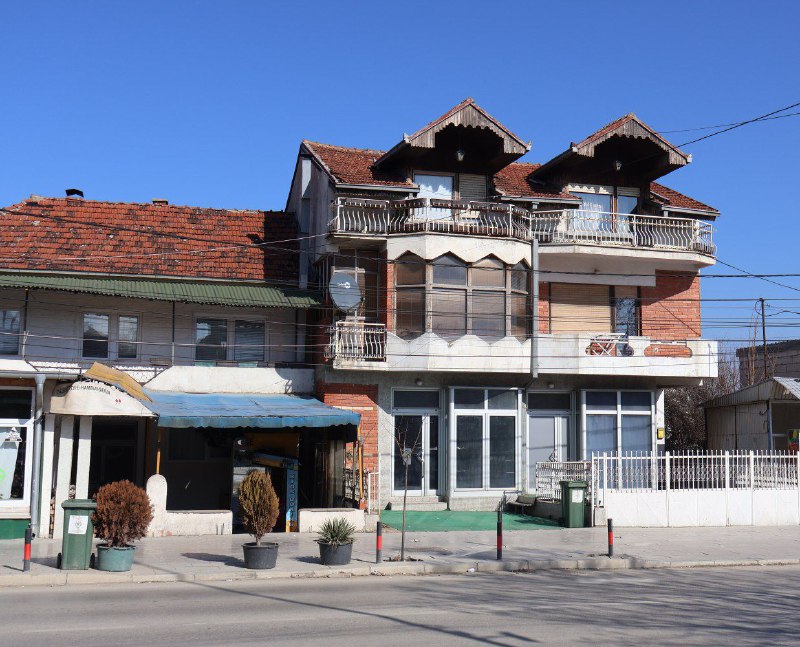
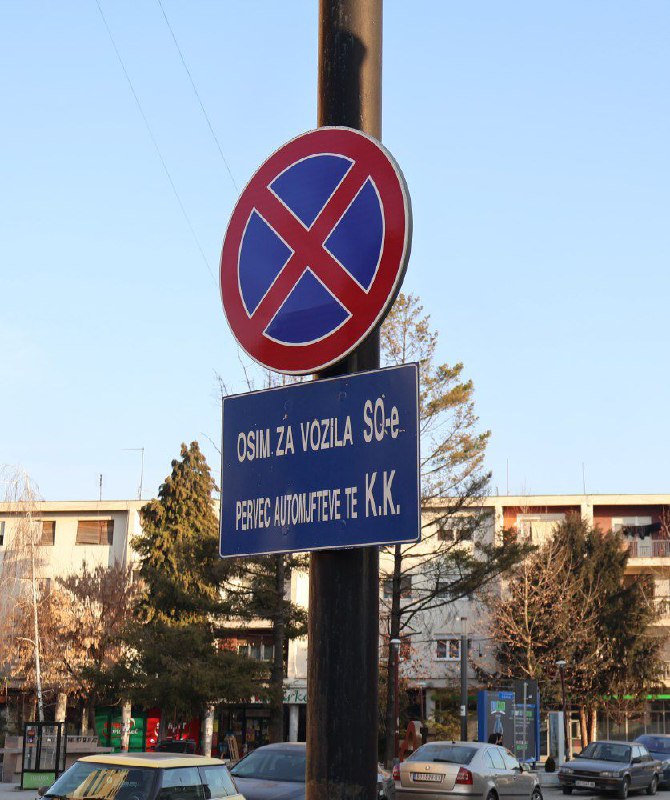
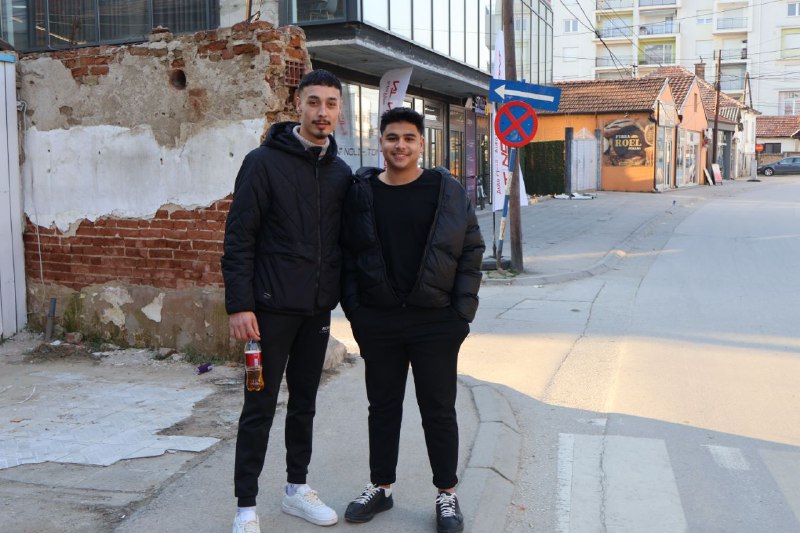
I took a quick trip to check out this small Albanian (or rather Kosovar) enclave within Serbia. It's Preševo and the surrounding areas. The only reminder that I haven't actually left the country is the police cars constantly zooming back and forth.

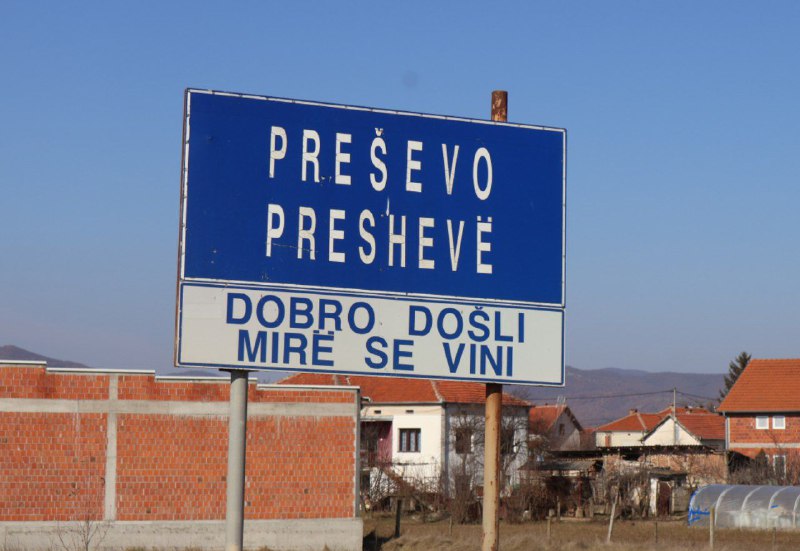
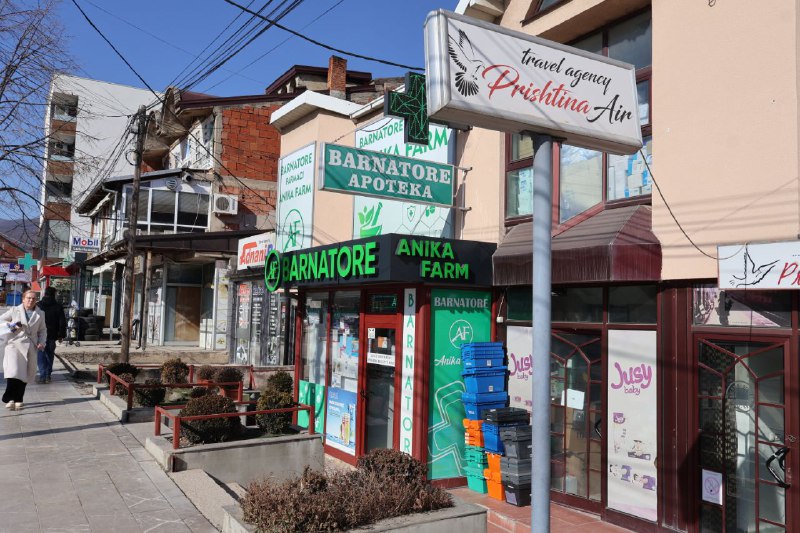
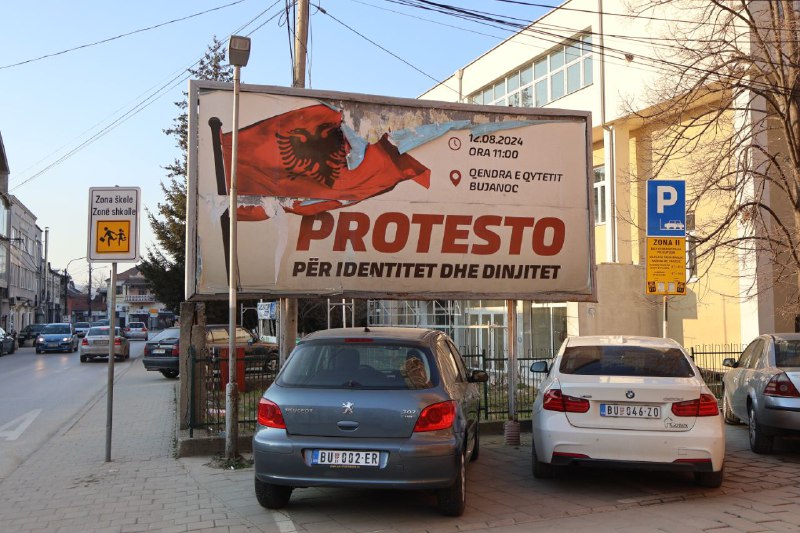
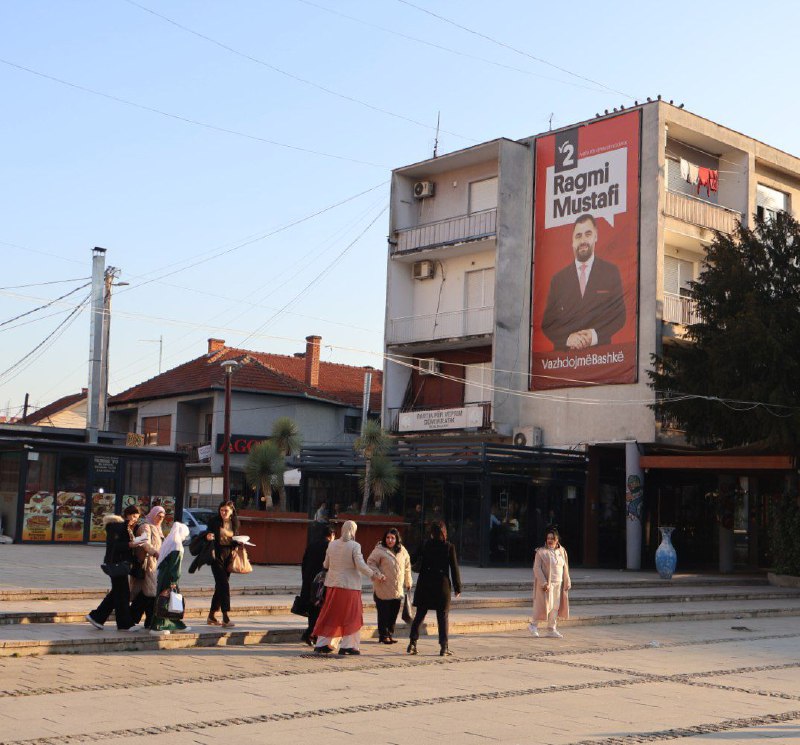
Almost 90% of Preševo's residents are ethnic Albanians. It's like a parallel world, totally different from the rest of the country. There's a younger generation that speaks only Albanian. If you're lucky, they also speak English, but luck doesn't always come through. Older folks usually speak Serbian or at least learned it in school, but it's been removed from the curriculum now. For university, people go study in Kosovo or Albania. All signs and directions are in both languages. Even on Google Maps, addresses are often "rruga" instead of "ulica". Ads are usually only in Albanian.

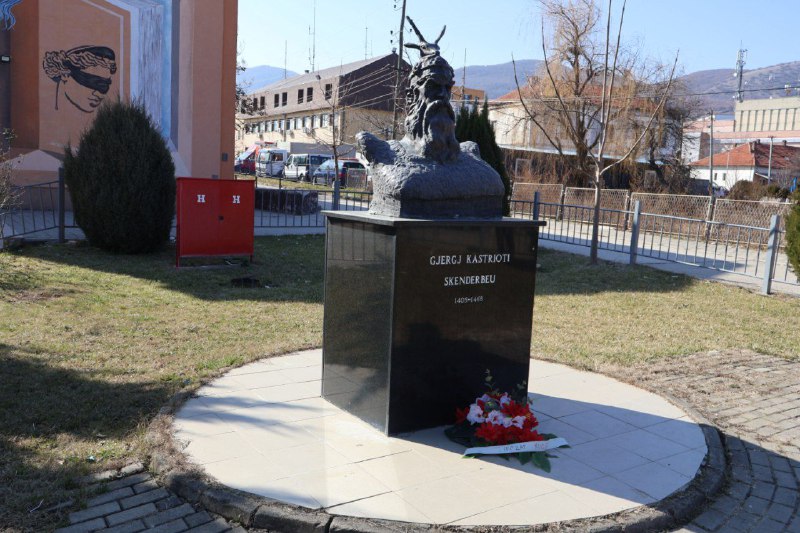
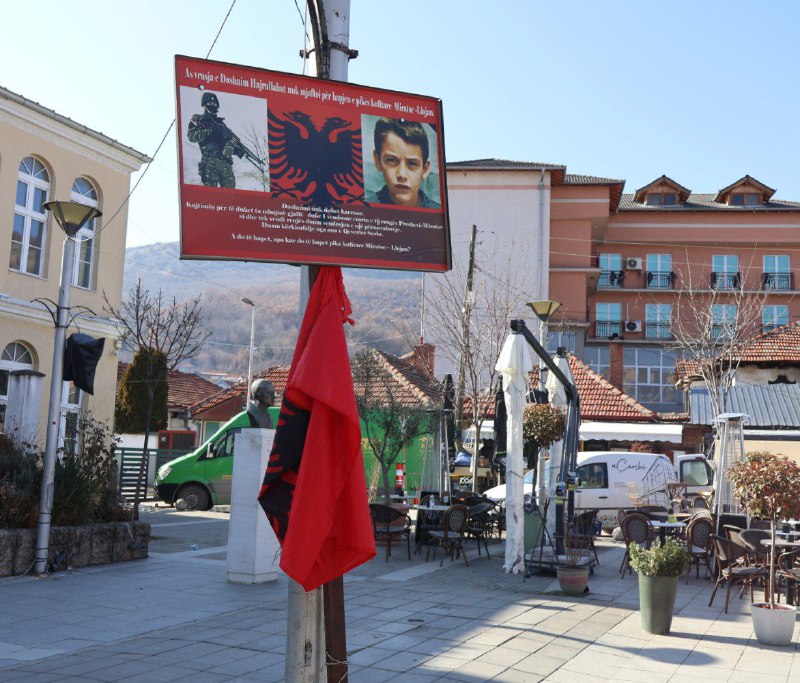
After Yugoslavia fell apart, there were attempts to break away from Serbia. They held a referendum in 1992, but Belgrade declared it illegal. Then in 1999, a rebel group with the grandiose name "Liberation Army of Preševo, Medveđa and Bujanovac" became active, but by summer 2001 the conflict was stopped. Today there's a monument to the rebels in the city center. Serbian activists tried to demolish it with bulldozers, but police shut that down. It didn't stop Albanian protests, but things didn't escalate beyond that.

Outsiders don't visit Preševo very often. I clearly don't look like I'm from around there, so I caught plenty of curious stares. A couple of times locals started conversations right on the street, and it was all super friendly. In those chats, a few people told me pretty directly that they'd be better off with Kosovo—their people have lived on this land for centuries, and they have their own there.
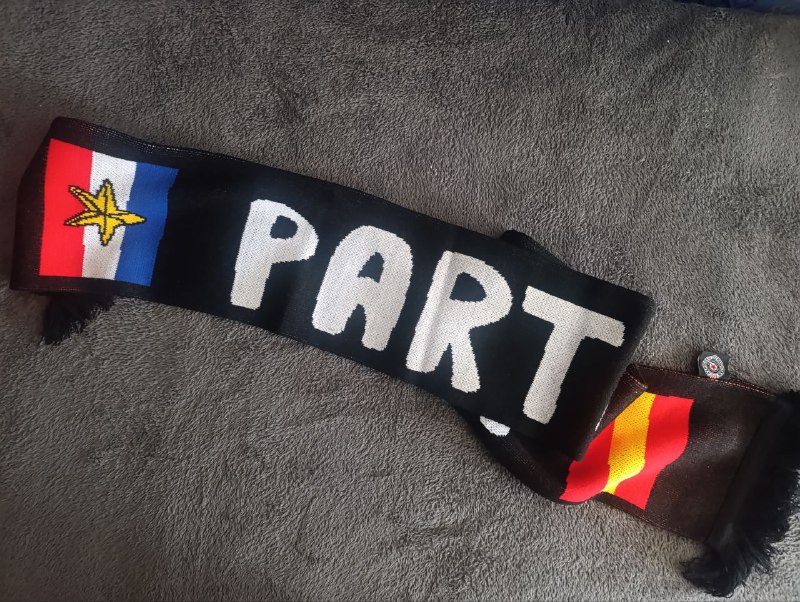
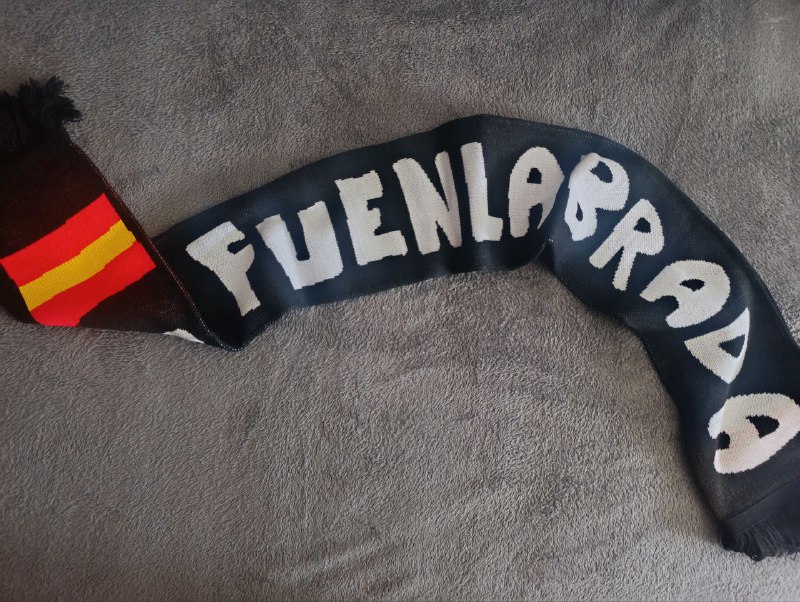
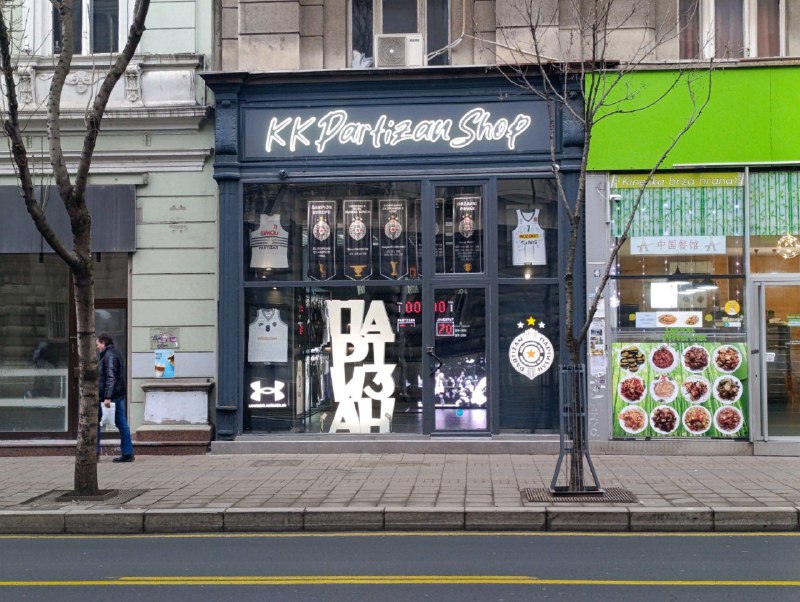
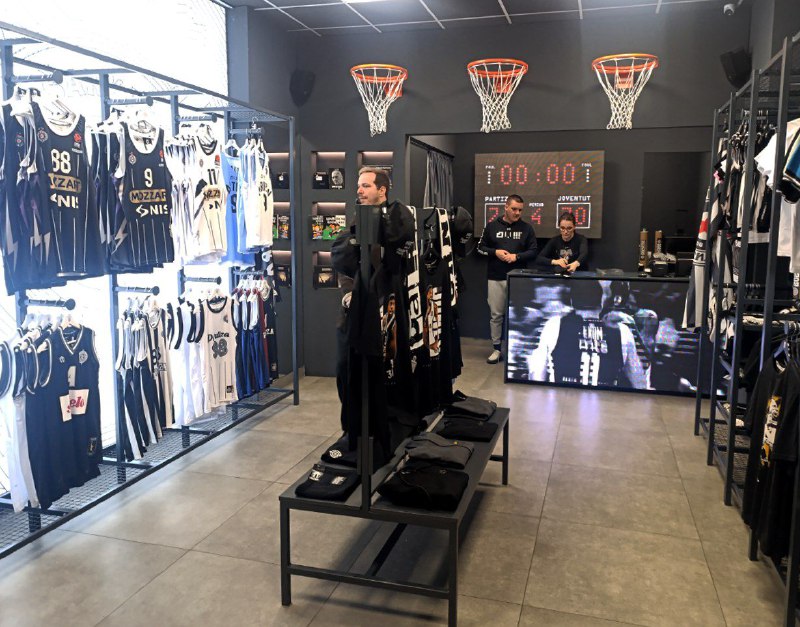
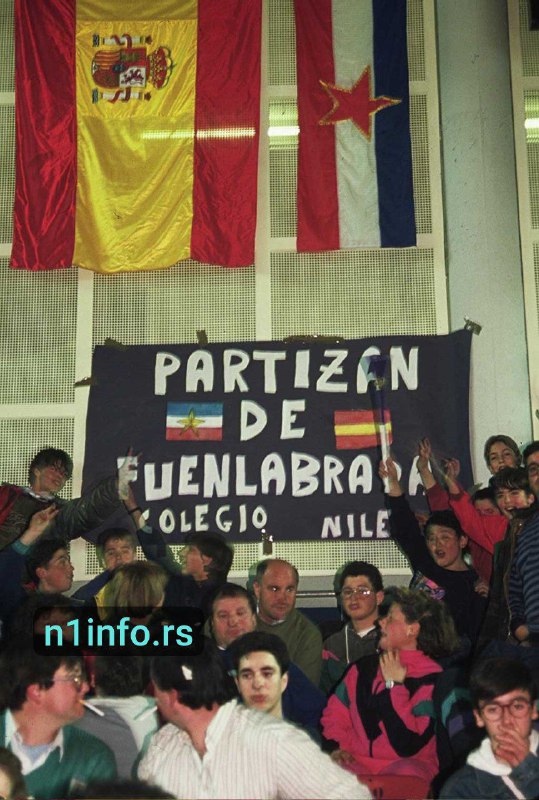
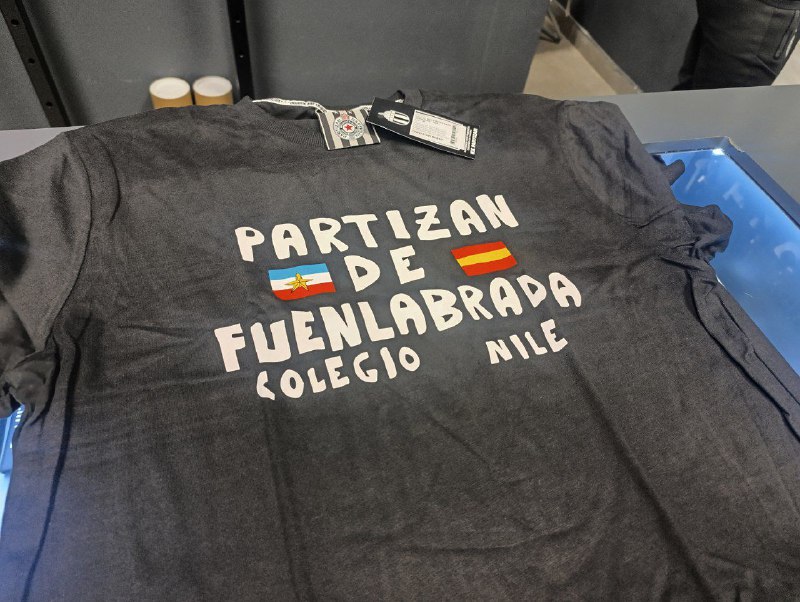
At Partizan basketball club's fan shop in Belgrade, they sell a shirt and scarf with the Spanish flag and the name of a small town near Madrid — Fuenlabrada. They don't really fit the club's style at all, and you'd think, what does Spain have to do with anything?

Let's rewind to the early 1990s. The team was at its peak: in 1988 they almost made it to the Euroleague final, and in 1989 three Yugoslav basketball players (two of them from Partizan) moved to the NBA for the first time. But it was at this exact moment that the country started falling apart.

Playing matches in Belgrade in the 91/92 season was already dangerous: fighting was raging across Croatian territory, and the front lines were less than 150 kilometers away. I told the story of how a tank drove straight from the battlefield to Belgrade. So all home games were moved to that same little town near Madrid.

Despite the situation, the black-and-whites delivered their best season: they won the Euroleague and the national cup. They haven't managed to repeat that success since. The Spanish fans embraced the basketball players like their own, cheering for them even when they played against Spanish teams. At one of the games, a teacher and his students from a local school came with a homemade banner (it's in the first photo). Later, the club, grateful for such warmth, started releasing merch with that very banner. And they still do it today!

Fuenlabrada also has its own basketball team. Although they play in a lower league, Partizan sometimes plays friendly matches with them as a sign of memory and respect. The last one was in fall 2023 in Belgrade. And the Spanish themselves often remember that year fondly and retell the story in the media (elpais, elespanol, marca).

Two other Yugoslav teams also moved their home matches in 91/92 to Spain: Split to La Coruña, and Zagreb's Cibona to Puerto Real. However, they didn't experience the same kind of magic with local fans.
Early February is the perfect time to wake up from my temporary hibernation. Tomorrow I'll tell you the story of Partizan, the Belgrade basketball club.

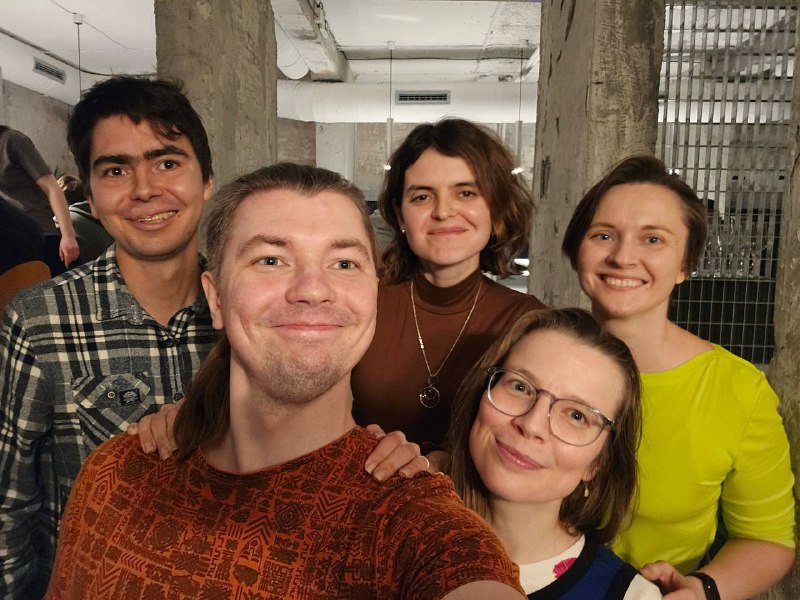
But for now, I've just met some great people in person ^^
Forwarded from Самсонова в Сербии
Three + 1

Yesterday in Belgrade, some humble folks materialized who every day gather their thoughts and eyes together and produce another masterpiece of the "I saw that", "I heard that", "I ate that" and I'm still alive variety.

Every day they battle procrastination, laziness, and the thought: "Who actually needs all this??" Then they remember you and think: "What if you're dying of boredom waiting for their post." And with a heavy heart and gritted teeth, they hit publish.

Here they are — the little heroes of our time, who wrap their experiences in words, though sometimes it's just so exhausting.⬇️

🔴Kangaroo Bag — Rushan, who grabbed a bag, kangaroo snacks, sandwiches and hit the road, and we're right behind him. We can barely keep up reading about his adventures and snacking on the go.

🔴Lie Low in Belgrade — Masha, who blends smells, recipes, and vivid descriptions of what's happening like tiramisu — that light dessert that should perk you up and motivate you to keep moving forward.

🔴Samsonova in Serbia — Inna, who mixed jokes, history, and fresh takes on Serbia with life experience to create a hearty, peppered stew for the mind.

And for those thinking, "Where else should I check out if I ever get the chance," our friends Katya and Denis (he also covers music) from Cyprus and their vibrant channel Once in a blue moon in Cyprus with a cocktail of stories, emotions, and locations useful for all travelers.

Now you know us by face. So subscribe to the channels! It's not a day without them.
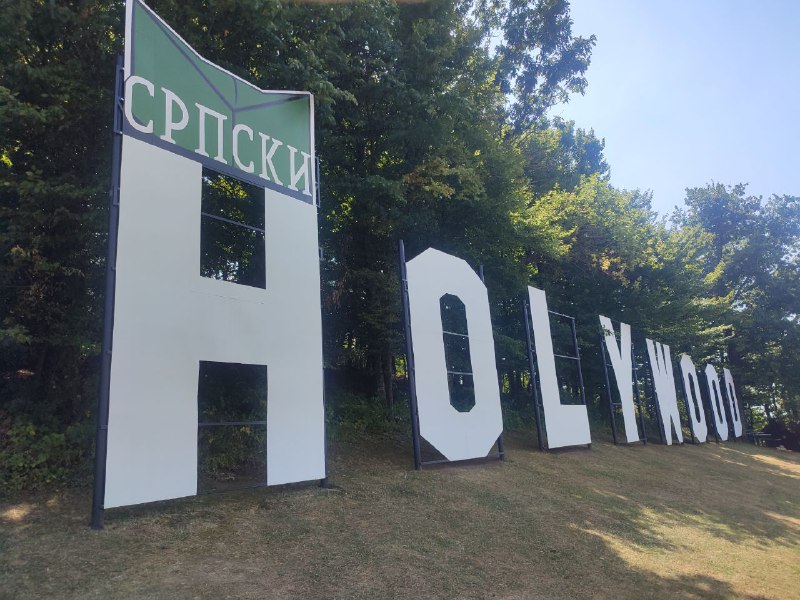
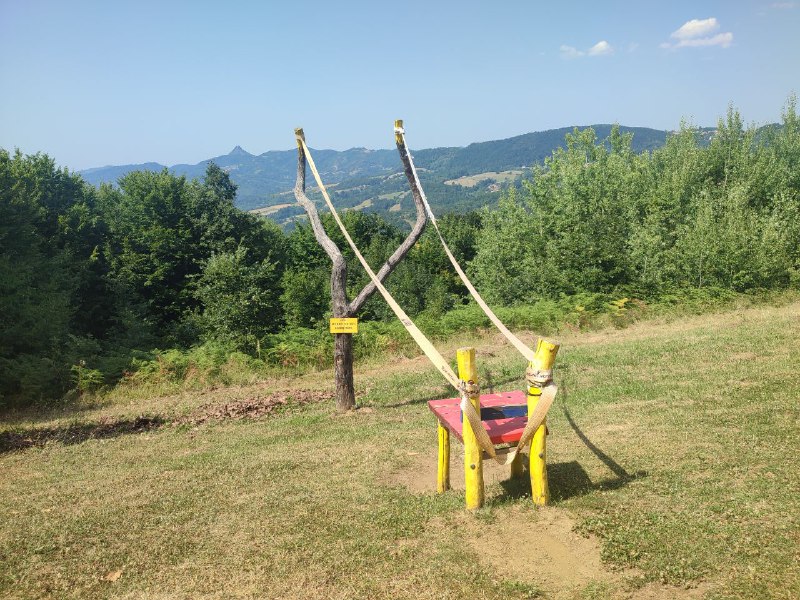
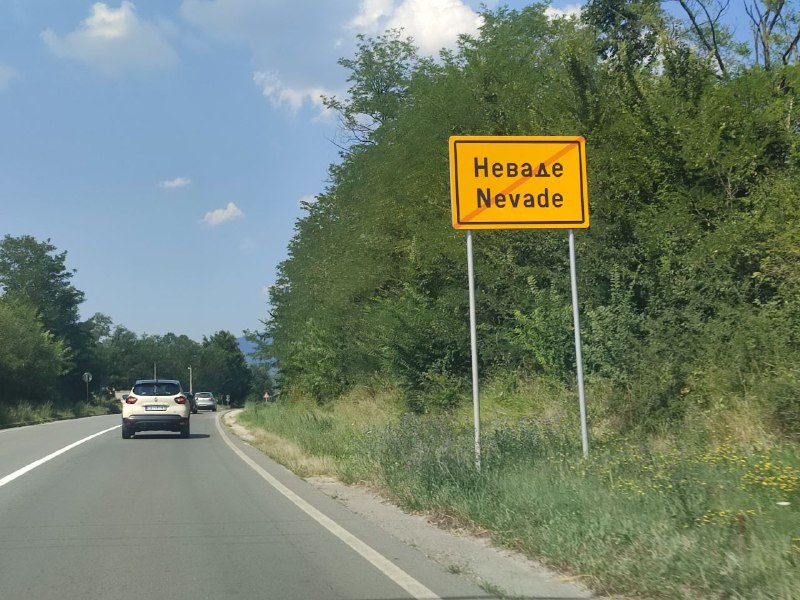
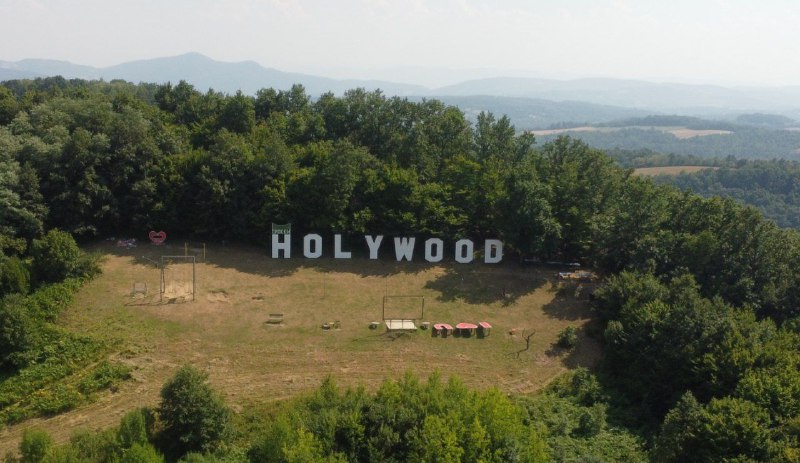
Serbian Hollywood ironically is also located not far from Nevade. Though the little village got its name back in the 14th century and was clearly not named after the American state.

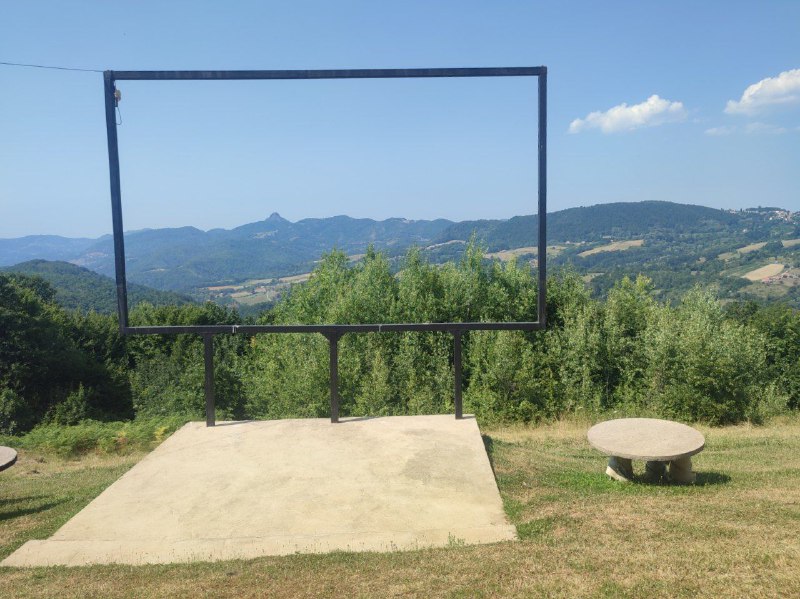
Hollywood was built back in 2007, and since then several film festivals have been held here. The place for watching a movie is truly ideal. The frame in the photo is exactly where the screen goes. But once Covid hit, everything fell apart and no events are expected in the near future.

The inscription "srpski" on the letter H was styled this year after a shajkacha, a traditional Serbian hat. Before that, it was just a simple rectangle.
Me: Should I go to Hollywood?

Serbia: We have Hollywood at home.

Hollywood at home:

(Careful readers will notice that something is missing from the sign. You can find it here)
I bet when you think of vampires, Count Dracula is the first thing that comes to mind. Or maybe you're convinced that Romania is the birthplace of these bloodsuckers. Well, Serbs beg to differ.

First of all, the word "vampire" itself is one of the few words that made it into the international dictionary from Serbian-Croatian languages. And second, it's actually in Serbia where the first documented undead creature appeared — Petar Blagojevich.

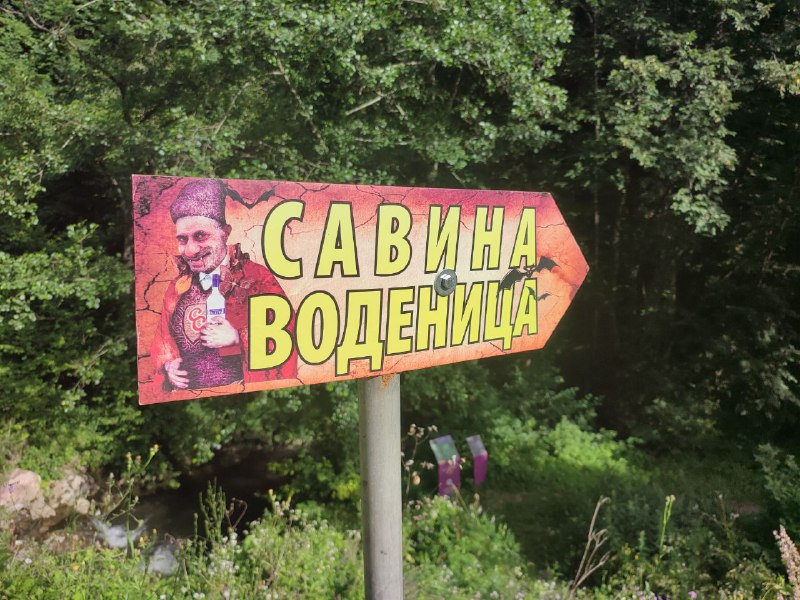
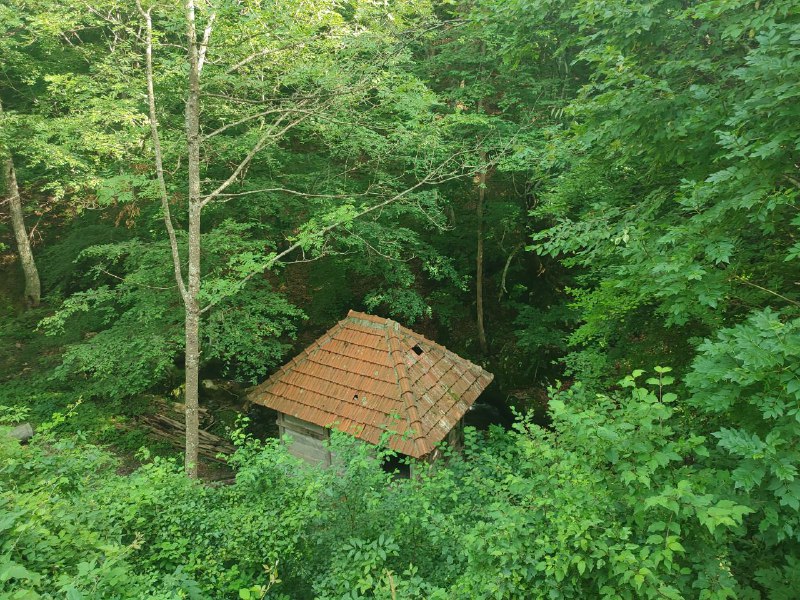
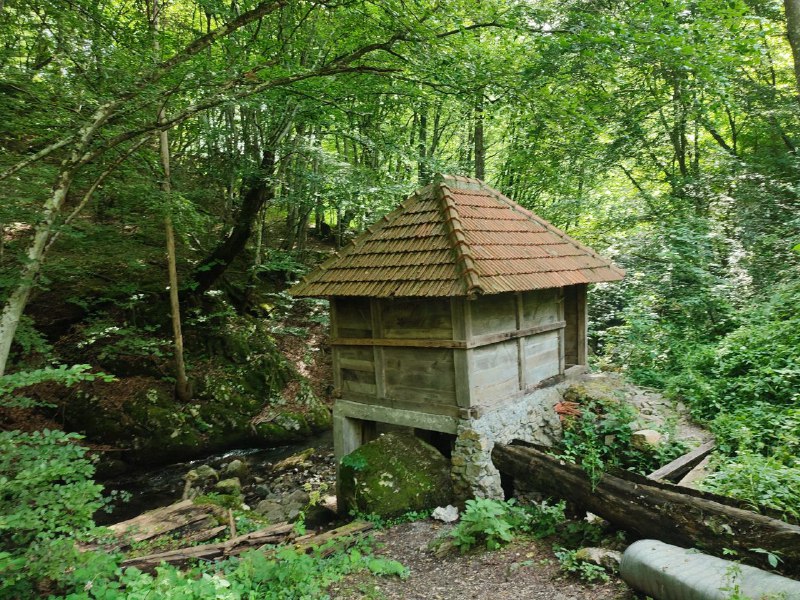
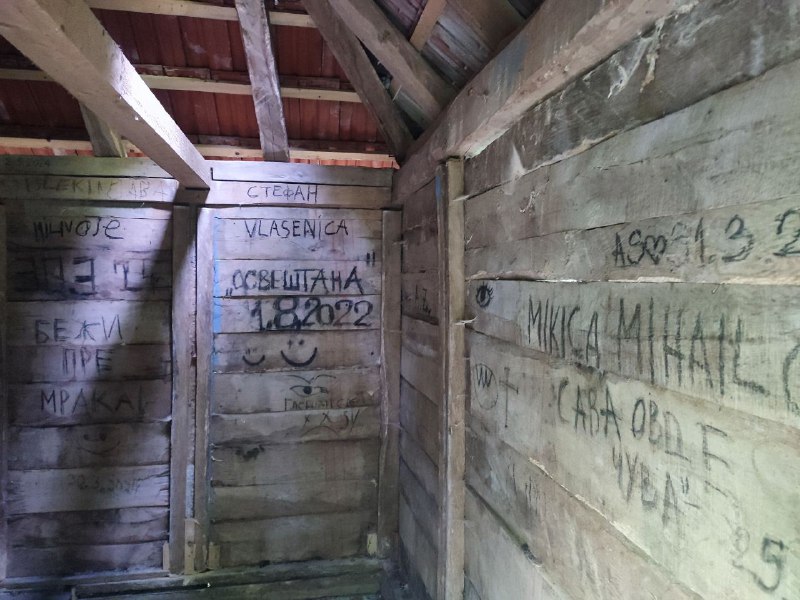
But the most famous Serbian vampire is Sava Savanovic. He lived in a small town called Zarozhe near Valjevo and fed on the blood of workers at a river mill who decided to spend the night at work. There's a reason Europe fights against overworking :)

They've written books and even made a film about Sava — the first "truly terrifying" Serbian horror film "Lepitrica" (butterfly). At least, as terrifying as it could be in 1973.

By the way, the mill isn't mythical. It's located here and was actually used as a mill until the 1950s. After that, it fell into disrepair and started crumbling. Nowadays it's been restored, and they've built a nice road leading to it. Just to be safe, they even built a church nearby.

PS. The neighboring town of Valjevo sometimes tries to get a piece of Sava's the glory. And attract tourists, of course. In 2010 they declared Savanovic their mascot, which prompted the Zarozhe administration to file an actual police report saying their vampire had been stolen. Oddly enough, the "missing" vampire was never found.
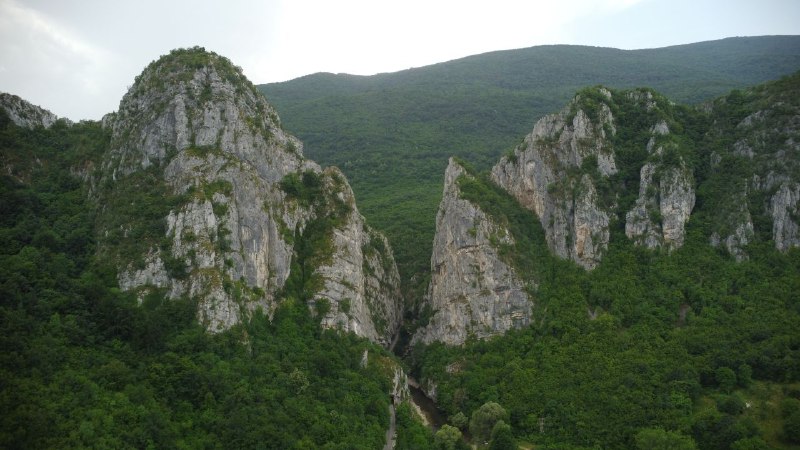
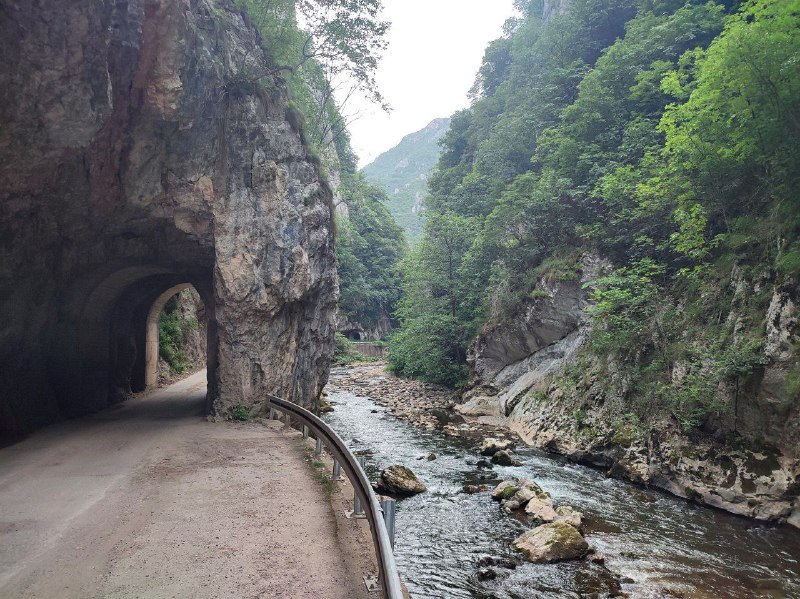
Yerma Canyon in southeastern Serbia looks absolutely stunning. A hundred years ago, it was completely impassable. Around the 1930s, a railway was built here for a nearby coal mine, and in the 1970s, after it closed, the tracks were replaced with asphalt. You can see clearly in the video that the road is literally carved into the rock. It's not a natural formation—people did this hard work.

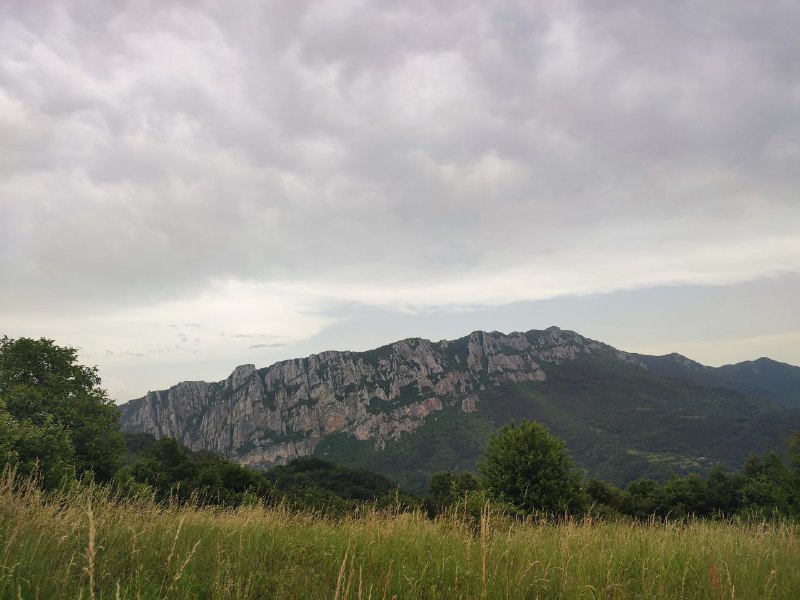
There are tons of hiking routes around here, but I didn't have the best luck with the weather this time. I only managed to reach Ravni Kamika, and from the midway point to an entire ridge of peaks, I had to turn back because a thunderstorm was rolling in. I'll definitely have to come back at least one more time.
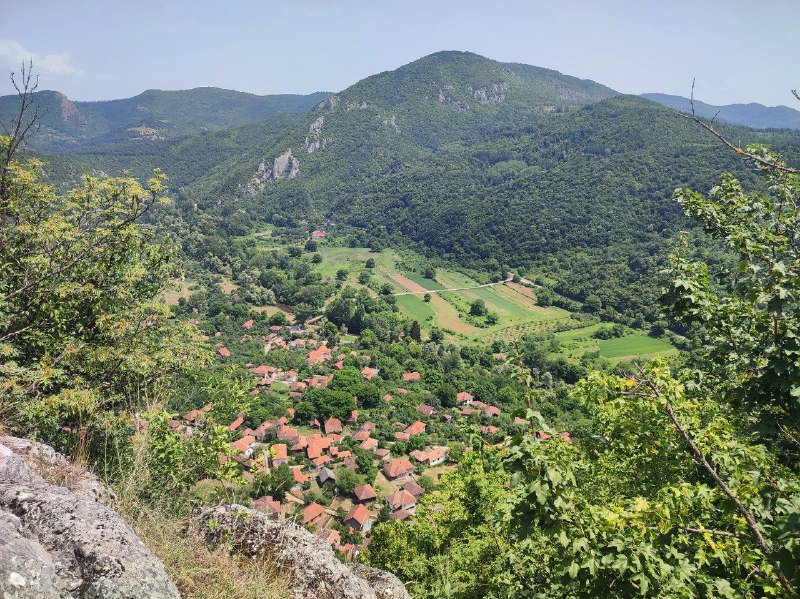
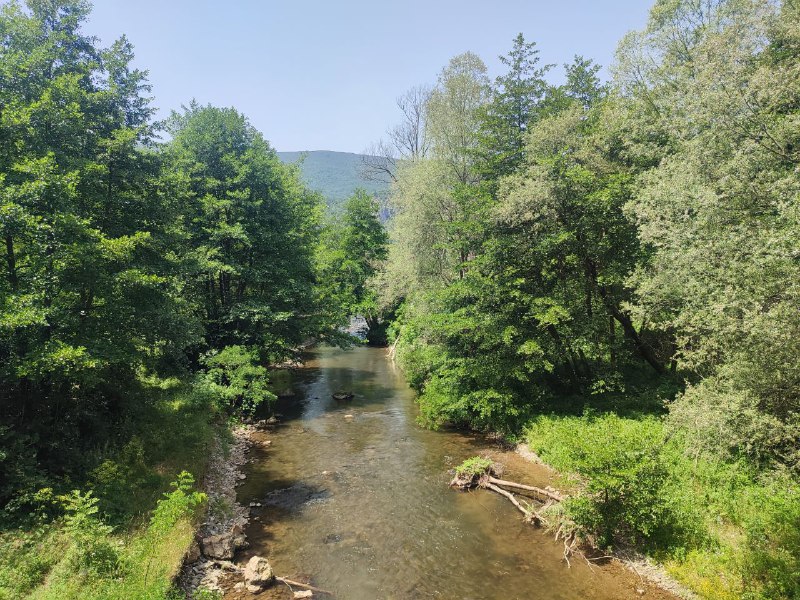
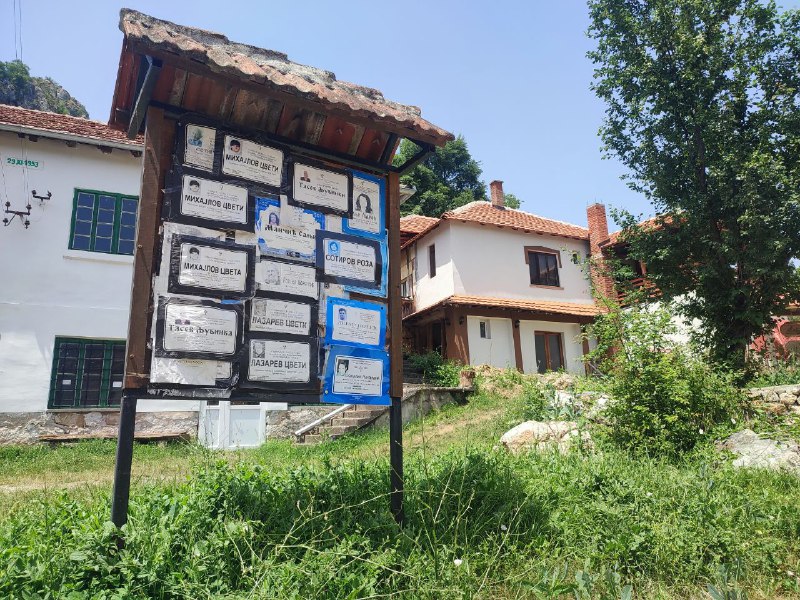
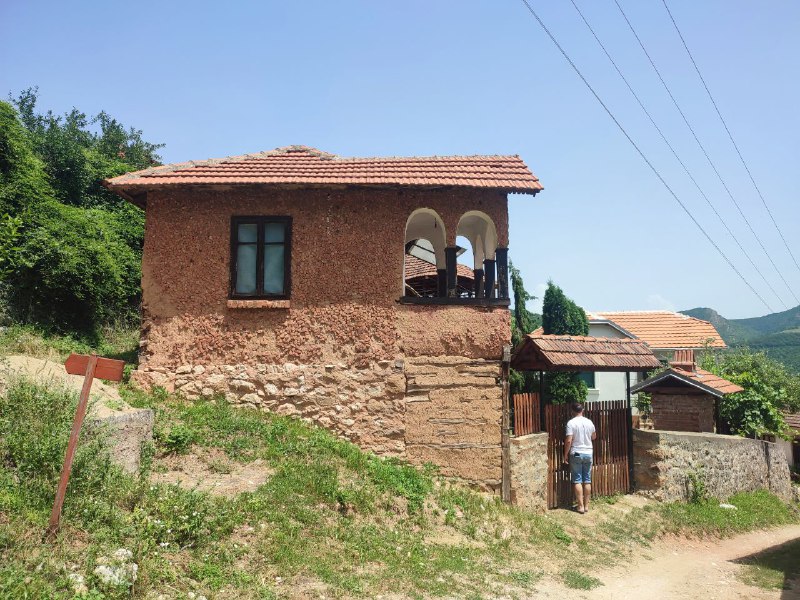
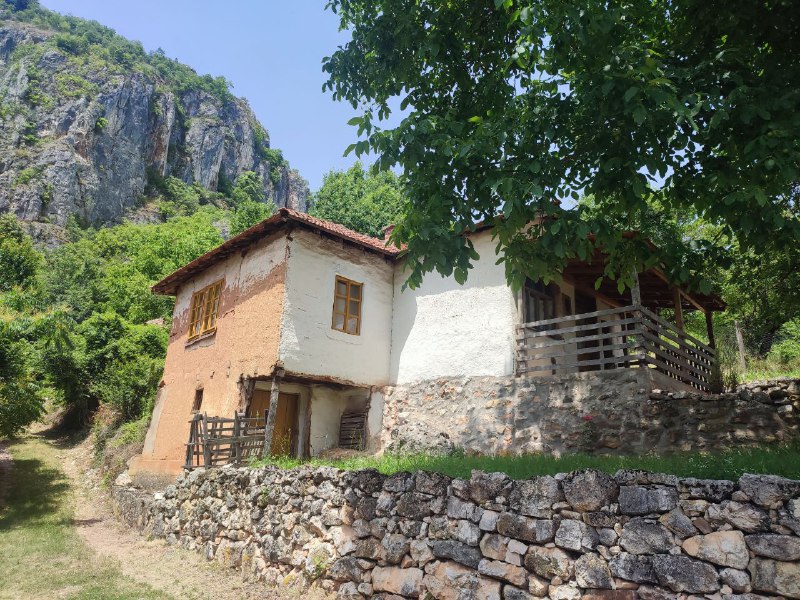
The surrounding villages are really charming. Though a bit weathered. But the houses are actually lived in—they're not abandoned.
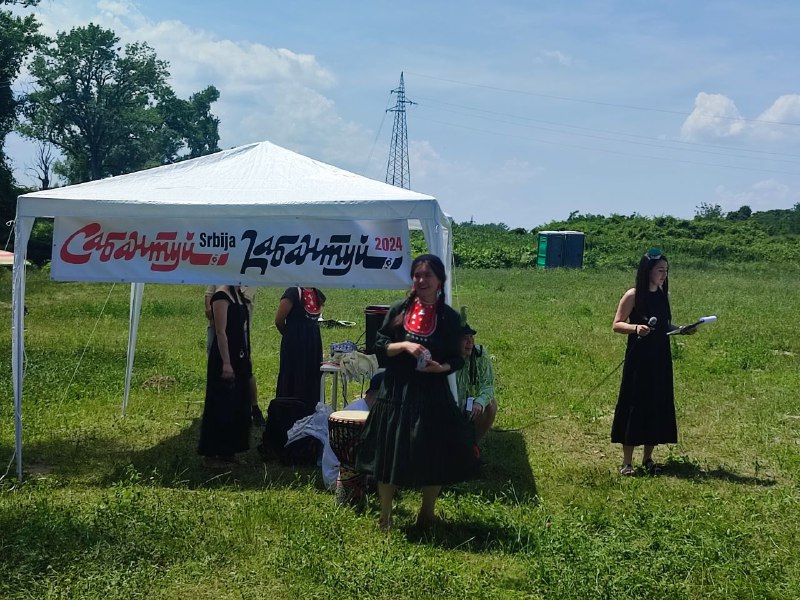
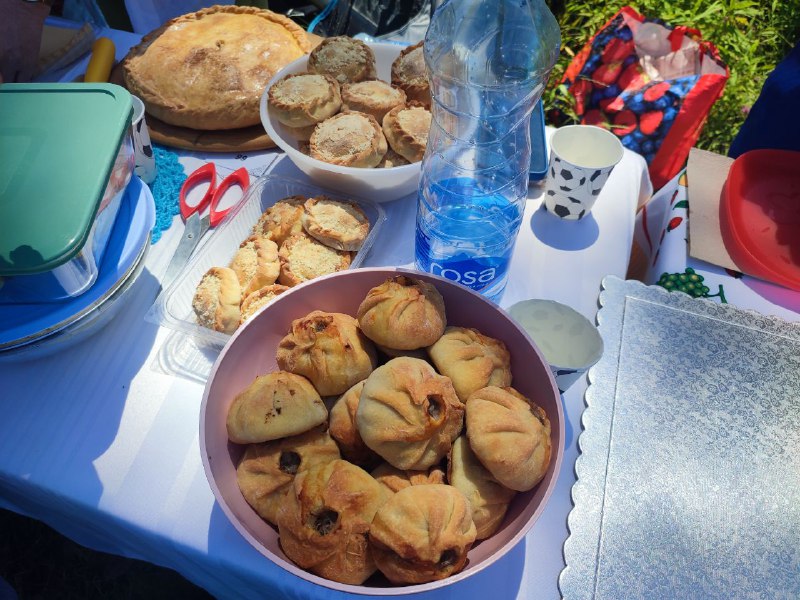
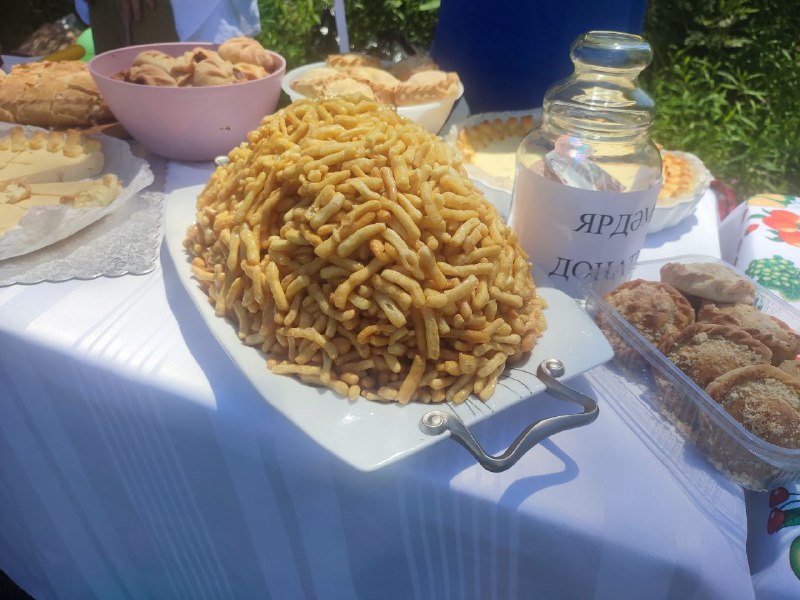
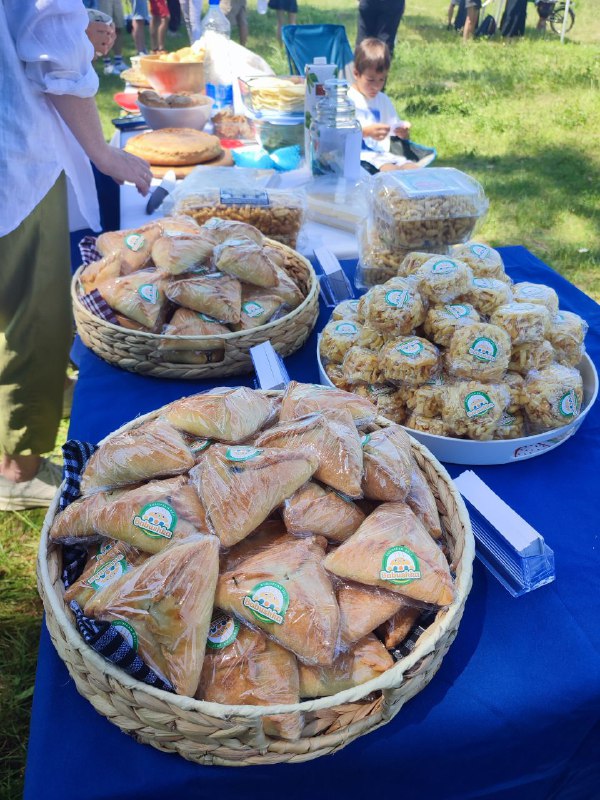
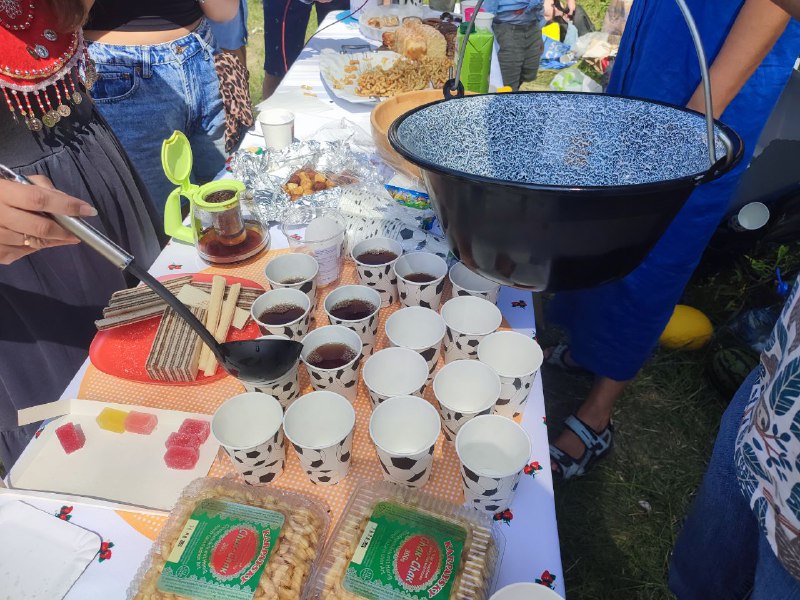
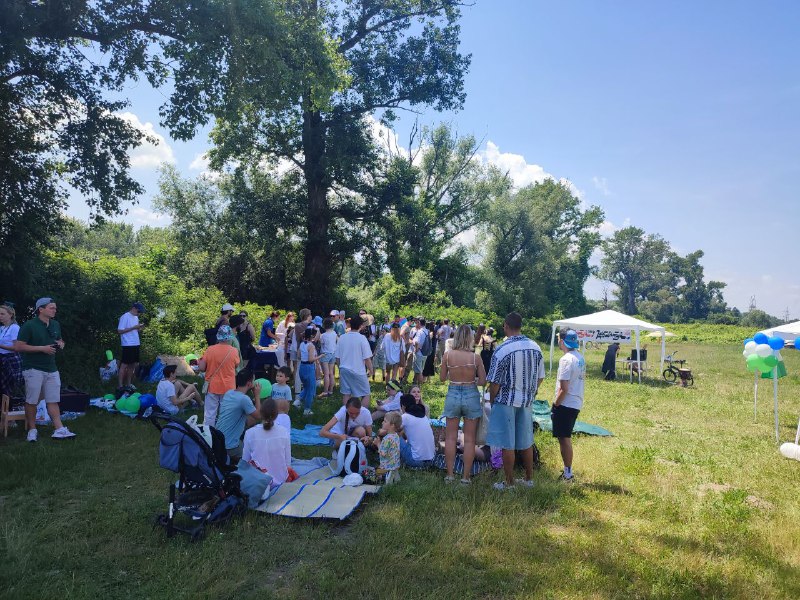
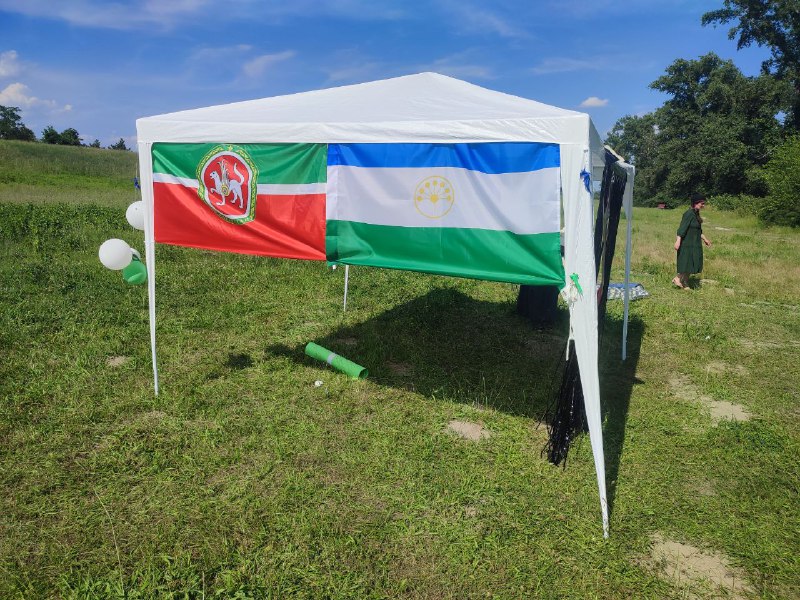
I just got back to Serbia and immediately found myself at a huge Sabantuy festival in Novi Sad. A real Sabantuy with chak-chak and echpochmak pastries. Just so you know: this is an annual Tatar-Bashkir festival celebrating the end of the harvest season, celebrated for over a thousand years now. These days, though, it's not just farm workers who celebrate it.

We had about a hundred people show up, which was unexpected. Everything was organized really well. It felt like I was home. Whether intentional or by chance, the event was right near Tatar Brdo.

A couple of years ago, this neighborhood's name got me curious enough to dig up the fact that back in the 19th century in Serbia, you could actually become a Tatar and get paid for it. Sadly, those days are gone. Now nobody pays you just for being Tatar :(

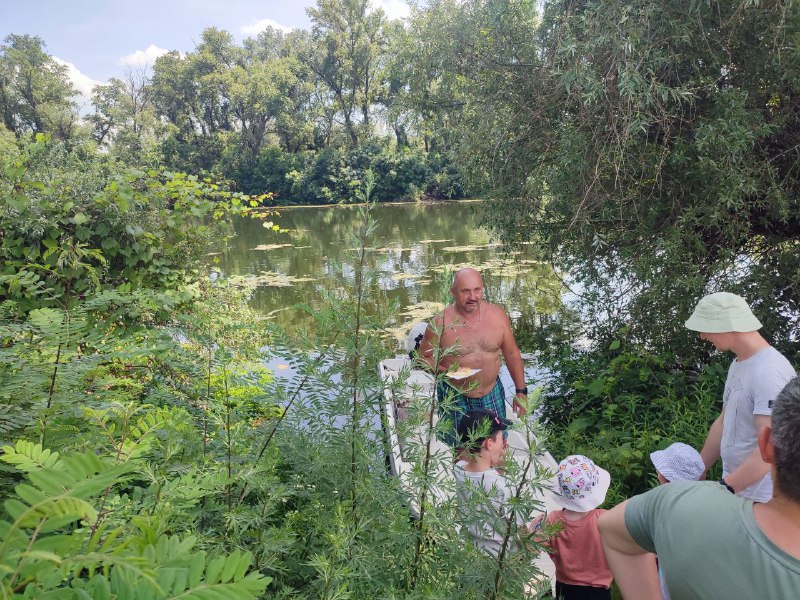
The celebration was held on the banks of the Danube. At some point, a Serb came by in a boat. Out of curiosity, he steered over to see what was going on. They explained everything to him in Serbian and invited him to join, but he was shy because he was only wearing shorts. They gave the guest some sweet echpochmak pastries. In return, he took the kids for a ride in his boat. It was really sweet.

Thanks to the organizers and everyone who came. If you didn't make it this year, please come next year!

PS. While we're at it, listen to Başkarma - Ber genä minutka (and read the translation). They're great.
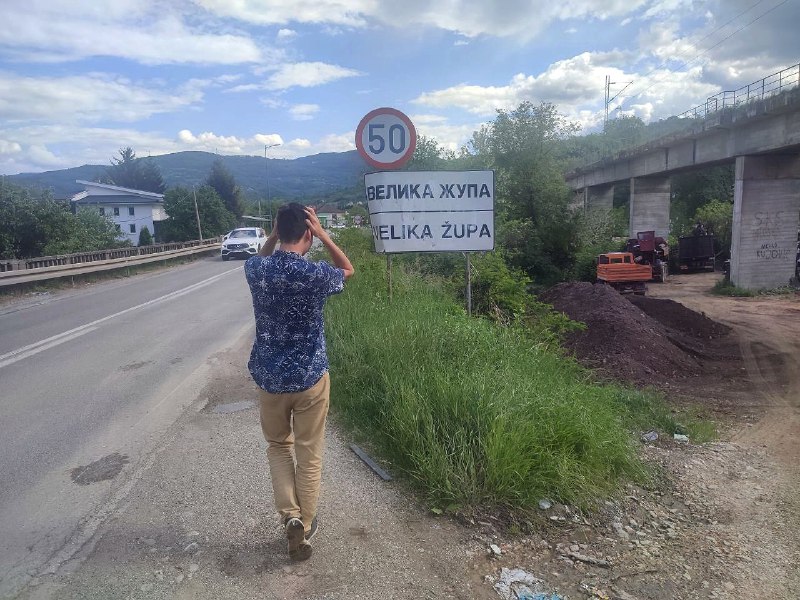
Even after two years of living in the Balkans, such names never stop being funny 😅
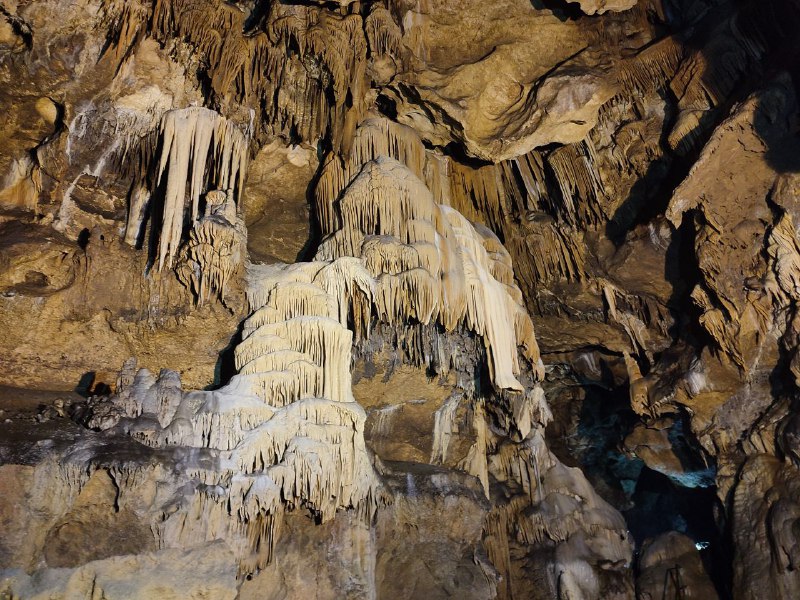
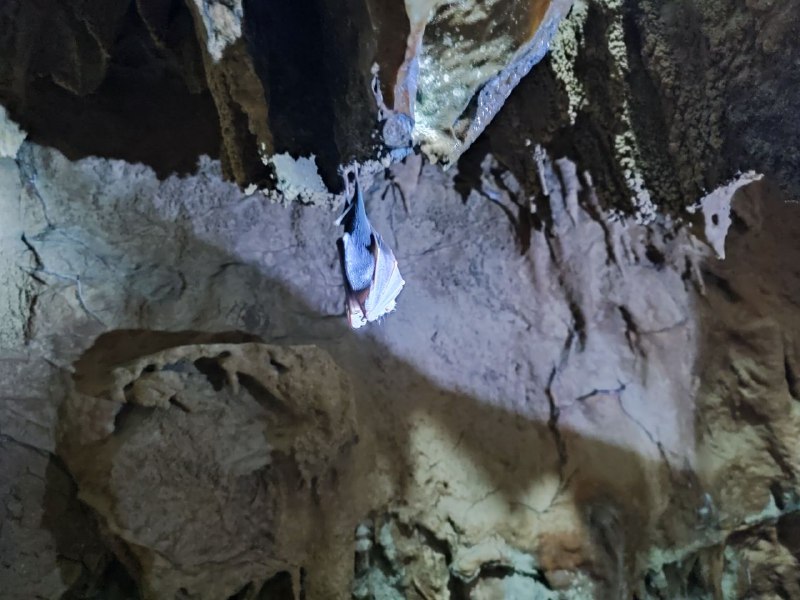
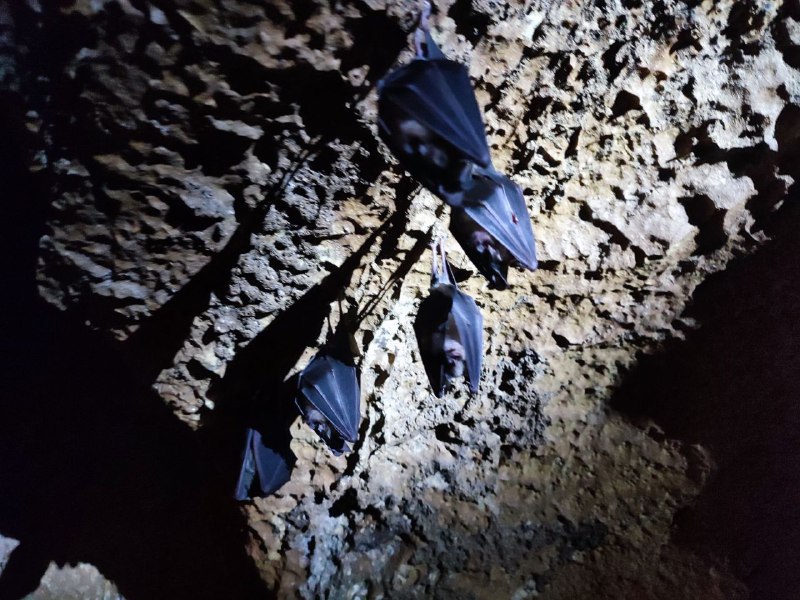
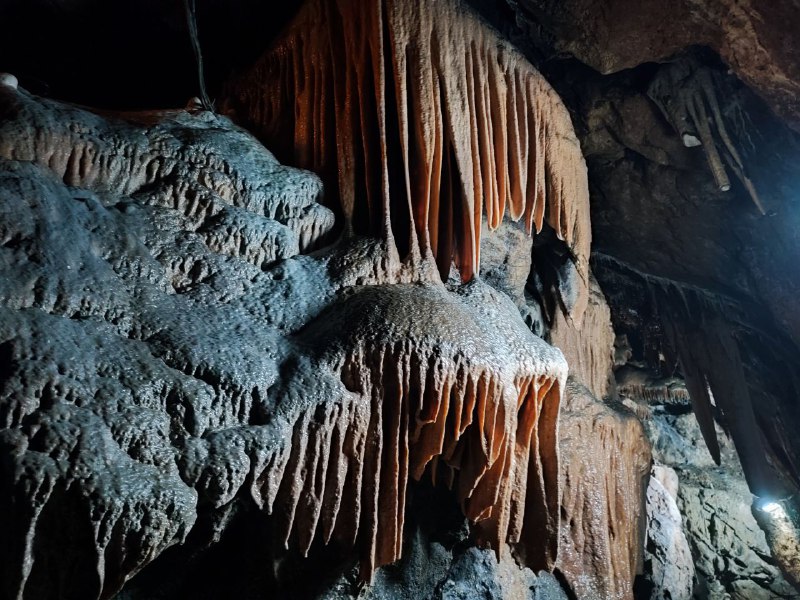
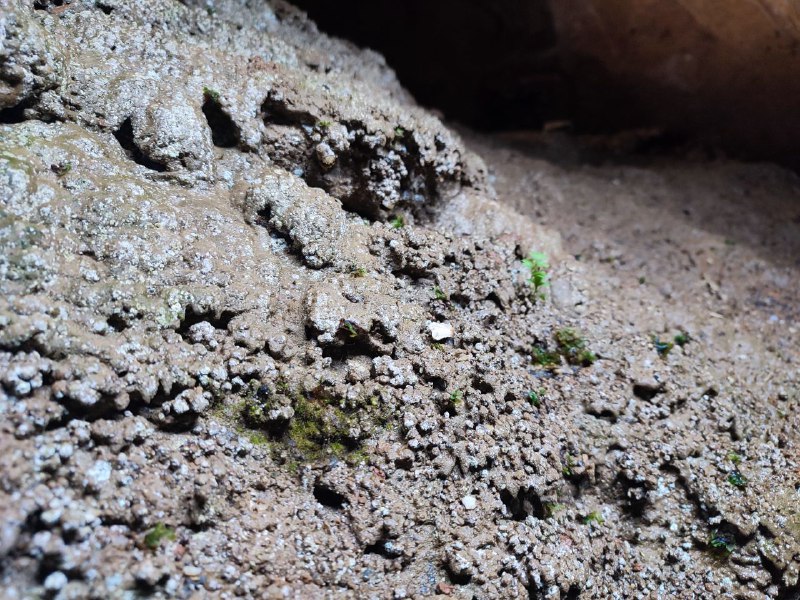
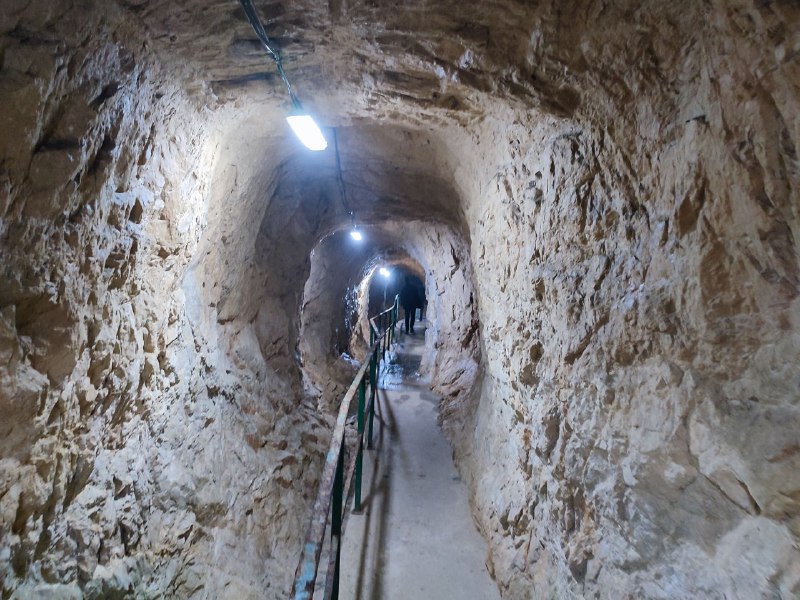
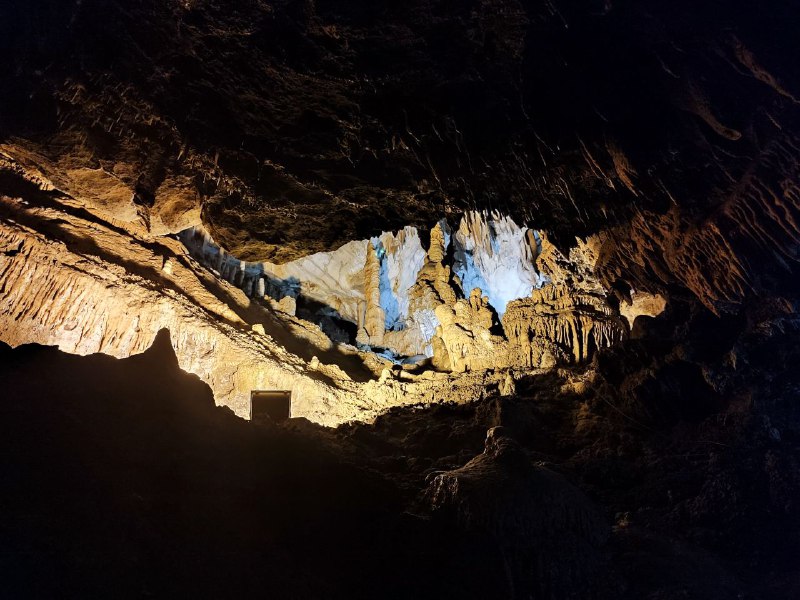
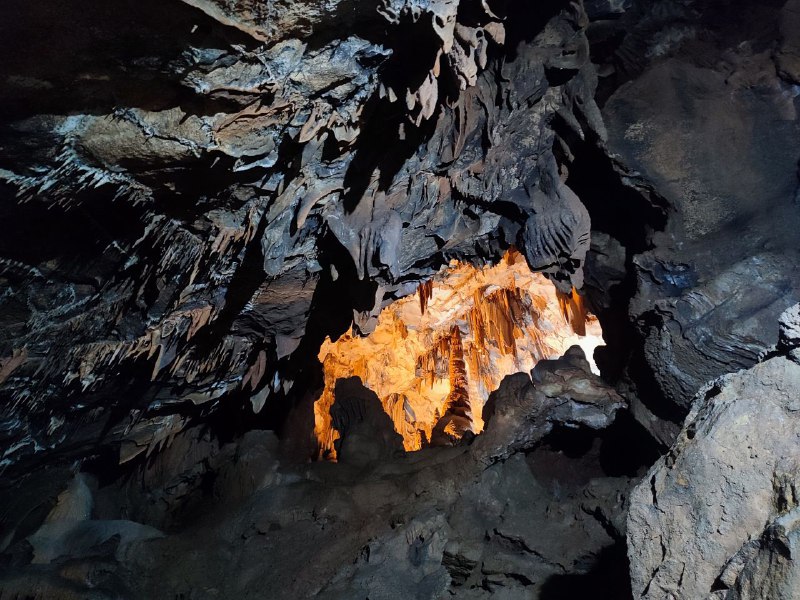
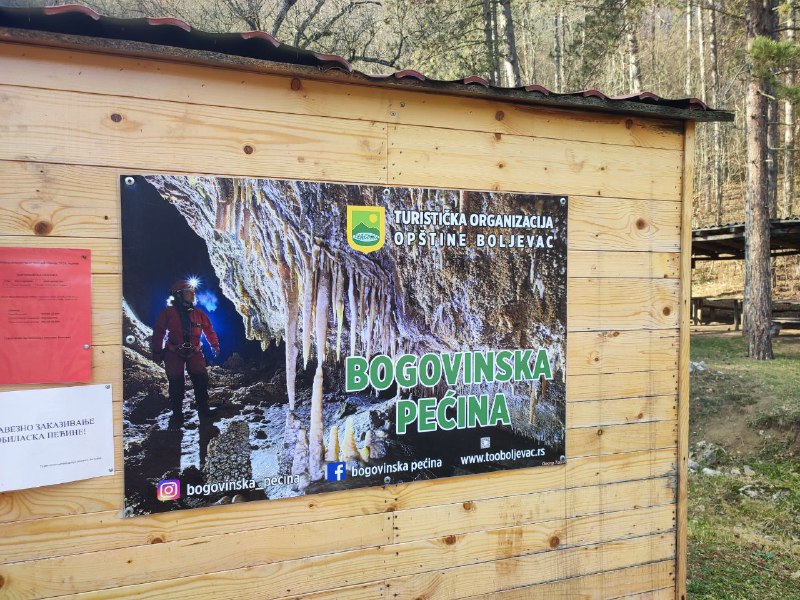
Serbia has lots of caves, but Bogovinska is the first one where they showed bats up close like that, and even seedlings that somehow ended up inside without any sun or heat! It's more interesting inside than in a lot of other caves I've been to.

You need to book a tour here in advance. Nobody's sitting at the entrance waiting for people. There's not even a schedule. Apparently the number of visitors is pretty small (at least in winter). I didn't prepare well, but I got really lucky—right when I arrived, a couple of guys showed up who'd already arranged everything. They took me along with them.

There's not really much of a story here, I just wanted to share some pictures.
I was planning to write a post about Leskovac and this cool hydroelectric power plant beneath it, where I went for Serbian holidays, but somehow I keep writing about political prisoner camps instead.

Yugoslavia had several of these. The largest was Goli Otok, an island in the Adriatic, through which up to 16,000 political prisoners passed. For former Yugoslavs, Goli Otok means roughly what the Gulag Archipelago means for people from post-Soviet countries.

The Adriatic, of course, isn't beyond the Arctic Circle, but the mild climate was offset by the colony's brutal conditions (it wasn't only political prisoners here) and mandatory hard physical labor. Up to 600 inmates didn't survive to the end of their sentences. Significantly fewer people passed through other camps (Lepoglava, Stara Gradiska, Sveti Grgur, and a few others). Even considering that about 20 million people lived in the republic, the scale of local repression as a percentage of the population was an order of magnitude smaller than the Soviet one. (Though of course it's better to avoid them altogether).

After Yugoslavia's collapse, none of the successor states wanted to become the inheritor of these prisons for the repressed. And the Balkan wars overshadowed the prisoners' suffering and pushed this part of history out of the spotlight.

If you look at the list of known prisoners, they all came out of the camps alive. Alija Izetbegovic served two sentences—3 years and 5 years (the second time it was supposed to be 16, but the republic collapsed and he was amnestied)—and became the first president of Bosnia and Herzegovina.

Because you can't kill people. And if someone does, that's where they belong—in prison.
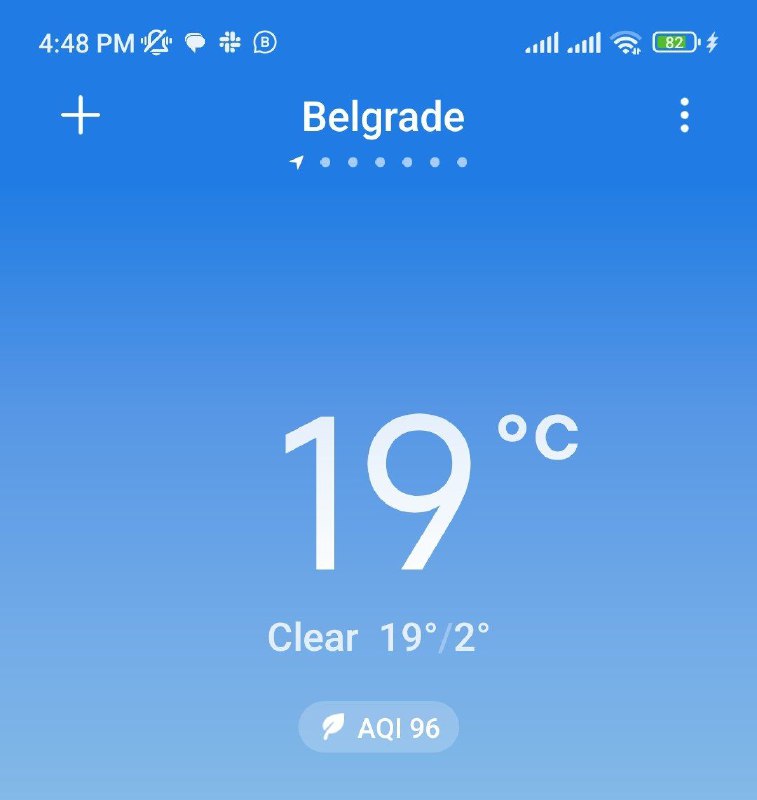
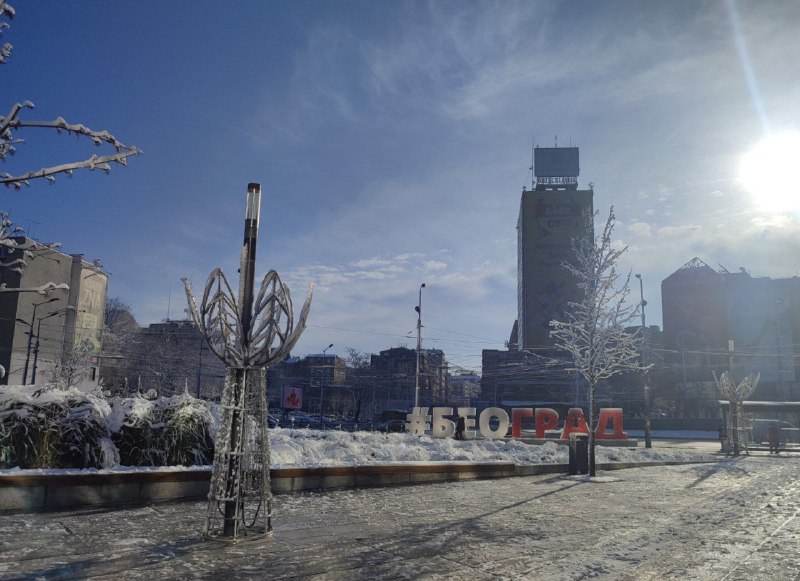
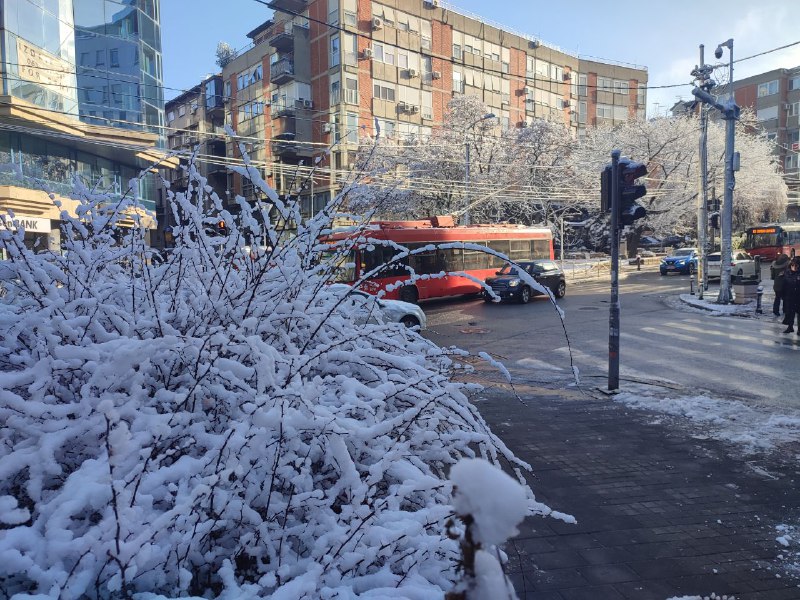
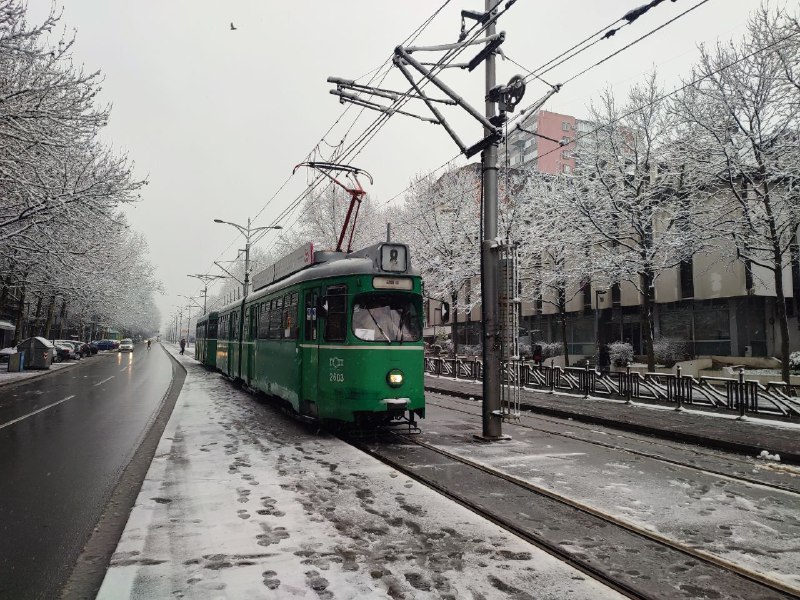
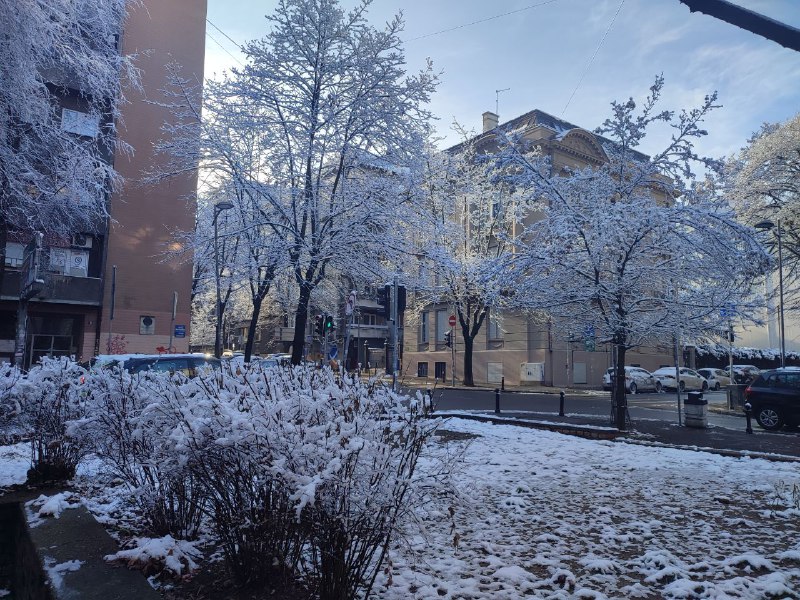
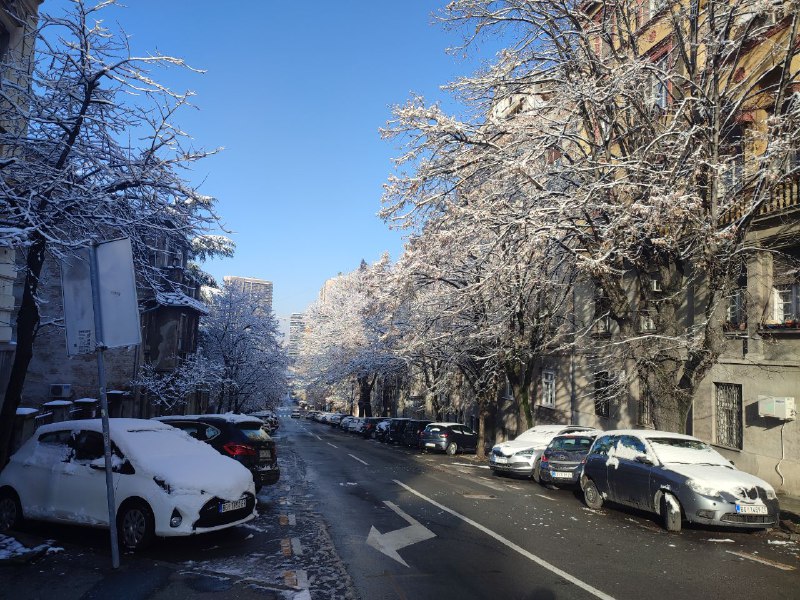
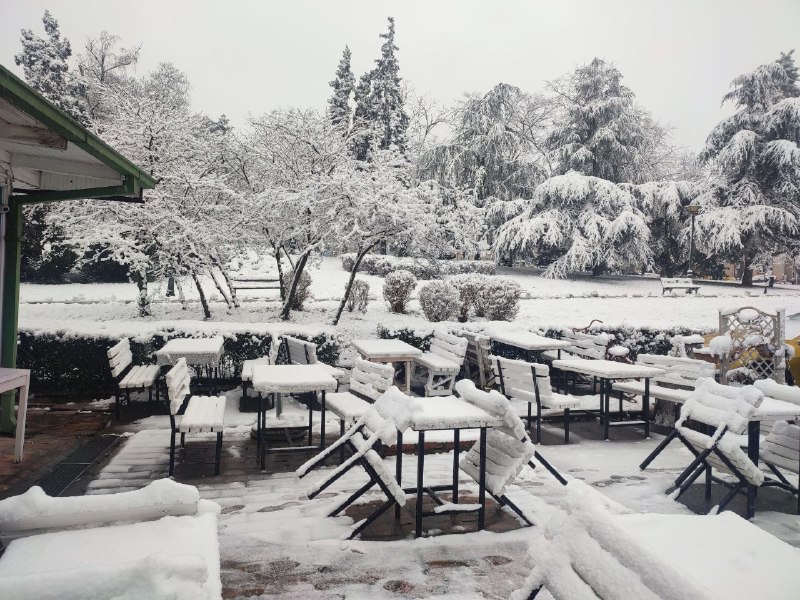
A couple of days ago in Belgrade it was +19°C, and literally the next day a bunch of snow fell and didn't even melt. I've gotten so unused to weather like this that it feels really weird. Here are some snowy photos for you.
I'll definitely remember this waterfall for the rest of my life. I never thought I'd open the swimming season in early November not in some warm sea, but in +15°C in Serbia 😅

This day had to come eventually. I successfully drowned my drone right in the middle of this pond. I didn't notice a small branch, caught it on the propellers, and dove down. Had to go diving. The depth is about five feet. It's good the water is clear and you can see what's happening. I have to say, the swim turned out to be much more pleasant than I expected.

Unfortunately, I couldn't recover the most interesting footage of entering the water. I barely managed to retrieve this video from the water-logged memory card.

PS. To my surprise, after careful drying, the drowned victim flies again.
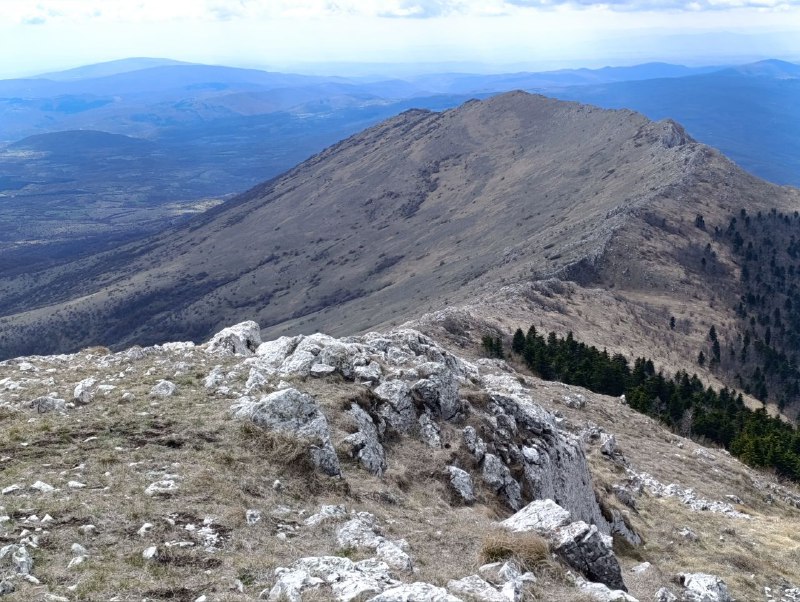
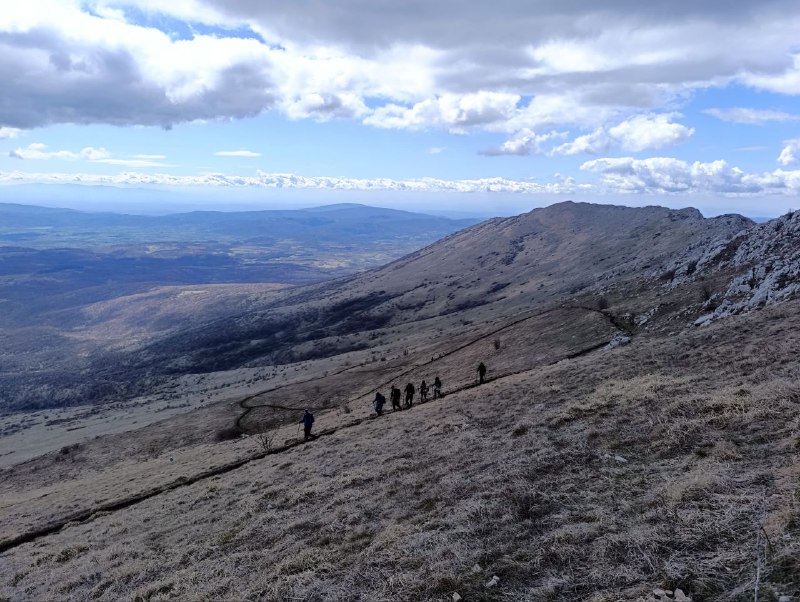
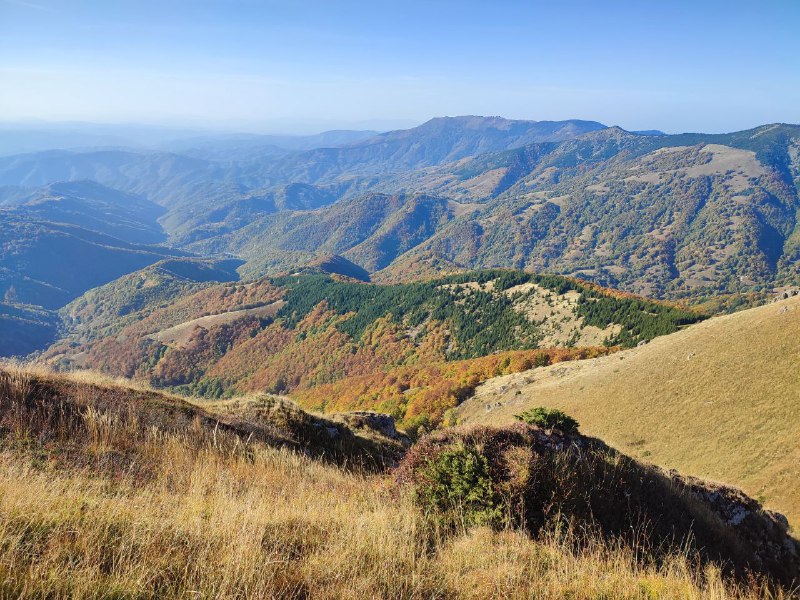
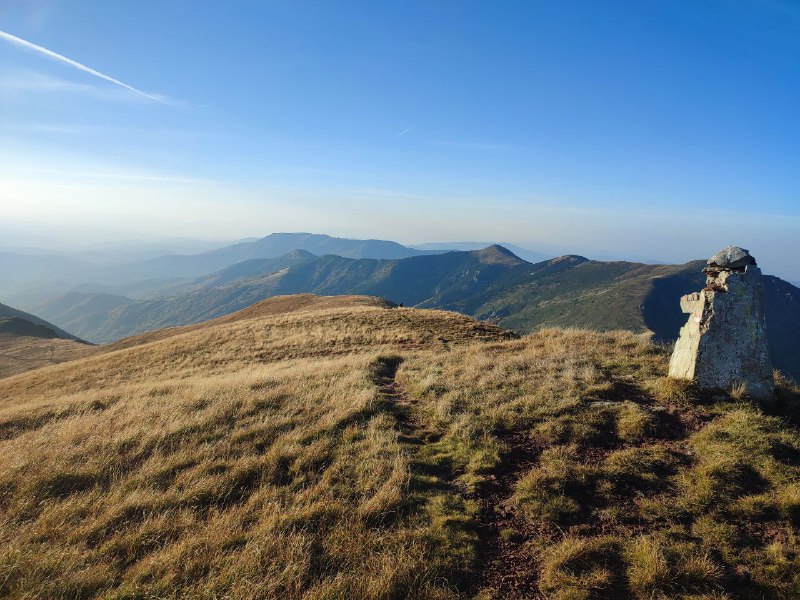
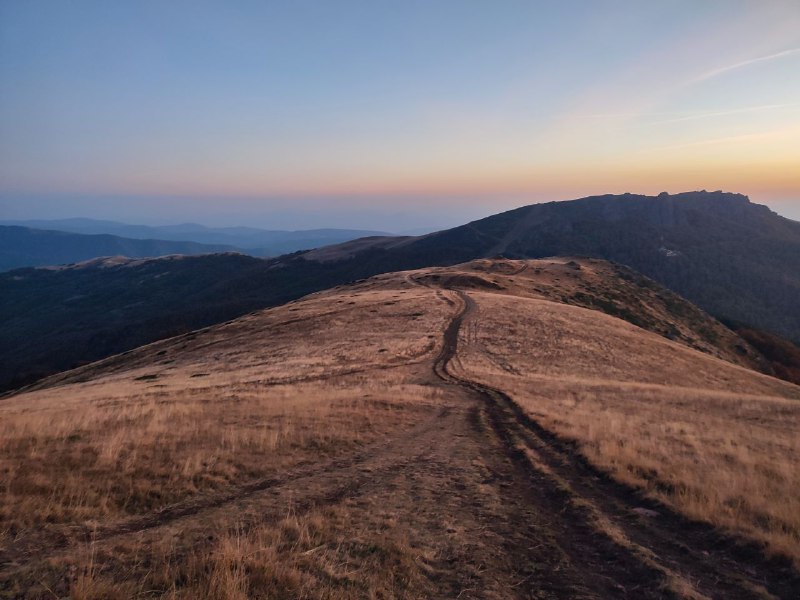
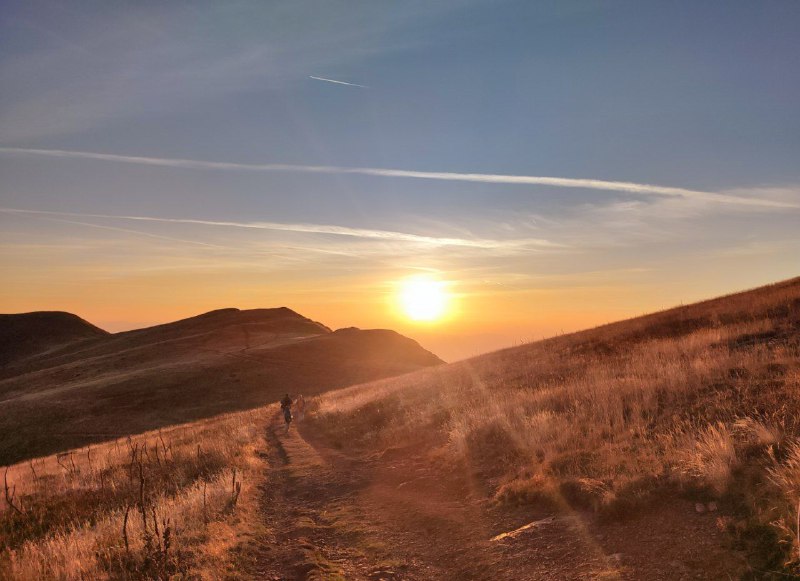
Before it got cold, I went to check out what's on display at the Serbian-Bulgarian border. Really beautiful.

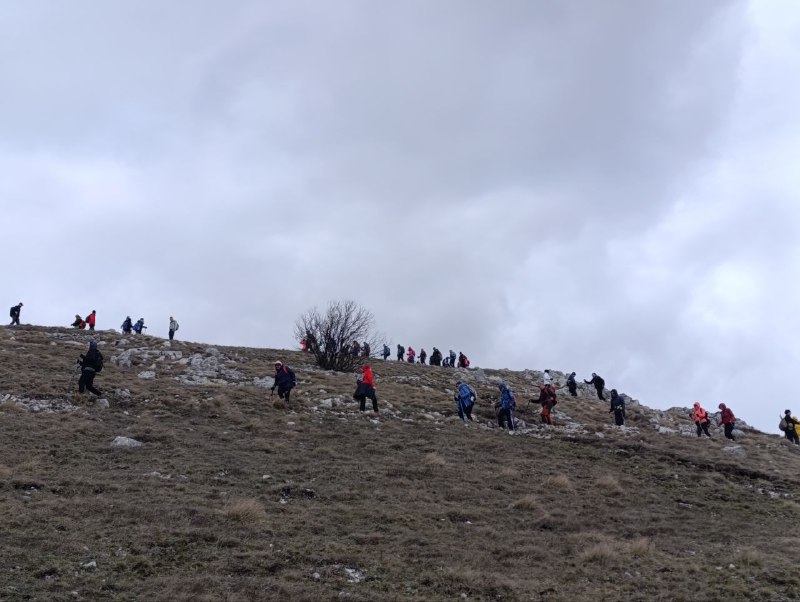
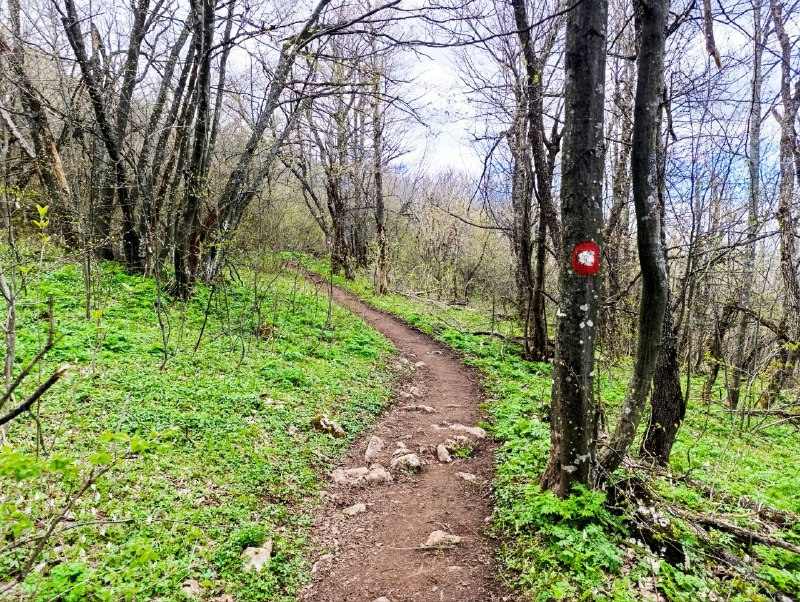
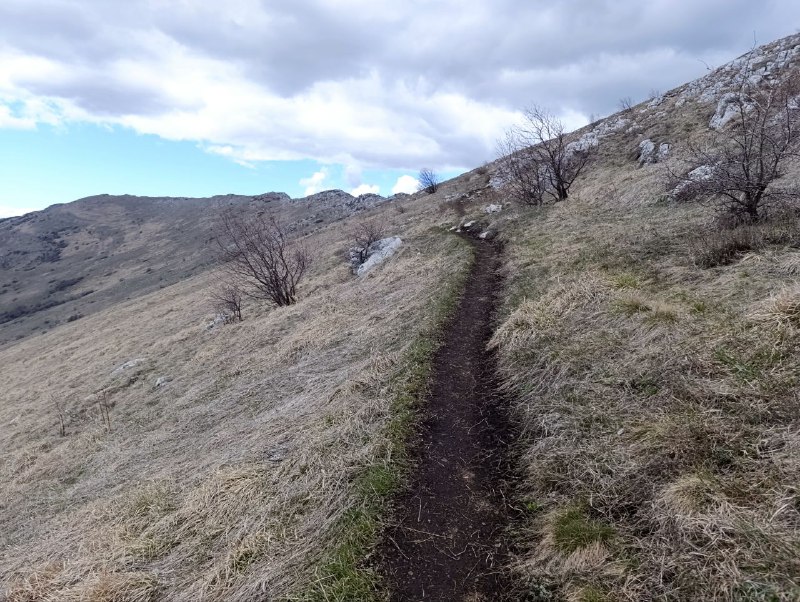
Most of the time part of the trail is hidden somewhere in the forest, but here you get views the whole way. Which is especially nice.

PS. If you ever need to go there too, here's the link.