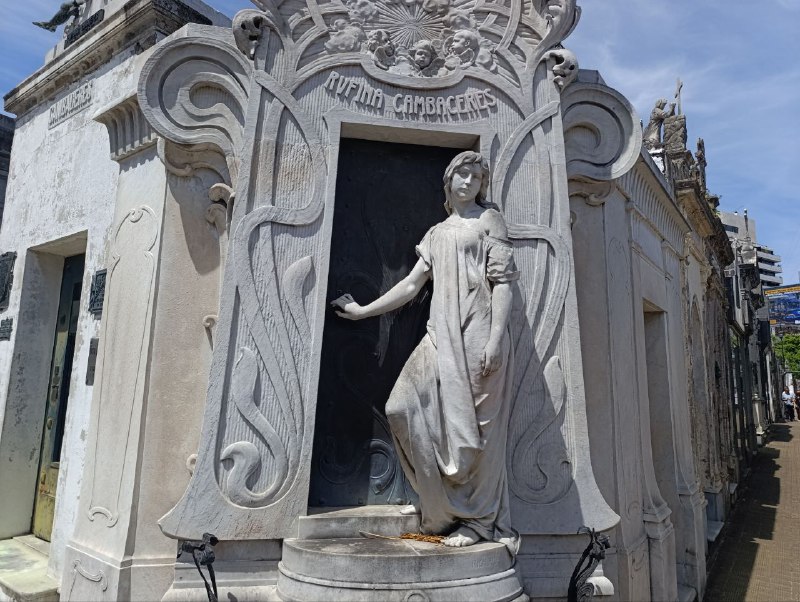
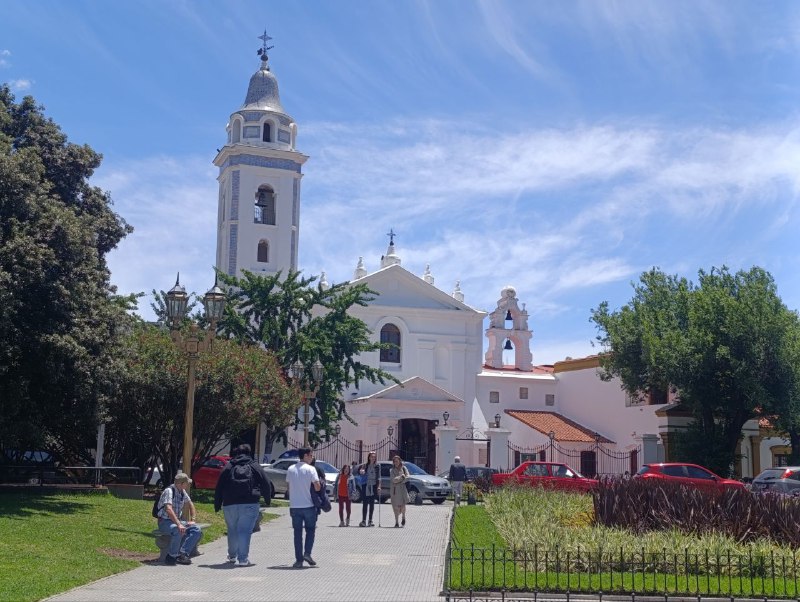
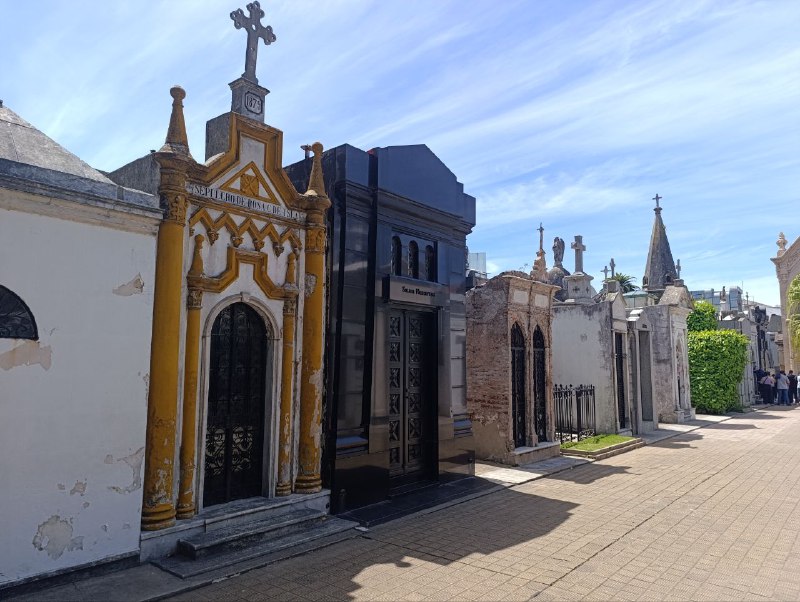
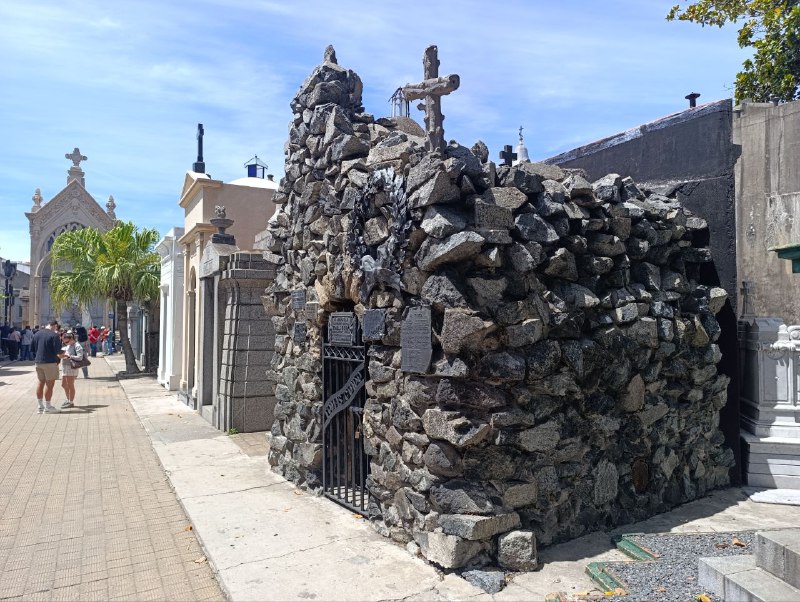
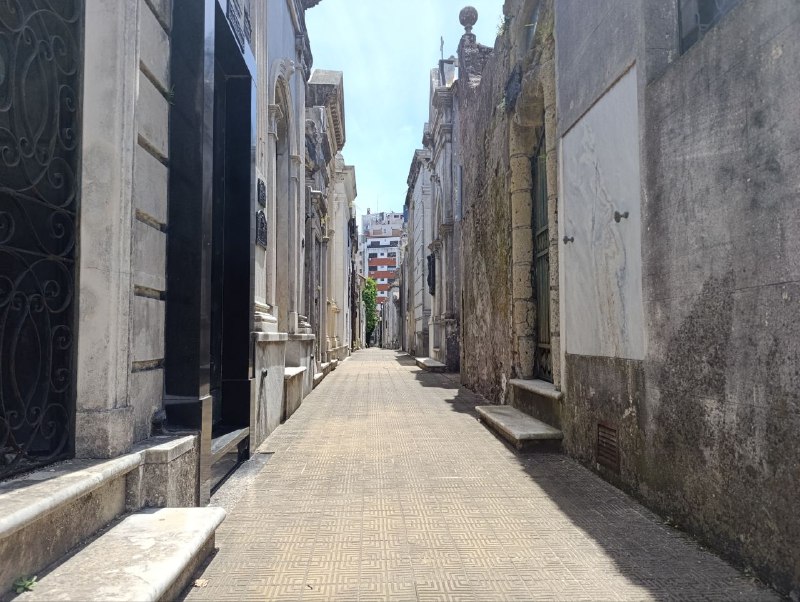
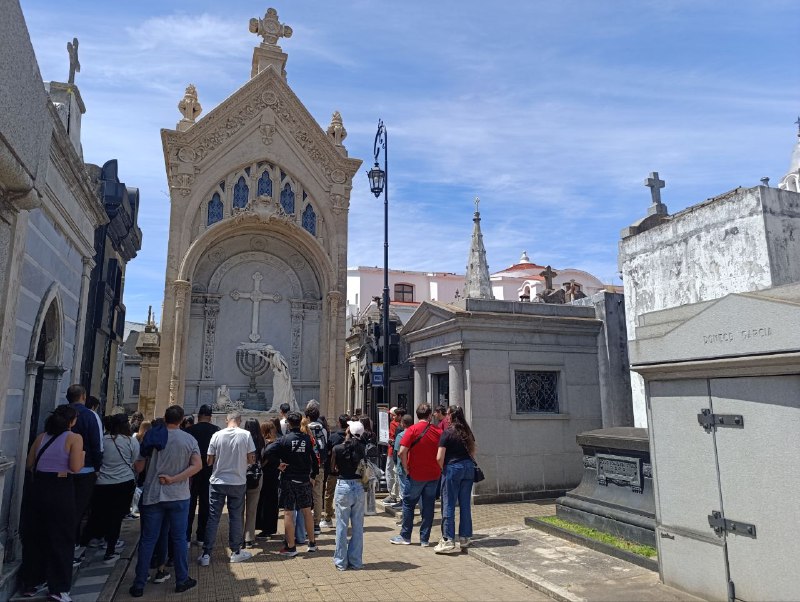
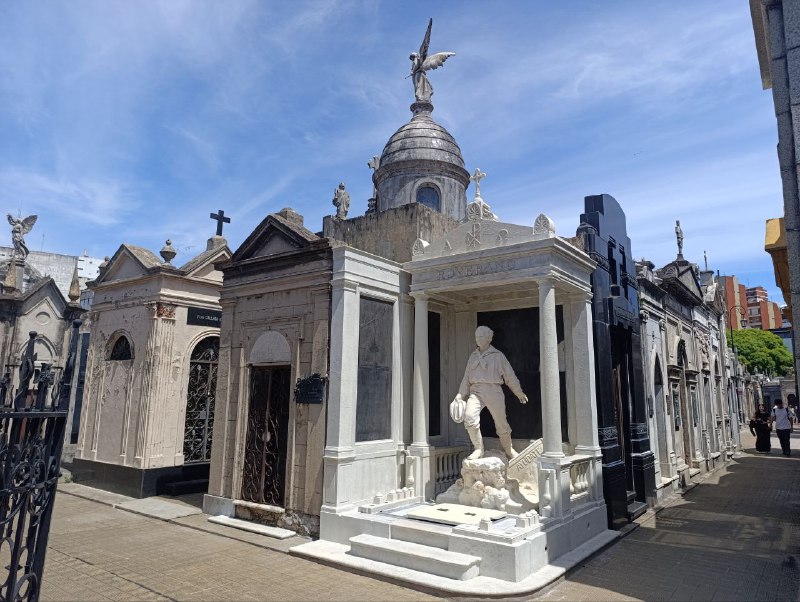
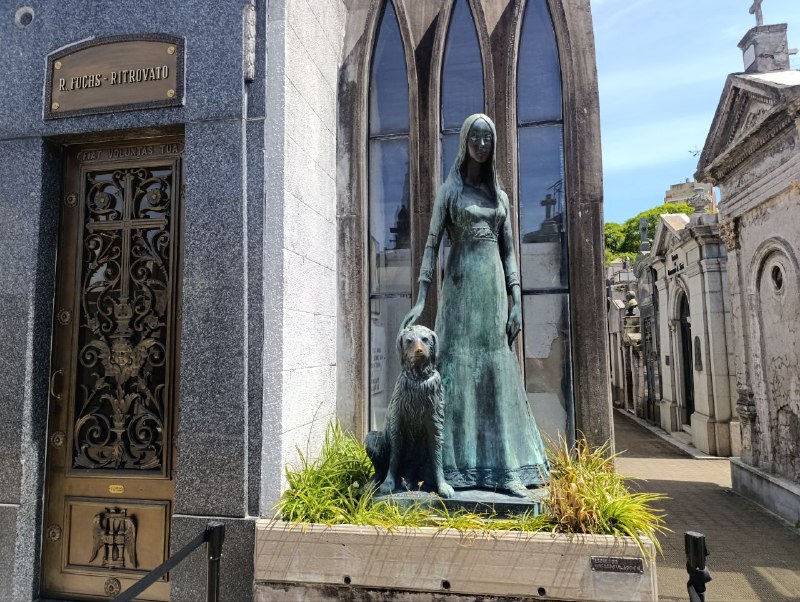
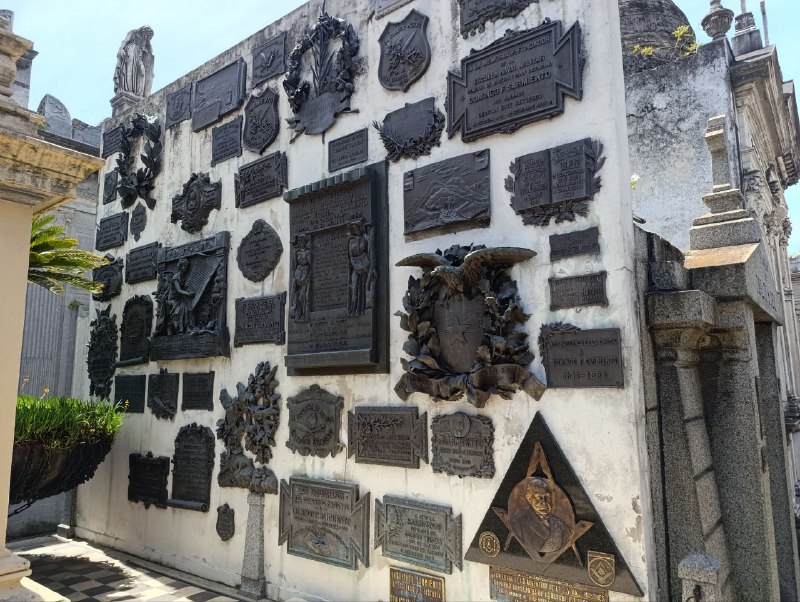
I sometimes write about various cemeteries here. Let me finish my Argentine story with the most famous cemetery in Buenos Aires — Recoleta, where the city's wealthy residents were buried. Many of the crypts and tombs have their own stories, but the case of Rufina Cambasares is what stuck with me the most.
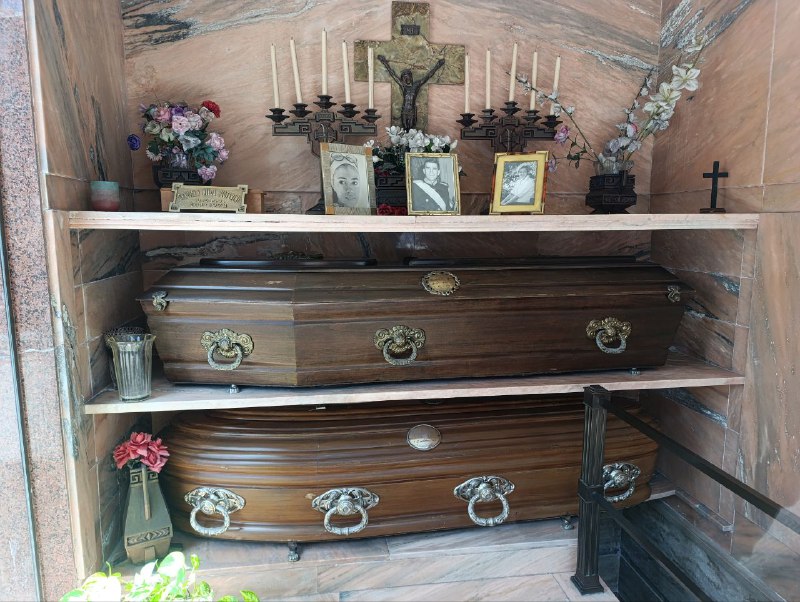
According to legend, a nineteen-year-old girl was getting ready for another social outing when she suddenly dropped dead. Three doctors diagnosed that Rufina died of a heart attack. Her relatives organized the funeral. Everything went as it should. But a few days later, cemetery workers noticed that the coffin had been moved and dents had appeared on the lid. As you can see in one of the photos, coffins aren't buried underground here, so it's easy to notice changes. Back then, people often tried to rob the graves of wealthy individuals. To make sure nothing had been stolen, they opened the coffin and allegedly found traces of the girl's unsuccessful attempts to escape. Gogol's worst fears came true in this story.
More than a hundred years have passed since then. And no one can say for certain what in this story is true and what isn't. But it's a beautiful legend. And there are many like it here.
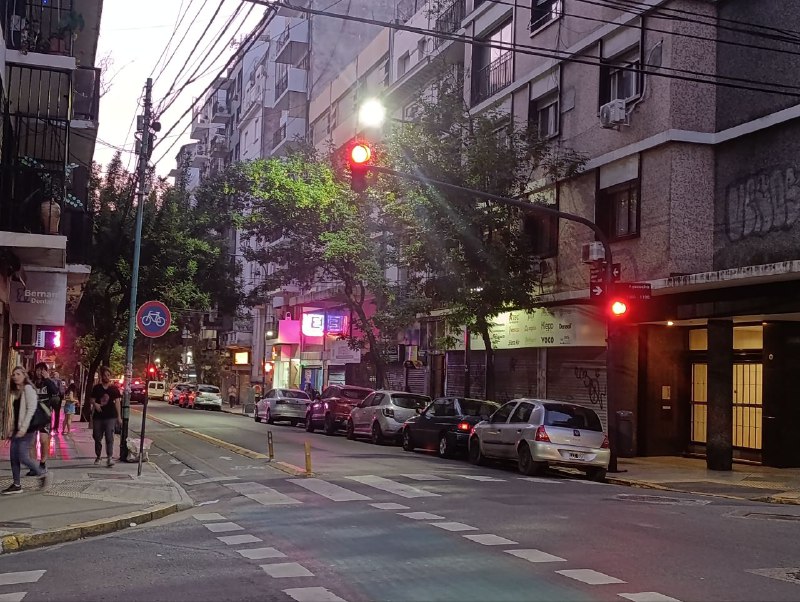
Before the trip, I read through a bunch of discussions about safety in Buenos Aires. On the streets, I tried to stay alert and didn't flash my phone around too much. But it felt way more peaceful than what those discussions made it sound like.
I met up with a buddy who moved there a couple of years ago. He says that in all that time, nobody's ever tried to rob him, even though he doesn't live in the fanciest neighborhood. Though he did see a couple of dead bodies when he was wandering around late at night :)
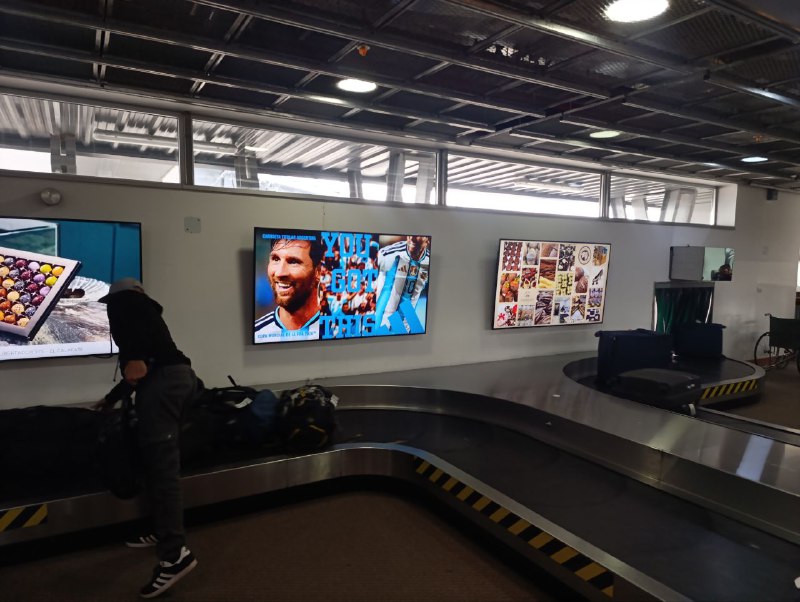
There's Messi advertising all over the country. He's literally everywhere. At the airport, at store entrances—especially sports stores—and just on billboards everywhere.
PS. Turns out I left all my camera photos at home. All I've got on me is what's on my phone. I'll add some decent pictures later.
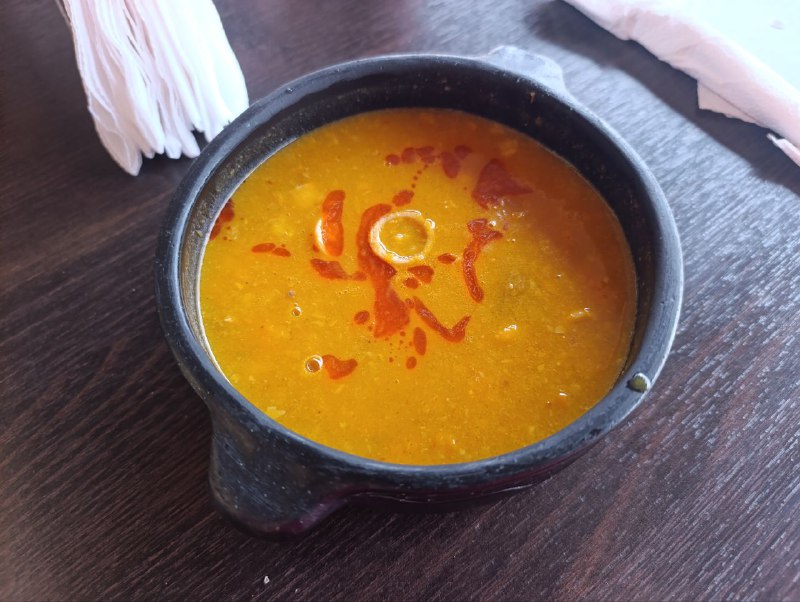
Argentine food is really good. Prices are about the same as Belgrade. But you have to get used to the menu: the local pesos are marked as $, and when they ask for $5000 for a cup of coffee, it feels weird. Though that's around 3 euros.
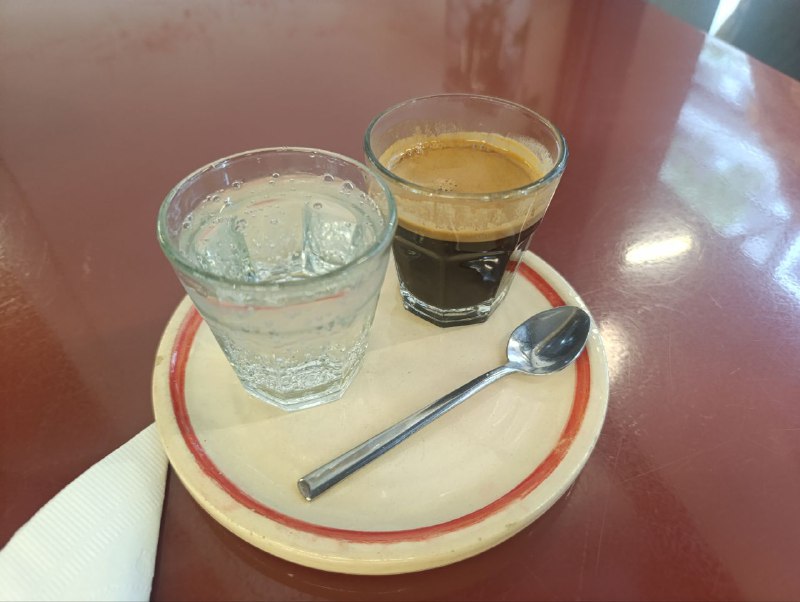
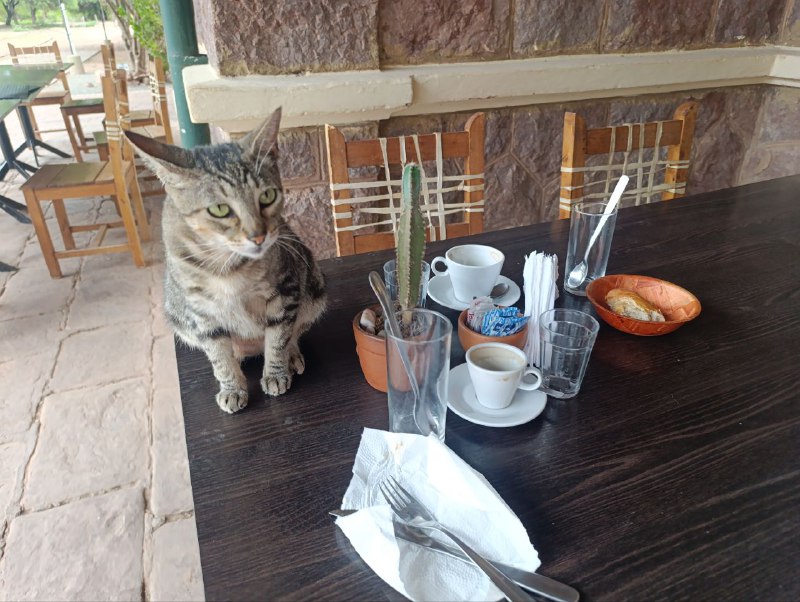
The coffee is excellent. Even in sketchy places it's pretty decent. Though sometimes you order an espresso and they bring an Americano instead. And they're surprised when you point out it's wrong. In places that serve real espresso, they'll warn you 10 times that it's a very small portion.
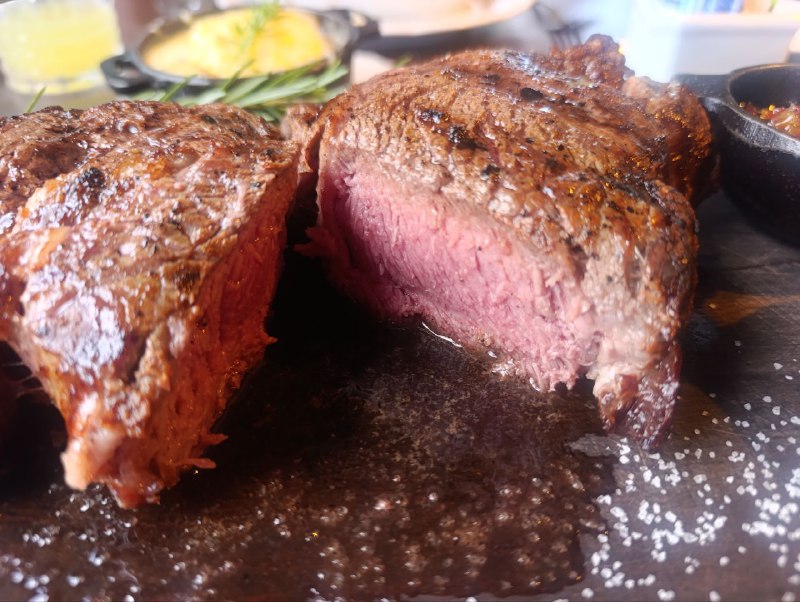
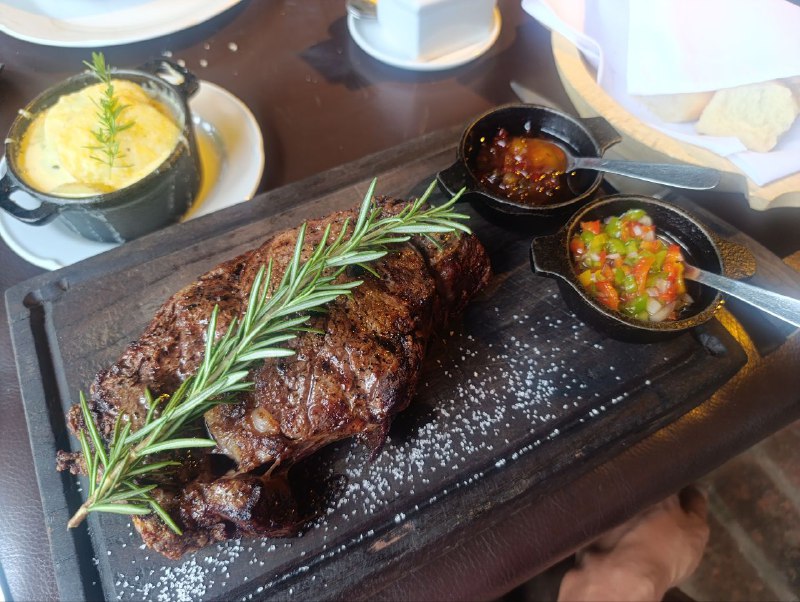
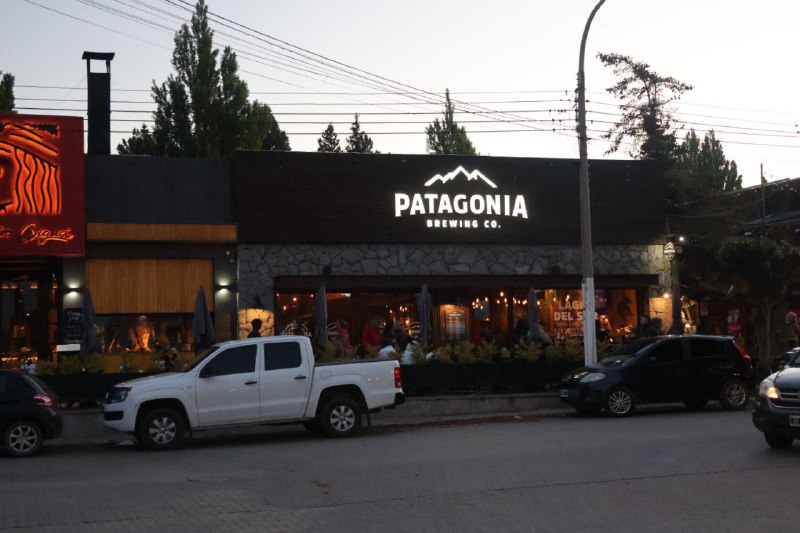
The famous steaks were sometimes just so-so. Depends on your luck. The prices are reasonable, but expectations were different. Though
this place had one of the best steaks I've ever eaten. Highly recommend it.
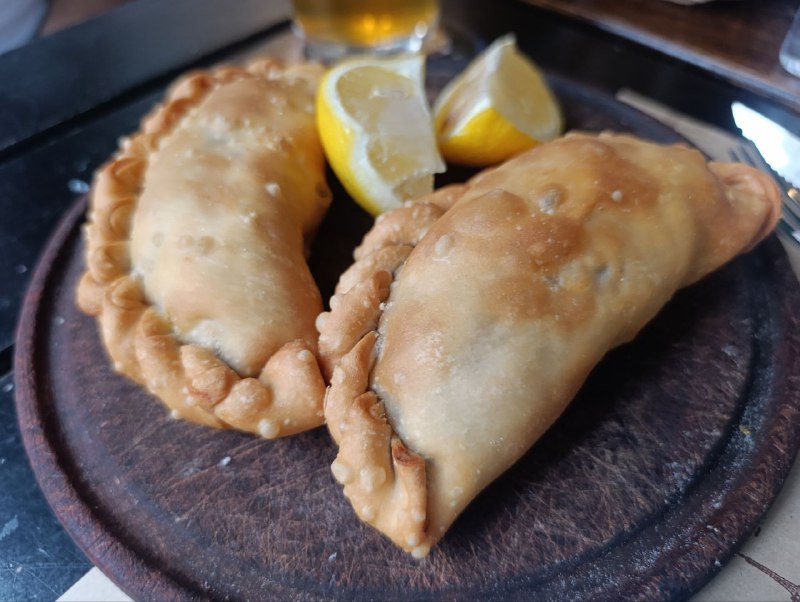
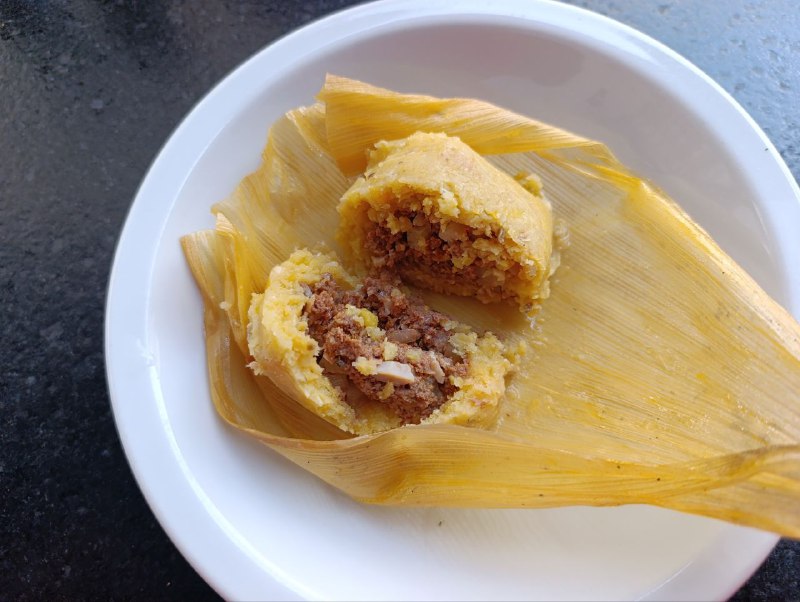
And I really loved the empanadas. They're kind of like chebureks. Guess I got a little nostalgic.
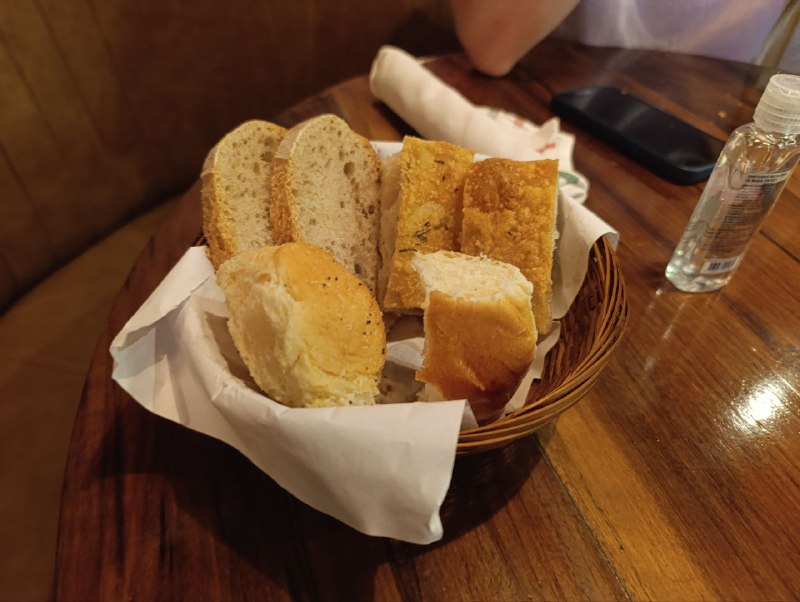
Restaurants often bring you a bread basket and add it to the bill. Not always for reasonable money. And it doesn't matter if you actually tried the bread or not. Of course, they don't warn you about this beforehand.
At a couple of restaurants with Russian roots, you could pay with crypto. The owners claim they even pay taxes on it :)
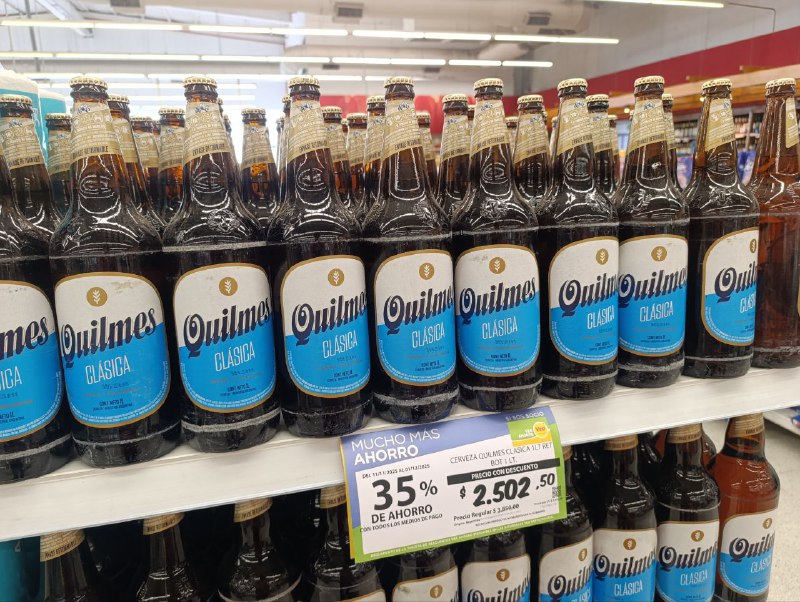
In stores you often find condensed milk (it's very popular here). And beer in liter glass bottles. I didn't even know those existed.
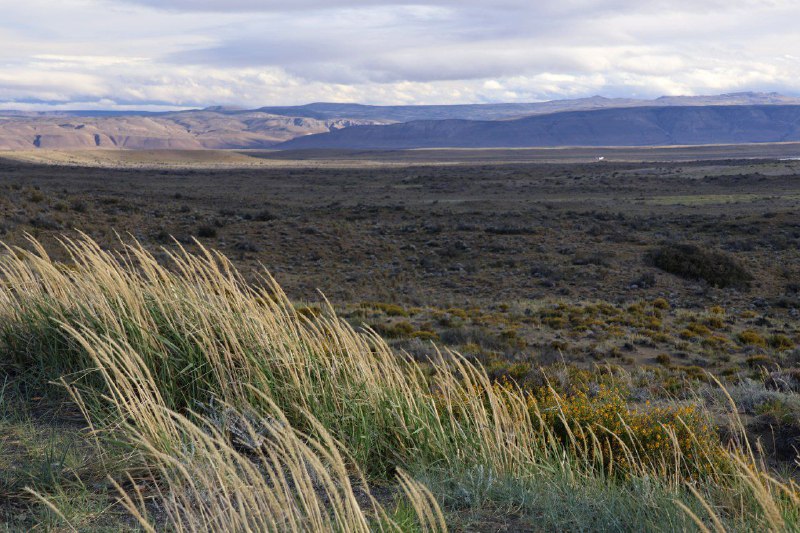
Just a short drive from the Andes, and you hit endless steppe. With incredibly strong winds. The rental office gave us an instruction manual with the car warning not to drive faster than 100 km/h in bad weather, because you can easily lose control. According to them, headwinds often exceed the car's speed. During strong gusts, the handling really was pretty sketchy.
The drone doesn't handle this kind of weather very well either. On one flight back, it couldn't make it. Had to walk out on foot to retrieve it. Plus, the camera's internal stabilizer clearly didn't do its job perfectly.
//
YouTubeCompared to the
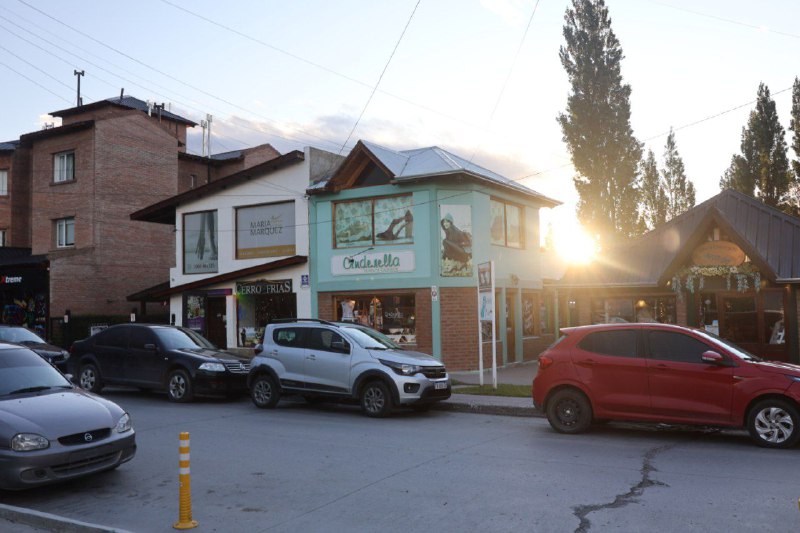
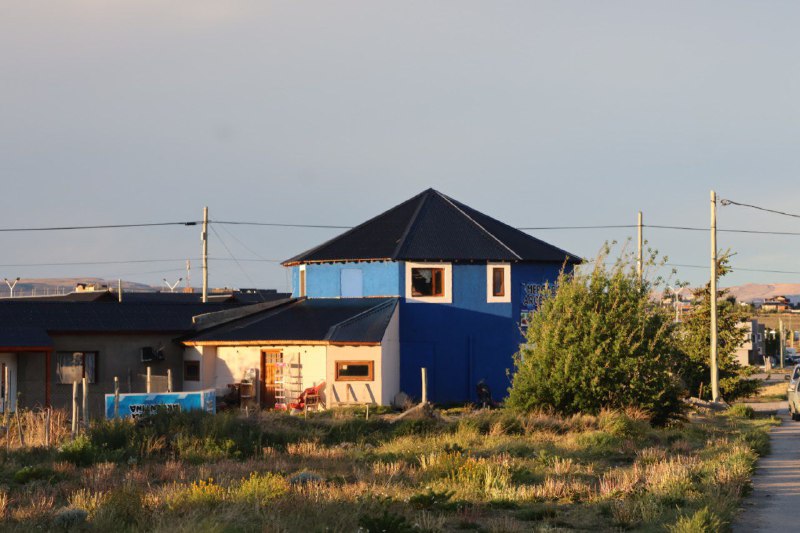
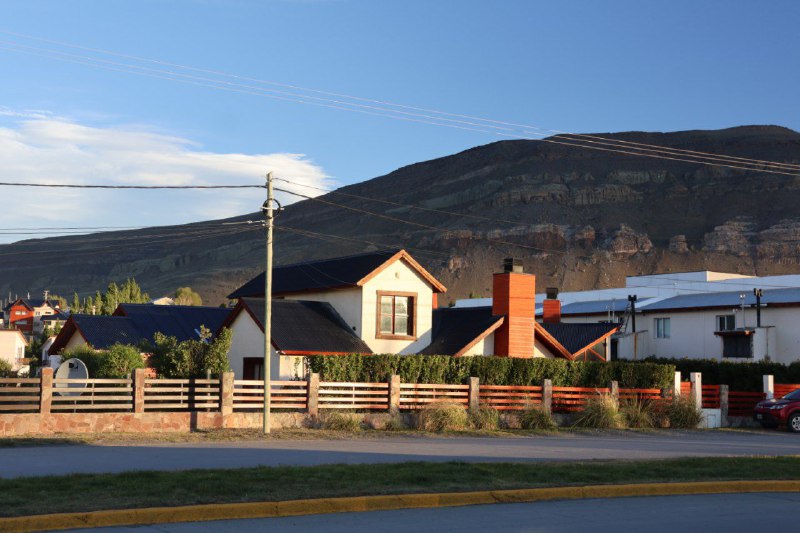
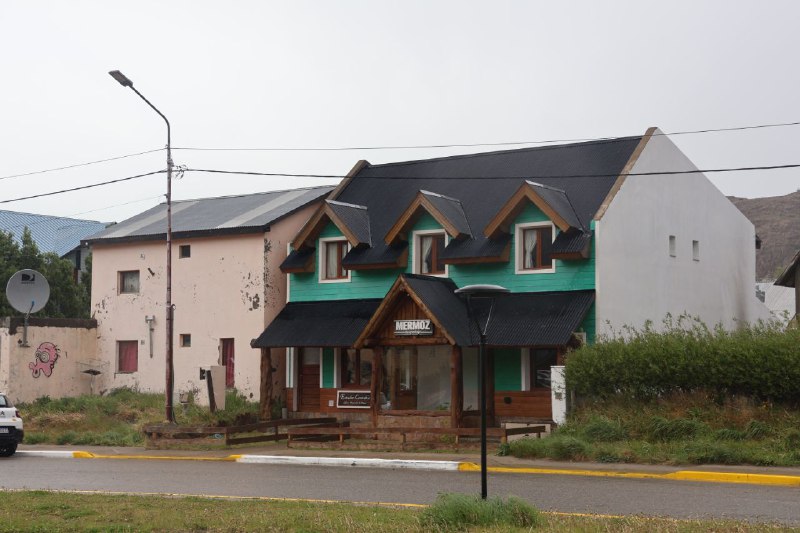
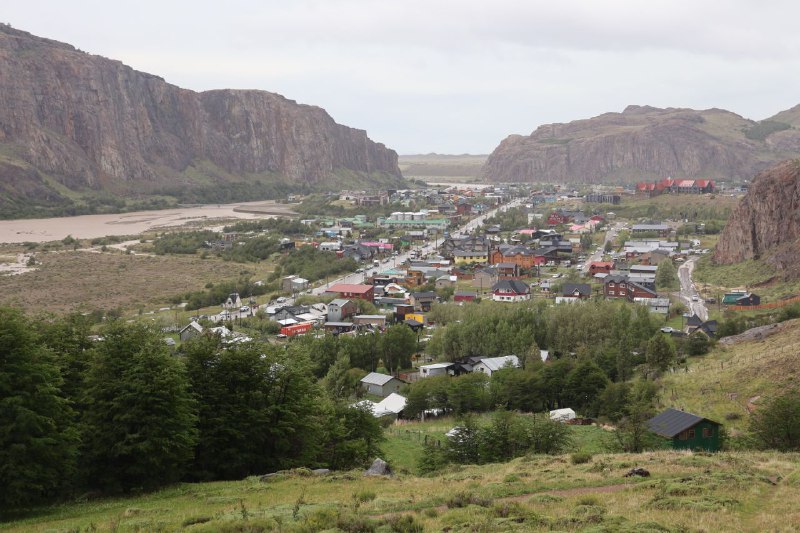
north, Argentina's southern towns look very... well, northern. There's something Nordic about it all. Reminds me of Sweden :)
Back at the start of the 20th century, these areas weren't really settled. The climate here isn't great for living. These days people only live here to make money off tourists.
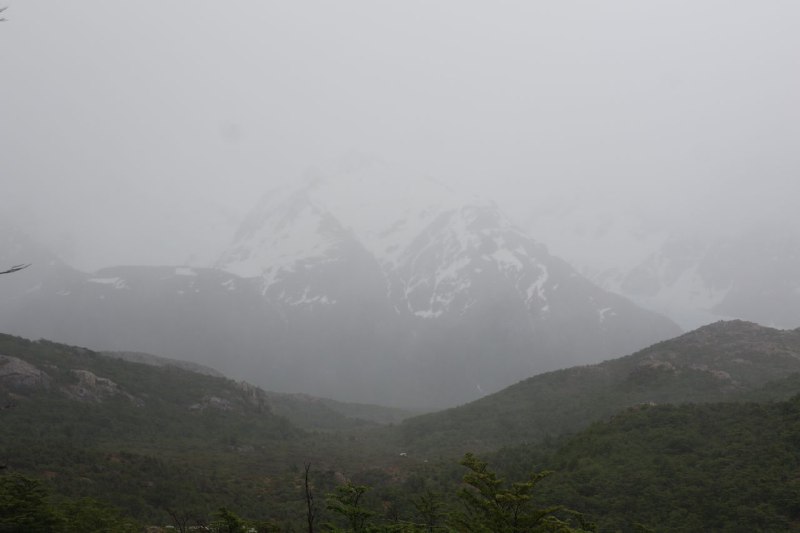
I was planning to do some hiking in El Chaltén (and it's not for nothing that it's considered the hiking capital of Argentina), but honestly didn't see much of anything. There's supposed to be a massive mountain in the second-to-last photo, but it just vanished into thick fog. Guess I'll have to go back again.
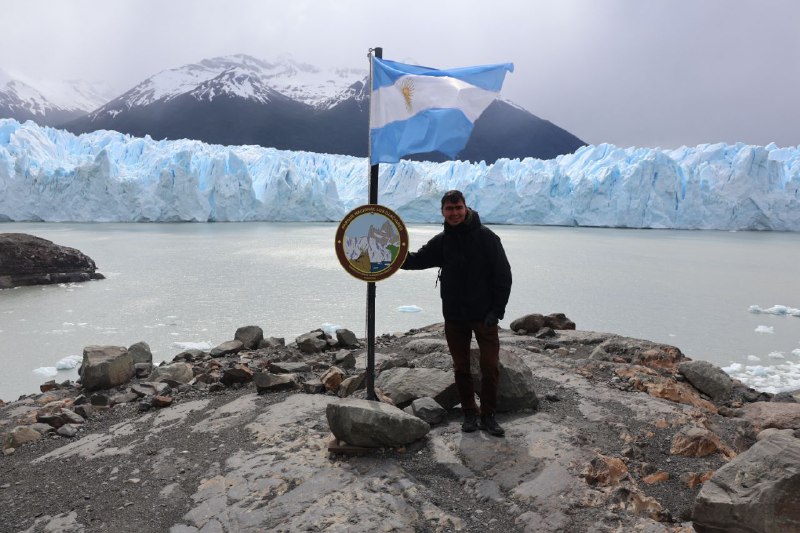
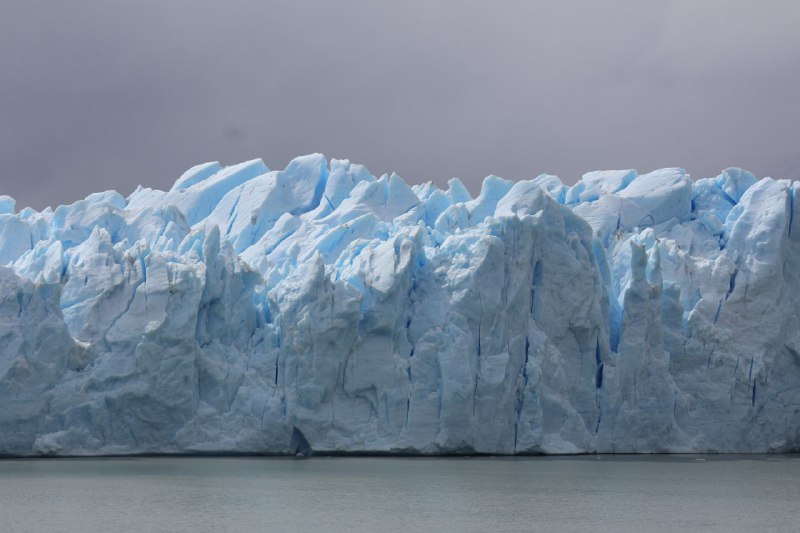
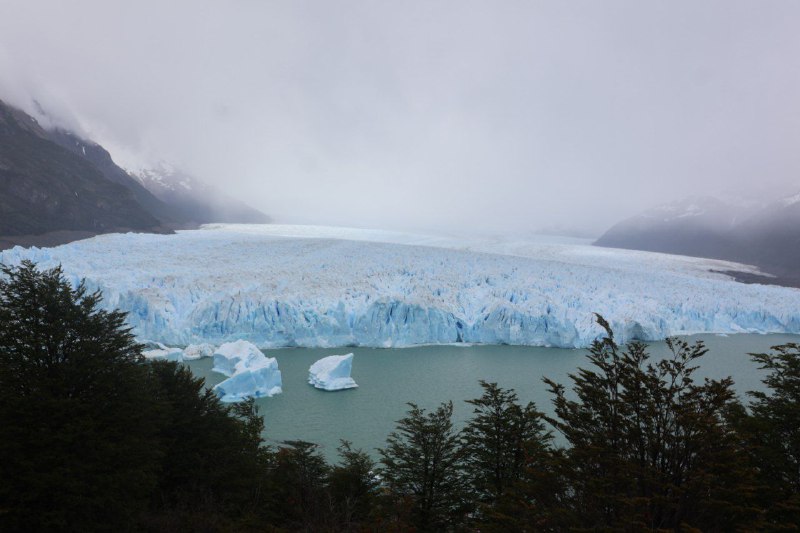
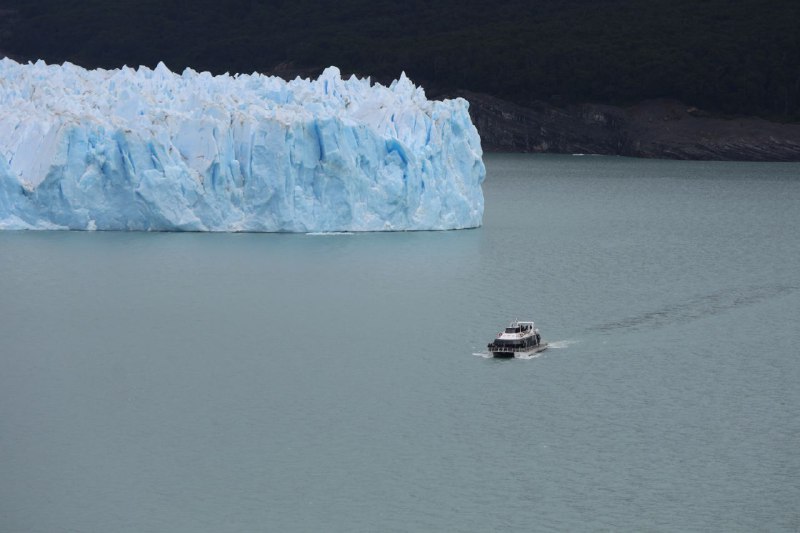
While the north of Argentina is scorching hot, the south is not just cool—it's literally a glacier. Perito Moreno. Even though it's a pleasant +15°C outside, the massive chunk of snow and ice doesn't fully melt. The photo only shows the upper part. There's even more ice underwater, and it reaches all the way to the bottom.
The glacier has completely blocked the lake several times. This caused flooding on nearby farms. In 1939, the military even bombed the glacier hoping to unblock the lake, but it didn't work. Eventually, a few months later, the ice retreated and water levels returned to normal.
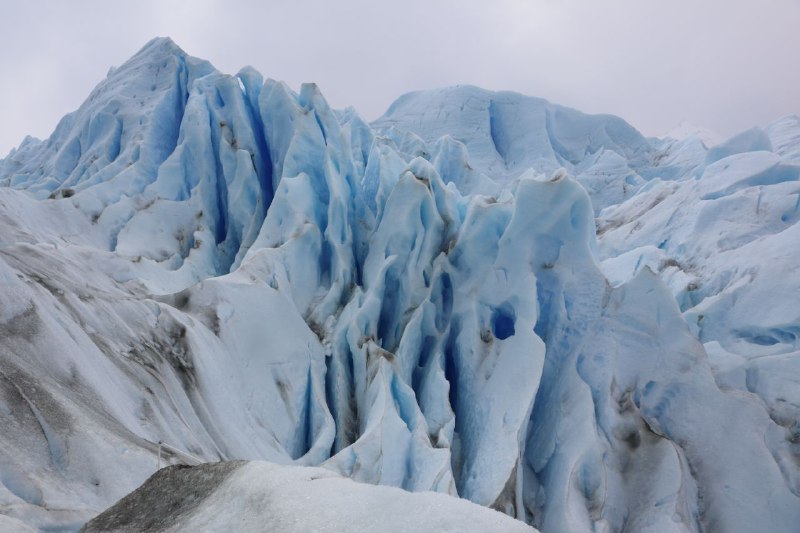
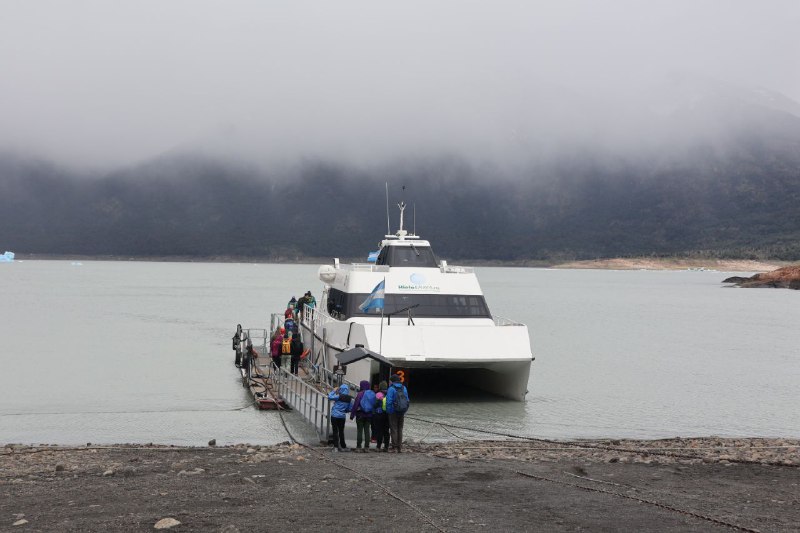
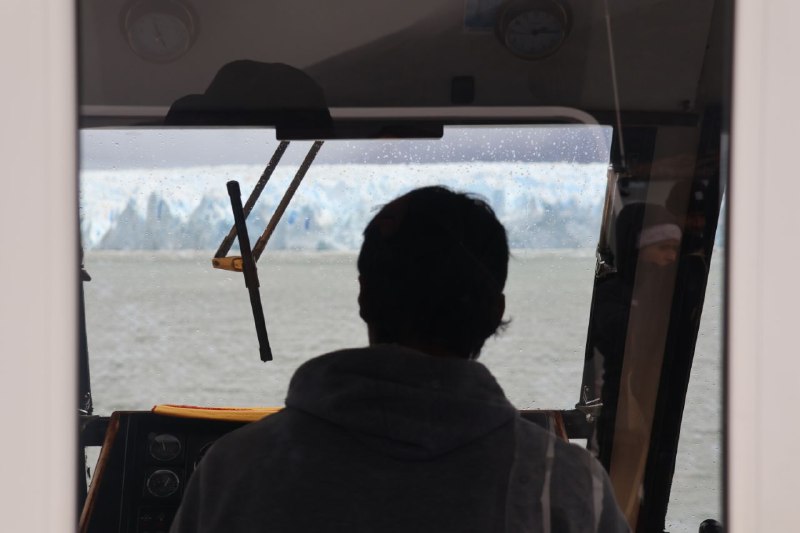
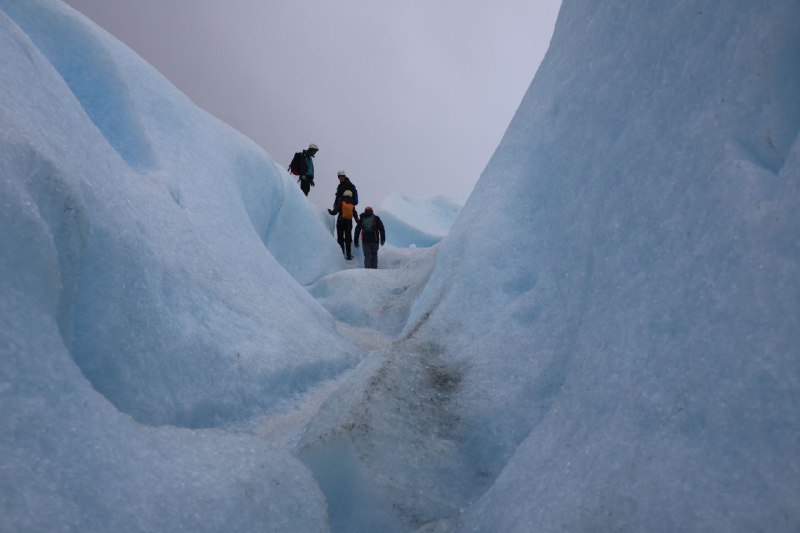
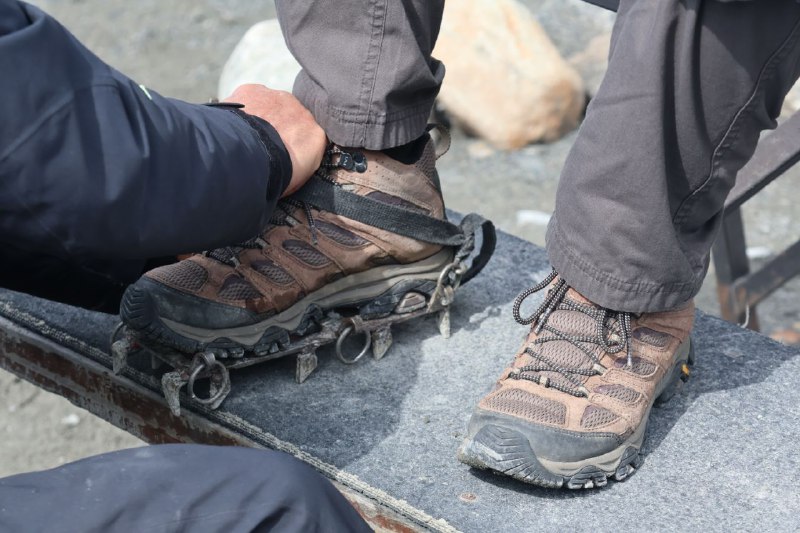
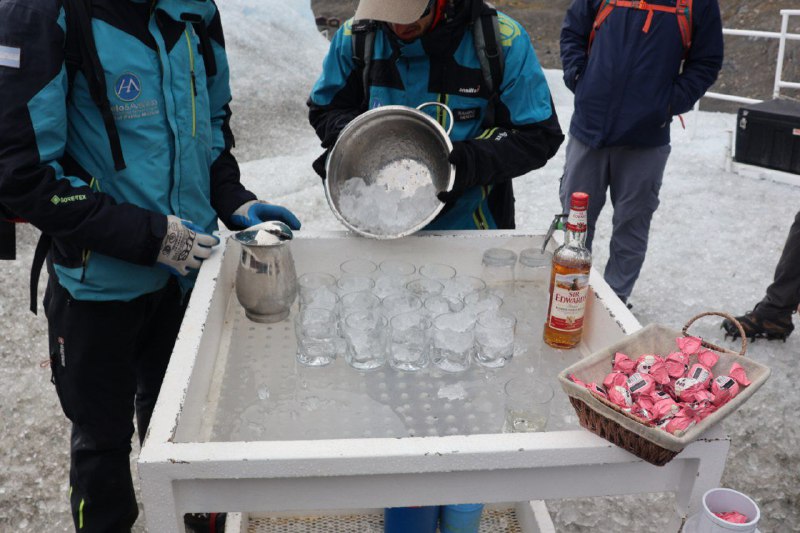
This is one of the most accessible glaciers in the world. For a reasonable amount of money, you can walk on it. They'll bring you by ferry, give you a guide, crampons, and explain how to walk properly. You can't go far—they only take you along the edge. For a hike several kilometers deep, they charge a lot more. I chickened out, even though I really wanted to do it.
The guide told me that in recent years the glacier has melted significantly, and the current edge is dozens of meters short of where it was a decade ago. It doesn't look like this trend will change anytime soon.
Before my trip to Argentina, I was convinced that the local Germans were mostly descendants of Nazis who fled after World War II. But that turned out to be completely wrong.
Today, the country is home to around two million ethnic Germans. More than half are descendants of immigrants from Russia. In the late 19th century, Volga Germans massively migrated to South America. They lived in isolation outside major cities, engaged in agriculture, and spoke an archaic dialect from the time they left their historical homeland. Other German settlers had trouble understanding them.
In the 1930s, a wave of opponents to the Nazi regime came from Germany. Estimates vary, but up to 50,000 people arrived—though not all were German. They settled in Buenos Aires, had little contact with their Volga-German counterparts, but actively maintained their culture and published anti-fascist newspapers in the spirit of
Argentinisches Tageblatt. They sometimes published lists of war criminals who had reached the country. But there were also regime supporters here, with pro-war
newspapers. It was sort of a standoff.
After World War II, up to 5,000 regime collaborators made their way into the country via
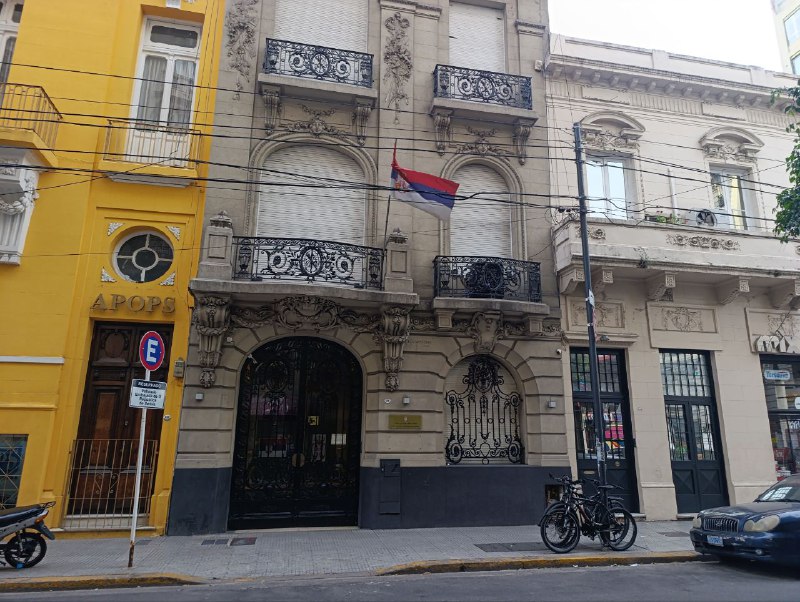
rat lines. In the grand scheme of things, that wasn't much. But the anti-war wave certainly wasn't happy about it. Tensions simmered for many years, with occasional murders and assassination attempts. And not just against Germans. For example, Serbs shot at
Ante Pavelić, the leader of the Croatian Ustaše, in 1957. But the assassination attempt failed, and Pavelić escaped to Spain, where he died two years later.
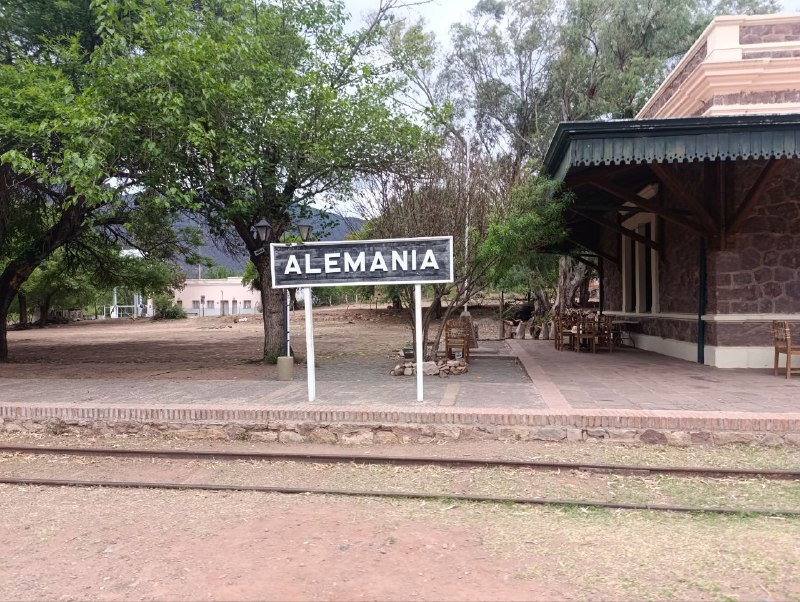
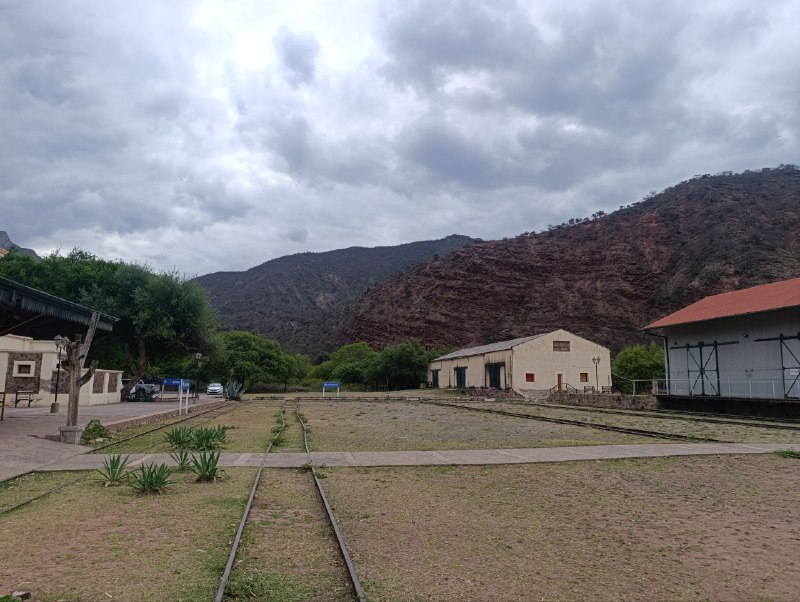
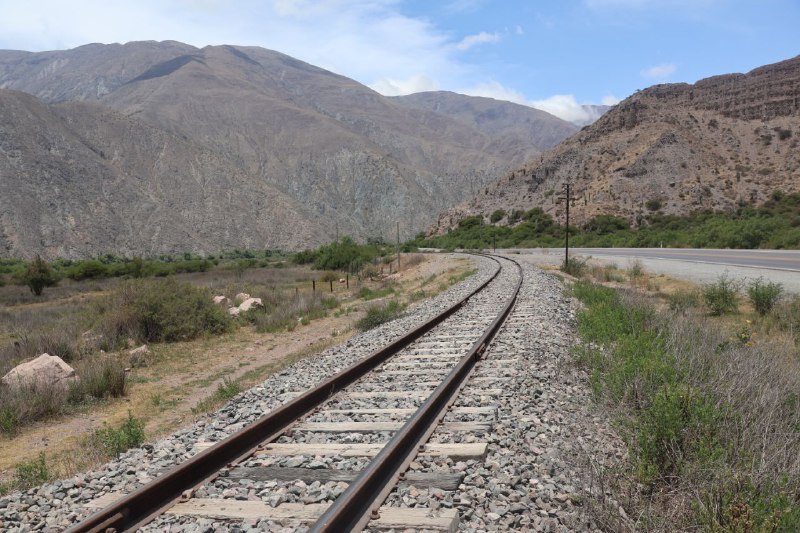
As it happens, I randomly stopped for a bite at a former railway
station called Alemania, which inspired me to dig into this whole story.
While traveling between towns, they show you things like this.
Thanks to the
track from the video (it's really cool), I learned about a South American beverage called
chicha with a very peculiar way of making it:
Women chew bread made from cornmeal, saturating it with saliva. Thanks to the enzymes present in saliva, starch is converted into sugar, which promotes fermentation. The alcohol content in chicha ranges from 1 to 6 percent, depending on whether the drink is being made for everyday use or for solemn religious festivals, such as Inti Raymi.
I'm not sure I'd want to try something like that.
//
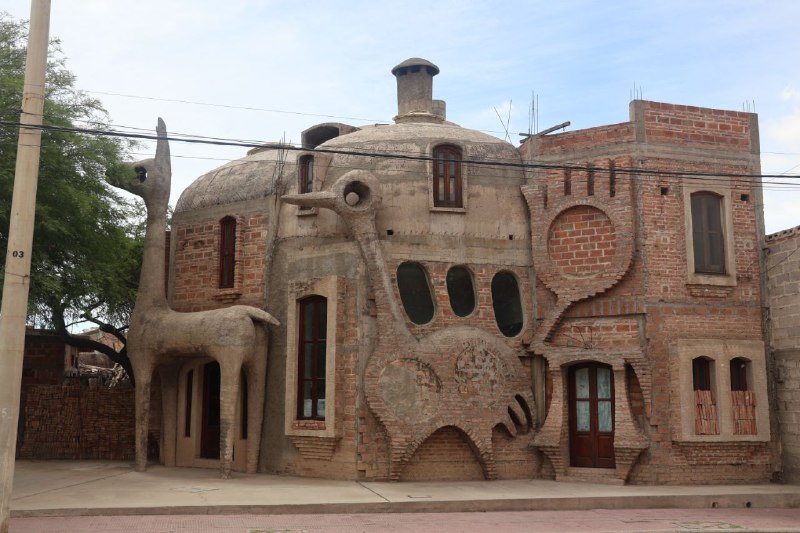
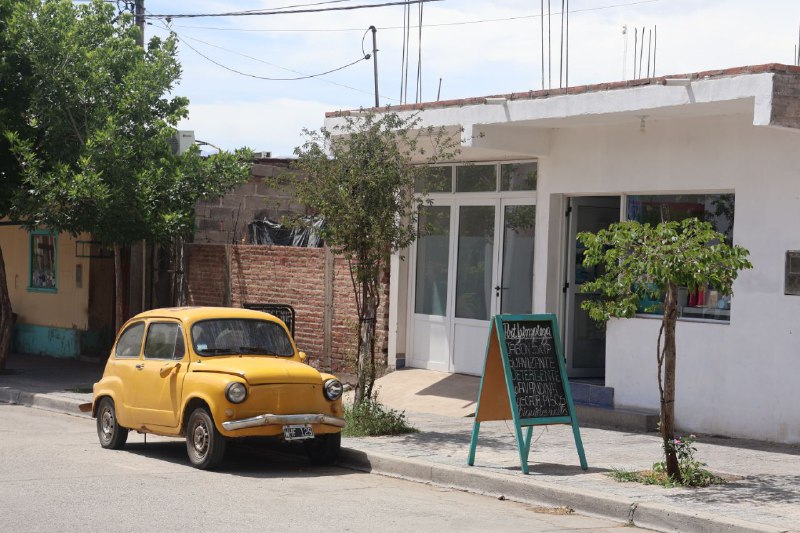
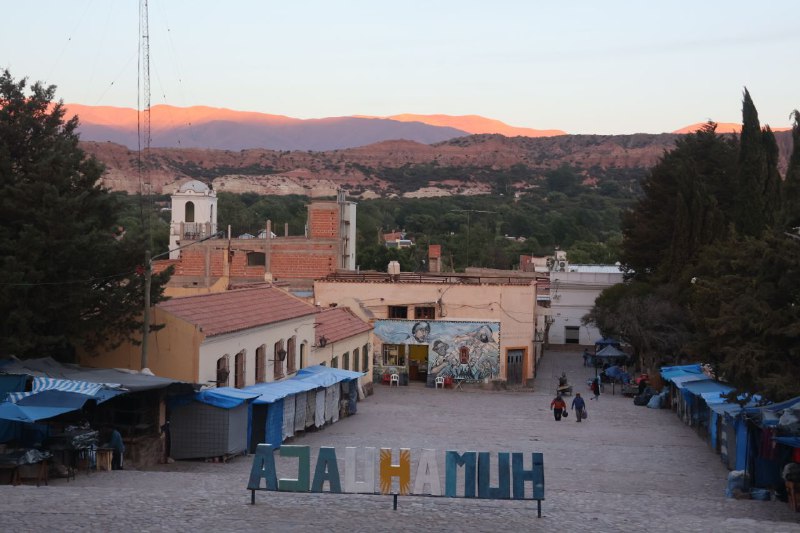
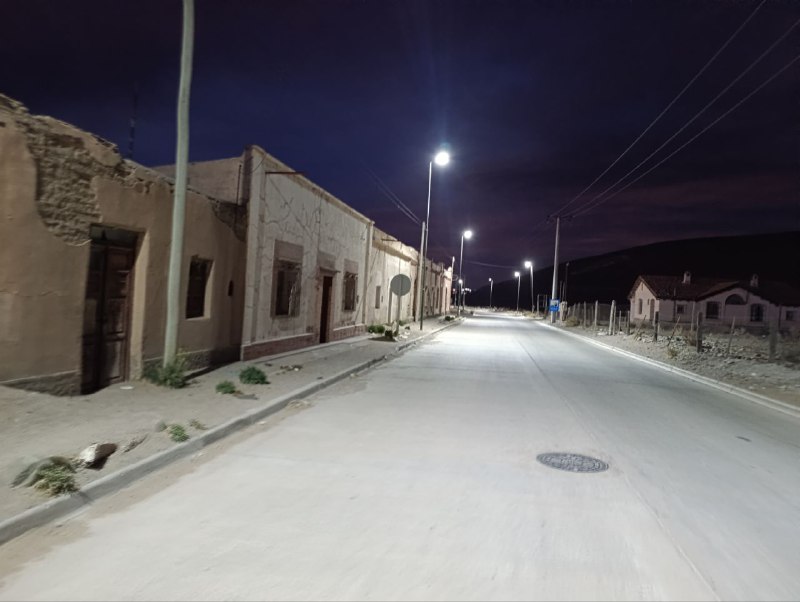
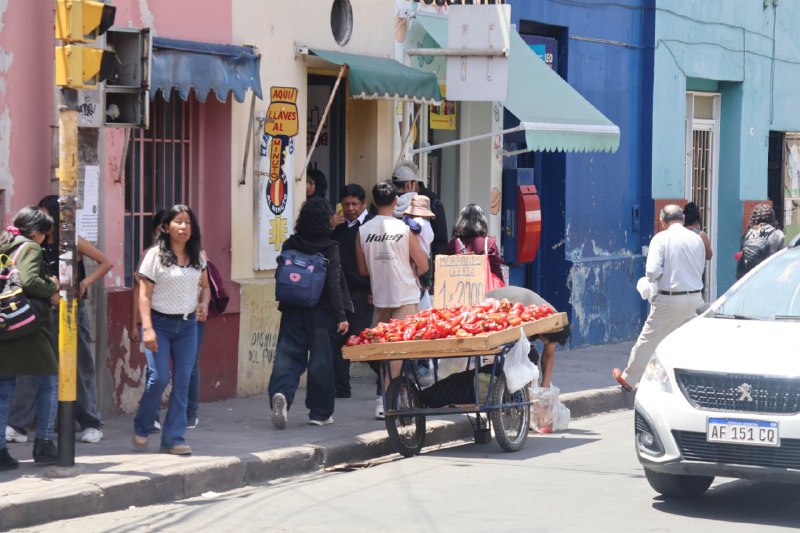
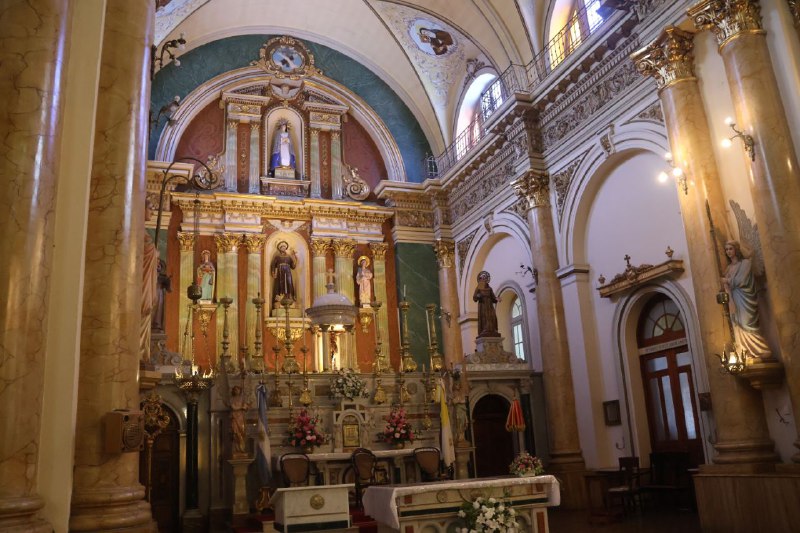
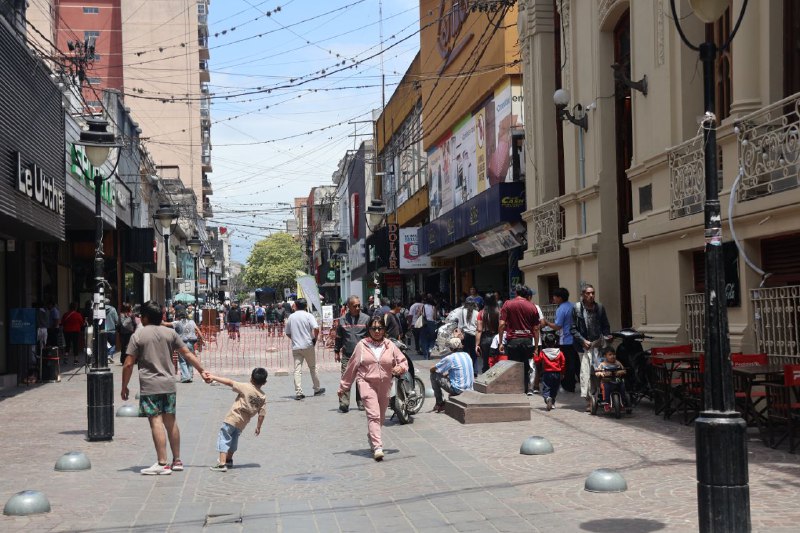
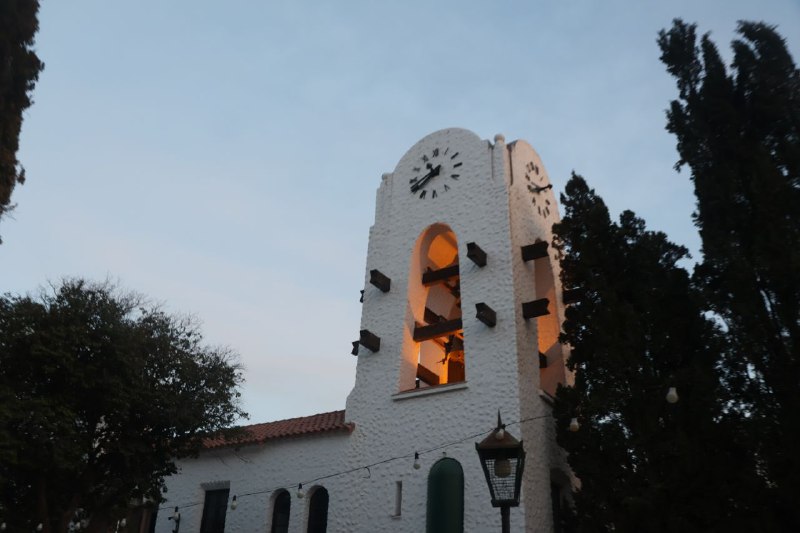
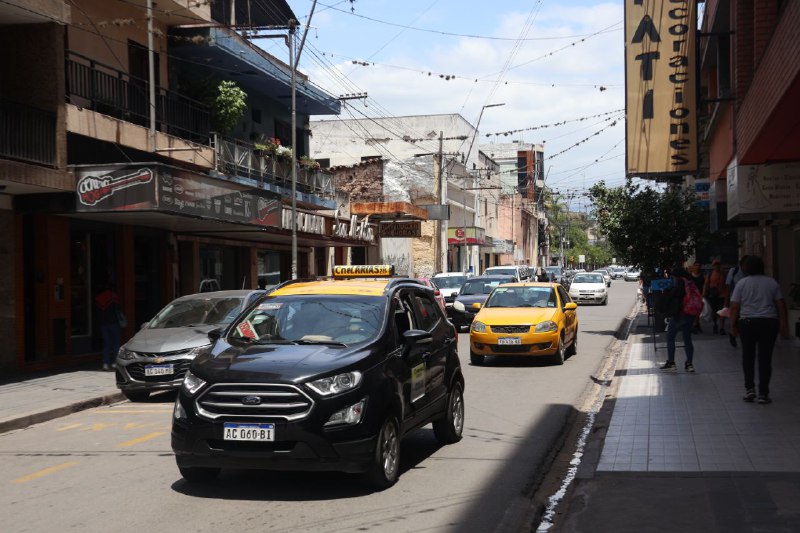
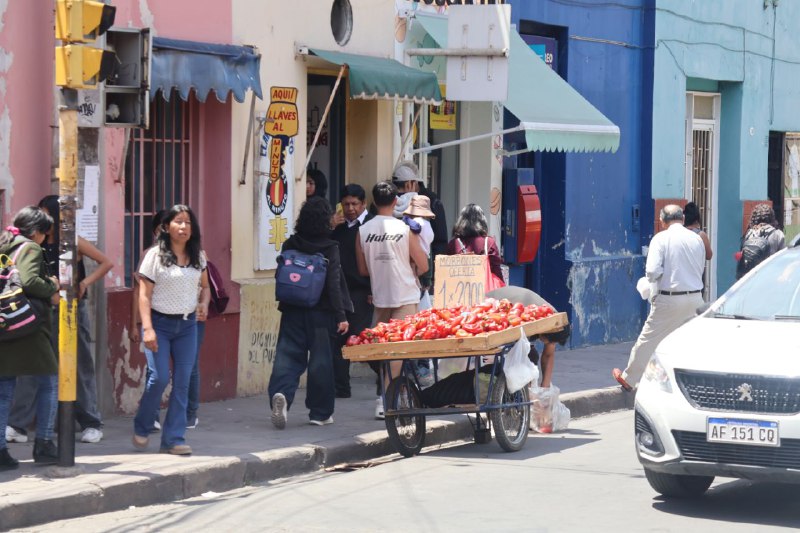
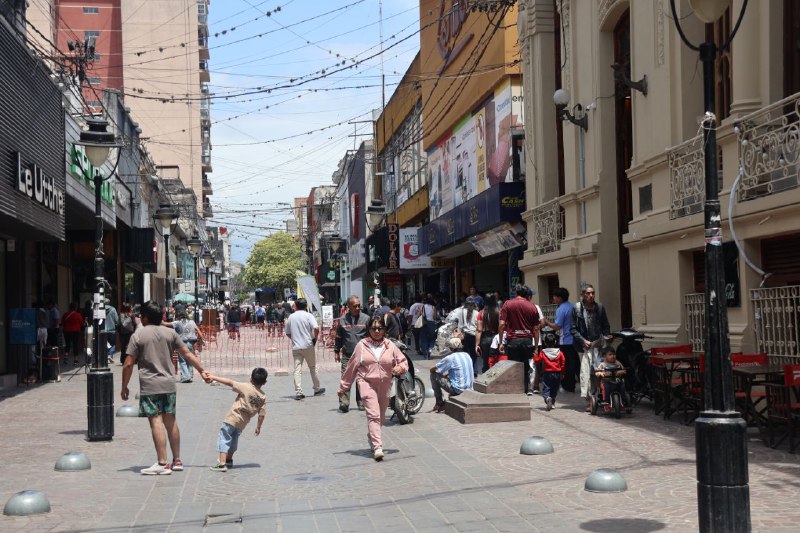
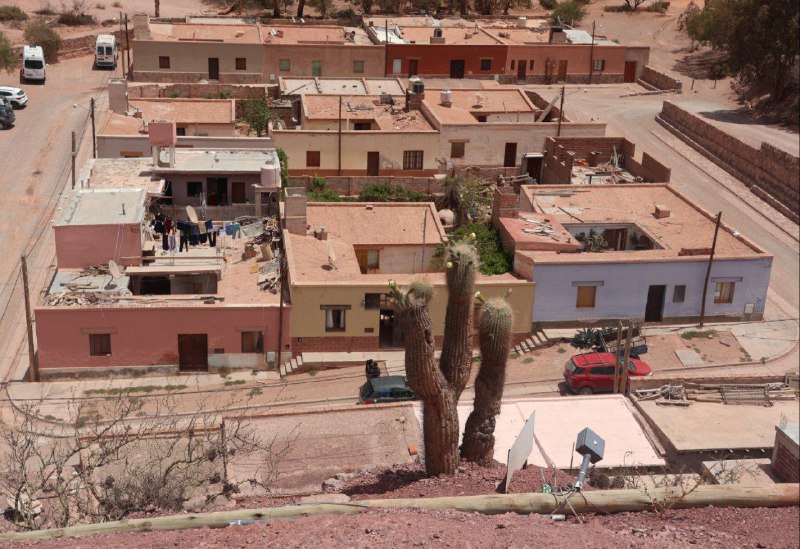
youtubeThe little towns in northern Argentina look simple but charming. It's nice to wander around here.
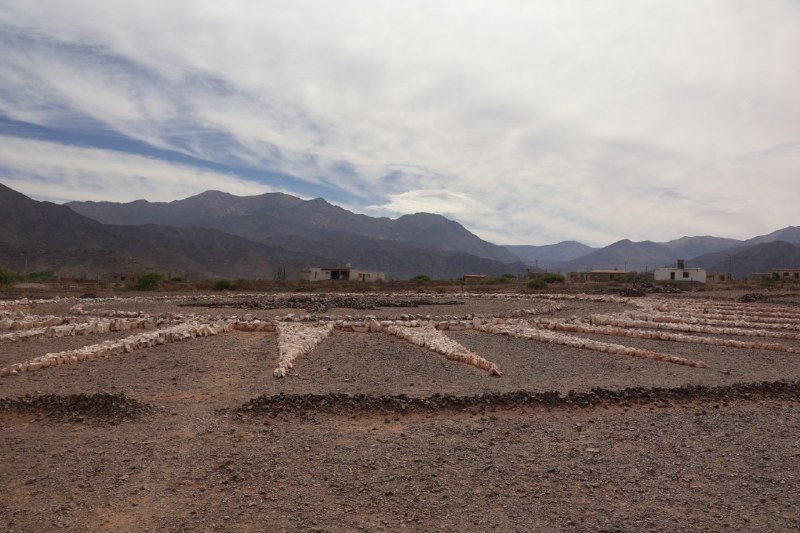
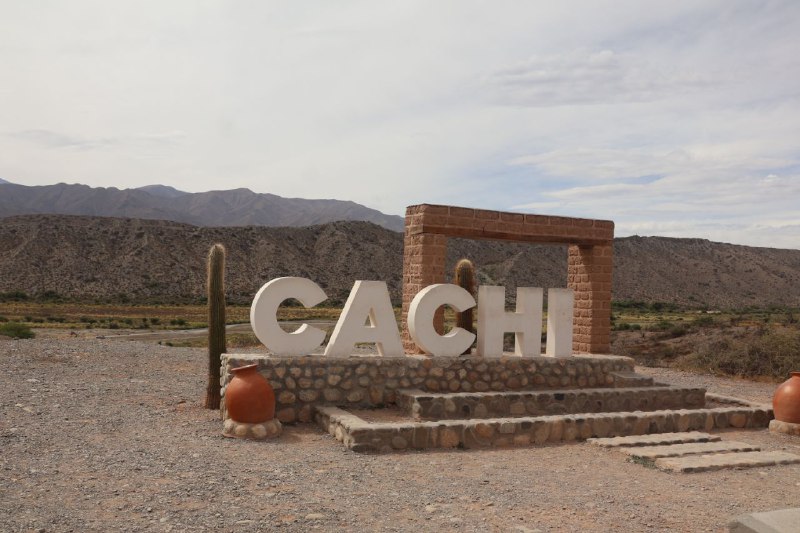
But here's the weirdest thing I came across—near the Argentine town of Cachi. Back in the early 2000s, a Swiss guy named Werner Jaisli started building a landing pad for UFOs. He claimed that aliens contacted him telepathically, gave him exact coordinates and construction details. They said they'd definitely come if he built the pad.
The whole thing took 10 years to build, and now it's all set to welcome guests. Trouble is, nobody's actually shown up yet. Maybe we just need to wait a bit longer.
From the ground, it's honestly hard to tell what this thing even is. But the main point is that it needs to be visible from above. From a drone, you can see it just fine.
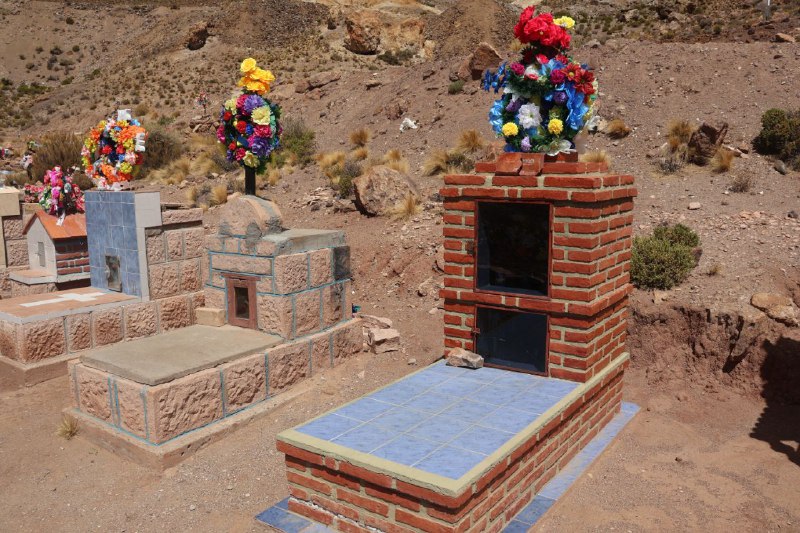
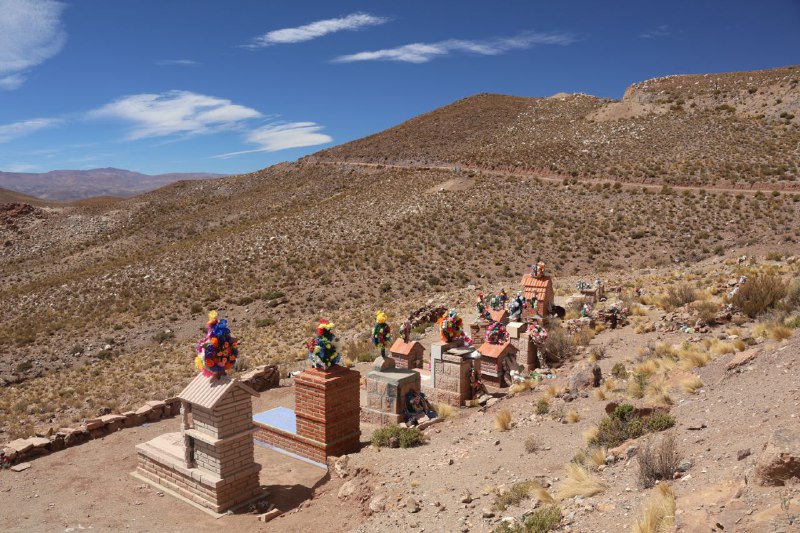
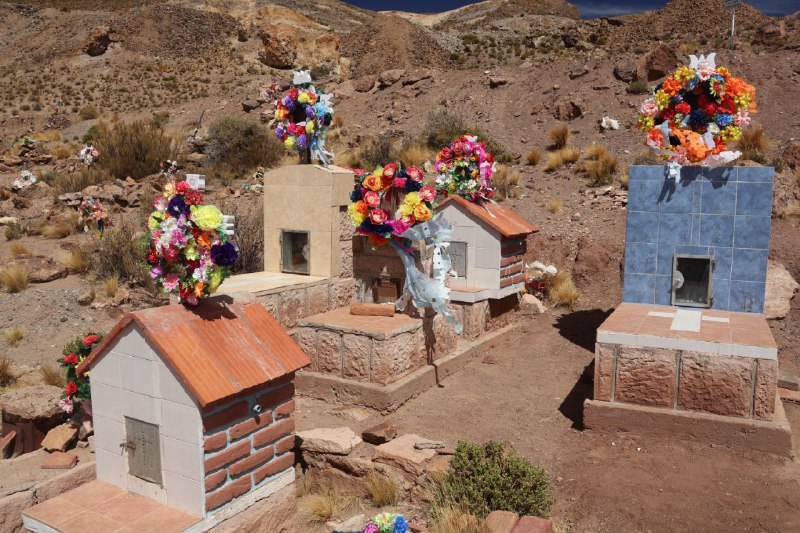
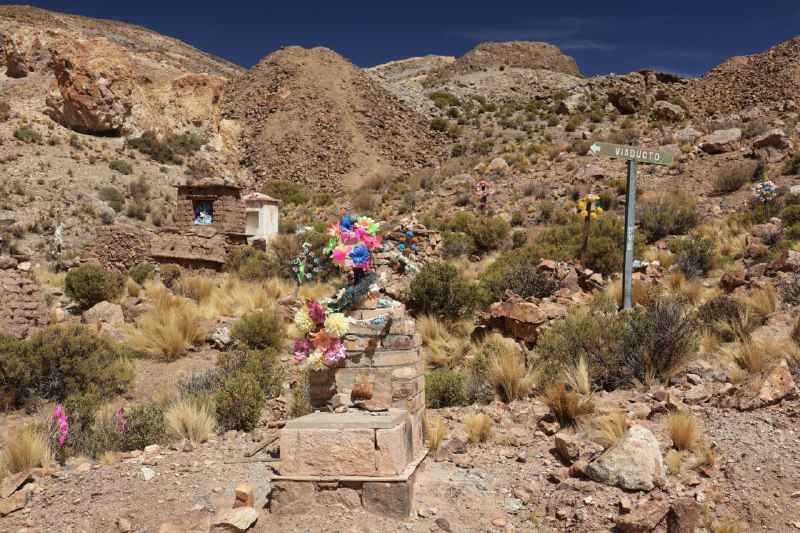
I was really struck by the cemeteries. In northern Argentina, there are many indigenous people. That's how they do it.
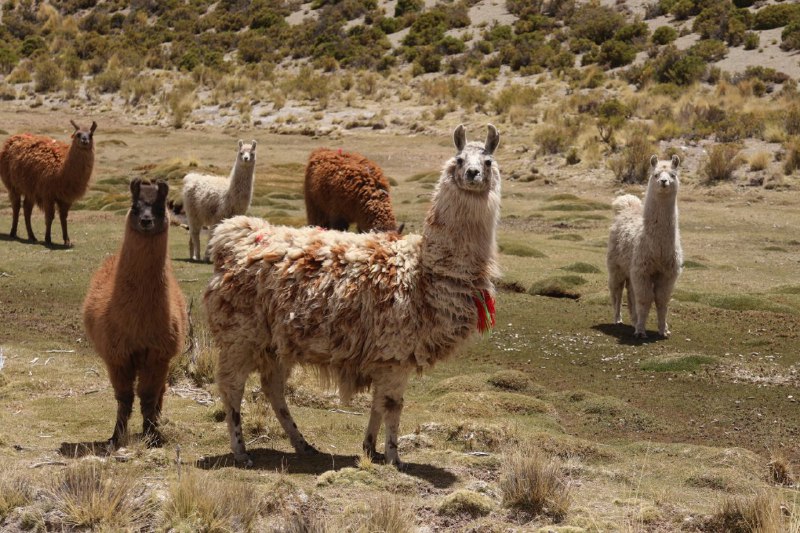
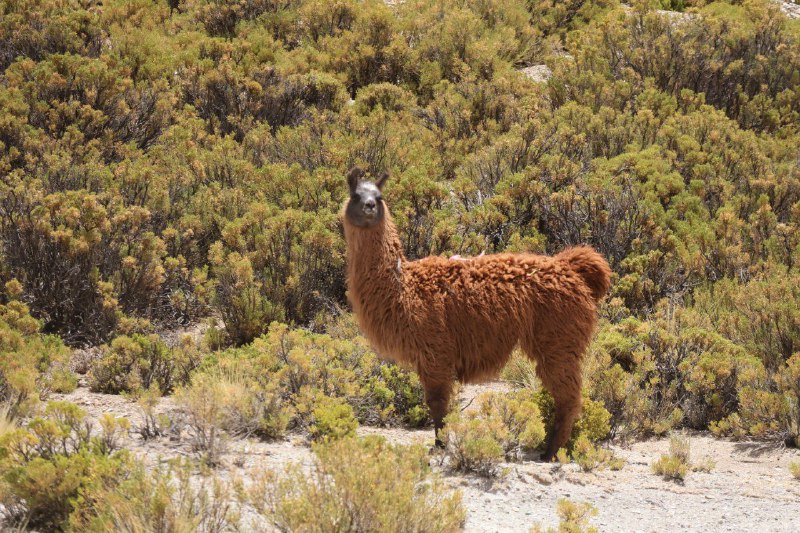
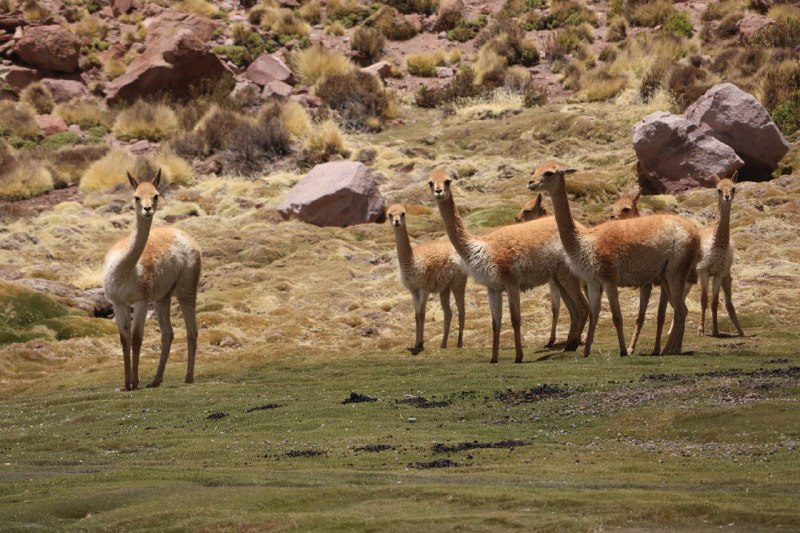
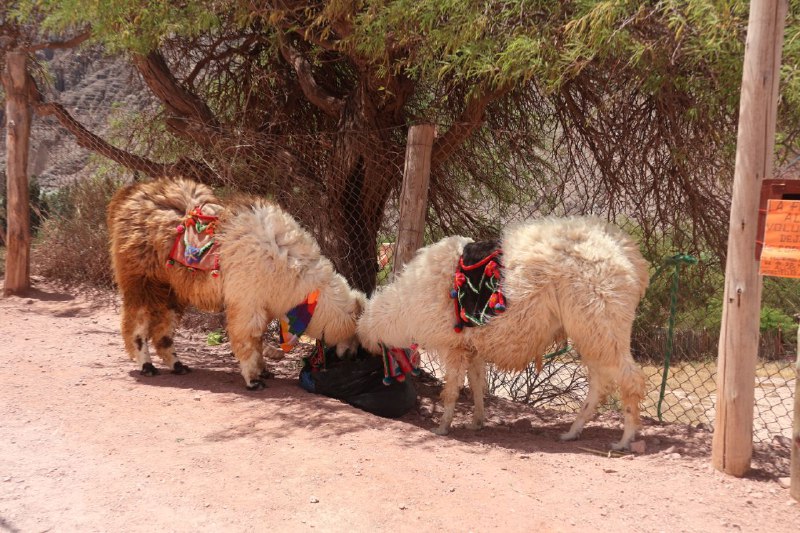
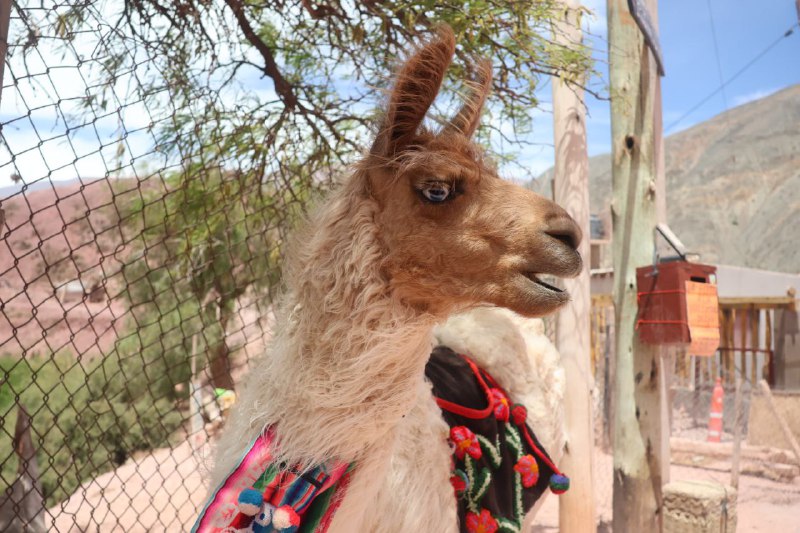
You're driving down Argentina's Route 40 and you keep running into llamas, alpacas, and all kinds of vicuñas. I'm not really great at telling them apart. But they all look amazing :)
Above 3000 meters, the winds were so strong that the drone kept getting blown off course, the camera stabilizer couldn't keep up, and once we couldn't even make it back to the launch site because the wind picked up and exceeded the motors' capabilities. We had to land it wherever we could and hike over to pick it up. The views are still absolutely stunning :)
//
youtubeArgentina's Route 40 runs along the Andes and gets incredibly high in some spots. One point sits at almost 5,000 meters above sea level! You literally drive straight up to it. You're just a hair's breadth away from hitting that exact altitude mark, but if you walk a bit, you can actually get there. The problem is, after just 200 meters of walking, you're hit with brutal shortness of breath. It's like you've been smoking a pack of cigarettes every single day of your life and then suddenly sprinted a couple kilometers. I wasn't planning any serious hikes, but even this little walk was tough. Even the car starts performing noticeably worse at that altitude.
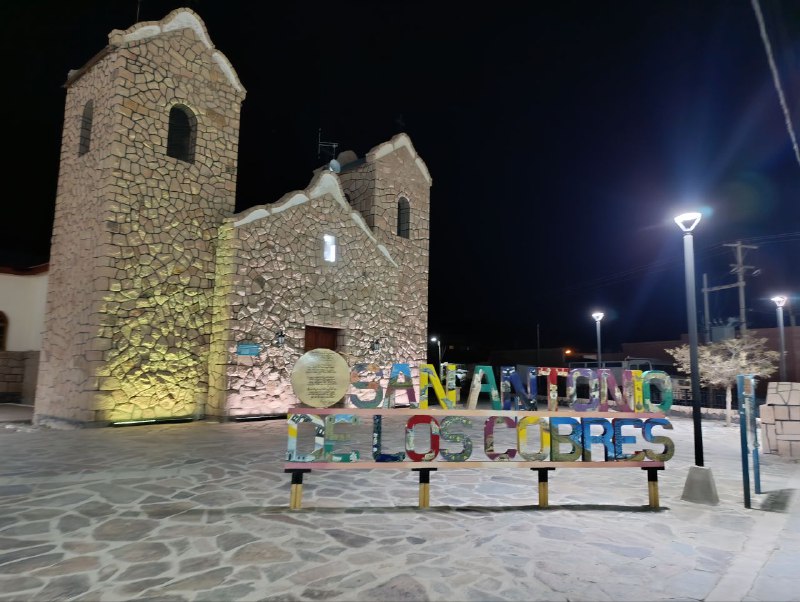
I spent the night in the town of San Antonio de los Cobres at 3,800 meters. That's noticeably lower than 5,000 meters, but even there, after a fifteen-minute walk before dinner, breathing was difficult. And don't even get me started on the night—I was sleeping loudly and desperately sucking in air the whole time because there just wasn't enough oxygen. By morning it got a bit easier, my body started adjusting, but you'd need to stay way longer to fully acclimatize.
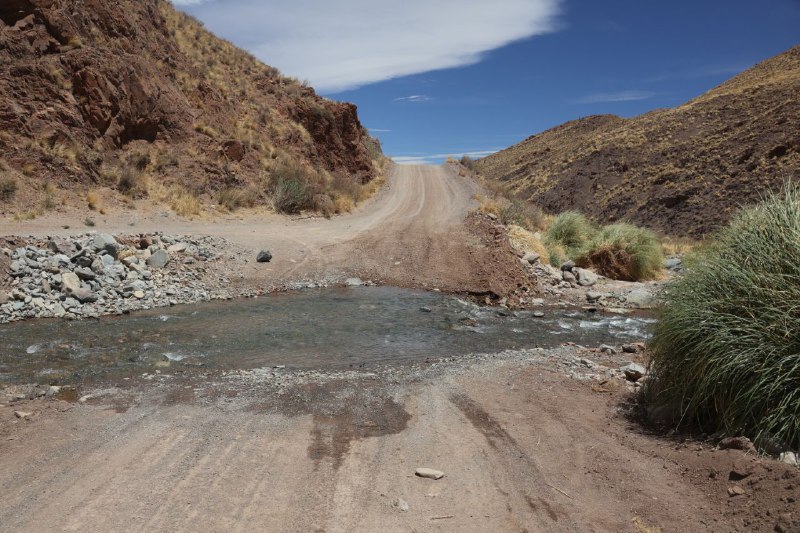
Most of the route is gravel of pretty rough quality. Sometimes I could manage 80-90 km/h, but other times I had to ford rivers, like in the last photo. And that's not even the widest crossing. Still, even a basic rental Fiat Cronos could handle it.
Here's what this Argentine Route 40 looks like. There's a lot more there, but this isn't the only post.
PS. I'll try to mirror the video on
YouTube, where the quality loss isn't as bad. It's all the same content, no unique material planned. Just better picture quality.
So I just realized I have a Telegram channel, and I haven't posted anything here in forever. I'm going to skip a couple of quick trips I took through Bosnia and Serbia for now—I'll tell you about those later. I've got some more interesting stuff to share.
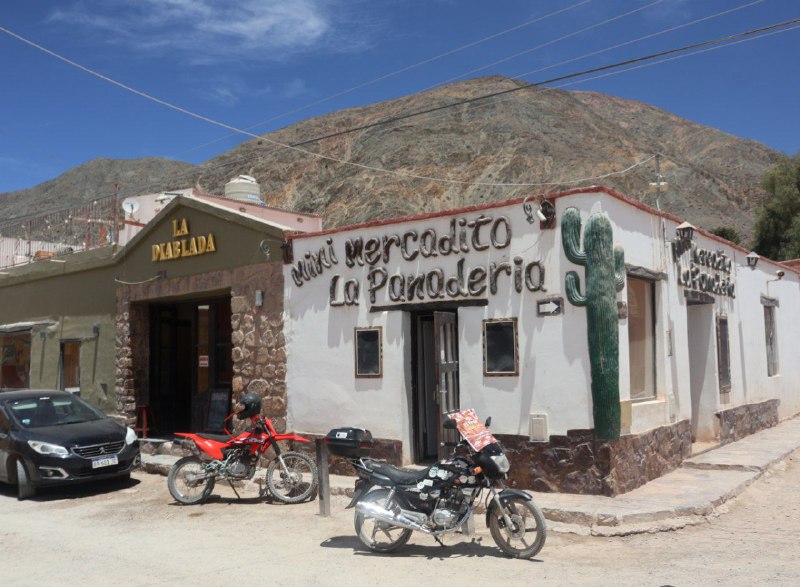
I ended up in this charming province called
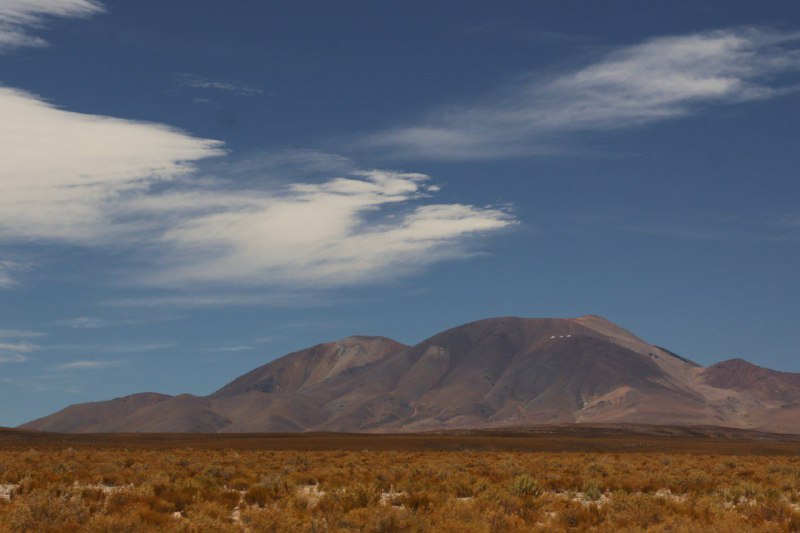
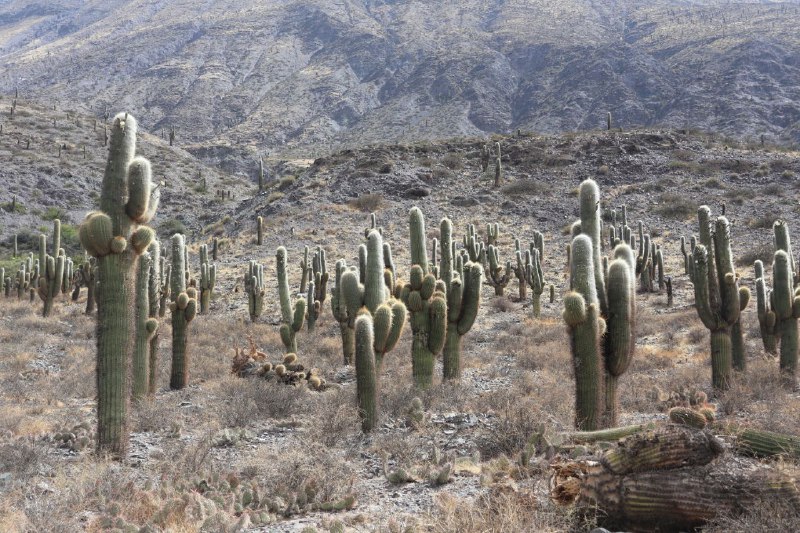
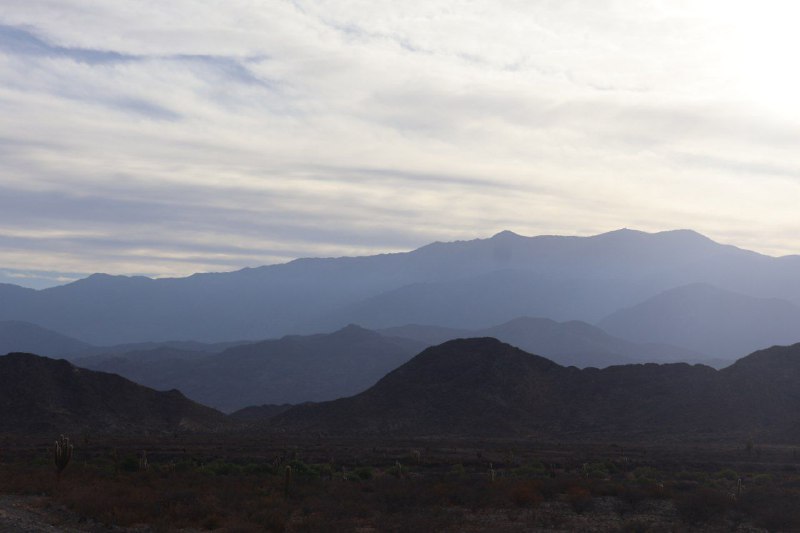
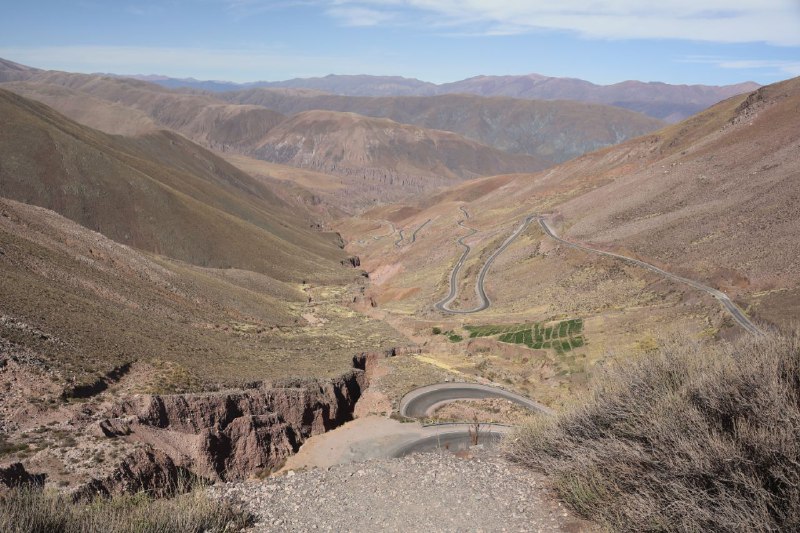
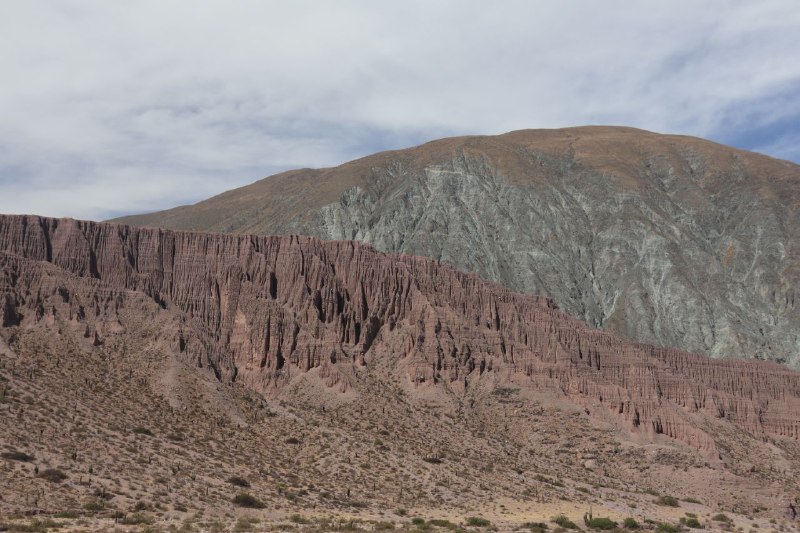
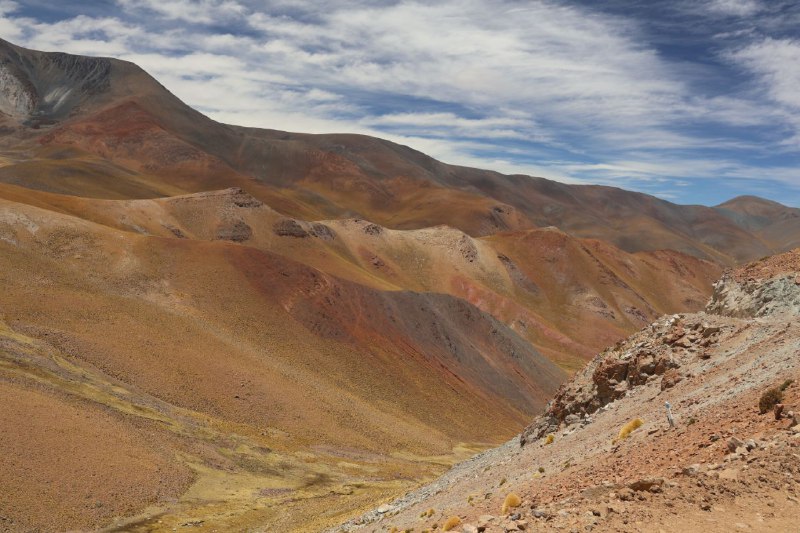
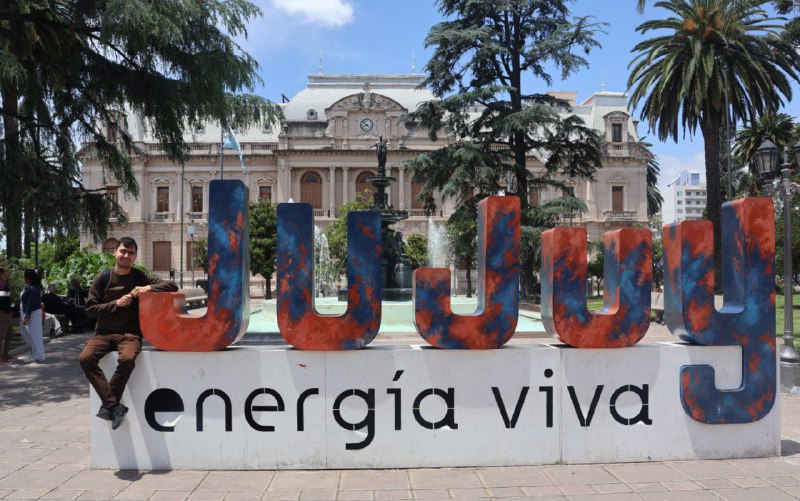
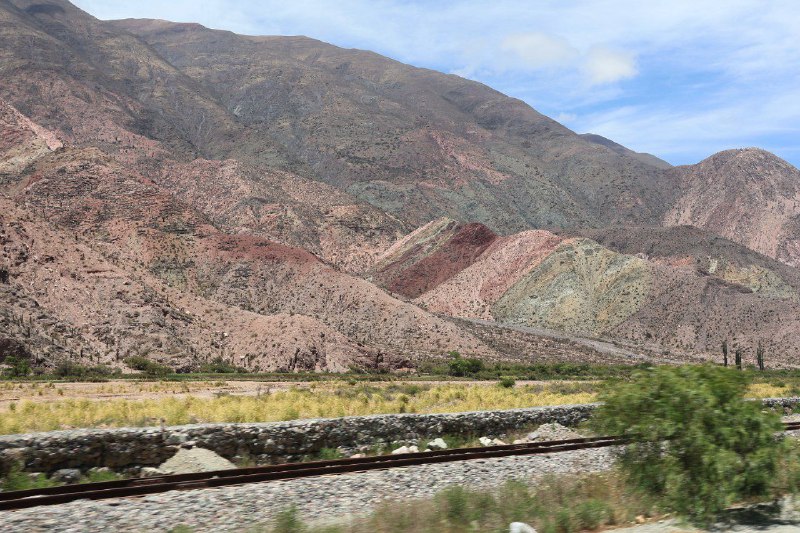
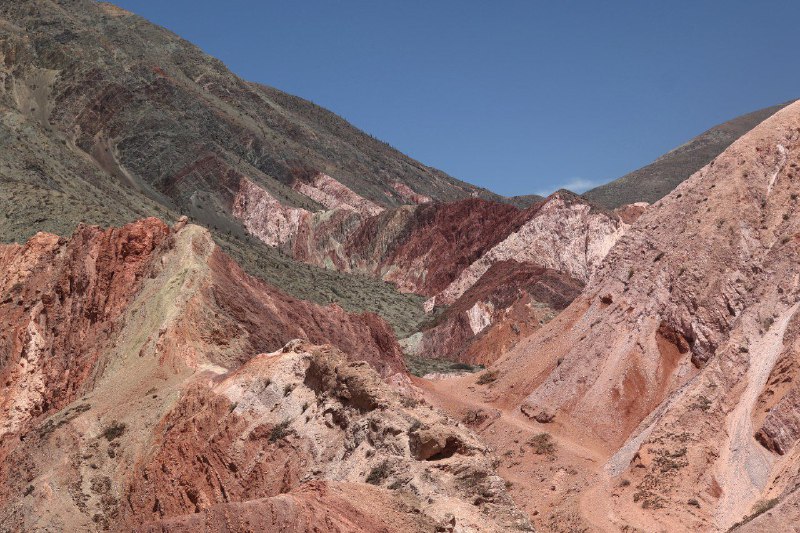
Jujuy way up in the north of Argentina. In the Southern Hemisphere, everything's backwards—the north is warm and the south is freezing. I even asked some locals about it, and they told me that when they think of the south, they don't picture beaches and warmth, but frost and glaciers. It's definitely noticeably warmer here than in the rest of the country. And the views are absolutely breathtaking literally at every turn. It feels like someone once held a nature exhibition here and just forgot to take the exhibits away.
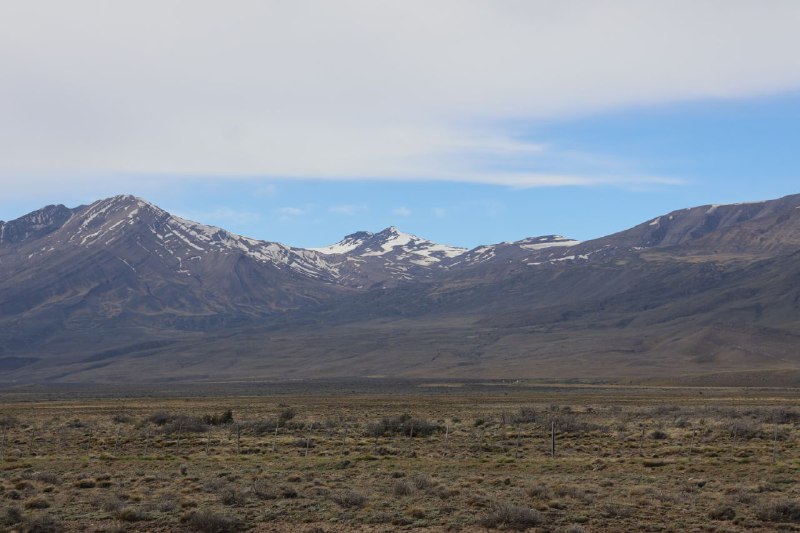
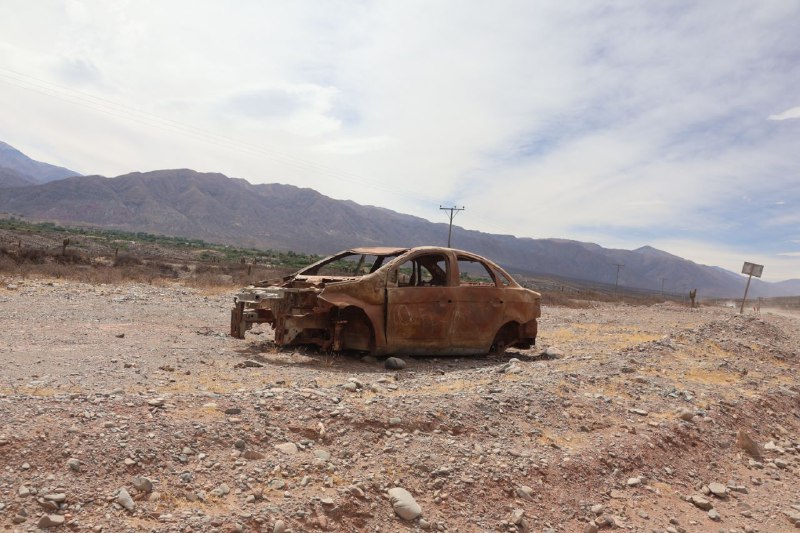
Everything is concentrated along Argentina's most famous and longest route—Route 40. I drove about 300 kilometers of the over 5,000 total, but the landscape kept changing so dramatically I barely recognized it. You could stop and take pictures every hundred meters or so.



 United Kingdom
 Serbia
 Bosnia and Herzegovina
 Turkey
 United Arab Emirates
 Brunei
 Indonesia
 Malaysia
 Argentina
 USA
USA Morocco
 Georgia
 Egypt
Egypt Hong Kong
 China
China Vietnam
 Tunisia
 Montenegro
 Philippines
 Singapore
 Oman
Oman Algeria
 North Macedonia
 Lebanon
 Israel
 Albania
 Russia
 Tanzania
 Netherlands
 Spain
Spain Latvia
 Germany
 Belgium
 France
 Kazakhstan