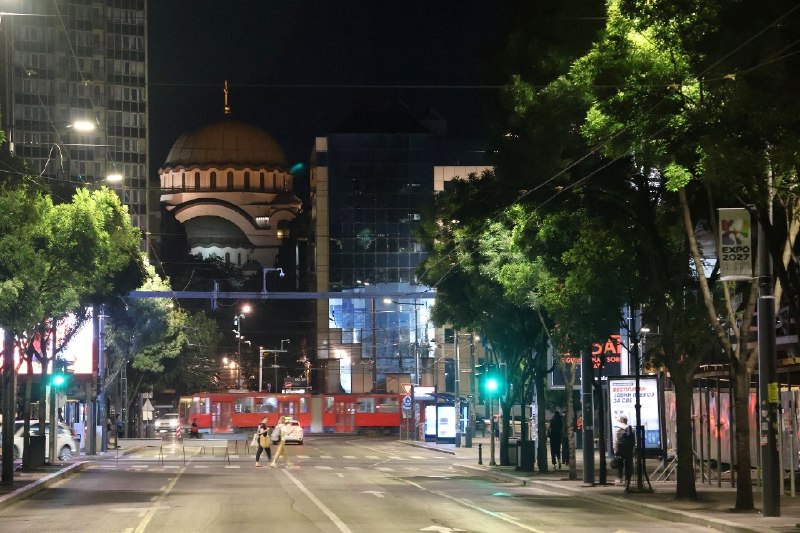
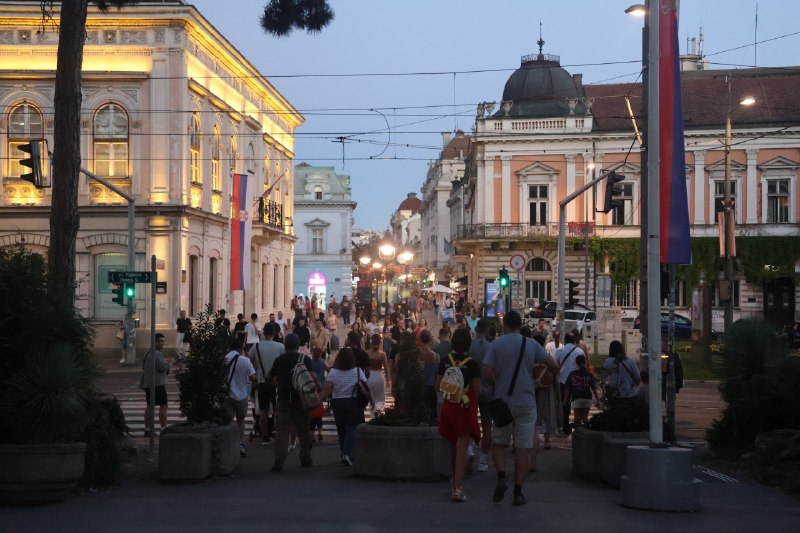
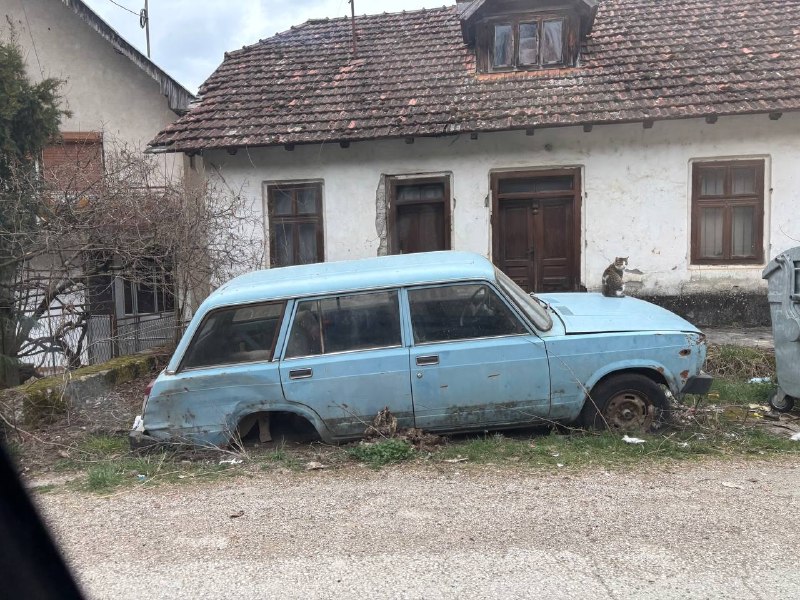
I think I'm getting the hang of things. Time to explain what's actually going on here. Let me start with some pictures.
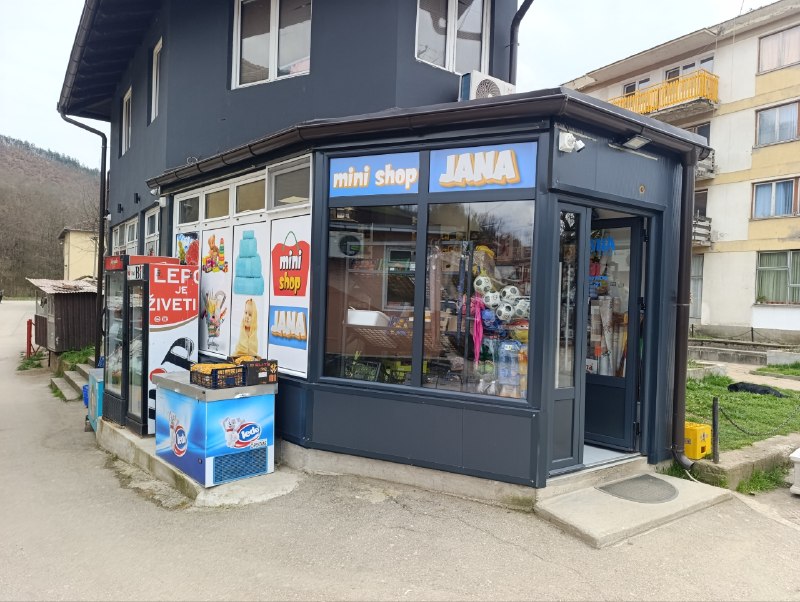
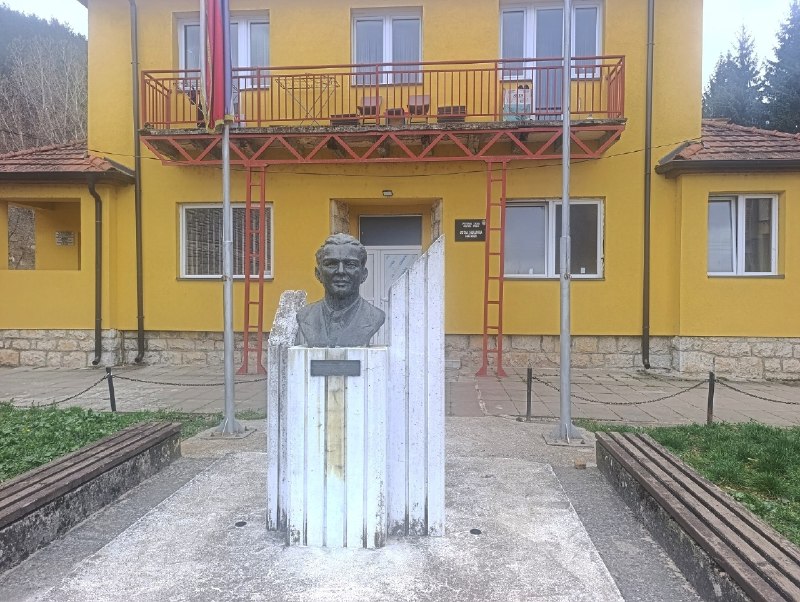
I'll be hanging out here for a while now :)
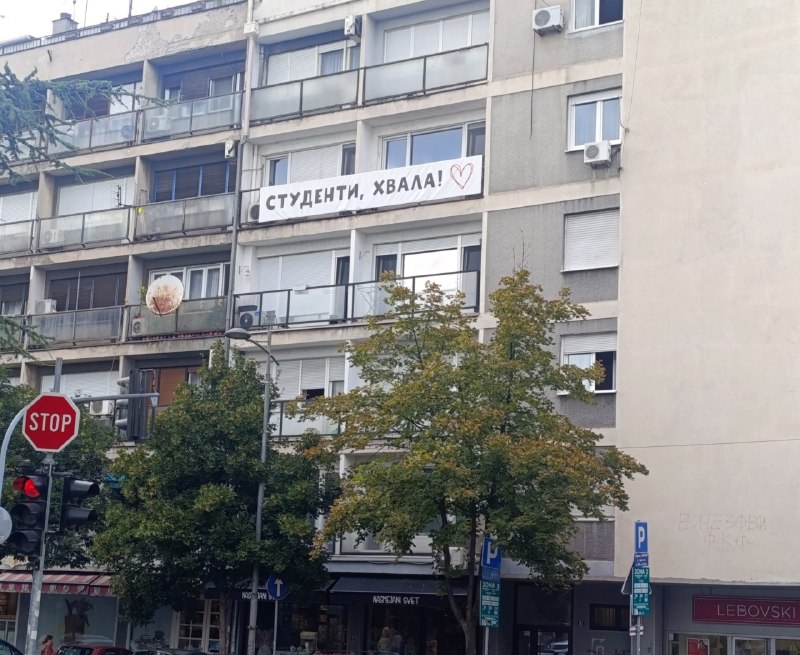
I can't believe it's already been almost four years since I moved here. Serbia turned out to be so much more welcoming and fascinating than I ever expected. Though I had a pretty good idea what I was signing up for after visiting back in 2018.
I'm incredibly grateful to Serbia and its wonderful people for this amazing country that took me in during a difficult time. And to all the friends I made there (and really, all my friends everywhere). I genuinely hope that Serbian reality becomes less black and white and the future isn't as gray as
SARS sings about prospects, and that current problems can be resolved
❤️I'll definitely visit here from time to time (and Bosnia too), but not quite as often.
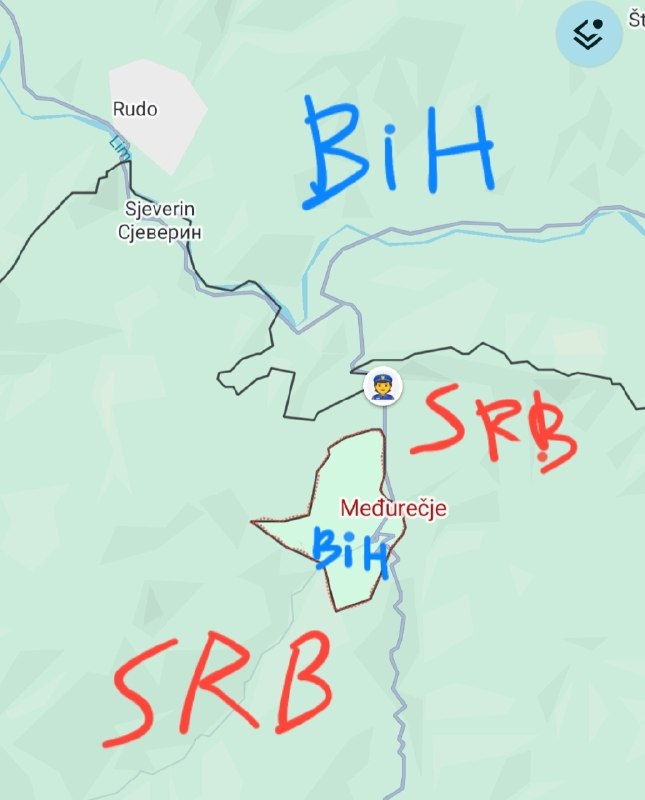
In southwestern Serbia, there's a village called Medjurechje that's not Serbian at all—it's actually quite Bosnian. It's an enclave of Bosnia and Herzegovina. At least on paper, anyway.
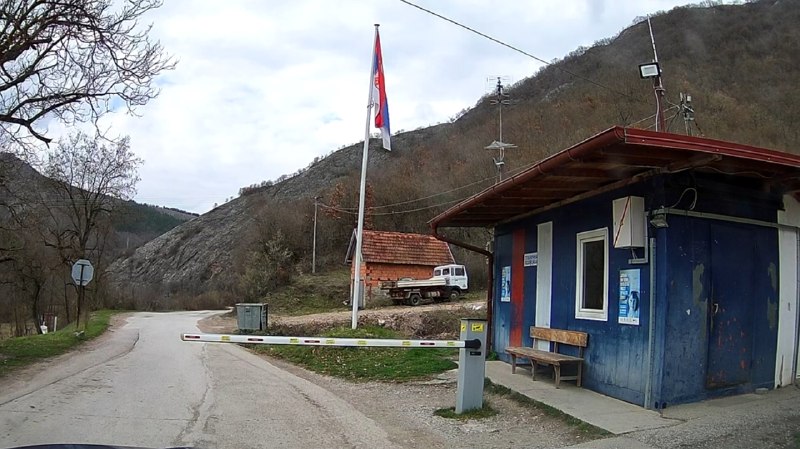
There's no actual border there. Most people living there are Serbs, they work in nearby Serbian cities, all the shop prices are in Serbian dinars, and Serbia provides all the infrastructure. But property taxes go to Bosnia ¯\_(ツ)_/¯
There's no decent road from Belgrade on the Serbian side. It's easier to drive through Bosnia. And the border there is really strange. On the Bosnian side, the border guard didn't even look at my passport. He just waved me through, like, go ahead. Besides locals, it doesn't seem like anyone really drives through there. So the Serbs were curious asking what I was doing there and whether I was a journalist.
The enclave was formed long before Yugoslavia and has nothing to do with the Bosnian War. About 15 years ago there were negotiations about redrawing the border, but nothing came of it. And the fewer years go by, the fewer people care about it. The village population is shrinking rapidly.
Fatimaaaa... So I was wandering around Dubai's Indian Quarter and got totally hooked on this melody. The guys actually sing it even better than the
original. But it's definitely not for everyone. If I googled it right, it's popular among Kerala's Indian Muslims.
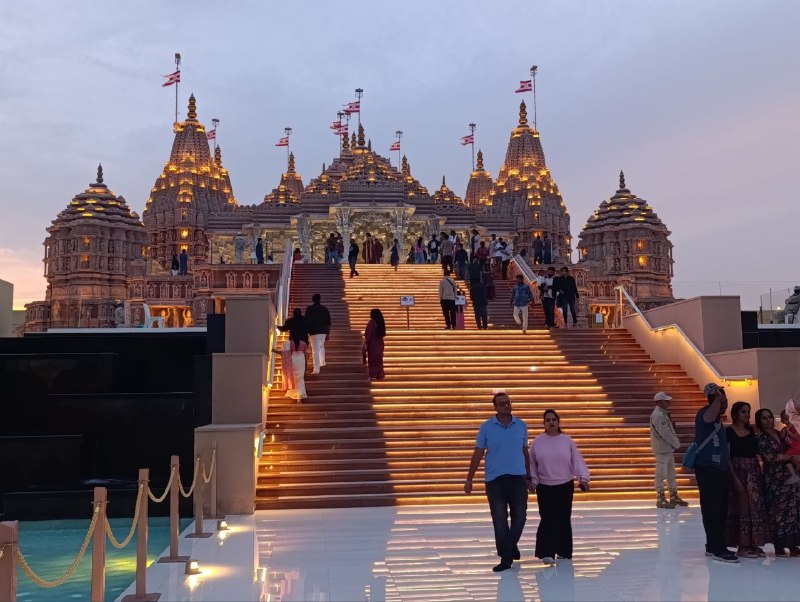
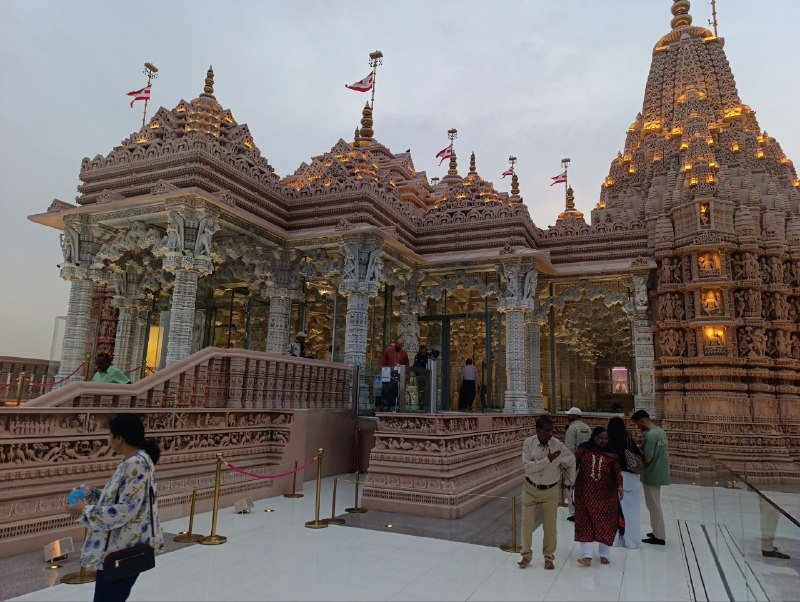
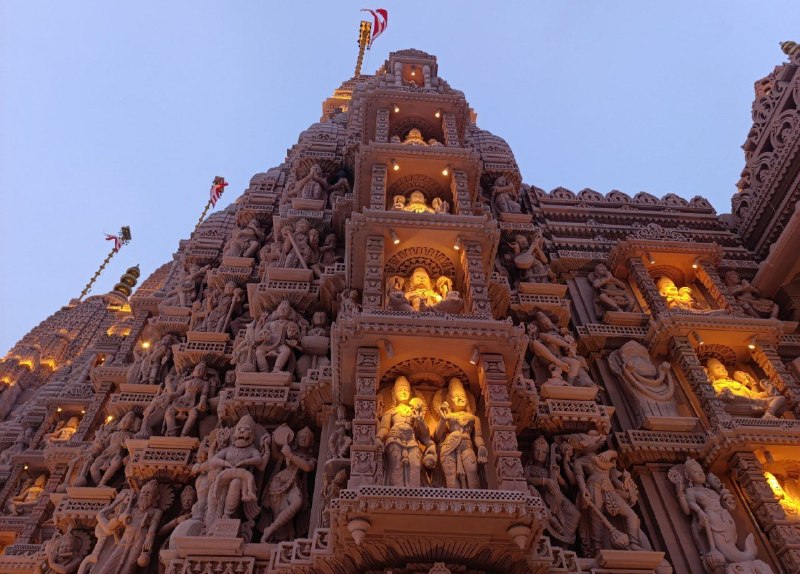
A couple years back, some of their countrymen opened the first Hindu
temple in the Middle East, somewhere between Dubai and Abu Dhabi. It's huge and really interesting, but you can't get there without a car. And for some reason they don't let you take photos with a normal camera. Instead, they make you take off your shoes and walk barefoot.
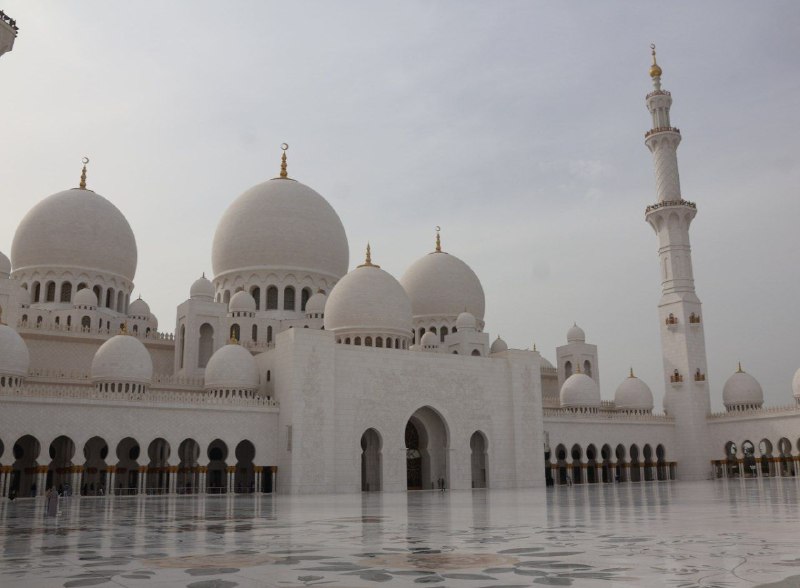
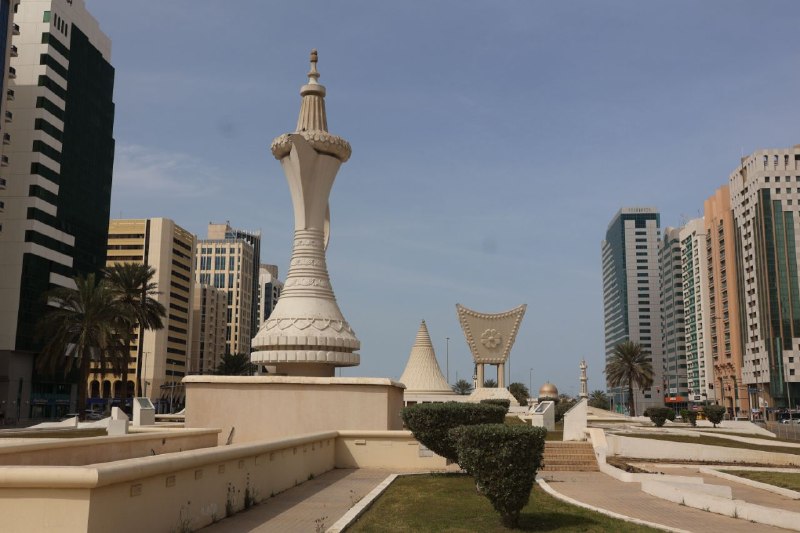
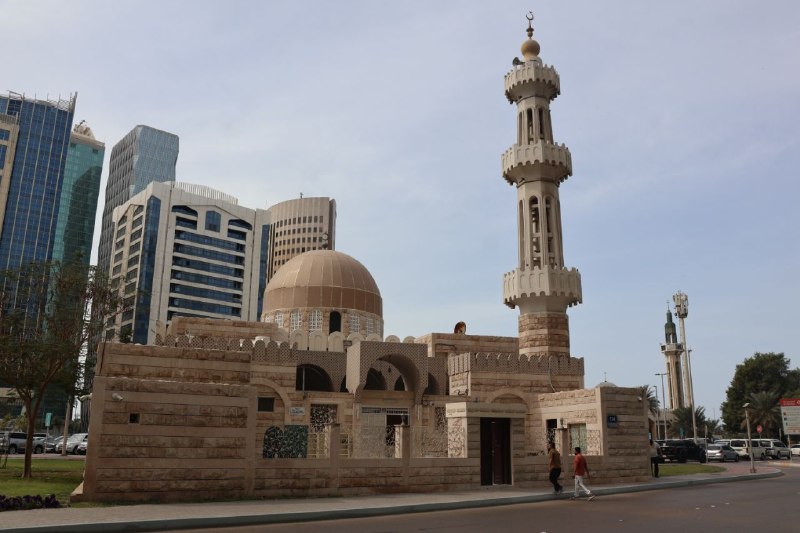
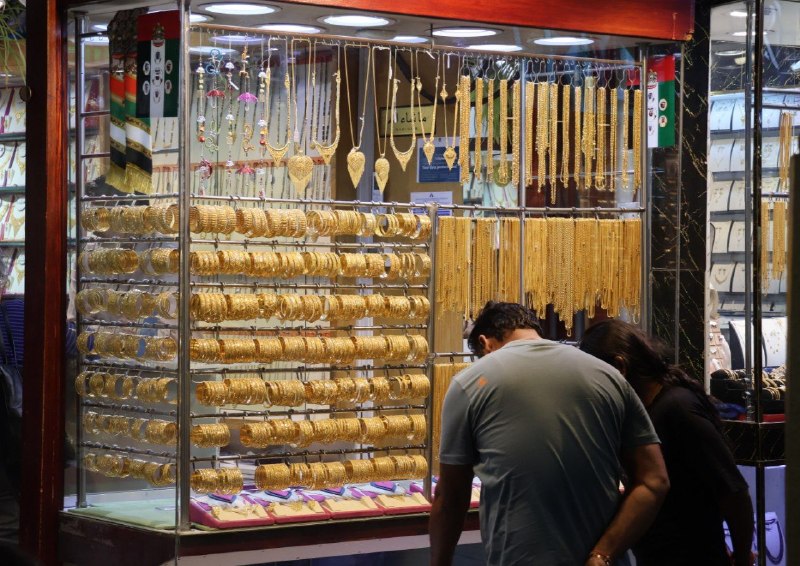
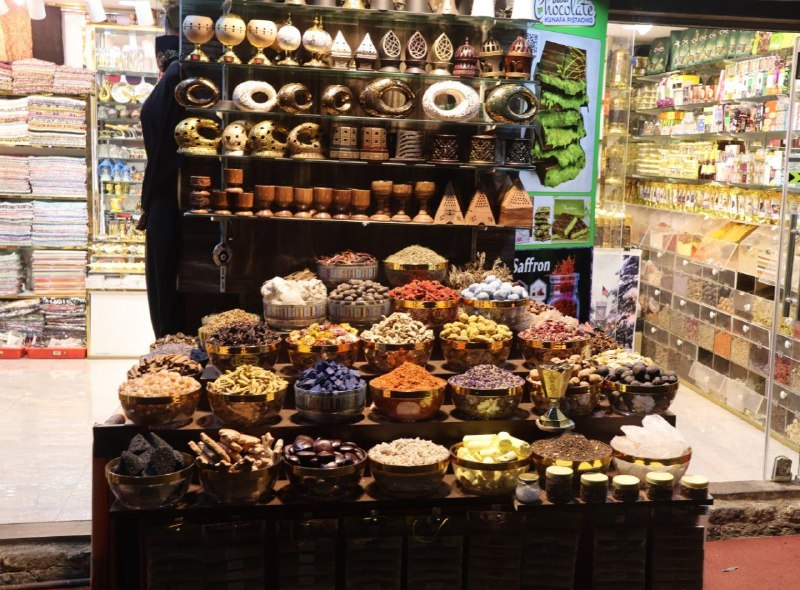
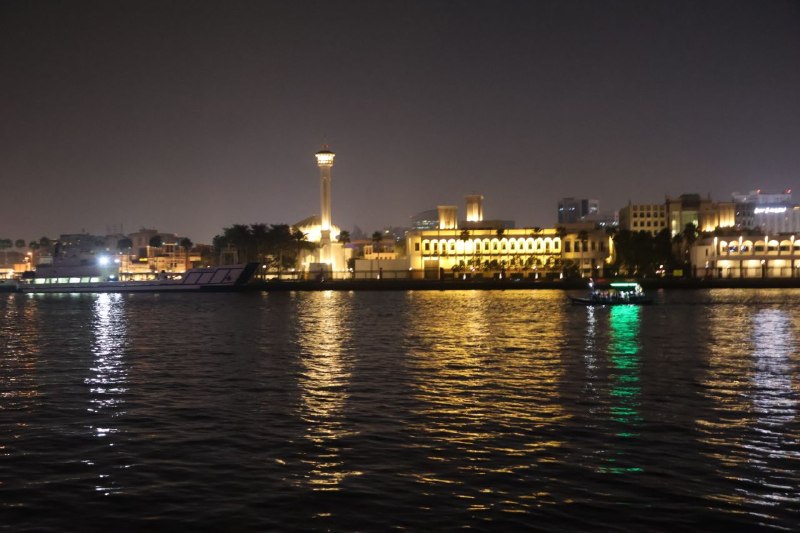
And here are some more classic Emirati shots to wrap things up.
I'm running a bit behind on posts.I was in the Emirates in mid-February, when nobody was shooting there. I prefer not to travel to places where things are actively flying in. Peace to everyone.
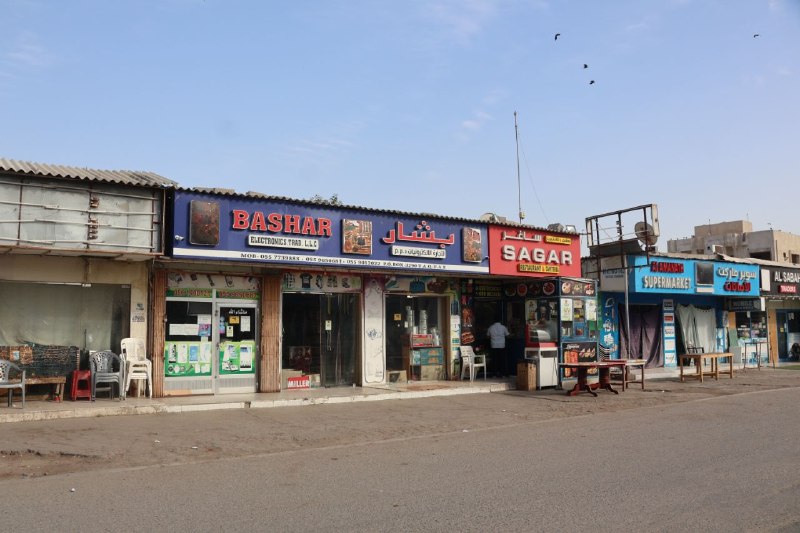
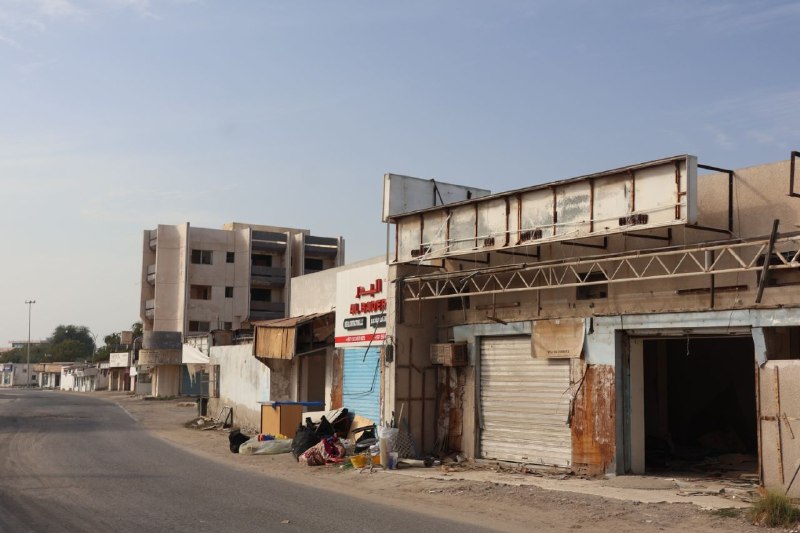
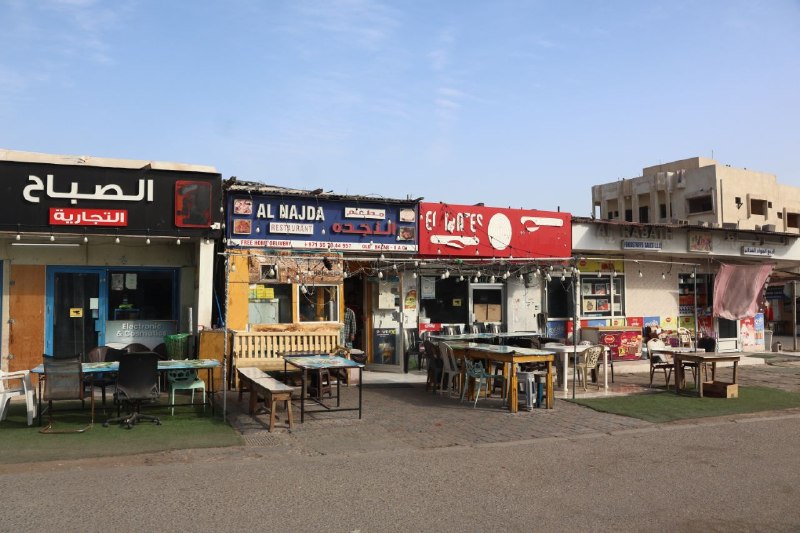
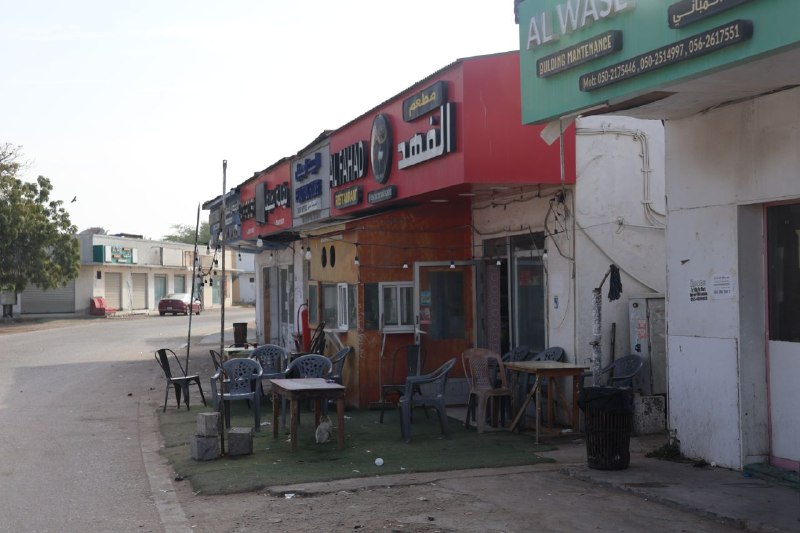
When you think of the Emirates, you usually picture massive skyscrapers, golden bazaars, and all sorts of riches. But not the entire country is like that.
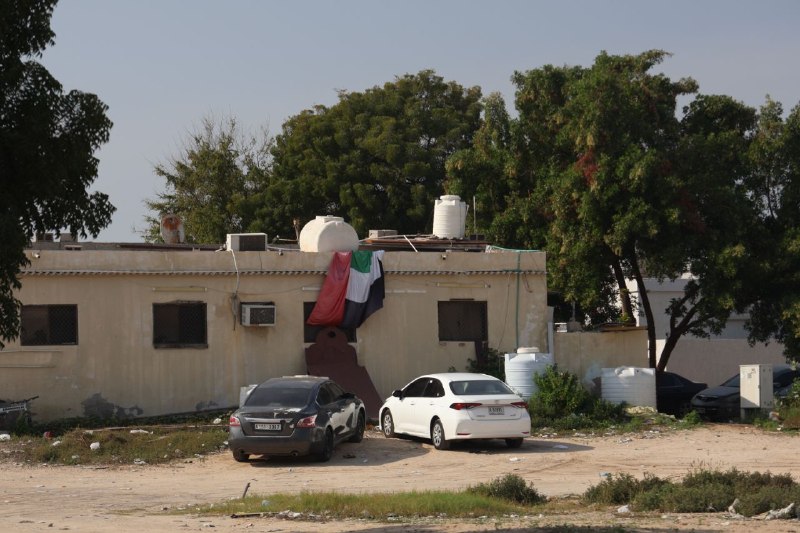
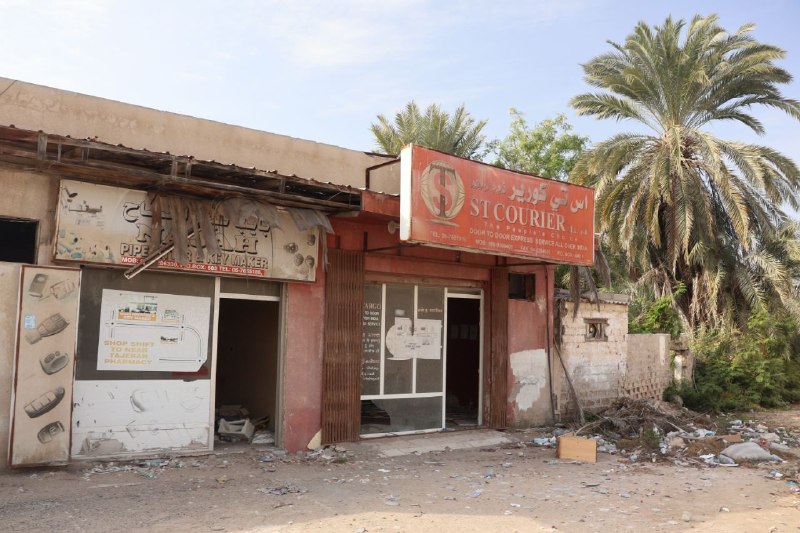
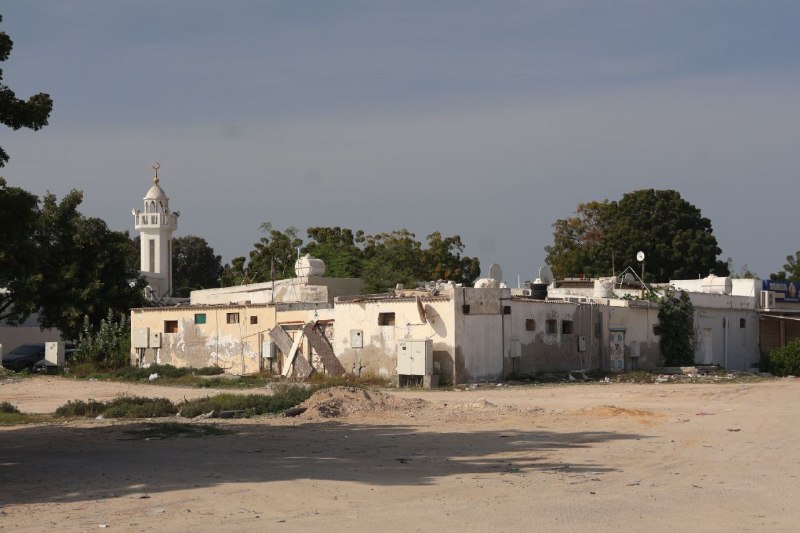
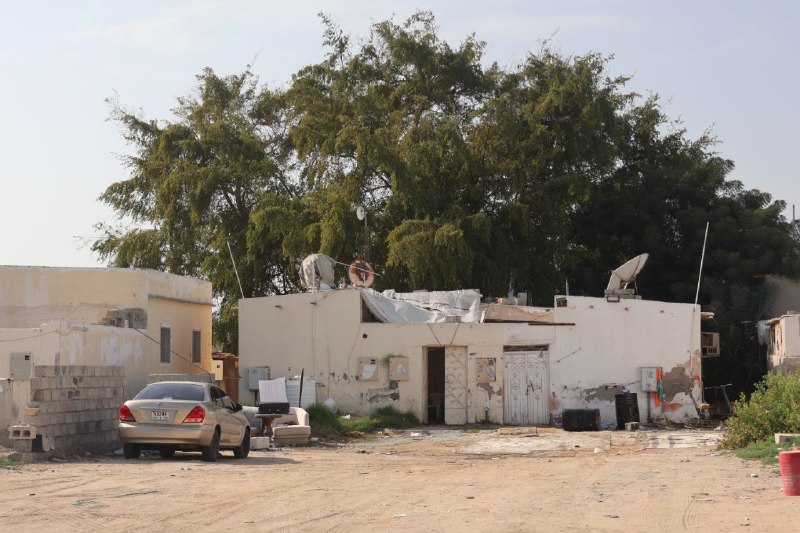
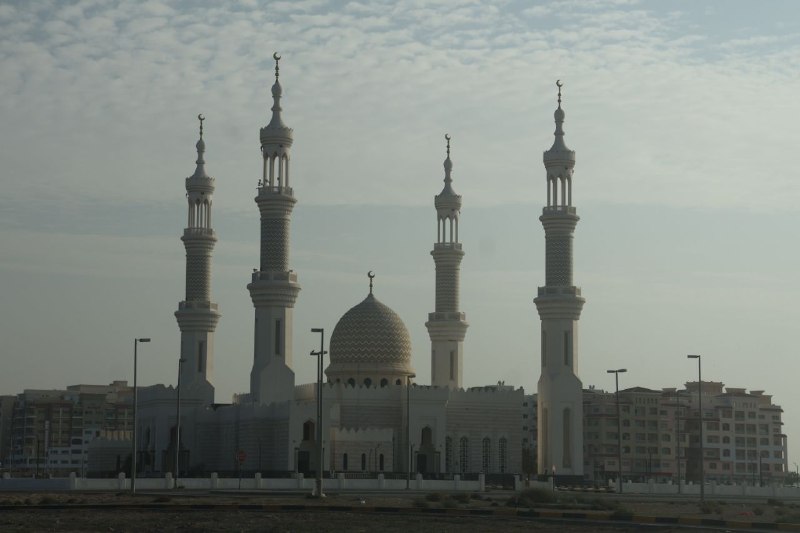
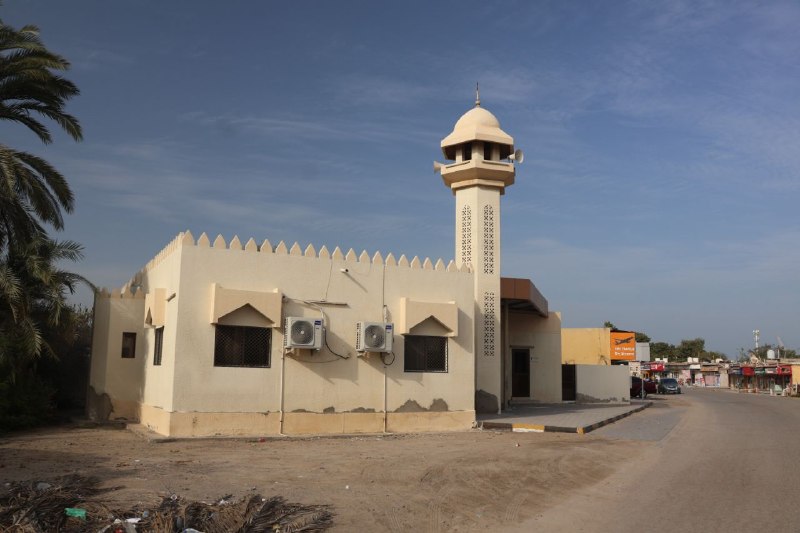
I stopped by Umm Al Quwain, the poorest emirate, and some of its neighborhoods look pretty run-down: shabby houses, broken roads, lacking infrastructure. The photo shows the old city, and while in Europe this is usually a well-maintained historic center, here it's half-abandoned with mostly migrants living there. The newer districts look a bit better, and they even found money for a huge cathedral mosque.
Umm Al Quwain wasn't lucky with oil. Unlike its wealthy neighbors, there's practically none here. And for tourists and businesses, Dubai and Abu Dhabi are much more attractive. So the emirate survives on federal budget subsidies.
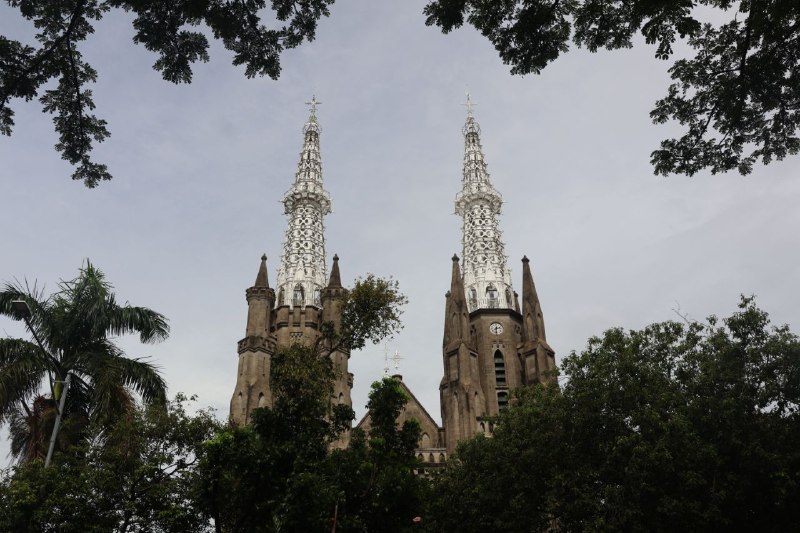
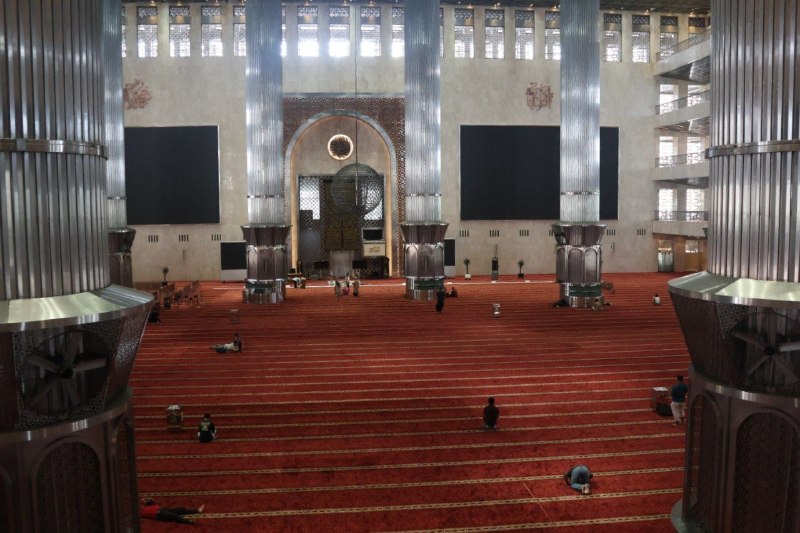
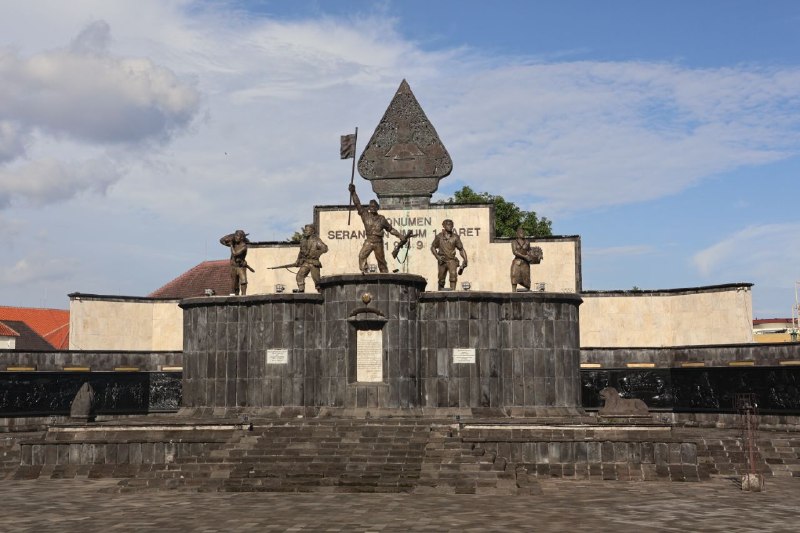
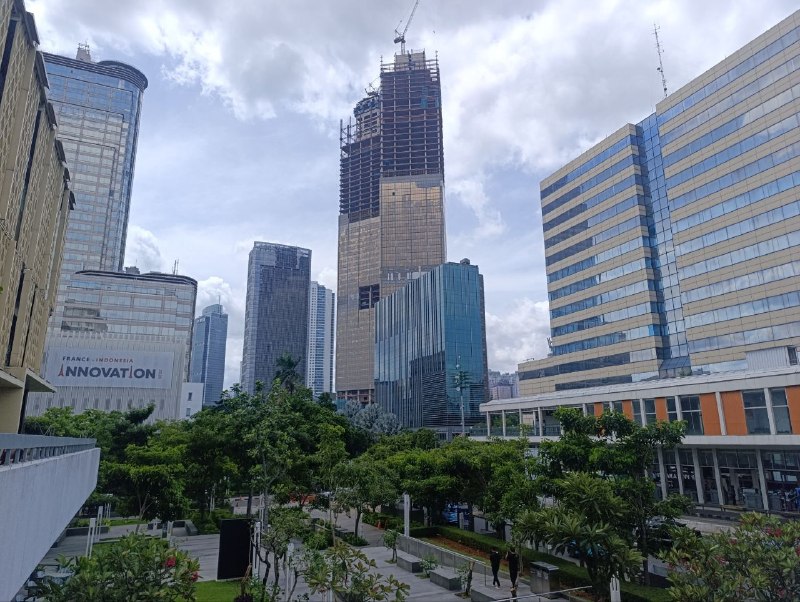
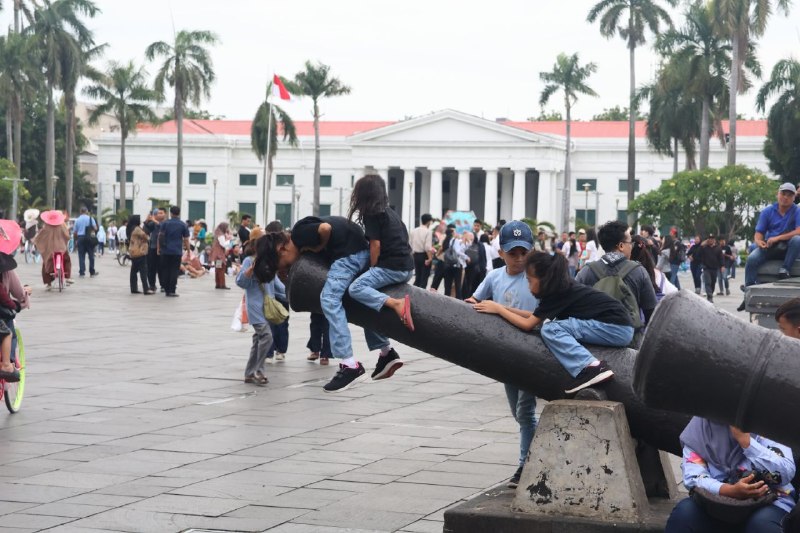
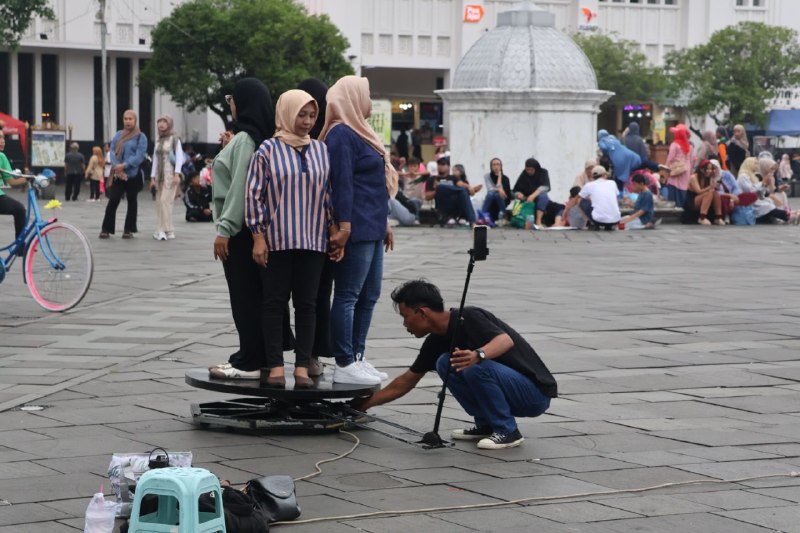
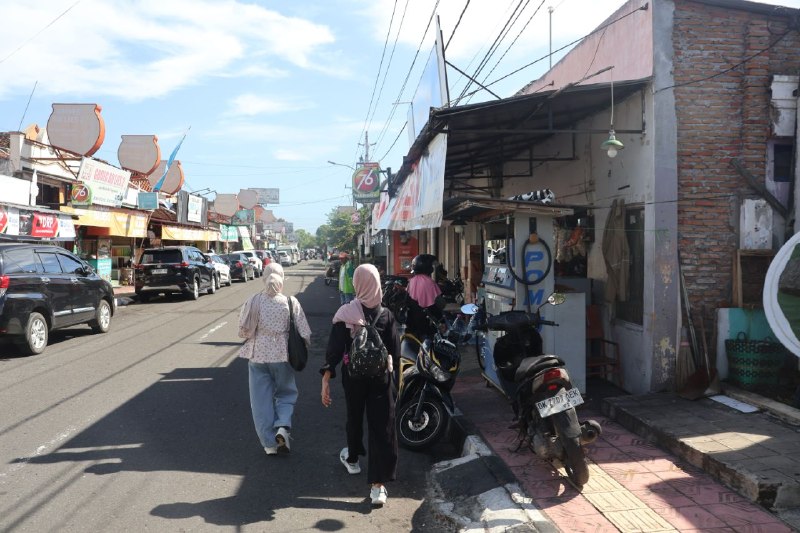
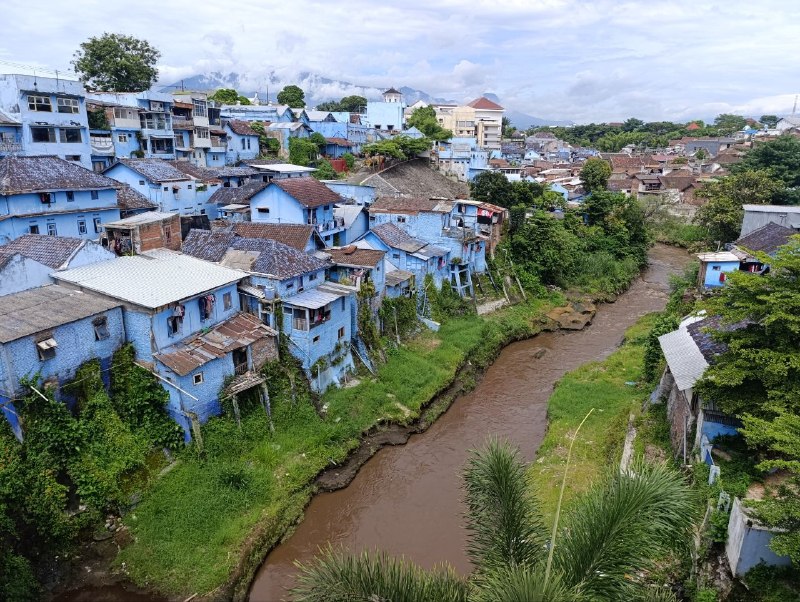
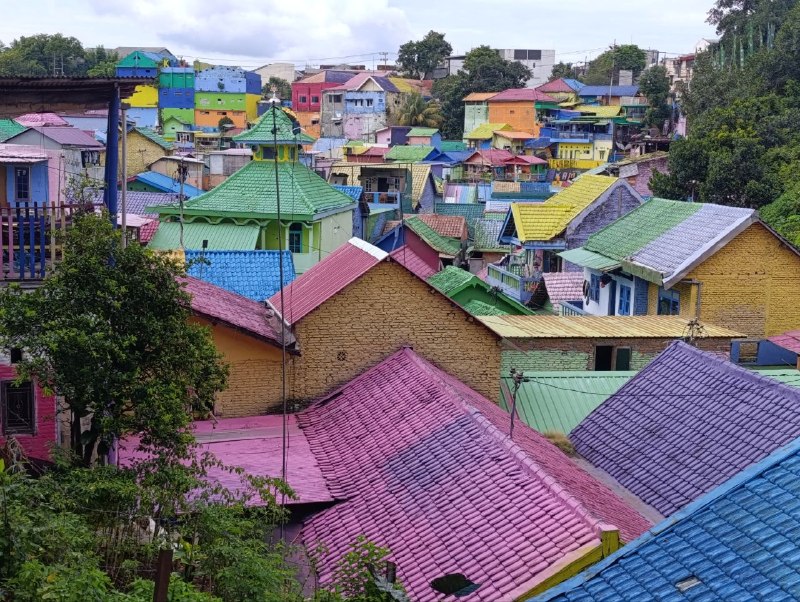
Just a few Indonesian photos to follow up.
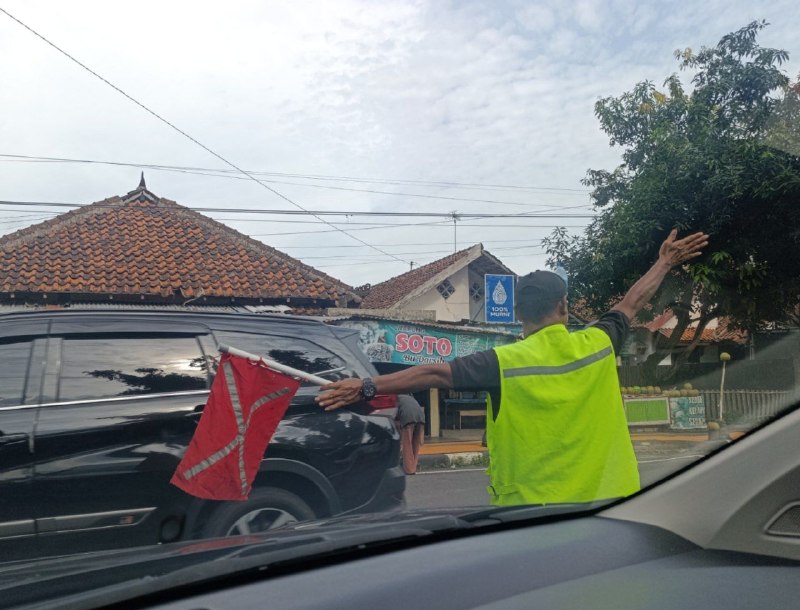
On Indonesian roads, traffic controllers seem to pop up out of nowhere. One minute someone's stopping traffic outside a little restaurant, the next some random guy is manually directing traffic at a busy intersection.
Often they're just regular people trying to make some cash. It's not exactly big money, but they do manage to pocket a couple bucks a day. They're called Pak Oga. Named after a lazy, unemployed character from a children's
puppet show, who'd reluctantly take on work for a little pay, and his most famous line was: "a hundred rupiah first!"
Authorities try to crack down on these guys. They'll arrest the occasional "traffic controller," confiscate their daily earnings, but by the next day they're back at their "posts." There was even talk about legalizing the whole thing—training all these "traffic cops" and giving them uniforms—but it never really went anywhere.
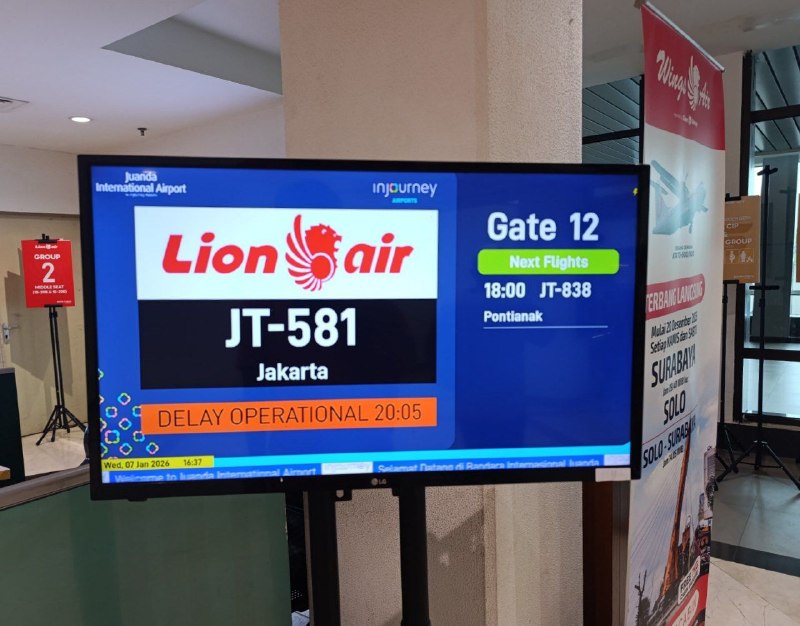
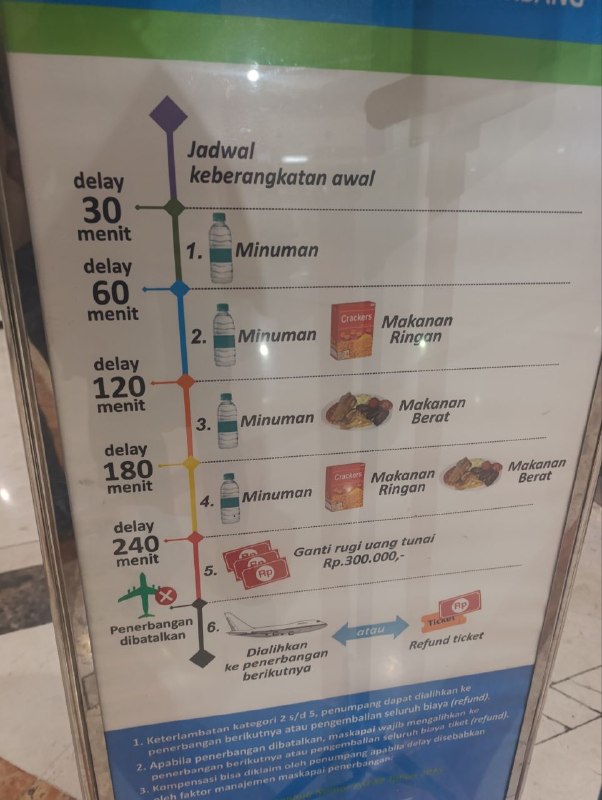
My flight from Surabaya kept getting delayed by thirty minutes to an hour. Every so often, an airline employee would come out to the gate and announce something in the local language. The first couple of times I asked for a translation for us foreigners, but eventually I gave up. They weren't really saying anything useful anyway.
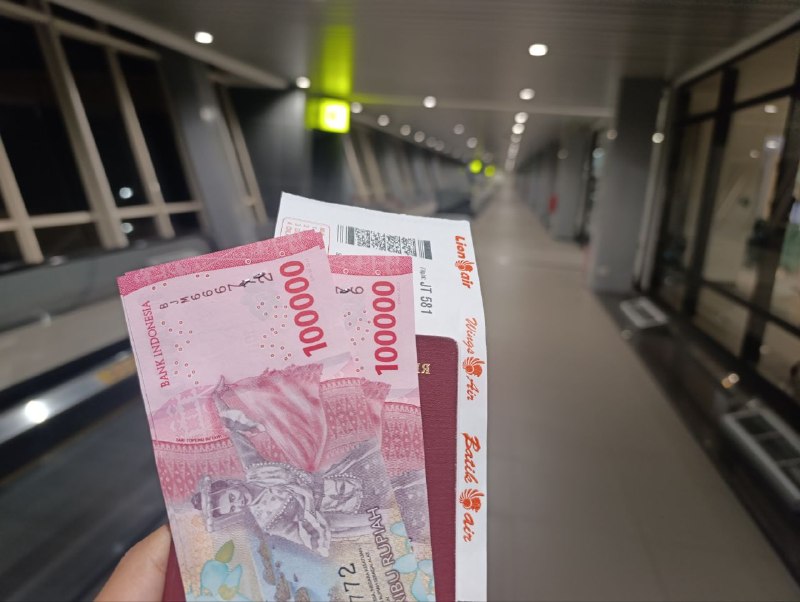
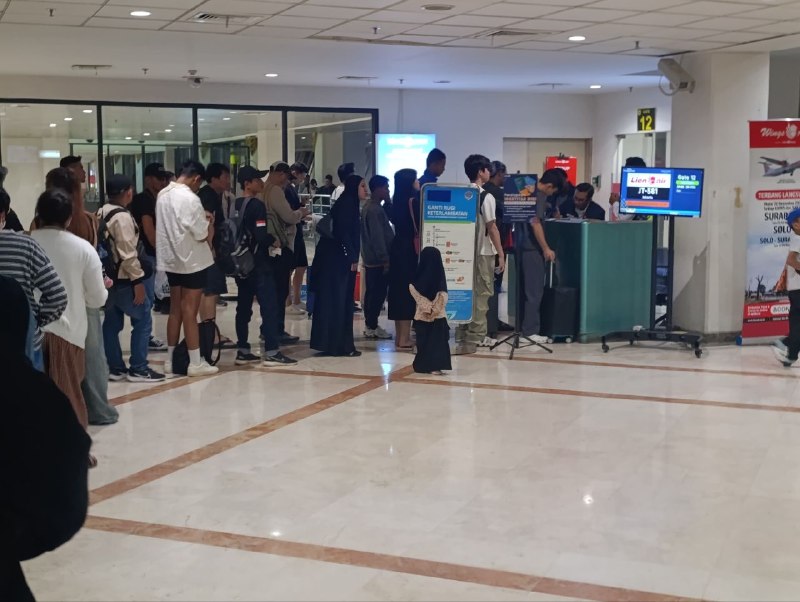
According to Indonesian law, passengers are entitled to various perks during delays, including compensation if you've been waiting more than four hours. Which was exactly my situation. The airline kindly posted a sign with all the rules, and they handed out cash compensation right at the gate. We're talking 300,000 local rupiahs (~15 euros). Not the hundreds of euros you'd get in Europe, but since I paid just over 40 euros for the ticket, it worked out pretty nicely.
Though to be honest, handing out all that compensation just delayed the flight even more. Everyone lined up to get their money, and for each passenger they manually copied down passport details onto a form. And photographed it for some reason too. The three 100,000-rupiah notes they gave out were stapled together. Convenient, obviously.
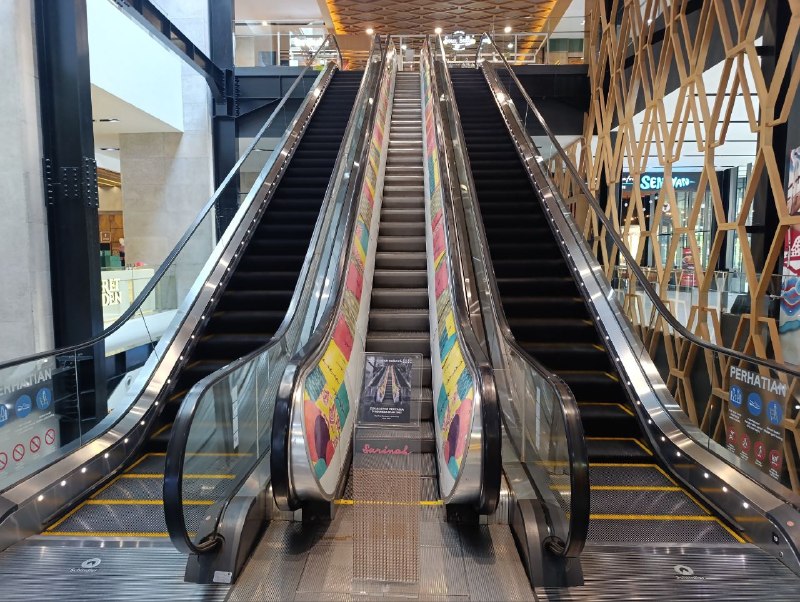
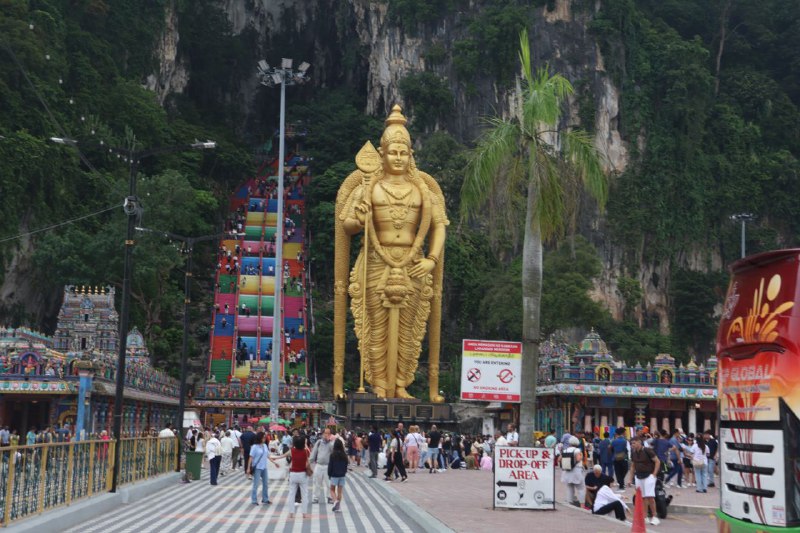
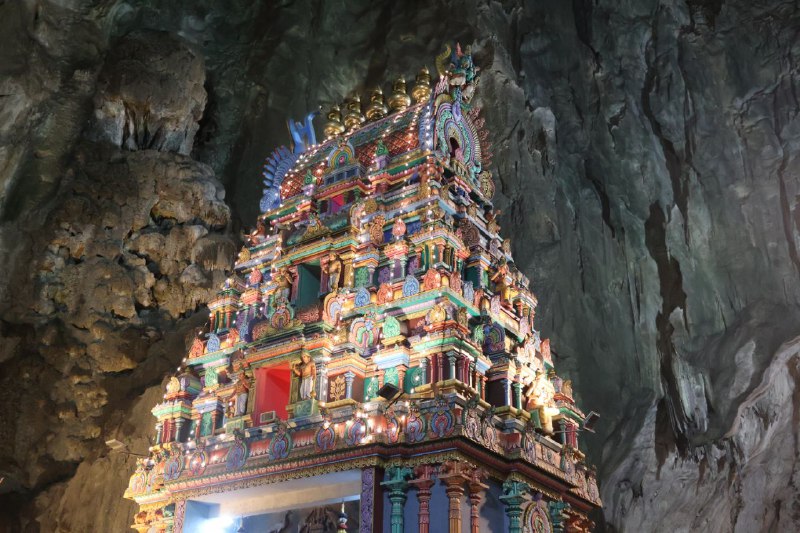
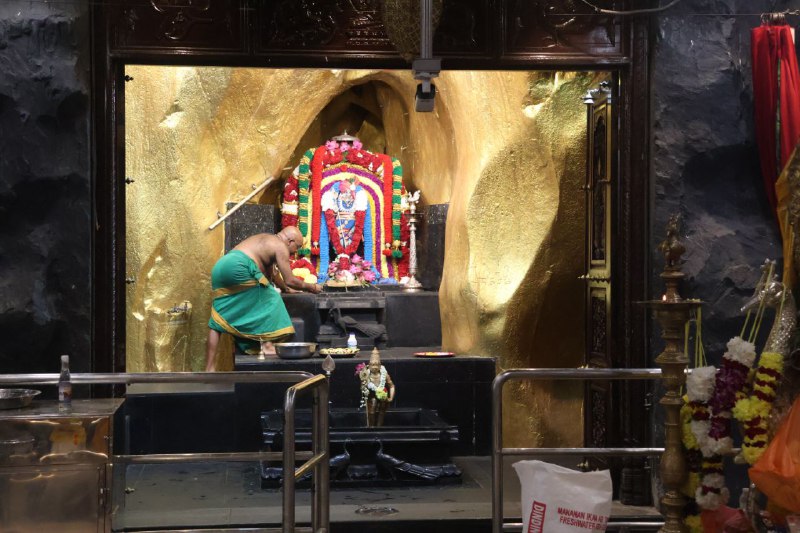
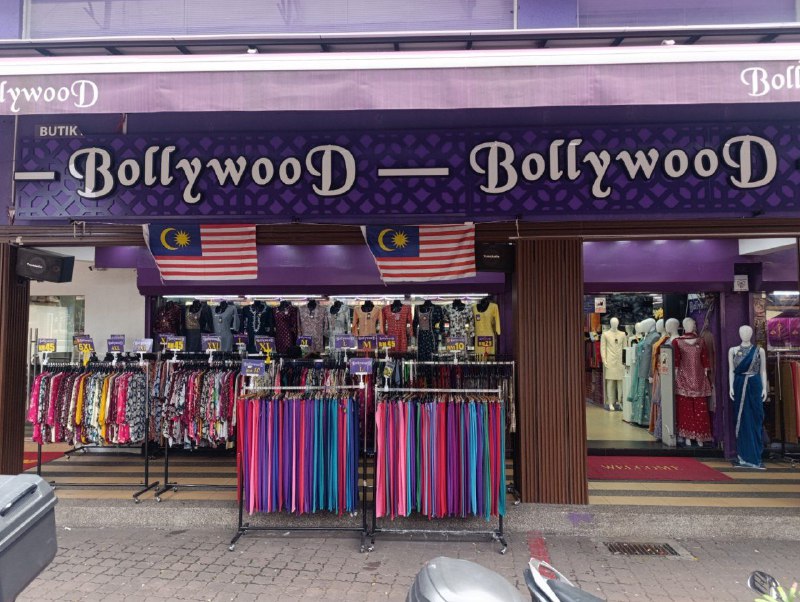
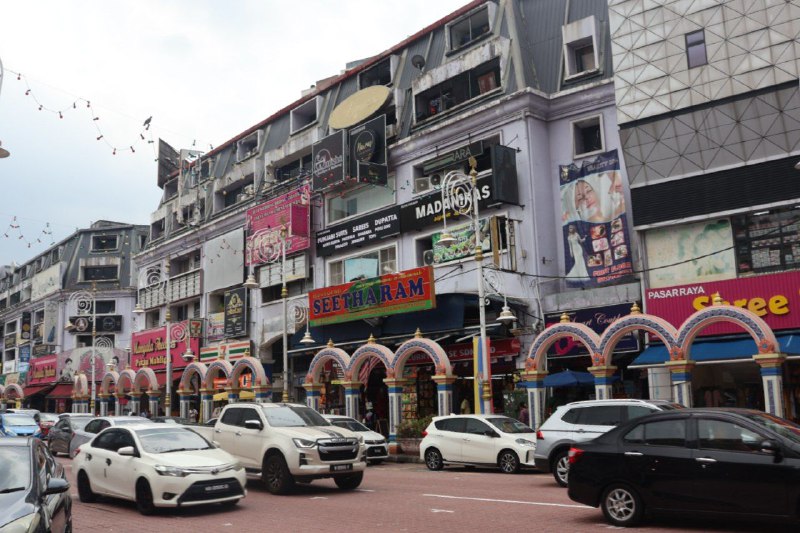
Finally, a few leftover pictures from Malaysia and we can close the book on this topic.
The country turned out to be much more developed and way less budget-friendly than I expected. And they could definitely work on their food :)
Alright, let me tell you about Malaysia and the surrounding areas.
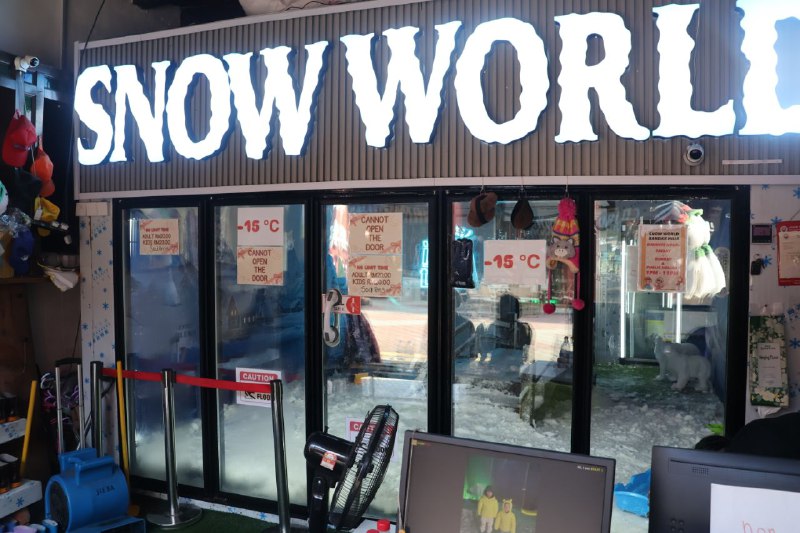
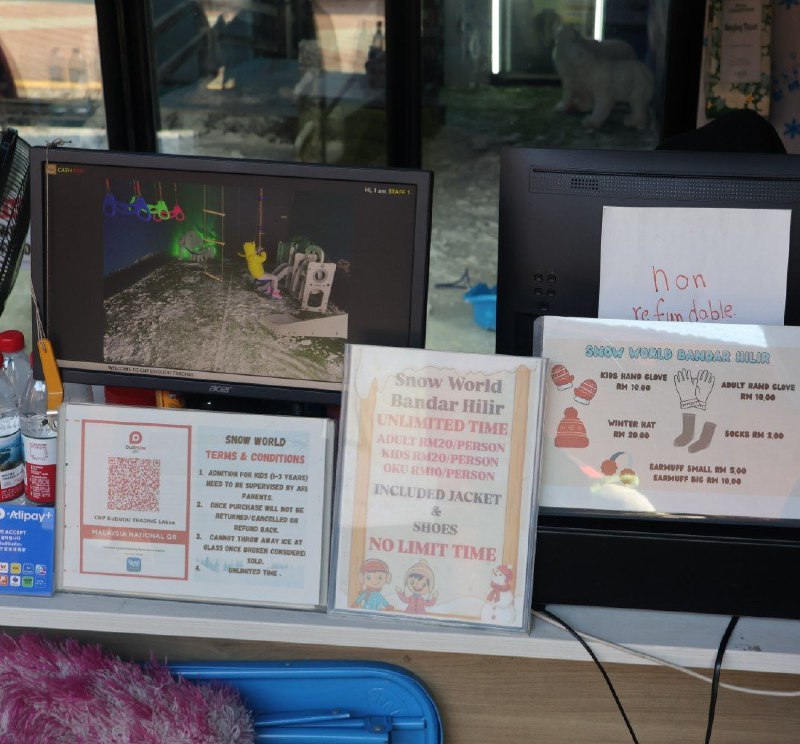
What really stuck with me is that in Malaysia, people voluntarily sit in freezers just for fun. I saw freezer chambers with -15°C inside in a couple of places. At the entrance, they give you warm clothes and you can sit inside until you turn blue.
For just 5 US dollars per person! Surprisingly enough, there were actually people inside doing it.
Of course, I understand that in cold countries, people came up with the idea of paying to warm up in baths and saunas. But to pay to freeze? That's something my brain has a hard time wrapping around.
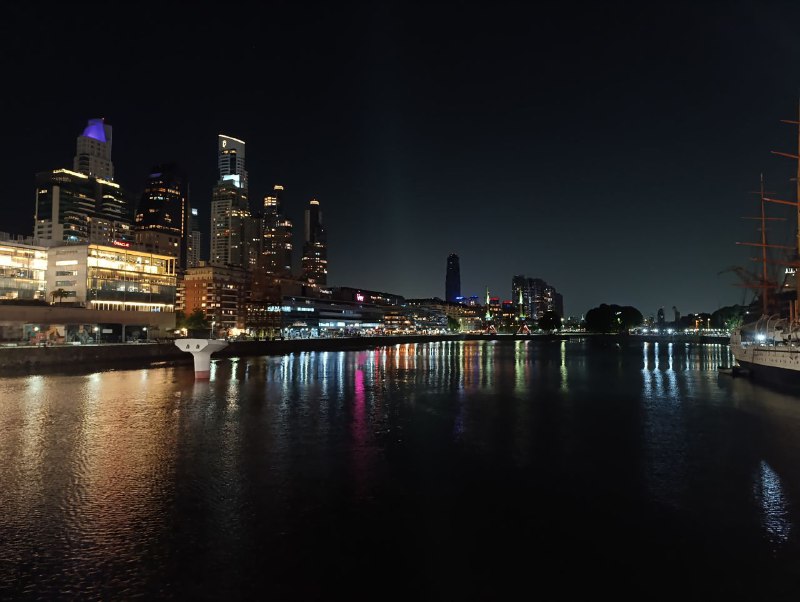
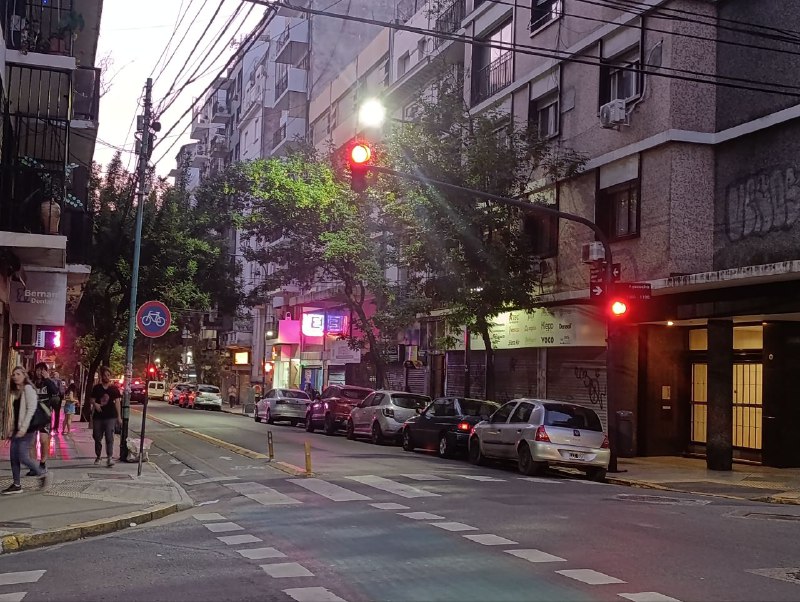
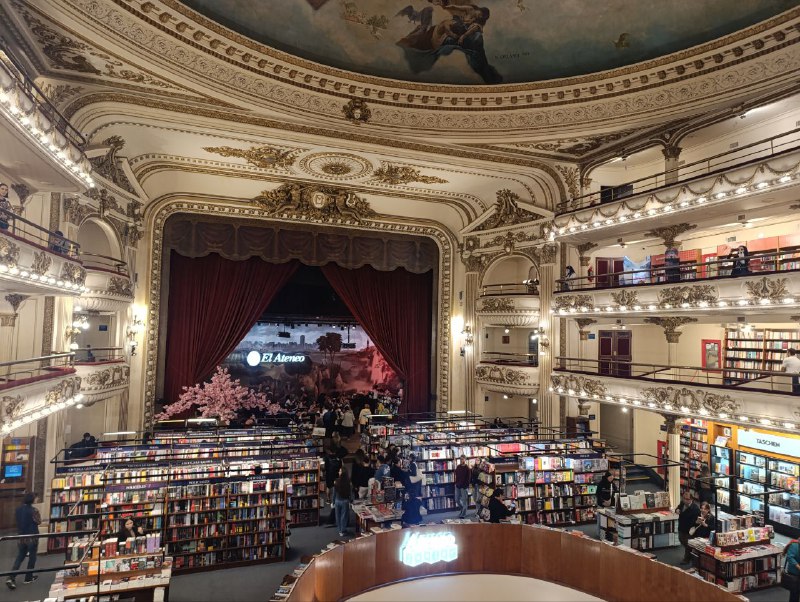
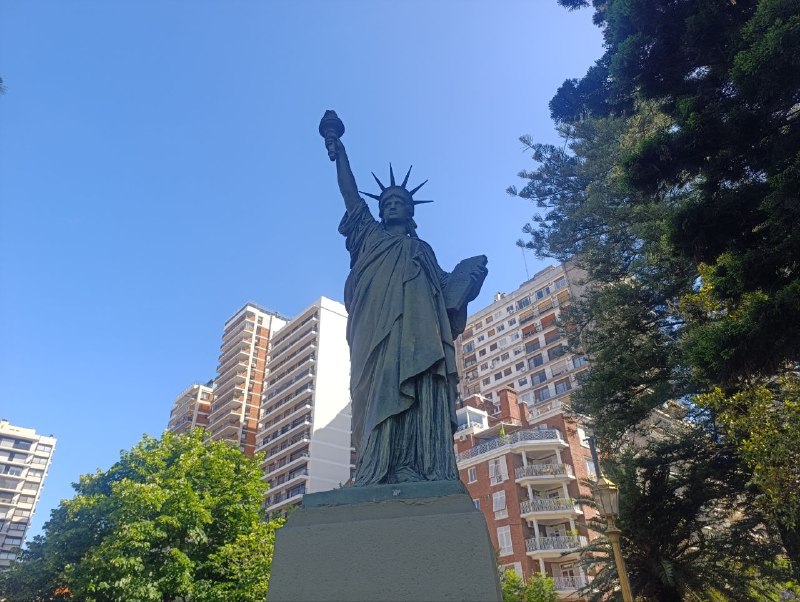
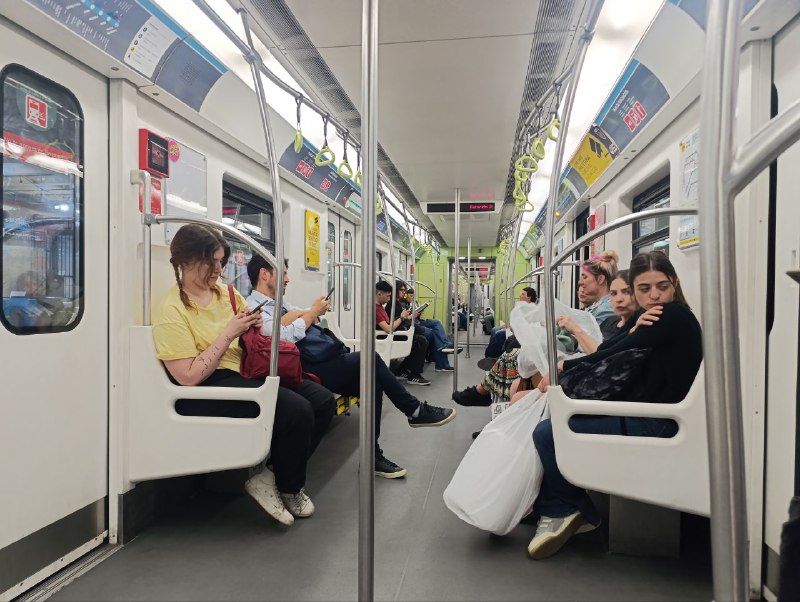
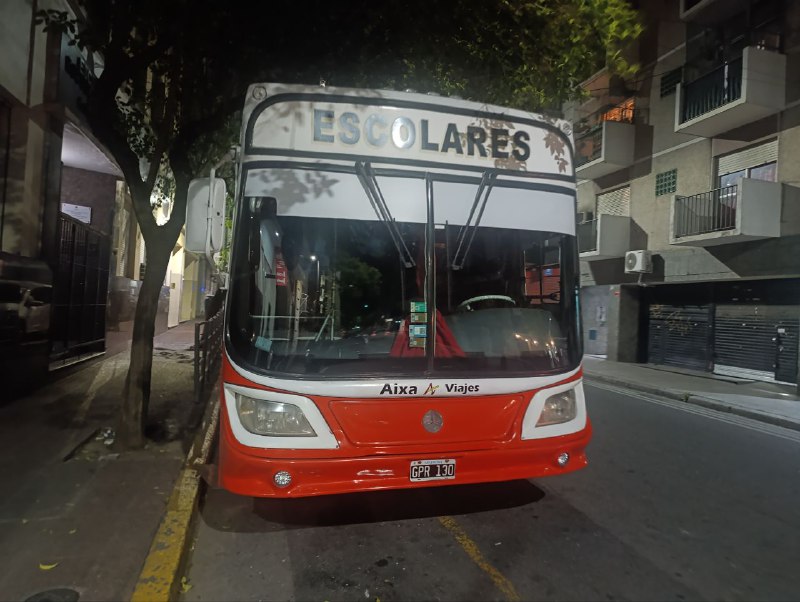
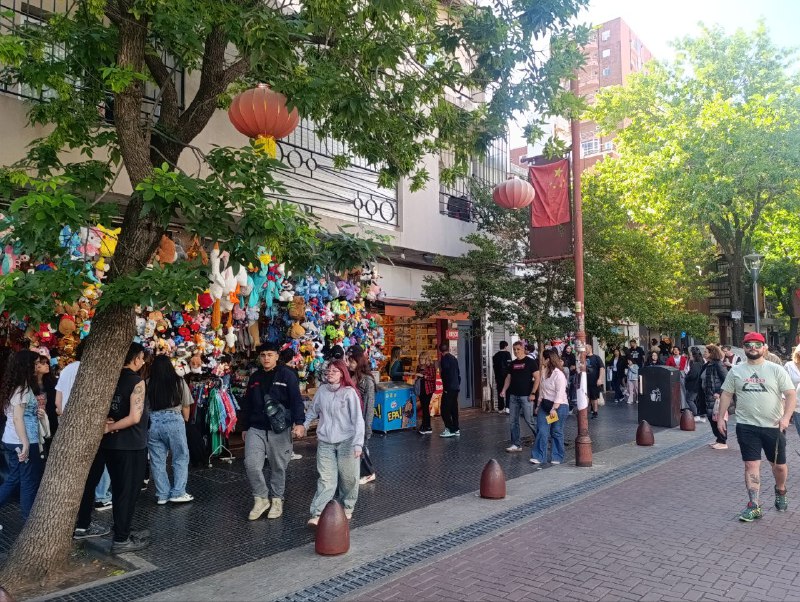
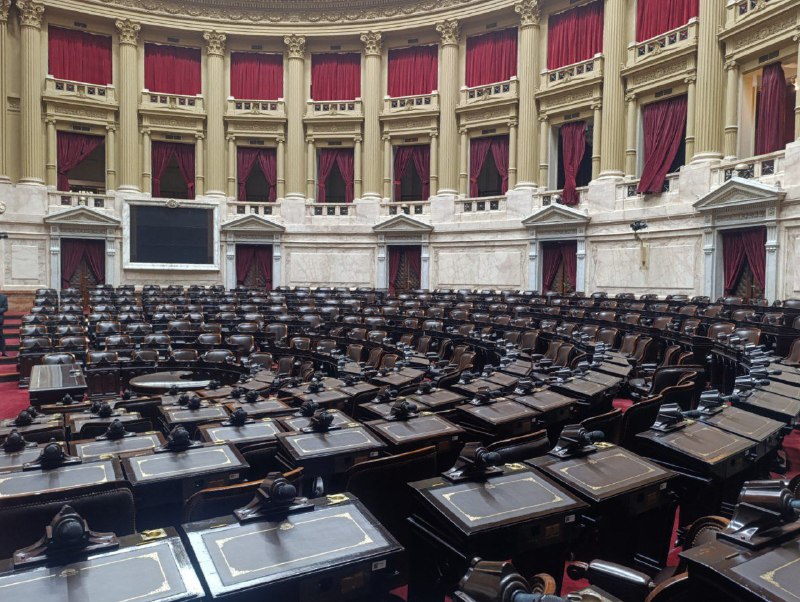
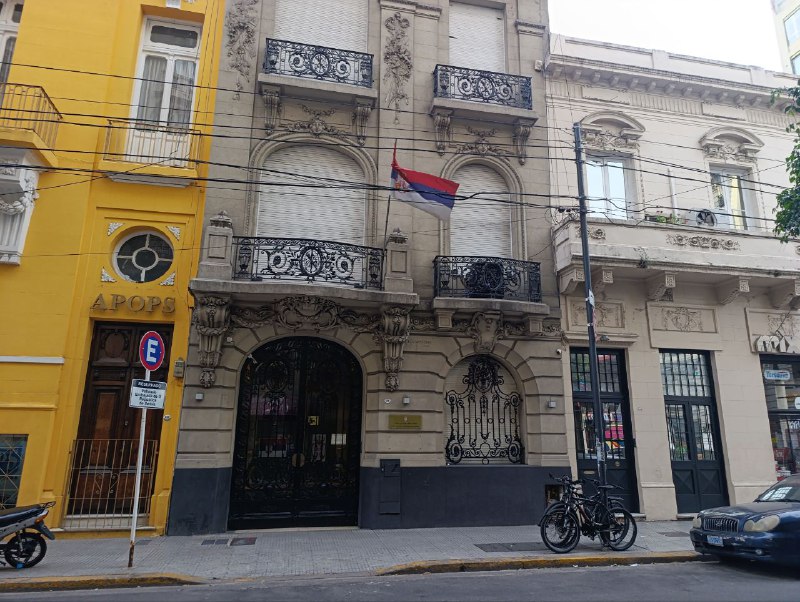
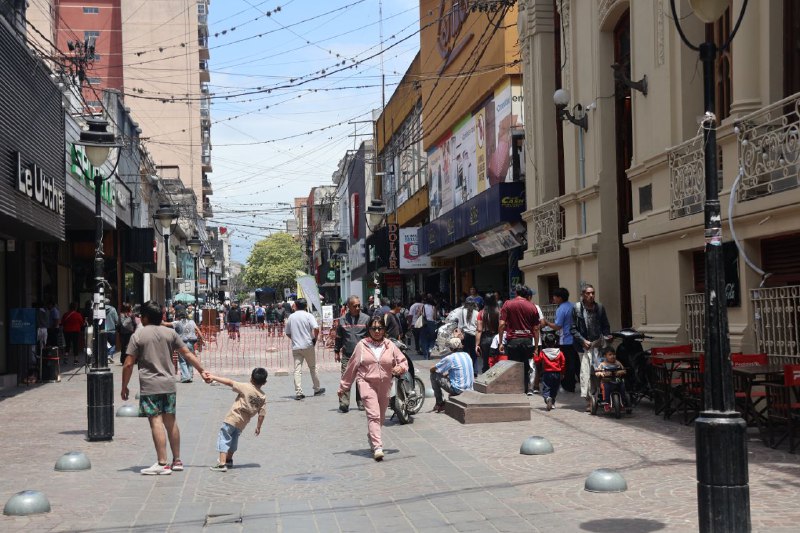
Before the trip, I read through a bunch of discussions about safety in Buenos Aires. On the streets, I tried to stay alert and didn't flash my phone around too much. But it felt way more peaceful than what those discussions made it sound like.
I met up with a buddy who moved there a couple of years ago. He says that in all that time, nobody's ever tried to rob him, even though he doesn't live in the fanciest neighborhood. Though he did see a couple of dead bodies when he was wandering around late at night :)
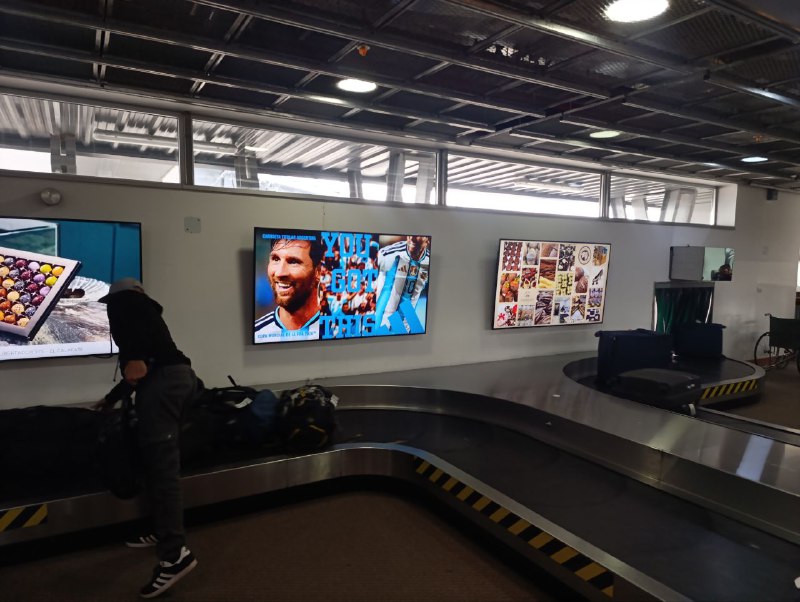
There's Messi advertising all over the country. He's literally everywhere. At the airport, at store entrances—especially sports stores—and just on billboards everywhere.
PS. Turns out I left all my camera photos at home. All I've got on me is what's on my phone. I'll add some decent pictures later.
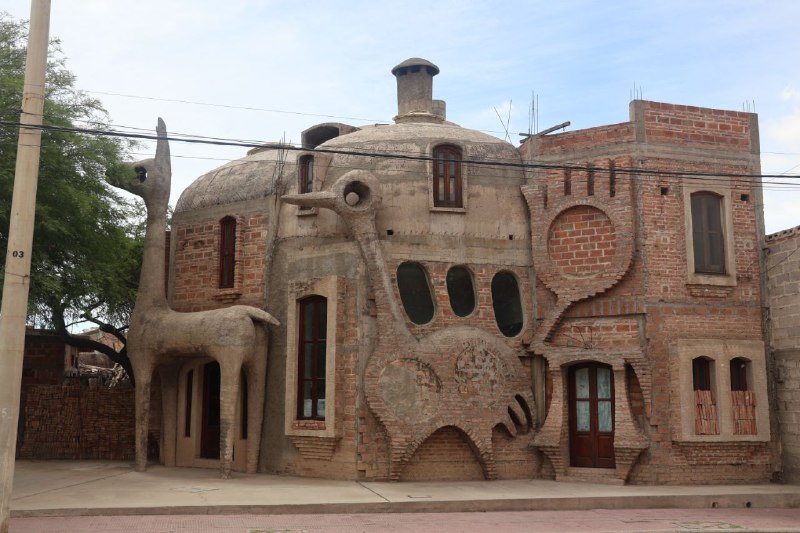
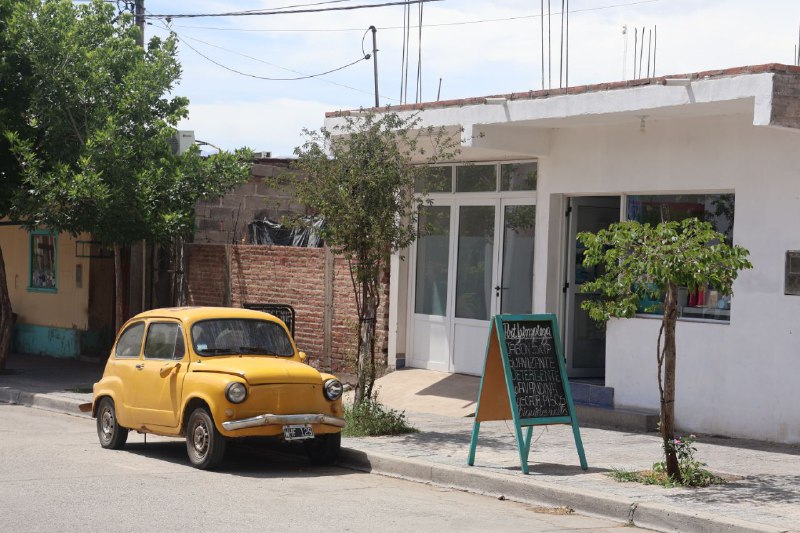
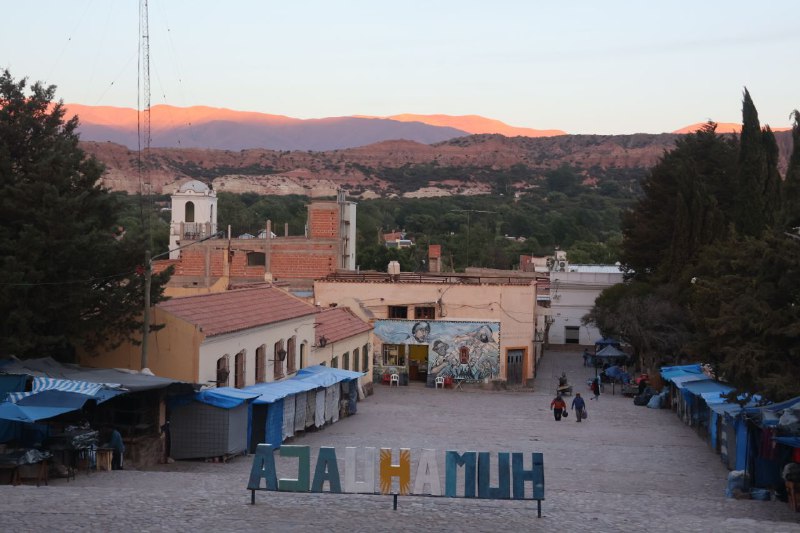
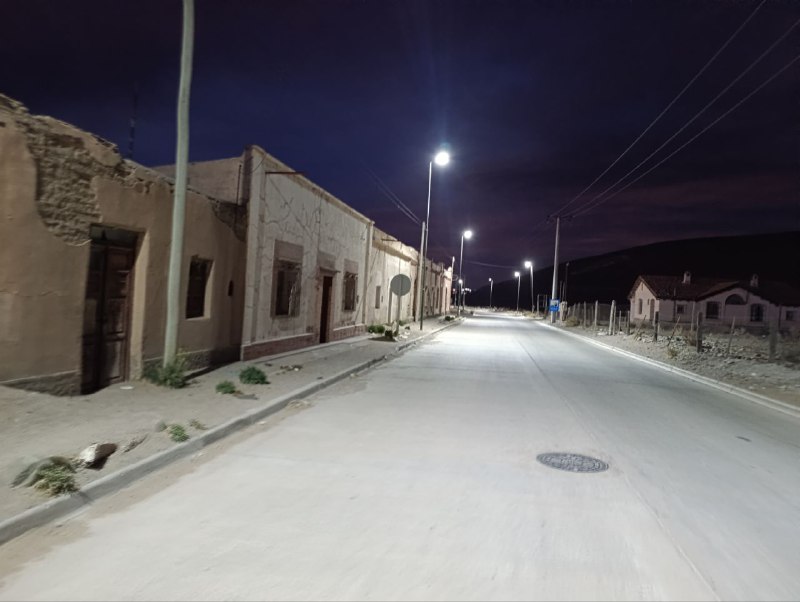
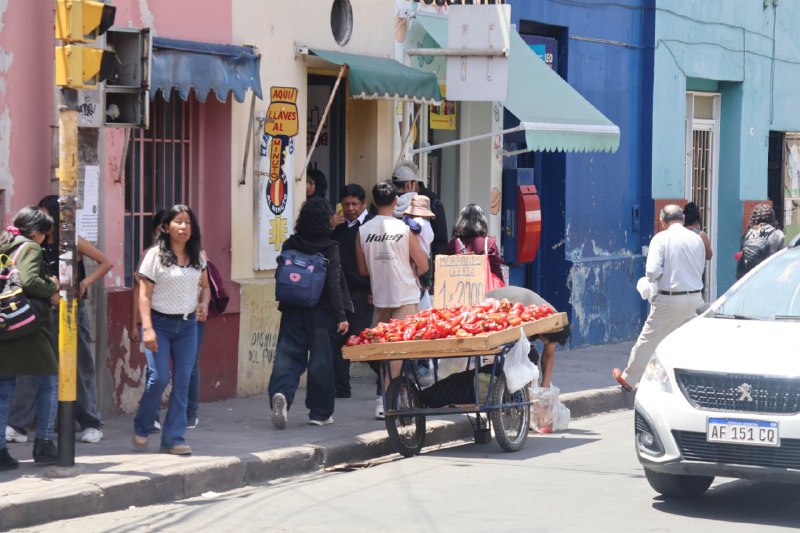
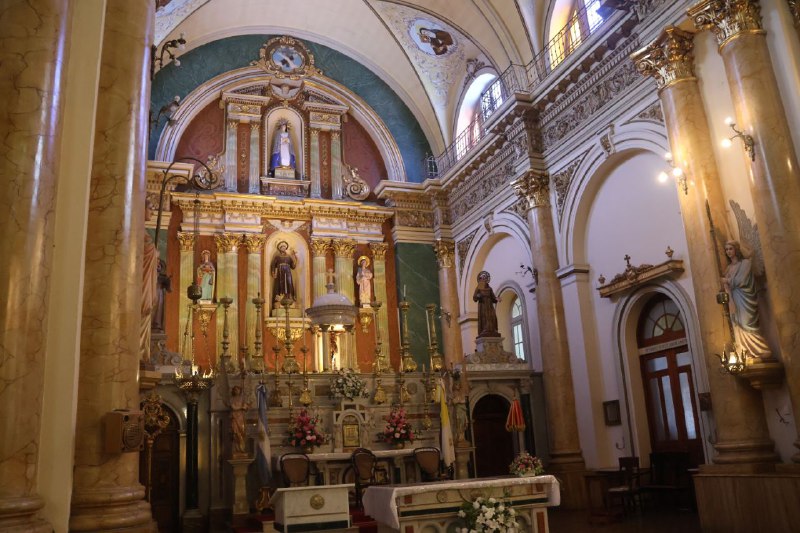
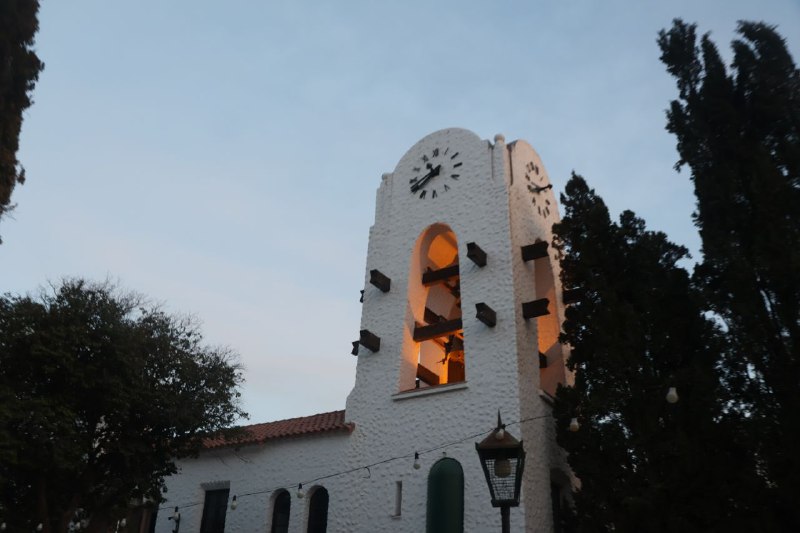
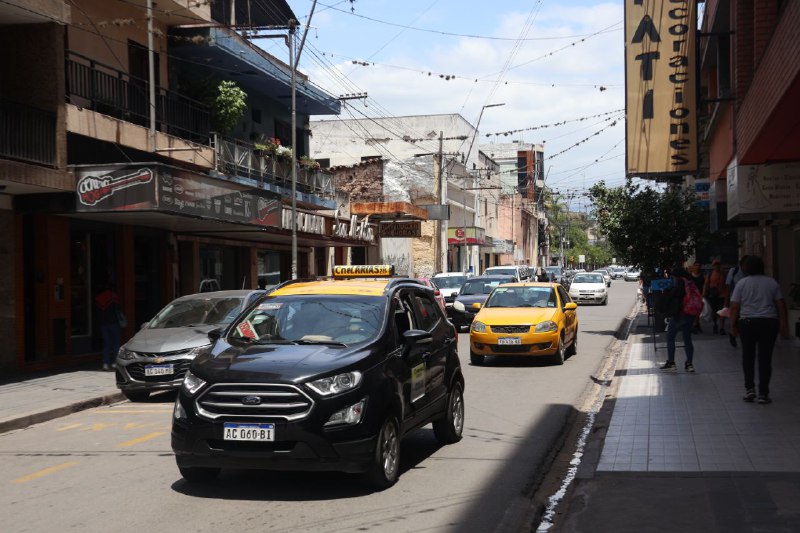
The little towns in northern Argentina look simple but charming. It's nice to wander around here.
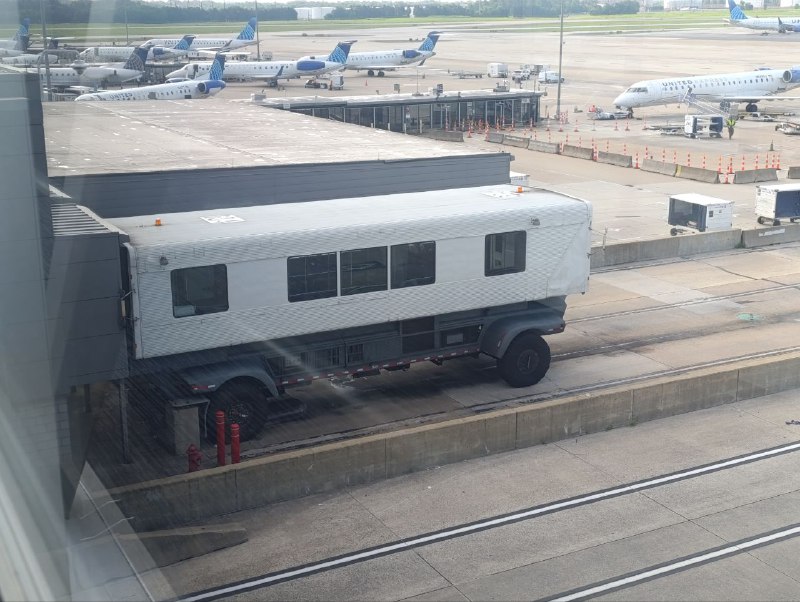
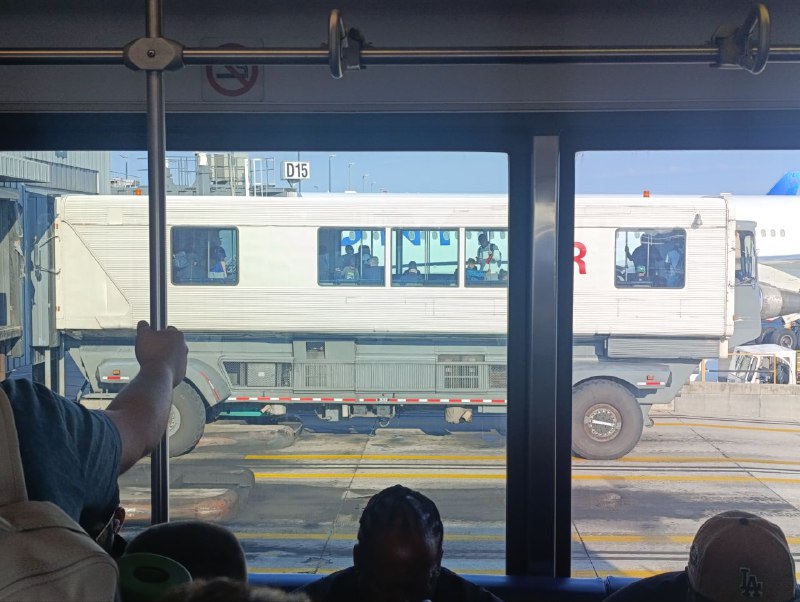
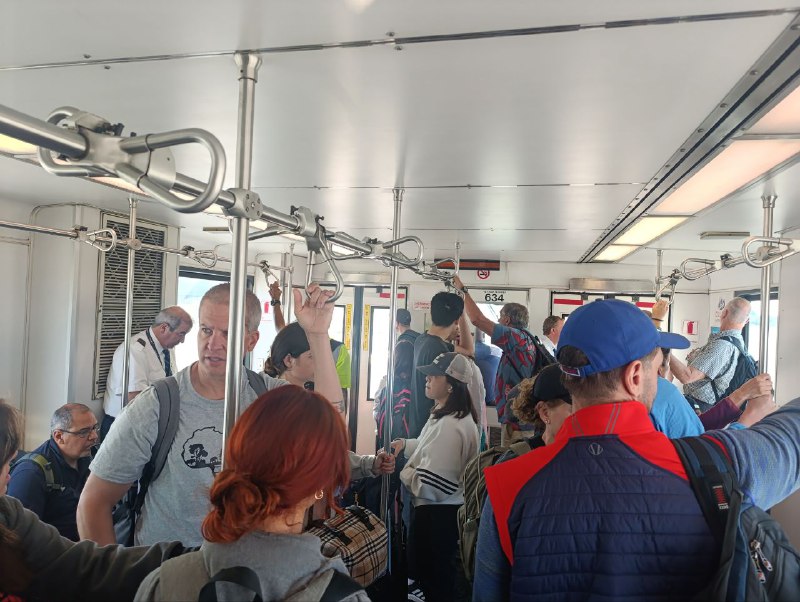
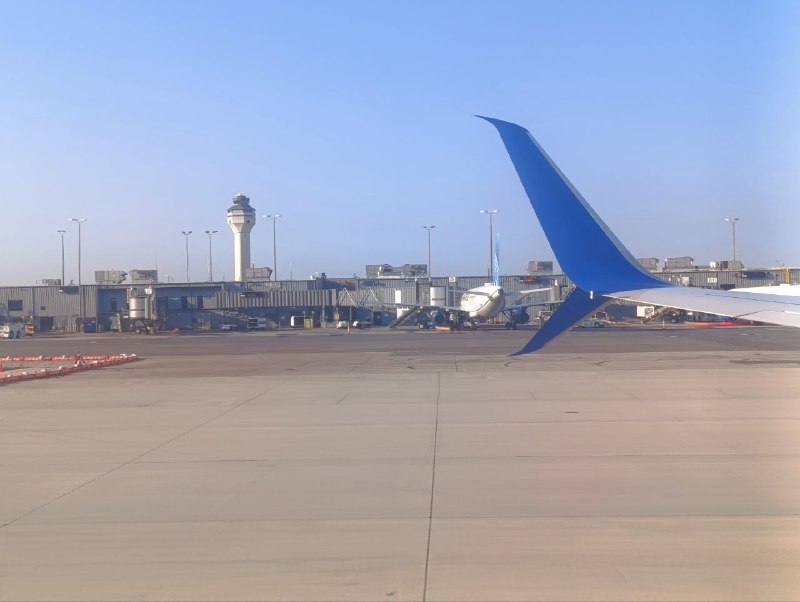
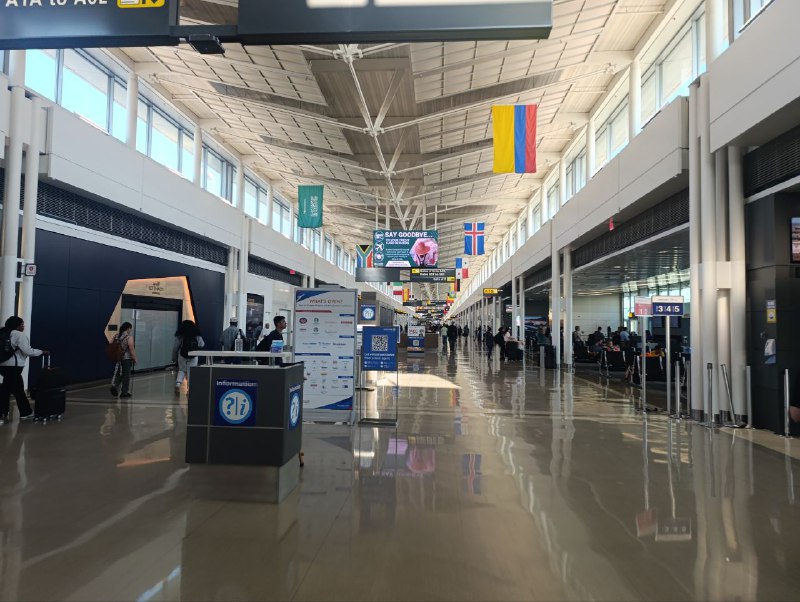
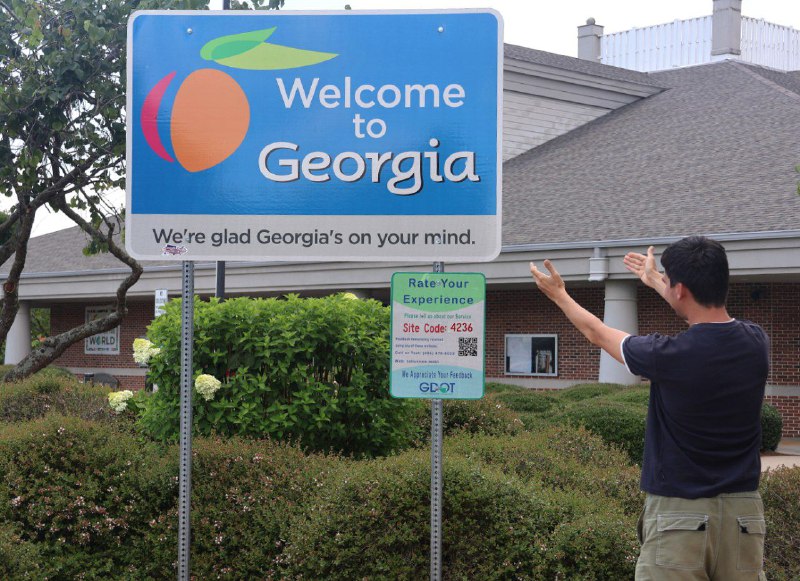
On my way to Georgia, I had a layover in Washington (IAD) and it's a really strange airport. You can't shake the feeling that you've landed at some kind of military facility—the terminals look like a jumble of barracks, everything seems thrown together in a rush. Though the airport was always a civilian one. Plus, you have to take shuttle buses to get between terminals. Very weird experience.
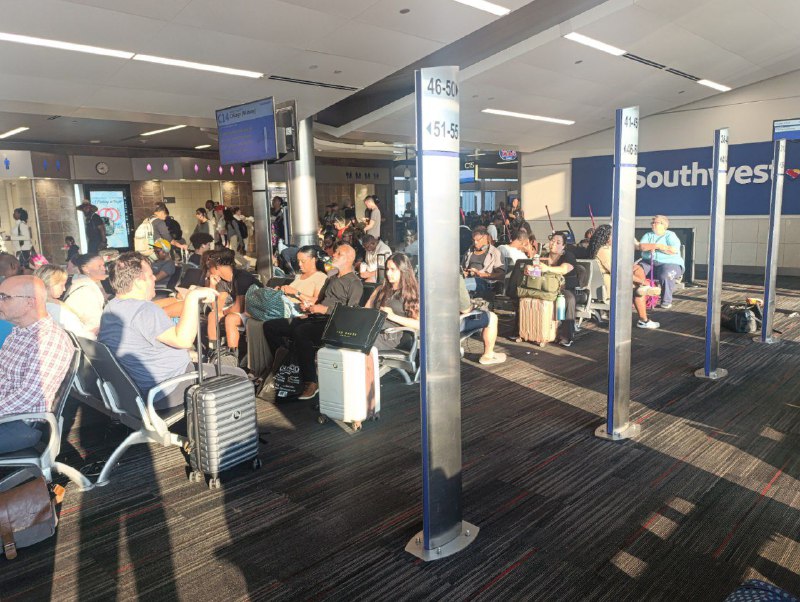
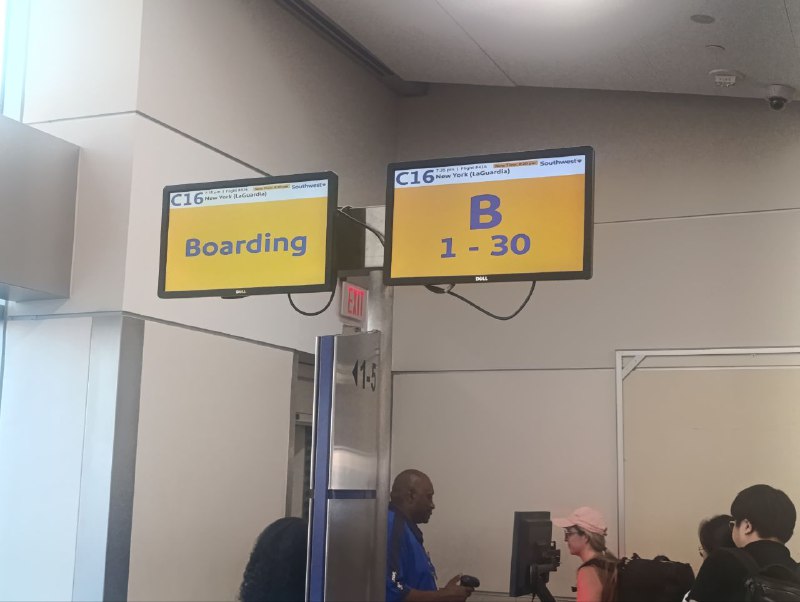
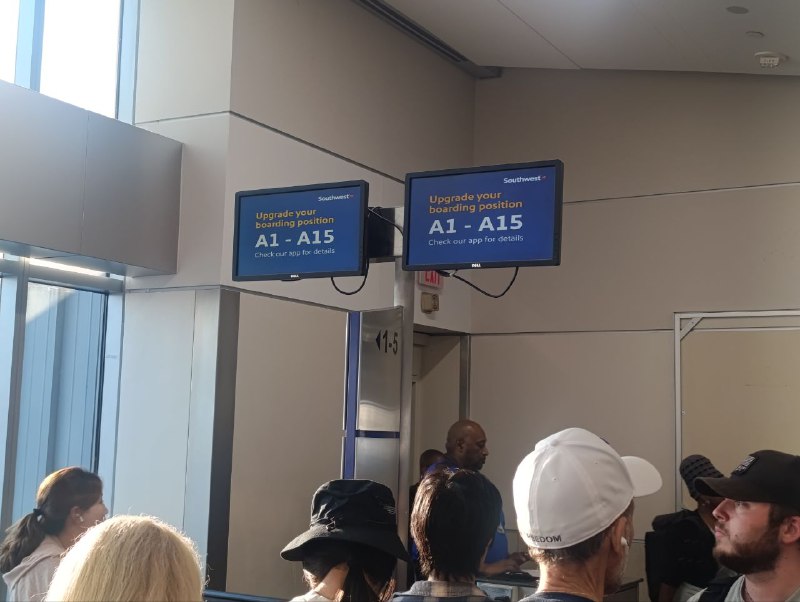
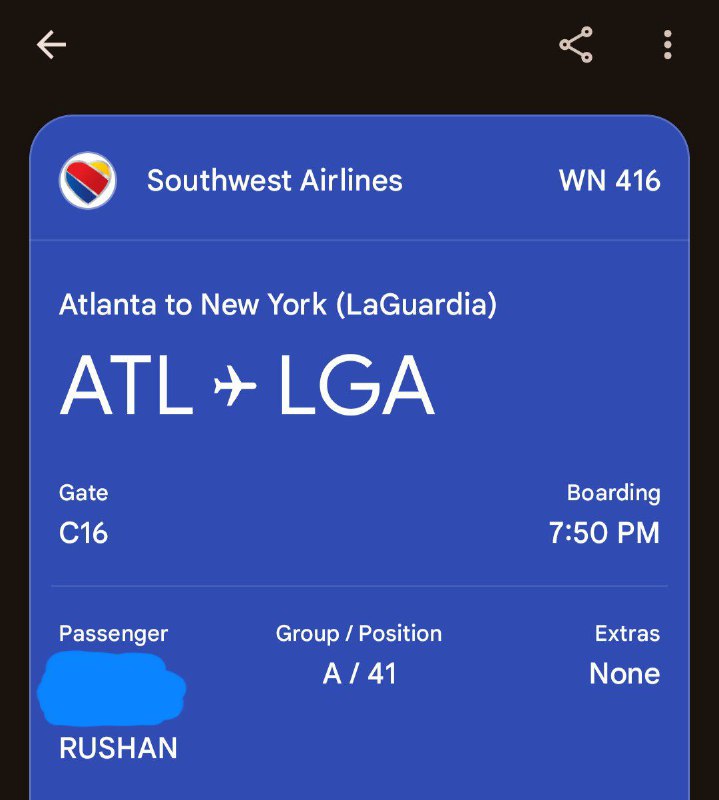
And I've flown Southwest more than once before, but I still can't get used to the fact that the airline doesn't assign seats to passengers. Your ticket has your boarding group number, and then you just pick any empty seat in the cabin. Somehow it works without any fights breaking out.
I was just in Tbilisi not long ago. And here I am back in Georgia again. Gamarjoba! :)
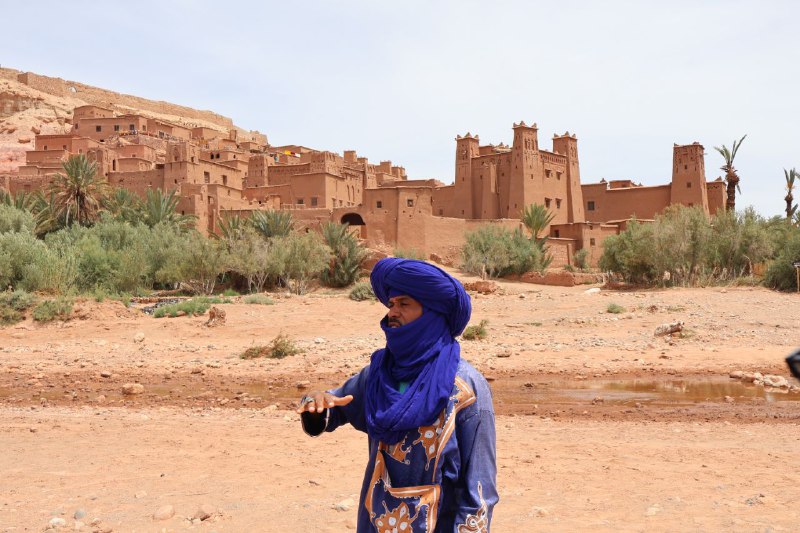
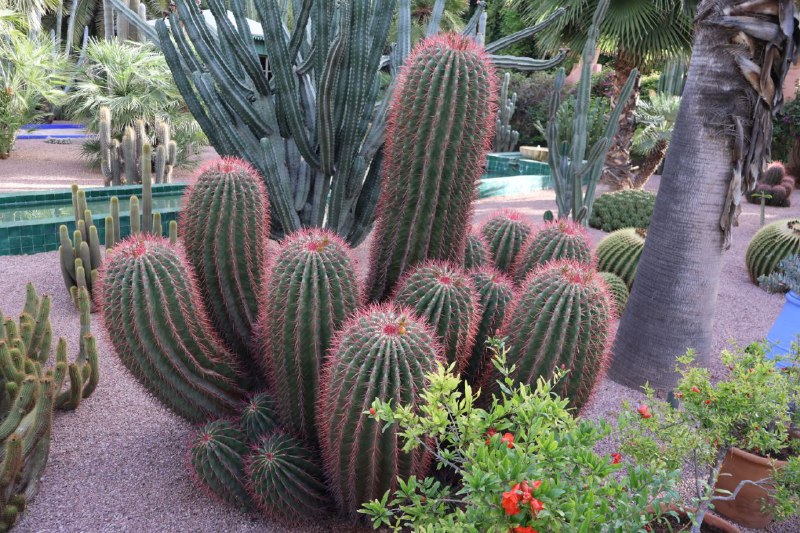
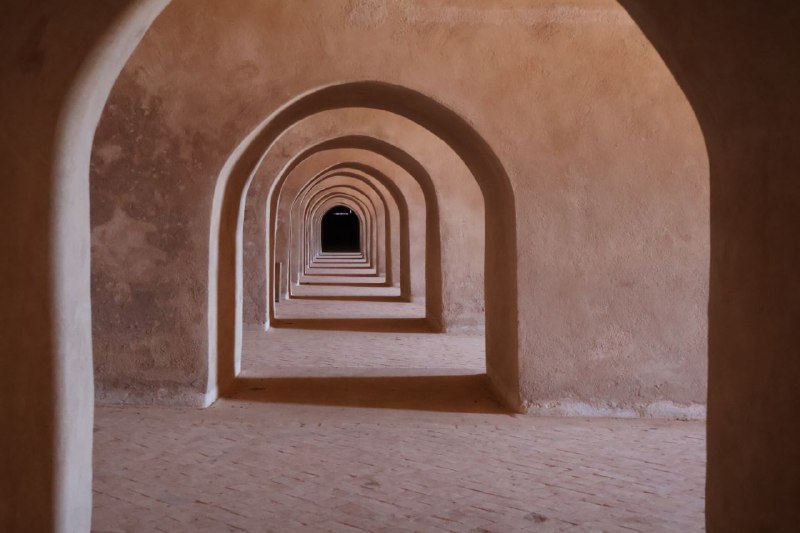
And finally, a few photos.
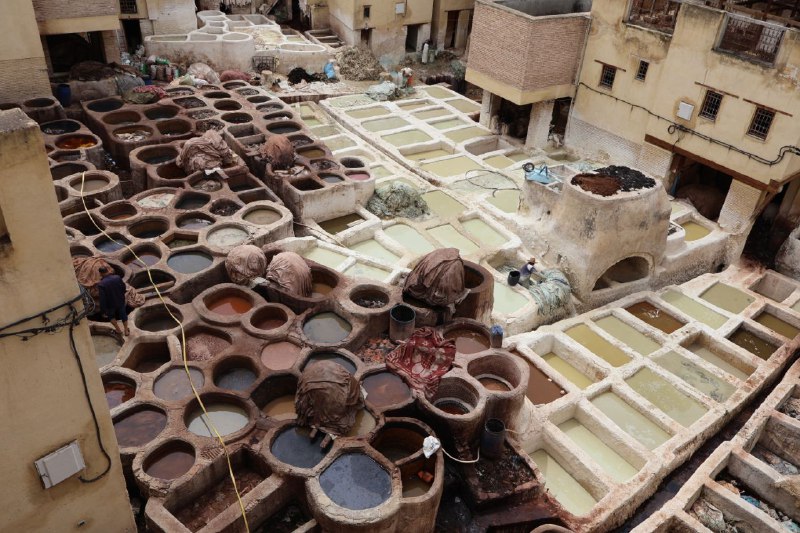
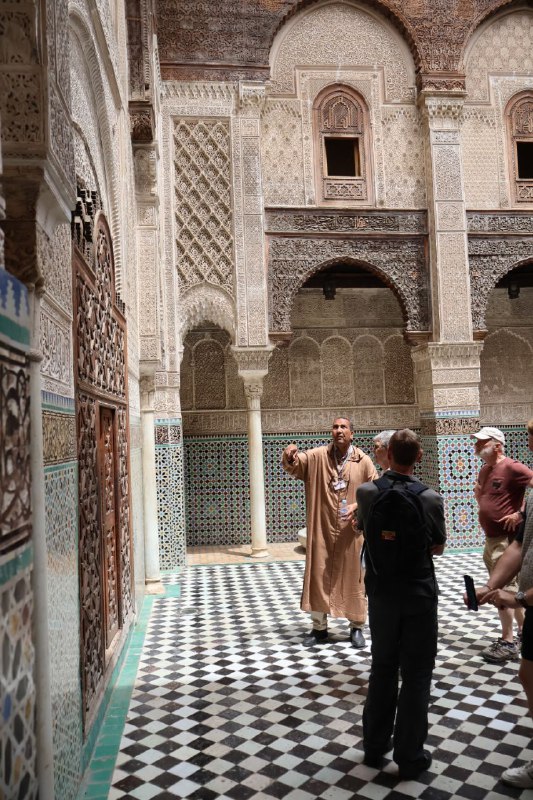
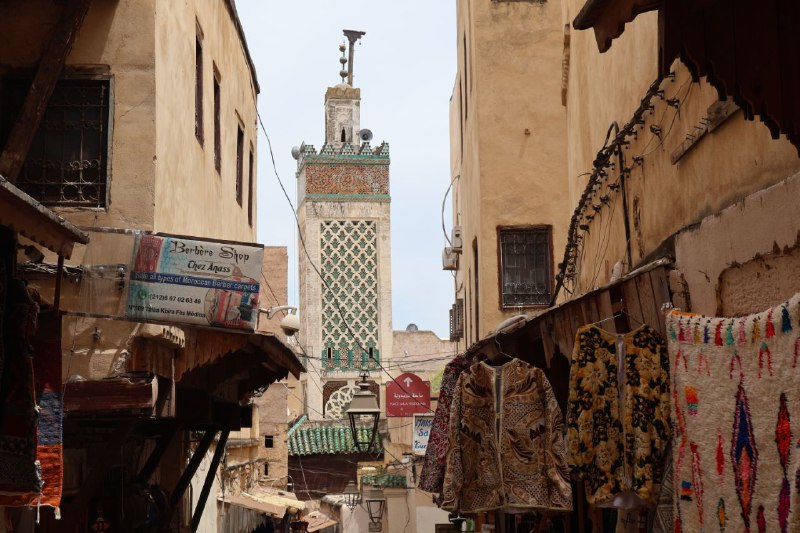
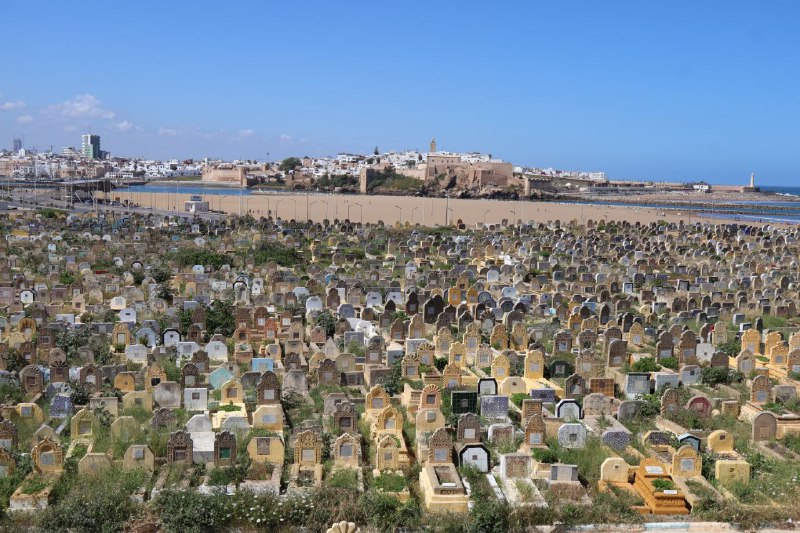
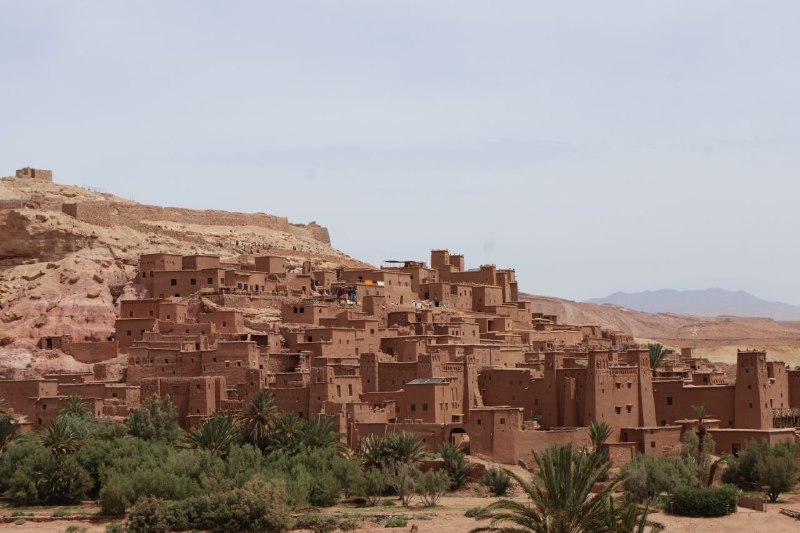
Algeria impressed me much more. In Morocco, many things are geared toward mass tourism, which sometimes makes it hard to see the real charm and character of the country. But I should definitely go back sometime and make it out to that
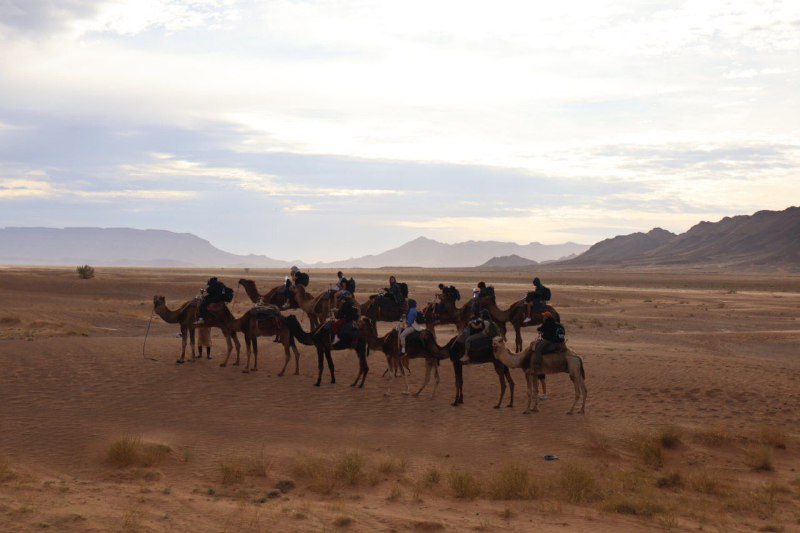
famous train in Western Sahara that pretty much everyone rides. And the
Saint-Exupéry museumIn Moroccan towns, you can stay not just in regular hotels or apartments, but also in
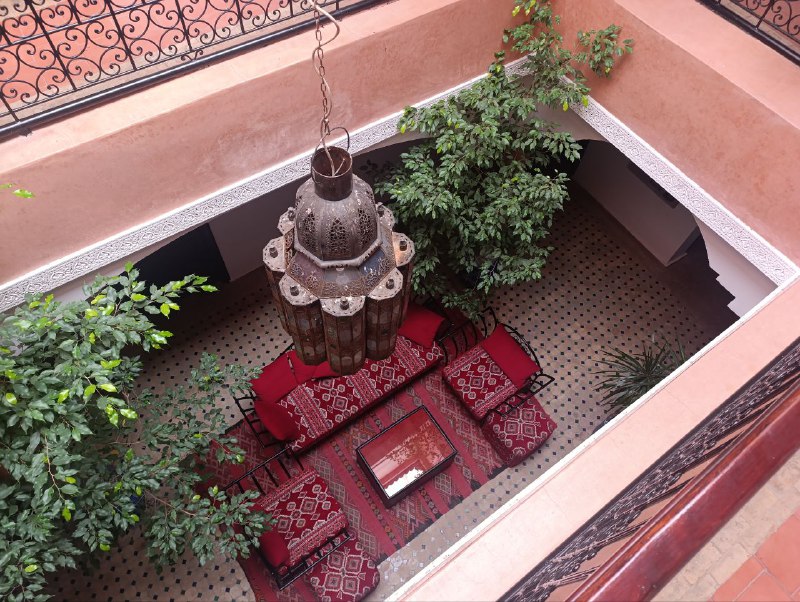
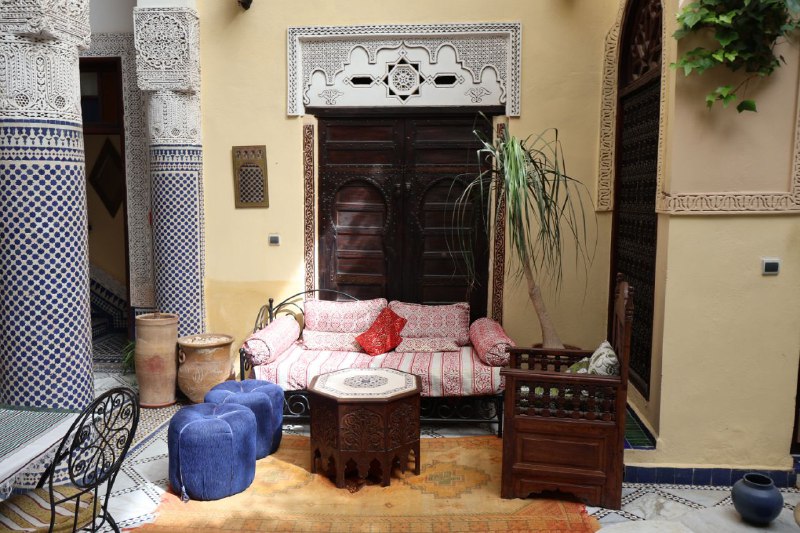
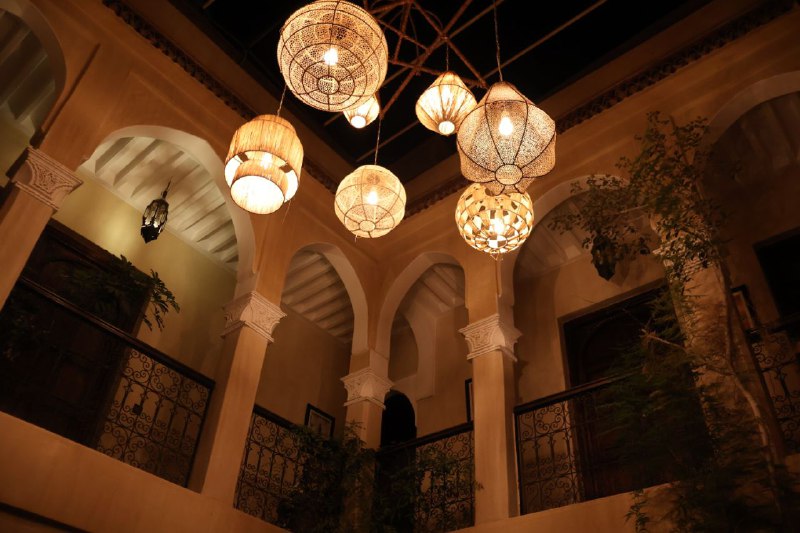
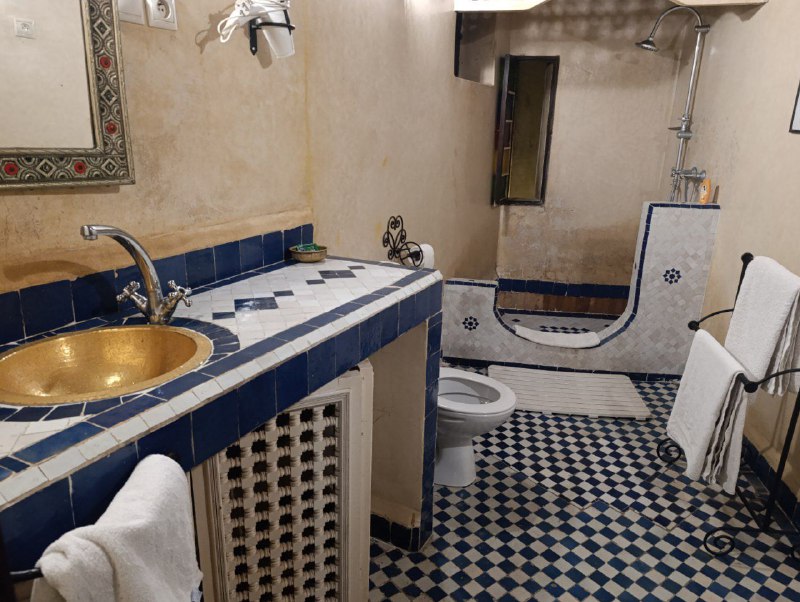
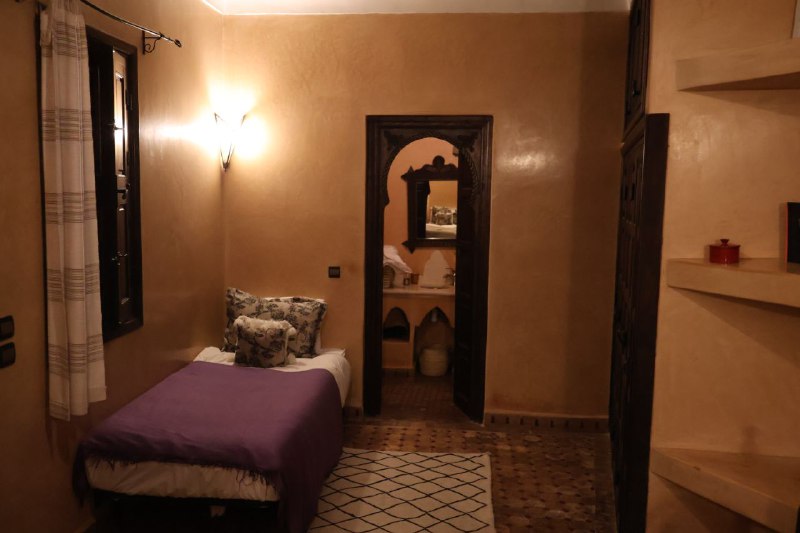
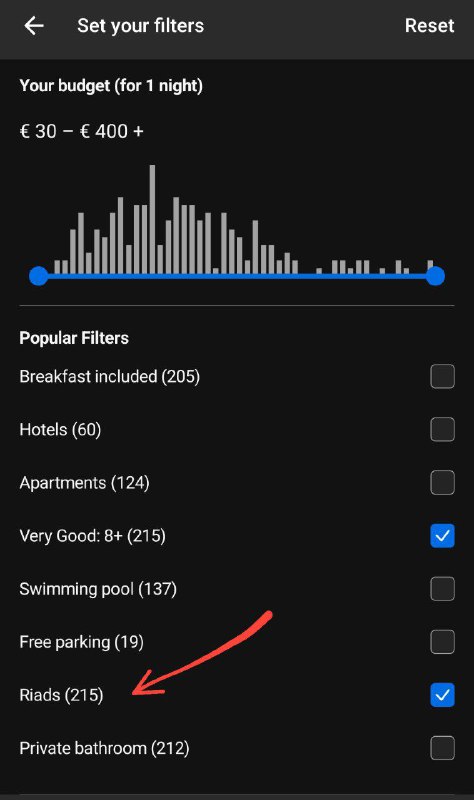
riads. The name literally means an inner garden in Arabic. But in recent years, the term has come to mean traditional guesthouses built around such a garden. Booking even has a separate filter specifically for this type of accommodation.
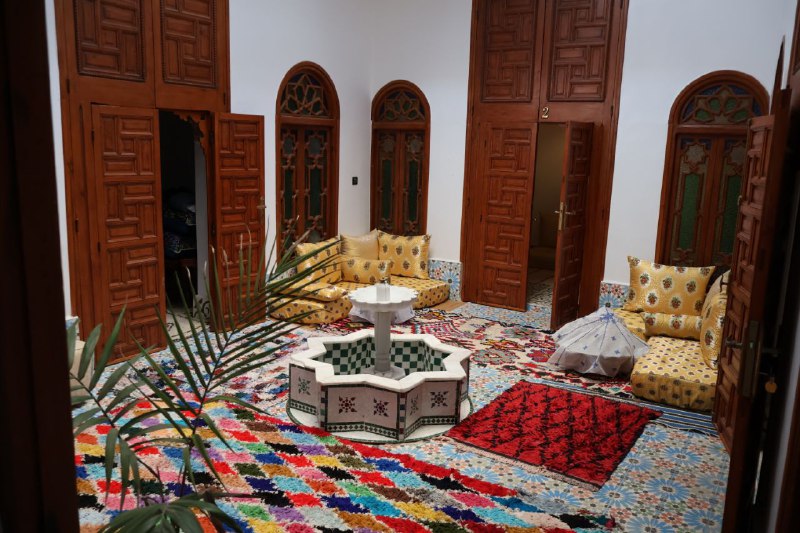
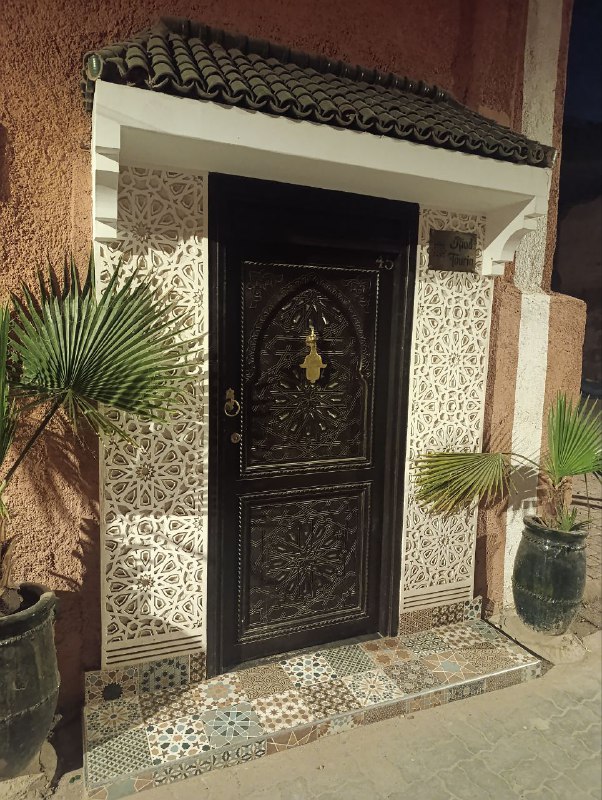
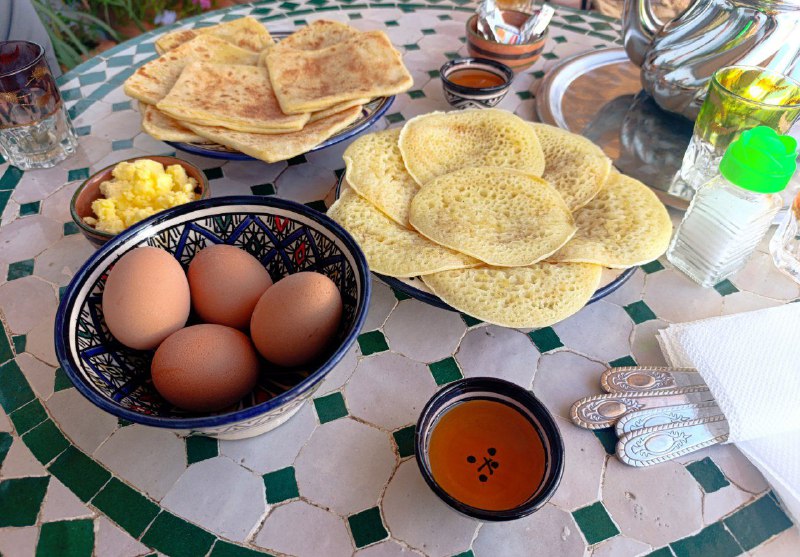
These places are typically located in the old medina part of town. And from the outside, they're completely inconspicuous. Best case scenario, there's a nice door, but not necessarily. Inside, it's like a courtyard—often open to the sky—with plants, and rooms arranged around the perimeter on one or two levels. The garden doubles as a common area with cozy seating, and that's where breakfast is served. Many riads have roof access, though the view usually isn't that impressive.
This privacy stems from religious customs around family life and also from the weather. Many cities are essentially located in the desert, where wind and sand aren't exactly pleasant. The enclosed layout solves both problems.
Tourism and Europeans have breathed new life into this style of accommodation. Many houses have been restored for tourists, but not always by Moroccans. Europeans spotted an investment opportunity, and they often turn out to be
much better at attracting their fellow countrymen.
But these gardens aren't just for sleeping—you can also dine there. For example, check out the photos and description of the little restaurant
Dar Dada in Casablanca. Looks lovely, right!
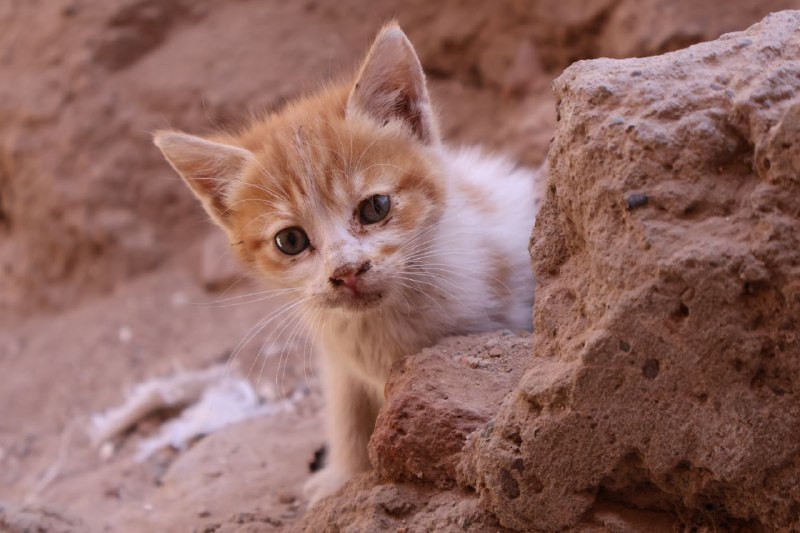
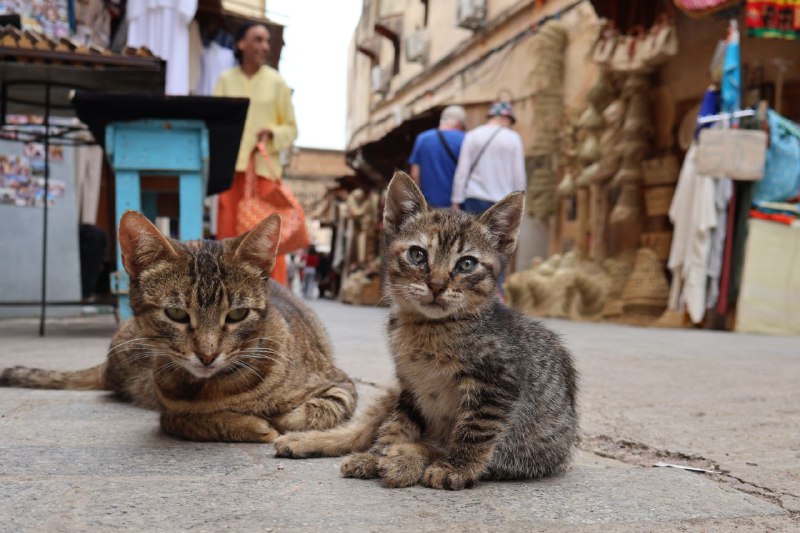
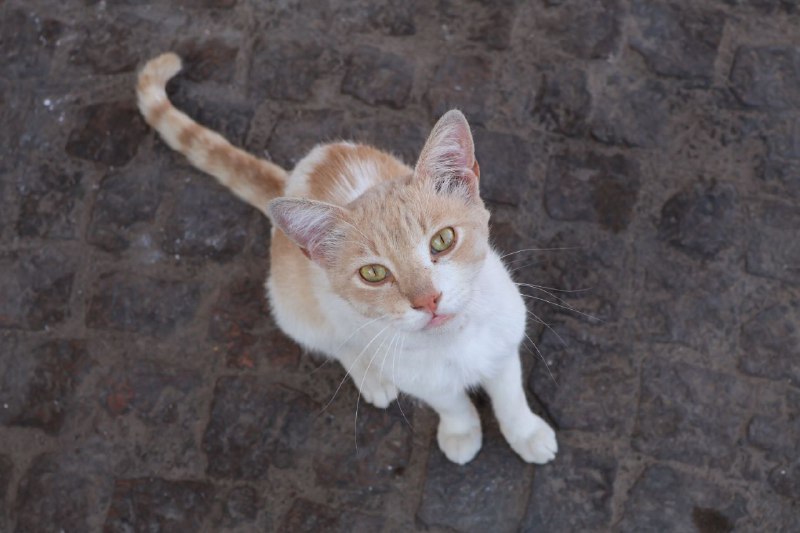
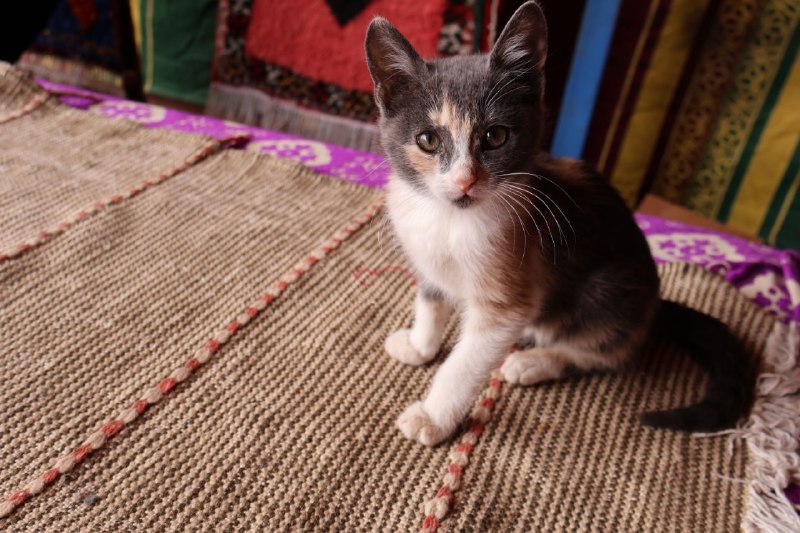
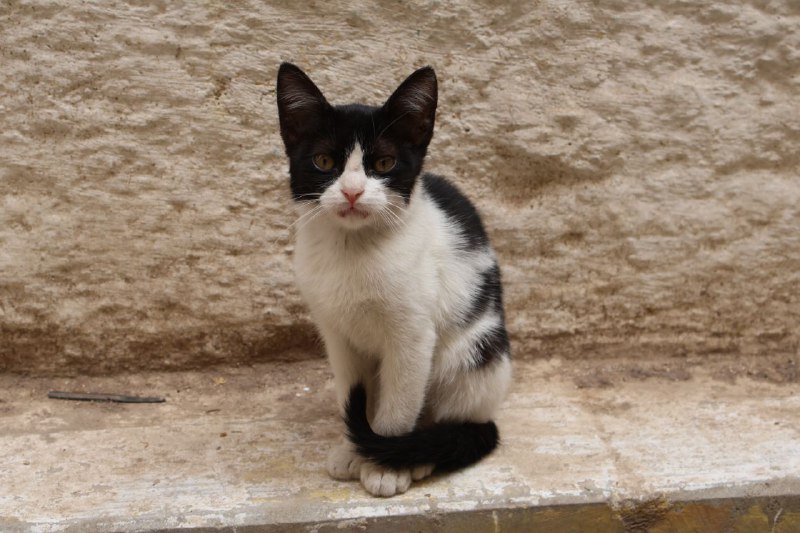
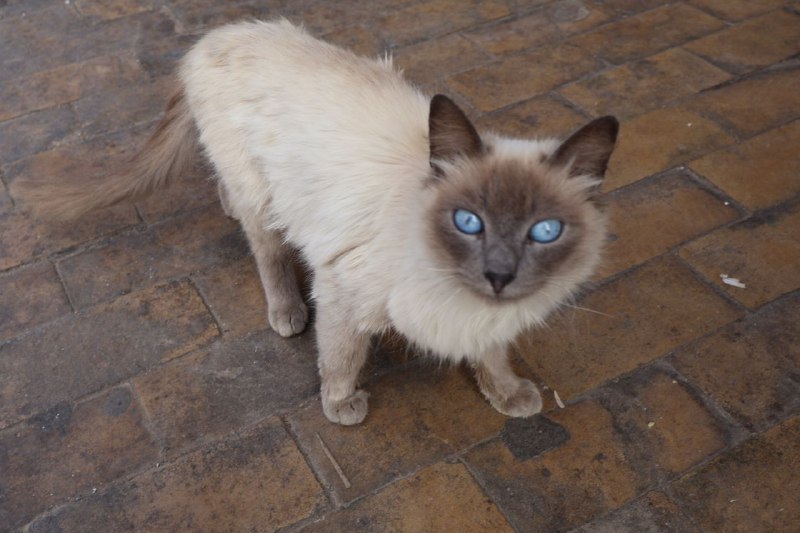
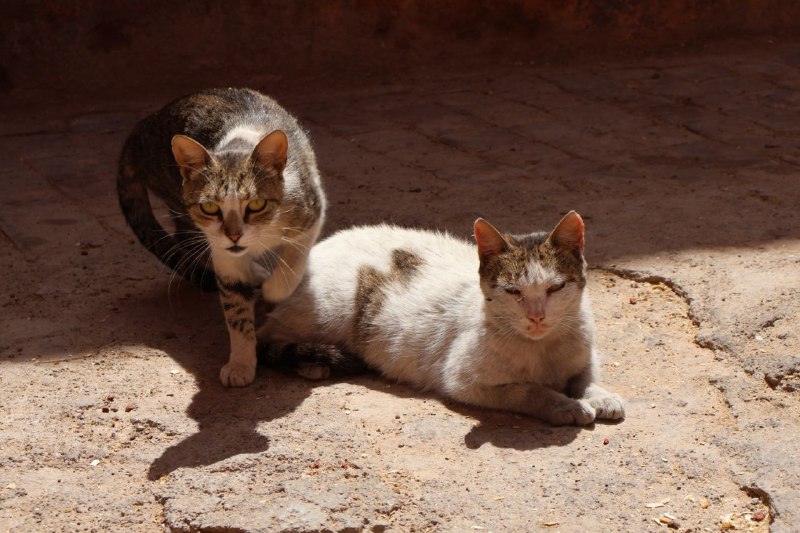
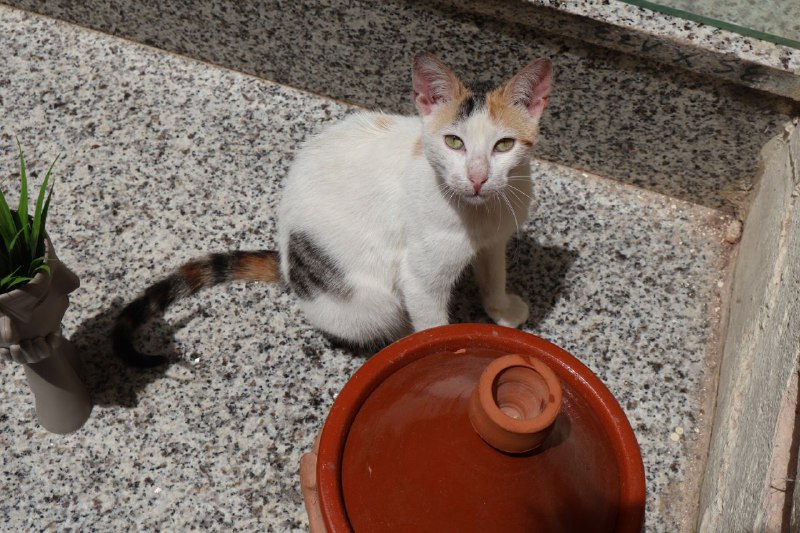
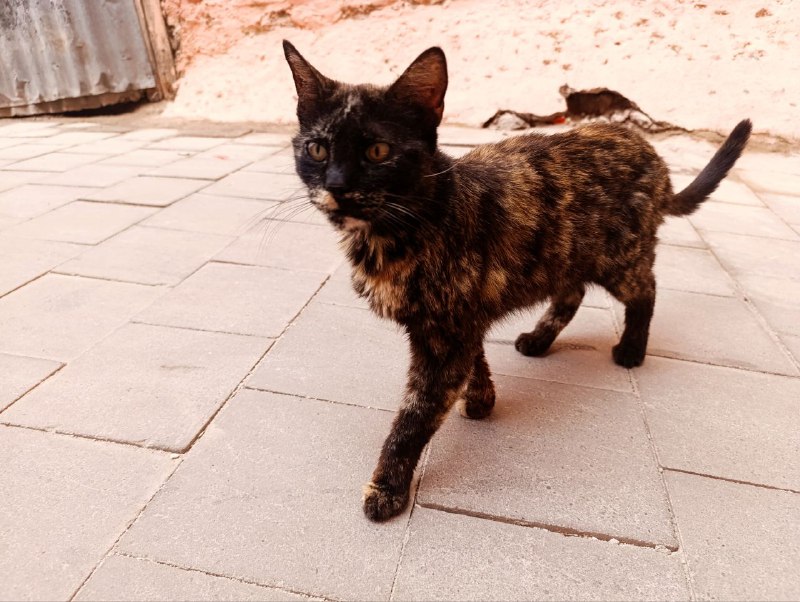
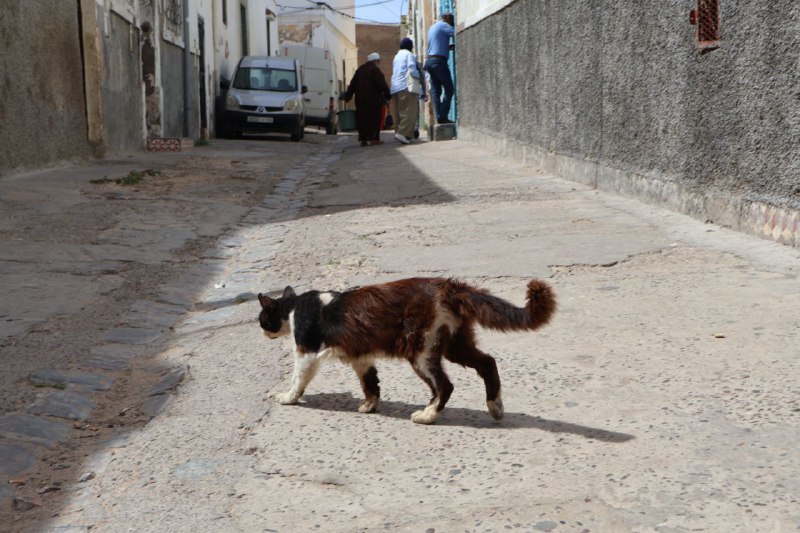
I arrived in Morocco and they've got an endless number of cats here. A worthy competitor to Turkey, though the locals aren't quite as warm to the street cats as they are
in Istanbul.
For some reason, Marrakech especially has tons of tiny kittens, no more than a couple weeks old. They're constantly zooming around on mopeds through the narrow alleys of the old medinas, and the kittens keep trying to dart under the wheels. Thankfully, I didn't witness any incidents or accidents.
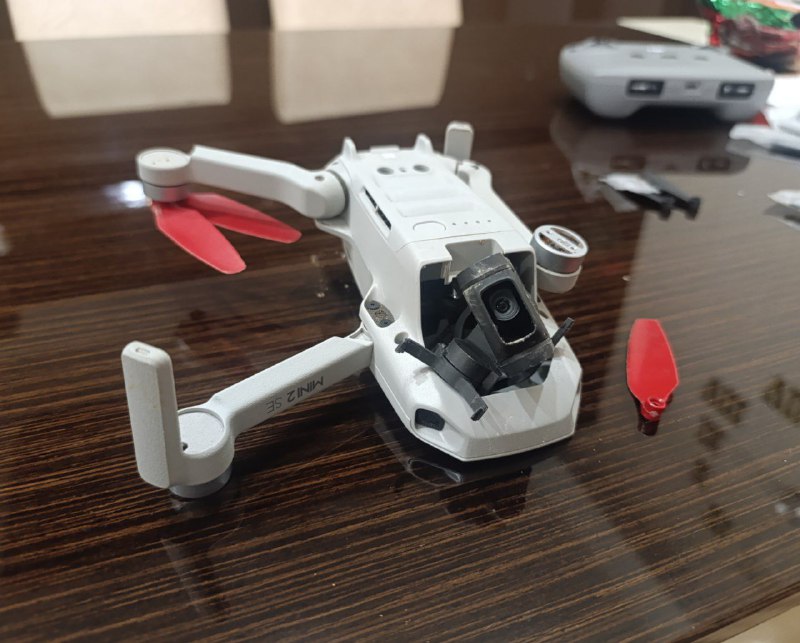
I traveled to Georgia and unlocked a new phobia: an eagle can catch a drone mid-flight and here's what happens 😢
First the drone stopped responding to controls, then I saw a bird's body on the camera feed, and then it went into an uncontrolled dive to the bottom of the gorge and lost signal. I was lucky it fell somewhere accessible on foot, though it took a whole hour to find it.
In the end, the camera got damaged, the cable ripped, everything's covered in sand. Hopefully I can fix it.
 United Kingdom3
 Serbia100
 Bosnia and Herzegovina54
 Turkey42
 United Arab Emirates3
 Brunei2
 Indonesia12
 Malaysia15
 Argentina16
 USA117
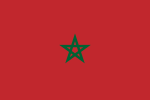 Morocco5
 Georgia5
 Egypt16
 Hong Kong8
 China4
 Vietnam9
 Tunisia7
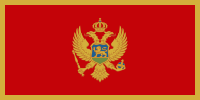 Montenegro9
 Philippines12
 Singapore10
 Oman12
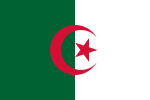 Algeria12
 North Macedonia5
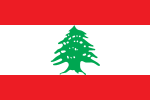 Lebanon11
 Israel27
 Albania17
 Russia63
 Tanzania50
 Netherlands7
 Spain14
 Latvia2
 Germany7
 Belgium3
 France27
 Kazakhstan32