Egypt is a
VERY religious country. More than 70% of the population considers religion an extremely important part of their lives. For comparison, in Serbia that's just over 30%, and in Russia it's 16%.
You can see this clearly even on the streets. In shops and stalls, you often hear audio recordings of the Quran playing. Taxi drivers frequently drive around with the same audio accompaniment. There's an entire radio station (maybe more than one) that continuously broadcasts reciters. I can't really imagine how they work like that every day, but sometimes you just want some quiet.
Regular calls to prayer over loudspeakers and Friday sermons that you hear everywhere are just par for the course.
I've come across elevators more than once that automatically play some prayer while moving. Though honestly, in some of them it seems almost necessary. In the video, it's clear they forgot to build the elevator shaft. And there's no sensor for closing the doors. Very safe.
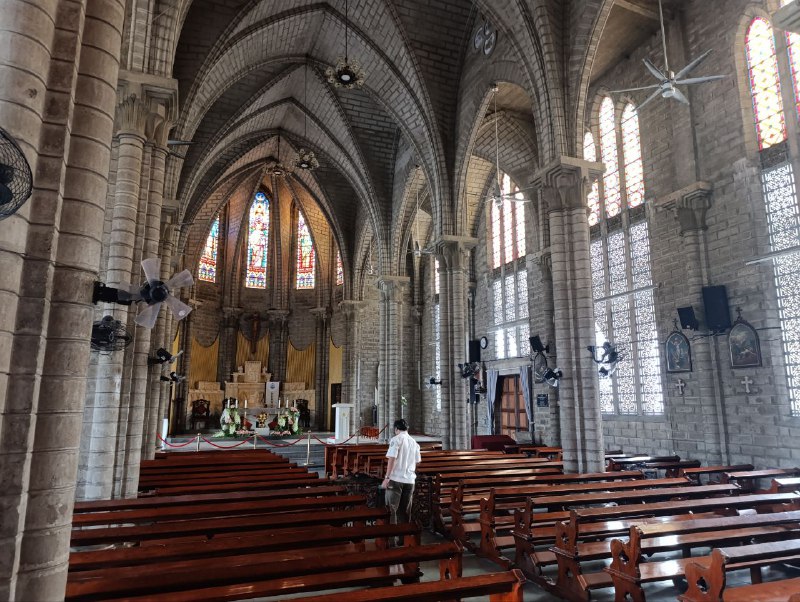
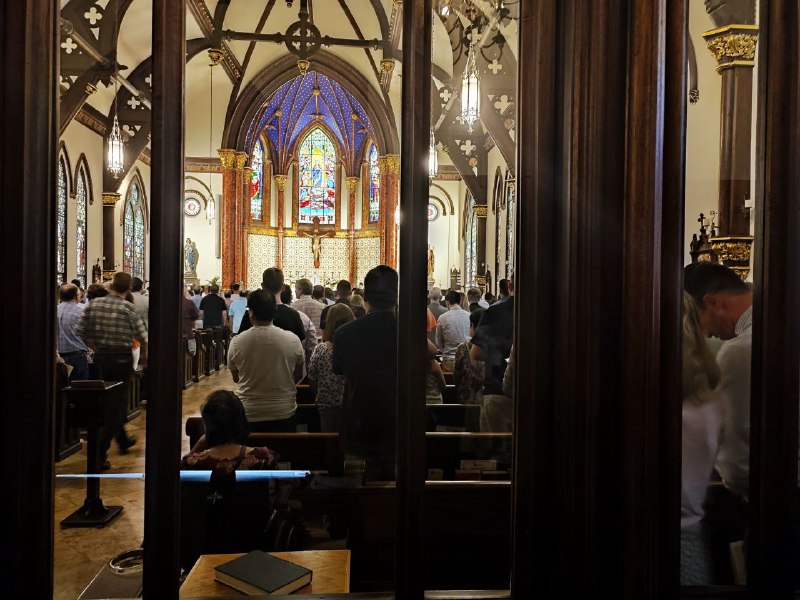
Once I accidentally stumbled into a Christian service. Overall, if you don't know exactly where you are and what's happening, you might not be able to tell it apart from Muslim prayer just by listening. They sound very similar. It makes sense that Abrahamic religions are related. But when both groups recite prayers in the same language, they're like twin brothers.
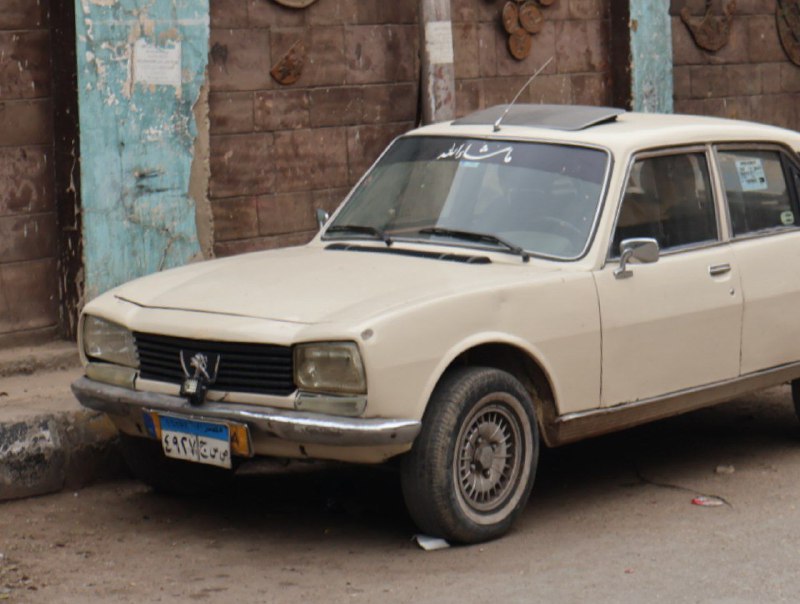
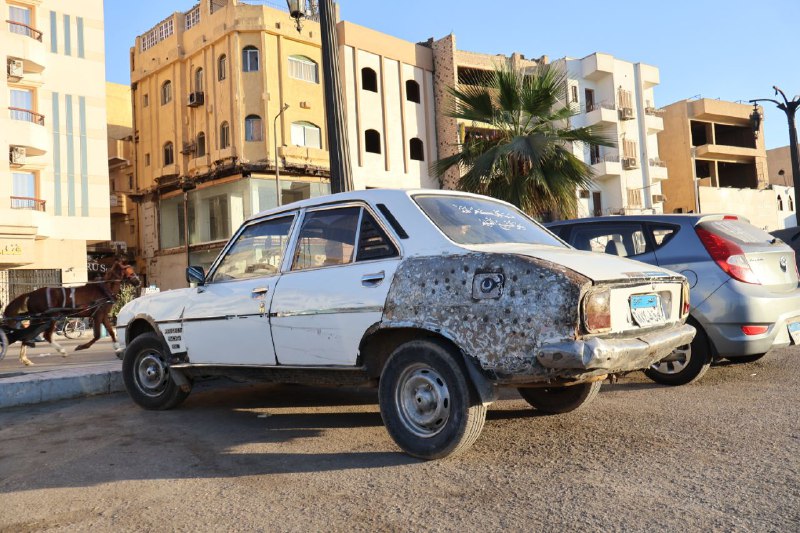
I rented a car in Egypt for some reason. You get used to the local quirks over time, but at first it was really uncomfortable. Traffic during the day is bearable. Good visibility gives you time to react in advance to what's happening on the road. Twice I got held up and experienced firsthand all the joys of night driving.
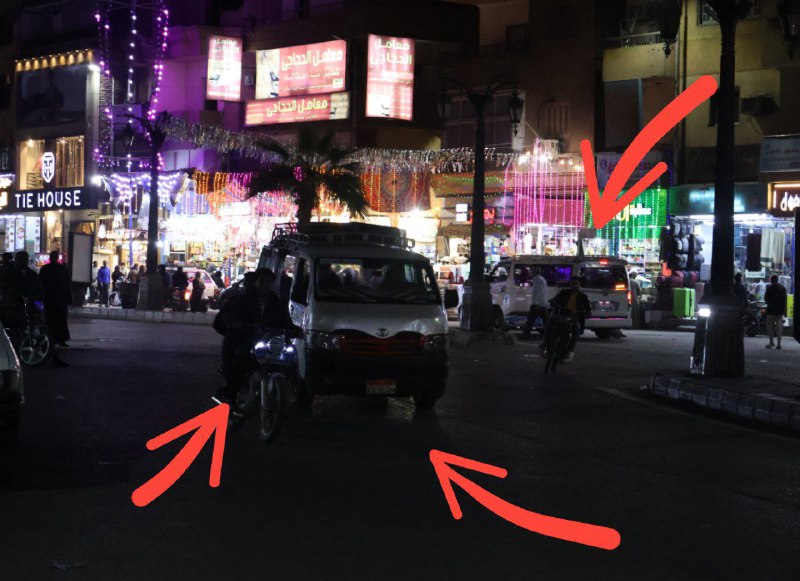
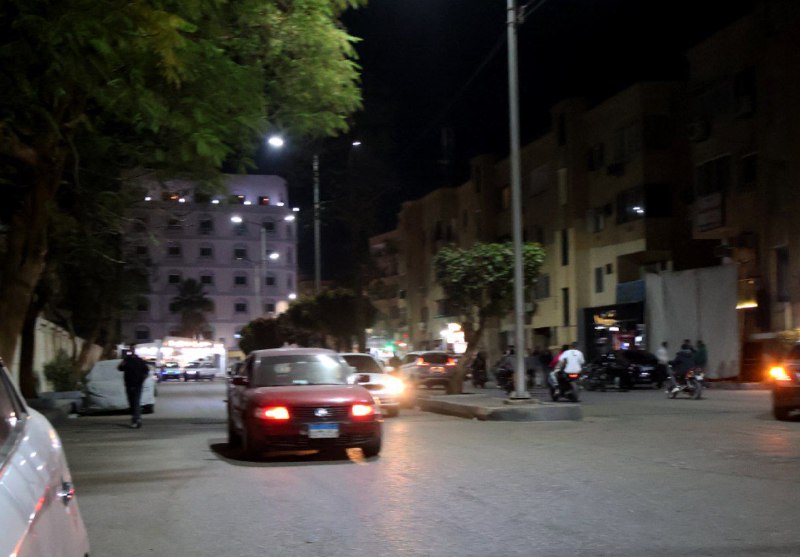
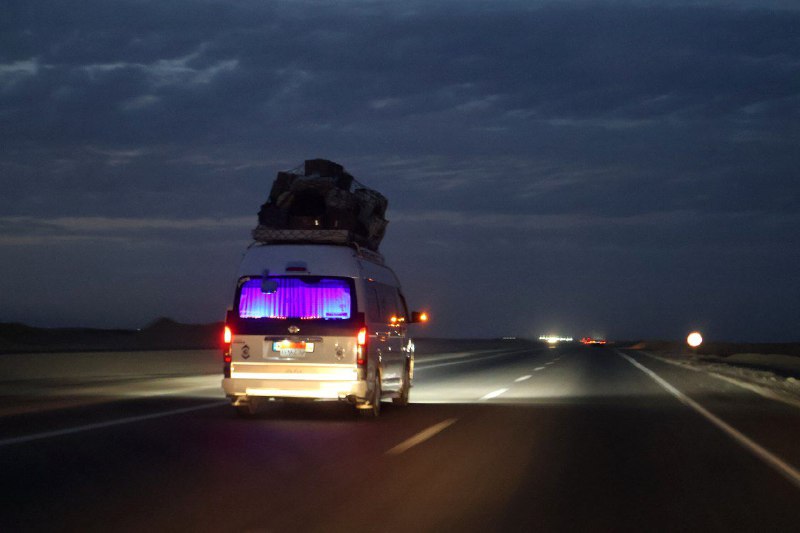
Local drivers have mastered two headlight modes: off and high beams. Hardly anyone uses anything else. And even outside the city, where the road has no lighting at all, you'll find guys driving in complete darkness. Sometimes they decide to show signs of life and flash their high beams right in your face. In the city, more people drive without lights, but at least there are some street lamps there.
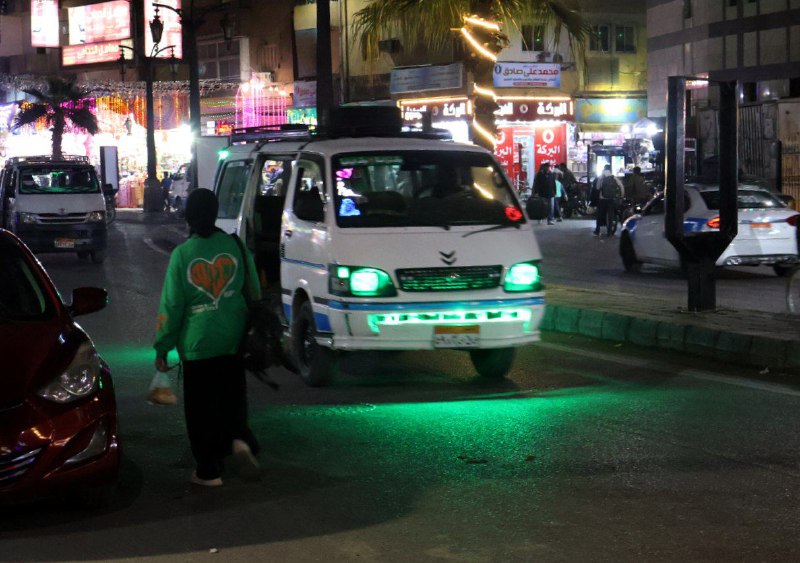
Headlight color apparently isn't regulated, and some car enthusiasts think it's a great idea to make their front lights a different color. Green, blue, purple—okay, fine. But when front lights suddenly look like rear tail lights and come barreling at you head-on, your sense of comfort just evaporates.
Highways outside the city are often physically divided for different directions. But don't relax: the division doesn't mean at all that no one will drive toward you in your lane. Moreover, it doesn't mean that a couple kilometers down the road, you won't be flying the wrong way yourself. Road construction zones are everywhere. They don't put up any signs, as a matter of principle. You just figure it out because the road ahead suddenly ends. Sometimes they'll park a truck there. Then it drives onto the oncoming lane. And after that, it's impossible to tell when the construction zone ended. People just return to their lane wherever they feel like it. So everyone ends up driving in all directions at once. Safety.
There are barely any crosswalks anywhere, so people cross wherever they feel like it. Drivers don't yield to pedestrians, and pedestrians don't expect them to. When you try to yield, you break the system for everyone and other road users stop understanding what's going on and what to do. It's technically possible to cross, but usually when you do, someone hits the gas.
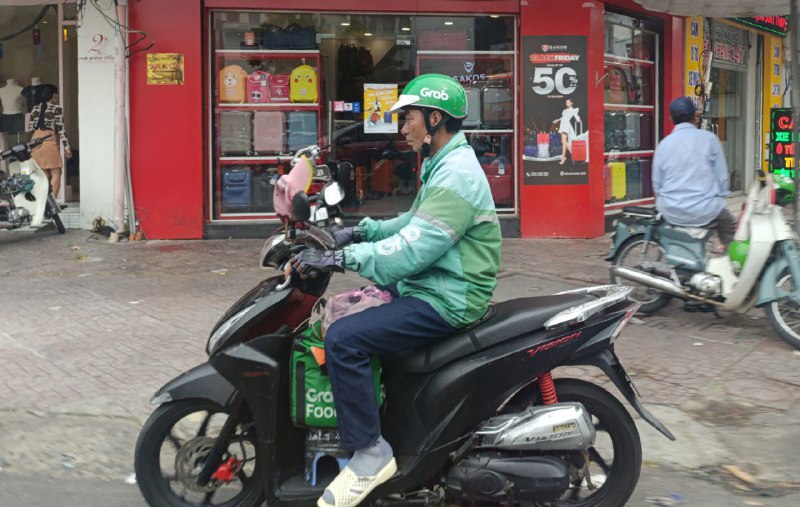
Most bikers in the city ride without helmets. Uber has a bike option. Almost certainly, not only won't the passenger be offered a helmet, but the driver won't be wearing one either. Outside the city, they sometimes wear helmets. The philosophy is roughly: "if the Almighty has decided you're to die today, a helmet won't save you."
I thought I'd escape the Belgrade cold in Cairo, but something went wrong. Even though it's way warmer here, it's not actually that much more comfortable: at night it can drop to +9°C, and nobody here seems to know what heating is.
Warm blankets save the day without a heater, but my expectations were definitely different.
My traditional photo from Sarajevo.
I first found this
location exactly
2 years ago (and still think it's the best) and had breakfast on New Year's Day with this view outside in +15°C! But now everything's covered in snow and it's below freezing.
Happy New Year! Wishing you peace and travels!
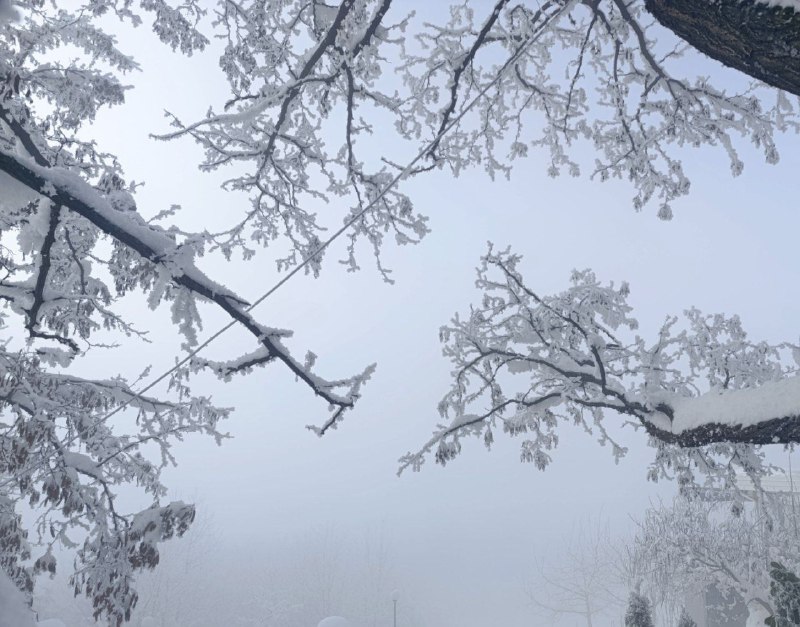
During the last week of December, Sarajevo got a month's worth of snow. Although before that, since 2019, it's been +10 degrees or even warmer during December days. Locals have gotten unused to cold weather. If you venture just a bit outside the city, the views are absolutely stunning!
Thank you for reading ❤️
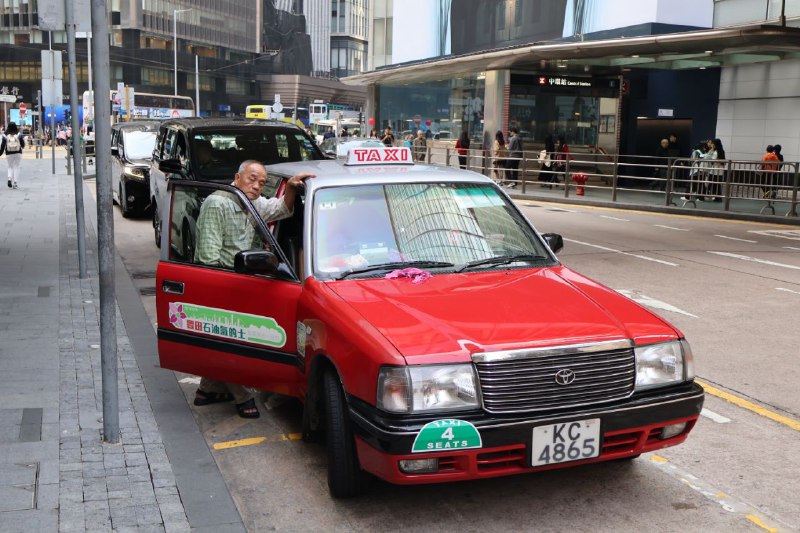
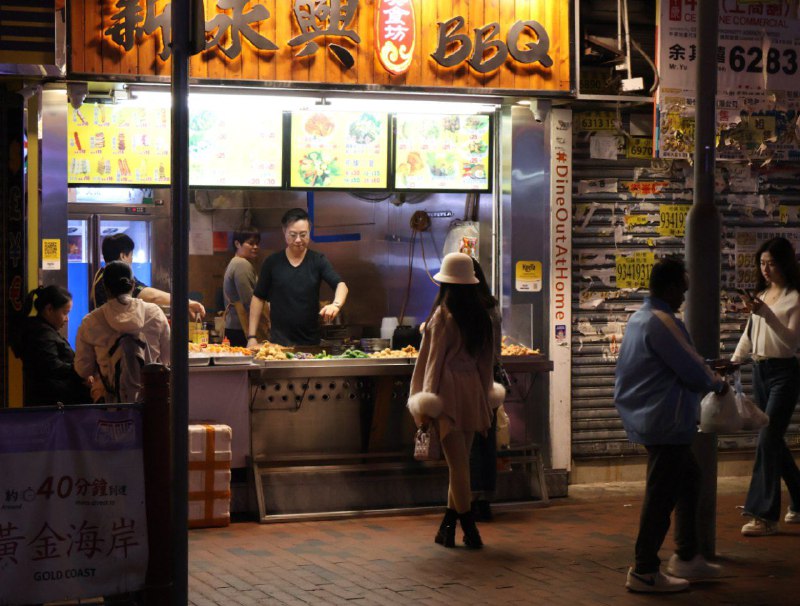
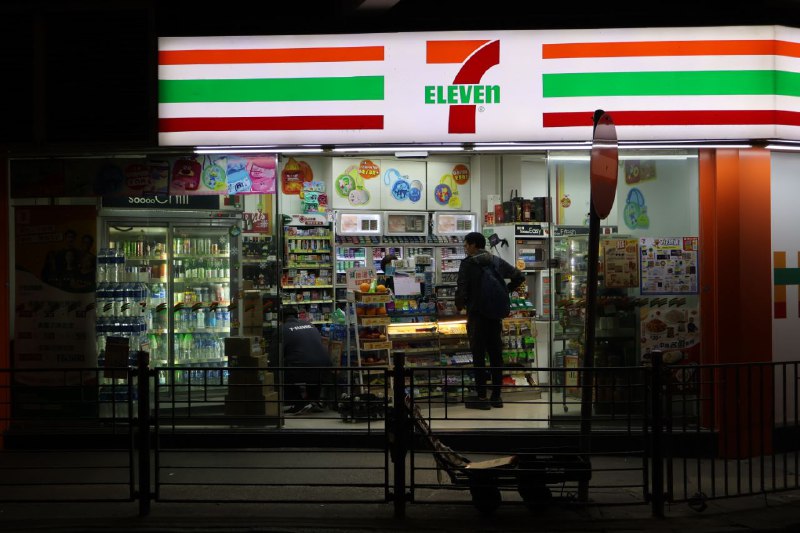
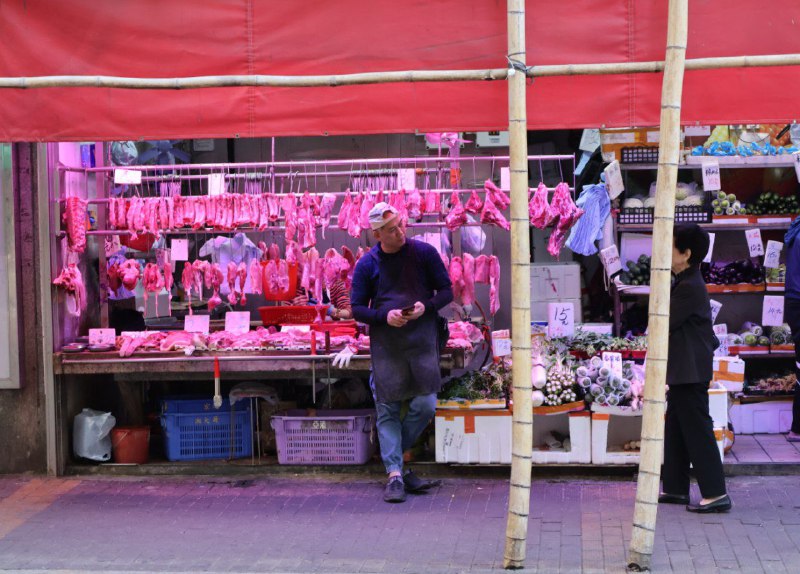
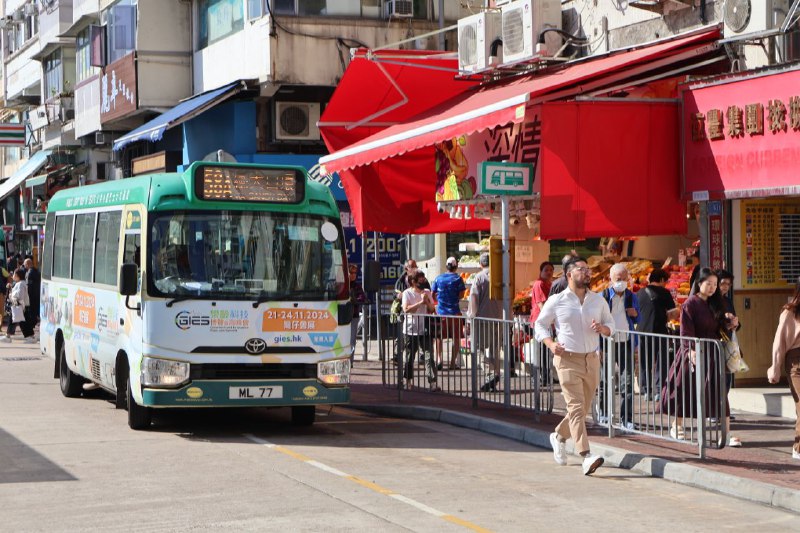
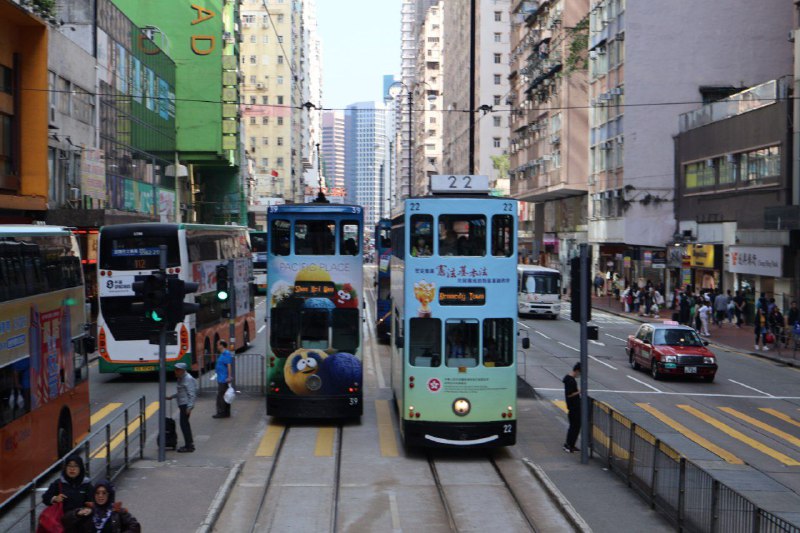
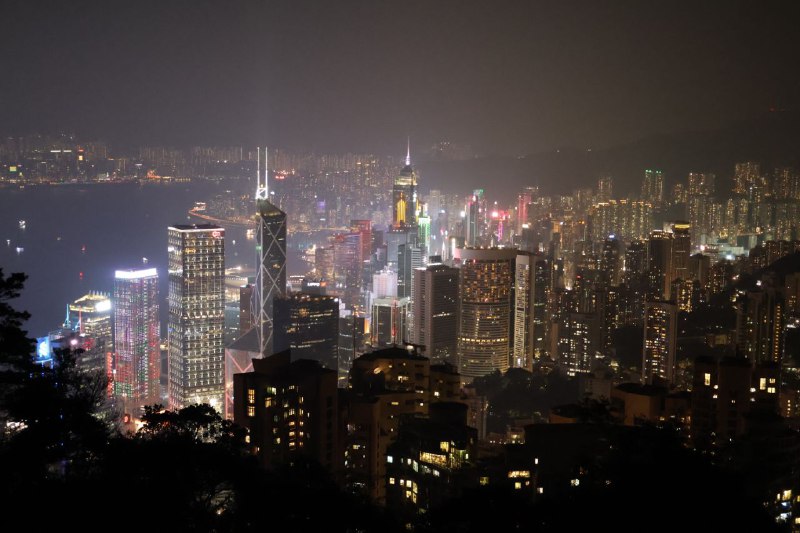
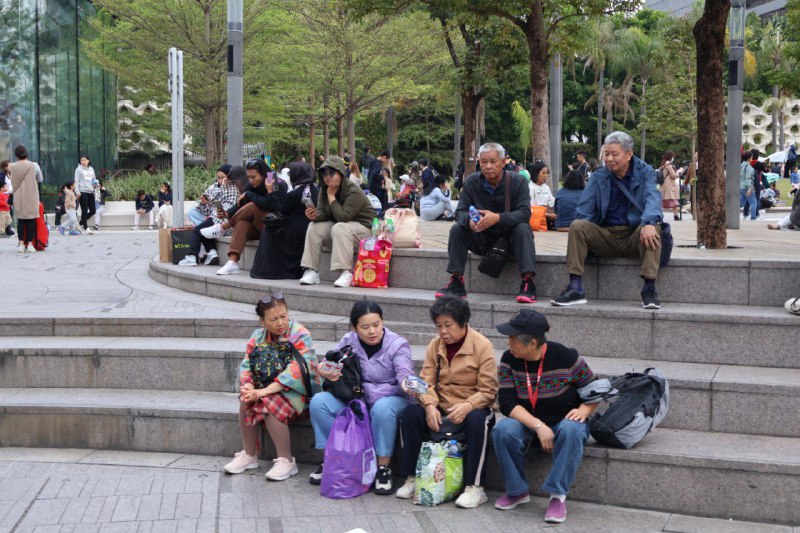
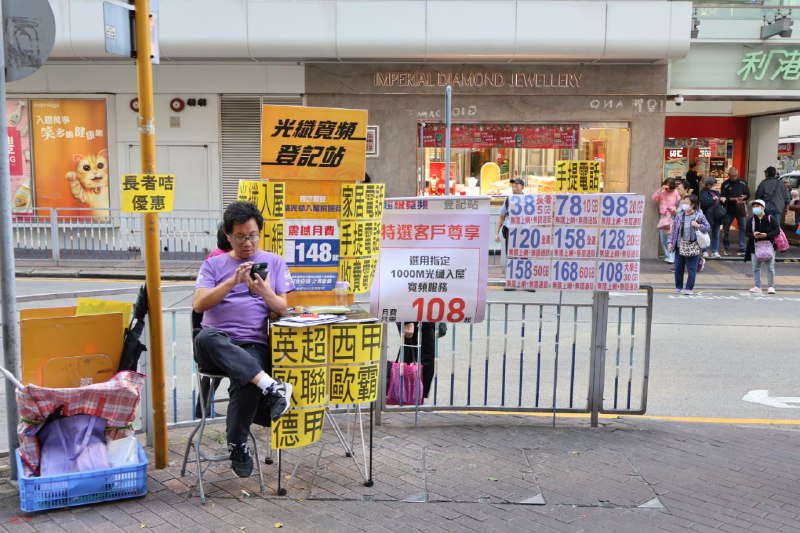
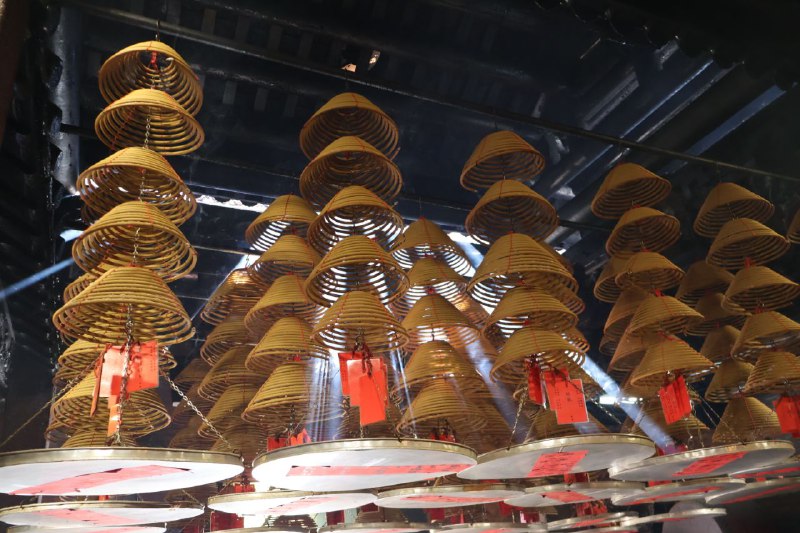
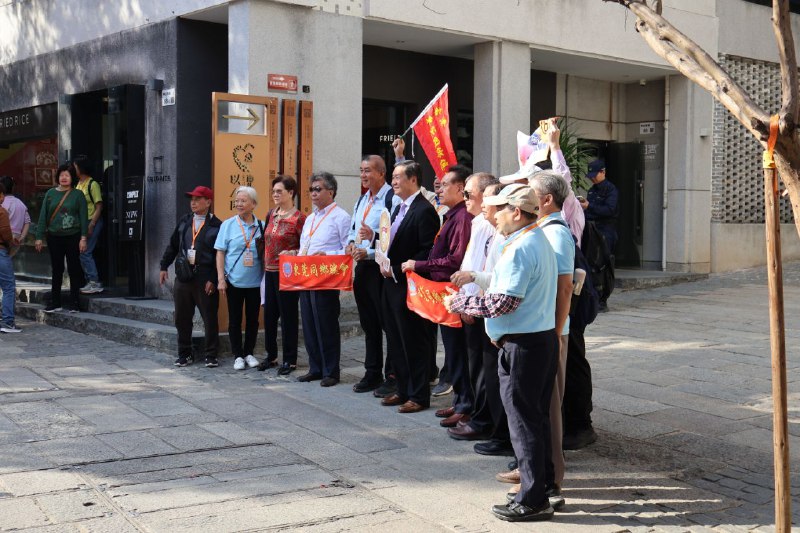
Hong Kong is an unusually photogenic city that makes you want to come back. I'll share some photos here.
(Of course, Telegram compresses the pictures way more than I'd like, but that's how it is)
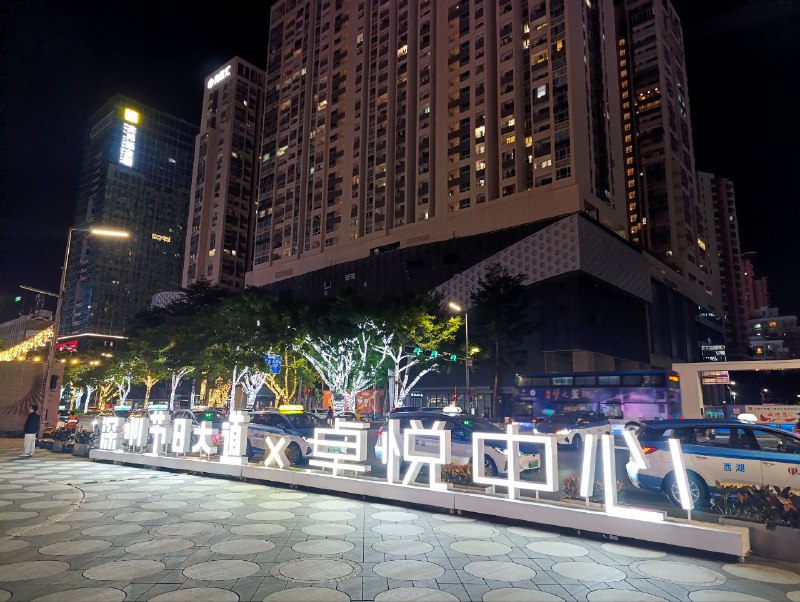
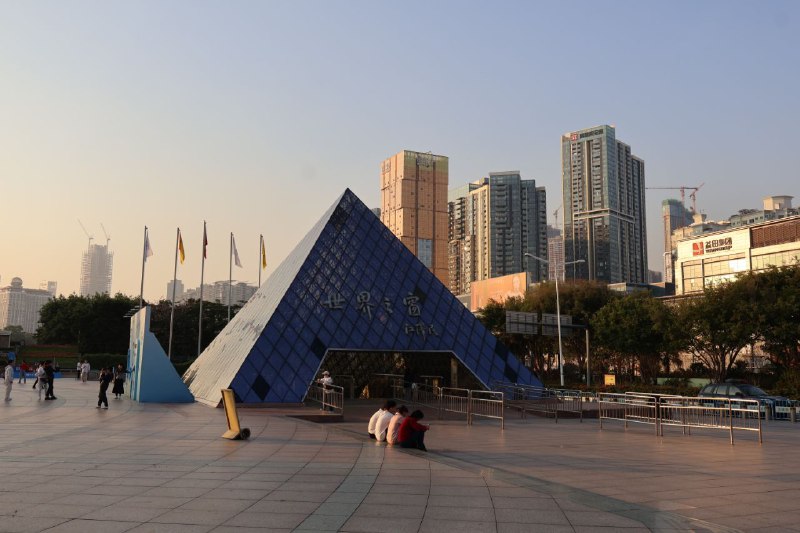
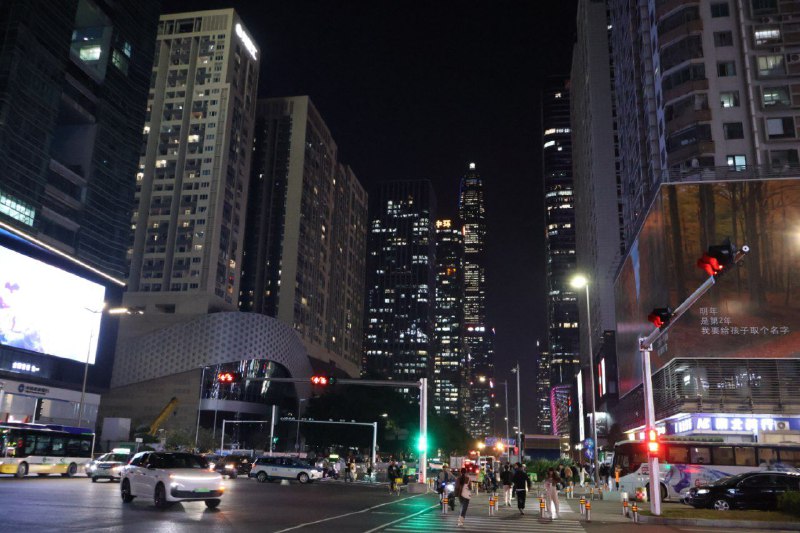
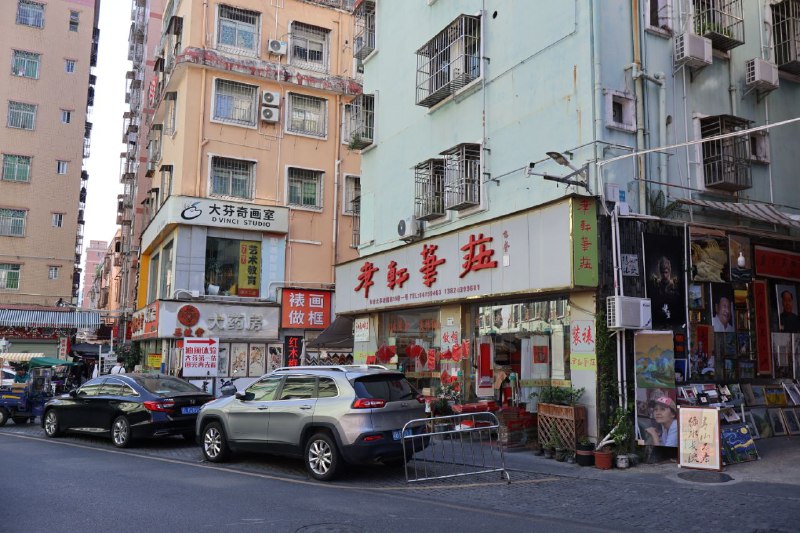
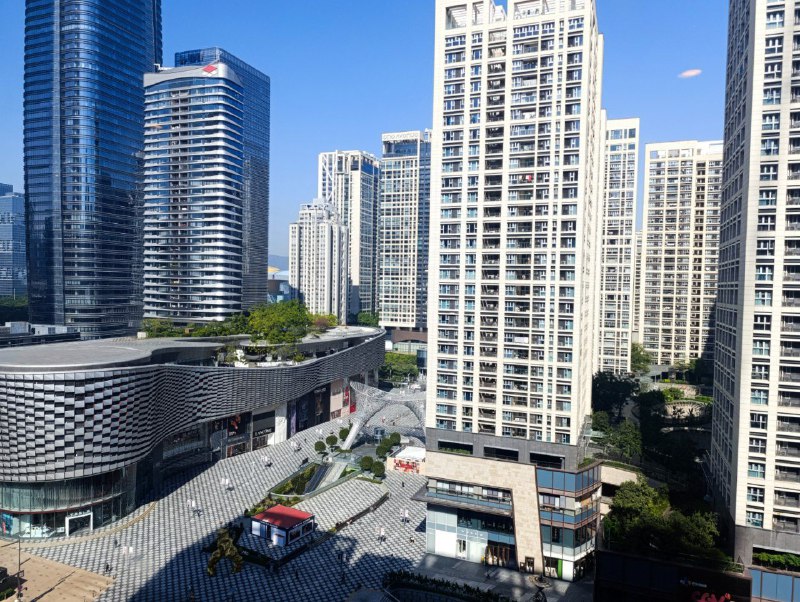
Shenzhen is a really fresh, new city. Back in the early 1970s, it was just a small village of maybe 30,000 people. Today, over 17 million (!) people live here. The skyscrapers are all brand new, like they were built yesterday. Sometimes that's literally true – maps show "watch out, construction zone, don't go there," but by the time you get there, even the construction fence is almost gone and everything's already up and running.
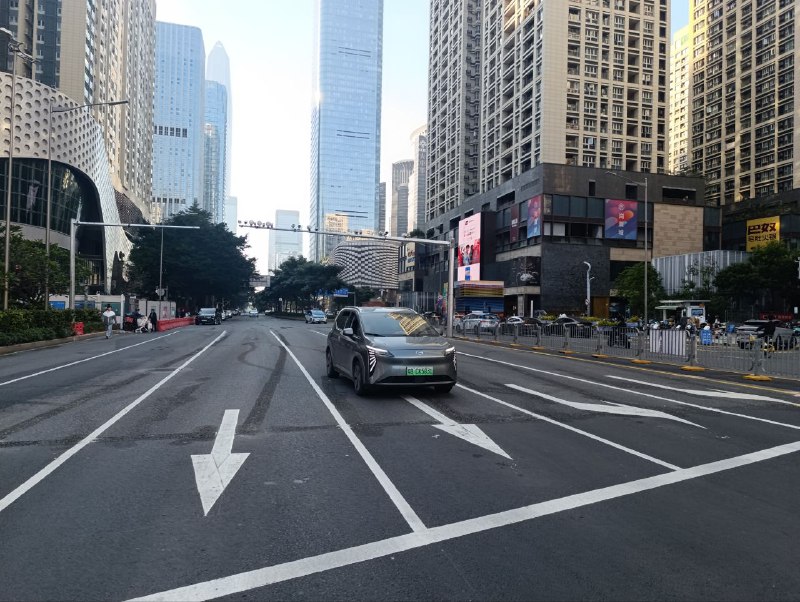
The transportation is excellent. Drivers actually stop at traffic lights (this isn't Vietnam). The only real complaint I have is about the bikers who swarm across the sidewalks. They're basically silent, too. That made it a bit uncomfortable to walk around.
There aren't many foreigners in the city – on a good day, I'd spot maybe a couple of non-locals. Or maybe I just wasn't going to the right places.
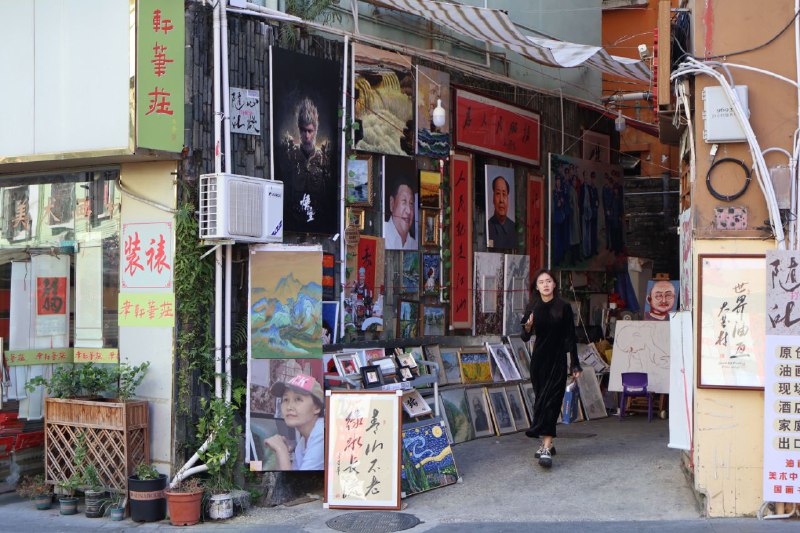
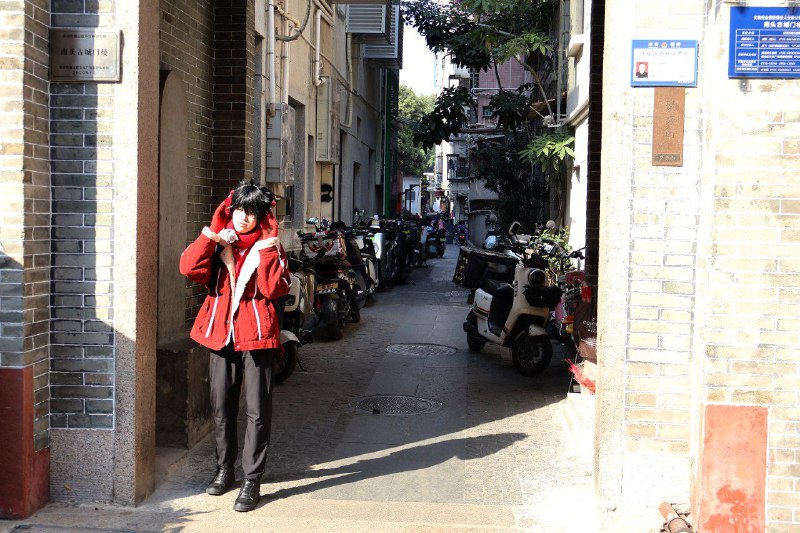
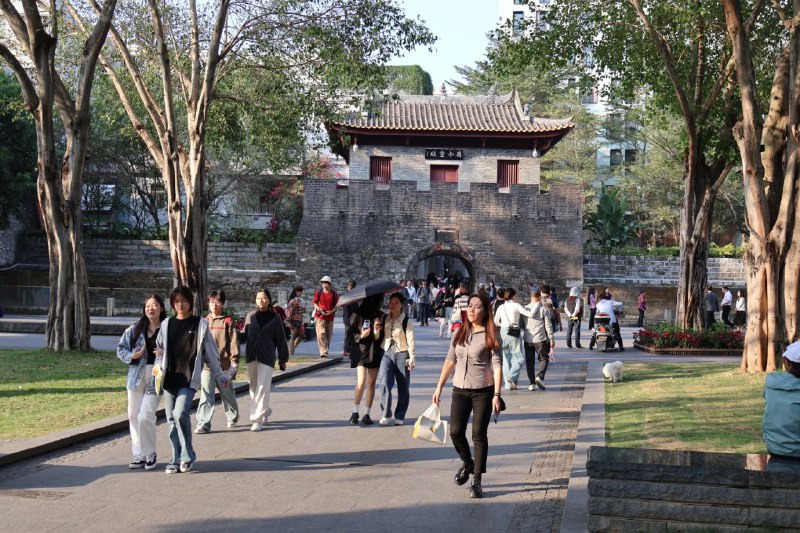
Technically there's an old city, but all that's left of it is the gate. Everything else has been rebuilt, with a million restaurants opened up, mostly for local tourists. Honestly, there's barely anything historical here at all. But it was still interesting to spend a couple of days checking it out.
While I'm living in 2024, China is already in 3024. Not everything about this future impressed me, but I couldn't shake the feeling that I was on a different planet.
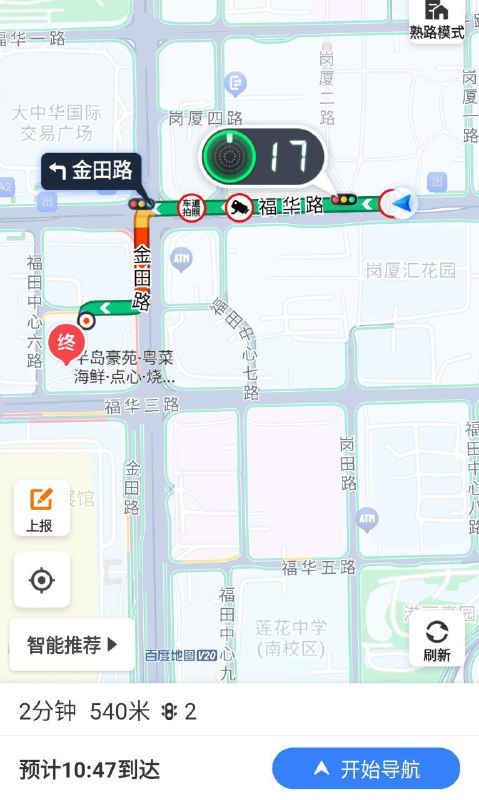
The GPS shows you exactly when each traffic light will change. Every single one. Shenzhen is considered China's Silicon Valley and might be more digitalized than the rest of the country. But still.
The usual apps are useless here. About 90% of businesses are missing from Google Maps. The ones that are there usually have just a couple of reviews at best. And buildings aren't always marked correctly either. Local apps are exclusively in Chinese. The interface is completely counterintuitive. I literally had to figure it out through trial and error.
I tried paying with cash at a couple of places. Once, a cashier pulled out a dusty box of bills from somewhere under the counter and counted out my change. Another cashier went to ask their manager where they even keep paper money. People here pay with QR codes using AliPay or WeChat. I used the first one—it's easier to register and has English. You link your card and you're good to go. Perfect for a short trip. WeChat has more features but registration is a hassle. Sometimes you walk into a restaurant and everything's through WeChat. Staff even shared their phones so I could place an order.
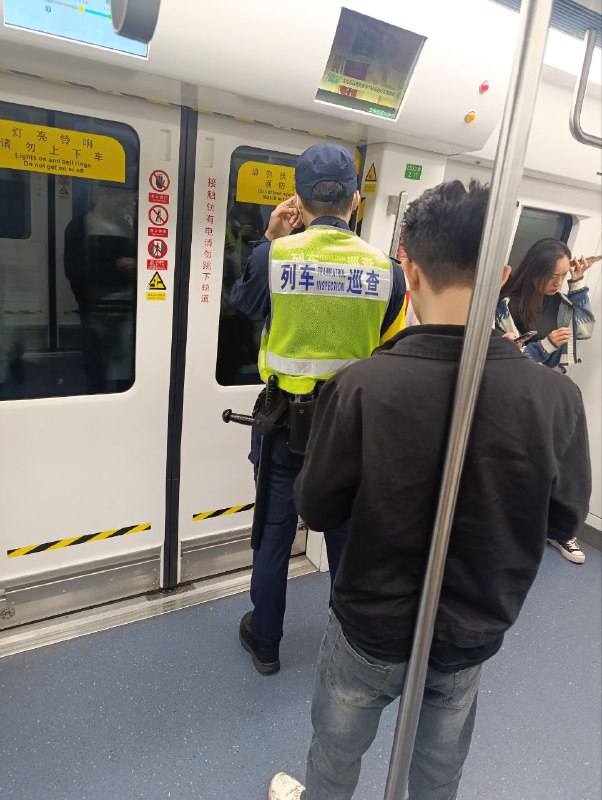
On EVERY subway train there are a couple of uniformed officers keeping the peace. They just walk around the train while it's moving and keep an eye on things. There are watchers at stations too. I don't understand how people in other countries survive without this kind of supervision.
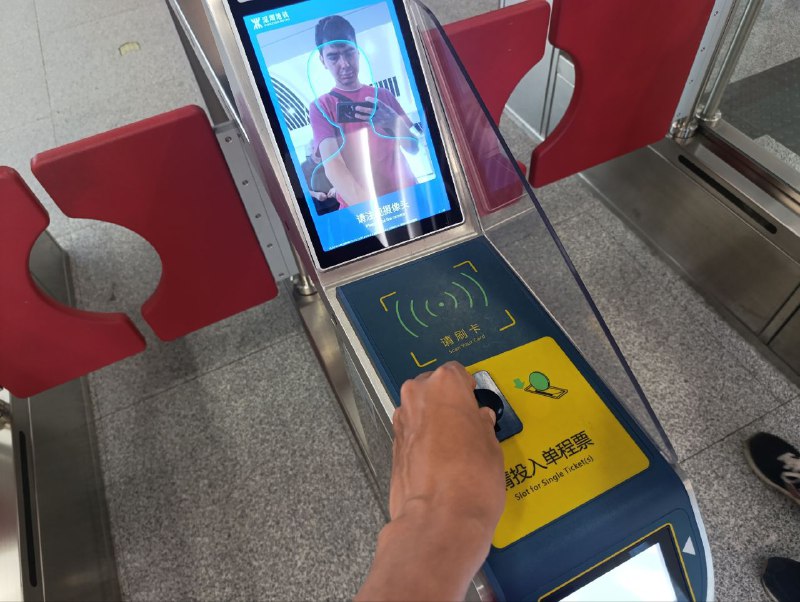
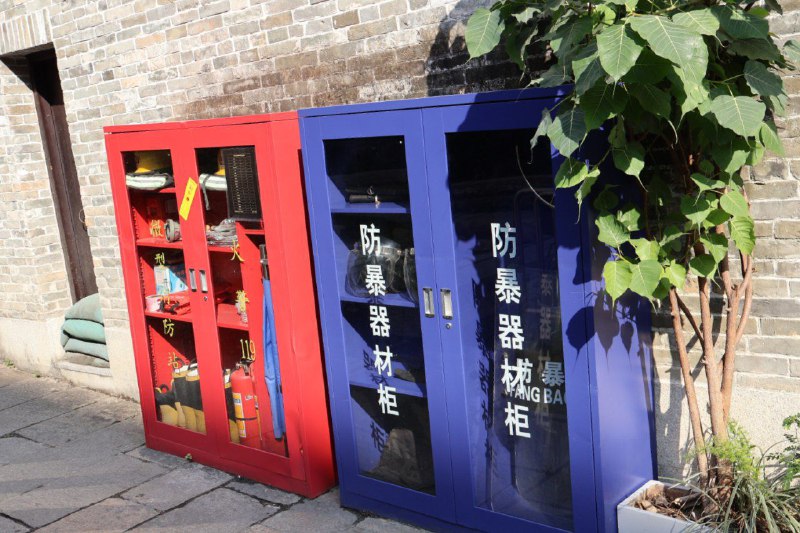
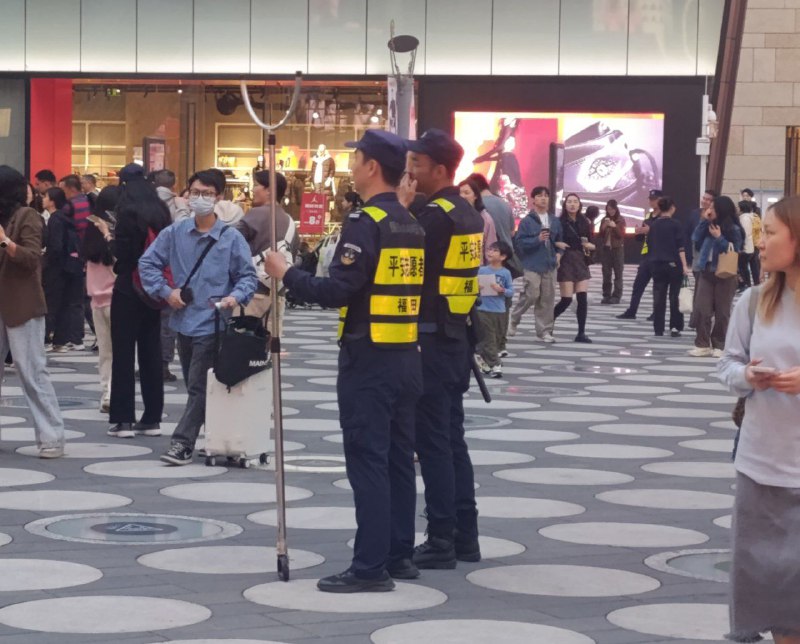
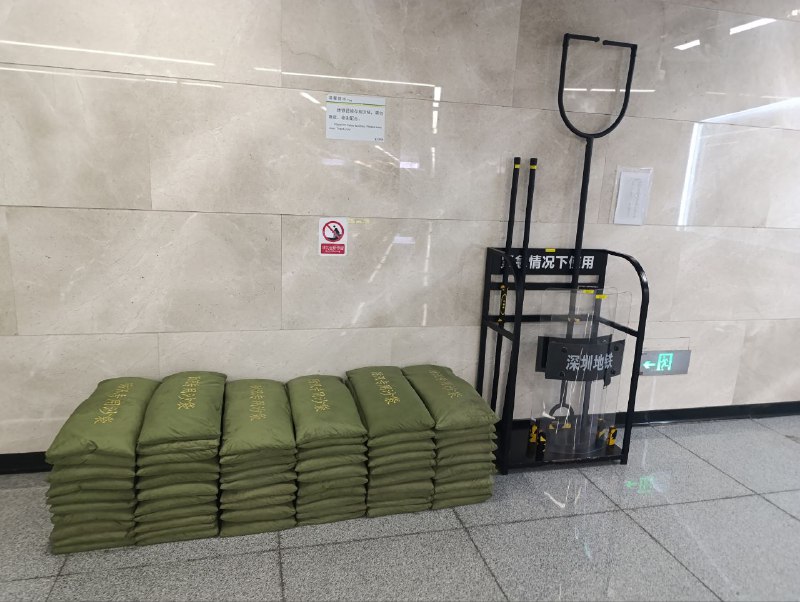
Both in the metro and on the street, riot shields and batons for restraining aggressive people are just sitting there in plain sight. They don't look chained up or anything. Anyone can grab one. And you see this stuff everywhere. I once saw a guy react way too emotionally to his metro ticket not working—he started yelling at an employee. Several officers immediately rushed over with these batons ready. But surprisingly, they didn't tackle him. They just calmed him down with words and let him go. Maybe there'll be consequences later.
It felt like most cars are electric vehicles. Motorcycles are all electric too. The noise from traffic is noticeably lower than anywhere else. Mobile vending machines selling trinkets drive around shopping malls. Though there are stationary ones too. I saw drone deliveries a couple of times.
There are plenty of
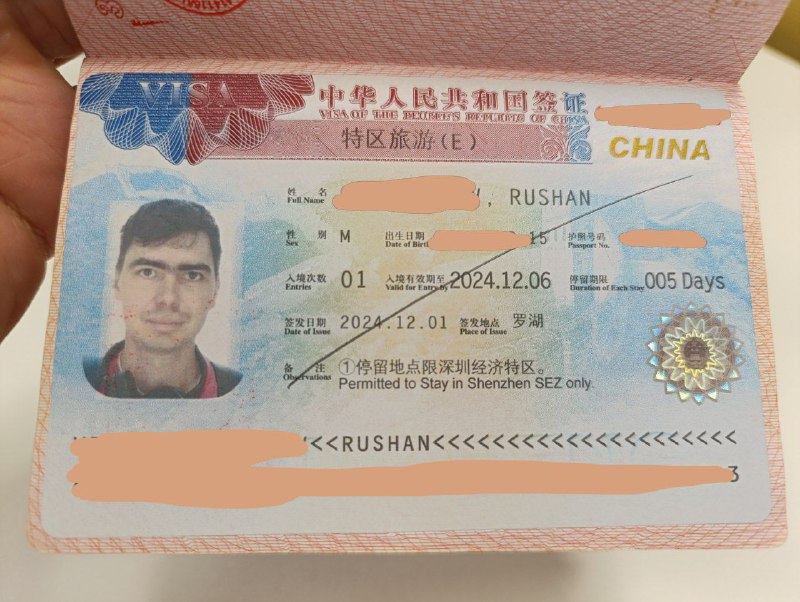
ways to get into China visa-free. But there's also an option to
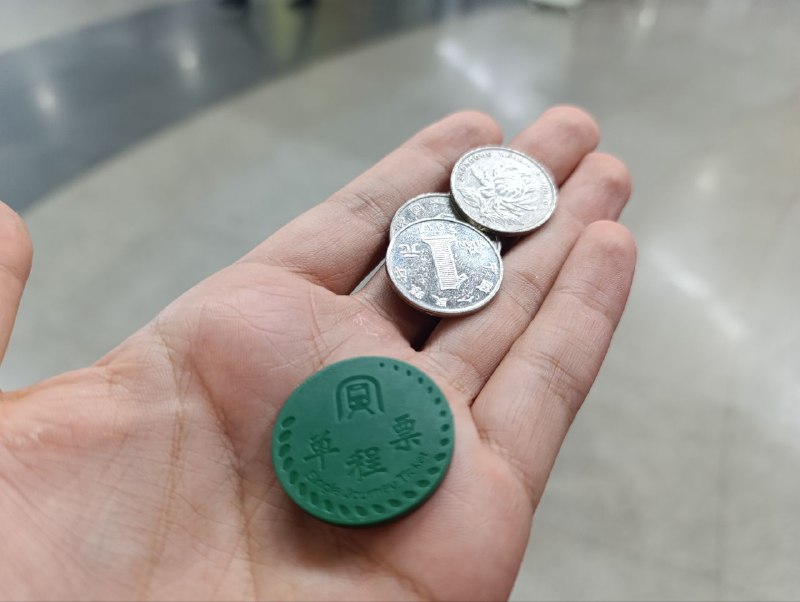
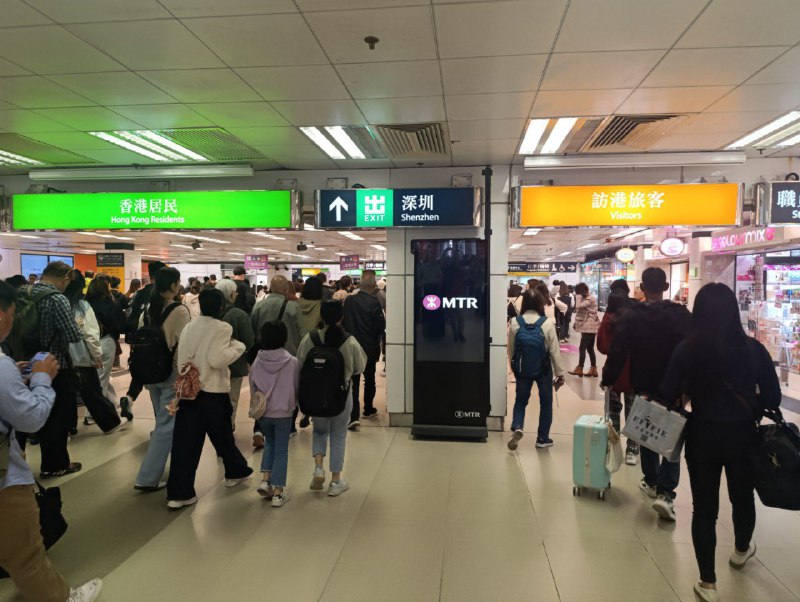
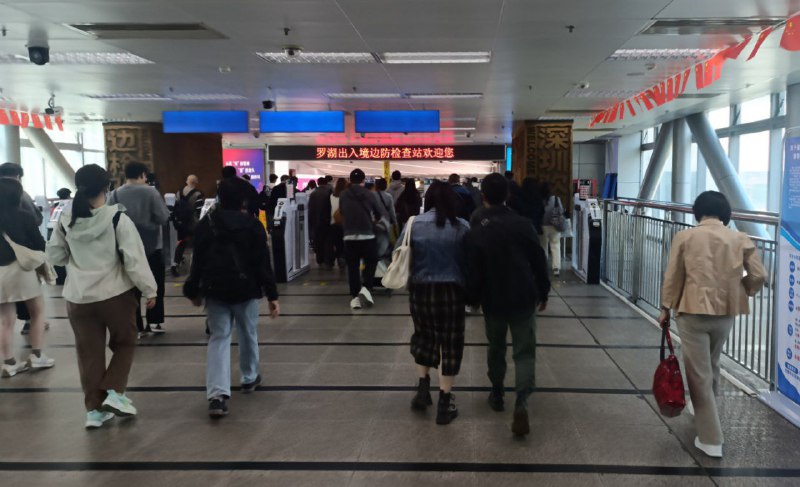
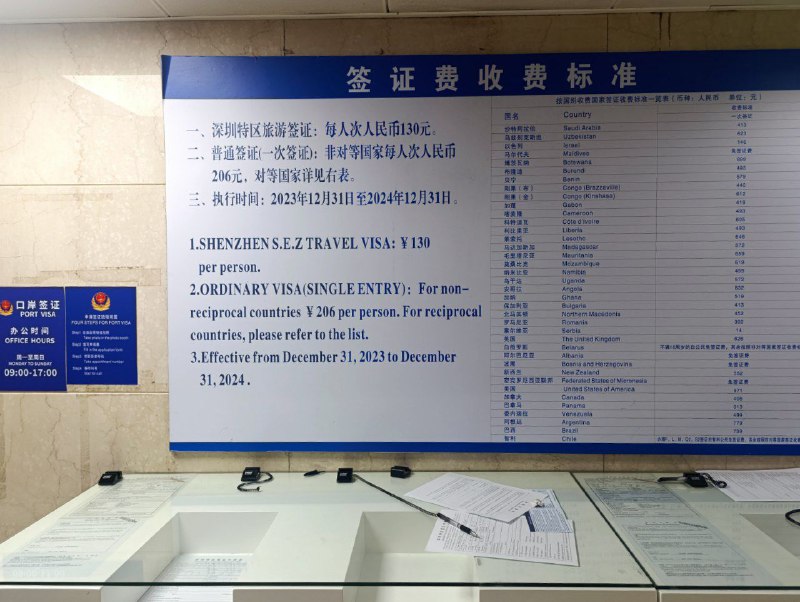
get a visa right at the border. You literally just take the metro from visa-free Hong Kong to the border checkpoint
LoWu and get your passport stamped. And you're straight into China. This method lets you move around the Chinese side only within the
Shenzhen Special Economic Zone for no more than 5 days, but that worked fine for me.
This year, the visa on arrival got a lot cheaper. Instead of the old nearly 400, they're asking 130 yuan now (~17EUR). The amount depends on your passport color. The whole procedure, including getting through the border itself, took less than two hours. I didn't find the scary queues everyone warned about on forums. You just fill out a form on the spot, get your photo taken in a booth, pay the fee (cash yuan / international cards / everything's top-notch), and wait for your stamp.
I've never taken the metro to the border before. And then you leave the same way. Super convenient. Though there are taxi drivers on the Chinese side trying to convince you to go straight to the city center.
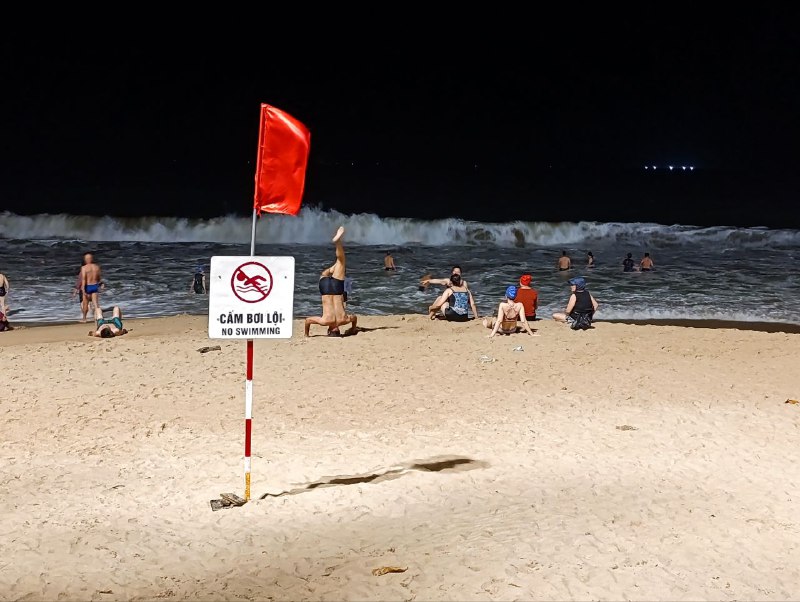
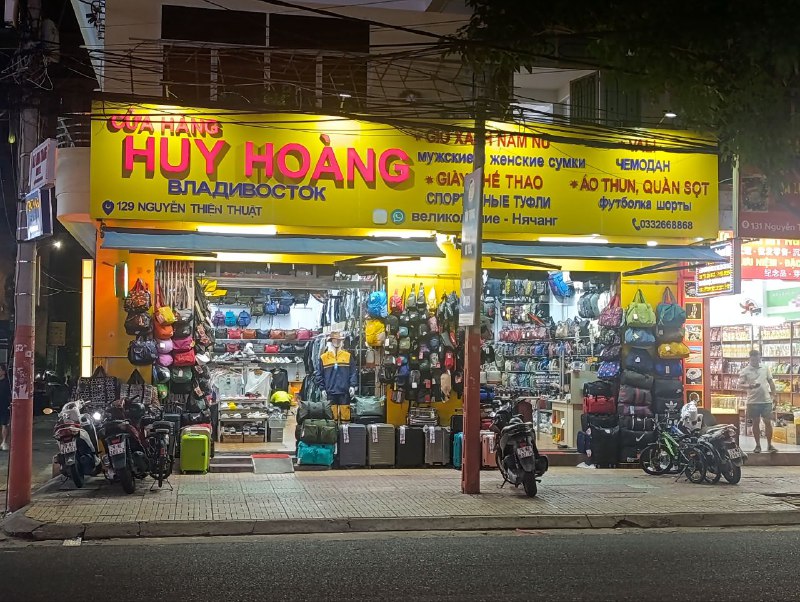
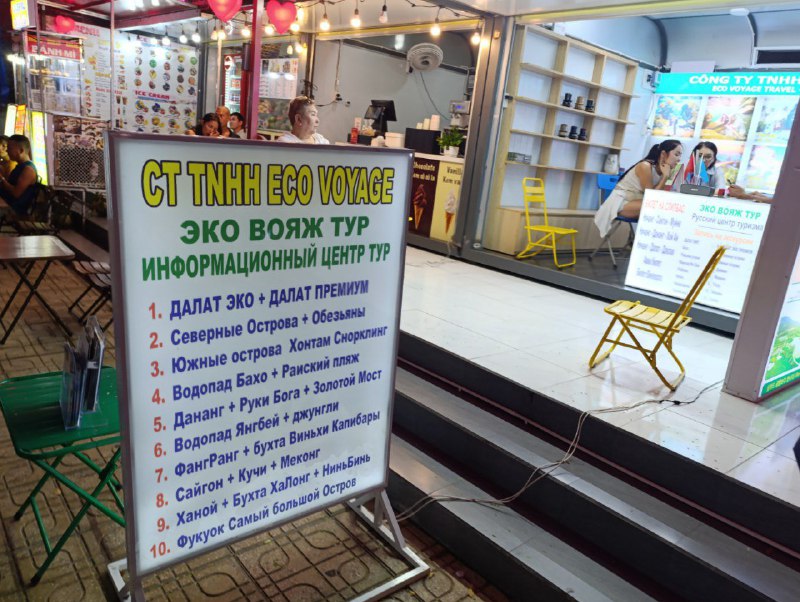
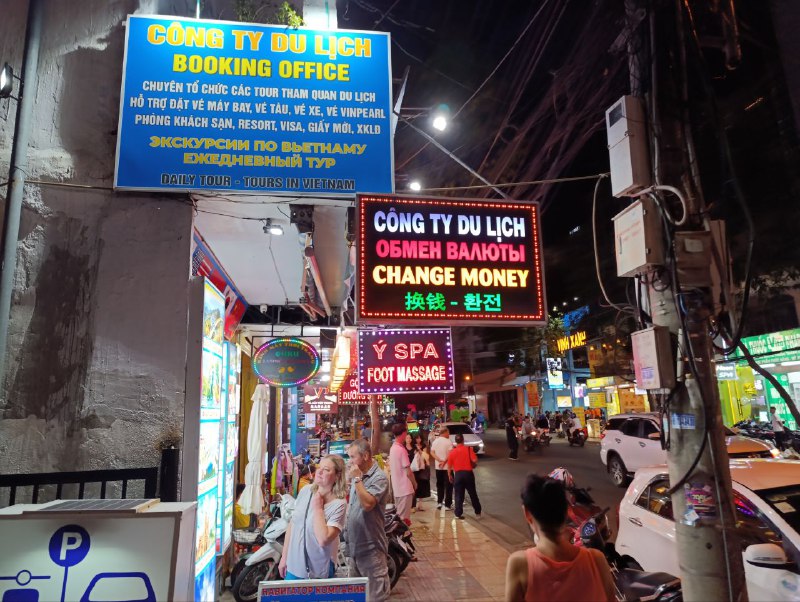
Vietnamese Nha Trang is a really strange city. Looks like it's basically Mecca for Russian-speaking tourists. It honestly feels like I ended up at some resort in the Krasnodar region. Well, almost.
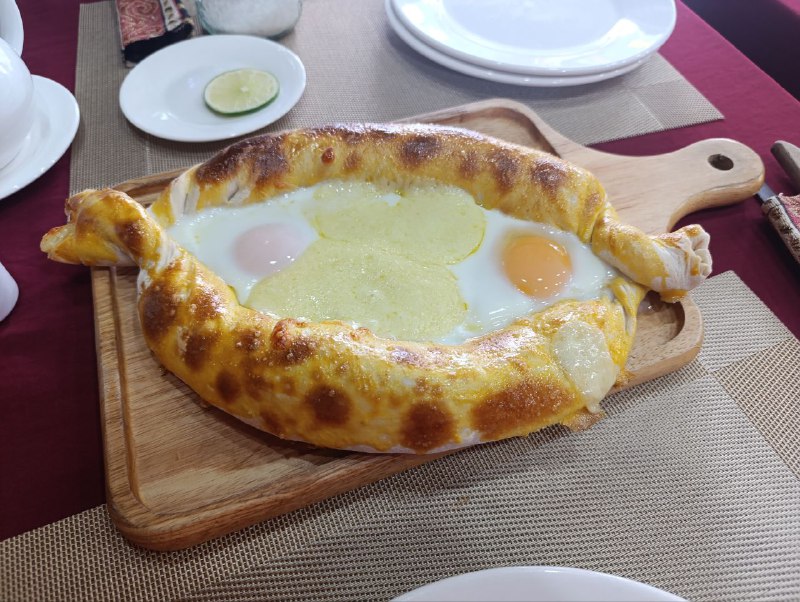
There's like a billion advertising signs in Russian, tons of restaurants with khachapuri, pilaf, and all sorts of post-Soviet cuisine. Sometimes they even serve you in Russian. Though usually it's not the locals doing it. But at the markets, locals have definitely picked up how to count in Russian pretty quickly. And you hear the language on the streets all the time.
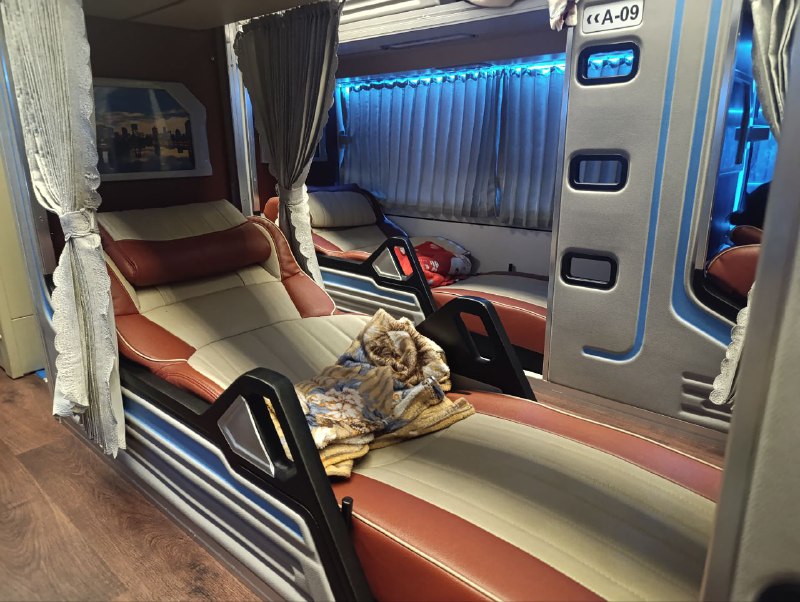
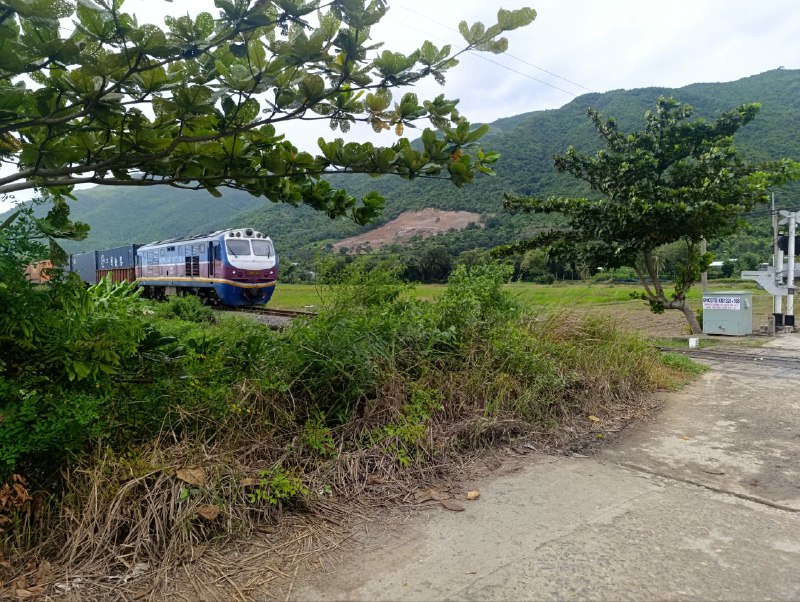
I got to Nha Trang on an overnight bus. The sleeping berths are comfortable—you sleep like you're in a bed. Best to grab a seat away from the driver though. They honk constantly the whole way, so good luck sleeping. Plus the bus can arrive earlier than scheduled. Instead of the promised 6 AM, the driver poked me awake and dropped me off at 4.
Good thing I only planned to stay one night. Pretty quickly I was dying to get back to Ho Chi Minh City—honestly, there's nothing to do here.
Beam I missed the speck in my own eye. Literally.
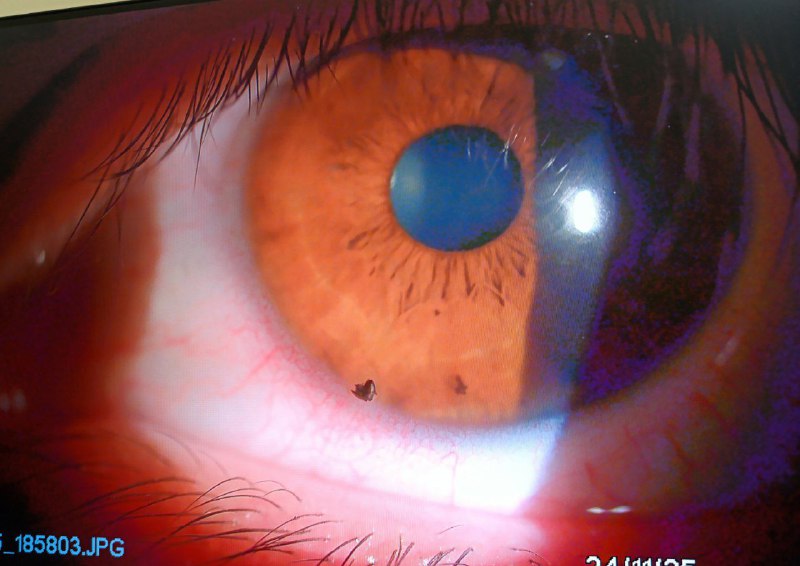
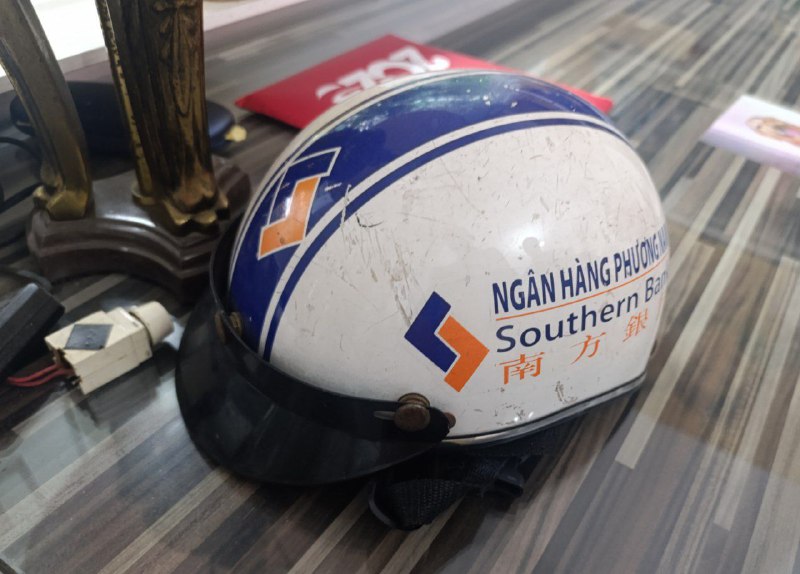
In Vietnam, rental bikes come with bowler-style helmets. No protective visor. The locals basically all ride like that. I watched them and did the same. On the road, a tiny gnat flew straight into my eye. It got in so well that I couldn't get rid of it on my own. I couldn't even see it myself. But it was definitely uncomfortable.
I went to the nearest private clinic, and without any prior appointments, they took me straight to the doctor who pulled this thing out with a regular cotton swab. Man, it felt amazing to realize there was nothing in my eye anymore. For a few days after that, I got tired from screens much faster than usual, but eventually everything went back to normal. Riding bikes without eye protection is definitely not worth it.
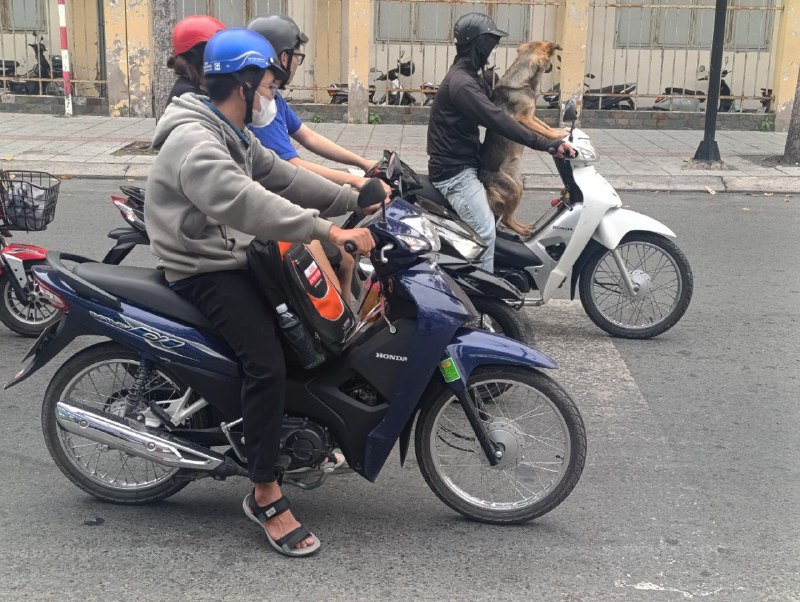
Traffic in Ho Chi Minh City is absolutely insane. In smaller cities it's easier. The main rule is to give way to bigger vehicles. Nobody lets pedestrians through at all. You just have to throw yourself into traffic and hope they drive around you.
PS. If you're responsible and don't go anywhere without travel medical insurance, stay responsible all the way and thoroughly figure out how to use this thing BEFORE your trip. Dealing with it in an emergency situation is pretty rough. I checked. My instructions said "contact us on Viber and we'll tell you where to go." Except these Serbian guys showed signs of life 6 (six!) hours after I reached out, when I'd already given up and went to get help without their blessing. But they promised to reimburse everything.
If Vietnam spoke a Slavic language, it would be called South-Vietnam (literally "nam" = south, "viet" = Viets, the most numerous ethnic group in the country).
I wasn't ready for local prices. In Da Nang, you can find a pretty decent hotel for about $100. Plus breakfast included. If you lower your standards a bit, there are solid options for $50. Except this price is not per day, but per week of stay. I honestly thought it was some kind of mistake. But no. After
Boston's $350 this is especially impressive.
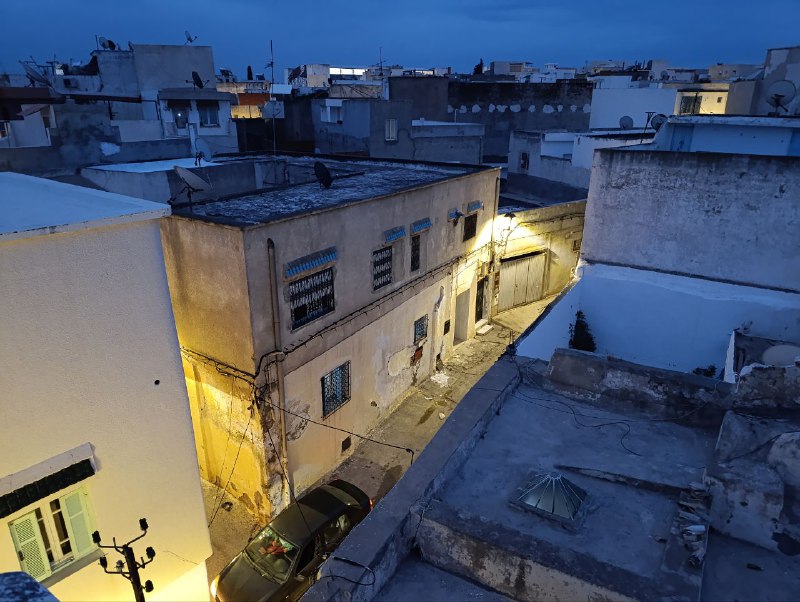
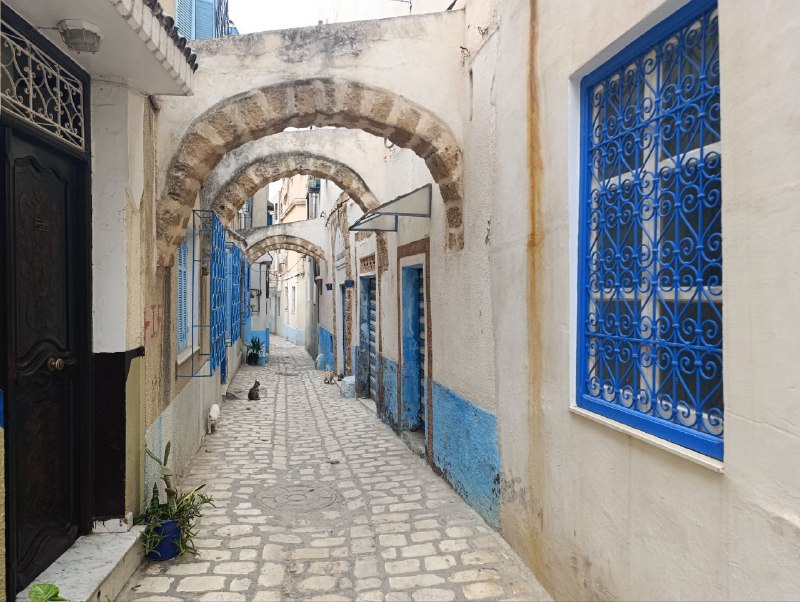
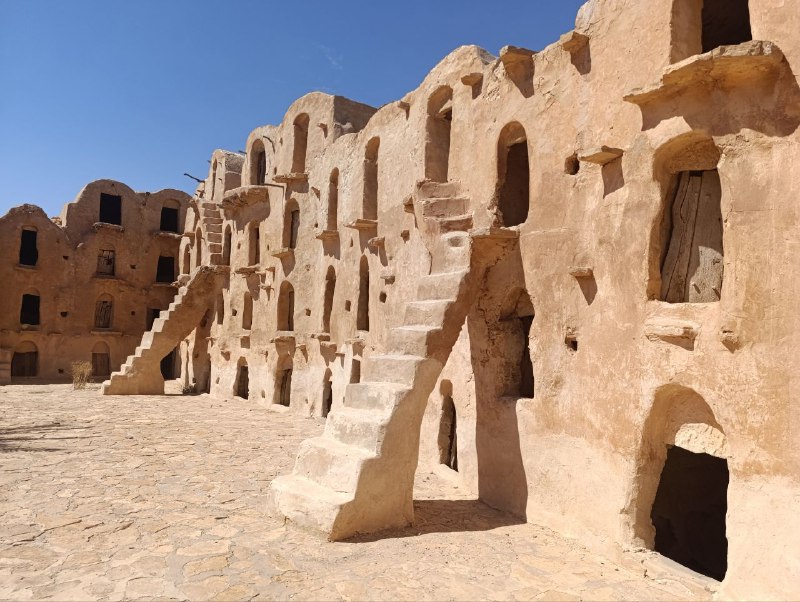
At the start of my trip, I stayed in quite an unremarkable neighborhood of the capital, away from the center. I was drawn in by the hotel's historical charm, but what really stuck with me was its rooftop and the chance to watch the nightlife unfold. Long before I ever traveled to Arab Africa, I'd read "Children of Our Alley" by
Naguib Mahfouz, and based on his descriptions, I'd imagined a typical town and its life exactly as I witnessed it that evening. Even though the author is Egyptian, Tunisia feels like a kindred spirit when it comes to daily life and customs. The street bustle, the clatter of kitchen utensils and the aroma of dinners wafting from neighboring kitchens created such a pleasant homey atmosphere—it was fascinating to watch it all unfold.
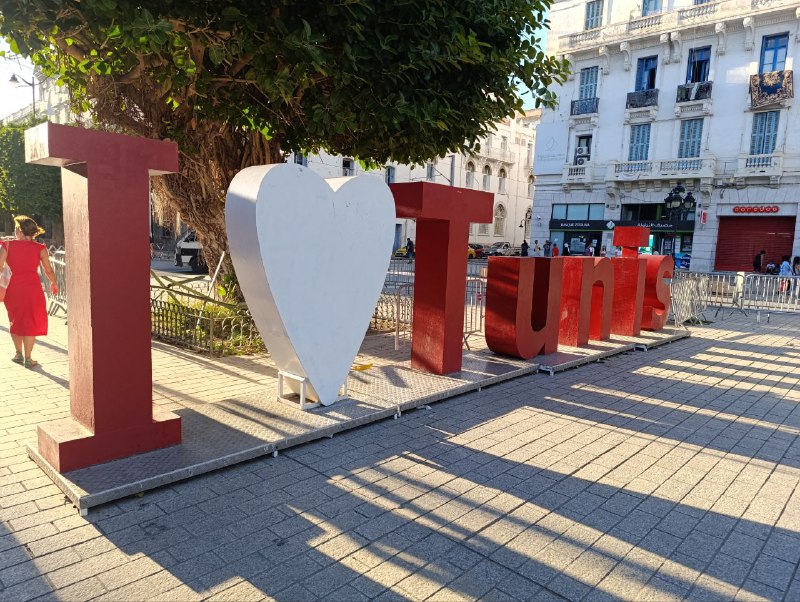
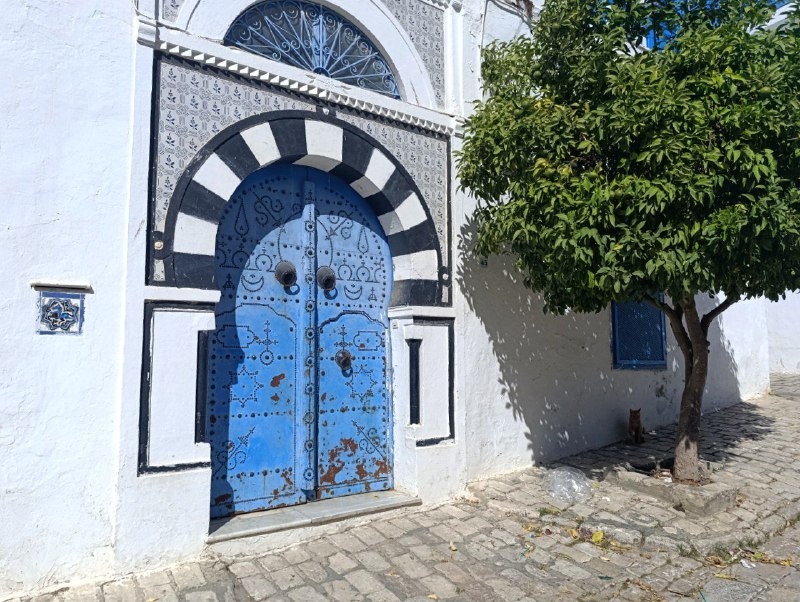
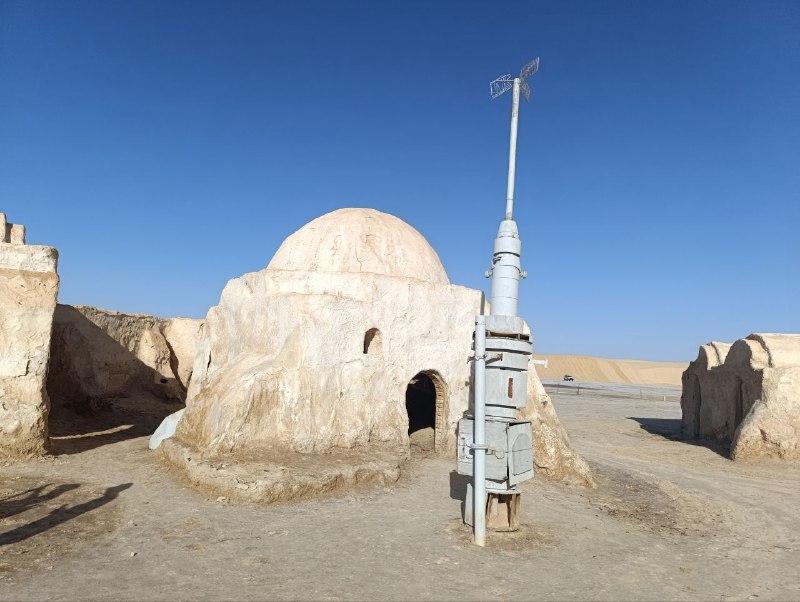
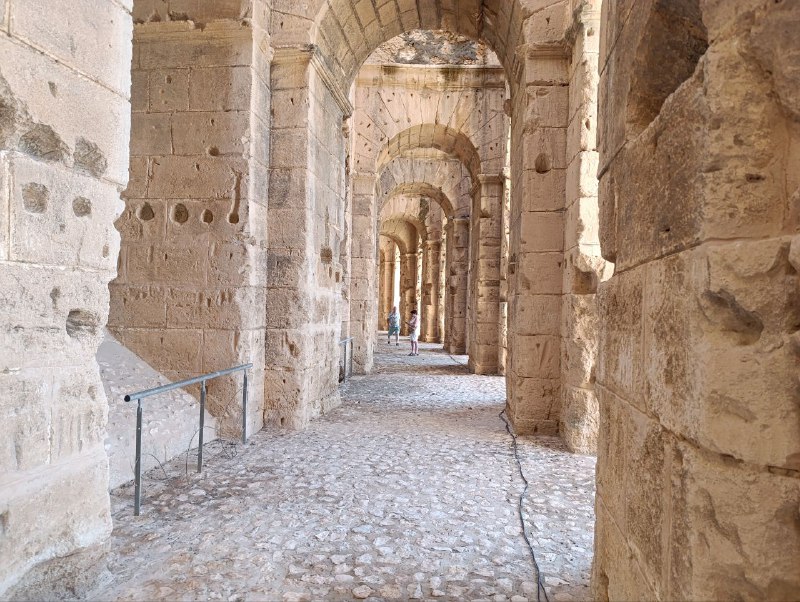
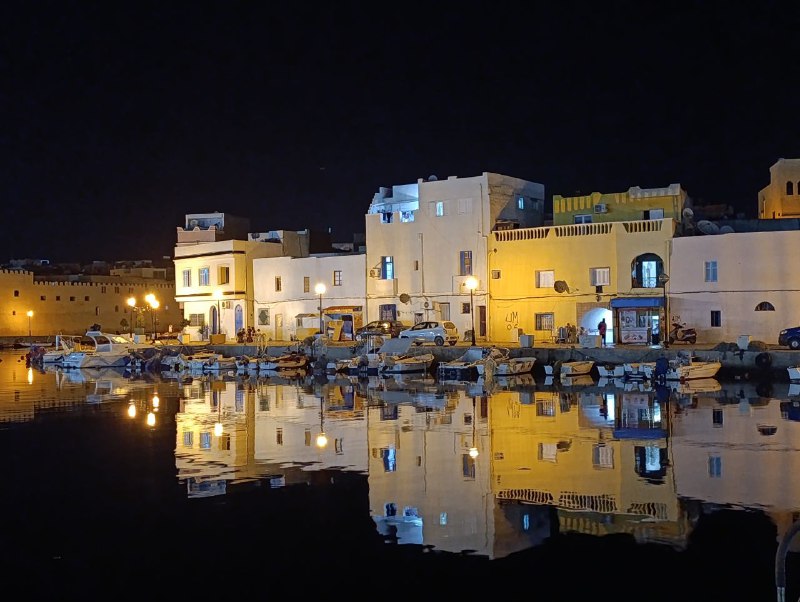
I just realized my creative break has gone on a bit longer than expected. I left Tunisia ages ago but never really finished writing about it. Before I move on to my next destination, I figured I'd at least share some photos.
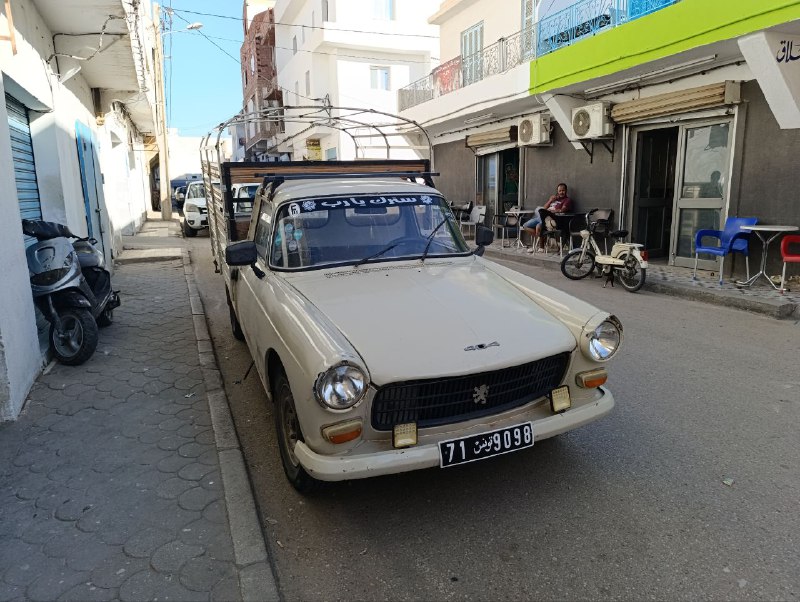
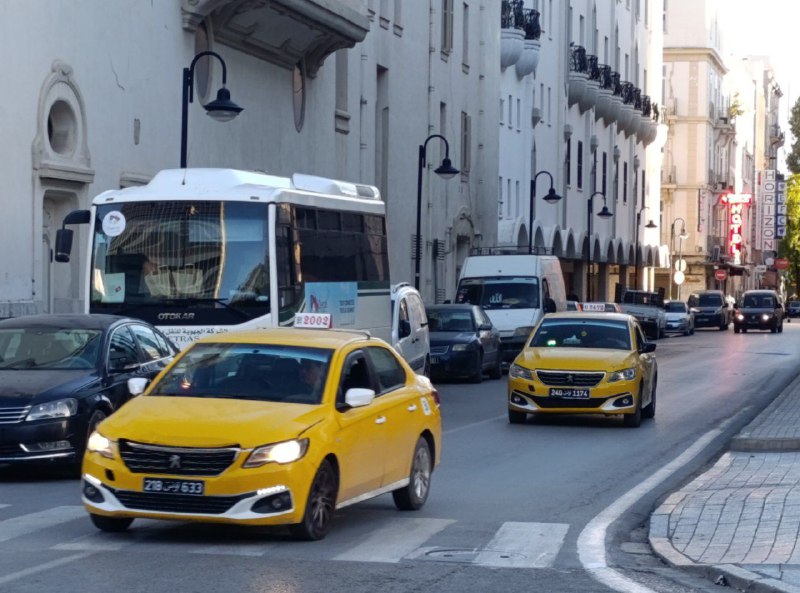
You need to catch a taxi in the center of Tunis. Two cars are coming towards you: one with a red light and one with a green light. Which one do you stop?
Well, not the green one. Tunisians did it the other way around. Here, red means available. Even things that seem completely basic and obvious can differ in other countries.
I heard a theory that the light here is for the driver, not the passenger: if there's a passenger in the car, you can go, and they turn on the green light. So let the rest of the world think differently ¯\_(ツ)_/¯
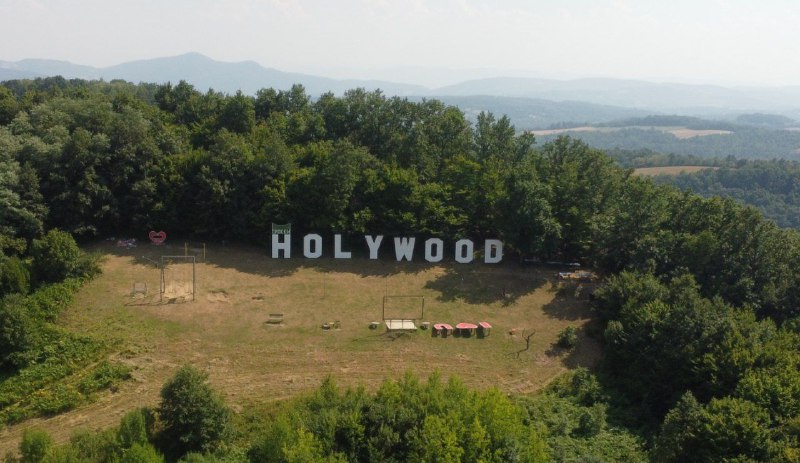
Me: Should I go to Hollywood?
Serbia: We have Hollywood at home.
Hollywood at home:
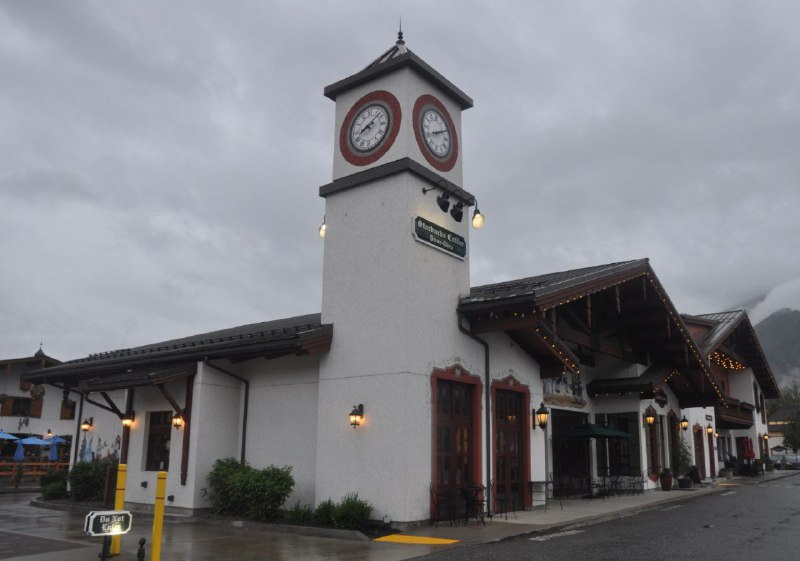
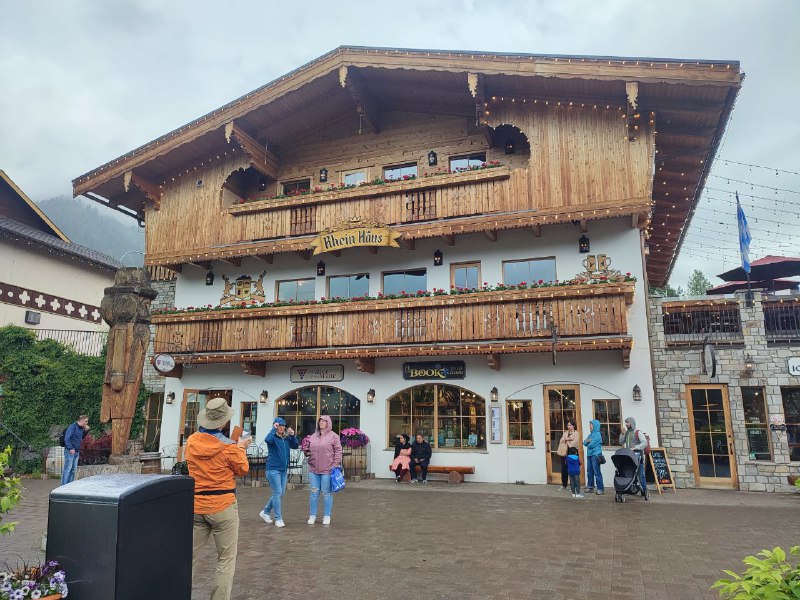
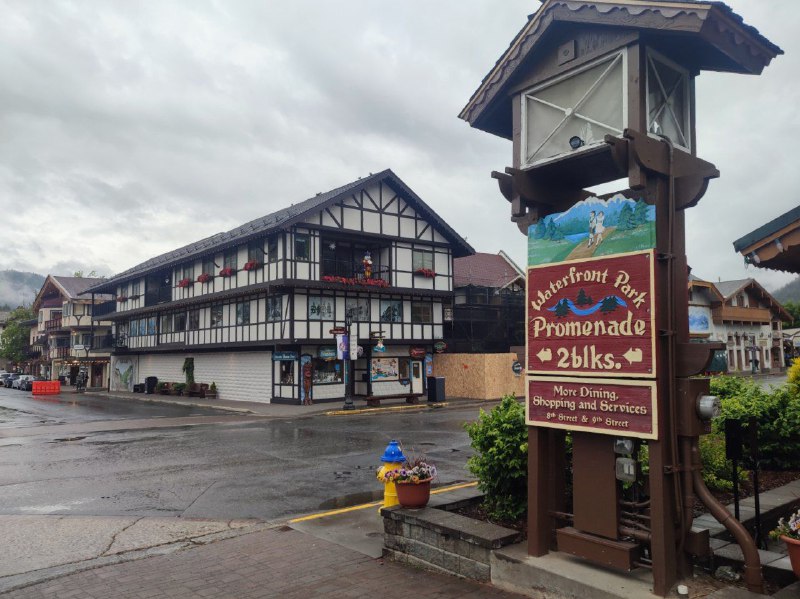
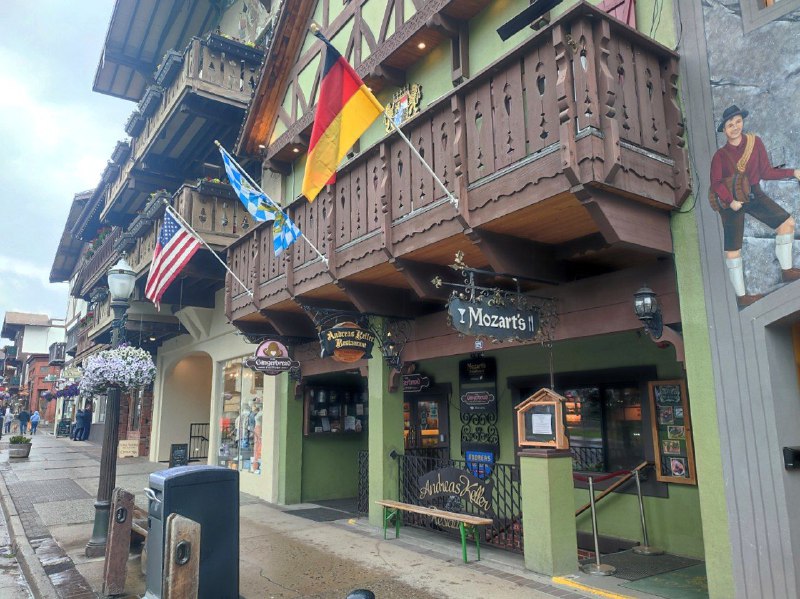
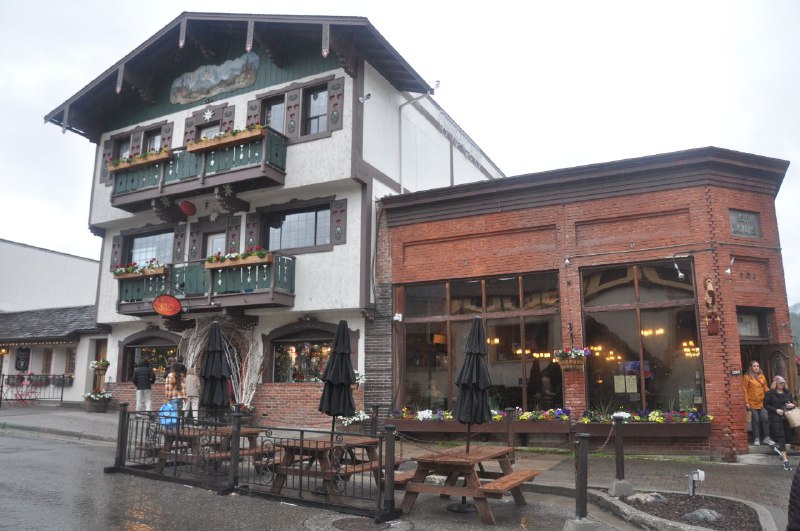
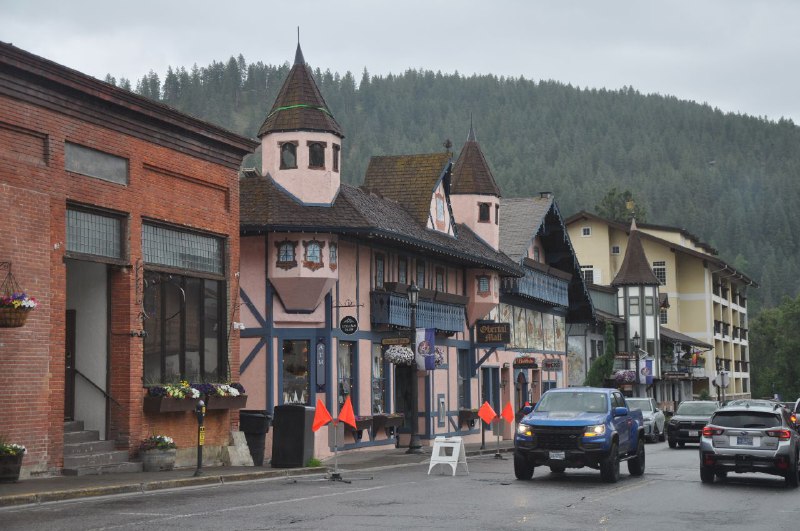
(Careful readers will notice that something is missing from the sign. You can find it here)You don't need to go all the way to Germany to see Bavaria. There's a whole Bavarian village hiding in Washington state called Leavenworth.
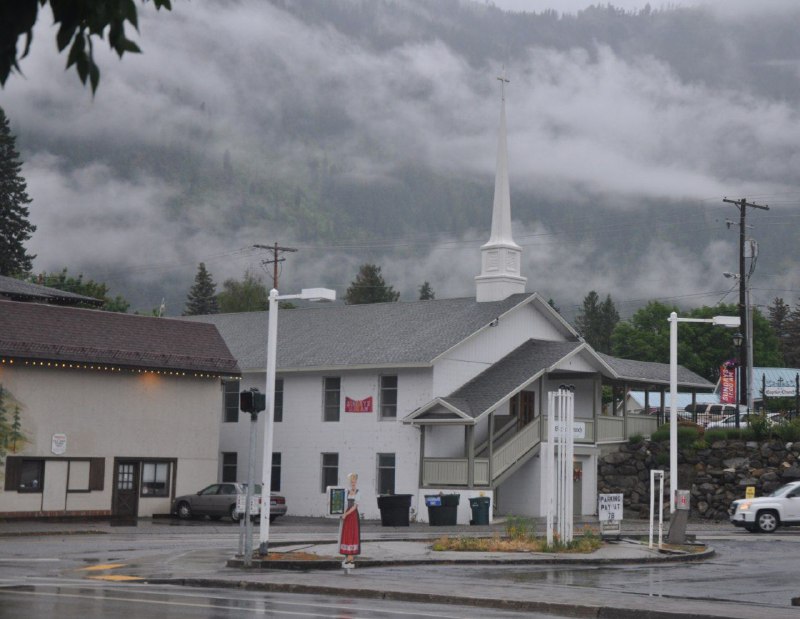
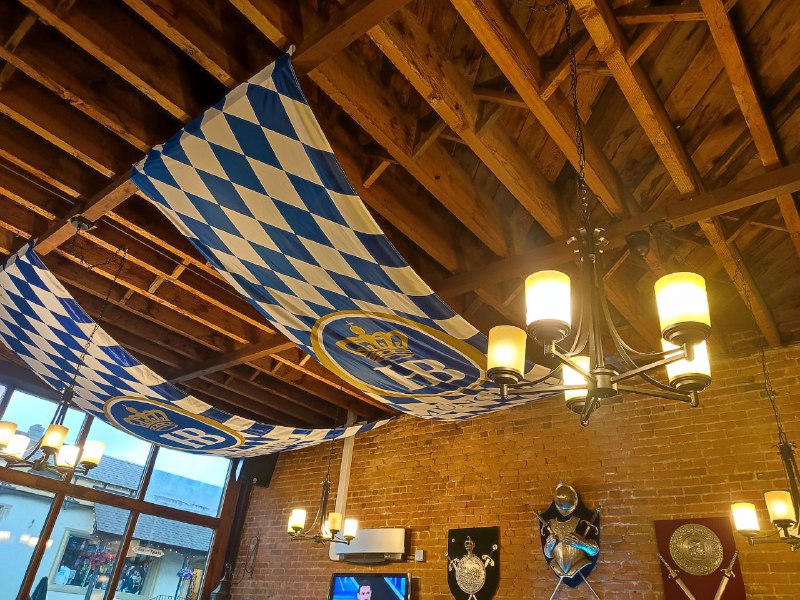
You come here and it feels like you've stepped into Bavaria.You come here and look at a German village through American eyes. No matter how hard you try to get the perfect shot, something foreign always sneaks in: an American trash can here, a super-wide road there, and the restaurants are blasting country and other English-language music. At least they serve schnitzel and currywurst.
And honestly, it makes sense: the town has nothing to do with Germans. In the early 20th century, it was a lumber mill center with a railroad running through it. But over time, the station and tracks were moved, the sawmill shut down, and people started leaving. In the 1960s, locals decided to turn things around and got really inspired by the California town of
Solvang, which was built in Danish style. They decided to do something similar, but with a Bavarian theme instead. Solvang has about 10% Danish population. Leavenworth decided to do it all on their own.
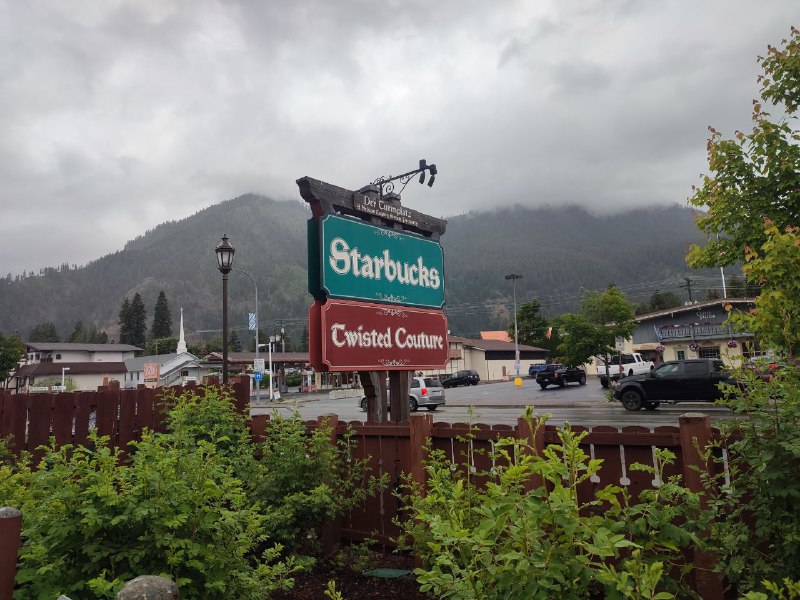
They started with a cafe and hotel in 1965, and gradually remodeled buildings from there. The peak of "Bavarification" hit in the '90s. They passed rules requiring local businesses to mimic German style. Even Starbucks had to redesign its sign.
These days they host 19(!) annual themed festivals here, including Oktoberfest. That's basically every other weekend.
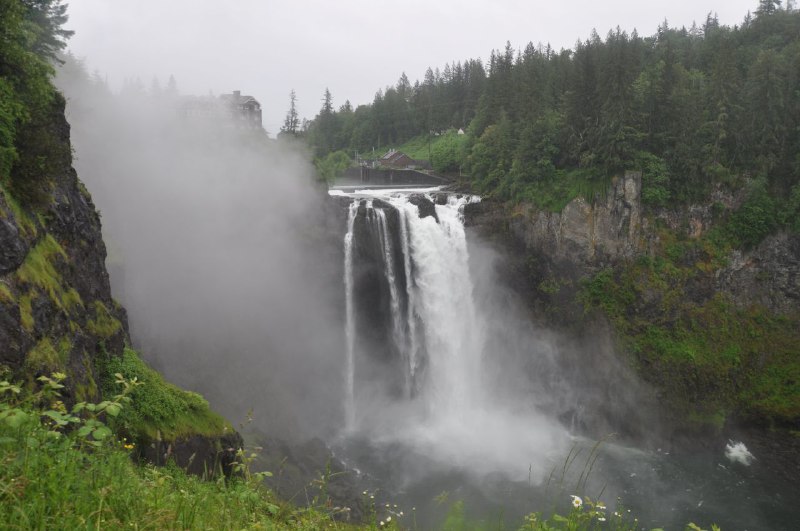
PS. As a bonus, we spotted a waterfall on the way. If you watched David Lynch's series carefully, you'll recognize it :)
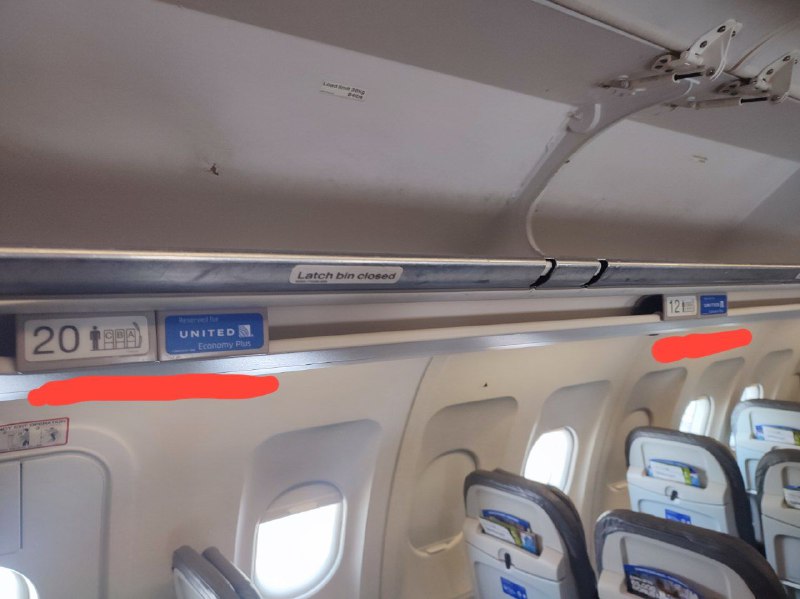
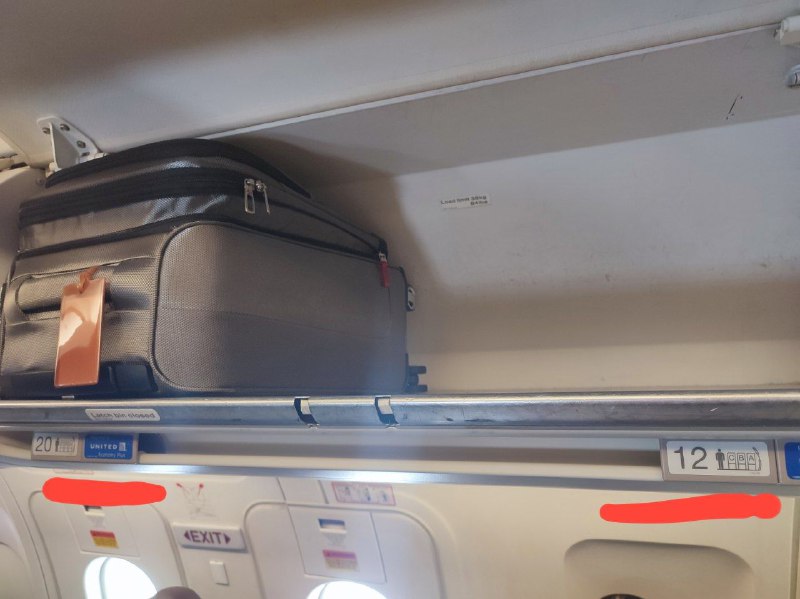
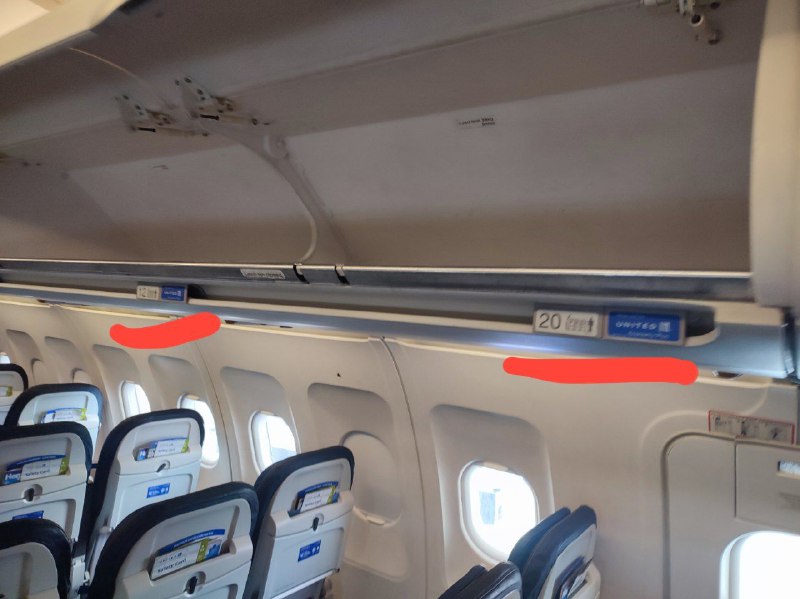
Did you know that Lufthansa
doesn't have rows 13 and 17 on their planes?
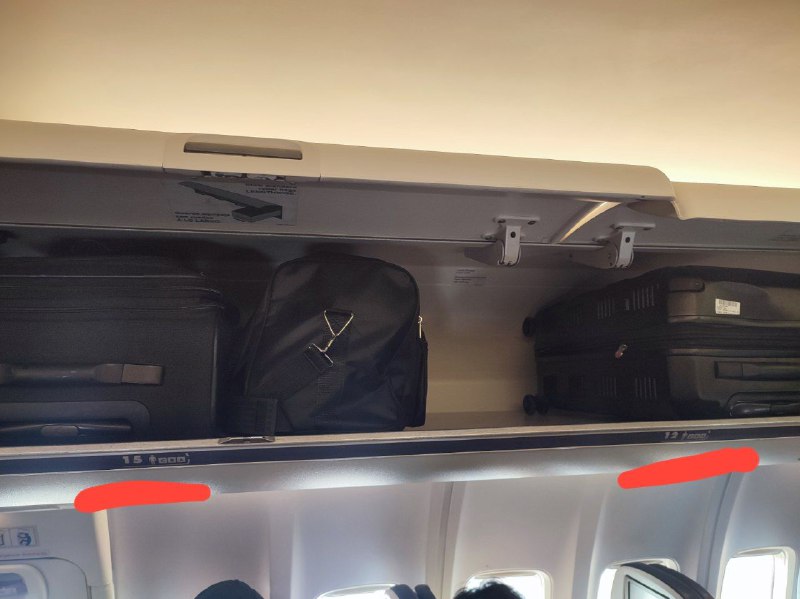
United skips row 14 too. And sometimes even more. On recent flights, I've seen row numbering like 12-15-20, 12-20, and even 12-21. It depends on the specific aircraft model. The 12-15-20 numbering was on a Boeing 737, and 12-20 was on an Airbus 320.
Here you can find the entire company fleet with seating charts.
The reasons are the same old story: customer superstitions and the cheapest way to keep everyone happy. I doubt anyone would be afraid to fly in row 35. Though honestly, when it comes to planes, the safety in row 13 probably isn't much different from rows 12 and 14.
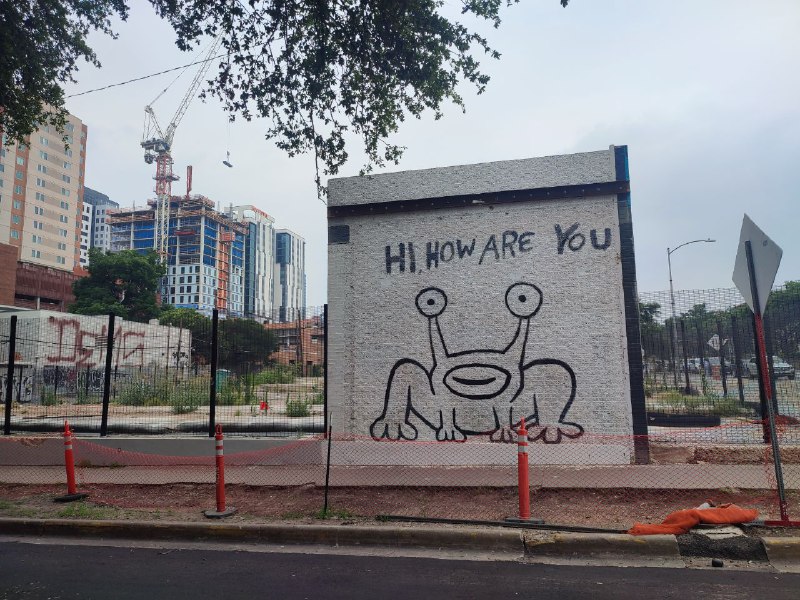
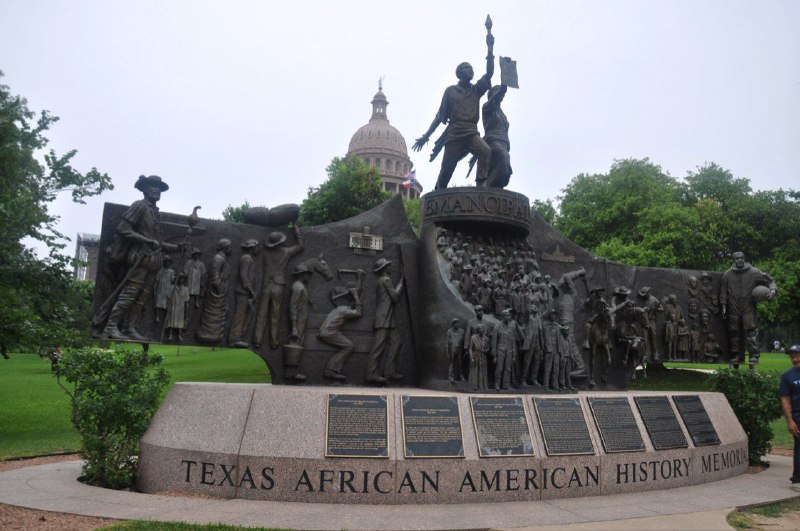
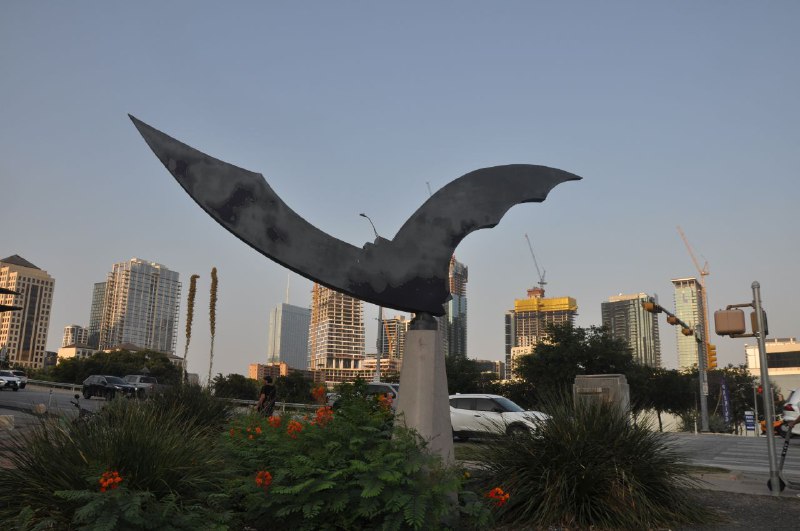
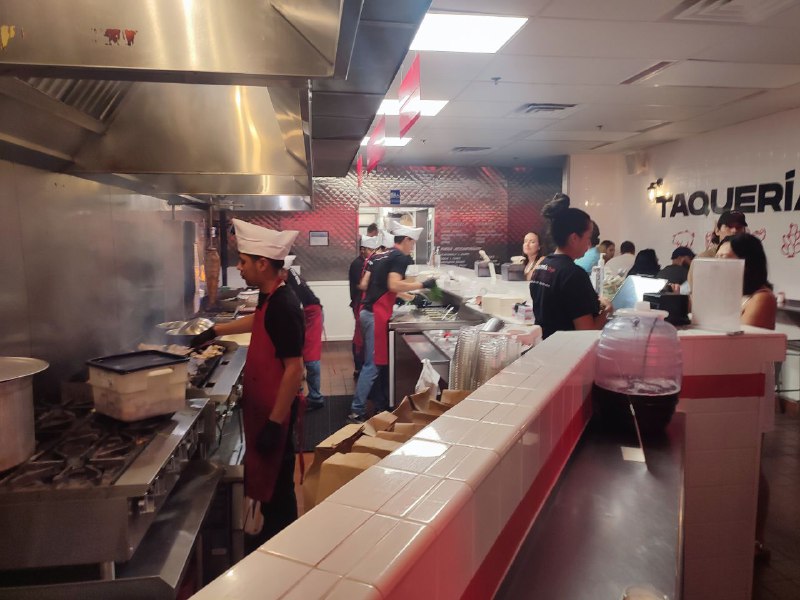
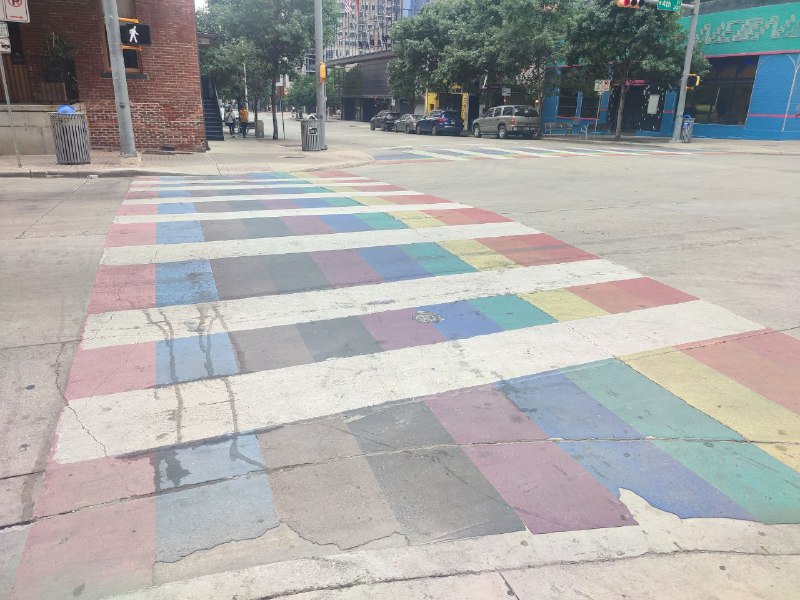
I haven't seen a major city in a long time where so much wildlife just runs around the streets (just a reminder—nearly a million people live in Austin). There's no getting away from squirrels: they dash right across the roads and barely pay any attention to people. And you can't escape the bird songs either.
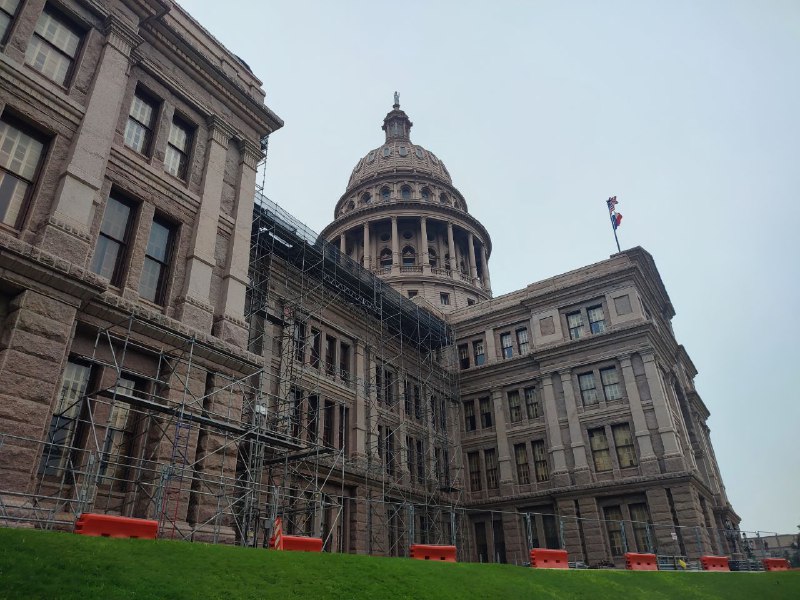
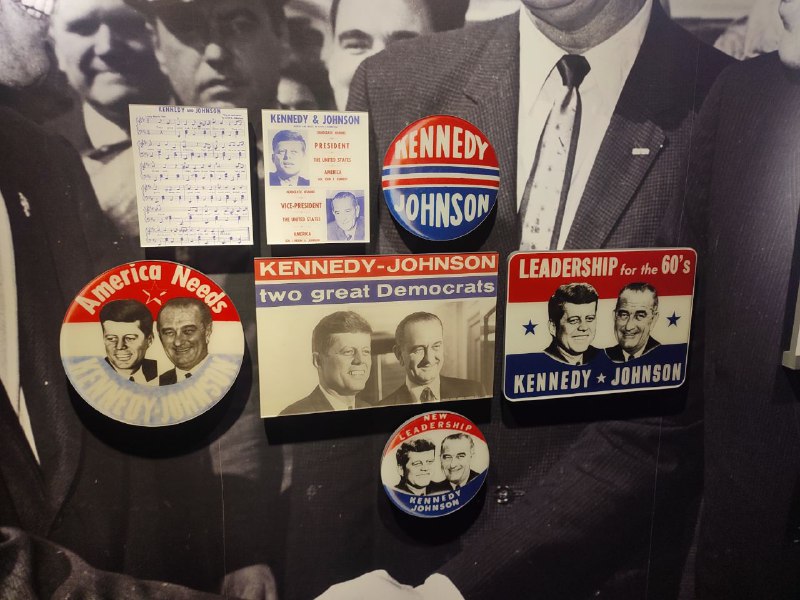
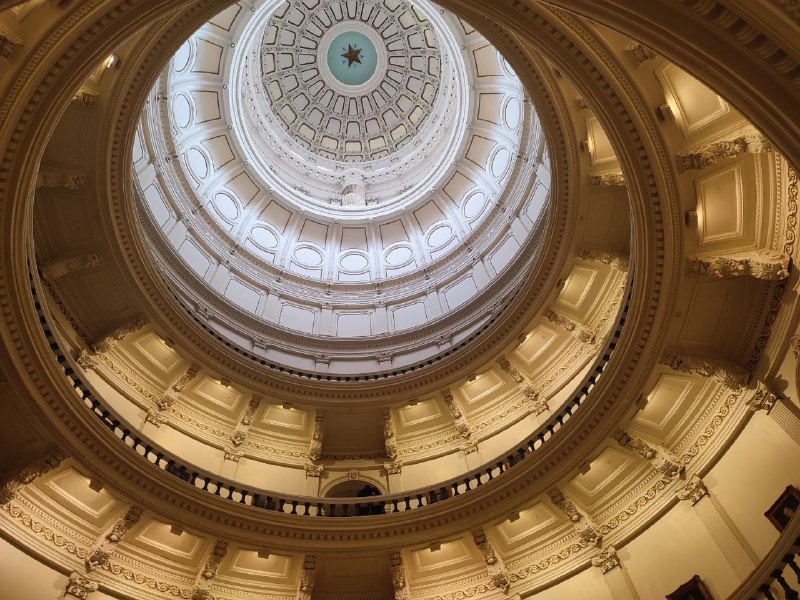
Austin is basically a pocket of democracy in a really conservative state. This isn't some new trend either—it was already like this back during Kennedy and LBJ. Both presidents were from Texas, by the way. I'm not claiming to be an expert on American politics, but I thought it was interesting how the state capital's views are so different from the rest of the state. Other major cities lean blue too, but not nearly as obviously.
The Mexican border is right there, and you can definitely feel it: in some places, people basically don't speak English at all. Only Spanish. Though honestly, even in New York, Spanish has become noticeably more common than it was five years ago.

 United Kingdom
 Serbia
 Bosnia and Herzegovina
 Turkey
 United Arab Emirates
 Brunei
 Indonesia
 Malaysia
 Argentina
 USA
USA Morocco
 Georgia
 Egypt
Egypt Hong Kong
 China
China Vietnam
 Tunisia
 Montenegro
 Philippines
 Singapore
 Oman
Oman Algeria
 North Macedonia
 Lebanon
 Israel
 Albania
 Russia
 Tanzania
 Netherlands
 Spain
Spain Latvia
 Germany
 Belgium
 France
 Kazakhstan