It turns out that five years have passed since the first post in this channel.
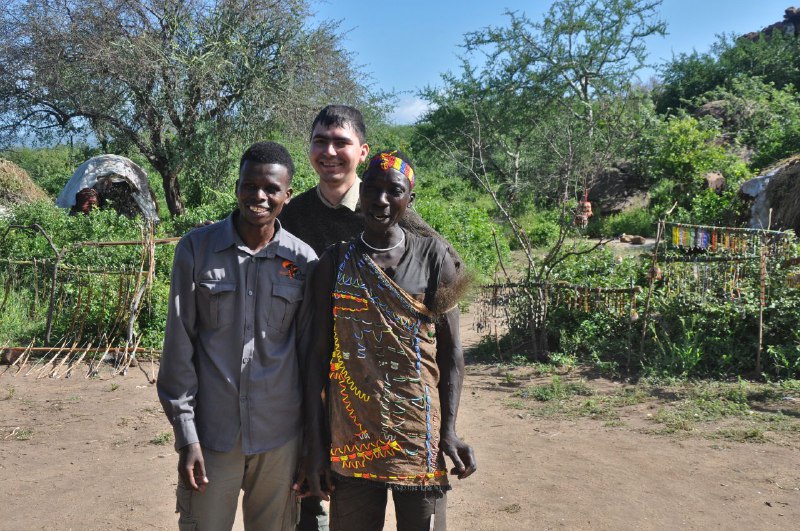
During that time, I've been bounced around quite a bit across different countries. And I can tell you that the brightest and warmest memories are all about people. No matter how much I love mountains, seas, and amazing architecture, I find myself reminiscing more often about random locals who invited me for
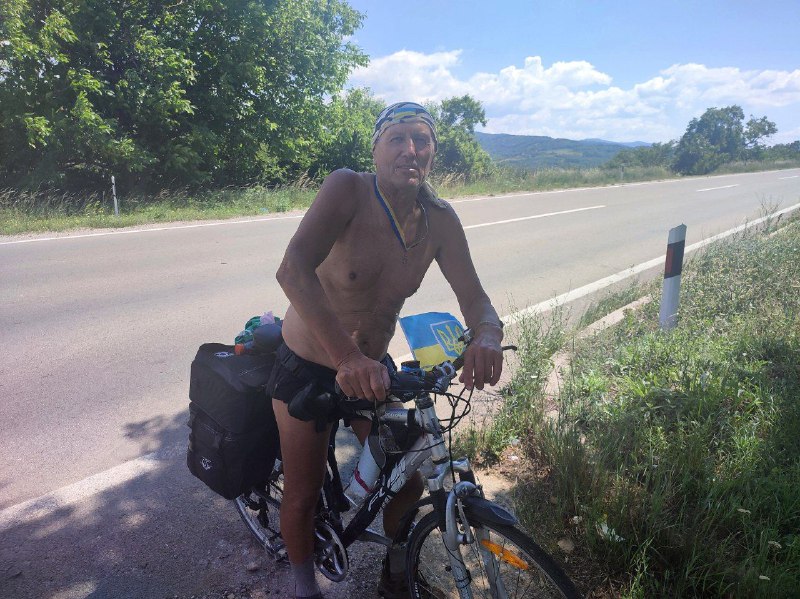
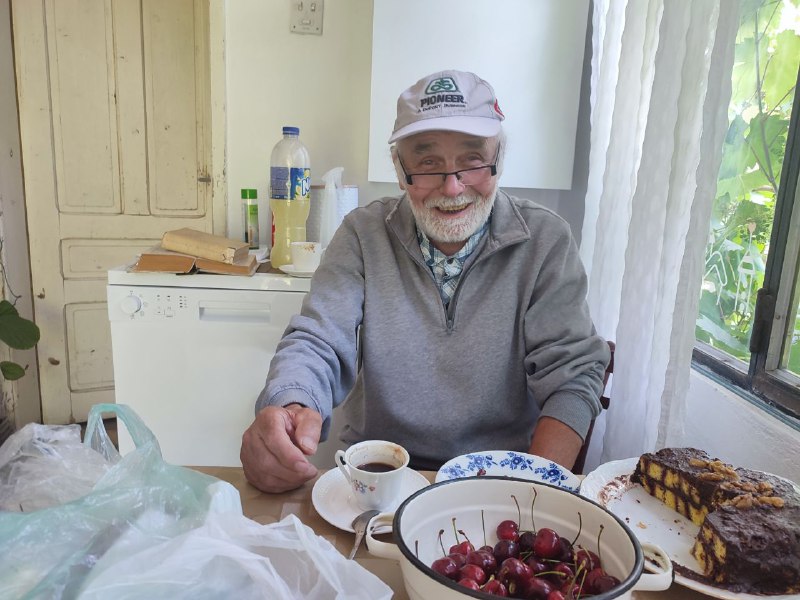
tea in Beslan or
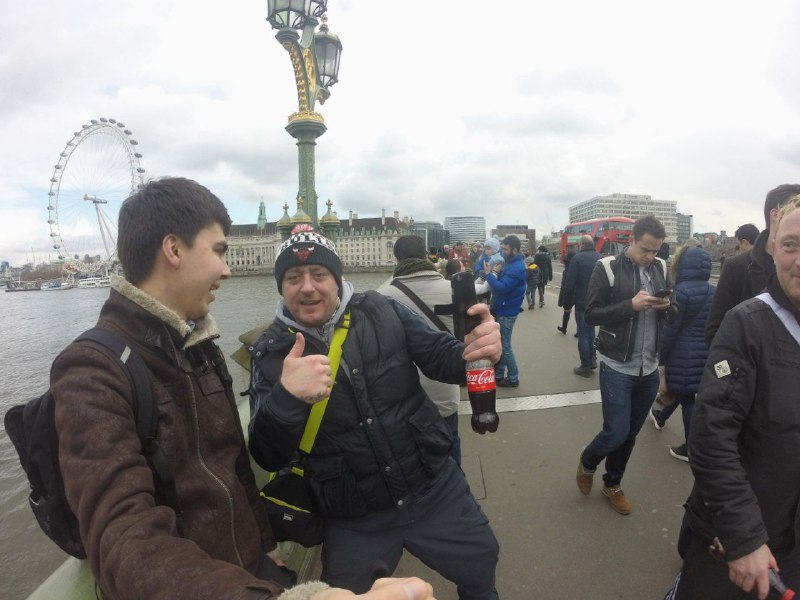
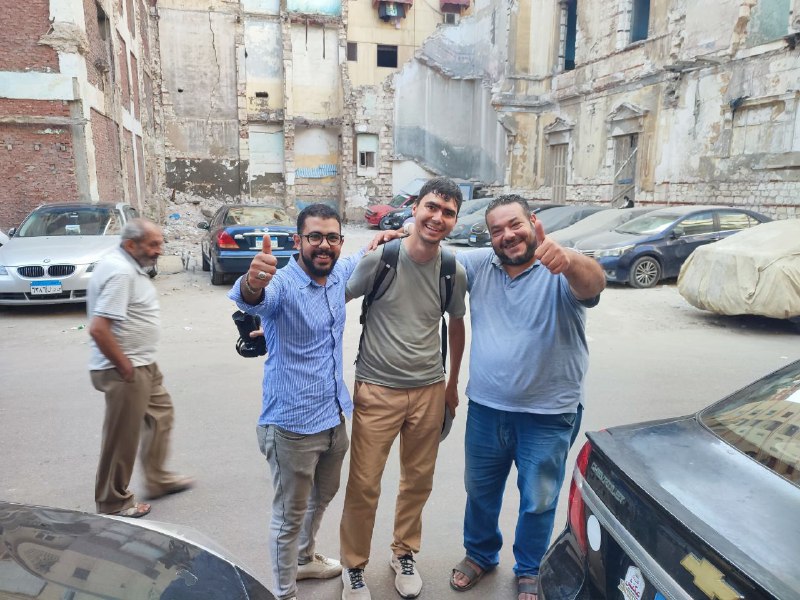
coffee near Niš. Or how passersby in Egypt asked me to
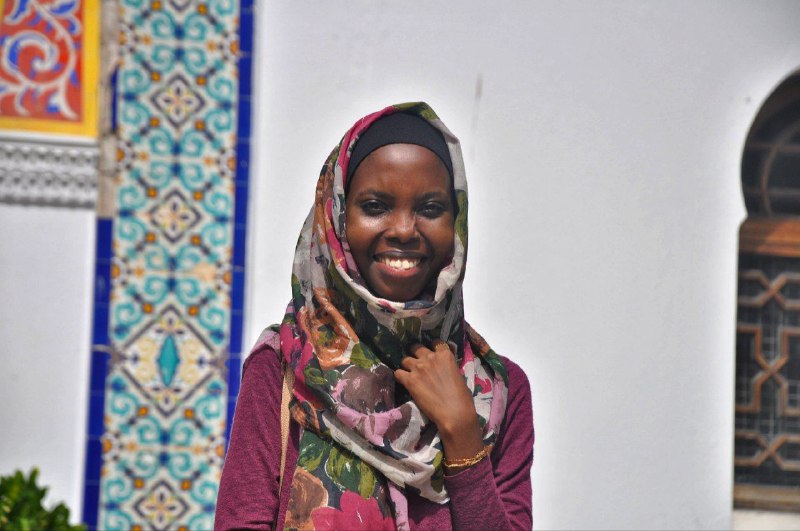
take their photos, or how a local girl in Tanzania gave me a whole
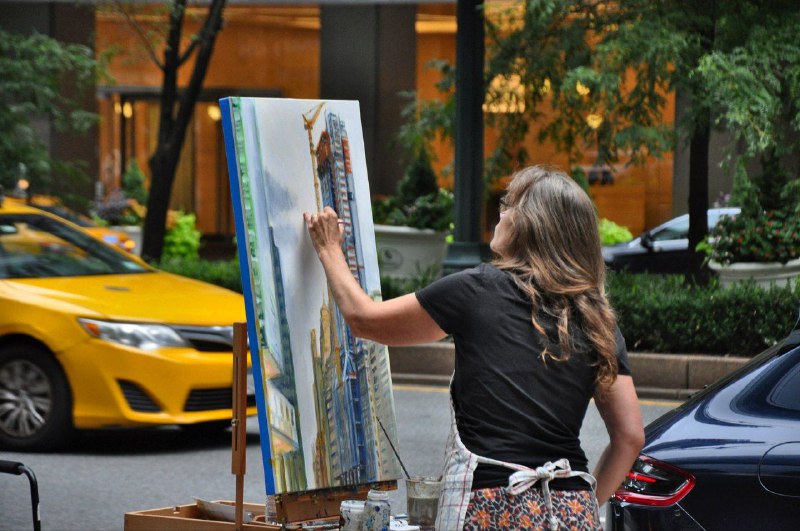
tour of the city. Or how an airport check-in agent in the US sang the Soviet national anthem—which he'd memorized while studying at RUDN back in the 80s—and how a guide from Almaty
helped me find emergency housing.
Even though the world has become much more hostile and turbulent since then, I want to believe that people can remain kind and wonderful through all times.
Thank you for reading. Thank you for commenting.
Special thanks to those brave enough to travel somewhere together with me. Or even let me crash at their place abroad.
PS. In my
first post, I really hoped this channel would be more interesting than a coffee maker's. Now I'm just hoping they don't start embedding ChatGPT in them anytime soon :)
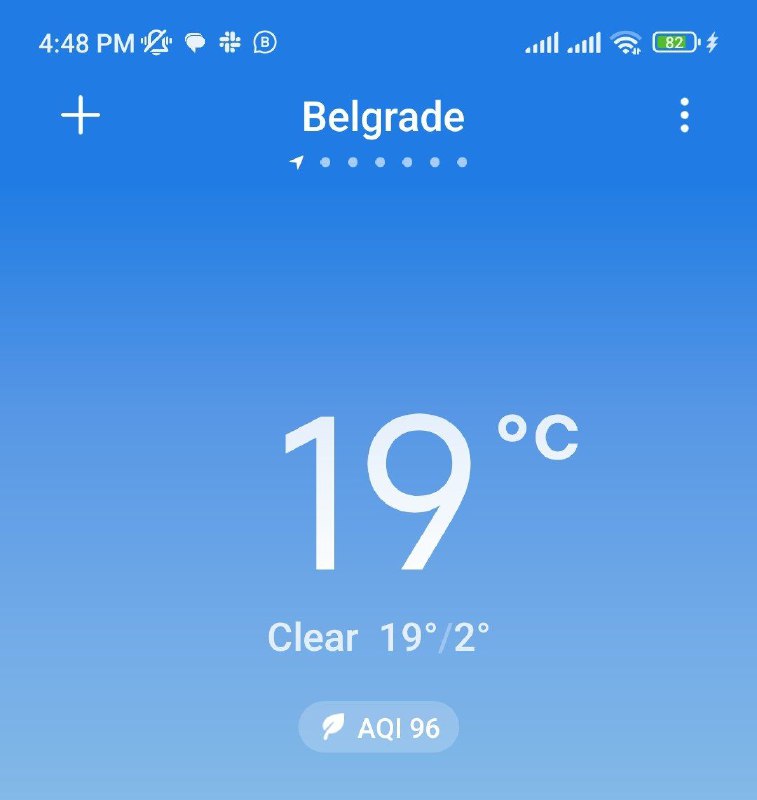
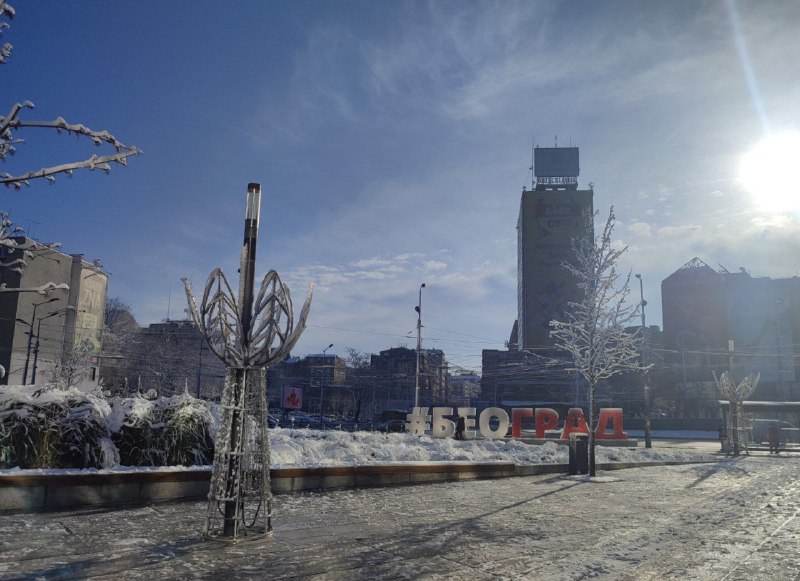
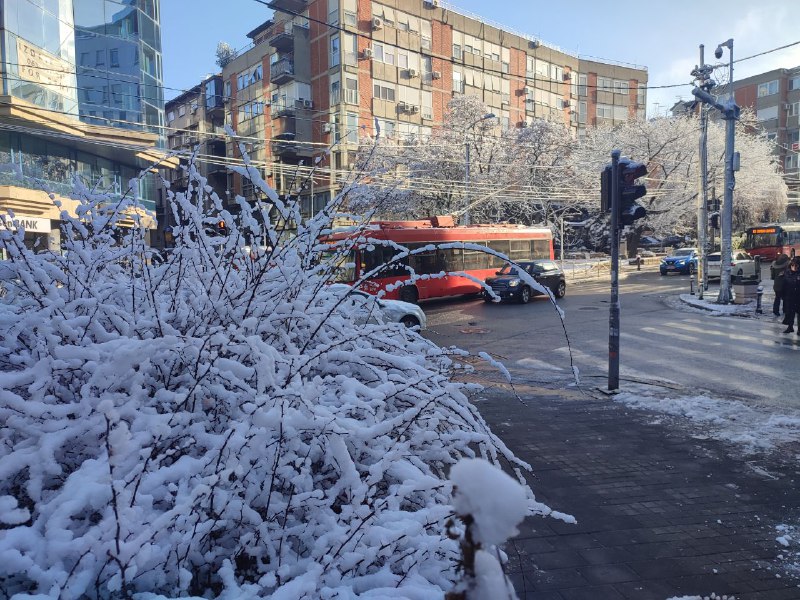
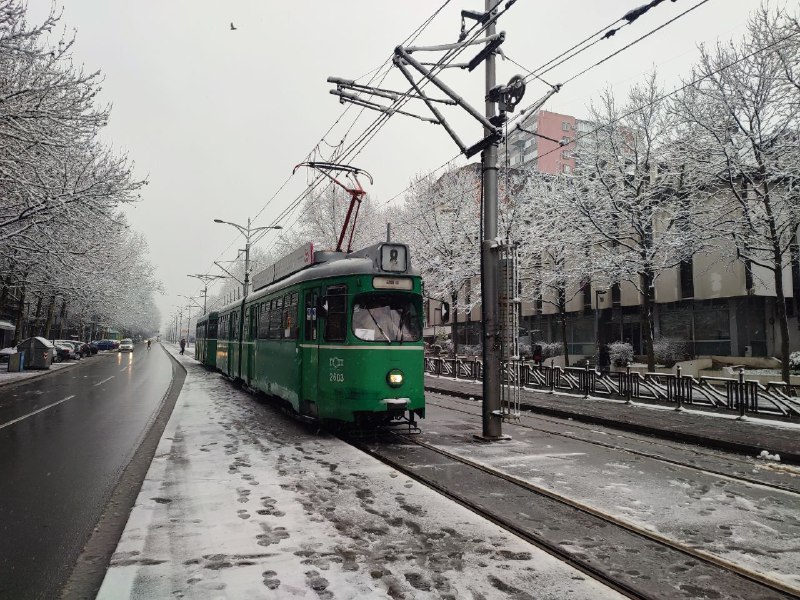
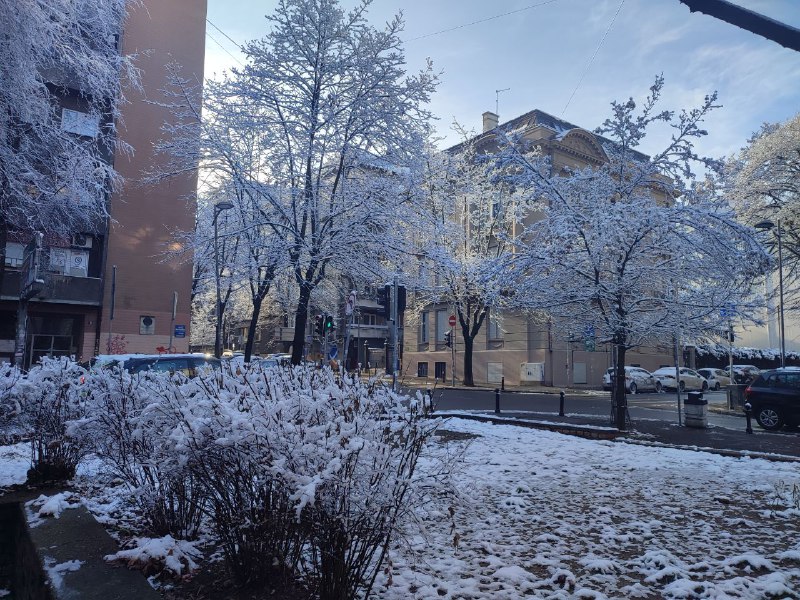
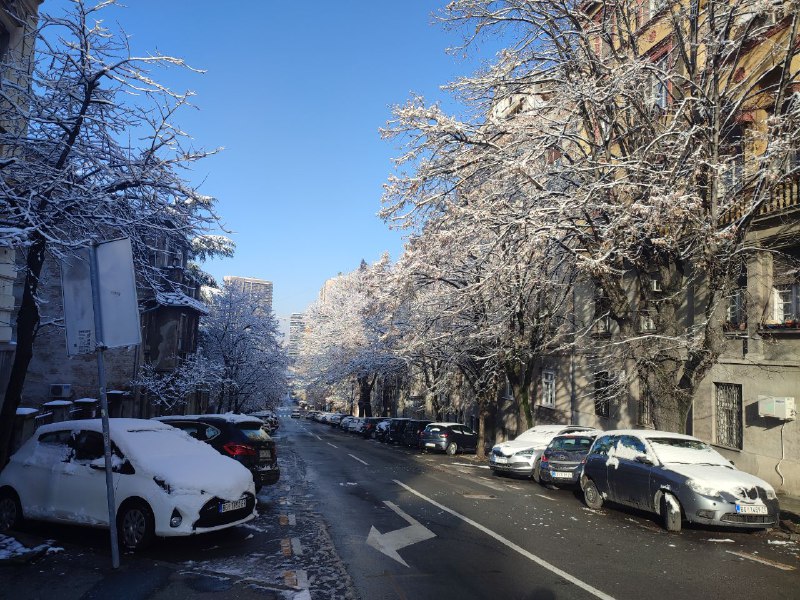
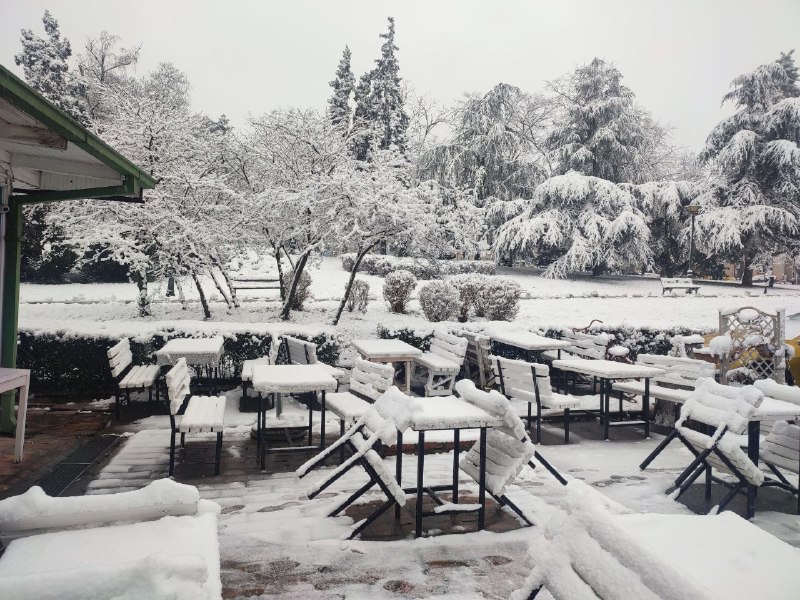
A couple of days ago in Belgrade it was +19°C, and literally the next day a bunch of snow fell and didn't even melt. I've gotten so unused to weather like this that it feels really weird. Here are some snowy photos for you.
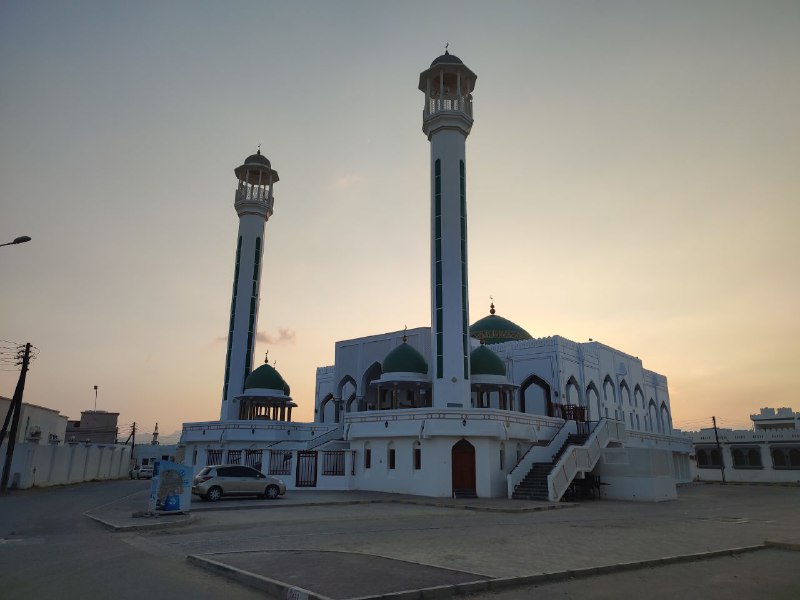
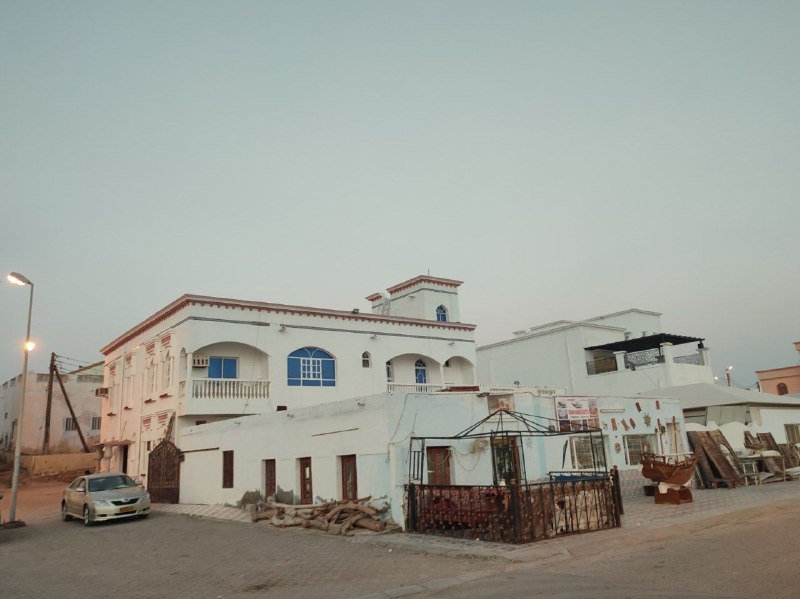
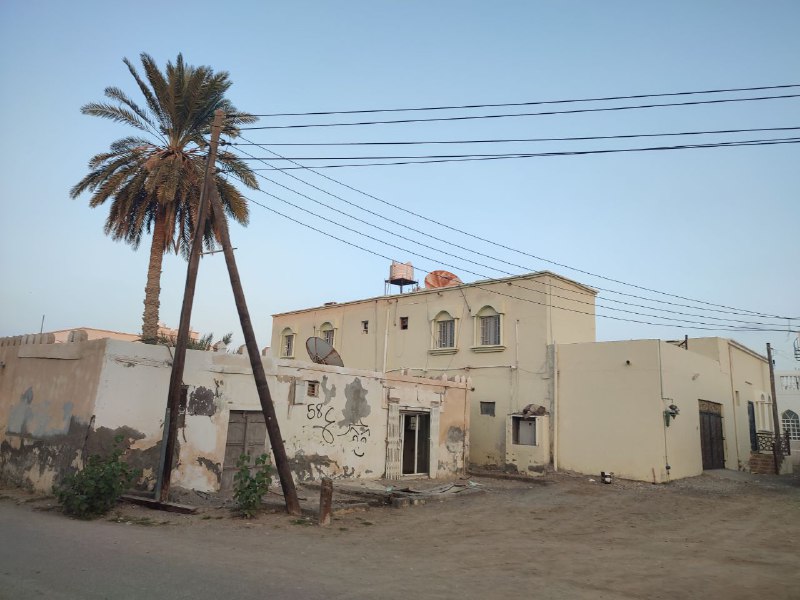
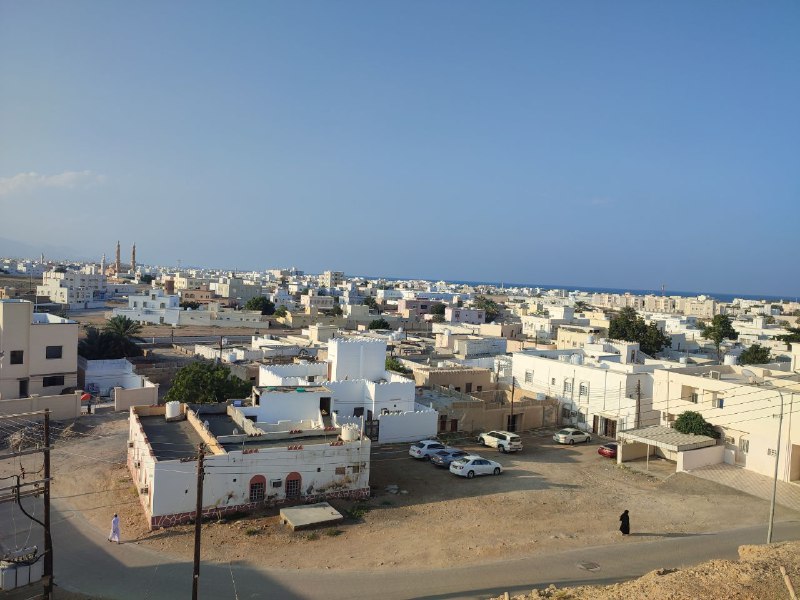
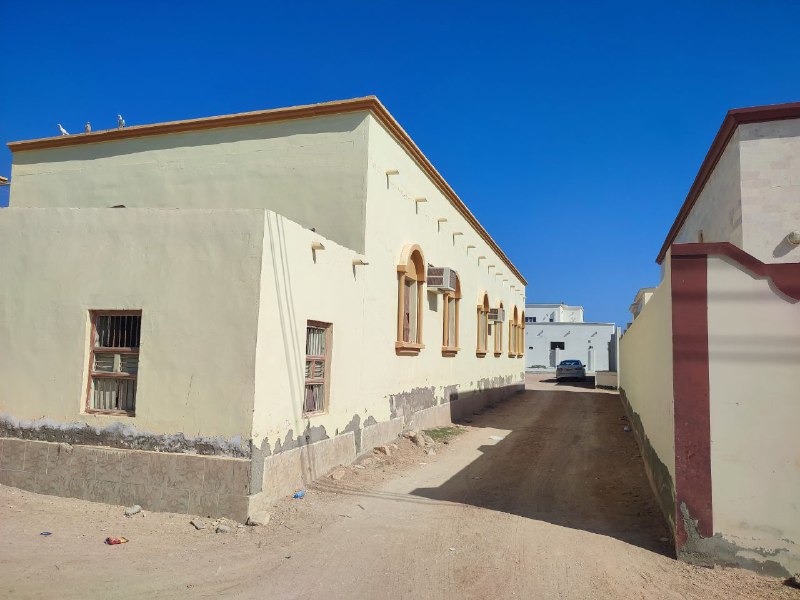
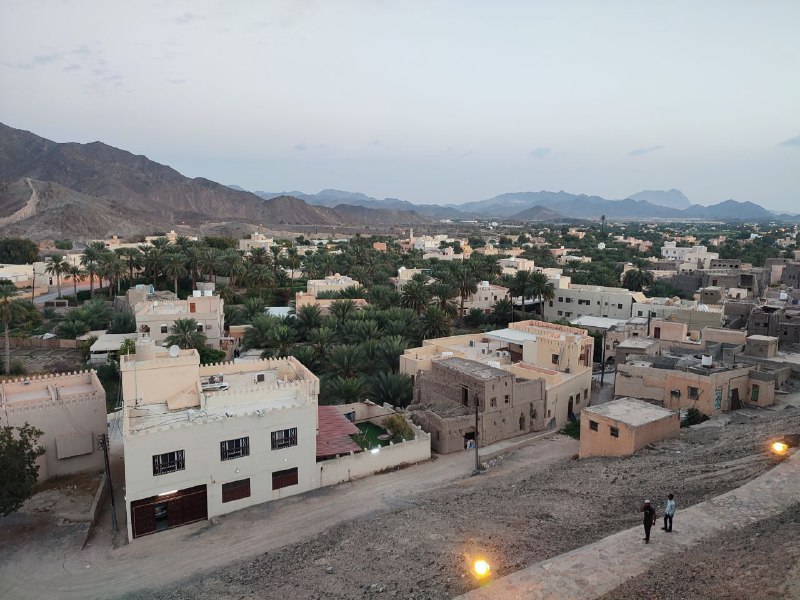
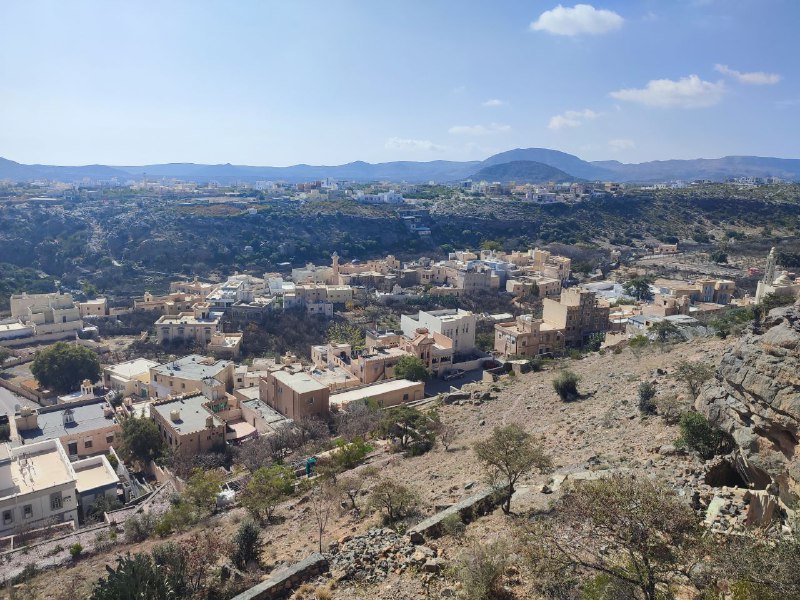
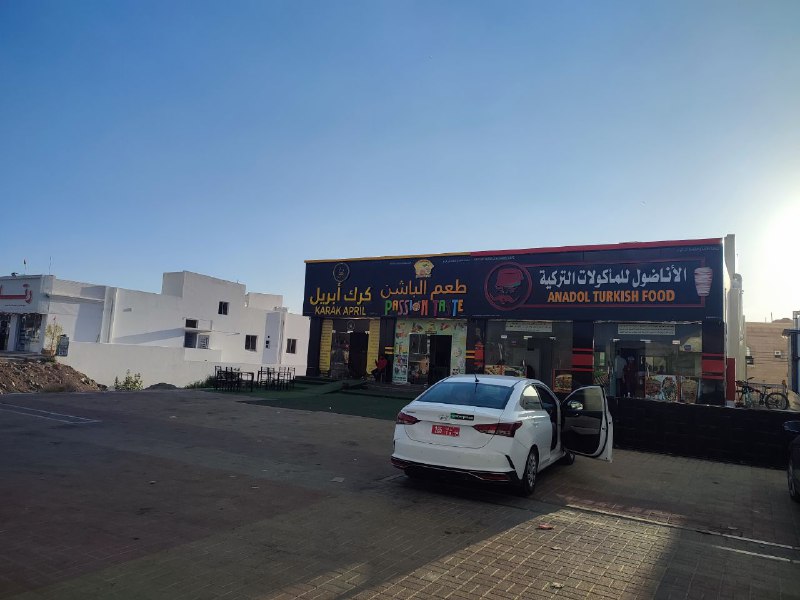
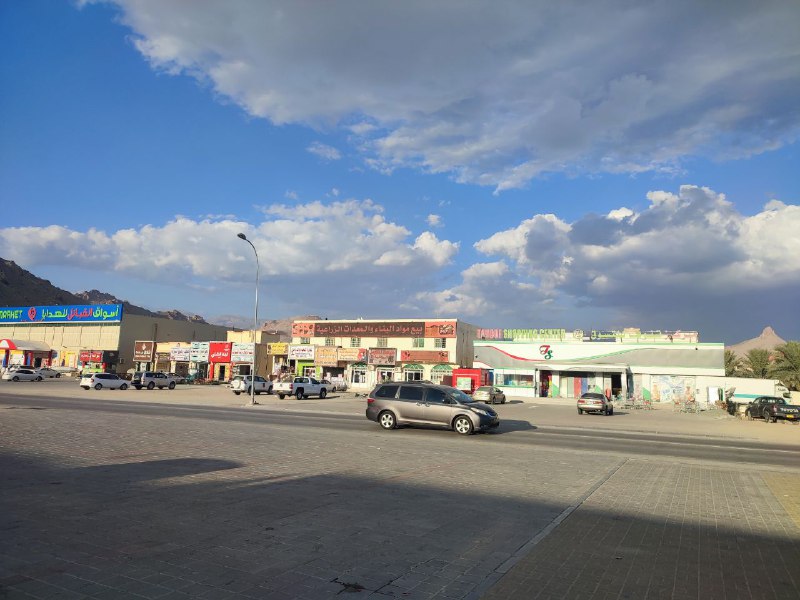
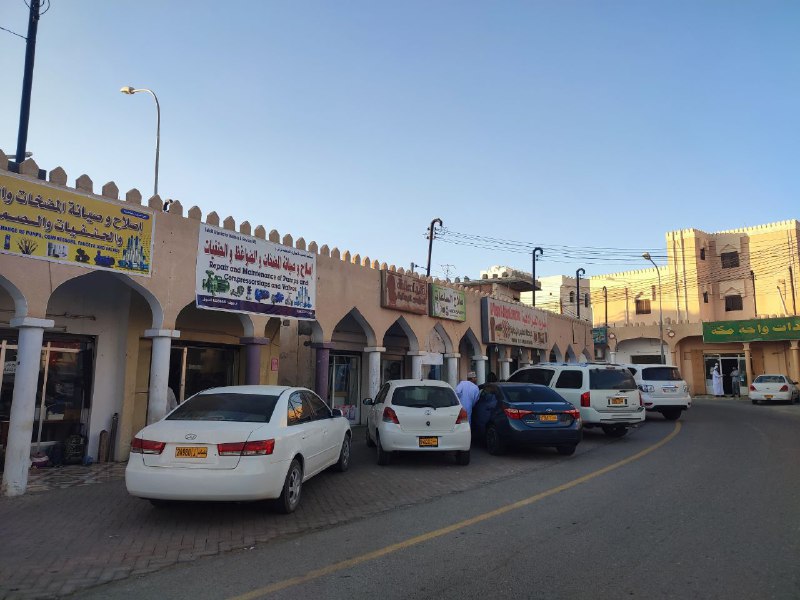
Small towns and villages in Oman look pretty worn out. But because of their unique, unfamiliar architecture, there's no sense of dreariness or hopelessness. At least at first.
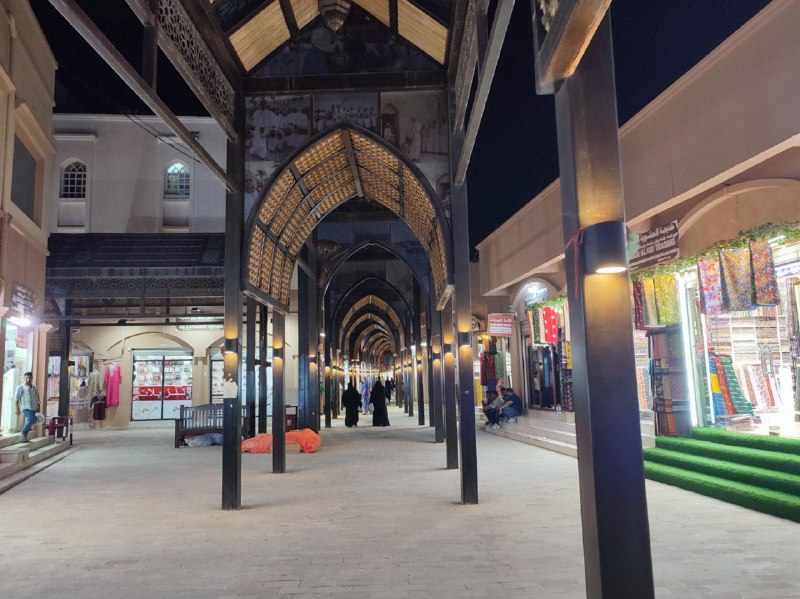
During the day, there are very few people on the streets. It feels like you're driving through ghost towns. But as evening comes, life wakes up and it doesn't feel that way anymore. The streets are mostly filled with men. In large part because there are many migrant workers. For every woman in the country, there are 2 men (which is still better than Qatar's ratio of 1 to 3).
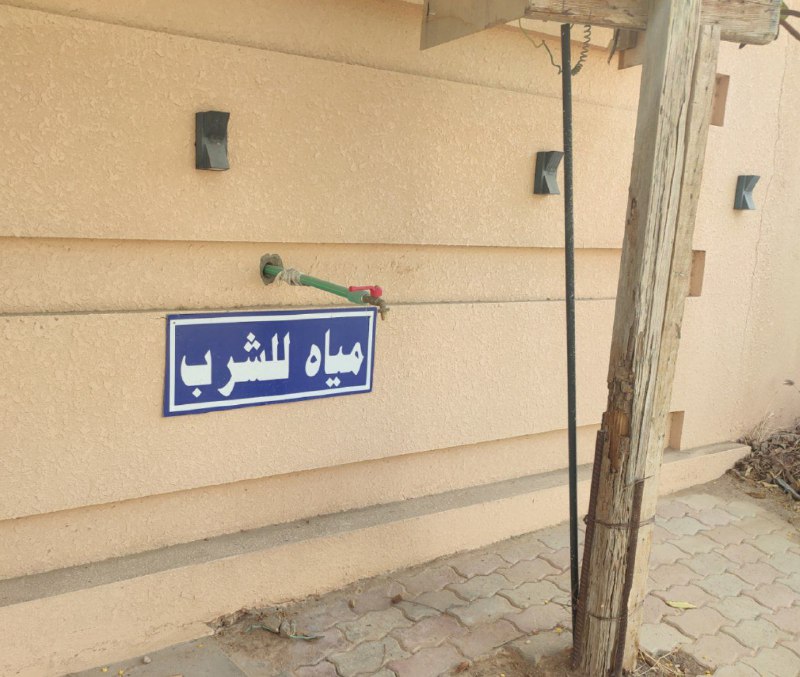
I often see drinking tap water faucets sticking out from the fences of private houses. Most of the time they're not marked, but I did come across one with a blue sign saying you can drink from it.
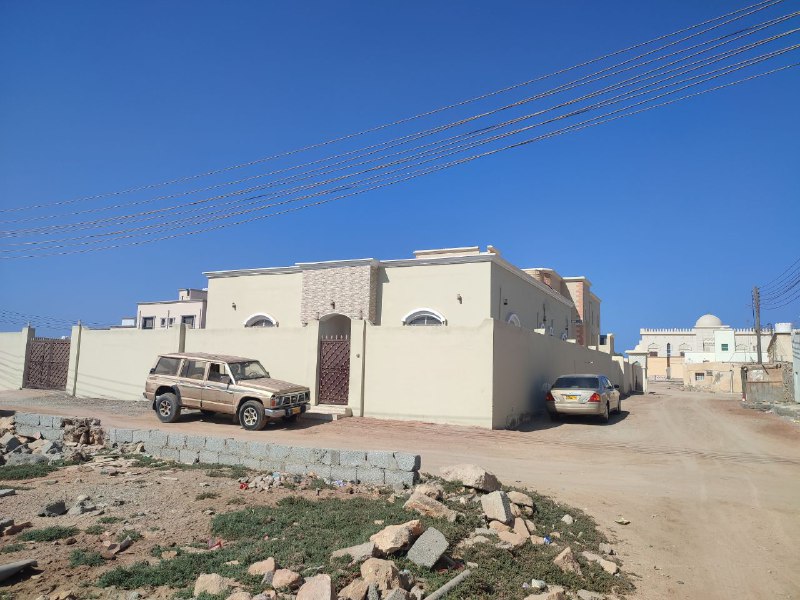
Inside really small villages, sometimes there's no asphalt at all. You drive through it and wonder if you're even supposed to be driving there.
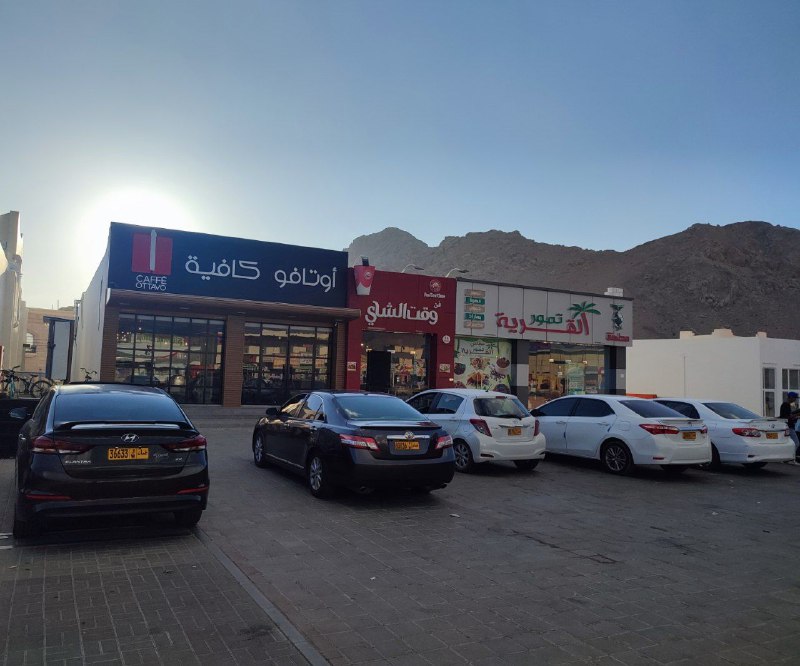
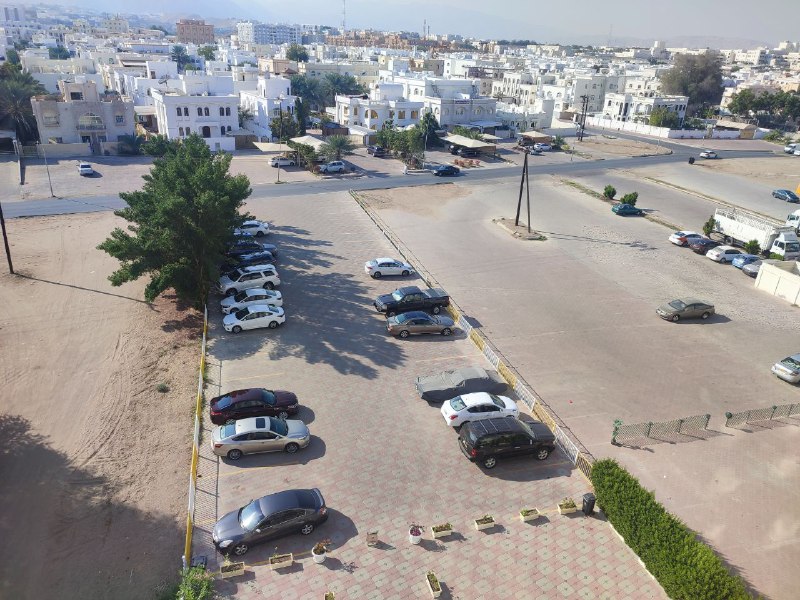
Oman is absolutely a car-centric country. The infrastructure is built entirely around vehicles. There's tons of parking everywhere—even in the city. Outside the city, buildings aren't constructed right up against the road; they leave plenty of space for vehicle access. Sometimes that's like 100 meters of space.
At roadside eateries, people usually don't even get out of their cars. It's not like a McDonald's drive-through window. You just pull up to the restaurant, honk, a waiter comes out with the menu, takes your order, and then brings everything to your car. It's pretty clear that customers aren't expected to sit down and eat inside the restaurant.
Overall, the roads are fine. Not perfect, but definitely drivable. The lanes are really wide—especially after coming from Serbia. And they don't skimp on the width of parking spaces. Though that doesn't stop drivers from taking up multiple spaces at once.
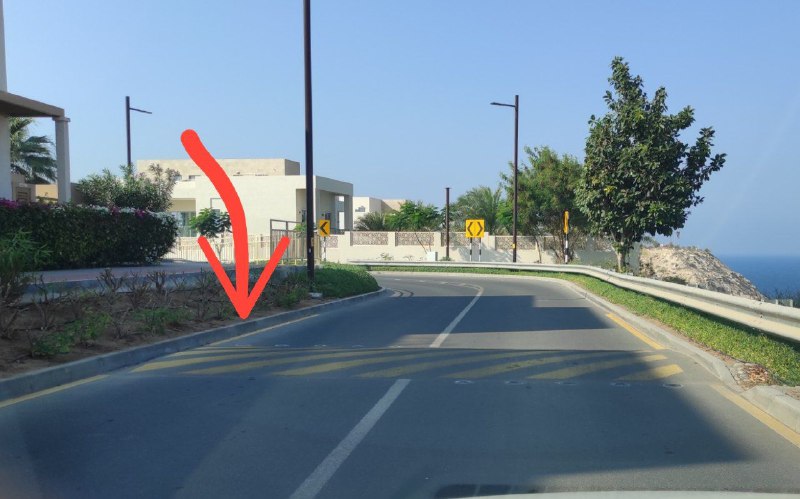
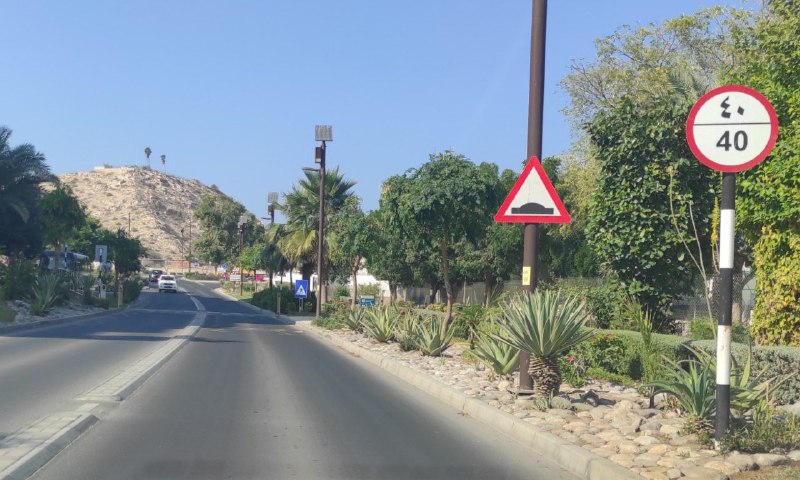
The main headache with local roads is speed bumps. There are tons of them. They're poorly marked. To make matters worse, they like to put the warning sign a good 100 meters before the actual bump. Sometimes you can even forget the sign was there in the first place :)
Happy New Year! Peace and travels 🎄
In Oman, basically nothing happens on New Year's. No fireworks, no celebrations, no holiday decorations, no shortened workdays. It's just a regular day, like if June 30th turned into July 1st. And on January 1st, everyone works as usual.
If holiday hustle and bustle isn't your thing, now you know where to go :)
I almost accidentally increased my trip expenses by 10 times. But somehow it worked out 😅
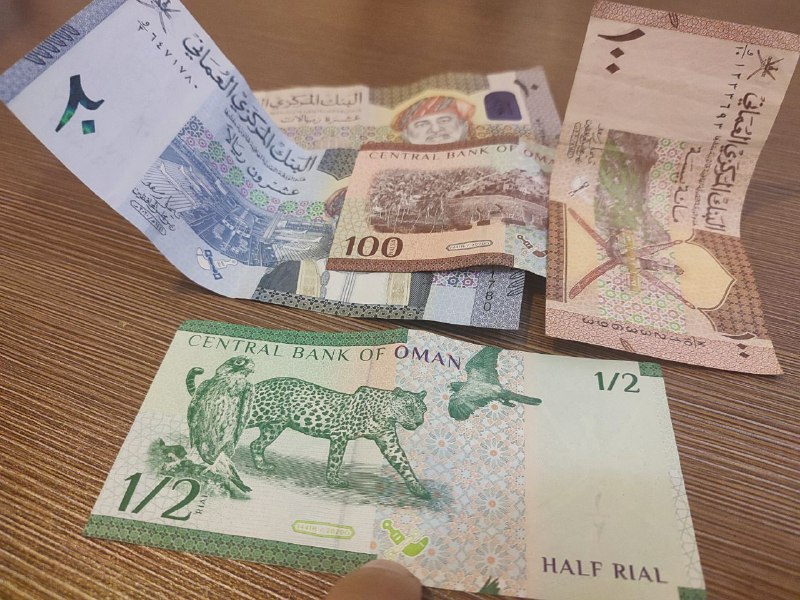
In Oman, they use rials. The exchange rate is $2.6 per unit. It's the third most expensive currency in the world. And instead of dividing by 100 like most currencies, it divides by 1000 baisa. So prices are shown with three decimal places.
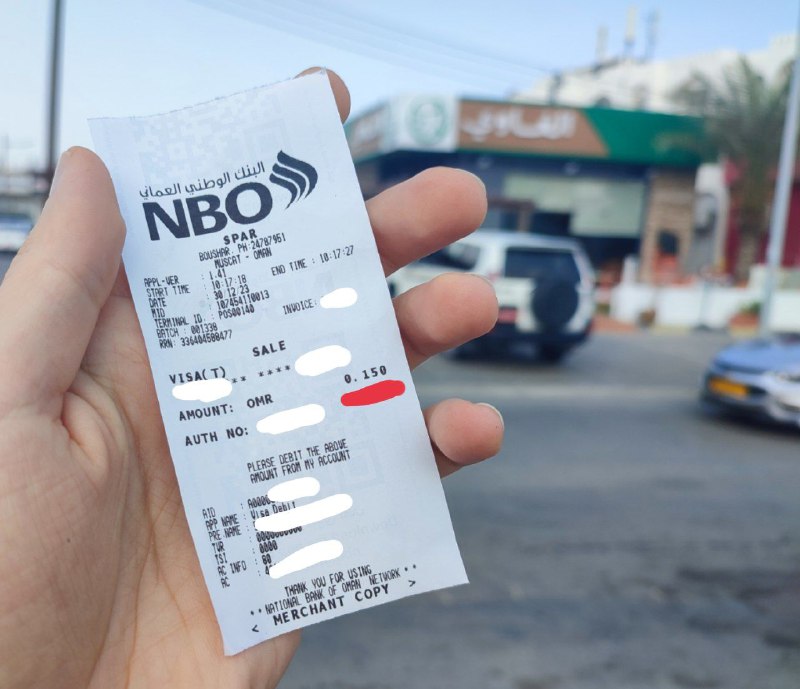
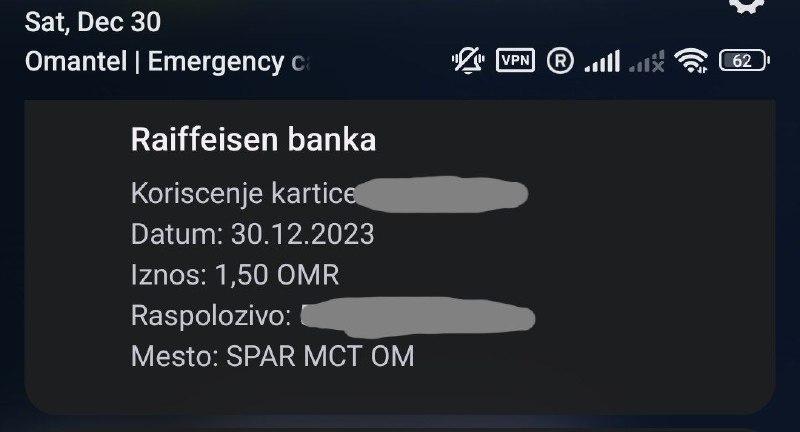
The problem is that Serbian banks completely didn't expect this twist. So I went and bought water for 0.150 OMR. Paid with my card. And I get a push notification saying 1.50 OMR was charged. Which is like 10 times more. The amount here is relatively harmless, but the same thing happened when I paid for the hotel. One that I definitely wasn't planning on paying almost a thousand bucks for per night. Except the notification cheerfully reported exactly that amount being charged.
The fun part is that the notifications come instantly. But the actual transactions show up in the online banking interface a day later (or even later). And support is completely unavailable. I had to worry a bit about my account. But in the end, everything was charged correctly. Not 10x.
PS. The money itself is beautiful. And it's cool that the bills show 1/2. And there's even 1/4.
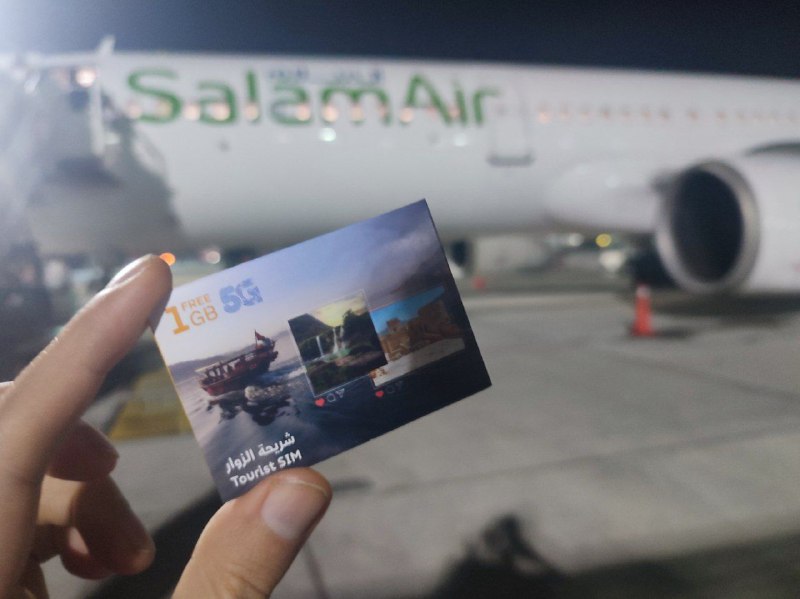
First time I've seen flight attendants handing out SIM cards with free internet right at the exit of the plane. No registration or SMS required. Maybe they're just behind on their plan to expose the population to 5G radiation by the end of the year? :)
Anyway, I'm in Oman. So far everything looks quite interesting.
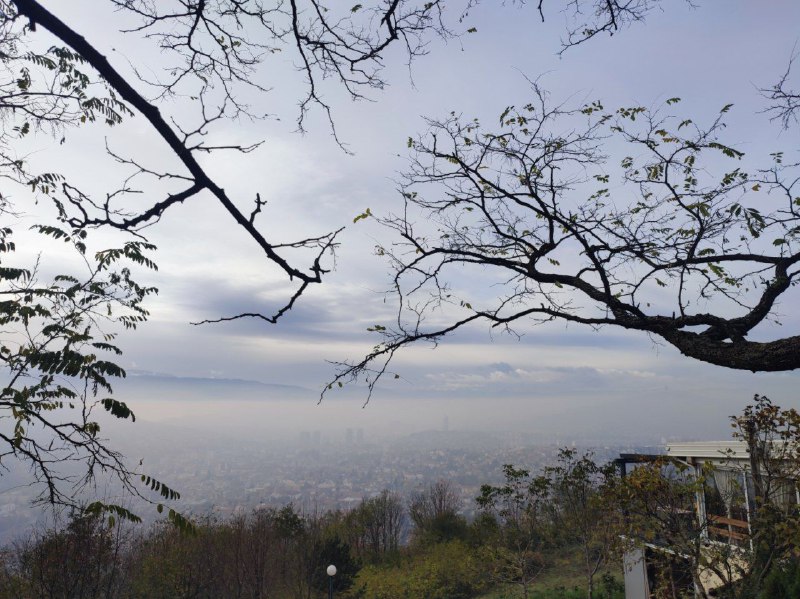
Sarajevo time. It's noticeably cooler here than in Belgrade, and the city is shrouded in smog again. But it's still beautiful here ❤️
On the way home, I managed to lose my luggage again. Third time this year! (thankfully it turned up)
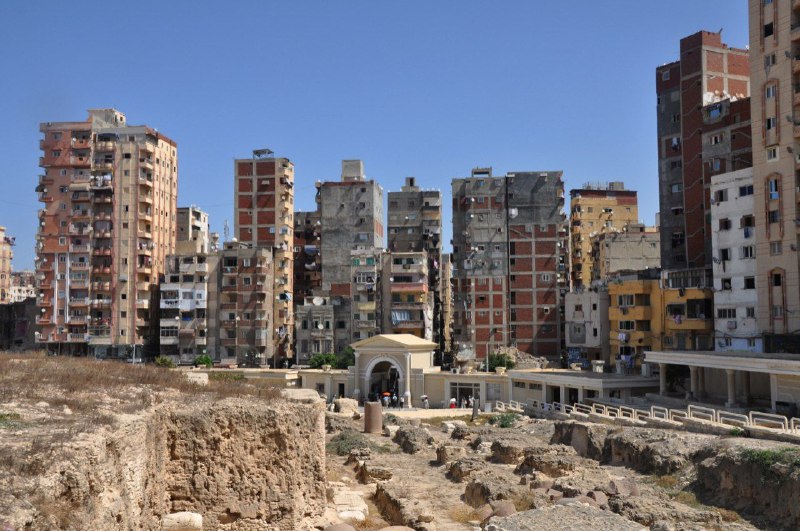
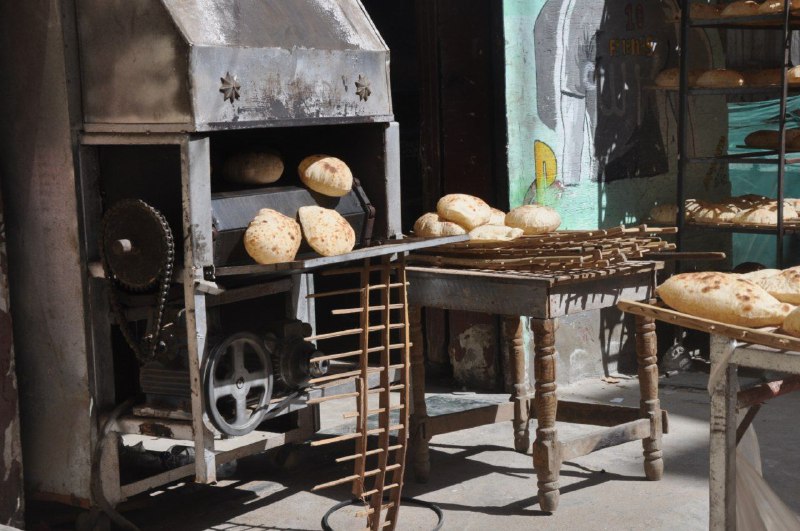
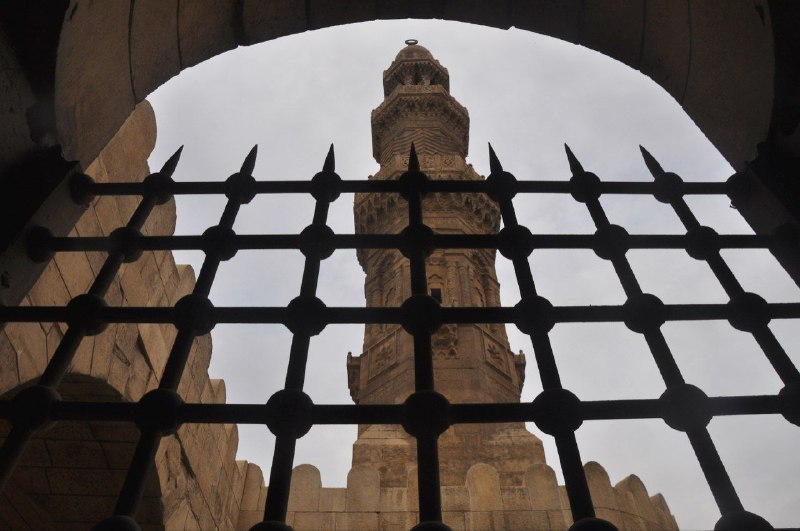
A few more thoughts about Egypt. The poverty level is high. You walk into a UNESCO-protected area where everything looks neat and proper, but behind the fence there are unfinished but occupied ugly concrete boxes.
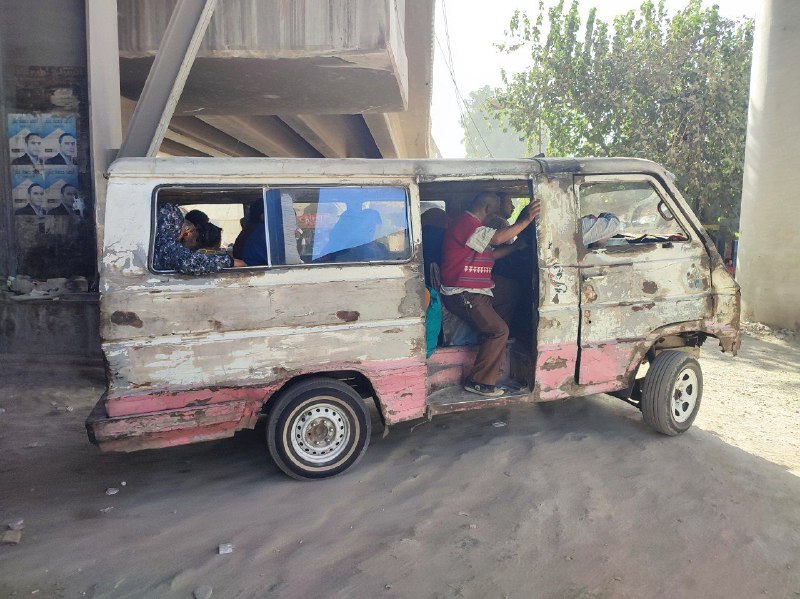
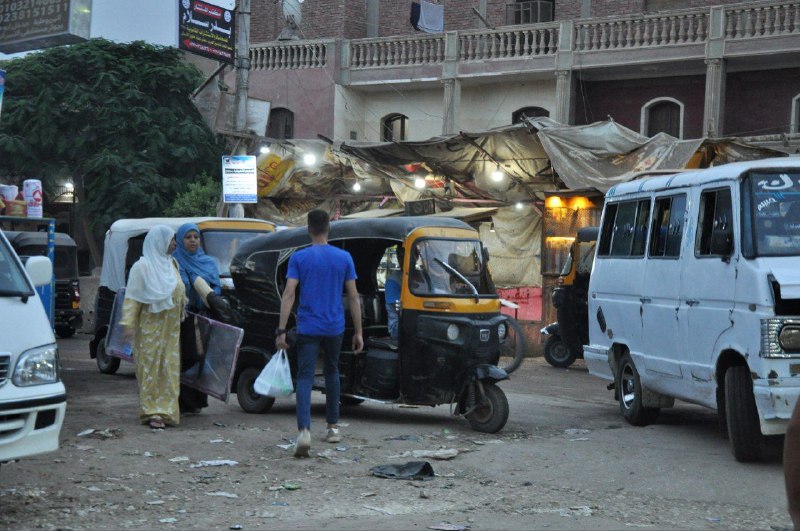
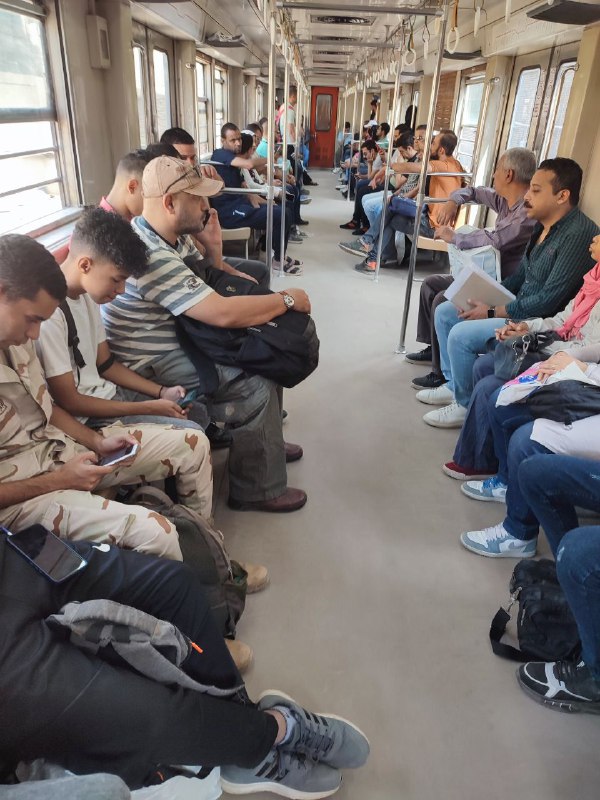
Even in Cairo, many people wear clothes that could use some mending, or better yet, replacing. Looking at public transport sometimes, you wonder how it's still running at all. There are some decent buses, but plenty of beat-up minibuses.
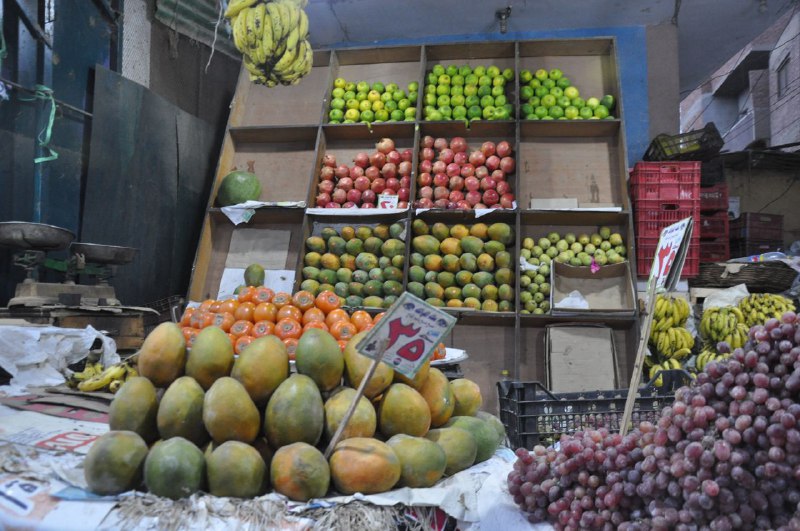
The average salary in the capital is around $300 a month. Prices overall are lower, but I can't imagine how people manage to live on that.
All this deeply influences how people think. Taxi drivers and even tour guides are among the most opportunistic people I've ever dealt with. Short-term gain trumps anything long-term for a lot of them. And that's sad.
Still, there's something captivating and appealing about this country, something genuine and alive. I'll definitely come back here once things settle down in the region.
Peace to all ❤️
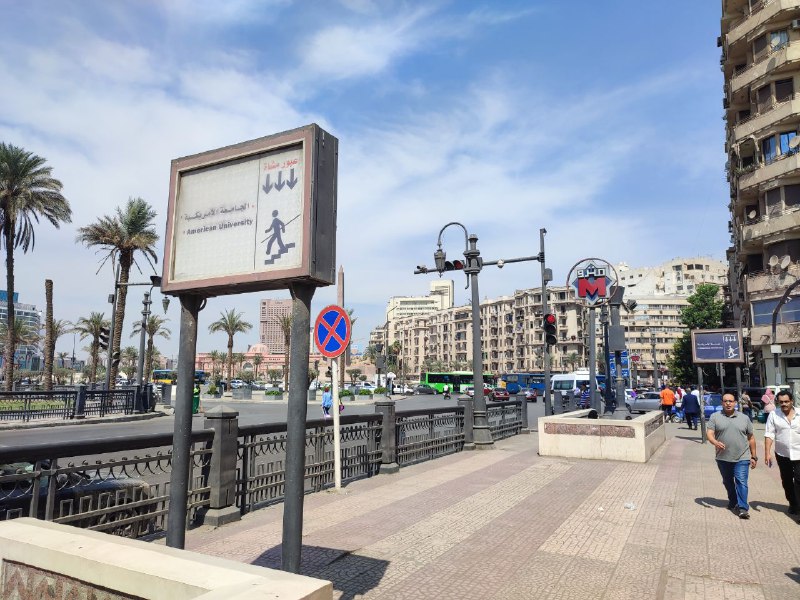
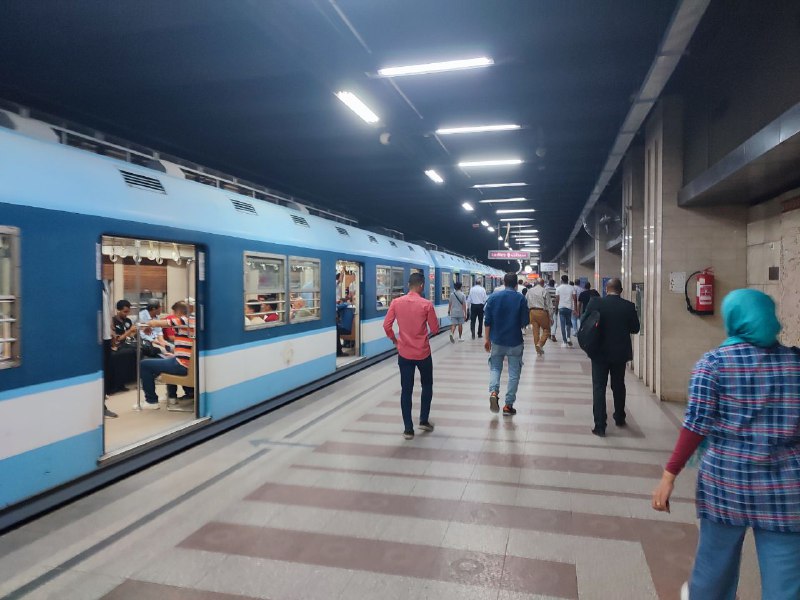
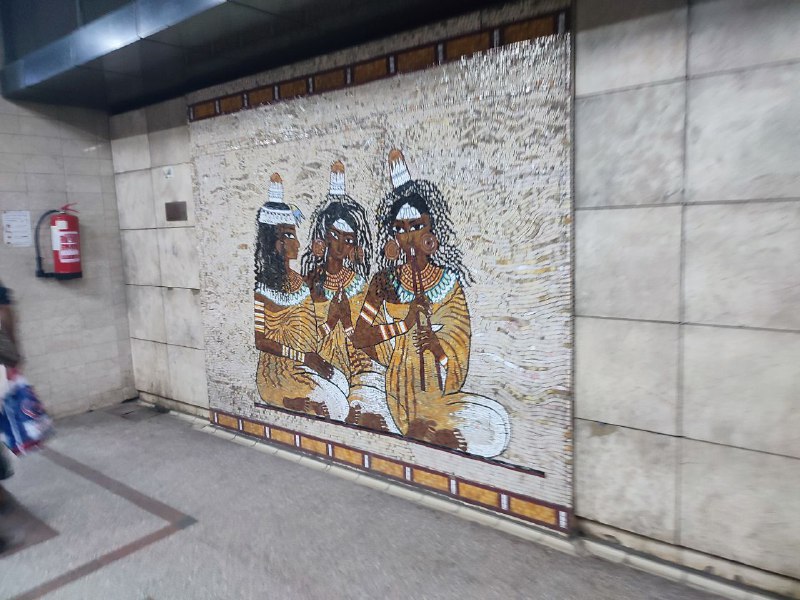
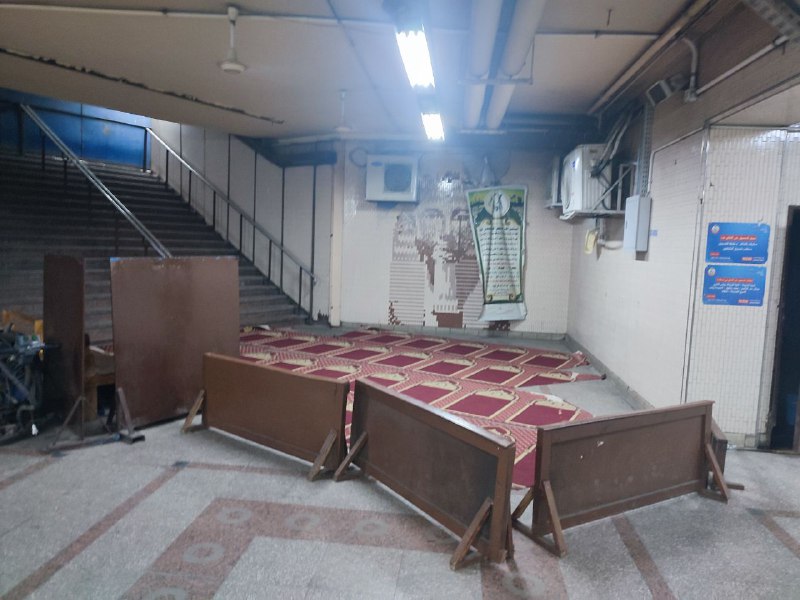
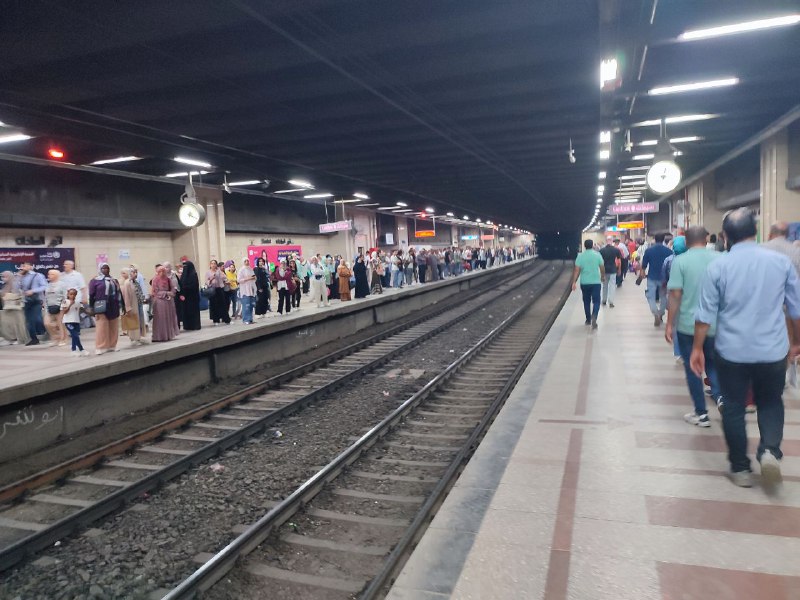
I was really surprised by the Cairo metro – there are actually prayer zones right in the passages, and people actually use them for that purpose.
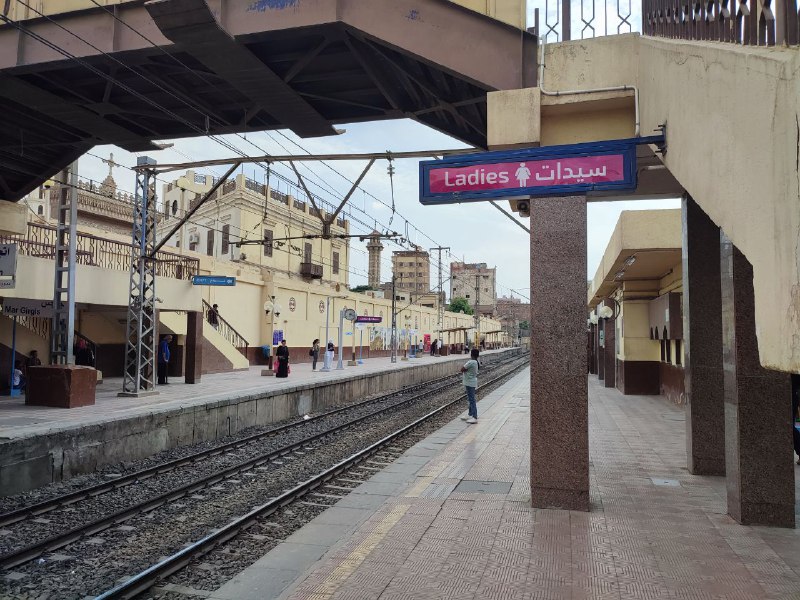
The stations have signs marking "women only" zones. Though honestly, that's not as surprising.
And the police are predictably persistent. If they see you taking photos of the station, they'll definitely come up to you and ask "no photo please".
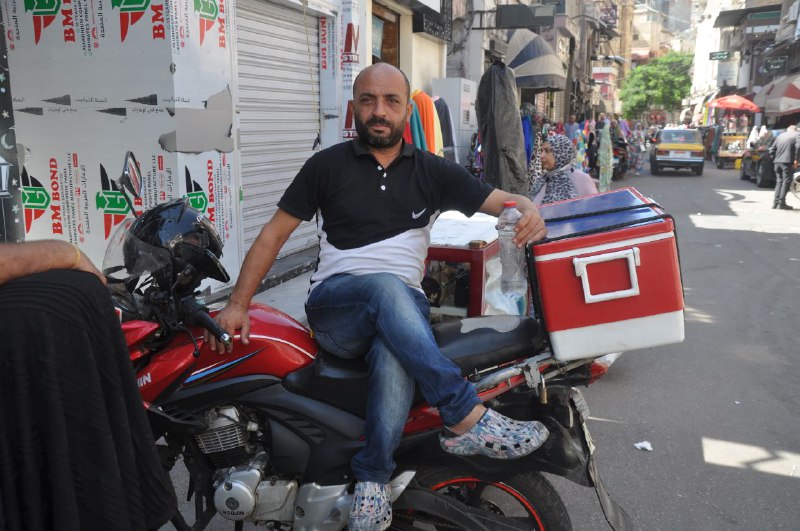
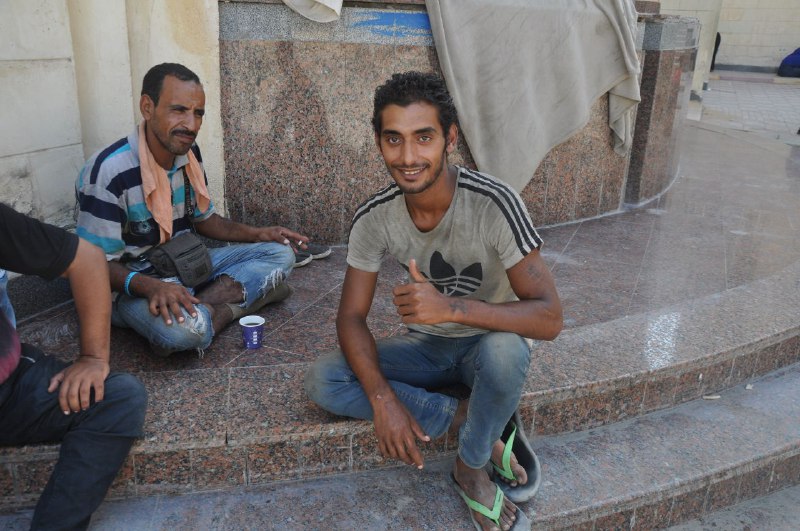
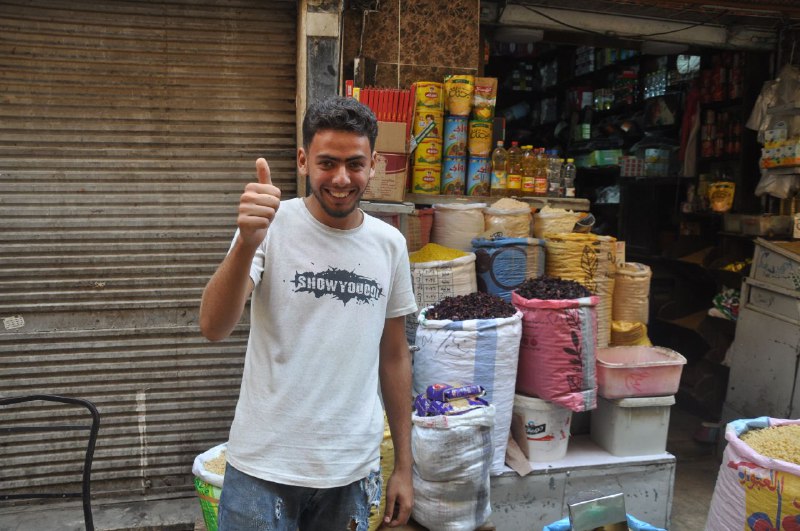
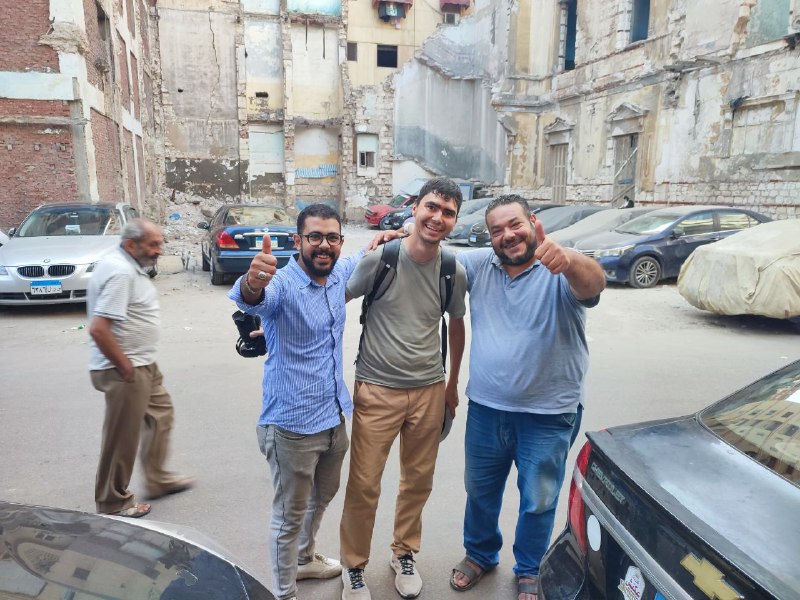
The people in Alexandria are amazingly friendly. I honestly can't think of anywhere else quite like it. As I walked through the city, random strangers would constantly smile and say "welcome" to me, without trying to sell me anything, and just go about their business.
Several people even asked me to take their picture with my camera. They said, "so you'll remember us when you get back home."
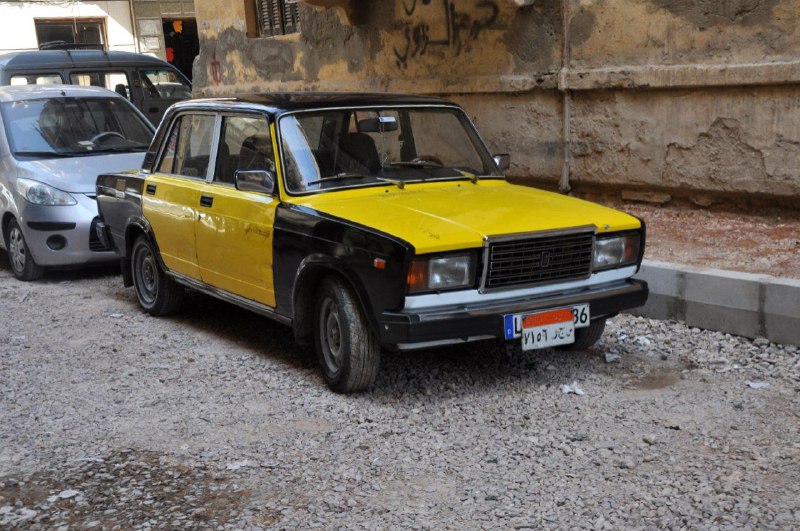
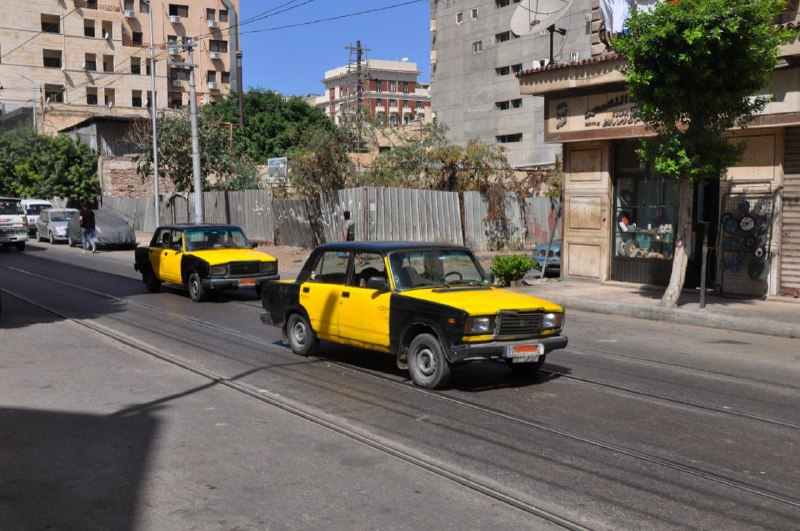
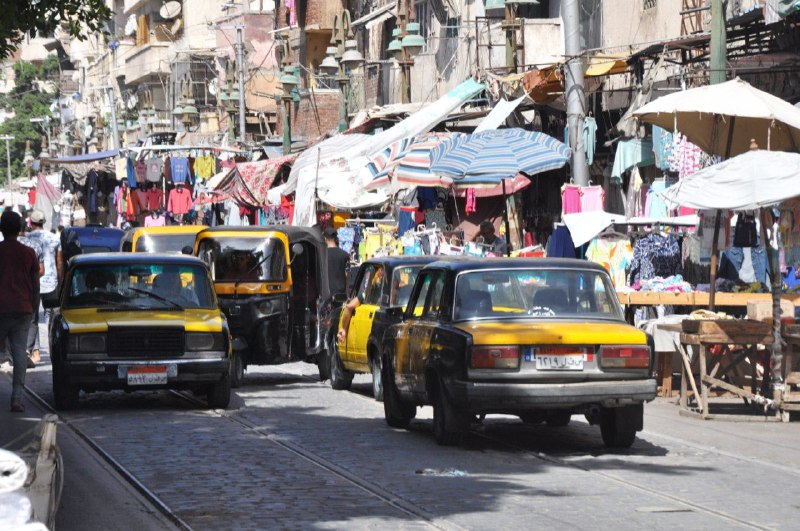
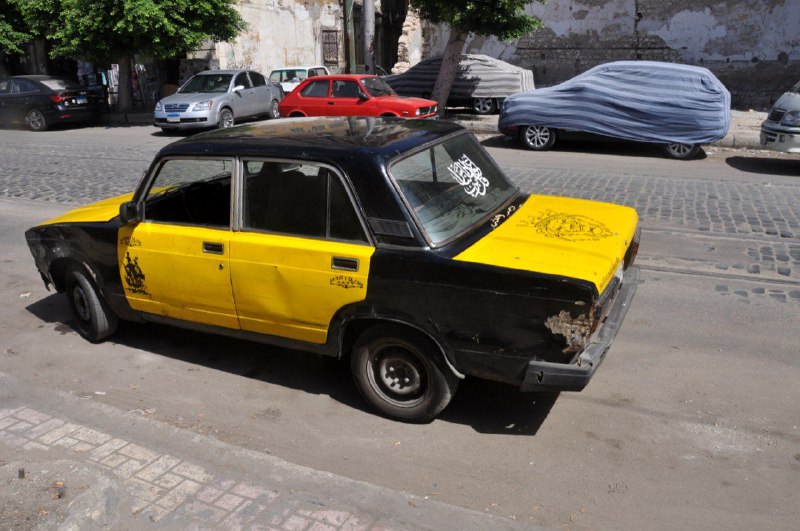
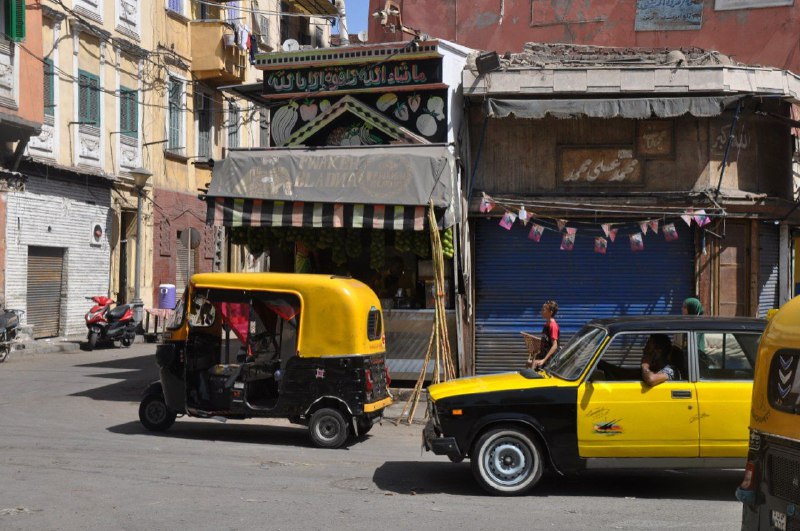
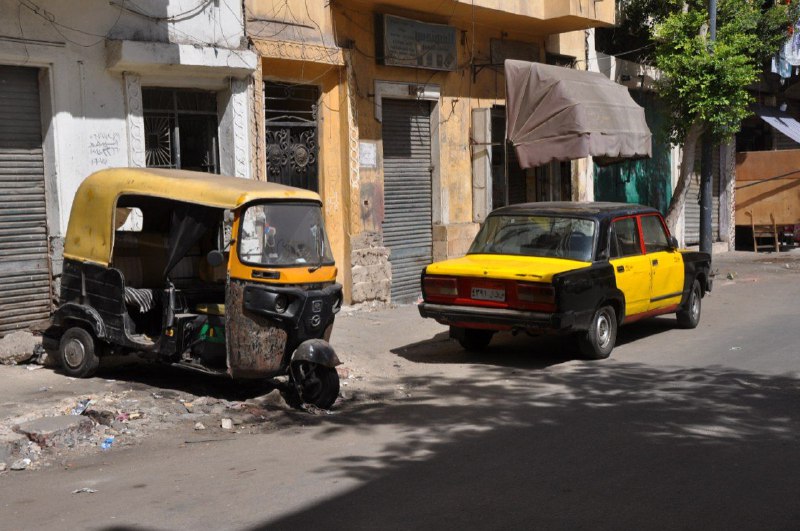
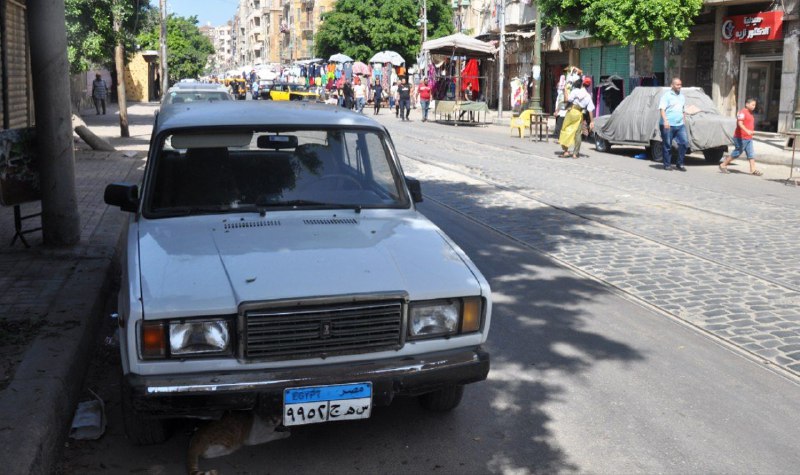
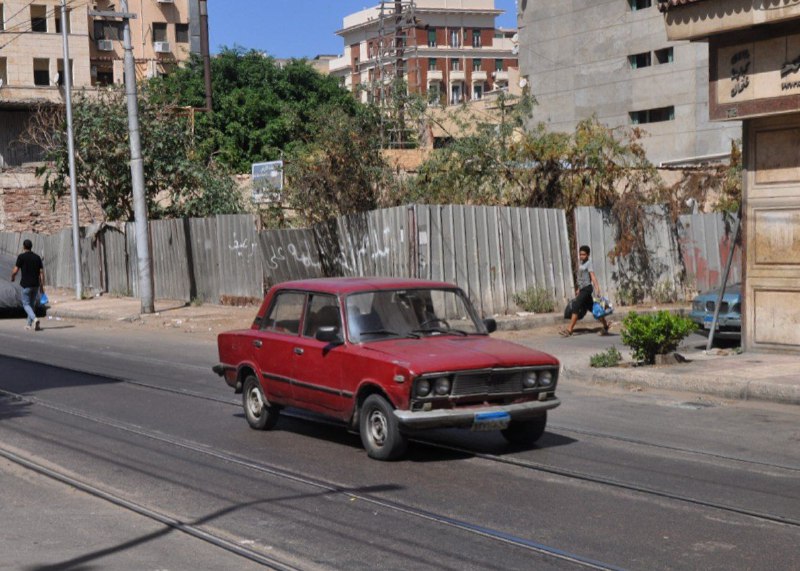
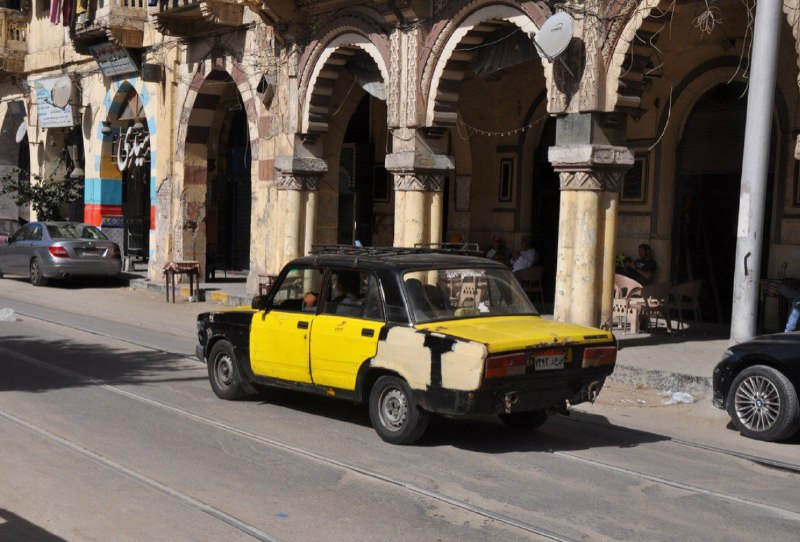
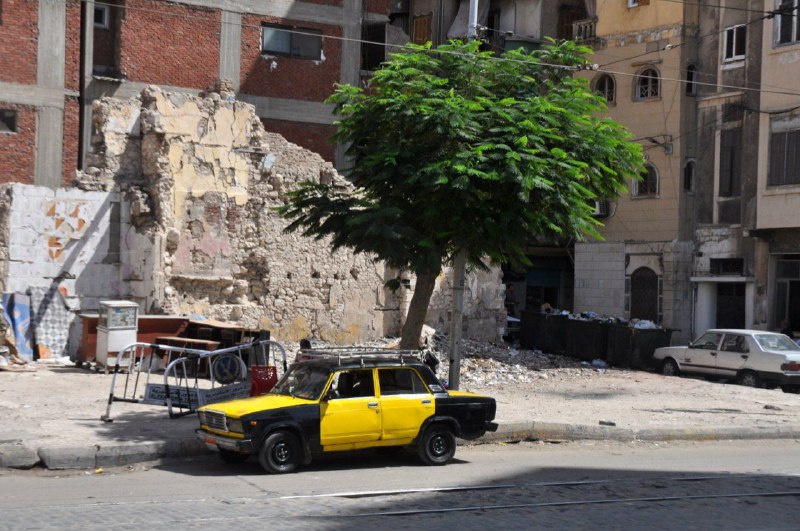
In Alexandria, Egypt, there's basically a nature reserve of Zhigulis. I don't think I've ever seen such a concentration of them in Russia. For locals, it's just a regular foreign car, by the way. And it's actually considered pretty decent. If you ever get a sudden bout of nostalgia, you know where to go.
License plates here are completely in Arabic. When you call an Uber, it becomes a hassle. The app shows me the numbers as 7156, but on the car it's written as ٧١٥٦. The first few times I got stuck comparing them. Eventually the process speeds up. Though honestly, it would make more sense to display them the same way. Then you could compare them even if you don't know the digits.
This year I got completely immersed in the Arab world. From Algeria, I went straight to Egypt. It was really interesting to check out the local tech conference. Though there was nothing supernatural about it. But that's not why we're here.
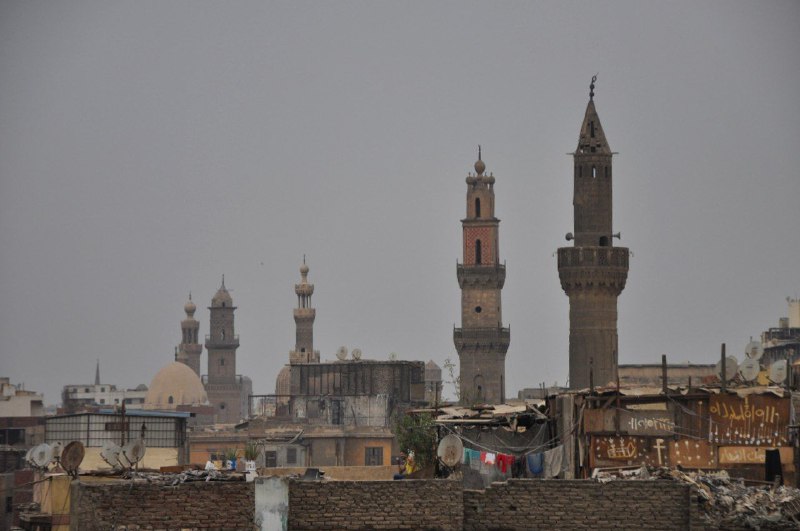
The atmosphere of Cairo struck me. There's something indescribably captivating here that you just can't stop looking at.
Literally a minute from an ordinary street. But there's chaotic traffic of cars and pedestrians under endless honking, and good old Ladas, and even guys walking hand in hand.
The latter here is considered a sign of close friendship. Though nowadays it's mainly among the older generation. Young people prefer to put an arm around the shoulder and walk that way, so they don't accidentally get mistaken for expressing sexual orientation.
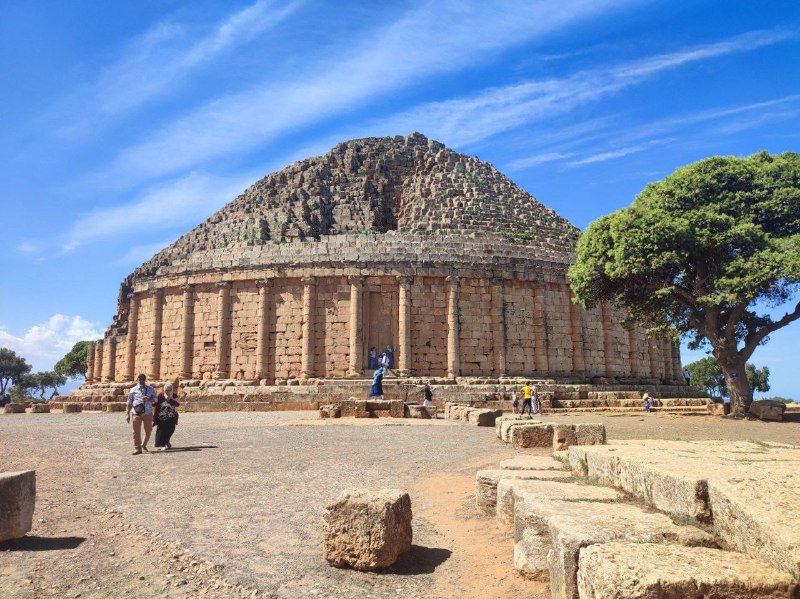
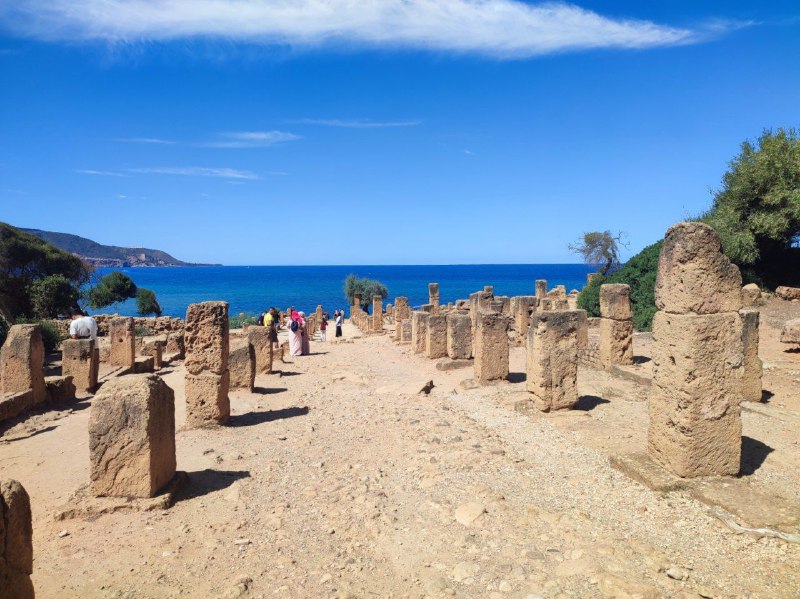
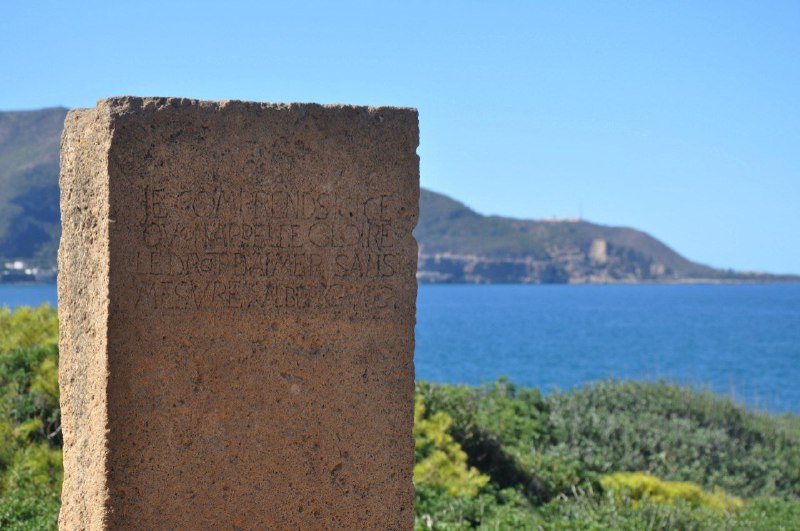
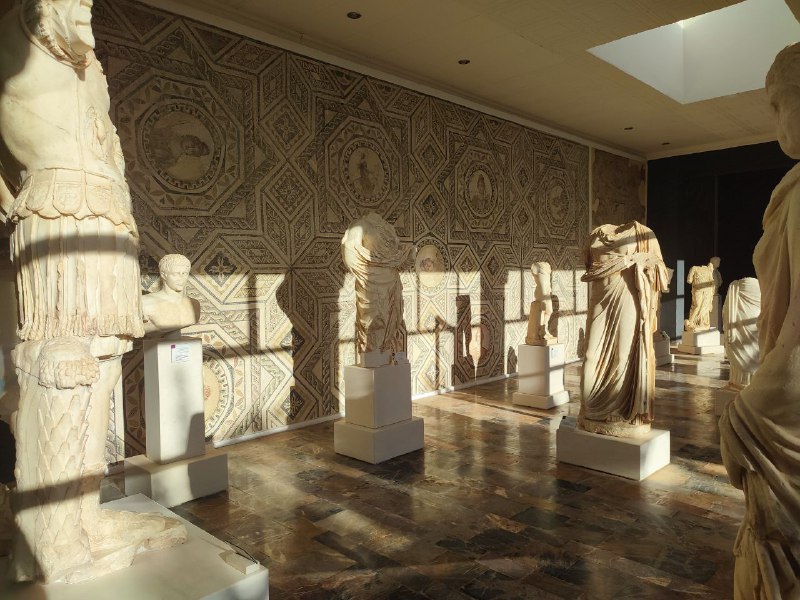
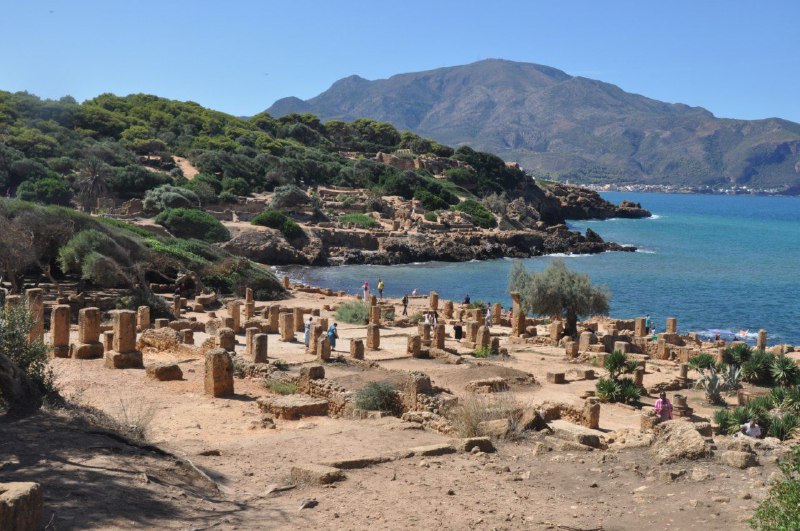
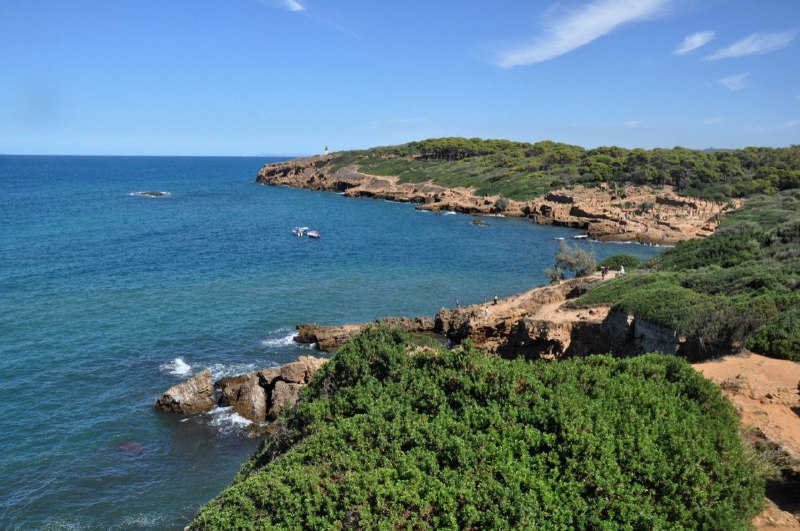
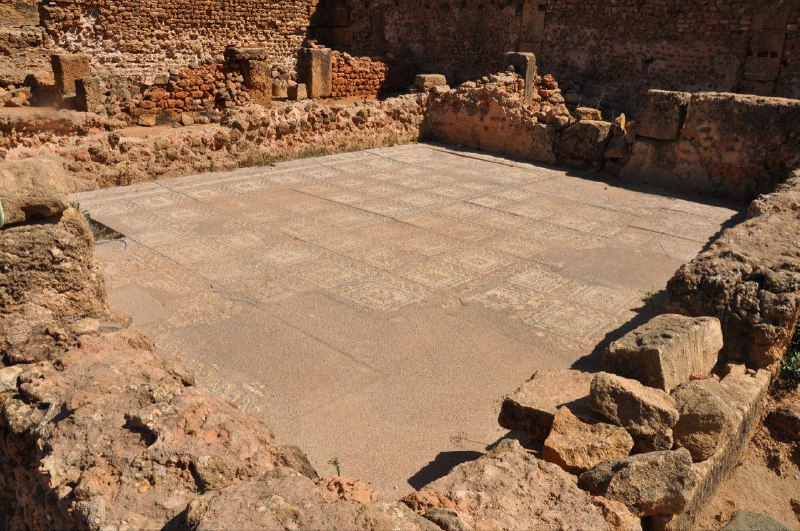
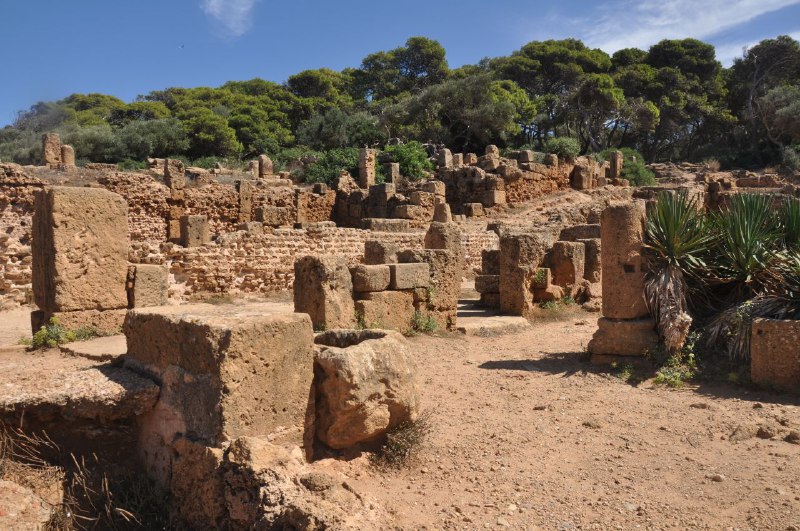
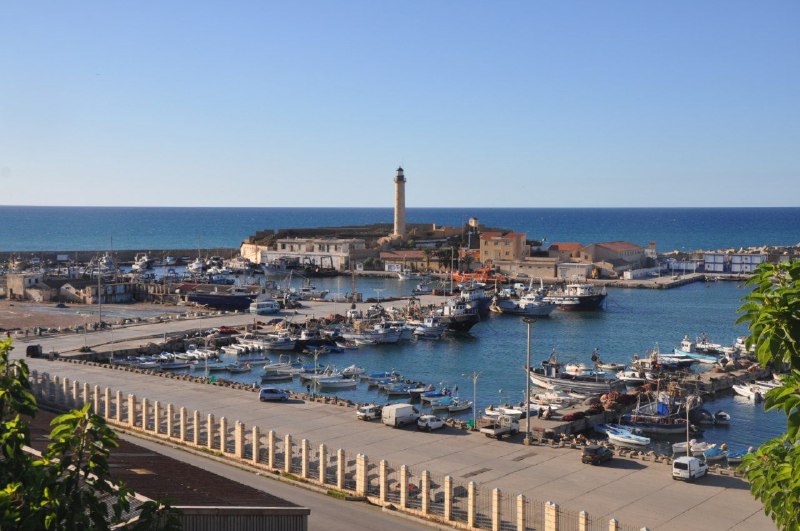
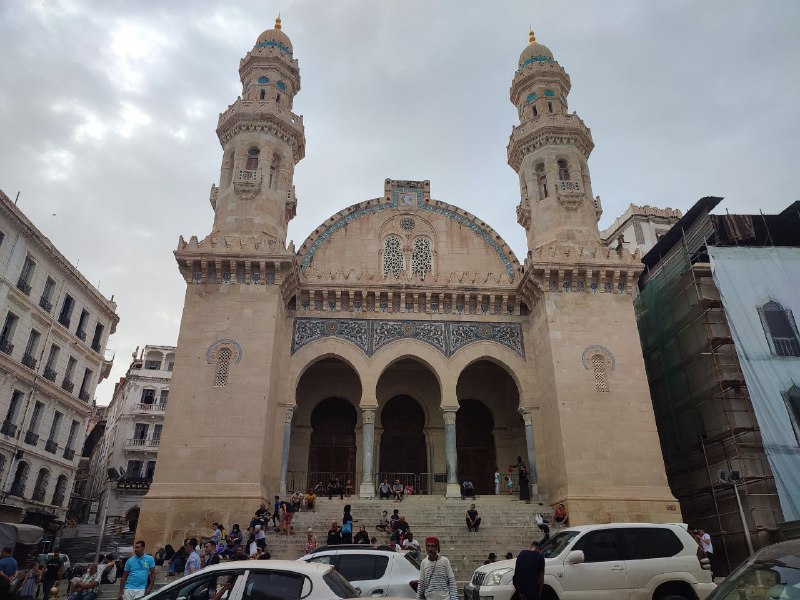
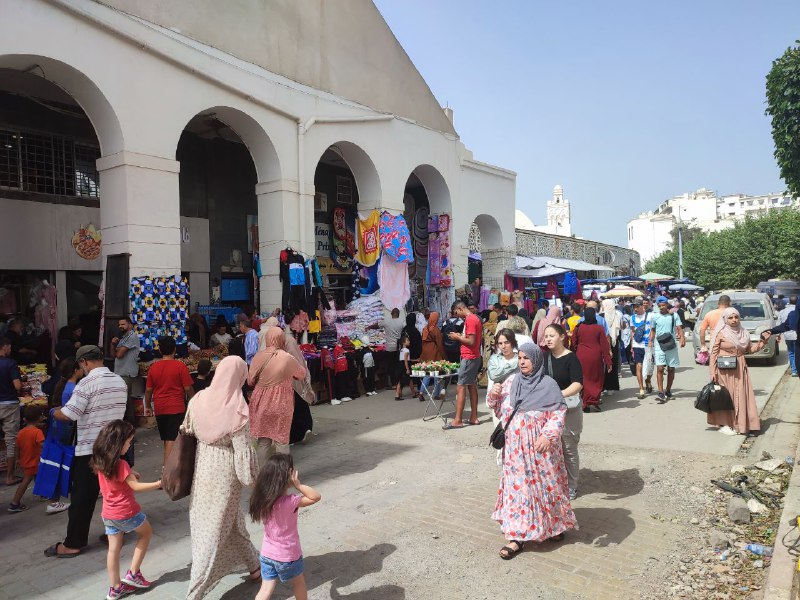
Algeria isn't just desert—it's also got this amazing coastal north with tons of history, ruins that are on UNESCO's World Heritage list, and incredible seafood. 🌊
Last year they actually stopped requiring police escorts for tourists traveling between cities. Hopefully the infrastructure will catch up too :)
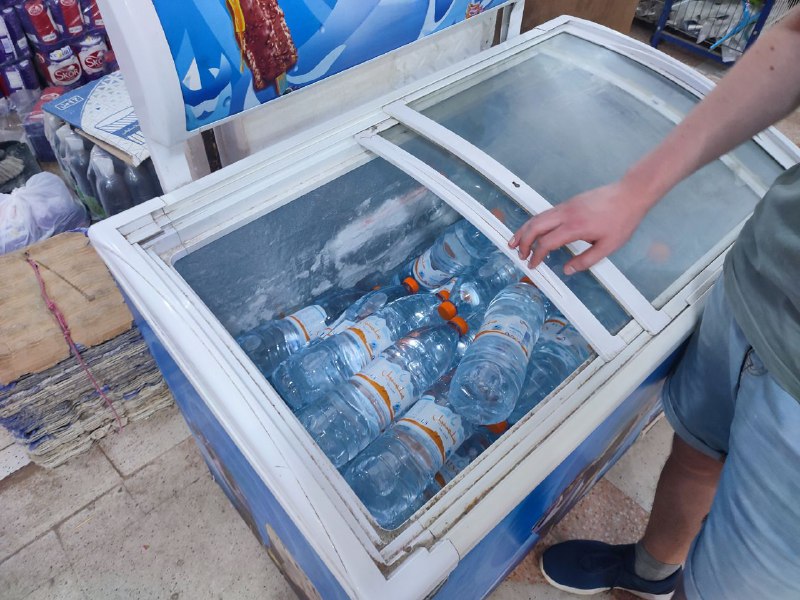
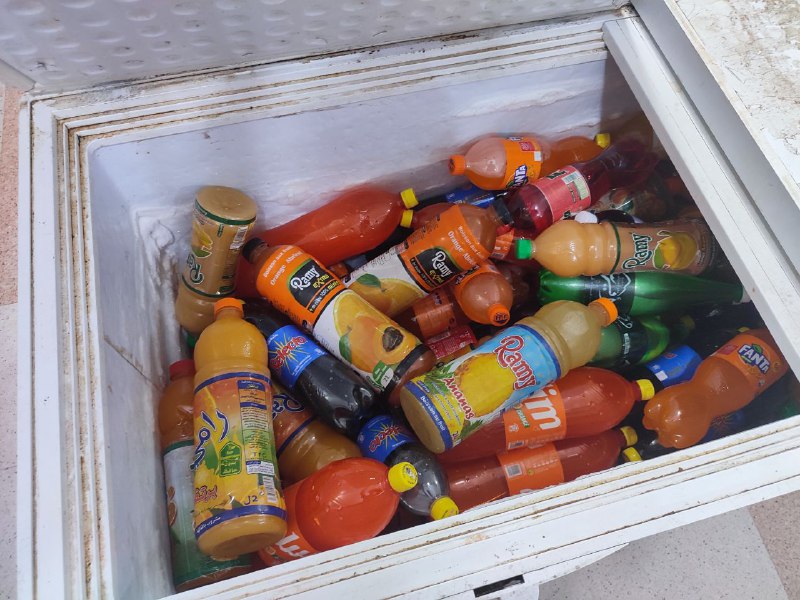
So I walked into a shop in the middle of the Algerian desert to buy 3 bottles of water. The cashier tells me "that'll be 24,000". I convert it to euros and get just over 100€. I asked twice "24,000? wait what?" and got a yes both times.
I wasn't really keen on dropping 100€ on water. Even in the middle of nowhere. So I left the water with the seller and walked out empty-handed, pretty shocked by the prices.
At the shop next door, the seller was speaking in a way I couldn't understand at all, so he just grabbed 200 Algerian dinars from my hand (just under a euro). I started to think the first guy was trying to rip me off. But nope, turns out he wasn't.
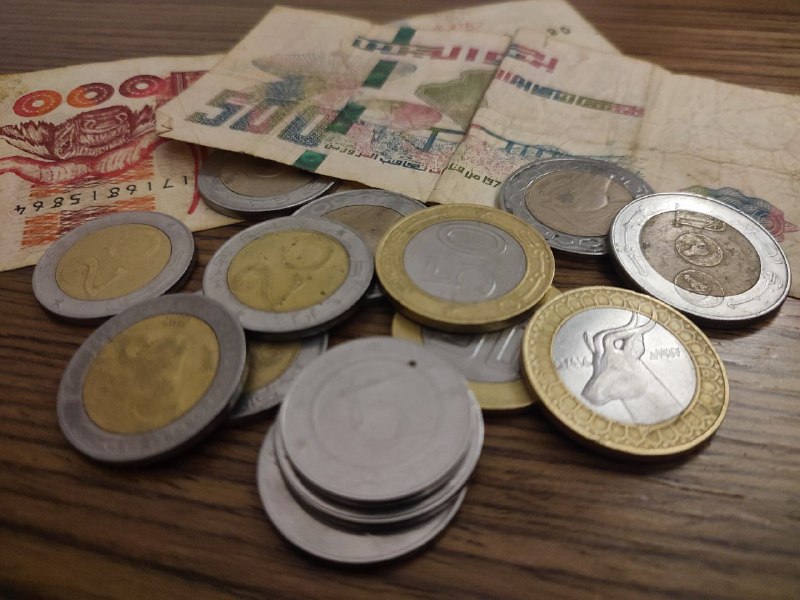
Back in 1964, Algeria switched their currency to dinars at a 100-to-1 ratio, but people still haven't adjusted (!) and keep using the old currency. So prices are often quoted in old money. That means you need to divide the amount by 100. The first seller actually wanted just over a euro from me, not a hundred.
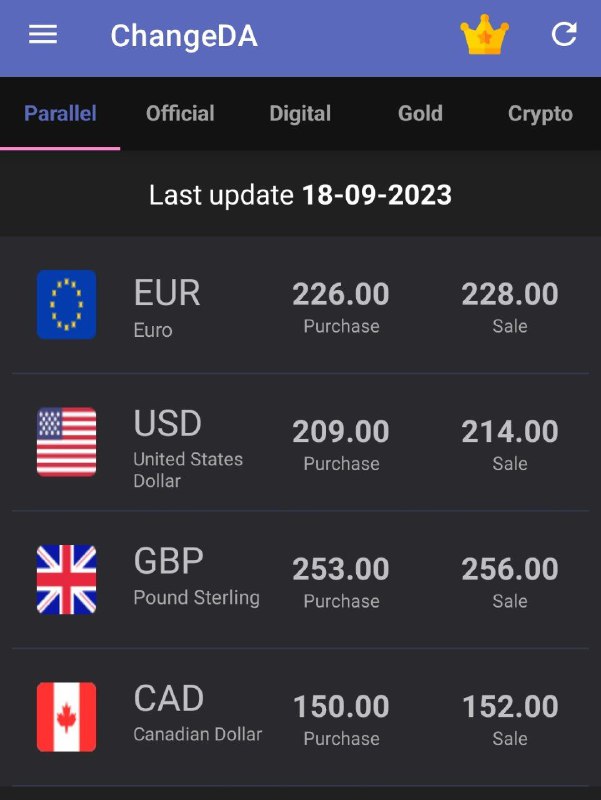
Oh, and there are no money exchange offices here. There's an official rate of 146 dinars per euro. But you can only sell euros at that rate. Then there's the black market where they exchange at 226 dinars per euro. You can literally catch money changers right on the street—these guys with thick stacks of cash. Makes you wonder how people exchange big amounts if they, say, sell an apartment or something? :)
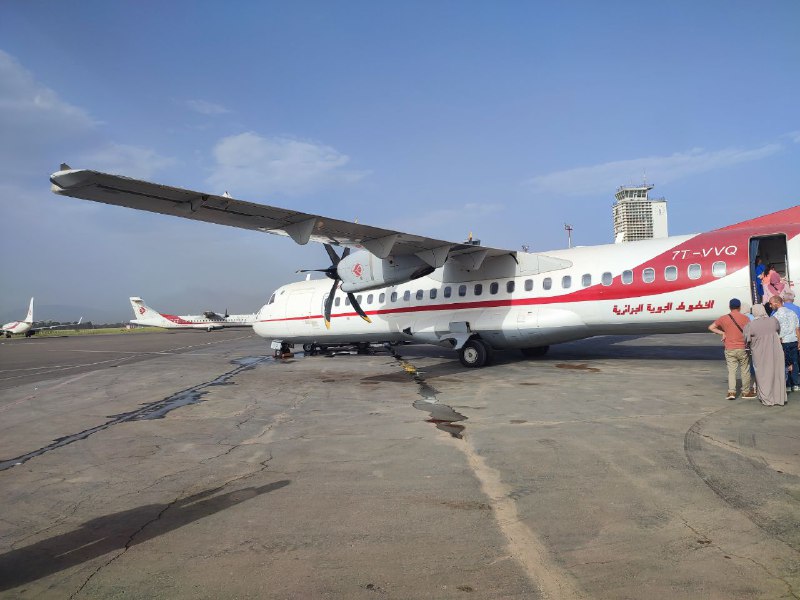
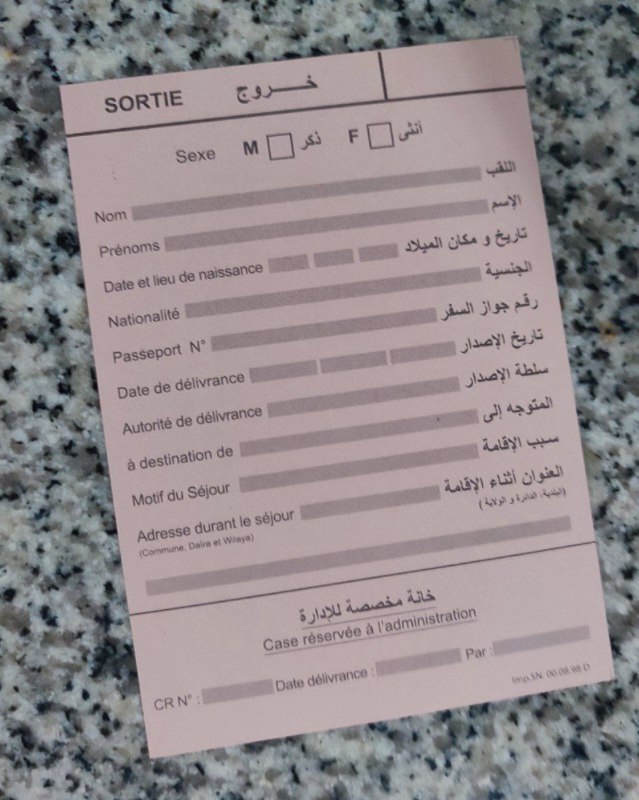
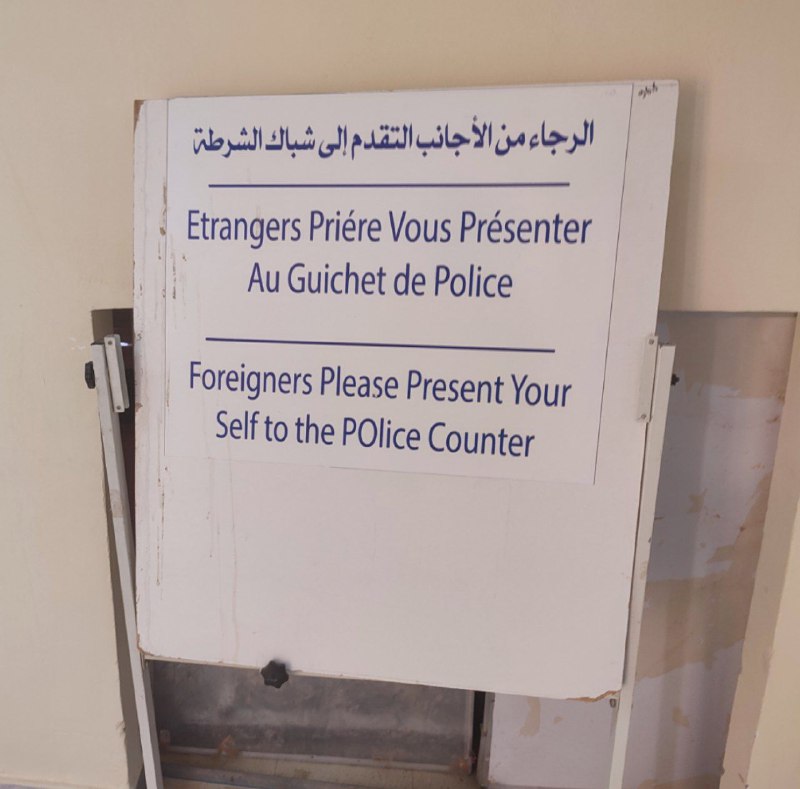
Domestic flights in Algeria are pretty interesting. If you're a foreigner flying to another city on a domestic flight, you still have to fill out an exit form (see the photo). At smaller airports, staff can help you with it, but in the capital, you're on your own. Why they need my profession and my parents' names is beyond me.
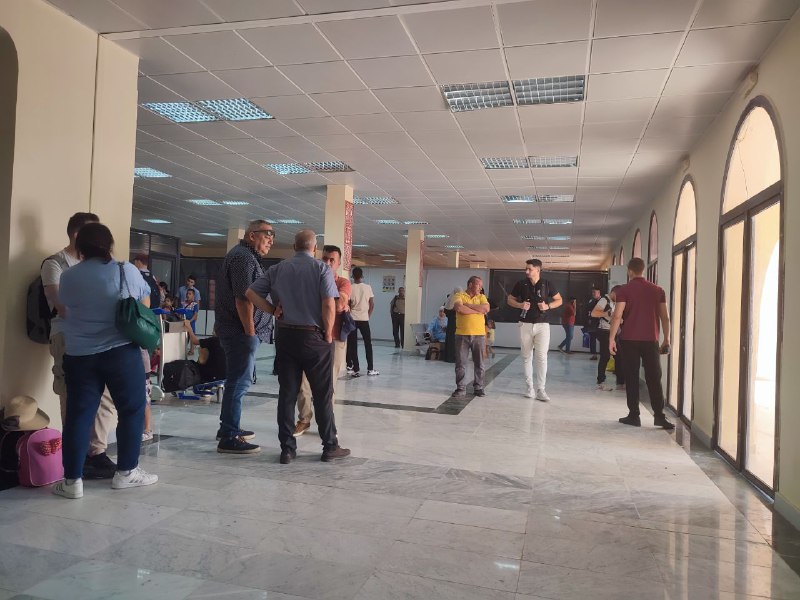
There are more security checks, but they feel more like an annoying formality than anything serious. For example, in Algiers the metal detector would go off on every other passenger, but everyone got through without any questions. In Timimoun, they didn't even ask me to remove my belt and let me through to the secure area with a large bottle of water.
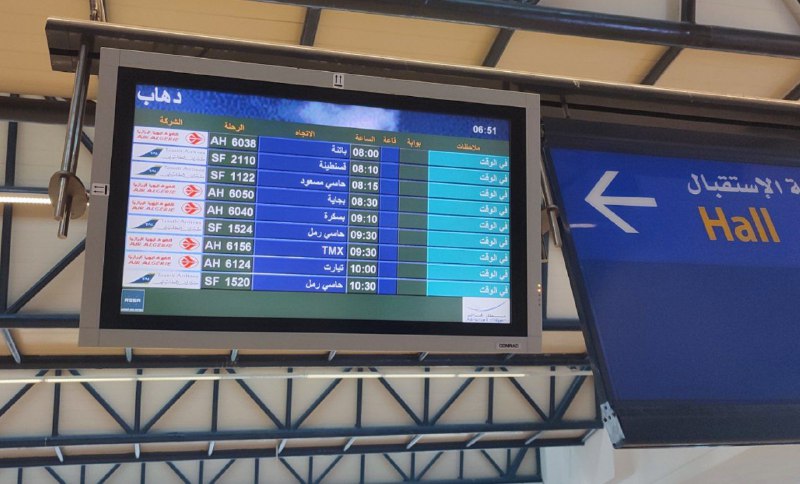
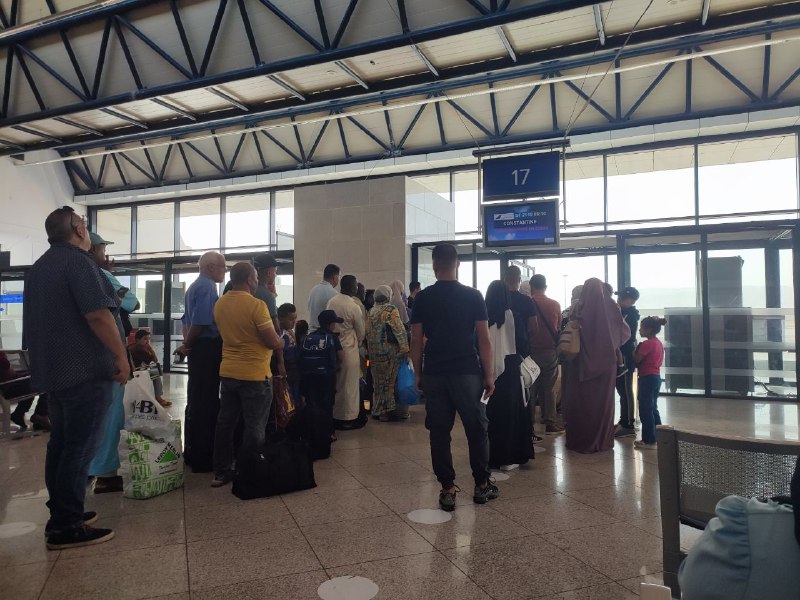
The gate display doesn't need to be updated. And they can change the gate at the last second. I actually had a boarding that was listed under the gate number of a flight that had already left in a completely different direction.
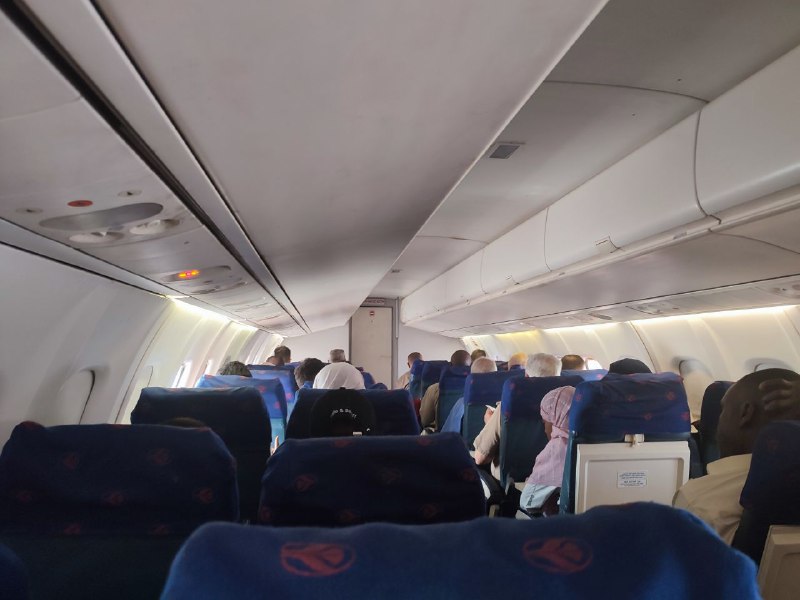
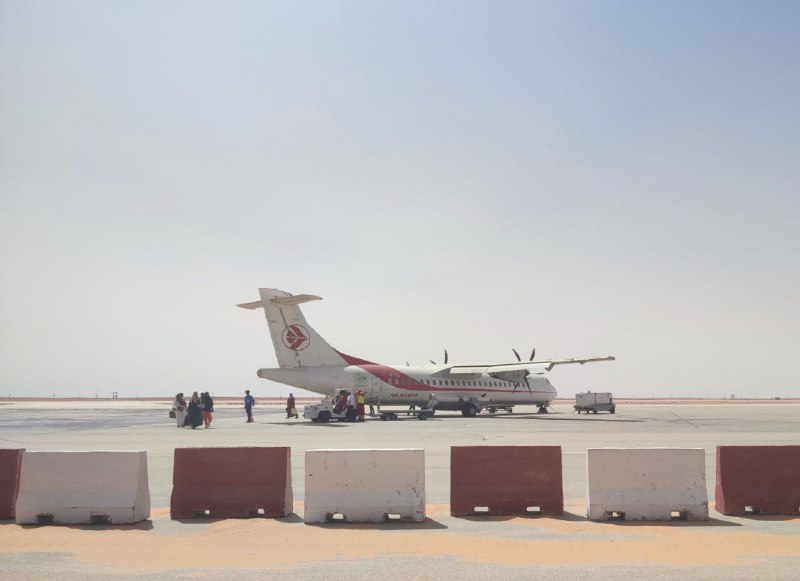
For some reason, passengers are given a boarding pass with a seat number. Why—no idea. Everyone just sits wherever they want, ignoring the numbers. If seats start running out, a flight attendant might help you find an empty one. I wonder if overbooking is allowed here?
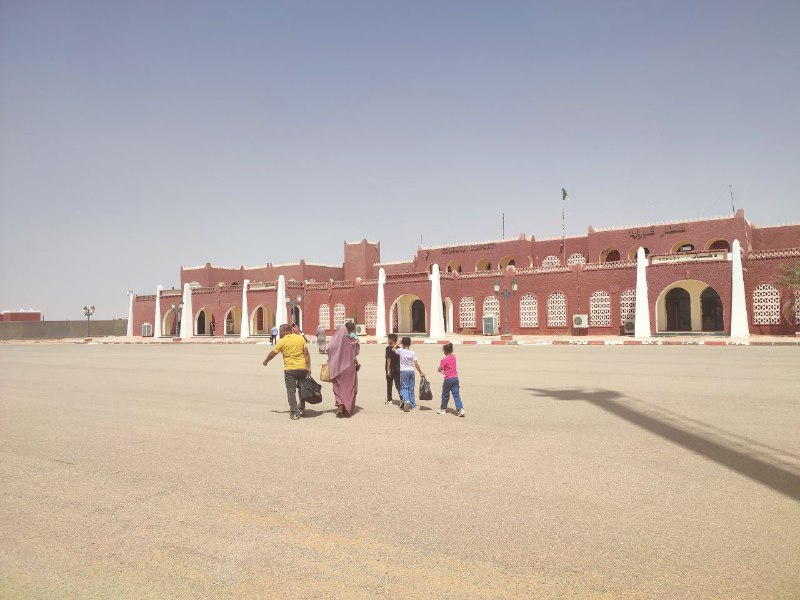
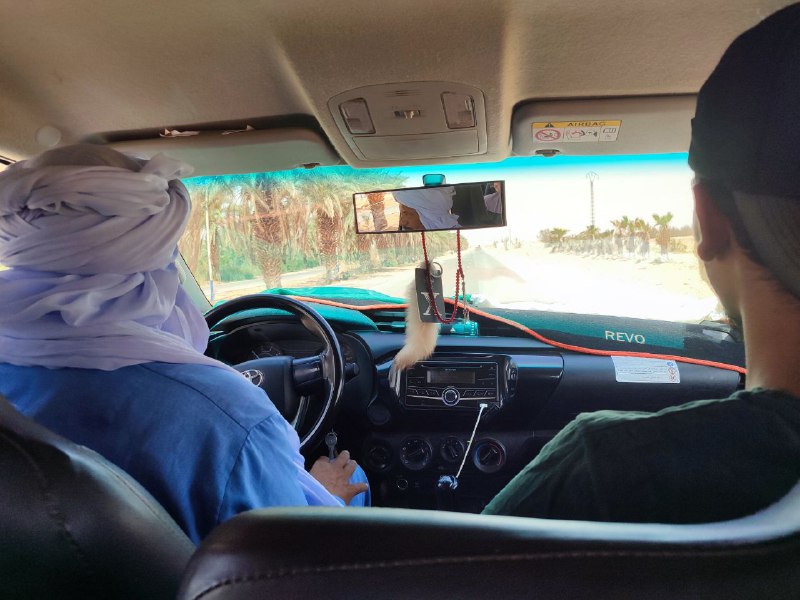
At the tiny Timimoun airport, a uniformed officer took my passport without explanation and handed it to the police. They escorted us to the city. The rules here are such that foreigners can only travel through the desert with a police escort. Locals laugh about it, saying it doesn't make sense anymore, but that's how it works ¯\_ (ツ)_/¯
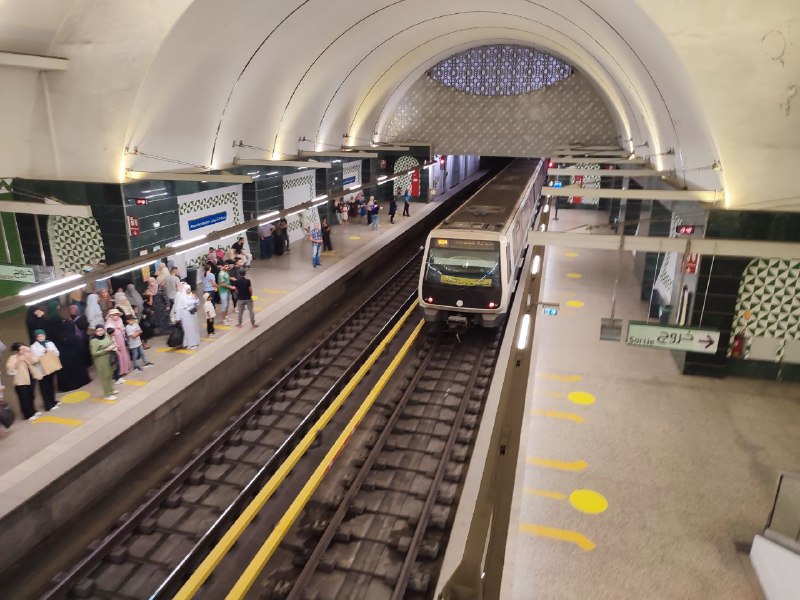
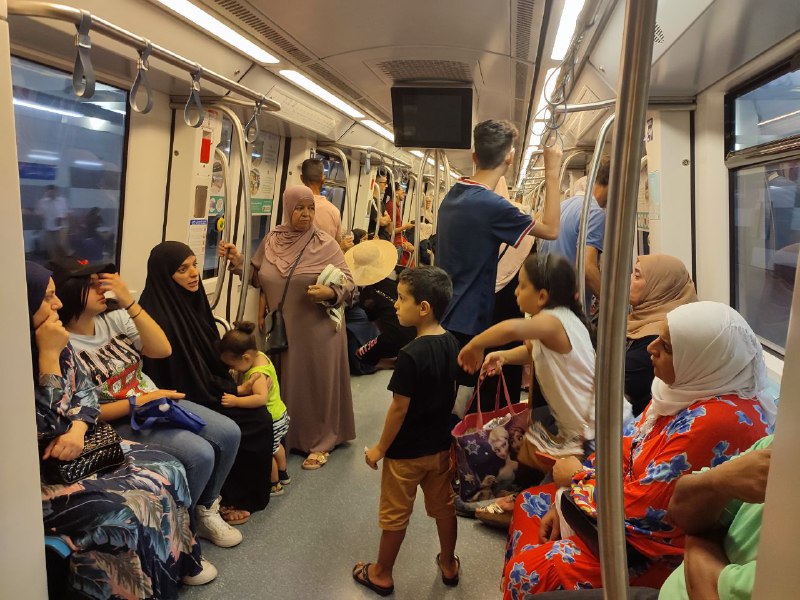
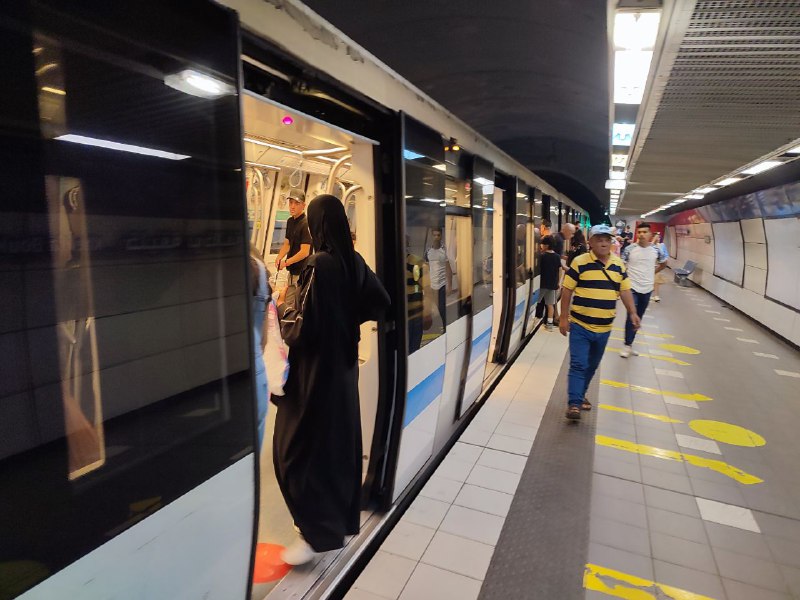
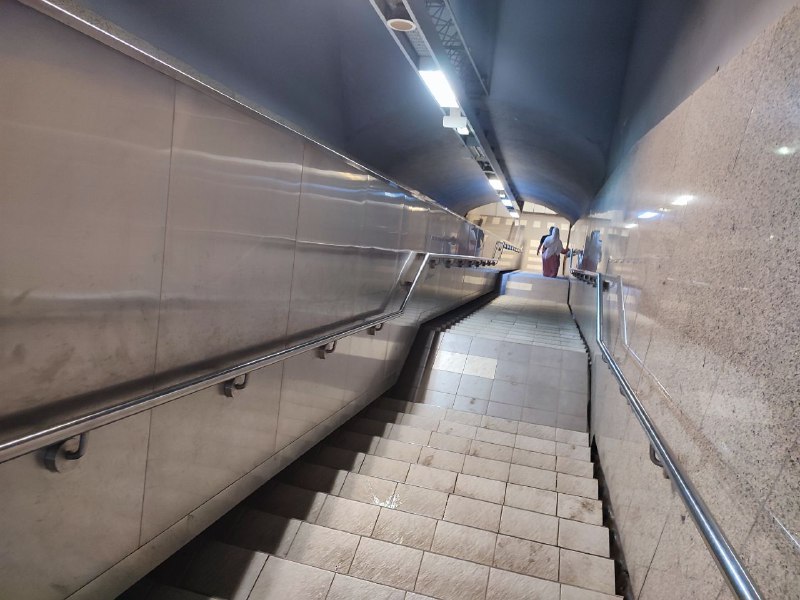
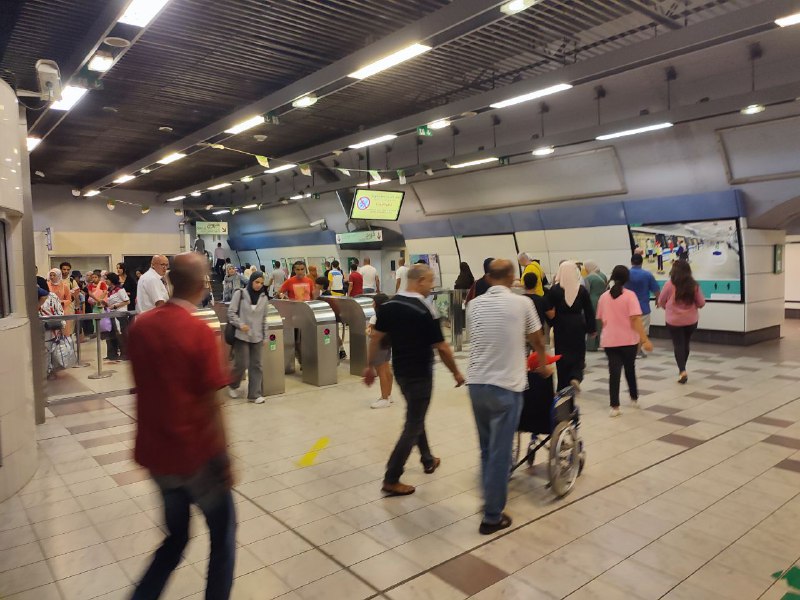
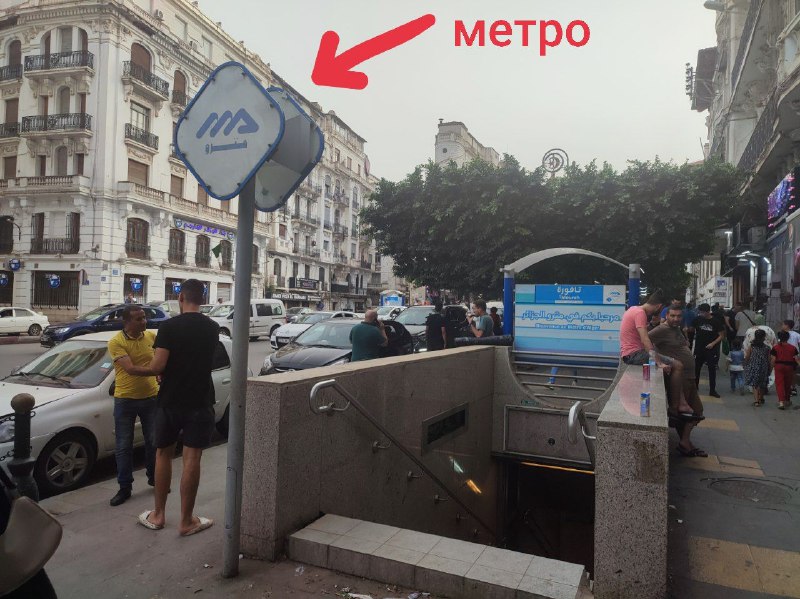
Algeria has a metro! It was a complete surprise for me. I randomly spotted a sign on the street and there it was. It looks kind of like the Paris metro (which makes sense). The stations are really deep. Not all of them have escalators. So at the entrances, up at street level, you can see plenty of out-of-breath passengers who just climbed down a whole bunch of stairs. The fare is cheap—just a quarter euro.
They started designing the subway back in the 1970s. They only finished construction and launched the system in 2011. But even 40 years is noticeably faster than
Belgrade's pace :)
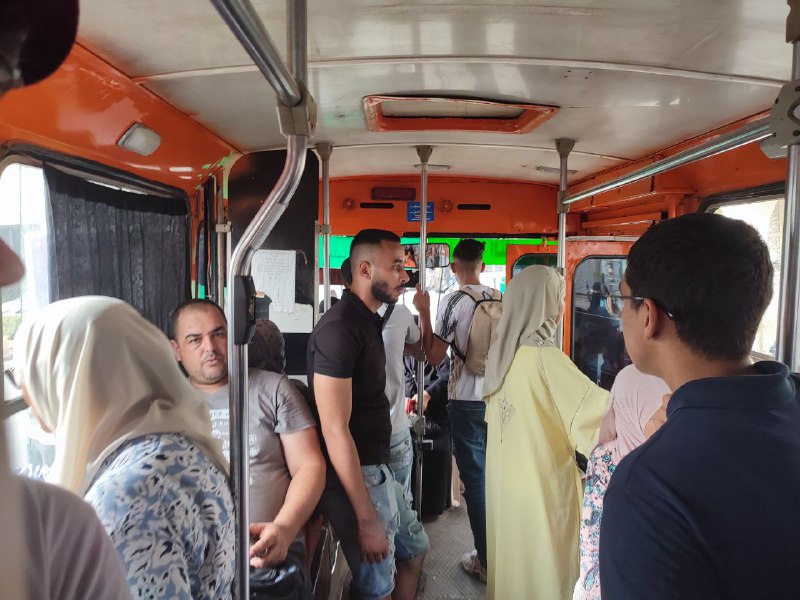
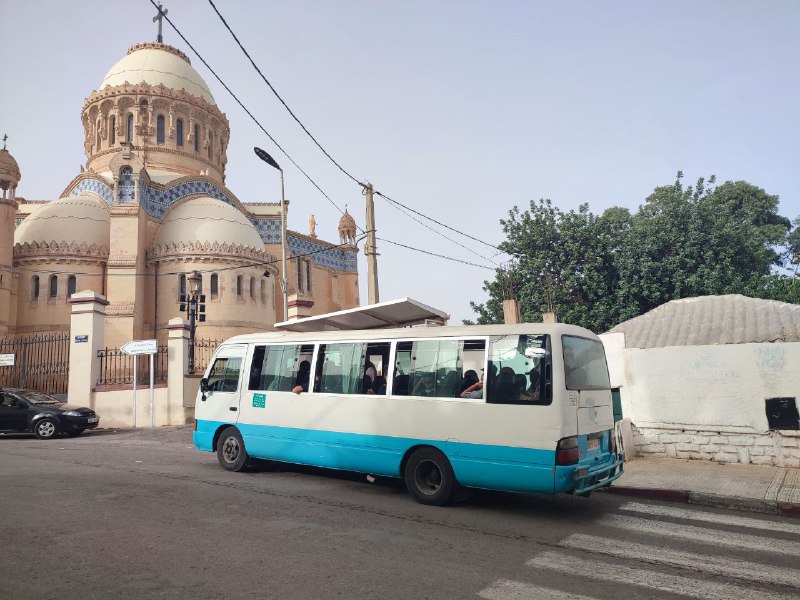
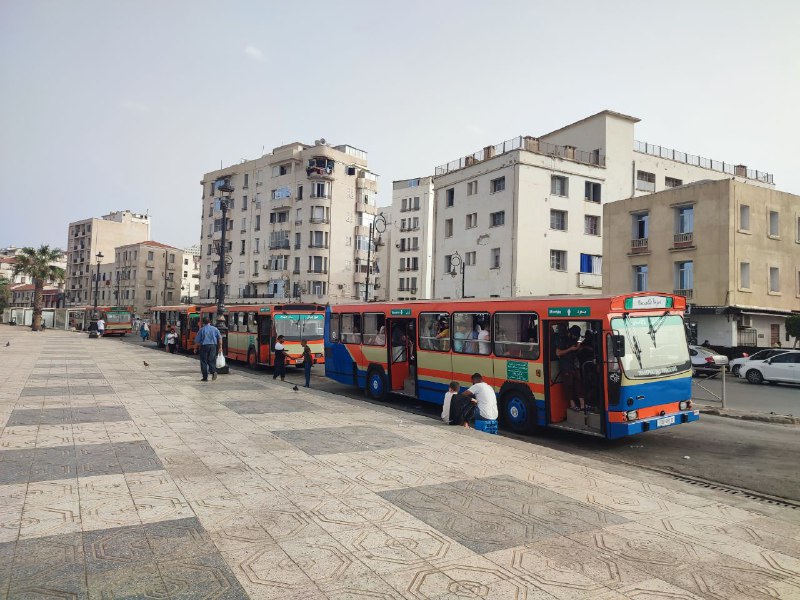
Above-ground transport is trickier. I couldn't find any route maps or schedules online, nothing. Moovit and Google Maps just suggest walking. The stops themselves have no information either. I'd just go up to drivers and ask if they were going to where I needed. I managed to guess right the first time a couple times and heard "yeah, get in," but once I had to switch from a big bus to a minibus. Lucky the other passengers told me, or I'd have gone the wrong way. But at least the fare is half the price of the metro.
Алжир не самое популярное направление для поездок. Туристов на столичных улицах особо не видно. Что уж там, даже пограничница спросила "Ты же работать сюда едешь?", но услышав, что просто посмотреть, удивилась очень обрадовалась. Хотя может рано ещё. Зимой погода приятнее (:
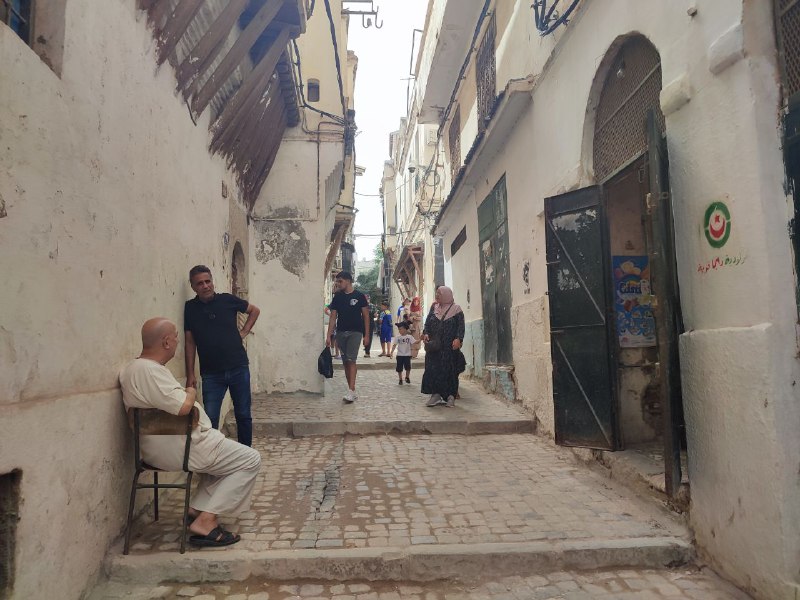
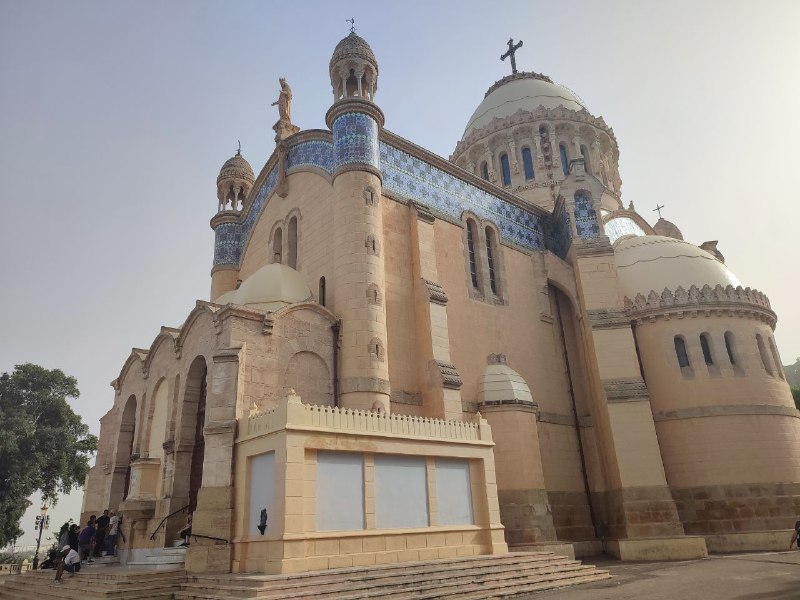
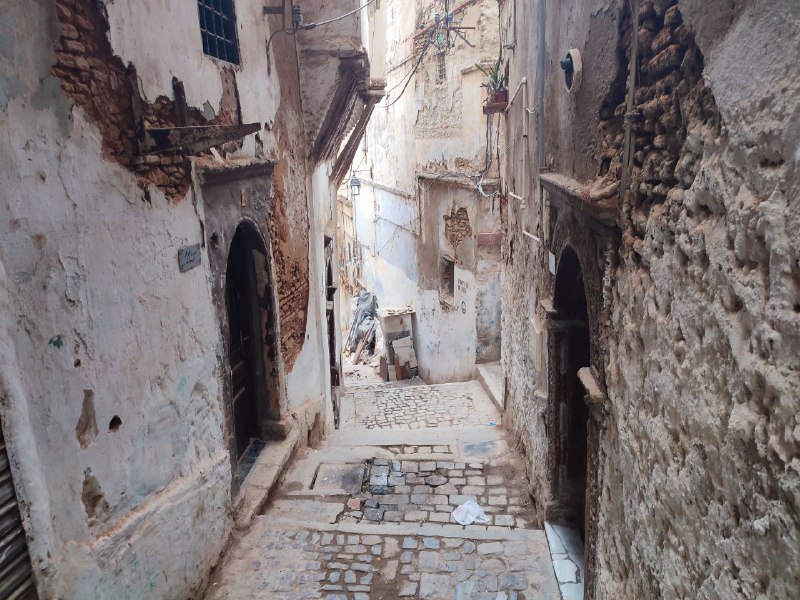
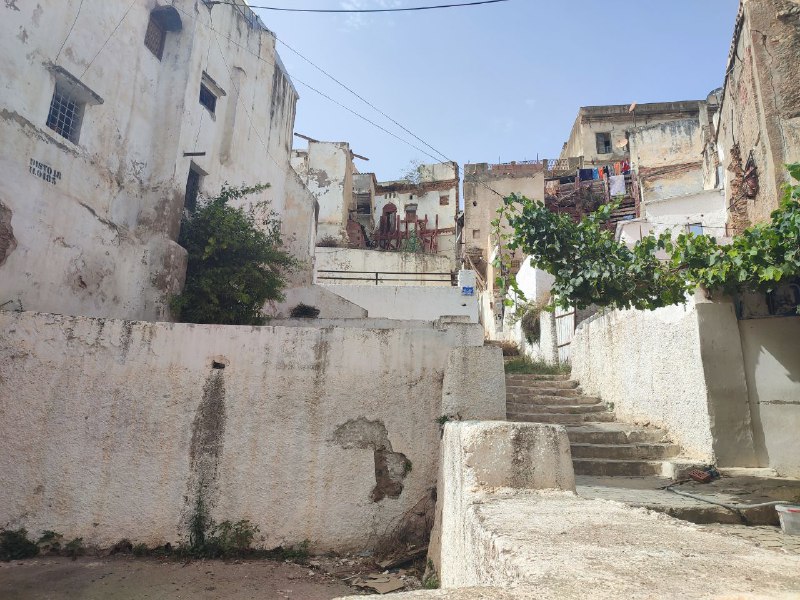
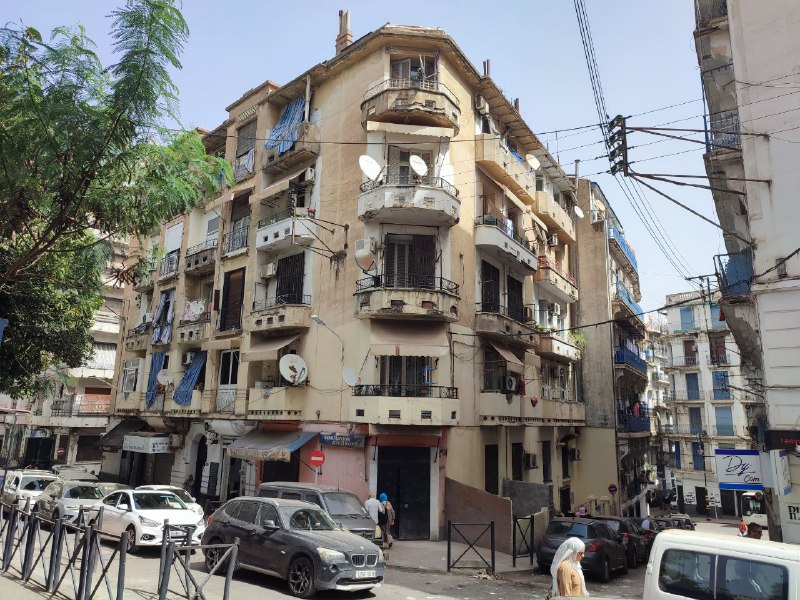
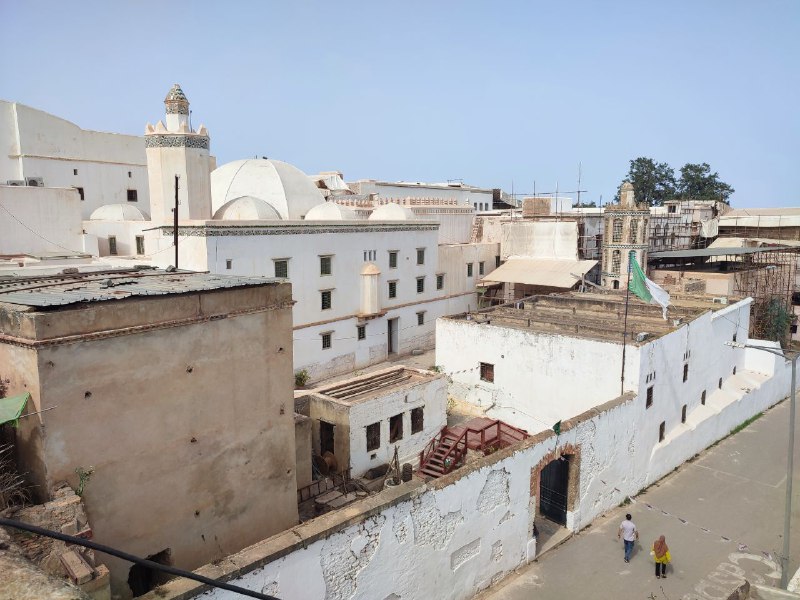
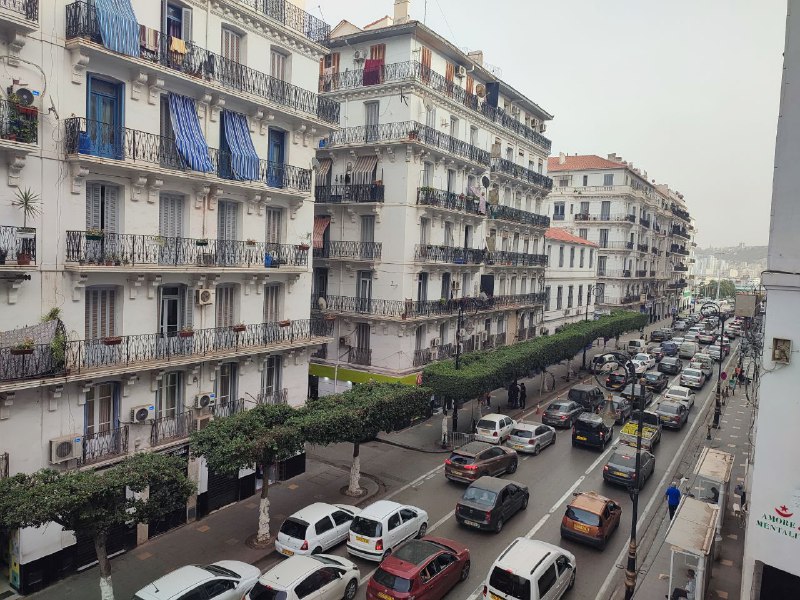
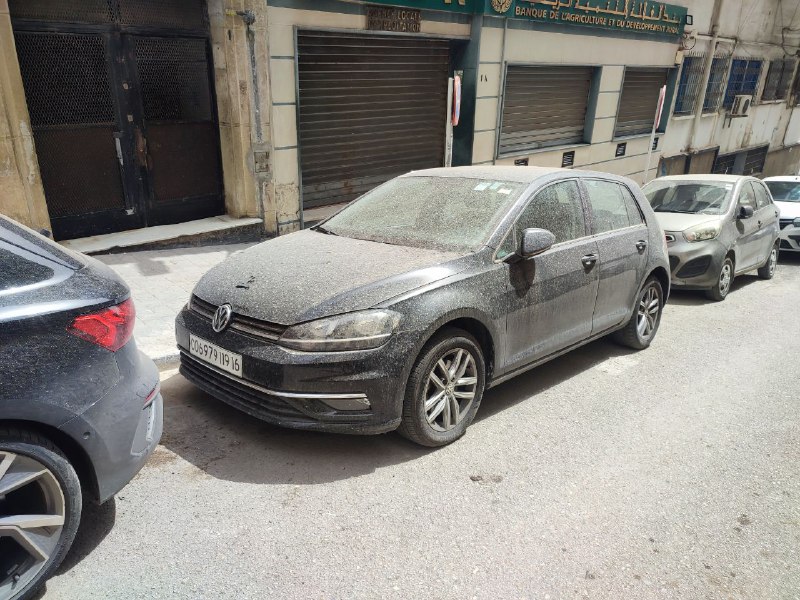
Столица Алжира — Алжир. Тут очень бросаются в глаза 2 вещи: белоснежная архитектура (много обшарпанных зданий, но во всем ансамбле есть свой шарм) и безумно песчано-грязные машины. Дождь тут, похоже, идёт сразу с песком. В какой-то момент даже слегка покапало. Действительно, как-будто песком полили. Да и в целом когда вдаль смотришь, то сильно далеко не видно из-за своего рода песчаной завесы.
Иностранной речи на улице не слышно. Местные говорят на странном арабско-французском суржике. Я и так-то арабский не очень хорошо знаю, а французские вкрапления и влияние местных языков в самых неожиданных местах сильно усложняют коммуникацию. Спасибо тут merci, а не شكراً. Даже считают на французском. Хотя казалось бы.
(translation pending)
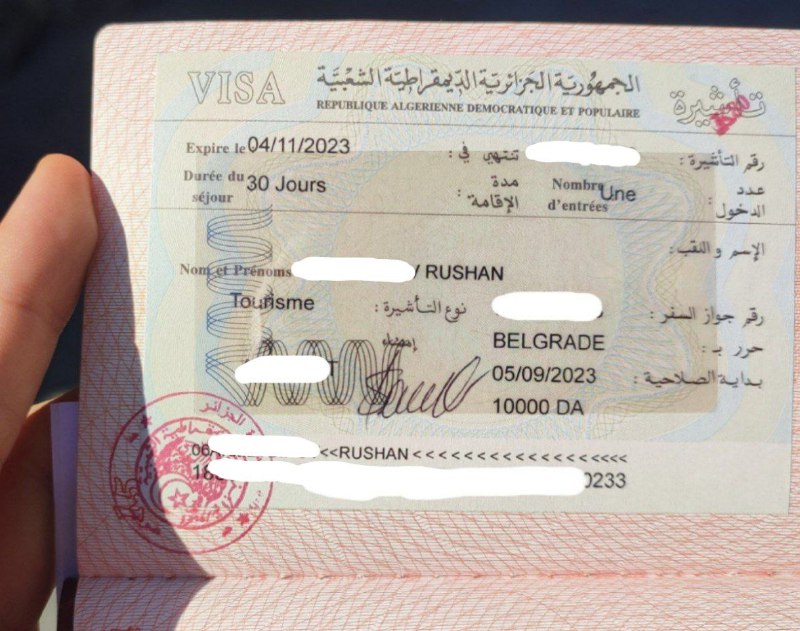
Algeria's visa policy is straightforward: if your country lets our citizens in without a visa, we'll do the same in return. The thing is, only 7 countries worldwide actually accept Algerians visa-free. So basically everyone else, including the French, needs a visa. And honestly, it's probably the strangest one I've ever had to deal with.
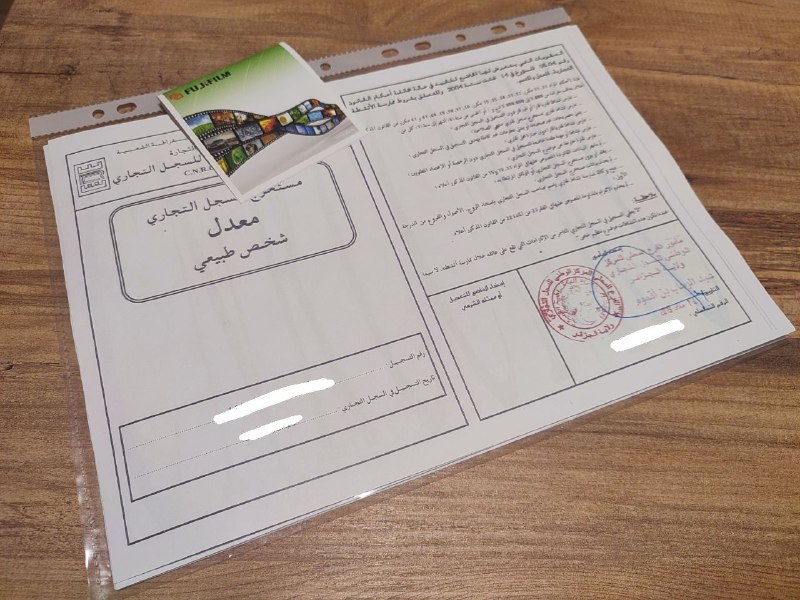
For a tourist visa, you absolutely need an invitation from a local resident or an Algerian travel agency, which gets sent through the tourism ministry to your chosen consulate (mine was in Belgrade). After a couple of weeks, you start calling up the consuls asking "Has the invitation arrived yet? When should I come in?" Yep, by phone. Actually talking to someone. You keep at it until they tell you "Everything's good, come on down."
The list of required documents is on the consulate website. Available in French (super detailed) and Serbian (where the translator apparently decided to cut half the text). Arabic? Totally forgotten. Though I did end up submitting some paperwork in Arabic anyway. Thank goodness the people inviting me provided those.
After you submit everything, you also have to call to find out if it's ready. At least it's not by fax anymore :)
The hardest part of this whole ordeal was actually finding someone to invite me. Everything else? Pretty manageable.
 United Kingdom3
 Serbia100
 Bosnia and Herzegovina54
 Turkey42
 United Arab Emirates3
 Brunei2
 Indonesia12
 Malaysia15
 Argentina16
 USA117
 Morocco5
 Georgia5
 Egypt16
 Hong Kong8
 China4
 Vietnam9
 Tunisia7
 Montenegro9
 Philippines12
 Singapore10
 Oman12
 Algeria12
 North Macedonia5
 Lebanon11
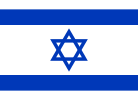 Israel27
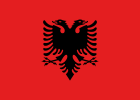 Albania17
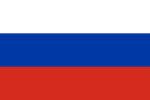 Russia63
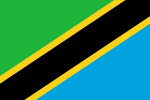 Tanzania50
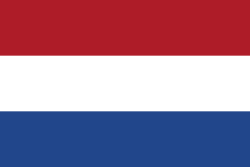 Netherlands7
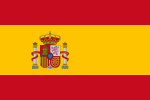 Spain14
 Latvia2
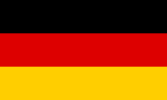 Germany7
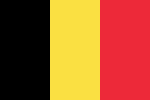 Belgium3
 France27
 Kazakhstan32