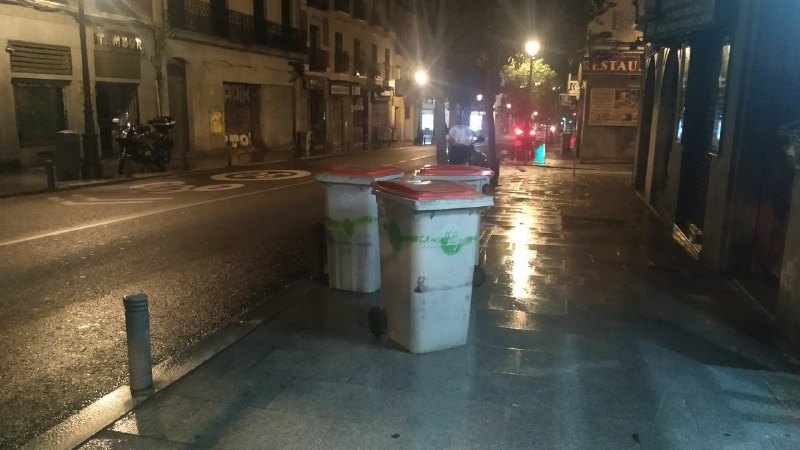
Driving through downtown Madrid at night was really not my thing, even with zero traffic. Nights are when the city does maintenance: garbage trucks collect trash from bins near buildings, they wash sidewalks in the city center (!), and do all sorts of other useful (and not so useful) stuff.
The catch is that they block off some roads and alleys while you're trying to navigate, and your GPS stubbornly insists you need to go down the temporarily closed lane. And when you skip a turn because there's a fence blocking it, that smart car lovingly reroutes you a couple kilometers out of the way, only to send you right back to the blocked alley you missed.
So to cover 650 meters, I ended up driving for like 20 minutes with a million detours.
Outside the city though, the roads are really nice. And driving is comfortable.
Telegram mirror
Telegram is a messenger where I post short travel notes. This page is a self-hosted backup of that channel.
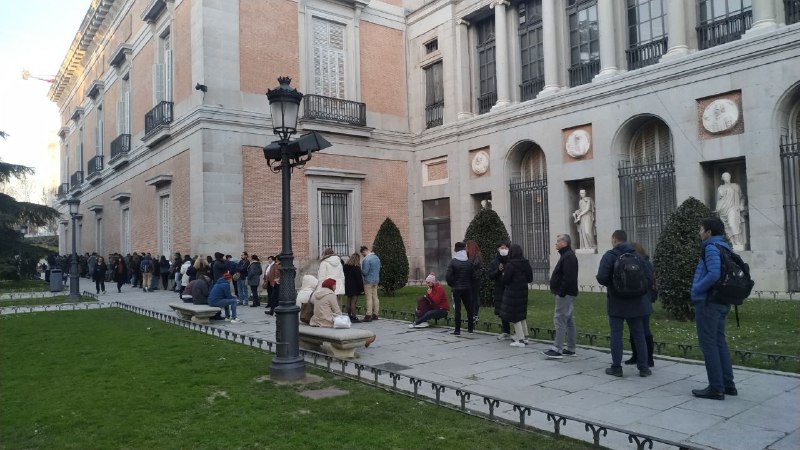
Madrid's Prado Museum starts letting visitors in for free 2 hours before closing. Every single day.
Half an hour before the free window starts, there's already quite a line. Still, 15 euros per person though :)
Half an hour before the free window starts, there's already quite a line. Still, 15 euros per person though :)
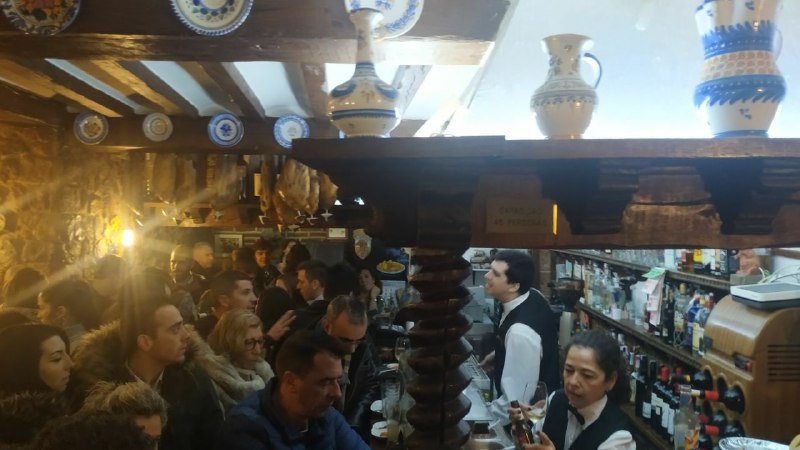
upd. While looking for food, I chatted with a Lebanese restaurant owner. He says this rush is connected to the holidays. Many locals go around to restaurants to celebrate. That's why you need to book well in advance for these days. On other days, there are no such problems.
Turns out you can't just walk into any restaurant in central Segovia. If Google's rating shows 4.2+, everywhere there's this massive crowd hanging around the bar, and you can only get into the actual restaurant with a reservation. There simply aren't enough tables for everyone.
If you ask about booking for tomorrow, they apologize at length but say everything's booked up for tomorrow too.
If you ask about booking for tomorrow, they apologize at length but say everything's booked up for tomorrow too.
Rehearsal of a performance in Segovia with laser show and artists.
January 6th is a public holiday in Spain, everything (well, almost) is closed, everyone celebrates Epiphany. And they prepare performances like this one.
upd. Initially it was stated that Spanish people celebrate Christmas on January 6th, but of course that's not true. Thanks for the correction and my apologies for the inaccuracy.
January 6th is a public holiday in Spain, everything (well, almost) is closed, everyone celebrates Epiphany. And they prepare performances like this one.
upd. Initially it was stated that Spanish people celebrate Christmas on January 6th, but of course that's not true. Thanks for the correction and my apologies for the inaccuracy.
►
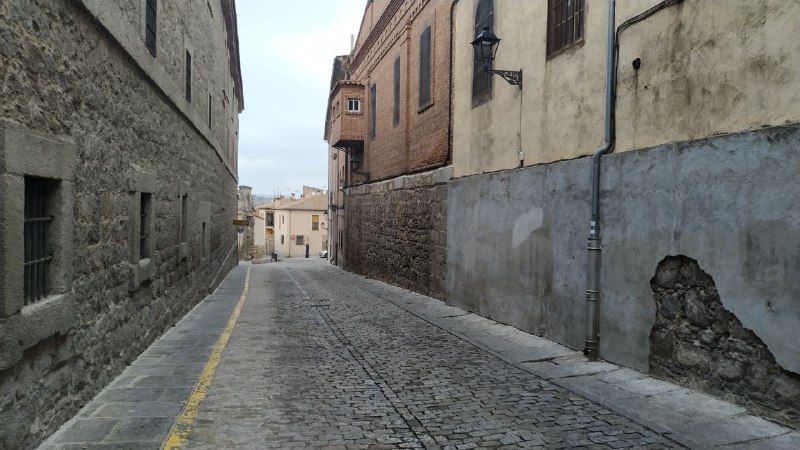
The historic part of every little town I've visited looks pretty much the same: loads of buildings and cobblestone streets. No greenery, no trees, nothing. Just stones, stones, and more stones, with the occasional plaza. It's cool at first, but then you really crave something green (or at least some bare trees).
And the cars. Crazy traffic flows through all these narrow little streets. Pedestrians have nowhere to hide. At least the cars drive super slowly (otherwise you'd smash into the first wall you see).
And the cars. Crazy traffic flows through all these narrow little streets. Pedestrians have nowhere to hide. At least the cars drive super slowly (otherwise you'd smash into the first wall you see).
Why is there always fresh, delicious, affordable bread in Europe, but back home you have to struggle?
(1 euro is for 5 pieces, not one)
(1 euro is for 5 pieces, not one)

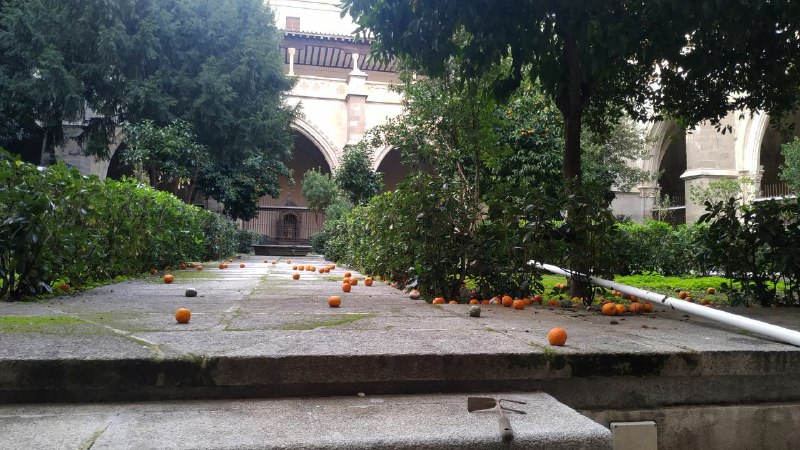
It's January, winter, but oranges are ripening all over Spain. This is a garden at the Toledo Cathedral. The staff is so unhurried about collecting even the fallen fruit that some have already started to rot.
The local Spanish oranges from an ordinary store taste absolutely amazing (I hope the harvesting for sale is done more carefully :) ). You won't find a flavor like that in Moscow even at fancy food courts.
PS. The cathedral is really cool. And Toledo itself too. It was definitely worth the trip.
The local Spanish oranges from an ordinary store taste absolutely amazing (I hope the harvesting for sale is done more carefully :) ). You won't find a flavor like that in Moscow even at fancy food courts.
PS. The cathedral is really cool. And Toledo itself too. It was definitely worth the trip.
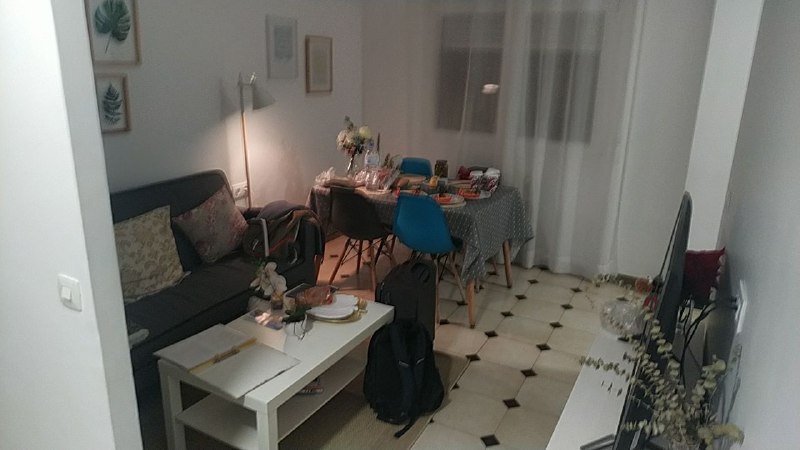
Finding a place to stay in Spain during winter is really tricky: it's around 50-59°F during the day, but temperatures can drop to freezing at night (or even lower). There's no central heating, so everyone figures out their own solutions.
Some people install a boiler for their house, some rely on air conditioners with heating function, and others think that's good enough for tourists anyway (:
I once ended up in a place from that last category, and man, it was freezing. The owners just shrugged and said they couldn't help. Since I'd booked for almost a week, I had to do something about it. Escalating the issue on Booking surprisingly motivated the owners to buy a heater so we wouldn't suffer.
Most guests visit Spain during the warm season, which doesn't make it any easier to judge accommodations based on reviews.
Some people install a boiler for their house, some rely on air conditioners with heating function, and others think that's good enough for tourists anyway (:
I once ended up in a place from that last category, and man, it was freezing. The owners just shrugged and said they couldn't help. Since I'd booked for almost a week, I had to do something about it. Escalating the issue on Booking surprisingly motivated the owners to buy a heater so we wouldn't suffer.
Most guests visit Spain during the warm season, which doesn't make it any easier to judge accommodations based on reviews.
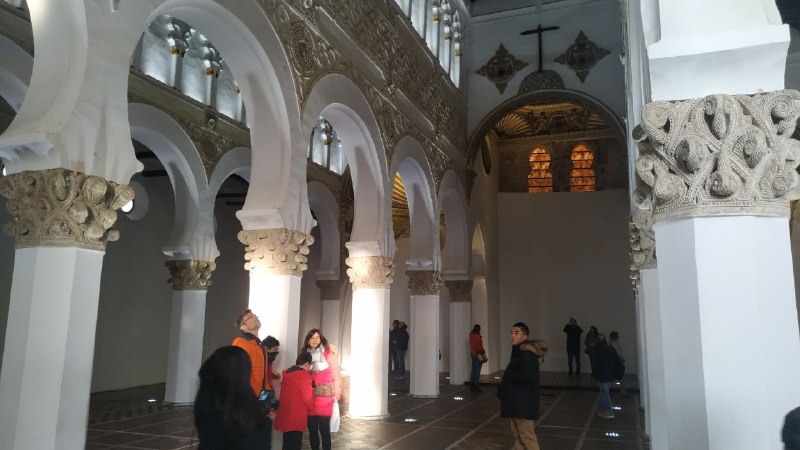
Toledo has an interesting synagogue called Santa María la Blanca. Inside, it looks more like a mosque. That's because a Muslim architect built the synagogue under the direction of a Christian king so that local Jews would have a place to pray.
It's the oldest synagogue in Europe that has survived to this day! But over 800+ years, something went wrong and the synagogue today belongs to the Catholic Church.
Since 2013, Toledo's Jewish community has been trying to take it back under their control, but the Catholics stubbornly pretend not to notice. And why would they, when it's the third most popular attraction in the city. And admission is definitely not free :)
It's the oldest synagogue in Europe that has survived to this day! But over 800+ years, something went wrong and the synagogue today belongs to the Catholic Church.
Since 2013, Toledo's Jewish community has been trying to take it back under their control, but the Catholics stubbornly pretend not to notice. And why would they, when it's the third most popular attraction in the city. And admission is definitely not free :)
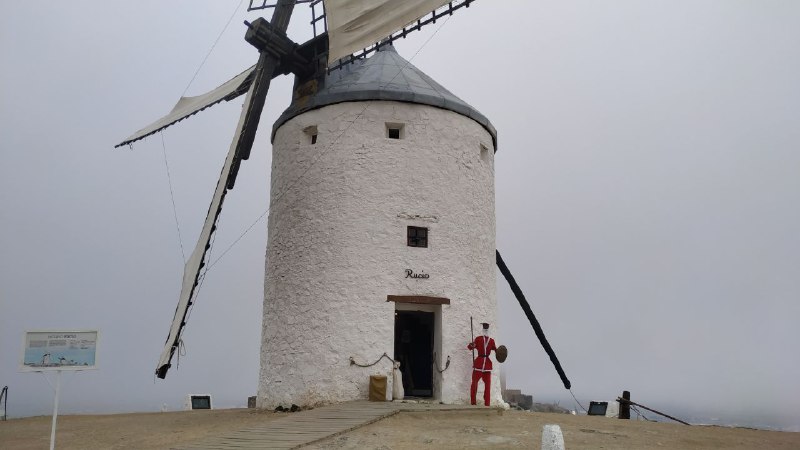
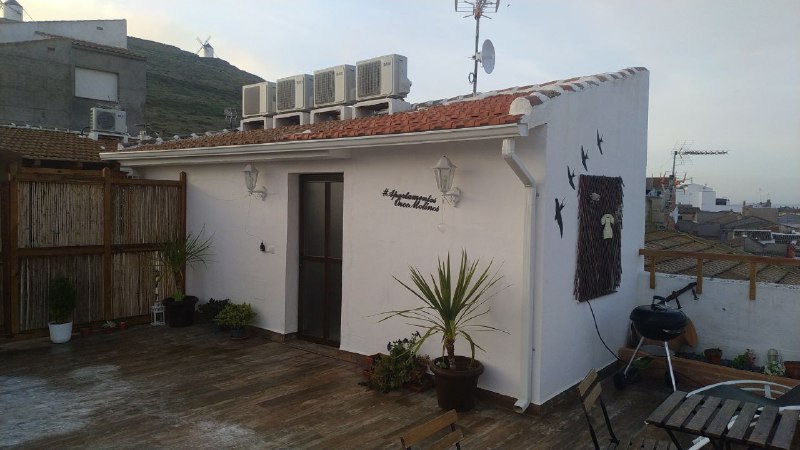
Even Don Quixote celebrates New Year's :)
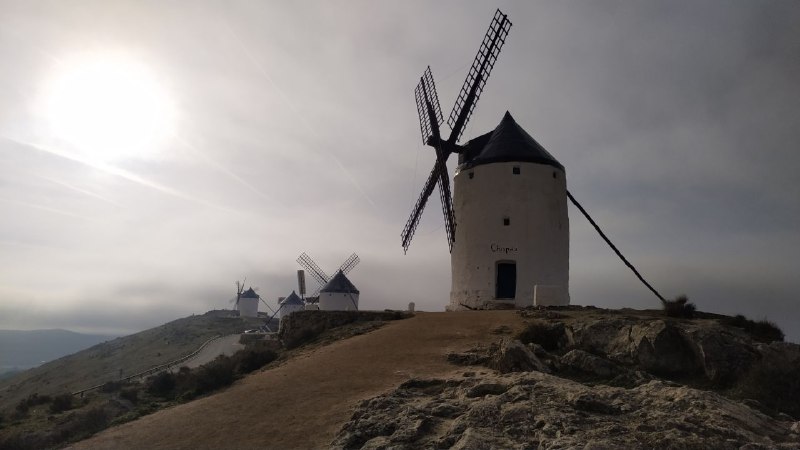
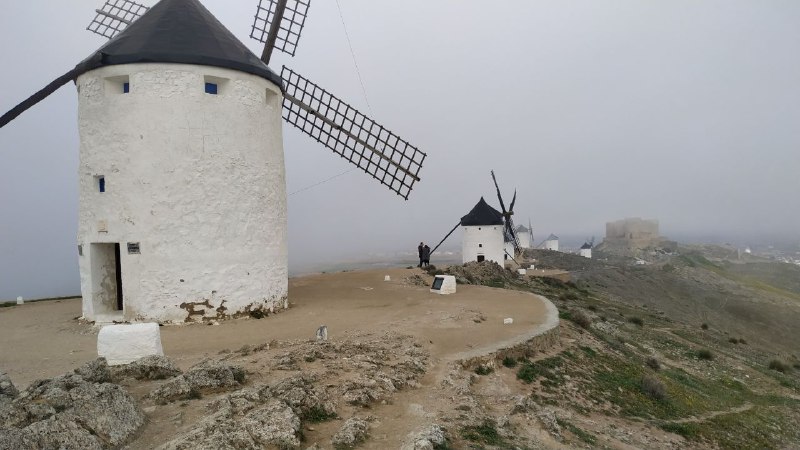
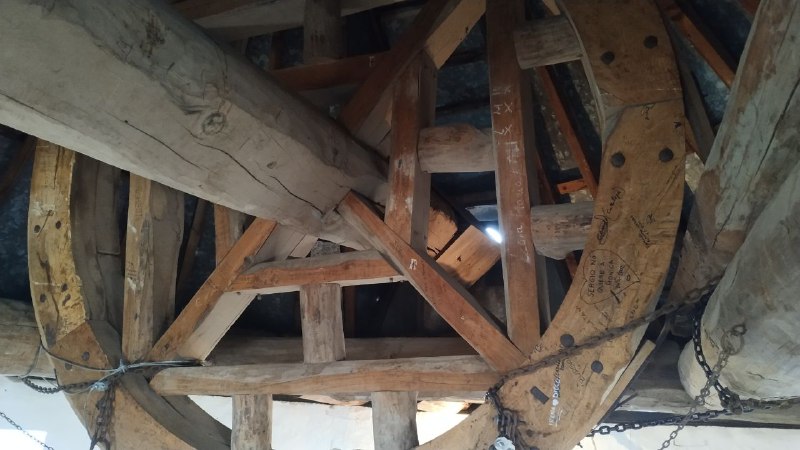
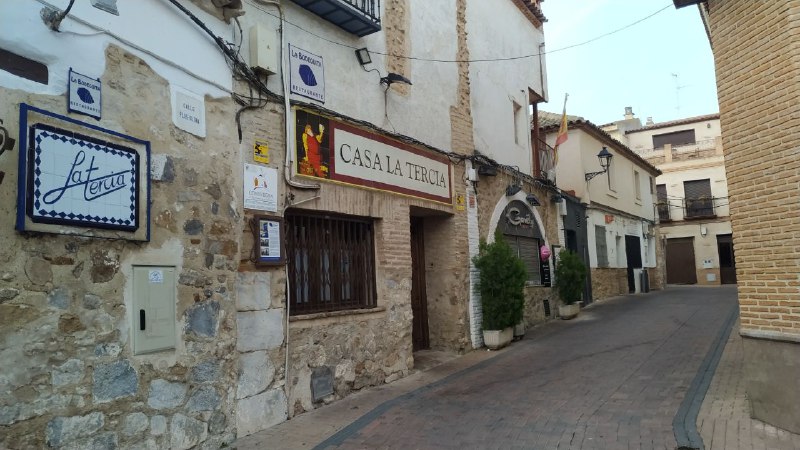
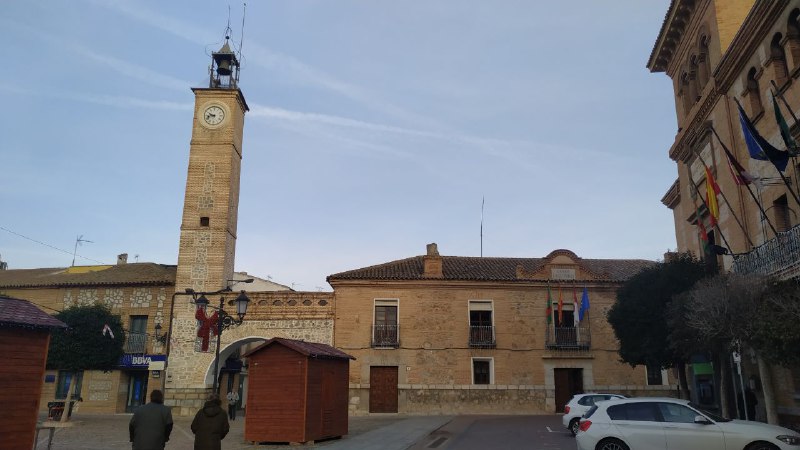
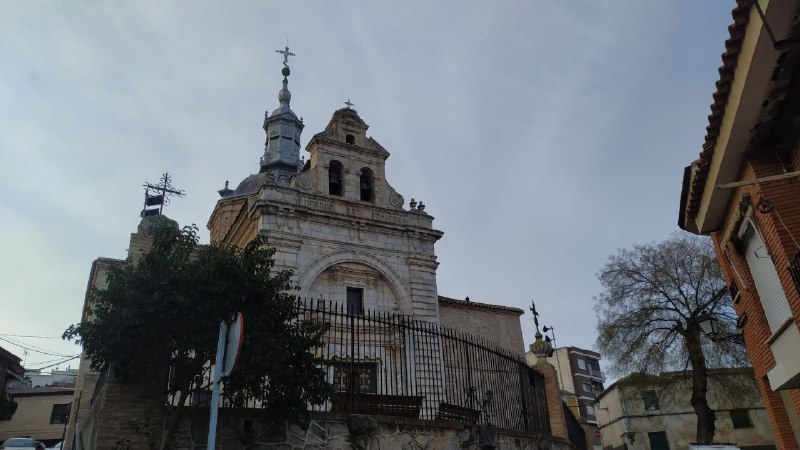
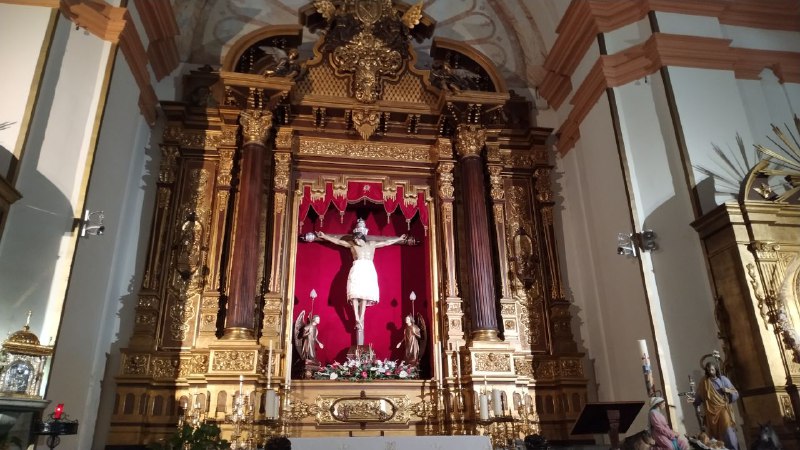
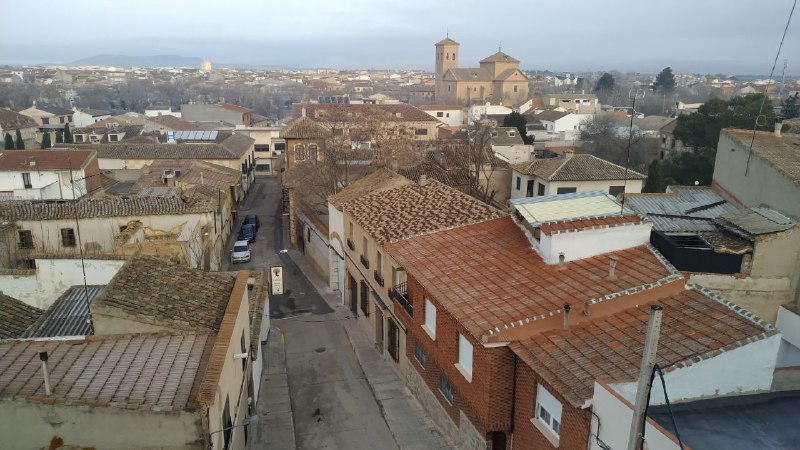
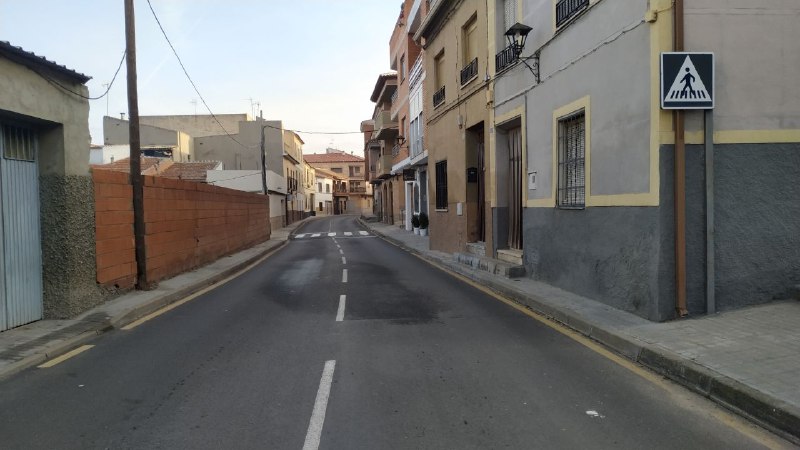
Pedestrian walkways in Spain are hit or miss in some places. The sidewalks are so narrow that barely one person can fit. And there are constant stairs going up and down. On the other hand, at least there's some kind of pedestrian zone.
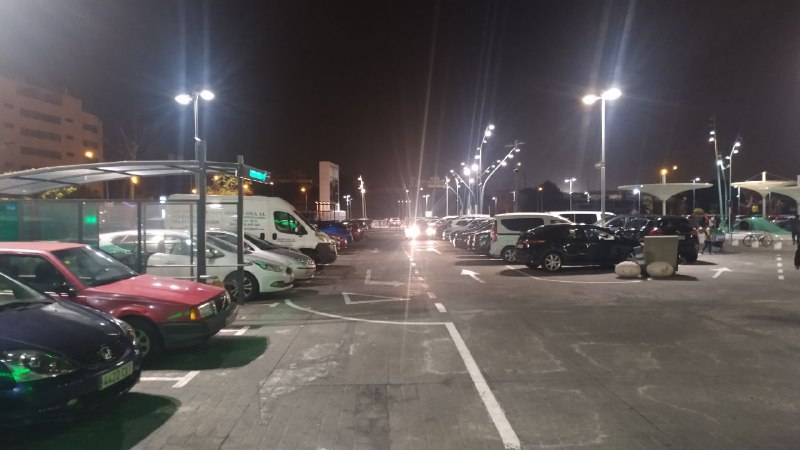
People told me that parking in Spain is tough, but I had no idea it was that bad :)
On my way out of Madrid, I decided to stop at a shopping mall to grab some groceries and pick up a local SIM card. It was right on the way, so why not? Ended up wasting 40 minutes stuck in traffic getting there and hunting for a parking spot. It's January 2nd, technically a work day, but the place was absolutely packed with crowds everywhere.
PS. I could've gotten a SIM card at the airport, but the prices there are three times higher than in the city.
On my way out of Madrid, I decided to stop at a shopping mall to grab some groceries and pick up a local SIM card. It was right on the way, so why not? Ended up wasting 40 minutes stuck in traffic getting there and hunting for a parking spot. It's January 2nd, technically a work day, but the place was absolutely packed with crowds everywhere.
PS. I could've gotten a SIM card at the airport, but the prices there are three times higher than in the city.
Countries
 United Kingdom3
 Serbia100
 Bosnia and Herzegovina54
 Turkey42
 United Arab Emirates3
 Brunei2
 Indonesia12
 Malaysia15
 Argentina16
 USA117
 Morocco5
 Georgia5
 Egypt16
 Hong Kong8
 China4
 Vietnam9
 Tunisia7
 Montenegro9
 Philippines12
 Singapore10
 Oman12
 Algeria12
 North Macedonia5
 Lebanon11
 Israel27
 Albania17
 Russia63
 Tanzania50
 Netherlands7
 Spain14
 Latvia2
 Germany7
 Belgium3
 France27
 Kazakhstan32