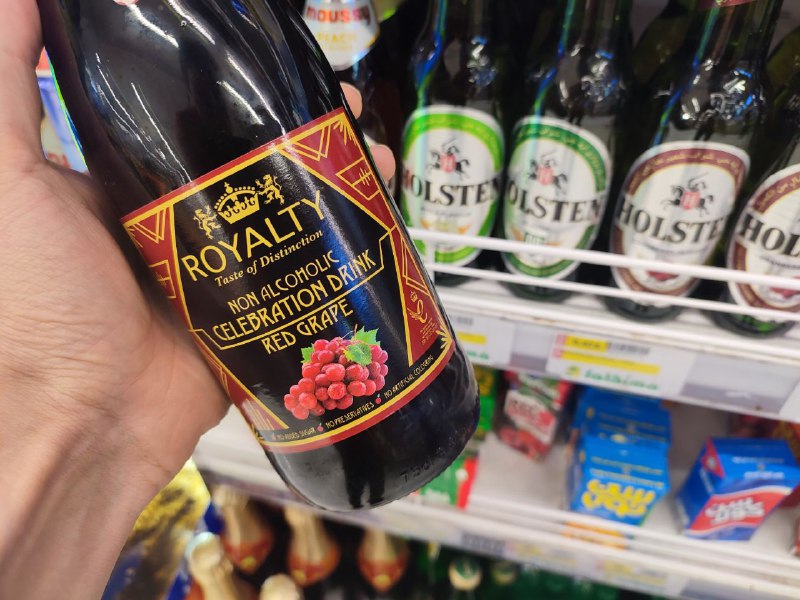
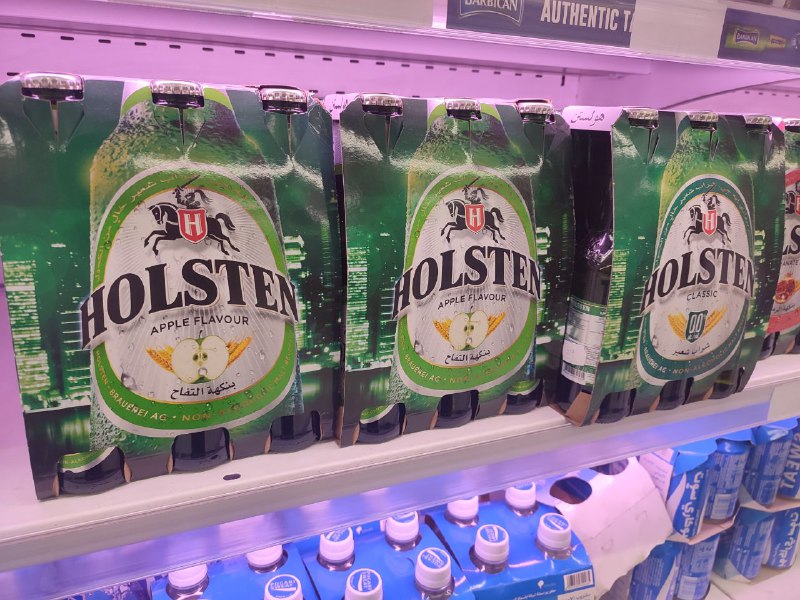
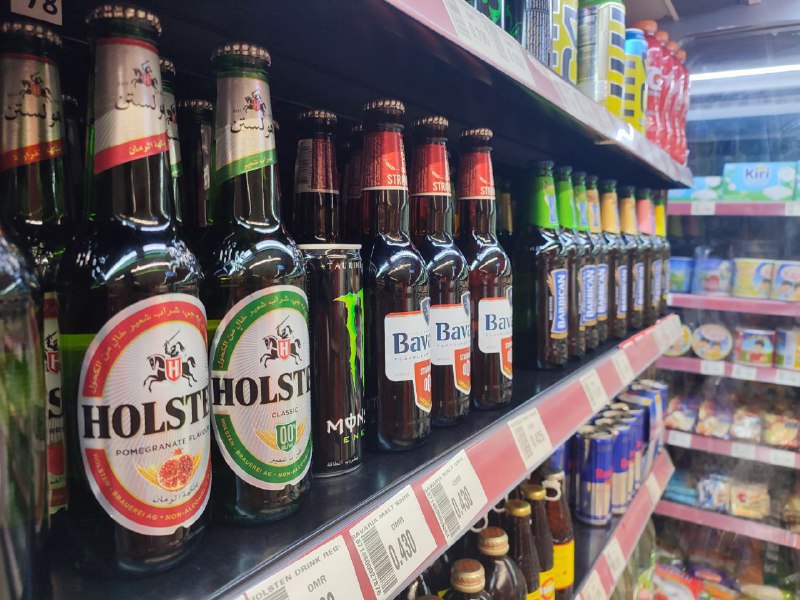
The selection of non-alcoholic beer and grape "celebration drink" in Muscat stores is really impressive :)
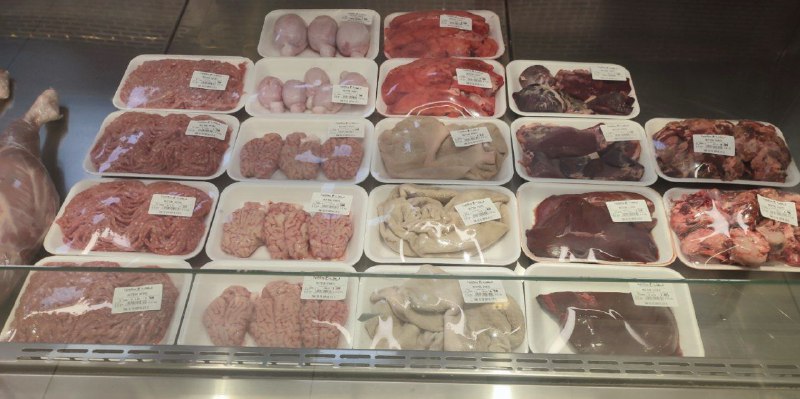
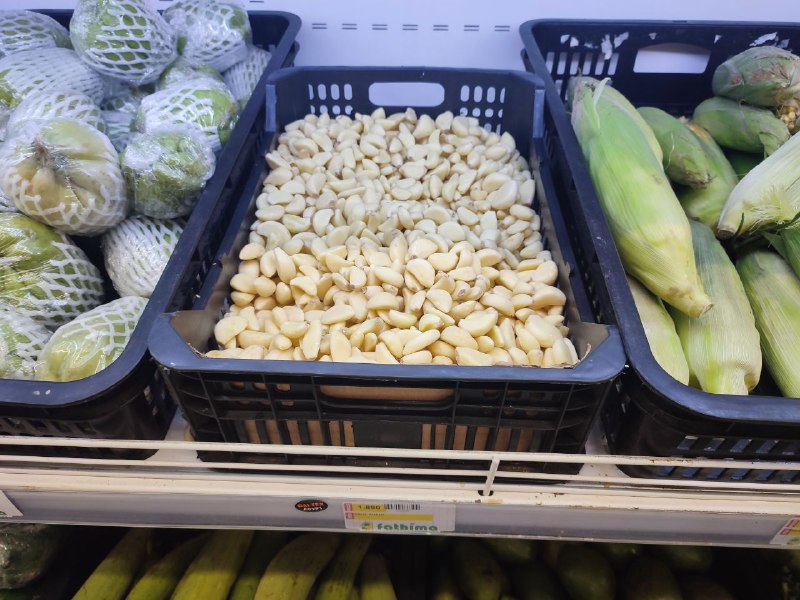
And I saw peeled garlic for sale for the first time. Plus lamb offal and other organ meats in a regular grocery store.
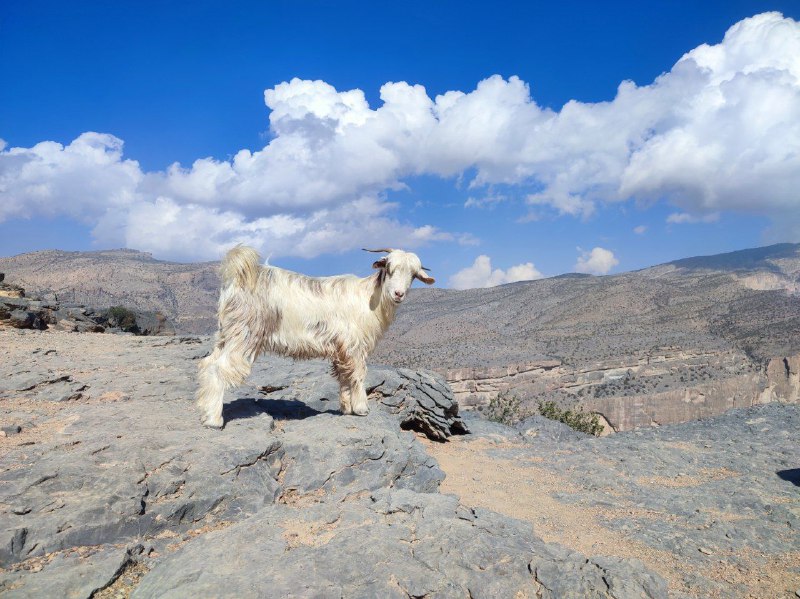
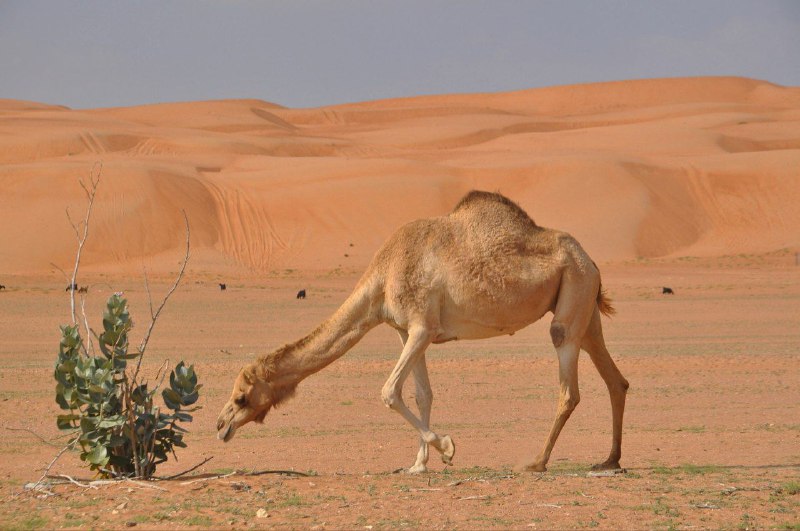
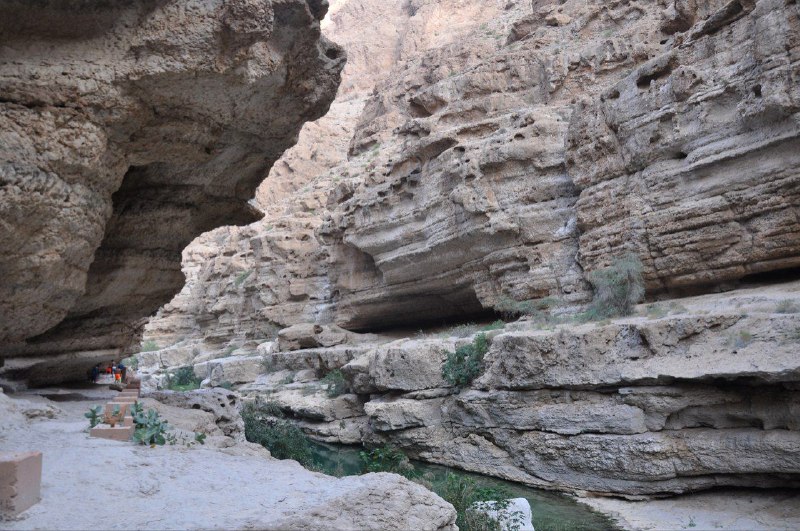
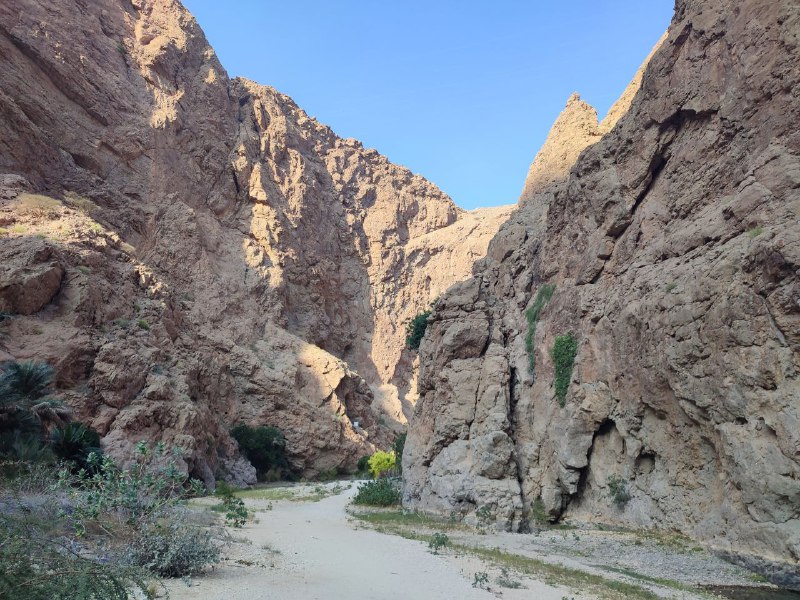
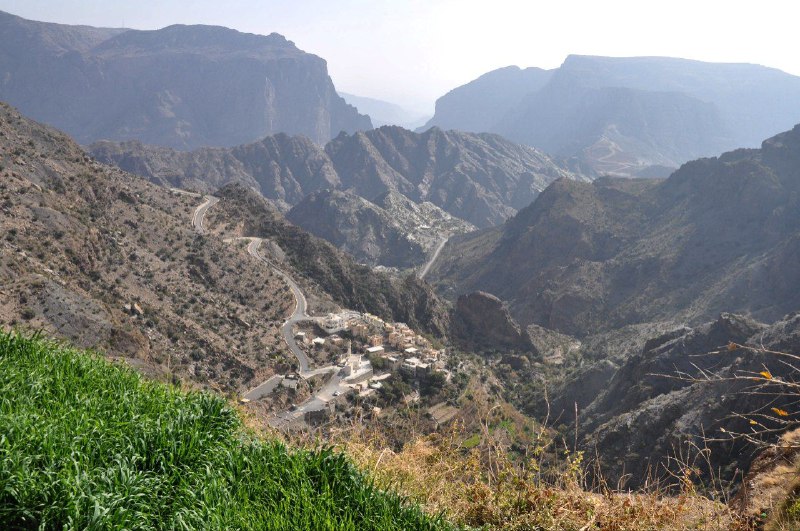
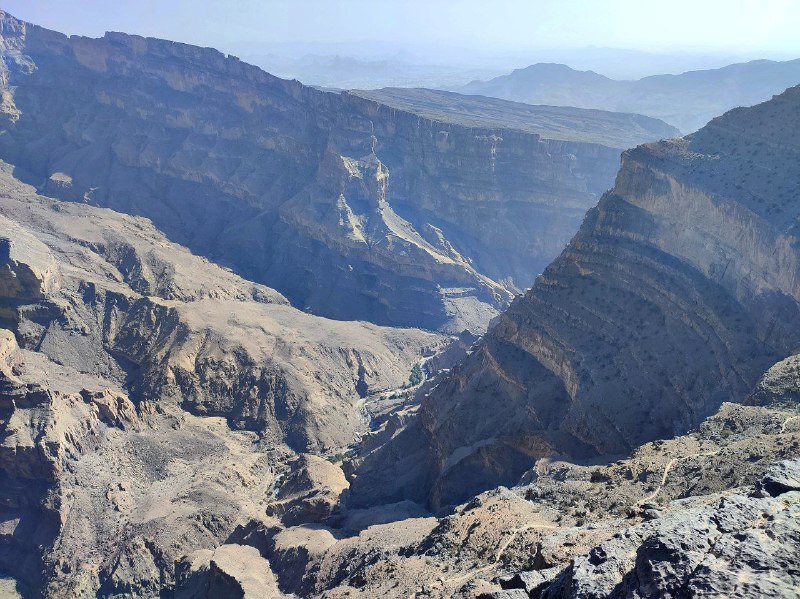
One last thing about Oman — it's the nature. The pictures look beautiful, but overall the landscape is pretty lifeless. I kept getting this feeling like the end of the world had come and I had to somehow survive. I really wanted to see something alive, but there wasn't even a hint of any movement anywhere.
And honestly, I never really fell in love with Oman. It was interesting to see, but I have no desire to go back.
Even though I've already left Oman, I still haven't managed to finish a couple more posts from there.
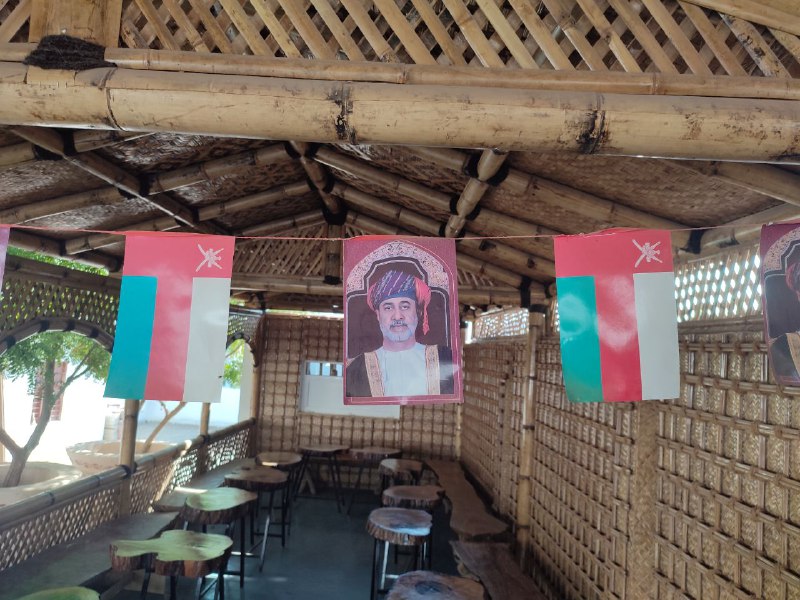
Oman is one of the few absolute monarchies today. There are fewer than ten in the modern world. Portraits of the local sultan and his predecessor Qaboos bin Said hang in many places. The latter ruled for almost 50 years and died in 2020. It's believed that people were very fortunate to have him, and he did a great deal for the sultanate. If you read about the state the country was in when he took over, the changes are truly impressive.
1970. In power was
Qaboos's father. A very eccentric ruler. Here are his accomplishments by the end of his reign: child mortality above 25%, literacy rate around 5% (no wonder when the entire country had only 3 schools), paved roads totaling just 10 (ten!) kilometers. Even their own currency had just appeared (before that they used Indian
Gulf rupees). After an assassination attempt in 1966, the monarch developed serious paranoia and started banning everything: playing football, wearing sunglasses, talking for more than 15 minutes in the street.
When it became completely unbearable, his son staged a coup and seized power from his father. The latter was exiled to England and lived in London until his death 10 years later.
Though the new ruler removed the completely insane restrictions, many political bans remain in effect today, and punishments have gotten harsher. For example, criticizing the highly respected sultan can now get you 3 to 7 years (before 2018 it was 6 months to 3 years). Tons of laws are worded vaguely for convenience in enforcement, naturally. It's just like in the best of places.
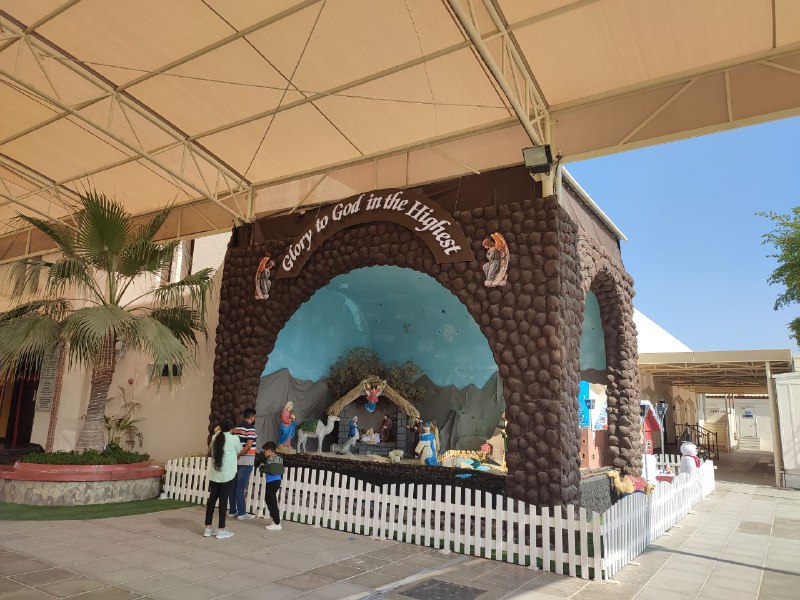
I've always been curious about how different minorities live. These things tell you a lot about a country. In Oman, the minorities are Christians and Hindus. Together they make up less than 5%.
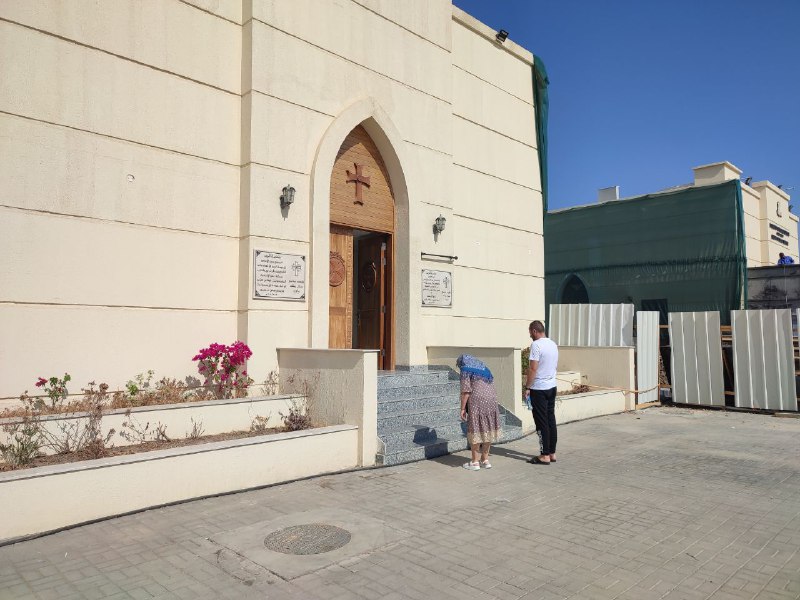
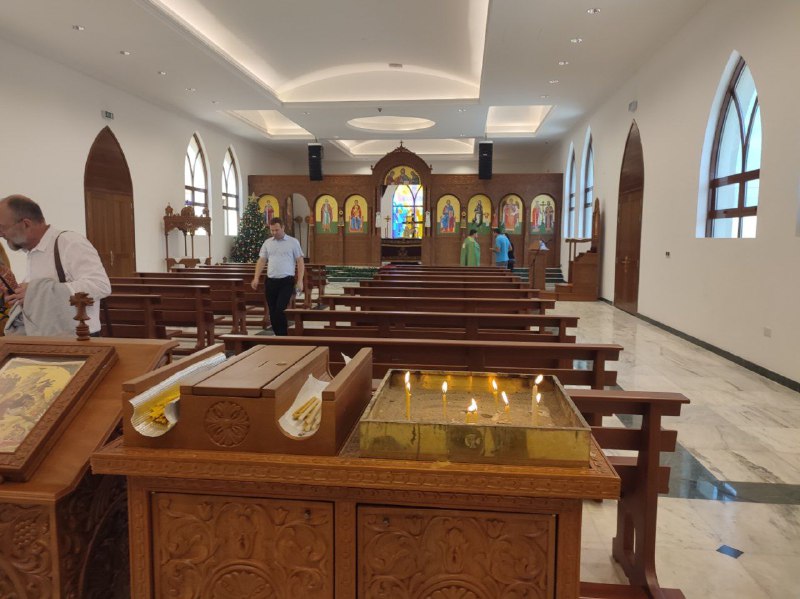
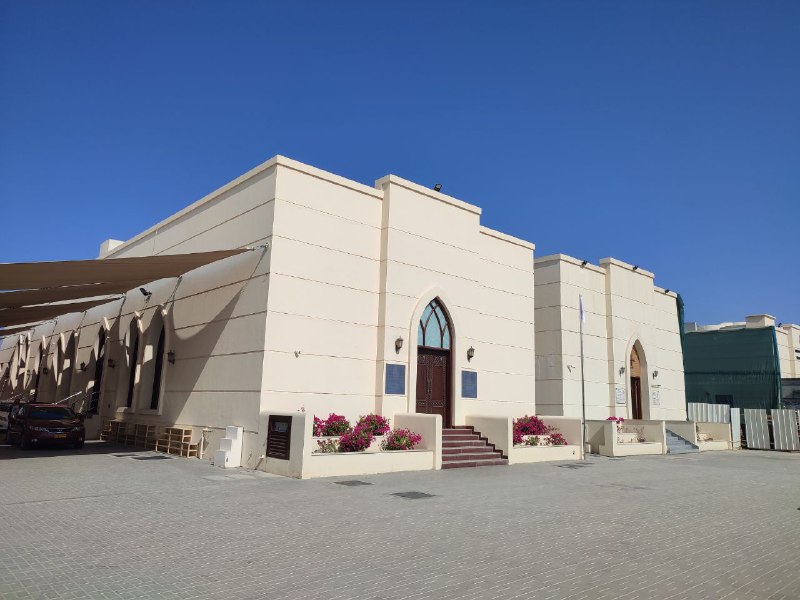
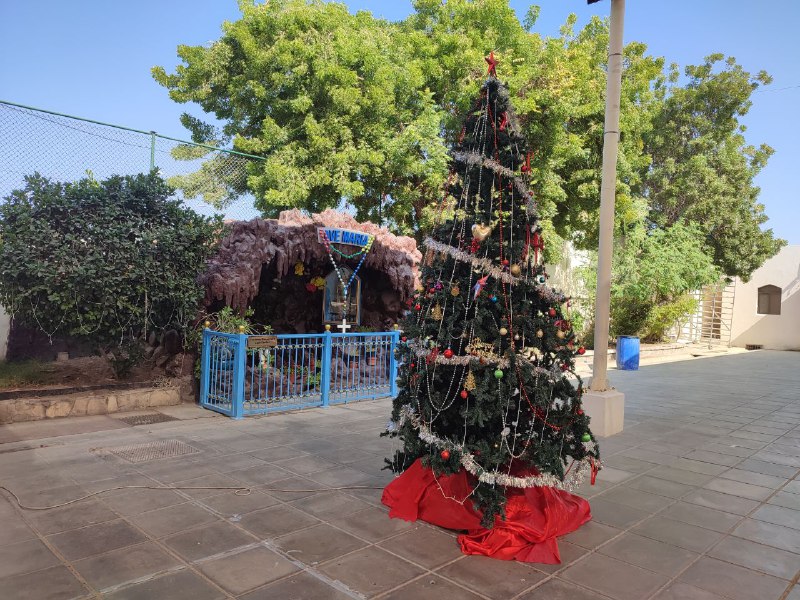
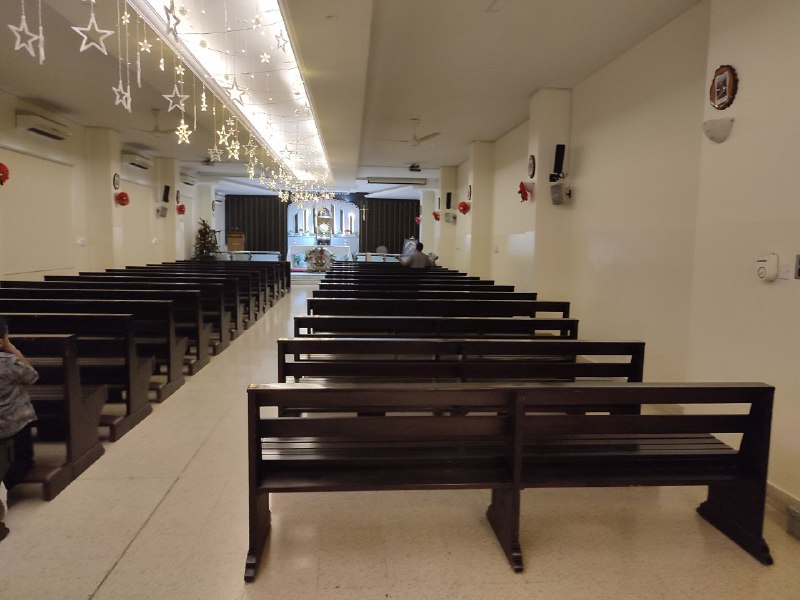
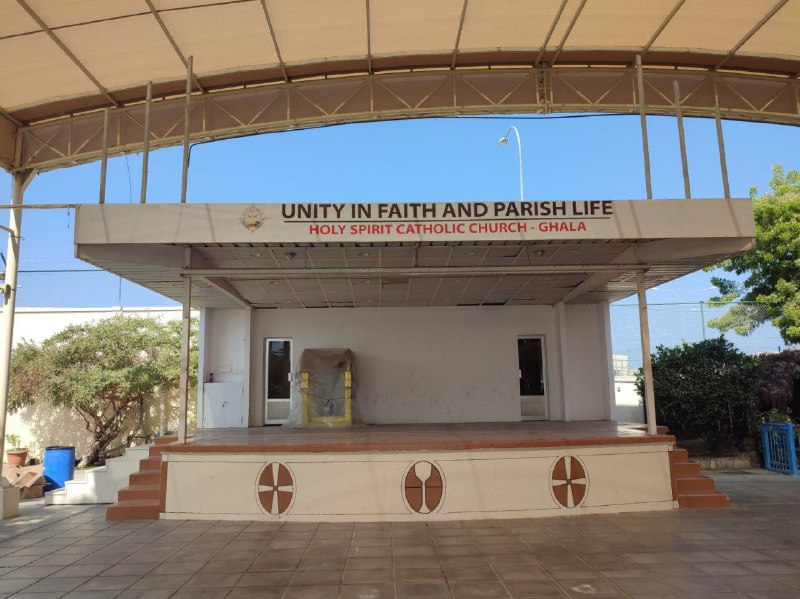
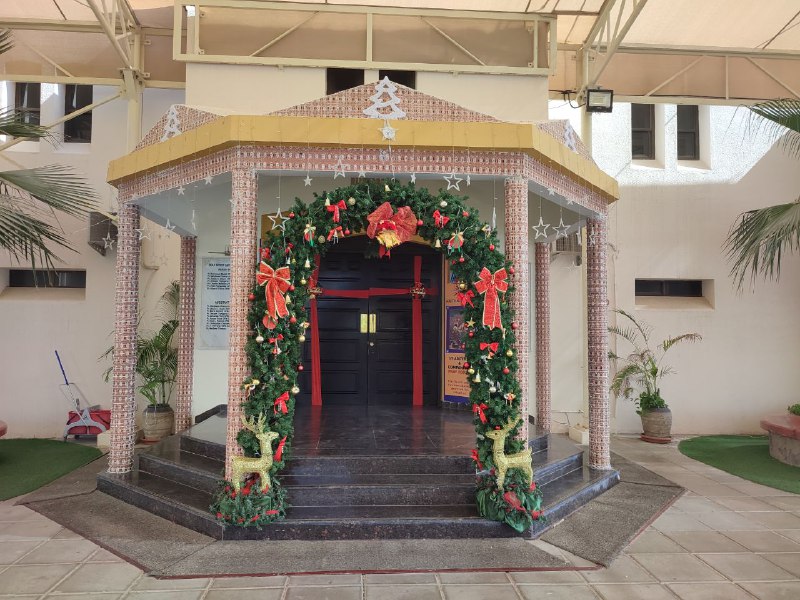
You can't just build a temple wherever you want here. You need government permission. In Muscat, Christians were given permits in the same neighborhood, so practically all the major religions ended up in one place: Catholics, Orthodox, Protestants, and many others. From the outside, you wouldn't even guess these buildings have anything to do with religion. That neighborhood was the only place where I actually remembered it's the new year.
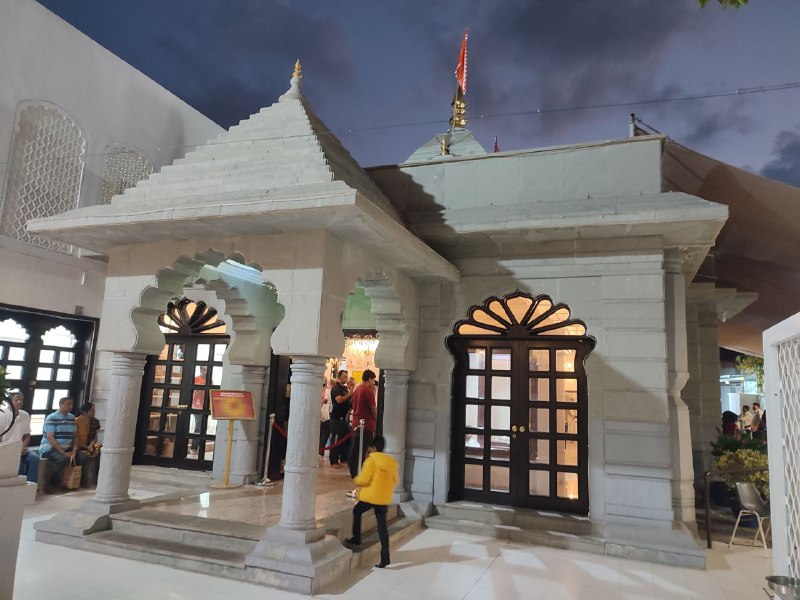
Hindus in Muscat have only 2 temples, but they're among the oldest in the Middle East. And attendance is impressive: I stopped by for 5 minutes and there was an endless stream of families coming to pray. Probably because it was a holiday.
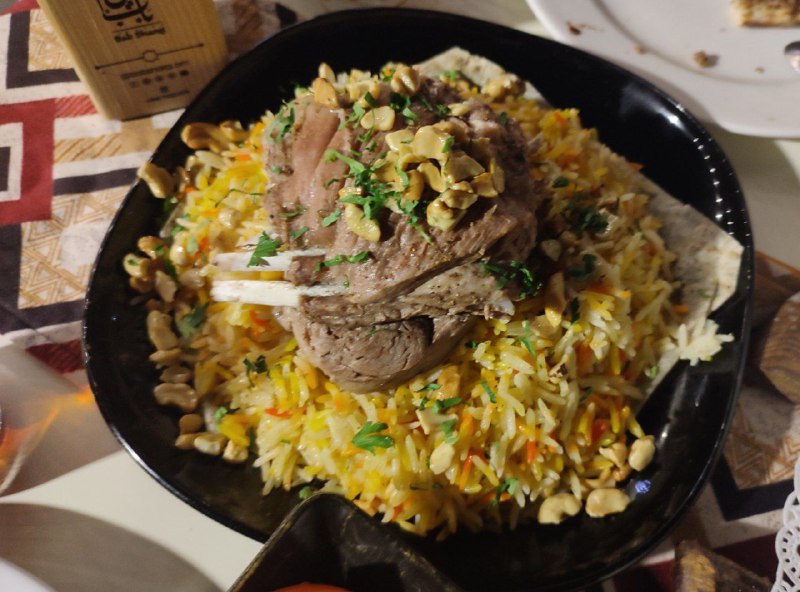
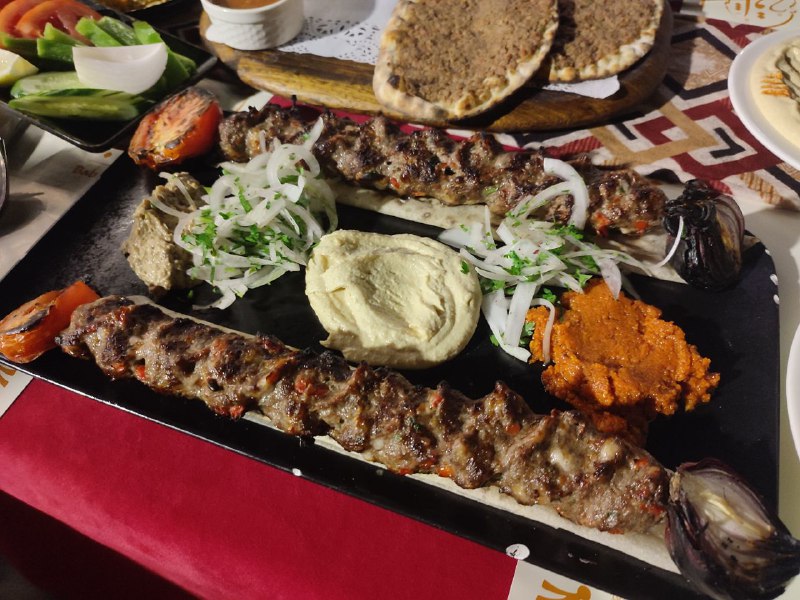
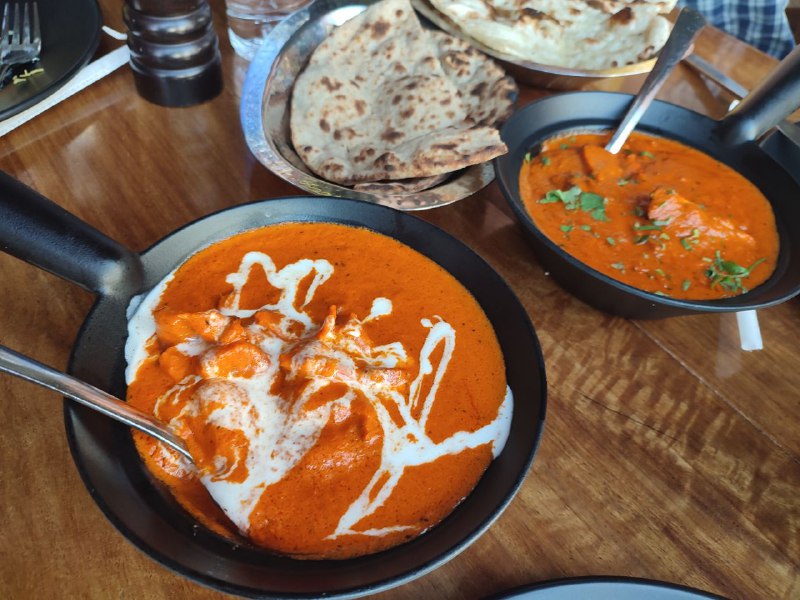
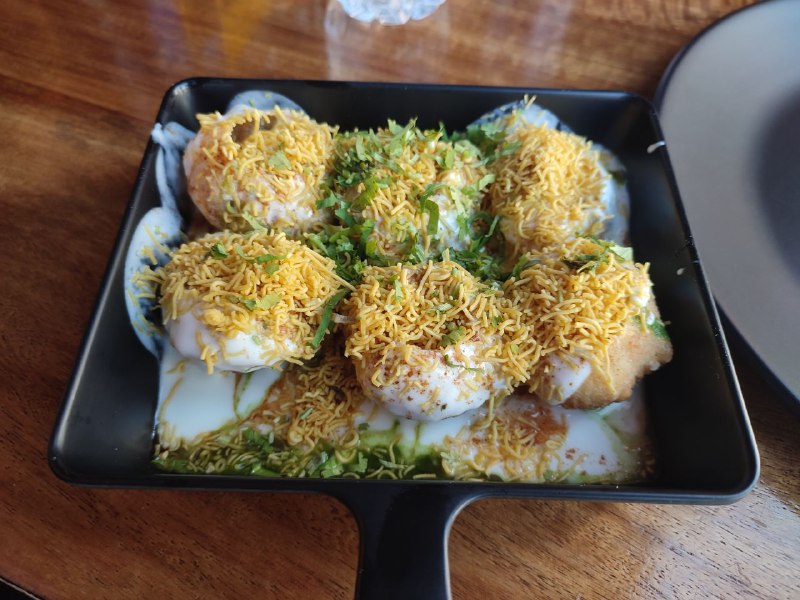
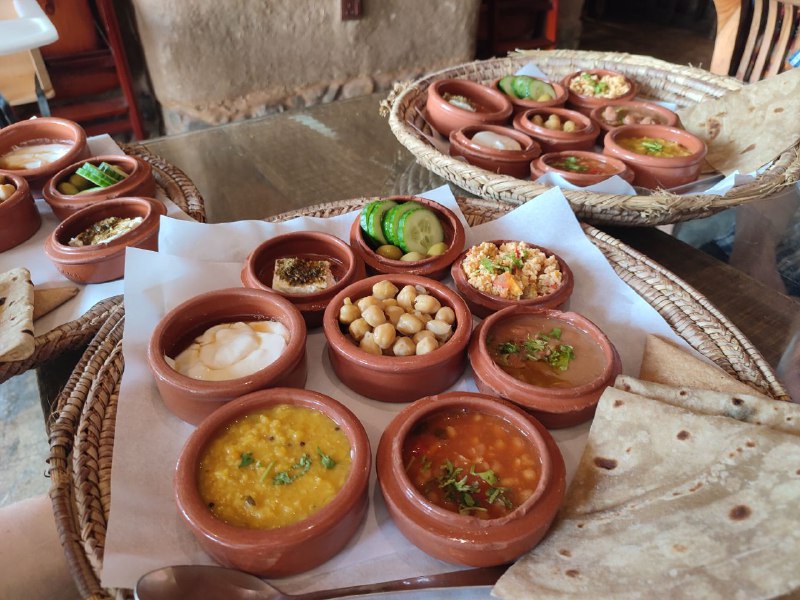
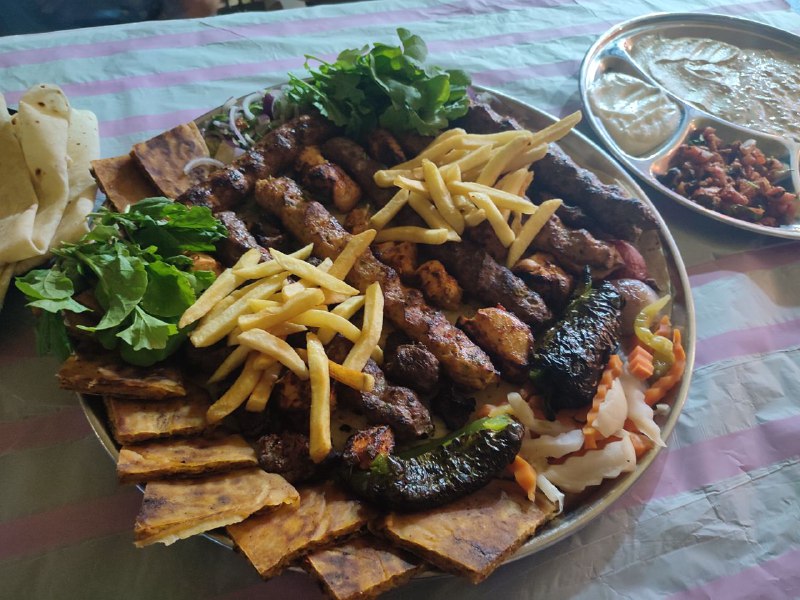
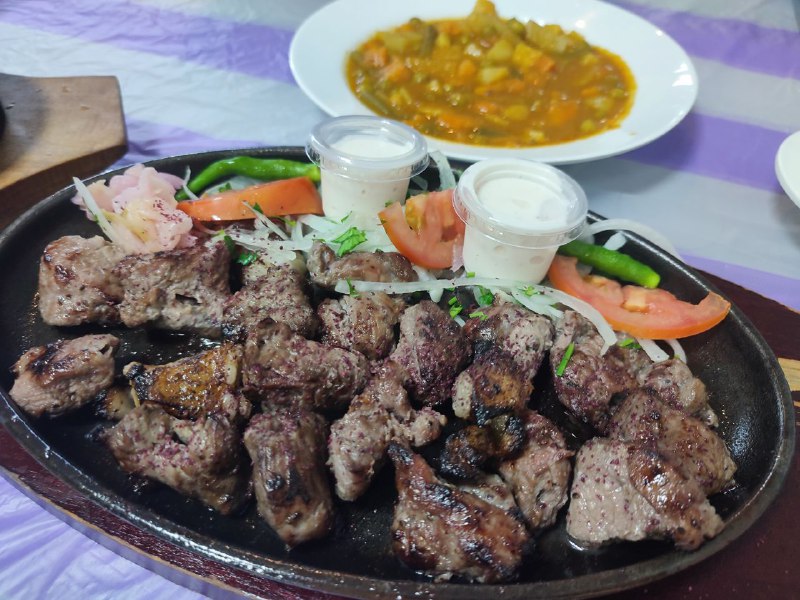
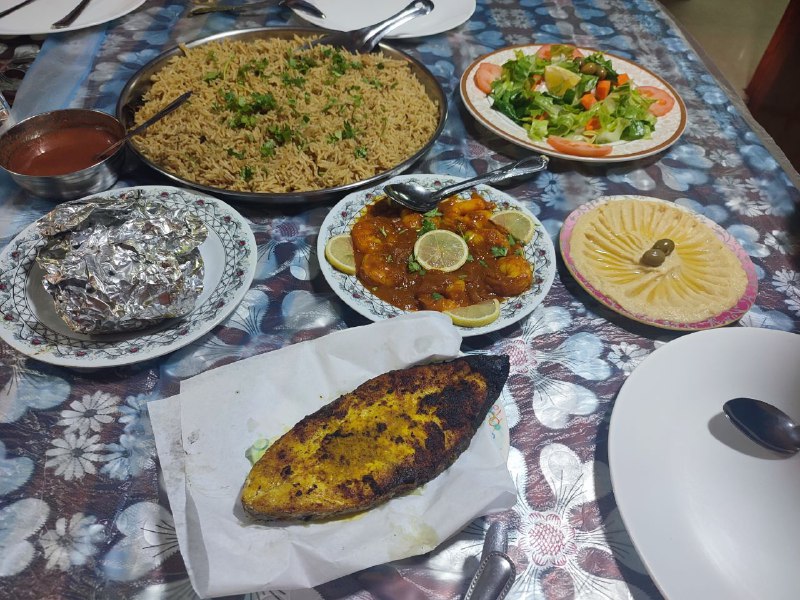
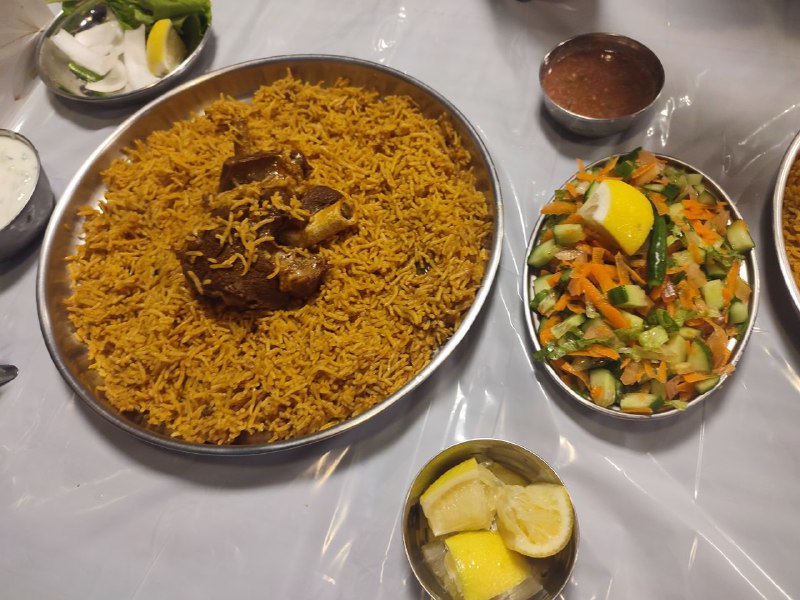
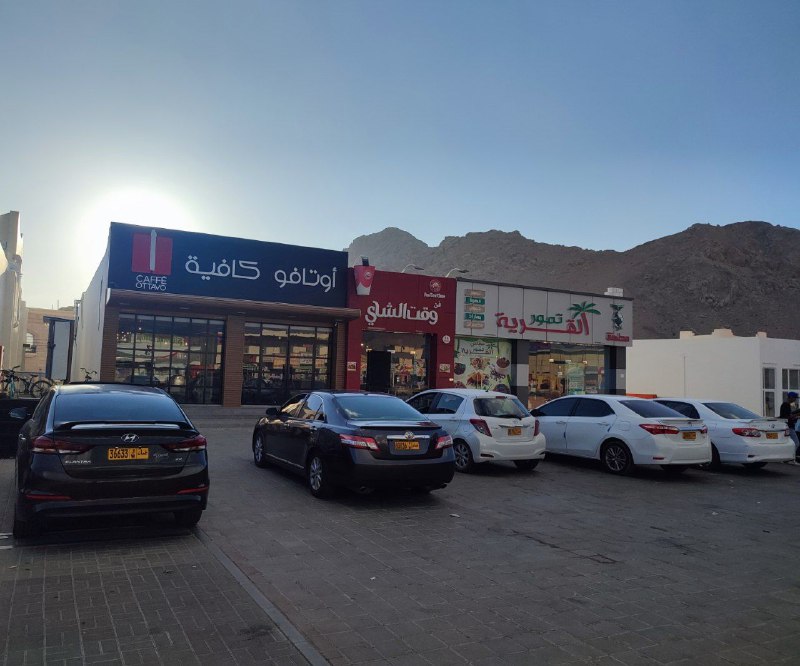
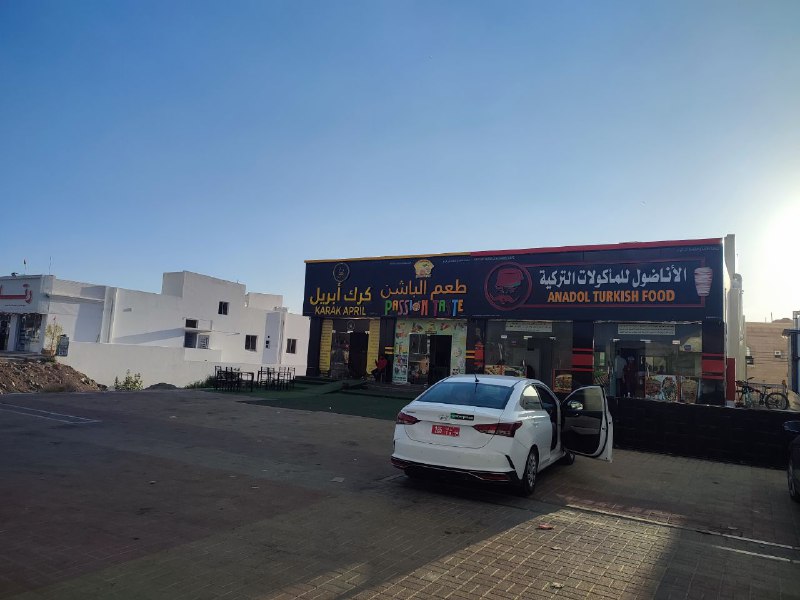
Finding good food in Oman is tricky. There are eating places everywhere, but picking something decent takes real effort. There are tons of cheap, sketchy little joints for workers with mediocre food and, let's say, unique décor—the kind where they feed you off a disposable plastic tablecloth (like they literally just ripped open a grocery bag and spread it on the table). It's mostly Arabic or Indian food. With insane amounts of rice (one serving is honestly enough for 3-4 people; locals often can't even finish it themselves). Turkish cuisine is popular too—well, the kebab version of it anyway—and yeah, that gets old fast.
Google Maps lies more here than anywhere else. A 4.1 rating could actually be better than a 4.8 if you compare similar review counts and price ranges. In Muscat,
tasteatlas recommends 2 places where the bill starts at $60 per person, and one cheaper option that's better left alone. The further you get from the capital, the more limited your choices become. Somewhere between Sur and Muscat, I really needed to find something to eat, but there was nothing but Pakistani cafeteria-level spots for miles around. To be fair though, even that place for (and I'm serious) 2 bucks a head went down just fine.
In the end, the best recommendations came from
r/oman discussions.
PS. If you happen to pass through, my top 3 are
number one,
number two, and
number three.
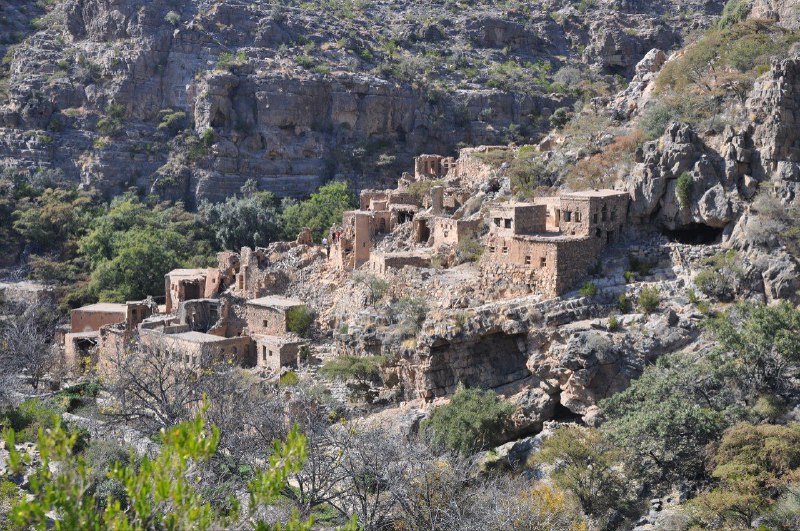
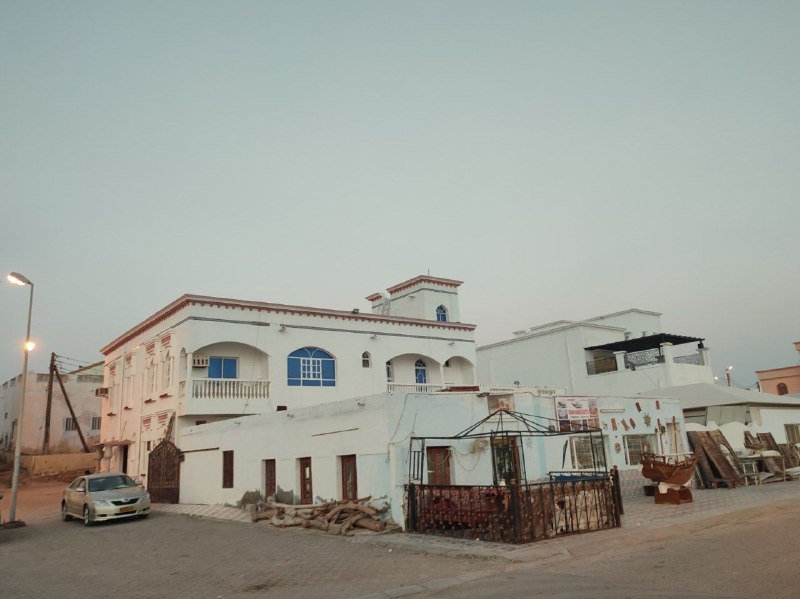
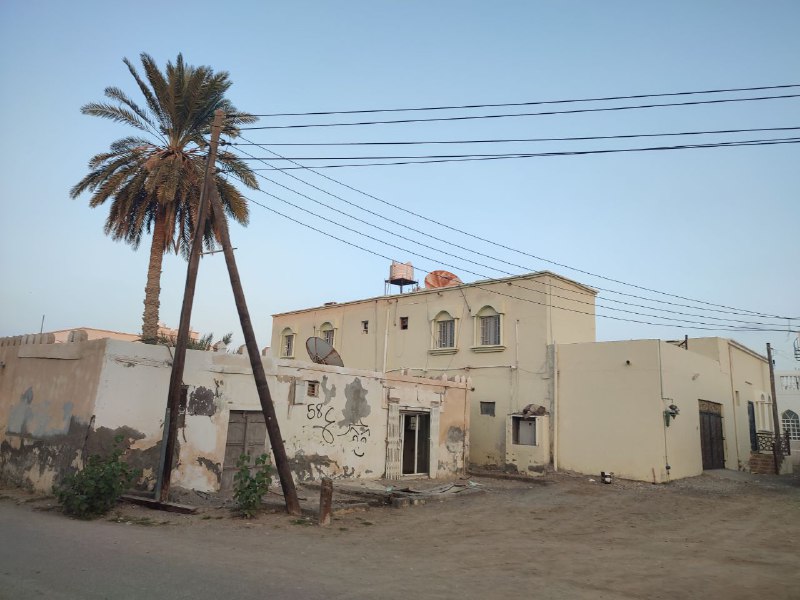
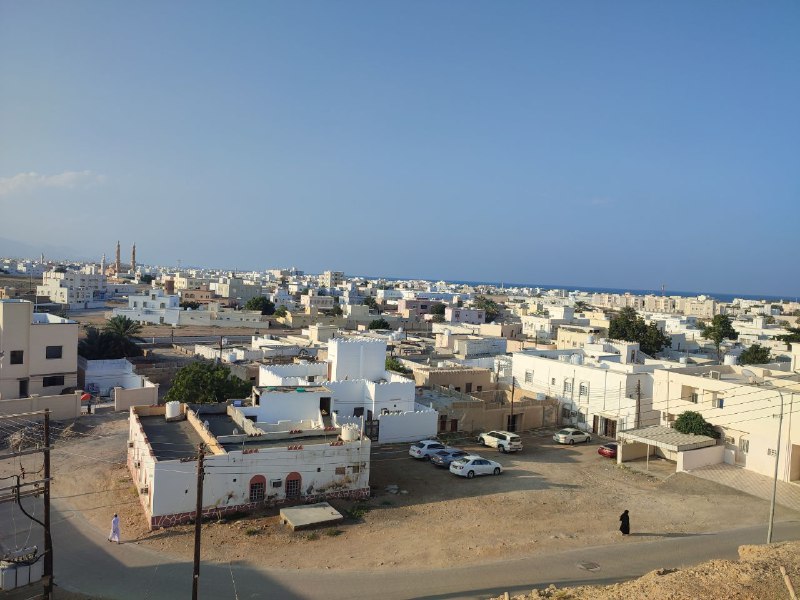
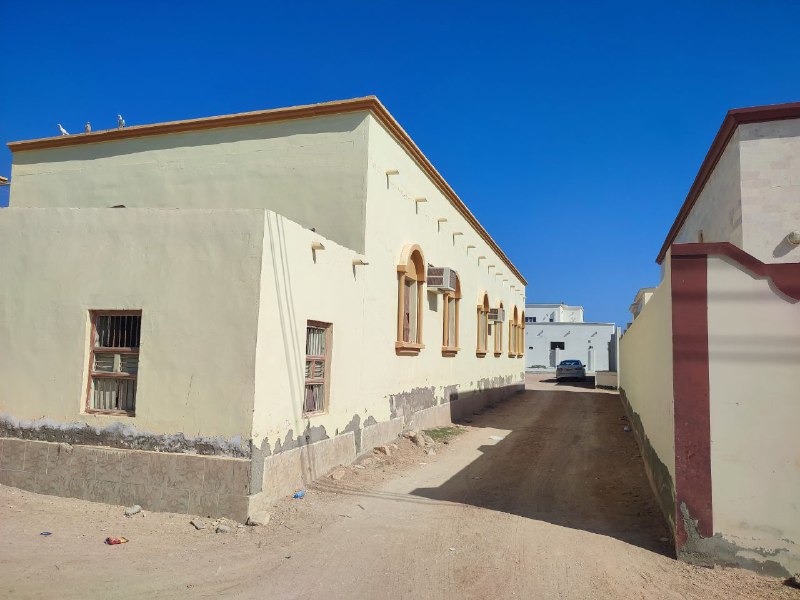
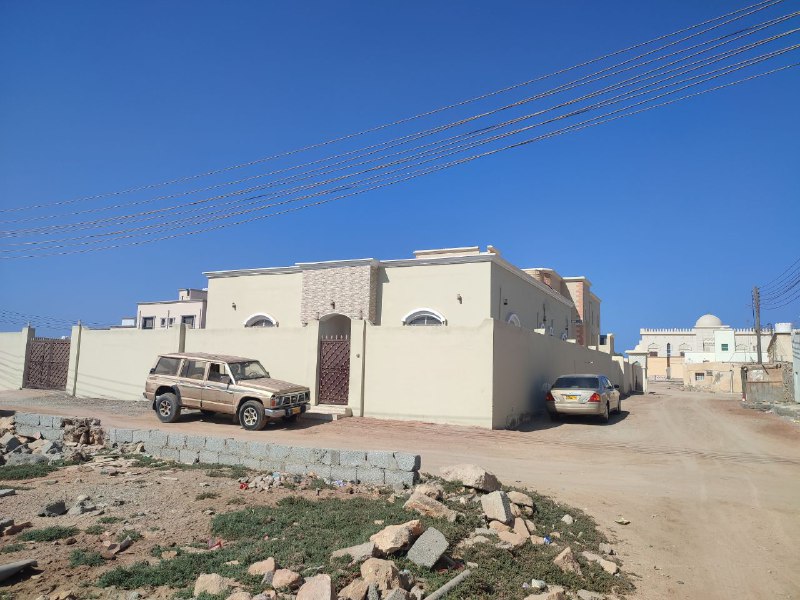
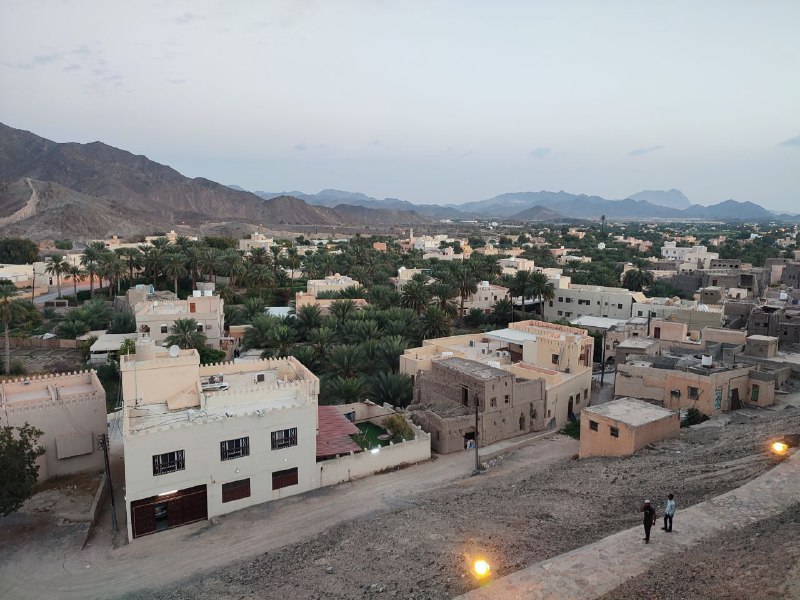
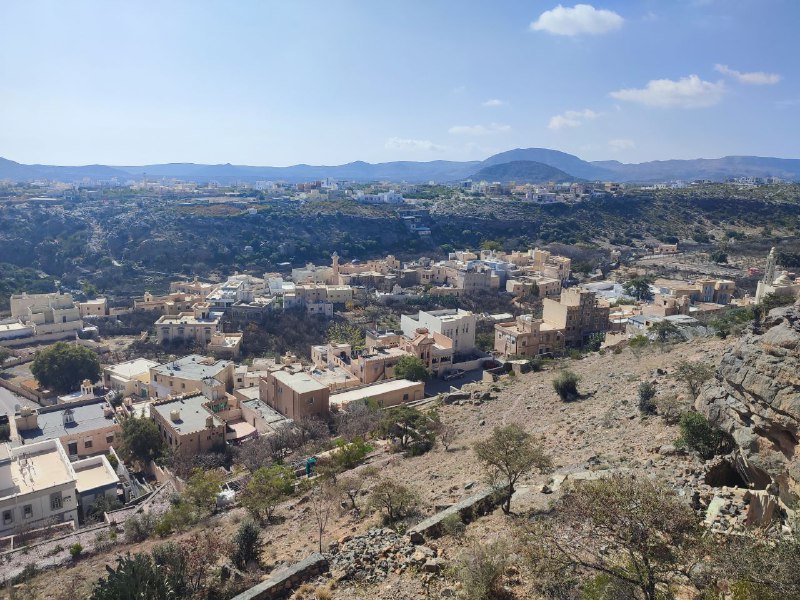
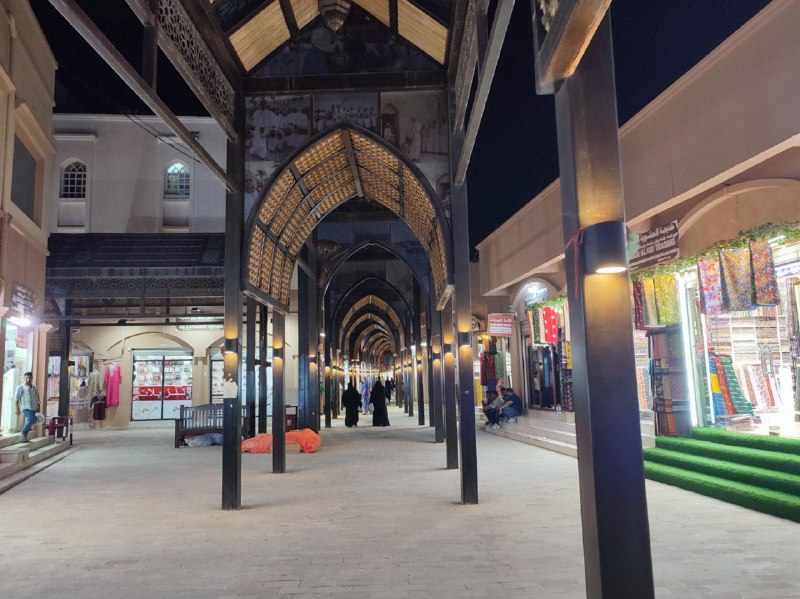
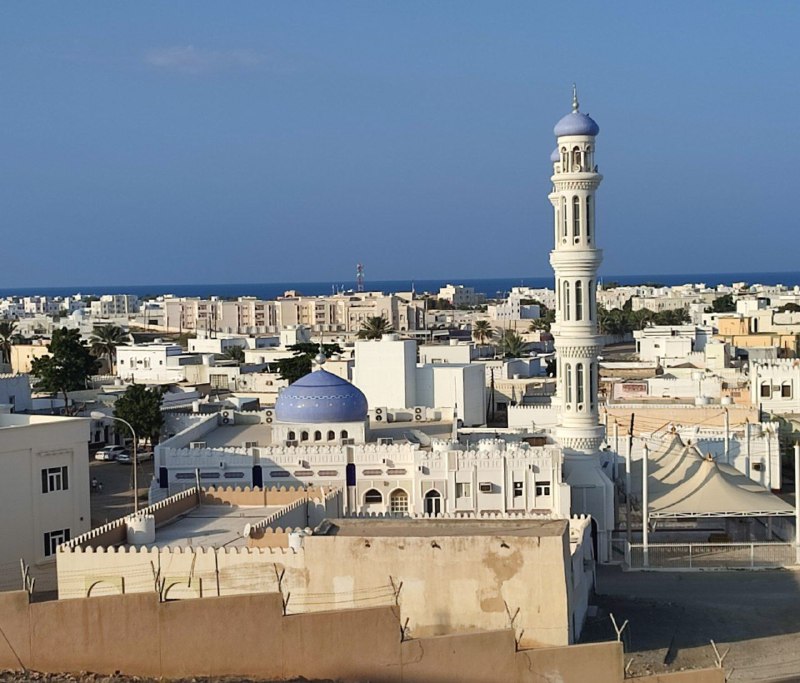
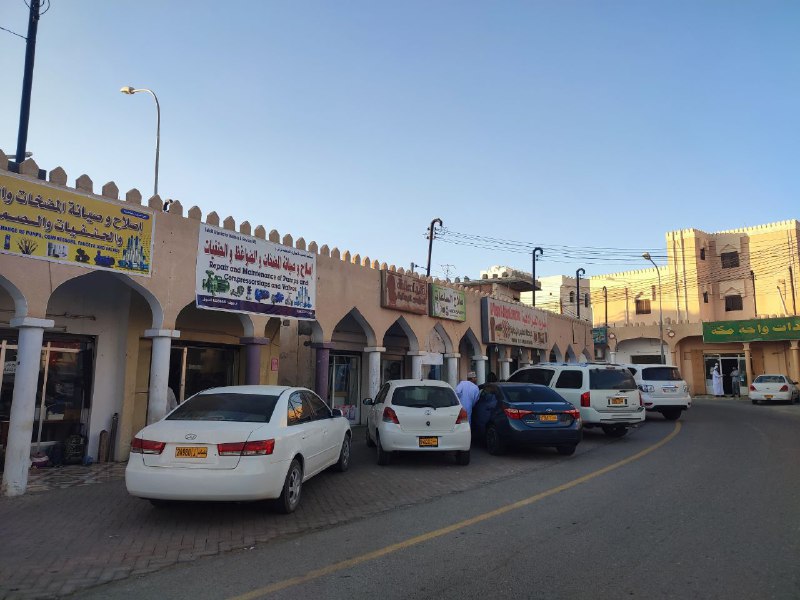
Small towns and villages in Oman look pretty worn out. But because of their unique, unfamiliar architecture, there's no sense of dreariness or hopelessness. At least at first.
During the day, there are very few people on the streets. It feels like you're driving through ghost towns. But as evening comes, life wakes up and it doesn't feel that way anymore. The streets are mostly filled with men. In large part because there are many migrant workers. For every woman in the country, there are 2 men (which is still better than Qatar's ratio of 1 to 3).
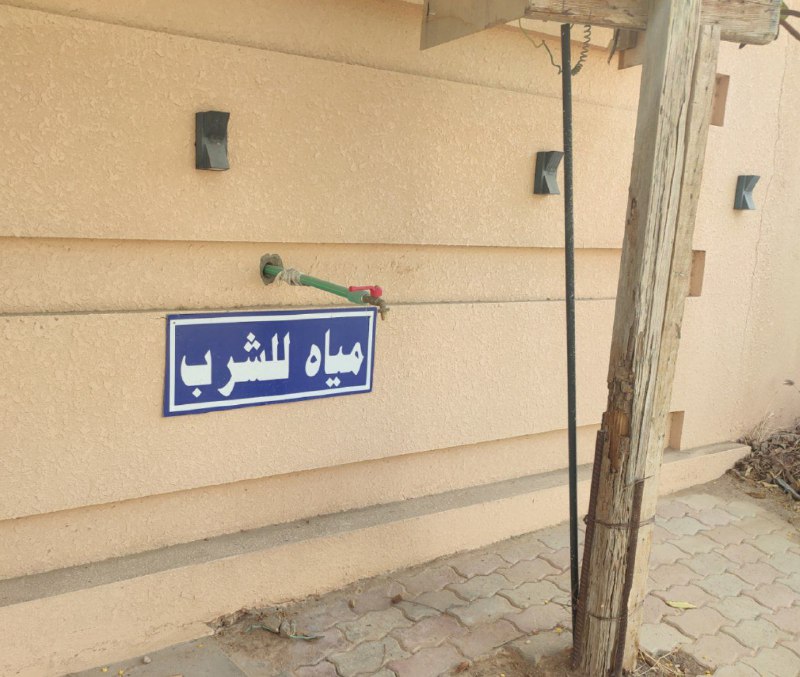
I often see drinking tap water faucets sticking out from the fences of private houses. Most of the time they're not marked, but I did come across one with a blue sign saying you can drink from it.
Inside really small villages, sometimes there's no asphalt at all. You drive through it and wonder if you're even supposed to be driving there.
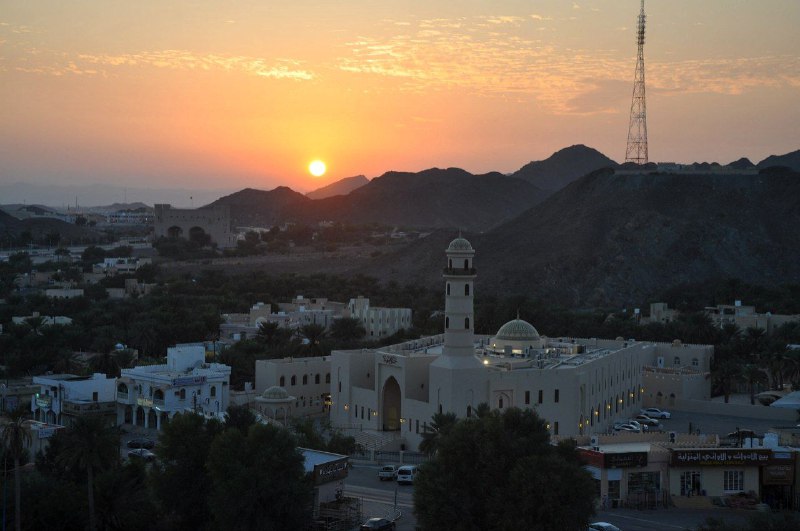
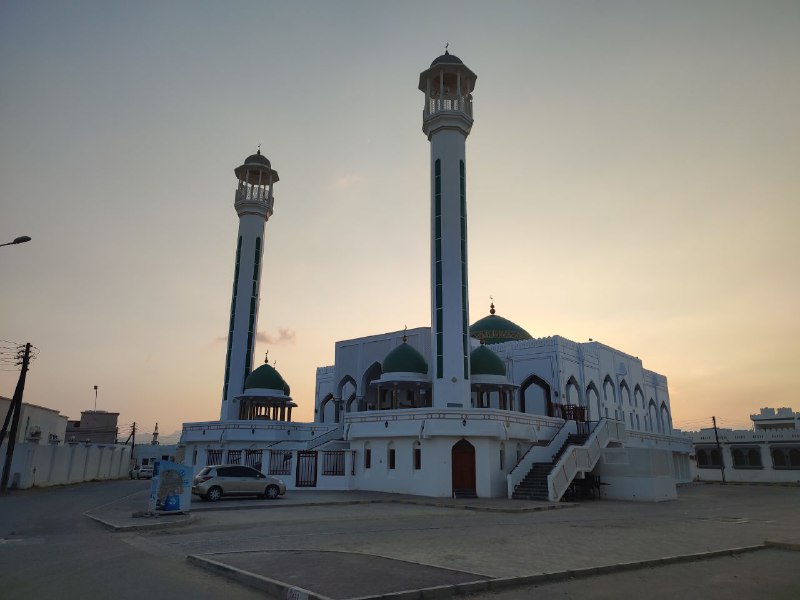
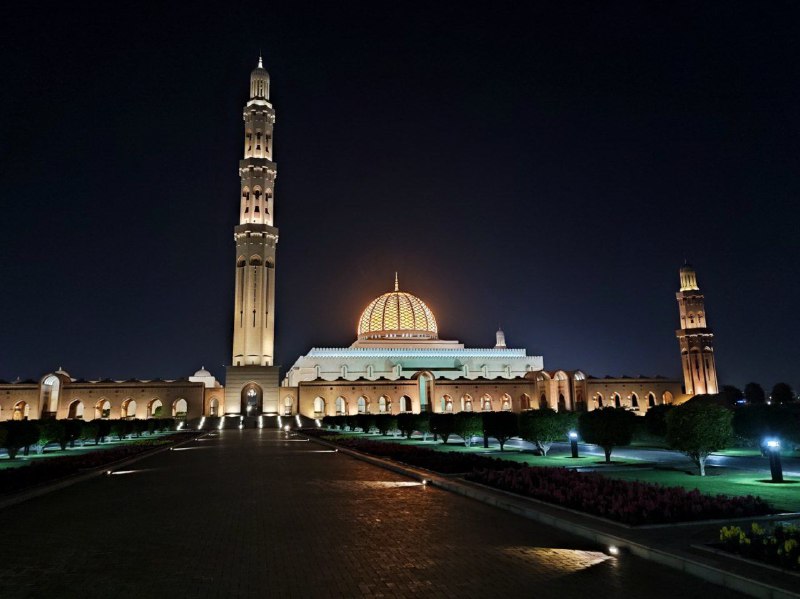
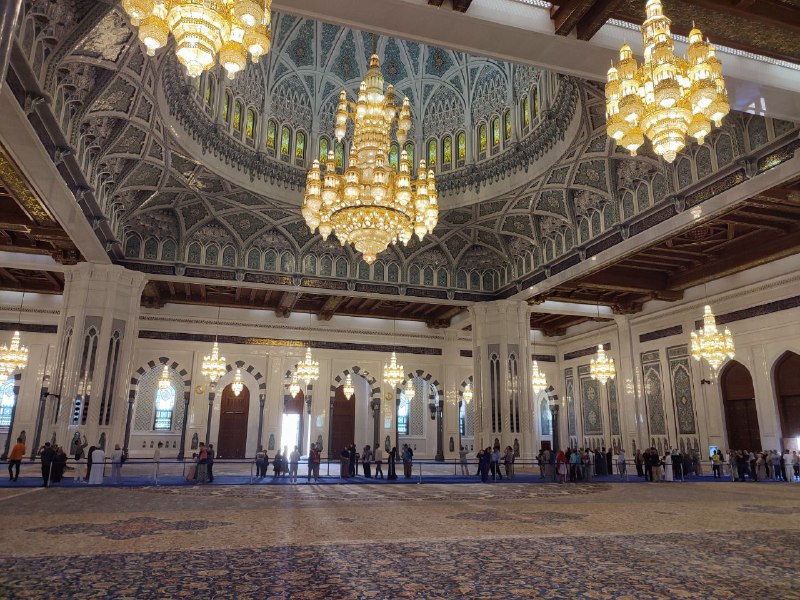
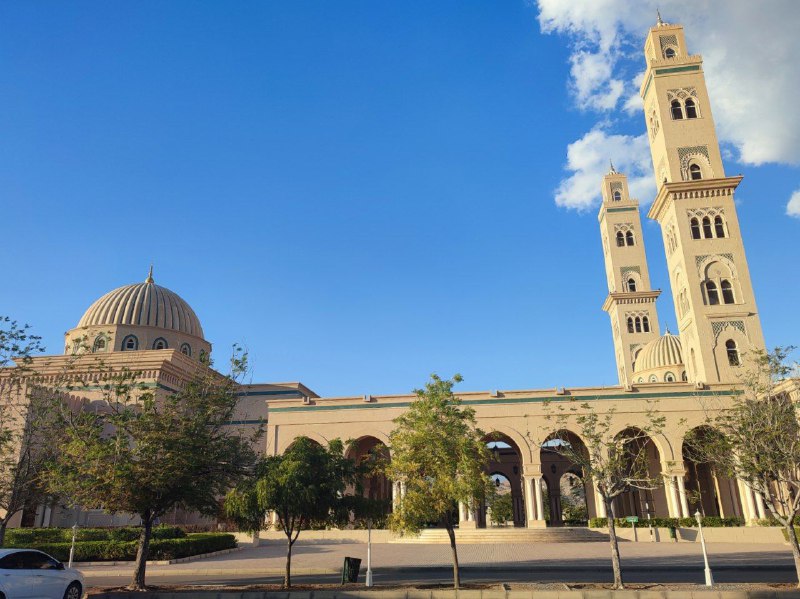
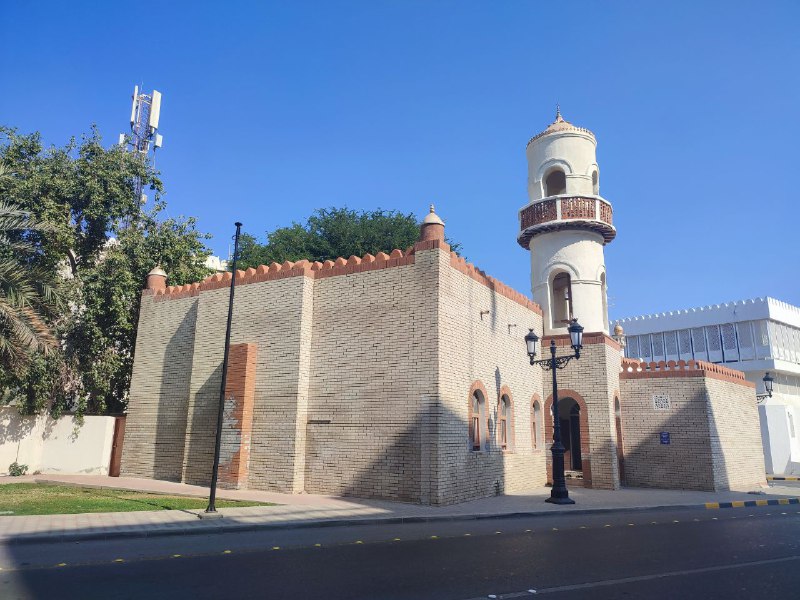
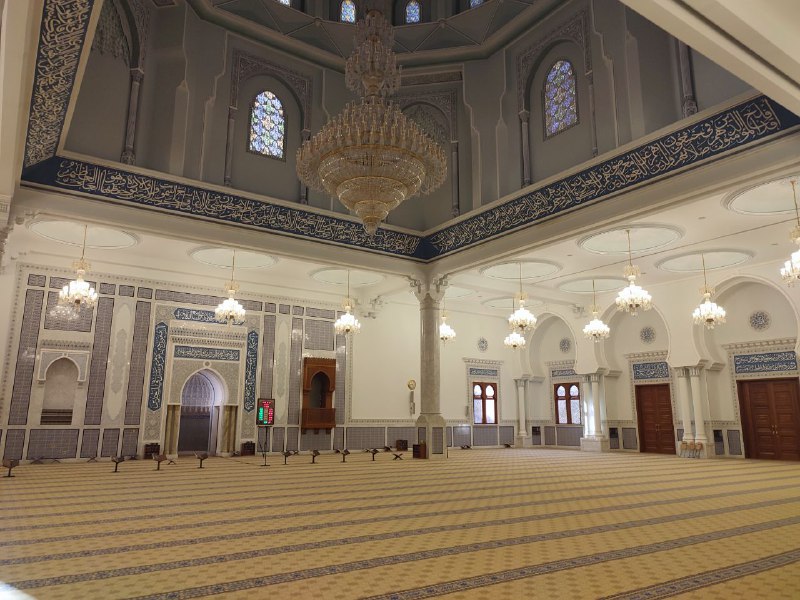
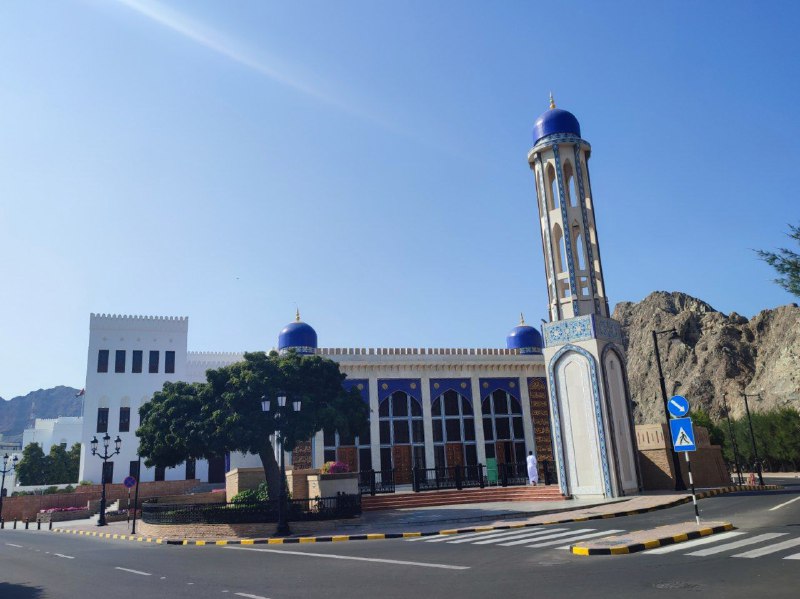
There are tons of mosques in Oman. Most of them are pretty new. You'll even find them at gas stations sometimes. That said, at the most popular ones, they either limit tourist visits to morning hours—like 8 to 11 AM—or don't let them in at all.
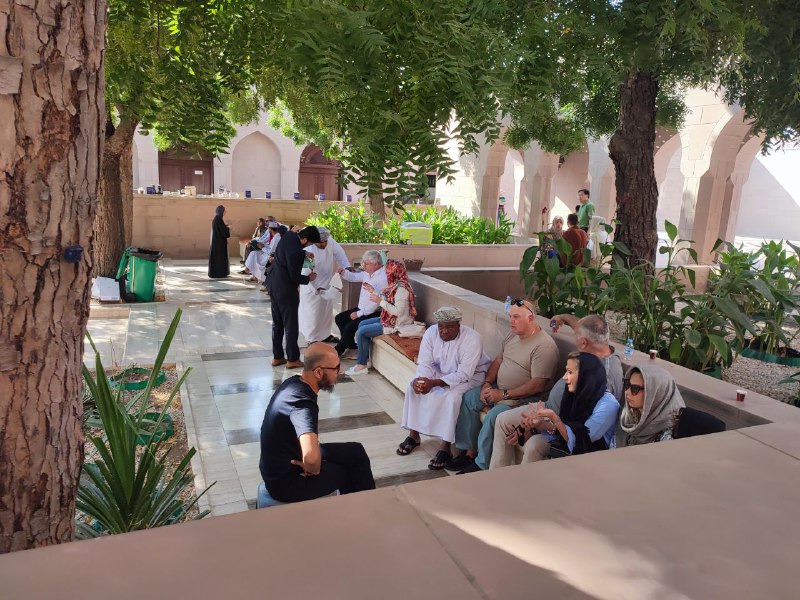
This was the first time I'd seen visitors allowed not just to check out the interior, but actually set up a separate tea area where they serve free tea and coffee and answer any questions you have about Islam. If you're really interested, they even offer literature. Some of it's in Russian too.
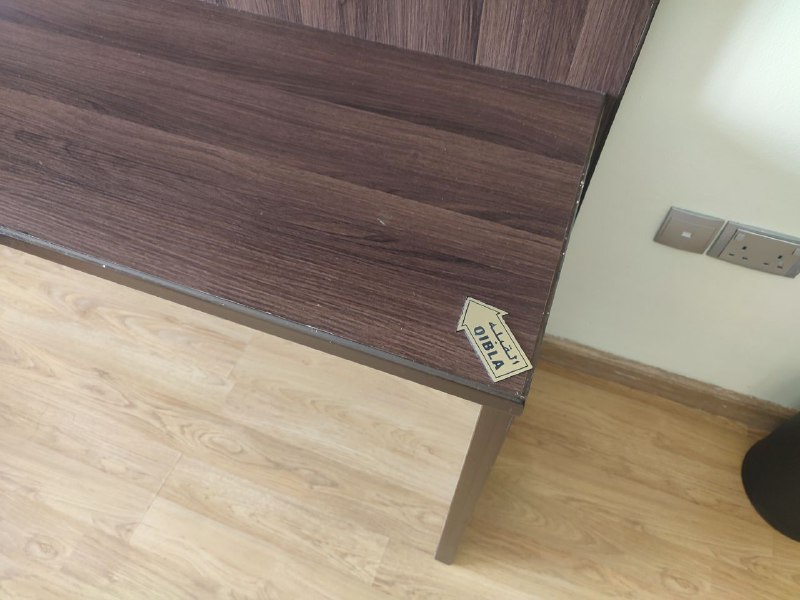
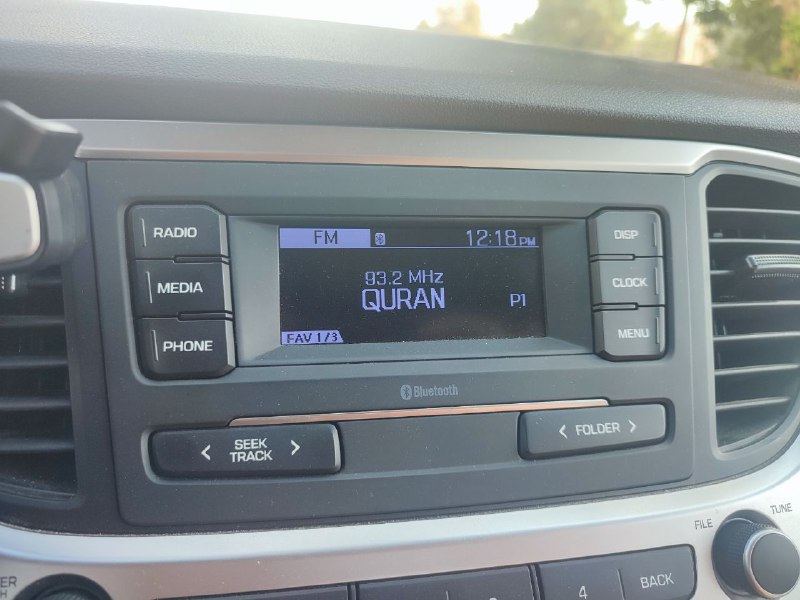
Hotels usually have a sign pointing toward the Qibla so guests know which direction to pray. And there are radio stations that just play Quran reciters nonstop (though there are music stations too, of course).
By the way, people in Oman aren't Shia or Sunni (if you want to know the difference,
redroom has a pretty good explanation), they're
Ibadis. The main differences with Ibadis are pretty subtle. Like, most people believe you can go to paradise from hell once you've atoned for your sins, but Ibadis think once you're there, that's it. There's no coming back.
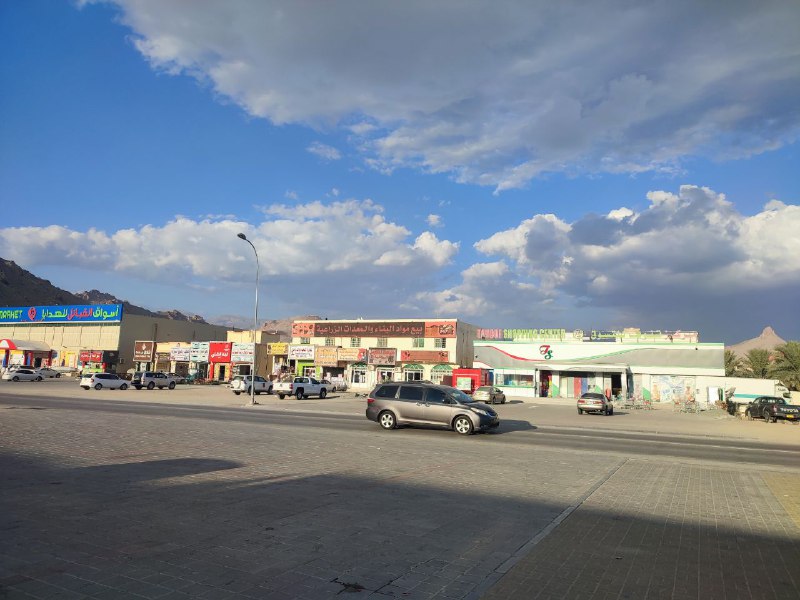
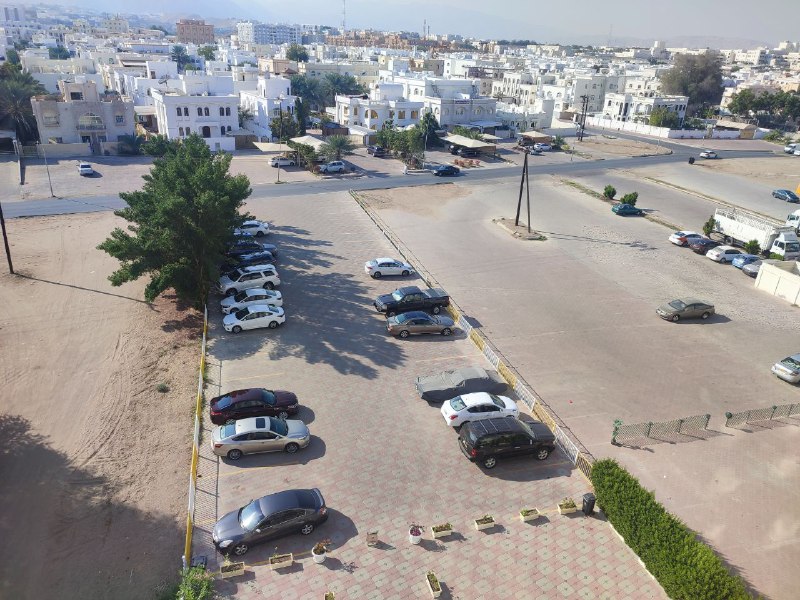
Oman is absolutely a car-centric country. The infrastructure is built entirely around vehicles. There's tons of parking everywhere—even in the city. Outside the city, buildings aren't constructed right up against the road; they leave plenty of space for vehicle access. Sometimes that's like 100 meters of space.
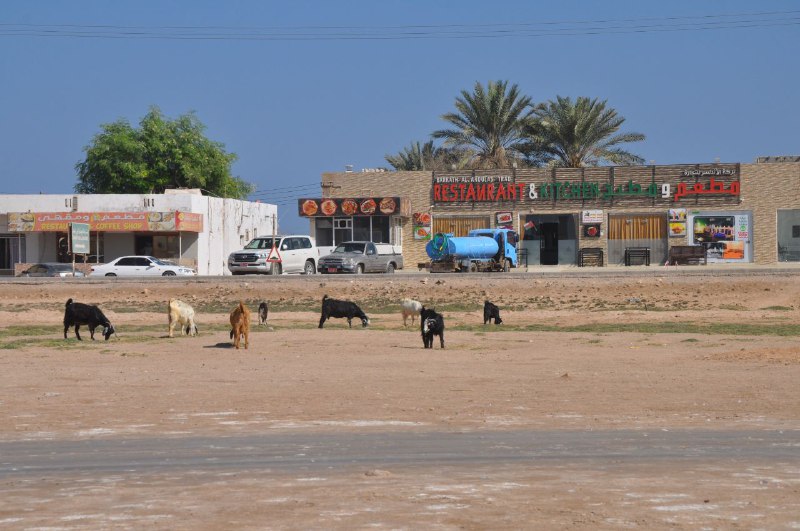
At roadside eateries, people usually don't even get out of their cars. It's not like a McDonald's drive-through window. You just pull up to the restaurant, honk, a waiter comes out with the menu, takes your order, and then brings everything to your car. It's pretty clear that customers aren't expected to sit down and eat inside the restaurant.
Overall, the roads are fine. Not perfect, but definitely drivable. The lanes are really wide—especially after coming from Serbia. And they don't skimp on the width of parking spaces. Though that doesn't stop drivers from taking up multiple spaces at once.
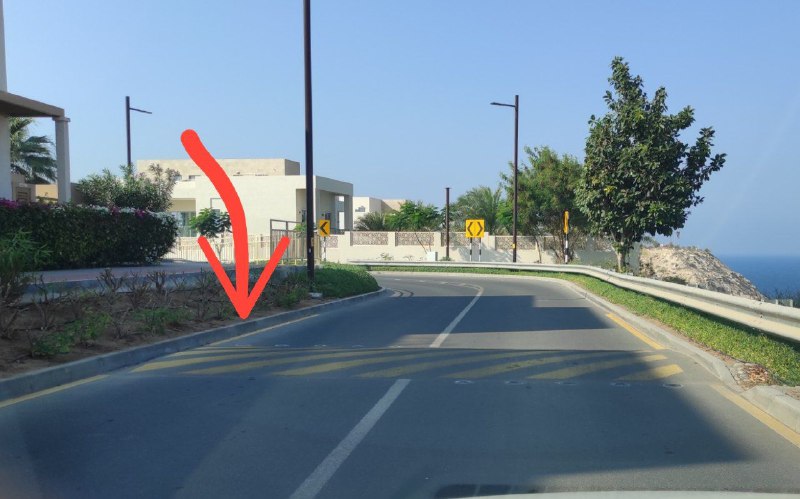
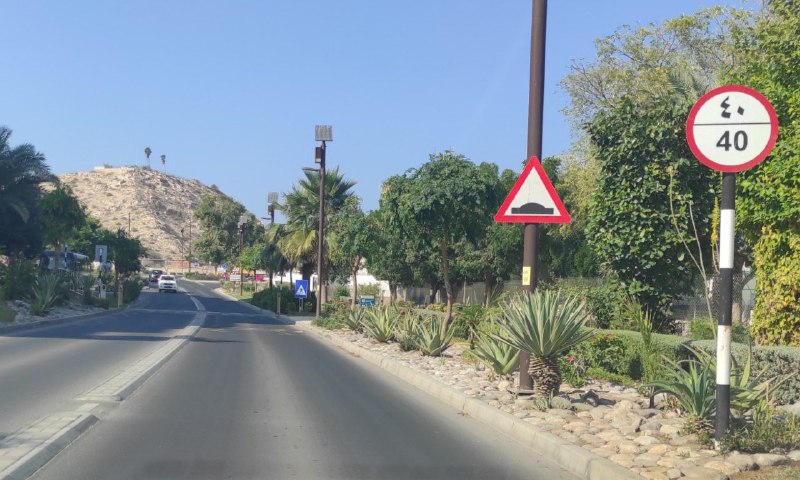
The main headache with local roads is speed bumps. There are tons of them. They're poorly marked. To make matters worse, they like to put the warning sign a good 100 meters before the actual bump. Sometimes you can even forget the sign was there in the first place :)
Happy New Year! Peace and travels 🎄
In Oman, basically nothing happens on New Year's. No fireworks, no celebrations, no holiday decorations, no shortened workdays. It's just a regular day, like if June 30th turned into July 1st. And on January 1st, everyone works as usual.
If holiday hustle and bustle isn't your thing, now you know where to go :)
I almost accidentally increased my trip expenses by 10 times. But somehow it worked out 😅
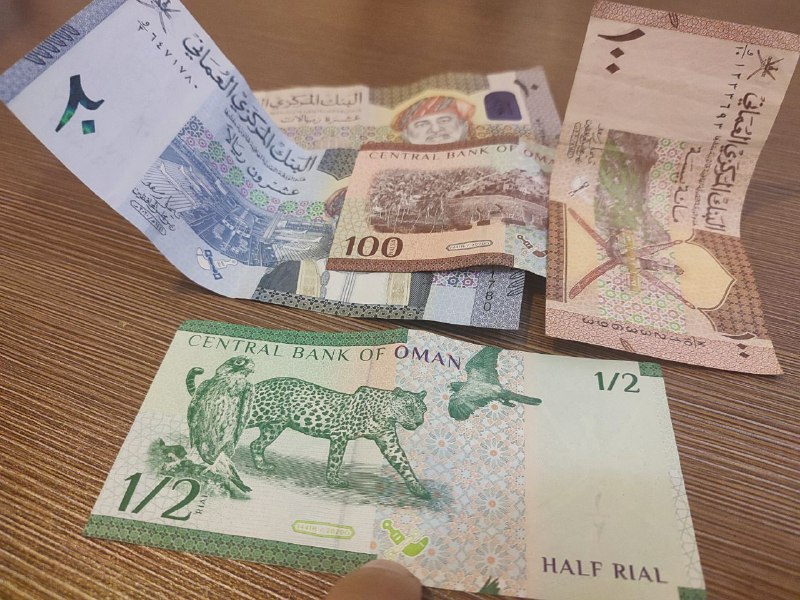
In Oman, they use rials. The exchange rate is $2.6 per unit. It's the third most expensive currency in the world. And instead of dividing by 100 like most currencies, it divides by 1000 baisa. So prices are shown with three decimal places.
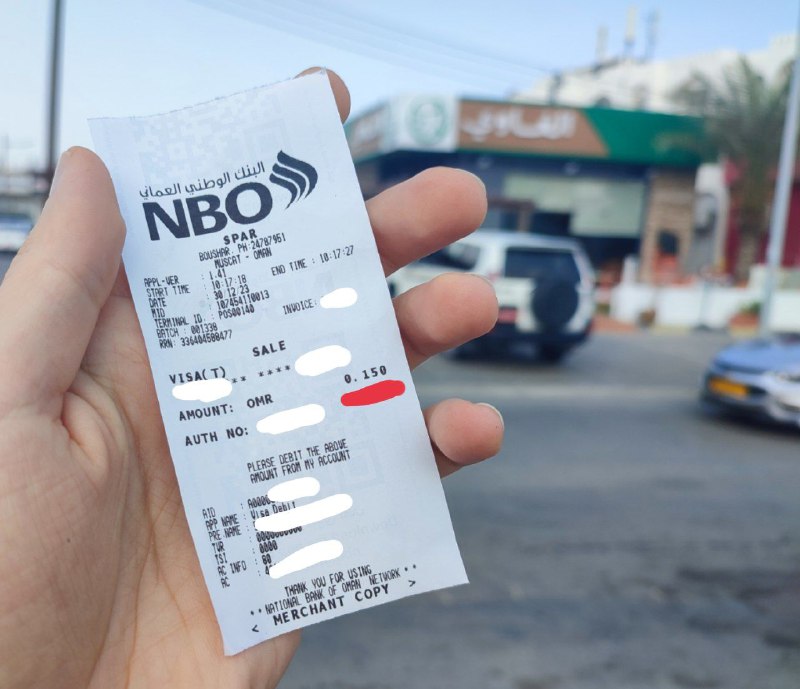
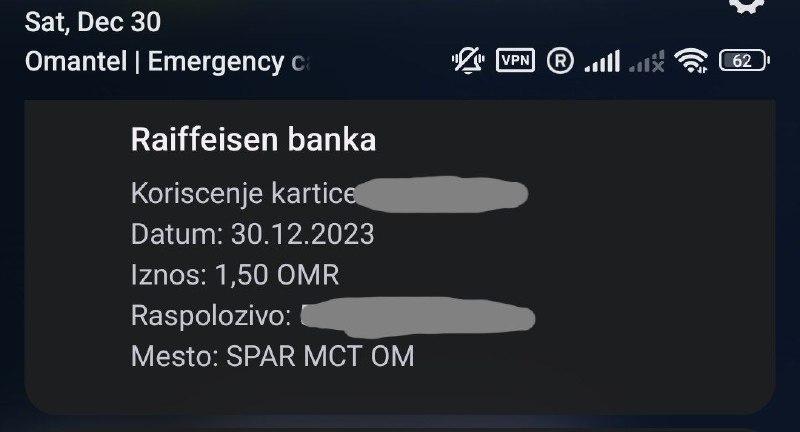
The problem is that Serbian banks completely didn't expect this twist. So I went and bought water for 0.150 OMR. Paid with my card. And I get a push notification saying 1.50 OMR was charged. Which is like 10 times more. The amount here is relatively harmless, but the same thing happened when I paid for the hotel. One that I definitely wasn't planning on paying almost a thousand bucks for per night. Except the notification cheerfully reported exactly that amount being charged.
The fun part is that the notifications come instantly. But the actual transactions show up in the online banking interface a day later (or even later). And support is completely unavailable. I had to worry a bit about my account. But in the end, everything was charged correctly. Not 10x.
PS. The money itself is beautiful. And it's cool that the bills show 1/2. And there's even 1/4.
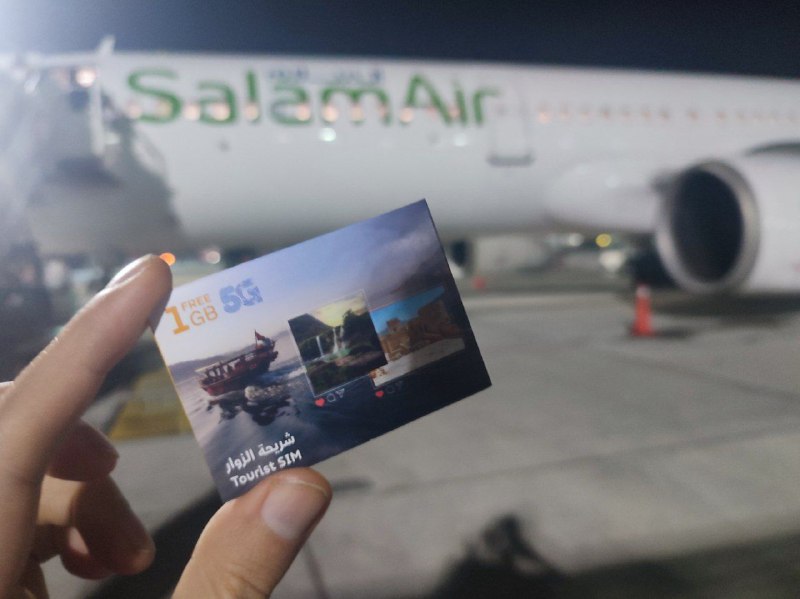
First time I've seen flight attendants handing out SIM cards with free internet right at the exit of the plane. No registration or SMS required. Maybe they're just behind on their plan to expose the population to 5G radiation by the end of the year? :)
Anyway, I'm in Oman. So far everything looks quite interesting.
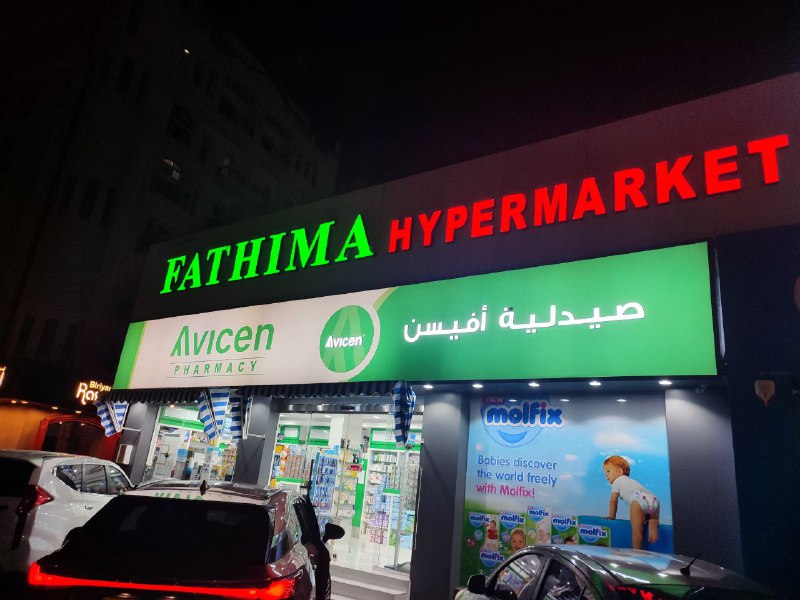
Even shopping at the store in Muscat is interesting!
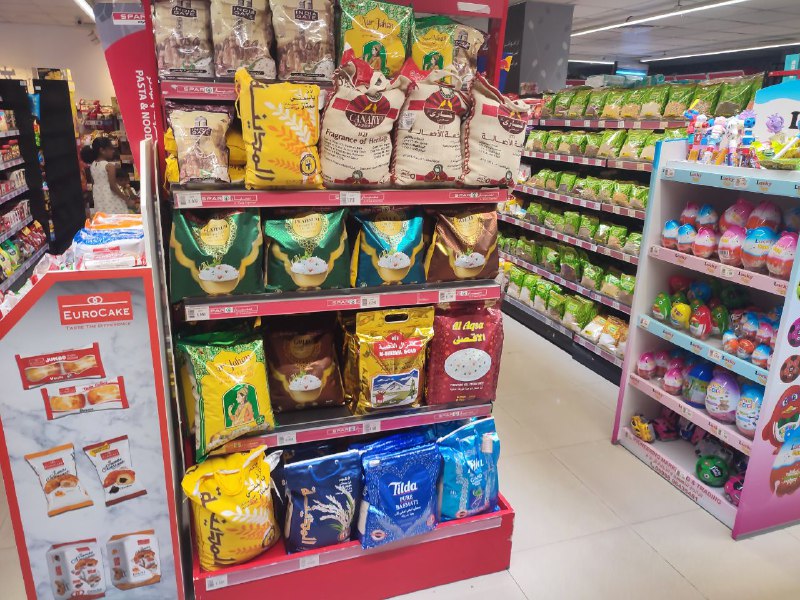
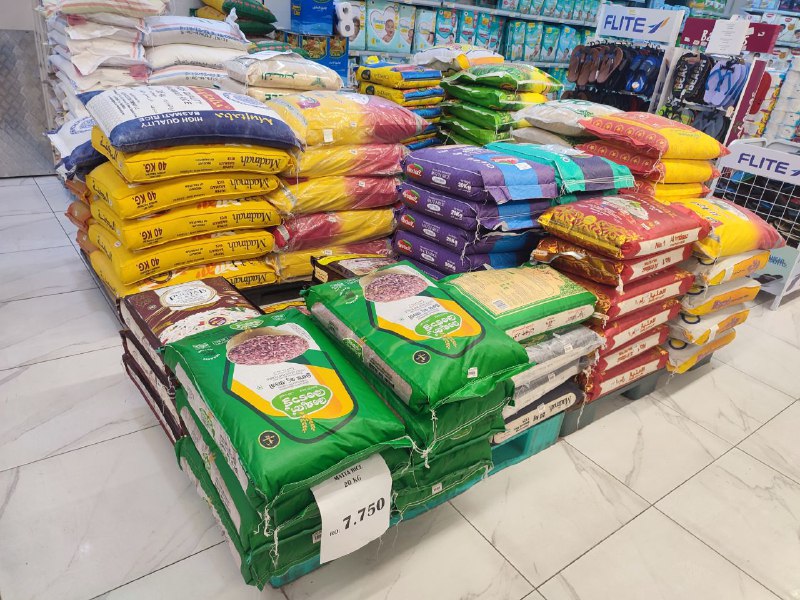
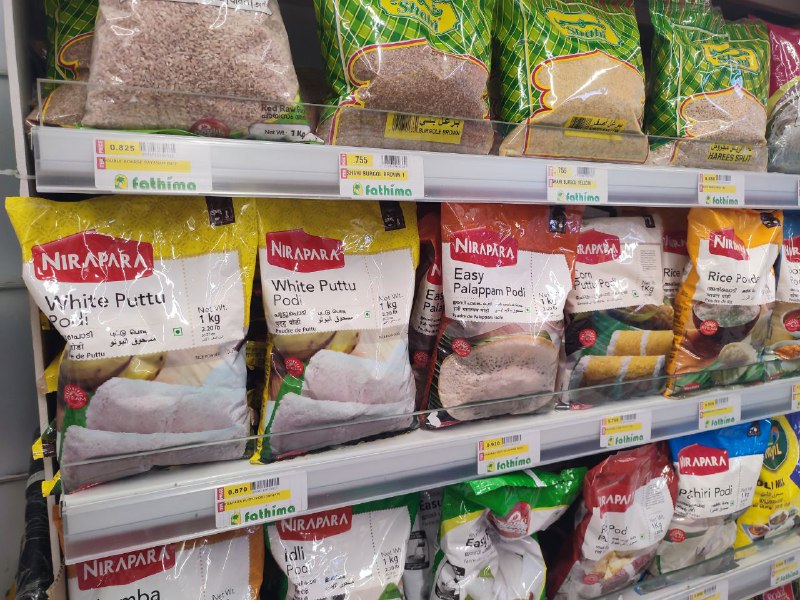
I popped into a regular supermarket and they've got rice bags in 20-40kg sizes. Even at Spar Express they sell 5kg packages.
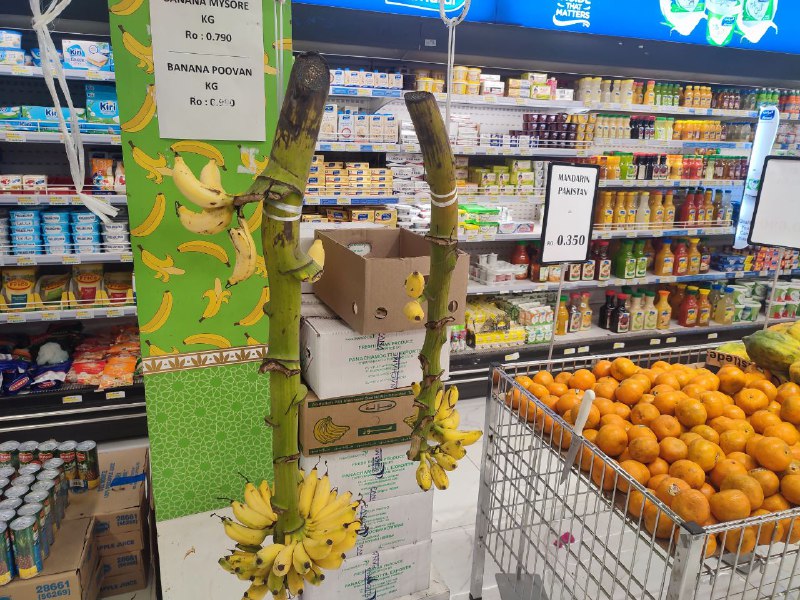
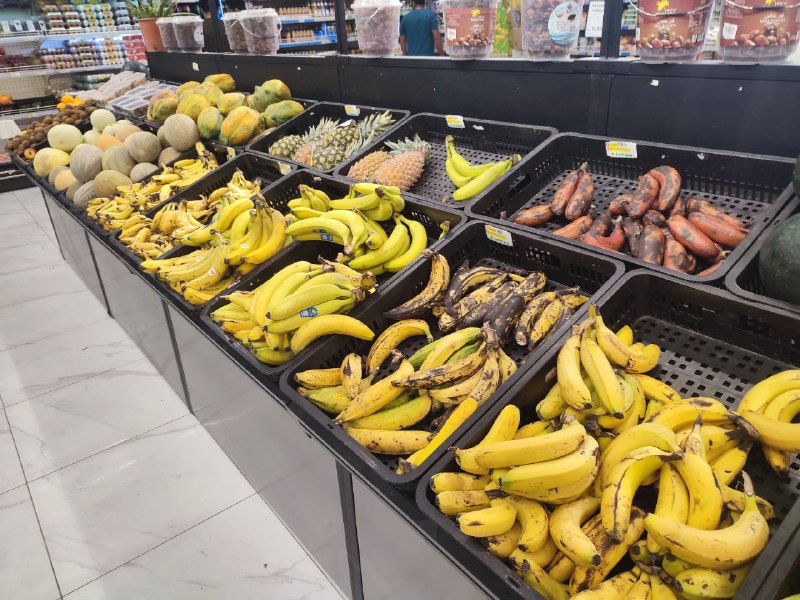
There are tons of overripe bananas. Literally melting in your hands. Give it a bit more time and they'll start fermenting. And it's not just one store that forgot to swap out the blackened ones. It's like this everywhere.
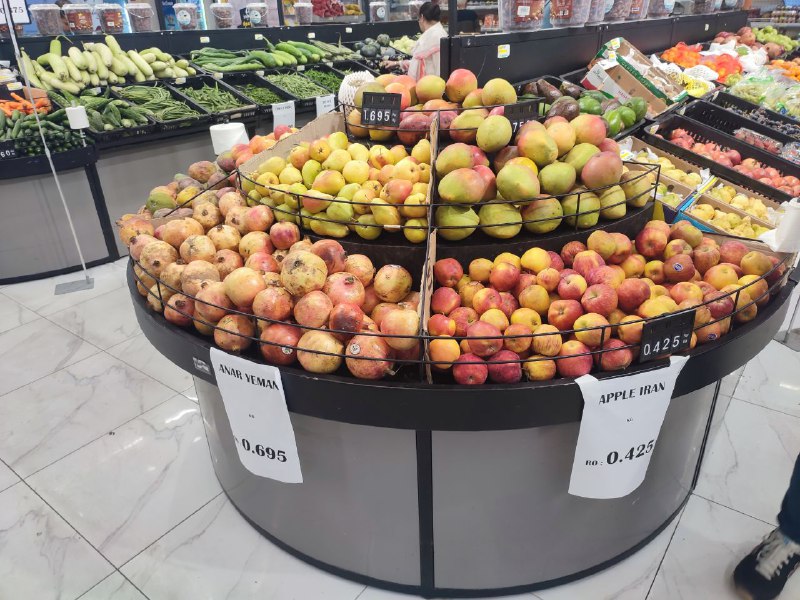
I especially love the prices with three decimal places. 0.725 and stuff like 0.855. I'll write separately about the money.
 United Kingdom
 Serbia
 Bosnia and Herzegovina
 Turkey
 United Arab Emirates
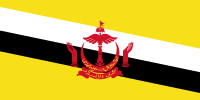 Brunei
 Indonesia
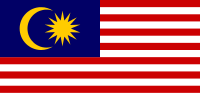 Malaysia
 Argentina
 USA
USA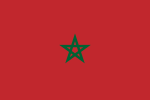 Morocco
 Georgia
 Egypt
Egypt Hong Kong
 China
China Vietnam
 Tunisia
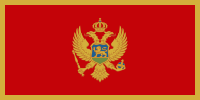 Montenegro
 Philippines
 Singapore
 Oman
Oman Algeria
 North Macedonia
 Lebanon
 Israel
 Albania
 Russia
 Tanzania
 Netherlands
 Spain
Spain Latvia
 Germany
 Belgium
 France
 Kazakhstan