One last thing about Israel: it's a very musical country. You're constantly hearing someone humming to themselves, or sometimes even singing quite loudly. They even had political campaigns before elections with music and dancing. And the Orthodox Jews aren't opposed to breaking into a dance when the occasion calls for it.
My introduction to local pop music started long before my trip. Back at the beginning of COVID, I accidentally stumbled upon a Jewish wedding through astronaut.io (a brilliant service that shows super cute YouTube videos that nobody watches). The melody grabbed me, I found it and away I went.
Then came Q2A, Ofra Haza and others like דולי ופן. I arrived there and from various cafes you'd sometimes hear familiar melodies. And I picked up some new ones too, like this or this.
PS. As a bonus, I'll mention the Yemenite Jewish sisters A-WA. Even though they sing in Arabic, they were also played in various nightspots around Tel Aviv and Jerusalem (one, two, three; plus the videos are amazing) (:
Telegram mirror
Telegram is a messenger where I post short travel notes. This page is a self-hosted backup of that channel.
►
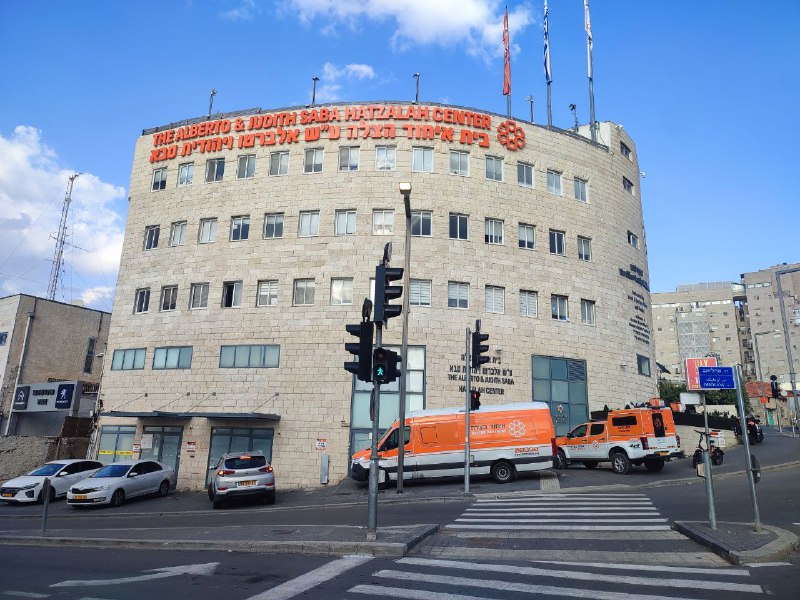
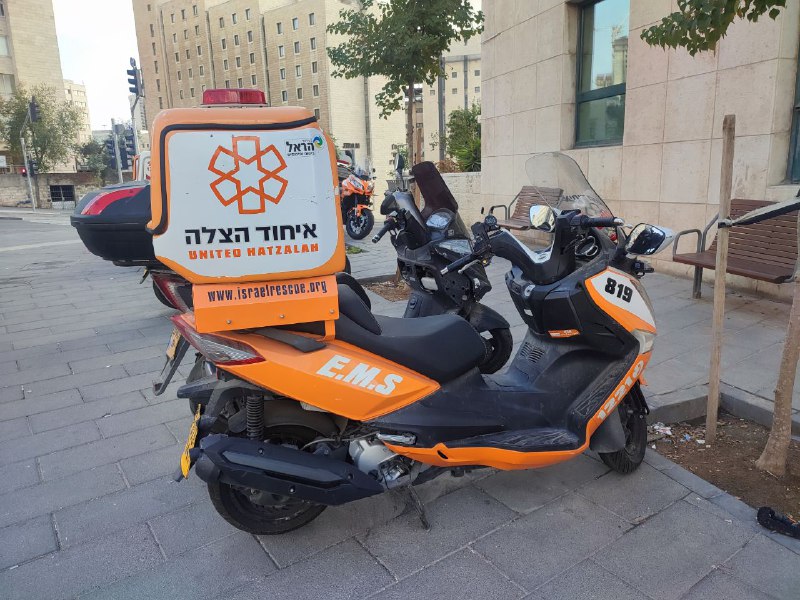
I could go on and on about kosher mobile numbers, where rabbis decide what and when users can do, and other mezuzahs (parchment scrolls with prayers) attached to the doorframes of Jewish homes. But nothing in Israel impressed me as much as United Hatzalah.
It's a volunteer organization providing emergency medical assistance. I don't understand why this isn't practiced worldwide. It's an absolutely genius concept that literally saves lives every single day. The idea is based on quick training of volunteers (around 60 hours), who are immediately ready to save lives. They get a phone for alerts and a first aid kit/equipment. When the service receives a call, nearby volunteers are dispatched to help until the ambulance arrives. These people can't work as doctors, but they have enough knowledge to keep someone alive until a medical professional arrives.
Back in 1960s America, local Hasidic Jews who only spoke Yiddish had trouble communicating with American doctors. When it comes to sudden health problems, every second counts. So the community organized a volunteer movement to eliminate translation difficulties. Apparently for this reason, only Jewish volunteers were recruited. Once trained, they'd start responding to calls. As a bonus, volunteers arrived faster since they lived and worked within their own neighborhoods. The idea spread rapidly across the States and countries with large Jewish communities. Nevertheless, Hatzalah (as they were called) saved everyone in need, not just their own. For example, they were among the first to arrive during the 9/11 terror attack in New York.
This story could've stayed local in neighborhoods with dense Orthodox Jewish populations, but eventually it reached Israel too. There was no language barrier there, but there was a need for volunteers. So a bunch of independent "branches" formed. However, one person fundamentally changed the system. Back in 1978, five-year-old Eli Beer witnessed a bus explosion. The chaos and slow response of emergency services left a lasting mark on the boy, and he dedicated his life to saving people. Almost 30 years after that incident, he managed to unite all Israeli branches into one massive organization—United Hatzalah.
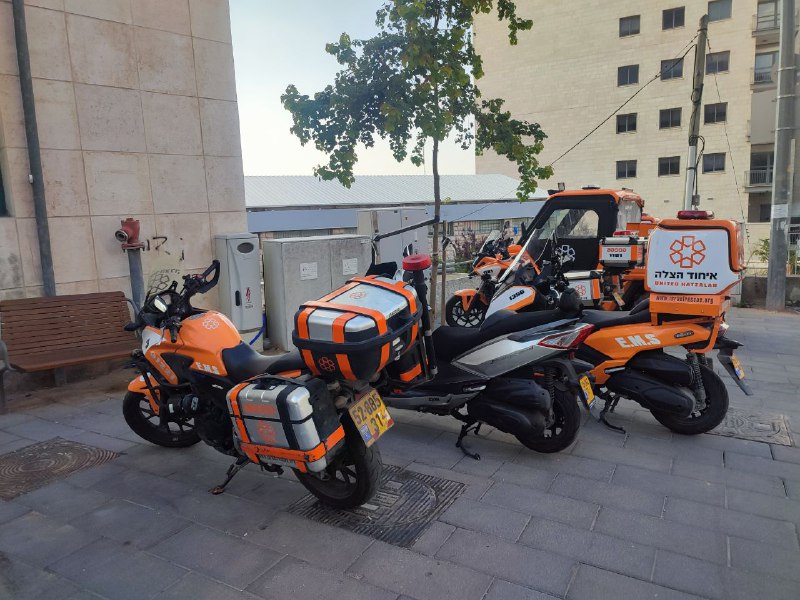
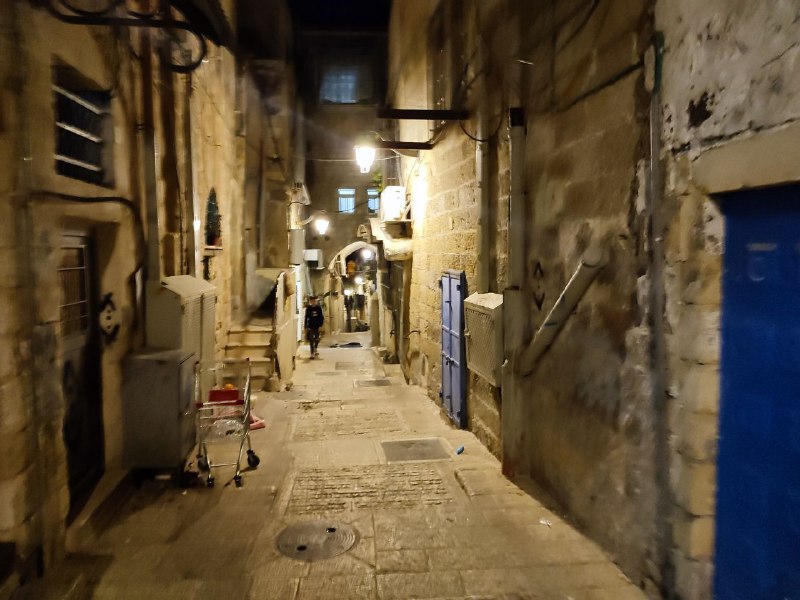
That was just the beginning. Then came innovations affecting all the "subsidiaries." They stopped caring about nationality and religion, and started accepting anyone who wanted to help. They decided to use motorcycles extensively to reach emergency scenes faster. This allows for much quicker response to victims during rush hour (a major problem in big cities). And in historic areas, it made it possible to reach patients. For example, in Old Jerusalem, a big ambulance simply can't navigate narrow streets.
They were first to implement GPS for automatically detecting if anyone was near a call location and sending alerts to those meeting the criteria. GPS might not sound miraculous today, but they rolled out this technology in 2008! Because of it, help in the city arrives in an average of one and a half minutes. Ninety seconds (!)! Regular ambulances usually take 8-9 minutes. You can find more impressive statistics on the website. If the official statistics are to be believed, mortality from heart attacks in the country dropped by 50% thanks to these guys.
It's a volunteer organization providing emergency medical assistance. I don't understand why this isn't practiced worldwide. It's an absolutely genius concept that literally saves lives every single day. The idea is based on quick training of volunteers (around 60 hours), who are immediately ready to save lives. They get a phone for alerts and a first aid kit/equipment. When the service receives a call, nearby volunteers are dispatched to help until the ambulance arrives. These people can't work as doctors, but they have enough knowledge to keep someone alive until a medical professional arrives.
Back in 1960s America, local Hasidic Jews who only spoke Yiddish had trouble communicating with American doctors. When it comes to sudden health problems, every second counts. So the community organized a volunteer movement to eliminate translation difficulties. Apparently for this reason, only Jewish volunteers were recruited. Once trained, they'd start responding to calls. As a bonus, volunteers arrived faster since they lived and worked within their own neighborhoods. The idea spread rapidly across the States and countries with large Jewish communities. Nevertheless, Hatzalah (as they were called) saved everyone in need, not just their own. For example, they were among the first to arrive during the 9/11 terror attack in New York.
This story could've stayed local in neighborhoods with dense Orthodox Jewish populations, but eventually it reached Israel too. There was no language barrier there, but there was a need for volunteers. So a bunch of independent "branches" formed. However, one person fundamentally changed the system. Back in 1978, five-year-old Eli Beer witnessed a bus explosion. The chaos and slow response of emergency services left a lasting mark on the boy, and he dedicated his life to saving people. Almost 30 years after that incident, he managed to unite all Israeli branches into one massive organization—United Hatzalah.
That was just the beginning. Then came innovations affecting all the "subsidiaries." They stopped caring about nationality and religion, and started accepting anyone who wanted to help. They decided to use motorcycles extensively to reach emergency scenes faster. This allows for much quicker response to victims during rush hour (a major problem in big cities). And in historic areas, it made it possible to reach patients. For example, in Old Jerusalem, a big ambulance simply can't navigate narrow streets.
They were first to implement GPS for automatically detecting if anyone was near a call location and sending alerts to those meeting the criteria. GPS might not sound miraculous today, but they rolled out this technology in 2008! Because of it, help in the city arrives in an average of one and a half minutes. Ninety seconds (!)! Regular ambulances usually take 8-9 minutes. You can find more impressive statistics on the website. If the official statistics are to be believed, mortality from heart attacks in the country dropped by 50% thanks to these guys.
Leaving Israel turned out to be way harder than getting in.
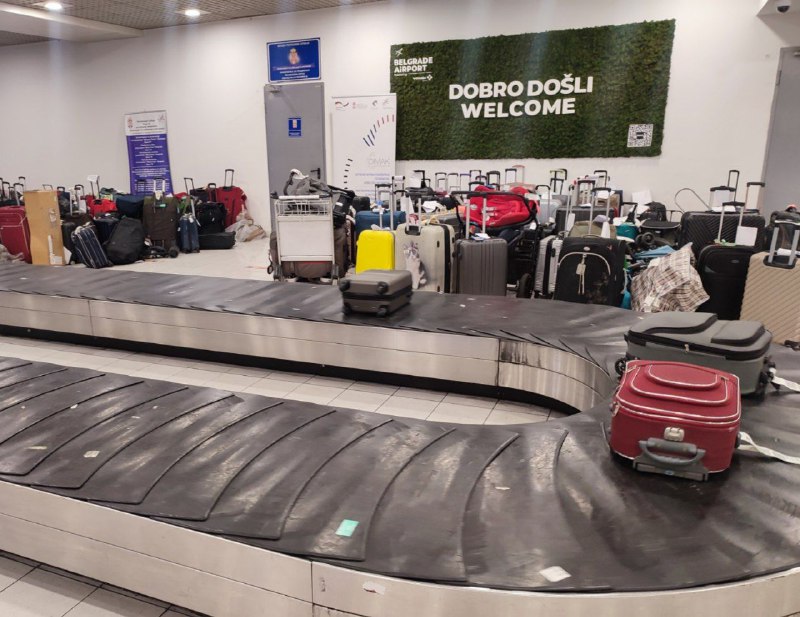
I arrived at the airline counter an hour and a half before my flight. I was confident that was plenty of time (they usually close check-in 40 minutes before departure). But when I got there, it turned out I was just a couple minutes before they shut it down.
Then things got interesting at security. They pulled me aside to a separate area for a detailed search, and I spent over an hour there. The officers went through all my belongings, basically examining every single document individually. They even literally searched inside my pants with some kind of explosive trace detector (this happened in a closed booth behind a screen).
It all ended when my laptop triggered some kind of sensor. After a million clarifying questions, I was told that according to protocol, my laptop would have to go on a different flight. They packed it up right in front of me, sealed it, and even gave me a receipt like it was extra baggage so I could track it if needed. Then they wished me a good flight.
I finally made it to the gate about 5 minutes after departure time. Luckily the plane hadn't left yet and they hadn't even finished boarding. The last passengers were casually scanning their boarding passes.
Well, I didn't get my laptop in Belgrade (shocker), and on top of that, they forgot my luggage at the connection in Istanbul. They promised to deliver everything to my place tomorrow. We'll see how that works out.
PS. I'm back in Serbia, but there are a couple more things about Israel I want to share. I'll write about that a bit later.
I arrived at the airline counter an hour and a half before my flight. I was confident that was plenty of time (they usually close check-in 40 minutes before departure). But when I got there, it turned out I was just a couple minutes before they shut it down.
Then things got interesting at security. They pulled me aside to a separate area for a detailed search, and I spent over an hour there. The officers went through all my belongings, basically examining every single document individually. They even literally searched inside my pants with some kind of explosive trace detector (this happened in a closed booth behind a screen).
It all ended when my laptop triggered some kind of sensor. After a million clarifying questions, I was told that according to protocol, my laptop would have to go on a different flight. They packed it up right in front of me, sealed it, and even gave me a receipt like it was extra baggage so I could track it if needed. Then they wished me a good flight.
I finally made it to the gate about 5 minutes after departure time. Luckily the plane hadn't left yet and they hadn't even finished boarding. The last passengers were casually scanning their boarding passes.
Well, I didn't get my laptop in Belgrade (shocker), and on top of that, they forgot my luggage at the connection in Istanbul. They promised to deliver everything to my place tomorrow. We'll see how that works out.
PS. I'm back in Serbia, but there are a couple more things about Israel I want to share. I'll write about that a bit later.
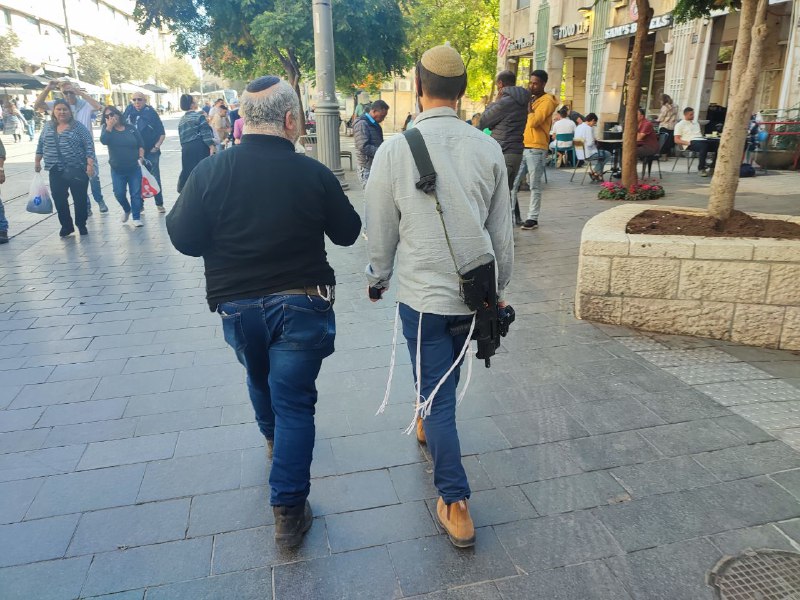
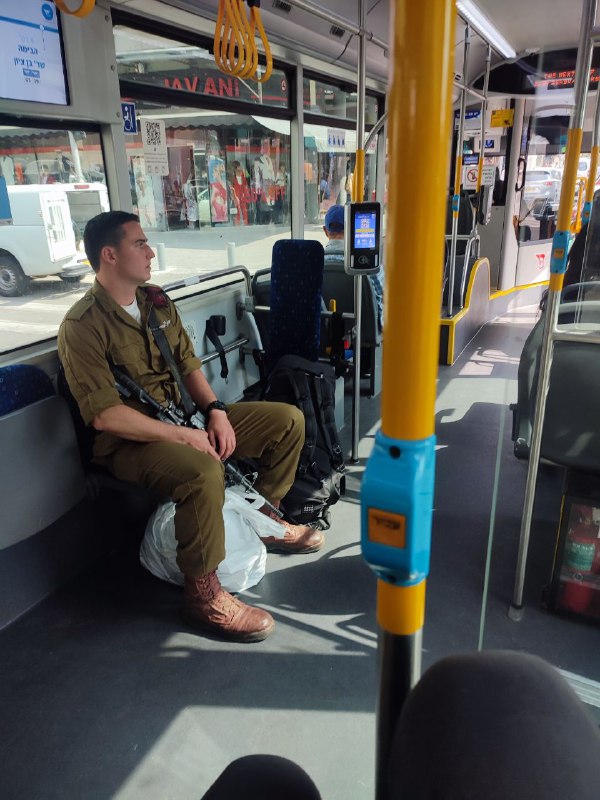
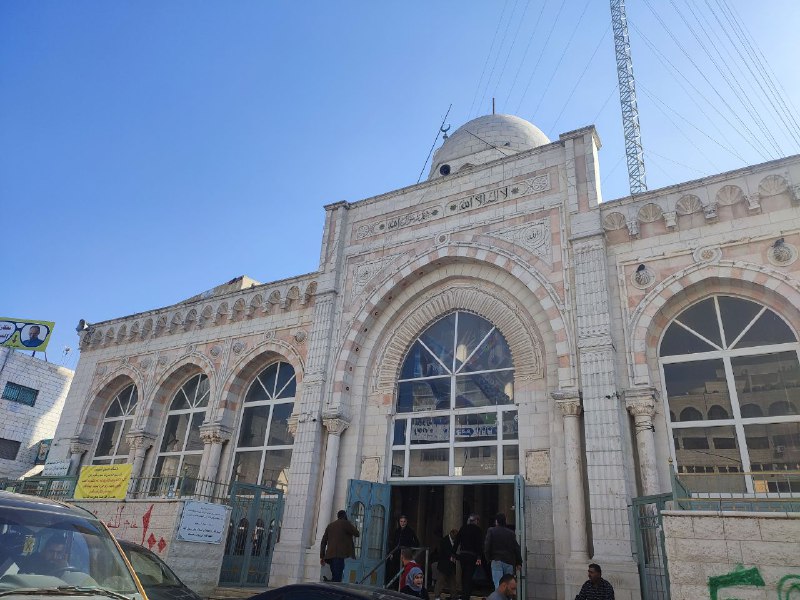
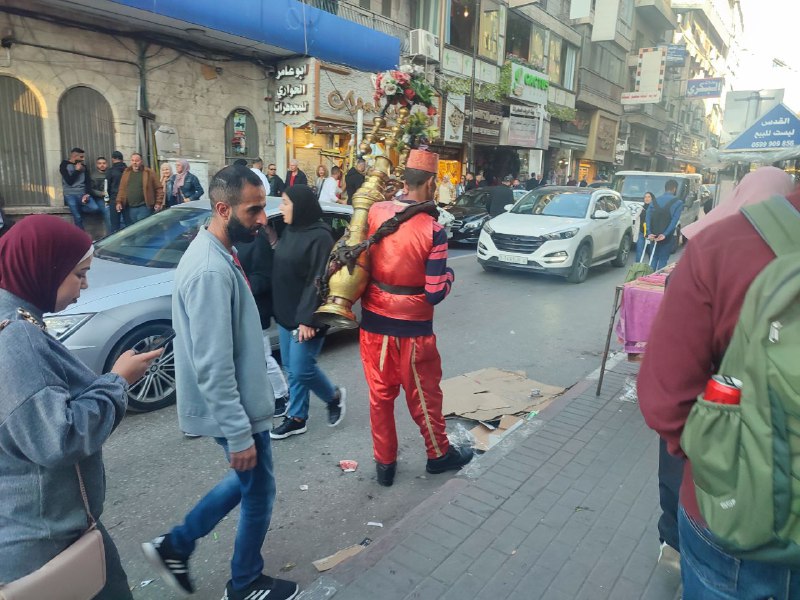
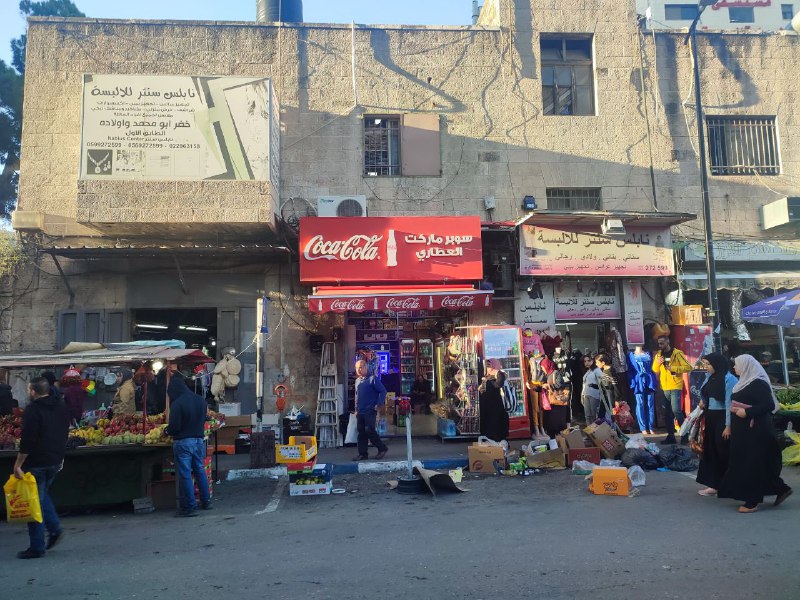
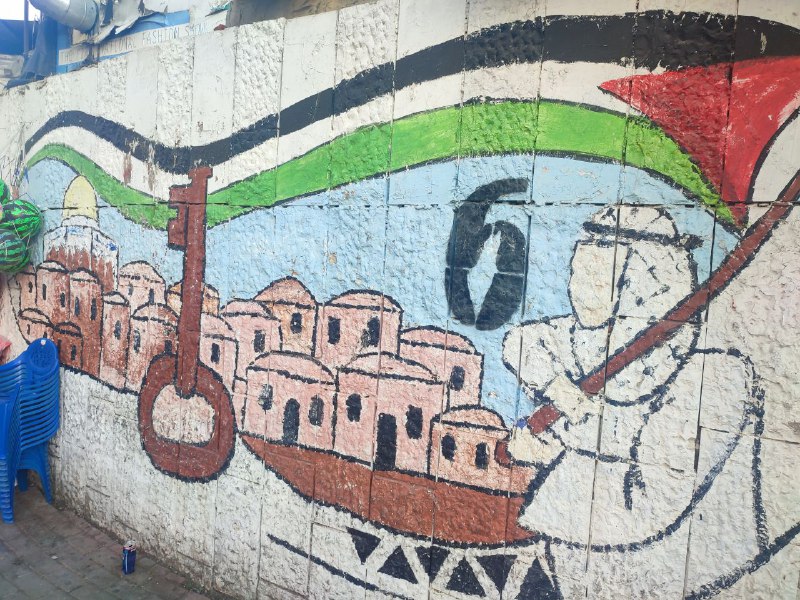
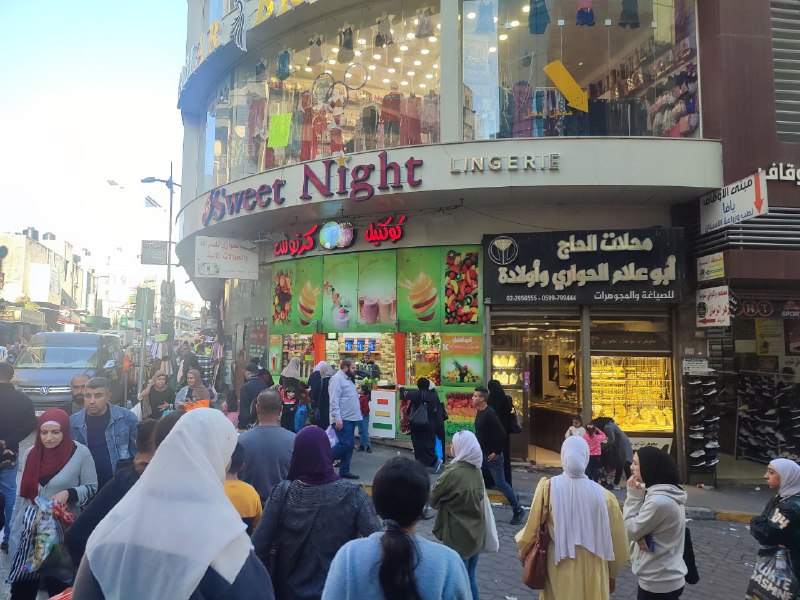
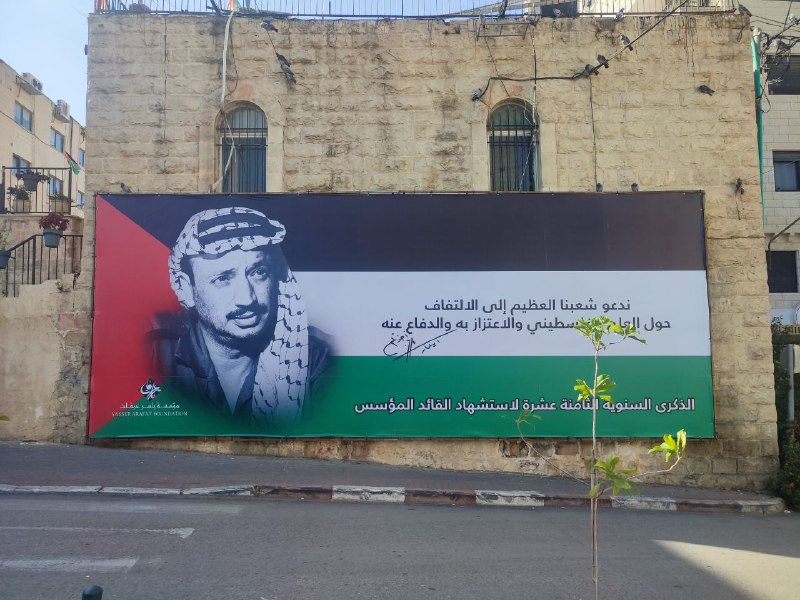

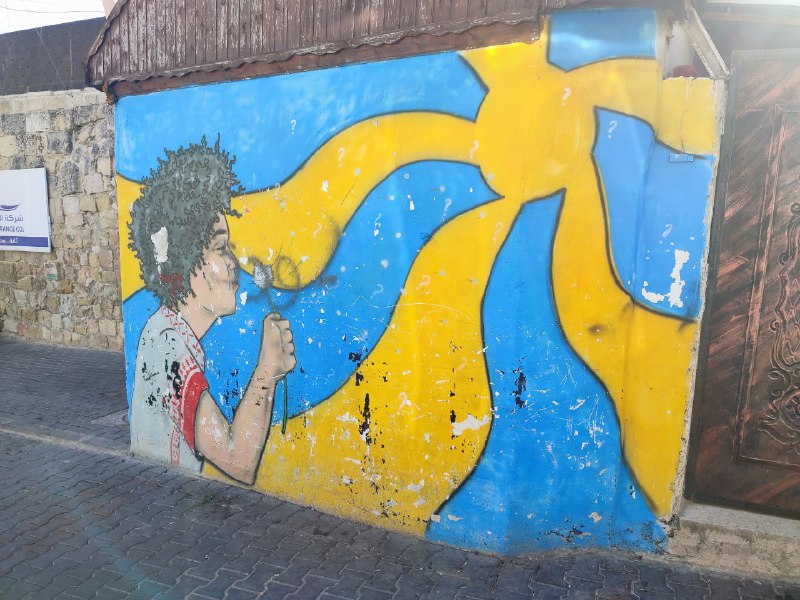
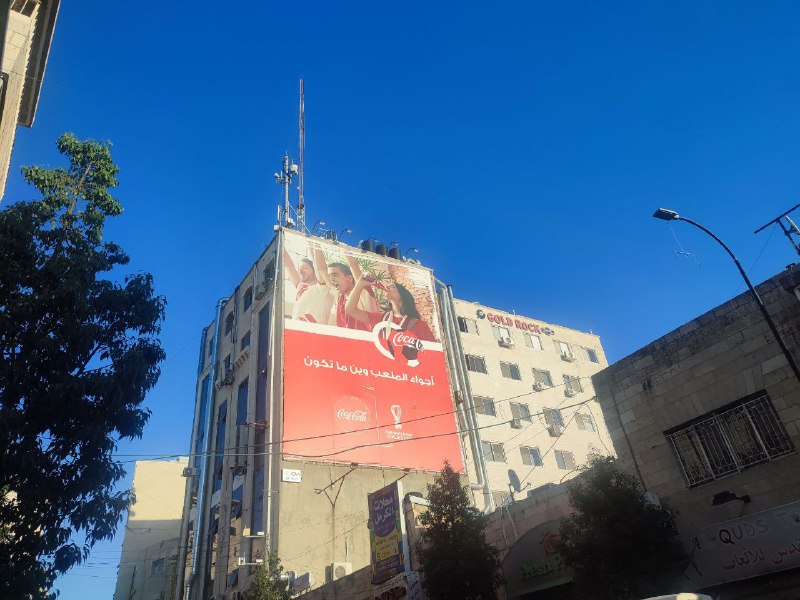
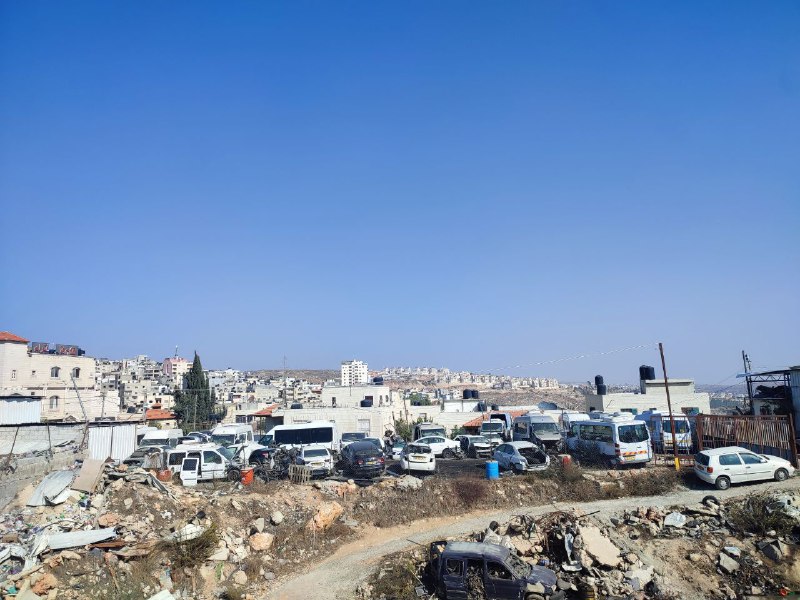
Meanwhile, life is bustling in the Palestinian part. Markets and shops are open, transport is running, and I even accidentally stumbled upon a mini-concert.
►
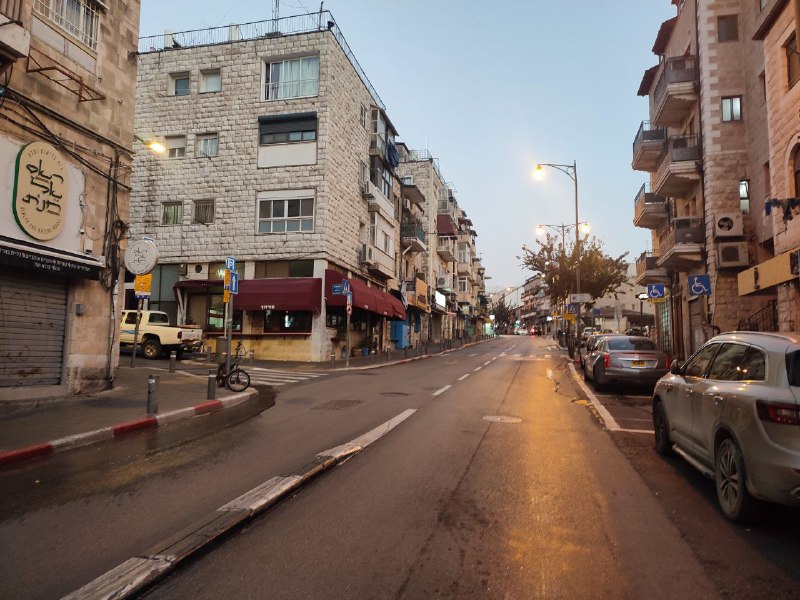
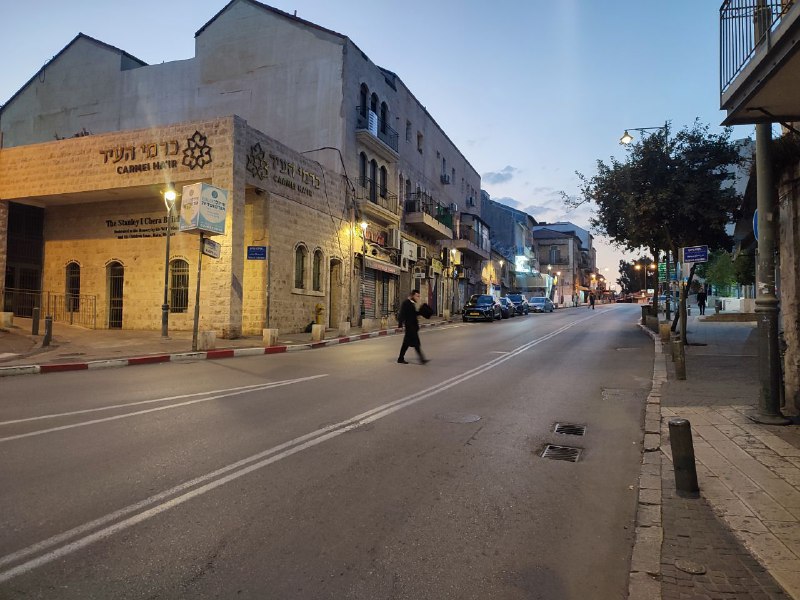
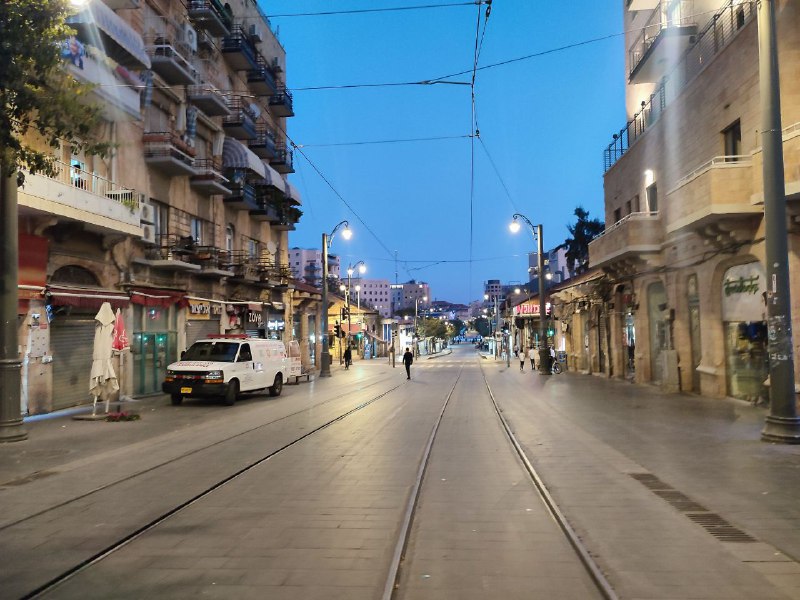






Let's talk about porn and the Holocaust 😅
Right after World War II and up until the trial of Adolf Eichmann in Israel, it wasn't customary to talk about the Holocaust. Although there were many concentration camp survivors in the country. Survivors tried to return to normal life. By the end of the 1950s, their children were growing up and entering puberty.
Around the same time, the novel "House of Dolls" was published, about Jewish women in concentration camps who were forced to sleep with German soldiers (supposedly based on real events, though people still debate it). In an atmosphere of absolute silence, the book was a major event.
It sparked a series of pornographic comics called Stalag, featuring a male prisoner and a female SS officer. Often with themes of rape and revenge. The series was quite popular among teenagers, but didn't last long: the authorities initially pretended nothing was happening, then banned it altogether.
Nowadays you can find the issues in the National Library of Israel. Though they only let researchers and historians in. Or you can find them online.
Right after World War II and up until the trial of Adolf Eichmann in Israel, it wasn't customary to talk about the Holocaust. Although there were many concentration camp survivors in the country. Survivors tried to return to normal life. By the end of the 1950s, their children were growing up and entering puberty.
Around the same time, the novel "House of Dolls" was published, about Jewish women in concentration camps who were forced to sleep with German soldiers (supposedly based on real events, though people still debate it). In an atmosphere of absolute silence, the book was a major event.
It sparked a series of pornographic comics called Stalag, featuring a male prisoner and a female SS officer. Often with themes of rape and revenge. The series was quite popular among teenagers, but didn't last long: the authorities initially pretended nothing was happening, then banned it altogether.
Nowadays you can find the issues in the National Library of Israel. Though they only let researchers and historians in. Or you can find them online.

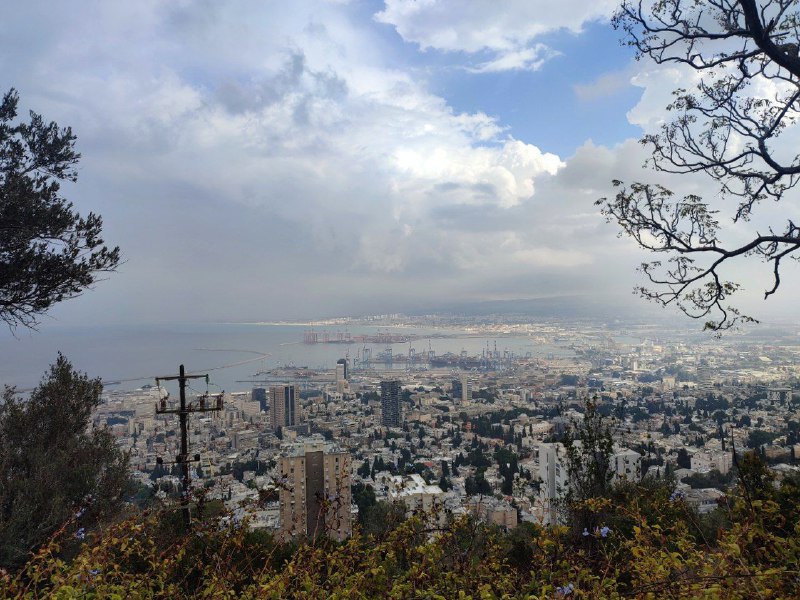
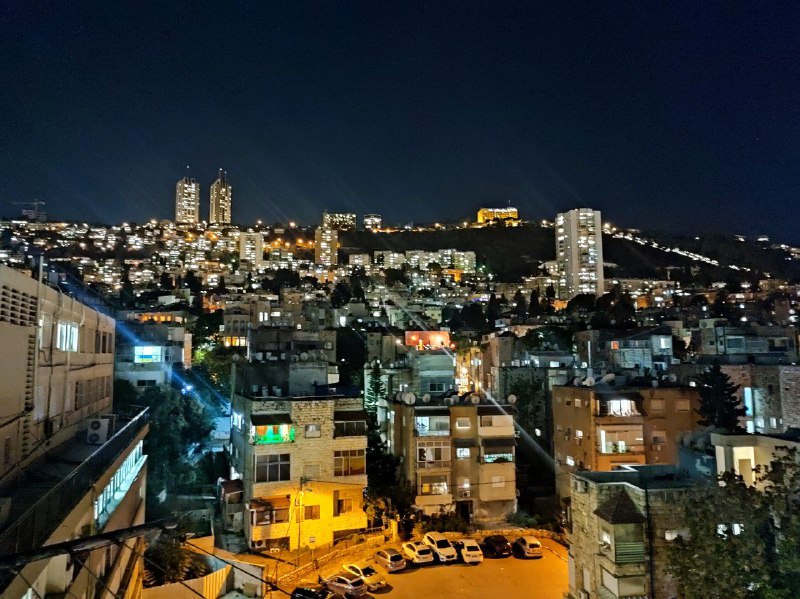
I arrived in Haifa. Not a particularly notable city, you don't see it in the news. But then it suddenly turns out that this is a worldwide religious center with millions of followers around the globe—a religion I had no idea even existed. How is that possible?
In the late 19th century, Baháʼí Faith emerged based on Islam. Essentially, it's a meta-religion claiming that all major religions are united, and that Bahá'u'lláh (the founder), Buddha, Zoroaster, Krishna, and various prophets are all manifestations of God. At first glance, it all sounds peaceful: they advocate for gender equality, universal education, and a world government instead of a bunch of separate countries. By the standards of a century ago, ultra-progressive.
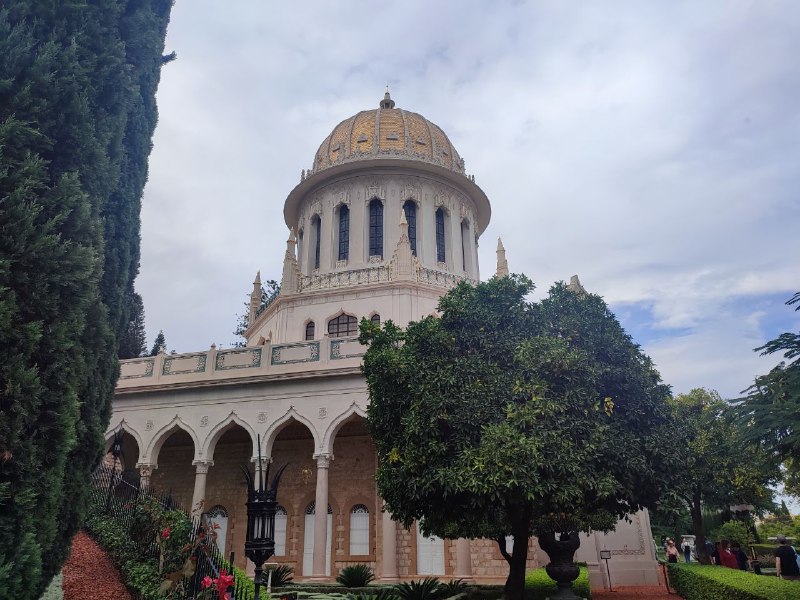
In Haifa, followers built the Baháʼí Gardens. In 2008, they were added to UNESCO's World Heritage list. Now it's the city's main attraction.
The faith emerged in Iran but faced severe persecution there, which continues to this day. That's why the gardens ended up in Israel.
There are over 5 million (!) Baháʼís in the world, and their numbers are growing by 5.5% each year. And that's good news, because every believer is obligated to voluntarily contribute 19% of their excess wealth to the Baháʼí center. I couldn't find any public financial data on their official website, but something tells me the numbers are quite impressive.
And they even have their own calendar (what else?): 19 months of 19 days each, plus 4-5 extra days to round out to 365.
In the late 19th century, Baháʼí Faith emerged based on Islam. Essentially, it's a meta-religion claiming that all major religions are united, and that Bahá'u'lláh (the founder), Buddha, Zoroaster, Krishna, and various prophets are all manifestations of God. At first glance, it all sounds peaceful: they advocate for gender equality, universal education, and a world government instead of a bunch of separate countries. By the standards of a century ago, ultra-progressive.
In Haifa, followers built the Baháʼí Gardens. In 2008, they were added to UNESCO's World Heritage list. Now it's the city's main attraction.
The faith emerged in Iran but faced severe persecution there, which continues to this day. That's why the gardens ended up in Israel.
There are over 5 million (!) Baháʼís in the world, and their numbers are growing by 5.5% each year. And that's good news, because every believer is obligated to voluntarily contribute 19% of their excess wealth to the Baháʼí center. I couldn't find any public financial data on their official website, but something tells me the numbers are quite impressive.
And they even have their own calendar (what else?): 19 months of 19 days each, plus 4-5 extra days to round out to 365.















You'd expect international corporations to provide roughly the same level of service regardless of country. But that's not always the case. For example, IKEA for some reason doesn't translate its websites even into English. And while you can get by in Serbia without too much trouble, good luck navigating the Israeli version (though they did manage to create an English version in the Emirates).
And they don't offer delivery either. At all. If you really need it, you can order through a third-party company (their interface is also only in Hebrew). Just 250 shekels (72€) and they'll bring everything. The catch is that smaller items aren't available through them, so you'll have to pick those up yourself. But there is a plus side: delivery includes stair climbing to any floor. This matters because many buildings don't have elevators, and movers charge decent money per flight of stairs.
The local IKEA also charges more for the same products. For example, a bed in Israel costs 17% more than the same one in Serbia.
And they don't offer delivery either. At all. If you really need it, you can order through a third-party company (their interface is also only in Hebrew). Just 250 shekels (72€) and they'll bring everything. The catch is that smaller items aren't available through them, so you'll have to pick those up yourself. But there is a plus side: delivery includes stair climbing to any floor. This matters because many buildings don't have elevators, and movers charge decent money per flight of stairs.
The local IKEA also charges more for the same products. For example, a bed in Israel costs 17% more than the same one in Serbia.
If you just wait for a bus at a stop in Israel, you might not catch it. Usually it only stops here if you wave your hand. Or if one of the passengers needs to get off (there's a special button inside that you absolutely have to press). Otherwise, the driver will just pass by.
Plus, the bus can drive in the second lane, overtaking someone, right near the stop. So you need to watch the road carefully so you don't suddenly miss your bus.
Plus, the bus can drive in the second lane, overtaking someone, right near the stop. So you need to watch the road carefully so you don't suddenly miss your bus.

Countries
 United Kingdom3
 Serbia100
 Bosnia and Herzegovina54
 Turkey42
 United Arab Emirates3
 Brunei2
 Indonesia12
 Malaysia15
 Argentina16
 USA117
 Morocco5
 Georgia5
 Egypt16
 Hong Kong8
 China4
 Vietnam9
 Tunisia7
 Montenegro9
 Philippines12
 Singapore10
 Oman12
 Algeria12
 North Macedonia5
 Lebanon11
 Israel27
 Albania17
 Russia63
 Tanzania50
 Netherlands7
 Spain14
 Latvia2
 Germany7
 Belgium3
 France27
 Kazakhstan32