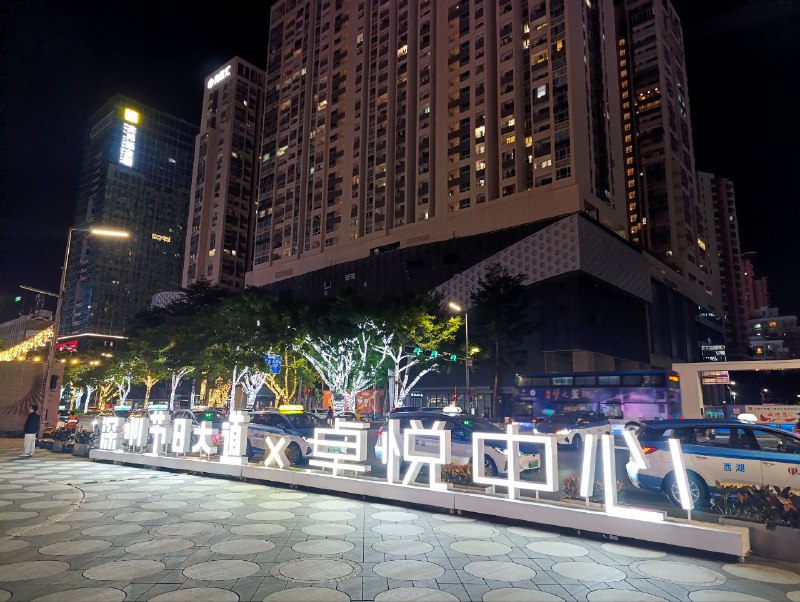
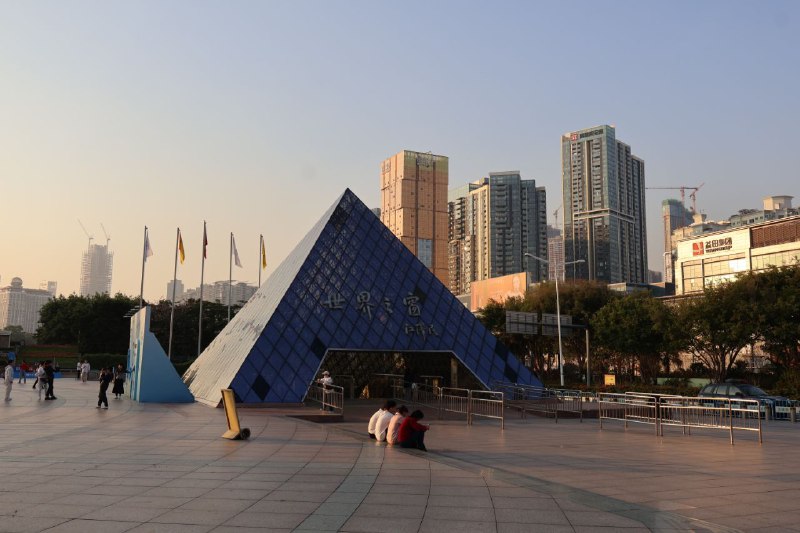
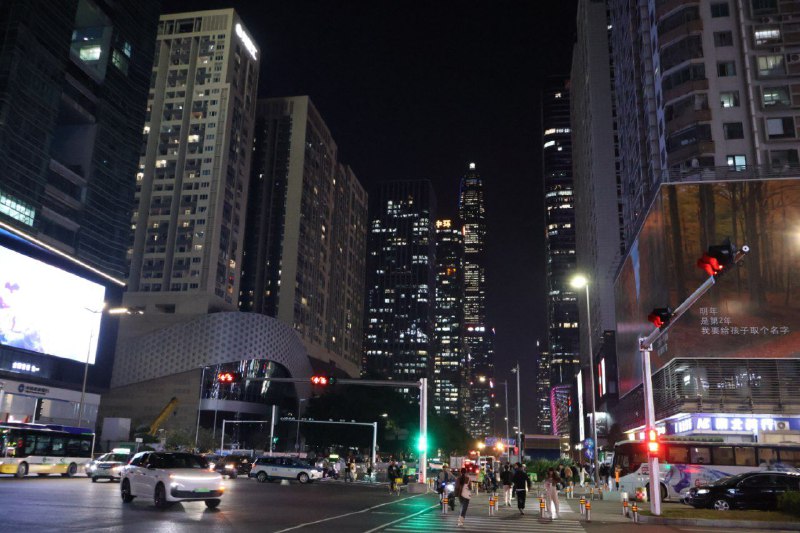
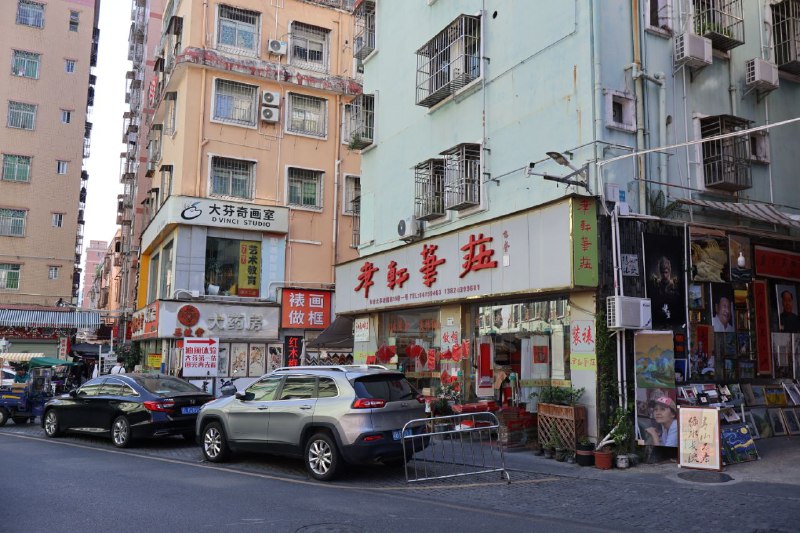
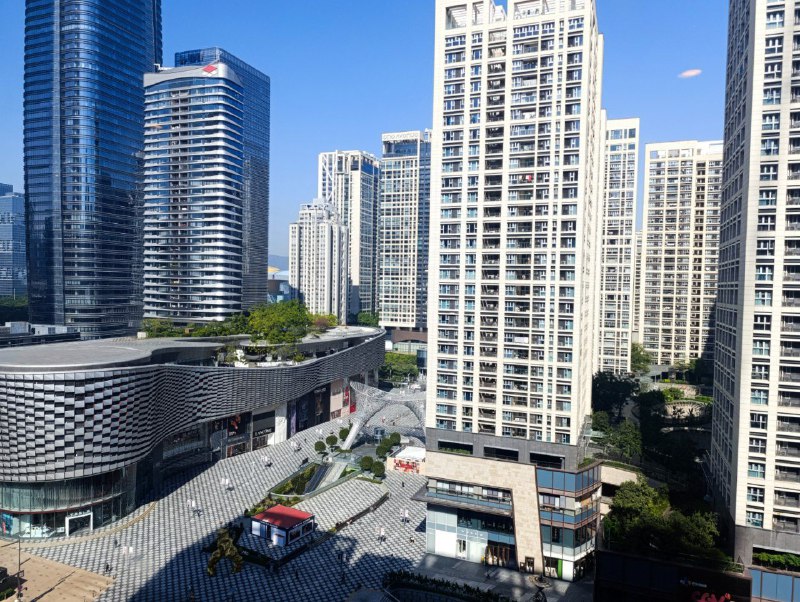
Shenzhen is a really fresh, new city. Back in the early 1970s, it was just a small village of maybe 30,000 people. Today, over 17 million (!) people live here. The skyscrapers are all brand new, like they were built yesterday. Sometimes that's literally true – maps show "watch out, construction zone, don't go there," but by the time you get there, even the construction fence is almost gone and everything's already up and running.
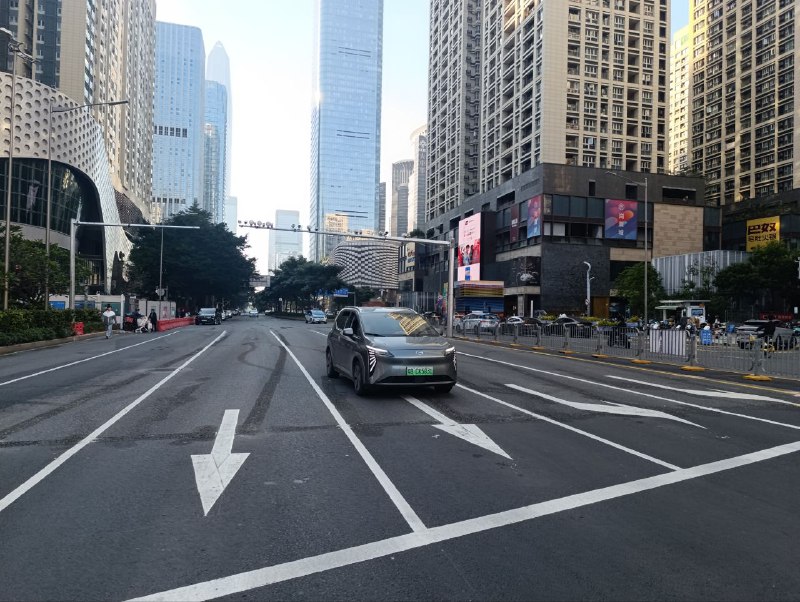
The transportation is excellent. Drivers actually stop at traffic lights (this isn't Vietnam). The only real complaint I have is about the bikers who swarm across the sidewalks. They're basically silent, too. That made it a bit uncomfortable to walk around.
There aren't many foreigners in the city – on a good day, I'd spot maybe a couple of non-locals. Or maybe I just wasn't going to the right places.
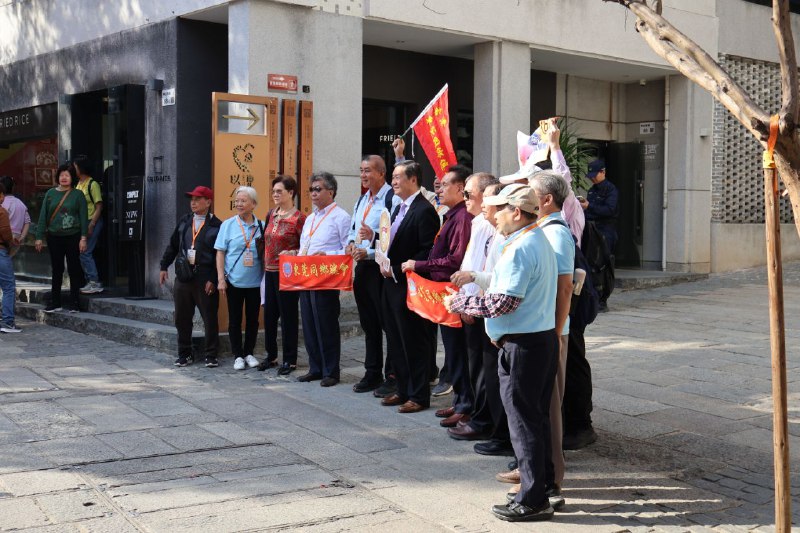
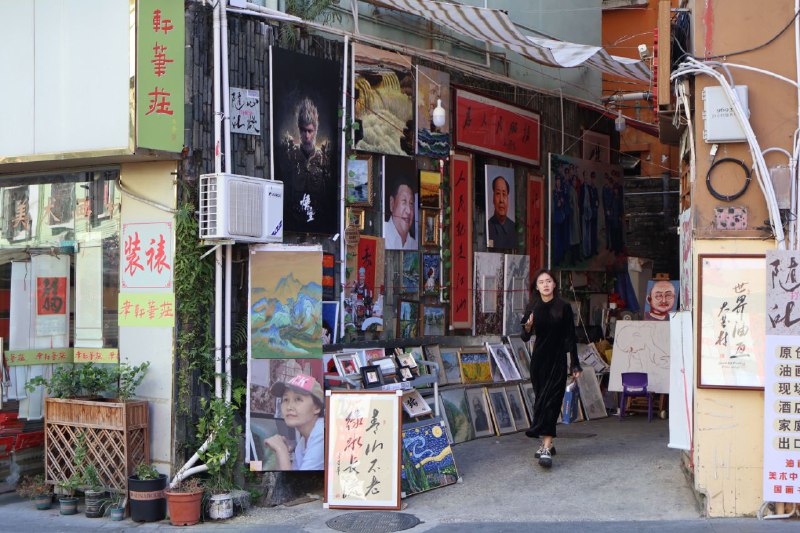
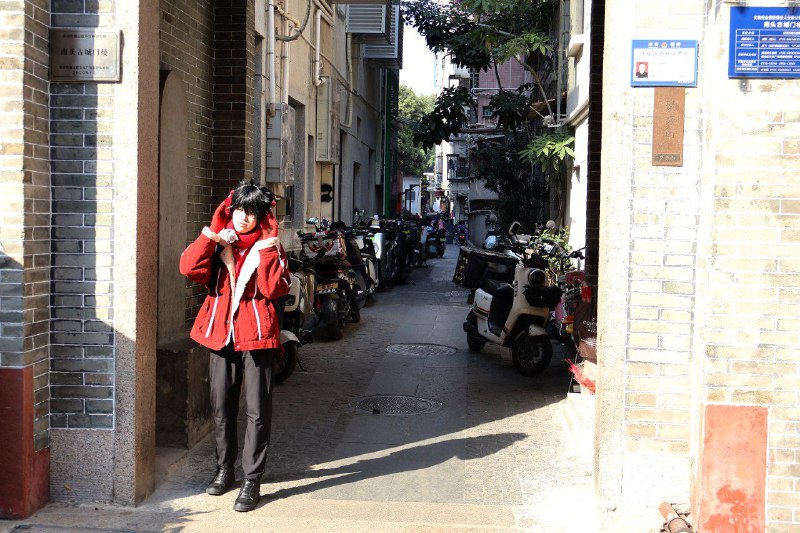
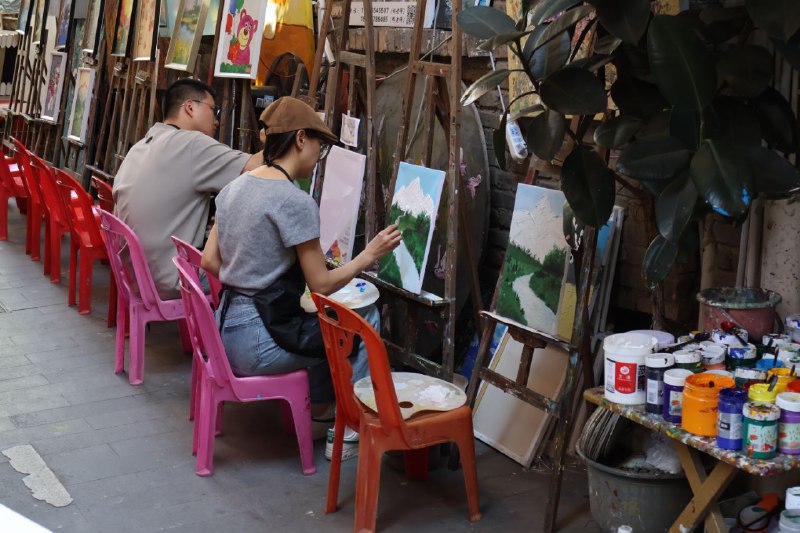
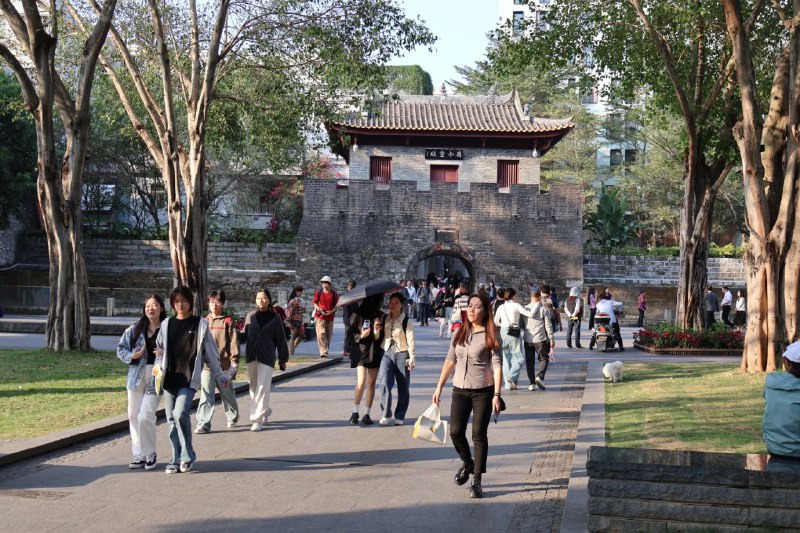
Technically there's an old city, but all that's left of it is the gate. Everything else has been rebuilt, with a million restaurants opened up, mostly for local tourists. Honestly, there's barely anything historical here at all. But it was still interesting to spend a couple of days checking it out.
Remember when I posted a video of
street karaoke from Singapore?
In Shenzhen, this whole thing is on a completely different level. I came across several spots in one evening. It's mostly young people singing. Mass performances seem to only happen on weekends. I didn't see many singers on weekdays.
The girl in the video sings beautifully. But there were some performers who weren't as pleasant to listen to (I'll add an example in the comments).
Clapping doesn't seem to be the custom here. It was pretty awkward that we were the only ones who decided to thank the singers with applause ¯\_(ツ)_/¯
PS. If you happen to know the original song, please let me know. I'm really curious to hear it, but Shazam and various GPT tools couldn't find it.
While I'm living in 2024, China is already in 3024. Not everything about this future impressed me, but I couldn't shake the feeling that I was on a different planet.
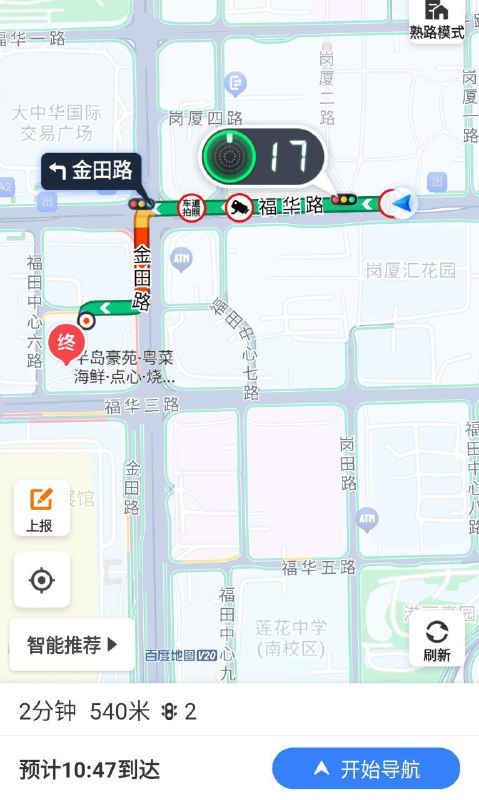
The GPS shows you exactly when each traffic light will change. Every single one. Shenzhen is considered China's Silicon Valley and might be more digitalized than the rest of the country. But still.
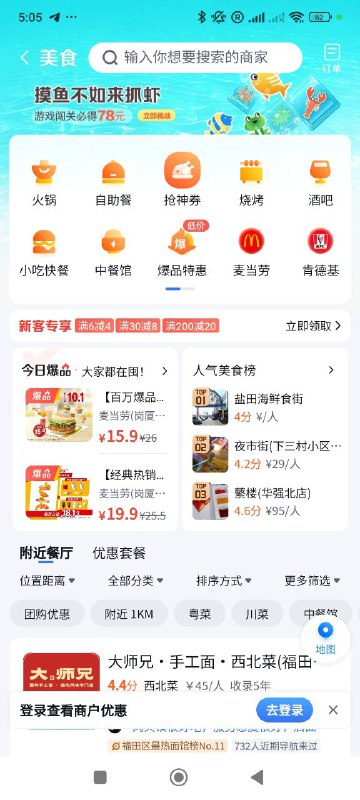
The usual apps are useless here. About 90% of businesses are missing from Google Maps. The ones that are there usually have just a couple of reviews at best. And buildings aren't always marked correctly either. Local apps are exclusively in Chinese. The interface is completely counterintuitive. I literally had to figure it out through trial and error.
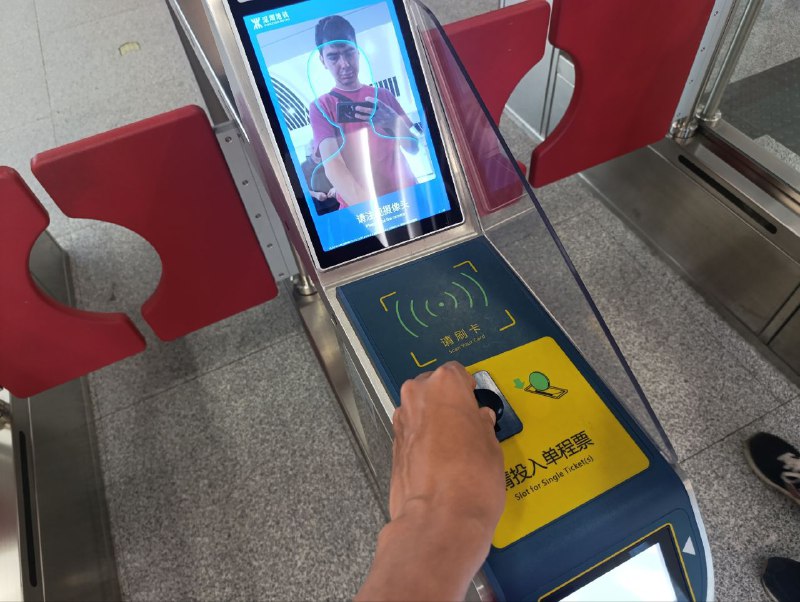
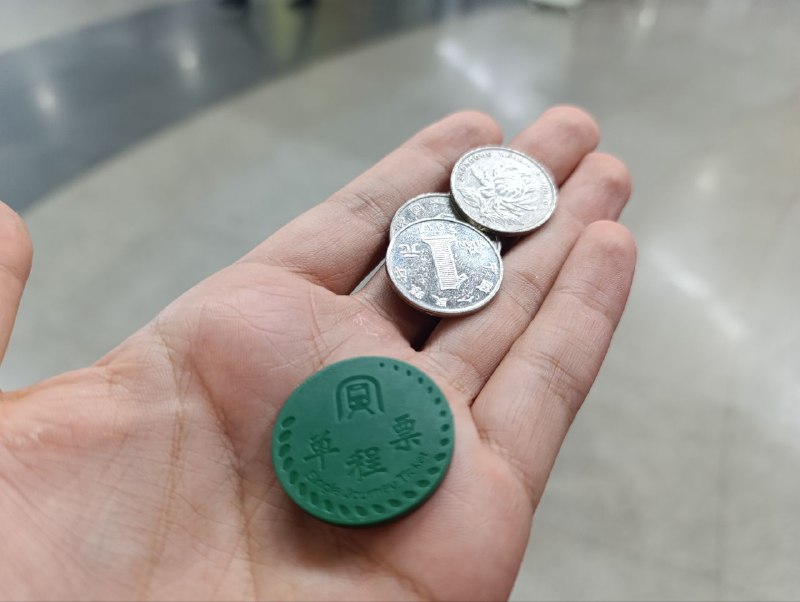
I tried paying with cash at a couple of places. Once, a cashier pulled out a dusty box of bills from somewhere under the counter and counted out my change. Another cashier went to ask their manager where they even keep paper money. People here pay with QR codes using AliPay or WeChat. I used the first one—it's easier to register and has English. You link your card and you're good to go. Perfect for a short trip. WeChat has more features but registration is a hassle. Sometimes you walk into a restaurant and everything's through WeChat. Staff even shared their phones so I could place an order.
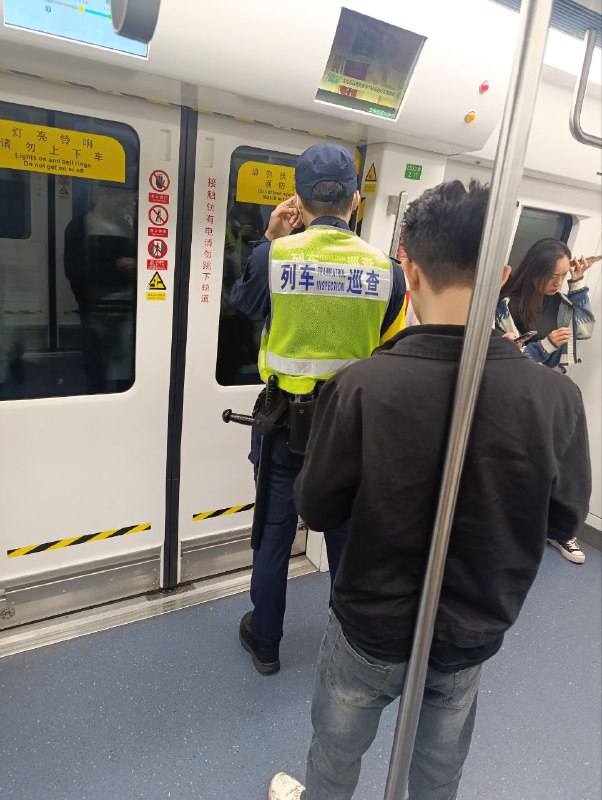
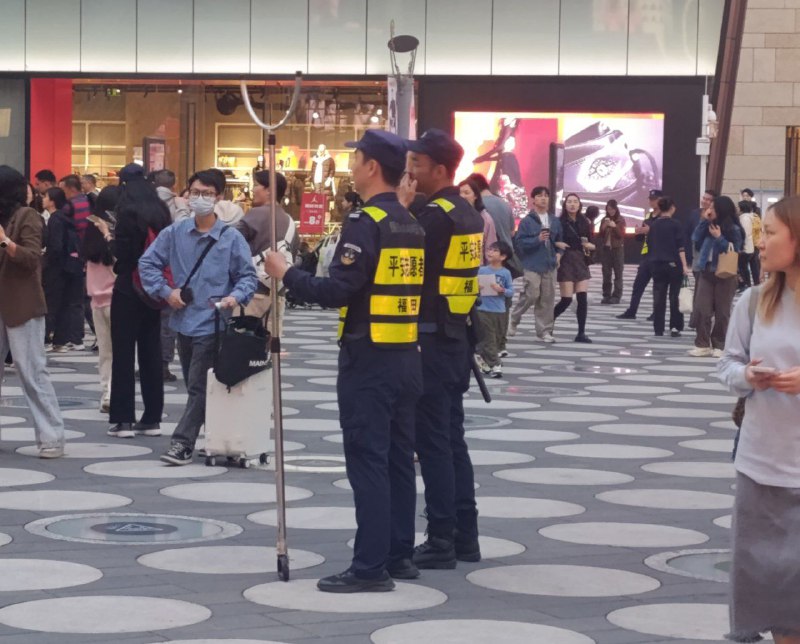
On EVERY subway train there are a couple of uniformed officers keeping the peace. They just walk around the train while it's moving and keep an eye on things. There are watchers at stations too. I don't understand how people in other countries survive without this kind of supervision.
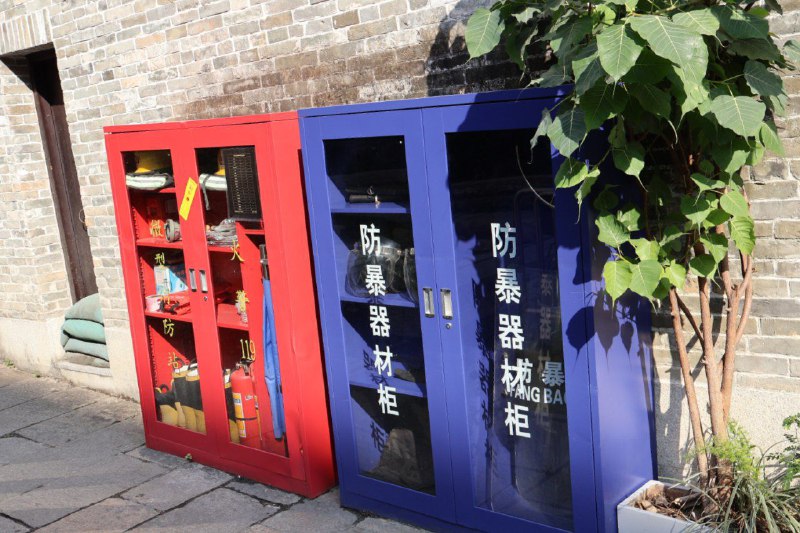
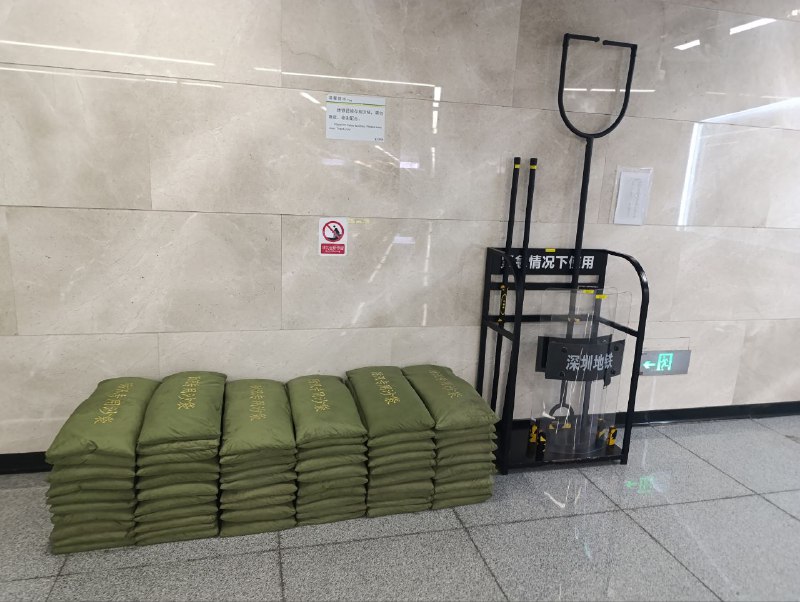
Both in the metro and on the street, riot shields and batons for restraining aggressive people are just sitting there in plain sight. They don't look chained up or anything. Anyone can grab one. And you see this stuff everywhere. I once saw a guy react way too emotionally to his metro ticket not working—he started yelling at an employee. Several officers immediately rushed over with these batons ready. But surprisingly, they didn't tackle him. They just calmed him down with words and let him go. Maybe there'll be consequences later.
It felt like most cars are electric vehicles. Motorcycles are all electric too. The noise from traffic is noticeably lower than anywhere else. Mobile vending machines selling trinkets drive around shopping malls. Though there are stationary ones too. I saw drone deliveries a couple of times.
There are plenty of
ways to get into China visa-free. But there's also an option to
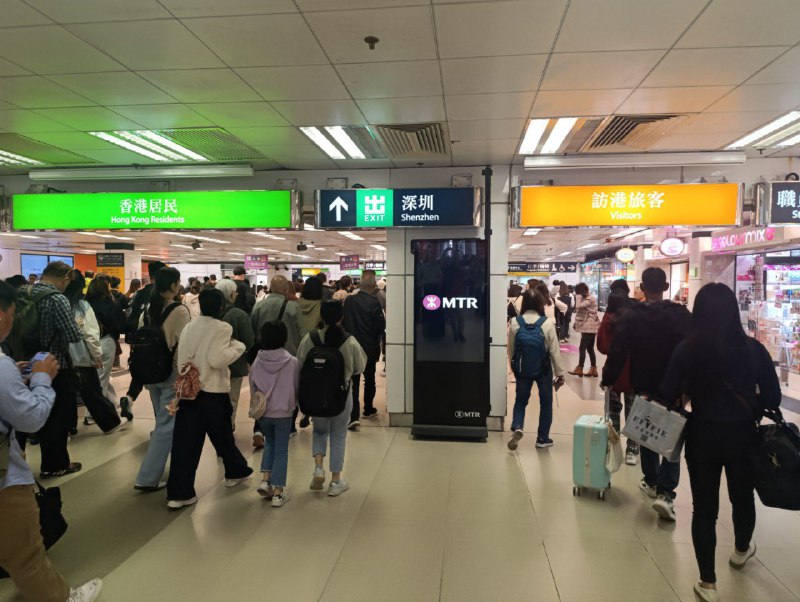
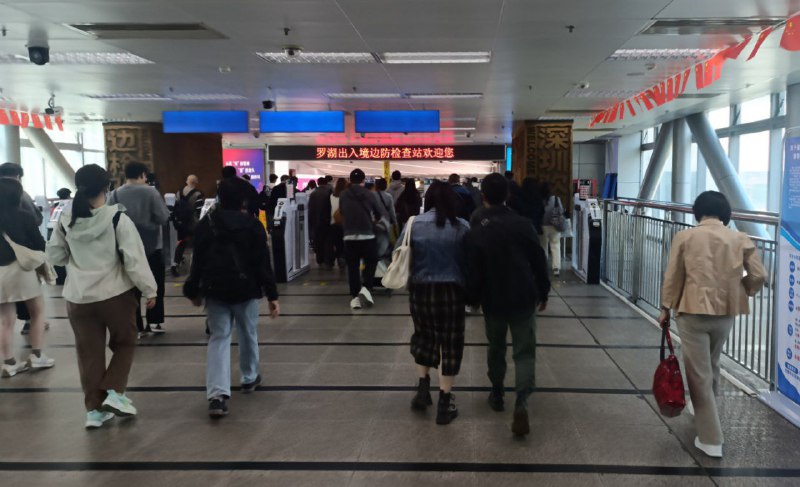
get a visa right at the border. You literally just take the metro from visa-free Hong Kong to the border checkpoint
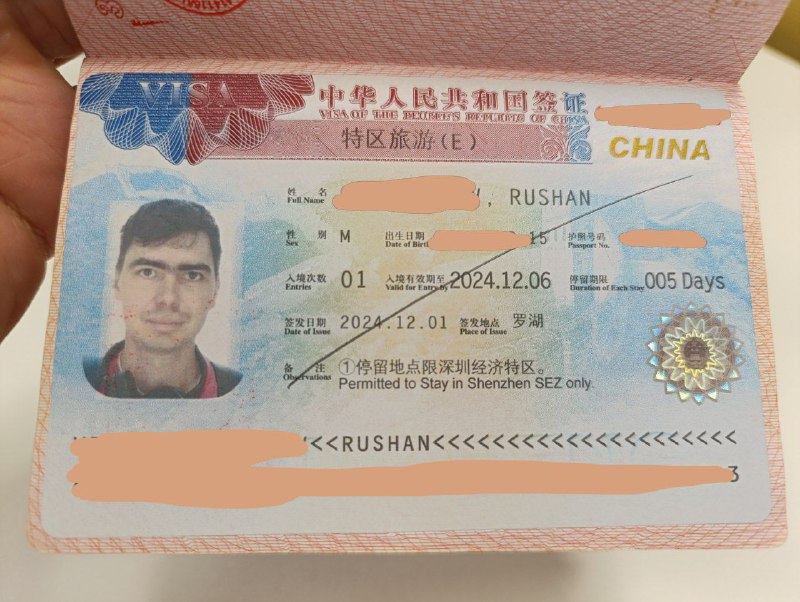
LoWu and get your passport stamped. And you're straight into China. This method lets you move around the Chinese side only within the
Shenzhen Special Economic Zone for no more than 5 days, but that worked fine for me.
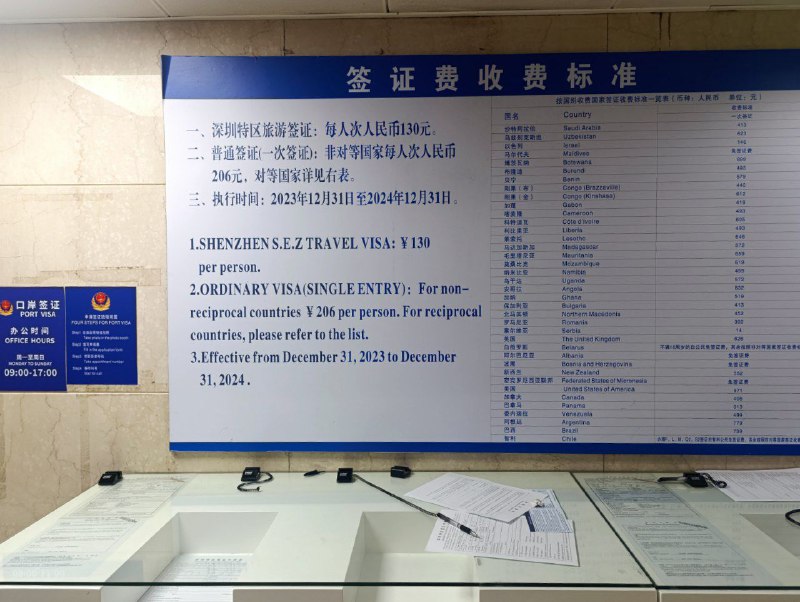
This year, the visa on arrival got a lot cheaper. Instead of the old nearly 400, they're asking 130 yuan now (~17EUR). The amount depends on your passport color. The whole procedure, including getting through the border itself, took less than two hours. I didn't find the scary queues everyone warned about on forums. You just fill out a form on the spot, get your photo taken in a booth, pay the fee (cash yuan / international cards / everything's top-notch), and wait for your stamp.
I've never taken the metro to the border before. And then you leave the same way. Super convenient. Though there are taxi drivers on the Chinese side trying to convince you to go straight to the city center.
 United Kingdom
 Serbia
 Bosnia and Herzegovina
 Turkey
 United Arab Emirates
 Brunei
 Indonesia
 Malaysia
 Argentina
 USA
USA Morocco
 Georgia
 Egypt
Egypt Hong Kong
 China
China Vietnam
 Tunisia
 Montenegro
 Philippines
 Singapore
 Oman
Oman Algeria
 North Macedonia
 Lebanon
 Israel
 Albania
 Russia
 Tanzania
 Netherlands
 Spain
Spain Latvia
 Germany
 Belgium
 France
 Kazakhstan