Finding a good restaurant in Egypt was sometimes tricky—there were options around, but it didn't always feel like "this is definitely the place." And if you try to avoid obviously tourist-oriented spots, things can get pretty depressing. That said, it really depends on the location.
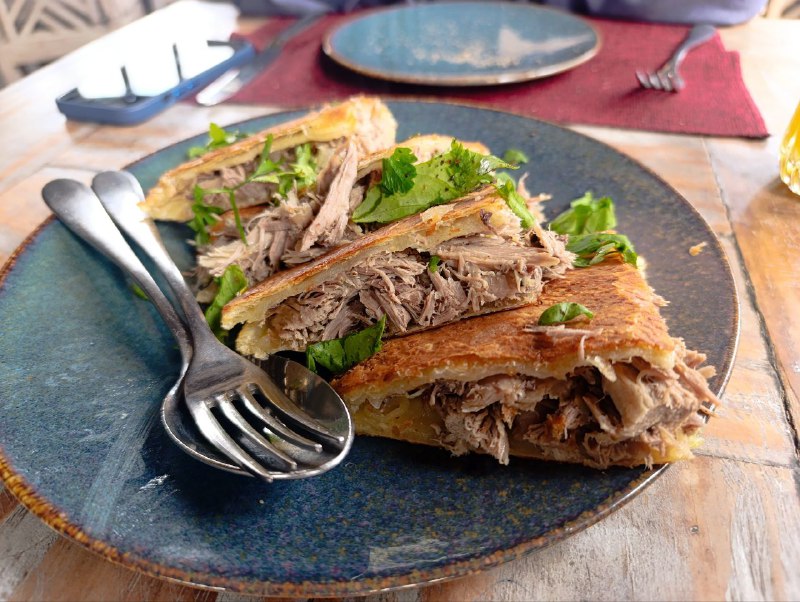
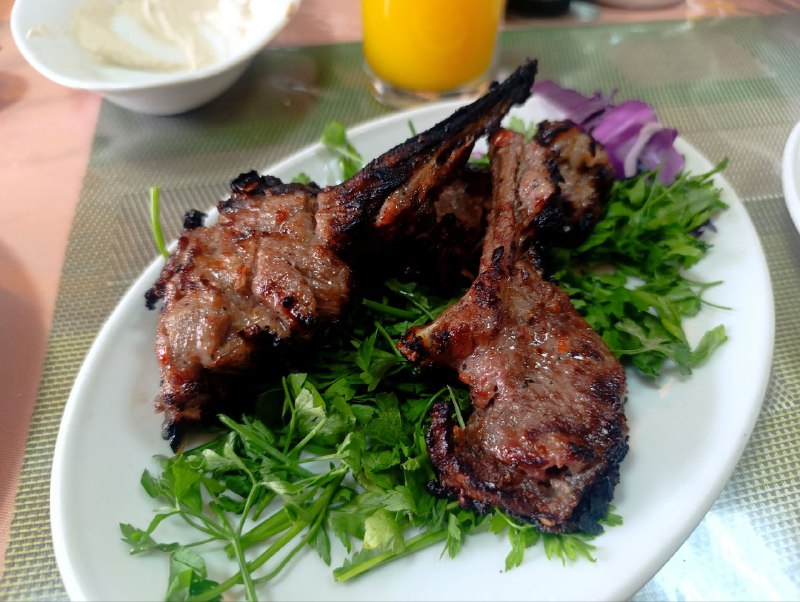
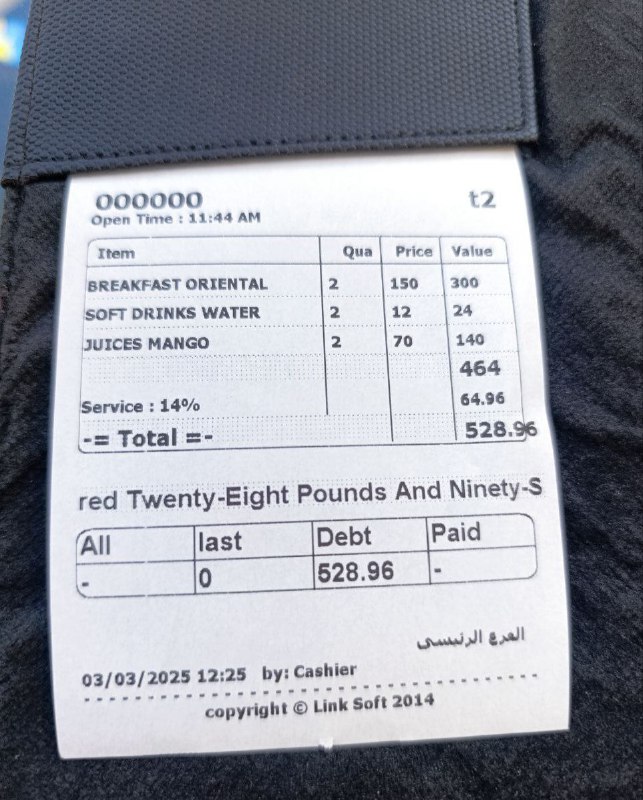
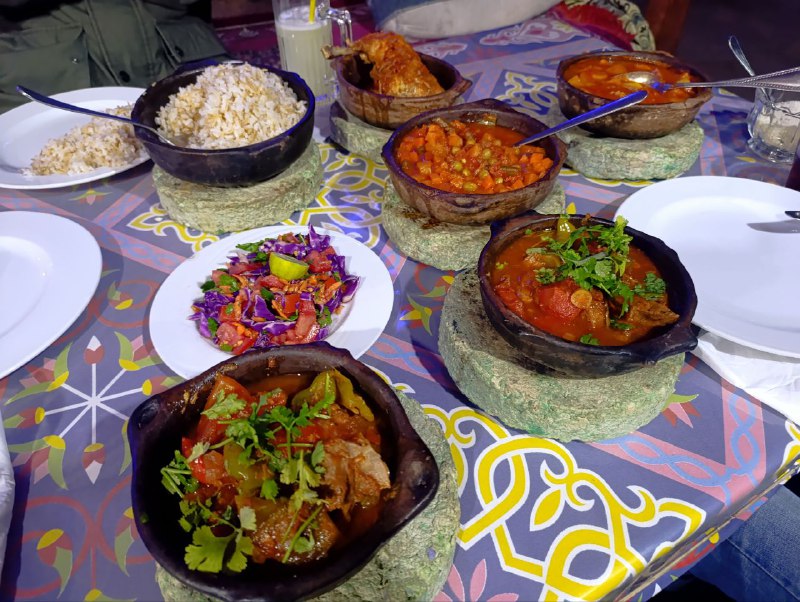
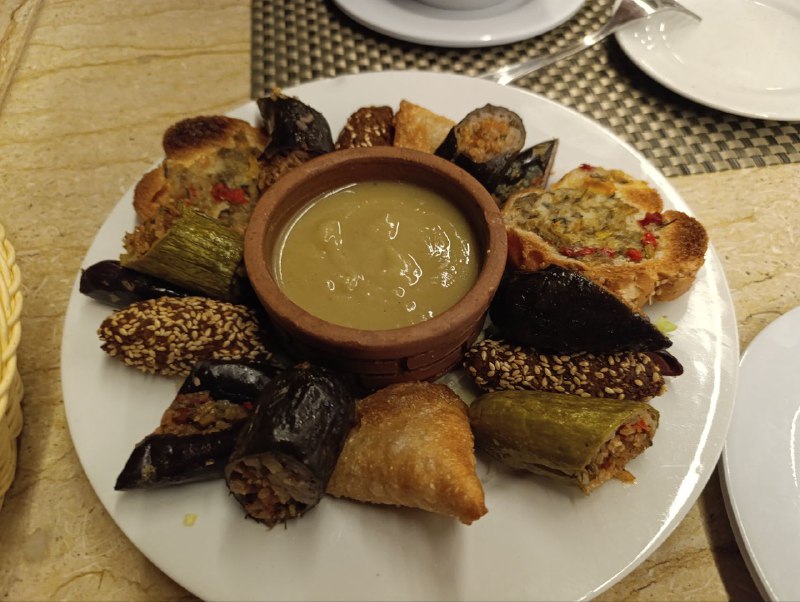
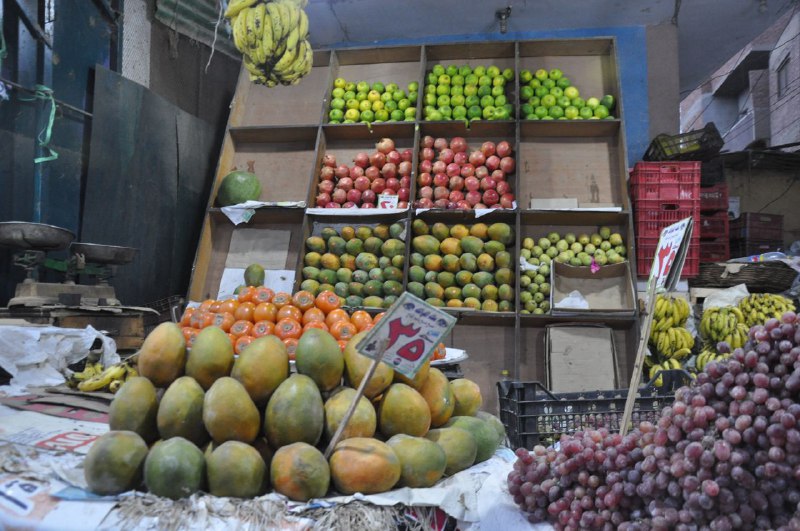
Food prices here are 1.5-2 times cheaper than in Belgrade. For example, a serving of cheese pancakes like in the photo costs just over 2.5 euros. Amazing fresh mango juice for around 1 (just one!) euro.
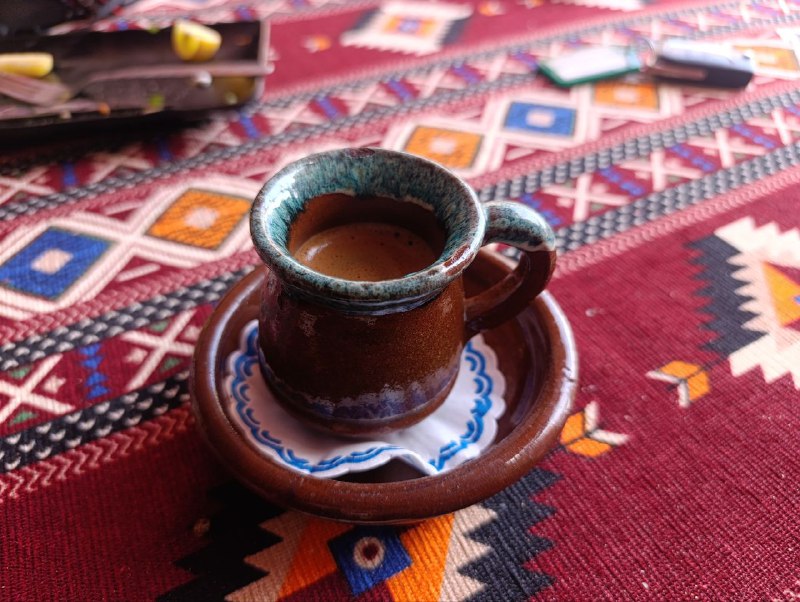
Local coffee, even at pricier places, runs 1-1.5 euros. But more often, you can get 2 cups for a euro. Like in
Tunisia, it's better to ask them to skip the sugar, but people here aren't as into sweets. If you get coffee from a cezve, it'll likely be rich and strong. It was rarely ruined. But espresso-based drinks often had something off about them.
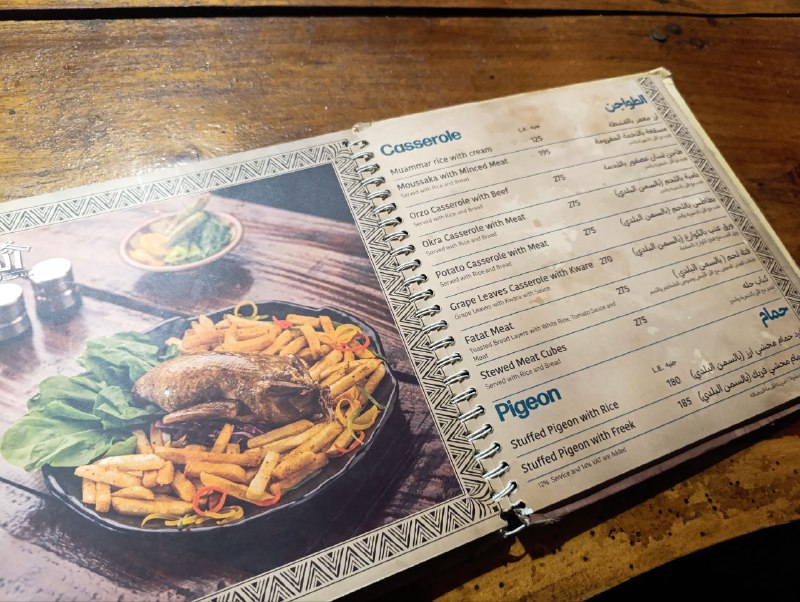
Pigeons stuffed with rice are offered all over the place as something exotic. I never actually worked up the courage to try them though. Maybe I missed out.
Pretty much everywhere tacks on service to the bill. 10-15-20%. Which doesn't stop some waiters from asking for tips on top of that.
PS. In Cairo, you should definitely check out
this place (pricey, but really good) and
this one and
this one.
Egypt is a
VERY religious country. More than 70% of the population considers religion an extremely important part of their lives. For comparison, in Serbia that's just over 30%, and in Russia it's 16%.
You can see this clearly even on the streets. In shops and stalls, you often hear audio recordings of the Quran playing. Taxi drivers frequently drive around with the same audio accompaniment. There's an entire radio station (maybe more than one) that continuously broadcasts reciters. I can't really imagine how they work like that every day, but sometimes you just want some quiet.
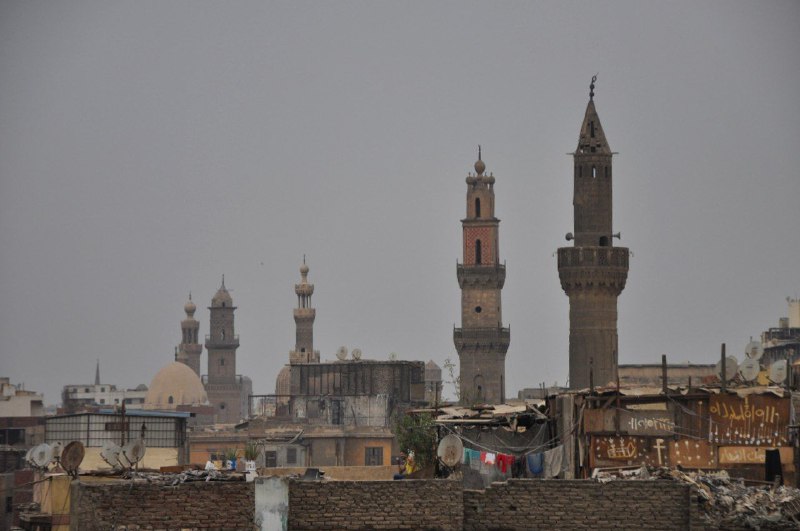
Regular calls to prayer over loudspeakers and Friday sermons that you hear everywhere are just par for the course.
I've come across elevators more than once that automatically play some prayer while moving. Though honestly, in some of them it seems almost necessary. In the video, it's clear they forgot to build the elevator shaft. And there's no sensor for closing the doors. Very safe.
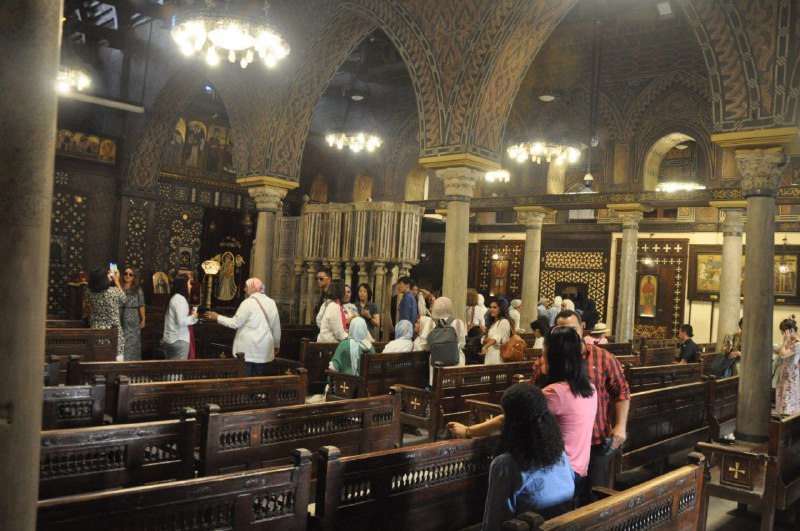
Once I accidentally stumbled into a Christian service. Overall, if you don't know exactly where you are and what's happening, you might not be able to tell it apart from Muslim prayer just by listening. They sound very similar. It makes sense that Abrahamic religions are related. But when both groups recite prayers in the same language, they're like twin brothers.
Before I head out again (not much time left), let me finish up my Egypt story.
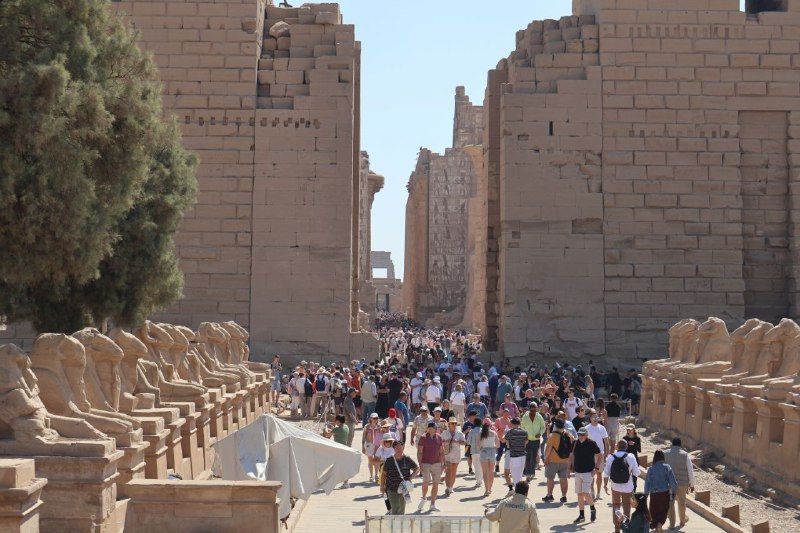
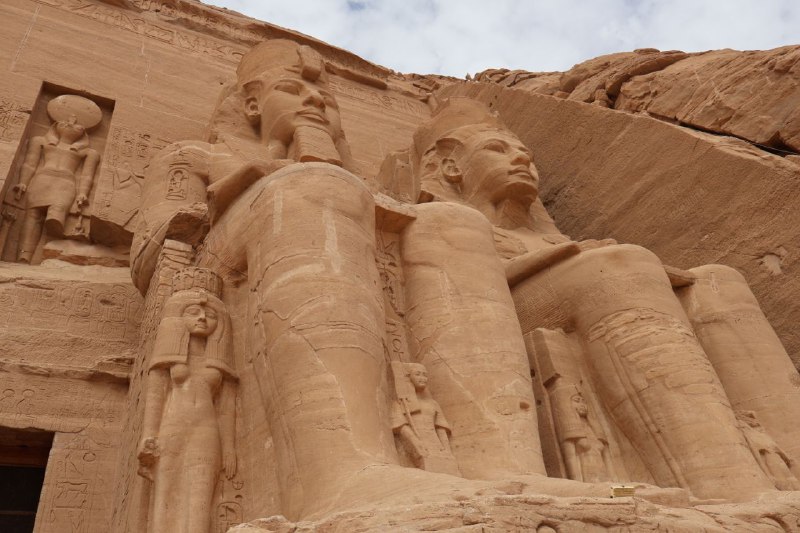
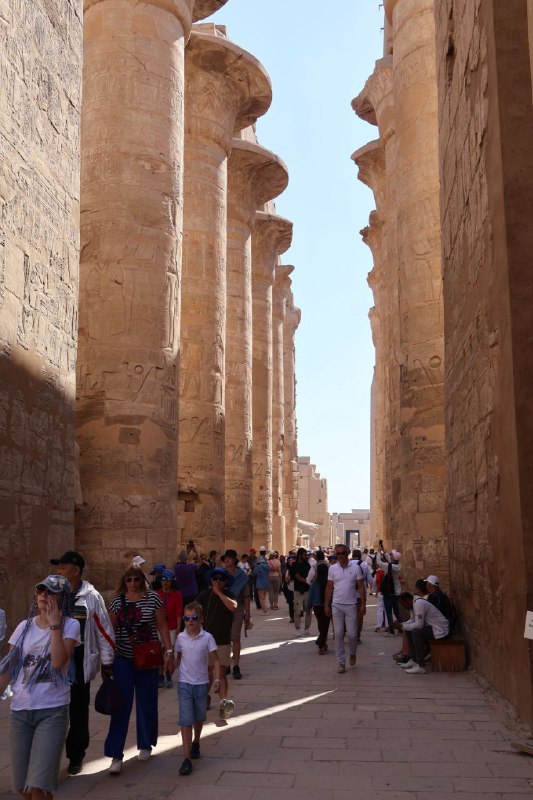
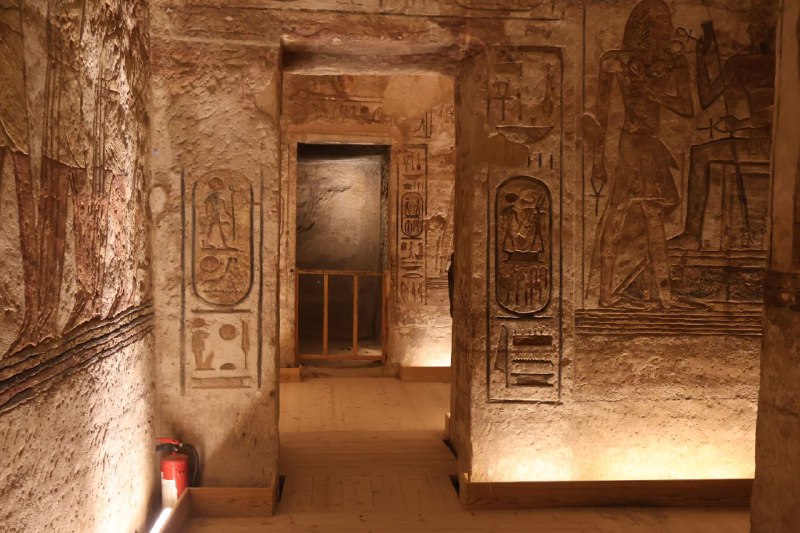
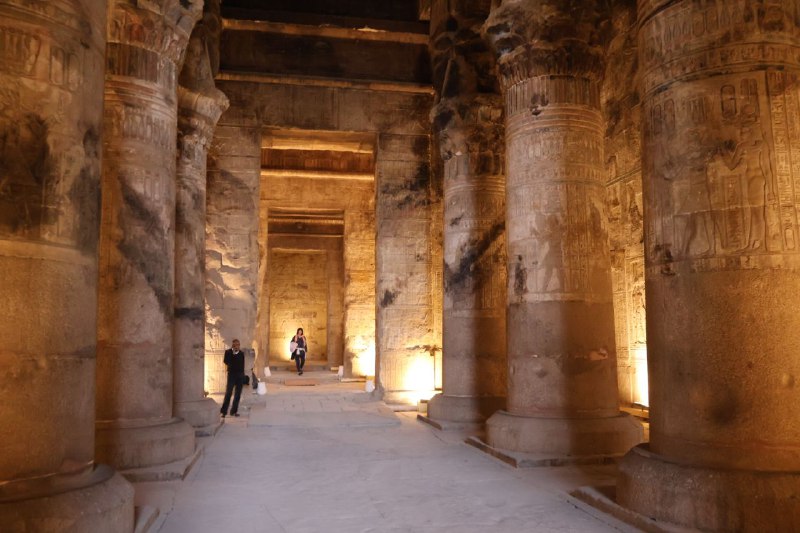
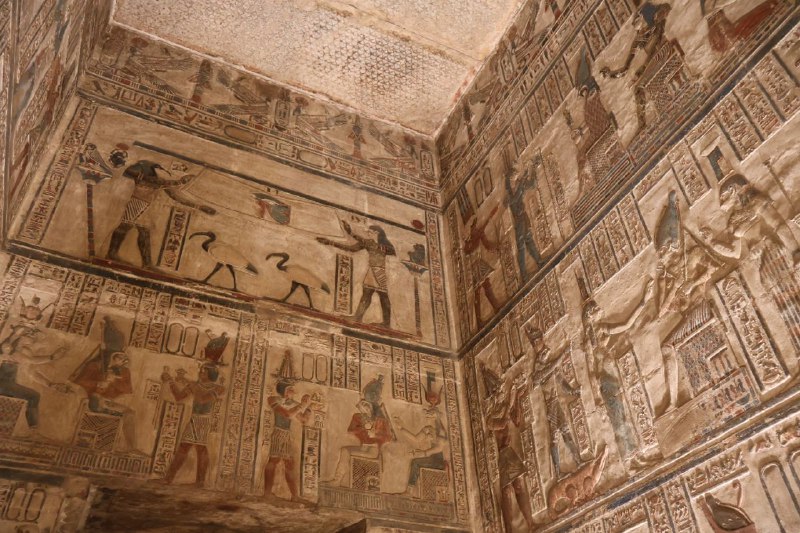
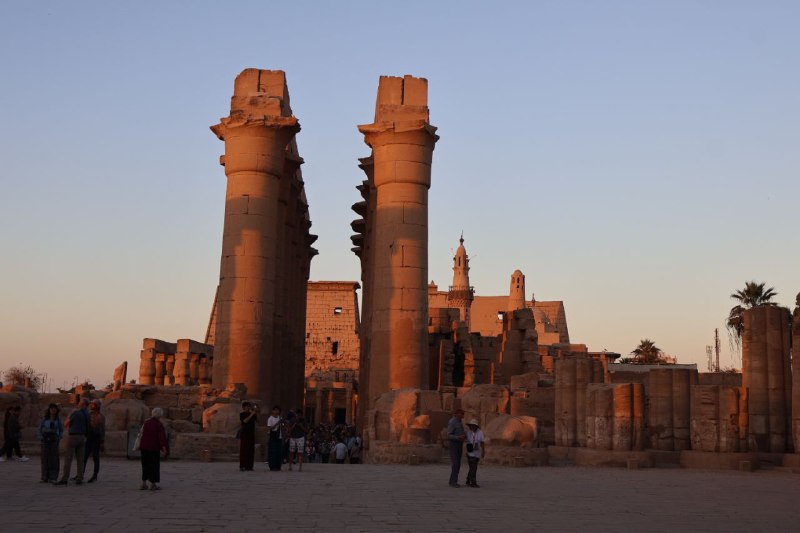
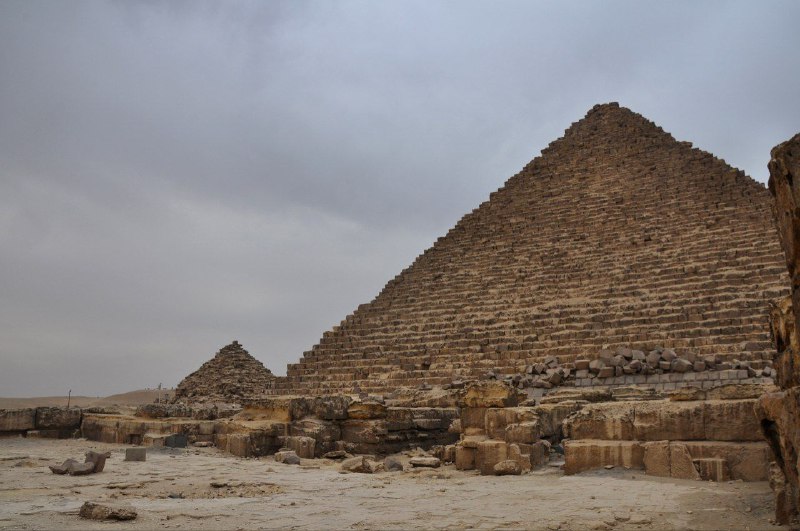
My whole trip was basically planned around visiting all these ancient ruins from Luxor and further south up to Abu Simbel. They're absolutely stunning—both in terms of scale and the fact that some of these structures are 3,000-4,000 years old. They don't look as monumental in pictures, but seeing them in person is really something special. Totally worth all the hassle :)
Speaking of hassle. I had some bad luck with water in Luxor: when I got there, there'd been no water for a whole day. In the entire city! The mayor
was saying to the press that they'd get it fixed soon. I needed to spend a couple nights there, and when I left, nothing had changed. Well, it came back for a couple of hours once, that's it. Even the local news
was posting about water distribution points. But overall, it was pretty rough. You'd walk into a café and couldn't even wash your hands or use the bathroom.
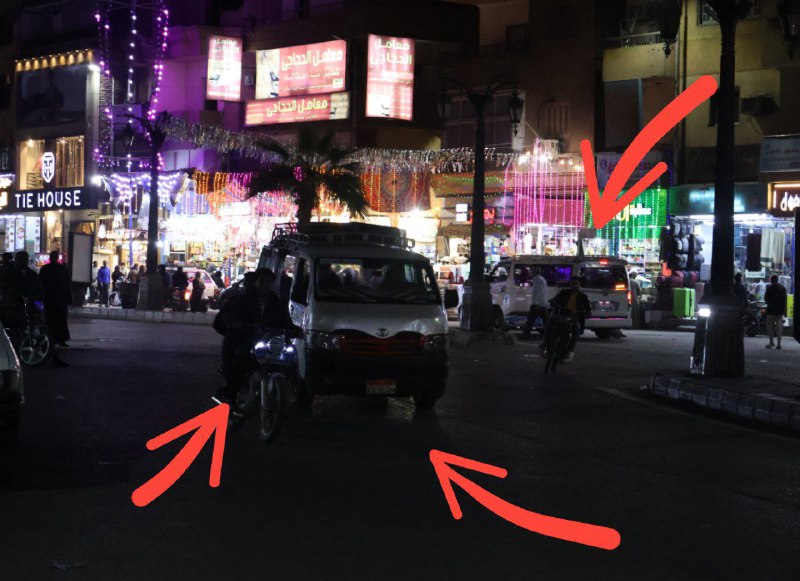
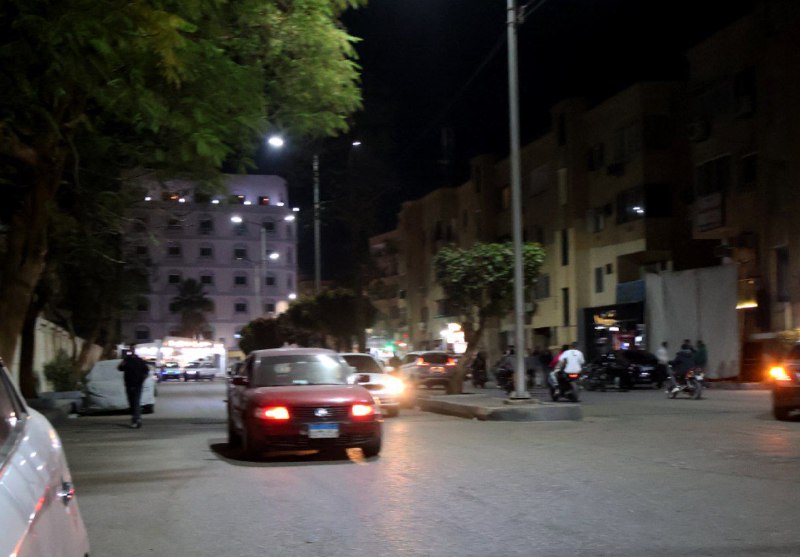
I rented a car in Egypt for some reason. You get used to the local quirks over time, but at first it was really uncomfortable. Traffic during the day is bearable. Good visibility gives you time to react in advance to what's happening on the road. Twice I got held up and experienced firsthand all the joys of night driving.
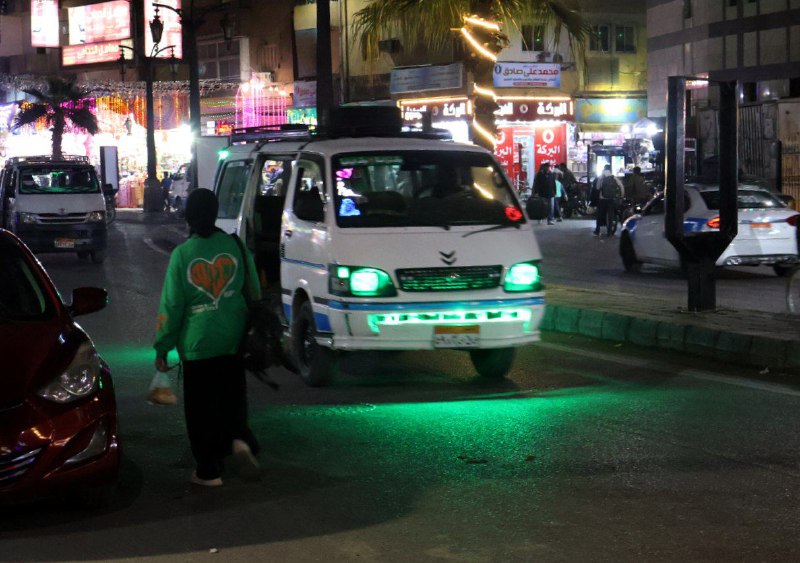
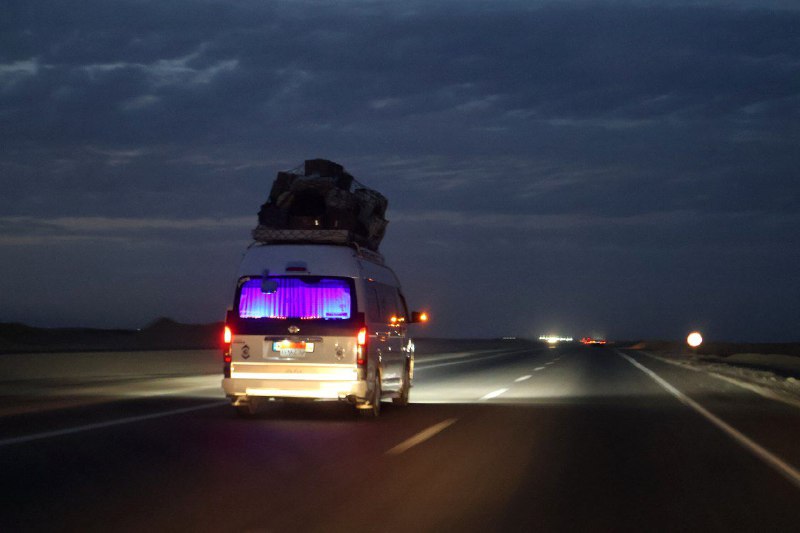
Local drivers have mastered two headlight modes: off and high beams. Hardly anyone uses anything else. And even outside the city, where the road has no lighting at all, you'll find guys driving in complete darkness. Sometimes they decide to show signs of life and flash their high beams right in your face. In the city, more people drive without lights, but at least there are some street lamps there.
Headlight color apparently isn't regulated, and some car enthusiasts think it's a great idea to make their front lights a different color. Green, blue, purple—okay, fine. But when front lights suddenly look like rear tail lights and come barreling at you head-on, your sense of comfort just evaporates.
Highways outside the city are often physically divided for different directions. But don't relax: the division doesn't mean at all that no one will drive toward you in your lane. Moreover, it doesn't mean that a couple kilometers down the road, you won't be flying the wrong way yourself. Road construction zones are everywhere. They don't put up any signs, as a matter of principle. You just figure it out because the road ahead suddenly ends. Sometimes they'll park a truck there. Then it drives onto the oncoming lane. And after that, it's impossible to tell when the construction zone ended. People just return to their lane wherever they feel like it. So everyone ends up driving in all directions at once. Safety.
There are barely any crosswalks anywhere, so people cross wherever they feel like it. Drivers don't yield to pedestrians, and pedestrians don't expect them to. When you try to yield, you break the system for everyone and other road users stop understanding what's going on and what to do. It's technically possible to cross, but usually when you do, someone hits the gas.
Most bikers in the city ride without helmets. Uber has a bike option. Almost certainly, not only won't the passenger be offered a helmet, but the driver won't be wearing one either. Outside the city, they sometimes wear helmets. The philosophy is roughly: "if the Almighty has decided you're to die today, a helmet won't save you."
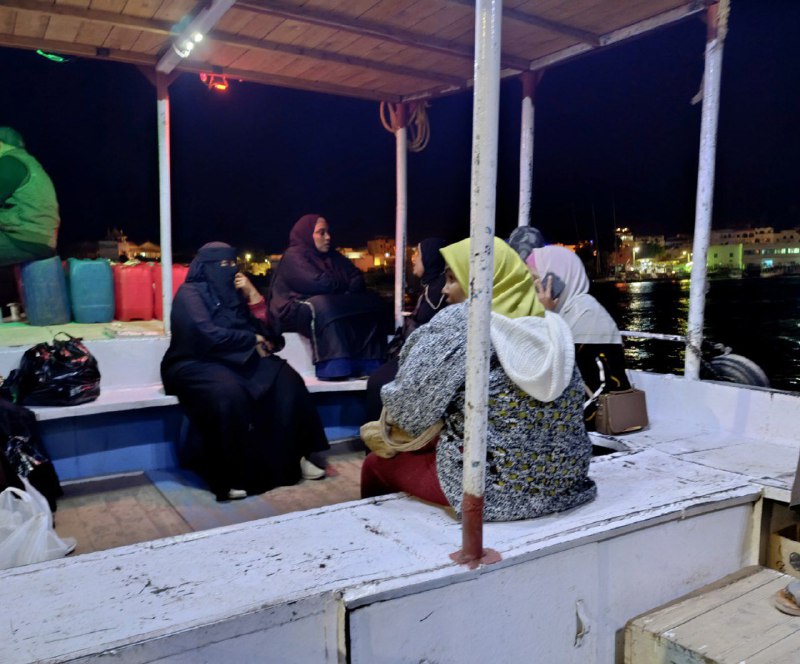
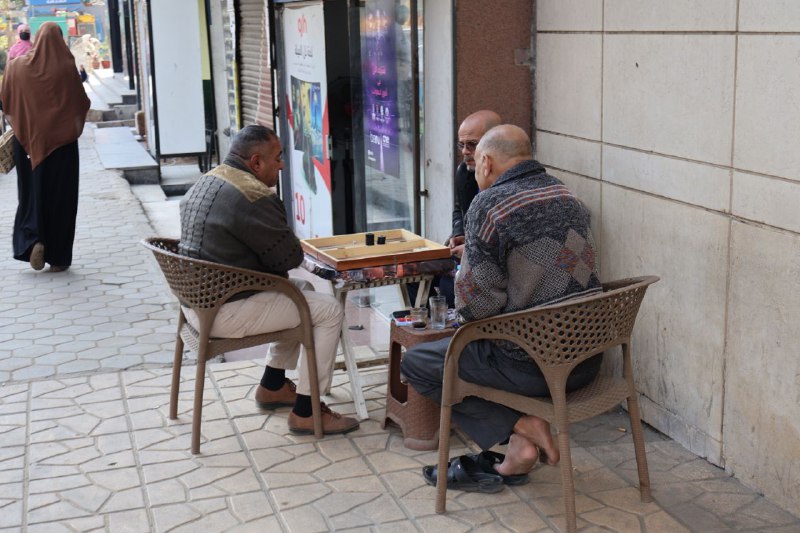
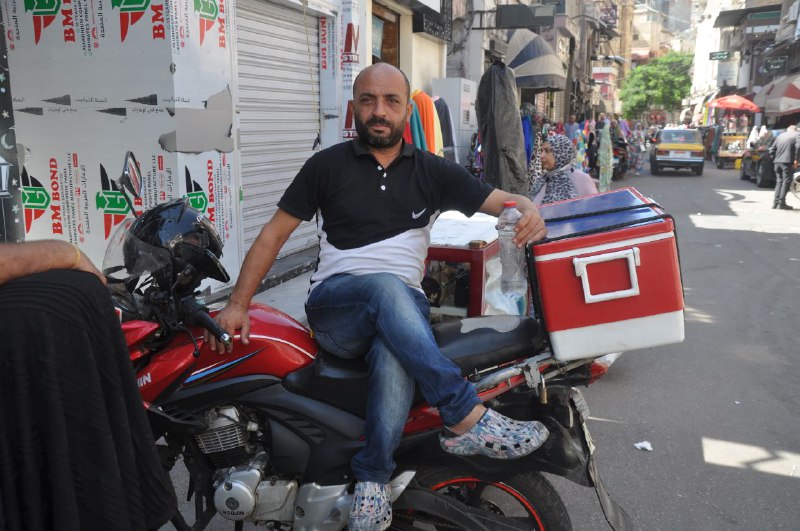
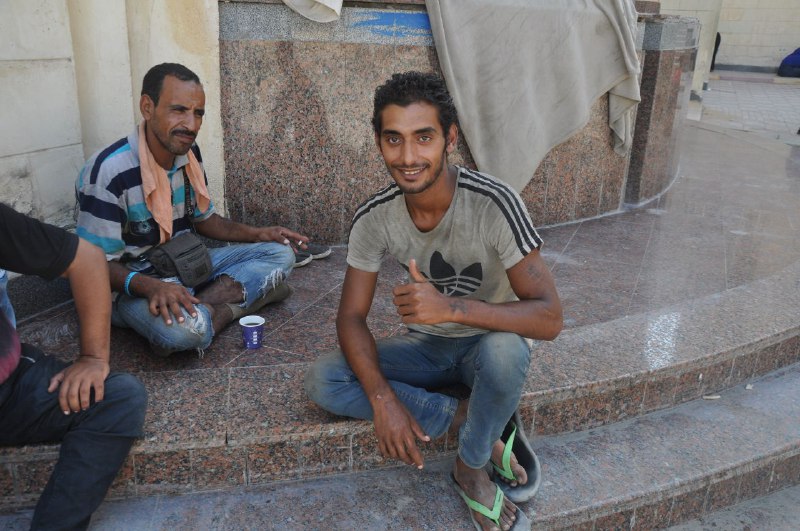
Egypt has strict gender segregation in many places. There are always separate lines for security checks at the airport. Public transport often has segregated zones. When you deal with the service sector, it's rare for a woman to interact with customers. When you walk around the streets and sit in cafés, you often see guys hanging out with a cup of coffee or a hookah. I haven't noticed women doing the same.
That's what tourists see. In everyday life, there are bigger problems. In rural areas, girls are often pulled out of school around 12-14 years old, sometimes even earlier, to minimize interaction with boys, despite separate schooling. Female genital mutilation and
honor killings are practiced, and some
things are scary even to read about. All of this is changing, but not very quickly. Let's hope the changes will accelerate.
Yet despite such inequality, there are women who are revered. Ask any Egyptian about
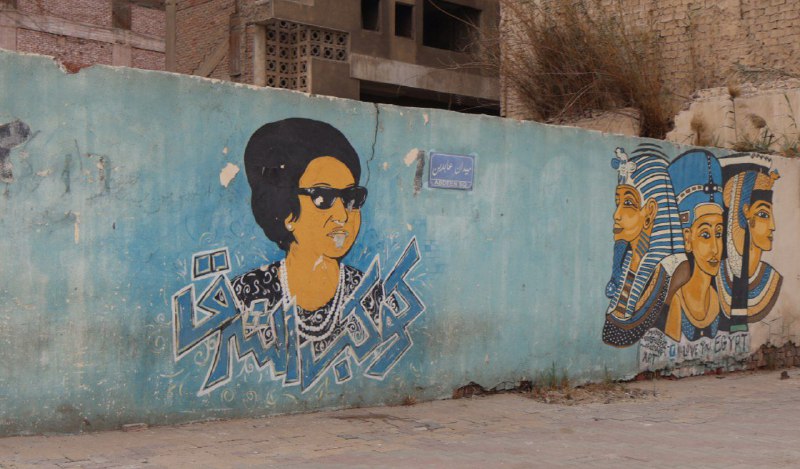
Umm Kulthum, and even if he doesn't adore her, he'll probably speak about her with great respect. She's called the fourth pyramid of Egypt. Over four million (!) people attended her funeral in 1975. It's the largest gathering of people in the country's entire history. Today, you occasionally see graffiti with the singer on the streets, and in Cairo there's a
museum dedicated to her—nothing particularly special, but interesting for immersing yourself in the culture. Next to the museum stands a
nilometer, and together they're worth a visit.
Her songs are very specific to our ear, but Arabs love them. You can listen to
One Thousand and One Nights yourself.
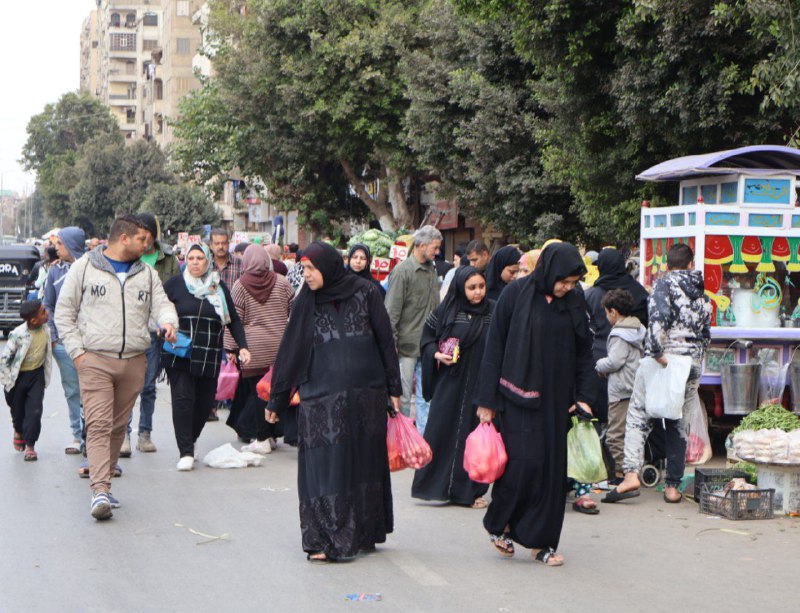
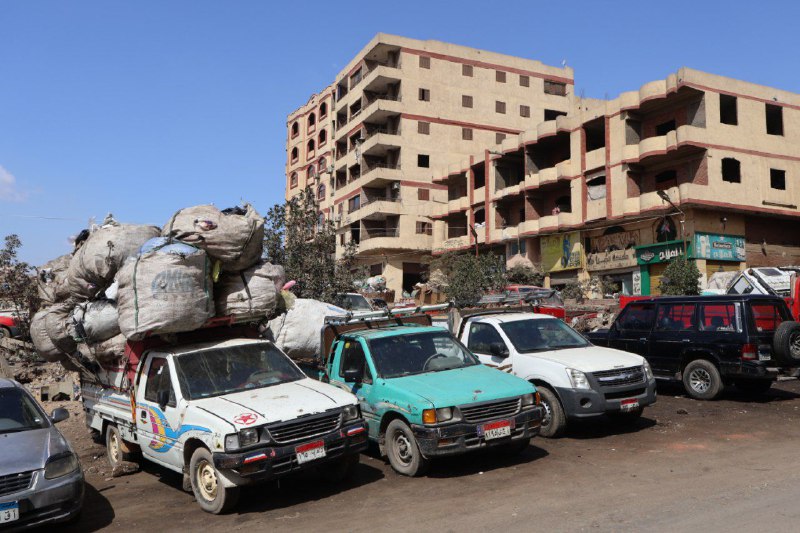
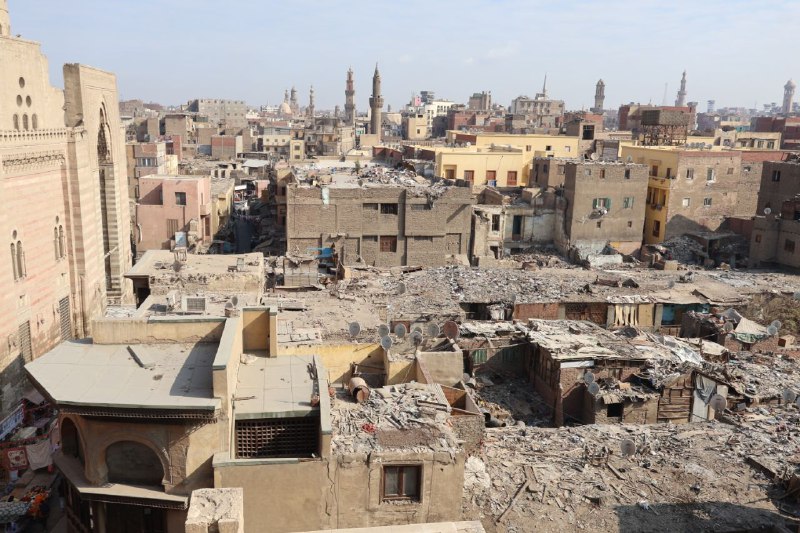
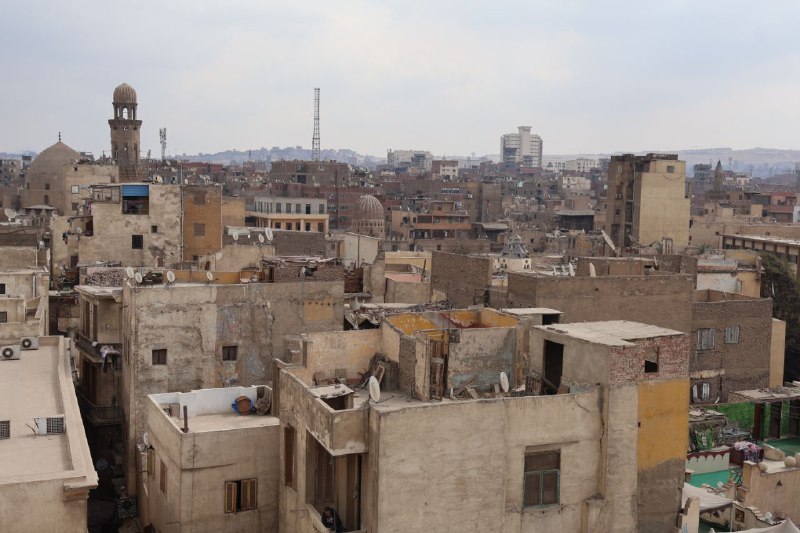
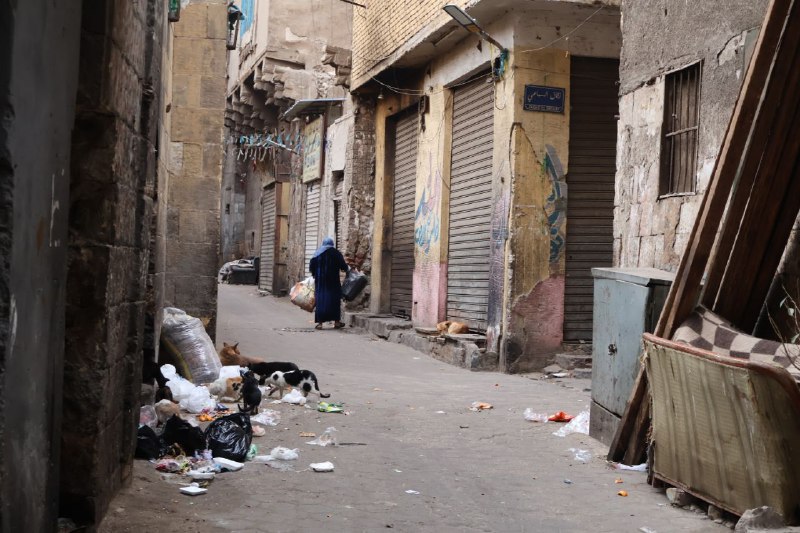
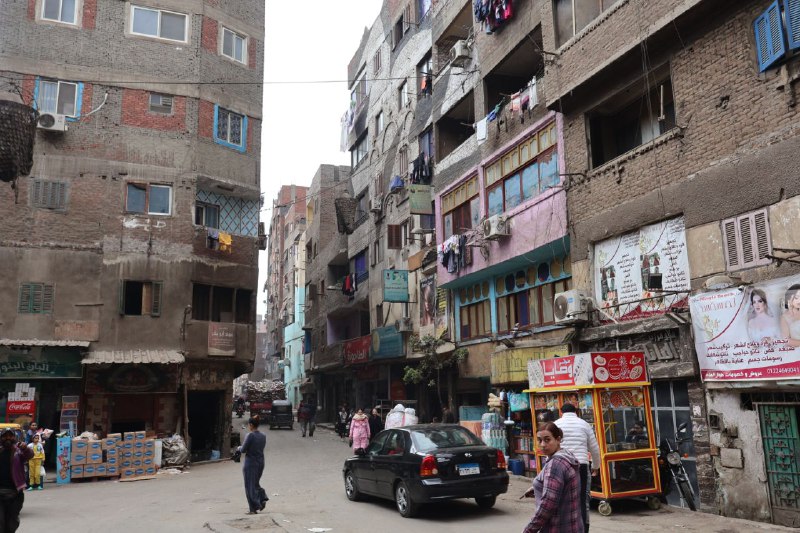
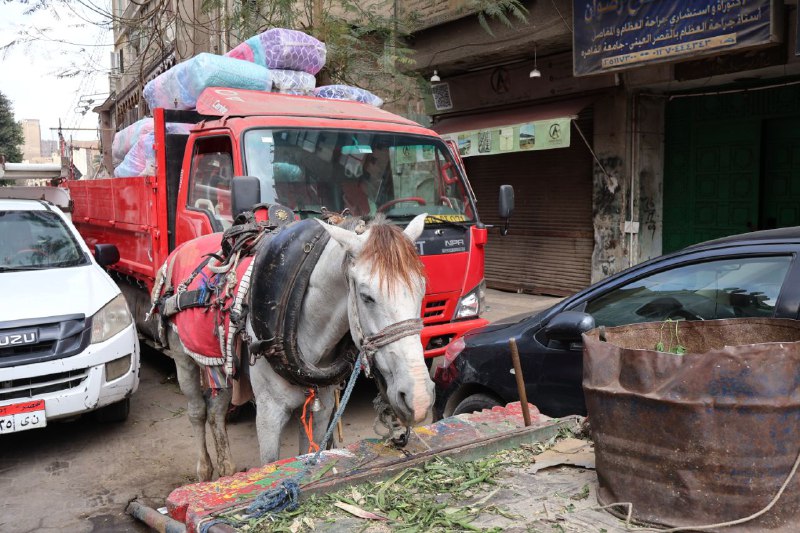
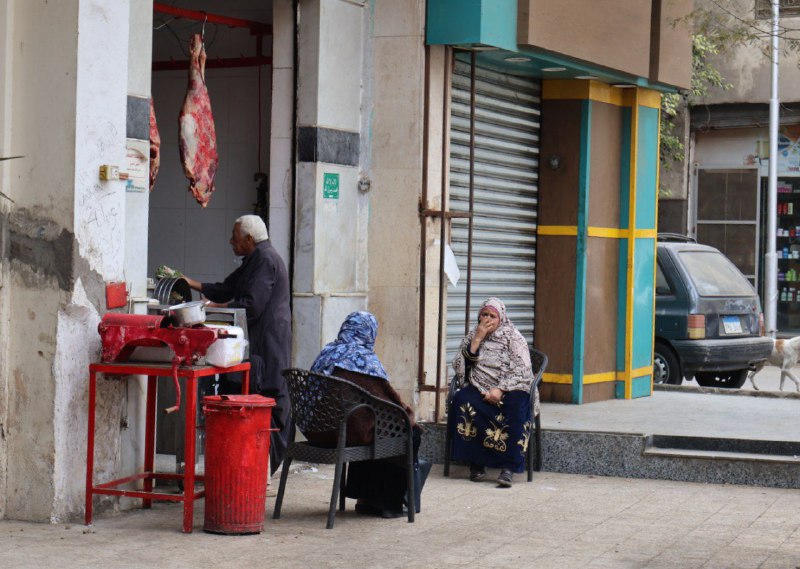
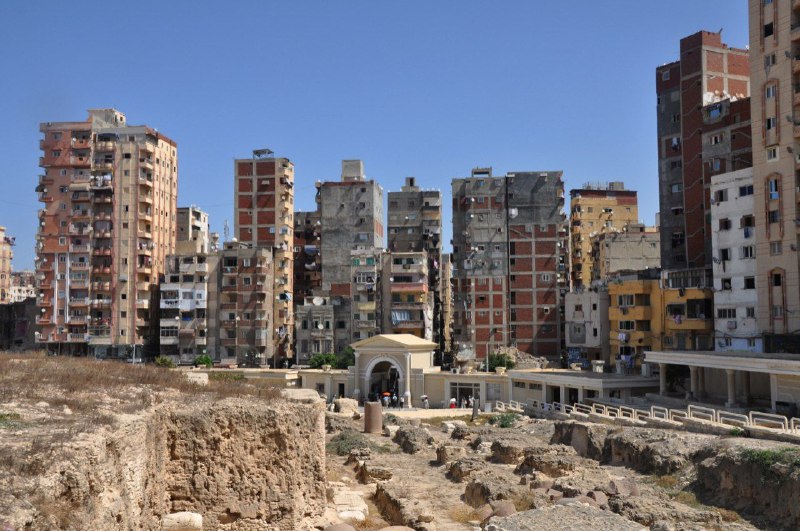
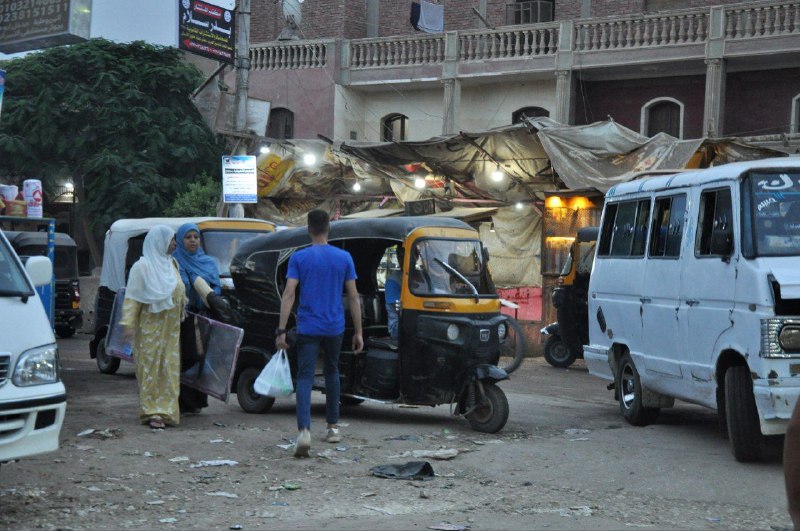
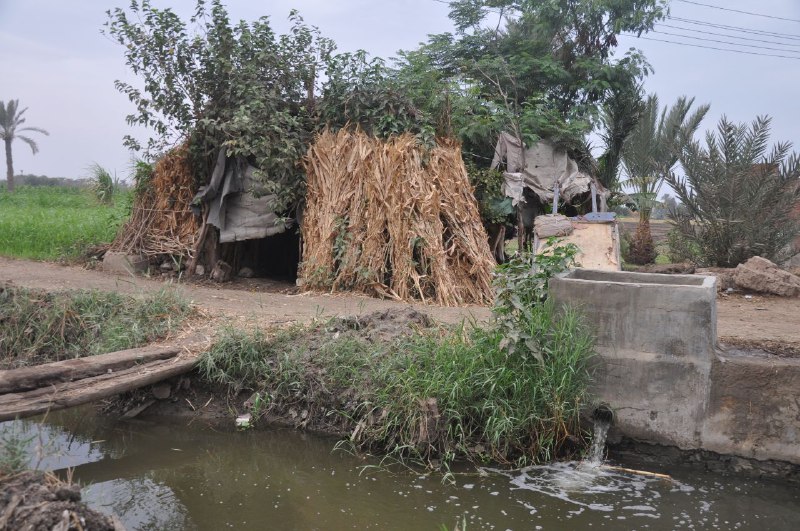
The one thing you can't get used to in Egypt is the relentless poverty. Even India didn't leave such a depressing impression on me. Everything here is amplified by the general sense of incompleteness—endless dirt, plastic bags constantly flying through the streets, and half-finished buildings pretty much everywhere. The latter is actually a local hack to avoid paying property taxes. According to the law, they only start collecting money after construction is finished.
You can only escape this reality if you stay within a hotel resort area by the sea. Cairo doesn't have any picture-perfect tourist enclaves. Some interesting spots are tucked away in extremely poor neighborhoods. For example,
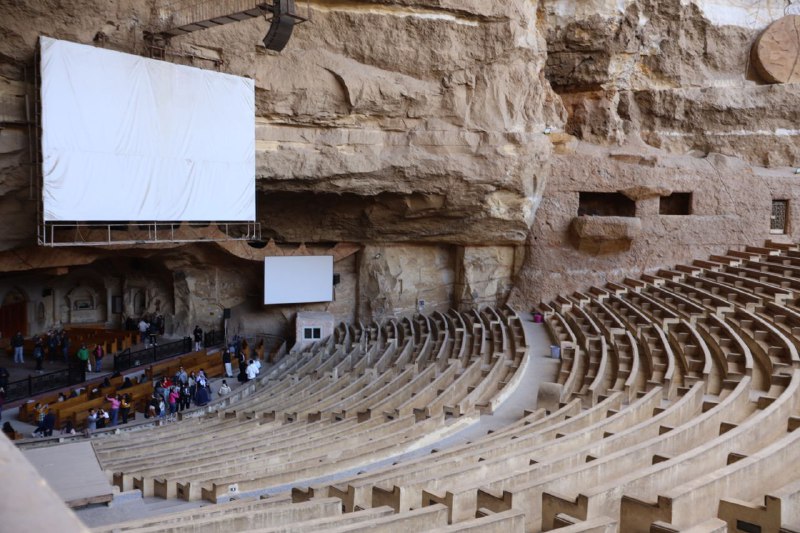
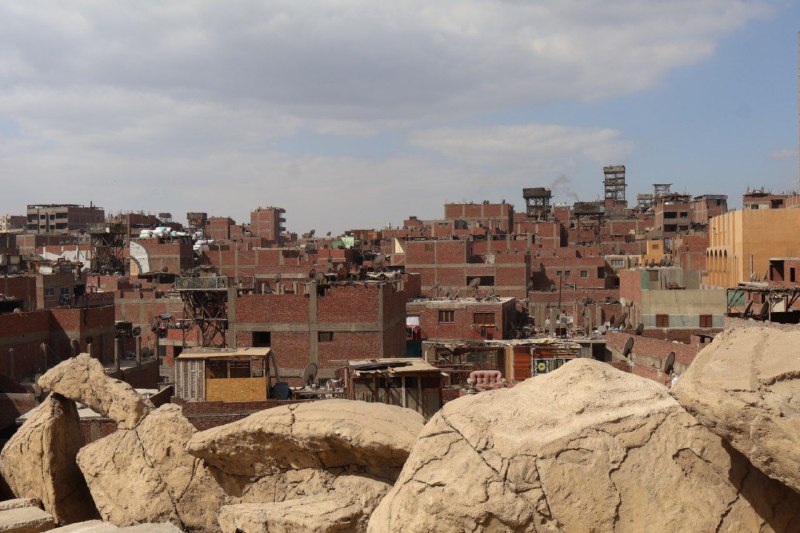
the Monastery of Simon the Tanner sits on the outskirts of
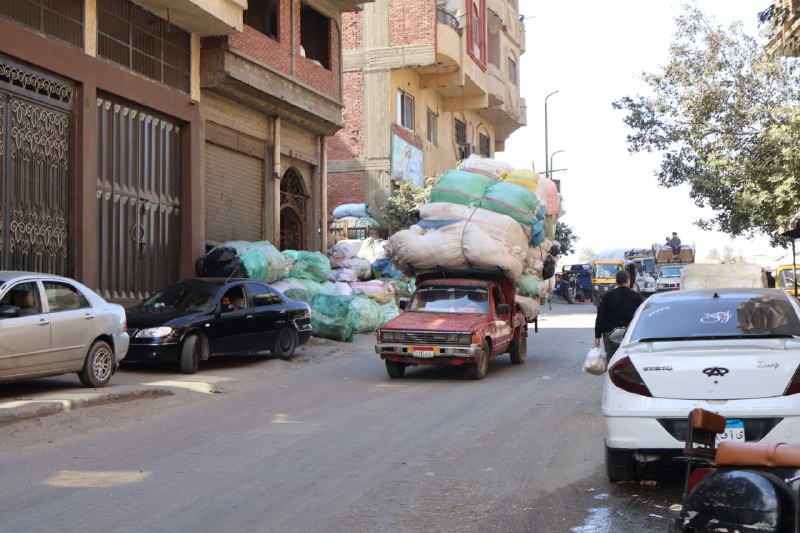
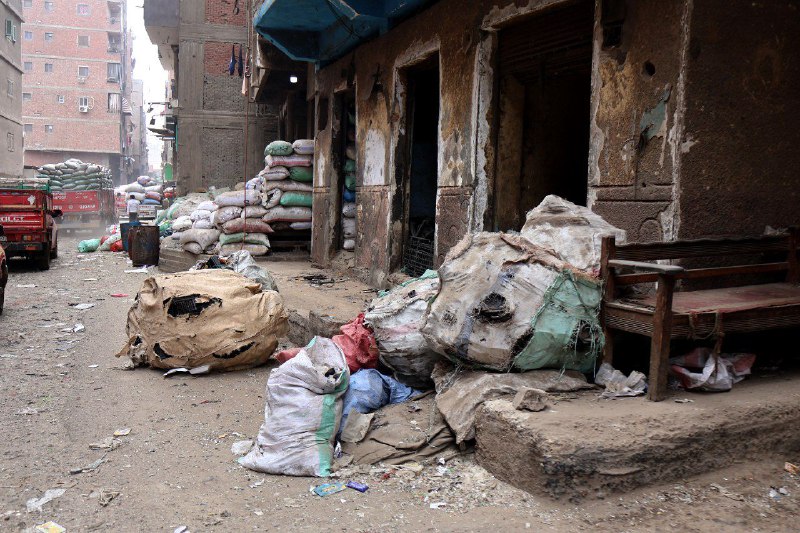
the City of Garbage Collectors. People there sort through mountains of trash with their bare hands. They literally haul waste from all over the capital and recycle it. Despite how awful this system is, the efficiency is impressive:
85% of waste gets reused. When you walk through the neighborhood, you're often hit with the stench of garbage. Except these are residential streets, not a recycling facility.
Surprisingly, there aren't that many aggressive beggars around. In almost a week in the city, only once did someone approach me asking for money. Far more annoying are the souvenir vendors at tourist spots. The longer you refuse, the more the prices drop. $3 for a stone scarab quickly becomes $1 for three. I don't buy though, not because it's expensive, but because I don't need it.
Being aware that you have a plane ticket home in your pocket makes the experience easier to bear. The locals live like this their whole lives.
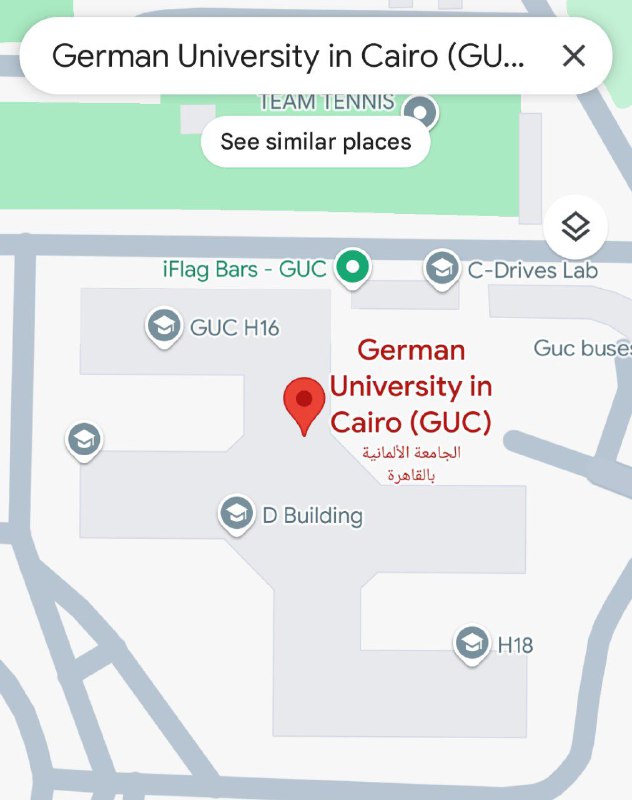
PS. What really gets me is the design of the
German University in Cairo. I can't shake the feeling that they forgot to build a couple of wings.
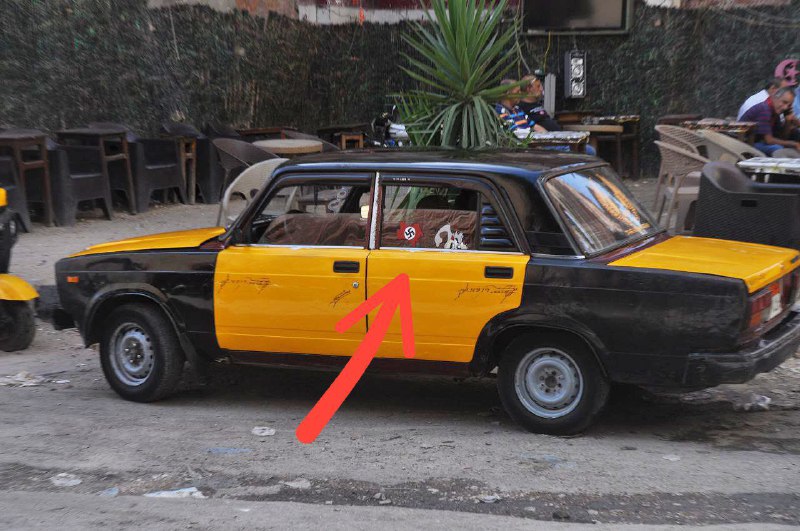
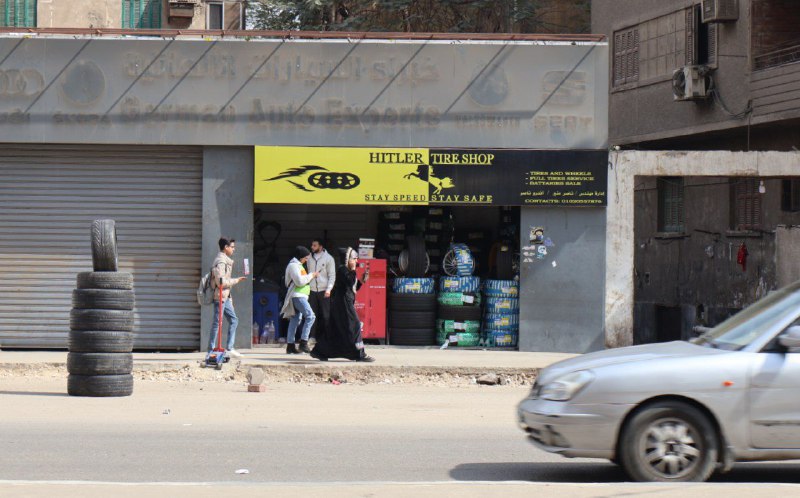
Warning: This photo contains a swastika. If you find this offensive, please don't look at it. I condemn this practice.On the streets of Egypt, you'll occasionally spot cars with Nazi symbols or little shops named after Hitler. Right here in 2025. It's not because Egyptians are big fans of fascism, but rather due to low levels of education and complicated relations with Israel.
For example, back in 2018, the owner of the "Hitler" clothing brand
complained that he didn't understand why the name upset people so much, since "it's just a name." His business didn't last long, but that doesn't stop others from opening new shops under this questionable brand.
The second problem is more complicated. Sometimes this hatred doesn't stop at the state level but extends to all Jewish people in general. Who was their main enemy? That's where the swastikas on cars come from.
That said, during World War II, Egypt was actively flirting with the fascists. The Arabs were tired of being an English colony, and befriending the enemy of their enemy seemed like a great idea. But beyond
collaboration with individual collaborators, things didn't go further.
However, after the war, one of the Third Reich's chief antisemitic propagandists,
Johann von Leers, relocated to Cairo as an advisor to President Gamal Abdel Nasser, where he converted to Islam and engaged in antisemitic propaganda. German engineers also came to Egypt and worked on developing military rockets—right in the middle of the Arab-Israeli conflict. Israel had planned an entire
operation to shut down production, but the engineers were successfully expelled through diplomacy. The propagandist died a natural death in 1965.
This isn't a widespread phenomenon—you don't see every other car sporting Nazi symbols around here. But when you wander through backstreets, you do spot it now and then. Common sense still prevails overall, and people generally understand that there's nothing good about the Nazis.
I thought I'd escape the Belgrade cold in Cairo, but something went wrong. Even though it's way warmer here, it's not actually that much more comfortable: at night it can drop to +9°C, and nobody here seems to know what heating is.
Warm blankets save the day without a heater, but my expectations were definitely different.
On the way home, I managed to lose my luggage again. Third time this year! (thankfully it turned up)
A few more thoughts about Egypt. The poverty level is high. You walk into a UNESCO-protected area where everything looks neat and proper, but behind the fence there are unfinished but occupied ugly concrete boxes.
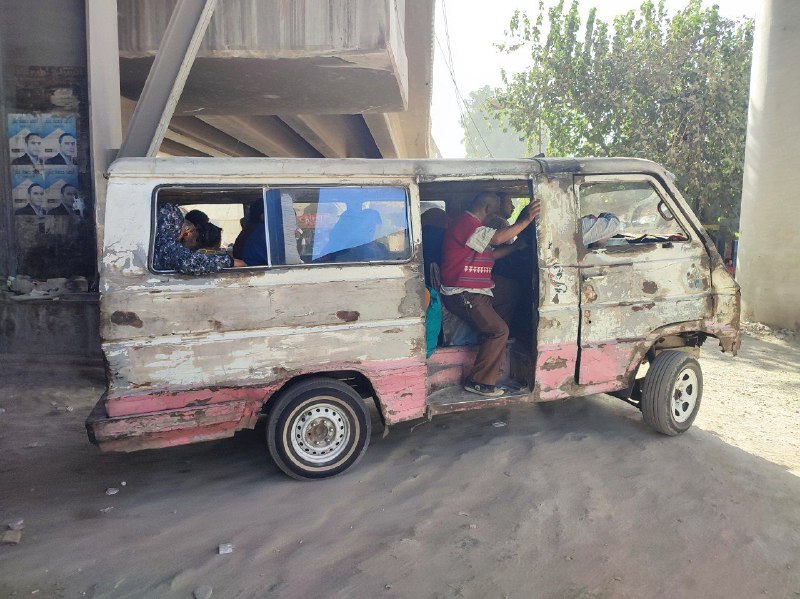
Even in Cairo, many people wear clothes that could use some mending, or better yet, replacing. Looking at public transport sometimes, you wonder how it's still running at all. There are some decent buses, but plenty of beat-up minibuses.
The average salary in the capital is around $300 a month. Prices overall are lower, but I can't imagine how people manage to live on that.
All this deeply influences how people think. Taxi drivers and even tour guides are among the most opportunistic people I've ever dealt with. Short-term gain trumps anything long-term for a lot of them. And that's sad.
Still, there's something captivating and appealing about this country, something genuine and alive. I'll definitely come back here once things settle down in the region.
Peace to all ❤️
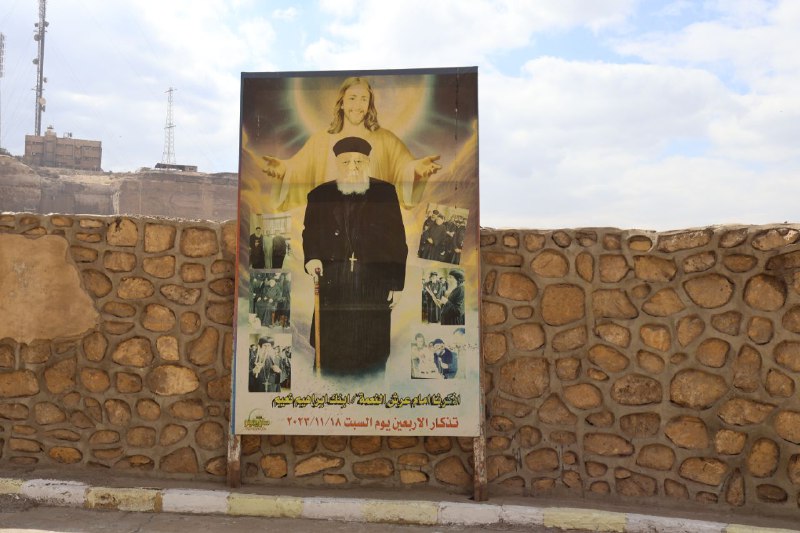
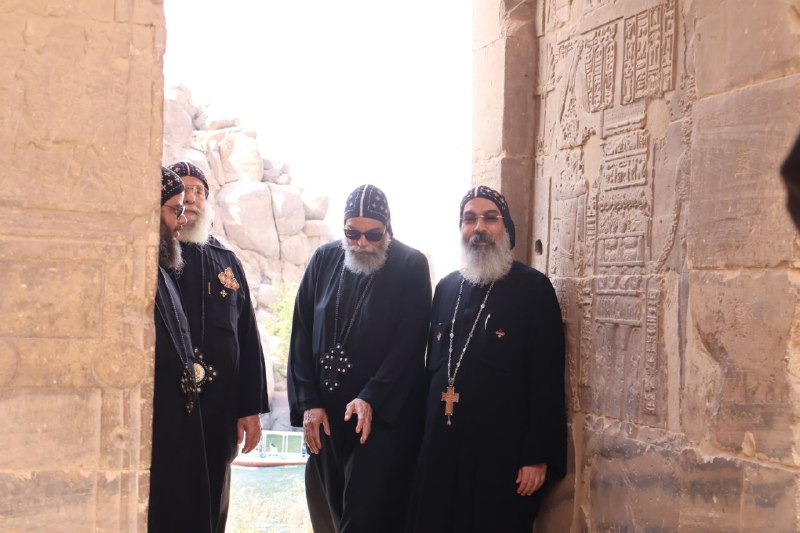
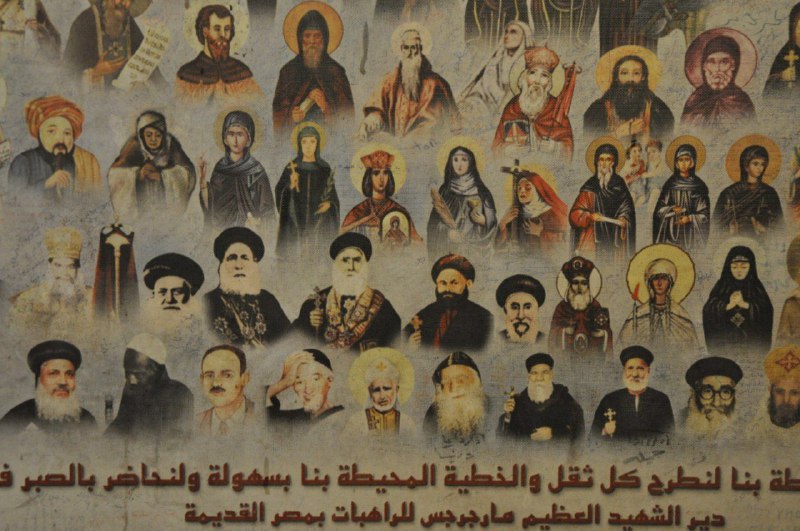
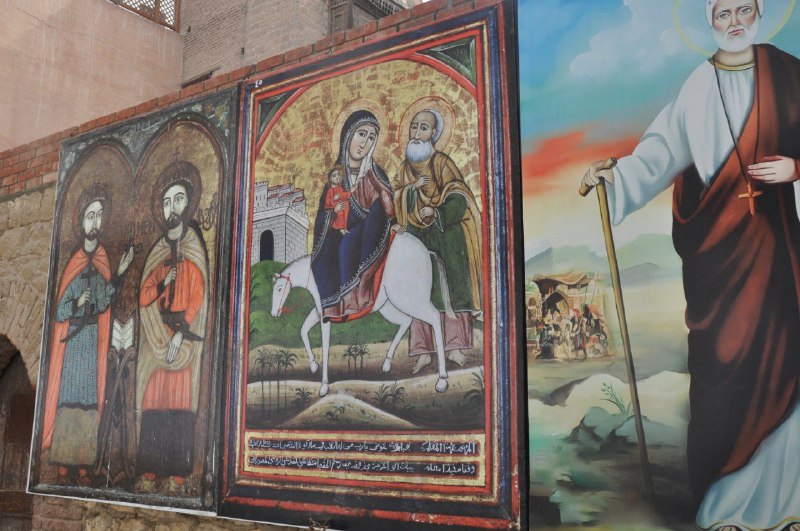
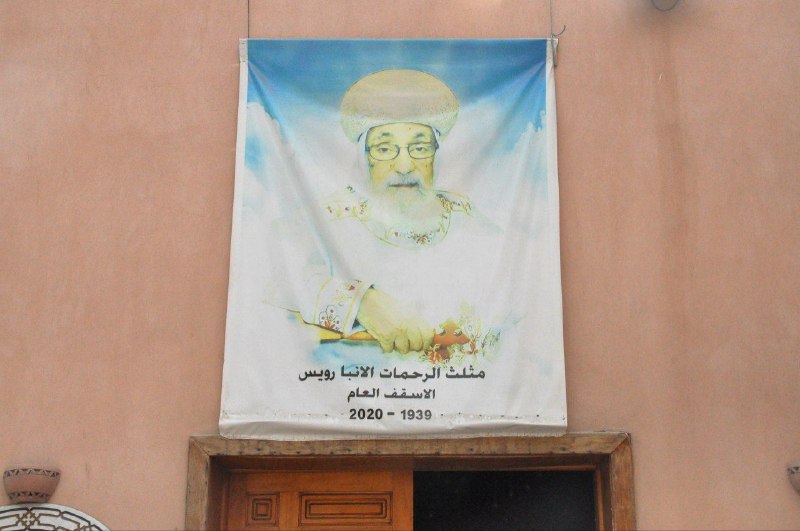
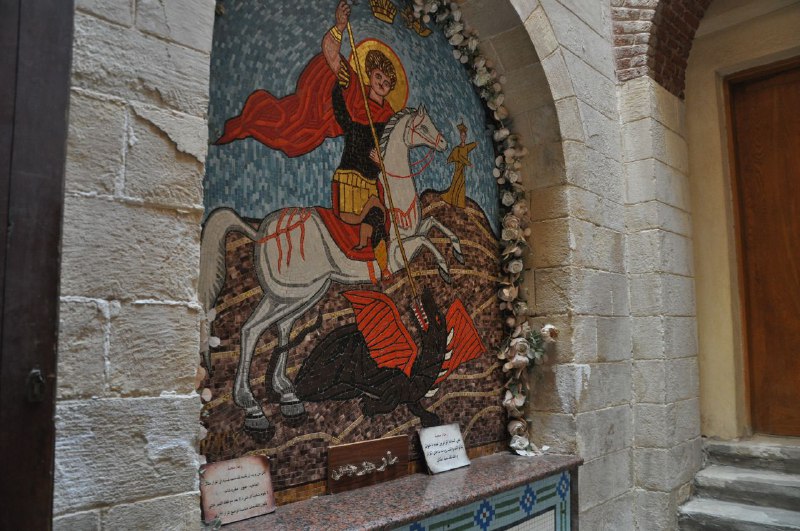
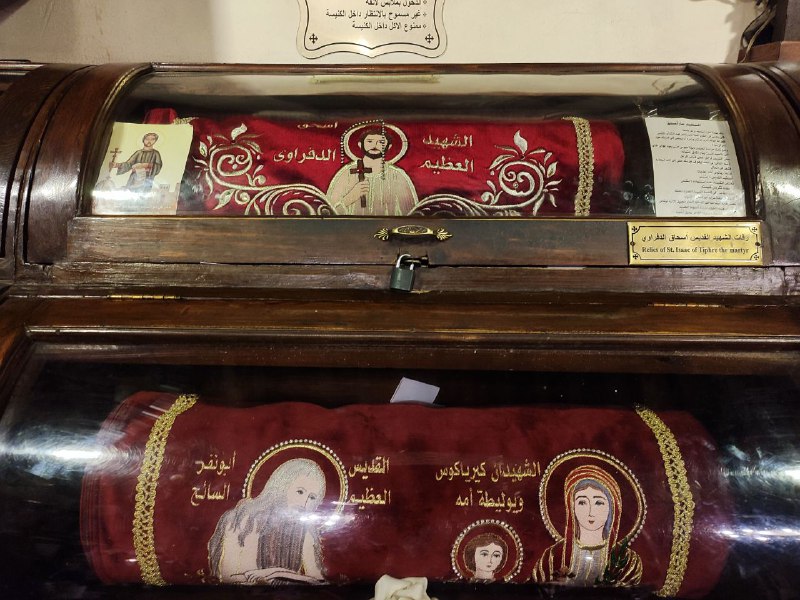
When you see a religious image of bearded Arab elders in turbans next to Arabic calligraphy, your brain automatically makes the connection — oh, Islam, got it. But that's not always the case!
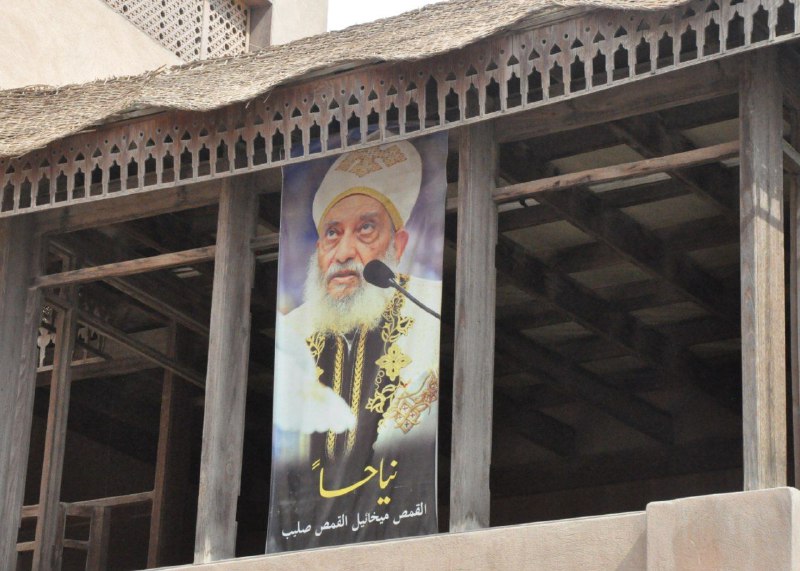
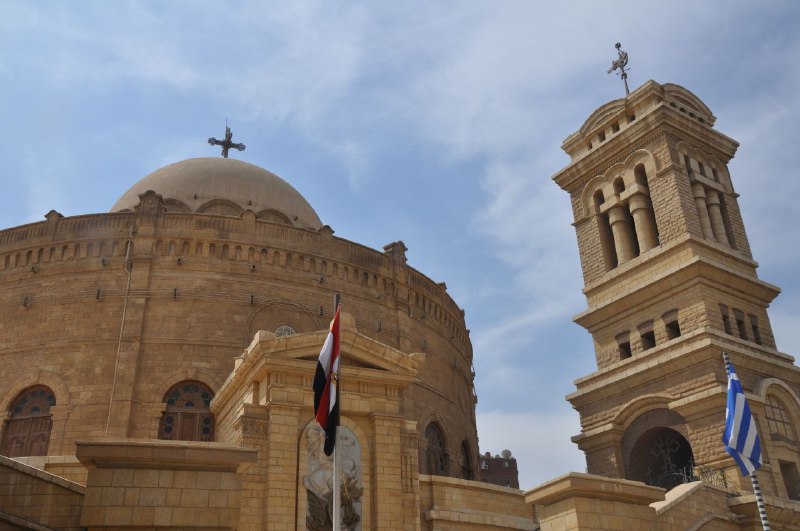
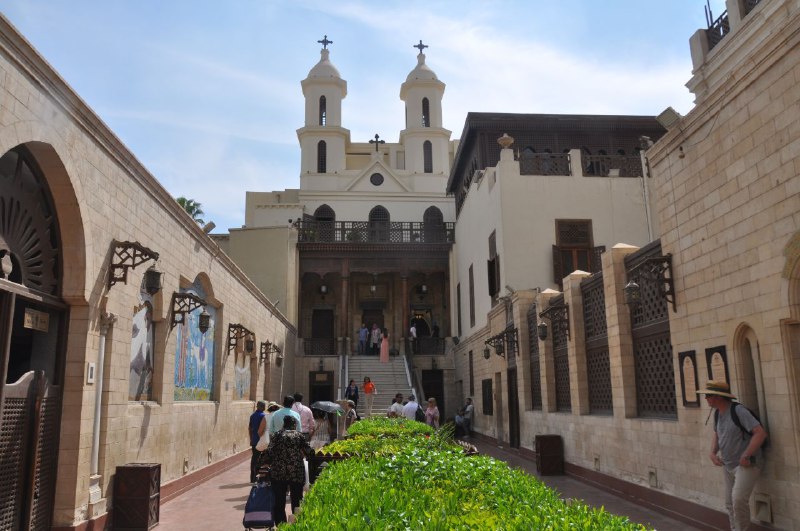
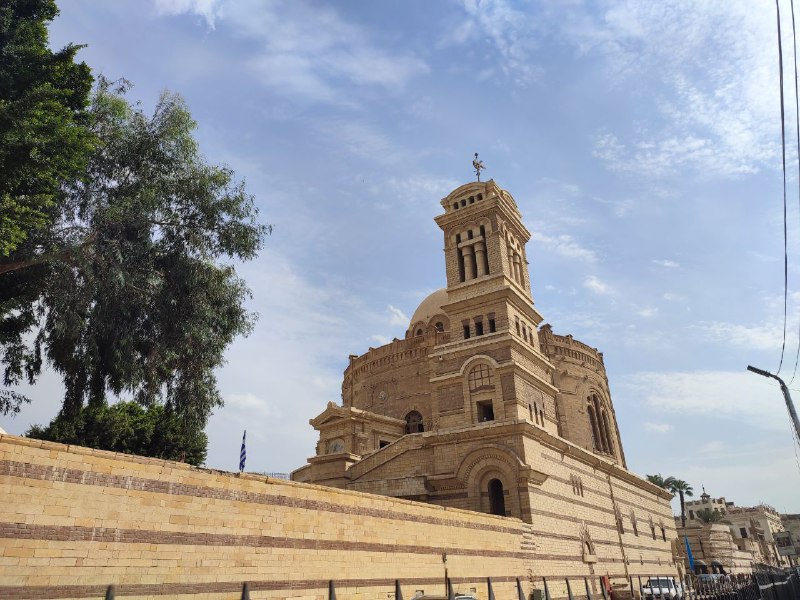
In Egypt, you'll find the same imagery in Christianity too. Same elders, same inscriptions, different religion. Over 10% of the country are Coptic Christians. In Old Cairo, there's a huge neighborhood packed with churches stacked on top of each other (plus a couple of synagogues). Icons with calligraphy do a pretty good job of breaking those stereotypes too.
Technically, Egypt has religious freedom. In practice, it's complicated. For example, Copts used to need permission from the president himself just to do minor temple repairs. Why? Nobody knows. Mosques don't have that rule.
Religious beliefs are written in your passport. So if someone decides to convert from one religion to another, it's a whole ordeal involving document changes. Converting to Islam is easy and straightforward, but going the other way? Not so much. A few years ago, courts refused to issue new passports to dozens of Egyptians converting to Christianity. Eventually, 12 of them won their case at the highest court a year later, but they got marked as "defectors."
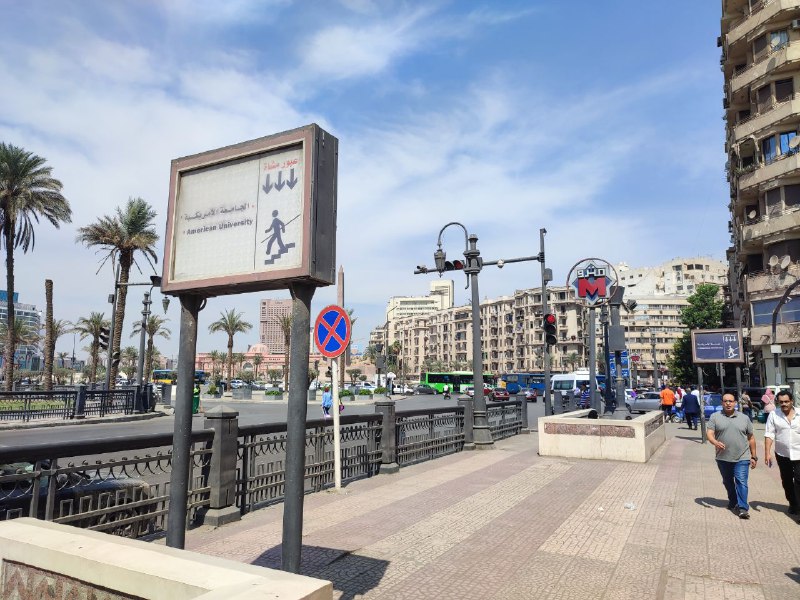
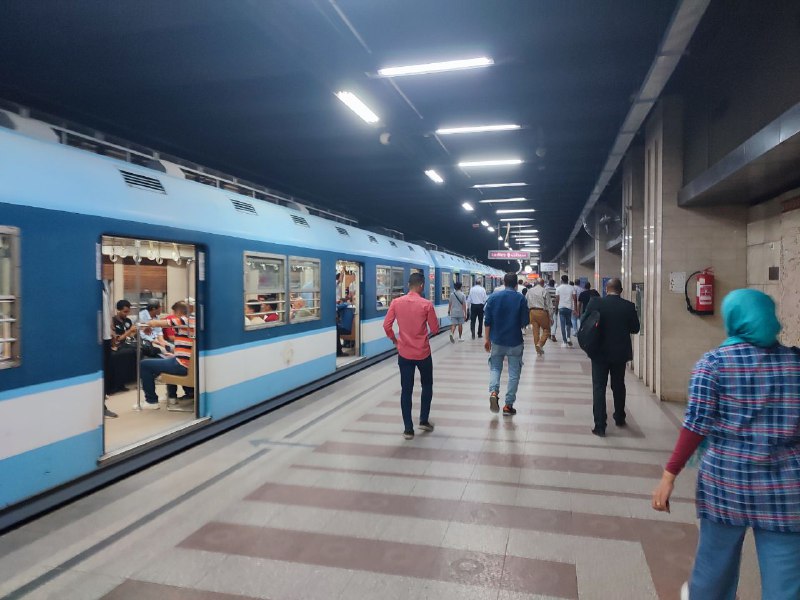
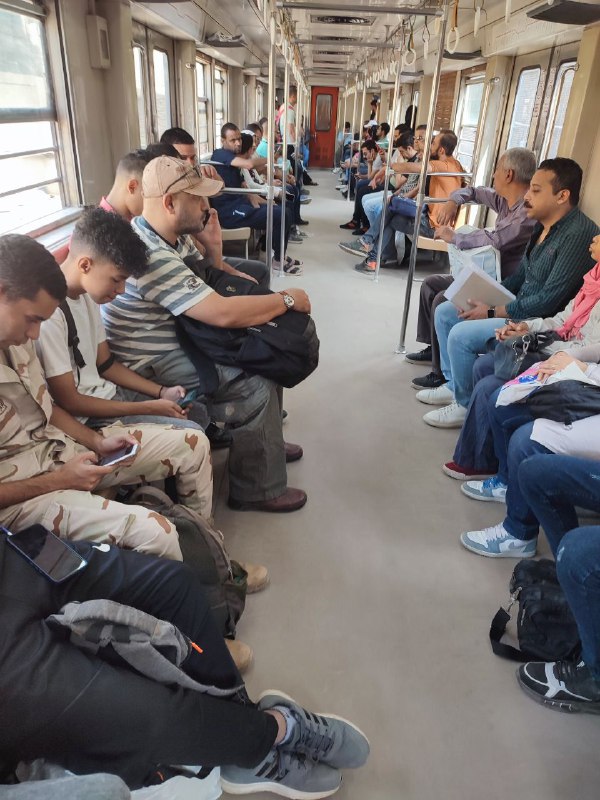
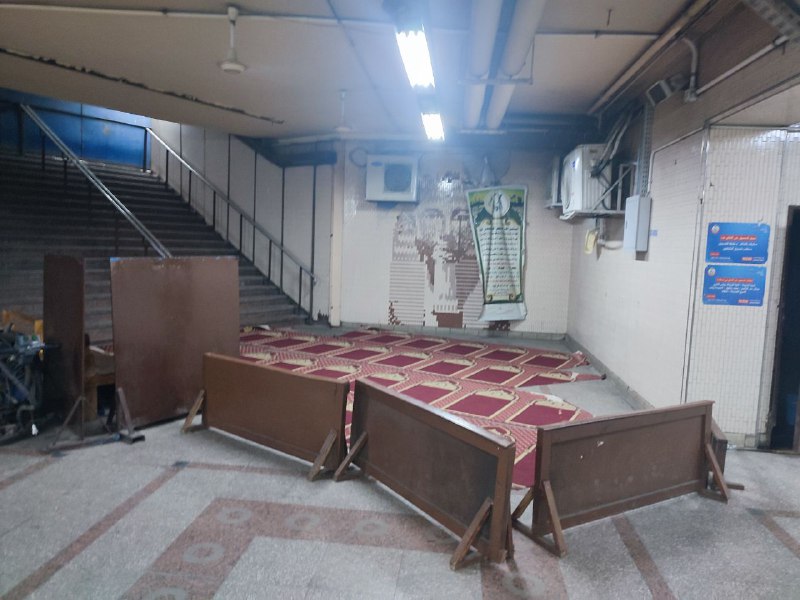
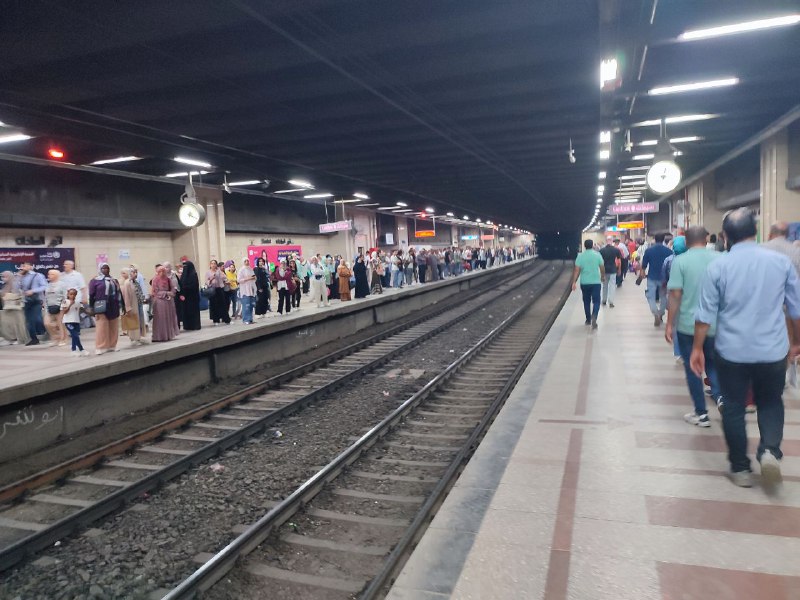
I was really surprised by the Cairo metro – there are actually prayer zones right in the passages, and people actually use them for that purpose.
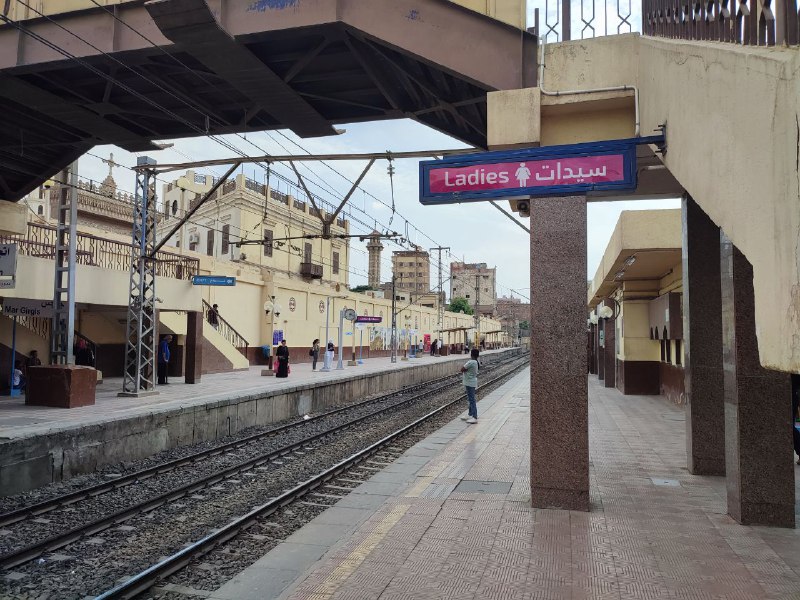
The stations have signs marking "women only" zones. Though honestly, that's not as surprising.
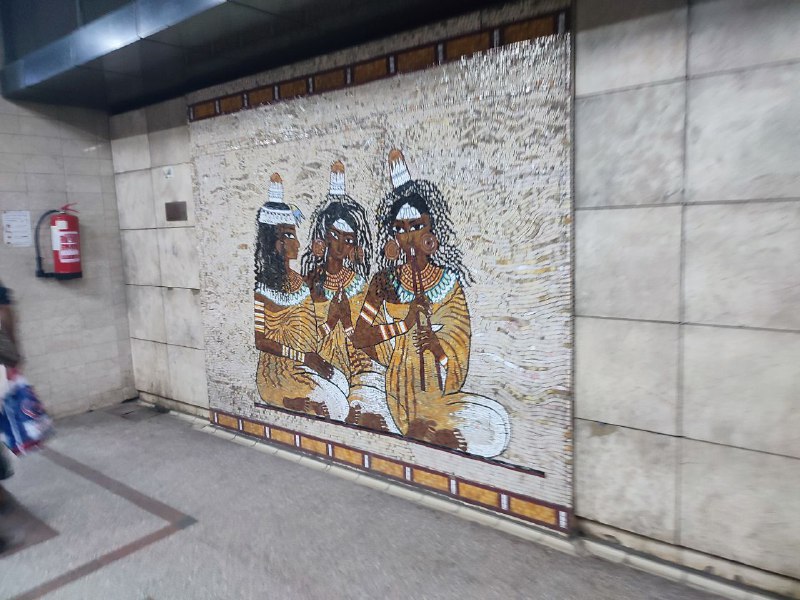
And the police are predictably persistent. If they see you taking photos of the station, they'll definitely come up to you and ask "no photo please".
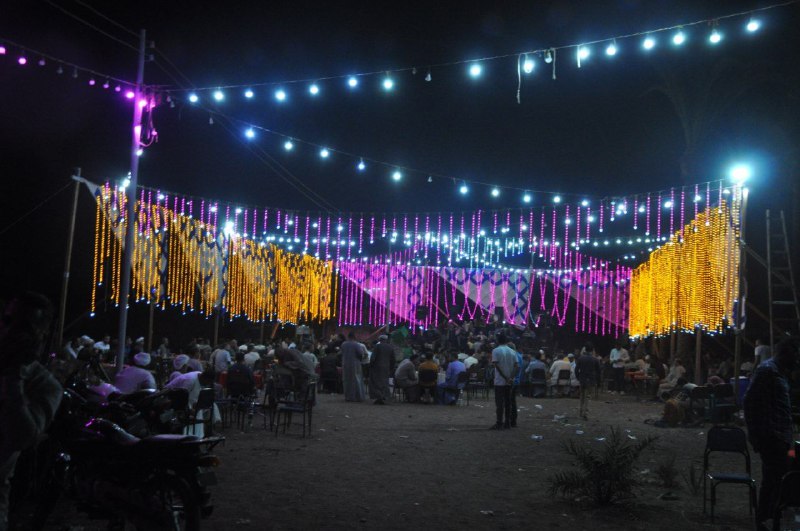
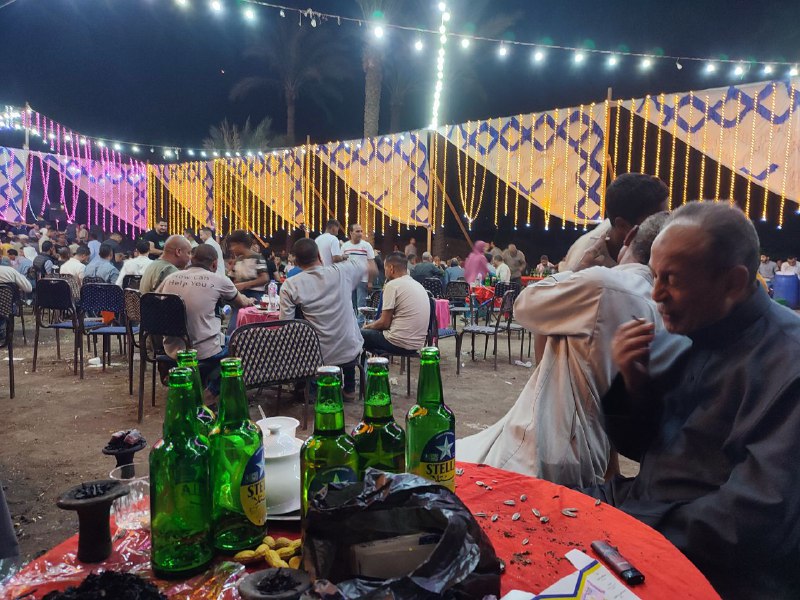
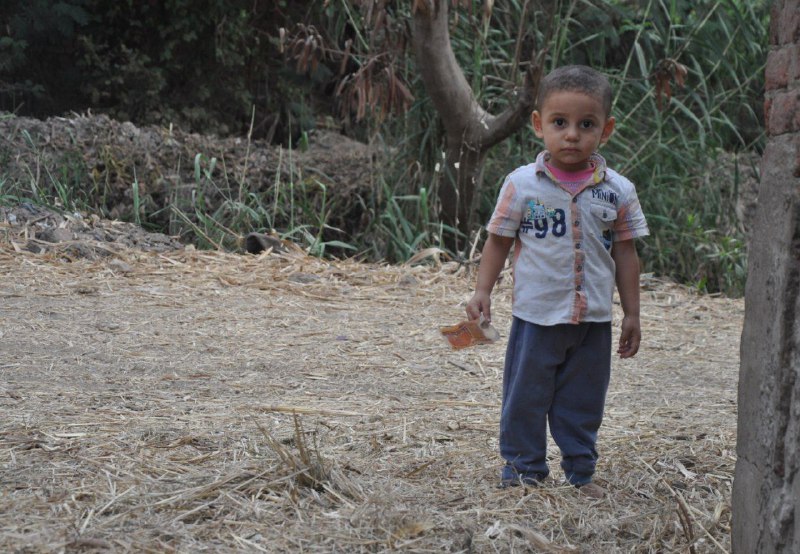
So I ended up at a village wedding outside Cairo. A really simple one. And it's VERY strange stuff.
No toasts, speeches, contests, or any of that dancing. The guys were partying separately from the girls. Literally in different places. Really curious what was going on at the women's celebration :)
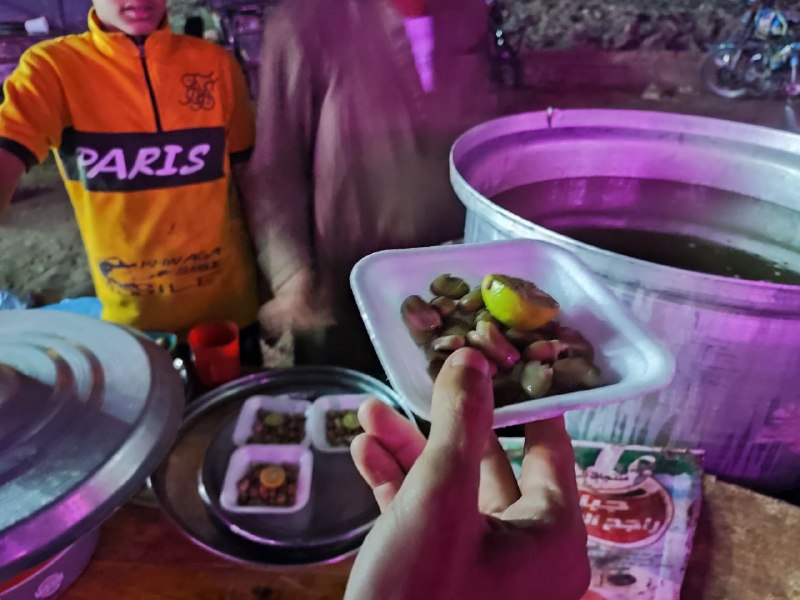
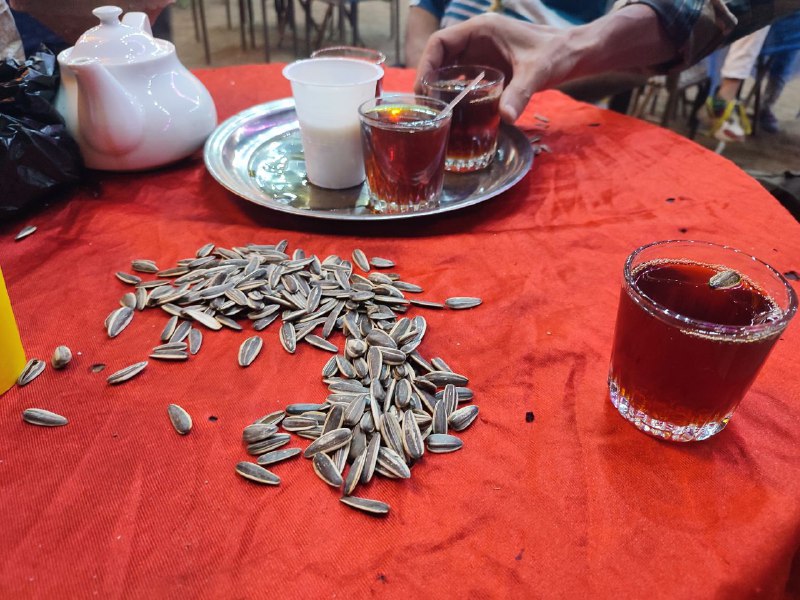
There was no set table. Women walked around selling sunflower seeds and peanuts. They'd just dump a handful on the tablecloth and wait a minute to see if anyone would pay. If no one paid, they'd take it back. After a while, they'd repeat the whole ritual. For extra money, you could buy hot food.
The music was pretty unusual. You should hear it yourself. And it blasted like that all night long. You get tired super fast.
For some reason, the party was on a Monday night going into Tuesday. Things got going around 11 PM. They told me it usually goes until 4-5 AM. I bailed way earlier.
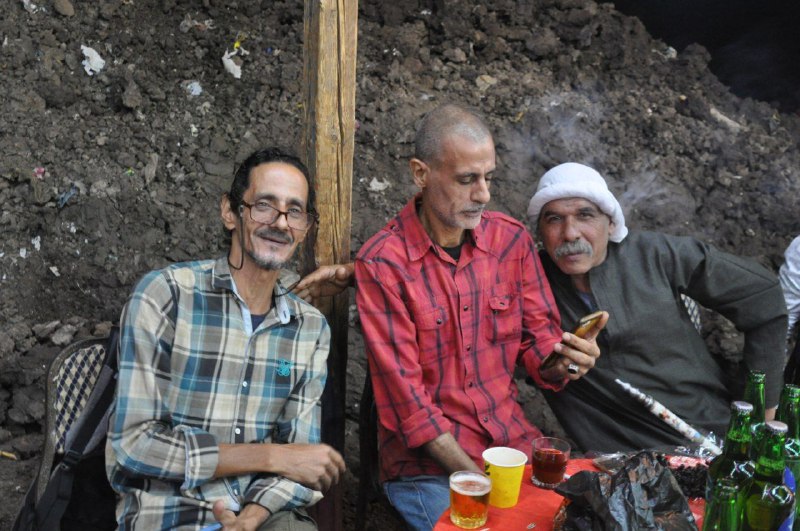
What surprised me was the beer. Actual alcohol. The bottles were sitting out in the open, but they were pouring it under the table like it was some kind of secret. And people drank it from tea glasses. I didn't see any other alcohol.
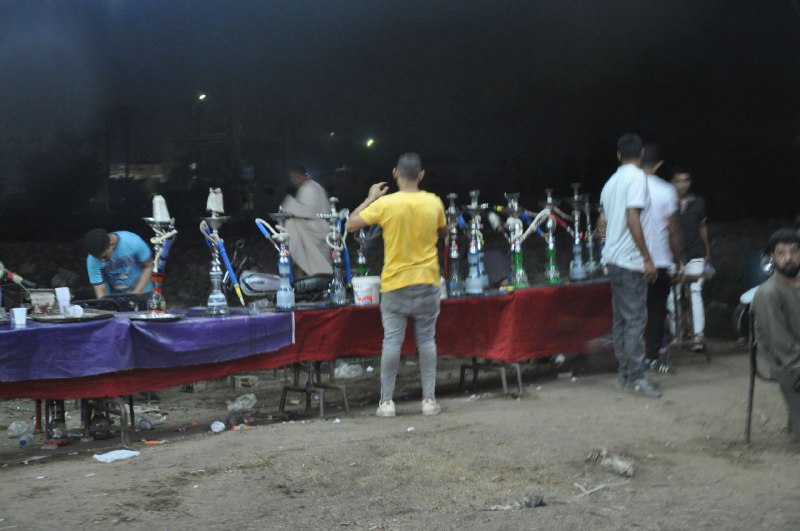
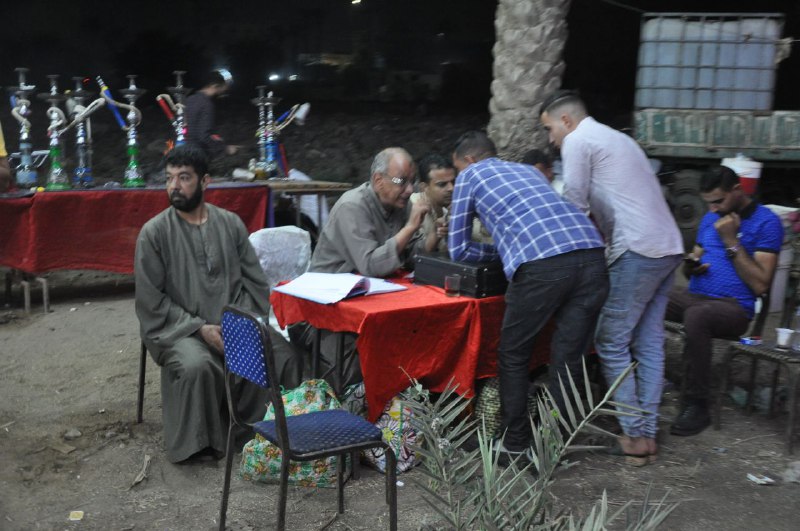
But there were crazy amounts of hookahs. I've never seen that many in one place. People weren't just smoking tobacco. A lot of guys had hand-rolled cigarettes with weed in them.
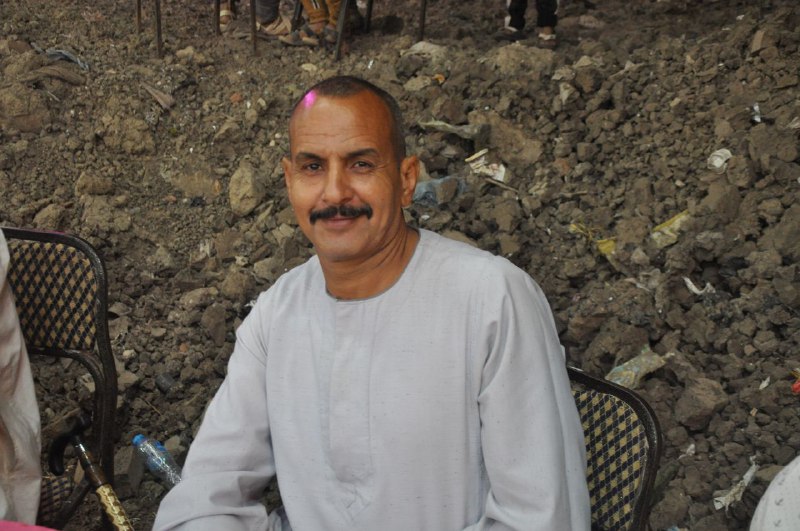
I was asked not to photograph people in close-ups, unless they specifically asked me to. At first, not many people wanted that, but later on folks loosened up a bit, though they were still a little shy.
Off to the side, there's this guy sitting with a book. People record how much money each person gave to the newlyweds. When that person or their kids get married later, they have to give back at least that same amount. Kind of like wedding accounting.
Not all weddings look like this. Wealthier guys rent out restaurants, set up proper tables, hire better entertainers. And traditions vary a lot depending on the region anyway.
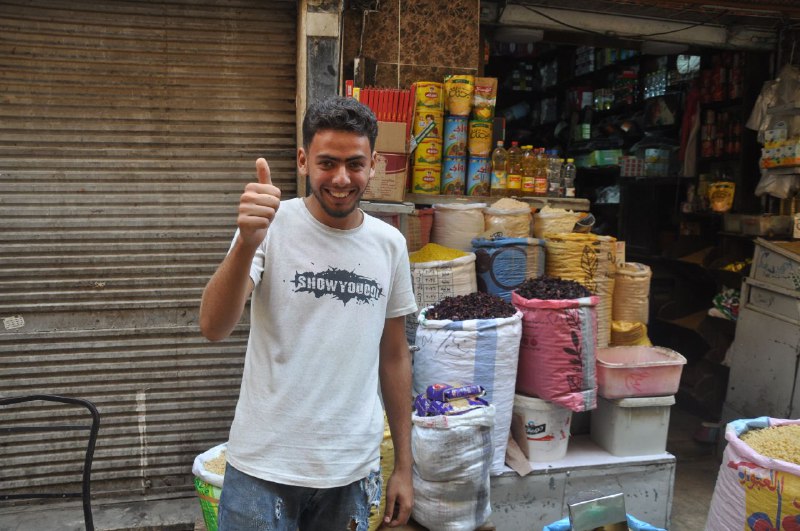
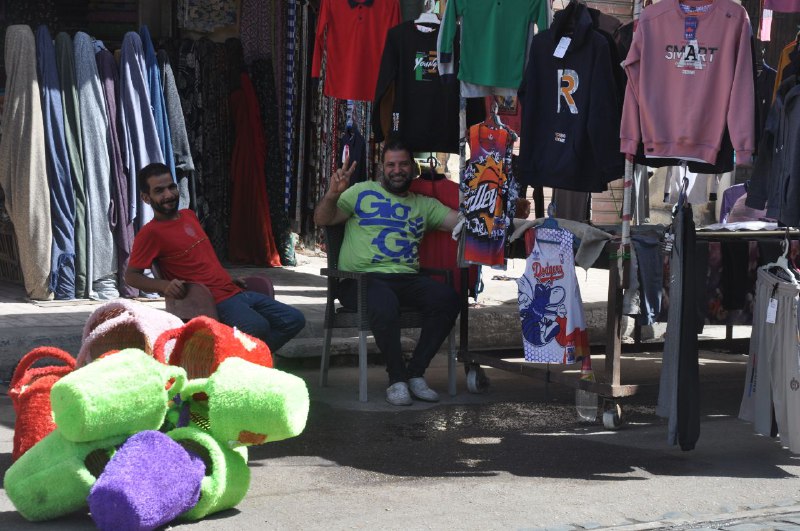
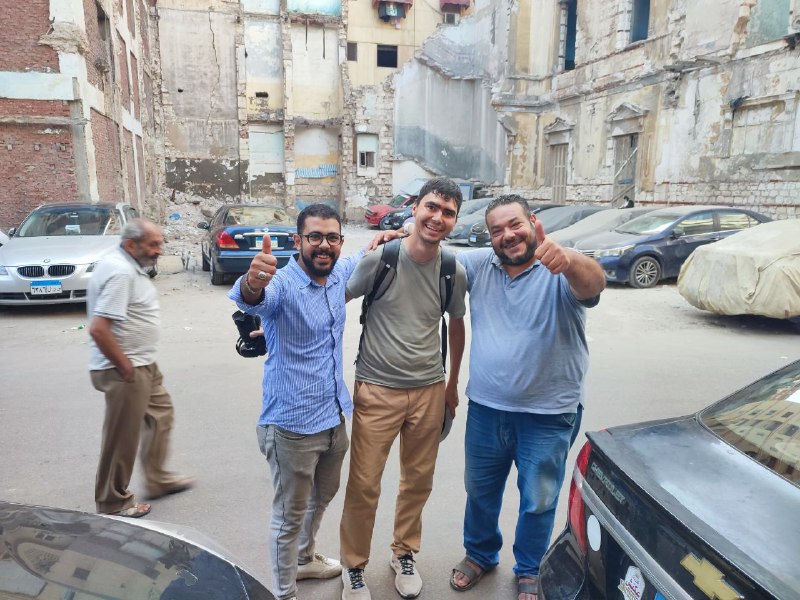
The people in Alexandria are amazingly friendly. I honestly can't think of anywhere else quite like it. As I walked through the city, random strangers would constantly smile and say "welcome" to me, without trying to sell me anything, and just go about their business.
Several people even asked me to take their picture with my camera. They said, "so you'll remember us when you get back home."
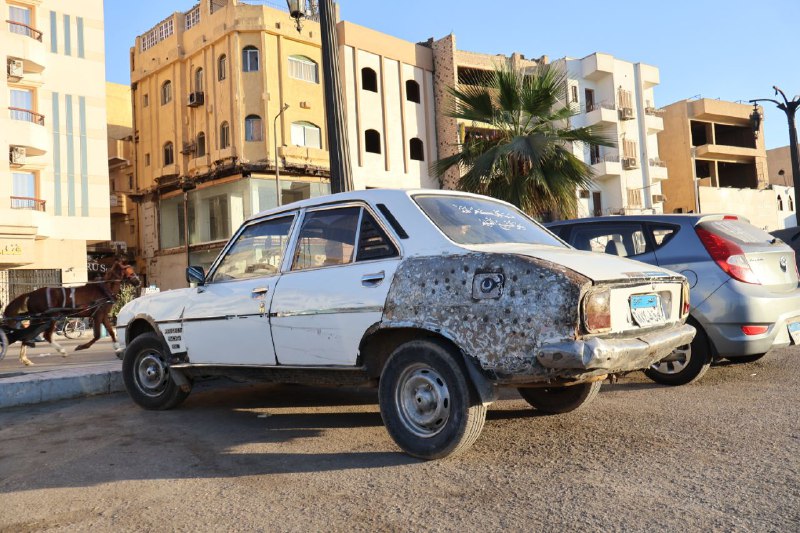
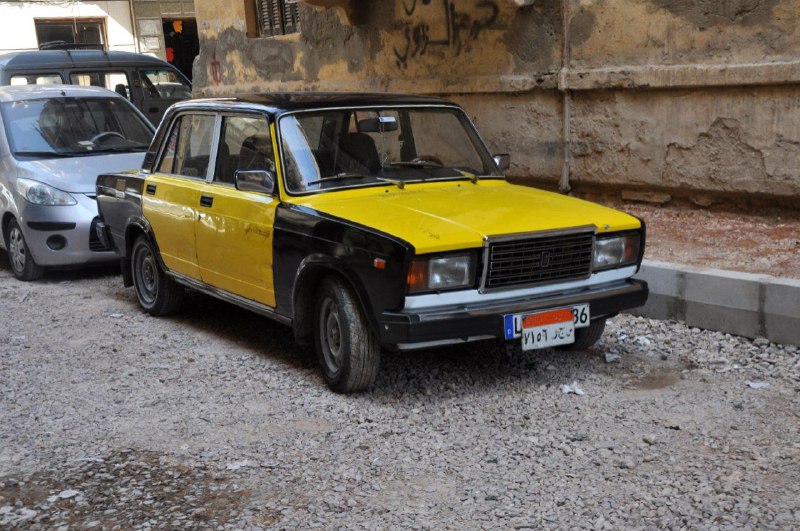
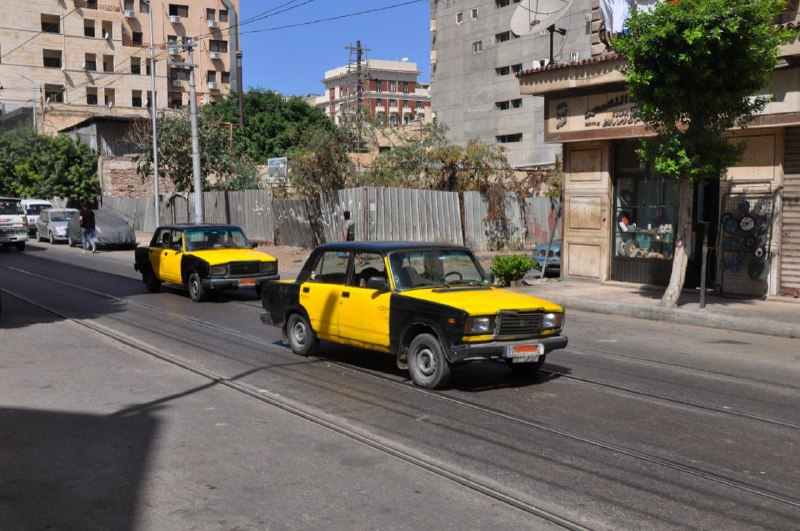
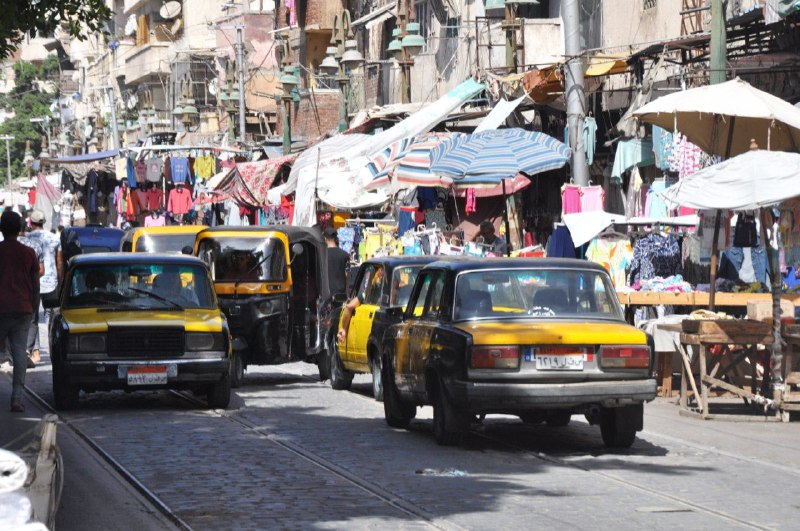
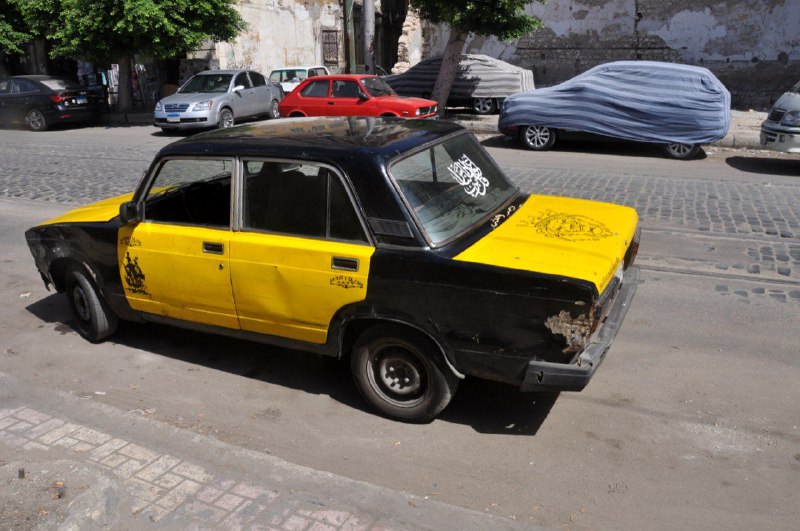
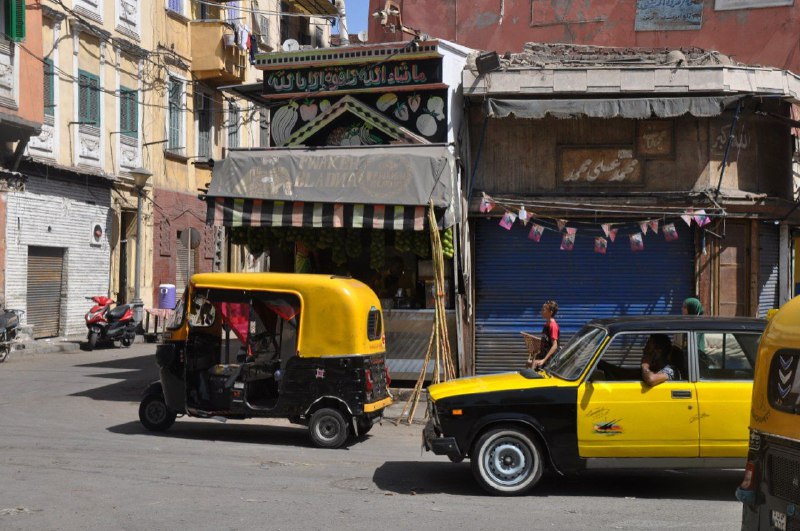
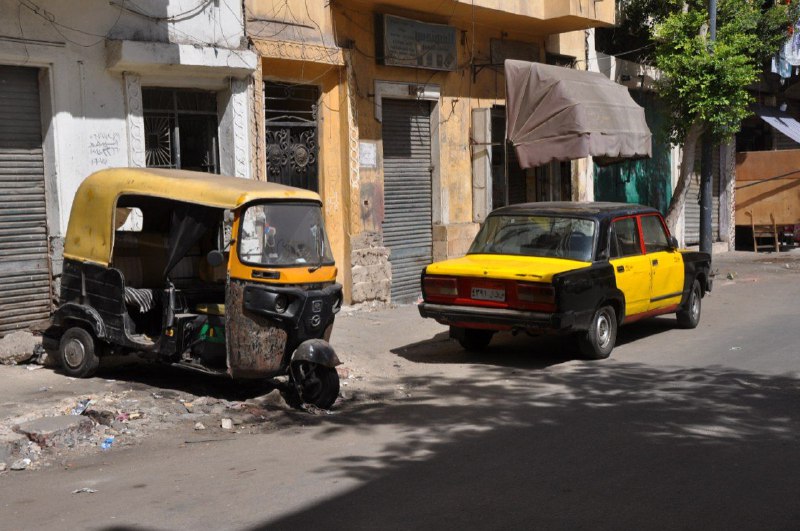
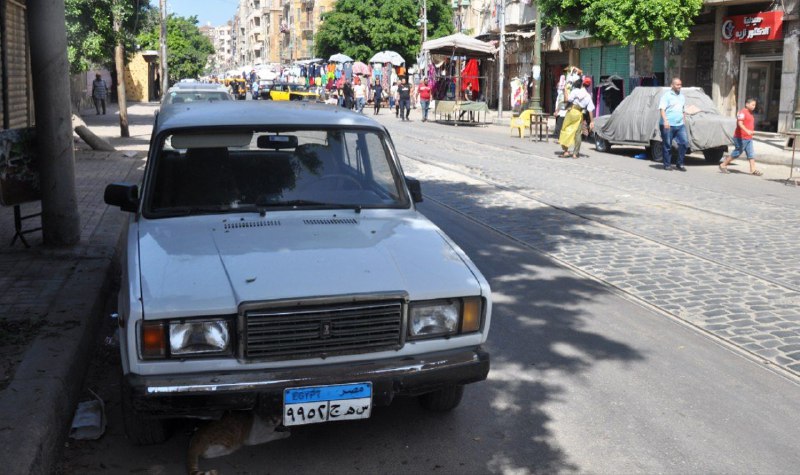
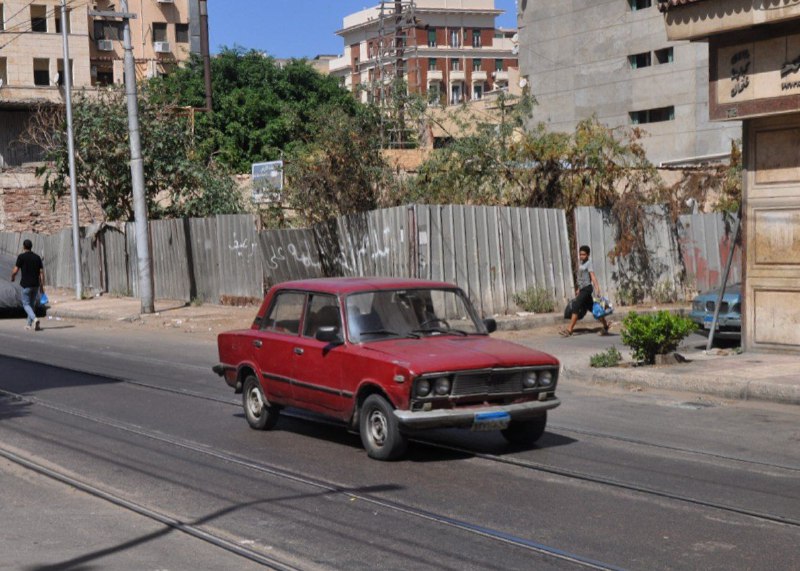
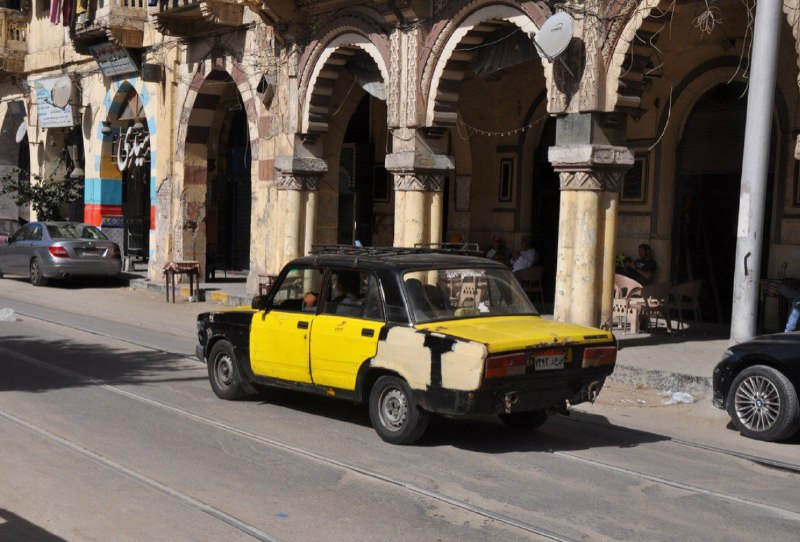
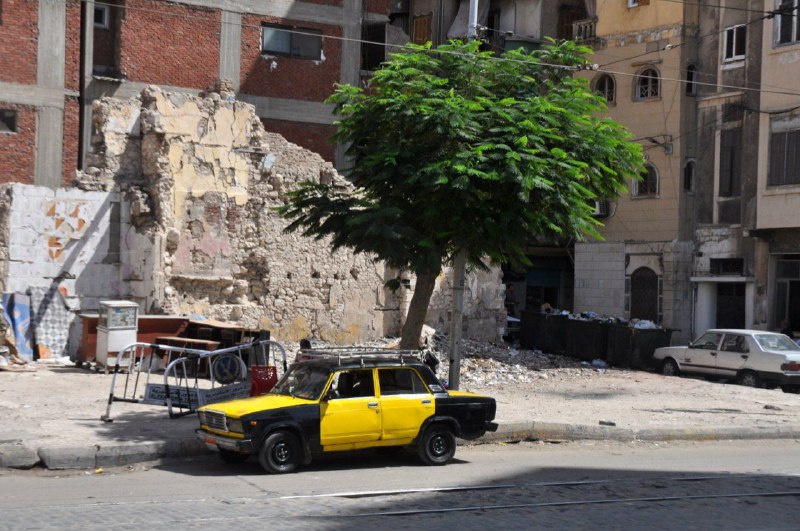
In Alexandria, Egypt, there's basically a nature reserve of Zhigulis. I don't think I've ever seen such a concentration of them in Russia. For locals, it's just a regular foreign car, by the way. And it's actually considered pretty decent. If you ever get a sudden bout of nostalgia, you know where to go.
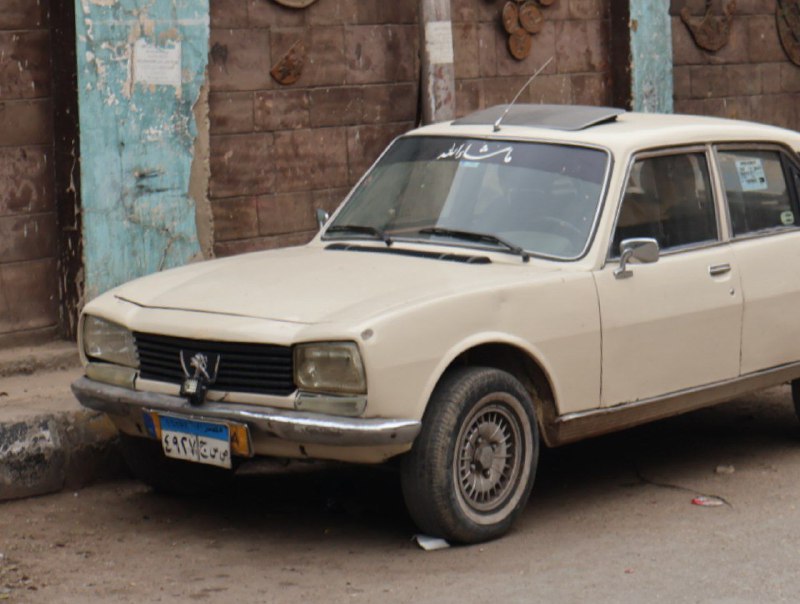
License plates here are completely in Arabic. When you call an Uber, it becomes a hassle. The app shows me the numbers as 7156, but on the car it's written as ٧١٥٦. The first few times I got stuck comparing them. Eventually the process speeds up. Though honestly, it would make more sense to display them the same way. Then you could compare them even if you don't know the digits.
This year I got completely immersed in the Arab world. From Algeria, I went straight to Egypt. It was really interesting to check out the local tech conference. Though there was nothing supernatural about it. But that's not why we're here.
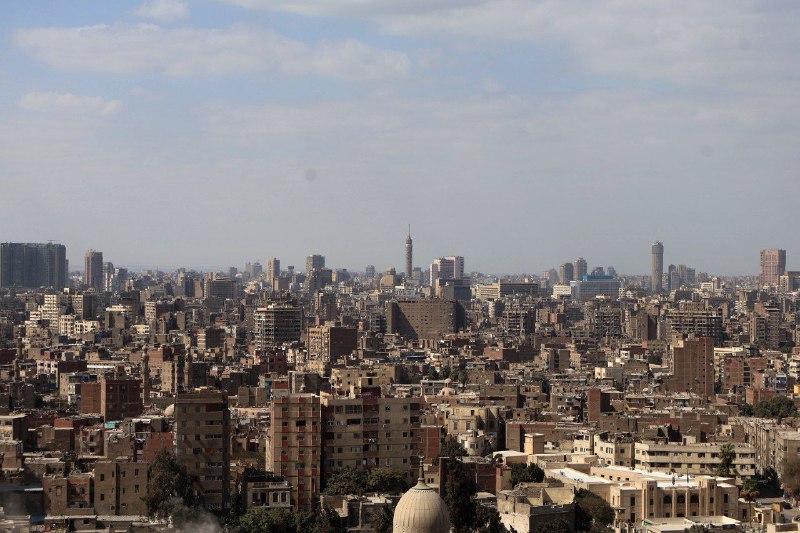
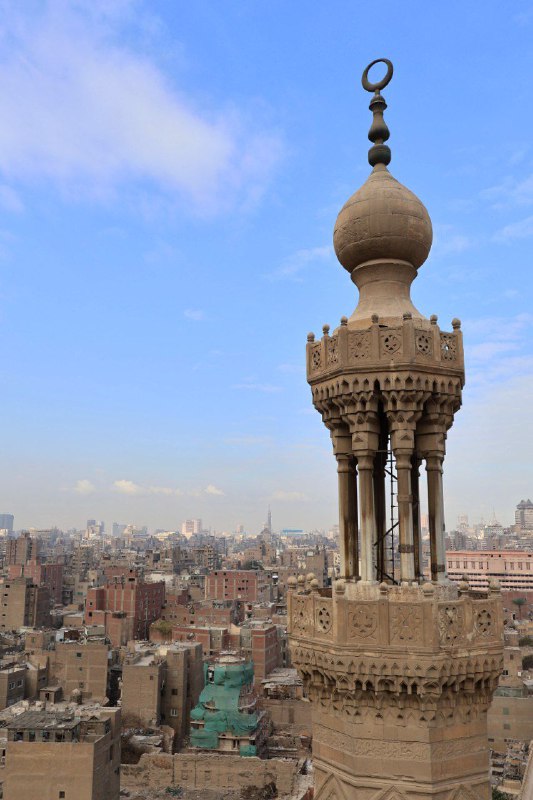
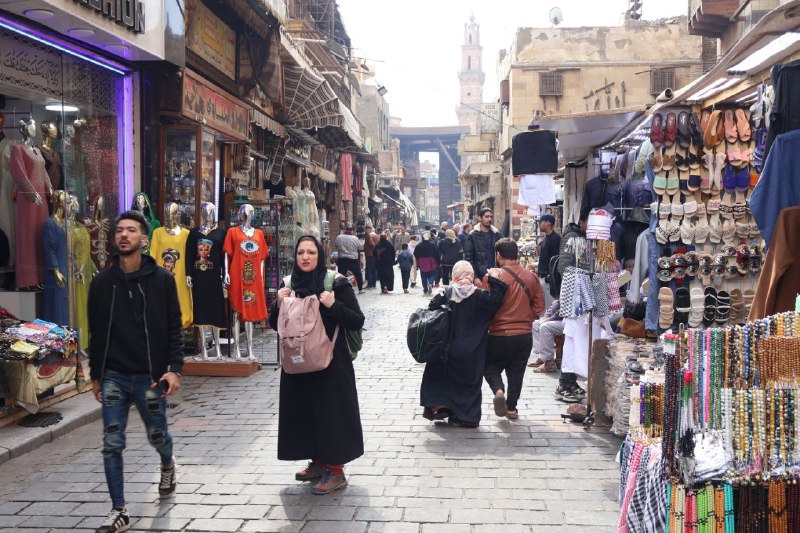
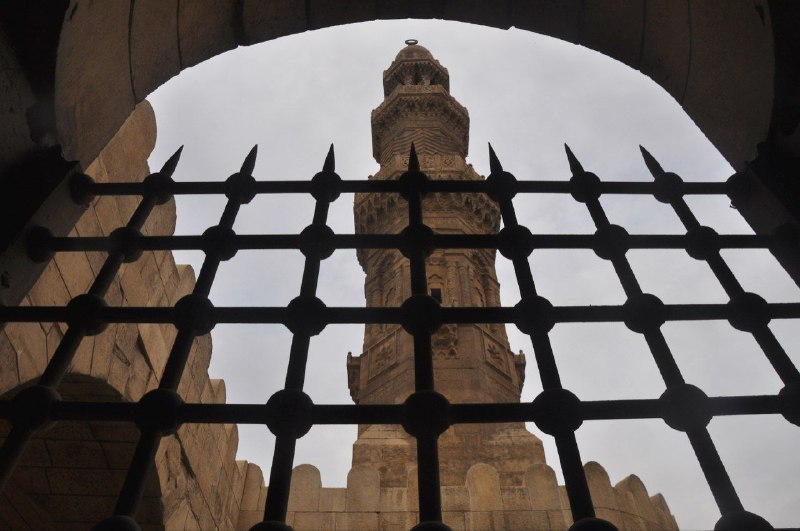
The atmosphere of Cairo struck me. There's something indescribably captivating here that you just can't stop looking at.
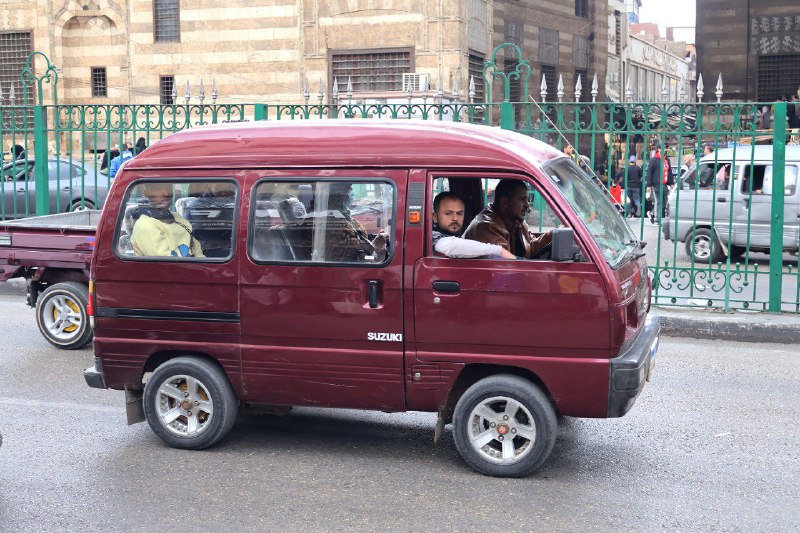
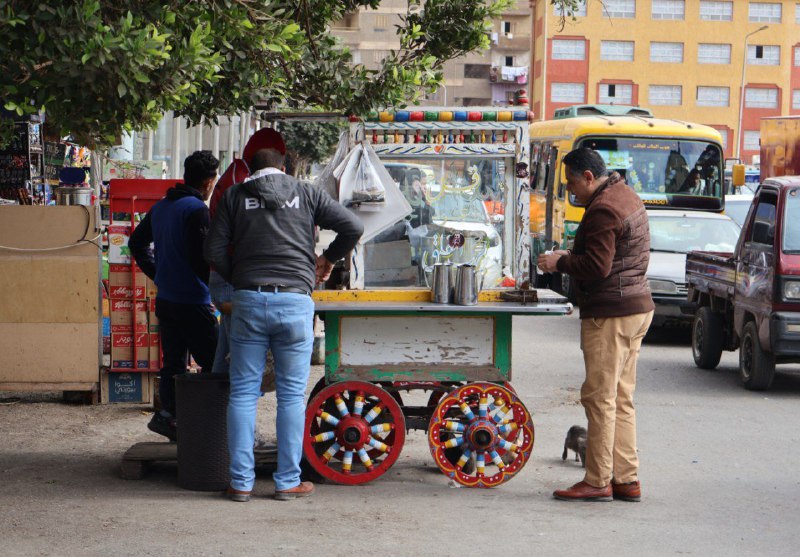
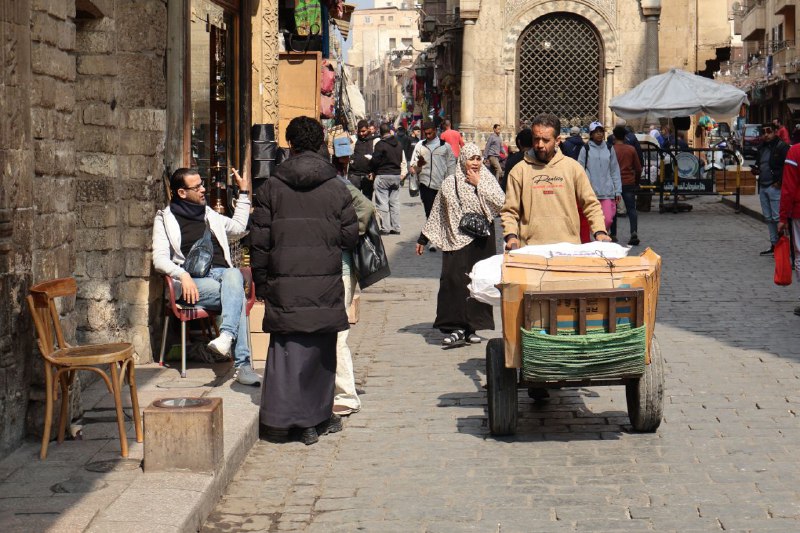
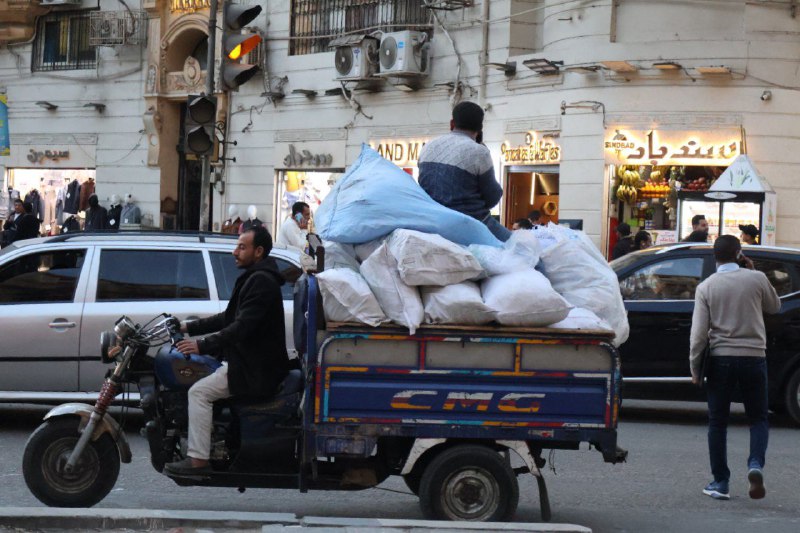
Literally a minute from an ordinary street. But there's chaotic traffic of cars and pedestrians under endless honking, and good old Ladas, and even guys walking hand in hand.
The latter here is considered a sign of close friendship. Though nowadays it's mainly among the older generation. Young people prefer to put an arm around the shoulder and walk that way, so they don't accidentally get mistaken for expressing sexual orientation.

 United Kingdom
 Serbia
 Bosnia and Herzegovina
 Turkey
 United Arab Emirates
 Brunei
 Indonesia
 Malaysia
 Argentina
 USA
USA Morocco
 Georgia
 Egypt
Egypt Hong Kong
 China
China Vietnam
 Tunisia
 Montenegro
 Philippines
 Singapore
 Oman
Oman Algeria
 North Macedonia
 Lebanon
 Israel
 Albania
 Russia
 Tanzania
 Netherlands
 Spain
Spain Latvia
 Germany
 Belgium
 France
 Kazakhstan