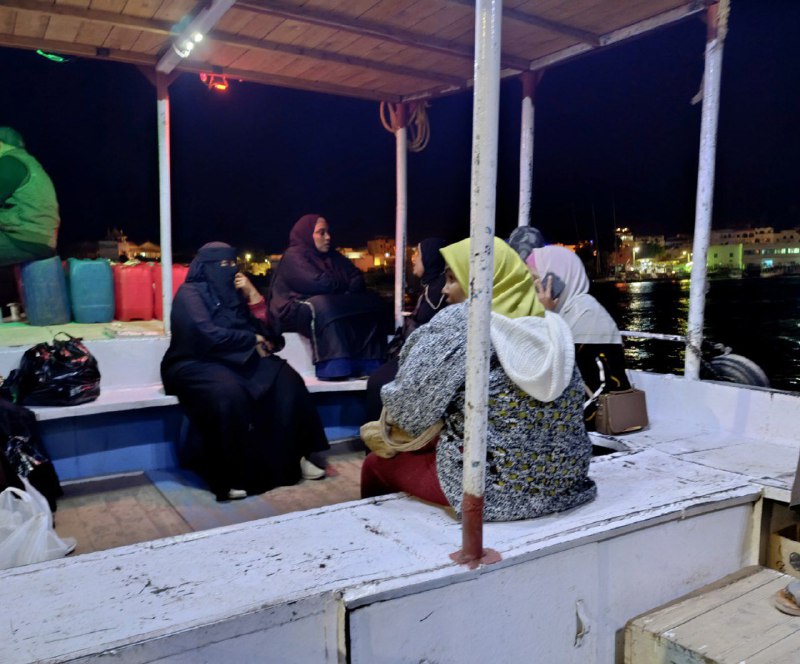
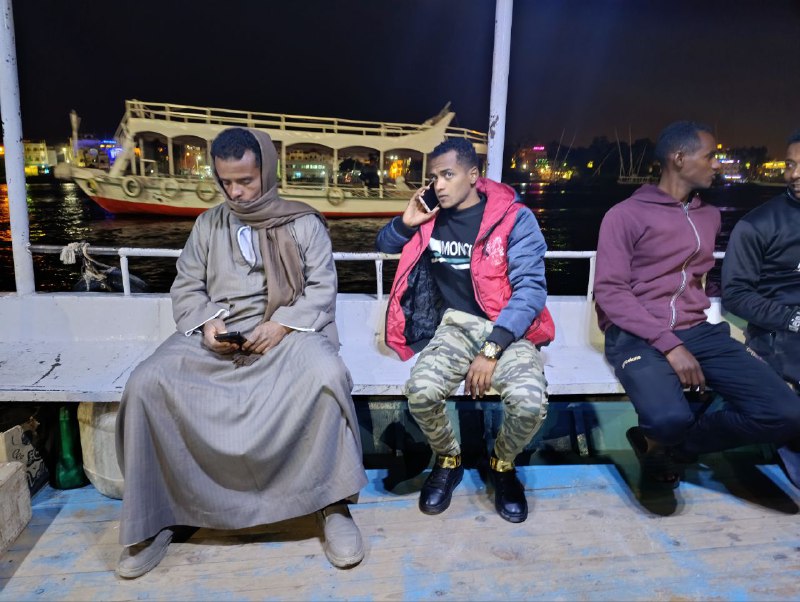
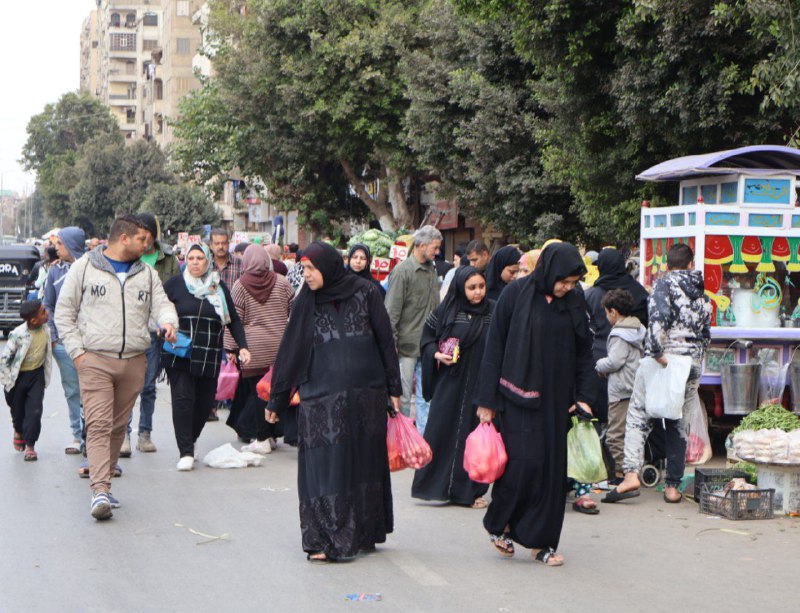
Egypt has strict gender segregation in many places. There are always separate lines for security checks at the airport. Public transport often has segregated zones. When you deal with the service sector, it's rare for a woman to interact with customers. When you walk around the streets and sit in cafés, you often see guys hanging out with a cup of coffee or a hookah. I haven't noticed women doing the same.
That's what tourists see. In everyday life, there are bigger problems. In rural areas, girls are often pulled out of school around 12-14 years old, sometimes even earlier, to minimize interaction with boys, despite separate schooling. Female genital mutilation and honor killings are practiced, and some things are scary even to read about. All of this is changing, but not very quickly. Let's hope the changes will accelerate.
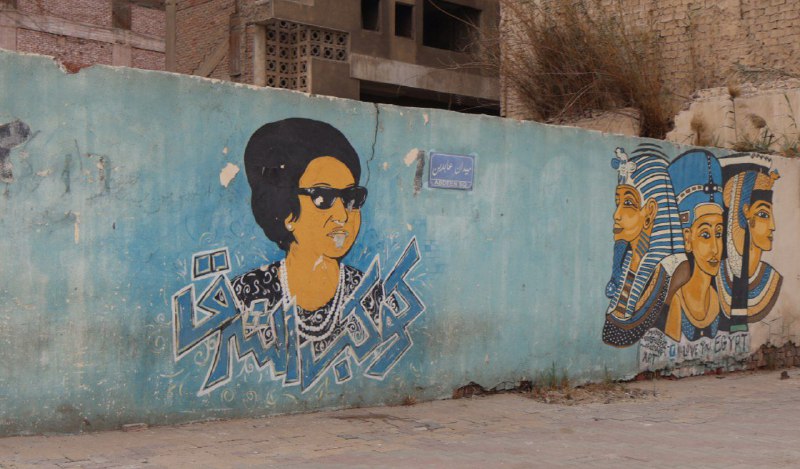
Yet despite such inequality, there are women who are revered. Ask any Egyptian about Umm Kulthum, and even if he doesn't adore her, he'll probably speak about her with great respect. She's called the fourth pyramid of Egypt. Over four million (!) people attended her funeral in 1975. It's the largest gathering of people in the country's entire history. Today, you occasionally see graffiti with the singer on the streets, and in Cairo there's a museum dedicated to her—nothing particularly special, but interesting for immersing yourself in the culture. Next to the museum stands a nilometer, and together they're worth a visit.
Her songs are very specific to our ear, but Arabs love them. You can listen to One Thousand and One Nights yourself.
That's what tourists see. In everyday life, there are bigger problems. In rural areas, girls are often pulled out of school around 12-14 years old, sometimes even earlier, to minimize interaction with boys, despite separate schooling. Female genital mutilation and honor killings are practiced, and some things are scary even to read about. All of this is changing, but not very quickly. Let's hope the changes will accelerate.
Yet despite such inequality, there are women who are revered. Ask any Egyptian about Umm Kulthum, and even if he doesn't adore her, he'll probably speak about her with great respect. She's called the fourth pyramid of Egypt. Over four million (!) people attended her funeral in 1975. It's the largest gathering of people in the country's entire history. Today, you occasionally see graffiti with the singer on the streets, and in Cairo there's a museum dedicated to her—nothing particularly special, but interesting for immersing yourself in the culture. Next to the museum stands a nilometer, and together they're worth a visit.
Her songs are very specific to our ear, but Arabs love them. You can listen to One Thousand and One Nights yourself.
 United Kingdom
 Serbia
 Bosnia and Herzegovina
 Turkey
 United Arab Emirates
 Brunei
 Indonesia
 Malaysia
 Argentina
 USA
USA Morocco
 Georgia
 Egypt
Egypt Hong Kong
 China
China Vietnam
 Tunisia
 Montenegro
 Philippines
 Singapore
 Oman
Oman Algeria
 North Macedonia
 Lebanon
 Israel
 Albania
 Russia
 Tanzania
 Netherlands
 Spain
Spain Latvia
 Germany
 Belgium
 France
 Kazakhstan