Telegram mirror

Telegram is a messenger where I post short travel notes. This page is a self-hosted backup of that channel.

Filtering: Malaysia ×Clear all
Finally, a few leftover pictures from Malaysia and we can close the book on this topic.

The country turned out to be much more developed and way less budget-friendly than I expected. And they could definitely work on their food :)
Media not archived (photo) — view on Telegram
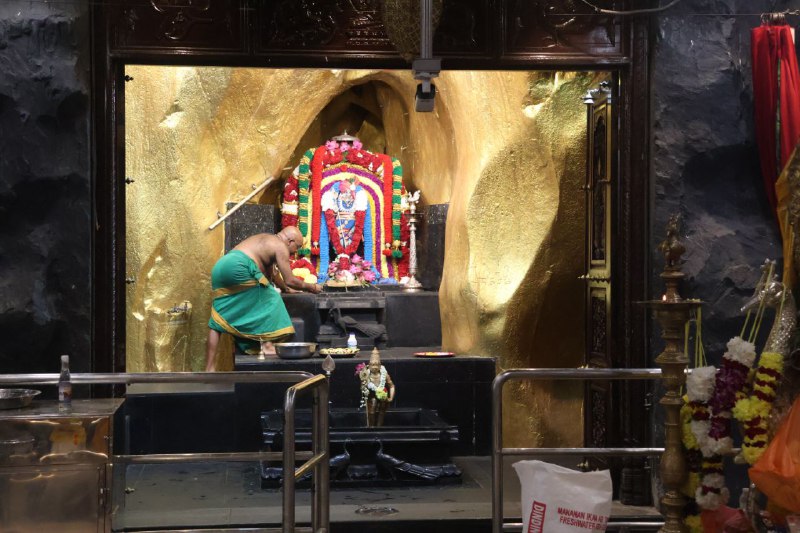
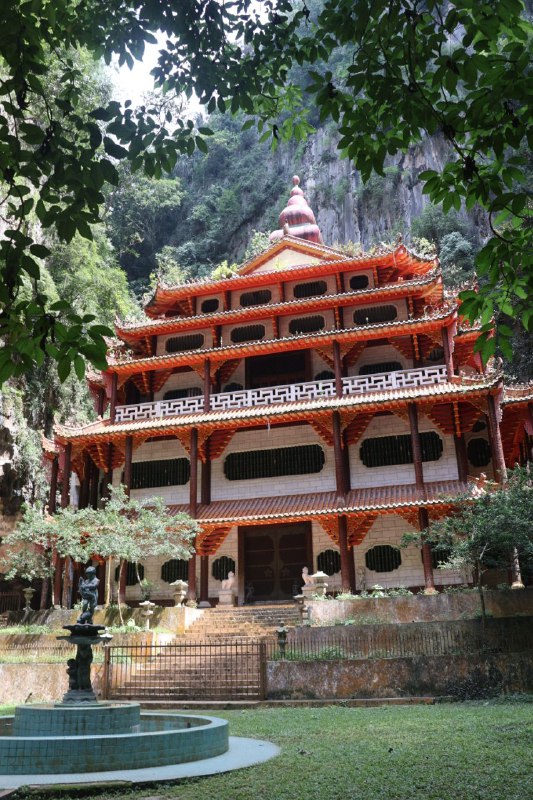
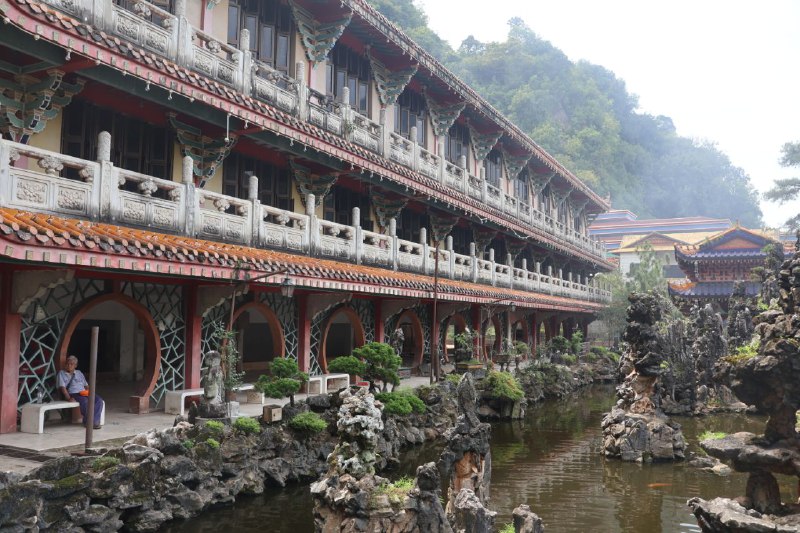
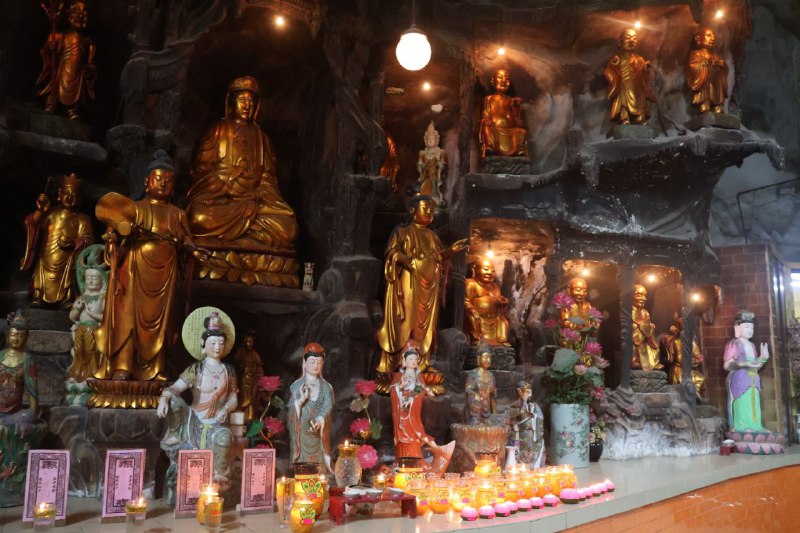
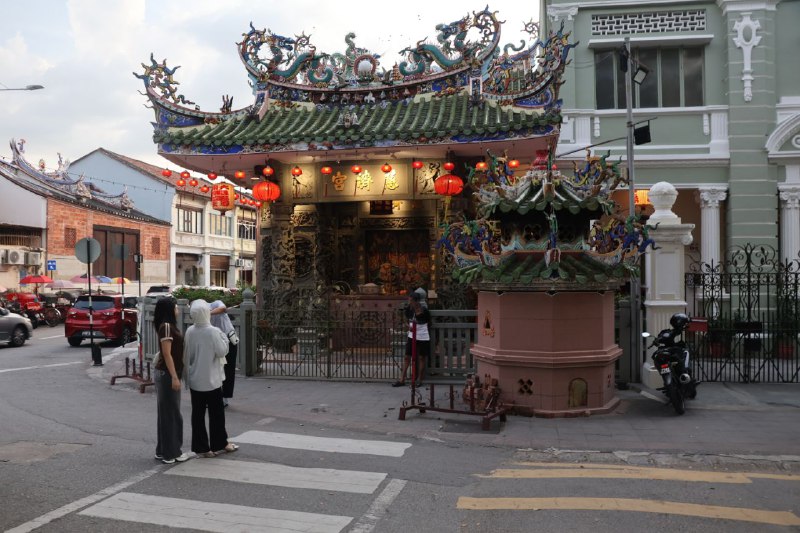
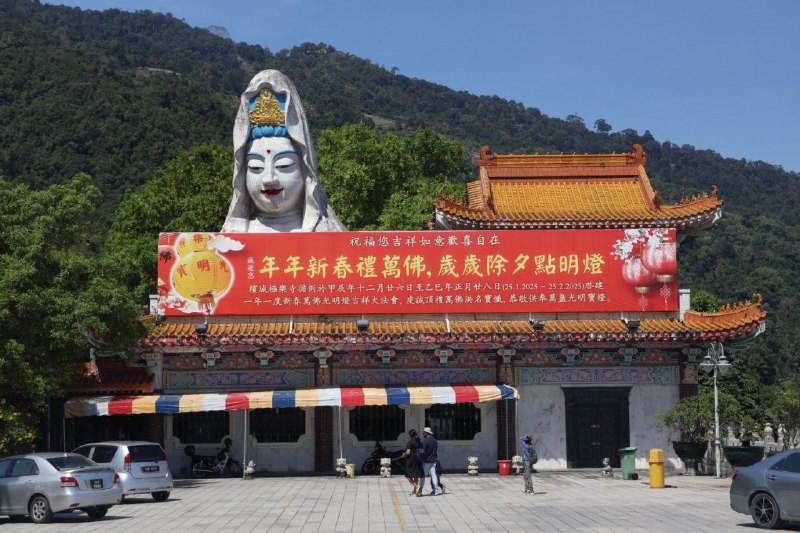
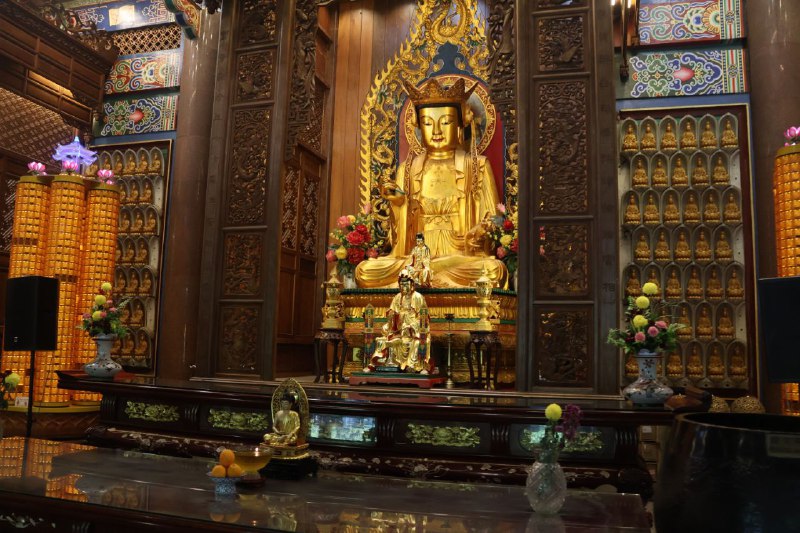
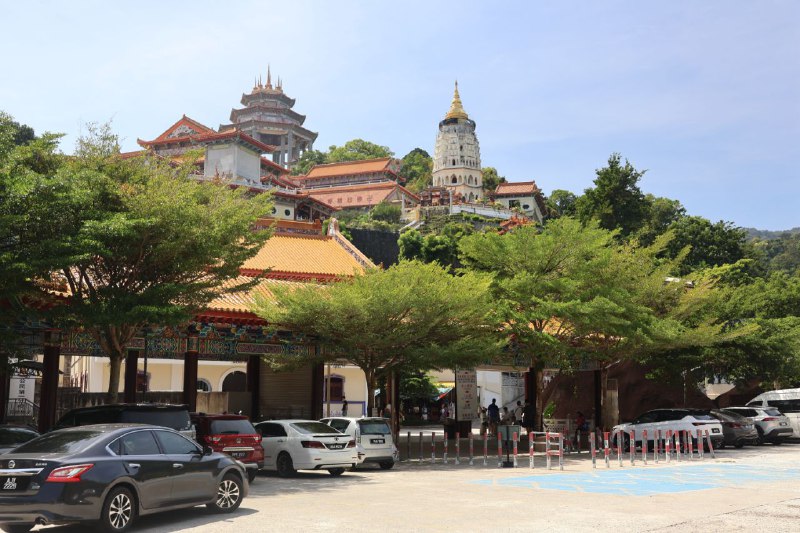
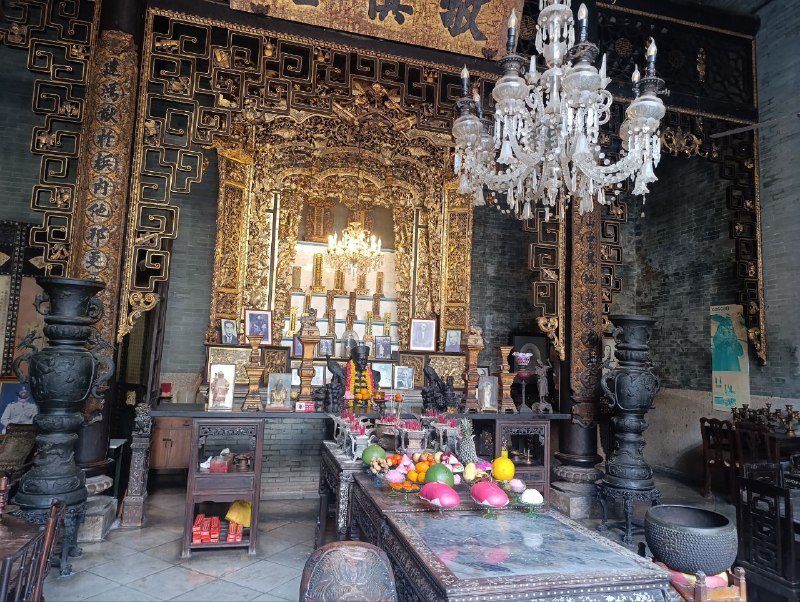
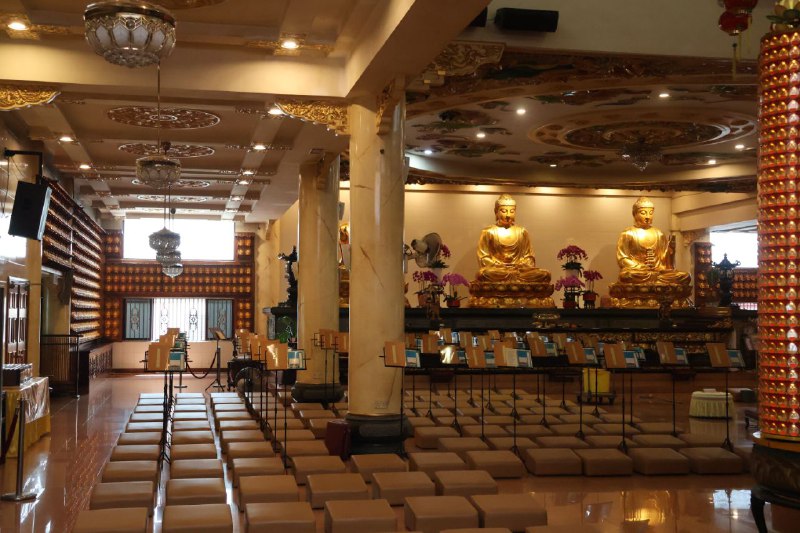
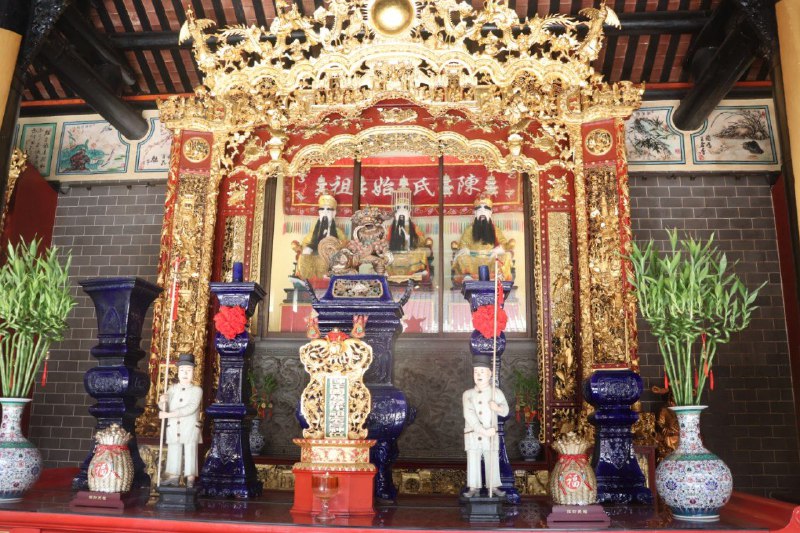
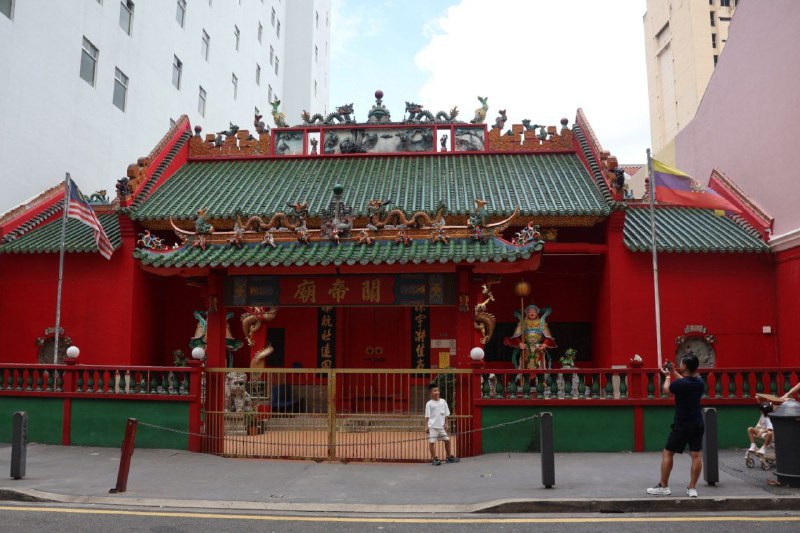
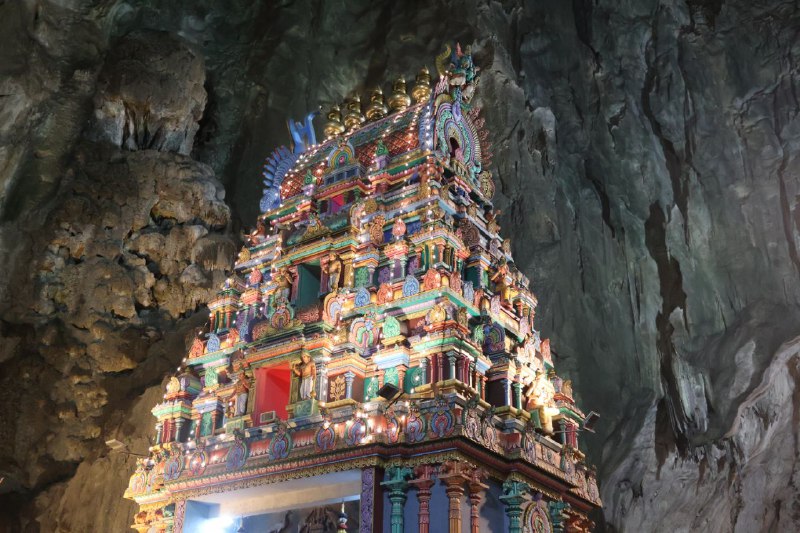
Ipoh has tons of cave temples. The city is literally dotted with them. They're not that old—averaging around 100-150 years—but this one is especially stunning.

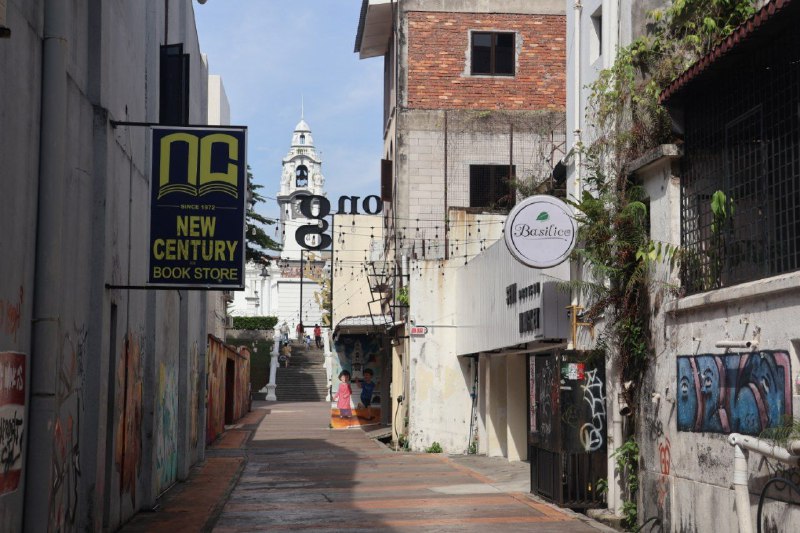
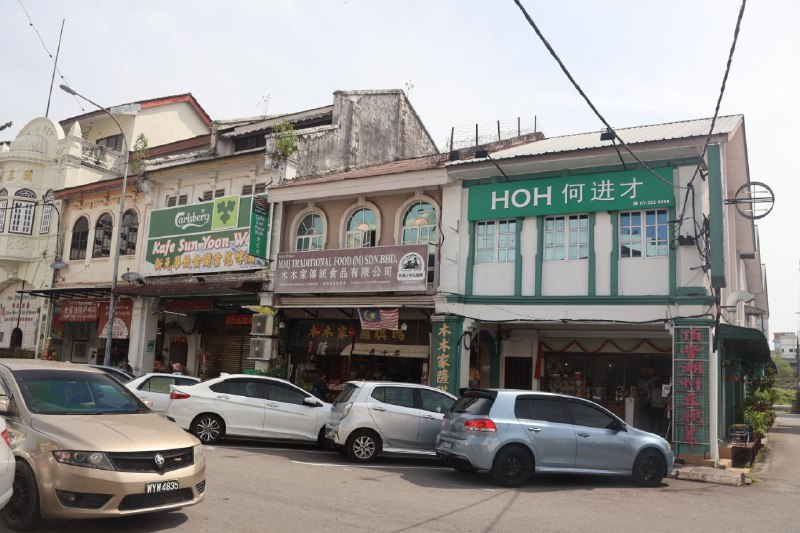
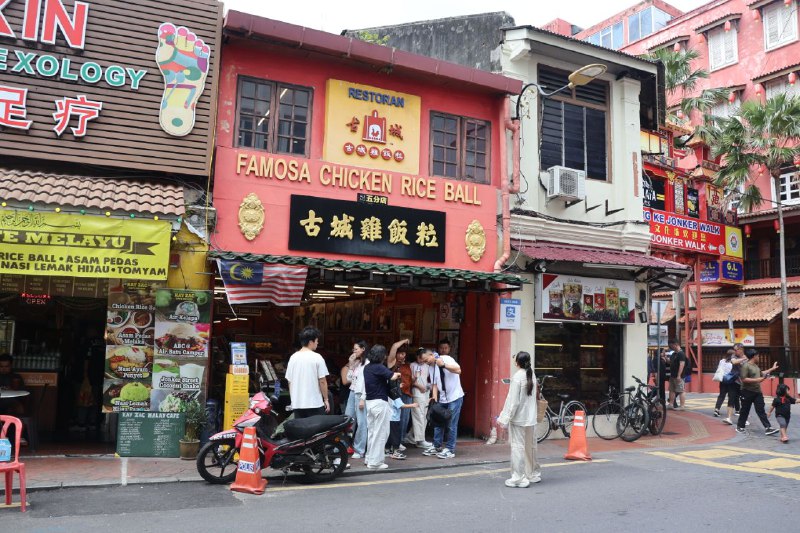
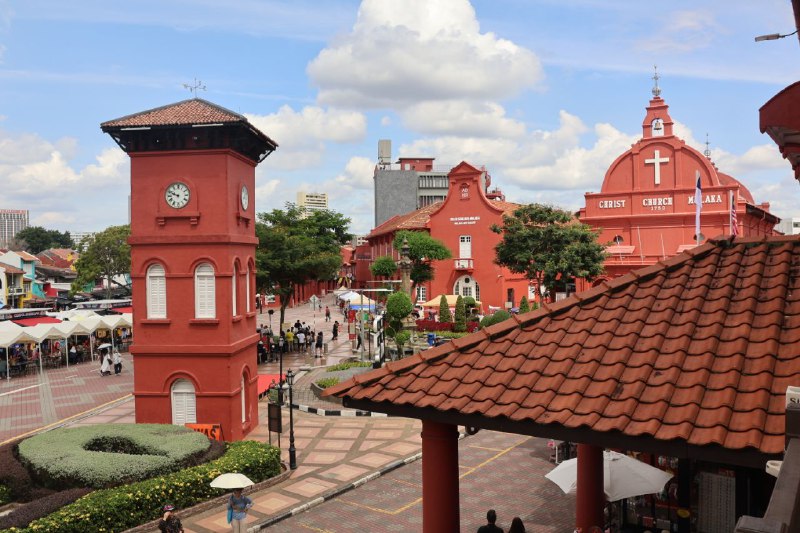
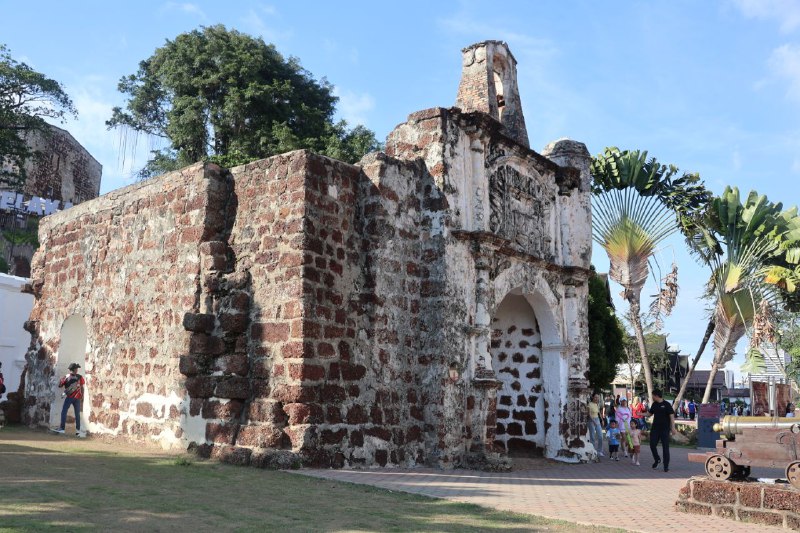
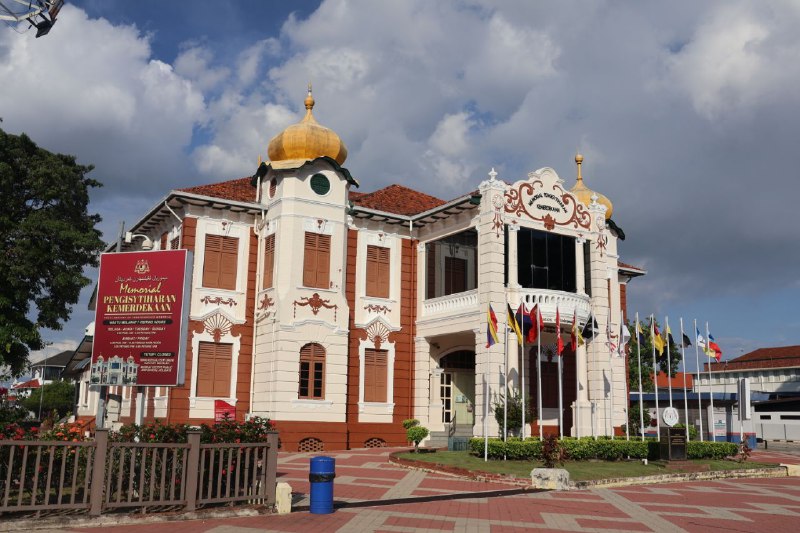
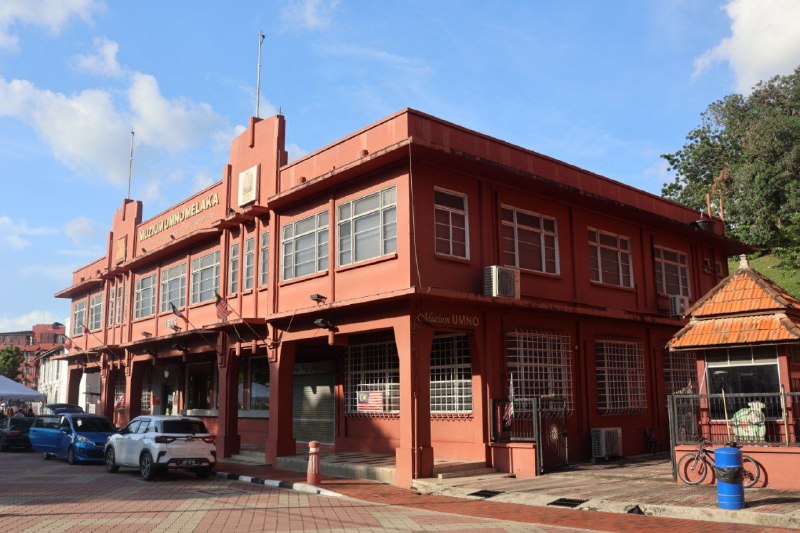
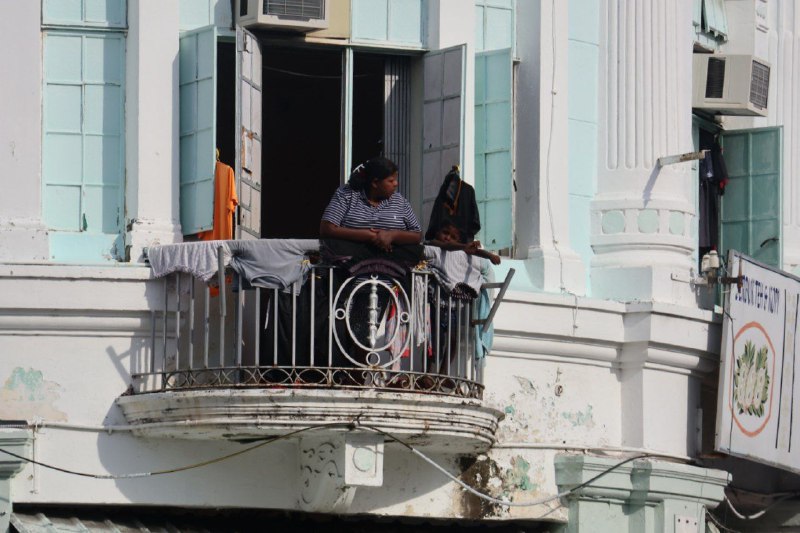
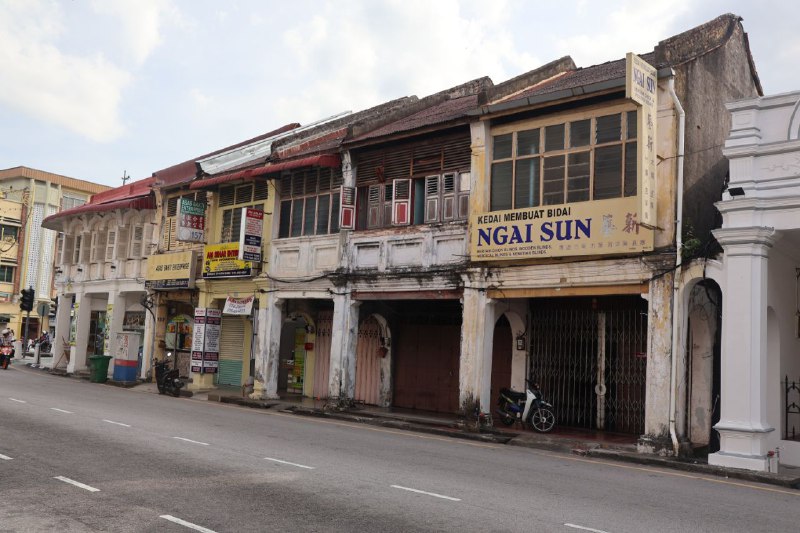
Beyond that, Ipoh does a great job preserving examples of British colonial architecture. Its southern neighbor Melaka (the last 5 photos in this post) showcases Portuguese heritage alongside British influences. It's really beautiful.
Near the Malaysian city of Ipoh, you'll find some of the world's richest tin deposits. So it's no surprise that big-money tycoons rose to prominence in the local mines. One of them, Yau Tet Shin, rebuilt a significant portion of the city after a major fire in 1892. And here's the interesting part—he gifted three streets to his three wives, complete with the right to collect rent.

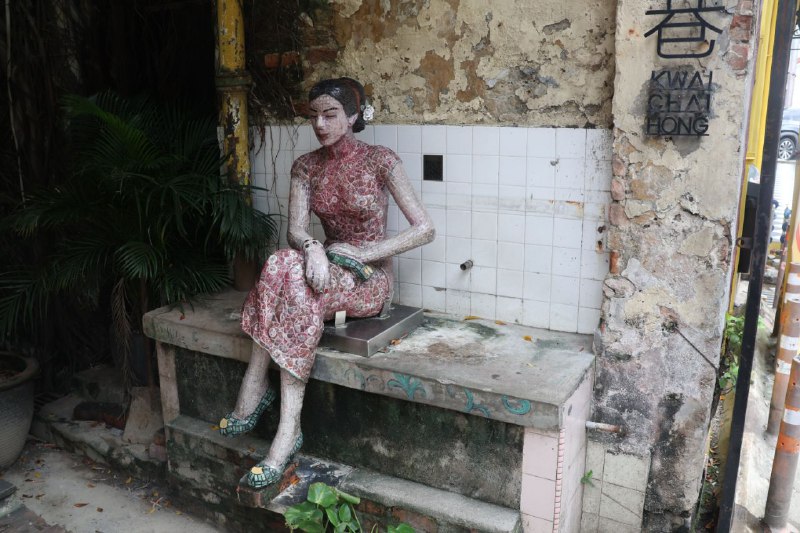
The second wife's street became the most famous. Wealthy Chinese, and according to rumors, British officials too, would set up their mistresses there. Nearby, brothels, opium dens, and gambling establishments popped up. But many women didn't end up there by choice—some were victims of human trafficking, while others simply saw no other way out of poverty.

Right outside the city, along the Kinta River and around the mines, thousands of women did grueling manual labor: hand-washing ore to search for tin that had been missed at the mines. Locals called this work dulang washing. In the early 20th century, colonial authorities issued up to 8,000 licenses—you couldn't work without one. By various estimates, this method accounted for up to 2% of the country's total tin production. Among the workers, you'd occasionally find women who had taken vows of celibacy. The most famous such movement in the region was the Samsui women, though they lived mainly in Singapore and were almost absent here.

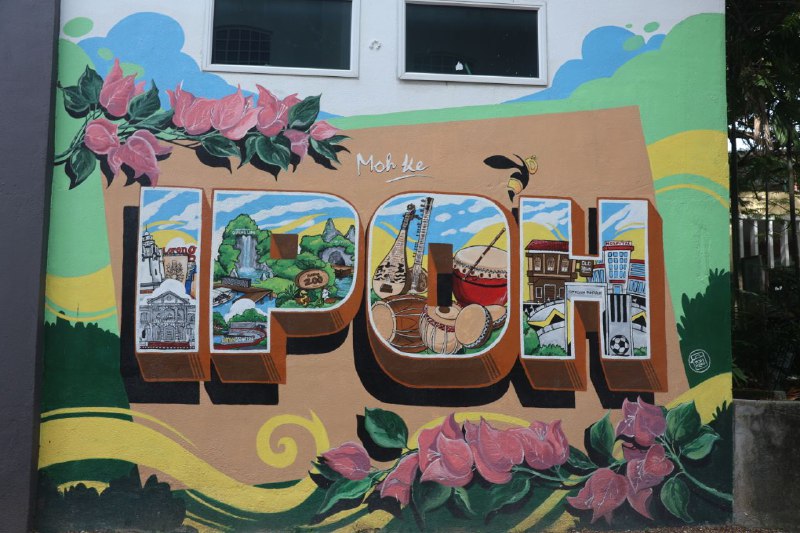
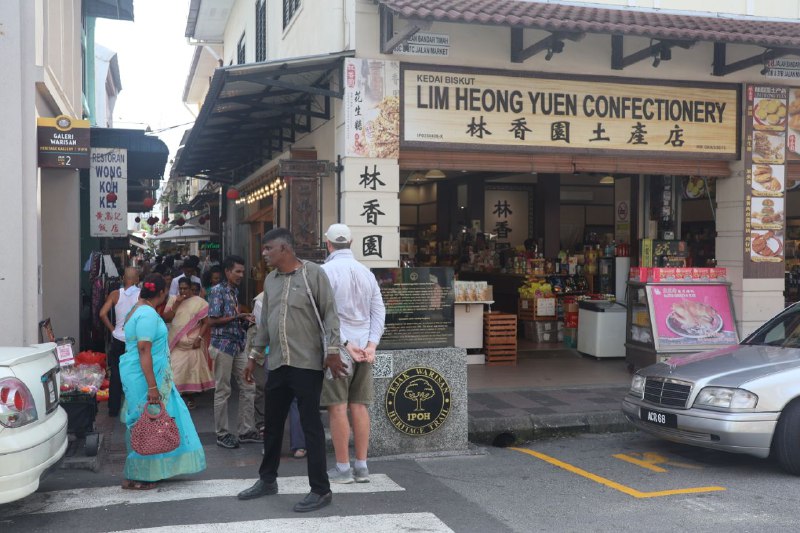
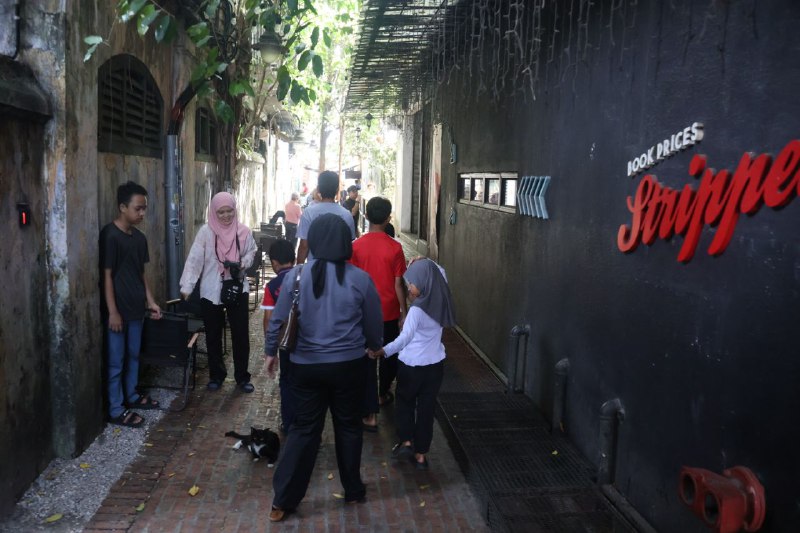
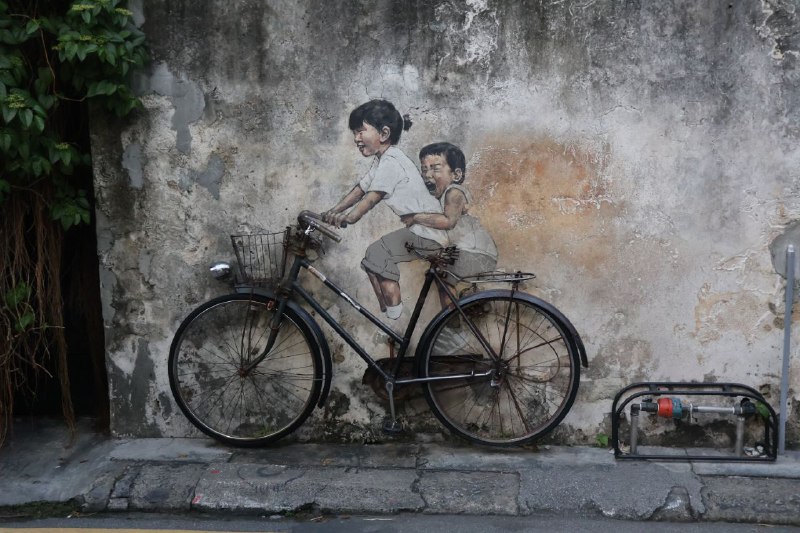
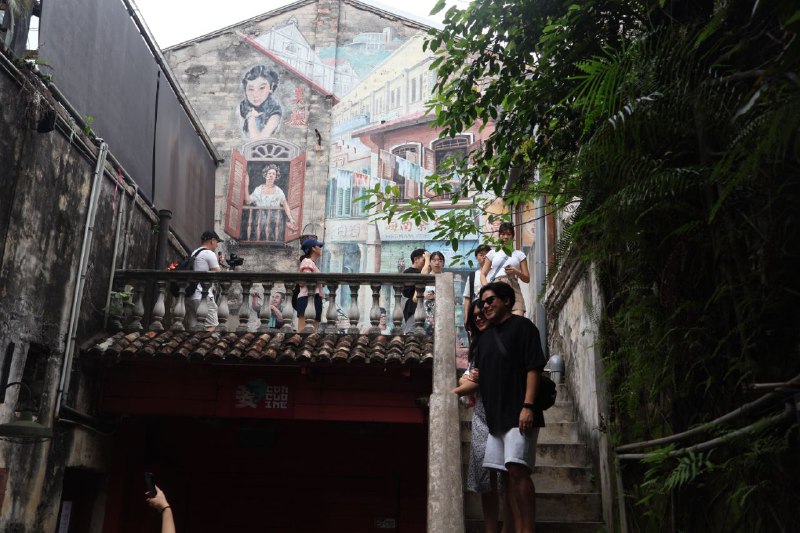
Today, that street has no brothels or mistresses left. It's just become a popular tourist spot: souvenirs, cafés, murals. Yau Tet Shin's name is still visible on streets and markets around the city. As for the dulang washers, they remain in postcards from the 1970s and a few museum exhibits. They're not entirely forgotten, but people talk about them much less often.
One last thing about Penang. In the 19th century, an entire ethnic group emerged here, which a little over a hundred years later quietly dissolved into the local population.

At the end of the 18th century, when Penang was just being built, a large wave of immigrants flooded in. Especially many workers came from South India. Mostly men. It's no surprise that marriages between South Indians and local Malay women became a common occurrence. Plus, both groups were Muslim. A bit later, Arabs mixed in as well.

Children from such marriages came to be called Jawi Peranakan and were considered a separate people. Over time, they became quite wealthy folks. Many worked as officials under the British, some were involved in renting out properties. However, the Great Depression hit hard, many businesses closed down, and the Jawi Peranakan ended up being too dependent on work in the British administration.

With the British departure, all power went to the Malays, and non-Malays started facing discrimination. So over time, the Jawi Peranakan began to identify themselves as Malays, especially since their cultures were very similar. And that's how they live now.
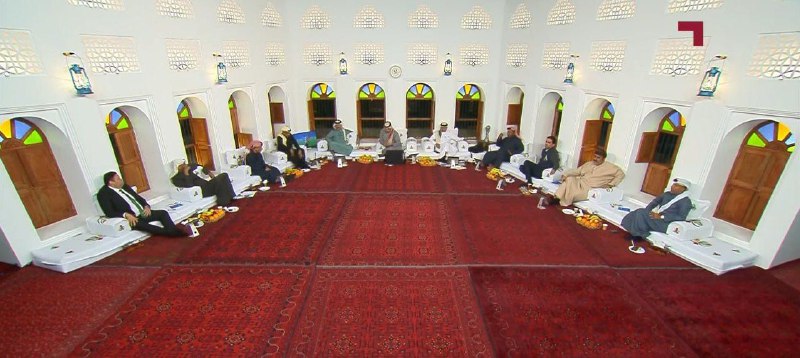
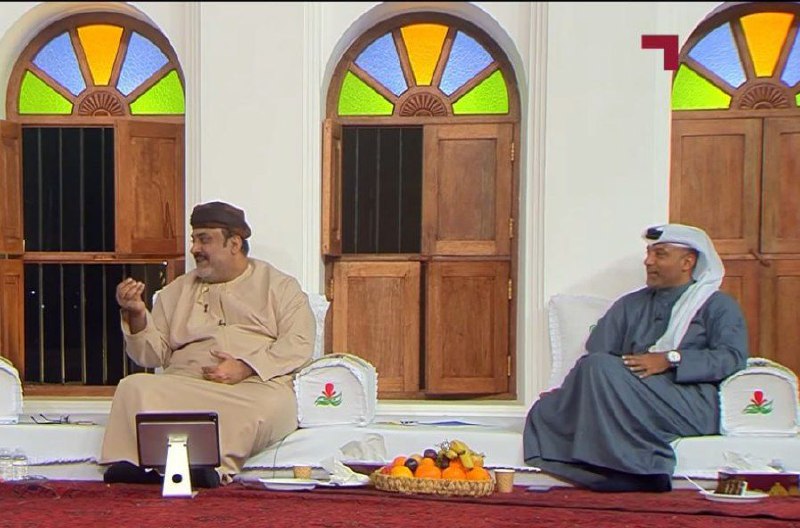
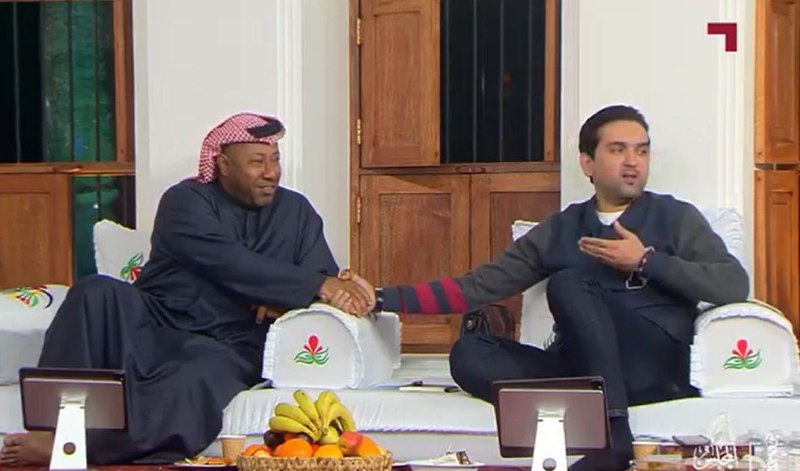
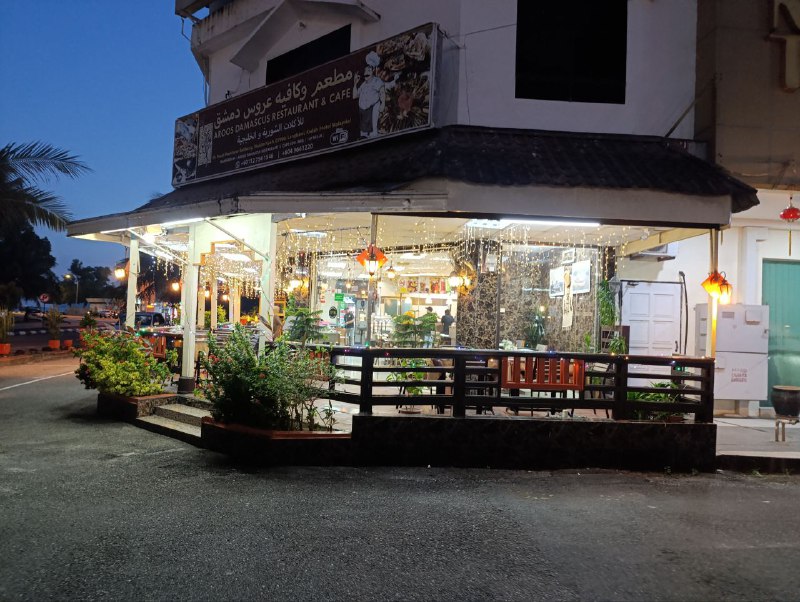
At one of the Arab restaurants in Kuala Lumpur, they were broadcasting a show from a Qatari TV channel. The guests were sitting majlis-style on the floor, which caught my attention. I listened in and it turned out that all these people had gathered to discuss and comment on (try to guess) a football match!

PS. To avoid attaching a pretty low-quality photo of the TV on the wall to the post, I googled that same broadcast from late 2024. I would never have guessed what was happening there. Here's the full video.
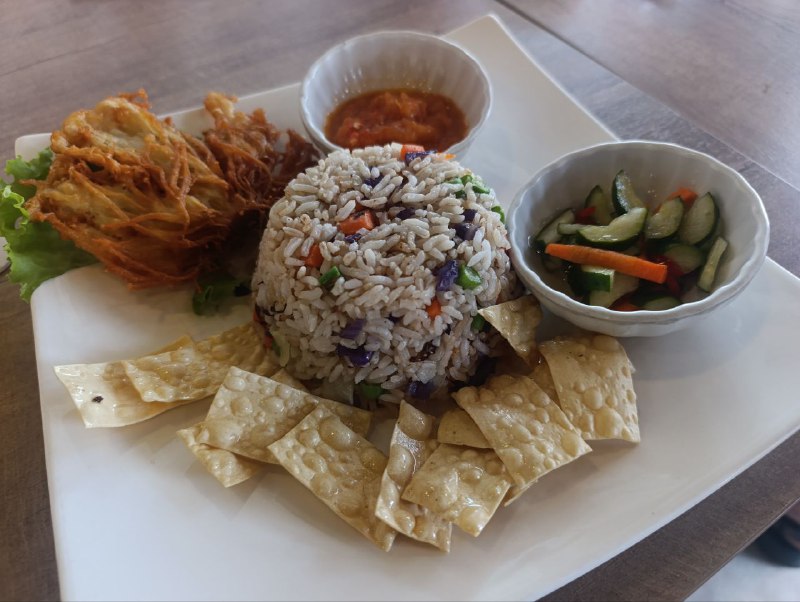
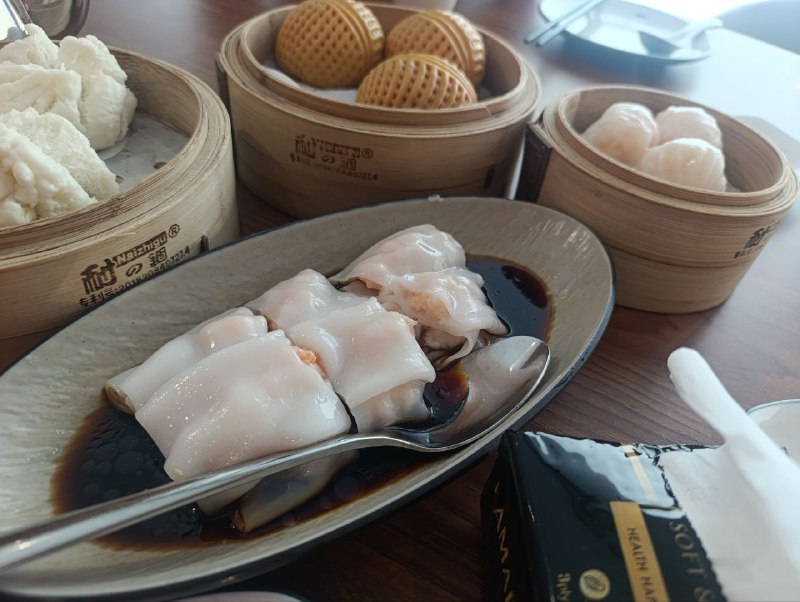
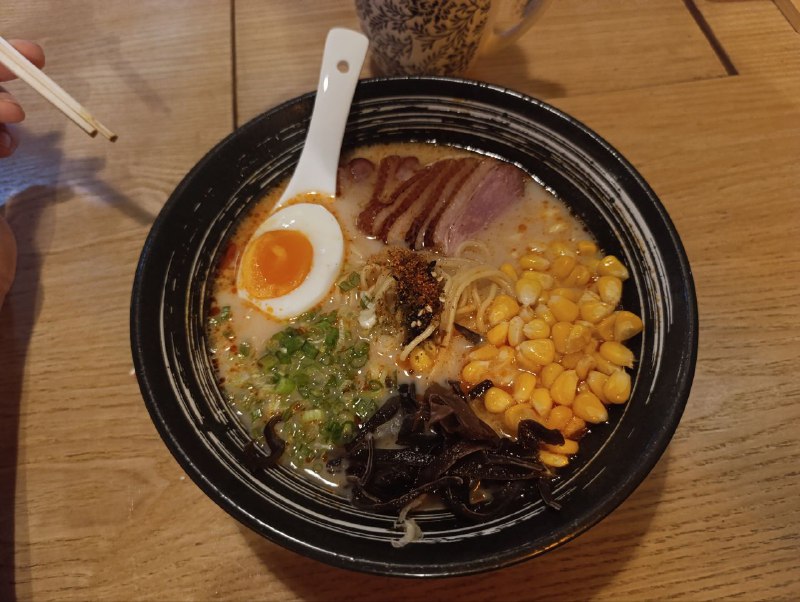
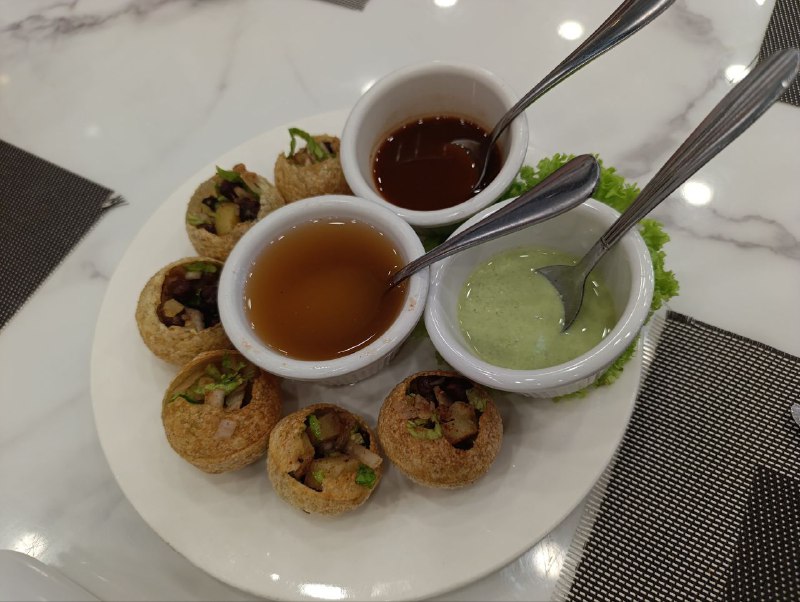
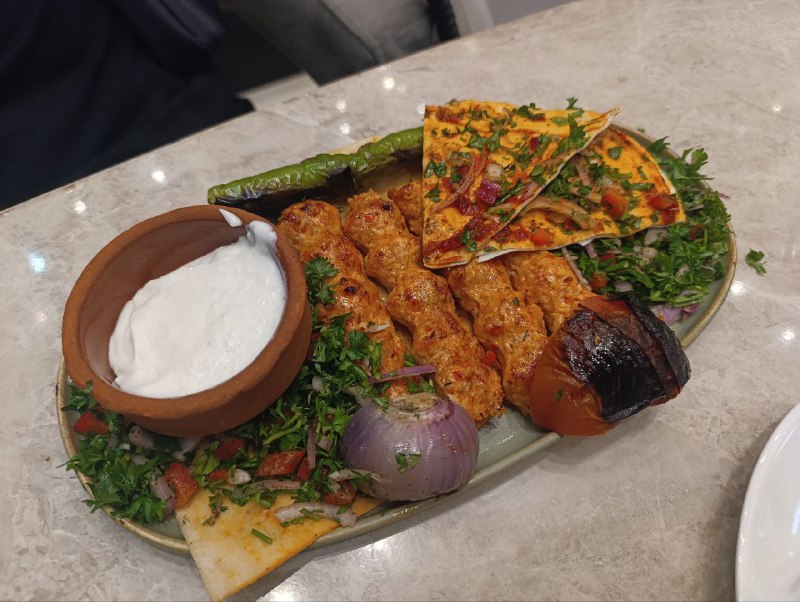
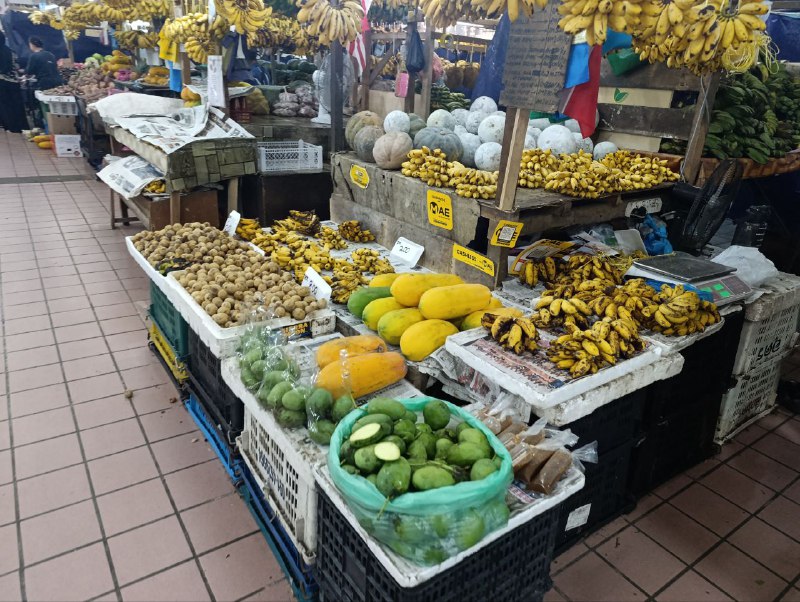
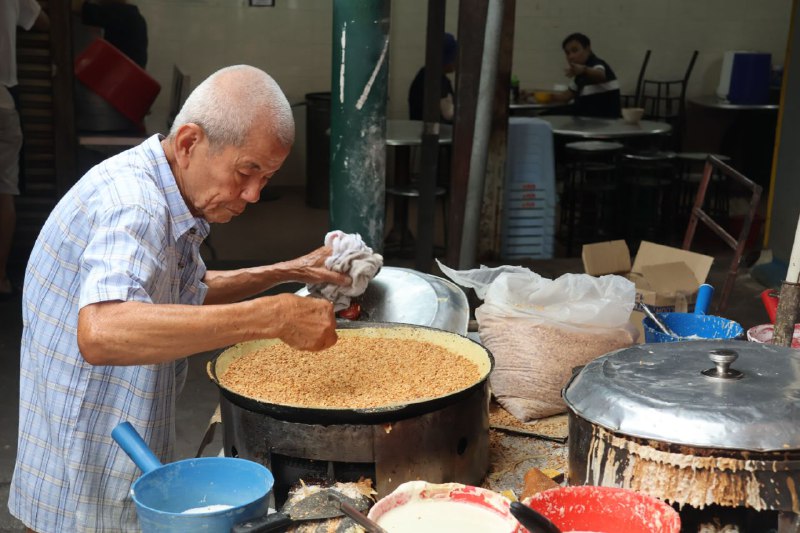
Since I've already started talking about the culinary capital, let me tell you about Malaysian food in general. The cuisine here really depends on the region. Penang is very different from Kota Kinabalu. But I can't say I was super impressed overall. There are so many variations of fried rice and similar dishes everywhere. It's tasty sometimes, but not every single day.

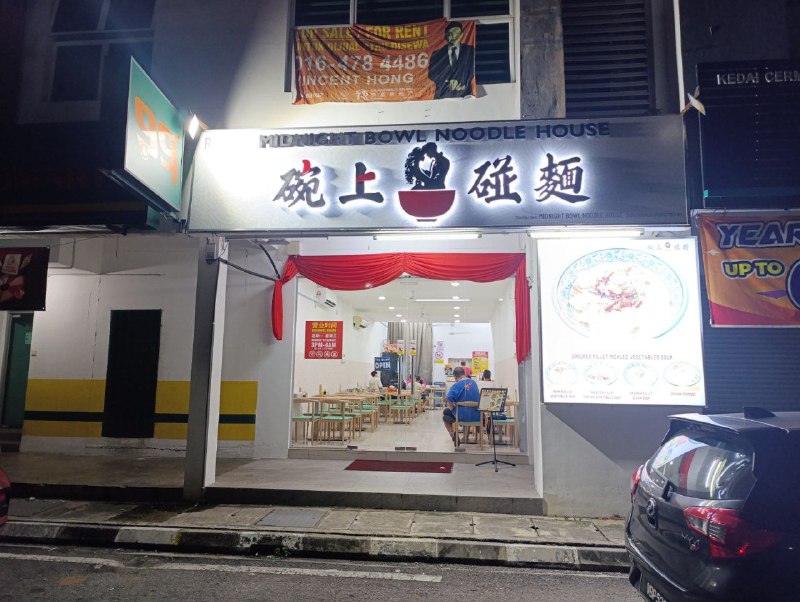
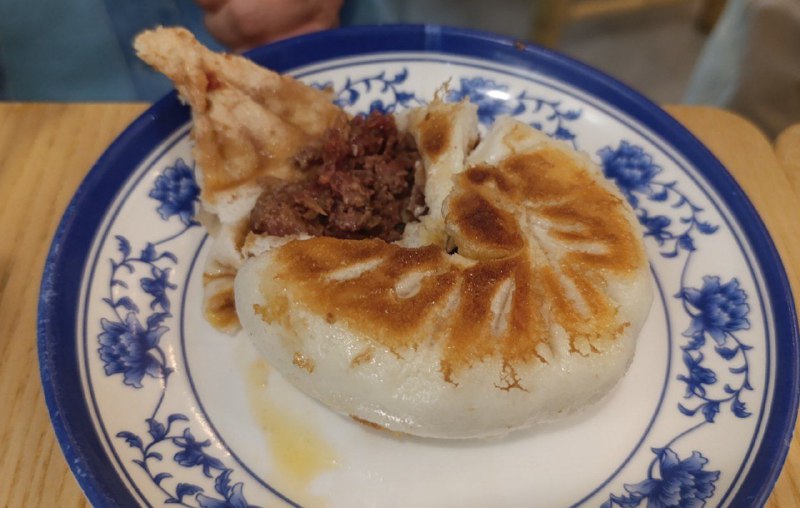
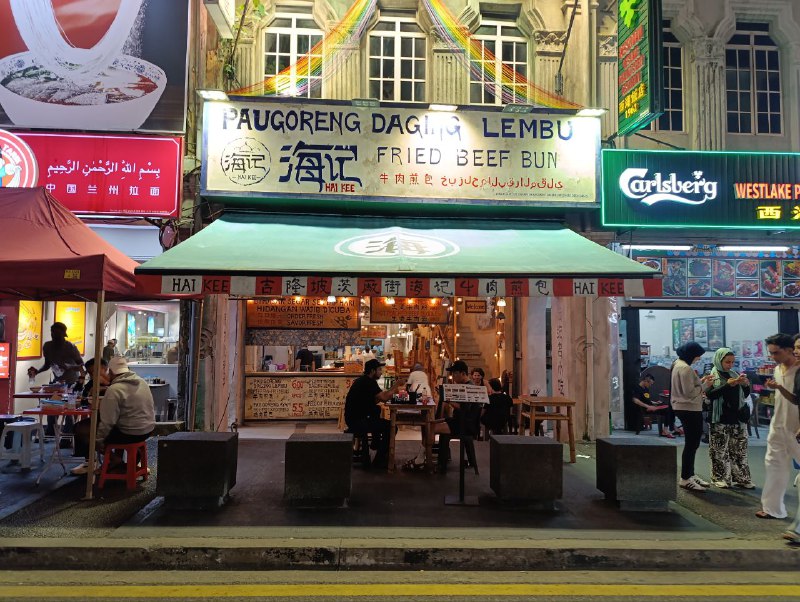
Chinese and Arabic restaurants really save the day. You can find some good stuff there. The dim sum at this place and that place were absolutely divine. And at one spot they even had something very similar to peremyach. Though there was way too much oil in it.

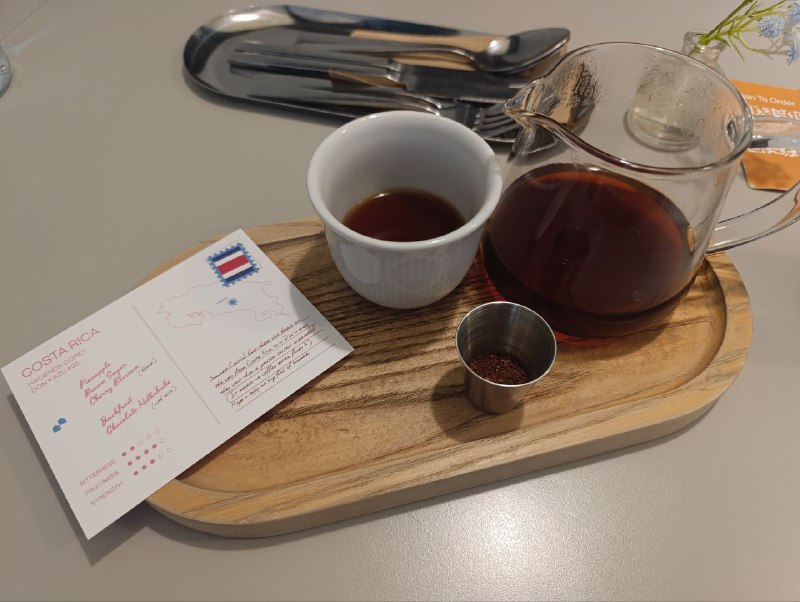
On the bright side, the coffee is pretty solid. At a café in the Chinese quarter, the espresso was just perfect. And here is good too. At Arabic places, you can find some really solid Turkish coffee.

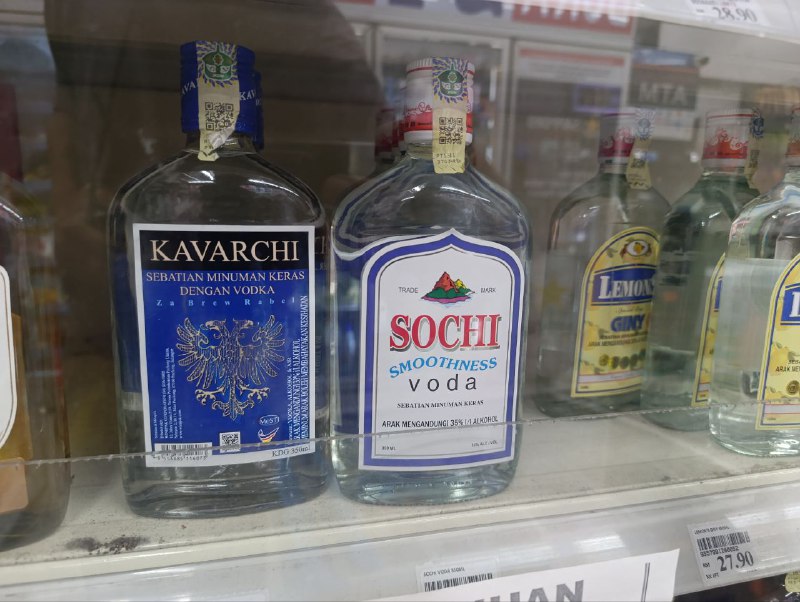
What really made me laugh was how shops sell "water" (that's literally what they write) with Russian and Georgian names: Sochi, Moskovi, and other Kavarchi. 30-40 proof stuff.

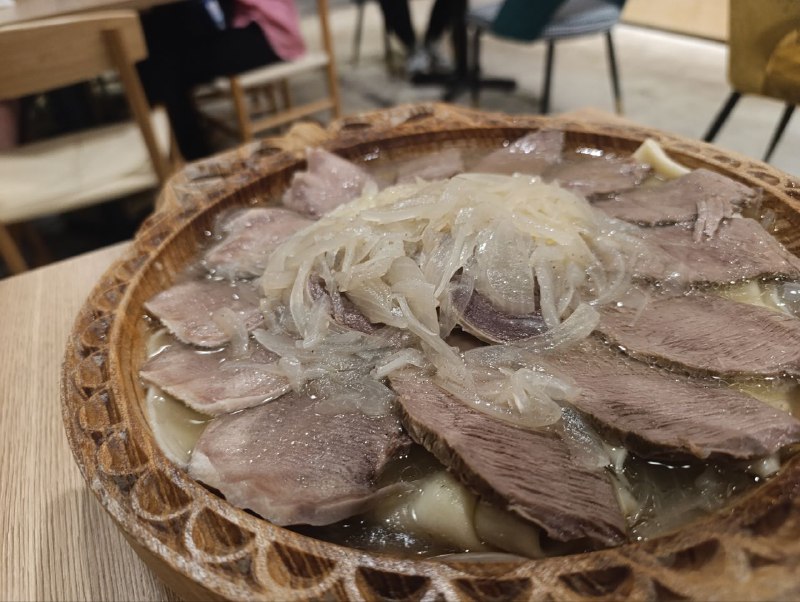
I stumbled upon a Kazakh restaurant somewhere in the back alleys of KL. The beshbarmak was absolutely incredible. Felt like I'd just come back from Kazakhstan. By the way, it's not far from Central Asian countries from here. I regularly saw ads for tours to Tashkent (which was unexpected).
Penang Island, just a short distance from Langkawi, left me with the complete opposite impression. It's the culinary capital of the country, and overall much more pleasant. And there was significantly more happening here.

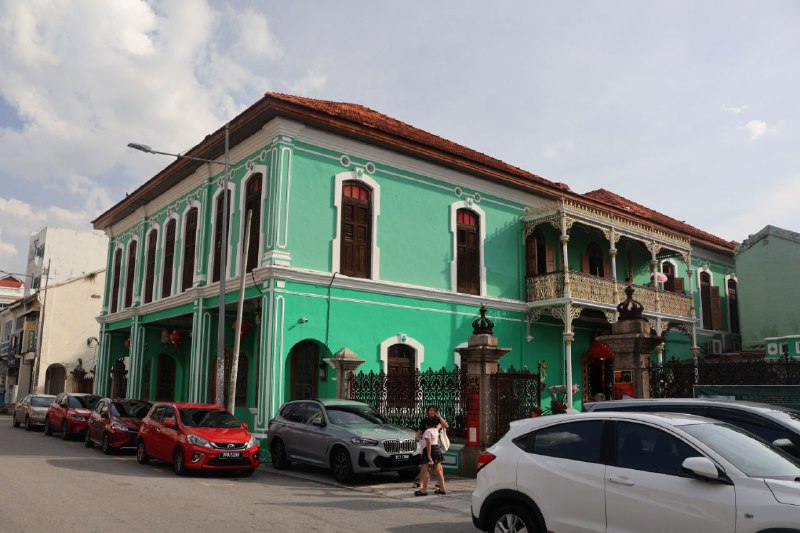
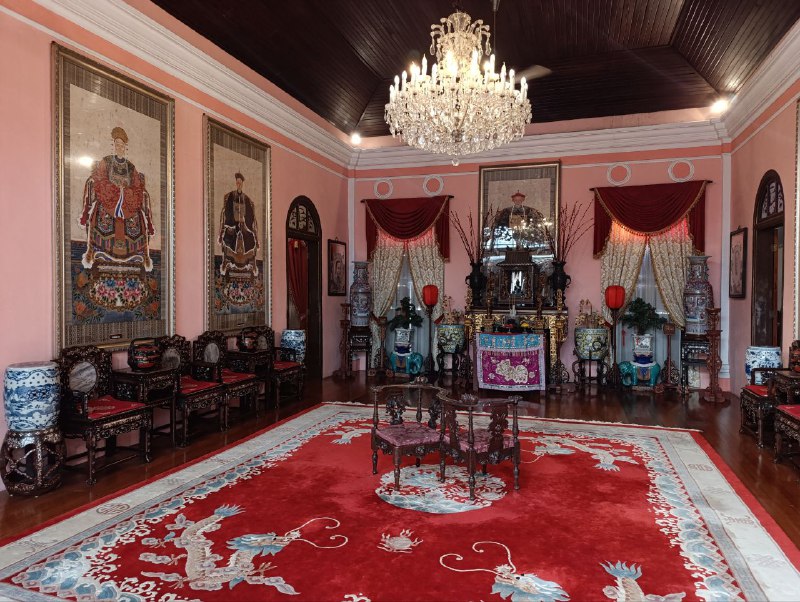
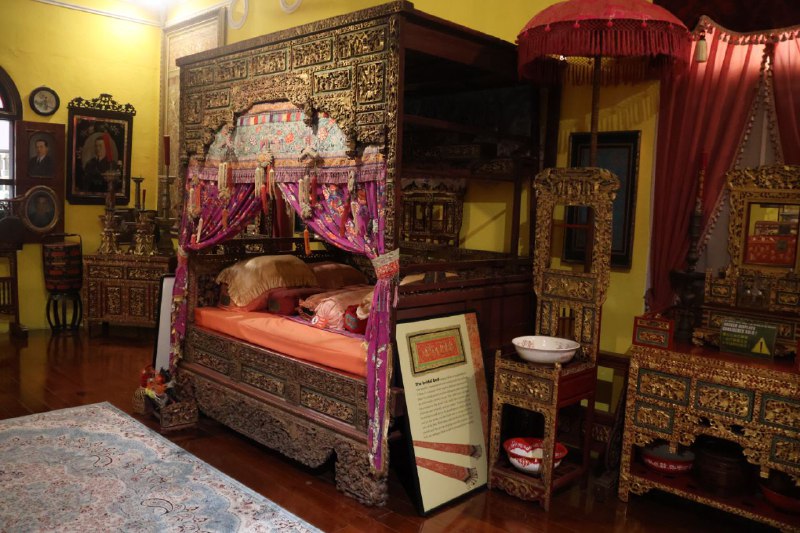
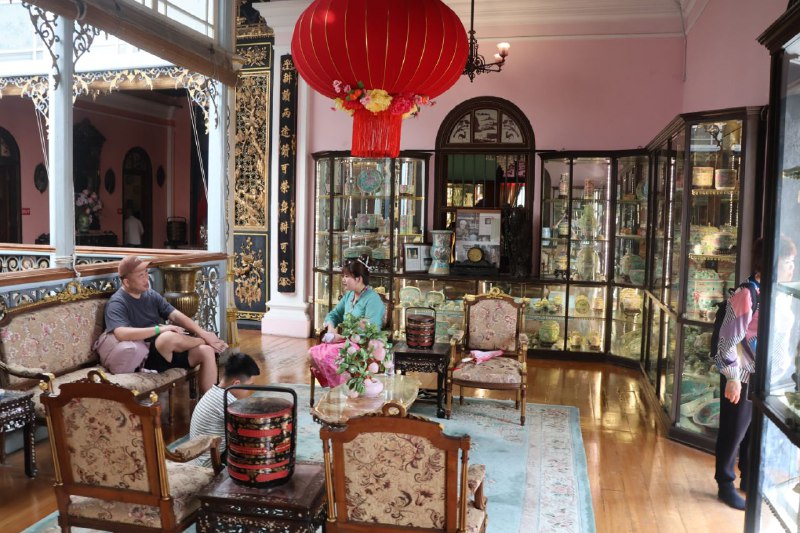
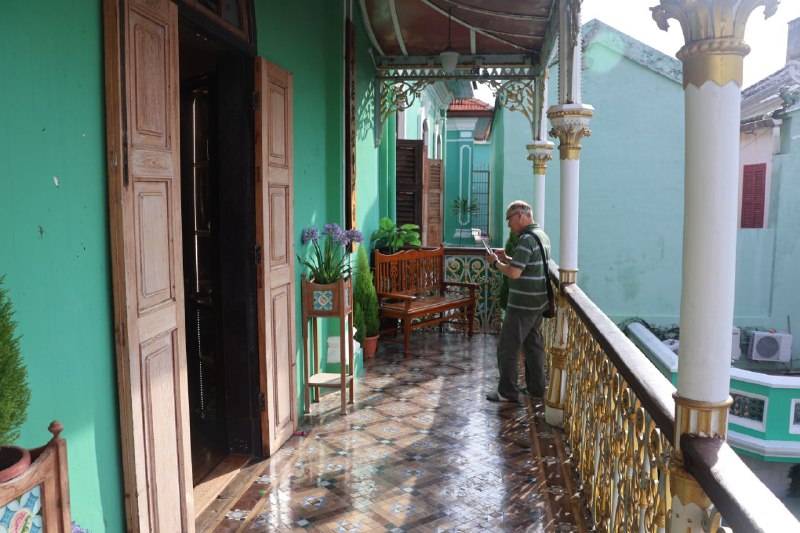
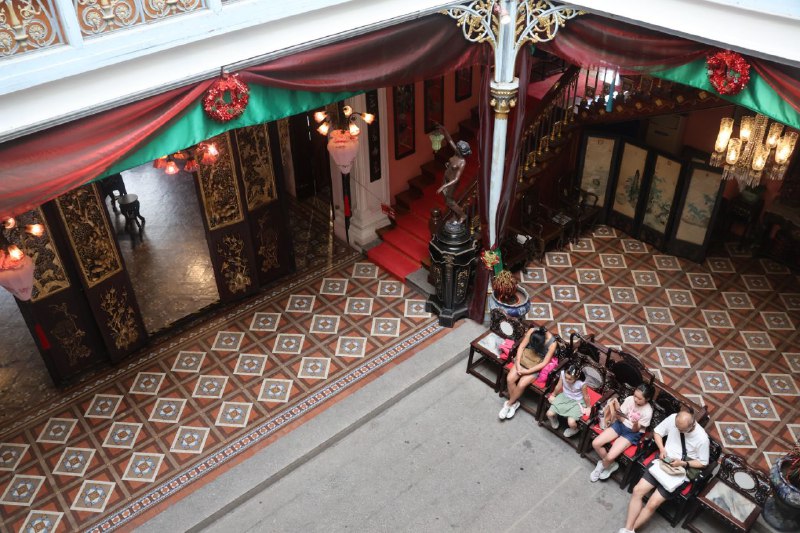
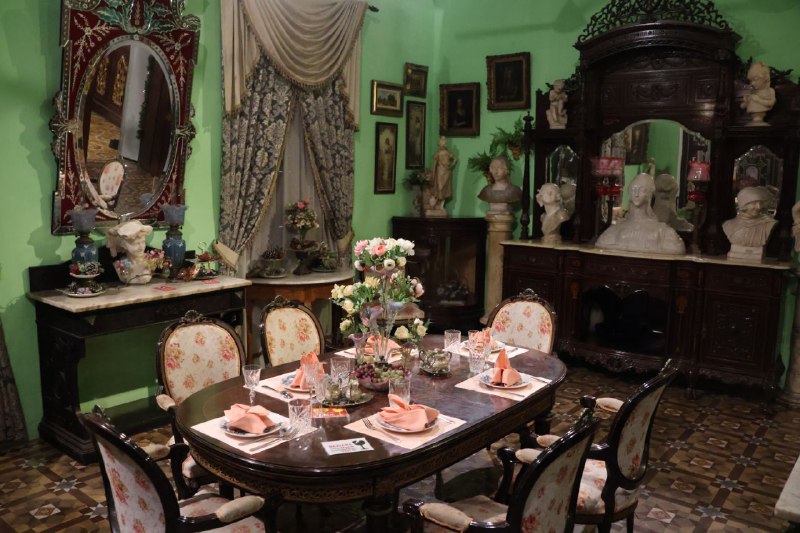
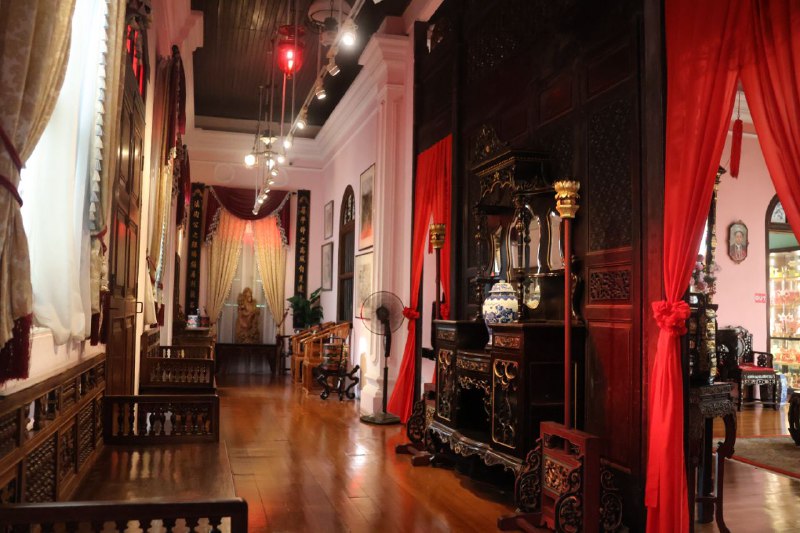
The region is wealthy. You can see what locals considered "expensive and luxurious" from the mid-19th century in the Peranakan Mansion. It belonged to Chung Keng Quee, a Chinese immigrant and one of Malaysia's richest residents. According to family history, his father and two older brothers moved there first. But there was no word from them, so his mother sent their middle son to follow. He found his relatives and discovered that these former peasants had gotten into the tin mining business, and things were booming. But it was Chung who became the man capable of growing the business to imperial proportions.

Besides business, he also got involved in political matters. On one hand, he became a Chinese Captain (an official position appointed by the colonial government). On the other hand, he managed one of the Chinese secret societies. These were unofficial but extremely powerful structures that distributed work among Chinese residents, settled disputes, and effectively functioned as a parallel government—but only for the Chinese. The colonial authorities used this as a tool for control through these community leaders.

However, since these societies were never formally recognized by law, they constantly fought each other for power and influence. It literally came down to wars (four of them!). But at such times, even the colonists had to step in.
Media not archived (photo) — view on Telegram
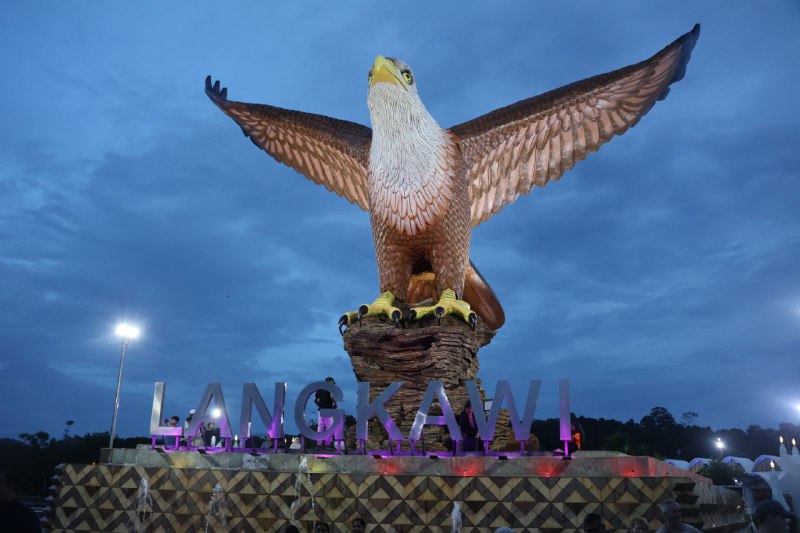
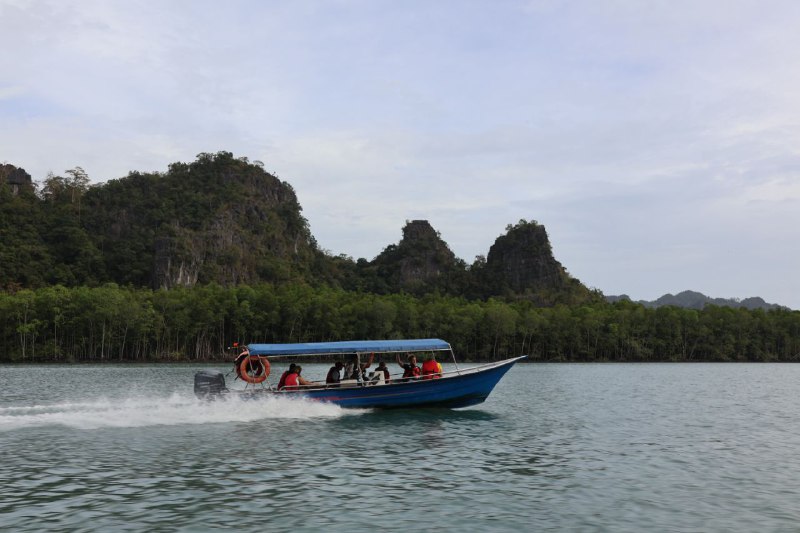
Within Malaysia, you can get almost anywhere for $20-30 thanks to local budget airlines. So I decided to check out Langkawi. It's an island right on the border with Thailand. But I quickly regretted the decision: there's practically nothing to do on the island, the infrastructure is pretty run-down, and the weather wasn't great either.

According to legend, in the early 18th century there lived a young and beautiful woman on the island called Mahsuri. Her husband went off to war with Siam, and in his absence Mahsuri became friends with a passing traveler. The village chief's wife, out of jealousy, started spreading rumors that it was more than just friendship—a full-blown romance. Eventually, the villagers brought an official accusation of infidelity against her.

As punishment, the woman was tied to a tree and they tried to stab her. It didn't work. Then Mahsuri said they needed to take the family dagger and that would definitely help kill her. They took her advice, but after the dagger struck, white blood flowed out. This proved her innocence. As she was dying, Mahsuri cursed the next seven generations of the island, predicting misfortune in everything.

According to beliefs, the curse was supposed to end at the end of the 20th century. The increasing flow of tourism is often linked to this. But from my experience, it hasn't ended yet :)
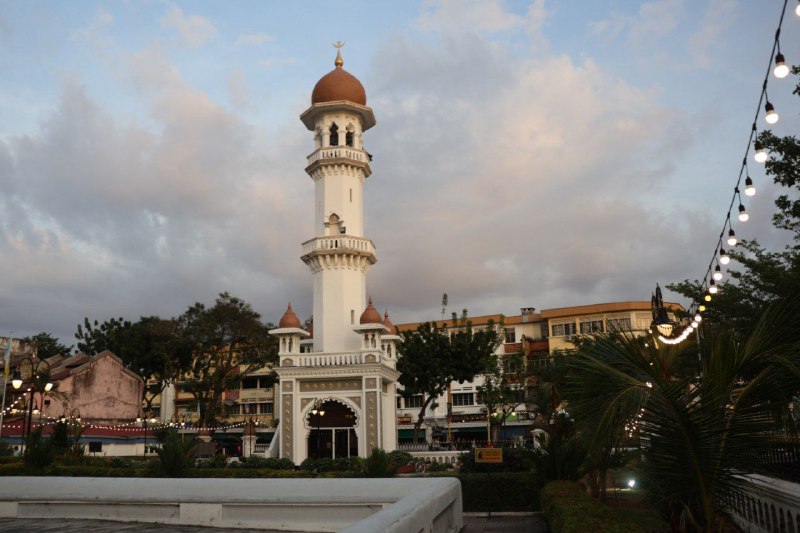
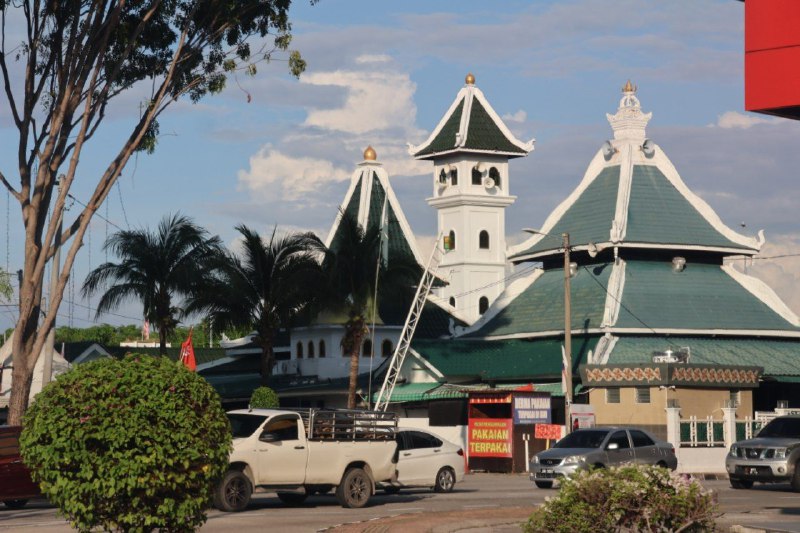
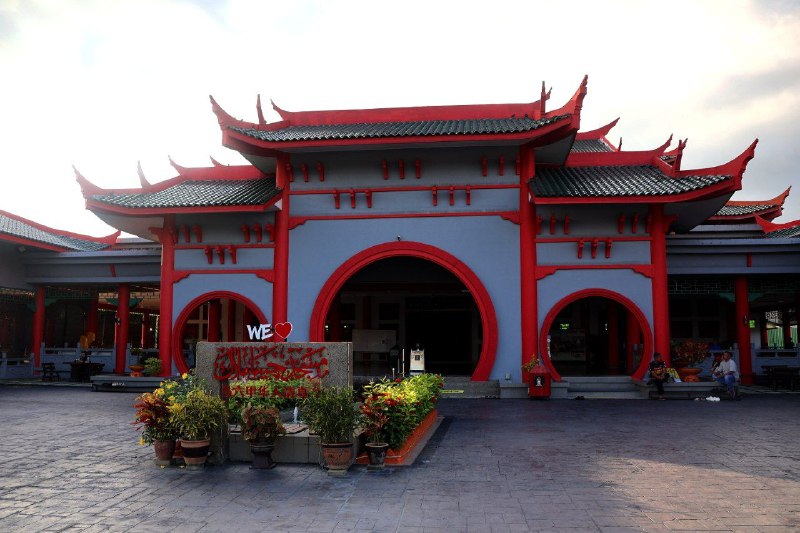
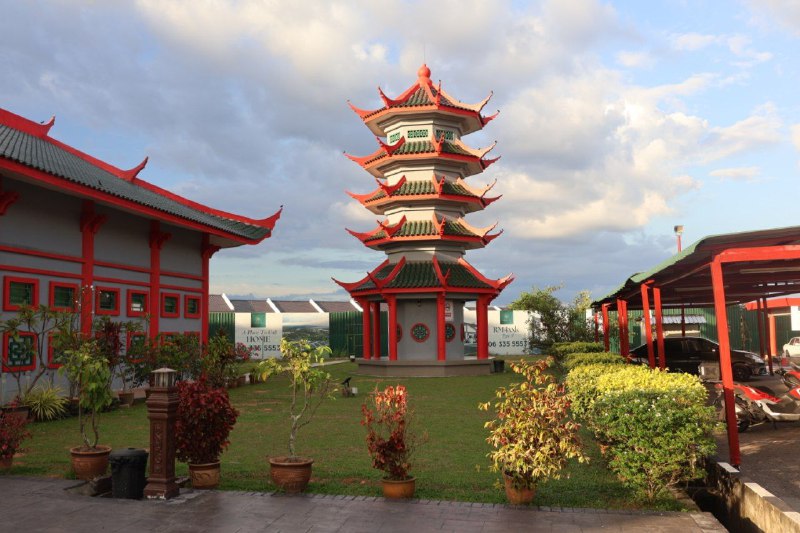
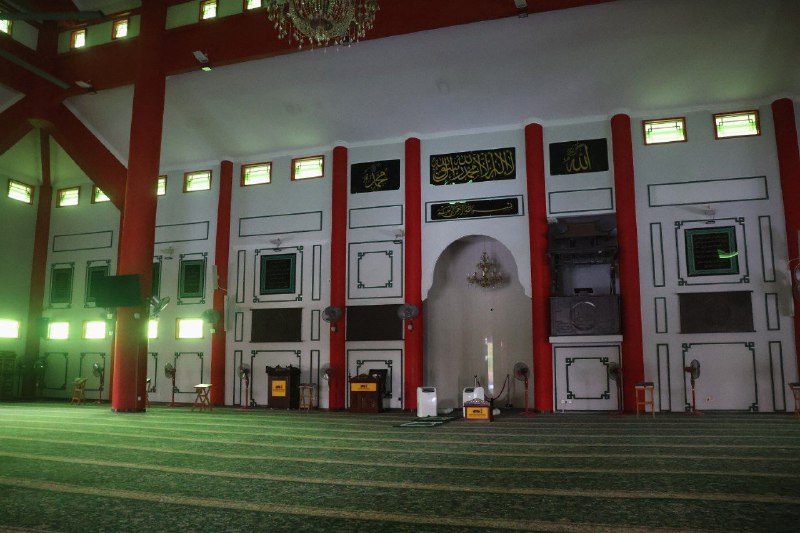
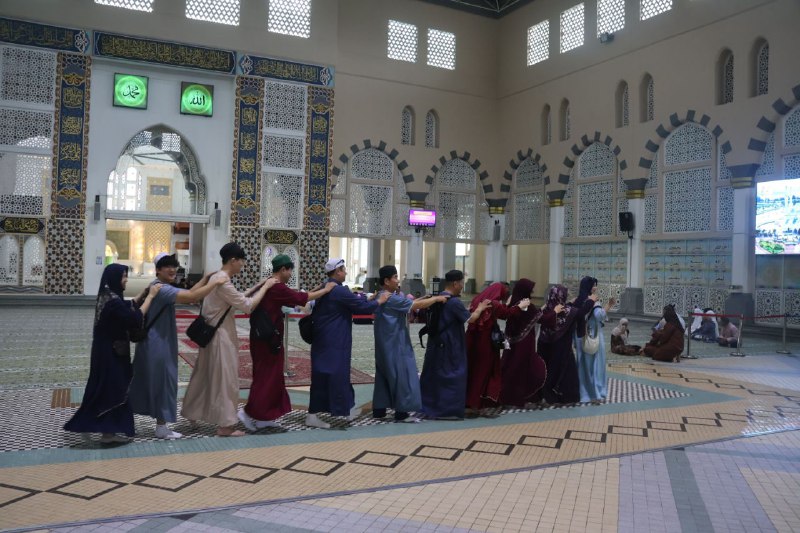
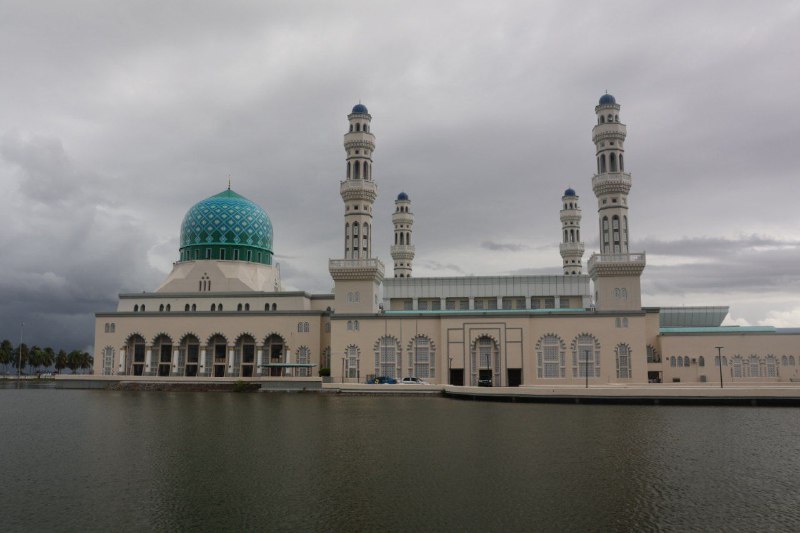
Malaysian Chinese Muslims build mosques just like in China. And it's really different from everywhere else in the world. Who else builds mosques with pagodas and roofs like that?
The Sabah state issue means Malaysia and the Philippines just can't seem to get along. The Filipinos have tried several times to launch small military operations on the Malaysian island because they believe northern Borneo is theirs, even though the rest of the world disagrees with them. Most recently back in 2013!

By the early 18th century, the Sultanate of Sulu had essentially conquered northern Borneo and the Brunei Sultan formally recognized this. In 1878, the new Sultan of Sulu signed a treaty with the British about selling (or leasing?) this land. The document was written only in Jawi (that's Malay written in Arabic script), where the land was supposed to be "ڤاجقن", which in English could be translated as either a lease or a sale (Jawi experts, correct me if I'm wrong :) ). The payment terms included perpetual annual monetary transfers. Meanwhile, the British labeled the transactions as "payment for land purchase," and the sultanate never disputed this.

Later, several new documents were signed without such ambiguity, explicitly stating a sale. By the early 1960s, the Sultanate of Sulu ended up part of the Philippines, while Sabah became part of Malaysia. But the desire to reclaim the land never went away. In 1962, a year before Malaysia was formed, a bill was even submitted to the Philippine government proposing to rename the country Malaysia so there'd be no doubt about where the true Malay lands were, but the law didn't pass, and they had to abandon this brilliant idea. In 1967, the Philippine president was secretly preparing to annex Sabah, but at the last moment the soldiers refused to participate. The rebels were eventually executed, and the authorities didn't acknowledge this fact until 2013.

In that same 2013, several hundred armed Filipinos landed on Borneo and declared the return of the lands to their historical owner. At first, they tried to negotiate with the fighters, but ultimately the Malaysian army suppressed the conflict by force. The Philippine government didn't officially support the attackers, but it didn't renounce its territorial claims either. Malaysia only at that point stopped making payments for the land and built a security zone on its coast in case of future attacks. Based on tweets from the Philippine foreign minister in 2020, where he directly wrote that Sabah is not Malaysia, it's not really such an unlikely scenario.

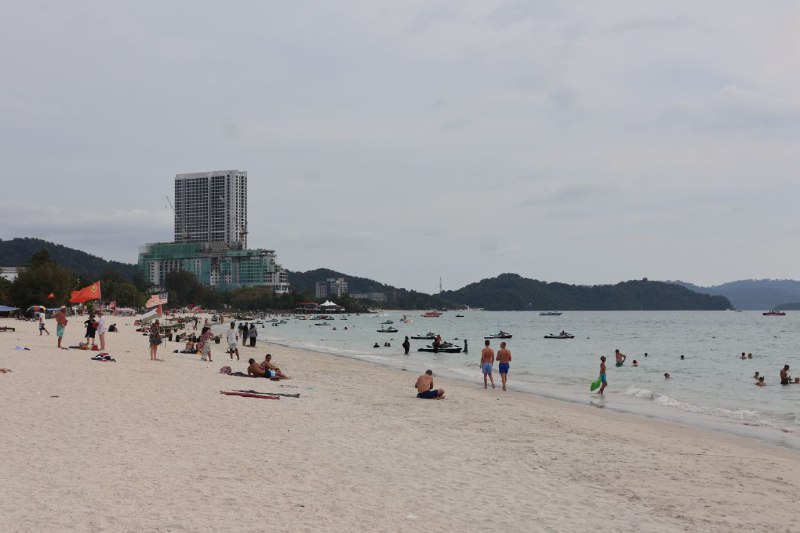
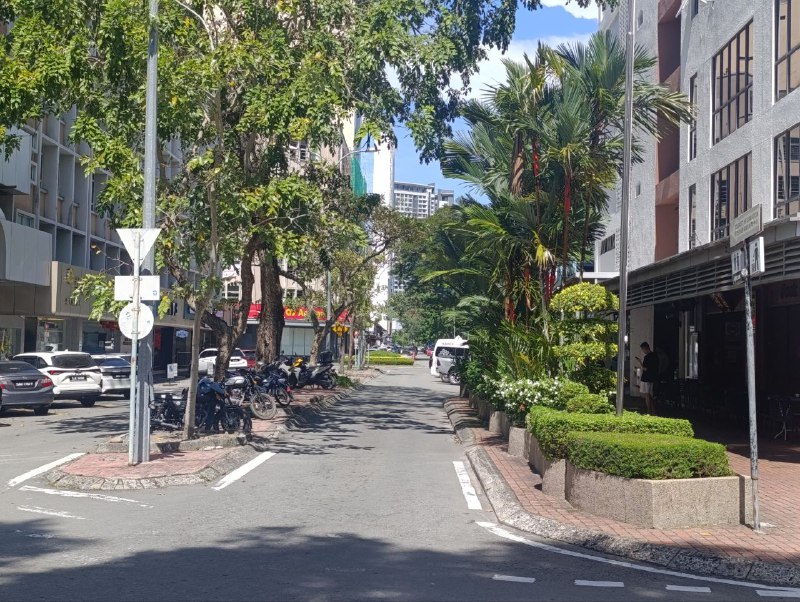
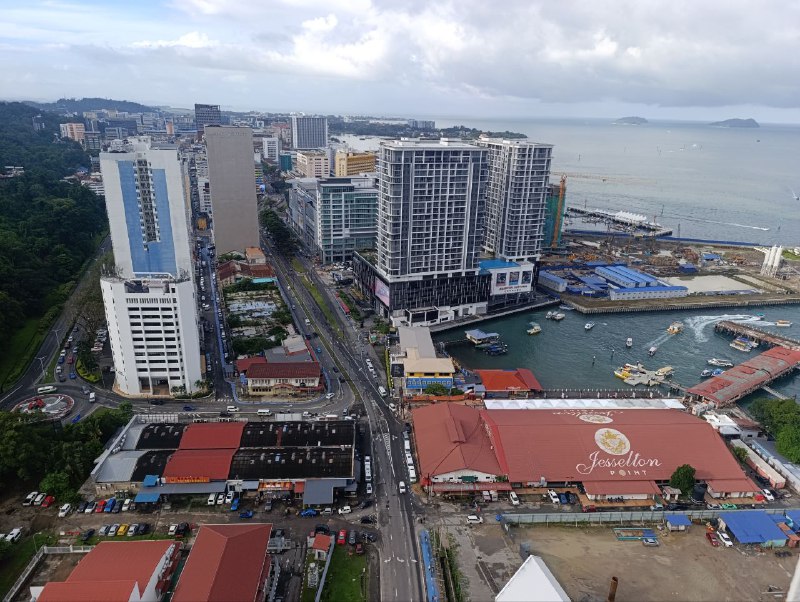
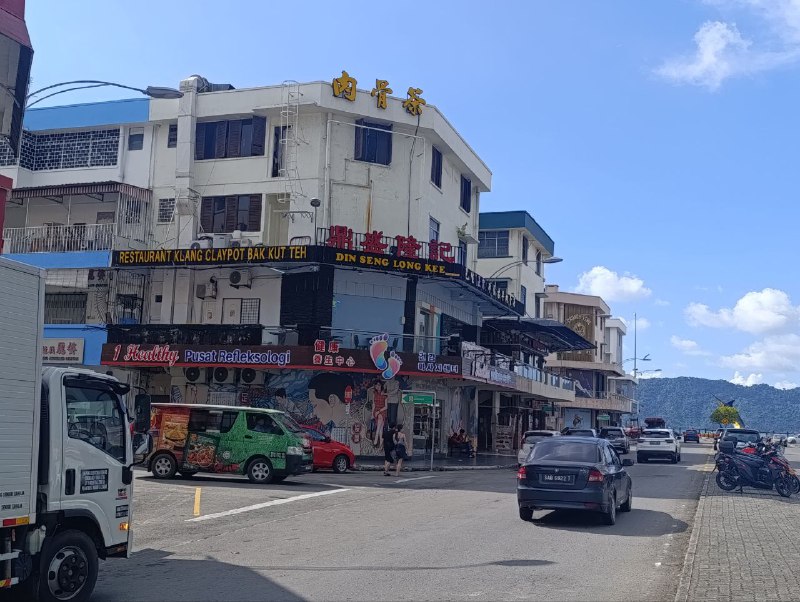
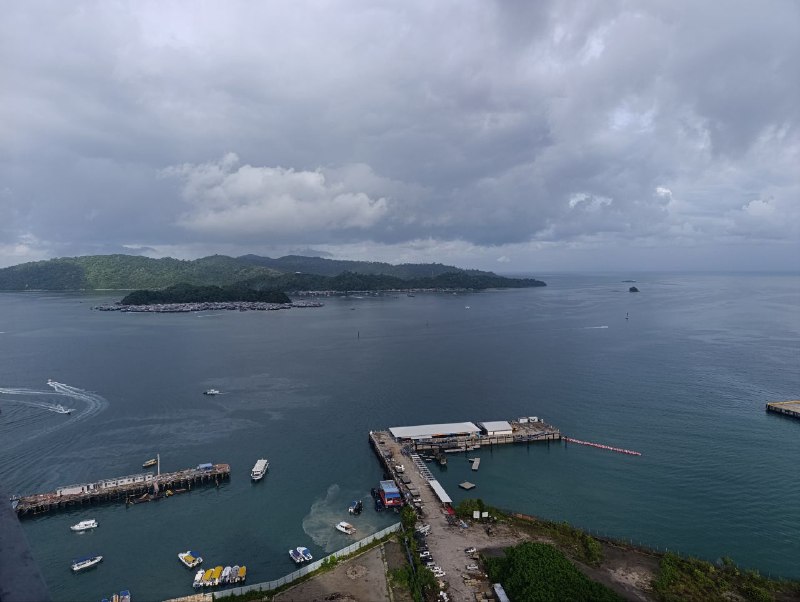
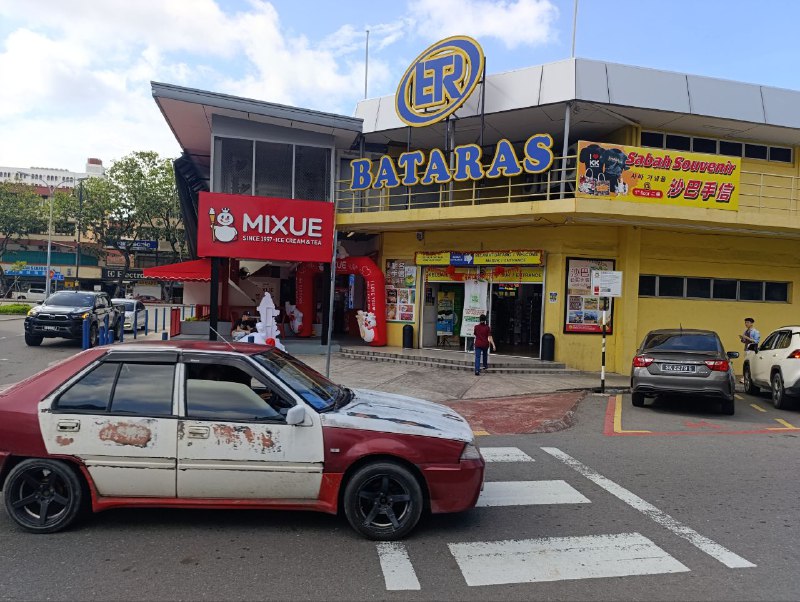
PS. In the photo is the capital of the region — Kota Kinabalu, a pretty charming city. Let's hope there won't be any new conflicts there 🕊
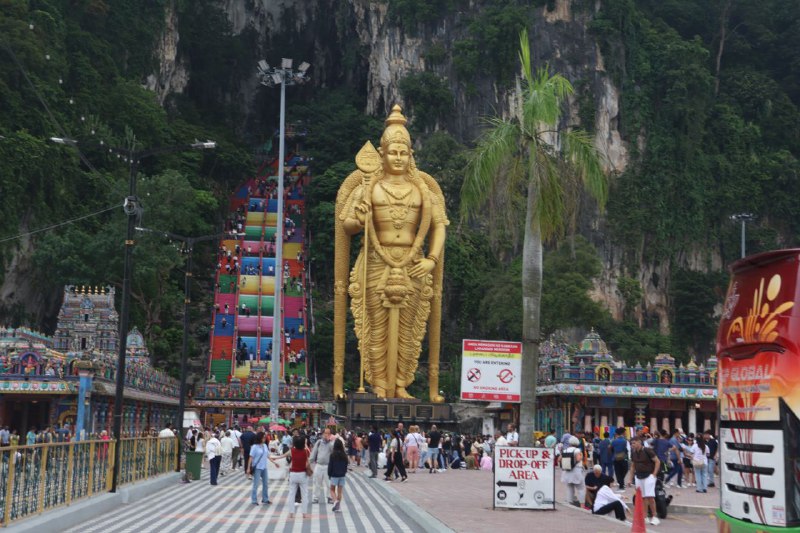
I spent a few days in Sabah state. When they joined Malaysia, they agreed on broad autonomy and other perks. But things didn't quite work out that way, and the center only selectively honors those agreements. A region with major oil reserves gets just 5% commission from oil production (the rest goes to the state-owned Petronas) and remains one of the poorest in the country.

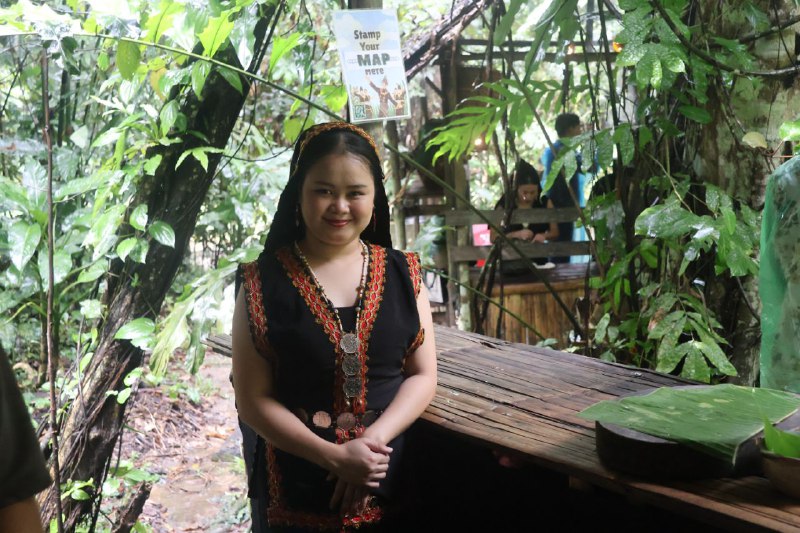
Besides Malays, many local tribes live here. Compared to Chinese and Indians, their situation is slightly better, but they face challenges too.

The local tribes weren't always friendly though. Not so long ago, they hunted people, and a random traveler could be killed before even reaching a settlement. Only by the early 20th century did the British manage to put an end to these bloodthirsty customs.

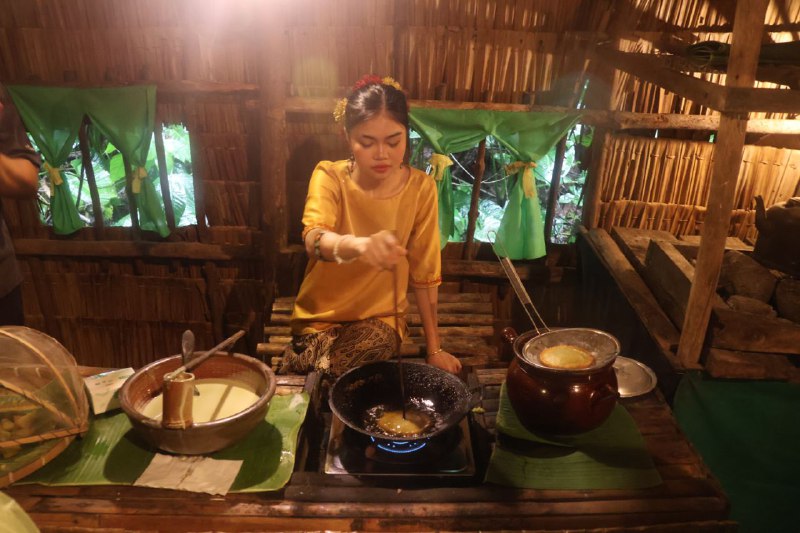
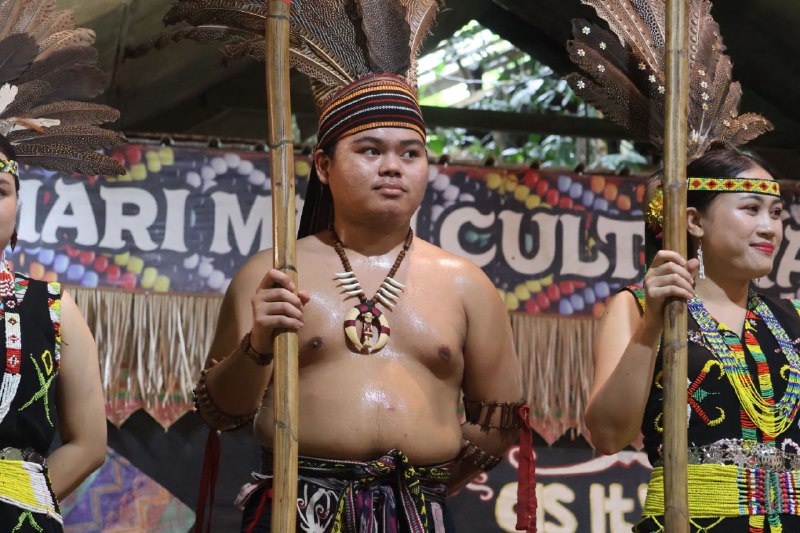
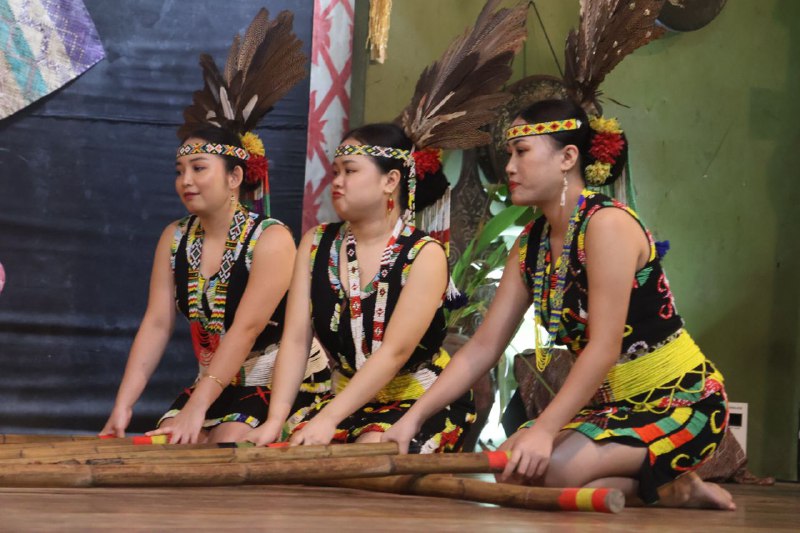
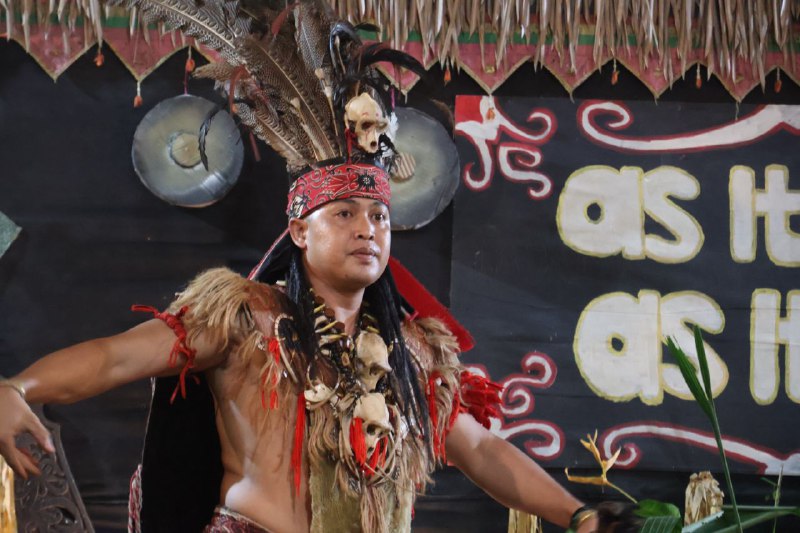
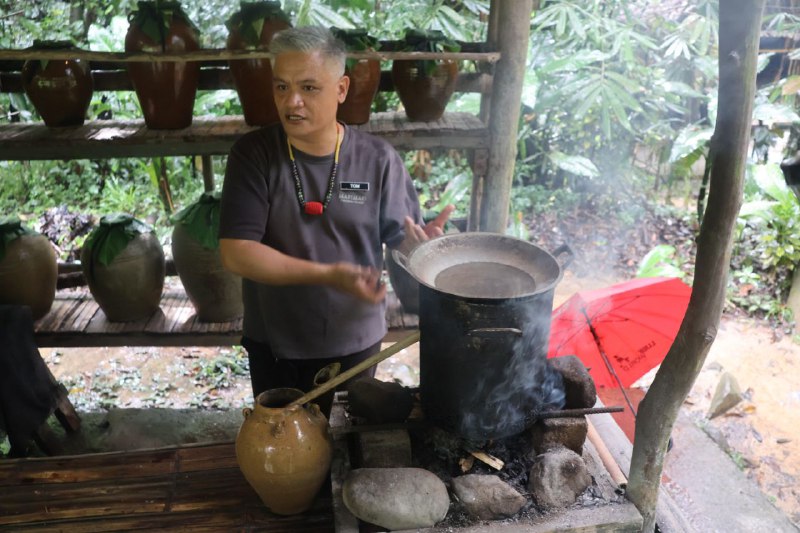
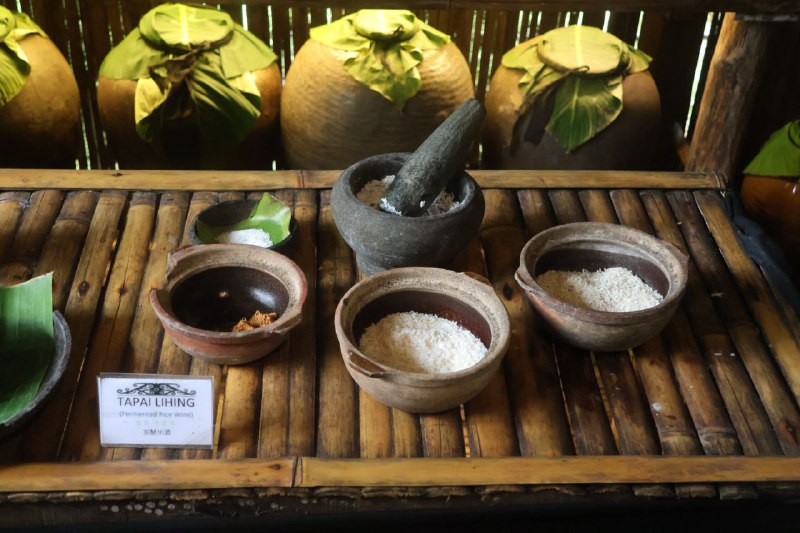
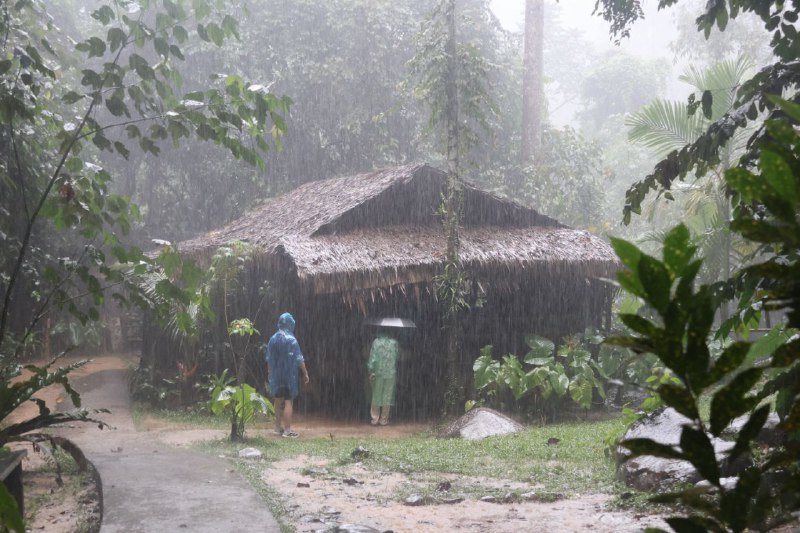
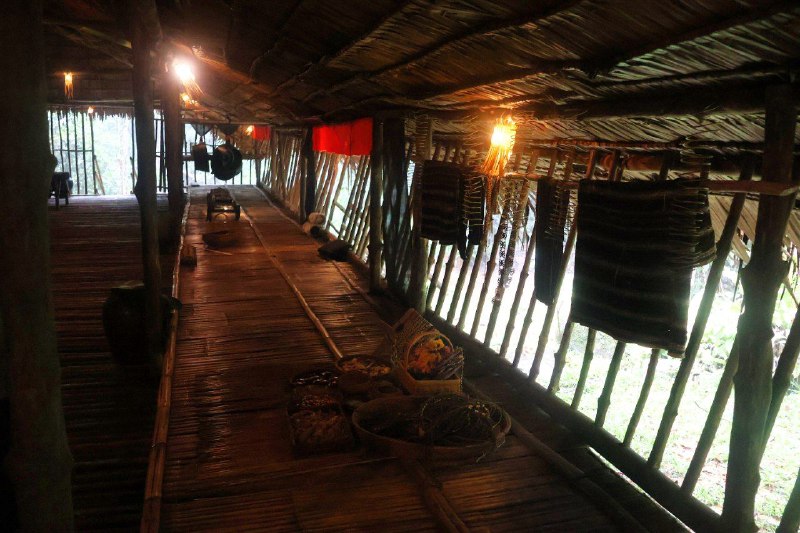
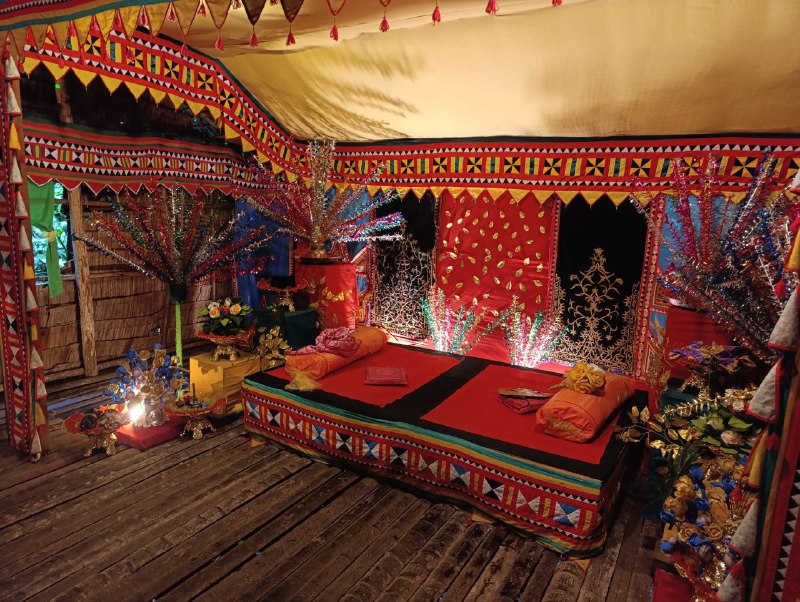
Today, tourists are drawn to cultural villages like Mari Mari. It's all done really well: tribe members are on display, they tell you about their customs, and they even let you try traditional food and drinks. Nobody actually lives in the tribal way anymore—it's just a job people do for money. But they do capture the atmosphere well.
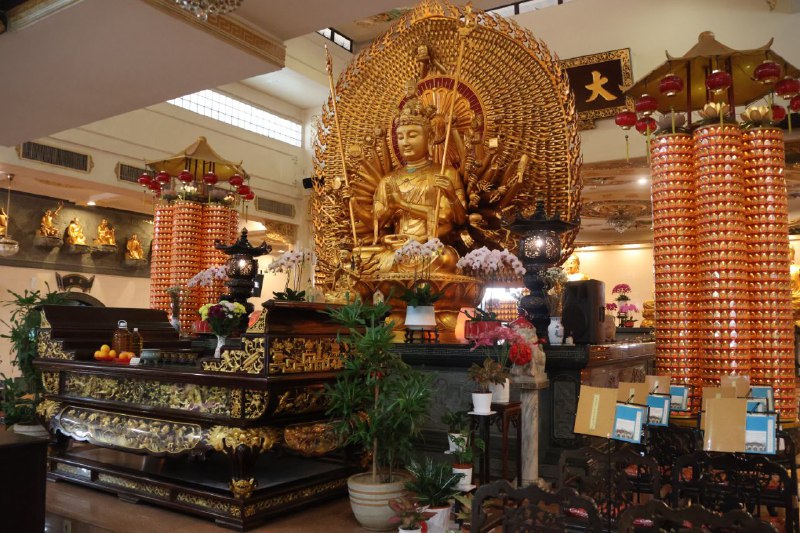
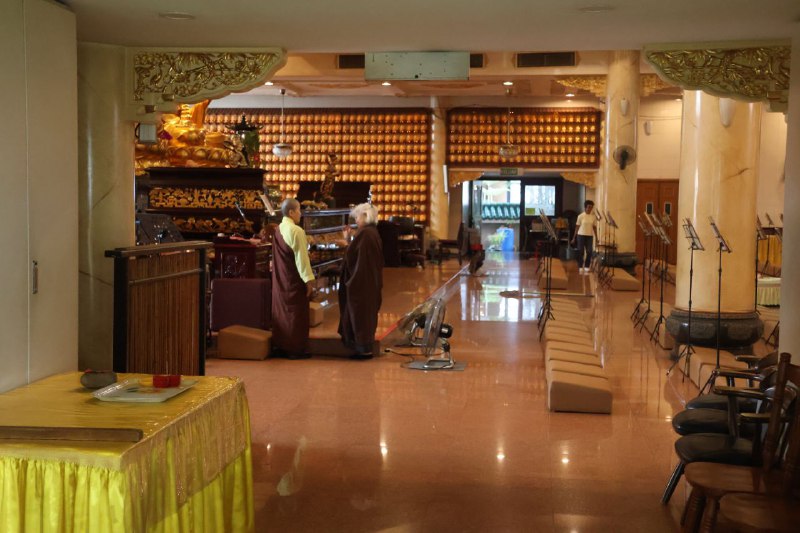
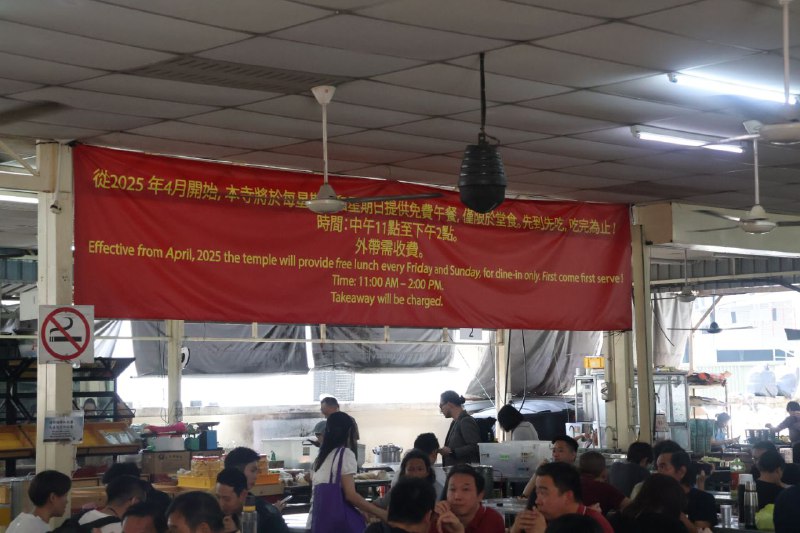
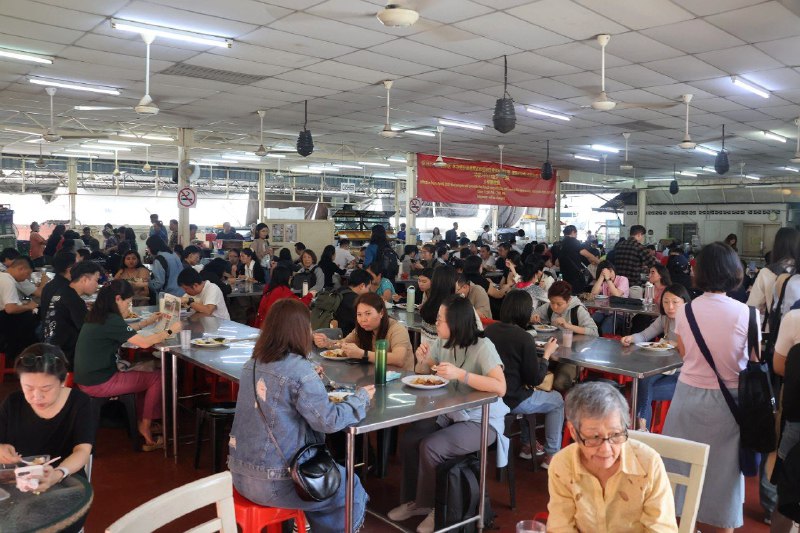
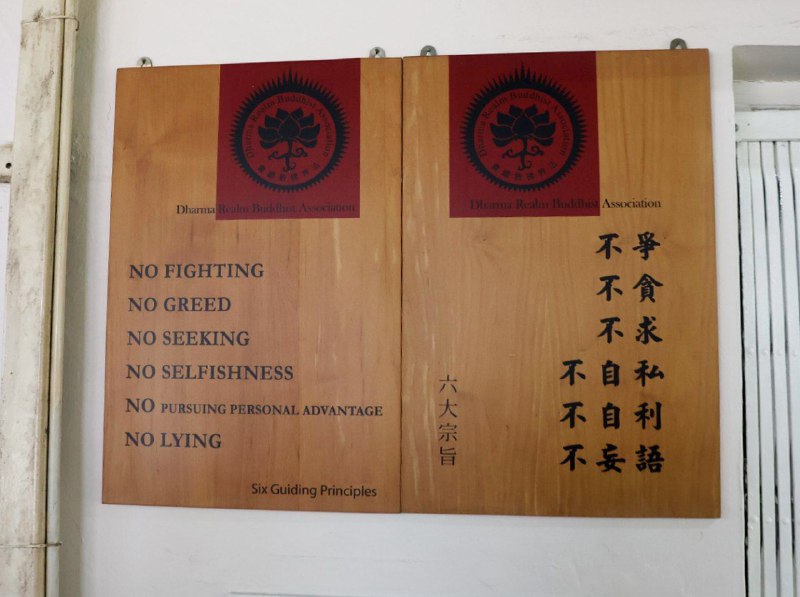
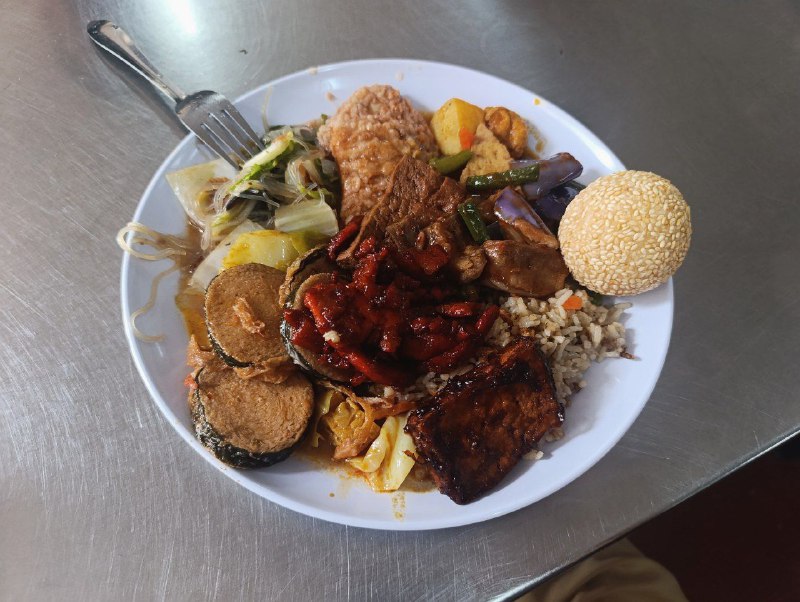
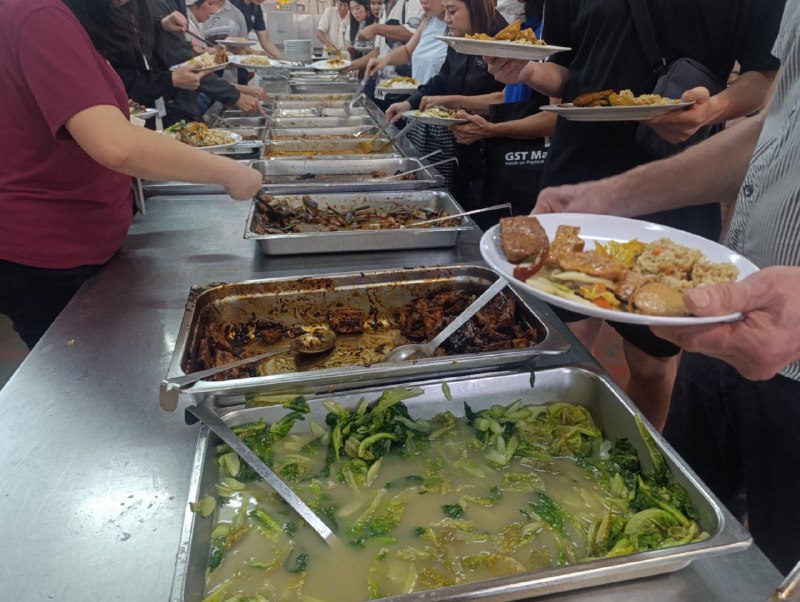
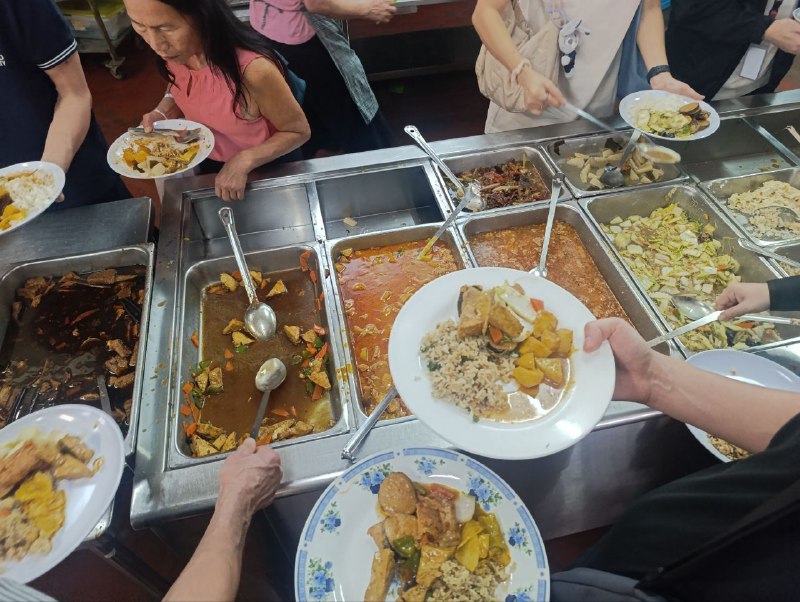
If you think food prices in Kuala Lumpur are a bit steep (I definitely do), here's a pro tip: on Fridays and Sundays, you can grab a completely free breakfast at a Chinese monastery called Dharma Realm Guan Yin. People online say they invite you to join a service after the meal, but either I showed up at the wrong time or something else happened—anyway, I missed it. Would've been cool to check it out though.

Volunteers cook everything and all the dishes are vegan. They claim they don't use white sugar or MSG in their cooking. The latter is a popular flavor enhancer across Asia. If you watch videos by Uncle Roger (a Malaysian Chinese guy, by the way, though he moved to the States), he's always pushing MSG because it makes food taste better.

The selection of dishes is impressive, and they were genuinely delicious. What's interesting is that some of the dishes clearly attempt to mimic meat. But this isn't some trendy modern thing—these recipes have been around for centuries.
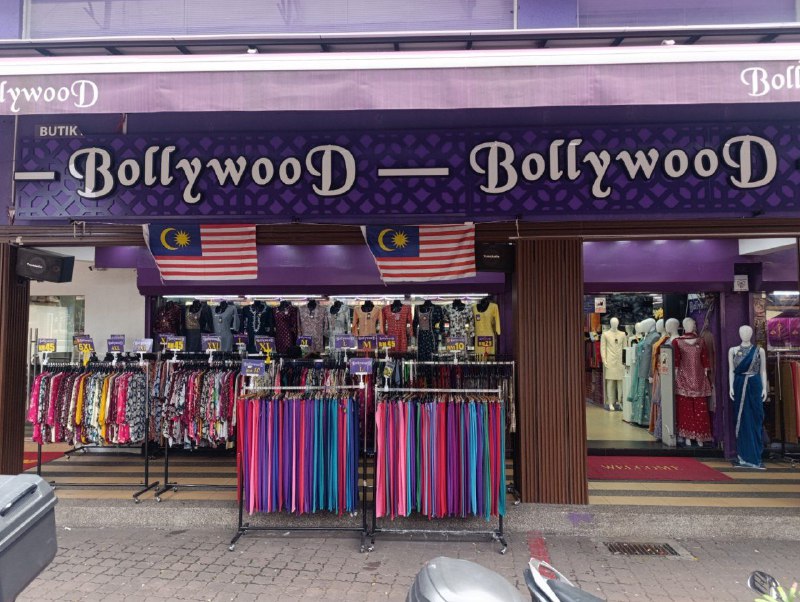
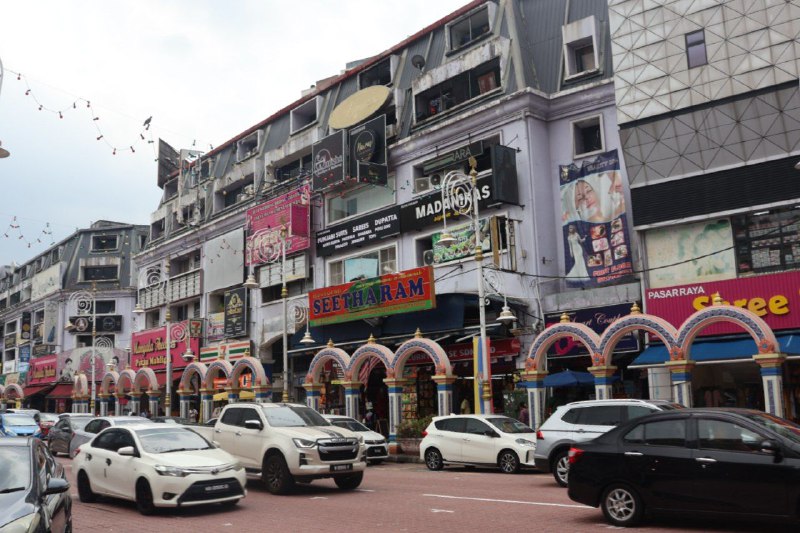
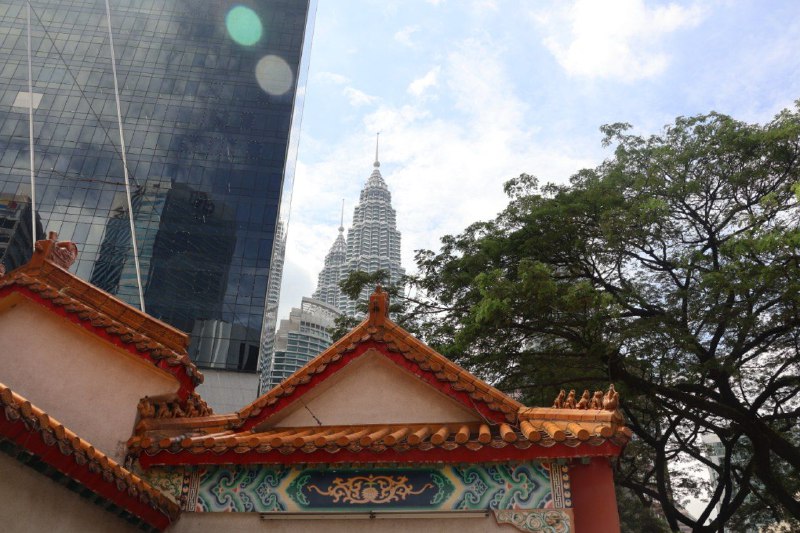
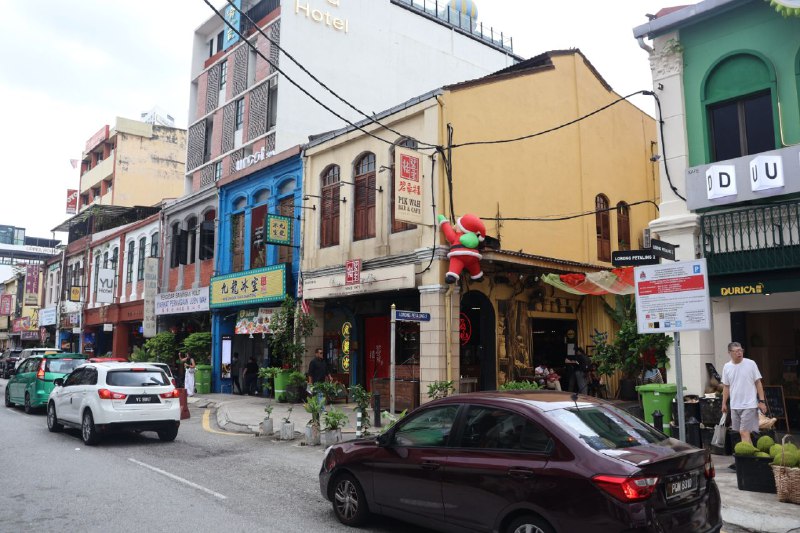
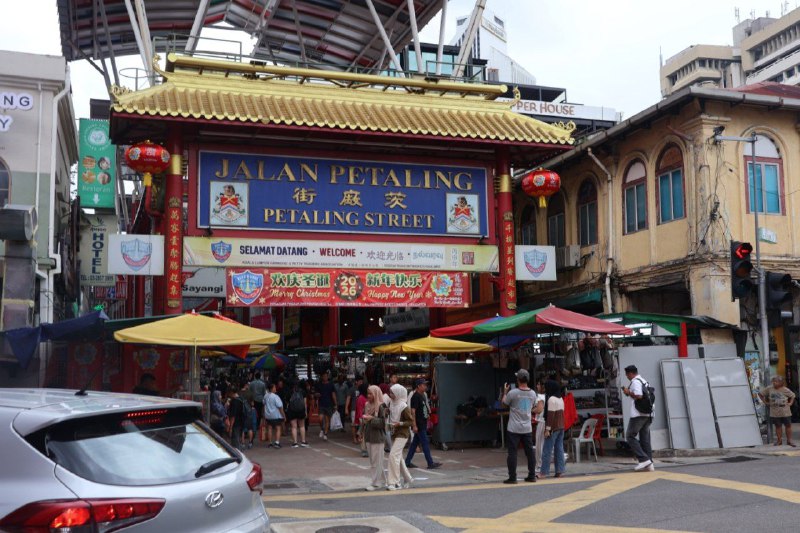
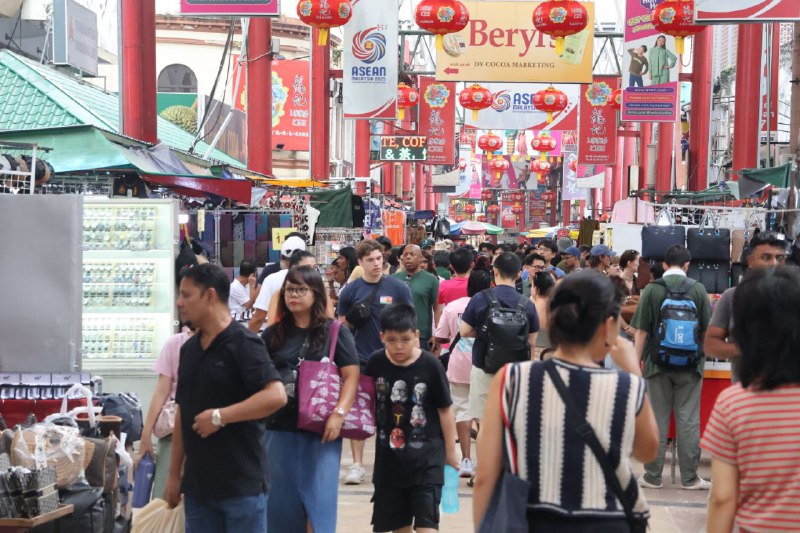
When I was looking for housing in Kuala Lumpur, I couldn't find anything better than the Chinese quarter. I settled on the busiest street with a market. During the day, rivers of people flow through it, and closer to midnight, some vendors literally cut their stalls in half. Silence only comes around 2-3 AM. But overall it's bearable.

In Malaysia, almost 23% of the population is Chinese. The last major wave of migration consisted of those fleeing communists after the revolution, some came here thanks to the British for mining operations, and others were brought by the Dutch for various construction work back in the 17th century. Historically, Chinese people were economically better off. This was partly why, since independence in 1957, relations with Malays were not the friendliest. In 1969 it escalated to a massacre with hundreds killed (exact numbers are unclear, with estimates ranging from a few hundred to a thousand people). Thankfully, there haven't been any major violent escalations since then.

Singapore also suffered due to ethnic tensions. In the mid-1960s it was a Malaysian state. The ethnic makeup there differed from the rest of the country in favor of the Chinese, so Lee Kuan Yew was particularly active in fighting for equal rights for all citizens. He came up with the slogan Malaysia for Malaysians (not to be confused with Malays). It all ended with the federal government seeing this as a threat to its power and expelling Singapore from the country. Perhaps one of the rare cases where a region didn't want independence at all, but was forced to have it.

Today tension still exists, but mainly stays in the political realm. For example, the Malaysia slogan is present in the charter of the party representing Chinese people, and they're regularly called upon to remove it. People get along with each other reasonably well; some Chinese even speak Malay better than Chinese. But it feels like the situation is still quite fragile. One random spark could easily cause a fire.
Alright, let me tell you about Malaysia and the surrounding areas.

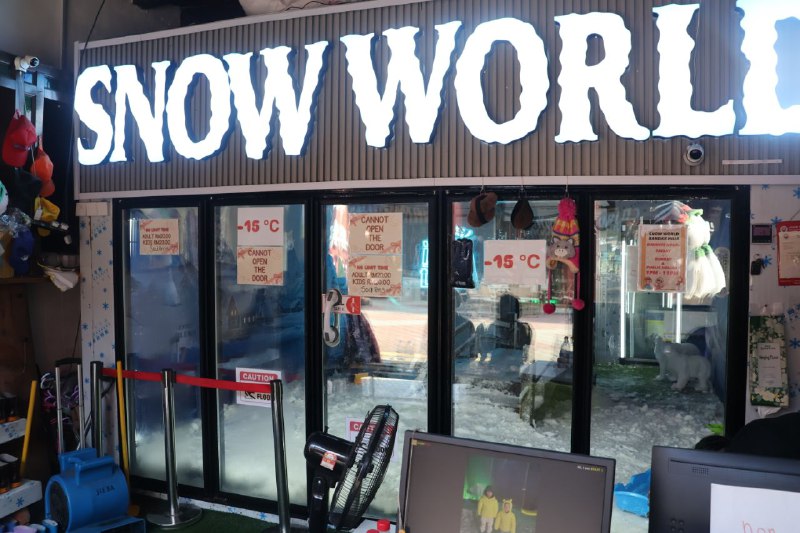
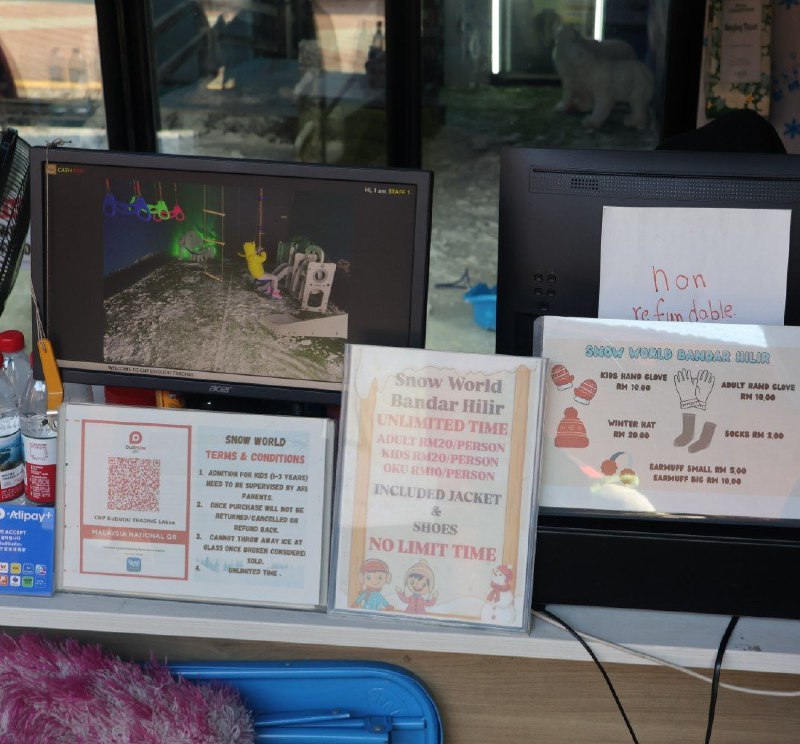
What really stuck with me is that in Malaysia, people voluntarily sit in freezers just for fun. I saw freezer chambers with -15°C inside in a couple of places. At the entrance, they give you warm clothes and you can sit inside until you turn blue.

For just 5 US dollars per person! Surprisingly enough, there were actually people inside doing it.

Of course, I understand that in cold countries, people came up with the idea of paying to warm up in baths and saunas. But to pay to freeze? That's something my brain has a hard time wrapping around.
Happy New Year! Wishing you peace, travels, and plenty of magic!

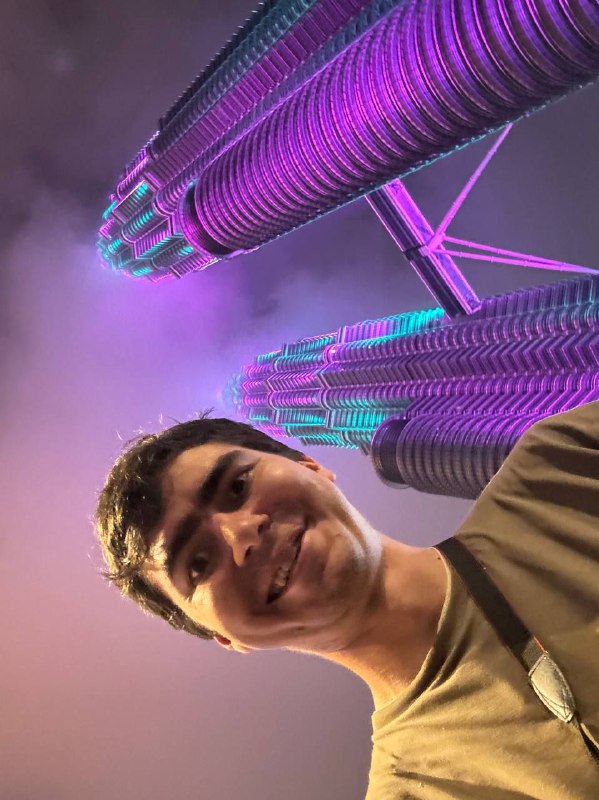
I unexpectedly ended up in Kuala Lumpur (can you believe it: a ticket from Istanbul and back popped up for just ~$200).

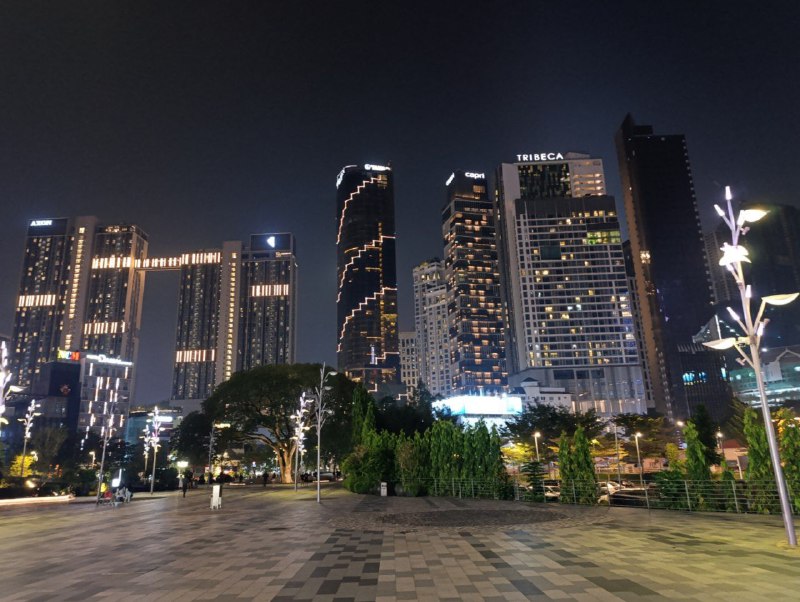
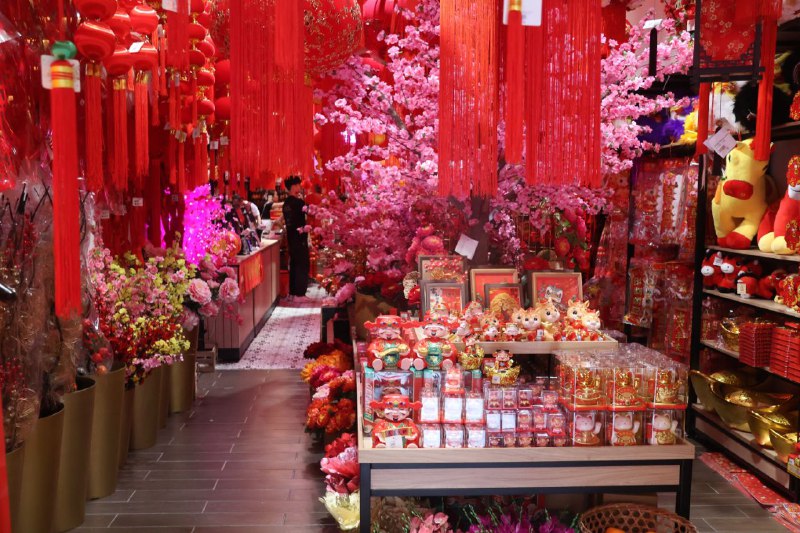
In Malaysia, they don't limit their celebrations to just the calendar New Year: they widely celebrate the Chinese, Islamic, and Tamil new years too. But everyone came out to watch the fireworks anyway.

I'd like to believe that people will continue to find ways to get along together peacefully.

Thank you for commenting, reading, and simply sticking around ❤️