Near the Malaysian city of Ipoh, you'll find some of the world's richest tin deposits. So it's no surprise that big-money tycoons rose to prominence in the local mines. One of them, Yau Tet Shin, rebuilt a significant portion of the city after a major fire in 1892. And here's the interesting part—he gifted three streets to his three wives, complete with the right to collect rent.
The second wife's street became the most famous. Wealthy Chinese, and according to rumors, British officials too, would set up their mistresses there. Nearby, brothels, opium dens, and gambling establishments popped up. But many women didn't end up there by choice—some were victims of human trafficking, while others simply saw no other way out of poverty.
Right outside the city, along the Kinta River and around the mines, thousands of women did grueling manual labor: hand-washing ore to search for tin that had been missed at the mines. Locals called this work dulang washing. In the early 20th century, colonial authorities issued up to 8,000 licenses—you couldn't work without one. By various estimates, this method accounted for up to 2% of the country's total tin production. Among the workers, you'd occasionally find women who had taken vows of celibacy. The most famous such movement in the region was the Samsui women, though they lived mainly in Singapore and were almost absent here.
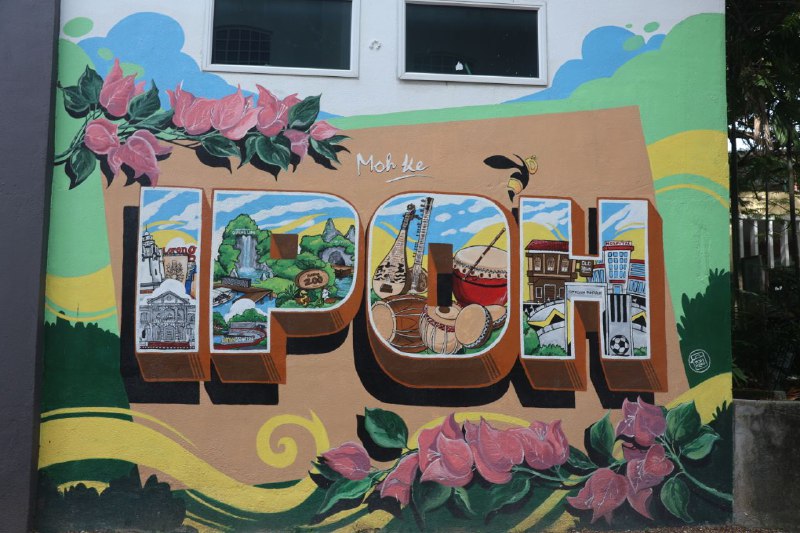
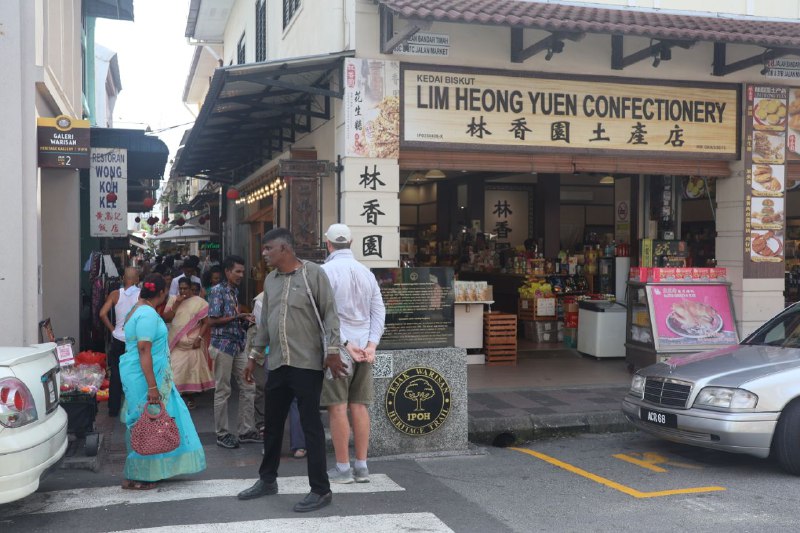
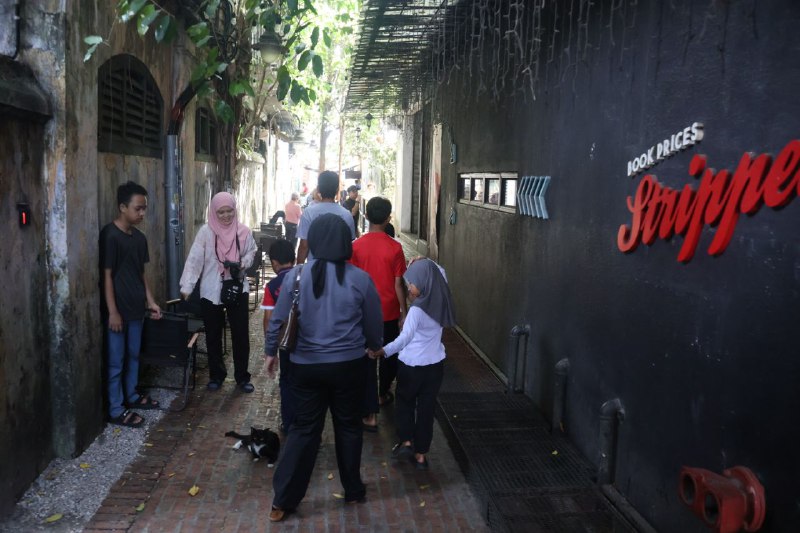
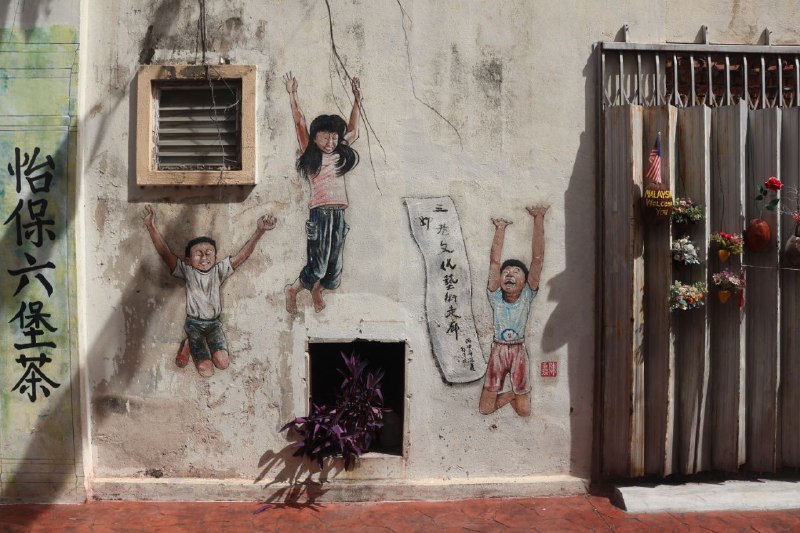
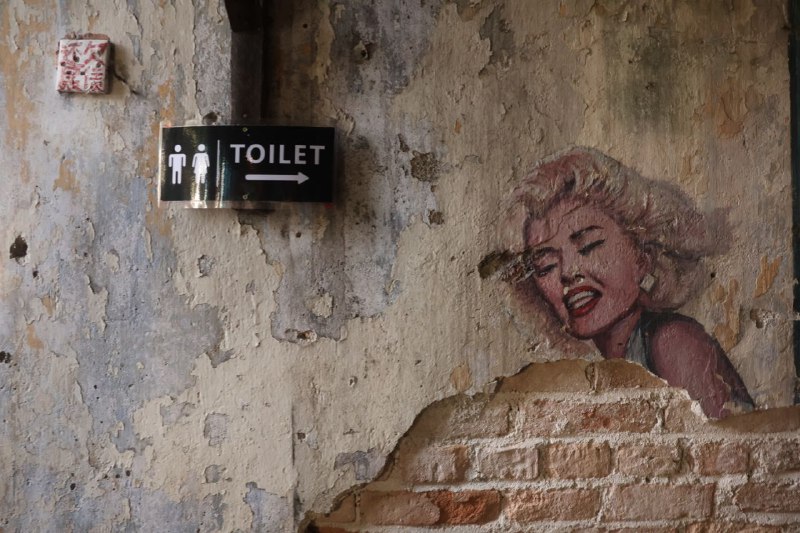
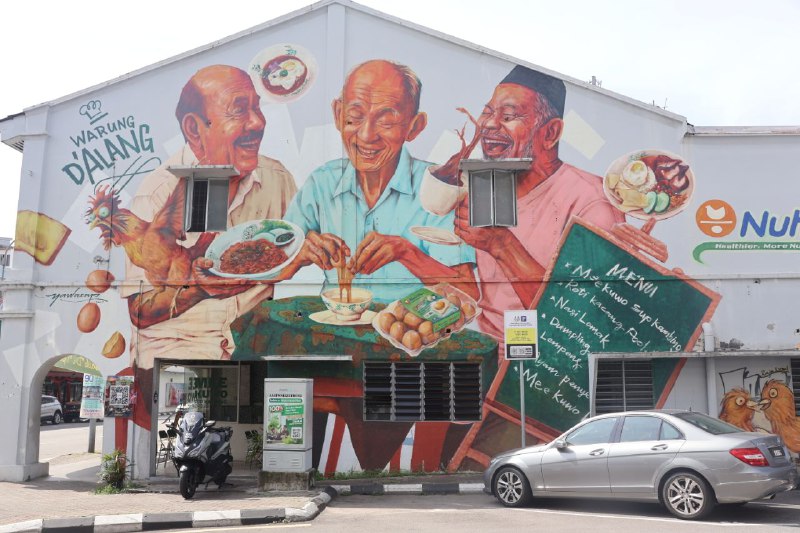
Today, that street has no brothels or mistresses left. It's just become a popular tourist spot: souvenirs, cafés, murals. Yau Tet Shin's name is still visible on streets and markets around the city. As for the dulang washers, they remain in postcards from the 1970s and a few museum exhibits. They're not entirely forgotten, but people talk about them much less often.
The second wife's street became the most famous. Wealthy Chinese, and according to rumors, British officials too, would set up their mistresses there. Nearby, brothels, opium dens, and gambling establishments popped up. But many women didn't end up there by choice—some were victims of human trafficking, while others simply saw no other way out of poverty.
Right outside the city, along the Kinta River and around the mines, thousands of women did grueling manual labor: hand-washing ore to search for tin that had been missed at the mines. Locals called this work dulang washing. In the early 20th century, colonial authorities issued up to 8,000 licenses—you couldn't work without one. By various estimates, this method accounted for up to 2% of the country's total tin production. Among the workers, you'd occasionally find women who had taken vows of celibacy. The most famous such movement in the region was the Samsui women, though they lived mainly in Singapore and were almost absent here.
Today, that street has no brothels or mistresses left. It's just become a popular tourist spot: souvenirs, cafés, murals. Yau Tet Shin's name is still visible on streets and markets around the city. As for the dulang washers, they remain in postcards from the 1970s and a few museum exhibits. They're not entirely forgotten, but people talk about them much less often.
 United Kingdom
 Serbia
 Bosnia and Herzegovina
 Turkey
 United Arab Emirates
 Brunei
 Indonesia
 Malaysia
 Argentina
 USA
USA Morocco
 Georgia
 Egypt
Egypt Hong Kong
 China
China Vietnam
 Tunisia
 Montenegro
 Philippines
 Singapore
 Oman
Oman Algeria
 North Macedonia
 Lebanon
 Israel
 Albania
 Russia
 Tanzania
 Netherlands
 Spain
Spain Latvia
 Germany
 Belgium
 France
 Kazakhstan