One last thing about Penang. In the 19th century, an entire ethnic group emerged here, which a little over a hundred years later quietly dissolved into the local population.
At the end of the 18th century, when Penang was just being built, a large wave of immigrants flooded in. Especially many workers came from South India. Mostly men. It's no surprise that marriages between South Indians and local Malay women became a common occurrence. Plus, both groups were Muslim. A bit later, Arabs mixed in as well.
Children from such marriages came to be called Jawi Peranakan and were considered a separate people. Over time, they became quite wealthy folks. Many worked as officials under the British, some were involved in renting out properties. However, the Great Depression hit hard, many businesses closed down, and the Jawi Peranakan ended up being too dependent on work in the British administration.
With the British departure, all power went to the Malays, and non-Malays started facing discrimination. So over time, the Jawi Peranakan began to identify themselves as Malays, especially since their cultures were very similar. And that's how they live now.
At the end of the 18th century, when Penang was just being built, a large wave of immigrants flooded in. Especially many workers came from South India. Mostly men. It's no surprise that marriages between South Indians and local Malay women became a common occurrence. Plus, both groups were Muslim. A bit later, Arabs mixed in as well.
Children from such marriages came to be called Jawi Peranakan and were considered a separate people. Over time, they became quite wealthy folks. Many worked as officials under the British, some were involved in renting out properties. However, the Great Depression hit hard, many businesses closed down, and the Jawi Peranakan ended up being too dependent on work in the British administration.
With the British departure, all power went to the Malays, and non-Malays started facing discrimination. So over time, the Jawi Peranakan began to identify themselves as Malays, especially since their cultures were very similar. And that's how they live now.
 United Kingdom
 Serbia
 Bosnia and Herzegovina
 Turkey
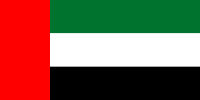 United Arab Emirates
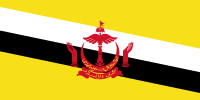 Brunei
 Indonesia
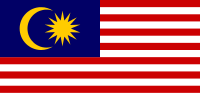 Malaysia
 Argentina
 USA
USA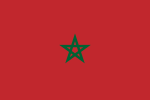 Morocco
 Georgia
 Egypt
Egypt Hong Kong
 China
China Vietnam
 Tunisia
 Montenegro
 Philippines
 Singapore
 Oman
Oman Algeria
 North Macedonia
 Lebanon
 Israel
 Albania
 Russia
 Tanzania
 Netherlands
 Spain
Spain Latvia
 Germany
 Belgium
 France
 Kazakhstan