The Sabah state issue means Malaysia and the Philippines just can't seem to get along. The Filipinos have tried several times to launch small military operations on the Malaysian island because they believe northern Borneo is theirs, even though the rest of the world disagrees with them. Most recently back in 2013!
By the early 18th century, the Sultanate of Sulu had essentially conquered northern Borneo and the Brunei Sultan formally recognized this. In 1878, the new Sultan of Sulu signed a treaty with the British about selling (or leasing?) this land. The document was written only in Jawi (that's Malay written in Arabic script), where the land was supposed to be "ڤاجقن", which in English could be translated as either a lease or a sale (Jawi experts, correct me if I'm wrong :) ). The payment terms included perpetual annual monetary transfers. Meanwhile, the British labeled the transactions as "payment for land purchase," and the sultanate never disputed this.
Later, several new documents were signed without such ambiguity, explicitly stating a sale. By the early 1960s, the Sultanate of Sulu ended up part of the Philippines, while Sabah became part of Malaysia. But the desire to reclaim the land never went away. In 1962, a year before Malaysia was formed, a bill was even submitted to the Philippine government proposing to rename the country Malaysia so there'd be no doubt about where the true Malay lands were, but the law didn't pass, and they had to abandon this brilliant idea. In 1967, the Philippine president was secretly preparing to annex Sabah, but at the last moment the soldiers refused to participate. The rebels were eventually executed, and the authorities didn't acknowledge this fact until 2013.
In that same 2013, several hundred armed Filipinos landed on Borneo and declared the return of the lands to their historical owner. At first, they tried to negotiate with the fighters, but ultimately the Malaysian army suppressed the conflict by force. The Philippine government didn't officially support the attackers, but it didn't renounce its territorial claims either. Malaysia only at that point stopped making payments for the land and built a security zone on its coast in case of future attacks. Based on tweets from the Philippine foreign minister in 2020, where he directly wrote that Sabah is not Malaysia, it's not really such an unlikely scenario.
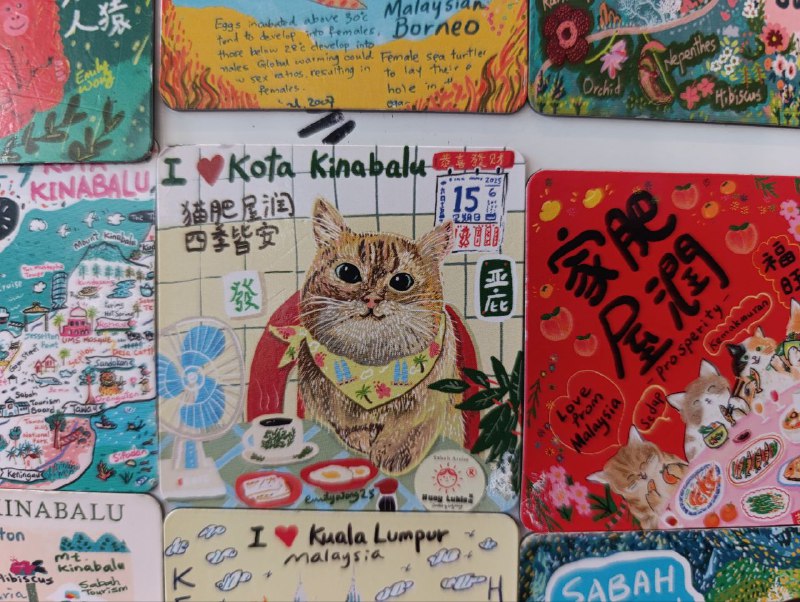
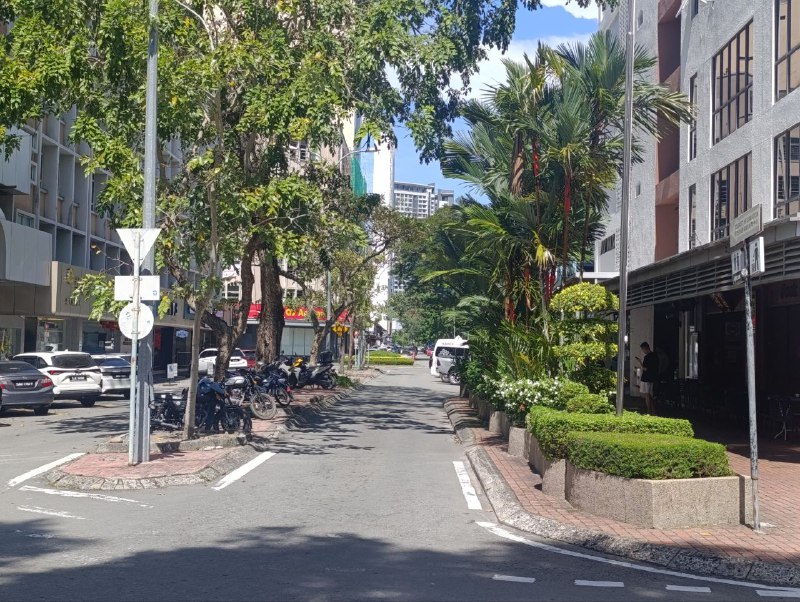
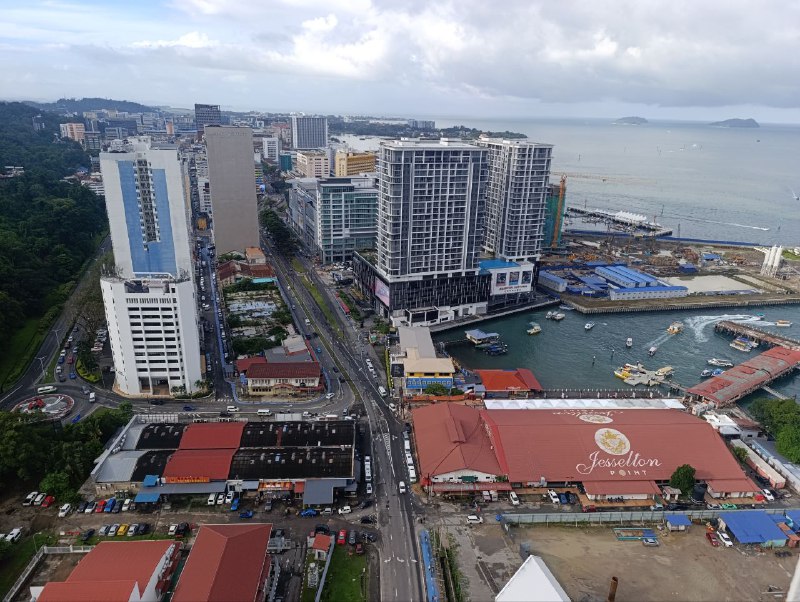
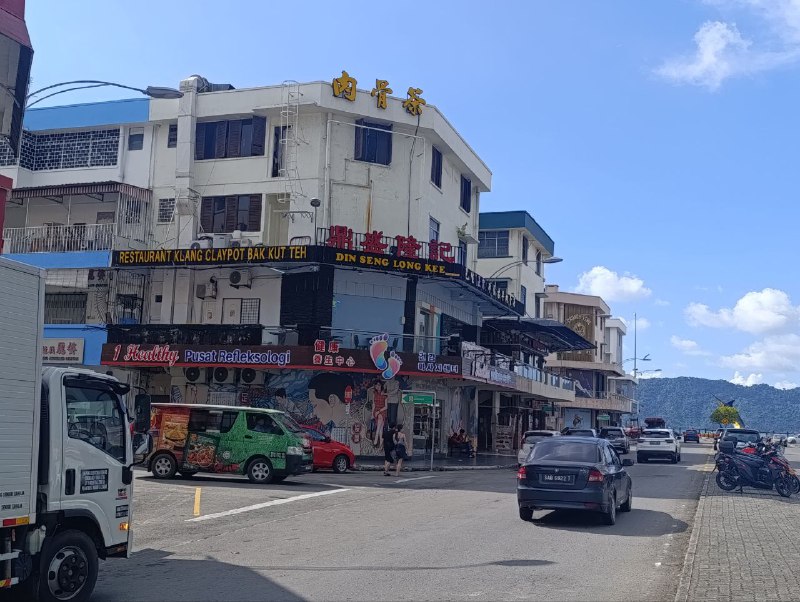
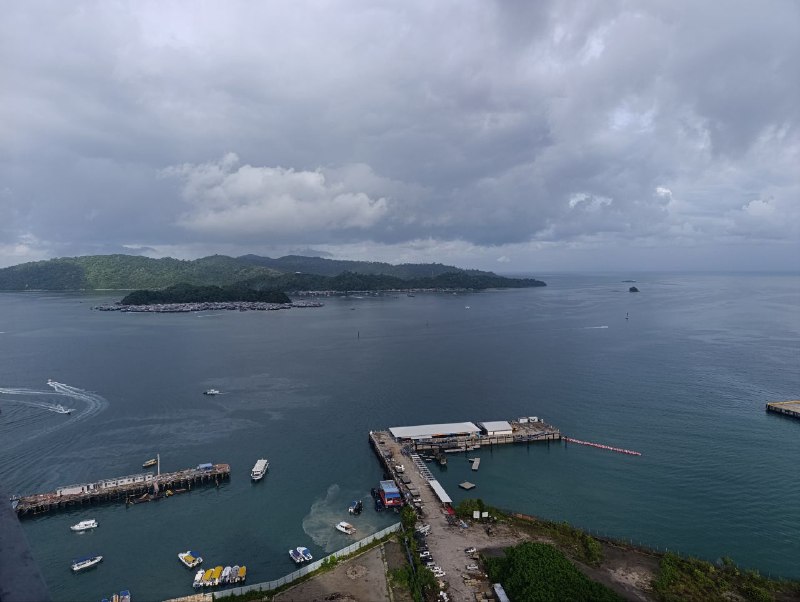
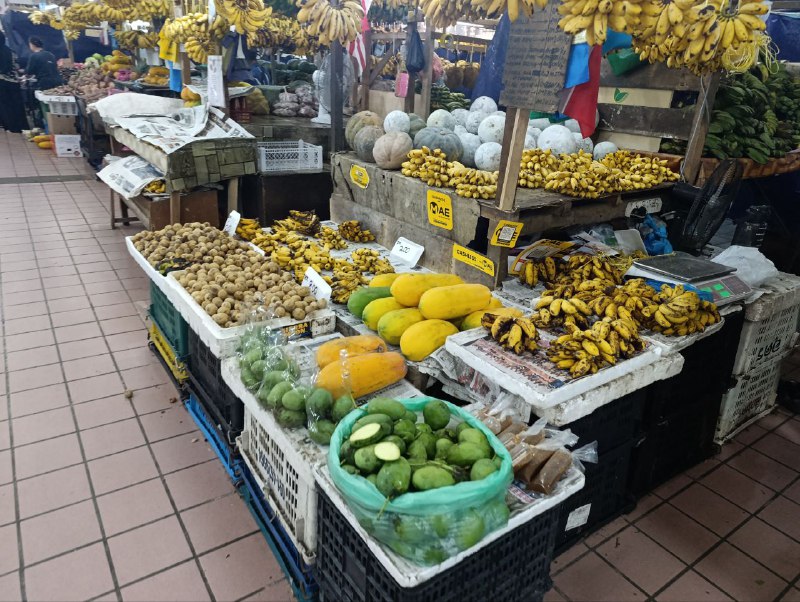
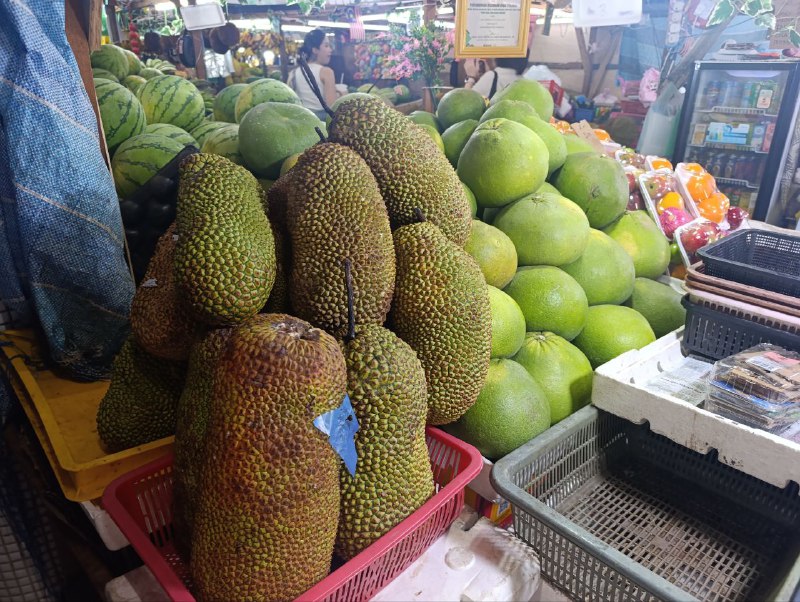
PS. In the photo is the capital of the region — Kota Kinabalu, a pretty charming city. Let's hope there won't be any new conflicts there 🕊
By the early 18th century, the Sultanate of Sulu had essentially conquered northern Borneo and the Brunei Sultan formally recognized this. In 1878, the new Sultan of Sulu signed a treaty with the British about selling (or leasing?) this land. The document was written only in Jawi (that's Malay written in Arabic script), where the land was supposed to be "ڤاجقن", which in English could be translated as either a lease or a sale (Jawi experts, correct me if I'm wrong :) ). The payment terms included perpetual annual monetary transfers. Meanwhile, the British labeled the transactions as "payment for land purchase," and the sultanate never disputed this.
Later, several new documents were signed without such ambiguity, explicitly stating a sale. By the early 1960s, the Sultanate of Sulu ended up part of the Philippines, while Sabah became part of Malaysia. But the desire to reclaim the land never went away. In 1962, a year before Malaysia was formed, a bill was even submitted to the Philippine government proposing to rename the country Malaysia so there'd be no doubt about where the true Malay lands were, but the law didn't pass, and they had to abandon this brilliant idea. In 1967, the Philippine president was secretly preparing to annex Sabah, but at the last moment the soldiers refused to participate. The rebels were eventually executed, and the authorities didn't acknowledge this fact until 2013.
In that same 2013, several hundred armed Filipinos landed on Borneo and declared the return of the lands to their historical owner. At first, they tried to negotiate with the fighters, but ultimately the Malaysian army suppressed the conflict by force. The Philippine government didn't officially support the attackers, but it didn't renounce its territorial claims either. Malaysia only at that point stopped making payments for the land and built a security zone on its coast in case of future attacks. Based on tweets from the Philippine foreign minister in 2020, where he directly wrote that Sabah is not Malaysia, it's not really such an unlikely scenario.
PS. In the photo is the capital of the region — Kota Kinabalu, a pretty charming city. Let's hope there won't be any new conflicts there 🕊
 United Kingdom
 Serbia
 Bosnia and Herzegovina
 Turkey
 United Arab Emirates
 Brunei
 Indonesia
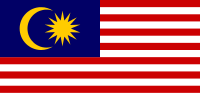 Malaysia
 Argentina
 USA
USA Morocco
 Georgia
 Egypt
Egypt Hong Kong
 China
China Vietnam
 Tunisia
 Montenegro
 Philippines
 Singapore
 Oman
Oman Algeria
 North Macedonia
 Lebanon
 Israel
 Albania
 Russia
 Tanzania
 Netherlands
 Spain
Spain Latvia
 Germany
 Belgium
 France
 Kazakhstan