Even though I've already left Oman, I still haven't managed to finish a couple more posts from there.
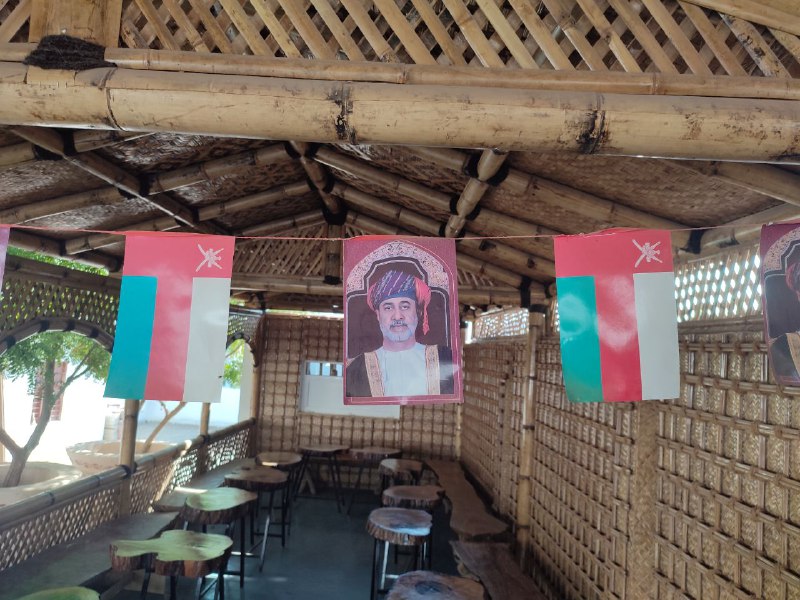
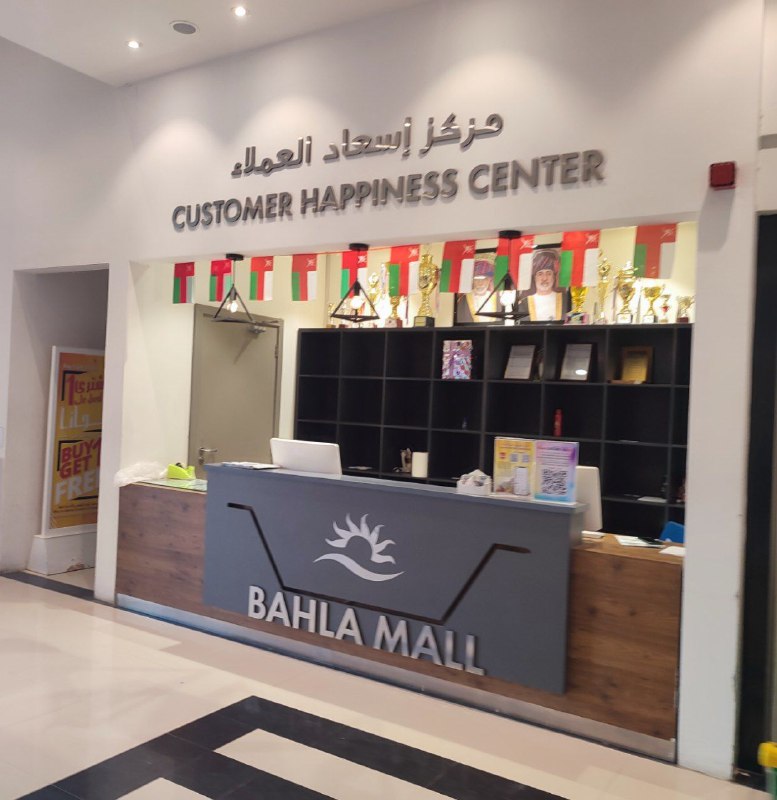
Oman is one of the few absolute monarchies today. There are fewer than ten in the modern world. Portraits of the local sultan and his predecessor Qaboos bin Said hang in many places. The latter ruled for almost 50 years and died in 2020. It's believed that people were very fortunate to have him, and he did a great deal for the sultanate. If you read about the state the country was in when he took over, the changes are truly impressive.
1970. In power was Qaboos's father. A very eccentric ruler. Here are his accomplishments by the end of his reign: child mortality above 25%, literacy rate around 5% (no wonder when the entire country had only 3 schools), paved roads totaling just 10 (ten!) kilometers. Even their own currency had just appeared (before that they used Indian Gulf rupees). After an assassination attempt in 1966, the monarch developed serious paranoia and started banning everything: playing football, wearing sunglasses, talking for more than 15 minutes in the street.
When it became completely unbearable, his son staged a coup and seized power from his father. The latter was exiled to England and lived in London until his death 10 years later.
Though the new ruler removed the completely insane restrictions, many political bans remain in effect today, and punishments have gotten harsher. For example, criticizing the highly respected sultan can now get you 3 to 7 years (before 2018 it was 6 months to 3 years). Tons of laws are worded vaguely for convenience in enforcement, naturally. It's just like in the best of places.
Oman is one of the few absolute monarchies today. There are fewer than ten in the modern world. Portraits of the local sultan and his predecessor Qaboos bin Said hang in many places. The latter ruled for almost 50 years and died in 2020. It's believed that people were very fortunate to have him, and he did a great deal for the sultanate. If you read about the state the country was in when he took over, the changes are truly impressive.
1970. In power was Qaboos's father. A very eccentric ruler. Here are his accomplishments by the end of his reign: child mortality above 25%, literacy rate around 5% (no wonder when the entire country had only 3 schools), paved roads totaling just 10 (ten!) kilometers. Even their own currency had just appeared (before that they used Indian Gulf rupees). After an assassination attempt in 1966, the monarch developed serious paranoia and started banning everything: playing football, wearing sunglasses, talking for more than 15 minutes in the street.
When it became completely unbearable, his son staged a coup and seized power from his father. The latter was exiled to England and lived in London until his death 10 years later.
Though the new ruler removed the completely insane restrictions, many political bans remain in effect today, and punishments have gotten harsher. For example, criticizing the highly respected sultan can now get you 3 to 7 years (before 2018 it was 6 months to 3 years). Tons of laws are worded vaguely for convenience in enforcement, naturally. It's just like in the best of places.
 United Kingdom
 Serbia
 Bosnia and Herzegovina
 Turkey
 United Arab Emirates
 Brunei
 Indonesia
 Malaysia
 Argentina
 USA
USA Morocco
 Georgia
 Egypt
Egypt Hong Kong
 China
China Vietnam
 Tunisia
 Montenegro
 Philippines
 Singapore
 Oman
Oman Algeria
 North Macedonia
 Lebanon
 Israel
 Albania
 Russia
 Tanzania
 Netherlands
 Spain
Spain Latvia
 Germany
 Belgium
 France
 Kazakhstan