Before my trip to Argentina, I was convinced that the local Germans were mostly descendants of Nazis who fled after World War II. But that turned out to be completely wrong.
Today, the country is home to around two million ethnic Germans. More than half are descendants of immigrants from Russia. In the late 19th century, Volga Germans massively migrated to South America. They lived in isolation outside major cities, engaged in agriculture, and spoke an archaic dialect from the time they left their historical homeland. Other German settlers had trouble understanding them.
In the 1930s, a wave of opponents to the Nazi regime came from Germany. Estimates vary, but up to 50,000 people arrived—though not all were German. They settled in Buenos Aires, had little contact with their Volga-German counterparts, but actively maintained their culture and published anti-fascist newspapers in the spirit of Argentinisches Tageblatt. They sometimes published lists of war criminals who had reached the country. But there were also regime supporters here, with pro-war newspapers. It was sort of a standoff.
After World War II, up to 5,000 regime collaborators made their way into the country via rat lines. In the grand scheme of things, that wasn't much. But the anti-war wave certainly wasn't happy about it. Tensions simmered for many years, with occasional murders and assassination attempts. And not just against Germans. For example, Serbs shot at Ante Pavelić, the leader of the Croatian Ustaše, in 1957. But the assassination attempt failed, and Pavelić escaped to Spain, where he died two years later.
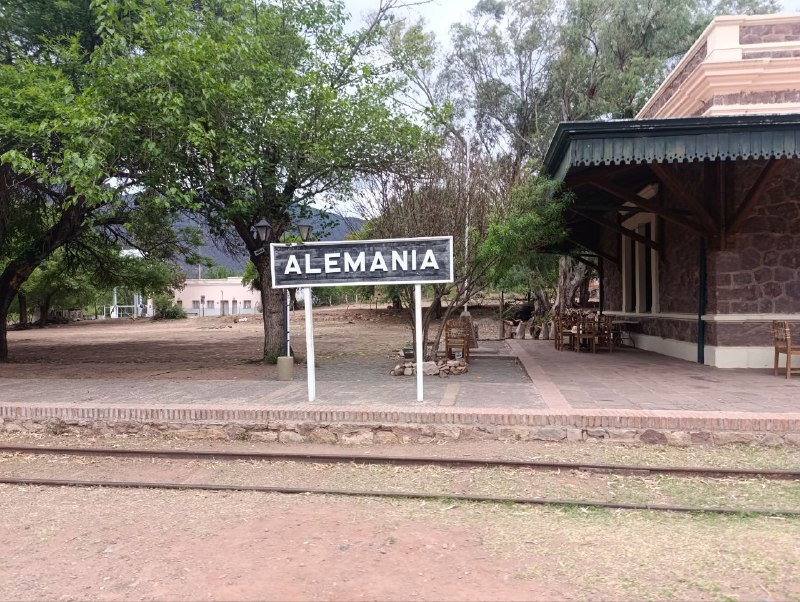
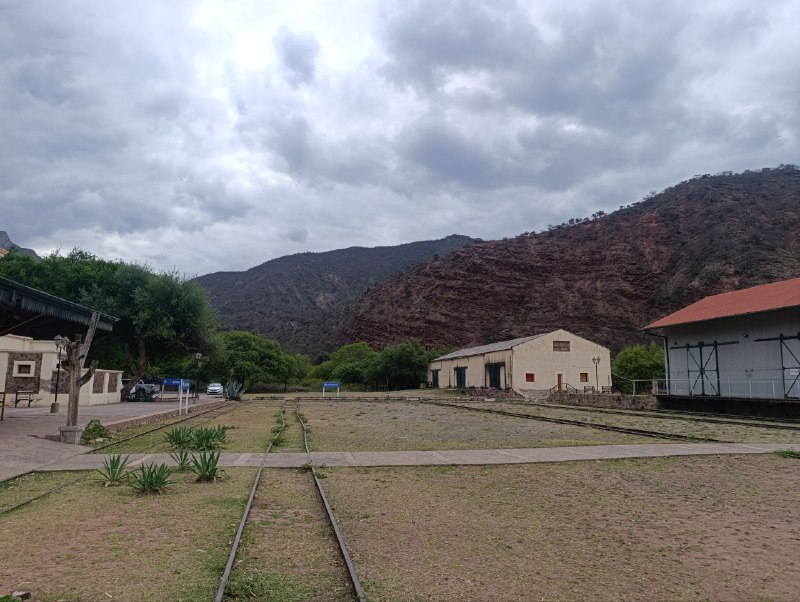
As it happens, I randomly stopped for a bite at a former railway station called Alemania, which inspired me to dig into this whole story.
Today, the country is home to around two million ethnic Germans. More than half are descendants of immigrants from Russia. In the late 19th century, Volga Germans massively migrated to South America. They lived in isolation outside major cities, engaged in agriculture, and spoke an archaic dialect from the time they left their historical homeland. Other German settlers had trouble understanding them.
In the 1930s, a wave of opponents to the Nazi regime came from Germany. Estimates vary, but up to 50,000 people arrived—though not all were German. They settled in Buenos Aires, had little contact with their Volga-German counterparts, but actively maintained their culture and published anti-fascist newspapers in the spirit of Argentinisches Tageblatt. They sometimes published lists of war criminals who had reached the country. But there were also regime supporters here, with pro-war newspapers. It was sort of a standoff.
After World War II, up to 5,000 regime collaborators made their way into the country via rat lines. In the grand scheme of things, that wasn't much. But the anti-war wave certainly wasn't happy about it. Tensions simmered for many years, with occasional murders and assassination attempts. And not just against Germans. For example, Serbs shot at Ante Pavelić, the leader of the Croatian Ustaše, in 1957. But the assassination attempt failed, and Pavelić escaped to Spain, where he died two years later.
As it happens, I randomly stopped for a bite at a former railway station called Alemania, which inspired me to dig into this whole story.


 United Kingdom
 Serbia
 Bosnia and Herzegovina
 Turkey
 United Arab Emirates
 Brunei
 Indonesia
 Malaysia
 Argentina
 USA
USA Morocco
 Georgia
 Egypt
Egypt Hong Kong
 China
China Vietnam
 Tunisia
 Montenegro
 Philippines
 Singapore
 Oman
Oman Algeria
 North Macedonia
 Lebanon
 Israel
 Albania
 Russia
 Tanzania
 Netherlands
 Spain
Spain Latvia
 Germany
 Belgium
 France
 Kazakhstan