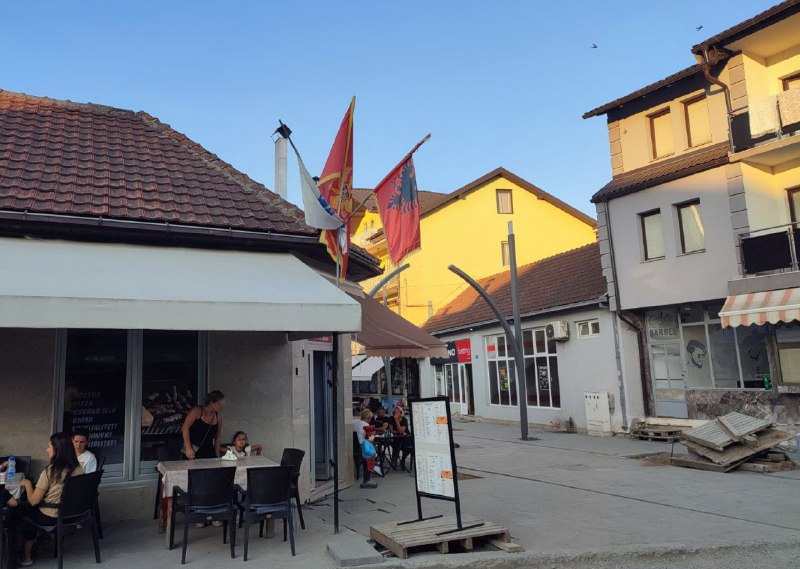
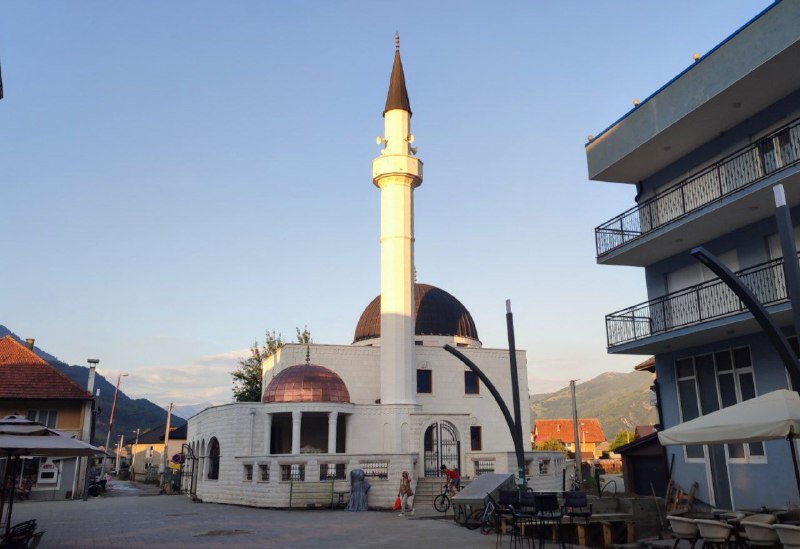
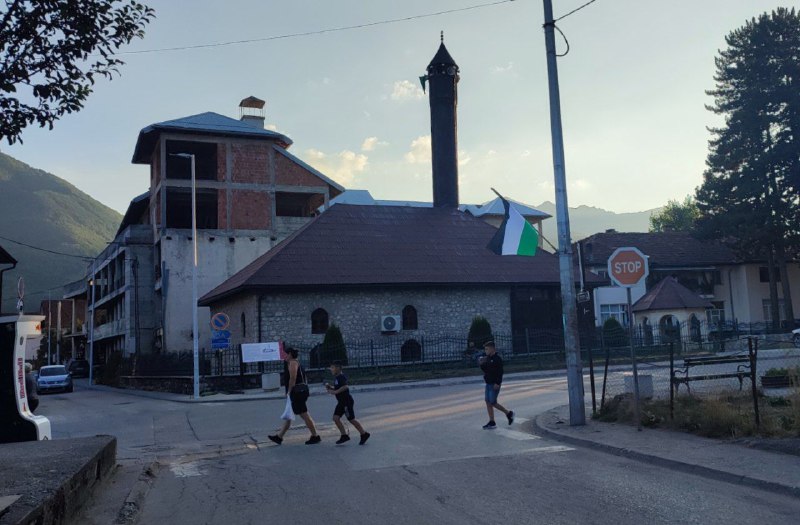
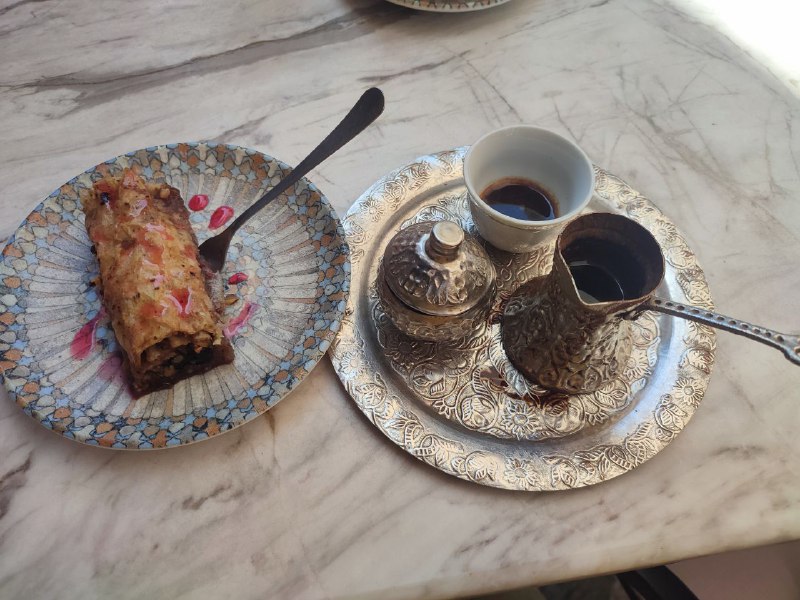
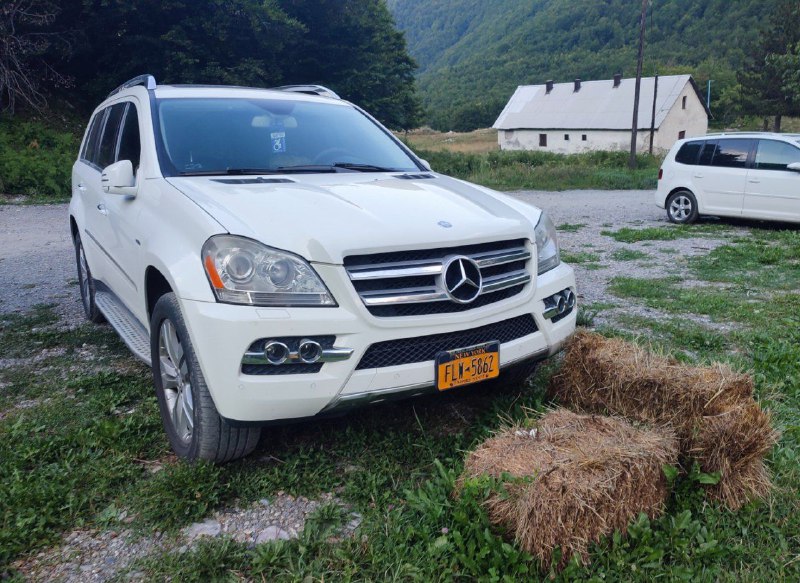
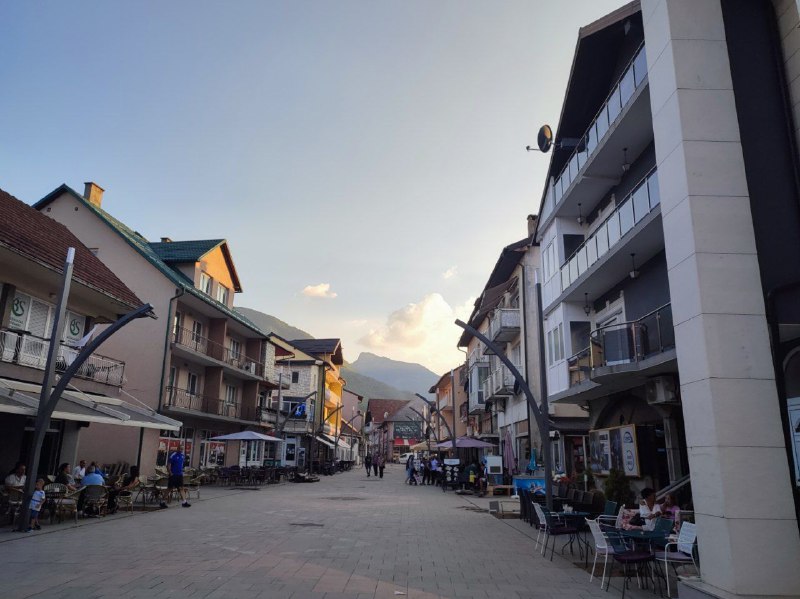
Picture a small Balkan town: Albanian flags hanging on the streets, mosques on every corner, Turkish coffee being served at cafés, plenty of cars with US license plates on the roads, and waiters who don't always speak Serbo-Croatian well. Which country would this most likely be in?
Bingo! It's Montenegro 😅
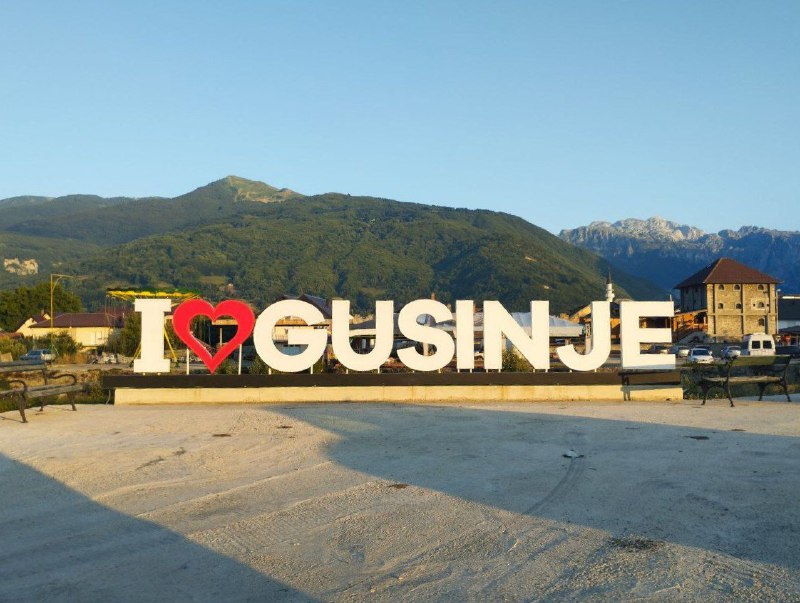
Gusinje, located right before Prokletije National Park, is exactly like that. It's been part of the Ottoman Empire, the Montenegrin Principality, and even Albania. Sometimes more than once. Most of these "relocations" happened in the late 19th and early 20th centuries. They were often very bloody. In 1913, Montenegrins massacred over 1,800 residents of Gusinje and forcibly converted 12,000 to Christianity. Though it's true, people also converted to Islam in pursuit of material benefits and tax breaks. At least they didn't have guns to their heads.
This turbulent history led to several major waves of emigration. Today, it's estimated that over 30,000 people live outside the region, mostly in the USA, even though the region itself has fewer than 20,000 residents.
Locals speak a Serbo-Croatian dialect heavily influenced by Albanian, which is considered a unique phenomenon. I found it noticeably harder to understand people here than Serbs in Belgrade. At one point, someone even suggested we switch to English because we were having trouble communicating both ways. Though to be fair, native speakers from other regions struggle with it too.
Bingo! It's Montenegro 😅
Gusinje, located right before Prokletije National Park, is exactly like that. It's been part of the Ottoman Empire, the Montenegrin Principality, and even Albania. Sometimes more than once. Most of these "relocations" happened in the late 19th and early 20th centuries. They were often very bloody. In 1913, Montenegrins massacred over 1,800 residents of Gusinje and forcibly converted 12,000 to Christianity. Though it's true, people also converted to Islam in pursuit of material benefits and tax breaks. At least they didn't have guns to their heads.
This turbulent history led to several major waves of emigration. Today, it's estimated that over 30,000 people live outside the region, mostly in the USA, even though the region itself has fewer than 20,000 residents.
Locals speak a Serbo-Croatian dialect heavily influenced by Albanian, which is considered a unique phenomenon. I found it noticeably harder to understand people here than Serbs in Belgrade. At one point, someone even suggested we switch to English because we were having trouble communicating both ways. Though to be fair, native speakers from other regions struggle with it too.
 United Kingdom
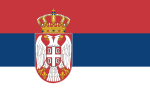 Serbia
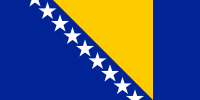 Bosnia and Herzegovina
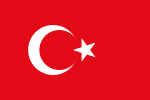 Turkey
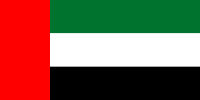 United Arab Emirates
 Brunei
 Indonesia
 Malaysia
 Argentina
 USA
USA Morocco
 Georgia
 Egypt
Egypt Hong Kong
 China
China Vietnam
 Tunisia
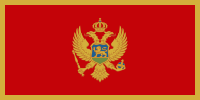 Montenegro
 Philippines
 Singapore
 Oman
Oman Algeria
 North Macedonia
 Lebanon
 Israel
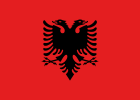 Albania
 Russia
 Tanzania
 Netherlands
 Spain
Spain Latvia
 Germany
 Belgium
 France
 Kazakhstan