Before I head out again (not much time left), let me finish up my Egypt story.
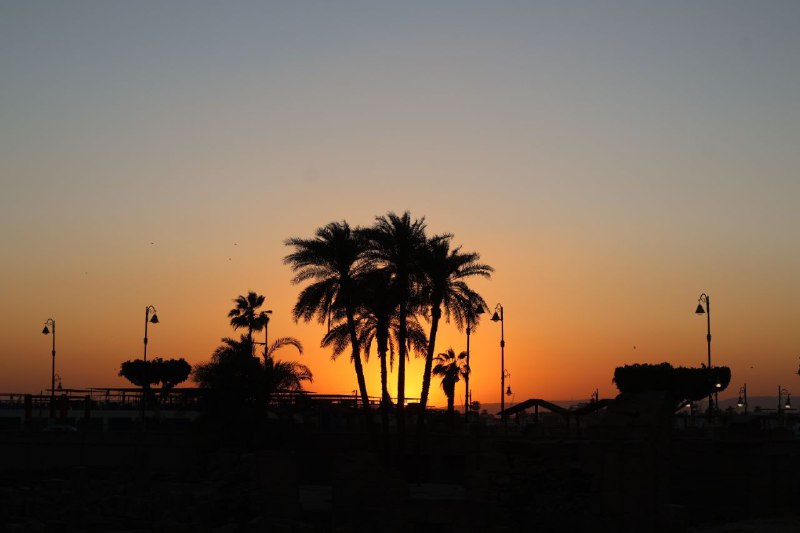
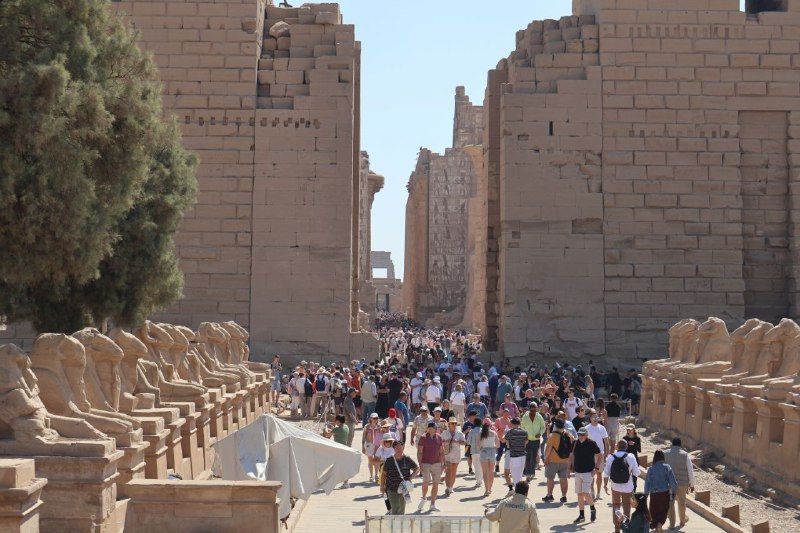
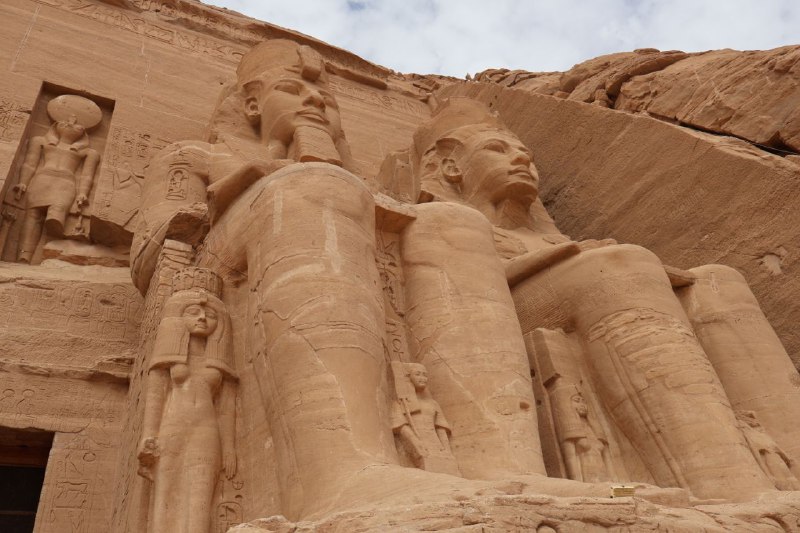
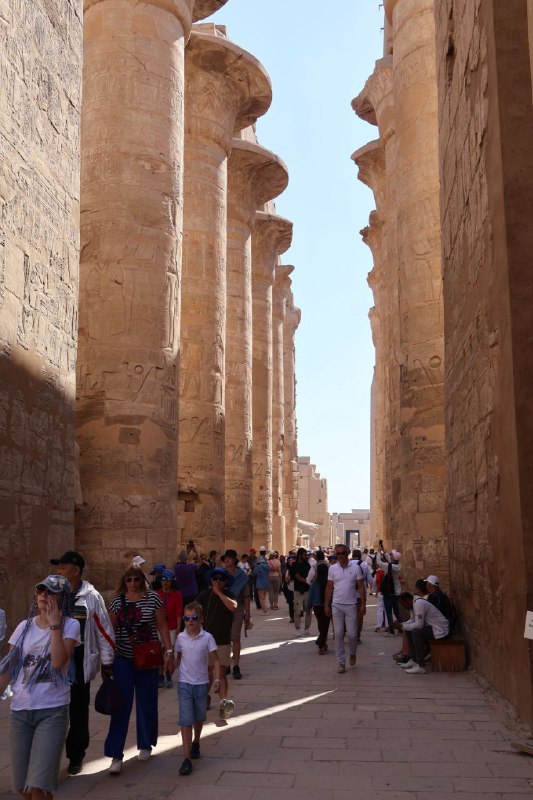
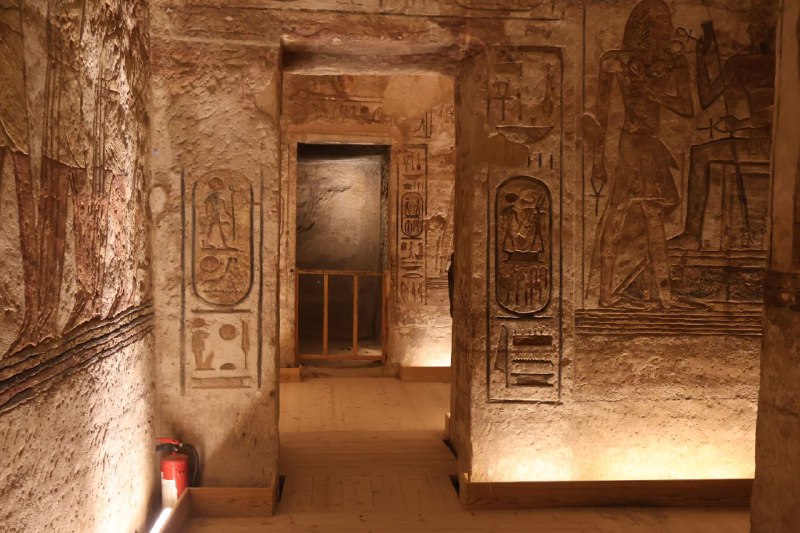
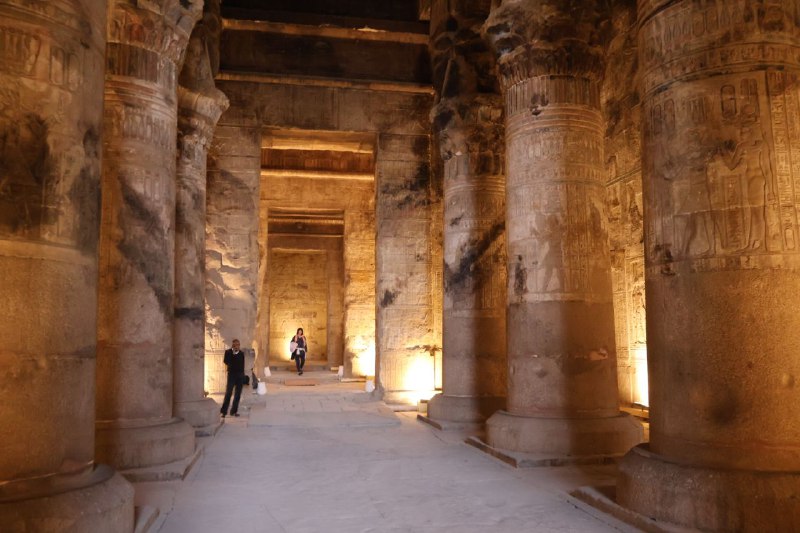
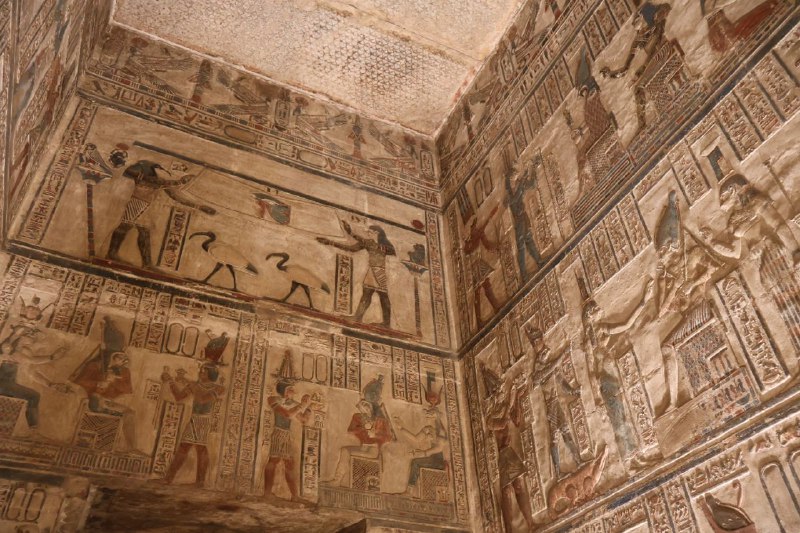
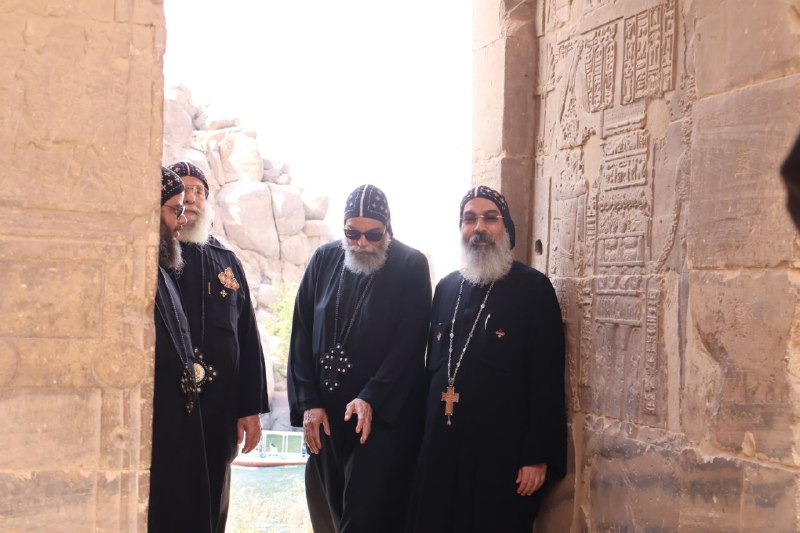
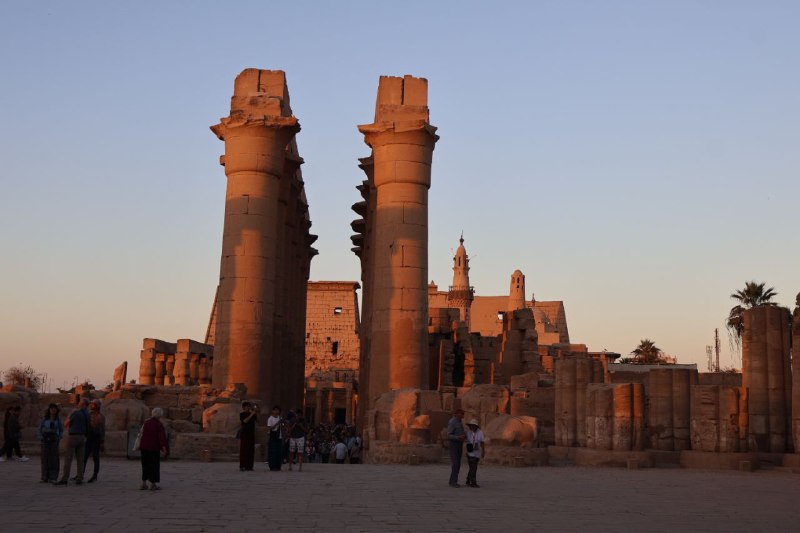
My whole trip was basically planned around visiting all these ancient ruins from Luxor and further south up to Abu Simbel. They're absolutely stunning—both in terms of scale and the fact that some of these structures are 3,000-4,000 years old. They don't look as monumental in pictures, but seeing them in person is really something special. Totally worth all the hassle :)
Speaking of hassle. I had some bad luck with water in Luxor: when I got there, there'd been no water for a whole day. In the entire city! The mayor
was saying to the press that they'd get it fixed soon. I needed to spend a couple nights there, and when I left, nothing had changed. Well, it came back for a couple of hours once, that's it. Even the local news
was posting about water distribution points. But overall, it was pretty rough. You'd walk into a café and couldn't even wash your hands or use the bathroom.
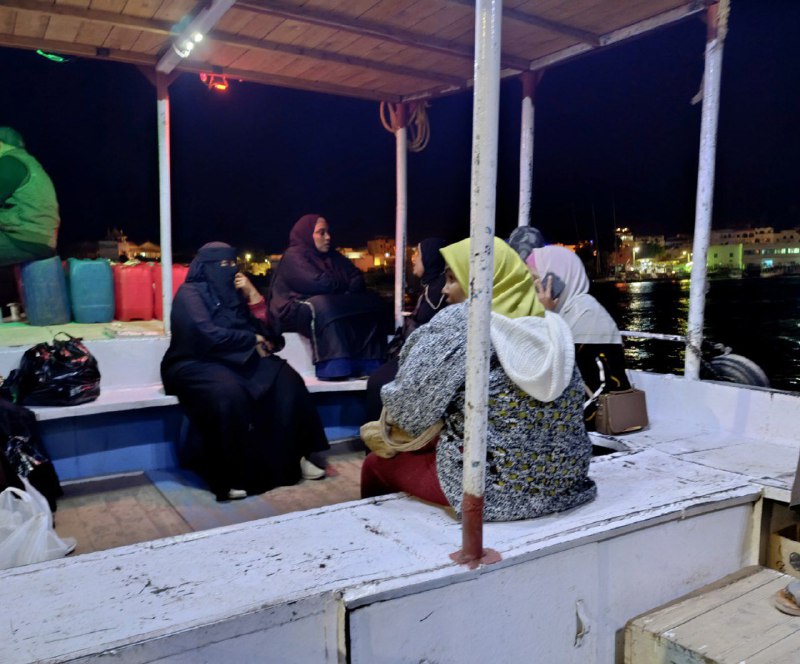
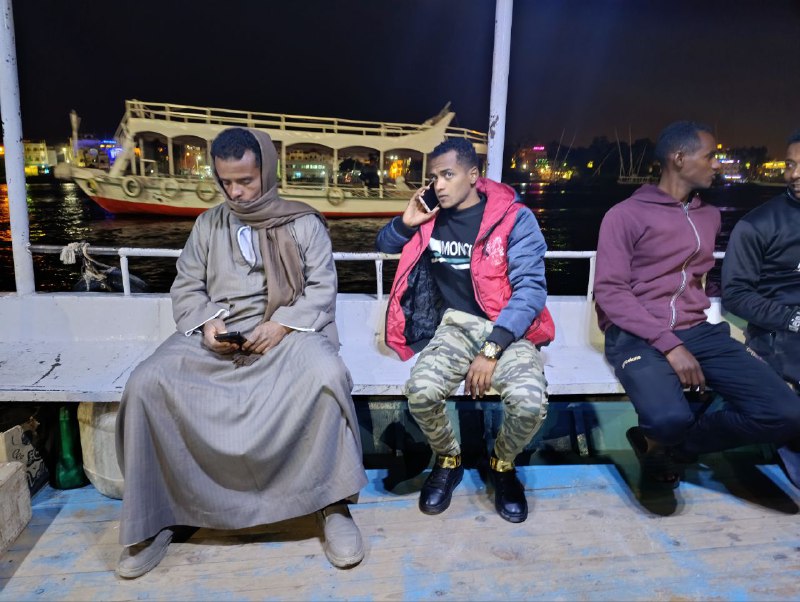
Egypt has strict gender segregation in many places. There are always separate lines for security checks at the airport. Public transport often has segregated zones. When you deal with the service sector, it's rare for a woman to interact with customers. When you walk around the streets and sit in cafés, you often see guys hanging out with a cup of coffee or a hookah. I haven't noticed women doing the same.
That's what tourists see. In everyday life, there are bigger problems. In rural areas, girls are often pulled out of school around 12-14 years old, sometimes even earlier, to minimize interaction with boys, despite separate schooling. Female genital mutilation and
honor killings are practiced, and some
things are scary even to read about. All of this is changing, but not very quickly. Let's hope the changes will accelerate.
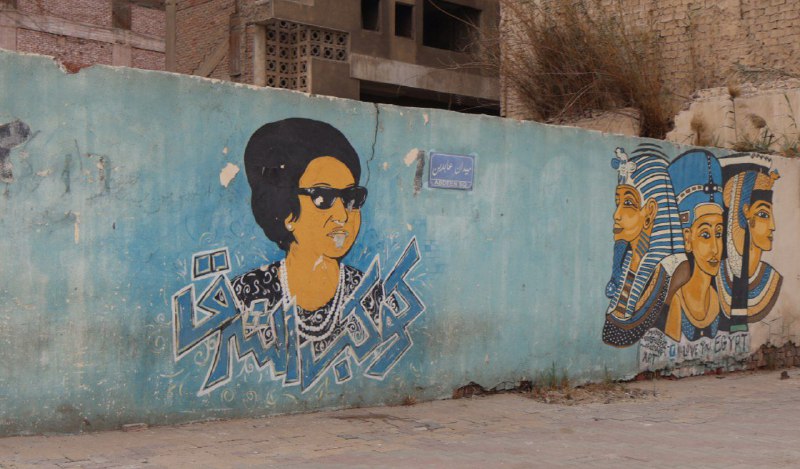
Yet despite such inequality, there are women who are revered. Ask any Egyptian about
Umm Kulthum, and even if he doesn't adore her, he'll probably speak about her with great respect. She's called the fourth pyramid of Egypt. Over four million (!) people attended her funeral in 1975. It's the largest gathering of people in the country's entire history. Today, you occasionally see graffiti with the singer on the streets, and in Cairo there's a
museum dedicated to her—nothing particularly special, but interesting for immersing yourself in the culture. Next to the museum stands a
nilometer, and together they're worth a visit.
Her songs are very specific to our ear, but Arabs love them. You can listen to
One Thousand and One Nights yourself.
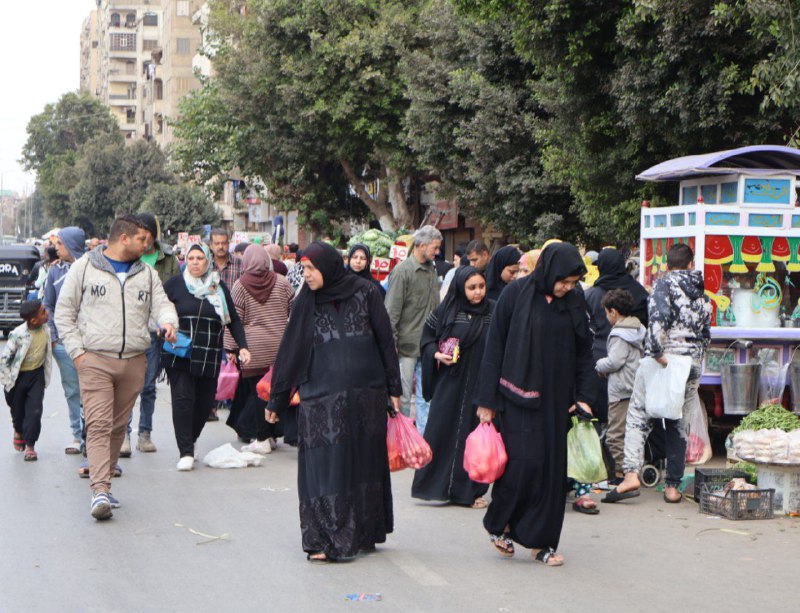
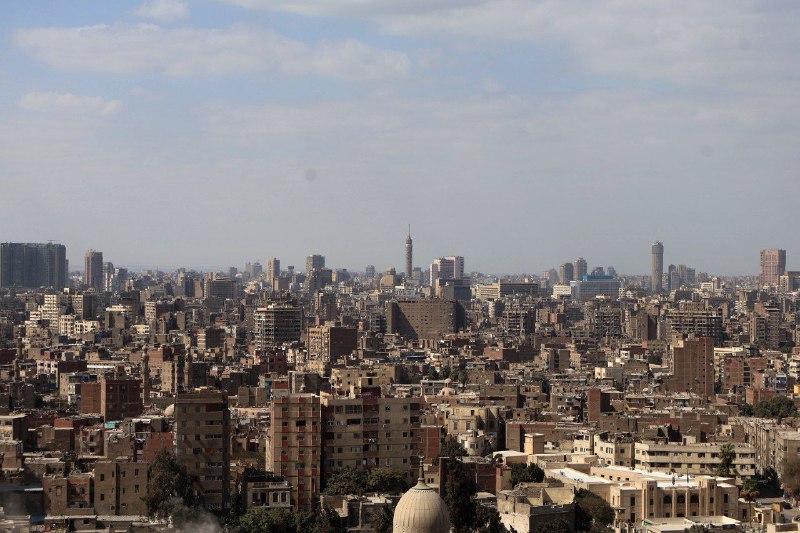
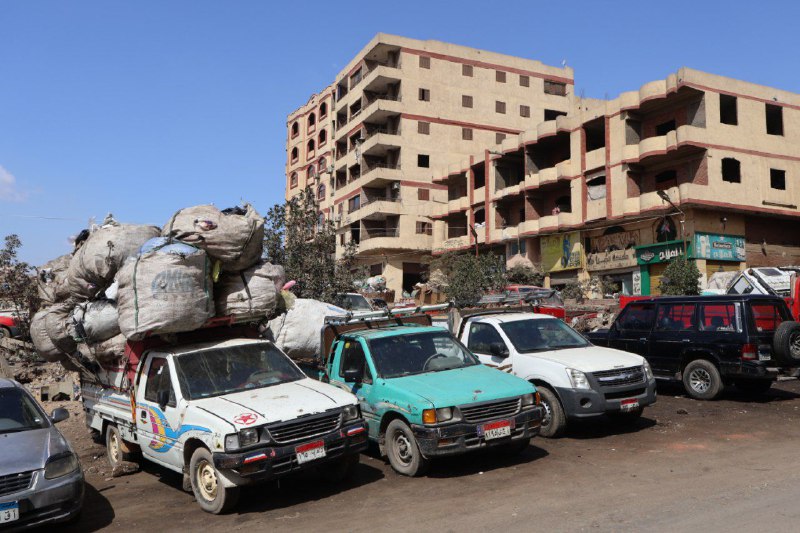
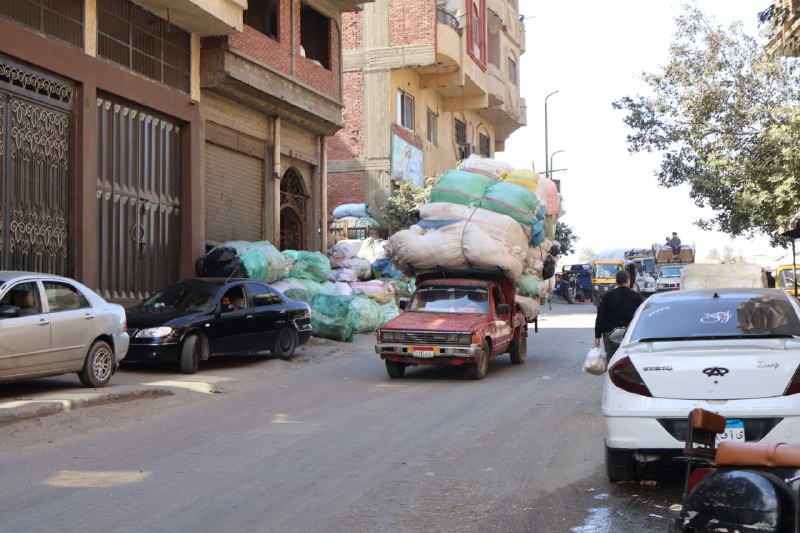
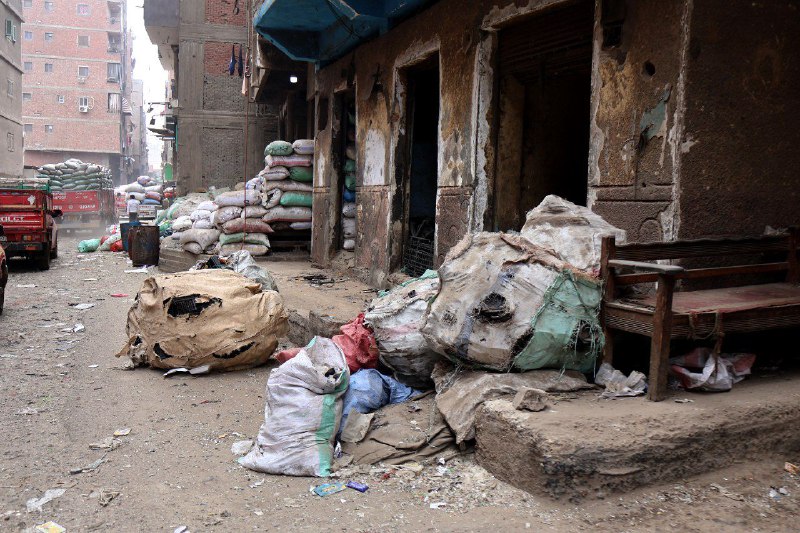
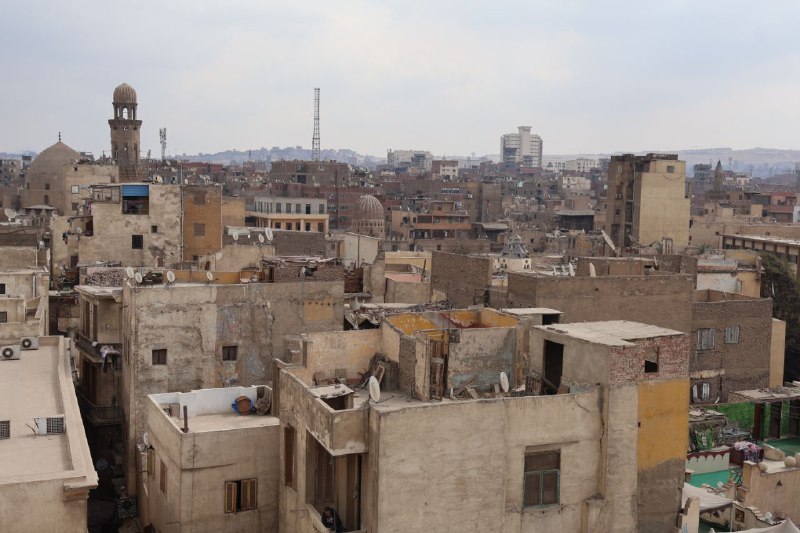
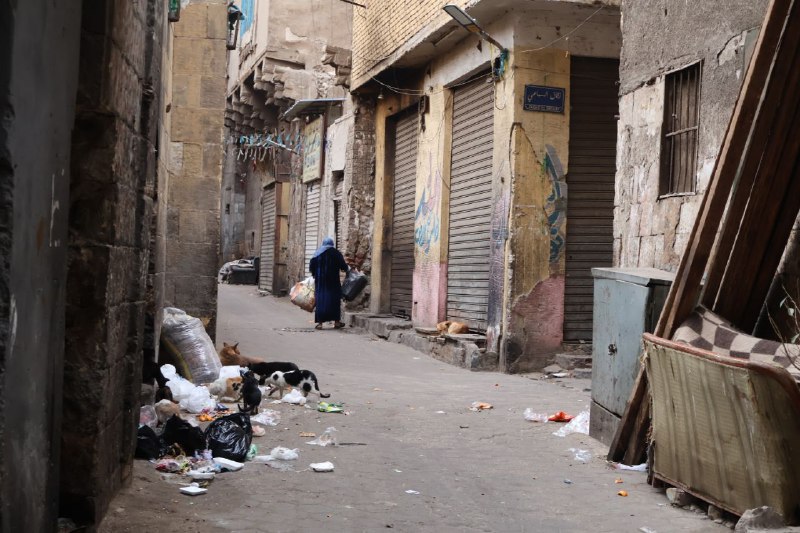
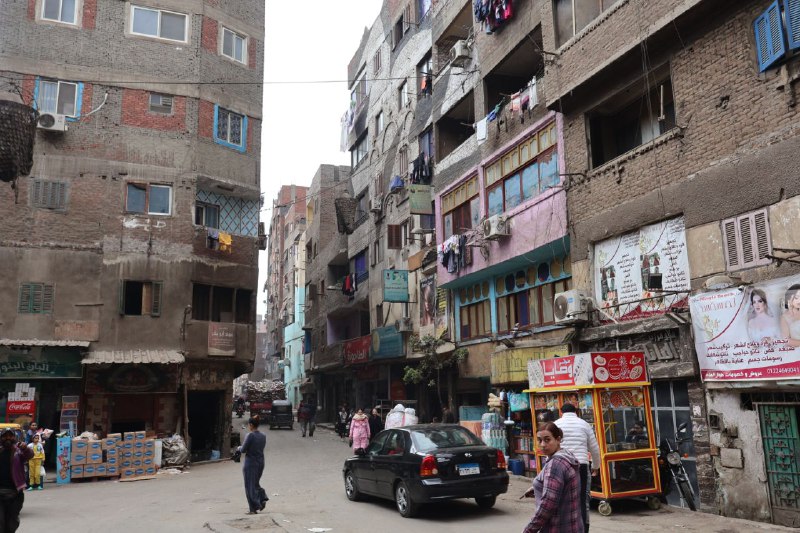
The one thing you can't get used to in Egypt is the relentless poverty. Even India didn't leave such a depressing impression on me. Everything here is amplified by the general sense of incompleteness—endless dirt, plastic bags constantly flying through the streets, and half-finished buildings pretty much everywhere. The latter is actually a local hack to avoid paying property taxes. According to the law, they only start collecting money after construction is finished.
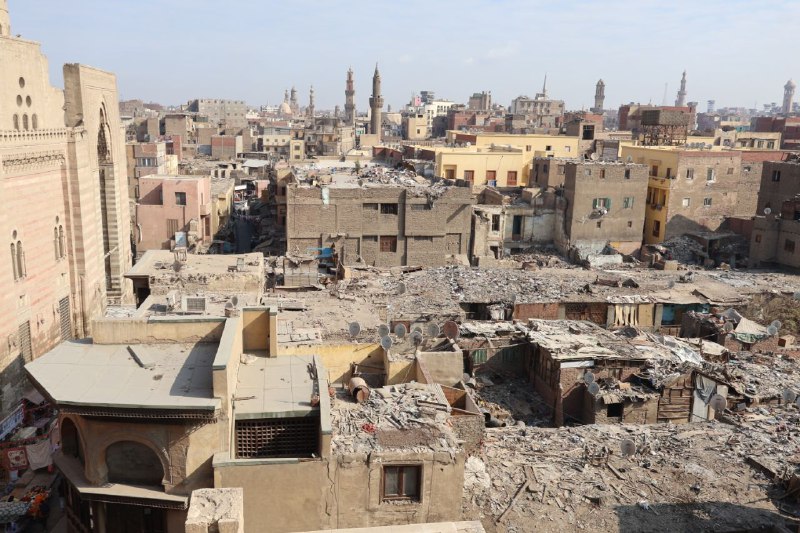
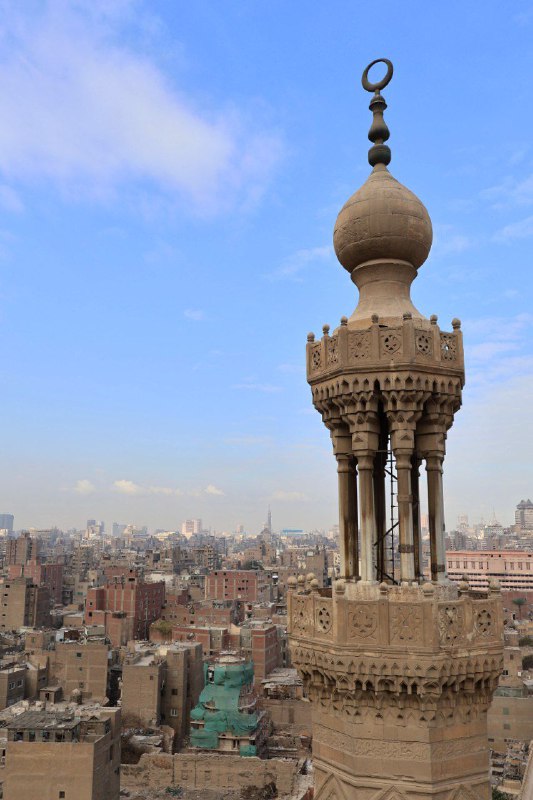
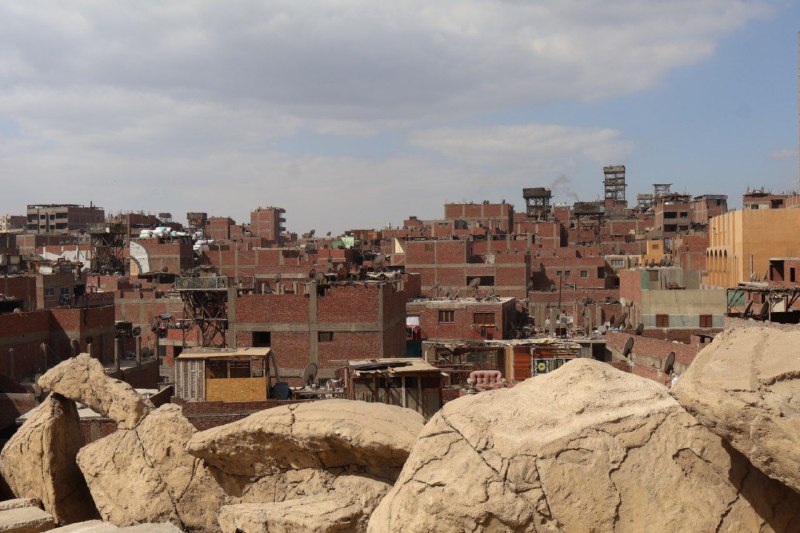
You can only escape this reality if you stay within a hotel resort area by the sea. Cairo doesn't have any picture-perfect tourist enclaves. Some interesting spots are tucked away in extremely poor neighborhoods. For example,
the Monastery of Simon the Tanner sits on the outskirts of
the City of Garbage Collectors. People there sort through mountains of trash with their bare hands. They literally haul waste from all over the capital and recycle it. Despite how awful this system is, the efficiency is impressive:
85% of waste gets reused. When you walk through the neighborhood, you're often hit with the stench of garbage. Except these are residential streets, not a recycling facility.
Surprisingly, there aren't that many aggressive beggars around. In almost a week in the city, only once did someone approach me asking for money. Far more annoying are the souvenir vendors at tourist spots. The longer you refuse, the more the prices drop. $3 for a stone scarab quickly becomes $1 for three. I don't buy though, not because it's expensive, but because I don't need it.
Being aware that you have a plane ticket home in your pocket makes the experience easier to bear. The locals live like this their whole lives.
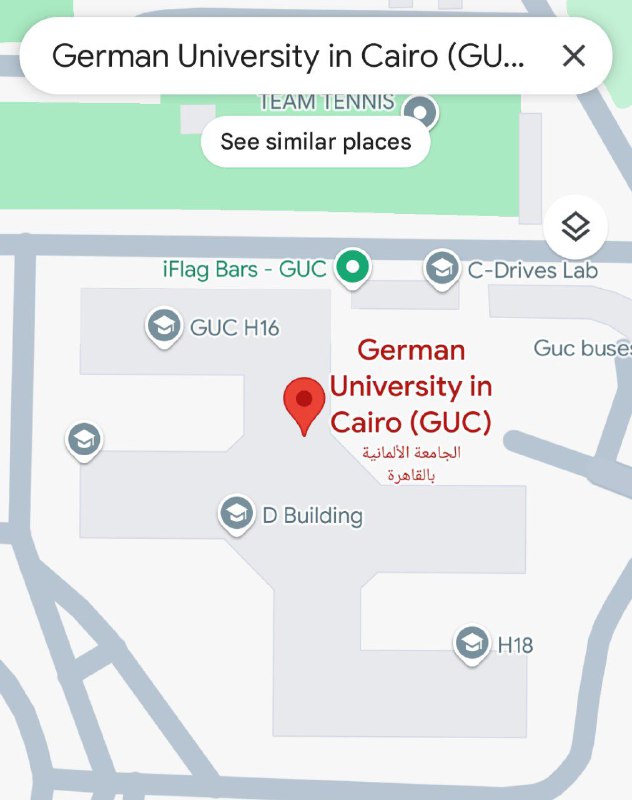
PS. What really gets me is the design of the
German University in Cairo. I can't shake the feeling that they forgot to build a couple of wings.
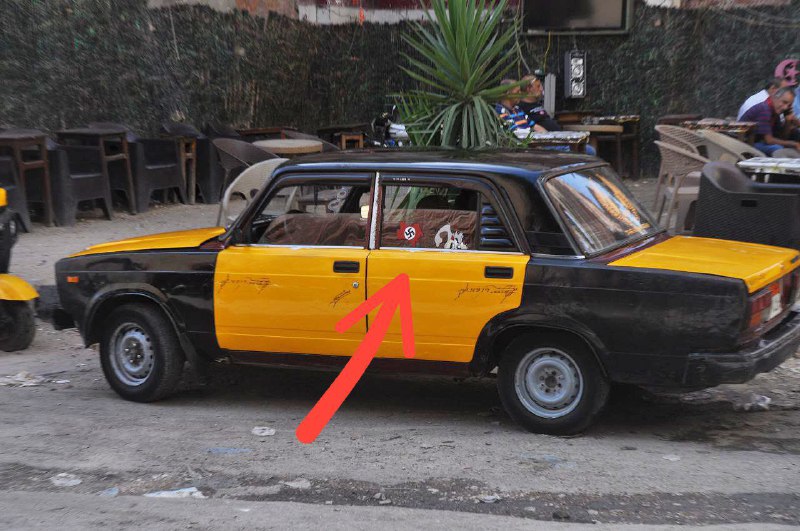
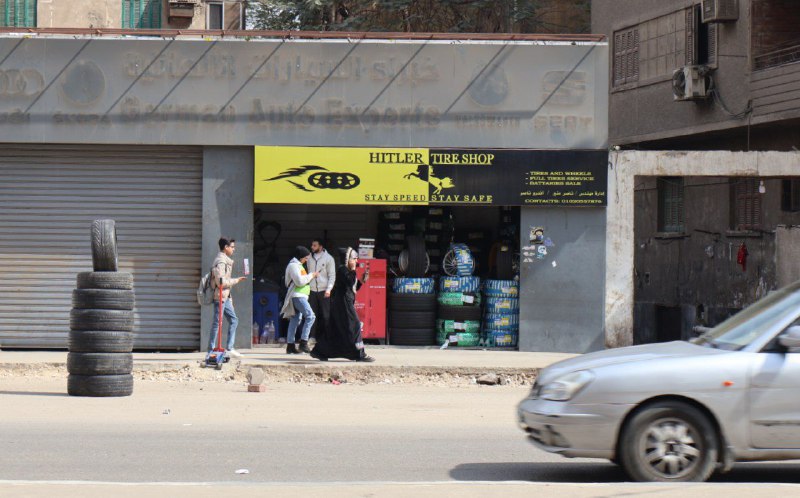
Warning: This photo contains a swastika. If you find this offensive, please don't look at it. I condemn this practice.On the streets of Egypt, you'll occasionally spot cars with Nazi symbols or little shops named after Hitler. Right here in 2025. It's not because Egyptians are big fans of fascism, but rather due to low levels of education and complicated relations with Israel.
For example, back in 2018, the owner of the "Hitler" clothing brand
complained that he didn't understand why the name upset people so much, since "it's just a name." His business didn't last long, but that doesn't stop others from opening new shops under this questionable brand.
The second problem is more complicated. Sometimes this hatred doesn't stop at the state level but extends to all Jewish people in general. Who was their main enemy? That's where the swastikas on cars come from.
That said, during World War II, Egypt was actively flirting with the fascists. The Arabs were tired of being an English colony, and befriending the enemy of their enemy seemed like a great idea. But beyond
collaboration with individual collaborators, things didn't go further.
However, after the war, one of the Third Reich's chief antisemitic propagandists,
Johann von Leers, relocated to Cairo as an advisor to President Gamal Abdel Nasser, where he converted to Islam and engaged in antisemitic propaganda. German engineers also came to Egypt and worked on developing military rockets—right in the middle of the Arab-Israeli conflict. Israel had planned an entire
operation to shut down production, but the engineers were successfully expelled through diplomacy. The propagandist died a natural death in 1965.
This isn't a widespread phenomenon—you don't see every other car sporting Nazi symbols around here. But when you wander through backstreets, you do spot it now and then. Common sense still prevails overall, and people generally understand that there's nothing good about the Nazis.
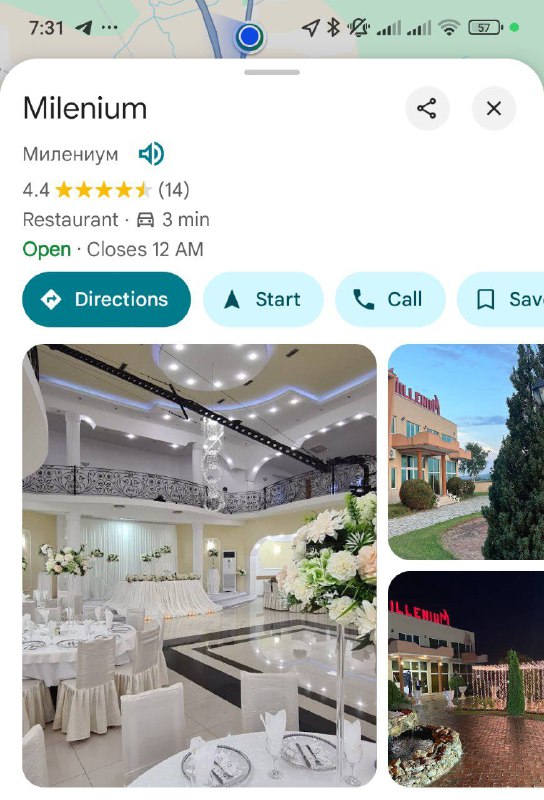
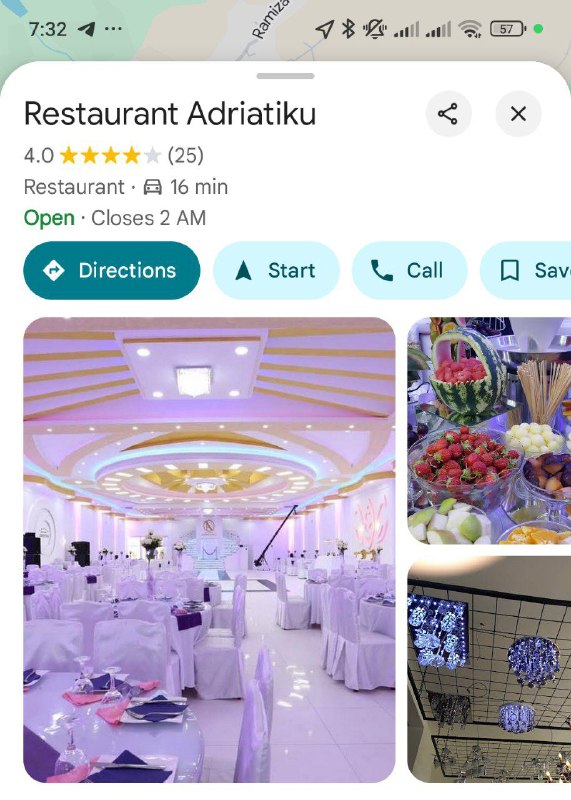
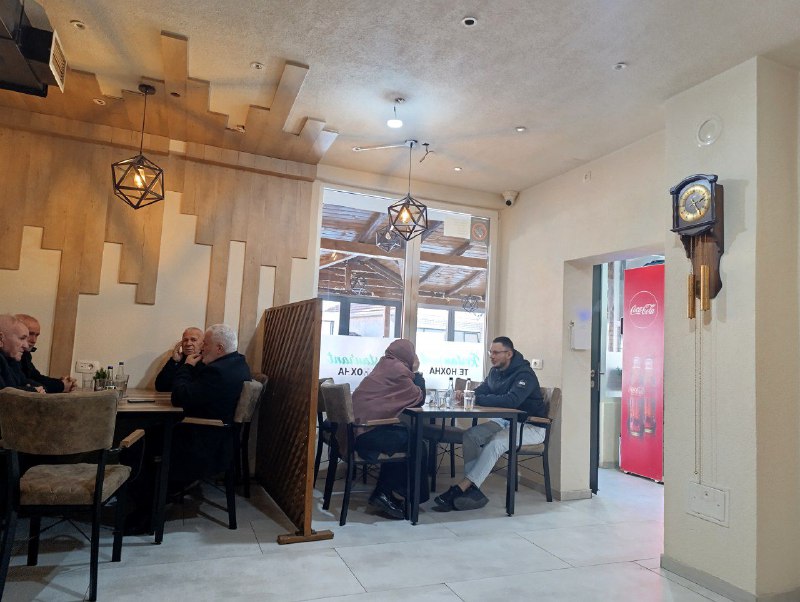
According to Google Maps, Preševo has an absolutely insane number of banquet halls. You search for "restaurants" and get back a million options for where to have your wedding. Locals say they already know where to eat, and outsiders barely ever stop by, so there's not much point in messing around with maps.
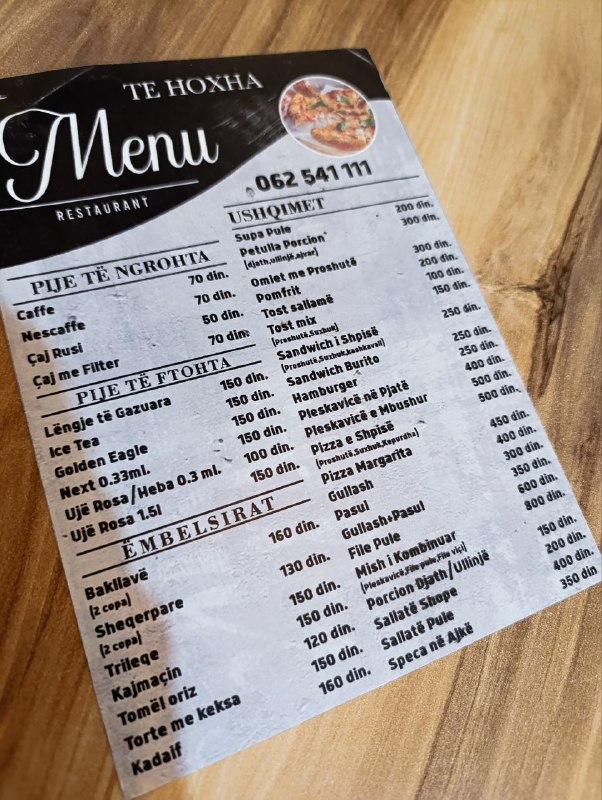
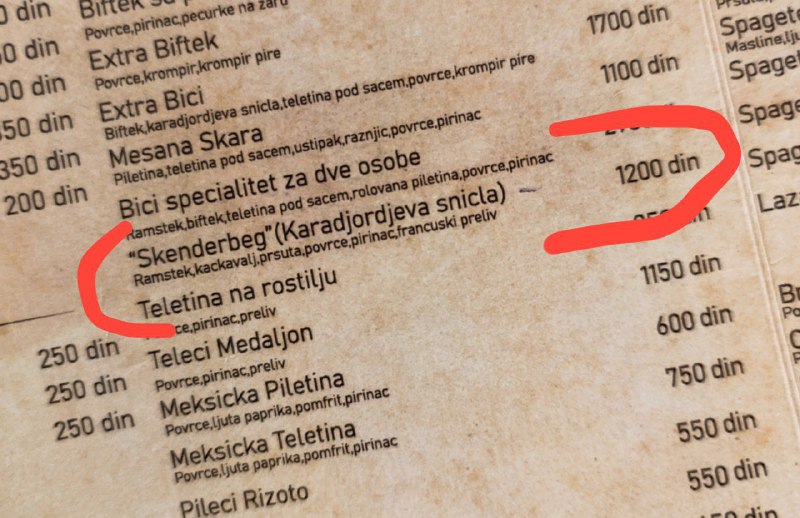
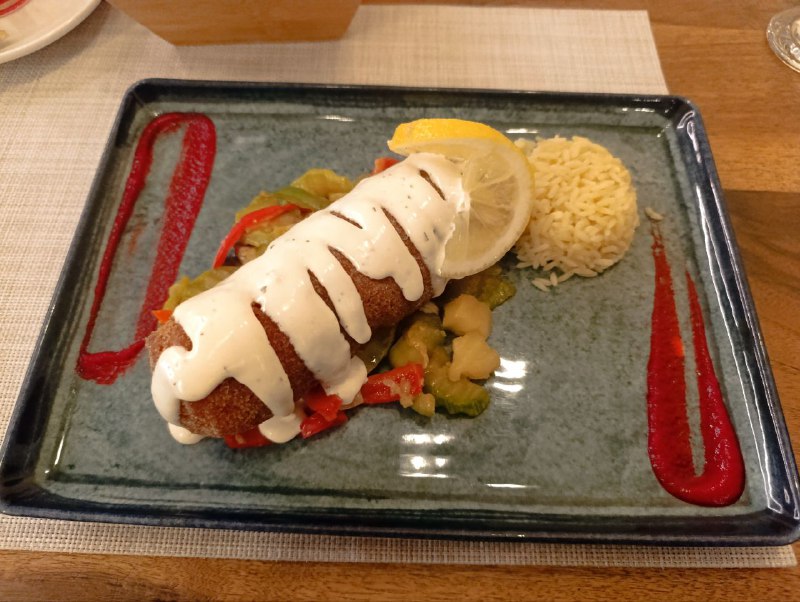
Fortunately, I managed not to starve. The prices are just about lower than Belgrade in 2022, where everything got way more expensive over the last three years. I really miss those old prices in 2025. Menus are usually in Albanian, though at one place they brought one in Serbian with a curious Easter egg: they renamed the Karageorge schnitzel after Skanderbeg.
I need to explain this:
schnitzel, even though it was only invented in 1959, has long since become one of the most iconic dishes of Serbian cuisine. It's named after
Karageorge, who led the first Serbian uprising against the Turks.
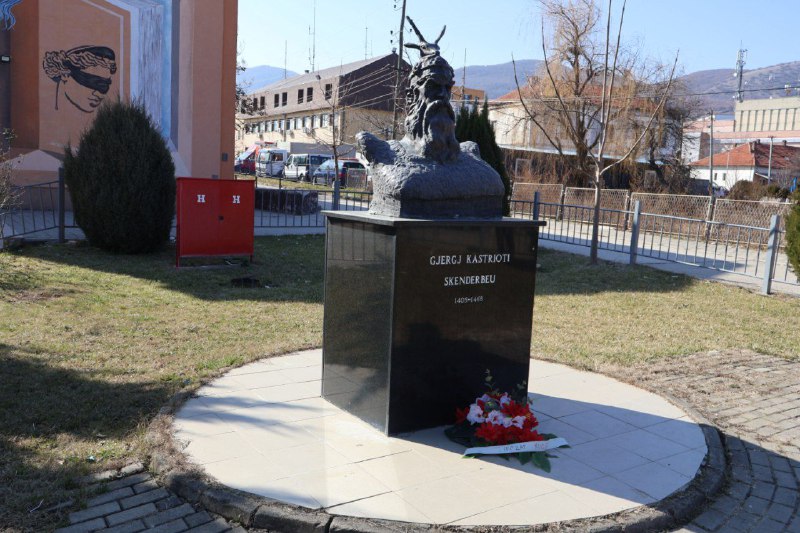
Skanderbeg is a legendary Albanian who led an uprising against the Ottomans, but he lived several centuries earlier than his neighbor and managed to accumulate way more myths and legends around himself. He's practically the founding father of the nation. In terms of historical significance, he's in the league of figures like Minin and Pozharsky, or Alexander Nevsky.
So the name swap is pretty cutting. There's an extra layer of irony to it all because Serbs actually claim Skanderbeg as Serbian. If you check the
Serbian Wikipedia, it literally says:
Рођен је у породици српског порекла.
(Born into a family of Serbian descent)
Historians don't support this version, but that doesn't stop anyone from continuing to argue about his origins.
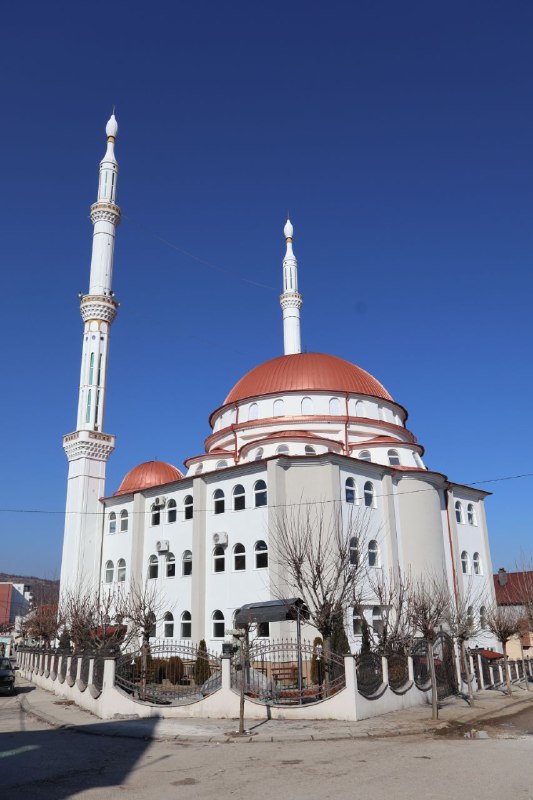
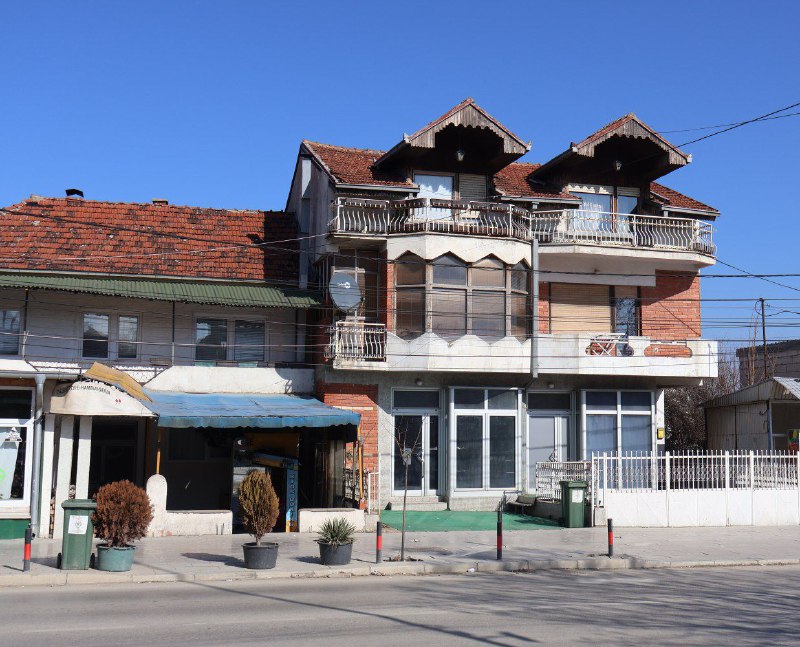
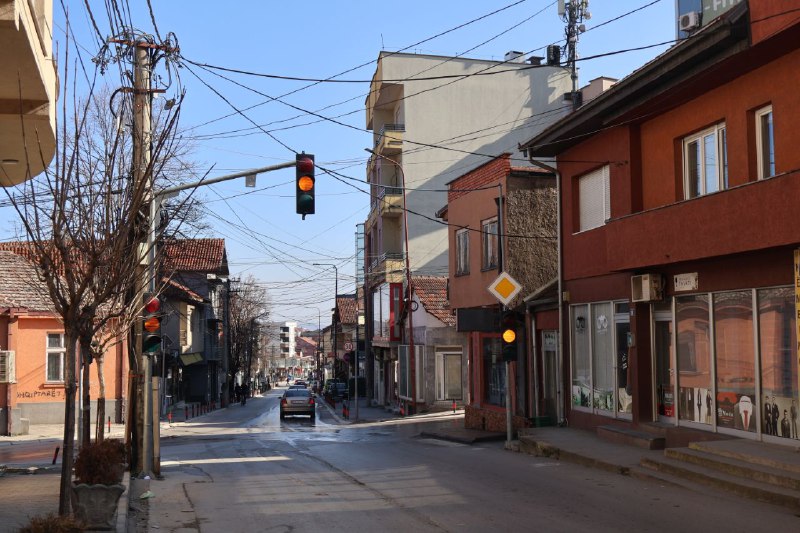
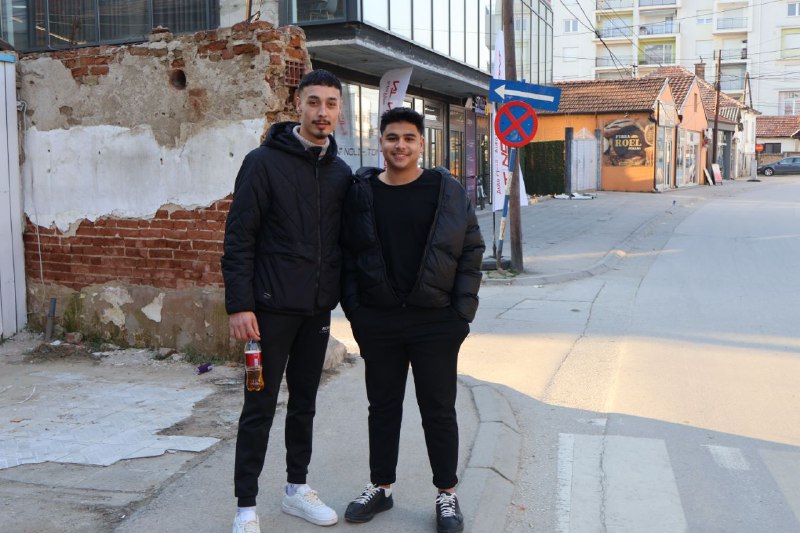
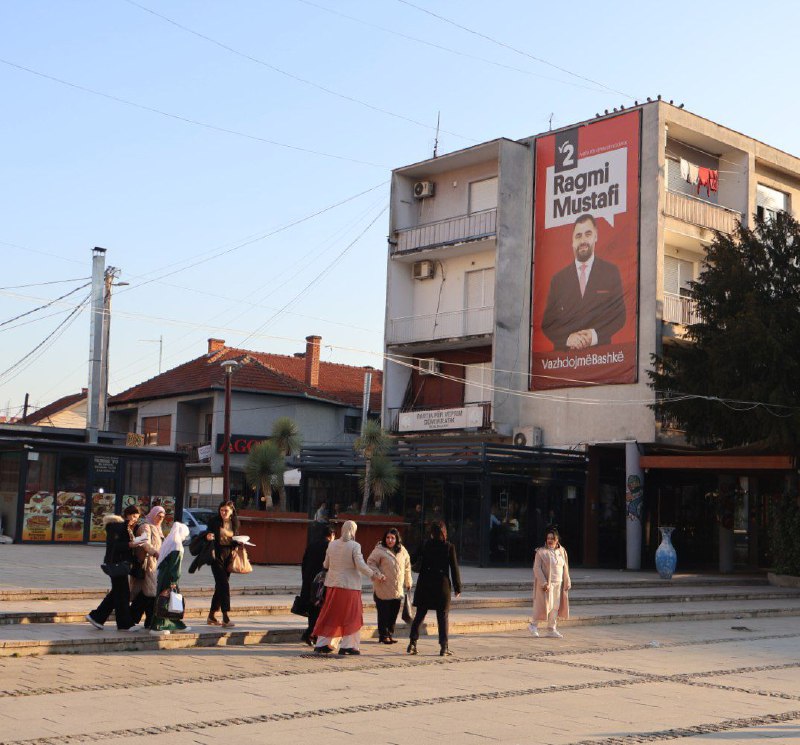
I took a quick trip to check out this small Albanian (or rather Kosovar) enclave within Serbia. It's Preševo and the surrounding areas. The only reminder that I haven't actually left the country is the police cars constantly zooming back and forth.
Almost
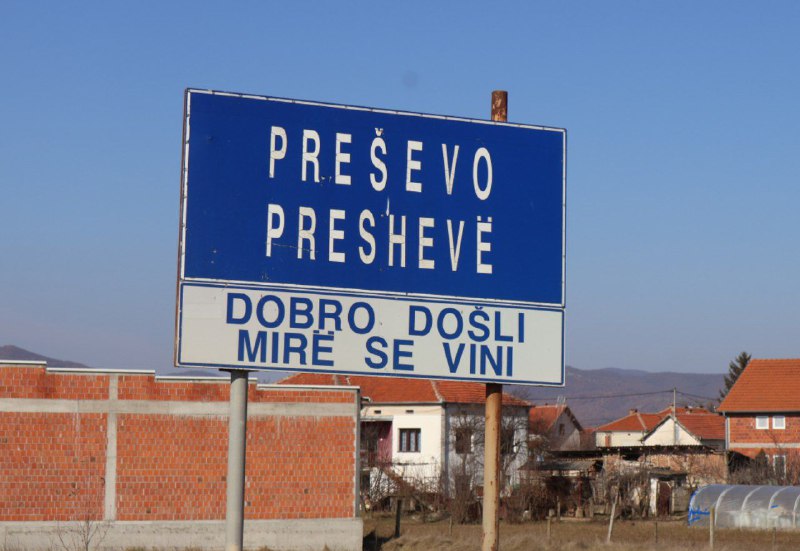
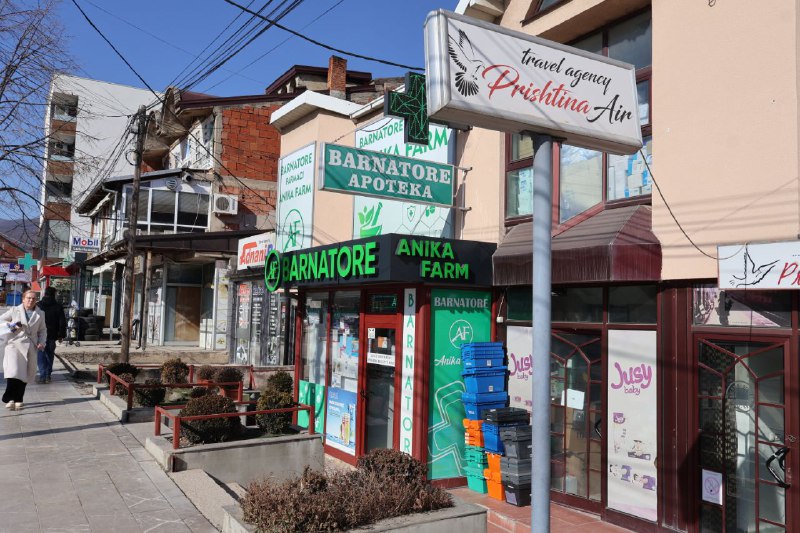
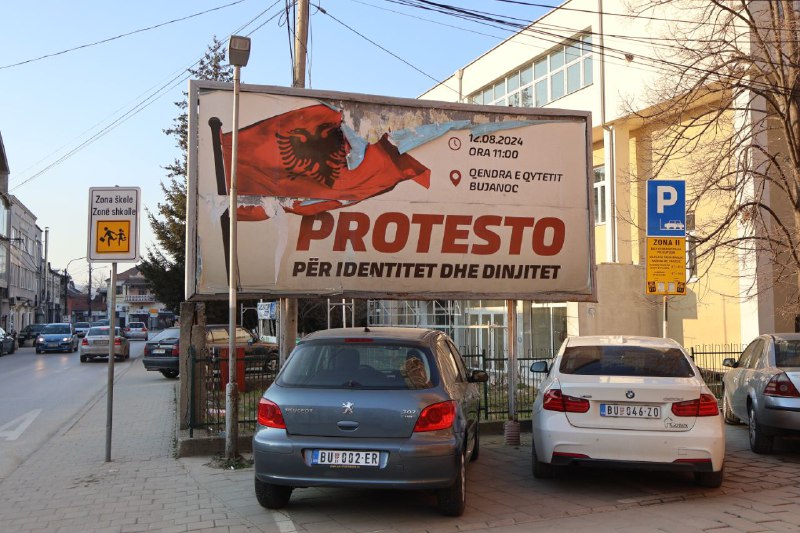
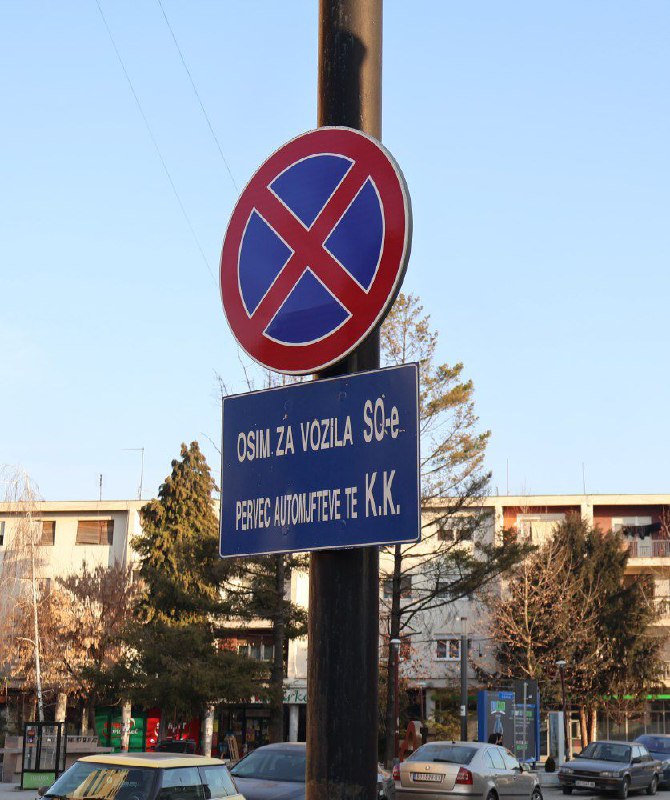
90% of Preševo's residents are ethnic Albanians. It's like a parallel world, totally different from the rest of the country. There's a younger generation that speaks only Albanian. If you're lucky, they also speak English, but luck doesn't always come through. Older folks usually speak Serbian or at least learned it in school, but it's been removed from the curriculum now. For university, people go study in Kosovo or Albania. All signs and directions are in both languages. Even on Google Maps, addresses are often "rruga" instead of "ulica". Ads are usually only in Albanian.
After Yugoslavia fell apart, there were
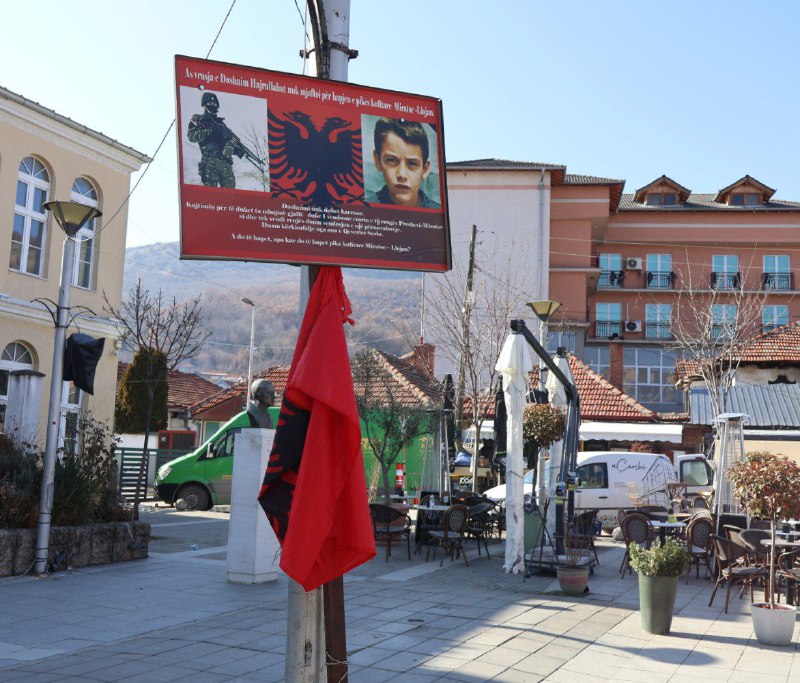
attempts to break away from Serbia. They held a referendum in 1992, but Belgrade declared it illegal. Then in 1999, a rebel group with the grandiose name "Liberation Army of Preševo, Medveđa and Bujanovac" became active, but by summer 2001 the conflict was stopped. Today there's a monument to the rebels in the city center. Serbian activists tried to demolish it with bulldozers, but police shut that down. It didn't stop Albanian protests, but things didn't escalate beyond that.
Outsiders don't visit Preševo very often. I clearly don't look like I'm from around there, so I caught plenty of curious stares. A couple of times locals started conversations right on the street, and it was all super friendly. In those chats, a few people told me pretty directly that they'd be better off with Kosovo—their people have lived on this land for centuries, and they have their own there.
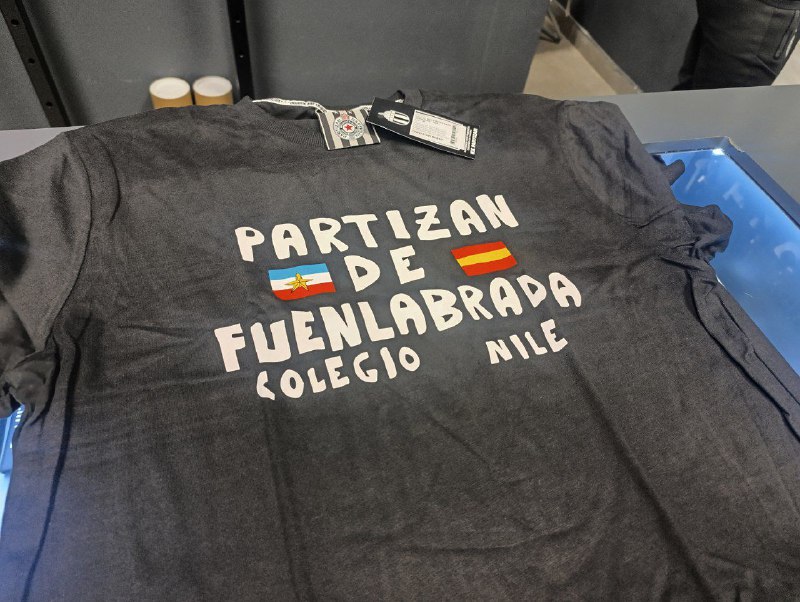
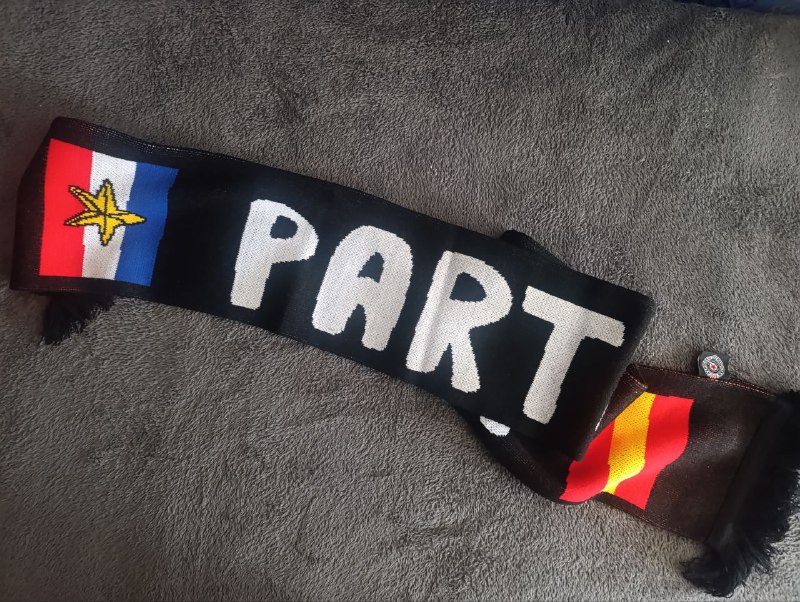
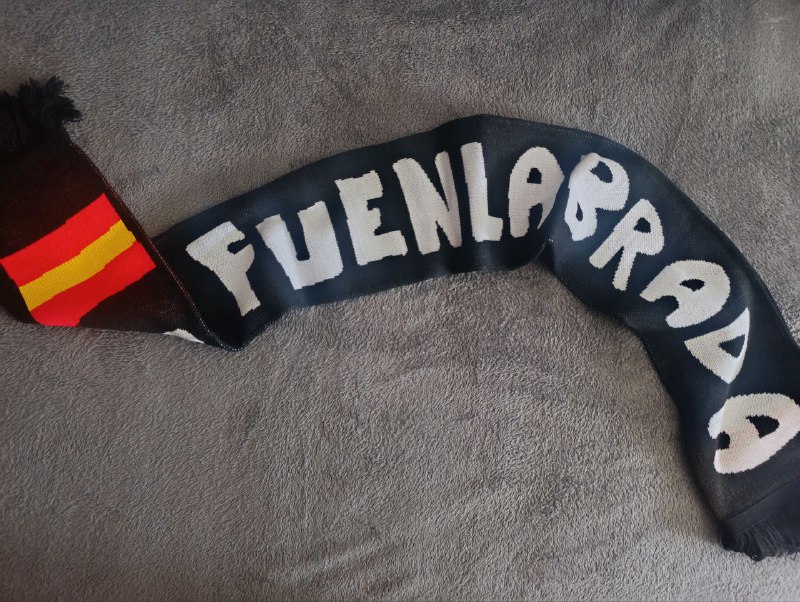
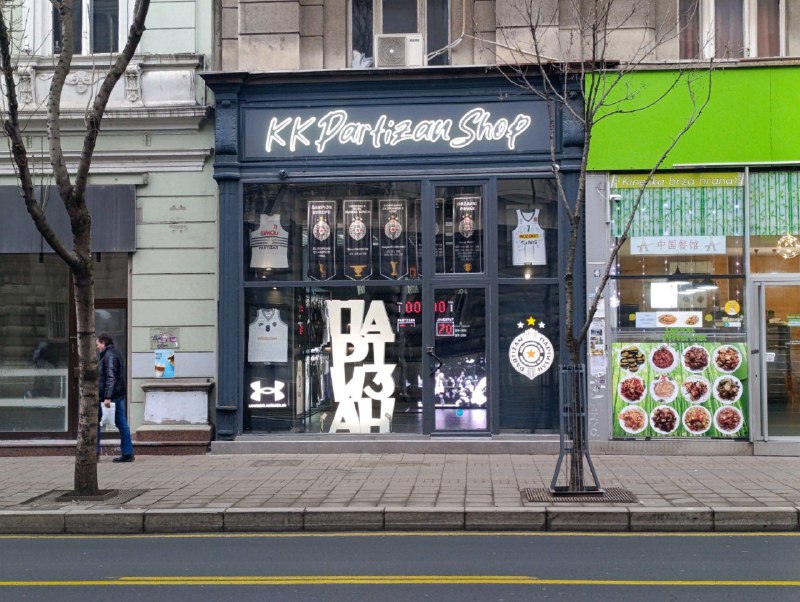
At Partizan basketball club's fan shop in Belgrade, they sell a shirt and scarf with the Spanish flag and the name of a small town near Madrid — Fuenlabrada. They don't really fit the club's style at all, and you'd think, what does Spain have to do with anything?
Let's rewind to the early 1990s. The team was at its peak: in 1988 they almost made it to the Euroleague final, and in 1989 three Yugoslav basketball players (two of them from Partizan) moved to the NBA for the first time. But it was at this exact moment that the country started falling apart.
Playing matches in Belgrade in the 91/92 season was already dangerous: fighting was raging across Croatian territory, and the front lines were less than 150 kilometers away. I
told the story of how a tank drove straight from the battlefield to Belgrade. So all home games were moved to that same little town near Madrid.
Despite the situation, the black-and-whites delivered their best season: they won the
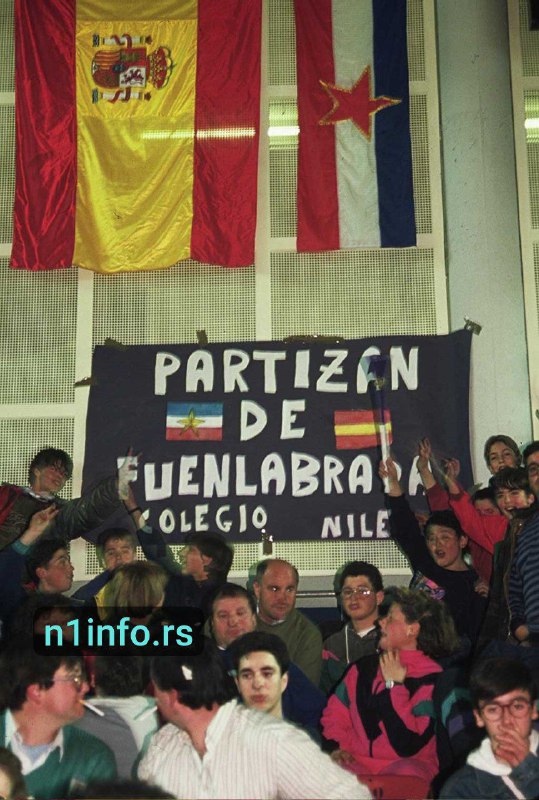
Euroleague and the national cup. They haven't managed to repeat that success since. The Spanish fans embraced the basketball players like their own, cheering for them even when they played against Spanish teams. At one of the games, a teacher and his students from a local school came with a homemade banner (it's in the first photo). Later, the club, grateful for such warmth, started releasing merch with that very banner. And they still do it today!
Fuenlabrada also has its own
basketball team. Although they play in a lower league, Partizan sometimes plays friendly matches with them as a sign of memory and respect. The last one was in
fall 2023 in Belgrade. And the Spanish themselves often remember that year fondly and retell the story in the media (
elpais,
elespanol,
marca).
Two other Yugoslav teams also moved their home matches in 91/92 to Spain:
Split to La Coruña, and Zagreb's
Cibona to Puerto Real. However, they didn't experience the same kind of magic with local fans.
Early February is the perfect time to wake up from my temporary hibernation. Tomorrow I'll tell you the story of Partizan, the Belgrade basketball club.
But for now, I've just met some great people in person ^^
Just when I think Bosnia can't surprise me anymore, something wild pops up.
For centuries, Bosnian Croat Catholics practiced
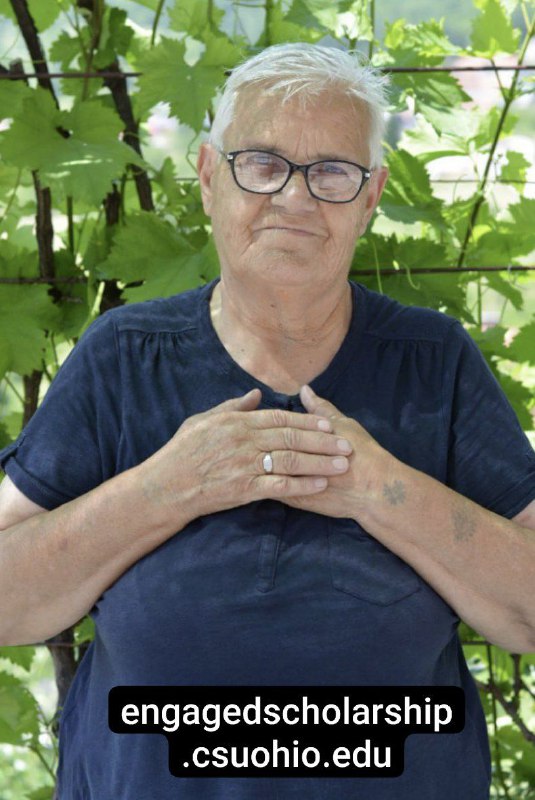
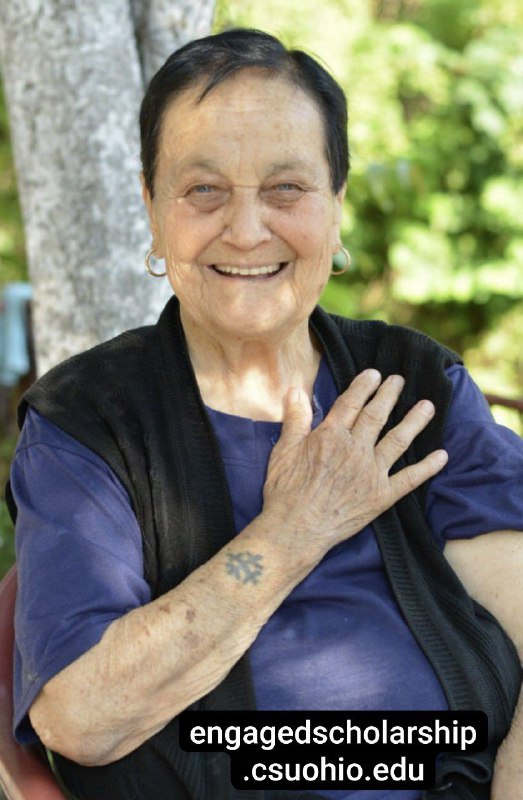
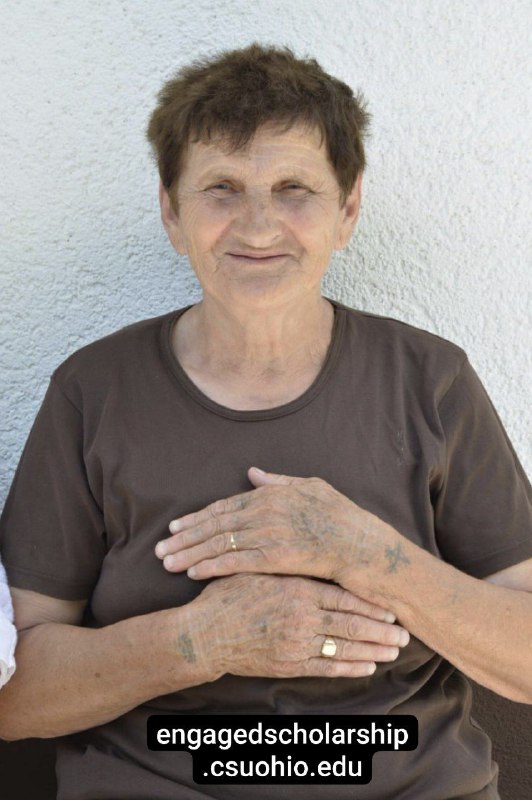
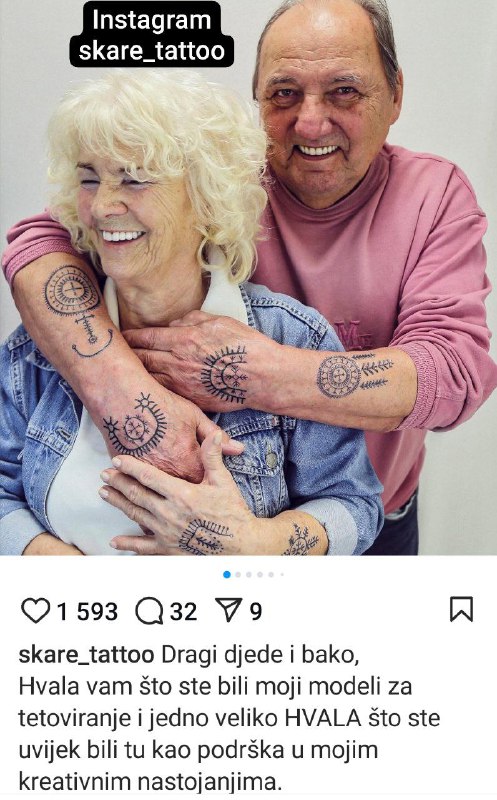
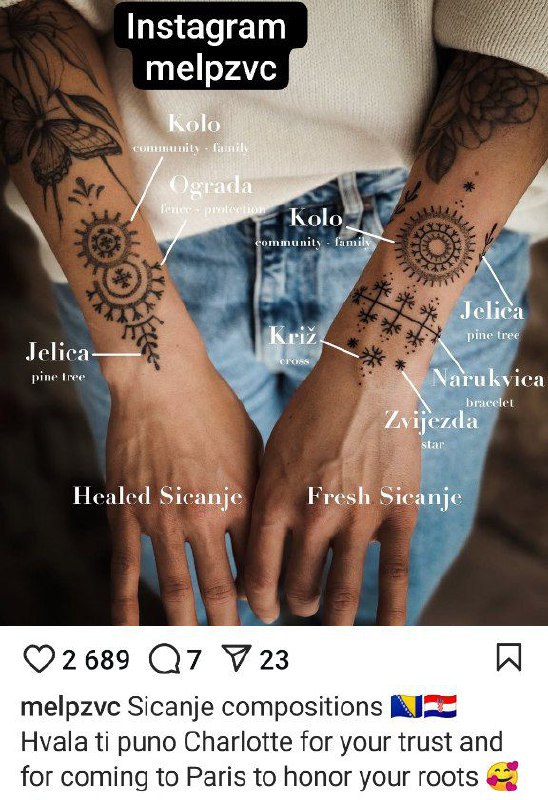
sicanje. It's a tradition of tattooing protective symbols on girls, and sometimes boys. The roots go back to pre-Christian times and originally tattooing wasn't just a Croat thing. Over time, the practice stuck mainly with them and the Albanians, but it was slowly dying out. The Ottomans gave it new life: Turkish soldiers wouldn't take tattooed girls to harems. After World War II, the practice basically disappeared and was nearly forgotten.
Back then, people made tattoos with whatever they had on hand: a needle, honey, and soot. Sometimes they'd add milk. Classic story: girls around 10-12 would be herding sheep and just casually tattoo each other. Sounds super safe, right?
In 2019, Cleveland University conducted a major
study of the tradition. Interviews with elderly tattooed women are available on the university website: videos, transcripts, and even English translations (perfect for language learners). The first three photos here are from that collection. I gotta say, looking at these pictures, some of the women almost look like they just got out of prison :)
These days, young people seem to have
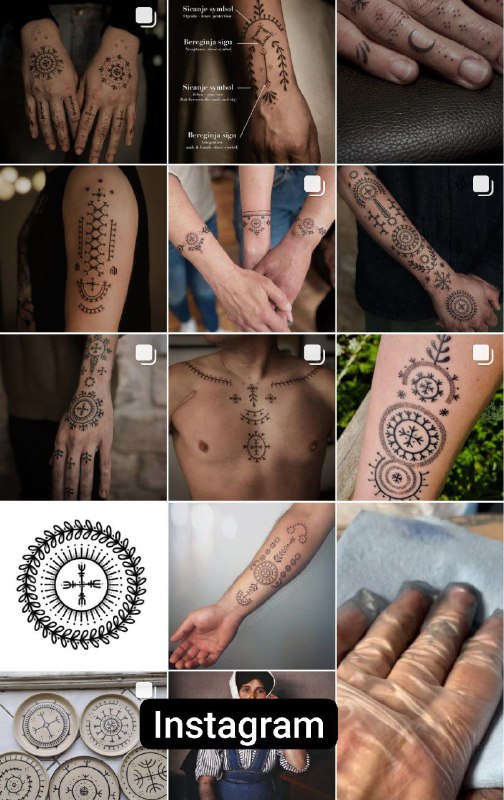
rediscovered this history: Instagram's full of posts and even people offering the service (search for sicanje). That said, tattoos in the Balkans aren't exactly mainstream to begin with, and this is a pretty niche community. Don't expect it to blow up anytime soon.
PS.
Here's more photos.
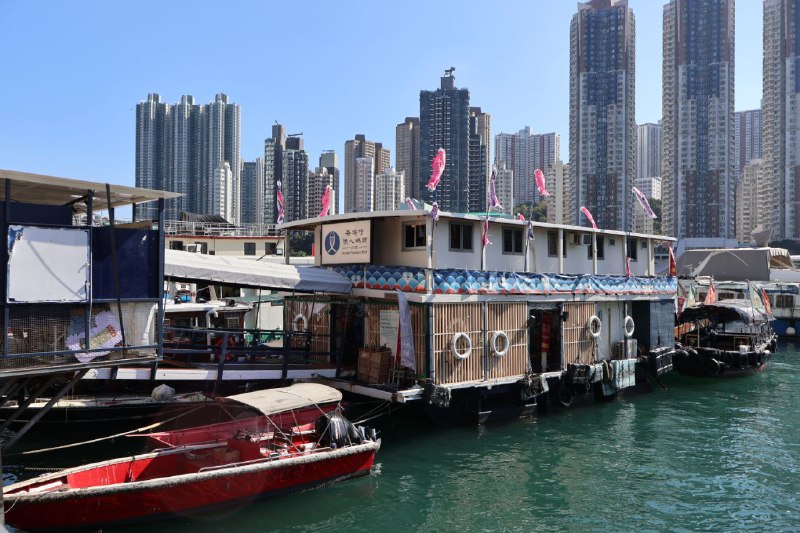
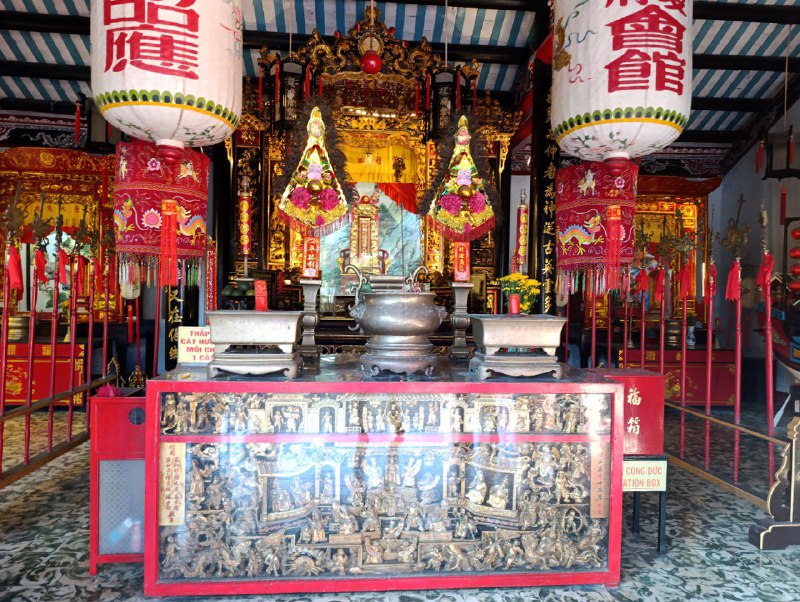
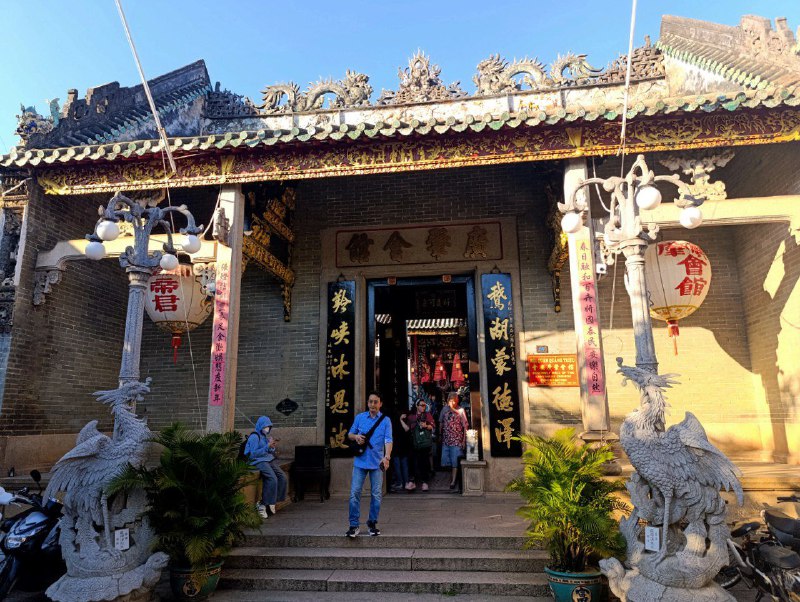
I had a couple of days to spare in Hong Kong, and this time I wanted to check out something more authentic and cozy. I read online about
water people (not to be confused with
Vietnamese refugees after the communists won), who spend their whole lives living on boat-
junks and make their living fishing. The British called these folks "sea gypsies." In Cantonese they used to be called "tanka," but these days that name isn't considered acceptable. Tanka literally means "egg people." According to legend, centuries ago this people paid their taxes in eggs, which is where the name came from.
Back in the 1980s, in a
bay that protected from typhoons, almost 40,000 people lived there (and that's no typo!). Since then, most have moved to land, but I was still hoping to catch some remnants of the floating village. No luck. I didn't find any signs of a water village. Though back in 2016, according to various internet posts, dozens of such residents were still living there.
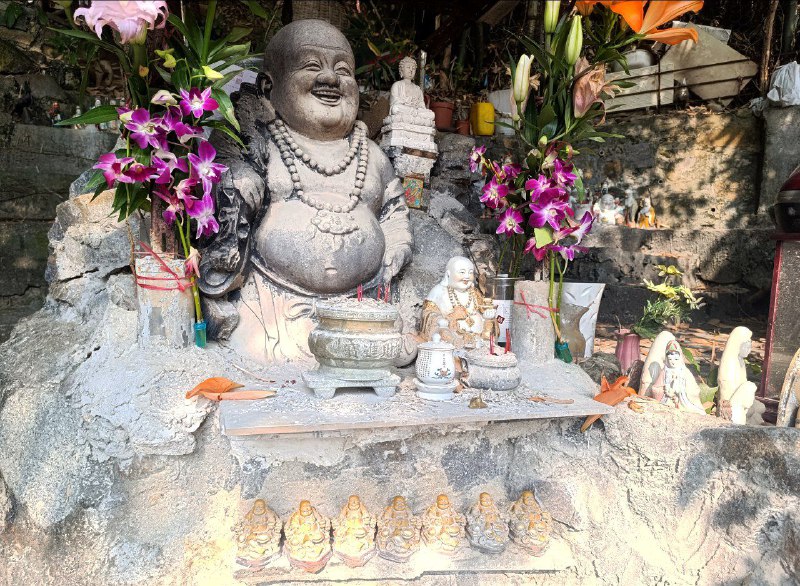
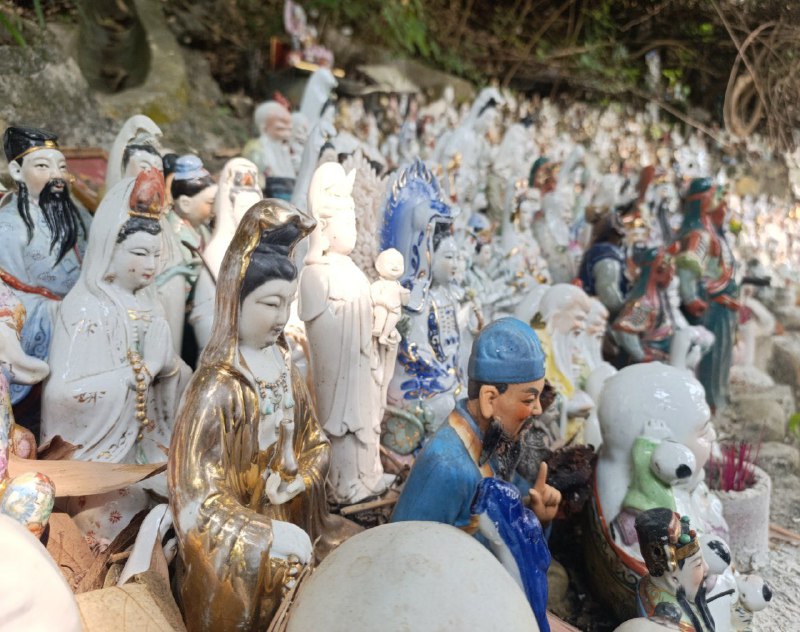
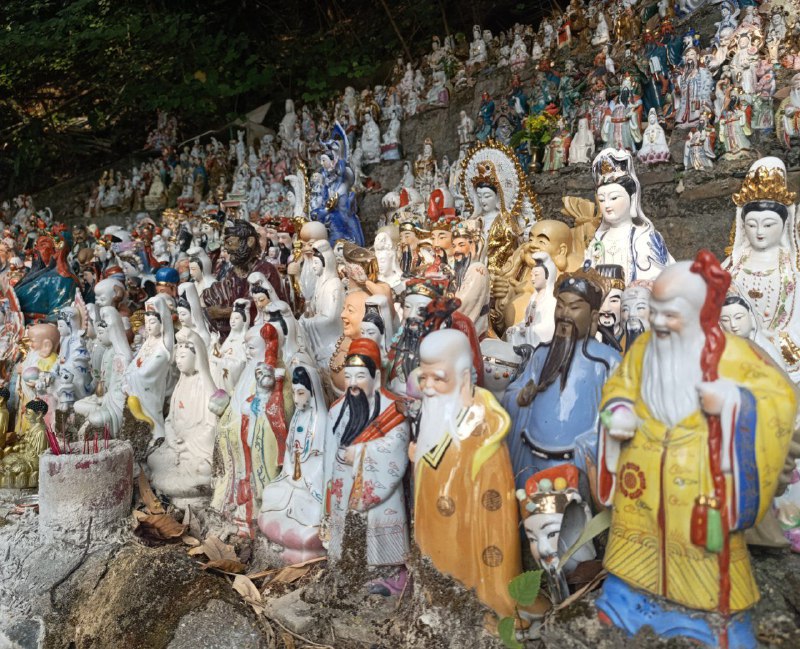
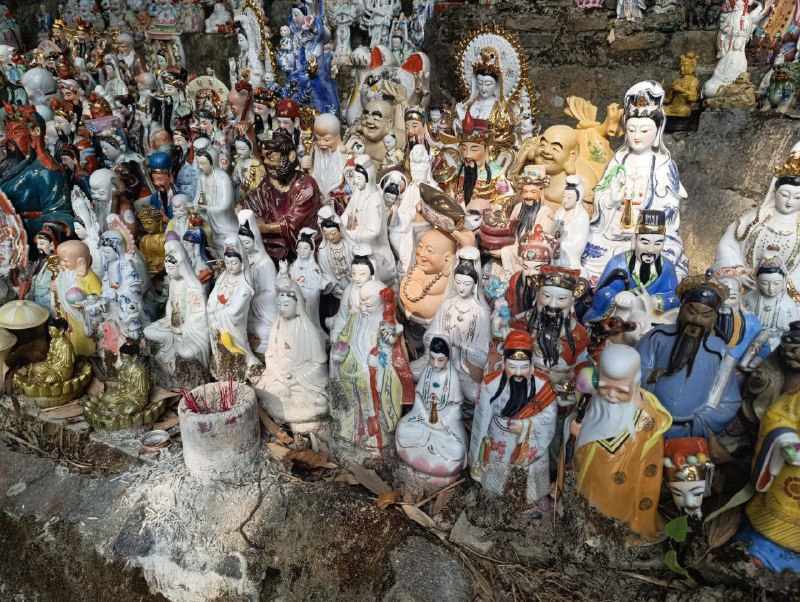
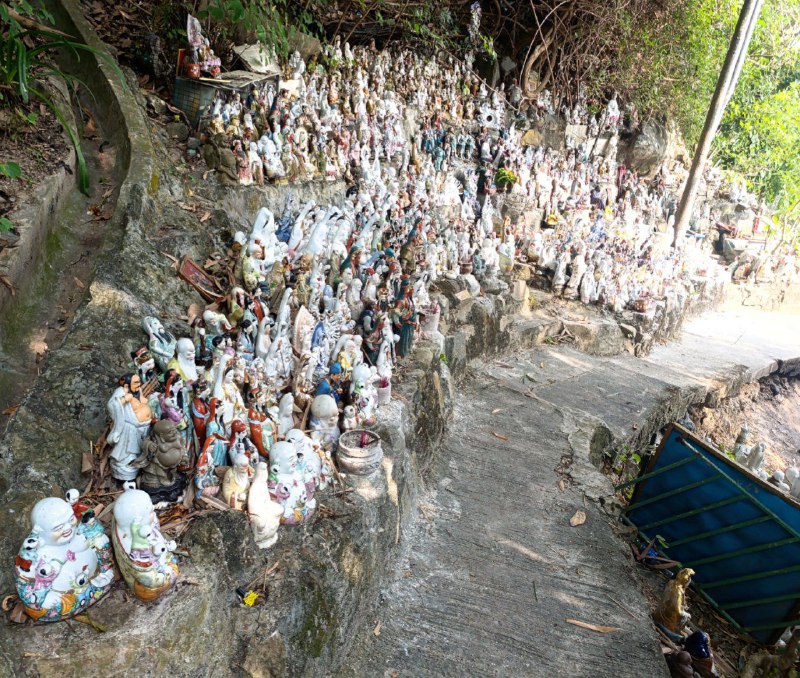
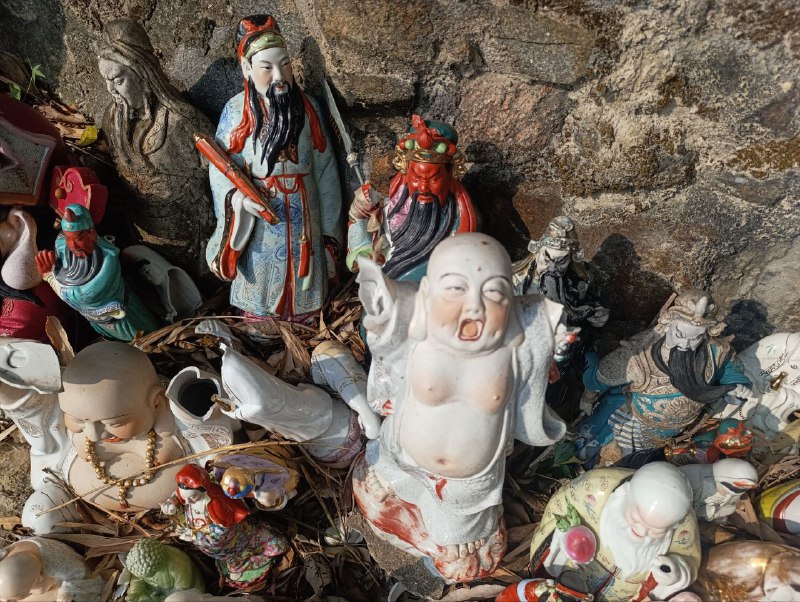
But not far away, I stumbled upon an unusual
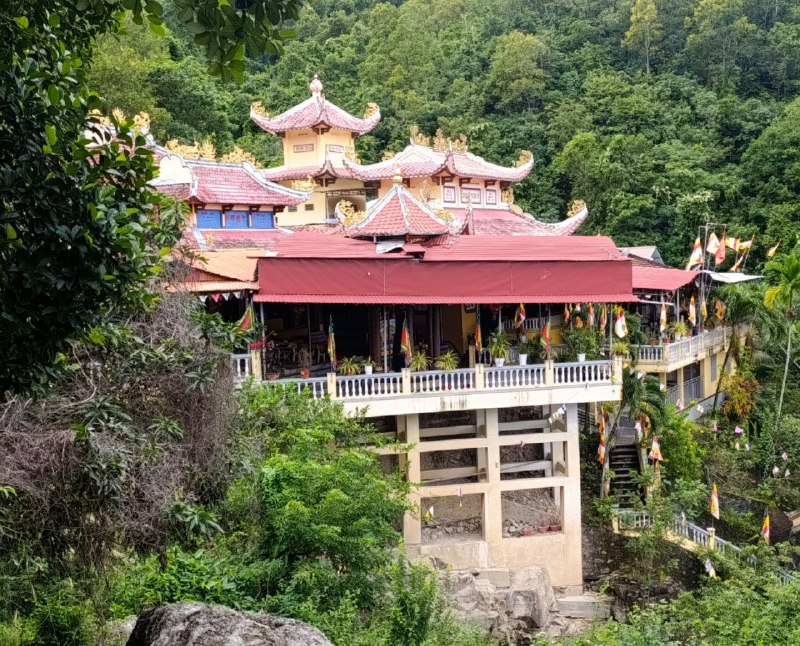
temple with thousands of god statues, but not a single one was purchased or custom-made. In local beliefs, you don't throw away god statues, even if they're broken. People can leave them by the roadside for someone else to pick up. More than 30 years ago, a local resident named Wong Wen-Pong started collecting abandoned statues and displaying them on the waterfront. Over time, the collection grew to several thousand pieces. It looks incredibly impressive. It's not the only one, but it's the most famous temple of its kind in the city. Even the
BBC wrote about it. Nowadays, people often bring their gods directly to the temple rather than leaving them on the roadside.
One last thing about Vietnam. For nearly a thousand years, the country was under
Chinese rule. The influence is visible to the naked eye. I mean, even their writing system used Chinese characters. Mostly Chinese ones, but there was also a
local variation based on them. Only in the early 20th century did the French forcibly switch the writing system to the Latin alphabet with
Quốc Ngữ.
Nevertheless, Vietnamese museums often completely ignore the Chinese period. As if it never happened. And elements of Chinese culture just fell from the sky.
Anyway, Vietnam is really awesome. Come visit.
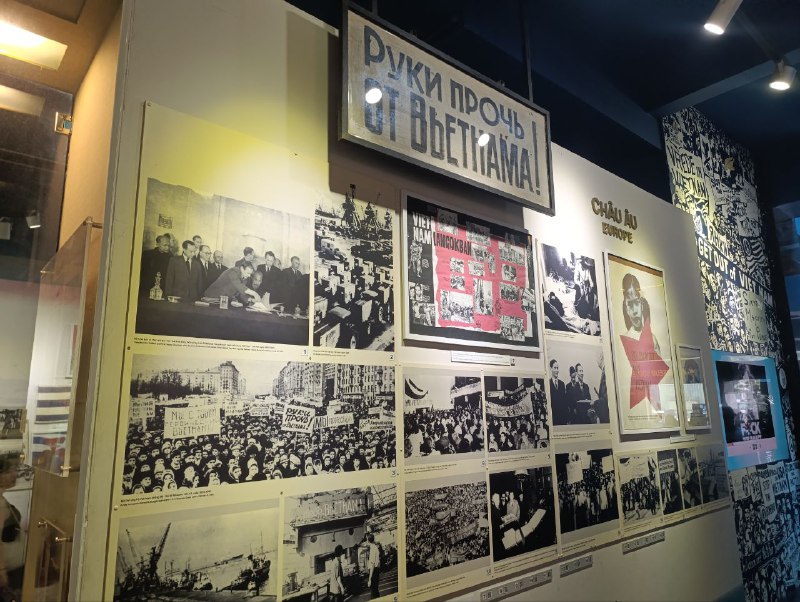
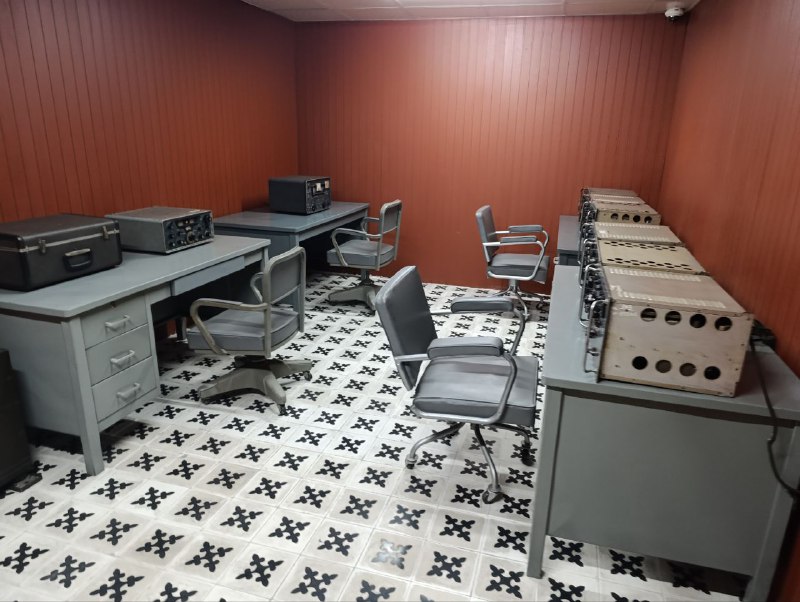
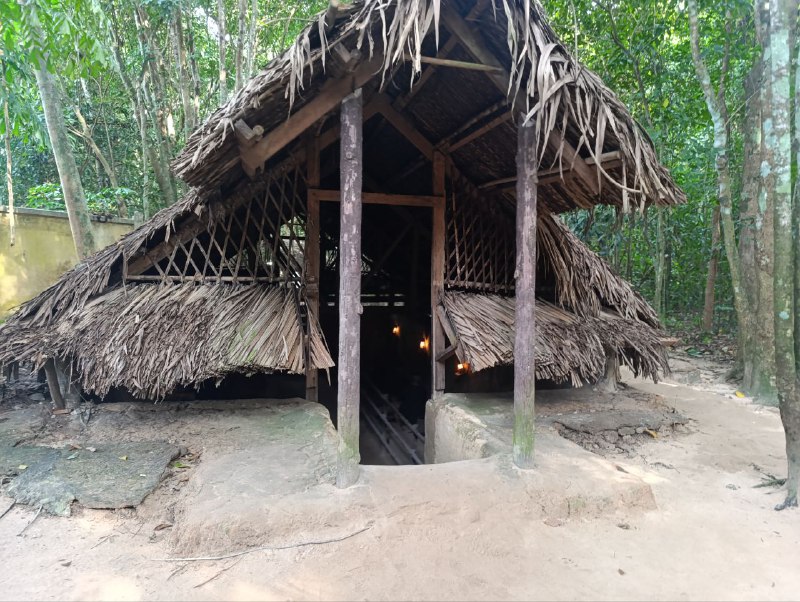
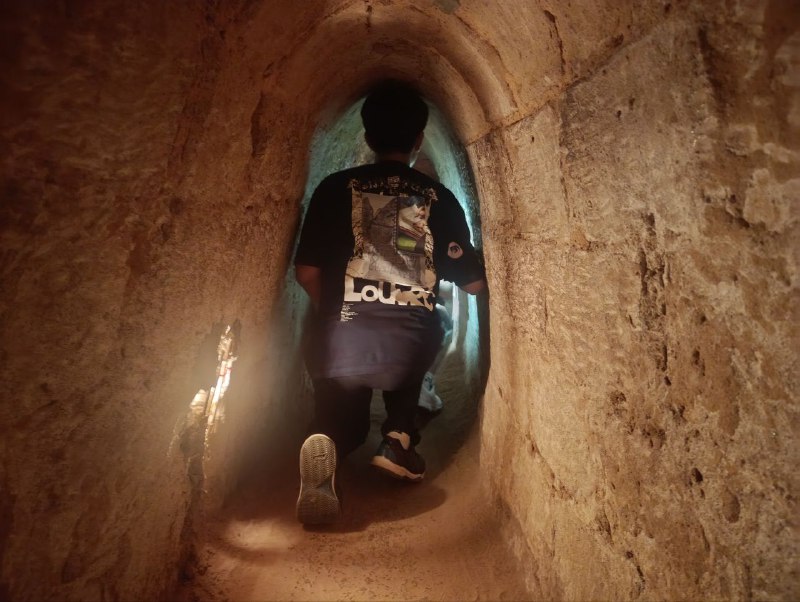
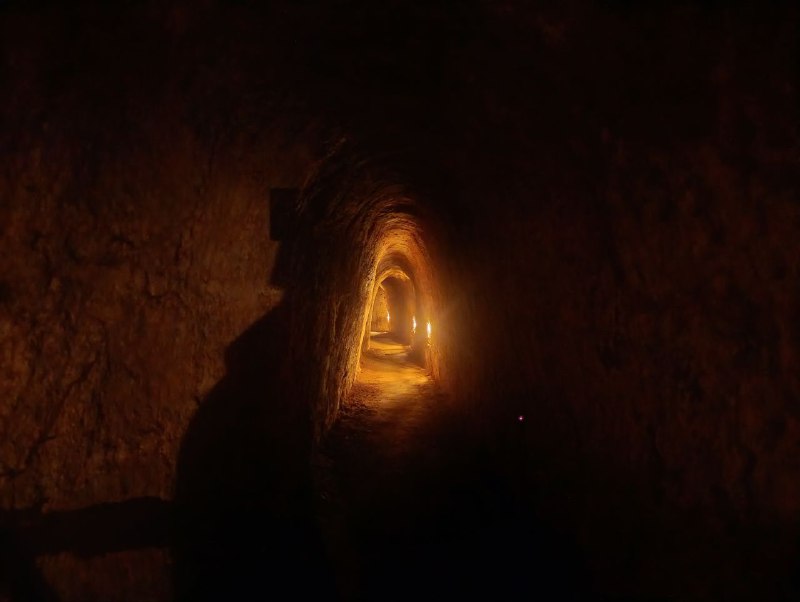
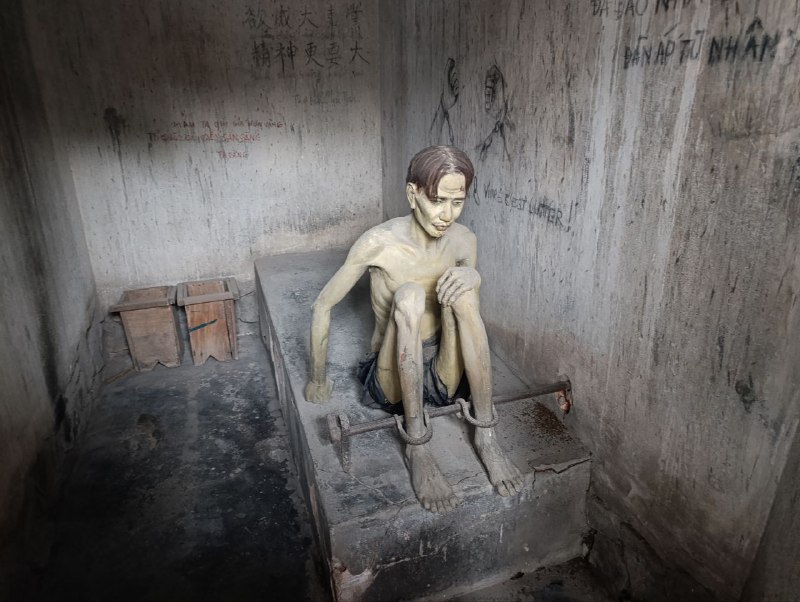
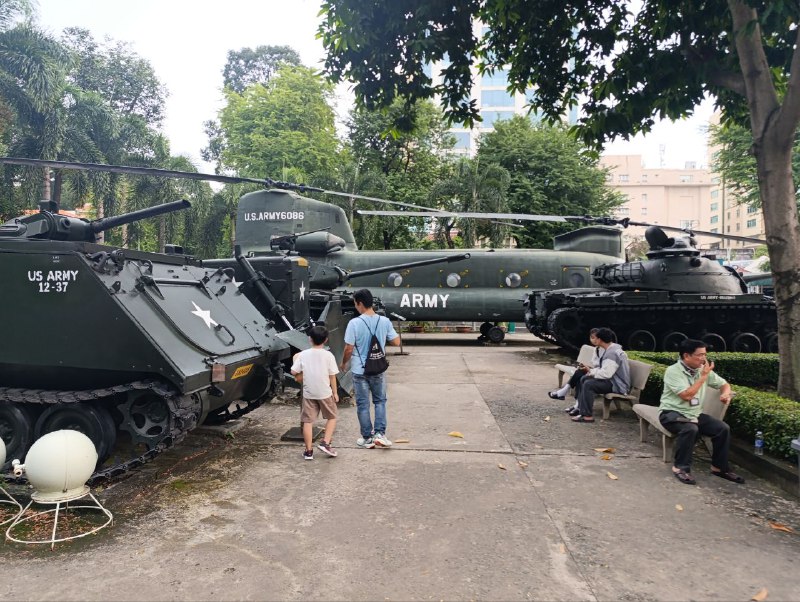
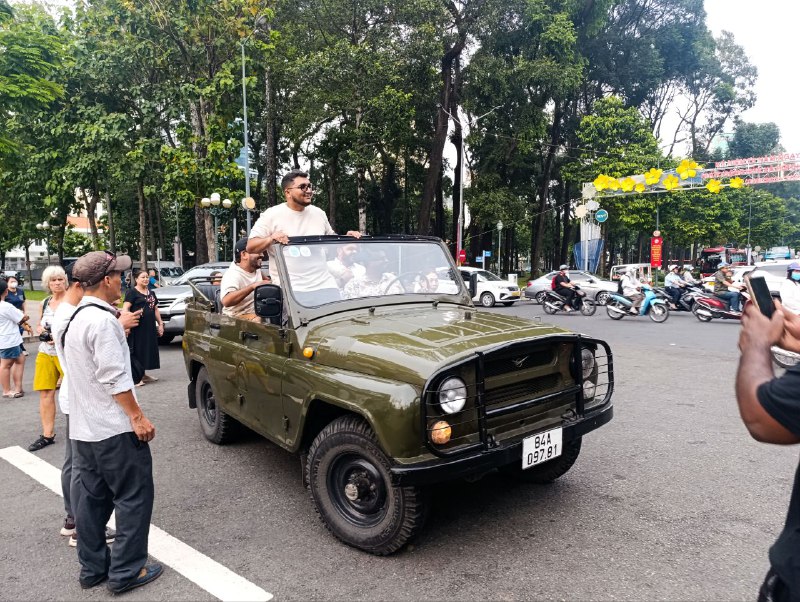
Any war is repulsive. The Vietnam War is no exception. Ho Chi Minh City and its surroundings have many museums and artifacts dedicated to this conflict. From
the Cu Chi tunnels to
a secret bunker that played a role in the fall of Saigon. Almost everywhere I got the impression that the exhibits were more focused on trophies and the horrors committed by the Americans, rather than on the idea that such things shouldn't happen again. Although the communists clearly
weren't innocent either.
I'm not an expert on Vietnamese history, let alone this conflict. But a few facts caught my attention while reading about it all.
* In 1945-1946, the British won a
war against Vietnamese communists with relatively little bloodshed. This played a role in the US decision to send soldiers to Vietnam.
* One of Jimmy Carter's
first presidential orders was an unconditional amnesty for all draft dodgers.
* During the war, college students weren't drafted into the American army. So professors
inflated grades for young men to prevent them from being expelled and drafted.
* The US military tried to rapidly recruit
100,000 recruits. They could think of nothing better than lowering standards for new soldiers. This included lowering the IQ threshold by 6% from the minimum of 80 points. Unsurprisingly, people with lower IQs didn't return from the battlefield five times more often than others.
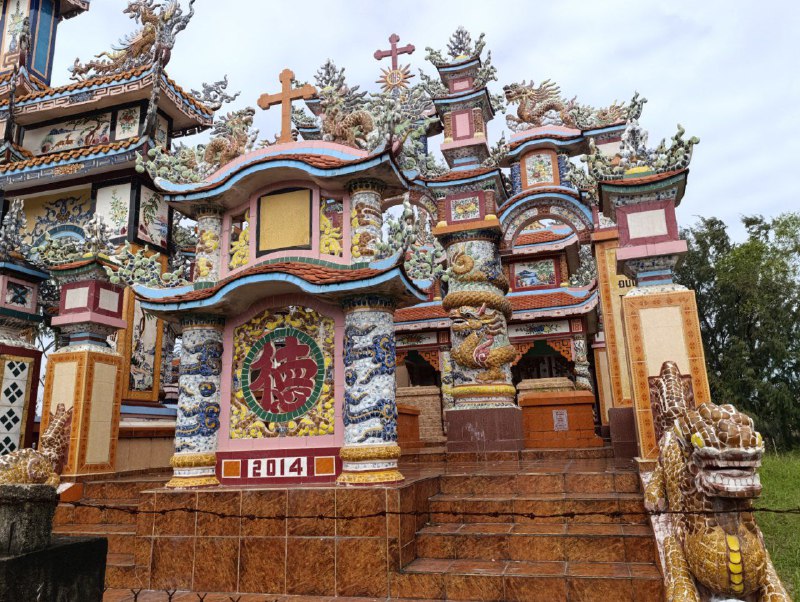
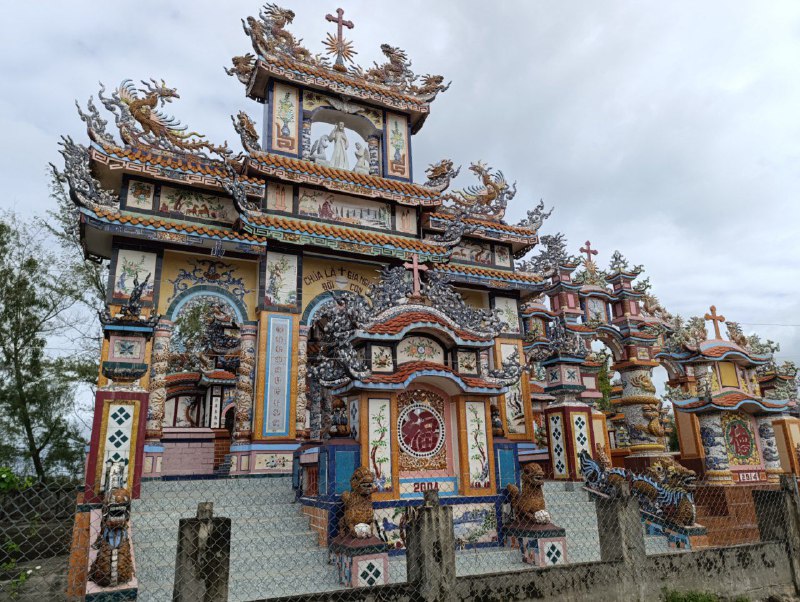
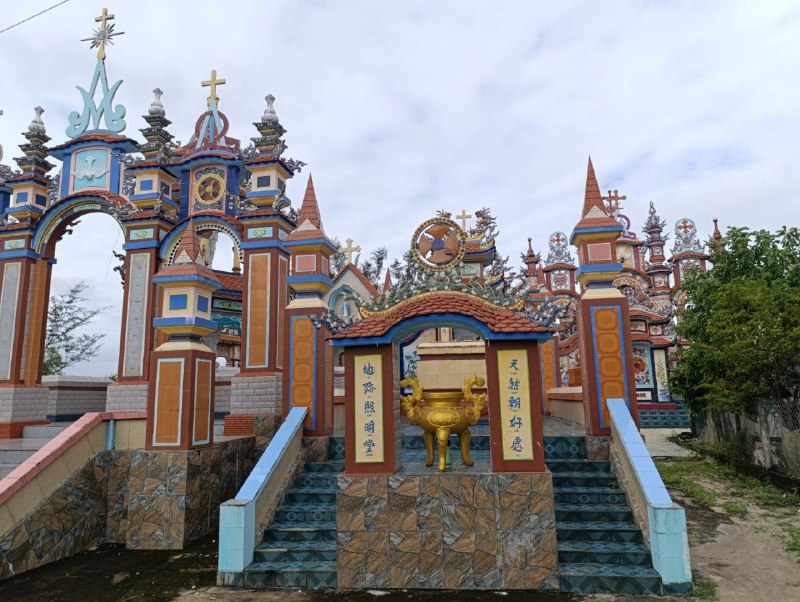
Picture this: you're living in a poor fishing village in central Vietnam. And suddenly, a huge pile of money lands in your lap. You've never seen that much in your life. Would it really change your life that much? Build a house maybe? Buy a car? Send your kids to school somewhere?
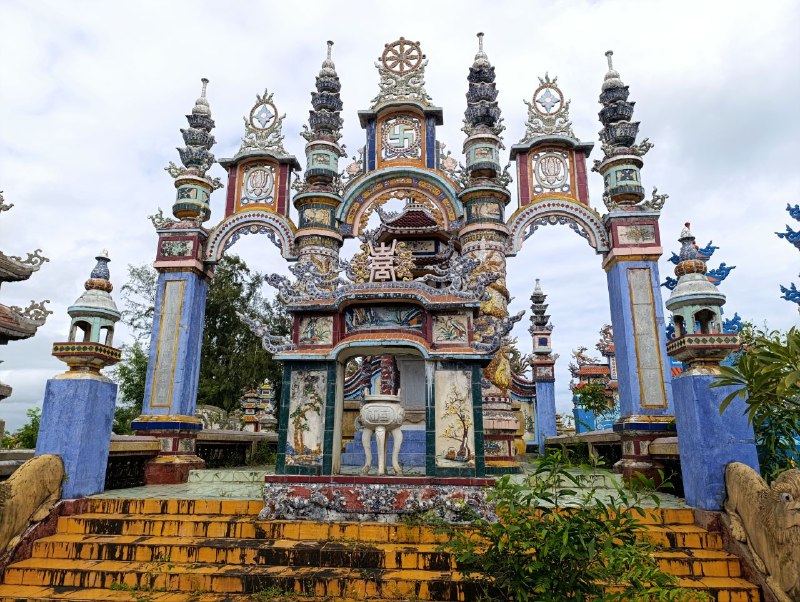
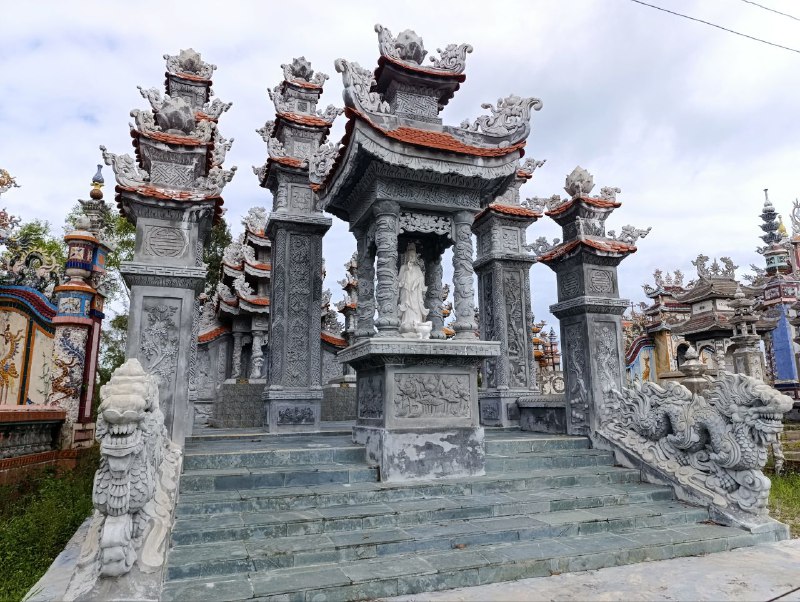
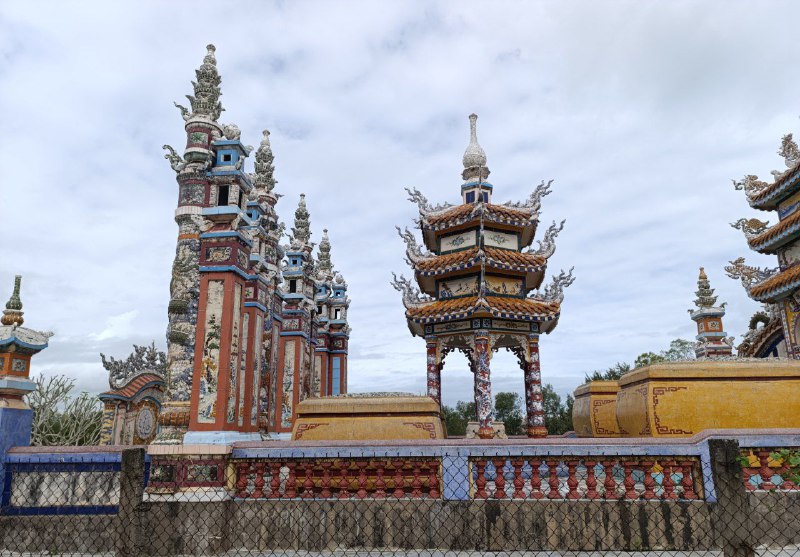
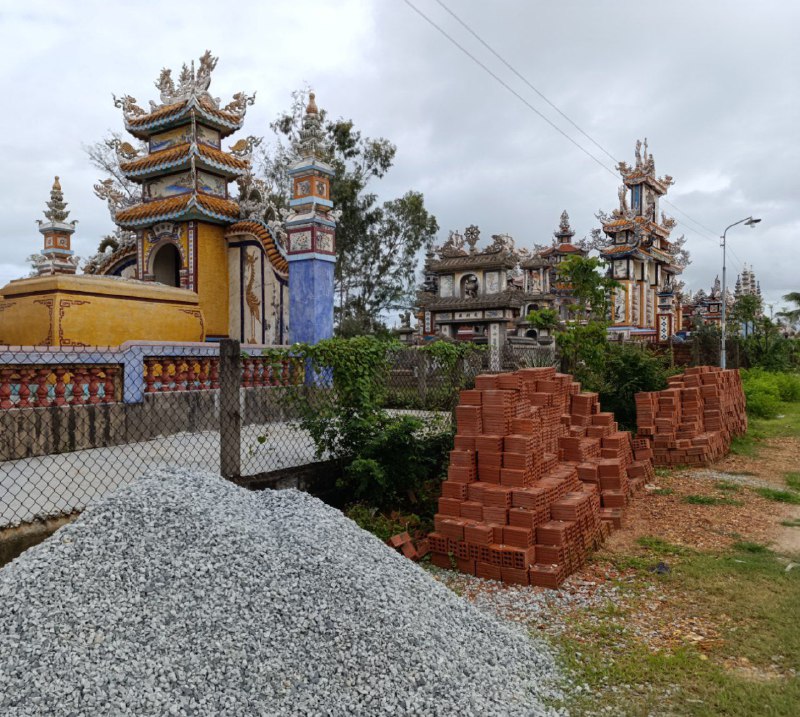
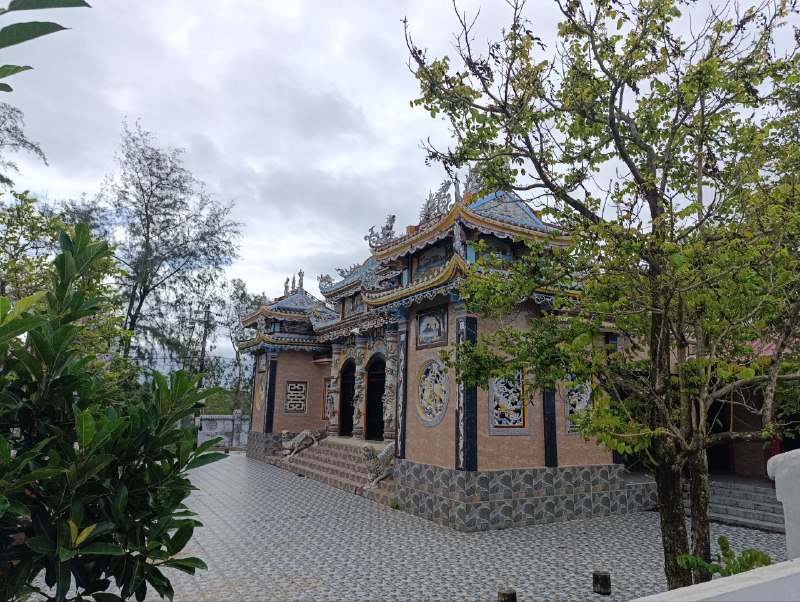
In the village of An Bang, almost all the residents found themselves in exactly this situation. And... they started investing in the tombs of their ancestors and building massive crypts. The local cemetery turned into a very strange architectural mess. People are practically competing to see who honors their dead the best. Some of these structures cost six figures in dollars.
Officially, most Vietnamese are considered
atheists. But in reality, most practice ancestor worship. People say that during the census, folks didn't know how to properly name their religion, so they got listed as atheists. Plus, the communist authorities officially promote atheism. However, you can see the full spectrum of world religions on the crypts: Buddhist swastikas, Christian crosses, even Muslim crescents. Not because they're burying Christians with Muslims, but just because people stuck these symbols on just in case.
In
1975, a lot of Vietnamese were evacuated from the country urgently. People from An Bang were especially lucky, and practically everyone who stayed had a close relative who became an emigrant in the States or Europe. In the nineties, the local government allowed money transfers from abroad. And help from relatives poured in like a river. The village quickly became practically the wealthiest in the entire country. But that's where the budgets started going. Otherwise, the settlement doesn't really differ from the others. Even the road is beaten up in places ¯\_(ツ)_/¯
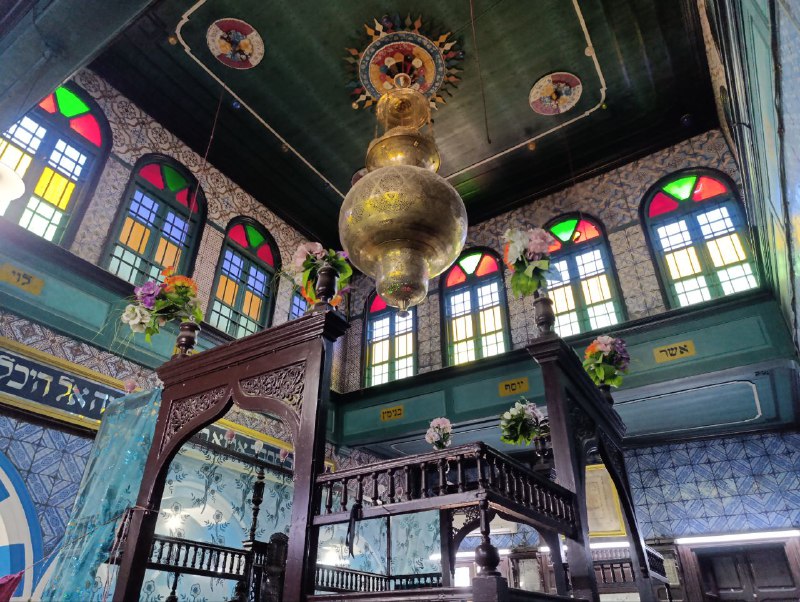
In the south of Tunisia on the island of Djerba lives one of the oldest
Jewish communities in the Arab world. About 1,000 people. The community was at its peak in the middle of the last century, when there were nearly 4,500. After World War II, people started moving to Israel. And a few to France.
The first documents mentioning the island's Jews date back to the 11th century. If you believe local legends, they appeared here after the destruction of
Solomon's Temple (that is, almost 1,500 years earlier).
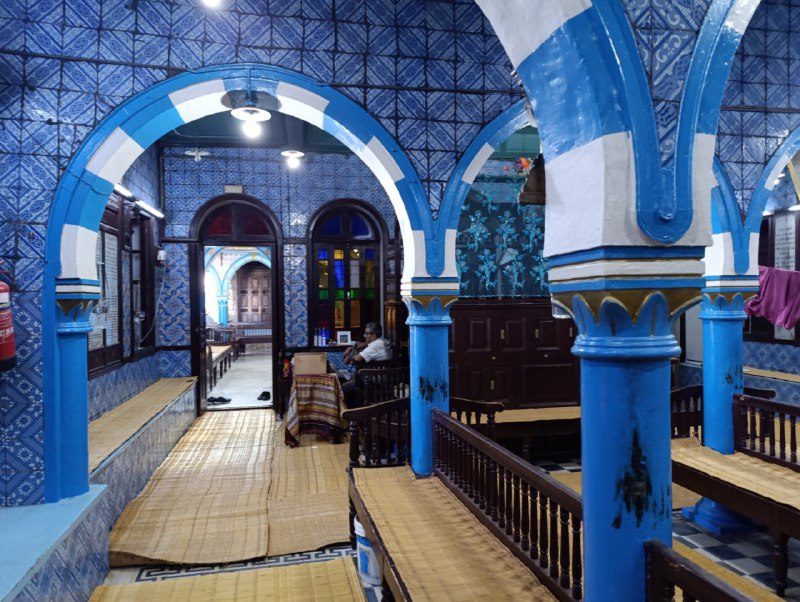
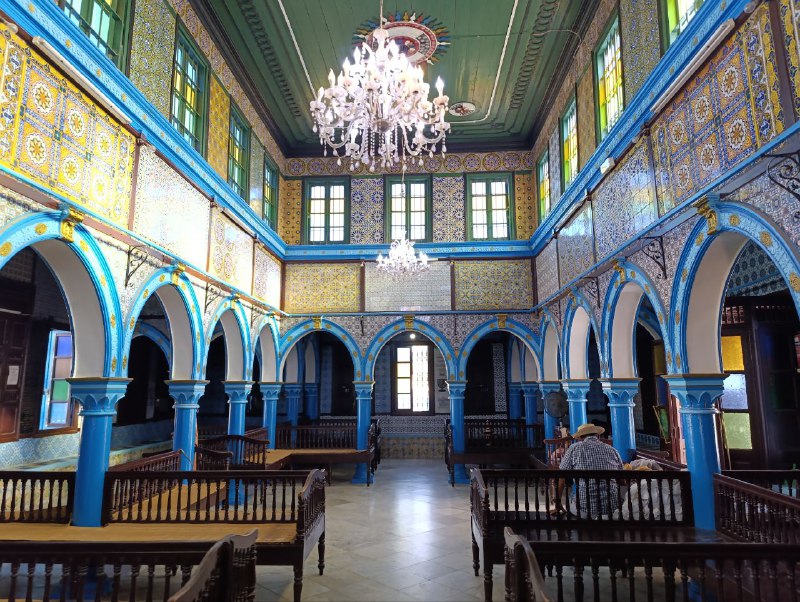
For such a small community, they managed to build about twenty synagogues. Today, several of them have closed, but definitely more than 10 are still operating.
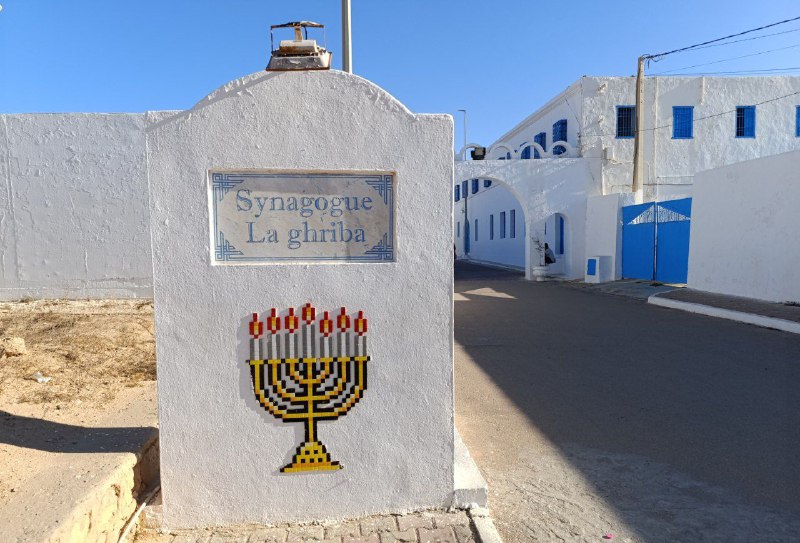
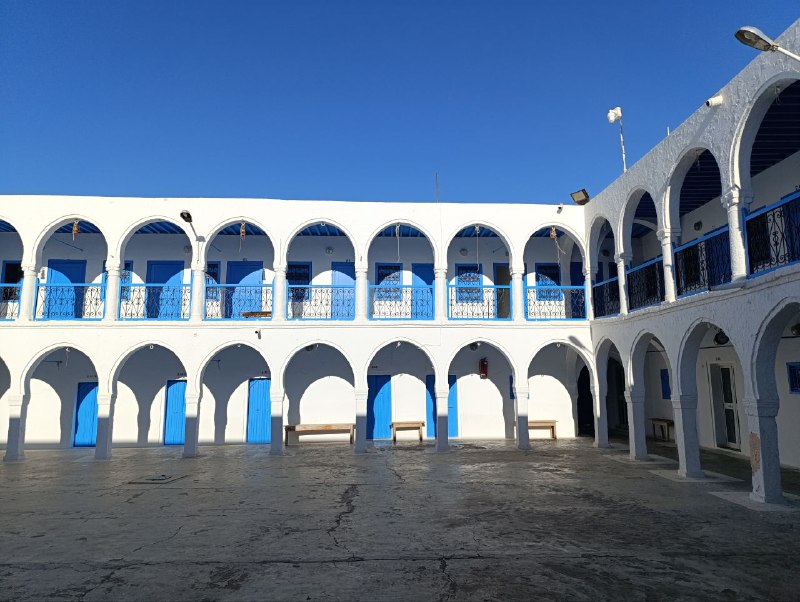
El Ghriba (in the photo) is the most famous one. Many pilgrims and tourists come here. The building has been rebuilt many times. The current version dates from the 19th century, but really stands out for its unusual architecture. They say it houses one of the oldest Torah scrolls in the world. Who would have thought that Jewish pilgrims travel to Tunisia.
Unfortunately, El Ghriba has been attacked three times. With casualties. All three incidents occurred during periods of heightened Arab-Israeli tensions. The most recent attack was last year. Now the police constantly patrol the area.
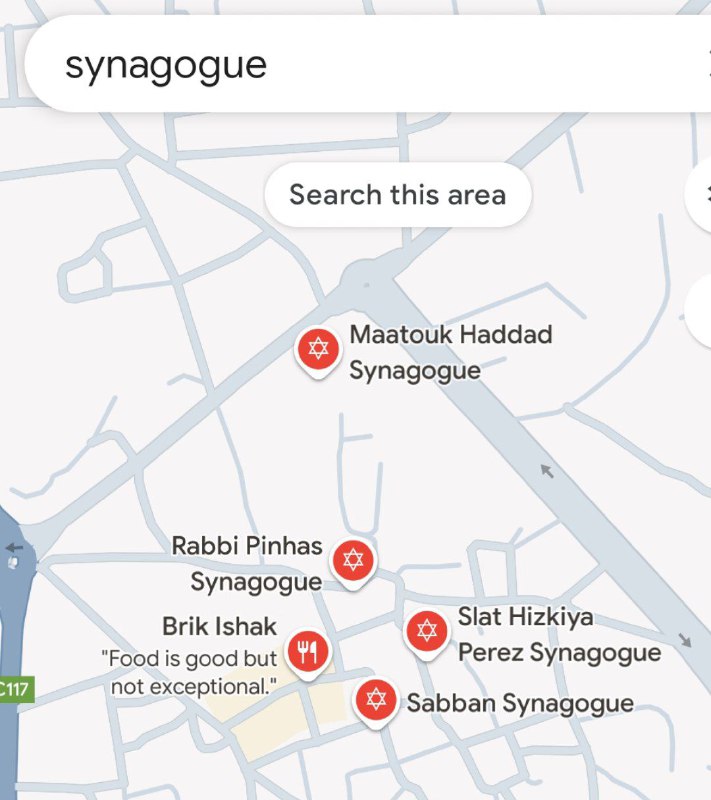
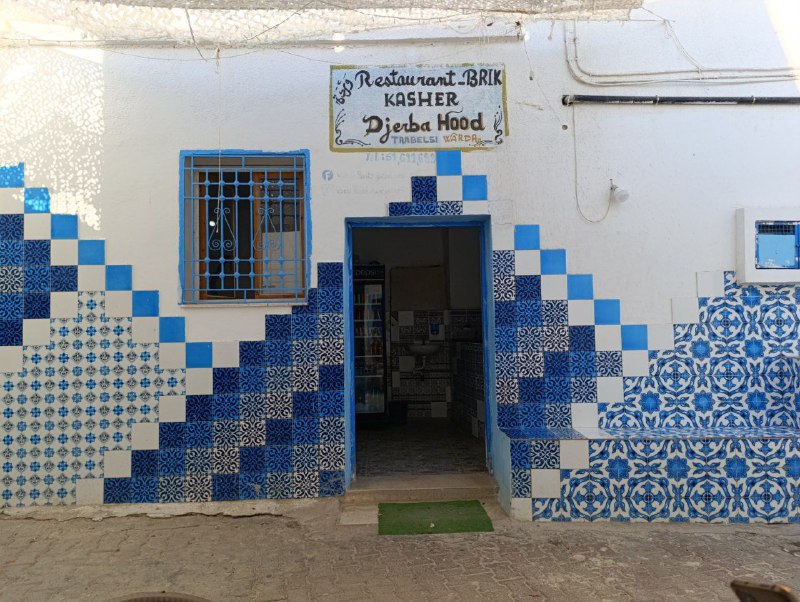
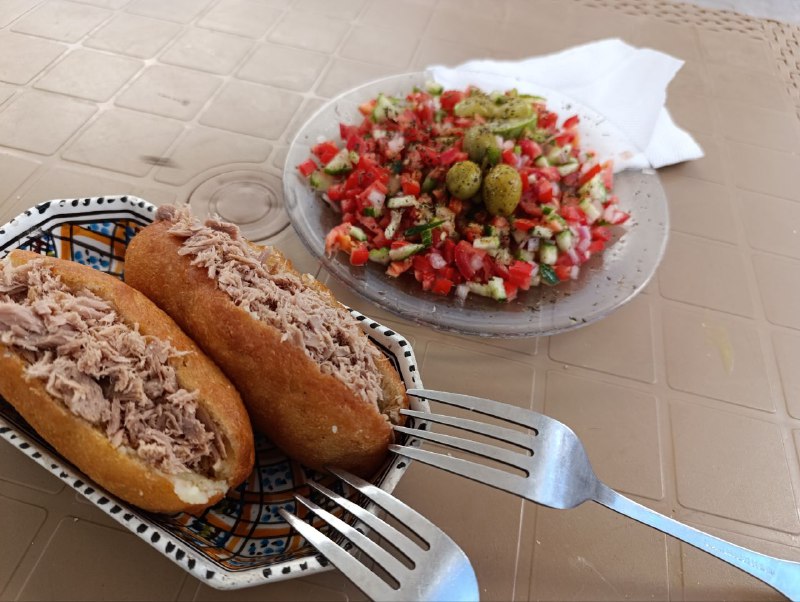
There are quite a few kosher cafes in the area. I've only seen this kind of concentration in Israel. The food is delicious. I checked.
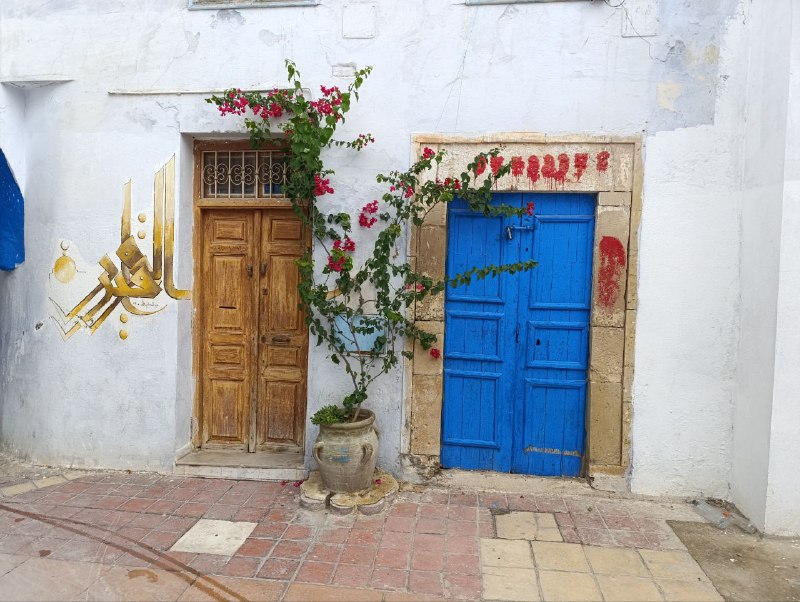
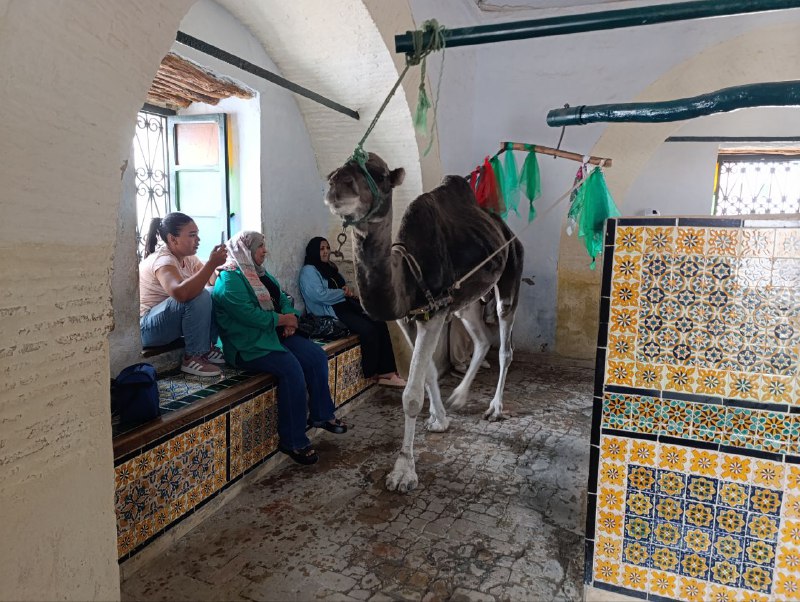
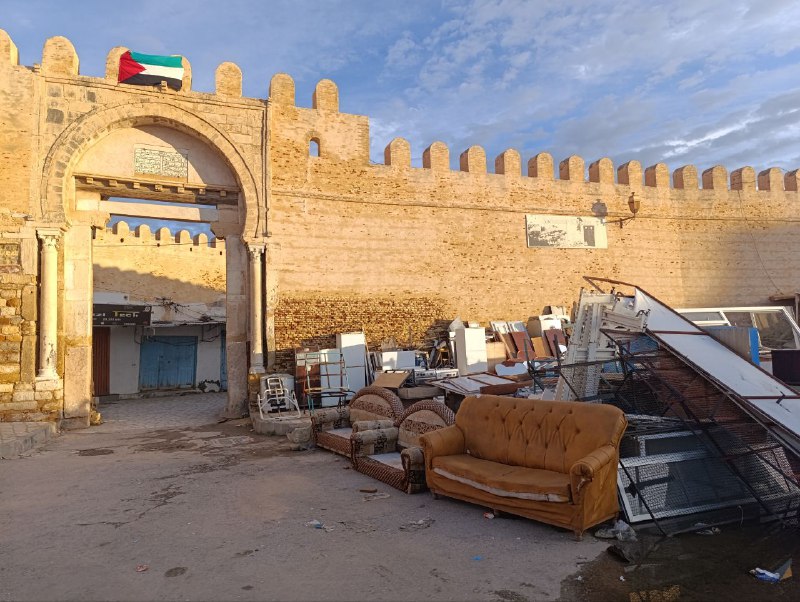
Made it to Tunisia. Didn't stick around the capital for long—headed straight south to Kairouan. And if you think the city's name sounds like "caravan," well, you're not wrong. :)
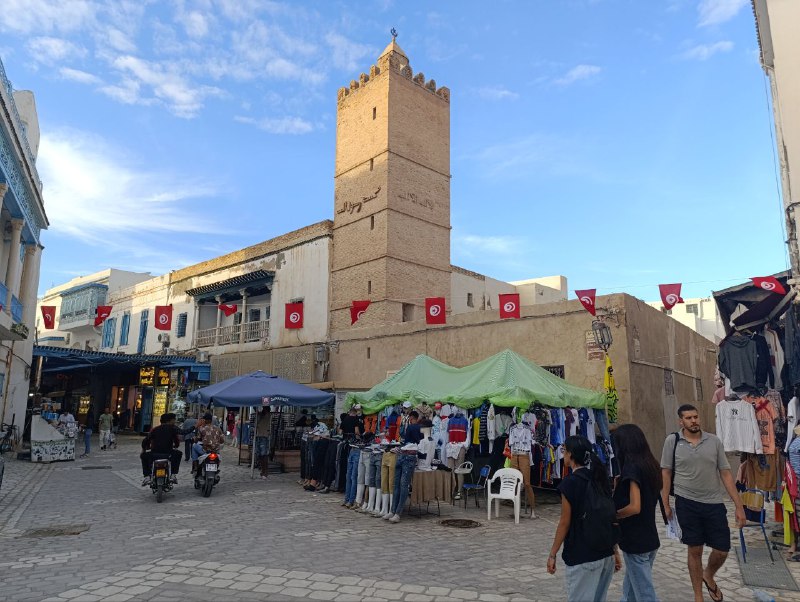
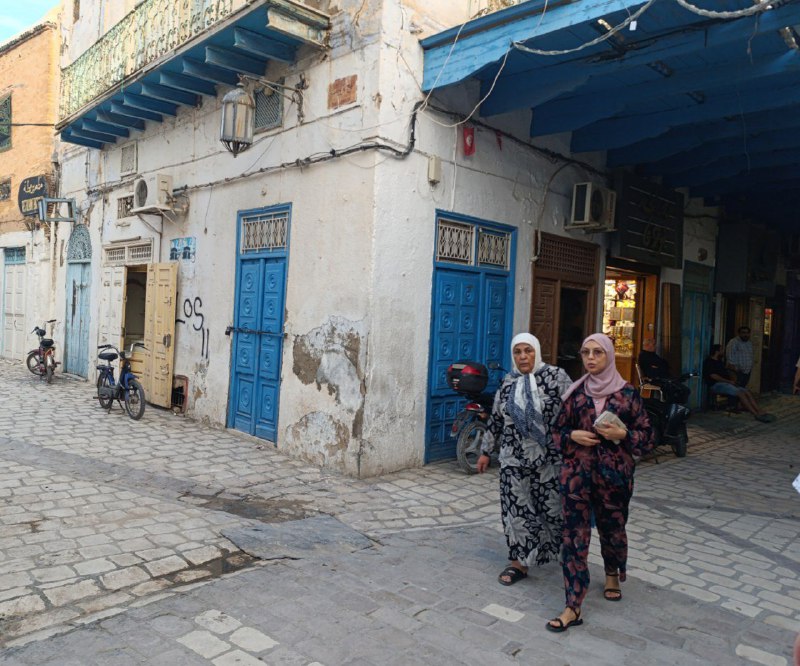
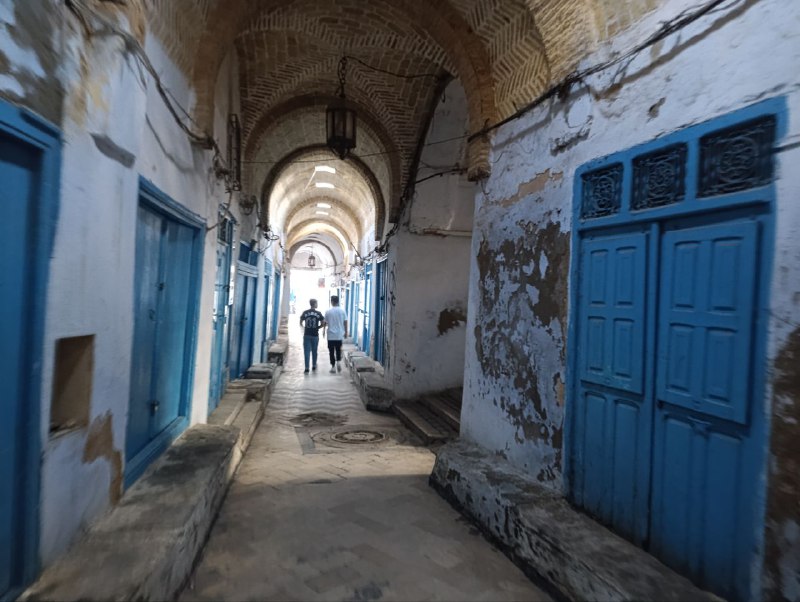
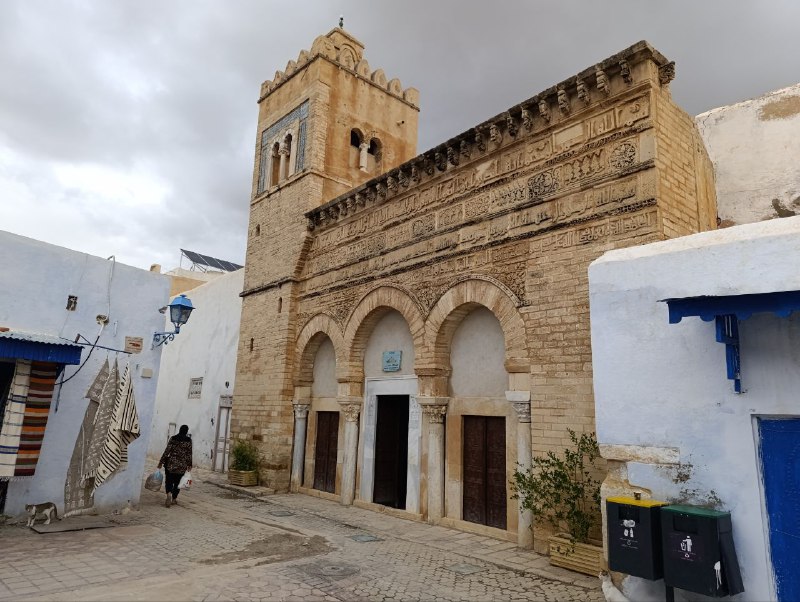
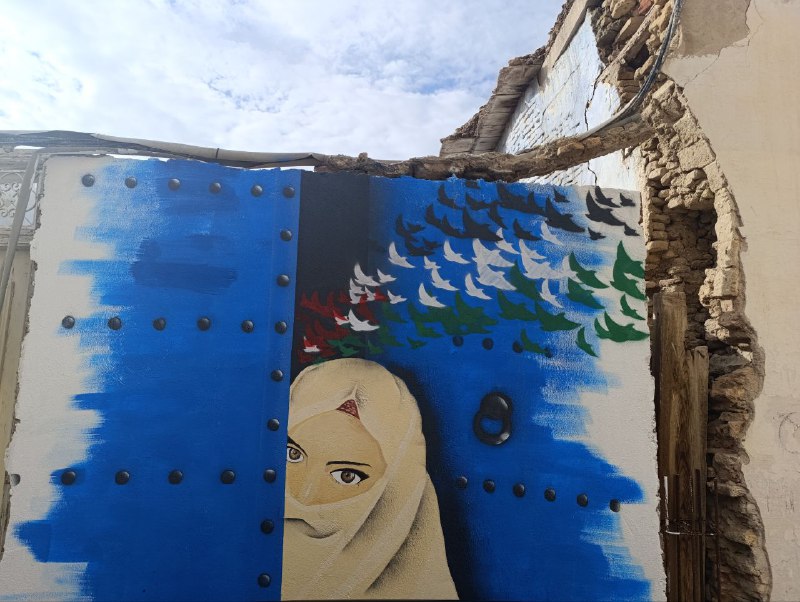
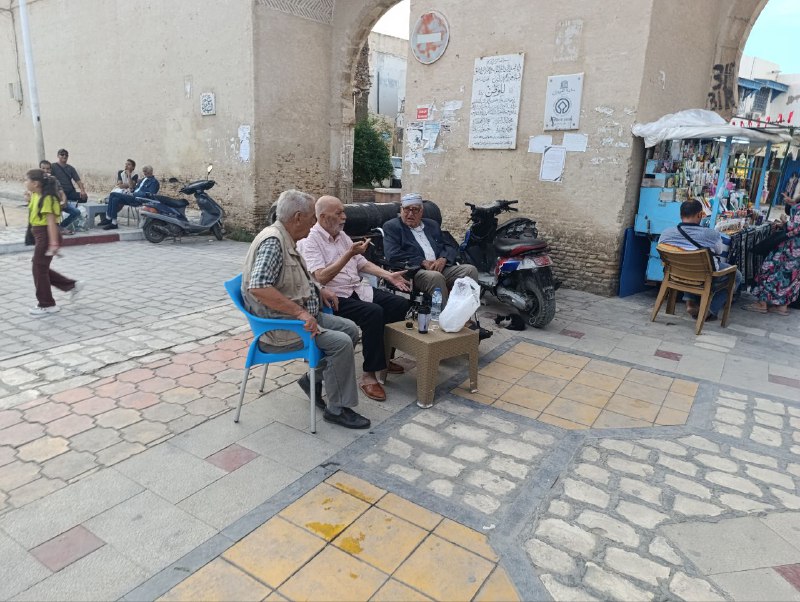
The city's laid out in a pretty strange way. They've turned the heart of the Medina (that's what they call the old part of town) into a bazaar. Various attractions are scattered around somewhere nearby, but there are basically no signs or directions. On the flip side, random passersby will sometimes stop you and eagerly point you toward something interesting. Some genuinely want to help, but most are hoping to make a quick buck. I never quite figured out how to tell the difference on the spot.
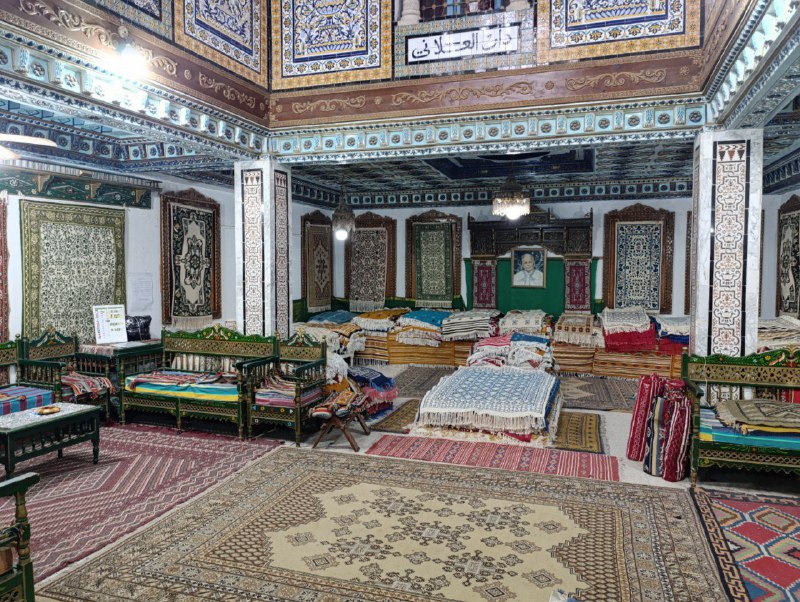
Sometimes the money-making doesn't stop at tips. In the local ruler's house-museum, they really tried to sell me a carpet. They've got every color and style imaginable. But honestly, what would I do with it? :)
If someone doesn't have carpets to sell, they'll try to monetize whatever else they've got. For a modest $1.50, some random guy offered to let me climb onto his roof for a great view. The view wasn't much to write home about, but it was an interesting experience anyway.
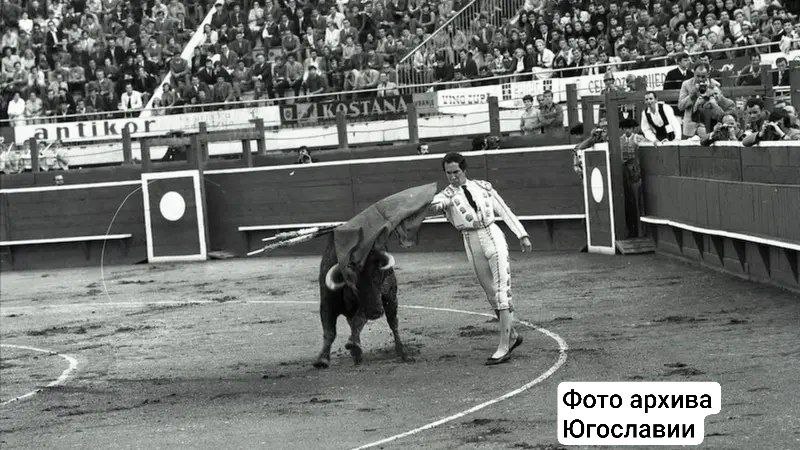
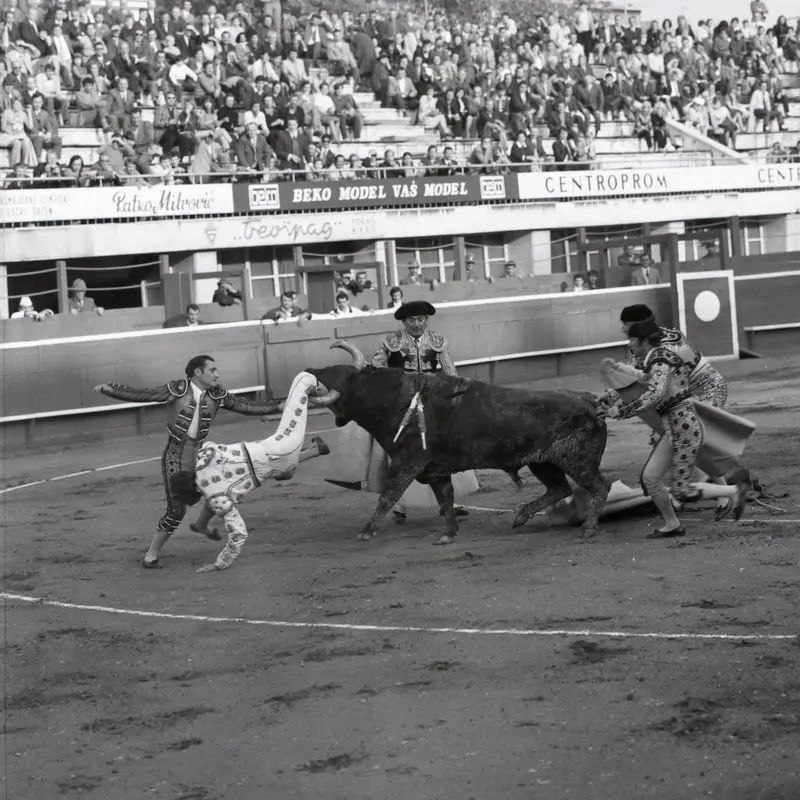
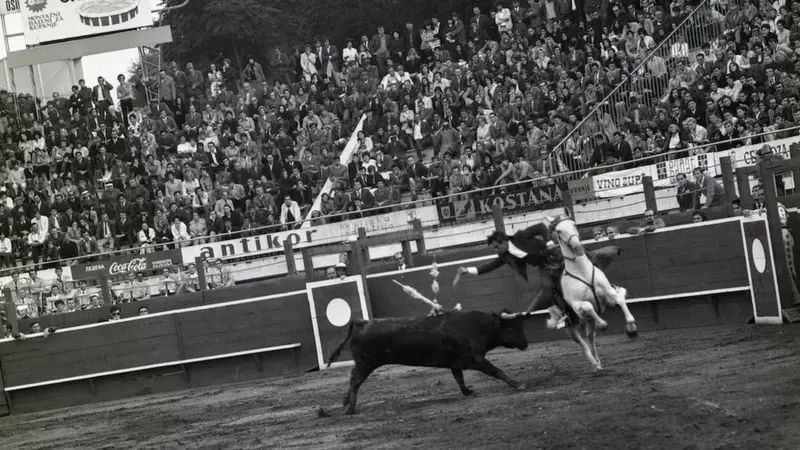
A story about Balkan bullfighting wouldn't be complete without a piece of Yugoslav history. In early October 1971, a real Spanish bullfight was held in Belgrade at the Tašmajdan stadium. If you tell this to Spaniards, they'll definitely not believe you. They'll insist that bullfighting never leaves Spain. Then you can show them this color (!)
video. The clip is quite brutal. If you're not ready to watch bulls being killed, it's better not to open it.
By the early 1970s, Spain was opening up to the world and there were many who wanted to build relations. Tito attended a Mexican bullfight in the late 1960s, which impressed him greatly. So he decided that inviting the most renowned matador would kill two birds with one stone. They also brought 12 healthy bulls from Spanish Galicia. Not all Belgraders were happy with the idea. Nevertheless, tickets sold for a good price: 100-200 dinars (in 1971, a dollar was worth about 17 dinars). And up to 5,000 people came to the stadium. However, local spectators weren't particularly moved by the ritualistic killing. As newspapers report (
here or
here or
here), people were rooting for the bulls more than the matadors. After the first animal's death, instead of joyful cheers, deafening silence fell over the stadium.
I've heard the bulls were eaten right there on the stadium. But at most I found mentions that nearby restaurants offered dishes made from the tails of the fallen animals. And clearly there was some corruption involved. Though maybe I just didn't search well enough.
Whether all this helped improve relations between the countries is also not entirely clear :)
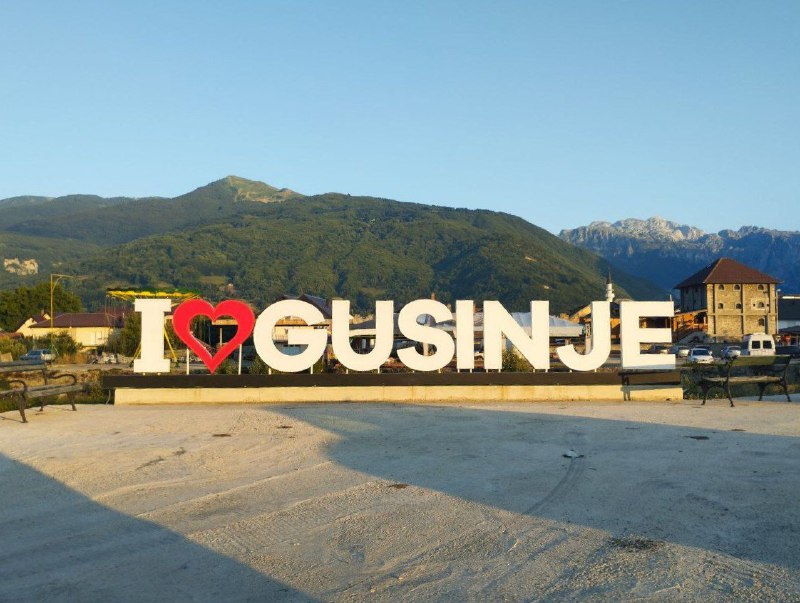
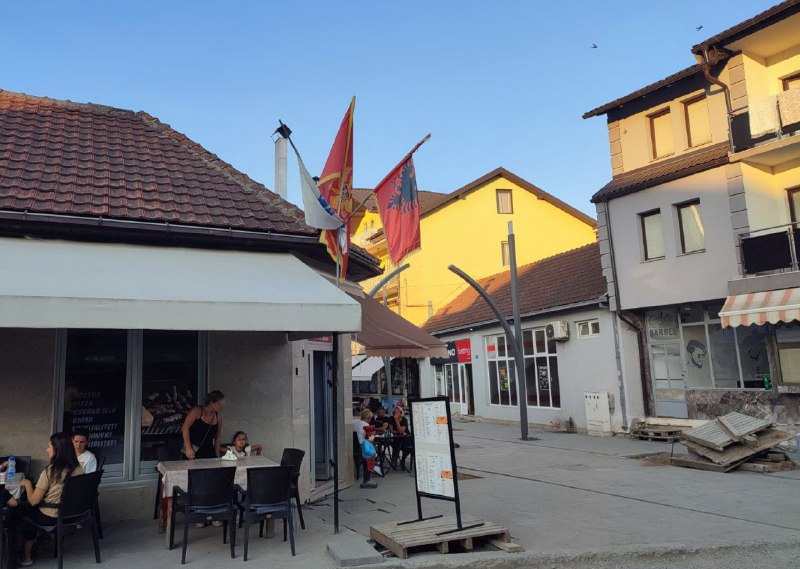
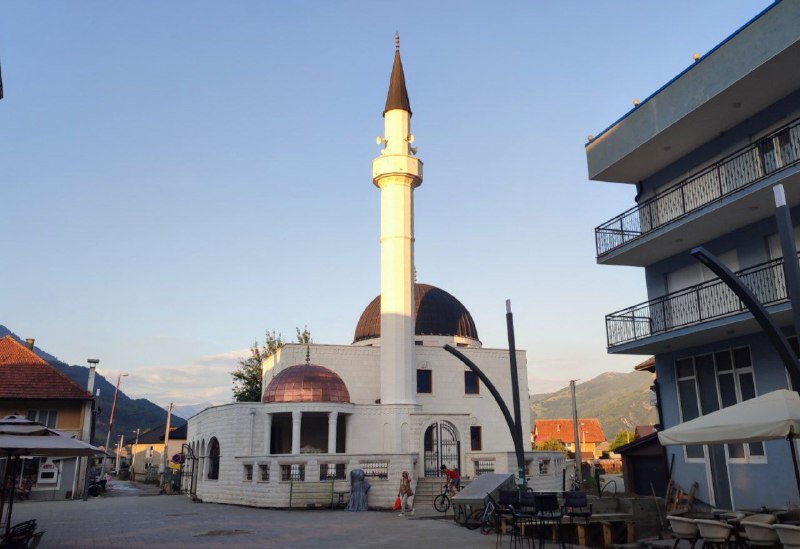
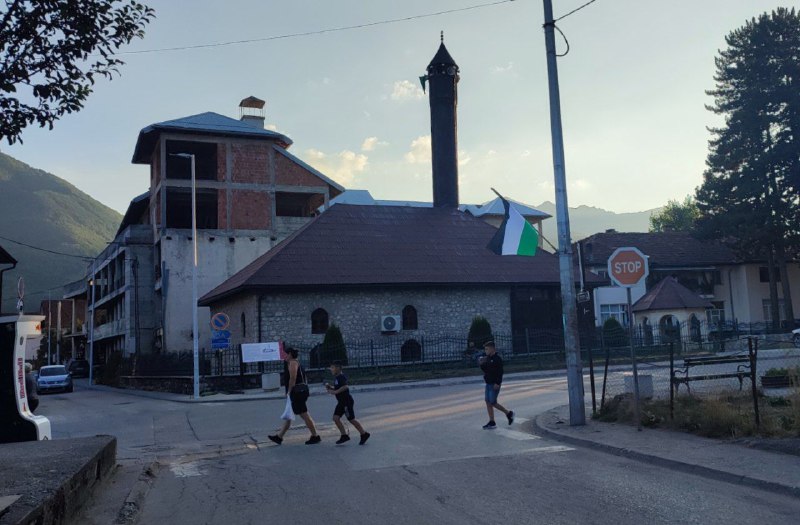
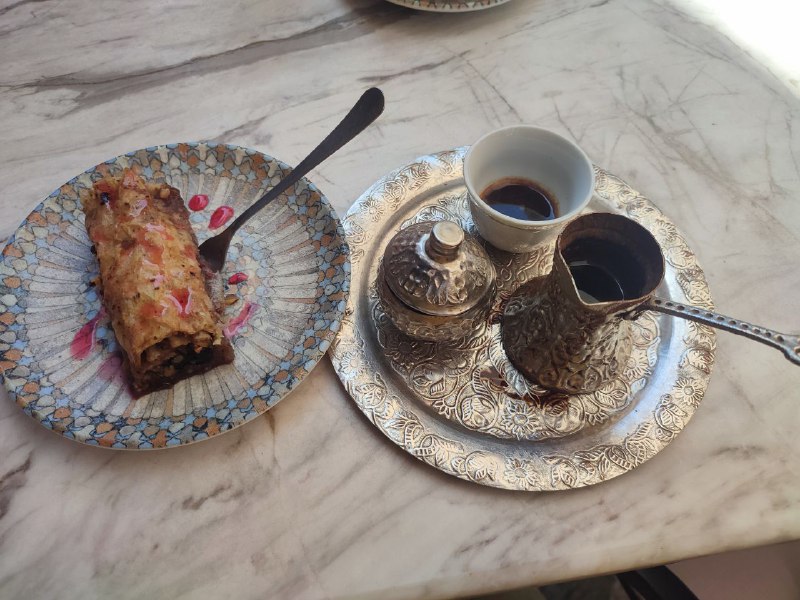
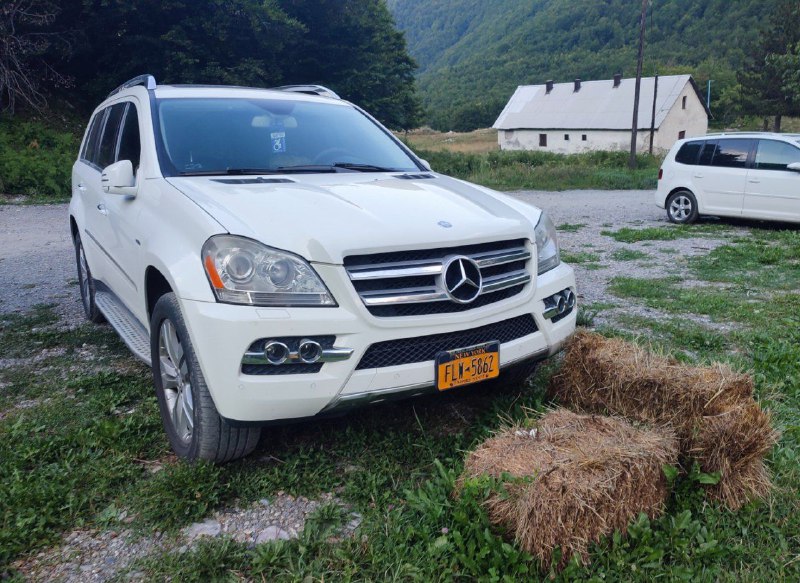
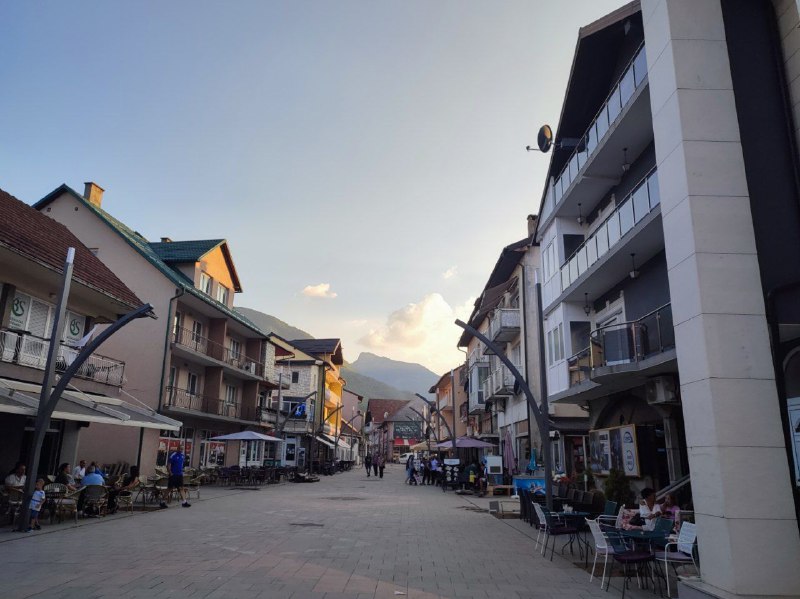
Picture a small Balkan town: Albanian flags hanging on the streets, mosques on every corner, Turkish coffee being served at cafés, plenty of cars with US license plates on the roads, and waiters who don't always speak Serbo-Croatian well. Which country would this most likely be in?
Bingo! It's Montenegro
😅Gusinje, located right before Prokletije National Park, is exactly like that. It's been part of the Ottoman Empire, the Montenegrin Principality, and even Albania. Sometimes more than once. Most of these "relocations" happened in the late 19th and early 20th centuries. They were often very bloody. In 1913, Montenegrins massacred over 1,800 residents of Gusinje and forcibly converted 12,000 to Christianity. Though it's true, people also converted to Islam in pursuit of material benefits and tax breaks. At least they didn't have guns to their heads.
This turbulent history led to several major waves of emigration. Today, it's estimated that over 30,000 people live outside the region, mostly in the USA, even though the region itself has fewer than 20,000 residents.
Locals speak a Serbo-Croatian dialect heavily influenced by Albanian, which is considered a unique phenomenon. I found it noticeably harder to understand people here than Serbs in Belgrade. At one point, someone even suggested we switch to English because we were having trouble communicating both ways. Though to be fair, native speakers from other regions struggle with it too.
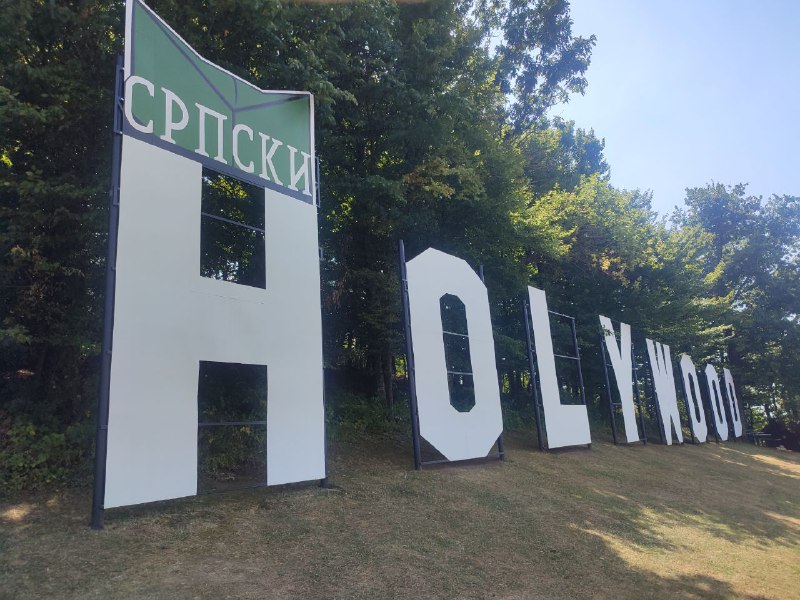
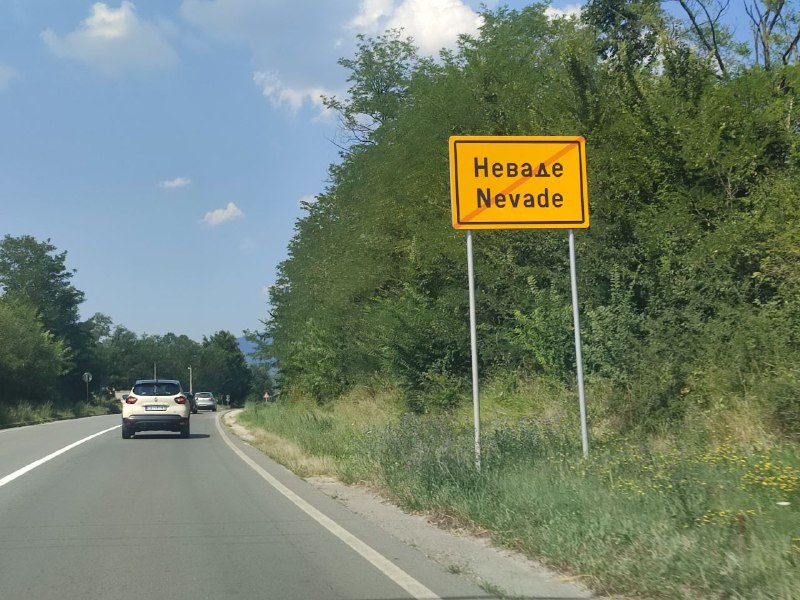
Serbian Hollywood ironically is also located not far from
Nevade. Though the little village got its name back in the 14th century and was clearly not named after the American state.
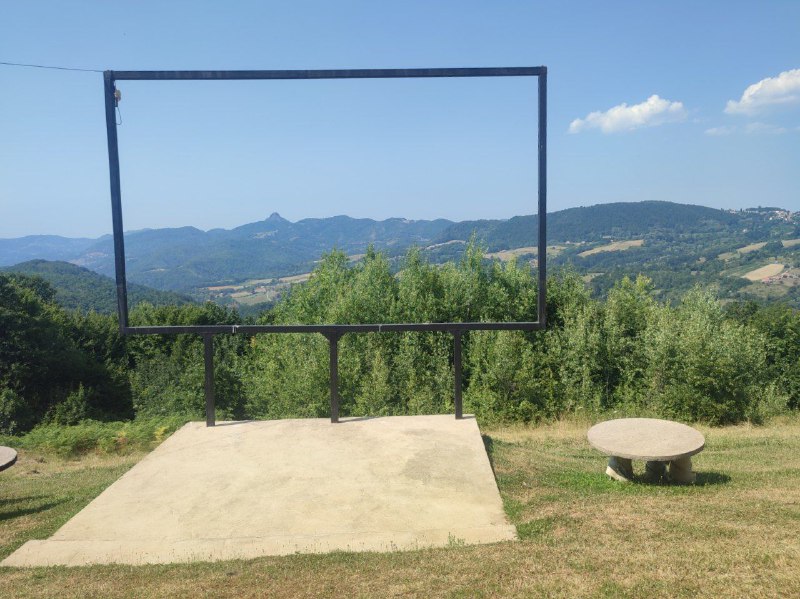
Hollywood was built back in 2007, and since then several film festivals have been held here. The place for watching a movie is truly ideal. The frame in the photo is exactly where the screen goes. But once Covid hit, everything fell apart and no events are expected in the near future.
The inscription "srpski" on the letter H was styled this year after a
shajkacha, a traditional Serbian hat. Before that, it was just a simple rectangle.
I bet when you think of vampires, Count Dracula is the first thing that comes to mind. Or maybe you're convinced that Romania is the birthplace of these bloodsuckers. Well, Serbs beg to differ.
First of all, the word "vampire" itself is one of the few words that made it into the international dictionary from Serbian-Croatian languages. And second, it's actually in Serbia where the first documented undead creature appeared —
Petar Blagojevich.
But the most famous Serbian vampire is
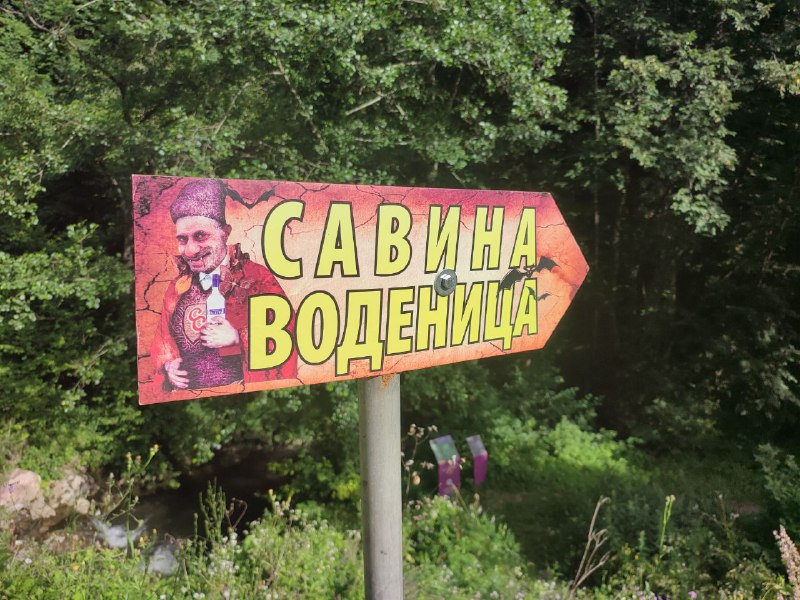
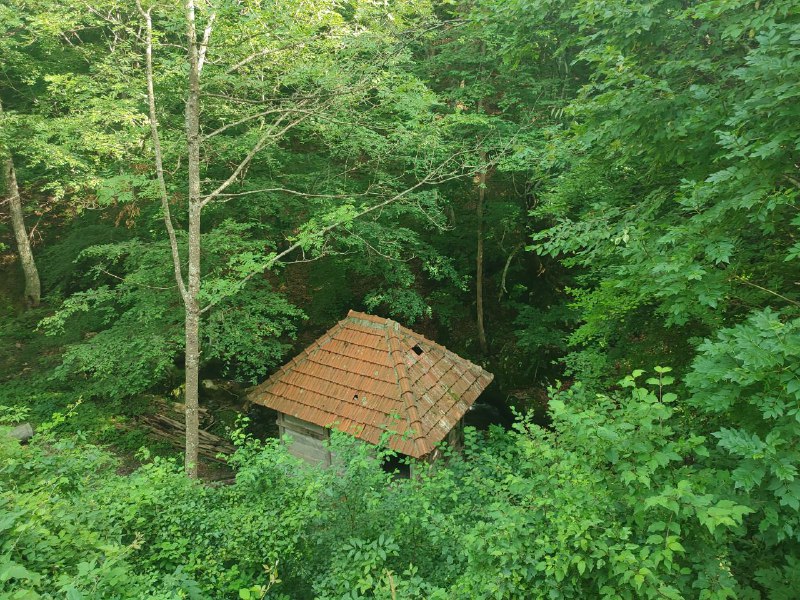
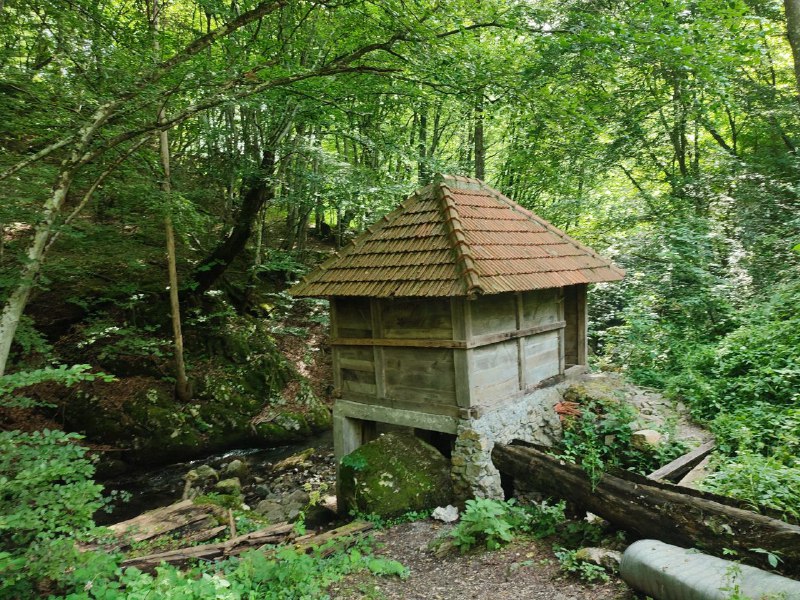
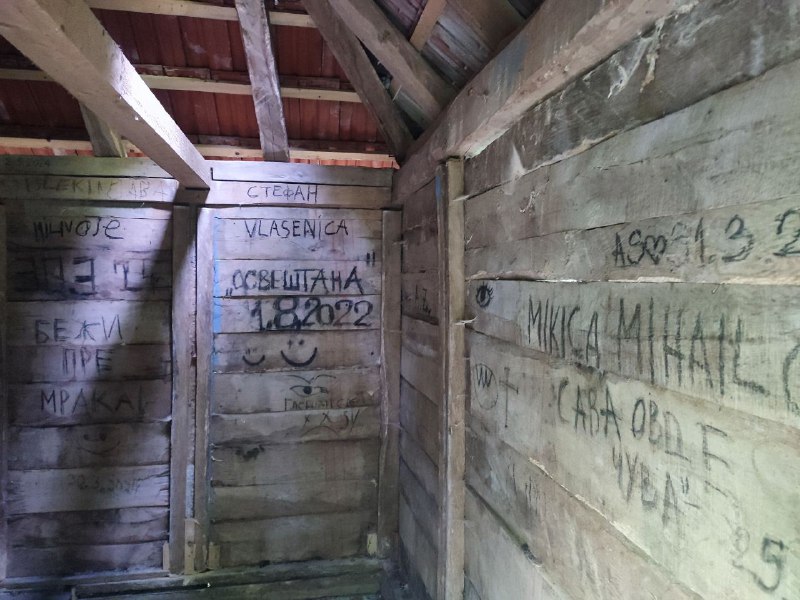
Sava Savanovic. He lived in a small town called Zarozhe near Valjevo and fed on the blood of workers at a river mill who decided to spend the night at work. There's a reason Europe fights against overworking :)
They've written books and even made a film about Sava — the first "truly terrifying" Serbian
horror film "Lepitrica" (butterfly). At least, as terrifying as it could be in 1973.
By the way, the mill isn't mythical. It's located
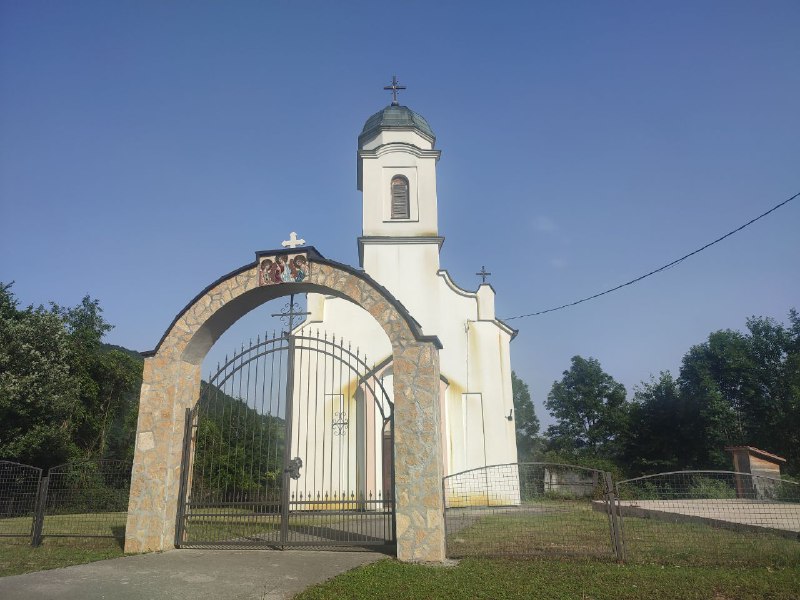
here and was actually used as a mill until the 1950s. After that, it fell into disrepair and started crumbling. Nowadays it's been restored, and they've built a nice road leading to it. Just to be safe, they even built a church nearby.
PS. The neighboring town of Valjevo sometimes tries to get a piece of
Sava's the glory. And attract tourists, of course. In 2010 they declared Savanovic their mascot, which prompted the Zarozhe administration to file an actual
police report saying their vampire had been stolen. Oddly enough, the "missing" vampire was never found.

 United Kingdom
 Serbia
 Bosnia and Herzegovina
 Turkey
 United Arab Emirates
 Brunei
 Indonesia
 Malaysia
 Argentina
 USA
USA Morocco
 Georgia
 Egypt
Egypt Hong Kong
 China
China Vietnam
 Tunisia
 Montenegro
 Philippines
 Singapore
 Oman
Oman Algeria
 North Macedonia
 Lebanon
 Israel
 Albania
 Russia
 Tanzania
 Netherlands
 Spain
Spain Latvia
 Germany
 Belgium
 France
 Kazakhstan