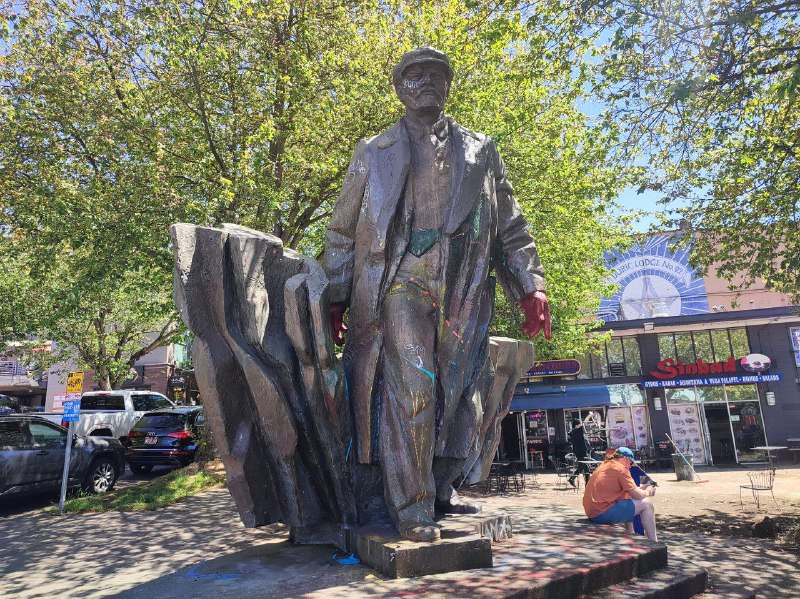
Turns out there's a Lenin statue not just in
New York, but also in Seattle. They brought it here from Czechoslovakia right after the Soviet Union collapsed. It still stands near downtown and regularly becomes the subject of various protests.
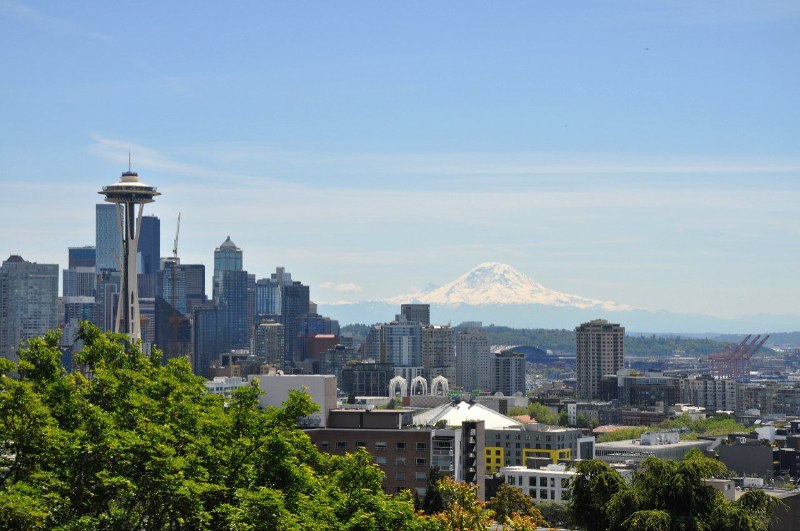
Seattle turned out to be a really nice city. But there's a stereotype about the locals—they're extremely polite, but it's practically impossible to befriend them. People born here prefer to stick with their own kind. And those who move here hang out with other transplants. This peculiarity even has a special name:
Seattle freeze.
Speaking of the cold: even though it's early June, the daytime temperature is noticeably below 20 degrees Celsius. I managed to catch a sunny day, but mostly it's overcast and rainy. Living in a climate like this can be pretty depressing.
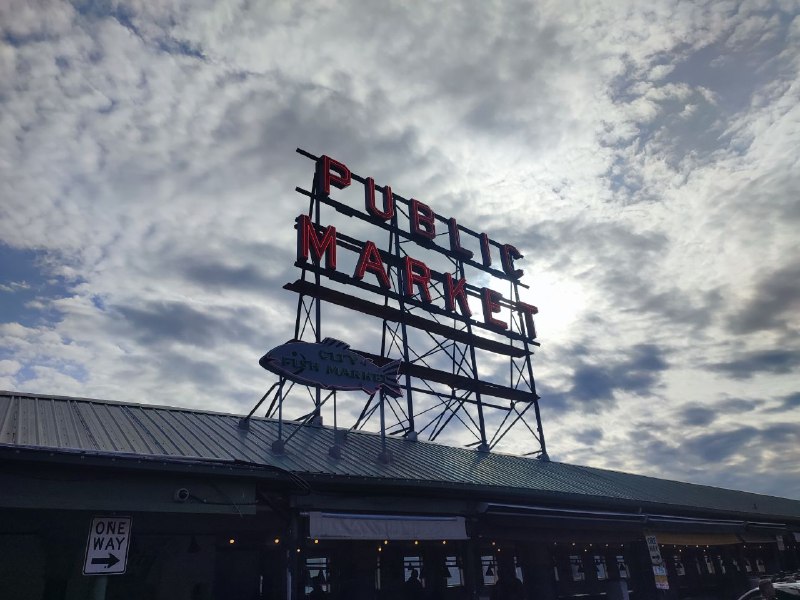
PS. You've probably heard the joke about "whoever's last at the airport, turn off the lights." It probably originated in Seattle. Boeing's headquarters has been located right here for many decades. In the 1970s, the company laid off tens of thousands of people. At the time, it was the largest local employer (now Amazon, Microsoft, and other Starbucks locations have joined the mix). And on the way out of the city, there was literally a sign that said "Will the last person leaving Seattle - Turn out the lights" (
here you can see the picture and read more on this topic).
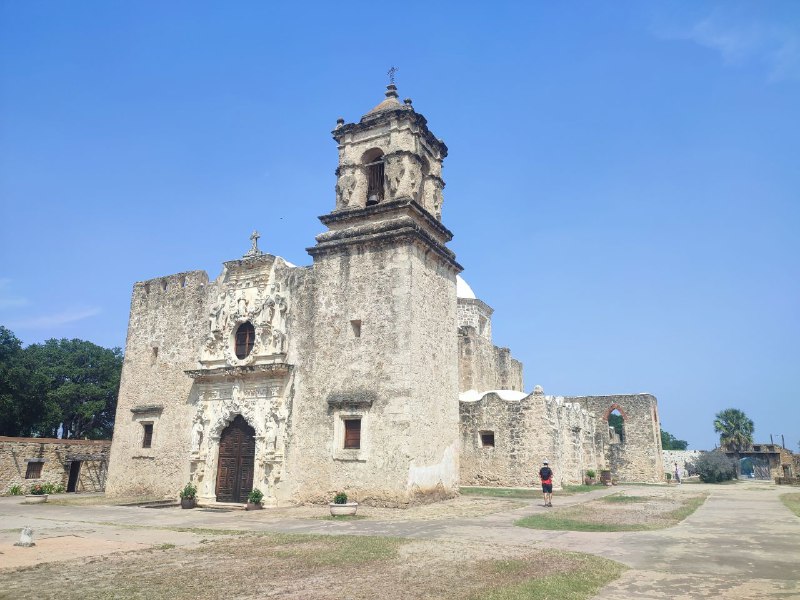
When you think about the US, you definitely don't picture
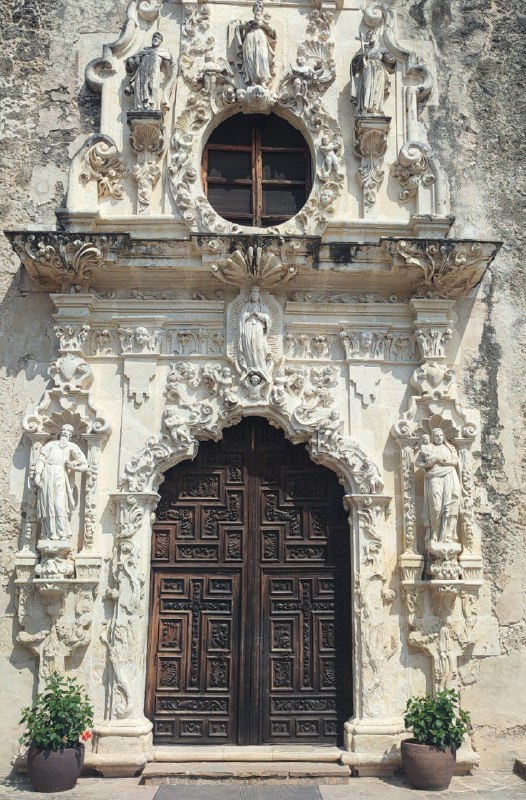
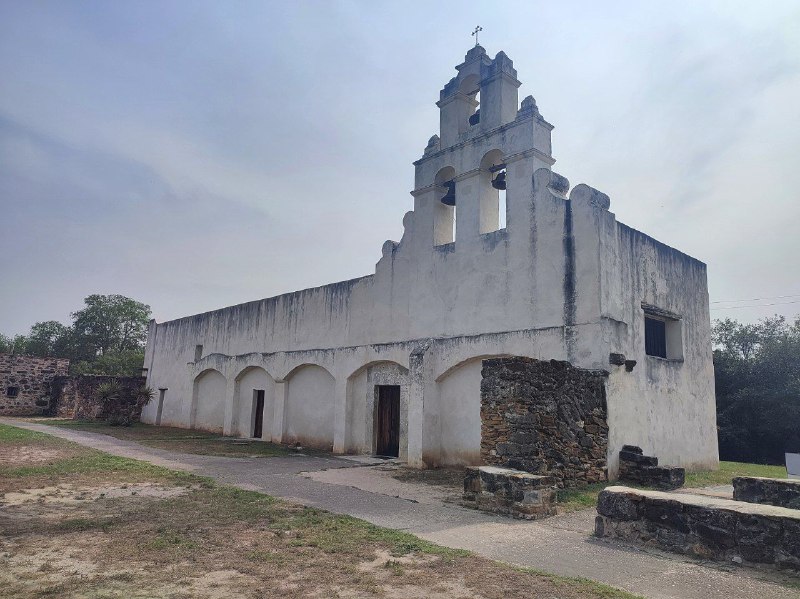
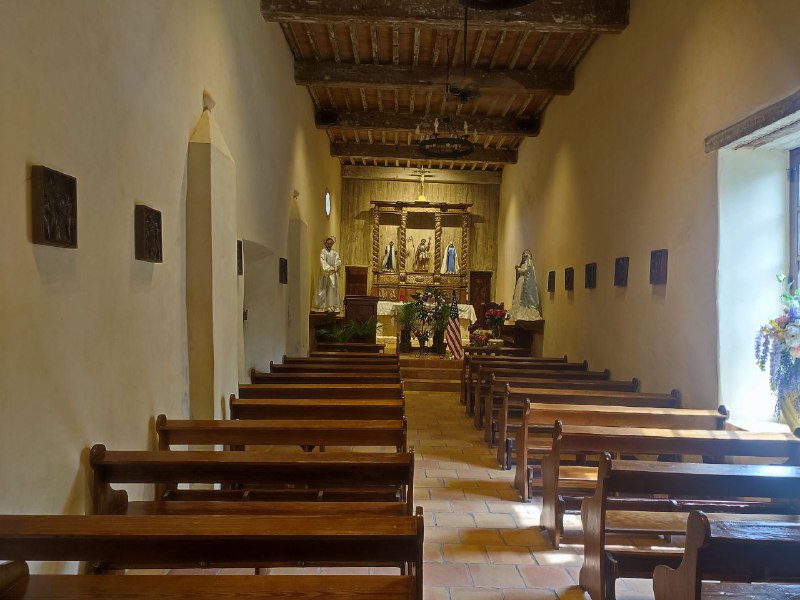
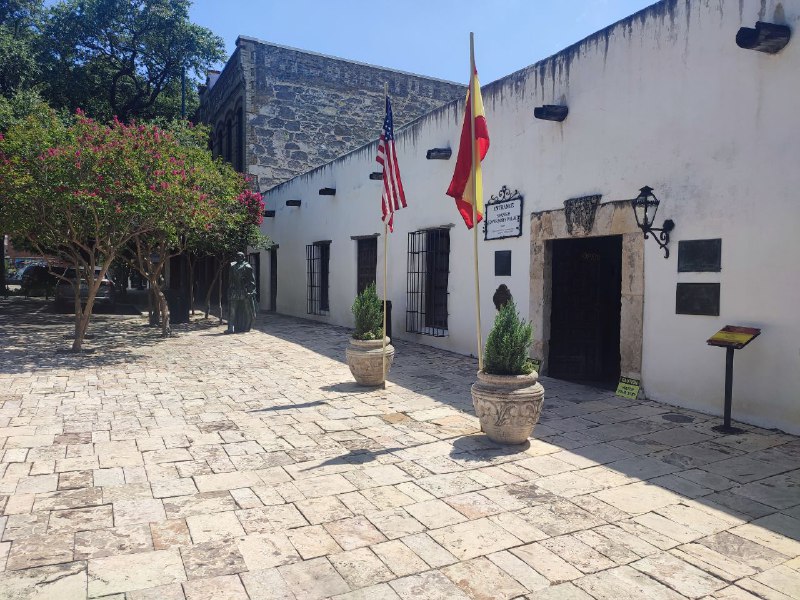
the Roman Empire 18th-century Spanish missions. But you should. In San Antonio, Texas, the Spanish built several of them in the early 1700s. Over 300 years later, the buildings have deteriorated a bit, but they've held up pretty well overall.
Not the 12th century like the
monastery in Florida, obviously (and I'm not joking), but by local standards, that's ancient history.
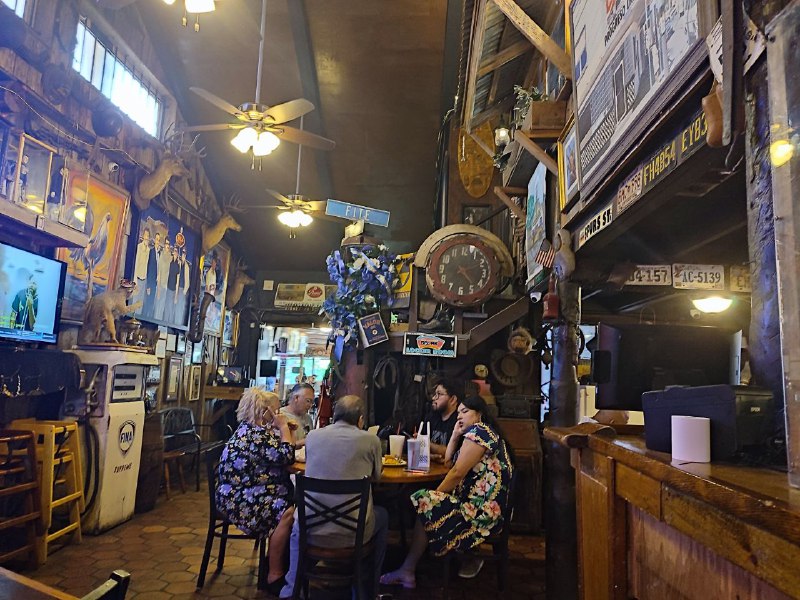
PS. I stumbled upon this cute little
restaurant in the middle of nowhere. Really charming atmosphere. And the food's solid. I didn't see anything more tex-mex during this trip. If you're ever in the area, it's definitely worth checking out.
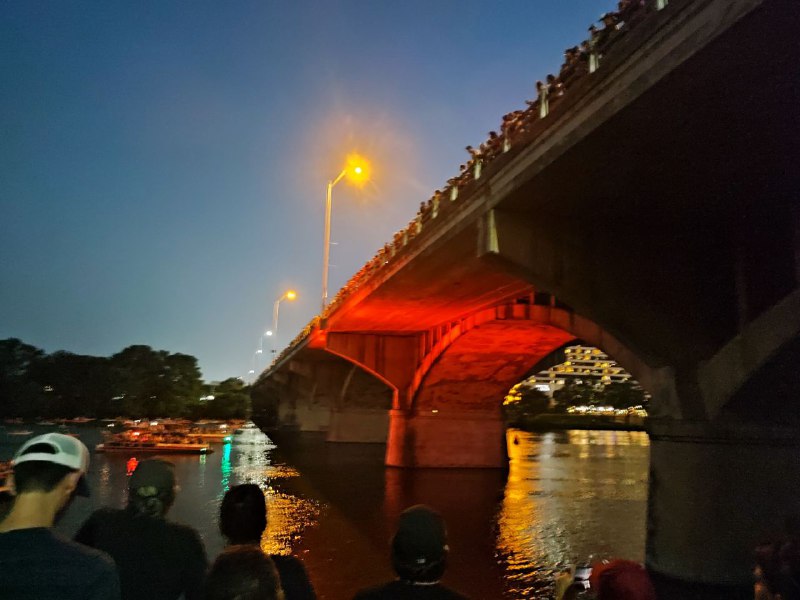
Found a worthy contender for the most unusual city attraction. In Austin, Texas.
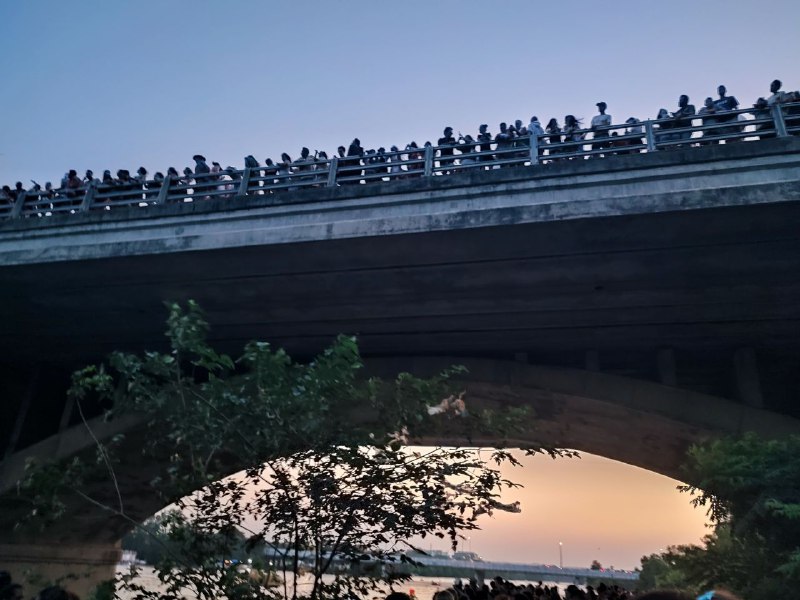
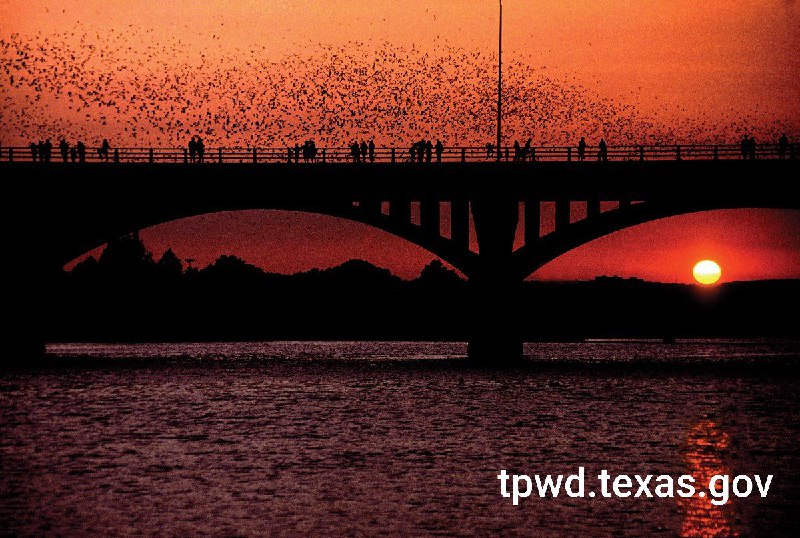
Back in the 1980s, the city renovated a bridge. The new structure turned out to be absolutely perfect for... a bat colony. It got to the point where in a city of almost a million people, there are now more bats than humans.
At first, residents were scared and really wanted to get rid of their uninvited neighbors. But a campaign by local biologists changed public opinion. Now it's practically the main draw for tourists.
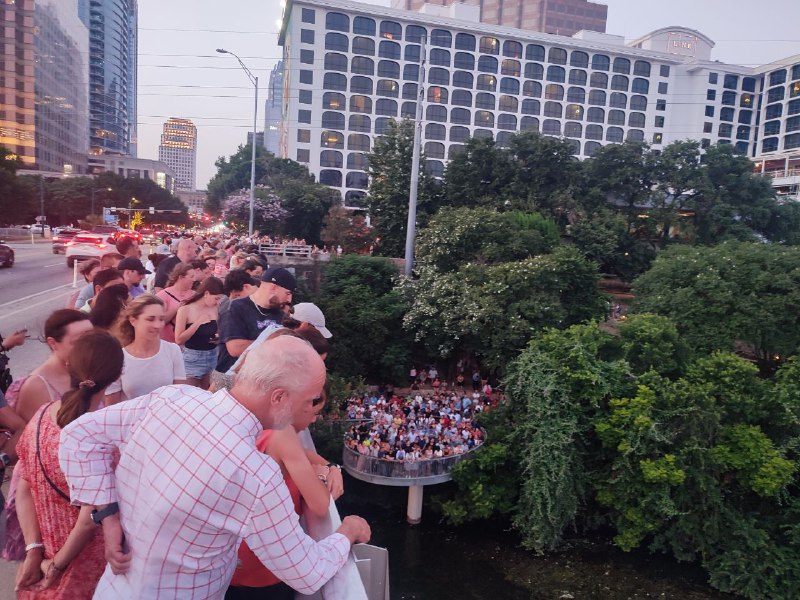
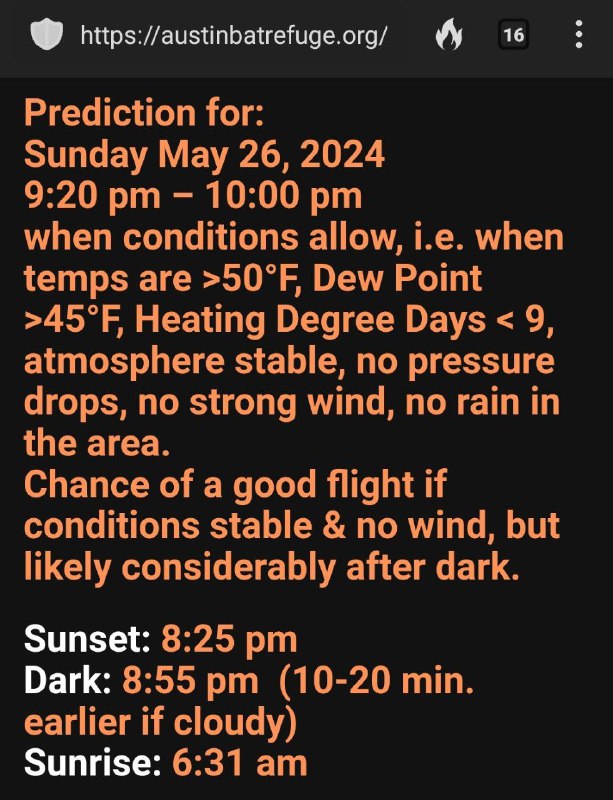
Every night from March to October, crowds gather at the bridge waiting for the show. You can pay to get on a boat and watch everything from the water. Though there's no guarantee you'll actually see anything: the hunt only happens when it's warm, dry, and there's no strong wind. Otherwise, the insects they hunt stay home, and there's no point flying out. In a single night, they can collectively eat a whole ton of gnats. First, solo "scouts" fly out, then at some point a massive exodus begins. On the best nights, up to a quarter of the colony of a million and a half can take flight to hunt.
There's a whole
website where enthusiasts track flight history and publish forecasts for the day. I wasn't too lucky: I only managed to see about 3% of the colony take off in complete darkness to hunt. So the video doesn't show much. People say you need to go in August. That's when the most impressive flights happen. Added an internet picture to the post. Would love to see something like that in person.
And yes. All of this happens not in some remote village, but right in the center of a huge glass and concrete city.
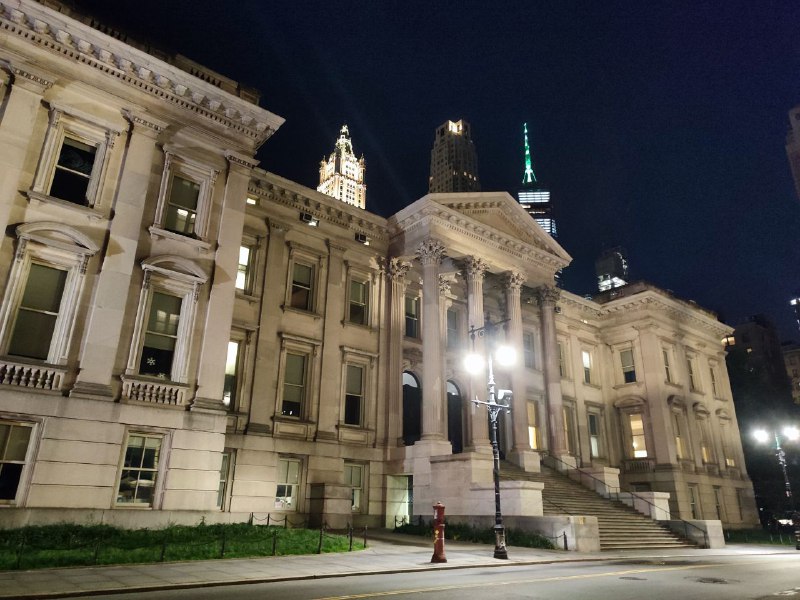
This New York courthouse cost American taxpayers more than the purchase of Alaska. Even though both events happened around the same time. $11M and $7.2M (roughly $300M and $196M in today's money).
The building was constructed by one of the most unprincipled American politicians — William Tweed — whose name became almost synonymous with corruption in America. The theft during construction was extensively covered by the press, and the leading political cartoonist was offered half a million dollars (an astronomical sum at the time) by the politician to draw about other topics instead.
Ultimately, the official was arrested and, ironically, tried right in the unfinished courthouse building that he himself had overseen.
Today the courthouse still stands and serves its functions. For example, a colleague's daughter got married there. And the building bears the name of that very same corrupt politician — Tweed Courthouse.
Remember the Berlin Wall in
Singapore?
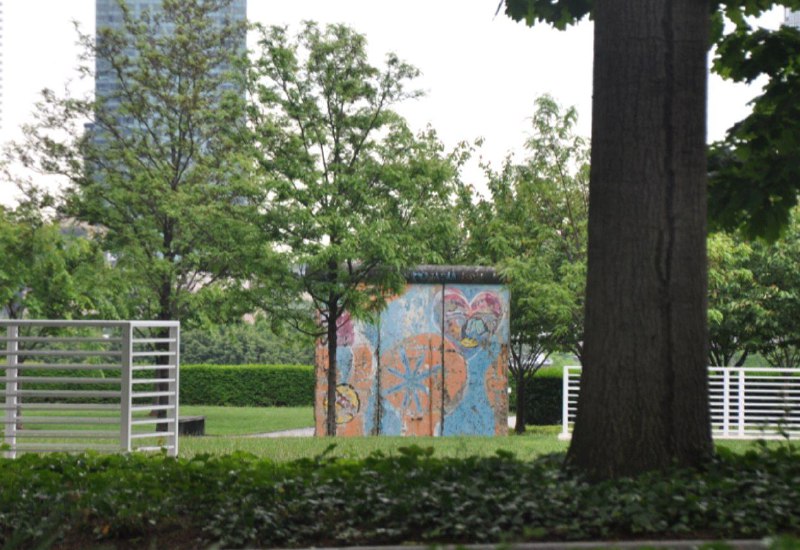
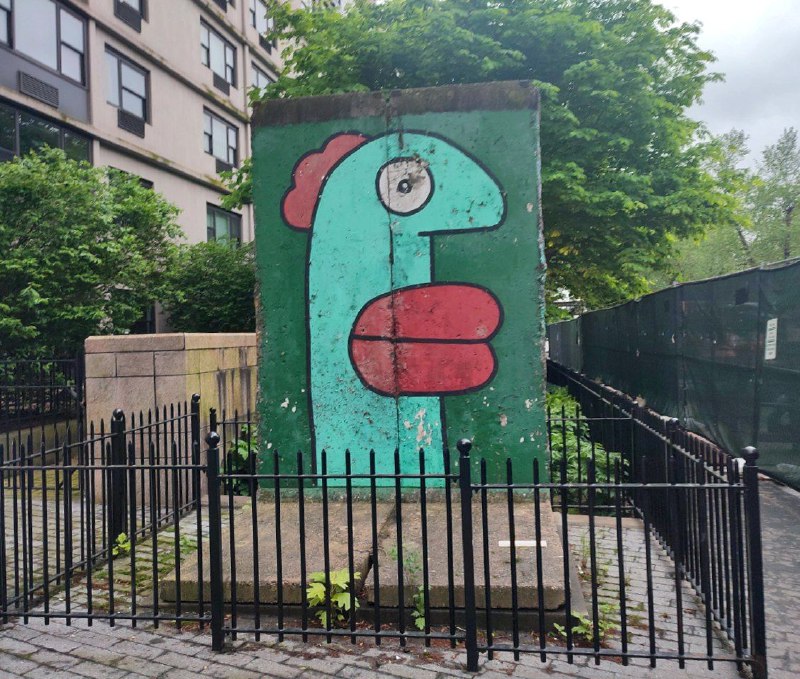
New York has some too! Several pieces actually.
Foursections in
differentlocations, though two aren't accessible right now.
Turns out the wall got scattered all over the world. You can see it in Sydney and Cape Town, in Moscow and Guatemala, in Kyiv and Tokyo, and tons of other cities. In the US, it's basically in practically every major city. Here's a
complete list.
Did I just save you a trip to Berlin? :)
The most famous
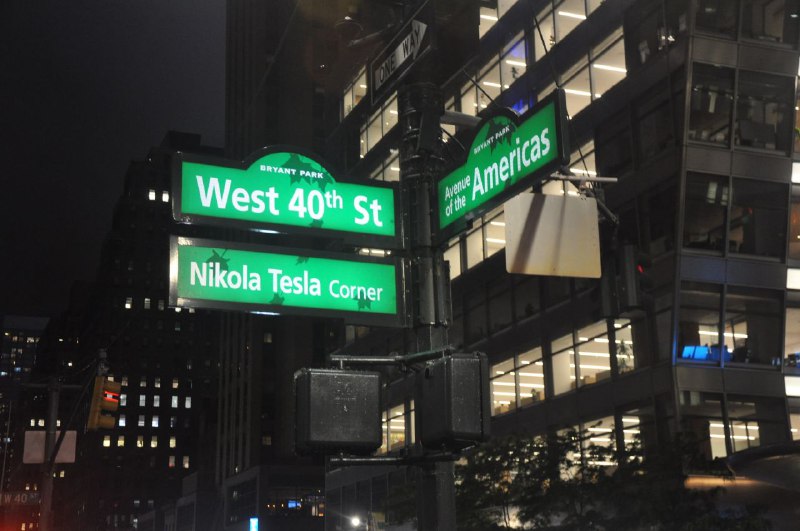
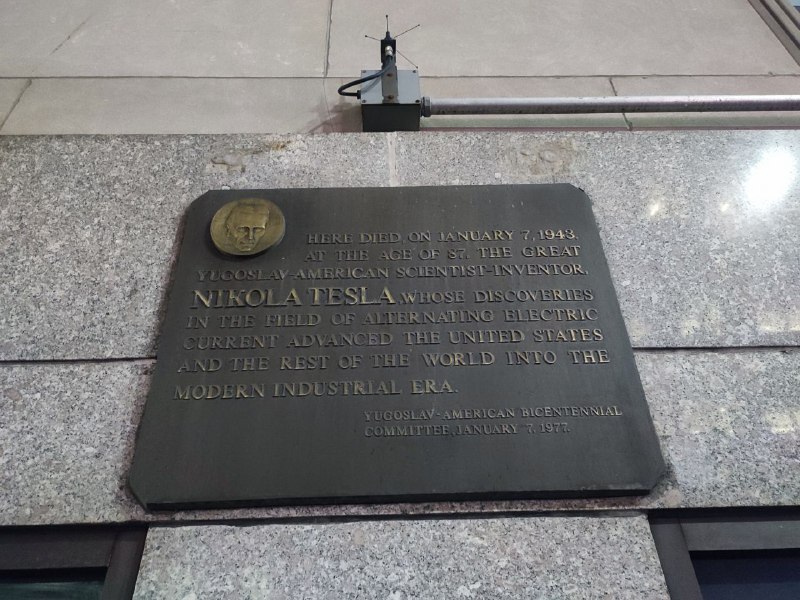
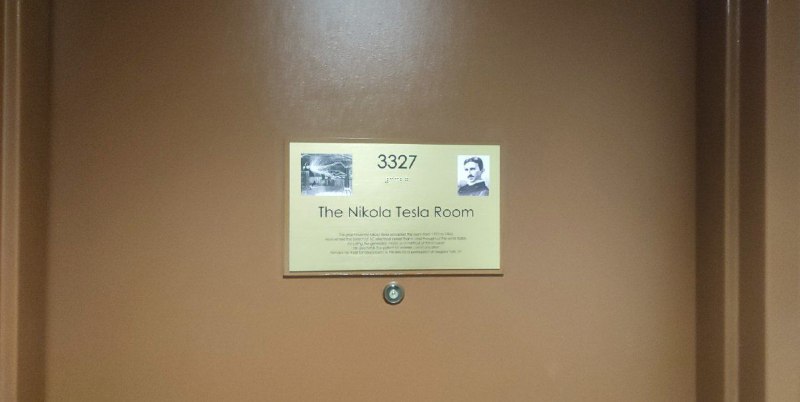
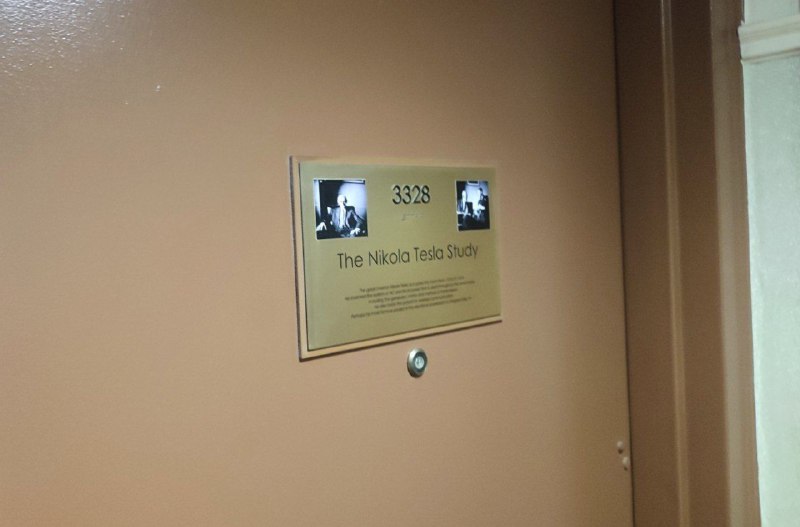
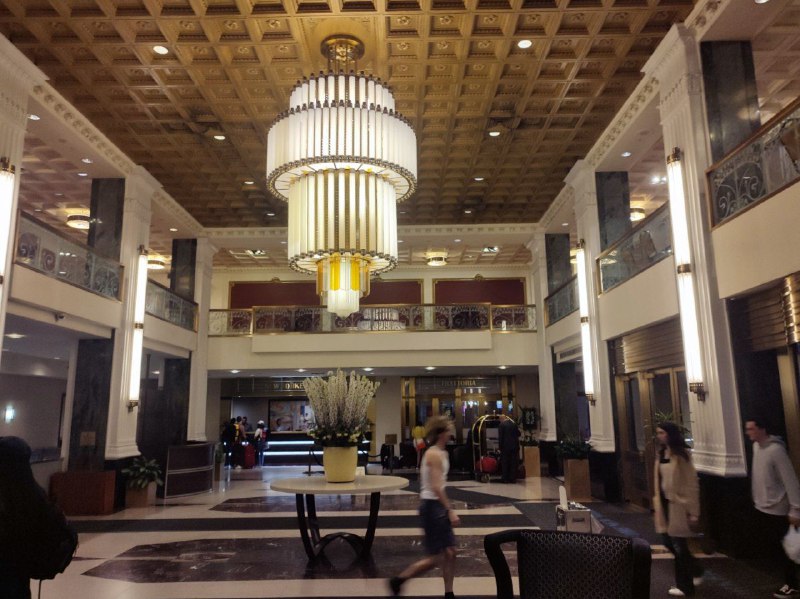
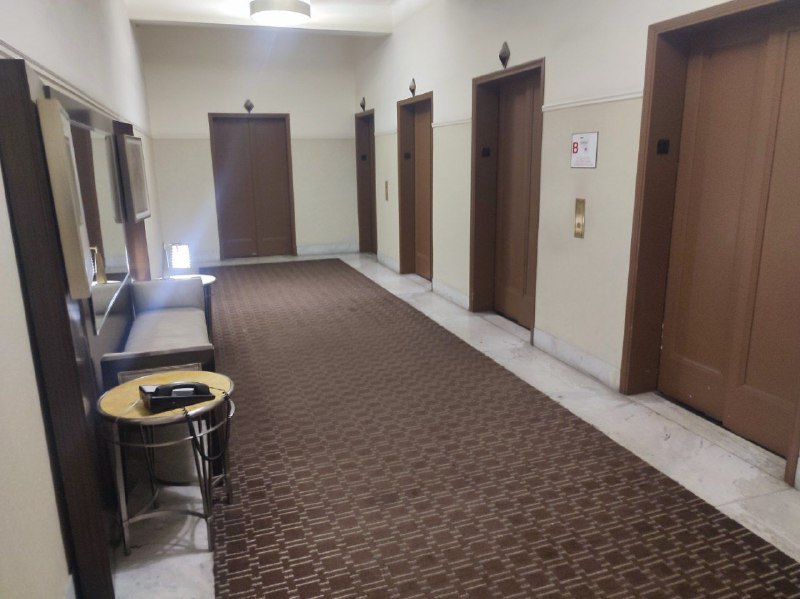
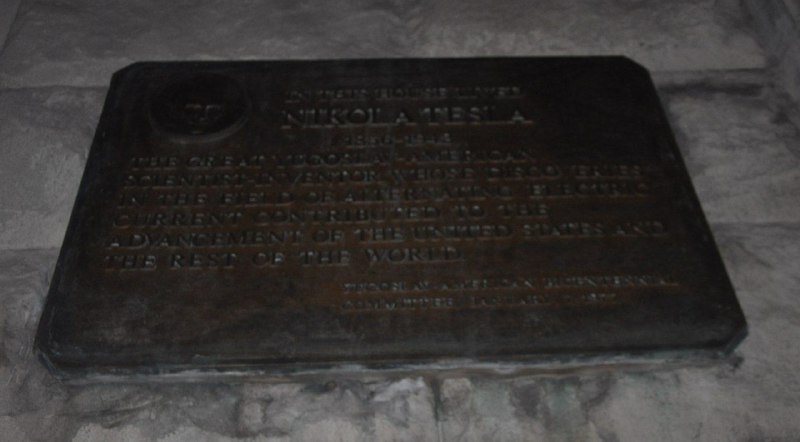
Croat Serb spent most of his life in New York. The corner of Bryant Park is named after Nikola Tesla, where he loved feeding pigeons. And in the New Yorker Hotel, where the scientist lived for more than ten of his final years, they placed a bust, and hung a plaque on room 3327.
In his old age, the inventor was openly struggling financially, drifting from hotel to hotel, leaving behind huge unpaid bills. By the time he moved into the New Yorker, Westinghouse Electric & Manufacturing Company began paying Tesla a salary of $125 (about $3000 in today's money) and covering his rent. He lived there until the end of his days.
In his final years, Tesla was slowly losing his mind (literally). He worked on a death ray (
Teleforce) hoping it would help end wars. Despite claims that the invention was ready, no papers were ever found. All sorts of conspiracy theories still circulate that the blueprints were seized by special services.
On the Radio Wave building there's a plaque reminding us that Tesla held the first patent for radio. But in history, Marconi went down as the inventor of radio. And he even won a Nobel Prize for it. In subsequent years, lawsuits over the invention rights continued. In 1904, a US court awarded primacy to the Italian, despite the patent history. Plus, he had excellent connections in England, which contributed to the rapid commercial growth of his company. After Tesla's death in 1943, the court reconsidered its decision. Partly because Marconi's company (Marconi himself was already gone) tried to get a ton of money from the US for violating the radio patent during World War I. Anyway, for Nikola it was already too late.
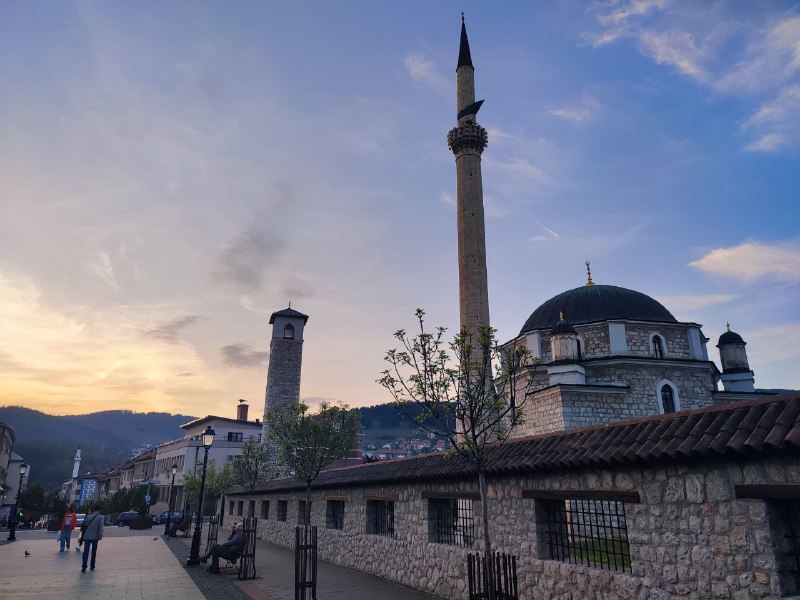
On the border between Serbia and Montenegro, there's a region called
Sandžak with a large Muslim population. You wouldn't expect that from these countries. I've already told you about the Serbian
Novi Pazar.
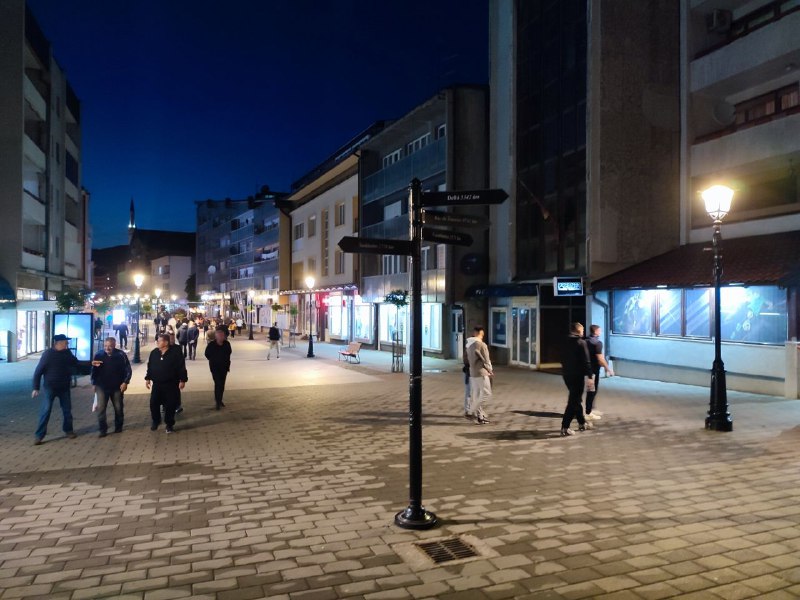
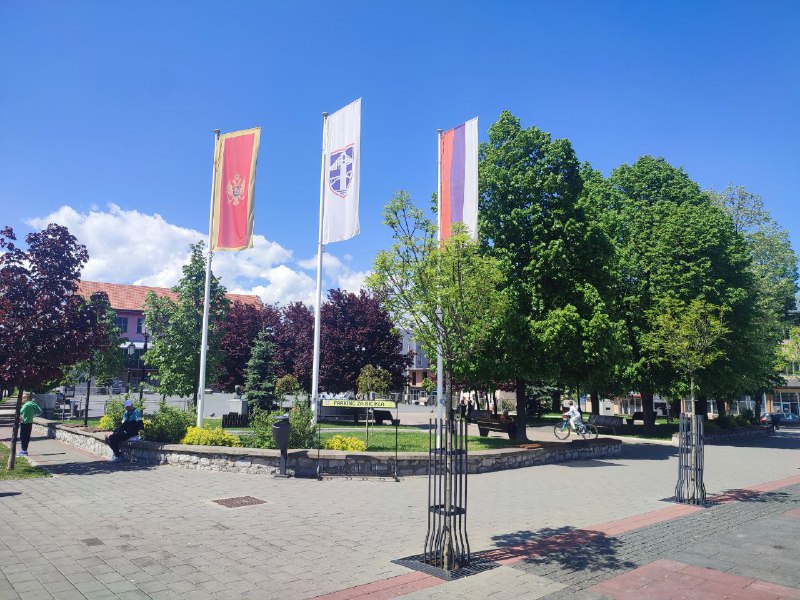
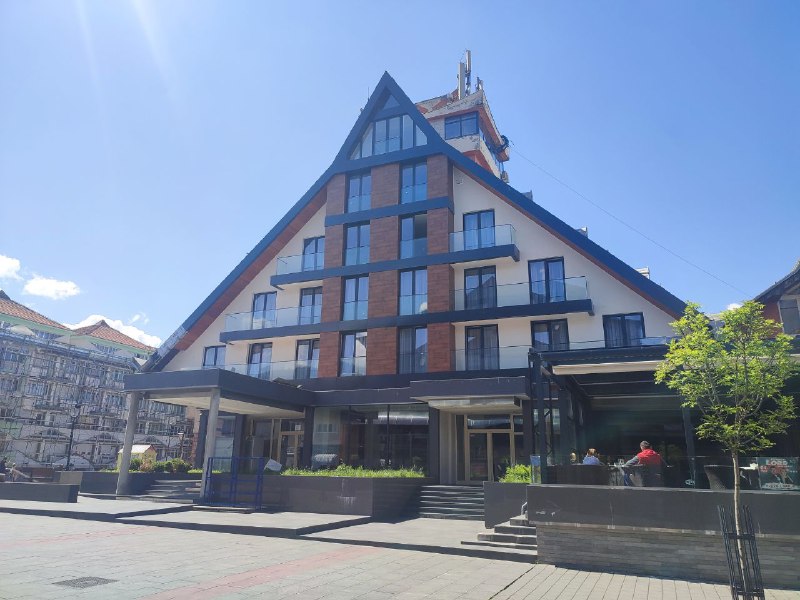
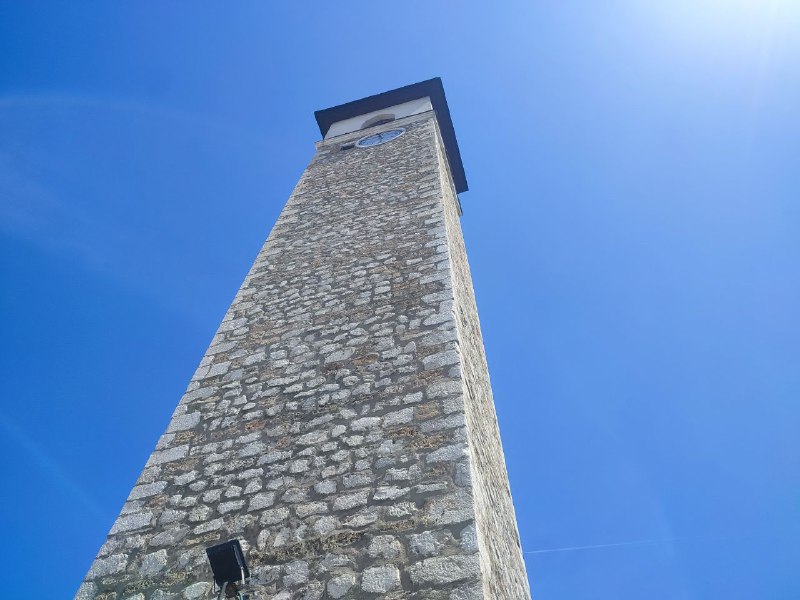
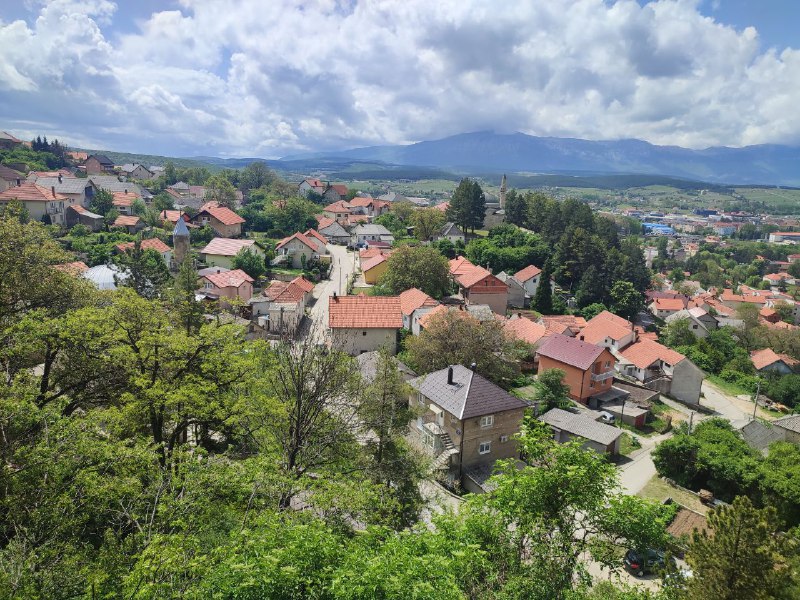
On the Montenegrin side, the most notable city is Pljevlja. Even though it only has about 16,000 residents, it's the third-largest settlement.
These days it's a peaceful, quiet town, but during the breakup of Yugoslavia things were tense here. In 1992, the police confiscated a car from an assistant to a local military major. The major then came to the police station and literally threatened to declare war on the city if the car wasn't returned immediately.
In normal times, he probably would've been arrested on the spot, but back then half the police switched sides with the military and the city began to descend into chaos. Amid the confusion, there were threats to wipe out the entire Muslim population of Pljevlja. The Yugoslav Army simply refused to fight them.
Fortunately, it ended without bloodshed—diplomacy won out. The presidents of Montenegro and Yugoslavia rushed to the scene and promised the Muslims they'd disarm the rebels, and in exchange, to calm things down, they got a promise that the separatists wouldn't seek independence. Not that anyone here was really trying to.
Tensions died down after that, but things only fully calmed down after the Bosnian War ended in 1995.
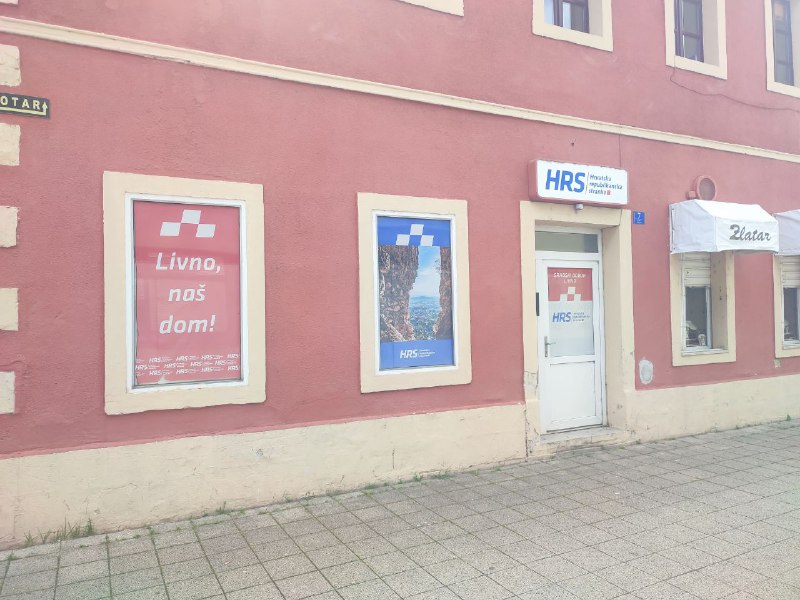
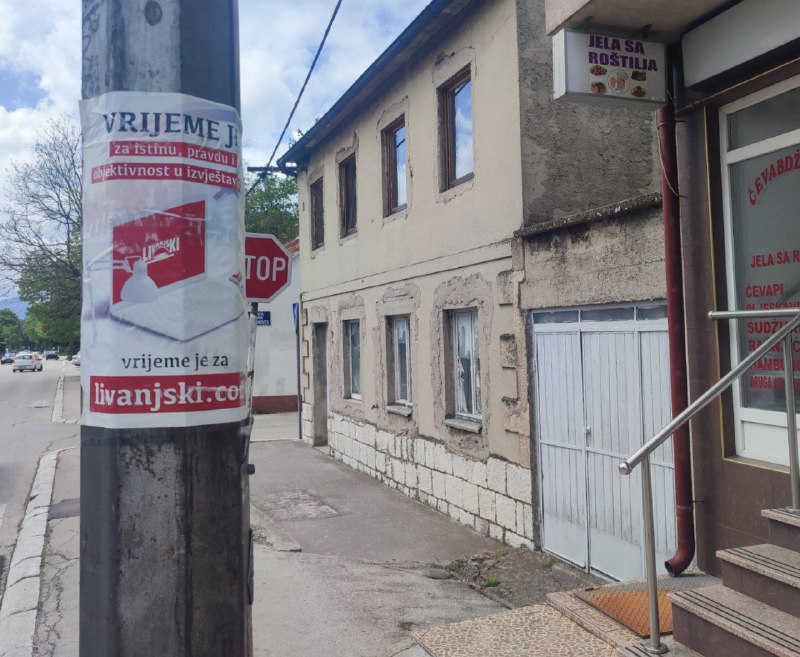
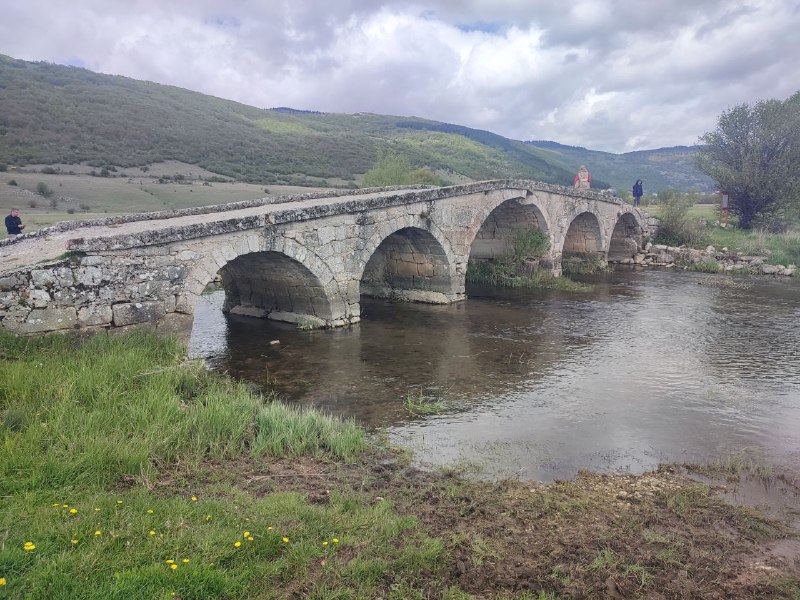
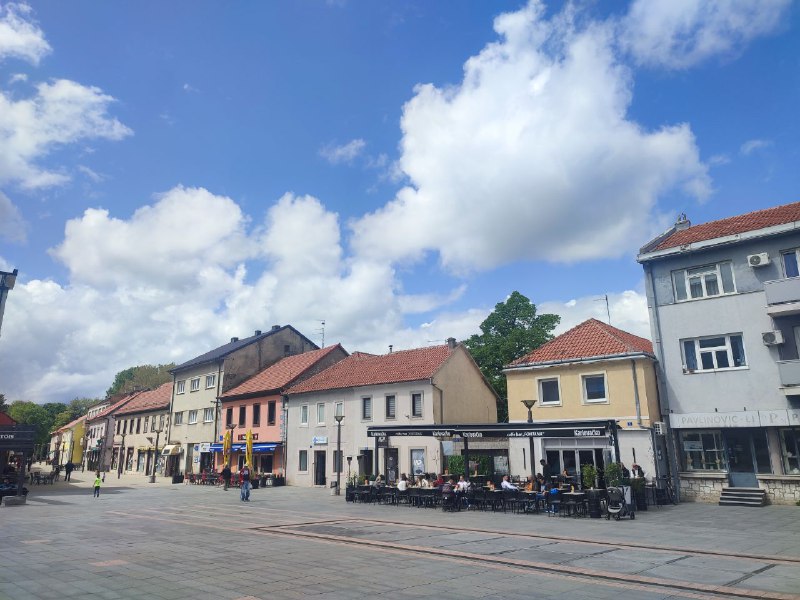
If you happen to spot livanjski sir in Balkan shops, it has absolutely nothing to do with Lebanon. That's just the quirky name for cheese from the city of Livno in the Herzegovinian part of Bosnia.
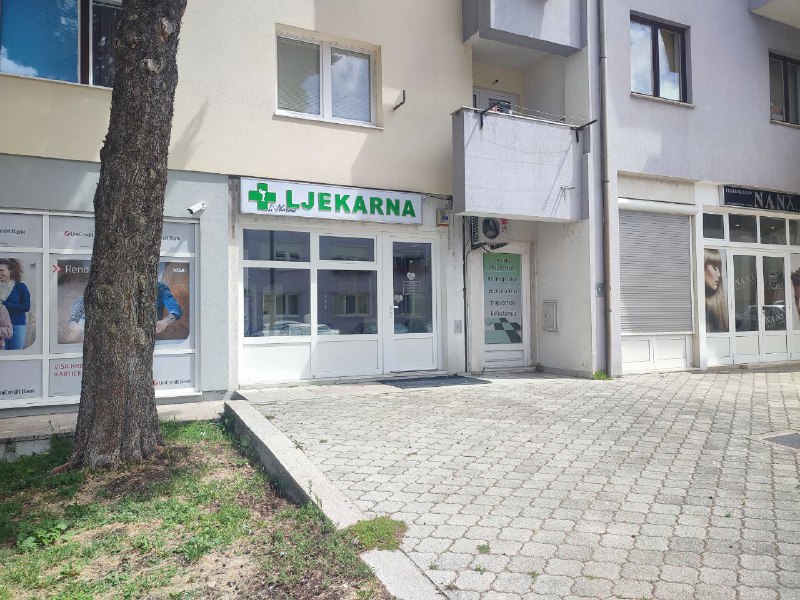
This region is mainly inhabited by Croats. You can tell right away just from the way they name ljekar pharmacies. Back during the kingdom, it was even part of the Croatian Banate (the country's administrative unit).
During the Bosnian War, a lot of people left and never came back. You really notice this when you're driving between cities and see villages lining the highway that are pretty much completely abandoned.
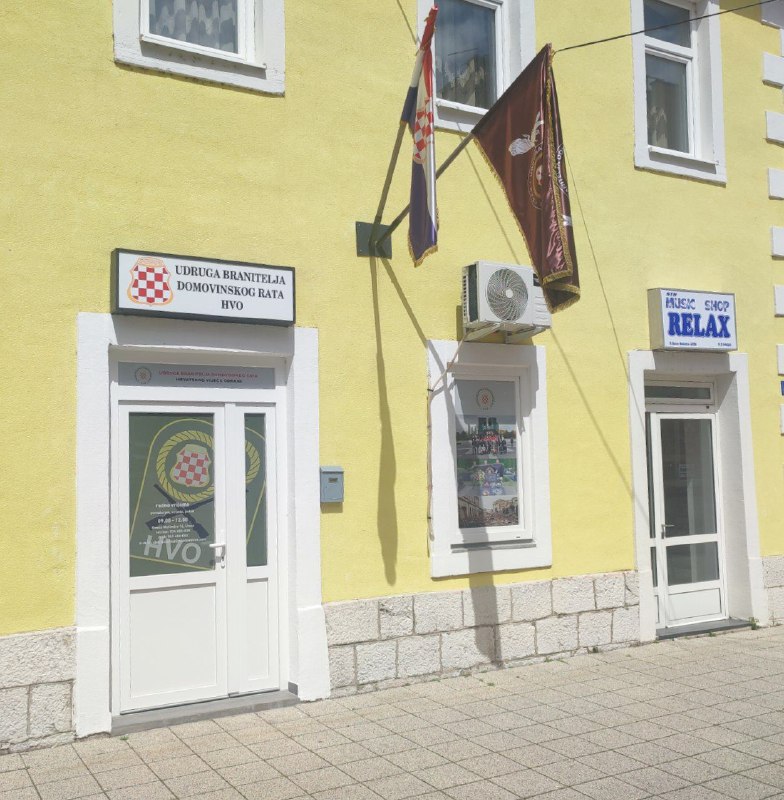
What really surprised me was seeing a sign with HVO (the Croatian Defense Council from the time of the Bosnian War). I figured that after the 92-95 war, people wouldn't mention that kind of thing anymore. But apparently, they actually commemorate the organization's founding day every year. Even with government officials participating.
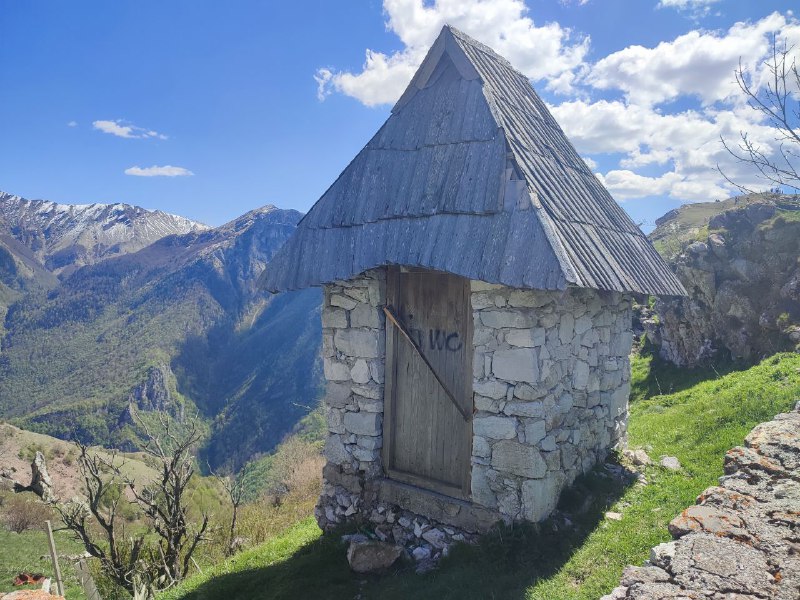
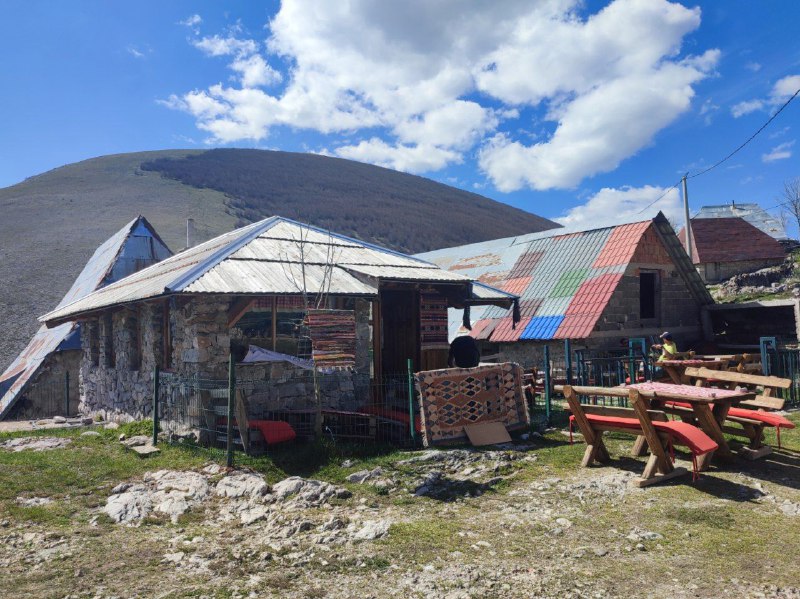
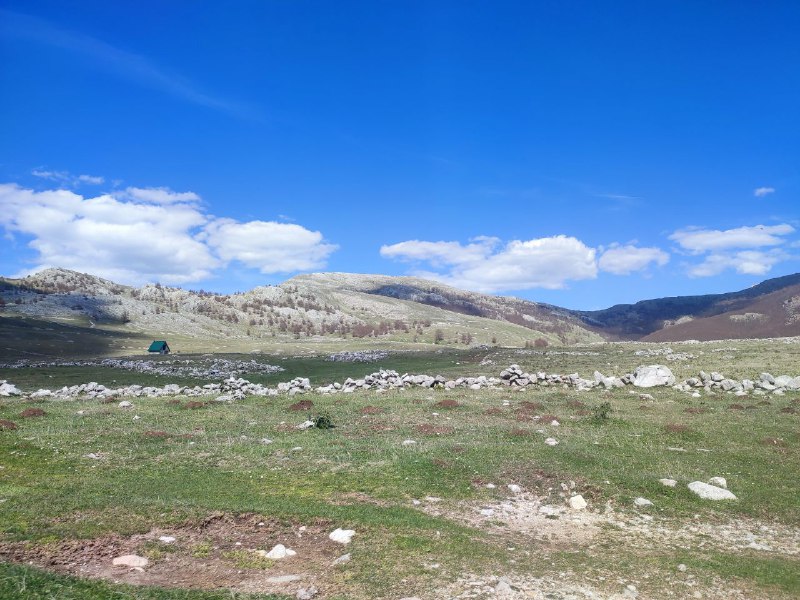
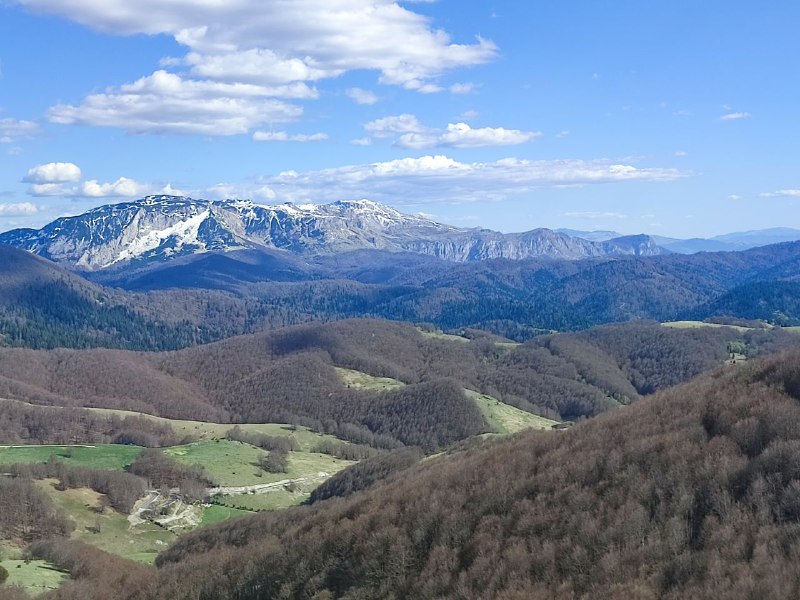
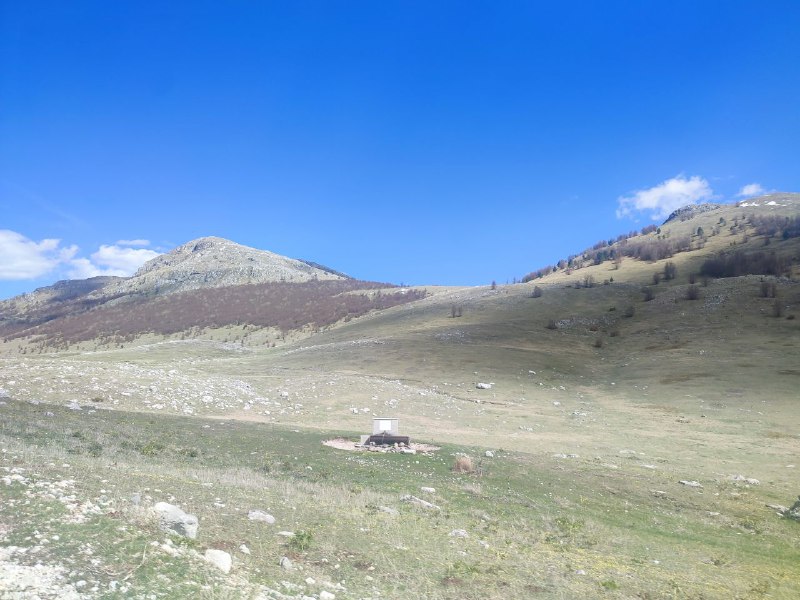
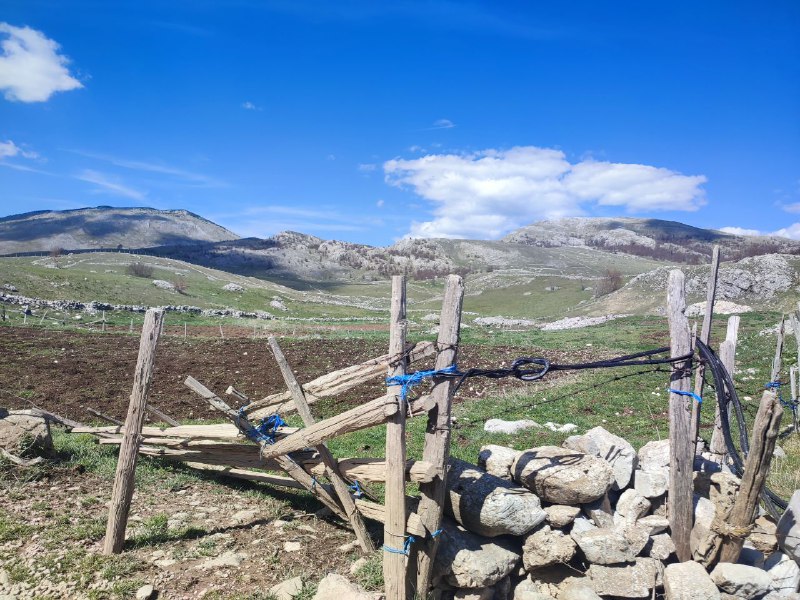
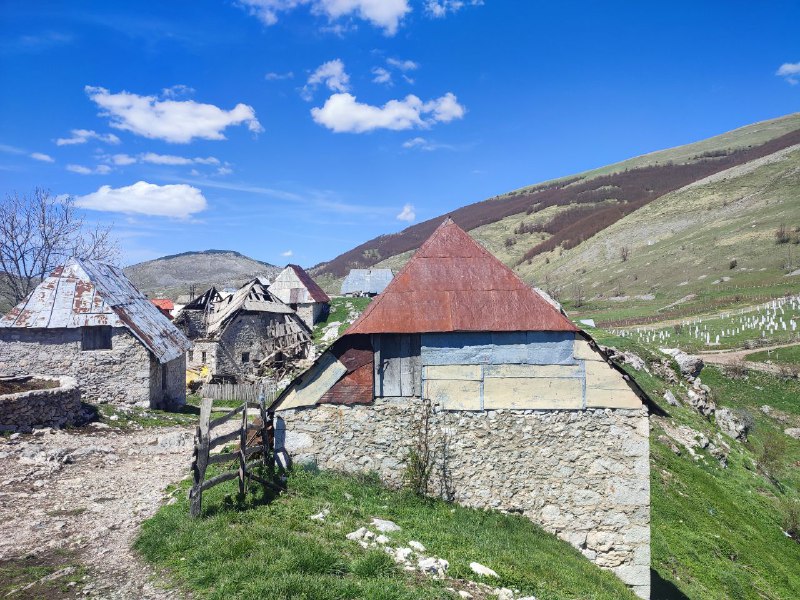
Getting to Gornji Lukomir wasn't easy. The last 20km took a whole hour to crawl through in the car. But the views are worth every bit of suffering.
Lukomir is considered one of the oldest villages in Bosnia. Just 10 years ago, there were only about a dozen permanent residents here, and back in the 1970s there were nearly three hundred. Today people only live here during summer. That way they can earn money from tourists and avoid being completely cut off from the rest of the world in winter.
I read how locals lament that the village is gradually losing its unique character and turning into just another ethnic theme park. The roofs used to be Lukomir's trademark, but modern materials are much cheaper, even if they don't look as charming. Money wins again, and the expensive traditional options are slowly being replaced by what people can actually afford.
Still, there's plenty to see here: tons of hiking trails, amazing viewpoints, and even 15th-century stonework (I actually talked about them
recently).
While Serbia's enjoying those long May holidays, you can still do a bit more exploring around Bosnia.
If you ever decide to get married, consider
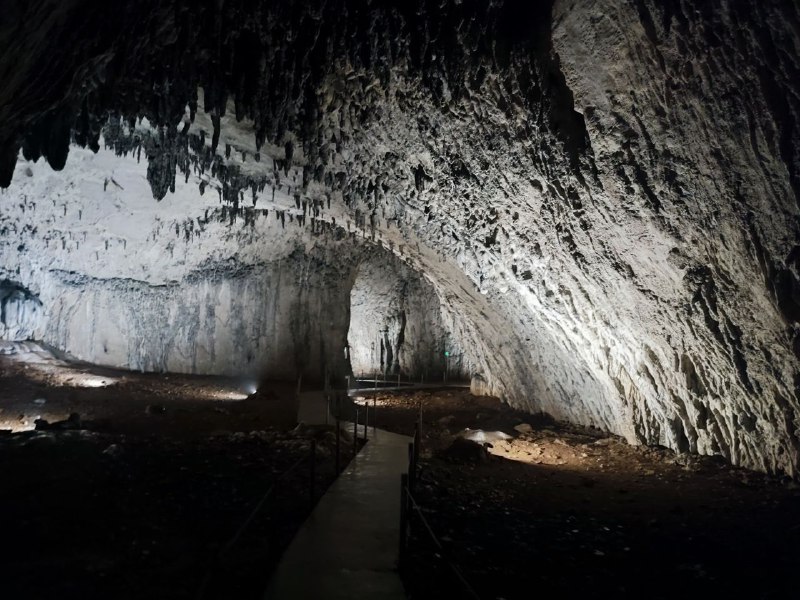
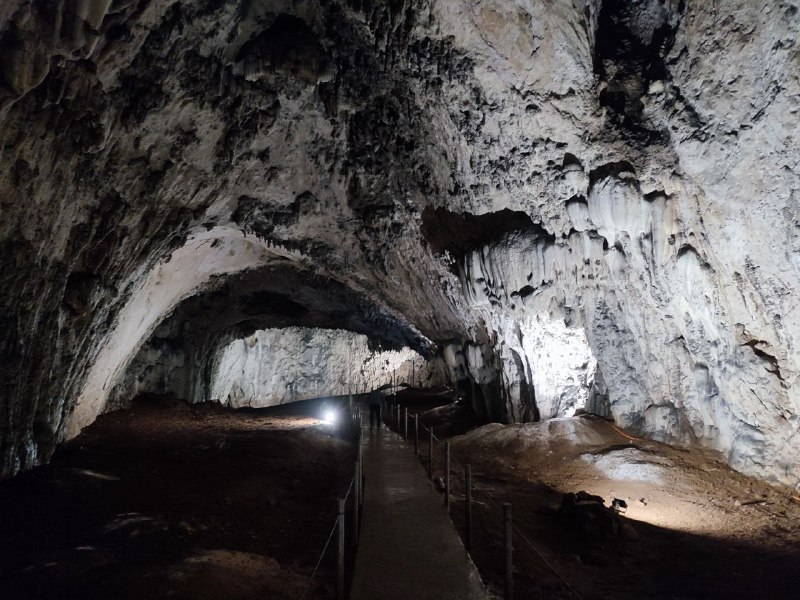
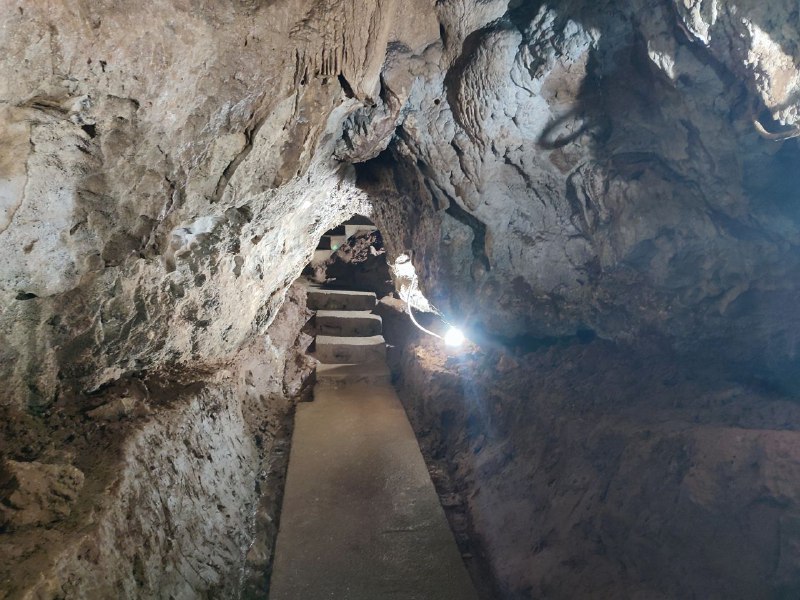
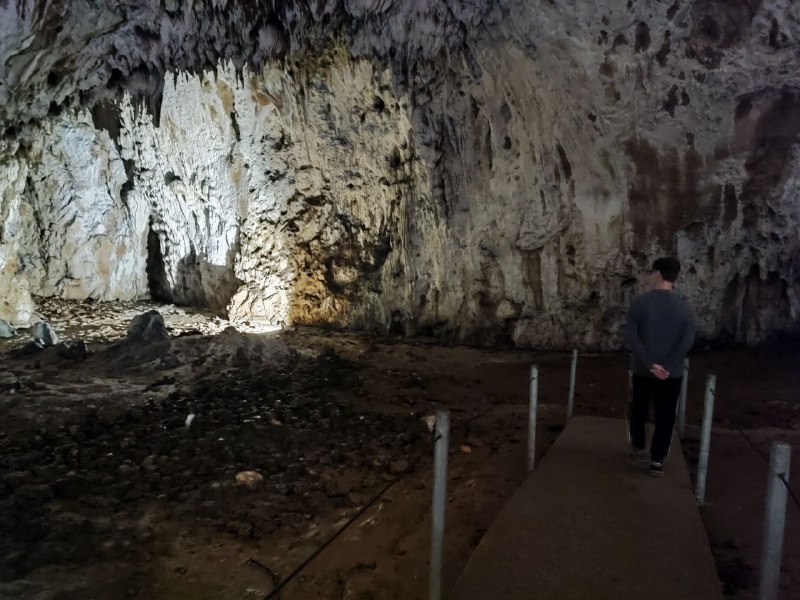
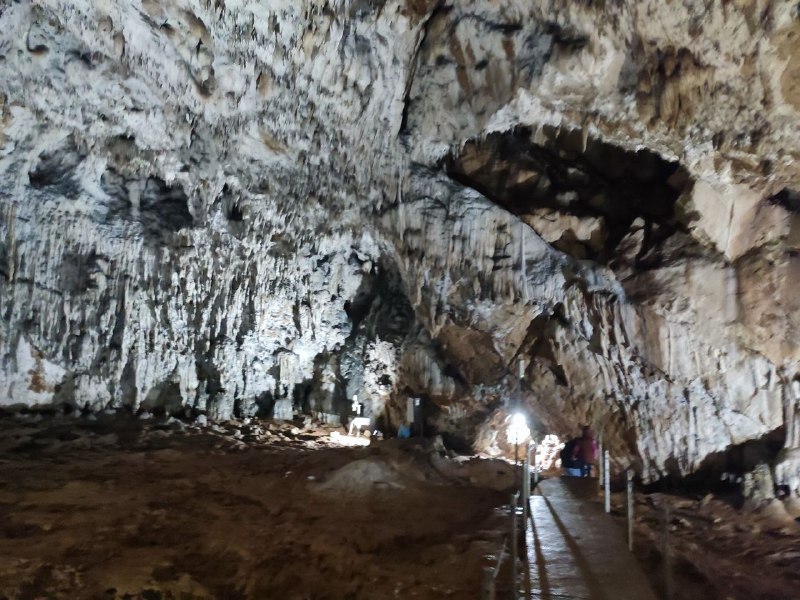
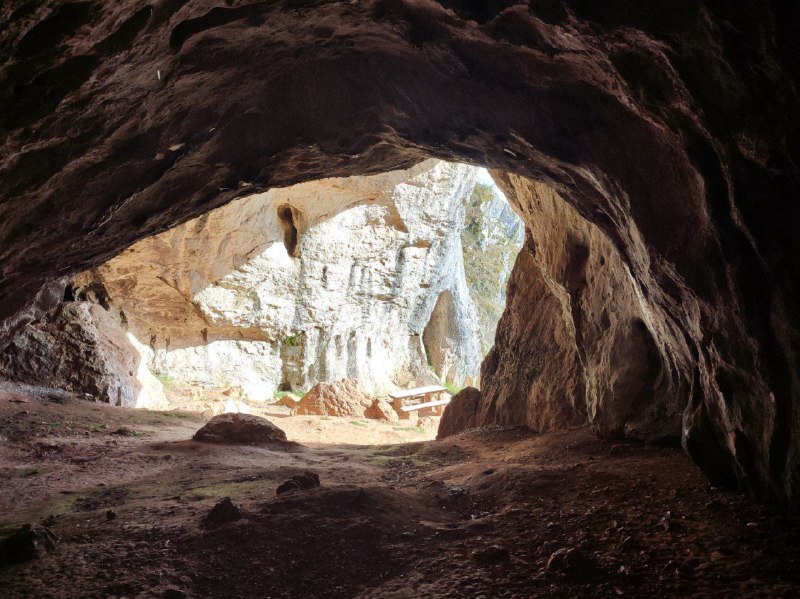
Bijambare Cave for your ceremony. According to local legend, if you tie the knot inside this particular cave, your marriage will be long and happy. I haven't seen any big pilgrimages of newlyweds there, but apparently there's this one Bosnian-German couple who got married there thirty or forty years ago, and they're still living together in Sarajevo to this day. Hopefully it works out!
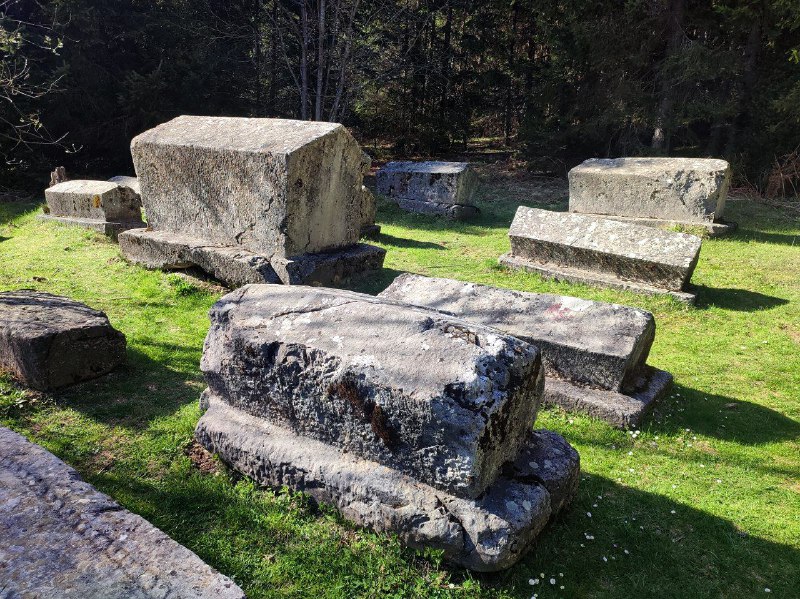
Before converting to Islam, Bosnians were Christians. And it was a special kind of Christianity —
Bosnian Christianity. There was just one problem: nobody recognized it. Both Catholics and Orthodox Christians considered Bosnians heretics. Serbs called them "evil heretics." Meanwhile, Bosnians called themselves the "good people" or "good Bosnians."
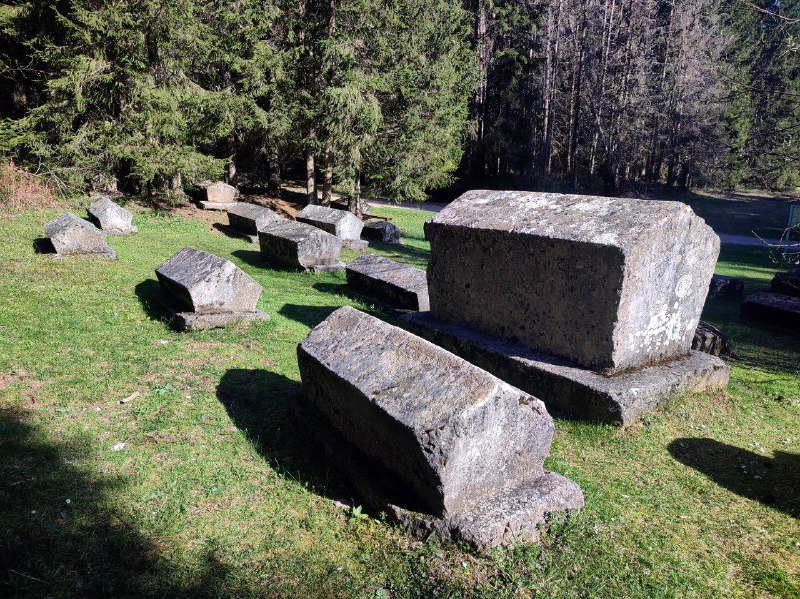
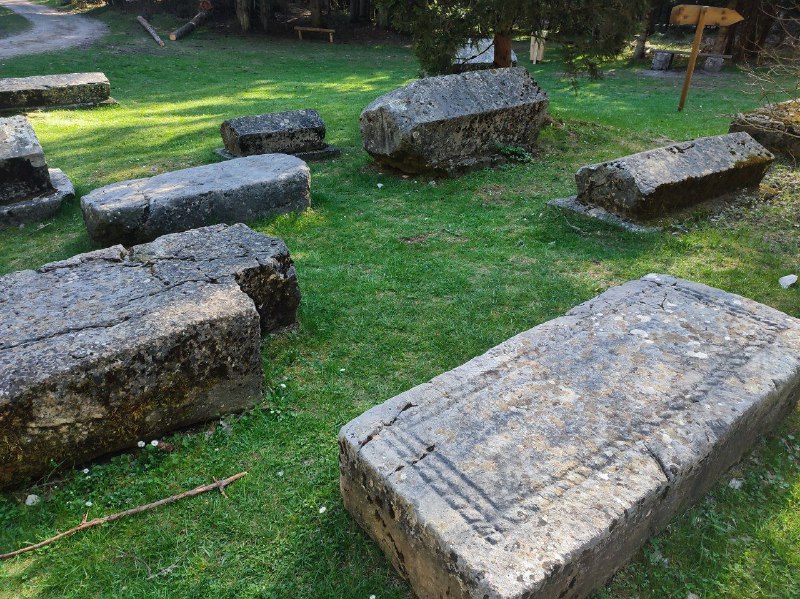
You can often find
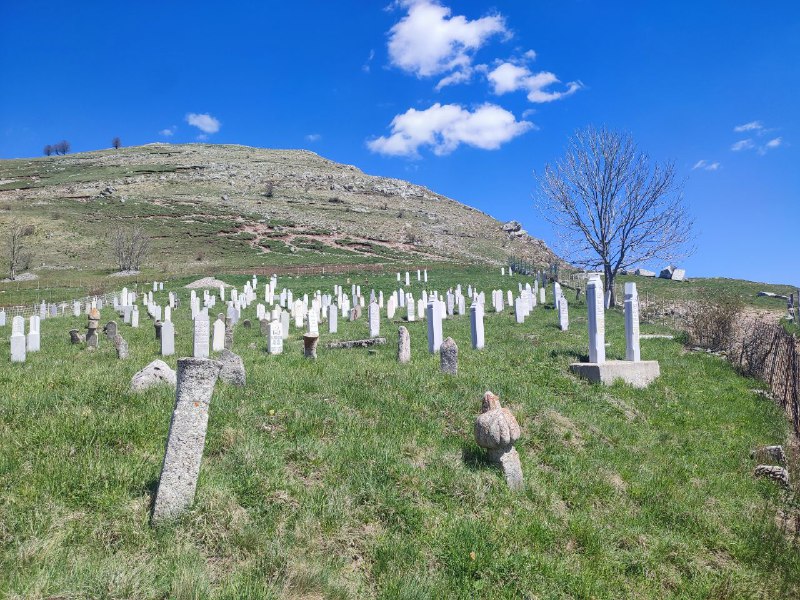
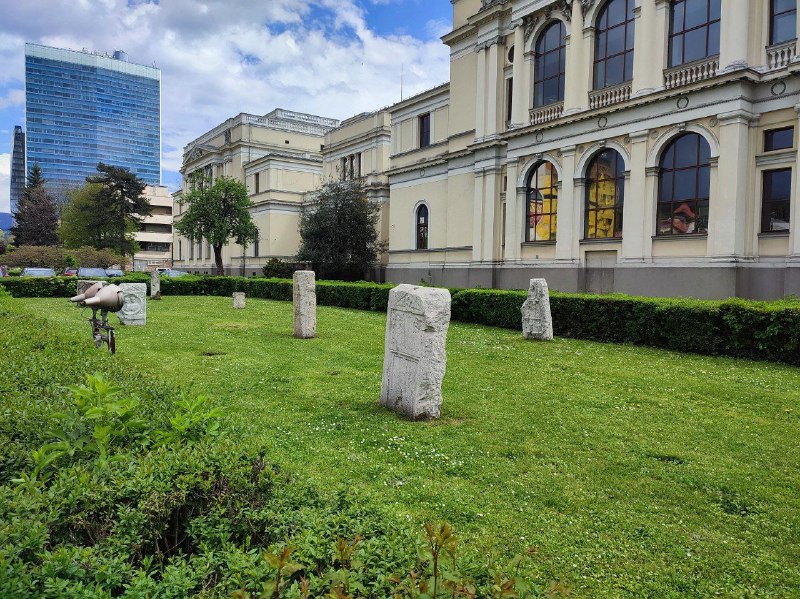
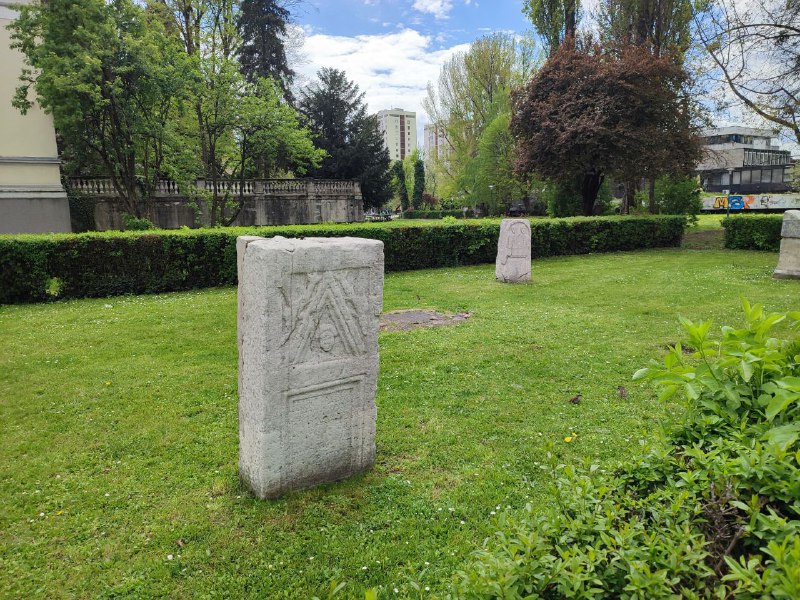
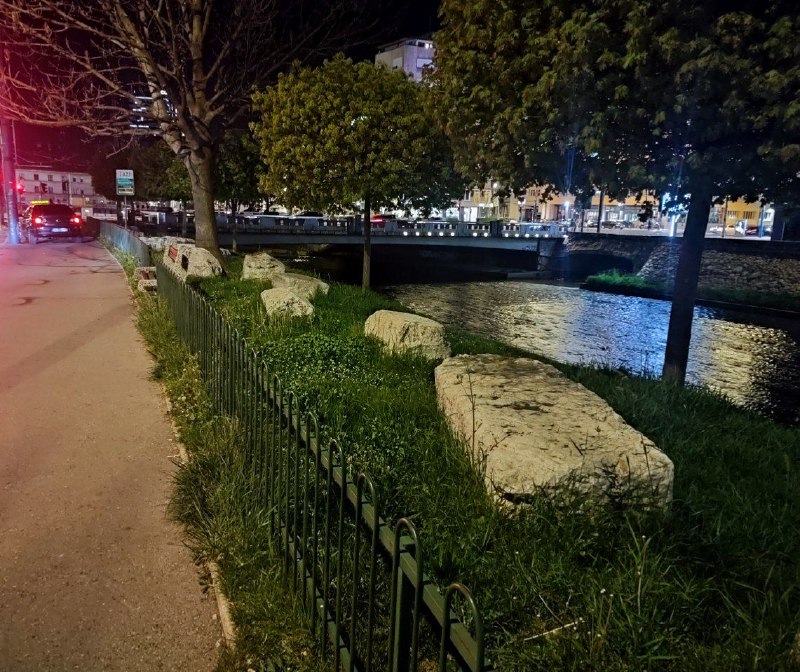
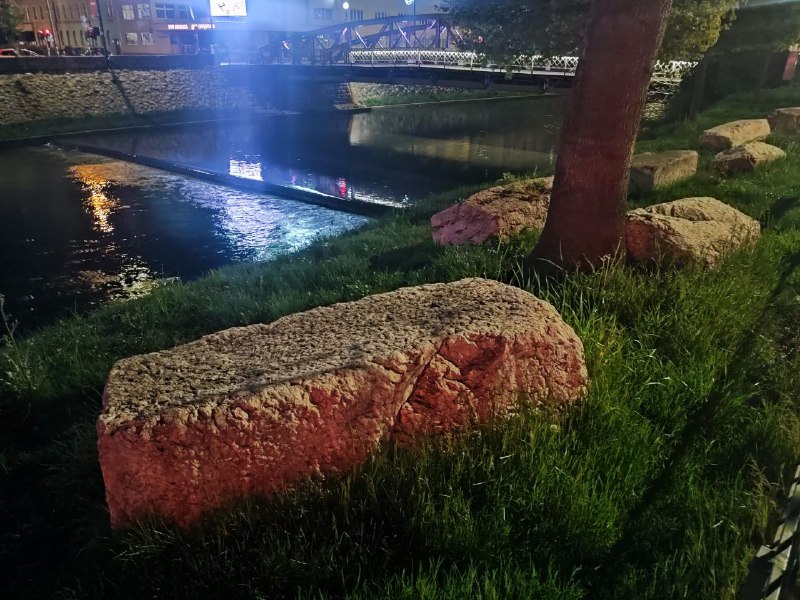
stečaks throughout the country (medieval tombstones from Bosnian-Christian traditions). They're among the few remaining artifacts from that era. In Sarajevo (for example,
here or
here) you'll sometimes spot them lying inconspicuously by the roadside with no markers at all.
Since medieval Bosnia was apparently full of heretics, something had to be done about it. Catholics regularly showed up with crusades and enslaved the locals. A single successful crusade could result in thousands of people being taken into slavery.
The slave trade continued for several centuries. Dubrovnik didn't pass a law banning the sale of people until 1416, and even then it took a long time to see real results.
Shortly before the Ottoman conquest, Bosnians were forcibly converted to Catholicism and their church was effectively destroyed. So when they later adopted Islam, it wasn't really that surprising.
That's a better view of Sarajevo.
I keep being amazed by how residential buildings and cemeteries are intertwined here. Windows overlooking graves are a completely ordinary sight. And this time, I myself lived about 50 meters away from them.
Because of the white stone, the cemeteries don't look as gloomy, but still.
In Sarajevo during Ramadan, a cannon shot announces iftar (the meal eaten after fasting) every single day. And with a salute, no less! Last year, they did the same thing in the Serbian
Novi Pazar. At the time, I thought it was just a local custom. Now I had to Google it.
Turns out, it's a major
tradition that likely started in Egypt in the 19th century (though some historians claim it goes back to the 15th or even 10th century), and by the mid-20th century it had spread to most Muslim countries.
According to legend, the Sultan gave Egyptian soldiers a cannon, and they decided to test it: they cleaned it and fired it. It just so happened that this took place right at sunset. The locals took the loud boom as a signal that the fast had ended and were extremely grateful to the ruler for such a brilliant idea. Keep in mind that back then people didn't have watches or phones readily available like today. In the end, the Sultan's daughter convinced her father to order the cannon to be fired like this every day during Ramadan. In Cairo, the tradition is sometimes even named after her—Hajja Fatima.
Crowds gather to watch the spectacle. Some people bring food (usually pizza from a nearby bakery) and start eating right after the shot. It probably also helps that during Ramadan, getting into a decent restaurant for dinner without a reservation is really lucky. When you call to book a table, there's often no availability even for the next day.
P.S. Spotify suddenly started recommending Bosnian religious
music to me. It's not like I'm into that, but now I know it exists. It actually sounds pretty good, by the way. And the lyrics were interesting to listen to.
Hong Kong is feng shui territory. You won't notice it at first glance, but a lot is governed by this practice. It gets to the point where building heights or park locations are determined by feng shui experts' recommendations. And there have actually been feng shui wars!
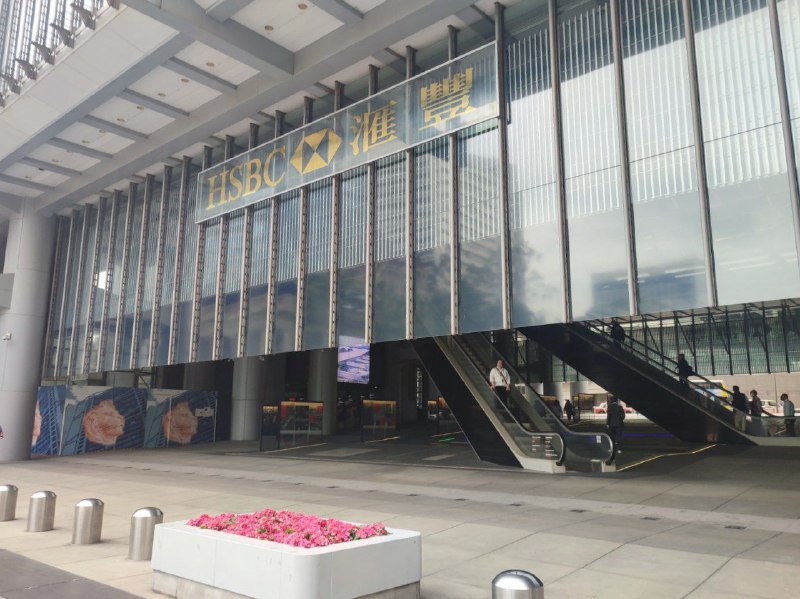
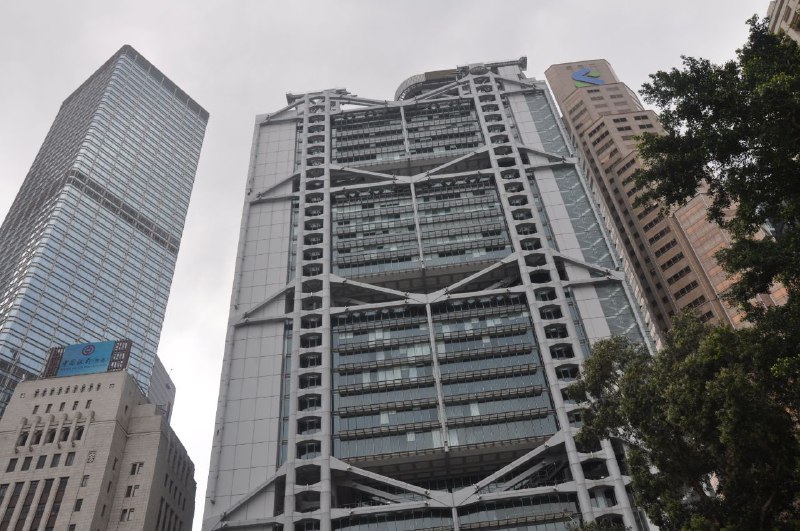
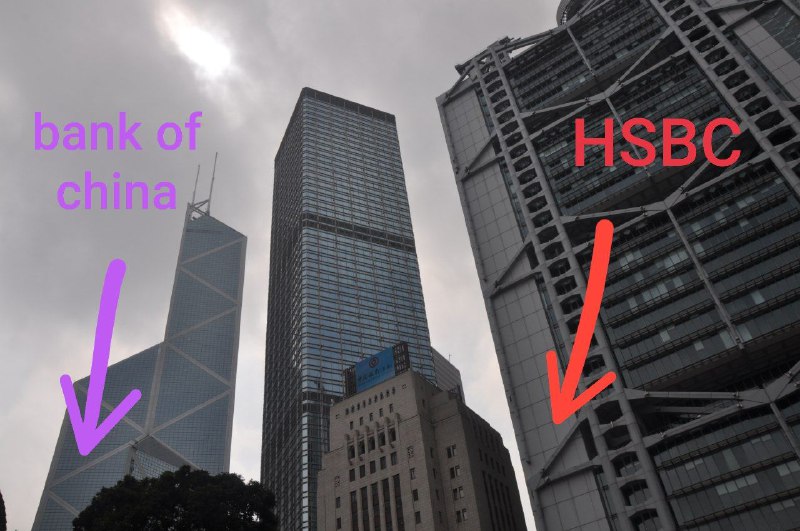
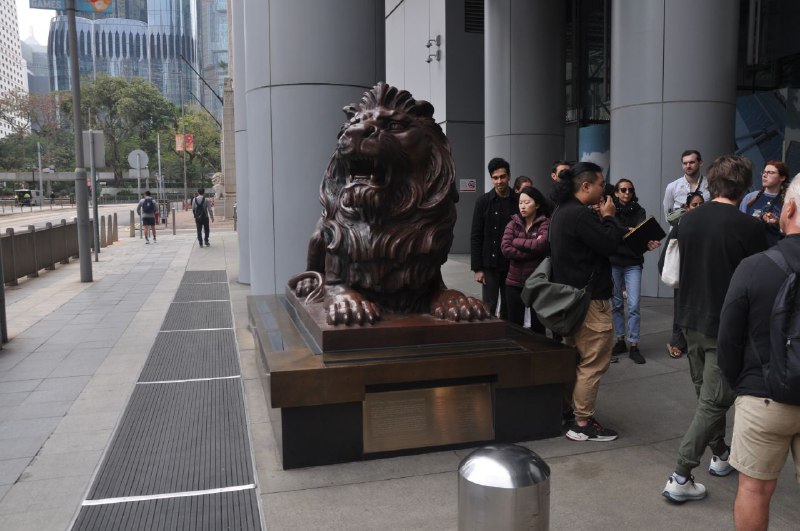
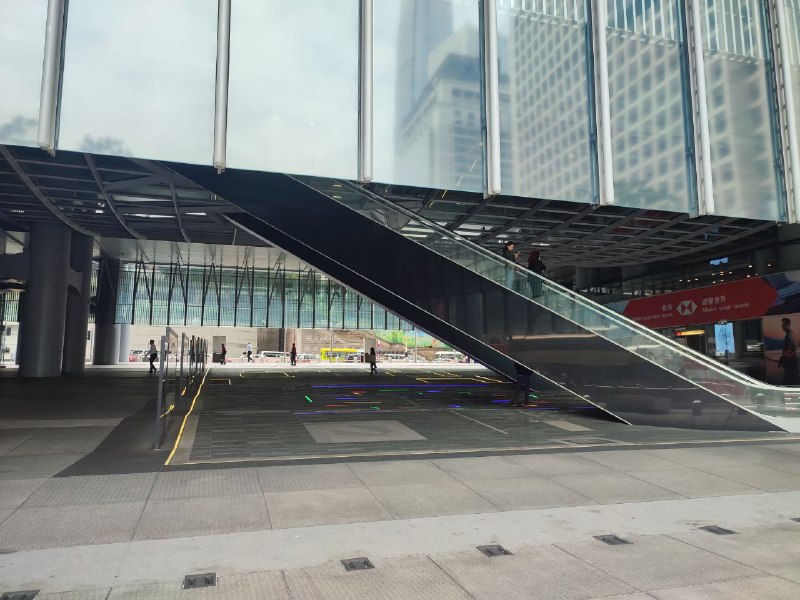
The most famous showdown was between HSBC bank and Bank of China. The first built its headquarters following all the rules: mountains in the back, water in front (and the company bought up all the space from the building to the water and created a park there, making sure no one could block access to the water), no ground floor (to keep space for the wind that brings wealth). Everything was going great until the Chinese bank built right next to them.
The new building was taller. So HSBC had to add more floors. In response, the Chinese bank bought the adjacent land and built an even taller skyscraper, then installed a structure on the roof that looked like a sword pointed at their competitor. HSBC had to defend itself: they put cannons on their roof (people can't get close to them, but they're visible from the street and in photos).
This could have gone on forever, but then the Cheung Kong Centre was built between the two banks. It acted as a feng shui barrier, and the need to "fight" disappeared.
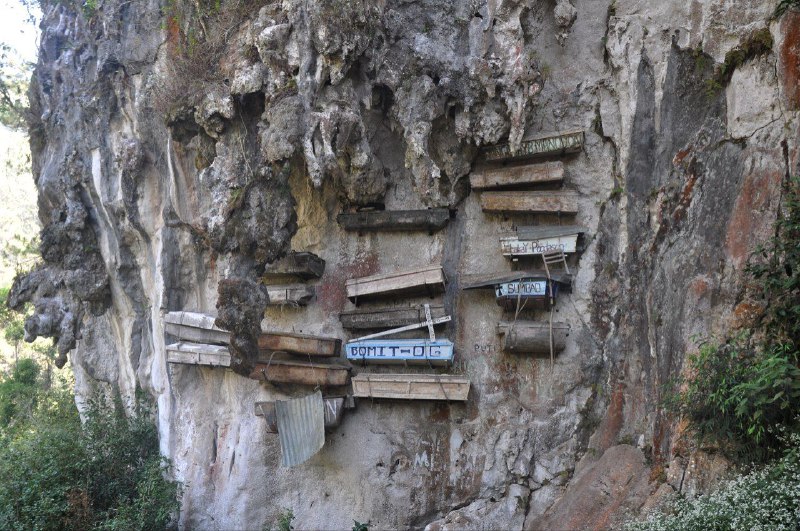
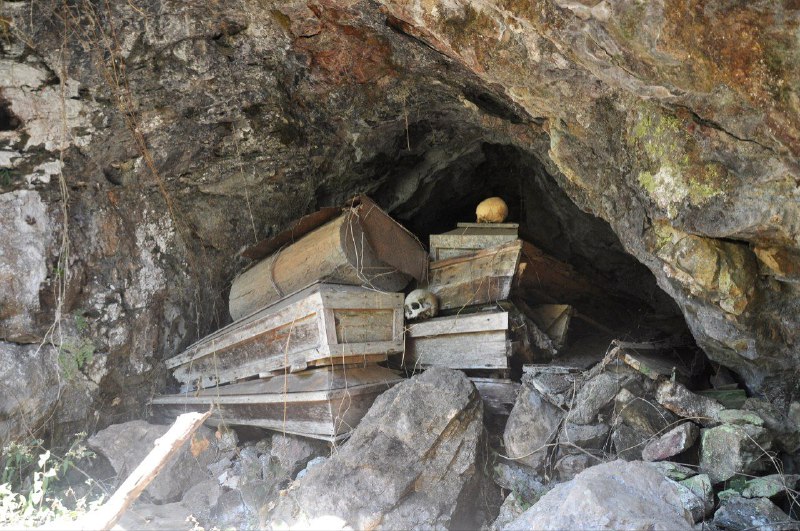
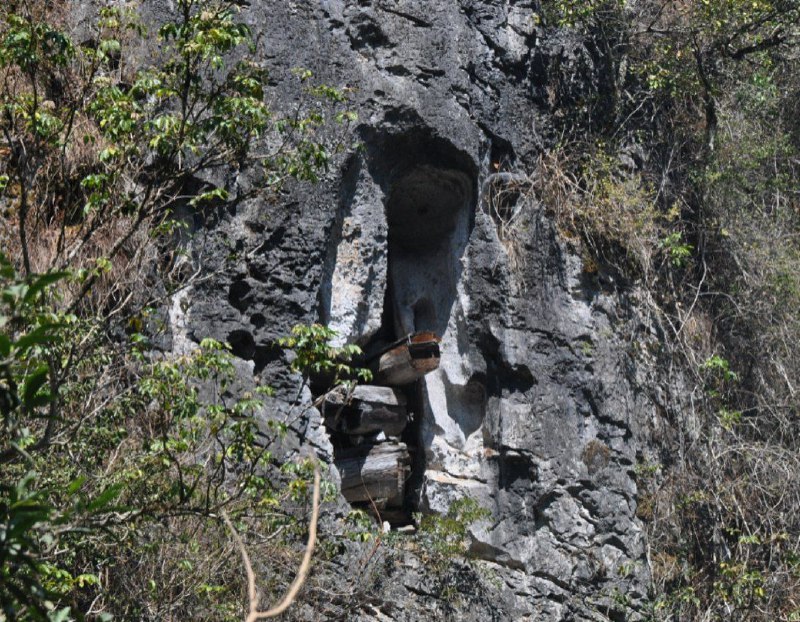
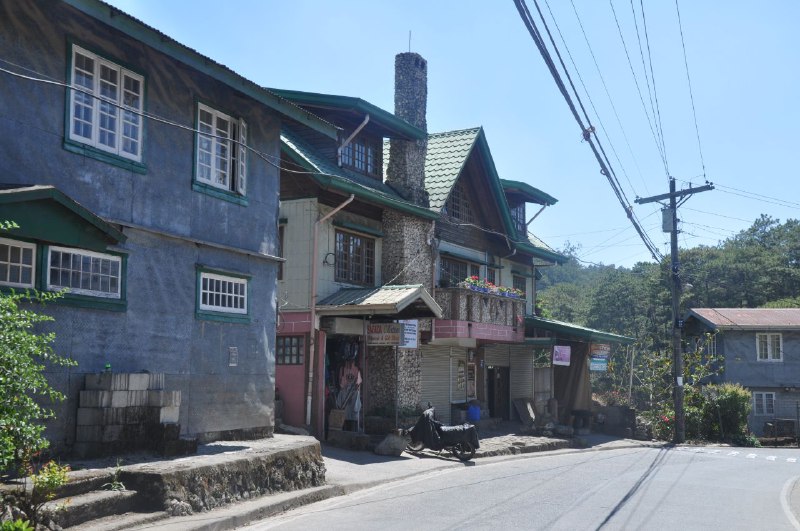
Near Sagada lives the Kankanaey people, who have a really unique funeral custom. Instead of burying coffins in the ground, they either hang them on cliff faces or place them in caves.
Traditionally, the deceased were placed in coffins in the fetal position (as you came, so you go). But after Christians arrived in the Philippines, coffin sizes got bigger.
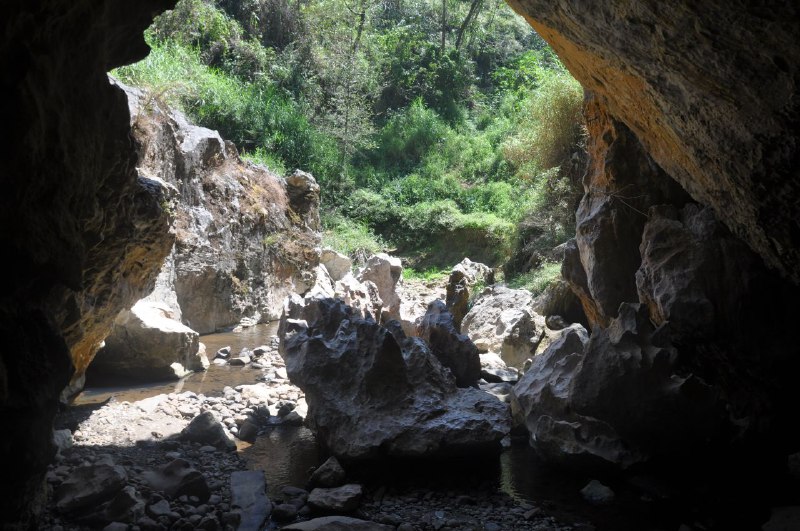
Not everyone gets hung though. Only those with special merit. The higher the coffin, the more important the person. Ordinary folks get arranged in caves.
Tourists are only allowed at one of these cemeteries and only with a guide. The rest aren't open to visitors. Even locals only go there if they need to bury someone else.
The guide told us they don't always bury people after they've already died. Sometimes living people end up in the cemetery. Usually it's by their own choice—due to illness or other reasons.
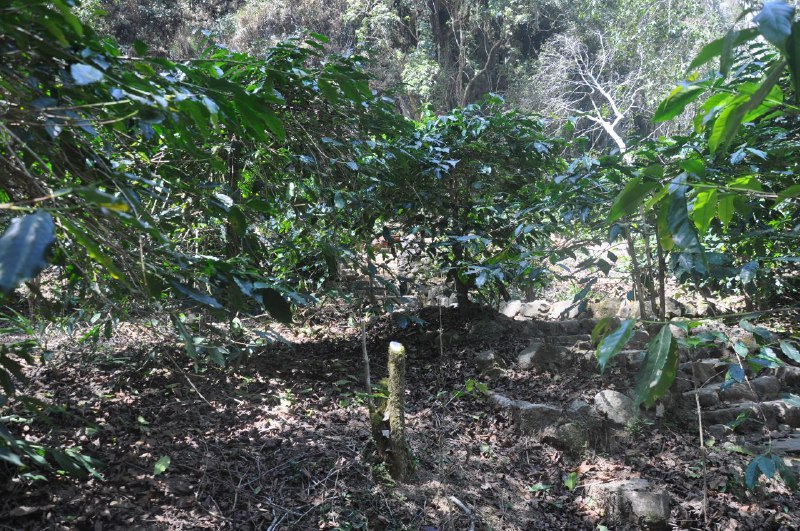
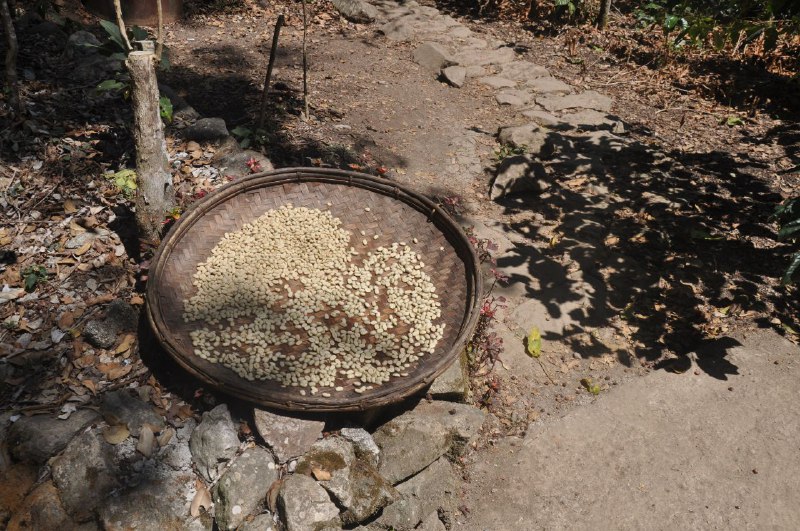
PS. There's a coffee plantation near the cemetery. I stopped by and the coffee was nothing special, but the owner honestly admitted she prefers tea and doesn't really drink coffee much.
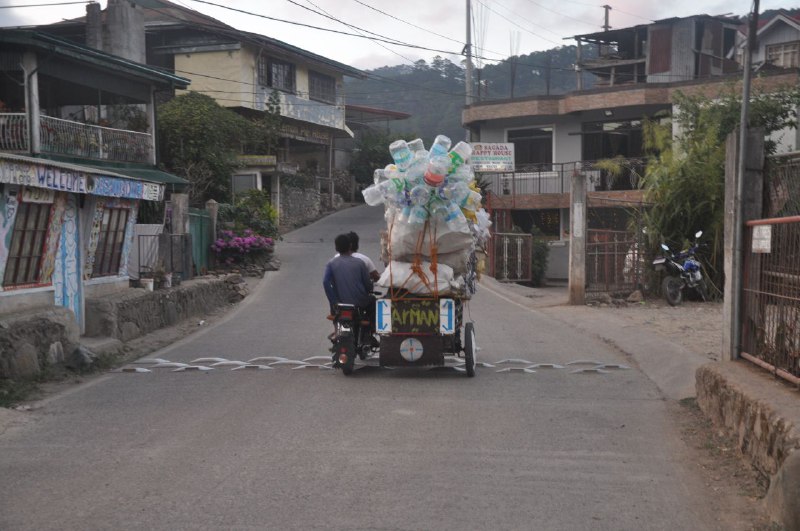
And honestly, the Philippines just isn't a coffee place. At a café here they offered me coffee for breakfast and brought me a cup of hot water and a packet of instant coffee 🙈 (though it's not like this everywhere—in big cities it's acceptable, but step slightly off the beaten path and that's what you get)
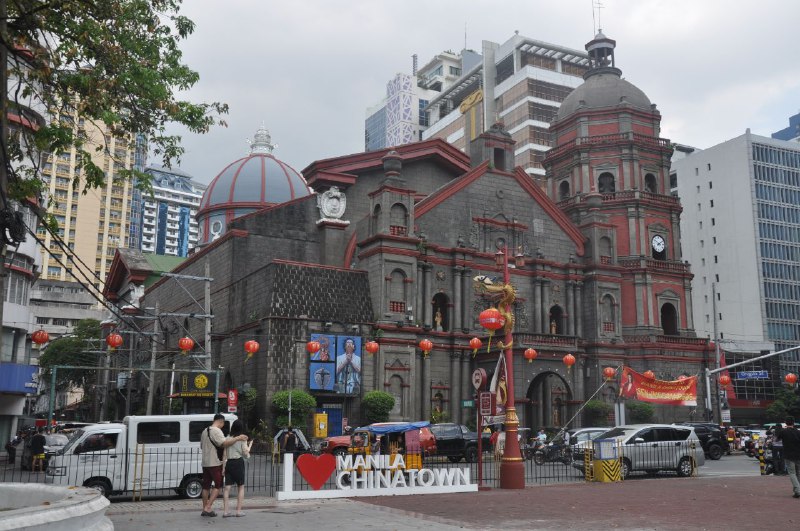
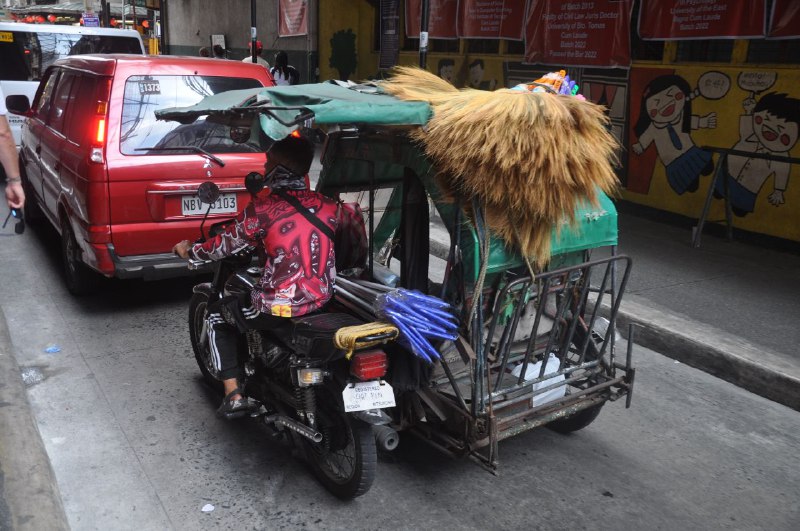
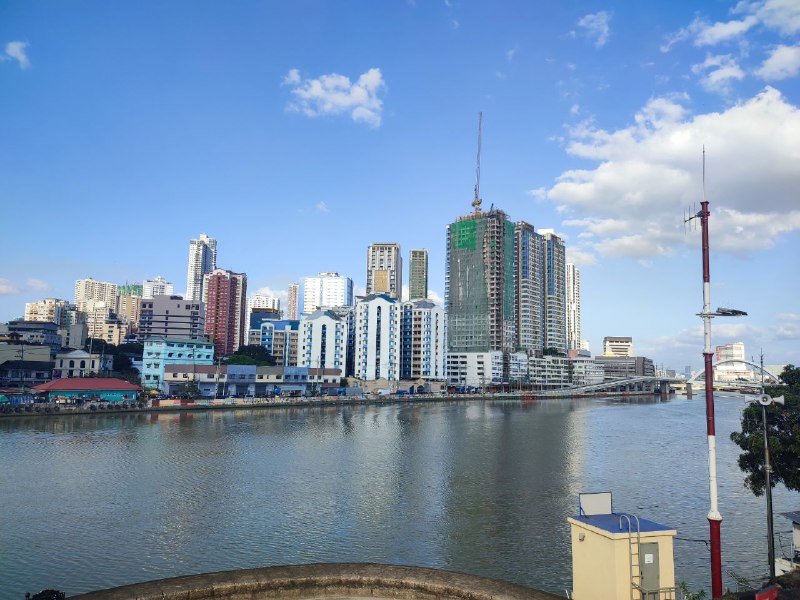
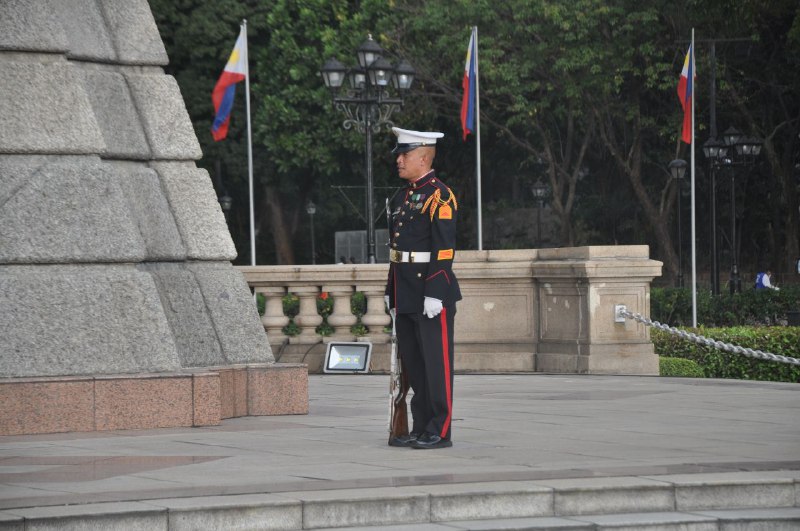
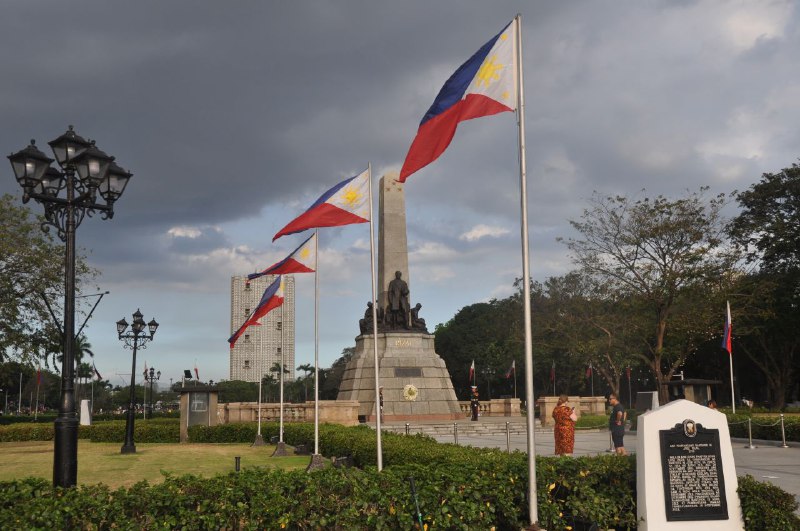
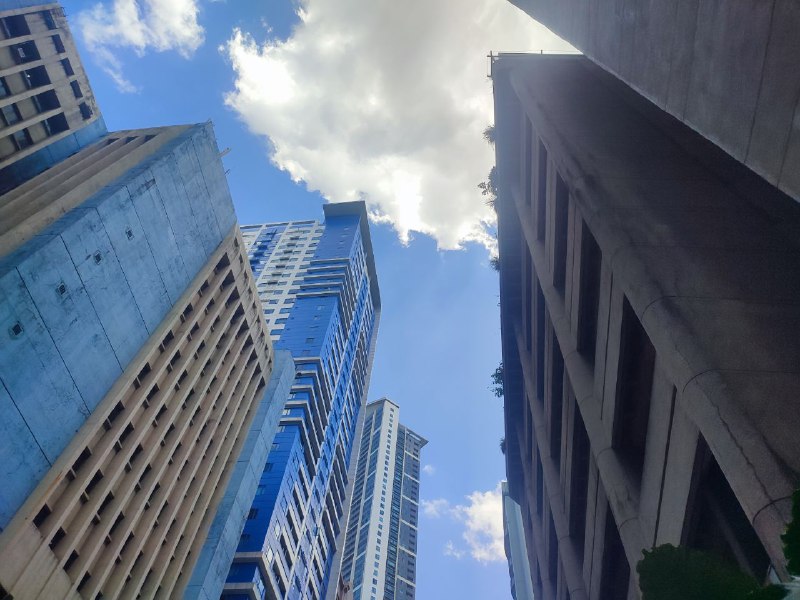
Overall, the capital region is really just several cities merged together. Manila is just one of them.
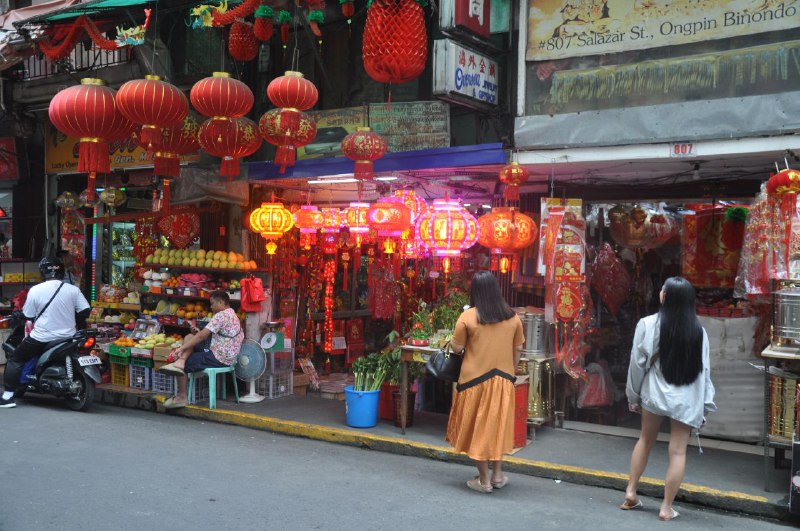
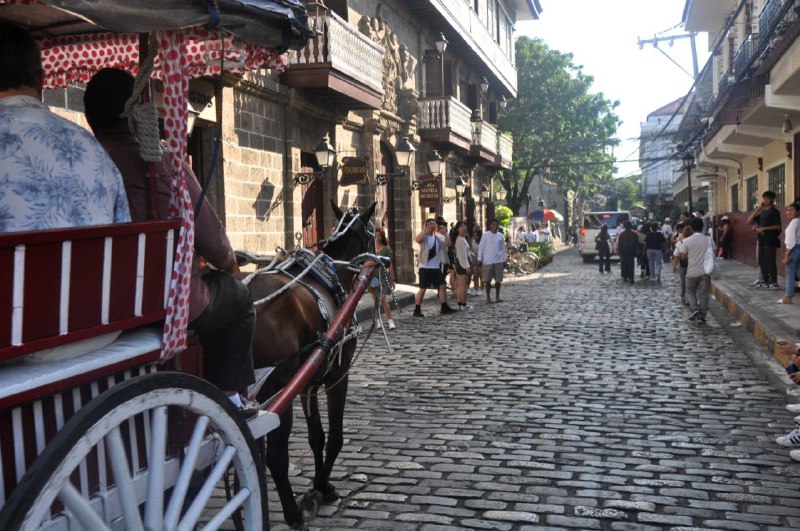
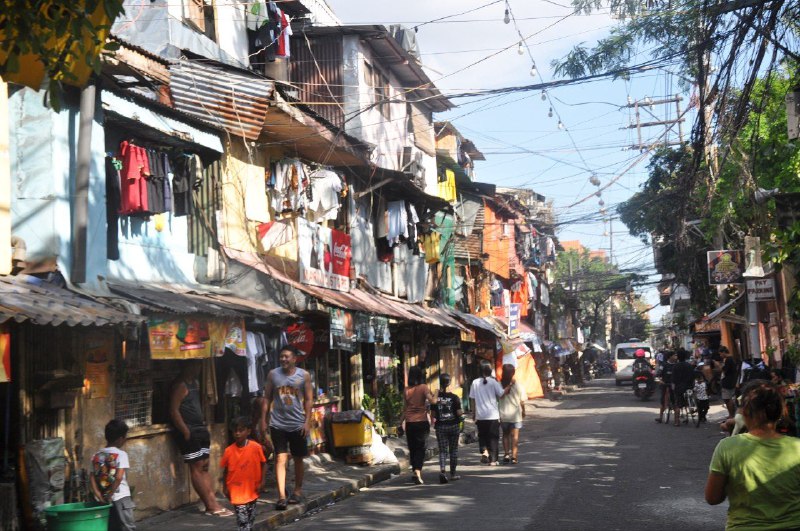
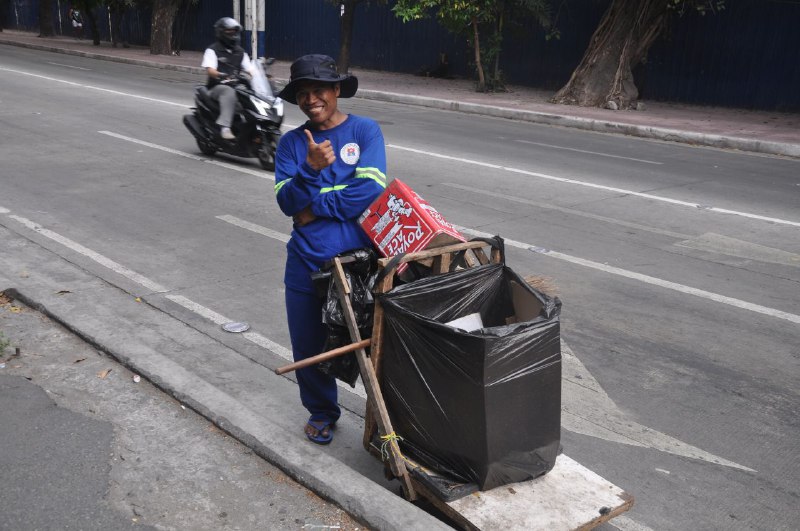
Even in the very center, poverty sits right next to luxury. Right alongside the fancy pedestrian historic streets with museums and temples, there are slums with kids hanging around with nothing to do and piles of clothes drying after washing.
I was shocked to learn that during World War II, Manila was basically completely bombed out. The scale of destruction was comparable to Berlin and Warsaw. During the
battle for the city, over 100,000 civilians were killed. Largely because of the
massacre committed by the Japanese.
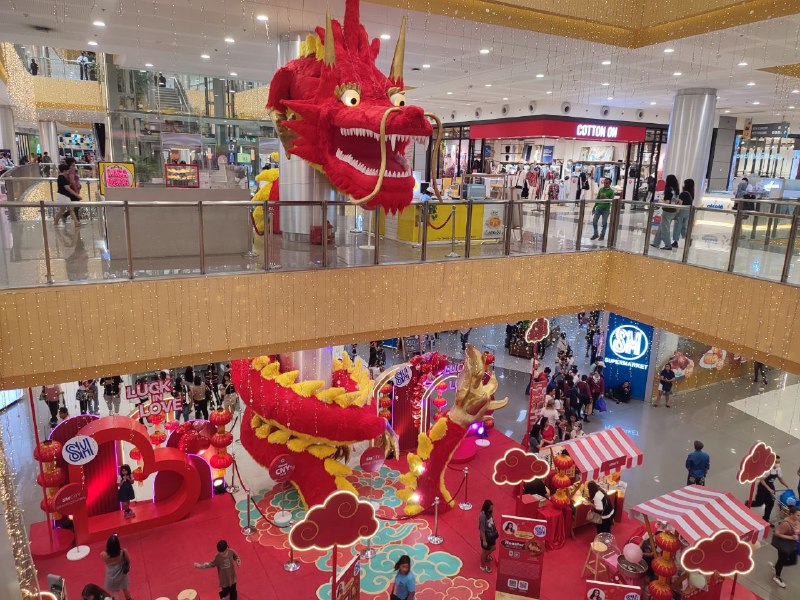
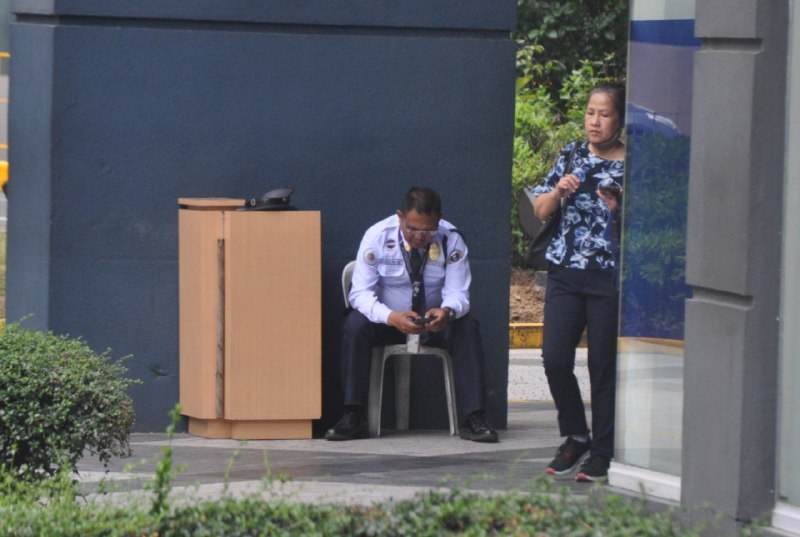
Today it's a city of malls and security guards. You see both at every turn. And you often see more than one guard at a time, especially around money changers and other banks. They're usually pretty heavily armed too.
I'm hopelessly behind on my travels. Time to catch up.
Made it to a country that could have been called Malaysia. Back in 1962, a
bill to rename it was already in Congress, but while the bureaucratic machinery was grinding away, the Malayan Federation got their act together and claimed the name for themselves. Name squatting at the state level.
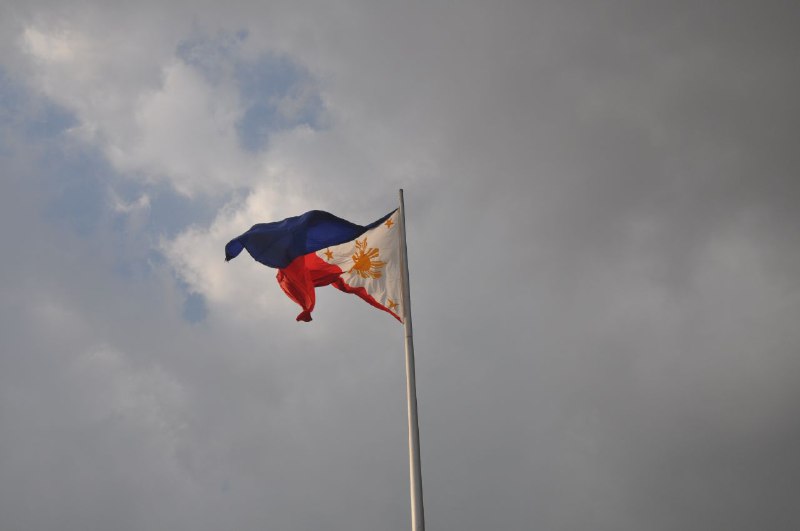
So they ended up calling themselves the Philippines instead (even though originally the name referred to just a couple of islands).
One more unusual thing—the country is ultra-religious and divorce is practically impossible here (there's only one other country in the world like this—Vatican City, but it's not as big an issue there). There are a couple of legal loopholes in the law, but they're incredibly hard to use. As a result, people usually just abandon their families. Or you can simply kill your partner without major consequences (worst case, you get banned from coming within 25km of the house, it's called distierro) if you happen to catch them in the act of cheating. The key is to act in the moment though—otherwise you'll face the full weight of the law. Thankfully, people don't actually do this en masse.
(the only exception in the law is for Muslims, who can divorce without restrictions)
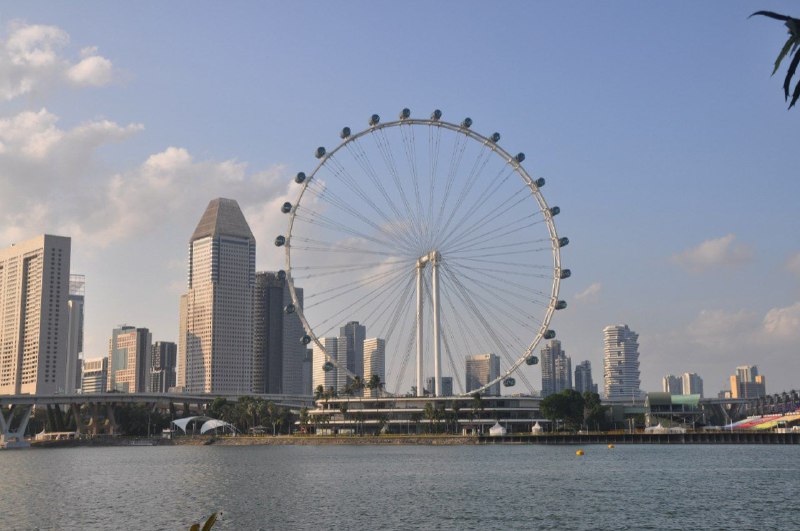
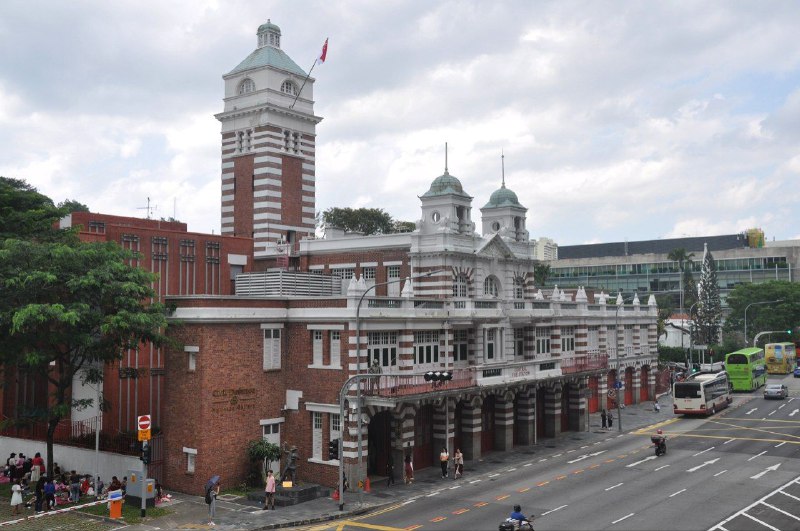
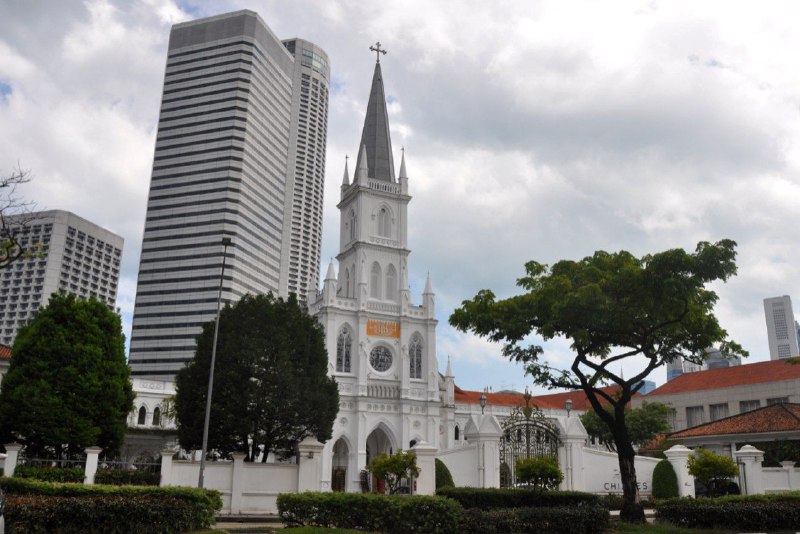
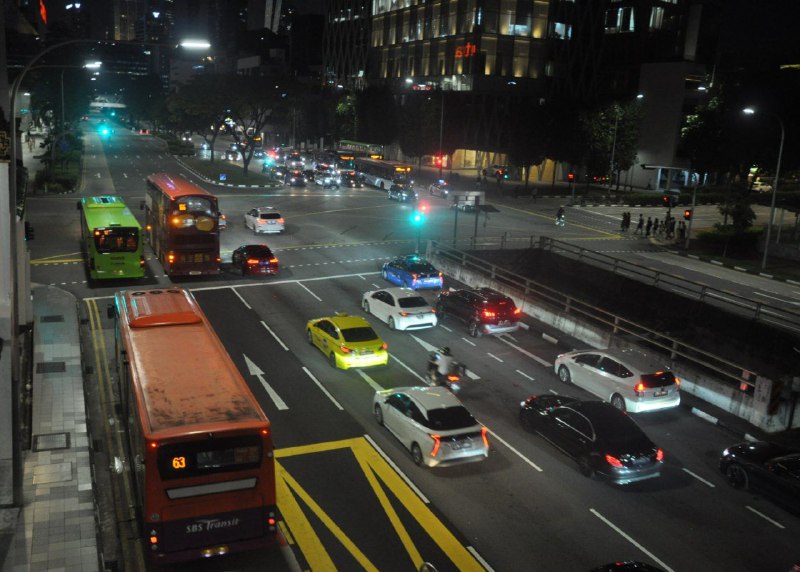
3/4. Left-hand traffic, temples and other colonial buildings are a legacy from the British. And the observation wheel kind of resembles the London Eye.
I was planning to write a post about Leskovac and this cool
hydroelectric power plant beneath it, where I went for Serbian holidays, but somehow I keep writing about political prisoner camps instead.
Yugoslavia had several of these. The largest was
Goli Otok, an island in the Adriatic, through which up to 16,000 political prisoners passed. For former Yugoslavs, Goli Otok means roughly what the Gulag Archipelago means for people from post-Soviet countries.
The Adriatic, of course, isn't beyond the Arctic Circle, but the mild climate was offset by the colony's brutal conditions (it wasn't only political prisoners here) and mandatory hard physical labor. Up to 600 inmates didn't survive to the end of their sentences. Significantly fewer people passed through other camps (
Lepoglava,
Stara Gradiska,
Sveti Grgur, and a few others). Even considering that about 20 million people lived in the republic, the scale of local repression as a percentage of the population was an order of magnitude smaller than the Soviet one. (Though of course it's better to avoid them altogether).
After Yugoslavia's collapse, none of the successor states wanted to become the inheritor of these prisons for the repressed. And the Balkan wars overshadowed the prisoners' suffering and pushed this part of history out of the spotlight.
If you look at the
list of known prisoners, they all came out of the camps alive. Alija Izetbegovic served two sentences—3 years and 5 years (the second time it was supposed to be 16, but the republic collapsed and he was amnestied)—and became the first president of Bosnia and Herzegovina.
Because you can't kill people. And if someone does, that's where they belong—in prison.
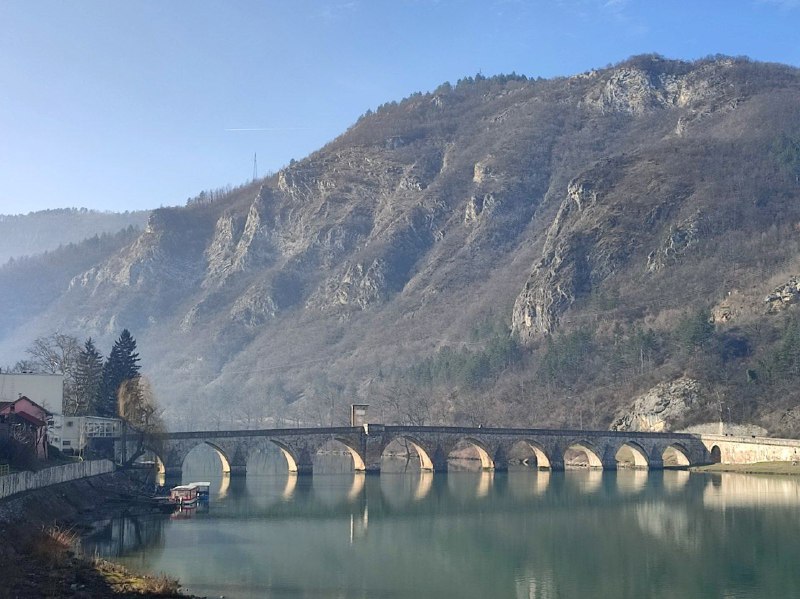
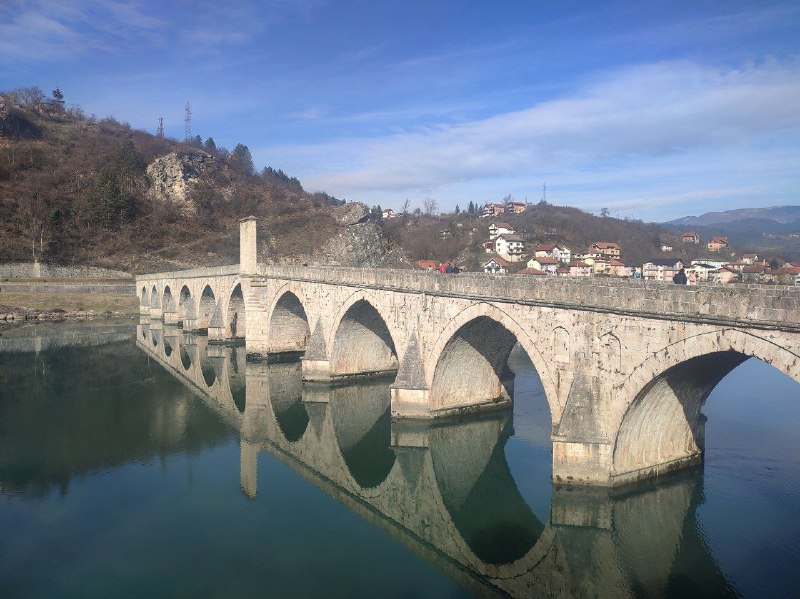
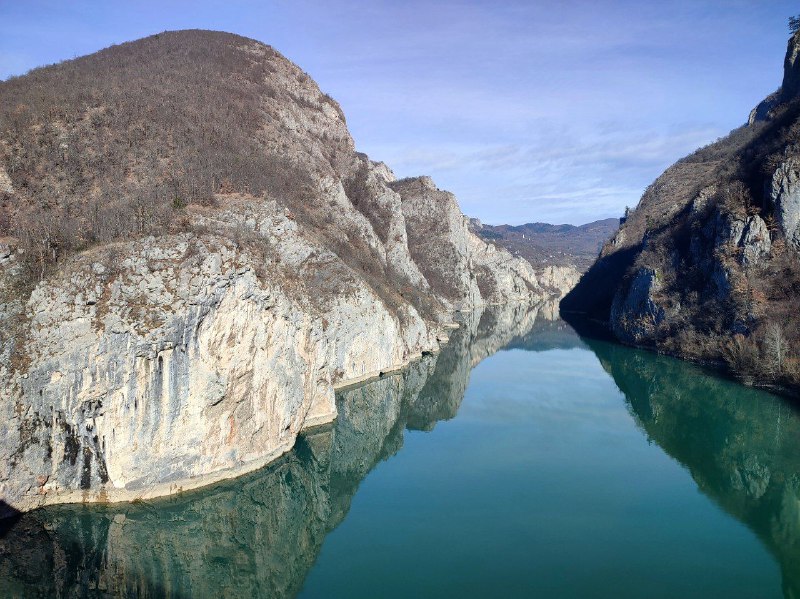
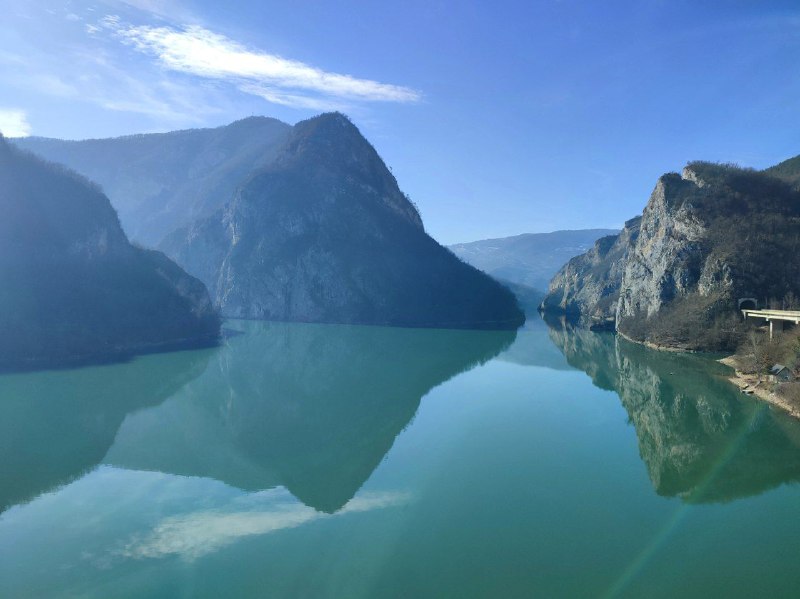
Made it to Višegrad. Nice little town. The surroundings are absolutely stunning. Once I get my drone fixed up, I'll definitely come back to film here. The famous bridge is still standing. I really loved the legend about its construction as told by Ivo Andrić.
The bridge was built on the orders of a Turkish vizier who, by the way, was originally from the local Christian population but converted to Islam. But things weren't going well. A river mermaid would break everything down at night that the builders managed to construct during the day. After some time, the builder Rade heard a voice from the water saying he needed to find twin children—a brother and sister named Stoya and Ostoya—and wall them up in the middle columns of the bridge. Then the destruction would stop.
They began searching through every corner of the country, even announcing a reward. They found such infants fairly quickly in a remote village. In the name of the vizier, they took the children from their mother. And they walled them up in the middle columns. Rade took pity and left holes in the columns so the mother could feed the infants. After that, there were no more problems.
To this day, a white residue forms on the bridge. It's believed to be mother's milk.
Most likely, they weren't too keen on submitting to the Turks, but over nearly 500 years, the events turned into a legend.
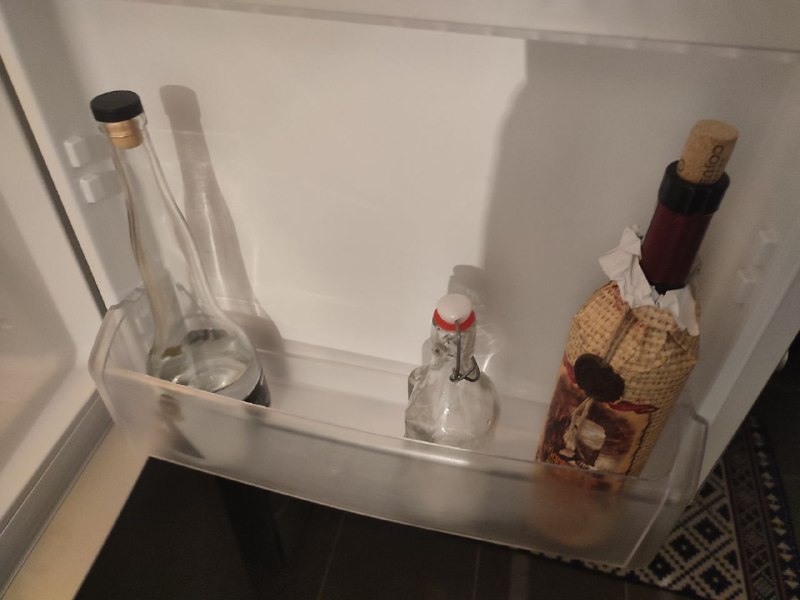
PS. The owner of the guesthouse turned out to be exceptionally hospitable. He lit the fireplace, was really worried the house wasn't warm enough (it was fine). Then he said something like "there's excellent homemade rakija in the fridge, help yourself. and honestly, whatever you find—it's all yours".

 United Kingdom
 Serbia
 Bosnia and Herzegovina
 Turkey
 United Arab Emirates
 Brunei
 Indonesia
 Malaysia
 Argentina
 USA
USA Morocco
 Georgia
 Egypt
Egypt Hong Kong
 China
China Vietnam
 Tunisia
 Montenegro
 Philippines
 Singapore
 Oman
Oman Algeria
 North Macedonia
 Lebanon
 Israel
 Albania
 Russia
 Tanzania
 Netherlands
 Spain
Spain Latvia
 Germany
 Belgium
 France
 Kazakhstan