With everything that's been happening over the past couple of days, I found myself reading about the Yugoslav Wars again. I came across this fascinating story from 1991.
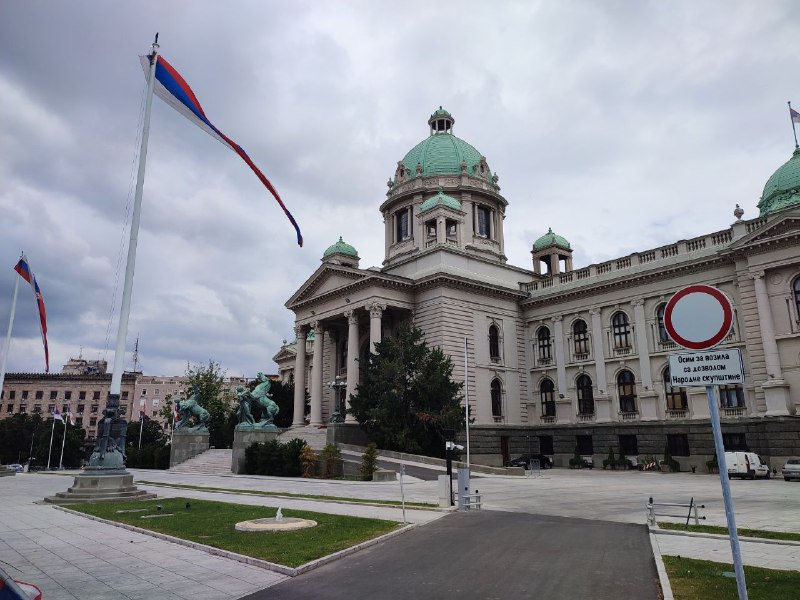
Early autumn. Heavy fighting is raging over Vukovar in Croatia (about 150 kilometers from Belgrade). The city is putting up a heroic resistance, the Yugoslav army is suffering massive losses, and honestly has no idea what it's even fighting for. Serbian soldier Vladimir Živković found himself right in the thick of it, but he really didn't want to fight against the Croats. So this tank commander decided to make a stand: he got in his tank, drove all 150 kilometers to Belgrade without any resistance, and parked it right in front of the Parliament steps.
He was arrested, but the story quickly went public. The authorities didn't want to charge a soldier with desertion in front of the whole country, so instead they declared him mentally unfit and sent him for involuntary treatment. This decision infuriated his fellow soldiers so much that they seized a local radio station and broadcast a message saying "we are not traitors, but we don't want to be aggressors." It didn't free their comrade, but they definitely made their mark on history.
Telegram mirror
Telegram is a messenger where I post short travel notes. This page is a self-hosted backup of that channel.
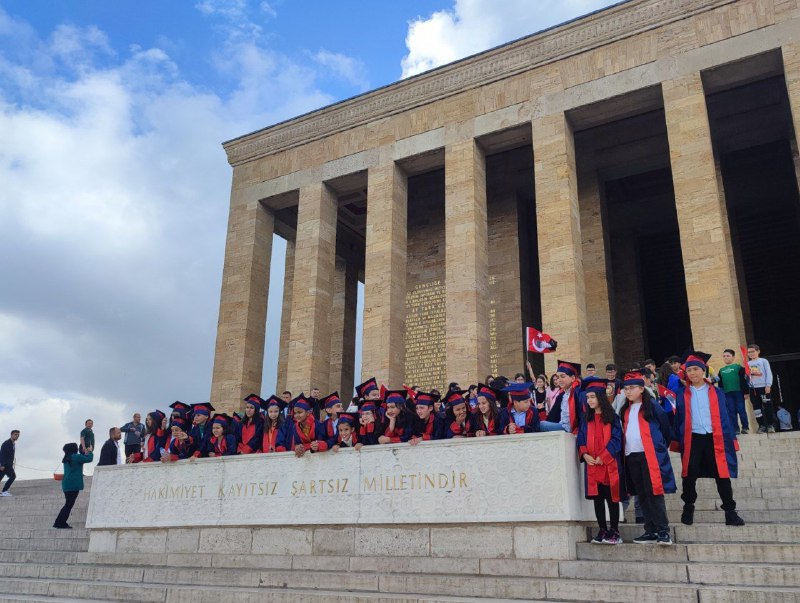
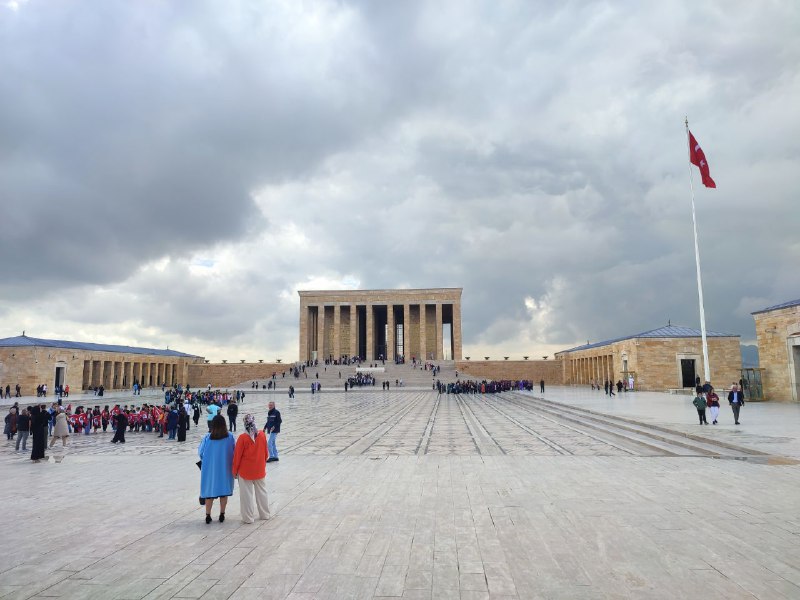
I also read in the news about a library that garbage collectors opened based on discarded books for anyone interested. But it's located on the outskirts of Ankara, and I thought I don't really feel like visiting it. But the idea is cool, and it seems like the guys are managing to develop it.
CNN
Garbage collectors open library with abandoned books
Garbage collectors in the Turkish capital have opened a public library made up entirely of books once destined for the landfills.
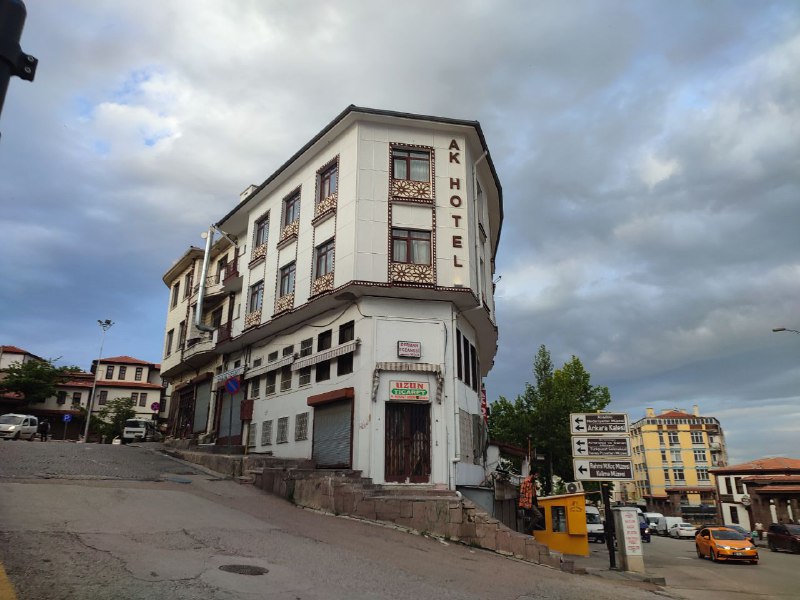
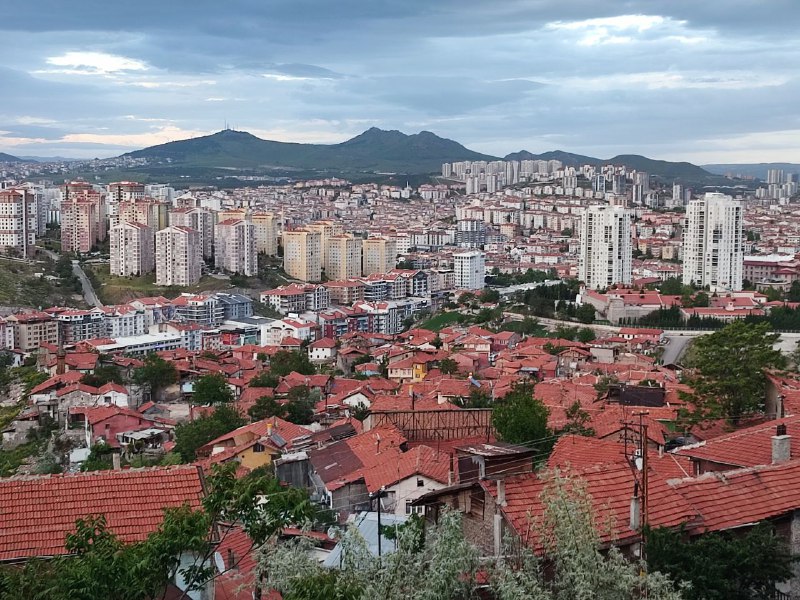
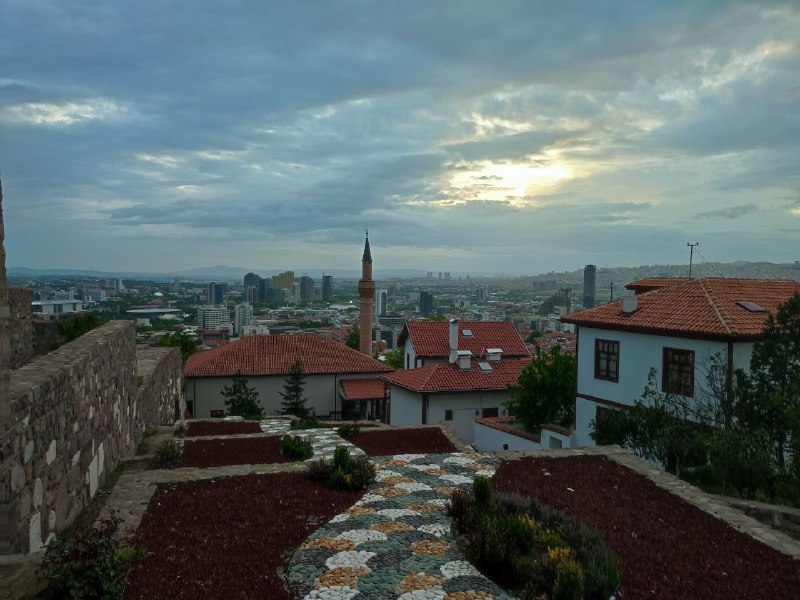
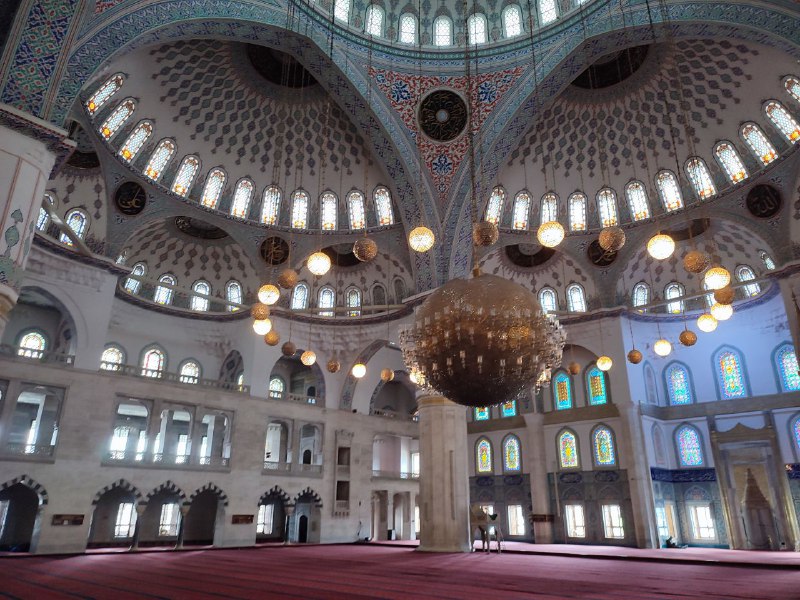
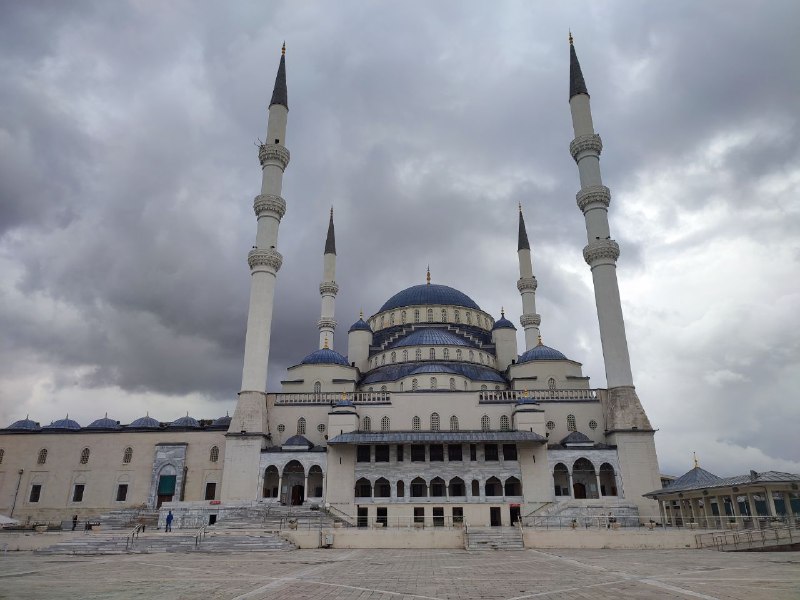
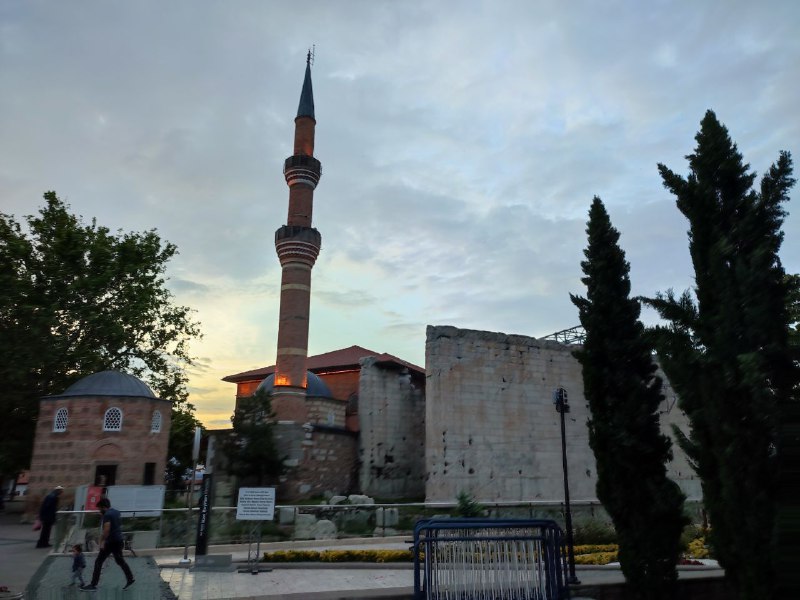
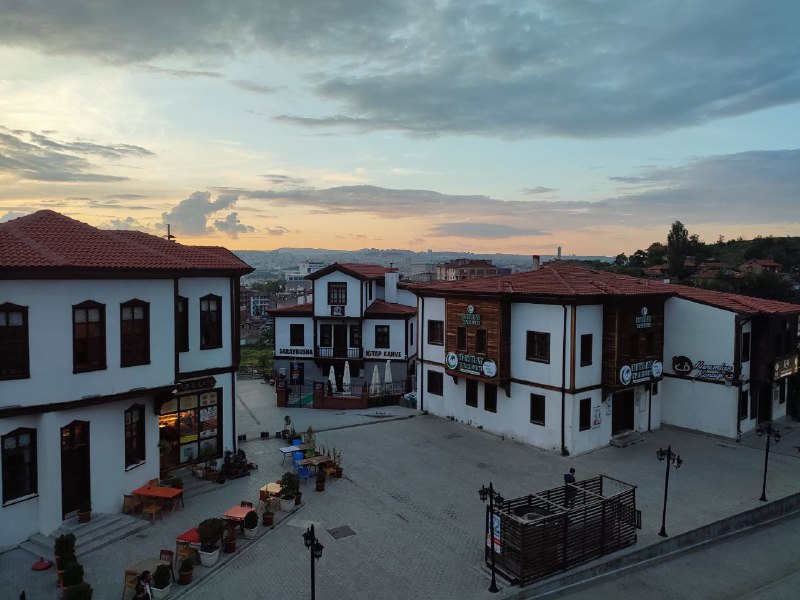
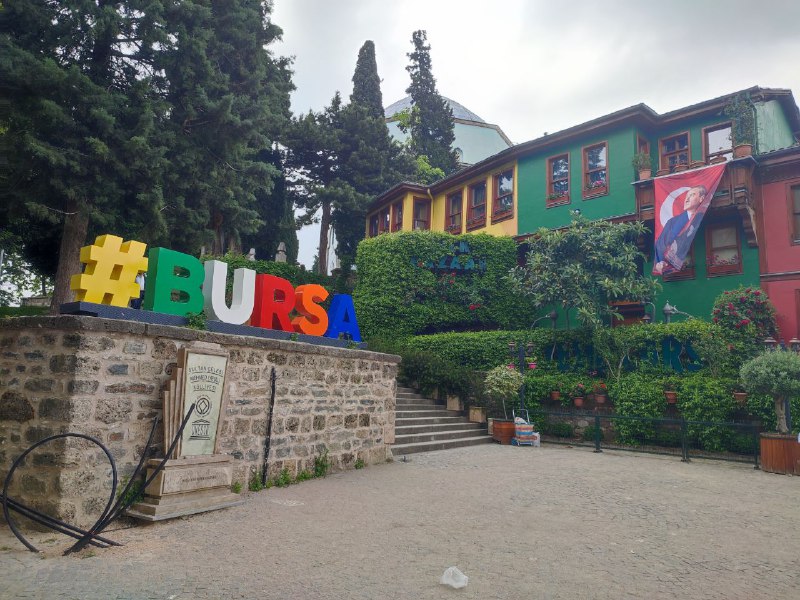
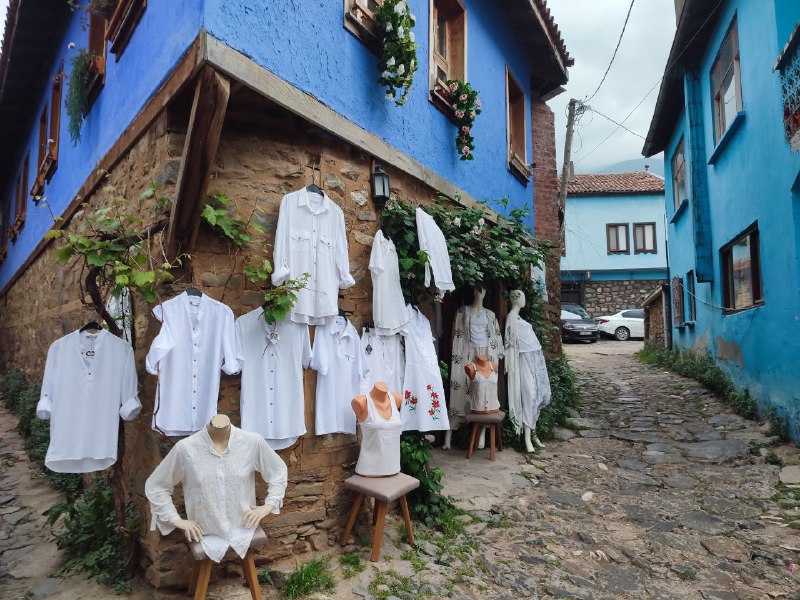
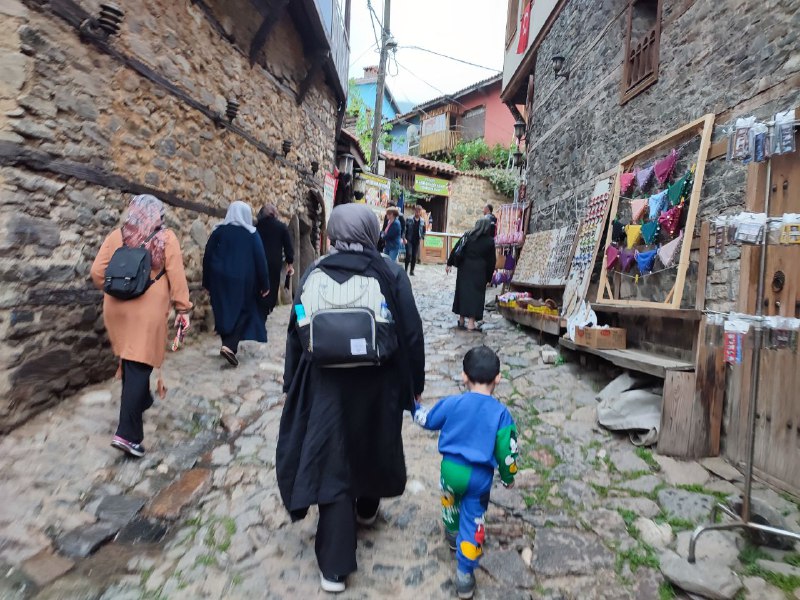
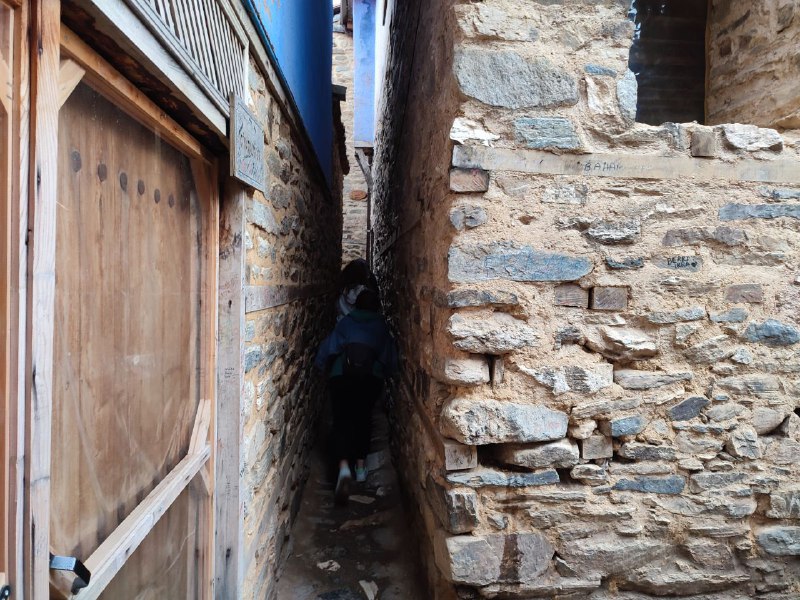
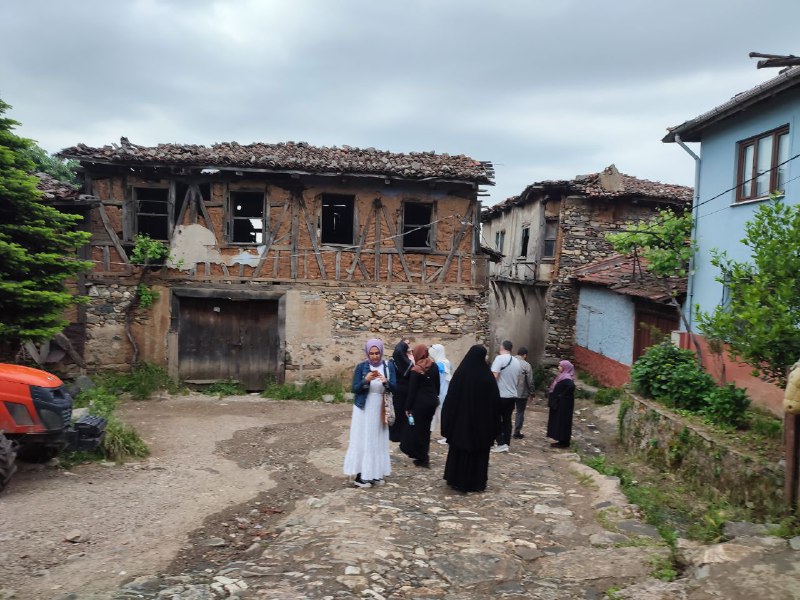
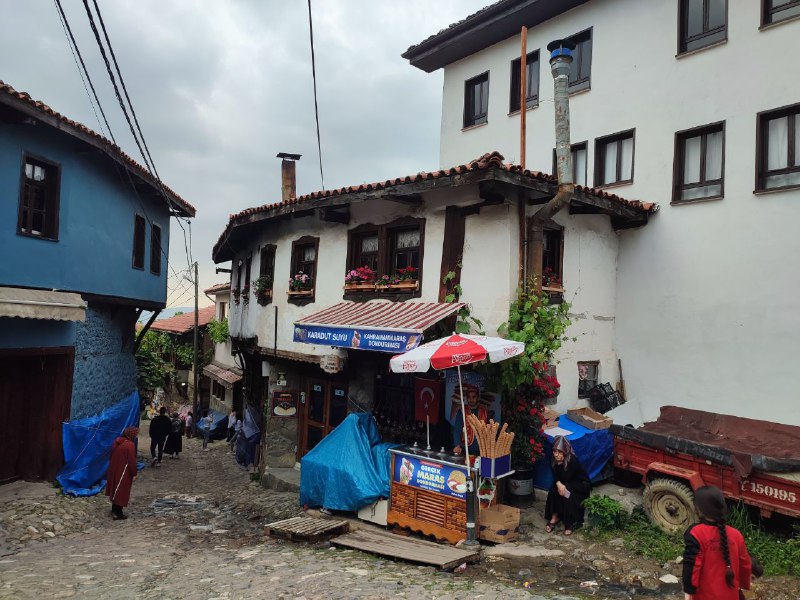
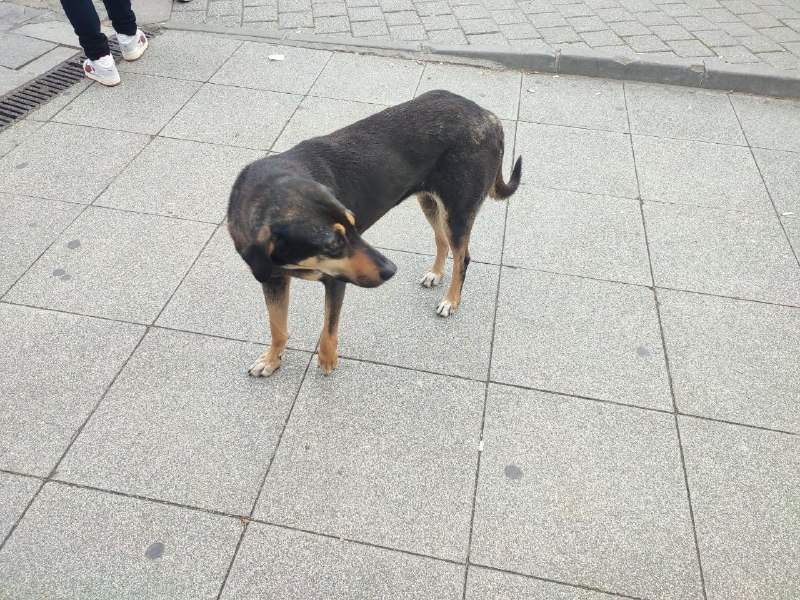
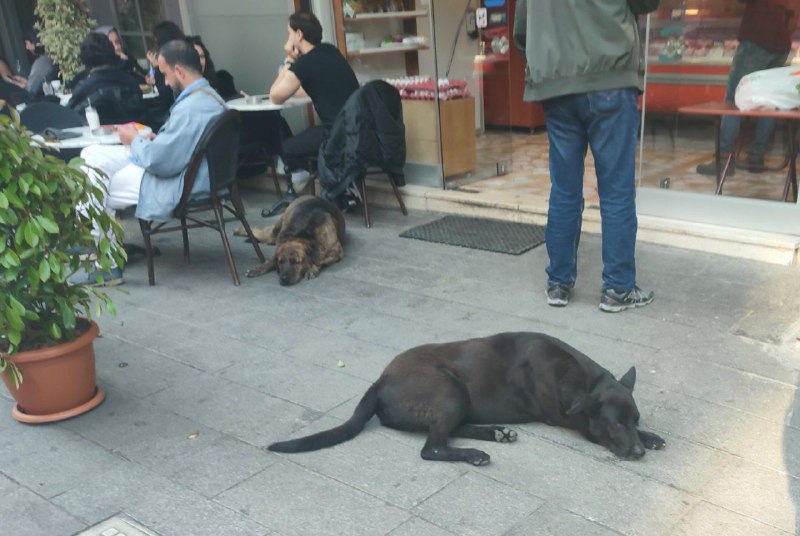
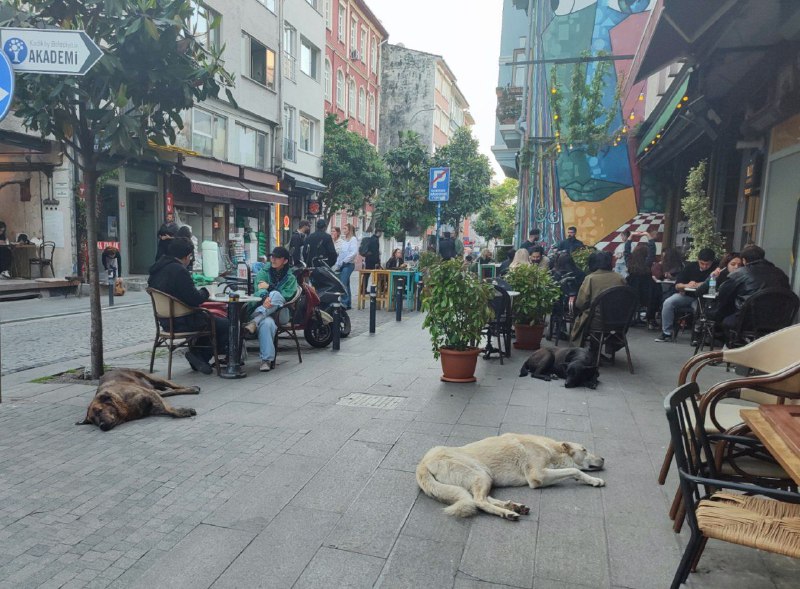
Who would've thought I'd see a crowd of Indian Catholic pilgrims in a small Croatian town in Bosnia 😅
I stopped by Medjugorje completely by chance for the night and suddenly found myself in an important Catholic site in Europe.
In 1981, six teenagers claimed that the Virgin Mary appeared to them (each one separately). The Vatican still can't make up its mind about the official position: whether to confirm the miracle or not. They say the Virgin appeared in the town again after that. They assembled entire commissions, but the initial findings were that the story wasn't credible. Nevertheless, people didn't need much more than rumors, and believers started flooding the city.
By 2019, the Vatican gave up trying to stop all this and decided to take charge instead. The Pope blessed pilgrimage for ordinary people, though not yet for official Catholic figures.
The locals switched their economy to pilgrimage mode: hotels, guesthouses, souvenirs on every corner, restaurants—everything is focused on religious tourism. That's how they make a living.
And I was just passing through to see a nearby waterfall, so Medjugorje turned out to be a really convenient spot.
I stopped by Medjugorje completely by chance for the night and suddenly found myself in an important Catholic site in Europe.
In 1981, six teenagers claimed that the Virgin Mary appeared to them (each one separately). The Vatican still can't make up its mind about the official position: whether to confirm the miracle or not. They say the Virgin appeared in the town again after that. They assembled entire commissions, but the initial findings were that the story wasn't credible. Nevertheless, people didn't need much more than rumors, and believers started flooding the city.
By 2019, the Vatican gave up trying to stop all this and decided to take charge instead. The Pope blessed pilgrimage for ordinary people, though not yet for official Catholic figures.
The locals switched their economy to pilgrimage mode: hotels, guesthouses, souvenirs on every corner, restaurants—everything is focused on religious tourism. That's how they make a living.
And I was just passing through to see a nearby waterfall, so Medjugorje turned out to be a really convenient spot.
►
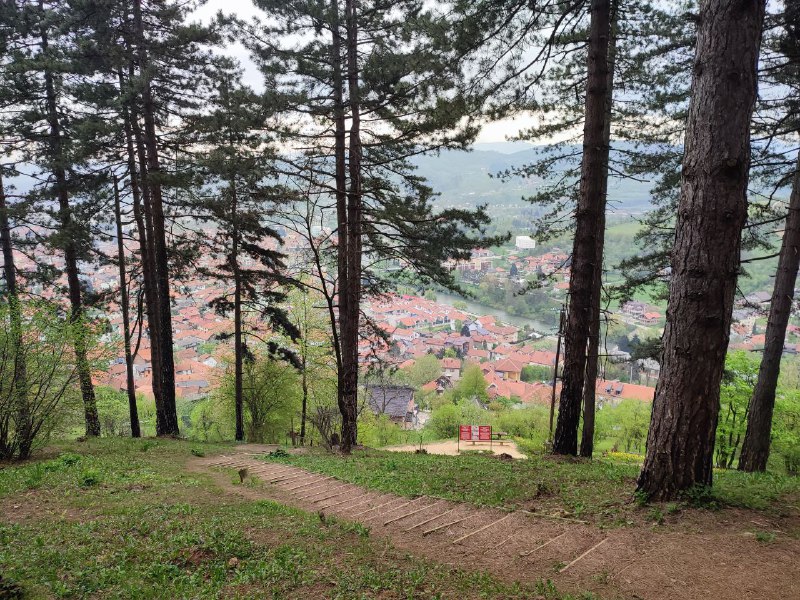
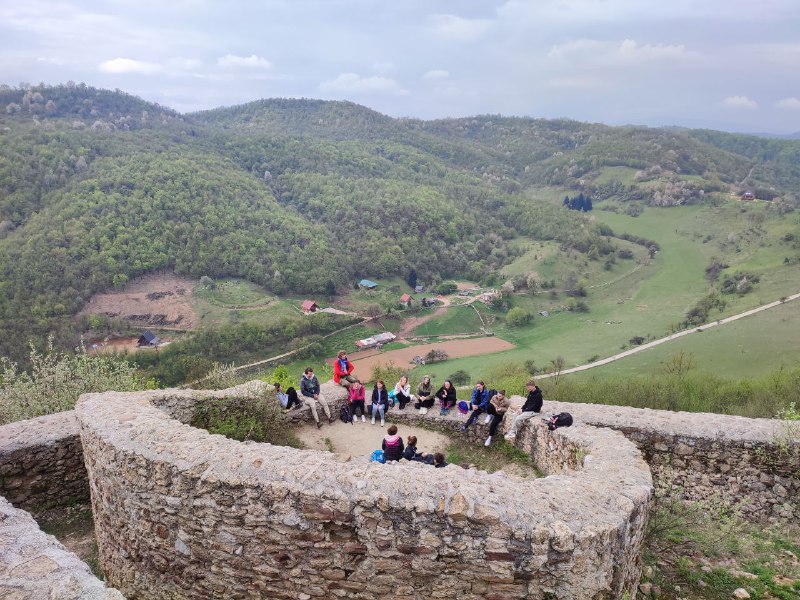
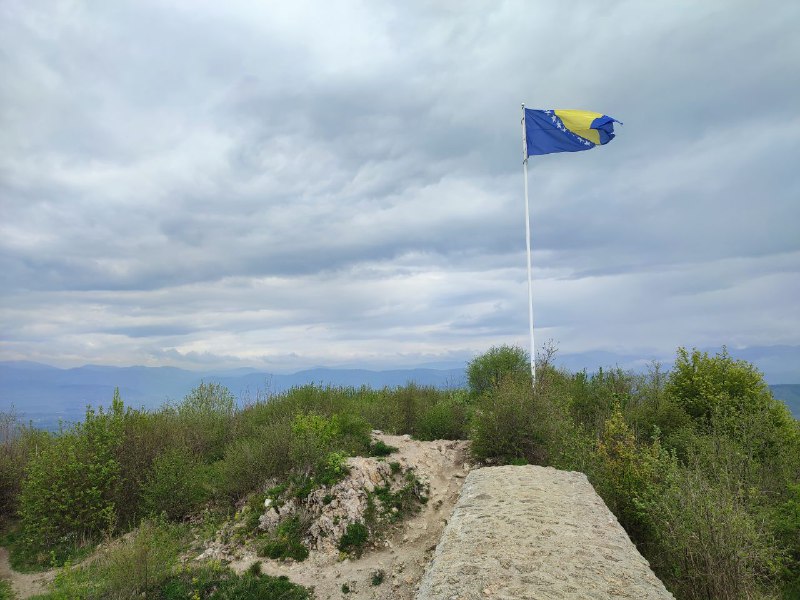
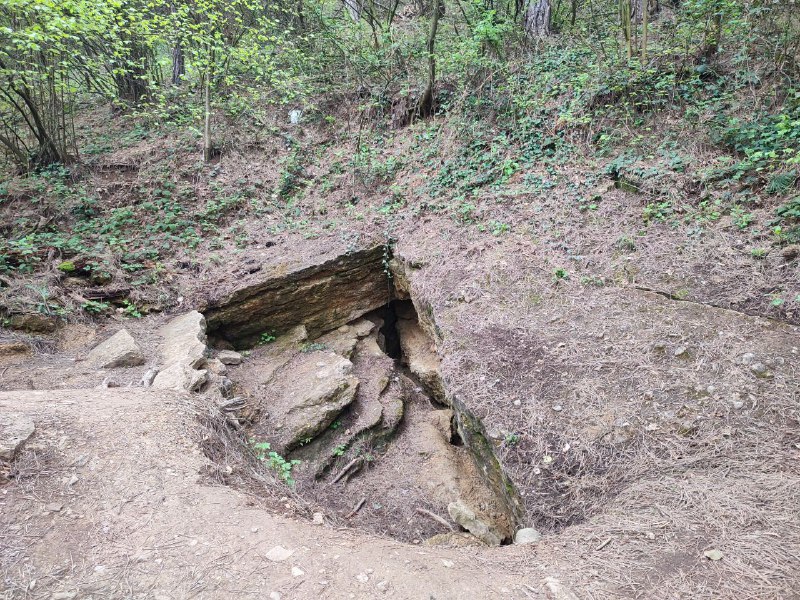
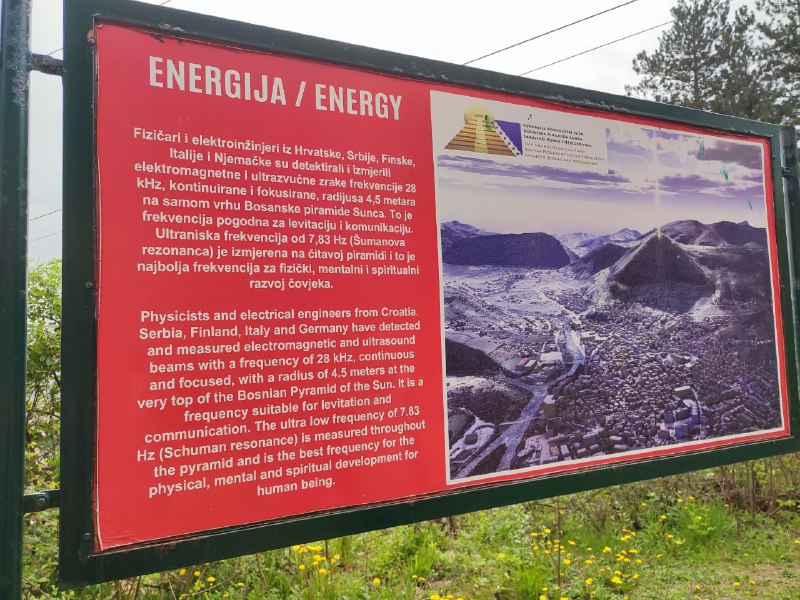
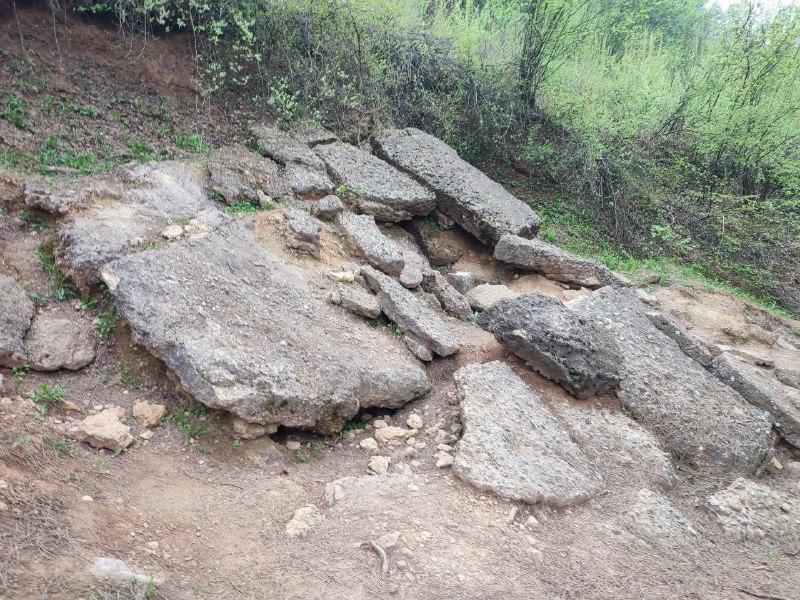
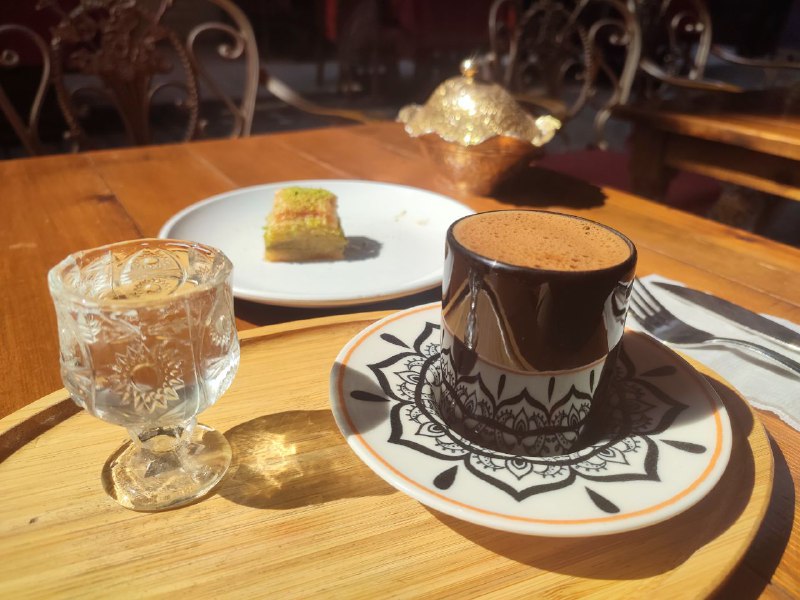
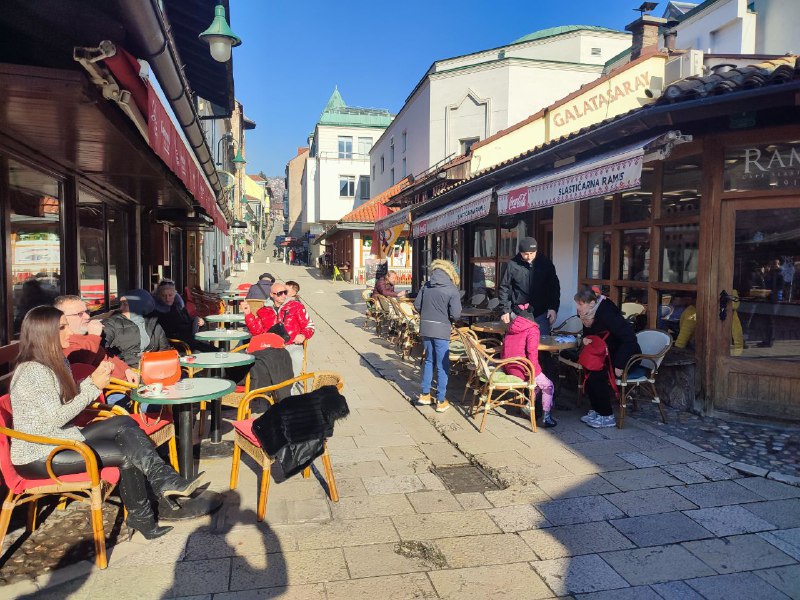
If I were sitting at a café like this in Istanbul four hundred years ago, they'd probably have my head on a platter.
Back then, Ottoman Empire ruler Murad IV banned drinking coffee in public places under penalty of death. Legend has it he'd even disguise himself as a regular person and go around catching violators with an executioner in tow.
The Janissaries and their constant coups were to blame for all this (Murad ended up in power as a kid because of one of them). The sultan was terrified of being overthrown out of nowhere. And where did the military love to hang out and plot? Coffee houses! Made sense to ban it.
That said, nobody actually banned selling coffee or even drinking it publicly outside Istanbul. Heck, the sultan himself enjoyed a cup or two.
But the ban stuck around under the next rulers anyway. Eventually they softened the punishment to a beating for the first offense, and if you got caught again, they'd sew you into a sack and throw you in the Bosphorus. Plus, enforcement got lazier and lazier. By the end of the 18th century it was basically just spies hanging out in coffee houses.
So, want your head chopped off, or can you skip coffee today? 😅
Back then, Ottoman Empire ruler Murad IV banned drinking coffee in public places under penalty of death. Legend has it he'd even disguise himself as a regular person and go around catching violators with an executioner in tow.
The Janissaries and their constant coups were to blame for all this (Murad ended up in power as a kid because of one of them). The sultan was terrified of being overthrown out of nowhere. And where did the military love to hang out and plot? Coffee houses! Made sense to ban it.
That said, nobody actually banned selling coffee or even drinking it publicly outside Istanbul. Heck, the sultan himself enjoyed a cup or two.
But the ban stuck around under the next rulers anyway. Eventually they softened the punishment to a beating for the first offense, and if you got caught again, they'd sew you into a sack and throw you in the Bosphorus. Plus, enforcement got lazier and lazier. By the end of the 18th century it was basically just spies hanging out in coffee houses.
So, want your head chopped off, or can you skip coffee today? 😅
If you've watched even one American crime movie, you've definitely heard about the U.S. Constitution and its amendments (for example, movies often reference the Fifth Amendment, which allows you not to testify against yourself).
It's the most important law in the country and one of the oldest constitutions still in effect in the world. Since 1789, they've adopted 27 amendments to it. Though they've considered almost 12,000 of them (yes, 12 thousand).
Among the rejected ones was the Ludlow Amendment. It proposed putting decisions about the necessity to start military operations outside your territory to a general referendum (except in cases where the country was already attacked). Everyone voting FOR would be obligated to sign up as a volunteer and go to the front. I don't understand why every country doesn't adopt such a rule for itself.
But sadly, the proposal was first introduced in 1914, and the most intense phase of discussion and voting fell during World War II. This heavily influenced public opinion, and in the end, it didn't reach the necessary threshold.
PS. If you're interested, here is a small collection of curious rejected amendments. It's amusing to see how in one year they proposed banning religious leaders from holding public office, and in another year they wanted to write God into the Constitution.
It's the most important law in the country and one of the oldest constitutions still in effect in the world. Since 1789, they've adopted 27 amendments to it. Though they've considered almost 12,000 of them (yes, 12 thousand).
Among the rejected ones was the Ludlow Amendment. It proposed putting decisions about the necessity to start military operations outside your territory to a general referendum (except in cases where the country was already attacked). Everyone voting FOR would be obligated to sign up as a volunteer and go to the front. I don't understand why every country doesn't adopt such a rule for itself.
But sadly, the proposal was first introduced in 1914, and the most intense phase of discussion and voting fell during World War II. This heavily influenced public opinion, and in the end, it didn't reach the necessary threshold.
PS. If you're interested, here is a small collection of curious rejected amendments. It's amusing to see how in one year they proposed banning religious leaders from holding public office, and in another year they wanted to write God into the Constitution.
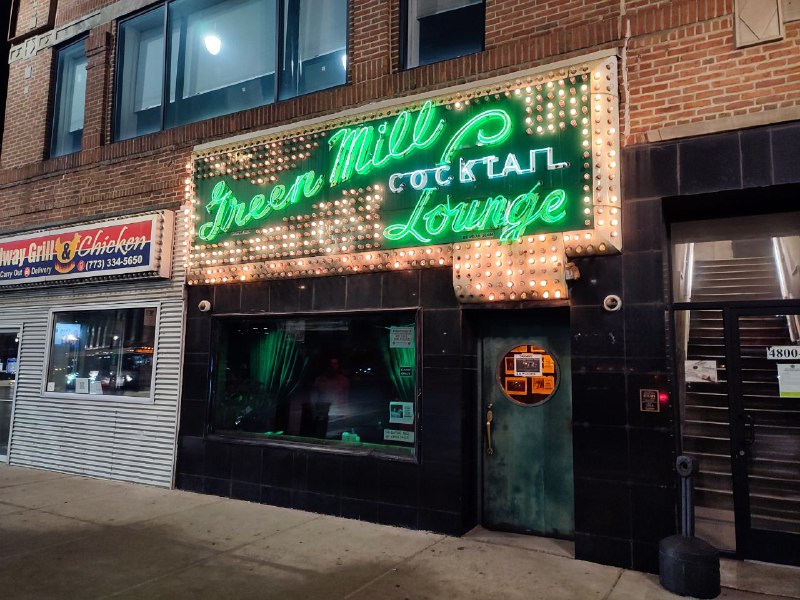
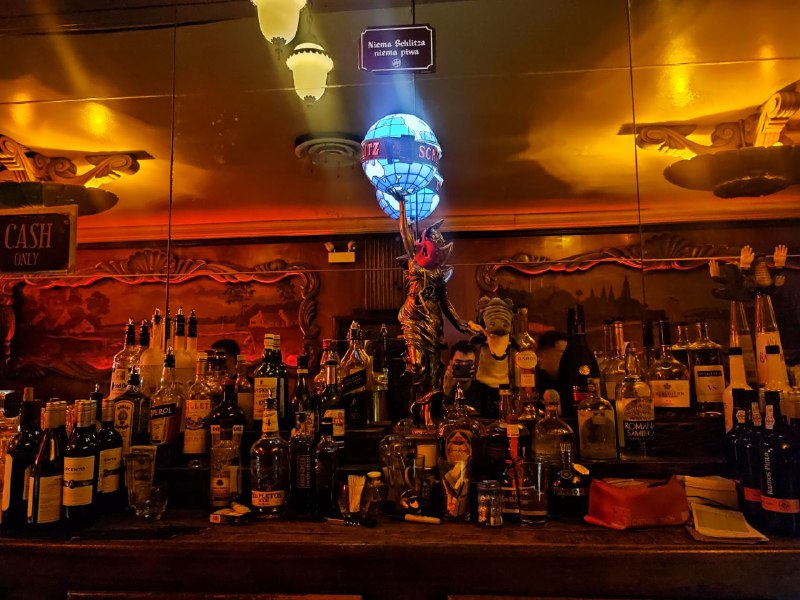
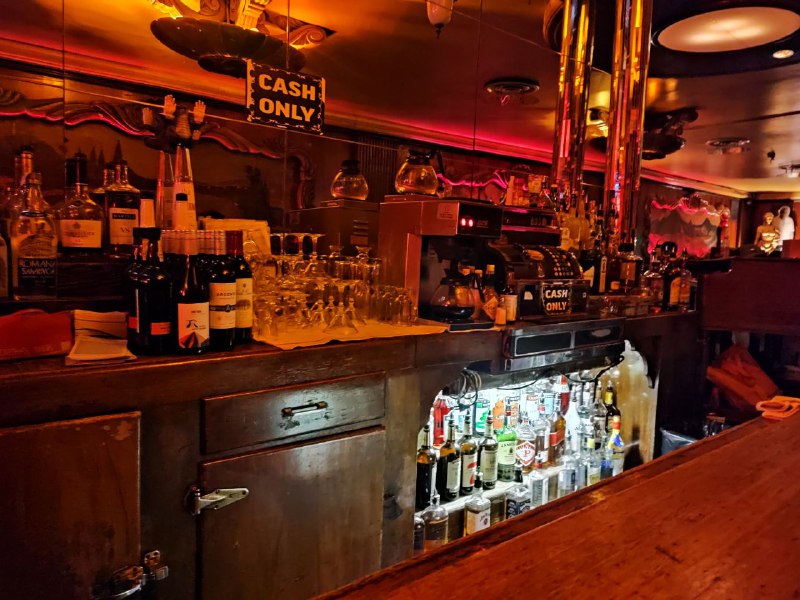
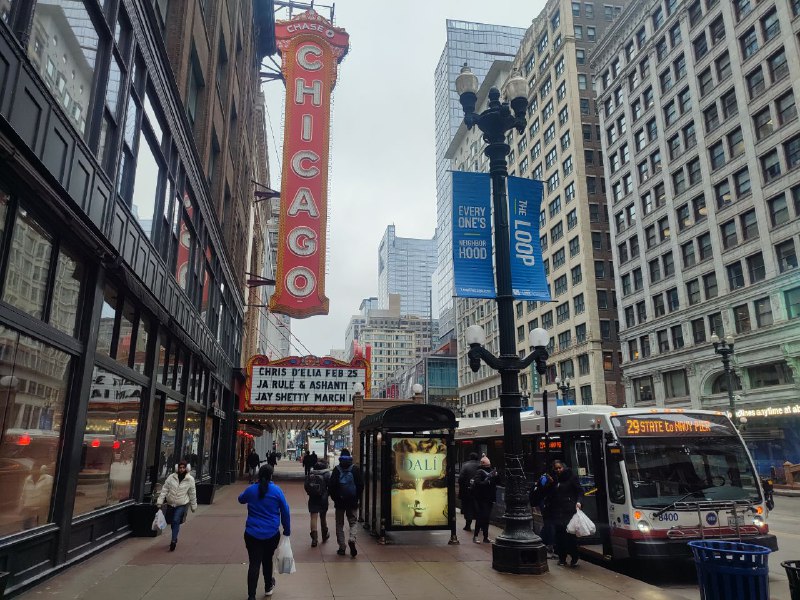
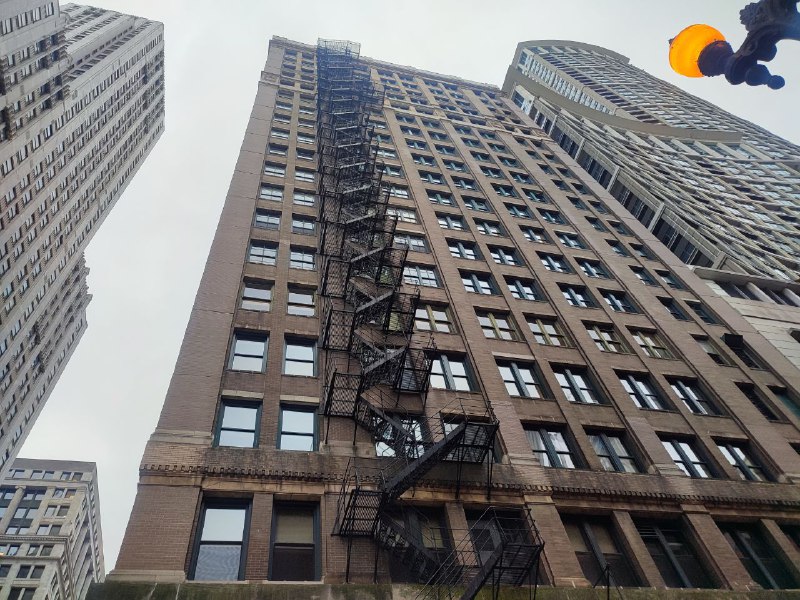
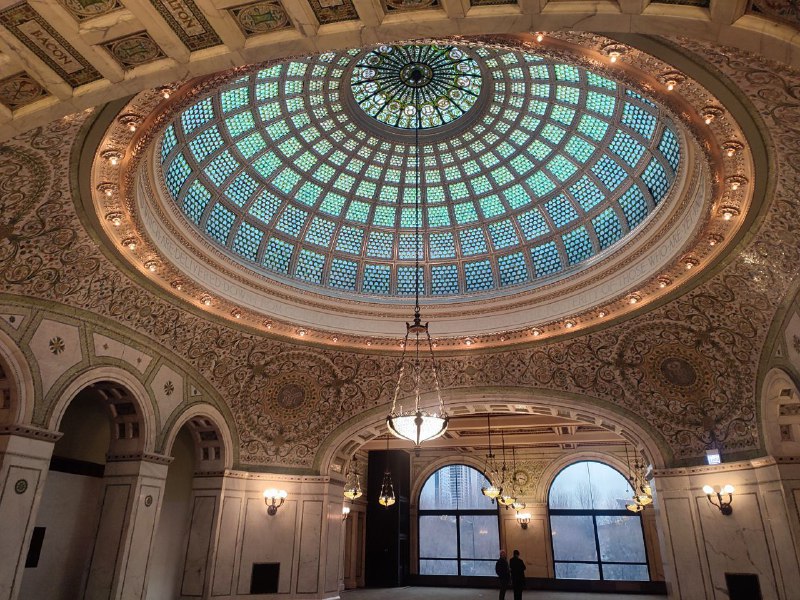
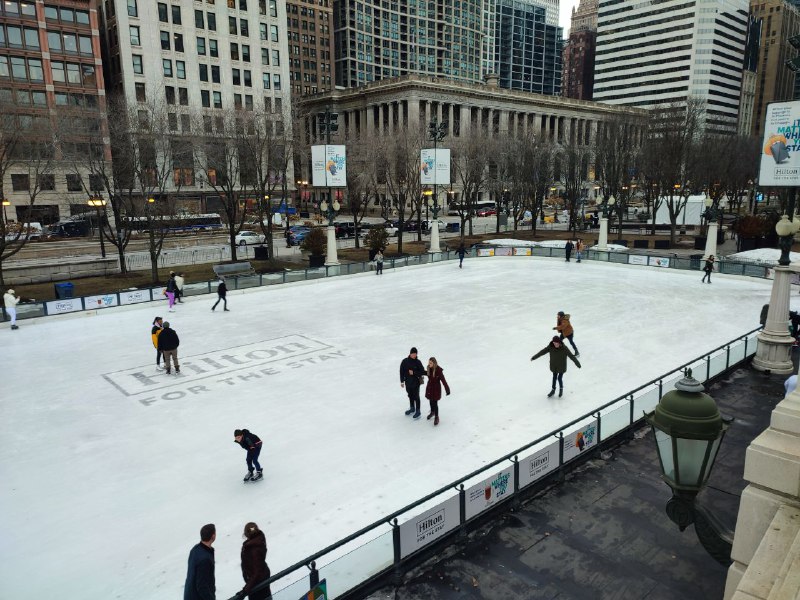
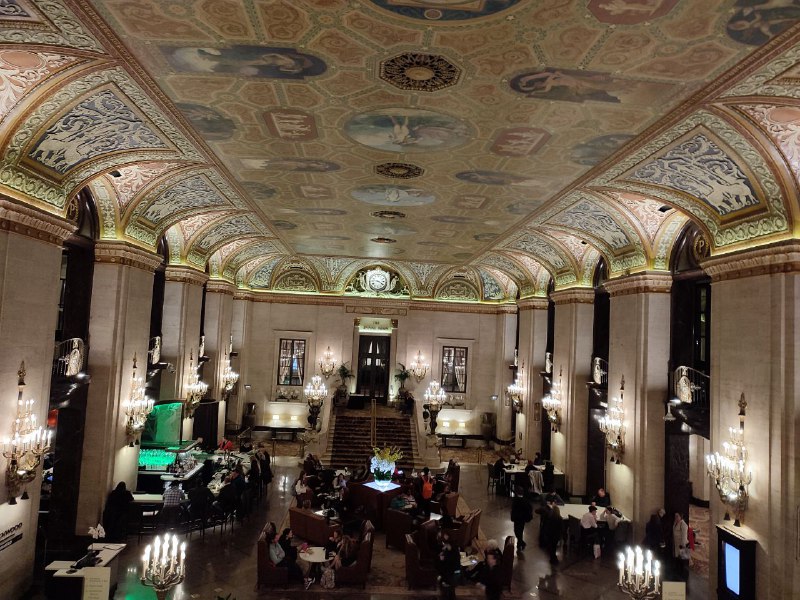
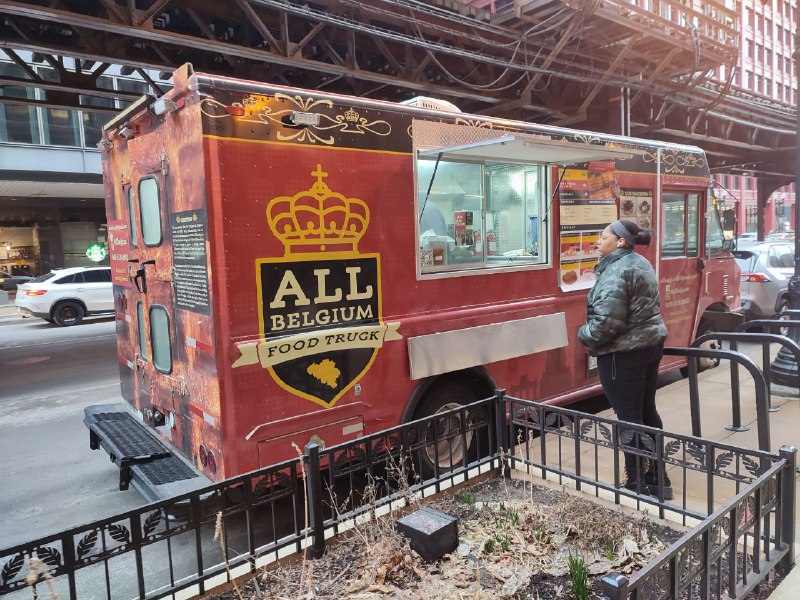

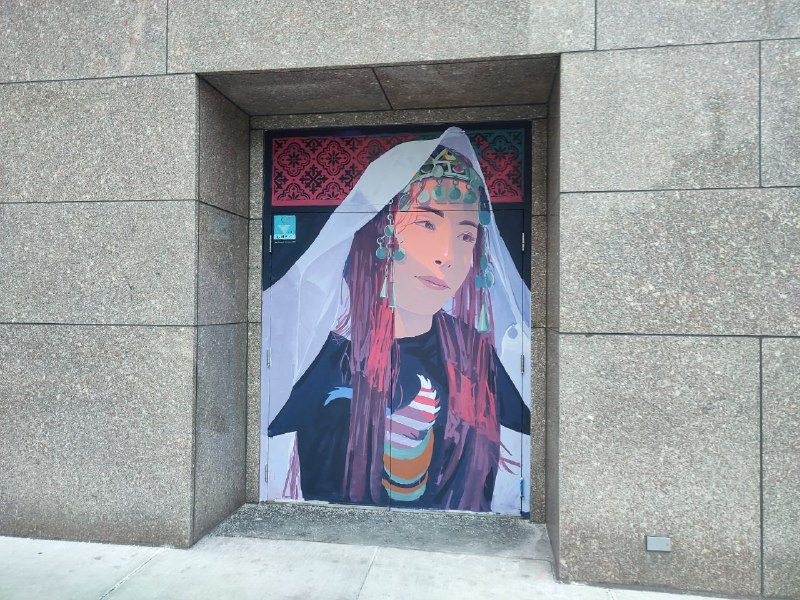
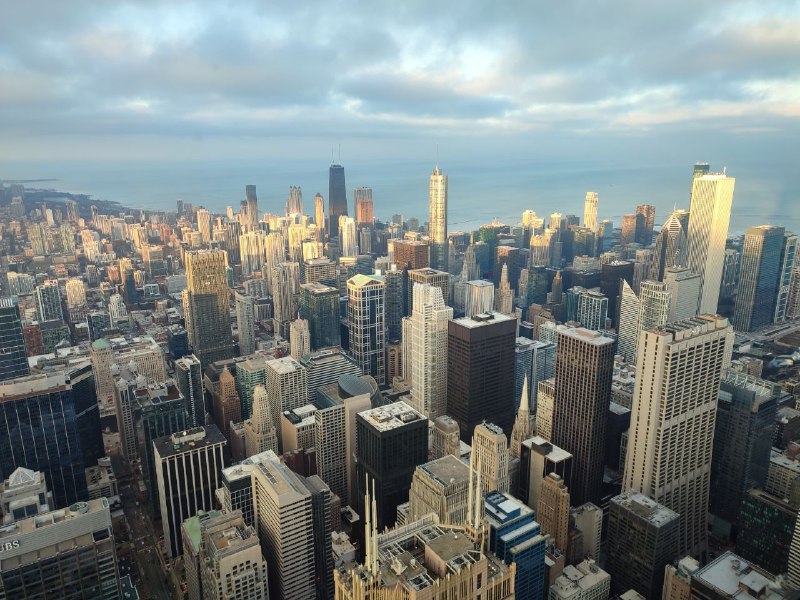
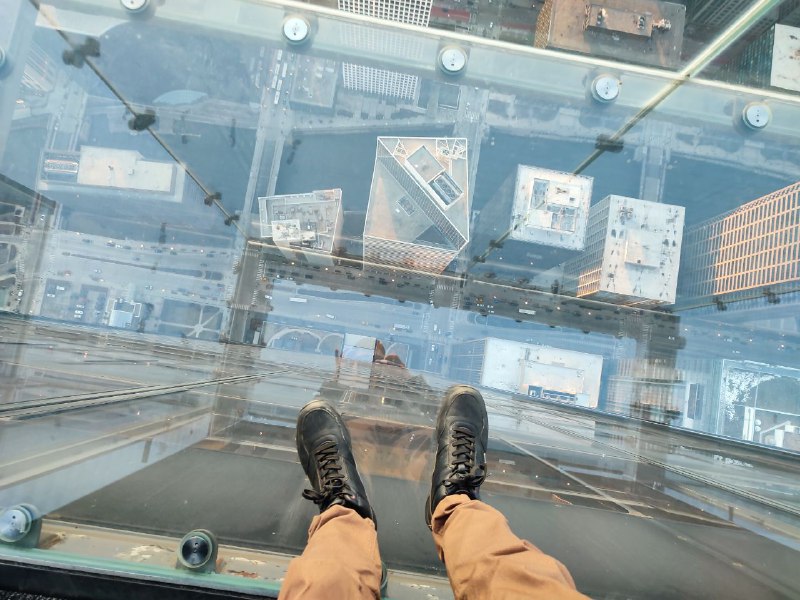
Although the country isn't very large, the nuances of traditions often vary depending on the region, and some are practiced only in certain parts of the country.
For example, in the east until the early 20th century, people tried to appease Herman (a mythical creature that influences rain, floods, and other weather important for agriculture).
The head of the household would take brandy, wine, some bread, and a candle from home, walk around his lands, and shout: "Herman, wherever you are, come now so we don't meet in summer". He'd drink the alcohol and return home, where he'd tell everyone that he met with the spirit, they drank together, worked everything out, and parted ways peacefully.
There are plenty of such examples to fill an entire book (:
For example, in the east until the early 20th century, people tried to appease Herman (a mythical creature that influences rain, floods, and other weather important for agriculture).
The head of the household would take brandy, wine, some bread, and a candle from home, walk around his lands, and shout: "Herman, wherever you are, come now so we don't meet in summer". He'd drink the alcohol and return home, where he'd tell everyone that he met with the spirit, they drank together, worked everything out, and parted ways peacefully.
There are plenty of such examples to fill an entire book (:
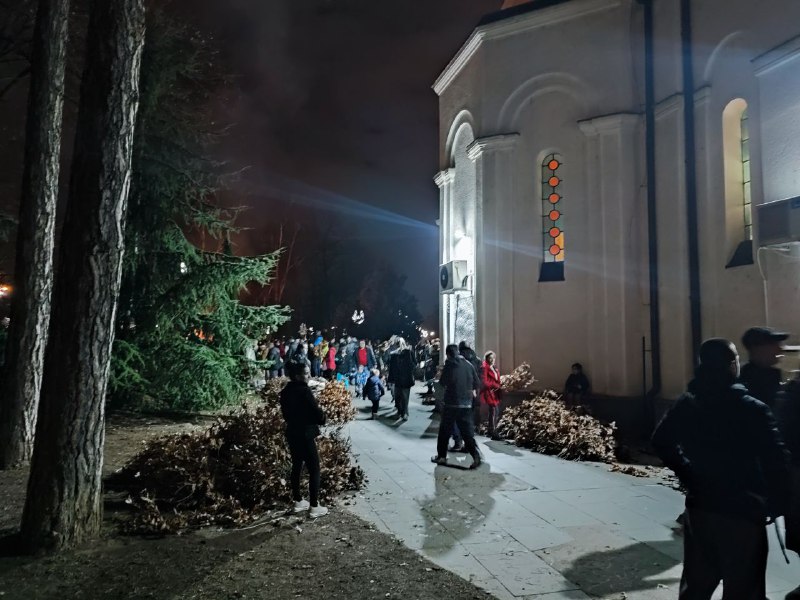
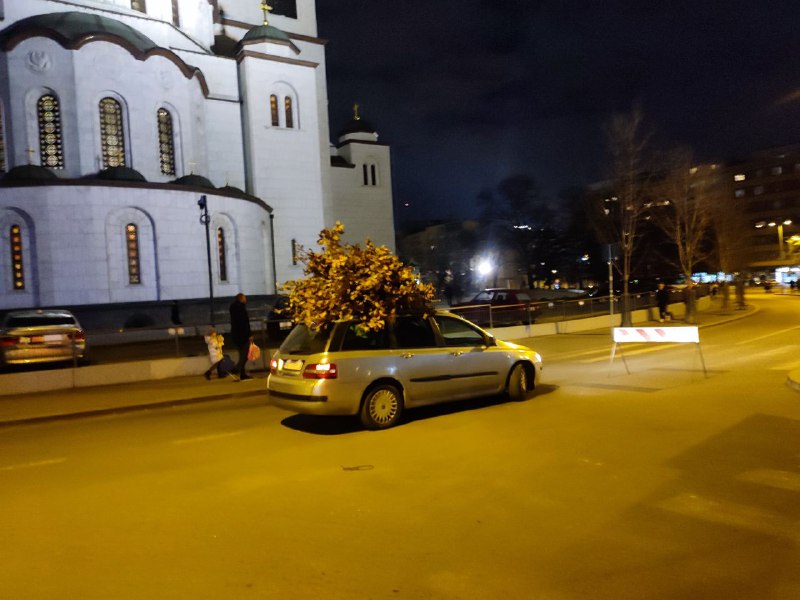
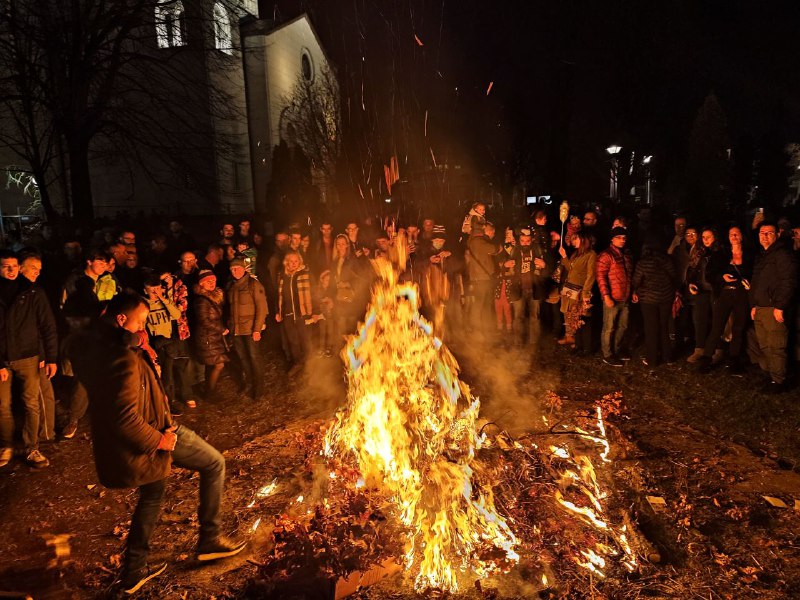
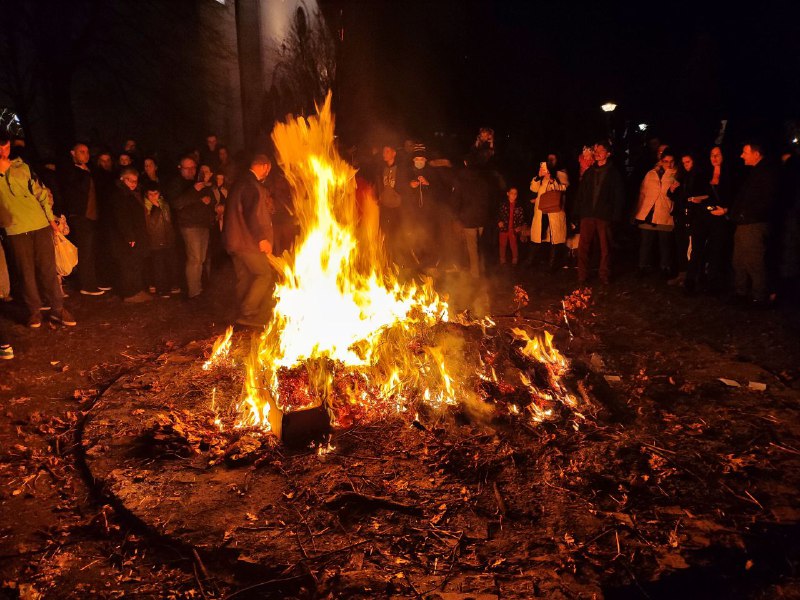
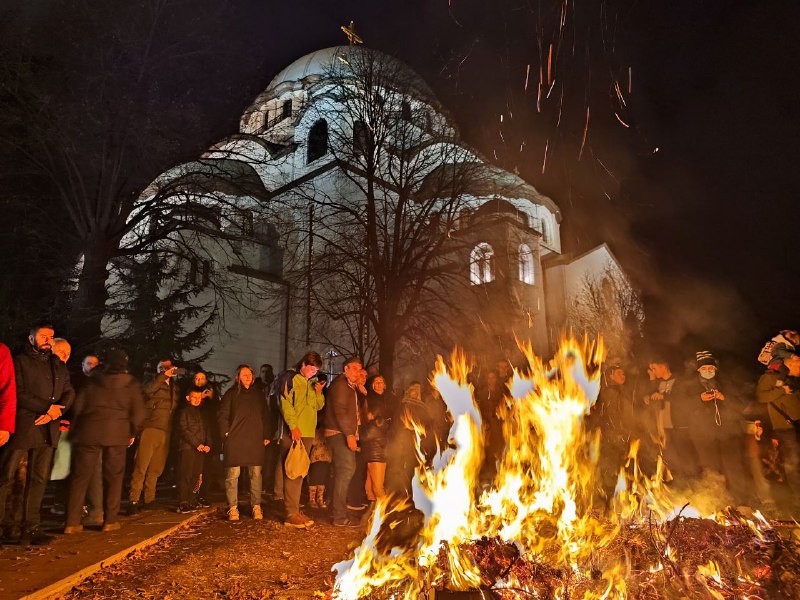


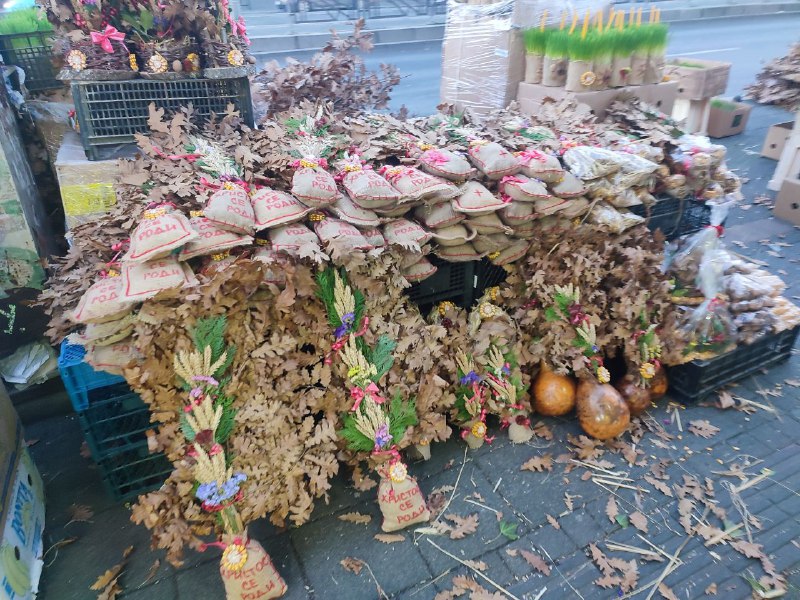
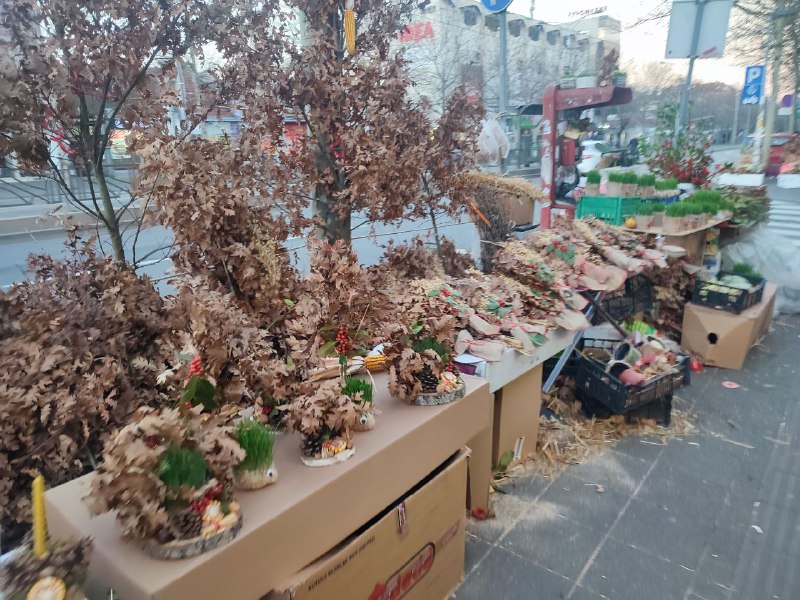
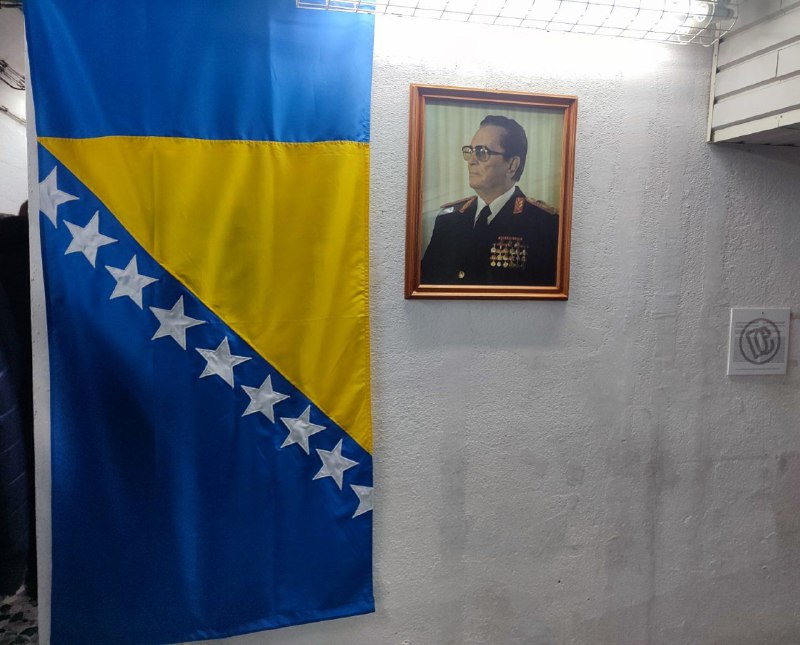
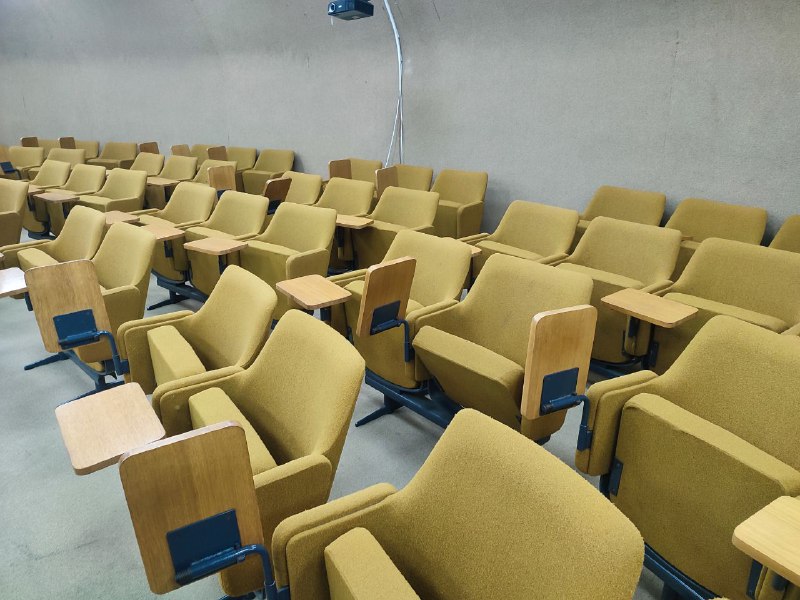
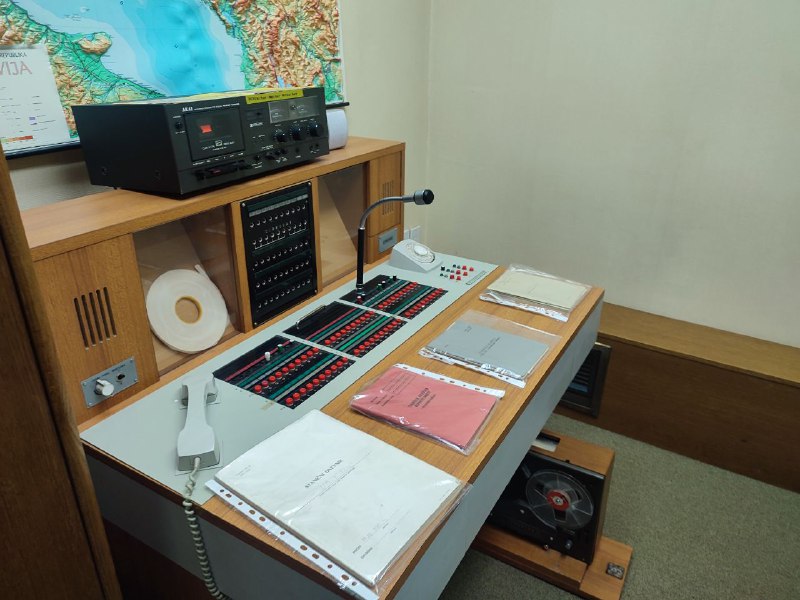
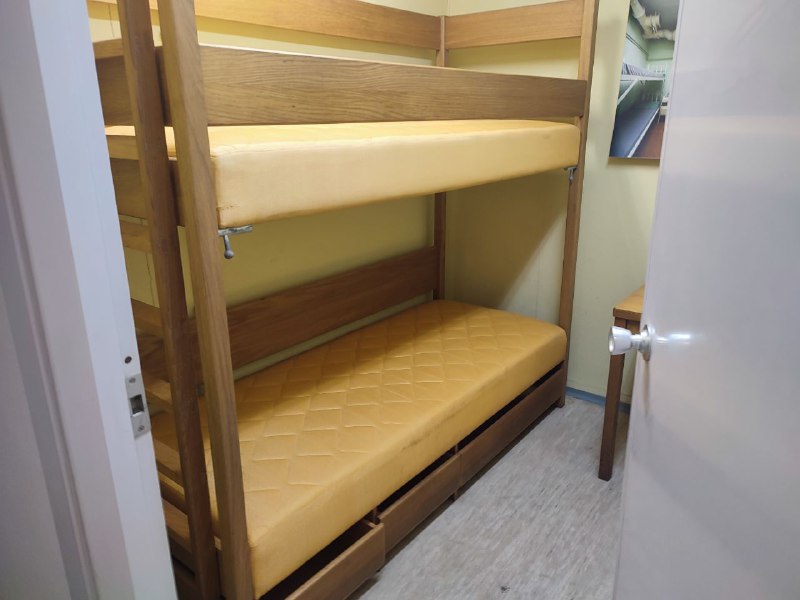
These aren't photos from different countries—it's all Bosnia and Herzegovina. It's just that Serbs prefer to hang the Serbian flag, Croats hang the Croatian one, and only Bosniaks hang the yellow-blue version, and even then not always. Even on official buildings!
I was really surprised by such blatant separatism, but it turns out the whole thing is much more complicated: people were literally forced to accept the current flag.
To understand how this happened, let's rewind to 1995. The war had just ended. The world was worried things might flare up again, so the EU and USA decided to put a... temporary "administrator" in place. They created the position of High Representative for Bosnia and Herzegovina, and they appoint the person from outside themselves (still do!). And they gave this position two superpowers:
1) fire ANY official in the country suspected of breaking the law
2) make a decision independently if the authorities can't agree
And this isn't just an empty threat. Over two hundred officials have been removed under this system. They didn't even spare presidents. Though sometimes they missed the mark: a Croatian president was removed in 2005, but later all charges were dropped—though by then it was too late to reinstate him. But he did win the election again in 2015. And a Serbian president apparently got fired purely over political disagreements. Cases like these really do look like blatant abuse of power.
In 1998, the country was choosing its symbols, but the government couldn't agree for a long time. That's when they used the superpower: the High Representative imposed their own design for the coat of arms and flag. So now people hang whichever one they prefer, rather than what they were ordered to.
This concentration of power in one person's hands, combined with vague criteria for when to apply the rules, naturally drew criticism. The US eventually stopped participating in this arrangement, and Europe decided in 2008 to finally abolish the position and even set a final date. But this move triggered a wave of disappointment among Bosnia and Herzegovina's citizens and even more criticism. The local government was reasonably seen as corrupt and unable to function effectively without external oversight. So they left everything as is indefinitely.
I was really surprised by such blatant separatism, but it turns out the whole thing is much more complicated: people were literally forced to accept the current flag.
To understand how this happened, let's rewind to 1995. The war had just ended. The world was worried things might flare up again, so the EU and USA decided to put a... temporary "administrator" in place. They created the position of High Representative for Bosnia and Herzegovina, and they appoint the person from outside themselves (still do!). And they gave this position two superpowers:
1) fire ANY official in the country suspected of breaking the law
2) make a decision independently if the authorities can't agree
And this isn't just an empty threat. Over two hundred officials have been removed under this system. They didn't even spare presidents. Though sometimes they missed the mark: a Croatian president was removed in 2005, but later all charges were dropped—though by then it was too late to reinstate him. But he did win the election again in 2015. And a Serbian president apparently got fired purely over political disagreements. Cases like these really do look like blatant abuse of power.
In 1998, the country was choosing its symbols, but the government couldn't agree for a long time. That's when they used the superpower: the High Representative imposed their own design for the coat of arms and flag. So now people hang whichever one they prefer, rather than what they were ordered to.
This concentration of power in one person's hands, combined with vague criteria for when to apply the rules, naturally drew criticism. The US eventually stopped participating in this arrangement, and Europe decided in 2008 to finally abolish the position and even set a final date. But this move triggered a wave of disappointment among Bosnia and Herzegovina's citizens and even more criticism. The local government was reasonably seen as corrupt and unable to function effectively without external oversight. So they left everything as is indefinitely.
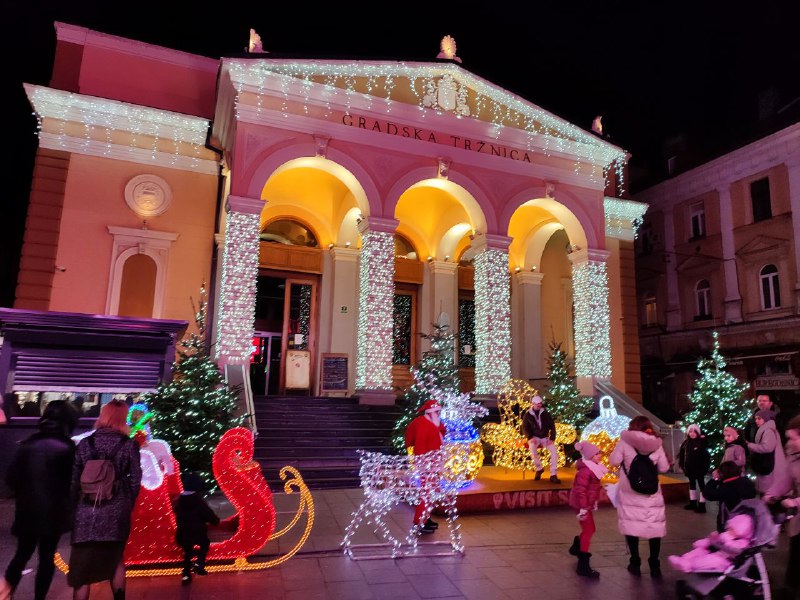
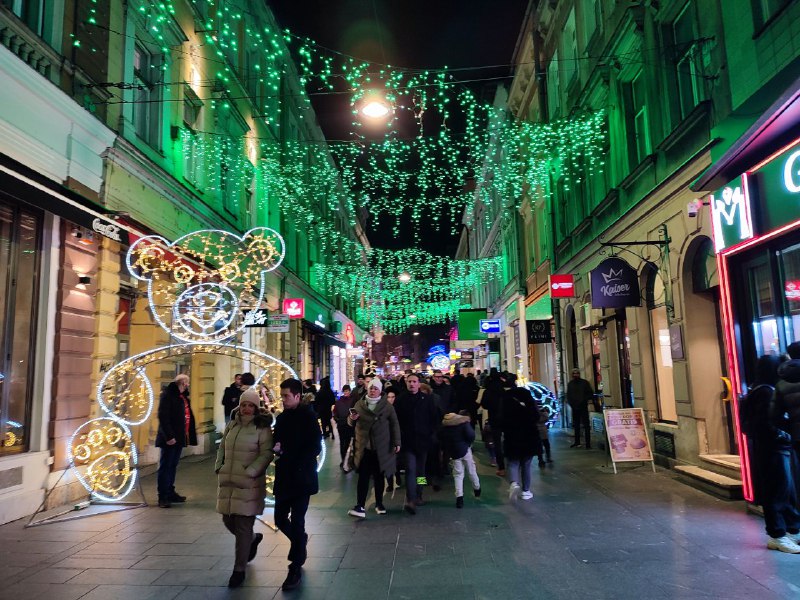
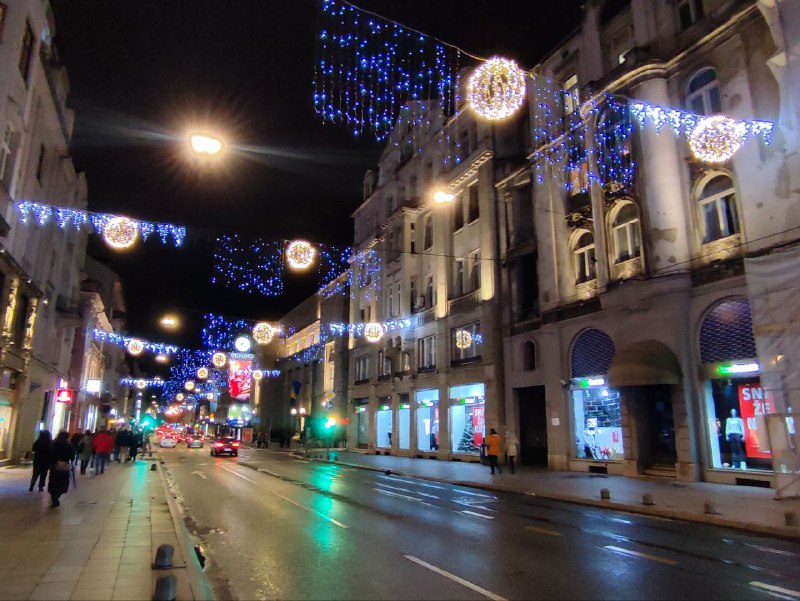
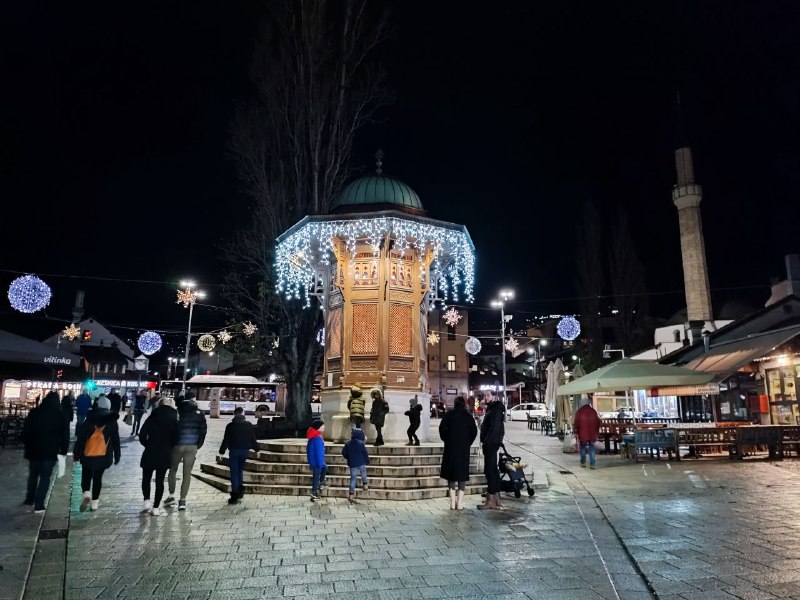
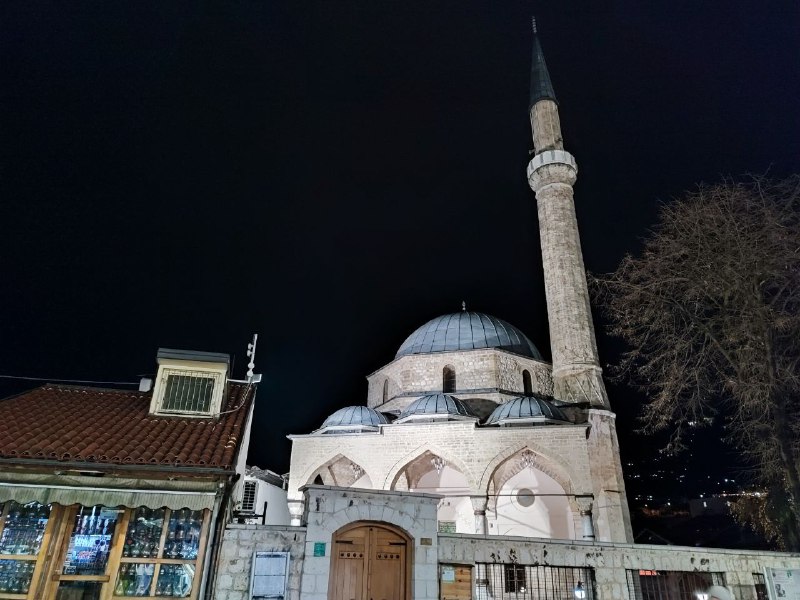
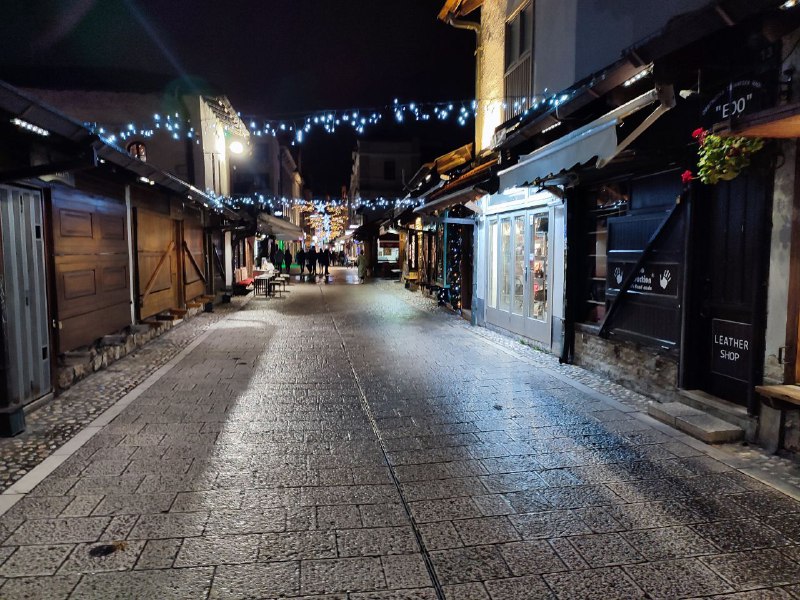
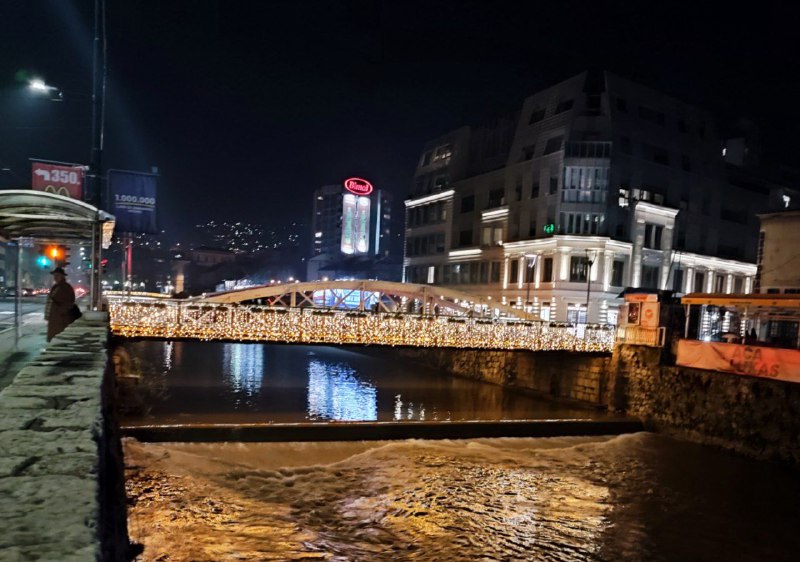
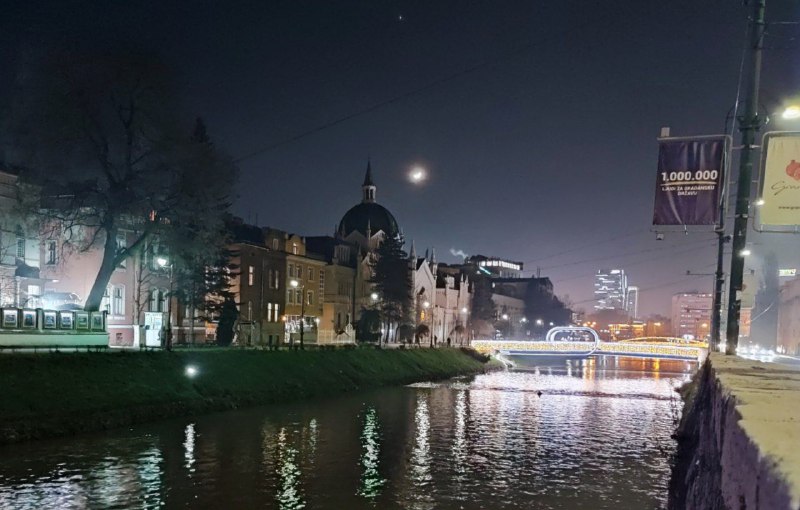
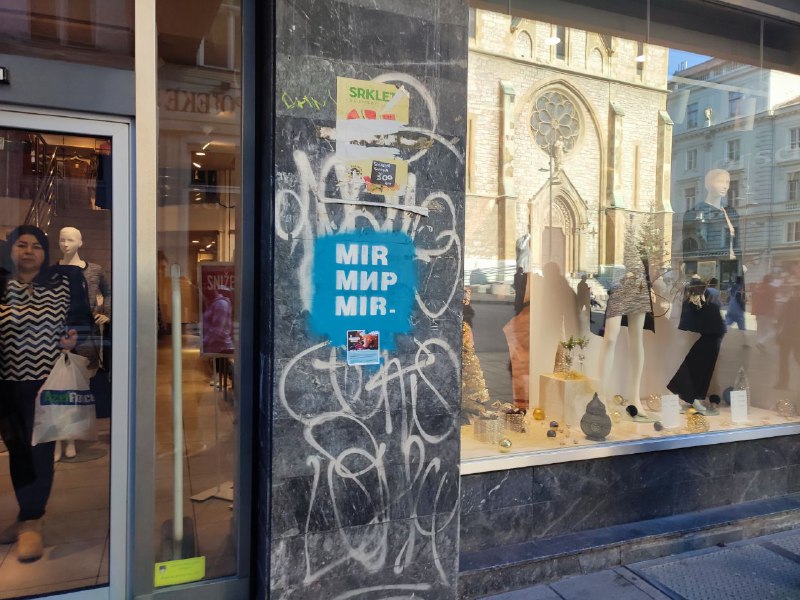
"Two heads are better than one, so three must be even better!" thought Bosnia and Herzegovina, and decided to elect three presidents at once: a Serb, a Bosniak, and a Croat. The three of them mess around serve as president for the entire 4-year term. You can't be elected more than twice in a row, but you can with a break in between. Two of them have even done this already (a Croat and a Bosniak). Nevertheless, the country has 14 (!) living former presidents.
One of the three is appointed chair, and the position rotates every 8 months. Over 4 years, that's exactly 2 complete cycles.
Decisions are made collectively, by unanimous consent. But on controversial issues, this doesn't work at all. For example, Bosniaks and Croats would be happy to recognize Kosovo's independence, but the Serbs are categorically opposed.
Elections are also complicated: Croats living in the Serb Republic have to vote for the Serbian representative, while Serbs who moved to the Federation can't vote for him, even though they'd really like to. It's a mirror situation with the other candidates.
And the real problem is that the presidents' ethnicities are iron-clad in the Dayton Accords. Representatives of other peoples can't be elected. There was a case at the European Court of Human Rights against B&H brought by a Jew and a Roma because of such discrimination. The court ruled back in 2009 that the rules need to be changed, but the system hasn't been reformed since then.
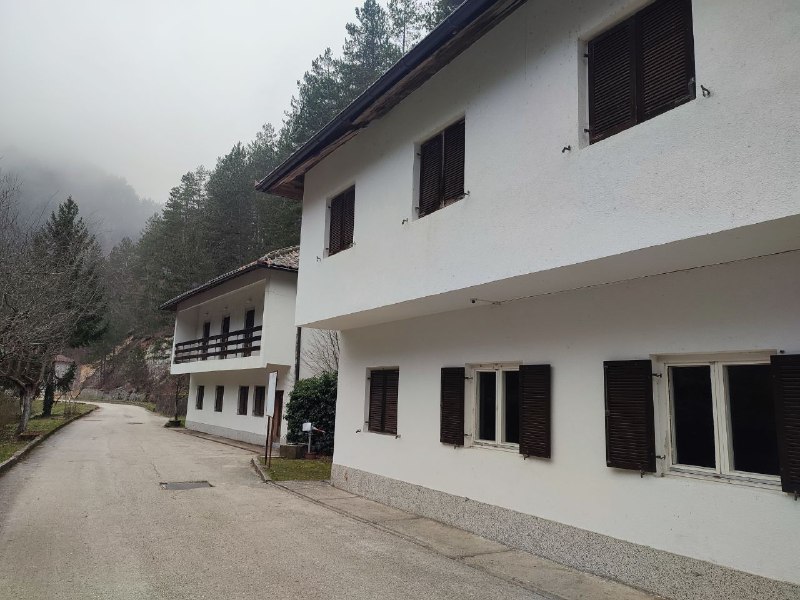
And that wraps up today's civics lesson. And in the photo below is the building in Sarajevo where the presidents meet.
One of the three is appointed chair, and the position rotates every 8 months. Over 4 years, that's exactly 2 complete cycles.
Decisions are made collectively, by unanimous consent. But on controversial issues, this doesn't work at all. For example, Bosniaks and Croats would be happy to recognize Kosovo's independence, but the Serbs are categorically opposed.
Elections are also complicated: Croats living in the Serb Republic have to vote for the Serbian representative, while Serbs who moved to the Federation can't vote for him, even though they'd really like to. It's a mirror situation with the other candidates.
And the real problem is that the presidents' ethnicities are iron-clad in the Dayton Accords. Representatives of other peoples can't be elected. There was a case at the European Court of Human Rights against B&H brought by a Jew and a Roma because of such discrimination. The court ruled back in 2009 that the rules need to be changed, but the system hasn't been reformed since then.
And that wraps up today's civics lesson. And in the photo below is the building in Sarajevo where the presidents meet.
Countries
 United Kingdom3
 Serbia100
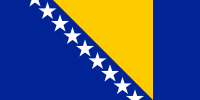 Bosnia and Herzegovina54
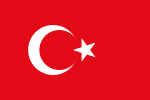 Turkey42
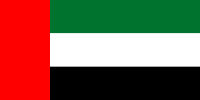 United Arab Emirates3
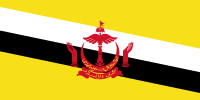 Brunei2
 Indonesia12
 Malaysia15
 Argentina16
 USA117
 Morocco5
 Georgia5
 Egypt16
 Hong Kong8
 China4
 Vietnam9
 Tunisia7
 Montenegro9
 Philippines12
 Singapore10
 Oman12
 Algeria12
 North Macedonia5
 Lebanon11
 Israel27
 Albania17
 Russia63
 Tanzania50
 Netherlands7
 Spain14
 Latvia2
 Germany7
 Belgium3
 France27
 Kazakhstan32