The deeper I dig into local folklore, the more fascinating it becomes.
In eastern Serbia, there was a peculiar—but fortunately unconfirmed—custom known as lapot. According to it, during crop failure years, elderly people who became a burden on their families were simply ... killed.
In the early 20th century, ethnologist Tihomir Đorđević studied the highlands near Zaječar and was among the first to document this brutal practice in detail, believing it had actually occurred. According to the researcher, the ritual typically involved inviting neighbors. Depending on the region, people could use an axe or hammer for the killing. In some villages, they would place a cornbread on the unfortunate elder's head, so they could "claim" that death came from the corn rather than from human hands.
After Đorđević, other scholars became interested in this topic, but no one published refutations. In 1972, they even released a documentary (!) about lapot. Look how harsh our ancestors' customs were, they suggested. There's a scene from it at the end of this post.
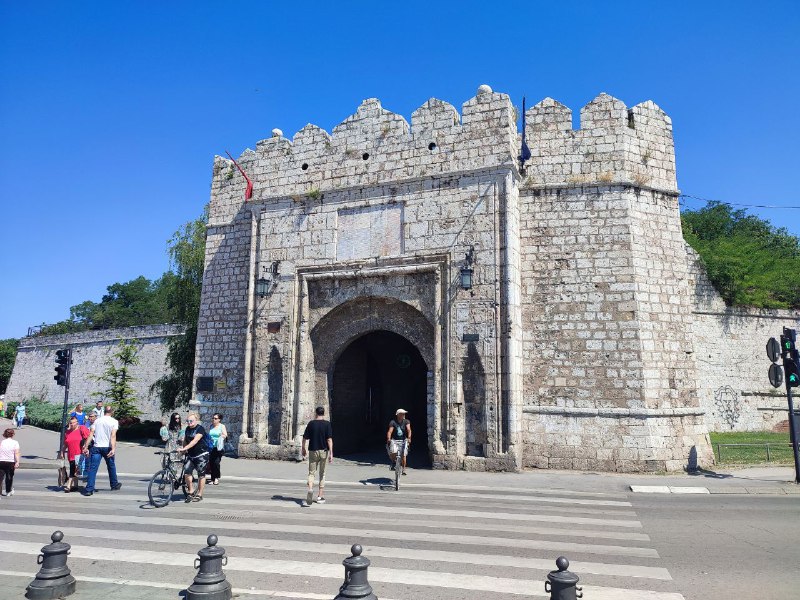
Only in 1999 did anthropologist Bojan Jovanović publish a work challenging the previous research. He reminded everyone of widely known cases where grandchildren saved elders from the plague. It's remarkable that no one did this for 80+ years after the first publication. Today, the custom is considered a myth, and most likely originated from the period when the Balkans were under Roman rule. At that time, locals were actively and not always voluntarily recruited into the ranks of fighters. In one fortress, the Romans ordered all men under 50 to be conscripted for military service, and the rest to be executed. Allegedly, this is where the practice of eliminating the older generation supposedly came from. However, no solid evidence has ultimately been found.
In 2004, the Serbian government wanted to restrict the list of free medicines for people over 60. The media instantly called this law "lapot." But the authorities changed their mind (:
Telegram mirror
Telegram is a messenger where I post short travel notes. This page is a self-hosted backup of that channel.
Someone explained to me why the homeowner from the previous story could have been so aggressive. Serbia has a major problem with illegal construction. It happened that way historically. A bunch of wars in the region over the last 100 years, economic instability, and an incredibly sluggish bureaucratic system led to people building first and then dealing with paperwork. If they felt like it. According to the registry of the ministry of construction, there are now over 2 million illegal buildings registered. Half of them are residential buildings. For a country with a population of less than 7 million, these are astronomical numbers.
The authorities are trying to fight this phenomenon, but citizens aren't in a huge rush to legalize their properties. Even despite increasingly tightening legislative measures.
The government and various media outlets are calling on residents to report illegal construction to oversight bodies. In one of these guides, I especially liked the section "what to do if your complaint gets no response." Anyway, after filing a complaint, they're supposed to send an inspector who photographs the structure and then launches a demolition procedure. The building can be saved by legal exemptions: if it was built before 2015 or is in the process of legalization. As proof of the construction date, you can provide a satellite image taken no later than November 2015. Future's here (:
Looks like they mistook me for such an inspector. The rental car's license plates were local, from Belgrade. I was photographing the house. Makes sense. I wouldn't be happy either with someone about to demolish my home.
The authorities are trying to fight this phenomenon, but citizens aren't in a huge rush to legalize their properties. Even despite increasingly tightening legislative measures.
The government and various media outlets are calling on residents to report illegal construction to oversight bodies. In one of these guides, I especially liked the section "what to do if your complaint gets no response." Anyway, after filing a complaint, they're supposed to send an inspector who photographs the structure and then launches a demolition procedure. The building can be saved by legal exemptions: if it was built before 2015 or is in the process of legalization. As proof of the construction date, you can provide a satellite image taken no later than November 2015. Future's here (:
Looks like they mistook me for such an inspector. The rental car's license plates were local, from Belgrade. I was photographing the house. Makes sense. I wouldn't be happy either with someone about to demolish my home.
Successfully completed the quest "ride Tito's blue train." Now I'm going to grab a pastry from the shelf.
In a hangar on the outskirts of Belgrade sits a blue train that Yugoslav dictator Josip Broz Tito often traveled on. Since 2005, anyone can come and see the train from the inside and outside. But there are a couple of quirks.
The train is open for visits only on weekdays from 8 AM to 2 PM. You need to book in advance, at least two days before your visit (details about the process here; I emailed them, but they don't respond very quickly).
You need a ticket to enter. But they don't sell them on-site—you have to go to the central train station. And get this: they wouldn't sell it to me a day in advance, saying I had to come the day of the visit. When buying, the cashier called someone—I figured to verify my reservation (though I could be wrong; I don't understand Serbian well enough yet). I'm curious what they do if someone shows up at the ticket window at 6 AM when there's no one to check with? By the way, they took my ticket back after the visit. They could've let me keep it as a souvenir. It's pretty cool.
Finding the train wasn't easy. There are basically no signs or markers anywhere. Following local tips, I found the entrance to the hangar. There were some people sitting around smoking nearby. They helped me find the guy with the keys to the train and brought over the tour guide—an extremely taciturn young guy (partly because he doesn't really speak English, and I haven't learned Serbian yet). But now I know which part of the train Tito himself slept in, where his wife slept (spoiler:in a separate compartment ), and where Charles de Gaulle stayed (spoiler: also in a separate compartment, but a different one ). I read everything else on Wikipedia.
The train was actively used in the 1960s-1970s. After the dictator died in 1980, it's just been parked there. Even by today's standards, everything inside is built quite solidly. The interiors are pleasant, without gaudy luxury or gold toilets. Though Siemens did equip the cars with air conditioning back then. Maybe that was cooler than toilets at the time. But what surprised me most were the bathtubs on the train (I counted two). I hope they didn't flood the entire car all the time.
Plus, there are all sorts of amusing little details: in the conference room, Tito's chair is the widest one, and in his office sits a complete collection of Lenin's works (:
The place doesn't seem to attract many tourists at all (which isn't surprising given the whole process). After I left, they closed up the train and left, and it wasn't even 10 AM yet. I might have been the only visitor all day.
In a hangar on the outskirts of Belgrade sits a blue train that Yugoslav dictator Josip Broz Tito often traveled on. Since 2005, anyone can come and see the train from the inside and outside. But there are a couple of quirks.
The train is open for visits only on weekdays from 8 AM to 2 PM. You need to book in advance, at least two days before your visit (details about the process here; I emailed them, but they don't respond very quickly).
You need a ticket to enter. But they don't sell them on-site—you have to go to the central train station. And get this: they wouldn't sell it to me a day in advance, saying I had to come the day of the visit. When buying, the cashier called someone—I figured to verify my reservation (though I could be wrong; I don't understand Serbian well enough yet). I'm curious what they do if someone shows up at the ticket window at 6 AM when there's no one to check with? By the way, they took my ticket back after the visit. They could've let me keep it as a souvenir. It's pretty cool.
Finding the train wasn't easy. There are basically no signs or markers anywhere. Following local tips, I found the entrance to the hangar. There were some people sitting around smoking nearby. They helped me find the guy with the keys to the train and brought over the tour guide—an extremely taciturn young guy (partly because he doesn't really speak English, and I haven't learned Serbian yet). But now I know which part of the train Tito himself slept in, where his wife slept (spoiler:
The train was actively used in the 1960s-1970s. After the dictator died in 1980, it's just been parked there. Even by today's standards, everything inside is built quite solidly. The interiors are pleasant, without gaudy luxury or gold toilets. Though Siemens did equip the cars with air conditioning back then. Maybe that was cooler than toilets at the time. But what surprised me most were the bathtubs on the train (I counted two). I hope they didn't flood the entire car all the time.
Plus, there are all sorts of amusing little details: in the conference room, Tito's chair is the widest one, and in his office sits a complete collection of Lenin's works (:
The place doesn't seem to attract many tourists at all (which isn't surprising given the whole process). After I left, they closed up the train and left, and it wasn't even 10 AM yet. I might have been the only visitor all day.
Belgrade has a metro that doesn't exist. The city is jokingly called a half-metropolis because of this (it rhymes perfectly in Serbian — "pola metropola" or "metropola samo do pola").
Serious conversations about building an underground railway started in the early 20s. No, not the current twenties, but those from a hundred years ago, the 1920s. World War I had just ended and people wanted to rebuild their lives. By the end of the 1930s, there was a plan to build three metro lines, but World War II started and priorities changed dramatically.
People only started thinking about the metro again around the 1970s and spent a long time discussing future plans. In the early 1980s, they finally made a decision and wanted to bring in the USSR to help with construction in exchange for paying off foreign trade debt. But the Croats and Slovenes didn't agree to this: the debt was to all of Yugoslavia, not just Belgrade. So the capital's residents were left without a metro once again.
By the mid-1990s, they did dig some tunnels and build two whole stations. One of them, Vukov spoménik, is the deepest station in Europe outside the former USSR. 43 meters! But they don't operate as a metro: nowadays suburban trains run there. And they run rarely. Once an hour, if there are no strikes. I went down to the station once to look around, and lucky for me, a train arrived a couple of minutes later. If I'd come five minutes later, I would've only seen an empty platform.
The train in the video is from right there. Covered in graffiti. Old, beautiful.
Anyway, we've reached modern times. There's still no subway. But they promise it's coming soon. Around 2015, the Serbian government estimated the project at ~1 billion euros. France decided to help, and so far the French government has allocated over 8 billion euros for construction. But for some reason, the timelines keep getting pushed back ¯\_(ツ)_/¯
In November 2021, preparatory work supposedly started. But actual construction is promised to begin only in 2023. And they're threatening to deliver all 43 planned stations by 2030 (opening of the first line in 2028). We'll see when they actually open them. If they do :)
Serious conversations about building an underground railway started in the early 20s. No, not the current twenties, but those from a hundred years ago, the 1920s. World War I had just ended and people wanted to rebuild their lives. By the end of the 1930s, there was a plan to build three metro lines, but World War II started and priorities changed dramatically.
People only started thinking about the metro again around the 1970s and spent a long time discussing future plans. In the early 1980s, they finally made a decision and wanted to bring in the USSR to help with construction in exchange for paying off foreign trade debt. But the Croats and Slovenes didn't agree to this: the debt was to all of Yugoslavia, not just Belgrade. So the capital's residents were left without a metro once again.
By the mid-1990s, they did dig some tunnels and build two whole stations. One of them, Vukov spoménik, is the deepest station in Europe outside the former USSR. 43 meters! But they don't operate as a metro: nowadays suburban trains run there. And they run rarely. Once an hour, if there are no strikes. I went down to the station once to look around, and lucky for me, a train arrived a couple of minutes later. If I'd come five minutes later, I would've only seen an empty platform.
The train in the video is from right there. Covered in graffiti. Old, beautiful.
Anyway, we've reached modern times. There's still no subway. But they promise it's coming soon. Around 2015, the Serbian government estimated the project at ~1 billion euros. France decided to help, and so far the French government has allocated over 8 billion euros for construction. But for some reason, the timelines keep getting pushed back ¯\_(ツ)_/¯
In November 2021, preparatory work supposedly started. But actual construction is promised to begin only in 2023. And they're threatening to deliver all 43 planned stations by 2030 (opening of the first line in 2028). We'll see when they actually open them. If they do :)
I uncovered an amazing story about McDonald's in Serbia and just had to share it. Brew yourself a cup of coffee with a Big Mac and read my short longread. Hope you'll enjoy it.
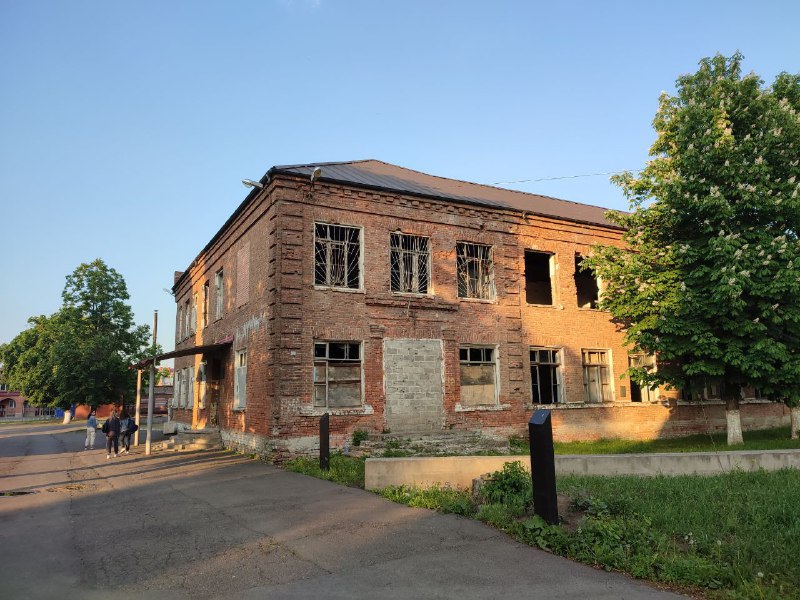
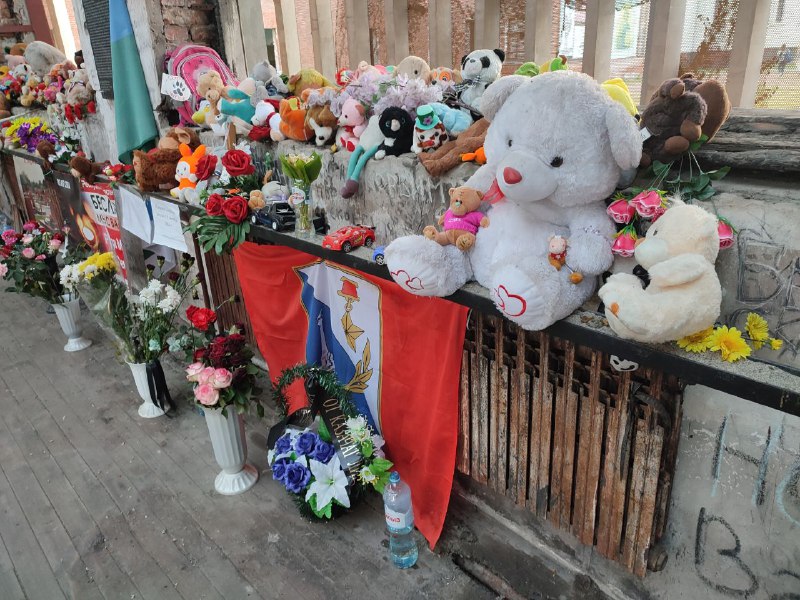
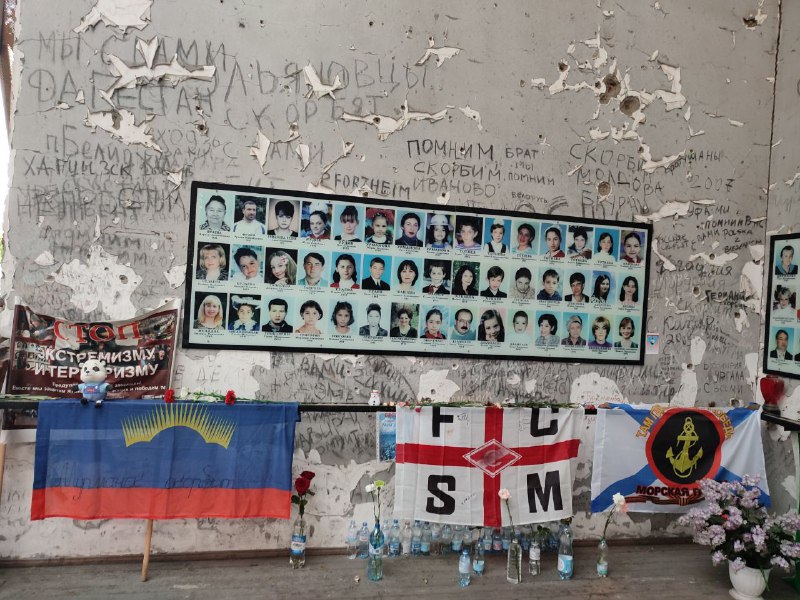
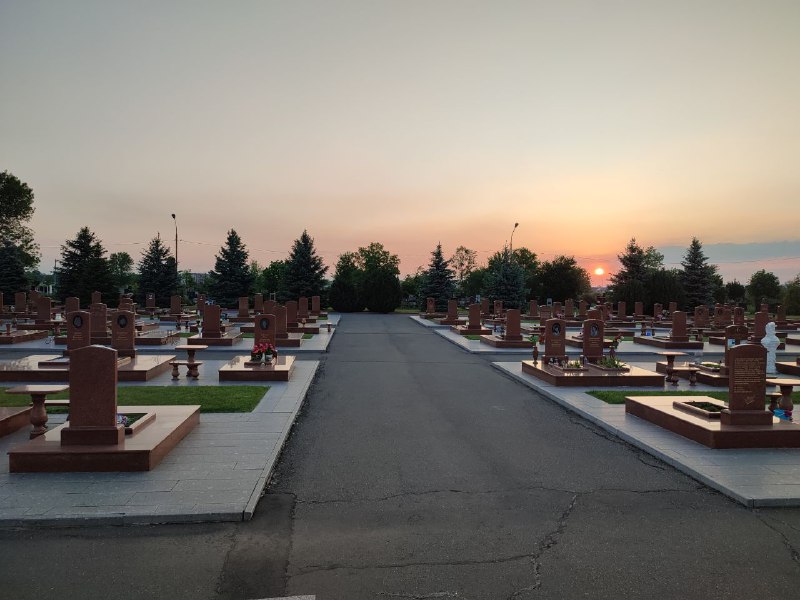
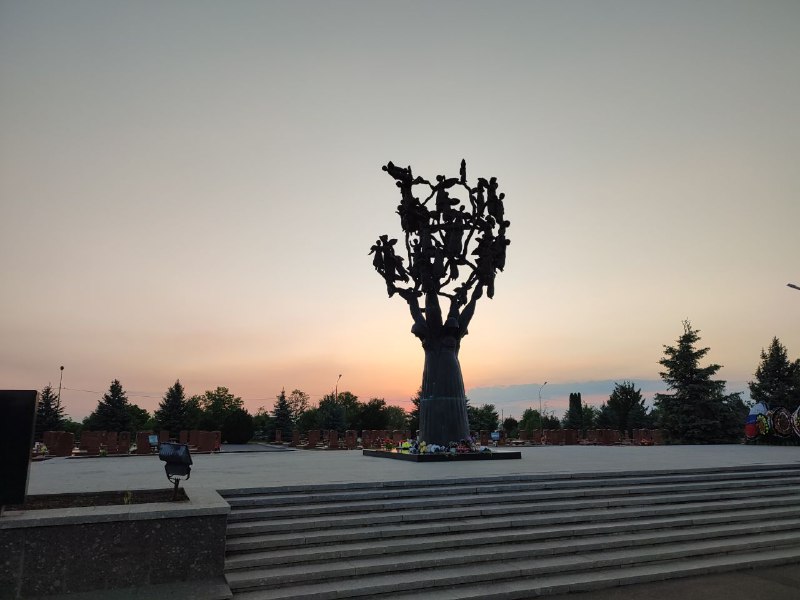
The Argun Mosque is incredibly beautiful. Even the Grozny mosque doesn't make as strong an impression as this one. Especially if you've already been to the Blue Mosque in Istanbul.
But it's unclear how much a mosque for 15,000 people is really needed in a city with a population of 40,000. It seems to me they could have done a more modest project.
PS. They say Shali is also very beautiful, but I won't make it there.
But it's unclear how much a mosque for 15,000 people is really needed in a city with a population of 40,000. It seems to me they could have done a more modest project.
PS. They say Shali is also very beautiful, but I won't make it there.
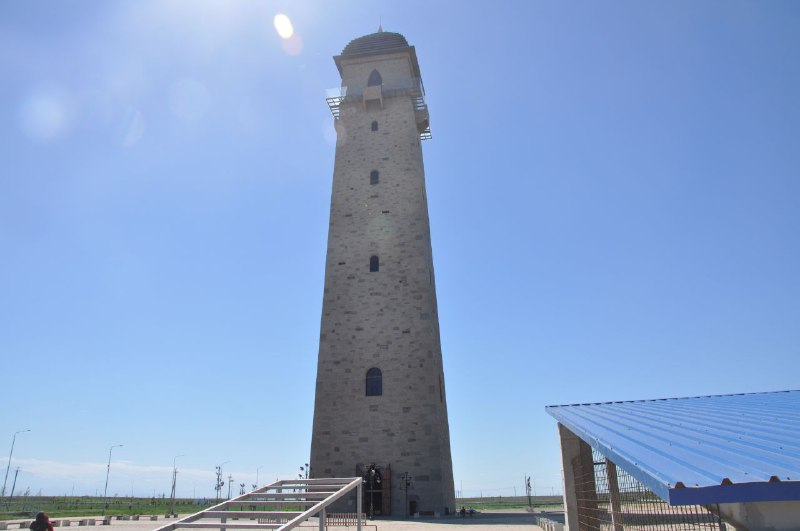
One last thing about Magas. They built a hundred-meter tower here that belongs to all Ingush people at once, not to a specific teip like all the others. Such a beautiful unifying gesture.
Construction had to be completed within a year, according to the rules. If a teip decided to build but didn't make it, the tower would be abandoned and the clan was considered weak, unable to keep their word. That's why such cases were rare. But now imagine the responsibility for a tower for an entire people :)
There's a legend that a guy from a clan that didn't finish in time really wanted to marry a girl from a teip that was just about to build a tower. And it was clear they would refuse. So he took a job as an apprentice to the master builder with just one condition: instead of payment, he'd be allowed to install the final spire on the roof. When the moment came to put it up and the guy had already climbed onto the roof, he declared: either agreement to the wedding, or he'd just throw the spire down. There was no way out—they had to agree.
Construction had to be completed within a year, according to the rules. If a teip decided to build but didn't make it, the tower would be abandoned and the clan was considered weak, unable to keep their word. That's why such cases were rare. But now imagine the responsibility for a tower for an entire people :)
There's a legend that a guy from a clan that didn't finish in time really wanted to marry a girl from a teip that was just about to build a tower. And it was clear they would refuse. So he took a job as an apprentice to the master builder with just one condition: instead of payment, he'd be allowed to install the final spire on the roof. When the moment came to put it up and the guy had already climbed onto the roof, he declared: either agreement to the wedding, or he'd just throw the spire down. There was no way out—they had to agree.
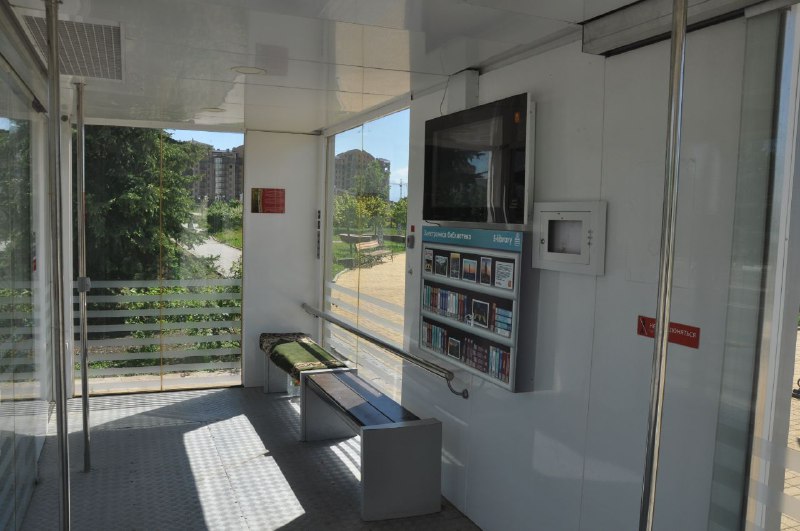
Magas impressed me with its enclosed bus stop featuring working air conditioning, a digital library, and a clean mat on the bench. And the poster at the city entrance calling on people to surrender illegally stored weapons in exchange for immunity from prosecution is quite a colorful sight. But there's honestly not much to do here: the city is small (~20,000 people) and young (~20 years old). There's nothing historical.
Now, the name itself hints at a competition among Caucasian peoples over their connection to the ancient Alans. While the Ossetians, without much modesty, simply added "Alania" to the name of their republic, the Ingush, quick on their feet, named their new capital after the main city of ancient Alania.
Now, the name itself hints at a competition among Caucasian peoples over their connection to the ancient Alans. While the Ossetians, without much modesty, simply added "Alania" to the name of their republic, the Ingush, quick on their feet, named their new capital after the main city of ancient Alania.
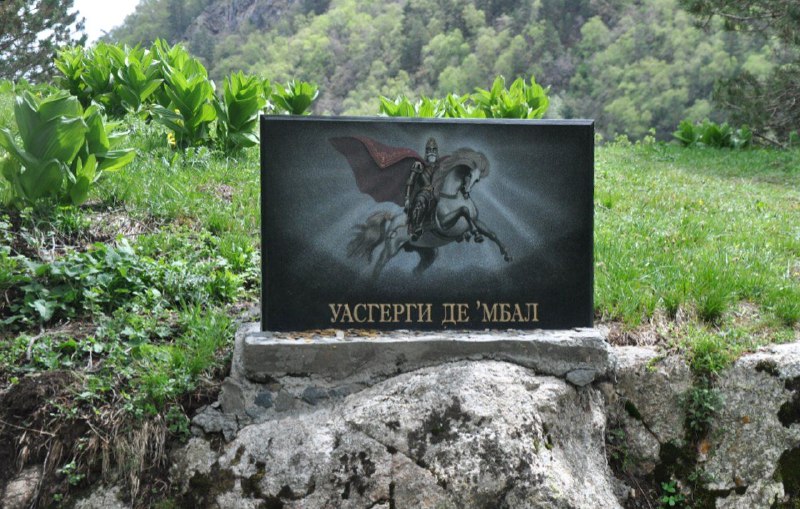
You'll often spot various monuments or plaques dedicated to Uastyrdzhi, a deity of the traditional Ossetian religion, in Ossetian parks and along roadsides. Yet officially, most representatives of the people practice Orthodox Christianity.
Christianity reached the noble ancestors of the Ossetians back in the 10th century. But ordinary people continued to practice their traditional religion. After joining the Russian Empire, missionaries from the Russian Orthodox Church came here and began converting the locals to Orthodox Christianity. To simplify the process, they decided to replace the traditional deities with corresponding Christian saints. So Uastyrdzhi was equated with Saint George. But it's safe to say this didn't really help much.
Ossetians may call themselves Orthodox, but alongside Christian rituals, they continue to perform traditional ones as well. For example, one of the most widely celebrated religious holidays is the Week of Uastyrdzhi.
Christianity reached the noble ancestors of the Ossetians back in the 10th century. But ordinary people continued to practice their traditional religion. After joining the Russian Empire, missionaries from the Russian Orthodox Church came here and began converting the locals to Orthodox Christianity. To simplify the process, they decided to replace the traditional deities with corresponding Christian saints. So Uastyrdzhi was equated with Saint George. But it's safe to say this didn't really help much.
Ossetians may call themselves Orthodox, but alongside Christian rituals, they continue to perform traditional ones as well. For example, one of the most widely celebrated religious holidays is the Week of Uastyrdzhi.
The Dargavs cemetery looks incredibly Instagram-worthy. But these charming structures are actually family crypts where generations of the same family were buried. Bodies were simply stacked inside on wooden boards (sometimes in boat-shaped coffins) in 4 layers. When space ran out, mummified bodies were just thrown down below and the cycle repeated.
In the 19th century, after a plague epidemic, this cemetery was abandoned and burials stopped. People generally thought it was best to avoid the place altogether. During Soviet times, scientists came and declared it safe, said tourists could visit, and opened it as a museum.
Everything is remarkably well-preserved. The only thing missing is the covers on the openings where bodies were placed. That's why you can see the boats, boards, and bones through them.
In recent years, there have been incidents where visitors moved bones around for nice photos and even tried to take souvenirs. In response, officials seriously discussed closing the museum to visitors. But for now, it's still operating.
In the 19th century, after a plague epidemic, this cemetery was abandoned and burials stopped. People generally thought it was best to avoid the place altogether. During Soviet times, scientists came and declared it safe, said tourists could visit, and opened it as a museum.
Everything is remarkably well-preserved. The only thing missing is the covers on the openings where bodies were placed. That's why you can see the boats, boards, and bones through them.
In recent years, there have been incidents where visitors moved bones around for nice photos and even tried to take souvenirs. In response, officials seriously discussed closing the museum to visitors. But for now, it's still operating.
Remember the film Hotel Rwanda, based on real events, about how during the Rwandan genocide a Hutu hotel manager saved Tutsis and moderate Hutus from certain death? (If you haven't seen it, watch it—it's a powerful film)
The real Paul Rusesabagina (the Hutu manager) resettled in Belgium as a refugee with his family after the events depicted in the film, and later moved to the States. He lived a modest, unremarkable life there. As a public figure, he spent years openly criticizing Rwanda's president Paul Kagame, a Tutsi who, by the way, has been in power since 2000 with no signs of stepping down. Kagame took the criticism very hard, even going so far as to accuse Rusesabagina of never actually saving anyone during the genocide and just trying to make money.
This public feud might have dragged on indefinitely, but in late August 2020, after years of failed attempts to resolve the conflict, luck finally seemed to smile on Rwanda's president. Rusesabagina was planning to fly from the UAE on a private plane to Burundi to give a lecture at the invitation of a local religious organization. But suddenly, instead of heading to Burundi, the plane flew to Kigali, Rwanda's capital, where Paul was arrested, charged with aiding terrorism, and even accused by local media of genocide denial.
A man who saved over 1,200 lives, and in return they've been building a case against him for months and clearly plan to lock him up.
The real Paul Rusesabagina (the Hutu manager) resettled in Belgium as a refugee with his family after the events depicted in the film, and later moved to the States. He lived a modest, unremarkable life there. As a public figure, he spent years openly criticizing Rwanda's president Paul Kagame, a Tutsi who, by the way, has been in power since 2000 with no signs of stepping down. Kagame took the criticism very hard, even going so far as to accuse Rusesabagina of never actually saving anyone during the genocide and just trying to make money.
This public feud might have dragged on indefinitely, but in late August 2020, after years of failed attempts to resolve the conflict, luck finally seemed to smile on Rwanda's president. Rusesabagina was planning to fly from the UAE on a private plane to Burundi to give a lecture at the invitation of a local religious organization. But suddenly, instead of heading to Burundi, the plane flew to Kigali, Rwanda's capital, where Paul was arrested, charged with aiding terrorism, and even accused by local media of genocide denial.
A man who saved over 1,200 lives, and in return they've been building a case against him for months and clearly plan to lock him up.
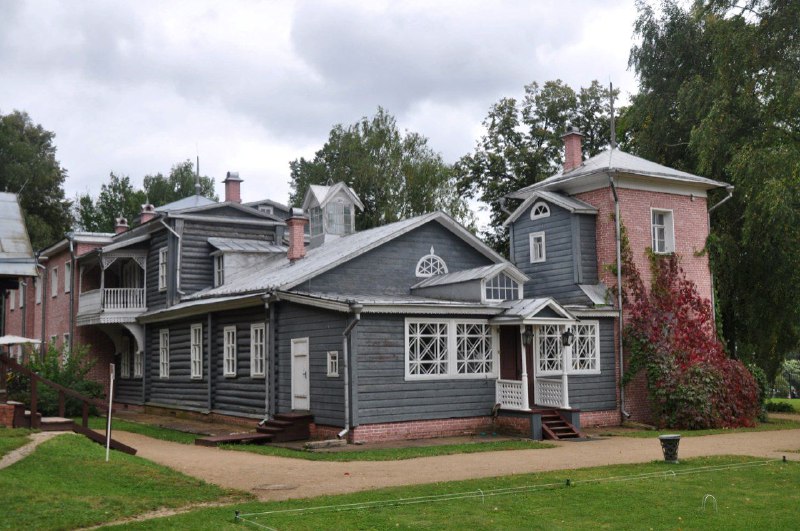
The Moscow region has lots of amazing estate museums. They really put in the effort and are eager to welcome visitors. They offer not just house tours, but all kinds of activities (looks like weekends only): painting masterclasses, pottery workshops, and all sorts of other stuff. Not just for little kids, but for adults too.
I checked out Muranovo and Abramtsevo yesterday and I really recommend them.
I checked out Muranovo and Abramtsevo yesterday and I really recommend them.
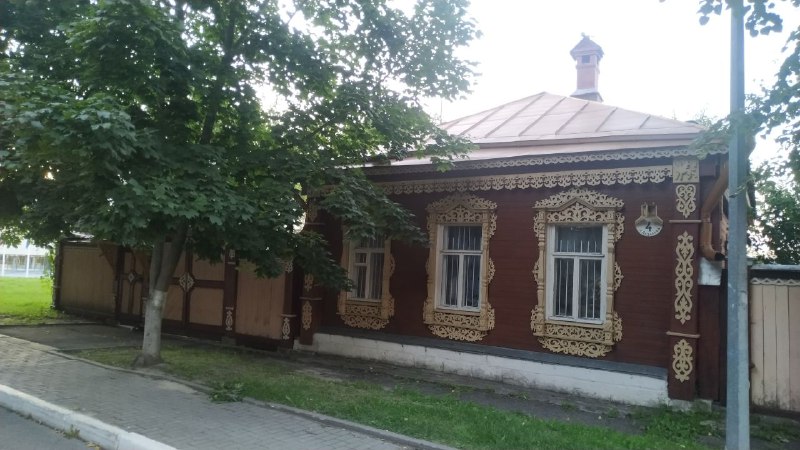
The city center has some really charming old buildings. Wooden houses, little fences, carved shutters. Beautiful.
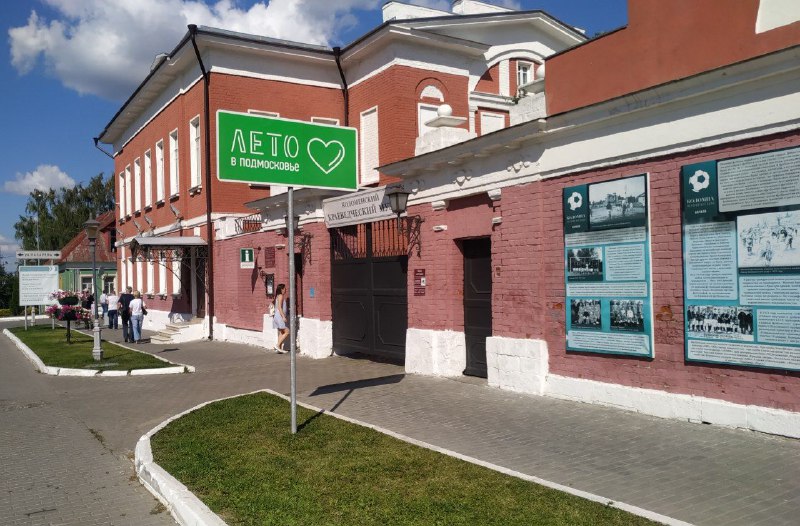
I stopped by Lazhechnikov's estate. Almost nothing has survived from the original, and the restoration only roughly shows how everything used to look. But the tour guide was absolutely colorful and engaging. You could tell he's really passionate about the subject—he lives for his work.
He also told us that a couple of hundred years ago, healthy teeth were considered almost improper. Unmarried girls, especially from less wealthy families, would stain their teeth black with special soot. Cavities showed that there was plenty of sugar at home. And where there's sugar, there's wealth in the household. And a dowry :)
Good thing we don't do that anymore.
I stopped by Lazhechnikov's estate. Almost nothing has survived from the original, and the restoration only roughly shows how everything used to look. But the tour guide was absolutely colorful and engaging. You could tell he's really passionate about the subject—he lives for his work.
He also told us that a couple of hundred years ago, healthy teeth were considered almost improper. Unmarried girls, especially from less wealthy families, would stain their teeth black with special soot. Cavities showed that there was plenty of sugar at home. And where there's sugar, there's wealth in the household. And a dowry :)
Good thing we don't do that anymore.
As summer was coming to an end with the weather still nice, I finally decided to explore something that's been right next to me all these years, but I just never managed to get around to it.
I went to Kolomna. Either I was unlucky, or people here react strangely to directions. The few people I asked answered in such a condescending tone, as if I'd asked them "is it really true that 2+2 equals 4?".
I went to Kolomna. Either I was unlucky, or people here react strangely to directions. The few people I asked answered in such a condescending tone, as if I'd asked them "is it really true that 2+2 equals 4?".
There are still tribes living in Tanzania that are literally frozen in time.
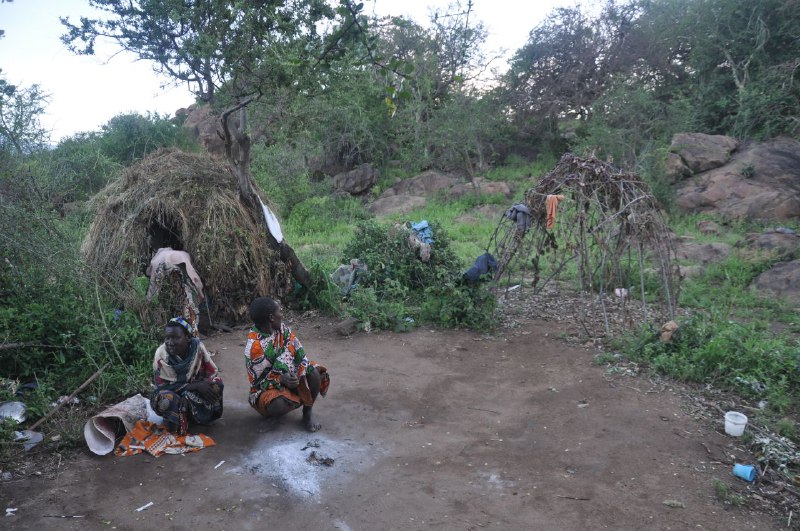
The photo shows the Hadza people. In 2020, these people live in straw huts, make fire by rubbing wooden sticks together, and hunt for meat. They also speak only their own language (full of clicking sounds – even saying "hello" is hard to pronounce). And they don't know Swahili.
The tribe is aware of the civilized world's existence, and even buy flour with money from selling souvenirs when food gets really scarce. The turnover is minimal. And the souvenirs are basically craft project level.
The tribe is perfectly content with this lifestyle and flatly refuse to change anything.
PS. Before the trip, I honestly thought it was just a tourist attraction. But after being there, I can say with certainty that this is just how they live. No actor could pull it off.
The photo shows the Hadza people. In 2020, these people live in straw huts, make fire by rubbing wooden sticks together, and hunt for meat. They also speak only their own language (full of clicking sounds – even saying "hello" is hard to pronounce). And they don't know Swahili.
The tribe is aware of the civilized world's existence, and even buy flour with money from selling souvenirs when food gets really scarce. The turnover is minimal. And the souvenirs are basically craft project level.
The tribe is perfectly content with this lifestyle and flatly refuse to change anything.
PS. Before the trip, I honestly thought it was just a tourist attraction. But after being there, I can say with certainty that this is just how they live. No actor could pull it off.
Tanzania's National Museum.
I somehow managed to get inside. You can't buy a ticket with cash—only card or local mobile transfers. Of course, card payment doesn't work (no connection to the bank) :) I had to buy a ticket using a mobile transfer with help from locals.
The museum is amusing: a few exhibits on historical topics, a hall with paintings and photos of local presidents, and that's it. Except the main halls are all mixed in with some kind of technical rooms. You walk around and can't tell if you're done or if there's more.
I somehow managed to get inside. You can't buy a ticket with cash—only card or local mobile transfers. Of course, card payment doesn't work (no connection to the bank) :) I had to buy a ticket using a mobile transfer with help from locals.
The museum is amusing: a few exhibits on historical topics, a hall with paintings and photos of local presidents, and that's it. Except the main halls are all mixed in with some kind of technical rooms. You walk around and can't tell if you're done or if there's more.
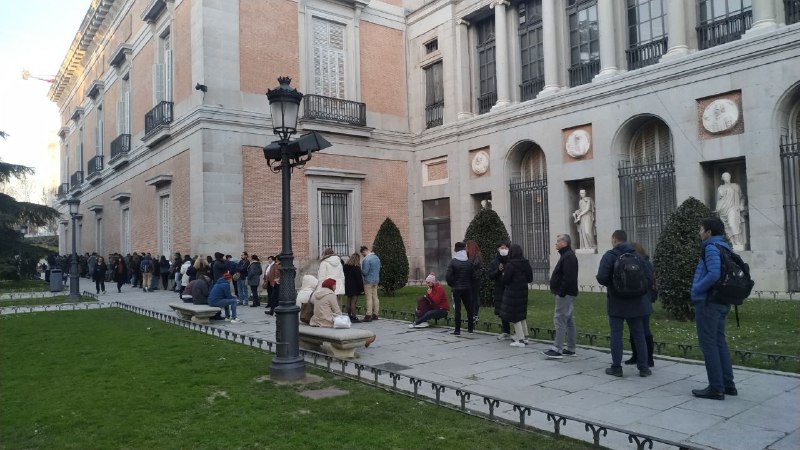
Madrid's Prado Museum starts letting visitors in for free 2 hours before closing. Every single day.
Half an hour before the free window starts, there's already quite a line. Still, 15 euros per person though :)
Half an hour before the free window starts, there's already quite a line. Still, 15 euros per person though :)
Countries
 United Kingdom3
 Serbia100
 Bosnia and Herzegovina54
 Turkey42
 United Arab Emirates3
 Brunei2
 Indonesia12
 Malaysia15
 Argentina16
 USA117
 Morocco5
 Georgia5
 Egypt16
 Hong Kong8
 China4
 Vietnam9
 Tunisia7
 Montenegro9
 Philippines12
 Singapore10
 Oman12
 Algeria12
 North Macedonia5
 Lebanon11
 Israel27
 Albania17
 Russia63
 Tanzania50
 Netherlands7
 Spain14
 Latvia2
 Germany7
 Belgium3
 France27
 Kazakhstan32