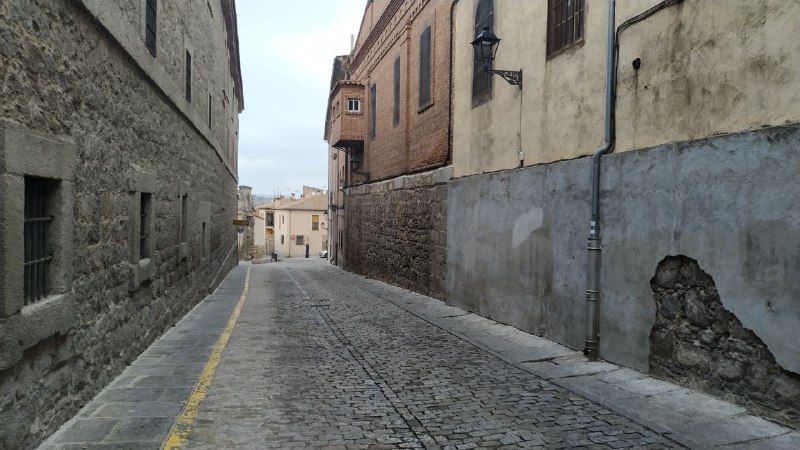
The historic part of every little town I've visited looks pretty much the same: loads of buildings and cobblestone streets. No greenery, no trees, nothing. Just stones, stones, and more stones, with the occasional plaza. It's cool at first, but then you really crave something green (or at least some bare trees).
And the cars. Crazy traffic flows through all these narrow little streets. Pedestrians have nowhere to hide. At least the cars drive super slowly (otherwise you'd smash into the first wall you see).
Telegram mirror
Telegram is a messenger where I post short travel notes. This page is a self-hosted backup of that channel.
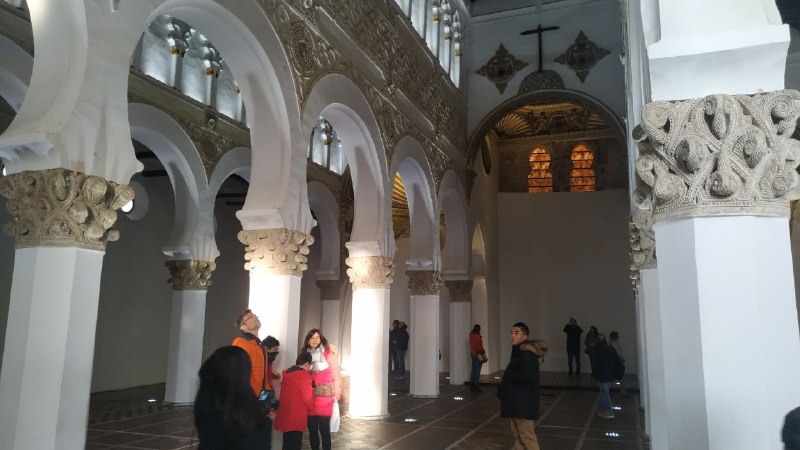
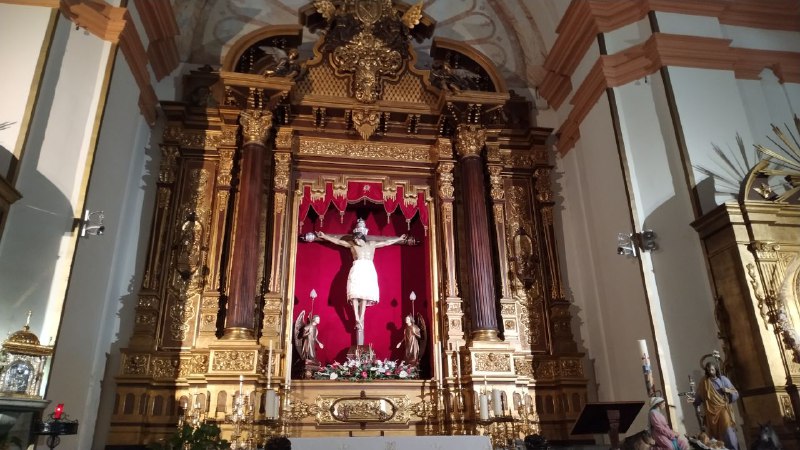
Toledo has an interesting synagogue called Santa María la Blanca. Inside, it looks more like a mosque. That's because a Muslim architect built the synagogue under the direction of a Christian king so that local Jews would have a place to pray.
It's the oldest synagogue in Europe that has survived to this day! But over 800+ years, something went wrong and the synagogue today belongs to the Catholic Church.
Since 2013, Toledo's Jewish community has been trying to take it back under their control, but the Catholics stubbornly pretend not to notice. And why would they, when it's the third most popular attraction in the city. And admission is definitely not free :)
It's the oldest synagogue in Europe that has survived to this day! But over 800+ years, something went wrong and the synagogue today belongs to the Catholic Church.
Since 2013, Toledo's Jewish community has been trying to take it back under their control, but the Catholics stubbornly pretend not to notice. And why would they, when it's the third most popular attraction in the city. And admission is definitely not free :)
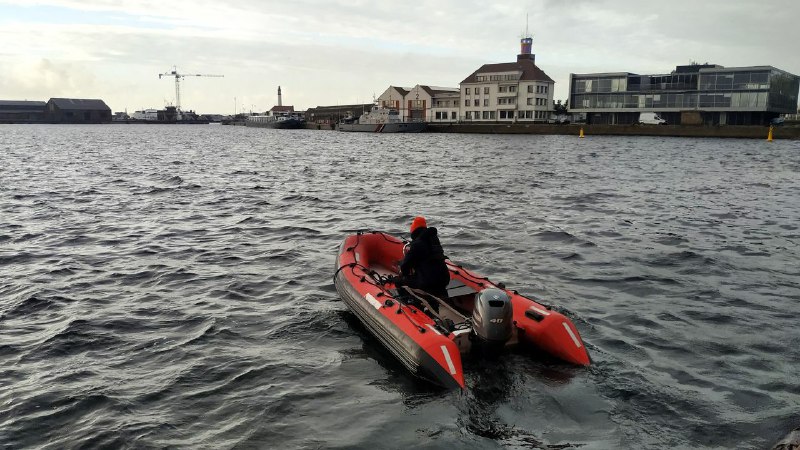
When it's time to moor, they usually send a mooring master ashore ahead of time by motorboat. He catches the mooring lines on the shore and ties the ship to the dock. With the Standard, they typically use 4-5 lines.
While underway, the boat is kept right on the ship. It's raised and lowered into the water by hand using lines. This simple operation requires at least 7-8 people. More is better.
While underway, the boat is kept right on the ship. It's raised and lowered into the water by hand using lines. This simple operation requires at least 7-8 people. More is better.
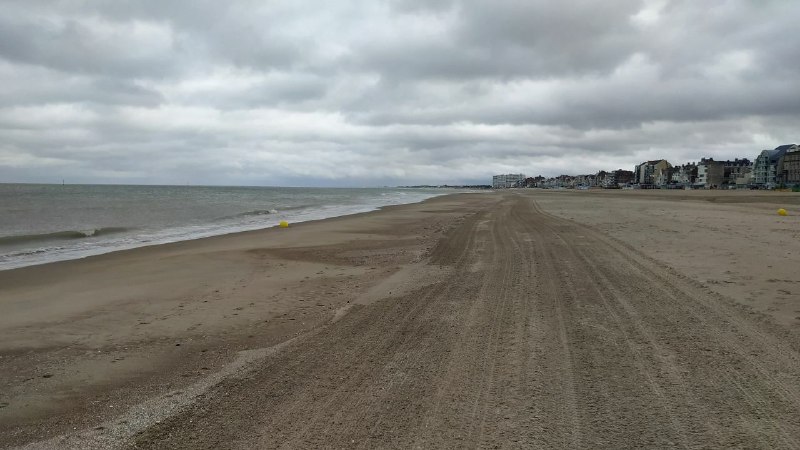
Dunkirk Beach. The very same one where 340,000 soldiers were evacuated in 1940.
I saw a 4-star hotel under construction. The locals said that after the movie "Dunkirk" there was a noticeable increase in tourists.
I saw a 4-star hotel under construction. The locals said that after the movie "Dunkirk" there was a noticeable increase in tourists.
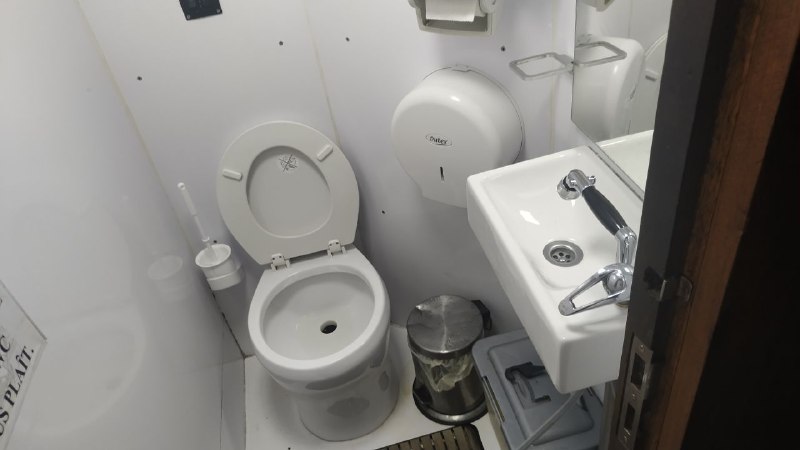
Alright, I was just joking about the toilet. Everything's fine here.
The ship itself is a replica of a Petrine frigate from 1703. The previous photo shows what the facilities looked like 300 years ago. That's where the sailors of those days would do their business.
The ship itself is a replica of a Petrine frigate from 1703. The previous photo shows what the facilities looked like 300 years ago. That's where the sailors of those days would do their business.
Actually, I didn't go to France for Paris at all. I absolutely had to get to Dunkirk.
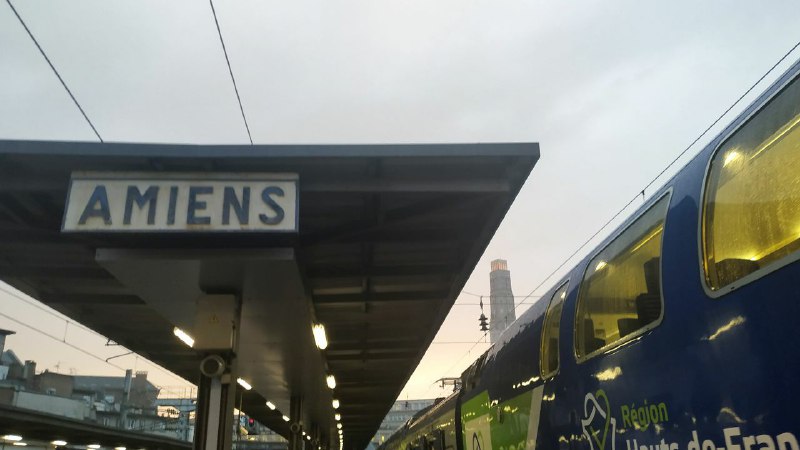
On the way, I stopped in Amiens. It seems like an inconspicuous city that nobody really talks about. But dig a little deeper and suddenly you find out that there's a huge Gothic cathedral from the 13th century, Jules Verne spent the last 15-20 years of his life here, a pivotal moment of World War I unfolded near the city, and the Battle of the Somme was one of the most massive and bloody battles in human history.
The skyscraper visible from the train was the tallest building in Europe for 3 years.
Moving on.
On the way, I stopped in Amiens. It seems like an inconspicuous city that nobody really talks about. But dig a little deeper and suddenly you find out that there's a huge Gothic cathedral from the 13th century, Jules Verne spent the last 15-20 years of his life here, a pivotal moment of World War I unfolded near the city, and the Battle of the Somme was one of the most massive and bloody battles in human history.
The skyscraper visible from the train was the tallest building in Europe for 3 years.
Moving on.
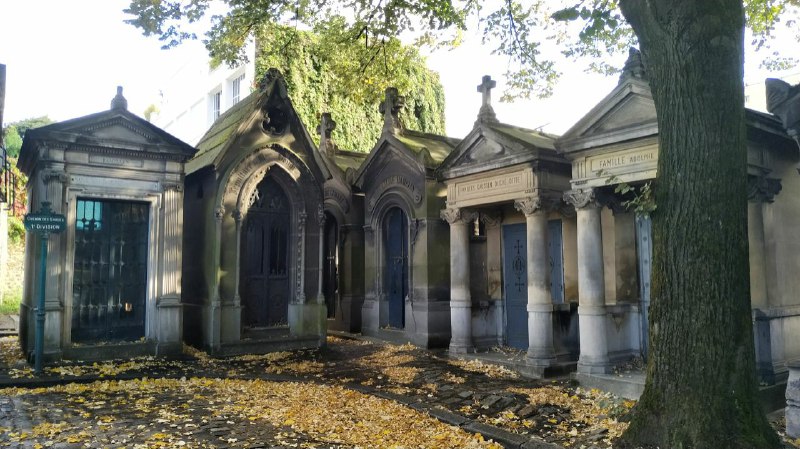
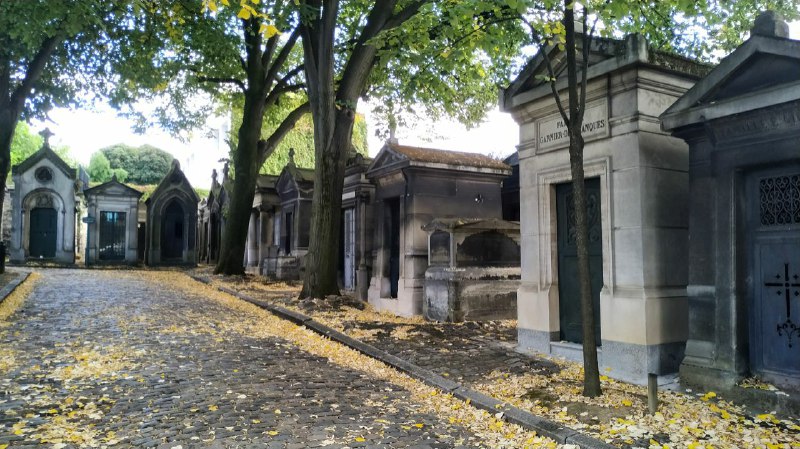
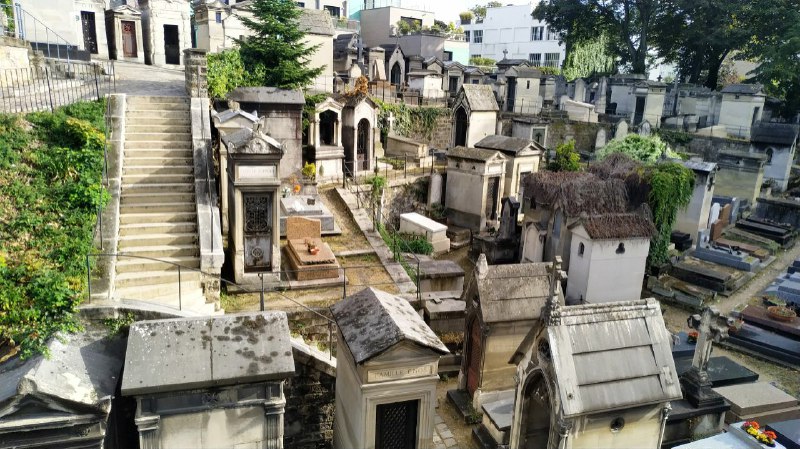
Since I've already started talking about burials, do you remember when I wrote about Kazakh cemeteries? Now take a look at French ones!
The crypts are so large they actually look like tiny houses. Each one is more interesting than the last. And this is a completely real, active cemetery.
The crypts are so large they actually look like tiny houses. Each one is more interesting than the last. And this is a completely real, active cemetery.
A rural Kazakh cemetery. It looks very unusual. They literally build entire crypts here. In recent years, people seem to have become a bit more relaxed about it. The city cemetery is also a bit simpler, but the idea is roughly the same.
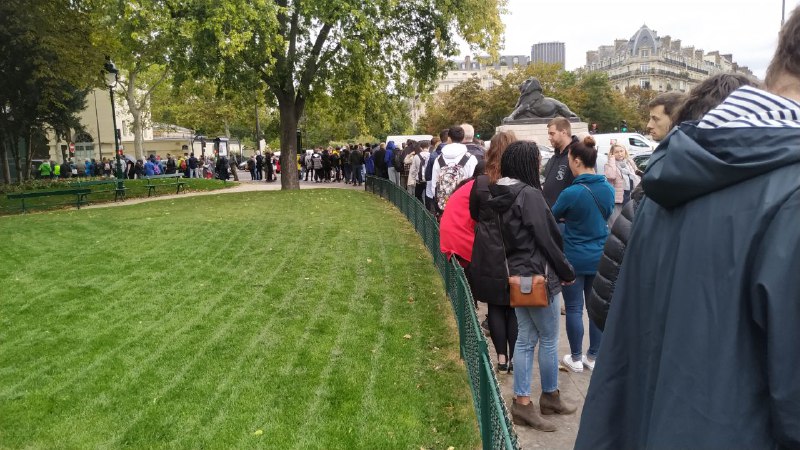
I think I'll write about the catacombs. I stood in line for two hours (!) just to get in. Even though I got there before they opened. I'd checked out of my hostel that morning and was already carrying a hiking backpack. Of course, at the entrance they told me there's no way I can bring such a large bag inside, and since they don't have a coat check, they wouldn't let me in. You can buy tickets online, but everything was sold out for the next two days, and I waited too long to book. Plus, on their official website they cost twice as much as at the ticket window o.O
The thought of standing in that line again wasn't appealing. Fortunately, I managed to negotiate with the security guard that if I quickly found somewhere to stash my backpack, they'd let me back in without waiting.
A waiter from a nearby café kindly agreed to watch my things if I bought something from them later (their French onion soup was really excellent :) )
The catacombs themselves are former quarries. But in the 19th century, remains from cemeteries inside the city walls were reburied here to improve sanitary conditions in the city. 6 million skeletons (!)
It's worth hurrying. Groundwater sometimes reaches the level of the tunnels and even slightly floods the passages. The entire system is at risk.
The thought of standing in that line again wasn't appealing. Fortunately, I managed to negotiate with the security guard that if I quickly found somewhere to stash my backpack, they'd let me back in without waiting.
A waiter from a nearby café kindly agreed to watch my things if I bought something from them later (their French onion soup was really excellent :) )
The catacombs themselves are former quarries. But in the 19th century, remains from cemeteries inside the city walls were reburied here to improve sanitary conditions in the city. 6 million skeletons (!)
It's worth hurrying. Groundwater sometimes reaches the level of the tunnels and even slightly floods the passages. The entire system is at risk.
Everything would be great, but no matter where you go — there are crazy lines everywhere. Some places let you buy tickets online right on the spot (and the museum even provides free Wi-Fi for it), others allow it but only if you book several days in advance and it costs way more (sometimes double the price), and some places don't offer online tickets at all.
City passes could save the situation, but they don't work everywhere either. Plus, you need to calculate whether they actually pay for themselves or not.
I'm scared to think what happens here during peak season.
City passes could save the situation, but they don't work everywhere either. Plus, you need to calculate whether they actually pay for themselves or not.
I'm scared to think what happens here during peak season.
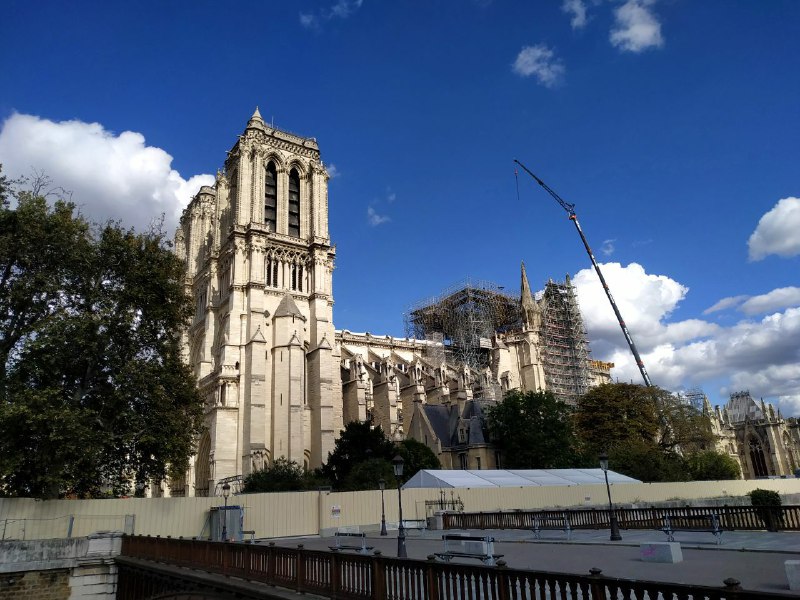
Notre-Dame is fenced off on all sides after the fire. You can't even get close. On the official website there's just a message saying "sorry, we're closed, we'll let you know when we reopen". But there are still plenty of tourists hanging around.
Climbed the Eiffel Tower and tried experimenting with a time-lapse. Didn't turn out great though: they've got this spotlight rotating in circles up there. That caused all sorts of artifacts to show up in the final image. And to top it off, my battery died by the end (
►
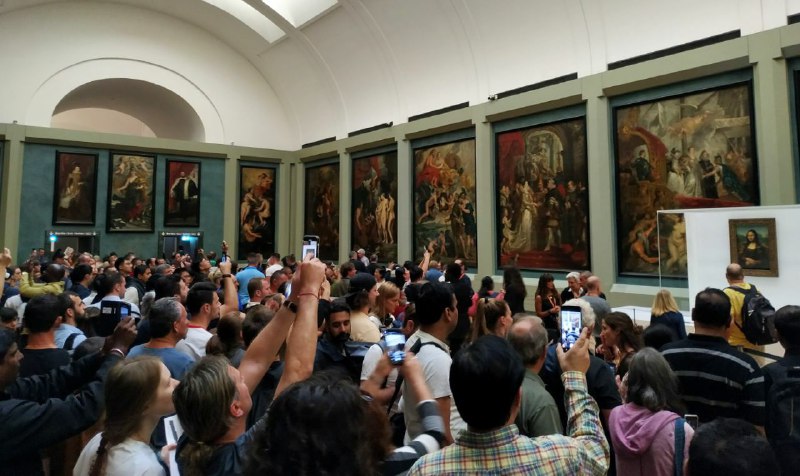
The Louvre is just gigantic. You could spend a week there and still not see everything. But they really make an unhealthy fuss over the Mona Lisa.
The main (but not only) entrance is a huge queue from level -1 up to floor 2 to see the portrait! Though it does move pretty fast. All the signs along the way only point to the painting. You get the impression there's nothing else in the Louvre at all.
They let you get pretty close, but only in small groups. Time is very limited and museum staff basically rush people out when their group's time is up. It's funny, but almost no one even tries to actually look at the work. Everyone just takes 100500 selfies for memory and leaves.
The first thing you see after leaving the Mona Lisa room is a sign pointing to the exit :)
PS. This might be because they temporarily moved the Mona Lisa to a different room upstairs due to renovations.
The main (but not only) entrance is a huge queue from level -1 up to floor 2 to see the portrait! Though it does move pretty fast. All the signs along the way only point to the painting. You get the impression there's nothing else in the Louvre at all.
They let you get pretty close, but only in small groups. Time is very limited and museum staff basically rush people out when their group's time is up. It's funny, but almost no one even tries to actually look at the work. Everyone just takes 100500 selfies for memory and leaves.
The first thing you see after leaving the Mona Lisa room is a sign pointing to the exit :)
PS. This might be because they temporarily moved the Mona Lisa to a different room upstairs due to renovations.
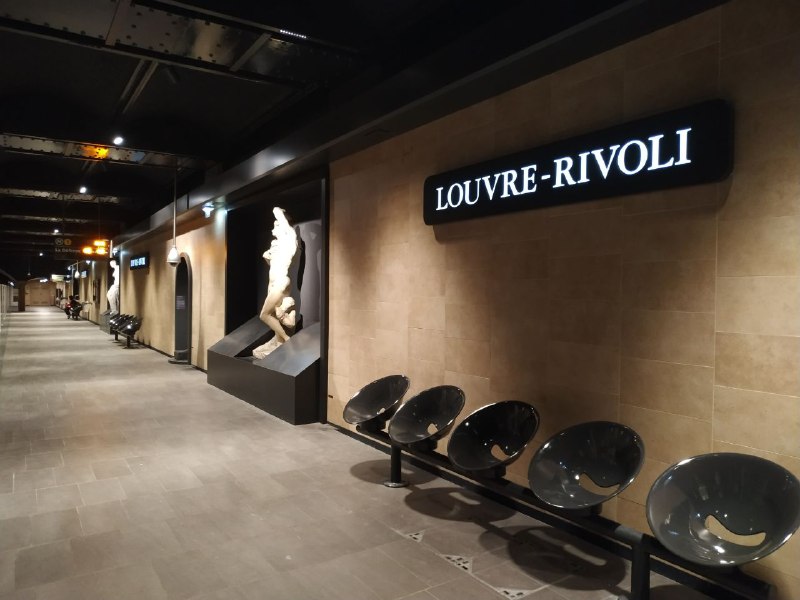
Paris subway stations have statues right on the platforms. There are even museum exhibits behind glass. How do you like that, Elon? :)
PS. Of course, not all stations have them, but the metro is really quite nice. Though the trains are noticeably shorter than Moscow's.
PS. Of course, not all stations have them, but the metro is really quite nice. Though the trains are noticeably shorter than Moscow's.
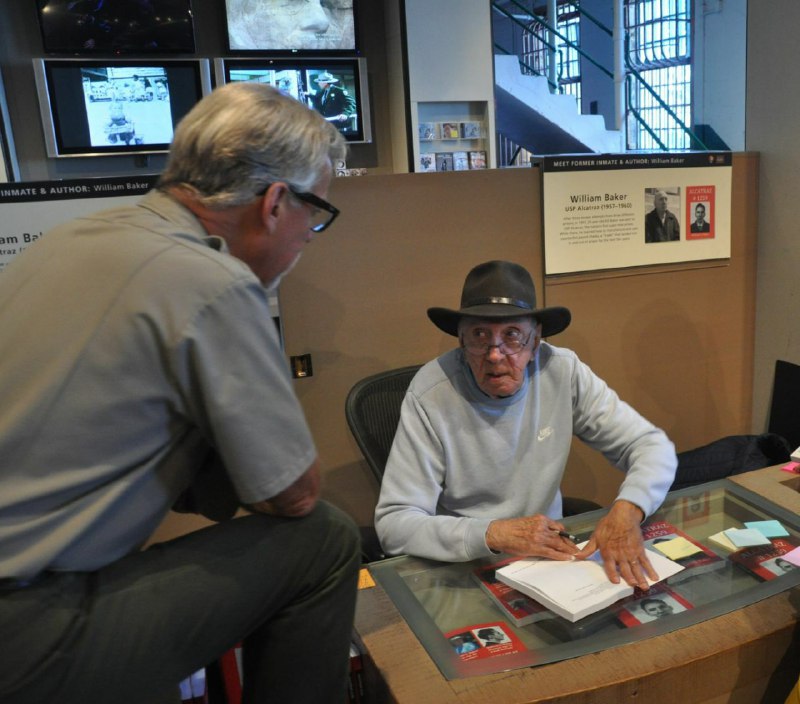
Visited Alcatraz. The old prison site is now a national park. There are so many people wanting to go that you really need to book well in advance. Otherwise, you won't get in.
I'm not sure if I just got lucky or if this always happens, but at the exit of the main exhibition, there was a former Alcatraz inmate (wearing a hat) who had written a book about his time there. He was signing copies for customers.
I'm not sure if I just got lucky or if this always happens, but at the exit of the main exhibition, there was a former Alcatraz inmate (wearing a hat) who had written a book about his time there. He was signing copies for customers.
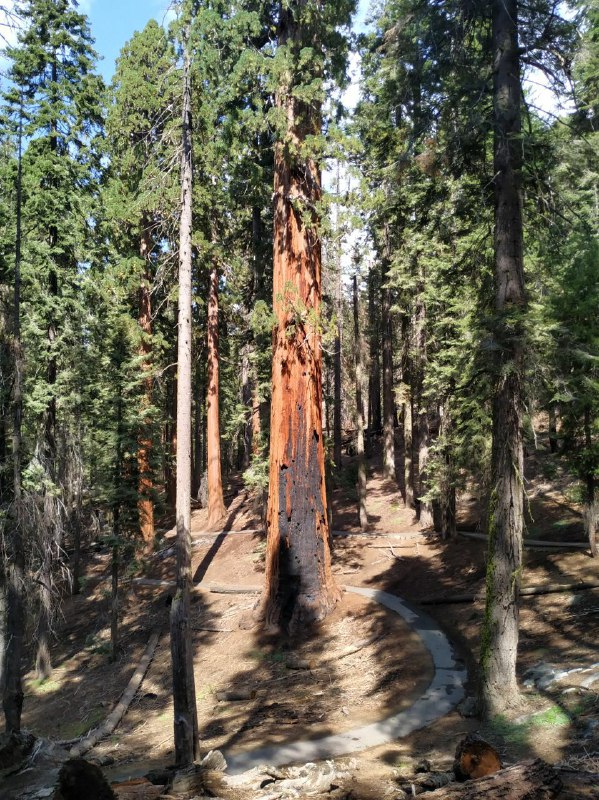
I read about sequoias and thought I'd share: they're incredibly well adapted to fire. They handle forest fires easily and actually open their cones right after a fire. These trees don't get along well with other neighbors, and fire usually burns everything else away, so it's the perfect time to grow the next generation.
Back in the last century, thanks to human efforts, the number of forest fires dropped significantly. To help sequoias, controlled burns have been happening in parks since the 1960s. There are signs everywhere with burn dates and requests not to worry. But nothing burned today.
Back in the last century, thanks to human efforts, the number of forest fires dropped significantly. To help sequoias, controlled burns have been happening in parks since the 1960s. There are signs everywhere with burn dates and requests not to worry. But nothing burned today.
Russian fairy tales at Fort Ross.
We were lucky to arrive right when the tour was starting, so we decided to join and ended up being the only ones. The other visitors were wandering around on their own. Our guide turned out to be an interesting guy: an American who spent several years living in Yakutsk and speaks Russian excellently (though with a strong accent). And he genuinely loves this job.
We were lucky to arrive right when the tour was starting, so we decided to join and ended up being the only ones. The other visitors were wandering around on their own. Our guide turned out to be an interesting guy: an American who spent several years living in Yakutsk and speaks Russian excellently (though with a strong accent). And he genuinely loves this job.

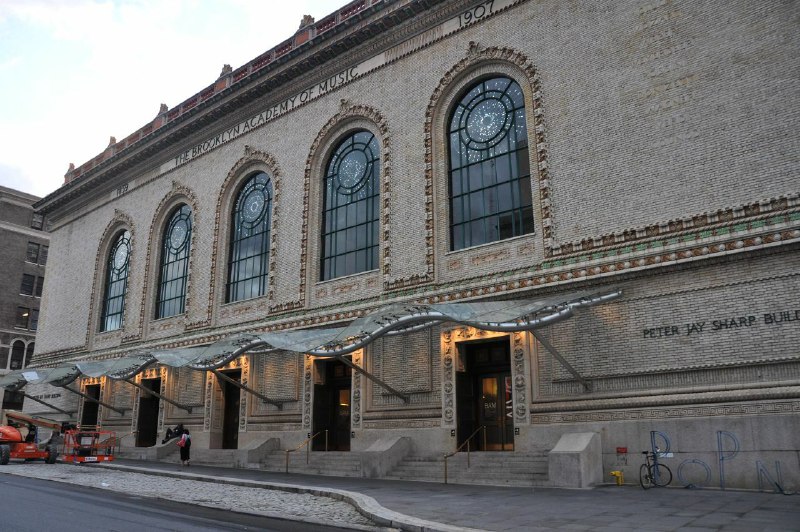
Going to the nearest local movie theater wasn't appealing. So I headed to Brooklyn instead. Got a quick glimpse of the place while I was at it. The theater building itself is awesome. Been standing since 1908.
A movie ticket costs $15 (give or take the standard price). But that's just to get in. After that, it's first come, first served seating. If the showing's popular, there definitely won't be enough good seats for everyone.
I watched Tarantino's "Once Upon a Time in Hollywood." My impressions kept shifting while watching—from "what am I even doing here" to "actually, this is really well done." But it didn't quite hit that "amazing, absolutely amazing" level. The soundtrack though? Perfectly curated, as always.
And before you watch, you really should read up on what actually happened back then (check out here). Without that background, you'll be completely lost watching the screen. But here in the States, this story is pretty well-known—people don't have questions about it. And it's not a spoiler at all, just getting some context.
A movie ticket costs $15 (give or take the standard price). But that's just to get in. After that, it's first come, first served seating. If the showing's popular, there definitely won't be enough good seats for everyone.
I watched Tarantino's "Once Upon a Time in Hollywood." My impressions kept shifting while watching—from "what am I even doing here" to "actually, this is really well done." But it didn't quite hit that "amazing, absolutely amazing" level. The soundtrack though? Perfectly curated, as always.
And before you watch, you really should read up on what actually happened back then (check out here). Without that background, you'll be completely lost watching the screen. But here in the States, this story is pretty well-known—people don't have questions about it. And it's not a spoiler at all, just getting some context.
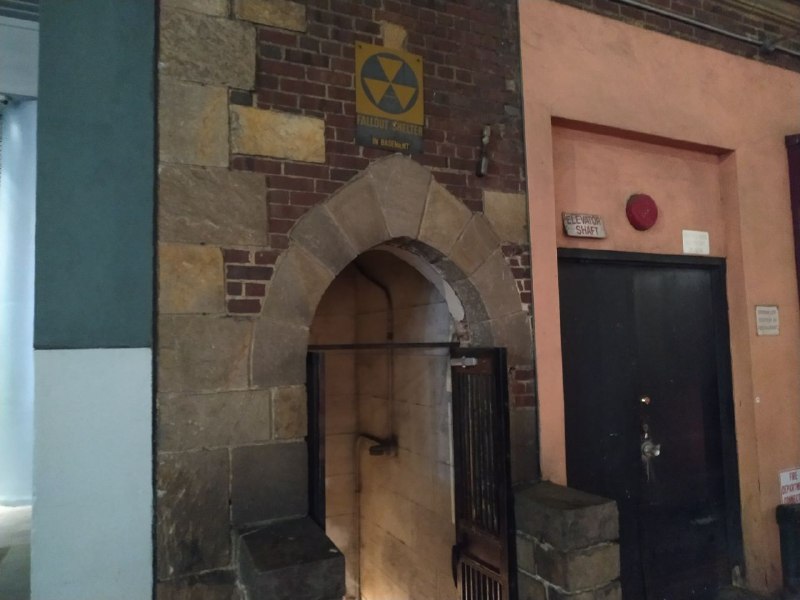
Stumbled upon a nuclear war fallout shelter! During the Cold War, the US took things seriously and actively built shelters in the 1960s to prepare for a Soviet attack. In New York alone, they planned to build enough shelters to accommodate over 11 million people (!). Looks like they didn't manage to build them all, but there are still thousands scattered throughout the city. And get this—until the mid-1970s, they actually maintained fresh food supplies in the already-built shelters. Then times changed, but the bunkers stayed put.
Can't say I spot them everywhere. I mean, I've only come across a couple. But apparently, nowadays a lot of them have just had their markings removed.
Can't say I spot them everywhere. I mean, I've only come across a couple. But apparently, nowadays a lot of them have just had their markings removed.
Countries
 United Kingdom3
 Serbia100
 Bosnia and Herzegovina54
 Turkey42
 United Arab Emirates3
 Brunei2
 Indonesia12
 Malaysia15
 Argentina16
 USA117
 Morocco5
 Georgia5
 Egypt16
 Hong Kong8
 China4
 Vietnam9
 Tunisia7
 Montenegro9
 Philippines12
 Singapore10
 Oman12
 Algeria12
 North Macedonia5
 Lebanon11
 Israel27
 Albania17
 Russia63
 Tanzania50
 Netherlands7
 Spain14
 Latvia2
 Germany7
 Belgium3
 France27
 Kazakhstan32