It's holding at +18°, and I've made it to Montenegro. These pictures from Tivat are just for attention, but I'll tell you about Montenegro's independence.
For practically its entire history, except for a brief period before World War I, the country has been under someone's protectorate. And even after Yugoslavia fell apart, it remained part of a union state with Serbia. This was so recent that even today on various websites with particularly lazy developers, you can still find Serbia and Montenegro listed as one country in the list of countries (here's the first example that comes to mind, look for Montenegro in "Country of residence"). If it works, don't touch it (:
In 2006, the Montenegrin authorities decided to ask residents whether they wanted to live in an independent state. The opposition fought this tooth and nail, and even managed to push through raising the threshold for the decision from the constitutional 50% to 55%. Though the prime minister at the time did make statements that he'd accept any result with more than half the votes "for", and if turnout was below 50% or the referendum decided "no", he'd resign altogether.
In any case, turnout ended up being almost 90%, and 55.49% voted for independence. In percentage terms it looks good, but in absolute numbers not so great: the population is small, and 0.49% is less than 2,000 votes. Considering that 3,500 ballots were deemed invalid, there was plenty of room for all sorts of conspiracy theories.
The choice for or against naturally correlated with ethnic background and place of residence. Bosniaks and Albanians living near the Albanian border ensured a high level of "pro-independence" votes in their regions. Serbs from border areas with Serbia — against.
The announcement of the final result was delayed several times due to objections and appeals from supporters of integration with Serbia, but ultimately they announced the creation of a sovereign Montenegro, and the international community went along with it. It all ended in a peaceful separation. Today that's seen as a miracle.
Telegram mirror
Telegram is a messenger where I post short travel notes. This page is a self-hosted backup of that channel.
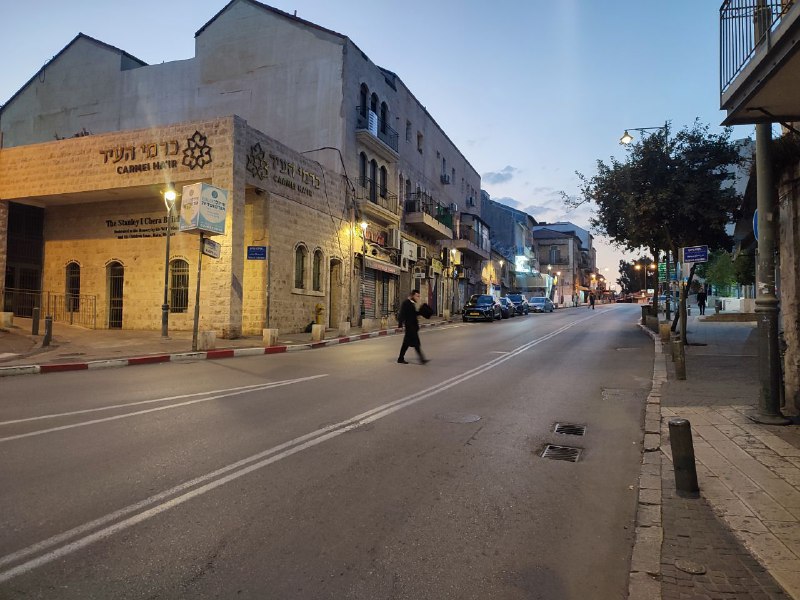
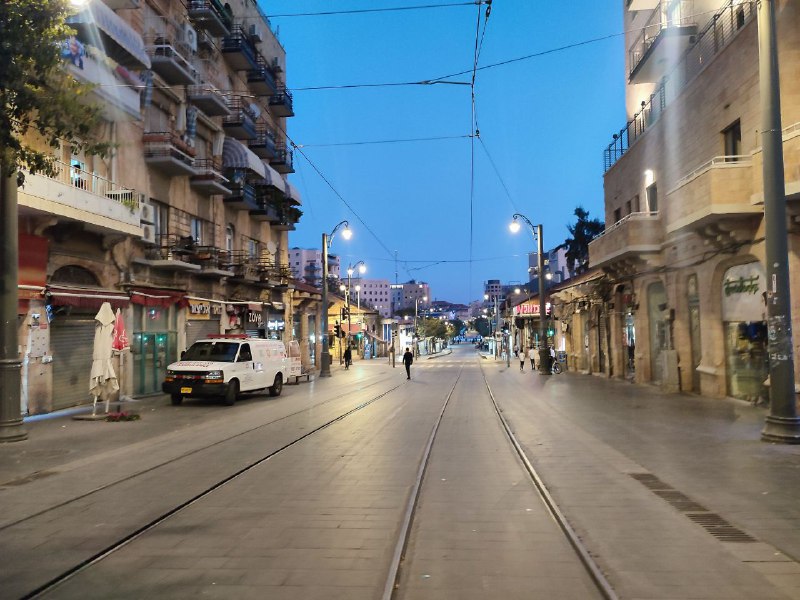
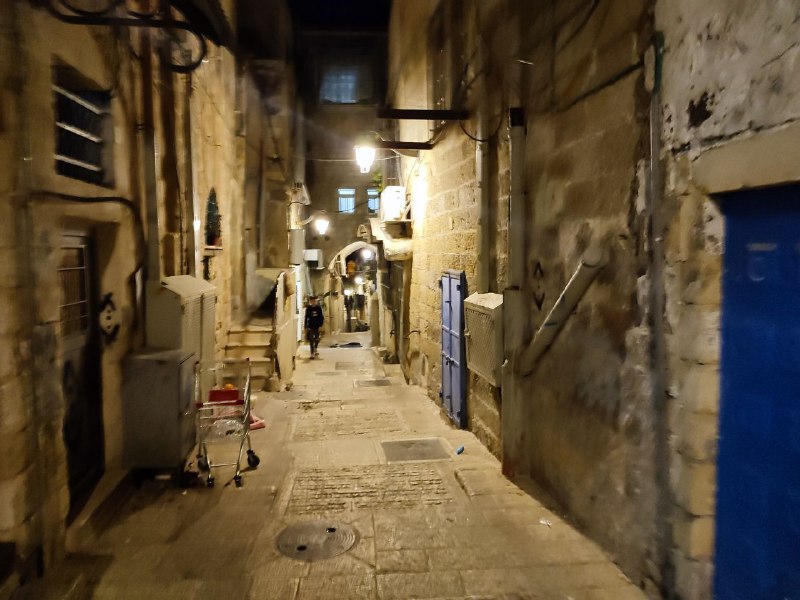
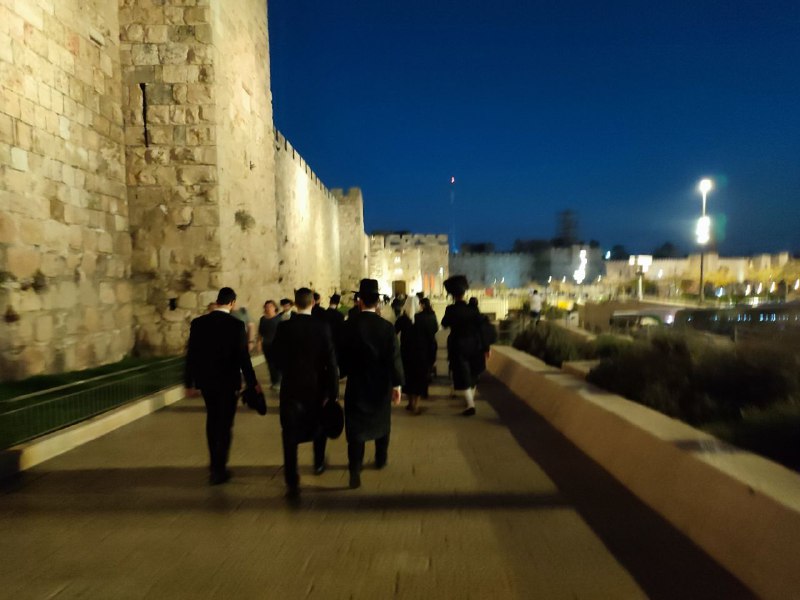
Let's talk about porn and the Holocaust 😅
Right after World War II and up until the trial of Adolf Eichmann in Israel, it wasn't customary to talk about the Holocaust. Although there were many concentration camp survivors in the country. Survivors tried to return to normal life. By the end of the 1950s, their children were growing up and entering puberty.
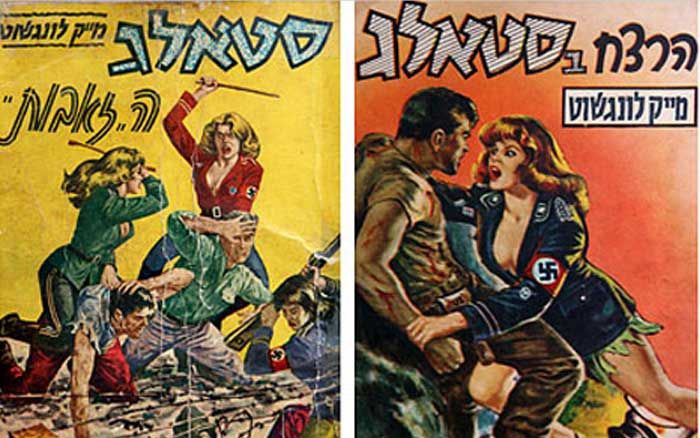
Around the same time, the novel "House of Dolls" was published, about Jewish women in concentration camps who were forced to sleep with German soldiers (supposedly based on real events, though people still debate it). In an atmosphere of absolute silence, the book was a major event.
It sparked a series of pornographic comics called Stalag, featuring a male prisoner and a female SS officer. Often with themes of rape and revenge. The series was quite popular among teenagers, but didn't last long: the authorities initially pretended nothing was happening, then banned it altogether.
Nowadays you can find the issues in the National Library of Israel. Though they only let researchers and historians in. Or you can find them online.
Right after World War II and up until the trial of Adolf Eichmann in Israel, it wasn't customary to talk about the Holocaust. Although there were many concentration camp survivors in the country. Survivors tried to return to normal life. By the end of the 1950s, their children were growing up and entering puberty.
Around the same time, the novel "House of Dolls" was published, about Jewish women in concentration camps who were forced to sleep with German soldiers (supposedly based on real events, though people still debate it). In an atmosphere of absolute silence, the book was a major event.
It sparked a series of pornographic comics called Stalag, featuring a male prisoner and a female SS officer. Often with themes of rape and revenge. The series was quite popular among teenagers, but didn't last long: the authorities initially pretended nothing was happening, then banned it altogether.
Nowadays you can find the issues in the National Library of Israel. Though they only let researchers and historians in. Or you can find them online.
I arrived in Haifa. Not a particularly notable city, you don't see it in the news. But then it suddenly turns out that this is a worldwide religious center with millions of followers around the globe—a religion I had no idea even existed. How is that possible?
In the late 19th century, Baháʼí Faith emerged based on Islam. Essentially, it's a meta-religion claiming that all major religions are united, and that Bahá'u'lláh (the founder), Buddha, Zoroaster, Krishna, and various prophets are all manifestations of God. At first glance, it all sounds peaceful: they advocate for gender equality, universal education, and a world government instead of a bunch of separate countries. By the standards of a century ago, ultra-progressive.
In Haifa, followers built the Baháʼí Gardens. In 2008, they were added to UNESCO's World Heritage list. Now it's the city's main attraction.
The faith emerged in Iran but faced severe persecution there, which continues to this day. That's why the gardens ended up in Israel.
There are over 5 million (!) Baháʼís in the world, and their numbers are growing by 5.5% each year. And that's good news, because every believer is obligated to voluntarily contribute 19% of their excess wealth to the Baháʼí center. I couldn't find any public financial data on their official website, but something tells me the numbers are quite impressive.
And they even have their own calendar (what else?): 19 months of 19 days each, plus 4-5 extra days to round out to 365.
In the late 19th century, Baháʼí Faith emerged based on Islam. Essentially, it's a meta-religion claiming that all major religions are united, and that Bahá'u'lláh (the founder), Buddha, Zoroaster, Krishna, and various prophets are all manifestations of God. At first glance, it all sounds peaceful: they advocate for gender equality, universal education, and a world government instead of a bunch of separate countries. By the standards of a century ago, ultra-progressive.
In Haifa, followers built the Baháʼí Gardens. In 2008, they were added to UNESCO's World Heritage list. Now it's the city's main attraction.
The faith emerged in Iran but faced severe persecution there, which continues to this day. That's why the gardens ended up in Israel.
There are over 5 million (!) Baháʼís in the world, and their numbers are growing by 5.5% each year. And that's good news, because every believer is obligated to voluntarily contribute 19% of their excess wealth to the Baháʼí center. I couldn't find any public financial data on their official website, but something tells me the numbers are quite impressive.
And they even have their own calendar (what else?): 19 months of 19 days each, plus 4-5 extra days to round out to 365.
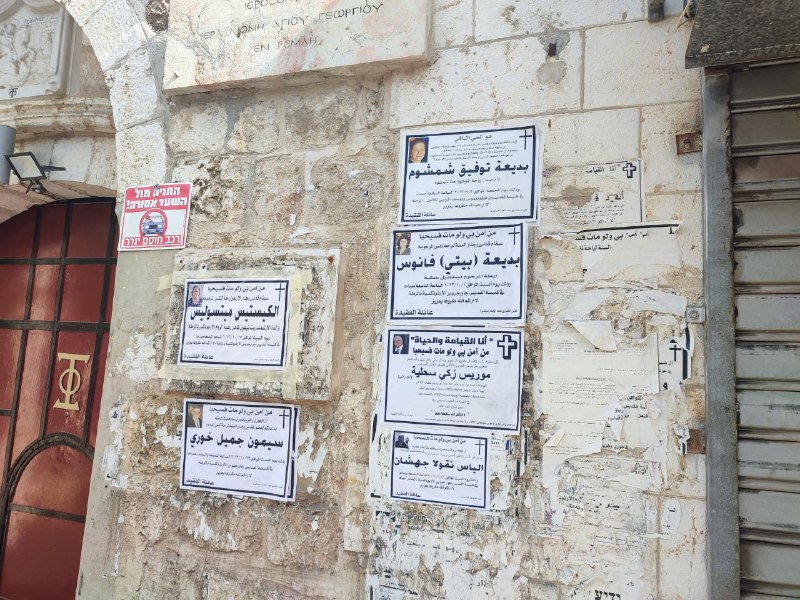
An eruv is nice and all, but check this out—there's an Arab guy who buys up all the bread in Israel every year for a week!
Every year, Judaism celebrates the Exodus from Egypt (Passover). The Torah forbids eating chametz (any baked good that's undergone fermentation) for all 7 festival days and requires "removing leavened products from your homes." You've got two options: "completely destroy it" or "sell it to a non-Jew." Not much of a choice to make, really.
But Israel took this whole selling thing to the state level. This Arab businessman, Hussein Jabbar, has been buying up all the chametz in the country before Passover starts—for the last 20 years. Or rather, he declares his intention to buy: he signs a contract with the Israeli Minister of Economy (!) and the Chief Rabbi, committing to purchasing everything, and puts down a deposit of around fifteen thousand dollars. From that moment on, technically the "forbidden stuff" belongs to him, even though it's still sitting in the original owners' homes. To complete the deal, he needs to scrape together the missing (estimates vary) 300 million dollars before Passover ends. In all these years of trying, he's never once managed to come up with the full amount. So when the holiday wraps up, the purchase agreement gets canceled, the bread gets "returned" to the Jews, and the businessman gets his deposit back.
And everyone's happy. Then the next year, the whole thing repeats. Journalists never miss a chance to ask: "Mr. Jabbar, do you really want to buy this bread, or are you just doing the state a favor?"
To which he gets indignant and says, "Of course I want to! The previous times I just couldn't manage to pull together the necessary funds in time. But this year—I'm telling you—I'll definitely get it!" You've gotta wonder, what's he actually planning to do with all that bread?
Every year, Judaism celebrates the Exodus from Egypt (Passover). The Torah forbids eating chametz (any baked good that's undergone fermentation) for all 7 festival days and requires "removing leavened products from your homes." You've got two options: "completely destroy it" or "sell it to a non-Jew." Not much of a choice to make, really.
But Israel took this whole selling thing to the state level. This Arab businessman, Hussein Jabbar, has been buying up all the chametz in the country before Passover starts—for the last 20 years. Or rather, he declares his intention to buy: he signs a contract with the Israeli Minister of Economy (!) and the Chief Rabbi, committing to purchasing everything, and puts down a deposit of around fifteen thousand dollars. From that moment on, technically the "forbidden stuff" belongs to him, even though it's still sitting in the original owners' homes. To complete the deal, he needs to scrape together the missing (estimates vary) 300 million dollars before Passover ends. In all these years of trying, he's never once managed to come up with the full amount. So when the holiday wraps up, the purchase agreement gets canceled, the bread gets "returned" to the Jews, and the businessman gets his deposit back.
And everyone's happy. Then the next year, the whole thing repeats. Journalists never miss a chance to ask: "Mr. Jabbar, do you really want to buy this bread, or are you just doing the state a favor?"
To which he gets indignant and says, "Of course I want to! The previous times I just couldn't manage to pull together the necessary funds in time. But this year—I'm telling you—I'll definitely get it!" You've gotta wonder, what's he actually planning to do with all that bread?
During Shabbat, observant Jews are not allowed to carry anything outside their home. Not even apartment keys, children, or medicine. But there's a loophole: a courtyard is considered part of one's home. So entire cities here are surrounded by a symbolic fence—an eruv—and declared a communal courtyard, to which the restriction no longer applies.
Tel Aviv is divided into several large zones (map) within which you can move around.
But just putting up a fence isn't enough. You need to make sure it stays in good condition. So every Friday before Shabbat begins, a special team drives around the eruv to check that nothing has broken. If something's wrong, it needs to be fixed before the first star appears, otherwise the eruv won't be valid.
By the way, this exists not just in Israel, but also in cities with large observant communities. For example in New York or Moscow.
Tel Aviv is divided into several large zones (map) within which you can move around.
But just putting up a fence isn't enough. You need to make sure it stays in good condition. So every Friday before Shabbat begins, a special team drives around the eruv to check that nothing has broken. If something's wrong, it needs to be fixed before the first star appears, otherwise the eruv won't be valid.
By the way, this exists not just in Israel, but also in cities with large observant communities. For example in New York or Moscow.
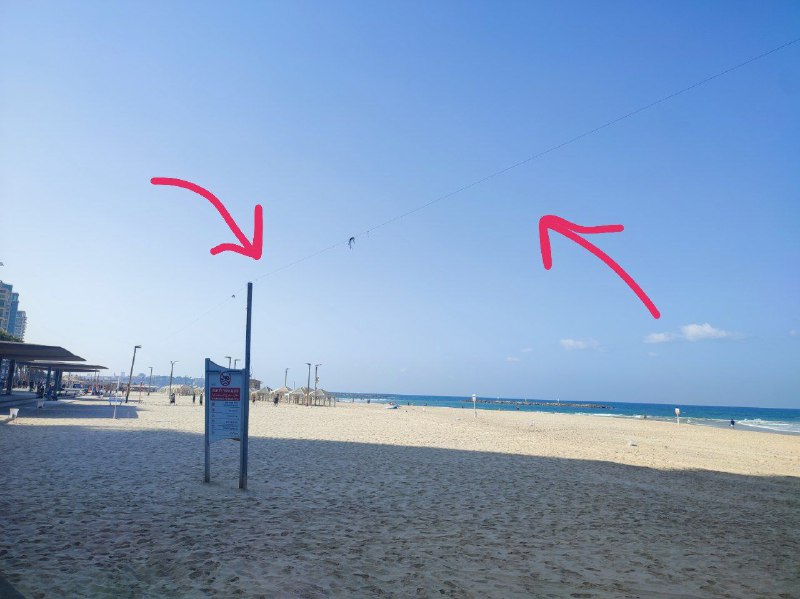
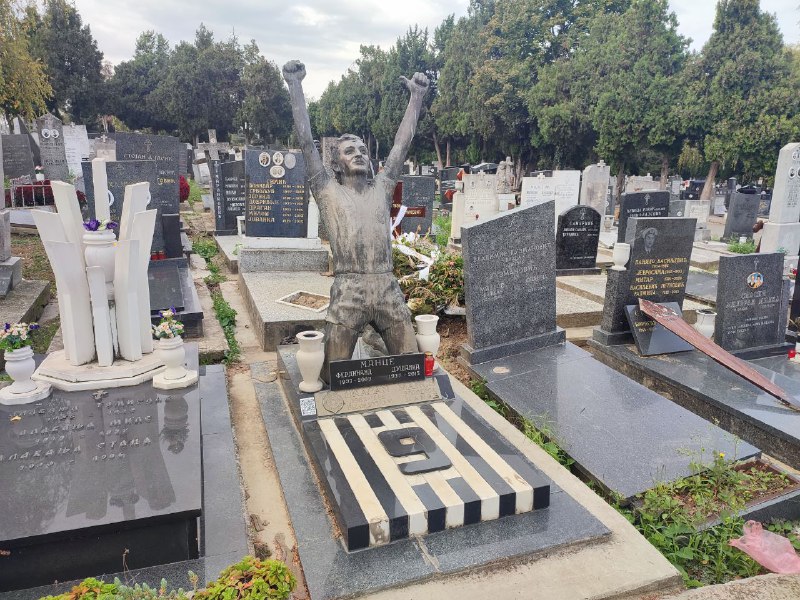
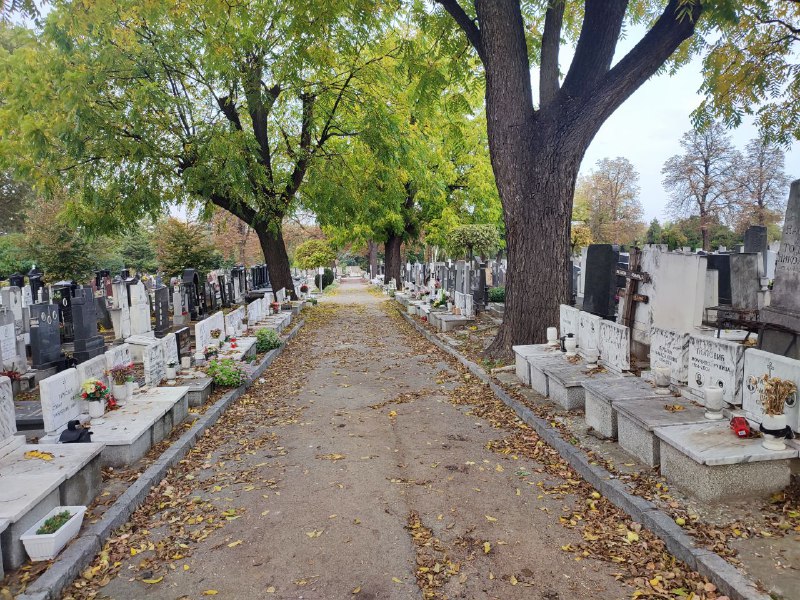
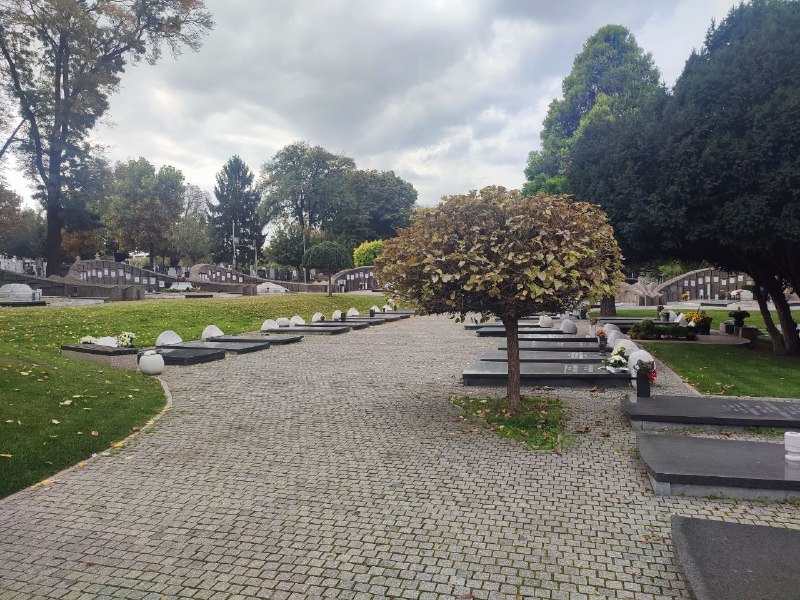
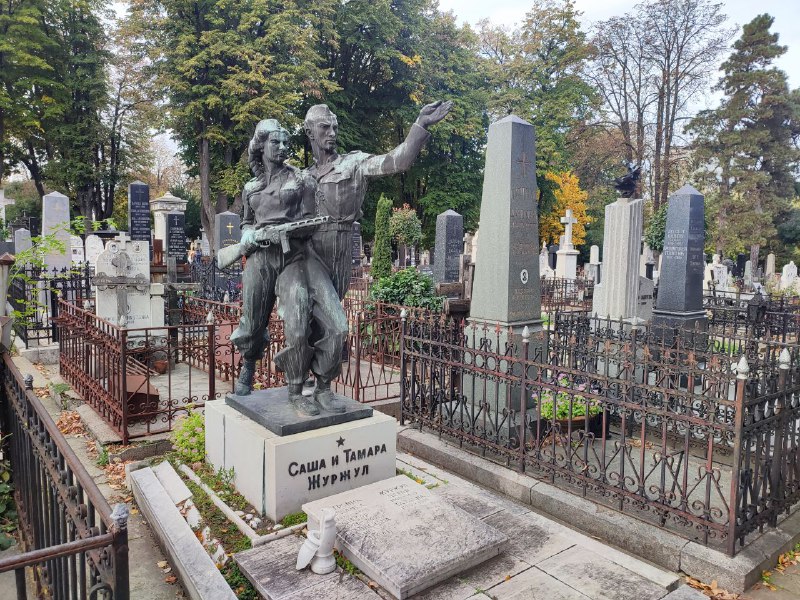
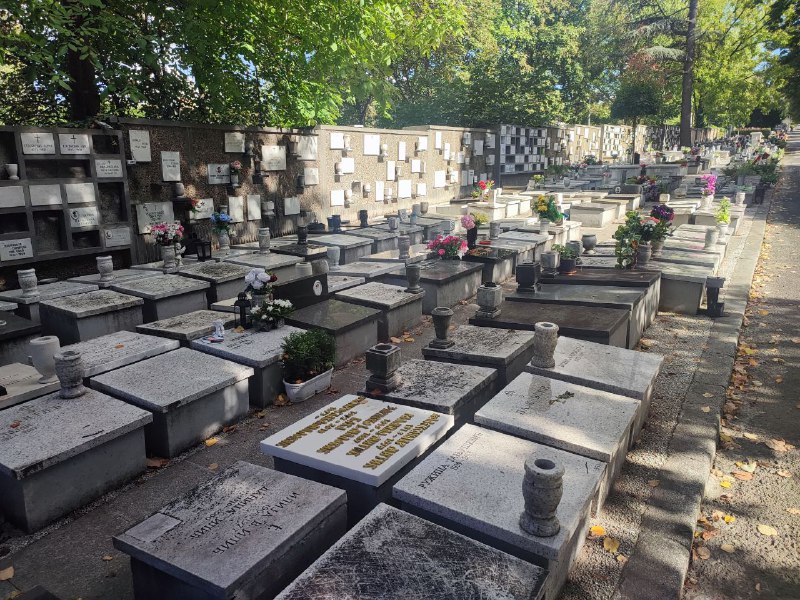
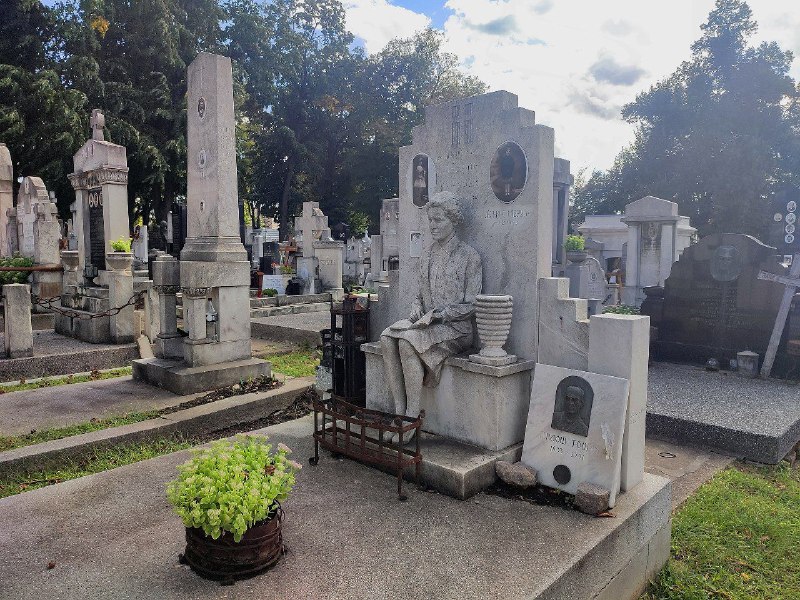
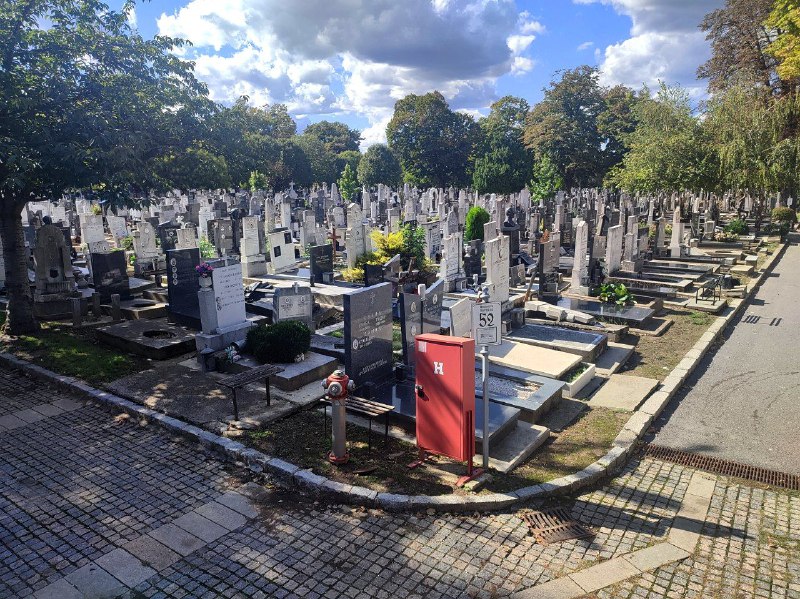
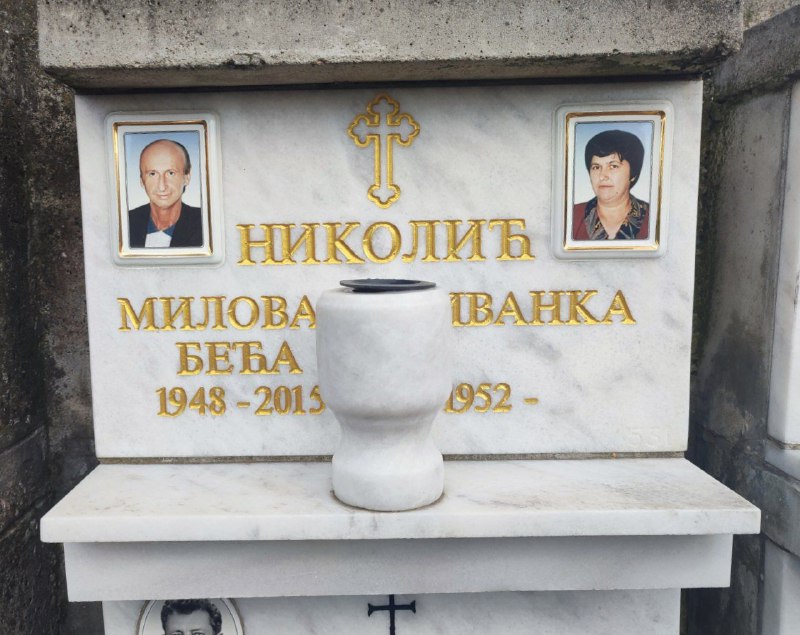
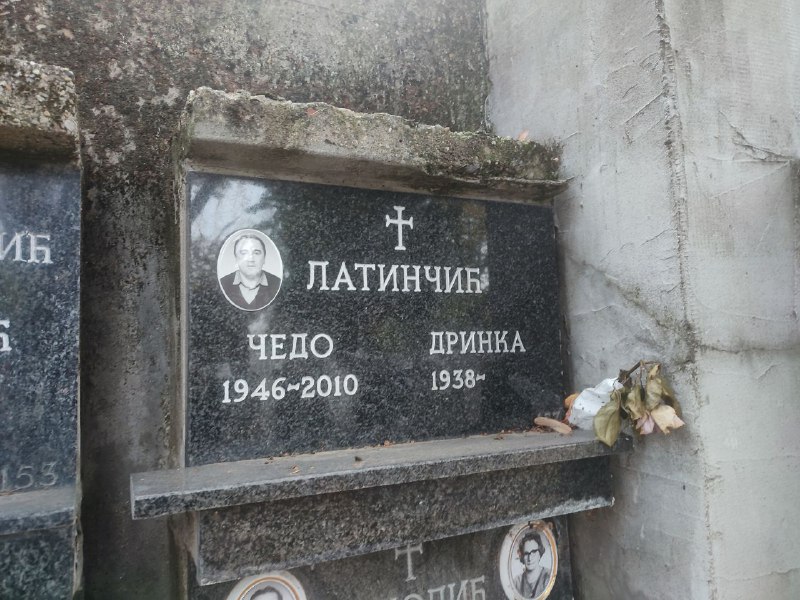
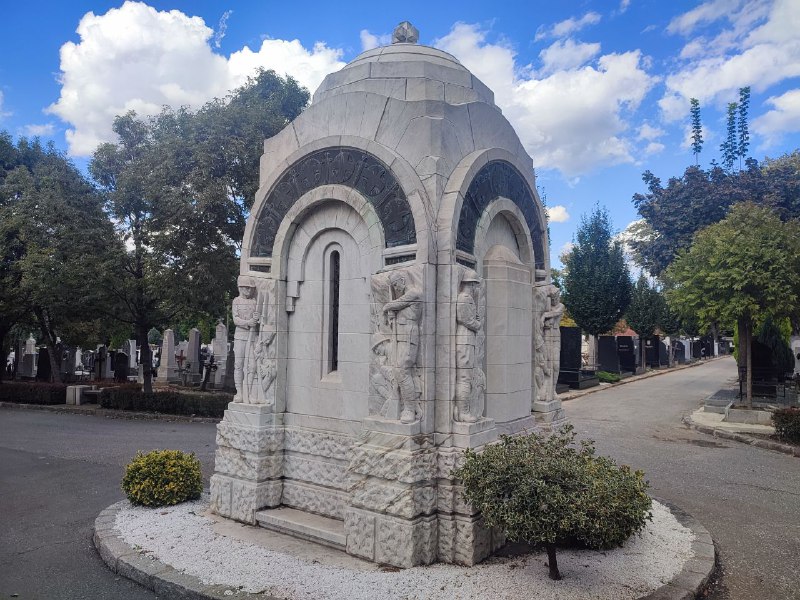
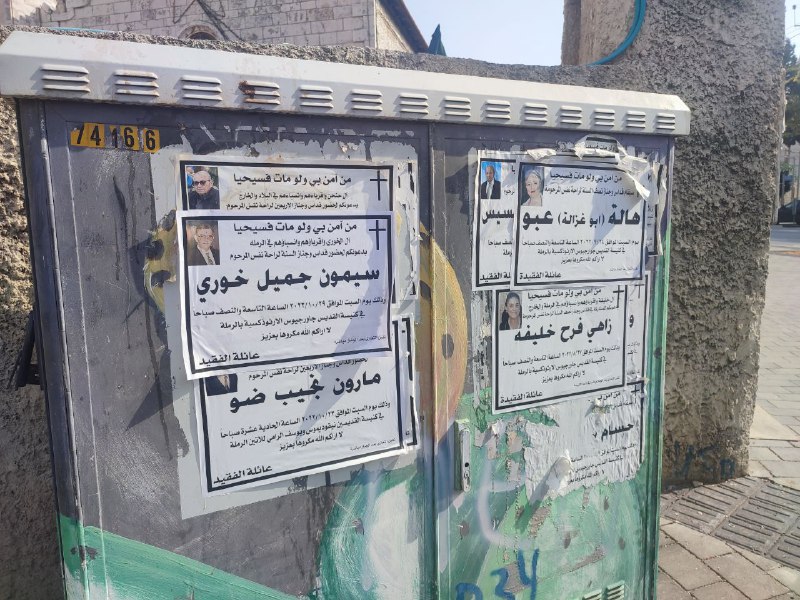
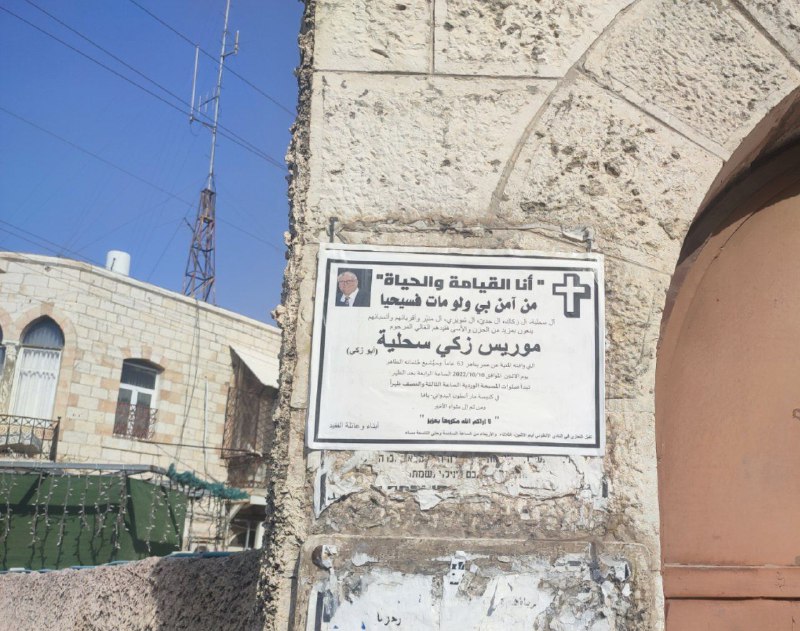
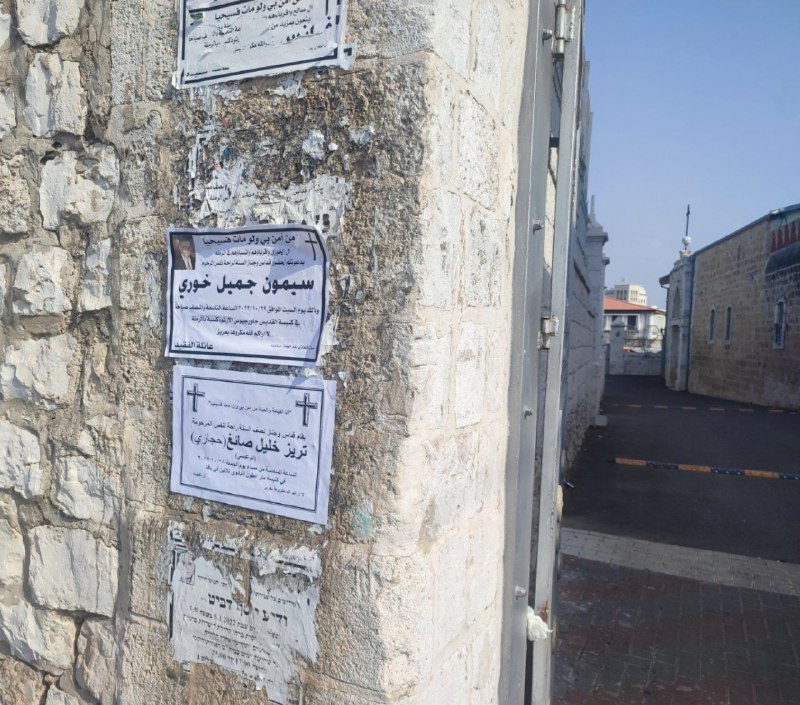
Если на улицах балканских городов и деревушек внимательно смотреть по сторонам, то часто можно увидеть поминальные листки. Иногда они неприметно висят на задворках, иногда на самом виду, но формат неизменный на всех Балканах: есть имя умершего человека, фото, даты жизни, вероисповедание и время предстоящей панихиды. Предполагается, что старые листовки снимают, но это происходит не всегда, поэтому порой можно читать текст годичной давности.
В экс-югославских странах такие штуки называются умрлице или смртовницы, но встречаются и за их пределами: и в Албании, и даже в Болгарии. Для местных это совершенно обыденное явление. Мне кажется, многие даже и не подозревают, что где-то может быть иначе. Если просишь рассказать подробнее, то часто реакция такая, как будто я спросил каждый ли день сменяется ночью. Про что тут вообще говорить?
Считается, что на такие некрологи люди обращают больше внимания, чем на всё остальное. Некоторые эксплуатируют повышенное внимание в корыстных целях. Например, дают в таком виде рекламу о сдаче квартиры. В этой статье рассуждают допустимо ли это (зацените заголовок на сербском; "бизарно"! какое чудесное слово). Тут рассказывают про писателя, который развешал заметки про свою смерть в 2075 году с приглашением на презентацию собственной книги вместо панихиды. Но не каждый такой случай заканчивается безобидно: вот мужчина получил полгода тюрьмы за публикацию в своем фейсбуке умрлицы вполне живого президента Сербии. Якобы это подорвало госбезопасность. Здесь (наконец-то ссылка на русском) ребята собрали отличную подборку "неправильного" использования смртовниц. Там много всякого, вплоть до похорон футбольного клуба (:
Время не стоит на месте, и 21 век требует технологичных решений даже в вопросах смерти. Нынче появились десятки сайтов, где можно публиковать смртовницы онлайн без регистраций и смс (ихправдаоченьиоченьиоченьмного). Не везде, правда, бесплатно: где-то хотят денег за размещение, а где-то за неудаление пару недель спустя. Следом подтянулись мобильныеприложения.
В новостях про такие решения наивно мечтают, что если все вдруг переключатся на электронный вариант, то дружно перестанут вешать смртовницы на остановках. Но пока ничего не меняется. Разве что по моим ощущениям в городах, где население больше, умрлиц развешано меньше, чем в деревнях. А может их просто оперативнее вытирают.
В экс-югославских странах такие штуки называются умрлице или смртовницы, но встречаются и за их пределами: и в Албании, и даже в Болгарии. Для местных это совершенно обыденное явление. Мне кажется, многие даже и не подозревают, что где-то может быть иначе. Если просишь рассказать подробнее, то часто реакция такая, как будто я спросил каждый ли день сменяется ночью. Про что тут вообще говорить?
Считается, что на такие некрологи люди обращают больше внимания, чем на всё остальное. Некоторые эксплуатируют повышенное внимание в корыстных целях. Например, дают в таком виде рекламу о сдаче квартиры. В этой статье рассуждают допустимо ли это (зацените заголовок на сербском; "бизарно"! какое чудесное слово). Тут рассказывают про писателя, который развешал заметки про свою смерть в 2075 году с приглашением на презентацию собственной книги вместо панихиды. Но не каждый такой случай заканчивается безобидно: вот мужчина получил полгода тюрьмы за публикацию в своем фейсбуке умрлицы вполне живого президента Сербии. Якобы это подорвало госбезопасность. Здесь (наконец-то ссылка на русском) ребята собрали отличную подборку "неправильного" использования смртовниц. Там много всякого, вплоть до похорон футбольного клуба (:
Время не стоит на месте, и 21 век требует технологичных решений даже в вопросах смерти. Нынче появились десятки сайтов, где можно публиковать смртовницы онлайн без регистраций и смс (ихправдаоченьиоченьиоченьмного). Не везде, правда, бесплатно: где-то хотят денег за размещение, а где-то за неудаление пару недель спустя. Следом подтянулись мобильныеприложения.
В новостях про такие решения наивно мечтают, что если все вдруг переключатся на электронный вариант, то дружно перестанут вешать смртовницы на остановках. Но пока ничего не меняется. Разве что по моим ощущениям в городах, где население больше, умрлиц развешано меньше, чем в деревнях. А может их просто оперативнее вытирают.
(translation pending)
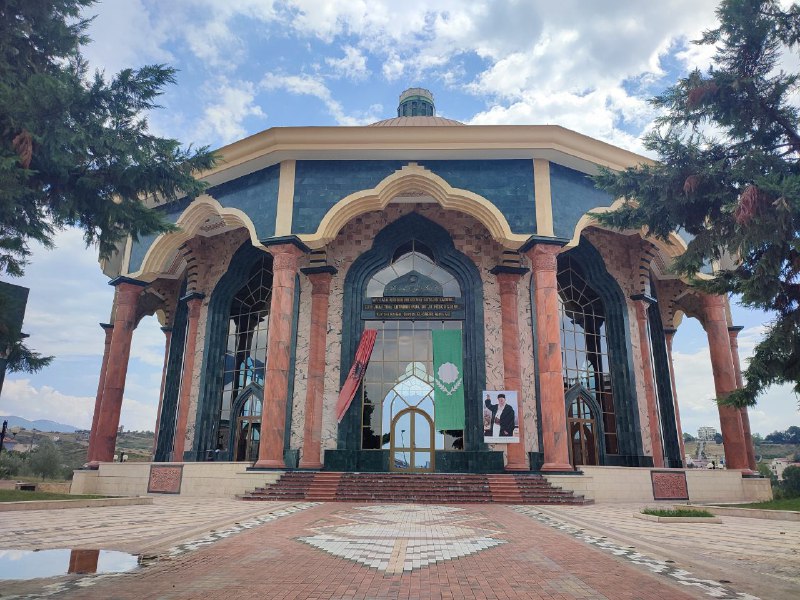
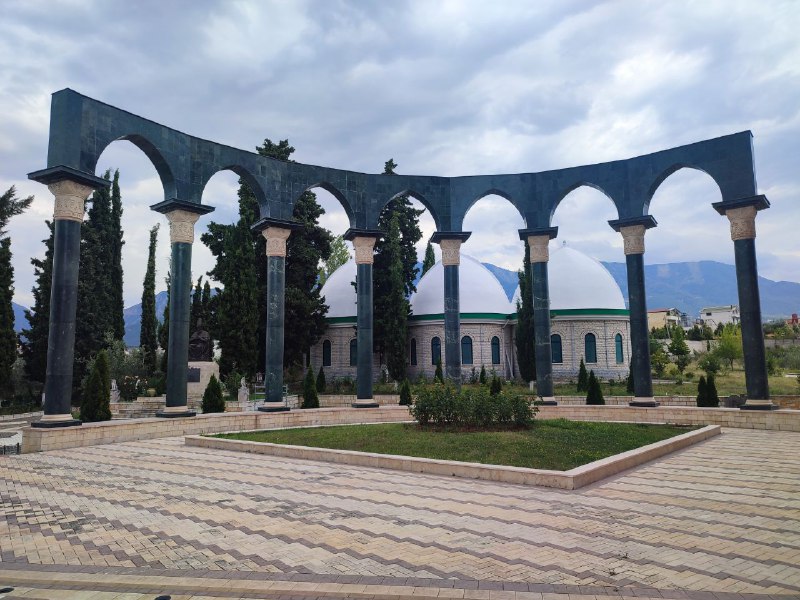
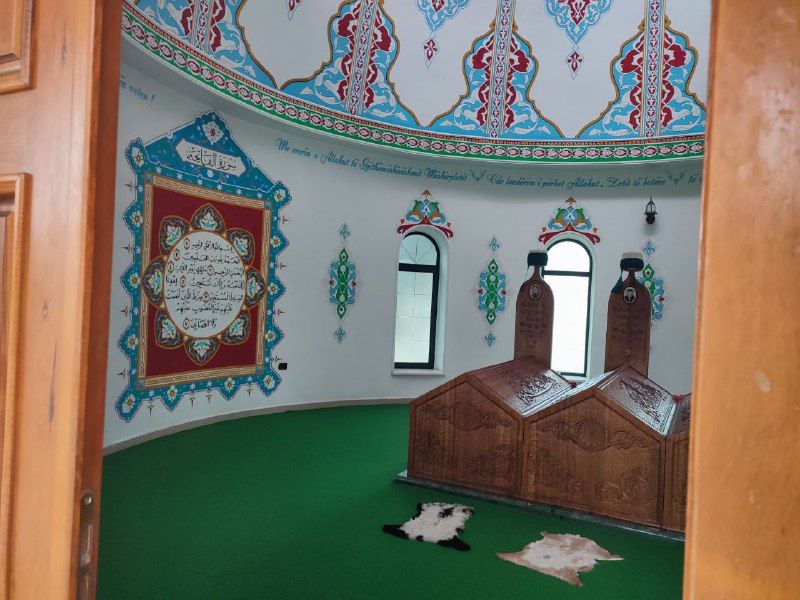
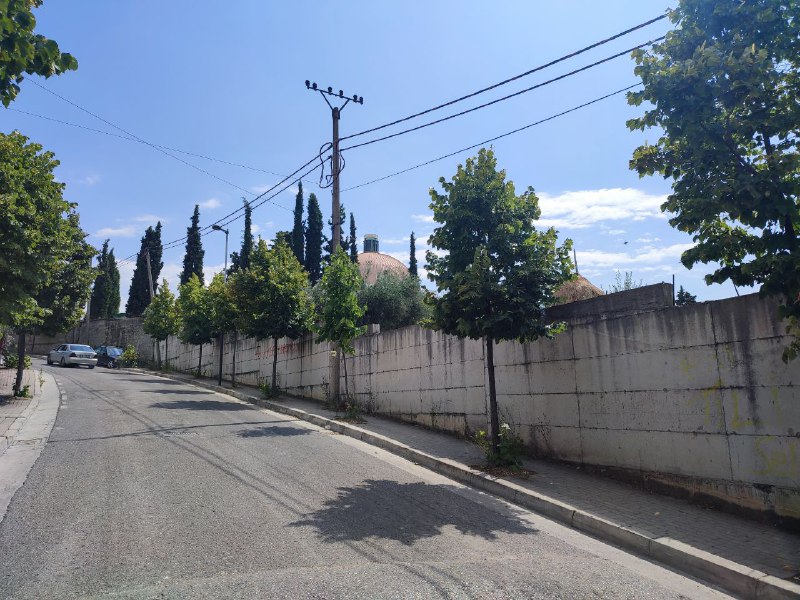
To paint a complete picture, let me say a few words about Albanian communism. Throughout the regime, there were only two leaders: Enver Hoxha ruled for over 40 years and his successor Ramiz Alia lasted 7 years.
Enver was a fanatical admirer of Stalin. After Stalin's death, attitudes toward the former Soviet General Secretary began to shift in other Eastern Bloc countries, but not in Albania. Due to ideological differences, the Albanian dictator fell out with Khrushchev and the USSR first, then with Tito and Yugoslavia, and eventually even with China. Each was successively condemned as a traitor to Marxist-Leninist ideas and Stalin personally. This whole drama even crystallized into its own branch of communism — Hoxhaism.
But as political ties severed, economic ones did too. By the early 1980s, the country found itself in complete isolation. The food ration coupons, housing queues, and chronic shortages so familiar to late Soviet citizens thrived here in full force. Add to that a system of denunciations and repression, censorship, corruption, and the list goes on. On top of that, you couldn't leave Albania legally, and illegally was extremely dangerous: the border guards themselves would open fire to kill. And if someone managed to escape, it guaranteed problems for their remaining relatives.
The state survived on self-sufficiency, but of course you can't produce everything. For example, there was basically no automobile industry. In 1990, Albania had fewer than 5,000 cars for its entire population of 3 million people. So when the country suddenly opened to the world, driving culture developed quite chaotically. Even today, road markings aren't always respected, but at least hardly anyone tears around at insane speeds. And overall, speed limits are quite low.
Hoxha's successor's main achievement was a bloodless transition to a democratic system. The country experienced unrest (called a civil war in the English Wikipedia), but much later, in 1997. The trigger was the collapse of financial pyramids.
As our guide in Tirana said: "Don't build communism at home—we already tried it for you."
Enver was a fanatical admirer of Stalin. After Stalin's death, attitudes toward the former Soviet General Secretary began to shift in other Eastern Bloc countries, but not in Albania. Due to ideological differences, the Albanian dictator fell out with Khrushchev and the USSR first, then with Tito and Yugoslavia, and eventually even with China. Each was successively condemned as a traitor to Marxist-Leninist ideas and Stalin personally. This whole drama even crystallized into its own branch of communism — Hoxhaism.
But as political ties severed, economic ones did too. By the early 1980s, the country found itself in complete isolation. The food ration coupons, housing queues, and chronic shortages so familiar to late Soviet citizens thrived here in full force. Add to that a system of denunciations and repression, censorship, corruption, and the list goes on. On top of that, you couldn't leave Albania legally, and illegally was extremely dangerous: the border guards themselves would open fire to kill. And if someone managed to escape, it guaranteed problems for their remaining relatives.
The state survived on self-sufficiency, but of course you can't produce everything. For example, there was basically no automobile industry. In 1990, Albania had fewer than 5,000 cars for its entire population of 3 million people. So when the country suddenly opened to the world, driving culture developed quite chaotically. Even today, road markings aren't always respected, but at least hardly anyone tears around at insane speeds. And overall, speed limits are quite low.
Hoxha's successor's main achievement was a bloodless transition to a democratic system. The country experienced unrest (called a civil war in the English Wikipedia), but much later, in 1997. The trigger was the collapse of financial pyramids.
As our guide in Tirana said: "Don't build communism at home—we already tried it for you."
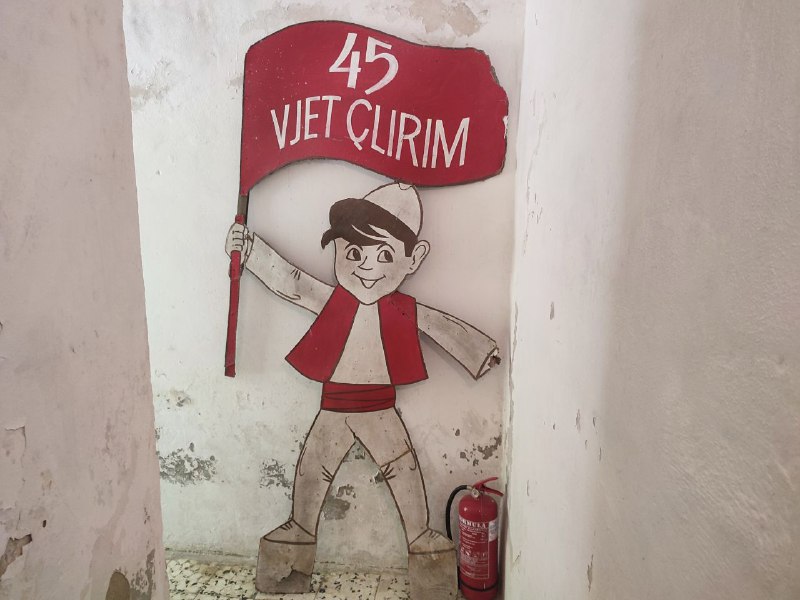
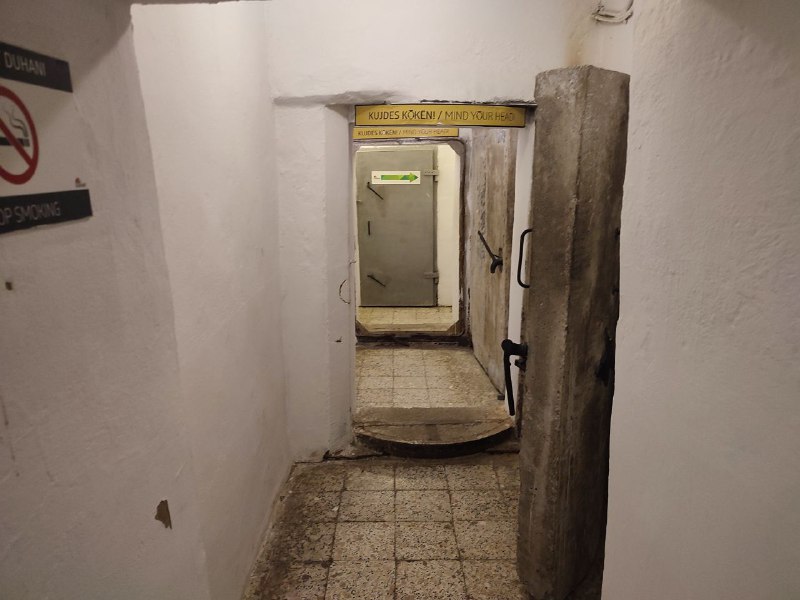
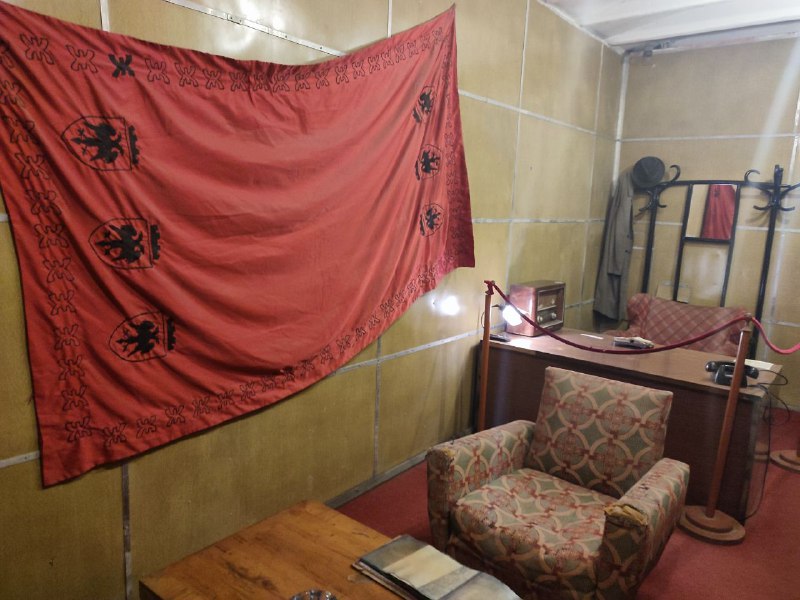
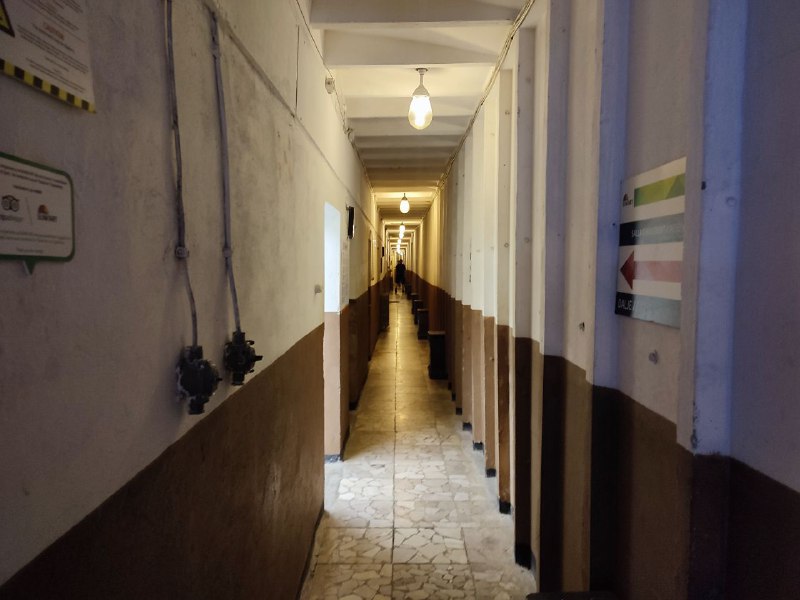
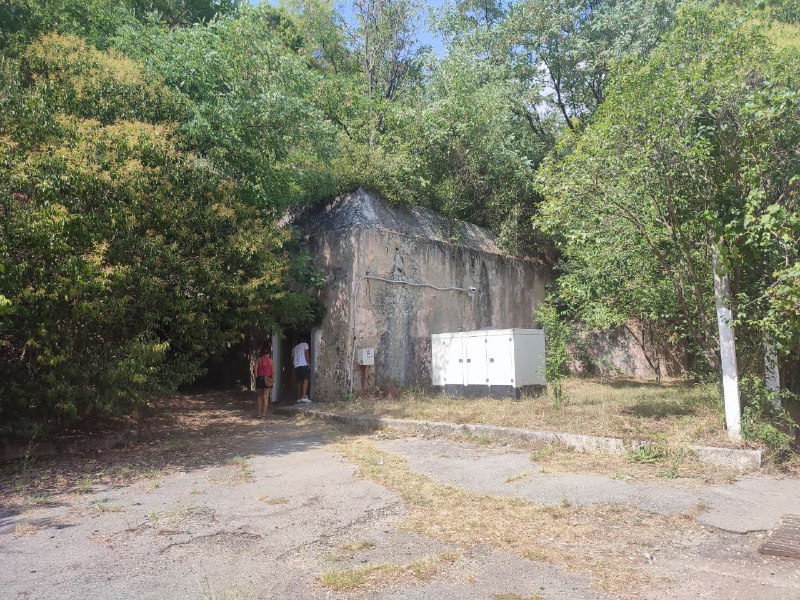
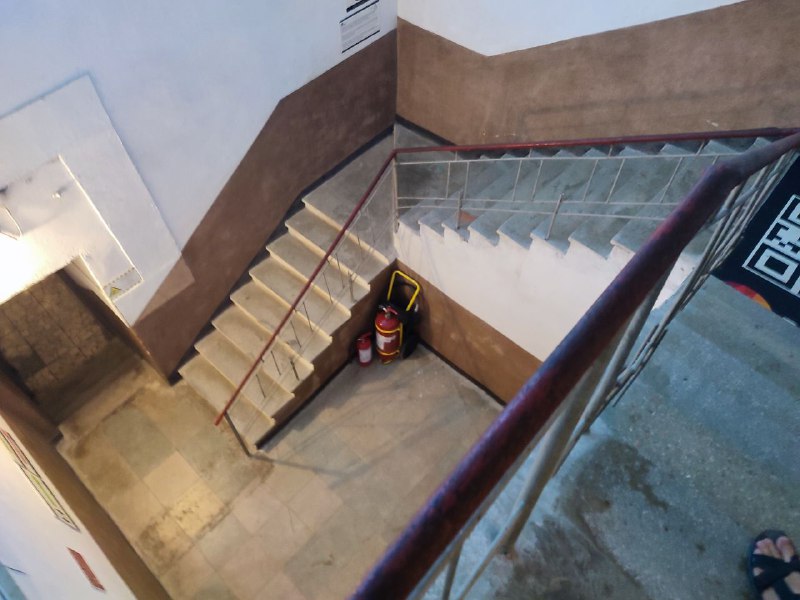
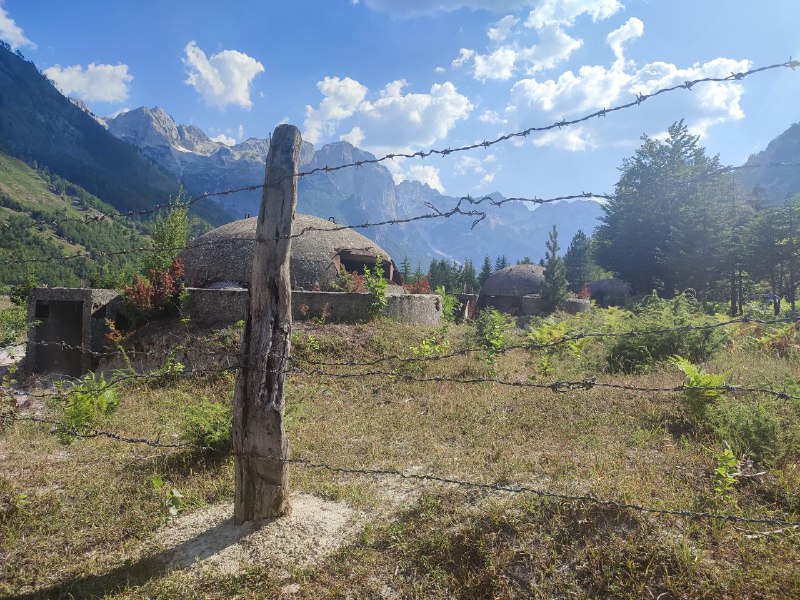
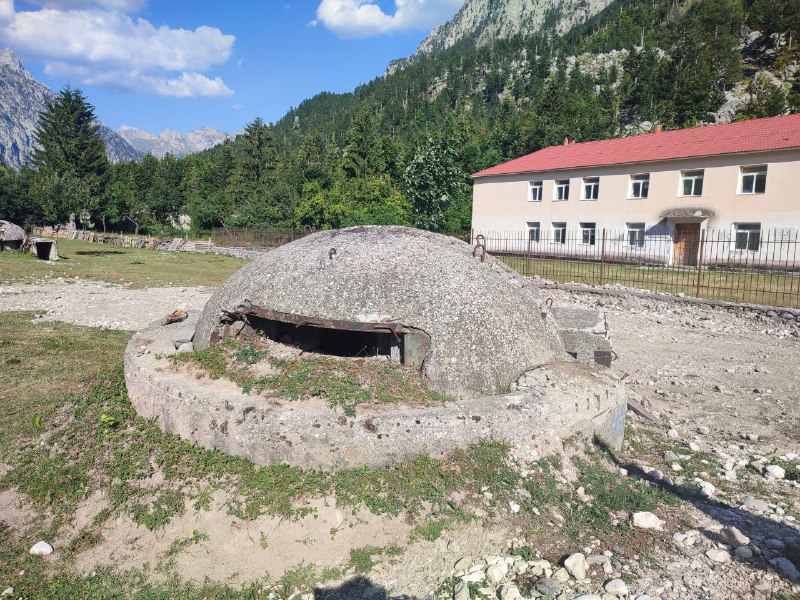
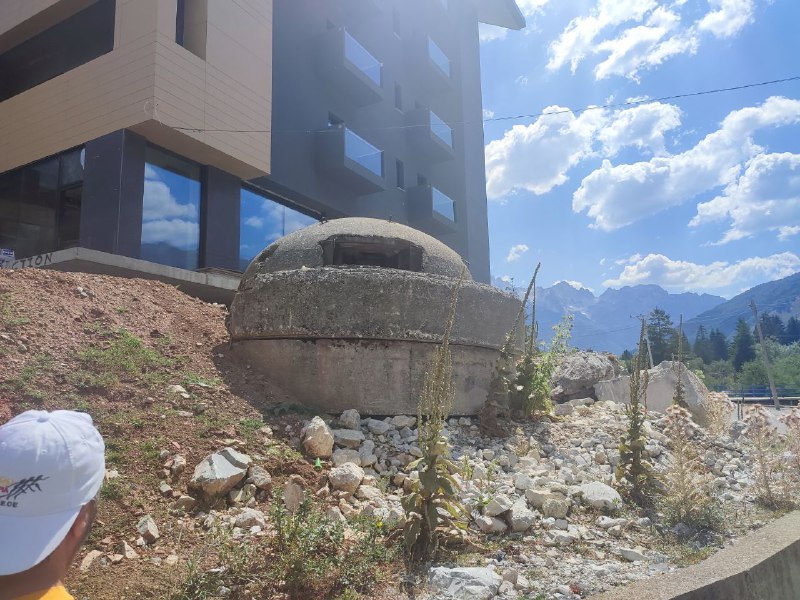
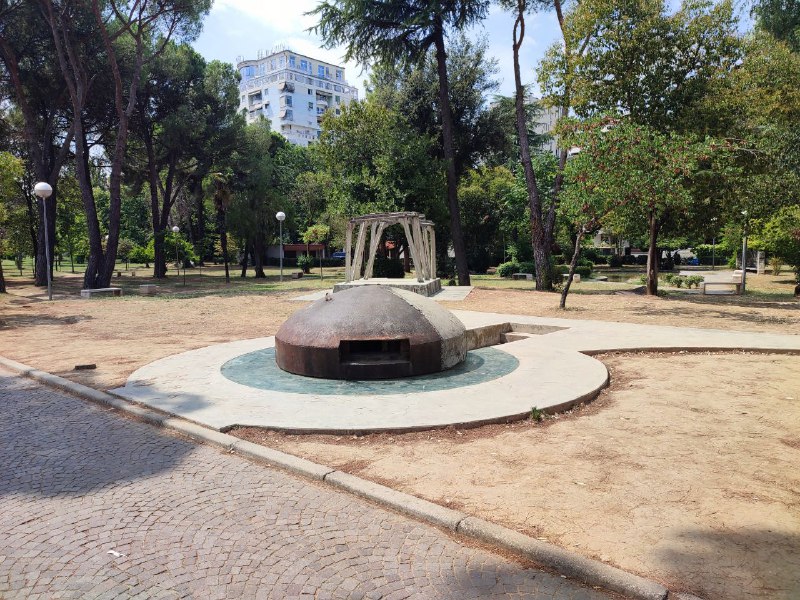
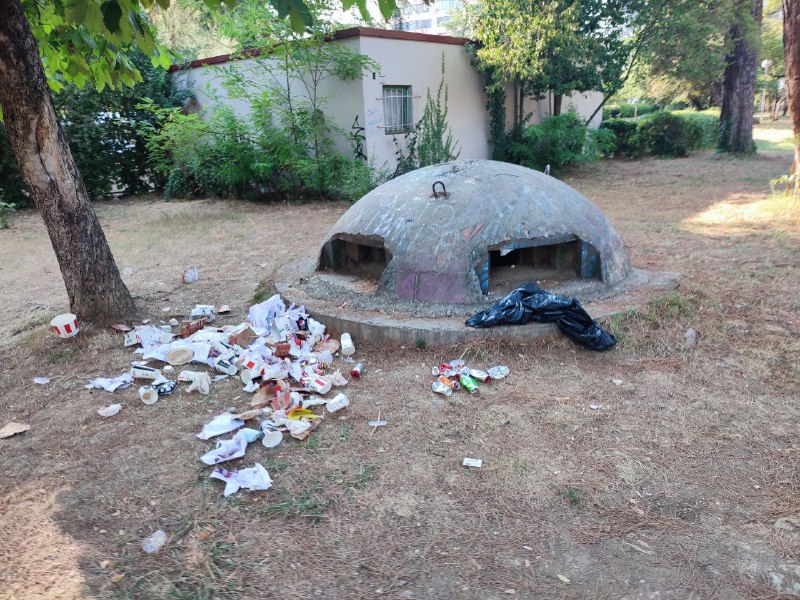
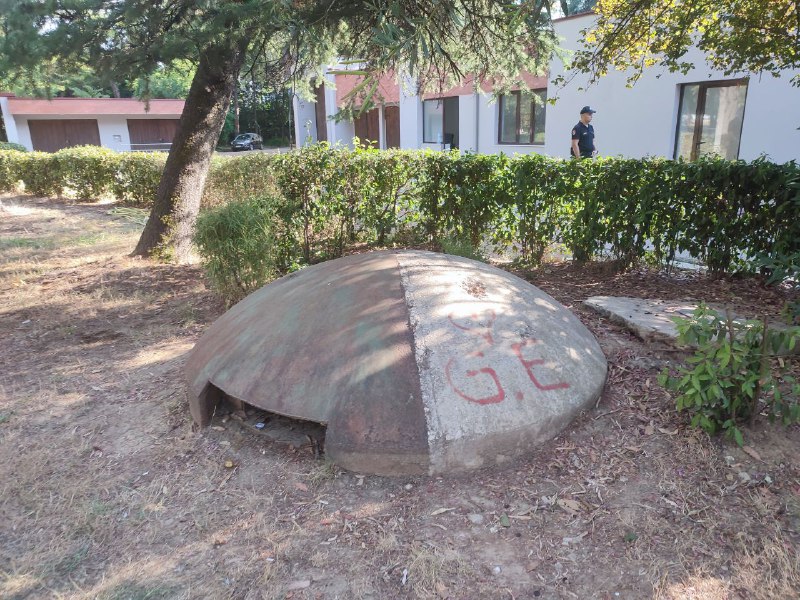
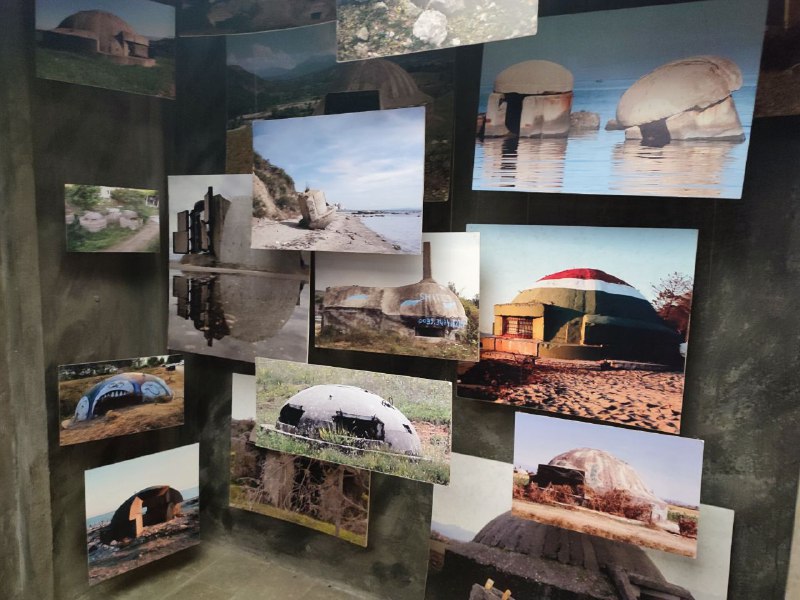
The story of Josif Zagali, who designed Albanian bunkers, is quite remarkable.
In essence, most of these structures were ordinary Soviet pillboxes. The engineer mastered the design during his studies in the USSR and proposed a project based on this model back home.
Enver Hoxha was so impressed by the simplicity and cost of the solution that Josif was immediately showered with titles and awards: tens of thousands of bunkers were built according to his design, he became the chief engineer of the Albanian Ministry of Defense and received the rank of colonel. Isn't that success?
But his happiness didn't last long. In 1974, due to the dictator's paranoia, the engineer was stripped of all his positions, branded a foreign agent—before that even became fashionable—and imprisoned for 8 years for sabotage he never committed. Against this backdrop, his daughter died of breast cancer, his wife lost her mind, and friends and acquaintances began avoiding any contact with his entire family.
In essence, most of these structures were ordinary Soviet pillboxes. The engineer mastered the design during his studies in the USSR and proposed a project based on this model back home.
Enver Hoxha was so impressed by the simplicity and cost of the solution that Josif was immediately showered with titles and awards: tens of thousands of bunkers were built according to his design, he became the chief engineer of the Albanian Ministry of Defense and received the rank of colonel. Isn't that success?
But his happiness didn't last long. In 1974, due to the dictator's paranoia, the engineer was stripped of all his positions, branded a foreign agent—before that even became fashionable—and imprisoned for 8 years for sabotage he never committed. Against this backdrop, his daughter died of breast cancer, his wife lost her mind, and friends and acquaintances began avoiding any contact with his entire family.
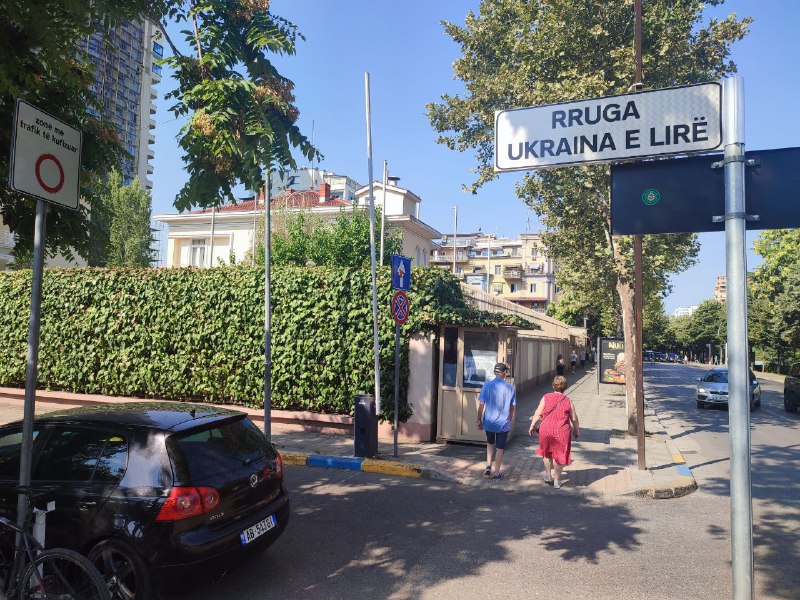
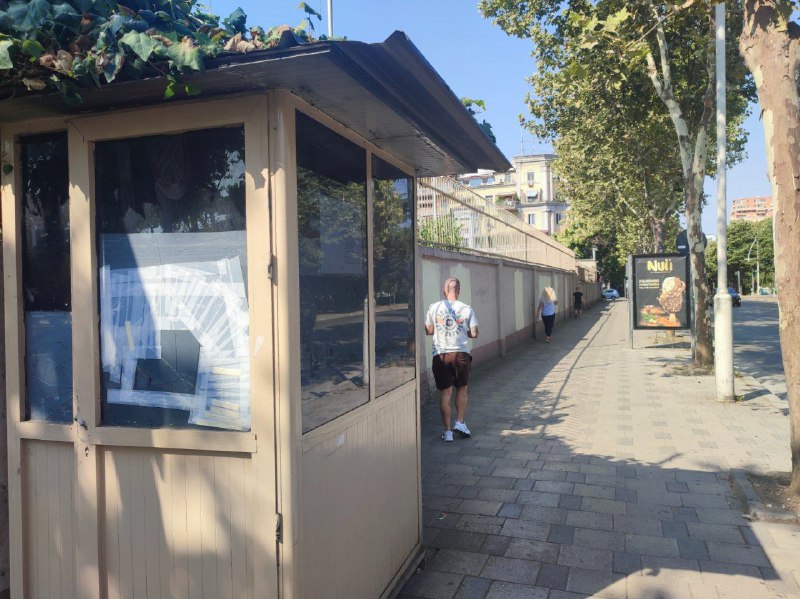
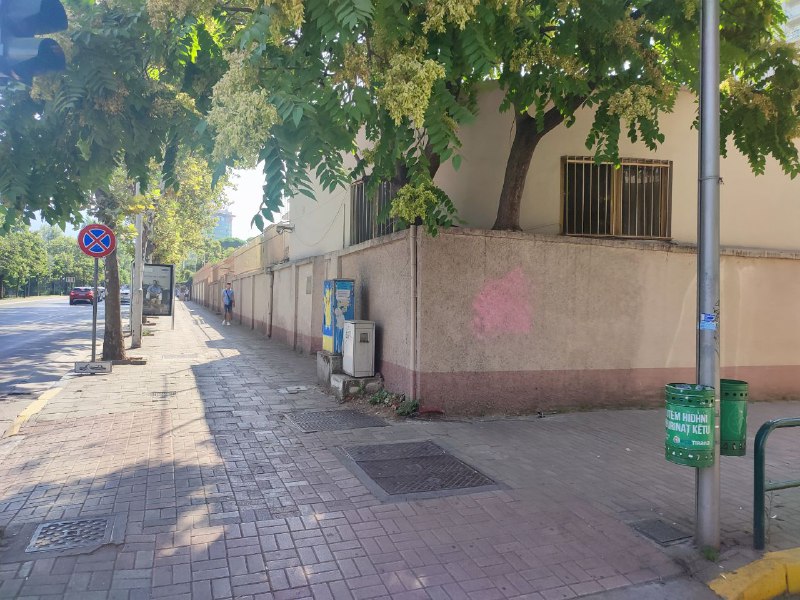
While you can only be born a Tatar anywhere else in the world, in Serbia for a long time you could become one by choice (sadly, they've since closed up shop).
Here, Tatars were the name for postal couriers handling especially important state documents. And the Serbian Post Office, which appeared in 1835, was actually first called the "Tatarska služba" (later renamed "Srpsku Poštu"). Serbs considered Tatars to be the fastest and most skilled riders. Well, you know what they say—a horse becomes what you name it.
It was a respected job with decent pay. As a bonus, sometimes came fame: many Serbian Tatars were well-known throughout the country. I mean, covering nearly 1,000 km from Istanbul to Belgrade on horseback in just 5 days—that's no small feat!
Particularly notable is Serbia's last Tatar, Rista Prendić. Famous both because he was the last and because he brought the news that the Turkish army was finally leaving the country.
Here, Tatars were the name for postal couriers handling especially important state documents. And the Serbian Post Office, which appeared in 1835, was actually first called the "Tatarska služba" (later renamed "Srpsku Poštu"). Serbs considered Tatars to be the fastest and most skilled riders. Well, you know what they say—a horse becomes what you name it.
It was a respected job with decent pay. As a bonus, sometimes came fame: many Serbian Tatars were well-known throughout the country. I mean, covering nearly 1,000 km from Istanbul to Belgrade on horseback in just 5 days—that's no small feat!
Particularly notable is Serbia's last Tatar, Rista Prendić. Famous both because he was the last and because he brought the news that the Turkish army was finally leaving the country.
sr.m.wikipedia.org
Rista Prendić — Wikipedia
Countries
 United Kingdom3
 Serbia100
 Bosnia and Herzegovina54
 Turkey42
 United Arab Emirates3
 Brunei2
 Indonesia12
 Malaysia15
 Argentina16
 USA117
 Morocco5
 Georgia5
 Egypt16
 Hong Kong8
 China4
 Vietnam9
 Tunisia7
 Montenegro9
 Philippines12
 Singapore10
 Oman12
 Algeria12
 North Macedonia5
 Lebanon11
 Israel27
 Albania17
 Russia63
 Tanzania50
 Netherlands7
 Spain14
 Latvia2
 Germany7
 Belgium3
 France27
 Kazakhstan32