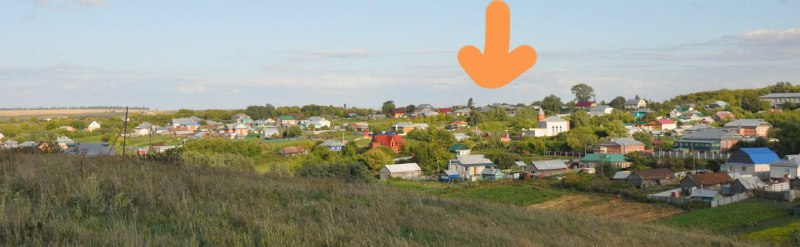
Pitza Village. The name comes from the river of the same name and is considered to be a Mordvin word meaning "pine". Though the river has almost dried up by now.
And the population has shrunk too. A hundred years ago, over 2,000 people lived here. Now it's less than 350.
PS. I live right under the arrow (:
Telegram mirror
Telegram is a messenger where I post short travel notes. This page is a self-hosted backup of that channel.
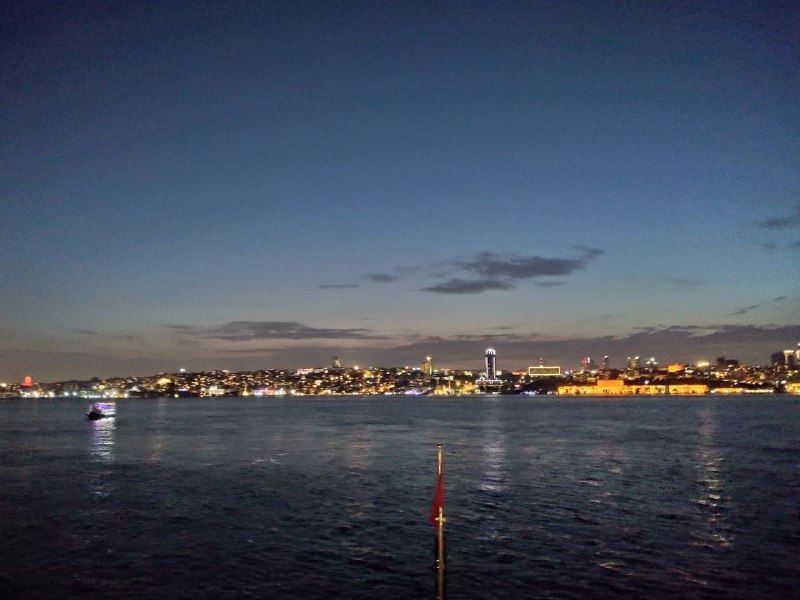
Istanbul has so many world-famous landmarks. They're genuinely amazing. But then you find out how long they took to build, and it completely blows your mind: the Hagia Sophia was built in 5 years (532-537), the Blue Mosque in 7 years (1609-1616), and Rumeli Castle in just 4.5 months (1451). And somehow they still haven't fallen apart. Compared to European building speeds, they basically get everything done instantly here.
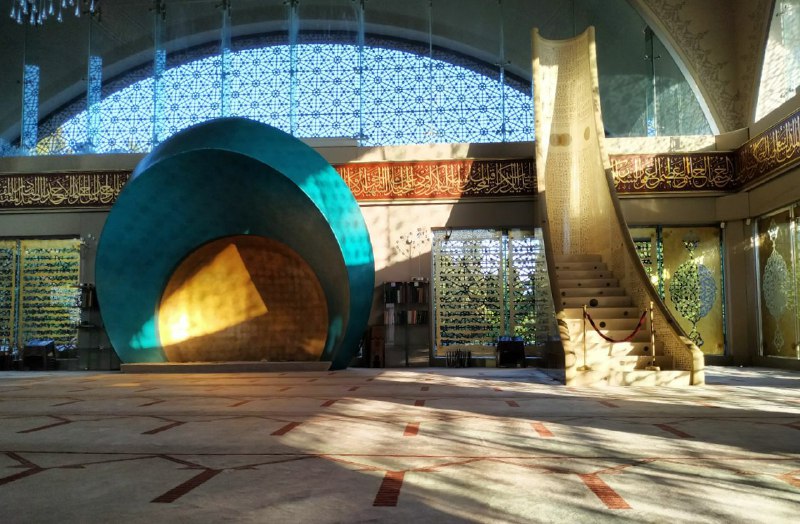
A mosque in modern architectural style. It looks really cool and unique: glass walls create an effect as if it's just an open structure. And plenty of light. It's great that Turks aren't afraid to experiment and try new trends.
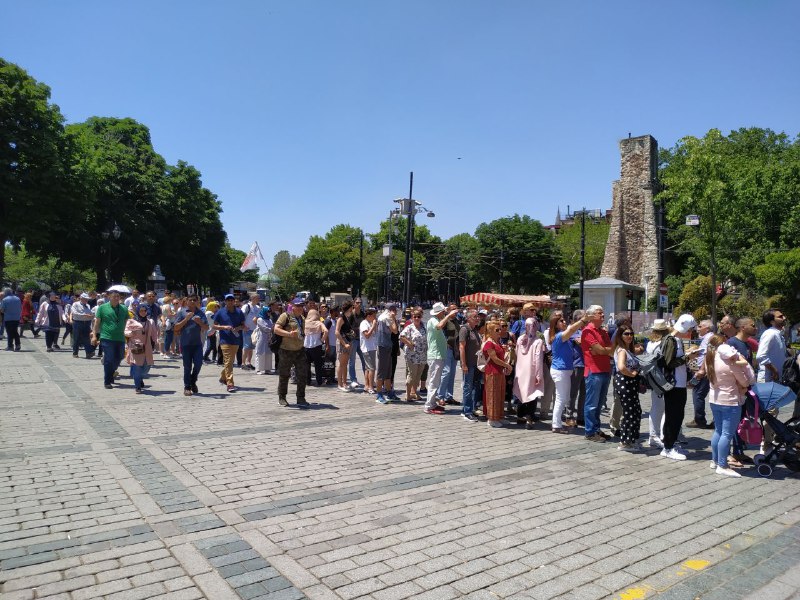
There are crazy lines everywhere. You can spend hours waiting. There's a life hack — buy an Istanbul museum card, but they don't sell it online. I had to wait in at least one line anyway. And it doesn't work for all the interesting places. On top of everything, it's super hot (::
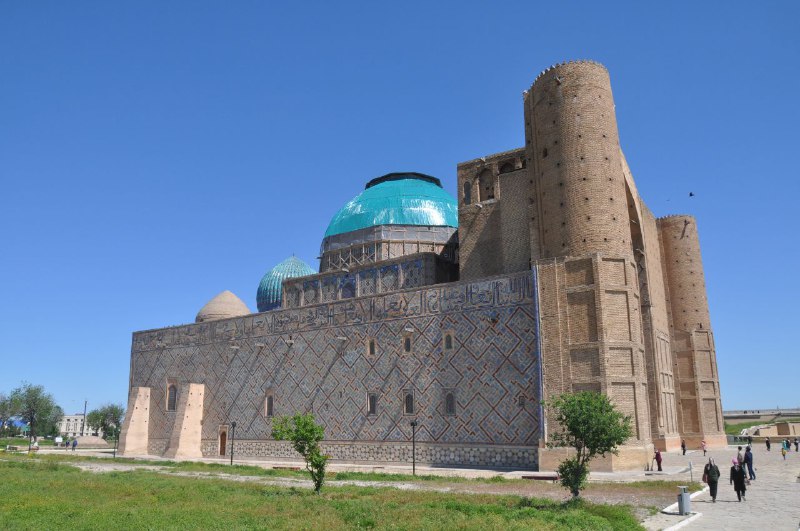
Kazakhstan wasn't exactly blessed with historical heritage: the whole country is just endless steppe, the Silk Road bypassed the Kazakhs entirely, and they themselves were constantly nomadic. But there is one ancient historical site: the Mausoleum of Ahmad Yasawi in Turkestan.
It's deeply revered by Central Asian Muslims (there's actually a whole collection of different mausoleums here, this is the most important one). Many even believe that before going on the hajj, you should first come here.
Recently, Turkestan got the status of regional capital, so major budget funding started flowing in. The entire territory is being excavated, and the mausoleum itself is surrounded by construction. Locals say they're preparing a burial site for Nazarbayev. Apparently he's getting on in years, and this kind of preparation takes time.
It's deeply revered by Central Asian Muslims (there's actually a whole collection of different mausoleums here, this is the most important one). Many even believe that before going on the hajj, you should first come here.
Recently, Turkestan got the status of regional capital, so major budget funding started flowing in. The entire territory is being excavated, and the mausoleum itself is surrounded by construction. Locals say they're preparing a burial site for Nazarbayev. Apparently he's getting on in years, and this kind of preparation takes time.
Preparing for the May 9th celebration. Although May 7th here is Defender of the Fatherland Day. Thankfully, there aren't parades as massive as the ones in Moscow here.
But practically every village has some kind of monument in memory of the war against the fascists. Even though the fighting didn't reach Kazakhstan, many Kazakhs were sent to the front back then.
But practically every village has some kind of monument in memory of the war against the fascists. Even though the fighting didn't reach Kazakhstan, many Kazakhs were sent to the front back then.
►
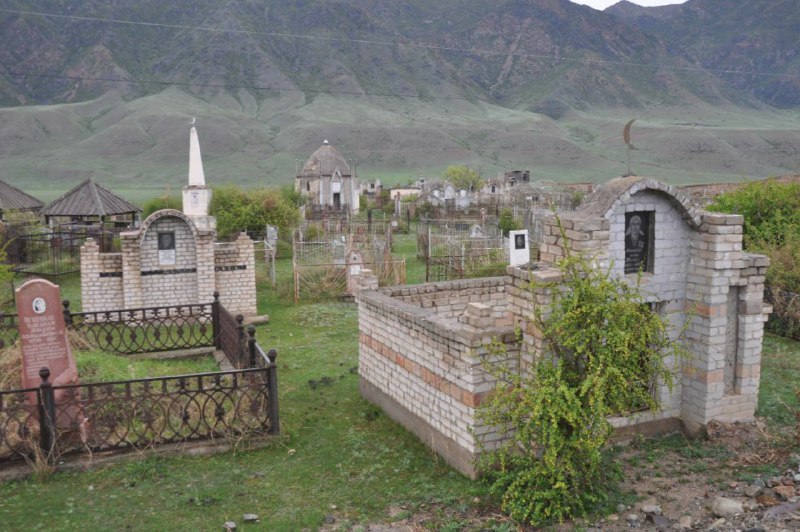
A rural Kazakh cemetery. Looks very unusual. They actually build entire crypts here. In recent years, people seem to have become a bit more relaxed about it.
The city cemetery is also a bit simpler, but the idea is roughly the same.
The city cemetery is also a bit simpler, but the idea is roughly the same.
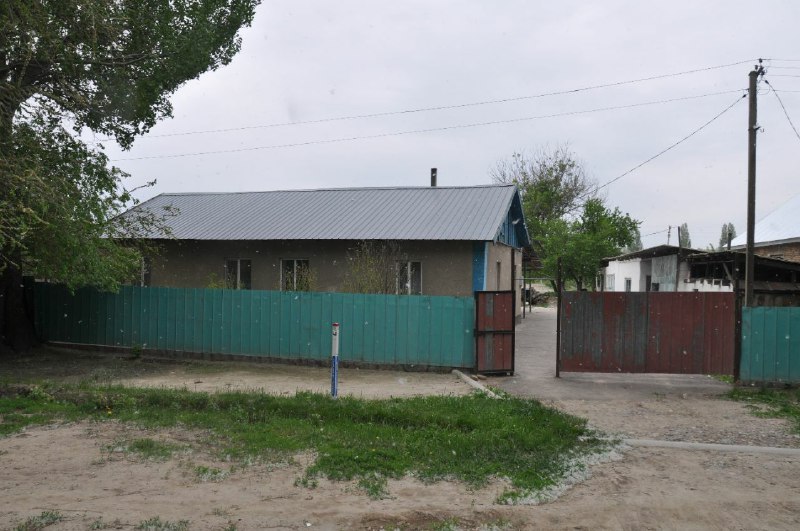
A glimpse of ethnography. Not far from Almaty, there's a small Uyghur village called Baiseit. According to a local legend, long, long ago the villagers asked God to give them happiness. And he granted their wish. Some time later, happiness began to leave, but it said it would definitely return.
Ever since, the locals always keep their gates or doors open when they're at home. So that when happiness returns, it won't find closed doors. And indeed, nearly everyone there keeps their gates wide open.
And if a traveler asks, they'll always give him a piece of bread and a glass of water.
Ever since, the locals always keep their gates or doors open when they're at home. So that when happiness returns, it won't find closed doors. And indeed, nearly everyone there keeps their gates wide open.
And if a traveler asks, they'll always give him a piece of bread and a glass of water.
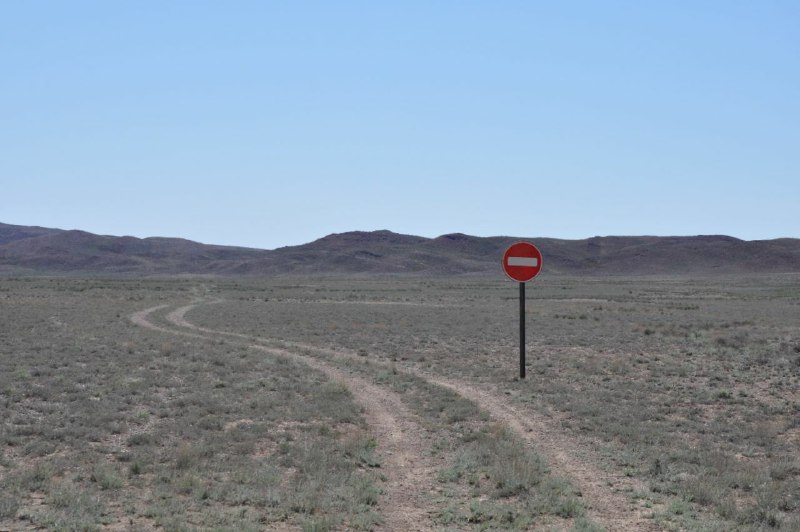
A brick in the steppe looks really interesting. And quite unusual :)
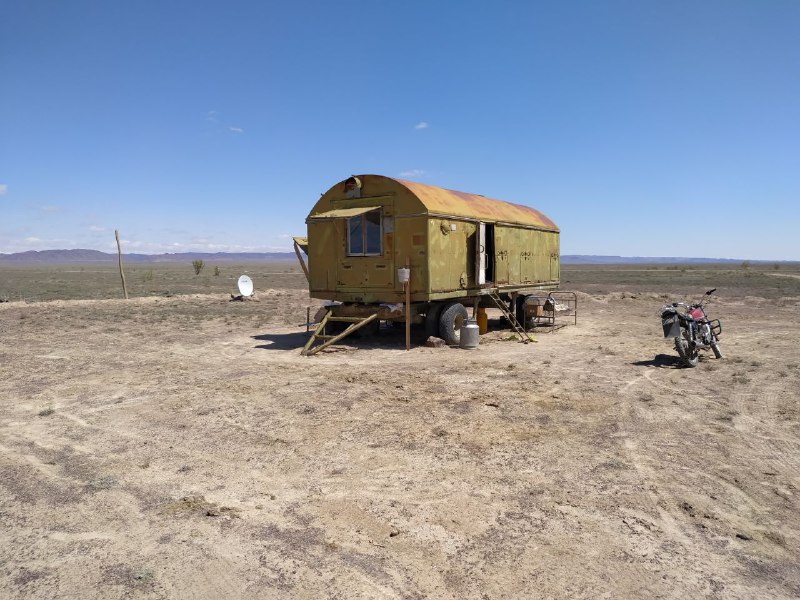
No, this isn't a typical steppe Kazakh dwelling (:
This is an outpost in Altyn-Emel National Park. A ranger is stationed here. The conditions are extremely spartan: no toilet, no water, just steppe all around and nothing else. But there is a satellite dish (:
There are also more substantial outposts. With houses and gardens. Families actually live there.
But the climate is harsh. Right now it's a comfortable +25. In summer during the day temperatures usually exceed +40. Sometimes it even reaches +60.
This is an outpost in Altyn-Emel National Park. A ranger is stationed here. The conditions are extremely spartan: no toilet, no water, just steppe all around and nothing else. But there is a satellite dish (:
There are also more substantial outposts. With houses and gardens. Families actually live there.
But the climate is harsh. Right now it's a comfortable +25. In summer during the day temperatures usually exceed +40. Sometimes it even reaches +60.
TIL: Back in the 1900s, the U.S. federal government banned growing black currants (!), because they believed that as a carrier of rust fungi, it could potentially cause serious damage to forestry (aka logging).
In 1966, the ban stopped being federal, and each state got the ability to decide the ban question independently. But nobody even thought to lift it.
For example, in New York, after years of effort by farmers, the ban was only lifted in 2003. However, in many states, growing black currants is still prohibited.
In 1966, the ban stopped being federal, and each state got the ability to decide the ban question independently. But nobody even thought to lift it.
For example, in New York, after years of effort by farmers, the ban was only lifted in 2003. However, in many states, growing black currants is still prohibited.
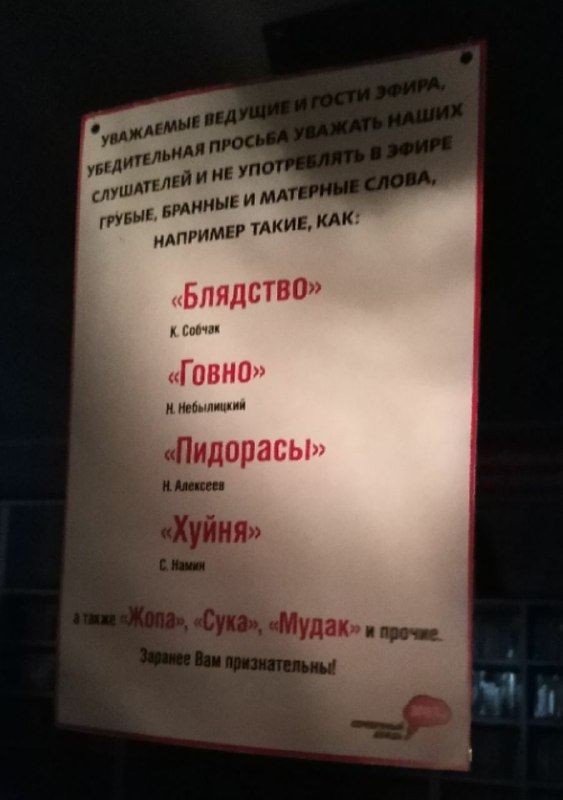
A reminder for guests and hosts right in the Silver Rain studio. No need to curse.
PS. The wonderful "Day of Radio" was filmed in this very studio ;)
PS. The wonderful "Day of Radio" was filmed in this very studio ;)
Countries
 United Kingdom3
 Serbia100
 Bosnia and Herzegovina54
 Turkey42
 United Arab Emirates3
 Brunei2
 Indonesia12
 Malaysia15
 Argentina16
 USA117
 Morocco5
 Georgia5
 Egypt16
 Hong Kong8
 China4
 Vietnam9
 Tunisia7
 Montenegro9
 Philippines12
 Singapore10
 Oman12
 Algeria12
 North Macedonia5
 Lebanon11
 Israel27
 Albania17
 Russia63
 Tanzania50
 Netherlands7
 Spain14
 Latvia2
 Germany7
 Belgium3
 France27
 Kazakhstan32