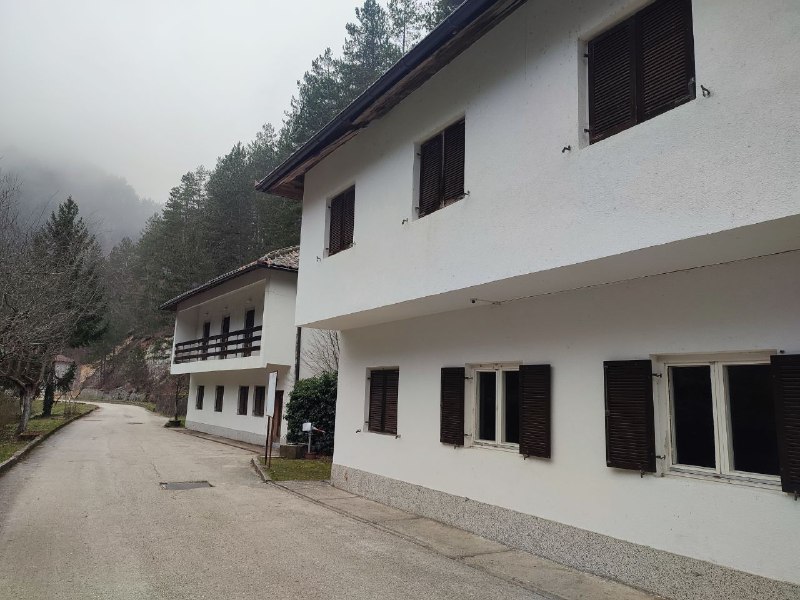
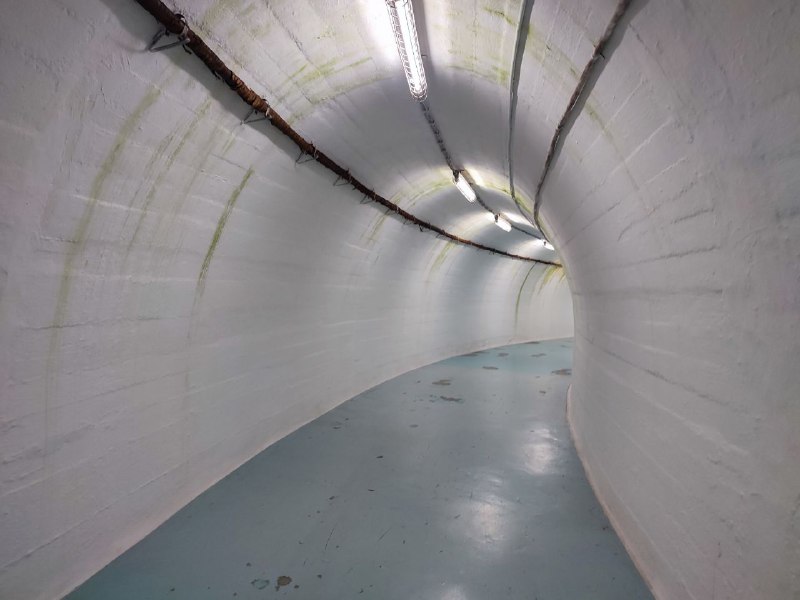
Tito, like any typical dictator, built himself a bunker as a fallback in case of nuclear war. Located in the inconspicuous town of Konjic, not far from Sarajevo.
Officially, there was nothing there: a completely classified project, the construction was disguised as a local weapons factory production facility, and the residents had no idea what was actually happening. All 26 years of construction (hard to believe, I know).
Almost immediately after completion, the Yugoslav leader died, having visited the bunker only once. The military preserved the shelter but continued to maintain minimum readiness in case of conflict. So 16 soldiers guarded the facility until the country's collapse.
During Yugoslavia's breakup, one general ordered the facility destroyed so it wouldn't fall into Bosnian hands. But two soldiers sabotaged the order and cut the wires to the explosives, later handing the shelter over to the Bosnian Army. It actually came in handy during the 1992-95 war.
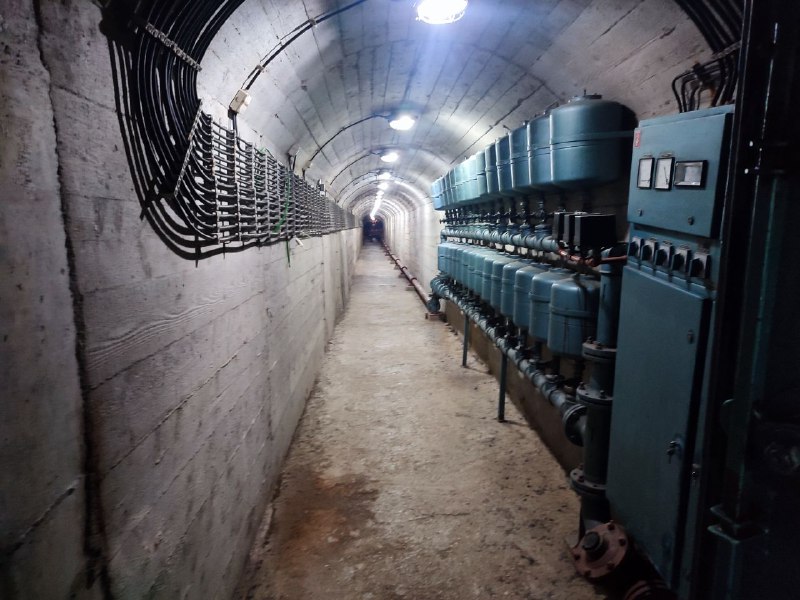
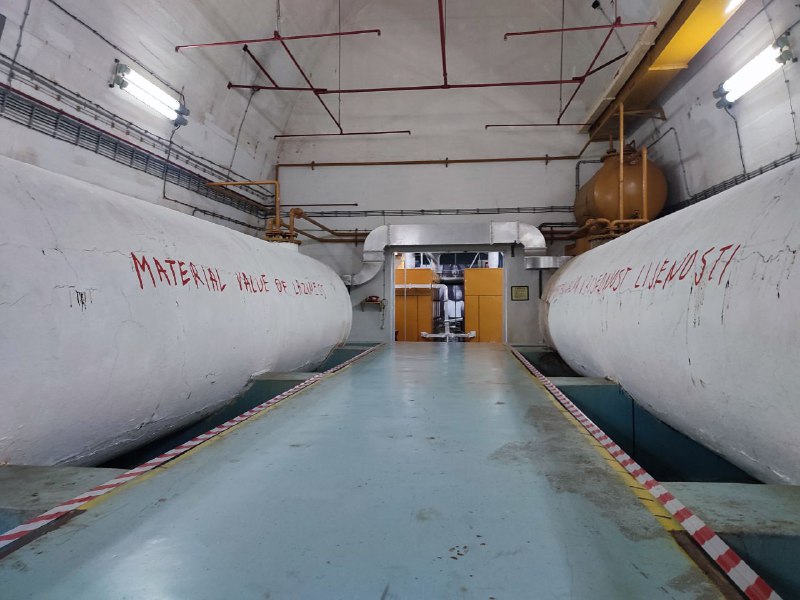
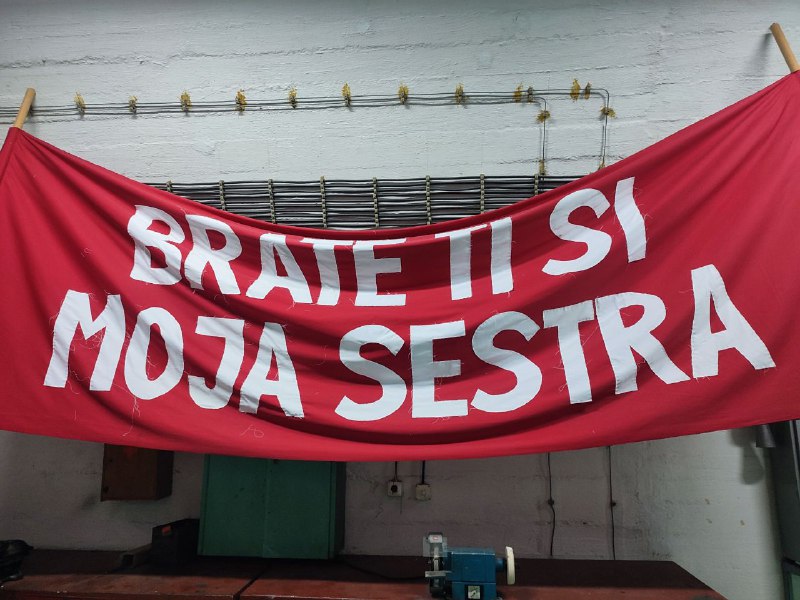
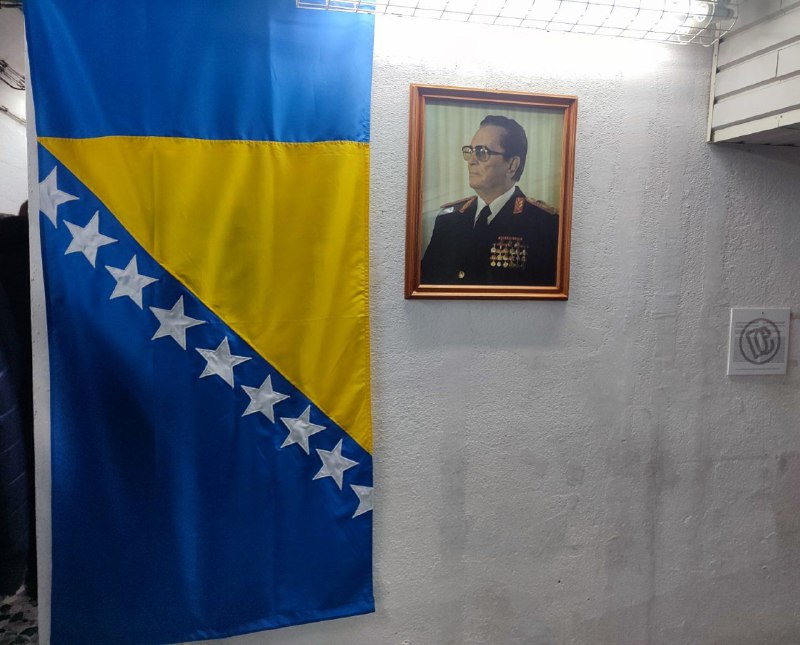
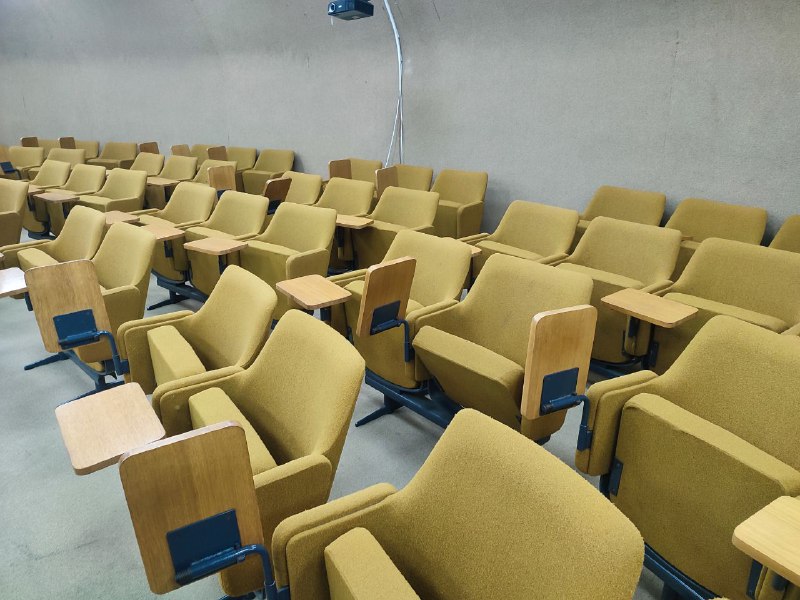
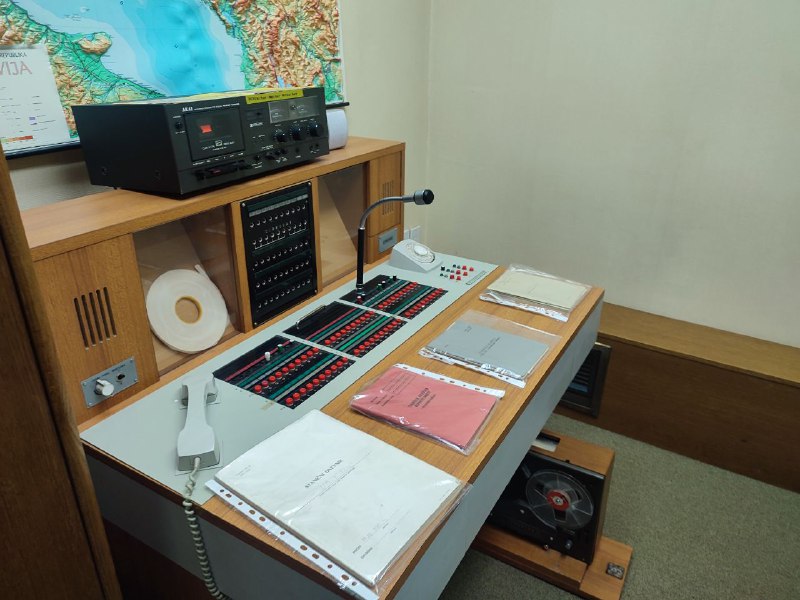
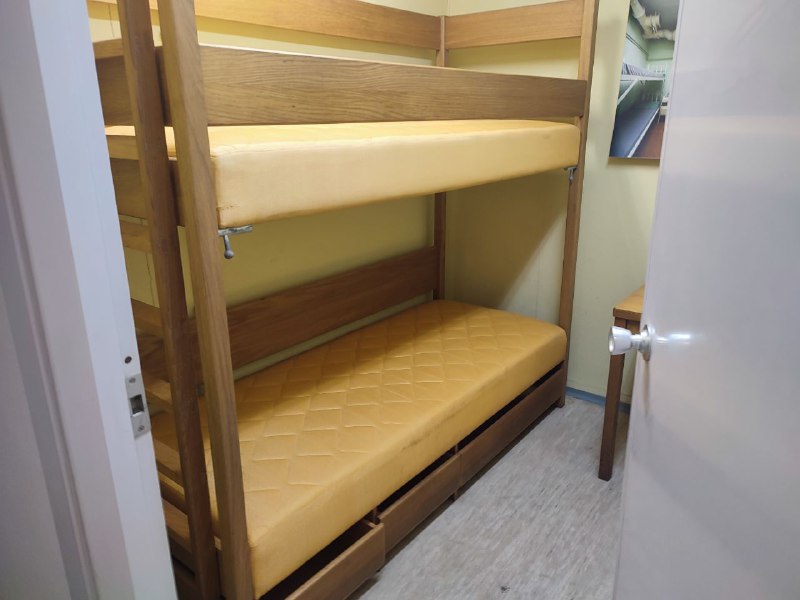
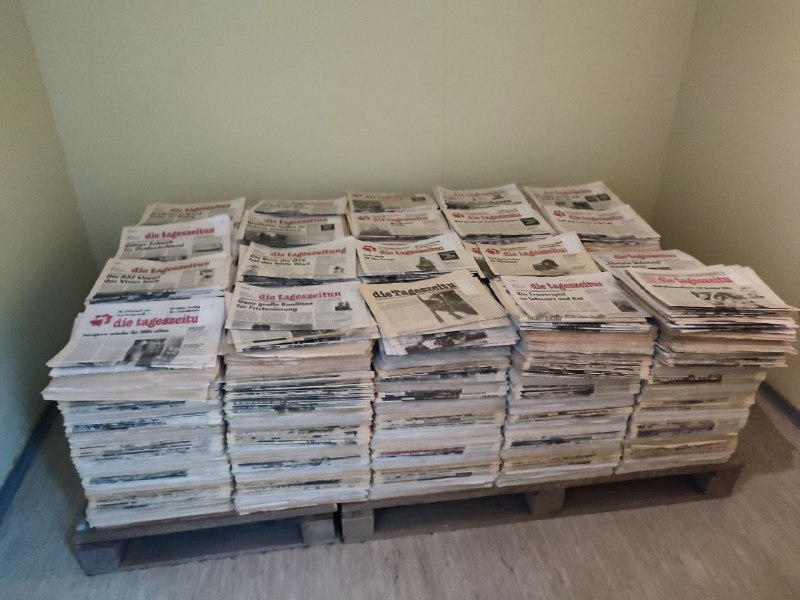
Today it's an absolutely fantastic museum. Everything is in excellent condition, and in addition to the internal infrastructure, they also display artwork.
Officially, there was nothing there: a completely classified project, the construction was disguised as a local weapons factory production facility, and the residents had no idea what was actually happening. All 26 years of construction (hard to believe, I know).
Almost immediately after completion, the Yugoslav leader died, having visited the bunker only once. The military preserved the shelter but continued to maintain minimum readiness in case of conflict. So 16 soldiers guarded the facility until the country's collapse.
During Yugoslavia's breakup, one general ordered the facility destroyed so it wouldn't fall into Bosnian hands. But two soldiers sabotaged the order and cut the wires to the explosives, later handing the shelter over to the Bosnian Army. It actually came in handy during the 1992-95 war.
Today it's an absolutely fantastic museum. Everything is in excellent condition, and in addition to the internal infrastructure, they also display artwork.
 United Kingdom
 Serbia
 Bosnia and Herzegovina
 Turkey
 United Arab Emirates
 Brunei
 Indonesia
 Malaysia
 Argentina
 USA
USA Morocco
 Georgia
 Egypt
Egypt Hong Kong
 China
China Vietnam
 Tunisia
 Montenegro
 Philippines
 Singapore
 Oman
Oman Algeria
 North Macedonia
 Lebanon
 Israel
 Albania
 Russia
 Tanzania
 Netherlands
 Spain
Spain Latvia
 Germany
 Belgium
 France
 Kazakhstan