One of the three is appointed chair, and the position rotates every 8 months. Over 4 years, that's exactly 2 complete cycles.
Decisions are made collectively, by unanimous consent. But on controversial issues, this doesn't work at all. For example, Bosniaks and Croats would be happy to recognize Kosovo's independence, but the Serbs are categorically opposed.
Elections are also complicated: Croats living in the Serb Republic have to vote for the Serbian representative, while Serbs who moved to the Federation can't vote for him, even though they'd really like to. It's a mirror situation with the other candidates.
And the real problem is that the presidents' ethnicities are iron-clad in the Dayton Accords. Representatives of other peoples can't be elected. There was a case at the European Court of Human Rights against B&H brought by a Jew and a Roma because of such discrimination. The court ruled back in 2009 that the rules need to be changed, but the system hasn't been reformed since then.
And that wraps up today's civics lesson. And in the photo below is the building in Sarajevo where the presidents meet.
 United Kingdom
 Serbia
 Bosnia and Herzegovina
 Turkey
 United Arab Emirates
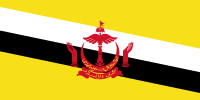 Brunei
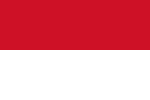 Indonesia
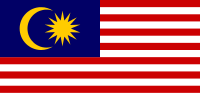 Malaysia
 Argentina
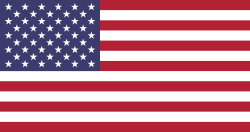 USA
USA Morocco
 Georgia
 Egypt
Egypt Hong Kong
 China
China Vietnam
 Tunisia
 Montenegro
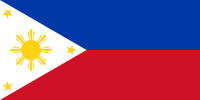 Philippines
 Singapore
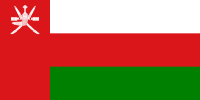 Oman
Oman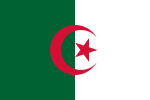 Algeria
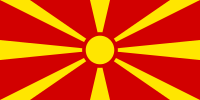 North Macedonia
 Lebanon
 Israel
 Albania
 Russia
 Tanzania
 Netherlands
 Spain
Spain Latvia
 Germany
 Belgium
 France
 Kazakhstan