Telegram mirror

Telegram is a messenger where I post short travel notes. This page is a self-hosted backup of that channel.

Filtering: History ×Clear all
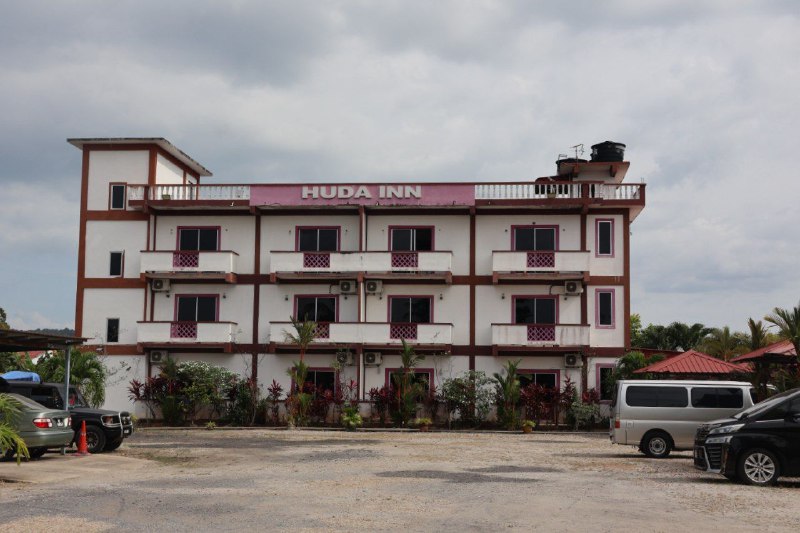
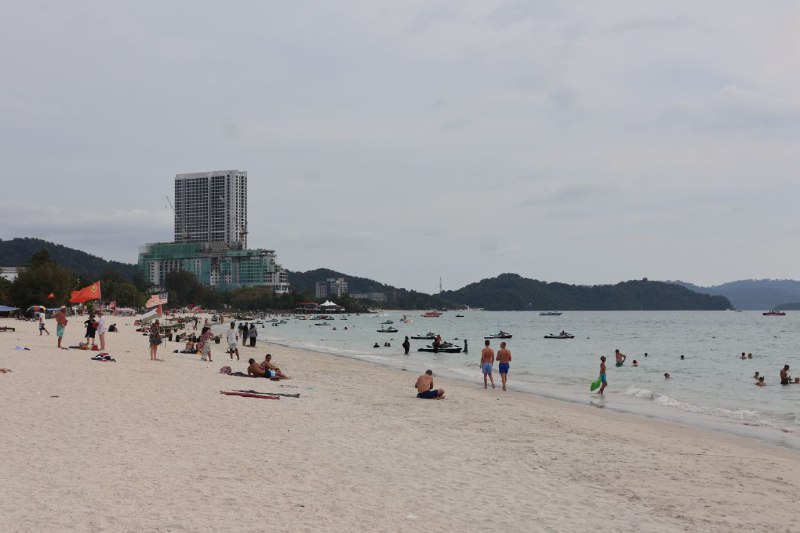
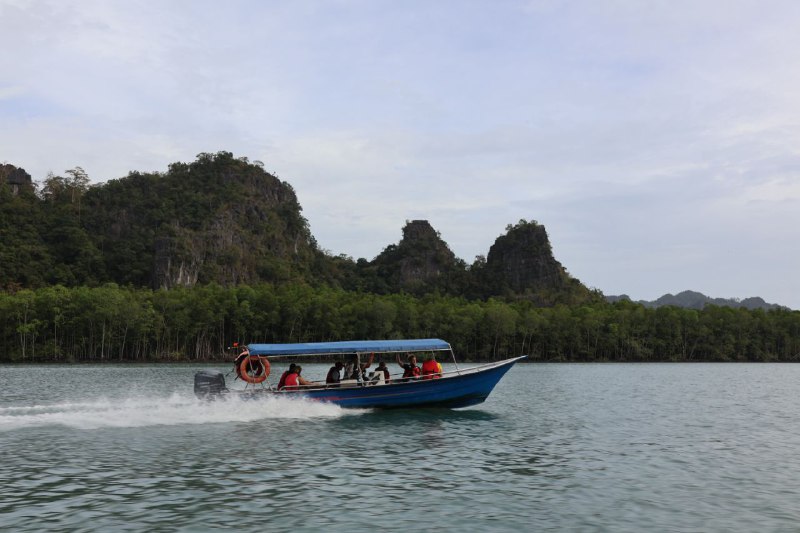
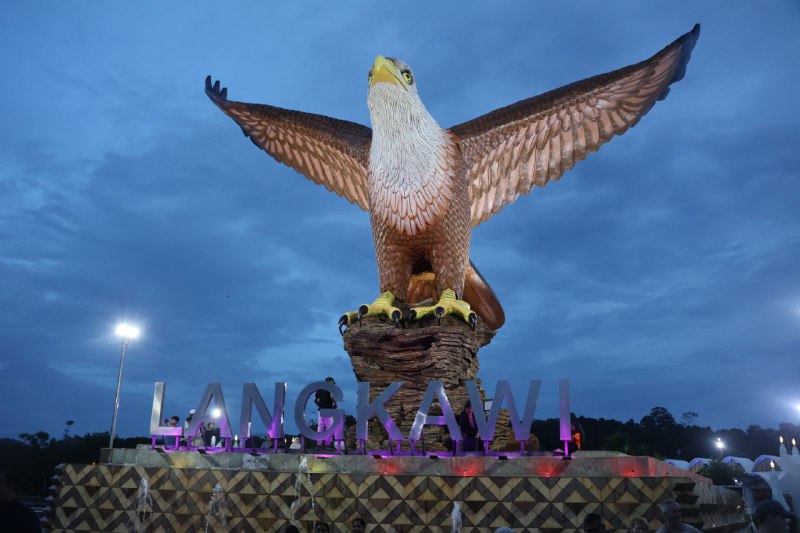
Within Malaysia, you can get almost anywhere for $20-30 thanks to local budget airlines. So I decided to check out Langkawi. It's an island right on the border with Thailand. But I quickly regretted the decision: there's practically nothing to do on the island, the infrastructure is pretty run-down, and the weather wasn't great either.

According to legend, in the early 18th century there lived a young and beautiful woman on the island called Mahsuri. Her husband went off to war with Siam, and in his absence Mahsuri became friends with a passing traveler. The village chief's wife, out of jealousy, started spreading rumors that it was more than just friendship—a full-blown romance. Eventually, the villagers brought an official accusation of infidelity against her.

As punishment, the woman was tied to a tree and they tried to stab her. It didn't work. Then Mahsuri said they needed to take the family dagger and that would definitely help kill her. They took her advice, but after the dagger struck, white blood flowed out. This proved her innocence. As she was dying, Mahsuri cursed the next seven generations of the island, predicting misfortune in everything.

According to beliefs, the curse was supposed to end at the end of the 20th century. The increasing flow of tourism is often linked to this. But from my experience, it hasn't ended yet :)
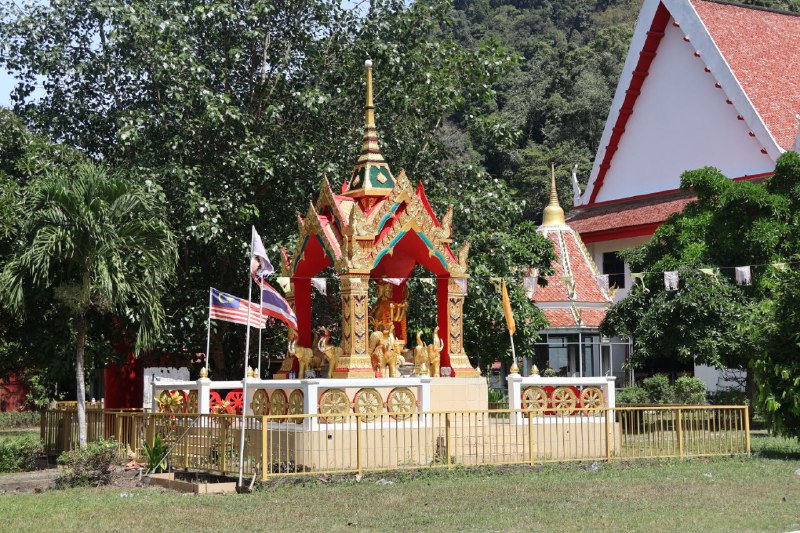
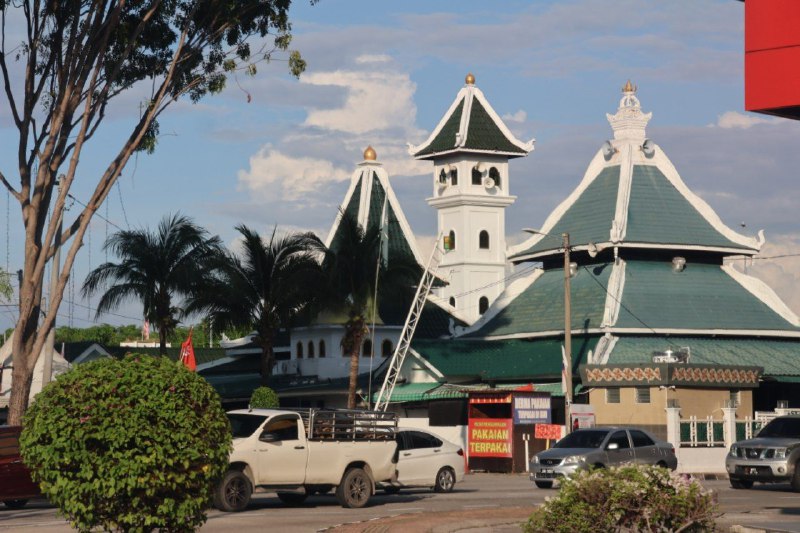
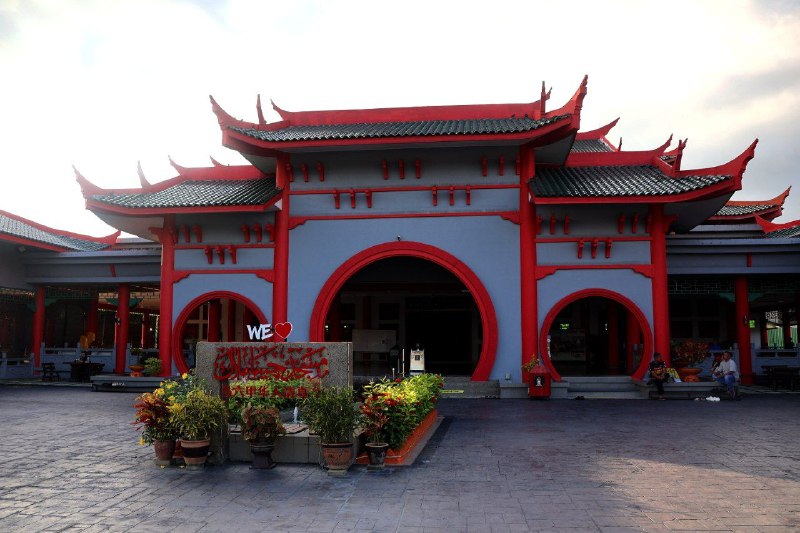
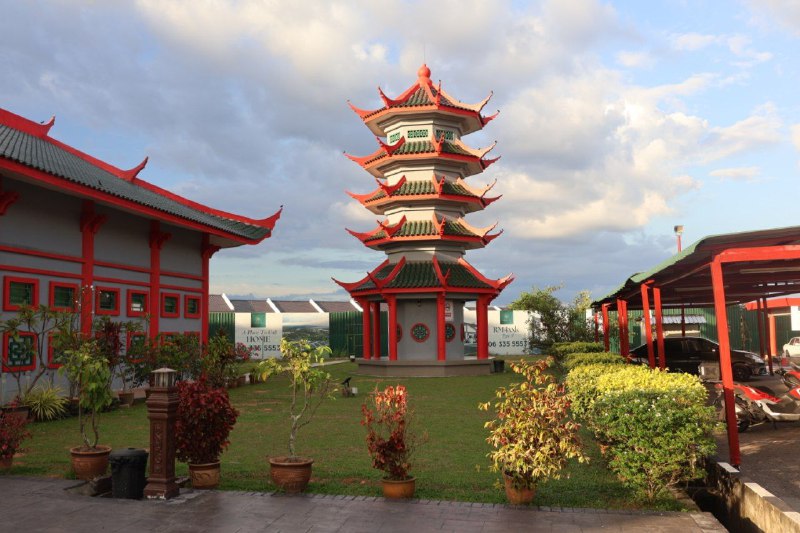
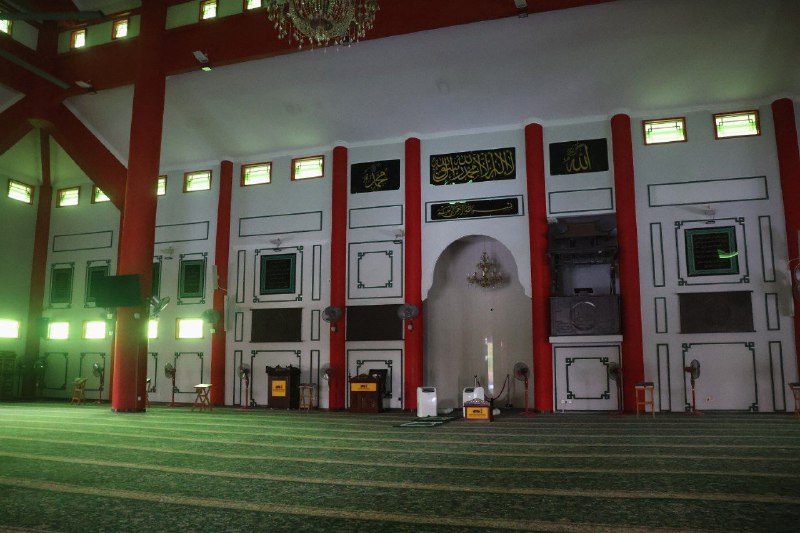
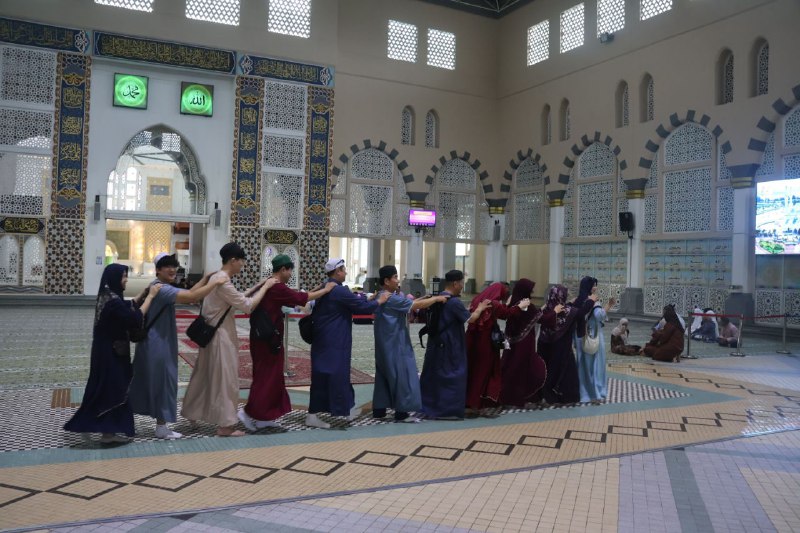
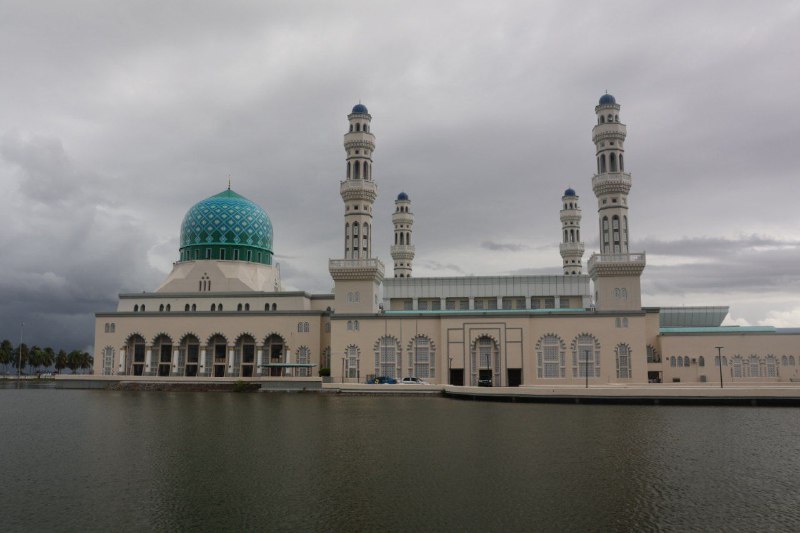
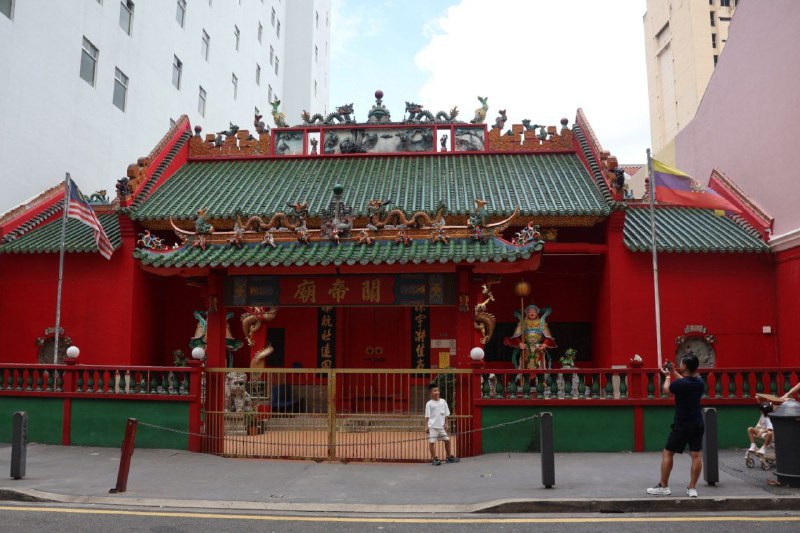
Malaysian Chinese Muslims build mosques just like in China. And it's really different from everywhere else in the world. Who else builds mosques with pagodas and roofs like that?
The Sabah state issue means Malaysia and the Philippines just can't seem to get along. The Filipinos have tried several times to launch small military operations on the Malaysian island because they believe northern Borneo is theirs, even though the rest of the world disagrees with them. Most recently back in 2013!

By the early 18th century, the Sultanate of Sulu had essentially conquered northern Borneo and the Brunei Sultan formally recognized this. In 1878, the new Sultan of Sulu signed a treaty with the British about selling (or leasing?) this land. The document was written only in Jawi (that's Malay written in Arabic script), where the land was supposed to be "ڤاجقن", which in English could be translated as either a lease or a sale (Jawi experts, correct me if I'm wrong :) ). The payment terms included perpetual annual monetary transfers. Meanwhile, the British labeled the transactions as "payment for land purchase," and the sultanate never disputed this.
Later, several new documents were signed without such ambiguity, explicitly stating a sale. By the early 1960s, the Sultanate of Sulu ended up part of the Philippines, while Sabah became part of Malaysia. But the desire to reclaim the land never went away. In 1962, a year before Malaysia was formed, a bill was even submitted to the Philippine government proposing to rename the country Malaysia so there'd be no doubt about where the true Malay lands were, but the law didn't pass, and they had to abandon this brilliant idea. In 1967, the Philippine president was secretly preparing to annex Sabah, but at the last moment the soldiers refused to participate. The rebels were eventually executed, and the authorities didn't acknowledge this fact until 2013.

In that same 2013, several hundred armed Filipinos landed on Borneo and declared the return of the lands to their historical owner. At first, they tried to negotiate with the fighters, but ultimately the Malaysian army suppressed the conflict by force. The Philippine government didn't officially support the attackers, but it didn't renounce its territorial claims either. Malaysia only at that point stopped making payments for the land and built a security zone on its coast in case of future attacks. Based on tweets from the Philippine foreign minister in 2020, where he directly wrote that Sabah is not Malaysia, it's not really such an unlikely scenario.

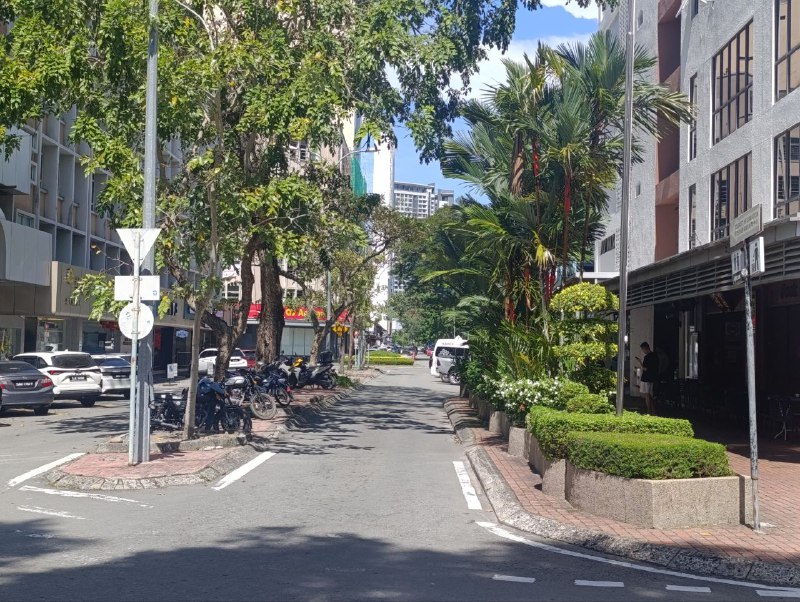
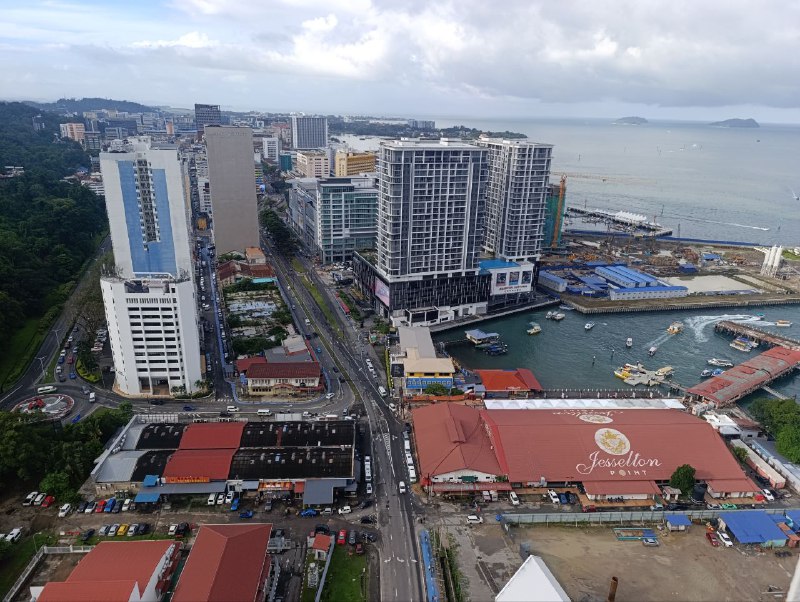
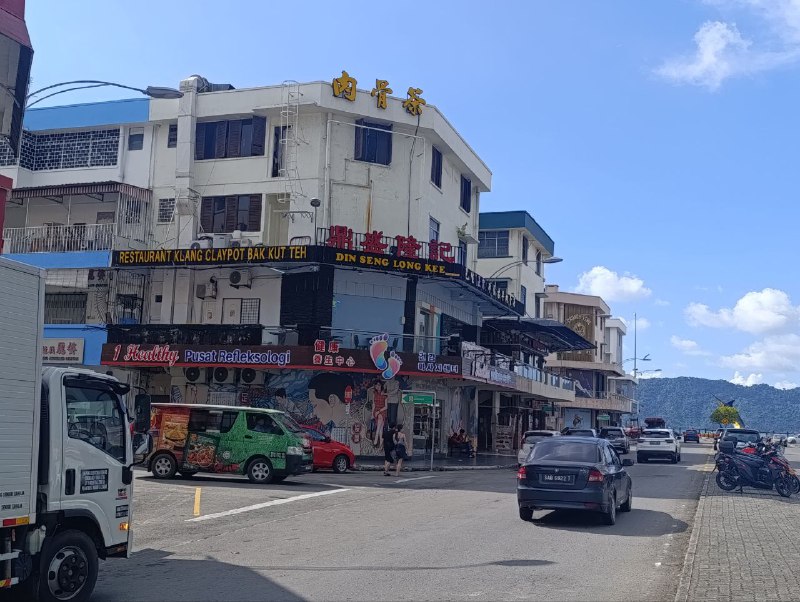
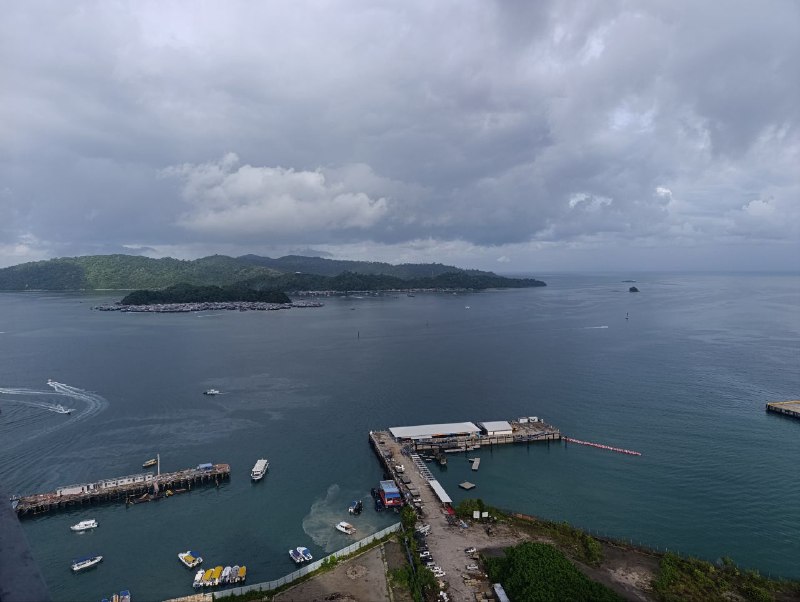
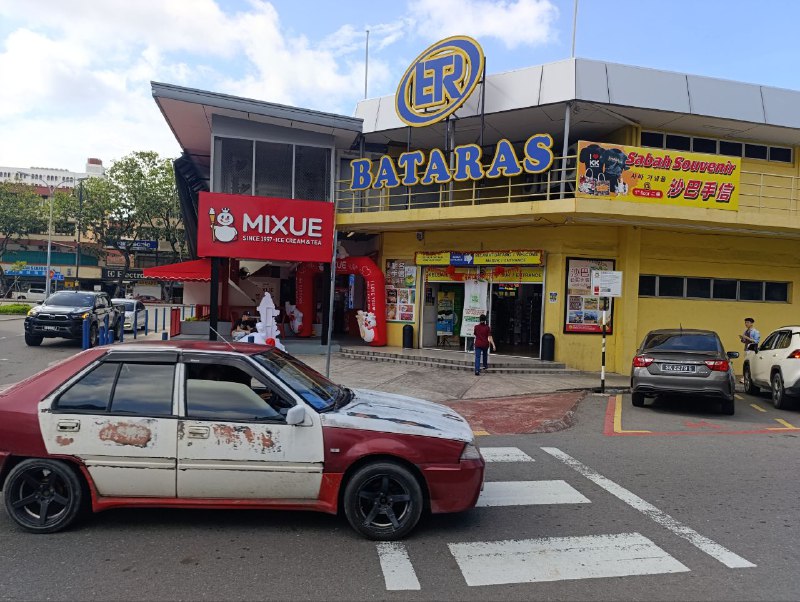
PS. In the photo is the capital of the region — Kota Kinabalu, a pretty charming city. Let's hope there won't be any new conflicts there 🕊
I spent a few days in Sabah state. When they joined Malaysia, they agreed on broad autonomy and other perks. But things didn't quite work out that way, and the center only selectively honors those agreements. A region with major oil reserves gets just 5% commission from oil production (the rest goes to the state-owned Petronas) and remains one of the poorest in the country.
Besides Malays, many local tribes live here. Compared to Chinese and Indians, their situation is slightly better, but they face challenges too.

The local tribes weren't always friendly though. Not so long ago, they hunted people, and a random traveler could be killed before even reaching a settlement. Only by the early 20th century did the British manage to put an end to these bloodthirsty customs.

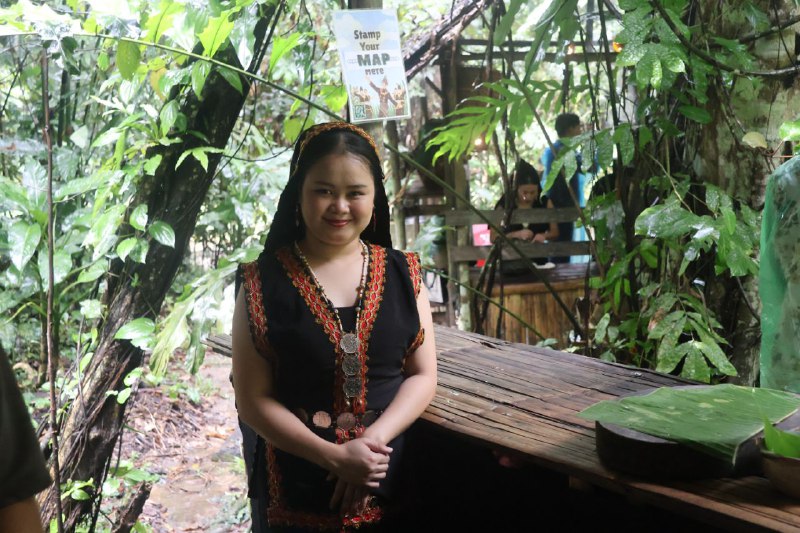
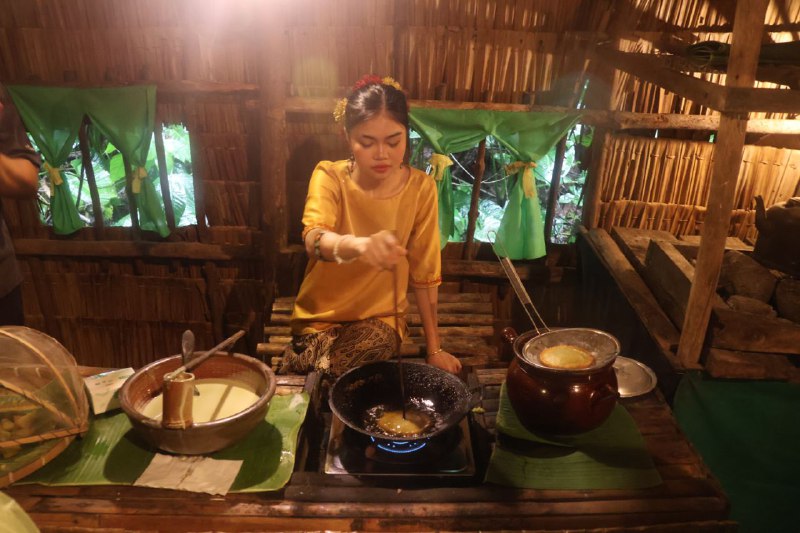
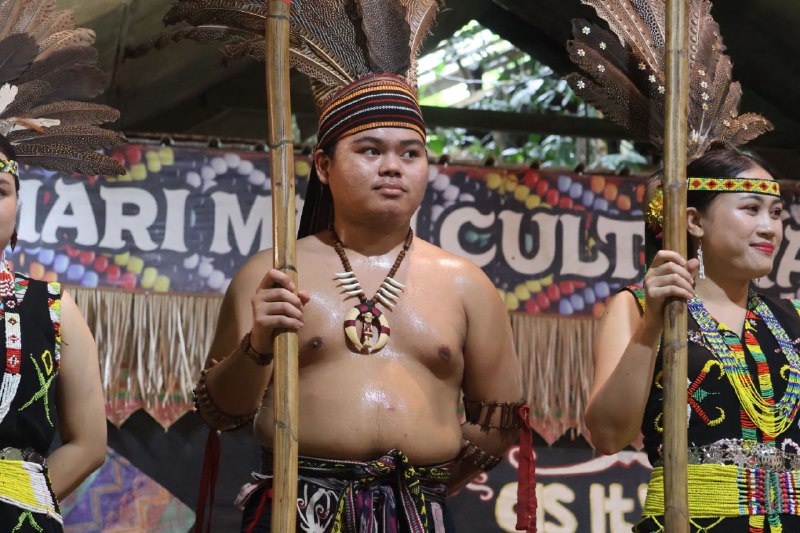
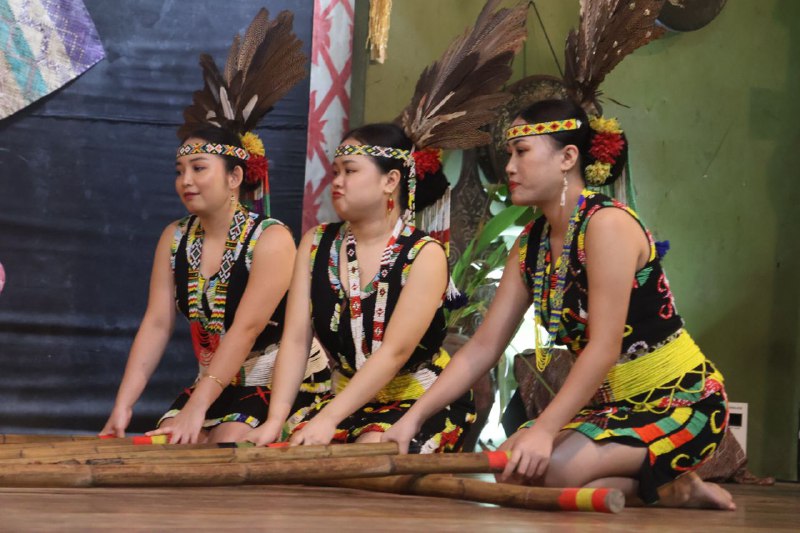
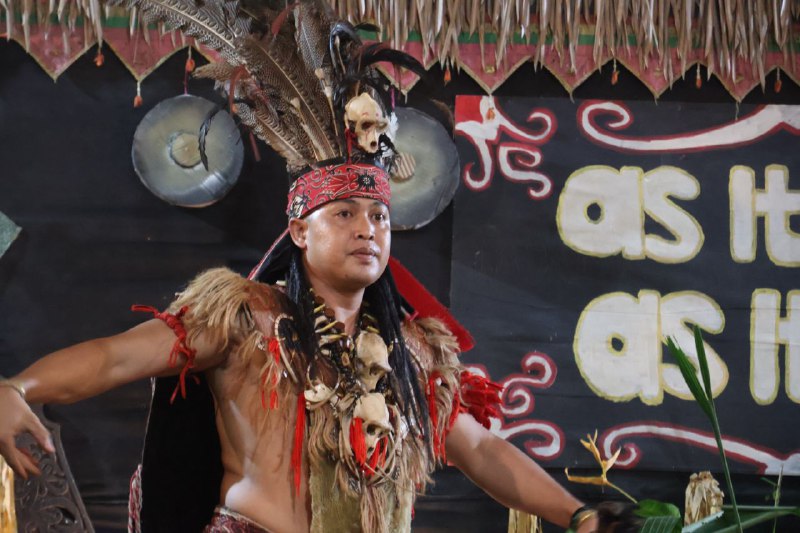
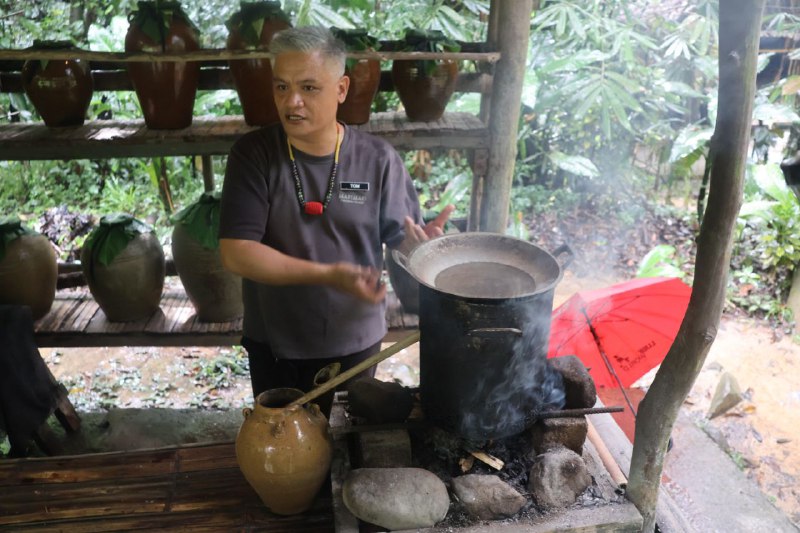
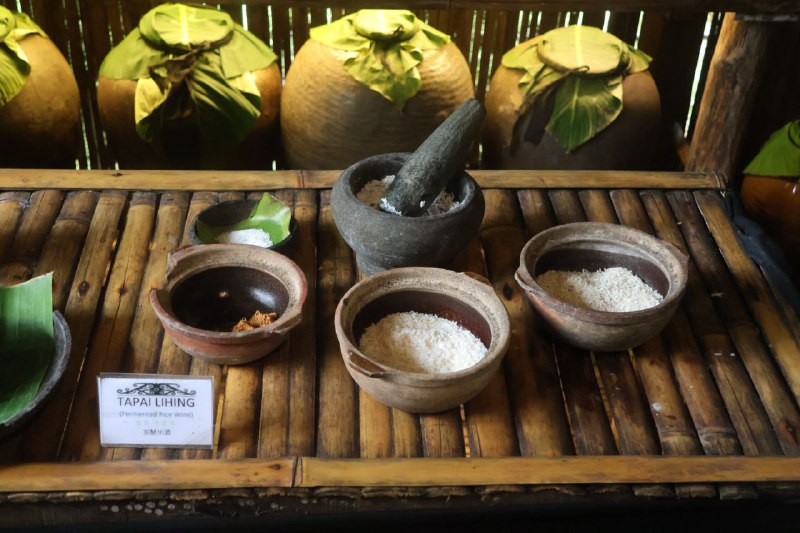
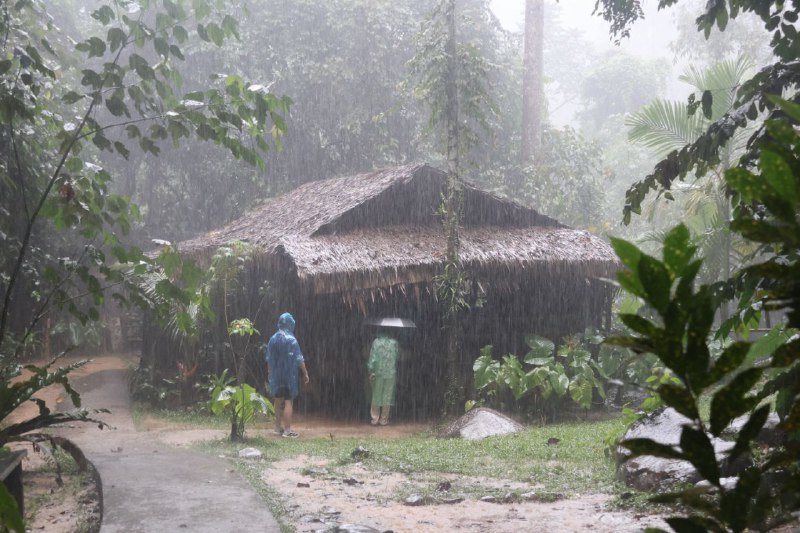
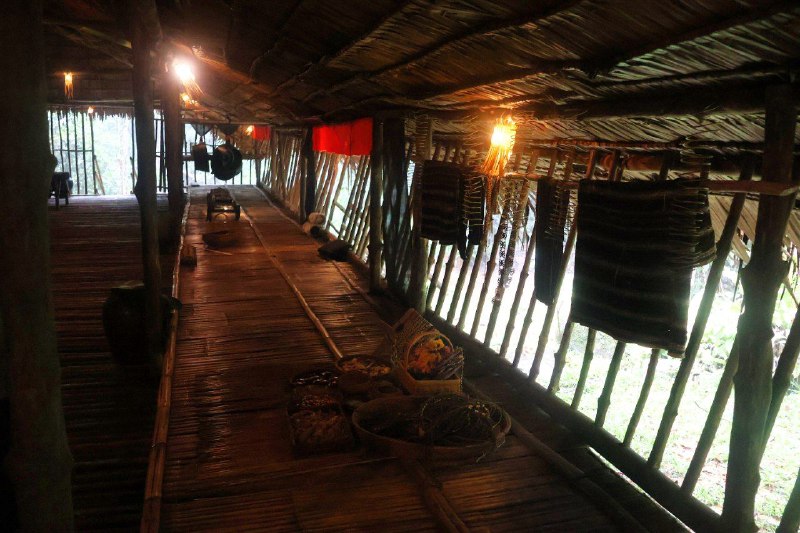
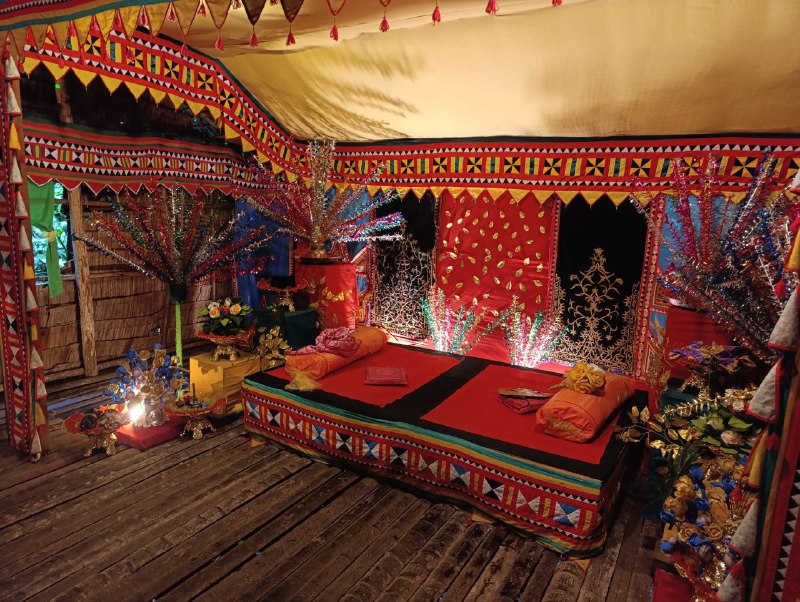
Today, tourists are drawn to cultural villages like Mari Mari. It's all done really well: tribe members are on display, they tell you about their customs, and they even let you try traditional food and drinks. Nobody actually lives in the tribal way anymore—it's just a job people do for money. But they do capture the atmosphere well.
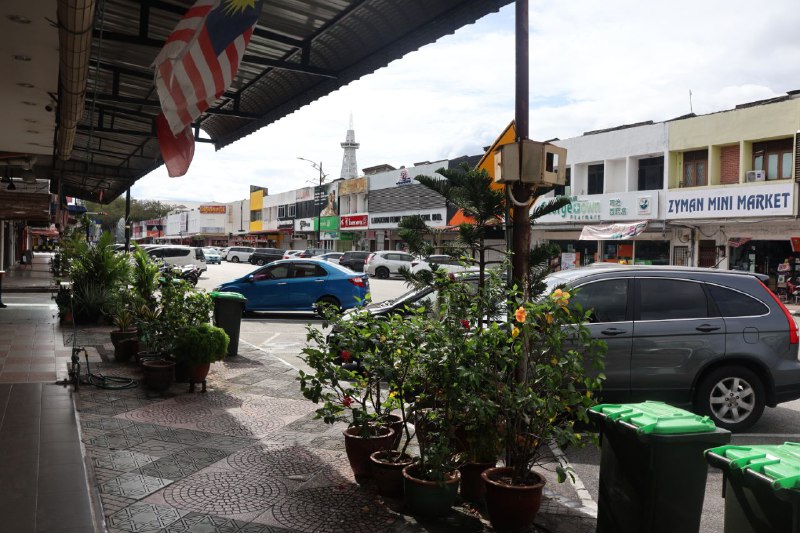
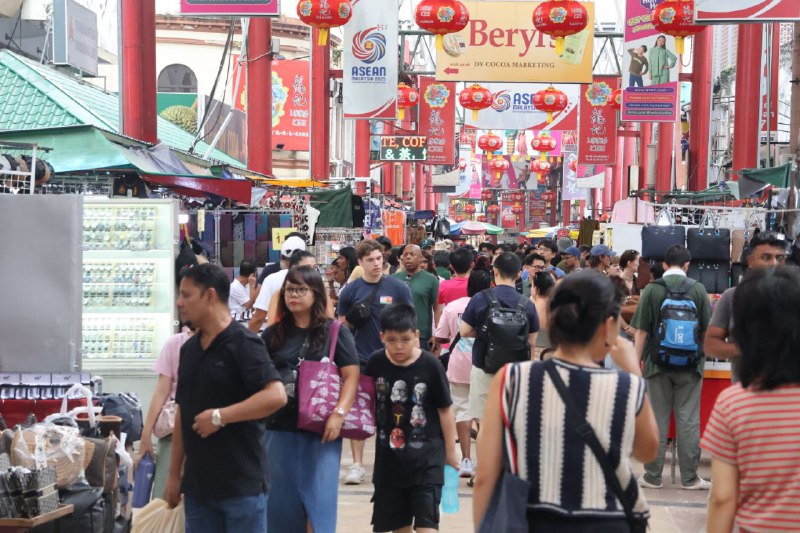
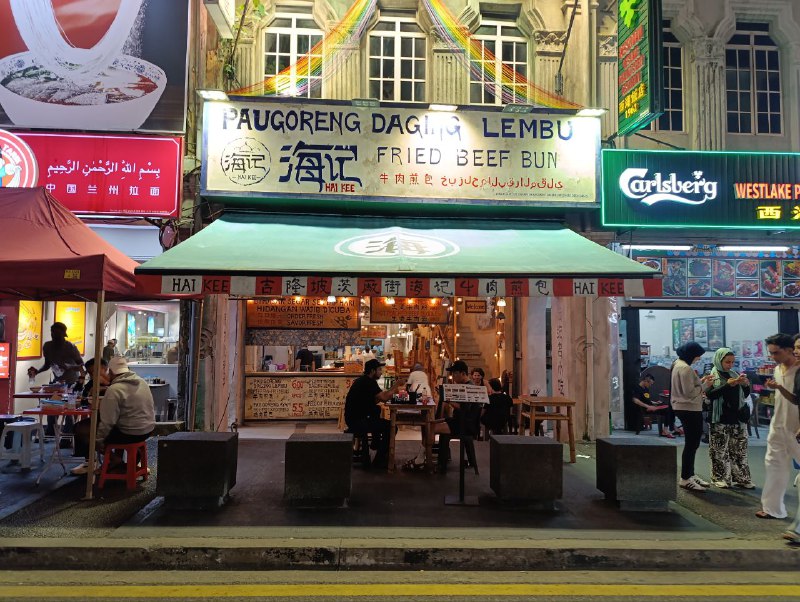
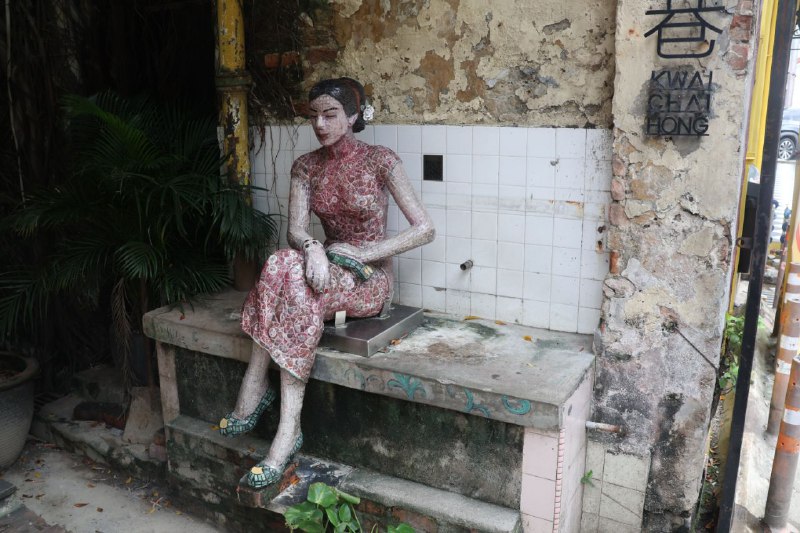
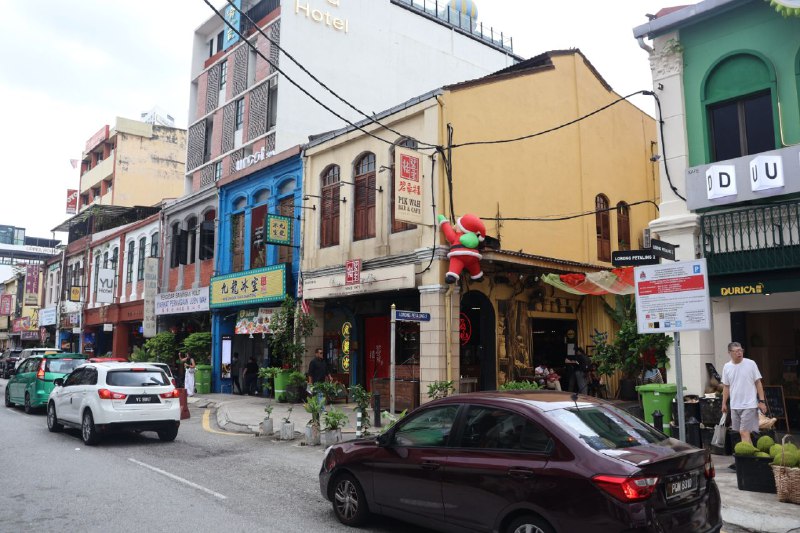
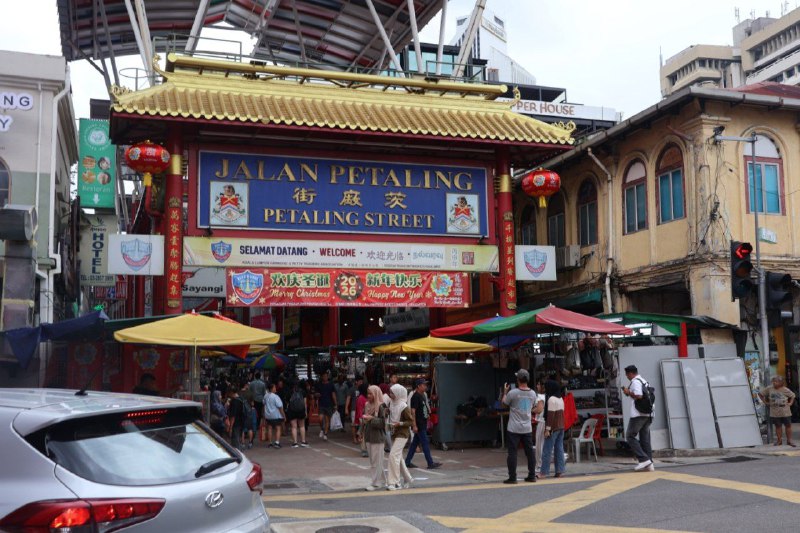
When I was looking for housing in Kuala Lumpur, I couldn't find anything better than the Chinese quarter. I settled on the busiest street with a market. During the day, rivers of people flow through it, and closer to midnight, some vendors literally cut their stalls in half. Silence only comes around 2-3 AM. But overall it's bearable.

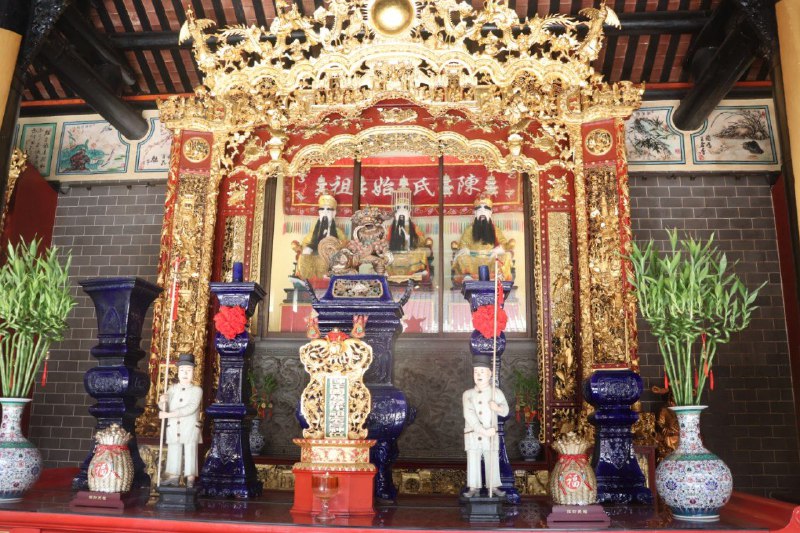
In Malaysia, almost 23% of the population is Chinese. The last major wave of migration consisted of those fleeing communists after the revolution, some came here thanks to the British for mining operations, and others were brought by the Dutch for various construction work back in the 17th century. Historically, Chinese people were economically better off. This was partly why, since independence in 1957, relations with Malays were not the friendliest. In 1969 it escalated to a massacre with hundreds killed (exact numbers are unclear, with estimates ranging from a few hundred to a thousand people). Thankfully, there haven't been any major violent escalations since then.

Singapore also suffered due to ethnic tensions. In the mid-1960s it was a Malaysian state. The ethnic makeup there differed from the rest of the country in favor of the Chinese, so Lee Kuan Yew was particularly active in fighting for equal rights for all citizens. He came up with the slogan Malaysia for Malaysians (not to be confused with Malays). It all ended with the federal government seeing this as a threat to its power and expelling Singapore from the country. Perhaps one of the rare cases where a region didn't want independence at all, but was forced to have it.

Today tension still exists, but mainly stays in the political realm. For example, the Malaysia slogan is present in the charter of the party representing Chinese people, and they're regularly called upon to remove it. People get along with each other reasonably well; some Chinese even speak Malay better than Chinese. But it feels like the situation is still quite fragile. One random spark could easily cause a fire.
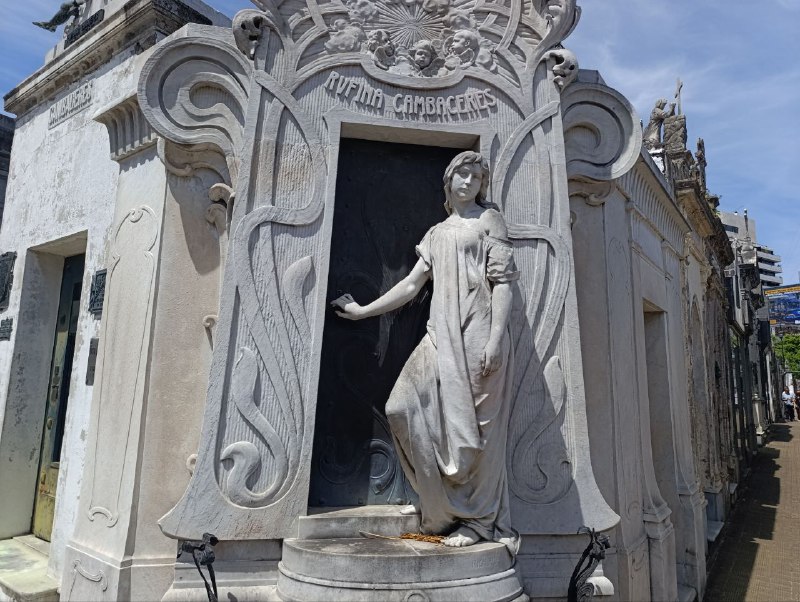
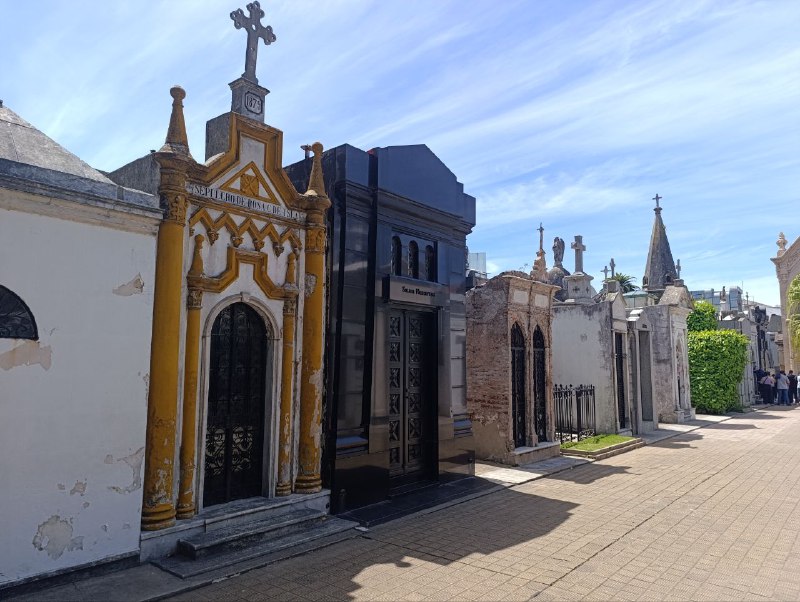
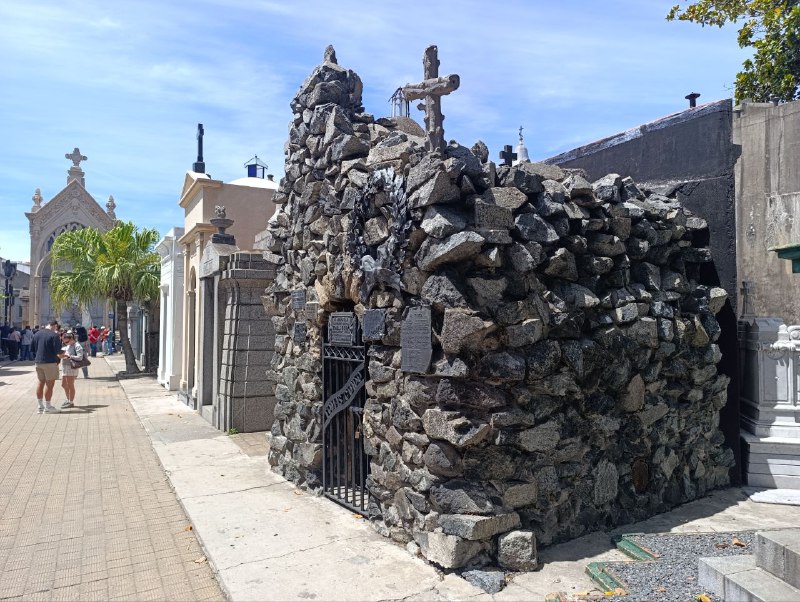
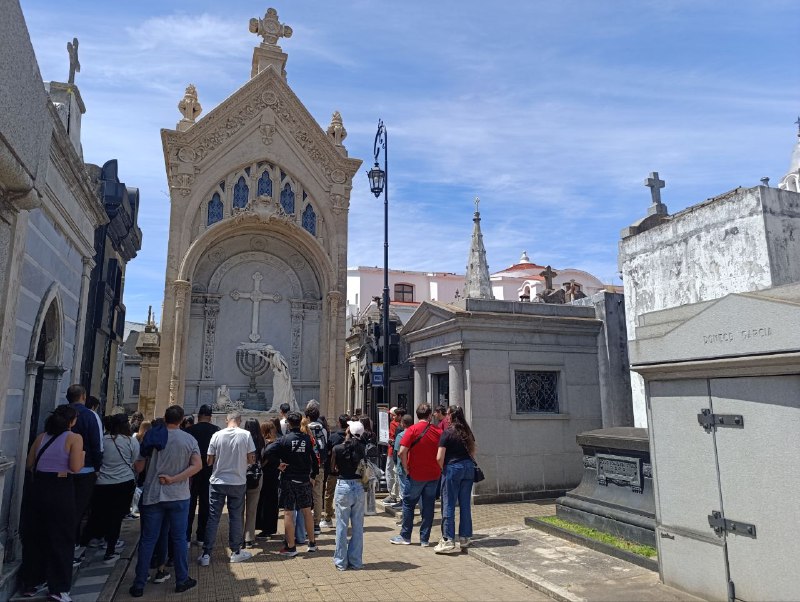
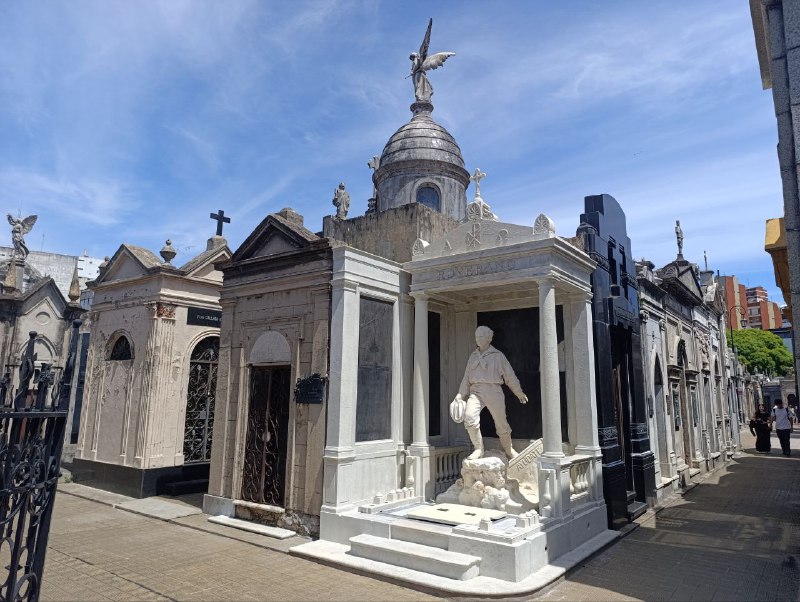
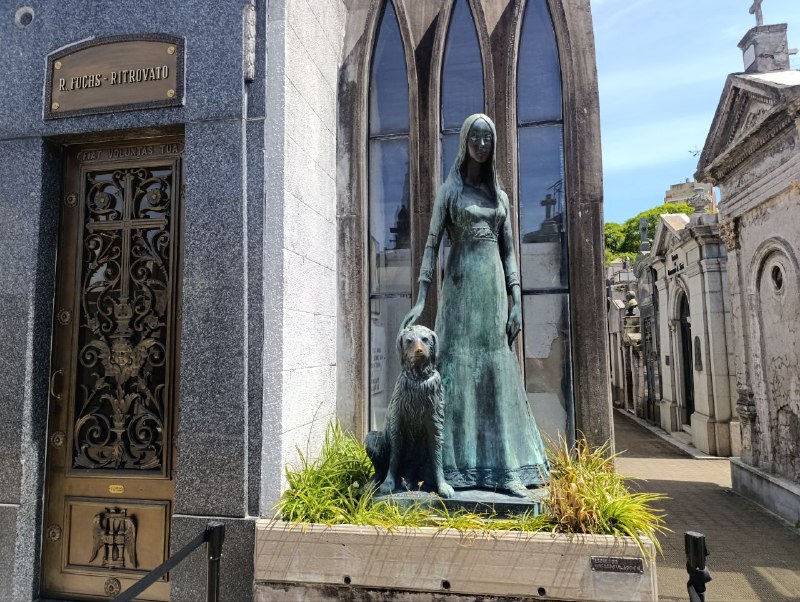
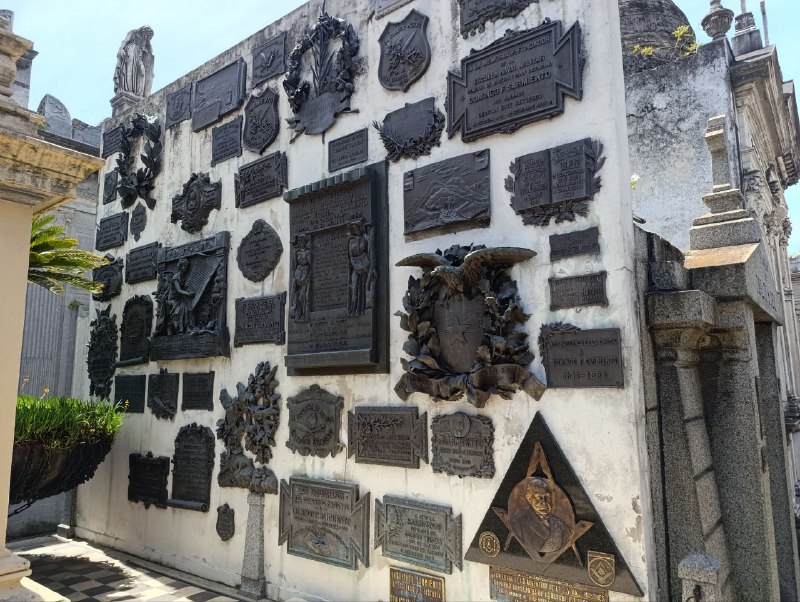
I sometimes write about various cemeteries here. Let me finish my Argentine story with the most famous cemetery in Buenos Aires — Recoleta, where the city's wealthy residents were buried. Many of the crypts and tombs have their own stories, but the case of Rufina Cambasares is what stuck with me the most.

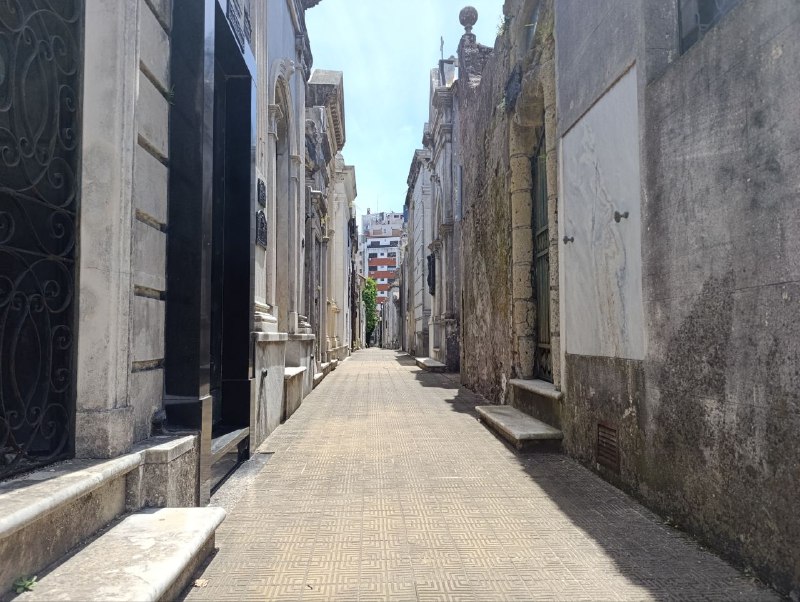
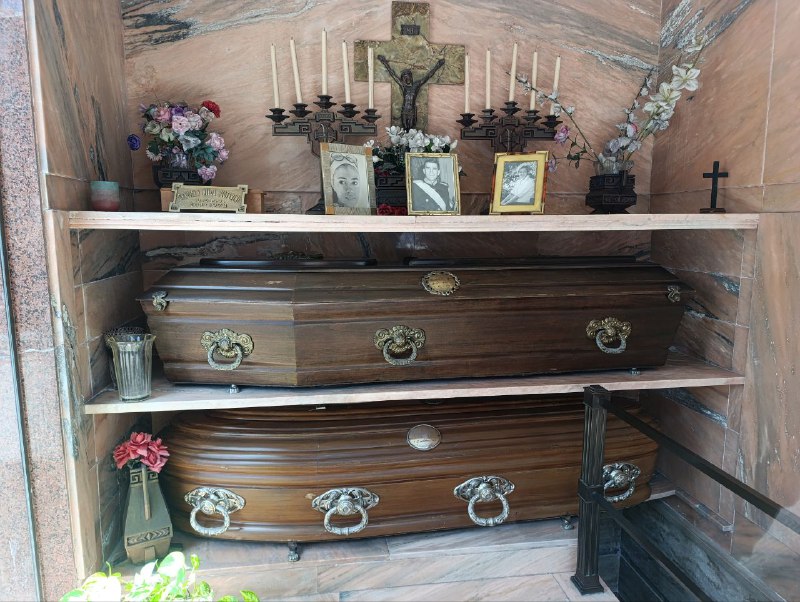
According to legend, a nineteen-year-old girl was getting ready for another social outing when she suddenly dropped dead. Three doctors diagnosed that Rufina died of a heart attack. Her relatives organized the funeral. Everything went as it should. But a few days later, cemetery workers noticed that the coffin had been moved and dents had appeared on the lid. As you can see in one of the photos, coffins aren't buried underground here, so it's easy to notice changes. Back then, people often tried to rob the graves of wealthy individuals. To make sure nothing had been stolen, they opened the coffin and allegedly found traces of the girl's unsuccessful attempts to escape. Gogol's worst fears came true in this story.

More than a hundred years have passed since then. And no one can say for certain what in this story is true and what isn't. But it's a beautiful legend. And there are many like it here.
Before my trip to Argentina, I was convinced that the local Germans were mostly descendants of Nazis who fled after World War II. But that turned out to be completely wrong.

Today, the country is home to around two million ethnic Germans. More than half are descendants of immigrants from Russia. In the late 19th century, Volga Germans massively migrated to South America. They lived in isolation outside major cities, engaged in agriculture, and spoke an archaic dialect from the time they left their historical homeland. Other German settlers had trouble understanding them.

In the 1930s, a wave of opponents to the Nazi regime came from Germany. Estimates vary, but up to 50,000 people arrived—though not all were German. They settled in Buenos Aires, had little contact with their Volga-German counterparts, but actively maintained their culture and published anti-fascist newspapers in the spirit of Argentinisches Tageblatt. They sometimes published lists of war criminals who had reached the country. But there were also regime supporters here, with pro-war newspapers. It was sort of a standoff.

After World War II, up to 5,000 regime collaborators made their way into the country via rat lines. In the grand scheme of things, that wasn't much. But the anti-war wave certainly wasn't happy about it. Tensions simmered for many years, with occasional murders and assassination attempts. And not just against Germans. For example, Serbs shot at Ante Pavelić, the leader of the Croatian Ustaše, in 1957. But the assassination attempt failed, and Pavelić escaped to Spain, where he died two years later.

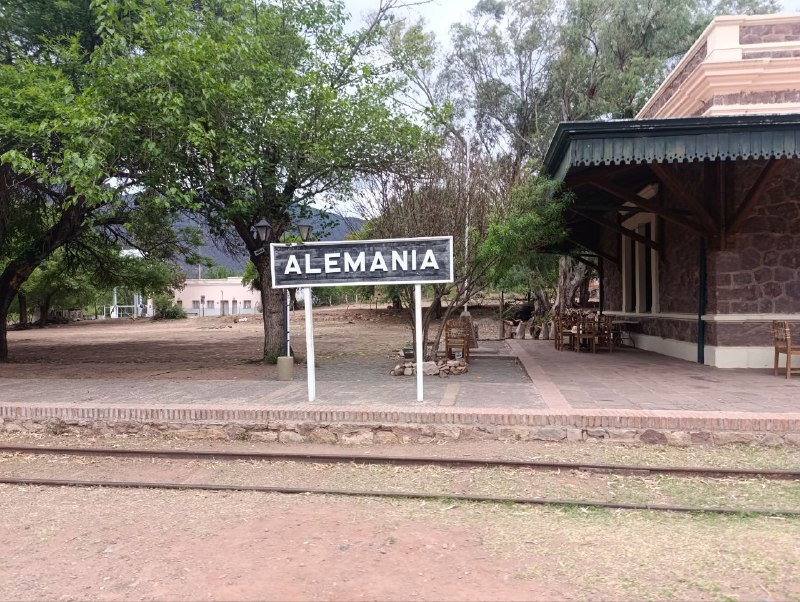
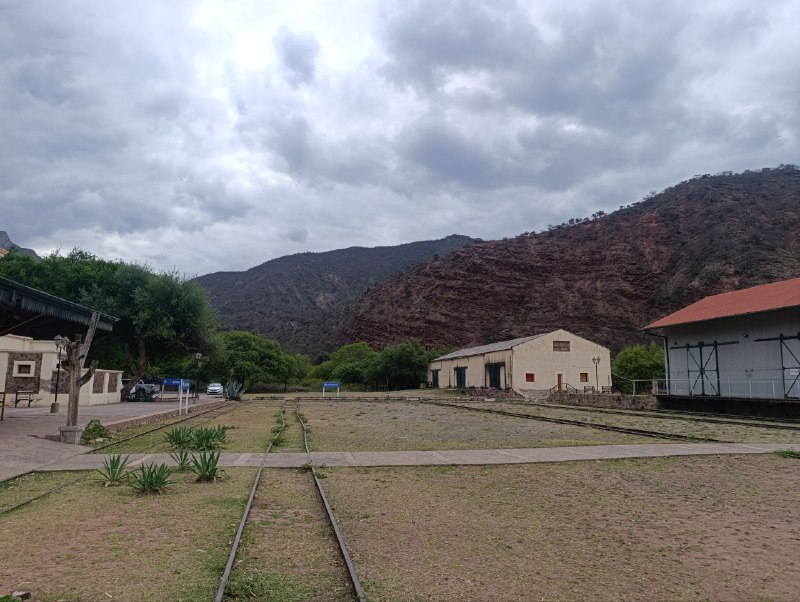
As it happens, I randomly stopped for a bite at a former railway station called Alemania, which inspired me to dig into this whole story.
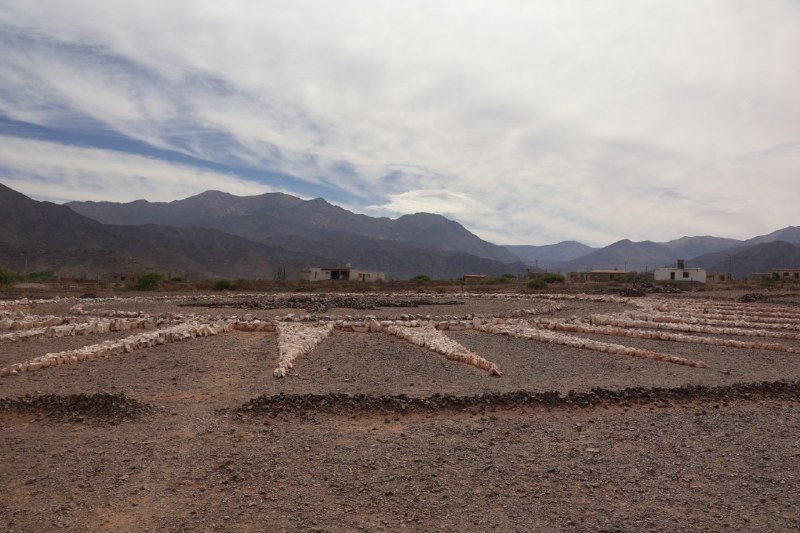
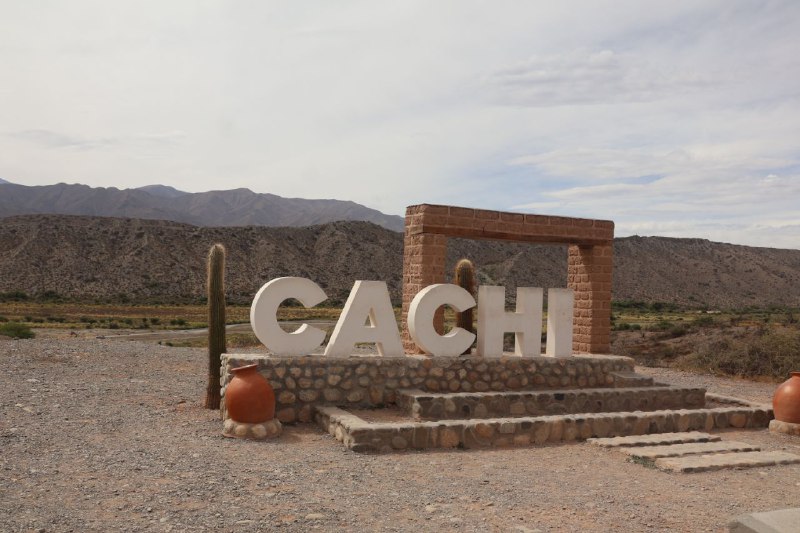
But here's the weirdest thing I came across—near the Argentine town of Cachi. Back in the early 2000s, a Swiss guy named Werner Jaisli started building a landing pad for UFOs. He claimed that aliens contacted him telepathically, gave him exact coordinates and construction details. They said they'd definitely come if he built the pad.

The whole thing took 10 years to build, and now it's all set to welcome guests. Trouble is, nobody's actually shown up yet. Maybe we just need to wait a bit longer.

From the ground, it's honestly hard to tell what this thing even is. But the main point is that it needs to be visible from above. From a drone, you can see it just fine.
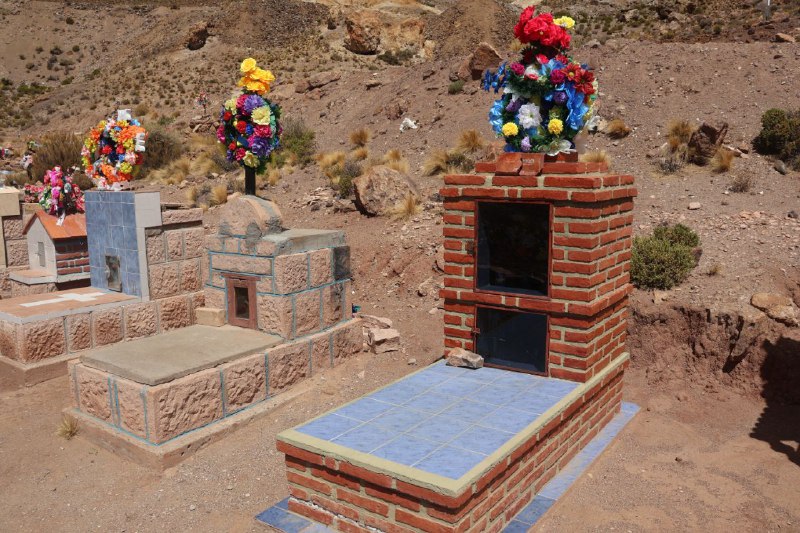
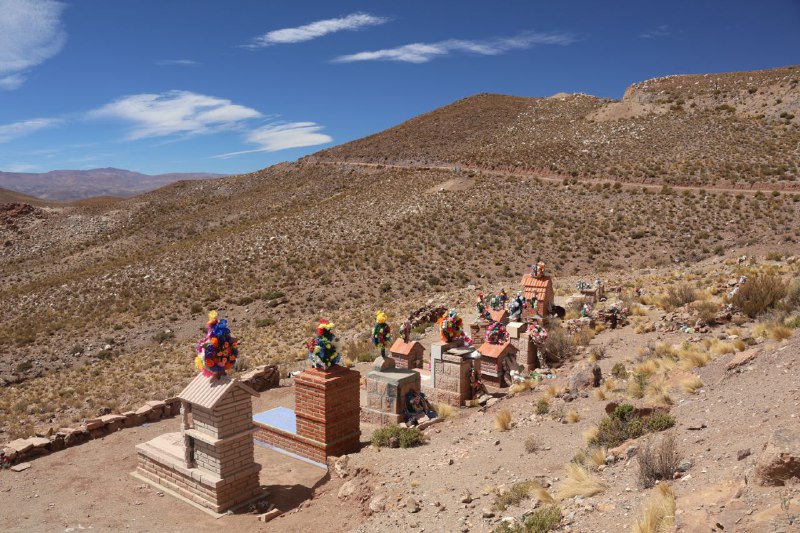
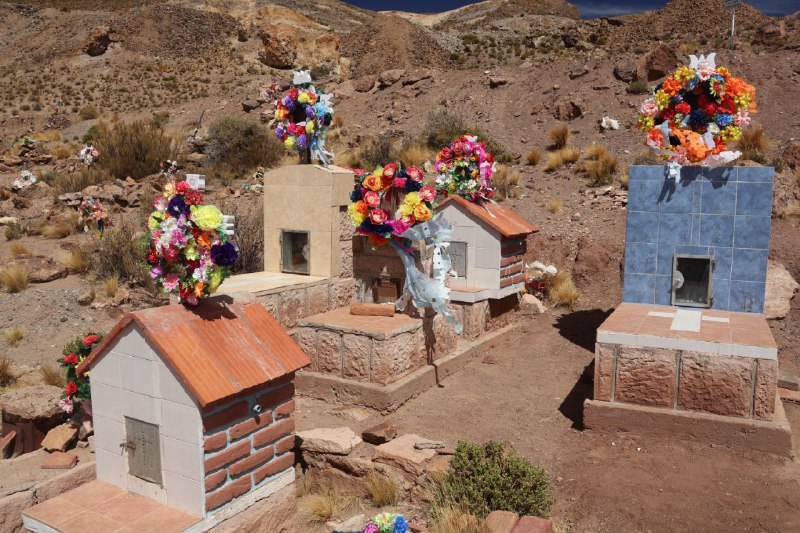
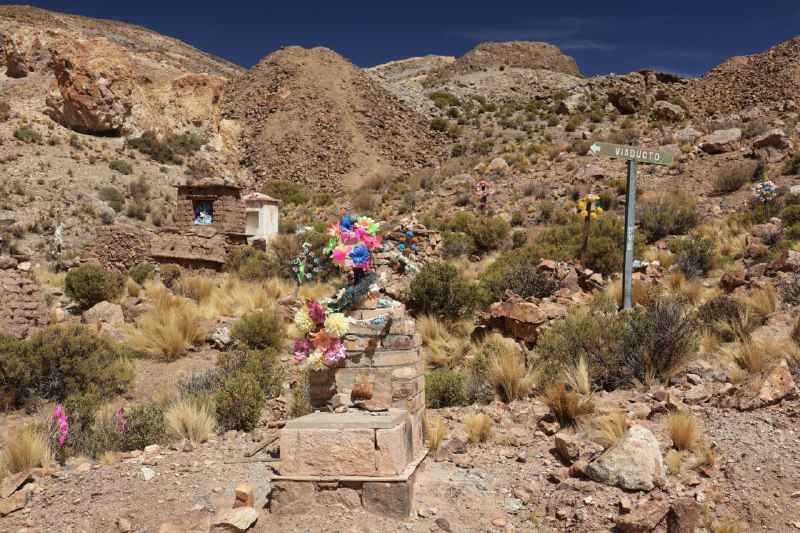
I was really struck by the cemeteries. In northern Argentina, there are many indigenous people. That's how they do it.
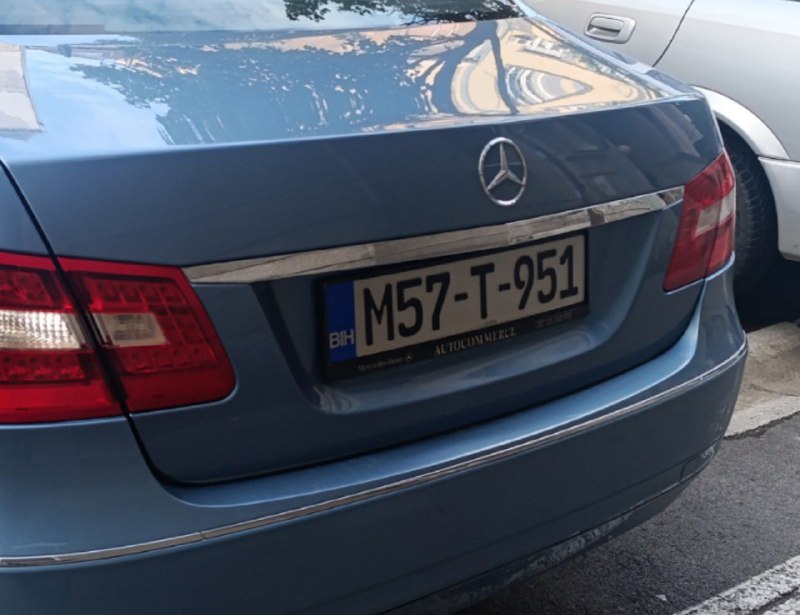
In most countries, you can figure out all sorts of interesting info from license plates. At minimum, the region of the country, and sometimes even the year the car was made. But that doesn't work with Bosnian plates. I spent a long time trying to find a pattern in them when I'd be on roads in Bosnia, until I finally gave up and looked it up. There's no system here at all. Plates are issued completely at random. And that's done on purpose.

After the 1992-95 war, the High Representative for BiH (I talked about him here) noticed that traffic police were giving people a hard time at the borders between Bosnian entities. Cars with "foreign" plates were stopped way more often, they'd nitpick, demand bribes. But even if you managed to get past the police, cars with "foreign" plates often got vandalized, and then you'd have to find a place to polish out the scratches. So in February 1998, they removed regional identifiers from the plates and things got a lot better. Now M57 or K51 or any other combination doesn't mean absolutely nothing.
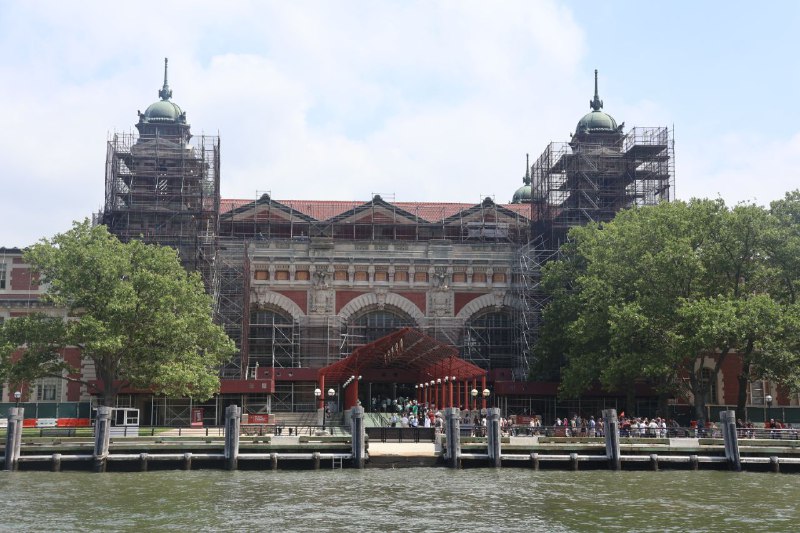
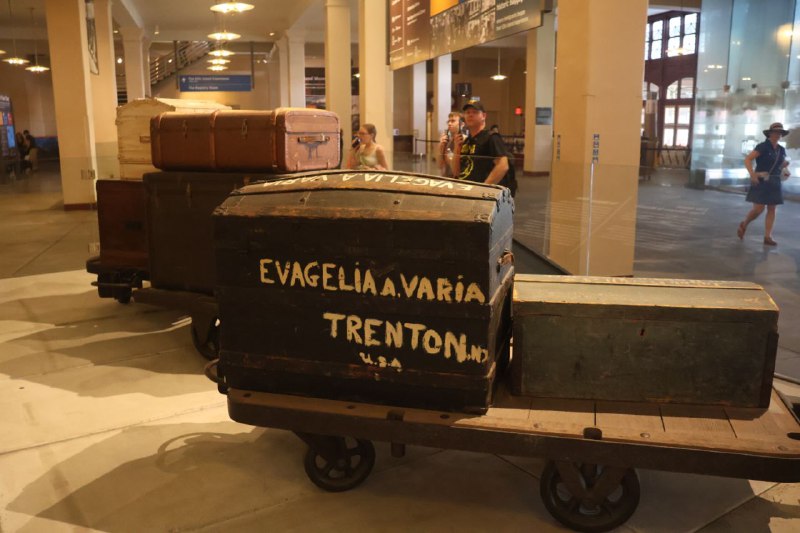
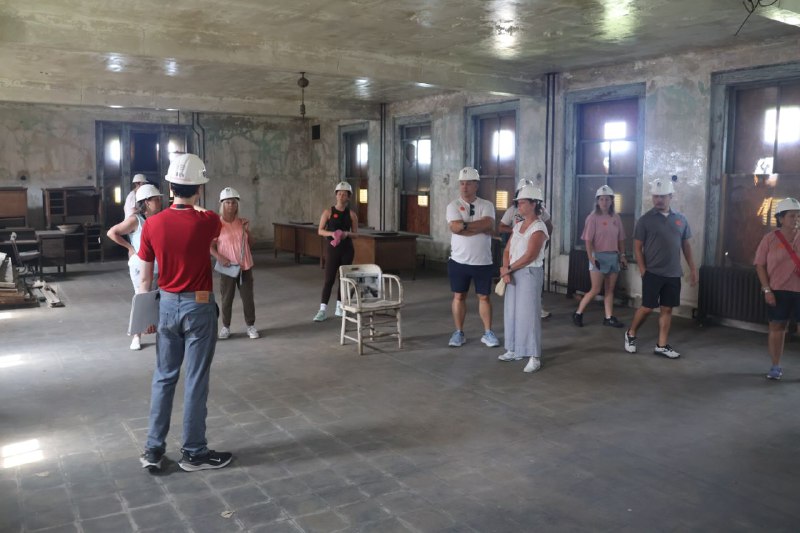
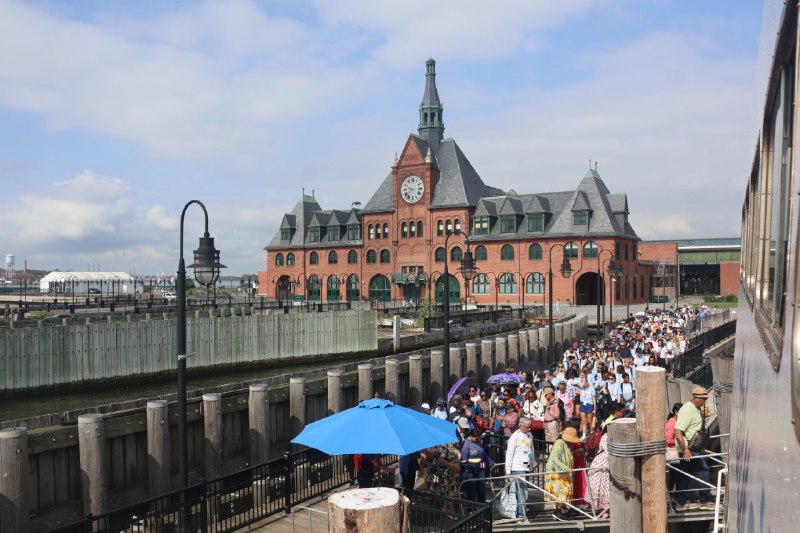
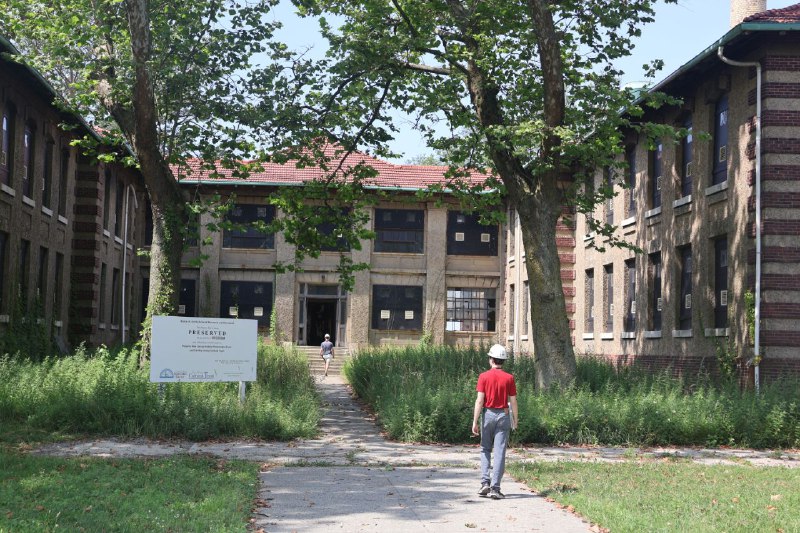
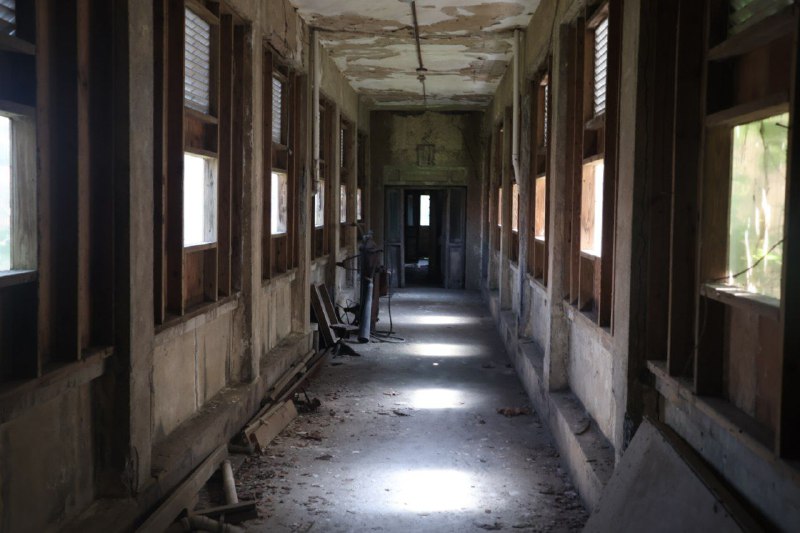
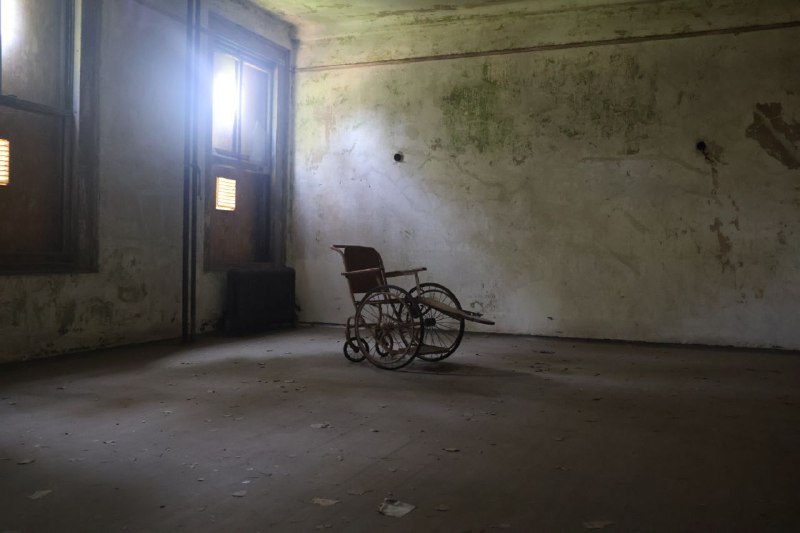
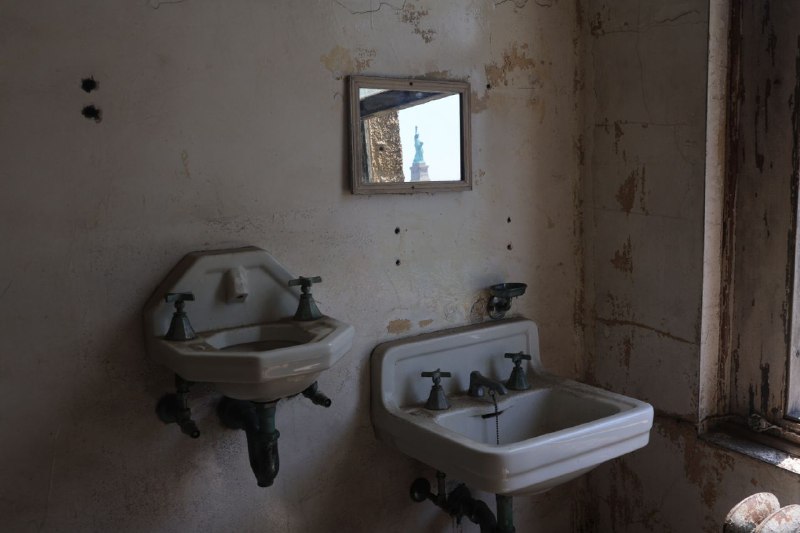
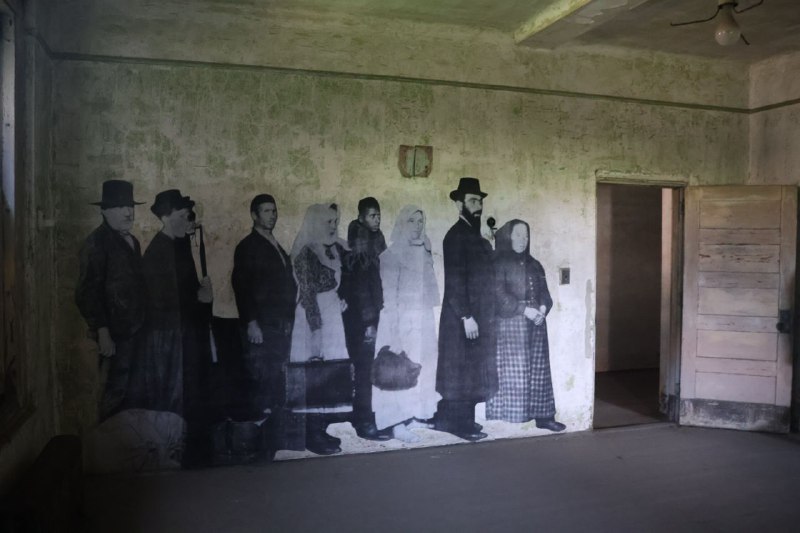
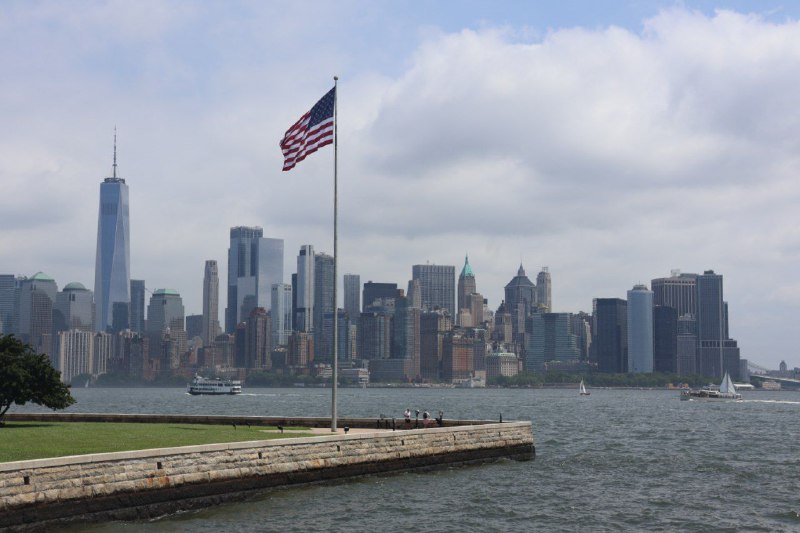
Finally made it to Ellis Island in New York. From the late 1800s to the mid-1900s, nearly half of all immigrants coming to the US entered through this island. Back then, almost everyone traveled by sea, and ships would dock here. First and second-class passengers were usually disembarked earlier, directly in Manhattan. Everyone else was sent for mandatory medical screening on Ellis Island. They were primarily looking for viral diseases. If there was any suspicion, people were isolated in the hospital, and it's through this hospital's buildings that tours are conducted.

Those with incurable illnesses were sent back at the carrier's expense. If it was clear that someone wouldn't survive the return journey, they'd be kept in the hospital. There was a special ward with the best view of the Statue of Liberty for such people. But no one stayed for long. Mental illness also often resulted in deportation, though there weren't clear criteria for this.

Children presented a separate challenge: if parents were healthy, only the sick children would be kept for treatment. In some cases, this could last several months. Then they'd work out the logistics of reunification. Despite all the complexity, there were no notable cases of anyone getting lost.

For Americans, there's a special attraction here—trying to find relatives who entered the country through this port.
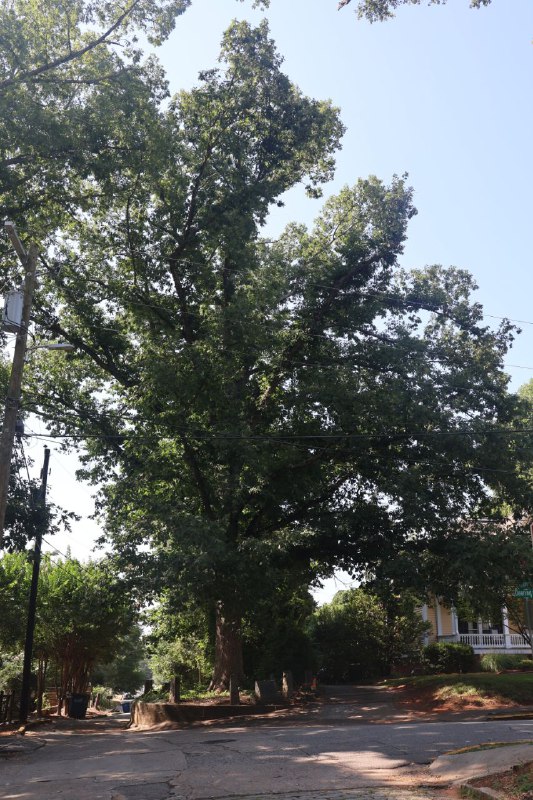
Under US law, plants can't own property. But every rule has its exceptions.

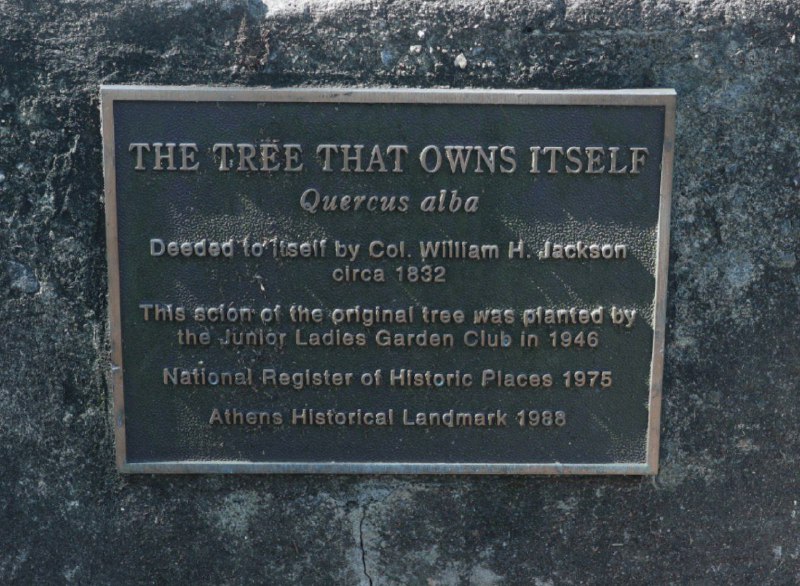
About an hour from Atlanta, in Athens (where I started to seriously question whether I was driving through the States or Europe) there's a tree that owns itself. According to legend, in the early 1800s, a local university professor named William Jackson really wanted to protect his beloved oak tree after his death. So he drew up a deed transferring the land to the plant. And for several decades, everyone just forgot about it. Until 1890, when the whole situation surfaced in local newspapers.

After the publication, residents were so moved by the story that they unconditionally began to believe the tree actually owned itself. The city administration then weighed in, saying that while this doesn't exactly line up with the law, we can't go against public opinion. Although no one ever actually saw the deed itself. Researchers lean toward the theory that it was lost, if it ever existed at all.

In 1942, a storm knocked the tree down, and the spot sat empty for four years until a girls' gardening club decided to plant a replacement there. Some Athens residents at the time had been growing trees from seeds of the original oak. They transplanted one of them to the historic location. Even a pastor came to say a prayer. The newcomer was declared the son of the self-owning tree, and they began to believe the rights were inherited.

By the way, this isn't the only case like this. A similar story happened in Alabama, but it started later and there have been more generations since then.
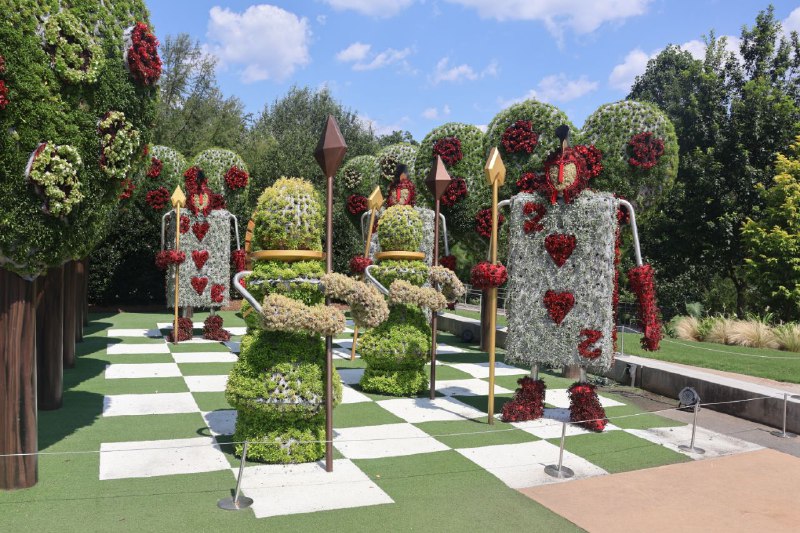
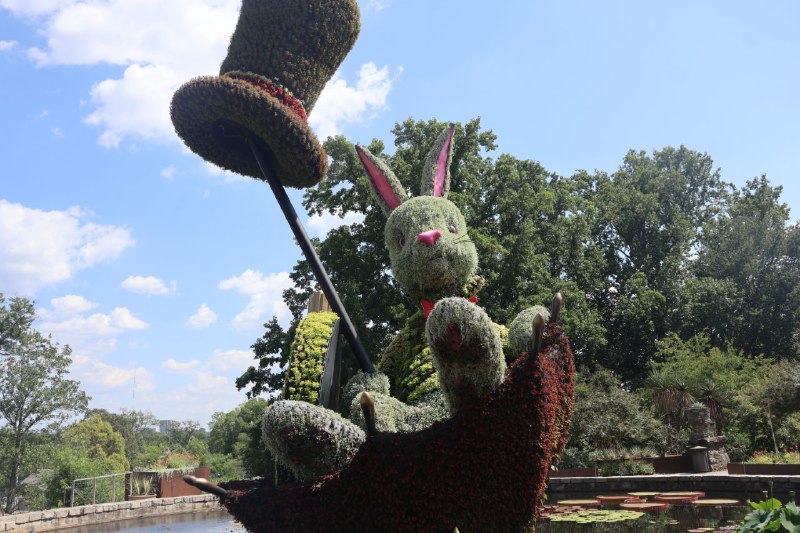
Atlanta's city parks are really awesome. The botanical garden this year has Alice in Wonderland as its main theme, and they did a great job recreating scenes from the story. Though they're charging $30 just to get in.

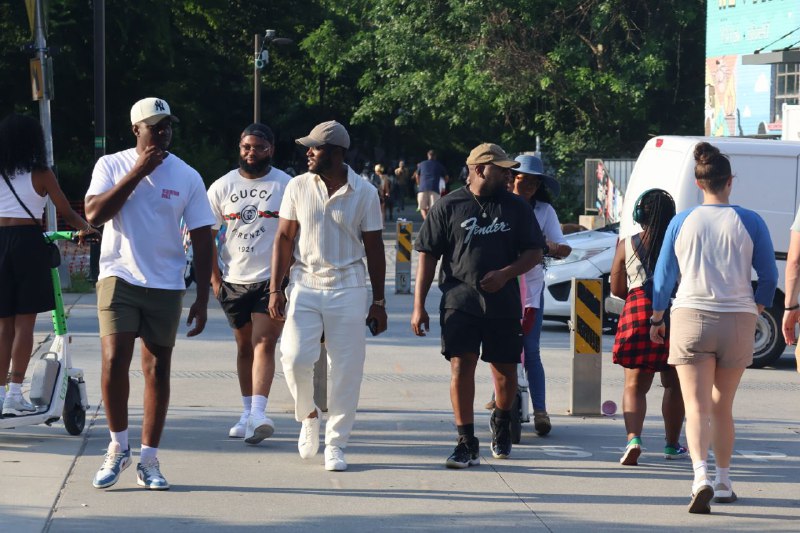
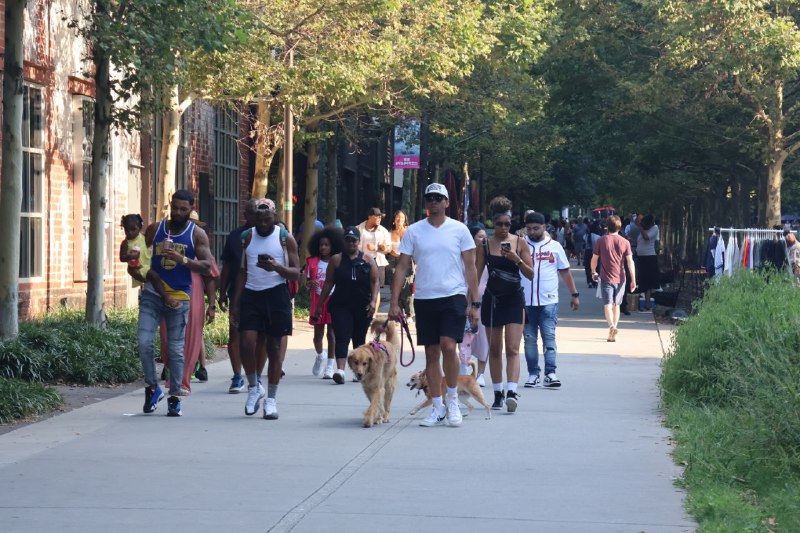
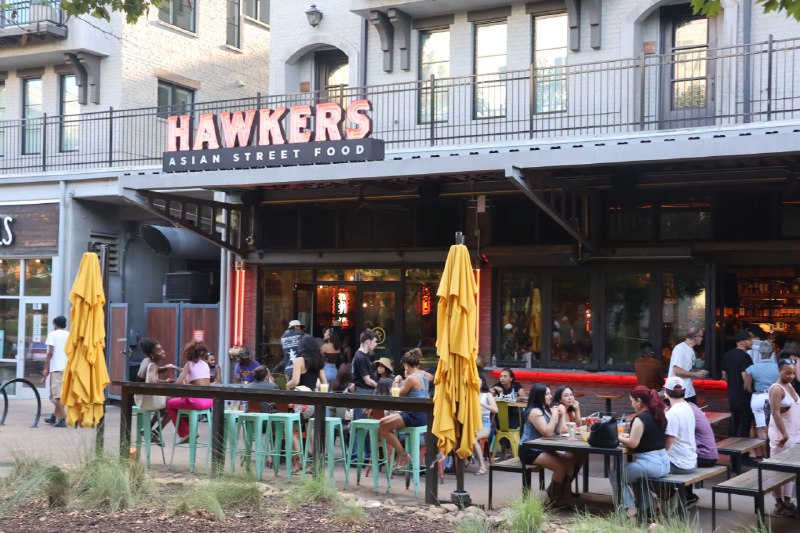
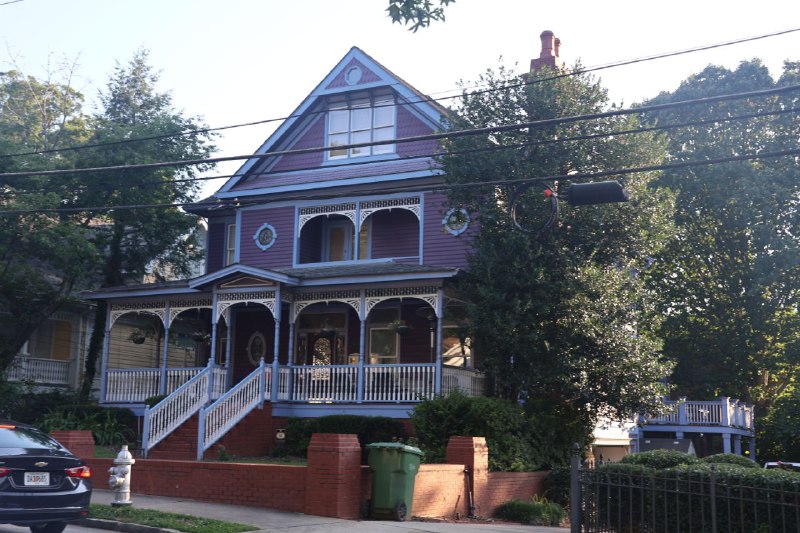
They've gentrified some of the little streets, and now they're really nice to walk around. The residential areas aren't bad either. If you stick to the good neighborhoods, it's actually a beautiful city overall. But if you venture into or even just pass through the rougher areas, what really stands out is the number of homeless people and panhandlers compared to smaller cities—though it's nowhere near New York levels. At intersections, drivers were aggressively asked for money more than once. Unlike Belgrade though, nobody actually handed anything over here.

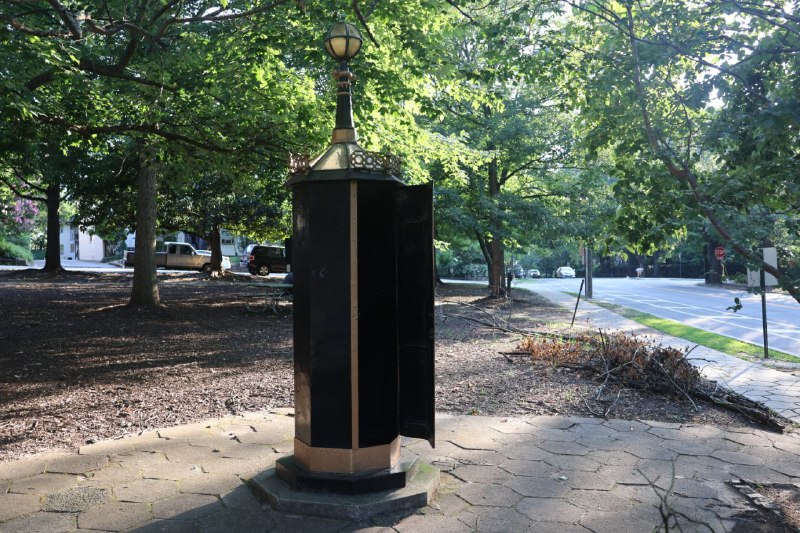
I found it interesting that until 1905, Atlanta had several one-person jails. These were these metal booths where they'd lock up offenders until a police car showed up (they called them "Black Marias" here). The black booth in the photo is one of them. You wouldn't want to spend much time in one of those in the heat, which is basically why they stopped using them. Later they sold them all off, but they recently managed to restore one back to its historic location.
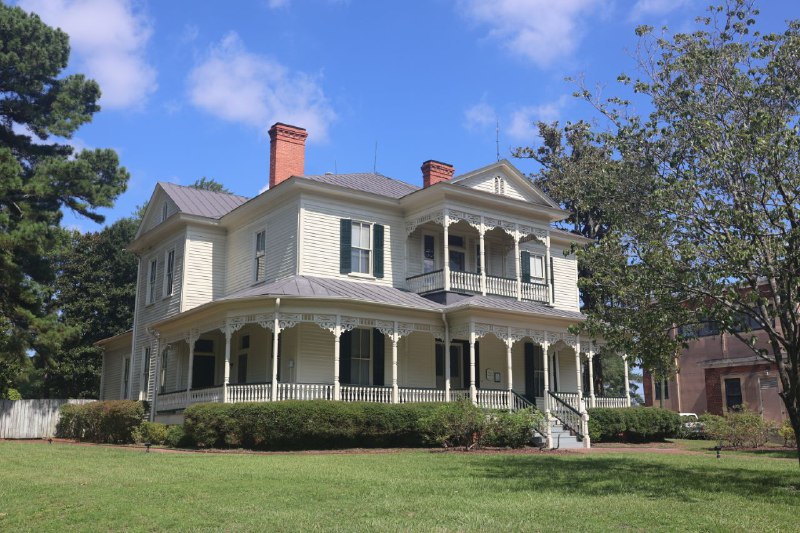
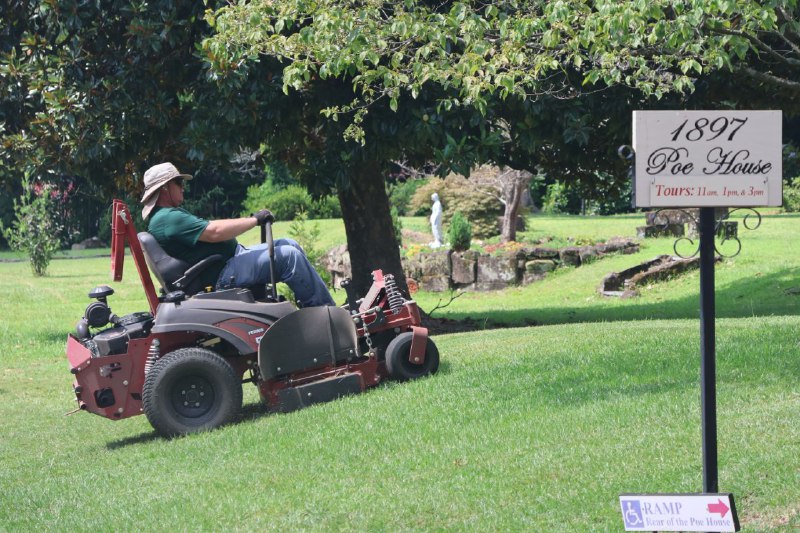
Americans love turning a simple landmark into an entertaining show. In Fayetteville, there's Edgar Allan Poe's house. Not the writer you're probably thinking of, but a businessman—who just happens to share the exact same name as the famous author. Some visitors figure this out once they're there, though the staff does honestly try to post signs everywhere explaining that they're different people.

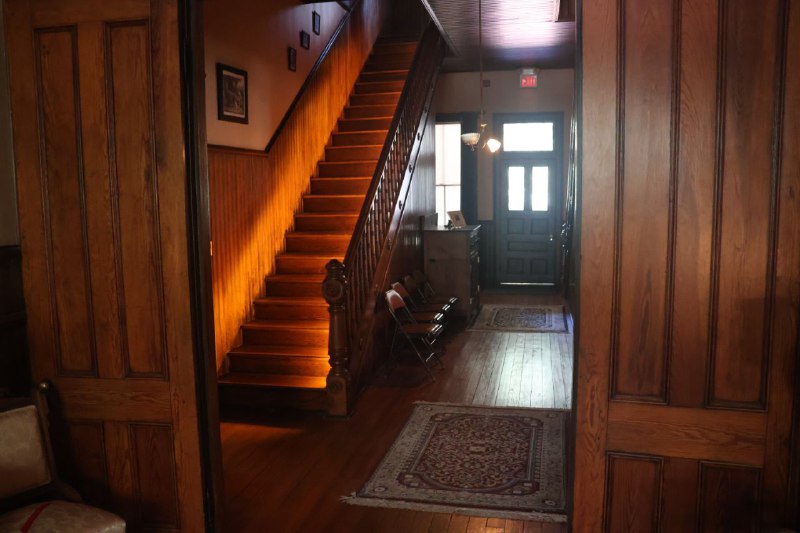
You can only go inside with a guided tour. Completely free! Though they won't say no to donations.

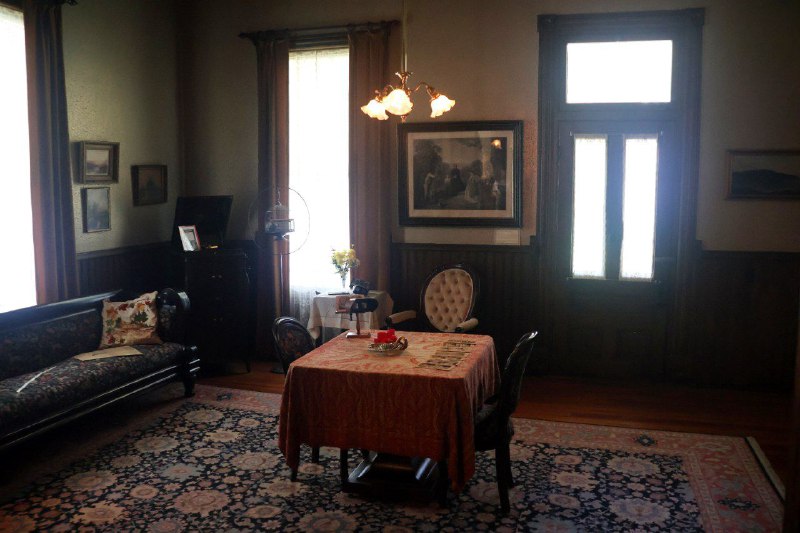
Even though it's a small town off the beaten path and not really well-known, it actually had electricity by the late 1800s (!). Sure, the owner was a well-to-do middle-class guy, but if there's nothing to connect to, that doesn't help much.

The businessman had 9 or 10 kids, and their many descendants scattered across different states. The house was sold long ago to an organization that turned it into a museum. Now the staff dreams of tracking down all the descendants and getting them together someday, but it hasn't happened yet. Apparently, almost nobody has even come to visit and see how their great-grandparents lived.
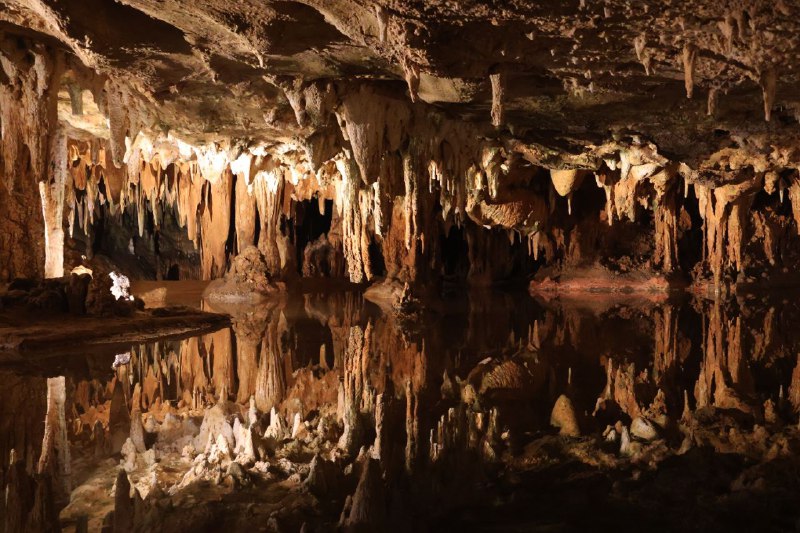
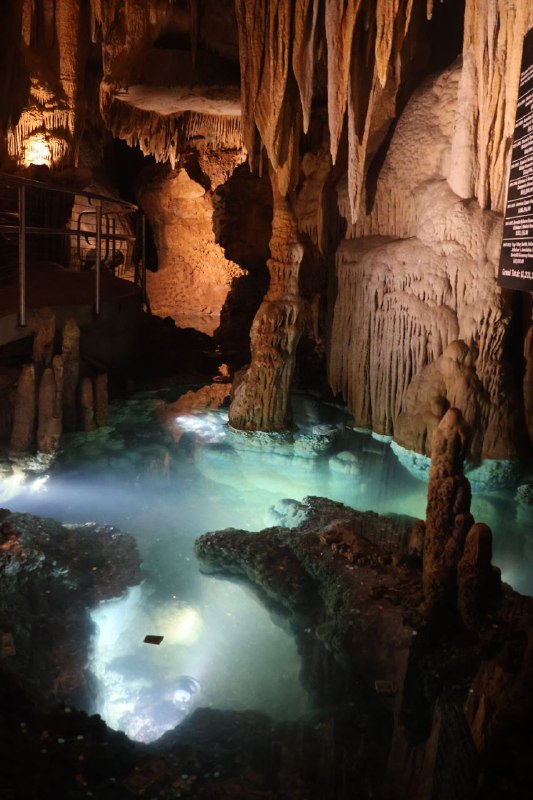
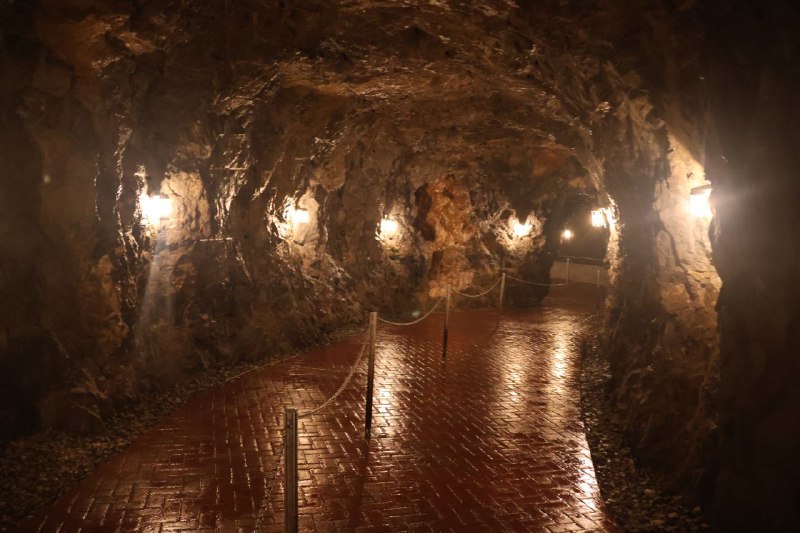
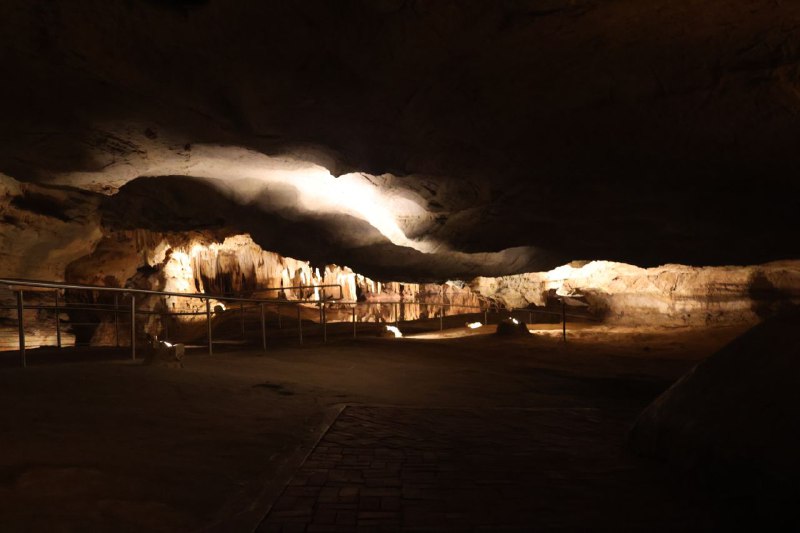
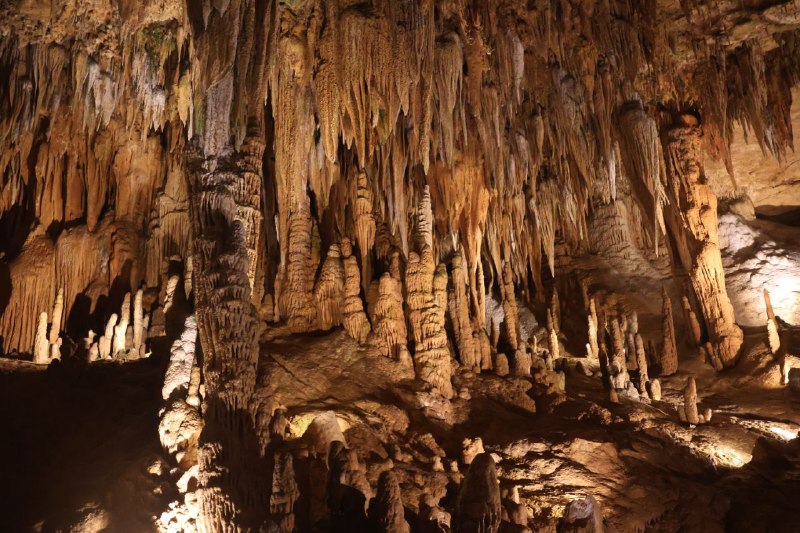
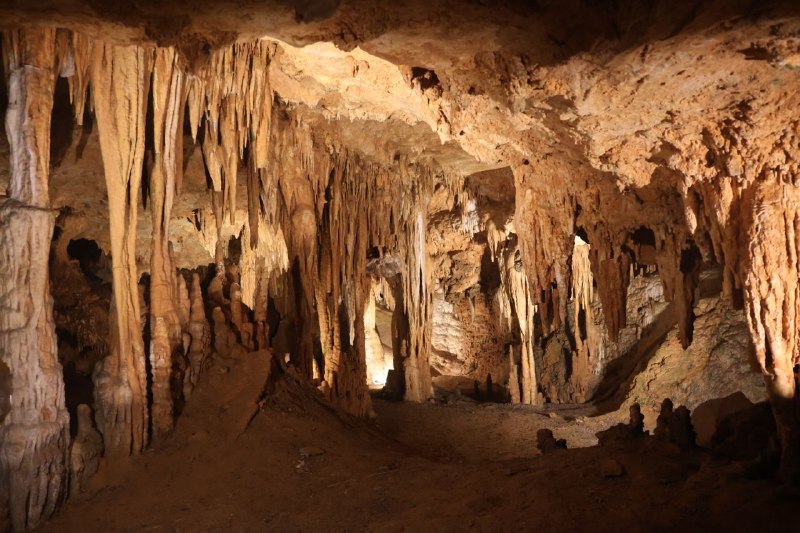
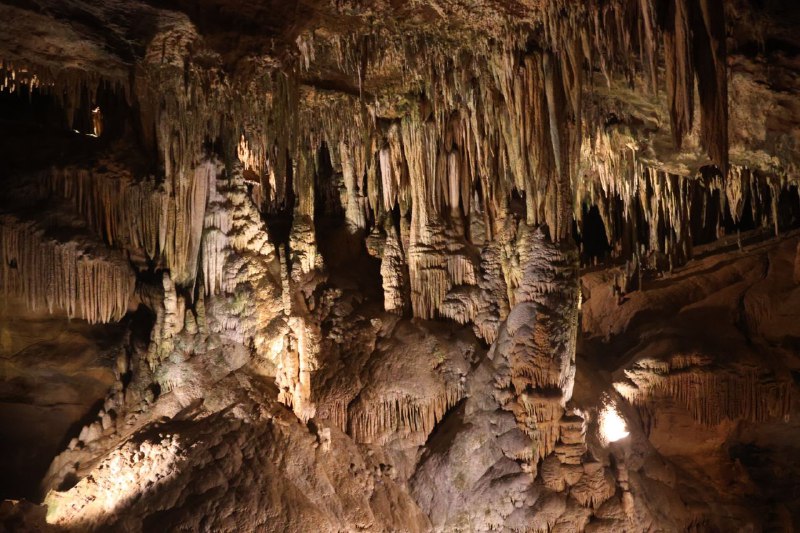
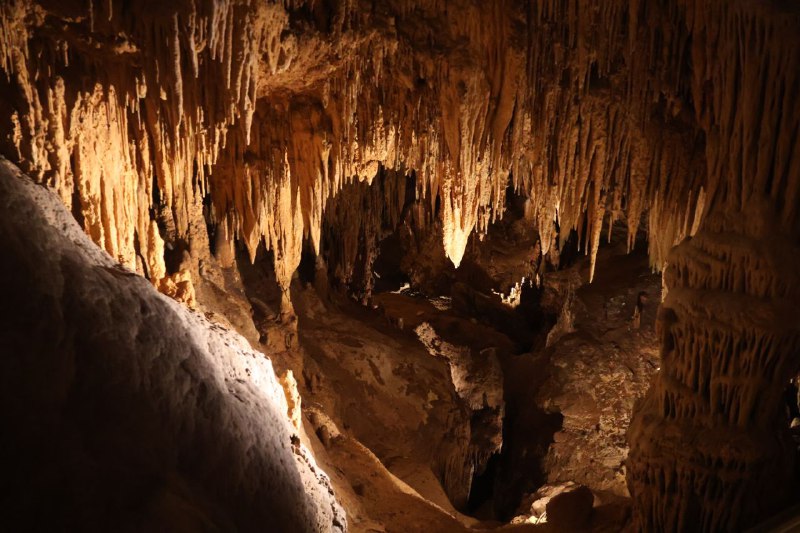
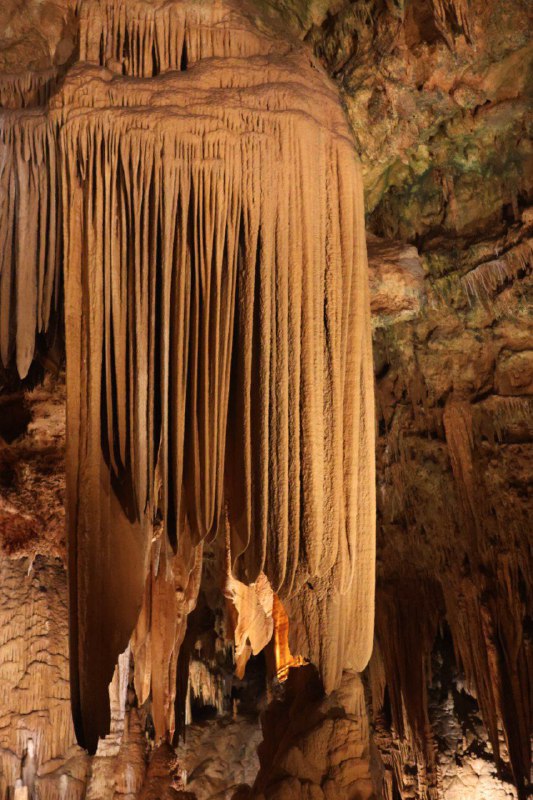
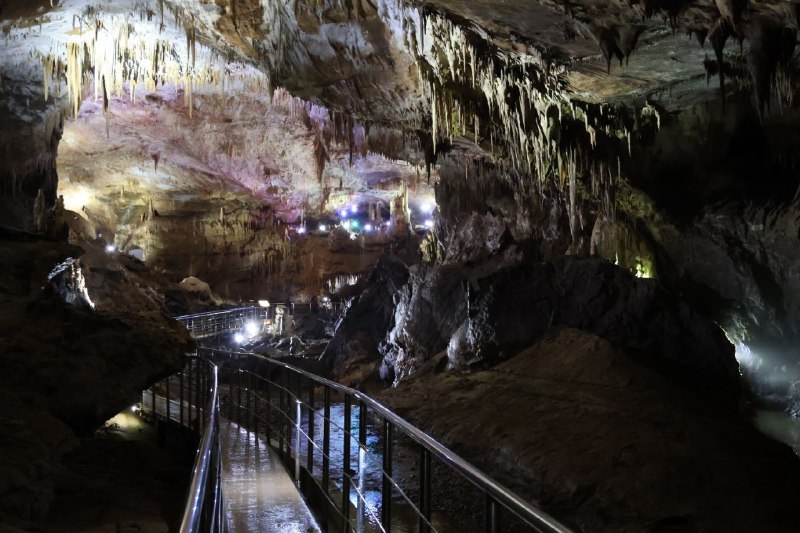
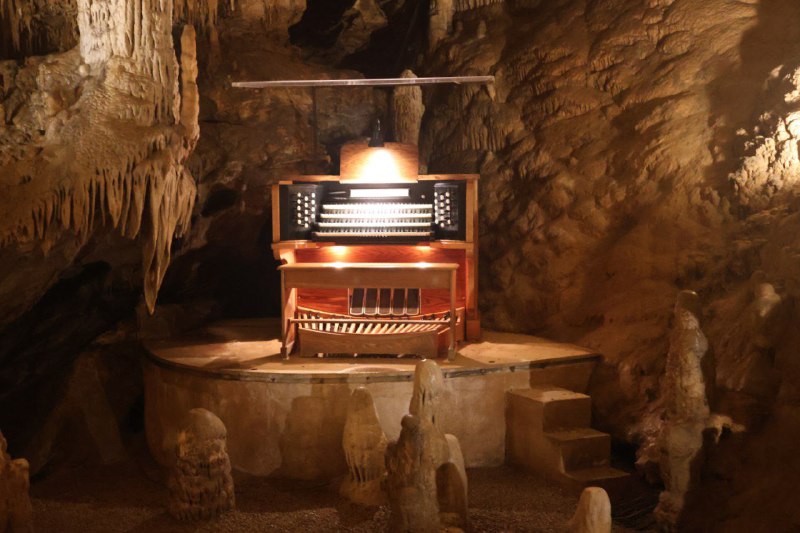
While I was traveling around the national parks in the southern states, I ended up at the Luray Caverns. Inside there's a circular trail about 2.5km long with several levels. There were two really cool things: a lake that's literally like a mirror (second photo) and a stalactite organ.

By the way, this organ proudly holds the title of the world's largest musical instrument. A Finnish band called Pepe Deluxé even recorded a whole track for their album on it. You can listen to it here. Even though it looks like just a gimmick to attract new visitors, you can see in the video how the hammers strike the stalactites.

According to legend, a scientist named Leland Sprinkle came here on a tour with his son. The kid hit his head on a stalactite, but the father was so impressed by the amazing acoustics of the cave that he built this contraption. When you enter the room with the instrument, the music starts automatically and you get to hear it live. Pretty cool.
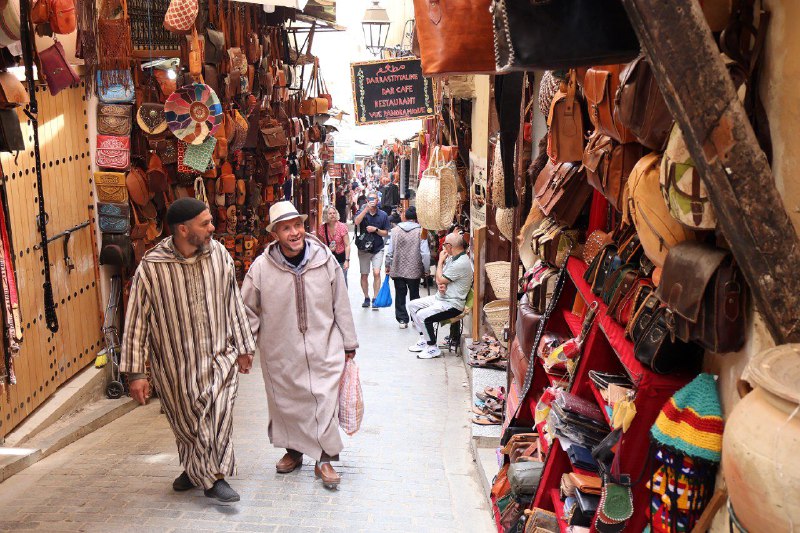
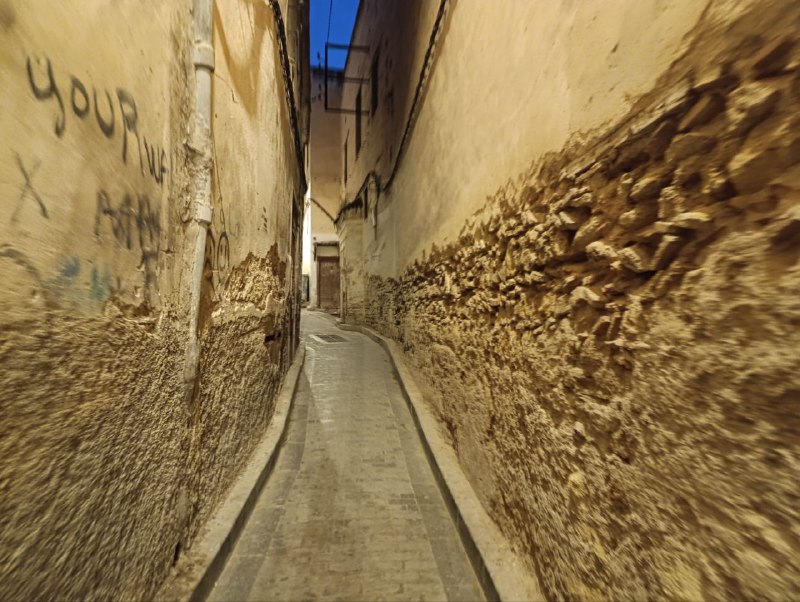
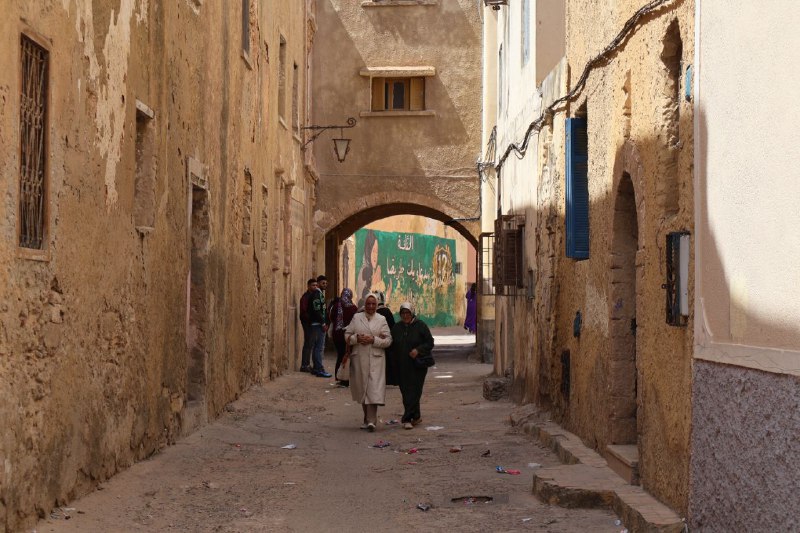
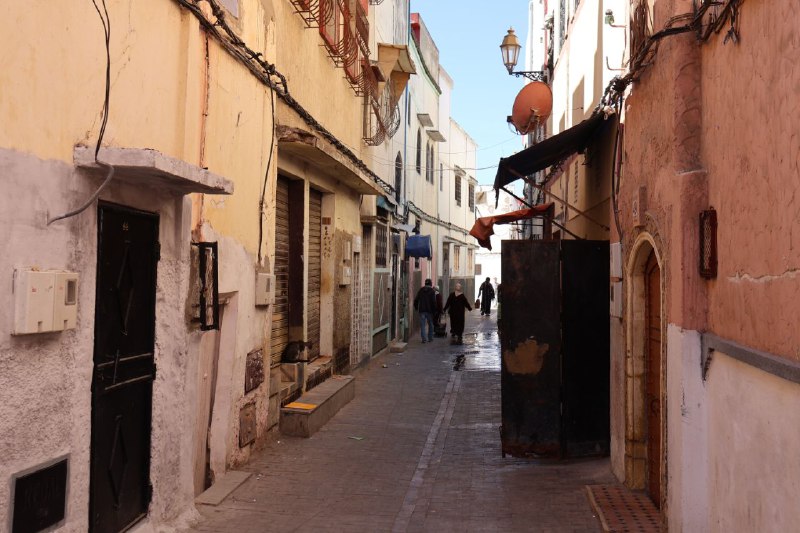
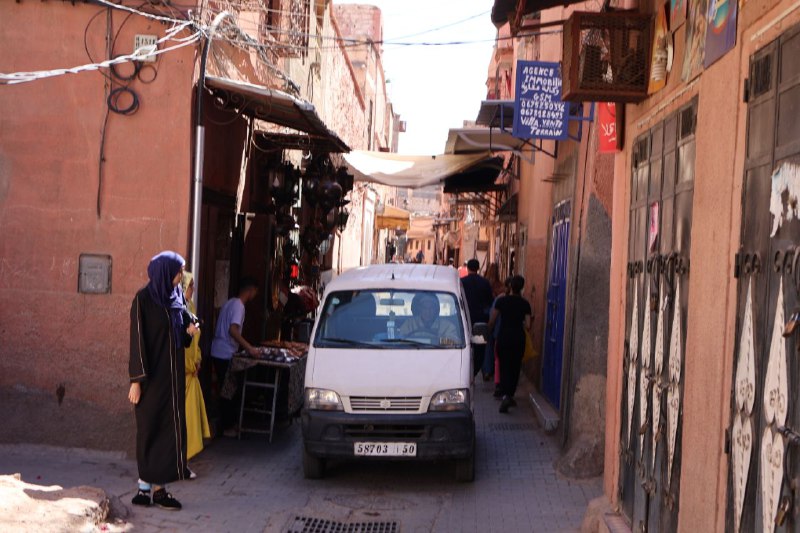
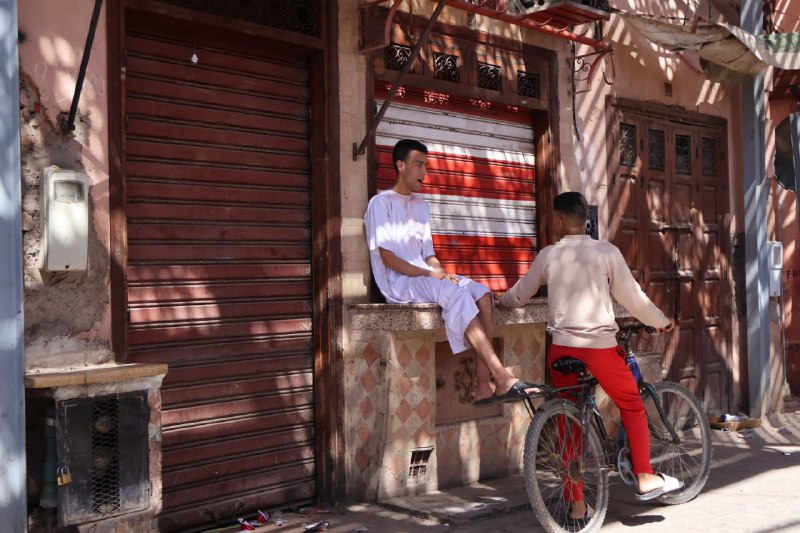
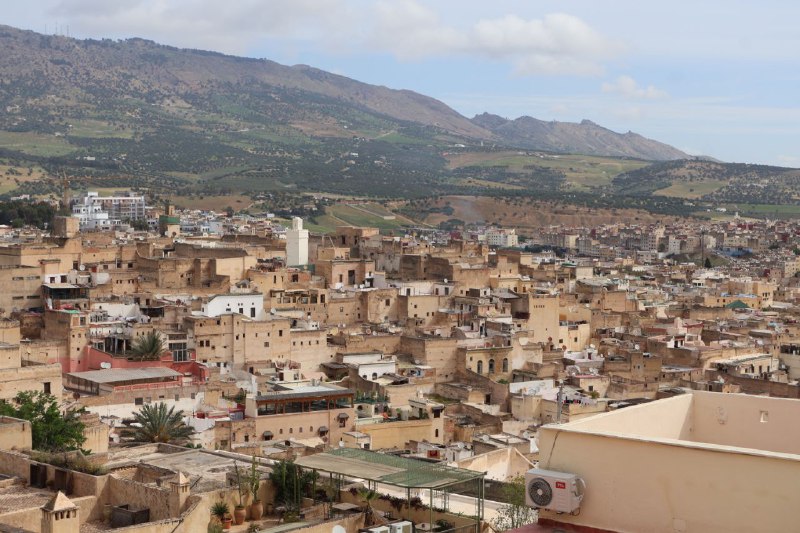
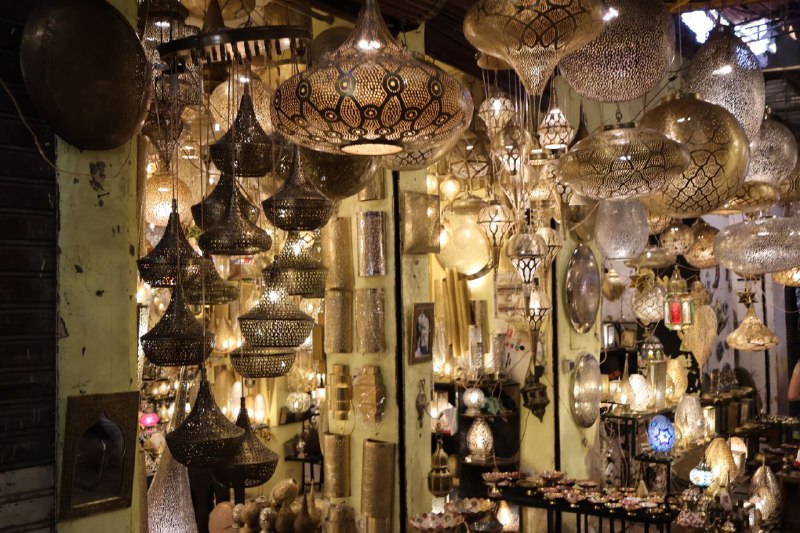
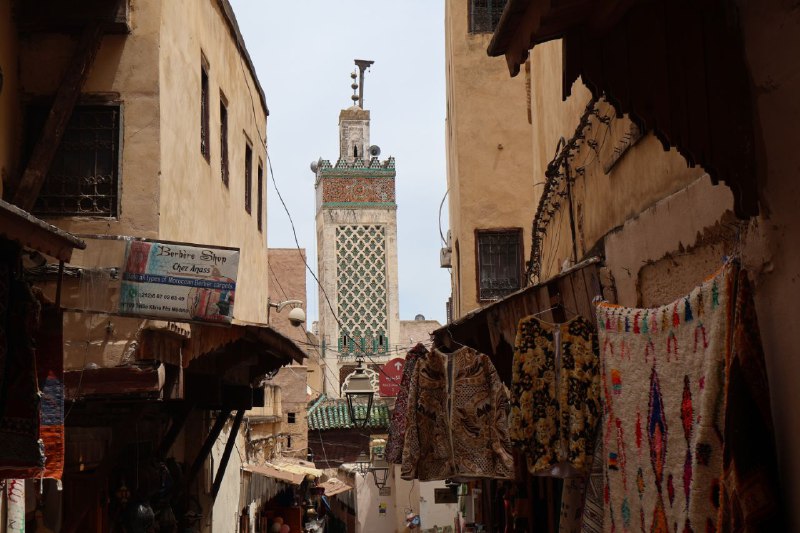
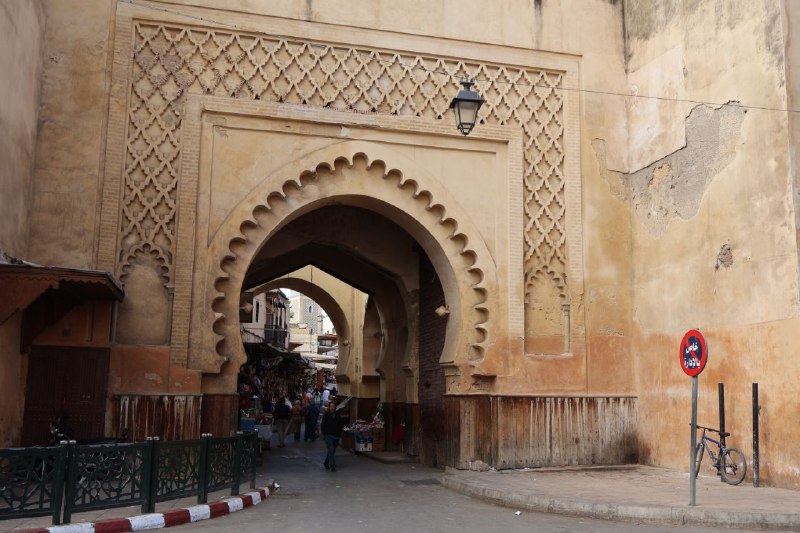
Moroccan medinas are colorful and full of character, but they wear you out pretty quickly. They're the historic part of the city, and honestly, they're pretty much the same from one place to another: everything's surrounded by this massive wall with some fancy gates and some not-so-fancy ones, and inside there's a huge market with these faceless narrow streets. There are some small regional differences though – like in Marrakesh all the buildings have this really vibrant red tone, in Casablanca they're pristine white, and in Fez the old medina is absolutely massive, so much so that not even all the little streets are mapped out. Plus the GPS signal there is pretty spotty.

Fez had the most random people coming up to me – mostly younger guys who were really trying to help me find where I needed to go. I mean, if you know which direction you're heading, you can usually figure it out on your own. But these guys start with stuff like "Hey! You're not going the wrong way, are you? Don't go down that road, it's closed! Let me show you the way." Of course there's nothing closed there. But when you've just arrived and like three people in a row are telling you it's closed, you start second-guessing yourself. Didn't happen in the other cities.

Back in the day, people only lived in the medina. When the French showed up, they really didn't like this setup at all, so they decided to build housing the European way, but outside the Arab walls. And that solved the segregation problem too, in a way – only the colonizers lived in these new houses, while Arabs stayed where they were. Eventually, wealthier Moroccans started moving into the new area and everything got mixed together. I totally get it though. Constantly wandering these cramped alleyways where scooters are zipping around all the time isn't exactly fun.
Песня "Ђурђевдан je" из поста про Ртань заслуживает отдельного рассказа. Кандидат #1 на общебалканский гимн, всенепременный трек на свадьбах и прочих торжествах. У местных с этим произведением просто религиозный опыт: все знают, все любят, все поют. Посмотрите на зал во время живого выступления.

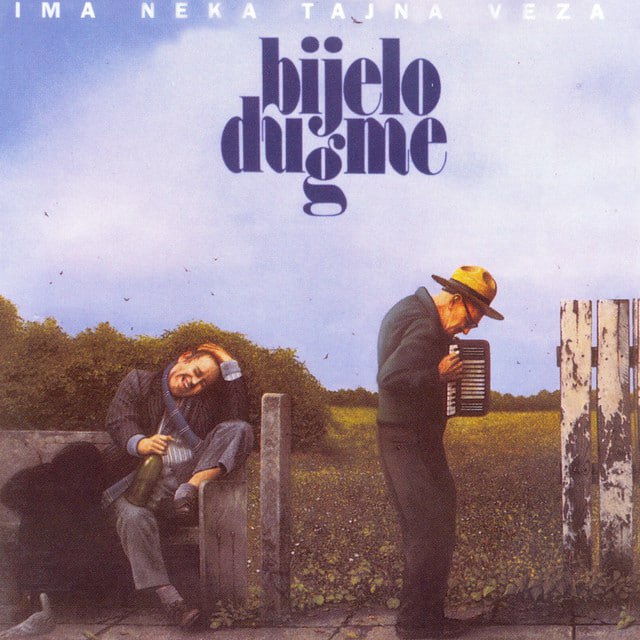
К тому же на Балканах 6 мая отмечают Ђурђевдан (день Святого Георгия). Гораздо в большей степени празднуют рома, а святой считается их покровителем. Эдерлези — народный мотив в его честь — лег в основу песни югославской группы Биjело Дугме.

По легенде начало текста песни появилось во время второй мировой в поезде смерти из Сараево в концлагерь Ясеновац. Сараевский профессор истории Жарко Видович, выживший заключенный, рассказывал как один из пассажиров поезда в духоте, без еды и воды от безысходности впервые пропел:
Proljeće na moje rame slijeće,
đurđevak zeleni,
svima osim meni
Đurđevdan je!

Что переводится примерно как
Весна опустилась мне на плечи,
Зеленеет ландыш,
Наступил Юрьев день,
Для всех кроме меня!

После войны стих долго гулял из уст в уста по боснийской столице, пока в конце 1980х не оказался началом главного югославского хита.

Впрочем, сегодня не считается, что песня про концлагерь. Да и не похоже, что авторы закладывали такой смысл. Например, после релиза трека сербское телевидение выделило бюджет на съемки клипа, где главной темой хотели сделать первую мировую, а группу одеть в сербскую военную форму того времени. Солист Алия Исламович категорически отказался от такой затеи: по его мнению это было бы провоенным жестом. Договорились сниматься в народной одежде, но результат не захотели транслировать уже на самом телевидении.

Группа распалась перед балканскими войнами 1990х, но в 2005 они объединились снова ради балканского тура. Тот концерт в Белграде до сих пор (!) второй в мире по количеству проданных билетов (220 тысяч!). А до 2017 года держался первым. Ролик с выступления в начале поста ровно из этого тура, но в Загребе.

На песню появилась куча каверов (порой не без участия музыканта Биjело Дугме — Горана Бреговича): сам Эдерлези (для фильма Кустурицы), греческий ΑΗ ΓΙΩΡΓΗ, болгарский ГЕРГЬОВДЕН, турецкий Hıdrellez, и даже польский Nie ma, nie ma ciebie. Эту же мелодию можно услышать в суровых русских Симпсонах.
(translation pending)
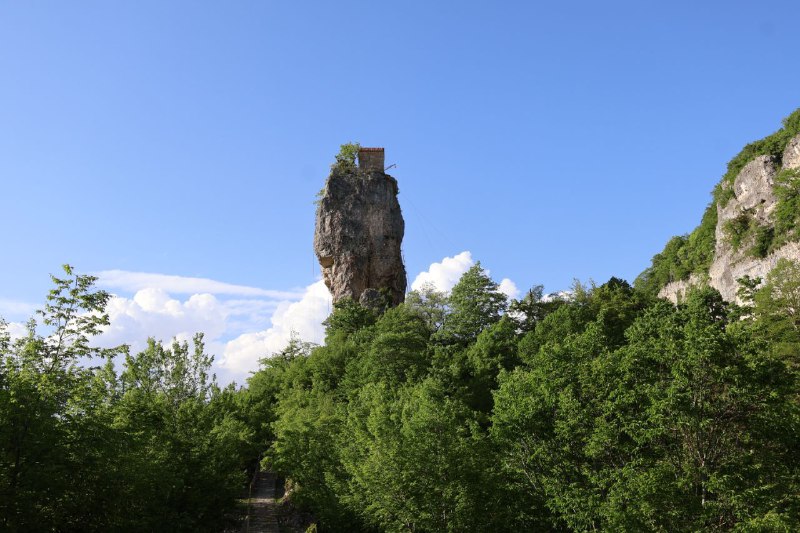
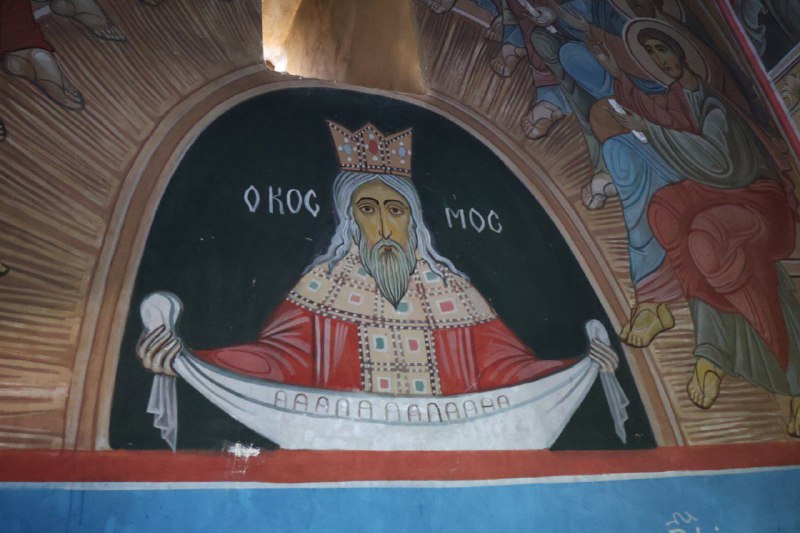
And finally, a few Georgian photos. Local Meteora The Katskhis Pillar turned out to be another example of how local pagan beliefs (it was a symbol of the god of fertility) were converted into Christian shrines.

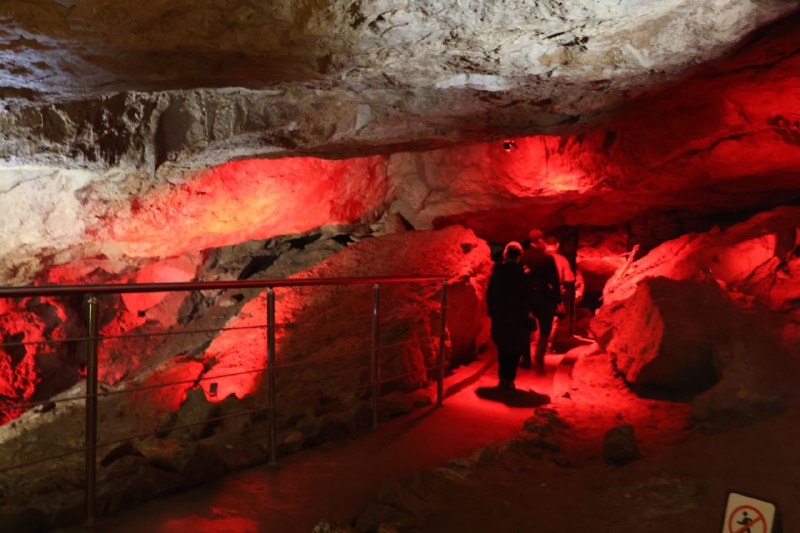
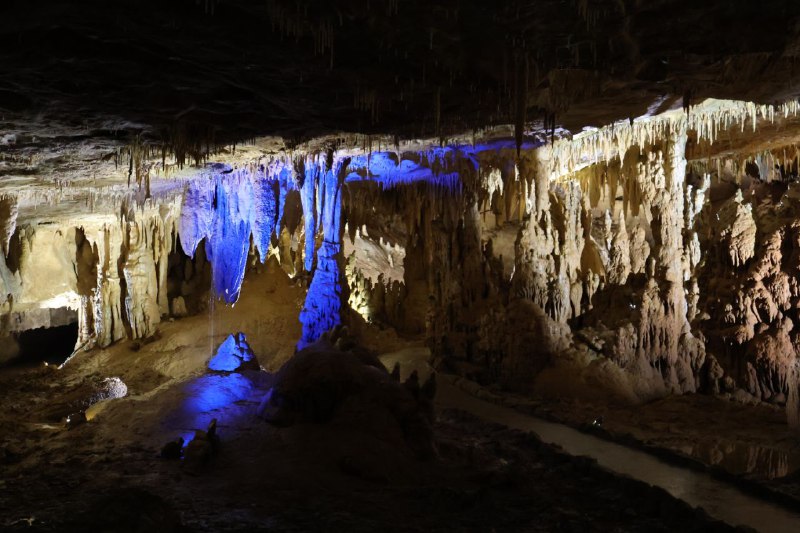
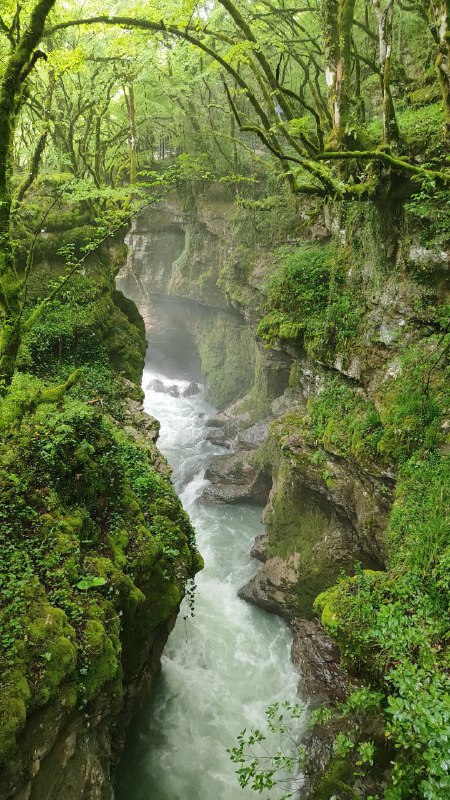
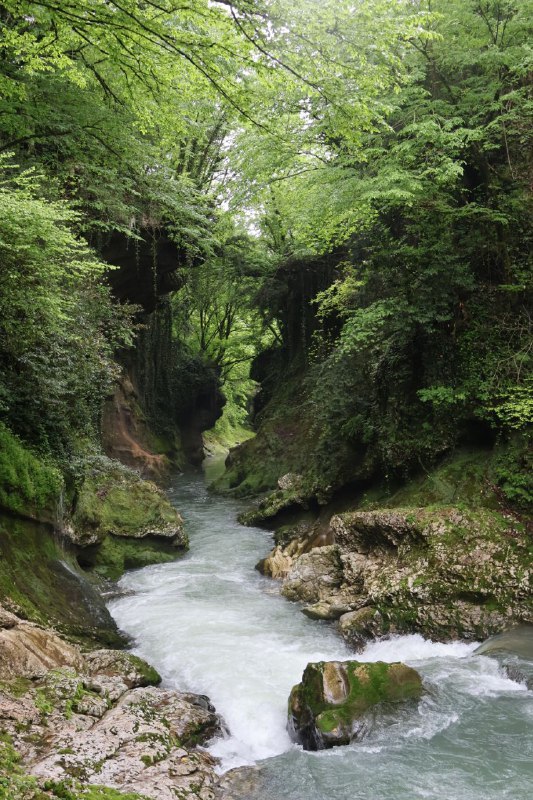
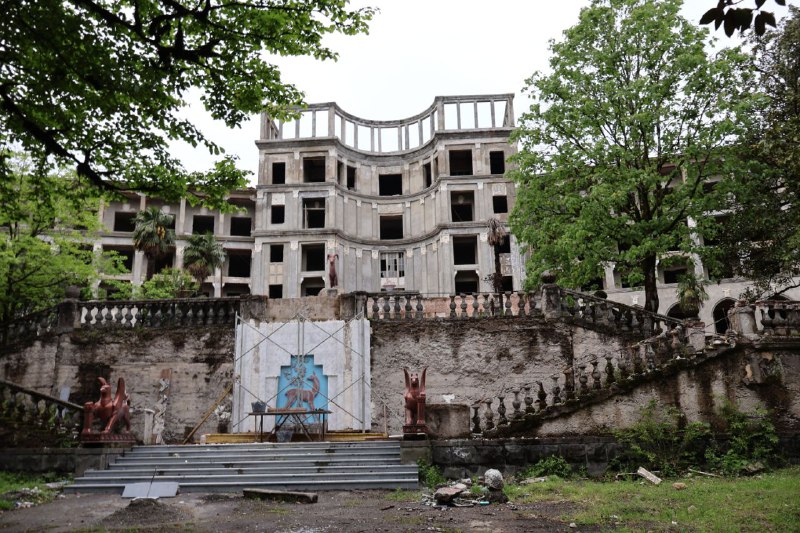
Kutaisi and all sorts of caves around it and other abandoned Soviet sanatoriums nearby are wonderful. Highly recommend.
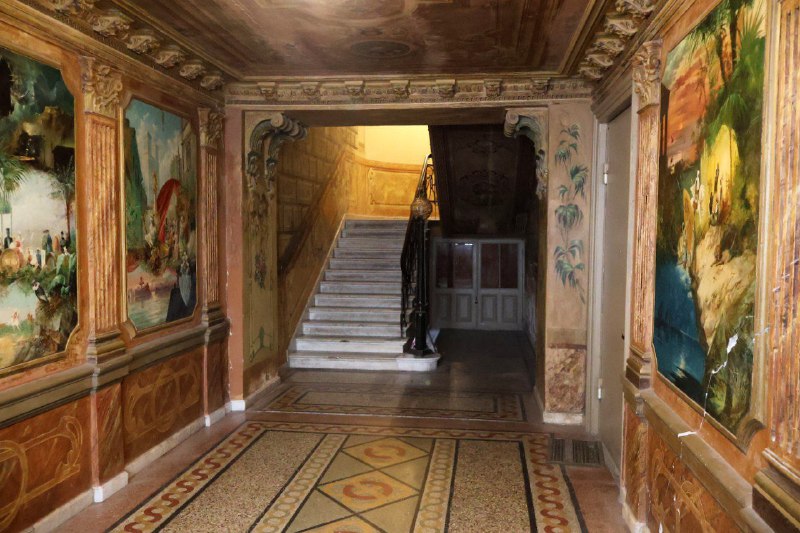
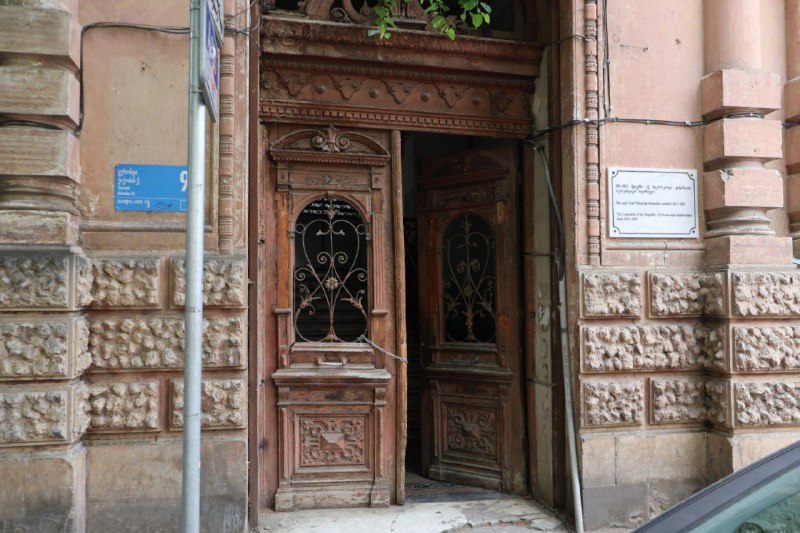
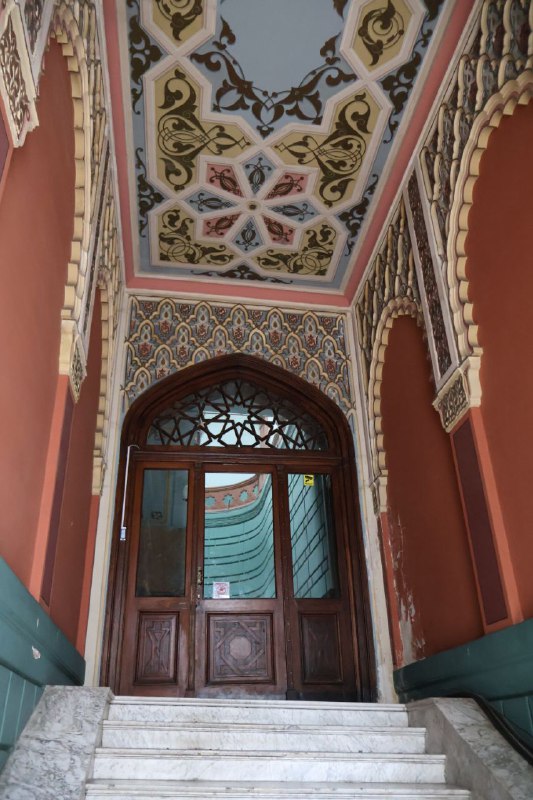
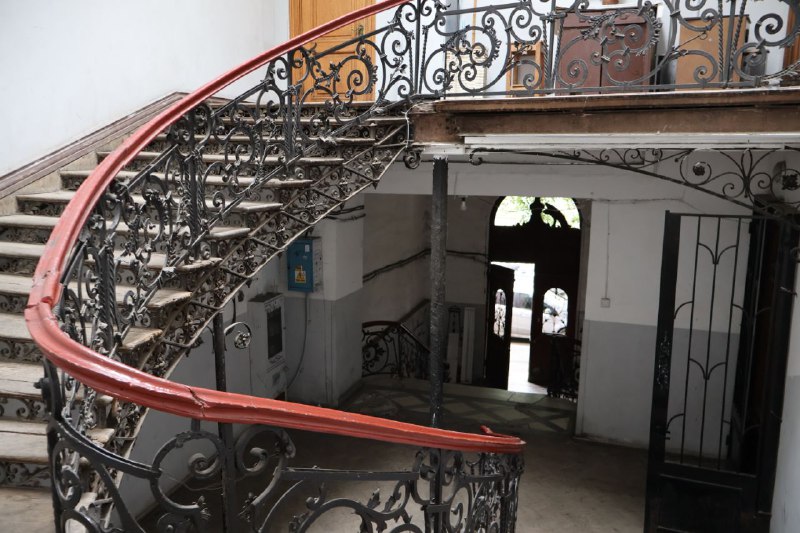
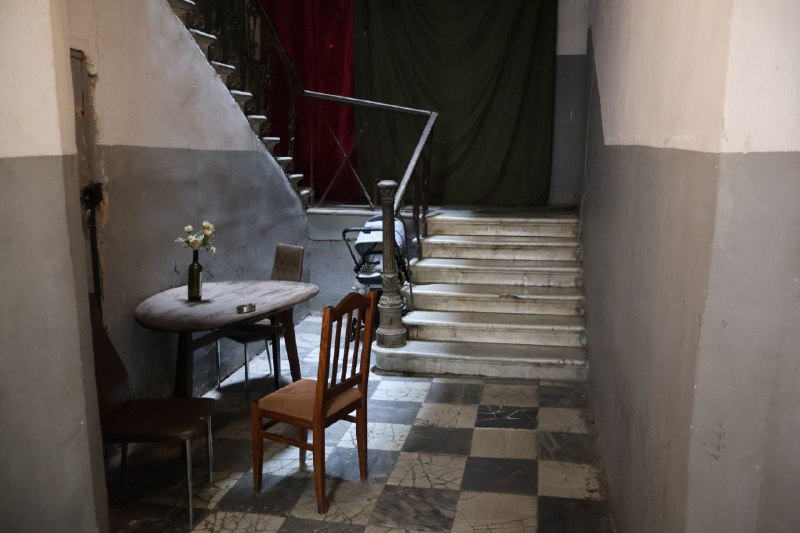
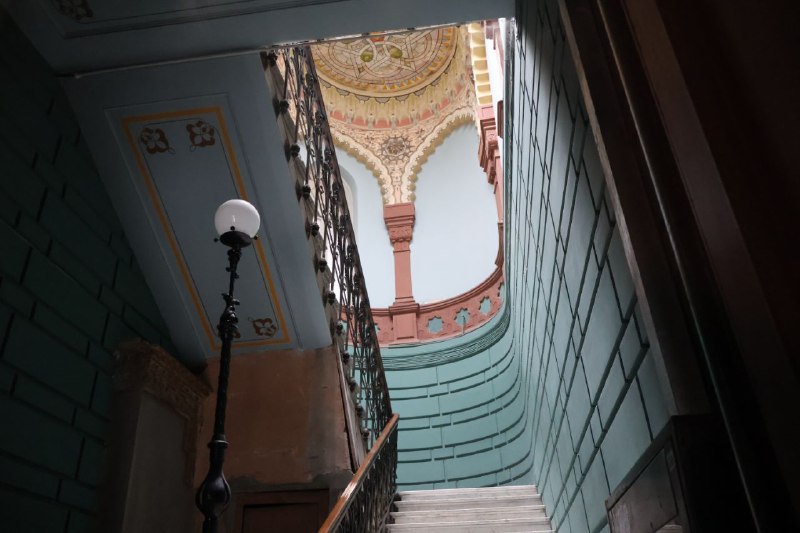
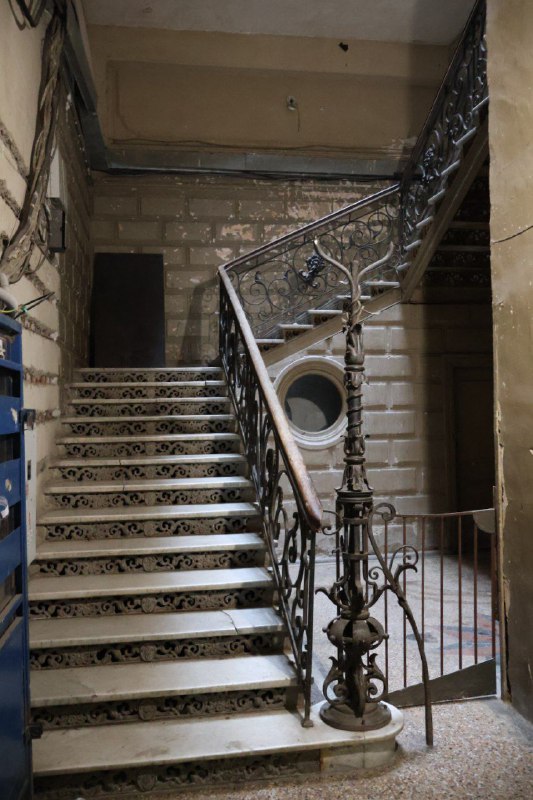
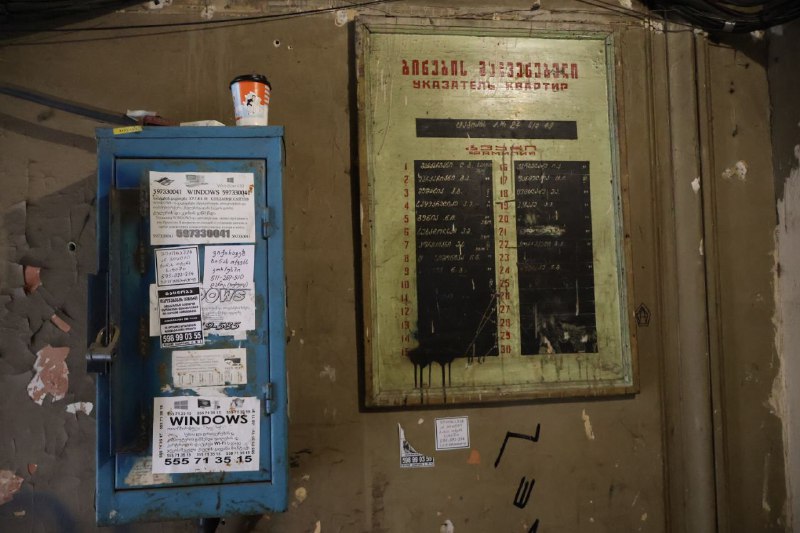
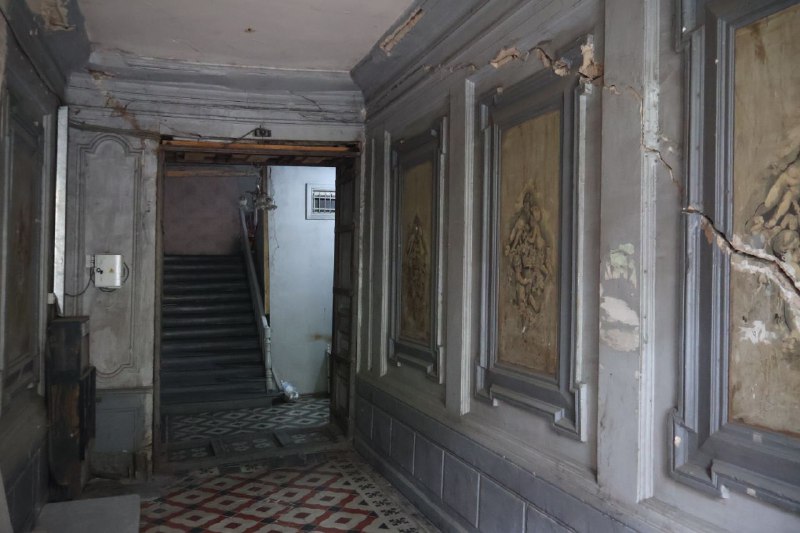
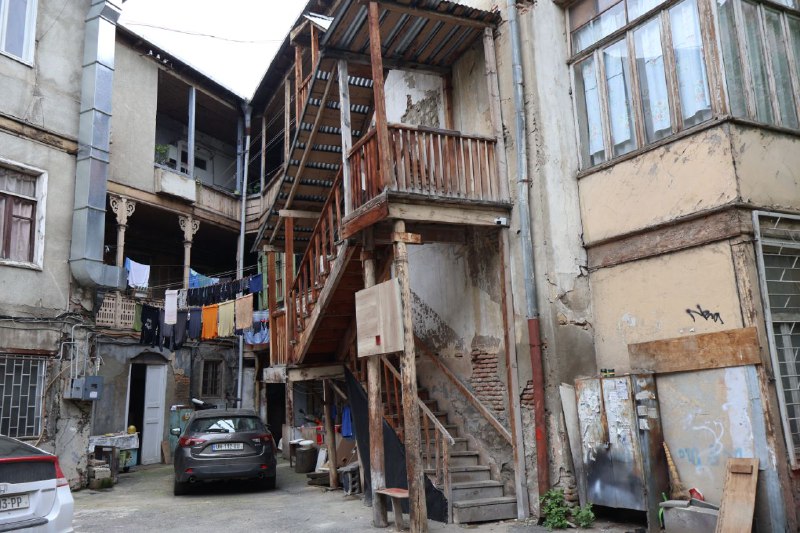
One of Tbilisi's most overlooked attractions is its entranceways. After checking out a few of them, I finally understood why people literally hunt for these locations.

It's actually pretty thrilling and fun. Some building entrances are open to anyone, while others are locked up, so you either have to ask the locals (who usually don't mind) or figure something else out. I found some random list online and went through it. There was only one place I couldn't get into: the building had been declared unsafe and they stopped letting anyone in. Sometimes it felt like I'd wandered into a museum. Especially this one.
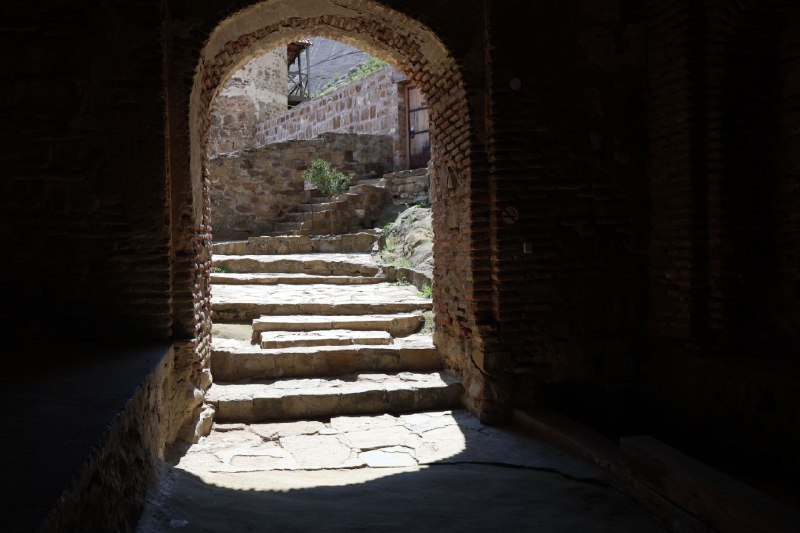
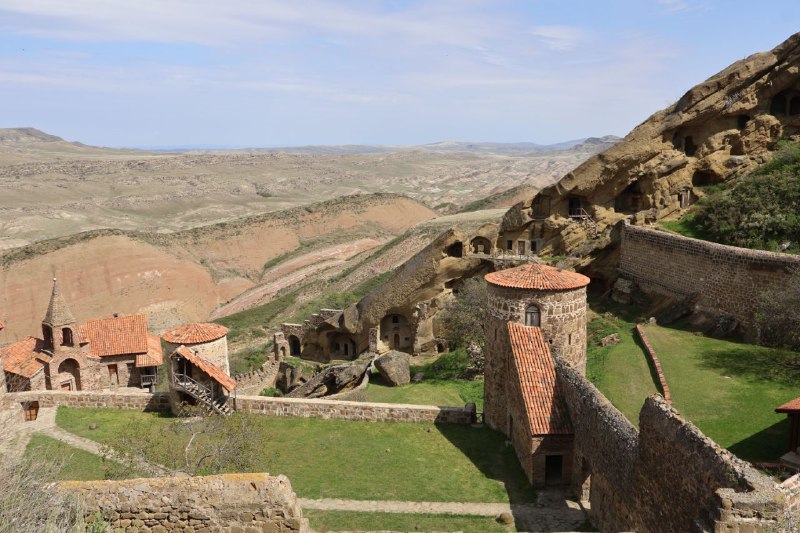
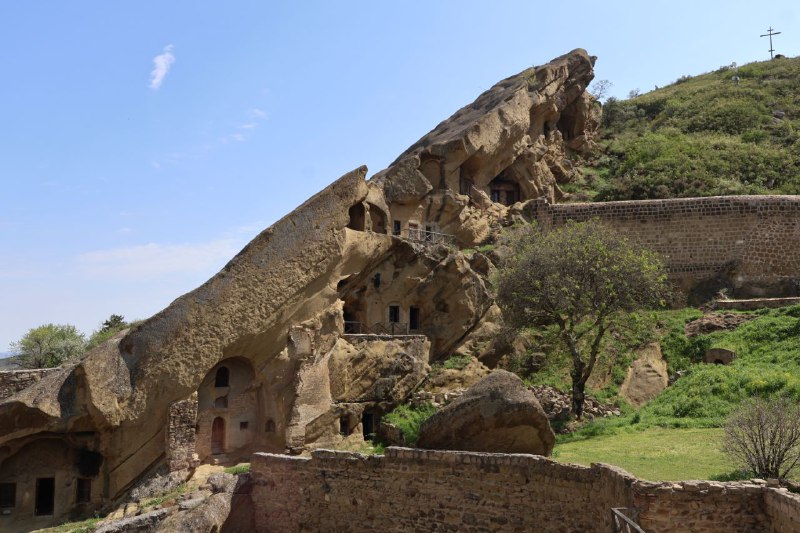
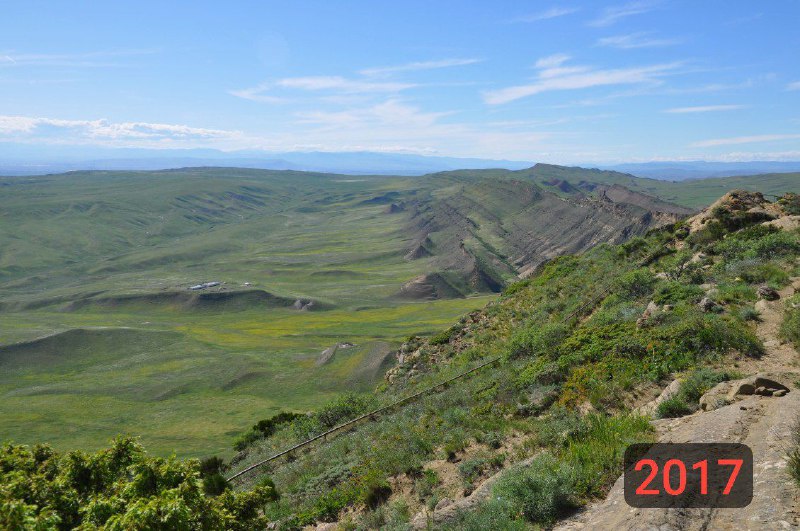
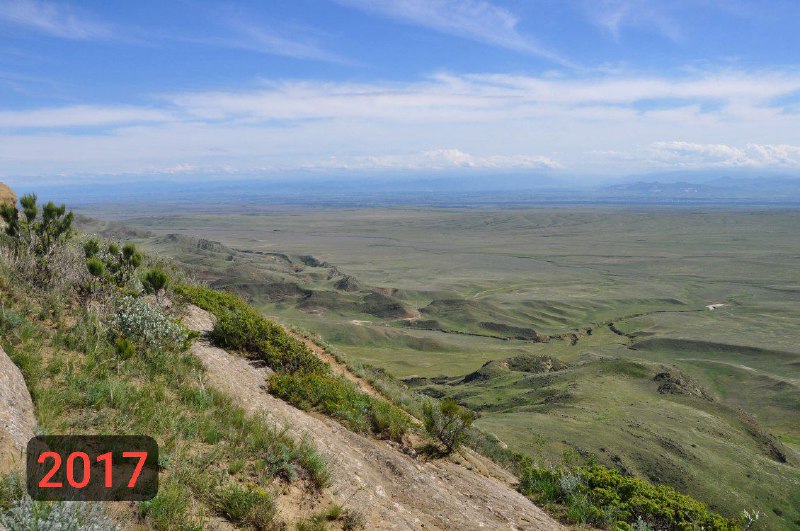
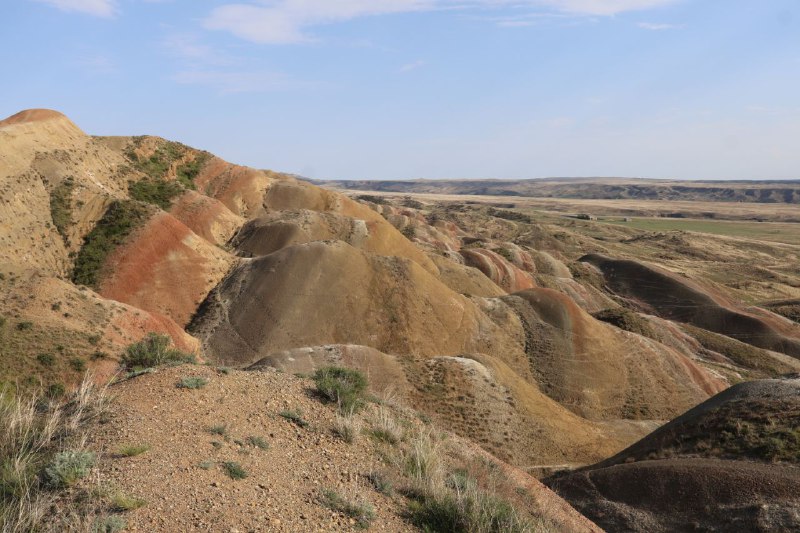
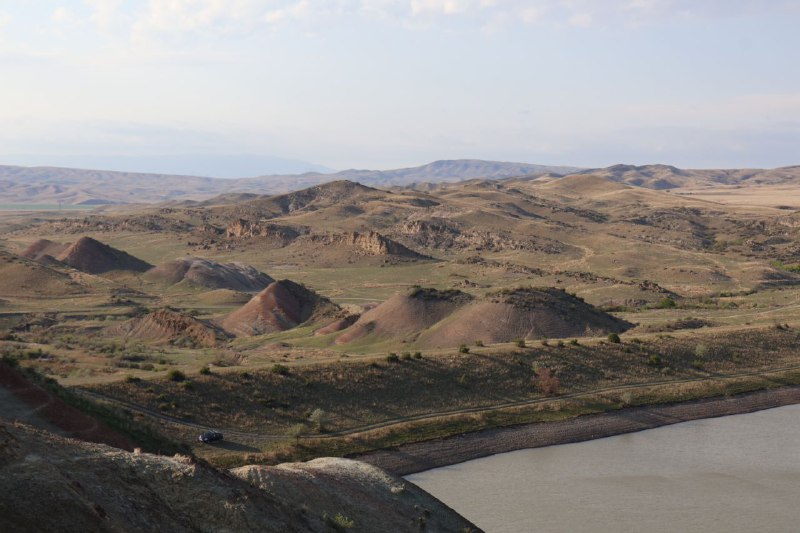
Back in 2017, I was already in Georgia and stopped by the David-Gareja monastery. It's one of the most beautiful places not just in Georgia, but honestly one of the most stunning spots from all my travels.

The real beauty reveals itself from the upper part of the complex. But the monastery sits right on the Georgia-Azerbaijan border, and because of the ongoing territorial dispute since the Soviet collapse, they stopped letting people go up there entirely in 2019. Border guards stand on the trail and turn everyone back. But I only found that out when I got there. It never even crossed my mind to google the situation beforehand. It was fine back then.

Azerbaijan claims the monastery is the heritage of Caucasian Albania (not to be confused with Albania in the Balkans), and that they're the successors to it. Though honestly, the real reason is probably more about the strategic military position than history.

I hope the countries find a peaceful solution and tourists can visit and enjoy this beauty again.