I had a couple of days to spare in Hong Kong, and this time I wanted to check out something more authentic and cozy. I read online about water people (not to be confused with Vietnamese refugees after the communists won), who spend their whole lives living on boat-junks and make their living fishing. The British called these folks "sea gypsies." In Cantonese they used to be called "tanka," but these days that name isn't considered acceptable. Tanka literally means "egg people." According to legend, centuries ago this people paid their taxes in eggs, which is where the name came from.
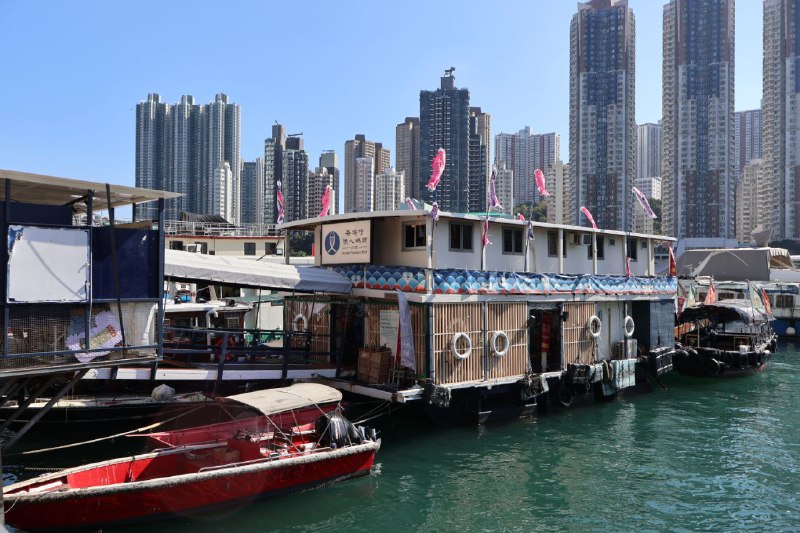
Back in the 1980s, in a bay that protected from typhoons, almost 40,000 people lived there (and that's no typo!). Since then, most have moved to land, but I was still hoping to catch some remnants of the floating village. No luck. I didn't find any signs of a water village. Though back in 2016, according to various internet posts, dozens of such residents were still living there.
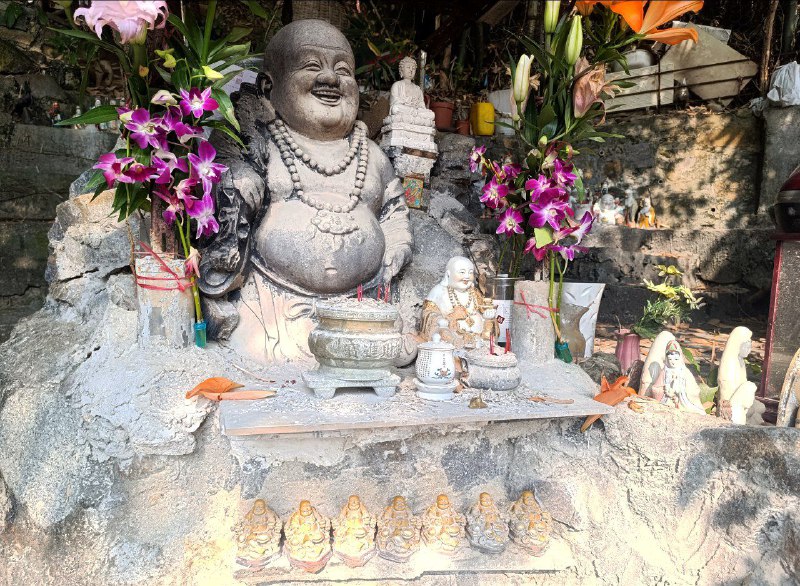
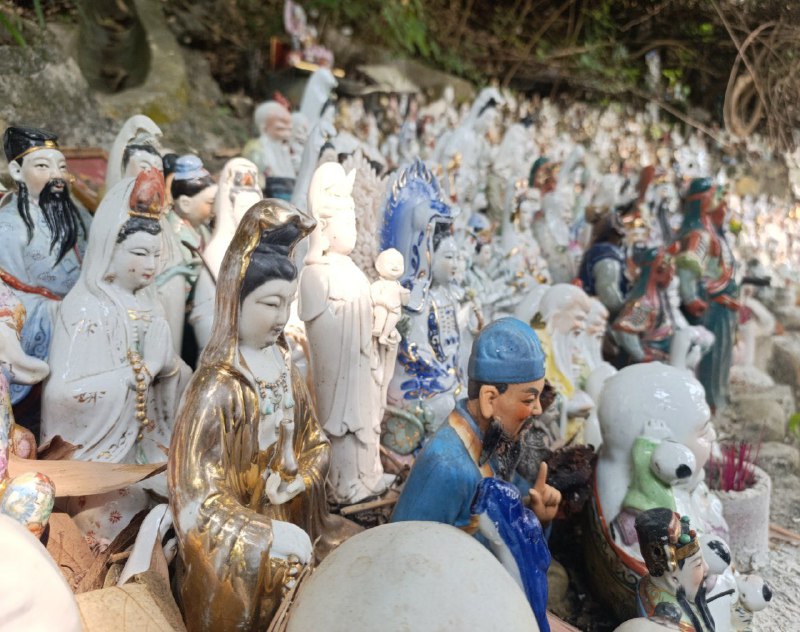
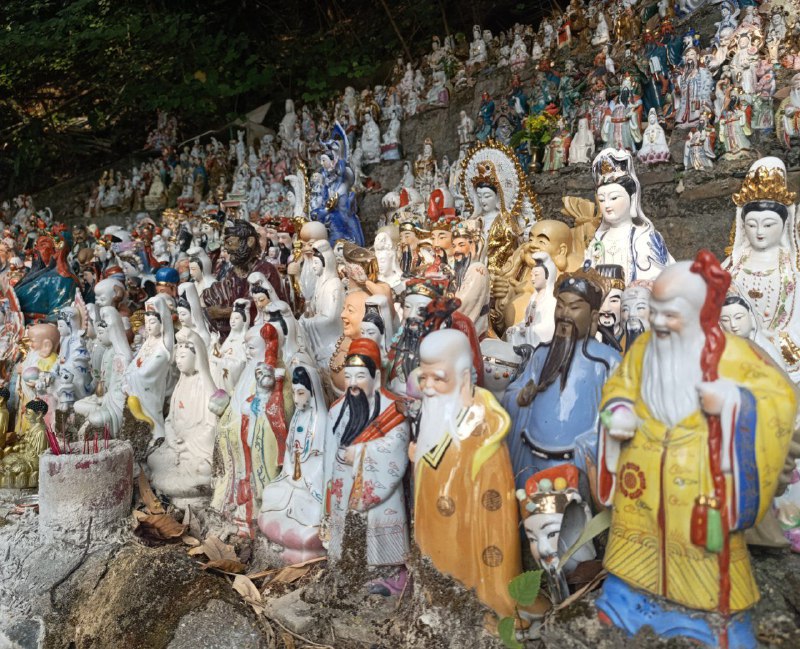
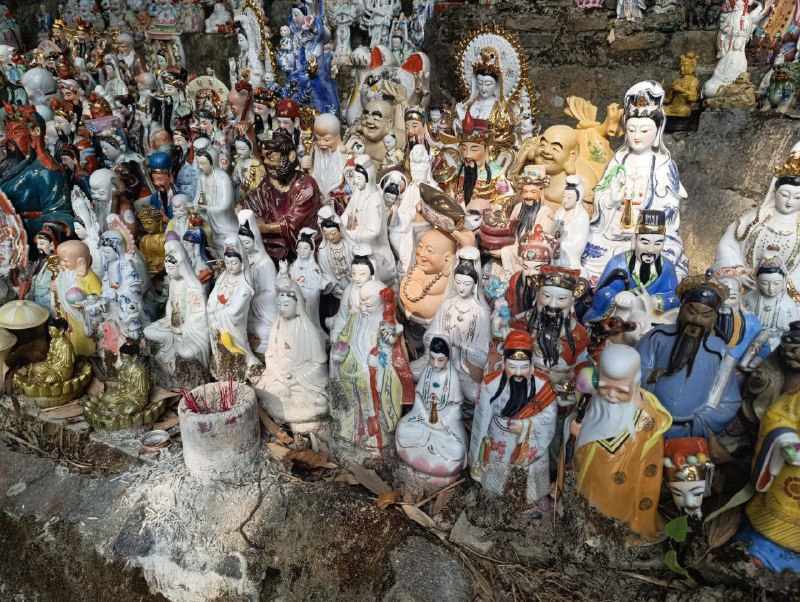
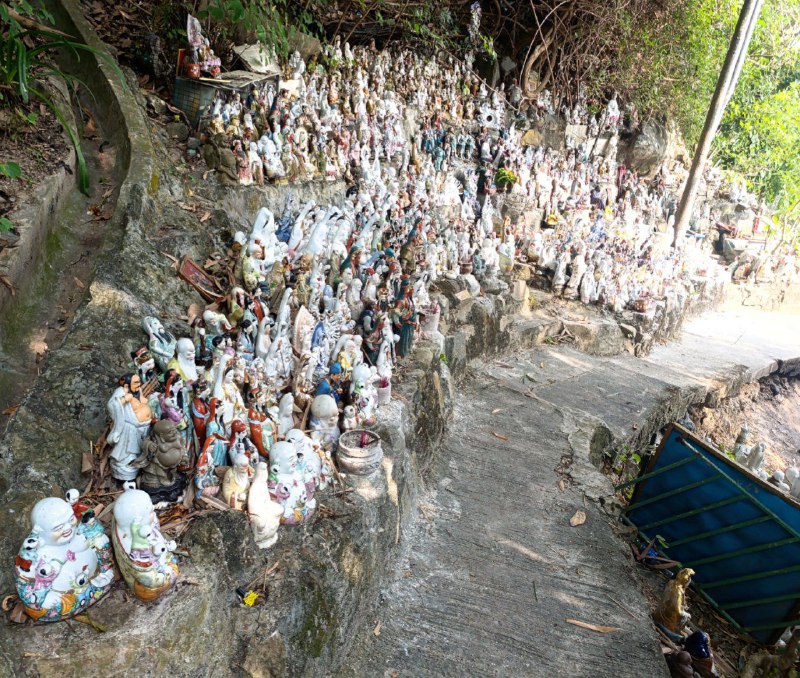
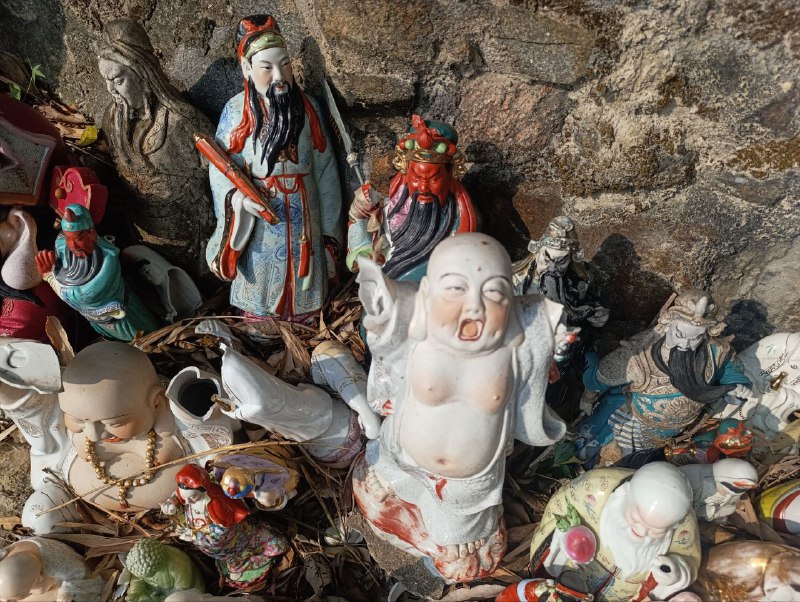
But not far away, I stumbled upon an unusual temple with thousands of god statues, but not a single one was purchased or custom-made. In local beliefs, you don't throw away god statues, even if they're broken. People can leave them by the roadside for someone else to pick up. More than 30 years ago, a local resident named Wong Wen-Pong started collecting abandoned statues and displaying them on the waterfront. Over time, the collection grew to several thousand pieces. It looks incredibly impressive. It's not the only one, but it's the most famous temple of its kind in the city. Even the BBC wrote about it. Nowadays, people often bring their gods directly to the temple rather than leaving them on the roadside.
Back in the 1980s, in a bay that protected from typhoons, almost 40,000 people lived there (and that's no typo!). Since then, most have moved to land, but I was still hoping to catch some remnants of the floating village. No luck. I didn't find any signs of a water village. Though back in 2016, according to various internet posts, dozens of such residents were still living there.
But not far away, I stumbled upon an unusual temple with thousands of god statues, but not a single one was purchased or custom-made. In local beliefs, you don't throw away god statues, even if they're broken. People can leave them by the roadside for someone else to pick up. More than 30 years ago, a local resident named Wong Wen-Pong started collecting abandoned statues and displaying them on the waterfront. Over time, the collection grew to several thousand pieces. It looks incredibly impressive. It's not the only one, but it's the most famous temple of its kind in the city. Even the BBC wrote about it. Nowadays, people often bring their gods directly to the temple rather than leaving them on the roadside.
 United Kingdom
 Serbia
 Bosnia and Herzegovina
 Turkey
 United Arab Emirates
 Brunei
 Indonesia
 Malaysia
 Argentina
 USA
USA Morocco
 Georgia
 Egypt
Egypt Hong Kong
 China
China Vietnam
 Tunisia
 Montenegro
 Philippines
 Singapore
 Oman
Oman Algeria
 North Macedonia
 Lebanon
 Israel
 Albania
 Russia
 Tanzania
 Netherlands
 Spain
Spain Latvia
 Germany
 Belgium
 France
 Kazakhstan