So if you happen to hear "Bosna Argentina," that doesn't necessarily mean a football match. Turns out the Franciscan order is quite prominent in Bosnia, and this is their official name for the province in Latin. And it actually includes Croatia and Serbia too.
The Franciscans arrived here in the second half of the 13th century to combat Bosnian Christianity. And they've been here ever since, continuously. Almost immediately after the Ottomans took over the region, the Turkish sultan issued safety guarantees and permission to continue their religious activities. That document is still kept in a monastery in Bosnian Fojnica.
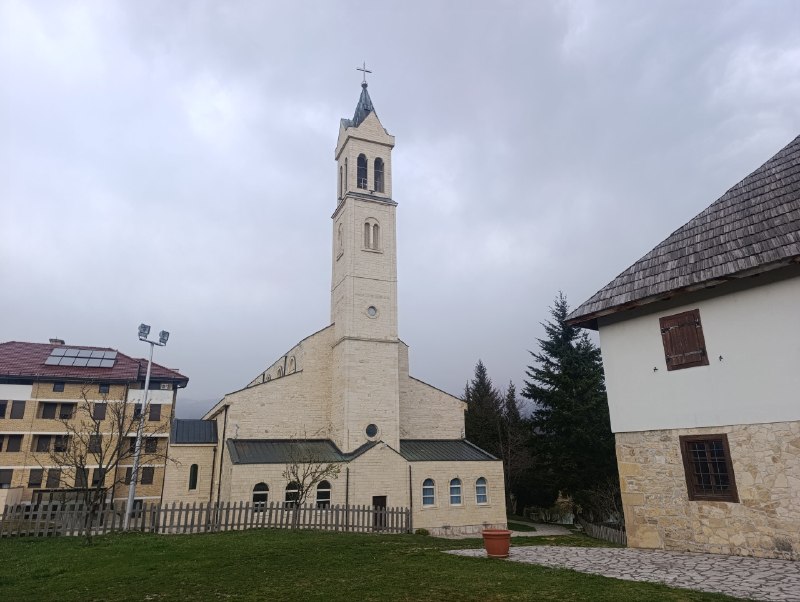
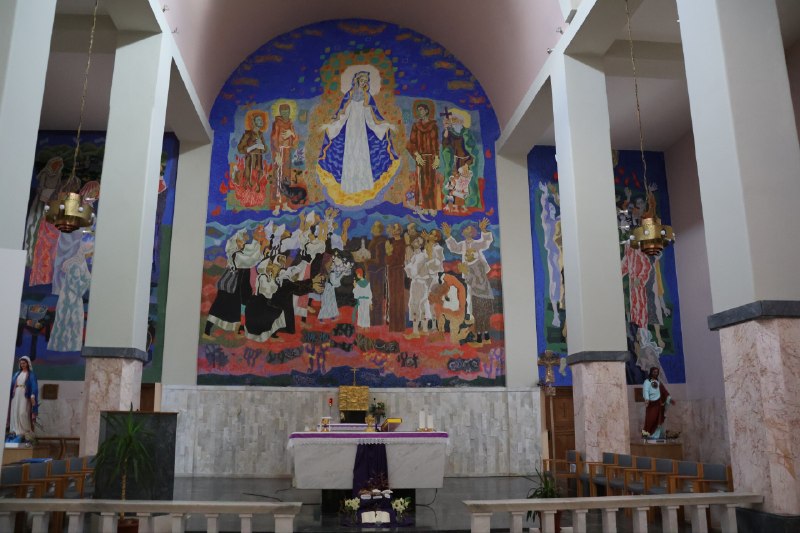
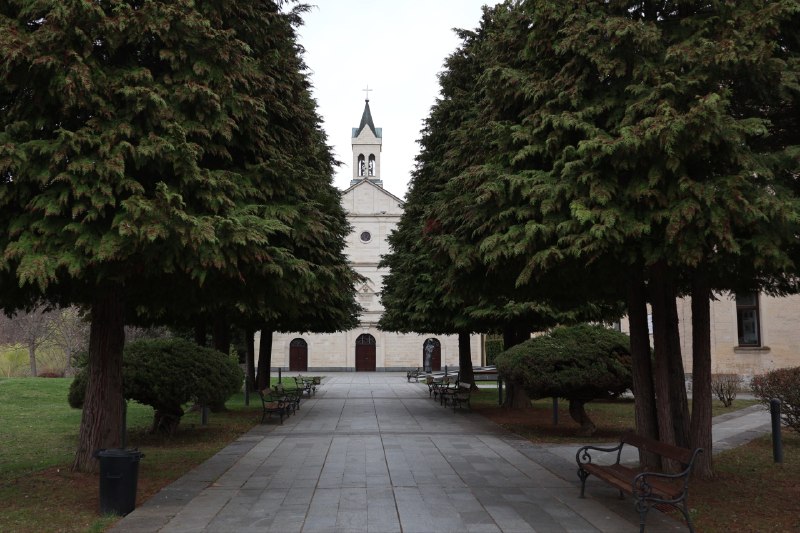
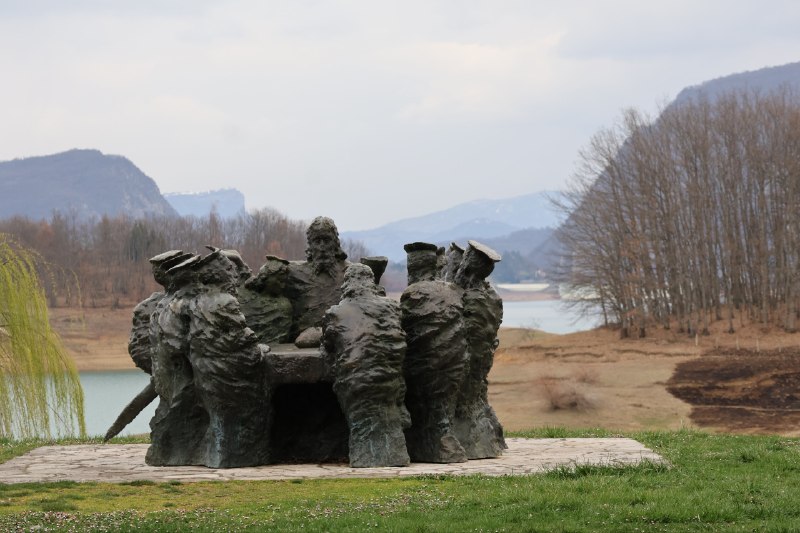
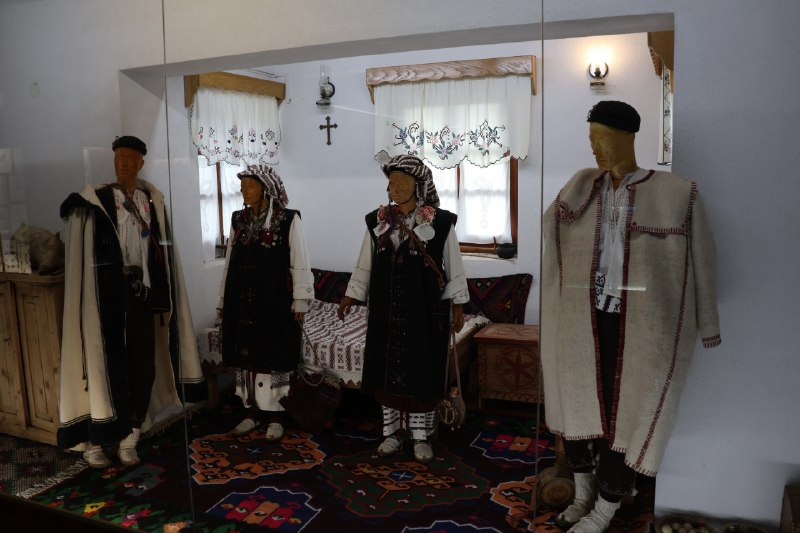
That said, the Franciscans maintained connections with Austrian Catholics, sometimes even crossing into collaboration. And they were terrified the Turks would punish them for it. That's why in the 17th century, they smuggled an icon out of the monastery in Rama, which still hasn't come back—it's now in the Croatian town of Sinj. On the bright side, there's now a museum at the monastery. Nothing too spectacular, but it was interesting to check out.
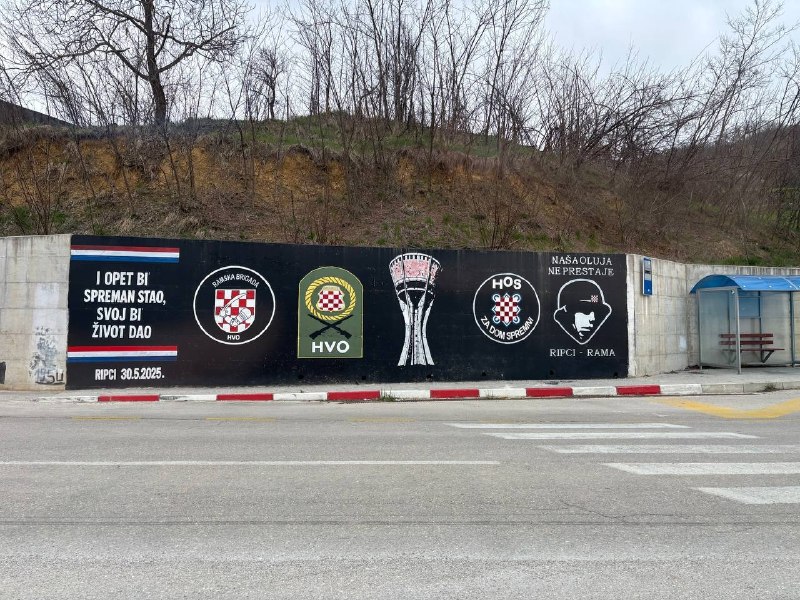
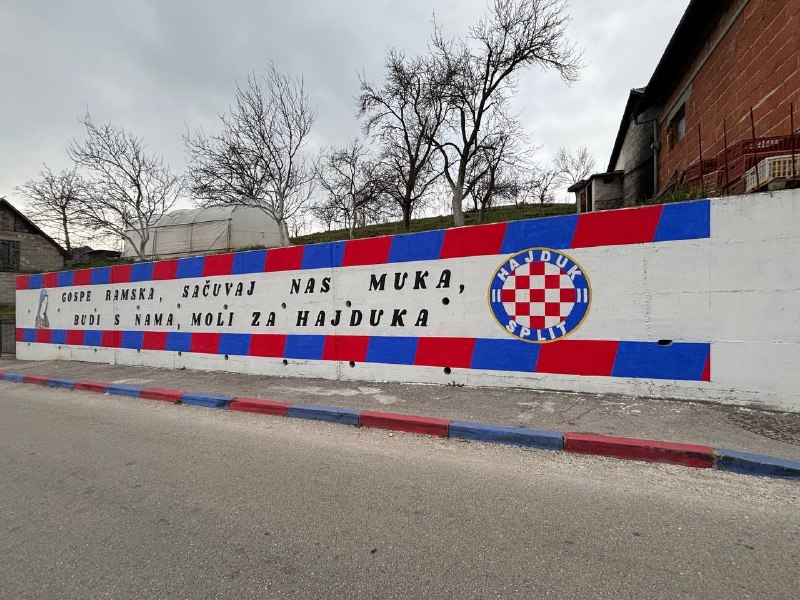
During World War II, some members of the order openly sympathized with the Croatian Ustaše, though others actively fought against them. And today, back in Rama, there's a bunch of graffiti referencing Croatian forces from the Bosnian War, left by fans of Split (some of the rowdiest supporters in the region).
The Franciscans arrived here in the second half of the 13th century to combat Bosnian Christianity. And they've been here ever since, continuously. Almost immediately after the Ottomans took over the region, the Turkish sultan issued safety guarantees and permission to continue their religious activities. That document is still kept in a monastery in Bosnian Fojnica.
That said, the Franciscans maintained connections with Austrian Catholics, sometimes even crossing into collaboration. And they were terrified the Turks would punish them for it. That's why in the 17th century, they smuggled an icon out of the monastery in Rama, which still hasn't come back—it's now in the Croatian town of Sinj. On the bright side, there's now a museum at the monastery. Nothing too spectacular, but it was interesting to check out.
During World War II, some members of the order openly sympathized with the Croatian Ustaše, though others actively fought against them. And today, back in Rama, there's a bunch of graffiti referencing Croatian forces from the Bosnian War, left by fans of Split (some of the rowdiest supporters in the region).
 United Kingdom
 Serbia
 Bosnia and Herzegovina
 Turkey
 United Arab Emirates
 Brunei
 Indonesia
 Malaysia
 Argentina
 USA
USA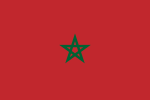 Morocco
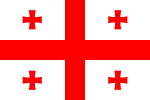 Georgia
 Egypt
Egypt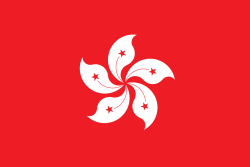 Hong Kong
 China
China Vietnam
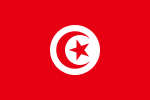 Tunisia
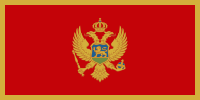 Montenegro
 Philippines
 Singapore
 Oman
Oman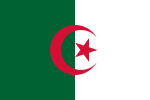 Algeria
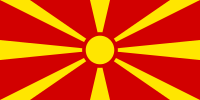 North Macedonia
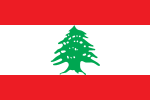 Lebanon
 Israel
 Albania
 Russia
 Tanzania
 Netherlands
 Spain
Spain Latvia
 Germany
 Belgium
 France
 Kazakhstan