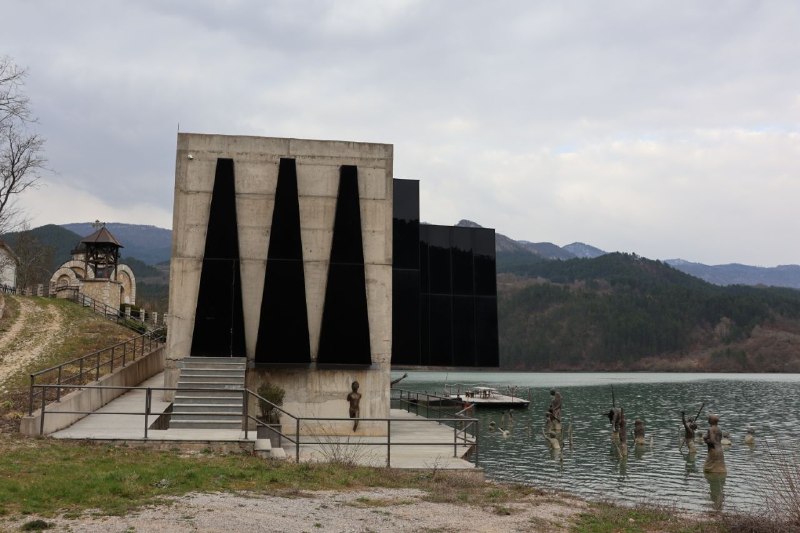
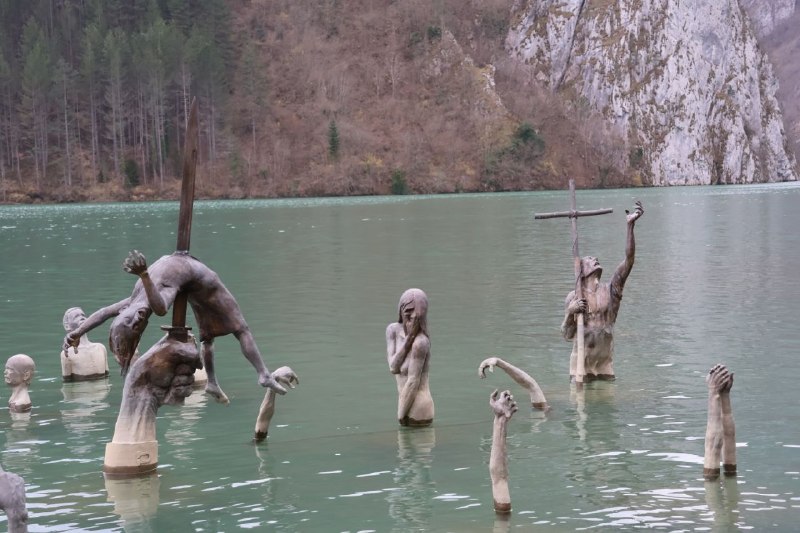
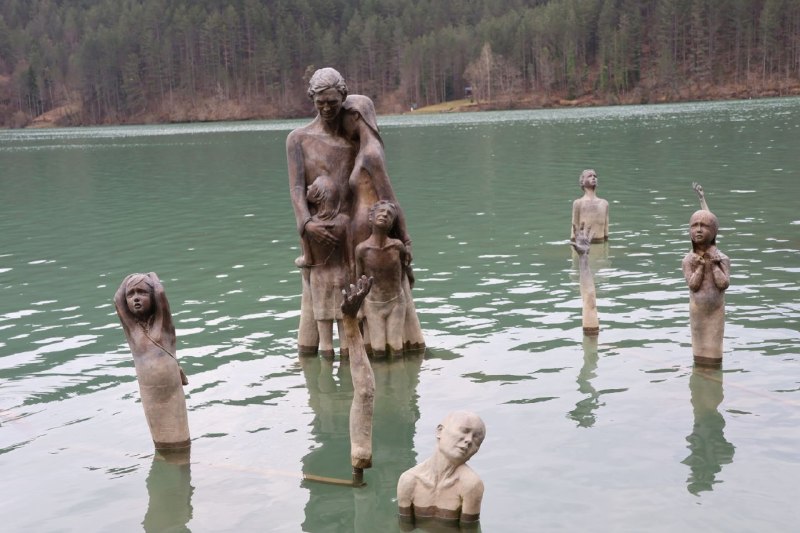
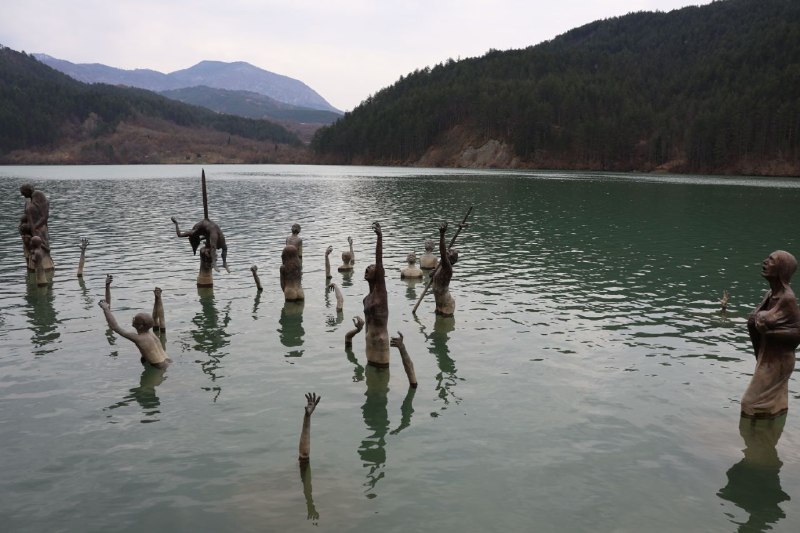
In Stari Brод in Bosnia, there's a museum dedicated to victims of the massacre during World War II. Croats and Bosniaks killed up to 6,000 Serbs who were trying to escape from occupied territory. But here's the thing—each people has their own perspective on what happened. They argue about everything except the fact that the massacre occurred: the death toll, how it happened, who was involved. During Yugoslavia, this event wasn't really discussed to avoid damaging relations between the peoples. Only by the late 2010s did Serbs open the museum. This got an extremely negative reaction from the Bosnian side, because a lot of crimes from the Bosnian War are quietly being swept under the rug.
The nearest major city to Stari Brод is Višegrad. Some of the war's most brutal events happened there. To put things in perspective: before Yugoslavia fell apart, this 20,000-person city was more than 60% Bosniak. Now it's around 10%. You won't find a single memorial plaque or monument to the victims in the city.
Next to Višegrad stands the Vilina Vlas hotel, where women were systematically raped and held captive. This hotel is still open and you can stay there for 70+ euros even today. And they barely renovated it properly. The beds are literally the same ones from 30 years ago. For ten years, the Montenegrin pension fund sent retirees there on subsidized trips. Only this year, under pressure from civil rights organizations, these tours were canceled. And there's no memorial plaque there either.
But the real time bomb was planted in the education system. A few years ago, the Bosnian War was added to the school history curriculum. Bosniaks, Serbs, and Croats are taught DIFFERENT versions of what happened. In a single school, kids can literally be divided by ethnicity—some are told the Srebrenica genocide was committed by Serbs, while others are told there was no genocide at all. And every single parent of every single student fought on the right side.
The nearest major city to Stari Brод is Višegrad. Some of the war's most brutal events happened there. To put things in perspective: before Yugoslavia fell apart, this 20,000-person city was more than 60% Bosniak. Now it's around 10%. You won't find a single memorial plaque or monument to the victims in the city.
Next to Višegrad stands the Vilina Vlas hotel, where women were systematically raped and held captive. This hotel is still open and you can stay there for 70+ euros even today. And they barely renovated it properly. The beds are literally the same ones from 30 years ago. For ten years, the Montenegrin pension fund sent retirees there on subsidized trips. Only this year, under pressure from civil rights organizations, these tours were canceled. And there's no memorial plaque there either.
But the real time bomb was planted in the education system. A few years ago, the Bosnian War was added to the school history curriculum. Bosniaks, Serbs, and Croats are taught DIFFERENT versions of what happened. In a single school, kids can literally be divided by ethnicity—some are told the Srebrenica genocide was committed by Serbs, while others are told there was no genocide at all. And every single parent of every single student fought on the right side.
 United Kingdom
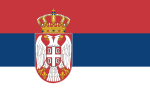 Serbia
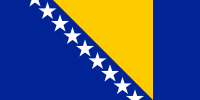 Bosnia and Herzegovina
 Turkey
 United Arab Emirates
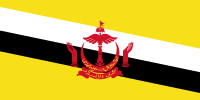 Brunei
 Indonesia
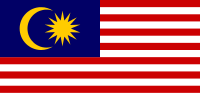 Malaysia
 Argentina
 USA
USA Morocco
 Georgia
 Egypt
Egypt Hong Kong
 China
China Vietnam
 Tunisia
 Montenegro
 Philippines
 Singapore
 Oman
Oman Algeria
 North Macedonia
 Lebanon
 Israel
 Albania
 Russia
 Tanzania
 Netherlands
 Spain
Spain Latvia
 Germany
 Belgium
 France
 Kazakhstan