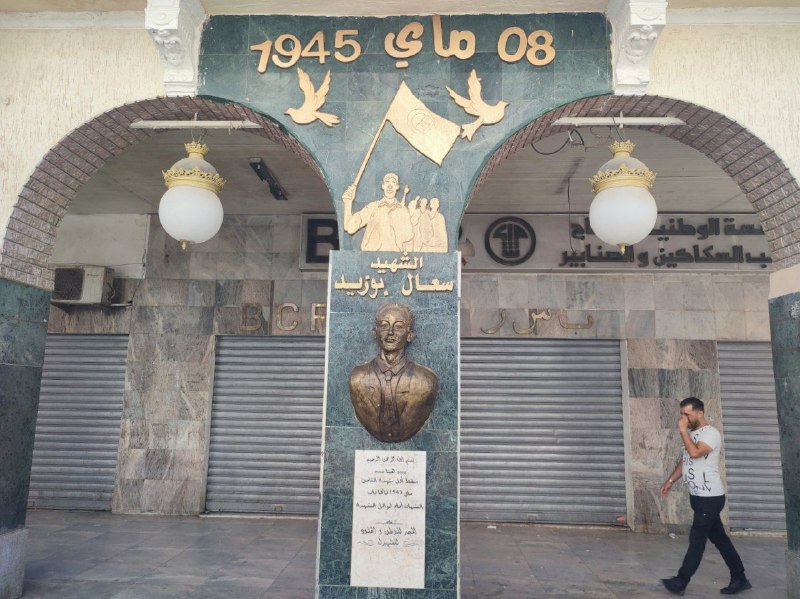
A bit more of a sad colonial history lesson. May 8th is celebrated in Europe as victory over fascism. In Algeria, it's a day of mourning for tens of thousands of fellow citizens killed by French gendarmes.
During World War II, France actively recruited soldiers from residents of its African colonies. Algeria was no exception. Locals I talked to about this told me that France lured people to the front with promises of independence if they won, but they didn't keep their word. I couldn't find any direct promises myself, but maybe I just don't know how to look properly.
Demands for independence grew louder toward the end of the war. On May 8, 1945, thousands of people took to the streets in Algerian cities to celebrate the defeat of the Nazis. In Sétif and Guelma, the processions turned into clashes with French police, in which there were casualties on both sides. In response, the security forces carried out a real massacre. The unrest lasted several days but was brutally suppressed. The result: up to 30,000 civilians killed.
The massacre made the French think that peaceful negotiations with Arabs were impossible and that everything needed to be solved by force. And it made Algerians think that with proper preparation, they could win their freedom. They did. But the cost was steep: a long, bloody war from 1954 to 1963 claimed at least half a million lives.
During World War II, France actively recruited soldiers from residents of its African colonies. Algeria was no exception. Locals I talked to about this told me that France lured people to the front with promises of independence if they won, but they didn't keep their word. I couldn't find any direct promises myself, but maybe I just don't know how to look properly.
Demands for independence grew louder toward the end of the war. On May 8, 1945, thousands of people took to the streets in Algerian cities to celebrate the defeat of the Nazis. In Sétif and Guelma, the processions turned into clashes with French police, in which there were casualties on both sides. In response, the security forces carried out a real massacre. The unrest lasted several days but was brutally suppressed. The result: up to 30,000 civilians killed.
The massacre made the French think that peaceful negotiations with Arabs were impossible and that everything needed to be solved by force. And it made Algerians think that with proper preparation, they could win their freedom. They did. But the cost was steep: a long, bloody war from 1954 to 1963 claimed at least half a million lives.
 United Kingdom
 Serbia
 Bosnia and Herzegovina
 Turkey
 United Arab Emirates
 Brunei
 Indonesia
 Malaysia
 Argentina
 USA
USA Morocco
 Georgia
 Egypt
Egypt Hong Kong
 China
China Vietnam
 Tunisia
 Montenegro
 Philippines
 Singapore
 Oman
Oman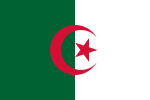 Algeria
 North Macedonia
 Lebanon
 Israel
 Albania
 Russia
 Tanzania
 Netherlands
 Spain
Spain Latvia
 Germany
 Belgium
 France
 Kazakhstan