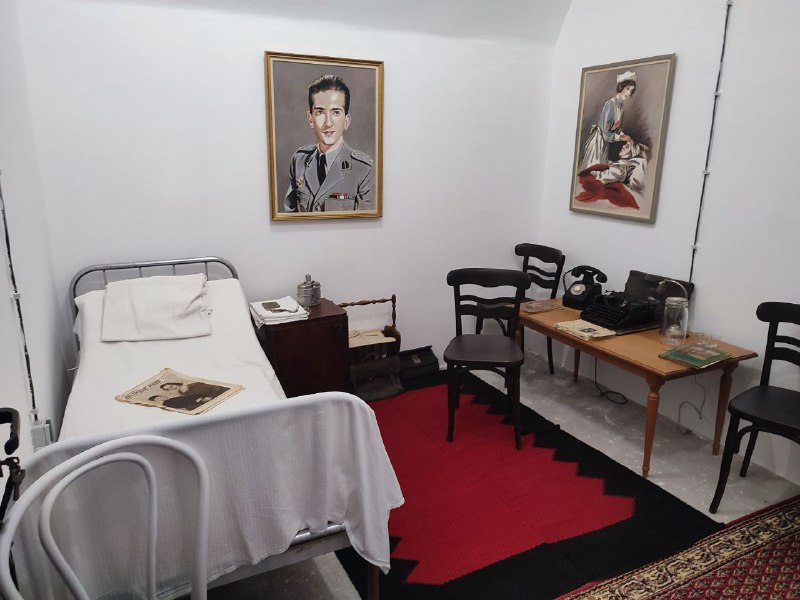
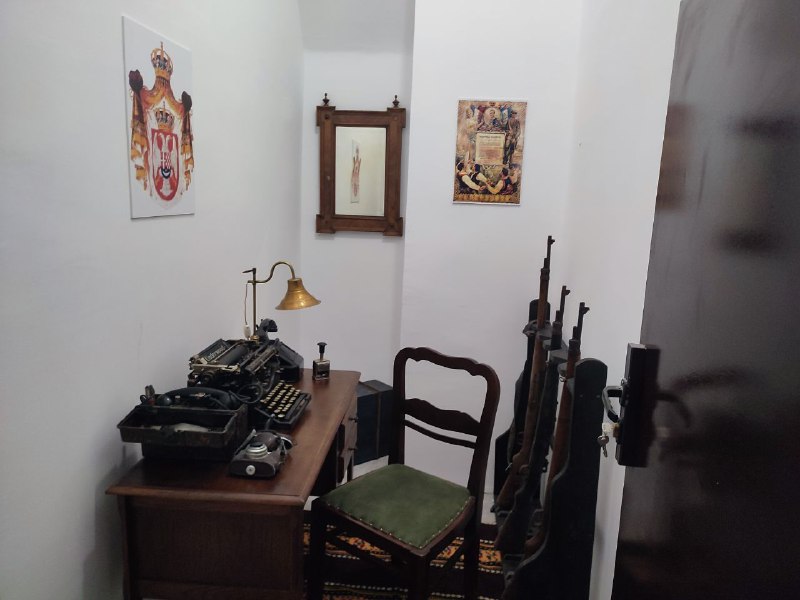
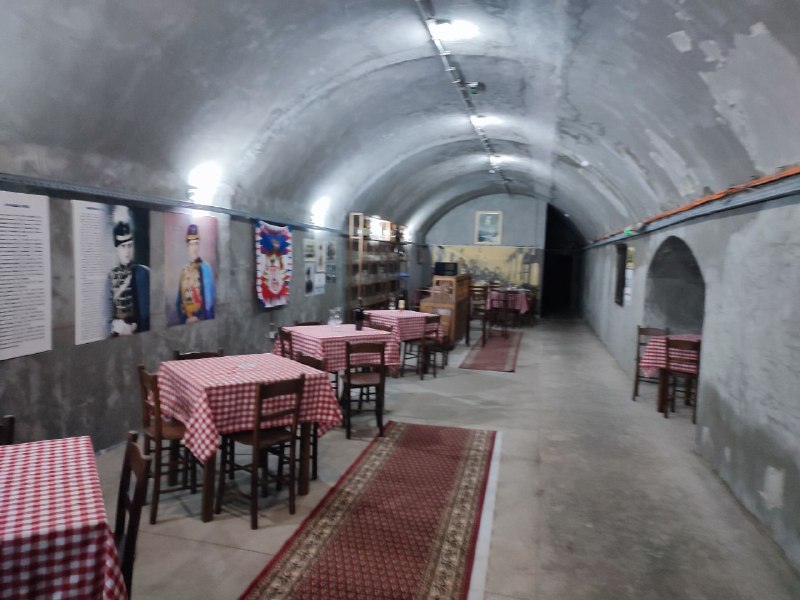
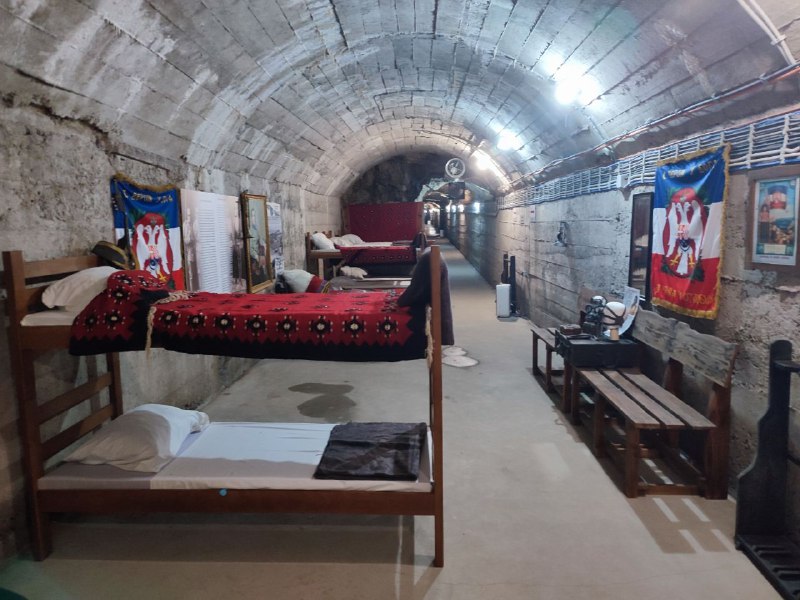
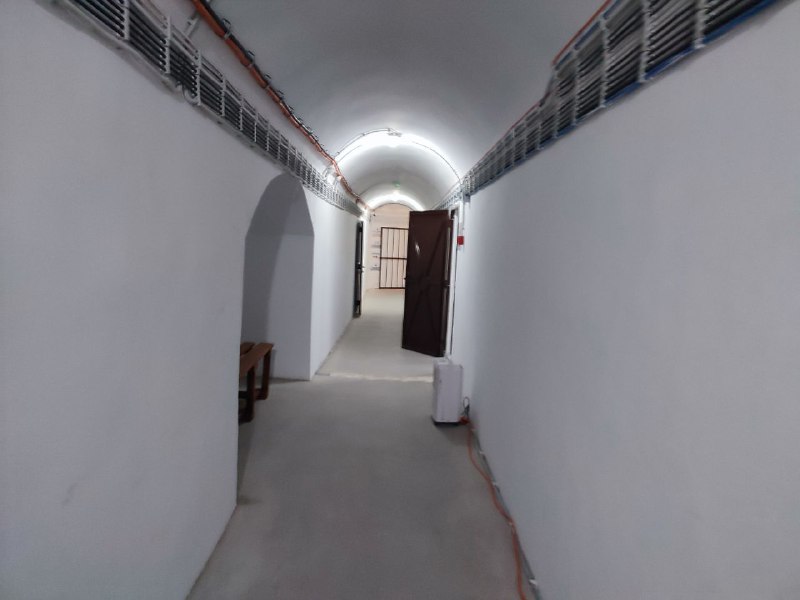
On the Serbian-Bosnian border in the inconspicuous town of Mali Zvornik, at the behest of Yugoslav King Alexander I Karageorgevich, they built not just a bunker in the early 1930s, but an entire underground city called "Stone Girl". There's even a church inside. In 1934, after the ruler was assassinated in Marseille, the project was frozen, but in those 3 years of construction they managed to accomplish quite a lot, and the results were already operational.
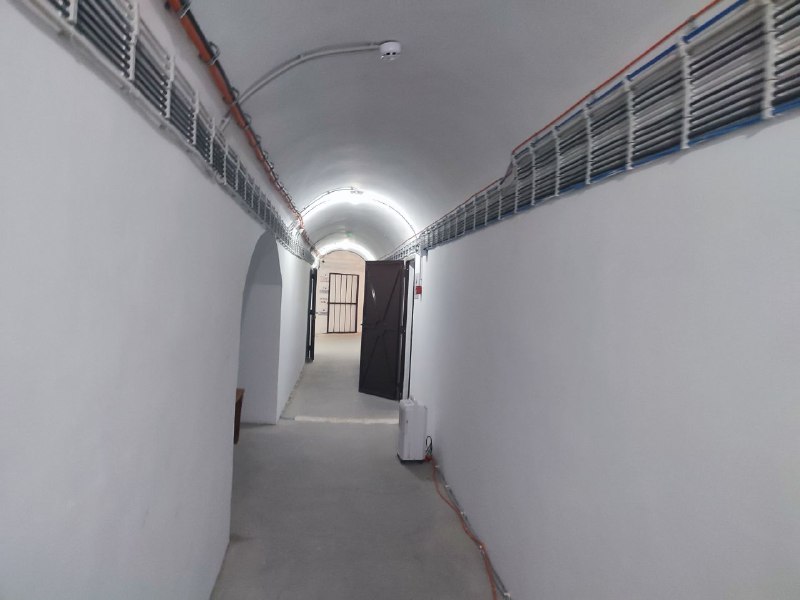
They built on a grand scale. It was designed to accommodate up to five thousand people: 20+ kilometers of tunnels, nearly a hundred different rooms. Right now only a small part is open to visitors, but they say they're planning to expand access.
As is typical for such facilities, all work was conducted in complete secrecy. Only five people had access to the full blueprints. Prisoners were brought in for the physical labor (just like when building Tito's bunker). The documents remain classified to this day, and the true purpose of the shelter is unknown to the public.
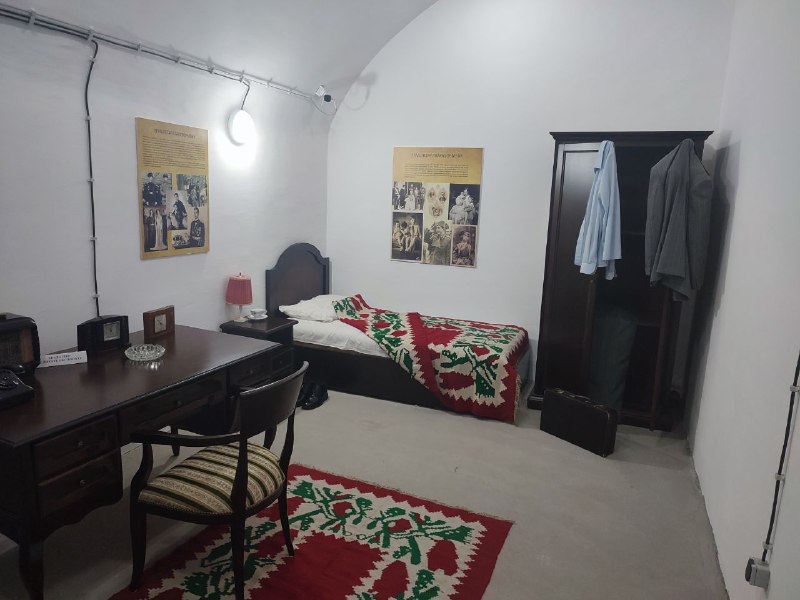
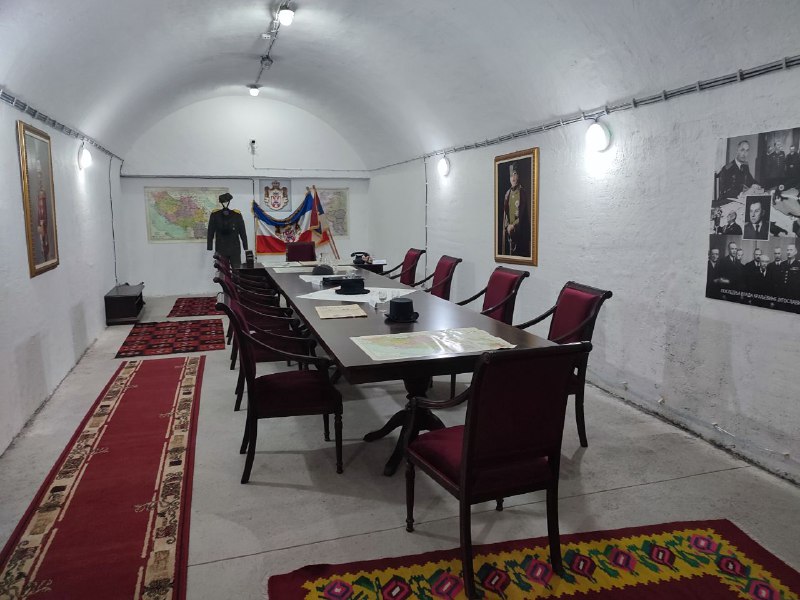
At the beginning of World War II, the last king of Yugoslavia slept here the night before fleeing Serbia, and a week later the final session of the Yugoslav royal government was held here. After the war, Stone Girl was forgotten. Local residents hauled away pretty much everything they could carry: from electrical wiring to the impossibly heavy decorative royal fountain (believed to have been gilded).
Only recently have authorities started restoring the site and attracting tourists. There's plenty of work to be done—we were the only visitors.
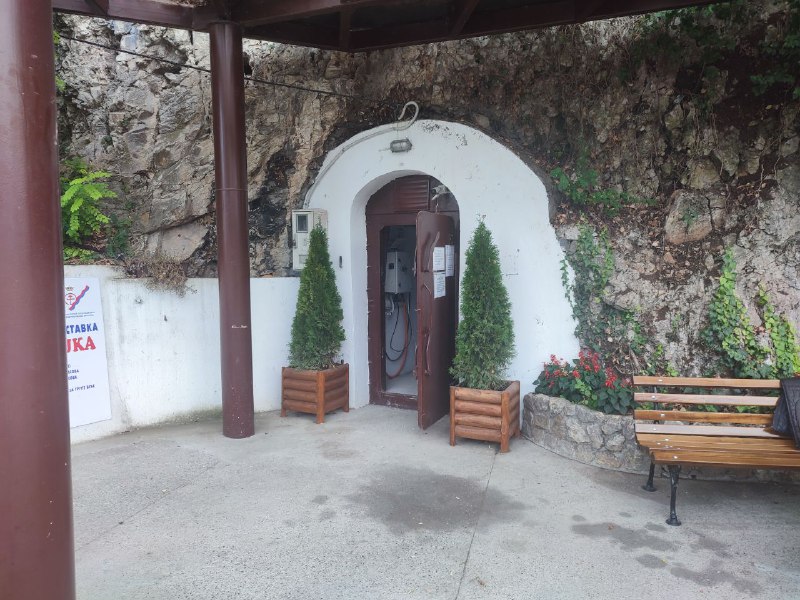
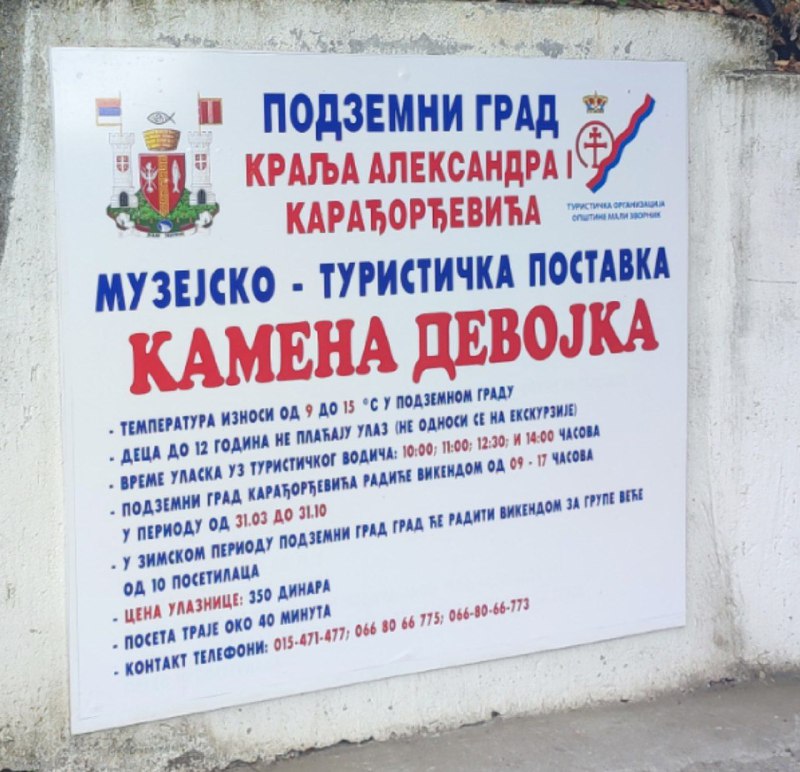
PS. If you ever decide to go, the Google Maps marker is wrong. The entrance is here.
They built on a grand scale. It was designed to accommodate up to five thousand people: 20+ kilometers of tunnels, nearly a hundred different rooms. Right now only a small part is open to visitors, but they say they're planning to expand access.
As is typical for such facilities, all work was conducted in complete secrecy. Only five people had access to the full blueprints. Prisoners were brought in for the physical labor (just like when building Tito's bunker). The documents remain classified to this day, and the true purpose of the shelter is unknown to the public.
At the beginning of World War II, the last king of Yugoslavia slept here the night before fleeing Serbia, and a week later the final session of the Yugoslav royal government was held here. After the war, Stone Girl was forgotten. Local residents hauled away pretty much everything they could carry: from electrical wiring to the impossibly heavy decorative royal fountain (believed to have been gilded).
Only recently have authorities started restoring the site and attracting tourists. There's plenty of work to be done—we were the only visitors.
PS. If you ever decide to go, the Google Maps marker is wrong. The entrance is here.
 United Kingdom
 Serbia
 Bosnia and Herzegovina
 Turkey
 United Arab Emirates
 Brunei
 Indonesia
 Malaysia
 Argentina
 USA
USA Morocco
 Georgia
 Egypt
Egypt Hong Kong
 China
China Vietnam
 Tunisia
 Montenegro
 Philippines
 Singapore
 Oman
Oman Algeria
 North Macedonia
 Lebanon
 Israel
 Albania
 Russia
 Tanzania
 Netherlands
 Spain
Spain Latvia
 Germany
 Belgium
 France
 Kazakhstan