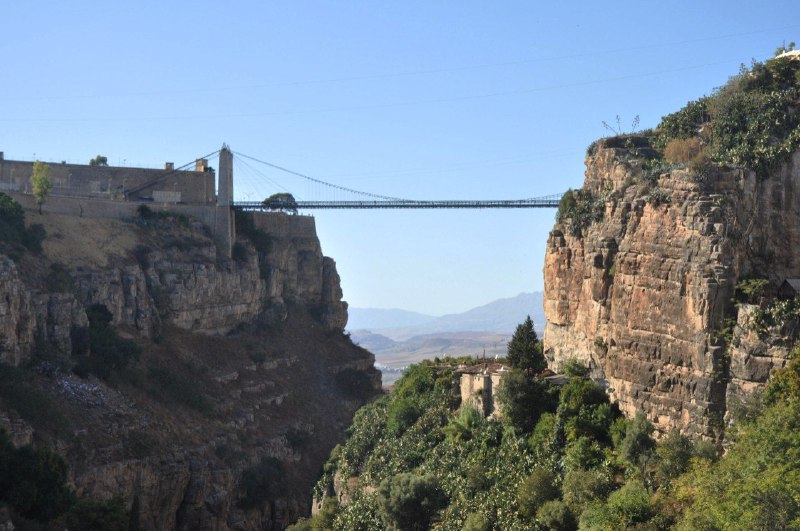
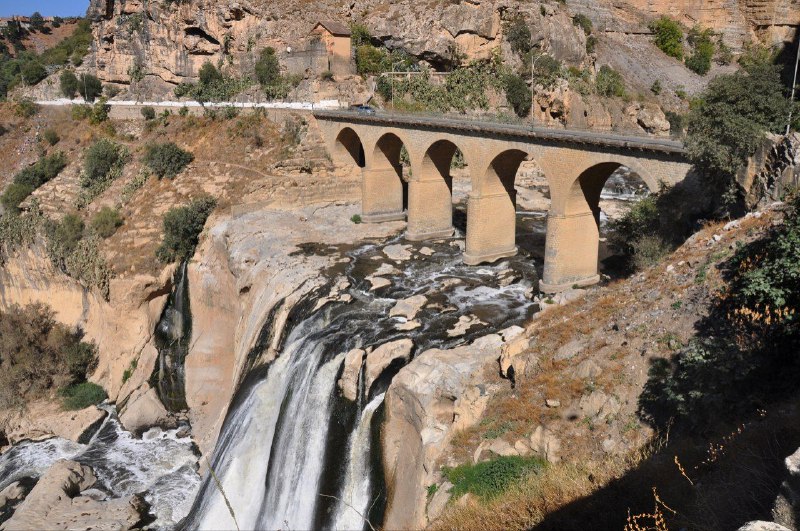
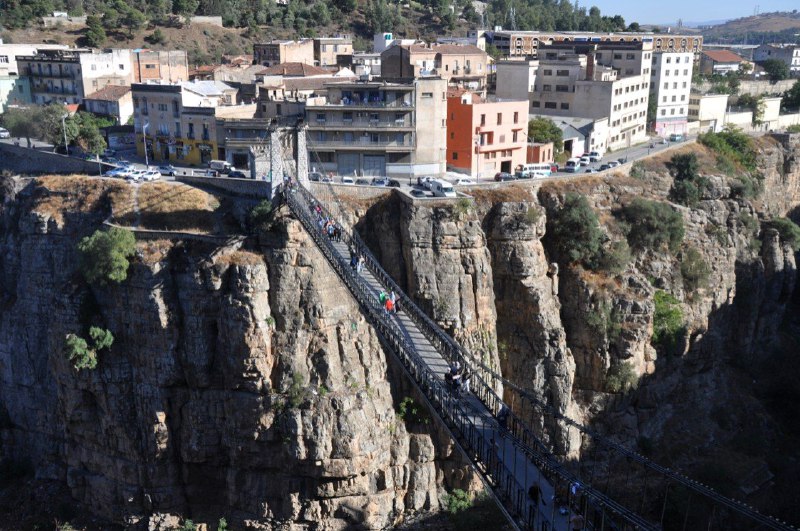
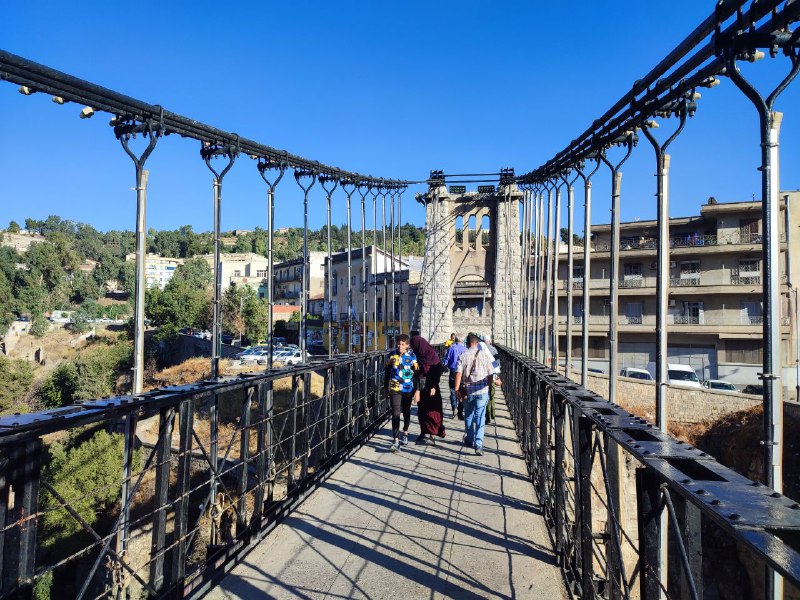
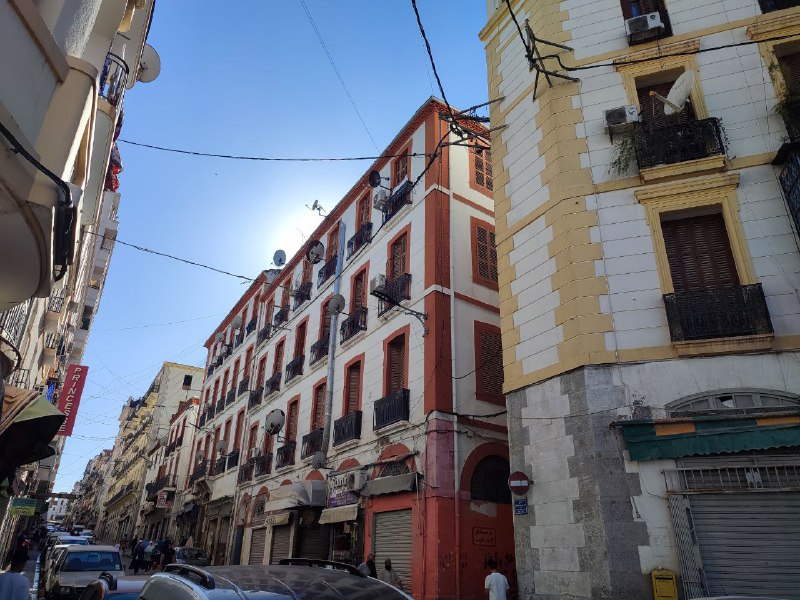
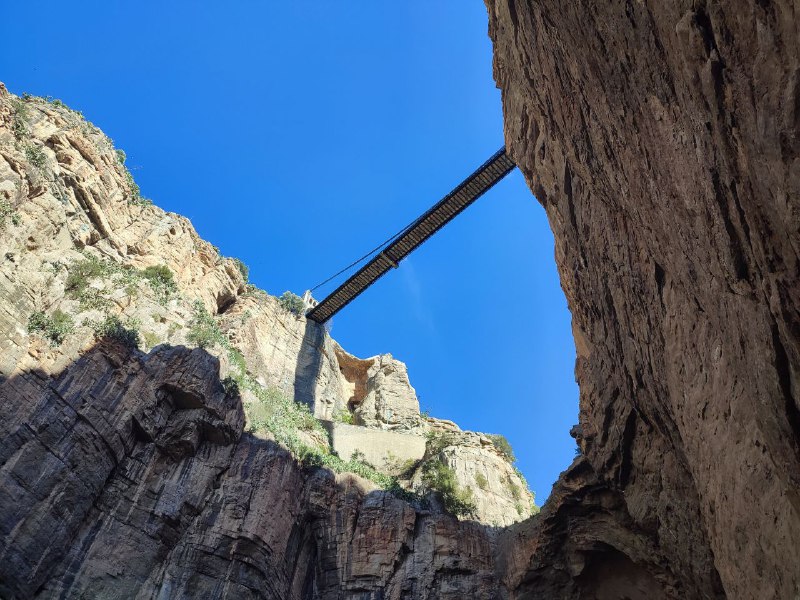
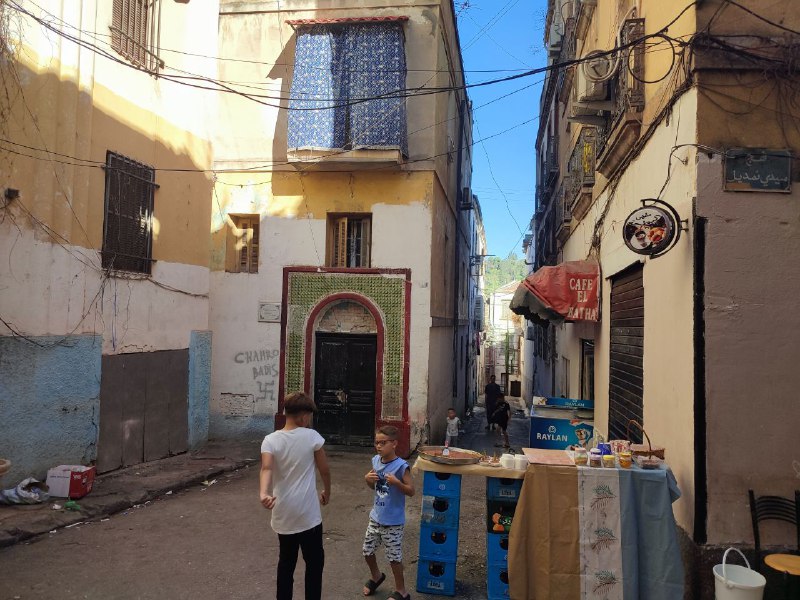
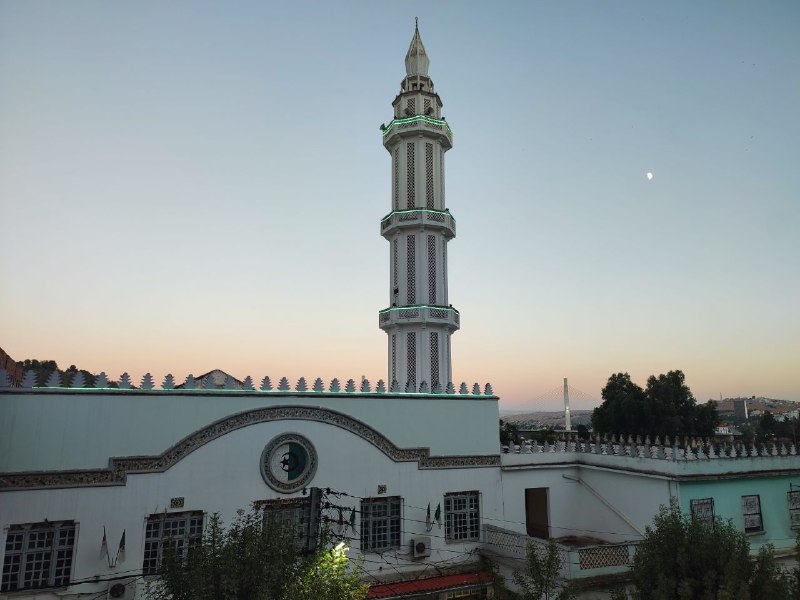
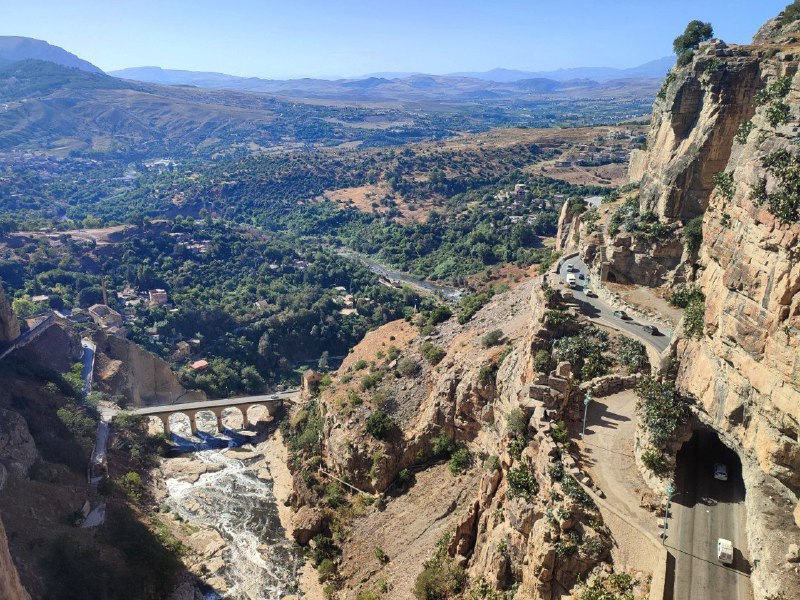
Constantine is a city of bridges. The Romans started building them, the Ottomans continued, then the French took over, and now Algerians handle it themselves. The settlement sits on a rocky plateau with a gorge that needs to be crossed. There's no way around bridges.
When I was reading about Constantine, I got really hooked by the 1934 riots. Or rather, what led up to them. Back in the 14th century, Sephardi Jews fled to Algeria to escape Spanish authorities and lived here pretty peacefully for the next 500 years. In the mid-19th century, the French colonized the country. About 20 years later, they passed a law that automatically granted French citizenship to all Algerian Jews.
The idea had some pretty vocal opponents back in France itself. Charles du Bouzet, former mayor of Oran and special commissioner for Algeria, argued before the law passed in 1870 that Algerian Jews were incompatible with Western civilization, and that their morals, language, and clothing made them Arabs who didn't deserve citizenship. But that didn't stop the legislative machine.
A French passport in the colony came with lots of privileges and protections. People without documents could have their property seized and were forbidden from appearing in central districts of major cities without special permission. Over time, the inequality and tension just kept building.
In August 1934, a verbal argument between an Arab and a Jew escalated into religious tensions and turned into ethnic violence. Nobody ever figured out exactly what happened during the dispute, but the outcome was tragic: 25 Jews and 3 Muslims died, and over 200 Jewish shops were looted. Against the backdrop of European events at the time, the numbers don't shock as much. But similar things happened elsewhere too.
Algerians later "evened the score" when they got independence. The new state's passports were issued only to Muslims whose father and at least one grandfather were born in the former colony. In the end, when civil war started in the 1990s, almost all non-citizens left the country.
When I was reading about Constantine, I got really hooked by the 1934 riots. Or rather, what led up to them. Back in the 14th century, Sephardi Jews fled to Algeria to escape Spanish authorities and lived here pretty peacefully for the next 500 years. In the mid-19th century, the French colonized the country. About 20 years later, they passed a law that automatically granted French citizenship to all Algerian Jews.
The idea had some pretty vocal opponents back in France itself. Charles du Bouzet, former mayor of Oran and special commissioner for Algeria, argued before the law passed in 1870 that Algerian Jews were incompatible with Western civilization, and that their morals, language, and clothing made them Arabs who didn't deserve citizenship. But that didn't stop the legislative machine.
A French passport in the colony came with lots of privileges and protections. People without documents could have their property seized and were forbidden from appearing in central districts of major cities without special permission. Over time, the inequality and tension just kept building.
In August 1934, a verbal argument between an Arab and a Jew escalated into religious tensions and turned into ethnic violence. Nobody ever figured out exactly what happened during the dispute, but the outcome was tragic: 25 Jews and 3 Muslims died, and over 200 Jewish shops were looted. Against the backdrop of European events at the time, the numbers don't shock as much. But similar things happened elsewhere too.
Algerians later "evened the score" when they got independence. The new state's passports were issued only to Muslims whose father and at least one grandfather were born in the former colony. In the end, when civil war started in the 1990s, almost all non-citizens left the country.
 United Kingdom
 Serbia
 Bosnia and Herzegovina
 Turkey
 United Arab Emirates
 Brunei
 Indonesia
 Malaysia
 Argentina
 USA
USA Morocco
 Georgia
 Egypt
Egypt Hong Kong
 China
China Vietnam
 Tunisia
 Montenegro
 Philippines
 Singapore
 Oman
Oman Algeria
 North Macedonia
 Lebanon
 Israel
 Albania
 Russia
 Tanzania
 Netherlands
 Spain
Spain Latvia
 Germany
 Belgium
 France
 Kazakhstan