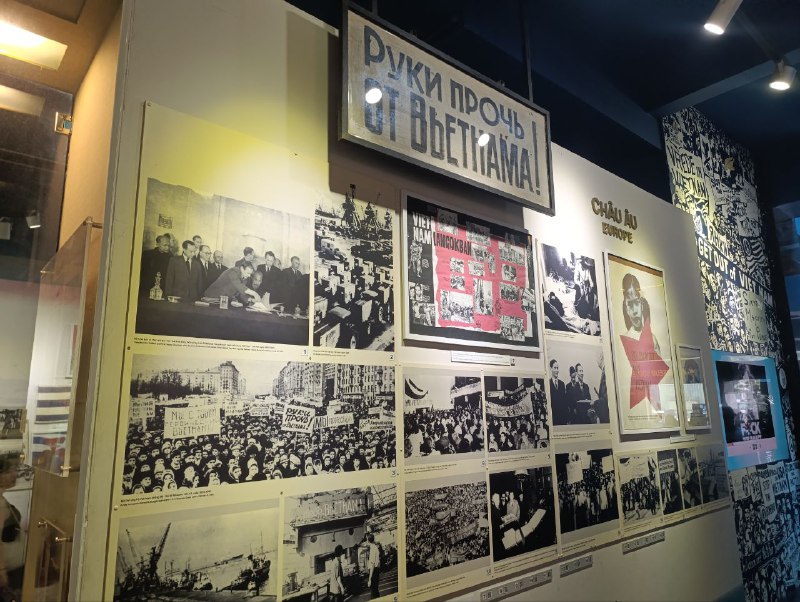
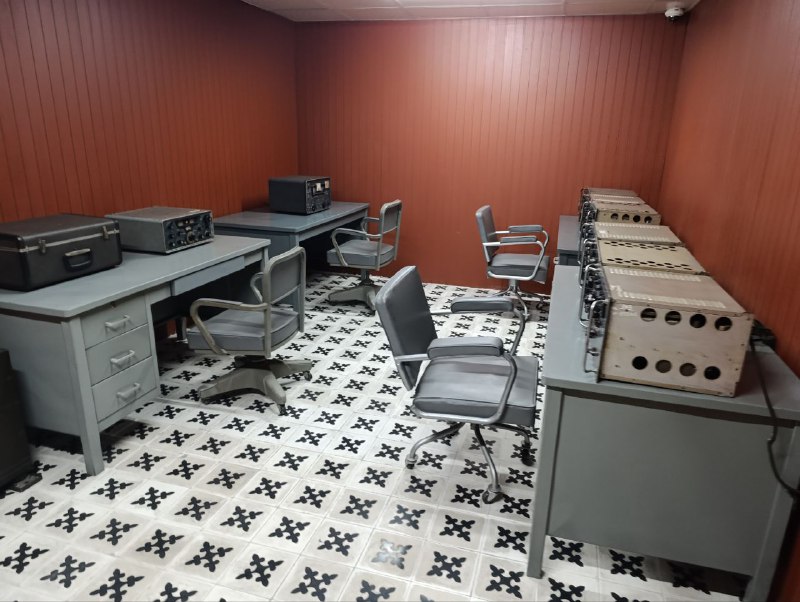
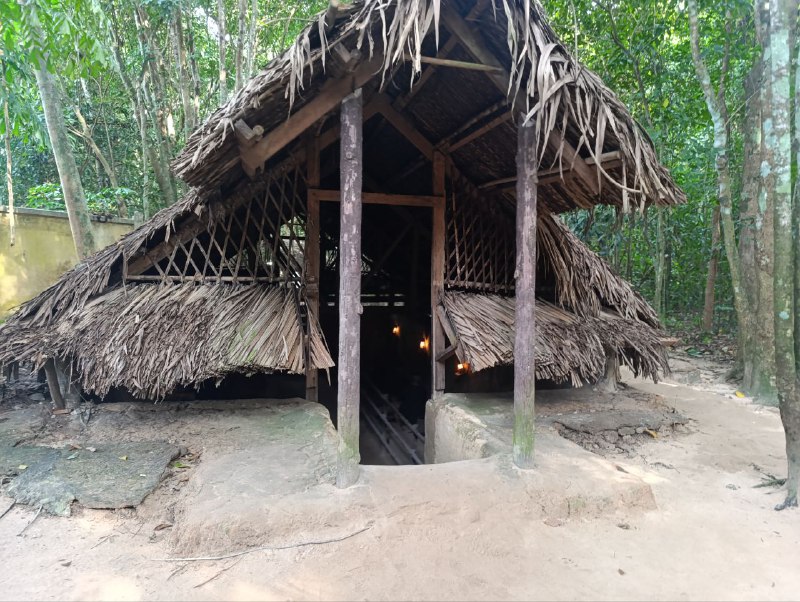
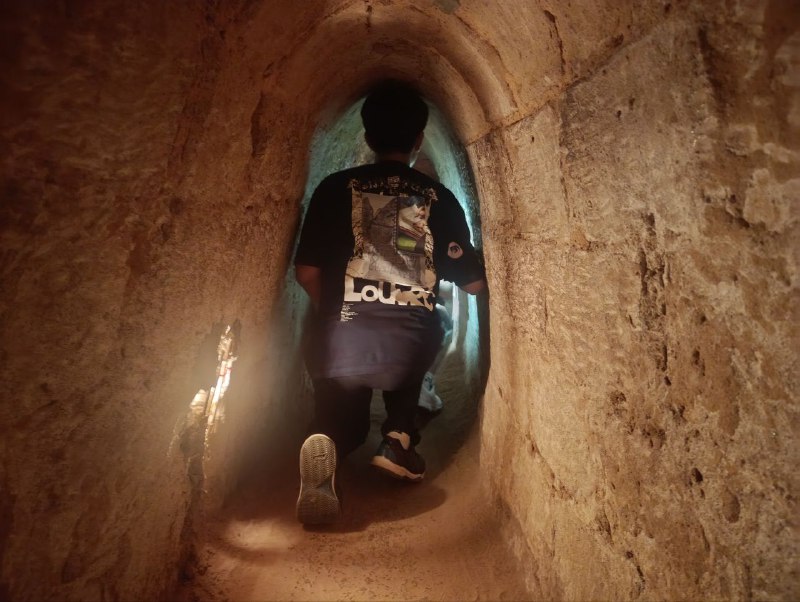
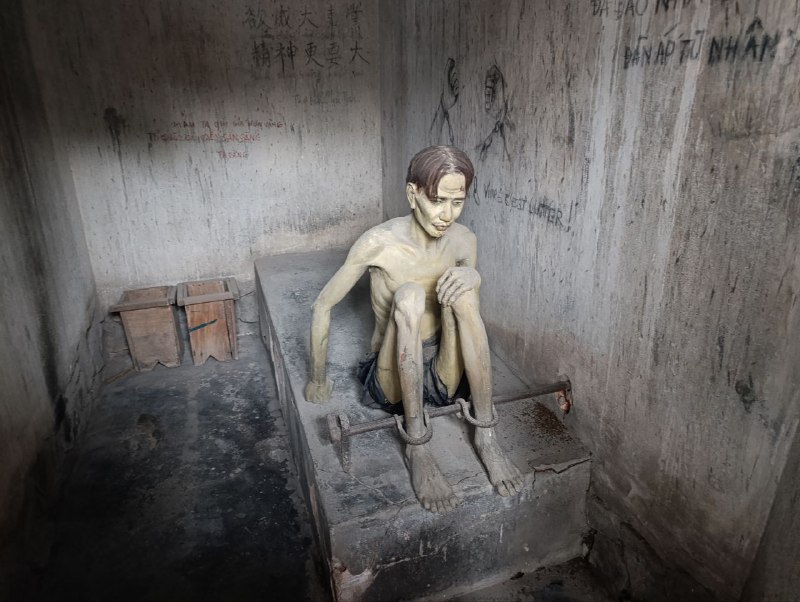
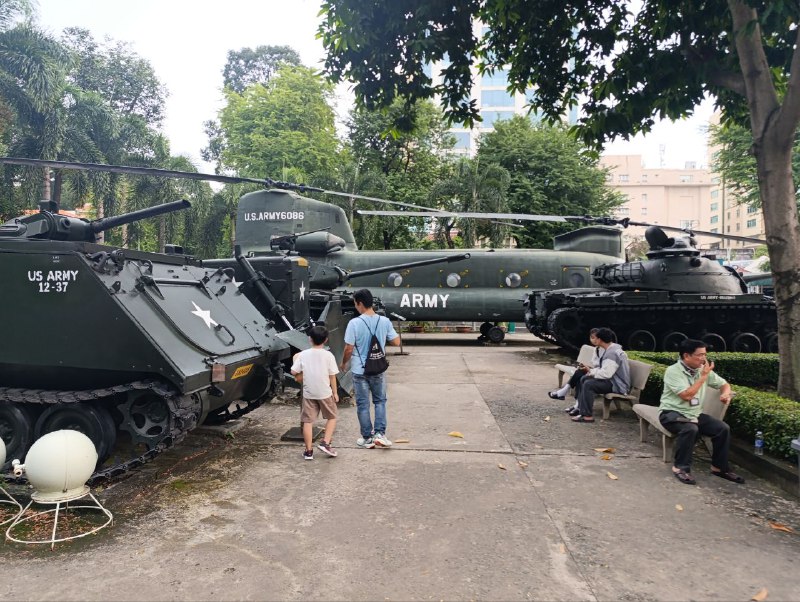
Any war is repulsive. The Vietnam War is no exception. Ho Chi Minh City and its surroundings have many museums and artifacts dedicated to this conflict. From
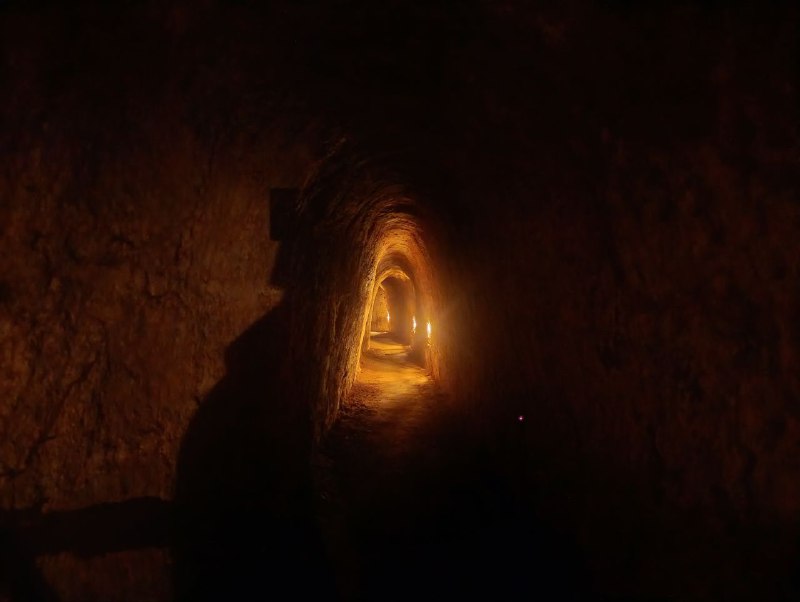
the Cu Chi tunnels to
a secret bunker that played a role in the fall of Saigon. Almost everywhere I got the impression that the exhibits were more focused on trophies and the horrors committed by the Americans, rather than on the idea that such things shouldn't happen again. Although the communists clearly
weren't innocent either.
I'm not an expert on Vietnamese history, let alone this conflict. But a few facts caught my attention while reading about it all.
* In 1945-1946, the British won a
war against Vietnamese communists with relatively little bloodshed. This played a role in the US decision to send soldiers to Vietnam.
* One of Jimmy Carter's
first presidential orders was an unconditional amnesty for all draft dodgers.
* During the war, college students weren't drafted into the American army. So professors
inflated grades for young men to prevent them from being expelled and drafted.
* The US military tried to rapidly recruit
100,000 recruits. They could think of nothing better than lowering standards for new soldiers. This included lowering the IQ threshold by 6% from the minimum of 80 points. Unsurprisingly, people with lower IQs didn't return from the battlefield five times more often than others.
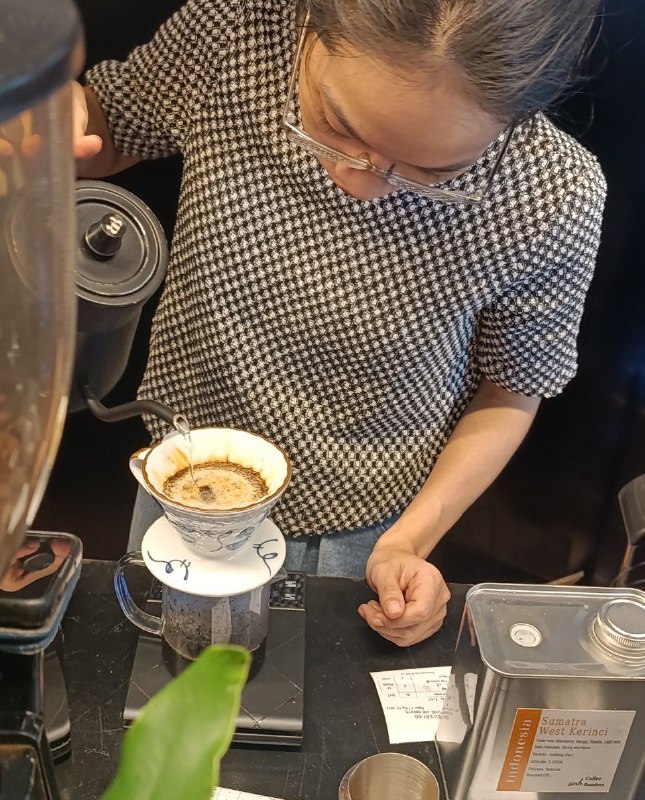
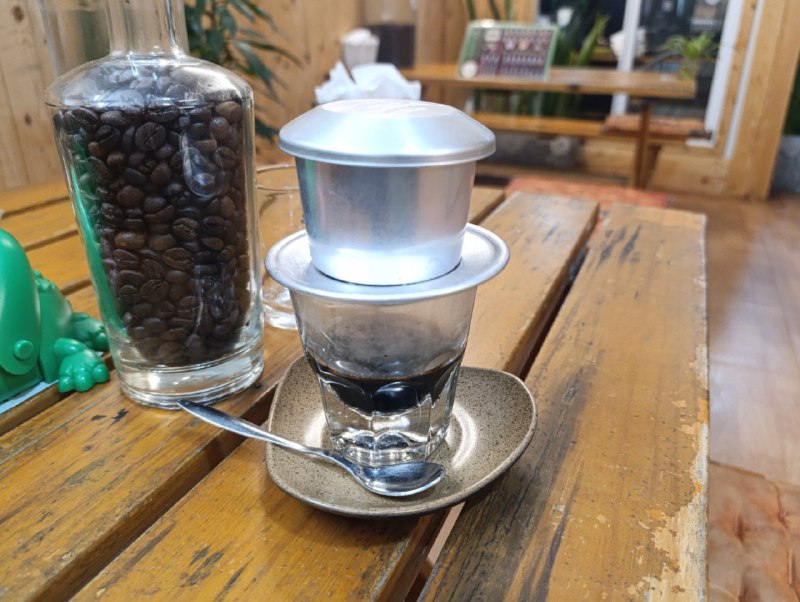
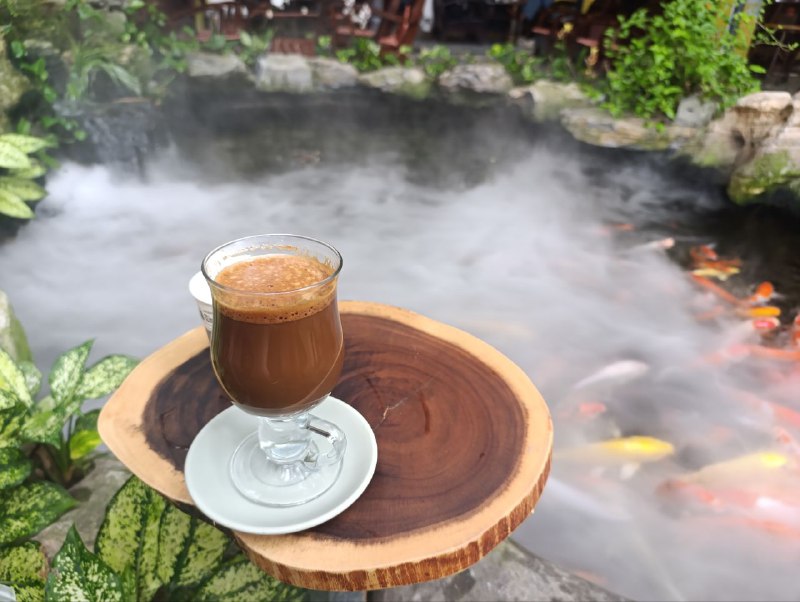
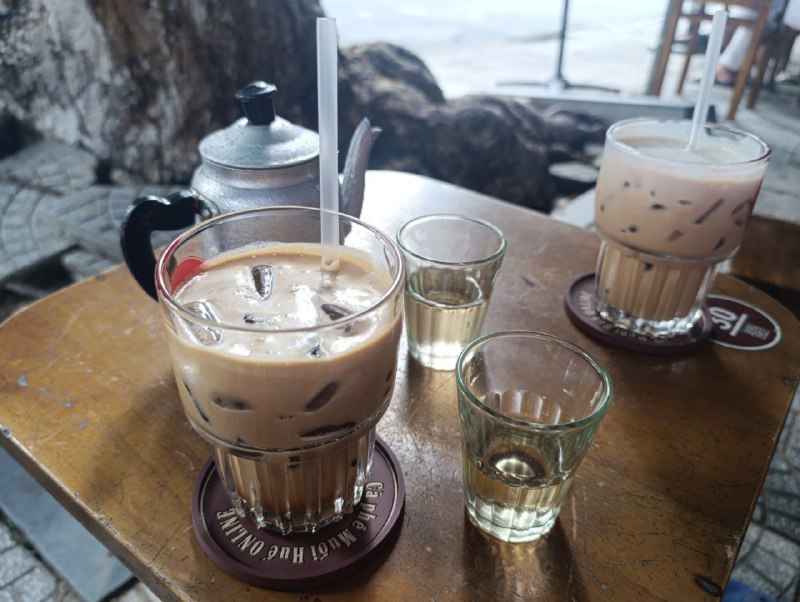
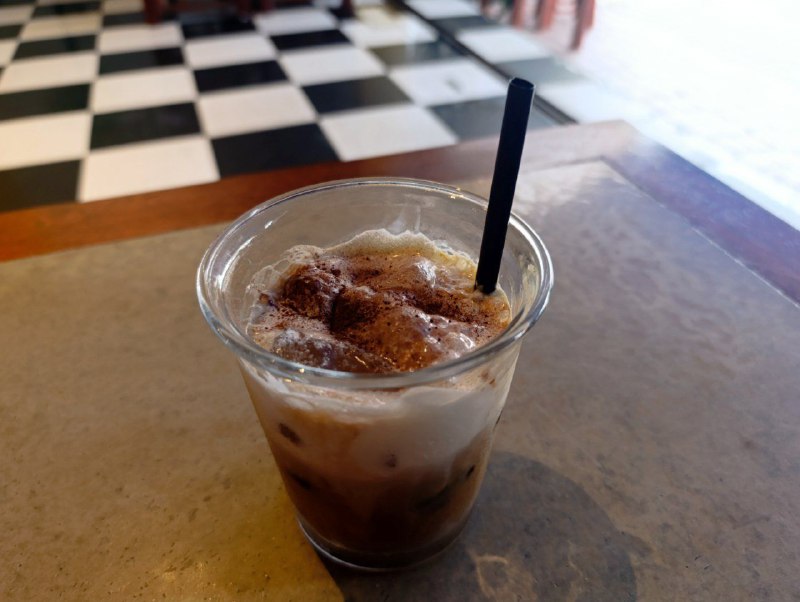
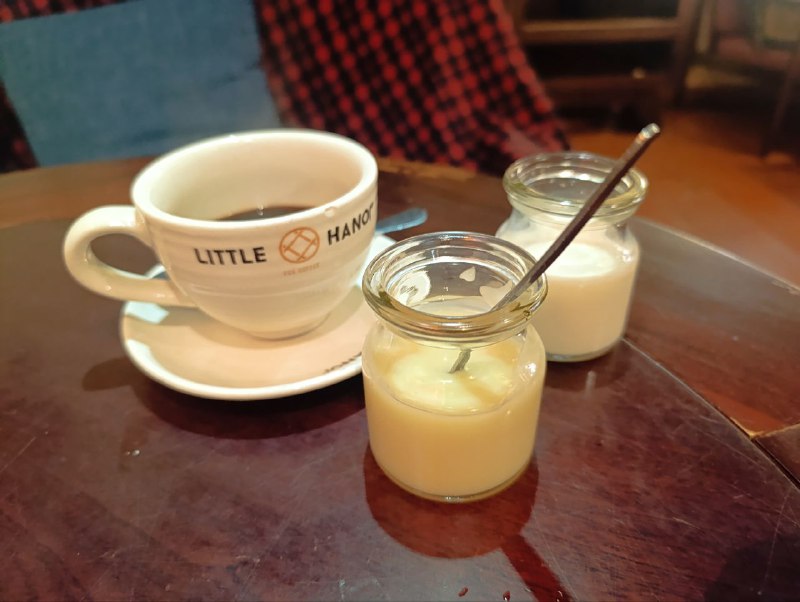
The French brought coffee to Vietnam toward the end of the 19th century. Unlike tea in
Tunisia, there were no epidemics. But the local coffee culture evolved beyond recognition. The drink here is usually cold, and instead of sugar, they add condensed milk. Lots of condensed milk. And they drink it. During the numerous wars that affected the country, additional varieties emerged. For example, coffee with egg. According to legend, there wasn't enough milk for the drink during the war, so in Hanoi they came up with the idea of whisking eggs and using them instead of milk. Taste-wise, it's actually not bad. But I didn't become a fan. There are also variations with salt, coconut, and even avocado.
Vietnamese coffee has many
stories connected to it, but the funniest one happened with Germany. In the late 1970s, there wasn't quite enough coffee beans in the world for everyone who wanted them. In 1980, East Germany signed a
deal with Vietnam where the Germans committed to supplying their communist brothers with equipment, technology, and all necessary resources for planting and cultivating thousands of hectares of coffee plantations. In return, the Vietnamese promised to give half of the entire harvest to East Germany. It all would have been fine, but when the harvest was ready, East Germany no longer existed, and there was no one to give the beans to ¯\_(ツ)_/¯
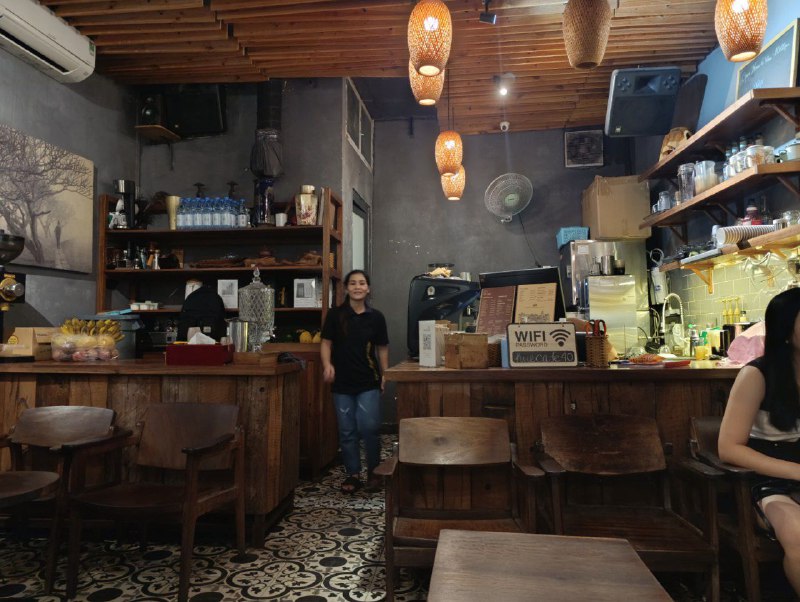
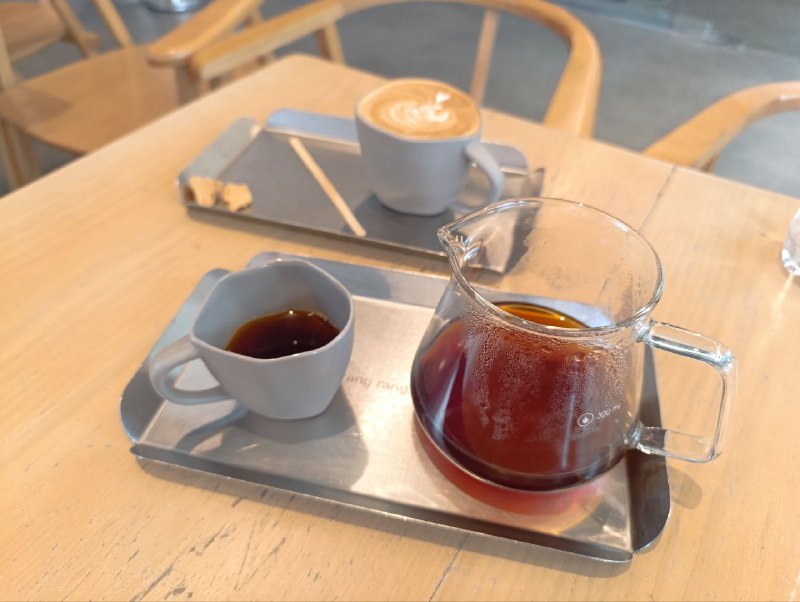
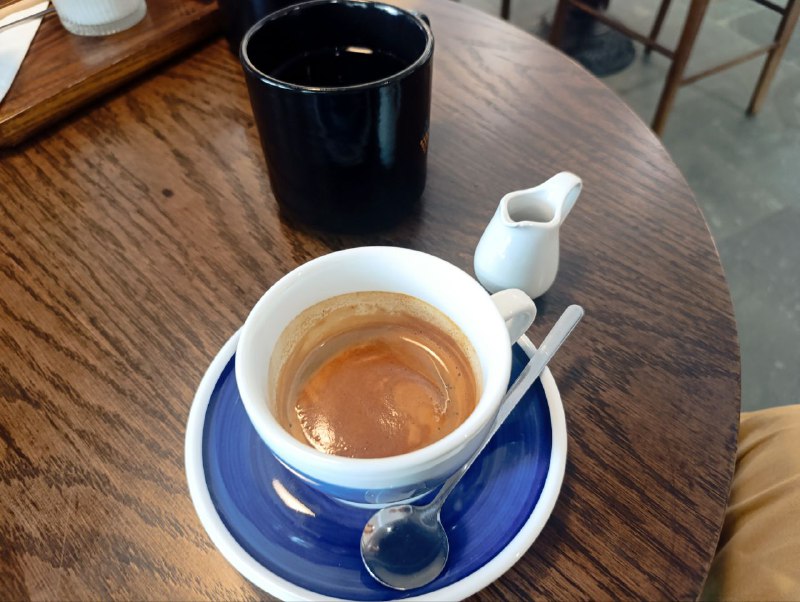
Anyway, if the local options don't appeal to you, there are plenty of decent classic cafés in the major cities. For example,
here or
here or
here. Maybe you'll make it there someday.
I stumbled upon a street concert in Ho Chi Minh City by chance. There was a road right next to the stage that nobody had blocked off for the concert. But that didn't stop the passing motorbike riders – they voluntarily stopped traffic on their own just to listen to the music. Turns out there were about twice as many spectators as the plaza could actually fit :)
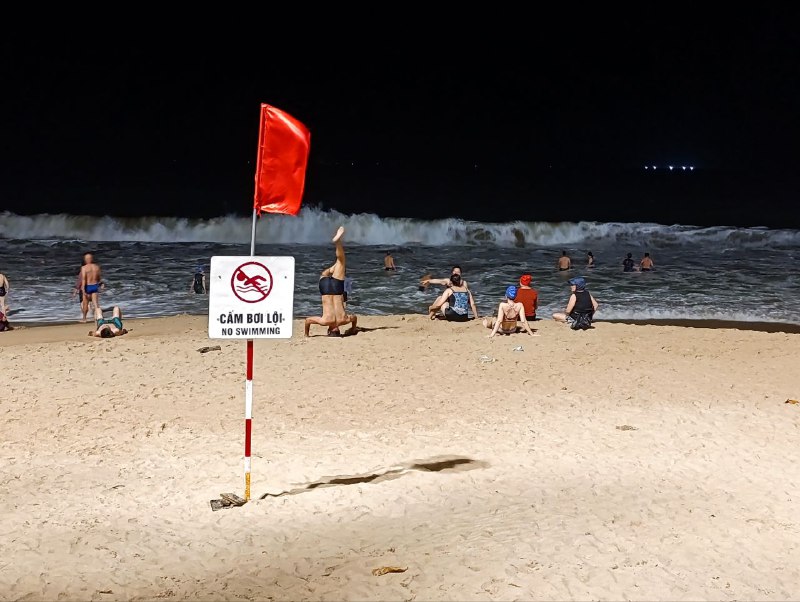
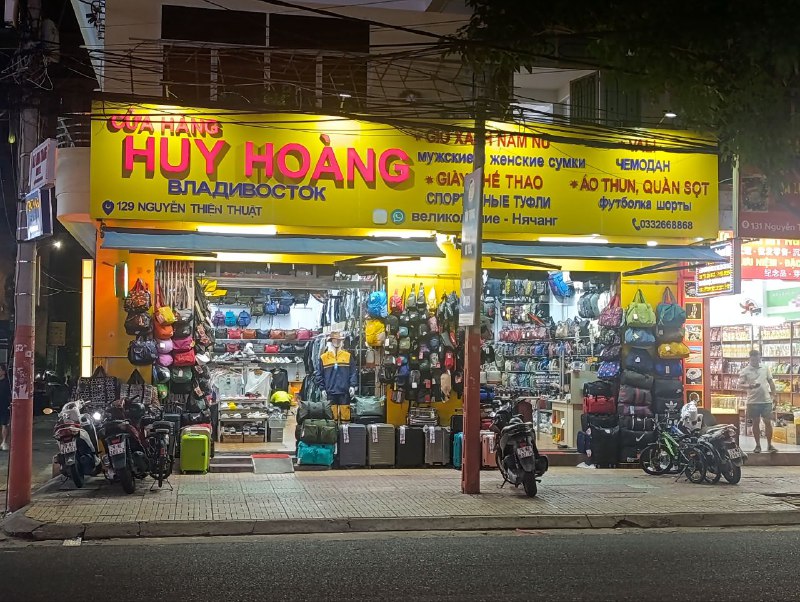
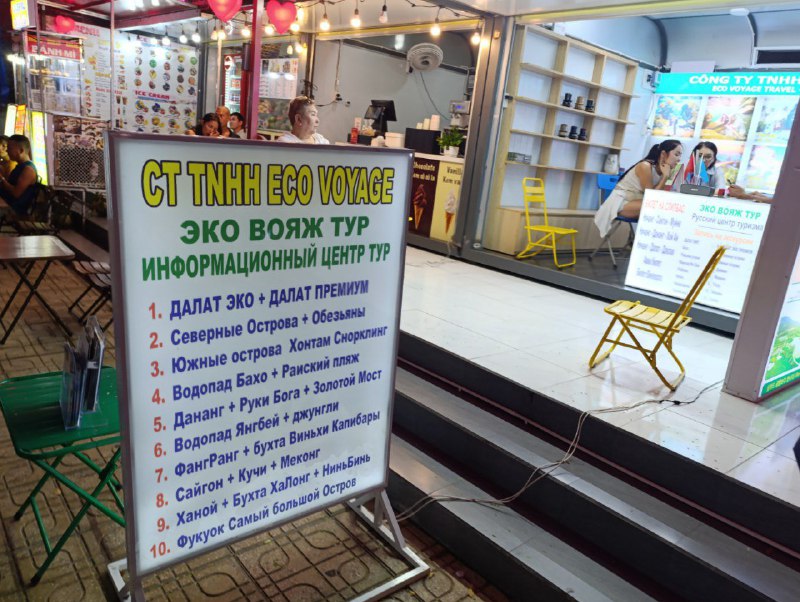
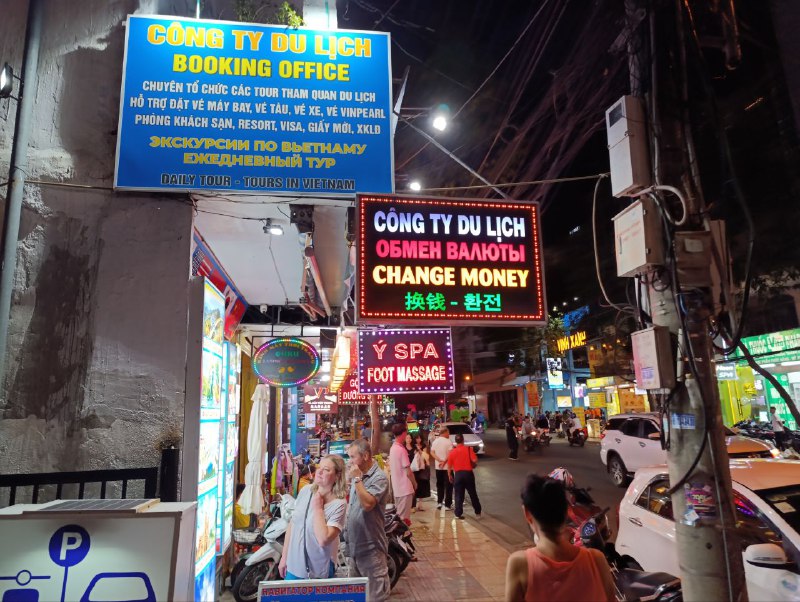
Vietnamese Nha Trang is a really strange city. Looks like it's basically Mecca for Russian-speaking tourists. It honestly feels like I ended up at some resort in the Krasnodar region. Well, almost.
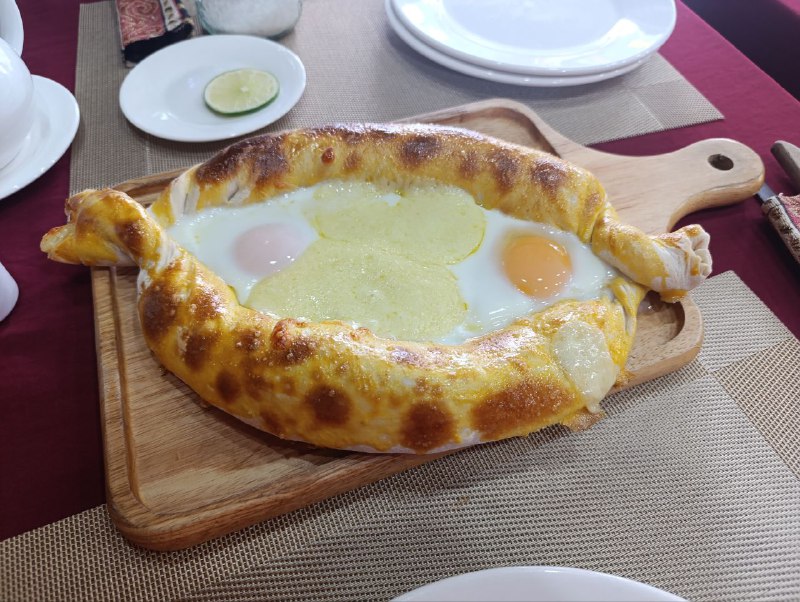
There's like a billion advertising signs in Russian, tons of restaurants with khachapuri, pilaf, and all sorts of post-Soviet cuisine. Sometimes they even serve you in Russian. Though usually it's not the locals doing it. But at the markets, locals have definitely picked up how to count in Russian pretty quickly. And you hear the language on the streets all the time.
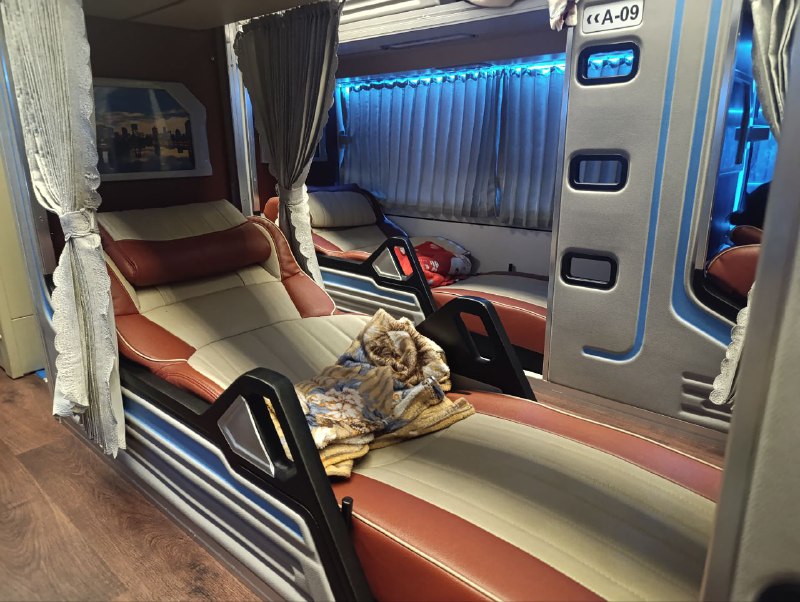
I got to Nha Trang on an overnight bus. The sleeping berths are comfortable—you sleep like you're in a bed. Best to grab a seat away from the driver though. They honk constantly the whole way, so good luck sleeping. Plus the bus can arrive earlier than scheduled. Instead of the promised 6 AM, the driver poked me awake and dropped me off at 4.
Good thing I only planned to stay one night. Pretty quickly I was dying to get back to Ho Chi Minh City—honestly, there's nothing to do here.
Beam I missed the speck in my own eye. Literally.
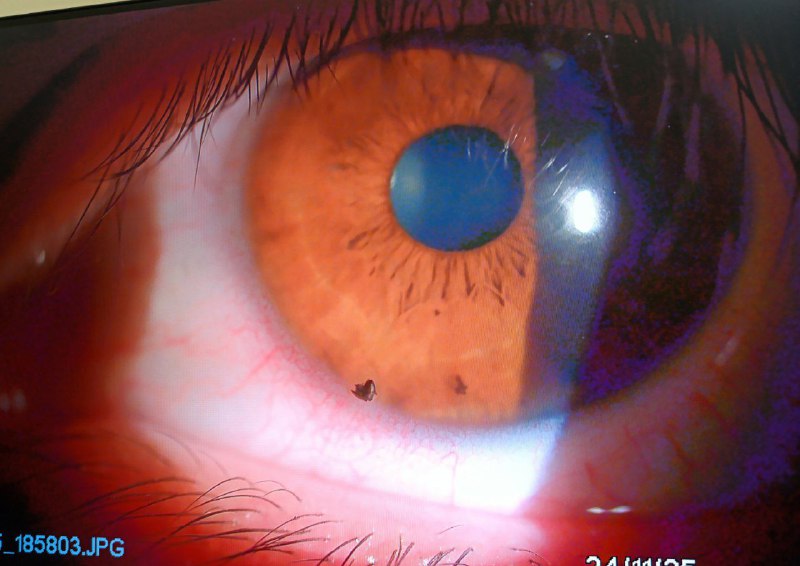
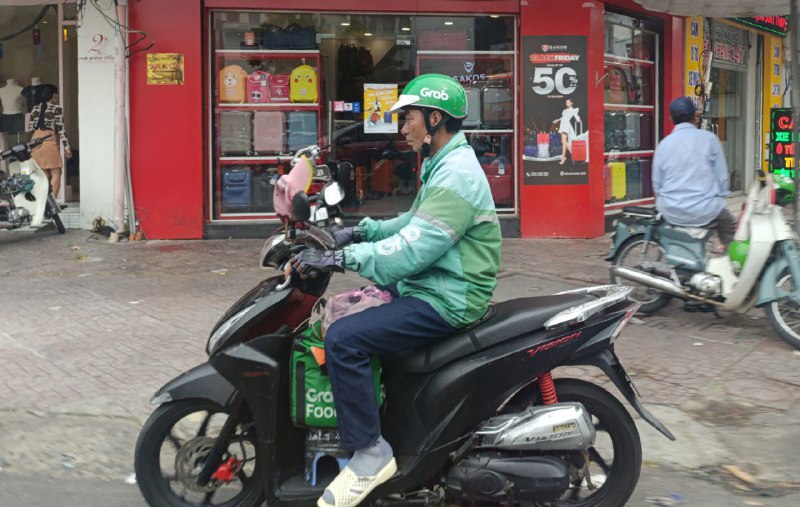
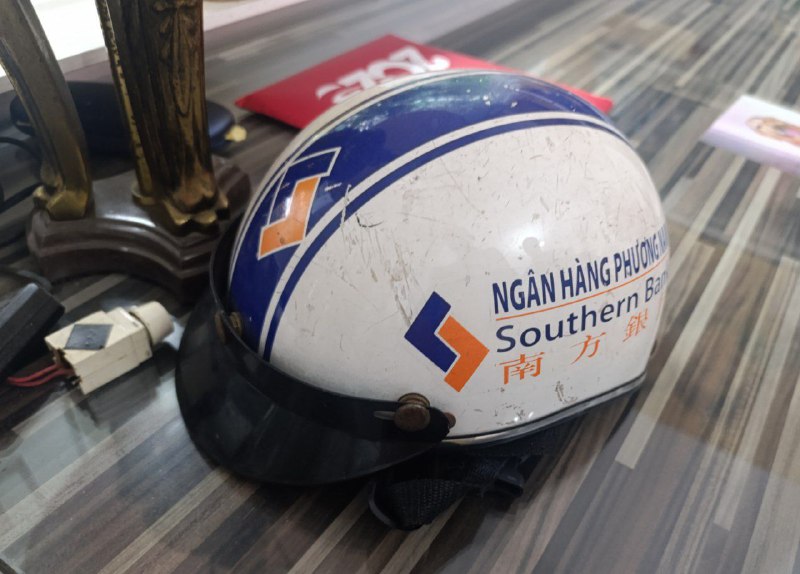
In Vietnam, rental bikes come with bowler-style helmets. No protective visor. The locals basically all ride like that. I watched them and did the same. On the road, a tiny gnat flew straight into my eye. It got in so well that I couldn't get rid of it on my own. I couldn't even see it myself. But it was definitely uncomfortable.
I went to the nearest private clinic, and without any prior appointments, they took me straight to the doctor who pulled this thing out with a regular cotton swab. Man, it felt amazing to realize there was nothing in my eye anymore. For a few days after that, I got tired from screens much faster than usual, but eventually everything went back to normal. Riding bikes without eye protection is definitely not worth it.
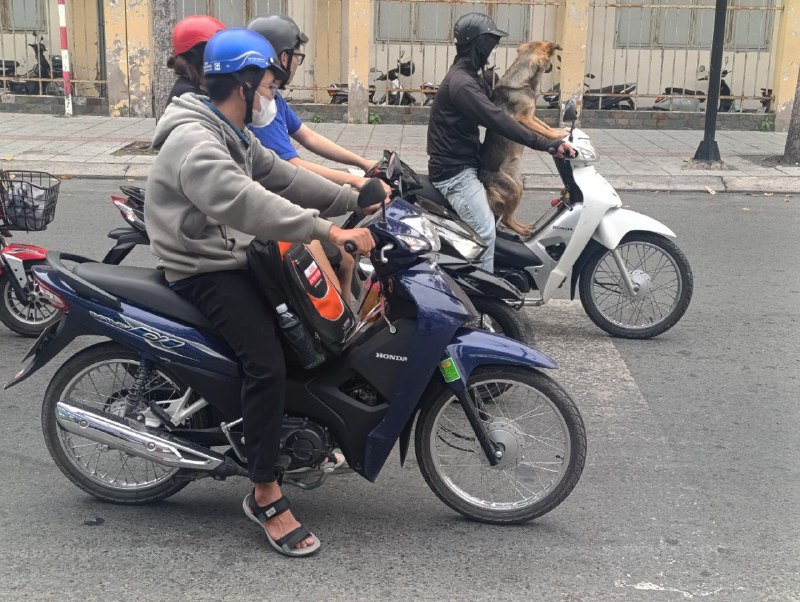
Traffic in Ho Chi Minh City is absolutely insane. In smaller cities it's easier. The main rule is to give way to bigger vehicles. Nobody lets pedestrians through at all. You just have to throw yourself into traffic and hope they drive around you.
PS. If you're responsible and don't go anywhere without travel medical insurance, stay responsible all the way and thoroughly figure out how to use this thing BEFORE your trip. Dealing with it in an emergency situation is pretty rough. I checked. My instructions said "contact us on Viber and we'll tell you where to go." Except these Serbian guys showed signs of life 6 (six!) hours after I reached out, when I'd already given up and went to get help without their blessing. But they promised to reimburse everything.
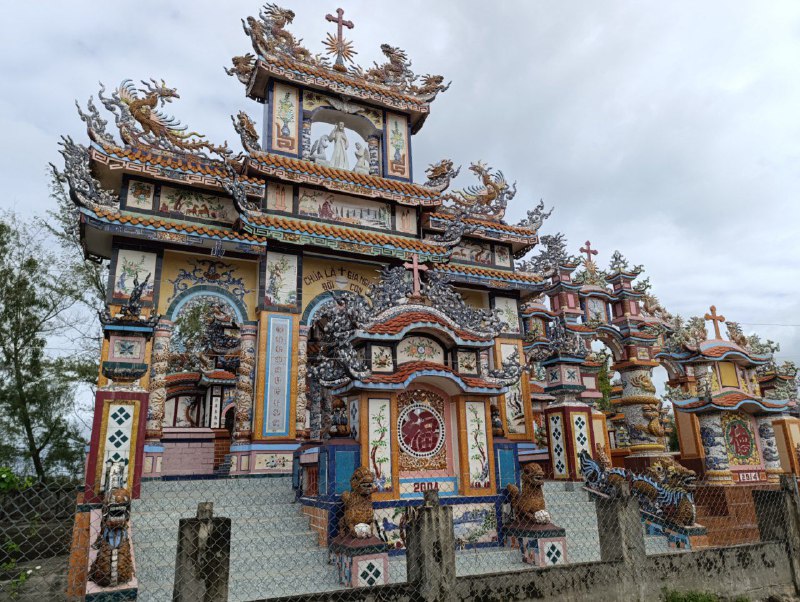
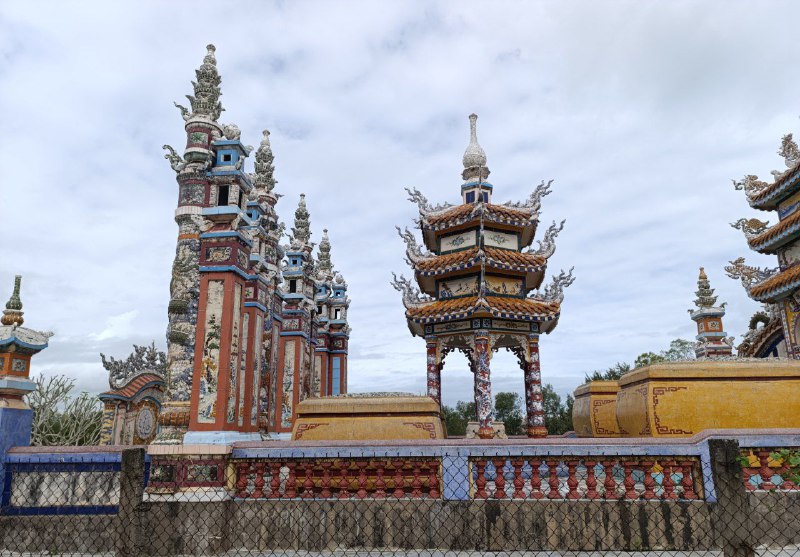
Picture this: you're living in a poor fishing village in central Vietnam. And suddenly, a huge pile of money lands in your lap. You've never seen that much in your life. Would it really change your life that much? Build a house maybe? Buy a car? Send your kids to school somewhere?
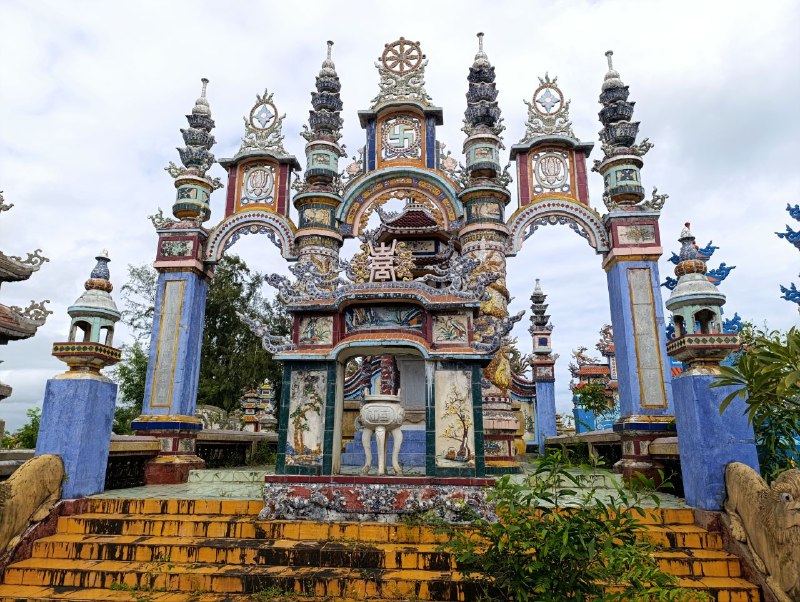
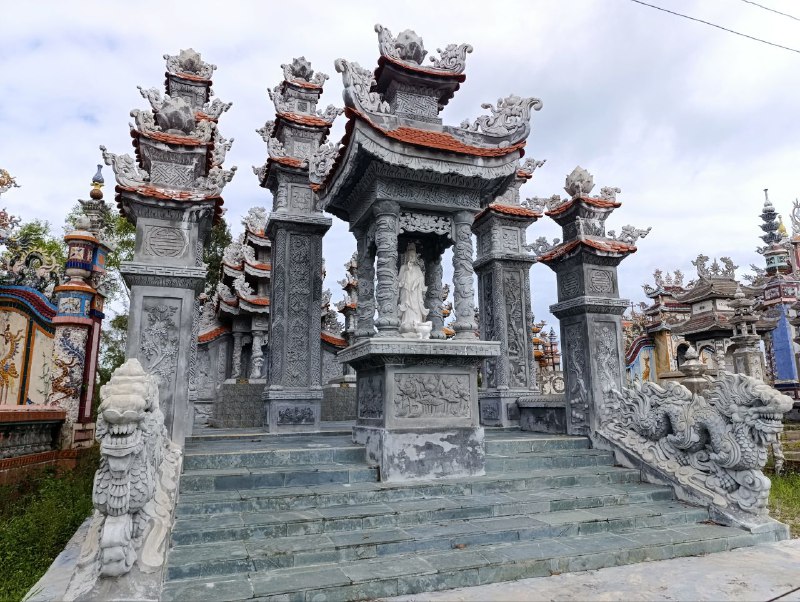
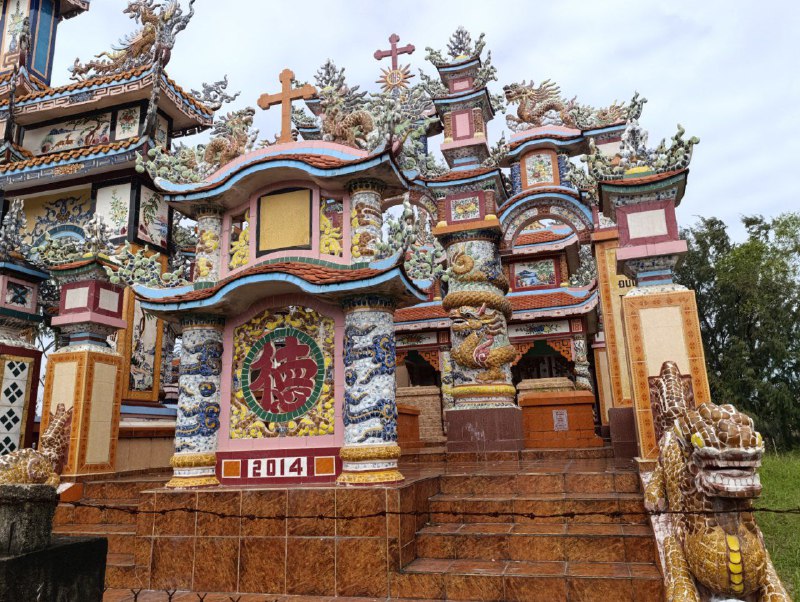
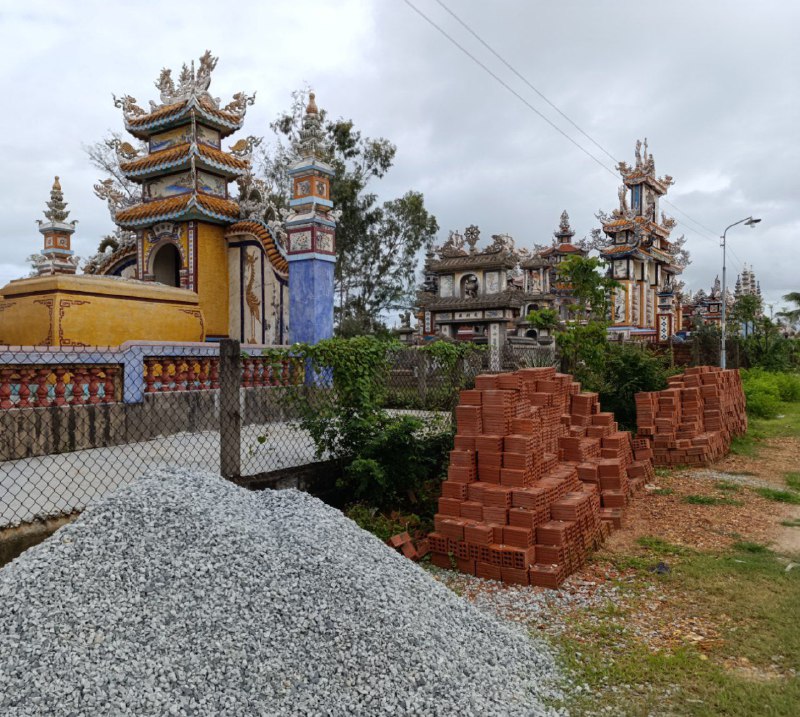
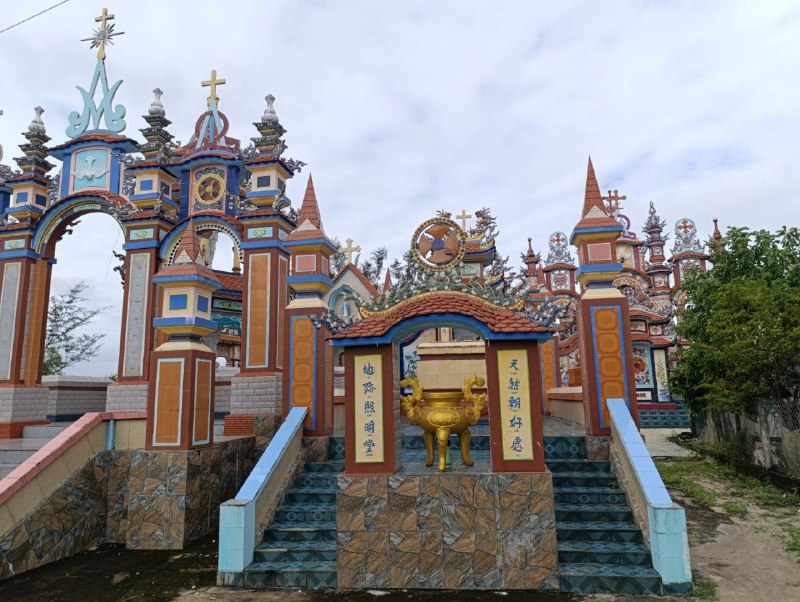
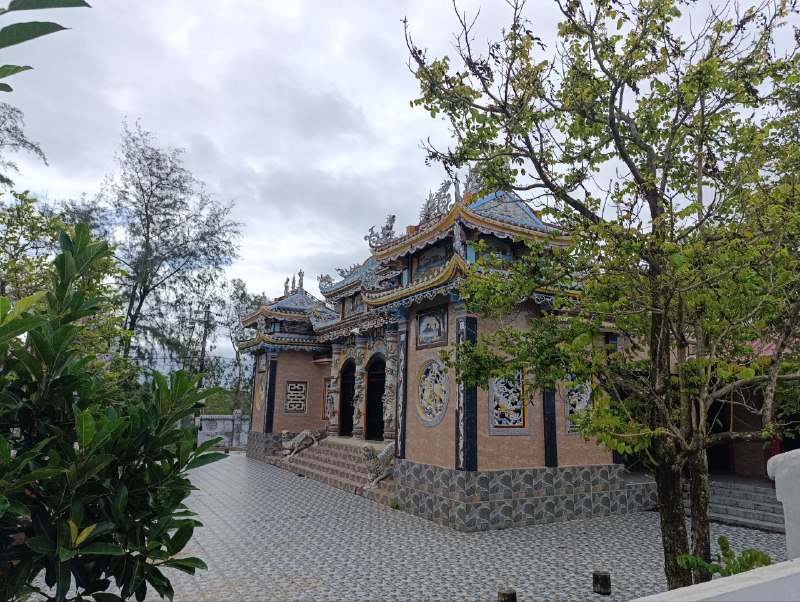
In the village of An Bang, almost all the residents found themselves in exactly this situation. And... they started investing in the tombs of their ancestors and building massive crypts. The local cemetery turned into a very strange architectural mess. People are practically competing to see who honors their dead the best. Some of these structures cost six figures in dollars.
Officially, most Vietnamese are considered
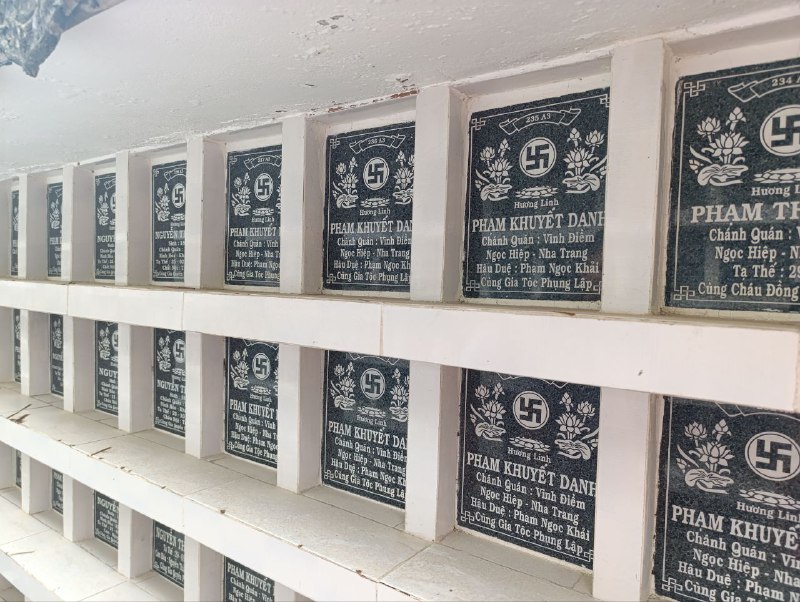
atheists. But in reality, most practice ancestor worship. People say that during the census, folks didn't know how to properly name their religion, so they got listed as atheists. Plus, the communist authorities officially promote atheism. However, you can see the full spectrum of world religions on the crypts: Buddhist swastikas, Christian crosses, even Muslim crescents. Not because they're burying Christians with Muslims, but just because people stuck these symbols on just in case.
In
1975, a lot of Vietnamese were evacuated from the country urgently. People from An Bang were especially lucky, and practically everyone who stayed had a close relative who became an emigrant in the States or Europe. In the nineties, the local government allowed money transfers from abroad. And help from relatives poured in like a river. The village quickly became practically the wealthiest in the entire country. But that's where the budgets started going. Otherwise, the settlement doesn't really differ from the others. Even the road is beaten up in places ¯\_(ツ)_/¯
If Vietnam spoke a Slavic language, it would be called South-Vietnam (literally "nam" = south, "viet" = Viets, the most numerous ethnic group in the country).
I wasn't ready for local prices. In Da Nang, you can find a pretty decent hotel for about $100. Plus breakfast included. If you lower your standards a bit, there are solid options for $50. Except this price is not per day, but per week of stay. I honestly thought it was some kind of mistake. But no. After
Boston's $350 this is especially impressive.
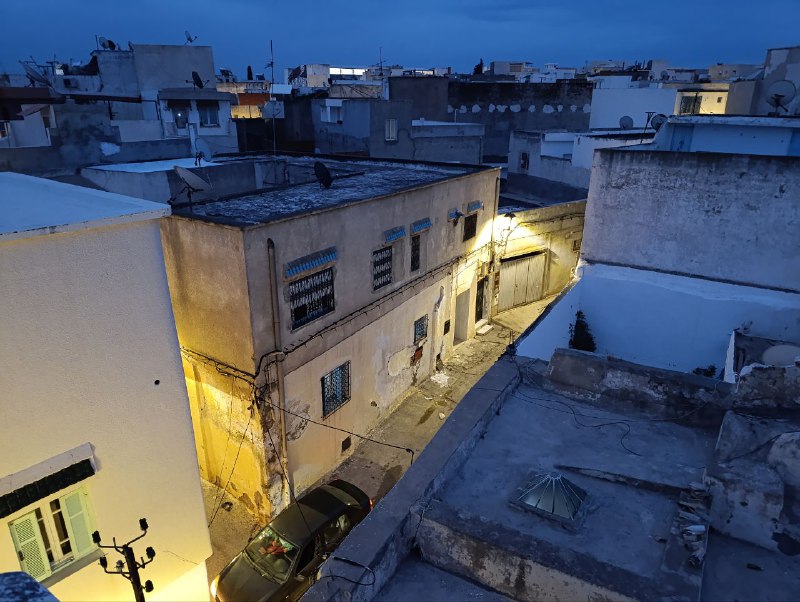
At the start of my trip, I stayed in quite an unremarkable neighborhood of the capital, away from the center. I was drawn in by the hotel's historical charm, but what really stuck with me was its rooftop and the chance to watch the nightlife unfold. Long before I ever traveled to Arab Africa, I'd read "Children of Our Alley" by
Naguib Mahfouz, and based on his descriptions, I'd imagined a typical town and its life exactly as I witnessed it that evening. Even though the author is Egyptian, Tunisia feels like a kindred spirit when it comes to daily life and customs. The street bustle, the clatter of kitchen utensils and the aroma of dinners wafting from neighboring kitchens created such a pleasant homey atmosphere—it was fascinating to watch it all unfold.
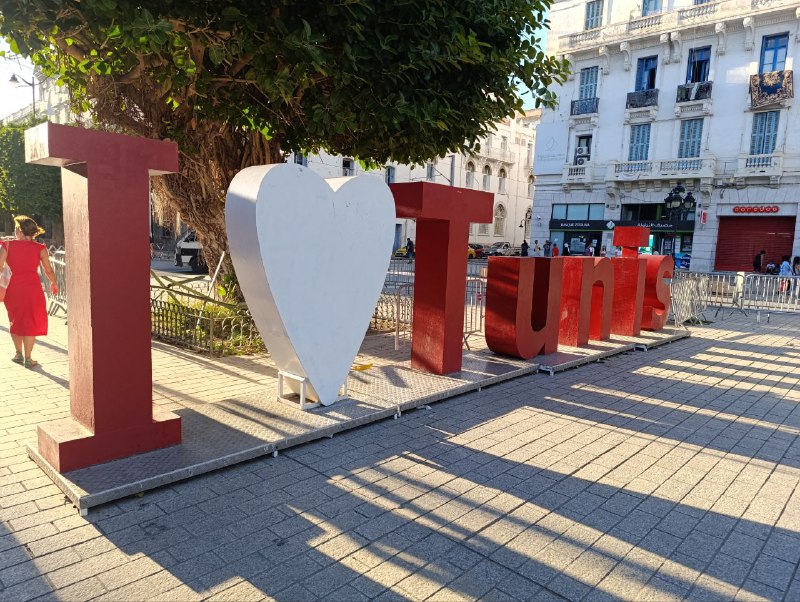
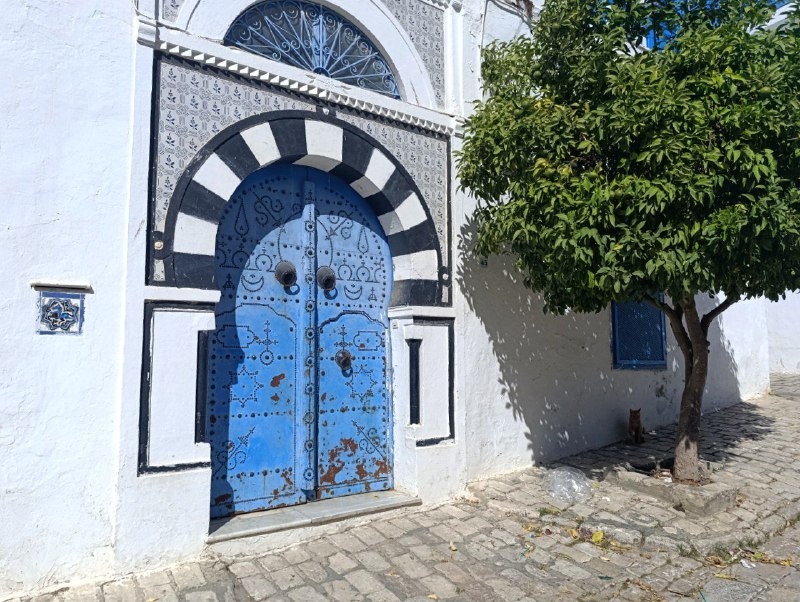
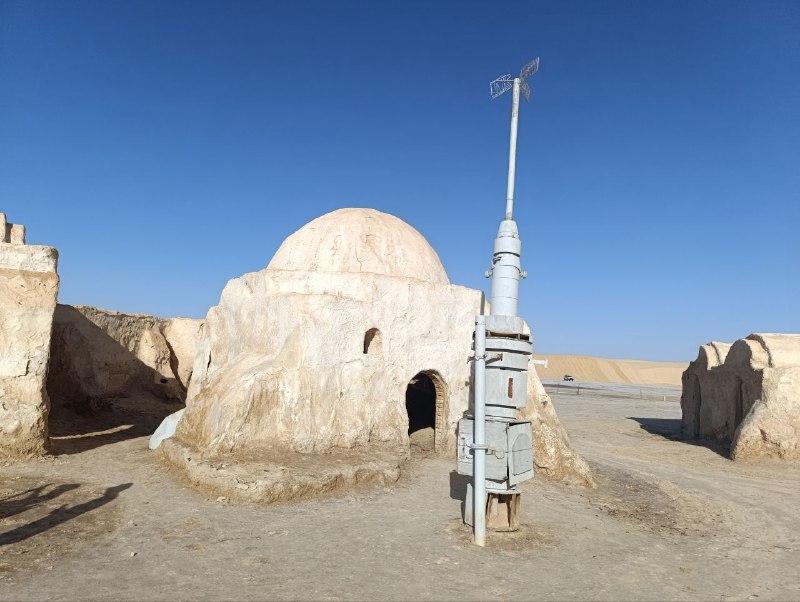
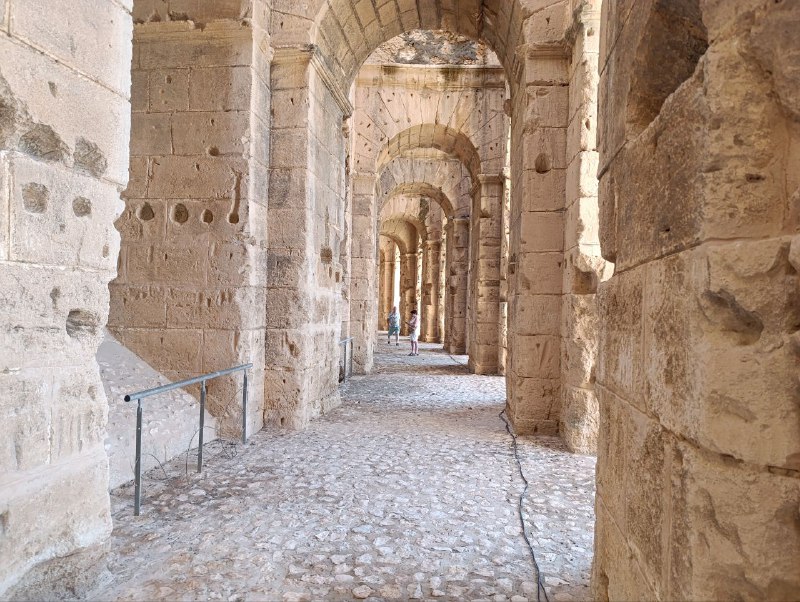
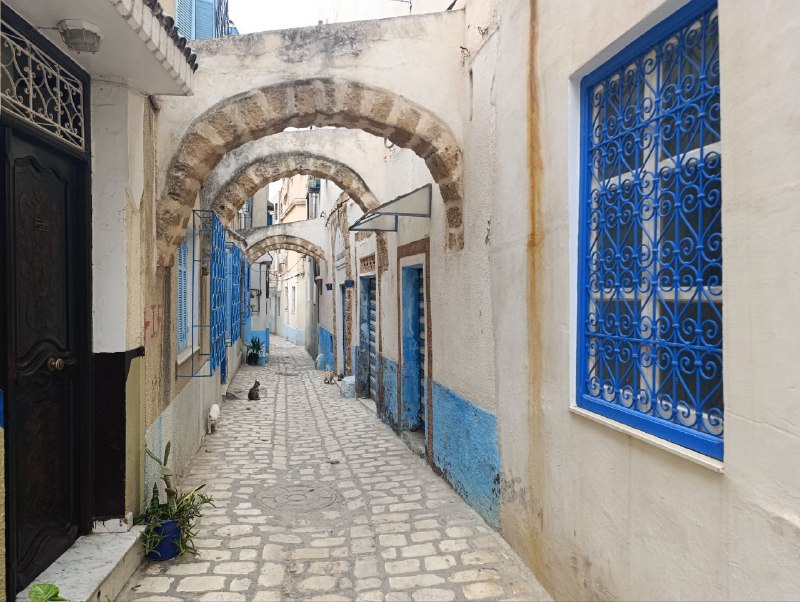
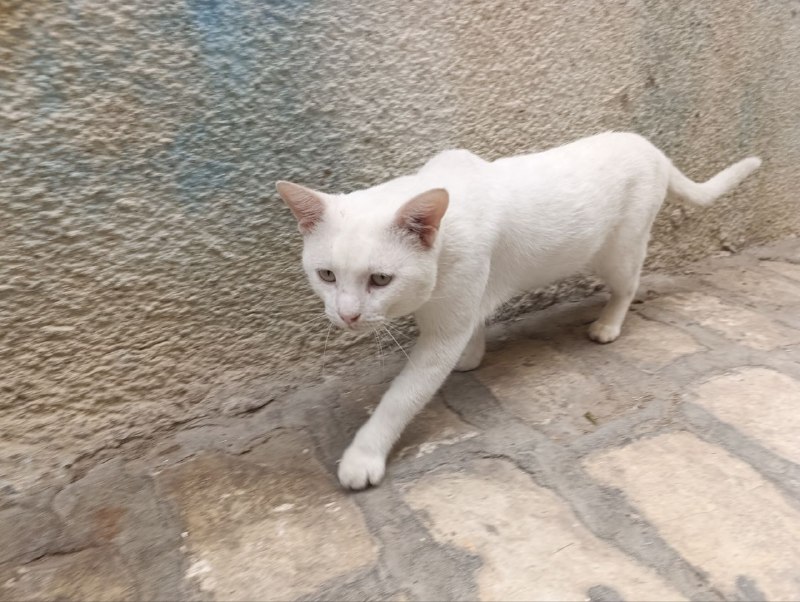
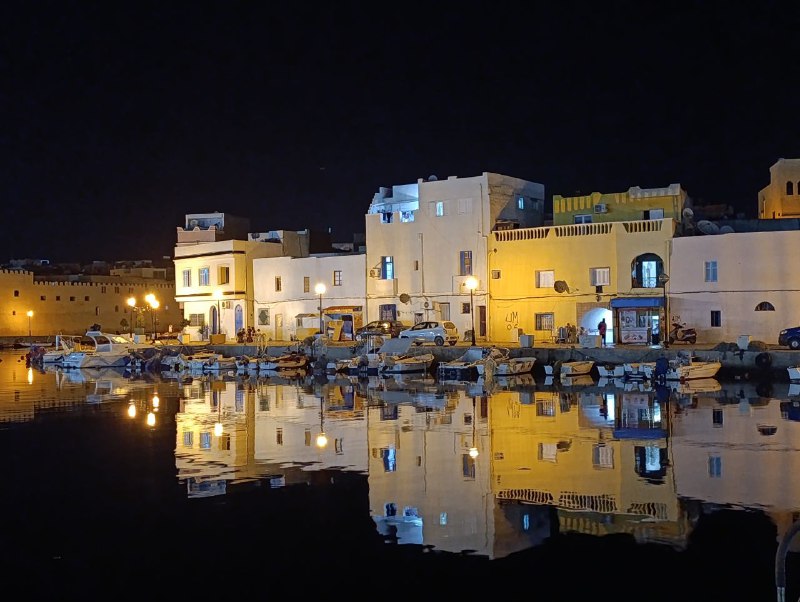
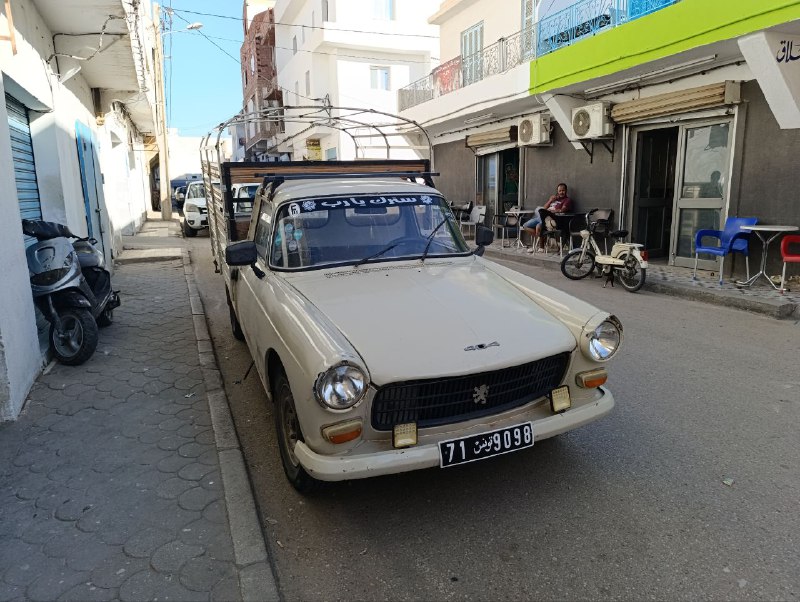
I just realized my creative break has gone on a bit longer than expected. I left Tunisia ages ago but never really finished writing about it. Before I move on to my next destination, I figured I'd at least share some photos.
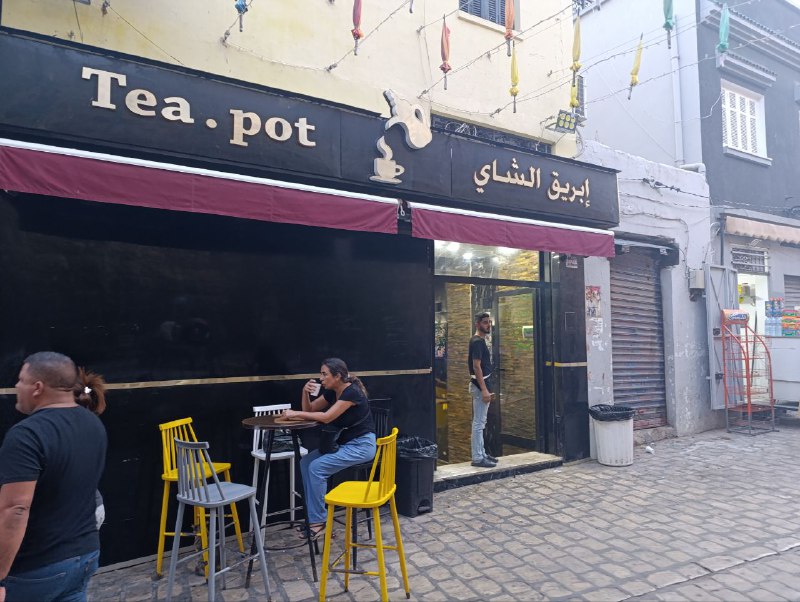
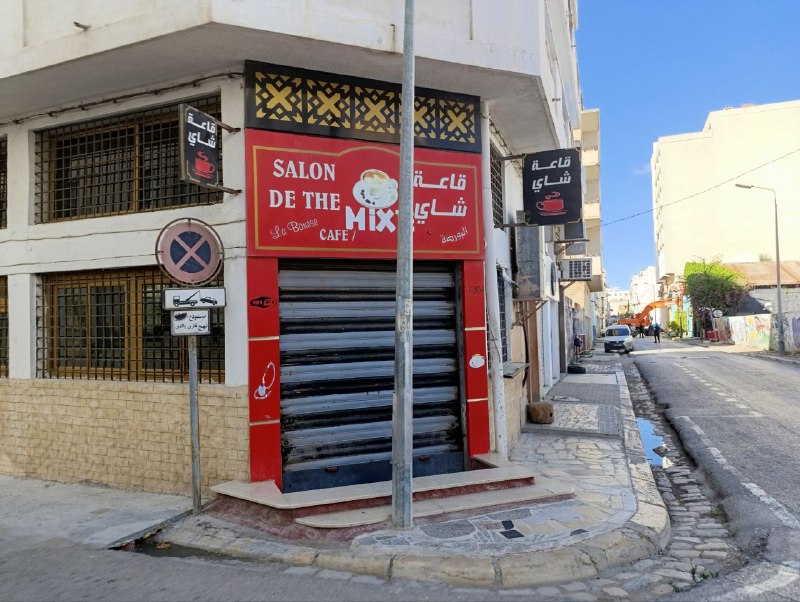
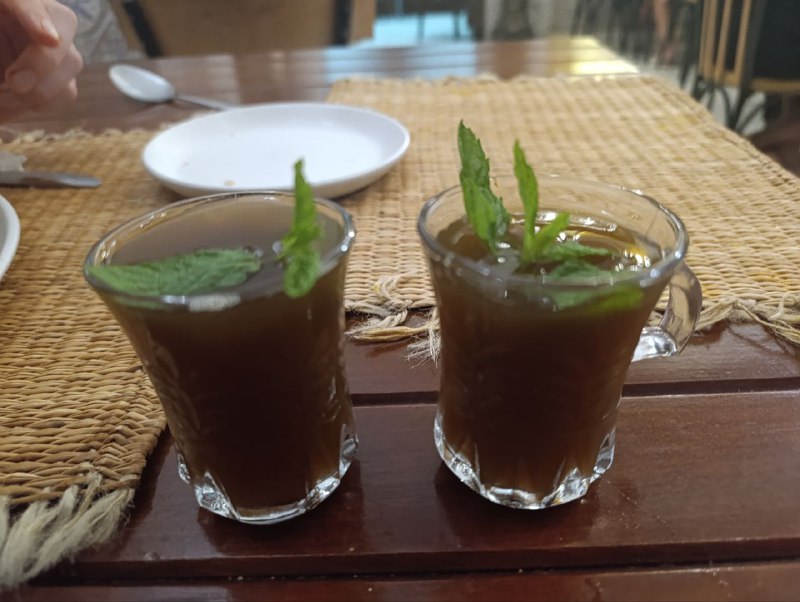
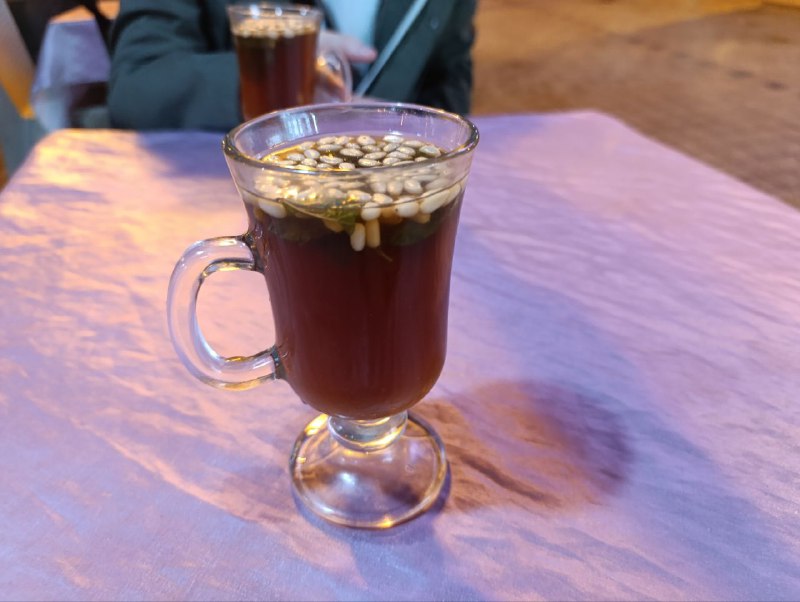
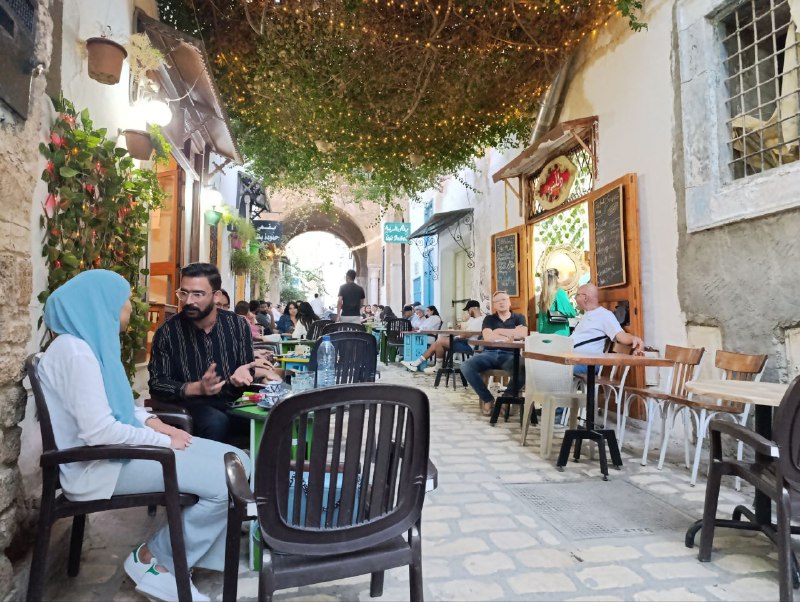
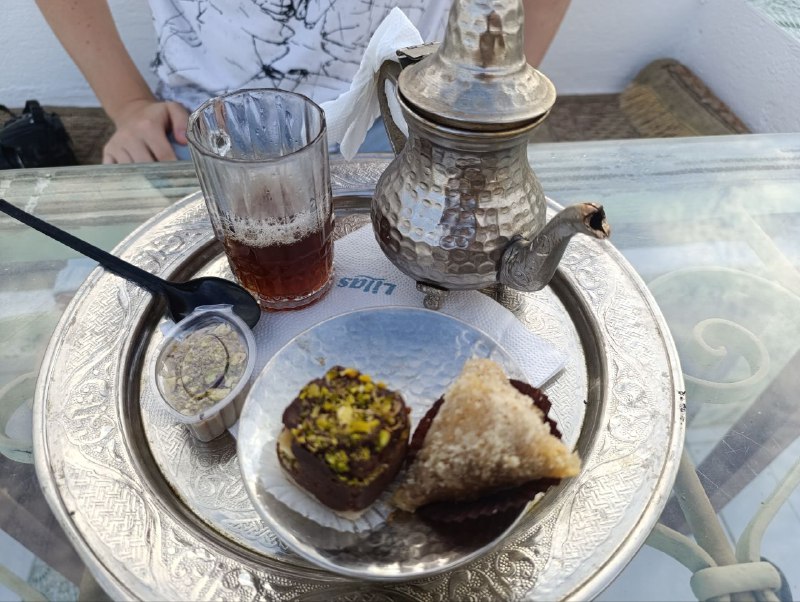
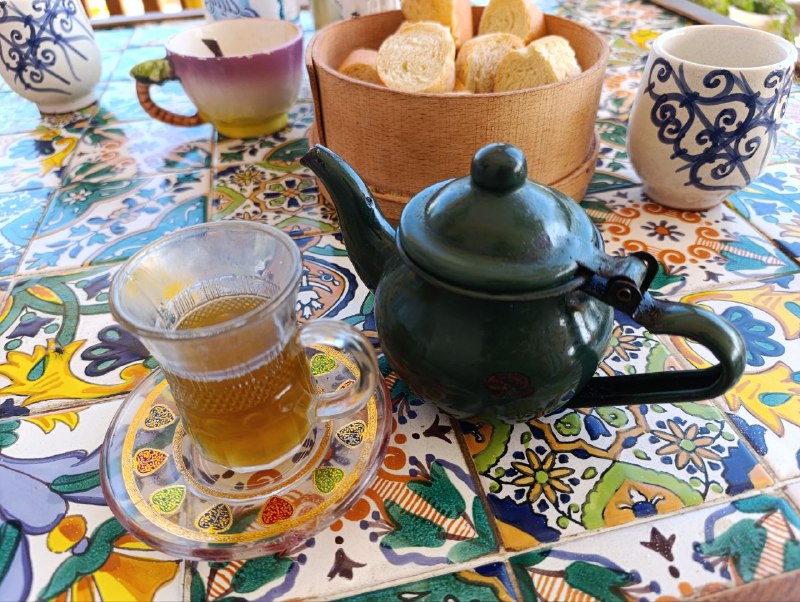
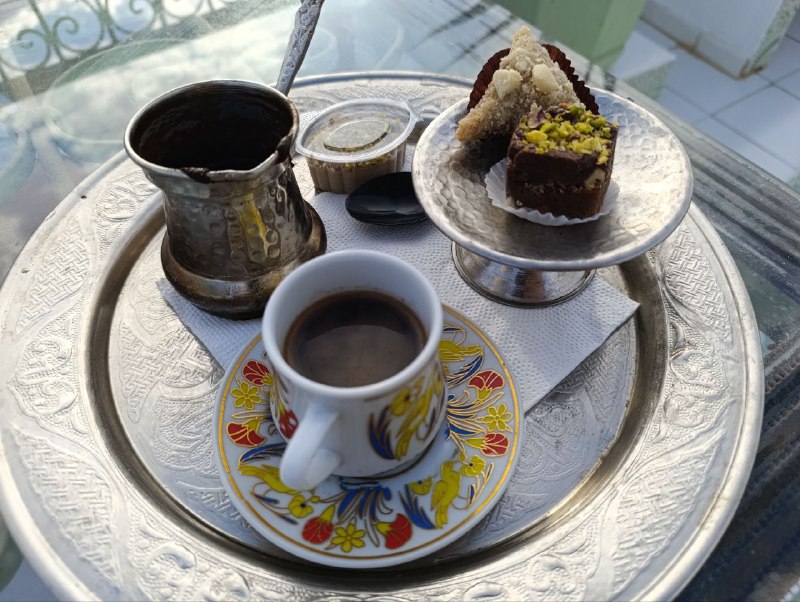
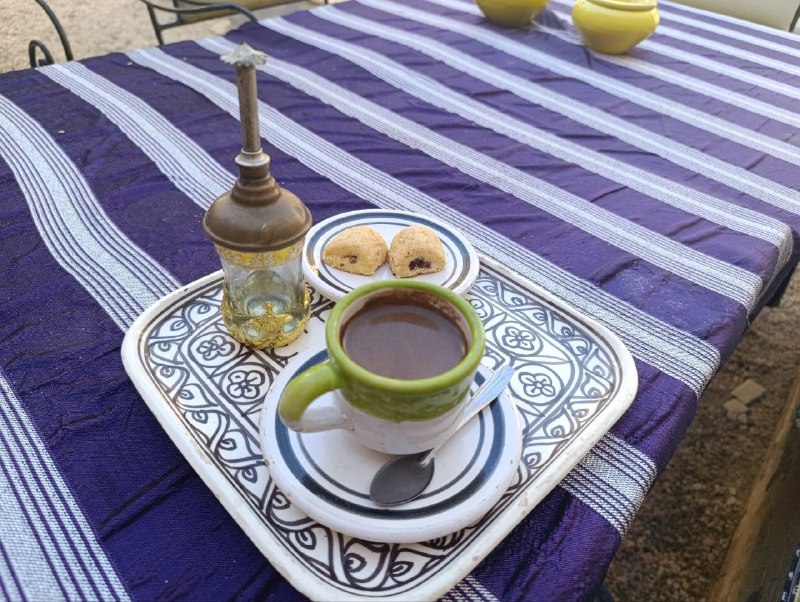
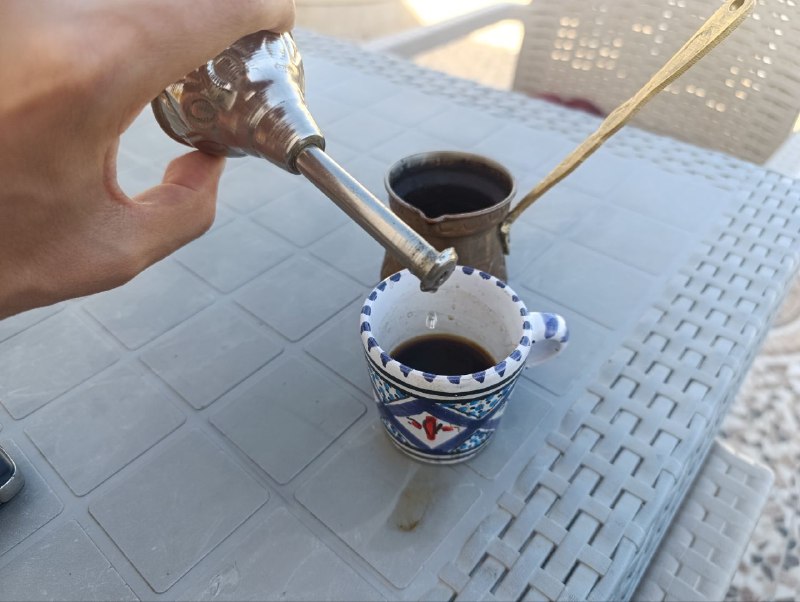
Tea culture is HUGE in Tunisia. There are dedicated tea shops here, usually called Salon de thé, where locals pop in for a couple cups. There are different varieties: traditional with mint, with nuts, just plain black. Always with sugar. Tons of sugar. Sometimes with sweets too. Or more than one. Same deal with coffee. It's basically the diabetes capital. I learned pretty quickly to order everything without sugar right away, otherwise it's impossible. Sometimes they even serve rose water with coffee. Also sweet. In a separate container so you can add it to taste.
The French brought tea here at the end of the 19th century, and for the first 40 years or so, nobody really paid it much attention. But after World War I, there was an actual tea epidemic. Literally. At least according to local doctors, who actively pushed French authorities to legally restrict tea. Because it supposedly had a negative effect on Tunisians, who apparently couldn't control their tea consumption on their own.
"Teaism" was actually seriously compared to alcoholism and they tried all sorts of ways to fight it. Meanwhile, in Morocco, where they were consuming significantly more tea at the same time, this wasn't seen as a problem at all. Because unlike Tunisians, they brewed green tea instead of black, did it the "right" way, didn't reuse tea leaves, and didn't over-brew. Though according to doctors, the "epidemic" eventually spread to Algeria and Morocco too.
To give you a sense of the seriousness of the situation: forensic psychiatrists would actually write down "tea-induced hallucinations" or "overdid it on tea" as the cause of murders in their reports. It's even preserved in the archives (for example,
here, but in French). Honestly, I'd think twice about the stuff after that too :)
Anyway, after independence from the French, the tea epidemic kind of died down. Well, almost died down.
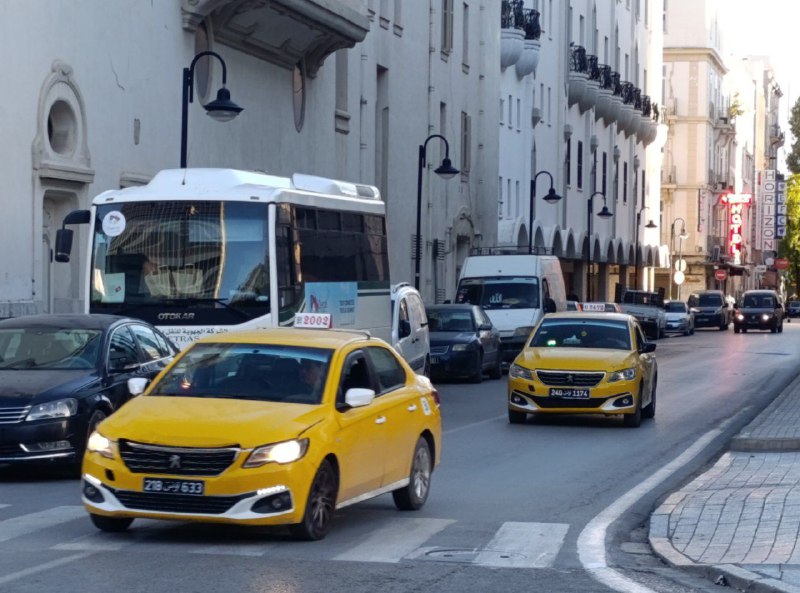
You need to catch a taxi in the center of Tunis. Two cars are coming towards you: one with a red light and one with a green light. Which one do you stop?
Well, not the green one. Tunisians did it the other way around. Here, red means available. Even things that seem completely basic and obvious can differ in other countries.
I heard a theory that the light here is for the driver, not the passenger: if there's a passenger in the car, you can go, and they turn on the green light. So let the rest of the world think differently ¯\_(ツ)_/¯
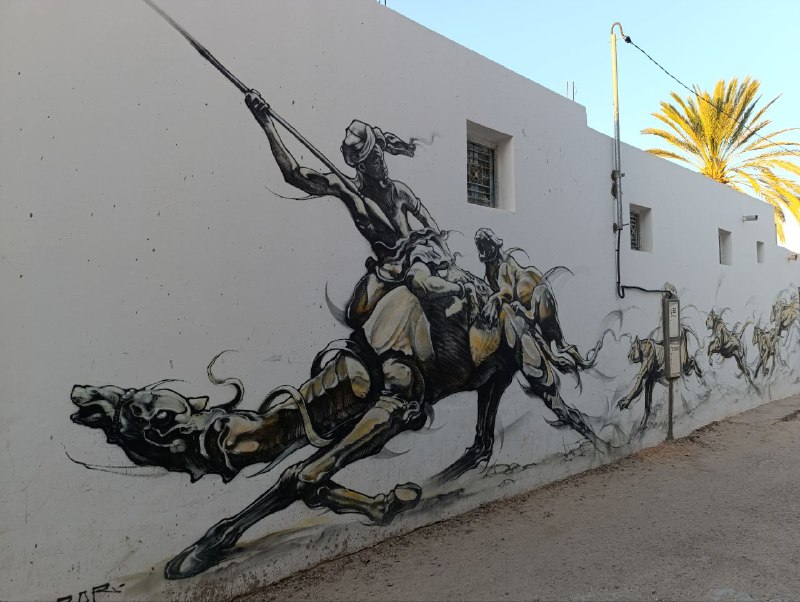
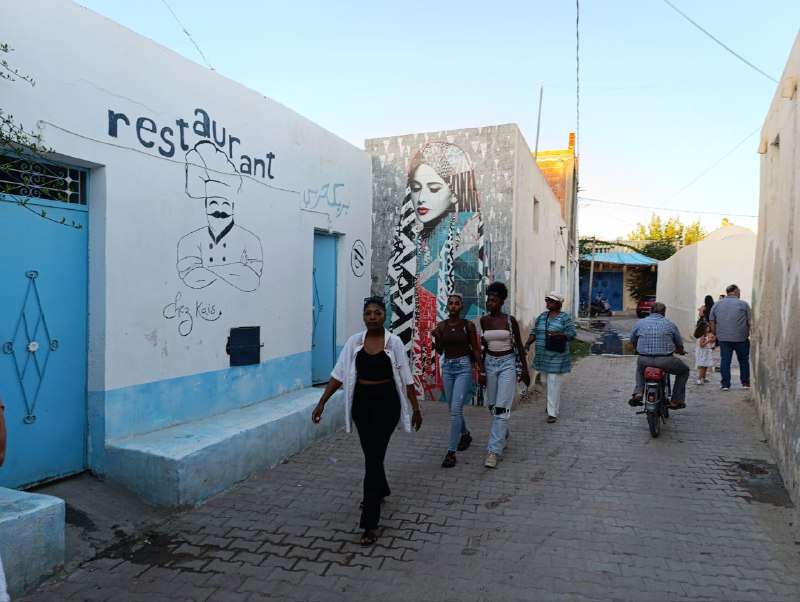
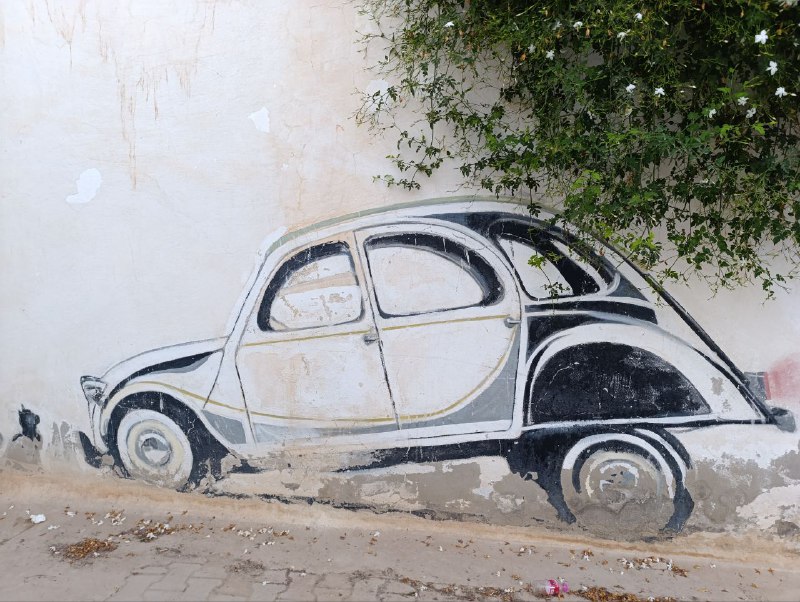
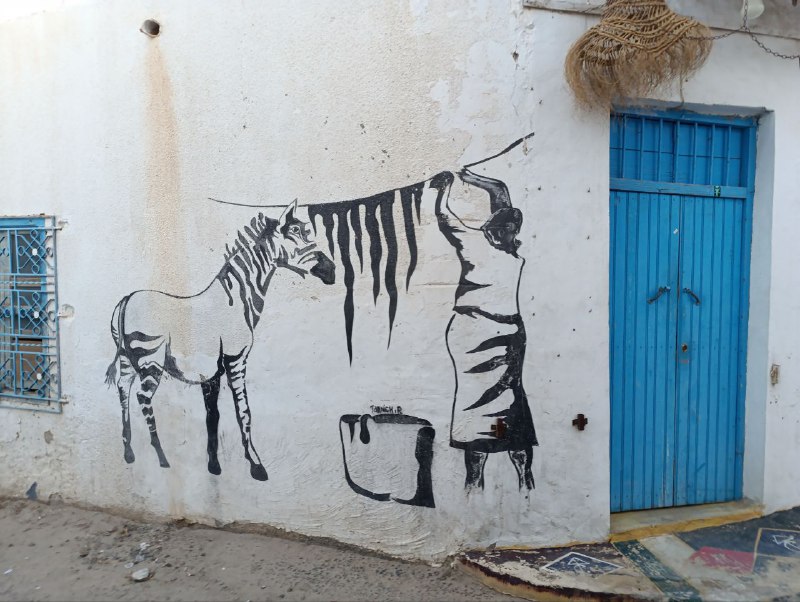
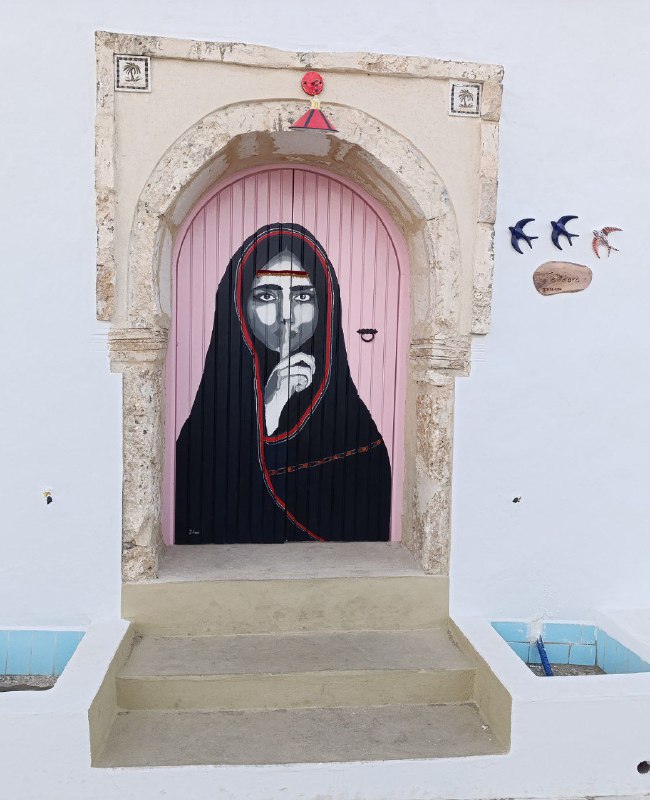
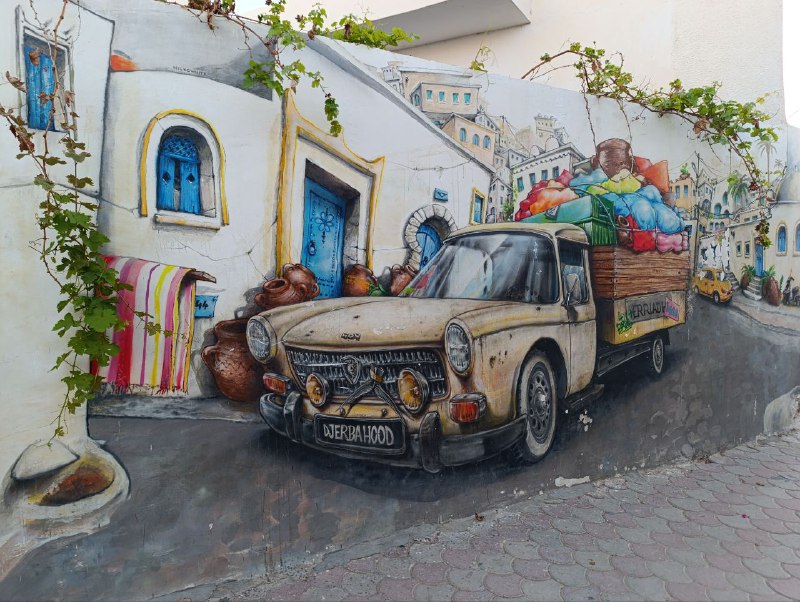
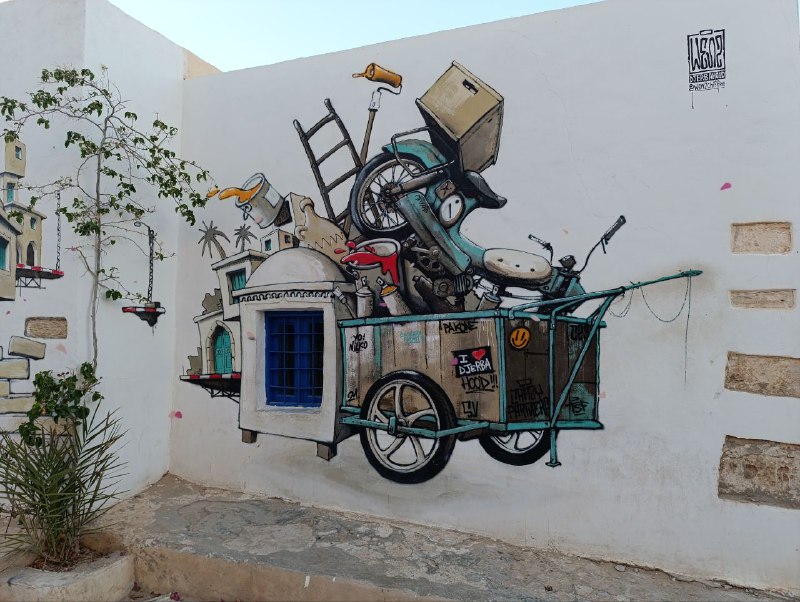
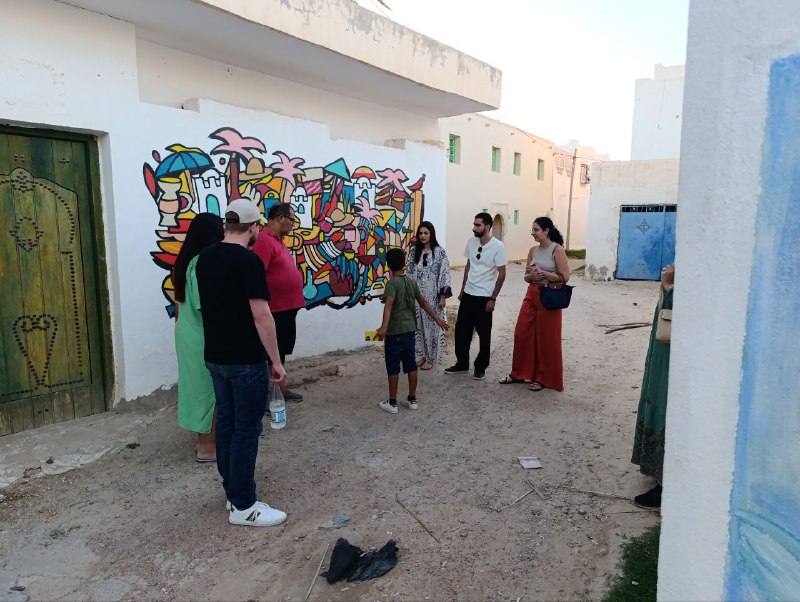
The island of Djerba is really trying hard to attract non-religious tourists too. Back in 2014, they invited artists from dozens of countries to one of the villages to paint the street walls.
Belgrade, check it out if you can :)
But you couldn't just pick any random wall and start creating. First, you had to get permission from the building's residents. While it was tough at first, by the end of the project, people were actually asking for artists to paint on their walls. This whole thing is called
Djerbahood.
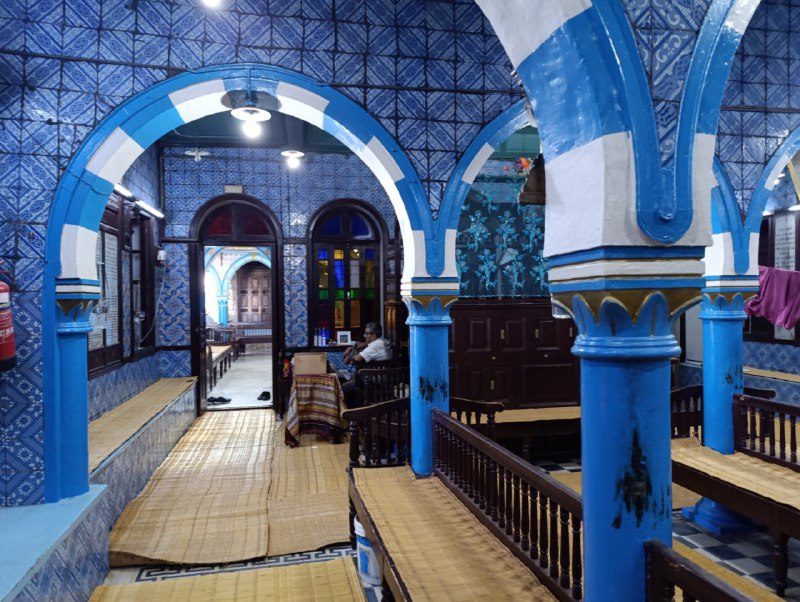
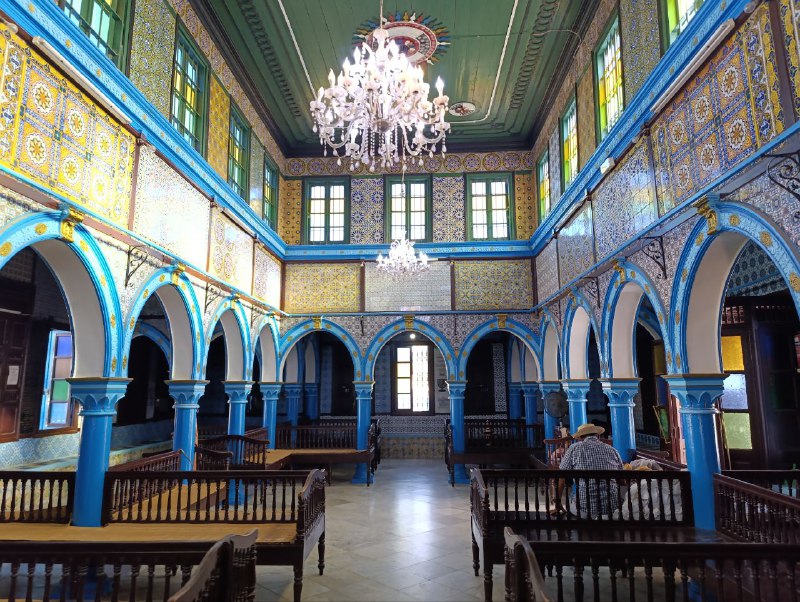
In the south of Tunisia on the island of Djerba lives one of the oldest
Jewish communities in the Arab world. About 1,000 people. The community was at its peak in the middle of the last century, when there were nearly 4,500. After World War II, people started moving to Israel. And a few to France.
The first documents mentioning the island's Jews date back to the 11th century. If you believe local legends, they appeared here after the destruction of
Solomon's Temple (that is, almost 1,500 years earlier).
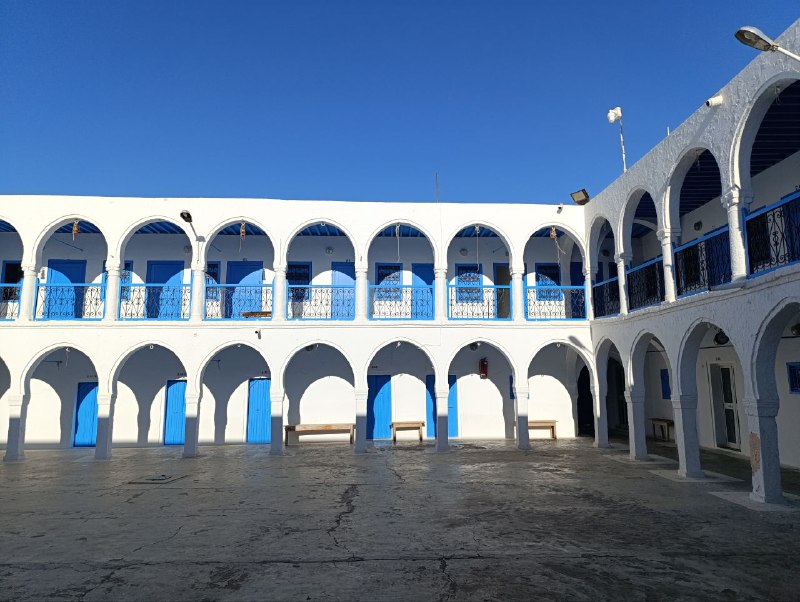
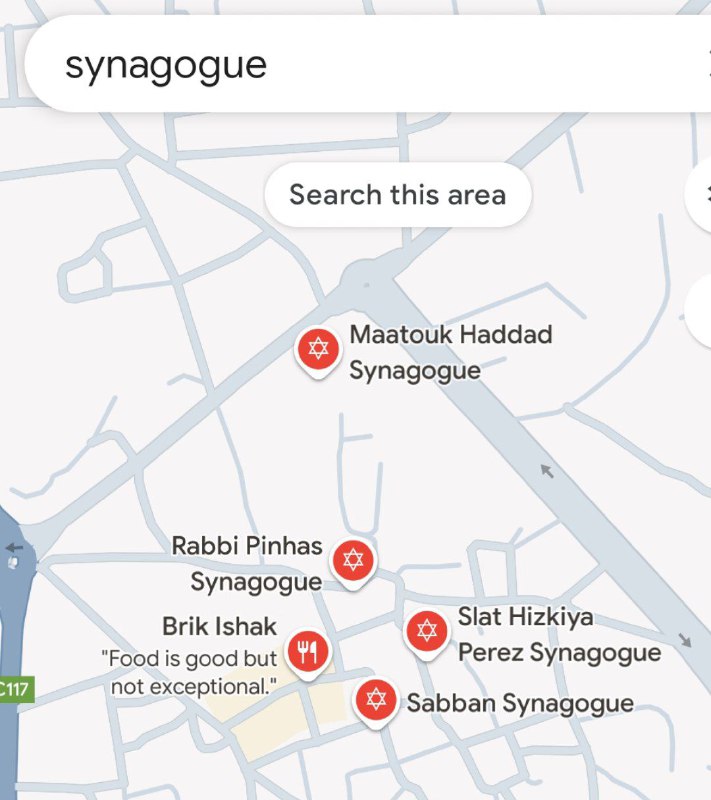
For such a small community, they managed to build about twenty synagogues. Today, several of them have closed, but definitely more than 10 are still operating.
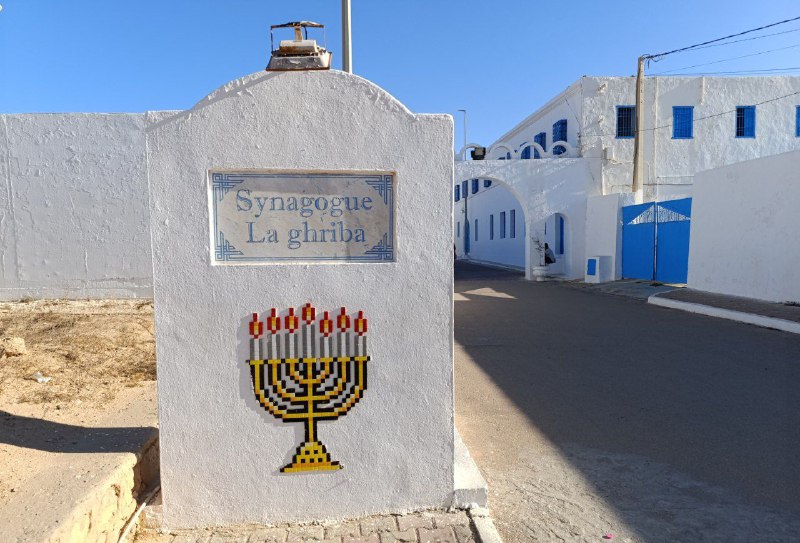
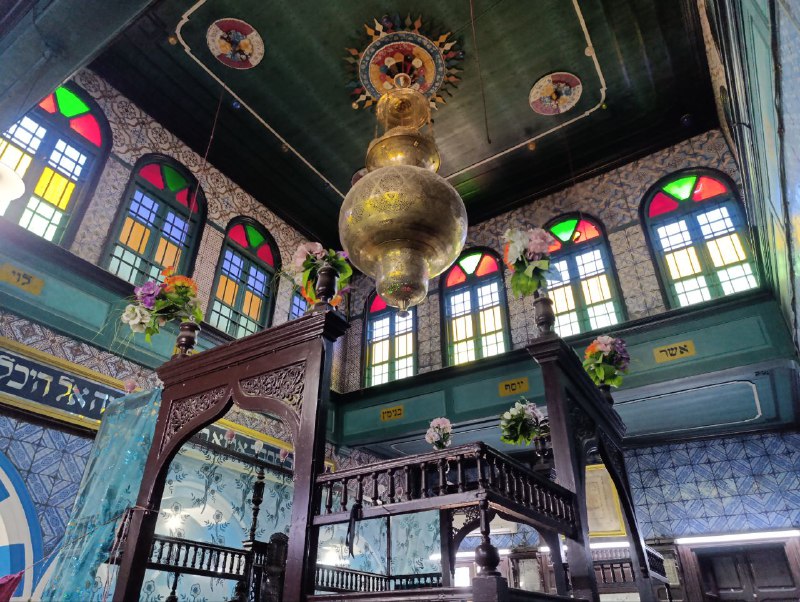
El Ghriba (in the photo) is the most famous one. Many pilgrims and tourists come here. The building has been rebuilt many times. The current version dates from the 19th century, but really stands out for its unusual architecture. They say it houses one of the oldest Torah scrolls in the world. Who would have thought that Jewish pilgrims travel to Tunisia.
Unfortunately, El Ghriba has been attacked three times. With casualties. All three incidents occurred during periods of heightened Arab-Israeli tensions. The most recent attack was last year. Now the police constantly patrol the area.
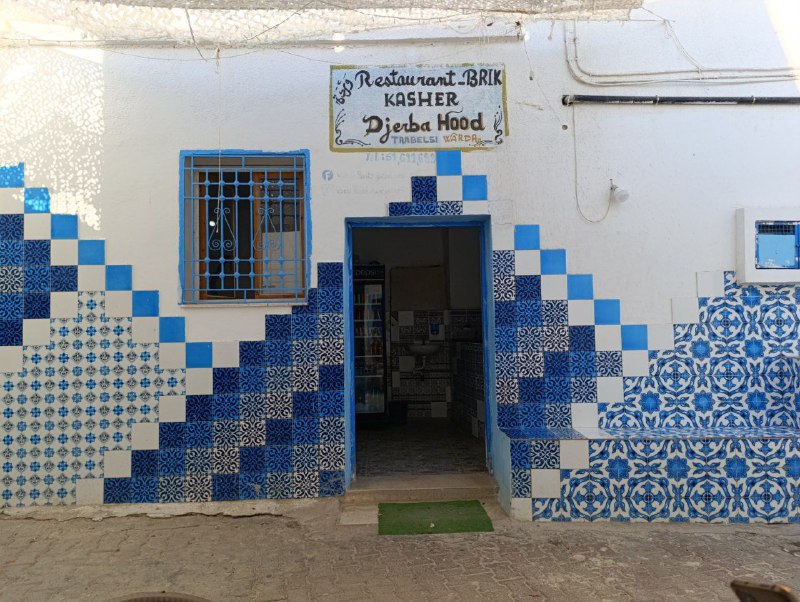
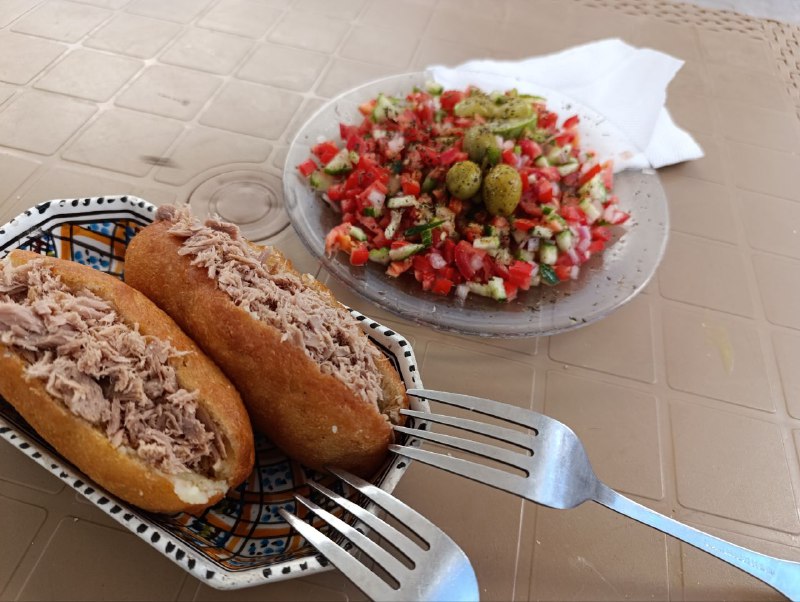
There are quite a few kosher cafes in the area. I've only seen this kind of concentration in Israel. The food is delicious. I checked.
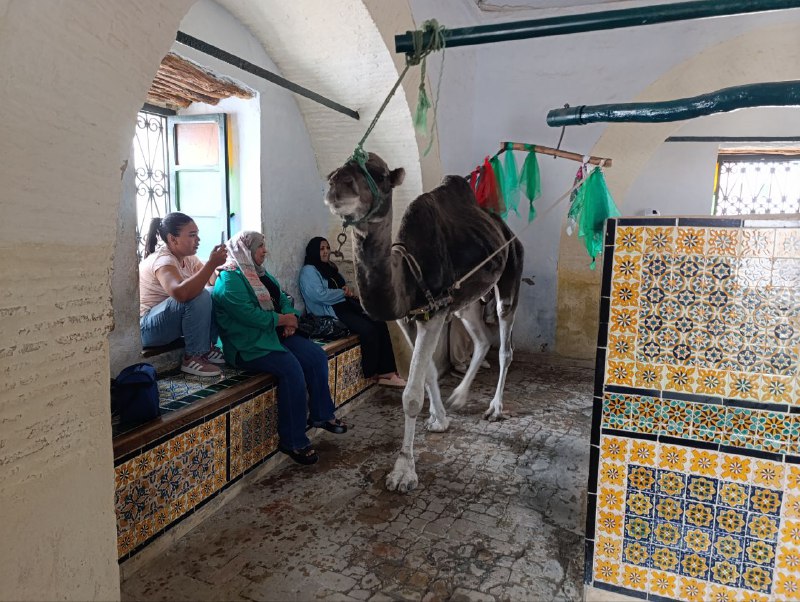
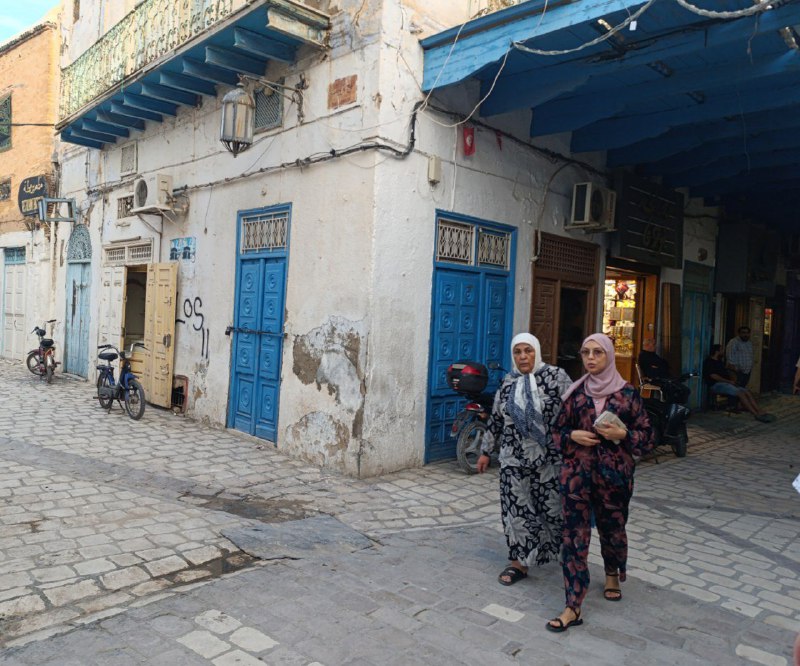
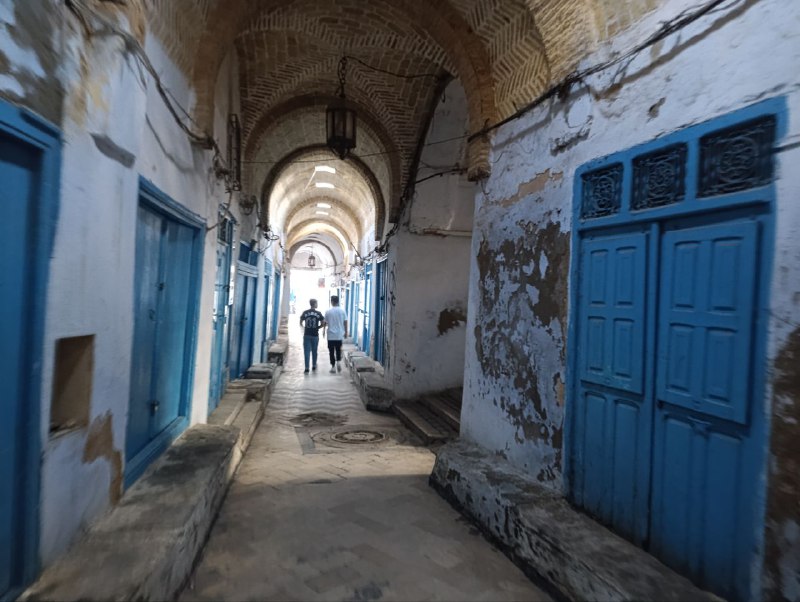
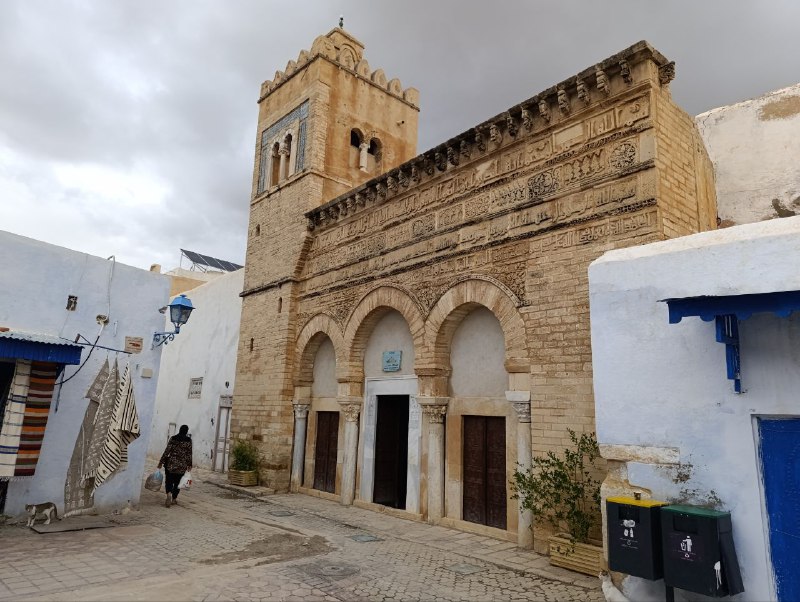
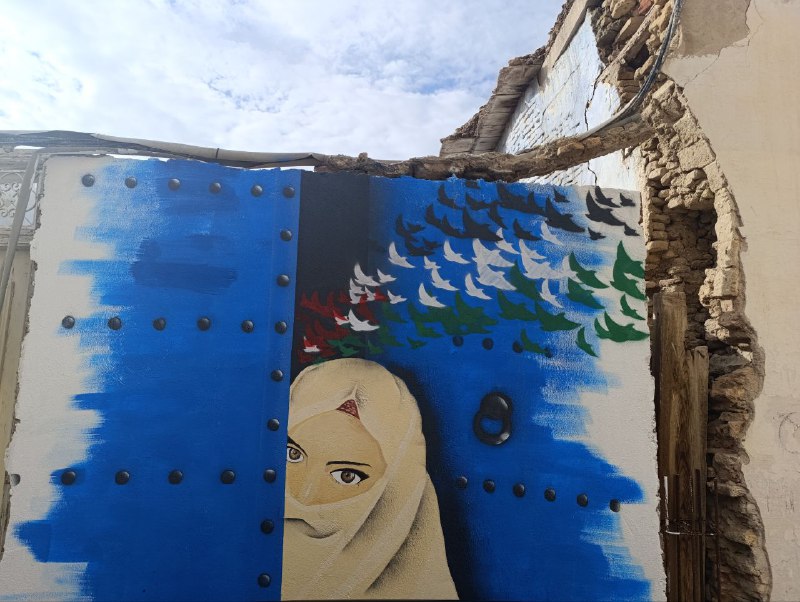
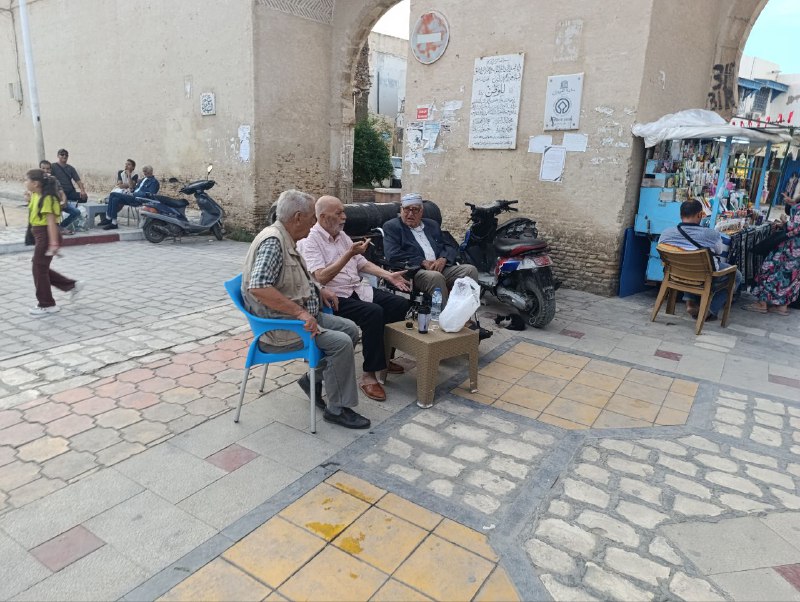
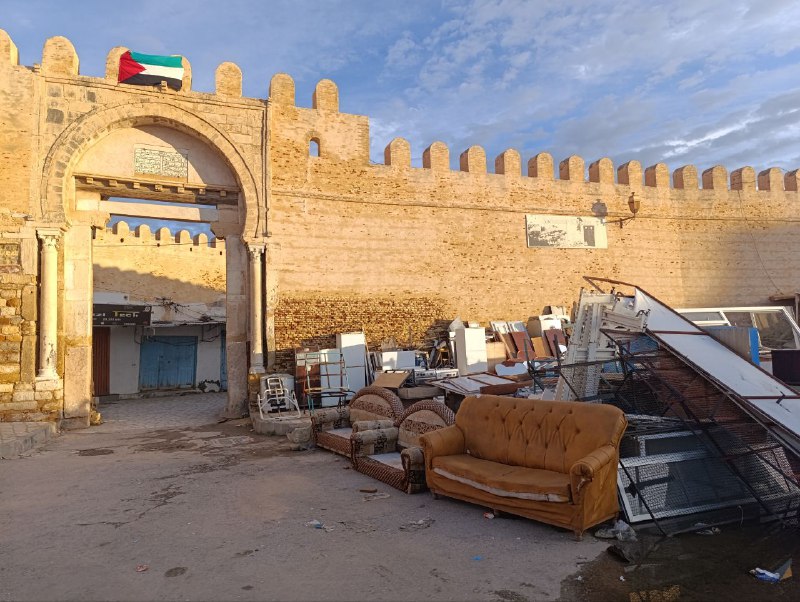
Made it to Tunisia. Didn't stick around the capital for long—headed straight south to Kairouan. And if you think the city's name sounds like "caravan," well, you're not wrong. :)
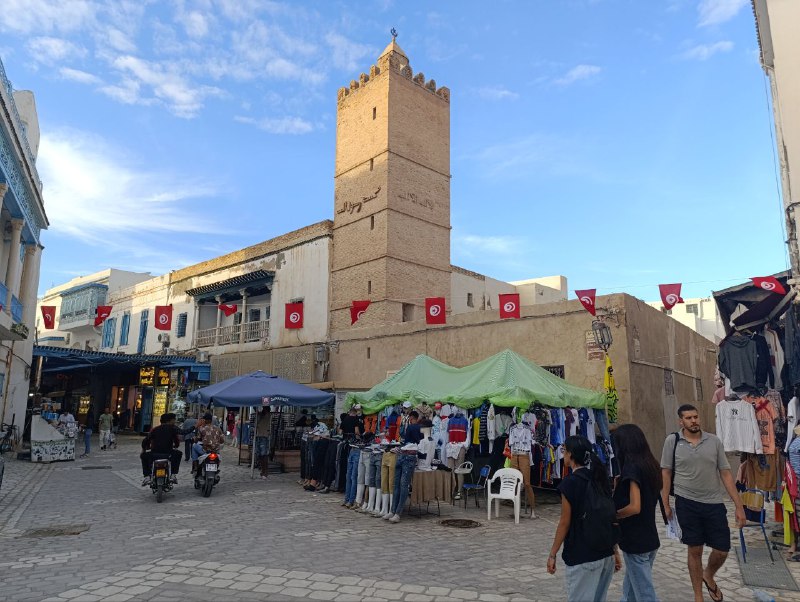
The city's laid out in a pretty strange way. They've turned the heart of the Medina (that's what they call the old part of town) into a bazaar. Various attractions are scattered around somewhere nearby, but there are basically no signs or directions. On the flip side, random passersby will sometimes stop you and eagerly point you toward something interesting. Some genuinely want to help, but most are hoping to make a quick buck. I never quite figured out how to tell the difference on the spot.
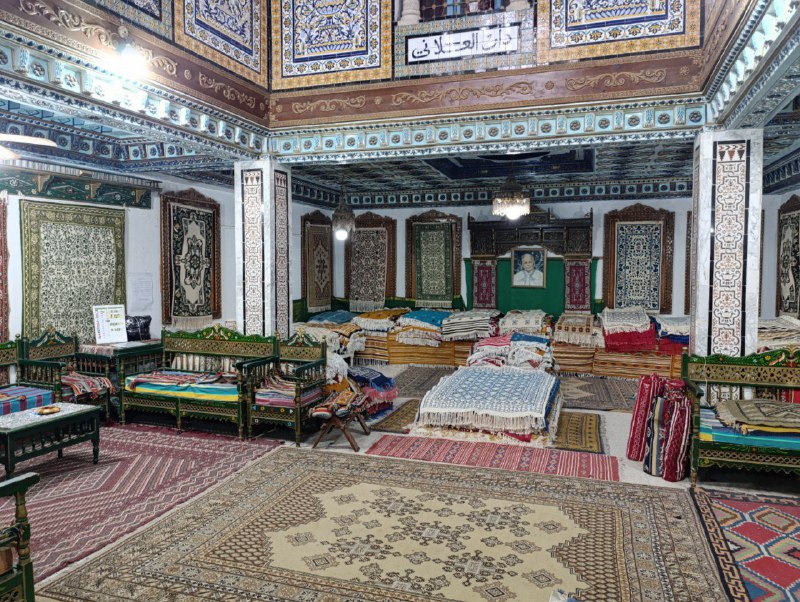
Sometimes the money-making doesn't stop at tips. In the local ruler's house-museum, they really tried to sell me a carpet. They've got every color and style imaginable. But honestly, what would I do with it? :)
If someone doesn't have carpets to sell, they'll try to monetize whatever else they've got. For a modest $1.50, some random guy offered to let me climb onto his roof for a great view. The view wasn't much to write home about, but it was an interesting experience anyway.
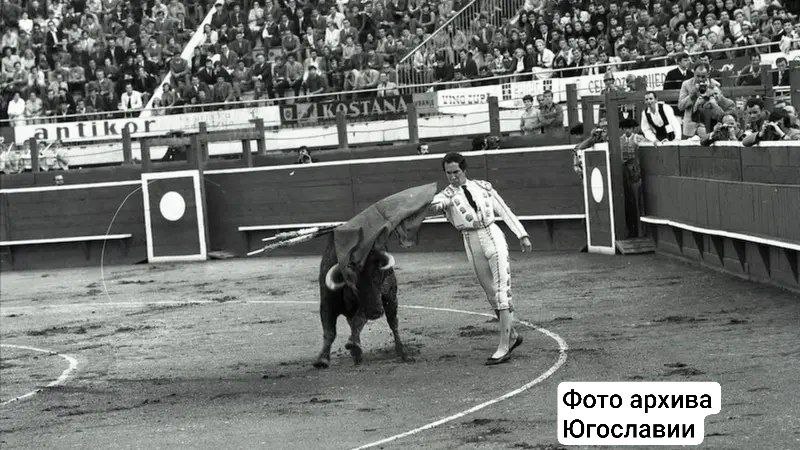
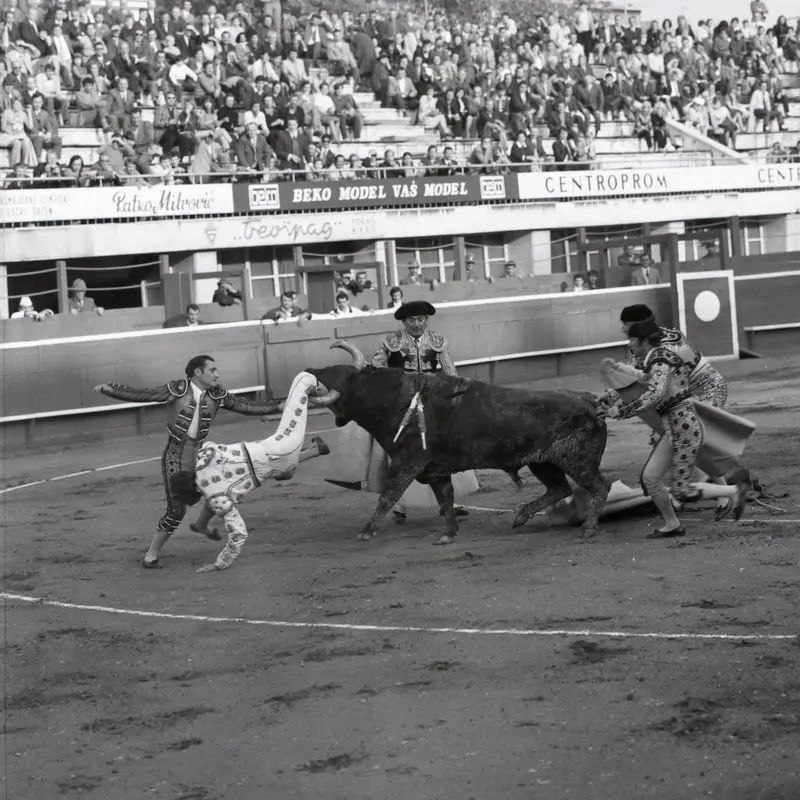
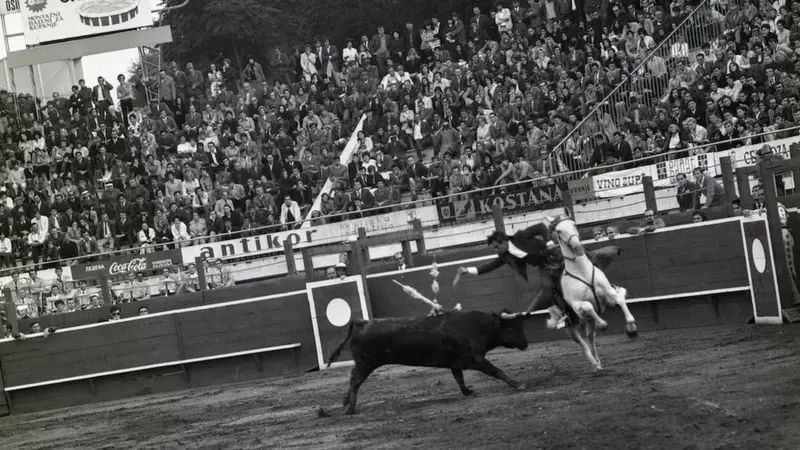
A story about Balkan bullfighting wouldn't be complete without a piece of Yugoslav history. In early October 1971, a real Spanish bullfight was held in Belgrade at the Tašmajdan stadium. If you tell this to Spaniards, they'll definitely not believe you. They'll insist that bullfighting never leaves Spain. Then you can show them this color (!)
video. The clip is quite brutal. If you're not ready to watch bulls being killed, it's better not to open it.
By the early 1970s, Spain was opening up to the world and there were many who wanted to build relations. Tito attended a Mexican bullfight in the late 1960s, which impressed him greatly. So he decided that inviting the most renowned matador would kill two birds with one stone. They also brought 12 healthy bulls from Spanish Galicia. Not all Belgraders were happy with the idea. Nevertheless, tickets sold for a good price: 100-200 dinars (in 1971, a dollar was worth about 17 dinars). And up to 5,000 people came to the stadium. However, local spectators weren't particularly moved by the ritualistic killing. As newspapers report (
here or
here or
here), people were rooting for the bulls more than the matadors. After the first animal's death, instead of joyful cheers, deafening silence fell over the stadium.
I've heard the bulls were eaten right there on the stadium. But at most I found mentions that nearby restaurants offered dishes made from the tails of the fallen animals. And clearly there was some corruption involved. Though maybe I just didn't search well enough.
Whether all this helped improve relations between the countries is also not entirely clear :)
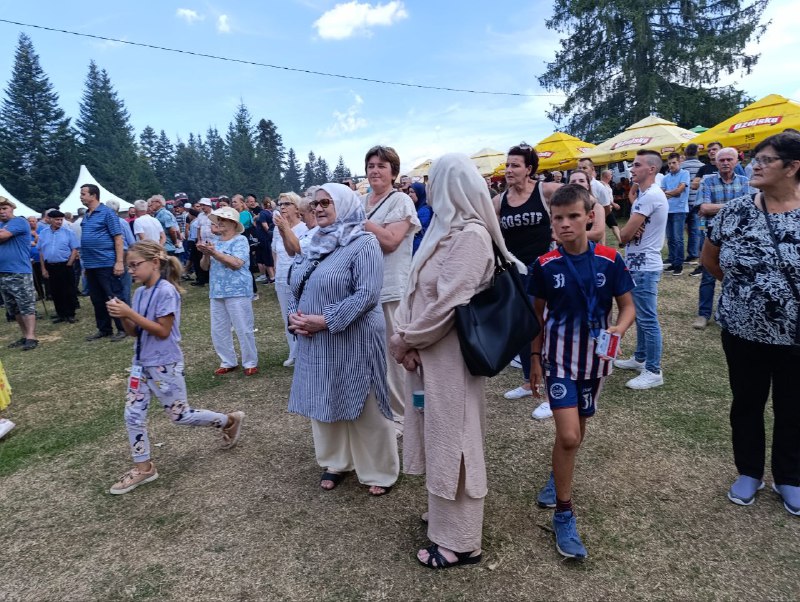
As a bonus on the way back from the bullfight, I completely by chance stumbled upon a local
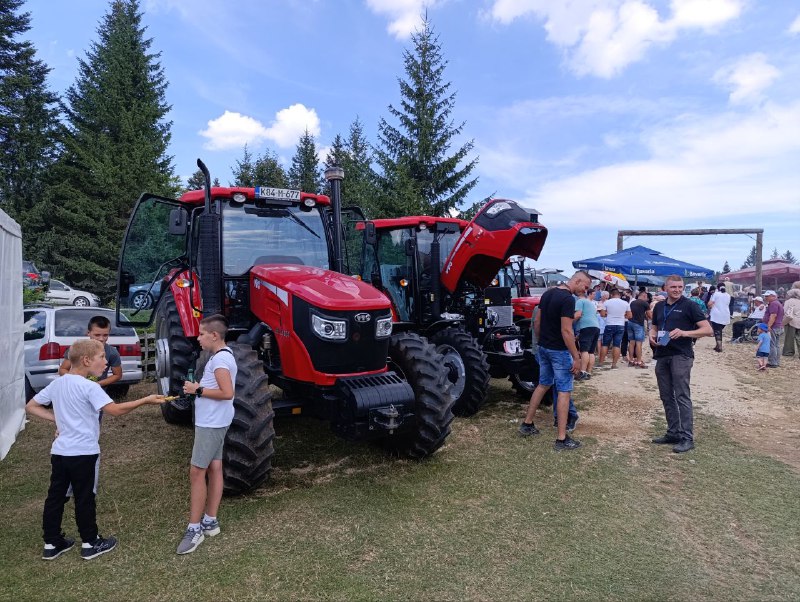
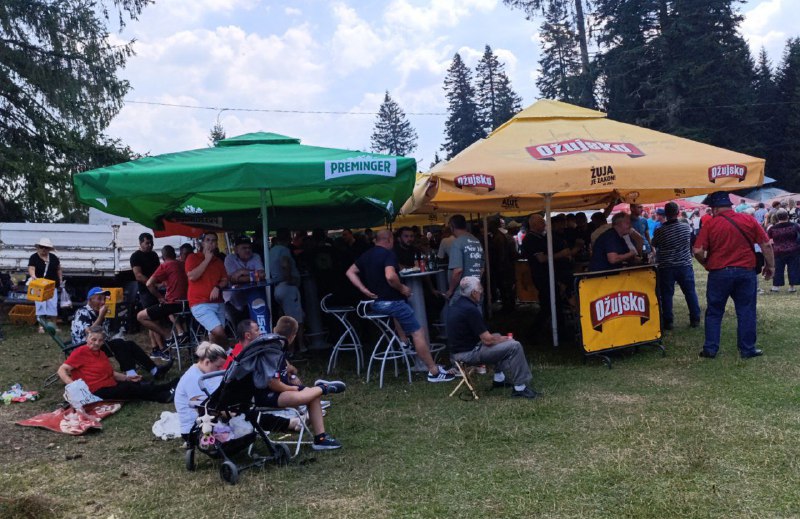
livestock and cheese exhibition near Travnik. I just happened to spot the festivities through the car window and stopped to check it out.
Here they only show the animals, and the best breeder gets up to 1000 euros in prize money. But overall, the livestock kind of stood off to the side. Every now and then they held various contests like tug-of-war.
The main action was happening in front of the stage. People were dancing
kolo. It's one of the most famous Balkan dances. Everyone was in the circle dance: young people, older folks, and it looked like everyone was really enjoying it.
They started holding this exhibition relatively recently. This is the 11th event, but it happens every year.
A little behind-the-scenes from my trip to the
Bosnian corrida. Might be useful.
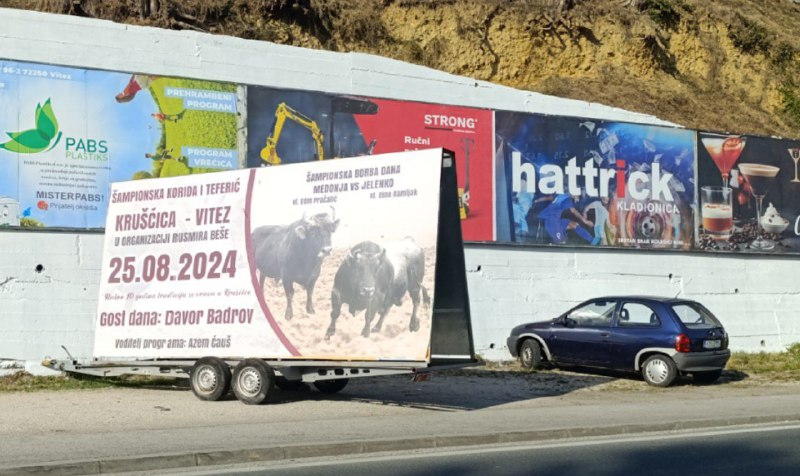
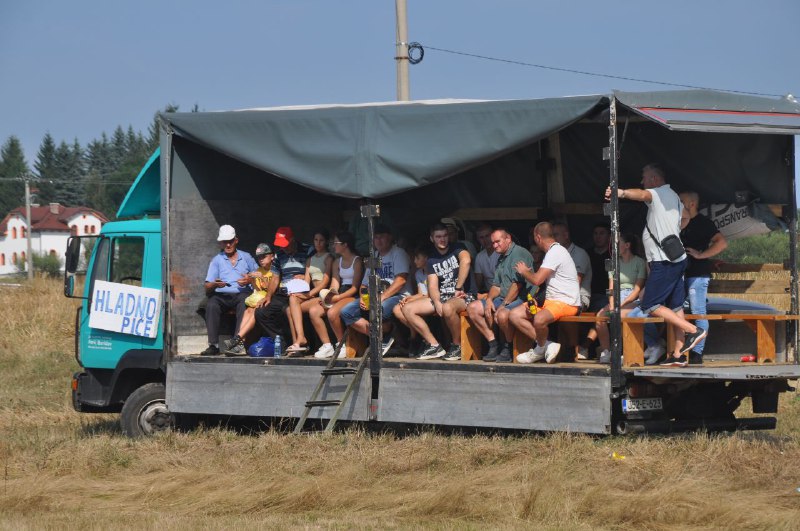
This event is run by locals for locals. They promote the fights either on TV or with outdoor ads like in the photo. Accurate information online is hard to find, not just in English but in the local language too.
The original plan was to attend the biggest event — the Grmečka corrida. Even
Wikipedia knows about it, saying the fights happen on the first Sunday of August. A week before the trip, it turned out that this year everything suddenly moved to mid-July and had already ended.
That's when I managed to dig up the only resource where anything gets announced at all:
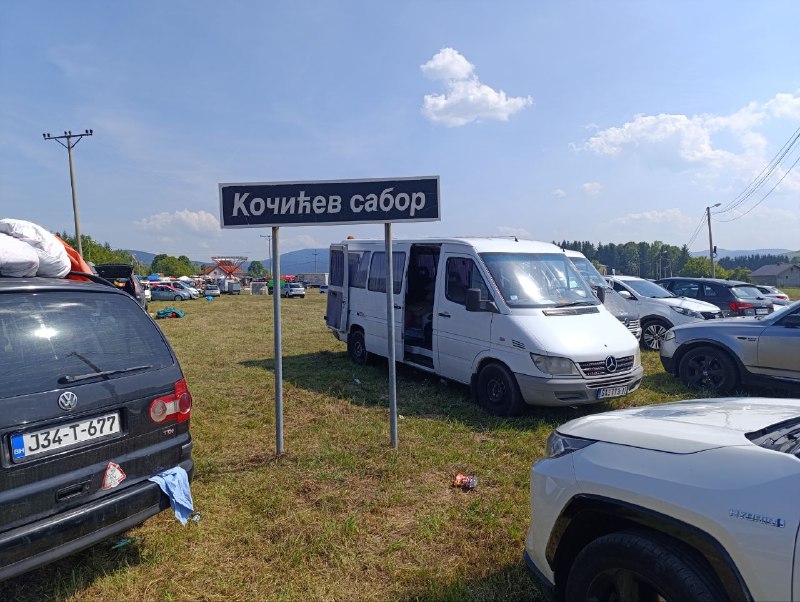
koride.ba. But even there they don't post everything. Nothing about Kočičev zbor, which usually happens on the last weekend of August — not a word, even though it's the second most important event.
I miraculously found the organizers' email (yeah, I really wanted to get there), and they sent me where and when to go. And the local press published an
approximate schedule.
This year there was also an issue with the venue: the authorities suddenly decided to squeeze money out of the organizers for the land, but they firmly refused to pay anything and went looking for an alternative. In the end, when a new venue was found, they suddenly
changed their minds about filling their coffers and held it at the
usual place.
Anyway, I still went thinking I'd at least have to ask locals how to get to the bulls, or maybe I wouldn't find it at all. But it worked out.
The Balkans never stop amazing me. I randomly found out that Bosnia has been holding bullfights for over 250 years. I just had to go see it in person.
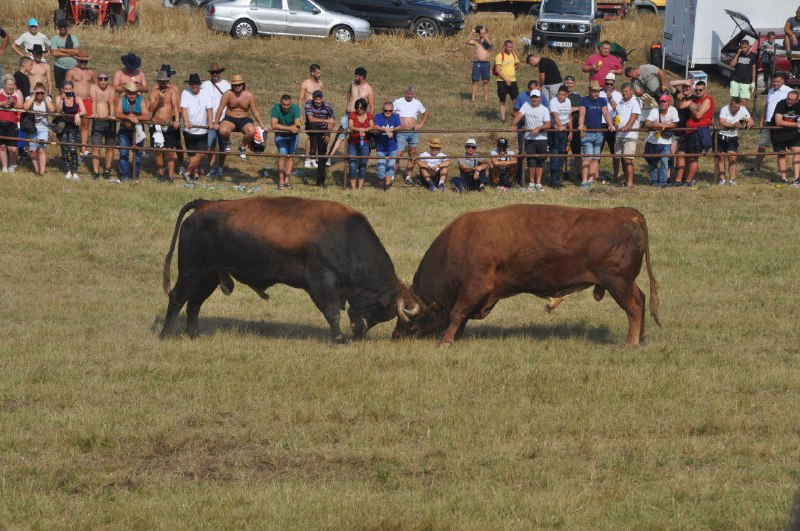
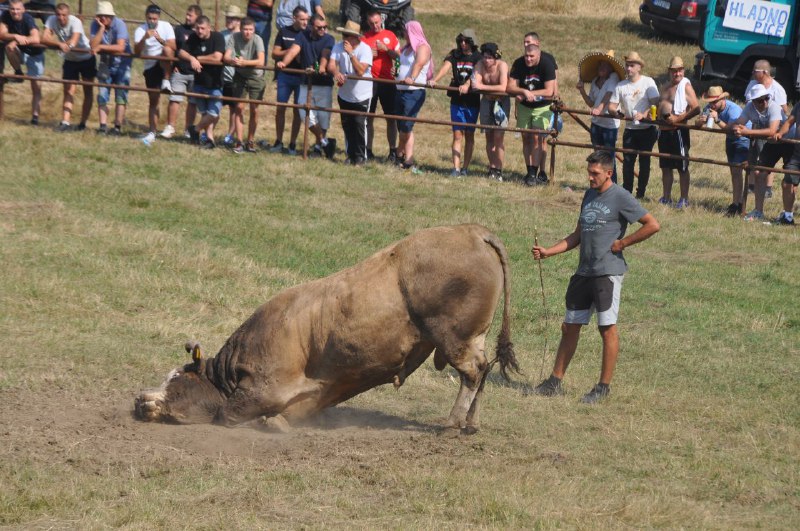
Even though they call it a Bosnian bullfight, the only thing it has in common with the Spanish version is the bulls. The second name for the Bosnian version—bull wrestling—actually gets closer to what's really going on. The animals leave the arena alive and healthy. At least, I didn't see any injuries.
They bring two powerful, massive bulls onto the field and wait for them to fight each other. There are people in the arena, but mostly to keep order and, for example, separate the bulls if a dangerous situation comes up.
Not all bulls want to fight. In that case, they might literally poke them with a stick, but without overdoing it or hitting them hard. More than half the matches end without actual combat. Usually, one of the bulls starts running around the field and mooing miserably, making it clear they don't want to fight. Then the referee declares the other bull the winner.
The fights go one after another without stopping. A match usually lasts a couple minutes, but you can spend another 5-10 minutes before the actual spectacle—bringing the bulls in and the preliminaries, when the bulls check each other out, just walk around the field, or stand next to each other. The pairs constantly rotate, and owners bring the animals to the arena as the event goes on, then take them back to the farm.
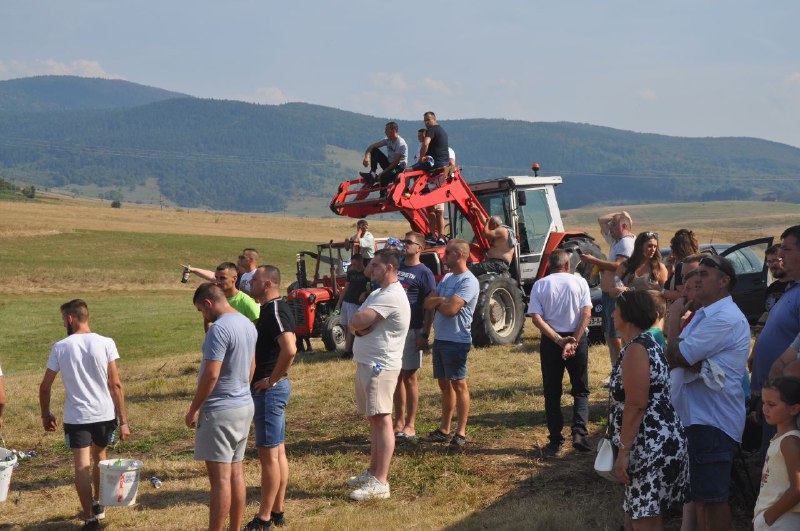
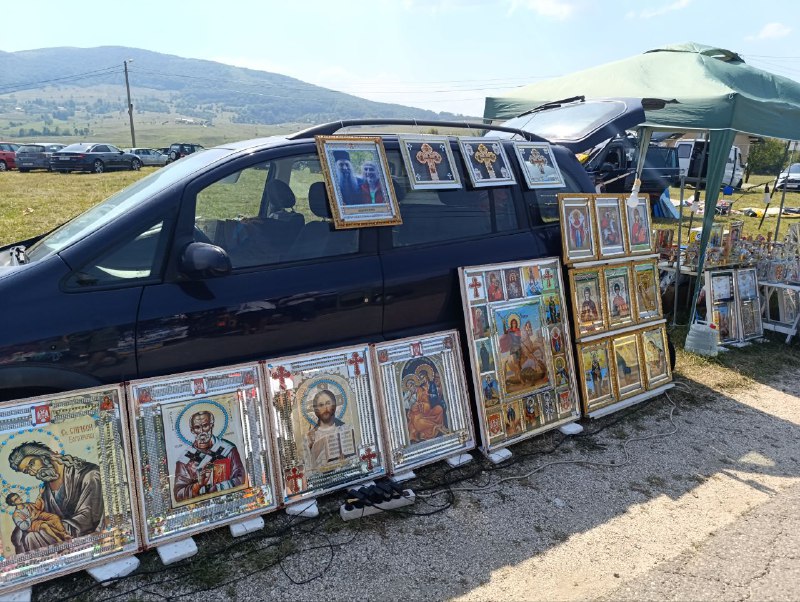
They hold dozens of these bullfights every year (!). Practically every weekend from spring to fall there's something going on. And they even advertise it on local TV. Smaller events fit into one day. Bigger ones go for 2-3 days. I was at the Kochichevo Assembly, the second largest one. The president of the Republika Srpska even visited last year.
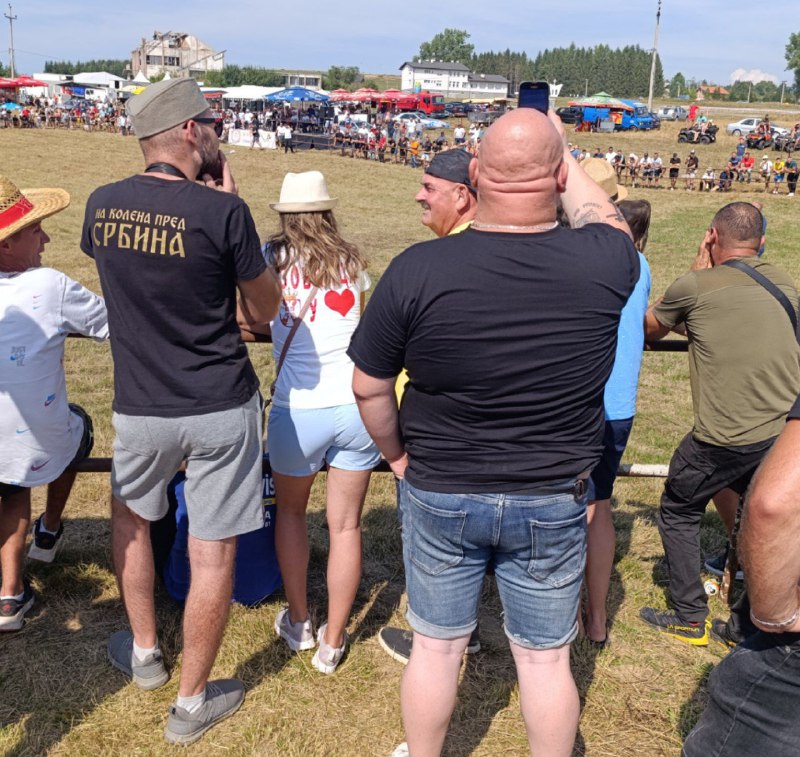
It's one of the most atmospheric Balkan mass gatherings I've been to. But the format and the wrestling itself are definitely not for everyone. I was more curious about the tradition itself and the people around it. It's a whole separate world. I can't help but mention the insane amount of questionable t-shirts people were wearing with slogans like "on your knees before a Serb," ultra-right-wing messages about Kosovo, and other souvenirs with Mladić in the shops at the entrance.
PS. I'll add some more pictures in the comments.
I visited Podgorica a couple of years ago on my way to
Albania. Back then, the city seemed pretty unremarkable to me.
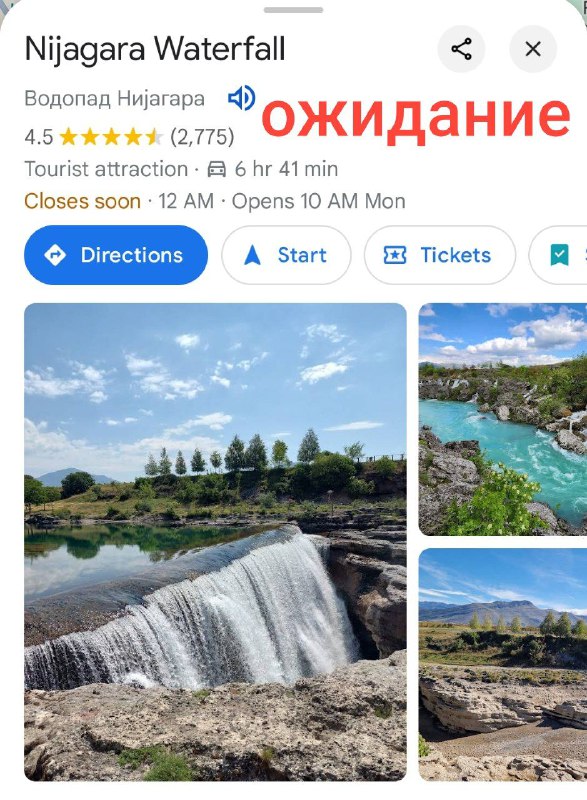
Not much has changed since, but I found a couple of interesting-looking spots on my map. A
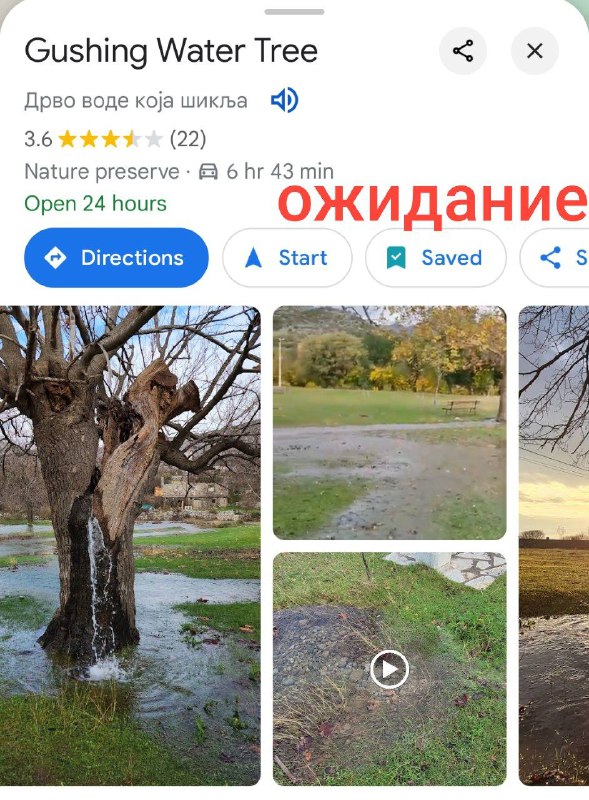
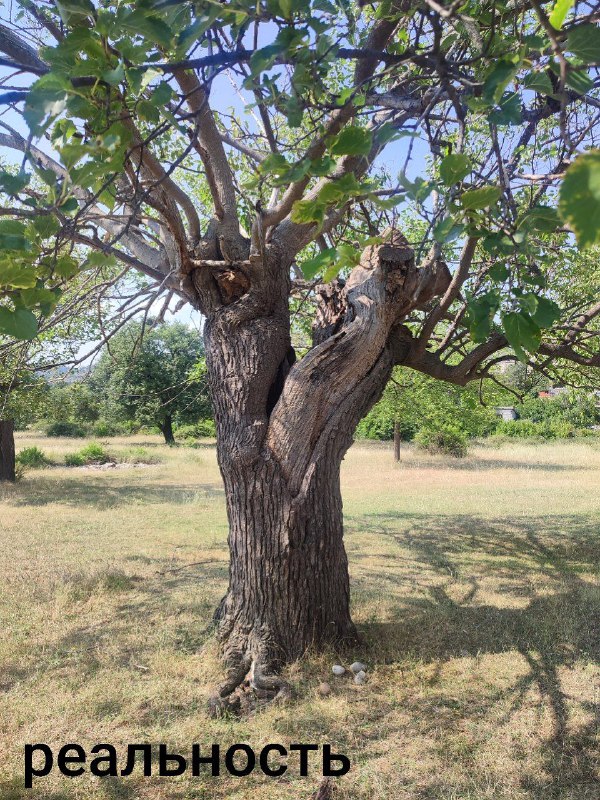
tree with water flowing through it, and a massive
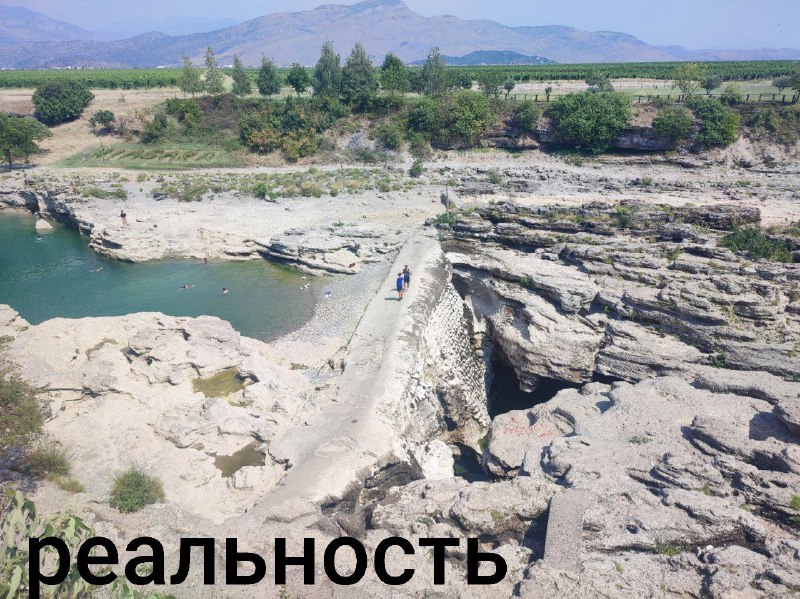
Niagara Falls waterfall (yes, that's actually what it's called).
I got a chance to visit them. Well, then. They probably would've made a better impression if I'd shown up at the right time. But in the dry summer, my expectations crashed hard against reality.
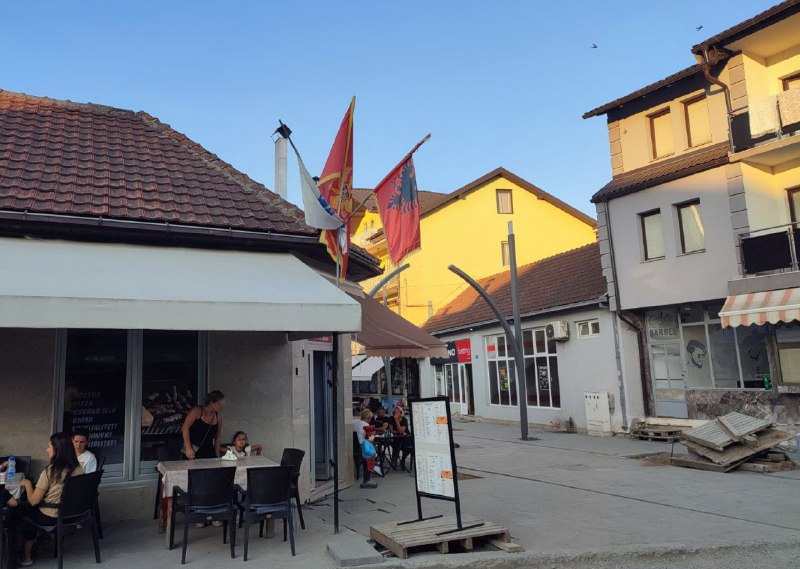
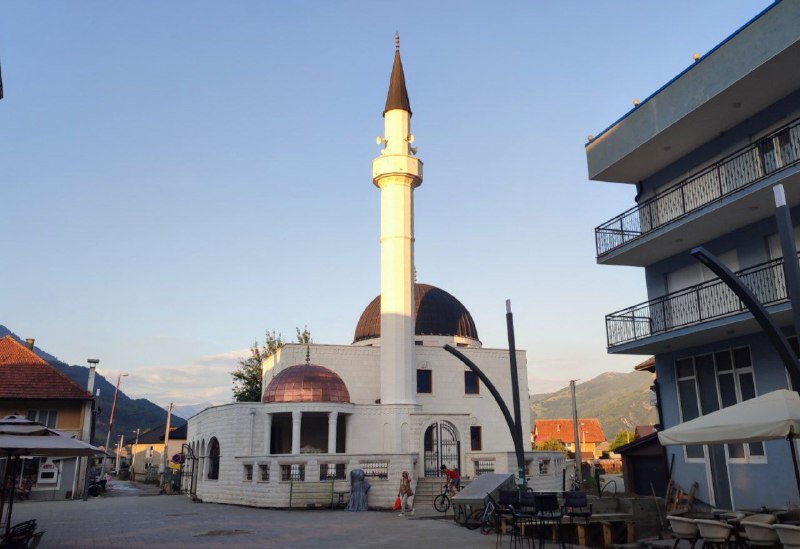
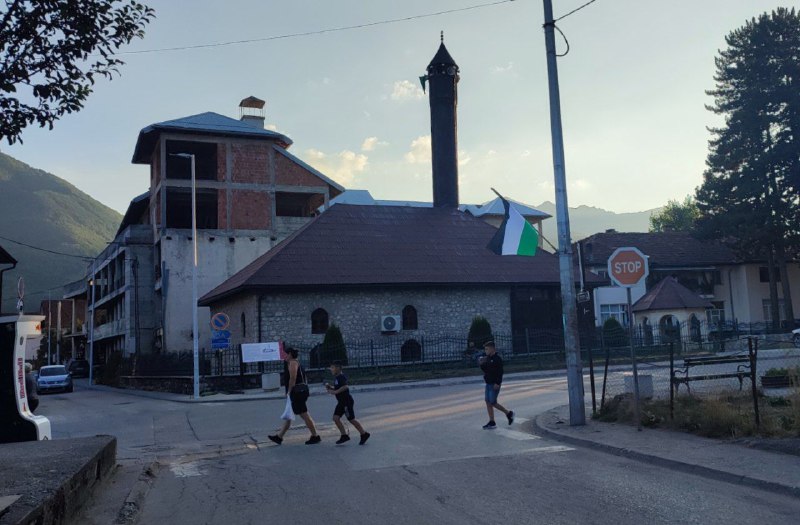
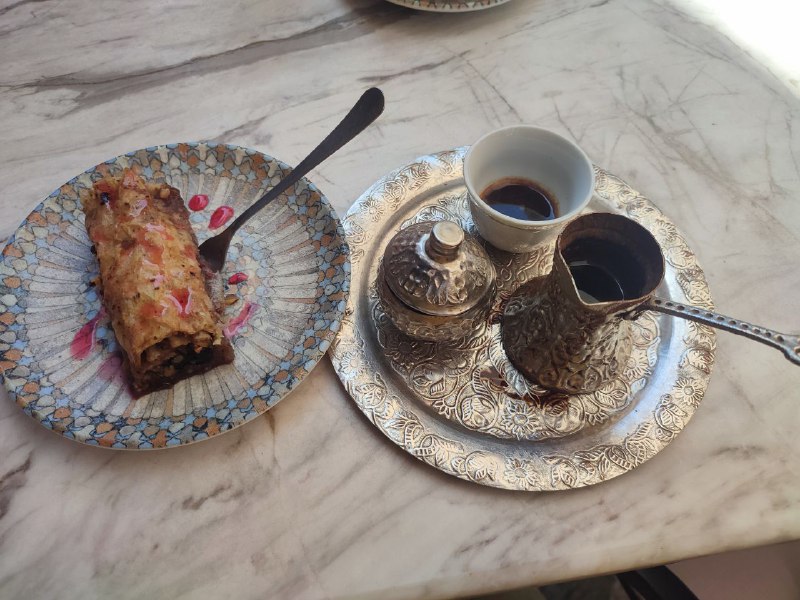
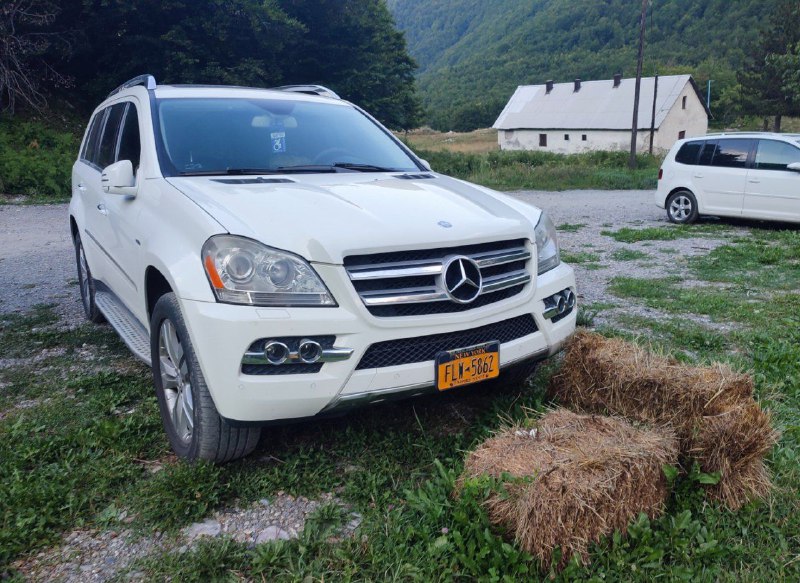
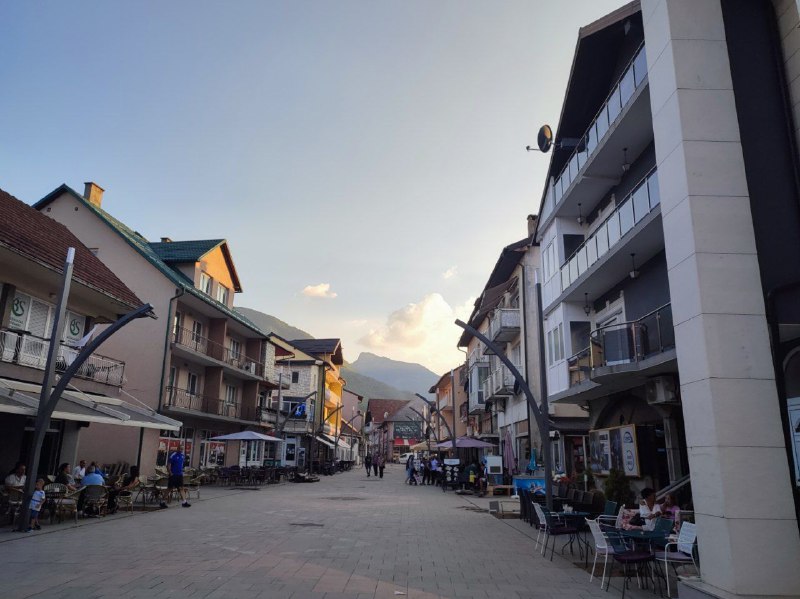
Picture a small Balkan town: Albanian flags hanging on the streets, mosques on every corner, Turkish coffee being served at cafés, plenty of cars with US license plates on the roads, and waiters who don't always speak Serbo-Croatian well. Which country would this most likely be in?
Bingo! It's Montenegro
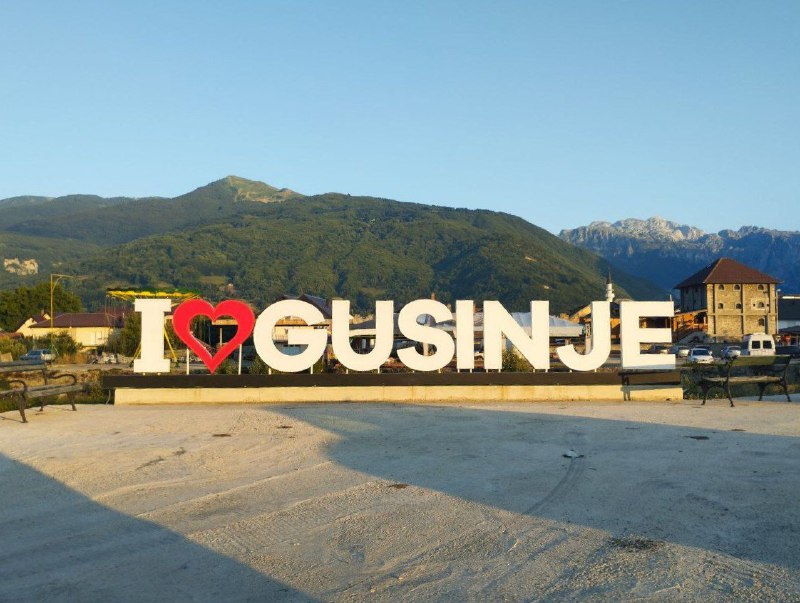
😅Gusinje, located right before Prokletije National Park, is exactly like that. It's been part of the Ottoman Empire, the Montenegrin Principality, and even Albania. Sometimes more than once. Most of these "relocations" happened in the late 19th and early 20th centuries. They were often very bloody. In 1913, Montenegrins massacred over 1,800 residents of Gusinje and forcibly converted 12,000 to Christianity. Though it's true, people also converted to Islam in pursuit of material benefits and tax breaks. At least they didn't have guns to their heads.
This turbulent history led to several major waves of emigration. Today, it's estimated that over 30,000 people live outside the region, mostly in the USA, even though the region itself has fewer than 20,000 residents.
Locals speak a Serbo-Croatian dialect heavily influenced by Albanian, which is considered a unique phenomenon. I found it noticeably harder to understand people here than Serbs in Belgrade. At one point, someone even suggested we switch to English because we were having trouble communicating both ways. Though to be fair, native speakers from other regions struggle with it too.
 United Kingdom
 Serbia
 Bosnia and Herzegovina
 Turkey
 United Arab Emirates
 Brunei
 Indonesia
 Malaysia
 Argentina
 USA
USA Morocco
 Georgia
 Egypt
Egypt Hong Kong
 China
China Vietnam
 Tunisia
 Montenegro
 Philippines
 Singapore
 Oman
Oman Algeria
 North Macedonia
 Lebanon
 Israel
 Albania
 Russia
 Tanzania
 Netherlands
 Spain
Spain Latvia
 Germany
 Belgium
 France
 Kazakhstan