Telegram mirror

Telegram is a messenger where I post short travel notes. This page is a self-hosted backup of that channel.

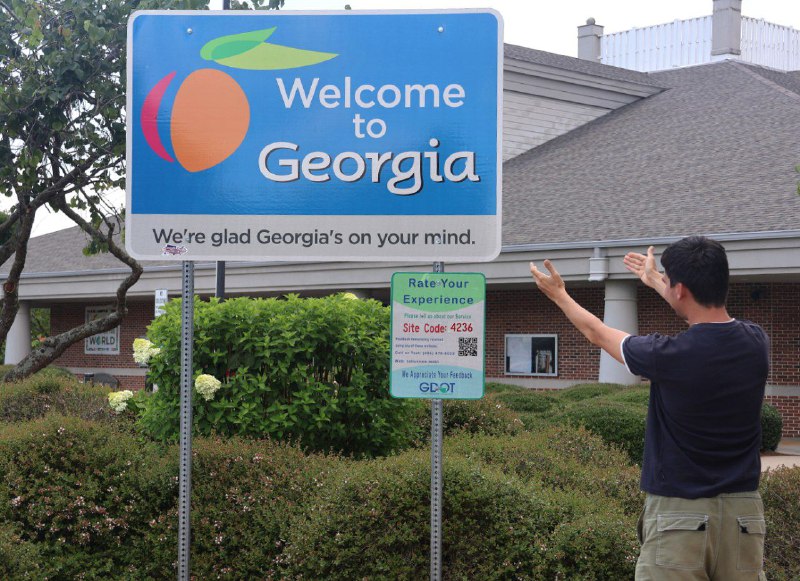
I was just in Tbilisi not long ago. And here I am back in Georgia again. Gamarjoba! :)
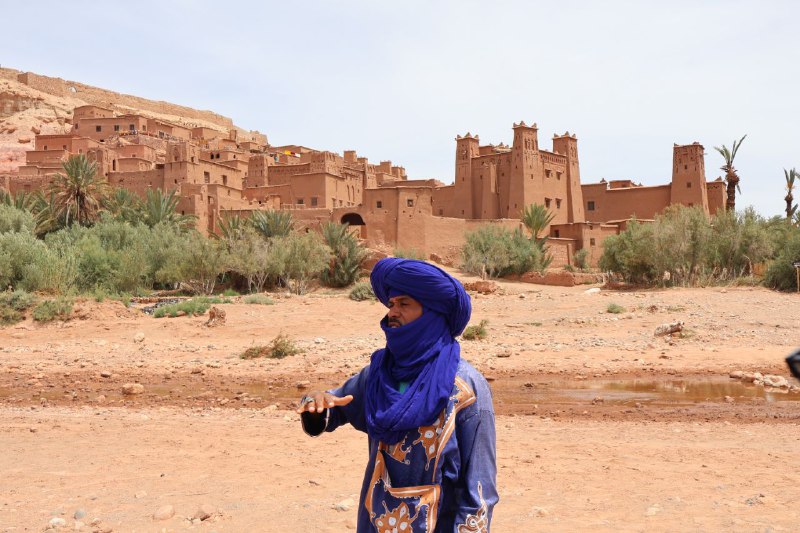
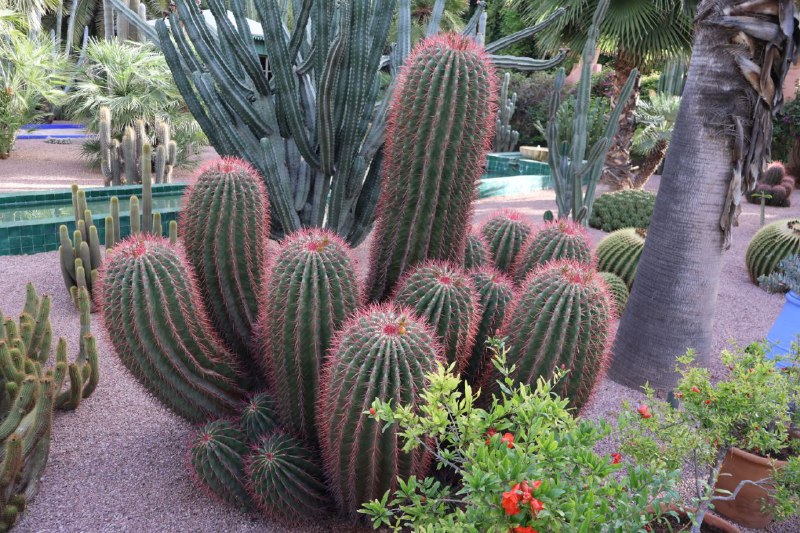
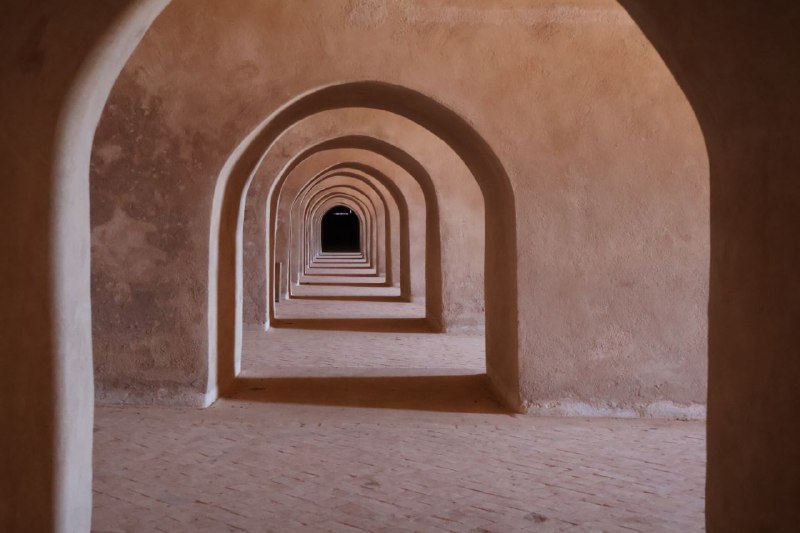
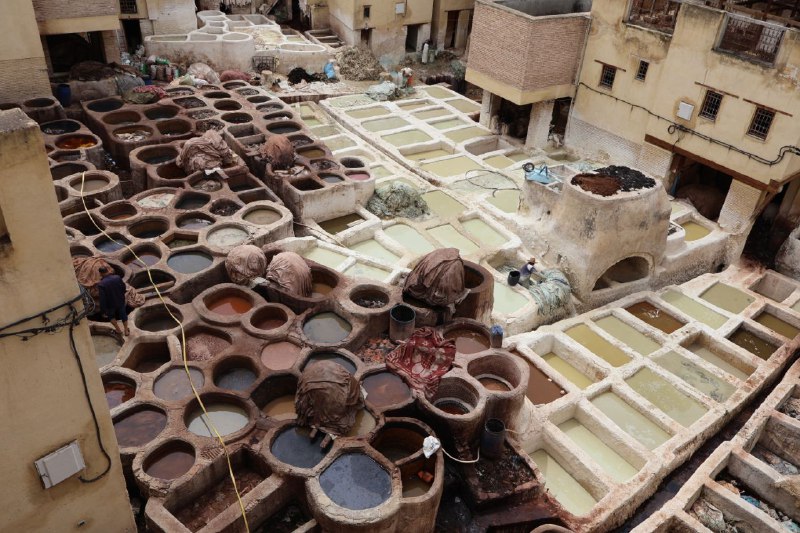
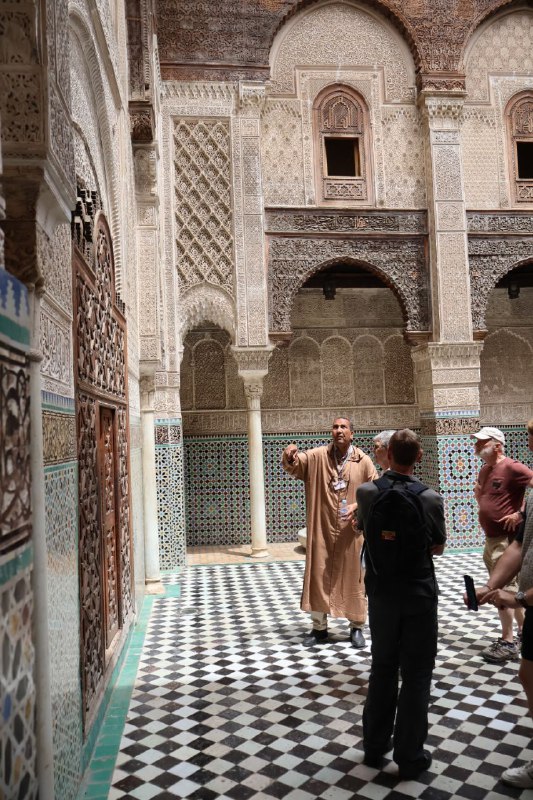
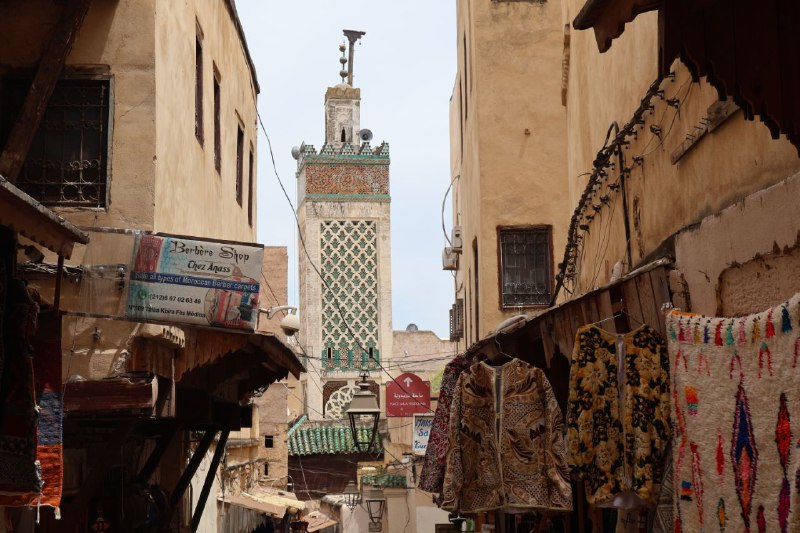
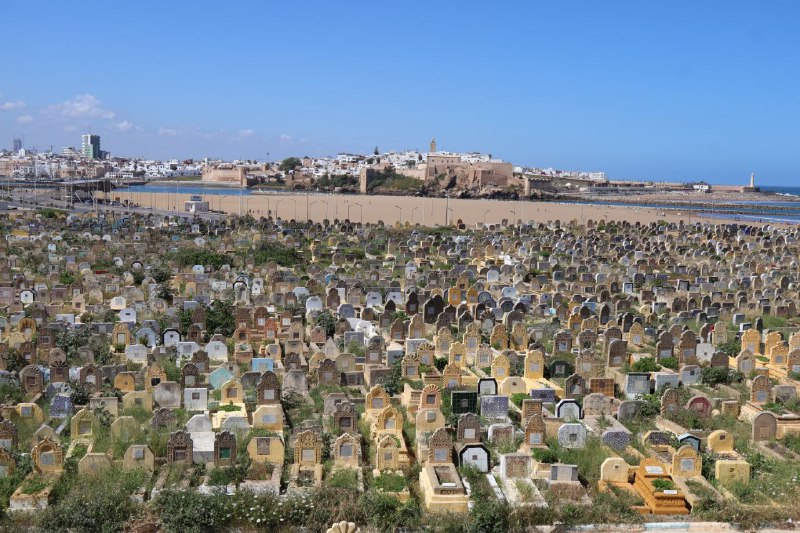
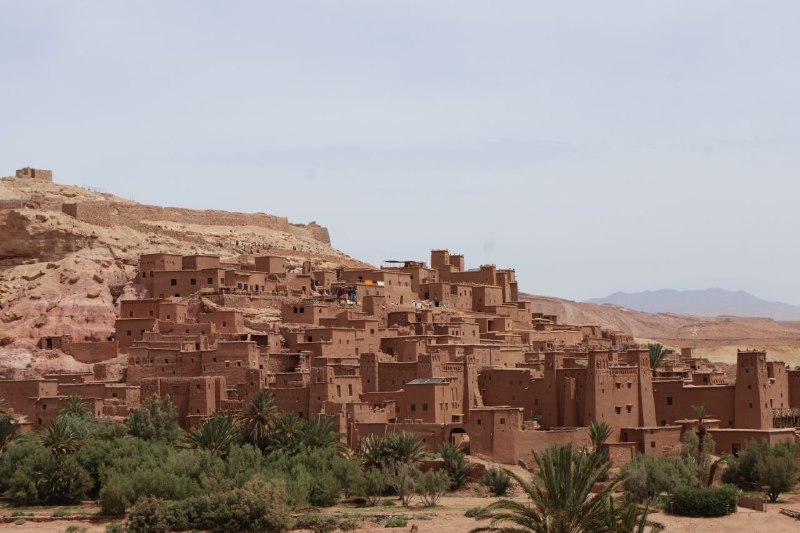
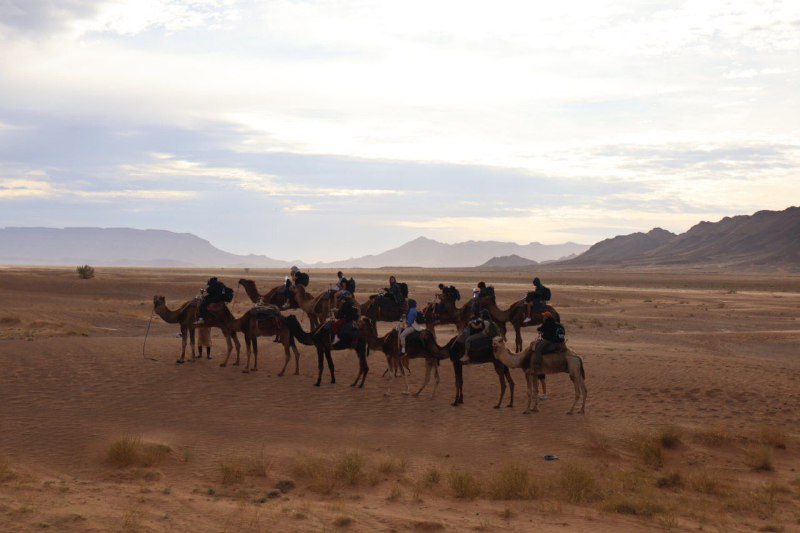
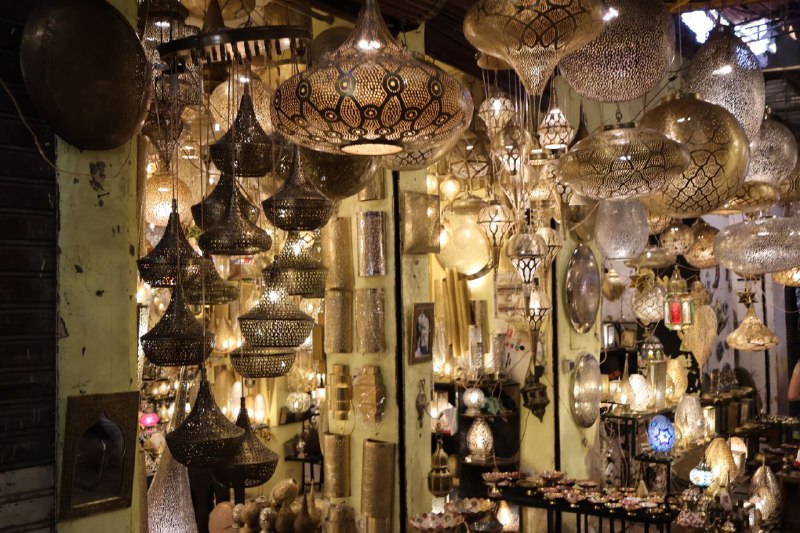
And finally, a few photos. Algeria impressed me much more. In Morocco, many things are geared toward mass tourism, which sometimes makes it hard to see the real charm and character of the country. But I should definitely go back sometime and make it out to that famous train in Western Sahara that pretty much everyone rides. And the Saint-Exupéry museum
I took a little break. Making up for it now. A couple more posts about Morocco to wrap up, then moving on to more current travel updates.

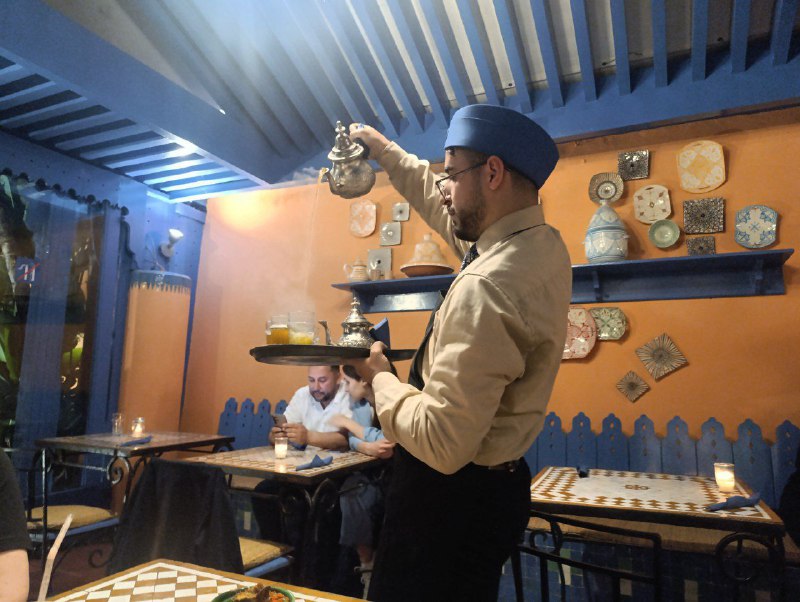
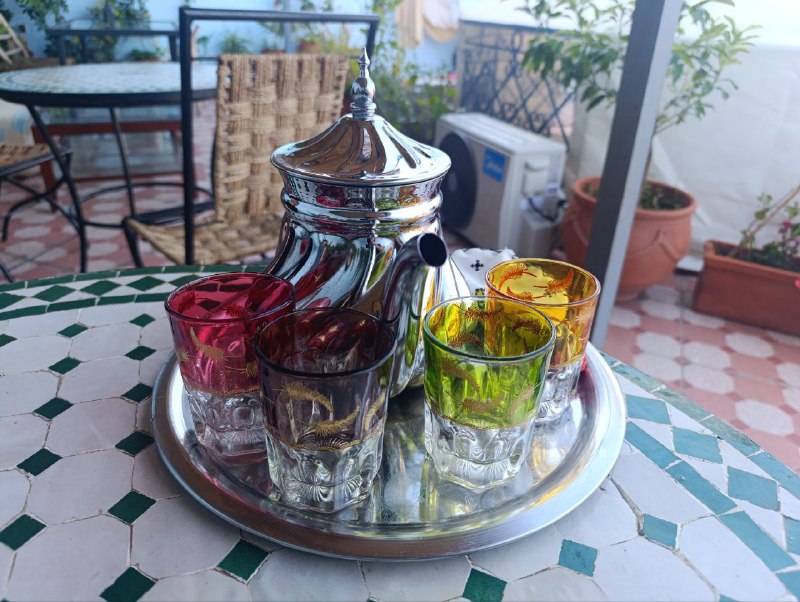
Moroccans seem to drink tea way more than they do in Tunisia, where there was actually a whole epidemic of it. And they pour it from like a meter high. The waiters told me it's how you tell if the tea is good—bad tea won't foam up.

Food prices are pretty European-level: 20-30 euros per person at a decent place. Even when you get away from the main tourist areas. Though Agadir did have some nice prices. Sure, you can grab street food way cheaper, but it's definitely an acquired taste.

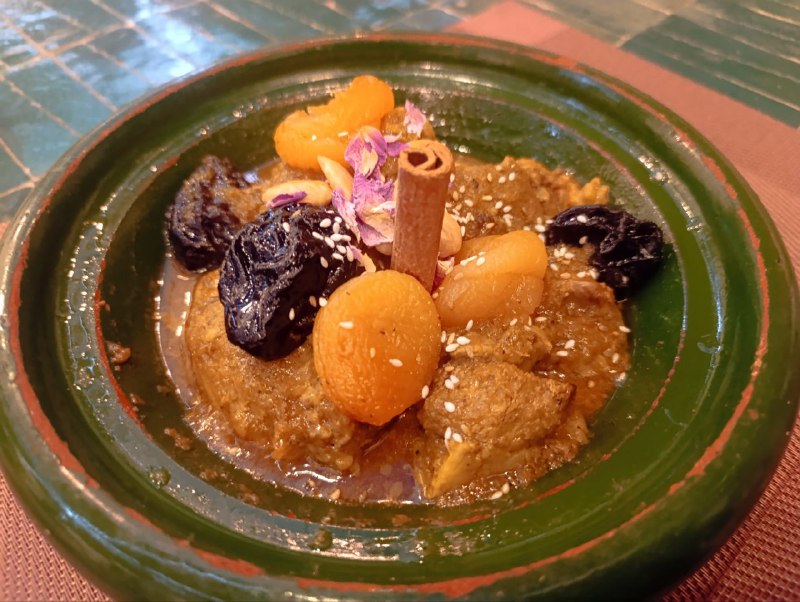
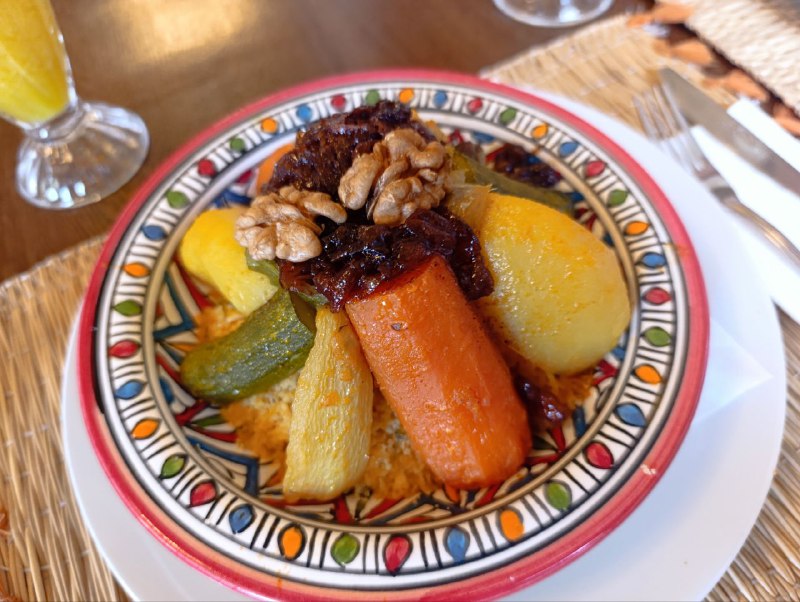
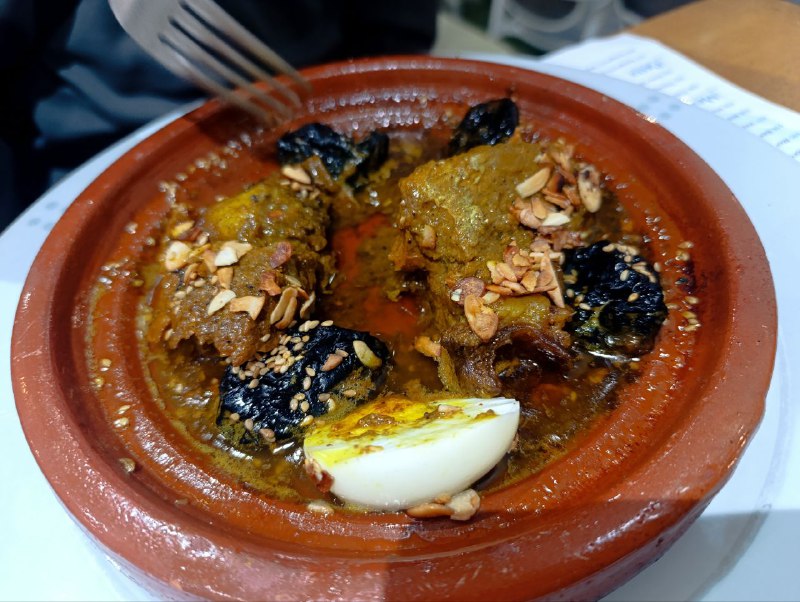
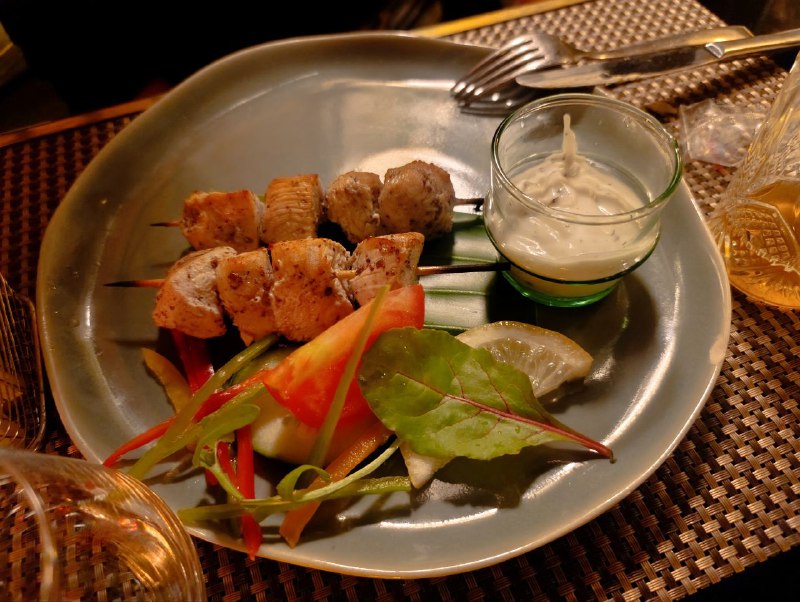
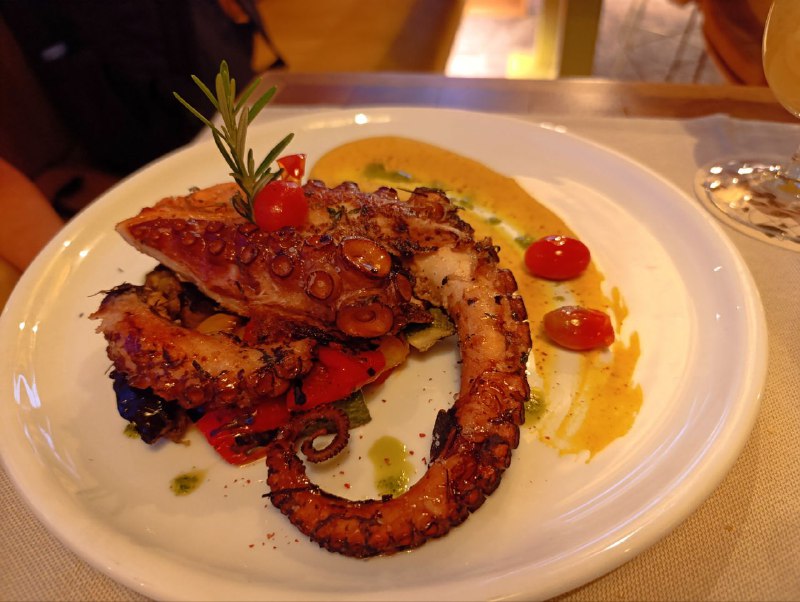
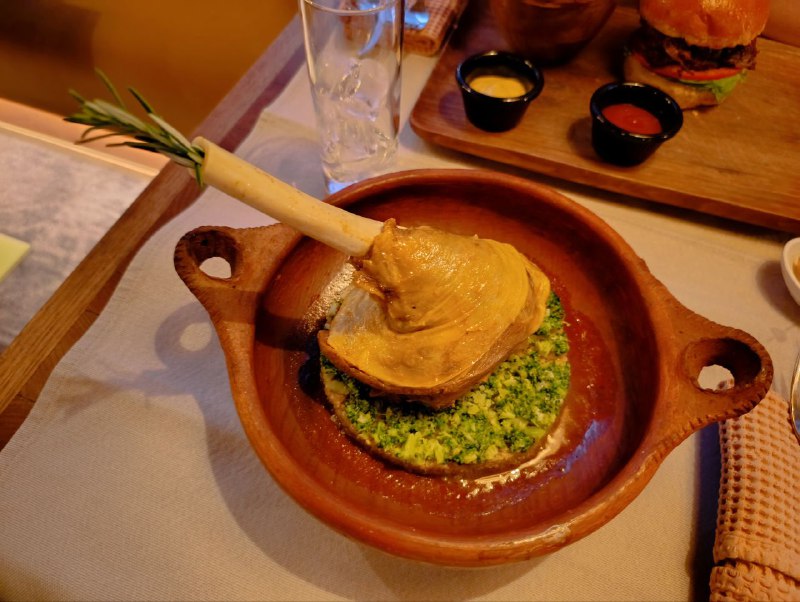
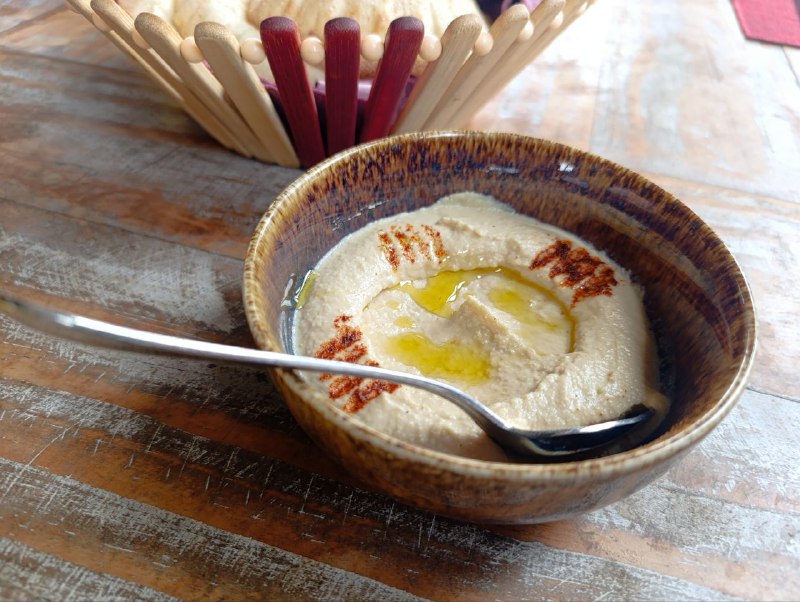
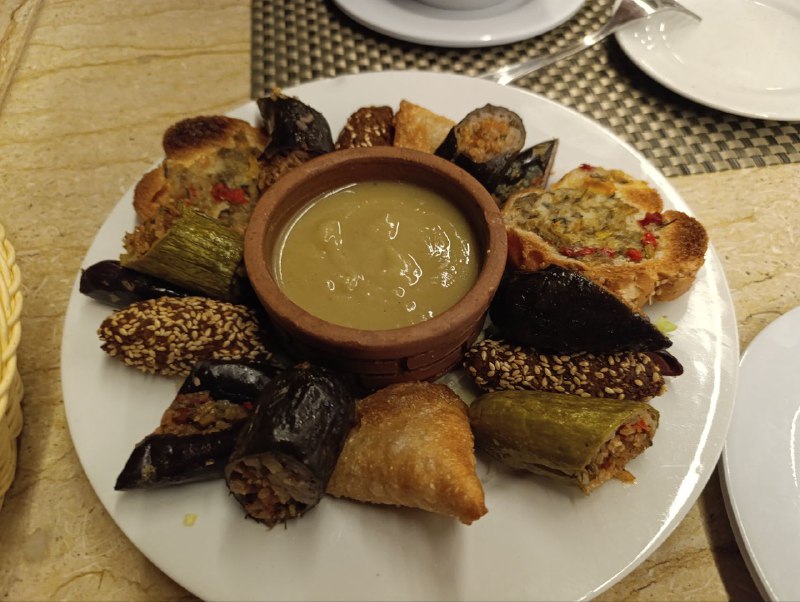
The cuisine seemed kind of repetitive to be honest—tagines everywhere, but they get old quick and you want something different. I survived by hitting up Lebanese spots like this one.

If you ever make it out that way, definitely check out this place or that one or this one. Or here, though you'd better book ahead for that one.
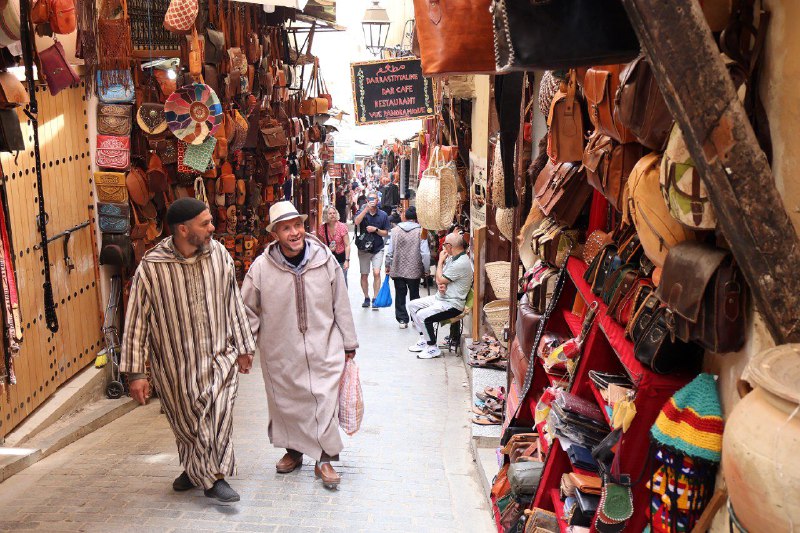
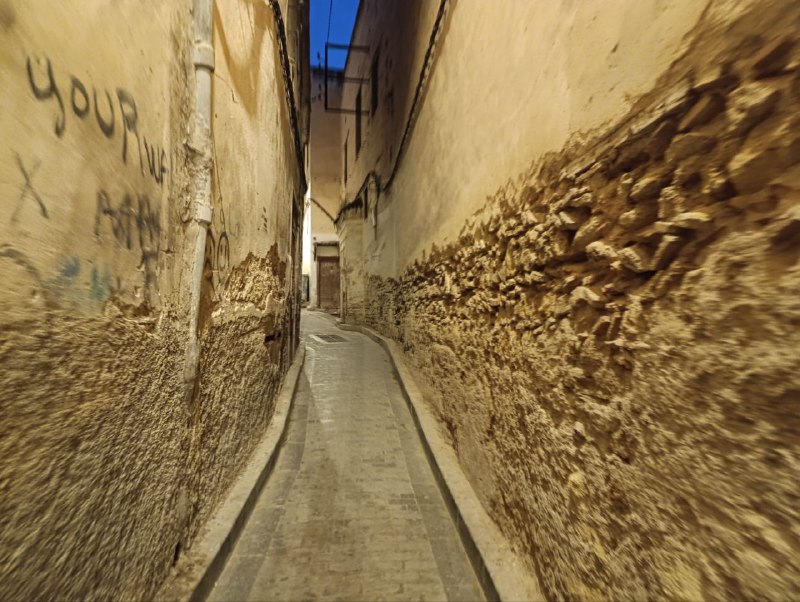
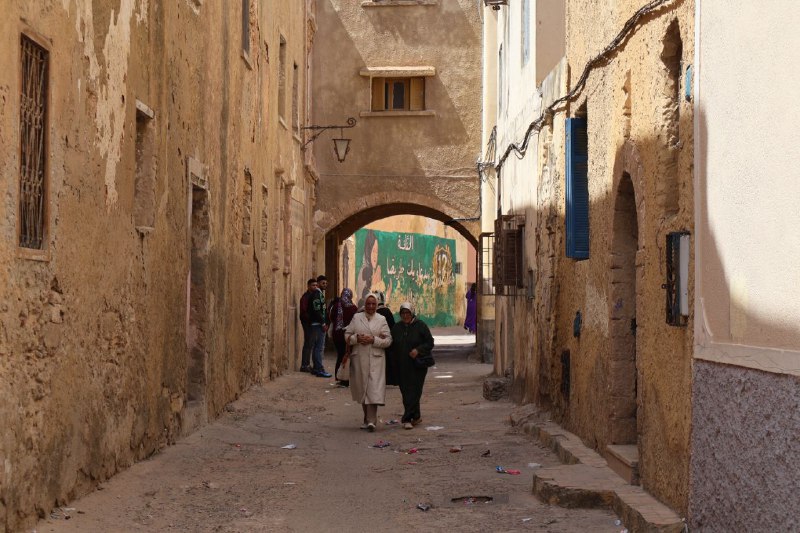
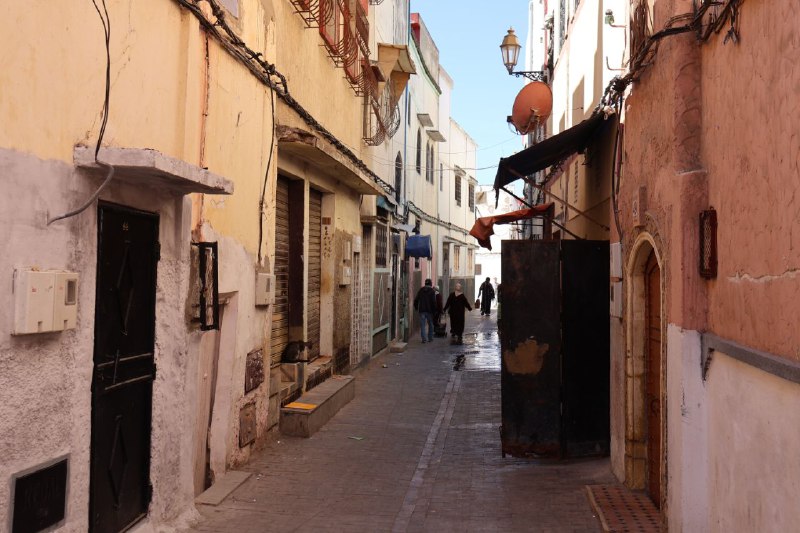
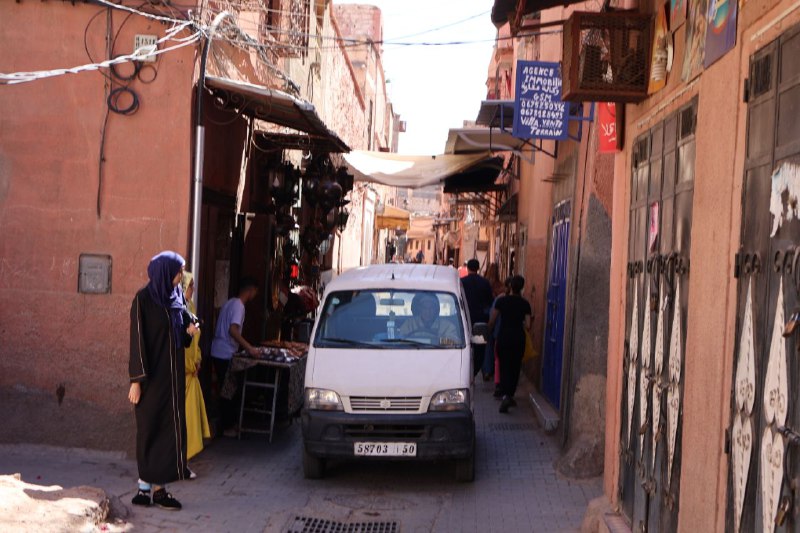
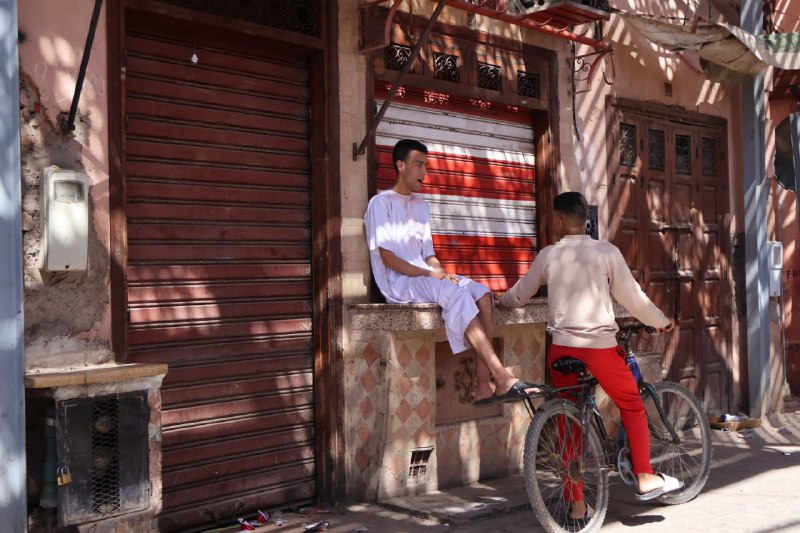
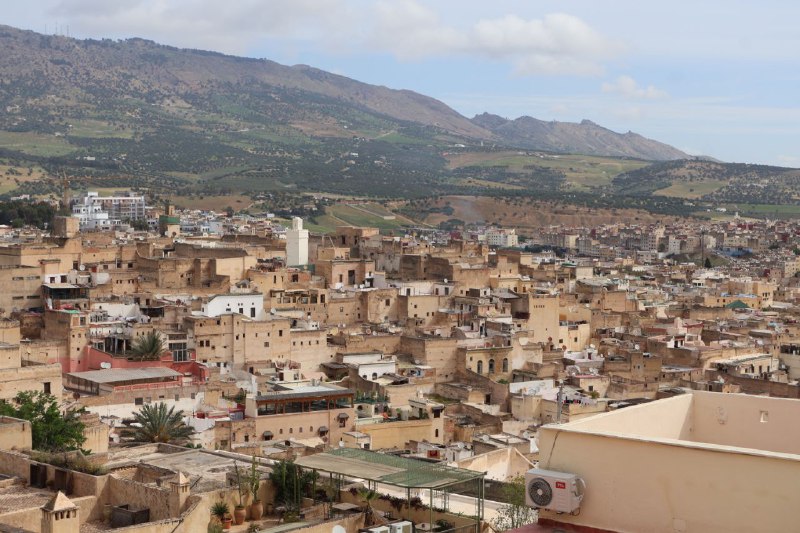
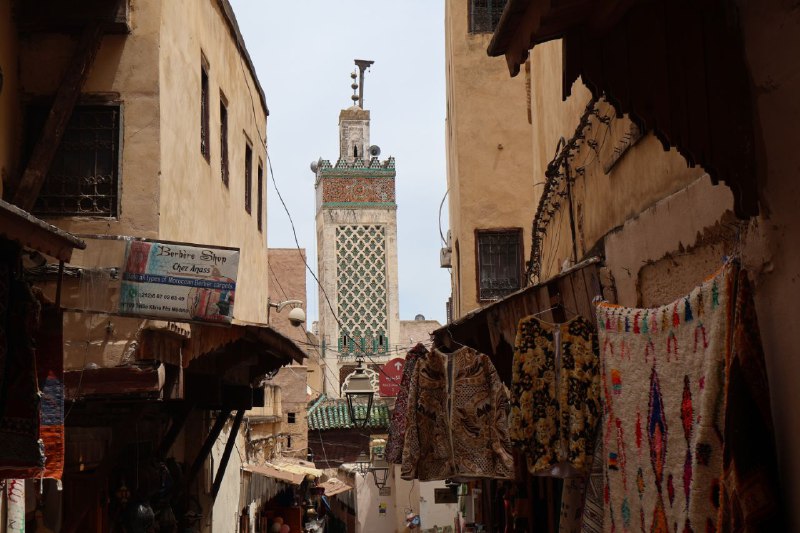
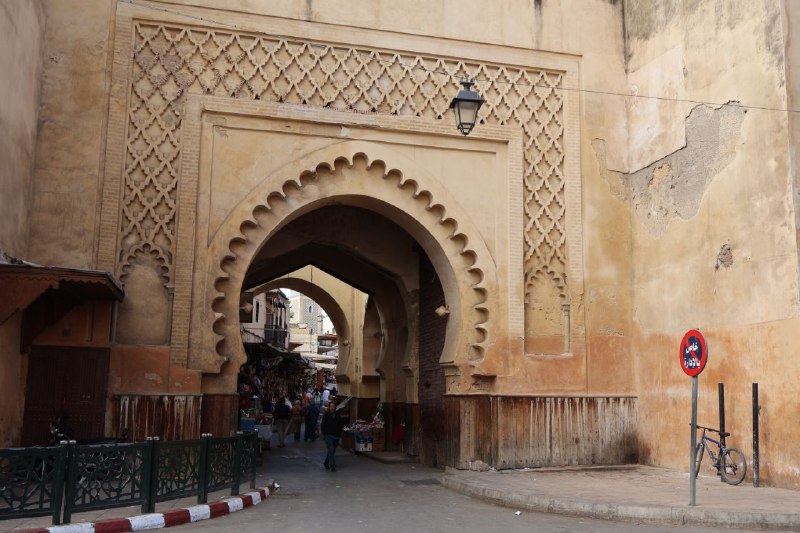
Moroccan medinas are colorful and full of character, but they wear you out pretty quickly. They're the historic part of the city, and honestly, they're pretty much the same from one place to another: everything's surrounded by this massive wall with some fancy gates and some not-so-fancy ones, and inside there's a huge market with these faceless narrow streets. There are some small regional differences though – like in Marrakesh all the buildings have this really vibrant red tone, in Casablanca they're pristine white, and in Fez the old medina is absolutely massive, so much so that not even all the little streets are mapped out. Plus the GPS signal there is pretty spotty.

Fez had the most random people coming up to me – mostly younger guys who were really trying to help me find where I needed to go. I mean, if you know which direction you're heading, you can usually figure it out on your own. But these guys start with stuff like "Hey! You're not going the wrong way, are you? Don't go down that road, it's closed! Let me show you the way." Of course there's nothing closed there. But when you've just arrived and like three people in a row are telling you it's closed, you start second-guessing yourself. Didn't happen in the other cities.

Back in the day, people only lived in the medina. When the French showed up, they really didn't like this setup at all, so they decided to build housing the European way, but outside the Arab walls. And that solved the segregation problem too, in a way – only the colonizers lived in these new houses, while Arabs stayed where they were. Eventually, wealthier Moroccans started moving into the new area and everything got mixed together. I totally get it though. Constantly wandering these cramped alleyways where scooters are zipping around all the time isn't exactly fun.
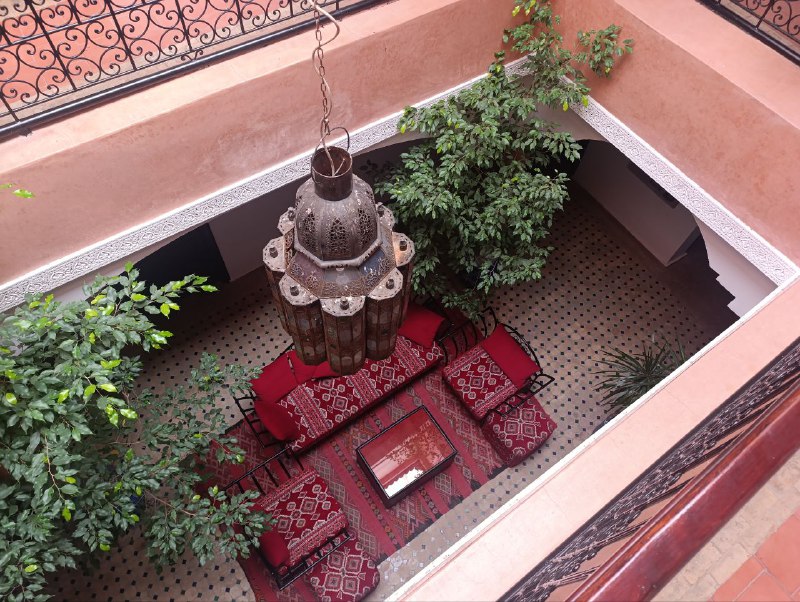
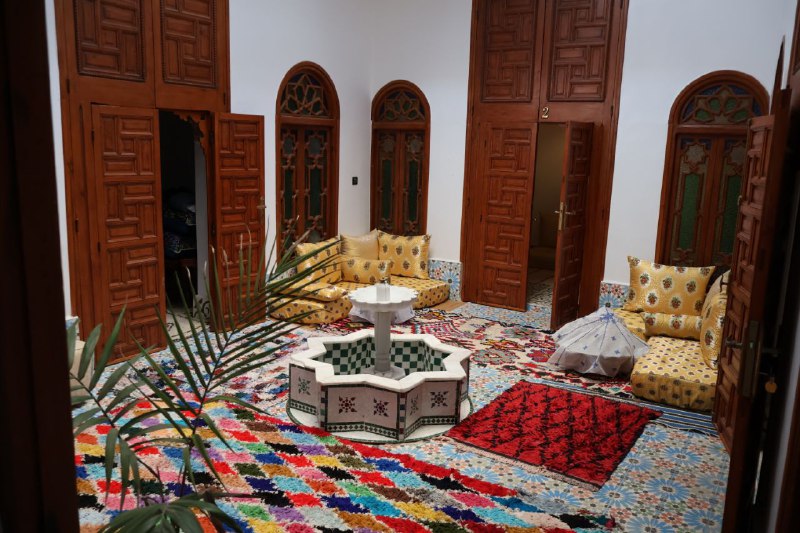
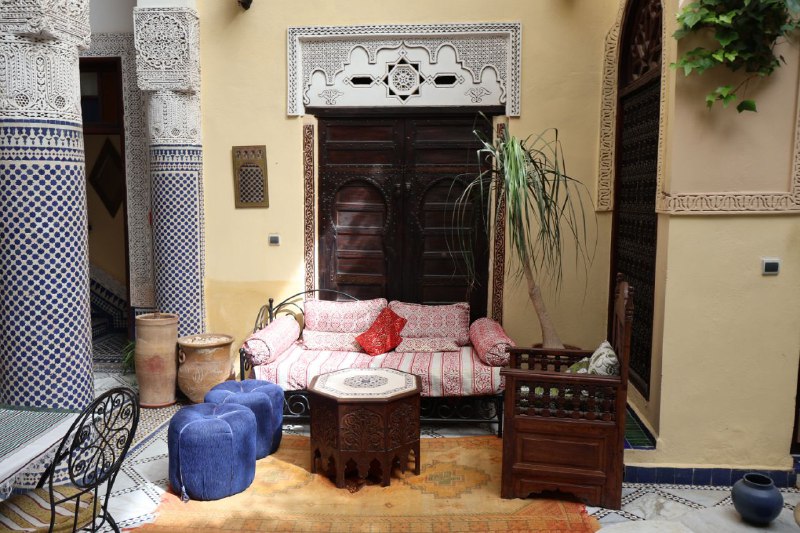
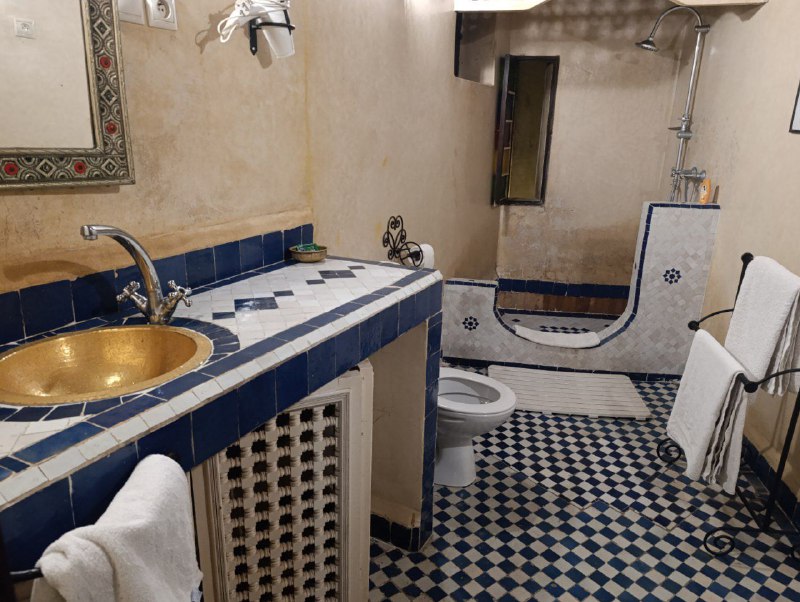
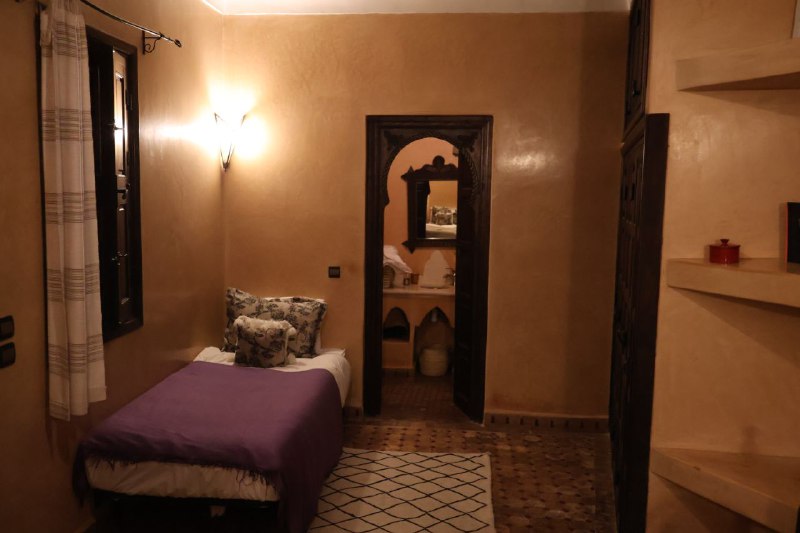
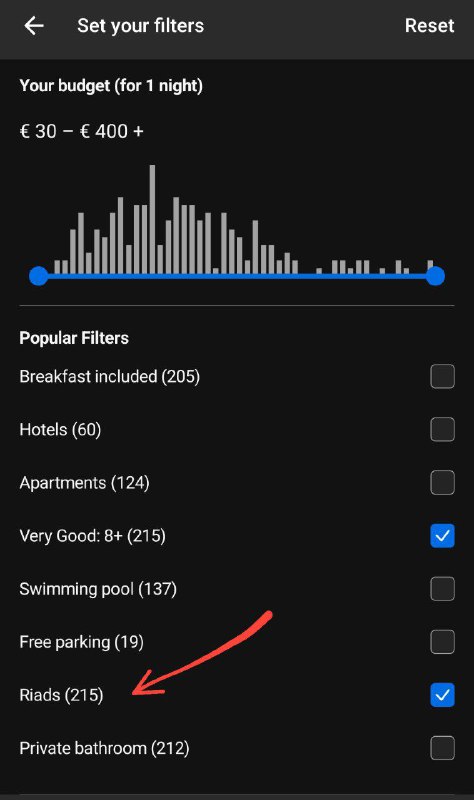
In Moroccan towns, you can stay not just in regular hotels or apartments, but also in riads. The name literally means an inner garden in Arabic. But in recent years, the term has come to mean traditional guesthouses built around such a garden. Booking even has a separate filter specifically for this type of accommodation.

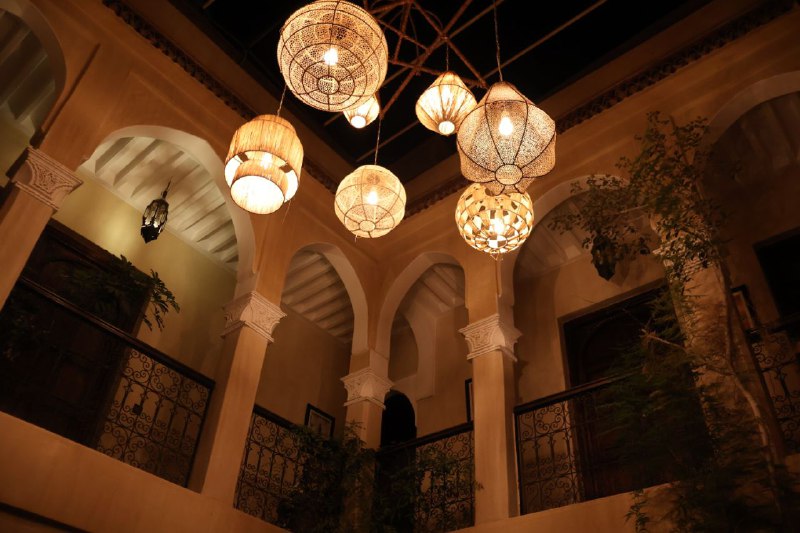
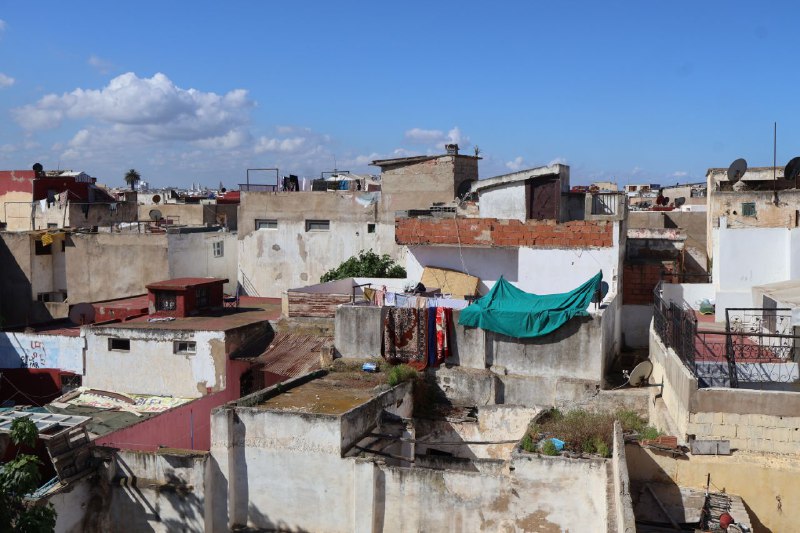
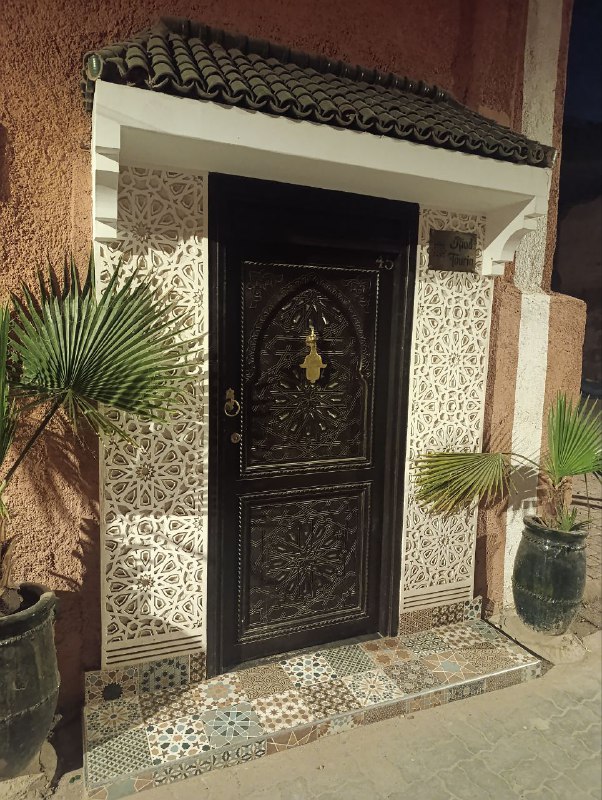
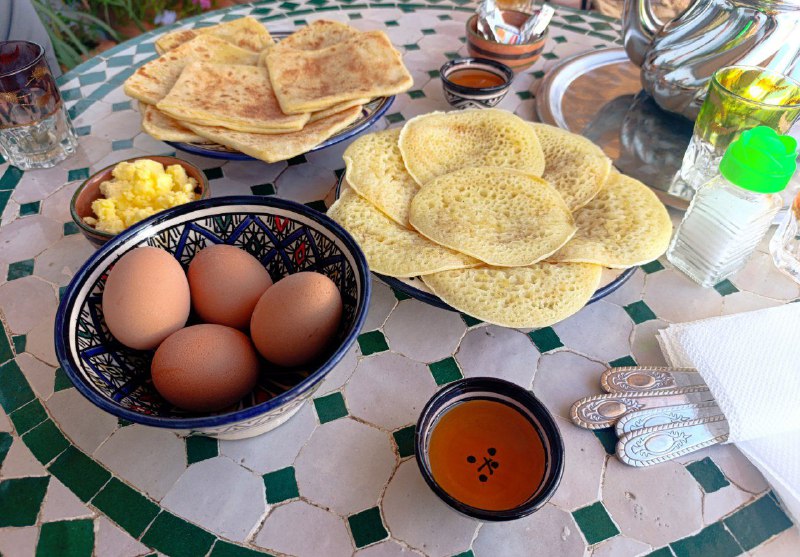
These places are typically located in the old medina part of town. And from the outside, they're completely inconspicuous. Best case scenario, there's a nice door, but not necessarily. Inside, it's like a courtyard—often open to the sky—with plants, and rooms arranged around the perimeter on one or two levels. The garden doubles as a common area with cozy seating, and that's where breakfast is served. Many riads have roof access, though the view usually isn't that impressive.

This privacy stems from religious customs around family life and also from the weather. Many cities are essentially located in the desert, where wind and sand aren't exactly pleasant. The enclosed layout solves both problems.

Tourism and Europeans have breathed new life into this style of accommodation. Many houses have been restored for tourists, but not always by Moroccans. Europeans spotted an investment opportunity, and they often turn out to be much better at attracting their fellow countrymen.

But these gardens aren't just for sleeping—you can also dine there. For example, check out the photos and description of the little restaurant Dar Dada in Casablanca. Looks lovely, right!
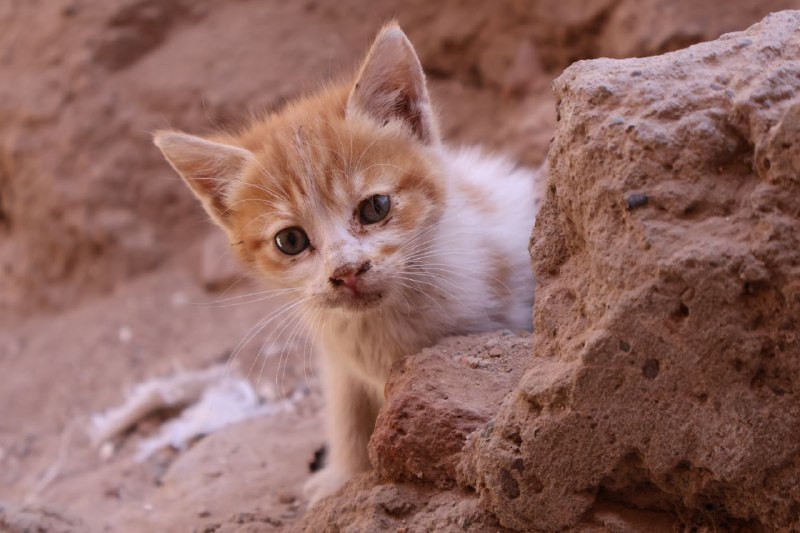
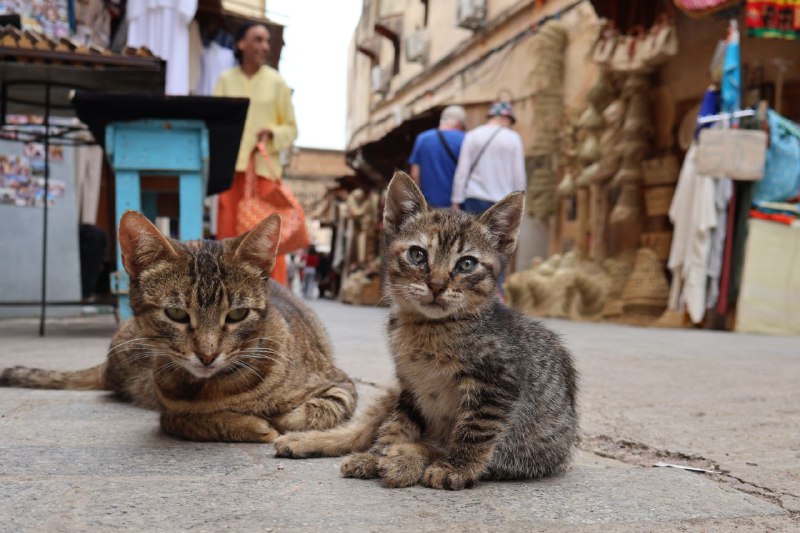
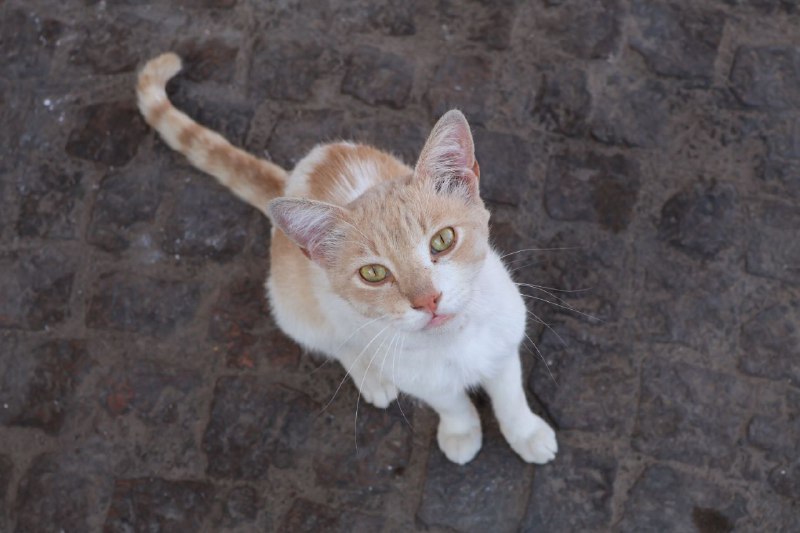
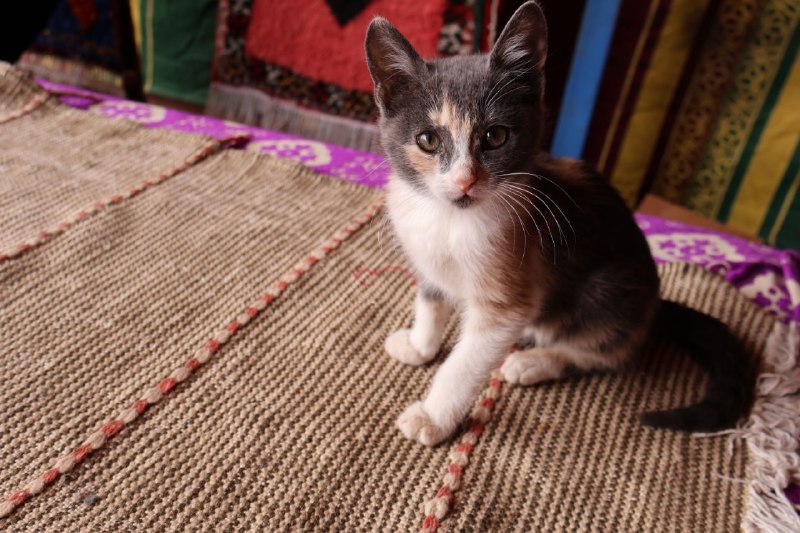
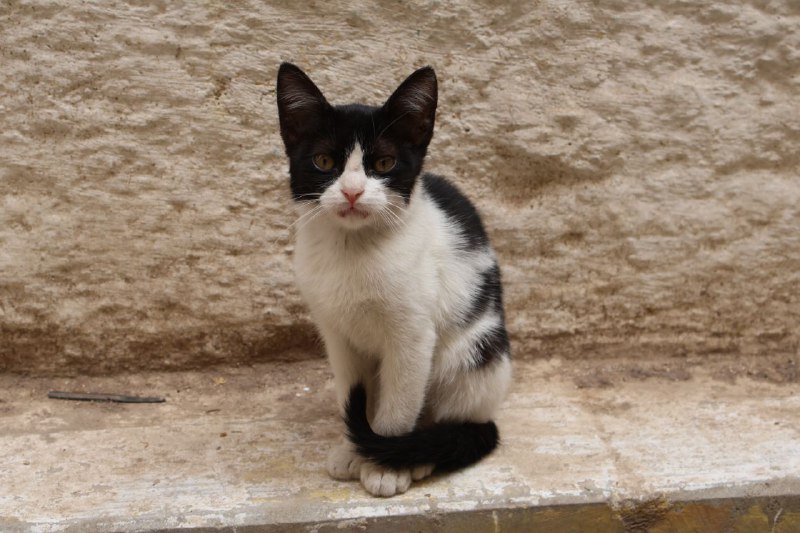
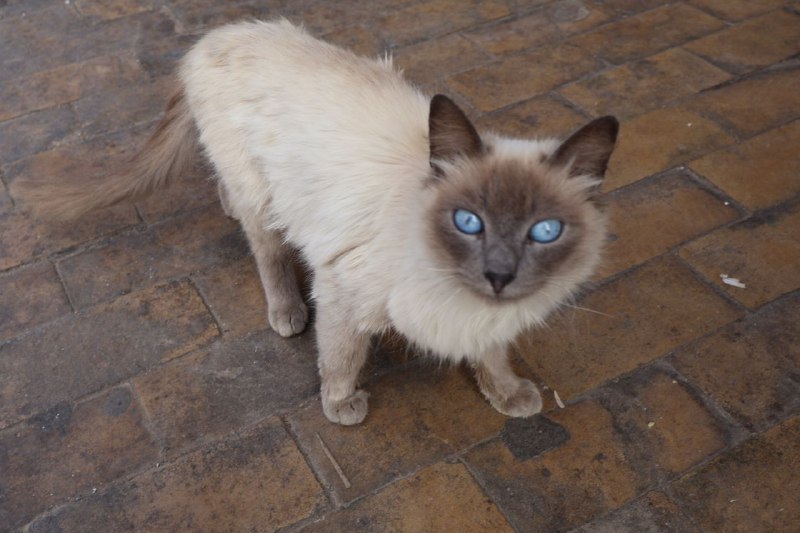
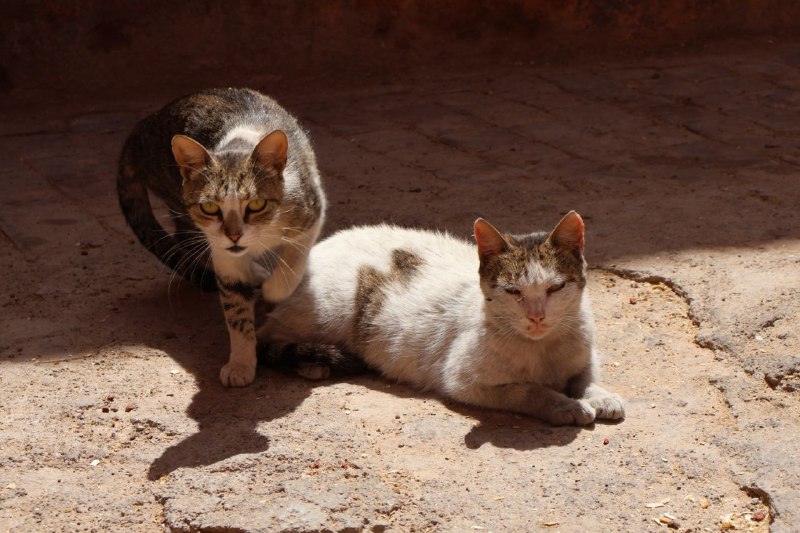
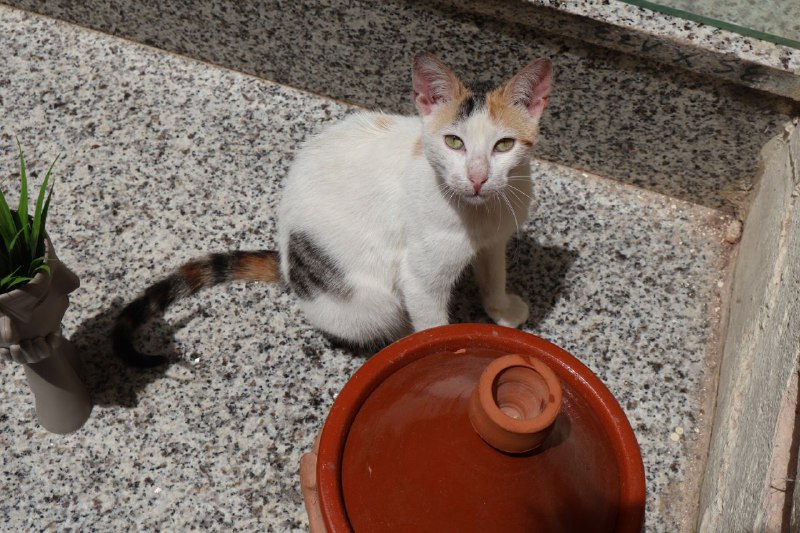
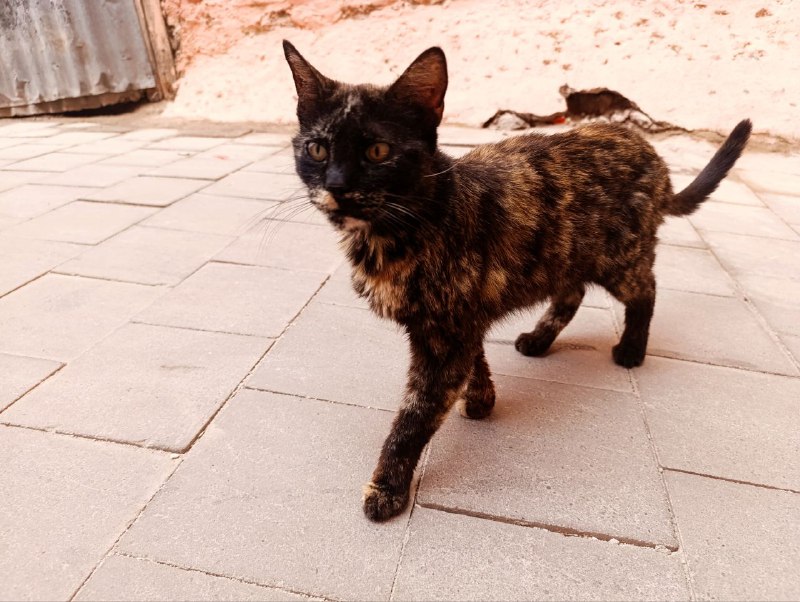
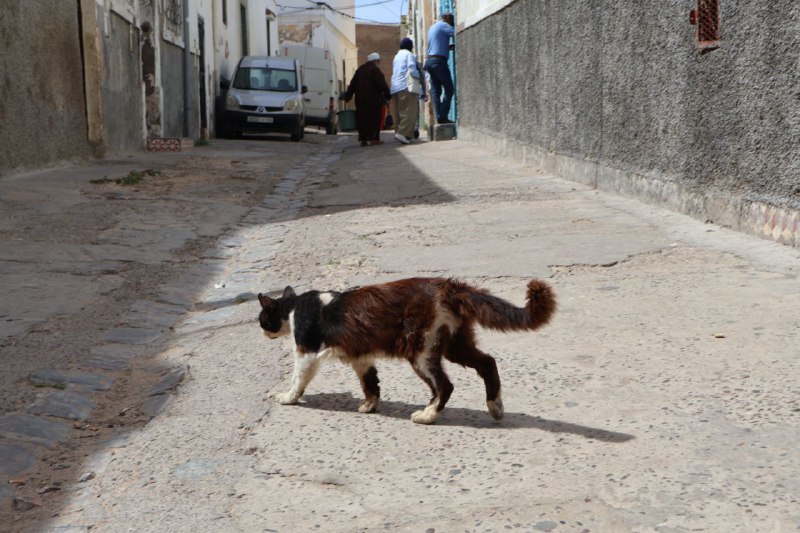
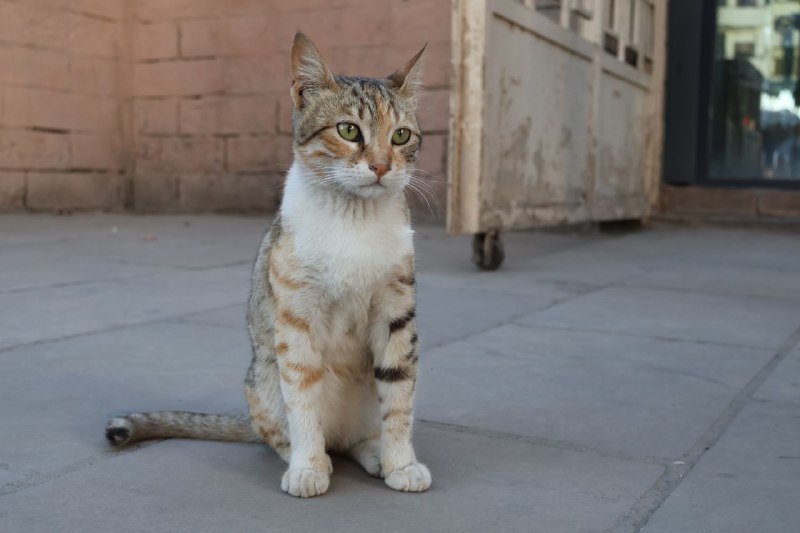
I arrived in Morocco and they've got an endless number of cats here. A worthy competitor to Turkey, though the locals aren't quite as warm to the street cats as they are in Istanbul.

For some reason, Marrakech especially has tons of tiny kittens, no more than a couple weeks old. They're constantly zooming around on mopeds through the narrow alleys of the old medinas, and the kittens keep trying to dart under the wheels. Thankfully, I didn't witness any incidents or accidents.
Песня "Ђурђевдан je" из поста про Ртань заслуживает отдельного рассказа. Кандидат #1 на общебалканский гимн, всенепременный трек на свадьбах и прочих торжествах. У местных с этим произведением просто религиозный опыт: все знают, все любят, все поют. Посмотрите на зал во время живого выступления.

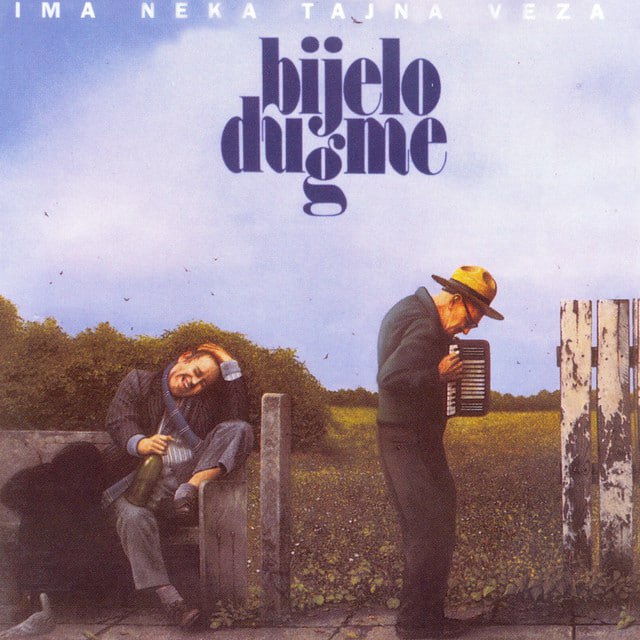
К тому же на Балканах 6 мая отмечают Ђурђевдан (день Святого Георгия). Гораздо в большей степени празднуют рома, а святой считается их покровителем. Эдерлези — народный мотив в его честь — лег в основу песни югославской группы Биjело Дугме.

По легенде начало текста песни появилось во время второй мировой в поезде смерти из Сараево в концлагерь Ясеновац. Сараевский профессор истории Жарко Видович, выживший заключенный, рассказывал как один из пассажиров поезда в духоте, без еды и воды от безысходности впервые пропел:
Proljeće na moje rame slijeće,
đurđevak zeleni,
svima osim meni
Đurđevdan je!

Что переводится примерно как
Весна опустилась мне на плечи,
Зеленеет ландыш,
Наступил Юрьев день,
Для всех кроме меня!

После войны стих долго гулял из уст в уста по боснийской столице, пока в конце 1980х не оказался началом главного югославского хита.

Впрочем, сегодня не считается, что песня про концлагерь. Да и не похоже, что авторы закладывали такой смысл. Например, после релиза трека сербское телевидение выделило бюджет на съемки клипа, где главной темой хотели сделать первую мировую, а группу одеть в сербскую военную форму того времени. Солист Алия Исламович категорически отказался от такой затеи: по его мнению это было бы провоенным жестом. Договорились сниматься в народной одежде, но результат не захотели транслировать уже на самом телевидении.

Группа распалась перед балканскими войнами 1990х, но в 2005 они объединились снова ради балканского тура. Тот концерт в Белграде до сих пор (!) второй в мире по количеству проданных билетов (220 тысяч!). А до 2017 года держался первым. Ролик с выступления в начале поста ровно из этого тура, но в Загребе.

На песню появилась куча каверов (порой не без участия музыканта Биjело Дугме — Горана Бреговича): сам Эдерлези (для фильма Кустурицы), греческий ΑΗ ΓΙΩΡΓΗ, болгарский ГЕРГЬОВДЕН, турецкий Hıdrellez, и даже польский Nie ma, nie ma ciebie. Эту же мелодию можно услышать в суровых русских Симпсонах.
(translation pending)
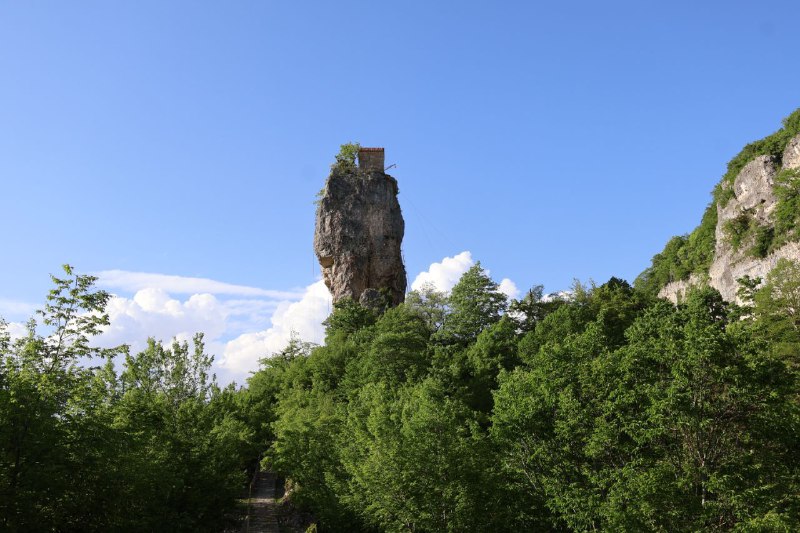
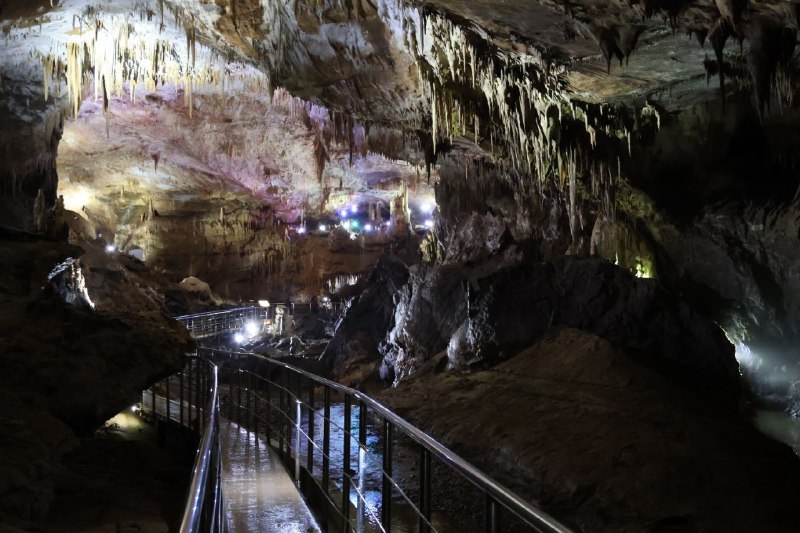
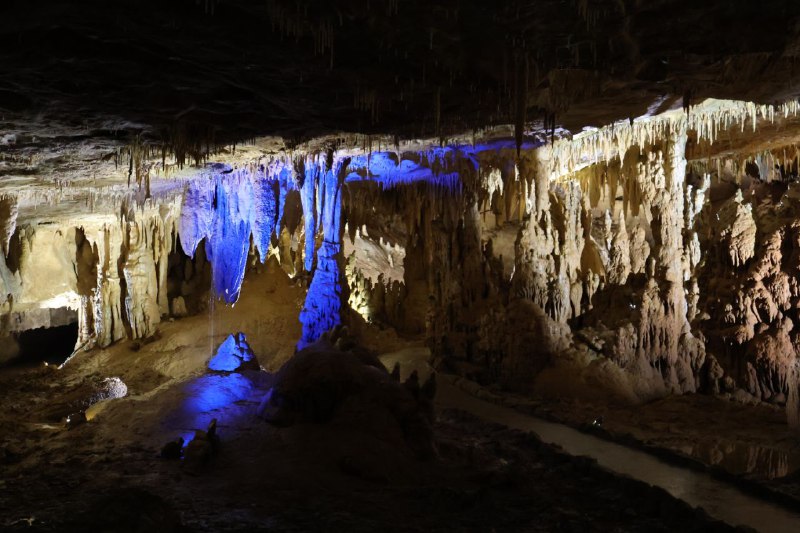
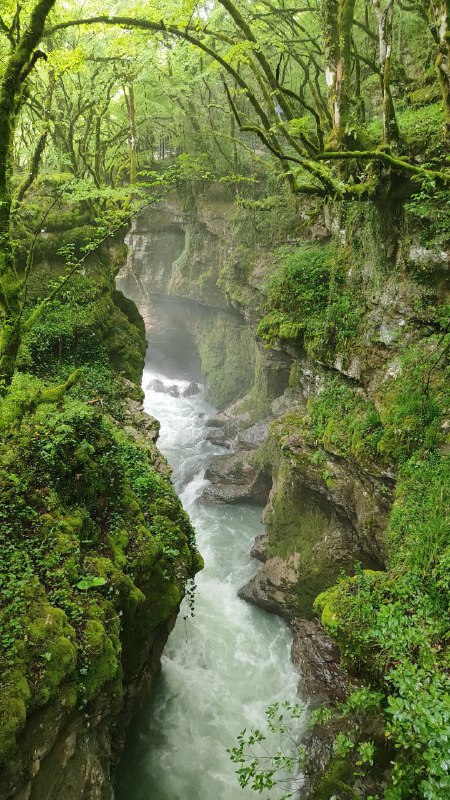
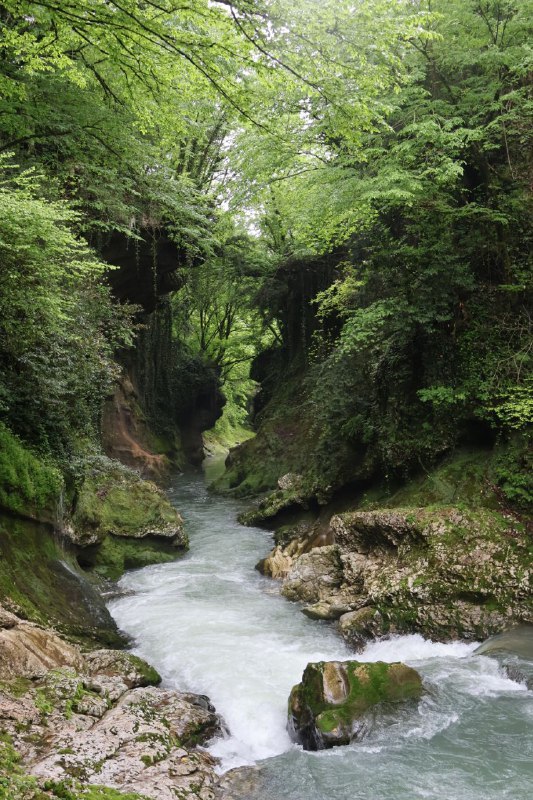
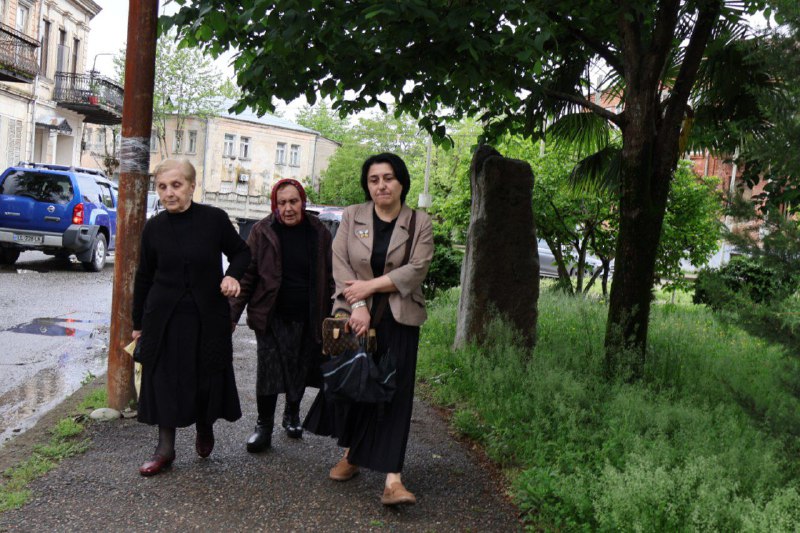
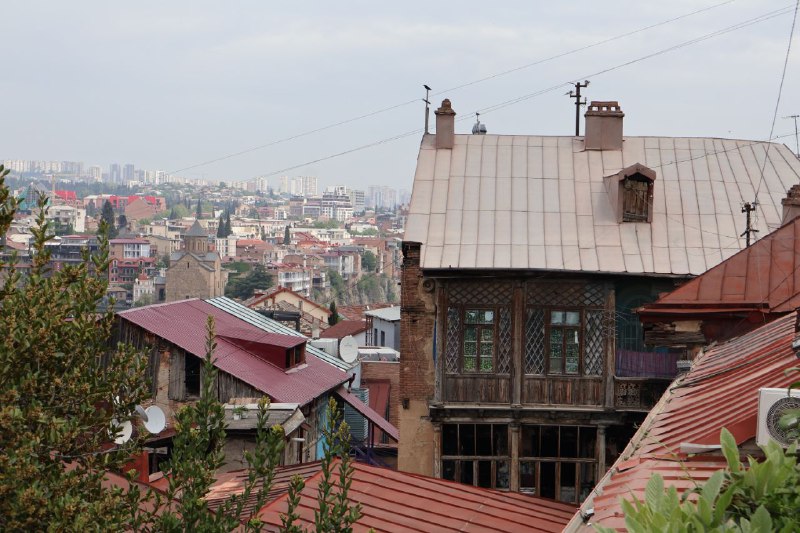
And finally, a few Georgian photos. Local Meteora The Katskhis Pillar turned out to be another example of how local pagan beliefs (it was a symbol of the god of fertility) were converted into Christian shrines.
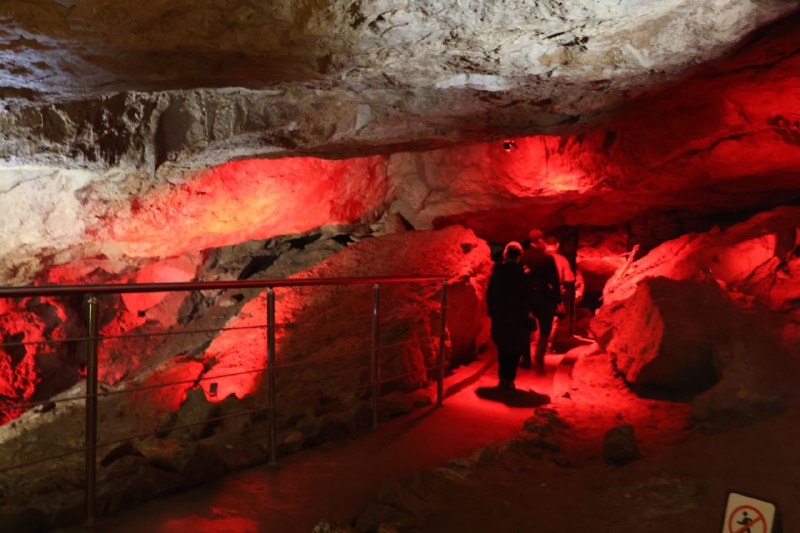
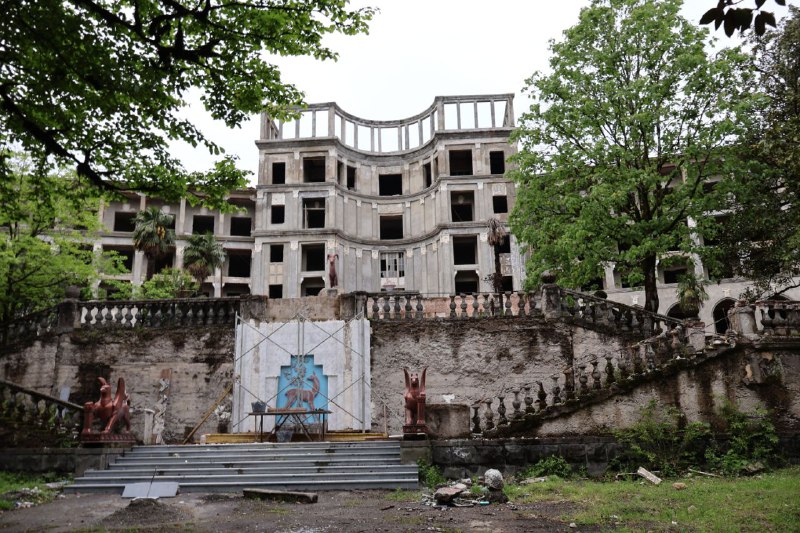
Kutaisi and all sorts of caves around it and other abandoned Soviet sanatoriums nearby are wonderful. Highly recommend.
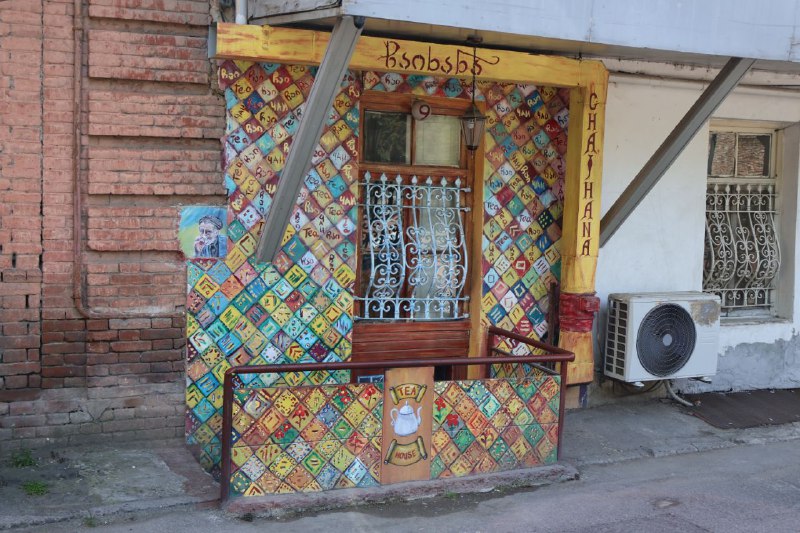
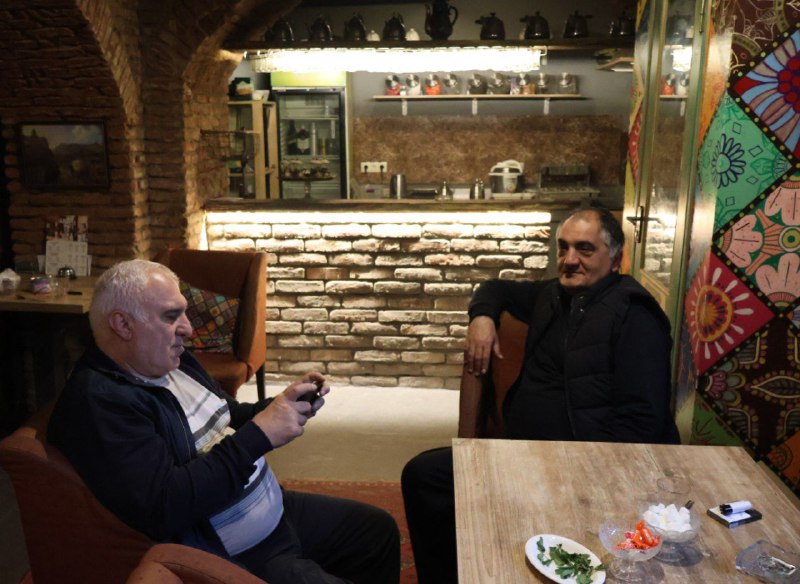
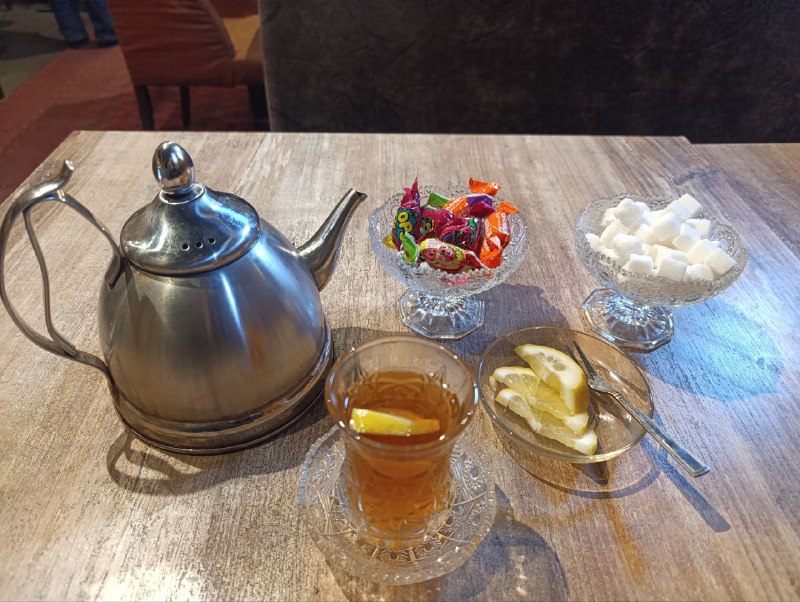
In the heart of old Tbilisi, there's a modest little tea house. And honestly, it's probably the best way to soak up the atmosphere of bygone times. The locals still gather here over tea—mostly older guys. It was fun to chat for a bit, and I picked up some fresh gossip from the conspiracy theory world and other important stuff. But it feels like this part of the city is slowly disappearing. Apart from the regulars, there were barely any visitors. But the tea is really good.

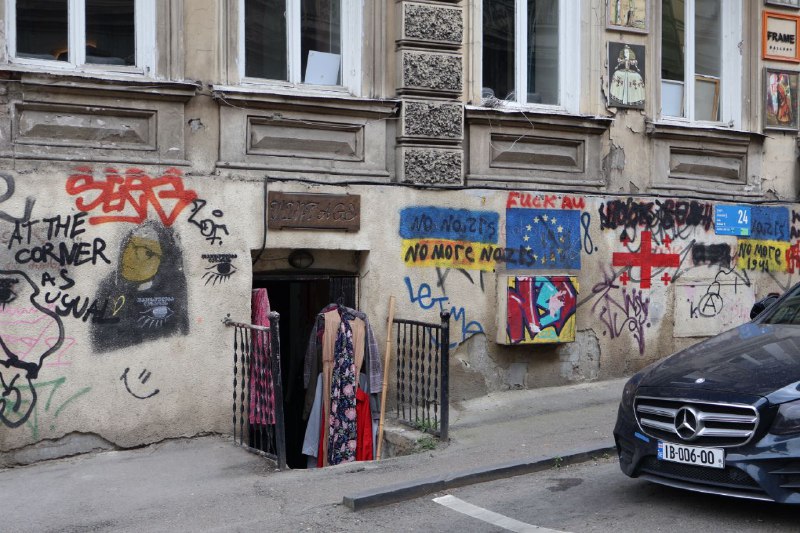
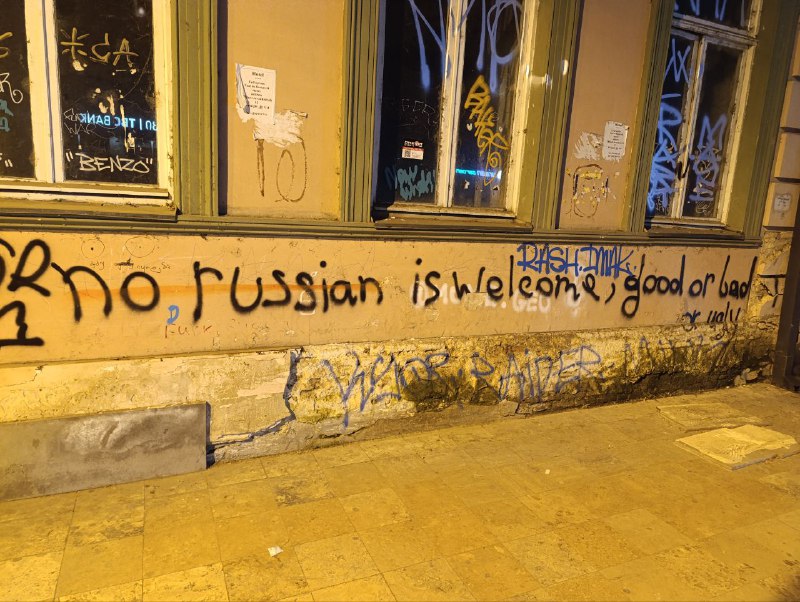
I'll also share a couple of photos of the city. There's a lot of graffiti on the streets, but after Belgrade, you get used to it.
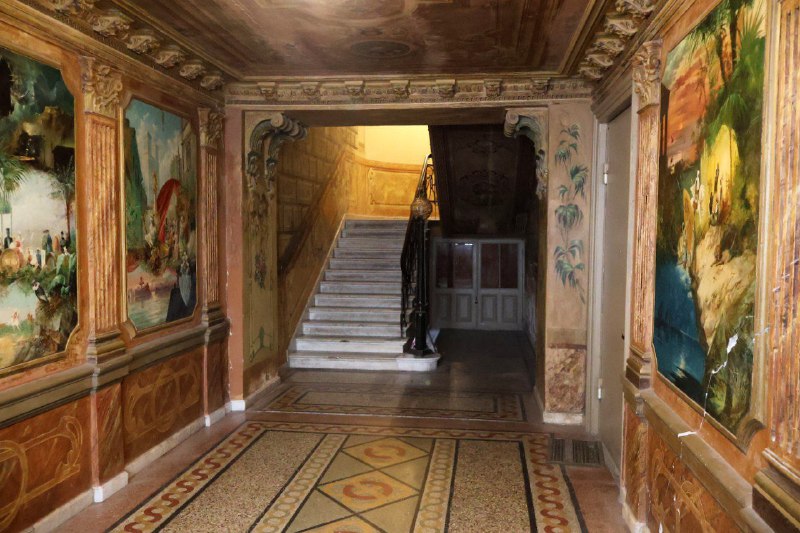
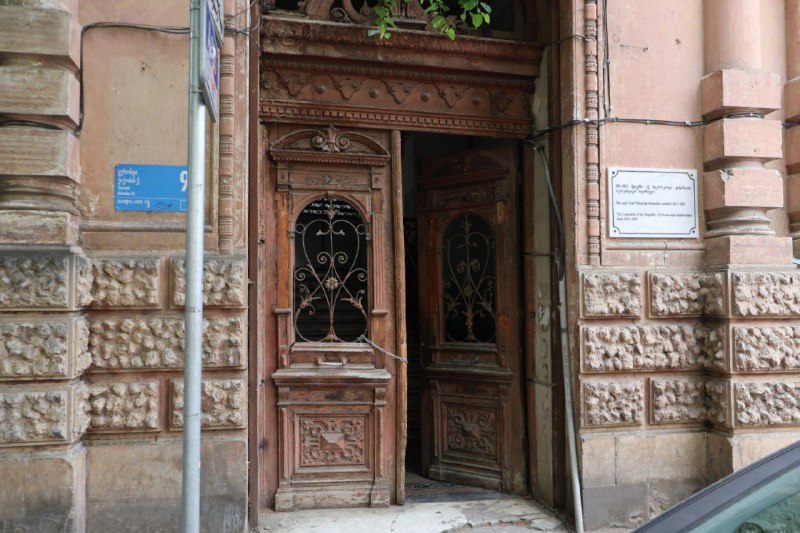
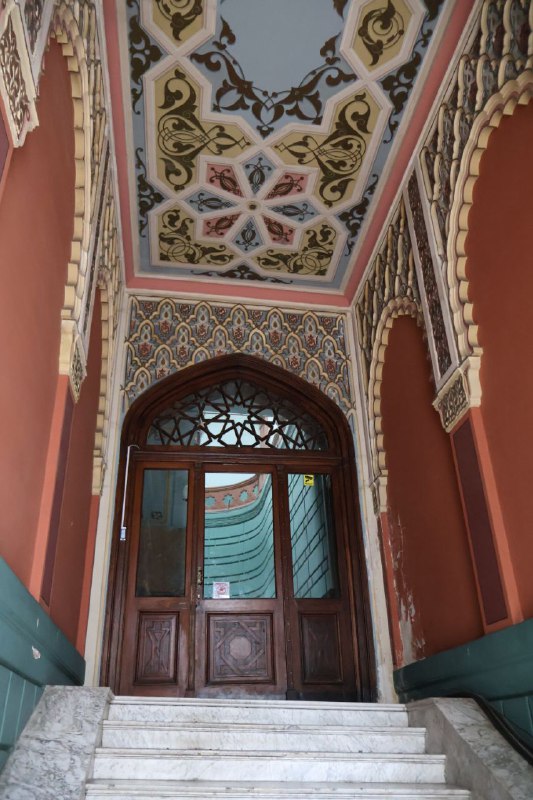
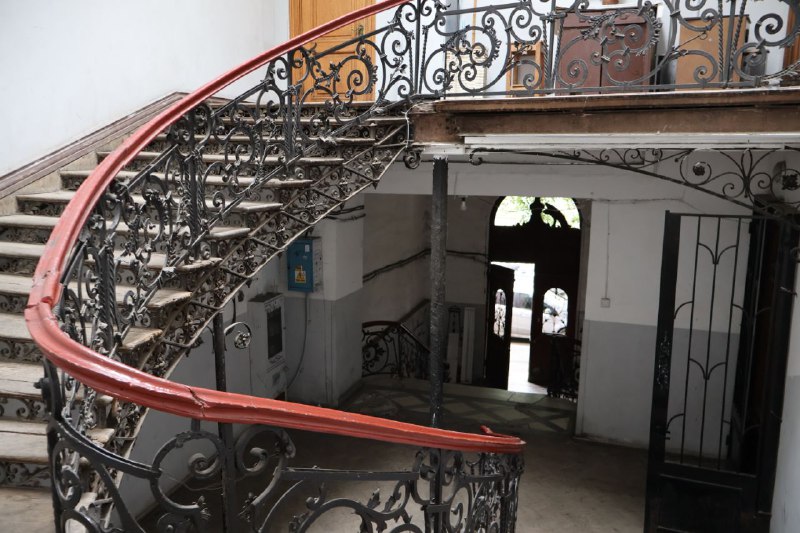
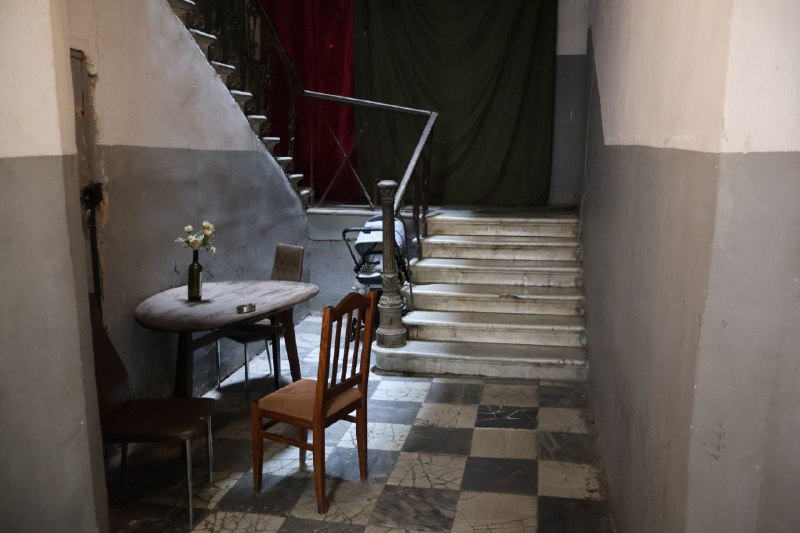
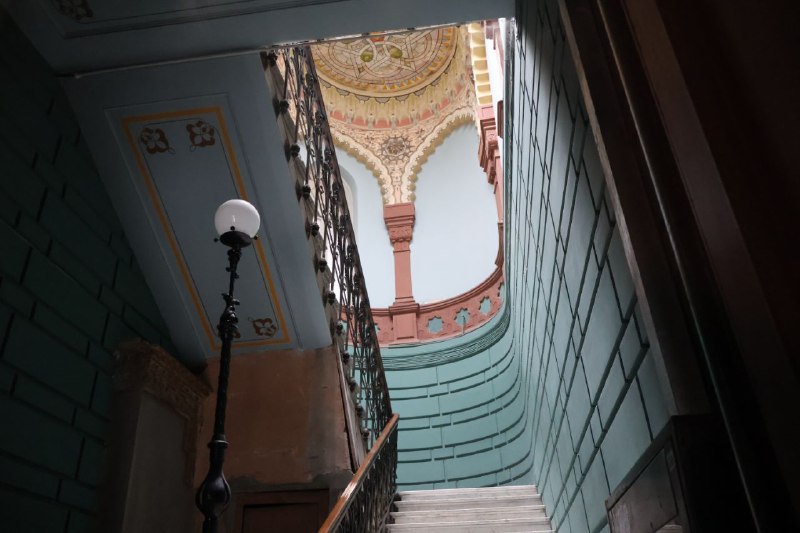
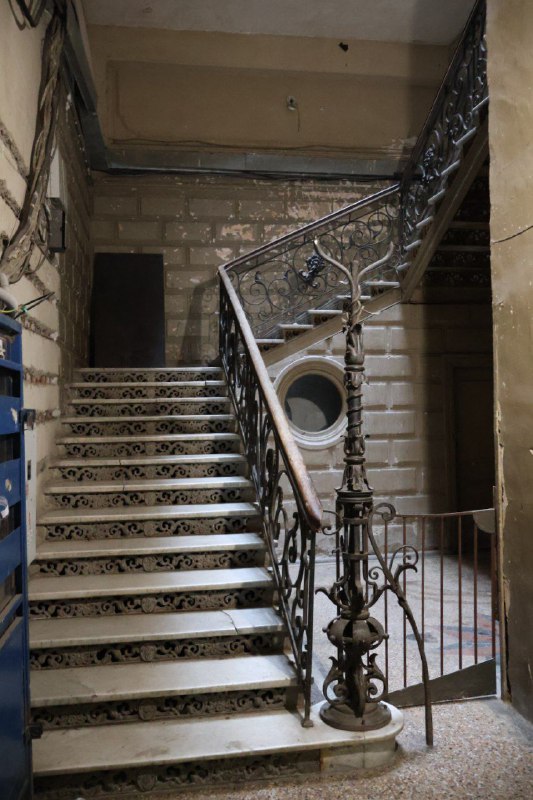
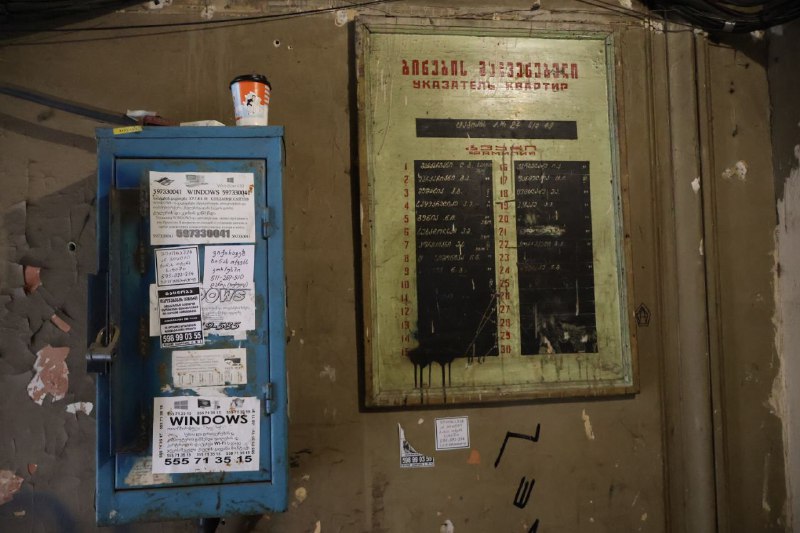
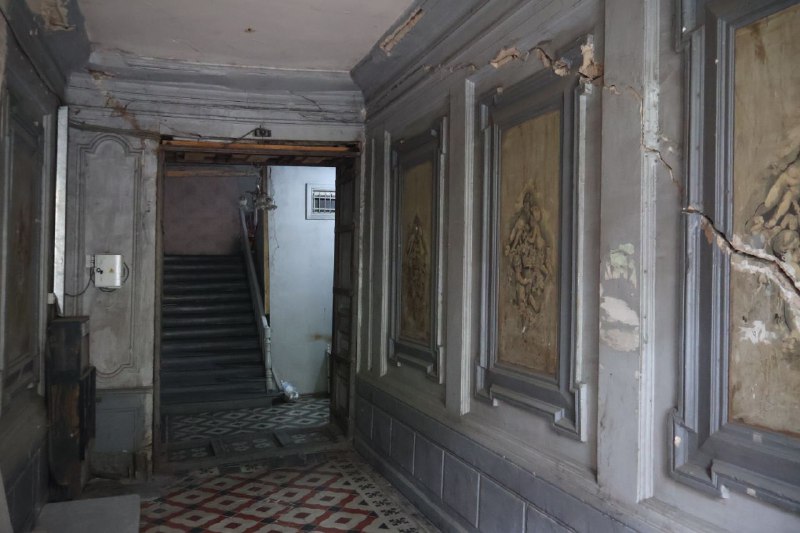
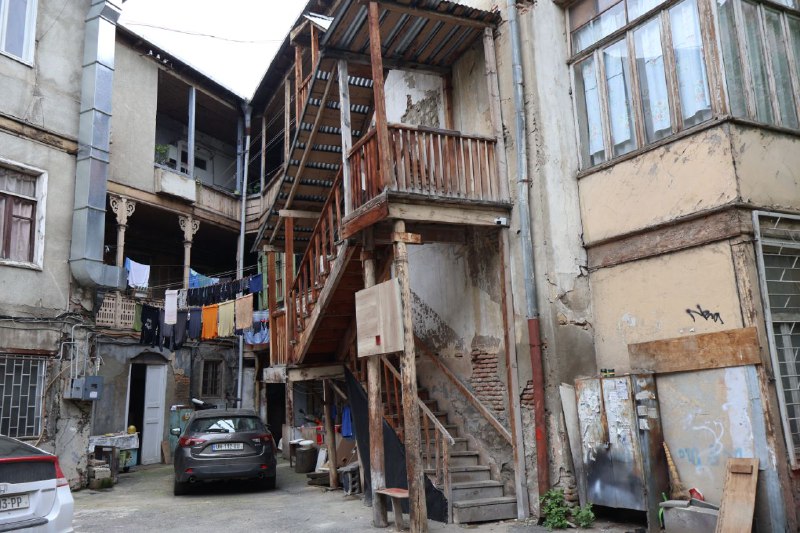
One of Tbilisi's most overlooked attractions is its entranceways. After checking out a few of them, I finally understood why people literally hunt for these locations.

It's actually pretty thrilling and fun. Some building entrances are open to anyone, while others are locked up, so you either have to ask the locals (who usually don't mind) or figure something else out. I found some random list online and went through it. There was only one place I couldn't get into: the building had been declared unsafe and they stopped letting anyone in. Sometimes it felt like I'd wandered into a museum. Especially this one.
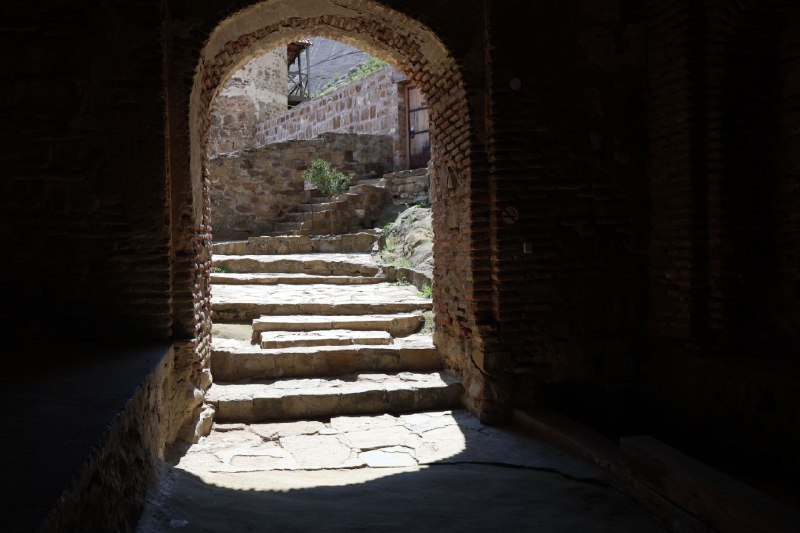
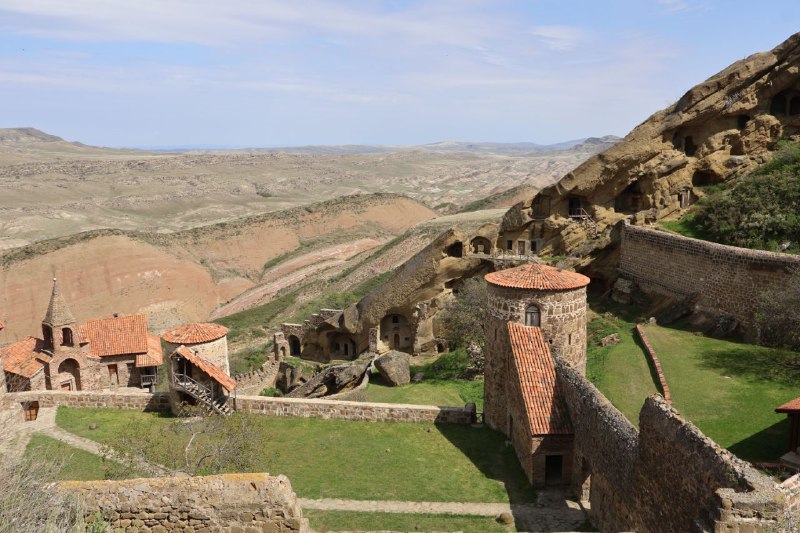
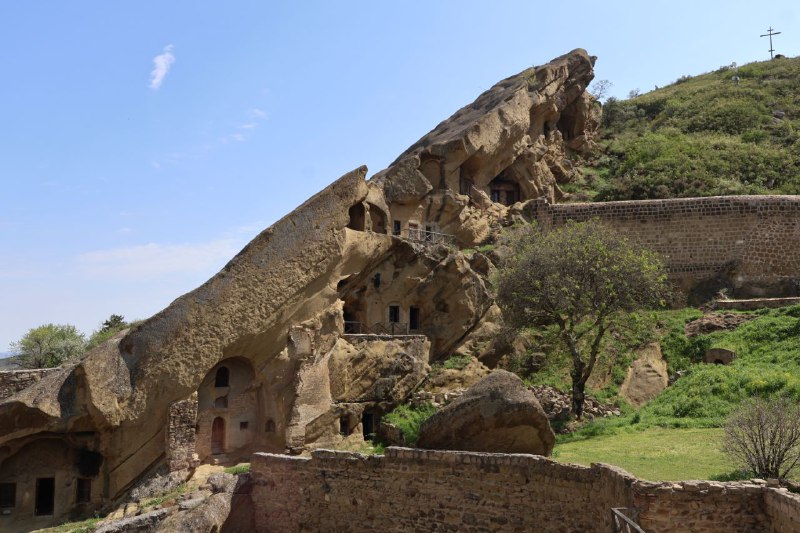
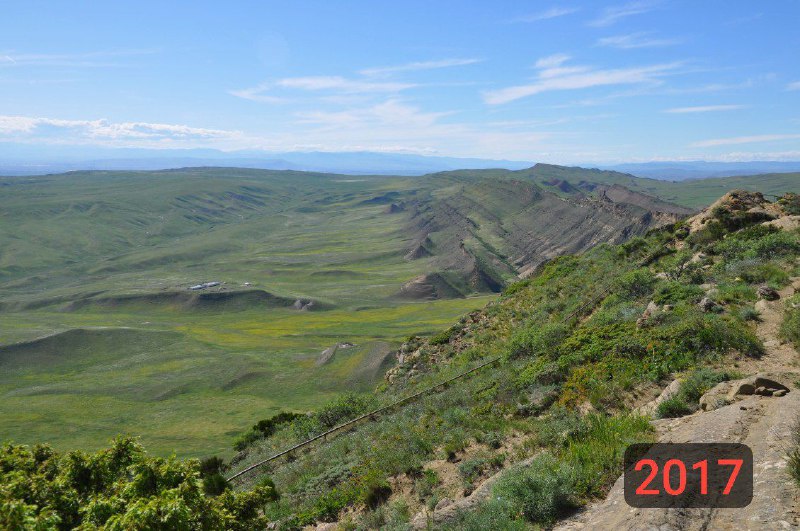
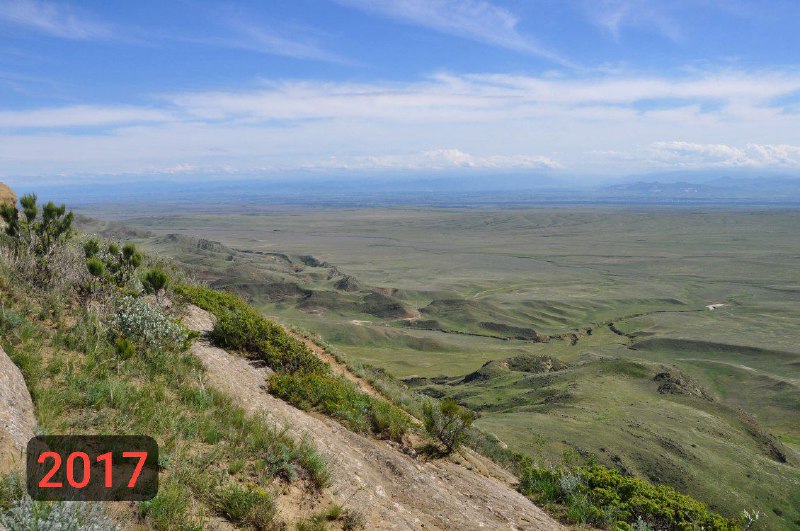
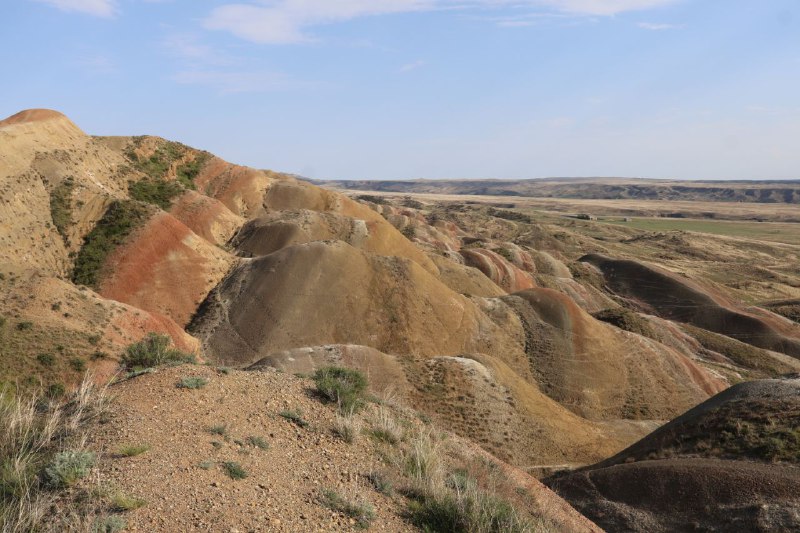
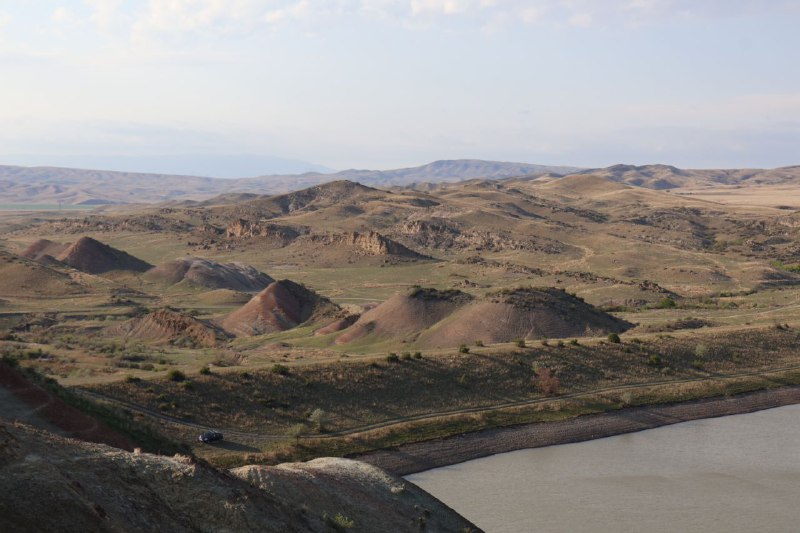
Back in 2017, I was already in Georgia and stopped by the David-Gareja monastery. It's one of the most beautiful places not just in Georgia, but honestly one of the most stunning spots from all my travels.

The real beauty reveals itself from the upper part of the complex. But the monastery sits right on the Georgia-Azerbaijan border, and because of the ongoing territorial dispute since the Soviet collapse, they stopped letting people go up there entirely in 2019. Border guards stand on the trail and turn everyone back. But I only found that out when I got there. It never even crossed my mind to google the situation beforehand. It was fine back then.

Azerbaijan claims the monastery is the heritage of Caucasian Albania (not to be confused with Albania in the Balkans), and that they're the successors to it. Though honestly, the real reason is probably more about the strategic military position than history.

I hope the countries find a peaceful solution and tourists can visit and enjoy this beauty again.
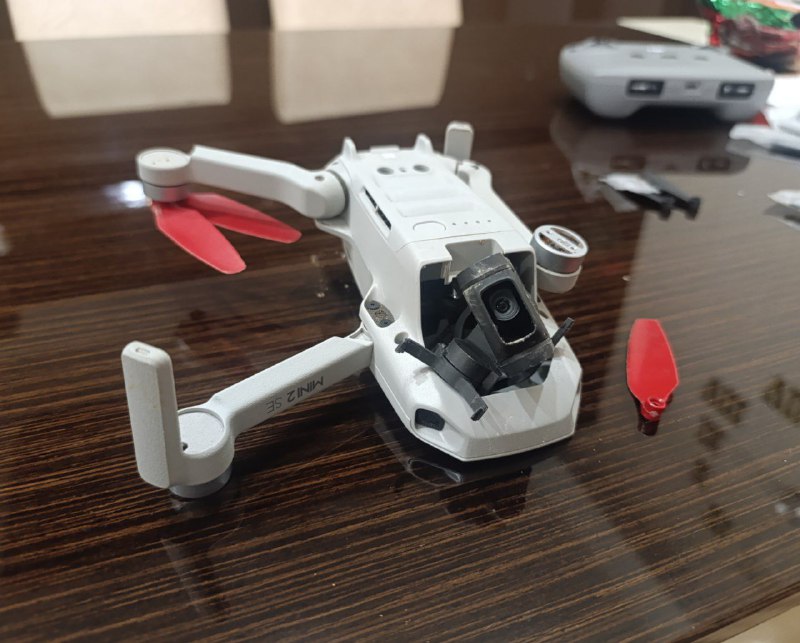
I traveled to Georgia and unlocked a new phobia: an eagle can catch a drone mid-flight and here's what happens 😢

First the drone stopped responding to controls, then I saw a bird's body on the camera feed, and then it went into an uncontrolled dive to the bottom of the gorge and lost signal. I was lucky it fell somewhere accessible on foot, though it took a whole hour to find it.

In the end, the camera got damaged, the cable ripped, everything's covered in sand. Hopefully I can fix it.
It's been a while since I've covered Serbian stories. And this one comes with a whole legend involving wars and gold.

In the late 19th century, Samuel Minch, a German Jew from Czech Moravia, moved to Serbia and opened a textile factory in Paracin. Business was booming, and with extra capital on hand, his eldest son Julius convinced his father to invest in nearby coal deposits. This is how the first mines near Rtanj came to be.

Julius and his wife Greta mainly oversaw the coal mining operations. The business grew until World War I broke out. Eastern Serbia fell under German occupation, and the Minchs had to flee. After the war, they managed to reclaim their property. However, soldiers had heavily damaged the mines before retreating. It took rebuilding almost from scratch.

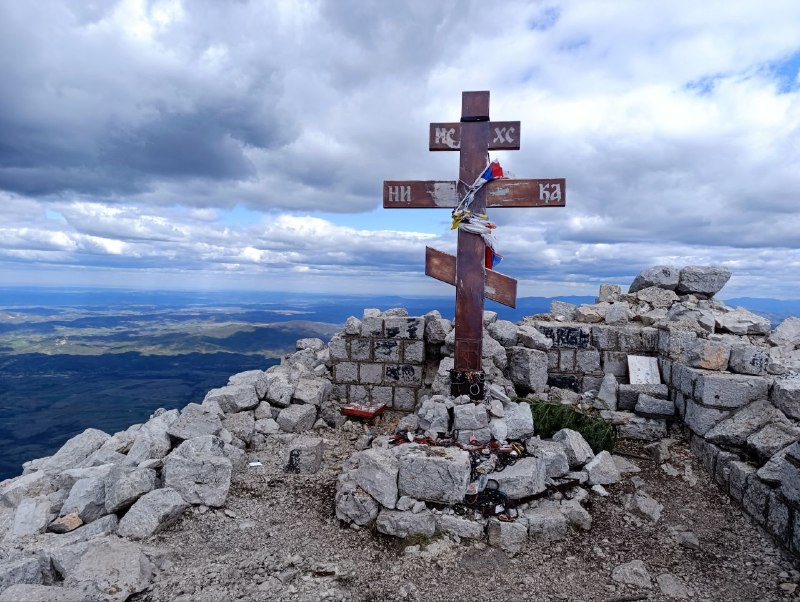
In 1931, Julius committed suicide. No one ever figured out exactly why. Greta took over all the coal operations, and to honor her late husband, she began building a church on top of Rtanj. I'm not entirely sure why a Jewish family decided to build an Orthodox church as a memorial to a deceased relative, but that's how it happened.

Over a thousand workers participated in the construction. Materials were delivered by donkeys (it's practically a vertical kilometer up there!). The project was completed in 5 years, in 1937.

Then World War II happened. The Germans seized everything again. But this time, there was no getting it back. After defeating Nazi Germany, Tito's officials decided that the German surname of this Jewish family was a clear sign of collaboration, and they nationalized everything.

In 1969, treasure hunters blew up the church. There's a legend that a wizard's palace once stood in this area with lots of gold hidden at the summit. By the 1970s, a real gold rush began here. Of course, no gold was ever found.

Rtanj in general attracts a lot of legends. From certain angles, its shape resembles a pyramid. This theory didn't reach Bosnian proportions, but some people genuinely believe in it. In 2012, some folks were planning to take shelter here from the end of the world. And Rtanj tea made from mountain savory is considered almost medicinal.
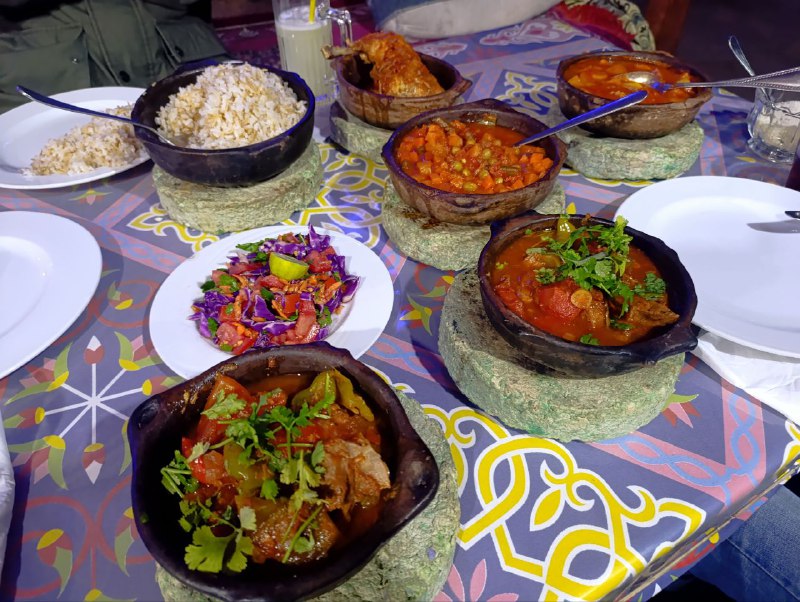
Finding a good restaurant in Egypt was sometimes tricky—there were options around, but it didn't always feel like "this is definitely the place." And if you try to avoid obviously tourist-oriented spots, things can get pretty depressing. That said, it really depends on the location.

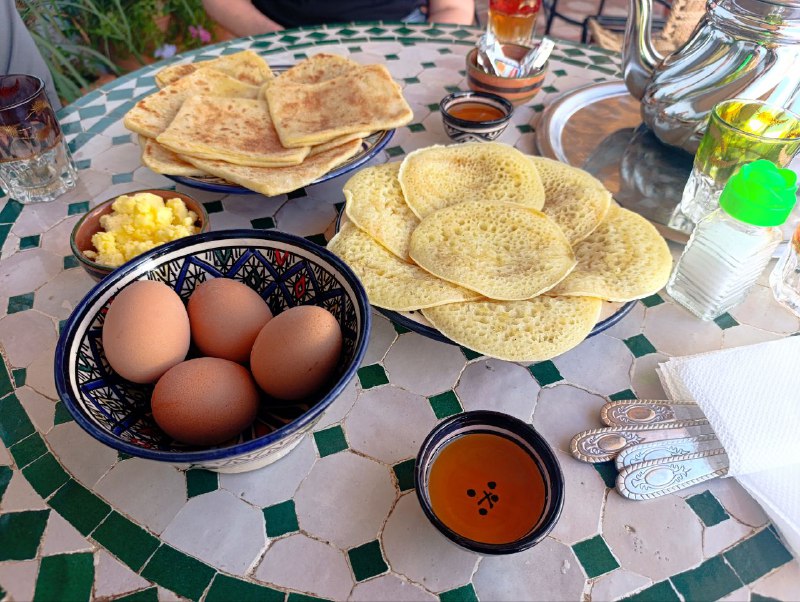
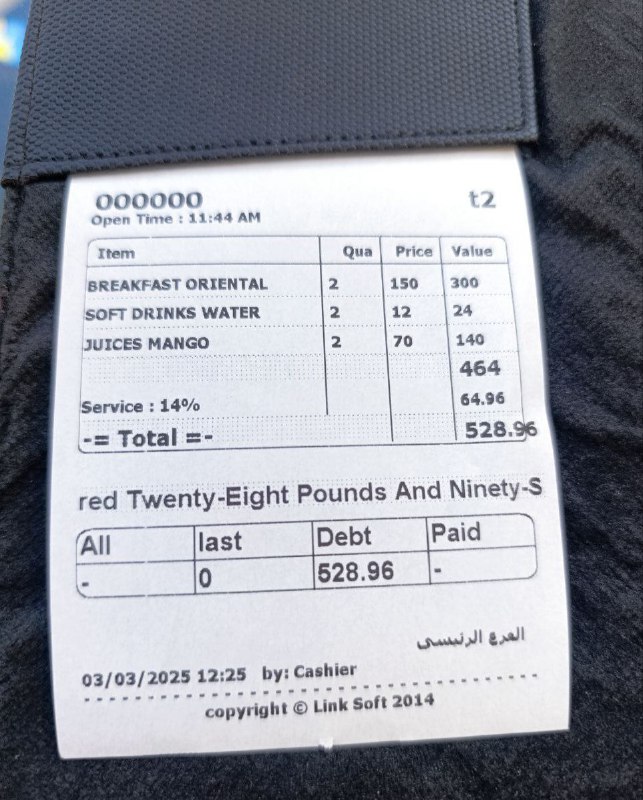
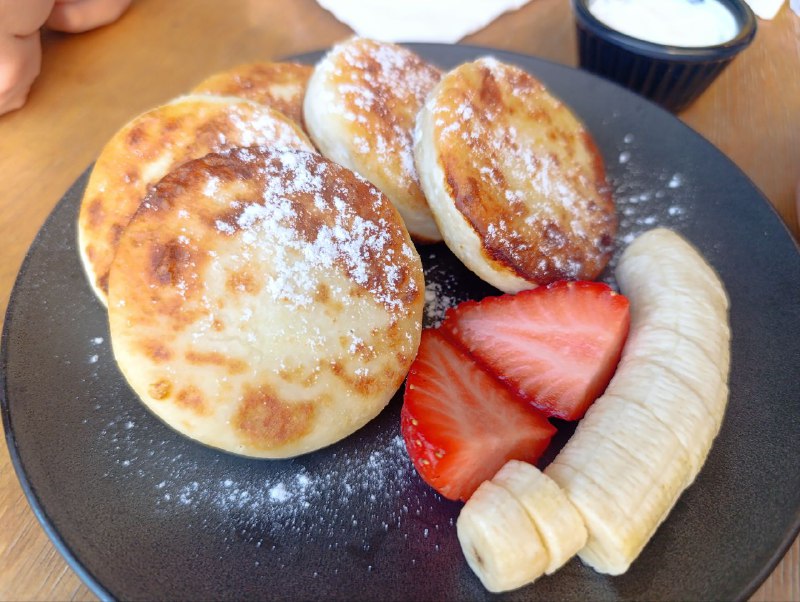
Food prices here are 1.5-2 times cheaper than in Belgrade. For example, a serving of cheese pancakes like in the photo costs just over 2.5 euros. Amazing fresh mango juice for around 1 (just one!) euro.

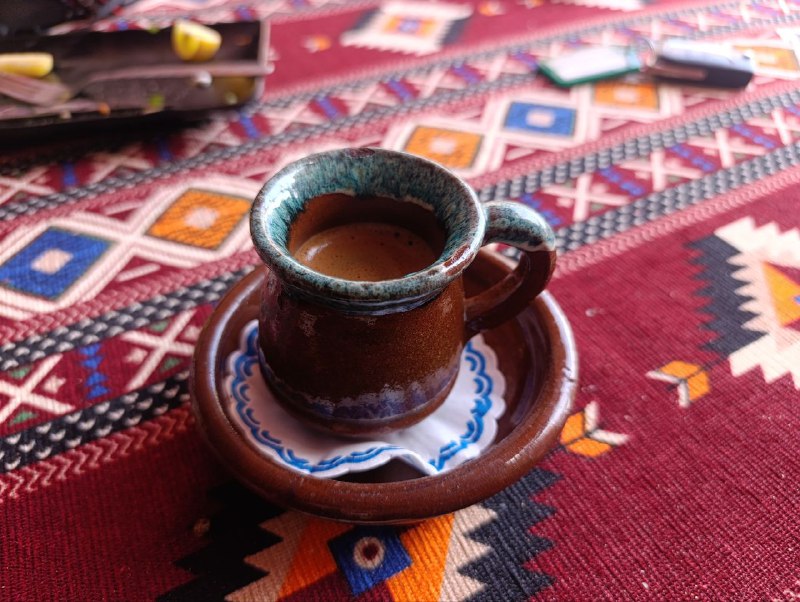
Local coffee, even at pricier places, runs 1-1.5 euros. But more often, you can get 2 cups for a euro. Like in Tunisia, it's better to ask them to skip the sugar, but people here aren't as into sweets. If you get coffee from a cezve, it'll likely be rich and strong. It was rarely ruined. But espresso-based drinks often had something off about them.

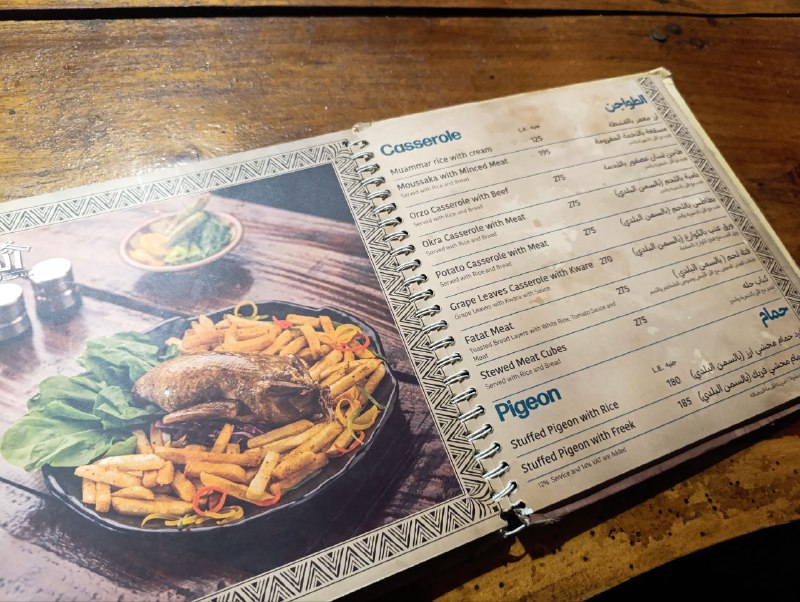
Pigeons stuffed with rice are offered all over the place as something exotic. I never actually worked up the courage to try them though. Maybe I missed out.

Pretty much everywhere tacks on service to the bill. 10-15-20%. Which doesn't stop some waiters from asking for tips on top of that.

PS. In Cairo, you should definitely check out this place (pricey, but really good) and this one and this one.
Media not archived (photo) — view on Telegram
Egypt is a VERY religious country. More than 70% of the population considers religion an extremely important part of their lives. For comparison, in Serbia that's just over 30%, and in Russia it's 16%.

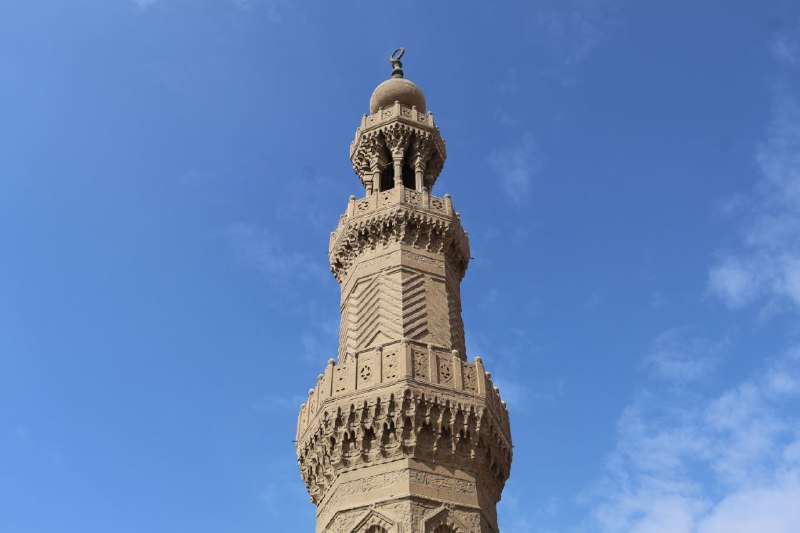
You can see this clearly even on the streets. In shops and stalls, you often hear audio recordings of the Quran playing. Taxi drivers frequently drive around with the same audio accompaniment. There's an entire radio station (maybe more than one) that continuously broadcasts reciters. I can't really imagine how they work like that every day, but sometimes you just want some quiet.

Regular calls to prayer over loudspeakers and Friday sermons that you hear everywhere are just par for the course.

I've come across elevators more than once that automatically play some prayer while moving. Though honestly, in some of them it seems almost necessary. In the video, it's clear they forgot to build the elevator shaft. And there's no sensor for closing the doors. Very safe.

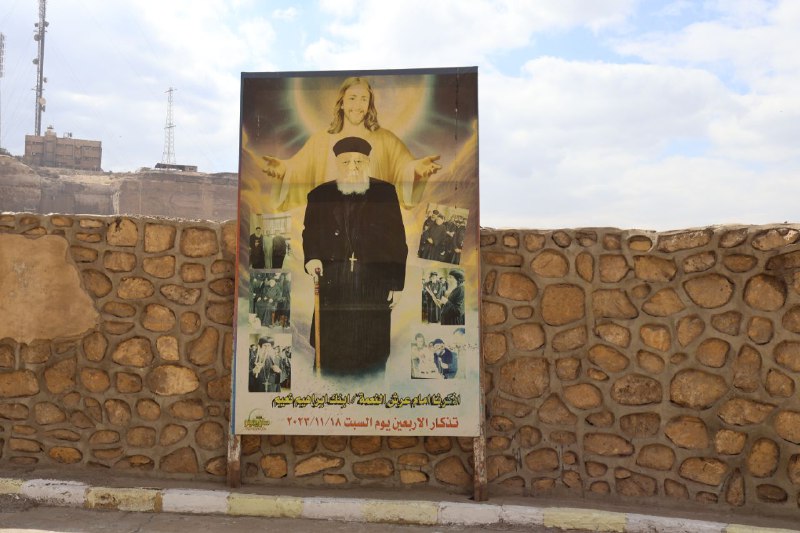
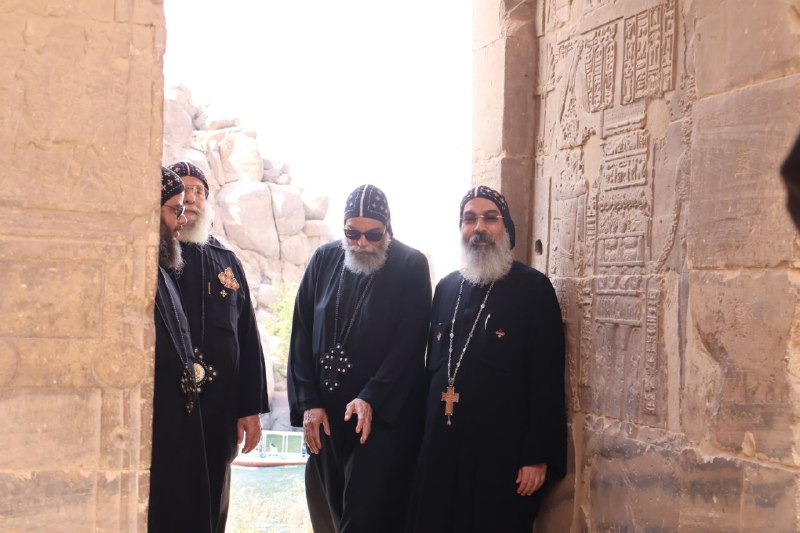
Once I accidentally stumbled into a Christian service. Overall, if you don't know exactly where you are and what's happening, you might not be able to tell it apart from Muslim prayer just by listening. They sound very similar. It makes sense that Abrahamic religions are related. But when both groups recite prayers in the same language, they're like twin brothers.
Before I head out again (not much time left), let me finish up my Egypt story.

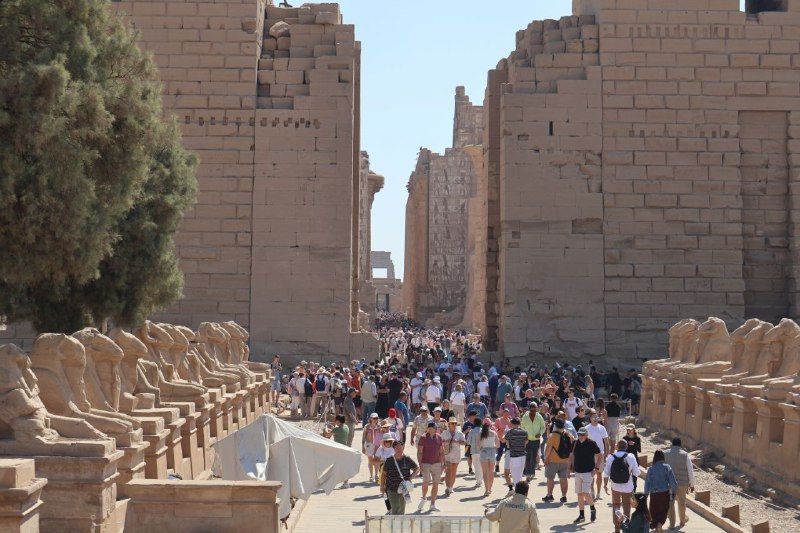
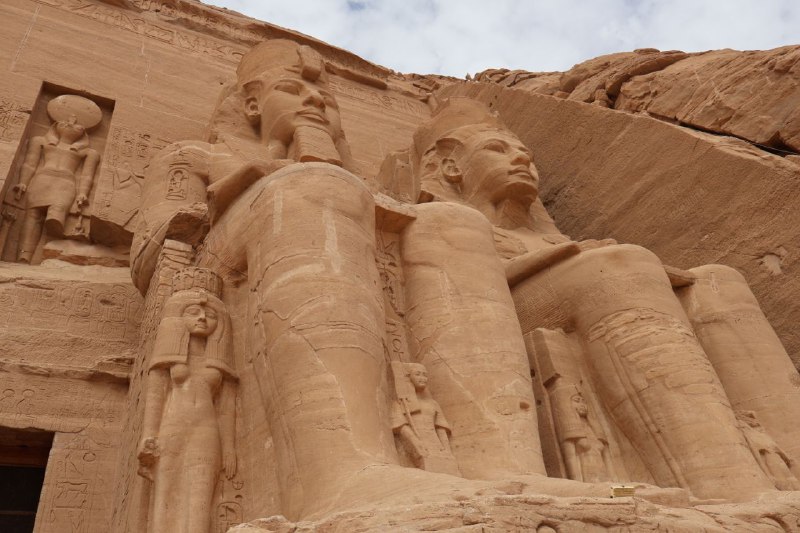
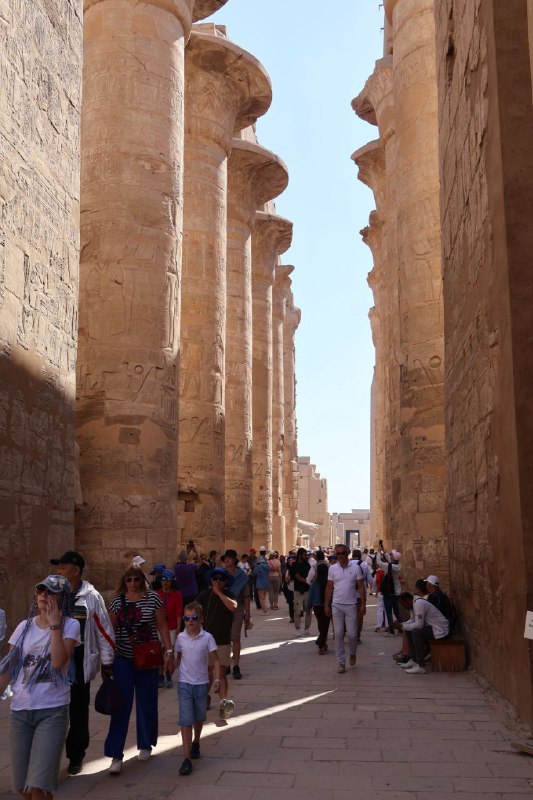
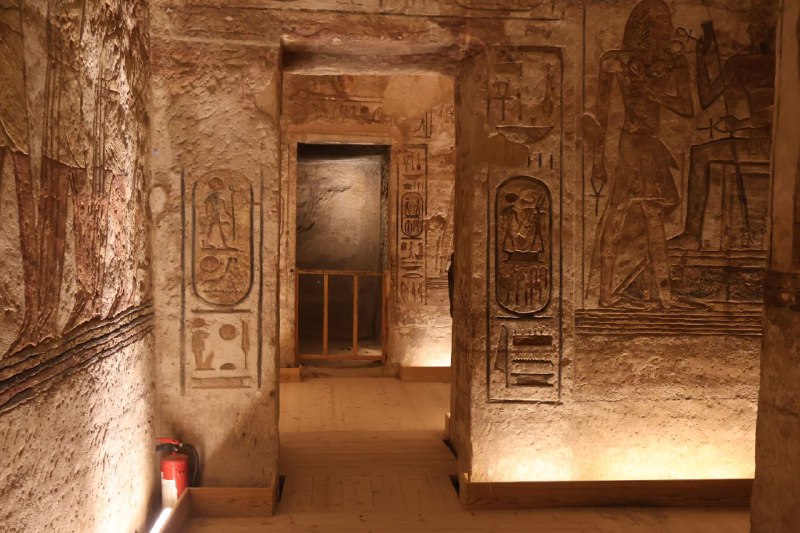
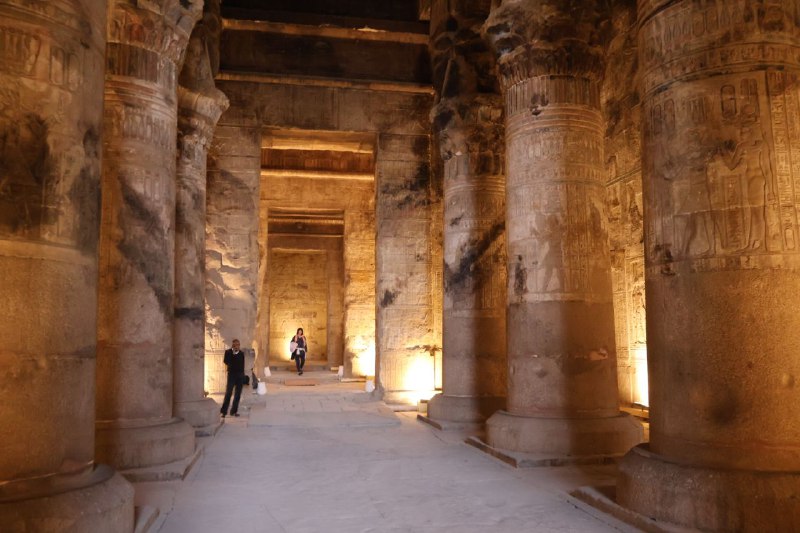
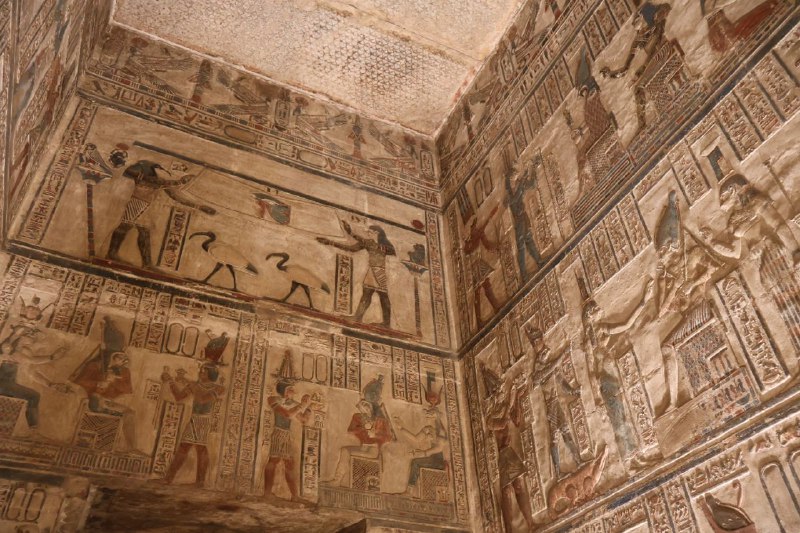
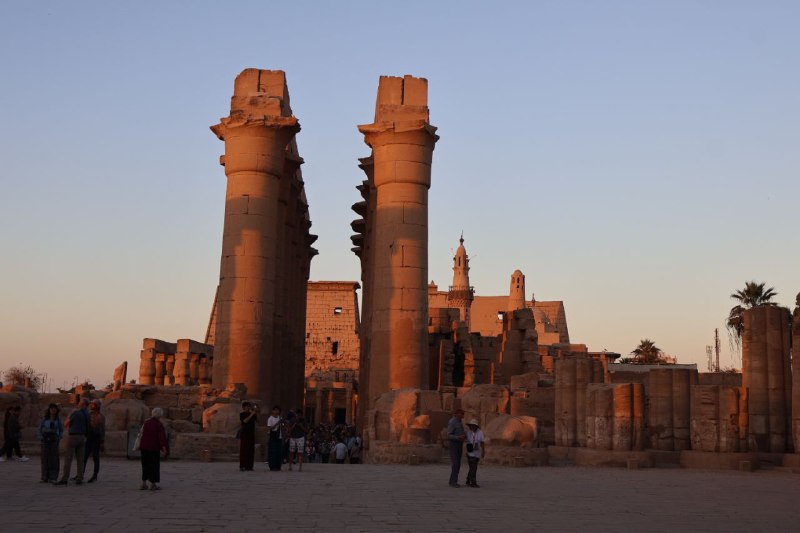
My whole trip was basically planned around visiting all these ancient ruins from Luxor and further south up to Abu Simbel. They're absolutely stunning—both in terms of scale and the fact that some of these structures are 3,000-4,000 years old. They don't look as monumental in pictures, but seeing them in person is really something special. Totally worth all the hassle :)

Speaking of hassle. I had some bad luck with water in Luxor: when I got there, there'd been no water for a whole day. In the entire city! The mayor was saying to the press that they'd get it fixed soon. I needed to spend a couple nights there, and when I left, nothing had changed. Well, it came back for a couple of hours once, that's it. Even the local news was posting about water distribution points. But overall, it was pretty rough. You'd walk into a café and couldn't even wash your hands or use the bathroom.
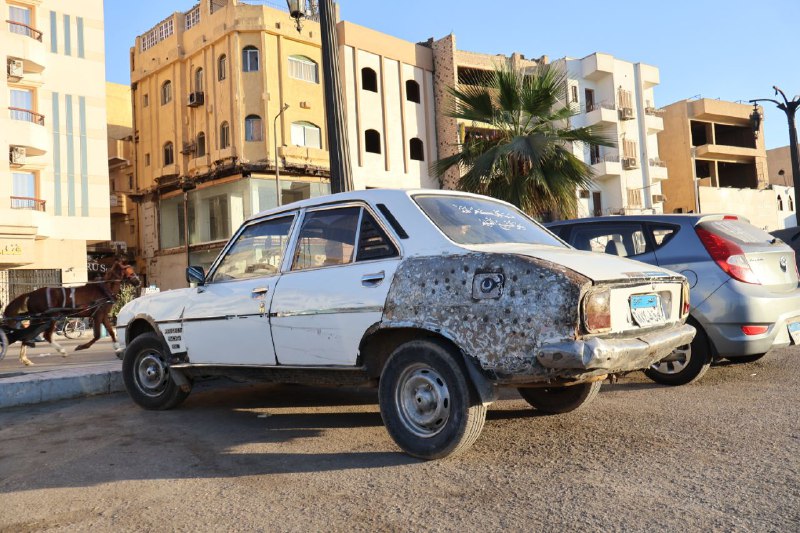
I rented a car in Egypt for some reason. You get used to the local quirks over time, but at first it was really uncomfortable. Traffic during the day is bearable. Good visibility gives you time to react in advance to what's happening on the road. Twice I got held up and experienced firsthand all the joys of night driving.

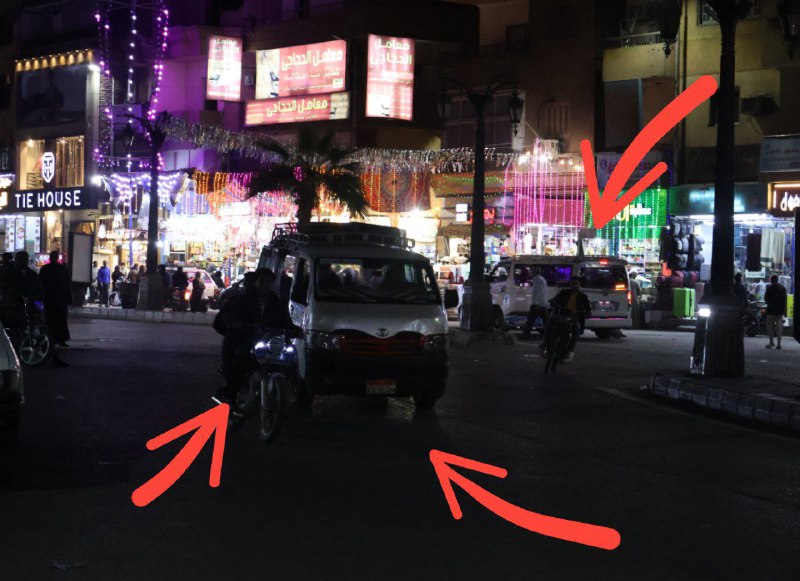
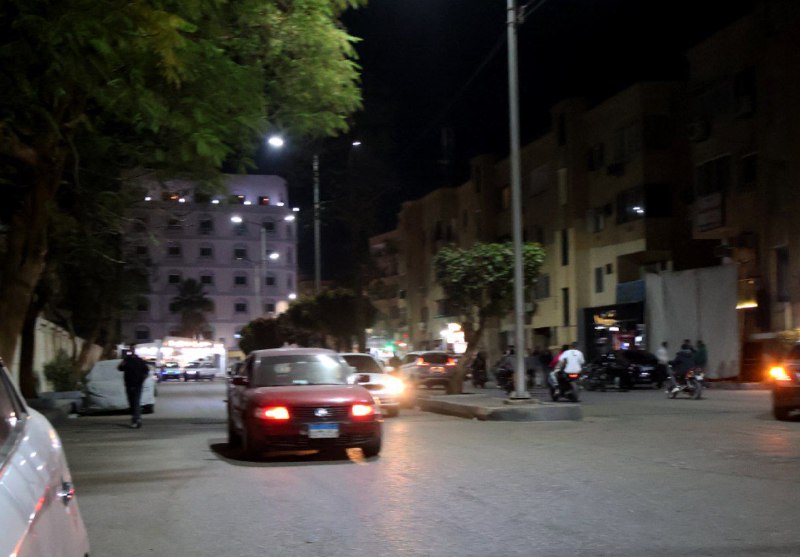
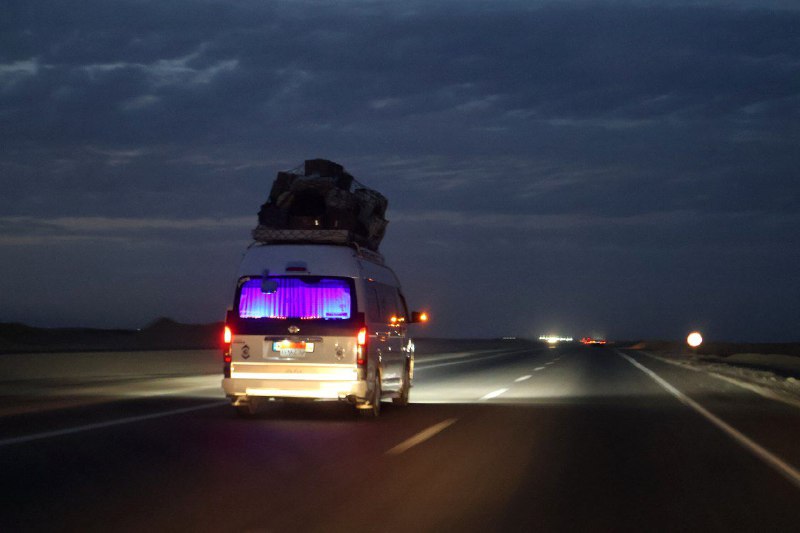
Local drivers have mastered two headlight modes: off and high beams. Hardly anyone uses anything else. And even outside the city, where the road has no lighting at all, you'll find guys driving in complete darkness. Sometimes they decide to show signs of life and flash their high beams right in your face. In the city, more people drive without lights, but at least there are some street lamps there.

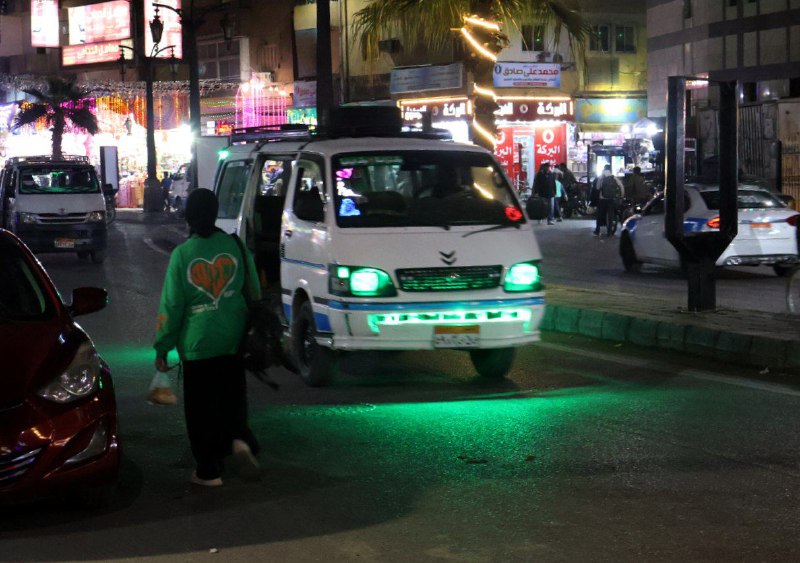
Headlight color apparently isn't regulated, and some car enthusiasts think it's a great idea to make their front lights a different color. Green, blue, purple—okay, fine. But when front lights suddenly look like rear tail lights and come barreling at you head-on, your sense of comfort just evaporates.

Highways outside the city are often physically divided for different directions. But don't relax: the division doesn't mean at all that no one will drive toward you in your lane. Moreover, it doesn't mean that a couple kilometers down the road, you won't be flying the wrong way yourself. Road construction zones are everywhere. They don't put up any signs, as a matter of principle. You just figure it out because the road ahead suddenly ends. Sometimes they'll park a truck there. Then it drives onto the oncoming lane. And after that, it's impossible to tell when the construction zone ended. People just return to their lane wherever they feel like it. So everyone ends up driving in all directions at once. Safety.

There are barely any crosswalks anywhere, so people cross wherever they feel like it. Drivers don't yield to pedestrians, and pedestrians don't expect them to. When you try to yield, you break the system for everyone and other road users stop understanding what's going on and what to do. It's technically possible to cross, but usually when you do, someone hits the gas.

Most bikers in the city ride without helmets. Uber has a bike option. Almost certainly, not only won't the passenger be offered a helmet, but the driver won't be wearing one either. Outside the city, they sometimes wear helmets. The philosophy is roughly: "if the Almighty has decided you're to die today, a helmet won't save you."
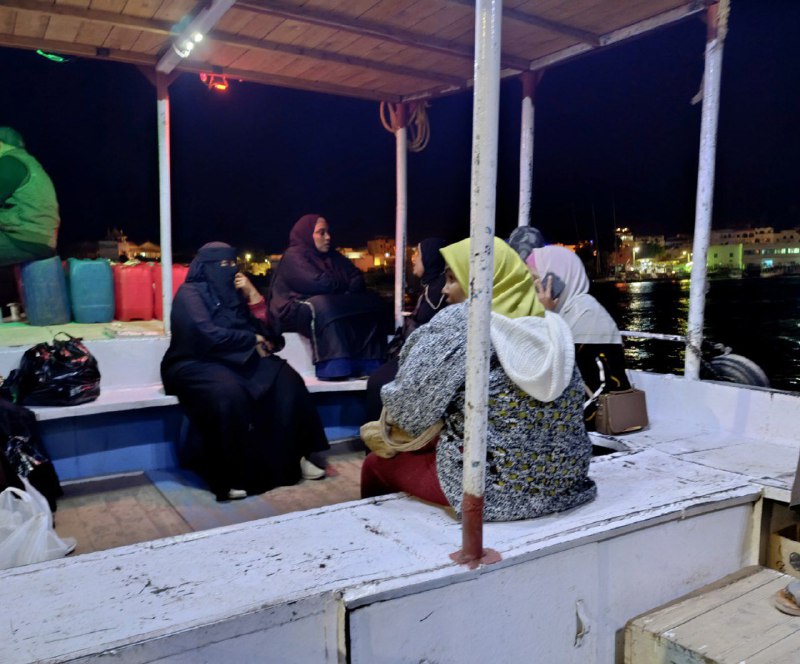
Egypt has strict gender segregation in many places. There are always separate lines for security checks at the airport. Public transport often has segregated zones. When you deal with the service sector, it's rare for a woman to interact with customers. When you walk around the streets and sit in cafés, you often see guys hanging out with a cup of coffee or a hookah. I haven't noticed women doing the same.

That's what tourists see. In everyday life, there are bigger problems. In rural areas, girls are often pulled out of school around 12-14 years old, sometimes even earlier, to minimize interaction with boys, despite separate schooling. Female genital mutilation and honor killings are practiced, and some things are scary even to read about. All of this is changing, but not very quickly. Let's hope the changes will accelerate.

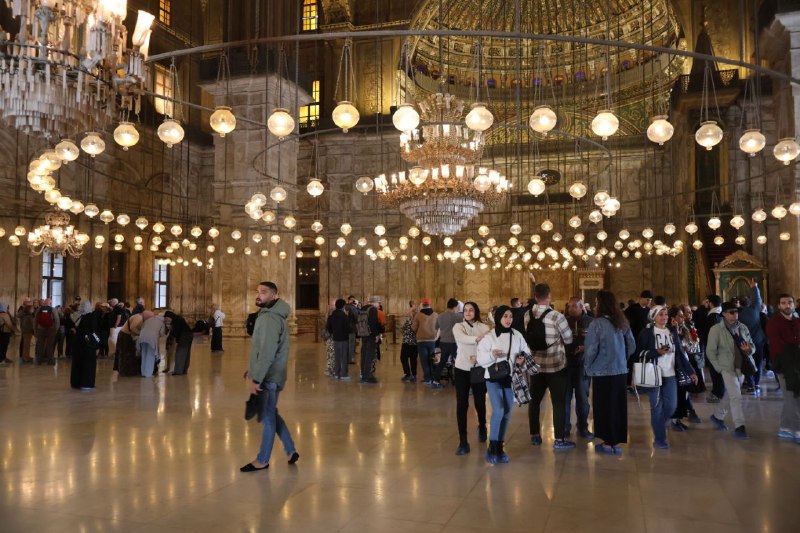
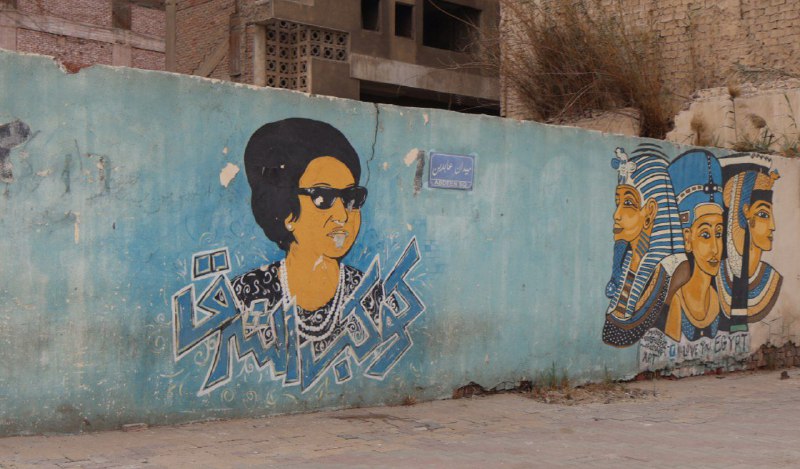
Yet despite such inequality, there are women who are revered. Ask any Egyptian about Umm Kulthum, and even if he doesn't adore her, he'll probably speak about her with great respect. She's called the fourth pyramid of Egypt. Over four million (!) people attended her funeral in 1975. It's the largest gathering of people in the country's entire history. Today, you occasionally see graffiti with the singer on the streets, and in Cairo there's a museum dedicated to her—nothing particularly special, but interesting for immersing yourself in the culture. Next to the museum stands a nilometer, and together they're worth a visit.

Her songs are very specific to our ear, but Arabs love them. You can listen to One Thousand and One Nights yourself.
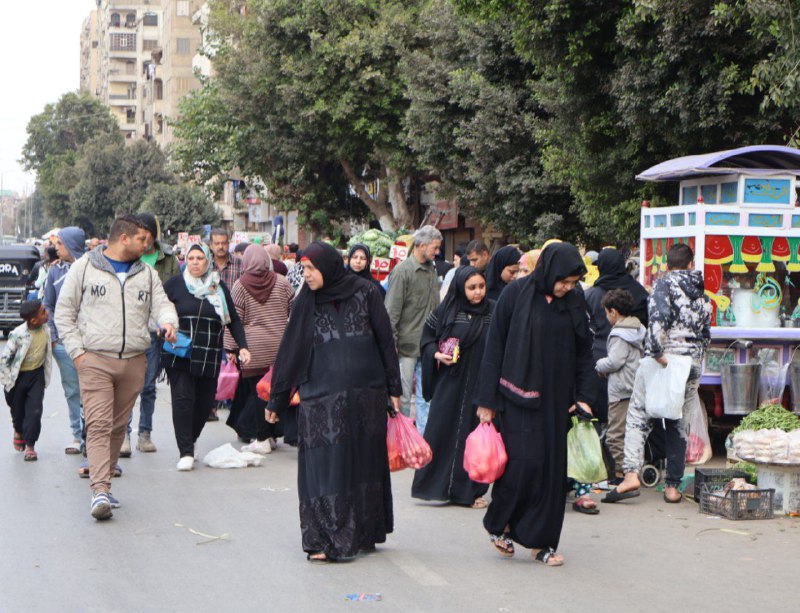
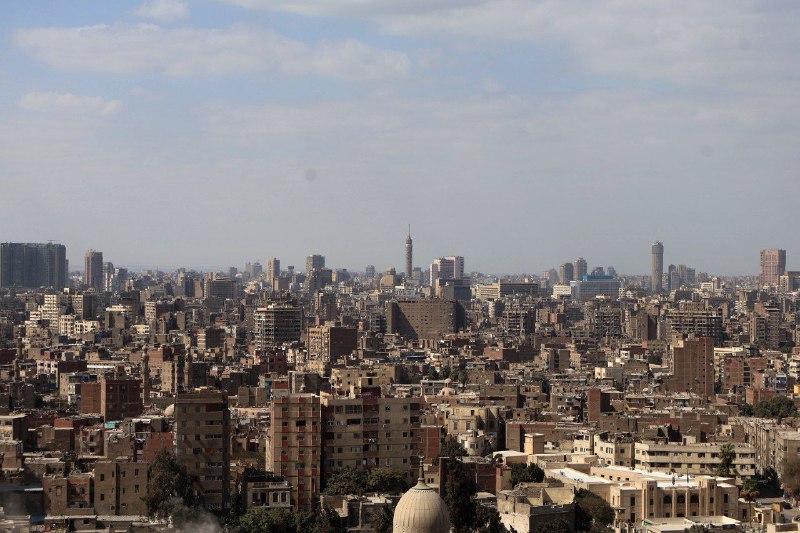
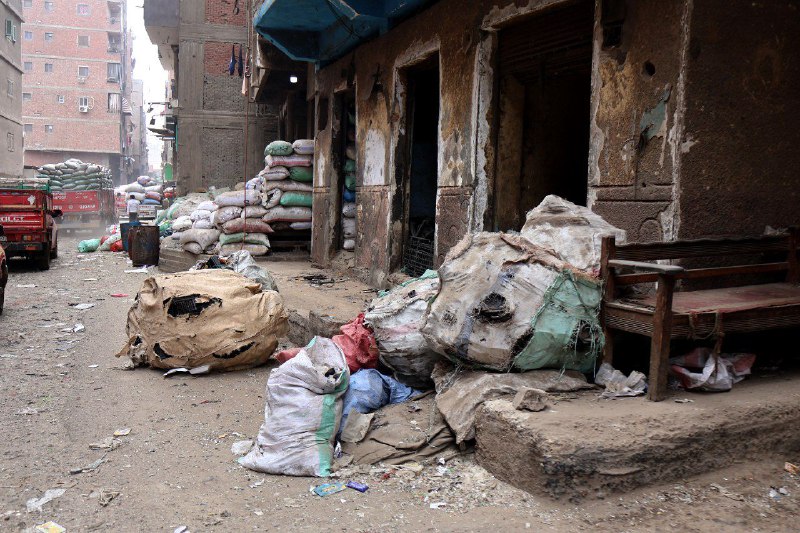
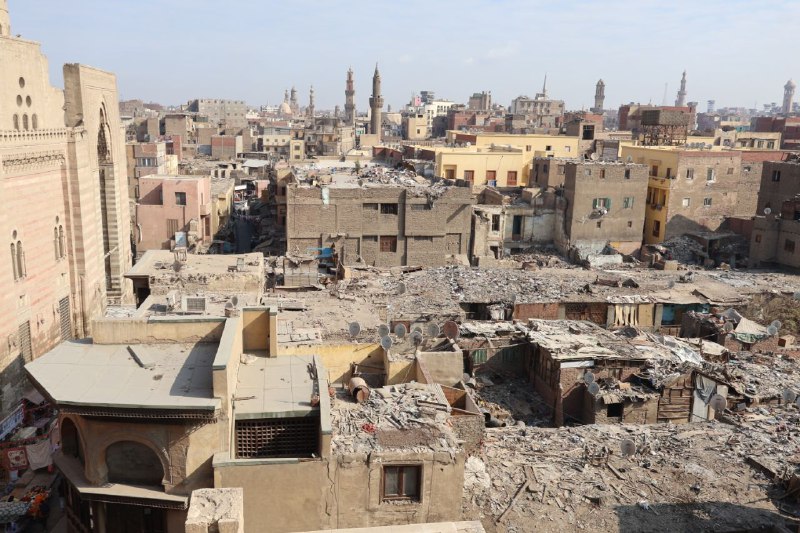
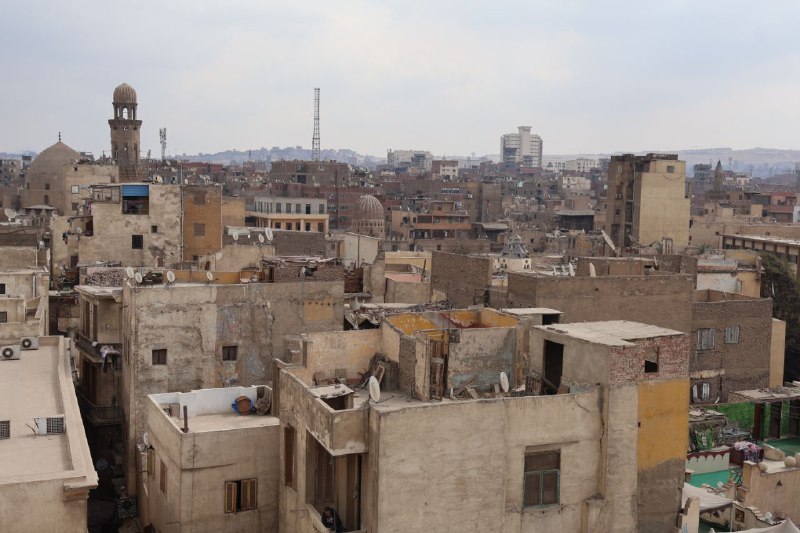
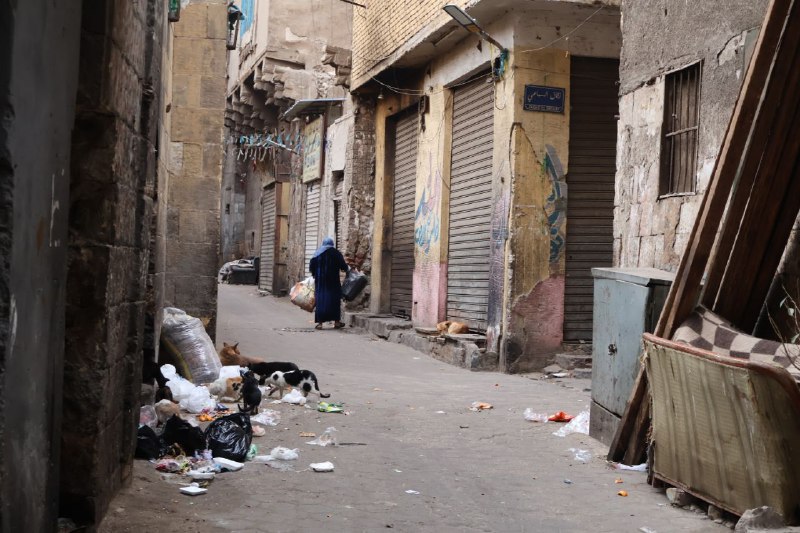
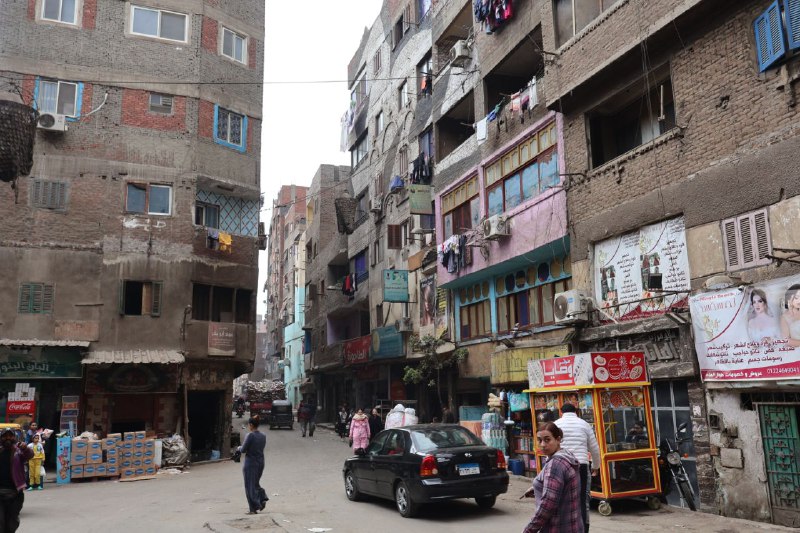
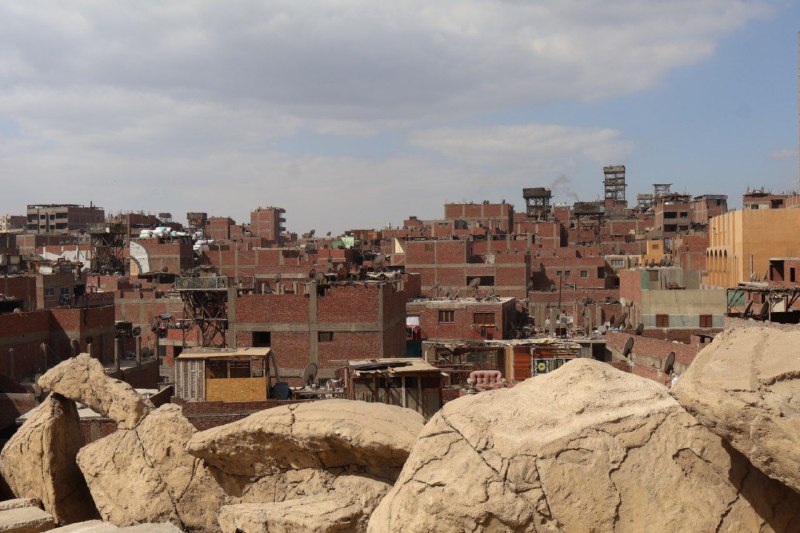
The one thing you can't get used to in Egypt is the relentless poverty. Even India didn't leave such a depressing impression on me. Everything here is amplified by the general sense of incompleteness—endless dirt, plastic bags constantly flying through the streets, and half-finished buildings pretty much everywhere. The latter is actually a local hack to avoid paying property taxes. According to the law, they only start collecting money after construction is finished.

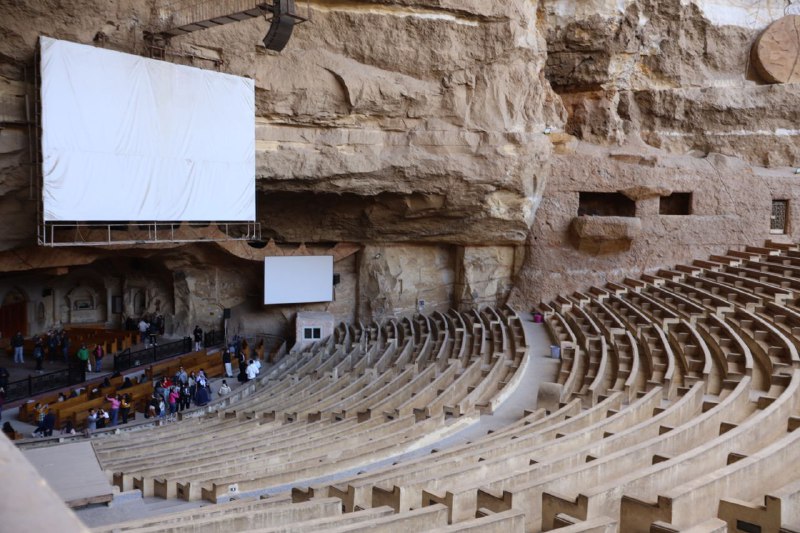
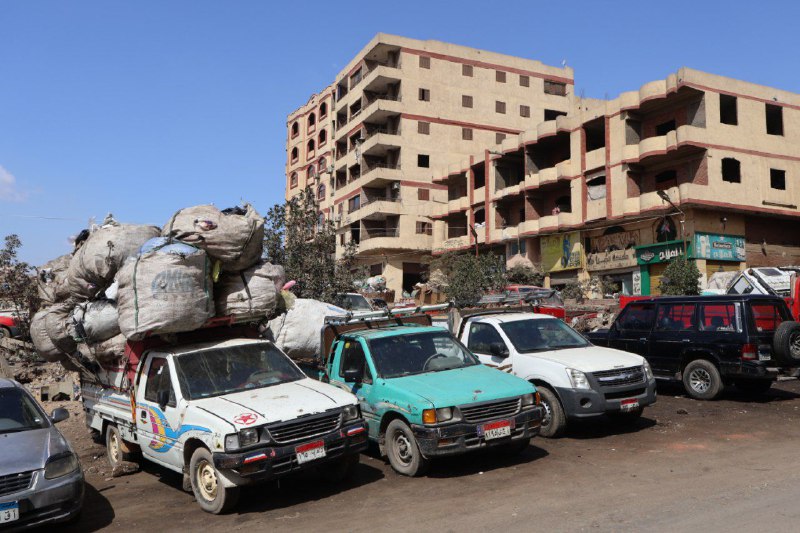
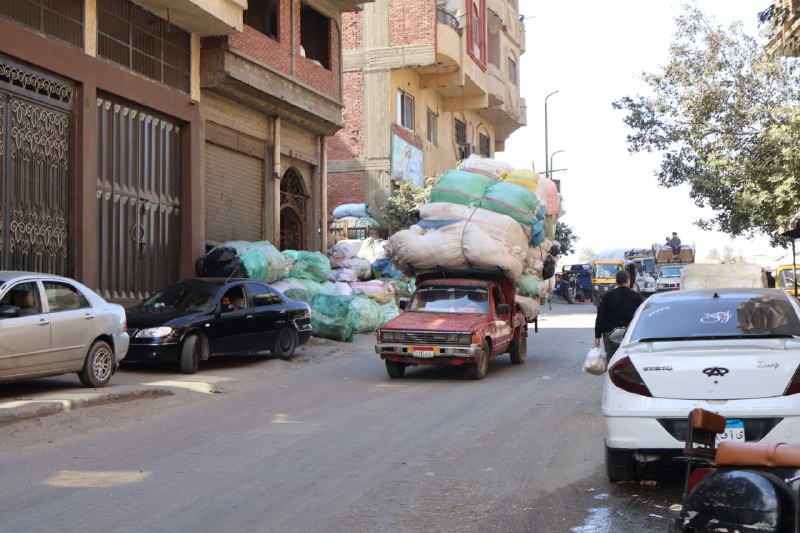
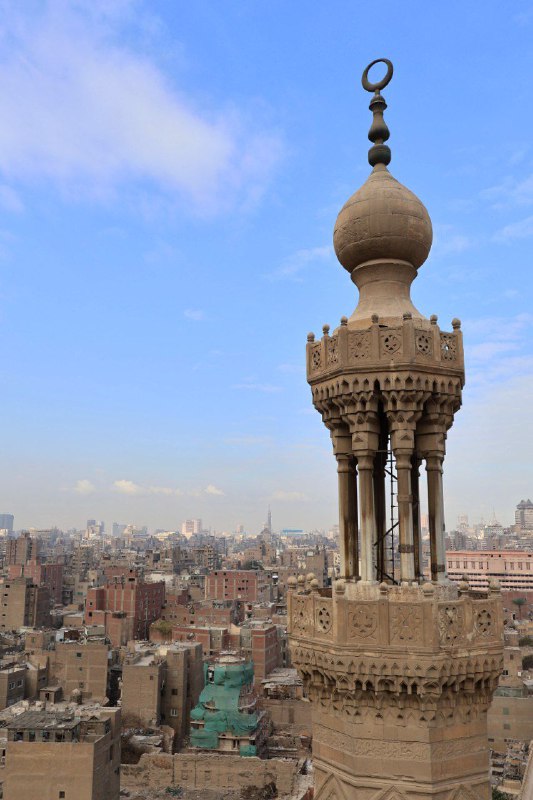
You can only escape this reality if you stay within a hotel resort area by the sea. Cairo doesn't have any picture-perfect tourist enclaves. Some interesting spots are tucked away in extremely poor neighborhoods. For example, the Monastery of Simon the Tanner sits on the outskirts of the City of Garbage Collectors. People there sort through mountains of trash with their bare hands. They literally haul waste from all over the capital and recycle it. Despite how awful this system is, the efficiency is impressive: 85% of waste gets reused. When you walk through the neighborhood, you're often hit with the stench of garbage. Except these are residential streets, not a recycling facility.

Surprisingly, there aren't that many aggressive beggars around. In almost a week in the city, only once did someone approach me asking for money. Far more annoying are the souvenir vendors at tourist spots. The longer you refuse, the more the prices drop. $3 for a stone scarab quickly becomes $1 for three. I don't buy though, not because it's expensive, but because I don't need it.

Being aware that you have a plane ticket home in your pocket makes the experience easier to bear. The locals live like this their whole lives.
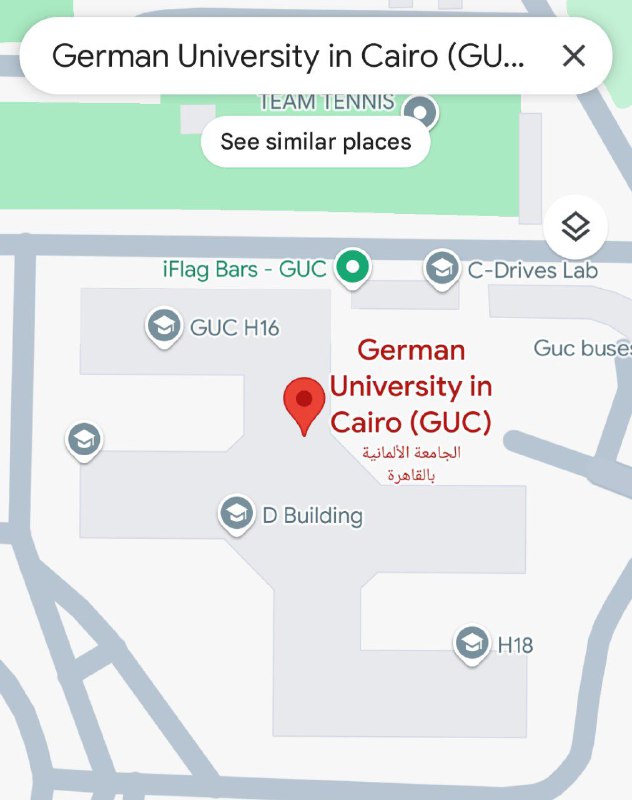
PS. What really gets me is the design of the German University in Cairo. I can't shake the feeling that they forgot to build a couple of wings.