So I just realized I have a Telegram channel, and I haven't posted anything here in forever. I'm going to skip a couple of quick trips I took through Bosnia and Serbia for now—I'll tell you about those later. I've got some more interesting stuff to share.
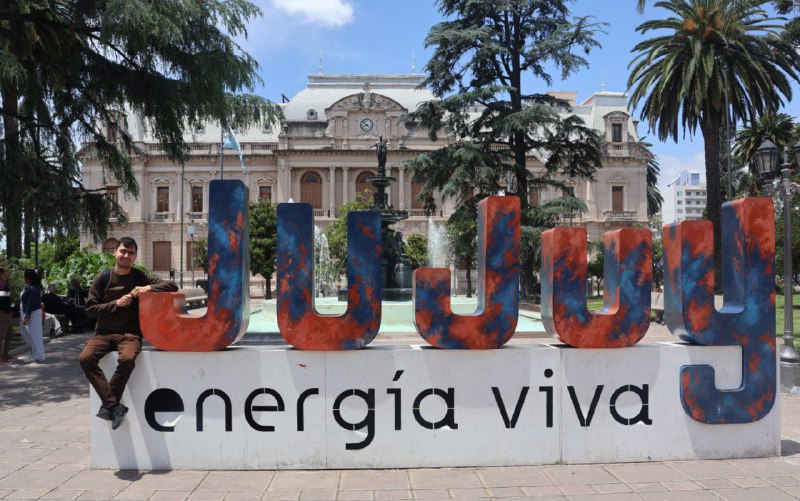
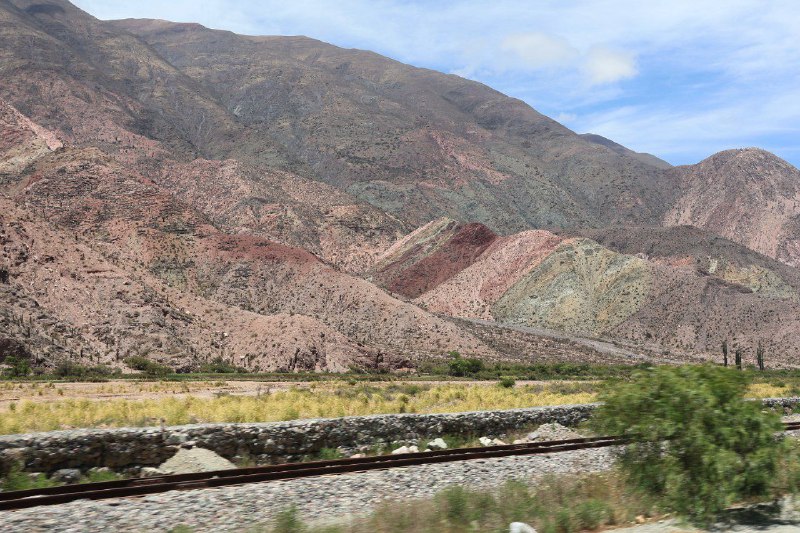
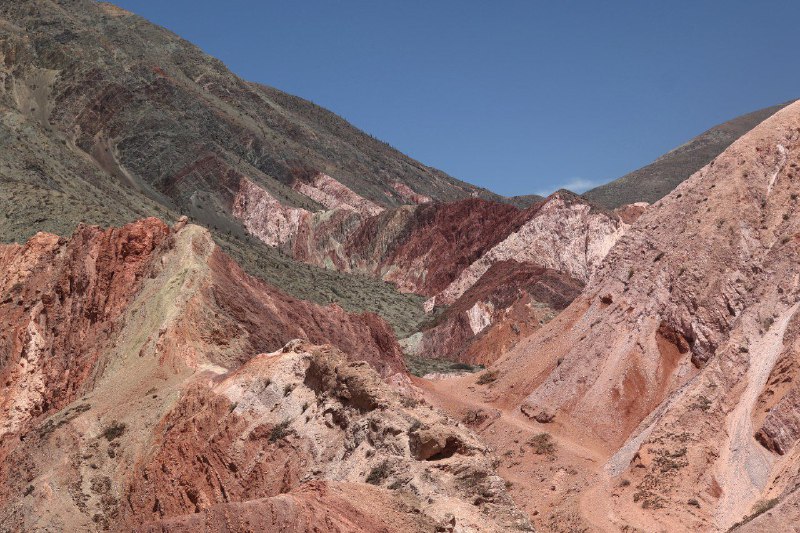
I ended up in this charming province called
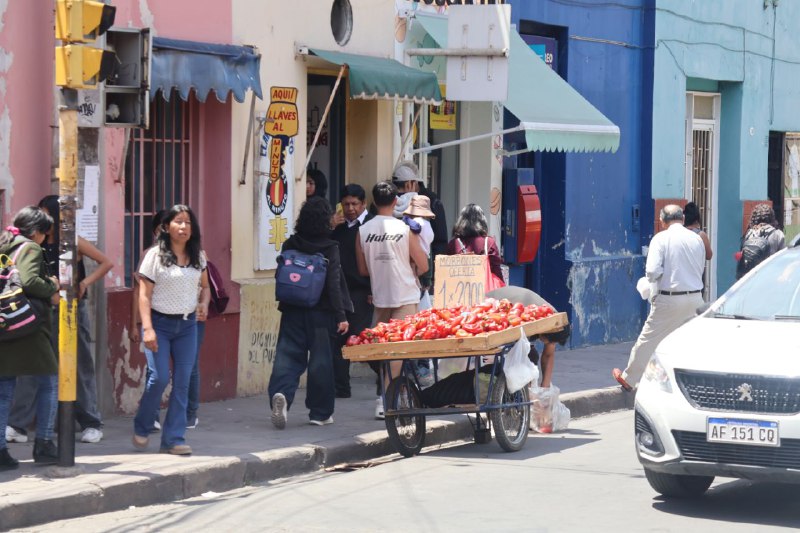
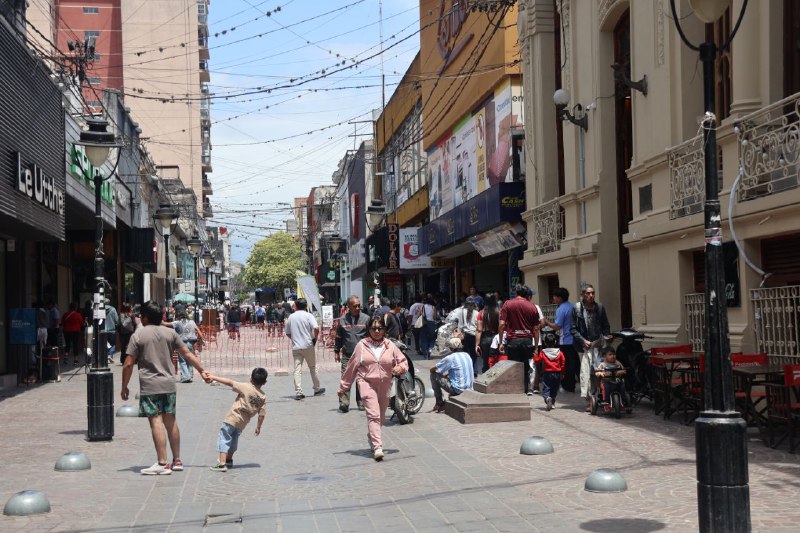
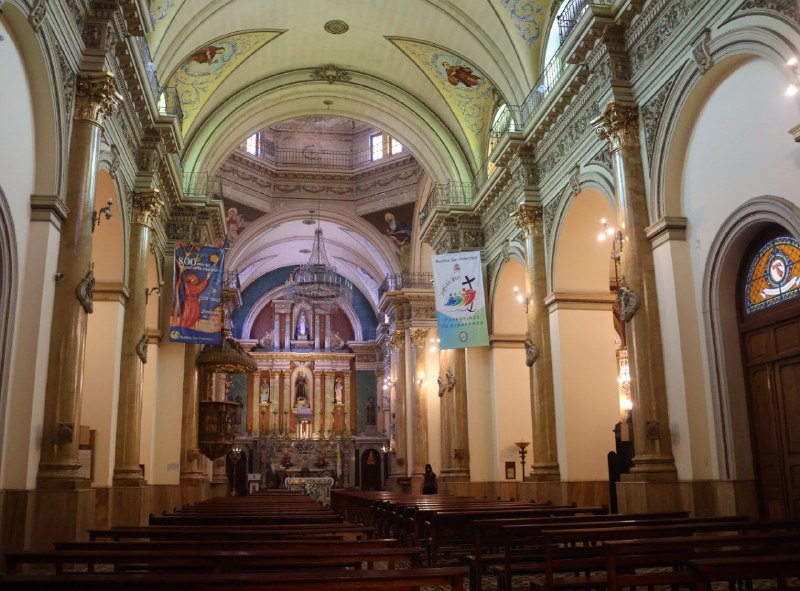
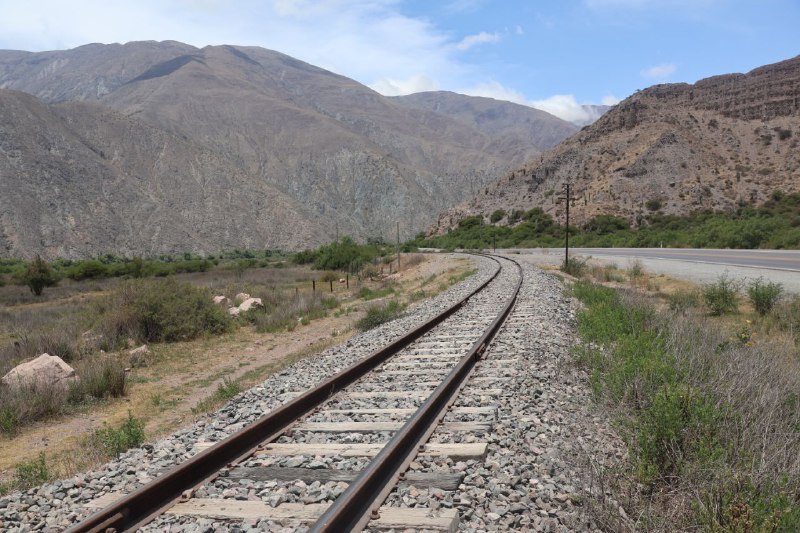
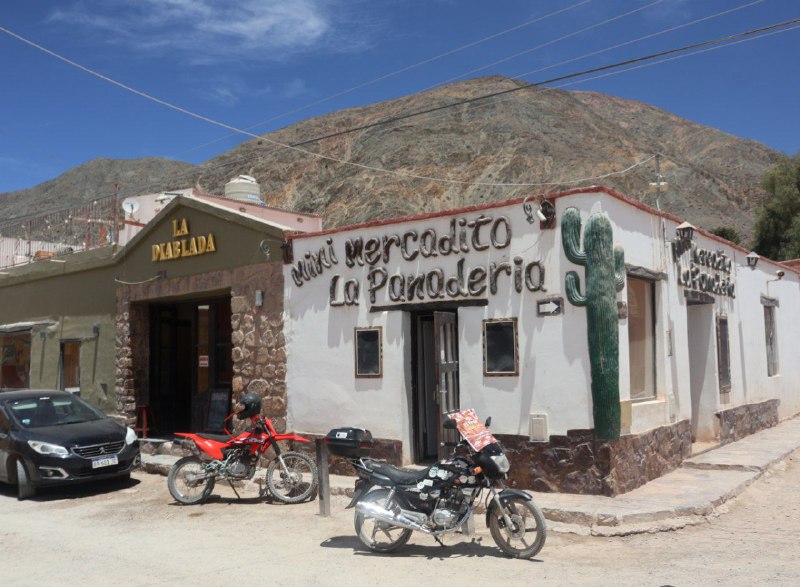
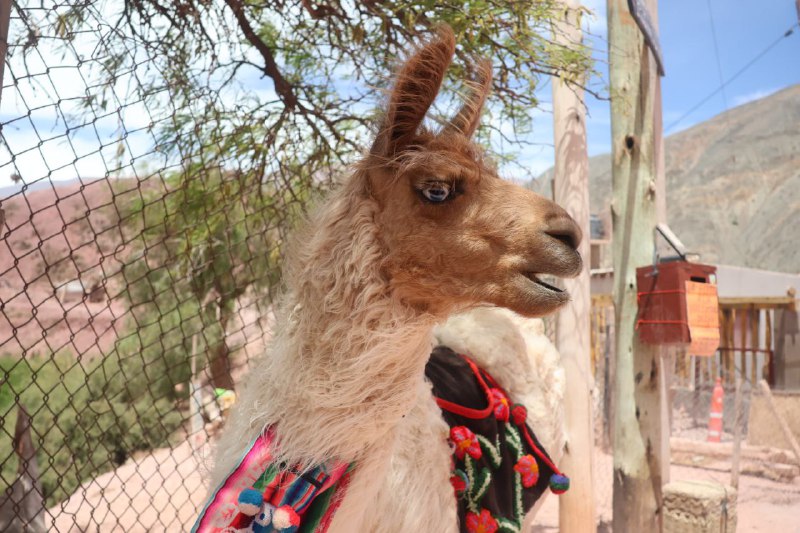
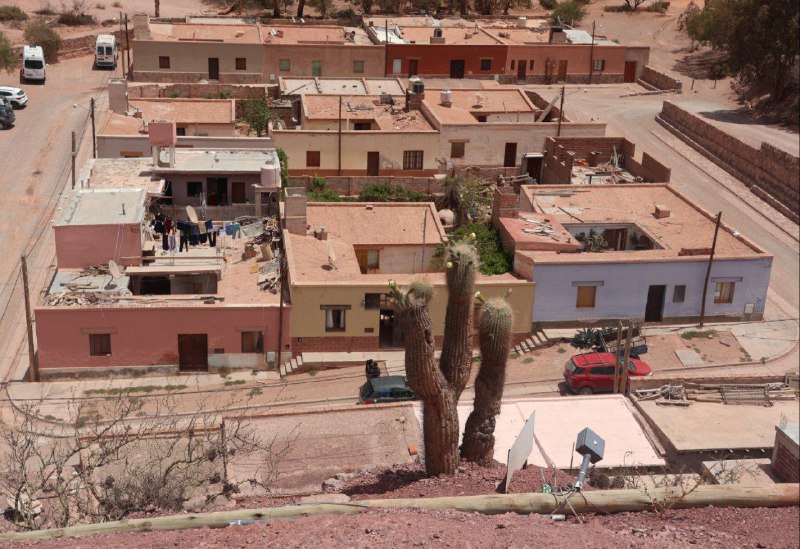
Jujuy way up in the north of Argentina. In the Southern Hemisphere, everything's backwards—the north is warm and the south is freezing. I even asked some locals about it, and they told me that when they think of the south, they don't picture beaches and warmth, but frost and glaciers. It's definitely noticeably warmer here than in the rest of the country. And the views are absolutely breathtaking literally at every turn. It feels like someone once held a nature exhibition here and just forgot to take the exhibits away.
Everything is concentrated along Argentina's most famous and longest route—Route 40. I drove about 300 kilometers of the over 5,000 total, but the landscape kept changing so dramatically I barely recognized it. You could stop and take pictures every hundred meters or so.
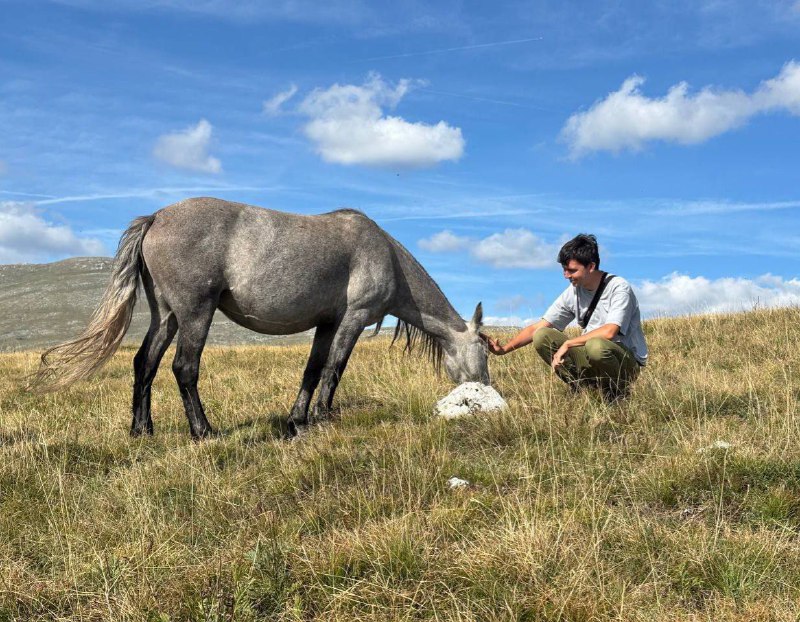
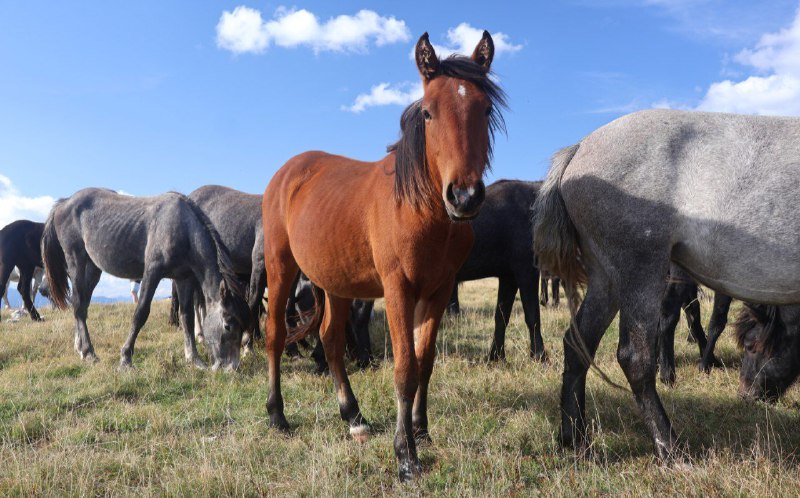
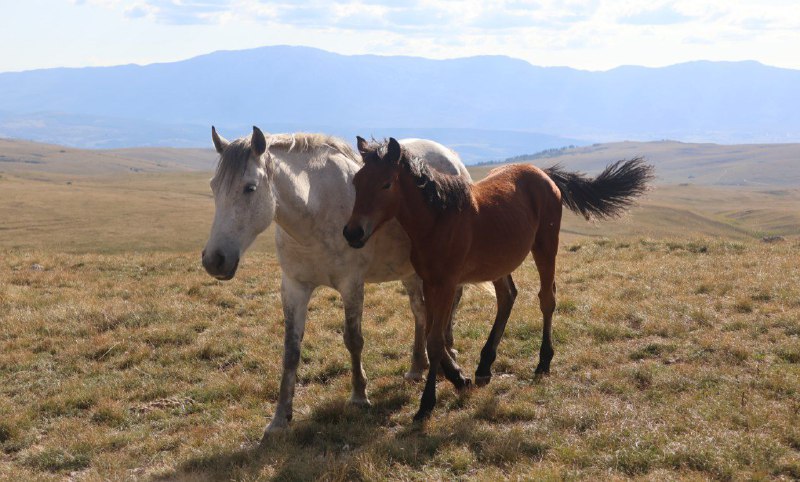
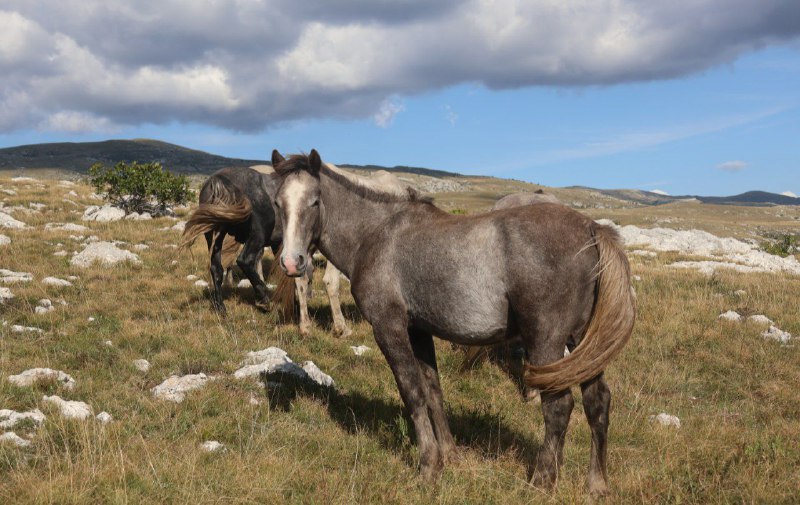
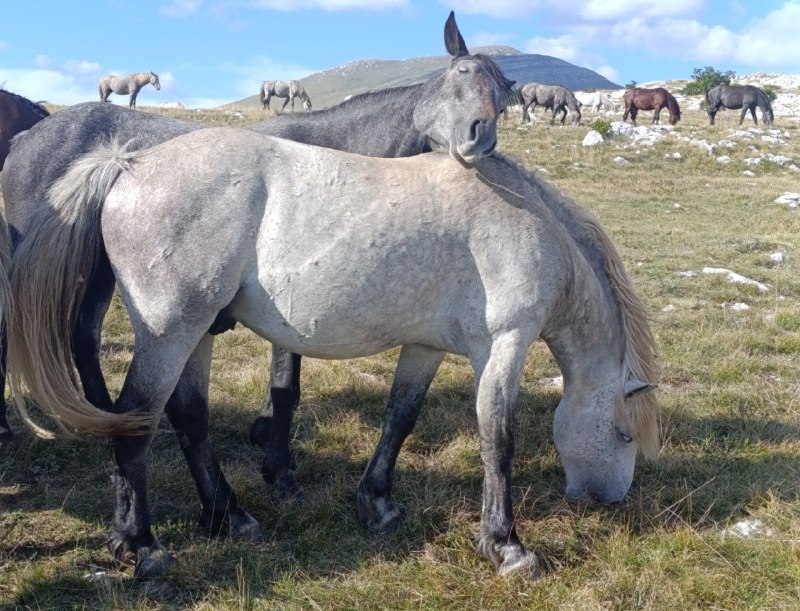
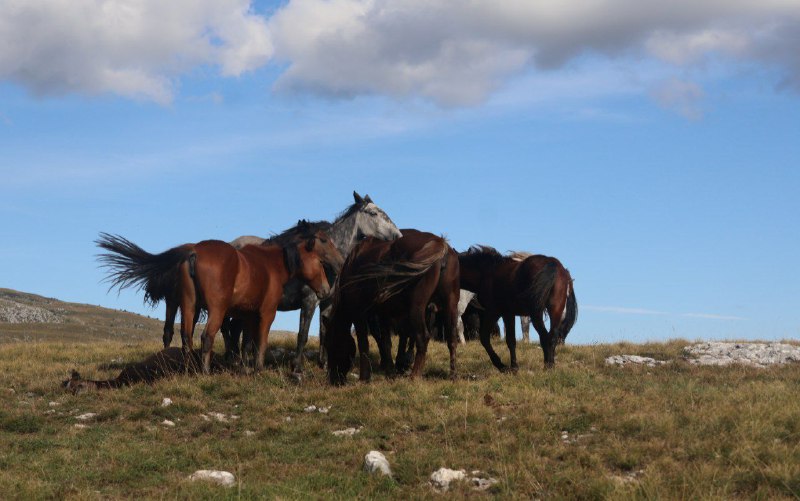
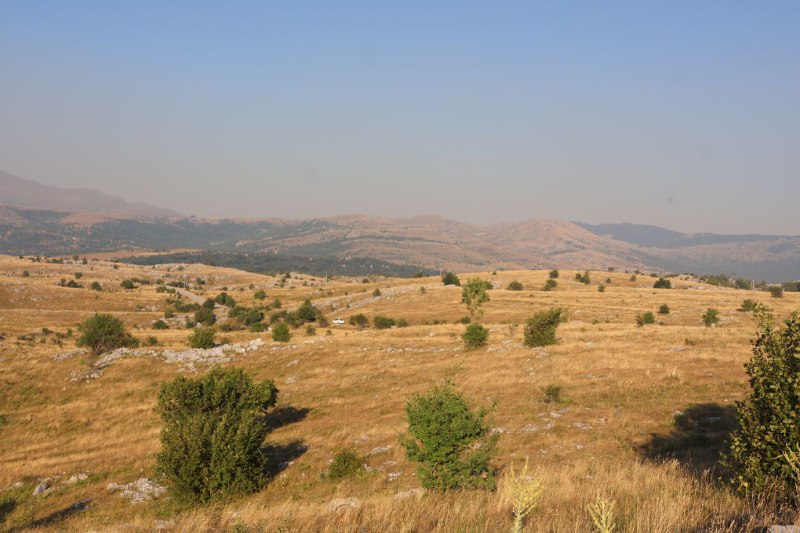
Wild horses live near Livno in Bosnia! I found out about them when I
passed through here last year, but only made it back now.
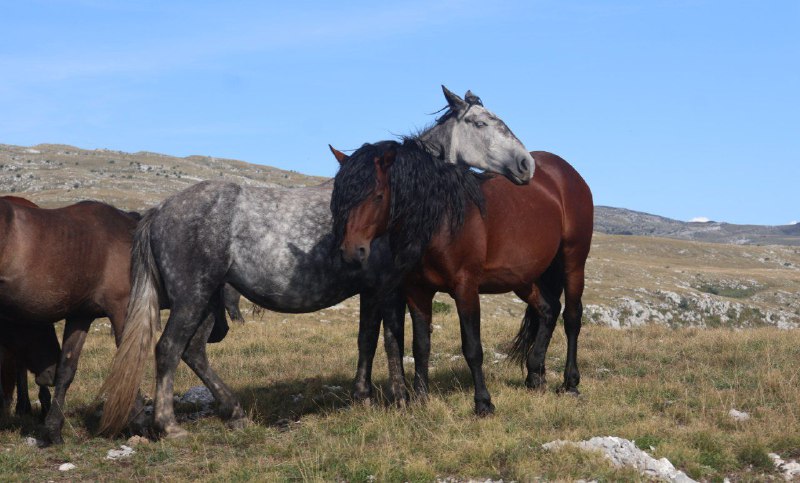
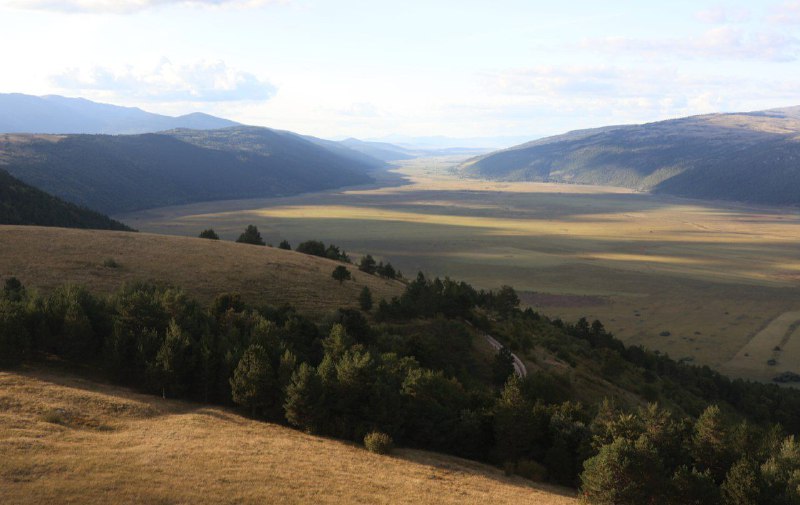
Until the mid-20th century, these horses were domesticated, but then industrialization hit and people no longer needed livestock in such large numbers. The locals of Livno didn't come up with anything better than just letting them all go free. Since then, the wild horse population has only grown, and today there are over 800 of them roaming the surrounding steppes. Fun fact: while reading the
Bosnian Wikipedia, I learned that livestock in the local language is measured in "grlice" (throats). They say 800 grlice instead of 800 heads.
The horses are awesome. You can walk up and interact with them. They're not afraid of people, but they won't let themselves be pushed around either. The animals stand in small groups—family units. There are even family disputes sometimes. During those moments, it's best for people to keep their distance to avoid getting kicked.
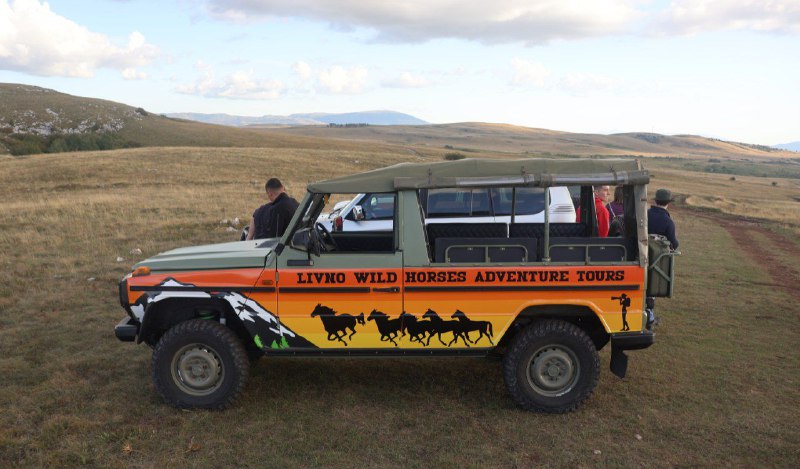
The town has developed a whole "safari" industry. The variety isn't what you'd get in
Tanzania, but what can you do? Even locals come to see them. My group included guys from Travnik and a Croatian girl with beautiful
tattoo flowers. Actually,
spots where horses hang out most often are marked on Google Maps. But there's no guarantee they'll be there. If you go with a guide, they know where and how to search further. Plus, the roads to those spots are terrible. You feel bad for your car.
During especially harsh winters, people try to help the animals. There are entire
charitable organizations! And
here there are lots of videos from there.
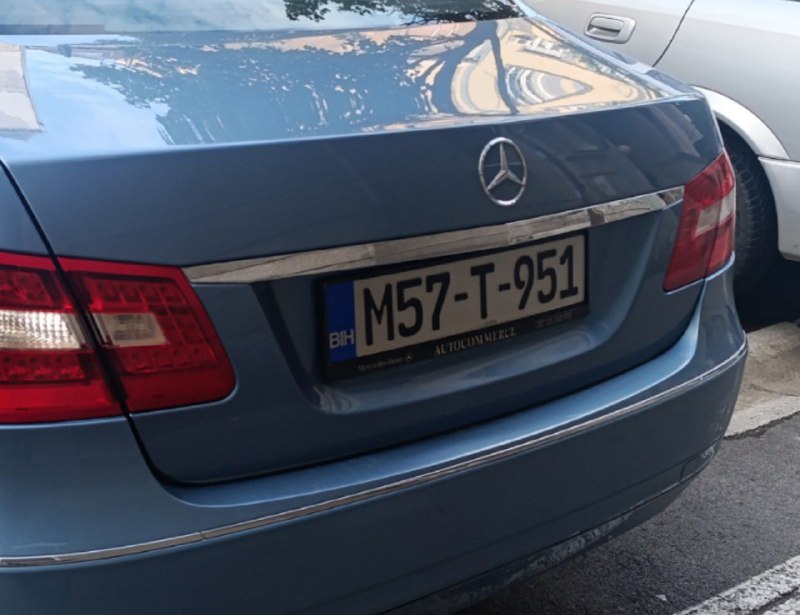
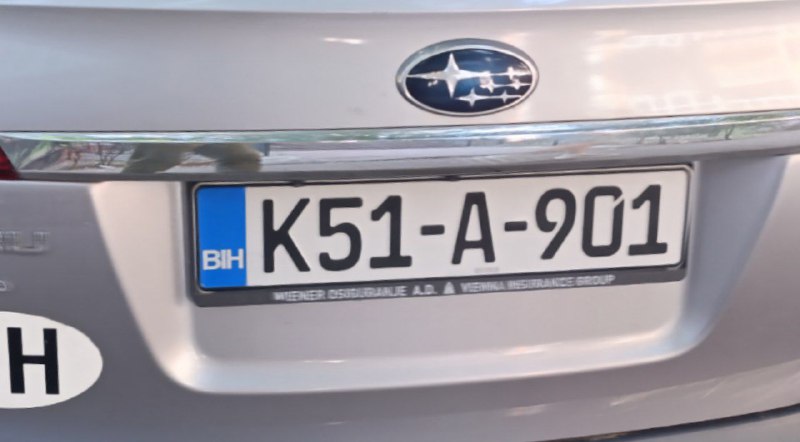
In most countries, you can figure out all sorts of interesting info from license plates. At minimum, the region of the country, and sometimes even the year the car was made. But that doesn't work with Bosnian plates. I spent a long time trying to find a pattern in them when I'd be on roads in Bosnia, until I finally gave up and
looked it up. There's no system here at all. Plates are issued completely at random. And that's done on purpose.
After the 1992-95 war, the High Representative for BiH (I talked about him
here) noticed that traffic police were giving people a hard time at the borders between Bosnian
entities. Cars with "foreign" plates were stopped way more often, they'd nitpick, demand bribes. But even if you managed to get past the police, cars with "foreign" plates often got vandalized, and then you'd have to find a place to polish out the scratches. So in February 1998, they removed regional identifiers from the plates and things got a lot better. Now M57 or K51 or any other combination doesn't mean absolutely nothing.
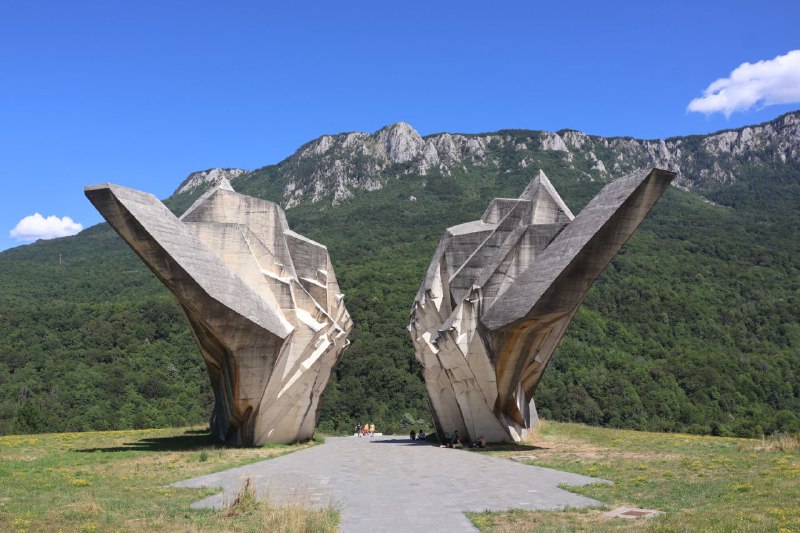
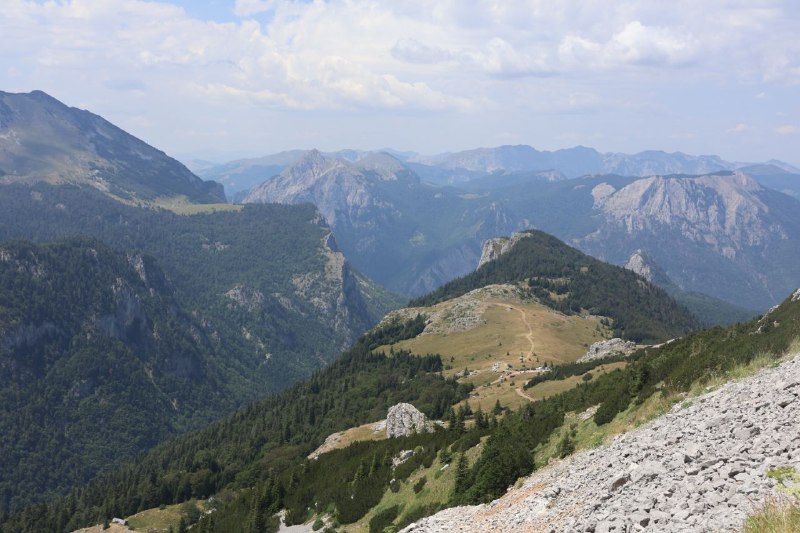
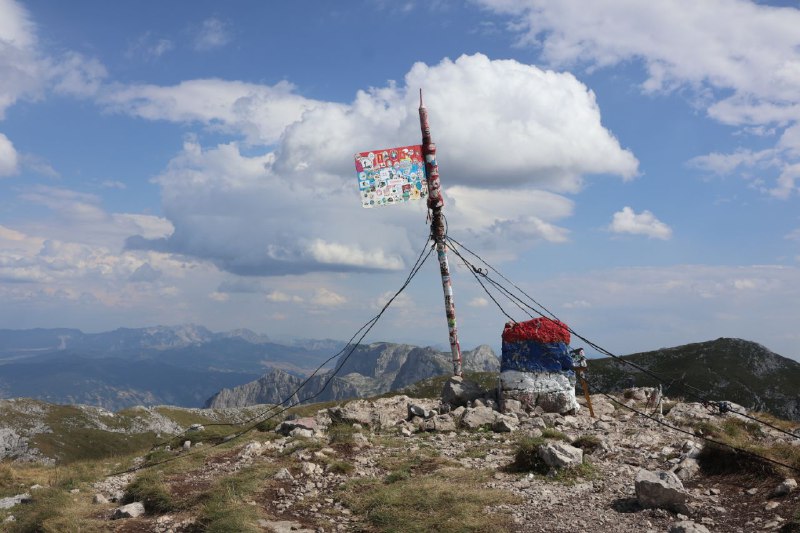
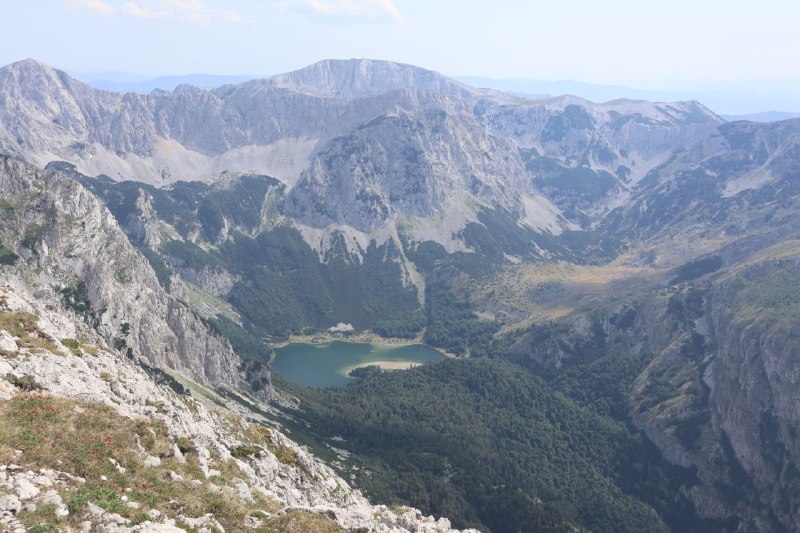
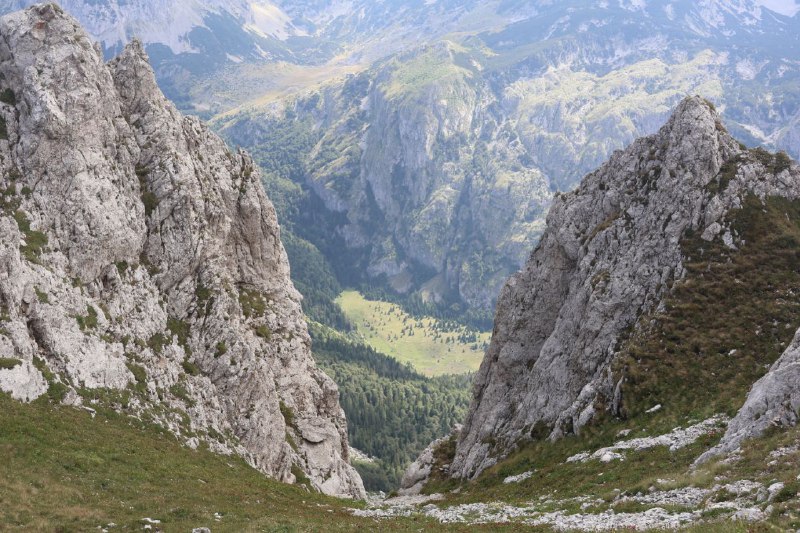
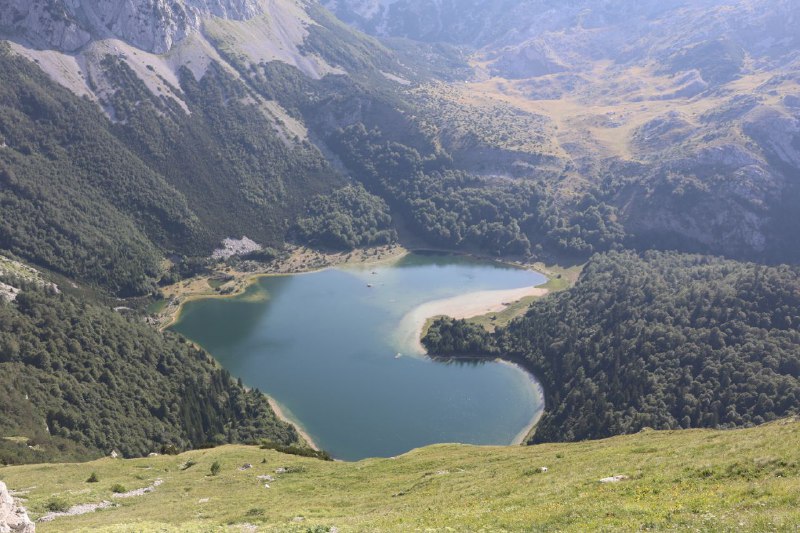
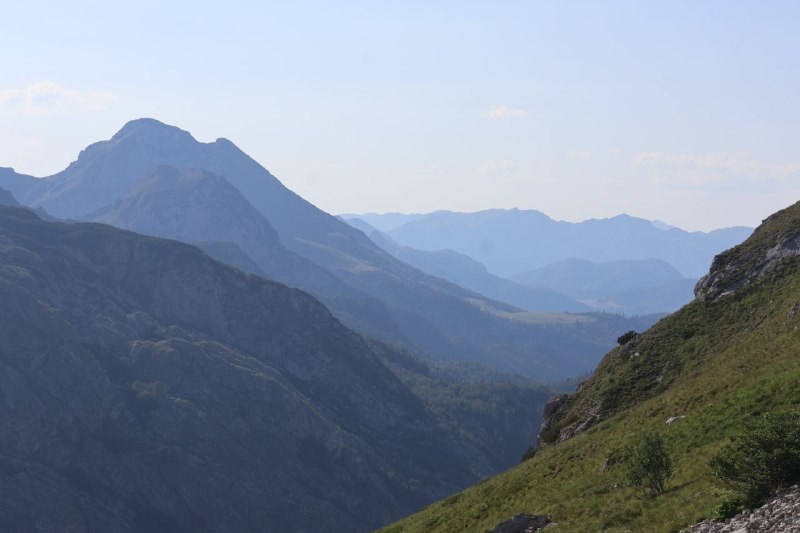
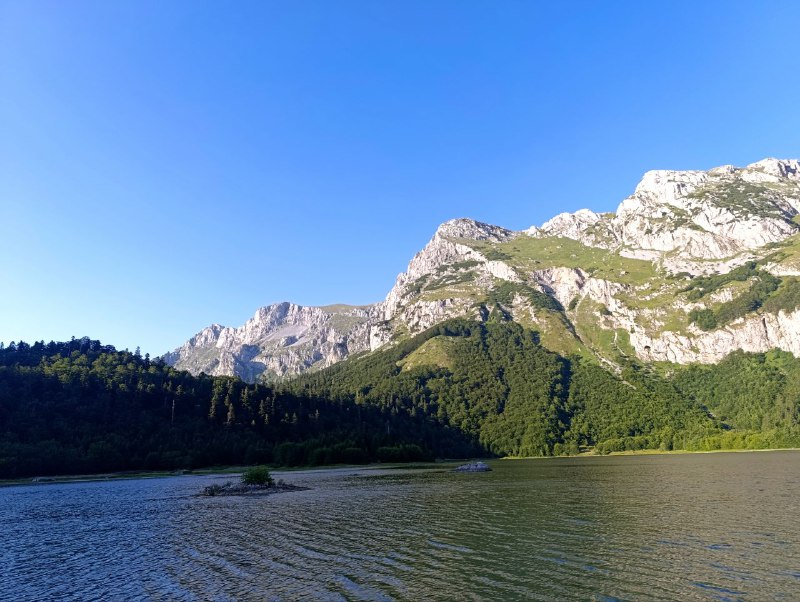
Sutjeska National Park has an amazing hike to Lake Trnovačko that takes you over Maglić, Bosnia's highest mountain. It's honestly one of the most breathtaking hikes I've done in the Balkans. The only thing I'd compare it to is
Prokletije. But it's definitely the toughest of the two. Some sections basically required light mountaineering. You don't actually need any gear—there are ropes set up at the difficult spots, but honestly check the anchors first because some of them looked pretty sketchy. If you're thinking about doing it, make sure you're up for the challenge. Here's
what it looked like.
So here's the thing—the hike starts in Bosnia, but the lake is actually in Montenegro. You're basically crossing the border, but there are no border guards or official crossings or anything. There's a little hut by the lake where you check in with your passport and pay 1 euro. When I got to the park entrance, I actually double-checked with the staff about how legit this whole thing was. They said it's totally fine—that's just how it works here.
There's also a direct trail straight to the lake without climbing the mountain. It's way easier, but you don't get to see the really spectacular stuff. I'm not sure it's worth doing honestly.
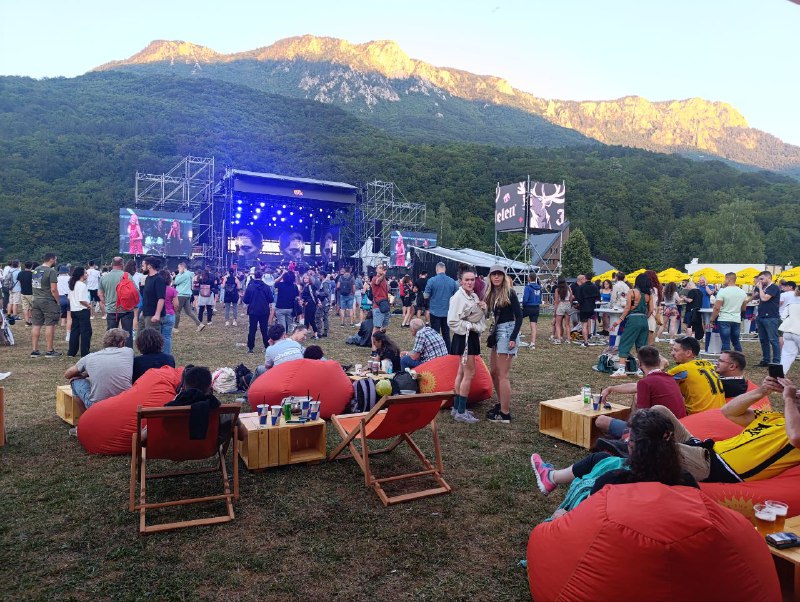
Bosnia has been hosting a
music festival for years now in the
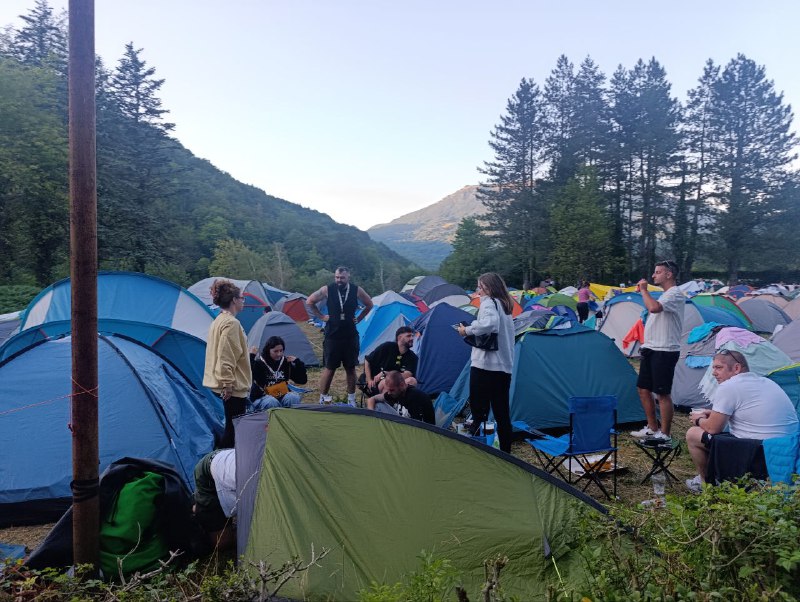
Sutjeska National Park. Music and mountains—how could I not go? The festival runs for three whole days. Some people show up with tents and hang out the entire time, but one day was enough for me. Saturday's headliner was
Dubioza, and they got almost two hours on stage. Honestly, that's mostly why I came. I didn't know many of the other acts, but I was surprised to see that the Croatian band
Psihomodopop is still performing—these guys have been singing since 1982, and I wasn't even born yet :) ).
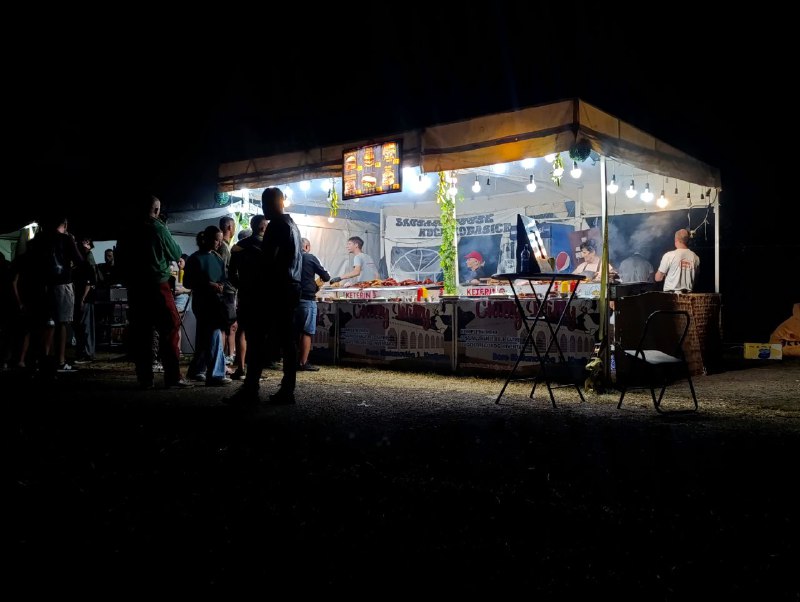
I was really surprised by the food and drink prices inside the festival area. You'd usually expect inflated prices at events like this. But nope—everything was normal, actually way cheaper than in Belgrade. For 10-15 marks (5-7 euros) you could grab a pljeskavica.
The crowd was pretty cool overall, though there was one sketchy moment where people would get a bit too excited and throw beer cups into the crowd. I got splashed a few times, but overall I left dry. It was awesome. I'll write about the mountains separately. They're absolutely stunning.
With rare exceptions, I try to pick local music for videos on the channel. Most of my clips are from the Balkans, and now I'm ready to dive into local concerts. You've already heard this track. Right after my trip to the States, it hits especially well.
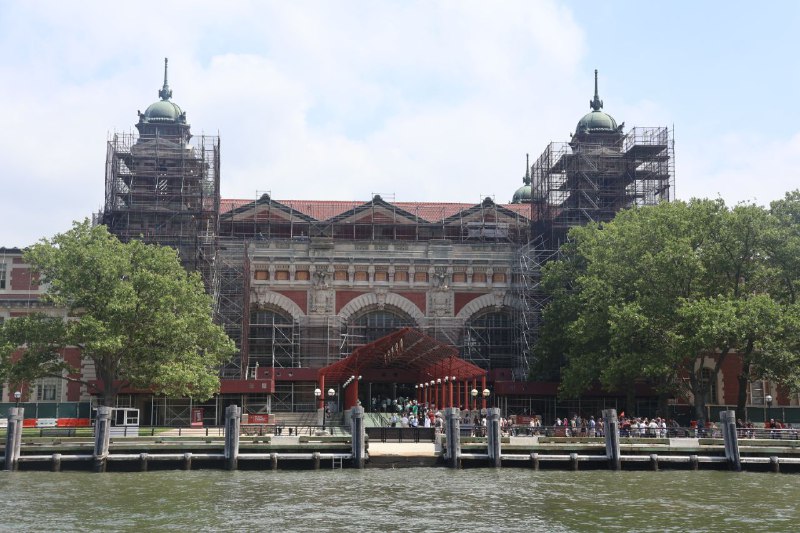
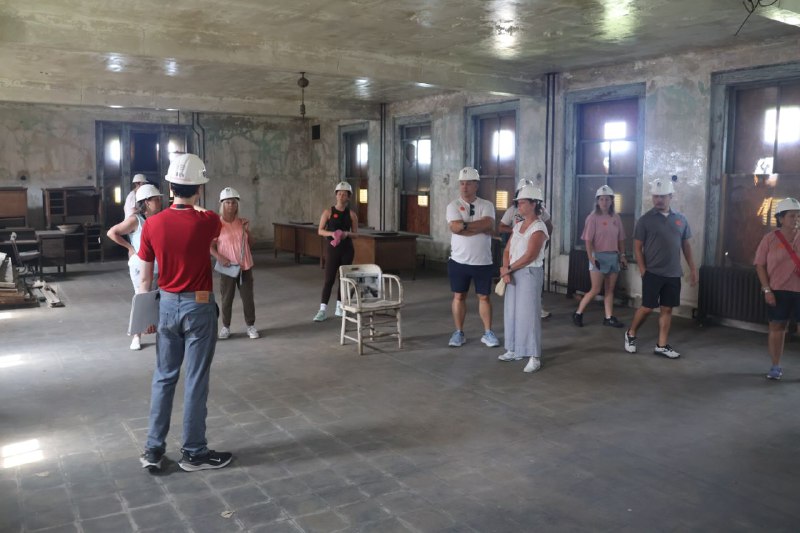
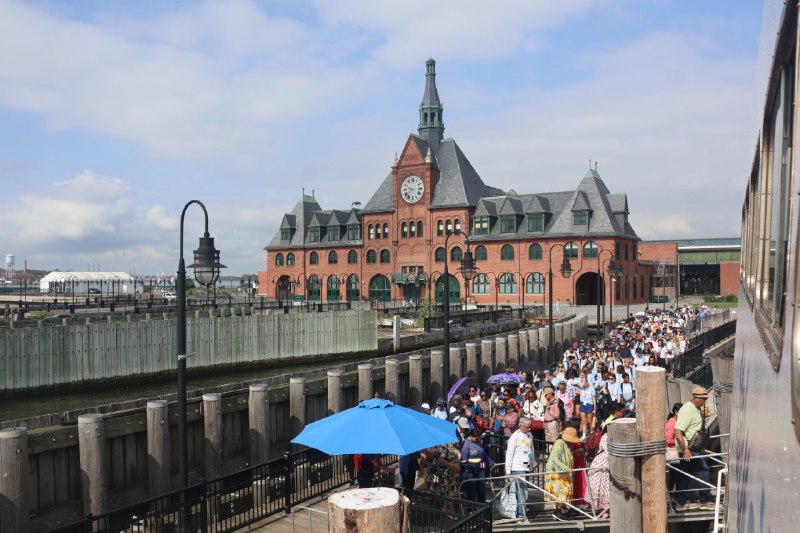
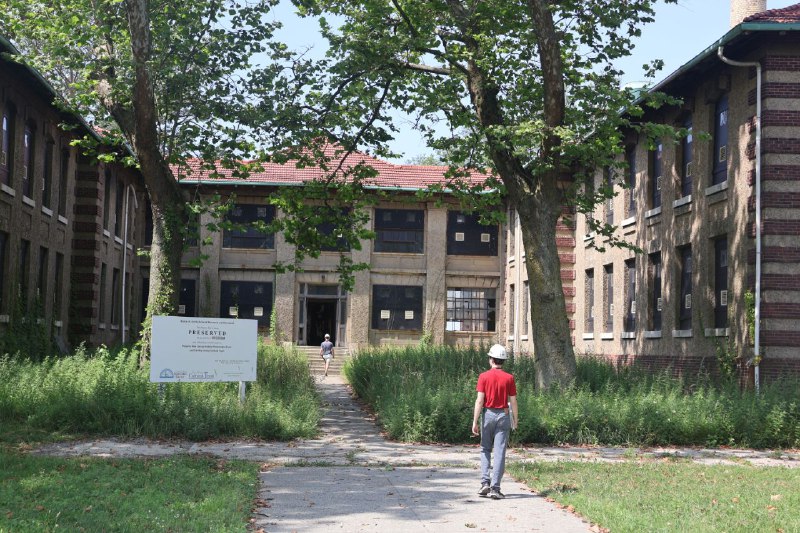
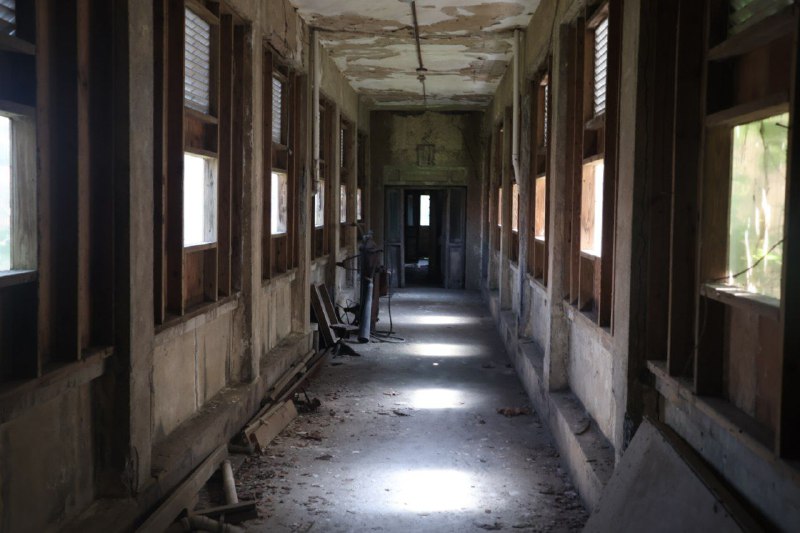
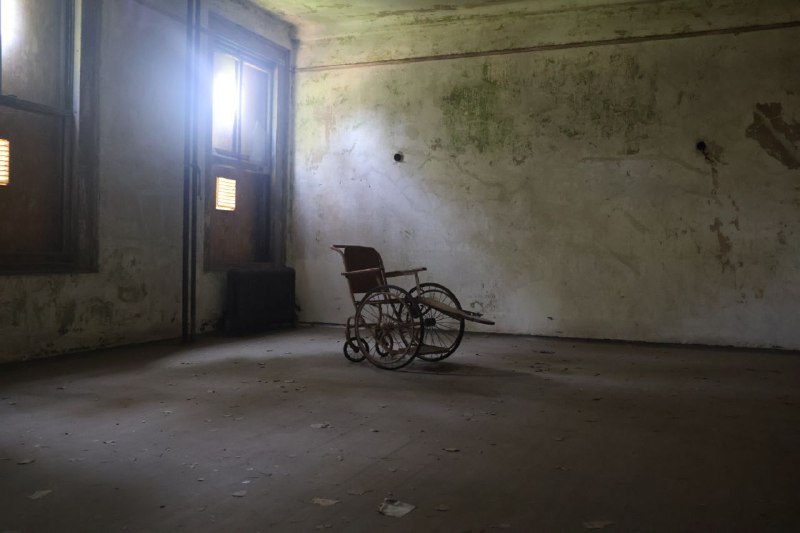
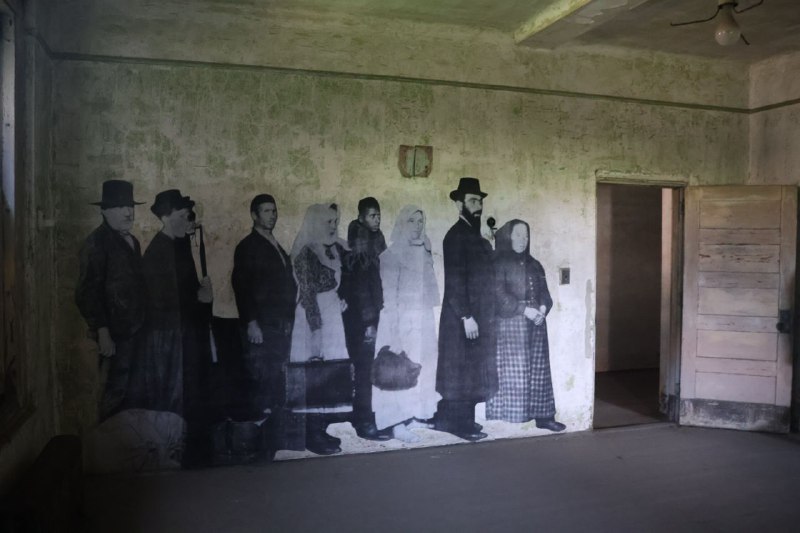
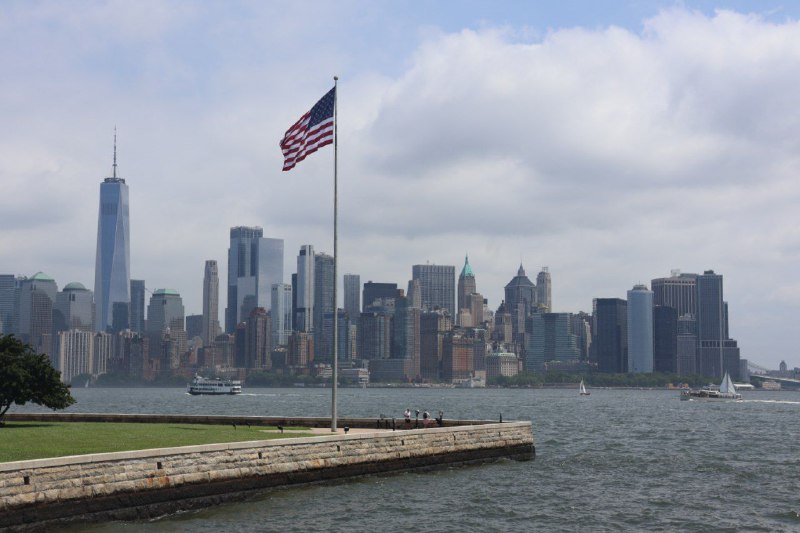
Finally made it to Ellis Island in New York. From the late 1800s to the mid-1900s, nearly half of all immigrants coming to the US entered through this island. Back then, almost everyone traveled by sea, and ships would dock here. First and second-class passengers were usually disembarked earlier, directly in Manhattan. Everyone else was sent for mandatory medical screening on Ellis Island. They were primarily looking for viral diseases. If there was any suspicion, people were isolated in the hospital, and it's through this hospital's buildings that tours are conducted.
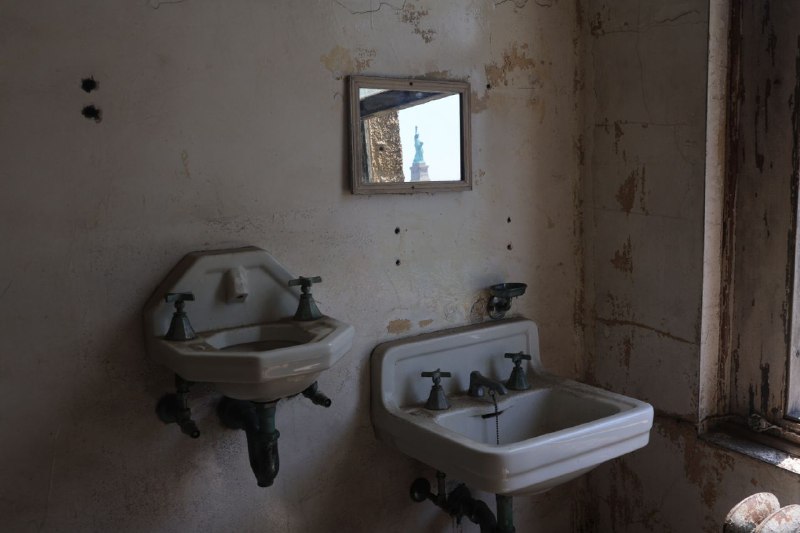
Those with incurable illnesses were sent back at the carrier's expense. If it was clear that someone wouldn't survive the return journey, they'd be kept in the hospital. There was a special ward with the best view of the Statue of Liberty for such people. But no one stayed for long. Mental illness also often resulted in deportation, though there weren't clear criteria for this.
Children presented a separate challenge: if parents were healthy, only the sick children would be kept for treatment. In some cases, this could last several months. Then they'd work out the logistics of reunification. Despite all the complexity, there were no notable cases of anyone getting lost.
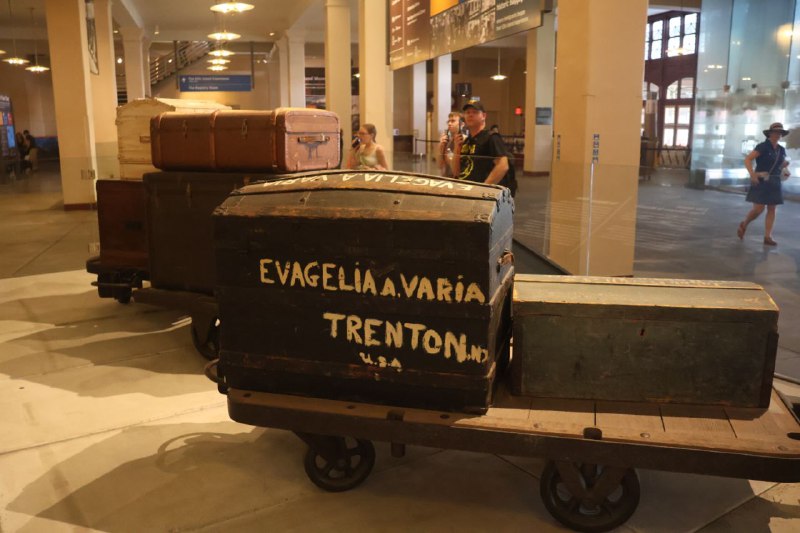
For Americans, there's a special attraction here—trying to find relatives who entered the country through this port.
Under US law, plants can't own property. But every rule has its exceptions.
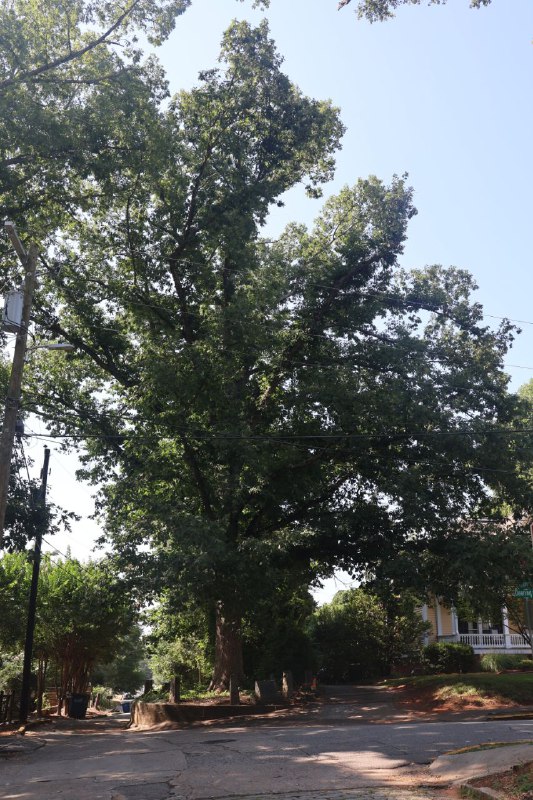
About an hour from Atlanta, in Athens (where I started to seriously question whether I was driving through the States or Europe) there's
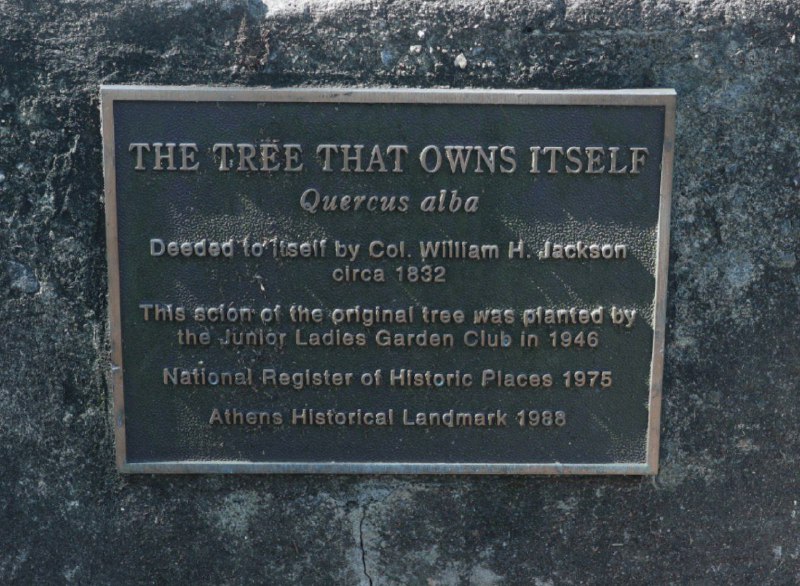
a tree that owns itself. According to legend, in the early 1800s, a local university professor named William Jackson really wanted to protect his beloved oak tree after his death. So he drew up a deed transferring the land to the plant. And for several decades, everyone just forgot about it. Until 1890, when the whole situation surfaced in local newspapers.
After the publication, residents were so moved by the story that they unconditionally began to believe the tree actually owned itself. The city administration then weighed in, saying that while this doesn't exactly line up with the law, we can't go against public opinion. Although no one ever actually saw the deed itself. Researchers lean toward the theory that it was lost, if it ever existed at all.
In 1942, a storm knocked the tree down, and the spot sat empty for four years until a girls' gardening club decided to plant a replacement there. Some Athens residents at the time had been growing trees from seeds of the original oak. They transplanted one of them to the historic location. Even a pastor came to say a prayer. The newcomer was declared the son of the self-owning tree, and they began to believe the rights were inherited.
By the way, this isn't the only case like this. A similar
story happened in Alabama, but it started later and there have been more generations since then.
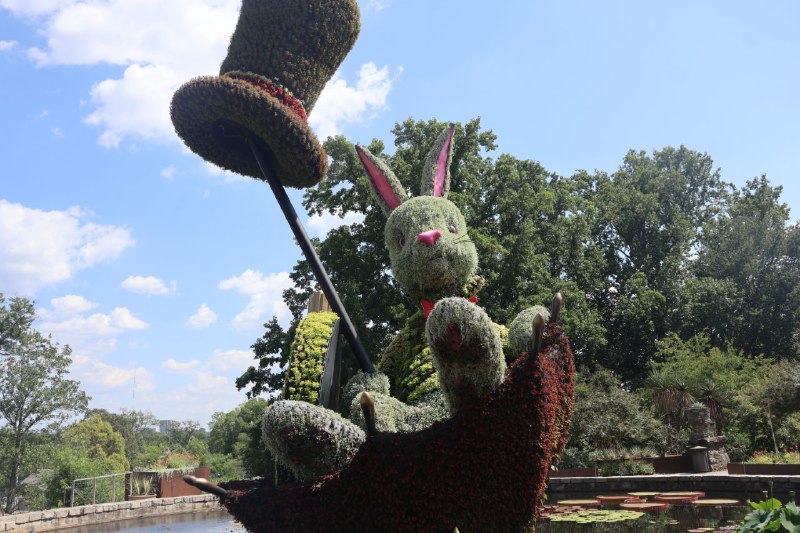
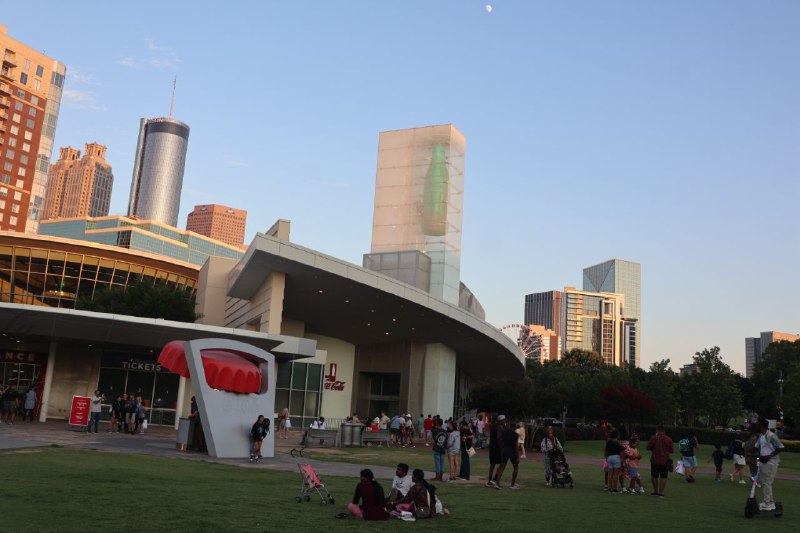
Atlanta's city parks are really awesome. The
botanical garden this year has Alice in Wonderland as its main theme, and they did a great job recreating scenes from the story. Though they're charging $30 just to get in.
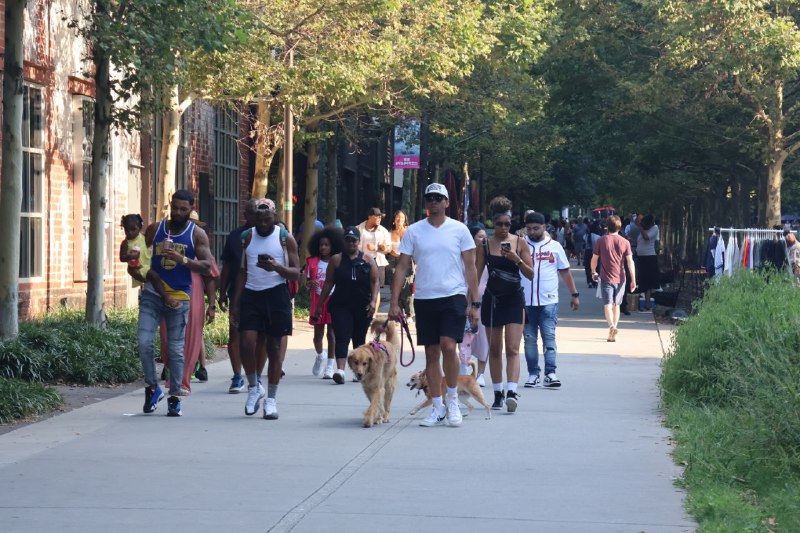
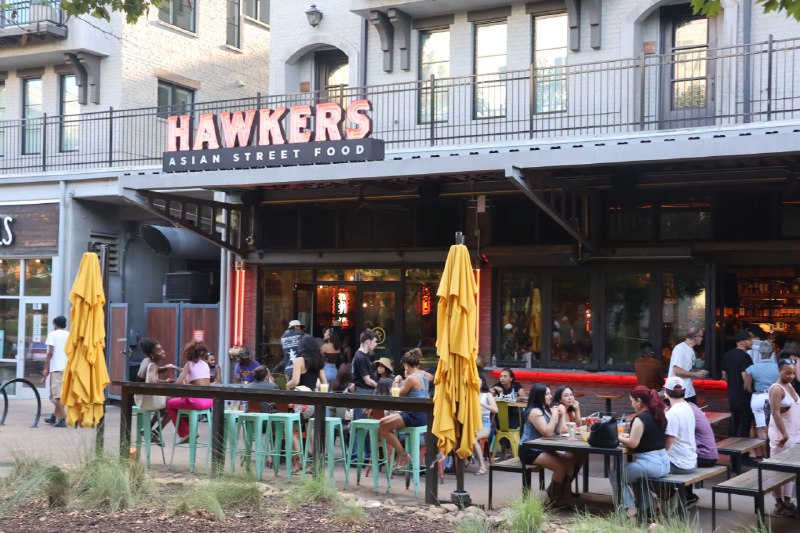
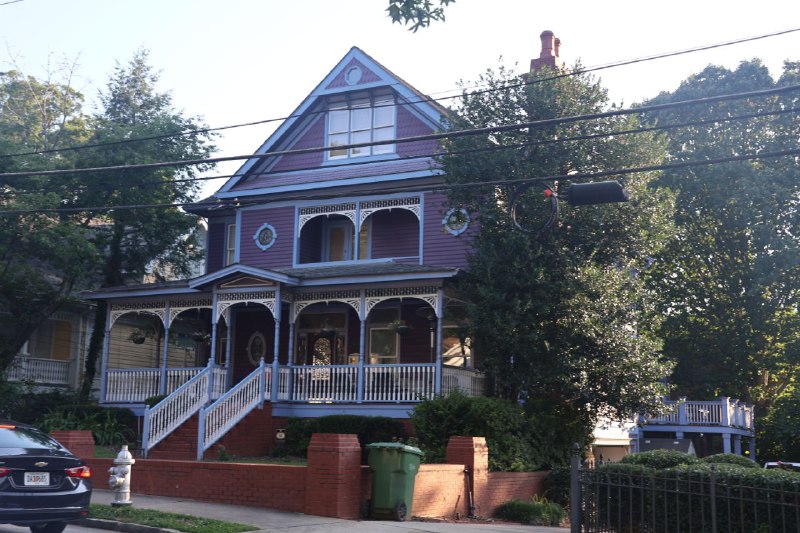
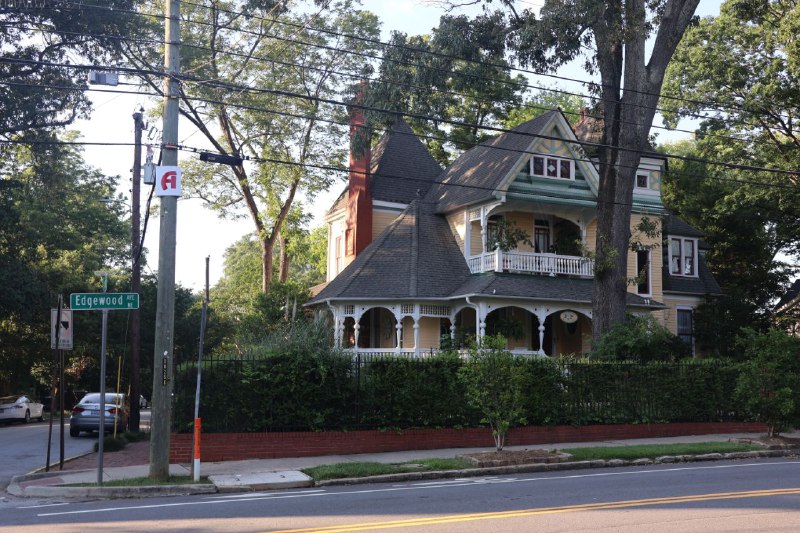
They've gentrified some of the little streets, and now they're really nice to walk around. The residential areas aren't bad either. If you stick to the good neighborhoods, it's actually a beautiful city overall. But if you venture into or even just pass through the rougher areas, what really stands out is the number of homeless people and panhandlers compared to smaller cities—though it's nowhere near New York levels. At intersections, drivers were aggressively asked for money more than once. Unlike Belgrade though, nobody actually handed anything over here.
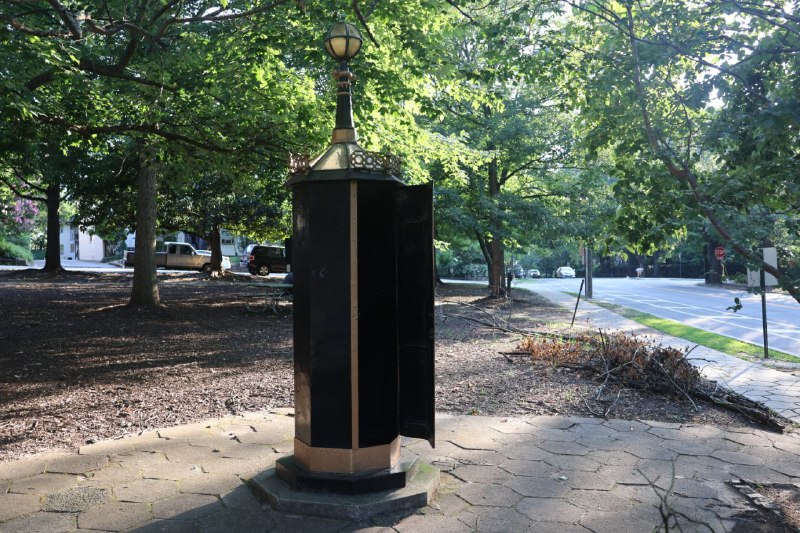
I found it interesting that until 1905, Atlanta had several one-person jails. These were these metal booths where they'd lock up offenders until a police car showed up (they called them "Black Marias" here). The black booth in the photo is one of them. You wouldn't want to spend much time in one of those in the heat, which is basically why they stopped using them. Later they sold them all off, but they recently managed to restore one back to its
historic location.
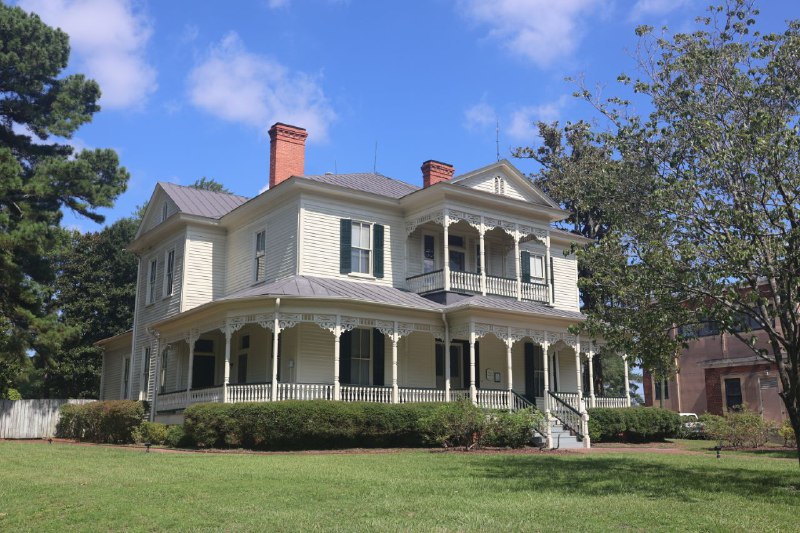
Americans love turning a simple landmark into an entertaining show. In Fayetteville, there's
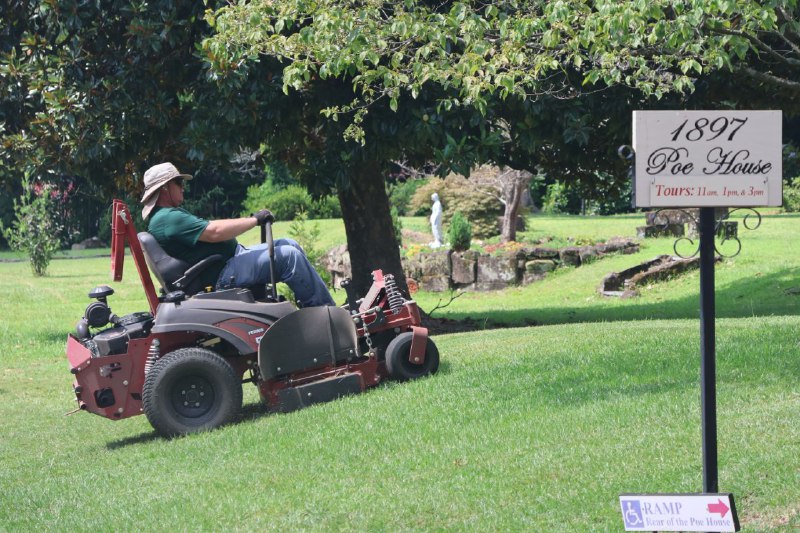
Edgar Allan Poe's house. Not the writer you're probably thinking of, but a businessman—who just happens to share the exact same name as the famous author. Some visitors figure this out once they're there, though the staff does honestly try to post signs everywhere explaining that they're different people.
You can only go inside with a guided tour. Completely free! Though they won't say no to donations.
Even though it's a small town off the beaten path and not really well-known, it actually had electricity by the late 1800s (!). Sure, the owner was a well-to-do middle-class guy, but if there's nothing to connect to, that doesn't help much.
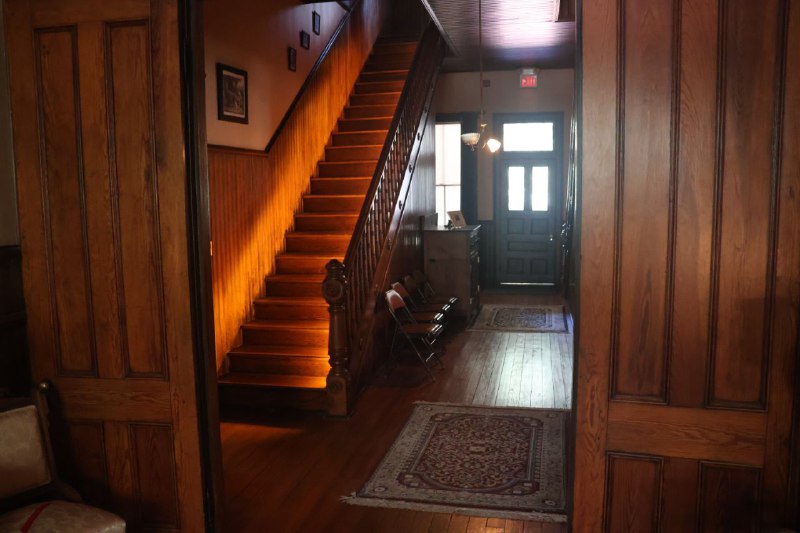
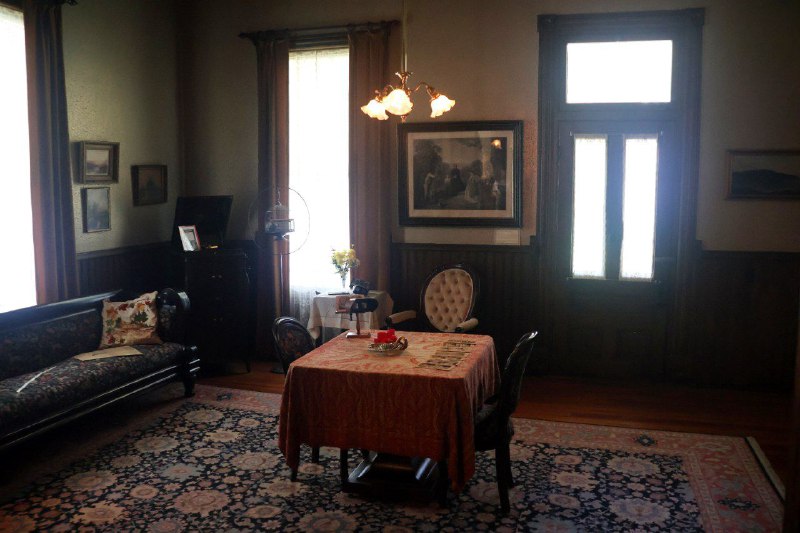
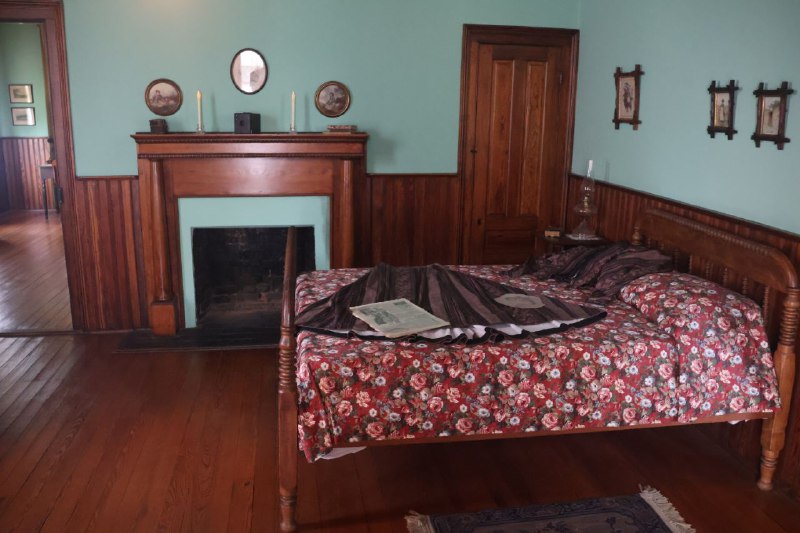
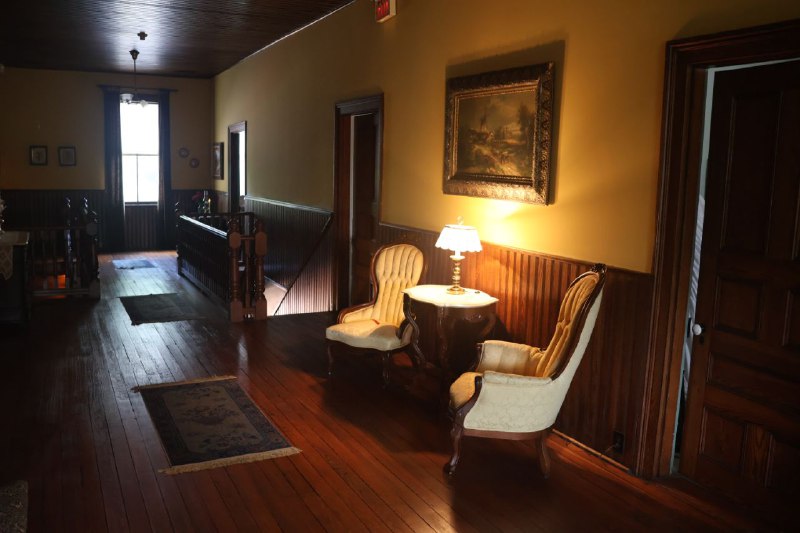
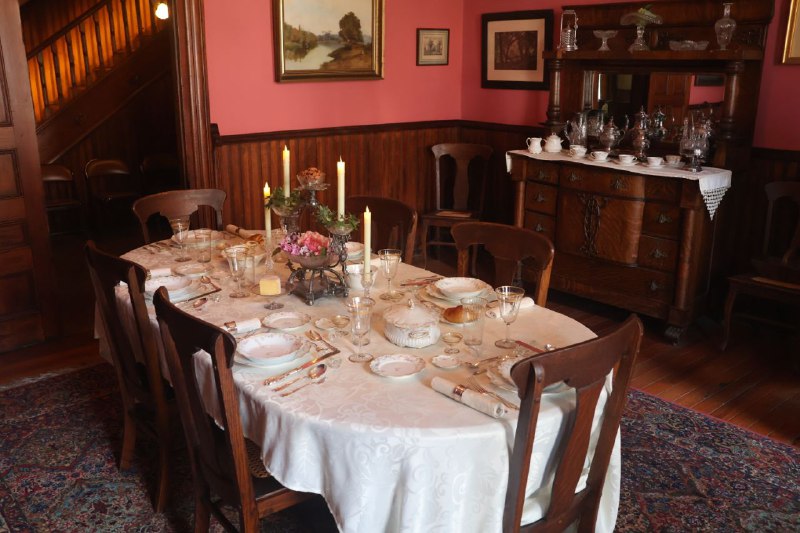
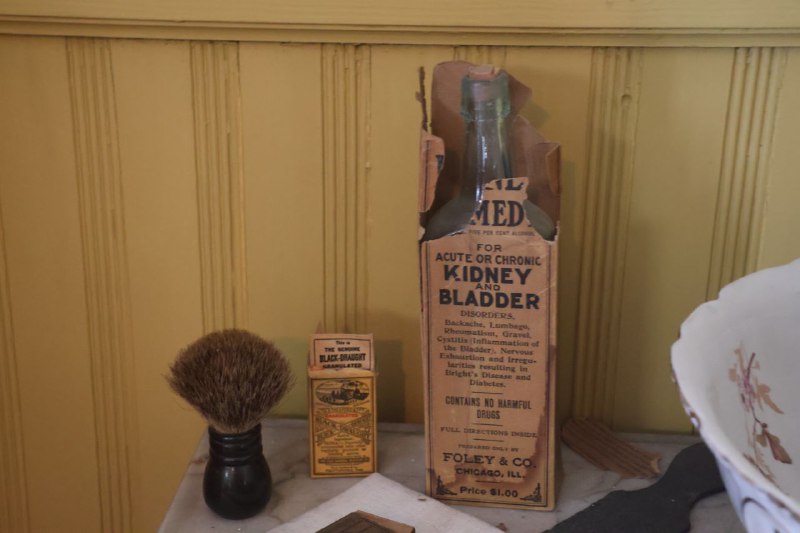
The businessman had 9 or 10 kids, and their many descendants scattered across different states. The house was sold long ago to an organization that turned it into a museum. Now the staff dreams of tracking down all the descendants and getting them together someday, but it hasn't happened yet. Apparently, almost nobody has even come to visit and see how their great-grandparents lived.
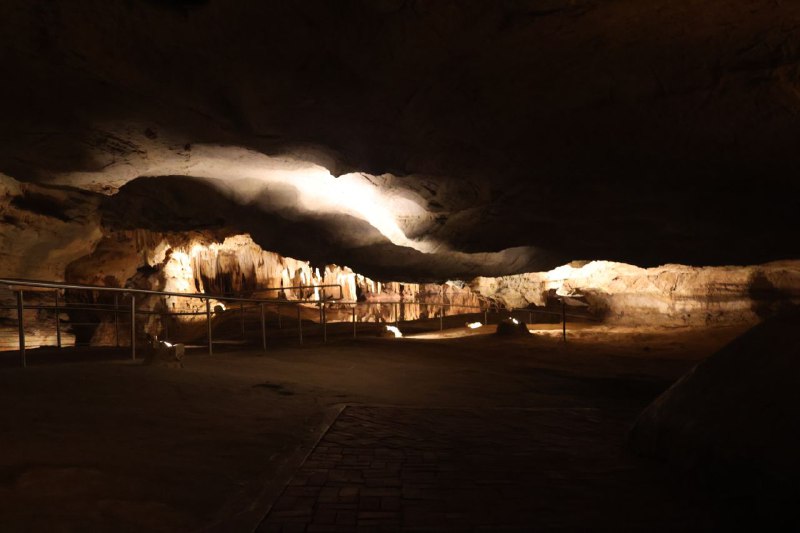
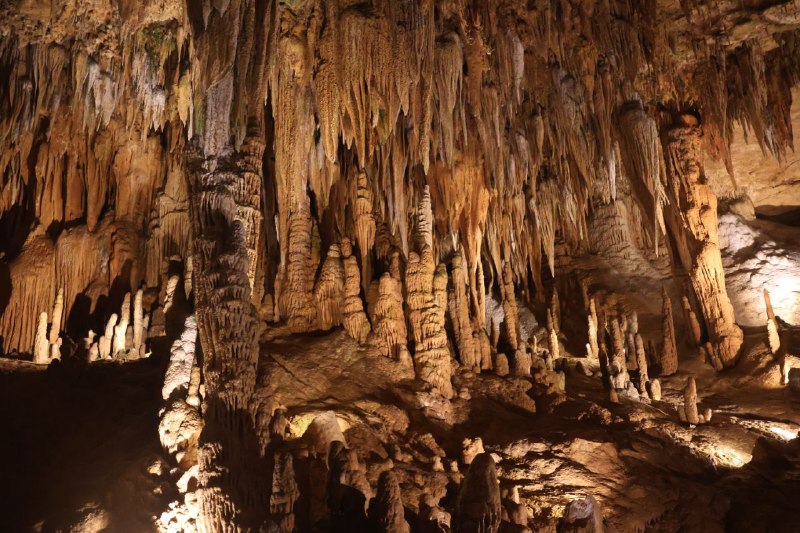
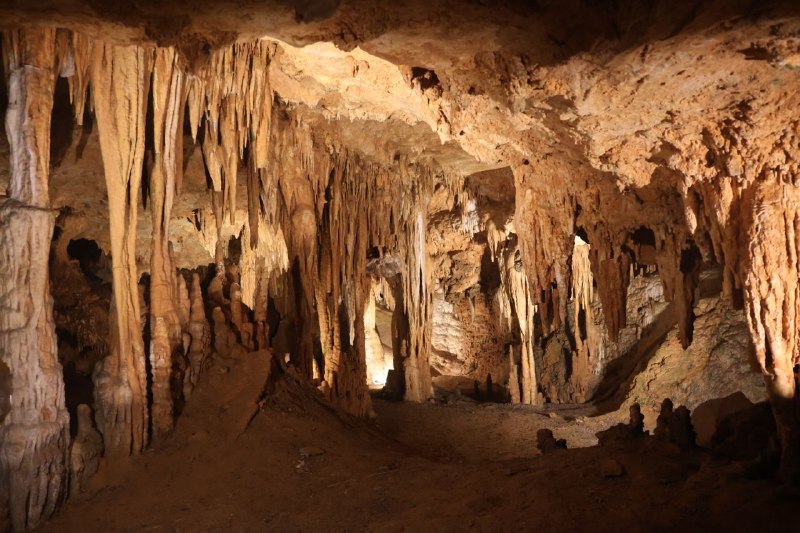
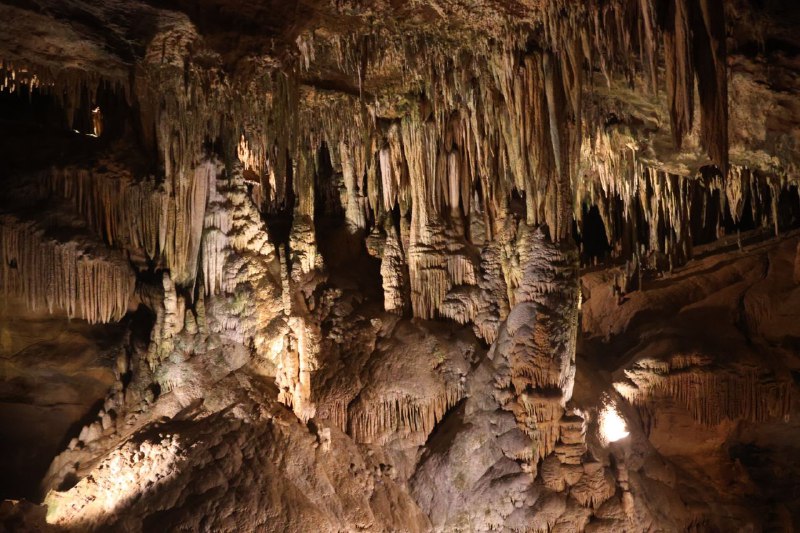
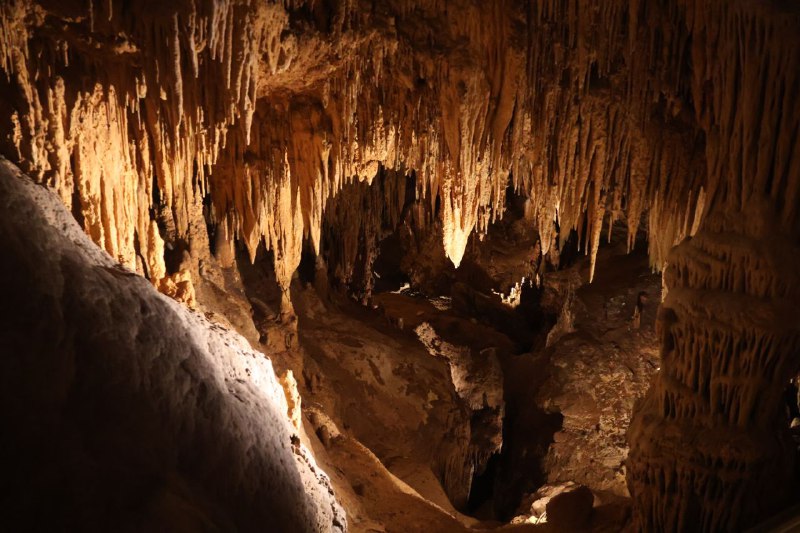
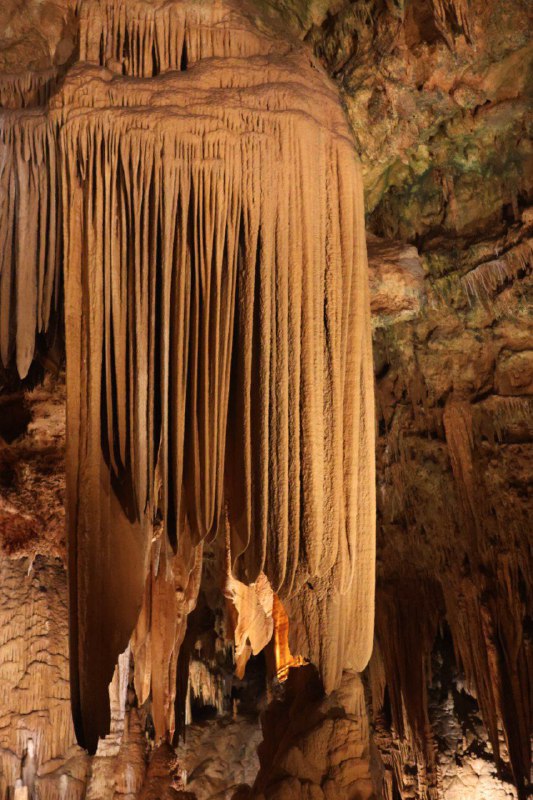
While I was traveling around the national parks in the southern states, I ended up at the
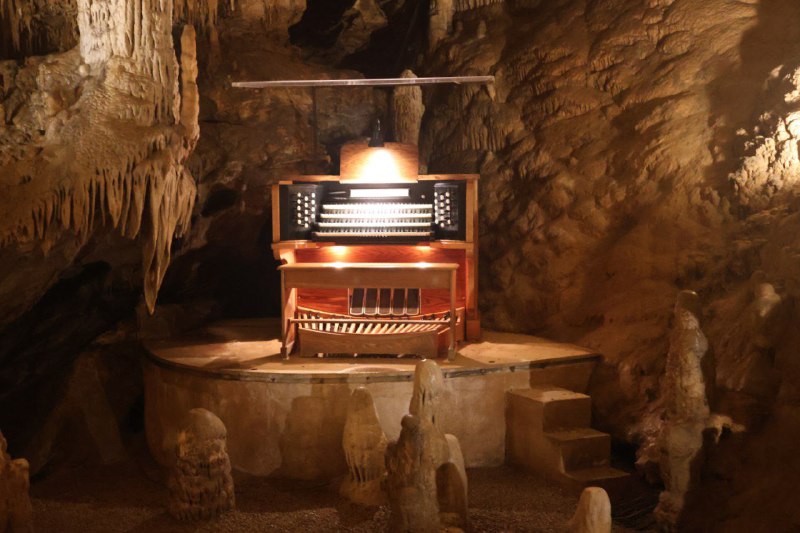
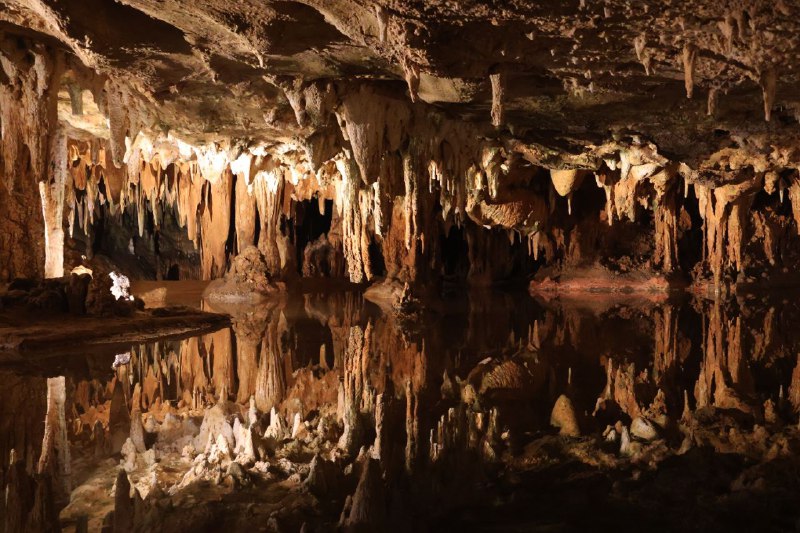
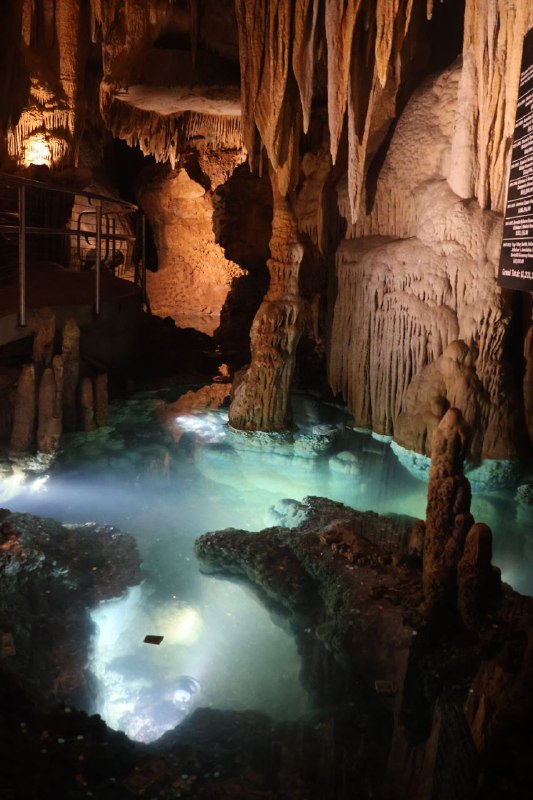
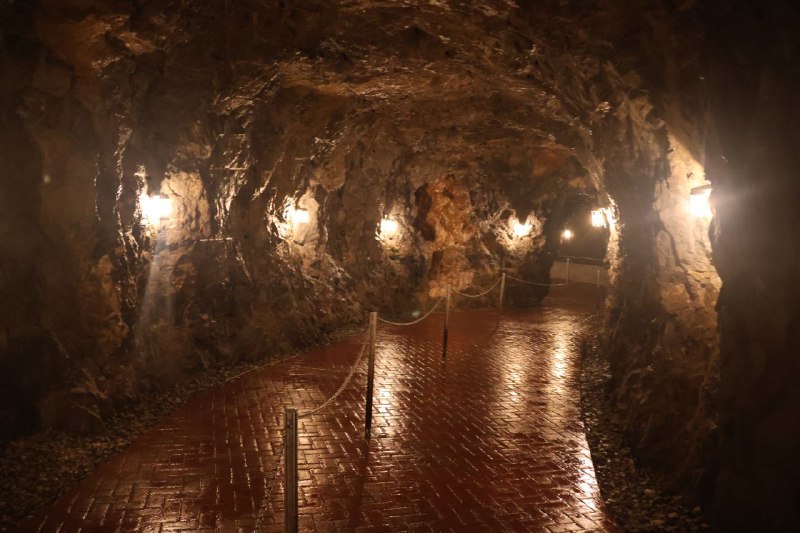
Luray Caverns. Inside there's a circular trail about 2.5km long with several levels. There were two really cool things: a lake that's literally like a mirror (second photo) and a stalactite organ.
By the way, this organ proudly holds the title of the world's largest musical instrument. A Finnish band called Pepe Deluxé even recorded a whole track for their album on it. You can listen to it
here. Even though it looks like just a gimmick to attract new visitors, you can see in the video how the hammers strike the stalactites.
According to legend, a scientist named Leland Sprinkle came here on a tour with his son. The kid hit his head on a stalactite, but the father was so impressed by the amazing acoustics of the cave that he built this contraption. When you enter the room with the instrument, the music starts automatically and you get to hear it live. Pretty cool.
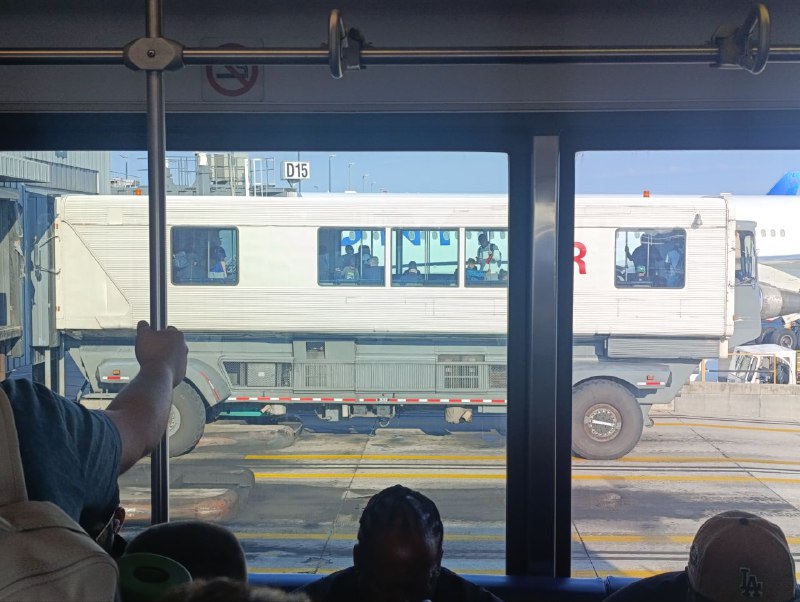
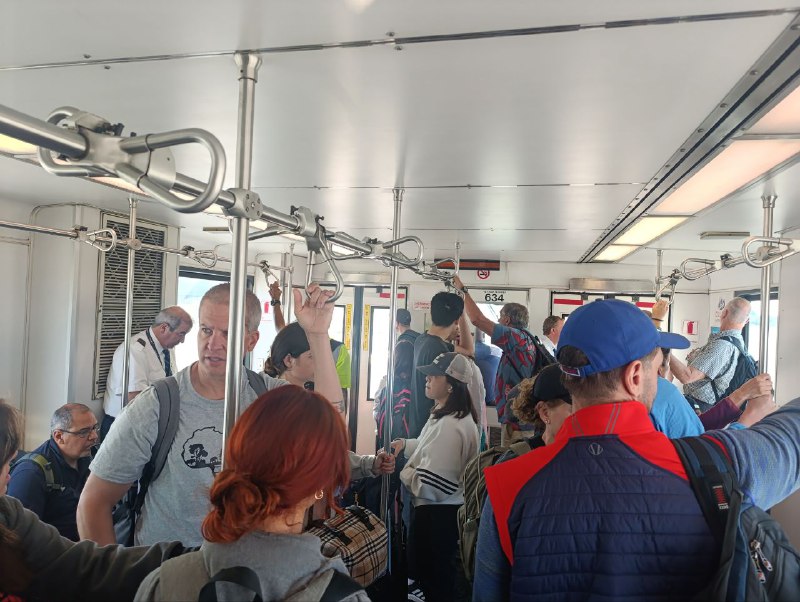
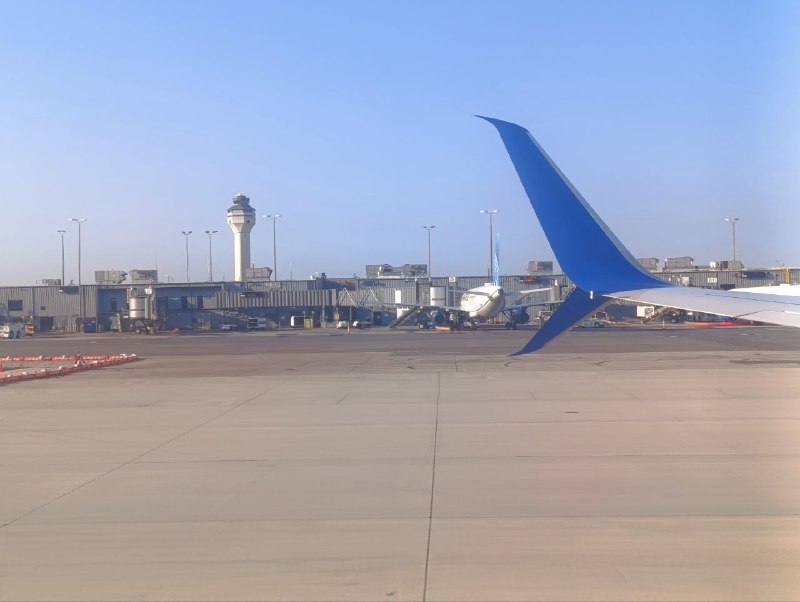
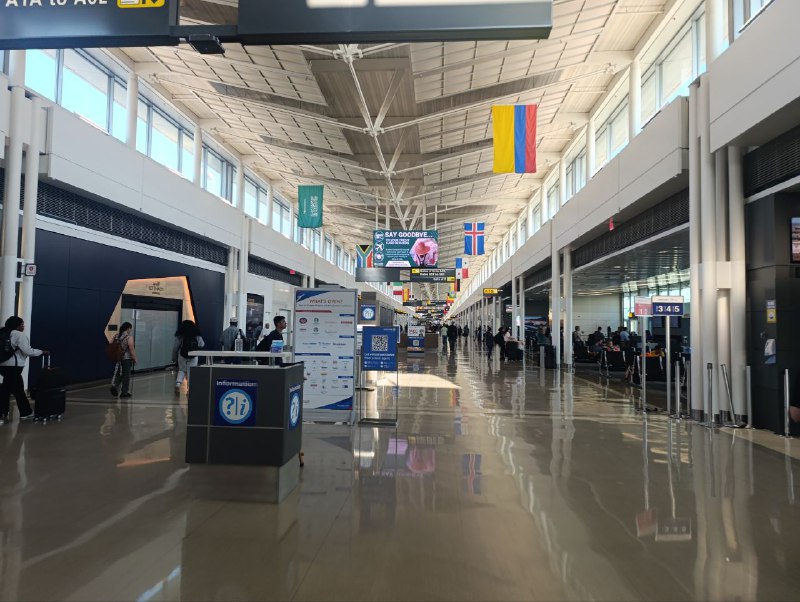
On my way to Georgia, I had a layover in Washington (IAD) and it's a really strange airport. You can't shake the feeling that you've landed at some kind of military facility—the terminals look like a jumble of barracks, everything seems thrown together in a rush. Though the airport was always a civilian one. Plus, you have to take shuttle buses to get between terminals. Very weird experience.
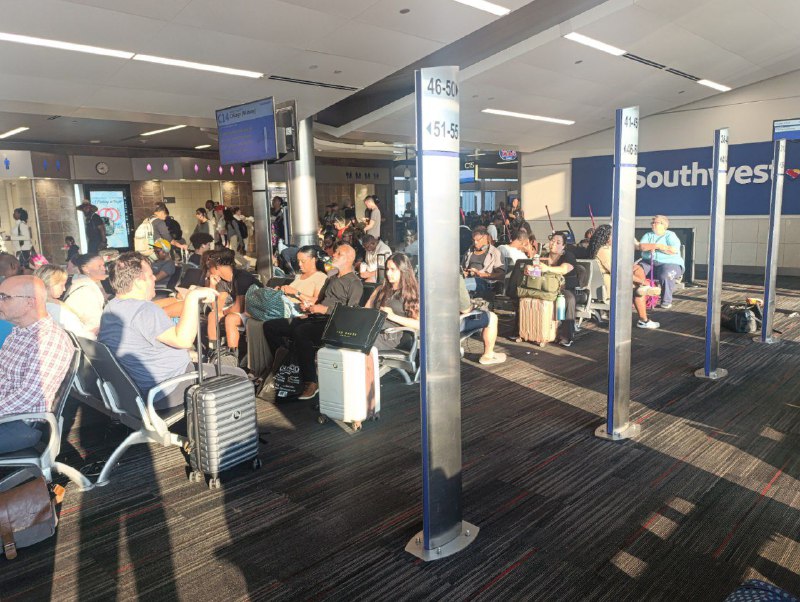
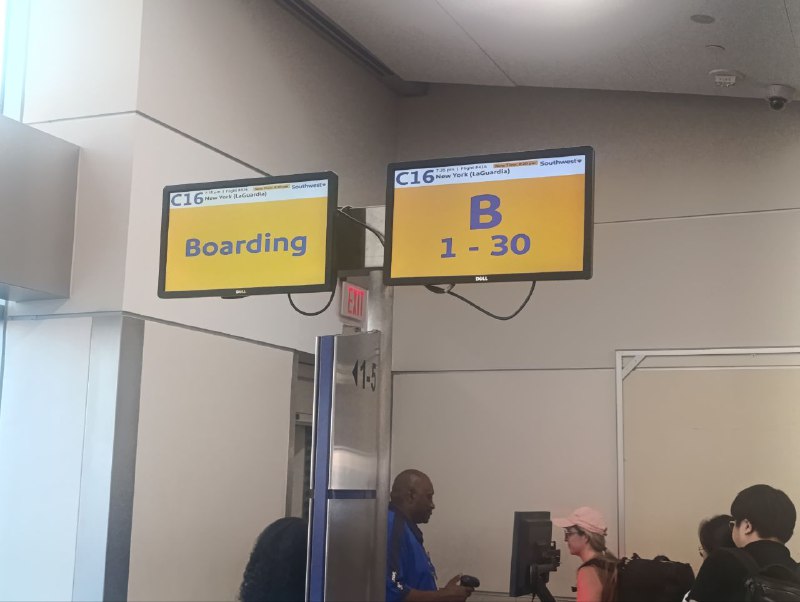
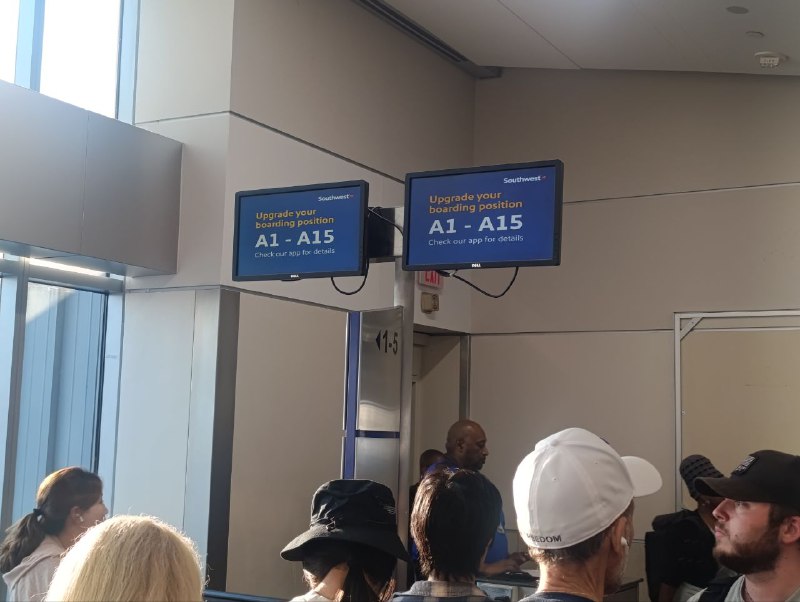
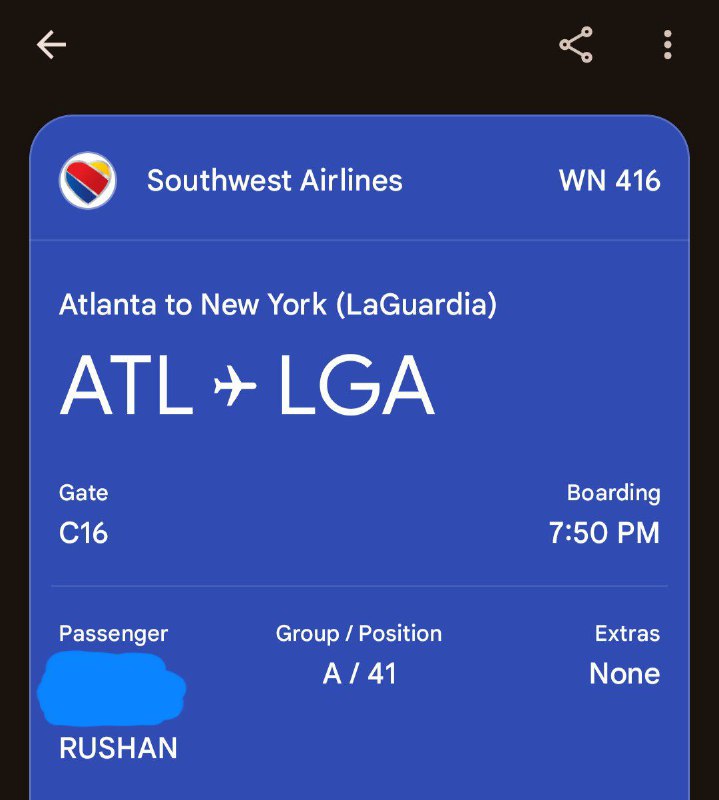
And I've flown Southwest more than once before, but I still can't get used to the fact that the airline doesn't assign seats to passengers. Your ticket has your boarding group number, and then you just pick any empty seat in the cabin. Somehow it works without any fights breaking out.
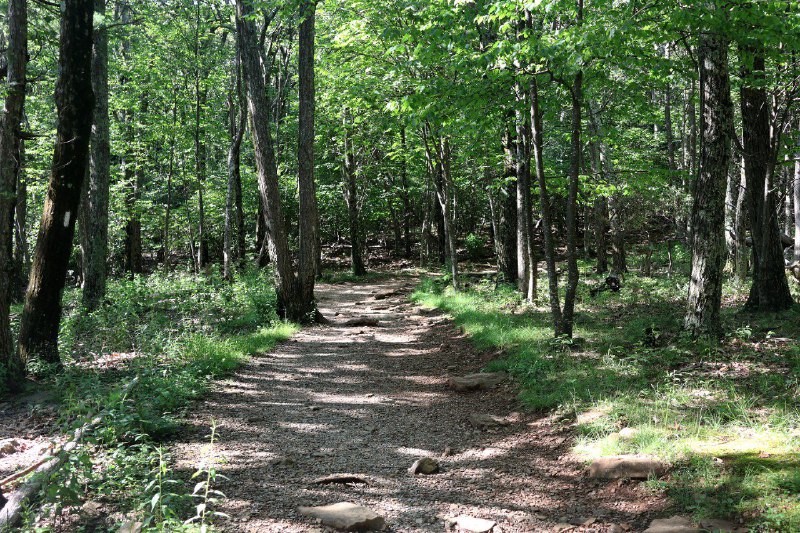
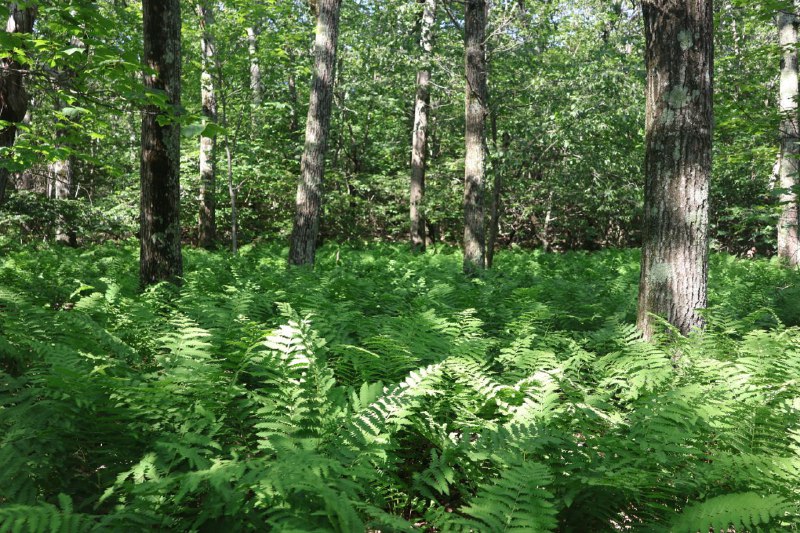
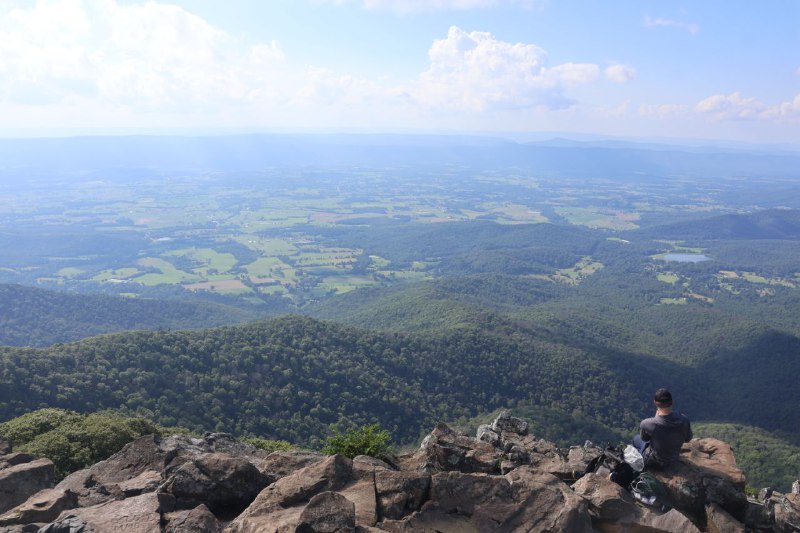
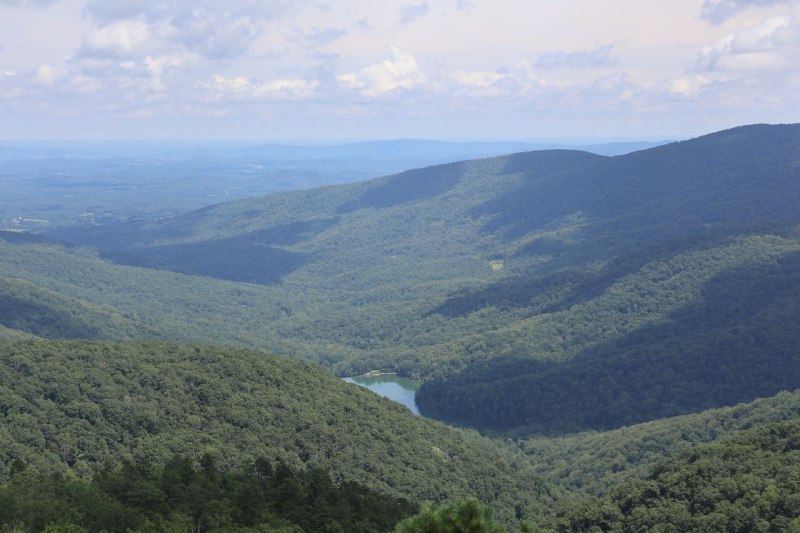
You've probably heard about the Lycian Trail in Turkey over the past couple of years. In the States, there's the
Appalachian Trail, which is more than 5 times longer. I managed to hike a small section of it. You can't find time for the entire route, but even the demo version is really great.
The trail became famous in the 1950s thanks to a woman from Ohio.
Emma Gatewood had a difficult life: a large family, regular beatings from her husband, sometimes nearly to death. On top of everything, her husband was found guilty of killing another man but wasn't imprisoned because they had 9 minor children. What humane justice existed in 1924 in the USA. Emma often went into the forest to find peace and quiet. Only by 1941 did she manage to get a divorce. Quite an extraordinary thing for those times. But her love for hiking never went away.
In 1949, Emma came across an article in National Geographic about the Appalachian Trail. It was written as if anyone could easily and simply walk all 3,500 kilometers without any special training. So the woman set off, but after a few days she got lost, broke her glasses, and ran out of food. Park rangers accidentally found her and convinced her to go back home. But her children never found out about the failed hike.
A year later, at age 67, she told her now-adult children that she was going for a walk. It didn't occur to anyone to ask how long she'd be gone. The walk lasted 146 days! From the beginning of May through the end of September. For the entire trail, she took only a shower curtain in case of rain and a backpack with a change of clothes. Local media immediately picked up the story and ran with it. Riding this wave of popularity, the woman started organizing an annual 6-mile hike in one of Ohio's parks. By the last one in 1973, 2,500 people showed up.
Emma completed the entire route two more times. At age 71 (!) and at 76 (!!). I'd love to be able to casually hike three and a half thousand kilometers at 70+.
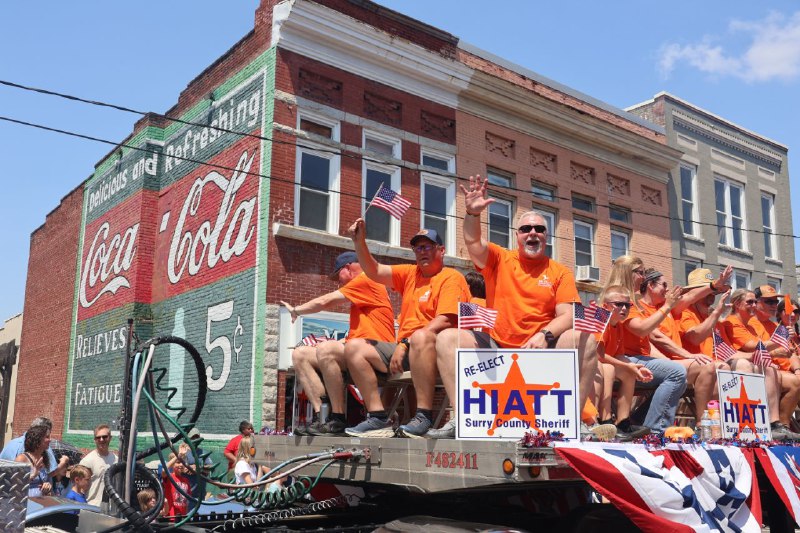
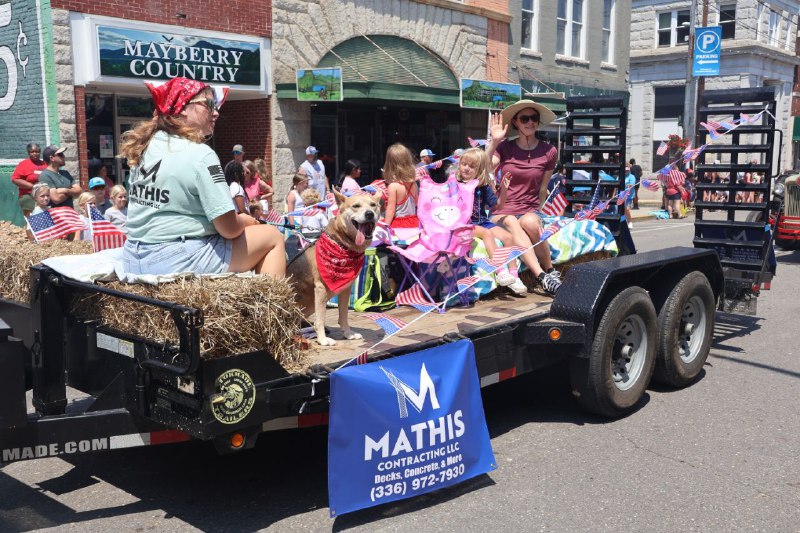
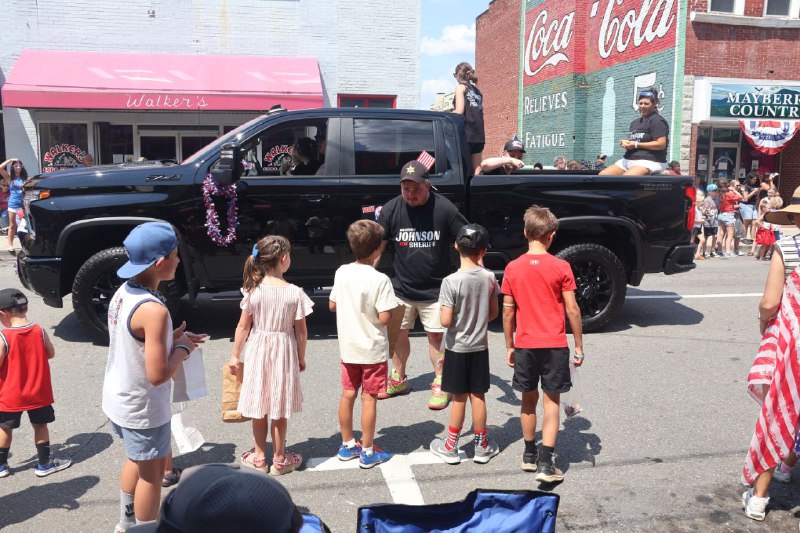
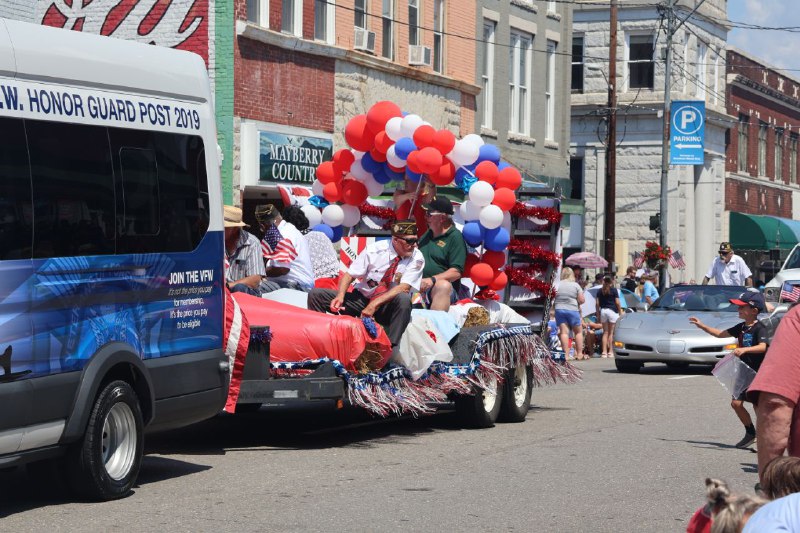
Of course, someone had the idea to use a platform like that for advertising. Even political ads. Under the same rules, if you're advertising something, you need to contribute $50 to the parade fund. Not that expensive really, considering almost the whole city is guaranteed to see it.
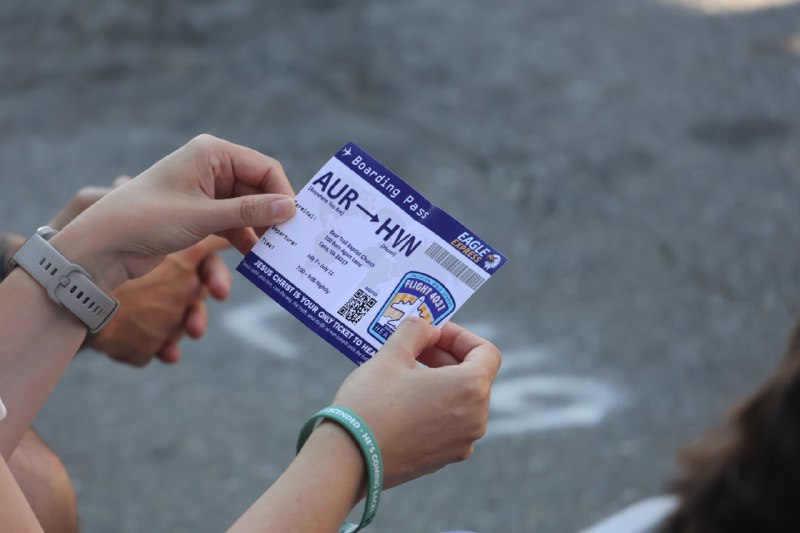
There were also various representatives from all kinds of churches walking around in the crowd, handing out flyers. Though the preachers probably didn't pay anything—they disappeared somewhere once the parade started.
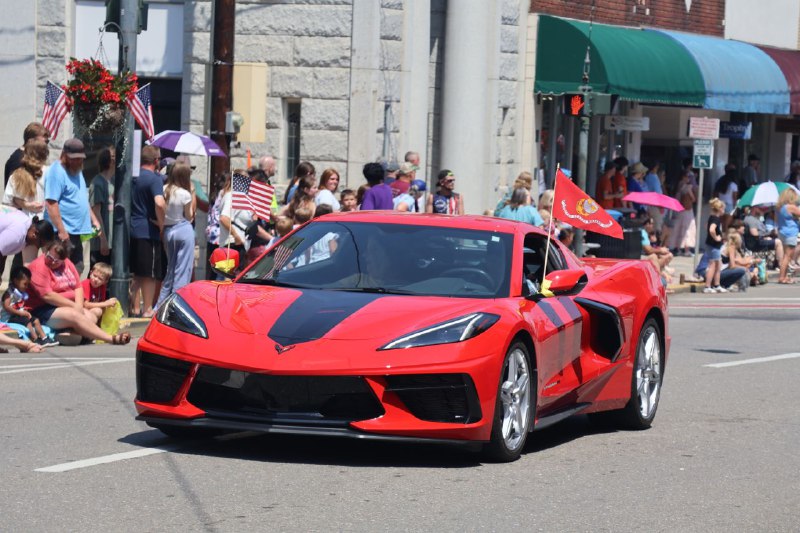
The parade was in the morning and lasted about an hour. In the evening, they always put on a fireworks show regardless of the parade.
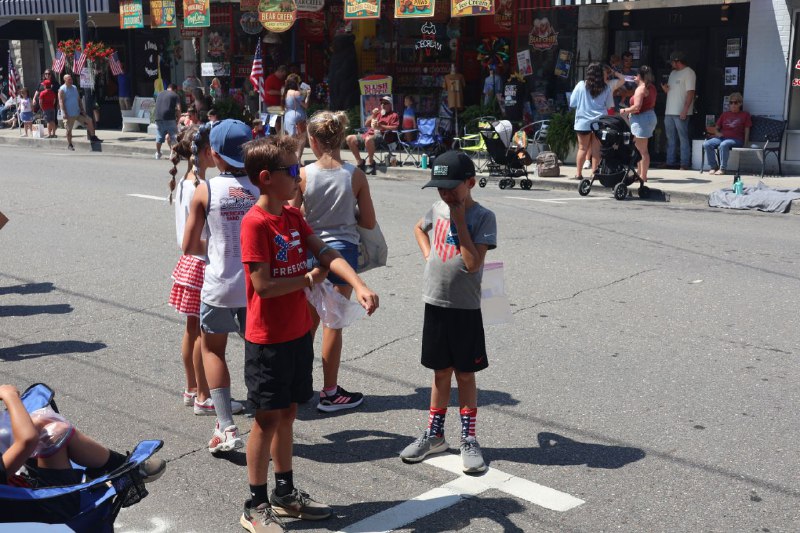
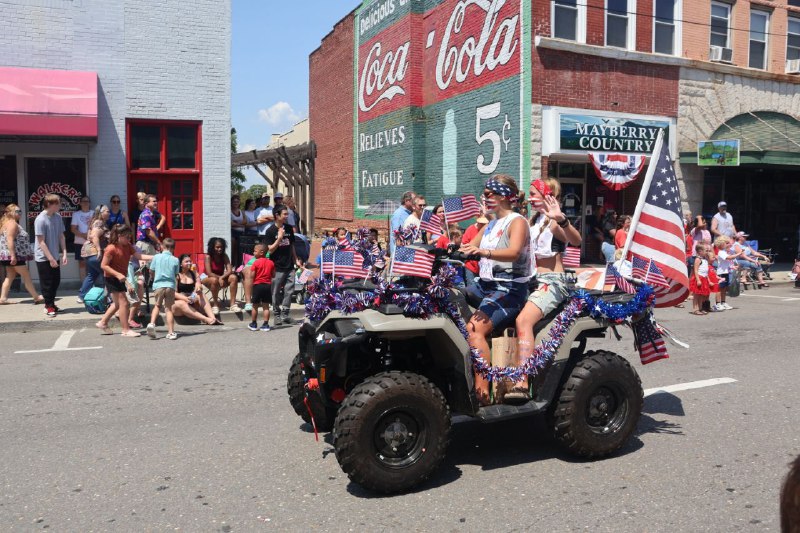
The kids were having the most fun. People in passing cars would often throw candy, and sometimes toys too. According to the
rules, you're not supposed to do that (there should be a helper handing everything out directly). But almost everyone just threw the sweets straight at the kids.
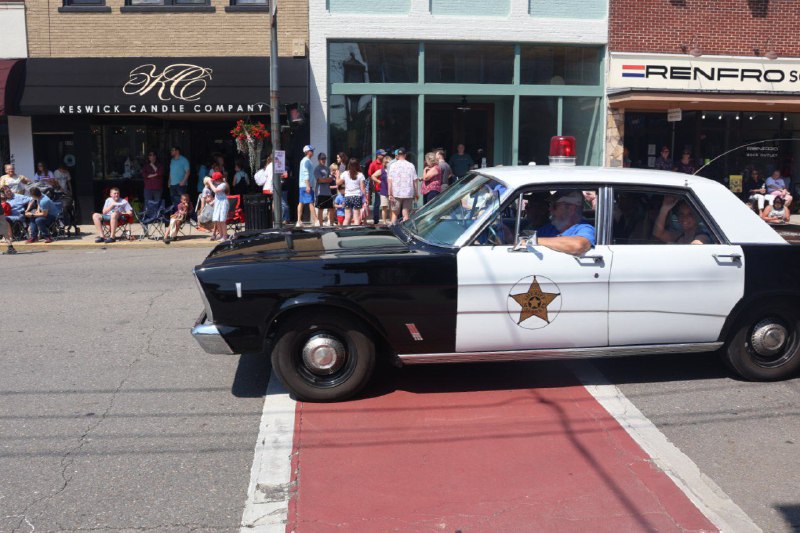
On the bright side, there were plenty of sports cars and super loud fire trucks with ambulances. You might want to turn down the volume on the video though. Listening to that for a long time in person isn't really that pleasant.
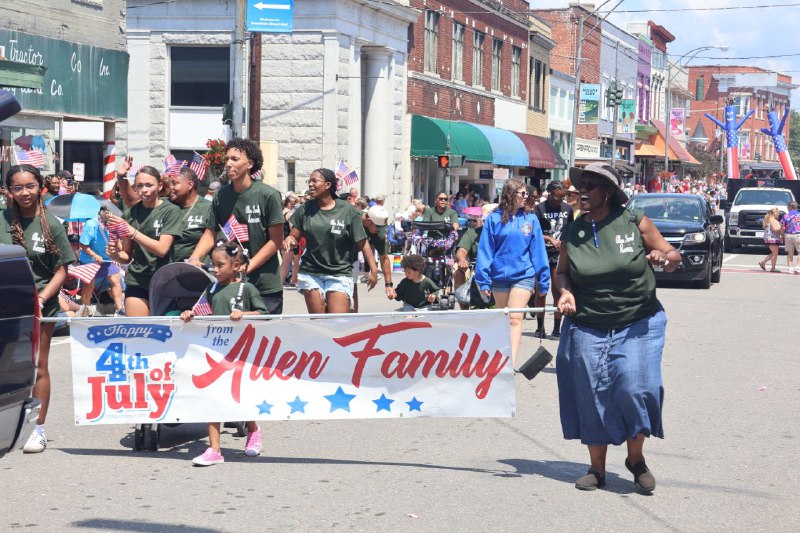
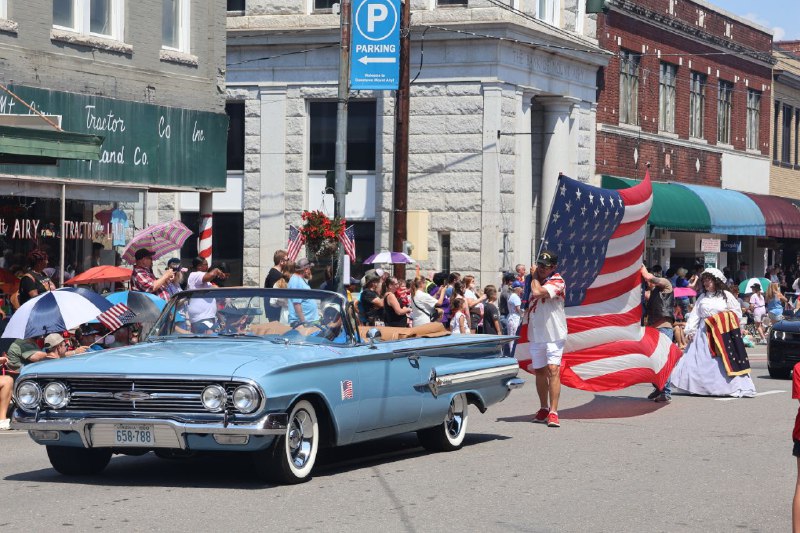
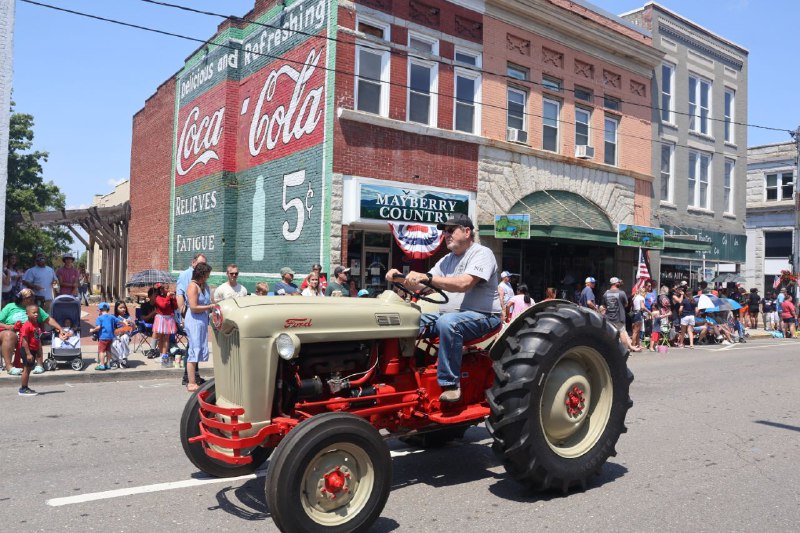
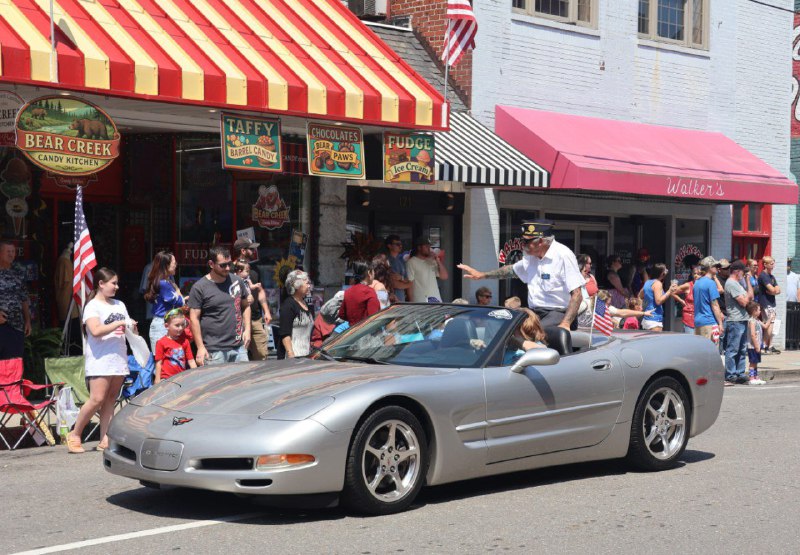
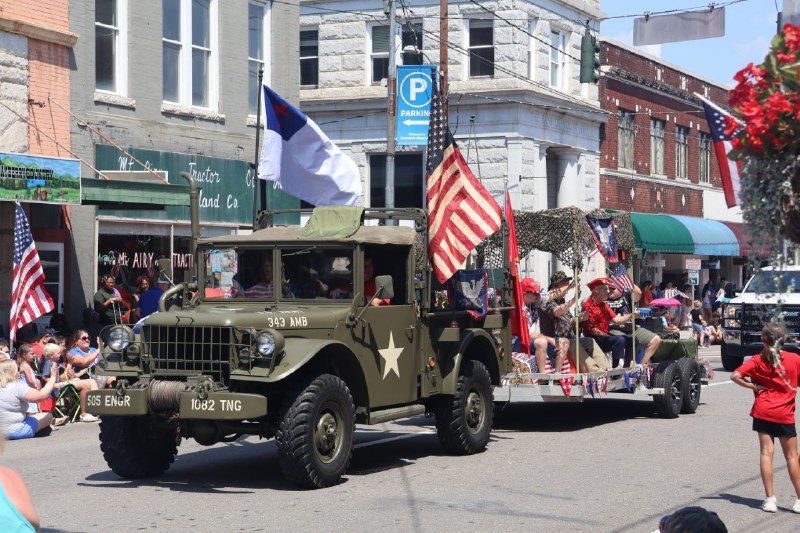
And just like that, the ceremonial procession got underway. Vietnam War veterans led the way. An old military truck appeared out of nowhere. There wasn't any other military equipment, though you can sometimes see it in larger cities. They try to avoid driving tanks and other stuff that damages the asphalt through the city any more than necessary.
The event officially opened with the national anthem. For some reason, only the host was singing, but everyone listened standing with their hand on their chest and gave a hearty round of applause at the end.
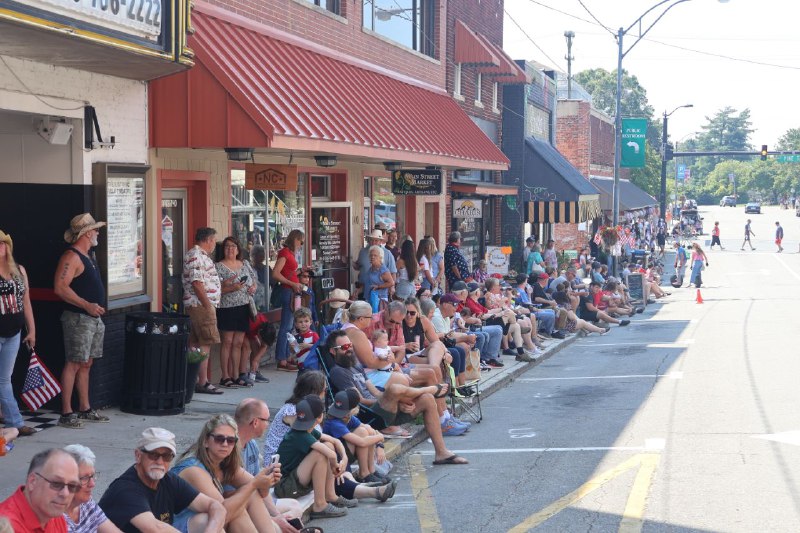
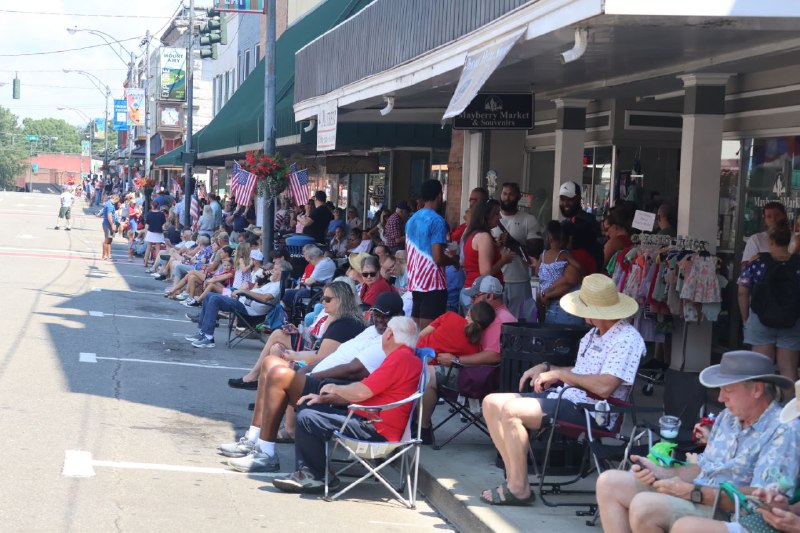
I completely stumbled upon a Fourth of July parade in a small American town by accident. We were heading back from our overnight stay and decided to drive through the center, and that's where people were gathering for the show. I couldn't help but stick around to watch. I probably won't see anything more quintessentially American than this.
People started arriving way early on the main street. With food and their own chairs. Many were wearing patriotic outfits—either in flag colors or with themed slogans.
(more below, this is a short series of posts)






 United Kingdom
 Serbia
 Bosnia and Herzegovina
 Turkey
 United Arab Emirates
 Brunei
 Indonesia
 Malaysia
 Argentina
 USA
USA Morocco
 Georgia
 Egypt
Egypt Hong Kong
 China
China Vietnam
 Tunisia
 Montenegro
 Philippines
 Singapore
 Oman
Oman Algeria
 North Macedonia
 Lebanon
 Israel
 Albania
 Russia
 Tanzania
 Netherlands
 Spain
Spain Latvia
 Germany
 Belgium
 France
 Kazakhstan