Telegram mirror

Telegram is a messenger where I post short travel notes. This page is a self-hosted backup of that channel.
https://youtu.be/VOgFZfRVaww

🕊️
YouTube
Imagine - John Lennon & The Plastic Ono Band (w The Flux Fiddlers) (Ultimate Mix 2018) - 4K REMASTER
Imagine - The Ultimate Collection - the audio box set: http://bit.ly/imagine-ult Imagine John Yoko - the definitive book: http://bit.ly/imaginejohnyoko Imagine film remastered - BluRay/DVD: http://bit.ly/ImagineGST-Amazon IMAGINE Imagine there's no heaven…
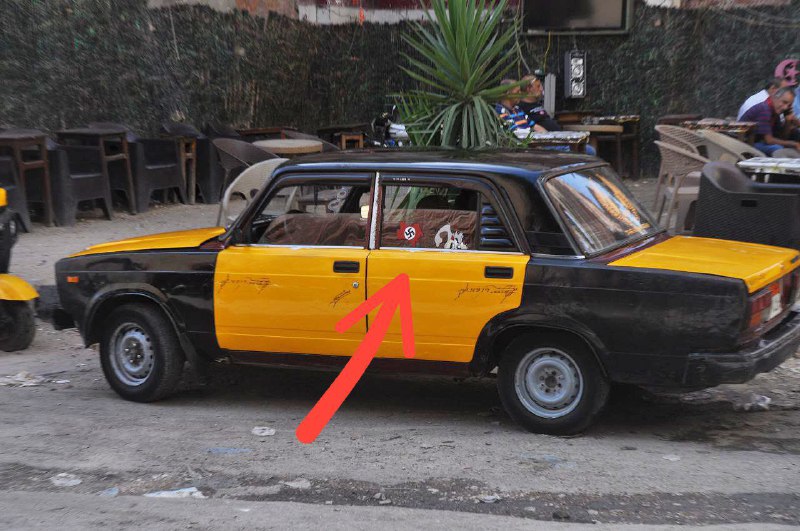
Warning: This photo contains a swastika. If you find this offensive, please don't look at it. I condemn this practice.

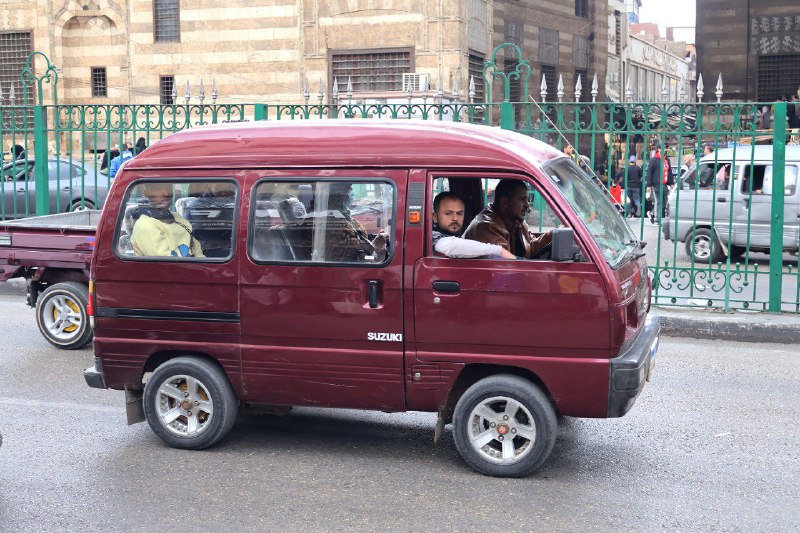
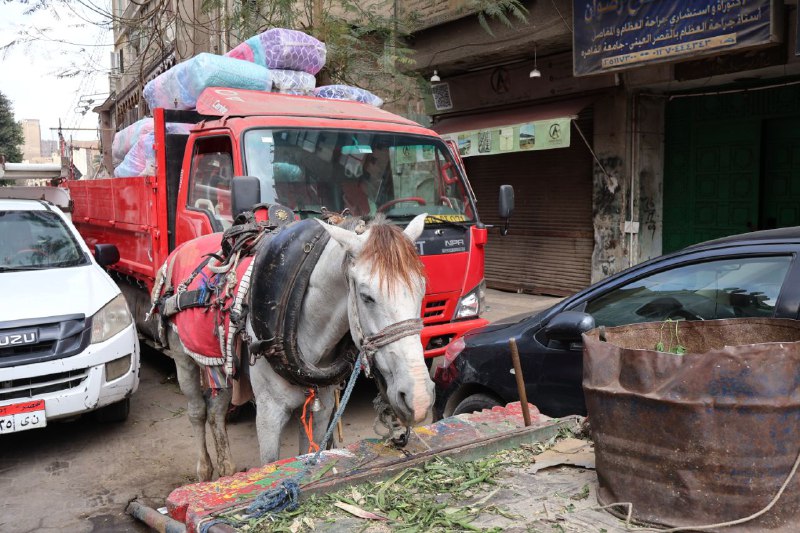
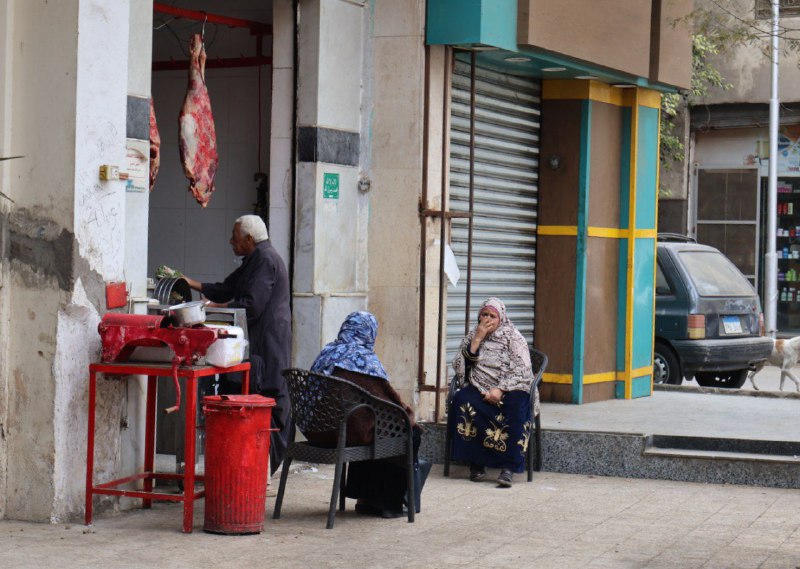
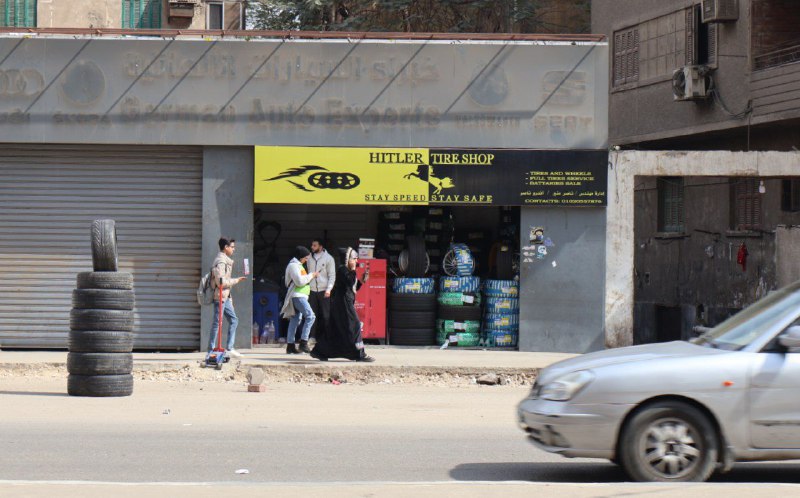
On the streets of Egypt, you'll occasionally spot cars with Nazi symbols or little shops named after Hitler. Right here in 2025. It's not because Egyptians are big fans of fascism, but rather due to low levels of education and complicated relations with Israel.

For example, back in 2018, the owner of the "Hitler" clothing brand complained that he didn't understand why the name upset people so much, since "it's just a name." His business didn't last long, but that doesn't stop others from opening new shops under this questionable brand.

The second problem is more complicated. Sometimes this hatred doesn't stop at the state level but extends to all Jewish people in general. Who was their main enemy? That's where the swastikas on cars come from.

That said, during World War II, Egypt was actively flirting with the fascists. The Arabs were tired of being an English colony, and befriending the enemy of their enemy seemed like a great idea. But beyond collaboration with individual collaborators, things didn't go further.

However, after the war, one of the Third Reich's chief antisemitic propagandists, Johann von Leers, relocated to Cairo as an advisor to President Gamal Abdel Nasser, where he converted to Islam and engaged in antisemitic propaganda. German engineers also came to Egypt and worked on developing military rockets—right in the middle of the Arab-Israeli conflict. Israel had planned an entire operation to shut down production, but the engineers were successfully expelled through diplomacy. The propagandist died a natural death in 1965.

This isn't a widespread phenomenon—you don't see every other car sporting Nazi symbols around here. But when you wander through backstreets, you do spot it now and then. Common sense still prevails overall, and people generally understand that there's nothing good about the Nazis.
I thought I'd escape the Belgrade cold in Cairo, but something went wrong. Even though it's way warmer here, it's not actually that much more comfortable: at night it can drop to +9°C, and nobody here seems to know what heating is.

Warm blankets save the day without a heater, but my expectations were definitely different.
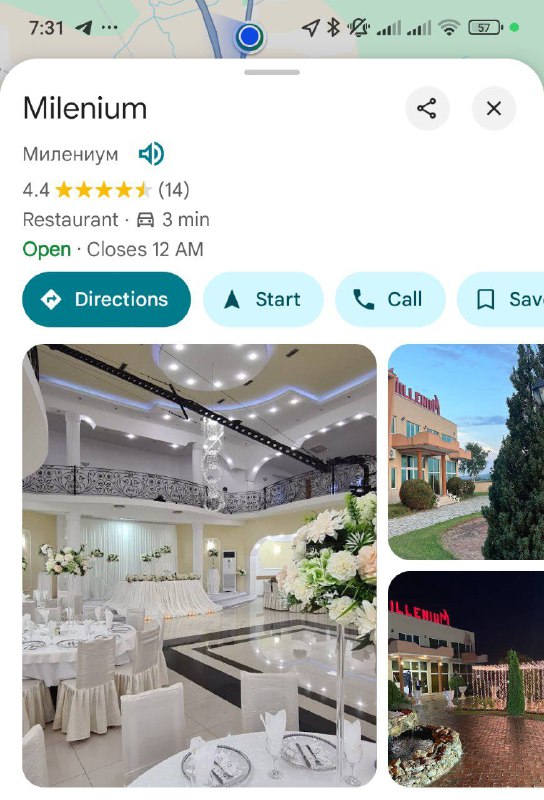
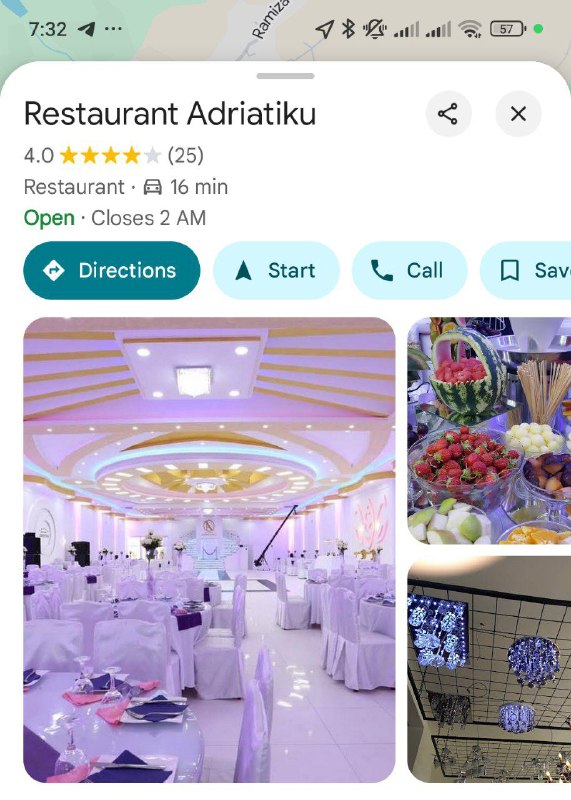
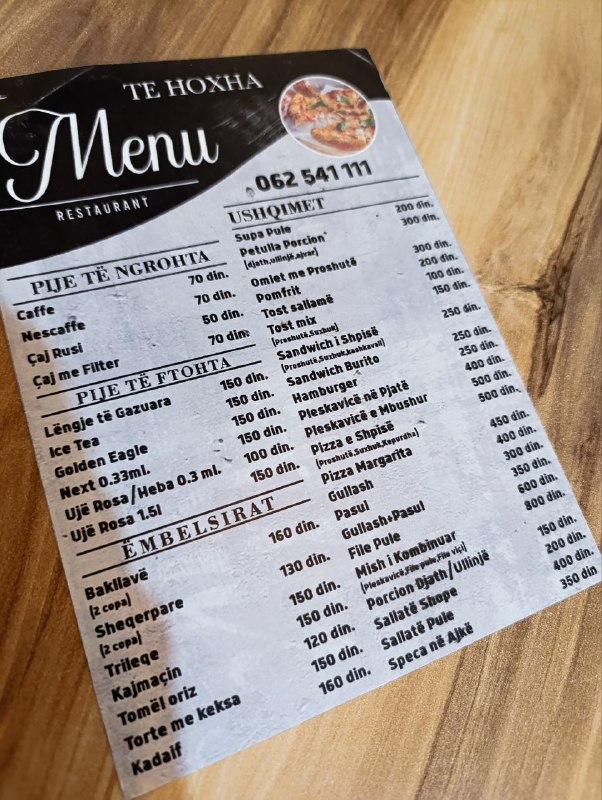
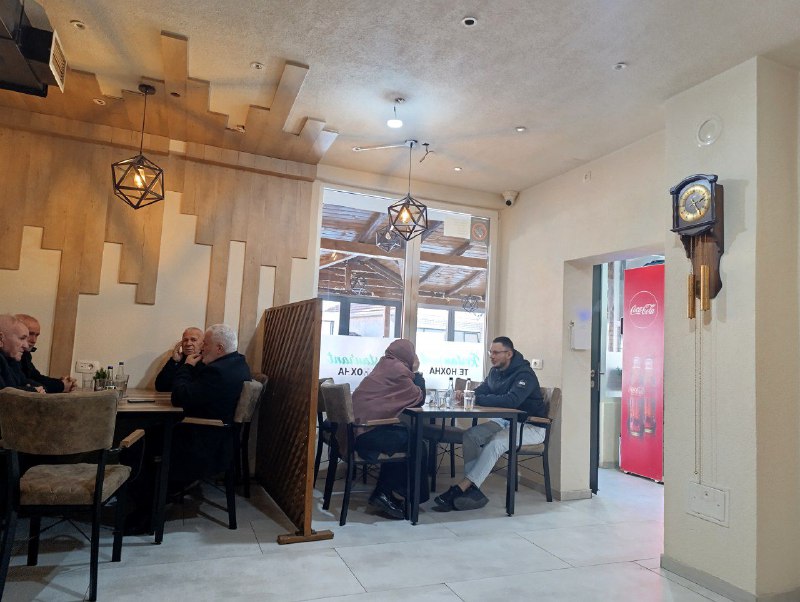
According to Google Maps, Preševo has an absolutely insane number of banquet halls. You search for "restaurants" and get back a million options for where to have your wedding. Locals say they already know where to eat, and outsiders barely ever stop by, so there's not much point in messing around with maps.

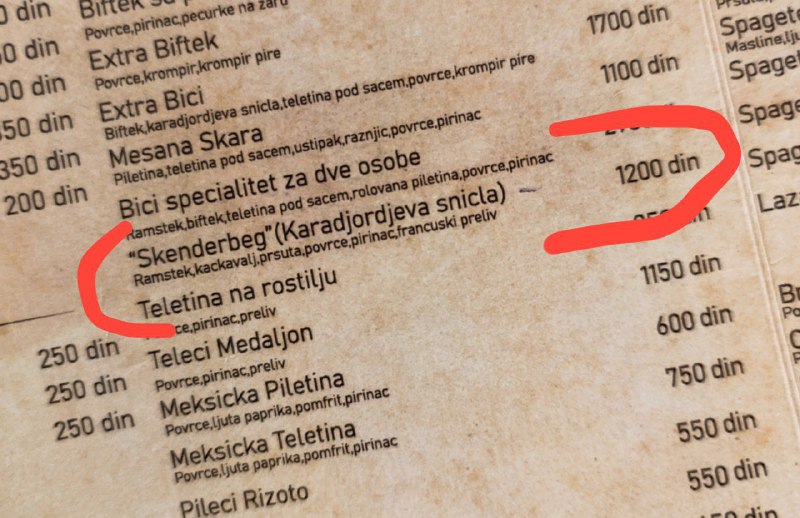
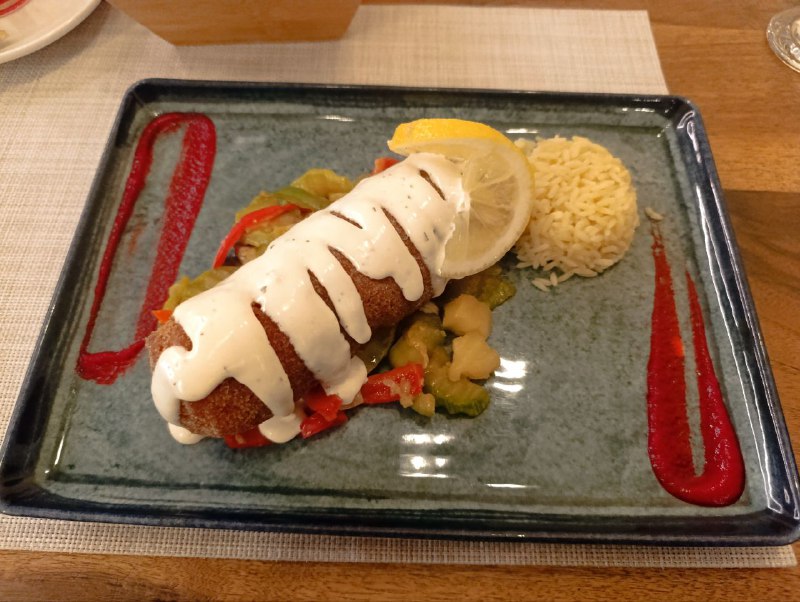
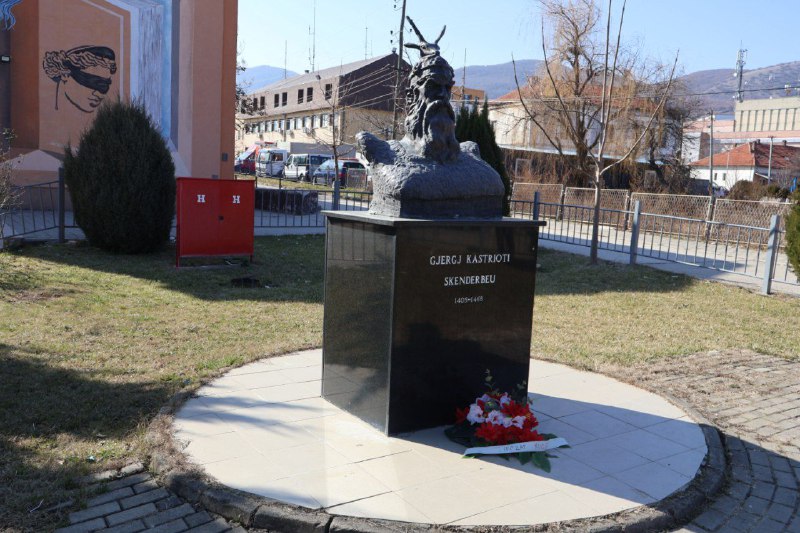
Fortunately, I managed not to starve. The prices are just about lower than Belgrade in 2022, where everything got way more expensive over the last three years. I really miss those old prices in 2025. Menus are usually in Albanian, though at one place they brought one in Serbian with a curious Easter egg: they renamed the Karageorge schnitzel after Skanderbeg.

I need to explain this: schnitzel, even though it was only invented in 1959, has long since become one of the most iconic dishes of Serbian cuisine. It's named after Karageorge, who led the first Serbian uprising against the Turks. Skanderbeg is a legendary Albanian who led an uprising against the Ottomans, but he lived several centuries earlier than his neighbor and managed to accumulate way more myths and legends around himself. He's practically the founding father of the nation. In terms of historical significance, he's in the league of figures like Minin and Pozharsky, or Alexander Nevsky.

So the name swap is pretty cutting. There's an extra layer of irony to it all because Serbs actually claim Skanderbeg as Serbian. If you check the Serbian Wikipedia, it literally says:
Рођен је у породици српског порекла.
(Born into a family of Serbian descent)

Historians don't support this version, but that doesn't stop anyone from continuing to argue about his origins.
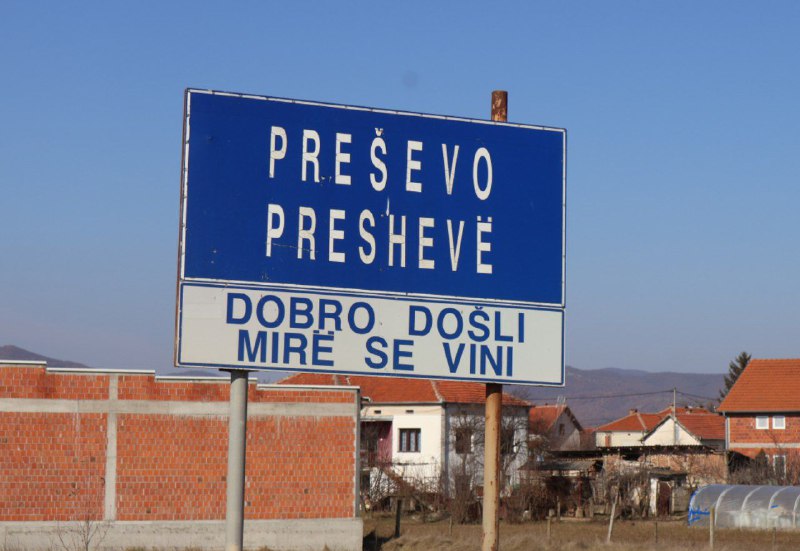
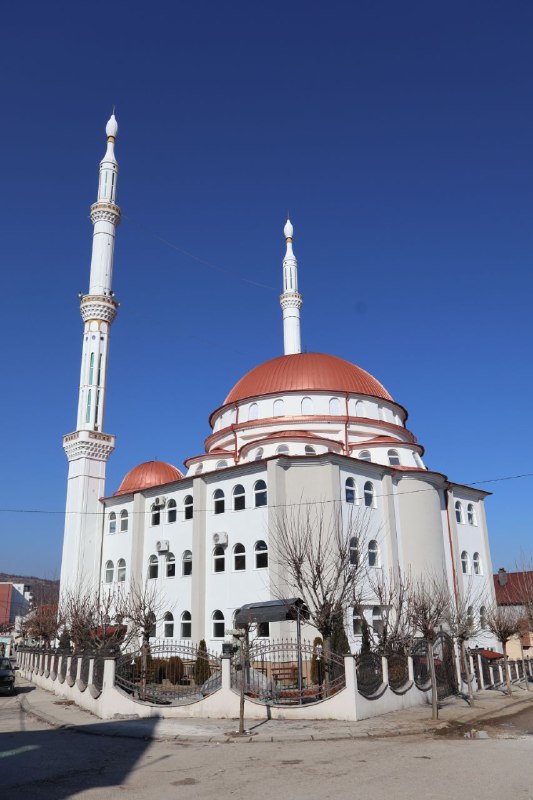
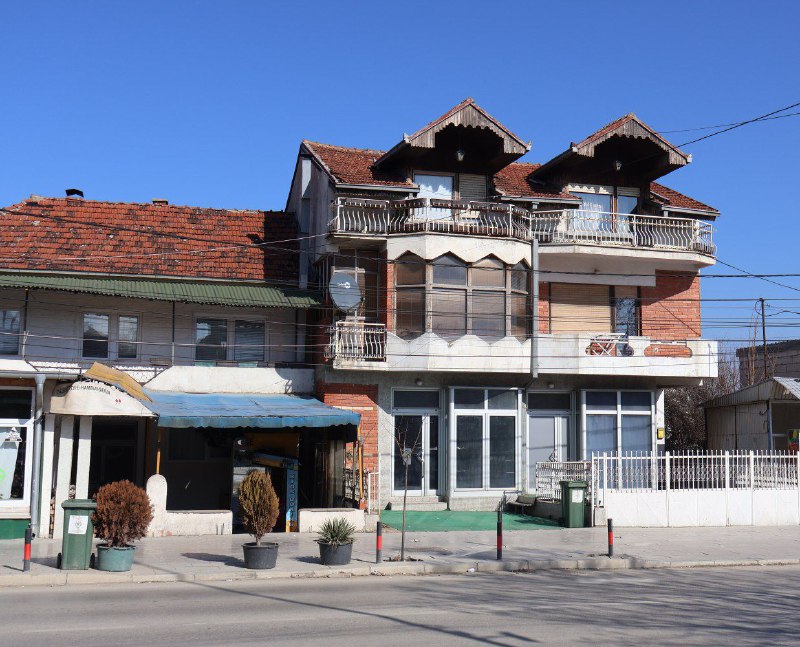
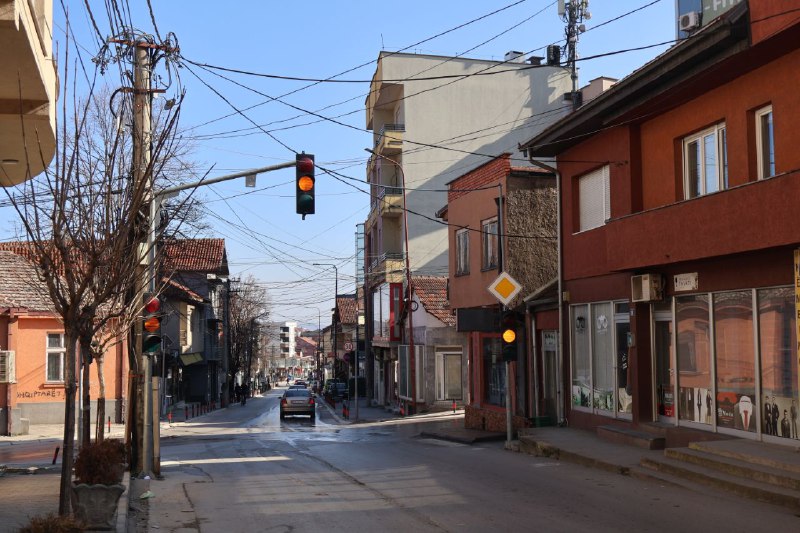
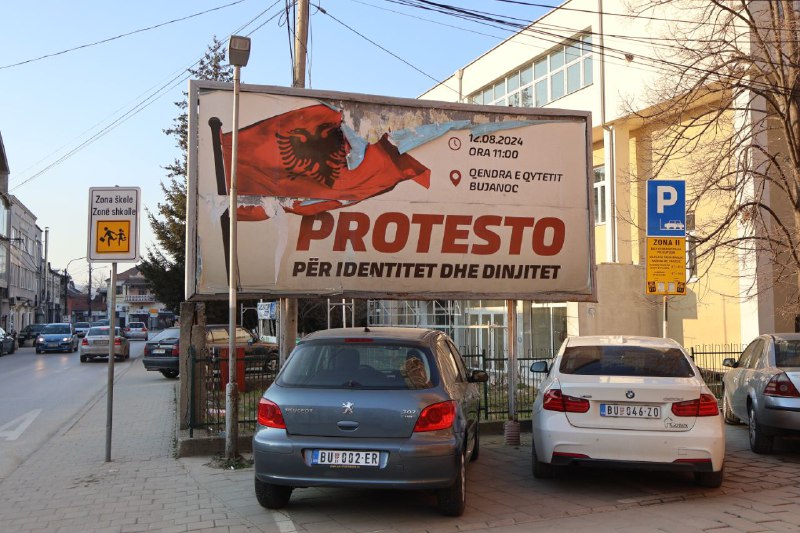
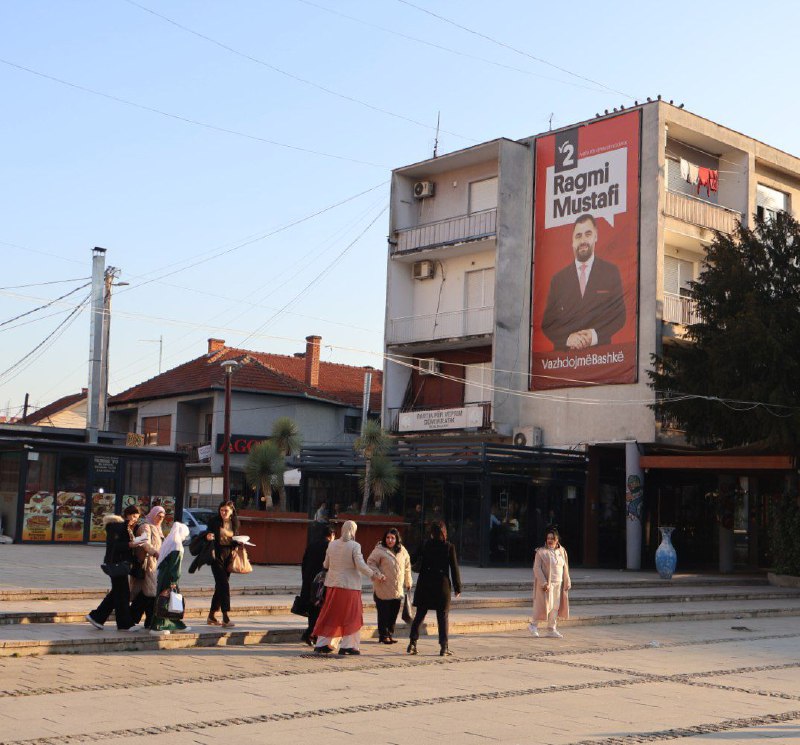
I took a quick trip to check out this small Albanian (or rather Kosovar) enclave within Serbia. It's Preševo and the surrounding areas. The only reminder that I haven't actually left the country is the police cars constantly zooming back and forth.

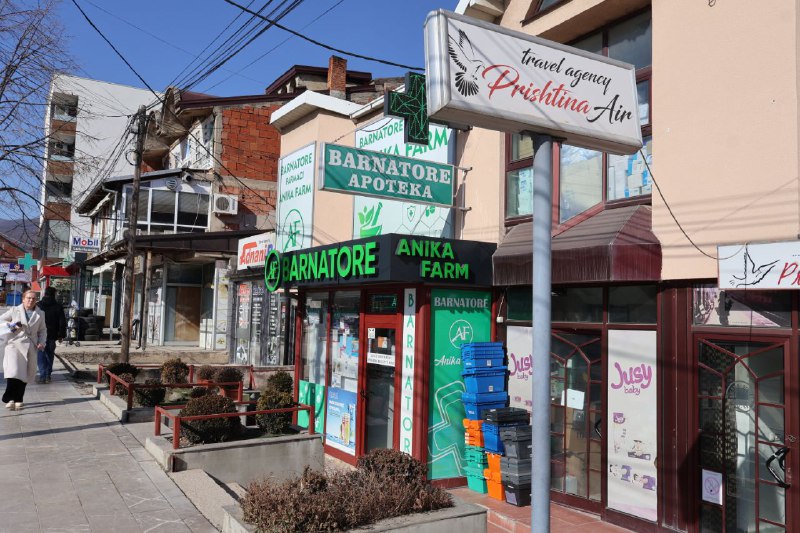
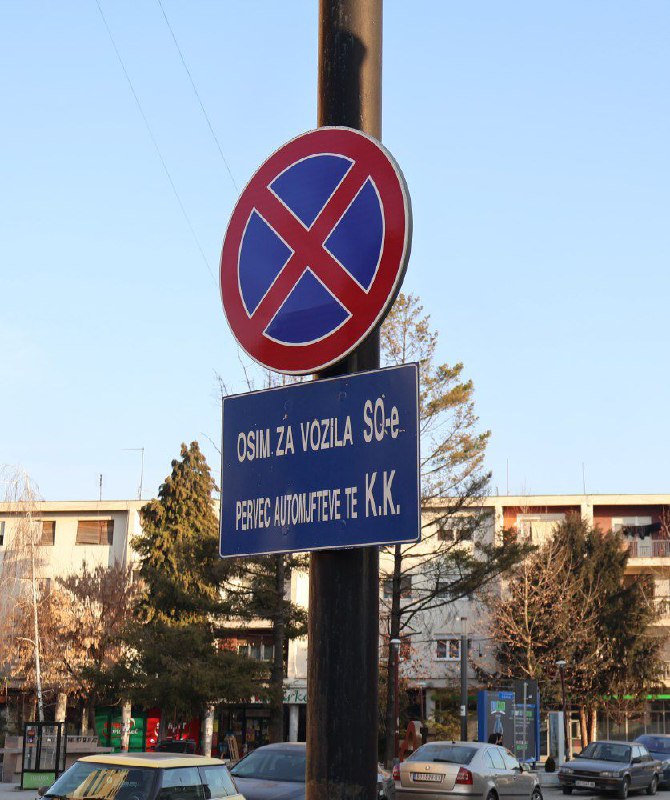
Almost 90% of Preševo's residents are ethnic Albanians. It's like a parallel world, totally different from the rest of the country. There's a younger generation that speaks only Albanian. If you're lucky, they also speak English, but luck doesn't always come through. Older folks usually speak Serbian or at least learned it in school, but it's been removed from the curriculum now. For university, people go study in Kosovo or Albania. All signs and directions are in both languages. Even on Google Maps, addresses are often "rruga" instead of "ulica". Ads are usually only in Albanian.

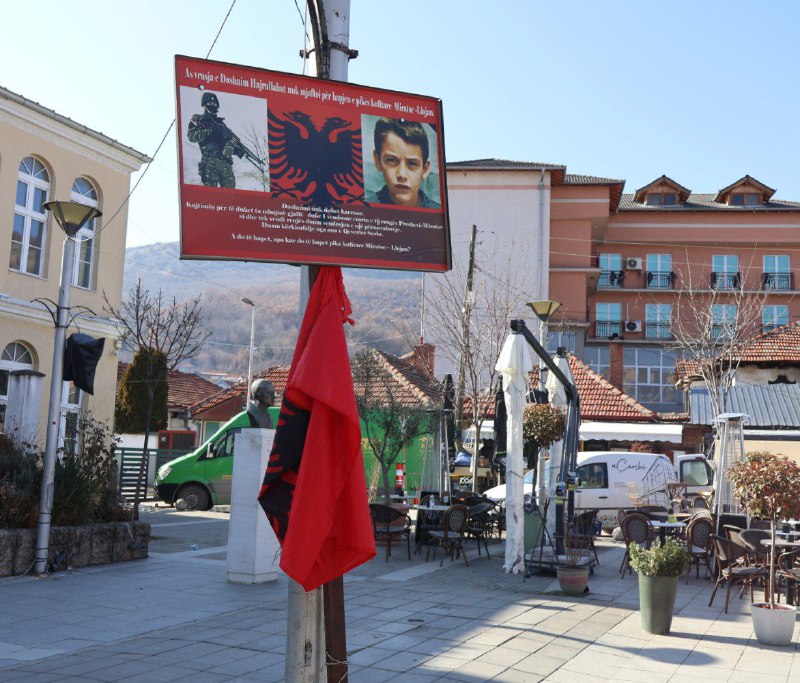
After Yugoslavia fell apart, there were attempts to break away from Serbia. They held a referendum in 1992, but Belgrade declared it illegal. Then in 1999, a rebel group with the grandiose name "Liberation Army of Preševo, Medveđa and Bujanovac" became active, but by summer 2001 the conflict was stopped. Today there's a monument to the rebels in the city center. Serbian activists tried to demolish it with bulldozers, but police shut that down. It didn't stop Albanian protests, but things didn't escalate beyond that.

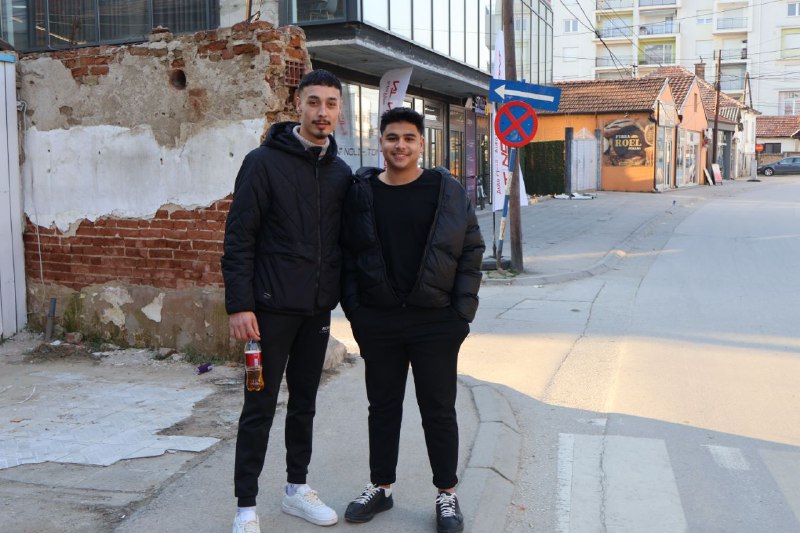
Outsiders don't visit Preševo very often. I clearly don't look like I'm from around there, so I caught plenty of curious stares. A couple of times locals started conversations right on the street, and it was all super friendly. In those chats, a few people told me pretty directly that they'd be better off with Kosovo—their people have lived on this land for centuries, and they have their own there.
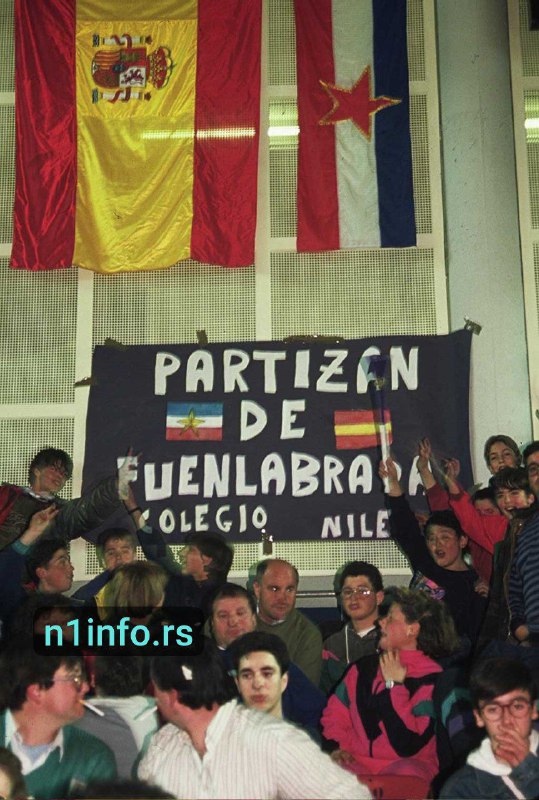
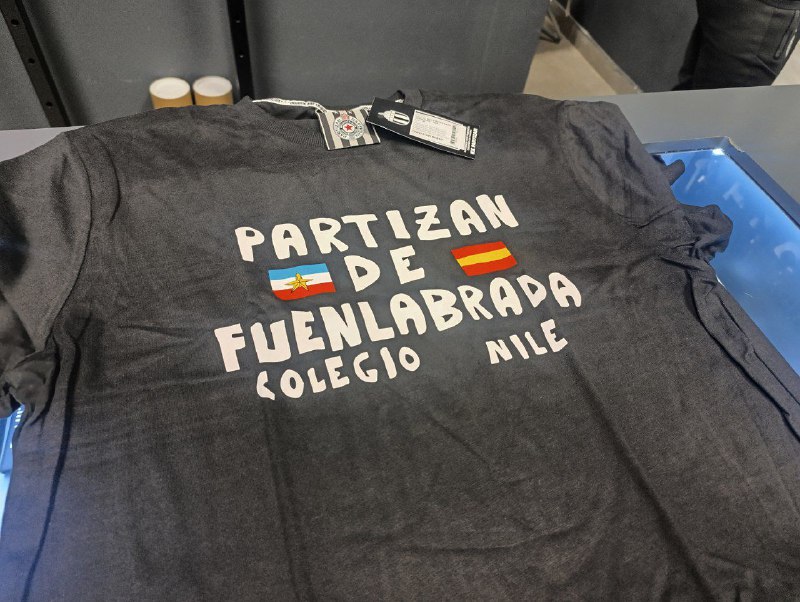
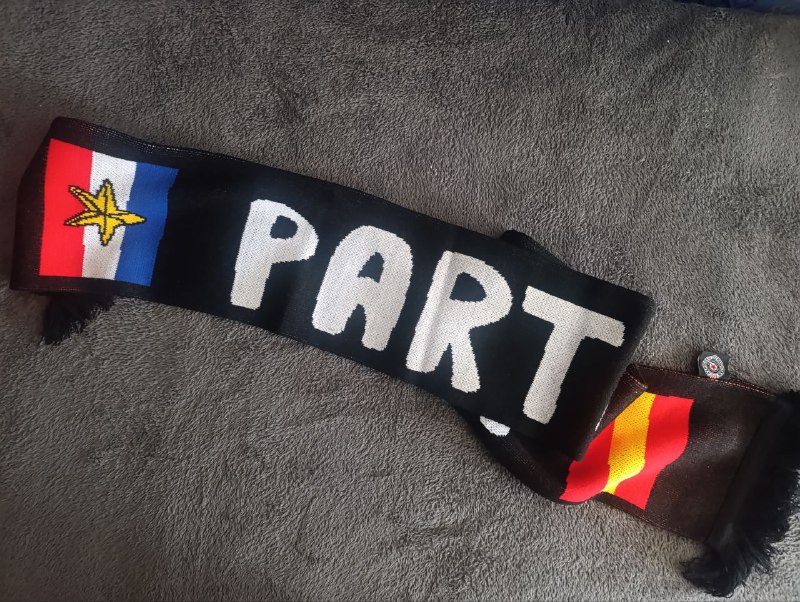
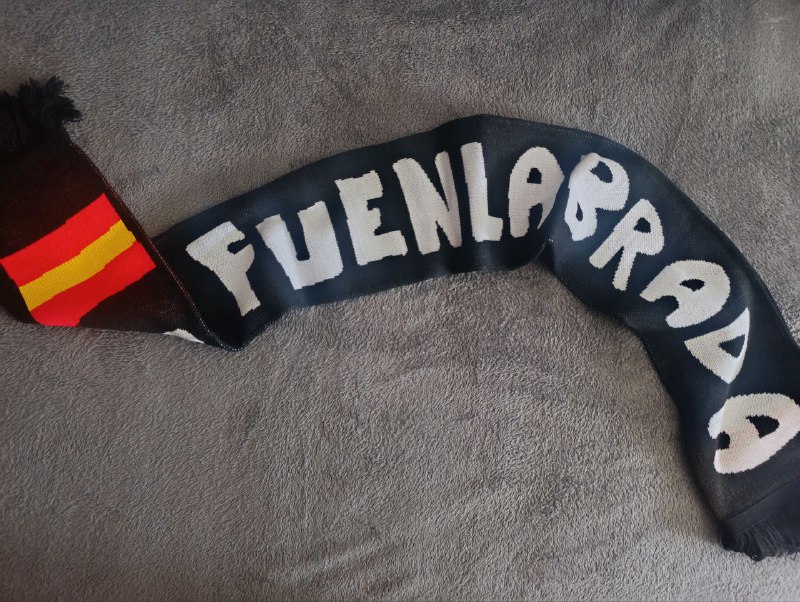
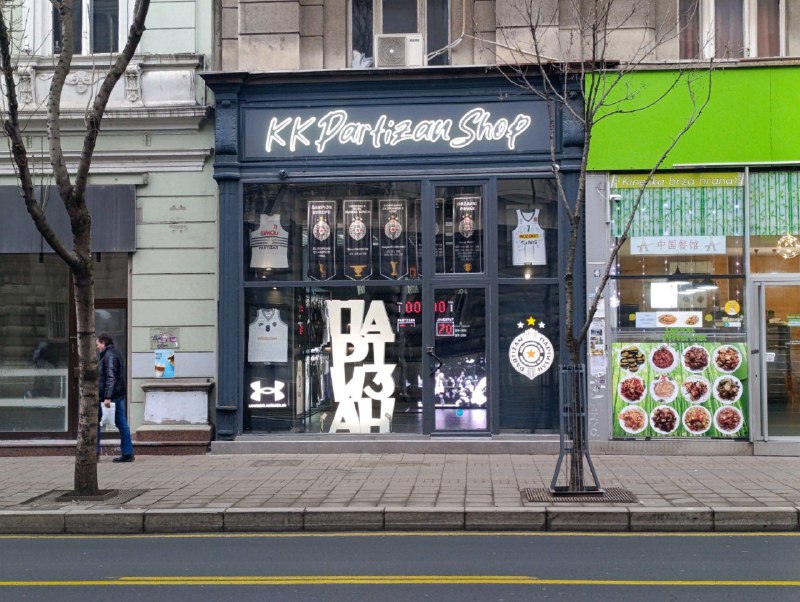
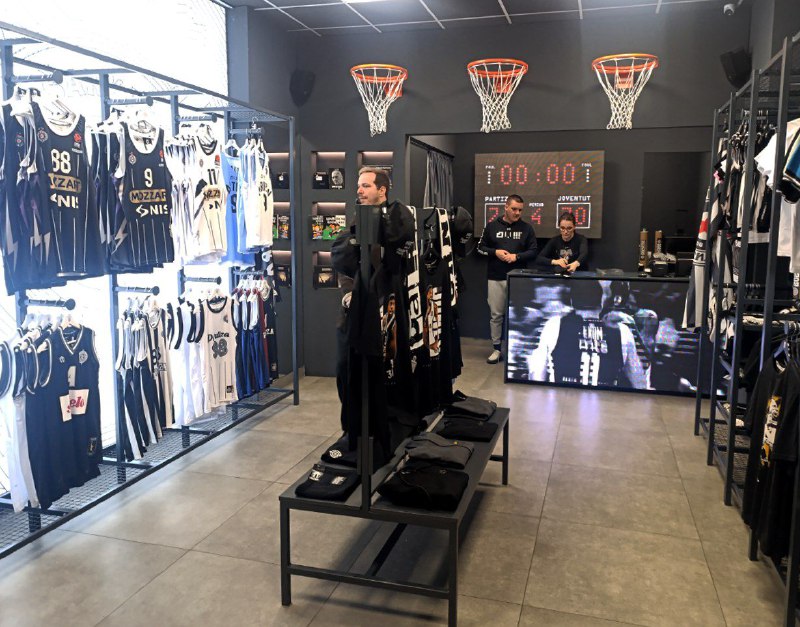
At Partizan basketball club's fan shop in Belgrade, they sell a shirt and scarf with the Spanish flag and the name of a small town near Madrid — Fuenlabrada. They don't really fit the club's style at all, and you'd think, what does Spain have to do with anything?

Let's rewind to the early 1990s. The team was at its peak: in 1988 they almost made it to the Euroleague final, and in 1989 three Yugoslav basketball players (two of them from Partizan) moved to the NBA for the first time. But it was at this exact moment that the country started falling apart.

Playing matches in Belgrade in the 91/92 season was already dangerous: fighting was raging across Croatian territory, and the front lines were less than 150 kilometers away. I told the story of how a tank drove straight from the battlefield to Belgrade. So all home games were moved to that same little town near Madrid.

Despite the situation, the black-and-whites delivered their best season: they won the Euroleague and the national cup. They haven't managed to repeat that success since. The Spanish fans embraced the basketball players like their own, cheering for them even when they played against Spanish teams. At one of the games, a teacher and his students from a local school came with a homemade banner (it's in the first photo). Later, the club, grateful for such warmth, started releasing merch with that very banner. And they still do it today!

Fuenlabrada also has its own basketball team. Although they play in a lower league, Partizan sometimes plays friendly matches with them as a sign of memory and respect. The last one was in fall 2023 in Belgrade. And the Spanish themselves often remember that year fondly and retell the story in the media (elpais, elespanol, marca).

Two other Yugoslav teams also moved their home matches in 91/92 to Spain: Split to La Coruña, and Zagreb's Cibona to Puerto Real. However, they didn't experience the same kind of magic with local fans.
Early February is the perfect time to wake up from my temporary hibernation. Tomorrow I'll tell you the story of Partizan, the Belgrade basketball club.

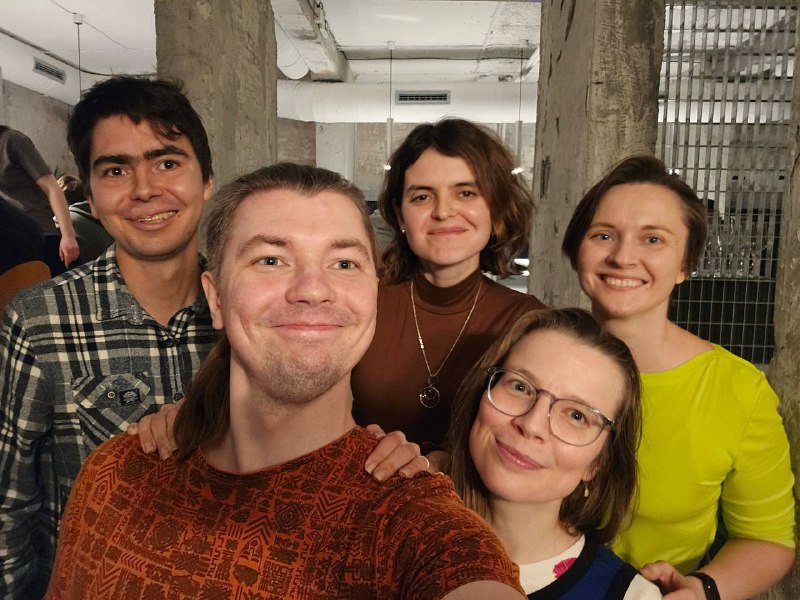
But for now, I've just met some great people in person ^^
Forwarded from Самсонова в Сербии
Three + 1

Yesterday in Belgrade, some humble folks materialized who every day gather their thoughts and eyes together and produce another masterpiece of the "I saw that", "I heard that", "I ate that" and I'm still alive variety.

Every day they battle procrastination, laziness, and the thought: "Who actually needs all this??" Then they remember you and think: "What if you're dying of boredom waiting for their post." And with a heavy heart and gritted teeth, they hit publish.

Here they are — the little heroes of our time, who wrap their experiences in words, though sometimes it's just so exhausting.⬇️

🔴Kangaroo Bag — Rushan, who grabbed a bag, kangaroo snacks, sandwiches and hit the road, and we're right behind him. We can barely keep up reading about his adventures and snacking on the go.

🔴Lie Low in Belgrade — Masha, who blends smells, recipes, and vivid descriptions of what's happening like tiramisu — that light dessert that should perk you up and motivate you to keep moving forward.

🔴Samsonova in Serbia — Inna, who mixed jokes, history, and fresh takes on Serbia with life experience to create a hearty, peppered stew for the mind.

And for those thinking, "Where else should I check out if I ever get the chance," our friends Katya and Denis (he also covers music) from Cyprus and their vibrant channel Once in a blue moon in Cyprus with a cocktail of stories, emotions, and locations useful for all travelers.

Now you know us by face. So subscribe to the channels! It's not a day without them.
Just when I think Bosnia can't surprise me anymore, something wild pops up.

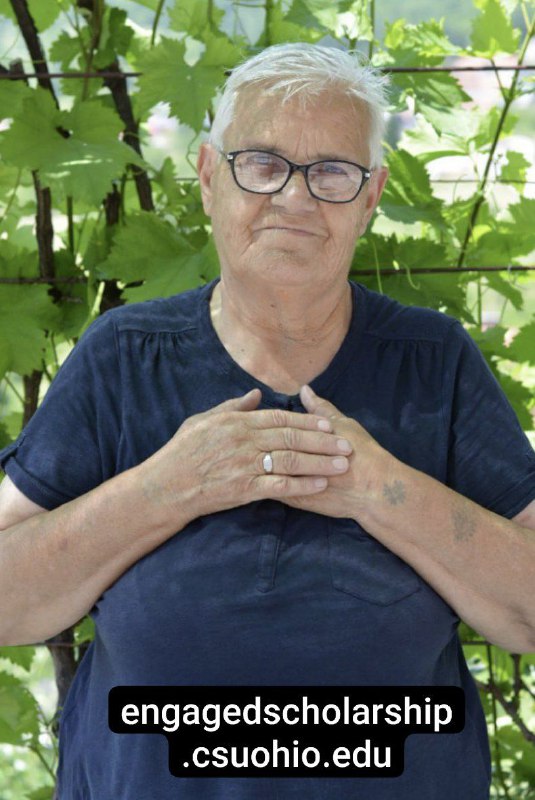
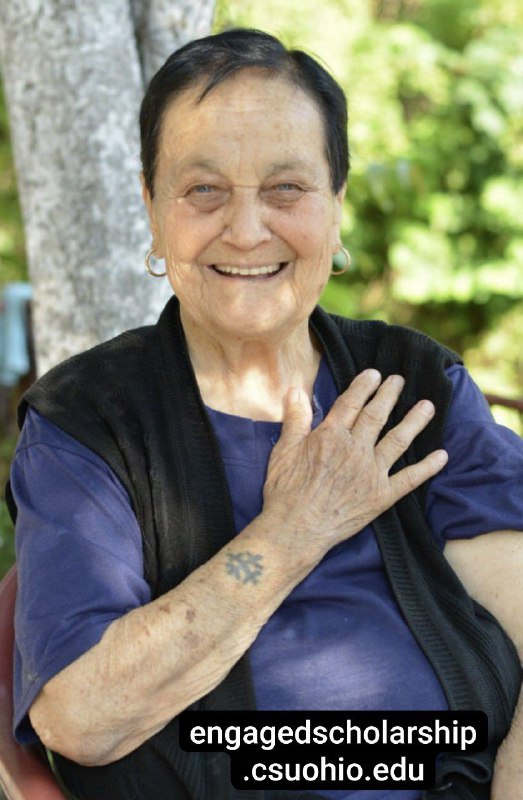
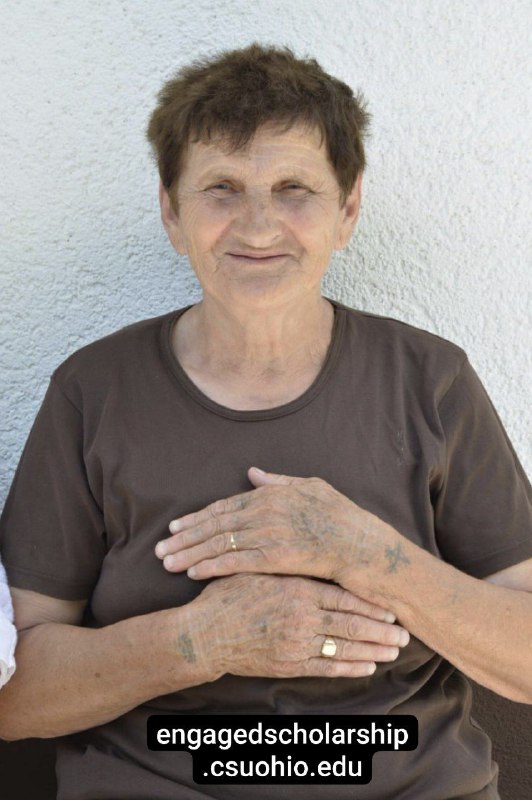
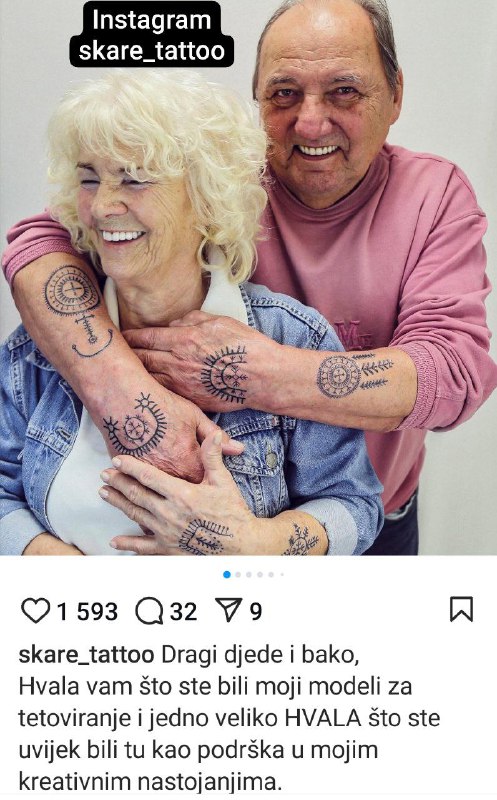
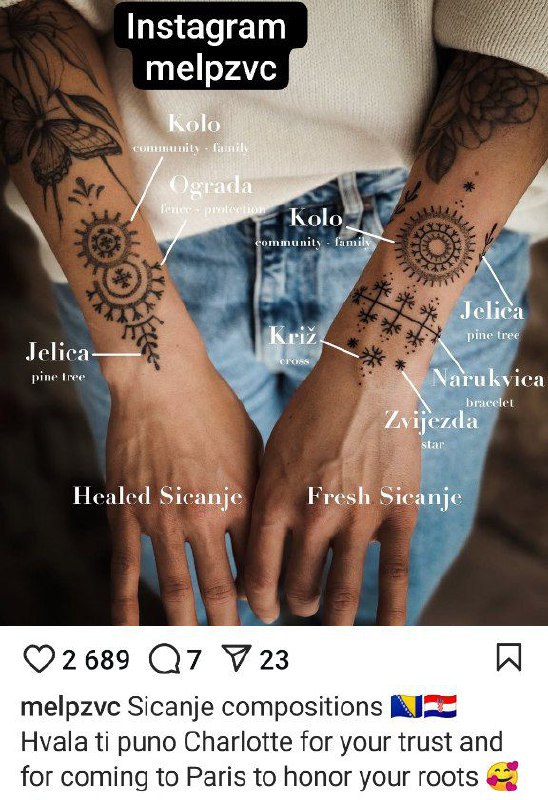
For centuries, Bosnian Croat Catholics practiced sicanje. It's a tradition of tattooing protective symbols on girls, and sometimes boys. The roots go back to pre-Christian times and originally tattooing wasn't just a Croat thing. Over time, the practice stuck mainly with them and the Albanians, but it was slowly dying out. The Ottomans gave it new life: Turkish soldiers wouldn't take tattooed girls to harems. After World War II, the practice basically disappeared and was nearly forgotten.

Back then, people made tattoos with whatever they had on hand: a needle, honey, and soot. Sometimes they'd add milk. Classic story: girls around 10-12 would be herding sheep and just casually tattoo each other. Sounds super safe, right?

In 2019, Cleveland University conducted a major study of the tradition. Interviews with elderly tattooed women are available on the university website: videos, transcripts, and even English translations (perfect for language learners). The first three photos here are from that collection. I gotta say, looking at these pictures, some of the women almost look like they just got out of prison :)

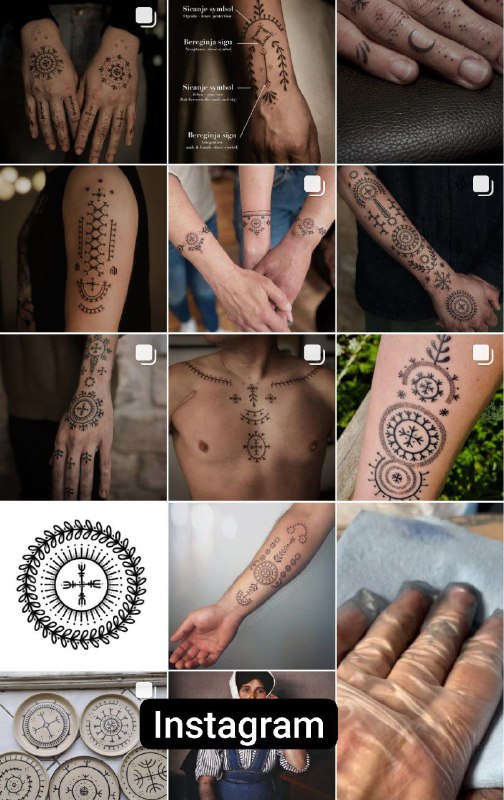
These days, young people seem to have rediscovered this history: Instagram's full of posts and even people offering the service (search for sicanje). That said, tattoos in the Balkans aren't exactly mainstream to begin with, and this is a pretty niche community. Don't expect it to blow up anytime soon.

PS. Here's more photos.
My traditional photo from Sarajevo.

I first found this location exactly 2 years ago (and still think it's the best) and had breakfast on New Year's Day with this view outside in +15°C! But now everything's covered in snow and it's below freezing.
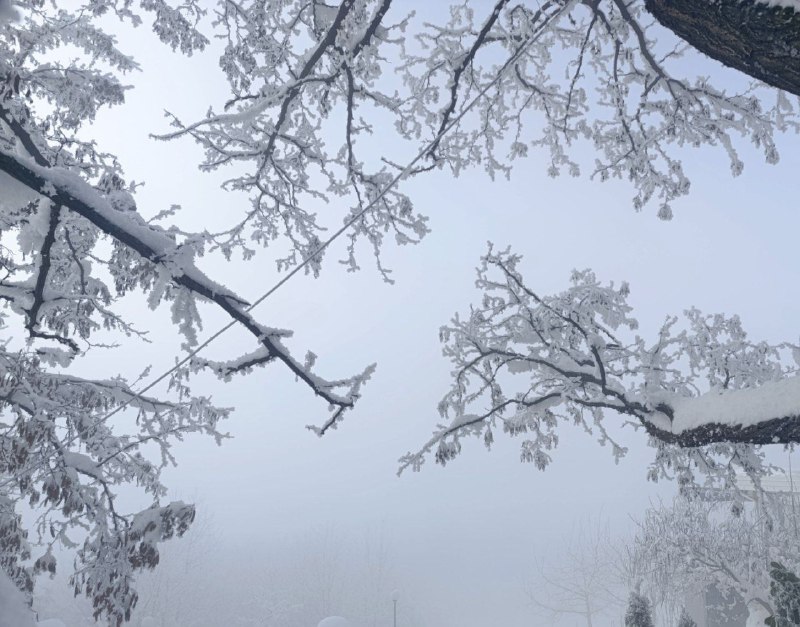
Happy New Year! Wishing you peace and travels!

During the last week of December, Sarajevo got a month's worth of snow. Although before that, since 2019, it's been +10 degrees or even warmer during December days. Locals have gotten unused to cold weather. If you venture just a bit outside the city, the views are absolutely stunning!

Thank you for reading ❤️
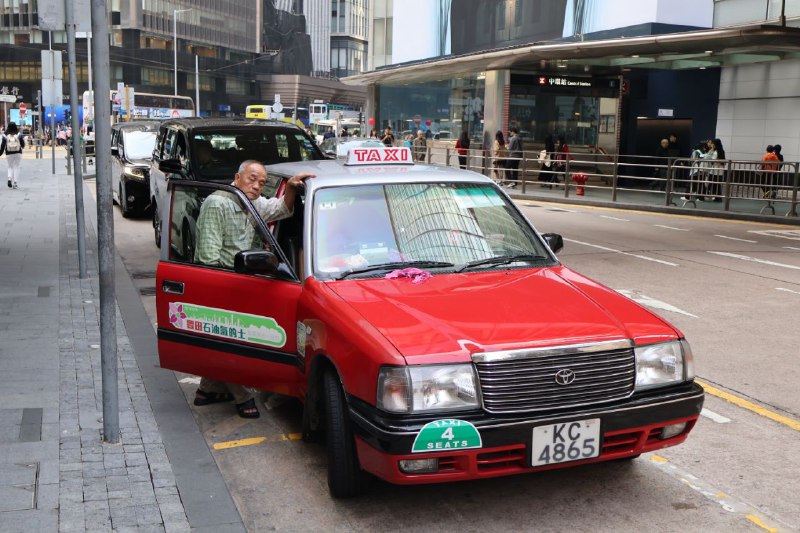
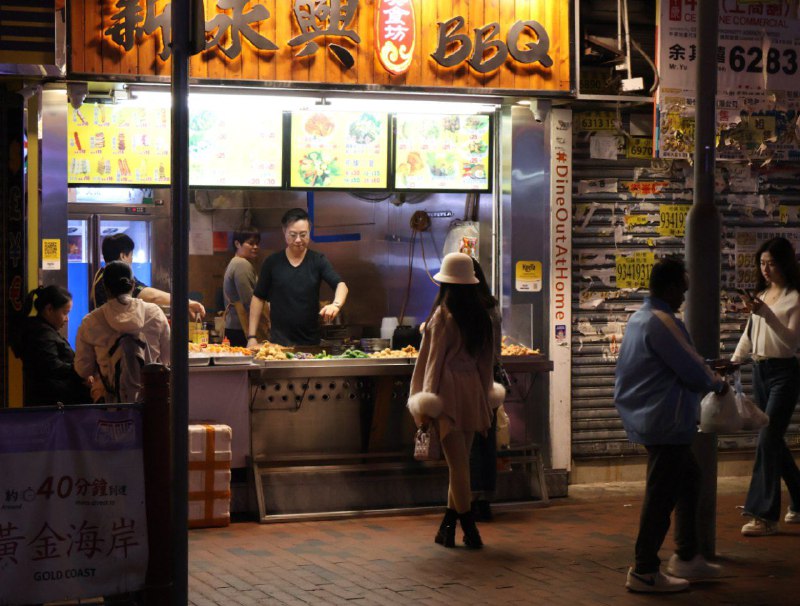
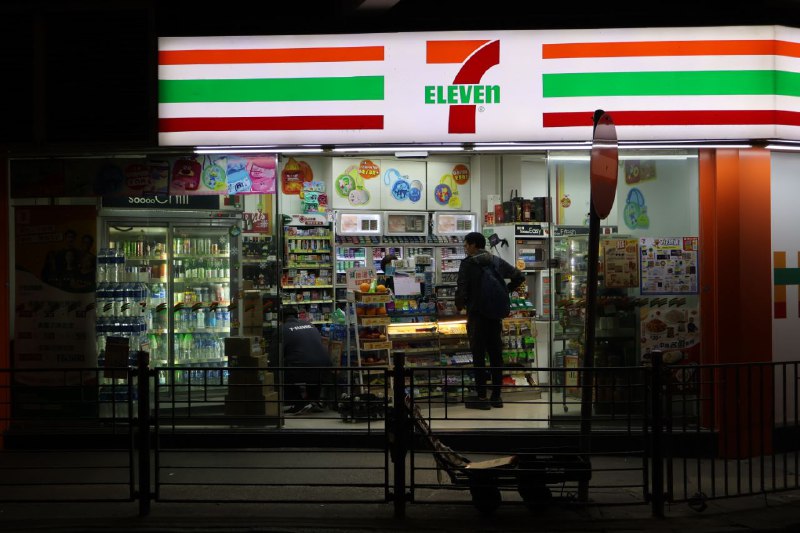
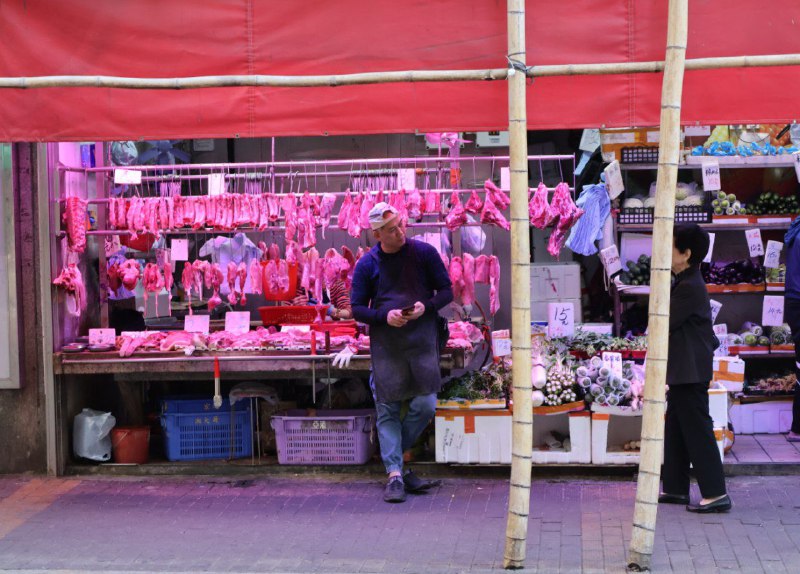
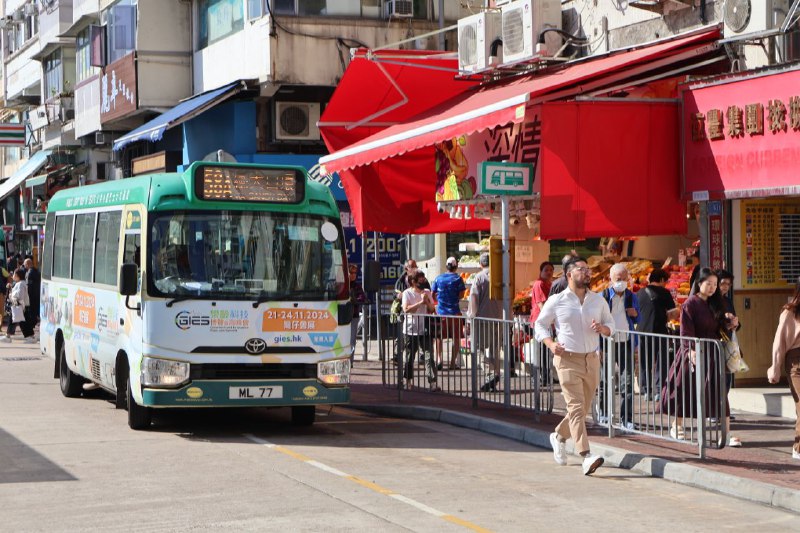
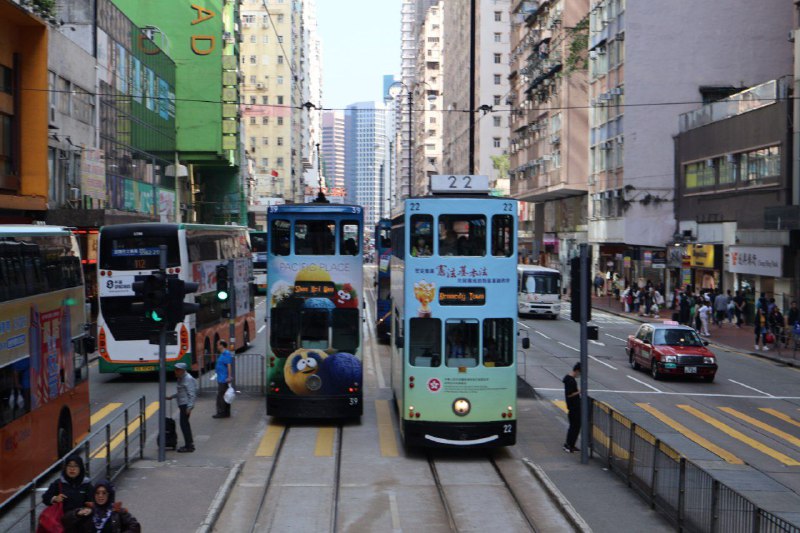
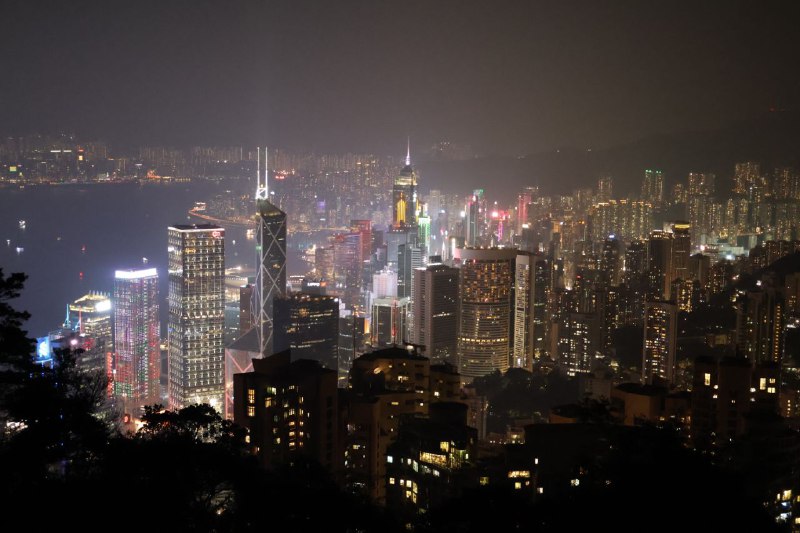
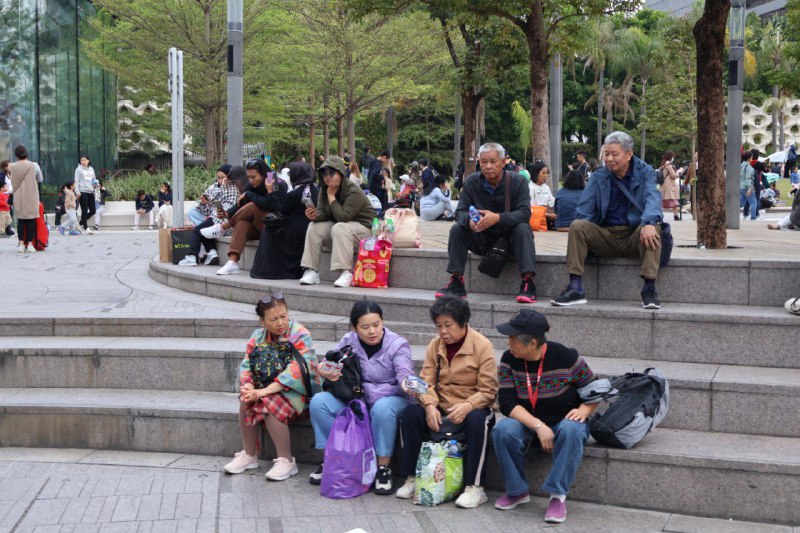
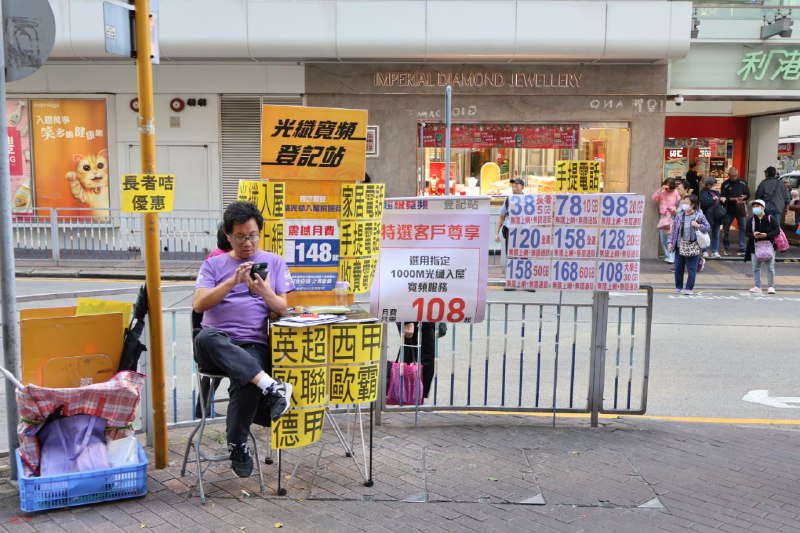
Hong Kong is an unusually photogenic city that makes you want to come back. I'll share some photos here.

(Of course, Telegram compresses the pictures way more than I'd like, but that's how it is)
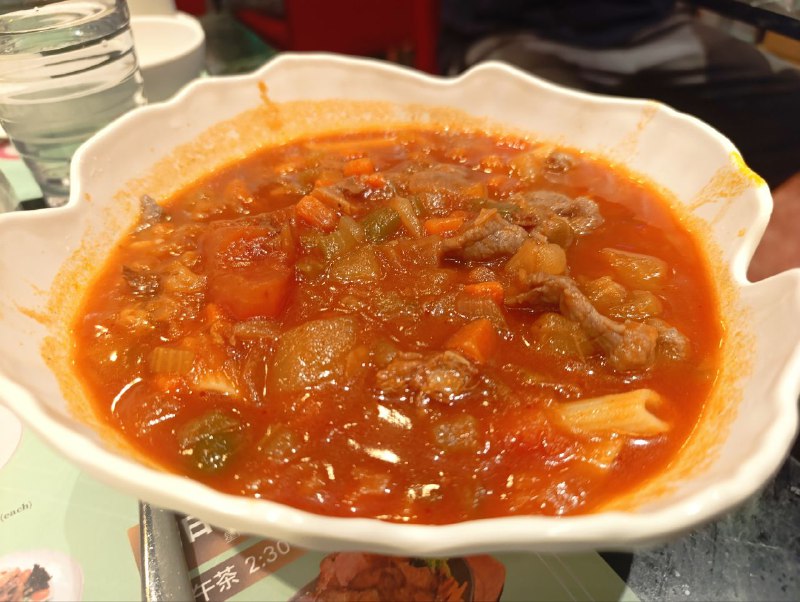
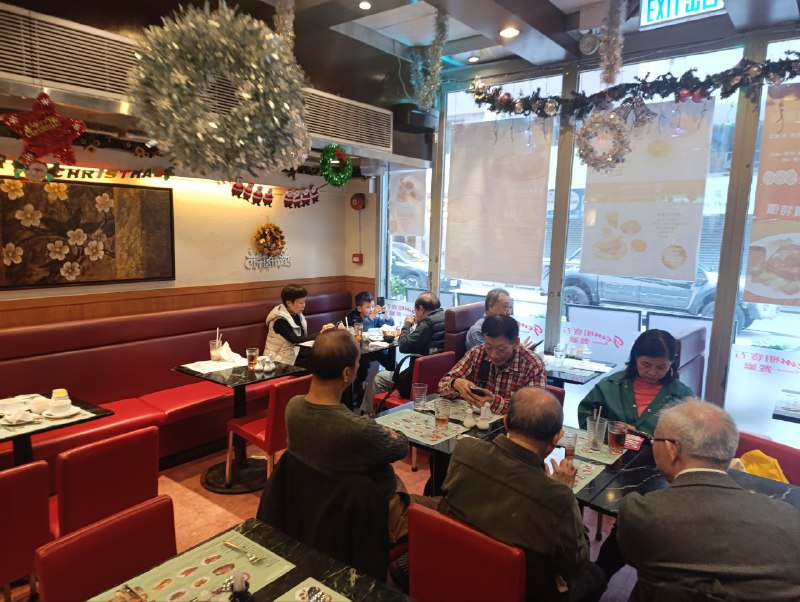
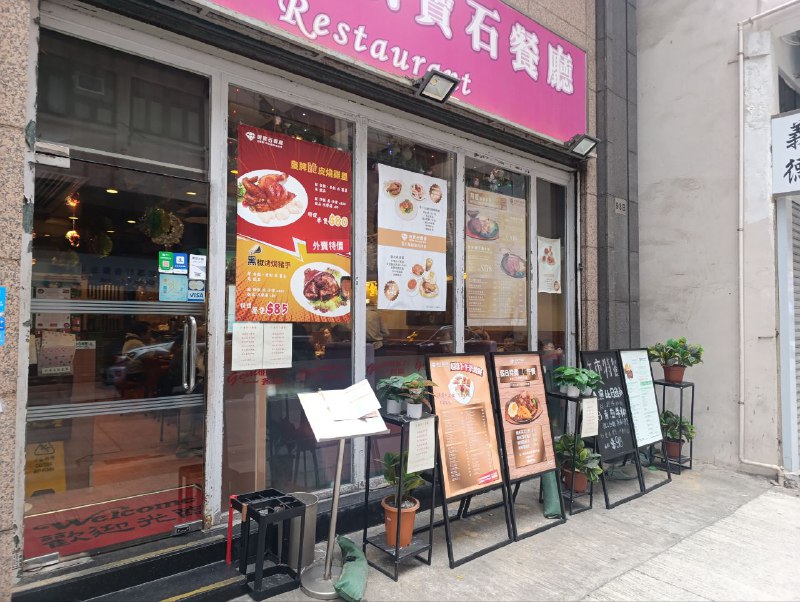
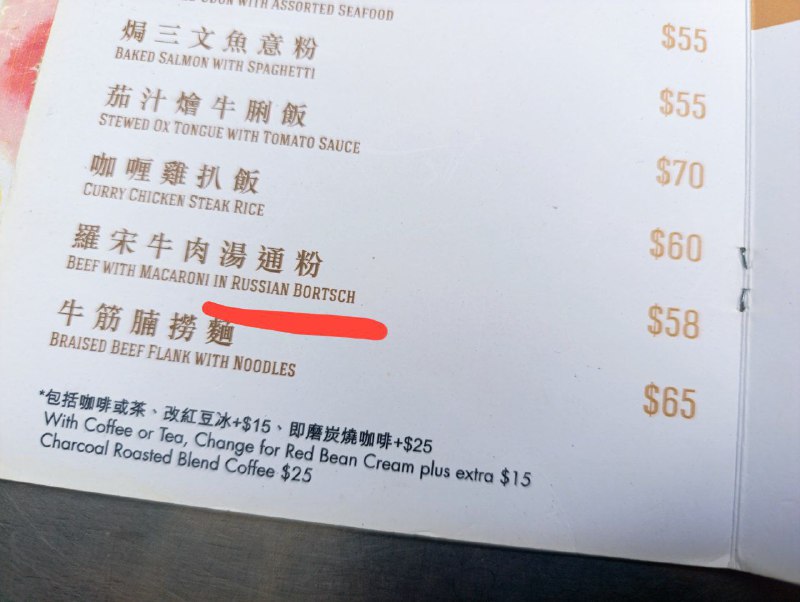
My discovery of the year in Hong Kong turned out to be borscht. Or rather, what the locals call borscht. When you search for 罗宋汤 on Google Maps, you'll find plenty of places to try this dish. You'll mostly have to choose from local Chinese canteens with ratings below 4. Sometimes they're disguised as Western cuisine adapted to local tastes, rather than catering to tourists.

Credit should go to the White émigrés. About 300,000 people from Russia moved to China after the Soviet Revolution. When the communists took power in China too, they had to urgently find new options. Hong Kong was one of the logical choices. The peak of emigration came in the 1950s. The British ran the city back then, and they weren't exactly thrilled with the newcomers. Nevertheless, there were so many Russian émigrés here that a Western restaurant was practically a synonym for a Russian restaurant. Over time, almost all of that wave of emigrants scattered to third countries, but borscht became firmly entrenched in the local menu.

It was impossible to ignore such a phenomenon. I found it, tried it, and can honestly say that all that's left of borscht is its name. They brought me this tomato soup, and you can't even smell beets in it—and they threw in some pasta, though not everywhere adds that. There were so many tomatoes that it actually tasted a bit too sweet. Bread and sour cream don't come with this masterpiece. So even if you're craving that red soup more than the White émigrés were (no offense), this version won't help much. And if you Google the recipes, you can see how far Hong Kong's version has strayed from the original

I only checked out one place (cross it off your list :) ), but there are dozens around the city. There's a ghost of a chance that other places are better (unlikely). Maybe next time I'll work up the courage for a second attempt. But I wouldn't bet on it. Reality just diverged too far from my expectations this time.
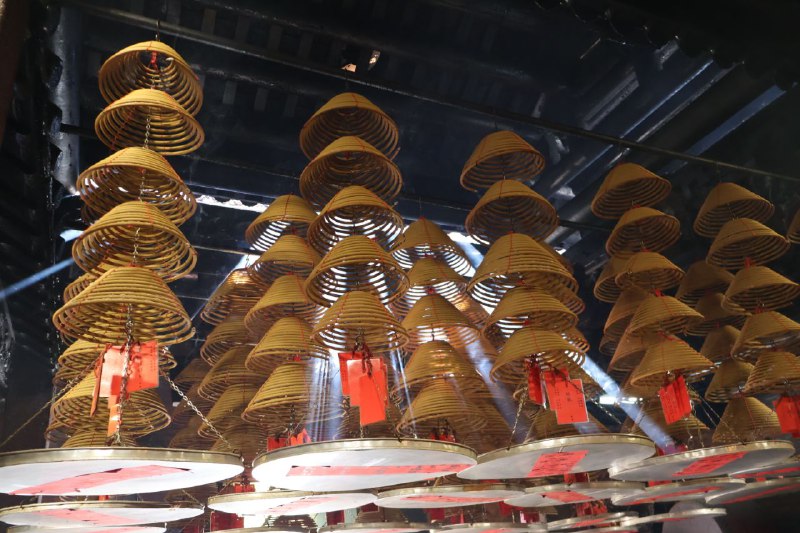
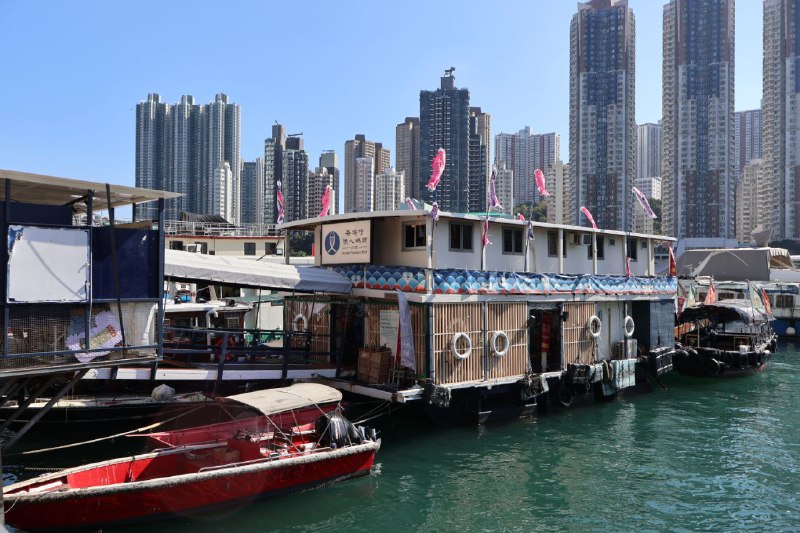
I had a couple of days to spare in Hong Kong, and this time I wanted to check out something more authentic and cozy. I read online about water people (not to be confused with Vietnamese refugees after the communists won), who spend their whole lives living on boat-junks and make their living fishing. The British called these folks "sea gypsies." In Cantonese they used to be called "tanka," but these days that name isn't considered acceptable. Tanka literally means "egg people." According to legend, centuries ago this people paid their taxes in eggs, which is where the name came from.

Back in the 1980s, in a bay that protected from typhoons, almost 40,000 people lived there (and that's no typo!). Since then, most have moved to land, but I was still hoping to catch some remnants of the floating village. No luck. I didn't find any signs of a water village. Though back in 2016, according to various internet posts, dozens of such residents were still living there.

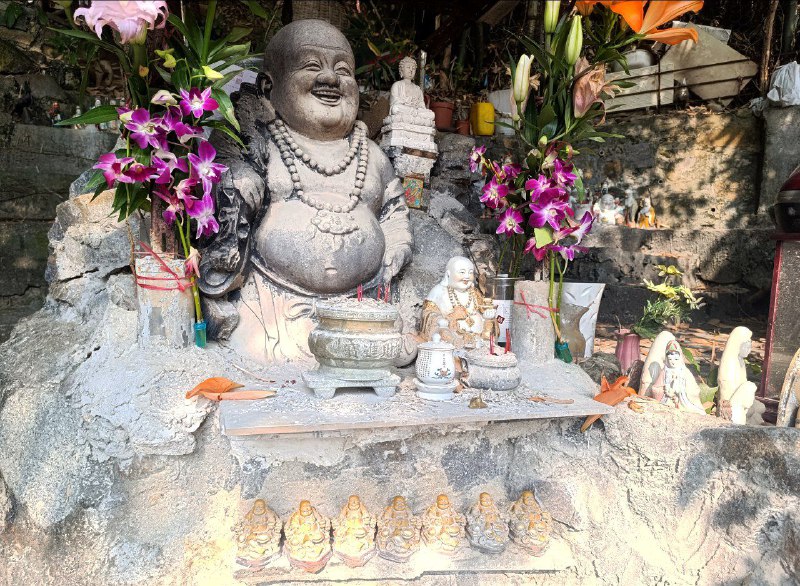
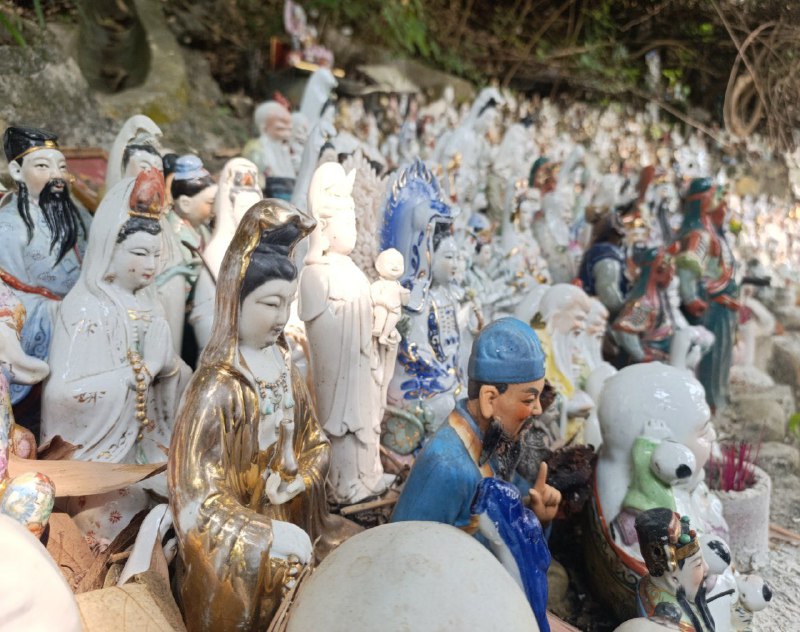
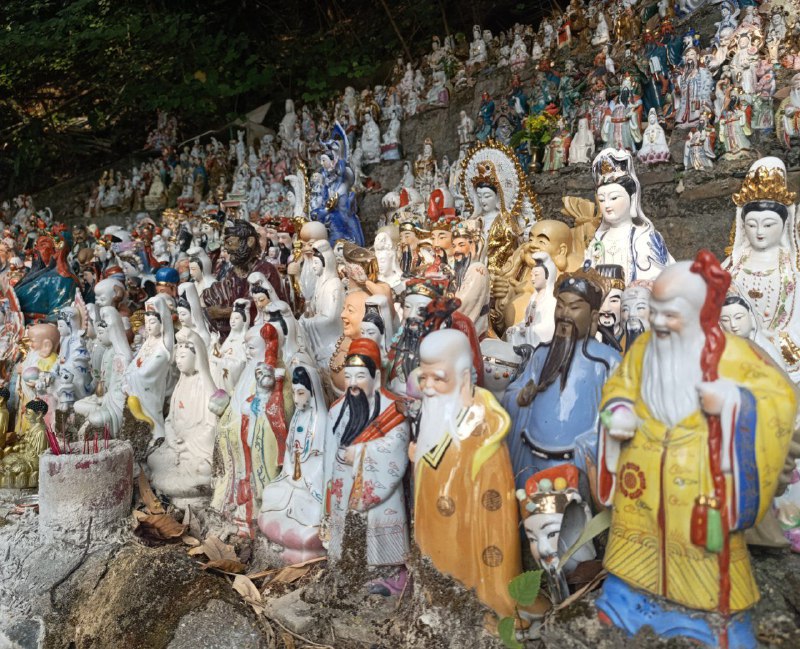
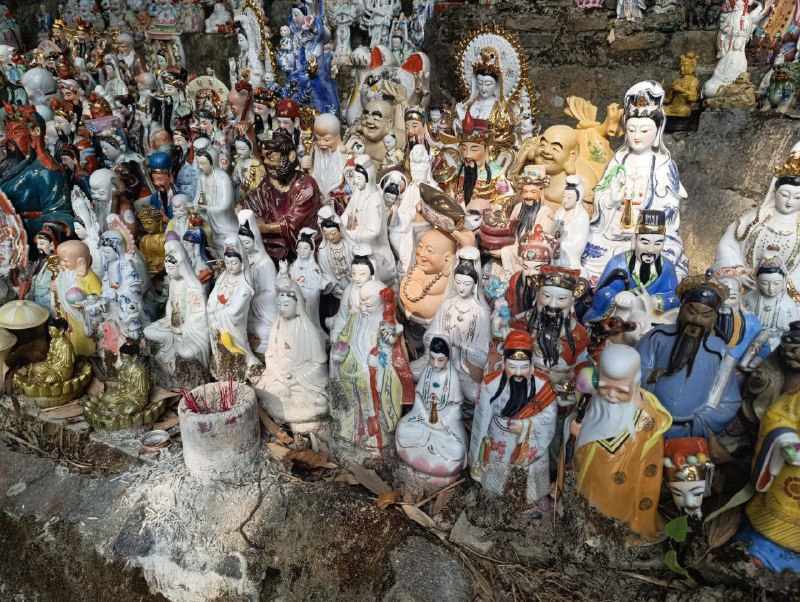
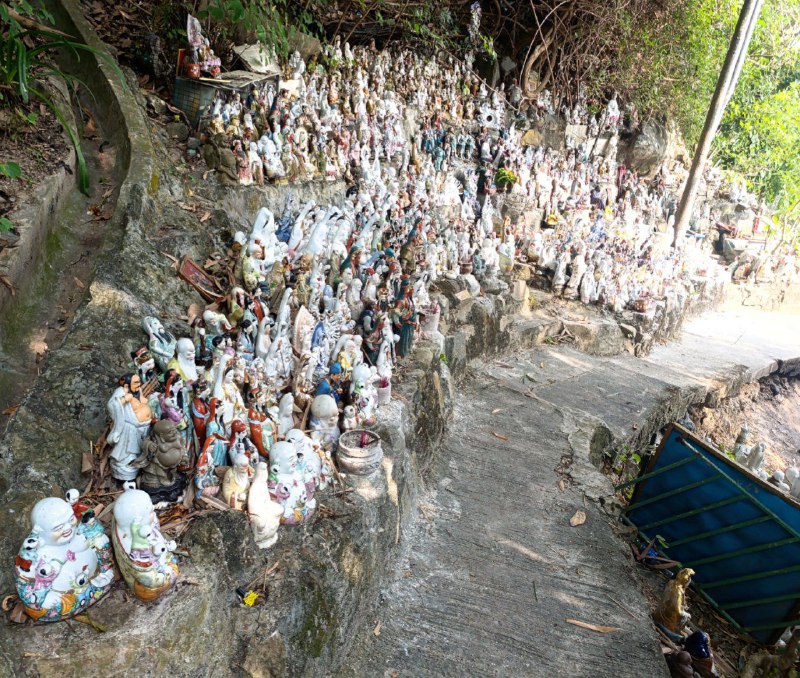
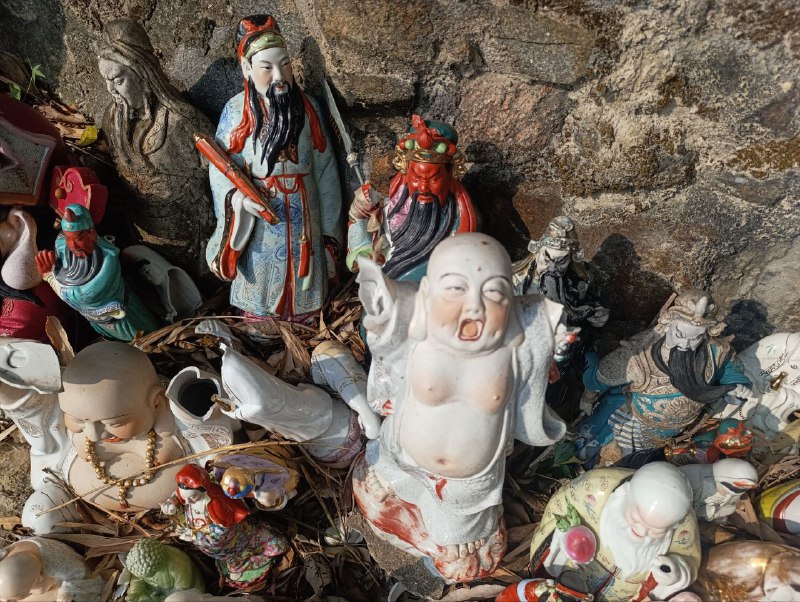
But not far away, I stumbled upon an unusual temple with thousands of god statues, but not a single one was purchased or custom-made. In local beliefs, you don't throw away god statues, even if they're broken. People can leave them by the roadside for someone else to pick up. More than 30 years ago, a local resident named Wong Wen-Pong started collecting abandoned statues and displaying them on the waterfront. Over time, the collection grew to several thousand pieces. It looks incredibly impressive. It's not the only one, but it's the most famous temple of its kind in the city. Even the BBC wrote about it. Nowadays, people often bring their gods directly to the temple rather than leaving them on the roadside.
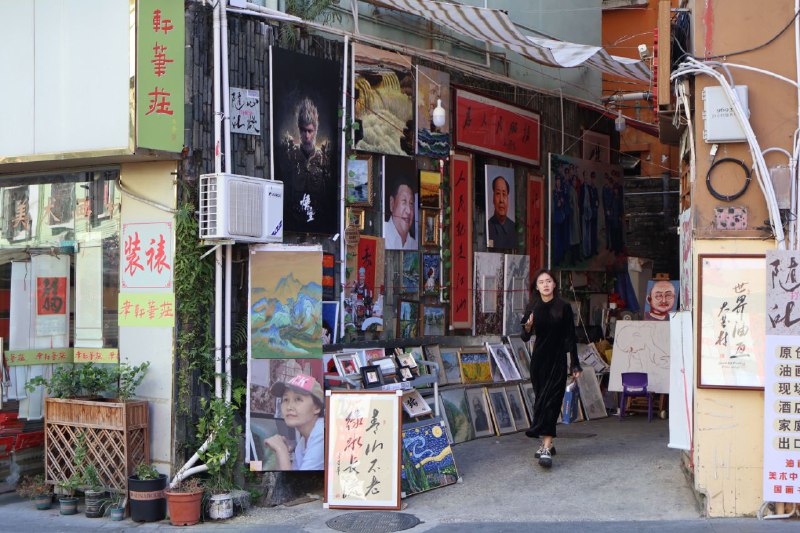
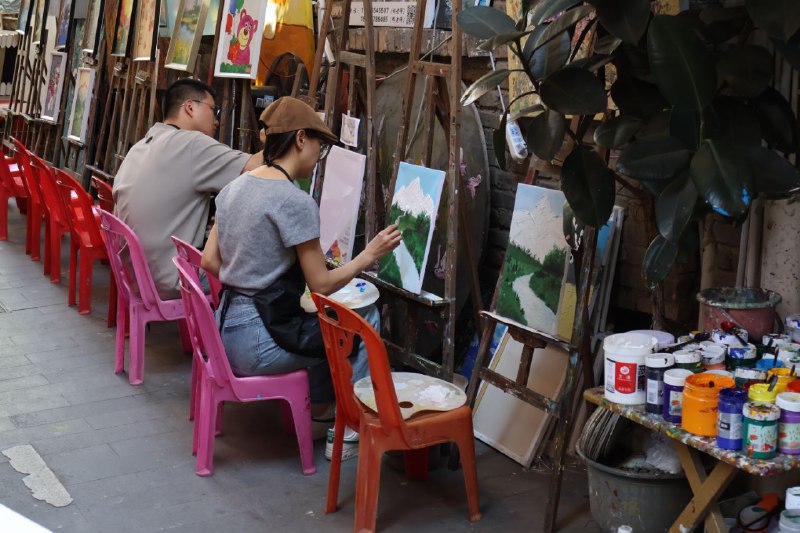
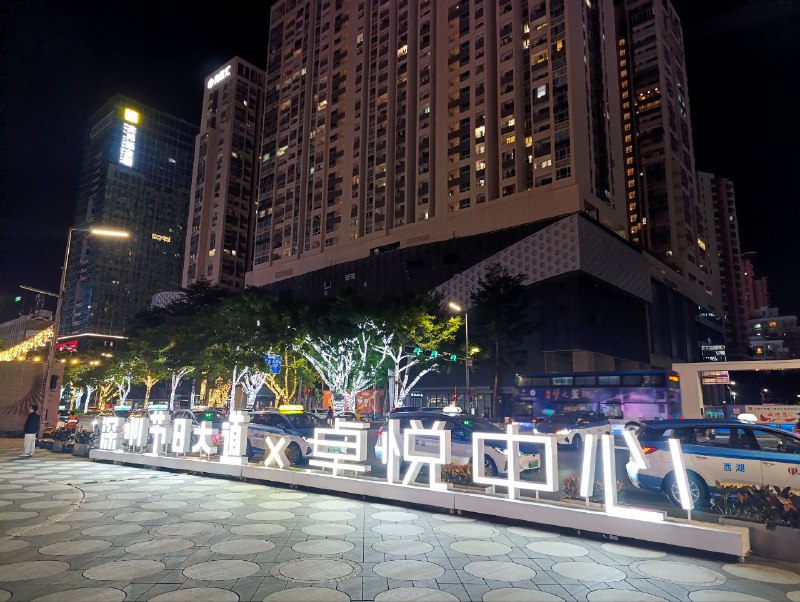
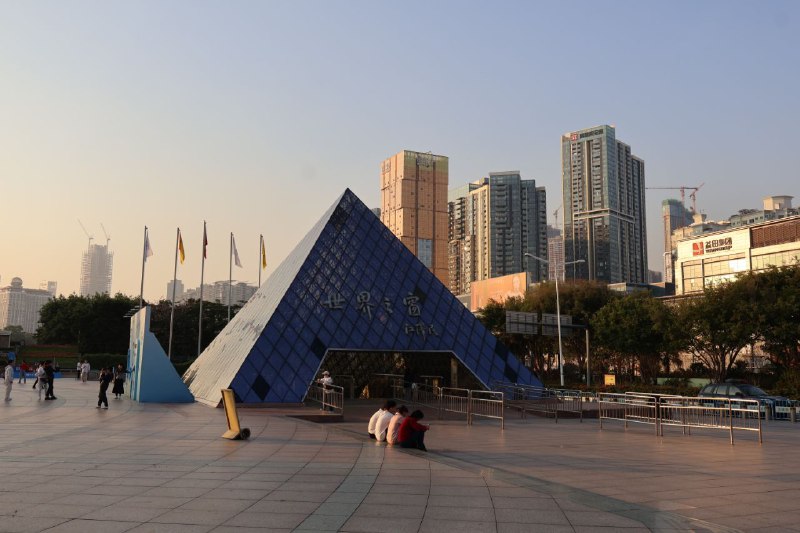
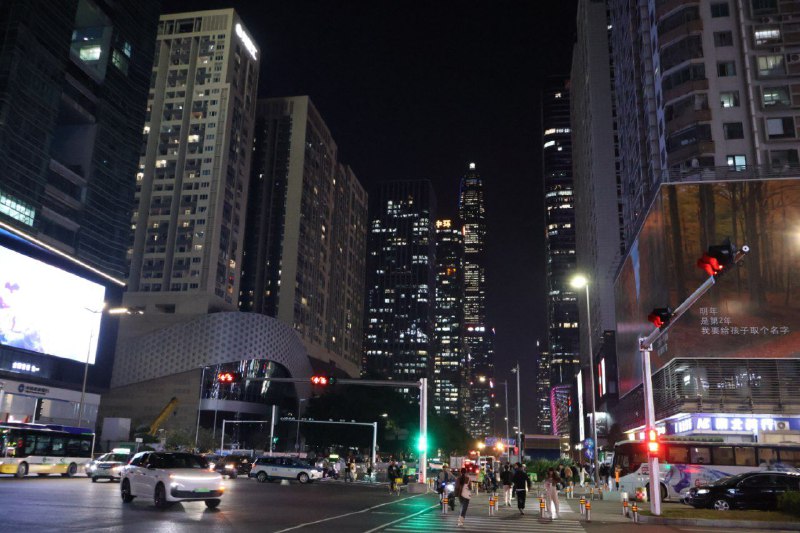
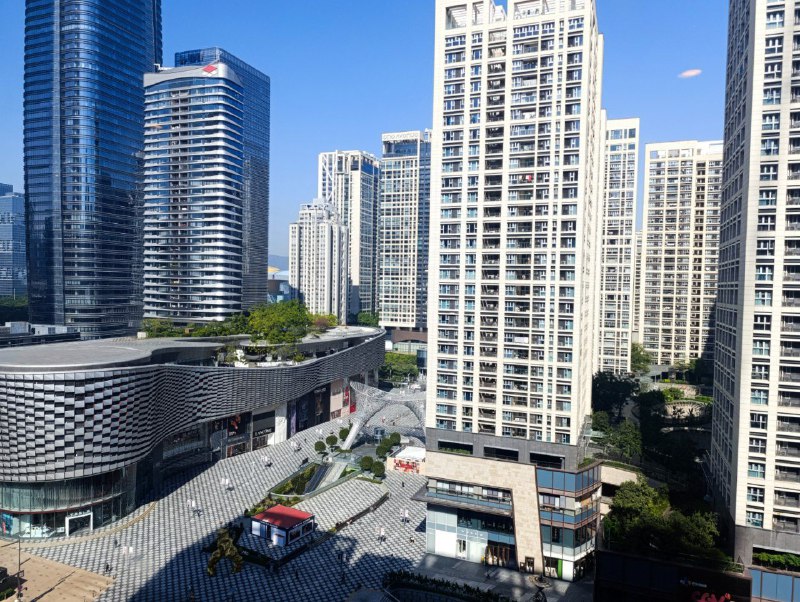
Shenzhen is a really fresh, new city. Back in the early 1970s, it was just a small village of maybe 30,000 people. Today, over 17 million (!) people live here. The skyscrapers are all brand new, like they were built yesterday. Sometimes that's literally true – maps show "watch out, construction zone, don't go there," but by the time you get there, even the construction fence is almost gone and everything's already up and running.

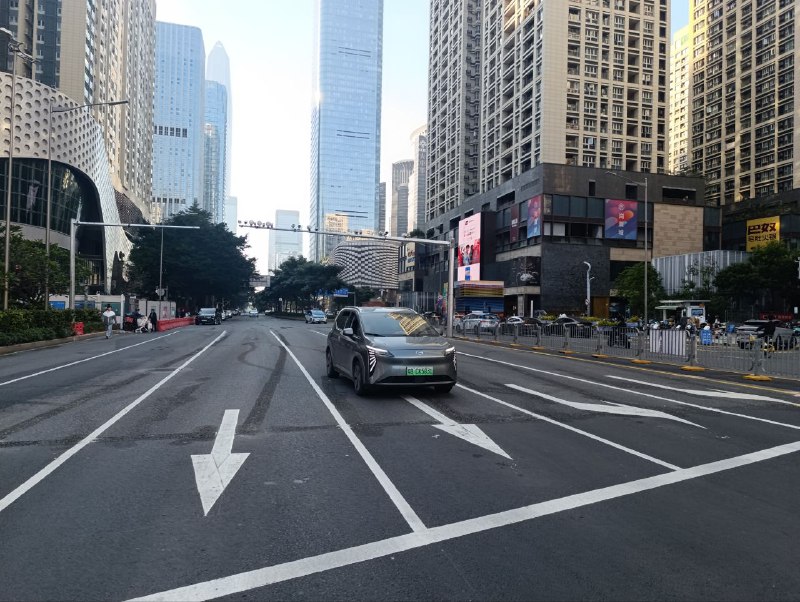
The transportation is excellent. Drivers actually stop at traffic lights (this isn't Vietnam). The only real complaint I have is about the bikers who swarm across the sidewalks. They're basically silent, too. That made it a bit uncomfortable to walk around.

There aren't many foreigners in the city – on a good day, I'd spot maybe a couple of non-locals. Or maybe I just wasn't going to the right places.

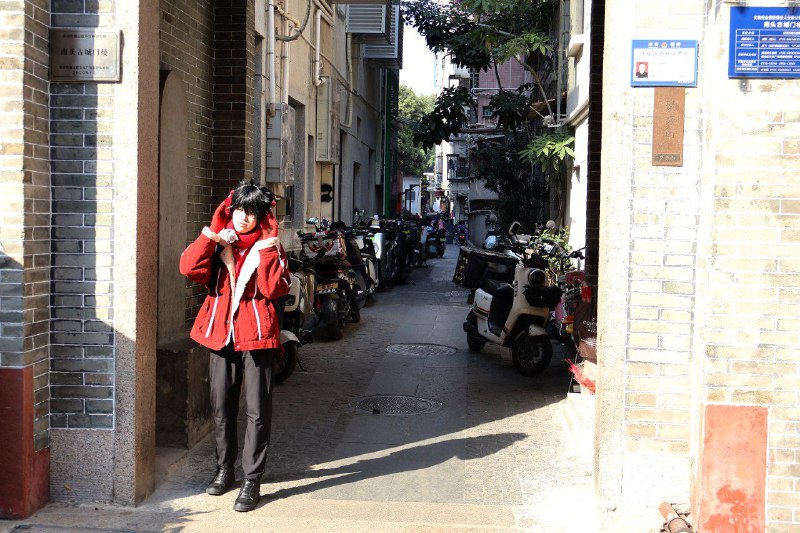
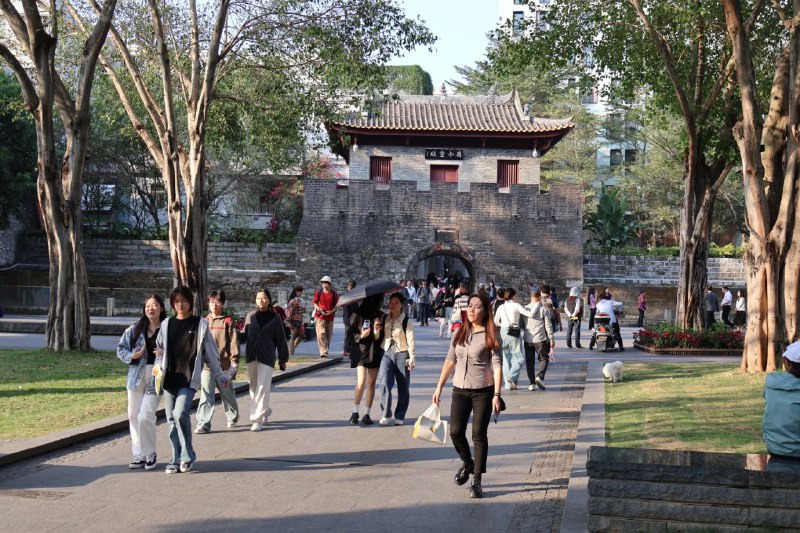
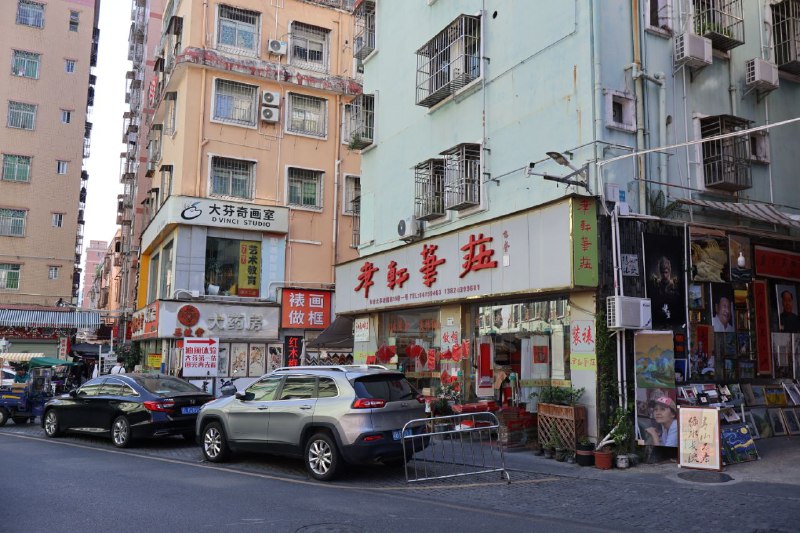
Technically there's an old city, but all that's left of it is the gate. Everything else has been rebuilt, with a million restaurants opened up, mostly for local tourists. Honestly, there's barely anything historical here at all. But it was still interesting to spend a couple of days checking it out.
Remember when I posted a video of street karaoke from Singapore?

In Shenzhen, this whole thing is on a completely different level. I came across several spots in one evening. It's mostly young people singing. Mass performances seem to only happen on weekends. I didn't see many singers on weekdays.

The girl in the video sings beautifully. But there were some performers who weren't as pleasant to listen to (I'll add an example in the comments).

Clapping doesn't seem to be the custom here. It was pretty awkward that we were the only ones who decided to thank the singers with applause ¯\_(ツ)_/¯

PS. If you happen to know the original song, please let me know. I'm really curious to hear it, but Shazam and various GPT tools couldn't find it.

While I'm living in 2024, China is already in 3024. Not everything about this future impressed me, but I couldn't shake the feeling that I was on a different planet.

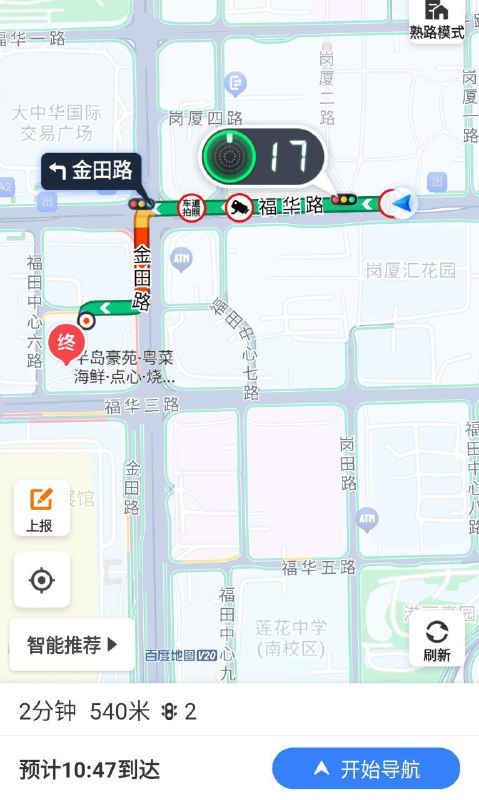
The GPS shows you exactly when each traffic light will change. Every single one. Shenzhen is considered China's Silicon Valley and might be more digitalized than the rest of the country. But still.

The usual apps are useless here. About 90% of businesses are missing from Google Maps. The ones that are there usually have just a couple of reviews at best. And buildings aren't always marked correctly either. Local apps are exclusively in Chinese. The interface is completely counterintuitive. I literally had to figure it out through trial and error.

I tried paying with cash at a couple of places. Once, a cashier pulled out a dusty box of bills from somewhere under the counter and counted out my change. Another cashier went to ask their manager where they even keep paper money. People here pay with QR codes using AliPay or WeChat. I used the first one—it's easier to register and has English. You link your card and you're good to go. Perfect for a short trip. WeChat has more features but registration is a hassle. Sometimes you walk into a restaurant and everything's through WeChat. Staff even shared their phones so I could place an order.

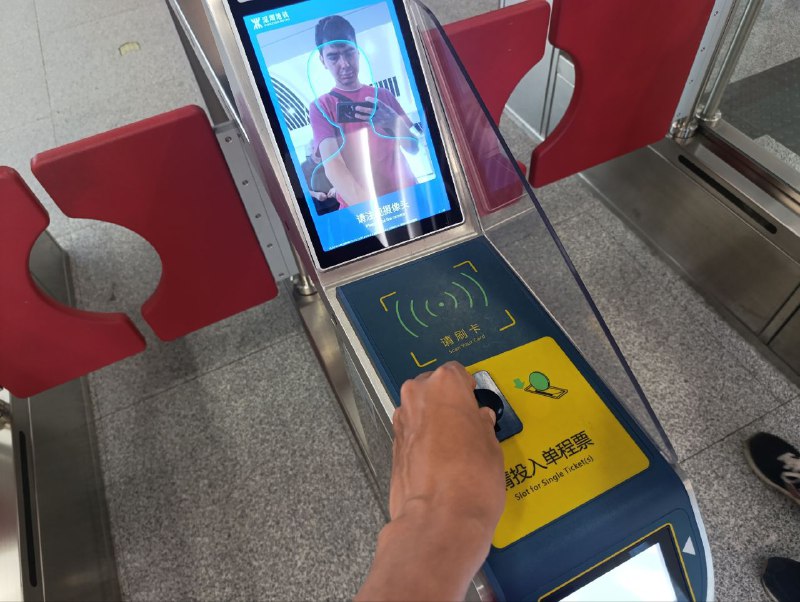
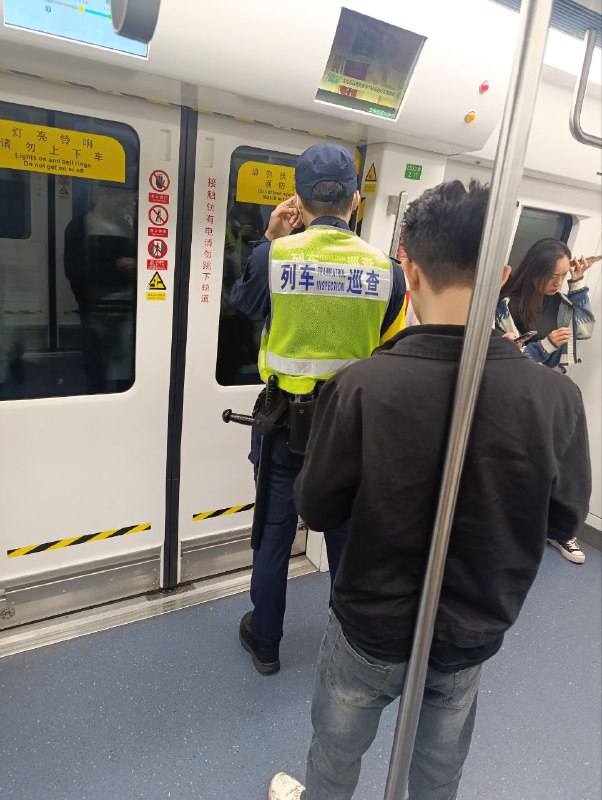
On EVERY subway train there are a couple of uniformed officers keeping the peace. They just walk around the train while it's moving and keep an eye on things. There are watchers at stations too. I don't understand how people in other countries survive without this kind of supervision.

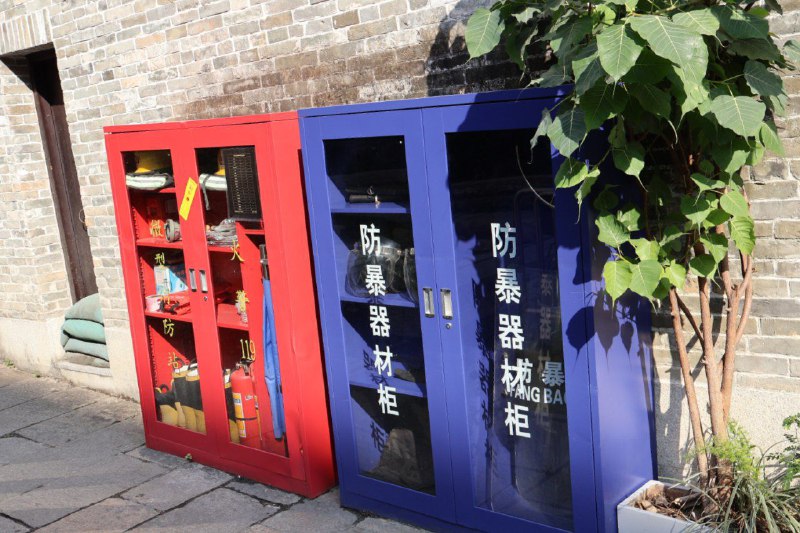
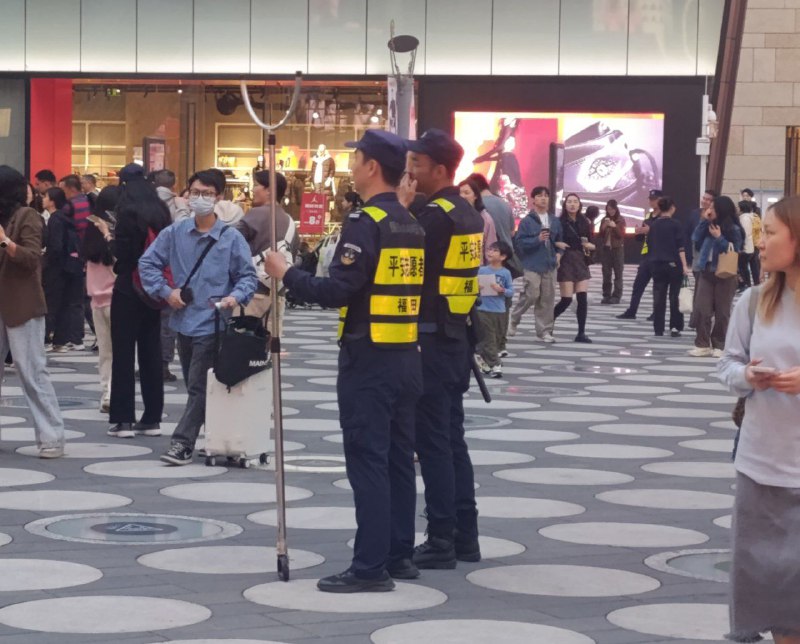
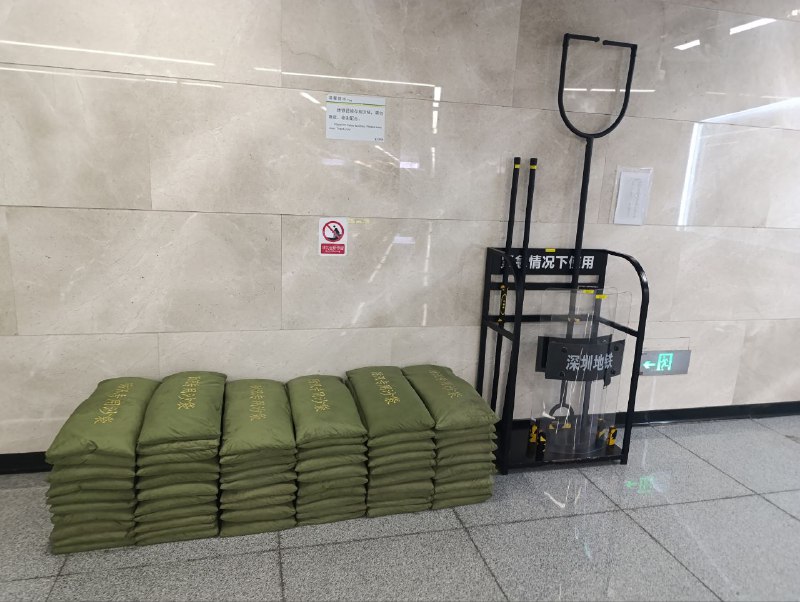
Both in the metro and on the street, riot shields and batons for restraining aggressive people are just sitting there in plain sight. They don't look chained up or anything. Anyone can grab one. And you see this stuff everywhere. I once saw a guy react way too emotionally to his metro ticket not working—he started yelling at an employee. Several officers immediately rushed over with these batons ready. But surprisingly, they didn't tackle him. They just calmed him down with words and let him go. Maybe there'll be consequences later.

It felt like most cars are electric vehicles. Motorcycles are all electric too. The noise from traffic is noticeably lower than anywhere else. Mobile vending machines selling trinkets drive around shopping malls. Though there are stationary ones too. I saw drone deliveries a couple of times.
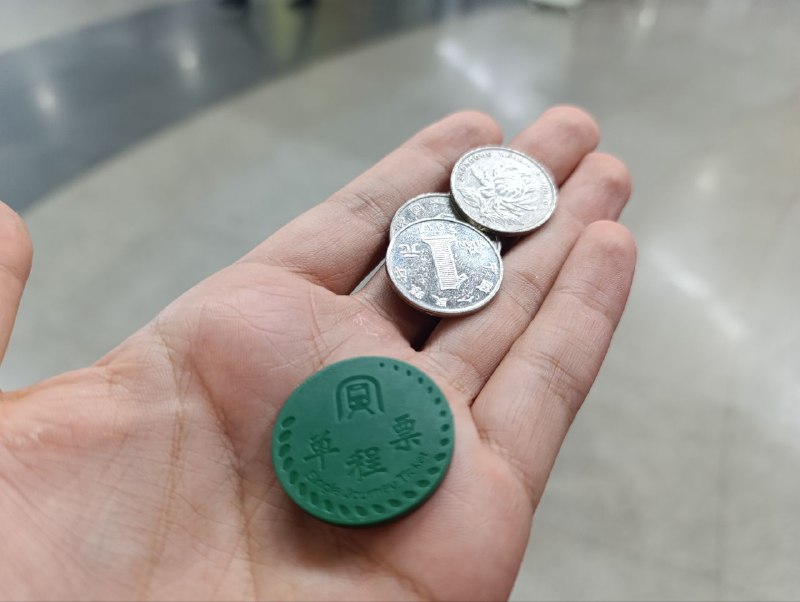
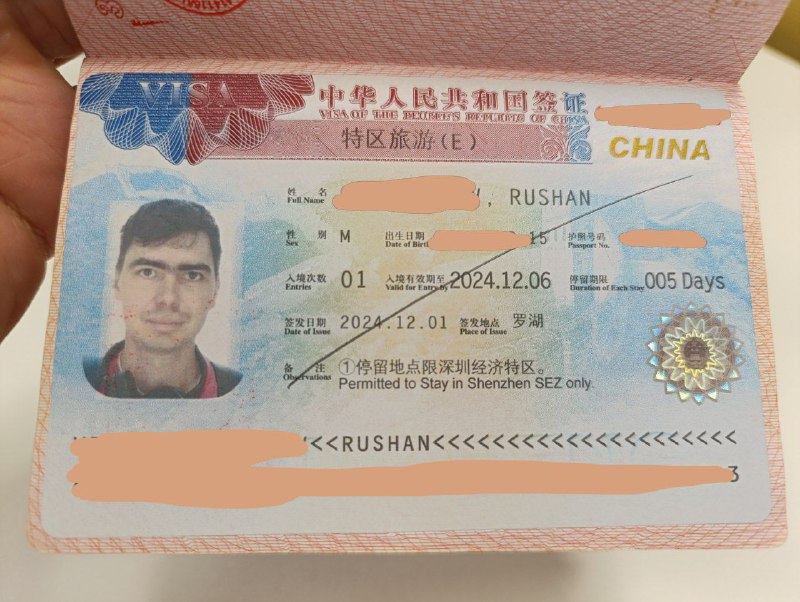
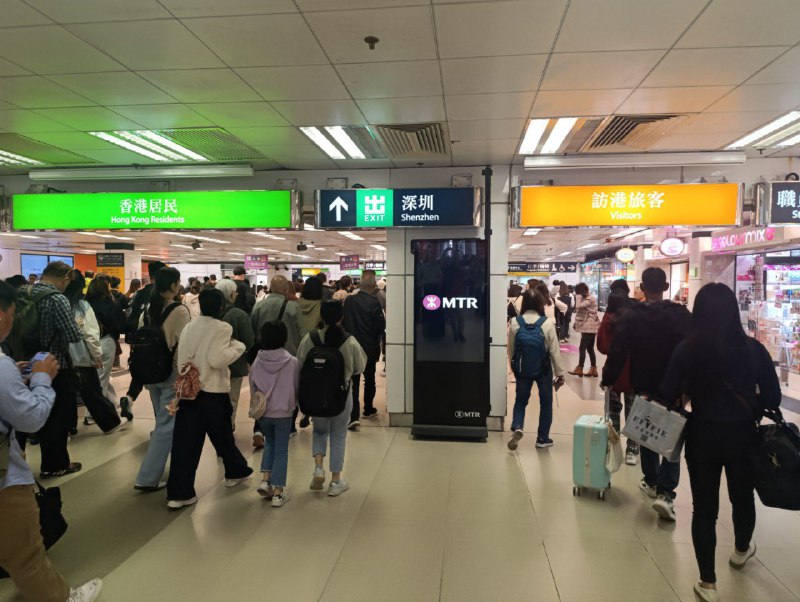
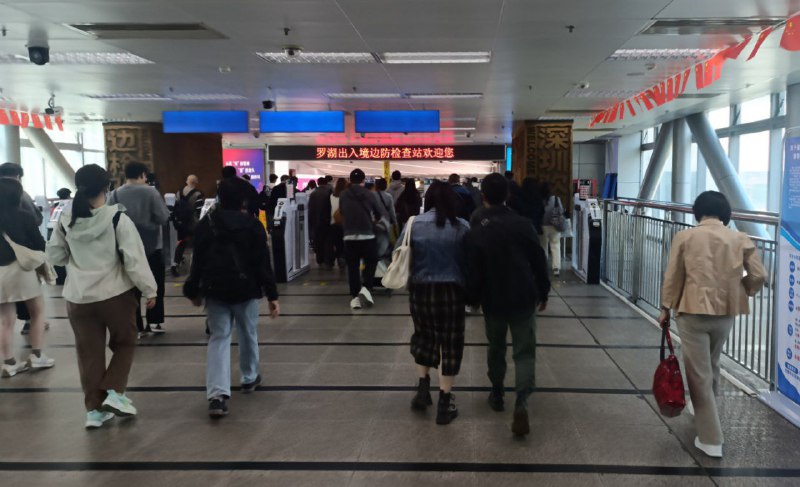
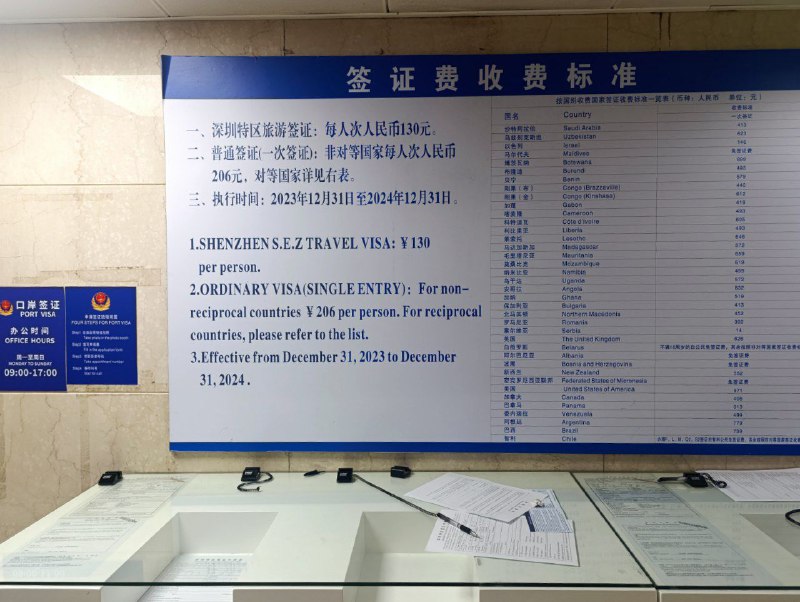
There are plenty of ways to get into China visa-free. But there's also an option to get a visa right at the border. You literally just take the metro from visa-free Hong Kong to the border checkpoint LoWu and get your passport stamped. And you're straight into China. This method lets you move around the Chinese side only within the Shenzhen Special Economic Zone for no more than 5 days, but that worked fine for me.

This year, the visa on arrival got a lot cheaper. Instead of the old nearly 400, they're asking 130 yuan now (~17EUR). The amount depends on your passport color. The whole procedure, including getting through the border itself, took less than two hours. I didn't find the scary queues everyone warned about on forums. You just fill out a form on the spot, get your photo taken in a booth, pay the fee (cash yuan / international cards / everything's top-notch), and wait for your stamp.

I've never taken the metro to the border before. And then you leave the same way. Super convenient. Though there are taxi drivers on the Chinese side trying to convince you to go straight to the city center.
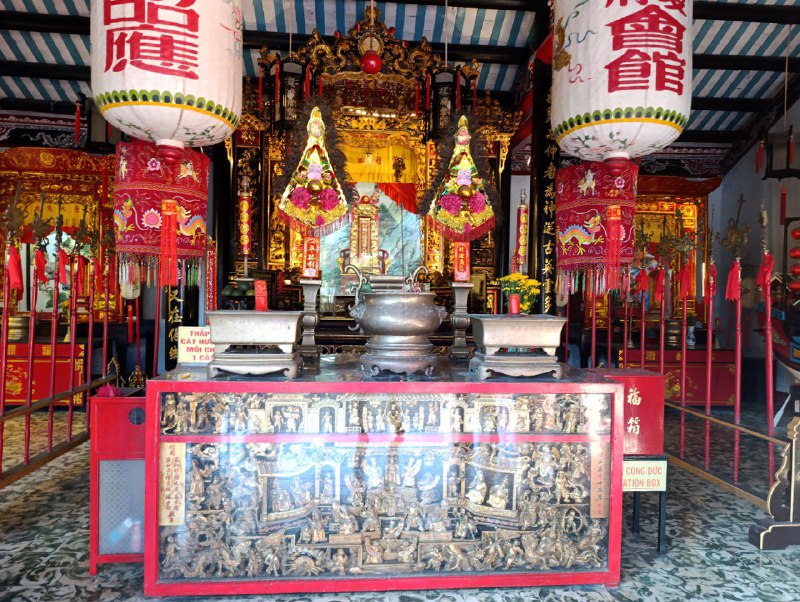
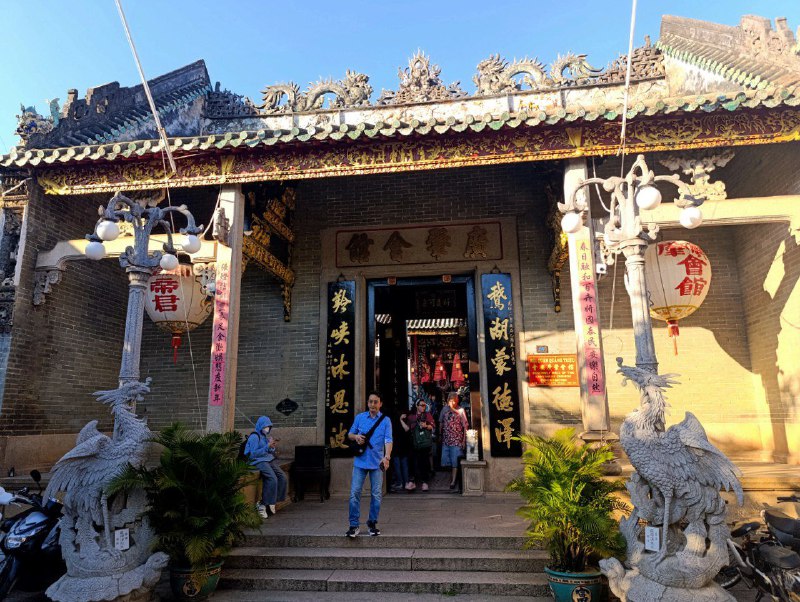
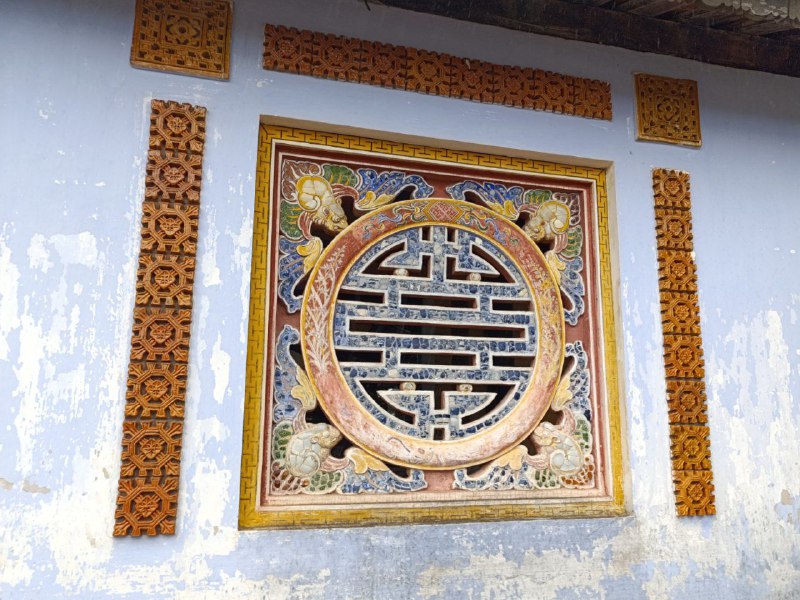
One last thing about Vietnam. For nearly a thousand years, the country was under Chinese rule. The influence is visible to the naked eye. I mean, even their writing system used Chinese characters. Mostly Chinese ones, but there was also a local variation based on them. Only in the early 20th century did the French forcibly switch the writing system to the Latin alphabet with Quốc Ngữ.

Nevertheless, Vietnamese museums often completely ignore the Chinese period. As if it never happened. And elements of Chinese culture just fell from the sky.

Anyway, Vietnam is really awesome. Come visit.
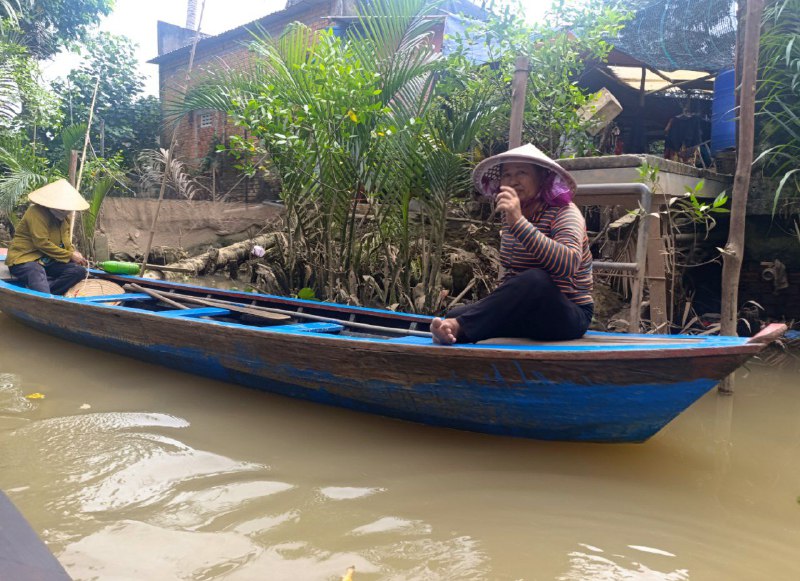
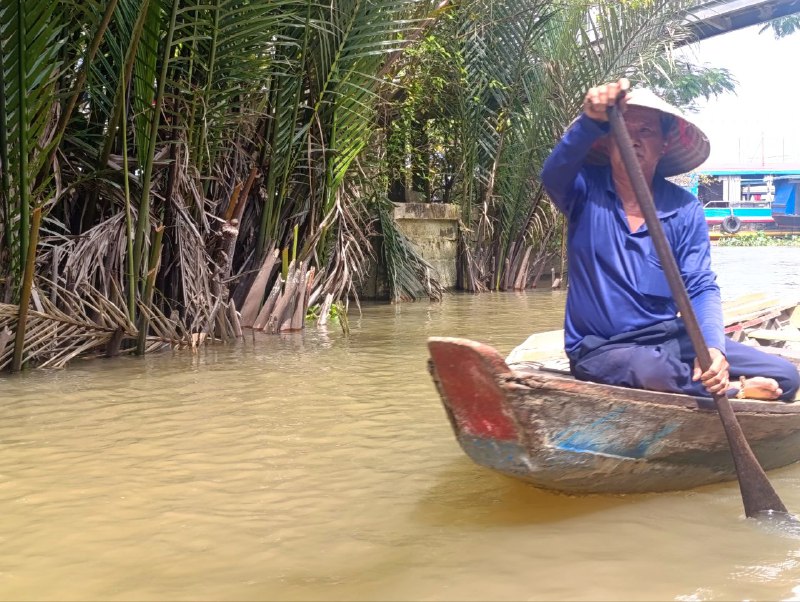
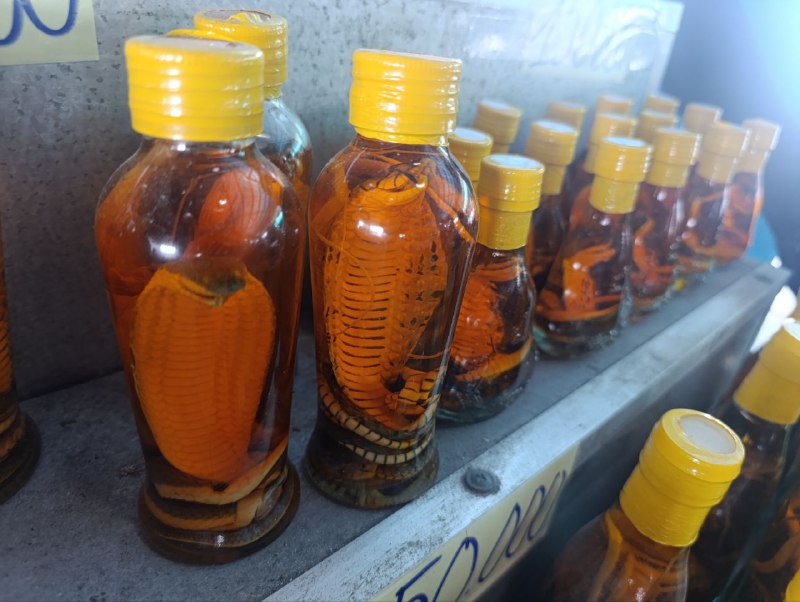
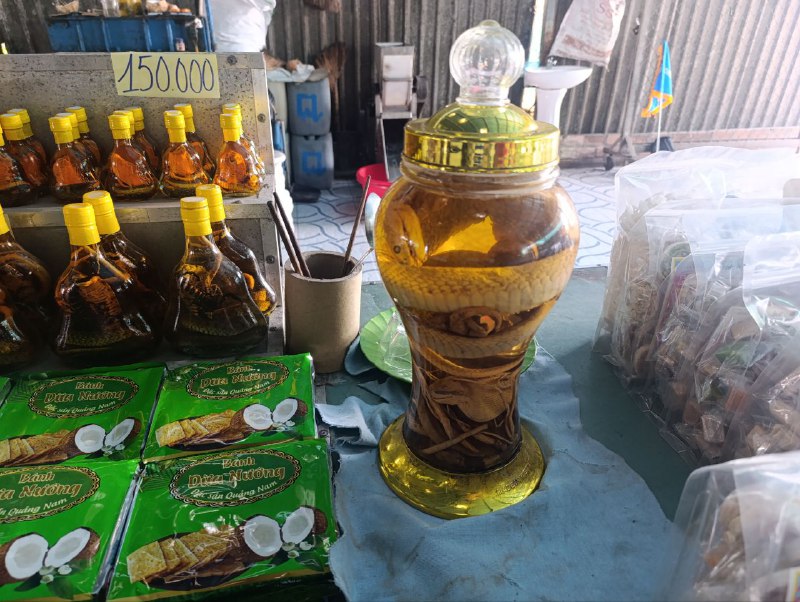
I really wanted to make it to the floating markets near Can Tho, but I only had time for the Mekong Delta. I'll save that for next time. In Mit Ho, everything is basically geared toward group tourists. Though honestly, the only really interesting thing is the boat tours. Travel guides talk a lot about snake farms, but based on Google reviews, they're not worth it.